Elements and Principles 

of Art & Design!
–––––––––––––––––––––––––––––––––––––––––
Unit 4 • Composition
Learning Goals
Today, I will…
•  Have knowledge and understanding of the
elements of design and art
•  Be able to communicate my understanding of the
elements of design and art using digital tools
The Elements & Principles
Elements
•  The basic building blocks;
•  The things inside, that
make up a piece of art
•  Most art will contain all of
the elements
•  (Think of as the ingredients)
Principles
•  What we do with the
building blocks (elements)
•  (Think of as your chef’s
technique and preparation
of a dish)
Role Reversal
•  In pairs, you will be given one of the elements
to research and present to the class
Role Reversal
•  In your presentation you should provide the
following:
•  Your element
•  A definition/description
•  Minimum 5 examples, describing how each
photograph uses your element
•  Final slide; links to sources
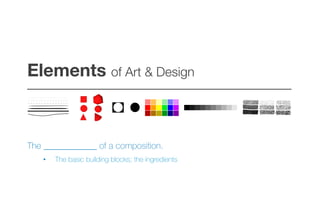
Elements of Art & Design!
–––––––––––––––––––––––––––––––––––––––––
The ____________ of a composition.
•  The basic building blocks; the ingredients
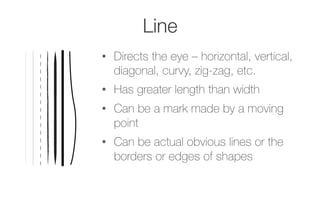
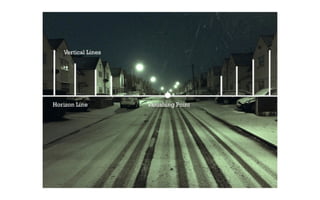
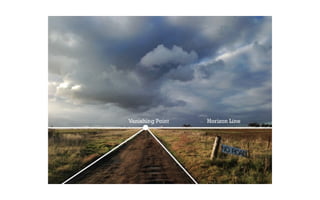
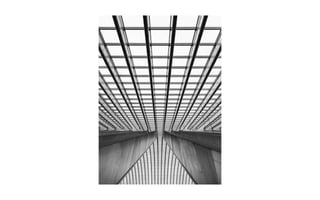
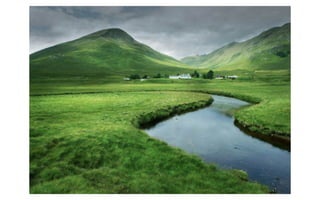
Line
•  Directs the eye – horizontal, vertical,
diagonal, curvy, zig-zag, etc.
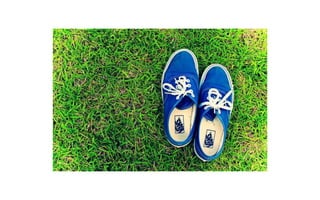
•  Has greater length than width
•  Can be a mark made by a moving
point
•  Can be actual obvious lines or the
borders or edges of shapes
Shape/Form
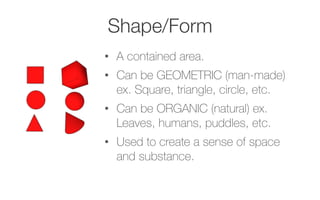
•  A contained area.
•  Can be GEOMETRIC (man-made)
ex. Square, triangle, circle, etc.
•  Can be ORGANIC (natural) ex.
Leaves, humans, puddles, etc.
•  Used to create a sense of space
and substance.
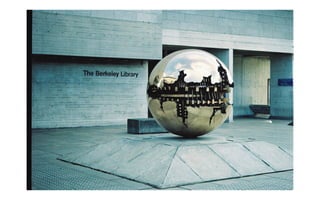
Shape/Form
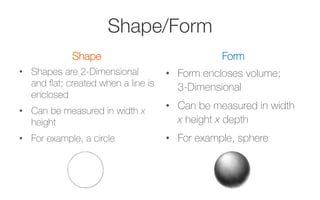
Shape
•  Shapes are 2-Dimensional
and flat; created when a line is
enclosed
•  Can be measured in width x
height
•  For example, a circle
Form
•  Form encloses volume;
3-Dimensional
•  Can be measured in width
x height x depth
•  For example, sphere
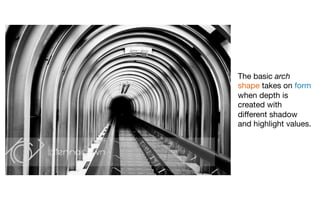
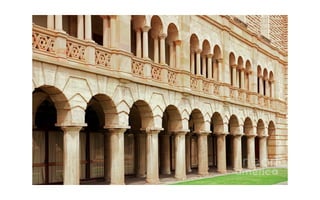
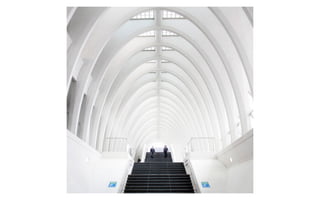
The basic arch
shape takes on form
when depth is
created with
different shadow
and highlight values.
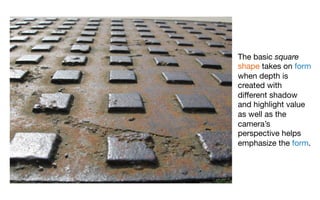
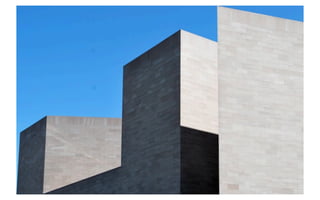
The basic square
shape takes on form
when depth is
created with
different shadow
and highlight value
as well as the
camera’s
perspective helps
emphasize the form.
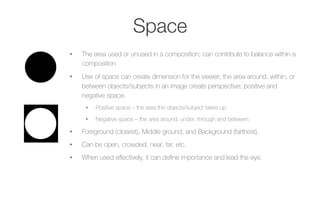
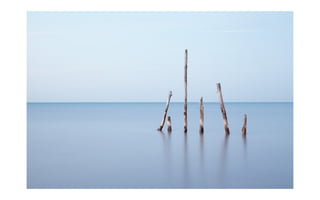
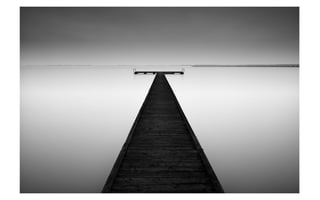
Space
•  The area used or unused in a composition; can contribute to balance within a
composition
•  Use of space can create dimension for the viewer; the area around, within, or
between objects/subjects in an image create perspective; positive and
negative space.
•  Positive space – the area the objects/subject takes up.
•  Negative space – the area around, under, through and between.
•  Foreground (closest), Middle ground, and Background (farthest).
•  Can be open, crowded, near, far, etc.
•  When used effectively, it can define importance and lead the eye.
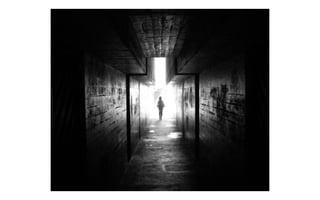
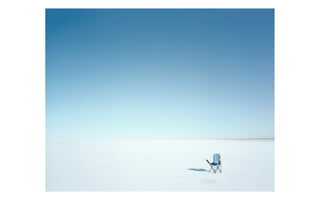
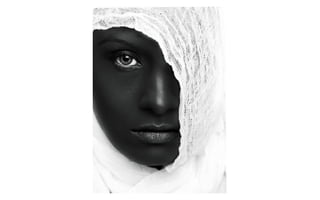
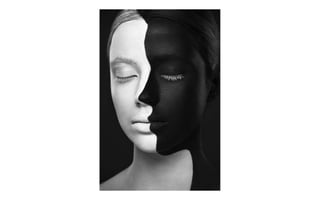
Value
•  Black and White and all the Grays in between
•  The darkness or lightness of a colour; adding
white to a colour makes it a tint; adding black
to a colour makes it a shade
•  Can add drama and impact to composition
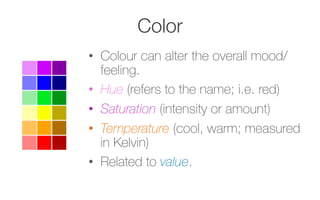
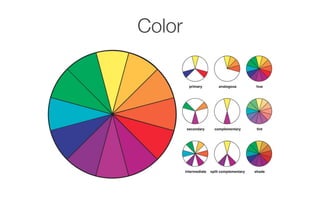
Color
•  Colour can alter the overall mood/
feeling.
•  Hue (refers to the name; i.e. red)
•  Saturation (intensity or amount)
•  Temperature (cool, warm; measured
in Kelvin)
•  Related to value.
Color
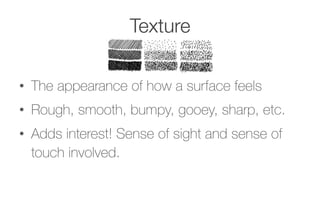
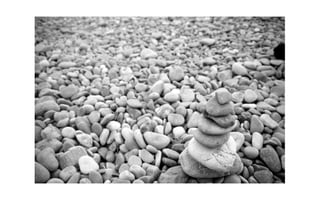
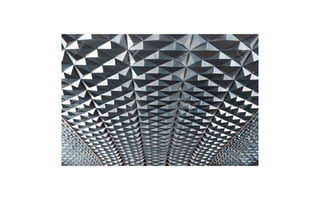
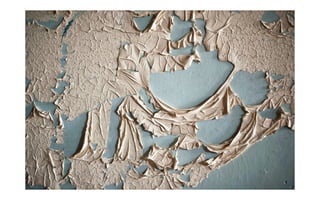
Texture
•  The appearance of how a surface feels
•  Rough, smooth, bumpy, gooey, sharp, etc.
•  Adds interest! Sense of sight and sense of
touch involved.
Learning Goals
Today, I will…
•  Have knowledge and understanding of the
principles of design and art
•  Be able to communicate my understanding of the
principles of design and art using digital tools
Principles of Art & Design!
–––––––––––––––––––––––––––––––––––––––––
Principles of Art & Design:
What you do with/how you arrange the basic
building blocks (elements) to create artistic,
interesting, more visually powerful photographs.
Just like elements, photographs can utilize
multiple principles.
Principles!
What you do with the basic building blocks (elements)
•  Emphasis
•  Balance
•  Unity / Harmony
•  Contrast
•  Movement / Rhythm
•  Pattern / Repetition
•  Scale / Proportion
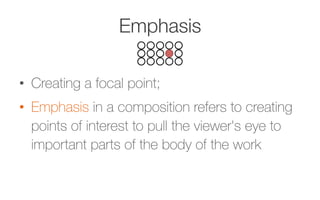
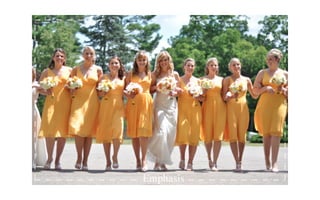
Emphasis
•  Creating a focal point;
•  Emphasis in a composition refers to creating
points of interest to pull the viewer's eye to
important parts of the body of the work
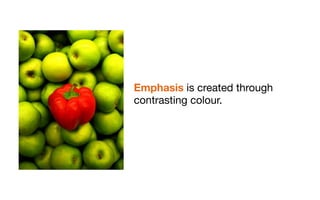
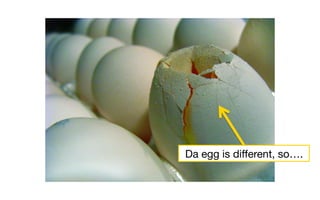
Emphasis is created through
contrasting colour.
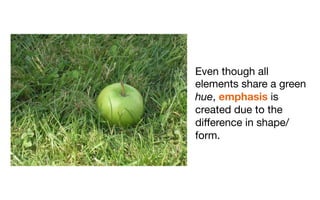
Even though all
elements share a green
hue, emphasis is
created due to the
difference in shape/
form.
Da egg is different, so….
Balance
•  Balance is the impression of
stability or equality in a
composition.
•  Balance is often referred to as
symmetrical, asymmetrical, or
radial.
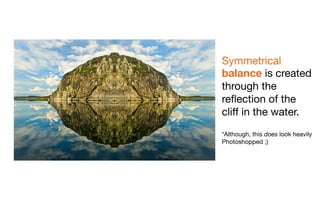
Symmetrical
balance is created
through the
reflection of the
cliff in the water.

*Although, this does look heavily
Photoshopped ;)
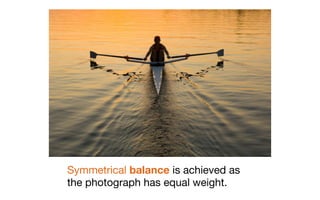
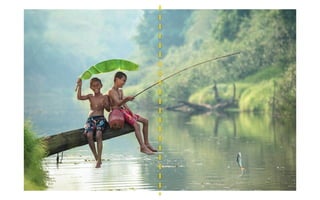
Symmetrical balance is achieved as
the photograph has equal weight.
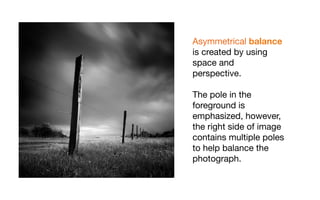
Asymmetrical balance
is created by using
space and
perspective.

The pole in the
foreground is
emphasized, however,
the right side of image
contains multiple poles
to help balance the
photograph.
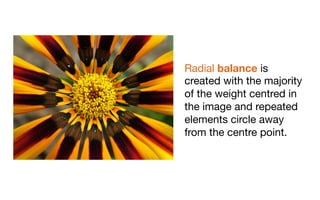
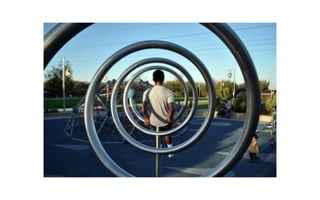
Radial balance is
created with the majority
of the weight centred in
the image and repeated
elements circle away
from the centre point.
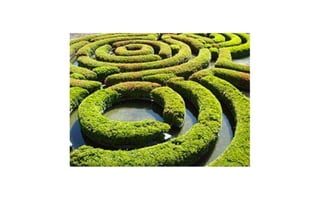
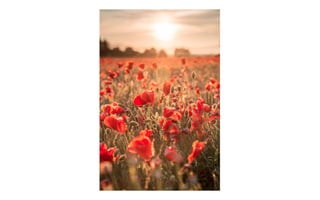
Unity / Harmony
•  Unity is achieved when the components of a
work of art are perceived as harmonious,
giving the work a sense of completion
•  How things are linked, similar, common -
when all the parts equal a whole.
Contrast
•  Contrast refers to the opposites and differences in the
composition.
•  You can achieve contrast by using different shapes,
textures, colors and values in your work. 
•  For example, something light against something dark,
rough against smooth textures, etc.
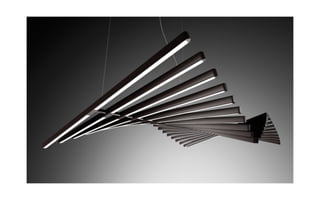
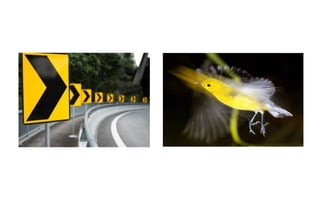
Movement/Rhythm
•  Rhythm or movement refers to the
suggestion of motion through the use of
various elements.
•  The way elements are arranged to lead the
eye to or from the focal area.
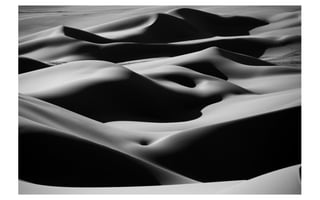
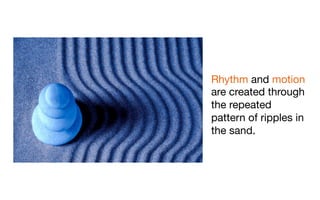
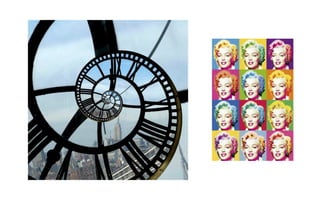
Rhythm and motion
are created through
the repeated
pattern of ripples in
the sand.
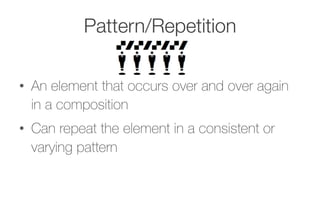
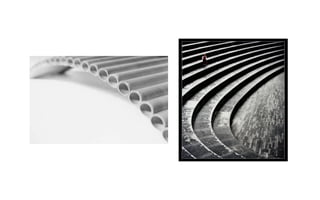
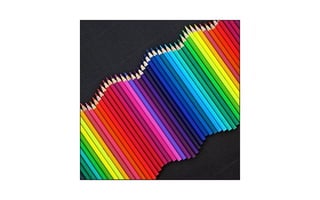
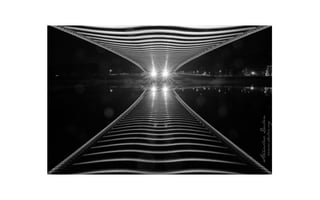
Pattern/Repetition
•  An element that occurs over and over again
in a composition
•  Can repeat the element in a consistent or
varying pattern
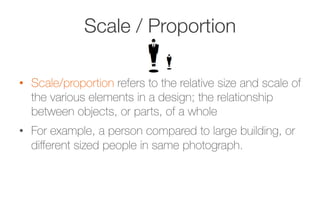
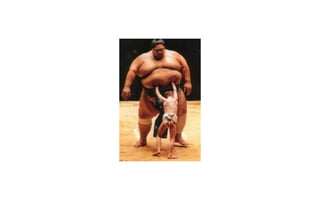
Scale / Proportion
•  Scale/proportion refers to the relative size and scale of
the various elements in a design; the relationship
between objects, or parts, of a whole
•  For example, a person compared to large building, or
different sized people in same photograph.
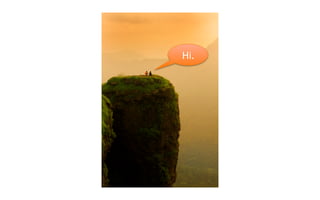
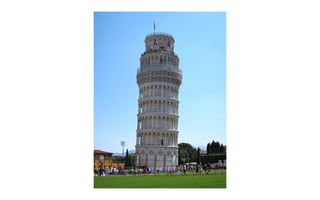
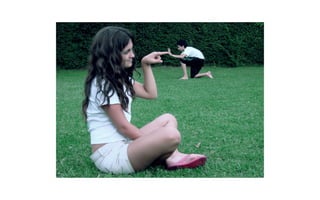
Hi.
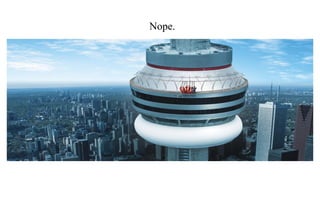
Nope.
Elements and Principles 

of Art & Design!
–––––––––––––––––––––––––––––––––––––––––
Assignment
Due: Tuesday March 24, 2015
Task:
•  Choose one of the following methods to present
your elements and principles of art & design:
1.  Video slideshow (i.e. created with iMovie)
2.  PowerPoint (or Prezi, Google Slides, etc.)
3.  Word (similar to glossary)
Elements and Principles 

of Art & Design • Assignment!
–––––––––––––––––––––––––––––––––––––––––
Task:
•  Present an example of each element and principle of art
& design using original photography.
•  For each example, provide a detailed description of how
each photograph presents the element or principle
•  A different original photograph must be used for each
element (no repeats!) – 13 total photos & descriptions.
Elements and Principles 

of Art & Design • Assignment!
–––––––––––––––––––––––––––––––––––––––––
What you will be marked on…
•  Appropriate and accurate examples of each element & principle
•  Creative and appropriate method of presentation (Slideshow,
PowerPoint, etc.)
•  Accurate, detailed description and communication of how each
photograph presents the element or principle
•  Composition (yes, this always matters)
•  Exposure (same with this)
•  Post-processing (use of Photoshop to correct and enhance)
Elements and Principles 

of Art & Design • Assignment!
–––––––––––––––––––––––––––––––––––––––––
Journal #5

March Break
–––––––––––––––––––––––––––––––––––––––––
TAKE PHOTOS OF YOUR WEEK OFF SCHOOL!
Get out of the house and practice composition, exposure, digital
darkroom, and elements & principles of design & art.
Due: Friday March 20, 2015

Lesson 1 • Elements & Principles of Design and Art

  • 1.
    Elements and Principles
 of Art & Design! ––––––––––––––––––––––––––––––––––––––––– Unit 4 • Composition
  • 2.
    Learning Goals Today, Iwill… •  Have knowledge and understanding of the elements of design and art •  Be able to communicate my understanding of the elements of design and art using digital tools
  • 3.
    The Elements &Principles Elements •  The basic building blocks; •  The things inside, that make up a piece of art •  Most art will contain all of the elements •  (Think of as the ingredients) Principles •  What we do with the building blocks (elements) •  (Think of as your chef’s technique and preparation of a dish)
  • 4.
    Role Reversal •  Inpairs, you will be given one of the elements to research and present to the class
  • 5.
    Role Reversal •  Inyour presentation you should provide the following: •  Your element •  A definition/description •  Minimum 5 examples, describing how each photograph uses your element •  Final slide; links to sources
  • 6.
    Elements of Art& Design! ––––––––––––––––––––––––––––––––––––––––– The ____________ of a composition. •  The basic building blocks; the ingredients
  • 7.
    Line •  Directs theeye – horizontal, vertical, diagonal, curvy, zig-zag, etc. •  Has greater length than width •  Can be a mark made by a moving point •  Can be actual obvious lines or the borders or edges of shapes
  • 12.
    Shape/Form •  A containedarea. •  Can be GEOMETRIC (man-made) ex. Square, triangle, circle, etc. •  Can be ORGANIC (natural) ex. Leaves, humans, puddles, etc. •  Used to create a sense of space and substance.
  • 13.
    Shape/Form Shape •  Shapes are2-Dimensional and flat; created when a line is enclosed •  Can be measured in width x height •  For example, a circle Form •  Form encloses volume; 3-Dimensional •  Can be measured in width x height x depth •  For example, sphere
  • 14.
    The basic arch shapetakes on form when depth is created with different shadow and highlight values.
  • 15.
    The basic square shapetakes on form when depth is created with different shadow and highlight value as well as the camera’s perspective helps emphasize the form.
  • 18.
    Space •  The areaused or unused in a composition; can contribute to balance within a composition •  Use of space can create dimension for the viewer; the area around, within, or between objects/subjects in an image create perspective; positive and negative space. •  Positive space – the area the objects/subject takes up. •  Negative space – the area around, under, through and between. •  Foreground (closest), Middle ground, and Background (farthest). •  Can be open, crowded, near, far, etc. •  When used effectively, it can define importance and lead the eye.
  • 22.
    Value •  Black andWhite and all the Grays in between •  The darkness or lightness of a colour; adding white to a colour makes it a tint; adding black to a colour makes it a shade •  Can add drama and impact to composition
  • 27.
    Color •  Colour canalter the overall mood/ feeling. •  Hue (refers to the name; i.e. red) •  Saturation (intensity or amount) •  Temperature (cool, warm; measured in Kelvin) •  Related to value.
  • 28.
  • 33.
    Texture •  The appearanceof how a surface feels •  Rough, smooth, bumpy, gooey, sharp, etc. •  Adds interest! Sense of sight and sense of touch involved.
  • 37.
    Learning Goals Today, Iwill… •  Have knowledge and understanding of the principles of design and art •  Be able to communicate my understanding of the principles of design and art using digital tools
  • 38.
    Principles of Art& Design! –––––––––––––––––––––––––––––––––––––––––
  • 39.
    Principles of Art& Design: What you do with/how you arrange the basic building blocks (elements) to create artistic, interesting, more visually powerful photographs. Just like elements, photographs can utilize multiple principles.
  • 40.
    Principles! What you dowith the basic building blocks (elements) •  Emphasis •  Balance •  Unity / Harmony •  Contrast •  Movement / Rhythm •  Pattern / Repetition •  Scale / Proportion
  • 41.
    Emphasis •  Creating afocal point; •  Emphasis in a composition refers to creating points of interest to pull the viewer's eye to important parts of the body of the work
  • 42.
    Emphasis is createdthrough contrasting colour.
  • 43.
    Even though all elementsshare a green hue, emphasis is created due to the difference in shape/ form.
  • 45.
    Da egg isdifferent, so….
  • 46.
    Balance •  Balance isthe impression of stability or equality in a composition. •  Balance is often referred to as symmetrical, asymmetrical, or radial.
  • 47.
    Symmetrical balance is created throughthe reflection of the cliff in the water. *Although, this does look heavily Photoshopped ;)
  • 48.
    Symmetrical balance isachieved as the photograph has equal weight.
  • 49.
    Asymmetrical balance is createdby using space and perspective. The pole in the foreground is emphasized, however, the right side of image contains multiple poles to help balance the photograph.
  • 51.
    Radial balance is createdwith the majority of the weight centred in the image and repeated elements circle away from the centre point.
  • 53.
    Unity / Harmony • Unity is achieved when the components of a work of art are perceived as harmonious, giving the work a sense of completion •  How things are linked, similar, common - when all the parts equal a whole.
  • 56.
    Contrast •  Contrast refersto the opposites and differences in the composition. •  You can achieve contrast by using different shapes, textures, colors and values in your work.  •  For example, something light against something dark, rough against smooth textures, etc.
  • 61.
    Movement/Rhythm •  Rhythm ormovement refers to the suggestion of motion through the use of various elements. •  The way elements are arranged to lead the eye to or from the focal area.
  • 62.
    Rhythm and motion arecreated through the repeated pattern of ripples in the sand.
  • 65.
    Pattern/Repetition •  An elementthat occurs over and over again in a composition •  Can repeat the element in a consistent or varying pattern
  • 71.
    Scale / Proportion • Scale/proportion refers to the relative size and scale of the various elements in a design; the relationship between objects, or parts, of a whole •  For example, a person compared to large building, or different sized people in same photograph.
  • 72.
  • 73.
  • 78.
    Elements and Principles
 of Art & Design! ––––––––––––––––––––––––––––––––––––––––– Assignment Due: Tuesday March 24, 2015
  • 79.
    Task: •  Choose oneof the following methods to present your elements and principles of art & design: 1.  Video slideshow (i.e. created with iMovie) 2.  PowerPoint (or Prezi, Google Slides, etc.) 3.  Word (similar to glossary) Elements and Principles 
 of Art & Design • Assignment! –––––––––––––––––––––––––––––––––––––––––
  • 80.
    Task: •  Present anexample of each element and principle of art & design using original photography. •  For each example, provide a detailed description of how each photograph presents the element or principle •  A different original photograph must be used for each element (no repeats!) – 13 total photos & descriptions. Elements and Principles 
 of Art & Design • Assignment! –––––––––––––––––––––––––––––––––––––––––
  • 81.
    What you willbe marked on… •  Appropriate and accurate examples of each element & principle •  Creative and appropriate method of presentation (Slideshow, PowerPoint, etc.) •  Accurate, detailed description and communication of how each photograph presents the element or principle •  Composition (yes, this always matters) •  Exposure (same with this) •  Post-processing (use of Photoshop to correct and enhance) Elements and Principles 
 of Art & Design • Assignment! –––––––––––––––––––––––––––––––––––––––––
  • 82.
    Journal #5
 March Break ––––––––––––––––––––––––––––––––––––––––– TAKEPHOTOS OF YOUR WEEK OFF SCHOOL! Get out of the house and practice composition, exposure, digital darkroom, and elements & principles of design & art. Due: Friday March 20, 2015