In Focus Composition and Visual Selection
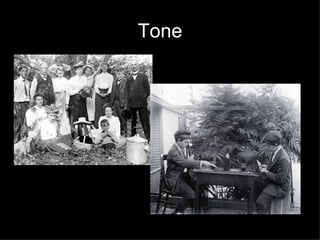
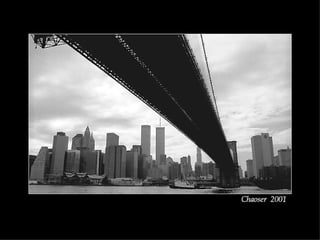
Tone Tone is probably the most intangible element of composition. Tone may consist of shadings from white-to-gray-to-black, or it may consist of darks against lights with little or no grays. The use of dark areas against light areas is a common method of adding the feeling of a third dimension to a two-dimensional black-and-white picture. The interaction of light against dark shades in varying degrees helps to set the mood of a composition.
Tone
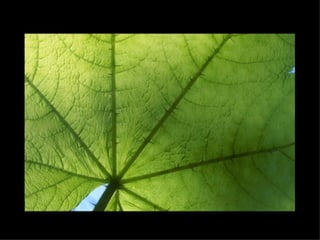
Line A line represents a "path" between two points. A line can be straight, curved, vertical, horizontal, diagonal, or zigzag. Lines imply motion and suggest direction or orientation. A line can also be implied, that is filled in by the mind when several points are positioned geometrically within a frame. Placing four dots on a page in the shape of a square can imply the points are linked as the mind searches for recognizable patterns.  Lines that converge imply depth, scale and distance - a fence or roadway converges into the distance provides the illusion that a flat two-dimensional image has three-dimensional depth. A line is an effective element of design because it can lead the viewer's eye.
 
 
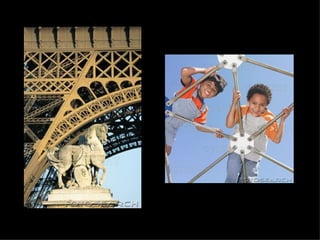
Shape Shapes are the result of closed lines. However shapes can be visible without lines when an artist establishes a color area or an arrangement of objects within the camera's viewfinder. Some primary shapes include circles, squares, triangles and hexagons all of which appear in nature in some form or another.
 
 
Form/Volume When photographing most subjects, you face the problem of how to symbolize three-dimensional objects in a two-dimensional picture. The solution becomes simple when a distinction is made between the two different ways three-dimensional objects appear: as positive, or occupied space (volume) or as negative, or unoccupied space.
Form/Volume When a subject is lighted with very diffused light, the three-dimensional form or volume of the subject is difficult to perceive because of the lack of distinct shadows. If, on the other hand, subjects are lighted with strong directional light from angles that cause part of the subject to be fully lighted and other parts to be in shadow, a visual clue of the subject's form or volume is provided. When a number of such objects are included within the picture area, the perception of form, volume, and depth is increased.
 
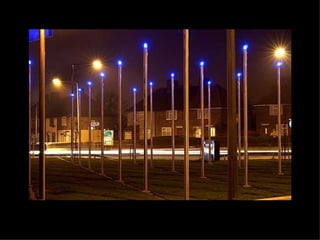
Pattern Creating your pictures around repeating elements or patterns provides picture unity and structure. Pattern repetition creates rhythm that the eyes enjoy following. When lines, shapes, and colors within a picture occur in an orderly way (as in wallpaper), they create patterns that often enhance the attractiveness of photographs.
 
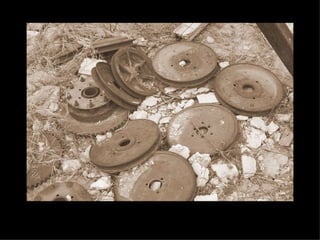
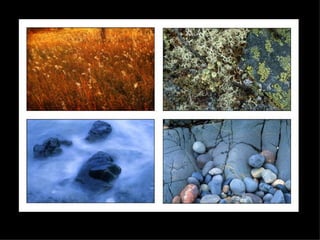
Texture Texture refers to the surface quality or "feel" of an object - smooth, rough, soft, etc. Textures may be actual (felt with touch - tactile) or implied (suggested by the way an artist has created the work of art -visual). Texture is often emphasized in oblique lighting as it strikes the objects from one side.
 

Lesson 1: Composition and Visual Selection

  • 1.
    In Focus Compositionand Visual Selection
  • 2.
    Tone Tone isprobably the most intangible element of composition. Tone may consist of shadings from white-to-gray-to-black, or it may consist of darks against lights with little or no grays. The use of dark areas against light areas is a common method of adding the feeling of a third dimension to a two-dimensional black-and-white picture. The interaction of light against dark shades in varying degrees helps to set the mood of a composition.
  • 3.
  • 4.
    Line A linerepresents a "path" between two points. A line can be straight, curved, vertical, horizontal, diagonal, or zigzag. Lines imply motion and suggest direction or orientation. A line can also be implied, that is filled in by the mind when several points are positioned geometrically within a frame. Placing four dots on a page in the shape of a square can imply the points are linked as the mind searches for recognizable patterns. Lines that converge imply depth, scale and distance - a fence or roadway converges into the distance provides the illusion that a flat two-dimensional image has three-dimensional depth. A line is an effective element of design because it can lead the viewer's eye.
  • 5.
  • 6.
  • 7.
    Shape Shapes arethe result of closed lines. However shapes can be visible without lines when an artist establishes a color area or an arrangement of objects within the camera's viewfinder. Some primary shapes include circles, squares, triangles and hexagons all of which appear in nature in some form or another.
  • 8.
  • 9.
  • 10.
    Form/Volume When photographingmost subjects, you face the problem of how to symbolize three-dimensional objects in a two-dimensional picture. The solution becomes simple when a distinction is made between the two different ways three-dimensional objects appear: as positive, or occupied space (volume) or as negative, or unoccupied space.
  • 11.
    Form/Volume When asubject is lighted with very diffused light, the three-dimensional form or volume of the subject is difficult to perceive because of the lack of distinct shadows. If, on the other hand, subjects are lighted with strong directional light from angles that cause part of the subject to be fully lighted and other parts to be in shadow, a visual clue of the subject's form or volume is provided. When a number of such objects are included within the picture area, the perception of form, volume, and depth is increased.
  • 12.
  • 13.
    Pattern Creating yourpictures around repeating elements or patterns provides picture unity and structure. Pattern repetition creates rhythm that the eyes enjoy following. When lines, shapes, and colors within a picture occur in an orderly way (as in wallpaper), they create patterns that often enhance the attractiveness of photographs.
  • 14.
  • 15.
    Texture Texture refersto the surface quality or "feel" of an object - smooth, rough, soft, etc. Textures may be actual (felt with touch - tactile) or implied (suggested by the way an artist has created the work of art -visual). Texture is often emphasized in oblique lighting as it strikes the objects from one side.
  • 16.