 James II of England desired to re-establish the
Roman Catholic Church
 Parliament asked his daughter, Mary and her
Protestant husband, William of Holland to take
the throne of England
 James II fled into exile to France in 1688 – a
bloodless Revolution
 Symbolized the triumph of Parliament
 Constitutional monarchy with a bill of rights –
only applied to the elites
 Leaders of American Revolution influenced by
Enlightenment thinkers – new ways of
organizing society and ruling
 The American Revolution was the blueprint for
an organized democratic society – still has an
impact today.
 American Revolution was a practical application
of Enlightenment ideas
 Revolution began with conflict over British
treatment of colonies – “No taxation without
representation”
 Enlightenment ideas influencing the US
founding fathers:
The Social Contract (Rousseau and Locke)
Limited government
The consent of the governed
The separation of powers (Montesquieu)
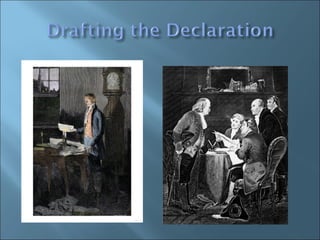
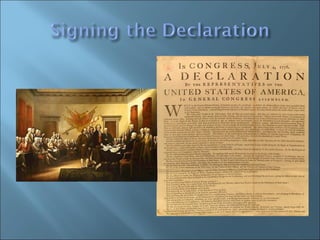
 US Declaration of Independence by Thomas
Jefferson on 4 July 1776
 “We hold these truths to be self-evident, that
all men are created equal, that they are
endowed by their Creator with certain
unalienable Rights, that among these are Life,
Liberty and the pursuit of Happiness.”
 Also demonstrated the shortcomings of the
Enlightenment.
 Those excluded: the poor, black slaves, Native
Americans, white women
 Frustration of the mass of the poor
 Heavy taxation to finance govt expenses.
 Resentment of the bourgeoise (middle classes)
 Ineffectual absolute monarchy
 New definitions of nation, state and authority
and new legitimacy of government
 Financial costs of the American Revolution
 Nationalism, patriotism regarding the Third
Estate
 The three estates clergy, nobility and all others
belonged to the Third Estate
 The Third Estate had much public support and
formed a National Assembly
 Ultimately the other two estates joined the
National Assembly
 Expectation then of writing a new constitution
for France and limiting the power of the king.
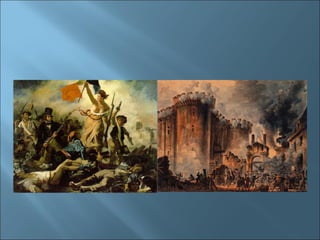
 The increasing assertion of the power of the
people.
 The Bastille was stormed by the population of
Paris and the soldiers were ineffective at
stopping them.
 The King realizes that he has lost his power
base.
 All power passes to the National Assembly
which becomes the “Constituent Assembly”
 Unrest in countryside and violence against
feudal overlords.
 In response the Assembly removes rights and
privileges – positions would only be open to
those with talent, not wealth.
 26 Aug 1789, passing of the Declaration of the
Rights of Man and the Citizen – sovereignty
rested with the nation
 King compelled to pass the legislation
 Revolution challenged the power of the
Catholic Church – all clergy were required to
take an oath of loyalty to the new constitution;
many refused.
 Formation of groups with shared ideas such as
the Jacobins, as well as newspapers
 The King attempted to flee but was caught and
forced to accept the new constitution which
drastically changed French politics and society.
 The early challenge of the Legislative Assembly
was hostility on the part of those elites who
had fled France.
 The result was war which radicalized the
revolution
 The “sans culottes”, ordinary protestors, took
their grievances to the king who ignored them
but they increasingly represented the power of
the people and wanted to remove the king
from power.
 The more radical Insurrectionary Commune
took over from the Legislative Assembly.
 Arrested, tried and executed those accused of
political crimes.
 Formation of the National Convention to be
elected by universal male suffrage - middle
class, anti-king, pro-republic
 On 21 Sept, 1792, the Convention abolished the
monarchy and declared France a republic
 The King was executed
 Locke (contract between governed and
government)
 Montesquieu (checks and balances)
 Rousseau (individual freedoms)
 Voltaire (freedom of thought and expression
 Radical beliefs in “the natural rights of man” –
has left a legacy today.

Lecture7 8

  • 2.
     James IIof England desired to re-establish the Roman Catholic Church  Parliament asked his daughter, Mary and her Protestant husband, William of Holland to take the throne of England  James II fled into exile to France in 1688 – a bloodless Revolution  Symbolized the triumph of Parliament  Constitutional monarchy with a bill of rights – only applied to the elites
  • 3.
     Leaders ofAmerican Revolution influenced by Enlightenment thinkers – new ways of organizing society and ruling  The American Revolution was the blueprint for an organized democratic society – still has an impact today.  American Revolution was a practical application of Enlightenment ideas  Revolution began with conflict over British treatment of colonies – “No taxation without representation”
  • 4.
     Enlightenment ideasinfluencing the US founding fathers: The Social Contract (Rousseau and Locke) Limited government The consent of the governed The separation of powers (Montesquieu)  US Declaration of Independence by Thomas Jefferson on 4 July 1776
  • 7.
     “We holdthese truths to be self-evident, that all men are created equal, that they are endowed by their Creator with certain unalienable Rights, that among these are Life, Liberty and the pursuit of Happiness.”  Also demonstrated the shortcomings of the Enlightenment.  Those excluded: the poor, black slaves, Native Americans, white women
  • 8.
     Frustration ofthe mass of the poor  Heavy taxation to finance govt expenses.  Resentment of the bourgeoise (middle classes)  Ineffectual absolute monarchy  New definitions of nation, state and authority and new legitimacy of government  Financial costs of the American Revolution  Nationalism, patriotism regarding the Third Estate
  • 9.
     The threeestates clergy, nobility and all others belonged to the Third Estate  The Third Estate had much public support and formed a National Assembly  Ultimately the other two estates joined the National Assembly  Expectation then of writing a new constitution for France and limiting the power of the king.
  • 10.
     The increasingassertion of the power of the people.  The Bastille was stormed by the population of Paris and the soldiers were ineffective at stopping them.  The King realizes that he has lost his power base.  All power passes to the National Assembly which becomes the “Constituent Assembly”
  • 12.
     Unrest incountryside and violence against feudal overlords.  In response the Assembly removes rights and privileges – positions would only be open to those with talent, not wealth.  26 Aug 1789, passing of the Declaration of the Rights of Man and the Citizen – sovereignty rested with the nation  King compelled to pass the legislation
  • 13.
     Revolution challengedthe power of the Catholic Church – all clergy were required to take an oath of loyalty to the new constitution; many refused.  Formation of groups with shared ideas such as the Jacobins, as well as newspapers  The King attempted to flee but was caught and forced to accept the new constitution which drastically changed French politics and society.
  • 14.
     The earlychallenge of the Legislative Assembly was hostility on the part of those elites who had fled France.  The result was war which radicalized the revolution  The “sans culottes”, ordinary protestors, took their grievances to the king who ignored them but they increasingly represented the power of the people and wanted to remove the king from power.
  • 15.
     The moreradical Insurrectionary Commune took over from the Legislative Assembly.  Arrested, tried and executed those accused of political crimes.  Formation of the National Convention to be elected by universal male suffrage - middle class, anti-king, pro-republic  On 21 Sept, 1792, the Convention abolished the monarchy and declared France a republic  The King was executed
  • 16.
     Locke (contractbetween governed and government)  Montesquieu (checks and balances)  Rousseau (individual freedoms)  Voltaire (freedom of thought and expression  Radical beliefs in “the natural rights of man” – has left a legacy today.