Learning
to learn
with Meta-
Learning
SHREE GOWRI
RADHAKRISHNA
References
This presentation is based on the paper “A COMPREHENSIVE OVERVIEW AND SURVEY OF RECENT
ADVANCES IN META-LEARNING”, authored by Huimin Peng.
[1] H. Peng. A comprehensive overview and survey of recent advances in meta-learning (2020).
arXiv:2004.11149 [cs.LG].
[2] T. Hospedales, A. Antoniou, P. Micaelli, A. Storkey. Meta-Learning in Neural Networks: A Survey
(2020). arXiv:2004.05439 [cs.LG].
What is Meta-Learning?
Learning to learn
Learn weight initialization
Learn metric space
Learn optimizers
Rapid, accurate model adaptation to unseen tasks
Applications in automated AI, zero shot learning, NLP, robotics
Similarity measure between related tasks
Architecture
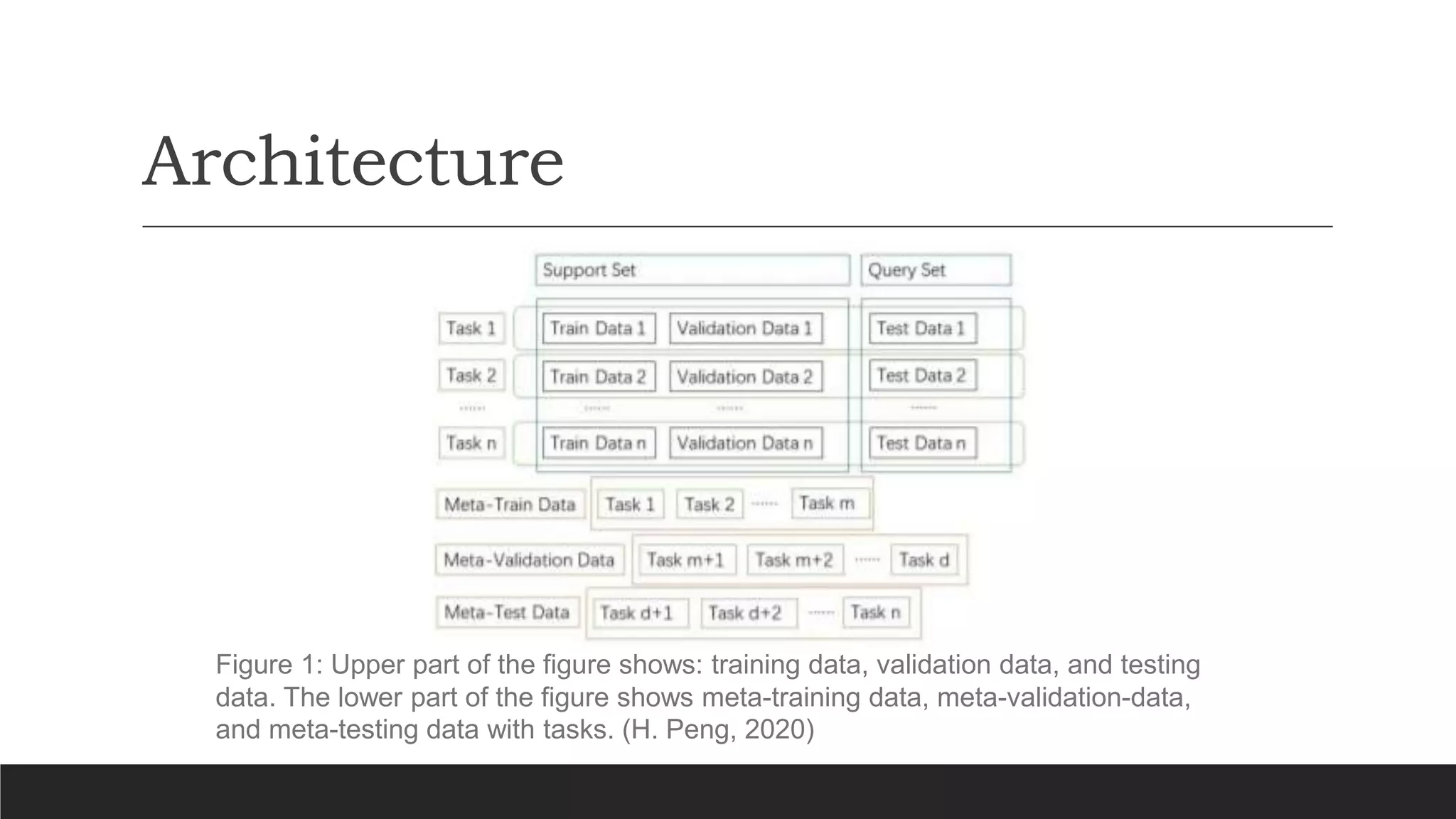
Figure 1: Upper part of the figure shows: training data, validation data, and testing
data. The lower part of the figure shows meta-training data, meta-validation-data,
and meta-testing data with tasks. (H. Peng, 2020)
Why Meta-Learn?
Self-improvement, automated AI
Adaptation to unseen tasks, different than trained tasks
Meta Learning paradigm
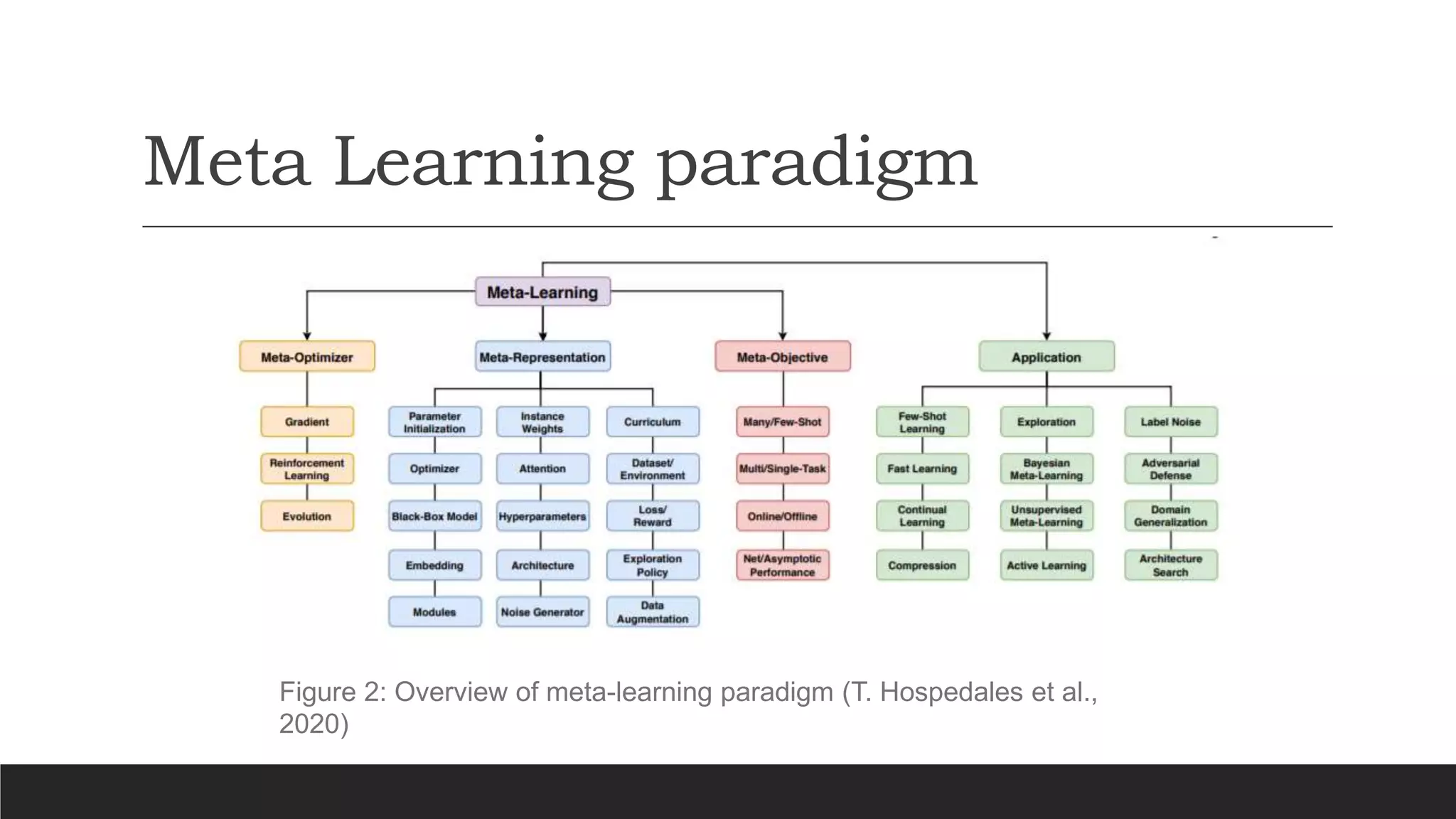
Figure 2: Overview of meta-learning paradigm (T. Hospedales et al.,
2020)
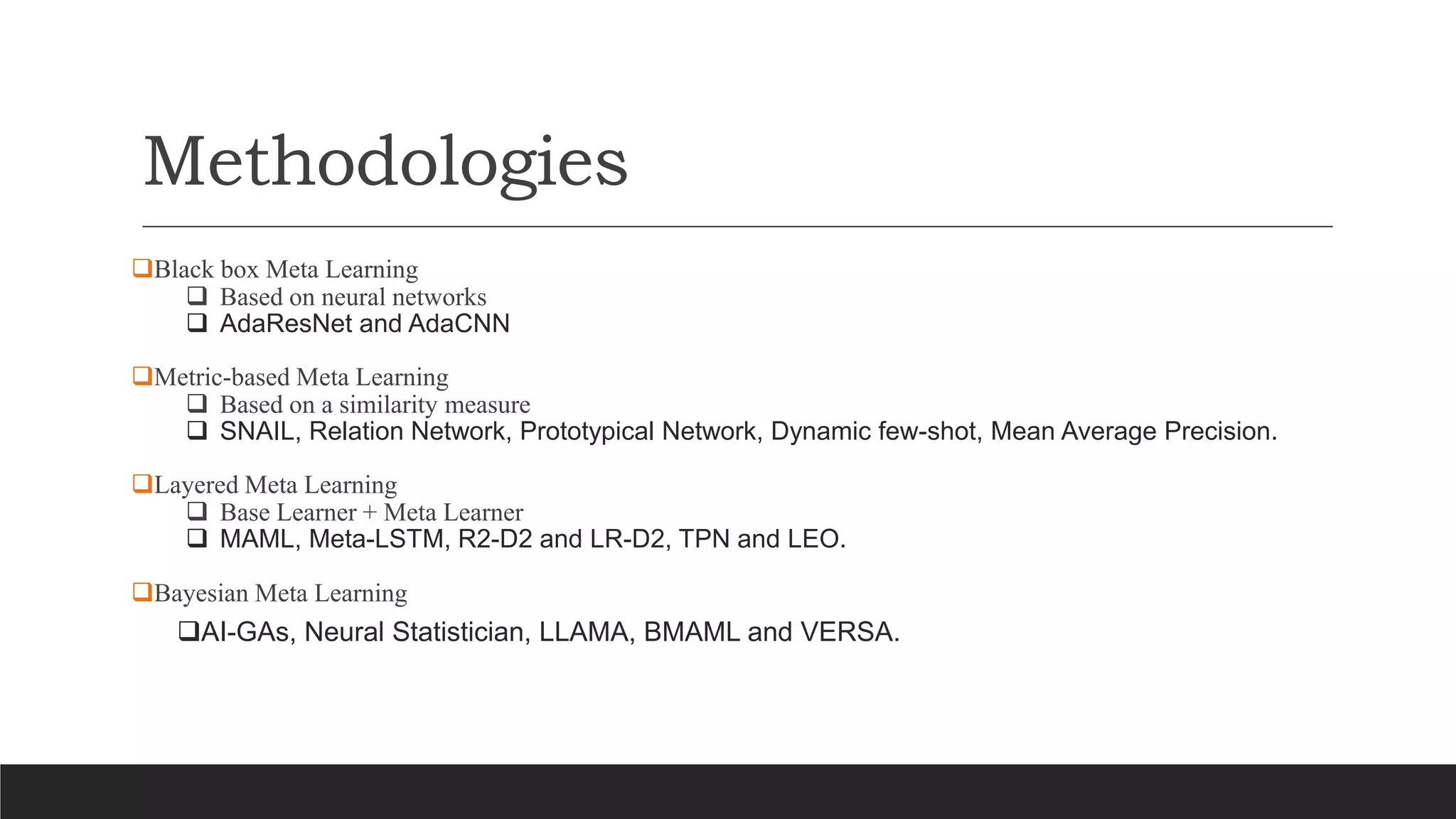
Methodologies
Black box Meta Learning
 Based on neural networks
 AdaResNet and AdaCNN
Metric-based Meta Learning
 Based on a similarity measure
 SNAIL, Relation Network, Prototypical Network, Dynamic few-shot, Mean Average Precision.
Layered Meta Learning
 Base Learner + Meta Learner
 MAML, Meta-LSTM, R2-D2 and LR-D2, TPN and LEO.
Bayesian Meta Learning
AI-GAs, Neural Statistician, LLAMA, BMAML and VERSA.
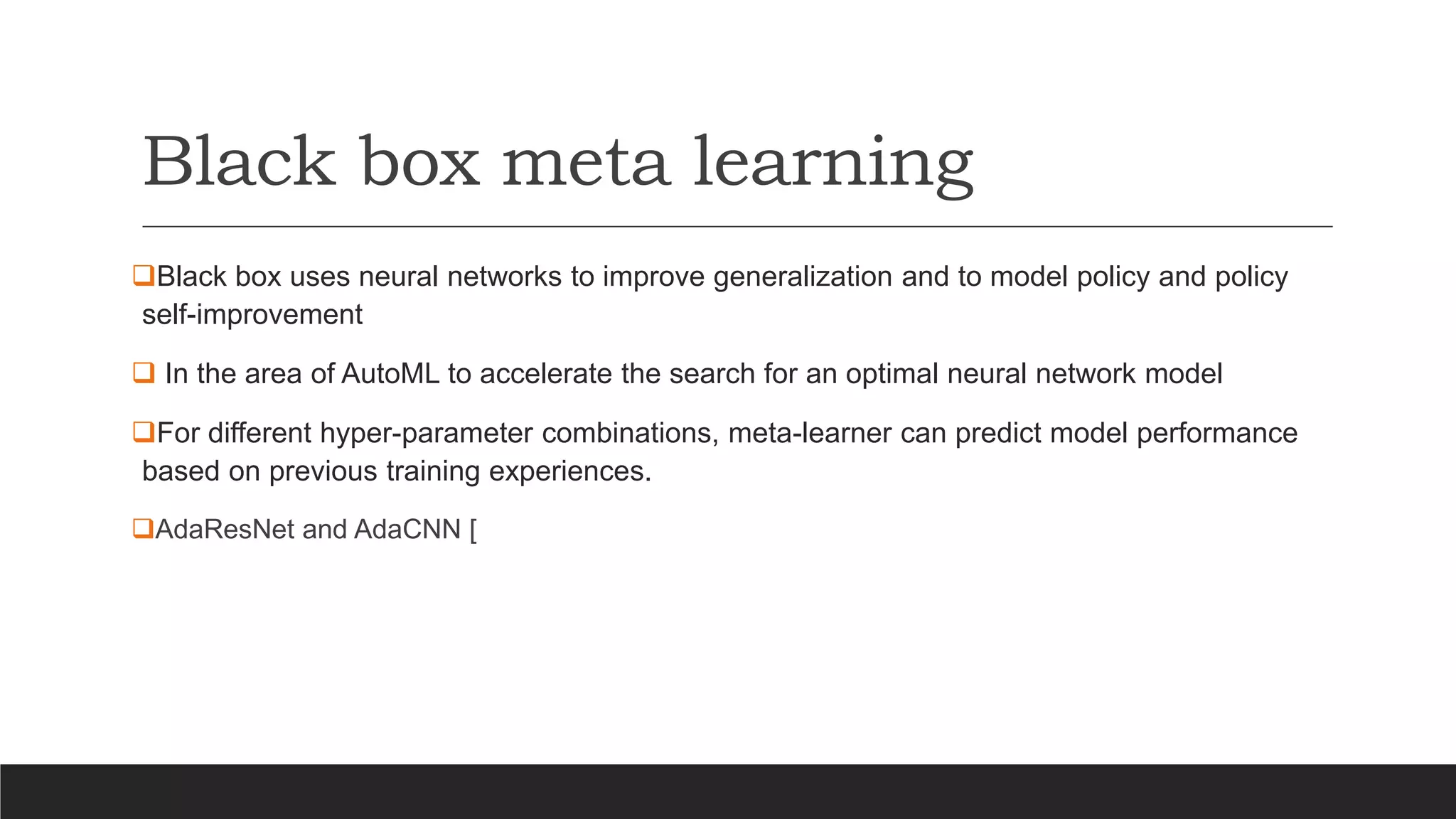
Black box meta learning
Black box uses neural networks to improve generalization and to model policy and policy
self-improvement
 In the area of AutoML to accelerate the search for an optimal neural network model
For different hyper-parameter combinations, meta-learner can predict model performance
based on previous training experiences.
AdaResNet and AdaCNN [
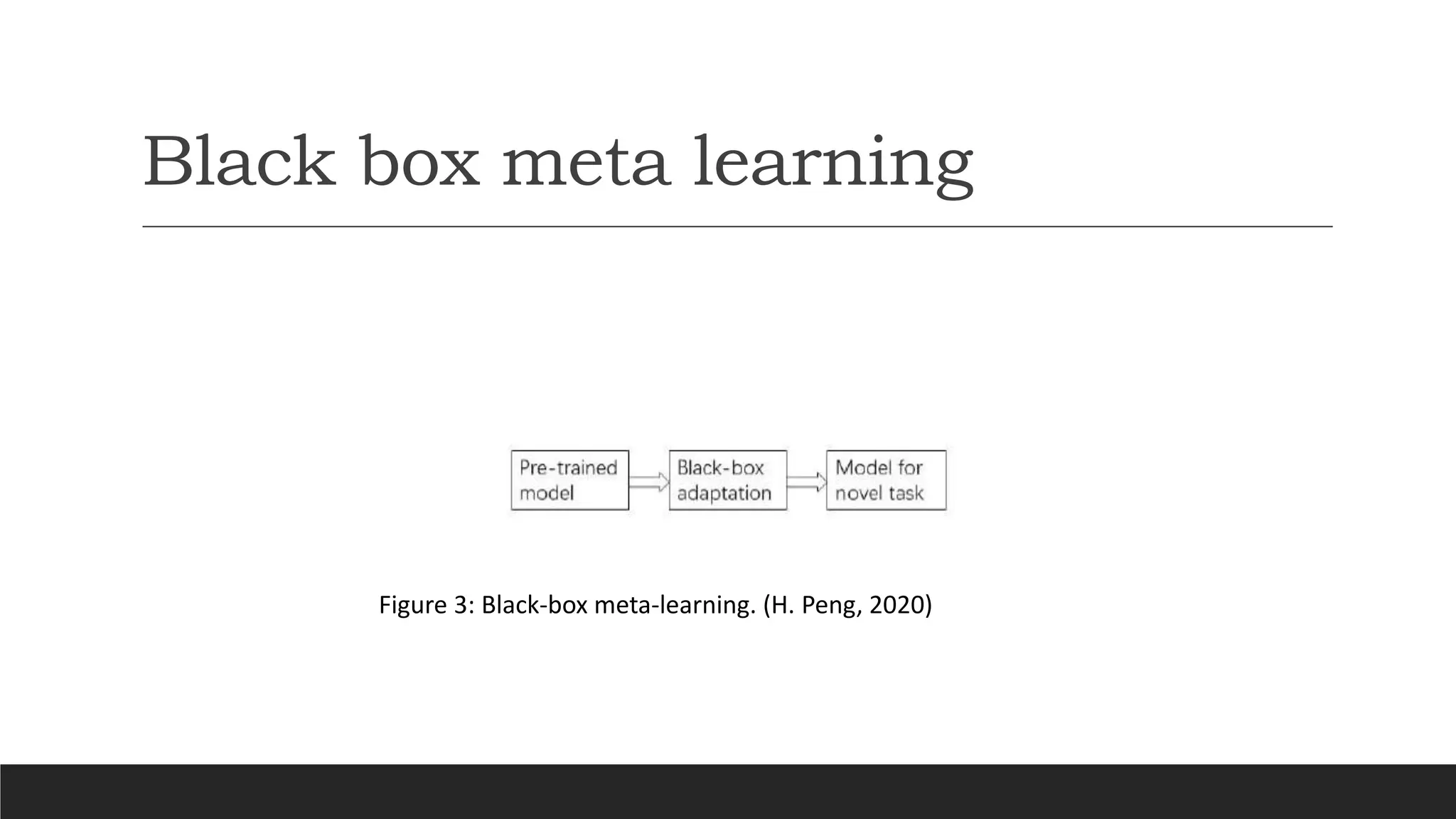
Black box meta learning
Figure 3: Black-box meta-learning. (H. Peng, 2020)
Metric based meta learnign
This includes:
SNAIL
Prototypical Networks
Relational Networks
Dynamic few-shot
Mean Average Precision
Metric based meta learnign
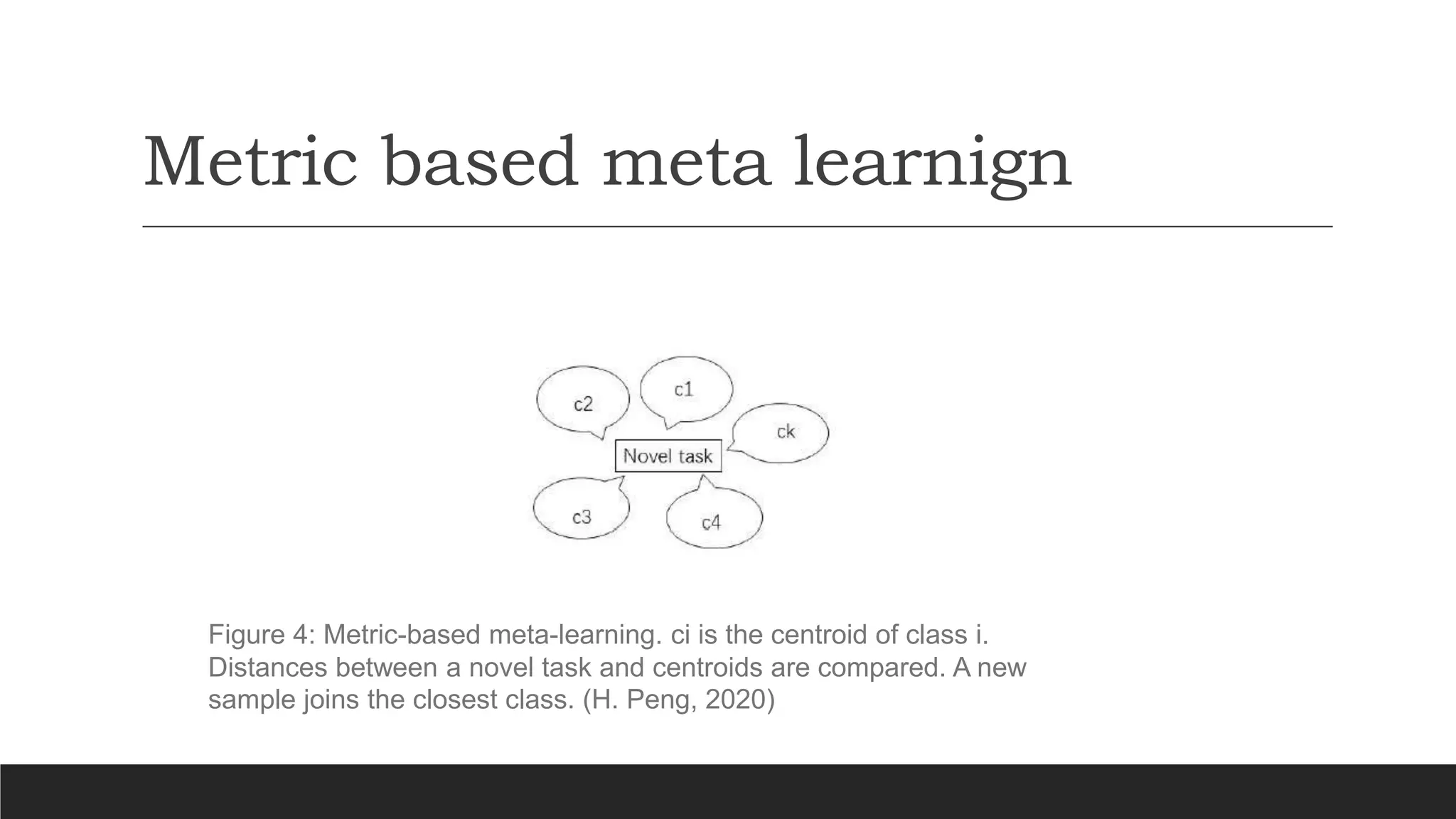
Figure 4: Metric-based meta-learning. ci is the centroid of class i.
Distances between a novel task and centroids are compared. A new
sample joins the closest class. (H. Peng, 2020)
Layered meta learning
This includes network:
MAML
Meta-LSTM
R2-D2 and LR-D2
TPN
LEO
Layered meta learning
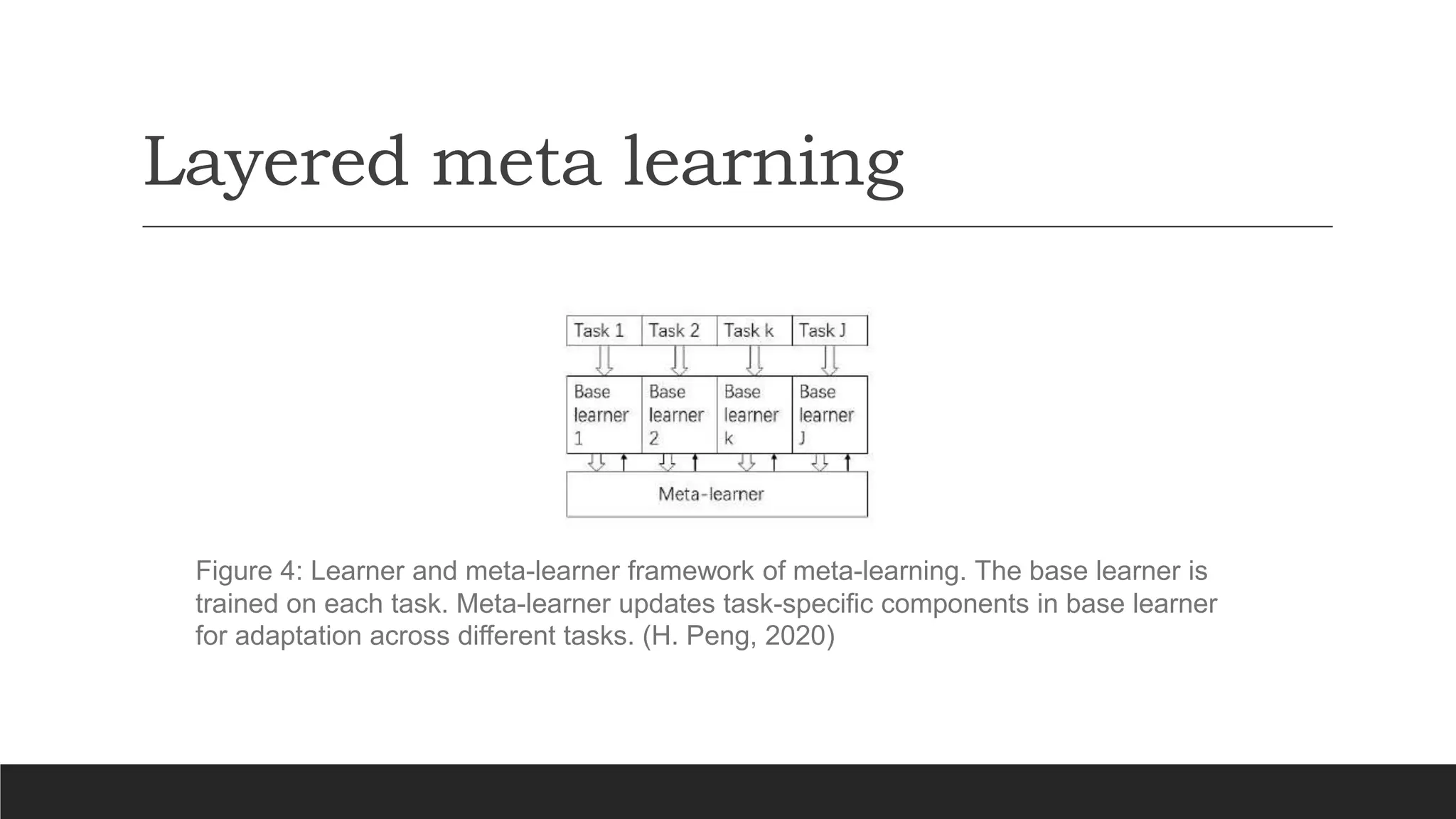
Figure 4: Learner and meta-learner framework of meta-learning. The base learner is
trained on each task. Meta-learner updates task-specific components in base learner
for adaptation across different tasks. (H. Peng, 2020)
Bayesian meta-learning
This includes:
 AI-Gas
 Neural Statistician
 LLAMA
BMAML
VERSA
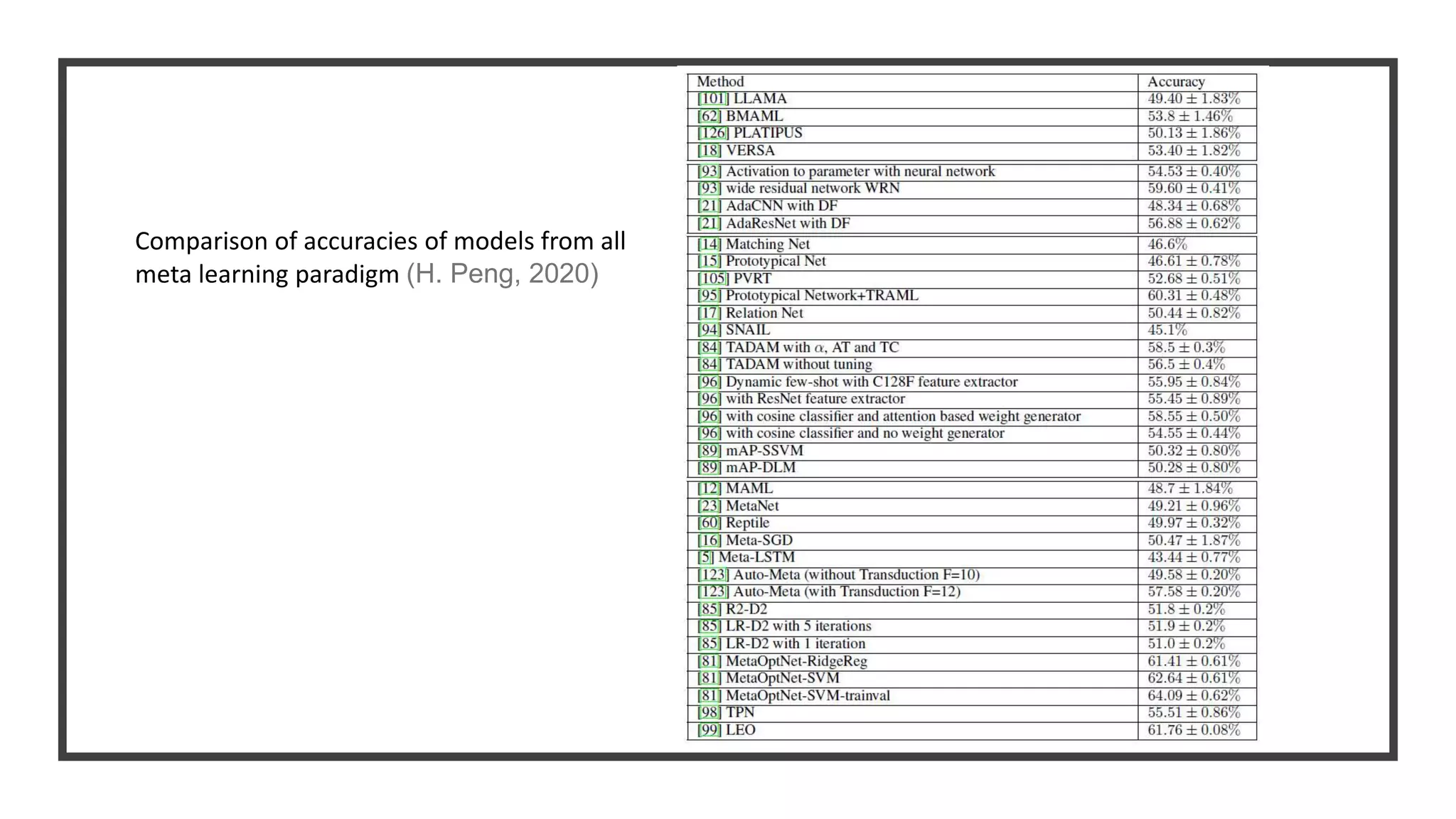
Comparison of accuracies of models from all
meta learning paradigm (H. Peng, 2020)
Applications
Robotics
Automated trading
Learning rare languages
Drug discovery – high dimensional data + small sample size
Meta-reinforcement learning
Overall quality and critique
Well structured paper
Covers basic concepts of meta learning, framework, methodologies and applications
Gentle introduction to recent advances in the meta learning paradigm
Improvements and Future
enhancements
More in-depth understanding of the different architectures
More comparison of benchmarks applied to different domains
Thank you!

Learning to learn with meta learning

  • 1.
  • 2.
    References This presentation isbased on the paper “A COMPREHENSIVE OVERVIEW AND SURVEY OF RECENT ADVANCES IN META-LEARNING”, authored by Huimin Peng. [1] H. Peng. A comprehensive overview and survey of recent advances in meta-learning (2020). arXiv:2004.11149 [cs.LG]. [2] T. Hospedales, A. Antoniou, P. Micaelli, A. Storkey. Meta-Learning in Neural Networks: A Survey (2020). arXiv:2004.05439 [cs.LG].
  • 3.
    What is Meta-Learning? Learningto learn Learn weight initialization Learn metric space Learn optimizers Rapid, accurate model adaptation to unseen tasks Applications in automated AI, zero shot learning, NLP, robotics Similarity measure between related tasks
  • 4.
    Architecture Figure 1: Upperpart of the figure shows: training data, validation data, and testing data. The lower part of the figure shows meta-training data, meta-validation-data, and meta-testing data with tasks. (H. Peng, 2020)
  • 5.
    Why Meta-Learn? Self-improvement, automatedAI Adaptation to unseen tasks, different than trained tasks
  • 6.
    Meta Learning paradigm Figure2: Overview of meta-learning paradigm (T. Hospedales et al., 2020)
  • 7.
    Methodologies Black box MetaLearning  Based on neural networks  AdaResNet and AdaCNN Metric-based Meta Learning  Based on a similarity measure  SNAIL, Relation Network, Prototypical Network, Dynamic few-shot, Mean Average Precision. Layered Meta Learning  Base Learner + Meta Learner  MAML, Meta-LSTM, R2-D2 and LR-D2, TPN and LEO. Bayesian Meta Learning AI-GAs, Neural Statistician, LLAMA, BMAML and VERSA.
  • 8.
    Black box metalearning Black box uses neural networks to improve generalization and to model policy and policy self-improvement  In the area of AutoML to accelerate the search for an optimal neural network model For different hyper-parameter combinations, meta-learner can predict model performance based on previous training experiences. AdaResNet and AdaCNN [
  • 9.
    Black box metalearning Figure 3: Black-box meta-learning. (H. Peng, 2020)
  • 10.
    Metric based metalearnign This includes: SNAIL Prototypical Networks Relational Networks Dynamic few-shot Mean Average Precision
  • 11.
    Metric based metalearnign Figure 4: Metric-based meta-learning. ci is the centroid of class i. Distances between a novel task and centroids are compared. A new sample joins the closest class. (H. Peng, 2020)
  • 12.
    Layered meta learning Thisincludes network: MAML Meta-LSTM R2-D2 and LR-D2 TPN LEO
  • 13.
    Layered meta learning Figure4: Learner and meta-learner framework of meta-learning. The base learner is trained on each task. Meta-learner updates task-specific components in base learner for adaptation across different tasks. (H. Peng, 2020)
  • 14.
    Bayesian meta-learning This includes: AI-Gas  Neural Statistician  LLAMA BMAML VERSA
  • 15.
    Comparison of accuraciesof models from all meta learning paradigm (H. Peng, 2020)
  • 16.
    Applications Robotics Automated trading Learning rarelanguages Drug discovery – high dimensional data + small sample size Meta-reinforcement learning
  • 17.
    Overall quality andcritique Well structured paper Covers basic concepts of meta learning, framework, methodologies and applications Gentle introduction to recent advances in the meta learning paradigm
  • 18.
    Improvements and Future enhancements Morein-depth understanding of the different architectures More comparison of benchmarks applied to different domains
  • 19.