Lean UX Workshop I
Lean UX
Agility through cross-functional collaboration
Workshop
Chris Barklem
Lean UX Labs & Just UX
Looking at failure
The story of Plancast.
The founder, Mark Hendrickson, was a writer and web developer at Techcrunch, he
left and started Plancast naming himself "Product designer and developer".
http://techcrunch.com/2012/01/22/post-mortem-for-plancast/
Looking at failure
Here is his discription of what happened..
Plancast was to provide a really easy way for people to take whatever interesting
plans they had in their calendars and share them openly with friends, with the
rationale that greater social transparency for this particular type of personal
information would facilitate serendipitous get-togethers and enable a greater
awareness of relevant events.
Personally, I figured that knowing more about the events my friends and peers were
attending would lead to a more fulfilling social and professional life because I could
join them or at least learn about how they spent their time around town.
Along the way my team built a minimum viable product, launched from obscurity
on TechCrunch, raised a seed round of funding from local venture capitalists and
angel investors, and worked like mad to translate our initial success into long-term
growth, engagement and monetization.
Looking at failure
But..
Alas, our efforts began to stall after several months post-launch, and we were never
able to scale beyond a small early adopter community and into critical, mainstream
usage. While the initial launch and traction proved extremely exciting, it misled us
into believing there was a larger market ready to adopt our product. Over the
subsequent year and a half, we struggled to refine the productโ€™s purpose and
bolster its central value proposition with better functionality and design, but we
were ultimately unable to make it work (with user registration growth and
engagement being our two main high-level metrics).
Looking at failure
"While the initial launch and traction proved
extremely exciting, it misled us into believing there
was a larger market ready to adopt our product.โ€
They did not look at :
โ€ข who where these people?
โ€ข what were their intentions?
Looking at failure
โ€œ100,000 have registered and over 230,000 people
visit each month.โ€
This is called a vanity metrix.
They are called that because they make you feel good about yourself. But they don't
tell you how your product is performing. If its working well, or if its working poorly.
Out of these 100,000 people, how many have actually shared a plan?
How many people have followed a user, how many return a second time, a third
time, a second or a third month. These numbers don't tell you that, they make you
feel good, but they don't tell you if your seeing any traction for your product.
โ€œThis leads to a false sense of success and a false sense of market fit.โ€
Is there a better way?
Yes!
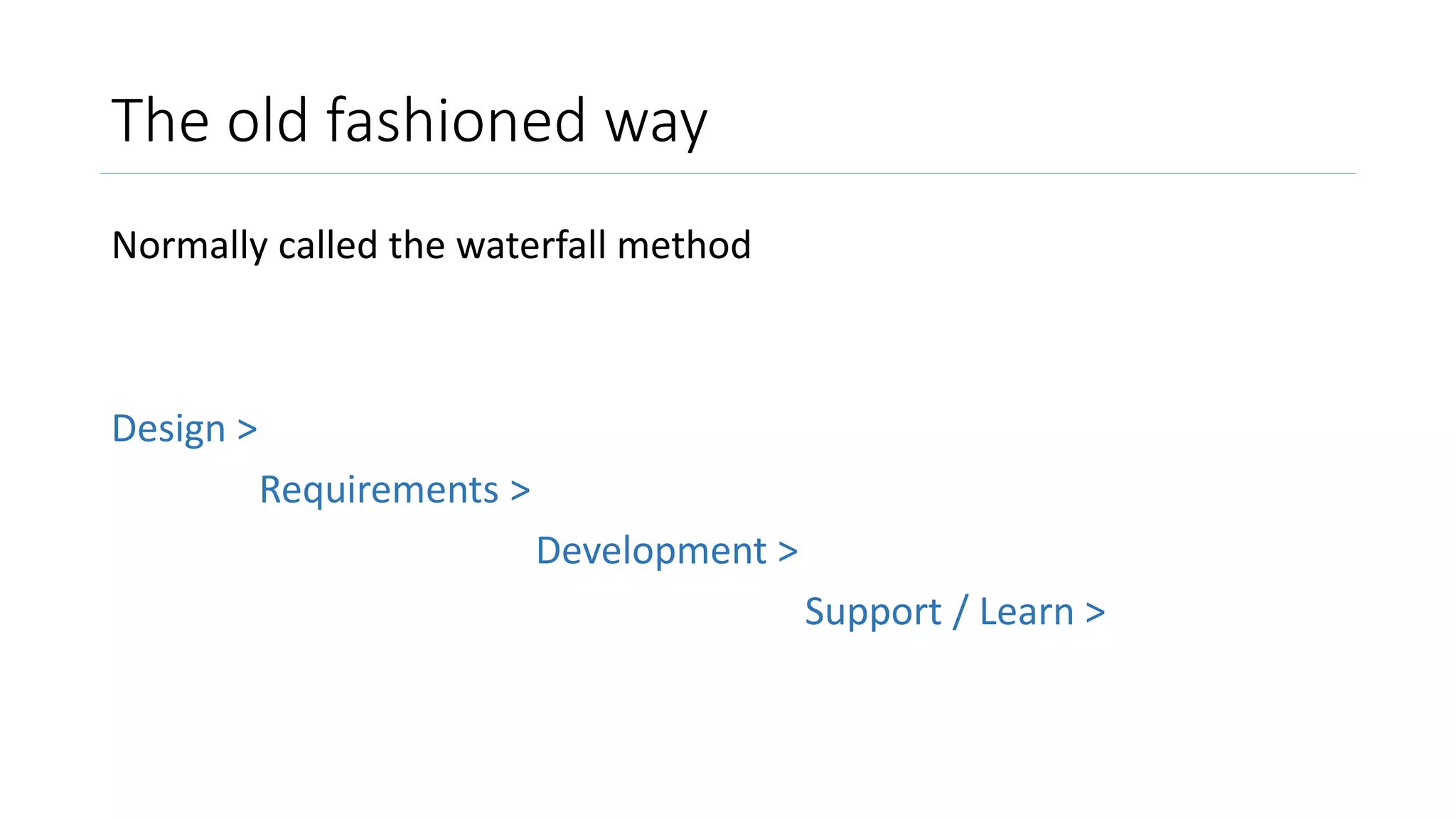
The old fashioned way
Normally called the waterfall method
Design >
Requirements >
Development >
Support / Learn >
Software is continuous
โ€ข Your product evolves from doubt to certainty.
โ€ข It never stops evolving.
โ€ข We are no longer delivering a finished product, instead we deliver a
continuous stream of incremental improvements.
Software is continuous
11.6 seconds
โ€ข Amazon pushes new code to production every 11.6 seconds. Tests the outcome
produced by the change, if needs be rolls back the changes.
โ€ข Amazon pushes code, designed to test an outcome, before committing to a
solution.
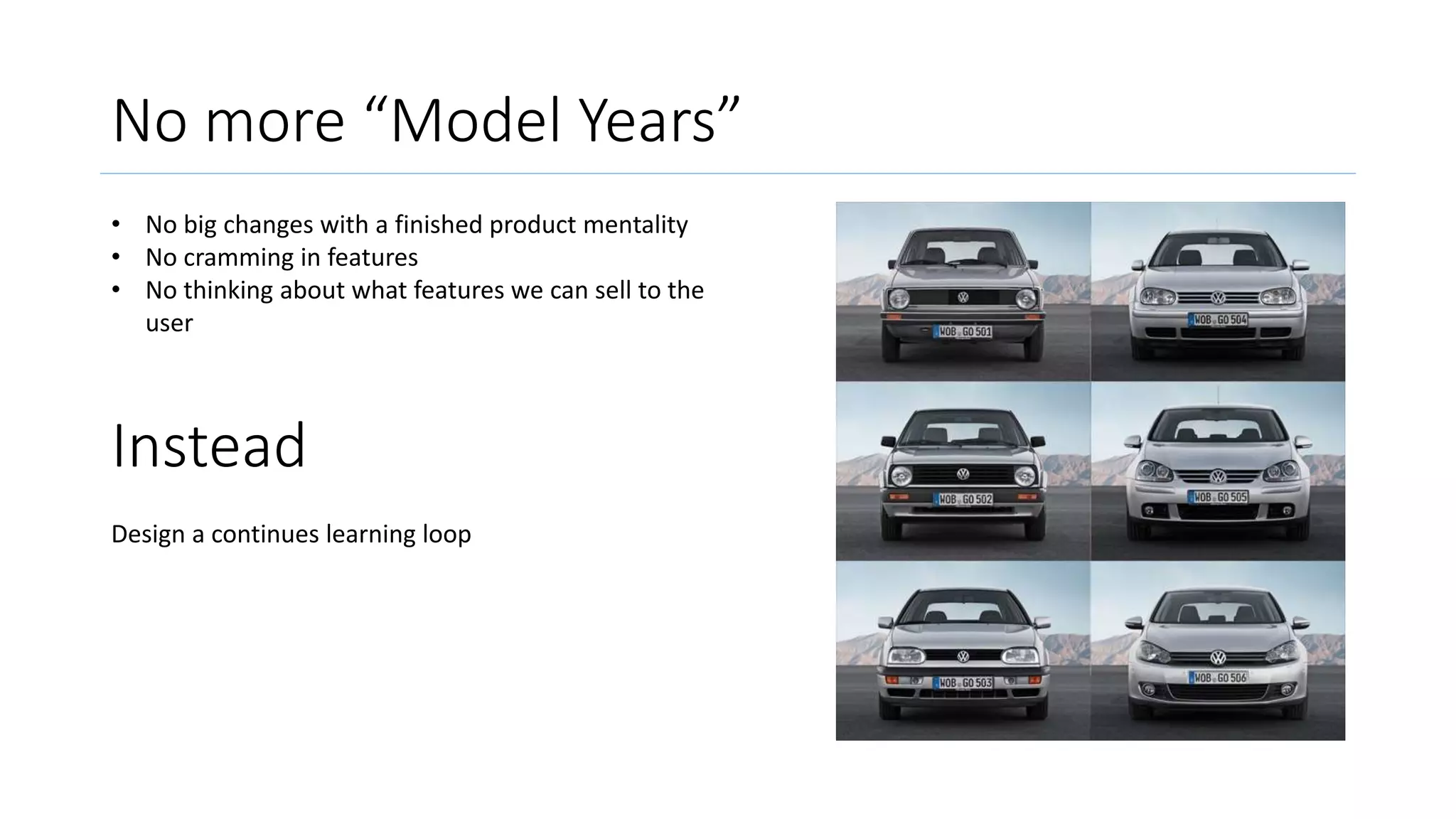
No more โ€œModel Yearsโ€
โ€ข No big changes with a finished product mentality
โ€ข No cramming in features
โ€ข No thinking about what features we can sell to the
user
Instead
Design a continues learning loop
The cutting edge
โ€ข Agile software development
โ€ข Lean Startup
โ€ข Lean
Agile software development
โ€ข 17 software developers, got together in 2000 with their frustrations.
โ€ข They were continuously missing deadlines, not meeting customer
expectations and continuously negotiating contracts as the project
evolved.
Manifesto for Agile Software Development
1. Individuals and interactions over processes and tools
2. Working software over comprehensive documentation
3. Customer collaboration over contract negotiation
4. Responding to change over following a plan
The men valued the things on the left more then the things on the right. This is not
saying they did not value things on the right, just not as much as things on the left.
They stated that they did not know upfront all the details, that over time as the
project evolved, so the plan needed to change as new information materializes.
Whats missing from Agile?
User experience, Design and Product Management
were never factored in during Agileโ€™s inception.
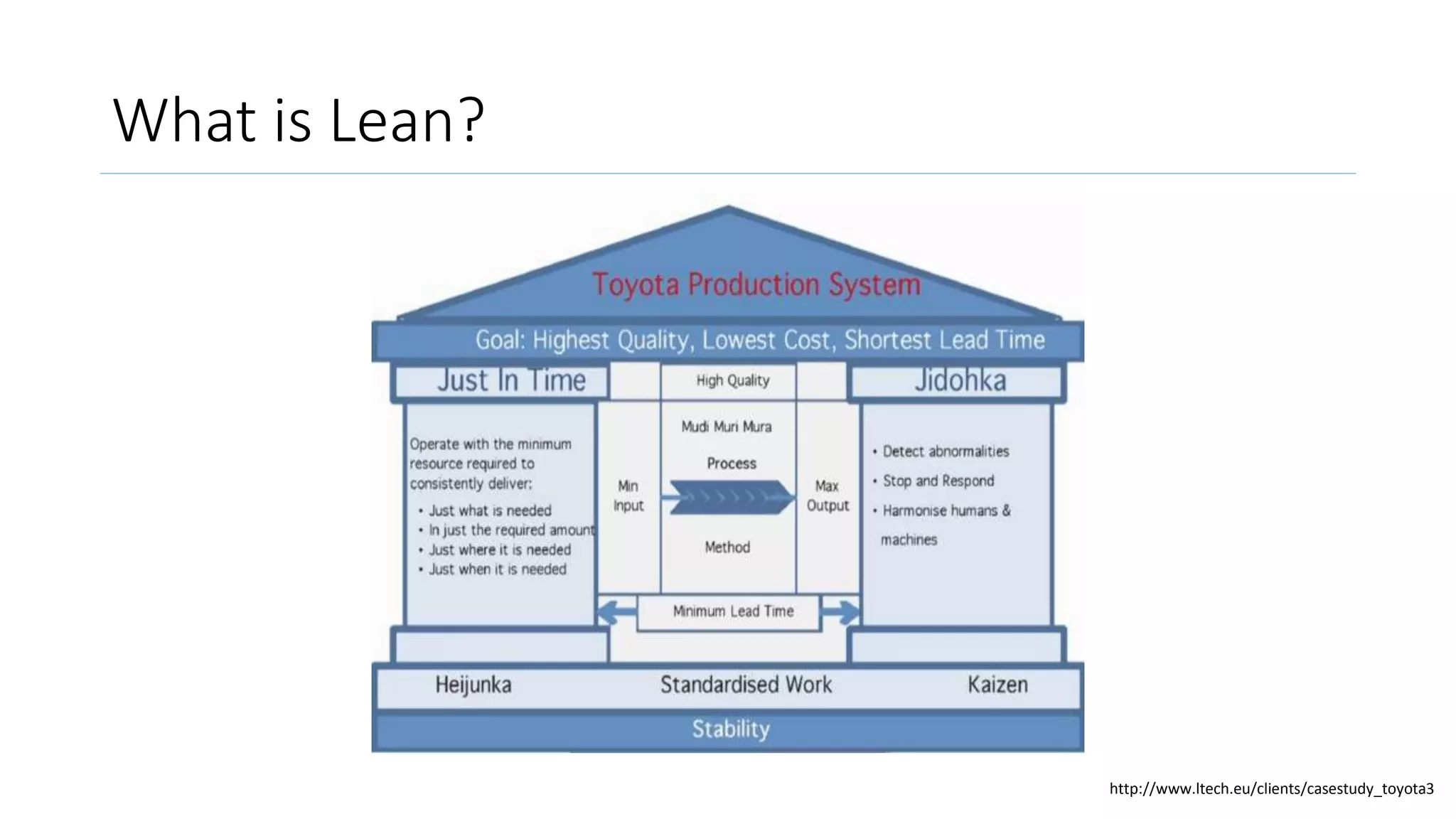
What is Lean?
1. We are always moving from doubt to certainty
2. We are always moving in small steps towards certainty out of doubt
This was developed by Taiichi Ohno and his team in the 1950โ€™s. Its
called the Toyota Production System. They could not compete with the
Americas on scale. So they decided to compete by removing all waste
from the system.
What is Lean?
http://www.ltech.eu/clients/casestudy_toyota3
Lean Startup
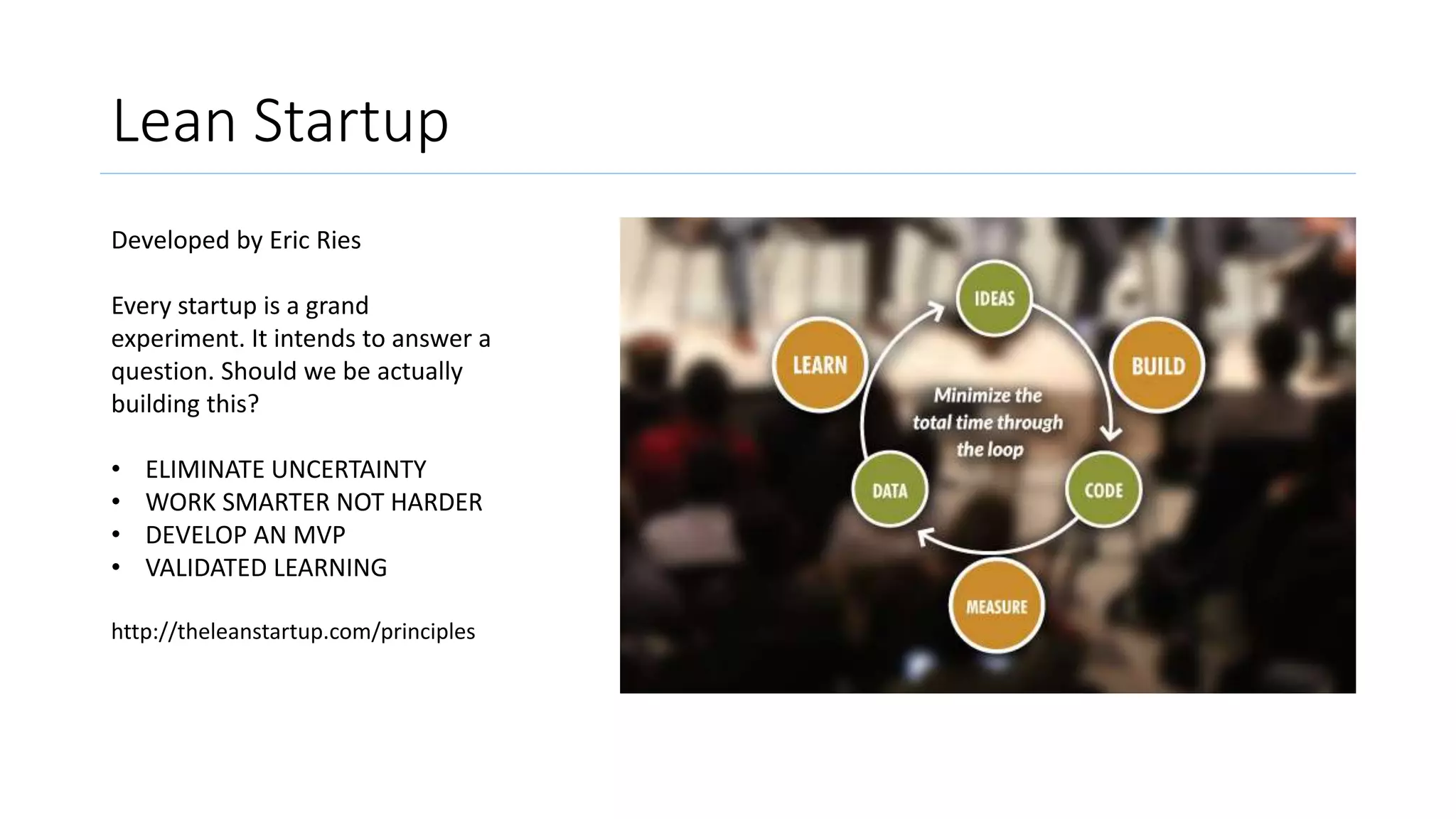
Developed by Eric Ries
Every startup is a grand
experiment. It intends to answer a
question. Should we be actually
building this?
โ€ข ELIMINATE UNCERTAINTY
โ€ข WORK SMARTER NOT HARDER
โ€ข DEVELOP AN MVP
โ€ข VALIDATED LEARNING
http://theleanstartup.com/principles
Be Lean
Reduce waste
Donโ€™t build things people donโ€™t want
Combine all the good
So if you combine all the good from Agile, Lean and Lean Startup you
will get the inspiration which lead to Lean UX
โ€œInspired by Lean Startup and Agile Development theories, itโ€™s the
practice of bringing the true nature of a product to light faster, in a
collaborative, cross-functional way with less emphasis on deliverables
and greater focus on a shared understanding of the actual experience
being designed.โ€
โ€“ Jeff Gothelf
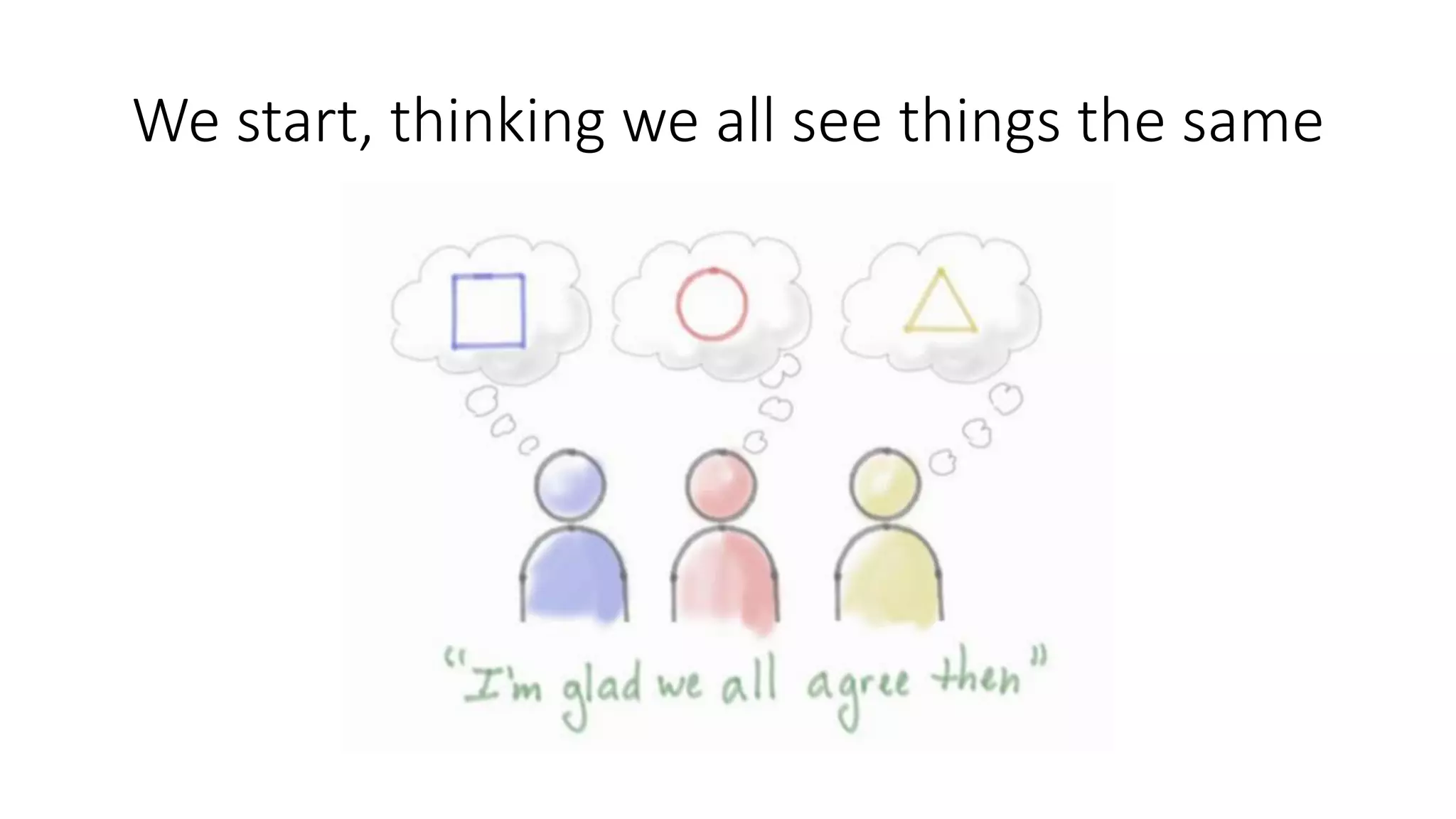
We start, thinking we all see things the same
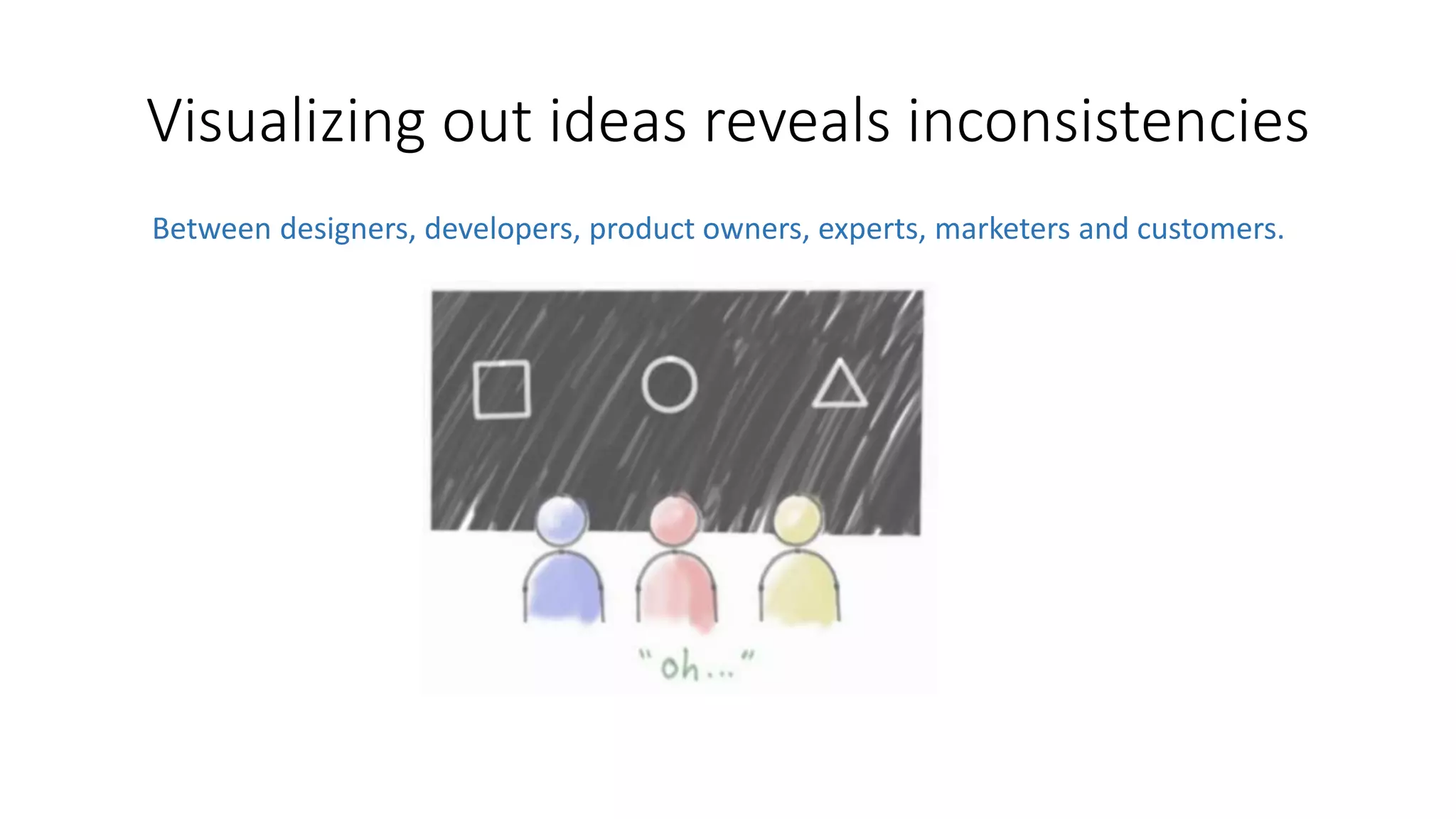
Visualizing out ideas reveals inconsistencies
Between designers, developers, product owners, experts, marketers and customers.
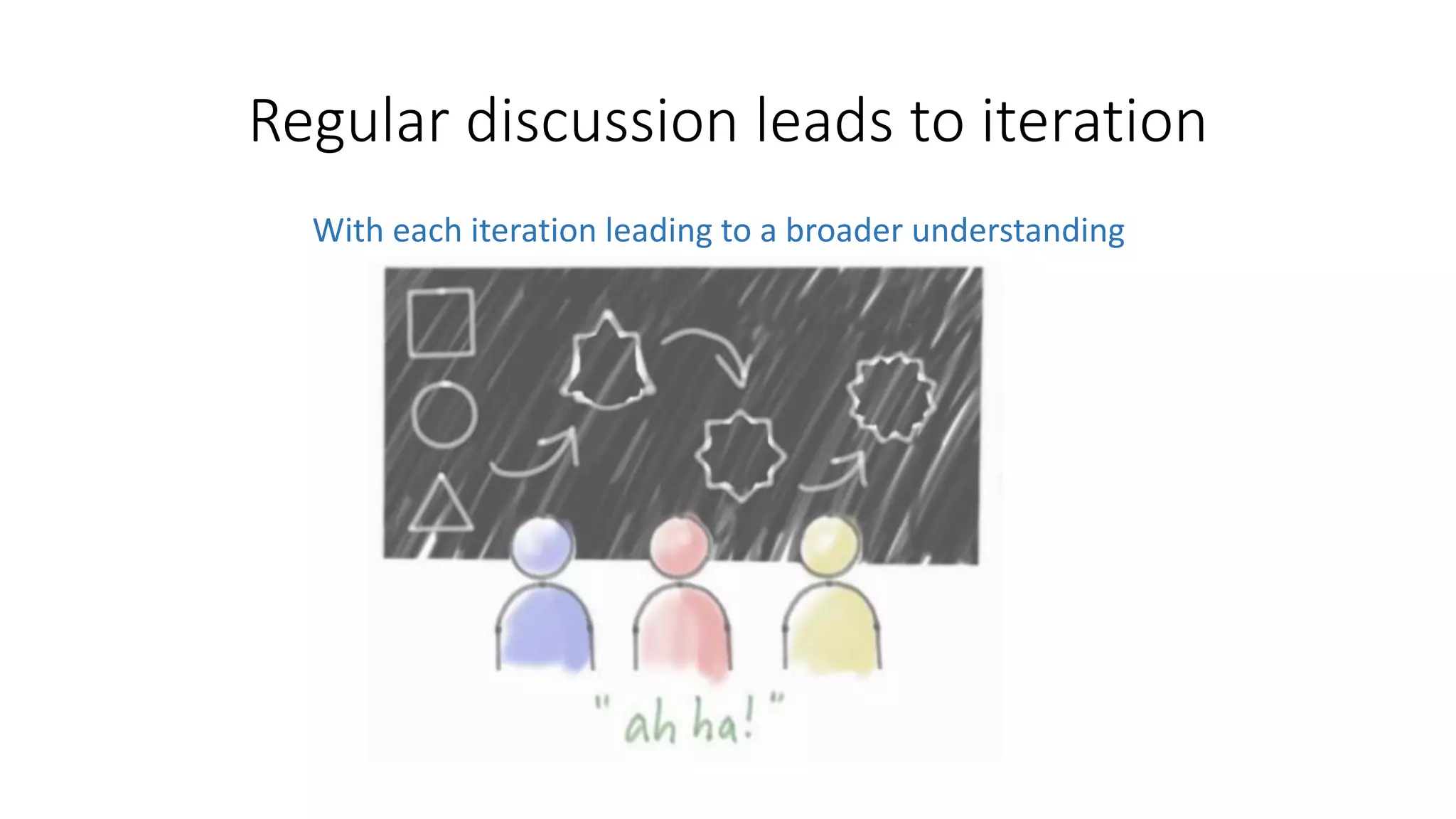
Regular discussion leads to iteration
With each iteration leading to a broader understanding
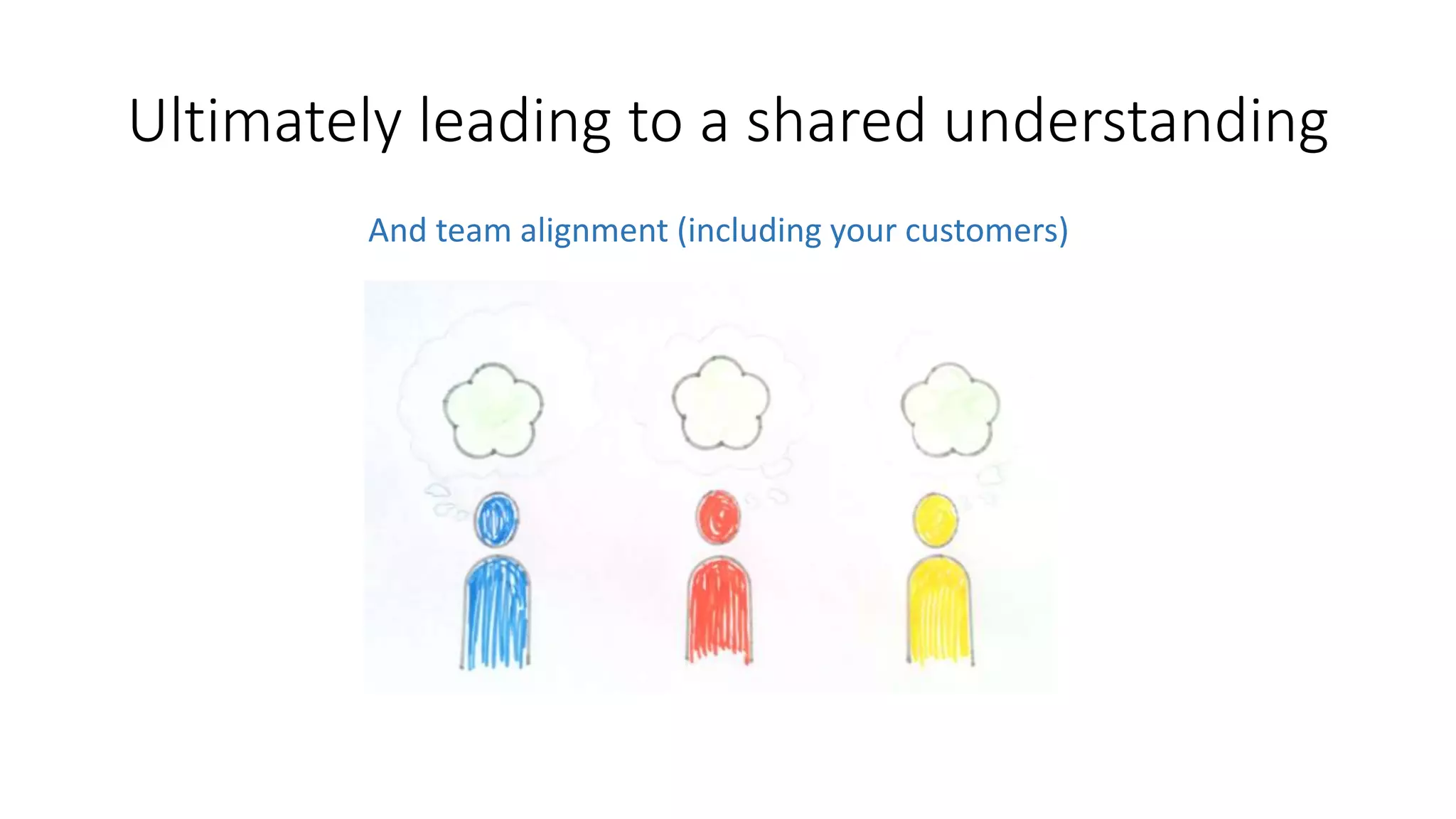
Ultimately leading to a shared understanding
And team alignment (including your customers)
Working together grows understanding
The more you work collaboratively as a team, the more your shared
understanding of the problems and solutions evolve.
Ultimately you are all able to work effectively on parallel paths with the
same clear understanding of where your going, why your going and
how together you are going to achieve it.
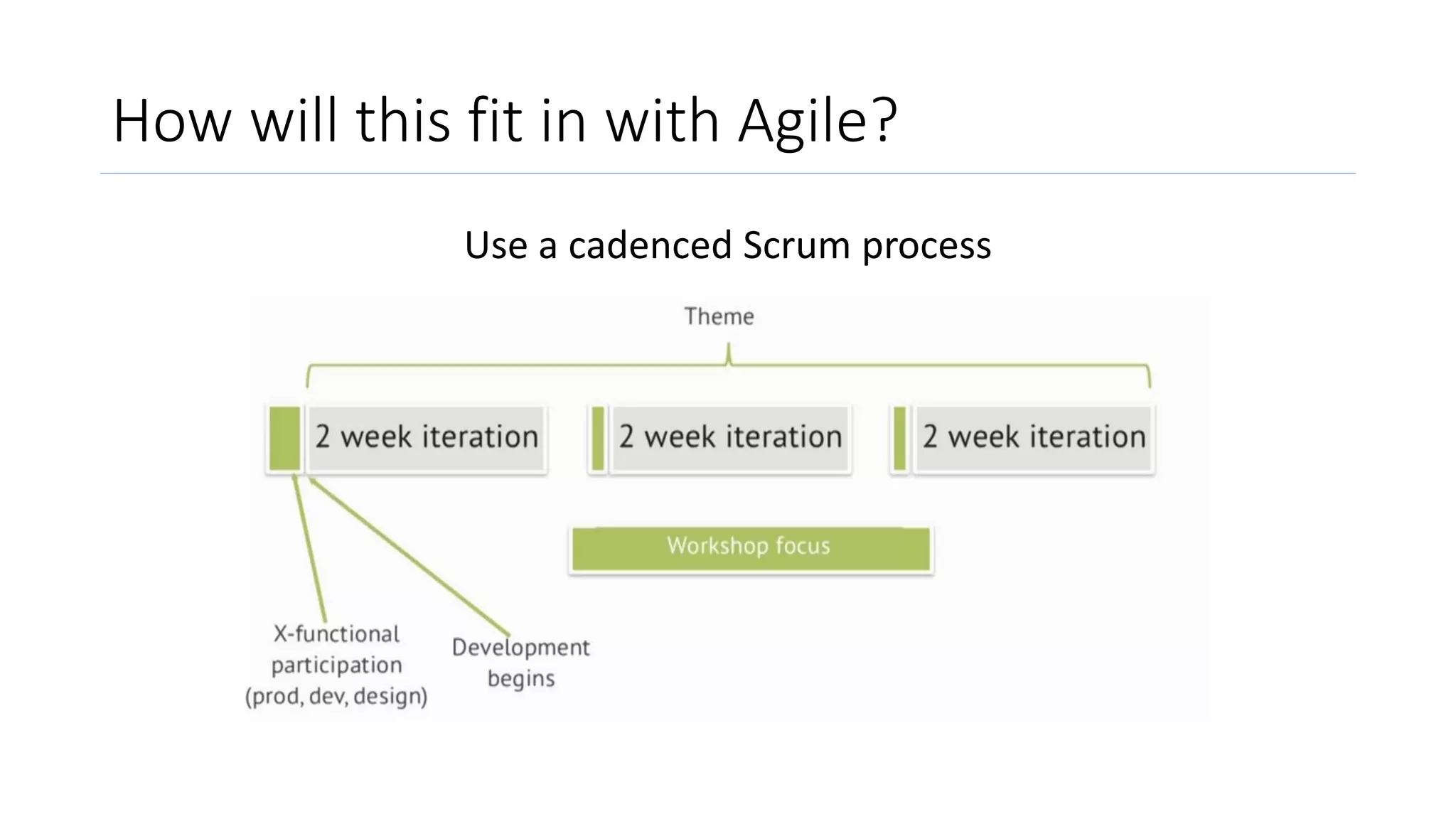
How will this fit in with Agile?
Use a cadenced Scrum process
End of theory, start of practice.

Lean UX workshop - Part One

  • 1.
  • 2.
    Lean UX Agility throughcross-functional collaboration Workshop Chris Barklem Lean UX Labs & Just UX
  • 3.
    Looking at failure Thestory of Plancast. The founder, Mark Hendrickson, was a writer and web developer at Techcrunch, he left and started Plancast naming himself "Product designer and developer". http://techcrunch.com/2012/01/22/post-mortem-for-plancast/
  • 4.
    Looking at failure Hereis his discription of what happened.. Plancast was to provide a really easy way for people to take whatever interesting plans they had in their calendars and share them openly with friends, with the rationale that greater social transparency for this particular type of personal information would facilitate serendipitous get-togethers and enable a greater awareness of relevant events. Personally, I figured that knowing more about the events my friends and peers were attending would lead to a more fulfilling social and professional life because I could join them or at least learn about how they spent their time around town. Along the way my team built a minimum viable product, launched from obscurity on TechCrunch, raised a seed round of funding from local venture capitalists and angel investors, and worked like mad to translate our initial success into long-term growth, engagement and monetization.
  • 5.
    Looking at failure But.. Alas,our efforts began to stall after several months post-launch, and we were never able to scale beyond a small early adopter community and into critical, mainstream usage. While the initial launch and traction proved extremely exciting, it misled us into believing there was a larger market ready to adopt our product. Over the subsequent year and a half, we struggled to refine the productโ€™s purpose and bolster its central value proposition with better functionality and design, but we were ultimately unable to make it work (with user registration growth and engagement being our two main high-level metrics).
  • 6.
    Looking at failure "Whilethe initial launch and traction proved extremely exciting, it misled us into believing there was a larger market ready to adopt our product.โ€ They did not look at : โ€ข who where these people? โ€ข what were their intentions?
  • 7.
    Looking at failure โ€œ100,000have registered and over 230,000 people visit each month.โ€ This is called a vanity metrix. They are called that because they make you feel good about yourself. But they don't tell you how your product is performing. If its working well, or if its working poorly. Out of these 100,000 people, how many have actually shared a plan? How many people have followed a user, how many return a second time, a third time, a second or a third month. These numbers don't tell you that, they make you feel good, but they don't tell you if your seeing any traction for your product. โ€œThis leads to a false sense of success and a false sense of market fit.โ€
  • 8.
    Is there abetter way? Yes!
  • 9.
    The old fashionedway Normally called the waterfall method Design > Requirements > Development > Support / Learn >
  • 10.
    Software is continuous โ€ขYour product evolves from doubt to certainty. โ€ข It never stops evolving. โ€ข We are no longer delivering a finished product, instead we deliver a continuous stream of incremental improvements.
  • 11.
    Software is continuous 11.6seconds โ€ข Amazon pushes new code to production every 11.6 seconds. Tests the outcome produced by the change, if needs be rolls back the changes. โ€ข Amazon pushes code, designed to test an outcome, before committing to a solution.
  • 12.
    No more โ€œModelYearsโ€ โ€ข No big changes with a finished product mentality โ€ข No cramming in features โ€ข No thinking about what features we can sell to the user Instead Design a continues learning loop
  • 13.
    The cutting edge โ€ขAgile software development โ€ข Lean Startup โ€ข Lean
  • 14.
    Agile software development โ€ข17 software developers, got together in 2000 with their frustrations. โ€ข They were continuously missing deadlines, not meeting customer expectations and continuously negotiating contracts as the project evolved.
  • 15.
    Manifesto for AgileSoftware Development 1. Individuals and interactions over processes and tools 2. Working software over comprehensive documentation 3. Customer collaboration over contract negotiation 4. Responding to change over following a plan The men valued the things on the left more then the things on the right. This is not saying they did not value things on the right, just not as much as things on the left. They stated that they did not know upfront all the details, that over time as the project evolved, so the plan needed to change as new information materializes.
  • 16.
    Whats missing fromAgile? User experience, Design and Product Management were never factored in during Agileโ€™s inception.
  • 17.
    What is Lean? 1.We are always moving from doubt to certainty 2. We are always moving in small steps towards certainty out of doubt This was developed by Taiichi Ohno and his team in the 1950โ€™s. Its called the Toyota Production System. They could not compete with the Americas on scale. So they decided to compete by removing all waste from the system.
  • 18.
  • 19.
    Lean Startup Developed byEric Ries Every startup is a grand experiment. It intends to answer a question. Should we be actually building this? โ€ข ELIMINATE UNCERTAINTY โ€ข WORK SMARTER NOT HARDER โ€ข DEVELOP AN MVP โ€ข VALIDATED LEARNING http://theleanstartup.com/principles
  • 20.
    Be Lean Reduce waste Donโ€™tbuild things people donโ€™t want
  • 21.
    Combine all thegood So if you combine all the good from Agile, Lean and Lean Startup you will get the inspiration which lead to Lean UX โ€œInspired by Lean Startup and Agile Development theories, itโ€™s the practice of bringing the true nature of a product to light faster, in a collaborative, cross-functional way with less emphasis on deliverables and greater focus on a shared understanding of the actual experience being designed.โ€ โ€“ Jeff Gothelf
  • 22.
    We start, thinkingwe all see things the same
  • 23.
    Visualizing out ideasreveals inconsistencies Between designers, developers, product owners, experts, marketers and customers.
  • 24.
    Regular discussion leadsto iteration With each iteration leading to a broader understanding
  • 25.
    Ultimately leading toa shared understanding And team alignment (including your customers)
  • 26.
    Working together growsunderstanding The more you work collaboratively as a team, the more your shared understanding of the problems and solutions evolve. Ultimately you are all able to work effectively on parallel paths with the same clear understanding of where your going, why your going and how together you are going to achieve it.
  • 27.
    How will thisfit in with Agile? Use a cadenced Scrum process
  • 28.
    End of theory,start of practice.

Editor's Notes

  • #3ย The workshop is about Lean UX. Lean UX focusing on bridging design, product and engineering and building agile teams. Teams focused on their agility not the process of agile, and do so by building a collaboration that is cross functional and iterative, which builds a shared understanding across those teams.
  • #12ย They push small bits forward, incremental changes. Tiny bits of risk.