Korrine Jones
Virtual Reality – overcoming the
challenges of remote working to
create high performing virtual ITSM
teams
Virtual Reality
Overcoming the challenges of remote
working to create high performing virtual
ITSM teams

Presented by: Korrine Jones, OD Consulting

Brisbane, Australia
Presentation Overview
•
•
•
•
•
•

Definitions and history
The grim reality
The business imperative
A snapshot - my research
The unique challenges
Critical success factors for high performing virtual ITSM teams
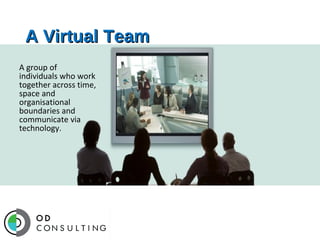
A Virtual Team
A group of
individuals who
work together
across time, space
and organisational
boundaries and
communicate via
technology.
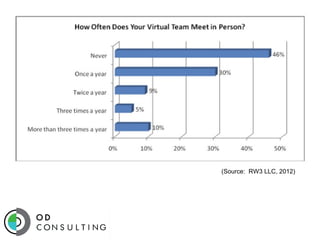
(Source: RW3 LLC, 2012)
More Definitions
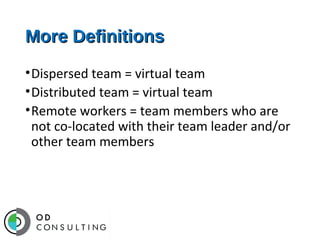
•Dispersed team = virtual team
•Distributed team = virtual team
•Remote workers = team members who are
not co-located with their team leader and/or
other team members
History
• Lipnack and Stamps have been writing about virtual teams for three decades.
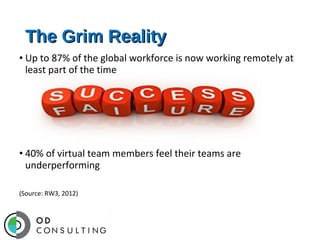
The Grim Reality
• Up to 87% of the global workforce is now working remotely at
least part of the time

• 40% of virtual team members feel their teams are
underperforming
(Source: RW3, 2012)
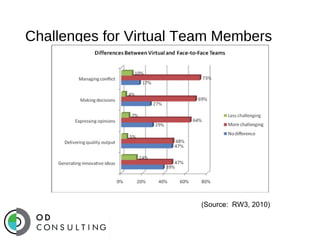
Challenges for Virtual Team Members

(Source: RW3, 2010)
• Micro business to large multi-nationals
• Wide range of industries – IT, banking, direct sales,
retail, public sector, e-learning providers
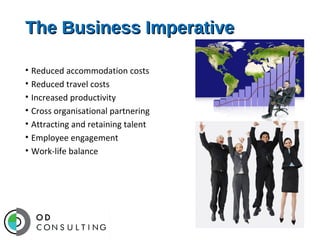
The Business Imperative
• Reduced accommodation costs
• Reduced travel costs
• Increased productivity
• Cross organisational partnering
• Attracting and retaining talent
• Employee engagement
• Work-life balance
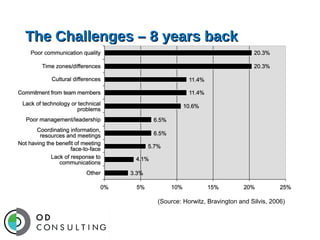
The Challenges – 8 years back

(Source: Horwitz, Bravington and Silvis, 2006)
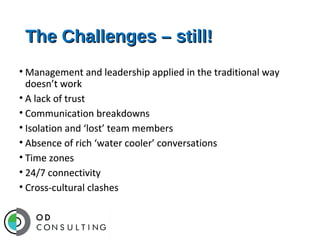
The Challenges – still!
• Management and leadership applied in the traditional way
doesn’t work
• A lack of trust
• Communication breakdowns
• Isolation and ‘lost’ team members
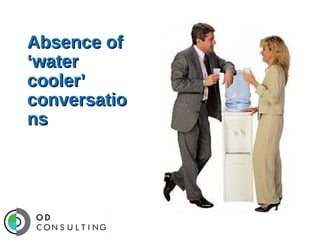
• Absence of rich ‘water cooler’ conversations
• Time zones
• 24/7 connectivity
• Cross-cultural clashes
Management and Leadership
– Virtually Different
Lack of Trust
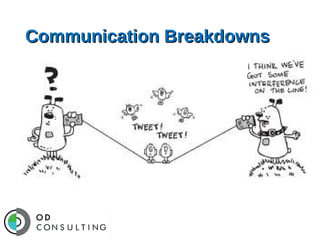
Communication Breakdowns
Absence of
‘water
cooler’
conversatio
ns
Time Zones & 24x7
Connectivity
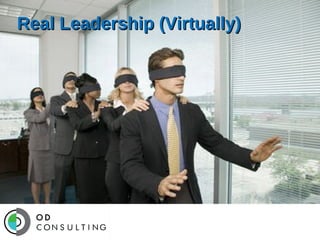
Real Leadership (Virtually)
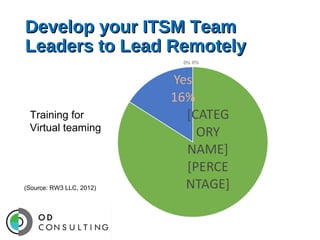
Develop your ITSM Team
Leaders to Lead Remotely

Training for
Virtual teaming

(Source: RW3 LLC, 2012)
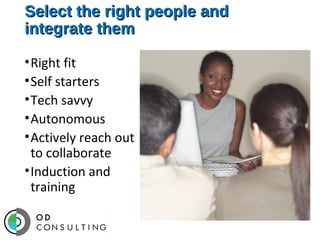
Select the right people and
integrate them
•Right fit
•Self starters
•Tech savvy
•Autonomous
•Actively reach out
to collaborate
•Induction and
training
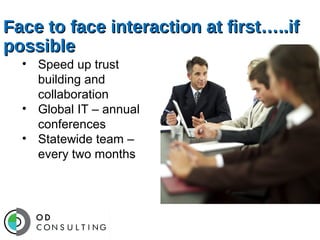
Face to face interaction at first…..if
possible
• Speed up trust
building and
collaboration
• Global IT – annual
conferences
• Statewide team –
every two months
Critical Success Factors for Managing
Remotely
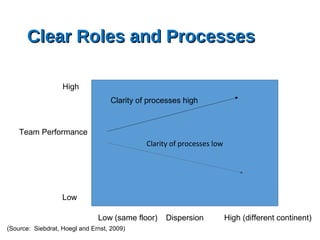
Clear Roles and Processes
High

Clarity of processes high

Team Performance
Clarity of processes low

Low
Low (same floor)
(Source: Siebdrat, Hoegl and Ernst, 2009)

Dispersion

High (different continent)
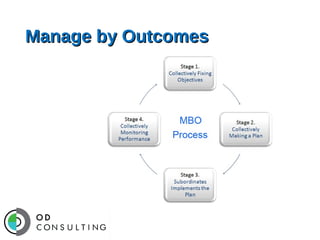
Manage by Outcomes
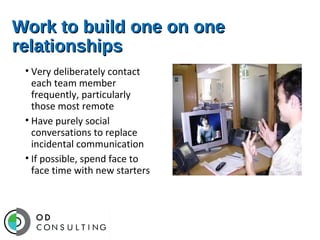
Work to build one on one
relationships
• Very deliberately contact
each team member
frequently, particularly
those most remote
• Have purely social
conversations to replace
incidental communication
• If possible, spend face to
face time with new starters
Work deliberately
to build the team
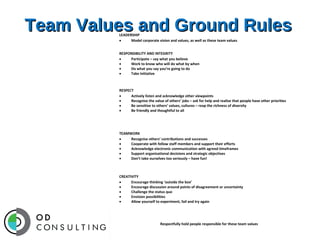
Team Values and Ground Rules
LEADERSHIP
Model corporate vision and values, as well as these team values

RESPONSIBILITY AND INTEGRITY
Participate – say what you believe
Work to know who will do what by when
Do what you say you’re going to do
Take initiative

RESPECT
Actively listen and acknowledge other viewpoints
Recognise the value of others’ jobs – ask for help and realise that people have other priorities
Be sensitive to others’ values, cultures – reap the richness of diversity
Be friendly and thoughtful to all

TEAMWORK
Recognise others’ contributions and successes
Cooperate with fellow staff members and support their efforts
Acknowledge electronic communication with agreed timeframes
Support organisational decisions and strategic objectives
Don’t take ourselves too seriously – have fun!

CREATIVITY
Encourage thinking ‘outside the box’
Encourage discussion around points of disagreement or uncertainty
Challenge the status quo
Envision possibilities
Allow yourself to experiment, fail and try again

Respectfully hold people responsible for these team values
Cross-team Collaboration
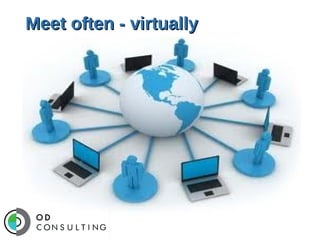
Meet often - virtually
Rituals, symbols, avatars,
celebrations
Swift Trust
Replicate water cooler
conversations
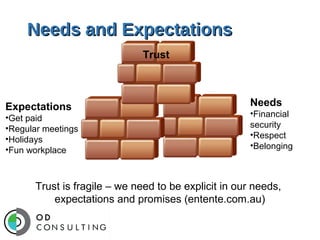
Needs and Expectations
Trust

Expectations
•Get paid
•Regular meetings
•Holidays
•Fun workplace

Needs
•Financial
security
•Respect
•Belonging

Trust is fragile – we need to be explicit in our needs,
expectations and promises (entente.com.au)
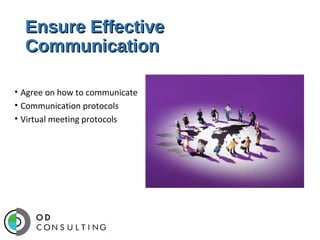
Ensure Effective
Communication
• Agree on how to communicate
• Communication protocols
• Virtual meeting protocols
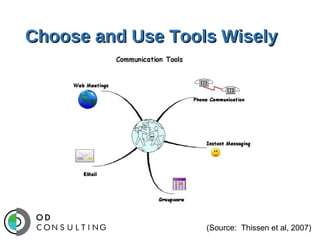
Choose and Use Tools Wisely

(Source: Thissen et al, 2007)
In Summary
• Virtual leadership
• Manage by outcomes
• Develop the team
• Engage team members
• Develop communication strategies and
protocols
Further Information
For whitepapers and more information
www.odconsulting.com.au
OD Consulting
odconsultingau
With thanks to our slides
sponsor, CA Technologies
Try Nimsoft for free at
ca.com/NSD-trial

#TFT14 Korrine Jones, Virtual Reality

  • 1.
    Korrine Jones Virtual Reality– overcoming the challenges of remote working to create high performing virtual ITSM teams
  • 2.
    Virtual Reality Overcoming thechallenges of remote working to create high performing virtual ITSM teams Presented by: Korrine Jones, OD Consulting Brisbane, Australia
  • 3.
    Presentation Overview • • • • • • Definitions andhistory The grim reality The business imperative A snapshot - my research The unique challenges Critical success factors for high performing virtual ITSM teams
  • 4.
    A Virtual Team Agroup of individuals who work together across time, space and organisational boundaries and communicate via technology.
  • 5.
  • 6.
    More Definitions •Dispersed team= virtual team •Distributed team = virtual team •Remote workers = team members who are not co-located with their team leader and/or other team members
  • 7.
    History • Lipnack andStamps have been writing about virtual teams for three decades.
  • 10.
    The Grim Reality •Up to 87% of the global workforce is now working remotely at least part of the time • 40% of virtual team members feel their teams are underperforming (Source: RW3, 2012)
  • 11.
    Challenges for VirtualTeam Members (Source: RW3, 2010)
  • 12.
    • Micro businessto large multi-nationals • Wide range of industries – IT, banking, direct sales, retail, public sector, e-learning providers
  • 13.
    The Business Imperative •Reduced accommodation costs • Reduced travel costs • Increased productivity • Cross organisational partnering • Attracting and retaining talent • Employee engagement • Work-life balance
  • 14.
    The Challenges –8 years back (Source: Horwitz, Bravington and Silvis, 2006)
  • 15.
    The Challenges –still! • Management and leadership applied in the traditional way doesn’t work • A lack of trust • Communication breakdowns • Isolation and ‘lost’ team members • Absence of rich ‘water cooler’ conversations • Time zones • 24/7 connectivity • Cross-cultural clashes
  • 16.
    Management and Leadership –Virtually Different
  • 17.
  • 18.
  • 20.
  • 21.
    Time Zones &24x7 Connectivity
  • 23.
  • 24.
    Develop your ITSMTeam Leaders to Lead Remotely Training for Virtual teaming (Source: RW3 LLC, 2012)
  • 25.
    Select the rightpeople and integrate them •Right fit •Self starters •Tech savvy •Autonomous •Actively reach out to collaborate •Induction and training
  • 27.
    Face to faceinteraction at first…..if possible • Speed up trust building and collaboration • Global IT – annual conferences • Statewide team – every two months
  • 29.
    Critical Success Factorsfor Managing Remotely
  • 30.
    Clear Roles andProcesses High Clarity of processes high Team Performance Clarity of processes low Low Low (same floor) (Source: Siebdrat, Hoegl and Ernst, 2009) Dispersion High (different continent)
  • 31.
  • 32.
    Work to buildone on one relationships • Very deliberately contact each team member frequently, particularly those most remote • Have purely social conversations to replace incidental communication • If possible, spend face to face time with new starters
  • 33.
  • 34.
    Team Values andGround Rules LEADERSHIP Model corporate vision and values, as well as these team values RESPONSIBILITY AND INTEGRITY Participate – say what you believe Work to know who will do what by when Do what you say you’re going to do Take initiative RESPECT Actively listen and acknowledge other viewpoints Recognise the value of others’ jobs – ask for help and realise that people have other priorities Be sensitive to others’ values, cultures – reap the richness of diversity Be friendly and thoughtful to all TEAMWORK Recognise others’ contributions and successes Cooperate with fellow staff members and support their efforts Acknowledge electronic communication with agreed timeframes Support organisational decisions and strategic objectives Don’t take ourselves too seriously – have fun! CREATIVITY Encourage thinking ‘outside the box’ Encourage discussion around points of disagreement or uncertainty Challenge the status quo Envision possibilities Allow yourself to experiment, fail and try again Respectfully hold people responsible for these team values
  • 36.
  • 37.
    Meet often -virtually
  • 38.
  • 39.
  • 40.
  • 41.
    Needs and Expectations Trust Expectations •Getpaid •Regular meetings •Holidays •Fun workplace Needs •Financial security •Respect •Belonging Trust is fragile – we need to be explicit in our needs, expectations and promises (entente.com.au)
  • 42.
    Ensure Effective Communication • Agreeon how to communicate • Communication protocols • Virtual meeting protocols
  • 43.
    Choose and UseTools Wisely (Source: Thissen et al, 2007)
  • 44.
    In Summary • Virtualleadership • Manage by outcomes • Develop the team • Engage team members • Develop communication strategies and protocols
  • 45.
    Further Information For whitepapersand more information www.odconsulting.com.au OD Consulting odconsultingau
  • 46.
    With thanks toour slides sponsor, CA Technologies Try Nimsoft for free at ca.com/NSD-trial