T19 & T20
WELCOME: TO DO LIST
 Skill Matrix Feedback
 The Importance of Peer Review
 What Peer Review Success Looks Like
 The Resume
 The Cover Letter
 Need to Knows
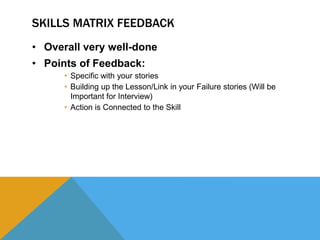
SKILLS MATRIX FEEDBACK
• Overall very well-done
• Points of Feedback:
• Specific with your stories
• Building up the Lesson/Link in your Failure stories (Will be
Important for Interview)
• Action is Connected to the Skill
THE IMPORTANCE OF PEER REVIEW
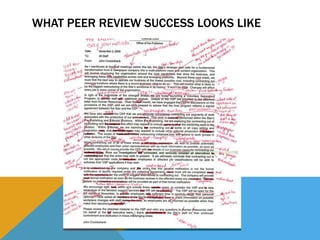
WHAT PEER REVIEW SUCCESS LOOKS LIKE
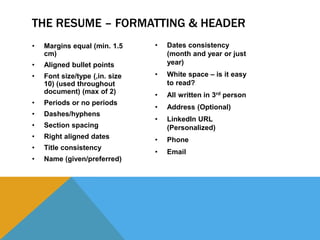
THE RESUME – FORMATTING & HEADER
• Margins equal (min. 1.5
cm)
• Aligned bullet points
• Font size/type (,in. size
10) (used throughout
document) (max of 2)
• Periods or no periods
• Dashes/hyphens
• Section spacing
• Right aligned dates
• Title consistency
• Name (given/preferred)
• Dates consistency
(month and year or just
year)
• White space – is it easy
to read?
• All written in 3rd person
• Address (Optional)
• LinkedIn URL
(Personalized)
• Phone
• Email
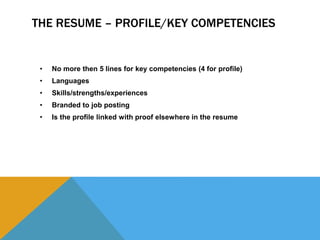
THE RESUME – PROFILE/KEY COMPETENCIES
• No more then 5 lines for key competencies (4 for profile)
• Languages
• Skills/strengths/experiences
• Branded to job posting
• Is the profile linked with proof elsewhere in the resume
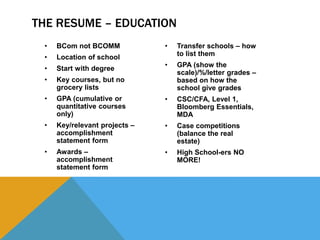
THE RESUME – EDUCATION
• BCom not BCOMM
• Location of school
• Start with degree
• Key courses, but no
grocery lists
• GPA (cumulative or
quantitative courses
only)
• Key/relevant projects –
accomplishment
statement form
• Awards –
accomplishment
statement form
• Transfer schools – how
to list them
• GPA (show the
scale)/%/letter grades –
based on how the
school give grades
• CSC/CFA, Level 1,
Bloomberg Essentials,
MDA
• Case competitions
(balance the real
estate)
• High School-ers NO
MORE!
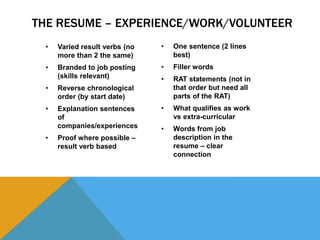
THE RESUME – EXPERIENCE/WORK/VOLUNTEER
• Varied result verbs (no
more than 2 the same)
• Branded to job posting
(skills relevant)
• Reverse chronological
order (by start date)
• Explanation sentences
of
companies/experiences
• Proof where possible –
result verb based
• One sentence (2 lines
best)
• Filler words
• RAT statements (not in
that order but need all
parts of the RAT)
• What qualifies as work
vs extra-curricular
• Words from job
description in the
resume – clear
connection
THE RESUME – INTERESTS
• Be able to speak extensively about the topics you put
here…and be interested
• Specifics draw them in
• Differentiate
• Well rounded (physical/creative/worldly-ness)
• BE FUN!! But appropriate
THE COVER LETTER – FORMATTING
• Header same as
resume
• Font size the same
throughout
• Consistent margins
• NOT justified
• “Attached” (what is
attached: Resume,
Transcript)
• Proper title at end
• Name/title of employer?
• Order of beginning:
 Date
 Contact name
 Their title
 Company
 Address 1
 Address 2
 City, Province Postal
Code
 Re: Position title
THE COVER LETTER – OPENING
• HOOK!
• Is there a link between them and the position?
• Interest and passion
• Matches skills
• Shows research in company
• NOT random fact-dropping!
• Name dropping where applicable
THE COVER LETTER – SKILLS MATCHING
• Are the skills in the job description?
• Are they relevant to the position?
• Are they in story-like format? (Easy to understand)
• Every position in cover letter MUST BE IN RESUME
• Must have link to company/position (explicit or implied)
• Bullet points or paragraph form are both acceptable
• 2-3 skills
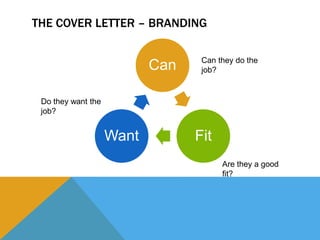
THE COVER LETTER – BRANDING
Can
FitWant
Can they do the
job?
Do they want the
job?
Are they a good
fit?
THE COVER LETTER – CONCLUSION
• Reiterates skills in a different way
• Expresses interest in the position
• Call to action
• Thank-you
• Book-end the hook!
THE COVER LETTER – OVERALL
• Impressive? Hmph
factor?
• What was good about it?
• What should they work
on?
• Would you have
interviewed them?
NEED TO KNOWS
• Cover Letter & Resume FINAL Due: Friday, March 27th @
12:00 on COOL and @ 2:00 p.m. on Turnitin
LECTURE
NEXT WEEK

Kinsey comm202 week 10

  • 1.
  • 2.
    WELCOME: TO DOLIST  Skill Matrix Feedback  The Importance of Peer Review  What Peer Review Success Looks Like  The Resume  The Cover Letter  Need to Knows
  • 3.
    SKILLS MATRIX FEEDBACK •Overall very well-done • Points of Feedback: • Specific with your stories • Building up the Lesson/Link in your Failure stories (Will be Important for Interview) • Action is Connected to the Skill
  • 4.
    THE IMPORTANCE OFPEER REVIEW
  • 5.
    WHAT PEER REVIEWSUCCESS LOOKS LIKE
  • 6.
    THE RESUME –FORMATTING & HEADER • Margins equal (min. 1.5 cm) • Aligned bullet points • Font size/type (,in. size 10) (used throughout document) (max of 2) • Periods or no periods • Dashes/hyphens • Section spacing • Right aligned dates • Title consistency • Name (given/preferred) • Dates consistency (month and year or just year) • White space – is it easy to read? • All written in 3rd person • Address (Optional) • LinkedIn URL (Personalized) • Phone • Email
  • 7.
    THE RESUME –PROFILE/KEY COMPETENCIES • No more then 5 lines for key competencies (4 for profile) • Languages • Skills/strengths/experiences • Branded to job posting • Is the profile linked with proof elsewhere in the resume
  • 8.
    THE RESUME –EDUCATION • BCom not BCOMM • Location of school • Start with degree • Key courses, but no grocery lists • GPA (cumulative or quantitative courses only) • Key/relevant projects – accomplishment statement form • Awards – accomplishment statement form • Transfer schools – how to list them • GPA (show the scale)/%/letter grades – based on how the school give grades • CSC/CFA, Level 1, Bloomberg Essentials, MDA • Case competitions (balance the real estate) • High School-ers NO MORE!
  • 9.
    THE RESUME –EXPERIENCE/WORK/VOLUNTEER • Varied result verbs (no more than 2 the same) • Branded to job posting (skills relevant) • Reverse chronological order (by start date) • Explanation sentences of companies/experiences • Proof where possible – result verb based • One sentence (2 lines best) • Filler words • RAT statements (not in that order but need all parts of the RAT) • What qualifies as work vs extra-curricular • Words from job description in the resume – clear connection
  • 10.
    THE RESUME –INTERESTS • Be able to speak extensively about the topics you put here…and be interested • Specifics draw them in • Differentiate • Well rounded (physical/creative/worldly-ness) • BE FUN!! But appropriate
  • 11.
    THE COVER LETTER– FORMATTING • Header same as resume • Font size the same throughout • Consistent margins • NOT justified • “Attached” (what is attached: Resume, Transcript) • Proper title at end • Name/title of employer? • Order of beginning:  Date  Contact name  Their title  Company  Address 1  Address 2  City, Province Postal Code  Re: Position title
  • 12.
    THE COVER LETTER– OPENING • HOOK! • Is there a link between them and the position? • Interest and passion • Matches skills • Shows research in company • NOT random fact-dropping! • Name dropping where applicable
  • 13.
    THE COVER LETTER– SKILLS MATCHING • Are the skills in the job description? • Are they relevant to the position? • Are they in story-like format? (Easy to understand) • Every position in cover letter MUST BE IN RESUME • Must have link to company/position (explicit or implied) • Bullet points or paragraph form are both acceptable • 2-3 skills
  • 14.
    THE COVER LETTER– BRANDING Can FitWant Can they do the job? Do they want the job? Are they a good fit?
  • 15.
    THE COVER LETTER– CONCLUSION • Reiterates skills in a different way • Expresses interest in the position • Call to action • Thank-you • Book-end the hook!
  • 16.
    THE COVER LETTER– OVERALL • Impressive? Hmph factor? • What was good about it? • What should they work on? • Would you have interviewed them?
  • 17.
    NEED TO KNOWS •Cover Letter & Resume FINAL Due: Friday, March 27th @ 12:00 on COOL and @ 2:00 p.m. on Turnitin LECTURE NEXT WEEK