JKR/ MACKINTOSH PROBE
INTRODUCTION
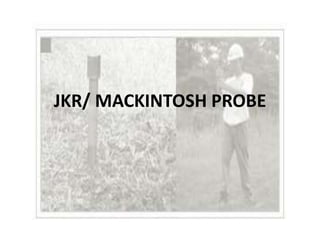
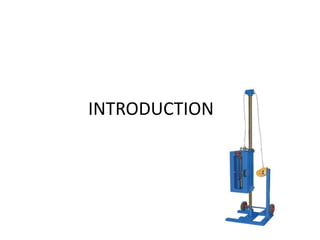
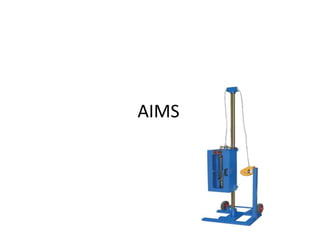
JKR/ MACKINTOSH PROBE
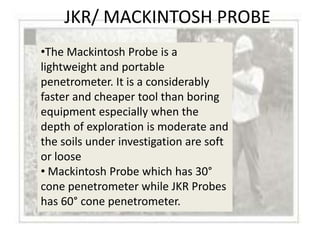
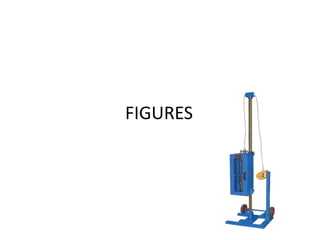
•The Mackintosh Probe is a
lightweight and portable
penetrometer. It is a considerably
faster and cheaper tool than boring
equipment especially when the
depth of exploration is moderate and
the soils under investigation are soft
or loose
• Mackintosh Probe which has 30°
cone penetrometer while JKR Probes
has 60° cone penetrometer.
• Based on the principles stated by HUARSLEV (1948) for drive rods
  for soundings and sampling and recommended methods for static
  and dynamics soundings by Europeans groups and subcommittee
  (1968).
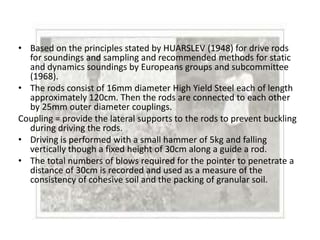
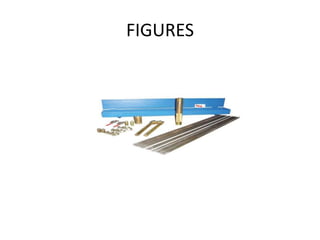
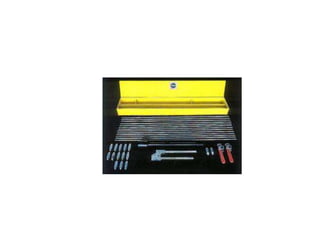
• The rods consist of 16mm diameter High Yield Steel each of length
  approximately 120cm. Then the rods are connected to each other
  by 25mm outer diameter couplings.
Coupling = provide the lateral supports to the rods to prevent buckling
  during driving the rods.
• Driving is performed with a small hammer of 5kg and falling
  vertically though a fixed height of 30cm along a guide a rod.
• The total numbers of blows required for the pointer to penetrate a
  distance of 30cm is recorded and used as a measure of the
  consistency of cohesive soil and the packing of granular soil.
AIMS
For every in-situ or laboratory test that had
  been carried out must have an aim or an
       objective. The objectives of the
       JKR/Machintosh Probe Test are:
Collecting a disturbed soil sample for
grain size analysis and soil classification.

Determine the sub-surface stratigraphy
and identify materials present.

Evaluate soil density and in-situ stress
condition.

Estimate geotechnical parameters.
ADVANTAGES
• Light and easy user.
• Does not need skill worker.
• Economical.
•  Provides a disturbed soil sample for moisture
  content determination.
• Faster and cheaper tools
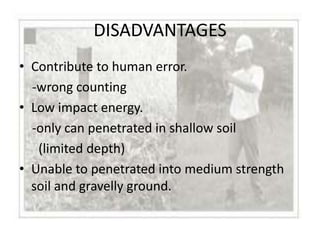
DISADVANTAGES
• Contribute to human error.
  -wrong counting
• Low impact energy.
  -only can penetrated in shallow soil
   (limited depth)
• Unable to penetrated into medium strength
  soil and gravelly ground.
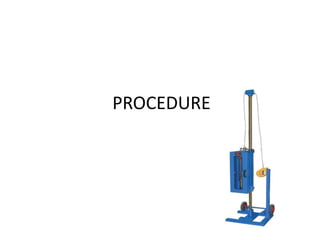
PROCEDURE
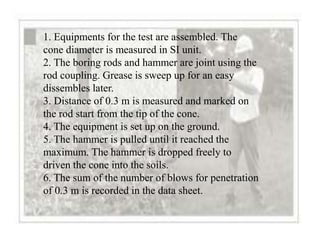
1. Equipments for the test are assembled. The
cone diameter is measured in SI unit.
2. The boring rods and hammer are joint using the
rod coupling. Grease is sweep up for an easy
dissembles later.
3. Distance of 0.3 m is measured and marked on
the rod start from the tip of the cone.
4. The equipment is set up on the ground.
5. The hammer is pulled until it reached the
maximum. The hammer is dropped freely to
driven the cone into the soils.
6. The sum of the number of blows for penetration
of 0.3 m is recorded in the data sheet.
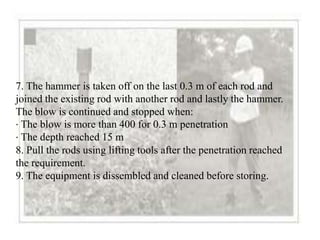
7. The hammer is taken off on the last 0.3 m of each rod and
joined the existing rod with another rod and lastly the hammer.
The blow is continued and stopped when:
· The blow is more than 400 for 0.3 m penetration
· The depth reached 15 m
8. Pull the rods using lifting tools after the penetration reached
the requirement.
9. The equipment is dissembled and cleaned before storing.
FIGURES
FIGURES
• Presented by :
Hilmi bin Awaludin – 2011985059
Nur Suryana binti Mohd Sutarzi – 2011527513
Mohd Amirul Haziq bin Ratuah – 2011387721

Jkr Probe Test

  • 1.
  • 2.
  • 3.
    JKR/ MACKINTOSH PROBE •TheMackintosh Probe is a lightweight and portable penetrometer. It is a considerably faster and cheaper tool than boring equipment especially when the depth of exploration is moderate and the soils under investigation are soft or loose • Mackintosh Probe which has 30° cone penetrometer while JKR Probes has 60° cone penetrometer.
  • 4.
    • Based onthe principles stated by HUARSLEV (1948) for drive rods for soundings and sampling and recommended methods for static and dynamics soundings by Europeans groups and subcommittee (1968). • The rods consist of 16mm diameter High Yield Steel each of length approximately 120cm. Then the rods are connected to each other by 25mm outer diameter couplings. Coupling = provide the lateral supports to the rods to prevent buckling during driving the rods. • Driving is performed with a small hammer of 5kg and falling vertically though a fixed height of 30cm along a guide a rod. • The total numbers of blows required for the pointer to penetrate a distance of 30cm is recorded and used as a measure of the consistency of cohesive soil and the packing of granular soil.
  • 5.
  • 6.
    For every in-situor laboratory test that had been carried out must have an aim or an objective. The objectives of the JKR/Machintosh Probe Test are:
  • 7.
    Collecting a disturbedsoil sample for grain size analysis and soil classification. Determine the sub-surface stratigraphy and identify materials present. Evaluate soil density and in-situ stress condition. Estimate geotechnical parameters.
  • 8.
    ADVANTAGES • Light andeasy user. • Does not need skill worker. • Economical. • Provides a disturbed soil sample for moisture content determination. • Faster and cheaper tools
  • 9.
    DISADVANTAGES • Contribute tohuman error. -wrong counting • Low impact energy. -only can penetrated in shallow soil (limited depth) • Unable to penetrated into medium strength soil and gravelly ground.
  • 10.
  • 11.
    1. Equipments forthe test are assembled. The cone diameter is measured in SI unit. 2. The boring rods and hammer are joint using the rod coupling. Grease is sweep up for an easy dissembles later. 3. Distance of 0.3 m is measured and marked on the rod start from the tip of the cone. 4. The equipment is set up on the ground. 5. The hammer is pulled until it reached the maximum. The hammer is dropped freely to driven the cone into the soils. 6. The sum of the number of blows for penetration of 0.3 m is recorded in the data sheet.
  • 12.
    7. The hammeris taken off on the last 0.3 m of each rod and joined the existing rod with another rod and lastly the hammer. The blow is continued and stopped when: · The blow is more than 400 for 0.3 m penetration · The depth reached 15 m 8. Pull the rods using lifting tools after the penetration reached the requirement. 9. The equipment is dissembled and cleaned before storing.
  • 13.
  • 14.
  • 17.
    • Presented by: Hilmi bin Awaludin – 2011985059 Nur Suryana binti Mohd Sutarzi – 2011527513 Mohd Amirul Haziq bin Ratuah – 2011387721