
INVESTIGATION TECHNIQUES
Richard Mayungbe, PhD, MSc, MBA, BSc, FCCA, FICA, CPFA,
ACFE, MICM, MIPN, Ch.MC, MITD, SEC Licensed Investment
Adviser
Tel: +234 8033467639, +234 8023019508,
+1-646-202-8832,
LEARNING OBJECTIVES
• At the end of this session, participants will be
able to:
• plan an investigation;
• conduct investigations into allegations of
fraud, corruption and ethical violations;
• write an elucidatory investigation report;
• assess and present evidence in court or at in-
house disciplinary committees convincingly.
07/12/16
Dr. Richard MAYUNGBE:
richardmayungbe@gmail.com
2
BRAIN TEASER
07/12/16
Dr. Richard MAYUNGBE:
richardmayungbe@gmail.com
3
INTRODUCTION
The aim of any investigation is to get the facts
so that a complaint, contention or an
allegation of crime might be resolved and
where applicable, justice dispensed equitably
to all the parties.
For an investigation to be initiated, a dispute,
or an allegation must have arisen, or an
event/incident as to warrant an investigation
must have occurred.
07/12/16
Dr. Richard MAYUNGBE:
richardmayungbe@gmail.com
4
AN INVESTIGATION
• What Is an Investigation?
• An investigation is a:
scrutiny,
exploration,
examination,
inquiry,
research,
an active effort to find out something,
07/12/16
Dr. Richard MAYUNGBE:
richardmayungbe@gmail.com
5
AN INVESTIGATION..2
a systematic and thorough attempt to learn
the facts about something complex or hidden
it is often formal and official
an orderly attempt to obtain information
about or to make a test of something
A systematic process of collecting relevant
evidence; followed by
An assessment of the evidence gathered;
followed by
07/12/16
Dr. Richard MAYUNGBE:
richardmayungbe@gmail.com
6
AN INVESTIGATION..3
A logical and reasonable determination or
conclusion.
An investigation is not:
A passive process of complaint vs response.
Investigations are a necessary tool in
managing human resources and other
resources in large organizations
07/12/16
Dr. Richard MAYUNGBE:
richardmayungbe@gmail.com
7
TECHNIQUE?
• A technique is:
An approach
A method
A procedure
A process or
A system
• By which a task is accomplished
07/12/16
Dr. Richard MAYUNGBE:
richardmayungbe@gmail.com
8
WHAT CAN WE INVESTIGATE?
Class participation:
•In an office or workplace, mention five
incidents that qualify for investigation
07/12/16
Dr. Richard MAYUNGBE:
richardmayungbe@gmail.com
9
WHO IS INVOLVED IN AN
INVESTIGATION
• The client
• The investigator(s)
• The witness
• The suspects
• The environment
07/12/16
Dr. Richard MAYUNGBE:
richardmayungbe@gmail.com
10
WHEN TO CONDUCT AN
INVESTIGATION
• When a serious matter is referred to your
department, — for example, one that could
potentially result in a litigation, dismissal or
demotion — it must be handled by way of a
formal investigation.
• It must be followed by a laid down procedure
that could be subjected to third party integrity
test.
07/12/16
Dr. Richard MAYUNGBE:
richardmayungbe@gmail.com
11
THE SCOPE AND PURPOSE..1
• As the investigator, you would have been given a
scope and purpose for the investigation (or terms
of reference) developed by your superior or
client.
• Alternatively you may have been asked to
develop a scope and purpose yourself or in
consultation with your boss/client.
• Regardless of who developed the scope and
purpose, you need to be clear on what it is you
have to investigate
07/12/16
Dr. Richard MAYUNGBE:
richardmayungbe@gmail.com
12
THE SCOPE AND PURPOSE..2
• If at any stage during the investigation you think
that the scope and purpose need to be changed,
seek prior approval from the client.
• If you do not seek clarification or approval you
may find yourself investigating matters without
proper authorization.
• You do not want to find yourself in the position
where your client does not agree with your
actions and why you have departed from the
scope and purpose
07/12/16
Dr. Richard MAYUNGBE:
richardmayungbe@gmail.com
13
THE SCOPE AND PURPOSE..3
• Such a departure may cause unnecessary delays
and possibly jeopardize the investigation.
• A common pitfall of investigations is to lose focus
by inquiring into interesting but irrelevant issues.
• If a matter does not fit within your scope and
purpose, you should either seek approval to
change your scope and purpose or just omit the
matter from your investigation.
07/12/16
Dr. Richard MAYUNGBE:
richardmayungbe@gmail.com
14
SEEK CLARIFICATION
• Always seek clarification of the scope and
purpose from your client so that you
understand exactly what you’re to investigate.
• Likewise, any amendments should be
authorized by the client.
• This will act as a deterrent to subsequent
appeals about the matters and you will thus
be protected if an aspects of your
investigation is questioned.
07/12/16
Dr. Richard MAYUNGBE:
richardmayungbe@gmail.com
15
AVOID CONFLICTS OF INTEREST
• All investigations must be conducted
impartially.
• You as the investigator must not have, and
must not be perceived to have, any conflict of
interest in relation to the complaint, or to the
persons, the conduct or the policies and
procedures that are the subject of
investigation.
07/12/16
Dr. Richard MAYUNGBE:
richardmayungbe@gmail.com
16
AVOID CONFLICT OF INTEREST..
• Generally speaking, there can be no
confidence in the outcome of an investigation
where the process is tainted by actual or
perceived conflict of interest, because any
arguments made by the person who is the
subject of the investigation about the integrity
of the process can never be satisfactorily or
totally rebutted.
07/12/16
Dr. Richard MAYUNGBE:
richardmayungbe@gmail.com
17
AVOID CONFLICT OF INTEREST…
• The allegation may be that, as a result of the
conflict of interest, you failed to collect all
relevant facts, or ask the necessary questions, or
otherwise carry out a proper investigation on
which the ultimate decision could be based.
• Although your investigation must be conducted
impartially, it is not realistic to expect that you
will be someone totally independent and having
no prior connection with the person under
investigation.
07/12/16
Dr. Richard MAYUNGBE:
richardmayungbe@gmail.com
18
ASSESSING CONFLICTS OF INTEREST
• Do you have a personal or financial
relationship with the person who made the
complaint, the person who is the subject of
the complaint, or anyone identified in the
allegations?
• Would you or anyone associated with you
benefit or suffer from any findings about the
person who is the subject of investigation?
07/12/16
Dr. Richard MAYUNGBE:
richardmayungbe@gmail.com
19
ASSESS THE CONFLICT OF INTEREST
• Do you hold any personal or professional
biases that may lead others to conclude that
you are not an appropriate person to
investigate this matter?
• Have you been directly involved in developing
or approving policies, procedures or practices
that are the subject of the complaint?
07/12/16
Dr. Richard MAYUNGBE:
richardmayungbe@gmail.com
20
ASSESS THE CONFLICT OF INTEREST
• If you are in doubt about whether a conflict
exists, you should seek advice from a
supervisor or manager (and ensure that the
process is documented).
• If you decide that you are not an appropriate
person to investigate the complaint, advise
the client so that somebody else can be
assigned to the investigation.
07/12/16
Dr. Richard MAYUNGBE:
richardmayungbe@gmail.com
21
ASSESS THE CONFLICT OF INTEREST
• Be aware that, even if you step down from the
position of investigator, you may still be
bound by confidentiality provisions in respect
of information received from the complainant
or other sources
07/12/16
Dr. Richard MAYUNGBE:
richardmayungbe@gmail.com
22
ARE THE NECESSARY INVESTIGATORY
POWERS AVAILABLE?
• In nearly all investigations the three chief
sources of information are:
• witnesses
• experts or other people with relevant
knowledge or information
• records
07/12/16
Dr. Richard MAYUNGBE:
richardmayungbe@gmail.com
23
WHAT POWERS DO YOU HAVE
• At the outset, you will need to ask yourself
what powers you have and, in particular,
whether you have the necessary power to get
witnesses to talk to you about relevant
events, to obtain information from people
about policies, procedures and practices, and
to access relevant records.
07/12/16
Dr. Richard MAYUNGBE:
richardmayungbe@gmail.com
24
WHERE DO I FIND OUT WHAT MY
POWERS ARE?
• Check with your legal unit for an accurate
description of any powers you may have to
gather information. Powers to conduct an
investigation are usually found in:
• Terms/Rule of Engagement of your
department and any authorizations from the
head of your department
• legislation and regulations
07/12/16
Dr. Richard MAYUNGBE:
richardmayungbe@gmail.com
25
YOUR POWERS
• employment agreements or awards
• contracts
• codes of conduct
• employment law and common law
07/12/16
Dr. Richard MAYUNGBE:
richardmayungbe@gmail.com
26
WHAT POWERS DO I HAVE TO ACCESS
DOCUMENTS?
• It may become necessary in the course of your
investigation to access departmental
documents or records.
• If these documents belong to the department
and are stored in areas where employees
normally have access, you should have no
trouble getting them.
07/12/16
Dr. Richard MAYUNGBE:
richardmayungbe@gmail.com
27
POWER TO ACCESS DOCUMENTS
• It would be preferable if your boss makes
reference to the seizure of documents and the
like in your letter of appointment or
equivalent when you are allocated the
investigation.
07/12/16
Dr. Richard MAYUNGBE:
richardmayungbe@gmail.com
28
POWER TO ACCESS DOCUMENTS
• However, you need to be more cautious if the
documents are stored in an employee’s
personal work area.
• This may include a personal locker, locked
drawer, filing cabinet or computer directory.
• In this case you are advised to contact your
legal unit, before you take any action.
07/12/16
Dr. Richard MAYUNGBE:
richardmayungbe@gmail.com
29
PLANNING THE INVESTIGATION
Planning is essential to ensure that:
• the investigation is carried out methodically and
in a professional manner
• resources are used to the best effect
• additional resources can be made available if
required
• sources of evidence are not overlooked, and
• opportunities for people to remove, destroy or
alter evidence are minimized
07/12/16
Dr. Richard MAYUNGBE:
richardmayungbe@gmail.com
30
WHY PLANNING IS IMPORTANT
• The main planning tool available to an
investigator is an investigation plan.
• You should complete your investigation plan
before you conduct any inquiries.
• This is because the planning process will
clarify the approach to be taken — the plan
will become the road map for your
investigation.
07/12/16
Dr. Richard MAYUNGBE:
richardmayungbe@gmail.com
31
WHY PLANNING IS IMPORTANT
• It allows you to stay focused on the job and
alerts you to any potential problems before
you encounter them.
• One of the great benefits of an investigation
plan is that it also facilitates effective
supervision, by informing investigation
managers of proposed investigative strategies
and timelines in advance and during the
course of an investigation
07/12/16
Dr. Richard MAYUNGBE:
richardmayungbe@gmail.com
32
WHY PLANNING IS IMPORTANT
• In respect of public-interest disclosures, the
investigation plan should incorporate
strategies to protect the identity of the
whistleblower.
• An investigation plan will be the foundation
of your inquiries.
• It will define what you do, why you do it and
when you do it.
07/12/16
Dr. Richard MAYUNGBE:
richardmayungbe@gmail.com
33
PLANNING
• Its primary purpose is to keep your
investigation focused.
• For best results, the plan should work from
the general to the specific and be updated
regularly
07/12/16
Dr. Richard MAYUNGBE:
richardmayungbe@gmail.com
34
PLANNING
• Before you do any task, see where it fits
within the plan.
• It may be useful to develop your investigation
plan in consultation with whoever authorized
you to conduct the investigation, to ensure
that it reflects accurately the brief you have
been given
07/12/16
Dr. Richard MAYUNGBE:
richardmayungbe@gmail.com
35
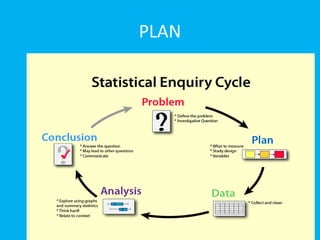
PLAN
COMPONENTS OF A GOOD
INVESTIGATION PLAN
• A good investigation plan usually includes the
following components:
• Investigation overview/background
This is a brief narrative about how the investigation
came into existence.
You should state how the information came to your
department’s attention, the general ambit of the
investigation, the general details given by the
source of the initial information, and any other
relevant information. If you have conducted
some initial inquiries, detail them here.
07/12/16
Dr. Richard MAYUNGBE:
richardmayungbe@gmail.com
37
COMPONENTS OF A GOOD
INVESTIGATION PLAN
• Scope and purpose
Include the statement of scope and purpose, as approved
by the client or the boss of your department or the
relevant person under delegated authority.
When this was drafted earlier, you would have clarified
exactly what was being alleged in the complaint.
Nailing a complainant down to specifics is not always
easy, but reducing the allegations to written (and
preferably suitably edited) form helps.
07/12/16
Dr. Richard MAYUNGBE:
richardmayungbe@gmail.com
38
COMPONENTS OF A GOOD
INVESTIGATION PLAN
• The allegations
A single complaint may contain a number of
separate allegations, and these need to be dealt
with individually.
The client will usually have listed the separate
allegations in its letter to your department.
The investigation plan should include only those
allegations that are to be investigated.
07/12/16
Dr. Richard MAYUNGBE:
richardmayungbe@gmail.com
39
PROOFS/FACTS AT ISSUE
• List here the facts that need to be established to
determine the truth or falsity of the allegation.
• In cases involving a complaint about the conduct of an
individual, the facts at issue will usually include: the
identity of the person alleged to have engaged in the
conduct the place and the date that the alleged
conduct occurred whether the alleged conduct actually
occurred if the alleged conduct did not occur, what
conduct did actually occur whether the actual conduct
itself is wrong whether the person did the thing
alleged, and whether the person had authority to
engage in the conduct.
07/12/16
Dr. Richard MAYUNGBE:
richardmayungbe@gmail.com
40
FACING THE FACTS
• The relevant legislation or procedures alleged
to have been breached may contain specific
requirements or elements that must all be
satisfied in order for a breach to be made out,
so all of these elements or requirements
comprise the facts at issue or proofs
07/12/16
Dr. Richard MAYUNGBE:
richardmayungbe@gmail.com
41
AVENUES OF INQUIRY
• Here you identify the potential sources of
information that will help you to establish the
facts at issue.
• This may be by means of interviewing specific
witnesses, examining documents and so on.
• This component of the investigation plan assists
an investigator to consider what evidence is
required to test the allegations, and what sources
may be used to get that evidence.
07/12/16
Dr. Richard MAYUNGBE:
richardmayungbe@gmail.com
42
AVENUES OF INQUIRY
• It also compels the investigator to weigh the
advantages and disadvantages of different
methods of gaining evidence.
• It is useful to break down the sources into:
• documents that should exist or that might be
obtained
• things that might have been used or created, and
• people who might have witnessed events,
created documents or handled things
07/12/16
Dr. Richard MAYUNGBE:
richardmayungbe@gmail.com
43
BRAINSTORM
• One of the best ways to think about avenues of
inquiry is to brainstorm, either by yourself or
with someone you can trust.
• Brainstorming means trying to come up with as
many possible explanations, or scenarios, as
possible. The value of brainstorming is:
• You are encouraged to think very broadly
• Imagination and creativity are encouraged, and
• You do not judge or criticize the answers that
come to mind.
07/12/16
Dr. Richard MAYUNGBE:
richardmayungbe@gmail.com
44
CONFIDENTIALITY ISSUES/OTHER
RISKS
• Mention any issues up front. For example:
• ‘The source is a public official who has made a
public-interest disclosure.’
• ‘Fears exist that documents might be destroyed.’
• ‘Certain people might release information to
others.’
• ‘The media may take an interest if the matter
becomes public.’
• ‘A conflict of interest may be involved
07/12/16
Dr. Richard MAYUNGBE:
richardmayungbe@gmail.com
45
RESOURCES
Give an estimate of the resources you will need to
conduct a successful inquiry, for example:
• people required
• computer facilities
• tape- or video-recording equipment
• stationery
• storage facilities
• vehicles
• funds
07/12/16
Dr. Richard MAYUNGBE:
richardmayungbe@gmail.com
46
TIMEFRAME:
• Give a rough estimate of the timeframe for the
investigation.
• It can never be set in concrete, but a timely conclusion
to your inquiry is necessary, while at the same time
making sure that the process is fair.
• Your investigation plan should include a list of specific
tasks to be performed based on the avenues of inquiry
you have come up with, the resources available and
the timeframe for the investigation.
• Try to arrange the tasks in order of completion.
07/12/16
Dr. Richard MAYUNGBE:
richardmayungbe@gmail.com
47
DECIDING WHO SHOULD BE
INTERVIEWED
• People are a valuable source of information
during an inquiry because:
• they may have directly perceived something
with their senses — ‘I saw’, ‘I heard’, ‘I
touched’, ‘I smelt’, ‘I tasted’
• they may have created a document
• they may have used something
• they may have left a trace (for example, a
computer audit trail) when using something
07/12/16
Dr. Richard MAYUNGBE:
richardmayungbe@gmail.com
48
DECIDING WHO SHOULD BE
INTERVIEWED
• All witnesses who are relevant to the investigation
should be interviewed.
• As part of the process of preparing the investigation
plan, you should identify those people who can assist
in the inquiry.
• You should have asked yourself:
• ‘What people may have information or created
documents or used things relating to the subject
matter of my inquiry?’
• If other sources of evidence become apparent during
the investigation, revise your investigation plan
accordingly.
07/12/16
Dr. Richard MAYUNGBE:
richardmayungbe@gmail.com
49
DECIDING THE ORDER OF
INTERVIEWS
• The first interview in an investigation usually occurs
with the complainant as part of the initial inquiries and
planning. The order in which the remaining witnesses
are interviewed will depend on:
• the importance of their evidence
• their degree of association with the person who is the
subject of the complaint, and
• their availability.
• When witnesses are interviewed sequentially, you
should avoid delays between one interview and the
next to minimize the opportunity for collusion.
•
07/12/16
Dr. Richard MAYUNGBE:
richardmayungbe@gmail.com
50
NEVER INTERVIEW WITNESSES
TOGETHER.
• Always interview people separately and ask them to keep it
confidential.
• A witness’s evidence can become corrupted — either
deliberately or inadvertently — if that person learns what
other witnesses have said or done.
• It can cause some people to change their version of events
or alter their perceptions about an event.
• As a general rule, the person who is the subject of a
complaint should be interviewed last.
• This will allow you to collect as much information as
possible from other sources first, putting you in a good
position to determine the appropriate questions to ask the
person
07/12/16
Dr. Richard MAYUNGBE:
richardmayungbe@gmail.com
51
NEVER INTERVIEW WITNESSES
TOGETHER.
• It also minimizes the risk of evidence being tampered
with or witnesses being intimidated.
• However, there will be situations where this general
rule about interviewing the subject officer last does
not apply.
• For example, it may be appropriate to interview them
earlier in the investigation to tie them down to a
version of events that your investigation can then
prove or disprove.
• In other cases, interviewing the subject officer early
may save time and effort by clearing them
straightaway
07/12/16
Dr. Richard MAYUNGBE:
richardmayungbe@gmail.com
52
ARRANGING FOR AN INTERPRETER TO
BE PRESENT
• Where a person to be interviewed does not have
a working command of English, you should use
an interpreter for the primary language of the
interviewee.
• This need should be anticipated as part of the
planning stage for the interview so that it does
not arise unexpectedly.
• Similarly, where a person to be interviewed is
deaf or has a speech defect you should call in a
specialized interpreter for the relevant disability
07/12/16
Dr. Richard MAYUNGBE:
richardmayungbe@gmail.com
53
ARRANGING FOR AN INTERPRETER TO
BE PRESENT
• The imperative to use an interpreter increases
according to the likelihood of the evidence being used
in future proceedings.
• This will reduce the opportunities for witnesses to later
resile from their statement on the basis that they had
not properly understood the questions.
• Wherever the substance of an interview may be used
or considered as evidence of any sort, or is to be relied
upon in any legal sense, and an interpreter is viewed
as necessary to communicate with the interviewee,
then you should only use an accredited interpreter.
07/12/16
Dr. Richard MAYUNGBE:
richardmayungbe@gmail.com
54
ARRANGING FOR AN INTERPRETER TO
BE PRESENT
• These trained and accredited interpreters are then
able to give evidence about the substance of the
interview, as they are regarded as legally qualified to
interpret.
• It may be permissible for the interviewer to find a third
party with some ability in the interviewee’s language
to act as an intermediary if:
• what is required from the witness is simply some basic
information, as opposed to evidentiary material
• the conversation is intended only as a preliminary
stage before a full interview is considered, or
• there is an urgent need to talk to the person
07/12/16
Dr. Richard MAYUNGBE:
richardmayungbe@gmail.com
55
ARRANGING FOR AN INTERPRETER TO
BE PRESENT
• This intermediary person, however, has no legal
or evidentiary standing to interpret.
• It is particularly important to avoid using family
or friends of an interviewee as interpreters,
because there is a very real danger that the
interpreter will empathize with the interviewee
to the extent that objectivity is lost and the
responses are prompted, coached or inaccurately
interpreted
07/12/16
Dr. Richard MAYUNGBE:
richardmayungbe@gmail.com
56
ARRANGING FOR AN INTERPRETER TO
BE PRESENT
• The workplace may have a number of workers who can
act as interpreters.
• However, wherever an investigation involves a fellow
member of staff, an investigator should be very
circumspect in the use of workplace interpreters.
• There are several reasons for preferring the use of an
external interpreter.
• Confidentiality is one of the prime considerations.
• A witness may also be less inclined to provide
information in the presence of a colleague
07/12/16
Dr. Richard MAYUNGBE:
richardmayungbe@gmail.com
57
ARRANGING FOR AN INTERPRETER TO
BE PRESENT
• Moreover, there is a chance that any partiality by the
workplace interpreter, either in favor of or against the
witness, may taint the translation.
• You should clearly outline to the interpreter what
their role is — make it clear that they should interpret
what is said exactly, and they are not to add
interpretations or clarifications.
• Strongly impress upon the interpreter the need for
confidentiality and impartiality.
• Don’t use family or friends of an interviewee as
interpreters, or fellow staff members.
• Engage an external interpreter.
07/12/16
Dr. Richard MAYUNGBE:
richardmayungbe@gmail.com
58
DECIDING HOW MUCH
INFORMATION TO GIVE THE SUBJECT
OFFICER
• It is a well-established principle of natural justice
that people who may be subject to a decision
depriving them of a right, interest or the
legitimate expectation of a benefit are entitled to
know the case against them.
• A person must be made aware of what they are
accused of with sufficient particularity to be able
to answer the allegations and be given the
opportunity to answer the allegations, before a
decision is made or any action taken
07/12/16
Dr. Richard MAYUNGBE:
richardmayungbe@gmail.com
59
DECIDING HOW MUCH
INFORMATION TO GIVE THE SUBJECT
OFFICER
• This does not mean that the officer is entitled to
be given access to every document seen by, or
piece of information given to, the external
investigator, or provided with questions prior to
interview.
• Each case should be considered on its merits,
with particular weight being given to the
information or documents that would best
enable the subject officer to answer the
allegations made against them.
07/12/16
Dr. Richard MAYUNGBE:
richardmayungbe@gmail.com
60
DECIDING HOW MUCH
INFORMATION TO GIVE THE SUBJECT
OFFICER
• More investigations suffer in terms of quality
because of poor planning than for any other
single reason.
• A good investigation starts with careful planning
and preparation, with a clear understanding of
the parameters of the investigation, and with
proper authority.
• Care and attention spent getting it right at the
outset will avoid considerable difficulties later on.
07/12/16
Dr. Richard MAYUNGBE:
richardmayungbe@gmail.com
61
INTERVIEWING
• The investigator should know, in advance, the
primary questions to ask
• You could write them down and spend time
reviewing them prior to the interview.
• You should be sure to organize and review the
records, documentation and be familiar with
the specific areas needing to be examined
07/12/16
Dr. Richard MAYUNGBE:
richardmayungbe@gmail.com
62
ENGAGED
• Outward demeanor is vital in establishing rapport.
• The interviewer should wear appropriate attire, and
when the interviewer first meets the interviewee,
she/he should introduce her/himself in a friendly
manner.
• The interviewer should try to put the other person at
ease with a warm smile, friendly handshake, and
pleasant eye contact.
• The interviewer should keep in mind that most
witnesses will want to share what they know with
her/him, so allow the interviewees to “tell their story”.
07/12/16
Dr. Richard MAYUNGBE:
richardmayungbe@gmail.com
63
THOUGHTFUL
• The interviewer should ask the interviewee if
she/he is comfortable, or whether she/he needs
something to eat or drink.
• Showing consideration for the other person,
especially if she/he is a suspect, will allow the
building of cooperation.
• It is good for the interviewer to establish a
rapport before beginning the question.
• It is good idea to spend a few minutes engaging
the interviewee in some “small talk” before
explaining the purpose of the interview
07/12/16
Dr. Richard MAYUNGBE:
richardmayungbe@gmail.com
64
LISTENING
• The interviewer should be careful not to talk
too much.
• The interviewer is there to glean details of
what the witness knows, so she/he should
provide information and then allow the
witness to answer.
• A good balance of time for the interviewer is
20 percent talking and 80 percent listening.
07/12/16
Dr. Richard MAYUNGBE:
richardmayungbe@gmail.com
65
FLEXIBLE
• While some interviewers like to have their questions
written down, it is good to remain flexible during interview
process.
• As the witness provides information, new details may be
disclosed.
• If the interviewer strictly follows a script of questions,
she/he will, most likely, miss asking questions about the
uncovered information, which could be crucial to the
investigation.
• It may be good instead, to have key thoughts noted in a
short version.
• This would also help guard against the witness reading your
questions in advance
07/12/16
Dr. Richard MAYUNGBE:
richardmayungbe@gmail.com
66
OBSERVANT
• Another reason to omit having a script of questions is
that it allows the interviewer to be observant to the
nonverbal behavior of the witness.
• Individuals have a relaxed body language that charges
when they are under stress.
• The interviewer will want to watch for the changes and
note their body language when the witnesses are
responding to the easy questions, and how behavior
changes when they are replying to the more difficult
questions.
• Understanding the changes will help assess whether
the witness is responding truthfully
07/12/16
Dr. Richard MAYUNGBE:
richardmayungbe@gmail.com
67
NON-THREATENING
• If the witness perceives she/he is a target of the
inquiry, she/he will be less likely to cooperate.
• The interviewer should appear fair in the line of
questioning and phrase the questions in a non-
accusatory manner.
• The interviewer should not interrupt the witness
as she/he is answering the questions.
• The witness will be more compliant if the
interviewer expresses interest in hearing her/his
story, appears non-judgmental, and displays
respect
07/12/16
Dr. Richard MAYUNGBE:
richardmayungbe@gmail.com
68
UNDERSTANDING BODY LANGUAGE
• Communication with others is expressed not only
through our words and tone, but is also represented
through our body language,
• As fraud examiners, we want to focus on charges
within the behavior, as change may be an indicator of
deception.
• When an individual attempts to deceive, her/his body
experiences stress.
• As she/he increases her/his deception, so does the
level of stress increases.
• The more stress created in the body, the easier it is to
observe the stress.
07/12/16
Dr. Richard MAYUNGBE:
richardmayungbe@gmail.com
69
THE FOLLOWING IS A LIST OF SOME
PHYSICAL INDICATORS
• 1.Placing hand in front of
mouth when speaking
• 2. Excessive blinking or
blinking too quickly
• 3. Frequent touching of
the nose (the nose is
especially sensitive to
stress)
• 4. Raising of eyebrows
• 5. Crossing of arms or legs
• 6. Lack of eye contact (or
an excess of eye contact)
• 7. Tapping of fingers feet
• 8. Frequent swallowing
• 9. Constant touching of
hands to face or head
• 10. Holding tightly to
arms of chair
• 11. Sweating
• 12. Shifting posture
07/12/16
Dr. Richard MAYUNGBE:
richardmayungbe@gmail.com
70
TYPES OF WITNESSES
• Within the investigation, there are two
primary types of witnesses, with the second
witness category being further subdivided
• Documenting Evidence
• Individuals - Neutral Third-Party Witnesses
• Corroborative Witnesses
• Co-Conspirators
• Suspect
07/12/16
Dr. Richard MAYUNGBE:
richardmayungbe@gmail.com
71
REPORT WRITING
• Communicating, in writing, the result of a fraud
examination can be just as important as the
investigation itself, but is sometimes viewed as a bit
routine.
• At the outset of the examination, the investigator
needs to plan for the possibility that the case will end
up in court.
• The evidence of your time spent investigating the case
is the report.
• Thus, a well-written report will both survive in court as
well as lend credibility to the investigation process
07/12/16
Dr. Richard MAYUNGBE:
richardmayungbe@gmail.com
72
SECTIONS OF AN INVESTIGATION
REPORT
• There are eight sections in an investigation report:
• cover page,
• index of documents,
• executive summary,
• introduction and background,
• objective(s) of the assignment,
• work performed including memorandums,
• affidavits and detailed reports of interviews and
events,
• findings/recommendations, and exhibits and
documents supporting the investigation.
07/12/16
Dr. Richard MAYUNGBE:
richardmayungbe@gmail.com
73
COVER PAGE
• The cover page includes the name of the
client, the type of report (usually referencing
back to the scope of the engagement letter),
the date of the report, case name or number
(if one is assigned), and the name and address
of the preparing forensic accounting firm.
• A transmittal letter may also be prepared, to
address the report to an outside agency, such
as law enforcement agency
07/12/16
Dr. Richard MAYUNGBE:
richardmayungbe@gmail.com
74
INDEX OF DOCUMENTS
• An index may not be necessary for reports,
consisting of less than ten pages.
• For reports of ten or more pages, providing a
quick reference by page number can be a
useful tool.
07/12/16
Dr. Richard MAYUNGBE:
richardmayungbe@gmail.com
75
EXECUTIVE SUMMARY
• This section should not be longer than one
page, and should frame the relevant elements
of the investigation, including the most salient
pieces of the scheme and the amount of the
loss
07/12/16
Dr. Richard MAYUNGBE:
richardmayungbe@gmail.com
76
INTRODUCTION AND BACKGROUND
• In this section, the investigator should include a
brief summary of how the client initially
contacted her/him, as well as client background
information.
• This section should also provide the history of
subsequent meetings and conversations with the
client.
• The objective of the assignment should reflect
the scope of work as per the engagement letter.
07/12/16
Dr. Richard MAYUNGBE:
richardmayungbe@gmail.com
77
INTRODUCTION AND BACKGROUND
• A general description of the work that will be
included in the investigation may also be
included here.
• It is not uncommon for the objective to
provide more details of the work description,
due to a limited availability of information at
the time of the signing of the engagement
letter
07/12/16
Dr. Richard MAYUNGBE:
richardmayungbe@gmail.com
78
WORK PERFORMED
• The work performed is the crucial portion of
the report.
• The report should bread events into individual
memos, which makes it simpler to document
and write.
• This technique isolates one event from
another.
• A memo should be created to document each
phone call, interview or other events.
07/12/16
Dr. Richard MAYUNGBE:
richardmayungbe@gmail.com
79
WORK PERFORMED
• The memo should reflect the following:
Event
Memorandum date
Witness’ name and address/phone/email
(form of contact)
Nature of the event (i.e. phone call, interview)
07/12/16
Dr. Richard MAYUNGBE:
richardmayungbe@gmail.com
80
WORK PERFORMED
Statement of evidence facts provided
Documents provided, if any
Name of the investigator
07/12/16
Dr. Richard MAYUNGBE:
richardmayungbe@gmail.com
81
FINDINGS/RECOMMENDATIONS
• This section includes what was found to be in
error, the cause (e.g., lack of proper
segregation of duties), specific
recommendation to prevent this from
occurring in the future, and the Naira loss
identified.
07/12/16
Dr. Richard MAYUNGBE:
richardmayungbe@gmail.com
82
FINDINGS/RECOMMENDATIONS
• If additional documents are needed in order
to complete the investigation, a list of
documents requested should also be
provided.
• The investigator should avoid making a
statement of opinion as to the guilt or
innocence of any party.
• These opinions are conclusions and are
reserved for the Trier of fact.
07/12/16
Dr. Richard MAYUNGBE:
richardmayungbe@gmail.com
83
EXHIBIT AND DOCUMENTS
SUPPORTING THE INVESTIGATION
• This section includes copies of all exhibits
created by the investigator, as well as copies
of all documents that support the
investigation.
• Each exhibit should be numbered and listed
in the index, if applicable.
07/12/16
Dr. Richard MAYUNGBE:
richardmayungbe@gmail.com
84
LEARNING SUMMARY
• Be tenacious,
• Be creative,
• Be intelligent,
• Keep good records,
• Know your organization’s policy and procedure
and the state/federal law.
• Bring in other skill sets at brainstorming session –
lawyers, forensics, etc.
• Prepare your reports professionally.
07/12/16
Dr. Richard MAYUNGBE:
richardmayungbe@gmail.com
85
Feed Back Questions
07/12/16
Dr. Richard MAYUNGBE:
richardmayungbe@gmail.com
86
End of Session
• Thank you very
much for your
• time
• interest and
• attention
• Merci beaucoup
pour votre temps
• Votre intérêt et
• Attention
07/12/16
Dr. Richard MAYUNGBE:
richardmayungbe@gmail.com
87

INVESTIGATION TECHNIQUES

  • 1.
    INVESTIGATION TECHNIQUES Richard Mayungbe,PhD, MSc, MBA, BSc, FCCA, FICA, CPFA, ACFE, MICM, MIPN, Ch.MC, MITD, SEC Licensed Investment Adviser Tel: +234 8033467639, +234 8023019508, +1-646-202-8832,
  • 2.
    LEARNING OBJECTIVES • Atthe end of this session, participants will be able to: • plan an investigation; • conduct investigations into allegations of fraud, corruption and ethical violations; • write an elucidatory investigation report; • assess and present evidence in court or at in- house disciplinary committees convincingly. 07/12/16 Dr. Richard MAYUNGBE: richardmayungbe@gmail.com 2
  • 3.
    BRAIN TEASER 07/12/16 Dr. RichardMAYUNGBE: richardmayungbe@gmail.com 3
  • 4.
    INTRODUCTION The aim ofany investigation is to get the facts so that a complaint, contention or an allegation of crime might be resolved and where applicable, justice dispensed equitably to all the parties. For an investigation to be initiated, a dispute, or an allegation must have arisen, or an event/incident as to warrant an investigation must have occurred. 07/12/16 Dr. Richard MAYUNGBE: richardmayungbe@gmail.com 4
  • 5.
    AN INVESTIGATION • WhatIs an Investigation? • An investigation is a: scrutiny, exploration, examination, inquiry, research, an active effort to find out something, 07/12/16 Dr. Richard MAYUNGBE: richardmayungbe@gmail.com 5
  • 6.
    AN INVESTIGATION..2 a systematicand thorough attempt to learn the facts about something complex or hidden it is often formal and official an orderly attempt to obtain information about or to make a test of something A systematic process of collecting relevant evidence; followed by An assessment of the evidence gathered; followed by 07/12/16 Dr. Richard MAYUNGBE: richardmayungbe@gmail.com 6
  • 7.
    AN INVESTIGATION..3 A logicaland reasonable determination or conclusion. An investigation is not: A passive process of complaint vs response. Investigations are a necessary tool in managing human resources and other resources in large organizations 07/12/16 Dr. Richard MAYUNGBE: richardmayungbe@gmail.com 7
  • 8.
    TECHNIQUE? • A techniqueis: An approach A method A procedure A process or A system • By which a task is accomplished 07/12/16 Dr. Richard MAYUNGBE: richardmayungbe@gmail.com 8
  • 9.
    WHAT CAN WEINVESTIGATE? Class participation: •In an office or workplace, mention five incidents that qualify for investigation 07/12/16 Dr. Richard MAYUNGBE: richardmayungbe@gmail.com 9
  • 10.
    WHO IS INVOLVEDIN AN INVESTIGATION • The client • The investigator(s) • The witness • The suspects • The environment 07/12/16 Dr. Richard MAYUNGBE: richardmayungbe@gmail.com 10
  • 11.
    WHEN TO CONDUCTAN INVESTIGATION • When a serious matter is referred to your department, — for example, one that could potentially result in a litigation, dismissal or demotion — it must be handled by way of a formal investigation. • It must be followed by a laid down procedure that could be subjected to third party integrity test. 07/12/16 Dr. Richard MAYUNGBE: richardmayungbe@gmail.com 11
  • 12.
    THE SCOPE ANDPURPOSE..1 • As the investigator, you would have been given a scope and purpose for the investigation (or terms of reference) developed by your superior or client. • Alternatively you may have been asked to develop a scope and purpose yourself or in consultation with your boss/client. • Regardless of who developed the scope and purpose, you need to be clear on what it is you have to investigate 07/12/16 Dr. Richard MAYUNGBE: richardmayungbe@gmail.com 12
  • 13.
    THE SCOPE ANDPURPOSE..2 • If at any stage during the investigation you think that the scope and purpose need to be changed, seek prior approval from the client. • If you do not seek clarification or approval you may find yourself investigating matters without proper authorization. • You do not want to find yourself in the position where your client does not agree with your actions and why you have departed from the scope and purpose 07/12/16 Dr. Richard MAYUNGBE: richardmayungbe@gmail.com 13
  • 14.
    THE SCOPE ANDPURPOSE..3 • Such a departure may cause unnecessary delays and possibly jeopardize the investigation. • A common pitfall of investigations is to lose focus by inquiring into interesting but irrelevant issues. • If a matter does not fit within your scope and purpose, you should either seek approval to change your scope and purpose or just omit the matter from your investigation. 07/12/16 Dr. Richard MAYUNGBE: richardmayungbe@gmail.com 14
  • 15.
    SEEK CLARIFICATION • Alwaysseek clarification of the scope and purpose from your client so that you understand exactly what you’re to investigate. • Likewise, any amendments should be authorized by the client. • This will act as a deterrent to subsequent appeals about the matters and you will thus be protected if an aspects of your investigation is questioned. 07/12/16 Dr. Richard MAYUNGBE: richardmayungbe@gmail.com 15
  • 16.
    AVOID CONFLICTS OFINTEREST • All investigations must be conducted impartially. • You as the investigator must not have, and must not be perceived to have, any conflict of interest in relation to the complaint, or to the persons, the conduct or the policies and procedures that are the subject of investigation. 07/12/16 Dr. Richard MAYUNGBE: richardmayungbe@gmail.com 16
  • 17.
    AVOID CONFLICT OFINTEREST.. • Generally speaking, there can be no confidence in the outcome of an investigation where the process is tainted by actual or perceived conflict of interest, because any arguments made by the person who is the subject of the investigation about the integrity of the process can never be satisfactorily or totally rebutted. 07/12/16 Dr. Richard MAYUNGBE: richardmayungbe@gmail.com 17
  • 18.
    AVOID CONFLICT OFINTEREST… • The allegation may be that, as a result of the conflict of interest, you failed to collect all relevant facts, or ask the necessary questions, or otherwise carry out a proper investigation on which the ultimate decision could be based. • Although your investigation must be conducted impartially, it is not realistic to expect that you will be someone totally independent and having no prior connection with the person under investigation. 07/12/16 Dr. Richard MAYUNGBE: richardmayungbe@gmail.com 18
  • 19.
    ASSESSING CONFLICTS OFINTEREST • Do you have a personal or financial relationship with the person who made the complaint, the person who is the subject of the complaint, or anyone identified in the allegations? • Would you or anyone associated with you benefit or suffer from any findings about the person who is the subject of investigation? 07/12/16 Dr. Richard MAYUNGBE: richardmayungbe@gmail.com 19
  • 20.
    ASSESS THE CONFLICTOF INTEREST • Do you hold any personal or professional biases that may lead others to conclude that you are not an appropriate person to investigate this matter? • Have you been directly involved in developing or approving policies, procedures or practices that are the subject of the complaint? 07/12/16 Dr. Richard MAYUNGBE: richardmayungbe@gmail.com 20
  • 21.
    ASSESS THE CONFLICTOF INTEREST • If you are in doubt about whether a conflict exists, you should seek advice from a supervisor or manager (and ensure that the process is documented). • If you decide that you are not an appropriate person to investigate the complaint, advise the client so that somebody else can be assigned to the investigation. 07/12/16 Dr. Richard MAYUNGBE: richardmayungbe@gmail.com 21
  • 22.
    ASSESS THE CONFLICTOF INTEREST • Be aware that, even if you step down from the position of investigator, you may still be bound by confidentiality provisions in respect of information received from the complainant or other sources 07/12/16 Dr. Richard MAYUNGBE: richardmayungbe@gmail.com 22
  • 23.
    ARE THE NECESSARYINVESTIGATORY POWERS AVAILABLE? • In nearly all investigations the three chief sources of information are: • witnesses • experts or other people with relevant knowledge or information • records 07/12/16 Dr. Richard MAYUNGBE: richardmayungbe@gmail.com 23
  • 24.
    WHAT POWERS DOYOU HAVE • At the outset, you will need to ask yourself what powers you have and, in particular, whether you have the necessary power to get witnesses to talk to you about relevant events, to obtain information from people about policies, procedures and practices, and to access relevant records. 07/12/16 Dr. Richard MAYUNGBE: richardmayungbe@gmail.com 24
  • 25.
    WHERE DO IFIND OUT WHAT MY POWERS ARE? • Check with your legal unit for an accurate description of any powers you may have to gather information. Powers to conduct an investigation are usually found in: • Terms/Rule of Engagement of your department and any authorizations from the head of your department • legislation and regulations 07/12/16 Dr. Richard MAYUNGBE: richardmayungbe@gmail.com 25
  • 26.
    YOUR POWERS • employmentagreements or awards • contracts • codes of conduct • employment law and common law 07/12/16 Dr. Richard MAYUNGBE: richardmayungbe@gmail.com 26
  • 27.
    WHAT POWERS DOI HAVE TO ACCESS DOCUMENTS? • It may become necessary in the course of your investigation to access departmental documents or records. • If these documents belong to the department and are stored in areas where employees normally have access, you should have no trouble getting them. 07/12/16 Dr. Richard MAYUNGBE: richardmayungbe@gmail.com 27
  • 28.
    POWER TO ACCESSDOCUMENTS • It would be preferable if your boss makes reference to the seizure of documents and the like in your letter of appointment or equivalent when you are allocated the investigation. 07/12/16 Dr. Richard MAYUNGBE: richardmayungbe@gmail.com 28
  • 29.
    POWER TO ACCESSDOCUMENTS • However, you need to be more cautious if the documents are stored in an employee’s personal work area. • This may include a personal locker, locked drawer, filing cabinet or computer directory. • In this case you are advised to contact your legal unit, before you take any action. 07/12/16 Dr. Richard MAYUNGBE: richardmayungbe@gmail.com 29
  • 30.
    PLANNING THE INVESTIGATION Planningis essential to ensure that: • the investigation is carried out methodically and in a professional manner • resources are used to the best effect • additional resources can be made available if required • sources of evidence are not overlooked, and • opportunities for people to remove, destroy or alter evidence are minimized 07/12/16 Dr. Richard MAYUNGBE: richardmayungbe@gmail.com 30
  • 31.
    WHY PLANNING ISIMPORTANT • The main planning tool available to an investigator is an investigation plan. • You should complete your investigation plan before you conduct any inquiries. • This is because the planning process will clarify the approach to be taken — the plan will become the road map for your investigation. 07/12/16 Dr. Richard MAYUNGBE: richardmayungbe@gmail.com 31
  • 32.
    WHY PLANNING ISIMPORTANT • It allows you to stay focused on the job and alerts you to any potential problems before you encounter them. • One of the great benefits of an investigation plan is that it also facilitates effective supervision, by informing investigation managers of proposed investigative strategies and timelines in advance and during the course of an investigation 07/12/16 Dr. Richard MAYUNGBE: richardmayungbe@gmail.com 32
  • 33.
    WHY PLANNING ISIMPORTANT • In respect of public-interest disclosures, the investigation plan should incorporate strategies to protect the identity of the whistleblower. • An investigation plan will be the foundation of your inquiries. • It will define what you do, why you do it and when you do it. 07/12/16 Dr. Richard MAYUNGBE: richardmayungbe@gmail.com 33
  • 34.
    PLANNING • Its primarypurpose is to keep your investigation focused. • For best results, the plan should work from the general to the specific and be updated regularly 07/12/16 Dr. Richard MAYUNGBE: richardmayungbe@gmail.com 34
  • 35.
    PLANNING • Before youdo any task, see where it fits within the plan. • It may be useful to develop your investigation plan in consultation with whoever authorized you to conduct the investigation, to ensure that it reflects accurately the brief you have been given 07/12/16 Dr. Richard MAYUNGBE: richardmayungbe@gmail.com 35
  • 36.
  • 37.
    COMPONENTS OF AGOOD INVESTIGATION PLAN • A good investigation plan usually includes the following components: • Investigation overview/background This is a brief narrative about how the investigation came into existence. You should state how the information came to your department’s attention, the general ambit of the investigation, the general details given by the source of the initial information, and any other relevant information. If you have conducted some initial inquiries, detail them here. 07/12/16 Dr. Richard MAYUNGBE: richardmayungbe@gmail.com 37
  • 38.
    COMPONENTS OF AGOOD INVESTIGATION PLAN • Scope and purpose Include the statement of scope and purpose, as approved by the client or the boss of your department or the relevant person under delegated authority. When this was drafted earlier, you would have clarified exactly what was being alleged in the complaint. Nailing a complainant down to specifics is not always easy, but reducing the allegations to written (and preferably suitably edited) form helps. 07/12/16 Dr. Richard MAYUNGBE: richardmayungbe@gmail.com 38
  • 39.
    COMPONENTS OF AGOOD INVESTIGATION PLAN • The allegations A single complaint may contain a number of separate allegations, and these need to be dealt with individually. The client will usually have listed the separate allegations in its letter to your department. The investigation plan should include only those allegations that are to be investigated. 07/12/16 Dr. Richard MAYUNGBE: richardmayungbe@gmail.com 39
  • 40.
    PROOFS/FACTS AT ISSUE •List here the facts that need to be established to determine the truth or falsity of the allegation. • In cases involving a complaint about the conduct of an individual, the facts at issue will usually include: the identity of the person alleged to have engaged in the conduct the place and the date that the alleged conduct occurred whether the alleged conduct actually occurred if the alleged conduct did not occur, what conduct did actually occur whether the actual conduct itself is wrong whether the person did the thing alleged, and whether the person had authority to engage in the conduct. 07/12/16 Dr. Richard MAYUNGBE: richardmayungbe@gmail.com 40
  • 41.
    FACING THE FACTS •The relevant legislation or procedures alleged to have been breached may contain specific requirements or elements that must all be satisfied in order for a breach to be made out, so all of these elements or requirements comprise the facts at issue or proofs 07/12/16 Dr. Richard MAYUNGBE: richardmayungbe@gmail.com 41
  • 42.
    AVENUES OF INQUIRY •Here you identify the potential sources of information that will help you to establish the facts at issue. • This may be by means of interviewing specific witnesses, examining documents and so on. • This component of the investigation plan assists an investigator to consider what evidence is required to test the allegations, and what sources may be used to get that evidence. 07/12/16 Dr. Richard MAYUNGBE: richardmayungbe@gmail.com 42
  • 43.
    AVENUES OF INQUIRY •It also compels the investigator to weigh the advantages and disadvantages of different methods of gaining evidence. • It is useful to break down the sources into: • documents that should exist or that might be obtained • things that might have been used or created, and • people who might have witnessed events, created documents or handled things 07/12/16 Dr. Richard MAYUNGBE: richardmayungbe@gmail.com 43
  • 44.
    BRAINSTORM • One ofthe best ways to think about avenues of inquiry is to brainstorm, either by yourself or with someone you can trust. • Brainstorming means trying to come up with as many possible explanations, or scenarios, as possible. The value of brainstorming is: • You are encouraged to think very broadly • Imagination and creativity are encouraged, and • You do not judge or criticize the answers that come to mind. 07/12/16 Dr. Richard MAYUNGBE: richardmayungbe@gmail.com 44
  • 45.
    CONFIDENTIALITY ISSUES/OTHER RISKS • Mentionany issues up front. For example: • ‘The source is a public official who has made a public-interest disclosure.’ • ‘Fears exist that documents might be destroyed.’ • ‘Certain people might release information to others.’ • ‘The media may take an interest if the matter becomes public.’ • ‘A conflict of interest may be involved 07/12/16 Dr. Richard MAYUNGBE: richardmayungbe@gmail.com 45
  • 46.
    RESOURCES Give an estimateof the resources you will need to conduct a successful inquiry, for example: • people required • computer facilities • tape- or video-recording equipment • stationery • storage facilities • vehicles • funds 07/12/16 Dr. Richard MAYUNGBE: richardmayungbe@gmail.com 46
  • 47.
    TIMEFRAME: • Give arough estimate of the timeframe for the investigation. • It can never be set in concrete, but a timely conclusion to your inquiry is necessary, while at the same time making sure that the process is fair. • Your investigation plan should include a list of specific tasks to be performed based on the avenues of inquiry you have come up with, the resources available and the timeframe for the investigation. • Try to arrange the tasks in order of completion. 07/12/16 Dr. Richard MAYUNGBE: richardmayungbe@gmail.com 47
  • 48.
    DECIDING WHO SHOULDBE INTERVIEWED • People are a valuable source of information during an inquiry because: • they may have directly perceived something with their senses — ‘I saw’, ‘I heard’, ‘I touched’, ‘I smelt’, ‘I tasted’ • they may have created a document • they may have used something • they may have left a trace (for example, a computer audit trail) when using something 07/12/16 Dr. Richard MAYUNGBE: richardmayungbe@gmail.com 48
  • 49.
    DECIDING WHO SHOULDBE INTERVIEWED • All witnesses who are relevant to the investigation should be interviewed. • As part of the process of preparing the investigation plan, you should identify those people who can assist in the inquiry. • You should have asked yourself: • ‘What people may have information or created documents or used things relating to the subject matter of my inquiry?’ • If other sources of evidence become apparent during the investigation, revise your investigation plan accordingly. 07/12/16 Dr. Richard MAYUNGBE: richardmayungbe@gmail.com 49
  • 50.
    DECIDING THE ORDEROF INTERVIEWS • The first interview in an investigation usually occurs with the complainant as part of the initial inquiries and planning. The order in which the remaining witnesses are interviewed will depend on: • the importance of their evidence • their degree of association with the person who is the subject of the complaint, and • their availability. • When witnesses are interviewed sequentially, you should avoid delays between one interview and the next to minimize the opportunity for collusion. • 07/12/16 Dr. Richard MAYUNGBE: richardmayungbe@gmail.com 50
  • 51.
    NEVER INTERVIEW WITNESSES TOGETHER. •Always interview people separately and ask them to keep it confidential. • A witness’s evidence can become corrupted — either deliberately or inadvertently — if that person learns what other witnesses have said or done. • It can cause some people to change their version of events or alter their perceptions about an event. • As a general rule, the person who is the subject of a complaint should be interviewed last. • This will allow you to collect as much information as possible from other sources first, putting you in a good position to determine the appropriate questions to ask the person 07/12/16 Dr. Richard MAYUNGBE: richardmayungbe@gmail.com 51
  • 52.
    NEVER INTERVIEW WITNESSES TOGETHER. •It also minimizes the risk of evidence being tampered with or witnesses being intimidated. • However, there will be situations where this general rule about interviewing the subject officer last does not apply. • For example, it may be appropriate to interview them earlier in the investigation to tie them down to a version of events that your investigation can then prove or disprove. • In other cases, interviewing the subject officer early may save time and effort by clearing them straightaway 07/12/16 Dr. Richard MAYUNGBE: richardmayungbe@gmail.com 52
  • 53.
    ARRANGING FOR ANINTERPRETER TO BE PRESENT • Where a person to be interviewed does not have a working command of English, you should use an interpreter for the primary language of the interviewee. • This need should be anticipated as part of the planning stage for the interview so that it does not arise unexpectedly. • Similarly, where a person to be interviewed is deaf or has a speech defect you should call in a specialized interpreter for the relevant disability 07/12/16 Dr. Richard MAYUNGBE: richardmayungbe@gmail.com 53
  • 54.
    ARRANGING FOR ANINTERPRETER TO BE PRESENT • The imperative to use an interpreter increases according to the likelihood of the evidence being used in future proceedings. • This will reduce the opportunities for witnesses to later resile from their statement on the basis that they had not properly understood the questions. • Wherever the substance of an interview may be used or considered as evidence of any sort, or is to be relied upon in any legal sense, and an interpreter is viewed as necessary to communicate with the interviewee, then you should only use an accredited interpreter. 07/12/16 Dr. Richard MAYUNGBE: richardmayungbe@gmail.com 54
  • 55.
    ARRANGING FOR ANINTERPRETER TO BE PRESENT • These trained and accredited interpreters are then able to give evidence about the substance of the interview, as they are regarded as legally qualified to interpret. • It may be permissible for the interviewer to find a third party with some ability in the interviewee’s language to act as an intermediary if: • what is required from the witness is simply some basic information, as opposed to evidentiary material • the conversation is intended only as a preliminary stage before a full interview is considered, or • there is an urgent need to talk to the person 07/12/16 Dr. Richard MAYUNGBE: richardmayungbe@gmail.com 55
  • 56.
    ARRANGING FOR ANINTERPRETER TO BE PRESENT • This intermediary person, however, has no legal or evidentiary standing to interpret. • It is particularly important to avoid using family or friends of an interviewee as interpreters, because there is a very real danger that the interpreter will empathize with the interviewee to the extent that objectivity is lost and the responses are prompted, coached or inaccurately interpreted 07/12/16 Dr. Richard MAYUNGBE: richardmayungbe@gmail.com 56
  • 57.
    ARRANGING FOR ANINTERPRETER TO BE PRESENT • The workplace may have a number of workers who can act as interpreters. • However, wherever an investigation involves a fellow member of staff, an investigator should be very circumspect in the use of workplace interpreters. • There are several reasons for preferring the use of an external interpreter. • Confidentiality is one of the prime considerations. • A witness may also be less inclined to provide information in the presence of a colleague 07/12/16 Dr. Richard MAYUNGBE: richardmayungbe@gmail.com 57
  • 58.
    ARRANGING FOR ANINTERPRETER TO BE PRESENT • Moreover, there is a chance that any partiality by the workplace interpreter, either in favor of or against the witness, may taint the translation. • You should clearly outline to the interpreter what their role is — make it clear that they should interpret what is said exactly, and they are not to add interpretations or clarifications. • Strongly impress upon the interpreter the need for confidentiality and impartiality. • Don’t use family or friends of an interviewee as interpreters, or fellow staff members. • Engage an external interpreter. 07/12/16 Dr. Richard MAYUNGBE: richardmayungbe@gmail.com 58
  • 59.
    DECIDING HOW MUCH INFORMATIONTO GIVE THE SUBJECT OFFICER • It is a well-established principle of natural justice that people who may be subject to a decision depriving them of a right, interest or the legitimate expectation of a benefit are entitled to know the case against them. • A person must be made aware of what they are accused of with sufficient particularity to be able to answer the allegations and be given the opportunity to answer the allegations, before a decision is made or any action taken 07/12/16 Dr. Richard MAYUNGBE: richardmayungbe@gmail.com 59
  • 60.
    DECIDING HOW MUCH INFORMATIONTO GIVE THE SUBJECT OFFICER • This does not mean that the officer is entitled to be given access to every document seen by, or piece of information given to, the external investigator, or provided with questions prior to interview. • Each case should be considered on its merits, with particular weight being given to the information or documents that would best enable the subject officer to answer the allegations made against them. 07/12/16 Dr. Richard MAYUNGBE: richardmayungbe@gmail.com 60
  • 61.
    DECIDING HOW MUCH INFORMATIONTO GIVE THE SUBJECT OFFICER • More investigations suffer in terms of quality because of poor planning than for any other single reason. • A good investigation starts with careful planning and preparation, with a clear understanding of the parameters of the investigation, and with proper authority. • Care and attention spent getting it right at the outset will avoid considerable difficulties later on. 07/12/16 Dr. Richard MAYUNGBE: richardmayungbe@gmail.com 61
  • 62.
    INTERVIEWING • The investigatorshould know, in advance, the primary questions to ask • You could write them down and spend time reviewing them prior to the interview. • You should be sure to organize and review the records, documentation and be familiar with the specific areas needing to be examined 07/12/16 Dr. Richard MAYUNGBE: richardmayungbe@gmail.com 62
  • 63.
    ENGAGED • Outward demeanoris vital in establishing rapport. • The interviewer should wear appropriate attire, and when the interviewer first meets the interviewee, she/he should introduce her/himself in a friendly manner. • The interviewer should try to put the other person at ease with a warm smile, friendly handshake, and pleasant eye contact. • The interviewer should keep in mind that most witnesses will want to share what they know with her/him, so allow the interviewees to “tell their story”. 07/12/16 Dr. Richard MAYUNGBE: richardmayungbe@gmail.com 63
  • 64.
    THOUGHTFUL • The interviewershould ask the interviewee if she/he is comfortable, or whether she/he needs something to eat or drink. • Showing consideration for the other person, especially if she/he is a suspect, will allow the building of cooperation. • It is good for the interviewer to establish a rapport before beginning the question. • It is good idea to spend a few minutes engaging the interviewee in some “small talk” before explaining the purpose of the interview 07/12/16 Dr. Richard MAYUNGBE: richardmayungbe@gmail.com 64
  • 65.
    LISTENING • The interviewershould be careful not to talk too much. • The interviewer is there to glean details of what the witness knows, so she/he should provide information and then allow the witness to answer. • A good balance of time for the interviewer is 20 percent talking and 80 percent listening. 07/12/16 Dr. Richard MAYUNGBE: richardmayungbe@gmail.com 65
  • 66.
    FLEXIBLE • While someinterviewers like to have their questions written down, it is good to remain flexible during interview process. • As the witness provides information, new details may be disclosed. • If the interviewer strictly follows a script of questions, she/he will, most likely, miss asking questions about the uncovered information, which could be crucial to the investigation. • It may be good instead, to have key thoughts noted in a short version. • This would also help guard against the witness reading your questions in advance 07/12/16 Dr. Richard MAYUNGBE: richardmayungbe@gmail.com 66
  • 67.
    OBSERVANT • Another reasonto omit having a script of questions is that it allows the interviewer to be observant to the nonverbal behavior of the witness. • Individuals have a relaxed body language that charges when they are under stress. • The interviewer will want to watch for the changes and note their body language when the witnesses are responding to the easy questions, and how behavior changes when they are replying to the more difficult questions. • Understanding the changes will help assess whether the witness is responding truthfully 07/12/16 Dr. Richard MAYUNGBE: richardmayungbe@gmail.com 67
  • 68.
    NON-THREATENING • If thewitness perceives she/he is a target of the inquiry, she/he will be less likely to cooperate. • The interviewer should appear fair in the line of questioning and phrase the questions in a non- accusatory manner. • The interviewer should not interrupt the witness as she/he is answering the questions. • The witness will be more compliant if the interviewer expresses interest in hearing her/his story, appears non-judgmental, and displays respect 07/12/16 Dr. Richard MAYUNGBE: richardmayungbe@gmail.com 68
  • 69.
    UNDERSTANDING BODY LANGUAGE •Communication with others is expressed not only through our words and tone, but is also represented through our body language, • As fraud examiners, we want to focus on charges within the behavior, as change may be an indicator of deception. • When an individual attempts to deceive, her/his body experiences stress. • As she/he increases her/his deception, so does the level of stress increases. • The more stress created in the body, the easier it is to observe the stress. 07/12/16 Dr. Richard MAYUNGBE: richardmayungbe@gmail.com 69
  • 70.
    THE FOLLOWING ISA LIST OF SOME PHYSICAL INDICATORS • 1.Placing hand in front of mouth when speaking • 2. Excessive blinking or blinking too quickly • 3. Frequent touching of the nose (the nose is especially sensitive to stress) • 4. Raising of eyebrows • 5. Crossing of arms or legs • 6. Lack of eye contact (or an excess of eye contact) • 7. Tapping of fingers feet • 8. Frequent swallowing • 9. Constant touching of hands to face or head • 10. Holding tightly to arms of chair • 11. Sweating • 12. Shifting posture 07/12/16 Dr. Richard MAYUNGBE: richardmayungbe@gmail.com 70
  • 71.
    TYPES OF WITNESSES •Within the investigation, there are two primary types of witnesses, with the second witness category being further subdivided • Documenting Evidence • Individuals - Neutral Third-Party Witnesses • Corroborative Witnesses • Co-Conspirators • Suspect 07/12/16 Dr. Richard MAYUNGBE: richardmayungbe@gmail.com 71
  • 72.
    REPORT WRITING • Communicating,in writing, the result of a fraud examination can be just as important as the investigation itself, but is sometimes viewed as a bit routine. • At the outset of the examination, the investigator needs to plan for the possibility that the case will end up in court. • The evidence of your time spent investigating the case is the report. • Thus, a well-written report will both survive in court as well as lend credibility to the investigation process 07/12/16 Dr. Richard MAYUNGBE: richardmayungbe@gmail.com 72
  • 73.
    SECTIONS OF ANINVESTIGATION REPORT • There are eight sections in an investigation report: • cover page, • index of documents, • executive summary, • introduction and background, • objective(s) of the assignment, • work performed including memorandums, • affidavits and detailed reports of interviews and events, • findings/recommendations, and exhibits and documents supporting the investigation. 07/12/16 Dr. Richard MAYUNGBE: richardmayungbe@gmail.com 73
  • 74.
    COVER PAGE • Thecover page includes the name of the client, the type of report (usually referencing back to the scope of the engagement letter), the date of the report, case name or number (if one is assigned), and the name and address of the preparing forensic accounting firm. • A transmittal letter may also be prepared, to address the report to an outside agency, such as law enforcement agency 07/12/16 Dr. Richard MAYUNGBE: richardmayungbe@gmail.com 74
  • 75.
    INDEX OF DOCUMENTS •An index may not be necessary for reports, consisting of less than ten pages. • For reports of ten or more pages, providing a quick reference by page number can be a useful tool. 07/12/16 Dr. Richard MAYUNGBE: richardmayungbe@gmail.com 75
  • 76.
    EXECUTIVE SUMMARY • Thissection should not be longer than one page, and should frame the relevant elements of the investigation, including the most salient pieces of the scheme and the amount of the loss 07/12/16 Dr. Richard MAYUNGBE: richardmayungbe@gmail.com 76
  • 77.
    INTRODUCTION AND BACKGROUND •In this section, the investigator should include a brief summary of how the client initially contacted her/him, as well as client background information. • This section should also provide the history of subsequent meetings and conversations with the client. • The objective of the assignment should reflect the scope of work as per the engagement letter. 07/12/16 Dr. Richard MAYUNGBE: richardmayungbe@gmail.com 77
  • 78.
    INTRODUCTION AND BACKGROUND •A general description of the work that will be included in the investigation may also be included here. • It is not uncommon for the objective to provide more details of the work description, due to a limited availability of information at the time of the signing of the engagement letter 07/12/16 Dr. Richard MAYUNGBE: richardmayungbe@gmail.com 78
  • 79.
    WORK PERFORMED • Thework performed is the crucial portion of the report. • The report should bread events into individual memos, which makes it simpler to document and write. • This technique isolates one event from another. • A memo should be created to document each phone call, interview or other events. 07/12/16 Dr. Richard MAYUNGBE: richardmayungbe@gmail.com 79
  • 80.
    WORK PERFORMED • Thememo should reflect the following: Event Memorandum date Witness’ name and address/phone/email (form of contact) Nature of the event (i.e. phone call, interview) 07/12/16 Dr. Richard MAYUNGBE: richardmayungbe@gmail.com 80
  • 81.
    WORK PERFORMED Statement ofevidence facts provided Documents provided, if any Name of the investigator 07/12/16 Dr. Richard MAYUNGBE: richardmayungbe@gmail.com 81
  • 82.
    FINDINGS/RECOMMENDATIONS • This sectionincludes what was found to be in error, the cause (e.g., lack of proper segregation of duties), specific recommendation to prevent this from occurring in the future, and the Naira loss identified. 07/12/16 Dr. Richard MAYUNGBE: richardmayungbe@gmail.com 82
  • 83.
    FINDINGS/RECOMMENDATIONS • If additionaldocuments are needed in order to complete the investigation, a list of documents requested should also be provided. • The investigator should avoid making a statement of opinion as to the guilt or innocence of any party. • These opinions are conclusions and are reserved for the Trier of fact. 07/12/16 Dr. Richard MAYUNGBE: richardmayungbe@gmail.com 83
  • 84.
    EXHIBIT AND DOCUMENTS SUPPORTINGTHE INVESTIGATION • This section includes copies of all exhibits created by the investigator, as well as copies of all documents that support the investigation. • Each exhibit should be numbered and listed in the index, if applicable. 07/12/16 Dr. Richard MAYUNGBE: richardmayungbe@gmail.com 84
  • 85.
    LEARNING SUMMARY • Betenacious, • Be creative, • Be intelligent, • Keep good records, • Know your organization’s policy and procedure and the state/federal law. • Bring in other skill sets at brainstorming session – lawyers, forensics, etc. • Prepare your reports professionally. 07/12/16 Dr. Richard MAYUNGBE: richardmayungbe@gmail.com 85
  • 86.
    Feed Back Questions 07/12/16 Dr.Richard MAYUNGBE: richardmayungbe@gmail.com 86
  • 87.
    End of Session •Thank you very much for your • time • interest and • attention • Merci beaucoup pour votre temps • Votre intérêt et • Attention 07/12/16 Dr. Richard MAYUNGBE: richardmayungbe@gmail.com 87