Installing
Windows 10
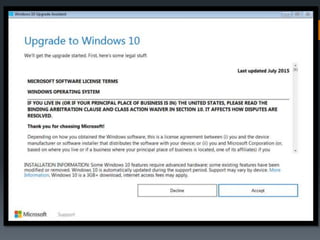
You can use Microsoft’s upgrade tool
to install Windows 10 on your PC if
you already have Windows 7 or 8.1
installed. This will also make it
possible to downgrade and go back to
Windows 7 or 8.1 after you perform
the upgrade, if you don’t like it.
If you don’t want to upgrade from an
existing Windows installation, you can
download the official Windows 10
installation media for free from
Microsoft and perform a clean install.
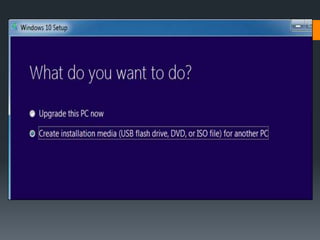
To do this, visit Microsoft’s Download
Windows 10 page, click “Download
Tool Now”, and run the downloaded
file. Select “Create installation media
for another PC”.
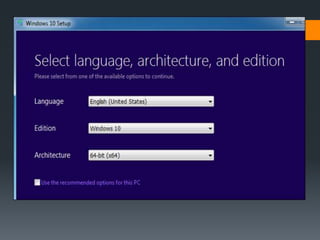
Be sure to select the language,
edition, and architecture you want to
install of Windows 10. If you’re
installing it on a PC with a 64-bit CPU,
you probably want the 64-bit version.
If you’re installing it on a PC with a 32-
bit CPU, you’ll need the 32-bit version.
You can check what type of CPU your
PC has if you don’t know off the top of
your head.
If you’re installing Windows 10 on the
current PC, just keep the “Use the
recommended options for this PC” box
checked and the tool will automatically
download the correct version for your
current PC.
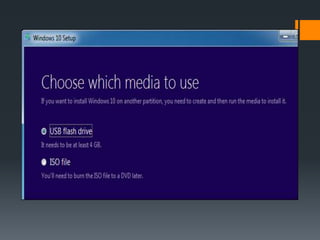
The tool will allow you to copy the Windows
10 installation files to a USB drive or burn
them to a DVD. If you’re using a USB drive,
it must be 4 GB or larger in size. All files on
the USB drive will be erased as part of this
process.
If you want to install Windows 10 in
a virtual machine, select the “ISO file”
option here. The tool will download an
ISO file, and you can then boot the
downloaded ISO in a virtual machine
to install Windows 10 inside it
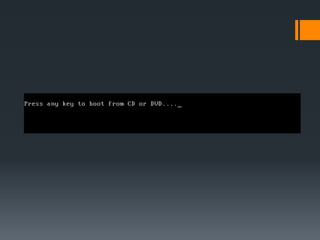
Once you’ve created installation
media, you’ll need to insert it into the
PC you want to install Windows 10
on. You then boot from the installation
media. This may require modifying the
boot order in your PC’s BIOS or UEFI
firmware.
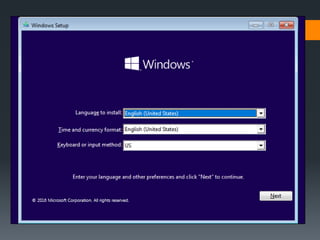
On the Windows Setup screen, select
your language, time and currency
format, and keyboard layout. Click
“Next” to continue.
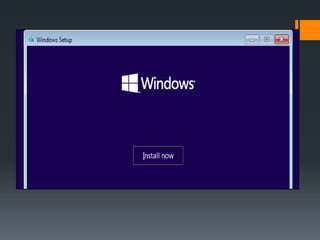
When you reach the installer screen,
select “Install Now” and follow the
instructions to install Windows 10 on
your PC.
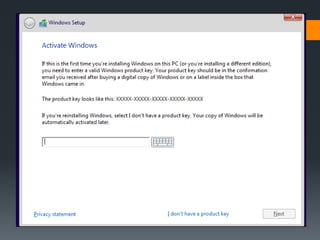
When you see the Activate Windows
screen, you’ll need to either enter a
key or skip it. You may not see this
screen if Windows 10 automatically
detects a key associated with your
PC’s hardware.
If you’ve never installed and
activated Windows 10 on this
computer before, enter your
Windows 10 key here. If you don’t
have one, but you have a valid
Windows 7, 8, or 8.1 key, enter it
here instead.
If you’ve previously taken advantage of
the free Windows 10 upgrade offer on
this PC, click “I don’t have a product
key”. Windows will automatically activate
with a “digital license” associated with
your PC’s hardware on Microsoft’s
servers once it’s installed.
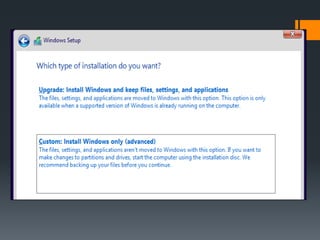
When you reach the “Which type of
installation do you want?” screen, click
“Custom” to perform a clean installation
and remove everything on your PC. (If
you’ve changed your mind and want to
upgrade your existing installation, you
can click “Upgrade”.)
On the next screen, select the hard drive
you want to install Windows on and
erase it. If you have multiple partitions on
that drive, you may want to erase those
as well.
Warning: When you delete a partition,
you’re also deleting all the files on that
partition. Be sure you have backups of
any important files before doing this!
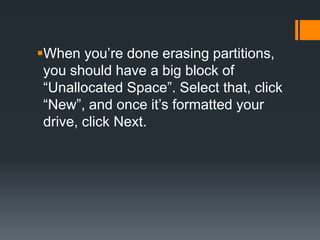
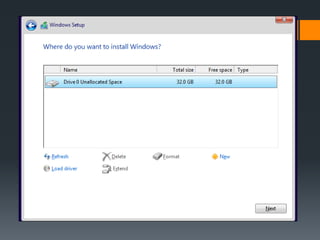
When you’re done erasing partitions,
you should have a big block of
“Unallocated Space”. Select that, click
“New”, and once it’s formatted your
drive, click Next.
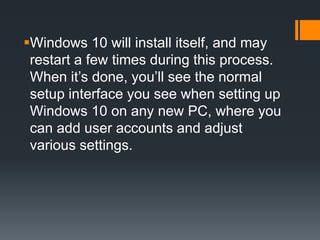
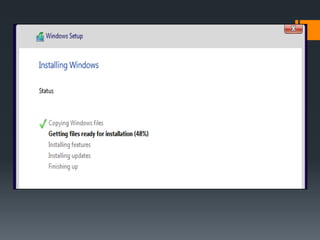
Windows 10 will install itself, and may
restart a few times during this process.
When it’s done, you’ll see the normal
setup interface you see when setting up
Windows 10 on any new PC, where you
can add user accounts and adjust
various settings.
Prepared by:
 Hushley Kate Lapena
 Dominic Minor
 Yvann Adolfo
 Armie Joy Bayaborda
 Jeric Oliviaga
Source:
 https://www.howtogeek.com/197559/how-to-install-windows-
10-on-your-pc/

Installing Windows-10

  • 1.
  • 2.
    You can useMicrosoft’s upgrade tool to install Windows 10 on your PC if you already have Windows 7 or 8.1 installed. This will also make it possible to downgrade and go back to Windows 7 or 8.1 after you perform the upgrade, if you don’t like it.
  • 4.
    If you don’twant to upgrade from an existing Windows installation, you can download the official Windows 10 installation media for free from Microsoft and perform a clean install.
  • 5.
    To do this,visit Microsoft’s Download Windows 10 page, click “Download Tool Now”, and run the downloaded file. Select “Create installation media for another PC”.
  • 7.
    Be sure toselect the language, edition, and architecture you want to install of Windows 10. If you’re installing it on a PC with a 64-bit CPU, you probably want the 64-bit version. If you’re installing it on a PC with a 32- bit CPU, you’ll need the 32-bit version.
  • 8.
    You can checkwhat type of CPU your PC has if you don’t know off the top of your head.
  • 9.
    If you’re installingWindows 10 on the current PC, just keep the “Use the recommended options for this PC” box checked and the tool will automatically download the correct version for your current PC.
  • 11.
    The tool willallow you to copy the Windows 10 installation files to a USB drive or burn them to a DVD. If you’re using a USB drive, it must be 4 GB or larger in size. All files on the USB drive will be erased as part of this process.
  • 12.
    If you wantto install Windows 10 in a virtual machine, select the “ISO file” option here. The tool will download an ISO file, and you can then boot the downloaded ISO in a virtual machine to install Windows 10 inside it
  • 14.
    Once you’ve createdinstallation media, you’ll need to insert it into the PC you want to install Windows 10 on. You then boot from the installation media. This may require modifying the boot order in your PC’s BIOS or UEFI firmware.
  • 16.
    On the WindowsSetup screen, select your language, time and currency format, and keyboard layout. Click “Next” to continue.
  • 18.
    When you reachthe installer screen, select “Install Now” and follow the instructions to install Windows 10 on your PC.
  • 20.
    When you seethe Activate Windows screen, you’ll need to either enter a key or skip it. You may not see this screen if Windows 10 automatically detects a key associated with your PC’s hardware.
  • 21.
    If you’ve neverinstalled and activated Windows 10 on this computer before, enter your Windows 10 key here. If you don’t have one, but you have a valid Windows 7, 8, or 8.1 key, enter it here instead.
  • 22.
    If you’ve previouslytaken advantage of the free Windows 10 upgrade offer on this PC, click “I don’t have a product key”. Windows will automatically activate with a “digital license” associated with your PC’s hardware on Microsoft’s servers once it’s installed.
  • 24.
    When you reachthe “Which type of installation do you want?” screen, click “Custom” to perform a clean installation and remove everything on your PC. (If you’ve changed your mind and want to upgrade your existing installation, you can click “Upgrade”.)
  • 26.
    On the nextscreen, select the hard drive you want to install Windows on and erase it. If you have multiple partitions on that drive, you may want to erase those as well.
  • 27.
    Warning: When youdelete a partition, you’re also deleting all the files on that partition. Be sure you have backups of any important files before doing this!
  • 28.
    When you’re doneerasing partitions, you should have a big block of “Unallocated Space”. Select that, click “New”, and once it’s formatted your drive, click Next.
  • 30.
    Windows 10 willinstall itself, and may restart a few times during this process. When it’s done, you’ll see the normal setup interface you see when setting up Windows 10 on any new PC, where you can add user accounts and adjust various settings.
  • 32.
    Prepared by:  HushleyKate Lapena  Dominic Minor  Yvann Adolfo  Armie Joy Bayaborda  Jeric Oliviaga
  • 33.