Information Technology for
 Management (6 Edition)
                th
     Transforming Organizations in the Digital Economy


 Turban * Leidner * McLean * Wetherbe
                 2008
Information Technology for Management
The book is divided into six major parts, composed of 17 regular chapters
   supplementary by six Technology Guides.

Features of this Text
       Chapter Outline.
       Learning Objectives.
       Opening Cases.
       “IT at Work” Boxes.
       “A Closer Look” Boxes.
       Managerial Issues
       Minicases
       Online Chapter Resources (www.wiley.com/college/turban)
       Exercises, Projects, and Internet Exercises
       Group Assignments
       References
       Appendix
       Glossary
Organization of the Book

 Part I : IT in the Organization. Part I
  gives an overview of IT in the organization.
  Chapter 1 introduces the drivers of the use of
  information technology in the digital economy
  and gives an overview of information systems
  and IT trends. Chapter 2 presents the
  foundations of the information systems and
  strategic use.

 1. Organizational Performance: IT Support and
    Applications
 2. IT Support Systems: Concepts and Management
Organization of the Book

 Part   II : IT Infrastructure. This part
 introduces to the two majors building
 blocks of IT : data and networks (the other
 building blocks are covered in the Online
 Technology Guides). Both parts include
 basic infrastructure and most common
 applications.

   1. Managing Data: Databases and Warehousing
   2. Network Computing for Collaboration
Organization of the Book

 Part   III : The Web Revolution. The
 two chapters in the Part III introduce the
 Web-based technologies and applications,
 starting with the topics of e-commerce and e-
 business (Chapter 5), and is followed by
 mobile and wireless computing in Chapter 6.

    5. E-Commerce and E-Business
    6. Wireless Devices and their Applications
Organization of the Book
 Part IV : Organizational Applications.
  Part IV begins with the basics: IT applications in
  transaction processing, functional applications, and
  integration of functional systems (Chapter 7). We
  then cover supply chain management, Web-based
  enterprise systems, customer relationship
  management (CRM), and business process
  management (BPM) (Chapter 8). Chapter 9
  focuses on interorganizational and global systems.

1.   IT Compliance: Functional Applications and Transaction Processing
2.   Understanding Enterprise Systems : Supply Chains
3.   Global and Interoranizational Information Systems
Organization of the Book
 Part V : Managerial and Decision Support
  Systems. Part V discusses the many ways
     information systems can be used to support the day-to-
     day operations of a company, with a strong emphasis on
     the use of IT in managerial decision making. The three
     chapters in this part address some of the ways
     businesses are using IT to solve specific problems and
     to build strategic, innovative systems that enhance
     quality and productivity. Special attention is given to
     innovative applications of knowledge management,
     business intelligence and predictive analysis.

1.    Managing Knowledge
2.    Corporate Performance Management and Business Intelligence
3.    Managerial Decision Making and IT Support Systems
Organization of the Book
 Part VI : Implementing and Managing IT. Part
 VI explores several topics related to the implementation,
 evaluation, construction, and maintenance of information
 systems. First we cover use of IT organizations and for
 strategic advantage including the topic of IT planning. Then
 we consider several issues ranging from economics of IT, to
 acquiring (building or outsourcing) information systems, to
 the management of IT resources and IT security. Finally,
 Chapter 17 assesses the impact of IT on individuals,
 organizations, and society.

    13.   IT: Strategic Objectives and Planning
    2.     Economics of IT
    3.     IT Application Acquisitions and Options
    4.     Establishing and Managing IT Security
    5.     Impacts of IT an Individuals, Organizations, and Society
Technology Guides
                         Online at wiley.com/college/turban

    Hardware
    Software
    Data and Databases
    Telecommunications
    The Internet and the Web
    A Technical View of System Analysis and
     Design
Chapter 17 and the “Techguides are available online @ www.wiley.com/college/turban
And the CD on the back cover
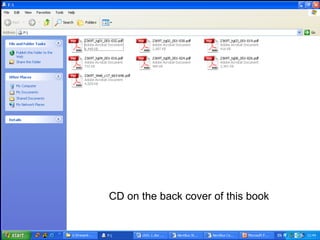
CD on the back cover of this book
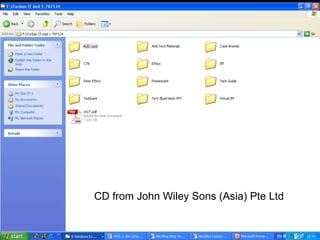
CD from John Wiley Sons (Asia) Pte Ltd
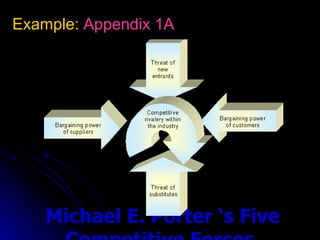
Example: Appendix 1A


    Michael E. Porter ‘s Five
.
                           Glossary
..
…
Business intelligence (BI)        Category of applications for gathering,
  storing, analyzing, and providing access to data to help enterprise users
  make better decisions.

....
…..
Radio frequency identification (RFID) Generic term for
  technologies that use radio waves to automatically identify individual items.

……
…….
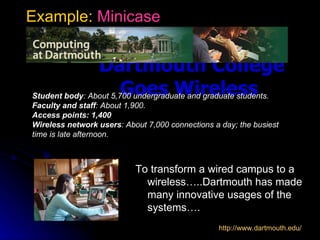
Example: Minicase


                Dartmouth College
                       Goes Wireless
Student body: About 5,700 undergraduate and graduate students.
Faculty and staff: About 1,900.
Access points: 1,400
Wireless network users: About 7,000 connections a day; the busiest
time is late afternoon.


                           To transform a wired campus to a
                             wireless…..Dartmouth has made
                             many innovative usages of the
                             systems….
                                                 http://www.dartmouth.edu/
Example: IT at Work 6.3


   Nextbus : A superb
   Customer Service
How NextBus Works (Online). Available: http://www.nextbus.com/corporate/works/index.htm
[2007, November 13].
Thank you for your attention.

Information technology for management (6th edition)

  • 1.
    Information Technology for Management (6 Edition) th Transforming Organizations in the Digital Economy Turban * Leidner * McLean * Wetherbe 2008
  • 2.
    Information Technology forManagement The book is divided into six major parts, composed of 17 regular chapters supplementary by six Technology Guides. Features of this Text  Chapter Outline.  Learning Objectives.  Opening Cases.  “IT at Work” Boxes.  “A Closer Look” Boxes.  Managerial Issues  Minicases  Online Chapter Resources (www.wiley.com/college/turban)  Exercises, Projects, and Internet Exercises  Group Assignments  References  Appendix  Glossary
  • 3.
    Organization of theBook  Part I : IT in the Organization. Part I gives an overview of IT in the organization. Chapter 1 introduces the drivers of the use of information technology in the digital economy and gives an overview of information systems and IT trends. Chapter 2 presents the foundations of the information systems and strategic use. 1. Organizational Performance: IT Support and Applications 2. IT Support Systems: Concepts and Management
  • 4.
    Organization of theBook  Part II : IT Infrastructure. This part introduces to the two majors building blocks of IT : data and networks (the other building blocks are covered in the Online Technology Guides). Both parts include basic infrastructure and most common applications. 1. Managing Data: Databases and Warehousing 2. Network Computing for Collaboration
  • 5.
    Organization of theBook  Part III : The Web Revolution. The two chapters in the Part III introduce the Web-based technologies and applications, starting with the topics of e-commerce and e- business (Chapter 5), and is followed by mobile and wireless computing in Chapter 6. 5. E-Commerce and E-Business 6. Wireless Devices and their Applications
  • 6.
    Organization of theBook  Part IV : Organizational Applications. Part IV begins with the basics: IT applications in transaction processing, functional applications, and integration of functional systems (Chapter 7). We then cover supply chain management, Web-based enterprise systems, customer relationship management (CRM), and business process management (BPM) (Chapter 8). Chapter 9 focuses on interorganizational and global systems. 1. IT Compliance: Functional Applications and Transaction Processing 2. Understanding Enterprise Systems : Supply Chains 3. Global and Interoranizational Information Systems
  • 7.
    Organization of theBook  Part V : Managerial and Decision Support Systems. Part V discusses the many ways information systems can be used to support the day-to- day operations of a company, with a strong emphasis on the use of IT in managerial decision making. The three chapters in this part address some of the ways businesses are using IT to solve specific problems and to build strategic, innovative systems that enhance quality and productivity. Special attention is given to innovative applications of knowledge management, business intelligence and predictive analysis. 1. Managing Knowledge 2. Corporate Performance Management and Business Intelligence 3. Managerial Decision Making and IT Support Systems
  • 8.
    Organization of theBook  Part VI : Implementing and Managing IT. Part VI explores several topics related to the implementation, evaluation, construction, and maintenance of information systems. First we cover use of IT organizations and for strategic advantage including the topic of IT planning. Then we consider several issues ranging from economics of IT, to acquiring (building or outsourcing) information systems, to the management of IT resources and IT security. Finally, Chapter 17 assesses the impact of IT on individuals, organizations, and society. 13. IT: Strategic Objectives and Planning 2. Economics of IT 3. IT Application Acquisitions and Options 4. Establishing and Managing IT Security 5. Impacts of IT an Individuals, Organizations, and Society
  • 9.
    Technology Guides Online at wiley.com/college/turban  Hardware  Software  Data and Databases  Telecommunications  The Internet and the Web  A Technical View of System Analysis and Design Chapter 17 and the “Techguides are available online @ www.wiley.com/college/turban And the CD on the back cover
  • 10.
    CD on theback cover of this book
  • 11.
    CD from JohnWiley Sons (Asia) Pte Ltd
  • 12.
    Example: Appendix 1A Michael E. Porter ‘s Five
  • 13.
    . Glossary .. … Business intelligence (BI) Category of applications for gathering, storing, analyzing, and providing access to data to help enterprise users make better decisions. .... ….. Radio frequency identification (RFID) Generic term for technologies that use radio waves to automatically identify individual items. …… …….
  • 14.
    Example: Minicase Dartmouth College Goes Wireless Student body: About 5,700 undergraduate and graduate students. Faculty and staff: About 1,900. Access points: 1,400 Wireless network users: About 7,000 connections a day; the busiest time is late afternoon. To transform a wired campus to a wireless…..Dartmouth has made many innovative usages of the systems…. http://www.dartmouth.edu/
  • 15.
    Example: IT atWork 6.3 Nextbus : A superb Customer Service How NextBus Works (Online). Available: http://www.nextbus.com/corporate/works/index.htm [2007, November 13].
  • 16.
    Thank you foryour attention.