






Ethics
PREPARED BY:
DZUWAN BIN DESA 62288112050
MUHAMMAD RAHIMI BIN RAZALI 62288112130
MUHAMMAD ARIFIN BIN IDRUS 62288112335
NURUL ASHIKIN BINTI A. RAHIM 62288212161
NUR SA’ADAH BINTI MOHD NAEIM 62288212218
NURUL DINA HUWAIDA BINTI ABD HAMID 62288212239
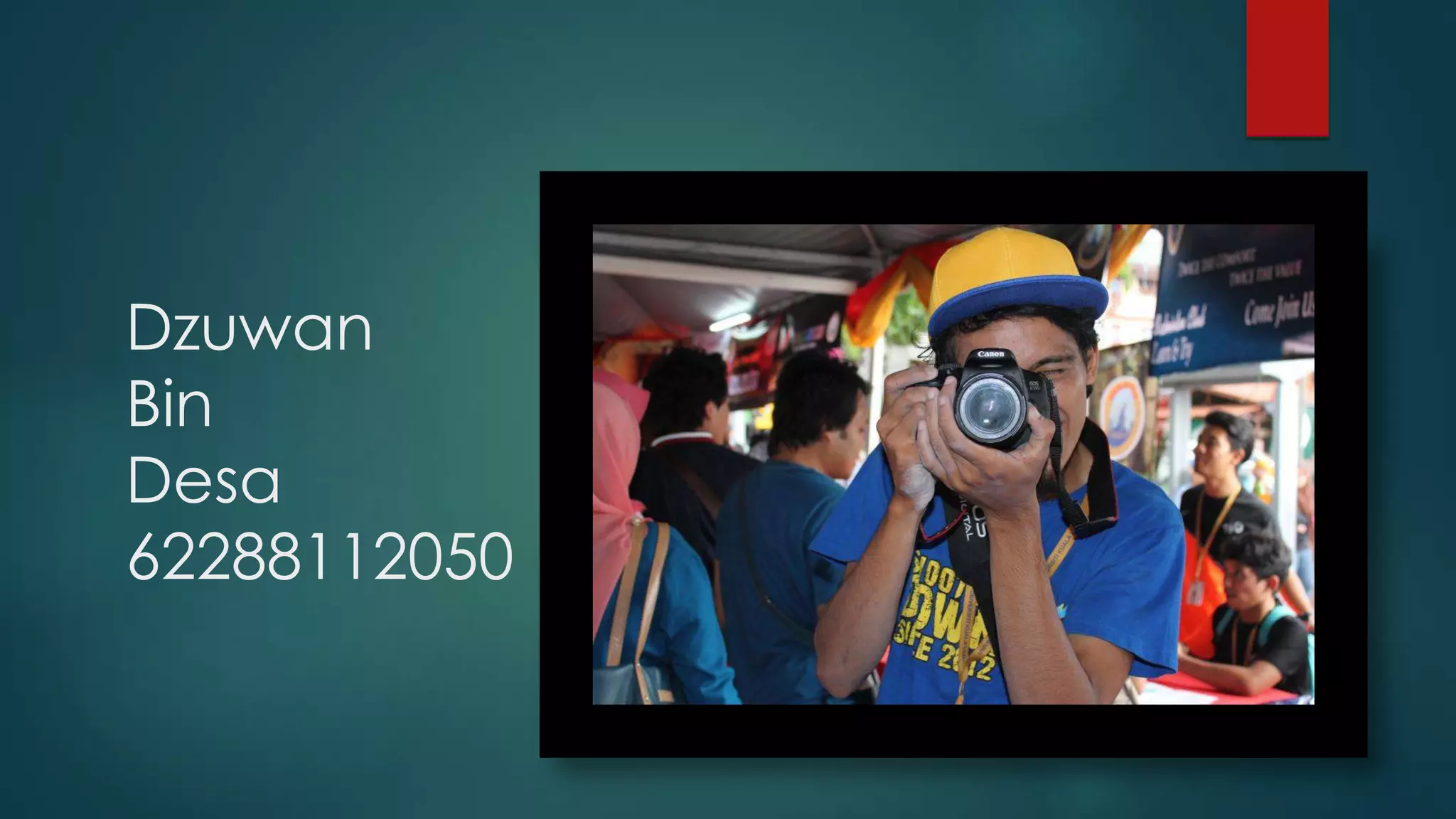
Dzuwan
Bin
Desa
62288112050
IMPLEMENT OF
CORPORATE CODE
Introduction
 The process of globalisation has come with fundamental challenge
for the effective and legitimate of the Trans boundary affairs.
 On the national level, economic developments in the 1980s
seemingly have diminished the role of the state as the guardian of
the public commons.
 In order to avoid being subject to the law of the jungle, capitalism
requires the establishment of certain rules of the game.
Muhammad
Arifin
Bin
Idrus
62288112335
Code of illustration
 Sullivan Principles
- They were introduced in 1977 by Reverend Leon Sullivan, a
board member of General Motors to remedy social and
economic injustices within the international business community
with hopes that corporations would use their influence and
channel their resources towards changing the system from
within
 UN Draft Code on Transnational Corporations
- On the international stage, the United Nations, or its specialized
agencies, has been a principal actor in the creation of codes
of conduct.
 ILO Tripartite Declaration
- A prime role in promoting good social business practice with
regard to labour issues is played by the International Labour
Organization (ILO). The ILO has undertaken extensive standard
setting, primarily in the form of binding conventions.
 OECD Guidelines for MNEs
- Early in 1976 it became involved in the development of a
code of conduct for TNCs, that is to say, with the adoption of a
declaration on international investment and multinational
enterprises (MNEs), which contained a set of guidelines for
MNEs
Nurul
Ashikin
Binti
A. Rahim
62288212161
Practices to complement code of
conduct.
 Review sample codes of ethics that companies in a similar business
use.
 Review other documents related to your business, including the
firm's mission statement and any specific policies new hires receive
as part of their orientation.
 Think about the ethical dilemmas that face not only your
company, but also its competitors.
 Solicit input from employees when you create the code of ethics.
 Address potential workplace issues, such as office romances and
nepotism, in your code of ethics.
 Assign an individual in your company to be responsible for
compiling the code of ethics.
 Ask your attorney to review the proposed code of ethics before
putting it in force.
Advantages and of code of
conduct
 Prevent legal and regulatory violations.
 Foster greater employee loyalty and retention.
 Encourage greater customer loyalty and retention.
 Build stronger relationships with suppliers and other business partners.
 Strengthen trust and respect of other stakeholders, such as local
communities, regulators, NGOs, even from competitors.
 Build a stronger reputation for integrity by helping the company to
do “what it says, it will do”.
Nur
Sa’adah
Binti
Mohd
Naeim
62288212218
CORPORATE
MORAL
EXCELLENCE
Introduction
 Moral character or character is an evaluation of a particular
individual's durable moral qualities.
 The concept of character can imply a variety of attributes including
the existence or lack of virtues such as
integrity, courage, fortitude, honesty, and loyalty, or of good
behaviours or habits.
 Authors, Dealmaker and Kennedy (2000), have rightly pointed out
that values are the bedrock of any corporate culture.
Components of corporate moral
excellent
 The basic values, attitudes and beliefs
 The organizational goals, policies, structure and strategies shaped
by the basic values, attitudes, and belief.
 The organizational way of doing things.
Nurul
Dina
Huwaida
Binti
Abd
Hamid
62288212239
Issues in management to achieve
corporate moral excellence
 Aligning business strategy with human resource and development
strategy
 Knowledge management and creating learning organization.
 Competence mapping and skill development through assessment
centres.
 Developing moral excellence through ethics audit; and creating a
value-based culture.
 Reorganization of work through job enlargement and enrichment.
 Development of mutual trust and synergy among work teams
 Managing change through people.
 Restructuring and bringing about transformation in the organization
to add value to the business.
 Bringing about rationalization of workforce through internal transfer
and resorting to employee reduction, though not as a first choice.
 Holding opinion surveys to get a feel of the perception of
employees and applying id-course correction, if necessary.
Muhammad
Rahimi
Bin
Razali
62288112130
Pancsheel model
 Psychological preparedness to accept a moralistic approach to
corporate excellence.
 Need for ethics audit.
 Need for publicly stated expectation about the employee
behaviour
 Need for an organizational structure, and to support the ethical
behaviour, ethics committees should be created.
 Need for the ethical behaviour to be supported by the
management through a reward system.
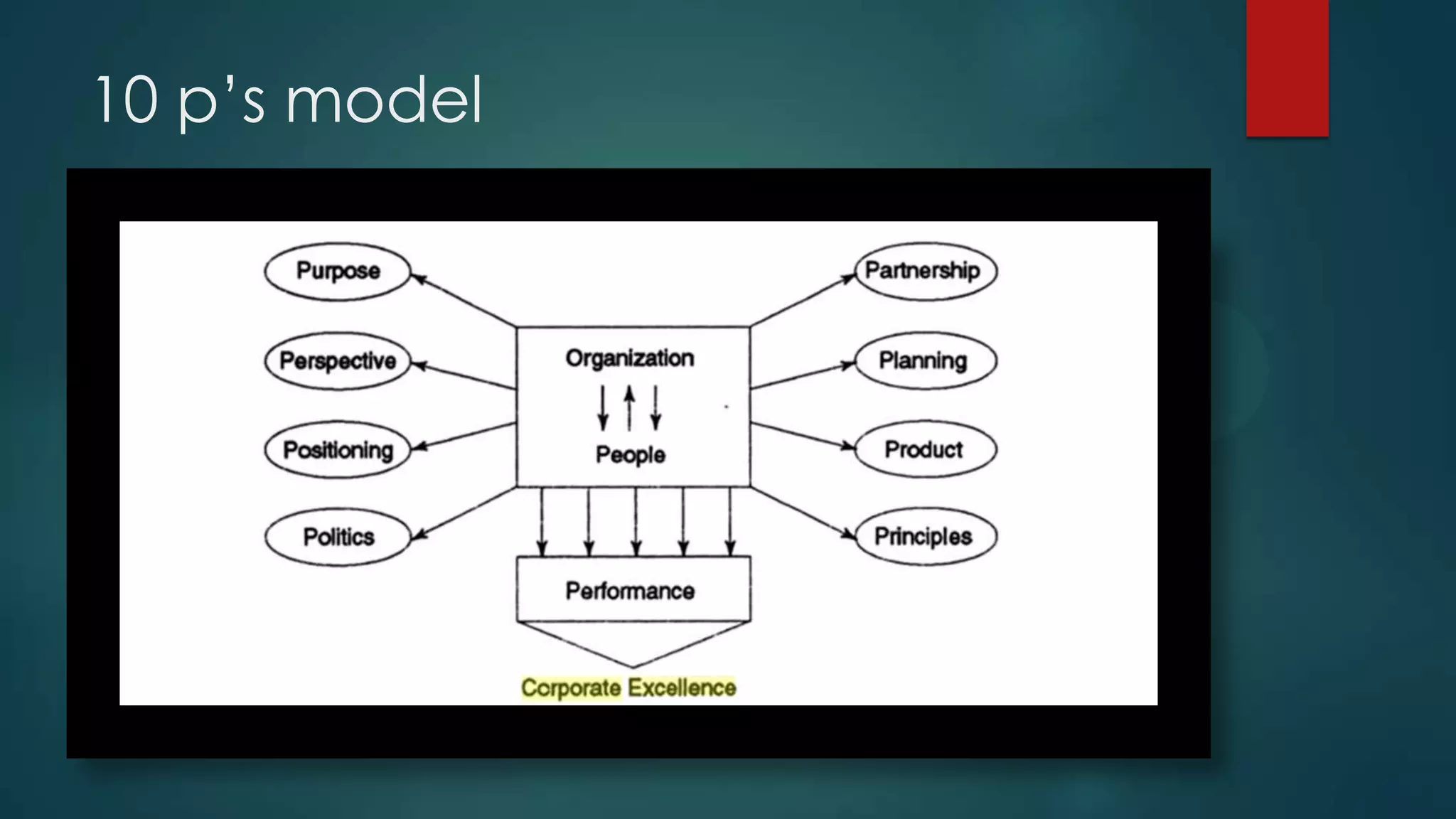
10 p’s model
Thank you..

Implementation of Corporate Code & Corporate Moral Excellence

  • 1.
    Ethics PREPARED BY: DZUWAN BINDESA 62288112050 MUHAMMAD RAHIMI BIN RAZALI 62288112130 MUHAMMAD ARIFIN BIN IDRUS 62288112335 NURUL ASHIKIN BINTI A. RAHIM 62288212161 NUR SA’ADAH BINTI MOHD NAEIM 62288212218 NURUL DINA HUWAIDA BINTI ABD HAMID 62288212239
  • 2.
  • 4.
  • 5.
    Introduction  The processof globalisation has come with fundamental challenge for the effective and legitimate of the Trans boundary affairs.  On the national level, economic developments in the 1980s seemingly have diminished the role of the state as the guardian of the public commons.  In order to avoid being subject to the law of the jungle, capitalism requires the establishment of certain rules of the game.
  • 6.
  • 7.
    Code of illustration Sullivan Principles - They were introduced in 1977 by Reverend Leon Sullivan, a board member of General Motors to remedy social and economic injustices within the international business community with hopes that corporations would use their influence and channel their resources towards changing the system from within  UN Draft Code on Transnational Corporations - On the international stage, the United Nations, or its specialized agencies, has been a principal actor in the creation of codes of conduct.
  • 8.
     ILO TripartiteDeclaration - A prime role in promoting good social business practice with regard to labour issues is played by the International Labour Organization (ILO). The ILO has undertaken extensive standard setting, primarily in the form of binding conventions.  OECD Guidelines for MNEs - Early in 1976 it became involved in the development of a code of conduct for TNCs, that is to say, with the adoption of a declaration on international investment and multinational enterprises (MNEs), which contained a set of guidelines for MNEs
  • 9.
  • 10.
    Practices to complementcode of conduct.  Review sample codes of ethics that companies in a similar business use.  Review other documents related to your business, including the firm's mission statement and any specific policies new hires receive as part of their orientation.  Think about the ethical dilemmas that face not only your company, but also its competitors.  Solicit input from employees when you create the code of ethics.
  • 11.
     Address potentialworkplace issues, such as office romances and nepotism, in your code of ethics.  Assign an individual in your company to be responsible for compiling the code of ethics.  Ask your attorney to review the proposed code of ethics before putting it in force.
  • 12.
    Advantages and ofcode of conduct  Prevent legal and regulatory violations.  Foster greater employee loyalty and retention.  Encourage greater customer loyalty and retention.  Build stronger relationships with suppliers and other business partners.  Strengthen trust and respect of other stakeholders, such as local communities, regulators, NGOs, even from competitors.  Build a stronger reputation for integrity by helping the company to do “what it says, it will do”.
  • 13.
  • 14.
  • 15.
    Introduction  Moral characteror character is an evaluation of a particular individual's durable moral qualities.  The concept of character can imply a variety of attributes including the existence or lack of virtues such as integrity, courage, fortitude, honesty, and loyalty, or of good behaviours or habits.  Authors, Dealmaker and Kennedy (2000), have rightly pointed out that values are the bedrock of any corporate culture.
  • 16.
    Components of corporatemoral excellent  The basic values, attitudes and beliefs  The organizational goals, policies, structure and strategies shaped by the basic values, attitudes, and belief.  The organizational way of doing things.
  • 17.
  • 18.
    Issues in managementto achieve corporate moral excellence  Aligning business strategy with human resource and development strategy  Knowledge management and creating learning organization.  Competence mapping and skill development through assessment centres.  Developing moral excellence through ethics audit; and creating a value-based culture.  Reorganization of work through job enlargement and enrichment.  Development of mutual trust and synergy among work teams
  • 19.
     Managing changethrough people.  Restructuring and bringing about transformation in the organization to add value to the business.  Bringing about rationalization of workforce through internal transfer and resorting to employee reduction, though not as a first choice.  Holding opinion surveys to get a feel of the perception of employees and applying id-course correction, if necessary.
  • 20.
  • 21.
    Pancsheel model  Psychologicalpreparedness to accept a moralistic approach to corporate excellence.  Need for ethics audit.  Need for publicly stated expectation about the employee behaviour  Need for an organizational structure, and to support the ethical behaviour, ethics committees should be created.  Need for the ethical behaviour to be supported by the management through a reward system.
  • 22.
  • 23.