Pooja Devija, Assist. Prof. PIMT,source : Udaipurstudents.comHuman Resource Management
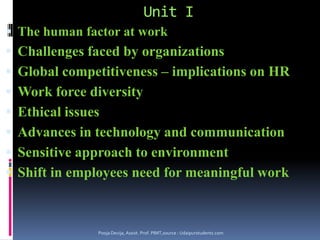
Unit I The human factor at workChallenges faced by organizationsGlobal competitiveness – implications on HRWork force diversityEthical issuesAdvances in technology and communicationSensitive approach to environmentShift in employees need for meaningful work Pooja Devija, Assist. Prof. PIMT,source : Udaipurstudents.com
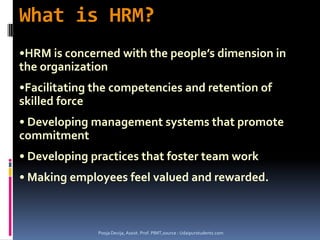
What is HRM?Pooja Devija, Assist. Prof. PIMT,source : Udaipurstudents.comHRM is concerned with the people’s dimension in the organization
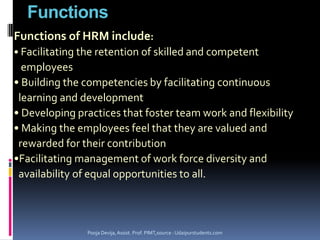
Facilitating the competencies and retention of skilled force
 Developing management systems that promote commitment
 Developing practices that foster team work
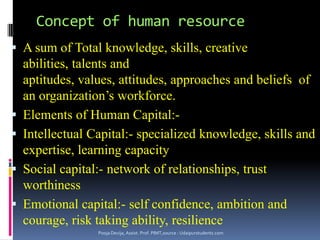
 Making employees feel valued and rewarded.Concept of human resource A sum of Total knowledge, skills, creative abilities, talents and aptitudes, values, attitudes, approaches and beliefs  of an organization’s workforce.Elements of Human Capital:-Intellectual Capital:- specialized knowledge, skills and expertise, learning capacitySocial capital:- network of relationships, trust worthinessEmotional capital:- self confidence, ambition and courage, risk taking ability, resiliencePooja Devija, Assist. Prof. PIMT,source : Udaipurstudents.com
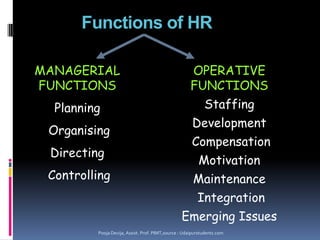
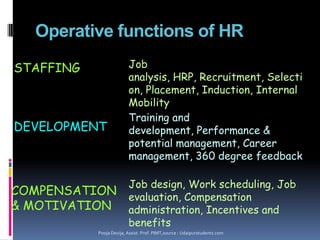
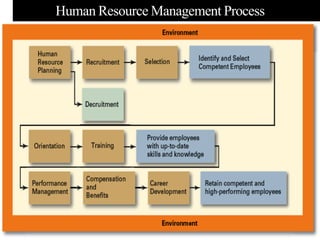
DefinitionHRM refers to acquisition, retention, motivation and   maintenance of Human Resources in an organization.HRM is the planning, organising, directing & controlling of the procurement, development, compensation integration, maintenance and separation of human resources to the end that individual, organizational and social objectives are accomplished.Pooja Devija, Assist. Prof. PIMT,source : Udaipurstudents.com
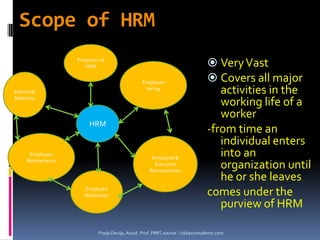
Scope of HRMVery Vast
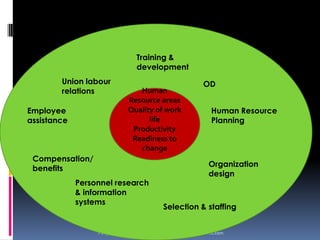
Covers all major activities in the working life of a worker-from time an individual enters into an organization until he or she leavescomes under the purview of HRMPooja Devija, Assist. Prof. PIMT,source : Udaipurstudents.comProspects of HRMEmployee  HiringIndustrial RelationsHRMEmployee MaintenanceEmployee & Executive RemunerationEmployee Motivation
Personnel management:- traditional  approach, concerned with the human resources of the organizationConcerned with getting better results with the collaboration of people.Personnel management is the planning, organizing, directing, and controlling of the procurement, development, compensation, integration, and maintenance and separation of human resources to the end that individual and societal objectives are accomplished.Pooja Devija, Assist. Prof. PIMT,source : Udaipurstudents.com
HRMIs the process of acquiring, training, appraising and compensating employees and attending to their labor relations, health, safety and fairness concerns.
In 1970 changes took in many countries which led to the emergence of HRM, these were
Technological changes
Declining importance of trade unionism
Shift from industrial employment to service sector employment
Growing competition, globalization of economies
Old wine in a new bottlePooja Devija, Assist. Prof. PIMT,source : Udaipurstudents.com
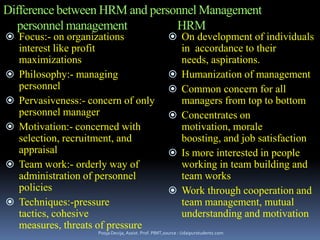
Difference between HRM and personnel Management     personnel management                  HRMFocus:- on organizations interest like profit maximizations
Philosophy:- managing personnel
Pervasiveness:- concern of only personnel manager
Motivation:- concerned with selection, recruitment, and appraisal
Team work:- orderly way of administration of personnel policies
Techniques:-pressure tactics, cohesive measures, threats of pressure

Human resource management1st unit

  • 1.
    Pooja Devija, Assist.Prof. PIMT,source : Udaipurstudents.comHuman Resource Management
  • 2.
    Unit I Thehuman factor at workChallenges faced by organizationsGlobal competitiveness – implications on HRWork force diversityEthical issuesAdvances in technology and communicationSensitive approach to environmentShift in employees need for meaningful work Pooja Devija, Assist. Prof. PIMT,source : Udaipurstudents.com
  • 3.
    What is HRM?PoojaDevija, Assist. Prof. PIMT,source : Udaipurstudents.comHRM is concerned with the people’s dimension in the organization
  • 4.
    Facilitating the competenciesand retention of skilled force
  • 5.
    Developing managementsystems that promote commitment
  • 6.
    Developing practicesthat foster team work
  • 7.
    Making employeesfeel valued and rewarded.Concept of human resource A sum of Total knowledge, skills, creative abilities, talents and aptitudes, values, attitudes, approaches and beliefs of an organization’s workforce.Elements of Human Capital:-Intellectual Capital:- specialized knowledge, skills and expertise, learning capacitySocial capital:- network of relationships, trust worthinessEmotional capital:- self confidence, ambition and courage, risk taking ability, resiliencePooja Devija, Assist. Prof. PIMT,source : Udaipurstudents.com
  • 8.
    DefinitionHRM refers toacquisition, retention, motivation and maintenance of Human Resources in an organization.HRM is the planning, organising, directing & controlling of the procurement, development, compensation integration, maintenance and separation of human resources to the end that individual, organizational and social objectives are accomplished.Pooja Devija, Assist. Prof. PIMT,source : Udaipurstudents.com
  • 9.
  • 10.
    Covers all majoractivities in the working life of a worker-from time an individual enters into an organization until he or she leavescomes under the purview of HRMPooja Devija, Assist. Prof. PIMT,source : Udaipurstudents.comProspects of HRMEmployee HiringIndustrial RelationsHRMEmployee MaintenanceEmployee & Executive RemunerationEmployee Motivation
  • 11.
    Personnel management:- traditional approach, concerned with the human resources of the organizationConcerned with getting better results with the collaboration of people.Personnel management is the planning, organizing, directing, and controlling of the procurement, development, compensation, integration, and maintenance and separation of human resources to the end that individual and societal objectives are accomplished.Pooja Devija, Assist. Prof. PIMT,source : Udaipurstudents.com
  • 12.
    HRMIs the processof acquiring, training, appraising and compensating employees and attending to their labor relations, health, safety and fairness concerns.
  • 13.
    In 1970 changestook in many countries which led to the emergence of HRM, these were
  • 14.
  • 15.
  • 16.
    Shift from industrialemployment to service sector employment
  • 17.
  • 18.
    Old wine ina new bottlePooja Devija, Assist. Prof. PIMT,source : Udaipurstudents.com
  • 19.
    Difference between HRMand personnel Management personnel management HRMFocus:- on organizations interest like profit maximizations
  • 20.
  • 21.
    Pervasiveness:- concern ofonly personnel manager
  • 22.
    Motivation:- concerned withselection, recruitment, and appraisal
  • 23.
    Team work:- orderlyway of administration of personnel policies
  • 24.
    Techniques:-pressure tactics, cohesivemeasures, threats of pressure