How to Write a Paper
Dr U Singh
Professor and Head
PMR, AIIMS, New Delhi
Outline
• Importance
• Research Components
• Order of Writing
• Guide on Writing
• Common Mistakes
• Choosing Journals
Publish or Perish
• Responsibility of the Job
• Job interviews
• Promotion
• Sharing knowledge
• Proving your worth
Inspiration
• Story telling
Moral of the Story ?
Sources
• Better Medical Writing
in India, NMJI
• Being an editor
• Being a reviewer
• Innominate
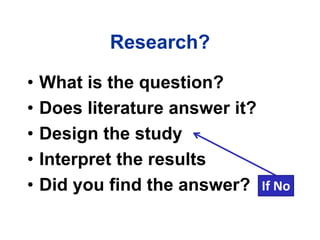
Research?
• What is the question?
• Does literature answer it?
• Design the study
• Interpret the results
• Did you find the answer? If No
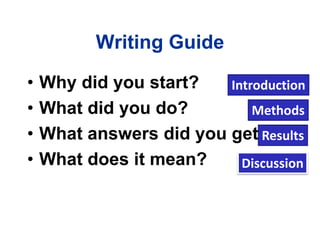
Writing Guide
• Why did you start?
• What did you do?
• What answers did you get?
• What does it mean?
Introduction
Methods
Results
Discussion
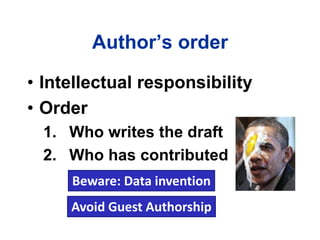
Author’s order
• Intellectual responsibility
• Order
1. Who writes the draft
2. Who has contributed
Beware: Data invention
Avoid Guest Authorship
Because:
People know what you did…!
Order of Writing
1. Results
2. Methods
3. Discussion
4. Introduction
5. Abstract
6. Title
Results
• Outline first
• Style can wait
• What you found
Chart, Table, Text
Don’t repeat information
Methods
• Detail: What did you do
• How: Ensure reproducibility
• Illustrate: Diagrams or photos
• Statistics: Power and detail
Give References
Discussion: Style
• Write on your own
• Have a logical thread
• Explain: meaning of results
• How your study is different
• End up with a message
Discussion: Content
• Recapitulate main findings
• Discuss the method used
• Argue conflict of results with
other studies
Why yours are more convincing
Implications of your study
Introduction
• Should be brief
• State the Reason:
Why you started this study
Caution: The question posed here
must be answered in the discussion
Abstract
• Word limit: < 150*
• Title
– Should be short
– Yet contain maximum
information
– Should be retrievable
Avoid: “A Study of”
No Abbreviations
Acknowledgements
• Contributors but not authors
• Financial & Material support
References
• You should read them all
• Should be retrievable
Check accuracy
Should be Relevant
Case Reports - tips
• Why you started?
• What is interesting?
• Give complete details of case
• Why it is different ?
• What are the implications?
Keep it short: 600-1000 words
Incubation and Drafts
• Wait after first draft
• Relook in 3 wks
• Colleague Treatment
• Outsider Treatment
• Format for the journal
Redraft at each Step
More drafts: Easy Publication
Which Journal
• Requirements as per
–Types of Papers
–Style of Papers
• Check special requirements
• Reason why that journal
Additional Needs
• Ethical Clearance
• Declarations:
–Authorship
–Originality
–Not published earlier
–Not sent to any other journal
–Conflict of interest
What happens after
submission
• Assessment by reviewers
• Cross checking of references
• Possible revisions
Decision based on
• Is there a clear message?
• Would this change thinking?
• Is the language appropriate?
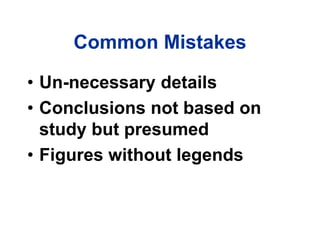
Common Mistakes
• Un-necessary details
• Conclusions not based on
study but presumed
• Figures without legends
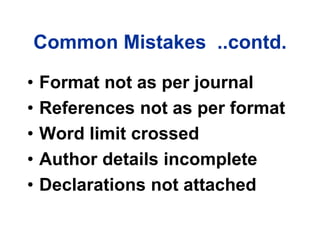
Common Mistakes ..contd.
• Format not as per journal
• References not as per format
• Word limit crossed
• Author details incomplete
• Declarations not attached
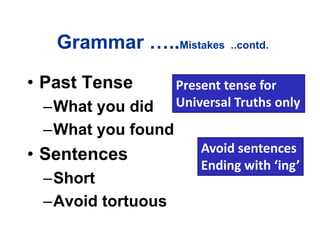
Grammar …..Mistakes ..contd.
• Past Tense
–What you did
–What you found
• Sentences
–Short
–Avoid tortuous
Present tense for
Universal Truths only
Avoid sentences
Ending with ‘ing’
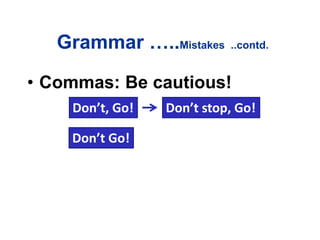
Grammar …..Mistakes ..contd.
• Commas: Be cautious!
Don’t, Go! Don’t stop, Go!
Don’t Go!
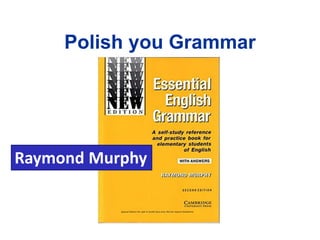
Polish you Grammar
Raymond Murphy
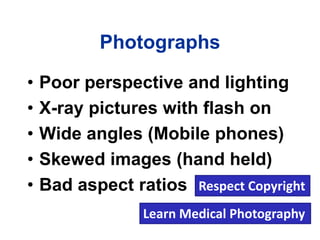
Photographs
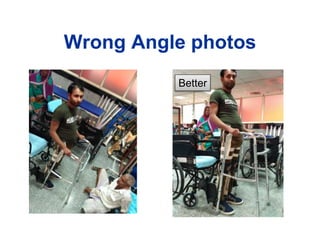
• Poor perspective and lighting
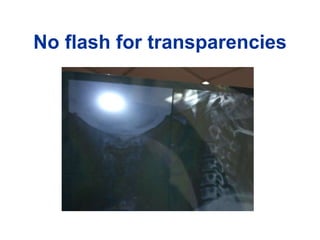
• X-ray pictures with flash on
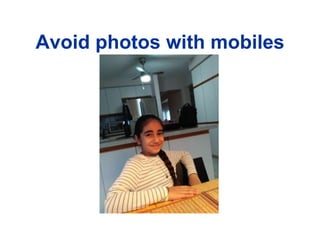
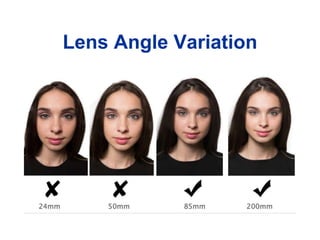
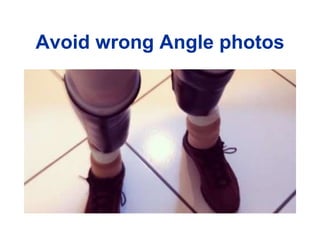
• Wide angles (Mobile phones)
• Skewed images (hand held)
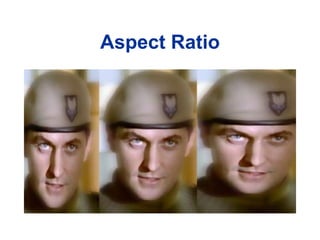
• Bad aspect ratios
Learn Medical Photography
Respect Copyright
Avoid photos with mobiles
Lens Angle Variation
Aspect Ratio
Avoid wrong Angle photos
Wrong Angle photos
Better
No flash for transparencies
Predators
• Predatory Journals Identify
–May be indexed
–Payment for publications
–Fast publications
–Peer review doubtful
–Mostly not read or printed
Predators vs Mainstream
• Predatory Journals Problems
–Not cited
–Papers published are lost
• Mainstream Journals
–High rejection rate (85-90%)
–Long time taken to publish
Question Remains:
Perish or?
Before Submission:
Critical Appraisal (3rd Party)
• Why did they start?
• What did they do?
• What did they find?
• What did it mean?
• What is the message?
Use Critical Appraisal Tools
“CASP” “icmje.org”
Take home message
• Done research: Write
• Drafts: Re-check & Prune
• Follow journal guidelines
• Do appraisal, then send
• Good journals: Predators ??
Please: Polish your English
How to write a paper - Dr U Singh

How to write a paper - Dr U Singh