



HOW TO TEACH
LISTENING
Meta puspita
031109059
7-b
CONTENT
 Definition
 Why   teach listening?
 Teacher‟s and students‟ difficulties
 Top tips
 A successful listening activity
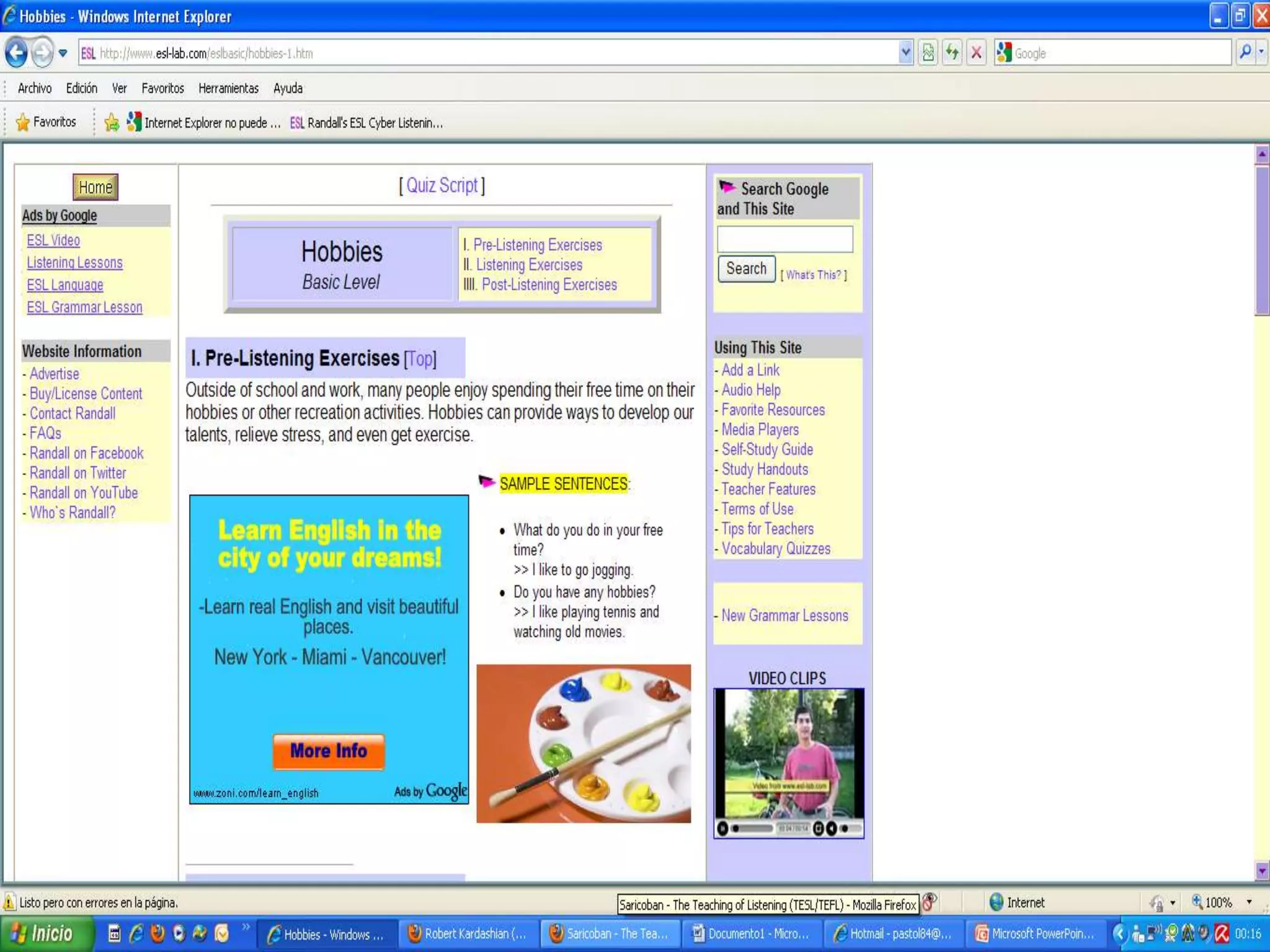
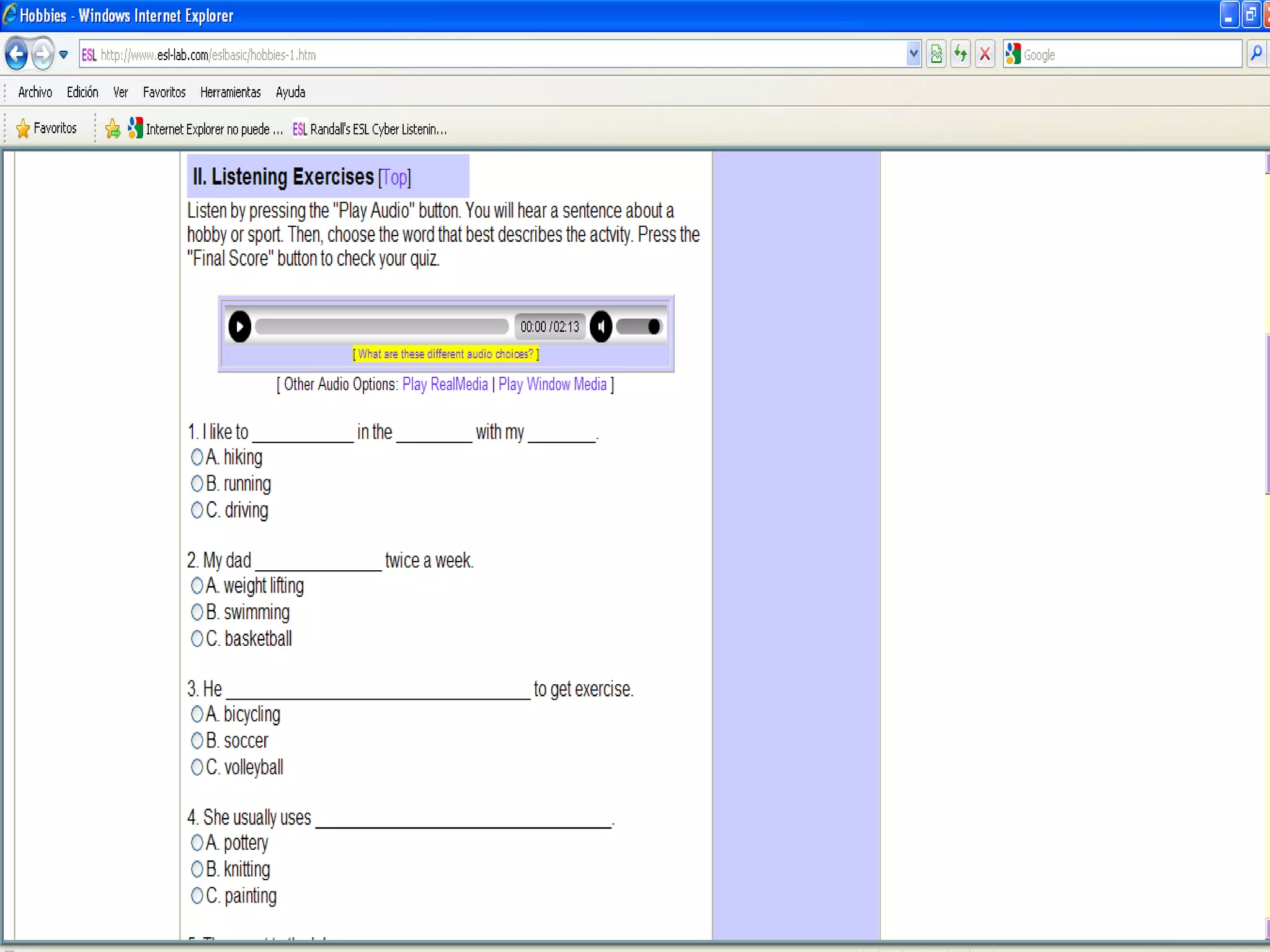
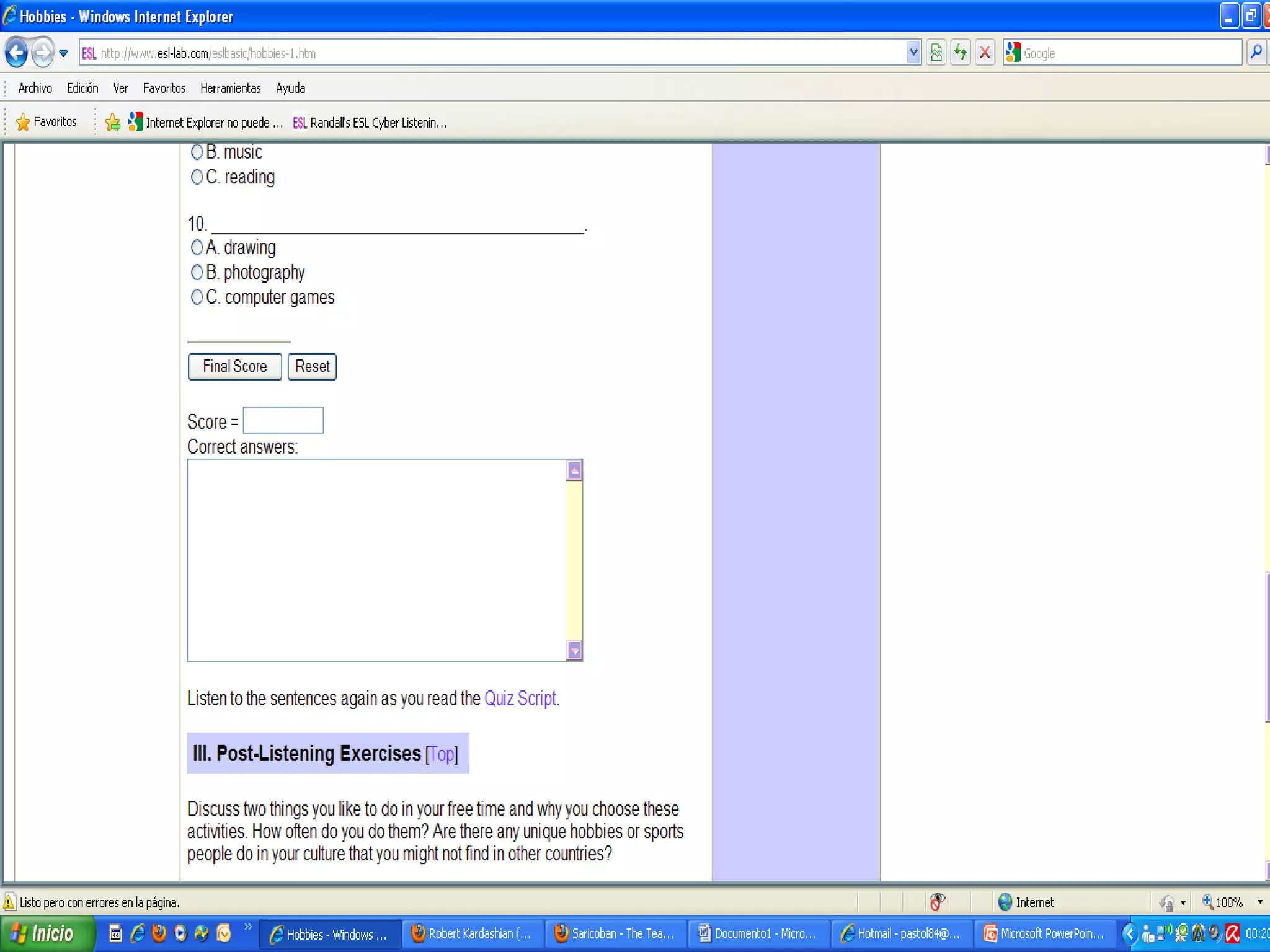
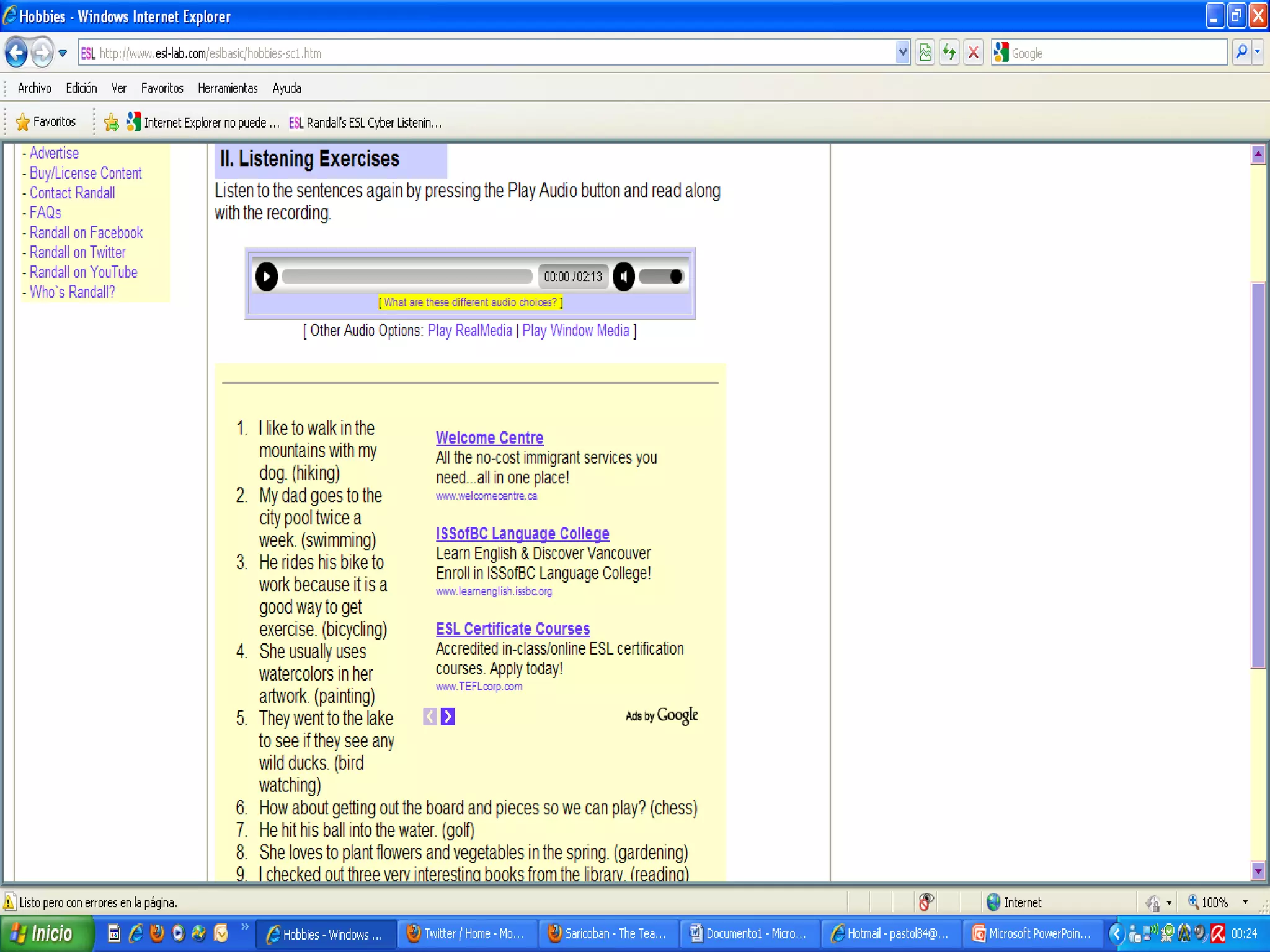
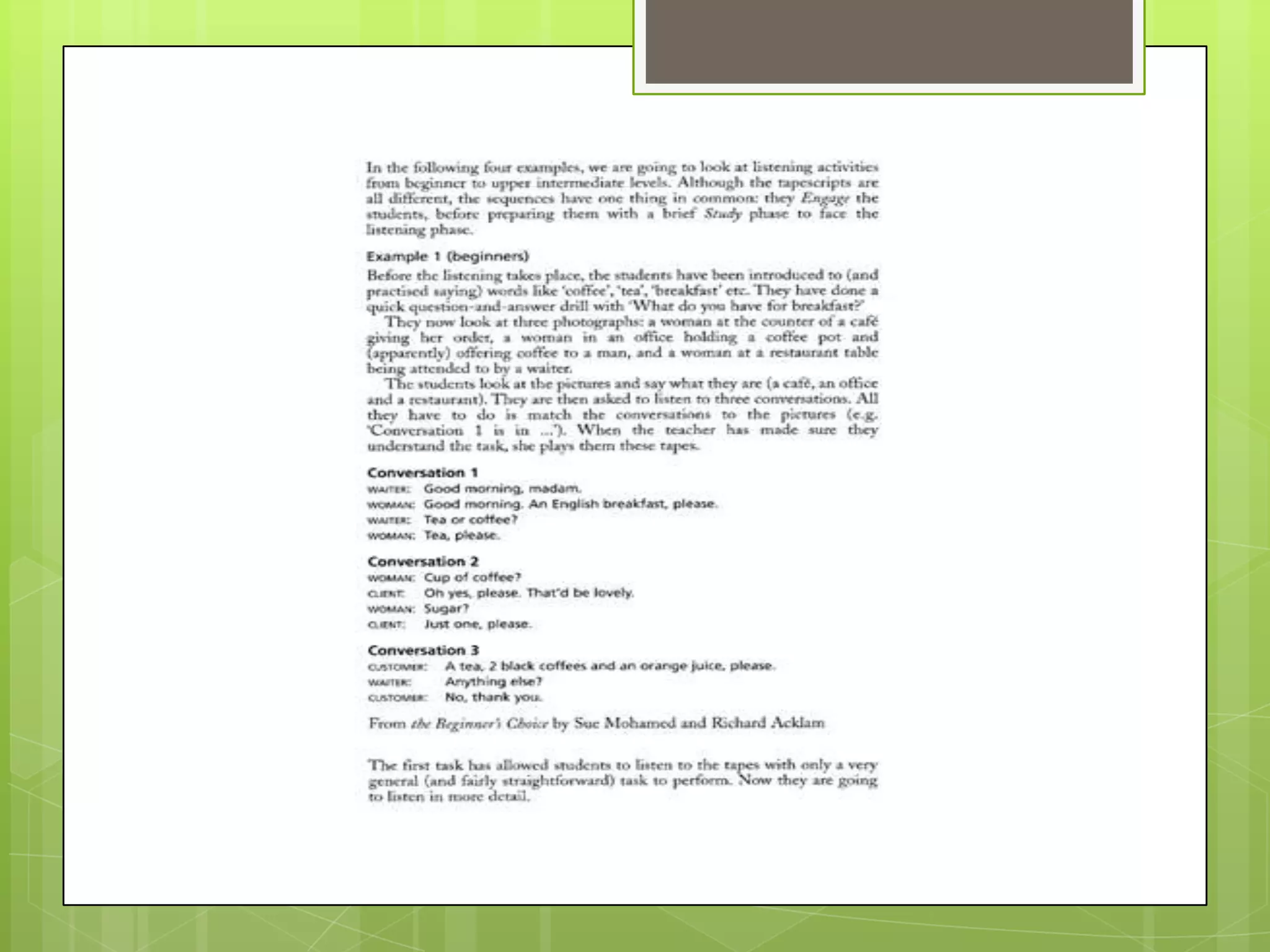
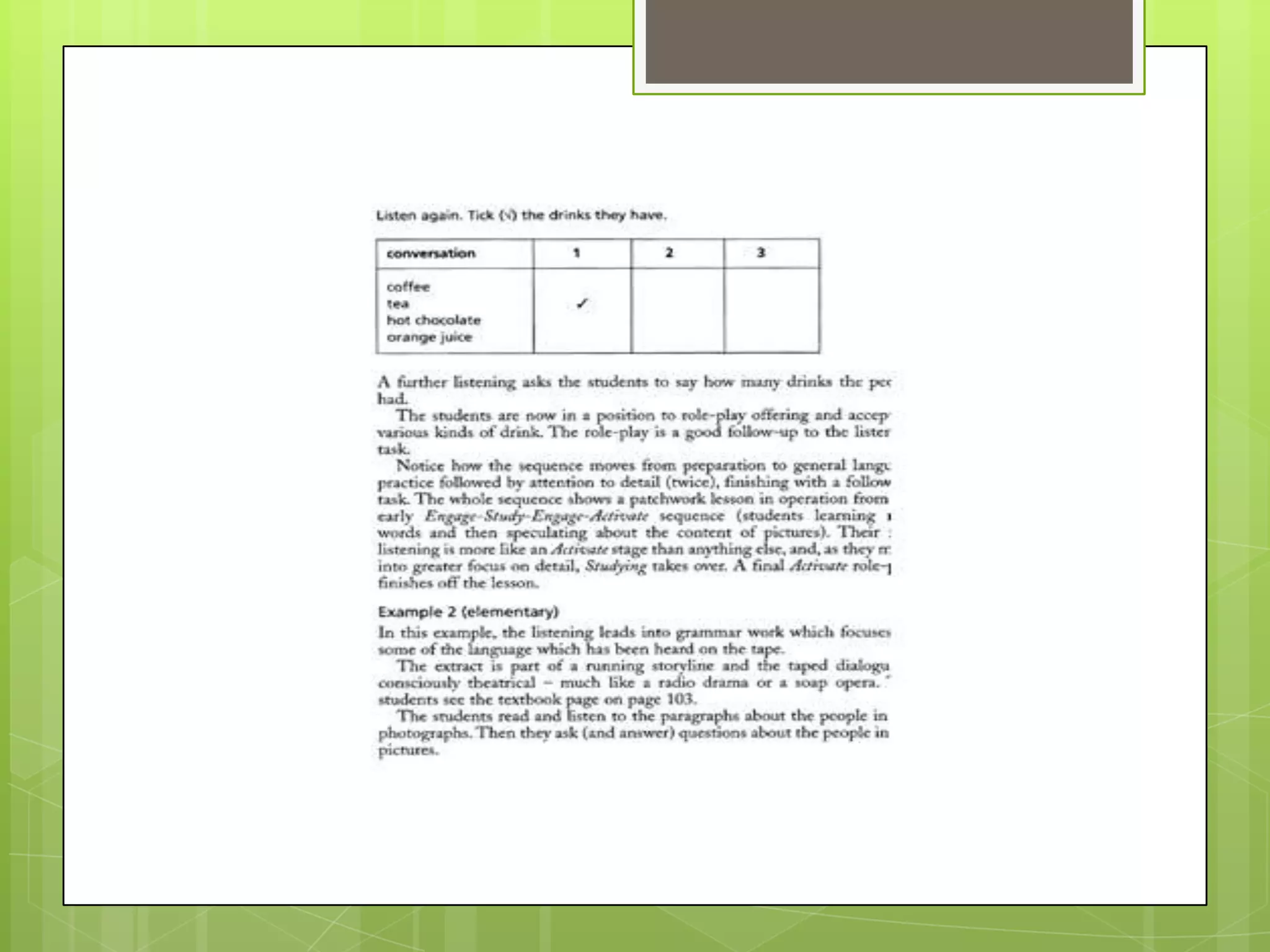
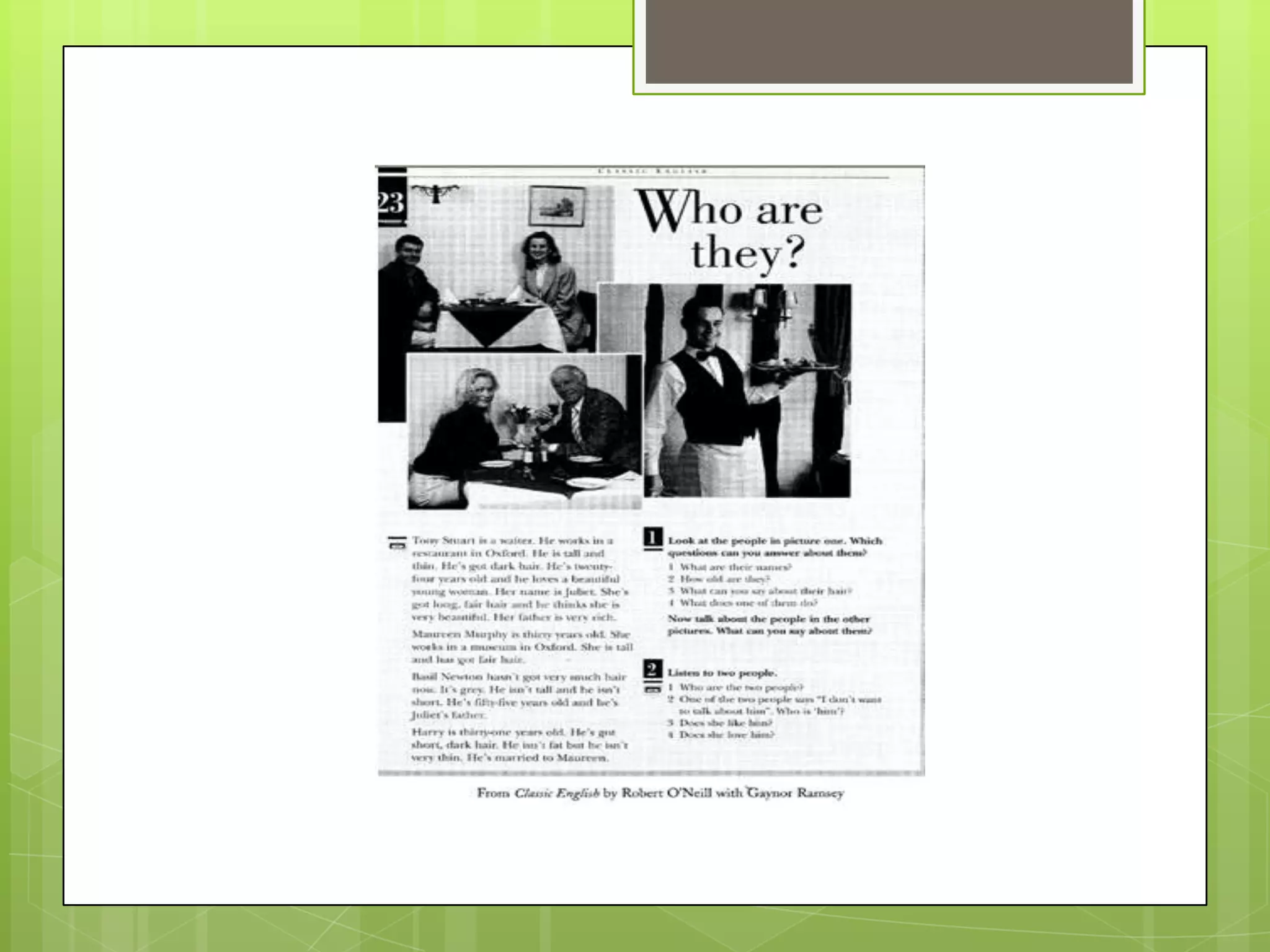
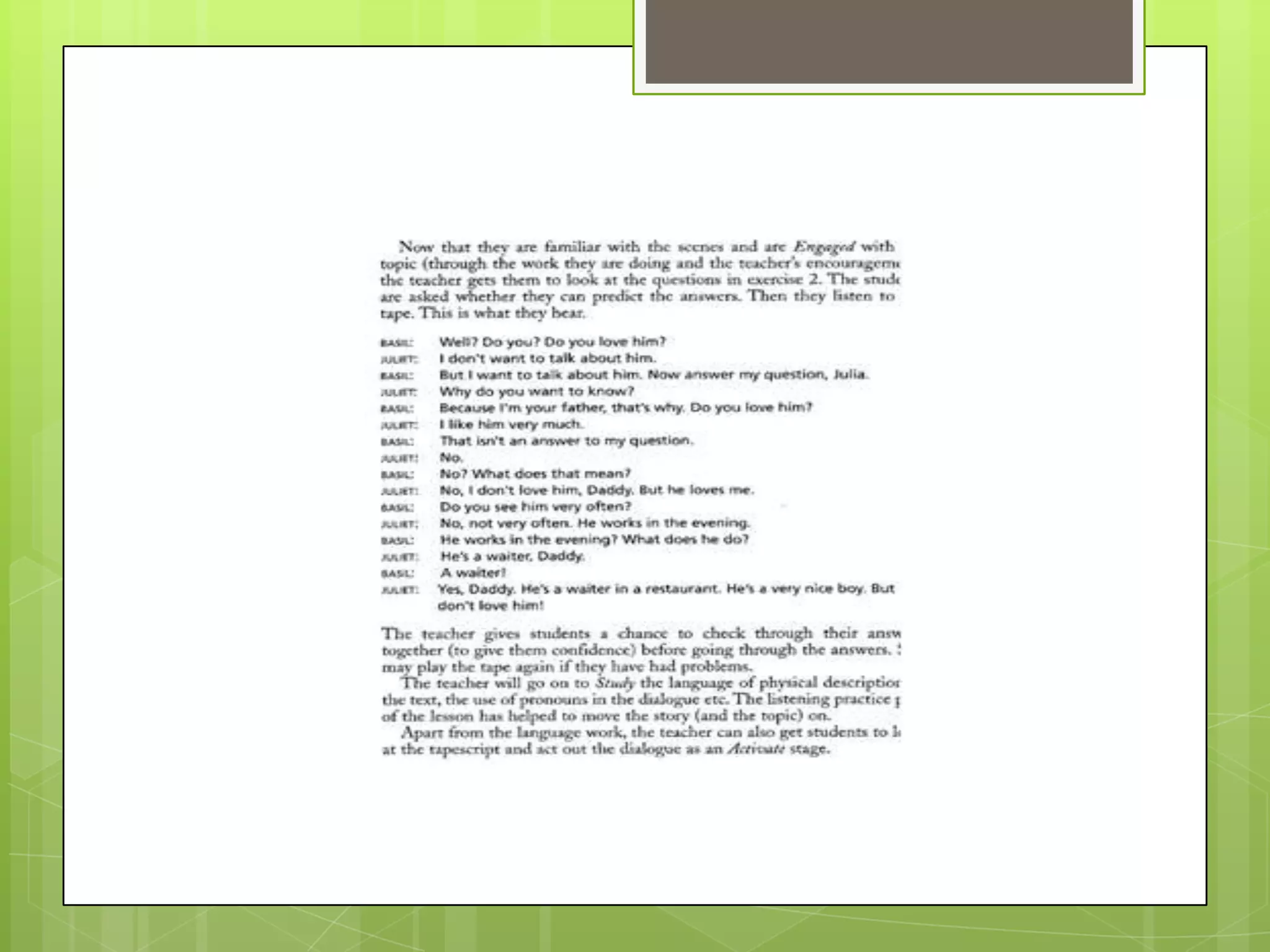
 Listening exercises
LISTENING
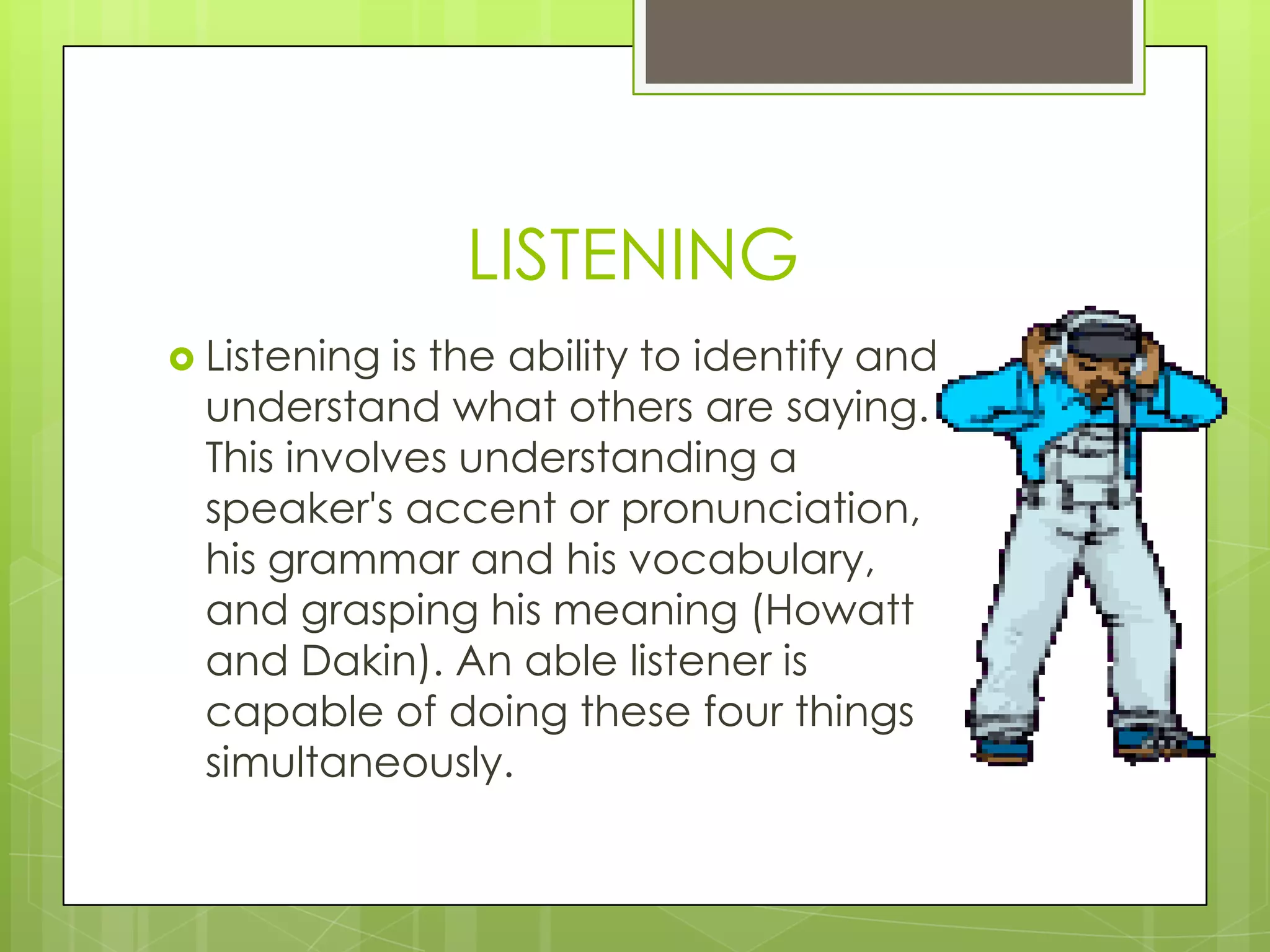
 Listeningis the ability to identify and
 understand what others are saying.
 This involves understanding a
 speaker's accent or pronunciation,
 his grammar and his vocabulary,
 and grasping his meaning (Howatt
 and Dakin). An able listener is
 capable of doing these four things
 simultaneously.
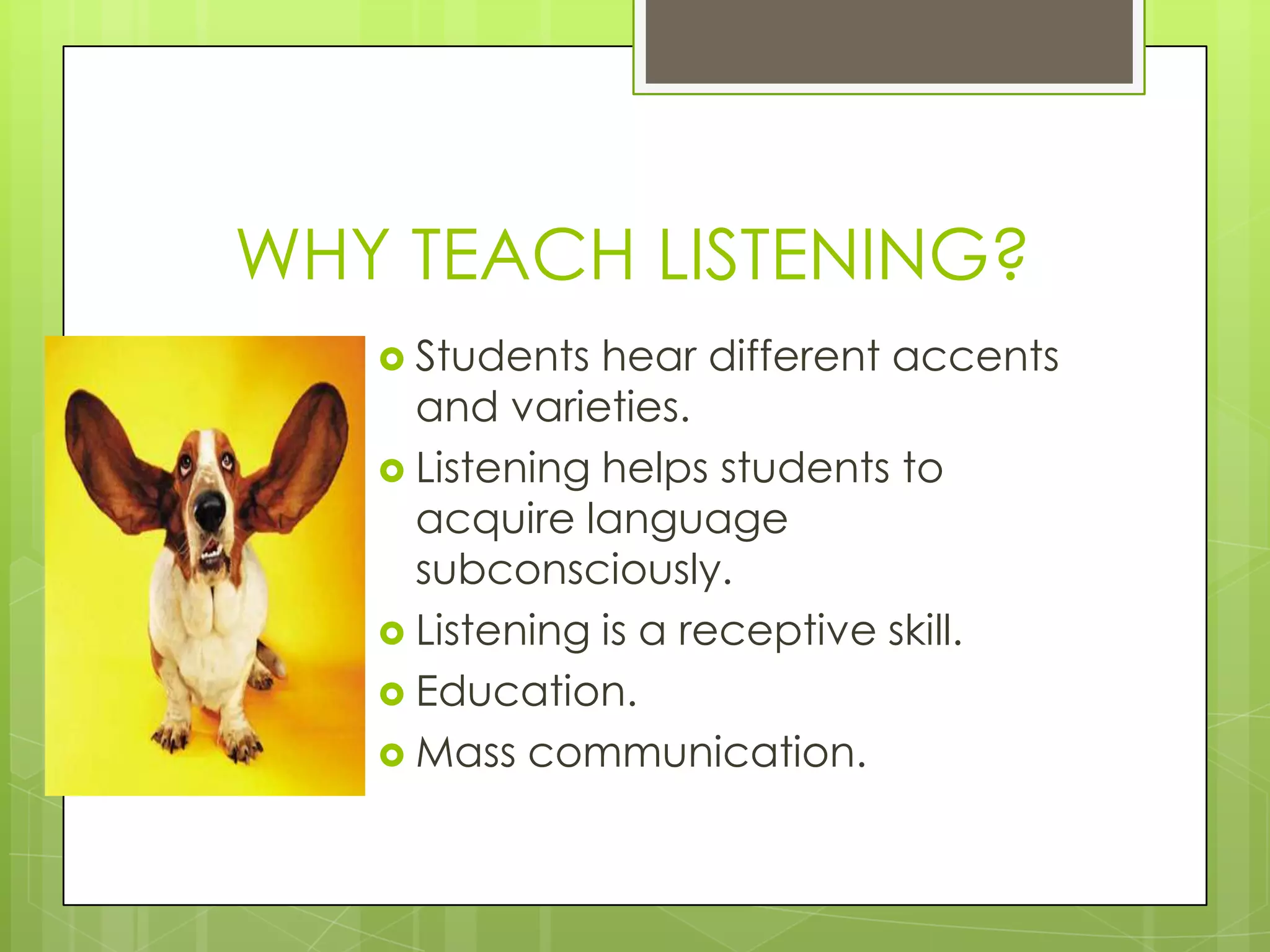
WHY TEACH LISTENING?
    Students  hear different accents
     and varieties.
    Listening helps students to
     acquire language
     subconsciously.
    Listening is a receptive skill.
    Education.
    Mass communication.
„WHAT A DIFFICULT TASK…‟
 Teaching   listening skills is one of
  the most difficult tasks for any
  ESL teacher.
 Sometimes students feel
  frustrated because they find
  listening difficult… Why?
DIFFICULTIES
   Students are trying to understand every word.
   Students go back trying to understand what a previous
    word meant.
   Students just don‟t know the most important words.
   Students don‟t recognize the words they know.
   Students have problems with different accents.
   Students get tired.
   Students have mental block.
   Students are distracted.
   Students cannot cope without images.
   Students have hearing problems.
TOP TIPS
 PRE-    LISTENING:

 Tell   your students “ DON‟T WORRY”

 Make  sure students know what they are listening for
  before you start listening

 Give    questions to check students comprehension

 Check     for any words that your students may not
  know
 Check     for any words that your students may not
 know

 Short   listening

 Stop    the recording
 WHILE    LISTENING:

 Try
    to play the recording once for overall
  comprehension and then for specific details.

 Take    notes ( dates, places, people)

 Repeat    the recording especially in the difficult
  parts
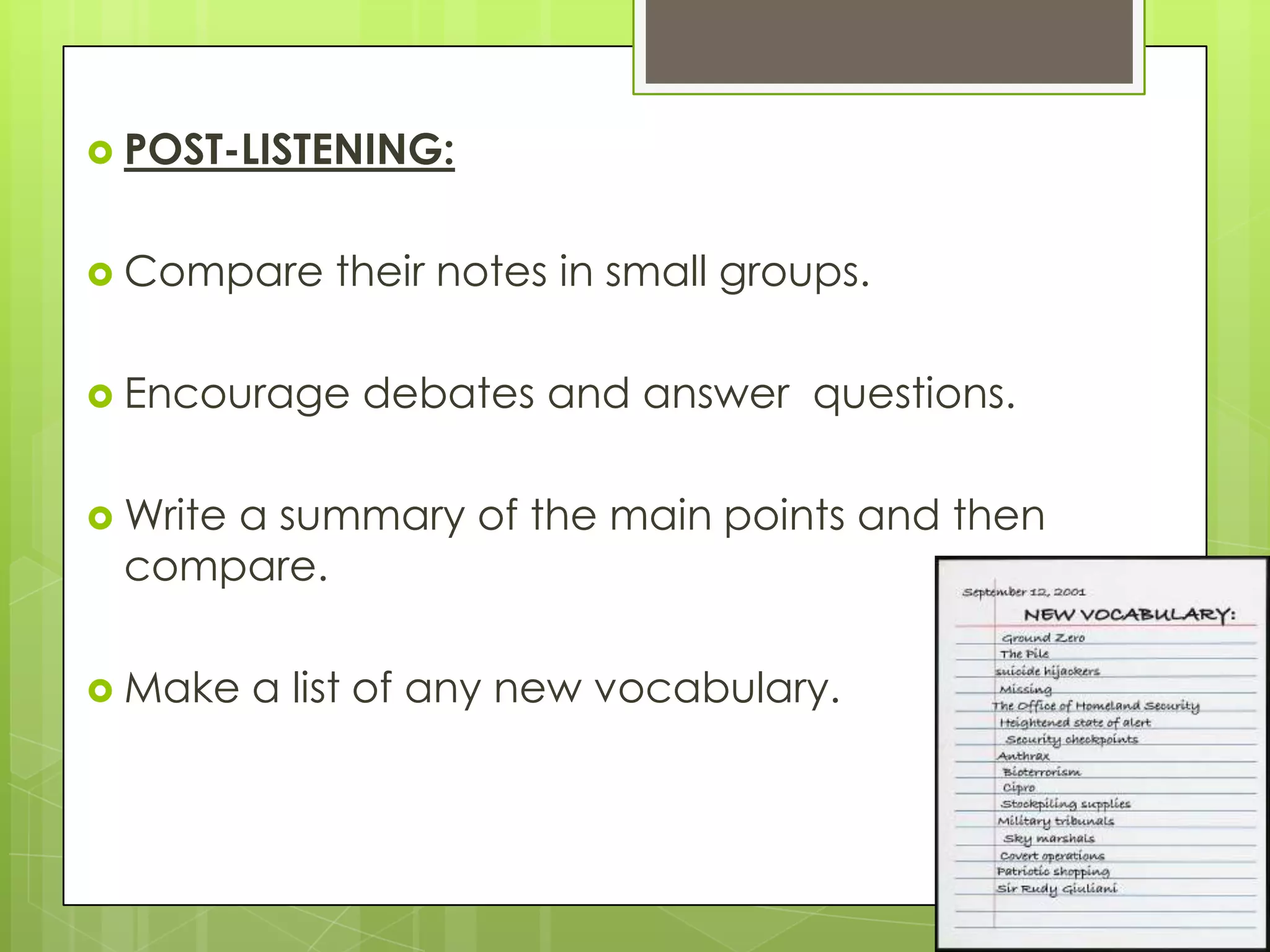
 POST-LISTENING:


 Compare     their notes in small groups.

 Encourage    debates and answer questions.

 Write
     a summary of the main points and then
 compare.

 Make    a list of any new vocabulary.
REMEMBER!!!
 Try  to use as many different sources of
  listening material as you can:

 advertisements, news programs, poetry,
 songs, extracts from plays, speeches,
 lectures, telephone conversations,
 informal dialogues.
A SUCCESSFUL LISTENING
          ACTIVITY
 Ideas  to make the best listening
activities ever!
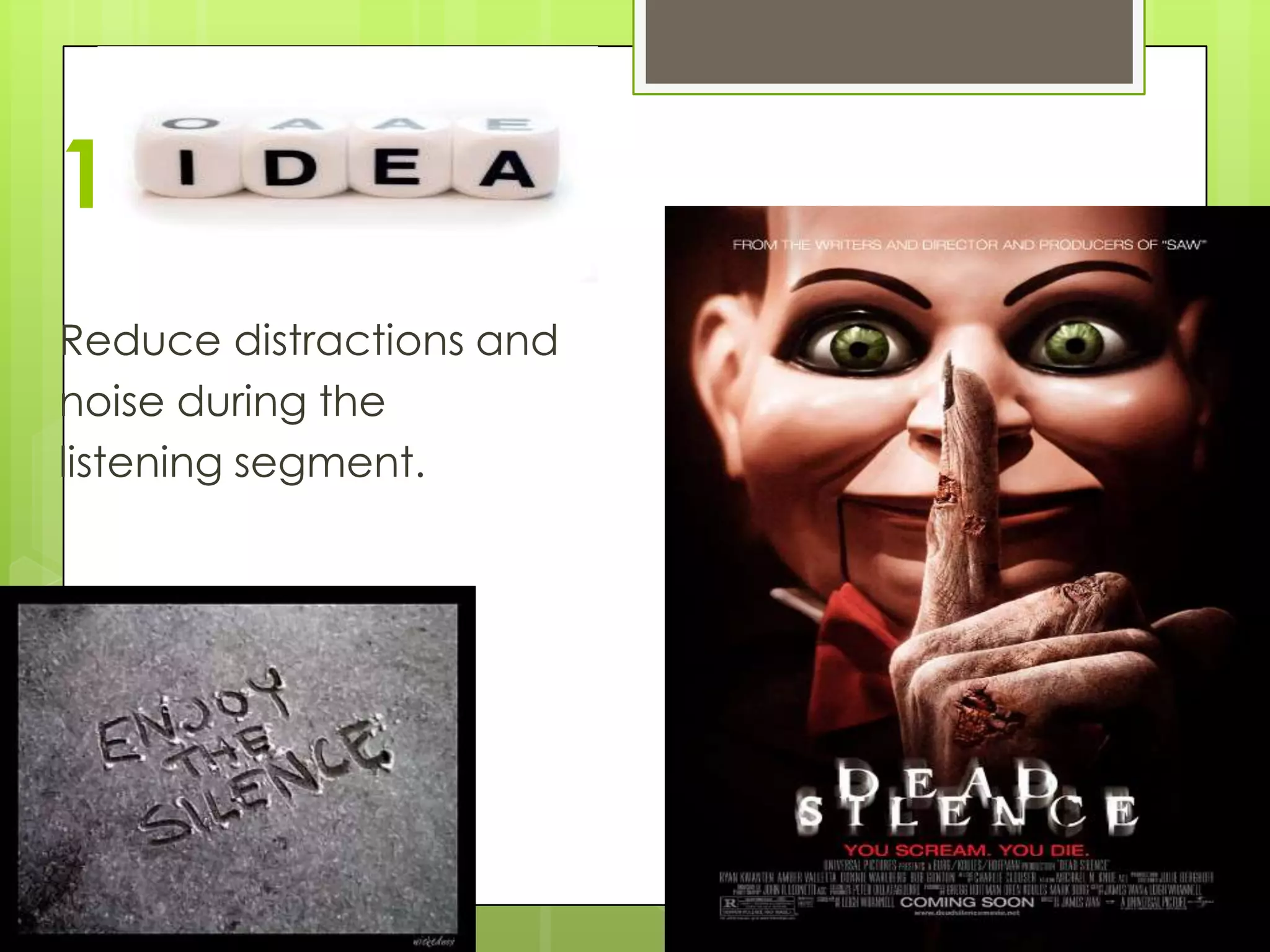
1
Reduce distractions and
noise during the
listening segment.
2
 makesure the equipment produces
 acceptable sound quality.
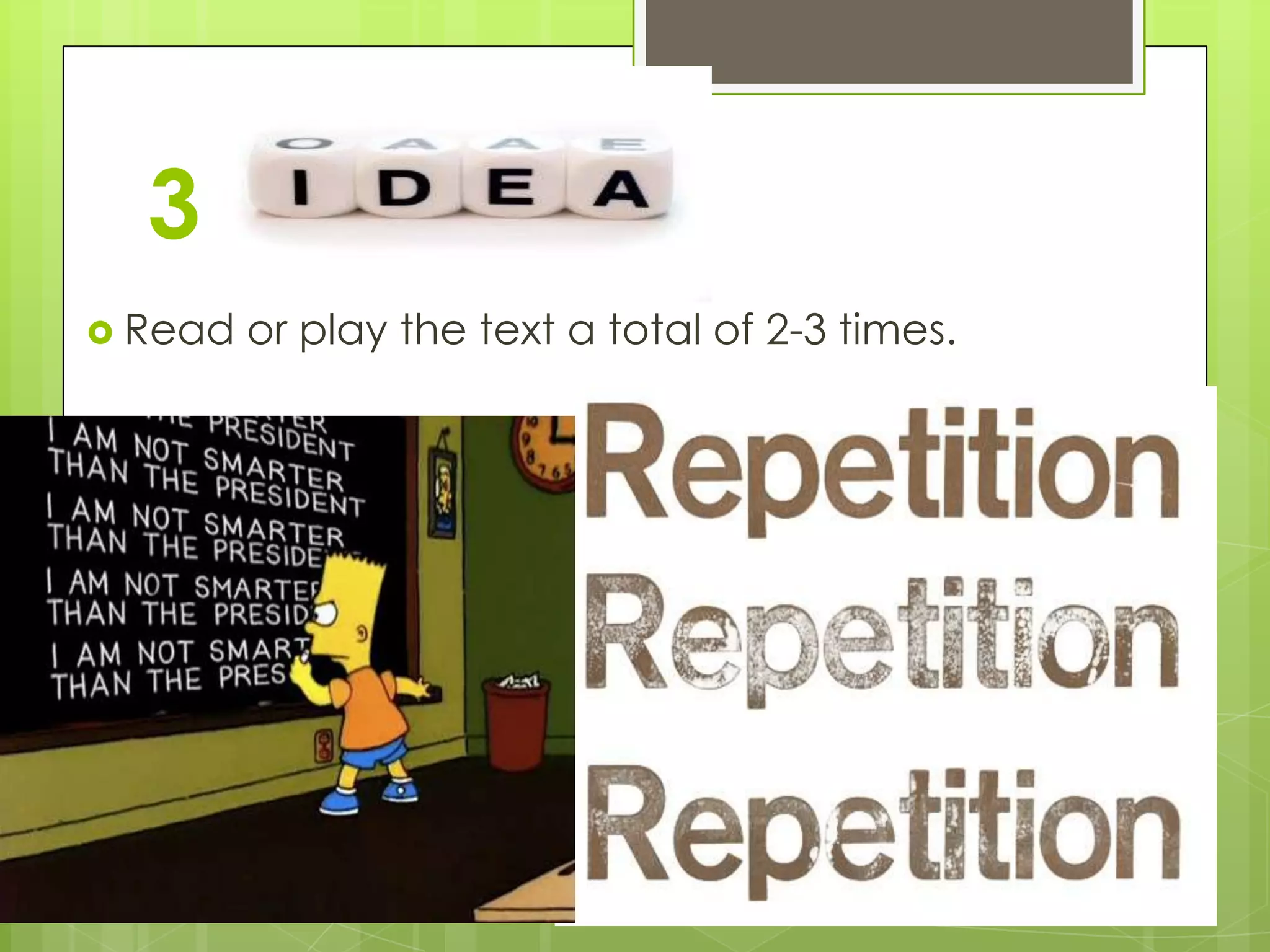
3
 Read   or play the text a total of 2-3 times.
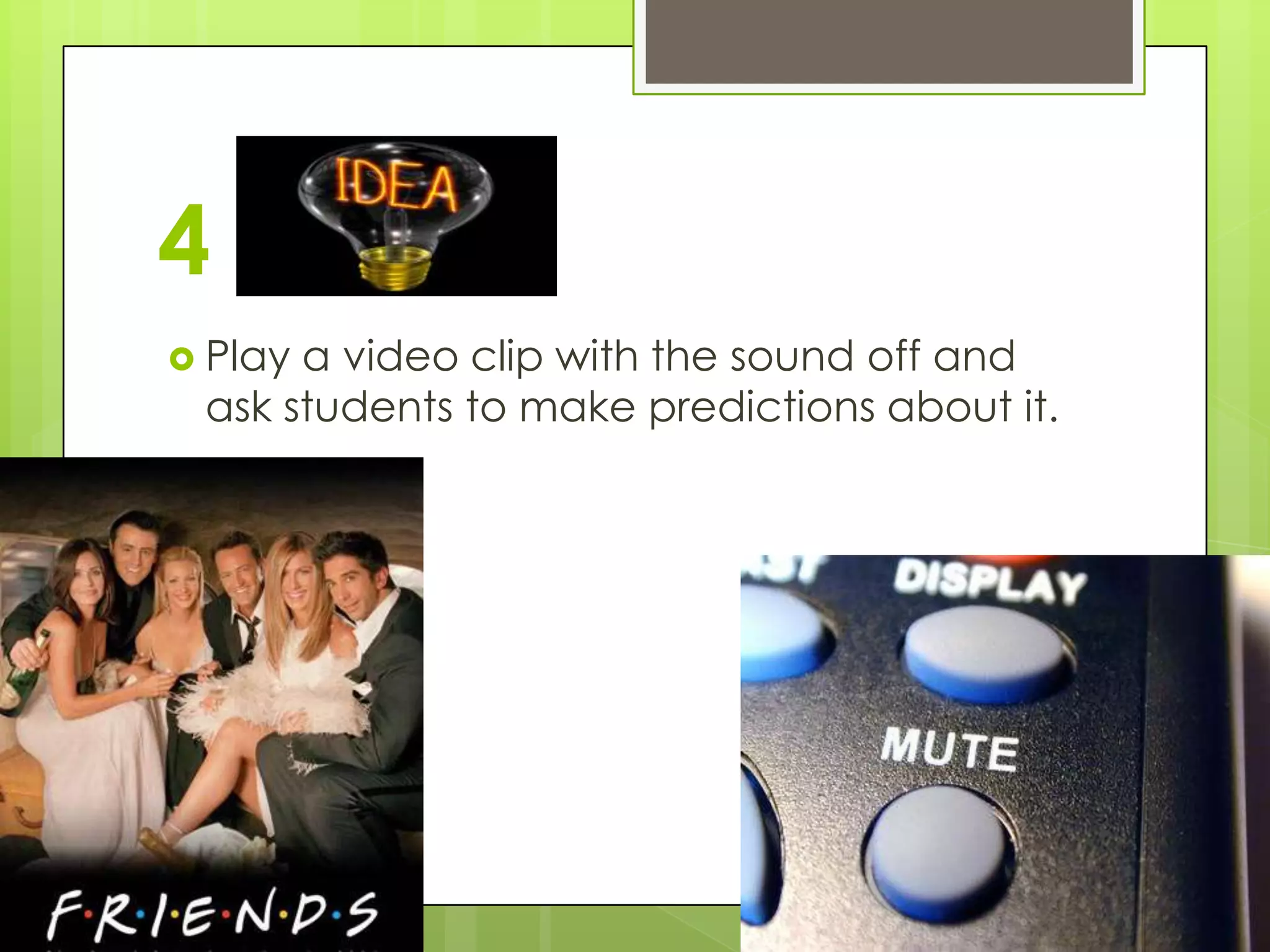
4
 Playa video clip with the sound off and
 ask students to make predictions about it.
5
 Give  students a listening task to do
    between classes.
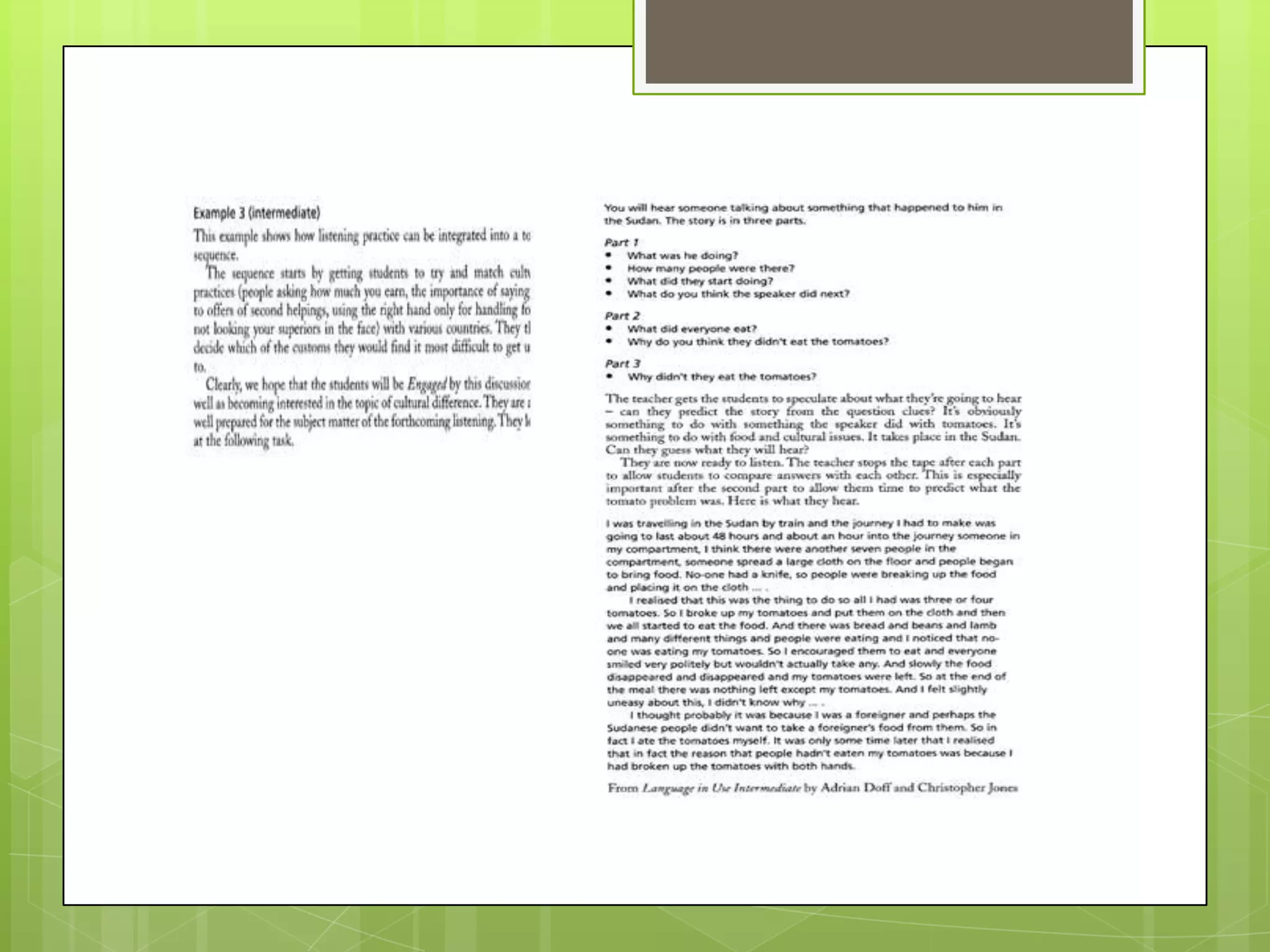
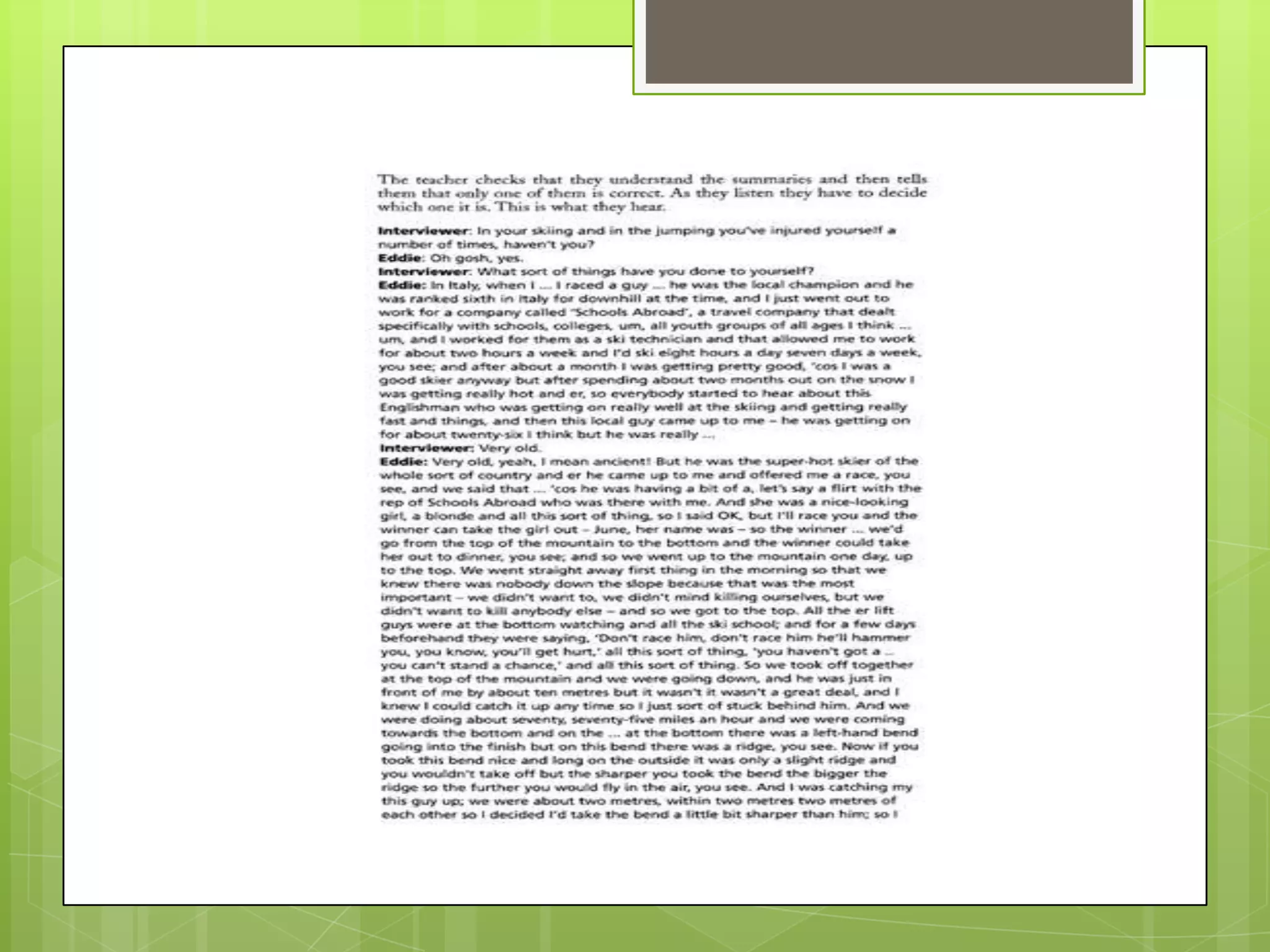
LISTENING
EXERCISES
SOURCES
   http://iteslj.org/Articles/Saricoban-Listening.html
   http://writing.colostate.edu/guides/teaching/esl/listenin
    g.cfm
   http://es.scribd.com/doc/14427811/How-to-Teach-
    English-Jeremy-Harmer
   http://esl.about.com/cs/teachinglistening/a/a_tlisten.ht
    m
   http://www.usingenglish.com/teachers/articles/why-
    your-students-have-problems-with-listening-
    comprehension.html

How to teach listening 1

  • 1.
    HOW TO TEACH LISTENING Metapuspita 031109059 7-b
  • 2.
    CONTENT  Definition  Why teach listening?  Teacher‟s and students‟ difficulties  Top tips  A successful listening activity  Listening exercises
  • 3.
    LISTENING  Listeningis theability to identify and understand what others are saying. This involves understanding a speaker's accent or pronunciation, his grammar and his vocabulary, and grasping his meaning (Howatt and Dakin). An able listener is capable of doing these four things simultaneously.
  • 4.
    WHY TEACH LISTENING?  Students hear different accents and varieties.  Listening helps students to acquire language subconsciously.  Listening is a receptive skill.  Education.  Mass communication.
  • 5.
    „WHAT A DIFFICULTTASK…‟  Teaching listening skills is one of the most difficult tasks for any ESL teacher.  Sometimes students feel frustrated because they find listening difficult… Why?
  • 6.
    DIFFICULTIES  Students are trying to understand every word.  Students go back trying to understand what a previous word meant.  Students just don‟t know the most important words.  Students don‟t recognize the words they know.  Students have problems with different accents.  Students get tired.  Students have mental block.  Students are distracted.  Students cannot cope without images.  Students have hearing problems.
  • 7.
    TOP TIPS  PRE- LISTENING:  Tell your students “ DON‟T WORRY”  Make sure students know what they are listening for before you start listening  Give questions to check students comprehension  Check for any words that your students may not know
  • 8.
     Check for any words that your students may not know  Short listening  Stop the recording
  • 9.
     WHILE LISTENING:  Try to play the recording once for overall comprehension and then for specific details.  Take notes ( dates, places, people)  Repeat the recording especially in the difficult parts
  • 10.
     POST-LISTENING:  Compare their notes in small groups.  Encourage debates and answer questions.  Write a summary of the main points and then compare.  Make a list of any new vocabulary.
  • 11.
    REMEMBER!!!  Try to use as many different sources of listening material as you can: advertisements, news programs, poetry, songs, extracts from plays, speeches, lectures, telephone conversations, informal dialogues.
  • 12.
    A SUCCESSFUL LISTENING ACTIVITY  Ideas to make the best listening activities ever!
  • 13.
    1 Reduce distractions and noiseduring the listening segment.
  • 14.
    2  makesure theequipment produces acceptable sound quality.
  • 15.
    3  Read or play the text a total of 2-3 times.
  • 16.
    4  Playa videoclip with the sound off and ask students to make predictions about it.
  • 17.
    5  Give students a listening task to do between classes.
  • 18.
  • 31.
    SOURCES  http://iteslj.org/Articles/Saricoban-Listening.html  http://writing.colostate.edu/guides/teaching/esl/listenin g.cfm  http://es.scribd.com/doc/14427811/How-to-Teach- English-Jeremy-Harmer  http://esl.about.com/cs/teachinglistening/a/a_tlisten.ht m  http://www.usingenglish.com/teachers/articles/why- your-students-have-problems-with-listening- comprehension.html