How to Build
Ecommerce Data
Catalogs
BY PROMPTCLOUD
As the enormity of data continues
to grow, the need for robust
product catalog management
would become absolutely vital for
any Ecommerce business.
Why is it important to have
product data catalogs?
❖Create rich and consistent product information
❖Building an omnichannel experience
❖Improving customer experience
❖Replacement for supplier data
❖Expand product assortment
Create rich and consistent product information
A properly managed eCommerce product catalog will
result in higher conversions.
For example, the color yellow should always be spelled
“Yellow” and not “YLW” for some products and “YW”
for some others.
Building an omnichannel experience
A customer might see your product first on Amazon
and then switch to your site to make the final
purchase.
In such cases, the consistency of product data across
different channels makes for a great omnichannel
shopping experience for the customers.
Improving customer experience
Rich and detailed information on the product page
directly translates to a better customer experience.
This will also ensure that your products are easy to find
via search.
Replacement for supplier data
Product data provided by the suppliers is usually poor.
Since they don’t directly sell to the consumers, their
data wouldn’t have all the attributes required to make
a sale happen in the consumer world.
Expand product assortment
When your product data is well formed and structured,
it’s easier add more products similar to the ones
already in your catalog.
You can confidently push these newly added products
to your sales channels without facing any bottlenecks.
Pricing intelligence
Having the price data from your competitors is crucial
in the ecommerce space.
By using this data as the input, you can come up with a
smart pricing strategy that will improve your bottom
line.
Managing your product
catalogs
Managing with your Ecommerce
platform
If your Ecommerce site is relatively new and doesn’t
have a large number of products, you can most likely
manage your catalog on your Ecommerce platform.
Most Ecommerce platforms have the basic tools
required to bulk-upload and edit your product
information, which should be good enough for a
small site.
However, if you have too many products to handle, you will quickly outgrow
this solution.
Besides, since your Ecommerce platform lacks advanced functionalities
needed for catalog management, the scope will be very limited with this
option.
Using Excel for catalog
management
Microsoft Excel is a very powerful tool and using it for
catalog management is an effective solution if you
are a small to medium sized ecommerce company.
But, larger ecommerce portals will soon realize its
limitations in terms of scalability.
Excel has its own limitations as it’s a tool primarily meant for day to day tasks
in an office rather than something highly demanding like product catalog
management.
Using a product information
management system (PIM)
Popular ecommerce portals with large SKU counts
and different sales channels, who often have to work
with suppliers should invest in a Product information
Management (PIM) system.
A PIM is a system built to centralize and manage all of
your product data, no matter where it’s coming from
and where it needs to go to.
With a PIM system, you will have efficient tools for formatting and managing
the product catalogs, which will essentially improve your bottom line as an
Ecommerce company.
Acquiring data to build product
catalogs.
Sources for product data
❖Competitor sites
❖OEM websites
Using web crawling to extract
product data
Web crawling is the best solution
to extracting large amounts of
product data for building
Ecommerce catalogs.
How PromptCloud helps:
Product data can be extracted from
Ecommerce portals that use dynamic
coding practices.
#1
Our fully customizable solution
ensures maximum compatibility with
your data processing systems
#2
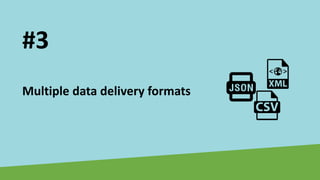
Multiple data delivery formats
#3
Multiple data delivery methods
#4
Well structured, high quality data
#5
Monitoring and maintenance to
ensure a smooth flow of data
#6
Lower Total Cost of Ownership in
comparison to in-house crawler
setup
#7
Considering the importance of catalog
management, a PIM system along with a
robust web data provider is imperative to
any Ecommerce business to thrive in this
competitive market.
Got questions? Connect with us at:
sales@promptcloud.com
www.promptcloud.com

How to Build Ecommerce Data Catalogs

  • 1.
    How to Build EcommerceData Catalogs BY PROMPTCLOUD
  • 2.
    As the enormityof data continues to grow, the need for robust product catalog management would become absolutely vital for any Ecommerce business.
  • 3.
    Why is itimportant to have product data catalogs? ❖Create rich and consistent product information ❖Building an omnichannel experience ❖Improving customer experience ❖Replacement for supplier data ❖Expand product assortment
  • 4.
    Create rich andconsistent product information A properly managed eCommerce product catalog will result in higher conversions. For example, the color yellow should always be spelled “Yellow” and not “YLW” for some products and “YW” for some others.
  • 5.
    Building an omnichannelexperience A customer might see your product first on Amazon and then switch to your site to make the final purchase. In such cases, the consistency of product data across different channels makes for a great omnichannel shopping experience for the customers.
  • 6.
    Improving customer experience Richand detailed information on the product page directly translates to a better customer experience. This will also ensure that your products are easy to find via search.
  • 7.
    Replacement for supplierdata Product data provided by the suppliers is usually poor. Since they don’t directly sell to the consumers, their data wouldn’t have all the attributes required to make a sale happen in the consumer world.
  • 8.
    Expand product assortment Whenyour product data is well formed and structured, it’s easier add more products similar to the ones already in your catalog. You can confidently push these newly added products to your sales channels without facing any bottlenecks.
  • 9.
    Pricing intelligence Having theprice data from your competitors is crucial in the ecommerce space. By using this data as the input, you can come up with a smart pricing strategy that will improve your bottom line.
  • 10.
  • 11.
    Managing with yourEcommerce platform If your Ecommerce site is relatively new and doesn’t have a large number of products, you can most likely manage your catalog on your Ecommerce platform. Most Ecommerce platforms have the basic tools required to bulk-upload and edit your product information, which should be good enough for a small site.
  • 12.
    However, if youhave too many products to handle, you will quickly outgrow this solution. Besides, since your Ecommerce platform lacks advanced functionalities needed for catalog management, the scope will be very limited with this option.
  • 13.
    Using Excel forcatalog management Microsoft Excel is a very powerful tool and using it for catalog management is an effective solution if you are a small to medium sized ecommerce company. But, larger ecommerce portals will soon realize its limitations in terms of scalability.
  • 14.
    Excel has itsown limitations as it’s a tool primarily meant for day to day tasks in an office rather than something highly demanding like product catalog management.
  • 15.
    Using a productinformation management system (PIM) Popular ecommerce portals with large SKU counts and different sales channels, who often have to work with suppliers should invest in a Product information Management (PIM) system. A PIM is a system built to centralize and manage all of your product data, no matter where it’s coming from and where it needs to go to.
  • 16.
    With a PIMsystem, you will have efficient tools for formatting and managing the product catalogs, which will essentially improve your bottom line as an Ecommerce company.
  • 17.
    Acquiring data tobuild product catalogs.
  • 18.
    Sources for productdata ❖Competitor sites ❖OEM websites
  • 19.
    Using web crawlingto extract product data
  • 20.
    Web crawling isthe best solution to extracting large amounts of product data for building Ecommerce catalogs.
  • 21.
  • 22.
    Product data canbe extracted from Ecommerce portals that use dynamic coding practices. #1
  • 23.
    Our fully customizablesolution ensures maximum compatibility with your data processing systems #2
  • 24.
  • 25.
  • 26.
    Well structured, highquality data #5
  • 27.
    Monitoring and maintenanceto ensure a smooth flow of data #6
  • 28.
    Lower Total Costof Ownership in comparison to in-house crawler setup #7
  • 29.
    Considering the importanceof catalog management, a PIM system along with a robust web data provider is imperative to any Ecommerce business to thrive in this competitive market.
  • 30.
    Got questions? Connectwith us at: sales@promptcloud.com www.promptcloud.com