HIST 210
Research Methods
Florence Tang
Liaison to the College of Continuing
and Professional Studies for the
Atlanta Campus
678-547-6261
tang_fy@mercer.edu
Cornell University Library definition
of a reference librarian
http://www.library.cornell.edu/olinuris/ref/research/vocab.html
Reference Librarian
Reference librarians are specialists in
the field of information retrieval.
Generally they have a Masters
degree in library science… They are
available at reference desks to help
you find the information you are
looking for.
Questions? Ask the Reference Desk!
(678) 547-6282 (Atlanta)
http://libraries.mercer.edu/swilley/ref
erence/email-reference
Reference Desk
Hours
M - Th 9AM-10PM
F 9AM-6PM
Sat 10AM-6PM
Sun 1PM-9PM
Add askmercer as your buddy!
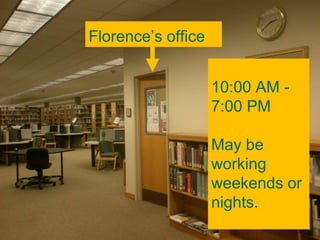
Florence’s office
10:00 AM -
7:00 PM
May be
working
weekends or
nights.
Remember to start your research early.
Not everything can be found full-text
online or at all hours.
o Interlibrary Loan
o Interlibrary Use
o Print copies of books and
journals
o Databases unavailable from
off-campus
o Reference Librarian
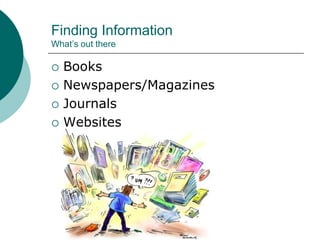
Finding Information
What’s out there
 Books
 Newspapers/Magazines
 Journals
 Websites
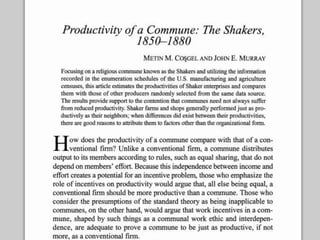
“Scholarly” Journals
 Periodicals used by researchers to share
their findings with one another and the
public.
 They contain articles describing new
research or ideas written in a formal
manner that includes background
information, methods used,
results/interpretation and significance.
 Research articles are peer-reviewed
Scholarly Journals
How do I tell?
 May contain graphs and charts.
 Written by a scholar in the field
or by someone who has done
research in the field. Degrees
attained and institutional
affiliations are often included by
the authors’ names.
 Always cite their sources in the
form of footnotes or
bibliographies
 No glossy pages or pictures
 No advertisements
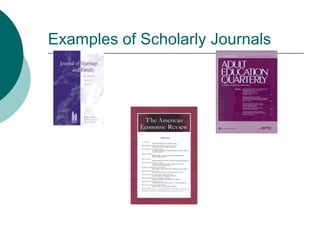
Examples of Scholarly Journals
Popular Magazines
How do I tell?
 Slick, glossy and attractive in appearance.
 Lots of graphics (photographs, drawings,
etc.).
 Articles are usually very short, written in
simple language .
 Generally little depth to the content of
these articles.
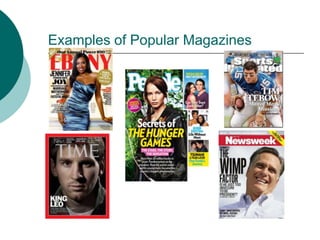
Examples of Popular Magazines
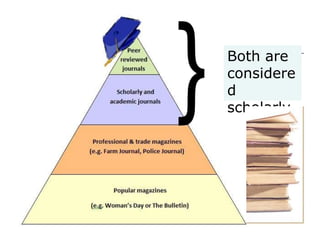
Both are
considere
d
scholarly
Web Sites
The good…
 Immediate coverage of an event
 Access to information that is not
available in print format
 Statistics
 Graphs
Websites
The ugly
 Self publishing medium
 No filters
 No standards
 No organizers
Books
 Good for background
 Comprehensive
 Information may not be as current
as what you would find in journal
articles or web sites.
That might or might not be important.
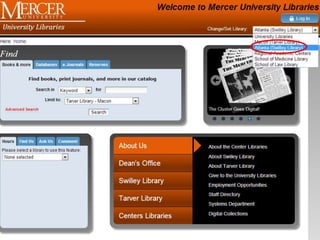
Finding Books
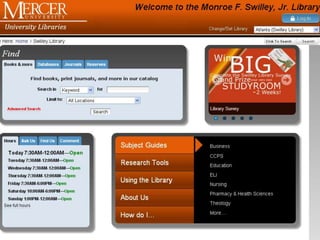
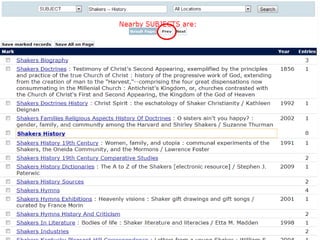
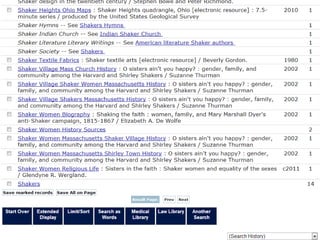
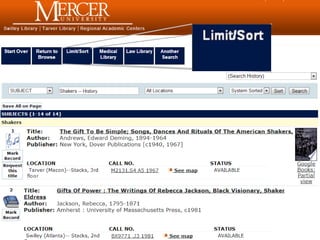
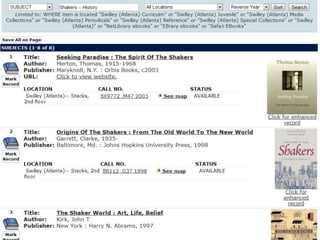
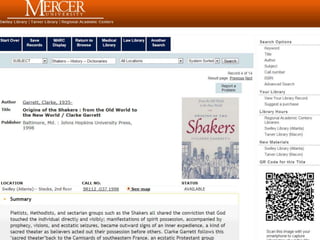
Use a CATALOG to find
books
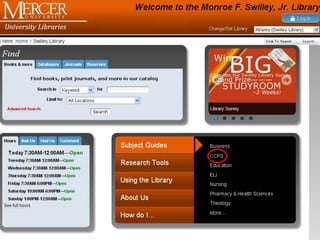
The library catalog is called
BEARCAT.
http://library.mercer.edu
When you search
BEARCAT, you will find
books that are located in
the Swilley Library or
another Mercer Library.
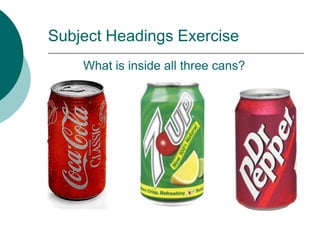
Subject Headings Exercise
What is inside all three cans?
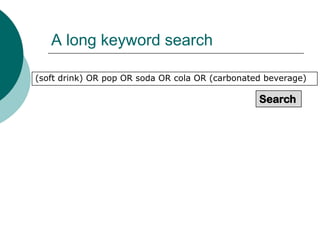
A long keyword search
(soft drink) OR pop OR soda OR cola OR (carbonated beverage)
Search
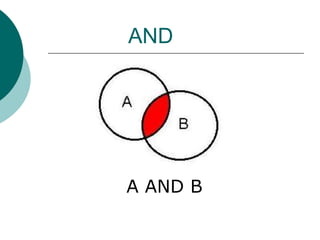
AND
A AND B
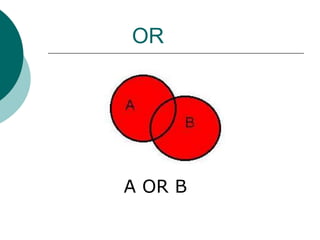
OR
A OR B
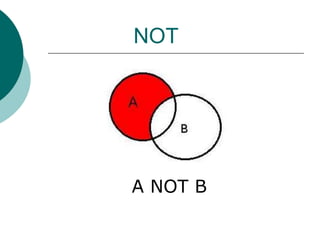
NOT
A NOT B
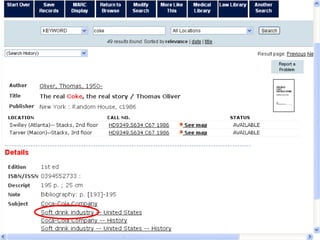
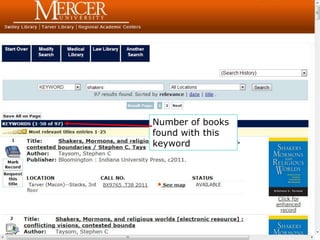
Number of books
found with this
keyword
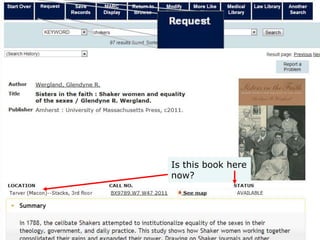
Is this book here
now?
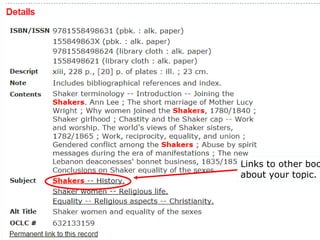
Links to other boo
about your topic.
Finding Articles
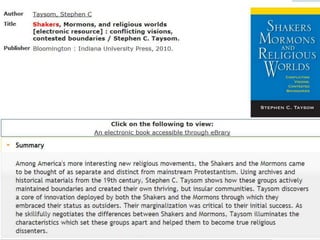
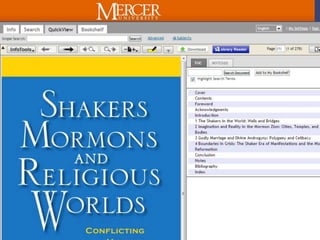
To find Articles, use a database or index
 A database is a collection of citations for
articles or similar information
 Some databases will contain full texts of
articles
 Some databases are specific (such as
Education or Business) and some cover
many subjects
Finding Articles
 Choose the appropriate database
 Find full-text articles OR
 Find a citation
 Check to see if your library has the
journal in another database – If not,
we can order it for you via InterLibrary
Loan.
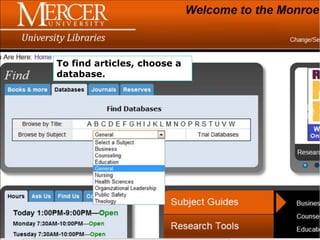
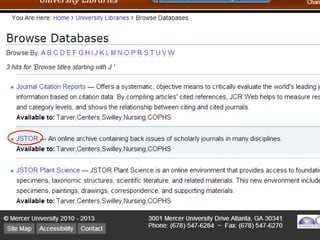
To find articles, choose a
database.
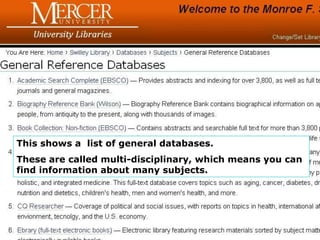
This shows a list of general databases.
These are called multi-disciplinary, which means you can
find information about many subjects.
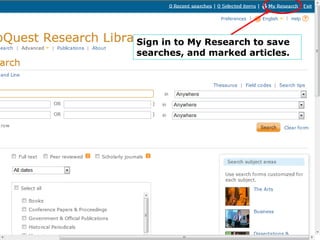
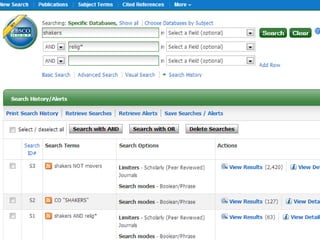
Sign in to My Research to save
searches, and marked articles.
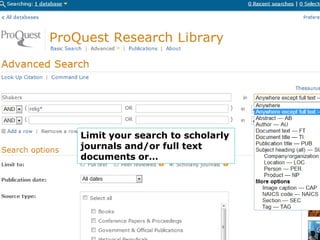
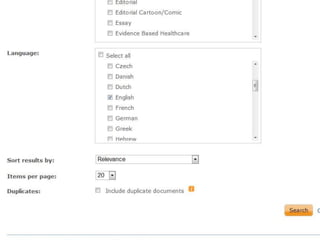
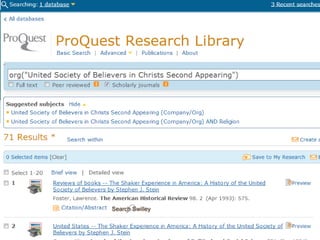
Limit your search to scholarly
journals and/or full text
documents or…
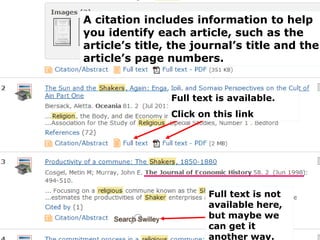
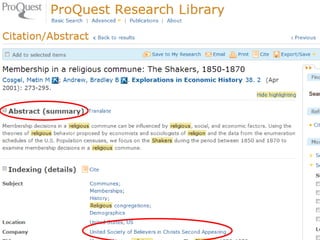
A citation includes information to help
you identify each article, such as the
article’s title, the journal’s title and the
article’s page numbers.
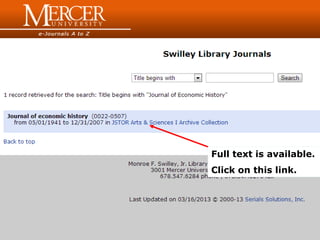
Full text is available.
Click on this link
Full text is not
available here,
but maybe we
can get it
another way.
Full text is available.
Click on this link.
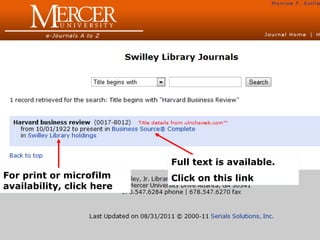
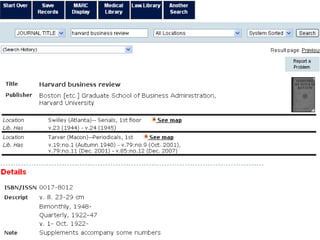
For print or microfilm
availability, click here
Full text is available.
Click on this link
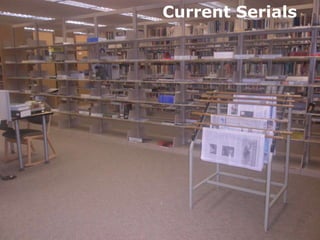
Current Serials
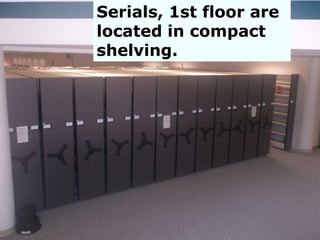
Serials, 1st floor are
located in compact
shelving.
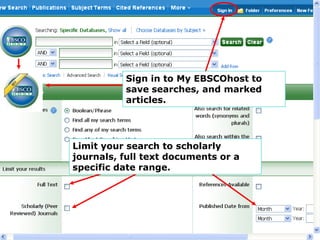
Sign in to My EBSCOhost to
save searches, and marked
articles.
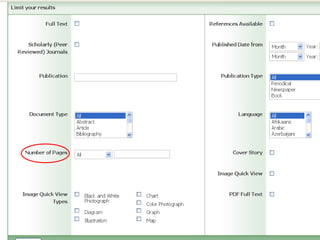
Limit your search to scholarly
journals, full text documents or a
specific date range.
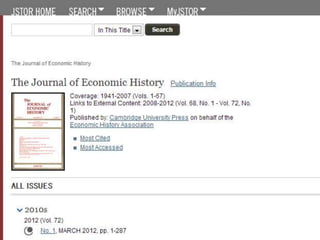
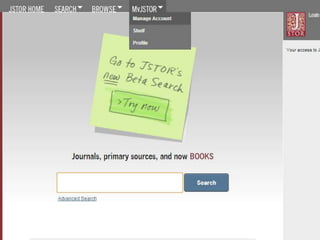
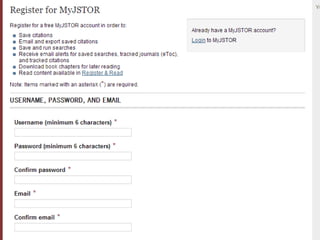
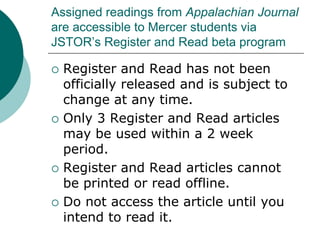
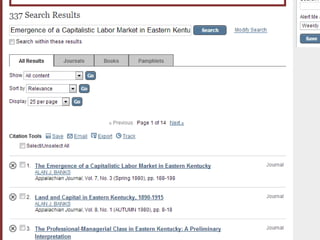
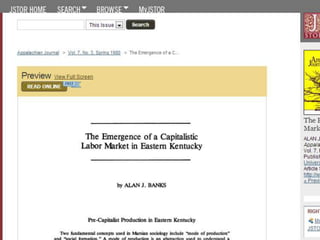
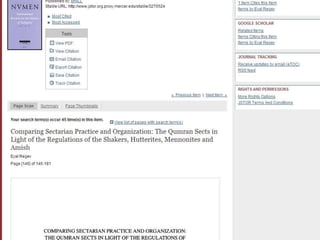
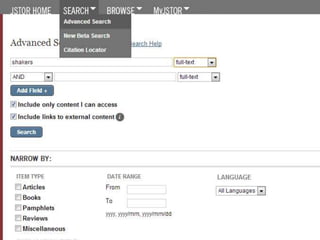
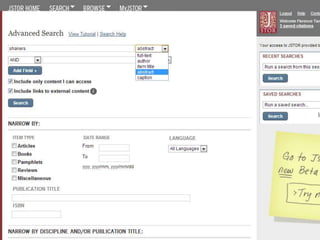
Assigned readings from Appalachian Journal
are accessible to Mercer students via
JSTOR’s Register and Read beta program
 Register and Read has not been
officially released and is subject to
change at any time.
 Only 3 Register and Read articles
may be used within a 2 week
period.
 Register and Read articles cannot
be printed or read offline.
 Do not access the article until you
intend to read it.
Do not
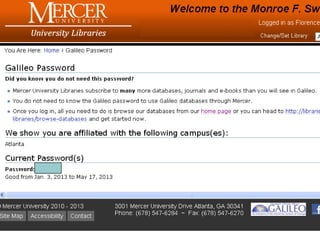
 Share your GALILEO password or
MUID with others.
 Upload an article to a webpage that
others can access.
 Copy and paste sections of an
article into your paper without using
quotations.
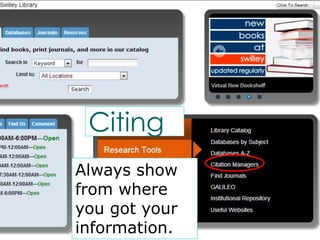
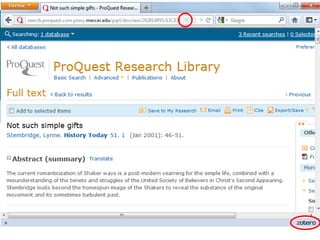
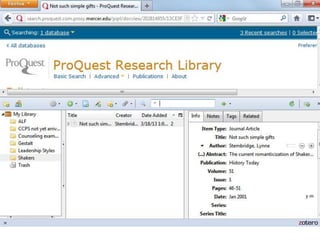
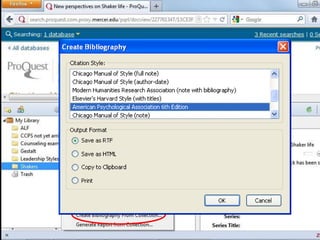
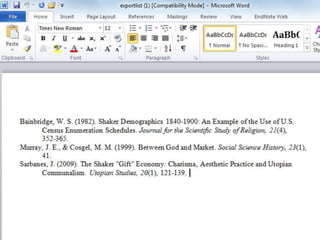
Citing
Always show
from where
you got your
information.
END

Hist 210

  • 1.
    HIST 210 Research Methods FlorenceTang Liaison to the College of Continuing and Professional Studies for the Atlanta Campus 678-547-6261 tang_fy@mercer.edu
  • 2.
    Cornell University Librarydefinition of a reference librarian http://www.library.cornell.edu/olinuris/ref/research/vocab.html Reference Librarian Reference librarians are specialists in the field of information retrieval. Generally they have a Masters degree in library science… They are available at reference desks to help you find the information you are looking for.
  • 3.
    Questions? Ask theReference Desk! (678) 547-6282 (Atlanta) http://libraries.mercer.edu/swilley/ref erence/email-reference Reference Desk Hours M - Th 9AM-10PM F 9AM-6PM Sat 10AM-6PM Sun 1PM-9PM Add askmercer as your buddy!
  • 4.
    Florence’s office 10:00 AM- 7:00 PM May be working weekends or nights.
  • 7.
    Remember to startyour research early. Not everything can be found full-text online or at all hours. o Interlibrary Loan o Interlibrary Use o Print copies of books and journals o Databases unavailable from off-campus o Reference Librarian
  • 8.
    Finding Information What’s outthere  Books  Newspapers/Magazines  Journals  Websites
  • 9.
    “Scholarly” Journals  Periodicalsused by researchers to share their findings with one another and the public.  They contain articles describing new research or ideas written in a formal manner that includes background information, methods used, results/interpretation and significance.  Research articles are peer-reviewed
  • 10.
    Scholarly Journals How doI tell?  May contain graphs and charts.  Written by a scholar in the field or by someone who has done research in the field. Degrees attained and institutional affiliations are often included by the authors’ names.  Always cite their sources in the form of footnotes or bibliographies  No glossy pages or pictures  No advertisements
  • 11.
  • 12.
    Popular Magazines How doI tell?  Slick, glossy and attractive in appearance.  Lots of graphics (photographs, drawings, etc.).  Articles are usually very short, written in simple language .  Generally little depth to the content of these articles.
  • 13.
  • 14.
  • 15.
    Web Sites The good… Immediate coverage of an event  Access to information that is not available in print format  Statistics  Graphs
  • 16.
    Websites The ugly  Selfpublishing medium  No filters  No standards  No organizers
  • 17.
    Books  Good forbackground  Comprehensive  Information may not be as current as what you would find in journal articles or web sites. That might or might not be important.
  • 18.
    Finding Books Use aCATALOG to find books The library catalog is called BEARCAT. http://library.mercer.edu When you search BEARCAT, you will find books that are located in the Swilley Library or another Mercer Library.
  • 21.
    Subject Headings Exercise Whatis inside all three cans?
  • 22.
    A long keywordsearch (soft drink) OR pop OR soda OR cola OR (carbonated beverage) Search
  • 24.
  • 25.
  • 26.
  • 28.
    Number of books foundwith this keyword
  • 29.
    Is this bookhere now?
  • 31.
    Links to otherboo about your topic.
  • 45.
    Finding Articles To findArticles, use a database or index  A database is a collection of citations for articles or similar information  Some databases will contain full texts of articles  Some databases are specific (such as Education or Business) and some cover many subjects
  • 46.
    Finding Articles  Choosethe appropriate database  Find full-text articles OR  Find a citation  Check to see if your library has the journal in another database – If not, we can order it for you via InterLibrary Loan.
  • 47.
    To find articles,choose a database.
  • 48.
    This shows alist of general databases. These are called multi-disciplinary, which means you can find information about many subjects.
  • 49.
    Sign in toMy Research to save searches, and marked articles.
  • 50.
    Limit your searchto scholarly journals and/or full text documents or…
  • 52.
    A citation includesinformation to help you identify each article, such as the article’s title, the journal’s title and the article’s page numbers. Full text is available. Click on this link Full text is not available here, but maybe we can get it another way.
  • 56.
    Full text isavailable. Click on this link.
  • 61.
    For print ormicrofilm availability, click here Full text is available. Click on this link
  • 63.
  • 64.
    Serials, 1st floorare located in compact shelving.
  • 65.
    Sign in toMy EBSCOhost to save searches, and marked articles. Limit your search to scholarly journals, full text documents or a specific date range.
  • 72.
    Assigned readings fromAppalachian Journal are accessible to Mercer students via JSTOR’s Register and Read beta program  Register and Read has not been officially released and is subject to change at any time.  Only 3 Register and Read articles may be used within a 2 week period.  Register and Read articles cannot be printed or read offline.  Do not access the article until you intend to read it.
  • 79.
    Do not  Shareyour GALILEO password or MUID with others.  Upload an article to a webpage that others can access.  Copy and paste sections of an article into your paper without using quotations.
  • 80.
    Citing Always show from where yougot your information.
  • 94.