







ExLPharma’s6th Pharmaceutical& Medical Device Pricing& ReimbursementConferenceHighlightsJuly 26-27, 2010Bridgewater, NJ
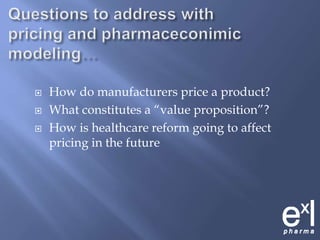
Questions to address with pricing and pharmaceconimic modeling…How do manufacturers price a product?What constitutes a “value proposition”?How is healthcare reform going to affect pricing in the future
What’s the right price?
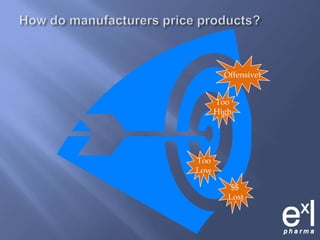
How do manufacturers price products?Offensive!TooHighTooLow$$ Lost
Step 1: Determine the perceived value of the productClinical advance (dosing, delivery, etc.)Improved SafetyImproved EfficacyUnmet Medical Need
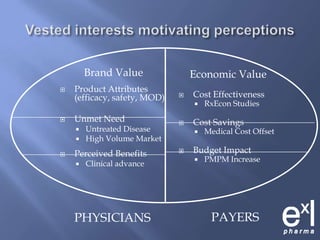
Vested interests motivating perceptionsBrand ValueProduct Attributes (efficacy, safety, MOD)Unmet NeedUntreated DiseaseHigh Volume MarketPerceived BenefitsClinical advance	Economic ValueCost EffectivenessRxEcon StudiesCost SavingsMedical Cost OffsetBudget ImpactPMPM IncreasePAYERSPHYSICIANS
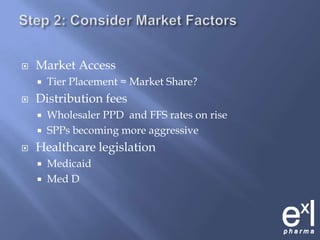
Step 2: Consider Market FactorsMarket AccessTier Placement = Market Share?Distribution feesWholesaler PPD  and FFS rates on riseSPPs becoming more aggressiveHealthcare legislationMedicaidMed D
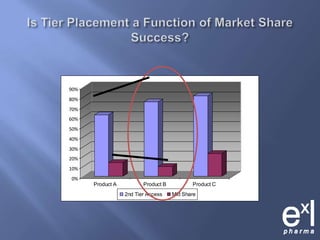
Is Tier Placement a Function of Market Share Success?
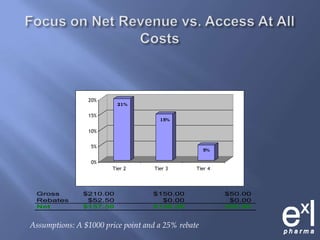
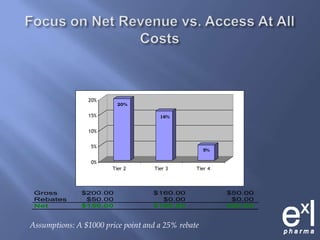
Focus on Net Revenue vs. Access At All CostsAssumptions: A $1000 price point and a 25% rebate
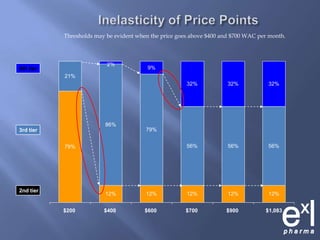
Inelasticity of Price PointsThresholds may be evident when the price goes above $400 and $700 WAC per month.  4th tier3rd tier2nd tier
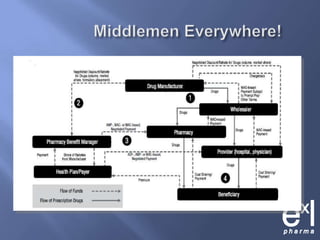
Middlemen Everywhere!
What’s the “value proposition”?: Pharmacoeconomics
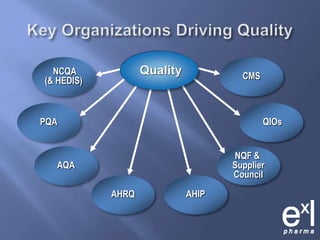
Key Organizations Driving Quality Quality NCQA(& HEDIS)PQACMSAQA QIOsAHRQNQF & SupplierCouncil AHIP QualityNCQA (& HEDIS)deletePQACMS AQAQIOsAHRQNQF & SupplierCouncilAHIP
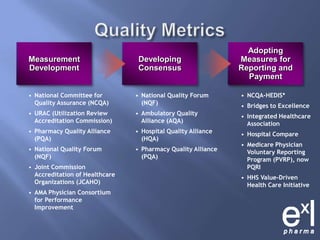
Adopting Measures for Reporting and PaymentQuality MetricsDeveloping ConsensusMeasurement DevelopmentMeasurement DevelopmentDeveloping ConsensusAdopting Measures for Reporting and Payment
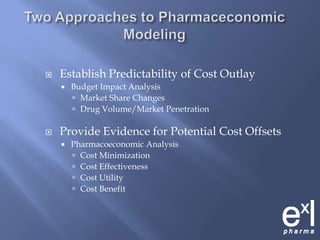
Two Approaches to Pharmaceconomic ModelingEstablish Predictability of Cost OutlayBudget Impact AnalysisMarket Share ChangesDrug Volume/Market PenetrationProvide Evidence for Potential Cost OffsetsPharmacoeconomic AnalysisCost MinimizationCost EffectivenessCost UtilityCost Benefit
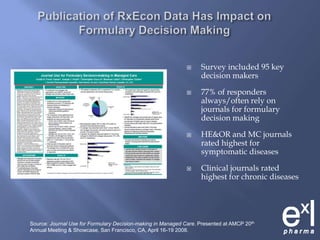
Publication of RxEcon Data Has Impact on Formulary Decision MakingSurvey included 95 key decision makers77% of responders always/often rely on journals for formulary decision makingHE&OR and MC journals rated highest for symptomatic diseasesClinical journals rated highest for chronic diseasesSource: Journal Use for Formulary Decision-making in Managed Care. Presented at AMCP 20th Annual Meeting & Showcase, San Francisco, CA, April 16-19 2008.
 Health Outcomes to Support Pricing and Reimbursement
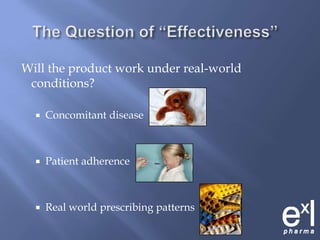
The Question of “Effectiveness”Will the product work under real-world conditions?Concomitant diseasePatient adherenceReal world prescribing patterns
Key Pricing and Effectiveness QuestionsHow is our product truly unique?Mechanism of actionRoute, frequency, onset, durationEfficacy, tolerability, safetyHow does this translate into clinical outcomes?Real world populations, subpopulationsEase of useWho will value the differentiation?Patient/caregiverQuality organizationPayer/PurchaserProviderHow much do these stakeholders influence our target market?
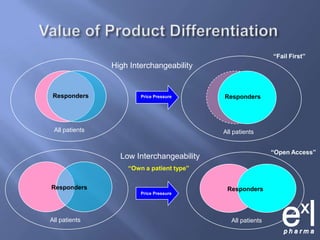
RespondersPrice PressureRespondersAll patientsAll patientsRespondersRespondersPrice PressureAll patientsAll patientsValue of Product Differentiation “Fail First”High Interchangeability“Open Access”Low Interchangeability“Own a patient type”
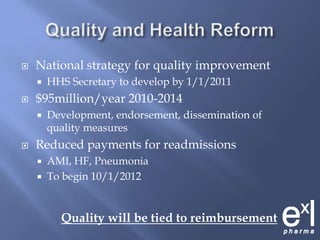
Quality and Health Reform National strategy for quality improvementHHS Secretary to develop by 1/1/2011$95million/year 2010-2014Development, endorsement, dissemination of quality measuresReduced payments for readmissions AMI, HF, PneumoniaTo begin 10/1/2012Quality will be tied to reimbursement
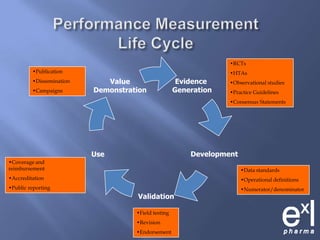
Evidence GenerationValueDemonstrationDevelopmentUseValidationPerformance Measurement Life CycleRCTs
HTAs
Observational studies
Practice Guidelines

Highlights from ExL Pharma's 6th Pharmaceutical & Medical Device Pricing & Reimbursement Conference

  • 1.
    ExLPharma’s6th Pharmaceutical& MedicalDevice Pricing& ReimbursementConferenceHighlightsJuly 26-27, 2010Bridgewater, NJ
  • 2.
    Questions to addresswith pricing and pharmaceconimic modeling…How do manufacturers price a product?What constitutes a “value proposition”?How is healthcare reform going to affect pricing in the future
  • 3.
  • 4.
    How do manufacturersprice products?Offensive!TooHighTooLow$$ Lost
  • 5.
    Step 1: Determinethe perceived value of the productClinical advance (dosing, delivery, etc.)Improved SafetyImproved EfficacyUnmet Medical Need
  • 6.
    Vested interests motivatingperceptionsBrand ValueProduct Attributes (efficacy, safety, MOD)Unmet NeedUntreated DiseaseHigh Volume MarketPerceived BenefitsClinical advance Economic ValueCost EffectivenessRxEcon StudiesCost SavingsMedical Cost OffsetBudget ImpactPMPM IncreasePAYERSPHYSICIANS
  • 7.
    Step 2: ConsiderMarket FactorsMarket AccessTier Placement = Market Share?Distribution feesWholesaler PPD and FFS rates on riseSPPs becoming more aggressiveHealthcare legislationMedicaidMed D
  • 8.
    Is Tier Placementa Function of Market Share Success?
  • 9.
    Focus on NetRevenue vs. Access At All CostsAssumptions: A $1000 price point and a 25% rebate
  • 10.
    Focus on NetRevenue vs. Access At All CostsAssumptions: A $1000 price point and a 25% rebate
  • 11.
    Inelasticity of PricePointsThresholds may be evident when the price goes above $400 and $700 WAC per month. 4th tier3rd tier2nd tier
  • 12.
  • 14.
    What’s the “valueproposition”?: Pharmacoeconomics
  • 15.
    Key Organizations DrivingQuality Quality NCQA(& HEDIS)PQACMSAQA QIOsAHRQNQF & SupplierCouncil AHIP QualityNCQA (& HEDIS)deletePQACMS AQAQIOsAHRQNQF & SupplierCouncilAHIP
  • 16.
    Adopting Measures forReporting and PaymentQuality MetricsDeveloping ConsensusMeasurement DevelopmentMeasurement DevelopmentDeveloping ConsensusAdopting Measures for Reporting and Payment
  • 17.
    Two Approaches toPharmaceconomic ModelingEstablish Predictability of Cost OutlayBudget Impact AnalysisMarket Share ChangesDrug Volume/Market PenetrationProvide Evidence for Potential Cost OffsetsPharmacoeconomic AnalysisCost MinimizationCost EffectivenessCost UtilityCost Benefit
  • 18.
    Publication of RxEconData Has Impact on Formulary Decision MakingSurvey included 95 key decision makers77% of responders always/often rely on journals for formulary decision makingHE&OR and MC journals rated highest for symptomatic diseasesClinical journals rated highest for chronic diseasesSource: Journal Use for Formulary Decision-making in Managed Care. Presented at AMCP 20th Annual Meeting & Showcase, San Francisco, CA, April 16-19 2008.
  • 19.
    Health Outcomesto Support Pricing and Reimbursement
  • 20.
    The Question of“Effectiveness”Will the product work under real-world conditions?Concomitant diseasePatient adherenceReal world prescribing patterns
  • 21.
    Key Pricing andEffectiveness QuestionsHow is our product truly unique?Mechanism of actionRoute, frequency, onset, durationEfficacy, tolerability, safetyHow does this translate into clinical outcomes?Real world populations, subpopulationsEase of useWho will value the differentiation?Patient/caregiverQuality organizationPayer/PurchaserProviderHow much do these stakeholders influence our target market?
  • 22.
    RespondersPrice PressureRespondersAll patientsAllpatientsRespondersRespondersPrice PressureAll patientsAll patientsValue of Product Differentiation “Fail First”High Interchangeability“Open Access”Low Interchangeability“Own a patient type”
  • 23.
    Quality and HealthReform National strategy for quality improvementHHS Secretary to develop by 1/1/2011$95million/year 2010-2014Development, endorsement, dissemination of quality measuresReduced payments for readmissions AMI, HF, PneumoniaTo begin 10/1/2012Quality will be tied to reimbursement
  • 24.
  • 25.
  • 26.
  • 27.