High Quality 
Team Experience
!2 
1. WHY IS THIS IMPORTANT?
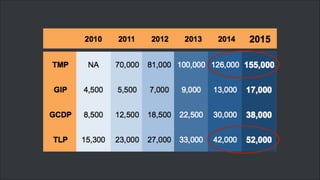
SO MANY OF THE EXPERIENCES WE ARE DELIVERING ARE TMP AND TLP. 
TEAM MEMBER PROGRAM AND TEAM LEADER PROGRAM PARTICIPANTS 
ARE OUR CUSTOMERS TOO, BECAUSE THEY ARE PART OF THE 
MEASURES OF SUCCESS FOR AIESEC 2015. 
NOT ONLY THAT. 
THESE TMP AND TLPs ARE RESPONSIBLE TO DELIVER THE MOS SO 
THEY ARE ALSO OUR EMPLOYEES. THIS IS WHY IT IS SO IMPORTANT 
TO HAVE HIGH QUALITY.
2. HOW CAN WE CREATE HIGH 
!5 
QUALITY EXPERIENCES?
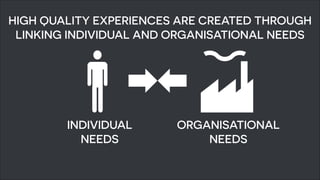
HIGH QUALITY EXPERIENCES ARE CREATED THROUGH 
LINKING INDIVIDUAL AND ORGANISATIONAL NEEDS 
!6 
INDIVIDUAL 
NEEDS 
ORGANISATIONAL 
NEEDS
AIESEC DOES THIS THROUGH CREATING STRONG TEAM 
!7 
EXPERIENCES. 
INDIVIDUAL 
NEEDS 
ORGANISATIONAL 
NEEDS 
TEAM EXPERIENCES
!8 
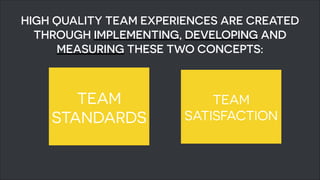
HIGH QUALITY TEAM EXPERIENCES ARE CREATED 
THROUGH IMPLEMENTING, DEVELOPING AND 
MEASURING THESE TWO CONCEPTS: 
TEAM 
STANDARDS 
TEAM 
SATISFACTION
TEAM 
STANDARDS 
T ABC 
TEAM PLAN JD TRAINING TRACKING + 
COACHING 
REFLECTION + 
EVALUATION 
BUT WHY ARE THESE IMPORTANT?
TEAM 
STANDARDS 
T ABC 
TEAM PLAN JD TRAINING TRACKING + 
COACHING 
REFLECTION + 
EVALUATION 
PURPOSE DIRECTION INDIVIDUAL 
CONTRIBUTION TOOLS PERFORMANCESTANDARD & 
SENSE
TEAM 
STANDARDS 
T 
TEAM 
The team is one of the more 
common aspects of the AIESEC 
experience that people don’t 
recognise as powerful or 
something to be tracked 
key elements of the team include: 
• 3 members for more than 2 
months 
• team identity 
• team purpose/ambition 
• team values 
key activities of the team include: 
• team meeting (weekly) 
• monthly review (monthly) 
• team days (quarterly) 
• quarterly review 
• planning/re-planning 
• team building 
• team building (on demand)
TEAM 
STANDARDS 
PLAN 
the plan provides direction for 
the team and individual 
experience and ensures the 
implementation of the team 
ambition and purpose. 
key elements of the plan 
include: 
• members feel ownership of 
goals and strategies 
• individual action plan 
(synergies) 
• clear goals and deadlines 
key activities of the plan 
include: 
• planning/ re-planning 
(semester) 
• quarter review (quarterly)
TEAM 
STANDARDS 
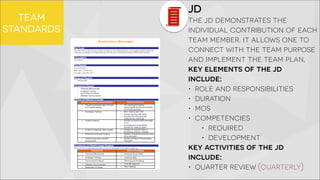
JD 
the jd demonstrates the 
individual contribution of each 
team member. it allows one to 
connect with the team purpose 
and implement the team plan. 
key elements of the jd 
include: 
• role and responsibilities 
• duration 
• mos 
• competencies 
• required 
• development 
key activities of the jd 
include: 
• quarter review (quarterly)
TEAM 
STANDARDS 
TRAINING 
training is the next key step in the 
process to ensure that the people 
of our organisation can fulfil 
their jd. it’s important to remember 
that people learn from doing. 
key elements of the jd include: 
• educational cycle 
• knowledge (organisational 
and functional skills) 
• attitude 
• based on jd 
key activities of the jd include: 
• transition (start of term) 
• planning (each semester) 
• conference 
• outsource! 
ABC
TEAM 
STANDARDS 
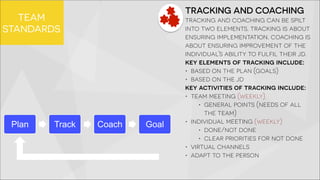
TRACKING AND COACHING 
tracking and coaching can be spilt 
into two elements. tracking is about 
ensuring implementation. coaching is 
about ensuring improvement of the 
individual’s ability to fulfil their jd. 
key elements of tracking include: 
• based on the plan (goals) 
• based on the jd 
key activities of tracking include: 
• team meeting (weekly) 
• general points (needs of all 
the team) 
• individual meeting (weekly) 
• done/not done 
• clear priorities for not done 
• virtual channels 
• adapt to the person 
Plan Track Coach Goal
TEAM 
STANDARDS 
COACHING 
tracking and coaching can be spilt 
into two elements. coaching is 
about ensuring improvement of the 
individual’s ability to fulfil their jd. 
key elements of coaching include: 
• based on the plan (goals) 
• based on the jd (MOS) 
• focus on performance 
• connect development with 
performance 
• topics: professional, team, 
personal 
key activities of coaching 
include: 
• team meeting (quarterly) 
• consider having externals 
• individual meeting (monthly) 
• clear next steps 
CURRENT GAP FUTURE
TEAM 
STANDARDS 
EVALUATION & REFLECTION 
evaluation and reflection enables 
individuals to experience the inner 
journey of leadership as supported 
by the team experience/team leader. 
evaluation enables learning from 
doing and reflection should include 
value generation and reinvention. 
key elements of coaching include: 
• performance and organisational 
contribution to mos 
• development of competencies 
key activities of coaching include: 
• tracking 
• individual meeting (monthly) 
• feedback 
• coaching meeting (monthly) 
• team days (quarterly) 
• rewards and recognition (monthly)
!18 
WHAT ABOUT TEAM SATISFACTION? 
TEAM 
STANDARDS 
TEAM 
SATISFACTION
!19 
3. HOW DOES NPS PLAY 
INTO ALL OF THIS?
very soon you will see the the tmp tlp menu on 
my@.net measuring productivity % of members in 
exchange and by process and nps survey 
COMING SOON!
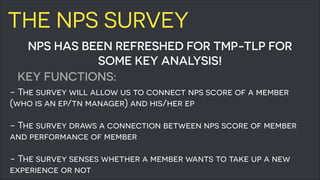
THE NPS SURVEY 
NPS HAS BEEN REFRESHED FOR TMP-TLP FOR 
SOME KEY ANALYSIS! 
! KEY FUNCTIONS: 
- The survey will allow us to connect nps score of a member 
(who is an ep/tn manager) and his/her ep 
! 
- The survey draws a connection between nps score of member 
and performance of member 
! 
- The survey senses whether a member wants to take up a new 
experience or not
TEAM 
SATISFACTION 
NET PROMOTER SCORE 
net promoter score is updated 
to ensure that we are 
calculating, learning and 
adapting our tmp-top programs 
to develop leadership and 
create ore promoters for 
aiesec. 
key issues tmp-top bps will 
measure are: 
• team experience 
• learning and development 
• personal development 
• professional development 
• support from aiesec 
• clarity on vision and values
!23 
4. WHAT IS THE ROLE OF 
THE MC?
MC ROLE: 3 t’s 
ENSURE THE LEARNING AND DEVELOPMENT OF TMP AND TLP 
ABOUT THE TEAM STANDARDS AND TEAM SATISFACTION 
MEASUREMENT THROUGH NPS TO ENSURE IMPLEMENTATION 
MC’S ROLE IS TO CREATE THE NECESSARY TOOLS TO 
ENSURES LC CAN SIMPLY IMPLEMENT. 
FINALLY, IT IS THE ROLE OF THE MC TO ENSURE THE LC’S 
ARE IMPLEMENTING NPS TRACKING AND TEAM STANDARDS 
THROUGH TRACKING. 
TEACH 
TOOLS 
TRACK 
TEACH TOOLS TRACK
5. WHAT IS THE ROLE OF 
!25 
THE LC?
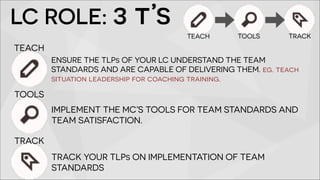
LC ROLE: 3 t’s 
ENSURE THE TLPs OF YOUR LC UNDERSTAND THE TEAM 
STANDARDS AND ARE CAPABLE OF DELIVERING THEM. eg. teach 
situation leadership for coaching training. 
IMPLEMENT THE MC’S TOOLS FOR TEAM STANDARDS AND 
TEAM SATISFACTION. 
TRACK YOUR TLPs ON IMPLEMENTATION OF TEAM 
STANDARDS 
TEACH 
TOOLS 
TRACK 
TEACH TOOLS TRACK
!27 
6. WHAT ABOUT 
SUMMER??
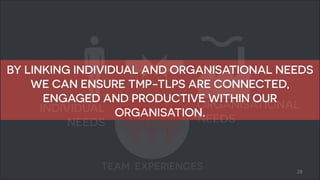
BY LINKING INDIVIDUAL AND ORGANISATIONAL NEEDS 
!28 
WE CAN ENSURE TMP-TLPS ARE CONNECTED, 
ENGAGED AND PRODUCTIVE WITHIN OUR 
INDIVIDUAL ORGANISATION. 
NEEDS 
ORGANISATIONAL 
NEEDS 
TEAM EXPERIENCES
5000 
TO DRIVE SUMMER FORWARD LET’S ENSURE WE HAVE ENGAGED 
AND PRODUCTIVE MEMBERSHIP COMMITTED TO OUR PURPOSE.
High Quality Team Experience

High Quality Team Experience

  • 1.
  • 2.
    !2 1. WHYIS THIS IMPORTANT?
  • 4.
    SO MANY OFTHE EXPERIENCES WE ARE DELIVERING ARE TMP AND TLP. TEAM MEMBER PROGRAM AND TEAM LEADER PROGRAM PARTICIPANTS ARE OUR CUSTOMERS TOO, BECAUSE THEY ARE PART OF THE MEASURES OF SUCCESS FOR AIESEC 2015. NOT ONLY THAT. THESE TMP AND TLPs ARE RESPONSIBLE TO DELIVER THE MOS SO THEY ARE ALSO OUR EMPLOYEES. THIS IS WHY IT IS SO IMPORTANT TO HAVE HIGH QUALITY.
  • 5.
    2. HOW CANWE CREATE HIGH !5 QUALITY EXPERIENCES?
  • 6.
    HIGH QUALITY EXPERIENCESARE CREATED THROUGH LINKING INDIVIDUAL AND ORGANISATIONAL NEEDS !6 INDIVIDUAL NEEDS ORGANISATIONAL NEEDS
  • 7.
    AIESEC DOES THISTHROUGH CREATING STRONG TEAM !7 EXPERIENCES. INDIVIDUAL NEEDS ORGANISATIONAL NEEDS TEAM EXPERIENCES
  • 8.
    !8 HIGH QUALITYTEAM EXPERIENCES ARE CREATED THROUGH IMPLEMENTING, DEVELOPING AND MEASURING THESE TWO CONCEPTS: TEAM STANDARDS TEAM SATISFACTION
  • 9.
    TEAM STANDARDS TABC TEAM PLAN JD TRAINING TRACKING + COACHING REFLECTION + EVALUATION BUT WHY ARE THESE IMPORTANT?
  • 10.
    TEAM STANDARDS TABC TEAM PLAN JD TRAINING TRACKING + COACHING REFLECTION + EVALUATION PURPOSE DIRECTION INDIVIDUAL CONTRIBUTION TOOLS PERFORMANCESTANDARD & SENSE
  • 11.
    TEAM STANDARDS T TEAM The team is one of the more common aspects of the AIESEC experience that people don’t recognise as powerful or something to be tracked key elements of the team include: • 3 members for more than 2 months • team identity • team purpose/ambition • team values key activities of the team include: • team meeting (weekly) • monthly review (monthly) • team days (quarterly) • quarterly review • planning/re-planning • team building • team building (on demand)
  • 12.
    TEAM STANDARDS PLAN the plan provides direction for the team and individual experience and ensures the implementation of the team ambition and purpose. key elements of the plan include: • members feel ownership of goals and strategies • individual action plan (synergies) • clear goals and deadlines key activities of the plan include: • planning/ re-planning (semester) • quarter review (quarterly)
  • 13.
    TEAM STANDARDS JD the jd demonstrates the individual contribution of each team member. it allows one to connect with the team purpose and implement the team plan. key elements of the jd include: • role and responsibilities • duration • mos • competencies • required • development key activities of the jd include: • quarter review (quarterly)
  • 14.
    TEAM STANDARDS TRAINING training is the next key step in the process to ensure that the people of our organisation can fulfil their jd. it’s important to remember that people learn from doing. key elements of the jd include: • educational cycle • knowledge (organisational and functional skills) • attitude • based on jd key activities of the jd include: • transition (start of term) • planning (each semester) • conference • outsource! ABC
  • 15.
    TEAM STANDARDS TRACKINGAND COACHING tracking and coaching can be spilt into two elements. tracking is about ensuring implementation. coaching is about ensuring improvement of the individual’s ability to fulfil their jd. key elements of tracking include: • based on the plan (goals) • based on the jd key activities of tracking include: • team meeting (weekly) • general points (needs of all the team) • individual meeting (weekly) • done/not done • clear priorities for not done • virtual channels • adapt to the person Plan Track Coach Goal
  • 16.
    TEAM STANDARDS COACHING tracking and coaching can be spilt into two elements. coaching is about ensuring improvement of the individual’s ability to fulfil their jd. key elements of coaching include: • based on the plan (goals) • based on the jd (MOS) • focus on performance • connect development with performance • topics: professional, team, personal key activities of coaching include: • team meeting (quarterly) • consider having externals • individual meeting (monthly) • clear next steps CURRENT GAP FUTURE
  • 17.
    TEAM STANDARDS EVALUATION& REFLECTION evaluation and reflection enables individuals to experience the inner journey of leadership as supported by the team experience/team leader. evaluation enables learning from doing and reflection should include value generation and reinvention. key elements of coaching include: • performance and organisational contribution to mos • development of competencies key activities of coaching include: • tracking • individual meeting (monthly) • feedback • coaching meeting (monthly) • team days (quarterly) • rewards and recognition (monthly)
  • 18.
    !18 WHAT ABOUTTEAM SATISFACTION? TEAM STANDARDS TEAM SATISFACTION
  • 19.
    !19 3. HOWDOES NPS PLAY INTO ALL OF THIS?
  • 20.
    very soon youwill see the the tmp tlp menu on my@.net measuring productivity % of members in exchange and by process and nps survey COMING SOON!
  • 21.
    THE NPS SURVEY NPS HAS BEEN REFRESHED FOR TMP-TLP FOR SOME KEY ANALYSIS! ! KEY FUNCTIONS: - The survey will allow us to connect nps score of a member (who is an ep/tn manager) and his/her ep ! - The survey draws a connection between nps score of member and performance of member ! - The survey senses whether a member wants to take up a new experience or not
  • 22.
    TEAM SATISFACTION NETPROMOTER SCORE net promoter score is updated to ensure that we are calculating, learning and adapting our tmp-top programs to develop leadership and create ore promoters for aiesec. key issues tmp-top bps will measure are: • team experience • learning and development • personal development • professional development • support from aiesec • clarity on vision and values
  • 23.
    !23 4. WHATIS THE ROLE OF THE MC?
  • 24.
    MC ROLE: 3t’s ENSURE THE LEARNING AND DEVELOPMENT OF TMP AND TLP ABOUT THE TEAM STANDARDS AND TEAM SATISFACTION MEASUREMENT THROUGH NPS TO ENSURE IMPLEMENTATION MC’S ROLE IS TO CREATE THE NECESSARY TOOLS TO ENSURES LC CAN SIMPLY IMPLEMENT. FINALLY, IT IS THE ROLE OF THE MC TO ENSURE THE LC’S ARE IMPLEMENTING NPS TRACKING AND TEAM STANDARDS THROUGH TRACKING. TEACH TOOLS TRACK TEACH TOOLS TRACK
  • 25.
    5. WHAT ISTHE ROLE OF !25 THE LC?
  • 26.
    LC ROLE: 3t’s ENSURE THE TLPs OF YOUR LC UNDERSTAND THE TEAM STANDARDS AND ARE CAPABLE OF DELIVERING THEM. eg. teach situation leadership for coaching training. IMPLEMENT THE MC’S TOOLS FOR TEAM STANDARDS AND TEAM SATISFACTION. TRACK YOUR TLPs ON IMPLEMENTATION OF TEAM STANDARDS TEACH TOOLS TRACK TEACH TOOLS TRACK
  • 27.
    !27 6. WHATABOUT SUMMER??
  • 28.
    BY LINKING INDIVIDUALAND ORGANISATIONAL NEEDS !28 WE CAN ENSURE TMP-TLPS ARE CONNECTED, ENGAGED AND PRODUCTIVE WITHIN OUR INDIVIDUAL ORGANISATION. NEEDS ORGANISATIONAL NEEDS TEAM EXPERIENCES
  • 29.
    5000 TO DRIVESUMMER FORWARD LET’S ENSURE WE HAVE ENGAGED AND PRODUCTIVE MEMBERSHIP COMMITTED TO OUR PURPOSE.