HERNIA
      NURS
YUHAIDA NADILA
  SITI FARIHA
  SITI AISHAH
 WAN FATIMAH
TYPES OF HERNIA
UMBILICAL HERNIA
INGUINAL HERNIA
    - Indirect inguinal hernia
    - Direct inguinal hernia
FEMORAL HERNIA
INCISIONAL HERNIA
UMBILICAL HERNIA
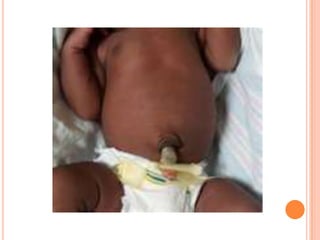
 Occurs    when part of the intestine protrudes
 through an opening in the abdominal muscles.
 Its most common in infants, but they can affect
 adults as well. In an infant, an umbilical hernia
 may be especially evident when the infant
 cries, causing the baby's bellybutton protrude.
 This is a classic sign of an umbilical hernia.
CONTINUE…
 Most umbilical hernias close on their own by
 age 1, though some take longer to heal. To
 prevent complications, umbilical hernias that
 don't disappear by age 4 or those that appear
 during adulthood may need surgical repair.
Umbilical hernia is a common and typically
 harmless condition
CAUSE
 During pregnancy, the umbilical cord passes
 through a small opening in the baby's abdominal
 muscles. The opening normally closes just
 before birth. If the muscles don't join together
 completely in the midline of the abdomen, this
 weakness in the abdominal wall may cause an
 umbilical hernia at birth or later in life.
In adults, too much abdominal pressure can
 cause an umbilical hernia. Possible causes in
 adults include:-
CONTINUE
Obesity
Heavy lifting
A long history of coughing
Multiple pregnancies
Fluid in the abdominal cavity (ascites)
SYMPTOMS
Soft swelling  or bulge near the
 navel (umbilicus).
Baby will crying because pain
The baby begins to vomit
The bulge becomes
 tender, swollen or discolored
INGUINAL HERNIA
 Is a condition in which intra-abdominal fat or
 part of the small intestine (small bowel), bulges
 through a weak area in the lower abdominal
 muscles. It occurs in the groin—the area
 between the abdomen and thigh. This type of
 hernia is called inguinal because fat or part of
 the intestine slides through a weak area at the
 inguinal ring, the opening to the inguinal canal.
CONTINUE…
An inguinal hernia appears as a bulge
 on one or both sides of the groin. An
 inguinal hernia can occur any time
 from infancy to adulthood and is much
 more common in males than females.
 Inguinal hernias tend to become larger
 with time.
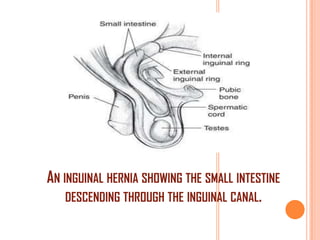
AN INGUINAL HERNIA SHOWING THE SMALL INTESTINE
    DESCENDING THROUGH THE INGUINAL CANAL.
CAUSE
The two types of inguinal hernia have different
 causes.
Indirect inguinal hernia. Indirect inguinal hernias are
 congenital hernias and are much more common in
 males than females because of the way males
 develop in the womb. In a male fetus, the spermatic
 cord and both testicles—starting from an intra-
 abdominal location—normally descend through the
 inguinal canal into the scrotum, the sac that holds the
 testicles
CONTINUE…
Sometimes the entrance of the inguinal canal at
 the inguinal ring does not close as it should just
 after birth, leaving a weakness in the abdominal
 wall. Fat or part of the small intestine slides
 through the weakness into the inguinal canal,
 causing a hernia. In females, an indirect
 inguinal hernia is caused by the female organs
 or the small intestine sliding into the groin
 through a weakness in the abdominal wall.
CONTINUE…
Indirect hernias are the most common
 type of inguinal hernia. Premature
 infants are especially at risk for
 indirect inguinal hernias because there
 is less time for the inguinal canal to
 close.
CONTINUE…
Direct inguinal hernia. Direct inguinal hernias are
 caused by connective tissue degeneration of the
 abdominal muscles, which causes weakening of the
 muscles during the adult years. Its occur only in
 males. The hernia involves fat or the small intestine
 sliding through the weak muscles into the groin. A
 direct hernia develops gradually because of
 continuous stress on the muscles. One or more of the
 following factors can cause pressure on the
 abdominal muscles and may worsen the hernia:-
CONTINUE…
sudden twists, pulls, or muscle strains
lifting heavy objects
straining on the toilet because of constipation
weight gain
chronic coughing
 Indirect and direct inguinal hernias usually slide
 back and forth spontaneously through the inguinal
 canal and can often be moved back into the abdomen
 with gentle massage.
SYMPTOMS
Symptoms of inguinal hernia include :-
a small bulge in one or both sides of the groin that
 may increase in size and disappear when lying
 down; in males, it can present as a swollen or
 enlarged scrotum
discomfort or sharp pain —especially when
 straining, lifting, or exercising—that improves when
 resting
a feeling of weakness or pressure in the groin
a burning, gurgling, or aching feeling at the bulge
FEMORAL             HERNIA

A femoral hernia is a bluge in the upper part
 of the thigh near the groin.
A hernia occurs when the contents of the
 abdomen (usually part of the small intestine)
 push through a weak point or tear the thin
 muscular wall of the abdomen, which holds the
 abdominal organs in place.
CAUSE

Most of the time, there is  no clear cause
 of a hernia. Some hernias may be present
 at birth (congenital), but are not noticed
 until later in life.
Some factors that contribute to the
 development of a hernia include:
Chronic constipation
CONTINUE…
Chronic cough
Heavy lifting
Obesity
Straining to urinate because of an enlarged
 prostate
Femoral hernias tend to occur more often in
 women than in men.
SYMPTOMS

You may see a bulge in the upper thigh next to
 the groin.
Most femoral hernias cause no symptoms.
 There may be some groin discomfort that is
 worse when you stand, lift heavy objects, or
 strain.
Sometimes, the first symptoms are abdominal
 pain, nausea, and vomiting. This may mean that
 the intestine is blocked, which is an emergency.
INCISIONAL/VENTRAL HERNIA
A hernia is the protrusion of an organ through
 the wall that normally contains it. It occurs in
 the abdomen in the area of an old surgical scar.
 A part of an organ in the abdomen, such as the
 bowel or intestines, protrudes through the
 weakened area of the abdominal wall.
CAUSE

incisional hernias are caused by
 thinning or stretching of scar tissue
 that forms after surgery. This
 weakened scar tissue then creates
 a weakness in the abdominal wall.
CONTINUE…
Excessive weight gain, physical activity that
 places pressure on the abdomen, pregnancy,
 straining during bowel movements because of
 constipation, severe vomiting, or chronic and
 intense coughing causes the scar tissue to thin
 or stretch. Because the abdominal wall is weak,
 the hernia occurs during abdominal strain.
SYMPTOMS
An incisional hernia causes a bulge in the
 abdominal area. This type of hernia is often
 painless, but may be tender and can cause
 discomfort during any type of physical strain,
 such as lifting or coughing. The bulge may
 disappear when the patient is lying down, and
 be more visible when standing up. A hernia can
 often be pushed gently back into place.
CONTINUE…
This is called a reducible hernia. When a
 hernia cannot be pushed back into place, it
 means a piece of the organ has become
 trapped, or incarcerated. Symptoms
 include pain, nausea, vomiting, inability to
 have a bowel movement, and a bulge that
 remains even when lying down.
CONTINUE…
When a portion of an organ is incarcerated,
 its blood supply can be cut off, which
 means the organ’s tissue will die. This
 condition is called a strangulated hernia.
 Incisional hernias can increase in size with
 time.

Hernia copy (ct+dila+wan+sya)

  • 1.
    HERNIA NURS YUHAIDA NADILA SITI FARIHA SITI AISHAH WAN FATIMAH
  • 2.
    TYPES OF HERNIA UMBILICALHERNIA INGUINAL HERNIA - Indirect inguinal hernia - Direct inguinal hernia FEMORAL HERNIA INCISIONAL HERNIA
  • 3.
    UMBILICAL HERNIA  Occurs when part of the intestine protrudes through an opening in the abdominal muscles. Its most common in infants, but they can affect adults as well. In an infant, an umbilical hernia may be especially evident when the infant cries, causing the baby's bellybutton protrude. This is a classic sign of an umbilical hernia.
  • 4.
    CONTINUE…  Most umbilicalhernias close on their own by age 1, though some take longer to heal. To prevent complications, umbilical hernias that don't disappear by age 4 or those that appear during adulthood may need surgical repair. Umbilical hernia is a common and typically harmless condition
  • 6.
    CAUSE  During pregnancy,the umbilical cord passes through a small opening in the baby's abdominal muscles. The opening normally closes just before birth. If the muscles don't join together completely in the midline of the abdomen, this weakness in the abdominal wall may cause an umbilical hernia at birth or later in life. In adults, too much abdominal pressure can cause an umbilical hernia. Possible causes in adults include:-
  • 7.
    CONTINUE Obesity Heavy lifting A longhistory of coughing Multiple pregnancies Fluid in the abdominal cavity (ascites)
  • 8.
    SYMPTOMS Soft swelling or bulge near the navel (umbilicus). Baby will crying because pain The baby begins to vomit The bulge becomes tender, swollen or discolored
  • 9.
    INGUINAL HERNIA  Isa condition in which intra-abdominal fat or part of the small intestine (small bowel), bulges through a weak area in the lower abdominal muscles. It occurs in the groin—the area between the abdomen and thigh. This type of hernia is called inguinal because fat or part of the intestine slides through a weak area at the inguinal ring, the opening to the inguinal canal.
  • 10.
    CONTINUE… An inguinal herniaappears as a bulge on one or both sides of the groin. An inguinal hernia can occur any time from infancy to adulthood and is much more common in males than females. Inguinal hernias tend to become larger with time.
  • 11.
    AN INGUINAL HERNIASHOWING THE SMALL INTESTINE DESCENDING THROUGH THE INGUINAL CANAL.
  • 12.
    CAUSE The two typesof inguinal hernia have different causes. Indirect inguinal hernia. Indirect inguinal hernias are congenital hernias and are much more common in males than females because of the way males develop in the womb. In a male fetus, the spermatic cord and both testicles—starting from an intra- abdominal location—normally descend through the inguinal canal into the scrotum, the sac that holds the testicles
  • 13.
    CONTINUE… Sometimes the entranceof the inguinal canal at the inguinal ring does not close as it should just after birth, leaving a weakness in the abdominal wall. Fat or part of the small intestine slides through the weakness into the inguinal canal, causing a hernia. In females, an indirect inguinal hernia is caused by the female organs or the small intestine sliding into the groin through a weakness in the abdominal wall.
  • 14.
    CONTINUE… Indirect hernias arethe most common type of inguinal hernia. Premature infants are especially at risk for indirect inguinal hernias because there is less time for the inguinal canal to close.
  • 15.
    CONTINUE… Direct inguinal hernia.Direct inguinal hernias are caused by connective tissue degeneration of the abdominal muscles, which causes weakening of the muscles during the adult years. Its occur only in males. The hernia involves fat or the small intestine sliding through the weak muscles into the groin. A direct hernia develops gradually because of continuous stress on the muscles. One or more of the following factors can cause pressure on the abdominal muscles and may worsen the hernia:-
  • 16.
    CONTINUE… sudden twists, pulls,or muscle strains lifting heavy objects straining on the toilet because of constipation weight gain chronic coughing Indirect and direct inguinal hernias usually slide back and forth spontaneously through the inguinal canal and can often be moved back into the abdomen with gentle massage.
  • 17.
    SYMPTOMS Symptoms of inguinalhernia include :- a small bulge in one or both sides of the groin that may increase in size and disappear when lying down; in males, it can present as a swollen or enlarged scrotum discomfort or sharp pain —especially when straining, lifting, or exercising—that improves when resting a feeling of weakness or pressure in the groin a burning, gurgling, or aching feeling at the bulge
  • 18.
    FEMORAL HERNIA A femoral hernia is a bluge in the upper part of the thigh near the groin. A hernia occurs when the contents of the abdomen (usually part of the small intestine) push through a weak point or tear the thin muscular wall of the abdomen, which holds the abdominal organs in place.
  • 19.
    CAUSE Most of thetime, there is no clear cause of a hernia. Some hernias may be present at birth (congenital), but are not noticed until later in life. Some factors that contribute to the development of a hernia include: Chronic constipation
  • 20.
    CONTINUE… Chronic cough Heavy lifting Obesity Strainingto urinate because of an enlarged prostate Femoral hernias tend to occur more often in women than in men.
  • 21.
    SYMPTOMS You may seea bulge in the upper thigh next to the groin. Most femoral hernias cause no symptoms. There may be some groin discomfort that is worse when you stand, lift heavy objects, or strain. Sometimes, the first symptoms are abdominal pain, nausea, and vomiting. This may mean that the intestine is blocked, which is an emergency.
  • 22.
    INCISIONAL/VENTRAL HERNIA A herniais the protrusion of an organ through the wall that normally contains it. It occurs in the abdomen in the area of an old surgical scar. A part of an organ in the abdomen, such as the bowel or intestines, protrudes through the weakened area of the abdominal wall.
  • 23.
    CAUSE incisional hernias arecaused by thinning or stretching of scar tissue that forms after surgery. This weakened scar tissue then creates a weakness in the abdominal wall.
  • 24.
    CONTINUE… Excessive weight gain,physical activity that places pressure on the abdomen, pregnancy, straining during bowel movements because of constipation, severe vomiting, or chronic and intense coughing causes the scar tissue to thin or stretch. Because the abdominal wall is weak, the hernia occurs during abdominal strain.
  • 25.
    SYMPTOMS An incisional herniacauses a bulge in the abdominal area. This type of hernia is often painless, but may be tender and can cause discomfort during any type of physical strain, such as lifting or coughing. The bulge may disappear when the patient is lying down, and be more visible when standing up. A hernia can often be pushed gently back into place.
  • 26.
    CONTINUE… This is calleda reducible hernia. When a hernia cannot be pushed back into place, it means a piece of the organ has become trapped, or incarcerated. Symptoms include pain, nausea, vomiting, inability to have a bowel movement, and a bulge that remains even when lying down.
  • 27.
    CONTINUE… When a portionof an organ is incarcerated, its blood supply can be cut off, which means the organ’s tissue will die. This condition is called a strangulated hernia. Incisional hernias can increase in size with time.