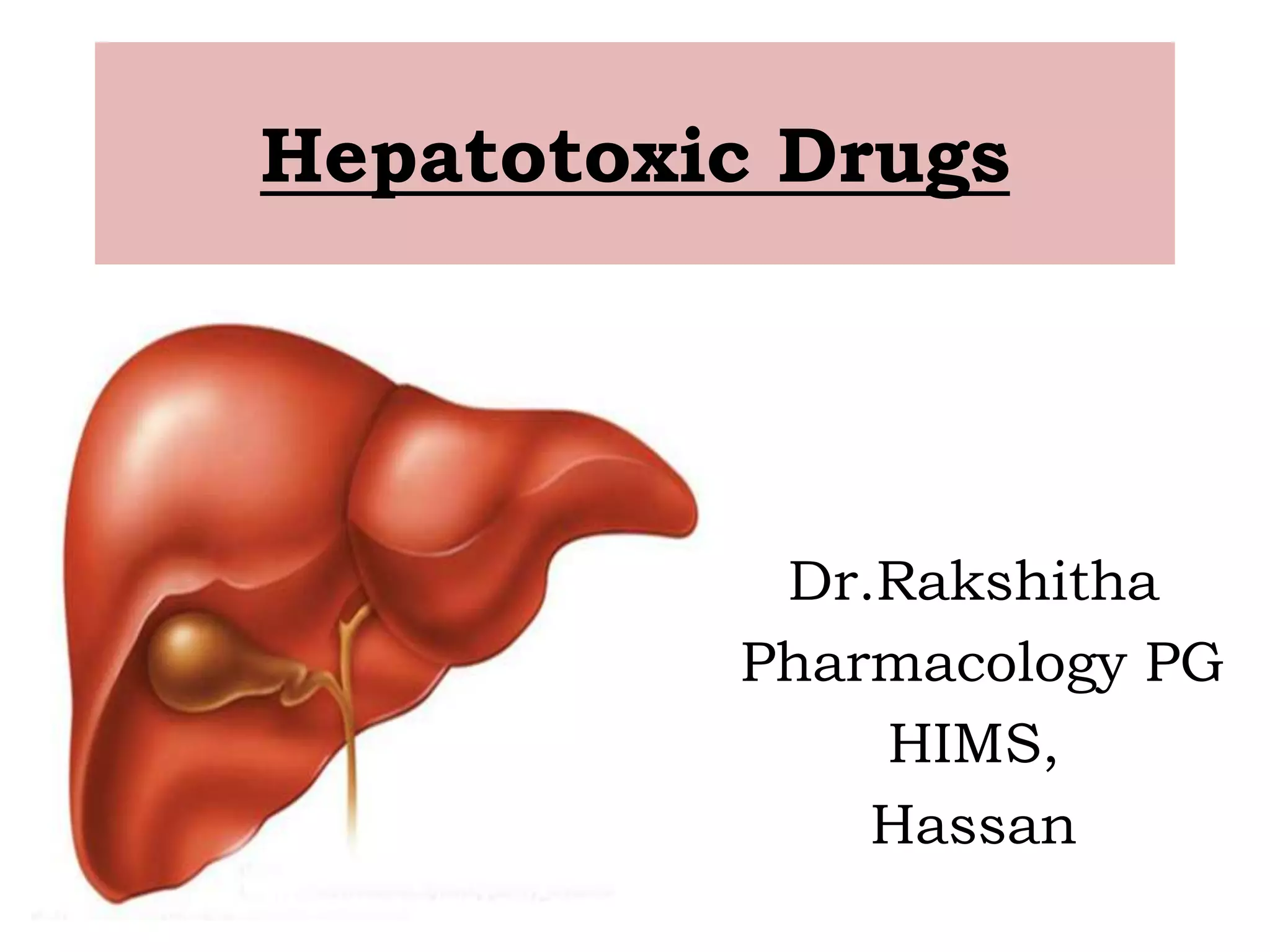
Hepatotoxic Drugs
Dr.Rakshitha
Pharmacology PG
HIMS,
Hassan
Hepatotoxic Drugs
CONTENTS
• Introduction
• Classification
• Mechanism of Liver damage
• Patterns of Injury
• Specific drug or toxin which leads to
hepatotoxicity.
• Screening methods
• References
Hepatotoxic Drugs
Introduction
• Liver plays a key role in detoxifying harmful
substances .
• Toxic hepatitis is liver inflammation due to
toxic chemicals, drugs or certain poisonous
mushrooms.
• Among patients with acute liver failure, drug-
induced liver injury is the most common
cause.
Hepatotoxic Drugs
Drugs causing Hepatotoxicity
1.ANTIBIOTICS
-Amoxicillin / clavulanate
-Trimethoprim / sulfamethoxazole
-Fluoroquinolones
-Macrolides
-Nitrofurantoin
-Minocycline
2.ANTIEPILEPTICS
-Phenytoin
-Carbamazepine
-Lamotrigine
-Valproate
Hepatotoxic Drugs
Drugs causing Hepatotoxicity
3.ANTI-TUBERCULAR:
-Rifampicin
-Isoniazid.
4.NSAID:
-Acetaminophen
-Nimesulide
-Diclofenac
5.HYPOLIPIDEMIC DRUGS
-STATINS
-Niacin
-Fibrates
Hepatotoxic Drugs
Drugs causing Hepatotoxicity
6.ANAESTHETIC AGENTS
-Halothane
-Chloroform
-Isoflurane, Enflurane & Desflurane
-Nitrous oxide.
7.ANTIRHEUMATIC DRUGS
-Sulphasalazine
-Gold salt
-Azathioprine
-Methotrexate
Hepatotoxic Drugs
Drugs causing Hepatotoxicity
8.ANTIRETROVIRAL DRUGS
-Protease inhibitors
Ritonavir
Indinavir
Nelfinavir
-NRTI
Lamivudin
Tenofovir
Zidovudine
Didanosine
-NNRTI
Nevirapine
Efavirenz
Hepatotoxic Drugs
Classification
• Intrinsic type of hepatotoxicity
• Idyiosyncratic type of hepatotoxicity
• Chronic type of hepatotoxicity
Hepatotoxic Drugs
Intrinsic Idiosyncratic
Incidence More common Less common 1%
Predictability Predictable Unpredictable
Dose related Dose dependent Dose independent
Latency period Short latency period Variable latency period
weeks or months
Type of injury Usually necrosis Necrosis or apoptosis
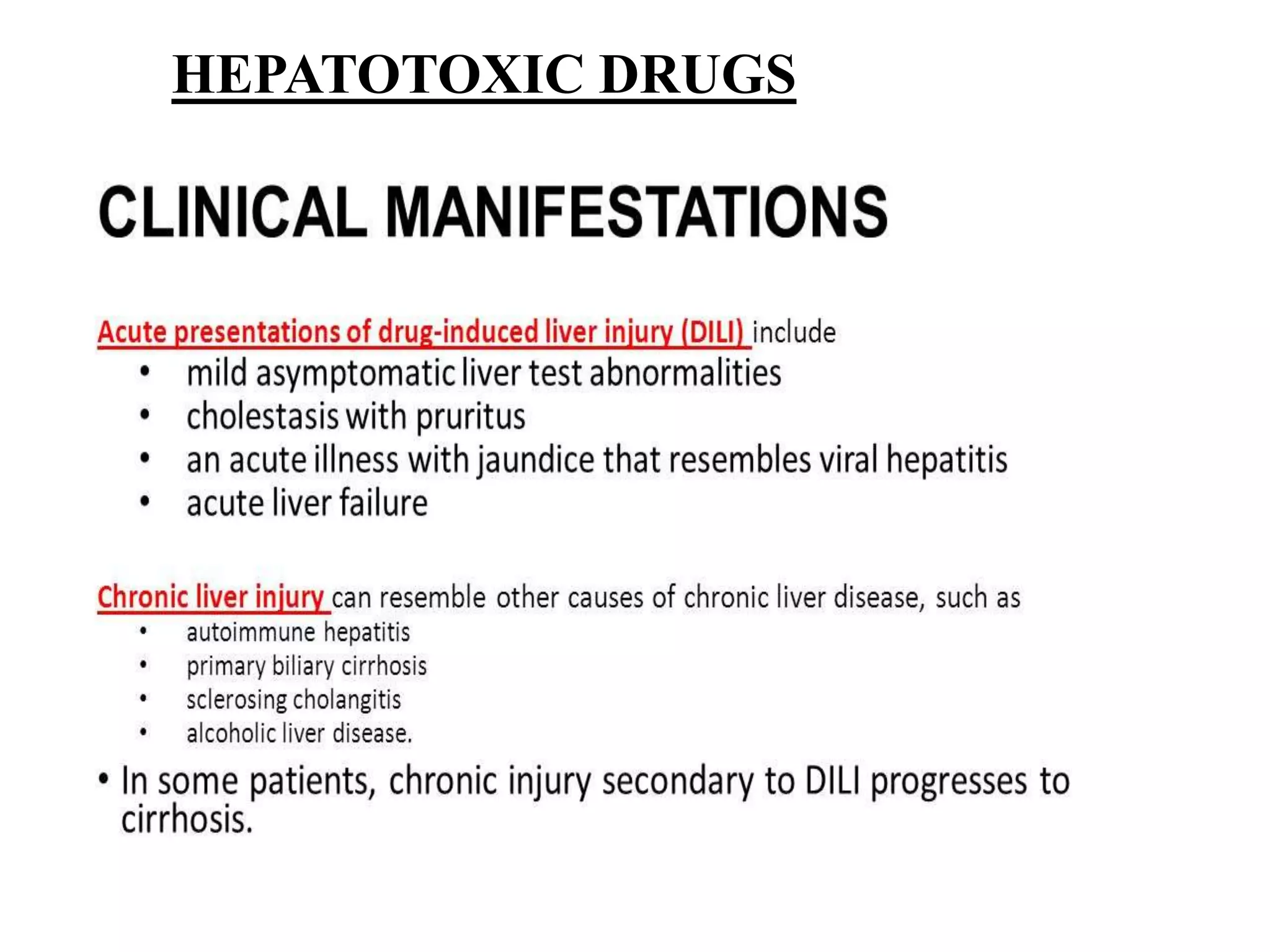
Associated Acute liver failure Rash, fever, eosinophilia
Examples Acetaminophen Isoniazid
Classification
Hepatotoxic Drugs
Classification
• Chronic hepatotoxicity
Failure of return of liver enzymes or
bilirubin to pre-DILI(Drug Induced Liver
Injury) baseline, and / or other signs or
symptoms of ongoing liver disease (e.g.,
ascites, encephalopathy,
portal hypertension, coagulopathy) 6 months
after DILI onset
Hepatotoxic Drugs
Hepatotoxic Drugs
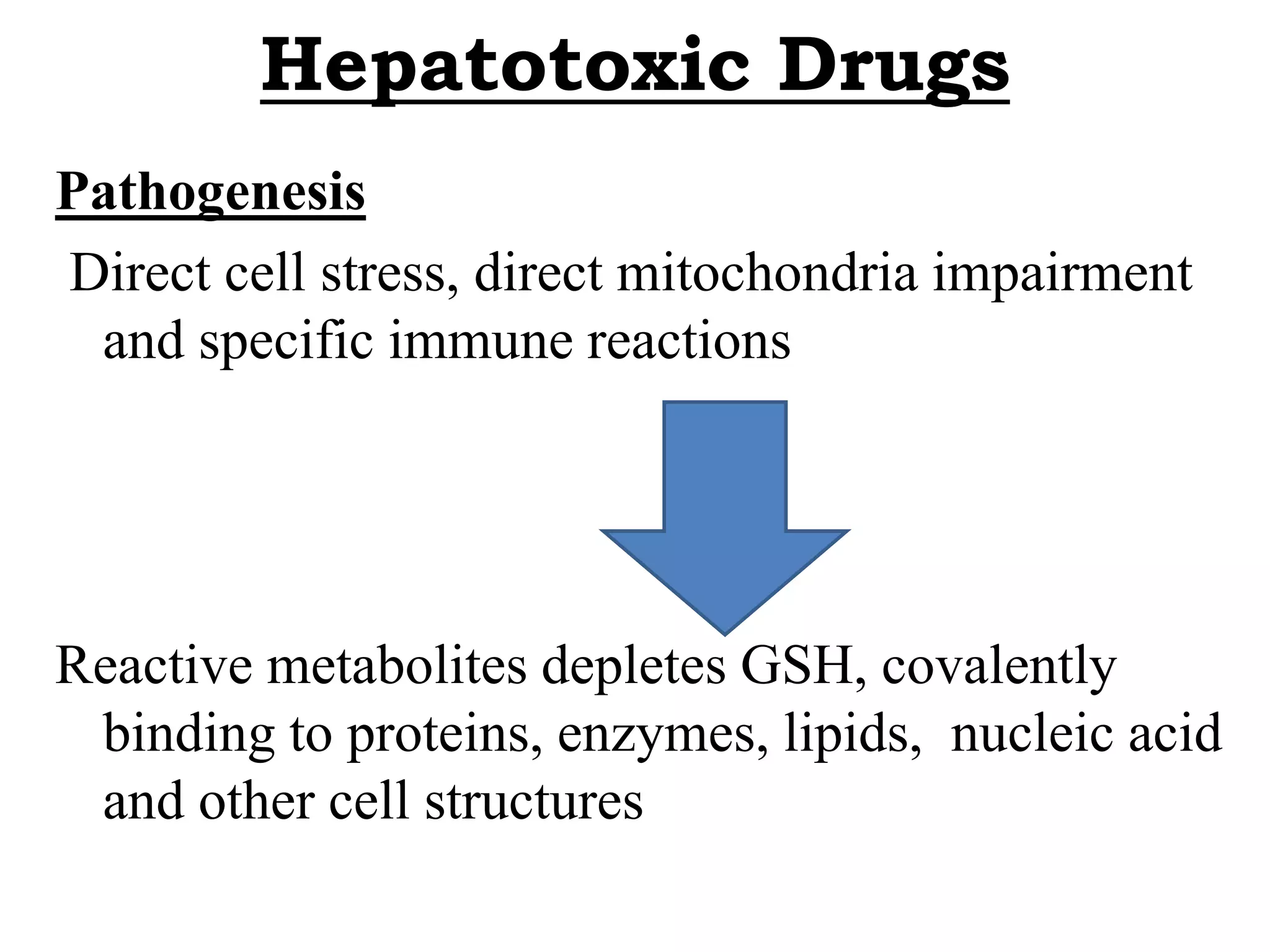
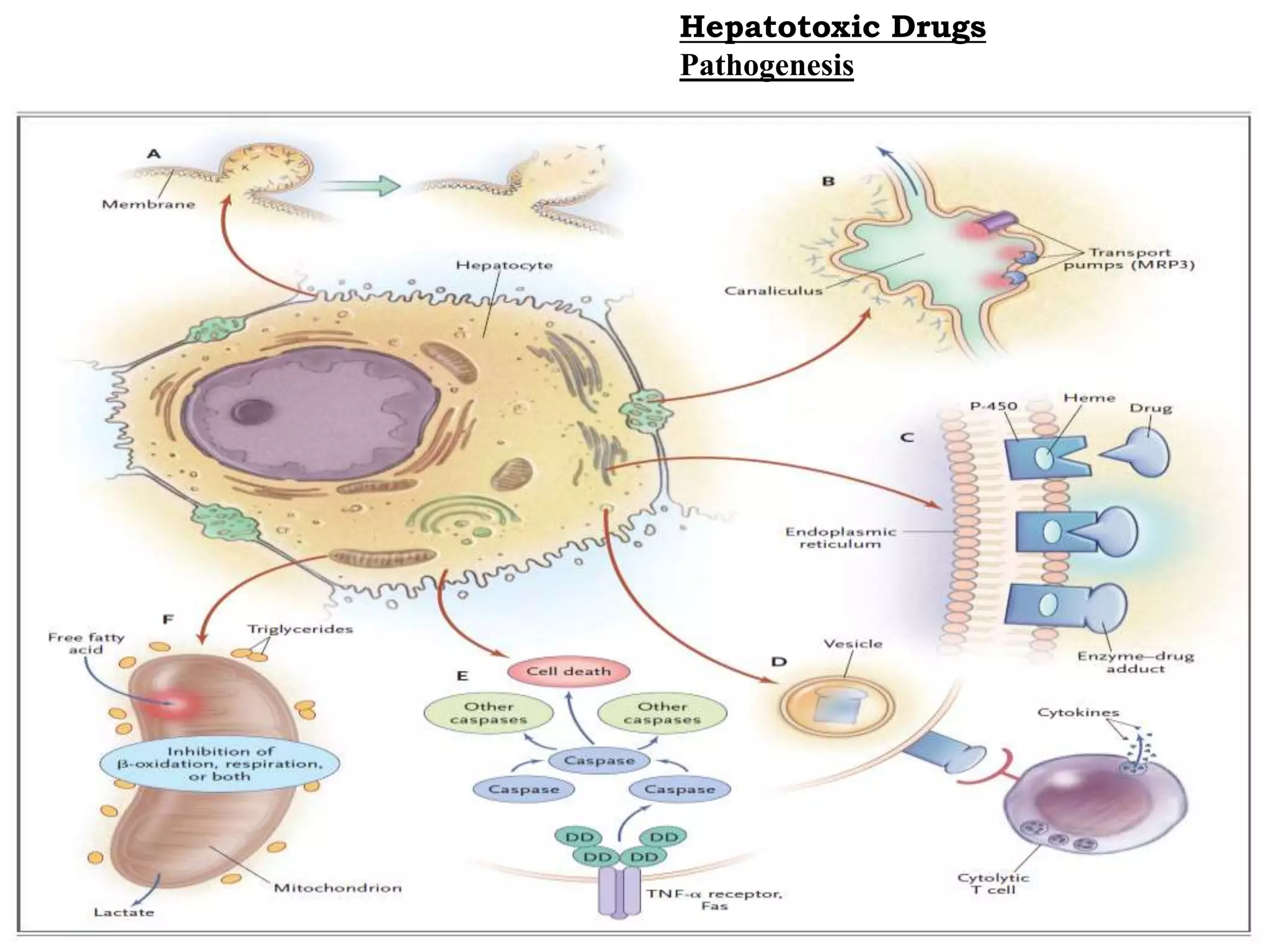
Pathogenesis
Direct cell stress, direct mitochondria impairment
and specific immune reactions
Reactive metabolites depletes GSH, covalently
binding to proteins, enzymes, lipids, nucleic acid
and other cell structures
Hepatotoxic Drugs
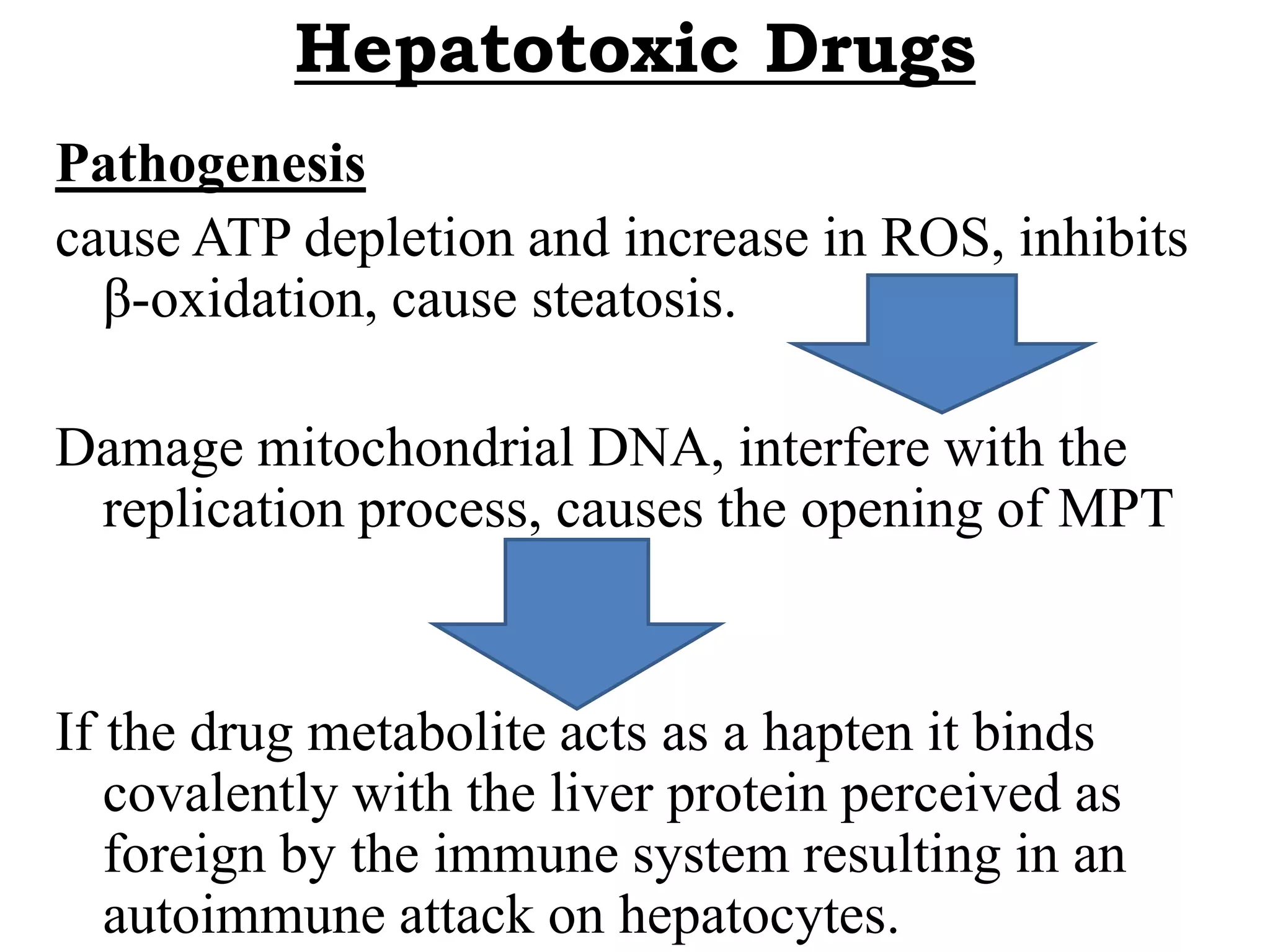
Pathogenesis
cause ATP depletion and increase in ROS, inhibits
β-oxidation, cause steatosis.
Damage mitochondrial DNA, interfere with the
replication process, causes the opening of MPT
If the drug metabolite acts as a hapten it binds
covalently with the liver protein perceived as
foreign by the immune system resulting in an
autoimmune attack on hepatocytes.
Hepatotoxic Drugs
Pathogenesis
Hepatotoxic Drugs
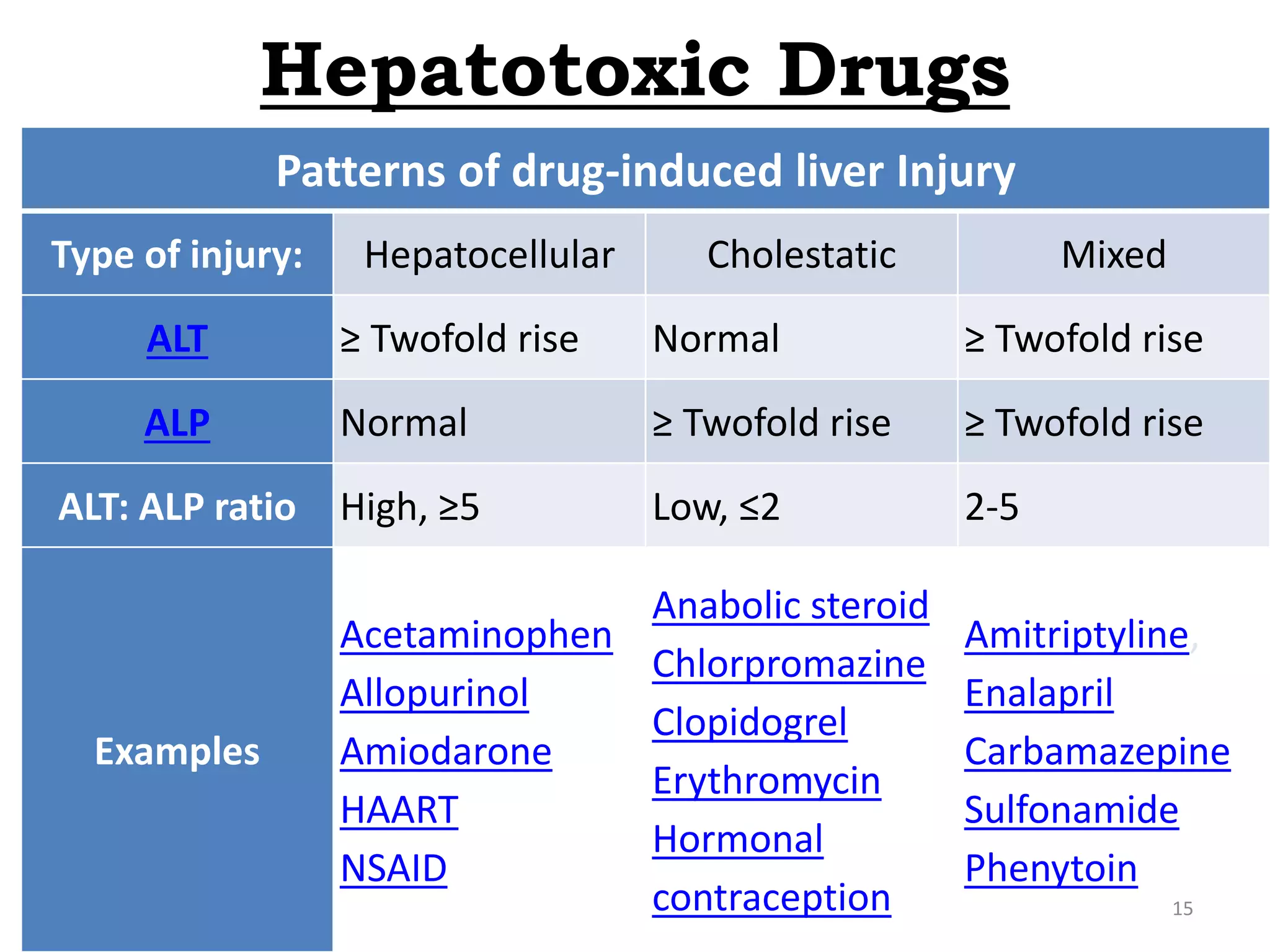
Patterns of drug-induced liver Injury
Type of injury: Hepatocellular Cholestatic Mixed
ALT ≥ Twofold rise Normal ≥ Twofold rise
ALP Normal ≥ Twofold rise ≥ Twofold rise
ALT: ALP ratio High, ≥5 Low, ≤2 2-5
Examples
Acetaminophen
Allopurinol
Amiodarone
HAART
NSAID
Anabolic steroid
Chlorpromazine
Clopidogrel
Erythromycin
Hormonal
contraception
Amitriptyline,
Enalapril
Carbamazepine
Sulfonamide
Phenytoin
15
Hepatotoxic Drugs
Hepatotoxic drugs and their effects on mitochondria
Drug MPTP
opening
Direct inhibition of
mitochondrial FAO
OXPHOS
uncoupling
Mt DNA
depletion or
damage
Acetaminophen + + +
Amiodarone + + +
Diclofenac + + +
Salicylic acid + + +
Tamoxifen + + +
Valproic acid + +
Hepatotoxic Drugs
Hepatitis
• Halothane
• Isoniazid
• Rifampcin
• Pyrazinamide
• Phenytoin
• Carbamazepine
• Ketoconazole
• Methyldopa
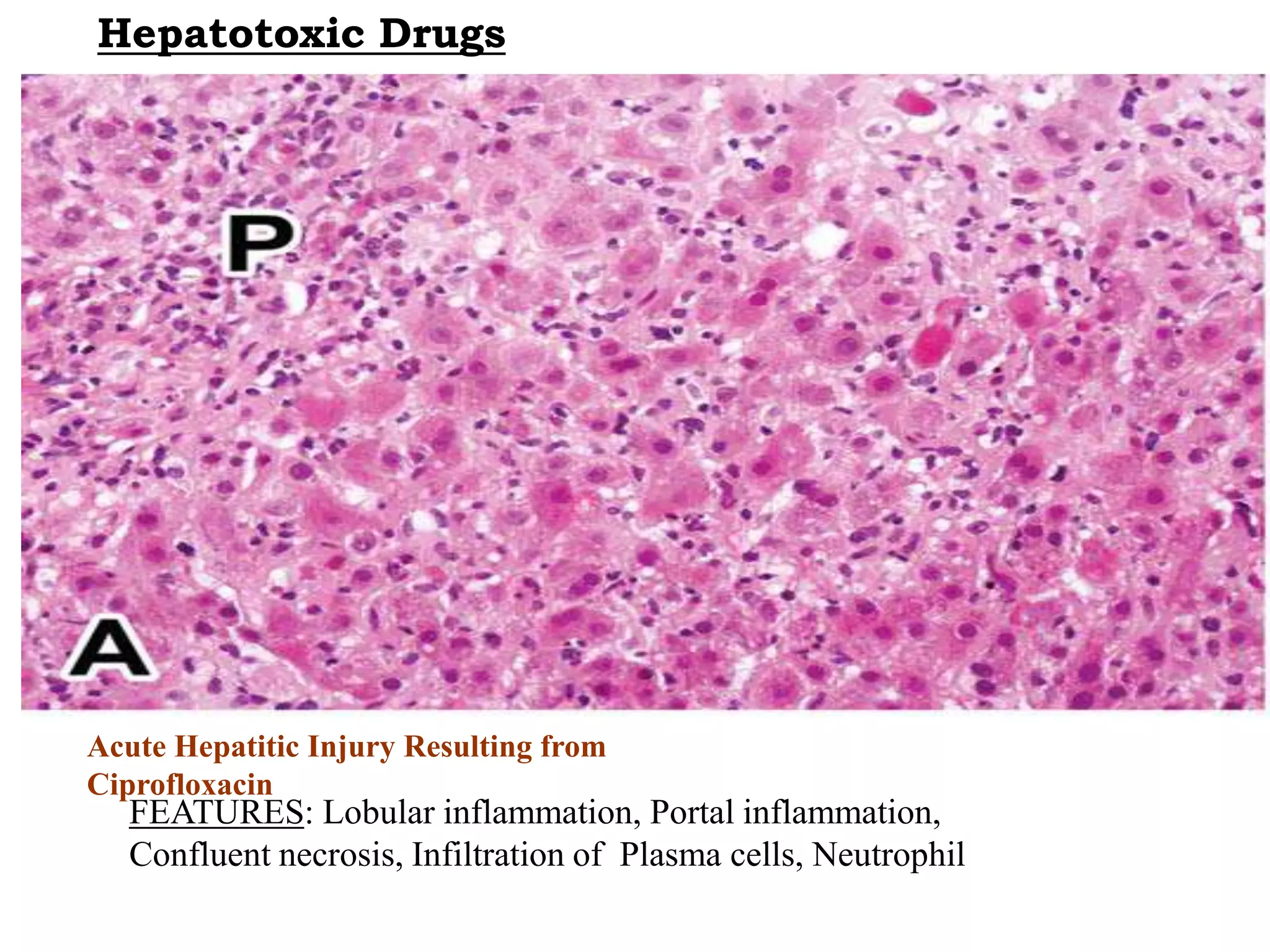
Acute Hepatitic Injury Resulting from
Ciprofloxacin
Hepatotoxic Drugs
FEATURES: Lobular inflammation, Portal inflammation,
Confluent necrosis, Infiltration of Plasma cells, Neutrophil
Chronic Hepatitic Injury Resulting from Isoniazid
Hepatotoxic Drugs
FEATURES: Lymphoid aggregates or germinal centers
Fibrosis stage
Hepatotoxic Drugs
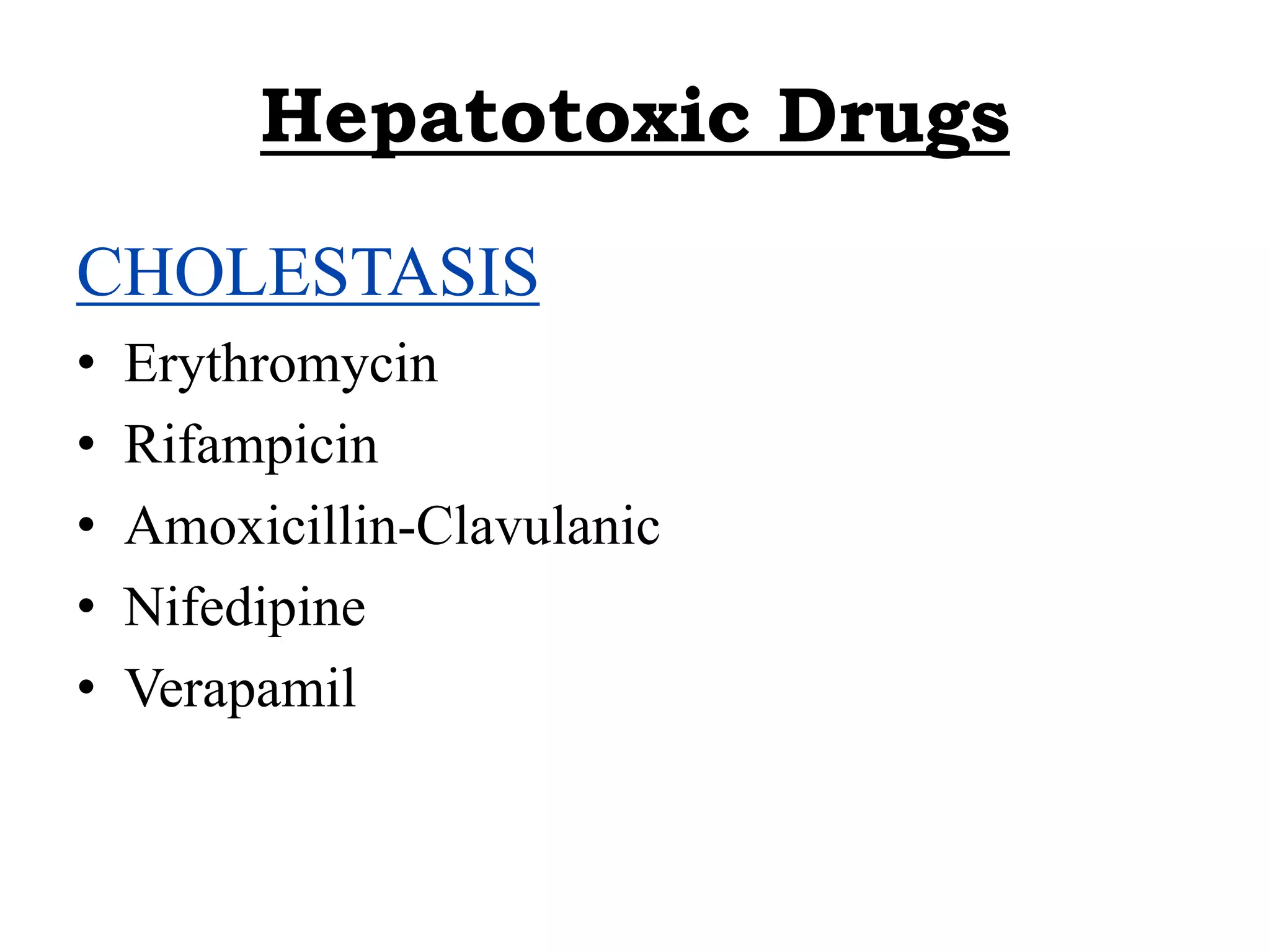
CHOLESTASIS
• Erythromycin
• Rifampicin
• Amoxicillin-Clavulanic
• Nifedipine
• Verapamil
Acute Cholestatic Injury Resulting from an Anabolic
Steroid
Hepatotoxic Drugs
FEATURES: Hepatocellular cholestasis
Canalicular cholestasis
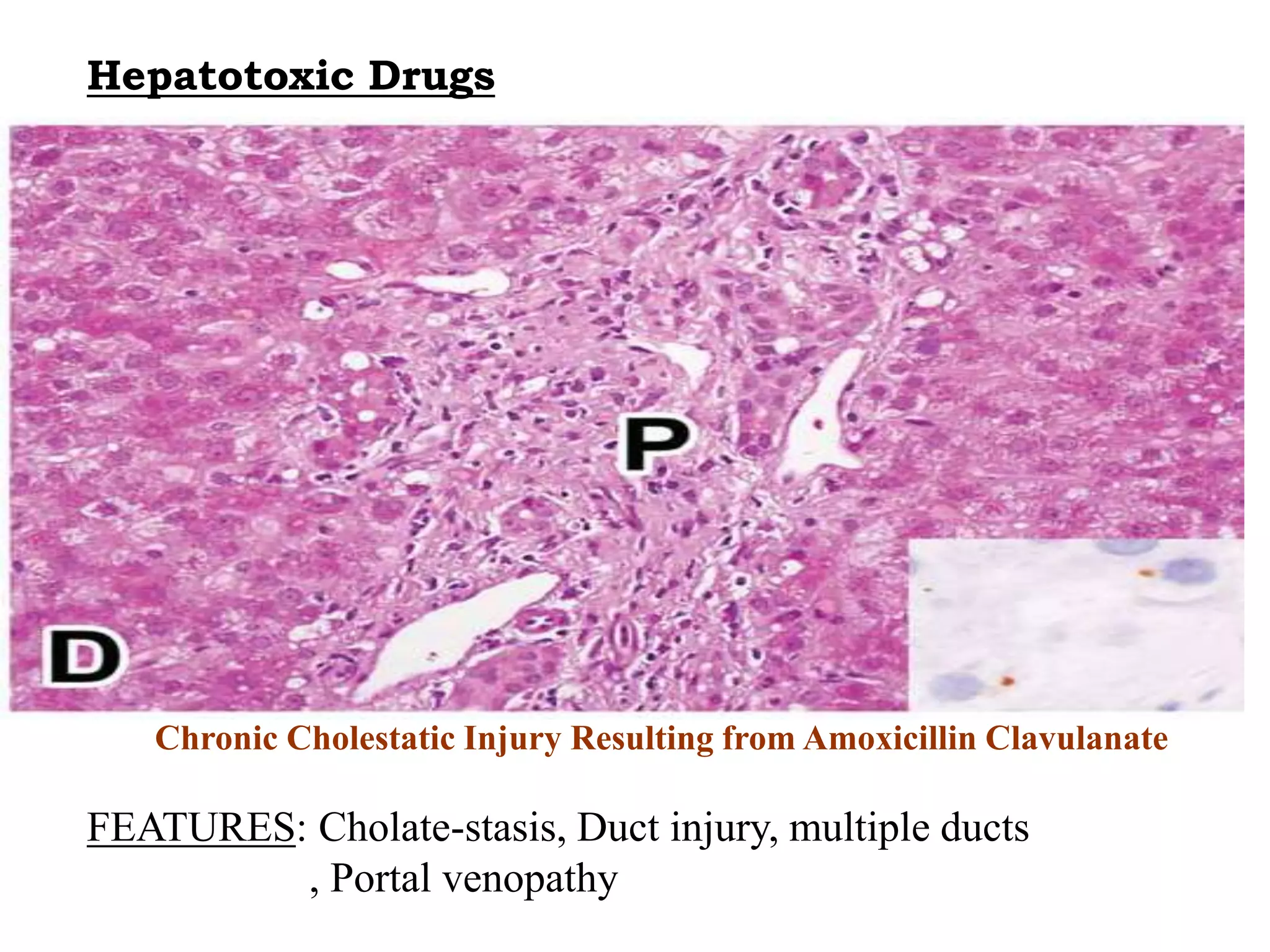
Chronic Cholestatic Injury Resulting from Amoxicillin Clavulanate
Hepatotoxic Drugs
FEATURES: Cholate-stasis, Duct injury, multiple ducts
, Portal venopathy
Hepatotoxic Drugs
Necrosis
Acetaminophen
Carbon tetrachloride
Yellow phosphorus
Hepatotoxic Drugs
Drug Chemical Class Discontinued Country
TienilicAcid
(Ticrynafen)
Loop Diuretics 1982 Germany, France, UK,
US, Others
Benoxaprofen (Oraflex) NSAIDS 1982 Germany, Spain, UK, US
Tolrestat
(Alredase)
Aldose Reductase Inhibitor 1996 Argentina, Canada, Italy,
Tolcapone (Tasmar) Catechol-O-Methyl Transferas
(COMT)
1998 European Union, Canada,
Australia
Bromfenac (Duract) NSAIDS 1998 US
Trovafloxacin (Trovan) Fluoroquinolones Antibiotics June 1999 European Union, US
Troglitazone (Rezulin) Antidiabetic And
Anti-inflammatory
2000 US, Germany
Ximelagatran
(Exanta)
Anticoagulant 2006 Germany
Sitaxentan Endothilin receptor antagonist 2010 Germany
Tacrine (Cognex) Anticholinesterase 2013 US *
List of marketed drugs capable of inducing hepatotoxicity caused by
mitochondrial dysfunction, which have received warnings from drug agencies
Drug Chemical class Regulatory action
Felbamate Anticonvulsant Restricted use
Pemoline CNS stimulant Restricted use
Acetaminophen Analgesic Warnings
Leflunomide Immunomodulator Restricted use
Nefazodone Antipsychotic Warnings
Nevirapine Antiviral Warnings
Pyrazinamide Antituberculosis Warnings
Rifampin Antituberculosis Warnings
Terbinafine Antifungal Warnings
Valproic acid Anticonvulsant Warnings
Zafirlukast Asthma Warnings
Hepatotoxic Drugs
HEPATOTOXIC DRUGS
Hepatotoxic Drugs
Liver injury markers Significance
Sorbitol dehydrogenase (SDH) Hepatocyte specific injury
Glutathione S-transferase alpha
(GSTα)
Centrilobular liver damage and
kidney damage
HMGB1 (High mobility group box 1) Necrosis marker
Glutamate dehydrogenase (GLDH) Mitochondrial disruption
Cytokeratin 18 fragments Marker of caspase cleaved
proteins in apoptotic cell death
M-30 Apoptosis marker
M-65 Total apoptosis and necrosis
marker
Hepatotoxic Drugs
Treatment:
 No specific treatment exists for most kinds of
toxic hepatitis
• For most other cases of drug-induced toxic
hepatitis, stopping the medication is the only
treatment.
 Supportive therapy- People with severe
symptoms are likely to receive supportive
therapy in the hospital, including intravenous
fluids and medication to relieve nausea and
vomiting.
 Liver transplant-When liver function is
severely impaired, a liver transplant may be the
only option for some people
Hepatotoxic Drugs
FOLLOW UP:
• Chronic DILI occurs in about 15 – 20 % of cases
of acute DILI and requires long-term follow-up
• Subjects who presented with cholestatic DILI are
more likely to develop chronic DILI
• Chronic DILI resembles AIH and might respond
to steroids
Hepatotoxic Drugs
SCREENING METHODS
In vivo model
A. Non-invasive model
• a. Chemically induced hepatotoxicity
1. CCl4 induced
2. Thioacetamide induced
3. Dimethyl or diethyl nitrosamine induced
4. Aflatoxin induced
• b. Drug-induced hepatotoxicity
1. NSAID induced
2. Anticancer drugs induced
3. Antibiotic induced
4. Anti-TB drugs induced
Hepatotoxic Drugs
Non –invasive
• c. Radiation-induced hepatotoxicity
• d. Metal-induced hepatotoxicity
1. Mercury induced
• e. Diet-induced hepatotoxicity -Alcohol induced
High fat diet induced
B. Invasive model
Bile duct ligation
Portal vein ligation
Hepatotoxic Drugs
Carbon tetrachloride (CCl4)
Principle
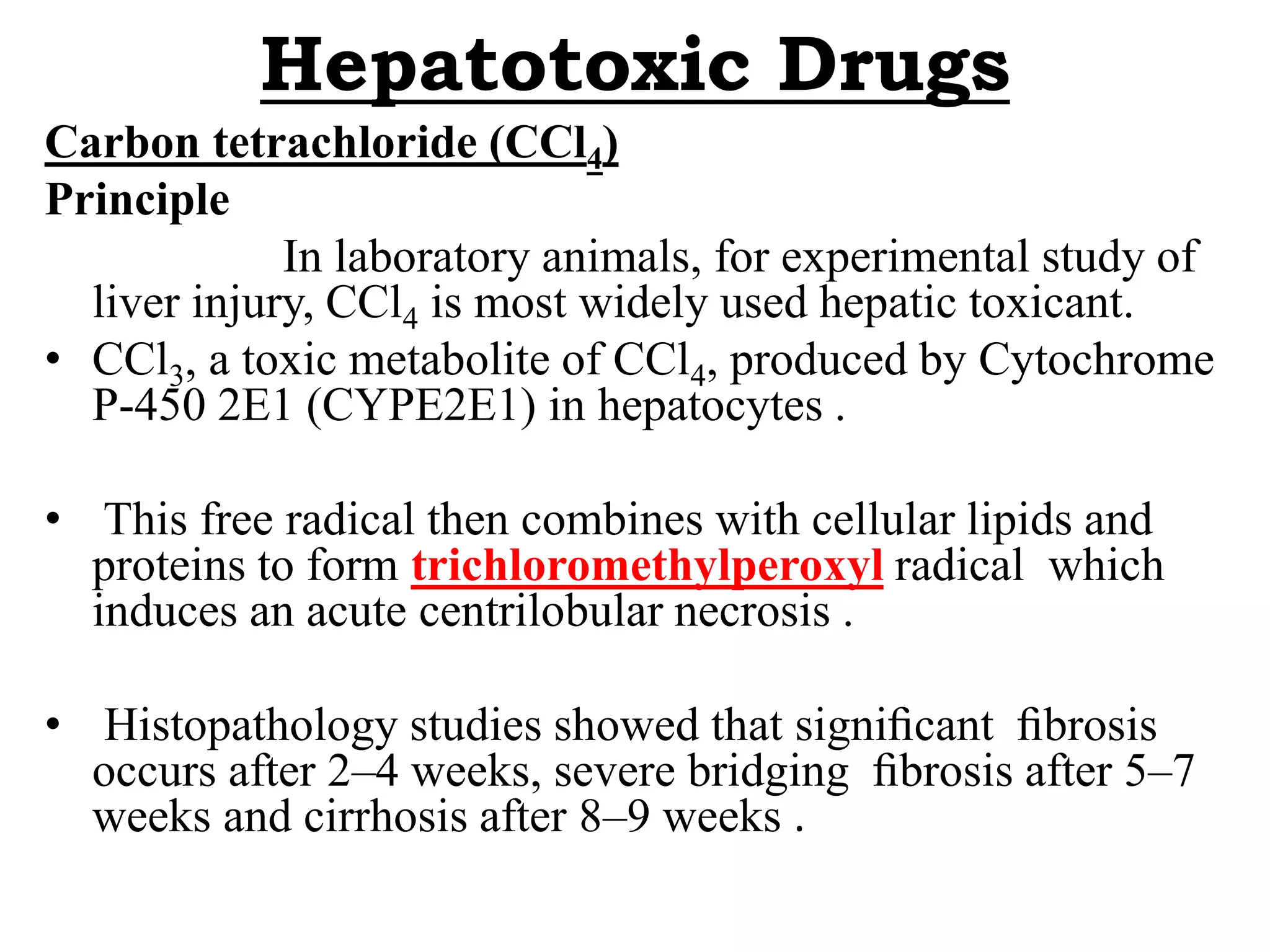
In laboratory animals, for experimental study of
liver injury, CCl4 is most widely used hepatic toxicant.
• CCl3, a toxic metabolite of CCl4, produced by Cytochrome
P-450 2E1 (CYPE2E1) in hepatocytes .
• This free radical then combines with cellular lipids and
proteins to form trichloromethylperoxyl radical which
induces an acute centrilobular necrosis .
• Histopathology studies showed that significant fibrosis
occurs after 2–4 weeks, severe bridging fibrosis after 5–7
weeks and cirrhosis after 8–9 weeks .
Hepatotoxic Drugs
Carbon tetrachloride (CCl4)
Procedure:
• Rats of either sex were fed with standard diet and
water and kept at a temperature (25 ± 2 C) and 12
h light/dark cycle.
• Hepatotoxicity was produced by CCl4
• At the last day of the study the animals were
anaesthetized and killed and the biochemical
parameter and histopathological studies were
performed.
Hepatotoxic Drugs
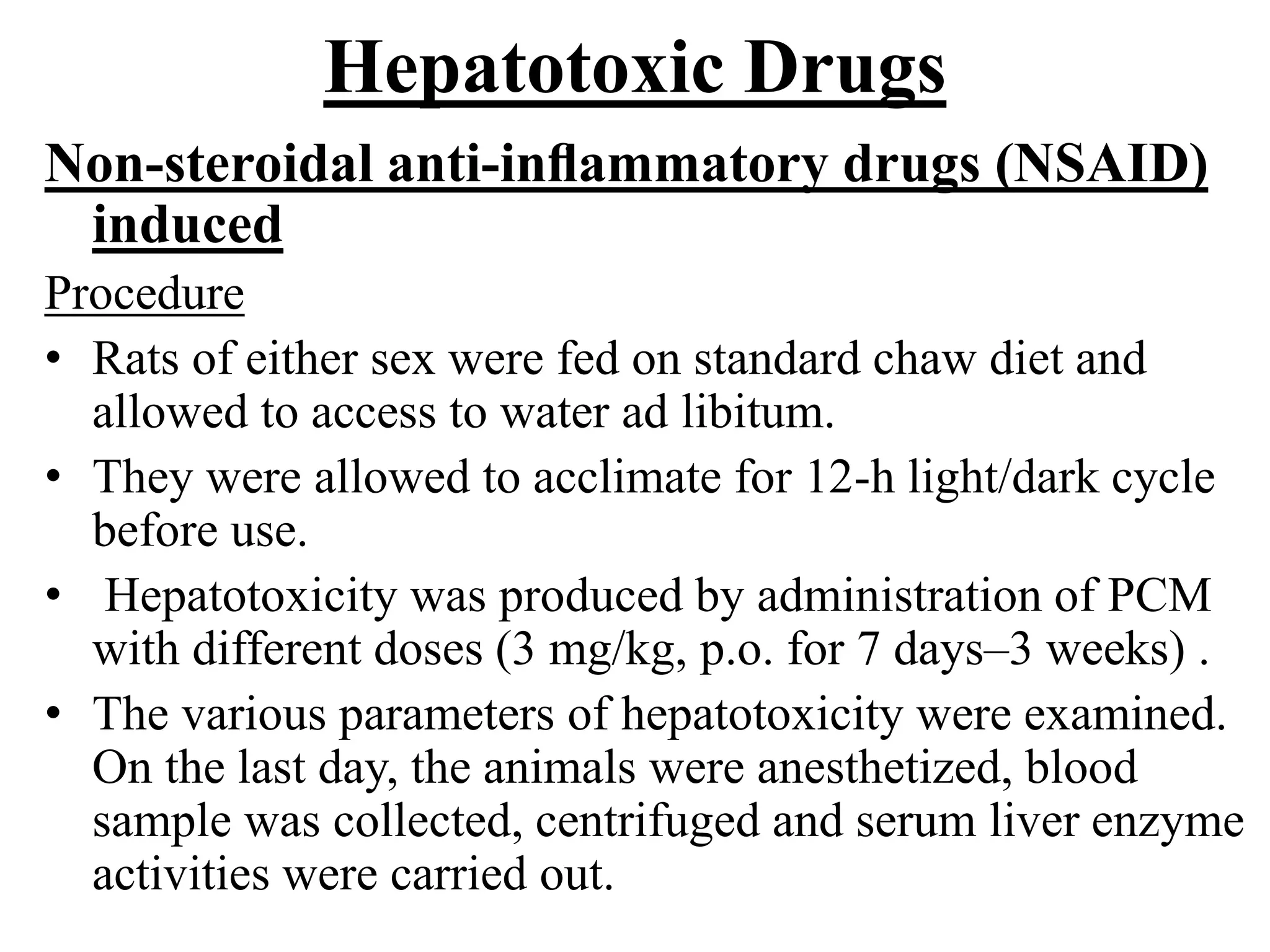
Non-steroidal anti-inflammatory drugs (NSAID) induced
Principle
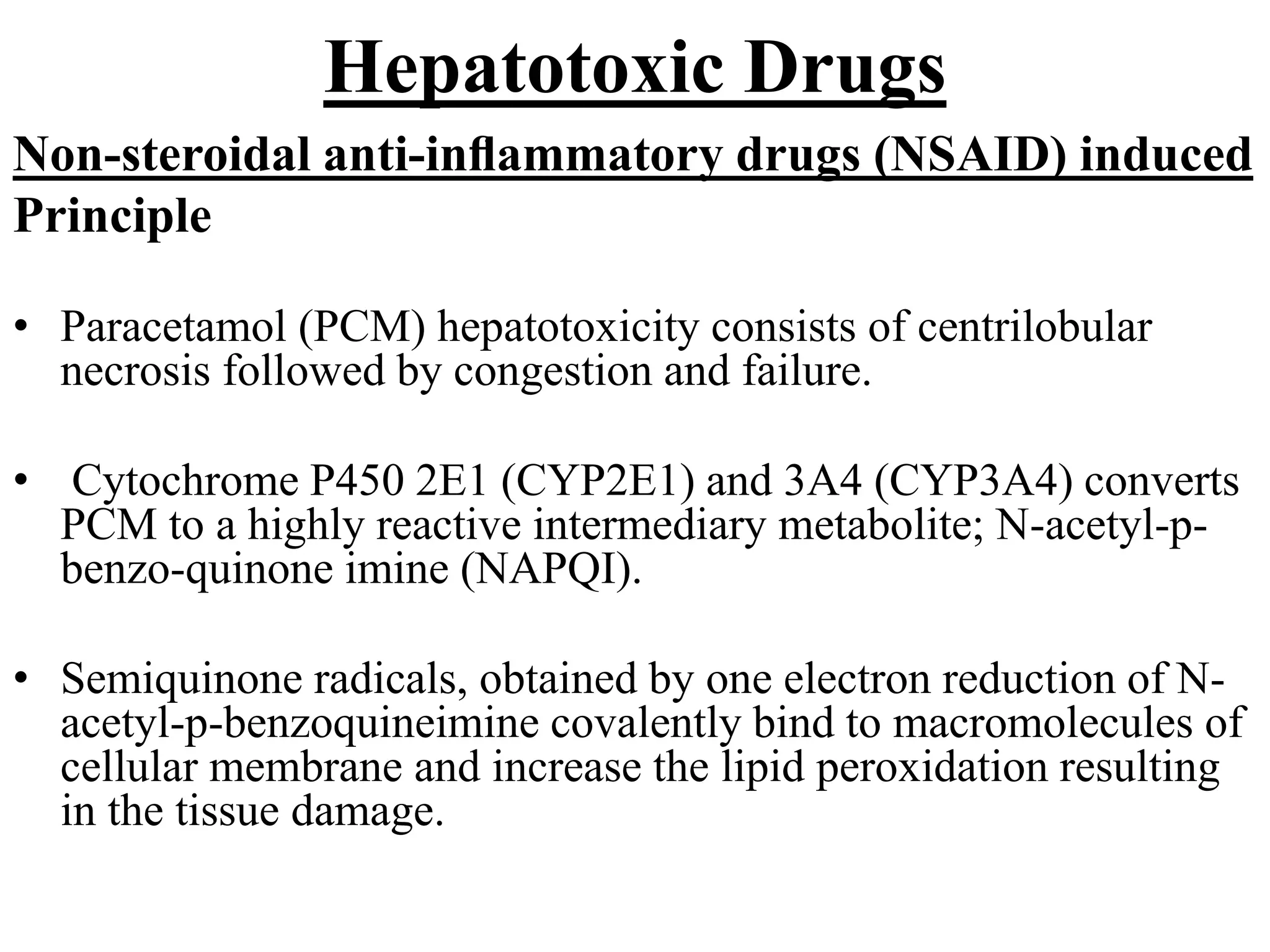
• Paracetamol (PCM) hepatotoxicity consists of centrilobular
necrosis followed by congestion and failure.
• Cytochrome P450 2E1 (CYP2E1) and 3A4 (CYP3A4) converts
PCM to a highly reactive intermediary metabolite; N-acetyl-p-
benzo-quinone imine (NAPQI).
• Semiquinone radicals, obtained by one electron reduction of N-
acetyl-p-benzoquineimine covalently bind to macromolecules of
cellular membrane and increase the lipid peroxidation resulting
in the tissue damage.
Hepatotoxic Drugs
Non-steroidal anti-inflammatory drugs (NSAID)
induced
Procedure
• Rats of either sex were fed on standard chaw diet and
allowed to access to water ad libitum.
• They were allowed to acclimate for 12-h light/dark cycle
before use.
• Hepatotoxicity was produced by administration of PCM
with different doses (3 mg/kg, p.o. for 7 days–3 weeks) .
• The various parameters of hepatotoxicity were examined.
On the last day, the animals were anesthetized, blood
sample was collected, centrifuged and serum liver enzyme
activities were carried out.
Hepatotoxic Drugs
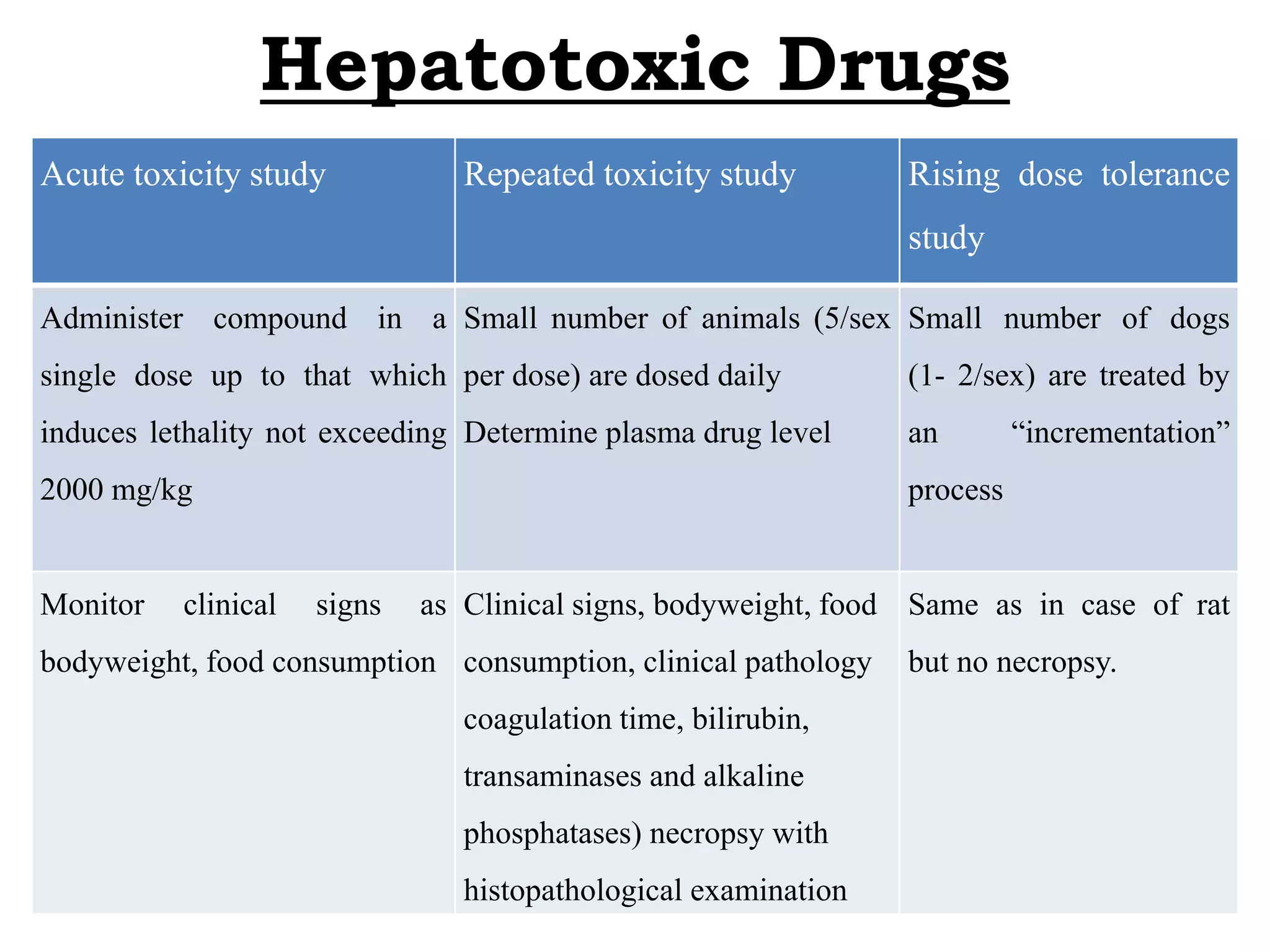
In vivo hepatotoxicity studies
• Toxicity testing in two animal species Rats and
Dogs another species may be chosen If the
compound is not bioavailable in the rat and dog
• The in vivo toxicity studies includes the following
• A rat acute toxicity study
• A rat repeated dose toxicity study
• A dog rising-dose tolerance study
Hepatotoxic Drugs
Acute toxicity study Repeated toxicity study Rising dose tolerance
study
Administer compound in a
single dose up to that which
induces lethality not exceeding
2000 mg/kg
Small number of animals (5/sex
per dose) are dosed daily
Determine plasma drug level
Small number of dogs
(1- 2/sex) are treated by
an “incrementation”
process
Monitor clinical signs as
bodyweight, food consumption
Clinical signs, bodyweight, food
consumption, clinical pathology
coagulation time, bilirubin,
transaminases and alkaline
phosphatases) necropsy with
histopathological examination
Same as in case of rat
but no necropsy.
Hepatotoxic Drugs
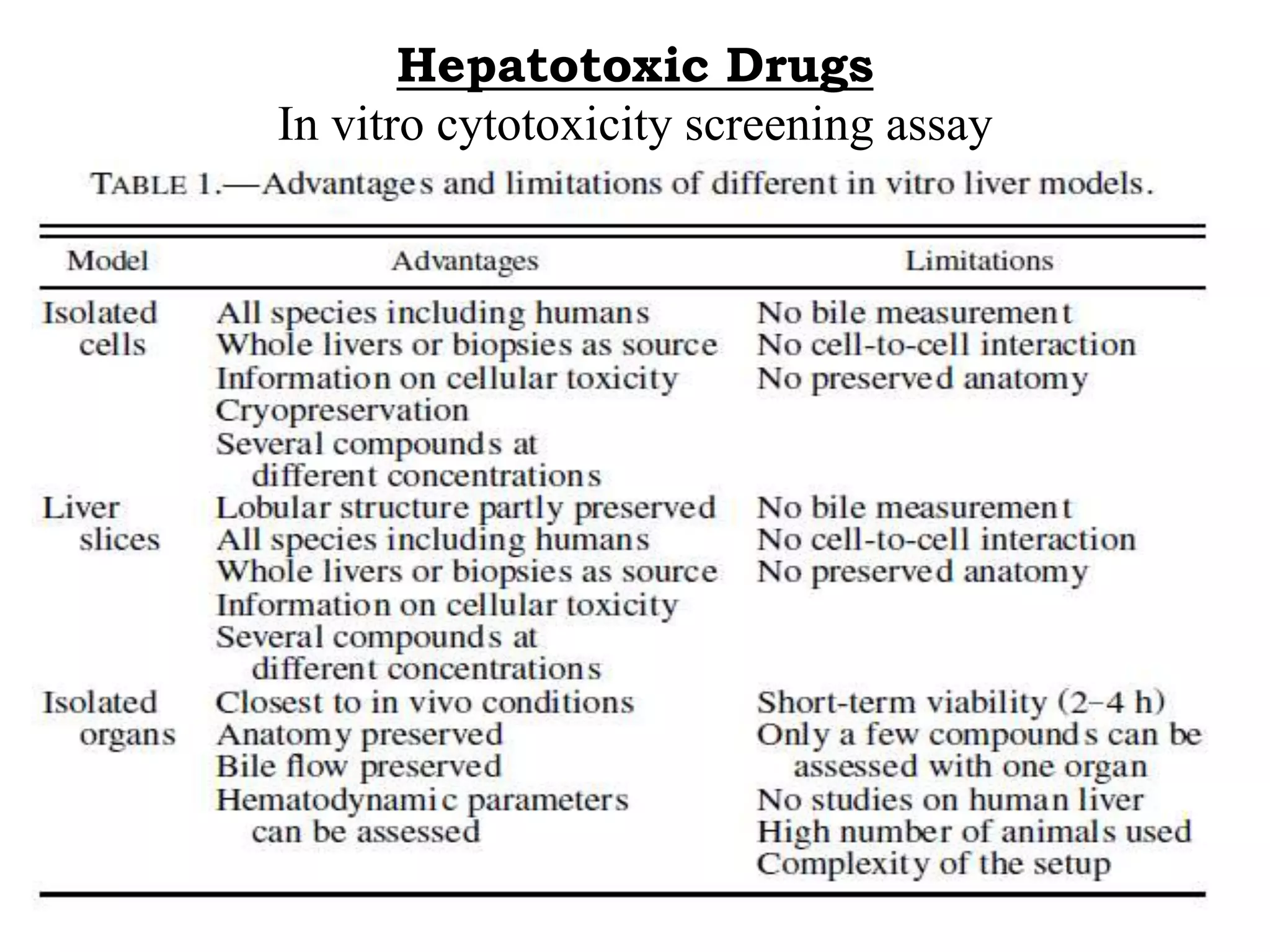
In vitro cytotoxicity screening assay
Numerous models are used for in vitro
hepatotoxicity studies, Isolated perfused
liver
 Hepatocytes
 Liver slices
 Primary cultures of hepatocytes
 Cell lines
Hepatotoxic Drugs
In vitro cytotoxicity screening assay
Hepatotoxic Drugs
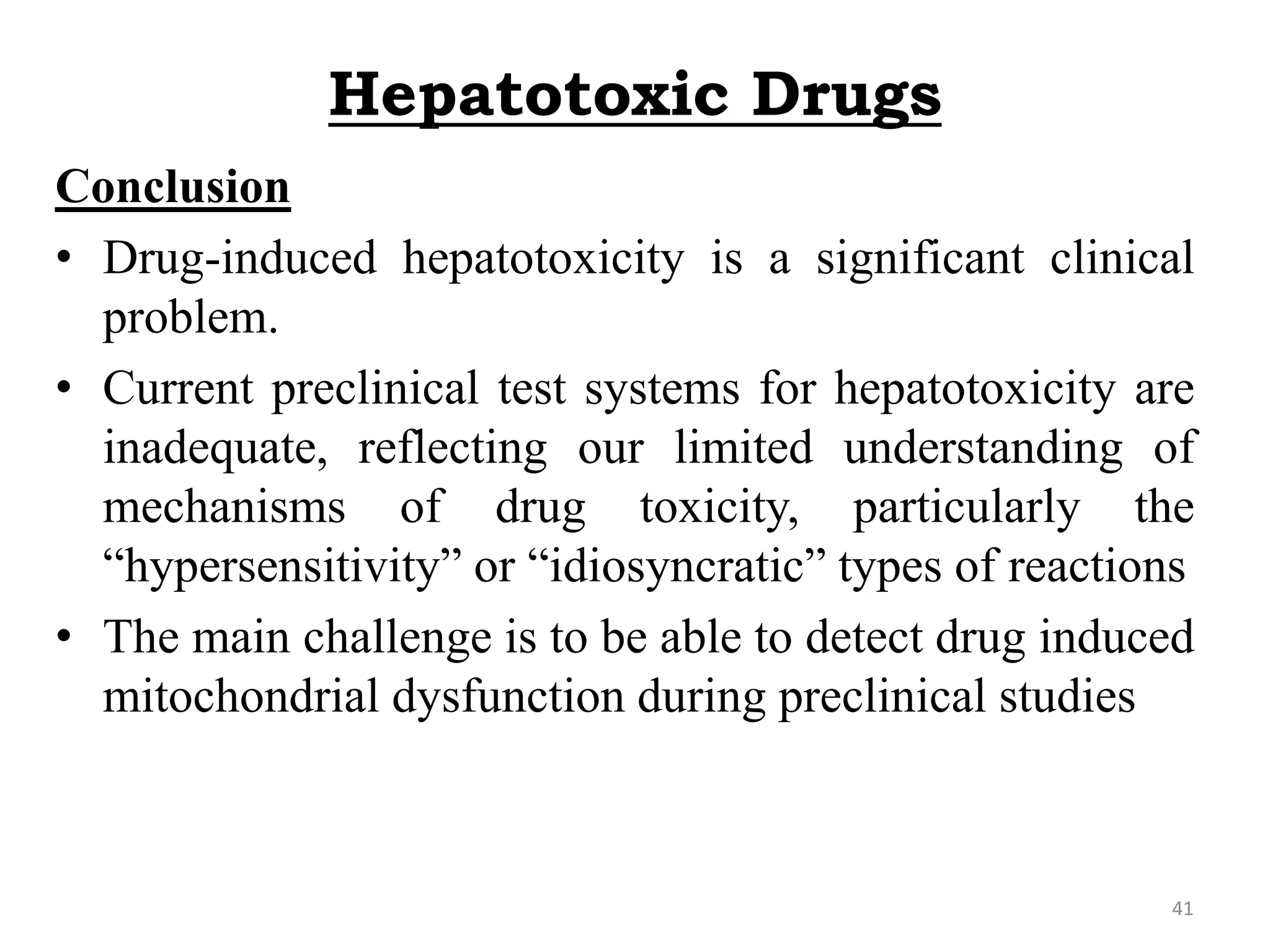
Conclusion
• Drug-induced hepatotoxicity is a significant clinical
problem.
• Current preclinical test systems for hepatotoxicity are
inadequate, reflecting our limited understanding of
mechanisms of drug toxicity, particularly the
“hypersensitivity” or “idiosyncratic” types of reactions
• The main challenge is to be able to detect drug induced
mitochondrial dysfunction during preclinical studies
41
Reference
1. Donald Blumenthal; Laurence Brunton; Keith Parker; Lazo,
John S.; Iain Buxton (2006). Goodman and Gilman's
Pharmacological Basis of Therapeutics Digital
Edition.McGraw-Hill Professional. ISBN 0-07-146804-8.
2. PMC- Current Concepts of Mechanisms in Drug-Induced
Hepatotoxicity Stefan Russmann, Gerd A Kullak-Ublick
and Ignazio Grattagliano
3. William M. Lee, M.D. Drug-Induced Hepatotoxicity. N
Engl J Med 2003; 349:474-85.
4. Aashish Pandit, Tarun Sachdeva and Pallavi Bafna. Drug-
Induced Hepatotoxicity: A Review Journal of Applied
Pharmaceutical Science 02 (05); 2012: 233-243
Reference
• William M et.al., Drug-Induced Hepatotoxicity.
N Engl J Med 2003;349:474-85.
• Manf U et.al., Evaluation of the characteristics
of safety withdrawal of prescription drugs from
worldwide pharmaceutical markets-1960 to
1999. Drug Information Journal. Vol. 35, pp.
293-317,
• David et,al.,Hepatic Histological Findings in
Suspected Drug-Induced Liver Injury:
Systematic Evaluation and Clinical
Associations. HEPATOLOGY, Vol. 59, No. 2,
2014
Reference
• David et,al.,Hepatic Histological Findings in
Suspected Drug-Induced Liver Injury:
Systematic Evaluation and Clinical Associations
HEPATOLOGY, Vol. 59, No. 2, 2014
• Debra L. et,al.,Macrophages and Tissue Injury:
Agents of Defense or Destruction? Annu. Rev.
Pharmacol. Toxicol. 2011. 51:267–88
• Ganesh Singh et,al.,Animal models of
hepatotoxicity. Inflammation Research
· October 2015
Hepatotoxic  drugs

Hepatotoxic drugs

  • 1.
  • 2.
    Hepatotoxic Drugs CONTENTS • Introduction •Classification • Mechanism of Liver damage • Patterns of Injury • Specific drug or toxin which leads to hepatotoxicity. • Screening methods • References
  • 3.
    Hepatotoxic Drugs Introduction • Liverplays a key role in detoxifying harmful substances . • Toxic hepatitis is liver inflammation due to toxic chemicals, drugs or certain poisonous mushrooms. • Among patients with acute liver failure, drug- induced liver injury is the most common cause.
  • 4.
    Hepatotoxic Drugs Drugs causingHepatotoxicity 1.ANTIBIOTICS -Amoxicillin / clavulanate -Trimethoprim / sulfamethoxazole -Fluoroquinolones -Macrolides -Nitrofurantoin -Minocycline 2.ANTIEPILEPTICS -Phenytoin -Carbamazepine -Lamotrigine -Valproate
  • 5.
    Hepatotoxic Drugs Drugs causingHepatotoxicity 3.ANTI-TUBERCULAR: -Rifampicin -Isoniazid. 4.NSAID: -Acetaminophen -Nimesulide -Diclofenac 5.HYPOLIPIDEMIC DRUGS -STATINS -Niacin -Fibrates
  • 6.
    Hepatotoxic Drugs Drugs causingHepatotoxicity 6.ANAESTHETIC AGENTS -Halothane -Chloroform -Isoflurane, Enflurane & Desflurane -Nitrous oxide. 7.ANTIRHEUMATIC DRUGS -Sulphasalazine -Gold salt -Azathioprine -Methotrexate
  • 7.
    Hepatotoxic Drugs Drugs causingHepatotoxicity 8.ANTIRETROVIRAL DRUGS -Protease inhibitors Ritonavir Indinavir Nelfinavir -NRTI Lamivudin Tenofovir Zidovudine Didanosine -NNRTI Nevirapine Efavirenz
  • 8.
    Hepatotoxic Drugs Classification • Intrinsictype of hepatotoxicity • Idyiosyncratic type of hepatotoxicity • Chronic type of hepatotoxicity
  • 9.
    Hepatotoxic Drugs Intrinsic Idiosyncratic IncidenceMore common Less common 1% Predictability Predictable Unpredictable Dose related Dose dependent Dose independent Latency period Short latency period Variable latency period weeks or months Type of injury Usually necrosis Necrosis or apoptosis Associated Acute liver failure Rash, fever, eosinophilia Examples Acetaminophen Isoniazid Classification
  • 10.
    Hepatotoxic Drugs Classification • Chronichepatotoxicity Failure of return of liver enzymes or bilirubin to pre-DILI(Drug Induced Liver Injury) baseline, and / or other signs or symptoms of ongoing liver disease (e.g., ascites, encephalopathy, portal hypertension, coagulopathy) 6 months after DILI onset
  • 11.
  • 12.
    Hepatotoxic Drugs Pathogenesis Direct cellstress, direct mitochondria impairment and specific immune reactions Reactive metabolites depletes GSH, covalently binding to proteins, enzymes, lipids, nucleic acid and other cell structures
  • 13.
    Hepatotoxic Drugs Pathogenesis cause ATPdepletion and increase in ROS, inhibits β-oxidation, cause steatosis. Damage mitochondrial DNA, interfere with the replication process, causes the opening of MPT If the drug metabolite acts as a hapten it binds covalently with the liver protein perceived as foreign by the immune system resulting in an autoimmune attack on hepatocytes.
  • 14.
  • 15.
    Hepatotoxic Drugs Patterns ofdrug-induced liver Injury Type of injury: Hepatocellular Cholestatic Mixed ALT ≥ Twofold rise Normal ≥ Twofold rise ALP Normal ≥ Twofold rise ≥ Twofold rise ALT: ALP ratio High, ≥5 Low, ≤2 2-5 Examples Acetaminophen Allopurinol Amiodarone HAART NSAID Anabolic steroid Chlorpromazine Clopidogrel Erythromycin Hormonal contraception Amitriptyline, Enalapril Carbamazepine Sulfonamide Phenytoin 15
  • 16.
    Hepatotoxic Drugs Hepatotoxic drugsand their effects on mitochondria Drug MPTP opening Direct inhibition of mitochondrial FAO OXPHOS uncoupling Mt DNA depletion or damage Acetaminophen + + + Amiodarone + + + Diclofenac + + + Salicylic acid + + + Tamoxifen + + + Valproic acid + +
  • 17.
    Hepatotoxic Drugs Hepatitis • Halothane •Isoniazid • Rifampcin • Pyrazinamide • Phenytoin • Carbamazepine • Ketoconazole • Methyldopa
  • 18.
    Acute Hepatitic InjuryResulting from Ciprofloxacin Hepatotoxic Drugs FEATURES: Lobular inflammation, Portal inflammation, Confluent necrosis, Infiltration of Plasma cells, Neutrophil
  • 19.
    Chronic Hepatitic InjuryResulting from Isoniazid Hepatotoxic Drugs FEATURES: Lymphoid aggregates or germinal centers Fibrosis stage
  • 20.
    Hepatotoxic Drugs CHOLESTASIS • Erythromycin •Rifampicin • Amoxicillin-Clavulanic • Nifedipine • Verapamil
  • 21.
    Acute Cholestatic InjuryResulting from an Anabolic Steroid Hepatotoxic Drugs FEATURES: Hepatocellular cholestasis Canalicular cholestasis
  • 22.
    Chronic Cholestatic InjuryResulting from Amoxicillin Clavulanate Hepatotoxic Drugs FEATURES: Cholate-stasis, Duct injury, multiple ducts , Portal venopathy
  • 24.
  • 25.
    Hepatotoxic Drugs Drug ChemicalClass Discontinued Country TienilicAcid (Ticrynafen) Loop Diuretics 1982 Germany, France, UK, US, Others Benoxaprofen (Oraflex) NSAIDS 1982 Germany, Spain, UK, US Tolrestat (Alredase) Aldose Reductase Inhibitor 1996 Argentina, Canada, Italy, Tolcapone (Tasmar) Catechol-O-Methyl Transferas (COMT) 1998 European Union, Canada, Australia Bromfenac (Duract) NSAIDS 1998 US Trovafloxacin (Trovan) Fluoroquinolones Antibiotics June 1999 European Union, US Troglitazone (Rezulin) Antidiabetic And Anti-inflammatory 2000 US, Germany Ximelagatran (Exanta) Anticoagulant 2006 Germany Sitaxentan Endothilin receptor antagonist 2010 Germany Tacrine (Cognex) Anticholinesterase 2013 US *
  • 26.
    List of marketeddrugs capable of inducing hepatotoxicity caused by mitochondrial dysfunction, which have received warnings from drug agencies Drug Chemical class Regulatory action Felbamate Anticonvulsant Restricted use Pemoline CNS stimulant Restricted use Acetaminophen Analgesic Warnings Leflunomide Immunomodulator Restricted use Nefazodone Antipsychotic Warnings Nevirapine Antiviral Warnings Pyrazinamide Antituberculosis Warnings Rifampin Antituberculosis Warnings Terbinafine Antifungal Warnings Valproic acid Anticonvulsant Warnings Zafirlukast Asthma Warnings Hepatotoxic Drugs
  • 27.
  • 28.
    Hepatotoxic Drugs Liver injurymarkers Significance Sorbitol dehydrogenase (SDH) Hepatocyte specific injury Glutathione S-transferase alpha (GSTα) Centrilobular liver damage and kidney damage HMGB1 (High mobility group box 1) Necrosis marker Glutamate dehydrogenase (GLDH) Mitochondrial disruption Cytokeratin 18 fragments Marker of caspase cleaved proteins in apoptotic cell death M-30 Apoptosis marker M-65 Total apoptosis and necrosis marker
  • 29.
    Hepatotoxic Drugs Treatment:  Nospecific treatment exists for most kinds of toxic hepatitis • For most other cases of drug-induced toxic hepatitis, stopping the medication is the only treatment.  Supportive therapy- People with severe symptoms are likely to receive supportive therapy in the hospital, including intravenous fluids and medication to relieve nausea and vomiting.  Liver transplant-When liver function is severely impaired, a liver transplant may be the only option for some people
  • 30.
    Hepatotoxic Drugs FOLLOW UP: •Chronic DILI occurs in about 15 – 20 % of cases of acute DILI and requires long-term follow-up • Subjects who presented with cholestatic DILI are more likely to develop chronic DILI • Chronic DILI resembles AIH and might respond to steroids
  • 31.
    Hepatotoxic Drugs SCREENING METHODS Invivo model A. Non-invasive model • a. Chemically induced hepatotoxicity 1. CCl4 induced 2. Thioacetamide induced 3. Dimethyl or diethyl nitrosamine induced 4. Aflatoxin induced • b. Drug-induced hepatotoxicity 1. NSAID induced 2. Anticancer drugs induced 3. Antibiotic induced 4. Anti-TB drugs induced
  • 32.
    Hepatotoxic Drugs Non –invasive •c. Radiation-induced hepatotoxicity • d. Metal-induced hepatotoxicity 1. Mercury induced • e. Diet-induced hepatotoxicity -Alcohol induced High fat diet induced B. Invasive model Bile duct ligation Portal vein ligation
  • 33.
    Hepatotoxic Drugs Carbon tetrachloride(CCl4) Principle In laboratory animals, for experimental study of liver injury, CCl4 is most widely used hepatic toxicant. • CCl3, a toxic metabolite of CCl4, produced by Cytochrome P-450 2E1 (CYPE2E1) in hepatocytes . • This free radical then combines with cellular lipids and proteins to form trichloromethylperoxyl radical which induces an acute centrilobular necrosis . • Histopathology studies showed that significant fibrosis occurs after 2–4 weeks, severe bridging fibrosis after 5–7 weeks and cirrhosis after 8–9 weeks .
  • 34.
    Hepatotoxic Drugs Carbon tetrachloride(CCl4) Procedure: • Rats of either sex were fed with standard diet and water and kept at a temperature (25 ± 2 C) and 12 h light/dark cycle. • Hepatotoxicity was produced by CCl4 • At the last day of the study the animals were anaesthetized and killed and the biochemical parameter and histopathological studies were performed.
  • 35.
    Hepatotoxic Drugs Non-steroidal anti-inflammatorydrugs (NSAID) induced Principle • Paracetamol (PCM) hepatotoxicity consists of centrilobular necrosis followed by congestion and failure. • Cytochrome P450 2E1 (CYP2E1) and 3A4 (CYP3A4) converts PCM to a highly reactive intermediary metabolite; N-acetyl-p- benzo-quinone imine (NAPQI). • Semiquinone radicals, obtained by one electron reduction of N- acetyl-p-benzoquineimine covalently bind to macromolecules of cellular membrane and increase the lipid peroxidation resulting in the tissue damage.
  • 36.
    Hepatotoxic Drugs Non-steroidal anti-inflammatorydrugs (NSAID) induced Procedure • Rats of either sex were fed on standard chaw diet and allowed to access to water ad libitum. • They were allowed to acclimate for 12-h light/dark cycle before use. • Hepatotoxicity was produced by administration of PCM with different doses (3 mg/kg, p.o. for 7 days–3 weeks) . • The various parameters of hepatotoxicity were examined. On the last day, the animals were anesthetized, blood sample was collected, centrifuged and serum liver enzyme activities were carried out.
  • 37.
    Hepatotoxic Drugs In vivohepatotoxicity studies • Toxicity testing in two animal species Rats and Dogs another species may be chosen If the compound is not bioavailable in the rat and dog • The in vivo toxicity studies includes the following • A rat acute toxicity study • A rat repeated dose toxicity study • A dog rising-dose tolerance study
  • 38.
    Hepatotoxic Drugs Acute toxicitystudy Repeated toxicity study Rising dose tolerance study Administer compound in a single dose up to that which induces lethality not exceeding 2000 mg/kg Small number of animals (5/sex per dose) are dosed daily Determine plasma drug level Small number of dogs (1- 2/sex) are treated by an “incrementation” process Monitor clinical signs as bodyweight, food consumption Clinical signs, bodyweight, food consumption, clinical pathology coagulation time, bilirubin, transaminases and alkaline phosphatases) necropsy with histopathological examination Same as in case of rat but no necropsy.
  • 39.
    Hepatotoxic Drugs In vitrocytotoxicity screening assay Numerous models are used for in vitro hepatotoxicity studies, Isolated perfused liver  Hepatocytes  Liver slices  Primary cultures of hepatocytes  Cell lines
  • 40.
    Hepatotoxic Drugs In vitrocytotoxicity screening assay
  • 41.
    Hepatotoxic Drugs Conclusion • Drug-inducedhepatotoxicity is a significant clinical problem. • Current preclinical test systems for hepatotoxicity are inadequate, reflecting our limited understanding of mechanisms of drug toxicity, particularly the “hypersensitivity” or “idiosyncratic” types of reactions • The main challenge is to be able to detect drug induced mitochondrial dysfunction during preclinical studies 41
  • 42.
    Reference 1. Donald Blumenthal;Laurence Brunton; Keith Parker; Lazo, John S.; Iain Buxton (2006). Goodman and Gilman's Pharmacological Basis of Therapeutics Digital Edition.McGraw-Hill Professional. ISBN 0-07-146804-8. 2. PMC- Current Concepts of Mechanisms in Drug-Induced Hepatotoxicity Stefan Russmann, Gerd A Kullak-Ublick and Ignazio Grattagliano 3. William M. Lee, M.D. Drug-Induced Hepatotoxicity. N Engl J Med 2003; 349:474-85. 4. Aashish Pandit, Tarun Sachdeva and Pallavi Bafna. Drug- Induced Hepatotoxicity: A Review Journal of Applied Pharmaceutical Science 02 (05); 2012: 233-243
  • 43.
    Reference • William Met.al., Drug-Induced Hepatotoxicity. N Engl J Med 2003;349:474-85. • Manf U et.al., Evaluation of the characteristics of safety withdrawal of prescription drugs from worldwide pharmaceutical markets-1960 to 1999. Drug Information Journal. Vol. 35, pp. 293-317, • David et,al.,Hepatic Histological Findings in Suspected Drug-Induced Liver Injury: Systematic Evaluation and Clinical Associations. HEPATOLOGY, Vol. 59, No. 2, 2014
  • 44.
    Reference • David et,al.,HepaticHistological Findings in Suspected Drug-Induced Liver Injury: Systematic Evaluation and Clinical Associations HEPATOLOGY, Vol. 59, No. 2, 2014 • Debra L. et,al.,Macrophages and Tissue Injury: Agents of Defense or Destruction? Annu. Rev. Pharmacol. Toxicol. 2011. 51:267–88 • Ganesh Singh et,al.,Animal models of hepatotoxicity. Inflammation Research · October 2015