HELLP SYNDROME
INTRODUCTION
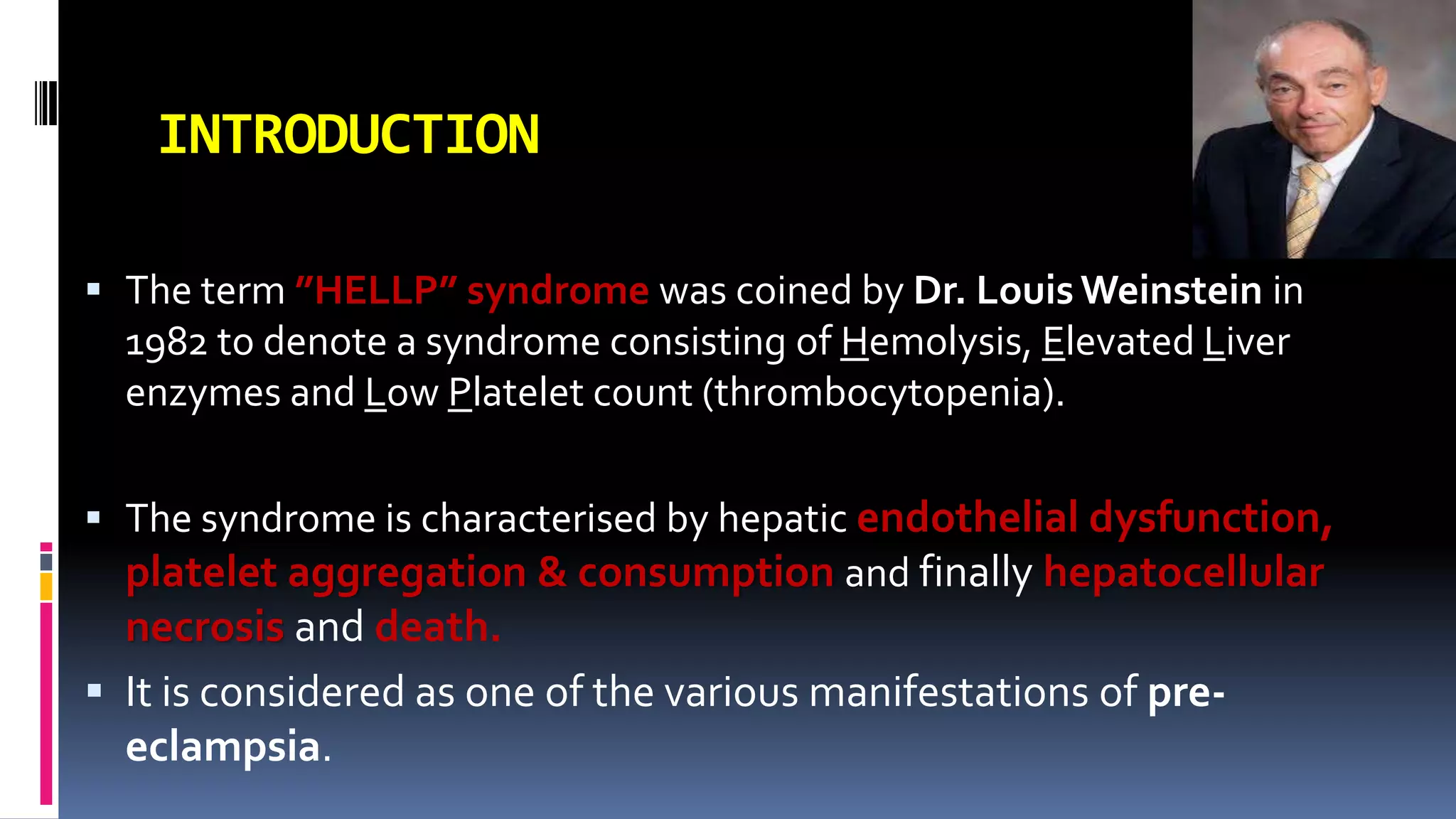
 The term ”HELLP” syndrome was coined by Dr. Louis Weinstein in
1982 to denote a syndrome consisting of Hemolysis, Elevated Liver
enzymes and Low Platelet count (thrombocytopenia).
 The syndrome is characterised by hepatic endothelial dysfunction,
platelet aggregation & consumption and finally hepatocellular
necrosis and death.
 It is considered as one of the various manifestations of pre-
eclampsia.
INCIDENCE
 HELLP Syndrome - 0.5 to 0.9% of all pregnancies.*
 Pre Eclampsia – 5 to 7% of all pregnancies.
 Sibai et al reported 20% incidence of HELLP in women with pre
eclampsia.
 70% cases diagnosed in antenatal period while 30% after delivery.
*Rath W, Faridi A, Dudenhausen JW. HELLP SYNDROME. J Perinat Med. 2000; 28(4):249-60.
PATHOGENESIS
 The findings of this multisystem disease are attributed to
a. Abnormal vascular tone
b. Vasospasm
c. Coagulation defects
 Hemolysis is due to Microangiopathic Hemolytic Anaemia
(“Thrombotic Microangiopathy” is the term commonly used
nowadays).
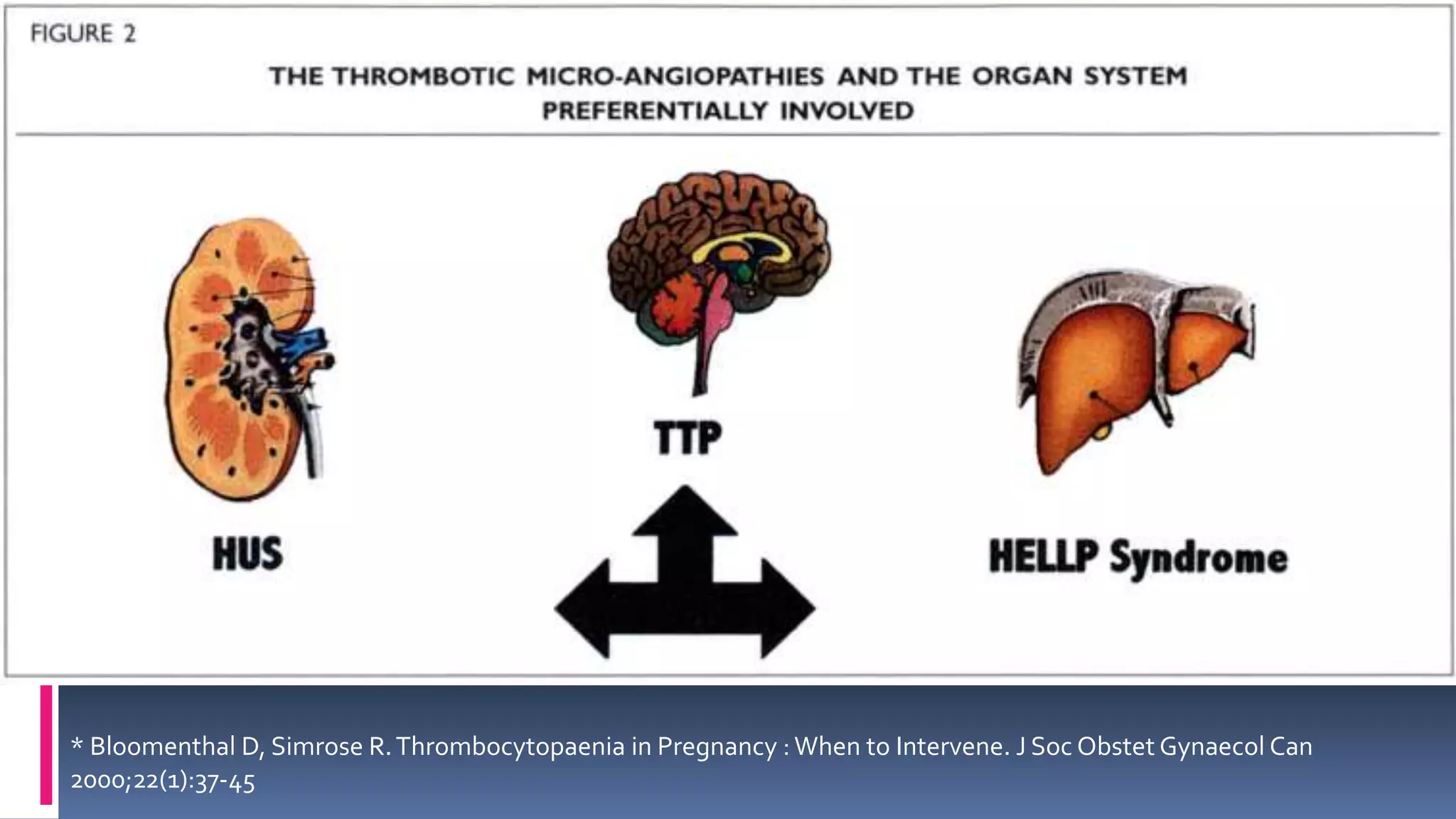
* Bloomenthal D, Simrose R.Thrombocytopaenia in Pregnancy :When to Intervene. J Soc Obstet Gynaecol Can
2000;22(1):37-45
HEMATOLOGICAL CHANGES
 Destruction of red blood cells by haemolysis causes increased serum lactate
dehydrogenase (LDH) levels and decreased haemoglobin concentrations.
 Peripheral Smear shows the following changes :
a. Spherocytosis
b. Schistocytes
c. Reticulocytosis
d. Anisocytosis
e. Triangular cells
f. Burr cells
HEMATOLOGICAL CHANGES
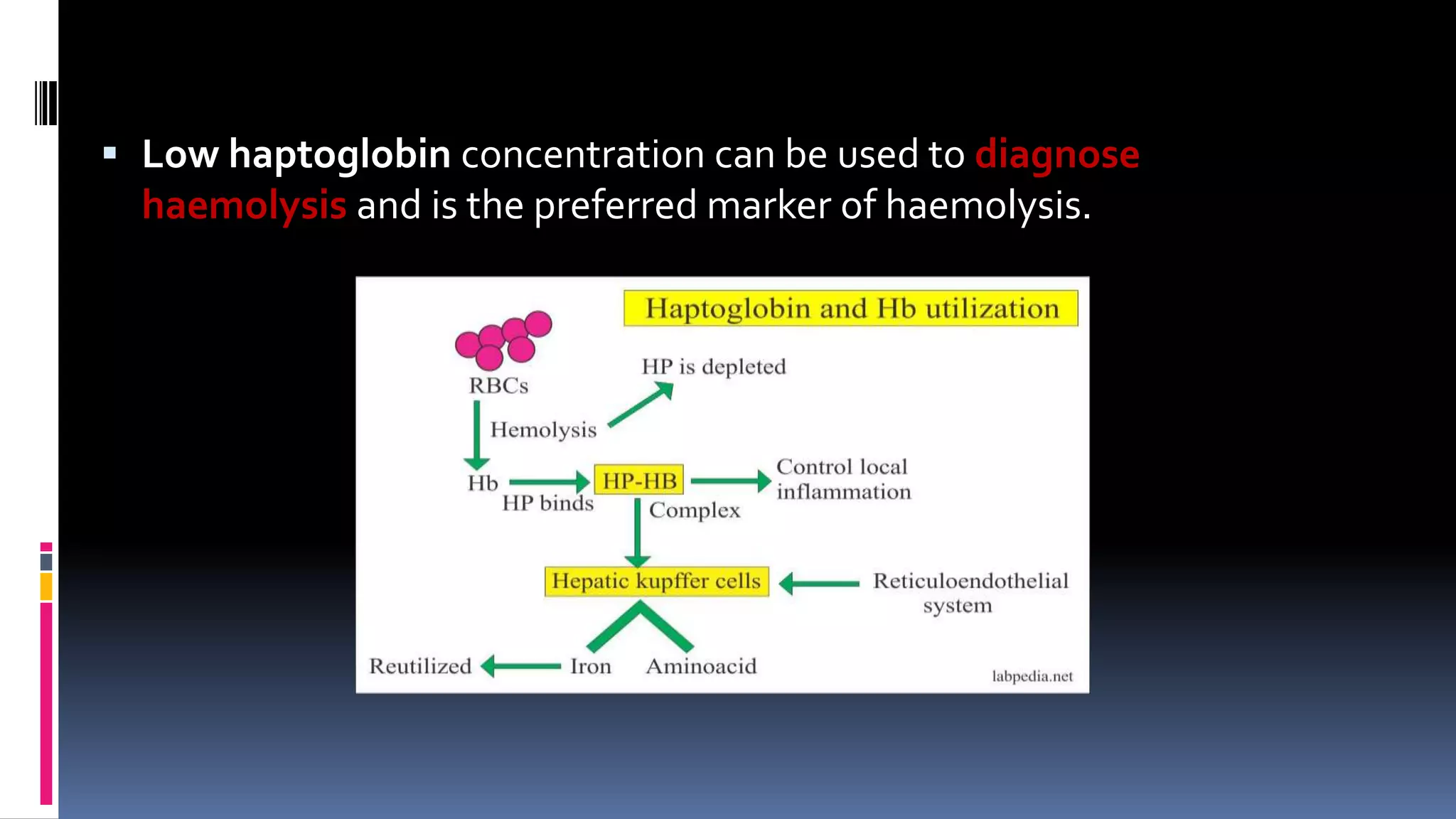
 Low haptoglobin concentration can be used to diagnose
haemolysis and is the preferred marker of haemolysis.
HEMATOLOGICAL CHANGES - THROMBOCYTOPENIA
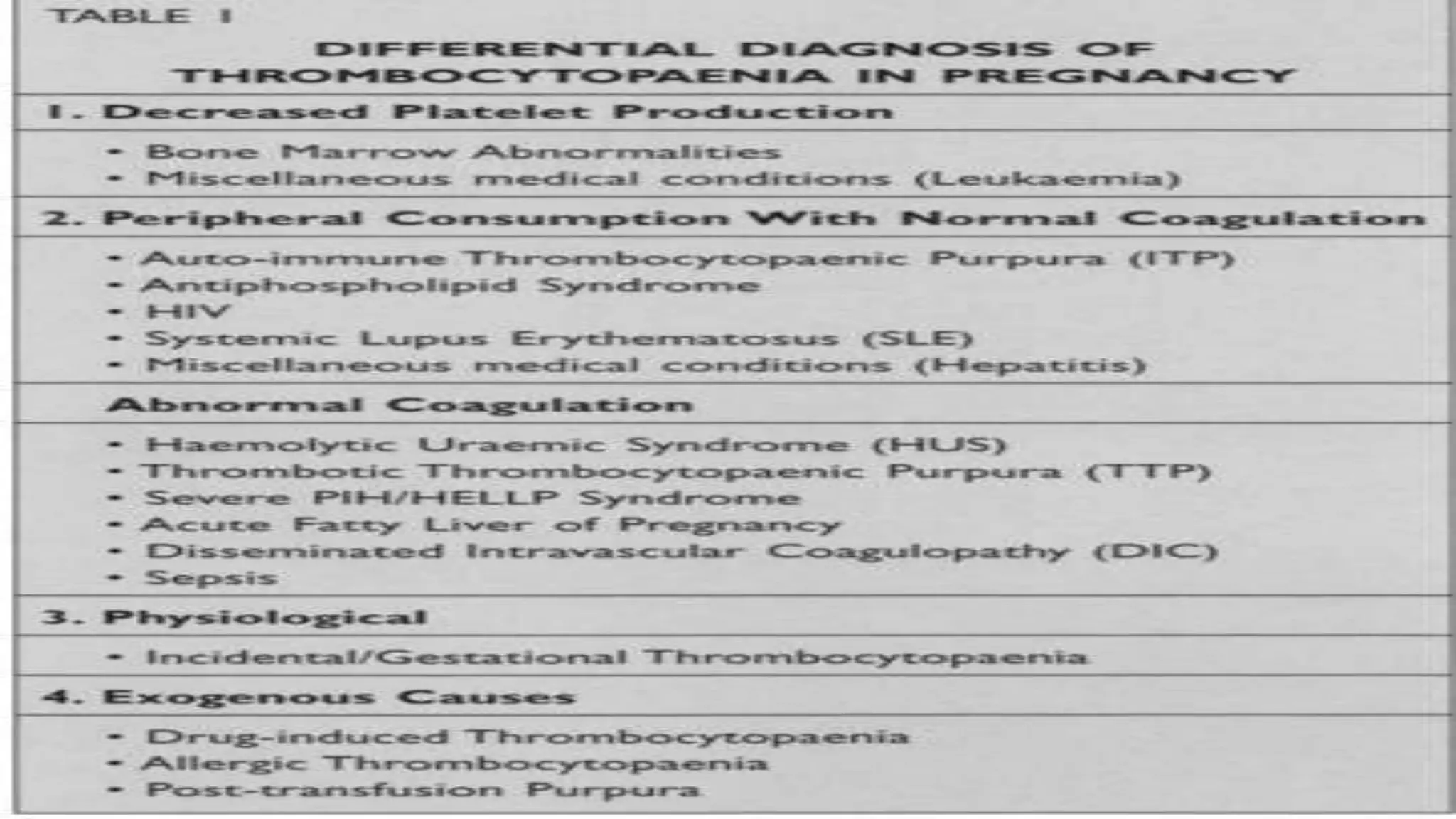
 Thrombocytopenia may be due to various causes in pregnancy.*
 Commonly seen are – GestationalThrombocytopenia, Immune
Thrombocytopenic Purpura (ITP), Preeclampsia and HELLP
syndrome.
 Platelet count of < 100*109/L is essential to diagnose HELLP syndrome
as per the Sibai definition.
 Platelets are activated, and adhere to damaged vascular endothelial
cells, resulting in increased platelet turnover with shorter lifespan.
*Thrombocytopenia during pregnancy. Importance, Diagnosis and Management. Hamostaseologie.2006 Jan;26(1):72-4.
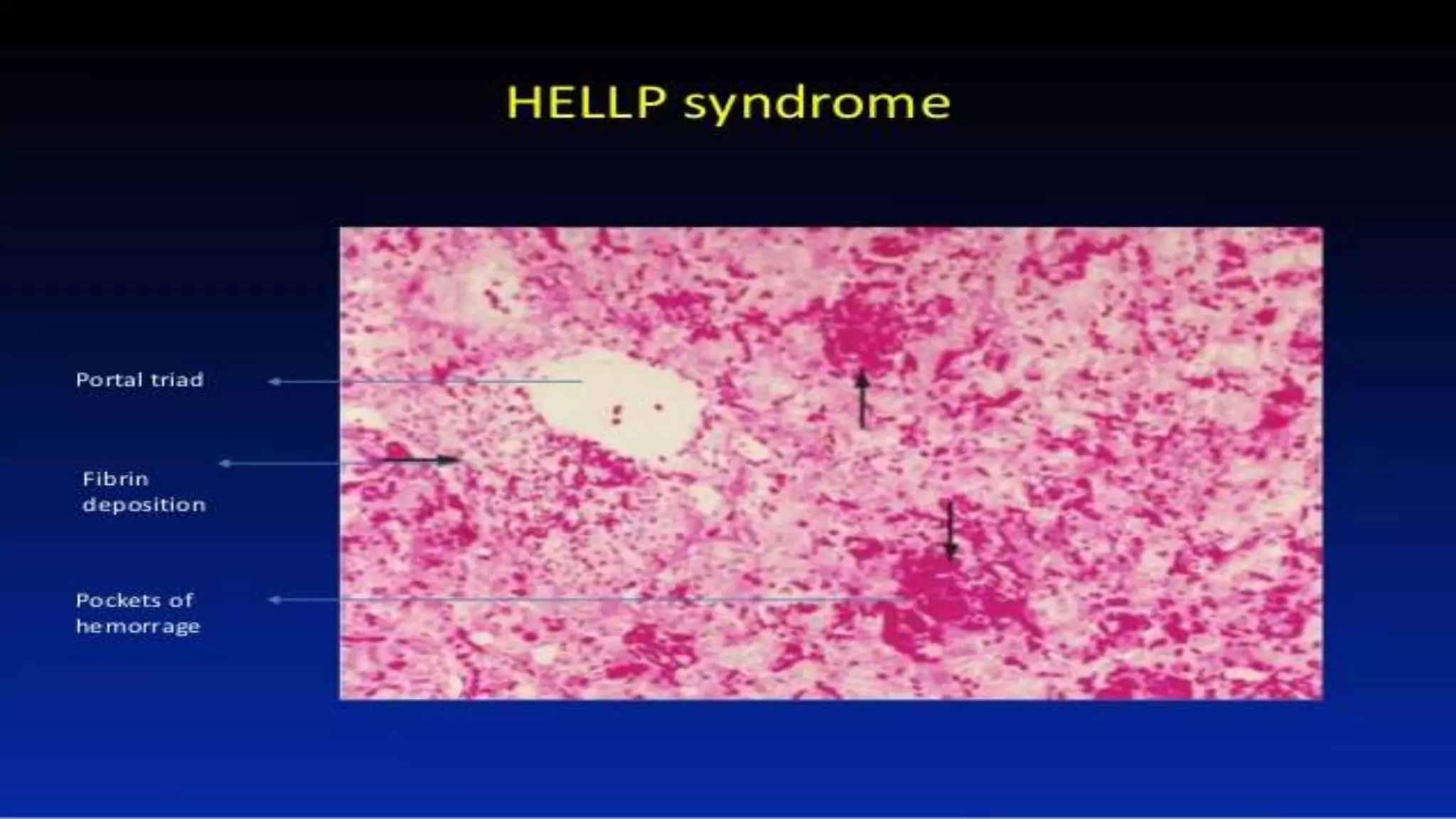
LIVER LESIONS*
 There is periportal or focal parenchymal necrosis in which fibrin
like material is deposited.
 Obstruction of hepatic blood flow
 Periportal necrosis
 Intra hepatic hemorrhage
 Subcapsular hematoma
 Eventual rupture of Glisson’s capsule
*Hammoud GM, Ibdah JA.The Liver in Pregnancy. ATextbook of Liver Disease. 2012;52(6):919-40.
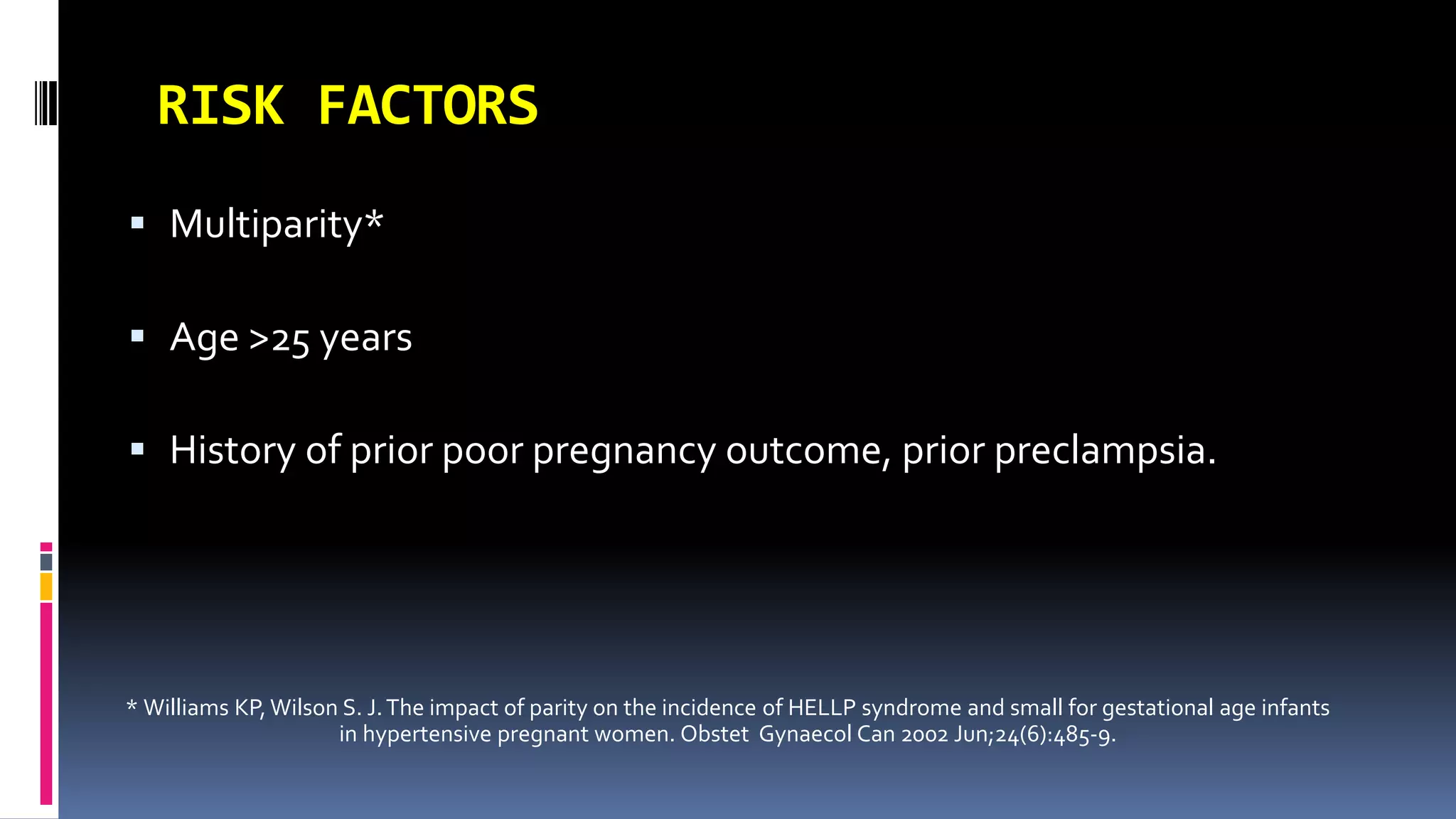
RISK FACTORS
 Multiparity*
 Age >25 years
 History of prior poor pregnancy outcome, prior preclampsia.
* Williams KP, Wilson S. J.The impact of parity on the incidence of HELLP syndrome and small for gestational age infants
in hypertensive pregnant women. Obstet Gynaecol Can 2002 Jun;24(6):485-9.
CLASSIFICATION
 TENNESSEE CLASSIFICATION*
 Based on laboratory criteria -
1. Platelet count < 100,000/μL
2. AST ≥ 70 IU/L & LDH ≥ 600 IU/L
3. Hemolysis on peripheral smear
 If any 2 of the above 3 are present, the patient is said to have
partial HELLP syndrome and if all 3 are present, it is known as Full
HELLP syndrome.
*Sibai BM.The HELLP Syndrome : much ado about nothing? Am J Obstet Gynecol. 1990 Feb; 162 (2):311-6.
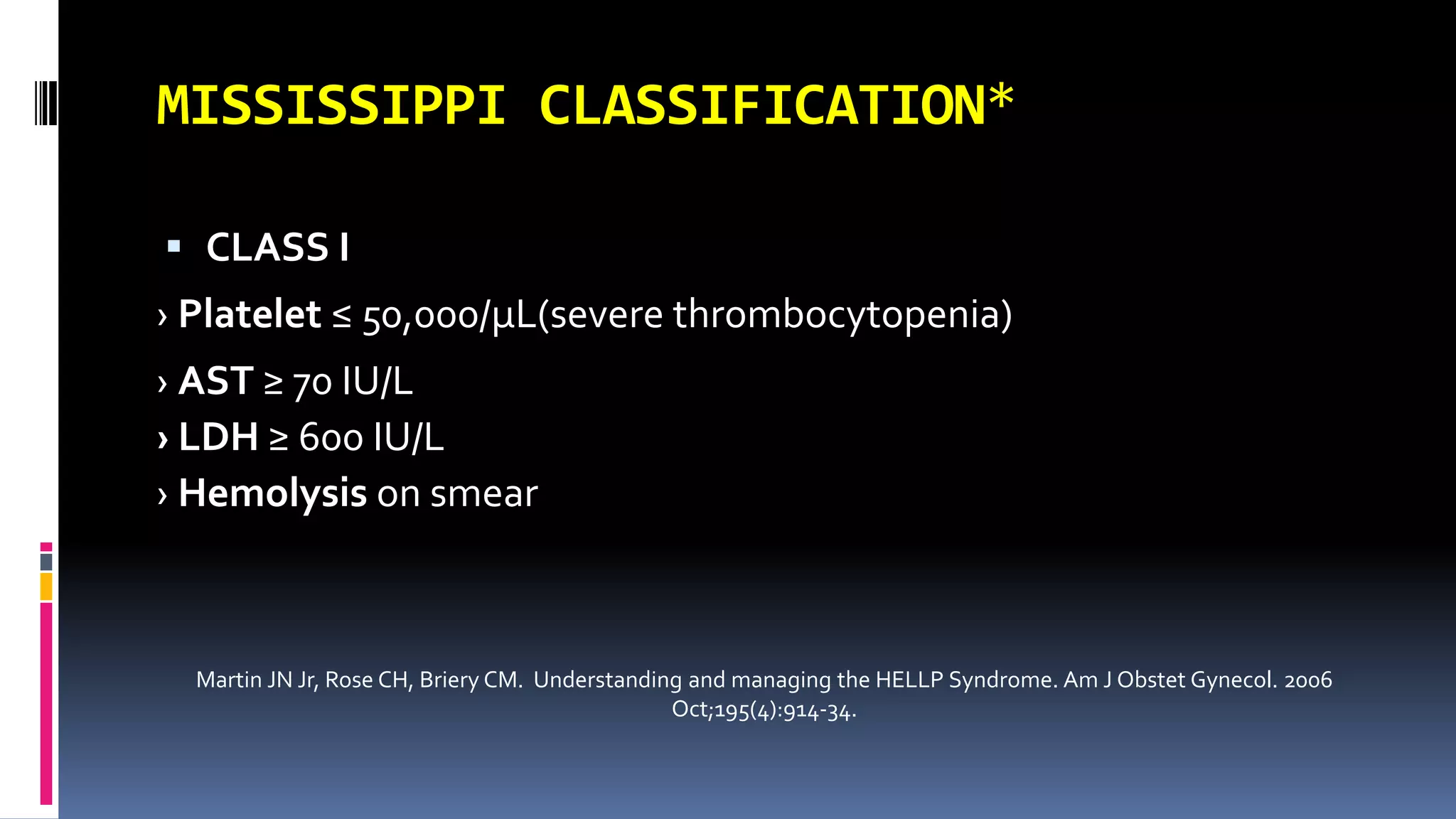
MISSISSIPPI CLASSIFICATION*
 CLASS I
› Platelet ≤ 50,000/μL(severe thrombocytopenia)
› AST ≥ 70 IU/L
› LDH ≥ 600 IU/L
› Hemolysis on smear
Martin JN Jr, Rose CH, Briery CM. Understanding and managing the HELLP Syndrome. Am J Obstet Gynecol. 2006
Oct;195(4):914-34.
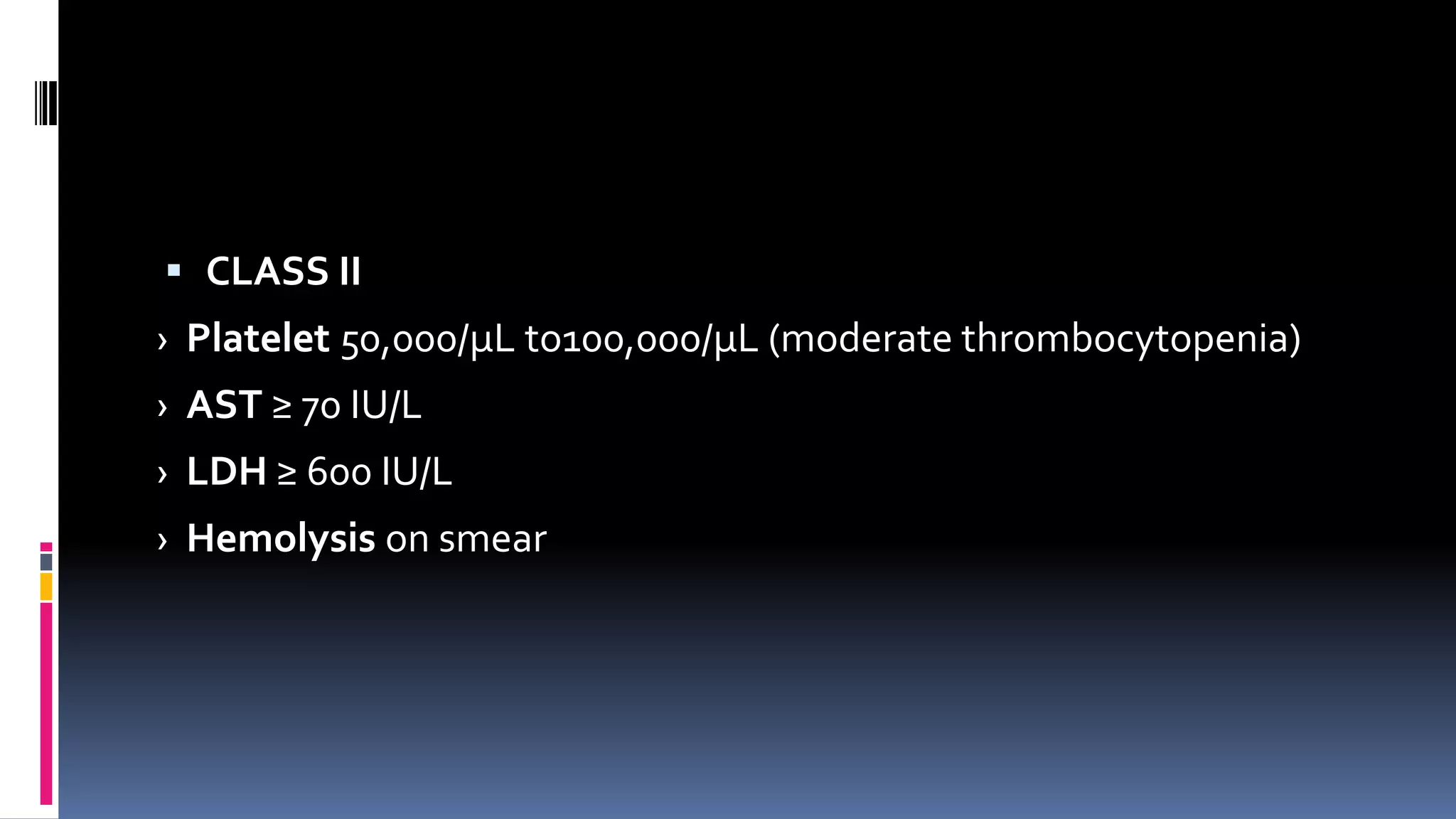
 CLASS II
› Platelet 50,000/μL to100,000/μL (moderate thrombocytopenia)
› AST ≥ 70 IU/L
› LDH ≥ 600 IU/L
› Hemolysis on smear
 CLASS III
› Platelet 100,000/μL to150,000/μL (mild thrombocytopenia)
› AST ≥ 40 IU/L
› LDH ≥ 600 IU/L
› Hemolysis on smear
CASE REPORT
 A 28 year old G2P1L1 at 34 weeks of gestation was referred to us
with a typical presentation
 She presented with
 right upper quadrant pain
 vomiting (5-6 episodes)
 blurring of vision &
 drowsiness since 1 day
CASE REPORT
 On General Examination
 she was drowsy.
 blood pressure was 140/90 mmHg
 pedal edema was of grade 2
 On per Abdomen Examination
 uterus was of 32 weeks size, relaxed
 cephalic presentation and estimated fetal weight of 1.5 kg
 Ascites and abdominal wall edema were present.
CASE REPORT
 Her Investigations showed-
 Hemoglobin 12.5g%
 thrombocytopenia with platelet count of 70*109/L
 serum LDH 900 U/L
 AST/ALT 86/73 IU/L
 Other routine investigations were within normal limits
 Thus, as per Mississippi classification, she was diagnosed to have
Class II HELLP
CASE REPORT
 Decision for termination of pregnancy with dinoprostone gel
was taken induction of labour was done
 Emergency Lower Segment Caesarean Section under General
Anaesthesia was done in view of intrapartum fetal distress in first
stage of labour.The surgery was uneventful and 2 units platelet
transfusion was given intra operatively
 She delivered a male child of 1.6kg birth weight with Apgar score
of 9/10
CASE REPORT
 Post operatively, she was monitored in the High Dependency Unit
and recovery was uneventful
 There was no further episode of convulsions or and premonitory
symptoms of eclampsia
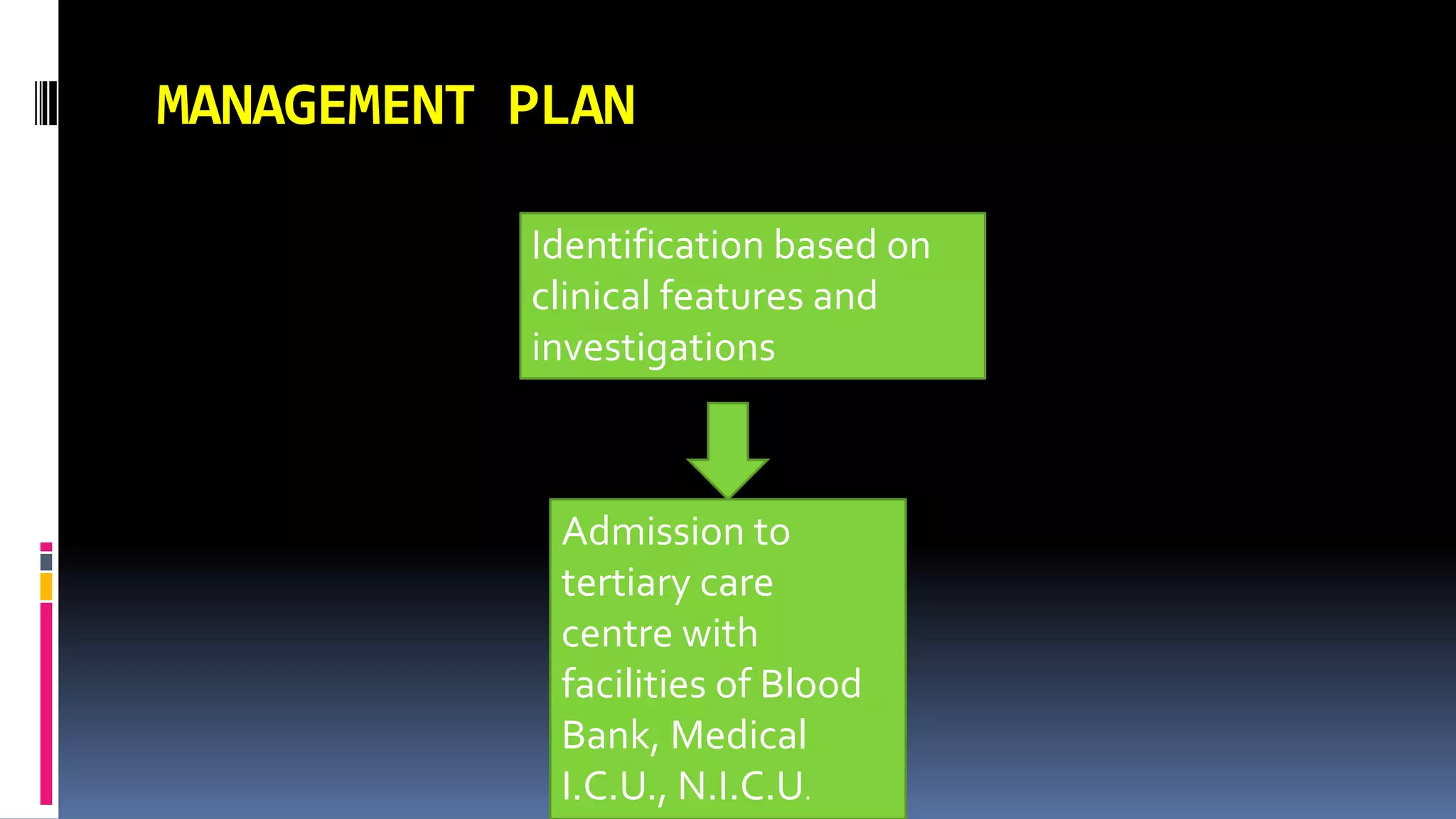
MANAGEMENT PLAN
Identification based on
clinical features and
investigations
Admission to
tertiary care
centre with
facilities of Blood
Bank, Medical
I.C.U., N.I.C.U.
MANAGEMENT PLAN
• Stabilisation
• I.V. Line
• Cross Match
• Catheterisation, strict
intake/output charting
• Respiratory Assessment
Fetal Assessment
(NST, BPP Doppler)
MANAGEMENT PLAN
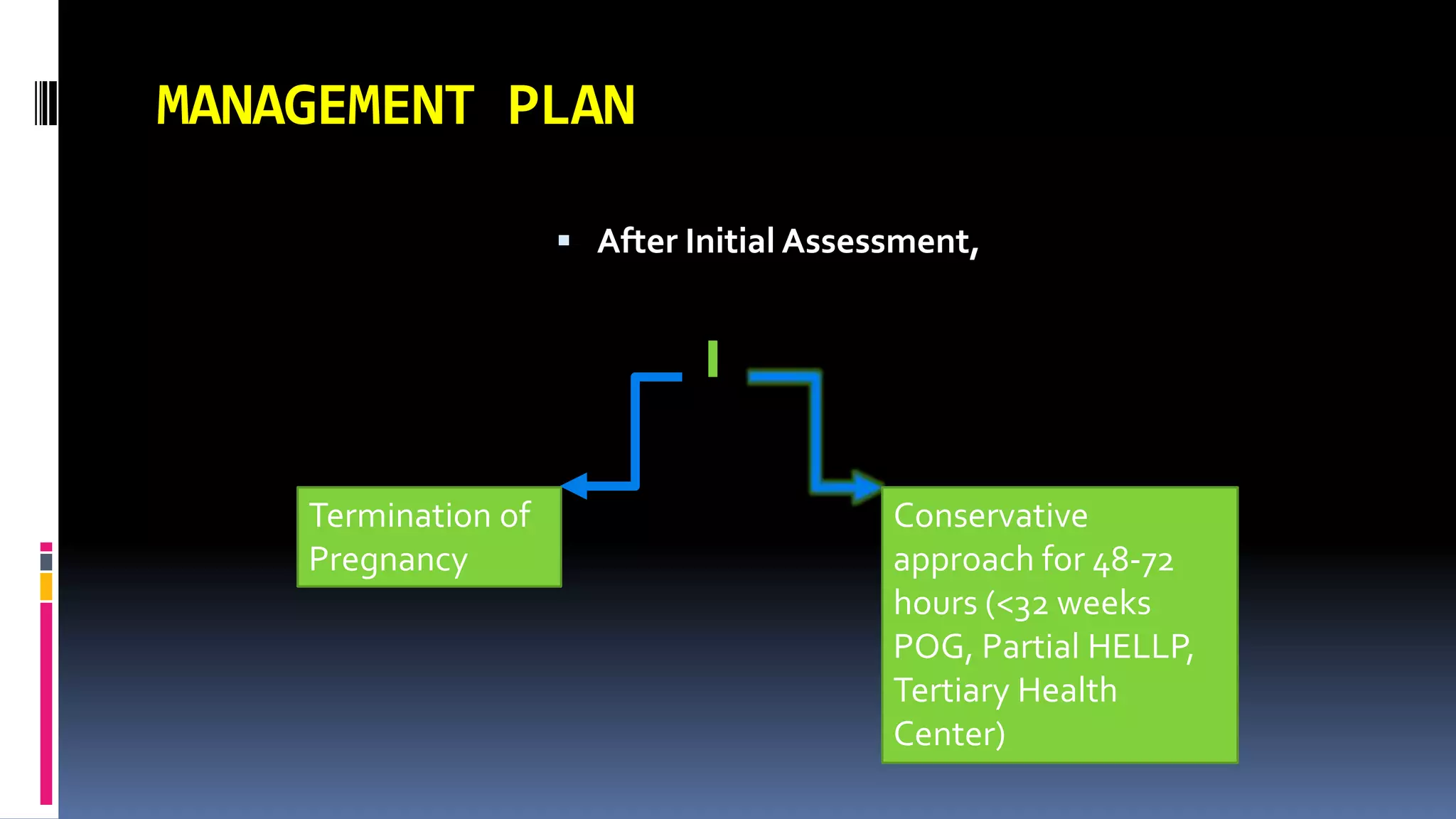
 After Initial Assessment,
Termination of
Pregnancy
Conservative
approach for 48-72
hours (<32 weeks
POG, Partial HELLP,
Tertiary Health
Center)
SPECIFIC TREATMENT
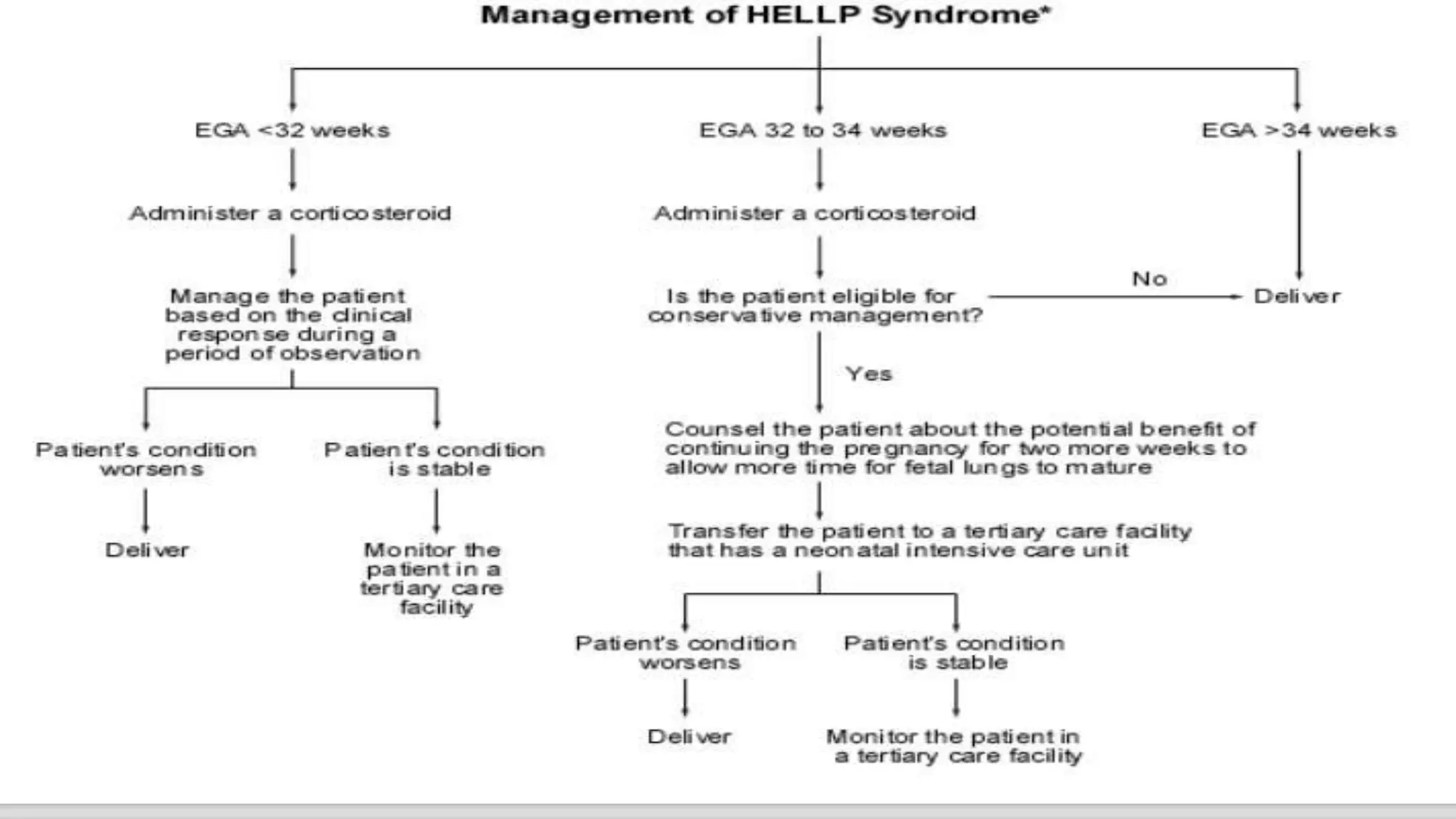
1. Immediate delivery is the treatment of choice for women with 34
or more weeks of gestation.
2. Delivery within 48 hours after evaluation, stabilization of the
maternal clinical condition and Steroid treatment for fetal lung
maturity.
3. Expectant (conservative) management for more than 48–72
hours may be considered in pregnant women before 27 weeks'
gestation.
OTHER MEASURES
1. Corticosteroids*
FOR FOETAL LUNG MATURITY
• accelerate foetal lung maturity
• reduce the risk of IVH and NEC in selected cases of the HELLP syndrome.
FOR MATERNAL CONDITION
 Proposed mechanism - diminish oedema, inhibit endothelial activation and
reduce endothelial dysfunction.
*Jobe AH, Sole RF. Choice and dose of corticosteroid for antenatal treatment. Am J Obstet Gynecol 2004 Apr; 190(4):878-81.
CORTICOSTEROIDSFOR HELLPSYNDROME*
 Eleven trials (550 women) compared corticosteroids with placebo
or no treatment.
 There was no clear evidence of any effect of corticosteroids on
substantive clinical outcomes.
 There is to date insufficient evidence of benefits in terms of
substantive clinical outcomes to support the routine use of
steroids for the management of HELLP.
 The use of corticosteroids may be justified in clinical situations in
which increased rate of recovery in platelet count is considered
clinically worthwhile.
*Woudstra DM, Chandra S, Hofmeyr GJ, DowswellT.Corticosteroids for HELLP (hemolysis, elevated liver enzymes,low platelets)
syndrome in pregnancy.Cochrane Database of Systematic Reviews2010, Issue 9. Art. No.: CD008148
OTHER MEASURES
2. Platelet transfusion
 It is required either before or after delivery, or in the presence of
bleeding from any site.
 If platelet count <40,000/μl, 6 – 10 units of random donor platelet
is required.
3. Fresh frozen plasma transfusion may be required if there is
presence of coagulopathy.
4. Exchange transfusion
– considered in situations of progressive elevation of bilirubin or
falling Hb or platelets and ongoing deterioration in maternal
condition.
5. Antithrombin* and glutathione
 correct hypercoagulability,
 stimulate prostacyclin production,
 regulate thrombin-induced vasoconstriction,
 improve foetal status.
 It is better than heparin in that it does not increase the risk of
bleeding.
* Mangione S, Giarratano A.The role of antithrombin III in critical patients in obstetrics. Minerva Anestesiol. 2002;68:449-
53.
POST-PARTUM HELLP SYNDROME
 30% of all patients with HELLP syndrome develop this
syndrome 48 hours after delivery.
 The first and very often the only symptom of this syndrome is
epigastric pain which is presumed to be due to stretching of
the Glisson’s capsule.
 In about 20% of cases there is no evidence of pre-eclampsia
before or during labour.
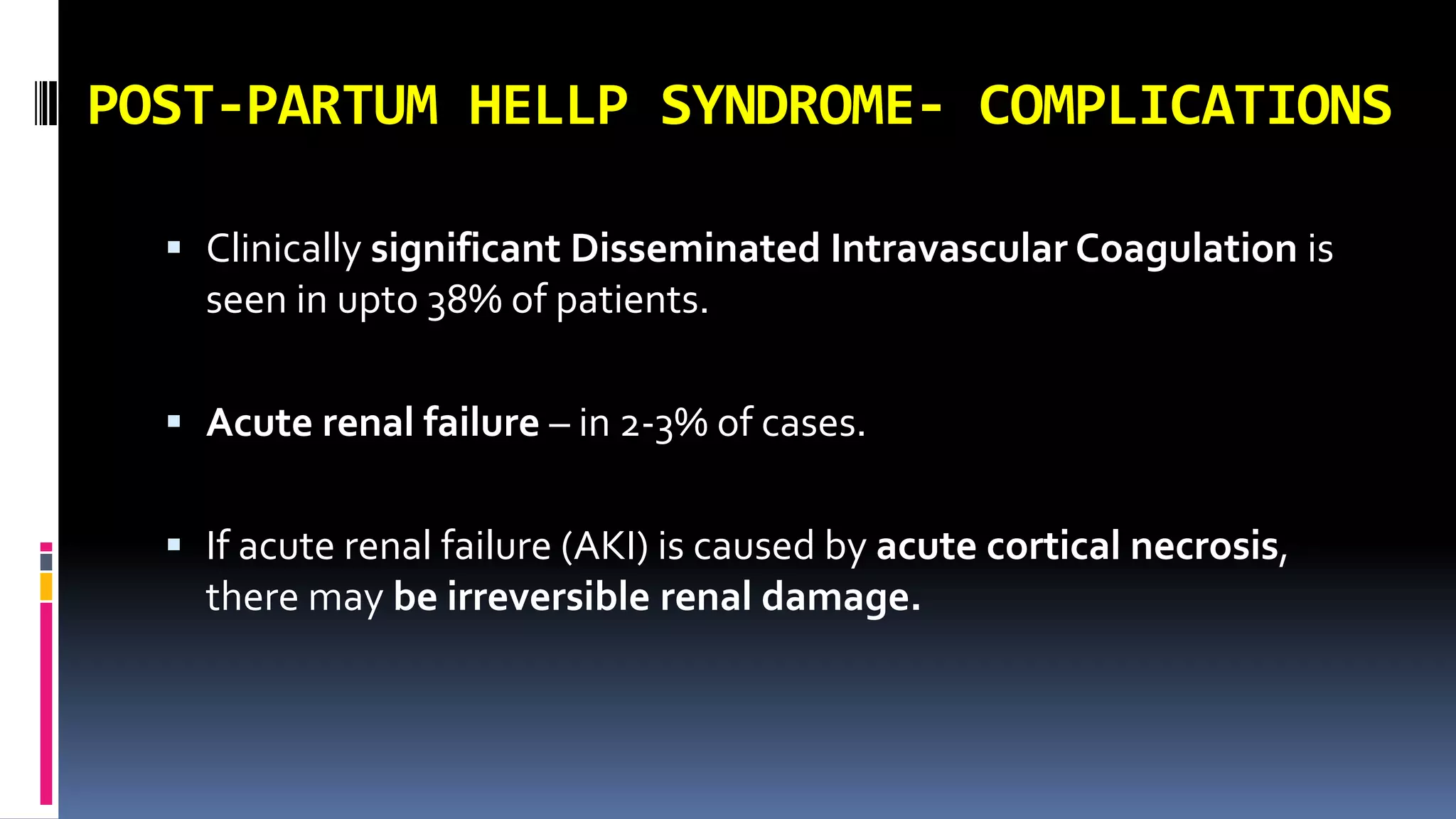
POST-PARTUM HELLP SYNDROME- COMPLICATIONS
 Clinically significant Disseminated Intravascular Coagulation is
seen in upto 38% of patients.
 Acute renal failure – in 2-3% of cases.
 If acute renal failure (AKI) is caused by acute cortical necrosis,
there may be irreversible renal damage.
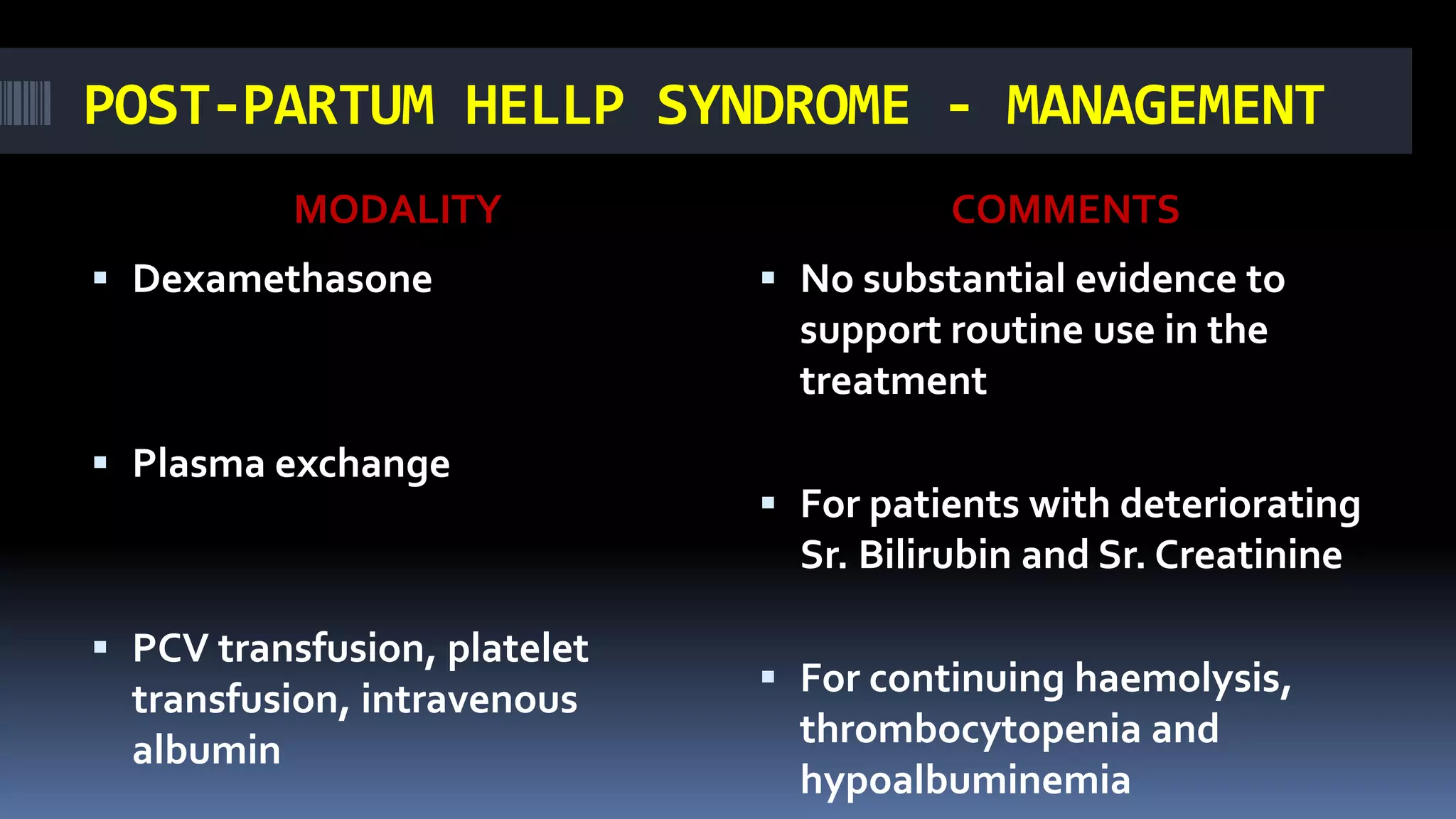
POST-PARTUM HELLP SYNDROME - MANAGEMENT
MODALITY COMMENTS
 Dexamethasone
 Plasma exchange
 PCV transfusion, platelet
transfusion, intravenous
albumin
 No substantial evidence to
support routine use in the
treatment
 For patients with deteriorating
Sr. Bilirubin and Sr. Creatinine
 For continuing haemolysis,
thrombocytopenia and
hypoalbuminemia
RISK OF RECURRENCE
 Oral contraceptives are safe In women with prior history of
HELLP syndrome.
 There is 20% increased risk of developing some form of
gestational hypertension In a subsequent pregnancy.
 In cases with prior hellp syndrome at 28 weeks of gestation or
earlier, there is an increased risk of developing serious obstetric
complications and increased perinatal mortality in the
subsequent pregnancies.
CONCLUSION
 The Tennessee and Mississippi classifications are well suited to
facilitate comparisons.
 In order to reduce the risk of potentially serious complications,
there is consensus that early delivery is indicated when the HELLP
syndrome develops after 34 weeks of pregnancy.
 In deliveries in the time-span between 24 and 34 weeks' gestation,
a standard corticosteroid course is usually recommended after
stabilization of the maternal condition, followed by delivery 24
hours later.
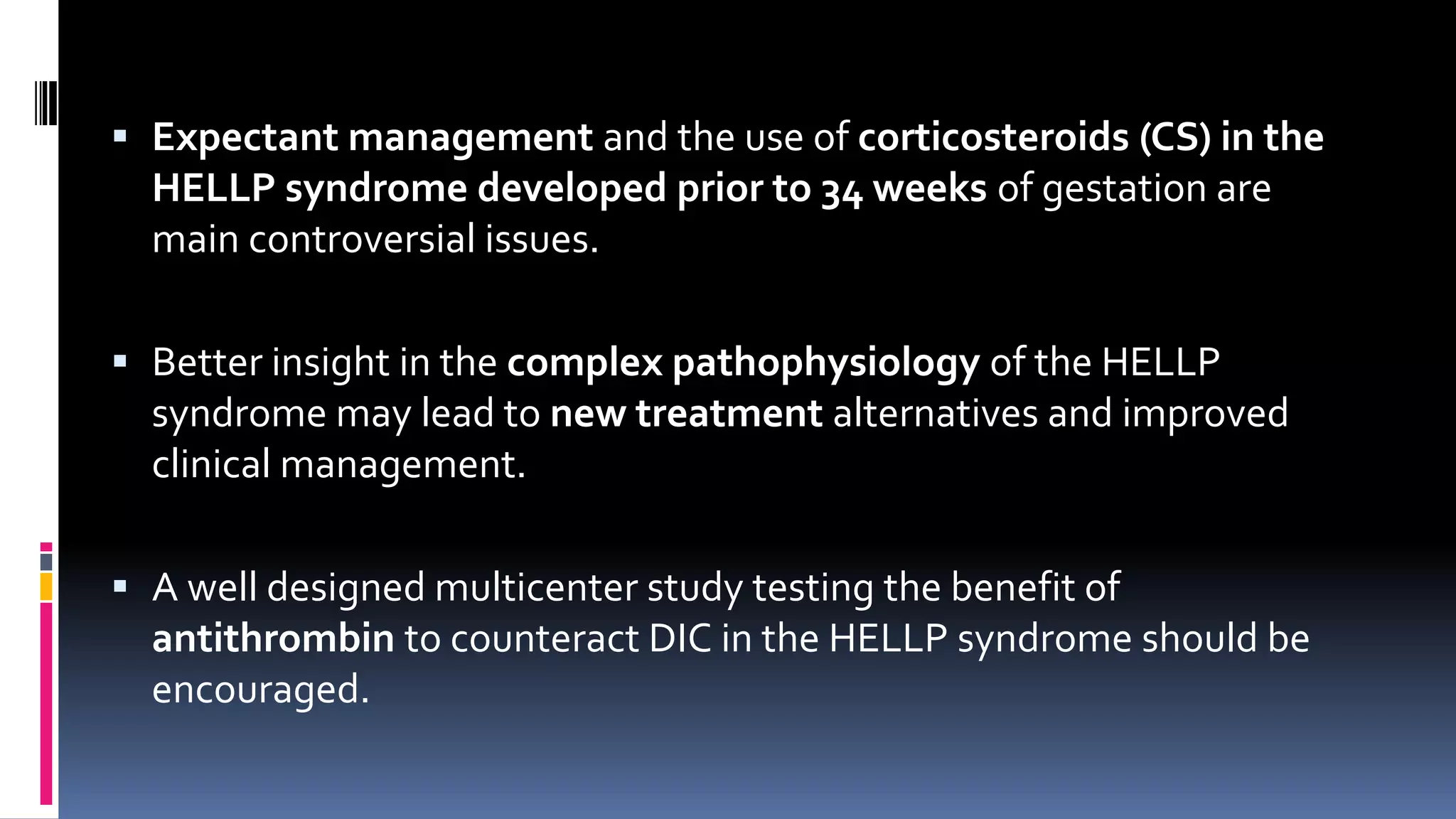
 Expectant management and the use of corticosteroids (CS) in the
HELLP syndrome developed prior to 34 weeks of gestation are
main controversial issues.
 Better insight in the complex pathophysiology of the HELLP
syndrome may lead to new treatment alternatives and improved
clinical management.
 A well designed multicenter study testing the benefit of
antithrombin to counteract DIC in the HELLP syndrome should be
encouraged.
THANK YOU!

HELLP SYNDROME

  • 1.
  • 5.
    INTRODUCTION  The term”HELLP” syndrome was coined by Dr. Louis Weinstein in 1982 to denote a syndrome consisting of Hemolysis, Elevated Liver enzymes and Low Platelet count (thrombocytopenia).  The syndrome is characterised by hepatic endothelial dysfunction, platelet aggregation & consumption and finally hepatocellular necrosis and death.  It is considered as one of the various manifestations of pre- eclampsia.
  • 6.
    INCIDENCE  HELLP Syndrome- 0.5 to 0.9% of all pregnancies.*  Pre Eclampsia – 5 to 7% of all pregnancies.  Sibai et al reported 20% incidence of HELLP in women with pre eclampsia.  70% cases diagnosed in antenatal period while 30% after delivery. *Rath W, Faridi A, Dudenhausen JW. HELLP SYNDROME. J Perinat Med. 2000; 28(4):249-60.
  • 7.
    PATHOGENESIS  The findingsof this multisystem disease are attributed to a. Abnormal vascular tone b. Vasospasm c. Coagulation defects  Hemolysis is due to Microangiopathic Hemolytic Anaemia (“Thrombotic Microangiopathy” is the term commonly used nowadays).
  • 8.
    * Bloomenthal D,Simrose R.Thrombocytopaenia in Pregnancy :When to Intervene. J Soc Obstet Gynaecol Can 2000;22(1):37-45
  • 9.
    HEMATOLOGICAL CHANGES  Destructionof red blood cells by haemolysis causes increased serum lactate dehydrogenase (LDH) levels and decreased haemoglobin concentrations.  Peripheral Smear shows the following changes : a. Spherocytosis b. Schistocytes c. Reticulocytosis d. Anisocytosis e. Triangular cells f. Burr cells
  • 10.
  • 11.
     Low haptoglobinconcentration can be used to diagnose haemolysis and is the preferred marker of haemolysis.
  • 12.
    HEMATOLOGICAL CHANGES -THROMBOCYTOPENIA  Thrombocytopenia may be due to various causes in pregnancy.*  Commonly seen are – GestationalThrombocytopenia, Immune Thrombocytopenic Purpura (ITP), Preeclampsia and HELLP syndrome.  Platelet count of < 100*109/L is essential to diagnose HELLP syndrome as per the Sibai definition.  Platelets are activated, and adhere to damaged vascular endothelial cells, resulting in increased platelet turnover with shorter lifespan. *Thrombocytopenia during pregnancy. Importance, Diagnosis and Management. Hamostaseologie.2006 Jan;26(1):72-4.
  • 14.
    LIVER LESIONS*  Thereis periportal or focal parenchymal necrosis in which fibrin like material is deposited.  Obstruction of hepatic blood flow  Periportal necrosis  Intra hepatic hemorrhage  Subcapsular hematoma  Eventual rupture of Glisson’s capsule *Hammoud GM, Ibdah JA.The Liver in Pregnancy. ATextbook of Liver Disease. 2012;52(6):919-40.
  • 16.
    RISK FACTORS  Multiparity* Age >25 years  History of prior poor pregnancy outcome, prior preclampsia. * Williams KP, Wilson S. J.The impact of parity on the incidence of HELLP syndrome and small for gestational age infants in hypertensive pregnant women. Obstet Gynaecol Can 2002 Jun;24(6):485-9.
  • 17.
    CLASSIFICATION  TENNESSEE CLASSIFICATION* Based on laboratory criteria - 1. Platelet count < 100,000/μL 2. AST ≥ 70 IU/L & LDH ≥ 600 IU/L 3. Hemolysis on peripheral smear  If any 2 of the above 3 are present, the patient is said to have partial HELLP syndrome and if all 3 are present, it is known as Full HELLP syndrome. *Sibai BM.The HELLP Syndrome : much ado about nothing? Am J Obstet Gynecol. 1990 Feb; 162 (2):311-6.
  • 18.
    MISSISSIPPI CLASSIFICATION*  CLASSI › Platelet ≤ 50,000/μL(severe thrombocytopenia) › AST ≥ 70 IU/L › LDH ≥ 600 IU/L › Hemolysis on smear Martin JN Jr, Rose CH, Briery CM. Understanding and managing the HELLP Syndrome. Am J Obstet Gynecol. 2006 Oct;195(4):914-34.
  • 19.
     CLASS II ›Platelet 50,000/μL to100,000/μL (moderate thrombocytopenia) › AST ≥ 70 IU/L › LDH ≥ 600 IU/L › Hemolysis on smear
  • 20.
     CLASS III ›Platelet 100,000/μL to150,000/μL (mild thrombocytopenia) › AST ≥ 40 IU/L › LDH ≥ 600 IU/L › Hemolysis on smear
  • 21.
    CASE REPORT  A28 year old G2P1L1 at 34 weeks of gestation was referred to us with a typical presentation  She presented with  right upper quadrant pain  vomiting (5-6 episodes)  blurring of vision &  drowsiness since 1 day
  • 22.
    CASE REPORT  OnGeneral Examination  she was drowsy.  blood pressure was 140/90 mmHg  pedal edema was of grade 2  On per Abdomen Examination  uterus was of 32 weeks size, relaxed  cephalic presentation and estimated fetal weight of 1.5 kg  Ascites and abdominal wall edema were present.
  • 23.
    CASE REPORT  HerInvestigations showed-  Hemoglobin 12.5g%  thrombocytopenia with platelet count of 70*109/L  serum LDH 900 U/L  AST/ALT 86/73 IU/L  Other routine investigations were within normal limits  Thus, as per Mississippi classification, she was diagnosed to have Class II HELLP
  • 24.
    CASE REPORT  Decisionfor termination of pregnancy with dinoprostone gel was taken induction of labour was done  Emergency Lower Segment Caesarean Section under General Anaesthesia was done in view of intrapartum fetal distress in first stage of labour.The surgery was uneventful and 2 units platelet transfusion was given intra operatively  She delivered a male child of 1.6kg birth weight with Apgar score of 9/10
  • 25.
    CASE REPORT  Postoperatively, she was monitored in the High Dependency Unit and recovery was uneventful  There was no further episode of convulsions or and premonitory symptoms of eclampsia
  • 26.
    MANAGEMENT PLAN Identification basedon clinical features and investigations Admission to tertiary care centre with facilities of Blood Bank, Medical I.C.U., N.I.C.U.
  • 27.
    MANAGEMENT PLAN • Stabilisation •I.V. Line • Cross Match • Catheterisation, strict intake/output charting • Respiratory Assessment Fetal Assessment (NST, BPP Doppler)
  • 28.
    MANAGEMENT PLAN  AfterInitial Assessment, Termination of Pregnancy Conservative approach for 48-72 hours (<32 weeks POG, Partial HELLP, Tertiary Health Center)
  • 29.
    SPECIFIC TREATMENT 1. Immediatedelivery is the treatment of choice for women with 34 or more weeks of gestation. 2. Delivery within 48 hours after evaluation, stabilization of the maternal clinical condition and Steroid treatment for fetal lung maturity. 3. Expectant (conservative) management for more than 48–72 hours may be considered in pregnant women before 27 weeks' gestation.
  • 31.
    OTHER MEASURES 1. Corticosteroids* FORFOETAL LUNG MATURITY • accelerate foetal lung maturity • reduce the risk of IVH and NEC in selected cases of the HELLP syndrome. FOR MATERNAL CONDITION  Proposed mechanism - diminish oedema, inhibit endothelial activation and reduce endothelial dysfunction. *Jobe AH, Sole RF. Choice and dose of corticosteroid for antenatal treatment. Am J Obstet Gynecol 2004 Apr; 190(4):878-81.
  • 32.
    CORTICOSTEROIDSFOR HELLPSYNDROME*  Eleventrials (550 women) compared corticosteroids with placebo or no treatment.  There was no clear evidence of any effect of corticosteroids on substantive clinical outcomes.  There is to date insufficient evidence of benefits in terms of substantive clinical outcomes to support the routine use of steroids for the management of HELLP.  The use of corticosteroids may be justified in clinical situations in which increased rate of recovery in platelet count is considered clinically worthwhile. *Woudstra DM, Chandra S, Hofmeyr GJ, DowswellT.Corticosteroids for HELLP (hemolysis, elevated liver enzymes,low platelets) syndrome in pregnancy.Cochrane Database of Systematic Reviews2010, Issue 9. Art. No.: CD008148
  • 33.
    OTHER MEASURES 2. Platelettransfusion  It is required either before or after delivery, or in the presence of bleeding from any site.  If platelet count <40,000/μl, 6 – 10 units of random donor platelet is required. 3. Fresh frozen plasma transfusion may be required if there is presence of coagulopathy.
  • 34.
    4. Exchange transfusion –considered in situations of progressive elevation of bilirubin or falling Hb or platelets and ongoing deterioration in maternal condition. 5. Antithrombin* and glutathione  correct hypercoagulability,  stimulate prostacyclin production,  regulate thrombin-induced vasoconstriction,  improve foetal status.  It is better than heparin in that it does not increase the risk of bleeding. * Mangione S, Giarratano A.The role of antithrombin III in critical patients in obstetrics. Minerva Anestesiol. 2002;68:449- 53.
  • 35.
    POST-PARTUM HELLP SYNDROME 30% of all patients with HELLP syndrome develop this syndrome 48 hours after delivery.  The first and very often the only symptom of this syndrome is epigastric pain which is presumed to be due to stretching of the Glisson’s capsule.  In about 20% of cases there is no evidence of pre-eclampsia before or during labour.
  • 36.
    POST-PARTUM HELLP SYNDROME-COMPLICATIONS  Clinically significant Disseminated Intravascular Coagulation is seen in upto 38% of patients.  Acute renal failure – in 2-3% of cases.  If acute renal failure (AKI) is caused by acute cortical necrosis, there may be irreversible renal damage.
  • 37.
    POST-PARTUM HELLP SYNDROME- MANAGEMENT MODALITY COMMENTS  Dexamethasone  Plasma exchange  PCV transfusion, platelet transfusion, intravenous albumin  No substantial evidence to support routine use in the treatment  For patients with deteriorating Sr. Bilirubin and Sr. Creatinine  For continuing haemolysis, thrombocytopenia and hypoalbuminemia
  • 38.
    RISK OF RECURRENCE Oral contraceptives are safe In women with prior history of HELLP syndrome.  There is 20% increased risk of developing some form of gestational hypertension In a subsequent pregnancy.  In cases with prior hellp syndrome at 28 weeks of gestation or earlier, there is an increased risk of developing serious obstetric complications and increased perinatal mortality in the subsequent pregnancies.
  • 39.
    CONCLUSION  The Tennesseeand Mississippi classifications are well suited to facilitate comparisons.  In order to reduce the risk of potentially serious complications, there is consensus that early delivery is indicated when the HELLP syndrome develops after 34 weeks of pregnancy.  In deliveries in the time-span between 24 and 34 weeks' gestation, a standard corticosteroid course is usually recommended after stabilization of the maternal condition, followed by delivery 24 hours later.
  • 40.
     Expectant managementand the use of corticosteroids (CS) in the HELLP syndrome developed prior to 34 weeks of gestation are main controversial issues.  Better insight in the complex pathophysiology of the HELLP syndrome may lead to new treatment alternatives and improved clinical management.  A well designed multicenter study testing the benefit of antithrombin to counteract DIC in the HELLP syndrome should be encouraged.
  • 42.