Dr. Alka Pandey
Associate Prof. PMCH,
Deptt. Of OB & GY
Patna
HELLP
SYNDROME
HELLP Syndrome is characterized by
Hepatic endothelial disruption followed by platelet
activation, aggregation and consumption,
ultimately resulting in ischemia and hepatocyte
death
In 1982 -- Weinstein coined the acronym HELLP
to describe a syndrome consisting of
Hemolysis
Elevated Liver Enzymes and
Low Platelet Count.
INCIDENCE
• HELLP Syndrome occurs in 0.2 to 0.6% of all pregnancies
• Incidence of HELLP in women with pre eclampsia is
20 %
70% cases are diagnosed in antenatal period
30% after delivery.
PATHOGENESIS
It is attributed to-
› Abnormal vascular tone
› Vasospasm
› Coagulation defects
This vasculopathy is either limited to a hepatic segment or
diffuse throughout liver
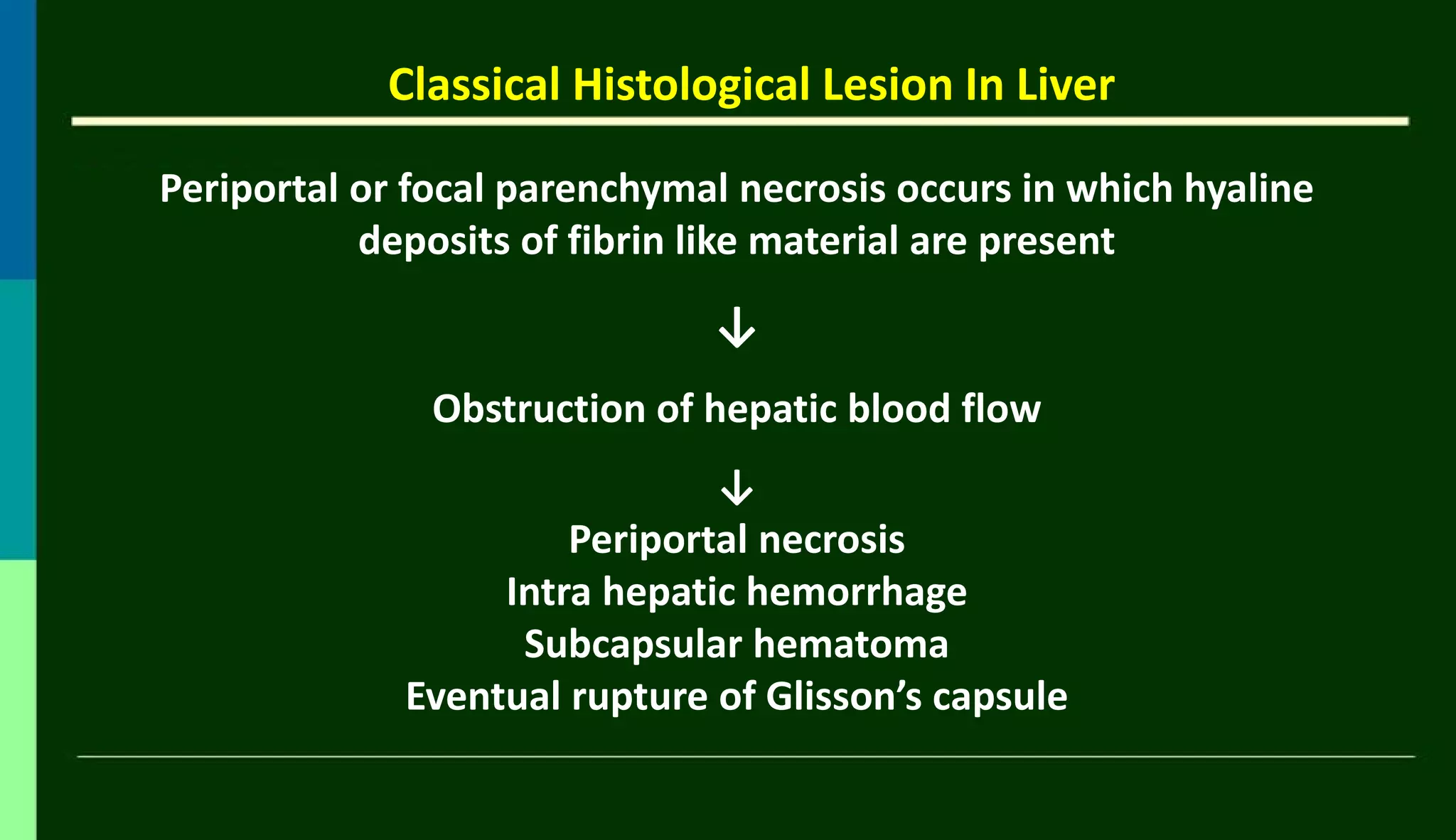
Classical Histological Lesion In Liver
Periportal or focal parenchymal necrosis occurs in which hyaline
deposits of fibrin like material are present
↓
Obstruction of hepatic blood flow
↓
Periportal necrosis
Intra hepatic hemorrhage
Subcapsular hematoma
Eventual rupture of Glisson’s capsule
HAEMOLYSIS
Hemolysis is due to
Microangiopathic Haemolytic Anaemia (MAHA).
PERIPHERAL SMEAR SHOWS
› Spherocytosis
› Reticulocytosis
› Schiztocytes
› Anisocytosis
› Triangular cells
› Burr cells
› Polychromasia
› Helmet cells
• Destruction of RBCs by haemolysis results in↑serum lactate
dehydrogenase (LDH) levels and ↓ haemoglobin concentrations
• In about 10% of women - Haemoglobinaemia or
haemoglobinuria is macroscopically recognizable
• Liberated haemoglobin is converted to unconjugated bilirubin
in the spleen or may be bound in the plasma by haptoglobin
• The haemoglobin-haptoglobin complex is cleared quickly by the
liver, leading to low or undetectable haptoglobin levels in the
blood
But
The demonstration of low or undetectable haptoglobin
concentration is a more specific indicator.
The diagnosis of haemolysis is supported by -
- high LDH concentration and
- presence of unconjugated bilirubin
THROMBOCYTOPENIA
Platelets < 150/L in pregnancy may be caused by-
› Gestational thrombocytopenia (GT)
› Immune thrombocytopenic purpura (ITP)
› Preeclampsia
› HELLP syndrome
THROMBOCYTOPENIA
• ↓Platelet count in HELLP syndrome is due to their
↑consumption
• Platelets are activated, and adhere to damaged vascular
endothelial cells, resulting in ↑ platelet turnover with shorter
lifespan
Patient with well developed HELLP syndrome may develop
DIC
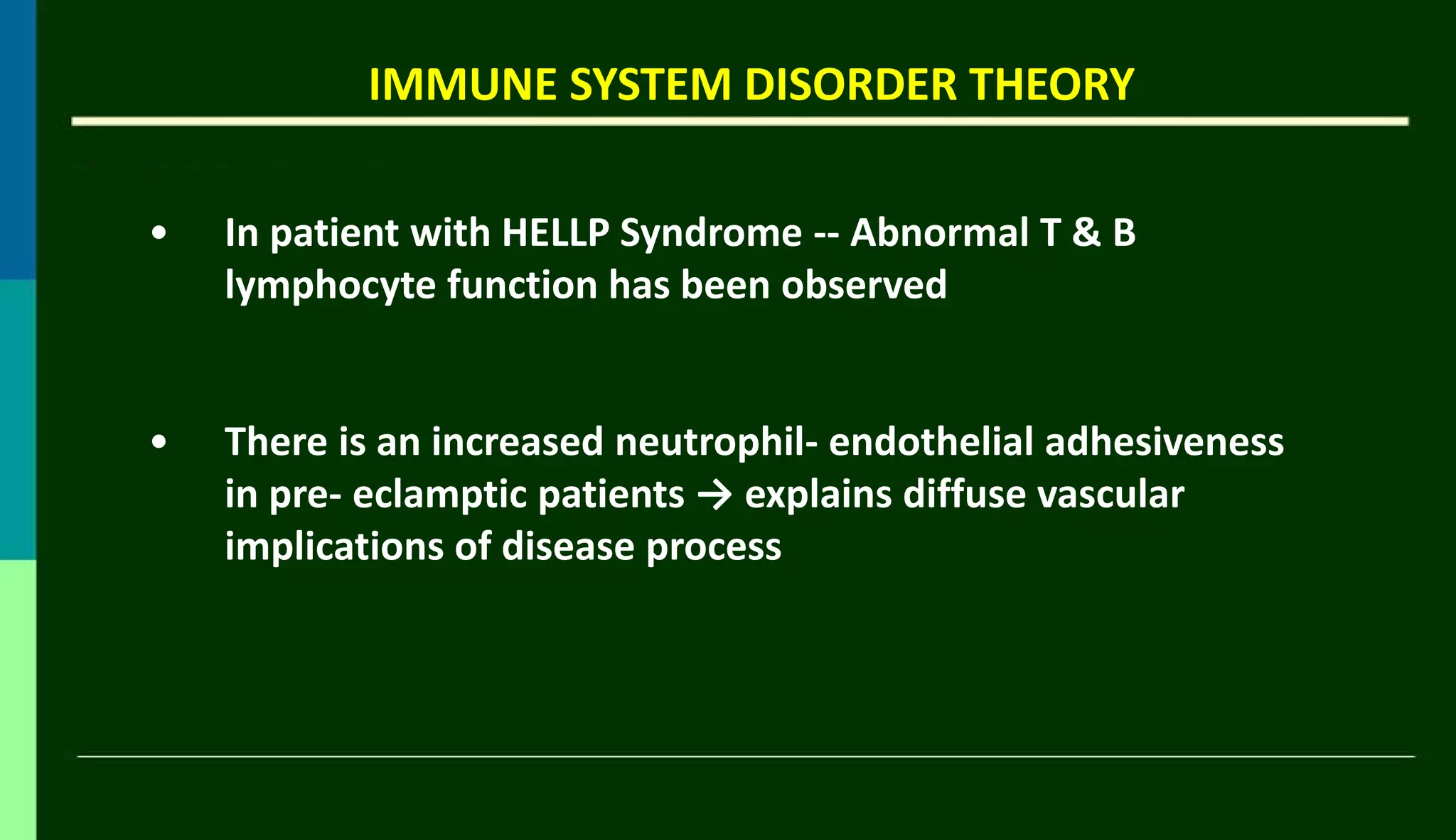
IMMUNE SYSTEM DISORDER THEORY
• In patient with HELLP Syndrome -- Abnormal T & B
lymphocyte function has been observed
• There is an increased neutrophil- endothelial adhesiveness
in pre- eclamptic patients → explains diffuse vascular
implications of disease process
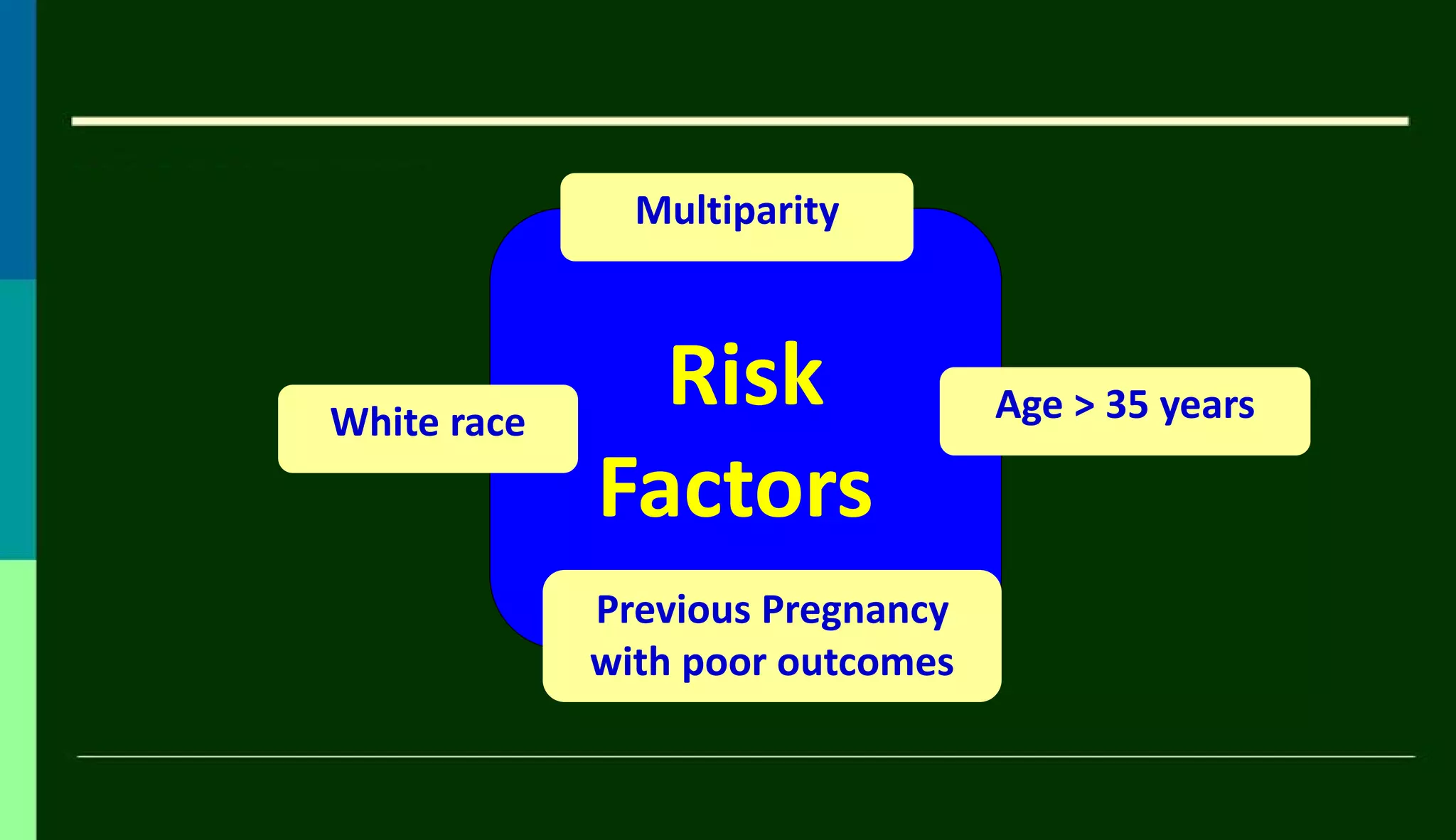
Risk
Factors
White race
Multiparity
Age > 35 years
Previous Pregnancy
with poor outcomes
Differential Diagnosis
1. Diseases related to pregnancy
› Benign thrombocytopenia of pregnancy
› Acute fatty liver of pregnancy (AFLP)
2. Infectious and inflammatory diseases, not specifically related to
pregnancy:
› Viral hepatitis
› Cholangitis
› Cholecystitis
› Upper urinary tract infection
› Gastritis
› Gastric ulcer
› Acute pancreatitis
3. Thrombocytopenia
› Immunologic thrombocytopenia (ITP)
› Folate deficiency
› Systemic lupus erythematosus (SLE)
› Antiphospholipid syndrome (APS)
4. Rare diseases that may mimic HELLP syndrome
› Thrombotic thrombocytopenic purpura (TTP)
› Haemolytic uremic syndrome (HUS)
Differential Diagnosis
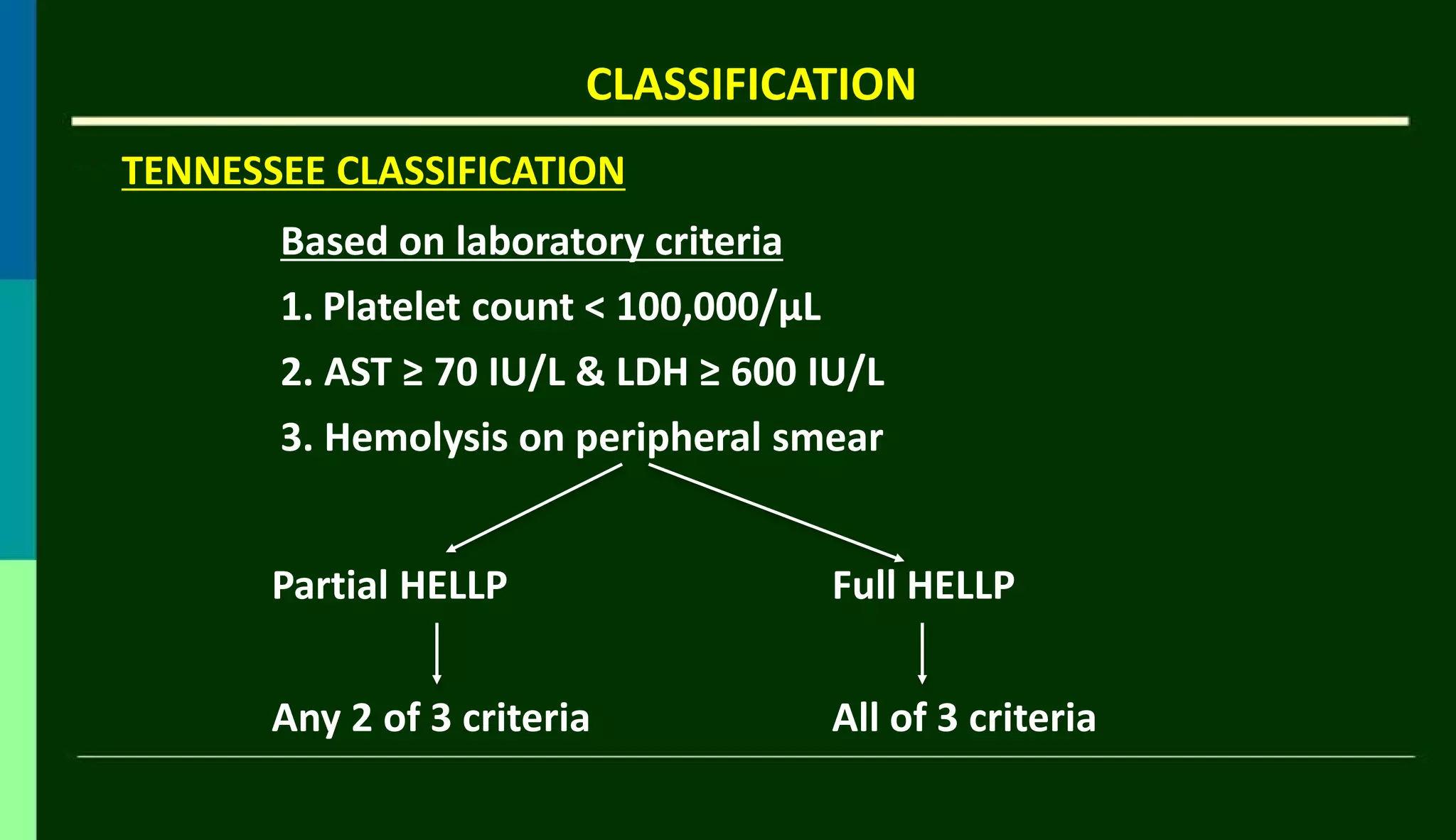
CLASSIFICATION
TENNESSEE CLASSIFICATION
Based on laboratory criteria
1. Platelet count < 100,000/µL
2. AST ≥ 70 IU/L & LDH ≥ 600 IU/L
3. Hemolysis on peripheral smear
Partial HELLP Full HELLP
Any 2 of 3 criteria All of 3 criteria
CLASSIFICATION
MISSISIPI CLASSIFICATION
CLASS I
› Platelet ≤ 50,000/µL(severe
thrombocytopenia)
› AST ≥ 70 IU/L› LDH ≥ 600 IU/L
› Hemolysis on smear
CLASS II
› Platelet 50,000/µL to
100,000/µL (moderate
thrombocytopenia)
› AST ≥ 70 IU/L› LDH ≥ 600 IU/L
› Hemolysis on smear
CLASS III
› Platelet 100,000/µL to150,000/µL
(mild thrombocytopenia)
› AST ≥ 40 IU/L › LDH ≥ 600 IU/L
› Hemolysis on smear
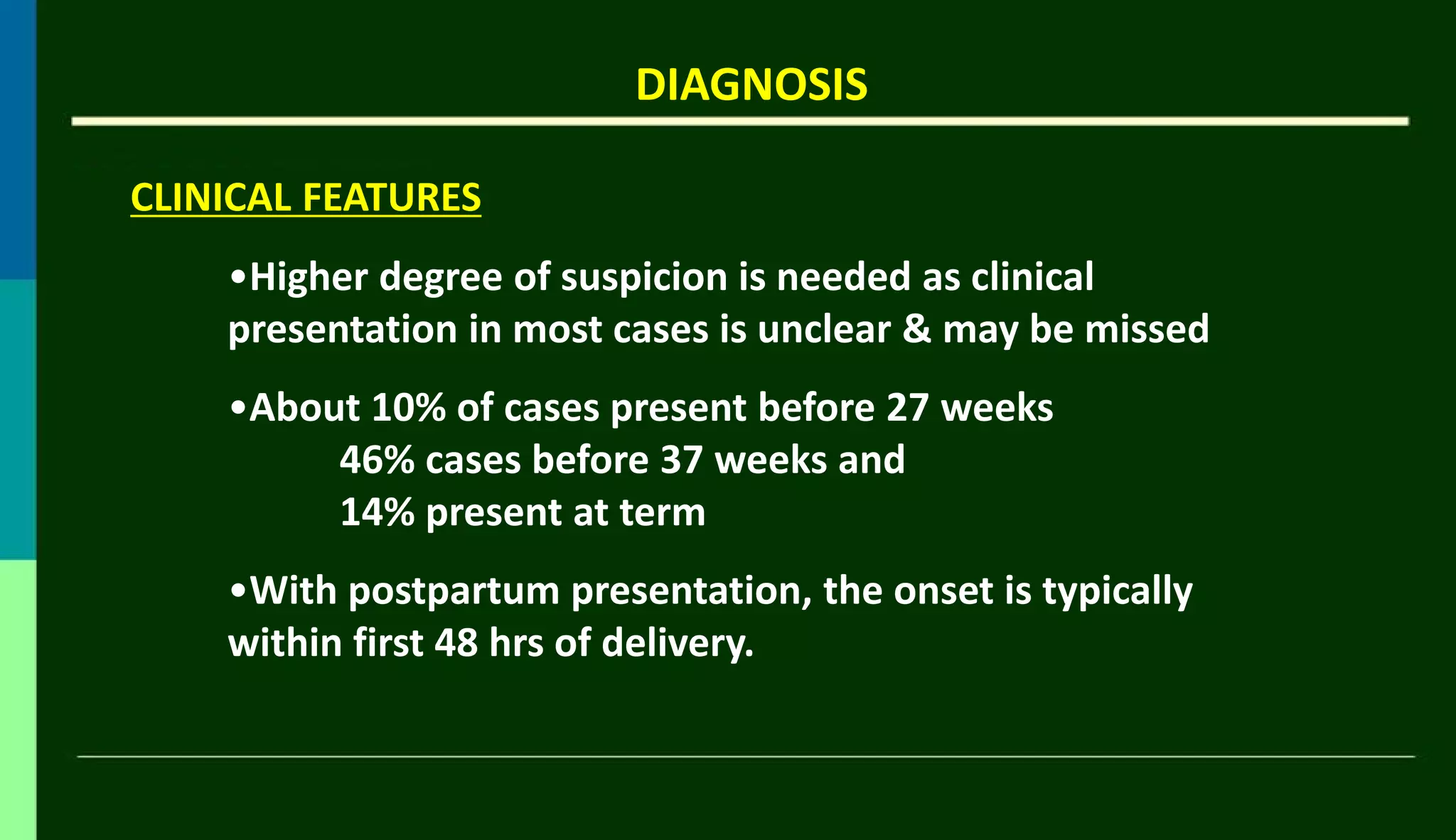
DIAGNOSIS
CLINICAL FEATURES
•Higher degree of suspicion is needed as clinical
presentation in most cases is unclear & may be missed
•About 10% of cases present before 27 weeks
46% cases before 37 weeks and
14% present at term
•With postpartum presentation, the onset is typically
within first 48 hrs of delivery.
DIAGNOSIS
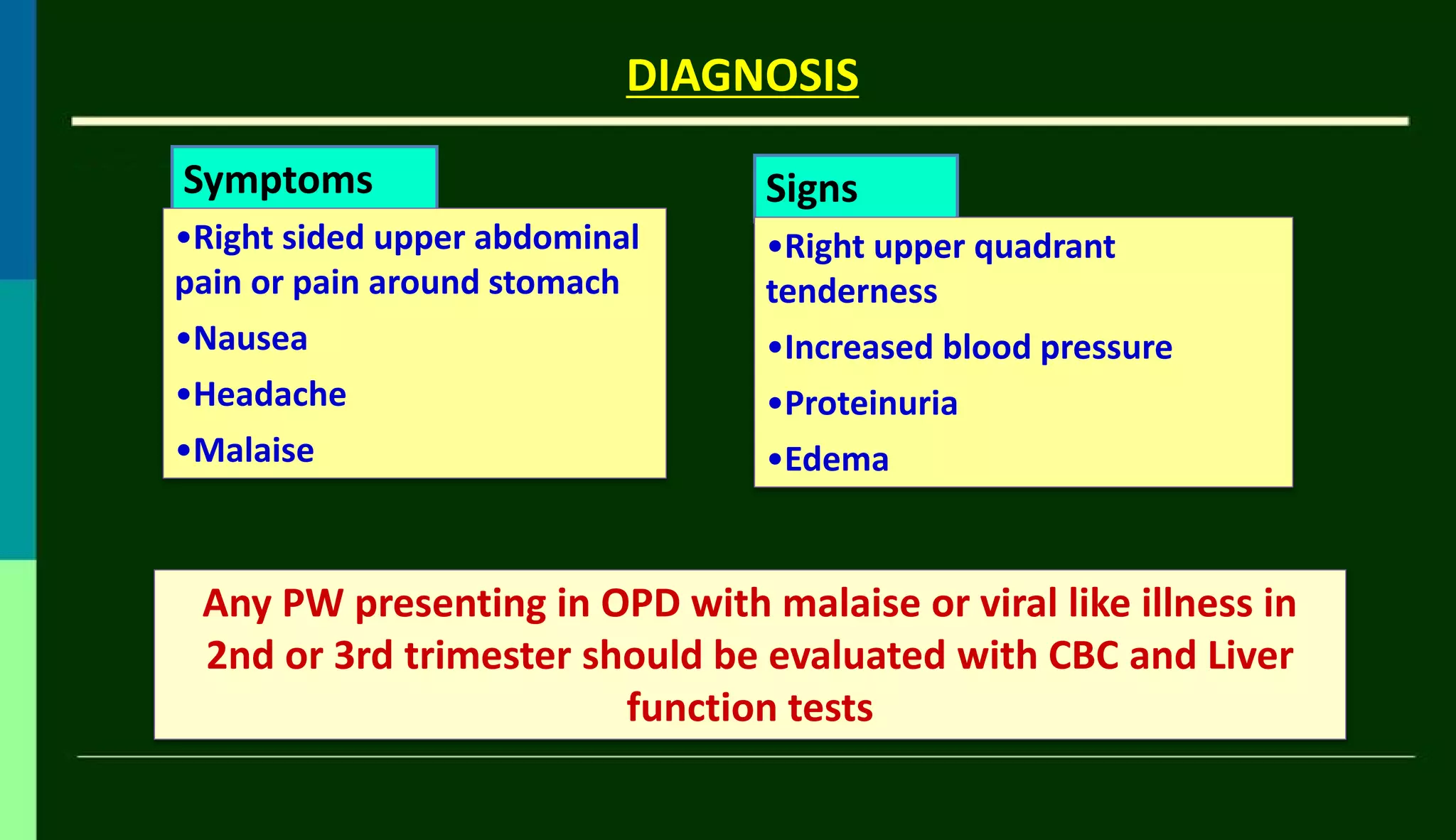
Symptoms
•Right sided upper abdominal
pain or pain around stomach
•Nausea
•Headache
•Malaise
Signs
•Right upper quadrant
tenderness
•Increased blood pressure
•Proteinuria
•Edema
Any PW presenting in OPD with malaise or viral like illness in
2nd or 3rd trimester should be evaluated with CBC and Liver
function tests
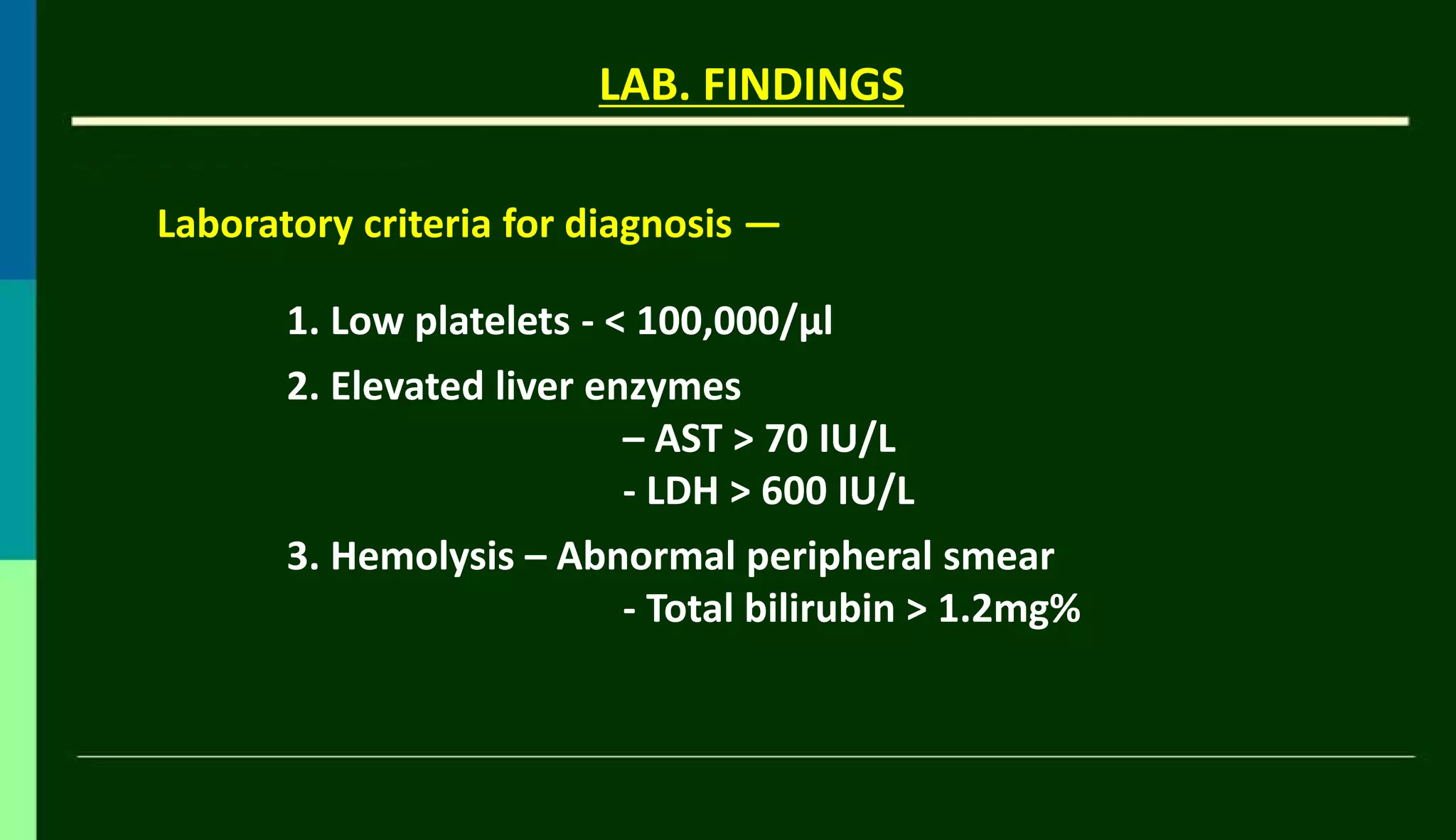
LAB. FINDINGS
1. Low platelets - < 100,000/µl
2. Elevated liver enzymes
– AST > 70 IU/L
- LDH > 600 IU/L
3. Hemolysis – Abnormal peripheral smear
- Total bilirubin > 1.2mg%
Laboratory criteria for diagnosis —
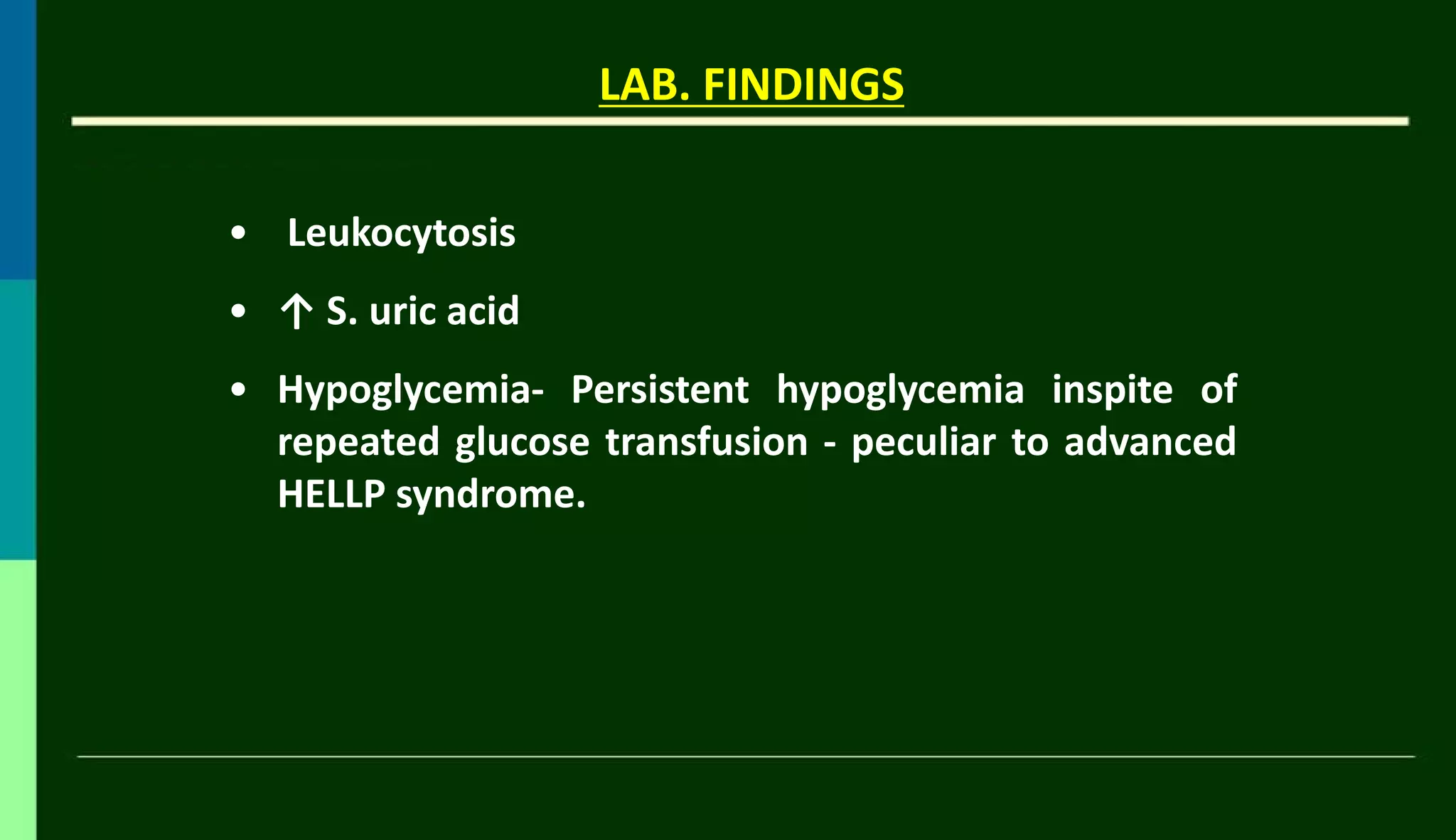
LAB. FINDINGS
• Leukocytosis
• ↑ S. uric acid
• Hypoglycemia- Persistent hypoglycemia inspite of
repeated glucose transfusion - peculiar to advanced
HELLP syndrome.
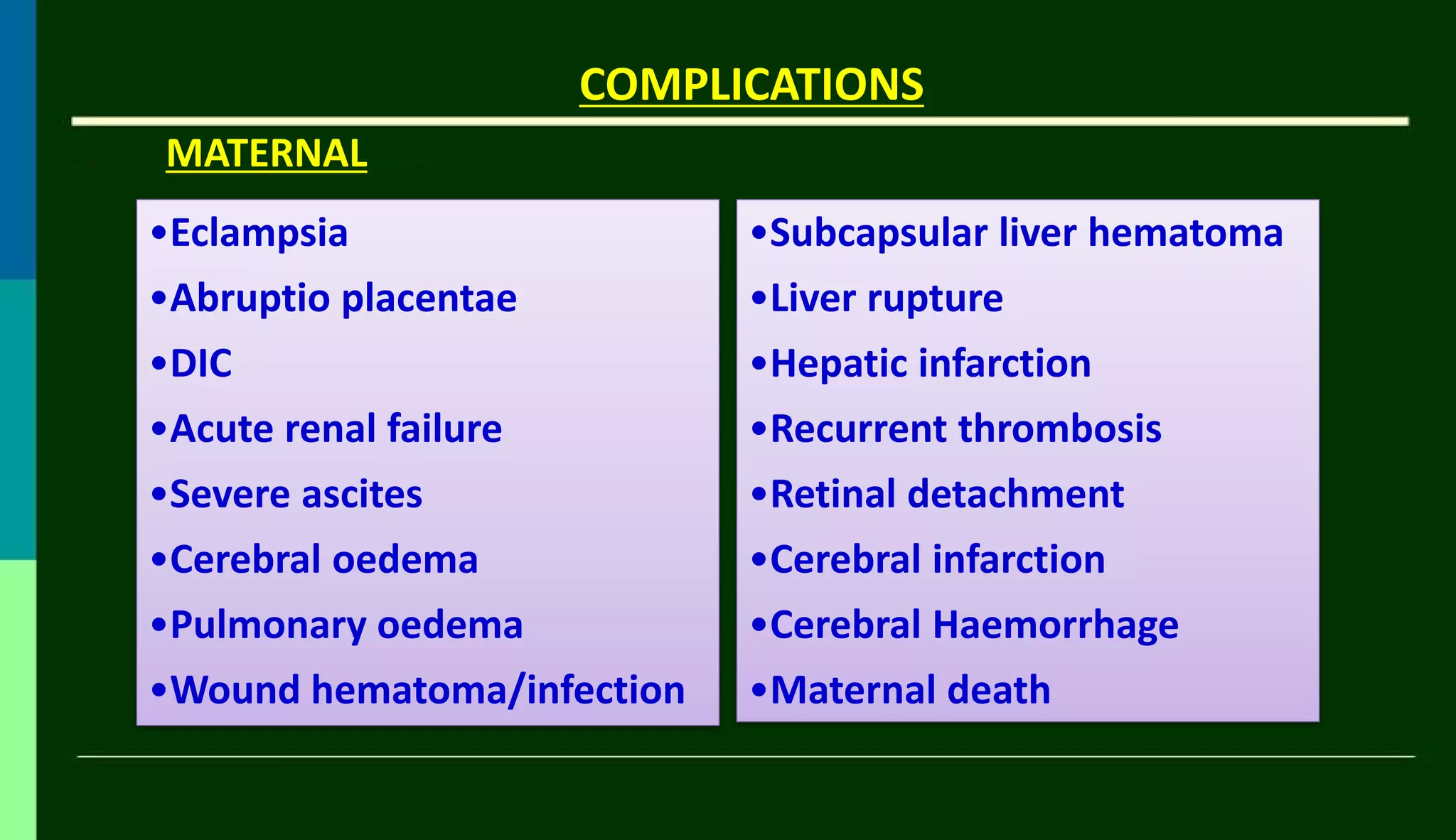
COMPLICATIONS
•Eclampsia
•Abruptio placentae
•DIC
•Acute renal failure
•Severe ascites
•Cerebral oedema
•Pulmonary oedema
•Wound hematoma/infection
MATERNAL
•Subcapsular liver hematoma
•Liver rupture
•Hepatic infarction
•Recurrent thrombosis
•Retinal detachment
•Cerebral infarction
•Cerebral Haemorrhage
•Maternal death
COMPLICATIONS
•Perinatal death
•IUGR
•Preterm delivery
•Neonatal thrombocytopenia
•RDS
FETAL
MANAGEMENT
Depends on :
Clinical
Condition
Lab
investigations
Gestational
Age
• Patient should be admitted in tertiary care center with a
multidisciplinary team for careful maternal and fetal supervision
• At 34 weeks - Immediate delivery should be conducted.
• At 30-34 weeks – Stabilization of clinical condition,steroid
administration, delivery after 48 hrs can be planned.
• Pregnancy below 30 weeks ---- should be prolonged under strict
observation, if clinical situation permits .
MANAGEMENT
Mode of Delivery
• Vaginal route is preferred.
• LSCS is done for obstetric reasons.
• Management during Caesarean Section :
• General anaesthesia for platelet count < 75,000 /mm3
• Transfuse 6 units platelet if count is below 40,000 /mm3
• Insert subfascial drain
• Secondary skin closure may be done after 48 hours to prevent
any haematoma formation or subcutaneous drain is given.
• Observe for bleeding from upper abdomen before closure.
• Antihypertensives
-- Labetolol
-- Nifidepine
-- Hydralazine
• Anticonvulsant and Neuroprotective
-- Mag sulph
• Lab Investigations
-- CBC, Peripheral smear, LFT, RFT, PT, APTT, Fibrinogen,
FDP, D - Dimer, blood sugar, urine R.E.
USG - FWB, Color Doppler, CTG.
MANAGEMENT
Antenatal steroid has been used to
MANAGEMENT
• Speed up foetal lung maturity
• Reduce the risk of IVH , NEC, Retolental fibroplasia.
•Betamethasone --12mg , two doses ,24 hrs apart.
•Dexamethasone ---6mg , four doses , 6hrs apart
Steroid Treatment
Benefit of steroid treatment for HELLP syndrome was first reported in
1984
Mech. of Action- Unknown
Proposed mech. - Diminishes oedema, inhibits endothelial
activation and reduces endothelial dysfunction
↓
Prevention of thrombotic microangiopathic anaemia, Inhibition
of cytokine production
↓
Induces anti-inflammatory effects in HELLP syndrome
MANAGEMENT
MANAGEMENT
Available evidence does not support high and repeated dose of
corticosteroid treatment
Can improve the outcome of pregnancy affected by HELLP
syndrome
For selected high risk cases with profound thrombocytopenia
with CNS dysfunction
- 20mg IV dexamethasone every 6hrs up to 4 doses is
given.
MANAGEMENT
Steroid is not curative but may create a WINDOW
OF OPPORTUNITY for intervention before
maternal condition may again deteriorate
MANAGEMENT
• If platelet count <40,000/µL, 6 – 10 U of platelet
transfusion is required.
• Platelet transfusion is required if there is bleeding from
wound or intra peritoneal bleeding.
• PRBC and FFP is required if coagulopathy is present.
MANAGEMENT
Antithrombin III transfusion : -
- Corrects hypercoagulability,
- Stimulates prostacyclin production,
- Regulates thrombin-induced vasoconstriction,
- Improves foetal status
Management of post partum HELLP Syndrome
• About 30% of HELLP syndromes develop after birth
• The time of onset ranges from few hrs to 7 days but the
majority within the first 48 hours after delivery
• In post-partum HELLP syndrome, risk of renal failure and
pulmonary oedema is ↑ hence intensive monitoring of the
mother is required.
In most women, the maternal platelet count starts decreasing
immediately post-partum with an increasing trend on the third
day
Management of post partum HELLP Syndrome
• Women with HELLP syndrome who show progressive ↑
of bilirubin or creatinine for > 72 hours after delivery
may benefit from plasma exchange with fresh frozen
plasma
• In case of continuing haemolysis, persistent
thrombocytopenia and hypoproteinaemia -- PRBC,
Platelets as well as Albumin supplementation is
required
Management of post partum HELLP Syndrome
Recurrence rate - 20% in subsequent pregnancies.
Women with a history of HELLP syndrome at or before 28
weeks gestation during the index pregnancy are at ↑ risk for
several obstetric complications like:
- Preterm birth
- Pregnancy- induced hypertension
- Increased neonatal mortality in a subsequent pregnancy.
Suspected Liver Hematoma Rupture
• Rare but potentially life threatening
condition
• May occur antepartum, intrapartum, or
in the postpartum period
• Severe epigastric or retrosternal (pain on
inspiration), with or without
shoulder/neck pain.
• Rupture Occurs 1 in 40,000 to 1 in 250,000 deliveries and about
1% to < 2% of the cases with HELLP syndrome
• Should be suspected when profound hypovolemic shock occurs in
a previously hypertensive patient
• Diagnosis can be made by ultrasound or CT of the liver which can
diagnose intraperitoneal bleeding.
• In most cases, rupture involves the right lobe of the liver and is
preceded by a parenchymal liver hematoma.
Suspected Liver Hematoma Rupture
• Maternal and fetal mortality increases substantially when a
subcapsular liver hematoma is present.
• Mortality may exceed 50% when frank rupture of the capsule
involves liver tissue.
• Management depends on maternal hemodynamic status,
integrity of the capsule (ruptured or intact), and the fetal
condition.
Liver Hematoma Rupture
Conservative management should be done in hemodynamically stable
women with an unruptured hematoma.
Liver Hematoma Rupture
– Close monitoring of the patient’s hemodynamic and
coagulation status
-- Serial assessment of the hematoma with ultrasound or
CT scan
• Exogenous trauma to the liver should be avoided, such as frequent
abdominal palpation, emesis, or convulsions.
• Any sudden increase in intra-abdominal pressure can lead to rupture
of hematoma
When rupture occurs
Liver Hematoma Rupture
-- It is a surgical emergency
-- Maternal resuscitation with fluids and PRBC to
maintain blood pressure and tissue perfusion should
be done.
-- Correction of coagulopathy with fresh frozen
plasma and platelets is required.
– Packing and drainage (preferred)
– Ligation of the hepatic lacerations
– Embolization of the hepatic artery to the affected liver
segment, and loosely suturing omentum or surgical
mesh to the liver surface
– Recombinant factor VII A
Liver Hematoma Rupture
Options at laparotomy include : –
PROGNOSIS OF HELLP SYNDROME
• Maternal mortality -- 0 to 15%.
• Maternal morbidity - Acute renal failure, Hepatic infarct,
Hepatic hematoma, Hepatic rupture,
• Disseminated intravascular coagulation, Post-partum
hemorrhage
• Pulmonary edema may occur
• There are usually no long term maternal complications.
CONCLUSION
• Precise diagnosis
• Early and aggressive treatment may help in
achieving favorable maternal and perinatal
outcomes.
Thank You

Hellp syndrome

  • 1.
    Dr. Alka Pandey AssociateProf. PMCH, Deptt. Of OB & GY Patna HELLP SYNDROME
  • 2.
    HELLP Syndrome ischaracterized by Hepatic endothelial disruption followed by platelet activation, aggregation and consumption, ultimately resulting in ischemia and hepatocyte death
  • 3.
    In 1982 --Weinstein coined the acronym HELLP to describe a syndrome consisting of Hemolysis Elevated Liver Enzymes and Low Platelet Count.
  • 4.
    INCIDENCE • HELLP Syndromeoccurs in 0.2 to 0.6% of all pregnancies • Incidence of HELLP in women with pre eclampsia is 20 % 70% cases are diagnosed in antenatal period 30% after delivery.
  • 5.
    PATHOGENESIS It is attributedto- › Abnormal vascular tone › Vasospasm › Coagulation defects This vasculopathy is either limited to a hepatic segment or diffuse throughout liver
  • 6.
    Classical Histological LesionIn Liver Periportal or focal parenchymal necrosis occurs in which hyaline deposits of fibrin like material are present ↓ Obstruction of hepatic blood flow ↓ Periportal necrosis Intra hepatic hemorrhage Subcapsular hematoma Eventual rupture of Glisson’s capsule
  • 7.
    HAEMOLYSIS Hemolysis is dueto Microangiopathic Haemolytic Anaemia (MAHA).
  • 8.
    PERIPHERAL SMEAR SHOWS ›Spherocytosis › Reticulocytosis › Schiztocytes › Anisocytosis › Triangular cells › Burr cells › Polychromasia › Helmet cells
  • 9.
    • Destruction ofRBCs by haemolysis results in↑serum lactate dehydrogenase (LDH) levels and ↓ haemoglobin concentrations • In about 10% of women - Haemoglobinaemia or haemoglobinuria is macroscopically recognizable • Liberated haemoglobin is converted to unconjugated bilirubin in the spleen or may be bound in the plasma by haptoglobin • The haemoglobin-haptoglobin complex is cleared quickly by the liver, leading to low or undetectable haptoglobin levels in the blood
  • 10.
    But The demonstration oflow or undetectable haptoglobin concentration is a more specific indicator. The diagnosis of haemolysis is supported by - - high LDH concentration and - presence of unconjugated bilirubin
  • 11.
    THROMBOCYTOPENIA Platelets < 150/Lin pregnancy may be caused by- › Gestational thrombocytopenia (GT) › Immune thrombocytopenic purpura (ITP) › Preeclampsia › HELLP syndrome
  • 12.
    THROMBOCYTOPENIA • ↓Platelet countin HELLP syndrome is due to their ↑consumption • Platelets are activated, and adhere to damaged vascular endothelial cells, resulting in ↑ platelet turnover with shorter lifespan Patient with well developed HELLP syndrome may develop DIC
  • 13.
    IMMUNE SYSTEM DISORDERTHEORY • In patient with HELLP Syndrome -- Abnormal T & B lymphocyte function has been observed • There is an increased neutrophil- endothelial adhesiveness in pre- eclamptic patients → explains diffuse vascular implications of disease process
  • 14.
    Risk Factors White race Multiparity Age >35 years Previous Pregnancy with poor outcomes
  • 15.
    Differential Diagnosis 1. Diseasesrelated to pregnancy › Benign thrombocytopenia of pregnancy › Acute fatty liver of pregnancy (AFLP) 2. Infectious and inflammatory diseases, not specifically related to pregnancy: › Viral hepatitis › Cholangitis › Cholecystitis › Upper urinary tract infection › Gastritis › Gastric ulcer › Acute pancreatitis
  • 16.
    3. Thrombocytopenia › Immunologicthrombocytopenia (ITP) › Folate deficiency › Systemic lupus erythematosus (SLE) › Antiphospholipid syndrome (APS) 4. Rare diseases that may mimic HELLP syndrome › Thrombotic thrombocytopenic purpura (TTP) › Haemolytic uremic syndrome (HUS) Differential Diagnosis
  • 17.
    CLASSIFICATION TENNESSEE CLASSIFICATION Based onlaboratory criteria 1. Platelet count < 100,000/µL 2. AST ≥ 70 IU/L & LDH ≥ 600 IU/L 3. Hemolysis on peripheral smear Partial HELLP Full HELLP Any 2 of 3 criteria All of 3 criteria
  • 18.
    CLASSIFICATION MISSISIPI CLASSIFICATION CLASS I ›Platelet ≤ 50,000/µL(severe thrombocytopenia) › AST ≥ 70 IU/L› LDH ≥ 600 IU/L › Hemolysis on smear CLASS II › Platelet 50,000/µL to 100,000/µL (moderate thrombocytopenia) › AST ≥ 70 IU/L› LDH ≥ 600 IU/L › Hemolysis on smear CLASS III › Platelet 100,000/µL to150,000/µL (mild thrombocytopenia) › AST ≥ 40 IU/L › LDH ≥ 600 IU/L › Hemolysis on smear
  • 19.
    DIAGNOSIS CLINICAL FEATURES •Higher degreeof suspicion is needed as clinical presentation in most cases is unclear & may be missed •About 10% of cases present before 27 weeks 46% cases before 37 weeks and 14% present at term •With postpartum presentation, the onset is typically within first 48 hrs of delivery.
  • 20.
    DIAGNOSIS Symptoms •Right sided upperabdominal pain or pain around stomach •Nausea •Headache •Malaise Signs •Right upper quadrant tenderness •Increased blood pressure •Proteinuria •Edema Any PW presenting in OPD with malaise or viral like illness in 2nd or 3rd trimester should be evaluated with CBC and Liver function tests
  • 21.
    LAB. FINDINGS 1. Lowplatelets - < 100,000/µl 2. Elevated liver enzymes – AST > 70 IU/L - LDH > 600 IU/L 3. Hemolysis – Abnormal peripheral smear - Total bilirubin > 1.2mg% Laboratory criteria for diagnosis —
  • 22.
    LAB. FINDINGS • Leukocytosis •↑ S. uric acid • Hypoglycemia- Persistent hypoglycemia inspite of repeated glucose transfusion - peculiar to advanced HELLP syndrome.
  • 23.
    COMPLICATIONS •Eclampsia •Abruptio placentae •DIC •Acute renalfailure •Severe ascites •Cerebral oedema •Pulmonary oedema •Wound hematoma/infection MATERNAL •Subcapsular liver hematoma •Liver rupture •Hepatic infarction •Recurrent thrombosis •Retinal detachment •Cerebral infarction •Cerebral Haemorrhage •Maternal death
  • 24.
  • 25.
  • 26.
    • Patient shouldbe admitted in tertiary care center with a multidisciplinary team for careful maternal and fetal supervision • At 34 weeks - Immediate delivery should be conducted. • At 30-34 weeks – Stabilization of clinical condition,steroid administration, delivery after 48 hrs can be planned. • Pregnancy below 30 weeks ---- should be prolonged under strict observation, if clinical situation permits . MANAGEMENT
  • 27.
    Mode of Delivery •Vaginal route is preferred. • LSCS is done for obstetric reasons. • Management during Caesarean Section : • General anaesthesia for platelet count < 75,000 /mm3 • Transfuse 6 units platelet if count is below 40,000 /mm3 • Insert subfascial drain • Secondary skin closure may be done after 48 hours to prevent any haematoma formation or subcutaneous drain is given. • Observe for bleeding from upper abdomen before closure.
  • 28.
    • Antihypertensives -- Labetolol --Nifidepine -- Hydralazine • Anticonvulsant and Neuroprotective -- Mag sulph • Lab Investigations -- CBC, Peripheral smear, LFT, RFT, PT, APTT, Fibrinogen, FDP, D - Dimer, blood sugar, urine R.E. USG - FWB, Color Doppler, CTG. MANAGEMENT
  • 29.
    Antenatal steroid hasbeen used to MANAGEMENT • Speed up foetal lung maturity • Reduce the risk of IVH , NEC, Retolental fibroplasia. •Betamethasone --12mg , two doses ,24 hrs apart. •Dexamethasone ---6mg , four doses , 6hrs apart
  • 30.
    Steroid Treatment Benefit ofsteroid treatment for HELLP syndrome was first reported in 1984 Mech. of Action- Unknown Proposed mech. - Diminishes oedema, inhibits endothelial activation and reduces endothelial dysfunction ↓ Prevention of thrombotic microangiopathic anaemia, Inhibition of cytokine production ↓ Induces anti-inflammatory effects in HELLP syndrome MANAGEMENT
  • 31.
    MANAGEMENT Available evidence doesnot support high and repeated dose of corticosteroid treatment Can improve the outcome of pregnancy affected by HELLP syndrome For selected high risk cases with profound thrombocytopenia with CNS dysfunction - 20mg IV dexamethasone every 6hrs up to 4 doses is given.
  • 32.
    MANAGEMENT Steroid is notcurative but may create a WINDOW OF OPPORTUNITY for intervention before maternal condition may again deteriorate
  • 33.
    MANAGEMENT • If plateletcount <40,000/µL, 6 – 10 U of platelet transfusion is required. • Platelet transfusion is required if there is bleeding from wound or intra peritoneal bleeding. • PRBC and FFP is required if coagulopathy is present.
  • 34.
    MANAGEMENT Antithrombin III transfusion: - - Corrects hypercoagulability, - Stimulates prostacyclin production, - Regulates thrombin-induced vasoconstriction, - Improves foetal status
  • 35.
    Management of postpartum HELLP Syndrome • About 30% of HELLP syndromes develop after birth • The time of onset ranges from few hrs to 7 days but the majority within the first 48 hours after delivery • In post-partum HELLP syndrome, risk of renal failure and pulmonary oedema is ↑ hence intensive monitoring of the mother is required. In most women, the maternal platelet count starts decreasing immediately post-partum with an increasing trend on the third day
  • 36.
    Management of postpartum HELLP Syndrome • Women with HELLP syndrome who show progressive ↑ of bilirubin or creatinine for > 72 hours after delivery may benefit from plasma exchange with fresh frozen plasma • In case of continuing haemolysis, persistent thrombocytopenia and hypoproteinaemia -- PRBC, Platelets as well as Albumin supplementation is required
  • 37.
    Management of postpartum HELLP Syndrome Recurrence rate - 20% in subsequent pregnancies. Women with a history of HELLP syndrome at or before 28 weeks gestation during the index pregnancy are at ↑ risk for several obstetric complications like: - Preterm birth - Pregnancy- induced hypertension - Increased neonatal mortality in a subsequent pregnancy.
  • 38.
    Suspected Liver HematomaRupture • Rare but potentially life threatening condition • May occur antepartum, intrapartum, or in the postpartum period • Severe epigastric or retrosternal (pain on inspiration), with or without shoulder/neck pain.
  • 39.
    • Rupture Occurs1 in 40,000 to 1 in 250,000 deliveries and about 1% to < 2% of the cases with HELLP syndrome • Should be suspected when profound hypovolemic shock occurs in a previously hypertensive patient • Diagnosis can be made by ultrasound or CT of the liver which can diagnose intraperitoneal bleeding. • In most cases, rupture involves the right lobe of the liver and is preceded by a parenchymal liver hematoma. Suspected Liver Hematoma Rupture
  • 40.
    • Maternal andfetal mortality increases substantially when a subcapsular liver hematoma is present. • Mortality may exceed 50% when frank rupture of the capsule involves liver tissue. • Management depends on maternal hemodynamic status, integrity of the capsule (ruptured or intact), and the fetal condition. Liver Hematoma Rupture
  • 41.
    Conservative management shouldbe done in hemodynamically stable women with an unruptured hematoma. Liver Hematoma Rupture – Close monitoring of the patient’s hemodynamic and coagulation status -- Serial assessment of the hematoma with ultrasound or CT scan • Exogenous trauma to the liver should be avoided, such as frequent abdominal palpation, emesis, or convulsions. • Any sudden increase in intra-abdominal pressure can lead to rupture of hematoma
  • 42.
    When rupture occurs LiverHematoma Rupture -- It is a surgical emergency -- Maternal resuscitation with fluids and PRBC to maintain blood pressure and tissue perfusion should be done. -- Correction of coagulopathy with fresh frozen plasma and platelets is required.
  • 43.
    – Packing anddrainage (preferred) – Ligation of the hepatic lacerations – Embolization of the hepatic artery to the affected liver segment, and loosely suturing omentum or surgical mesh to the liver surface – Recombinant factor VII A Liver Hematoma Rupture Options at laparotomy include : –
  • 44.
    PROGNOSIS OF HELLPSYNDROME • Maternal mortality -- 0 to 15%. • Maternal morbidity - Acute renal failure, Hepatic infarct, Hepatic hematoma, Hepatic rupture, • Disseminated intravascular coagulation, Post-partum hemorrhage • Pulmonary edema may occur • There are usually no long term maternal complications.
  • 45.
    CONCLUSION • Precise diagnosis •Early and aggressive treatment may help in achieving favorable maternal and perinatal outcomes.
  • 46.