Rehan Kiani
Pharm.D 2nd Year(YIPS)

 It is an infectious venereal disease caused by Gram-
negative diplococci- gonococcus (Neisseria
gonorrhea).
 It is transmitted sexually.
 It is characterized by lesions of mucous membranes
of the urinary organs.
What is Gonorrhea??

 According to WHO, incidences for gonorrhea is
about 200 million cases per year.
 There are following features for gonorrhea infection;
i. Reduced sensitivity of gonococcus to traditional
anti-bacterial agents.
ii. Uncontrolled use of antibiotics leads to appearance
resistant organisms.
About Gonorrhea

 It is caused by Gram- negative diplococci- gonococcus
Neisseria gonorrhea.
 Diplococcus have length from 1.25-1.6 microns and 0.7-0.8
microns in cross section.
 It is shaped like coffee beans, concave surface facing each
other.
 Gonococcus-main pathogenic organism adapted to
destroy mucous membrane covered with cylindrical
epithelium.
 In patients body gonococci often undergo L-
transformation after using chemotherapeutic drugs.
Causative Agent

 The optimum conditions for development of
gonorrhea are;
 pH = 4-7
 Temperature= 35.5C
 Carbon dioxide content in environment= 2-10%
Conditions for
Development of
Gonorrhea

 It is classified into following types;
i. Gonorrhea of urogenital organs (the genital).
ii. Extragenital gonorrhea (gonorrhea of mouth,
rectum, pharynx, tonsils, eyes).
iii. Metastatic (disseminated) is a complication of first
two types.
Classification of Gonorrhea

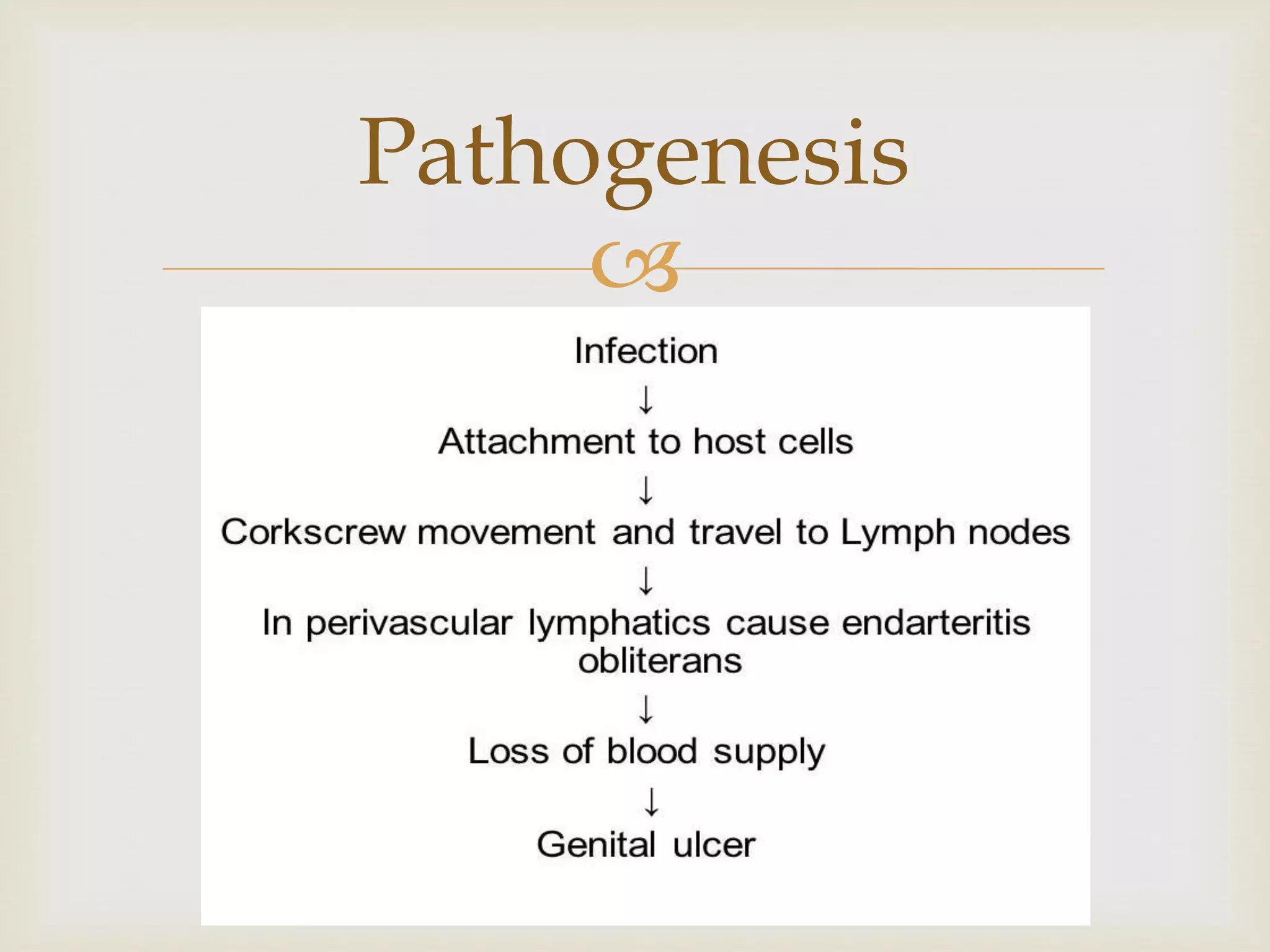
Pathogenesis

 Gonorrhea is a STD.
 It mainly spreads through sexual contacts.
 It infects both man and women.
 Can also spread perinatally from mother to baby
during childbirth.
Spread of Gonorrhea

In males
 Many men are asymptomatic.
 When present it includes dysuria and white, yellow,
or green urethral discharge which appears after one
to fourteen days of infection.
 In severe case it includes testicular or scrotal pain.
Signs and Symptoms of
Gonorrhea

In Females
 Most women with gonorrhea are asymptomatic.
 The initial symptoms and signs in women include
dysuria, increased vaginal discharge, or vaginal
bleeding between periods.
 Symptoms of rectal infection in both men and
women may include discharge, anal itching,
soreness, bleeding, or painful bowel movements.

 It is treated with antibiotics.
 It is usually treated with the injection of ceftraxzone.
 can also be treated with single with single dose of
azithromyocin.
Treatment

 https://www.cdc.gov/std/gonorrhea/stdfact-
gonorrhea-detailed.htm
References


Gonorrhea (1)

  • 1.
  • 2.
      It isan infectious venereal disease caused by Gram- negative diplococci- gonococcus (Neisseria gonorrhea).  It is transmitted sexually.  It is characterized by lesions of mucous membranes of the urinary organs. What is Gonorrhea??
  • 3.
      According toWHO, incidences for gonorrhea is about 200 million cases per year.  There are following features for gonorrhea infection; i. Reduced sensitivity of gonococcus to traditional anti-bacterial agents. ii. Uncontrolled use of antibiotics leads to appearance resistant organisms. About Gonorrhea
  • 4.
      It iscaused by Gram- negative diplococci- gonococcus Neisseria gonorrhea.  Diplococcus have length from 1.25-1.6 microns and 0.7-0.8 microns in cross section.  It is shaped like coffee beans, concave surface facing each other.  Gonococcus-main pathogenic organism adapted to destroy mucous membrane covered with cylindrical epithelium.  In patients body gonococci often undergo L- transformation after using chemotherapeutic drugs. Causative Agent
  • 5.
      The optimumconditions for development of gonorrhea are;  pH = 4-7  Temperature= 35.5C  Carbon dioxide content in environment= 2-10% Conditions for Development of Gonorrhea
  • 6.
      It isclassified into following types; i. Gonorrhea of urogenital organs (the genital). ii. Extragenital gonorrhea (gonorrhea of mouth, rectum, pharynx, tonsils, eyes). iii. Metastatic (disseminated) is a complication of first two types. Classification of Gonorrhea
  • 7.
  • 8.
      Gonorrhea isa STD.  It mainly spreads through sexual contacts.  It infects both man and women.  Can also spread perinatally from mother to baby during childbirth. Spread of Gonorrhea
  • 9.
     In males  Manymen are asymptomatic.  When present it includes dysuria and white, yellow, or green urethral discharge which appears after one to fourteen days of infection.  In severe case it includes testicular or scrotal pain. Signs and Symptoms of Gonorrhea
  • 10.
     In Females  Mostwomen with gonorrhea are asymptomatic.  The initial symptoms and signs in women include dysuria, increased vaginal discharge, or vaginal bleeding between periods.  Symptoms of rectal infection in both men and women may include discharge, anal itching, soreness, bleeding, or painful bowel movements.
  • 11.
      It istreated with antibiotics.  It is usually treated with the injection of ceftraxzone.  can also be treated with single with single dose of azithromyocin. Treatment
  • 12.
  • 13.