Koya university
college of engineering
Report about
Global warming
By:
Hardy bahram
2017-2018
Introduction
The term "global warming" was invented by Sweden's chemical
scientist, Sfanty Arenios, in 1896. Arenios has called the theory
that burning fossil fuels will increase the amount of carbon
dioxide in the atmosphere and lead to increased global
temperatures.
The reasons for the emission of
pollutants into the atmosphere are
and Causes of climate change
• Natural causes:
1. Changes in the Earth's orbit around the Sun
2. Change in atmospheric components.
3. volcanic eruptions.
• Abnormal
• It is the result of various human activities such
as
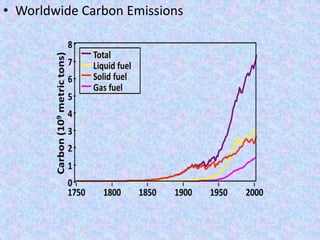
1. Industrial reasons:Resulting from human
activities, especially the combustion of fossil
fuels “
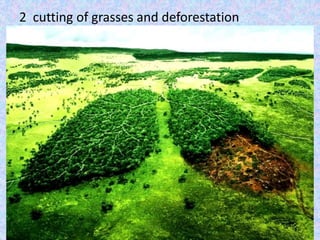
2 cutting of grasses and deforestation
• Worldwide Carbon Emissions
The following chemical compounds are
the most important greenhouse gases
1. Water vapor
2. Carbon dioxide
3. Nitrous oxide (N2O)
4. CH4
5. Ozone O3
6. Chlorofluorocarbons (FCs)
Role of greenhouse gases:
and Indicators for the onset of this
phenomenon
• the concentration of carbon dioxide in the atmosphere
is about 30% higher than before the industrial
revolution.
• 2. The concentration of methane increased to twice its
pre-industrial concentration.
• 3. Chlorofluorocarbons increase by 4% annually from
current rates.
• 4. Nitrous oxide is about 18% higher than its pre-
industrial concentration (according to the latest press
release of the World Meteorological Organization).
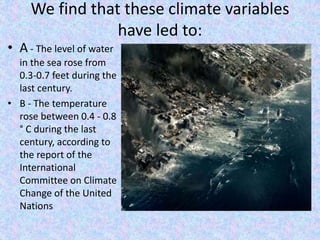
We find that these climate variables
have led to:
• A - The level of water
in the sea rose from
0.3-0.7 feet during the
last century.
• B - The temperature
rose between 0.4 - 0.8
° C during the last
century, according to
the report of the
International
Committee on Climate
Change of the United
Nations
Global warming "really changes the
world"
• global warming of 1.5 degrees Celsius from
1990 levels would make about one-third of all
species of animals and plants vulnerable to
extinction.
• More than a billion people will be more
vulnerable to water shortages
• The report includes more than 29,000
scientific data
Studies on the phenomenon of global
warming
• A study published in the scientific journal
Science SCIENCE said that global warming will
increase the risk of epidemics among wild and
marine animals and plants and increase the
risk of transmission of these diseases to
humans
• , for example, Hawaiian aviabas, where the
birds live at a height of 700 meters in the
mountains of the island of Maui
International efforts to combat climate
change
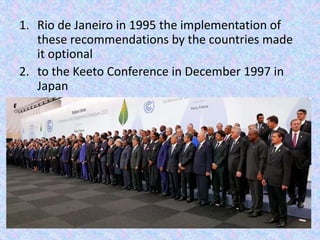
1. Kaito Conference in Japan in 1997
2. in Geneva from October 29 to November 7, 1990,
alarmed the dire consequences of climate change.
The conference was sponsored by WMO, UNEP,
UNESCO
1. Rio de Janeiro in 1995 the implementation of
these recommendations by the countries made
it optional
2. to the Keeto Conference in December 1997 in
Japan
Conclusion
• Global Change is multifaceted (climate, nitrogen, land use, invasive,
biodiversity, air quality, etc.)
• The greenhouse effect is a natural process which is necessary to maintain
living conditions on the planet
• Responsibility to improve environmental conditions lies upon all of us as
individuals
• Concentrate on preventing environmental degradation before it starts
• Alternatives are feasible and can be used
References
• Dyurgerov, Mark B, Mark F. Meier (2005). Glaciers and the Changing Earth System: a 2004
Snapshot, Institute of Arctic and Alpine Research, Occasional Paper
• The Carbon Cycle & the Greenhouse Effect, Corresponding Readings in Primack, Richard B.
http://www-personal.umich.edu/~dallan/nre220/outline20.htm
• The Effects of Global Warming, http://www.geocities.com/TimesSquare/1848/global.html
• Evidence of Global Warming, http://www.ecobridge.org/content/g_evd.htm
• The impact of global warming in Asia, http://www.climatehotmap.org/asia.html

Global warming

  • 1.
    Koya university college ofengineering Report about Global warming By: Hardy bahram 2017-2018
  • 2.
    Introduction The term "globalwarming" was invented by Sweden's chemical scientist, Sfanty Arenios, in 1896. Arenios has called the theory that burning fossil fuels will increase the amount of carbon dioxide in the atmosphere and lead to increased global temperatures.
  • 3.
    The reasons forthe emission of pollutants into the atmosphere are and Causes of climate change • Natural causes: 1. Changes in the Earth's orbit around the Sun 2. Change in atmospheric components. 3. volcanic eruptions.
  • 4.
    • Abnormal • Itis the result of various human activities such as 1. Industrial reasons:Resulting from human activities, especially the combustion of fossil fuels “
  • 5.
    2 cutting ofgrasses and deforestation
  • 6.
  • 7.
    The following chemicalcompounds are the most important greenhouse gases 1. Water vapor 2. Carbon dioxide 3. Nitrous oxide (N2O) 4. CH4 5. Ozone O3 6. Chlorofluorocarbons (FCs)
  • 8.
    Role of greenhousegases: and Indicators for the onset of this phenomenon • the concentration of carbon dioxide in the atmosphere is about 30% higher than before the industrial revolution. • 2. The concentration of methane increased to twice its pre-industrial concentration. • 3. Chlorofluorocarbons increase by 4% annually from current rates. • 4. Nitrous oxide is about 18% higher than its pre- industrial concentration (according to the latest press release of the World Meteorological Organization).
  • 9.
    We find thatthese climate variables have led to: • A - The level of water in the sea rose from 0.3-0.7 feet during the last century. • B - The temperature rose between 0.4 - 0.8 ° C during the last century, according to the report of the International Committee on Climate Change of the United Nations
  • 11.
    Global warming "reallychanges the world" • global warming of 1.5 degrees Celsius from 1990 levels would make about one-third of all species of animals and plants vulnerable to extinction. • More than a billion people will be more vulnerable to water shortages • The report includes more than 29,000 scientific data
  • 12.
    Studies on thephenomenon of global warming • A study published in the scientific journal Science SCIENCE said that global warming will increase the risk of epidemics among wild and marine animals and plants and increase the risk of transmission of these diseases to humans • , for example, Hawaiian aviabas, where the birds live at a height of 700 meters in the mountains of the island of Maui
  • 13.
    International efforts tocombat climate change 1. Kaito Conference in Japan in 1997 2. in Geneva from October 29 to November 7, 1990, alarmed the dire consequences of climate change. The conference was sponsored by WMO, UNEP, UNESCO
  • 14.
    1. Rio deJaneiro in 1995 the implementation of these recommendations by the countries made it optional 2. to the Keeto Conference in December 1997 in Japan
  • 15.
    Conclusion • Global Changeis multifaceted (climate, nitrogen, land use, invasive, biodiversity, air quality, etc.) • The greenhouse effect is a natural process which is necessary to maintain living conditions on the planet • Responsibility to improve environmental conditions lies upon all of us as individuals • Concentrate on preventing environmental degradation before it starts • Alternatives are feasible and can be used
  • 16.
    References • Dyurgerov, MarkB, Mark F. Meier (2005). Glaciers and the Changing Earth System: a 2004 Snapshot, Institute of Arctic and Alpine Research, Occasional Paper • The Carbon Cycle & the Greenhouse Effect, Corresponding Readings in Primack, Richard B. http://www-personal.umich.edu/~dallan/nre220/outline20.htm • The Effects of Global Warming, http://www.geocities.com/TimesSquare/1848/global.html • Evidence of Global Warming, http://www.ecobridge.org/content/g_evd.htm • The impact of global warming in Asia, http://www.climatehotmap.org/asia.html