

Genotoxicity, Carcinogenicity
& Teratogenicity
Dr. K. Manohar Babu
VJ’s College of Pharmacy
Genotoxicities
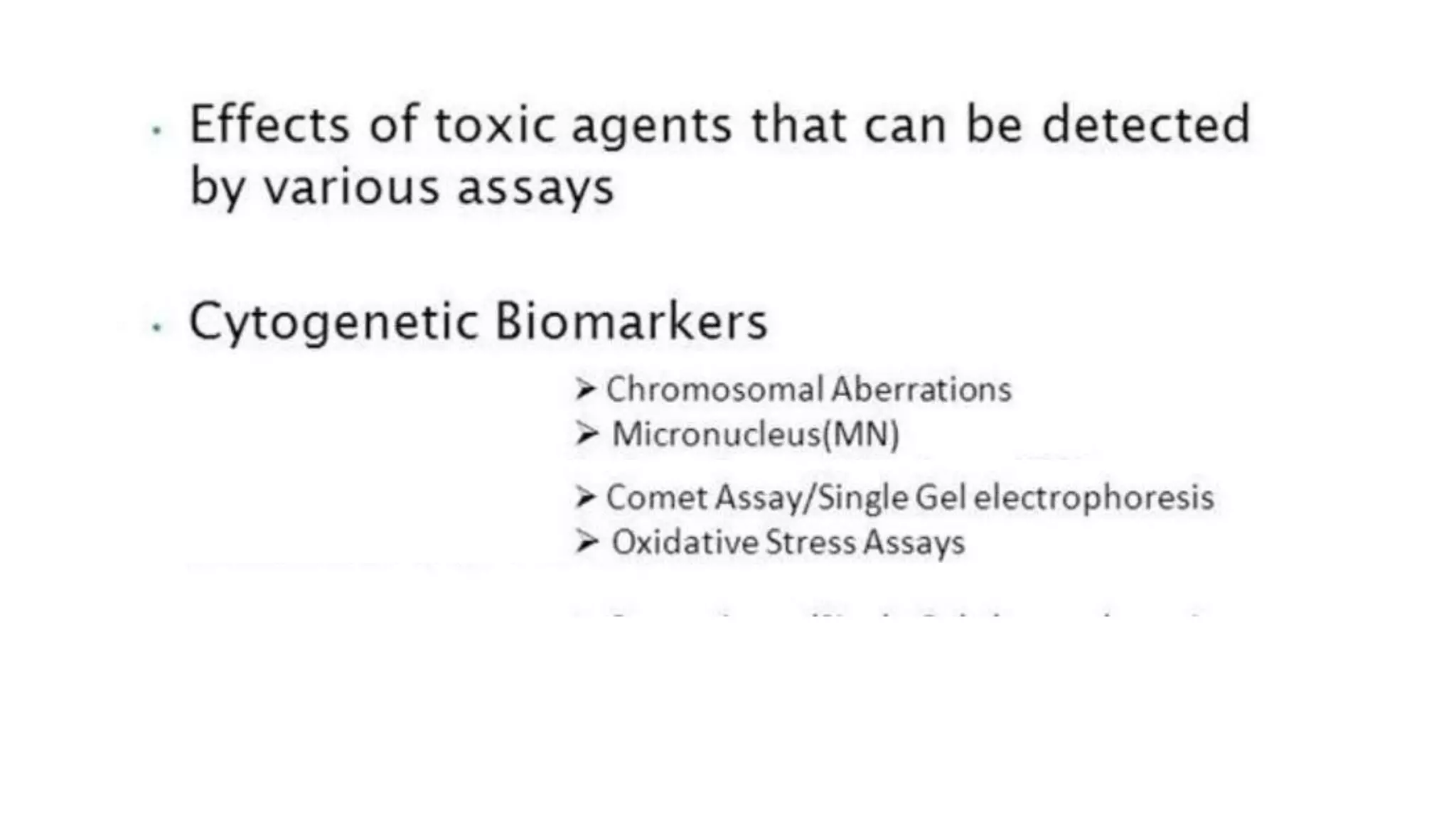
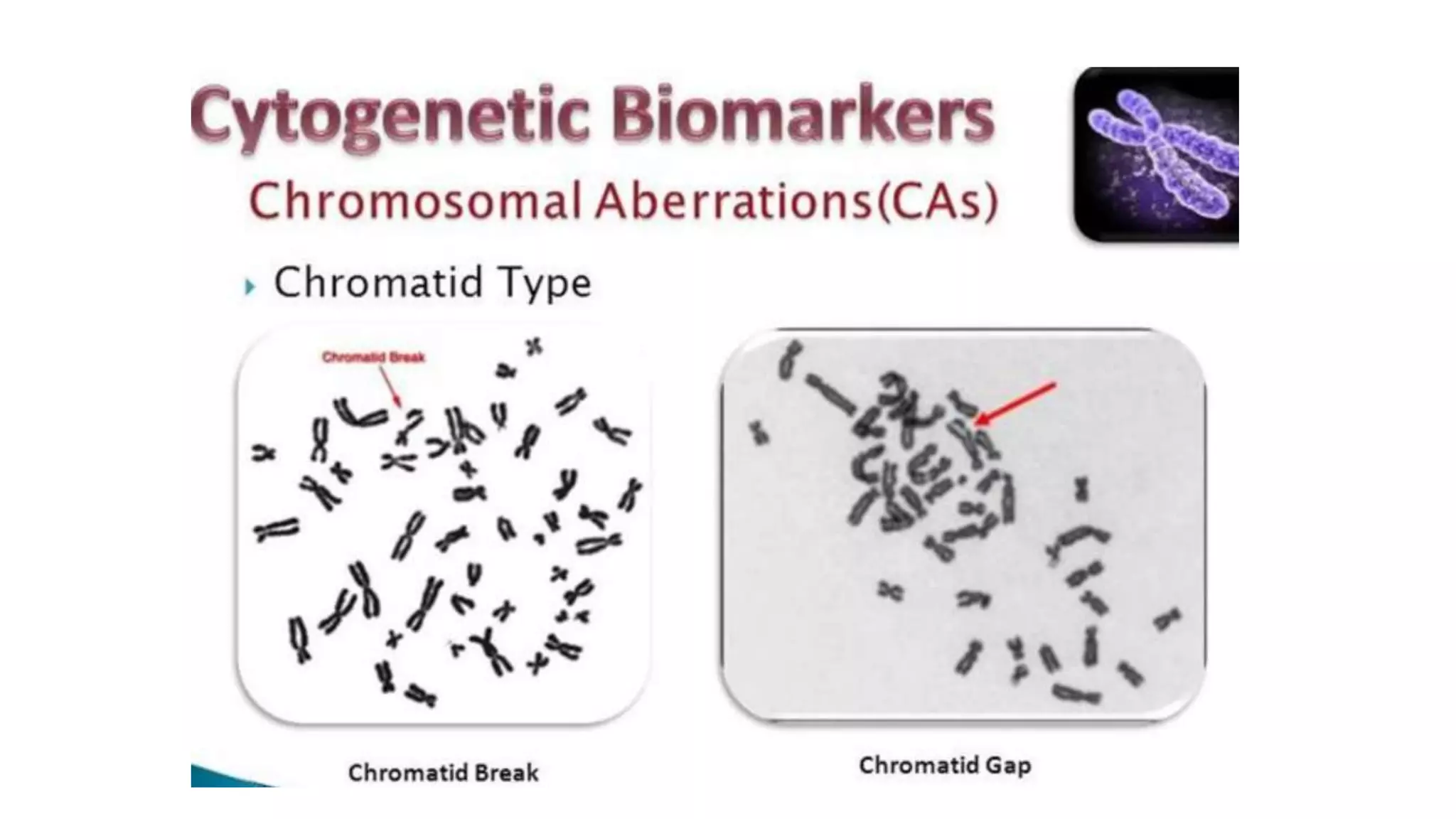
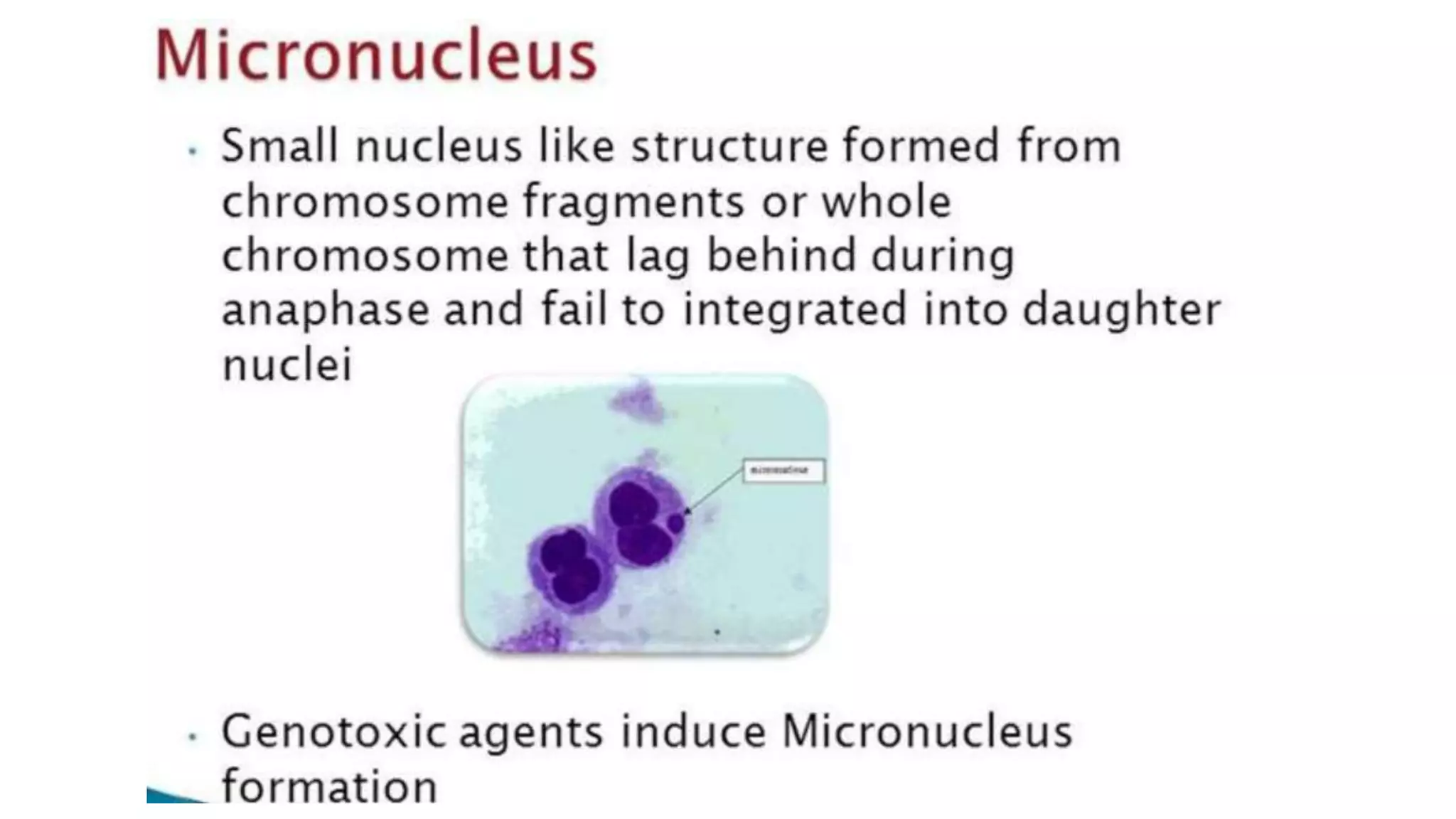
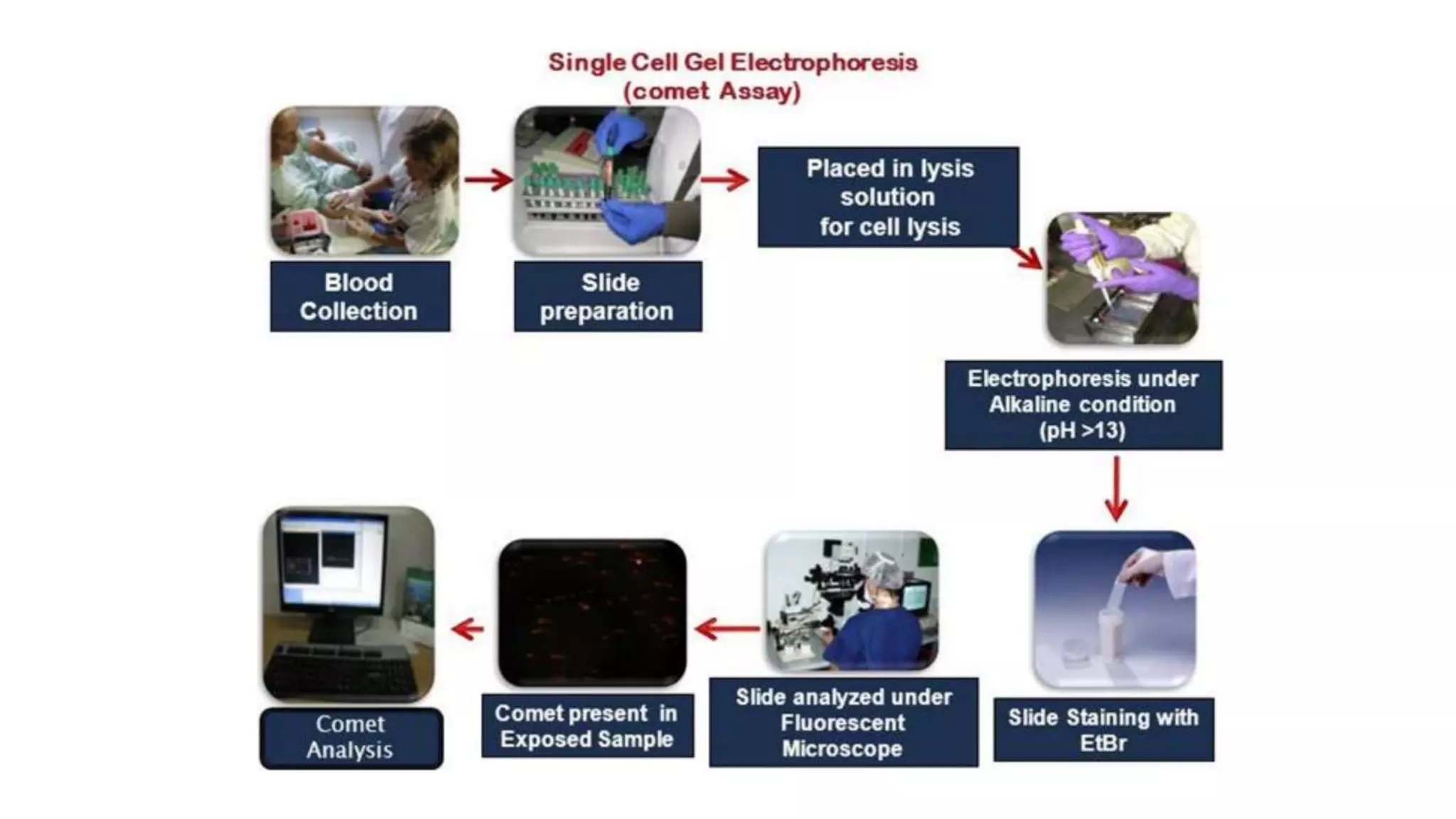
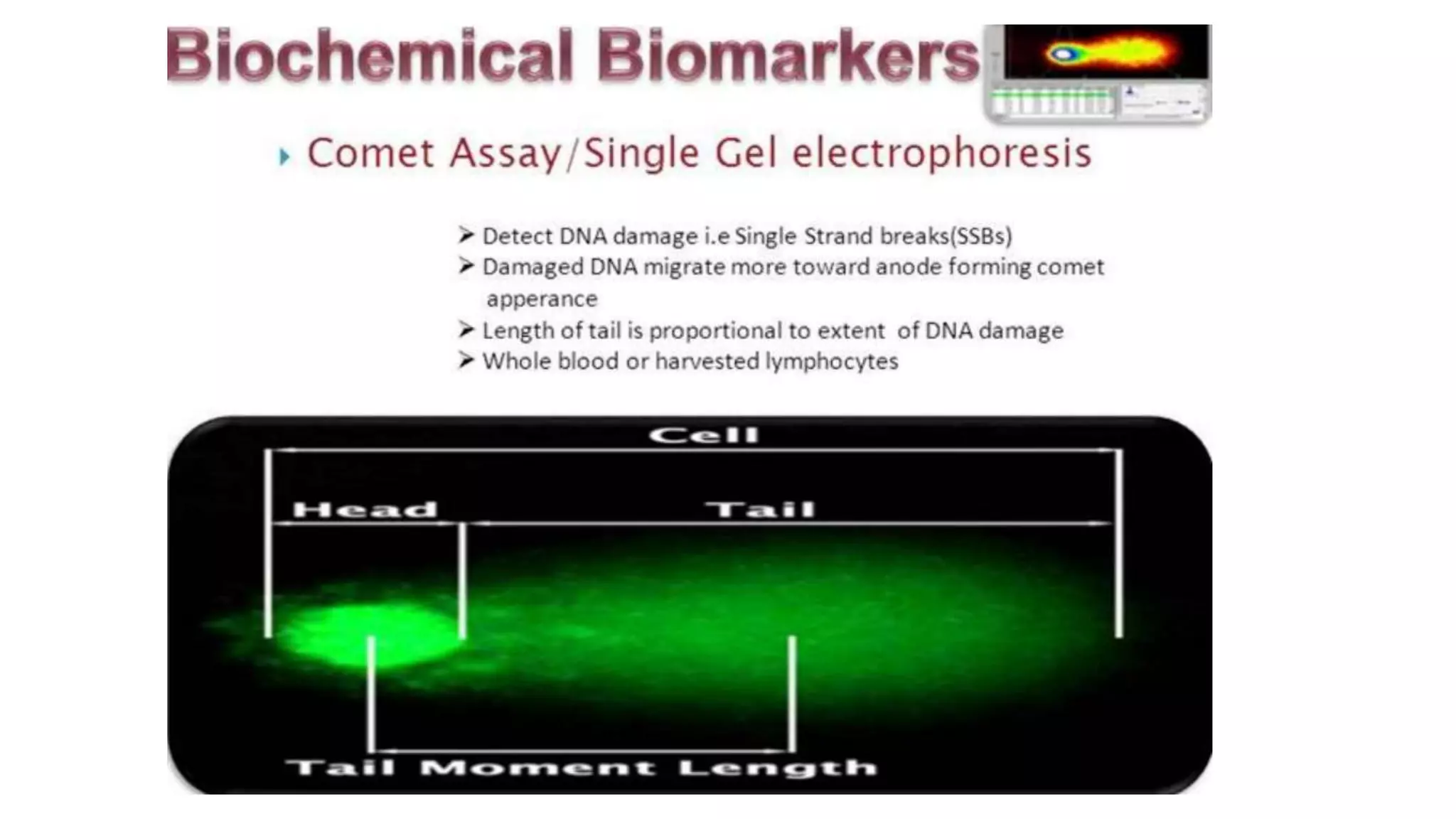
Cytogenetic markers
Examples for Genotoxicity agents
Carcinogenicity
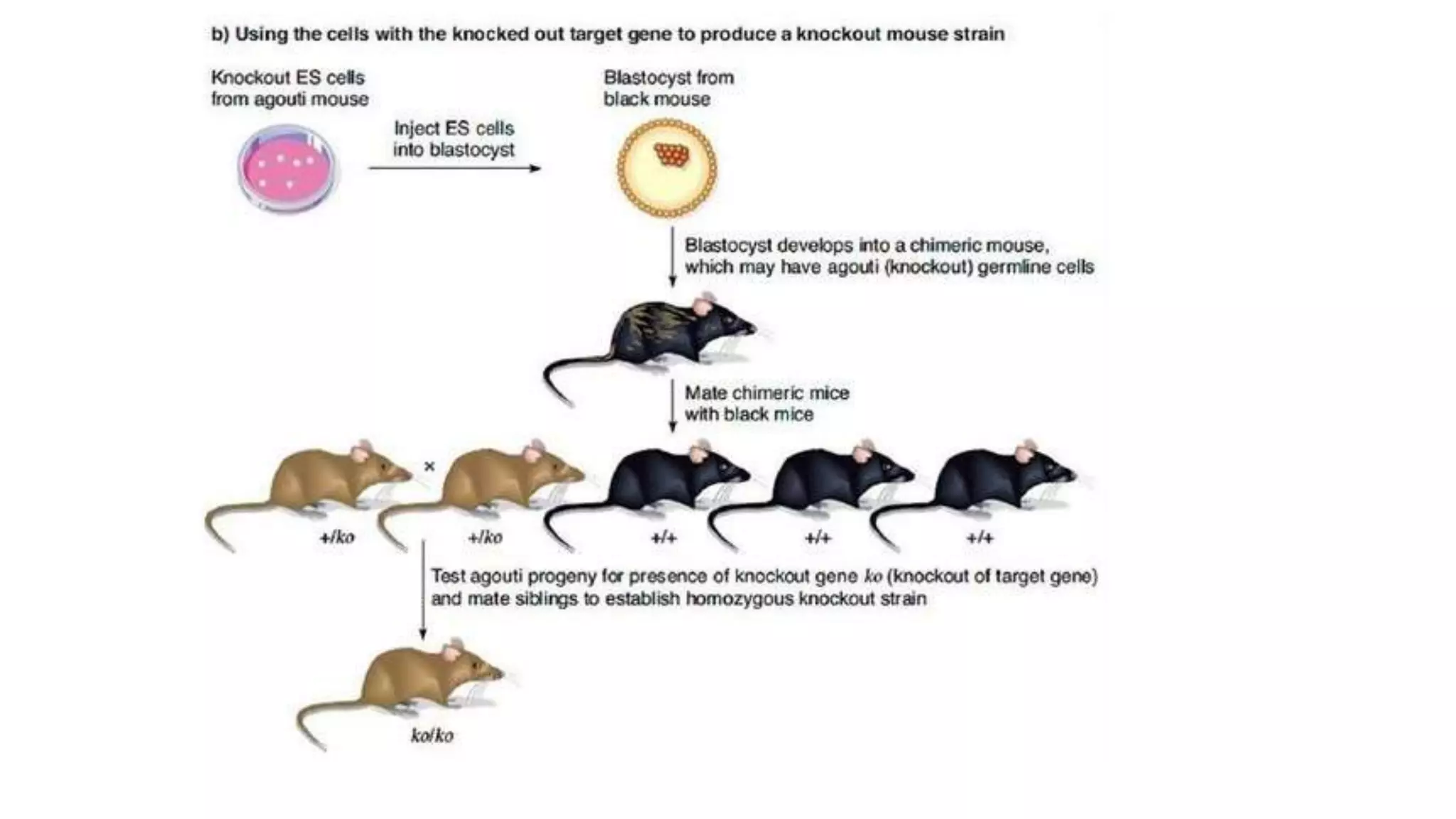
Chimeric Animals
Knock out Animals
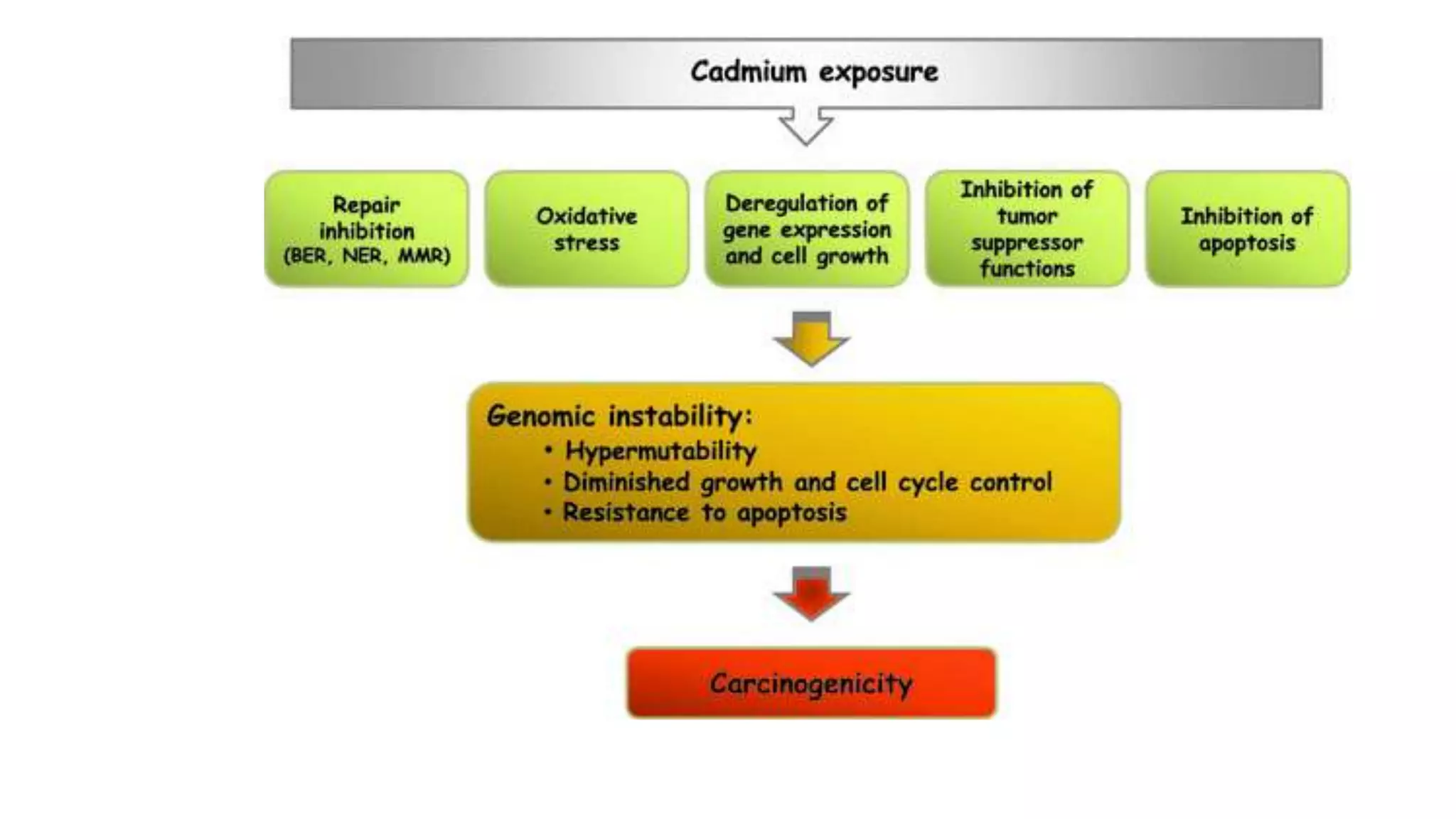
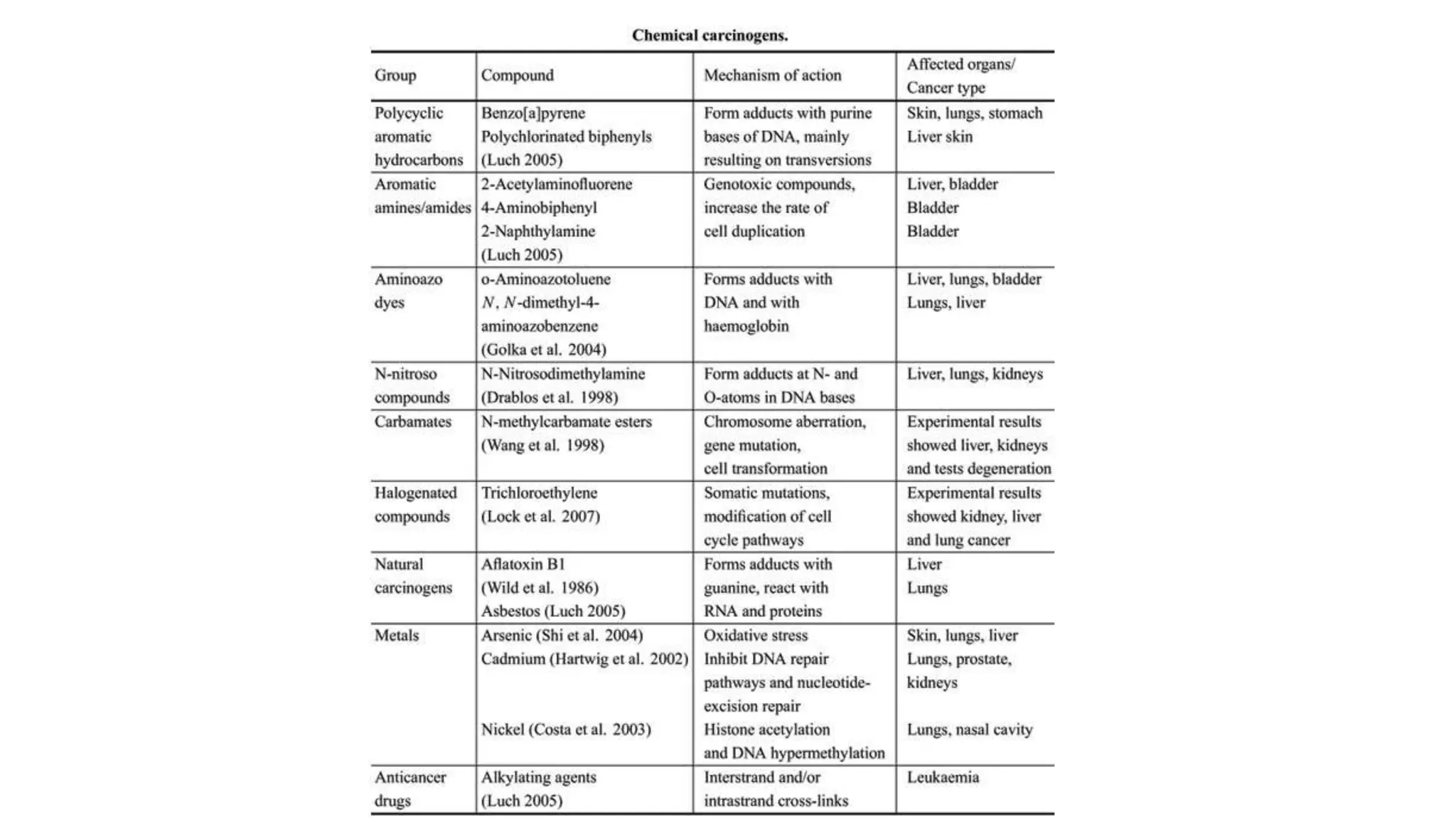
Examples for Carcinogenicity agents
Teratogenicity
Invitro techniques
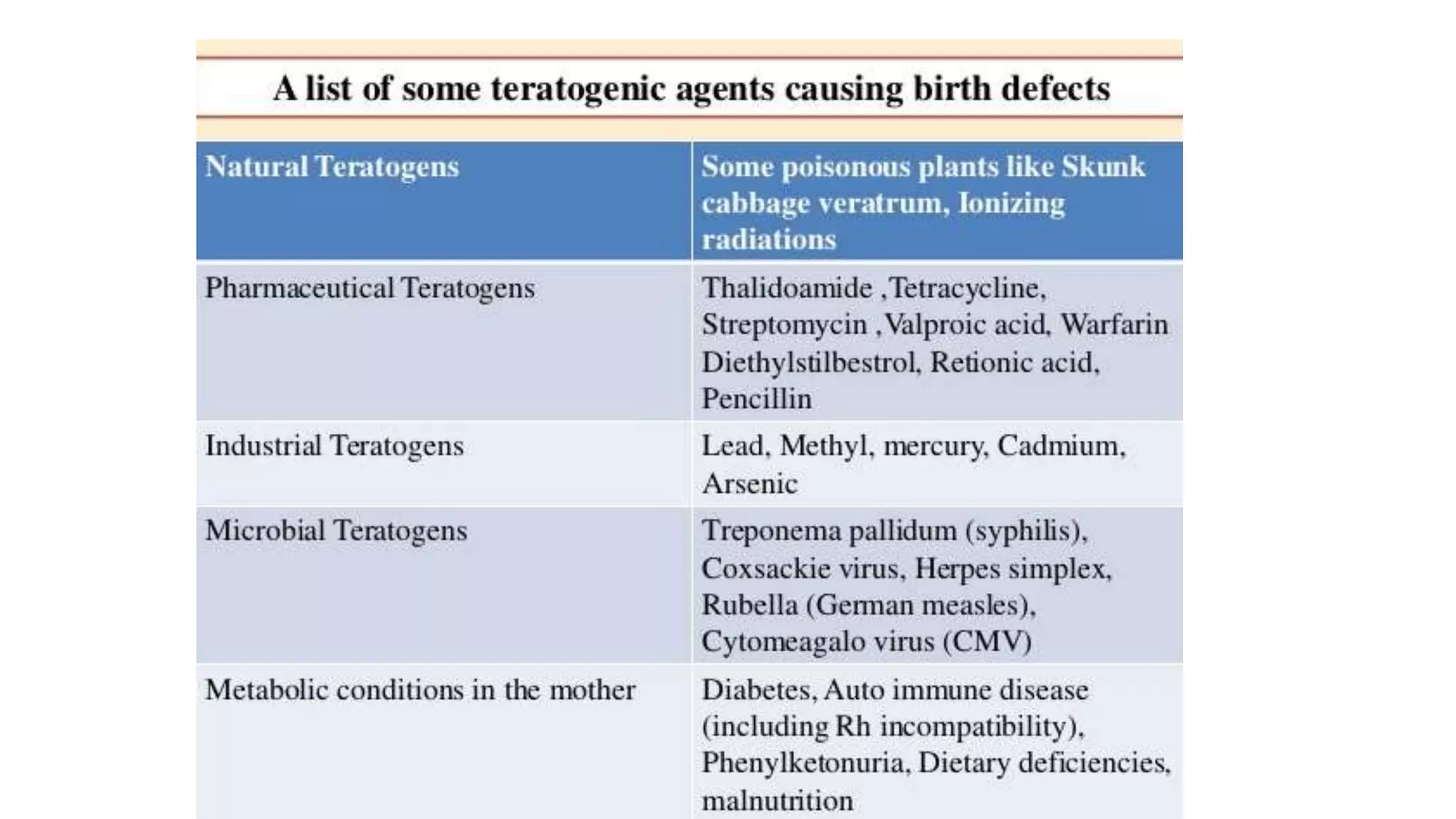
Examples for Teratogenicity agents
Contents
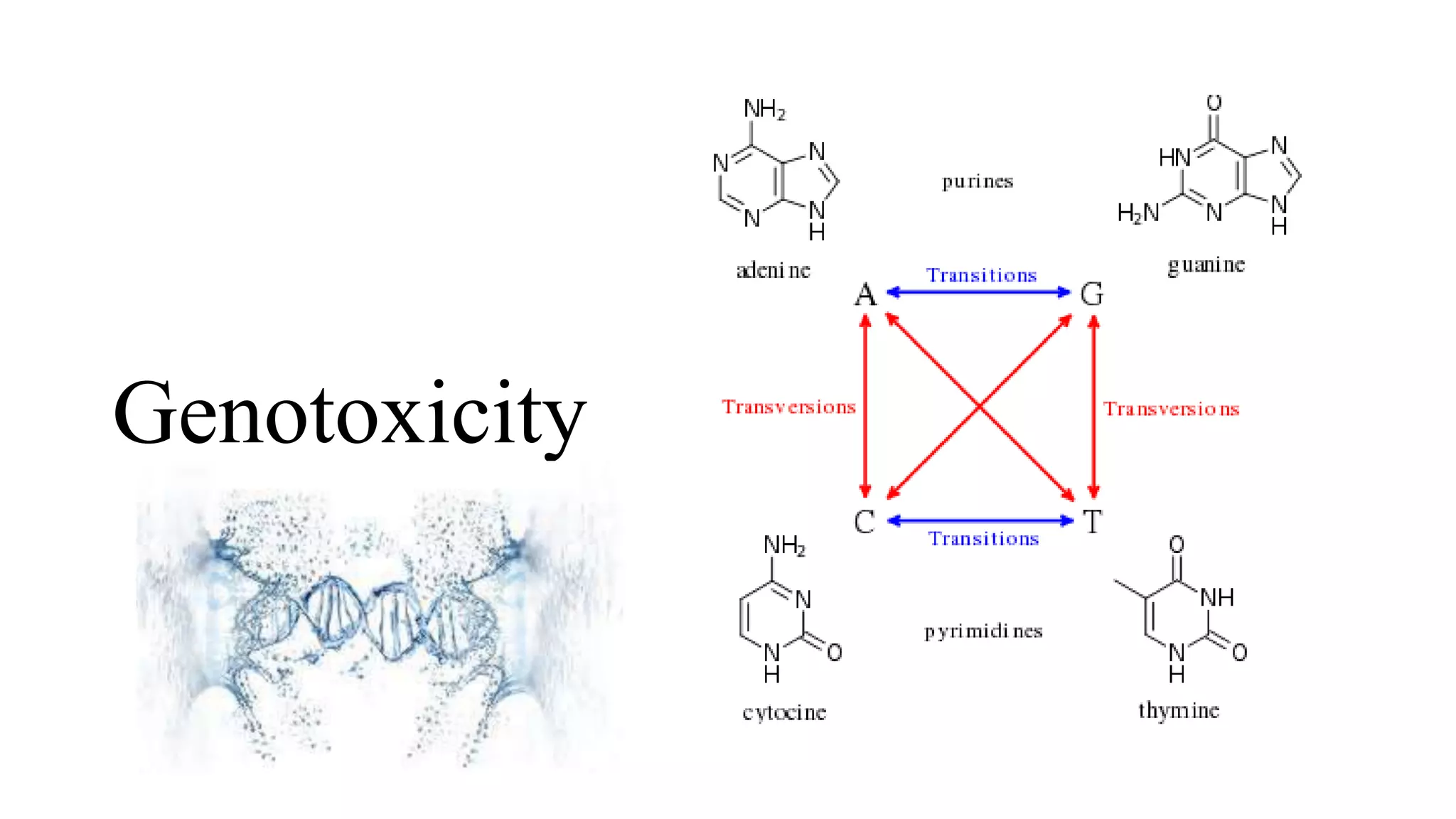
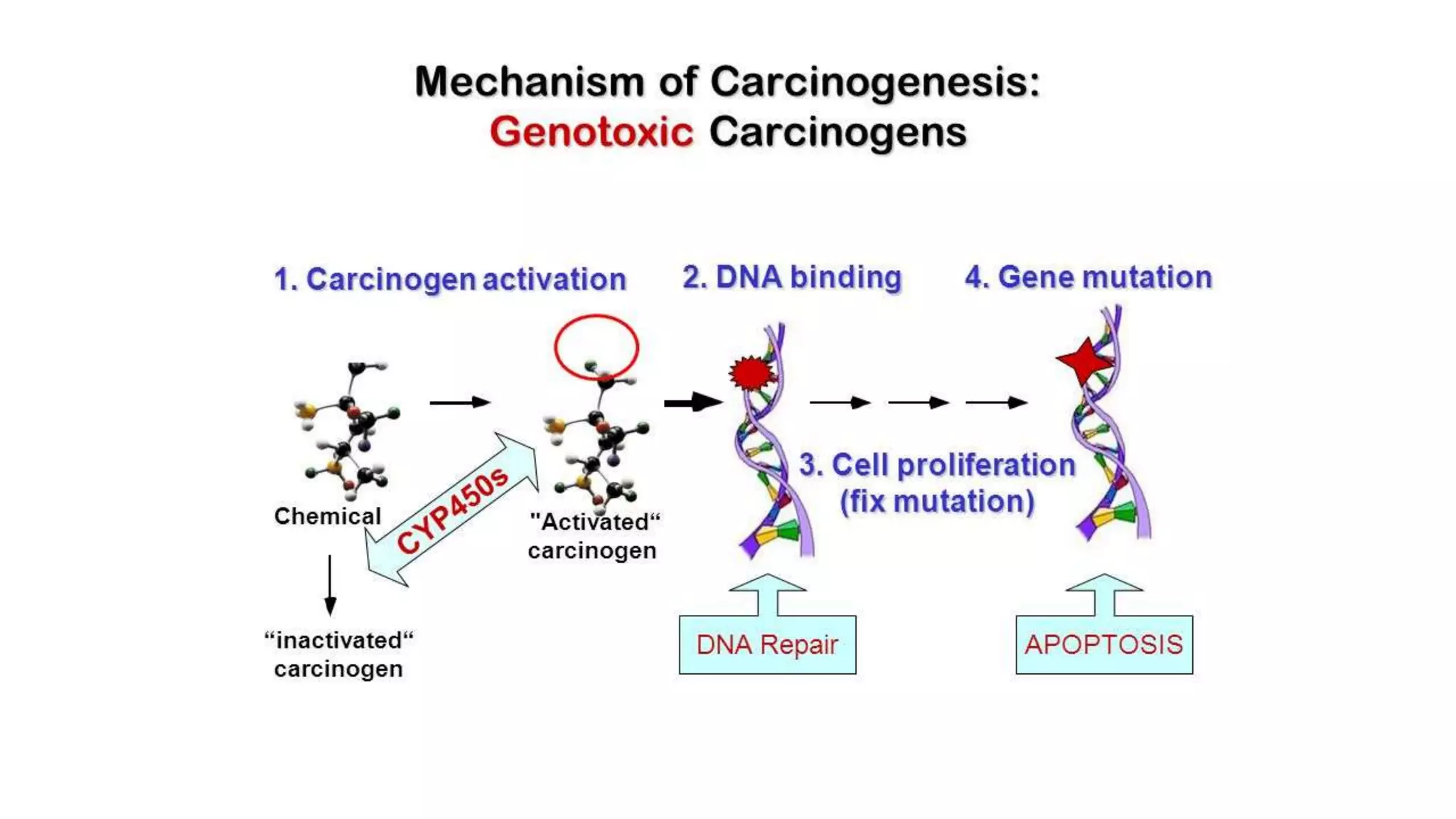
Genotoxicity
Genotoxicity is ability of any agent to damage genetic material.
Toxic effect of any Physical , Chemical and Biological agent on
genetic material(DNA/ RNA)
Genotoxicity results in mutations which may results in tumor or
cancer
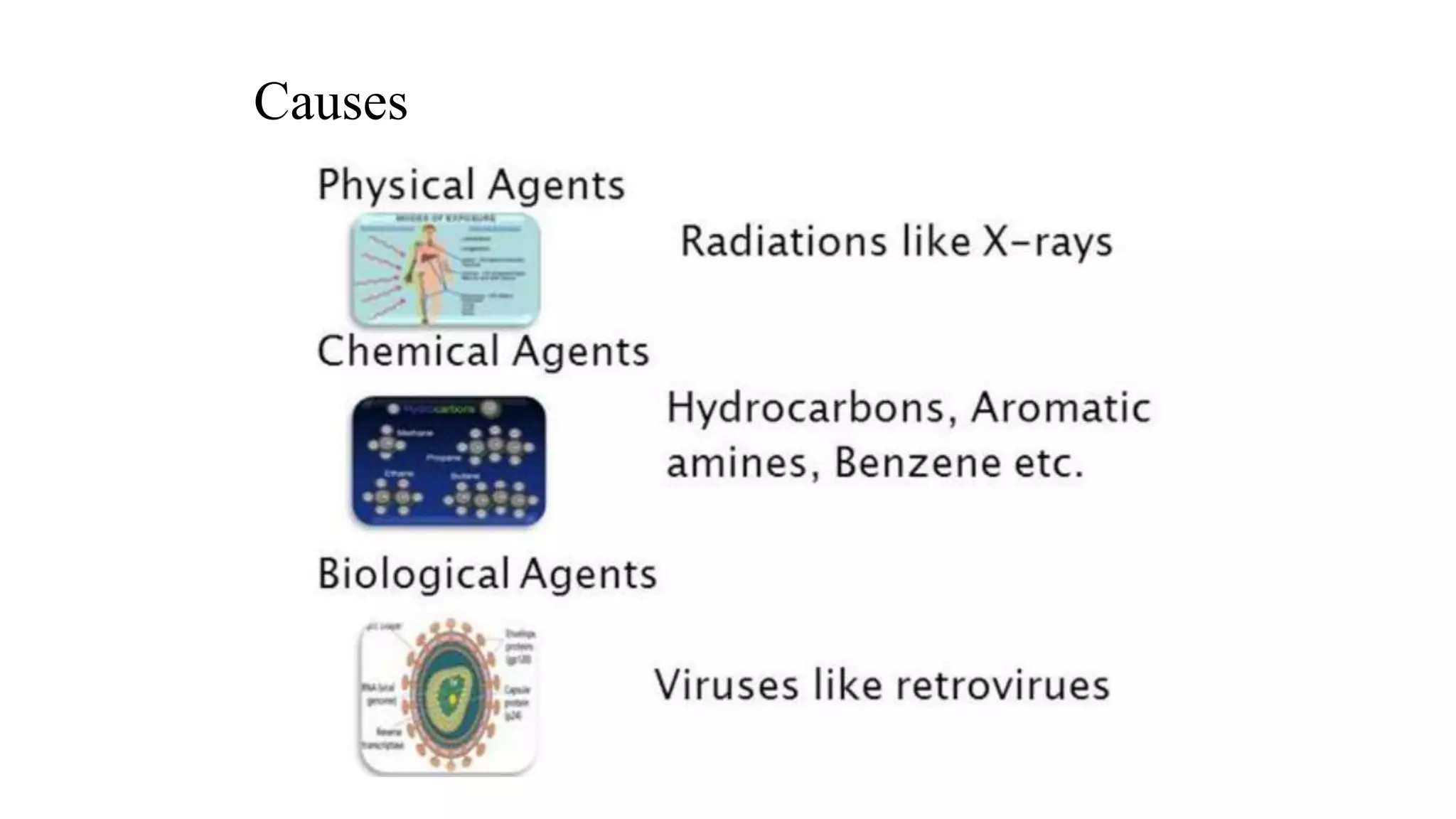
Causes
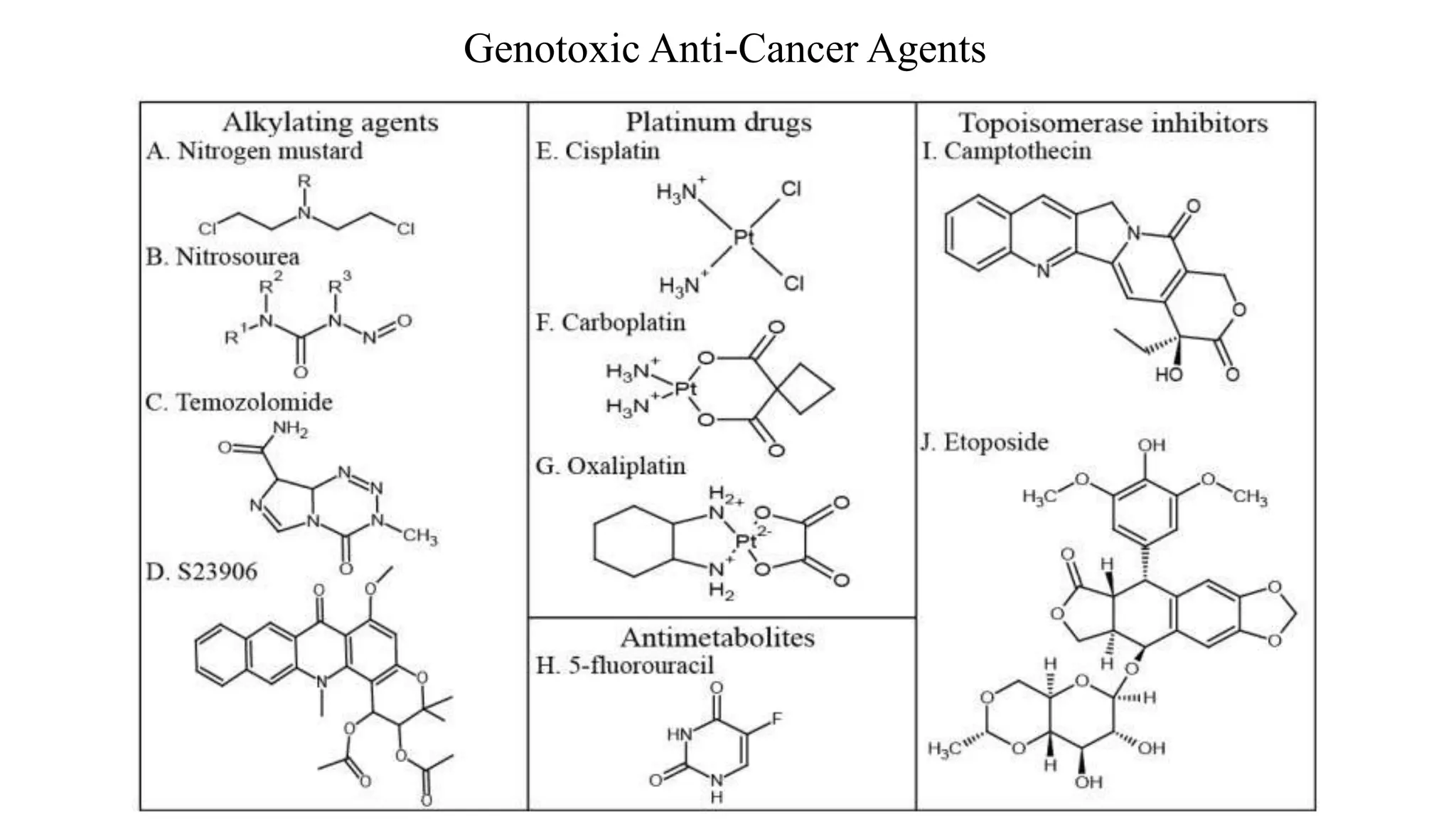
Genotoxic Anti-Cancer Agents
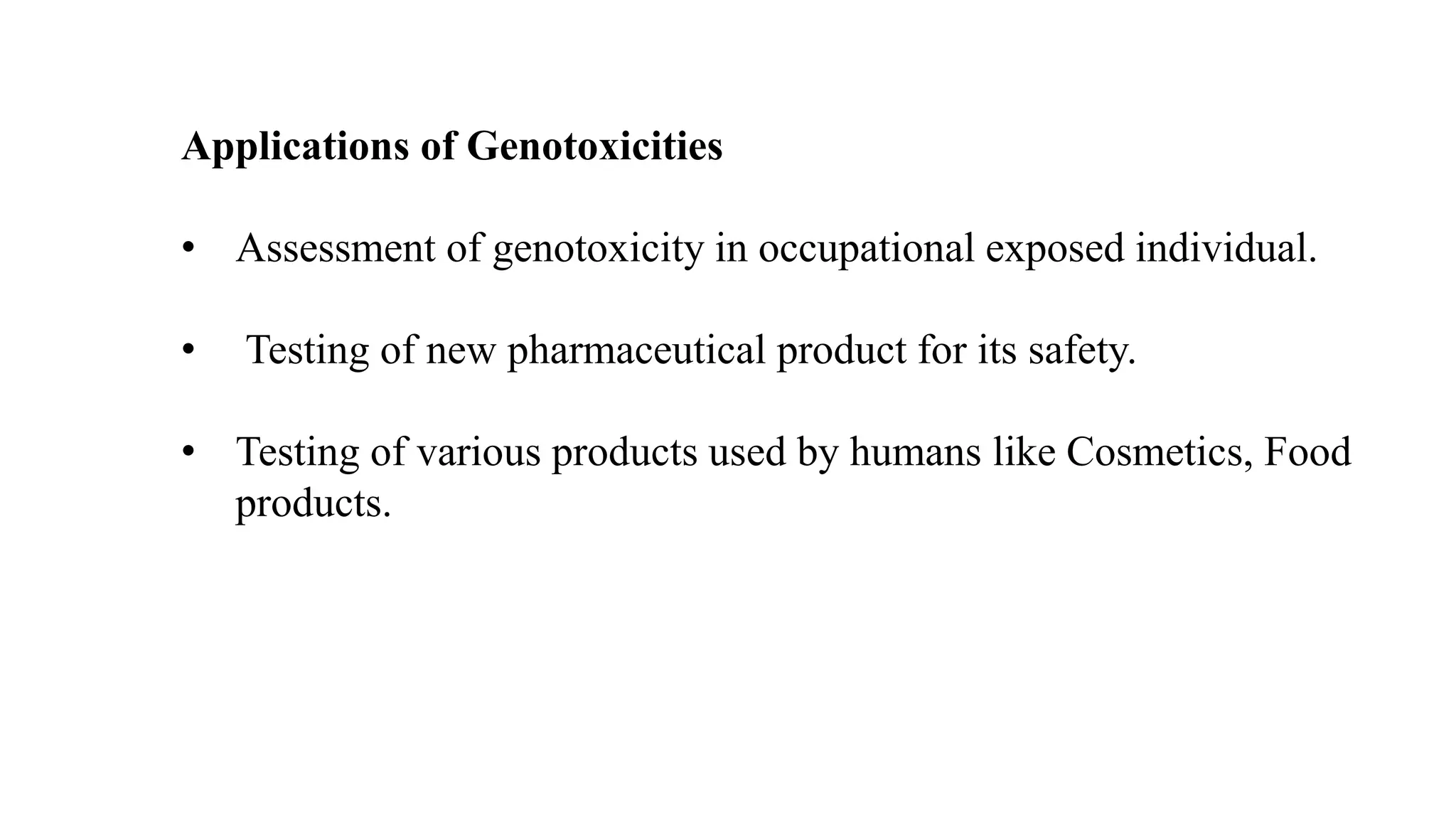
Applications of Genotoxicities
• Assessment of genotoxicity in occupational exposed individual.
• Testing of new pharmaceutical product for its safety.
• Testing of various products used by humans like Cosmetics, Food
products.
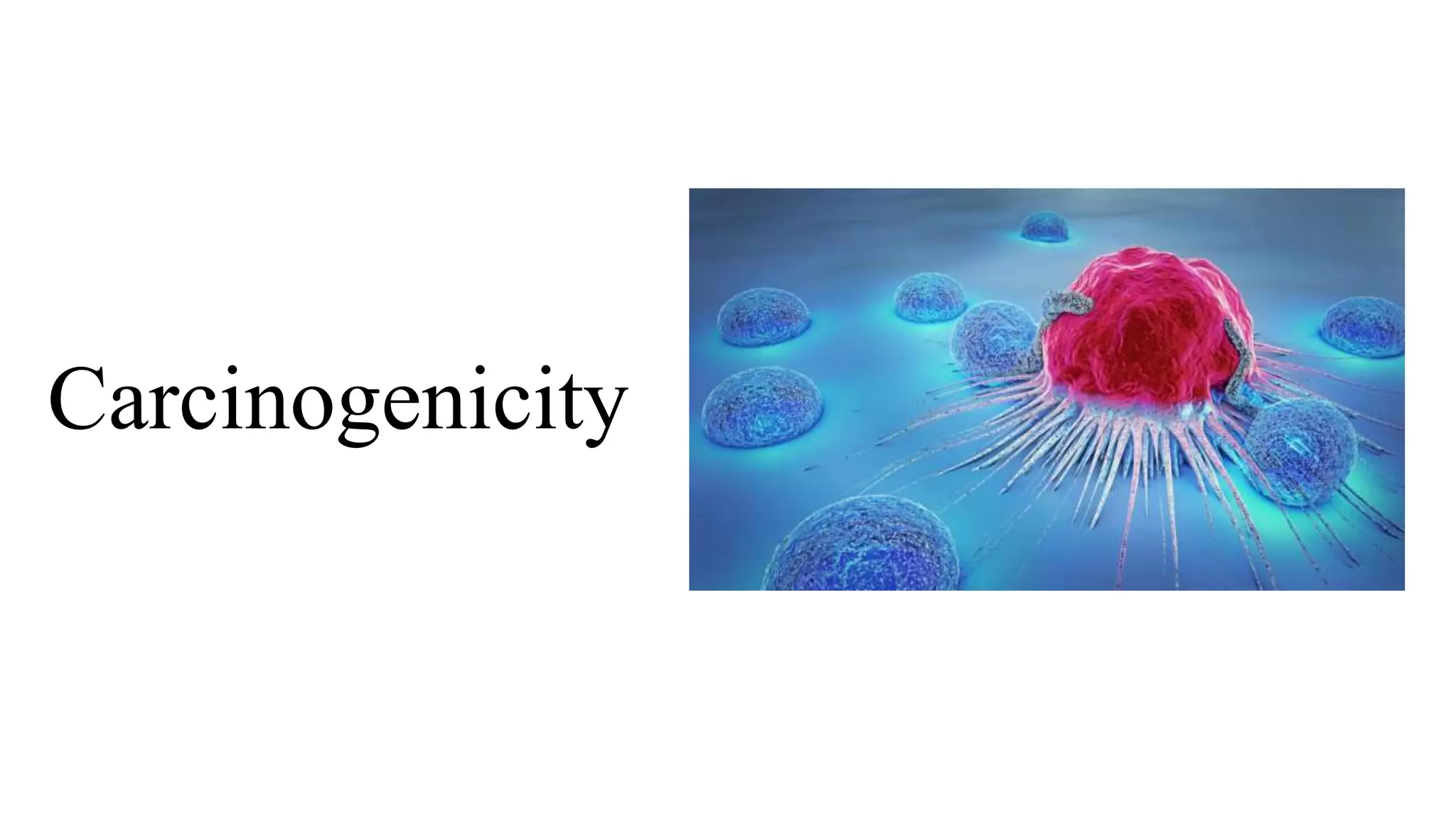
Carcinogenicity
Carcinogenicity is the ability of a chemical to induce tumors, increase
their incidence of tumor occurrence when it is inhaled, ingested,
dermally applied or injected.
Carcinogenicity studies are generally required for pharmaceuticals that
are expected to be used continuously for at least six months or
intermittently for the treatment of chronic or recurrent conditions.
Characters and properties of Carcinogenicity
Abnormal, uncontrolled cell division
Damage to genes controlling cell growth
Cancer cells lose normal functions
Divide rapidly
Invade surrounding cells
Metastasis: abnormal cells traveling to different sites and
starting new tumors
Tumor: abnormal enlargement
Angiogenesis: Forming new blood vessels in tumor region
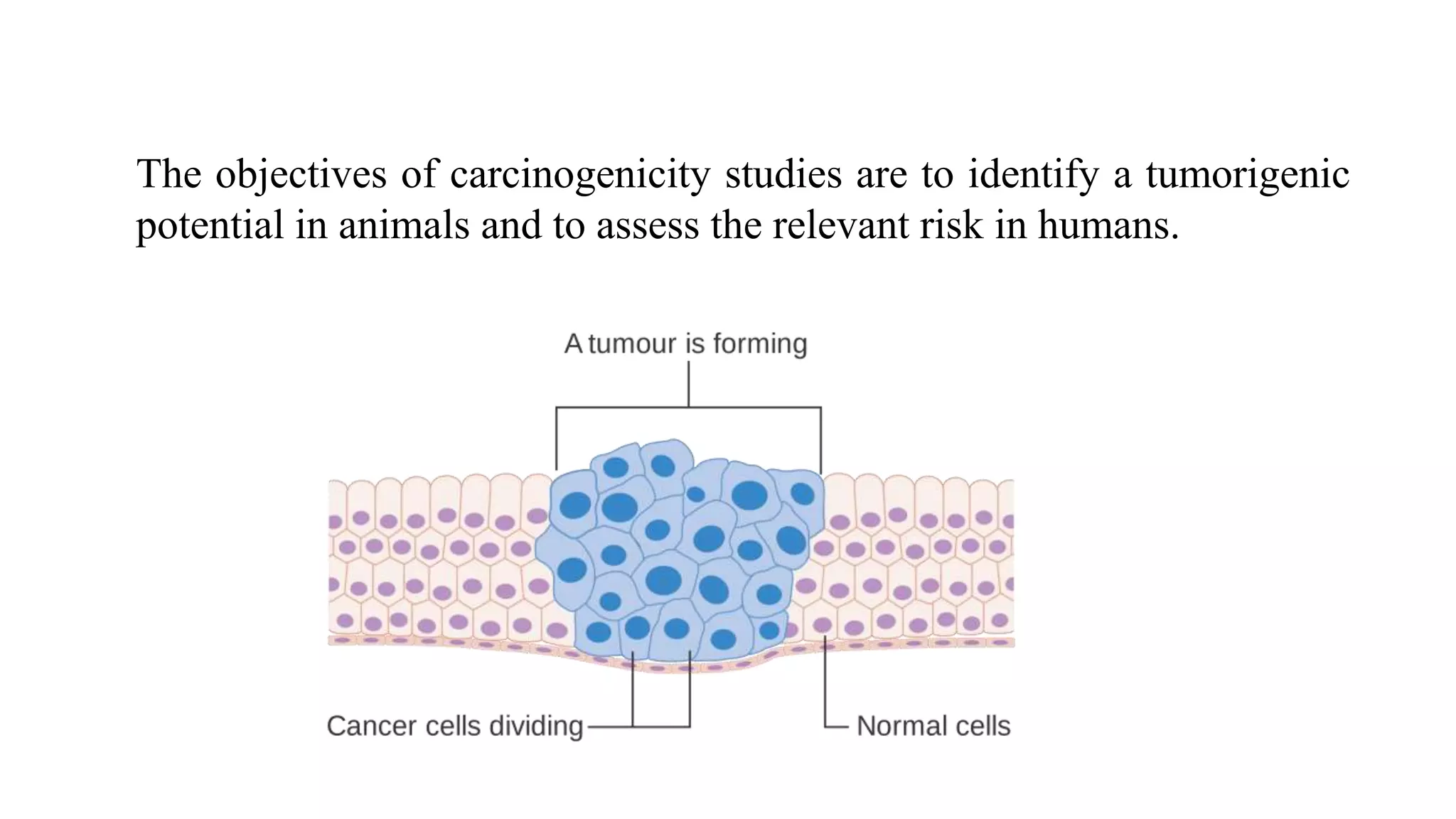
The objectives of carcinogenicity studies are to identify a tumorigenic
potential in animals and to assess the relevant risk in humans.
Study Duration
Carcinogenicity evaluations in genetically engineered animals
generally involve an exposure period of 6 months, versus exposure
periods of 18–24 months for carcinogenicity evaluations in standard-
bred mice.
The primary determinant of the duration of carcinogenicity
evaluations in transgenic or knockout mice.
The standard protocol for carcinogenicity bioassays in rasH2
transgenic and hemizygous p53 knockout mice involves 26 weeks of
agent exposure, followed by complete histopathologic evaluation of
tissues.
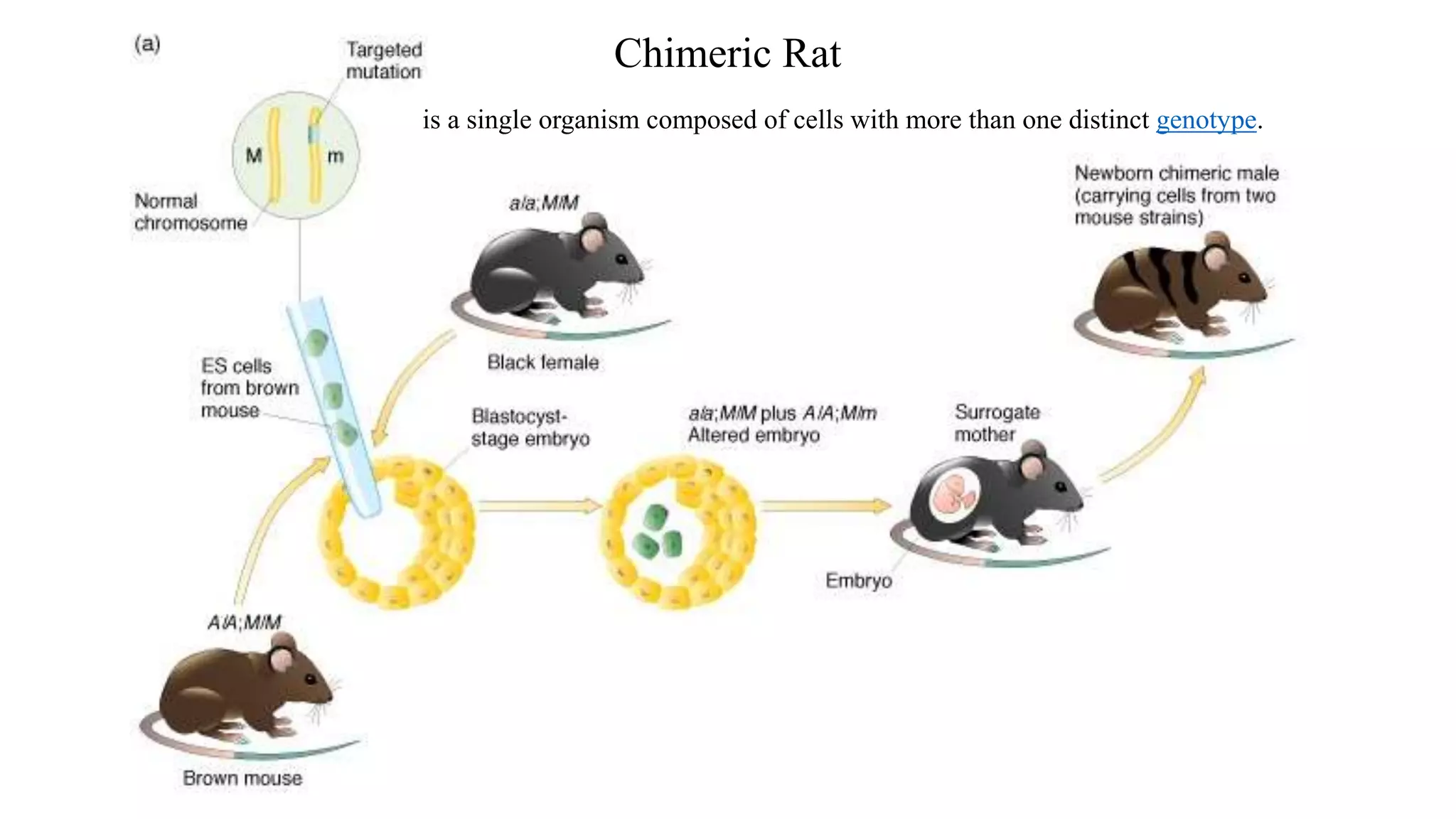
Chimeric Rat
is a single organism composed of cells with more than one distinct genotype.
Gene Knockout : A gene knockout (KO) is a genetic technique in which
one of an organism’s gene is made inoperative
Knockout organisms are used to study gene function, usually by
investigating the effect of gene loss.
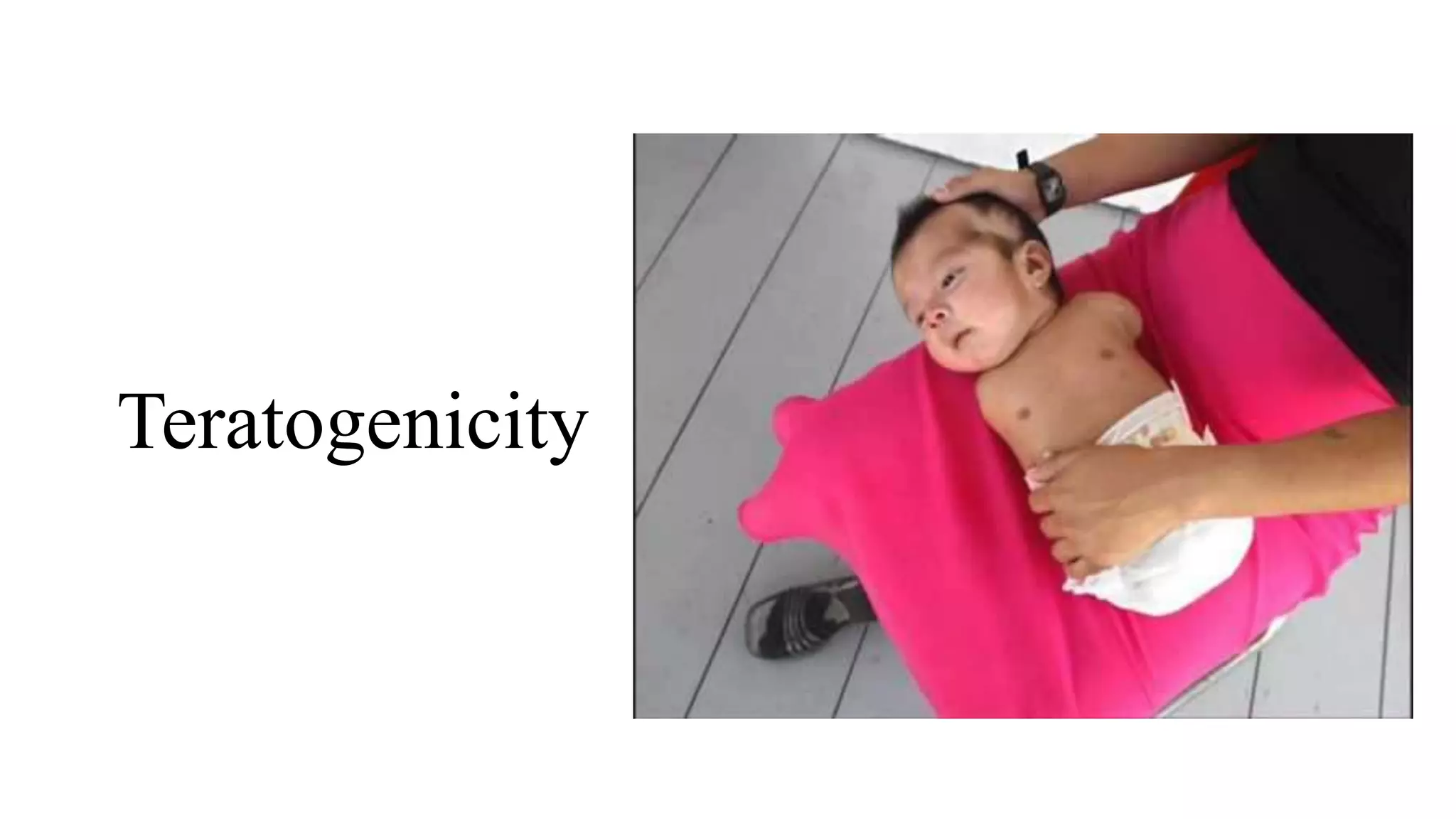
Teratogenicity
• Capacity of a drug to cause foetal abnormalities when administered
to the pregnant mother
• Teratogenicity testing came into being since the thalidomide tragedy
of 1961
• High demand for a rapid, reliable and cost- effective method for
detection of teratogenic toxicity
Drugs can affect the foetus at 3 stages
1. Fertilization and implantation- conception to 17 days
(unnoticed failure of pregnancy)
2. Organogenesis- 18-55 days of gestation
(most vulnerable period)
3. Growth and development- 56 days onward
(developmental and functional abnormalities can occur)
In vitro techniques
Whole embryo culture test Rodent embryo culture (rat or mouse)
• Culturing of whole embryos at early stage of organogenesis
• Exposing of these to a potential teratogen
• Endpoints generally used – Mortality – Malformation – Growth inhibition
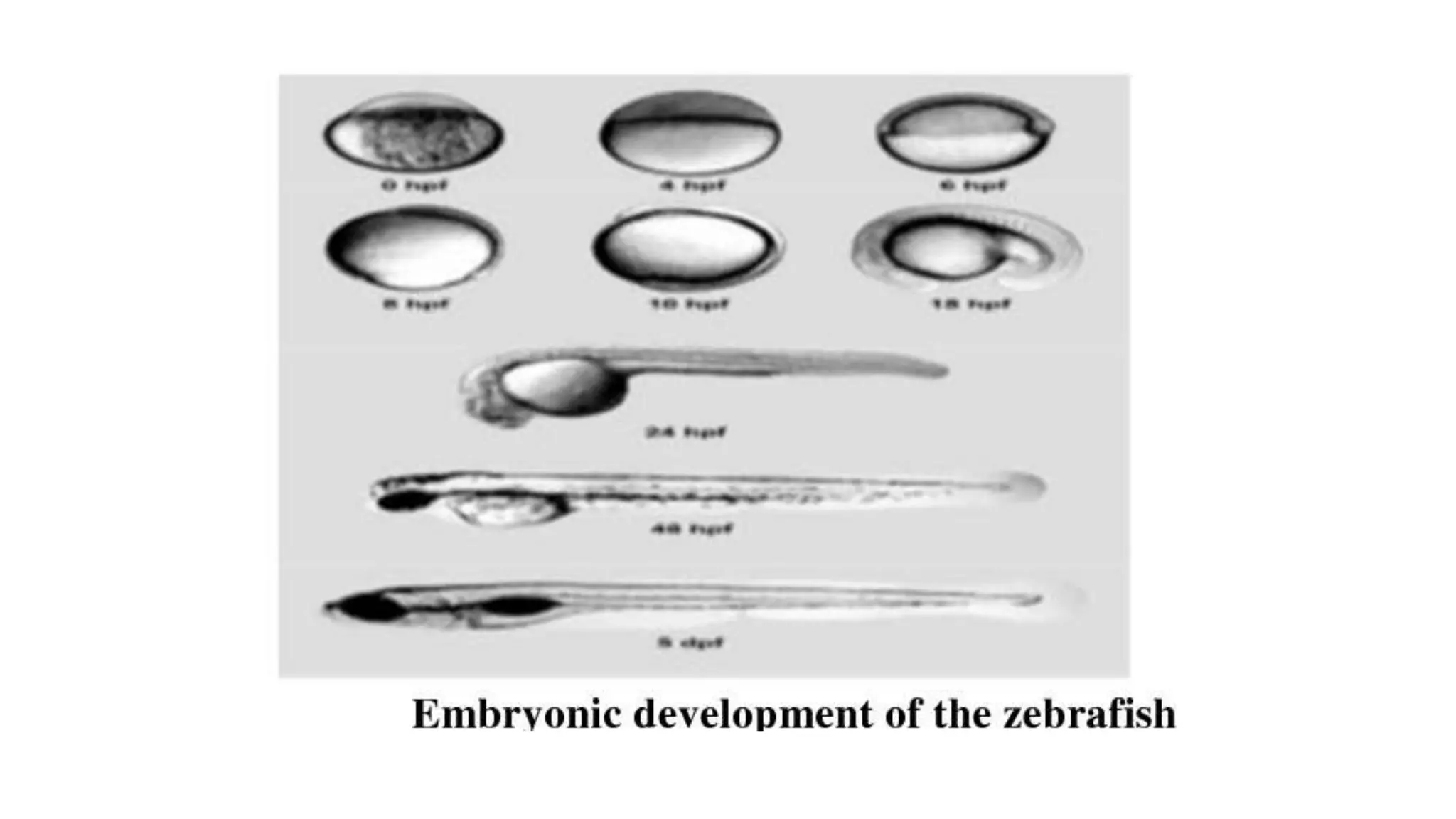
Whole embryo culture test Zebrafish embryo
• Cover the whole period of organogenesis
• Easy to maintain in large stocks due to their high fecundity
• Develop rapidly ex utero, with most organs becoming functional between 3
and 5 days- post-fertilization (dpf)
• Transparency of larval zebrafish
• Reasonably tolerant to concentration of dimethylsulphoxide (DMSO)
generally used as a solvent at drug screening
• High concordance with mammalian data
Thank you

Geno toxicity, carcinogenicity and teratogenicity

  • 1.
    Genotoxicity, Carcinogenicity & Teratogenicity Dr.K. Manohar Babu VJ’s College of Pharmacy
  • 2.
    Genotoxicities Cytogenetic markers Examples forGenotoxicity agents Carcinogenicity Chimeric Animals Knock out Animals Examples for Carcinogenicity agents Teratogenicity Invitro techniques Examples for Teratogenicity agents Contents
  • 3.
  • 4.
    Genotoxicity is abilityof any agent to damage genetic material. Toxic effect of any Physical , Chemical and Biological agent on genetic material(DNA/ RNA) Genotoxicity results in mutations which may results in tumor or cancer
  • 5.
  • 11.
  • 12.
    Applications of Genotoxicities •Assessment of genotoxicity in occupational exposed individual. • Testing of new pharmaceutical product for its safety. • Testing of various products used by humans like Cosmetics, Food products.
  • 14.
  • 15.
    Carcinogenicity is theability of a chemical to induce tumors, increase their incidence of tumor occurrence when it is inhaled, ingested, dermally applied or injected. Carcinogenicity studies are generally required for pharmaceuticals that are expected to be used continuously for at least six months or intermittently for the treatment of chronic or recurrent conditions.
  • 16.
    Characters and propertiesof Carcinogenicity Abnormal, uncontrolled cell division Damage to genes controlling cell growth Cancer cells lose normal functions Divide rapidly Invade surrounding cells Metastasis: abnormal cells traveling to different sites and starting new tumors Tumor: abnormal enlargement Angiogenesis: Forming new blood vessels in tumor region
  • 17.
    The objectives ofcarcinogenicity studies are to identify a tumorigenic potential in animals and to assess the relevant risk in humans.
  • 19.
    Study Duration Carcinogenicity evaluationsin genetically engineered animals generally involve an exposure period of 6 months, versus exposure periods of 18–24 months for carcinogenicity evaluations in standard- bred mice. The primary determinant of the duration of carcinogenicity evaluations in transgenic or knockout mice. The standard protocol for carcinogenicity bioassays in rasH2 transgenic and hemizygous p53 knockout mice involves 26 weeks of agent exposure, followed by complete histopathologic evaluation of tissues.
  • 20.
    Chimeric Rat is asingle organism composed of cells with more than one distinct genotype.
  • 21.
    Gene Knockout :A gene knockout (KO) is a genetic technique in which one of an organism’s gene is made inoperative Knockout organisms are used to study gene function, usually by investigating the effect of gene loss.
  • 25.
  • 26.
    • Capacity ofa drug to cause foetal abnormalities when administered to the pregnant mother • Teratogenicity testing came into being since the thalidomide tragedy of 1961 • High demand for a rapid, reliable and cost- effective method for detection of teratogenic toxicity
  • 27.
    Drugs can affectthe foetus at 3 stages 1. Fertilization and implantation- conception to 17 days (unnoticed failure of pregnancy) 2. Organogenesis- 18-55 days of gestation (most vulnerable period) 3. Growth and development- 56 days onward (developmental and functional abnormalities can occur)
  • 28.
    In vitro techniques Wholeembryo culture test Rodent embryo culture (rat or mouse) • Culturing of whole embryos at early stage of organogenesis • Exposing of these to a potential teratogen • Endpoints generally used – Mortality – Malformation – Growth inhibition Whole embryo culture test Zebrafish embryo • Cover the whole period of organogenesis • Easy to maintain in large stocks due to their high fecundity • Develop rapidly ex utero, with most organs becoming functional between 3 and 5 days- post-fertilization (dpf) • Transparency of larval zebrafish • Reasonably tolerant to concentration of dimethylsulphoxide (DMSO) generally used as a solvent at drug screening • High concordance with mammalian data
  • 31.