Genetic Testing in Neonates and Children
Dr. Prakash Patil
PhD (Medicine, Japan)
Senior Scientist, CRL
KSHEMA, NITTE Deemed to be University
Mangaluru - 575018
Screening for Congenital abnormalities
29-07-2020 Dr. Patil Prakash 1
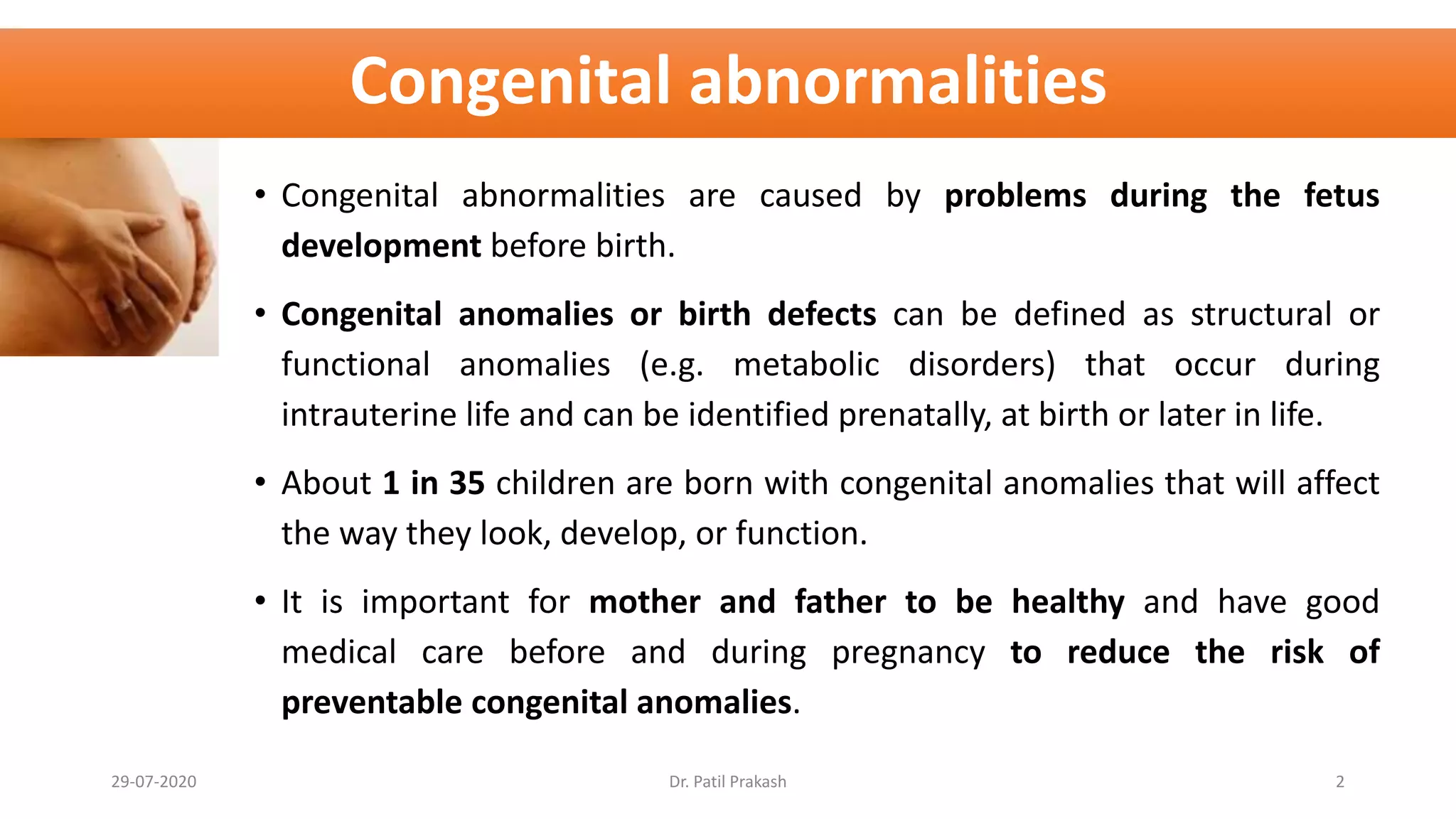
• Congenital abnormalities are caused by problems during the fetus
development before birth.
• Congenital anomalies or birth defects can be defined as structural or
functional anomalies (e.g. metabolic disorders) that occur during
intrauterine life and can be identified prenatally, at birth or later in life.
• About 1 in 35 children are born with congenital anomalies that will affect
the way they look, develop, or function.
• It is important for mother and father to be healthy and have good
medical care before and during pregnancy to reduce the risk of
preventable congenital anomalies.
Congenital abnormalities
29-07-2020 Dr. Patil Prakash 2
• The prevalence of birth defects in India is 6 - 7% which translates to around 1.7
million birth defects annually.
• Common birth defects include
• congenital heart disease (8 - 10 per 1000 live births),
• congenital deafness (5.6 - 10 per 1000 live births), and
• neural tube defects (4 - 11.4 per 1000 live births)
• Some birth defects are clinically apparent at birth; others may only be diagnosed
later in life.
• The structural defect such as spina bifida is obvious at birth whereas hemophilia a
functional defect (a bleeding disorder) is not usually obvious until infancy or
childhood.
29-07-2020 Dr. Patil Prakash 3
• In nearly 50% of cases the exact cause of congenital anomaly could not be
identified, although some known risk factors are linked with the malformation.
• Congenital anomalies can be caused by
• single gene defects,
• chromosomal aberrations,
• multifactorial inheritance (interaction of genes and the environment),
• environmental teratogens, and
• micronutrient deficiencies
• India Newborn Action Plan (INAP) formulated in September 2014, has integrated
the approaches for the prevention and care of newborn with birth defects into
primary health care, with an emphasis on maternal and child health.
Pre-conception
causes
Post-conception causes
29-07-2020 Dr. Patil Prakash 4
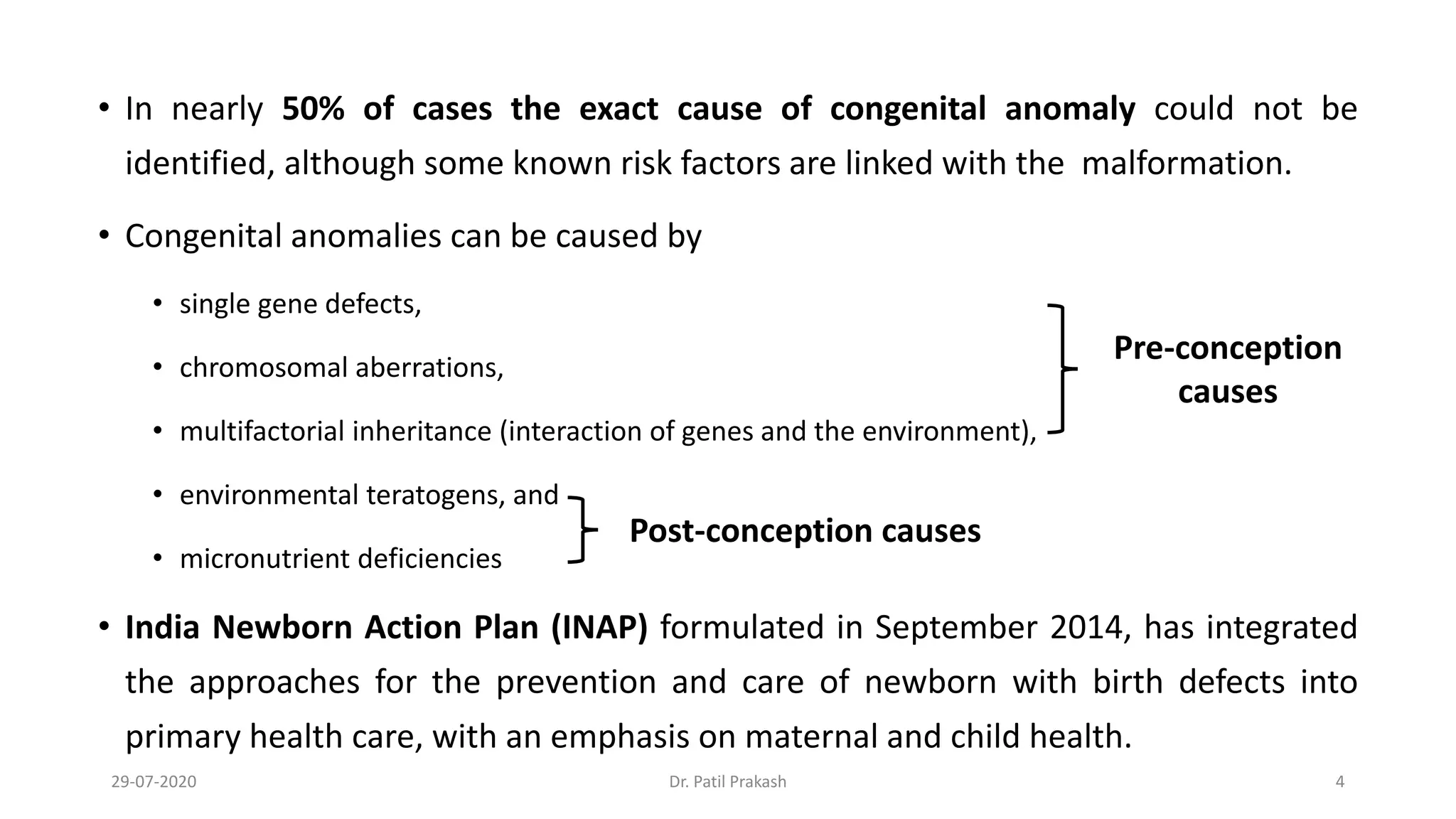
Malformations:
• partial or complete non-formation or alterations in the normal structure
• Ex.: Cleft lip and cleft palate
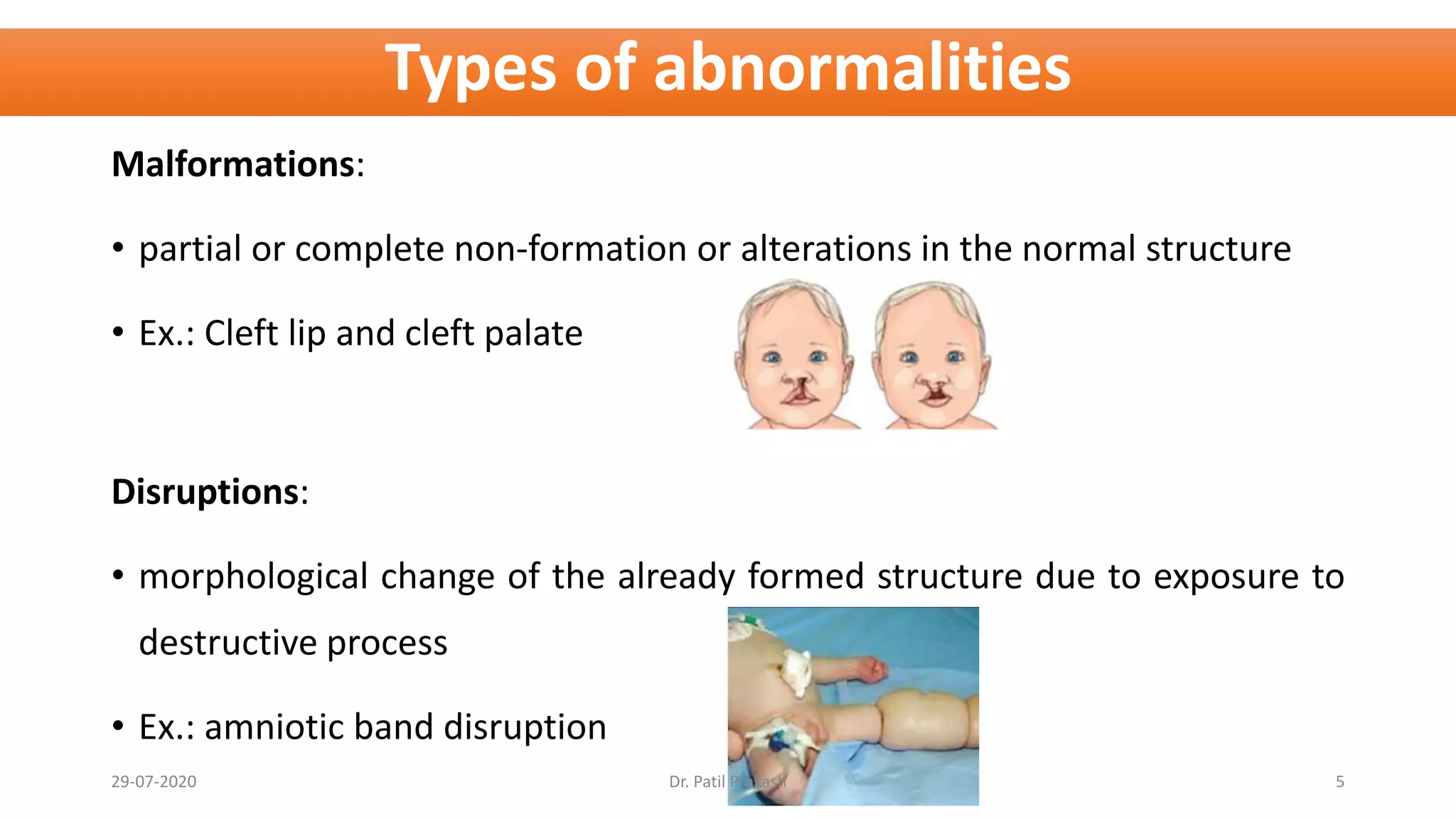
Disruptions:
• morphological change of the already formed structure due to exposure to
destructive process
• Ex.: amniotic band disruption
Types of abnormalities
29-07-2020 Dr. Patil Prakash 5
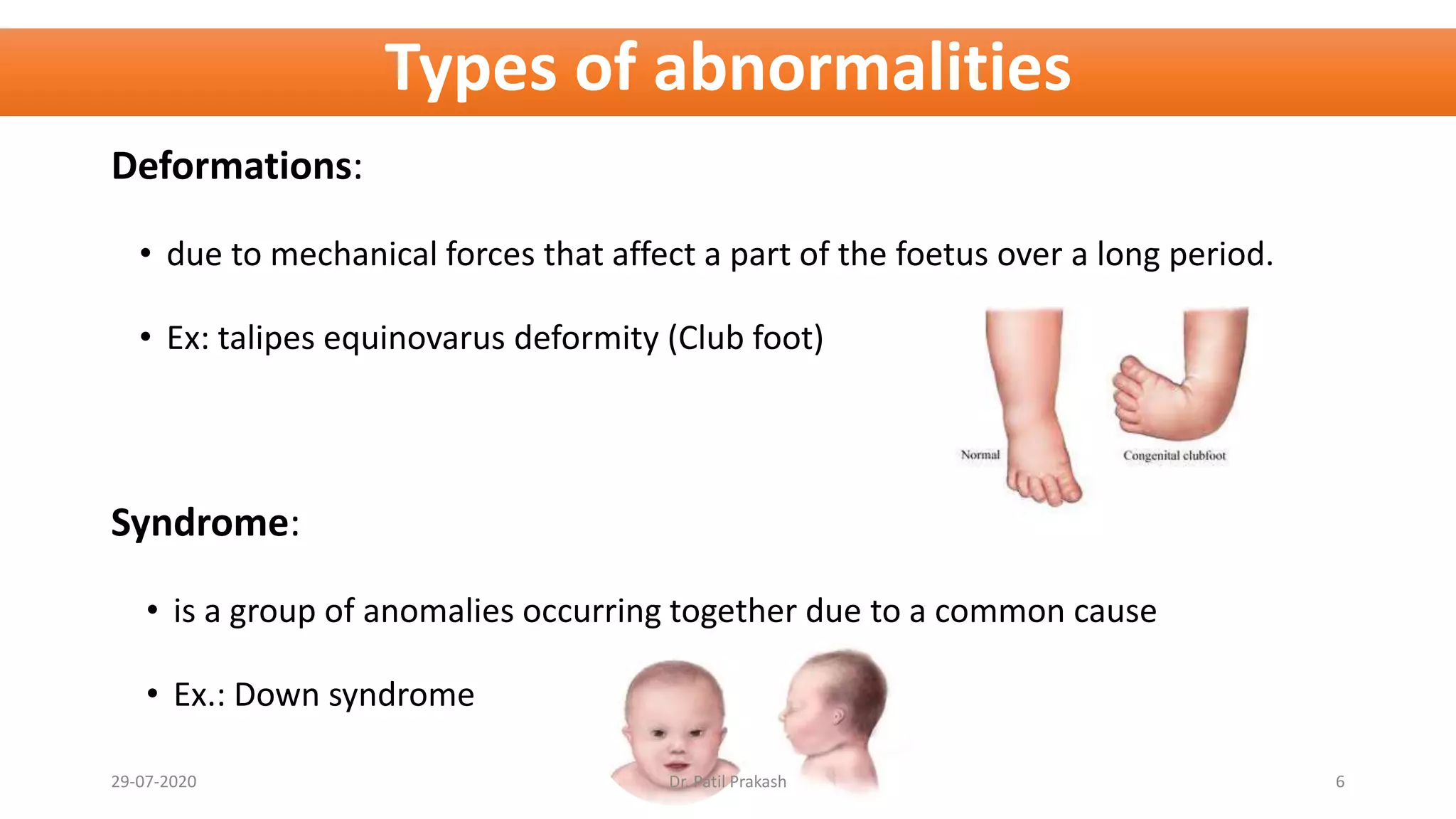
Deformations:
• due to mechanical forces that affect a part of the foetus over a long period.
• Ex: talipes equinovarus deformity (Club foot)
Syndrome:
• is a group of anomalies occurring together due to a common cause
• Ex.: Down syndrome
Types of abnormalities
29-07-2020 Dr. Patil Prakash 6
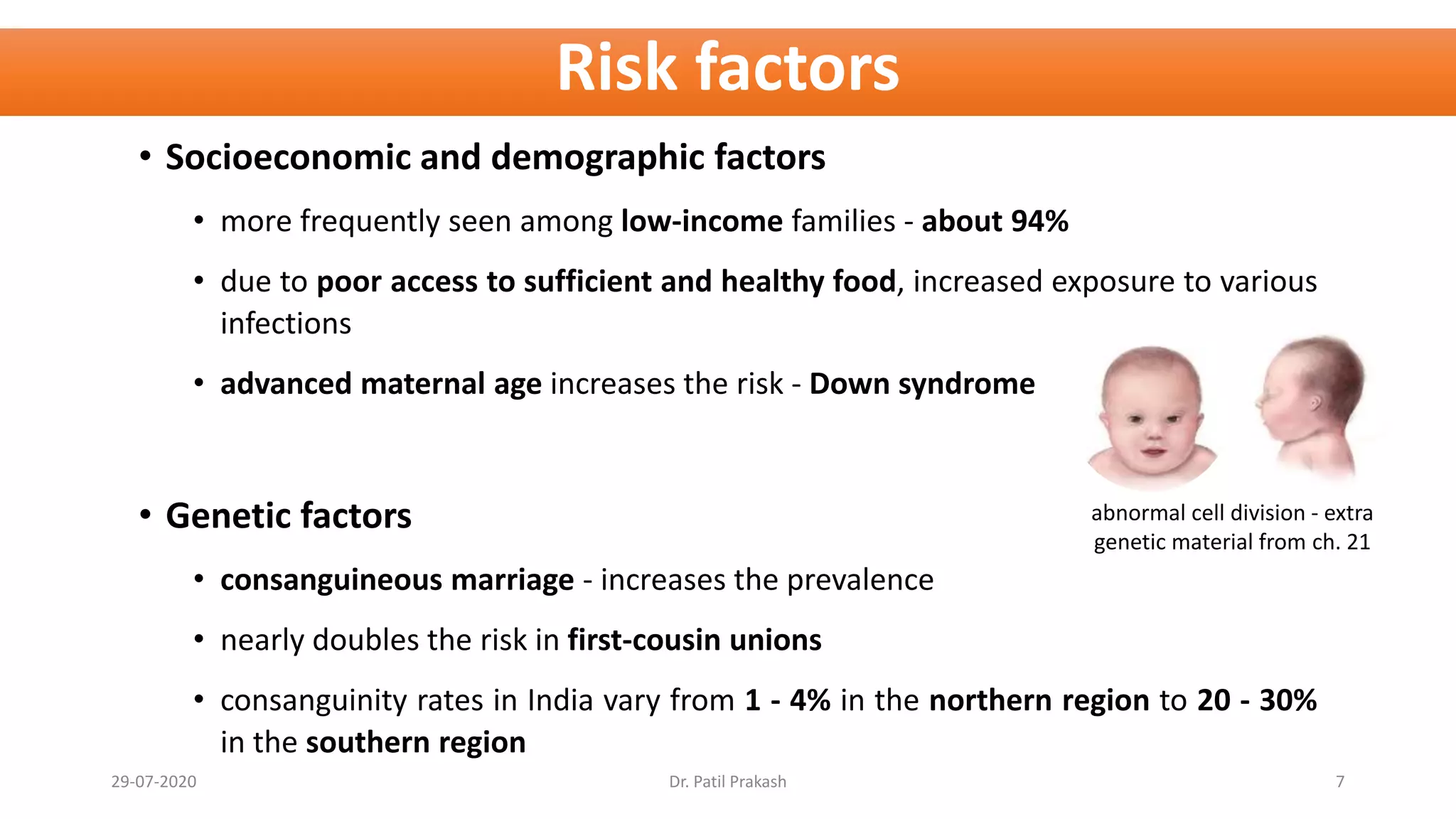
• Socioeconomic and demographic factors
• more frequently seen among low-income families - about 94%
• due to poor access to sufficient and healthy food, increased exposure to various
infections
• advanced maternal age increases the risk - Down syndrome
• Genetic factors
• consanguineous marriage - increases the prevalence
• nearly doubles the risk in first-cousin unions
• consanguinity rates in India vary from 1 - 4% in the northern region to 20 - 30%
in the southern region
Risk factors
abnormal cell division - extra
genetic material from ch. 21
29-07-2020 Dr. Patil Prakash 7
• Infections
• Rubella infection - miscarriage, deafness, intellectual disability, heart defects and
blindness
• Toxoplasmosis infection - hearing loss, vision problems and intellectual disability
• Sexually transmitted infections (STIs) - syphilis, cytomegalovirus
• Maternal nutritional and health status
• Iodine deficiency, folic acid deficiency, excessive Vitamin A intake
• For Eg, folic acid insufficiency - risk of having a baby with a neural tube defect
• Obesity, diabetes mellitus and seizure disorders may increase the risk
Risk factors
29-07-2020 Dr. Patil Prakash 8
• Environmental factors
• Exposure to certain medications, psychoactive drugs, tobacco, radiation and pesticides
during pregnancy may increases the risk of congenital anomalies.
• Working or living near, or in, waste sites, smelters or mines may also be a risk factor
• Certain drugs when taken during pregnancy may cause birth defects - these drugs are
called teratogenic drugs
• Easy availability of drugs along with inadequate health services
• Intake of non-prescribed drugs and self-medication are also common problems
Risk factors
29-07-2020 Dr. Patil Prakash 9
Defined as
“examining a sample of blood or other body fluids or tissue for bio-
chemical, chromosomal, or genetic markers that indicate the presence or
absence of genetic disease”
It is a type of medical test that identifies the changes in chromosomes,
genes, or proteins
Genetic Testing
29-07-2020 Dr. Patil Prakash 10
• Diagnostic testing
DNA based tests are used to identify or rule out a specific genetic or
chromosomal condition when clinical signs and symptoms suggest the diagnosis
Ex. Duchenne muscular dystrophy, spinal muscular atrophy, Friedriech ataxia,
Fragile X syndrome, Pompe disease, etc.
Management of cystic fibrosis – for use of specific and safe drugs -
Pharmacogenetic testing
Types of Genetic Testing
29-07-2020 Dr. Patil Prakash 11
• Carrier testing
is used to identify people who carry one copy of a gene mutation that, when
present in two copies, causes a genetic disorder
usually requested when a relative is affected with an autosomal recessive or an
X-linked disease or when parents are carriers
allow the carriers to be well prepared to choose their partners and take
appropriate reproductive decisions
there is consensus among geneticists and pediatricians that children should not
be tested for carrier status
Types of Genetic Testing
29-07-2020 Dr. Patil Prakash 12
• Pre-symptomatic testing
For early onset disorders: – for preventive and intervention measures
Ex.: Juvenile hemochromatosis - HFE2 and HAMP genes are mutated
Wilson disease and retinoblastoma – RET mutation
For late onset disorders: - adult-onset conditions, a different sort of complexity,
helps to plan for the future, availing life insurance, and making reproductive
decisions
Ex.: Huntington disease – a brain disorder, neuronal problems
Breast cancer, Diabetes, etc.
Types of Genetic Testing
29-07-2020 Dr. Patil Prakash 13
• Other tests
Balanced chromosomal translocation Testing
Cancer Susceptibility Testing
Prenatal and newborn screening Testing
Commercial Testing – Pre-implantation Testing
Types of Genetic Testing
29-07-2020 Dr. Patil Prakash 14
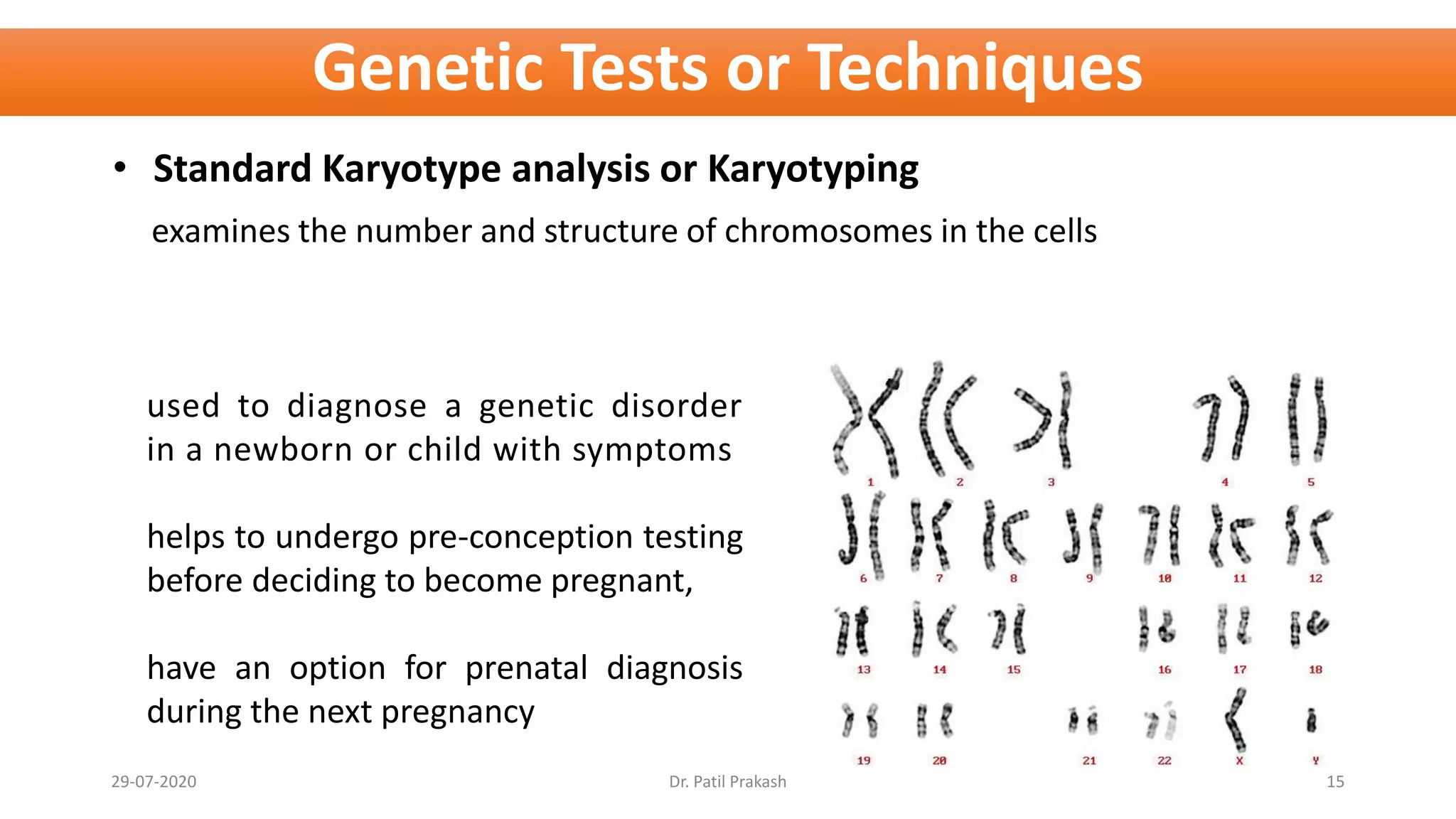
• Standard Karyotype analysis or Karyotyping
examines the number and structure of chromosomes in the cells
Genetic Tests or Techniques
used to diagnose a genetic disorder
in a newborn or child with symptoms
helps to undergo pre-conception testing
before deciding to become pregnant,
have an option for prenatal diagnosis
during the next pregnancy
29-07-2020 Dr. Patil Prakash 15
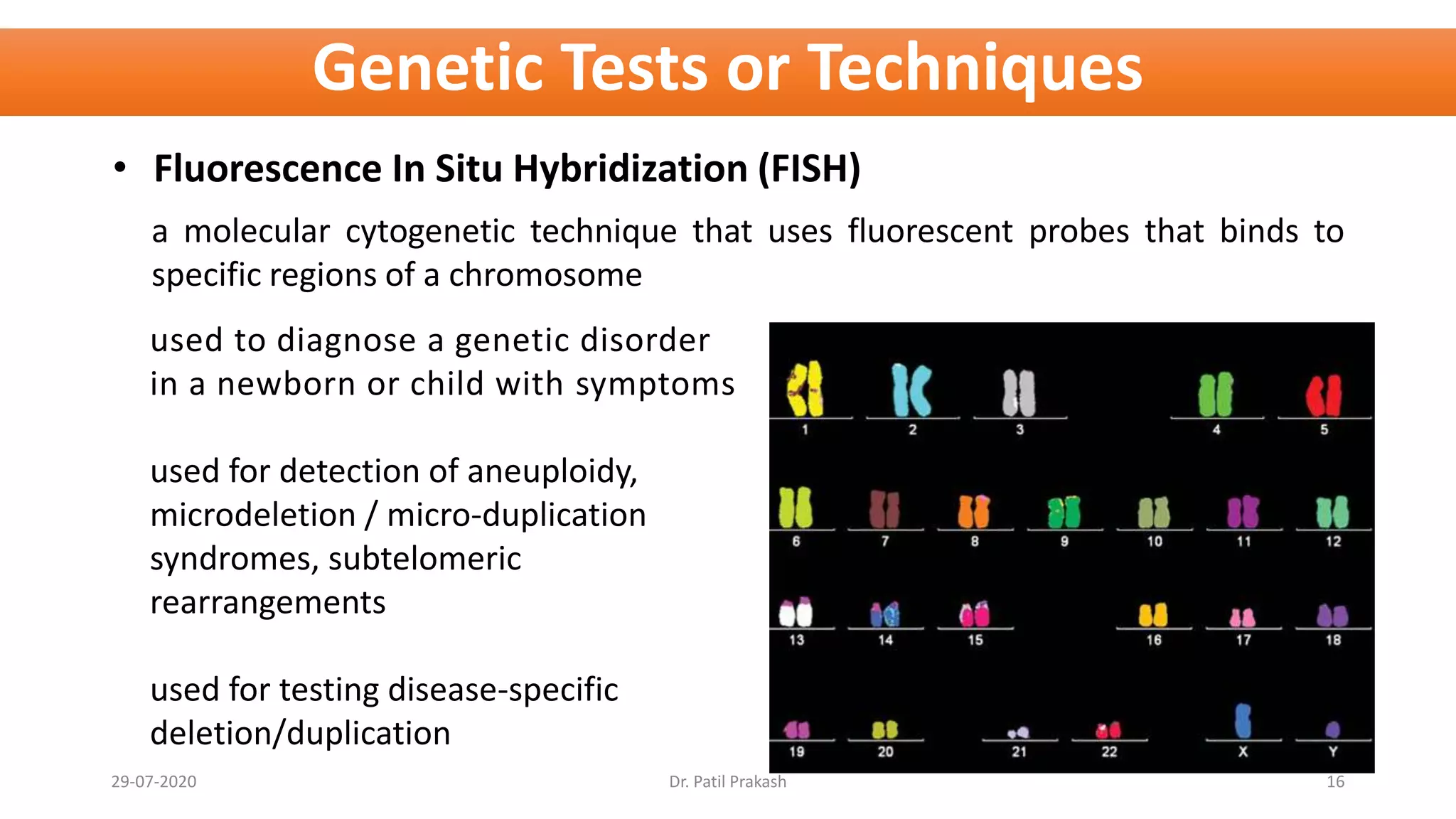
• Fluorescence In Situ Hybridization (FISH)
a molecular cytogenetic technique that uses fluorescent probes that binds to
specific regions of a chromosome
Genetic Tests or Techniques
used to diagnose a genetic disorder
in a newborn or child with symptoms
used for detection of aneuploidy,
microdeletion / micro-duplication
syndromes, subtelomeric
rearrangements
used for testing disease-specific
deletion/duplication
29-07-2020 Dr. Patil Prakash 16
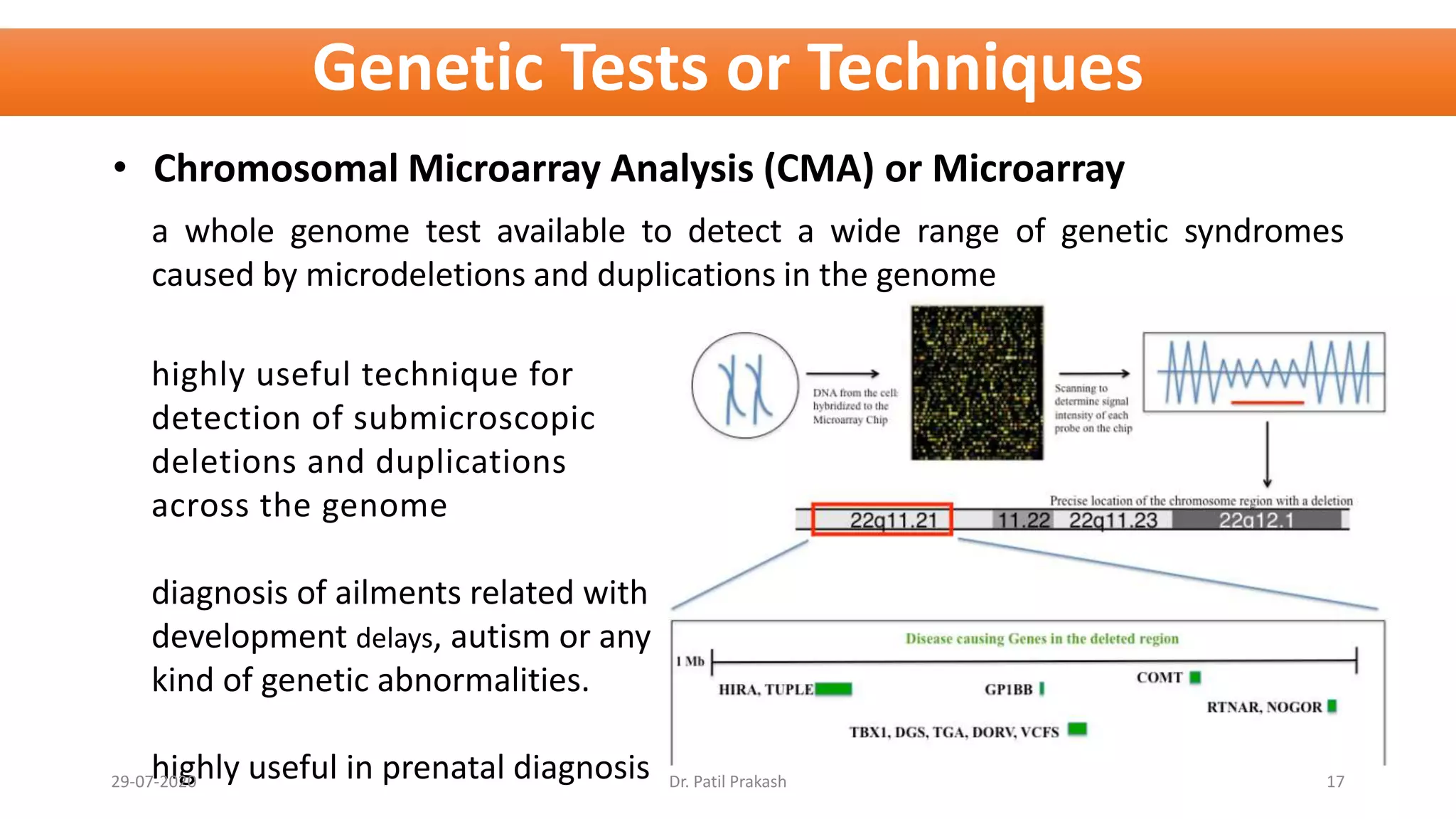
• Chromosomal Microarray Analysis (CMA) or Microarray
a whole genome test available to detect a wide range of genetic syndromes
caused by microdeletions and duplications in the genome
Genetic Tests or Techniques
highly useful technique for
detection of submicroscopic
deletions and duplications
across the genome
diagnosis of ailments related with
development delays, autism or any
kind of genetic abnormalities.
highly useful in prenatal diagnosis29-07-2020 Dr. Patil Prakash 17
• Next Generation Sequencing (NGS)
a high-through put sequencing technique to detect novel mutations or deletions
or insertions in the genes causing genetic disorders
highly expensive, need expertise, specific requirements.
Genetic Tests or Techniques
29-07-2020 Dr. Patil Prakash 18
• Medical benefits:
DNA testing plays a major role in arriving at definitive diagnosis in diseases such as
spinal muscular atrophy, Friedreich ataxia, Fragile X syndrome, etc
• Psychological issues:
The report can reduce the uncertainty and offer emotional relief if negative
Positive result is also helpful in preparing for the future as in planning education,
managing finances and allows time to adjust and avoid emotional problems
• Reproductive issues:
may not directly benefit the tested children as it will only be useful in reproductive or
family planning decisions
Benefits
29-07-2020 Dr. Patil Prakash 19
• Genetic tests may prompt further investigations and unnecessary treatments
with no proven benefits thus causing distress and escalating the cost.
• A positive test may cause unwarranted anxiety about the possible early signs of
the disorder before any genuine manifestations actually set in.
• Revealing the results can impair the self-esteem and lead to discrimination in
education, employment, insurance etc.
• Testing at an early age deprives the child’s right to decide about pre-symptomatic
diagnosis as an adult.
Potential Harms
29-07-2020 Dr. Patil Prakash 20
• Through genetic testing of large segments of the population or
specific individuals requesting it, scientists can identify whose genes
predispose them or their children to certain diseases or disorders.
• In some cases this knowledge may allow a person to undergo
treatment, in others it may cause a person to refrain from having
children.
Genetic Testing – Controversial?
29-07-2020 Dr. Patil Prakash 21
• Unfortunately, though, no cure is currently possible for the majority
of conditions discovered through genetic testing.
• The practice of genetic testing and screening has created moral
controversies about who should be tested and what should be done
with the results
29-07-2020 Dr. Patil Prakash 22
Any Questions?
29-07-2020 Dr. Patil Prakash 23
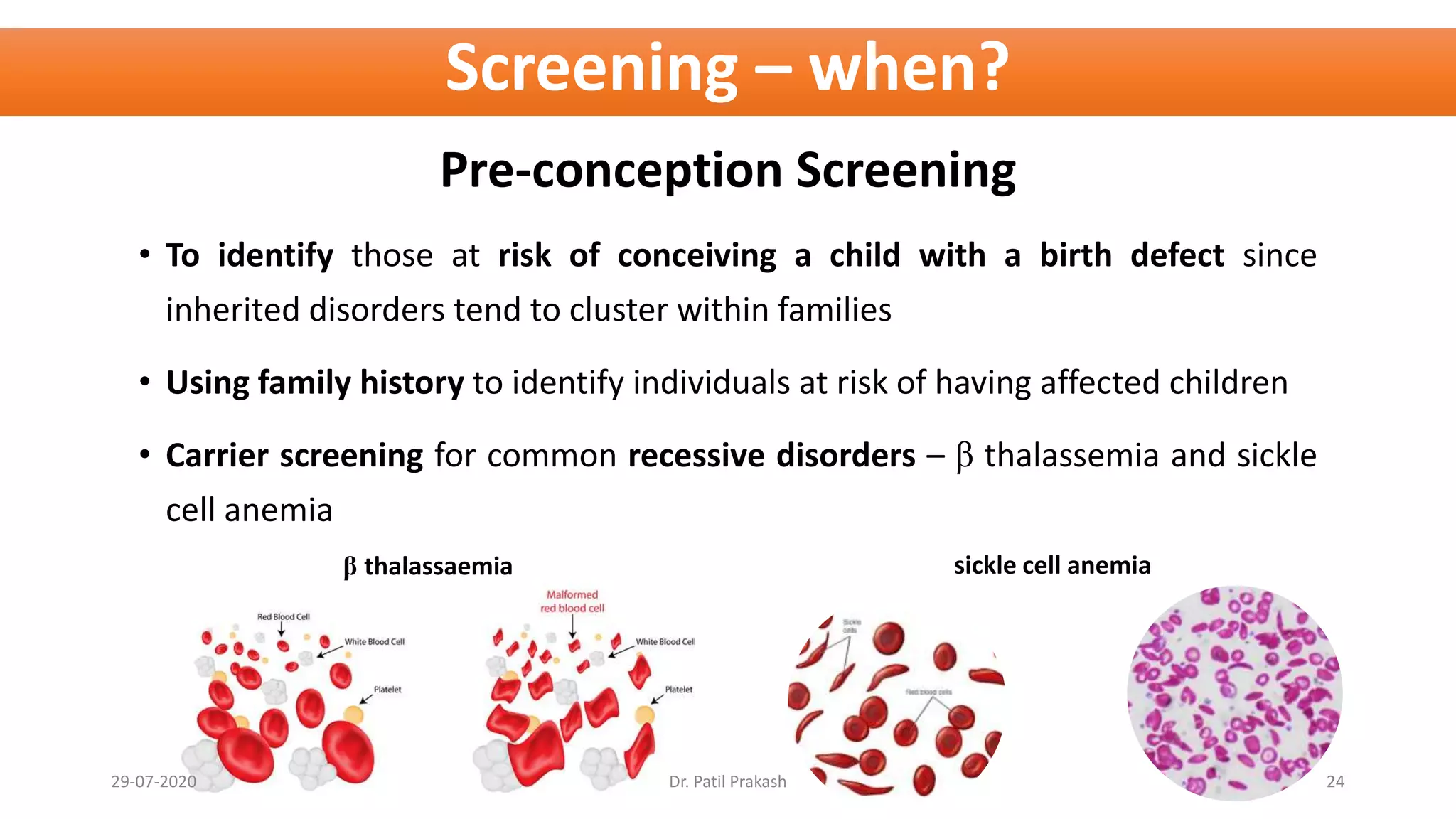
Pre-conception Screening
• To identify those at risk of conceiving a child with a birth defect since
inherited disorders tend to cluster within families
• Using family history to identify individuals at risk of having affected children
• Carrier screening for common recessive disorders – β thalassemia and sickle
cell anemia
Screening – when?
β thalassaemia sickle cell anemia
29-07-2020 Dr. Patil Prakash 24
Peri-conception Screening
• Offering genetic counseling to women 35 years or older
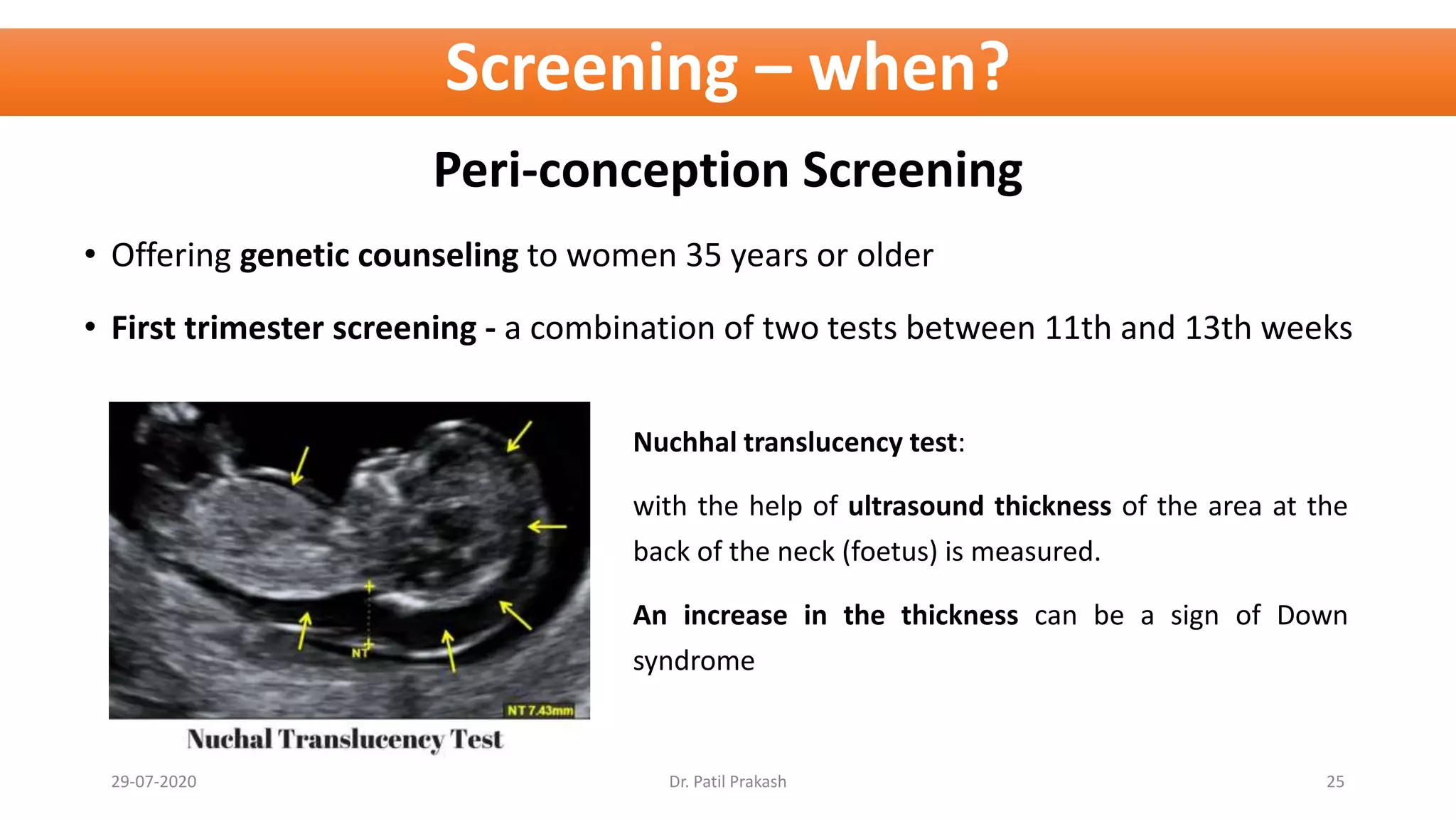
• First trimester screening - a combination of two tests between 11th and 13th weeks
Screening – when?
Nuchhal translucency test:
with the help of ultrasound thickness of the area at the
back of the neck (foetus) is measured.
An increase in the thickness can be a sign of Down
syndrome
29-07-2020 Dr. Patil Prakash 25
Peri-conception Screening
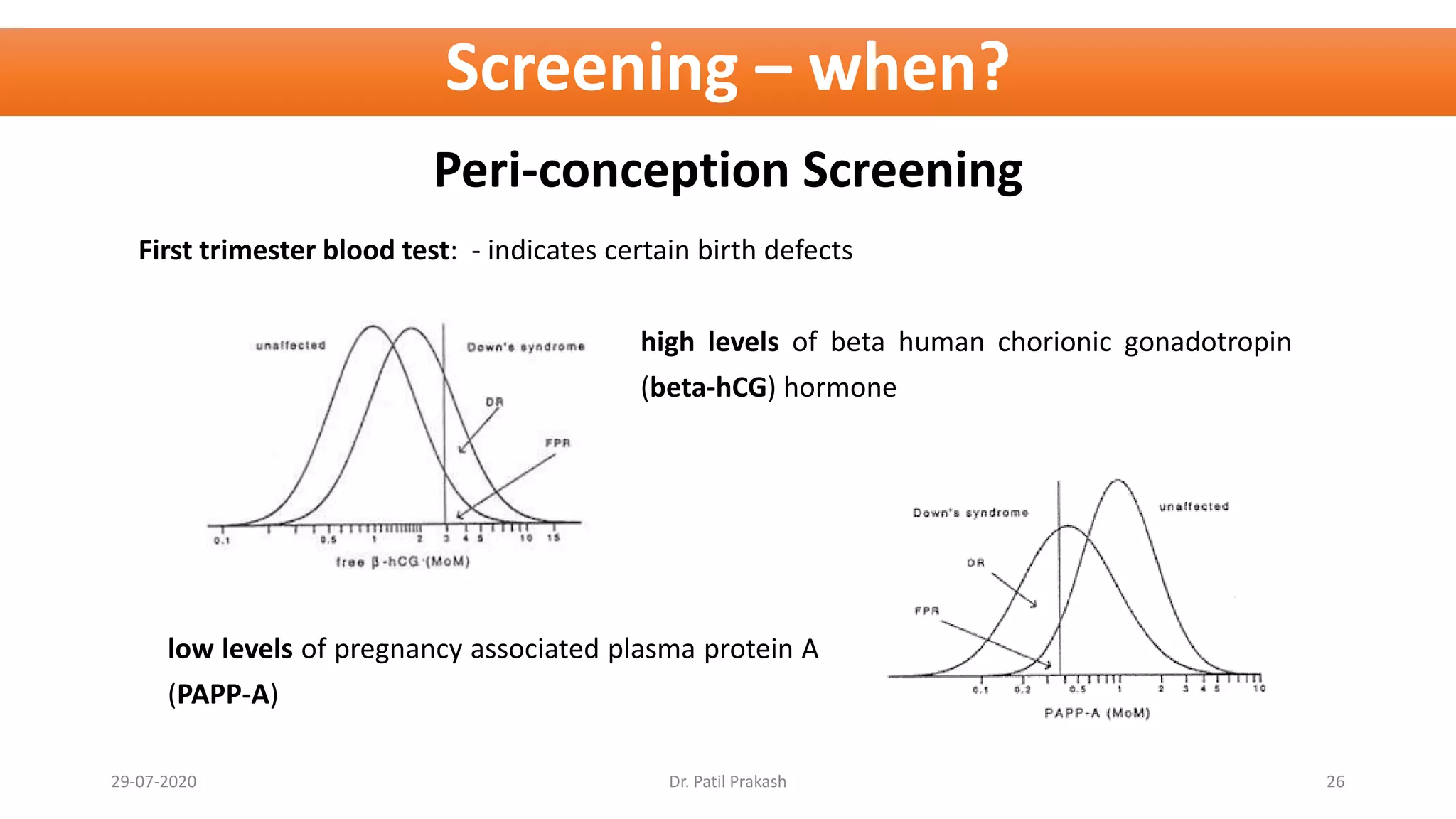
First trimester blood test: - indicates certain birth defects
Screening – when?
low levels of pregnancy associated plasma protein A
(PAPP-A)
high levels of beta human chorionic gonadotropin
(beta-hCG) hormone
29-07-2020 Dr. Patil Prakash 26
Peri-conception Screening
Second trimester screening: are advised between 15th and 20th weeks of pregnancy
• Triple screen test / quad screening: a maternal blood screening test that involves three specific
substances: Alpha-fetoprotein test (AFP), human chorionic gonadotrophin (HCG), and estriol
estimation. When a test for the hormone inhibin A is added, it's called a quad screening.
Screening – when?
29-07-2020 Dr. Patil Prakash 27
Peri-conception Screening
Additional Tests – not routinely advised but needed for accurate diagnosis of rare & high-risk disorders
Amniocentesis:
• amniotic fluid can be used to detect genetic disorders in the foetus
• for Down syndrome, muscular dystrophy, sickle cell anaemia, thalassemia and cystic fibrosis
Chorionic villus sampling (CVS):
• cells from the chorionic villi (tissues from placenta) are examined
• for chromosomal disorders such as Down syndromes
Screening – when?
29-07-2020 Dr. Patil Prakash 28
Peri-conception Screening
Additional Tests – not routinely advised but needed for accurate diagnosis of rare & high-risk disorders
Cell-free fetal DNA:
• Uses cell-free DNA from the plasma of pregnant women
• for screening fetal aneuploidy in in women 35 years or older, or women with a history of trisomy-
affected offspring, and women with positive first-trimester or second-trimester screening test
results
Cordocentesis:
• a small sample of the fetal blood is withdrawn from the umbilical cord for detection of fetal
chromosome abnormalities after 17 weeks of pregnancy.
Screening – when?
29-07-2020 Dr. Patil Prakash 29
Thank You
29-07-2020 Dr. Patil Prakash 30

Genetic Testing in Neonates and Children - Screening for chromosomal abnormalities

  • 1.
    Genetic Testing inNeonates and Children Dr. Prakash Patil PhD (Medicine, Japan) Senior Scientist, CRL KSHEMA, NITTE Deemed to be University Mangaluru - 575018 Screening for Congenital abnormalities 29-07-2020 Dr. Patil Prakash 1
  • 2.
    • Congenital abnormalitiesare caused by problems during the fetus development before birth. • Congenital anomalies or birth defects can be defined as structural or functional anomalies (e.g. metabolic disorders) that occur during intrauterine life and can be identified prenatally, at birth or later in life. • About 1 in 35 children are born with congenital anomalies that will affect the way they look, develop, or function. • It is important for mother and father to be healthy and have good medical care before and during pregnancy to reduce the risk of preventable congenital anomalies. Congenital abnormalities 29-07-2020 Dr. Patil Prakash 2
  • 3.
    • The prevalenceof birth defects in India is 6 - 7% which translates to around 1.7 million birth defects annually. • Common birth defects include • congenital heart disease (8 - 10 per 1000 live births), • congenital deafness (5.6 - 10 per 1000 live births), and • neural tube defects (4 - 11.4 per 1000 live births) • Some birth defects are clinically apparent at birth; others may only be diagnosed later in life. • The structural defect such as spina bifida is obvious at birth whereas hemophilia a functional defect (a bleeding disorder) is not usually obvious until infancy or childhood. 29-07-2020 Dr. Patil Prakash 3
  • 4.
    • In nearly50% of cases the exact cause of congenital anomaly could not be identified, although some known risk factors are linked with the malformation. • Congenital anomalies can be caused by • single gene defects, • chromosomal aberrations, • multifactorial inheritance (interaction of genes and the environment), • environmental teratogens, and • micronutrient deficiencies • India Newborn Action Plan (INAP) formulated in September 2014, has integrated the approaches for the prevention and care of newborn with birth defects into primary health care, with an emphasis on maternal and child health. Pre-conception causes Post-conception causes 29-07-2020 Dr. Patil Prakash 4
  • 5.
    Malformations: • partial orcomplete non-formation or alterations in the normal structure • Ex.: Cleft lip and cleft palate Disruptions: • morphological change of the already formed structure due to exposure to destructive process • Ex.: amniotic band disruption Types of abnormalities 29-07-2020 Dr. Patil Prakash 5
  • 6.
    Deformations: • due tomechanical forces that affect a part of the foetus over a long period. • Ex: talipes equinovarus deformity (Club foot) Syndrome: • is a group of anomalies occurring together due to a common cause • Ex.: Down syndrome Types of abnormalities 29-07-2020 Dr. Patil Prakash 6
  • 7.
    • Socioeconomic anddemographic factors • more frequently seen among low-income families - about 94% • due to poor access to sufficient and healthy food, increased exposure to various infections • advanced maternal age increases the risk - Down syndrome • Genetic factors • consanguineous marriage - increases the prevalence • nearly doubles the risk in first-cousin unions • consanguinity rates in India vary from 1 - 4% in the northern region to 20 - 30% in the southern region Risk factors abnormal cell division - extra genetic material from ch. 21 29-07-2020 Dr. Patil Prakash 7
  • 8.
    • Infections • Rubellainfection - miscarriage, deafness, intellectual disability, heart defects and blindness • Toxoplasmosis infection - hearing loss, vision problems and intellectual disability • Sexually transmitted infections (STIs) - syphilis, cytomegalovirus • Maternal nutritional and health status • Iodine deficiency, folic acid deficiency, excessive Vitamin A intake • For Eg, folic acid insufficiency - risk of having a baby with a neural tube defect • Obesity, diabetes mellitus and seizure disorders may increase the risk Risk factors 29-07-2020 Dr. Patil Prakash 8
  • 9.
    • Environmental factors •Exposure to certain medications, psychoactive drugs, tobacco, radiation and pesticides during pregnancy may increases the risk of congenital anomalies. • Working or living near, or in, waste sites, smelters or mines may also be a risk factor • Certain drugs when taken during pregnancy may cause birth defects - these drugs are called teratogenic drugs • Easy availability of drugs along with inadequate health services • Intake of non-prescribed drugs and self-medication are also common problems Risk factors 29-07-2020 Dr. Patil Prakash 9
  • 10.
    Defined as “examining asample of blood or other body fluids or tissue for bio- chemical, chromosomal, or genetic markers that indicate the presence or absence of genetic disease” It is a type of medical test that identifies the changes in chromosomes, genes, or proteins Genetic Testing 29-07-2020 Dr. Patil Prakash 10
  • 11.
    • Diagnostic testing DNAbased tests are used to identify or rule out a specific genetic or chromosomal condition when clinical signs and symptoms suggest the diagnosis Ex. Duchenne muscular dystrophy, spinal muscular atrophy, Friedriech ataxia, Fragile X syndrome, Pompe disease, etc. Management of cystic fibrosis – for use of specific and safe drugs - Pharmacogenetic testing Types of Genetic Testing 29-07-2020 Dr. Patil Prakash 11
  • 12.
    • Carrier testing isused to identify people who carry one copy of a gene mutation that, when present in two copies, causes a genetic disorder usually requested when a relative is affected with an autosomal recessive or an X-linked disease or when parents are carriers allow the carriers to be well prepared to choose their partners and take appropriate reproductive decisions there is consensus among geneticists and pediatricians that children should not be tested for carrier status Types of Genetic Testing 29-07-2020 Dr. Patil Prakash 12
  • 13.
    • Pre-symptomatic testing Forearly onset disorders: – for preventive and intervention measures Ex.: Juvenile hemochromatosis - HFE2 and HAMP genes are mutated Wilson disease and retinoblastoma – RET mutation For late onset disorders: - adult-onset conditions, a different sort of complexity, helps to plan for the future, availing life insurance, and making reproductive decisions Ex.: Huntington disease – a brain disorder, neuronal problems Breast cancer, Diabetes, etc. Types of Genetic Testing 29-07-2020 Dr. Patil Prakash 13
  • 14.
    • Other tests Balancedchromosomal translocation Testing Cancer Susceptibility Testing Prenatal and newborn screening Testing Commercial Testing – Pre-implantation Testing Types of Genetic Testing 29-07-2020 Dr. Patil Prakash 14
  • 15.
    • Standard Karyotypeanalysis or Karyotyping examines the number and structure of chromosomes in the cells Genetic Tests or Techniques used to diagnose a genetic disorder in a newborn or child with symptoms helps to undergo pre-conception testing before deciding to become pregnant, have an option for prenatal diagnosis during the next pregnancy 29-07-2020 Dr. Patil Prakash 15
  • 16.
    • Fluorescence InSitu Hybridization (FISH) a molecular cytogenetic technique that uses fluorescent probes that binds to specific regions of a chromosome Genetic Tests or Techniques used to diagnose a genetic disorder in a newborn or child with symptoms used for detection of aneuploidy, microdeletion / micro-duplication syndromes, subtelomeric rearrangements used for testing disease-specific deletion/duplication 29-07-2020 Dr. Patil Prakash 16
  • 17.
    • Chromosomal MicroarrayAnalysis (CMA) or Microarray a whole genome test available to detect a wide range of genetic syndromes caused by microdeletions and duplications in the genome Genetic Tests or Techniques highly useful technique for detection of submicroscopic deletions and duplications across the genome diagnosis of ailments related with development delays, autism or any kind of genetic abnormalities. highly useful in prenatal diagnosis29-07-2020 Dr. Patil Prakash 17
  • 18.
    • Next GenerationSequencing (NGS) a high-through put sequencing technique to detect novel mutations or deletions or insertions in the genes causing genetic disorders highly expensive, need expertise, specific requirements. Genetic Tests or Techniques 29-07-2020 Dr. Patil Prakash 18
  • 19.
    • Medical benefits: DNAtesting plays a major role in arriving at definitive diagnosis in diseases such as spinal muscular atrophy, Friedreich ataxia, Fragile X syndrome, etc • Psychological issues: The report can reduce the uncertainty and offer emotional relief if negative Positive result is also helpful in preparing for the future as in planning education, managing finances and allows time to adjust and avoid emotional problems • Reproductive issues: may not directly benefit the tested children as it will only be useful in reproductive or family planning decisions Benefits 29-07-2020 Dr. Patil Prakash 19
  • 20.
    • Genetic testsmay prompt further investigations and unnecessary treatments with no proven benefits thus causing distress and escalating the cost. • A positive test may cause unwarranted anxiety about the possible early signs of the disorder before any genuine manifestations actually set in. • Revealing the results can impair the self-esteem and lead to discrimination in education, employment, insurance etc. • Testing at an early age deprives the child’s right to decide about pre-symptomatic diagnosis as an adult. Potential Harms 29-07-2020 Dr. Patil Prakash 20
  • 21.
    • Through genetictesting of large segments of the population or specific individuals requesting it, scientists can identify whose genes predispose them or their children to certain diseases or disorders. • In some cases this knowledge may allow a person to undergo treatment, in others it may cause a person to refrain from having children. Genetic Testing – Controversial? 29-07-2020 Dr. Patil Prakash 21
  • 22.
    • Unfortunately, though,no cure is currently possible for the majority of conditions discovered through genetic testing. • The practice of genetic testing and screening has created moral controversies about who should be tested and what should be done with the results 29-07-2020 Dr. Patil Prakash 22
  • 23.
  • 24.
    Pre-conception Screening • Toidentify those at risk of conceiving a child with a birth defect since inherited disorders tend to cluster within families • Using family history to identify individuals at risk of having affected children • Carrier screening for common recessive disorders – β thalassemia and sickle cell anemia Screening – when? β thalassaemia sickle cell anemia 29-07-2020 Dr. Patil Prakash 24
  • 25.
    Peri-conception Screening • Offeringgenetic counseling to women 35 years or older • First trimester screening - a combination of two tests between 11th and 13th weeks Screening – when? Nuchhal translucency test: with the help of ultrasound thickness of the area at the back of the neck (foetus) is measured. An increase in the thickness can be a sign of Down syndrome 29-07-2020 Dr. Patil Prakash 25
  • 26.
    Peri-conception Screening First trimesterblood test: - indicates certain birth defects Screening – when? low levels of pregnancy associated plasma protein A (PAPP-A) high levels of beta human chorionic gonadotropin (beta-hCG) hormone 29-07-2020 Dr. Patil Prakash 26
  • 27.
    Peri-conception Screening Second trimesterscreening: are advised between 15th and 20th weeks of pregnancy • Triple screen test / quad screening: a maternal blood screening test that involves three specific substances: Alpha-fetoprotein test (AFP), human chorionic gonadotrophin (HCG), and estriol estimation. When a test for the hormone inhibin A is added, it's called a quad screening. Screening – when? 29-07-2020 Dr. Patil Prakash 27
  • 28.
    Peri-conception Screening Additional Tests– not routinely advised but needed for accurate diagnosis of rare & high-risk disorders Amniocentesis: • amniotic fluid can be used to detect genetic disorders in the foetus • for Down syndrome, muscular dystrophy, sickle cell anaemia, thalassemia and cystic fibrosis Chorionic villus sampling (CVS): • cells from the chorionic villi (tissues from placenta) are examined • for chromosomal disorders such as Down syndromes Screening – when? 29-07-2020 Dr. Patil Prakash 28
  • 29.
    Peri-conception Screening Additional Tests– not routinely advised but needed for accurate diagnosis of rare & high-risk disorders Cell-free fetal DNA: • Uses cell-free DNA from the plasma of pregnant women • for screening fetal aneuploidy in in women 35 years or older, or women with a history of trisomy- affected offspring, and women with positive first-trimester or second-trimester screening test results Cordocentesis: • a small sample of the fetal blood is withdrawn from the umbilical cord for detection of fetal chromosome abnormalities after 17 weeks of pregnancy. Screening – when? 29-07-2020 Dr. Patil Prakash 29
  • 30.
    Thank You 29-07-2020 Dr.Patil Prakash 30