TLE-HET
Reported by:
Group 1
What is the
difference between
decoration and
garnish in food?
According to Theresa Tumber, Independent
Advanced Director with the Pampered Chef
 A decoration is something to make food look
better but is not edible.
 A garnish is an edible object that you put on or
near food or drinks. Such as parsley or lemon
and so on.
According from the website Quora.com
 Decorations belong on the table and the dining
room and not on your food. Some would argue
they are used by the baking and pastry chefs for
cakes and such but for true culinary art this term is
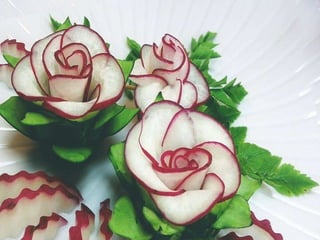
not acceptable.
 A garnish has it's place in all forms
of culinary art and goes on a dish
at the end of preparation which the
chef has factored in to its overall
flavor, presentation and intention.
It should be edible and eat worthy
(prepared or handled with the
same care as if it were going to be
eaten), and most likely is intended
to be eaten.
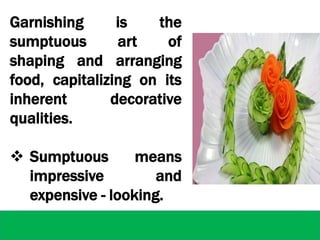
Garnishing is the
sumptuous art of
shaping and arranging
food, capitalizing on its
inherent decorative
qualities.
 Sumptuous means
impressive and
expensive - looking.
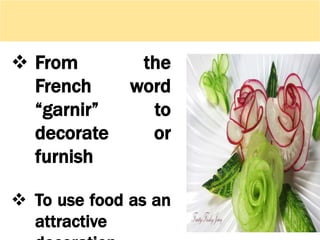
 From the
French word
“garnir” to
decorate or
furnish
 To use food as an
attractive
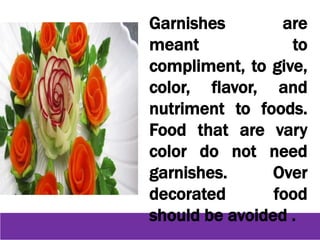
Garnishes are
meant to
compliment, to give,
color, flavor, and
nutriment to foods.
Food that are vary
color do not need
garnishes. Over
decorated food
should be avoided .
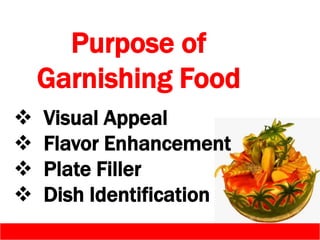
Purpose of
Garnishing Food
 Visual Appeal
 Flavor Enhancement
 Plate Filler
 Dish Identification
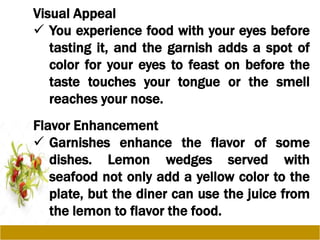
Visual Appeal
 You experience food with your eyes before
tasting it, and the garnish adds a spot of
color for your eyes to feast on before the
taste touches your tongue or the smell
reaches your nose.
Flavor Enhancement
 Garnishes enhance the flavor of some
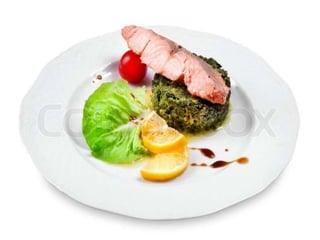
dishes. Lemon wedges served with
seafood not only add a yellow color to the
plate, but the diner can use the juice from
the lemon to flavor the food.
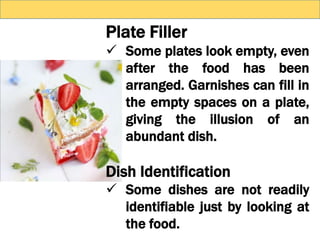
Plate Filler
 Some plates look empty, even
after the food has been
arranged. Garnishes can fill in
the empty spaces on a plate,
giving the illusion of an
abundant dish.
Dish Identification
 Some dishes are not readily
identifiable just by looking at
the food.
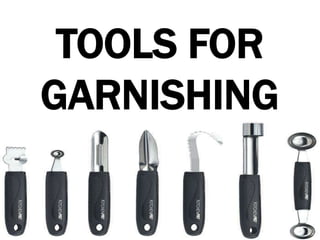
TOOLS FOR
GARNISHING
 Small, sharp paring knife.
 One or two cutters.
 A couple of little gadgets a
stripper that removes a lemon
or orange peel in one thin
spiral, or the fluting knife that
prettily the peel of vegetables.
 A big bow of ice water to keep
the carved fruits or vegetables
fresh and crisp.
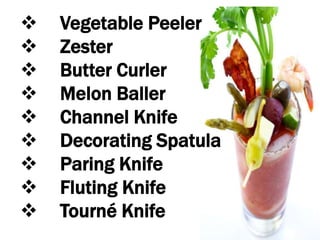
 Vegetable Peeler
 Zester
 Butter Curler
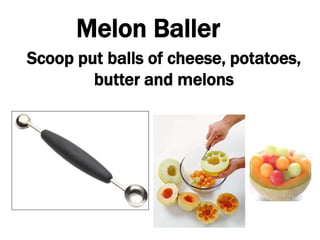
 Melon Baller
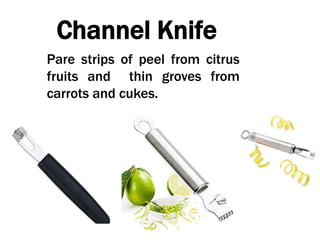
 Channel Knife
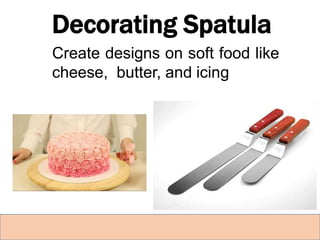
 Decorating Spatula
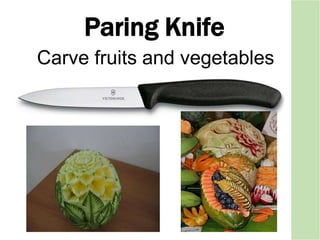
 Paring Knife
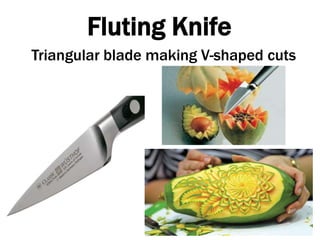
 Fluting Knife
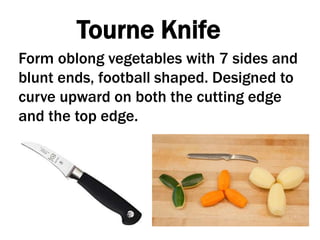
 Tourné Knife
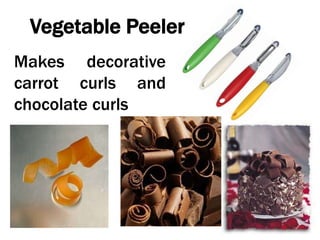
Vegetable Peeler
Makes decorative
carrot curls and
chocolate curls
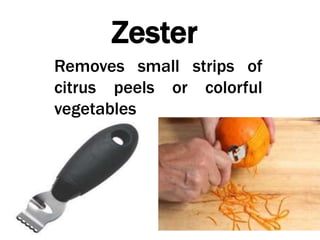
Zester
Removes small strips of
citrus peels or colorful
vegetables
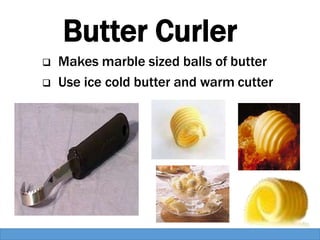
Butter Curler
 Makes marble sized balls of butter
 Use ice cold butter and warm cutter
Melon Baller
Scoop put balls of cheese, potatoes,
butter and melons
Channel Knife
Pare strips of peel from citrus
fruits and thin groves from
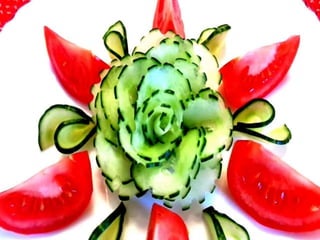
carrots and cukes.
Decorating Spatula
Create designs on soft food like
cheese, butter, and icing
Paring Knife
Carve fruits and vegetables
Fluting Knife
Triangular blade making V-shaped cuts
Tourne Knife
Form oblong vegetables with 7 sides and
blunt ends, football shaped. Designed to
curve upward on both the cutting edge
and the top edge.
Rules for Garnishes or
Garnishing
1. The garnish should be edible.
2. It should be natural, fresh-looking
and clean.
3. It should be simple, not elaborate or
overdone. Few small groups of garnishes are
more attractive than a continuous
decorative scheme.
4. It should be suitable in character ,
size, and flavor to the food adorned.
5. It should be neatly arranged in a
fashion as to enhance the food.
6. It should not be expensive but must
be interesting.
7. Its color should harmonize with the
foods being garnished. Certain colors
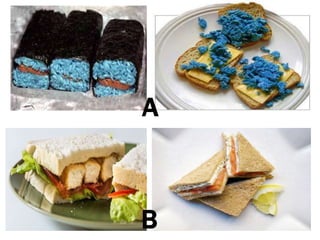
in food are not appetizing. For
example, blue color is not used except
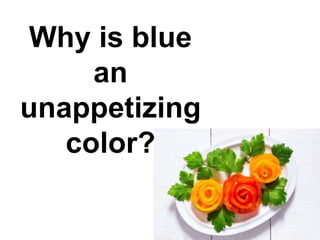
Why is blue
an
unappetizing
color?
Blue food is a rare occurrence
in nature. There are no leafy
blue vegetables (blue lettuce?),
no blue meats (blueburger,
well-done please), and aside
from blueberries and a few
blue-purple potatoes from
remote spots on the globe,
blue just doesn't exist in any
significant quantity as a
natural food color.
A
B
8. It should generally not be used to
disguise the deficiencies of the foods
or the poor quality of the food.
9. Highly seasoned garnishes are not in
good taste.
10. The serving dish should also be
considered part of the garnish.
11.The entire setting should be viewed
as a whole in selecting the type of
garnish.
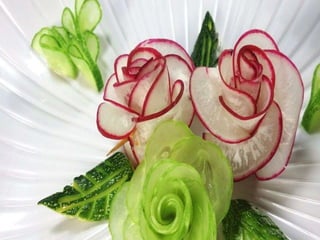
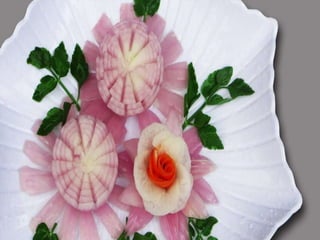
WHAT TO GARNISH
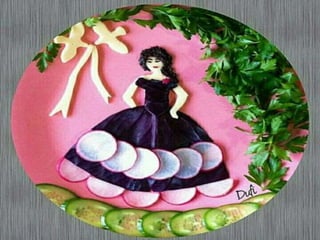
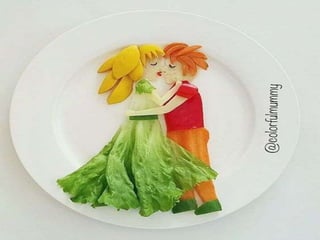
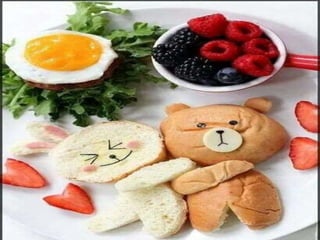
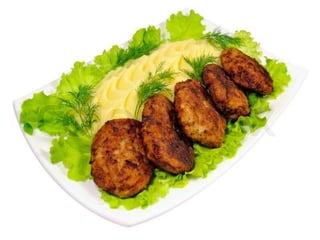
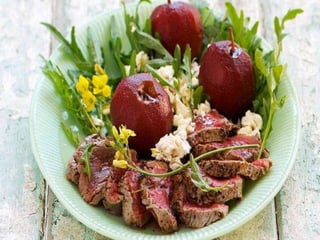
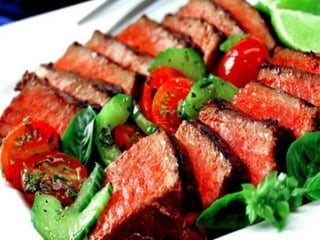
Garnishes are better applied to featured
and/or special dishes; the others are
left plain. Too many decorated dishes at
a meal is not desirable. Garnishes are
usually applied to roasted meats,
molded salads, desserts, cakes, pies,
pastries, fancy bread, and sandwiches.
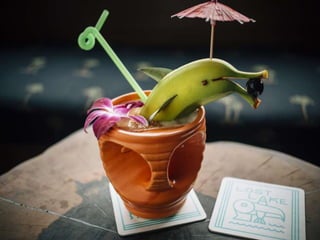
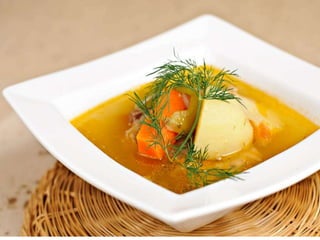
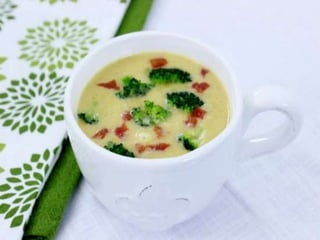
Vegetables, soups, and beverages may
also be garnished.
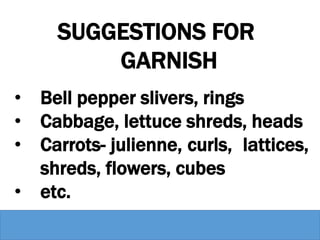
SUGGESTIONS FOR
GARNISH
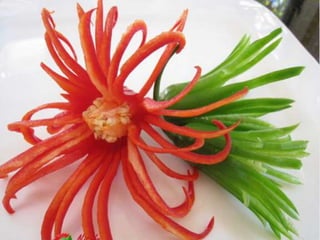
• Bell pepper slivers, rings
• Cabbage, lettuce shreds, heads
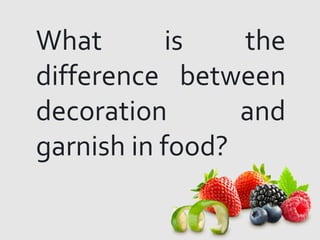
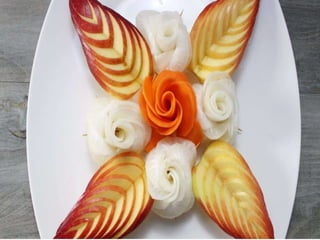
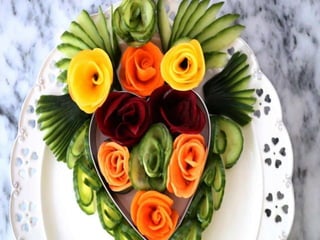
• Carrots- julienne, curls, lattices,
shreds, flowers, cubes
• etc.
THANK YOU
Rosette Ramilo
Merlindo Cañete
Judy Ann Lobo
Krislyn Rio
Cristobal Jasmine
Mrs. Catherine Gabia
Instructress
BSED-III
for Listening

Garnishes/Garnishing

  • 1.
  • 2.
    What is the differencebetween decoration and garnish in food?
  • 3.
    According to TheresaTumber, Independent Advanced Director with the Pampered Chef  A decoration is something to make food look better but is not edible.  A garnish is an edible object that you put on or near food or drinks. Such as parsley or lemon and so on. According from the website Quora.com  Decorations belong on the table and the dining room and not on your food. Some would argue they are used by the baking and pastry chefs for cakes and such but for true culinary art this term is not acceptable.
  • 4.
     A garnishhas it's place in all forms of culinary art and goes on a dish at the end of preparation which the chef has factored in to its overall flavor, presentation and intention. It should be edible and eat worthy (prepared or handled with the same care as if it were going to be eaten), and most likely is intended to be eaten.
  • 5.
    Garnishing is the sumptuousart of shaping and arranging food, capitalizing on its inherent decorative qualities.  Sumptuous means impressive and expensive - looking.
  • 6.
     From the Frenchword “garnir” to decorate or furnish  To use food as an attractive
  • 7.
    Garnishes are meant to compliment,to give, color, flavor, and nutriment to foods. Food that are vary color do not need garnishes. Over decorated food should be avoided .
  • 8.
    Purpose of Garnishing Food Visual Appeal  Flavor Enhancement  Plate Filler  Dish Identification
  • 9.
    Visual Appeal  Youexperience food with your eyes before tasting it, and the garnish adds a spot of color for your eyes to feast on before the taste touches your tongue or the smell reaches your nose. Flavor Enhancement  Garnishes enhance the flavor of some dishes. Lemon wedges served with seafood not only add a yellow color to the plate, but the diner can use the juice from the lemon to flavor the food.
  • 10.
    Plate Filler  Someplates look empty, even after the food has been arranged. Garnishes can fill in the empty spaces on a plate, giving the illusion of an abundant dish. Dish Identification  Some dishes are not readily identifiable just by looking at the food.
  • 11.
  • 12.
     Small, sharpparing knife.  One or two cutters.  A couple of little gadgets a stripper that removes a lemon or orange peel in one thin spiral, or the fluting knife that prettily the peel of vegetables.  A big bow of ice water to keep the carved fruits or vegetables fresh and crisp.
  • 13.
     Vegetable Peeler Zester  Butter Curler  Melon Baller  Channel Knife  Decorating Spatula  Paring Knife  Fluting Knife  Tourné Knife
  • 14.
  • 15.
    Zester Removes small stripsof citrus peels or colorful vegetables
  • 16.
    Butter Curler  Makesmarble sized balls of butter  Use ice cold butter and warm cutter
  • 17.
    Melon Baller Scoop putballs of cheese, potatoes, butter and melons
  • 18.
    Channel Knife Pare stripsof peel from citrus fruits and thin groves from carrots and cukes.
  • 19.
    Decorating Spatula Create designson soft food like cheese, butter, and icing
  • 20.
  • 21.
    Fluting Knife Triangular blademaking V-shaped cuts
  • 22.
    Tourne Knife Form oblongvegetables with 7 sides and blunt ends, football shaped. Designed to curve upward on both the cutting edge and the top edge.
  • 23.
    Rules for Garnishesor Garnishing 1. The garnish should be edible. 2. It should be natural, fresh-looking and clean. 3. It should be simple, not elaborate or overdone. Few small groups of garnishes are more attractive than a continuous decorative scheme.
  • 24.
    4. It shouldbe suitable in character , size, and flavor to the food adorned. 5. It should be neatly arranged in a fashion as to enhance the food. 6. It should not be expensive but must be interesting. 7. Its color should harmonize with the foods being garnished. Certain colors in food are not appetizing. For example, blue color is not used except
  • 25.
  • 26.
    Blue food isa rare occurrence in nature. There are no leafy blue vegetables (blue lettuce?), no blue meats (blueburger, well-done please), and aside from blueberries and a few blue-purple potatoes from remote spots on the globe, blue just doesn't exist in any significant quantity as a natural food color.
  • 27.
  • 28.
    8. It shouldgenerally not be used to disguise the deficiencies of the foods or the poor quality of the food. 9. Highly seasoned garnishes are not in good taste. 10. The serving dish should also be considered part of the garnish. 11.The entire setting should be viewed as a whole in selecting the type of garnish.
  • 29.
    WHAT TO GARNISH Garnishesare better applied to featured and/or special dishes; the others are left plain. Too many decorated dishes at a meal is not desirable. Garnishes are usually applied to roasted meats, molded salads, desserts, cakes, pies, pastries, fancy bread, and sandwiches. Vegetables, soups, and beverages may also be garnished.
  • 30.
    SUGGESTIONS FOR GARNISH • Bellpepper slivers, rings • Cabbage, lettuce shreds, heads • Carrots- julienne, curls, lattices, shreds, flowers, cubes • etc.
  • 53.
    THANK YOU Rosette Ramilo MerlindoCañete Judy Ann Lobo Krislyn Rio Cristobal Jasmine Mrs. Catherine Gabia Instructress BSED-III for Listening