Downloaded 86 times





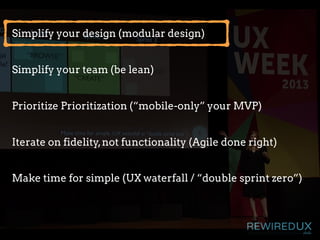
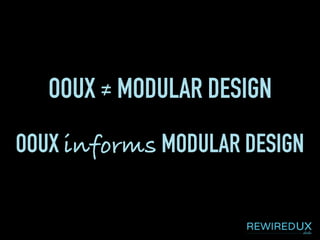
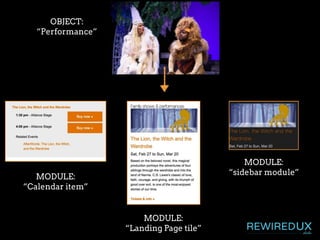
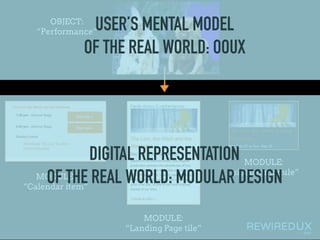

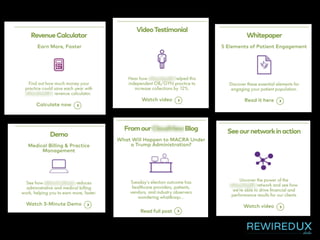
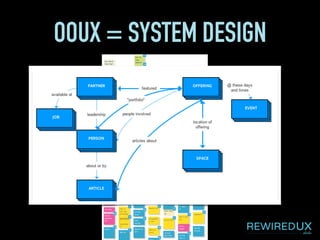
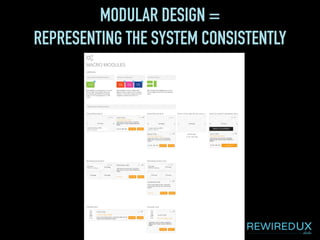
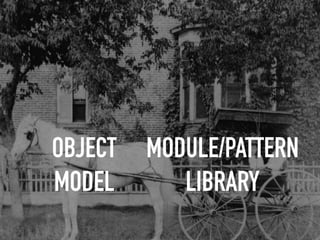



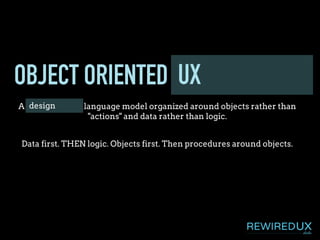
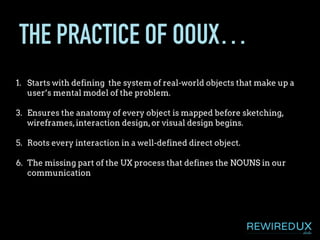
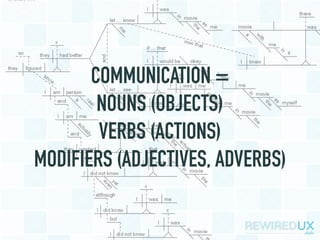

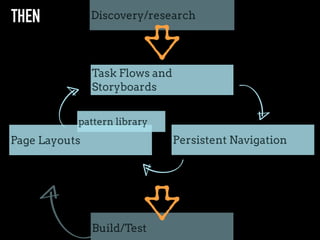
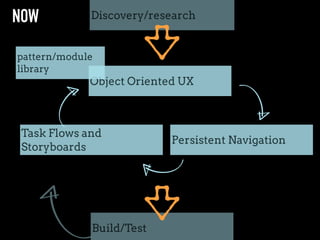


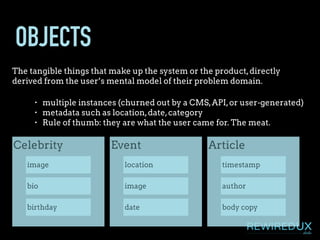
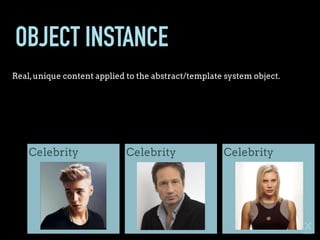


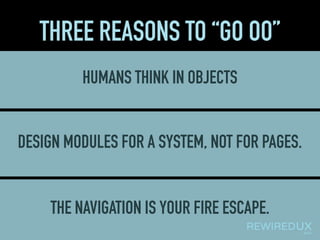


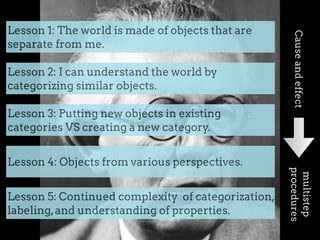




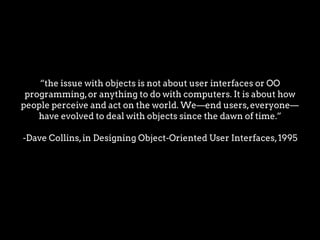
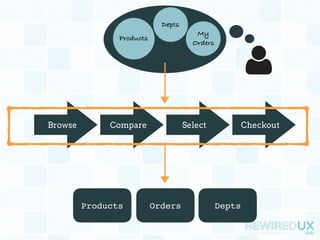
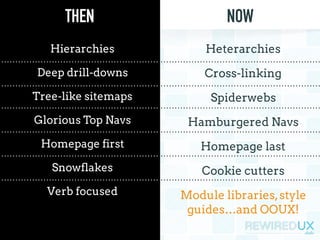


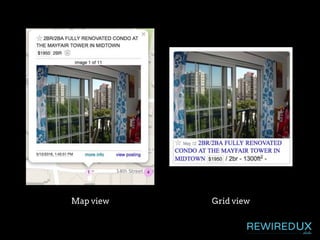
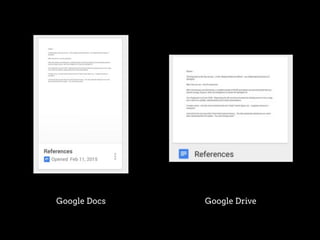
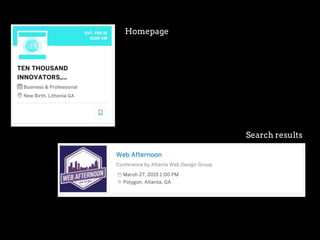
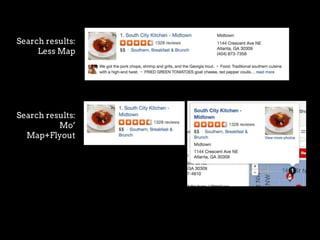
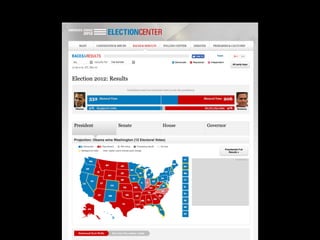
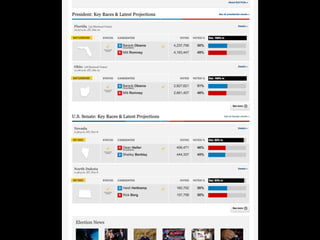
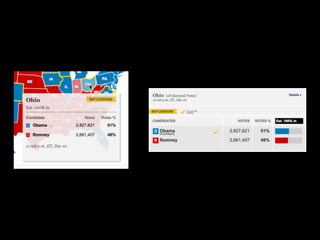
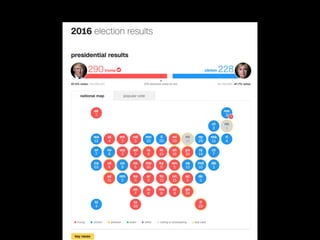
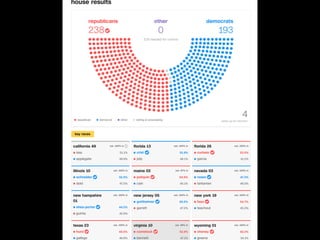
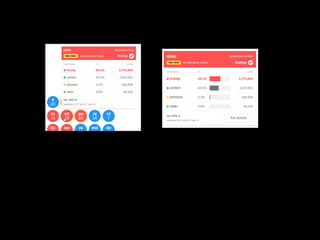
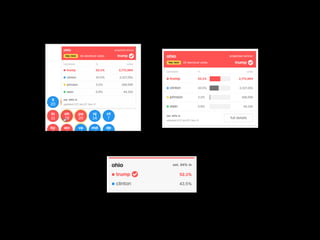
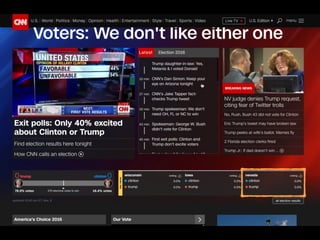
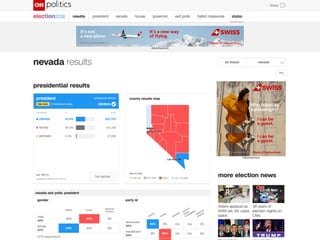
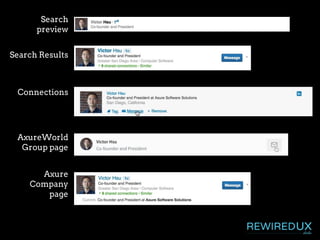
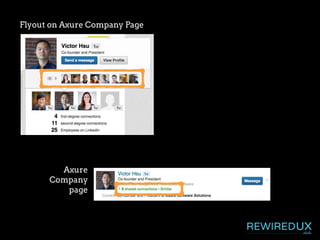

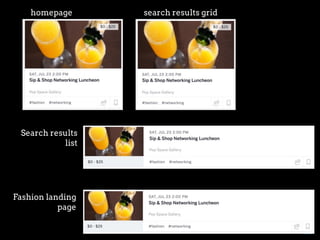
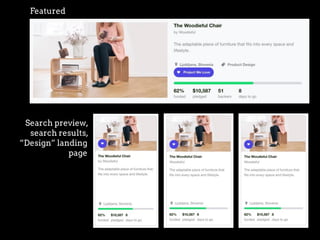
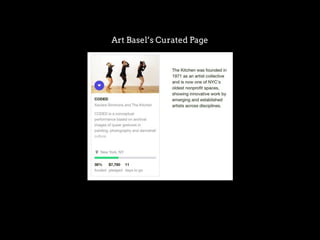
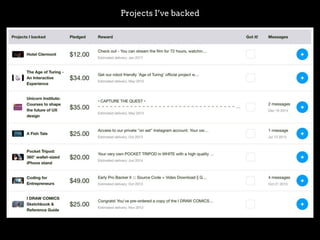
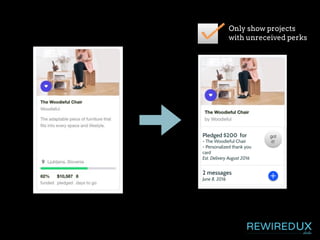




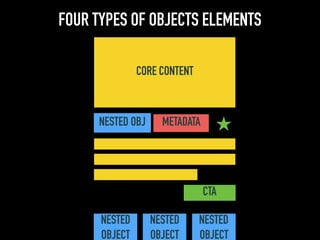
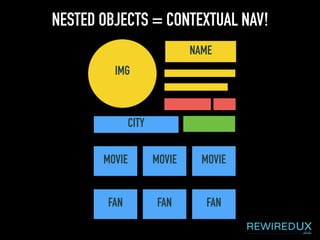
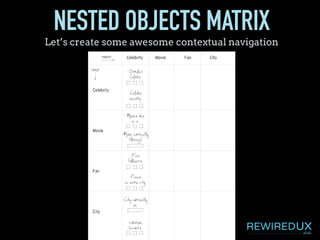
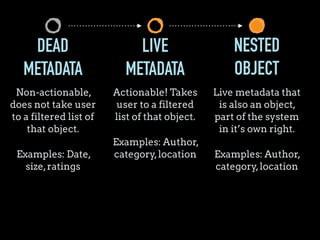
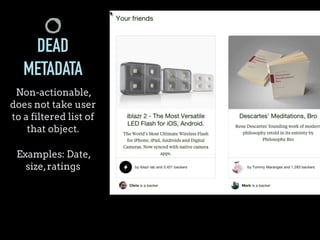
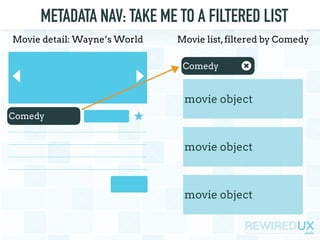
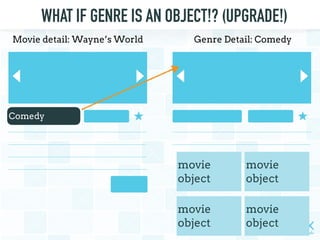
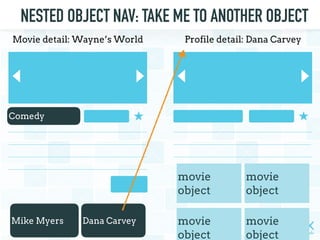

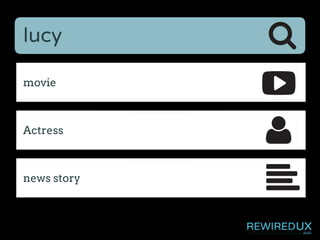
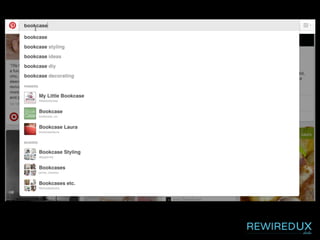
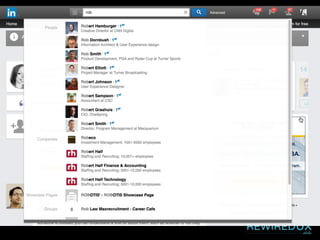

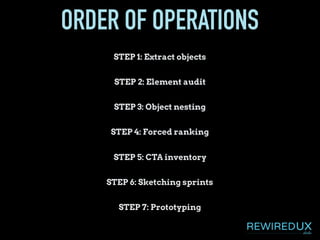
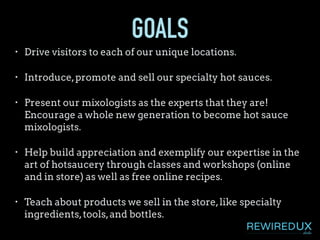
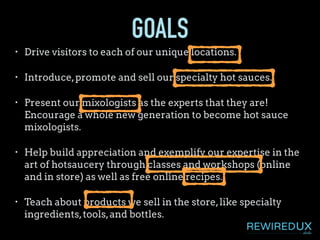
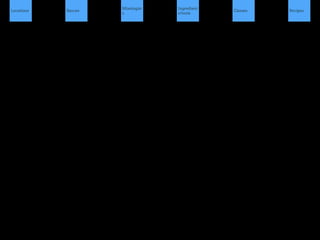
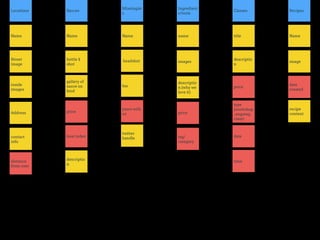
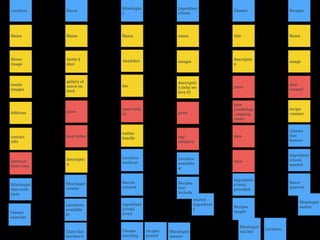
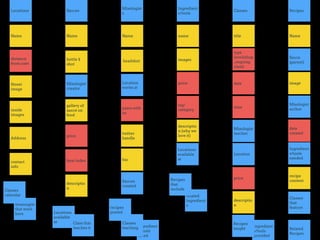
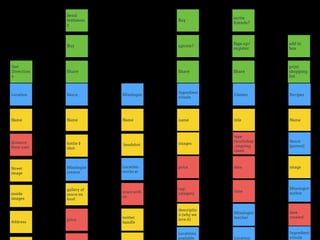
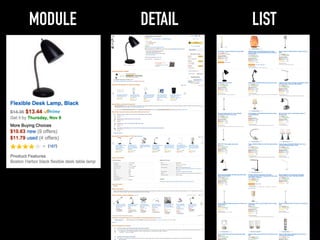
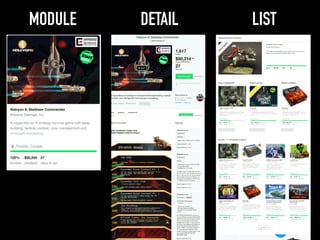

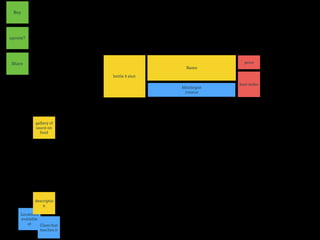
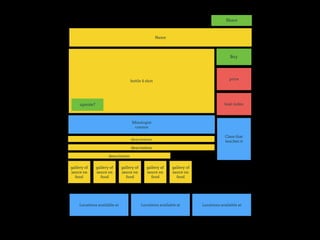
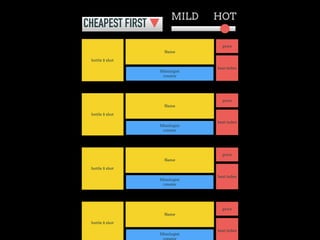
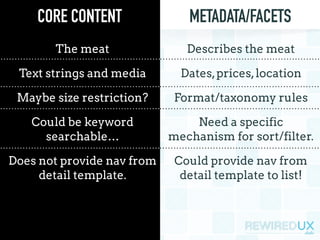


This document discusses object-oriented user experience (OOUX) and how it can be applied to design modular, consistent digital experiences. It defines OOUX as starting by mapping the real-world objects that make up a user's mental model, which then informs the creation of digital modules and patterns. The document provides examples of how defining objects and their relationships early allows for more contextual navigation between instances of those objects. It advocates applying OOUX principles to simplify team structure, prioritize key features, and create a foundation for iterative design.


![[BrightonSEO 2022] Unlocking the Hidden Potential of Product Listing Pages](https://cdn.slidesharecdn.com/ss_thumbnails/abuali-brightonseo2022slides-221003112121-157abb52-thumbnail.jpg?width=640&height=640&fit=bounds)


