FLOATING DRUG DELIVERY SYSTEM
SSJ COLLEGE OF PHARMACY
(APPROVED BY AICTE AND PCI,AFFILIATED TO JNTU.
NEAR WIPRO, VATTINAGULLAPALLY,GOPANPALLY HYD.)

PRESENTED BY:
G.SHERIN
1OFJ1R0013
UNDER THE GUIDENCE OF:
MISS. S.RAMYA LATHA
Contents

 Introduction

 Basic gastro intestinal tract physiology

 Approaches for prolonging gastric residence time
 Mechanism of floating system
 Factors affecting floating
 Advantages and disadvantages of FDDS
 Polymers used in FDDS
 Methodology
 Classification of FDDS
 Widely used drugs and dosage form
 Evaluation tests
 Conclusion
INTRODUCTION
 Floating systems or dynamically controlled systems are low-

density systems that have sufficiently buoyancy to float over

the gastric contents and remain buoyant in the stomach
without affecting the gastric emptying rate for a prolonged
period of time.
 This results in an increased gastric retention time and a

better control of the fluctuations in plasma drug
concentration.
 Many buoyant systems have been developed based on

granules, powders, capsules, tablets, laminated films and
hallow Microspheres.
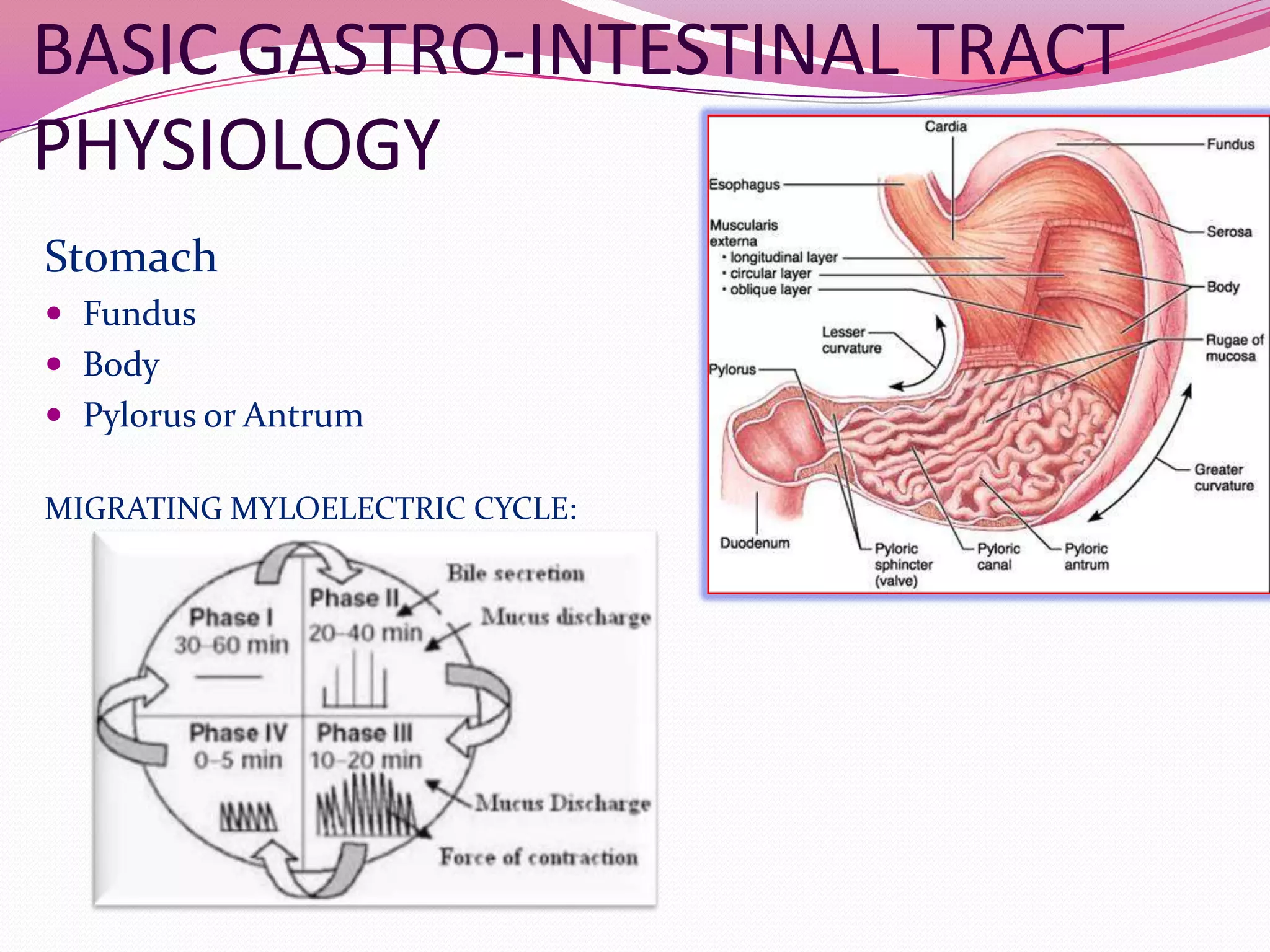
BASIC GASTRO-INTESTINAL TRACT
PHYSIOLOGY
Stomach
 Fundus
 Body
 Pylorus or Antrum
MIGRATING MYLOELECTRIC CYCLE:
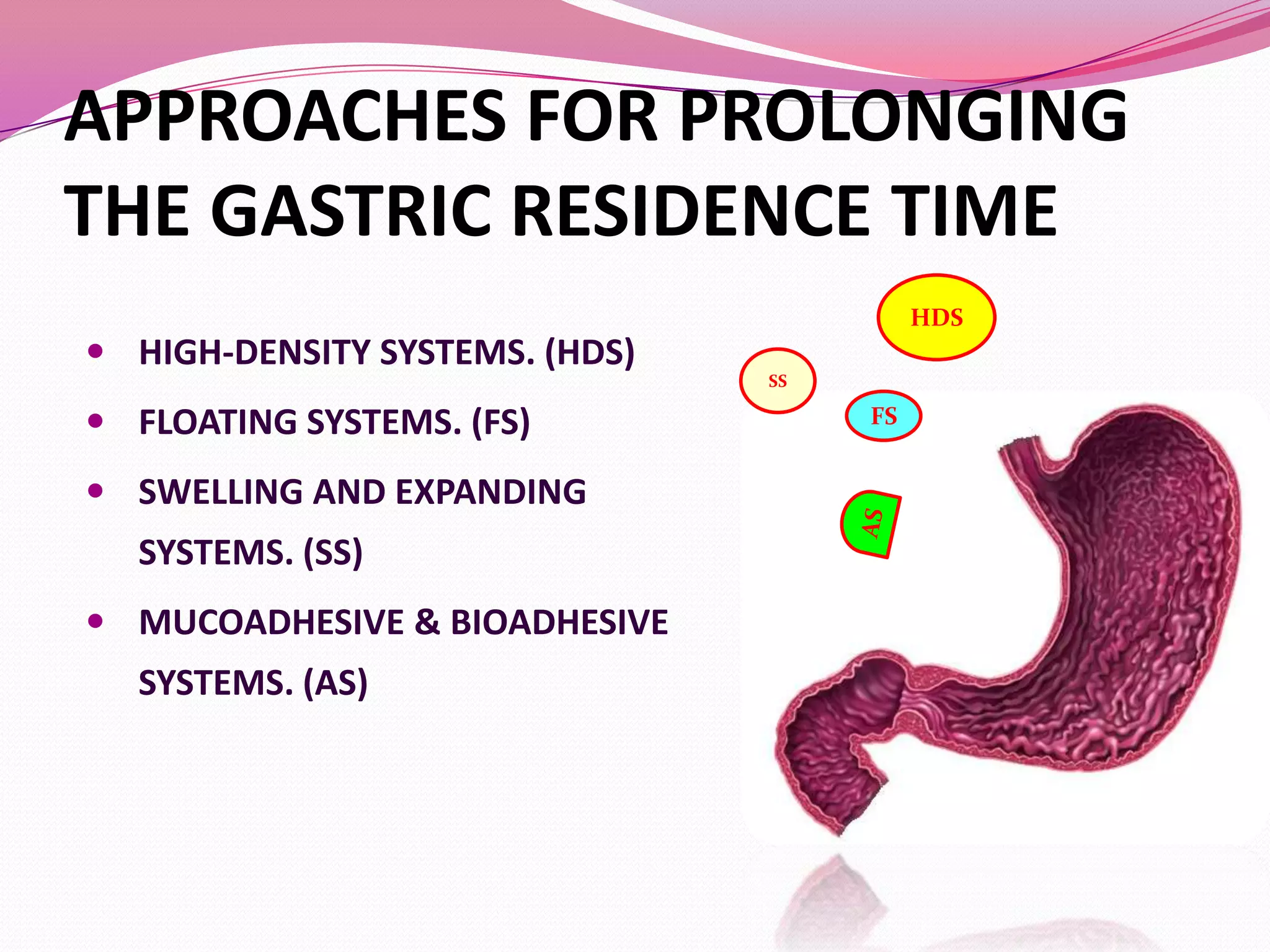
APPROACHES FOR PROLONGING
THE GASTRIC RESIDENCE TIME
HDS

 HIGH-DENSITY SYSTEMS. (HDS)
 FLOATING SYSTEMS. (FS)
 SWELLING AND EXPANDING

SYSTEMS. (SS)
 MUCOADHESIVE & BIOADHESIVE

SYSTEMS. (AS)

SS

FS
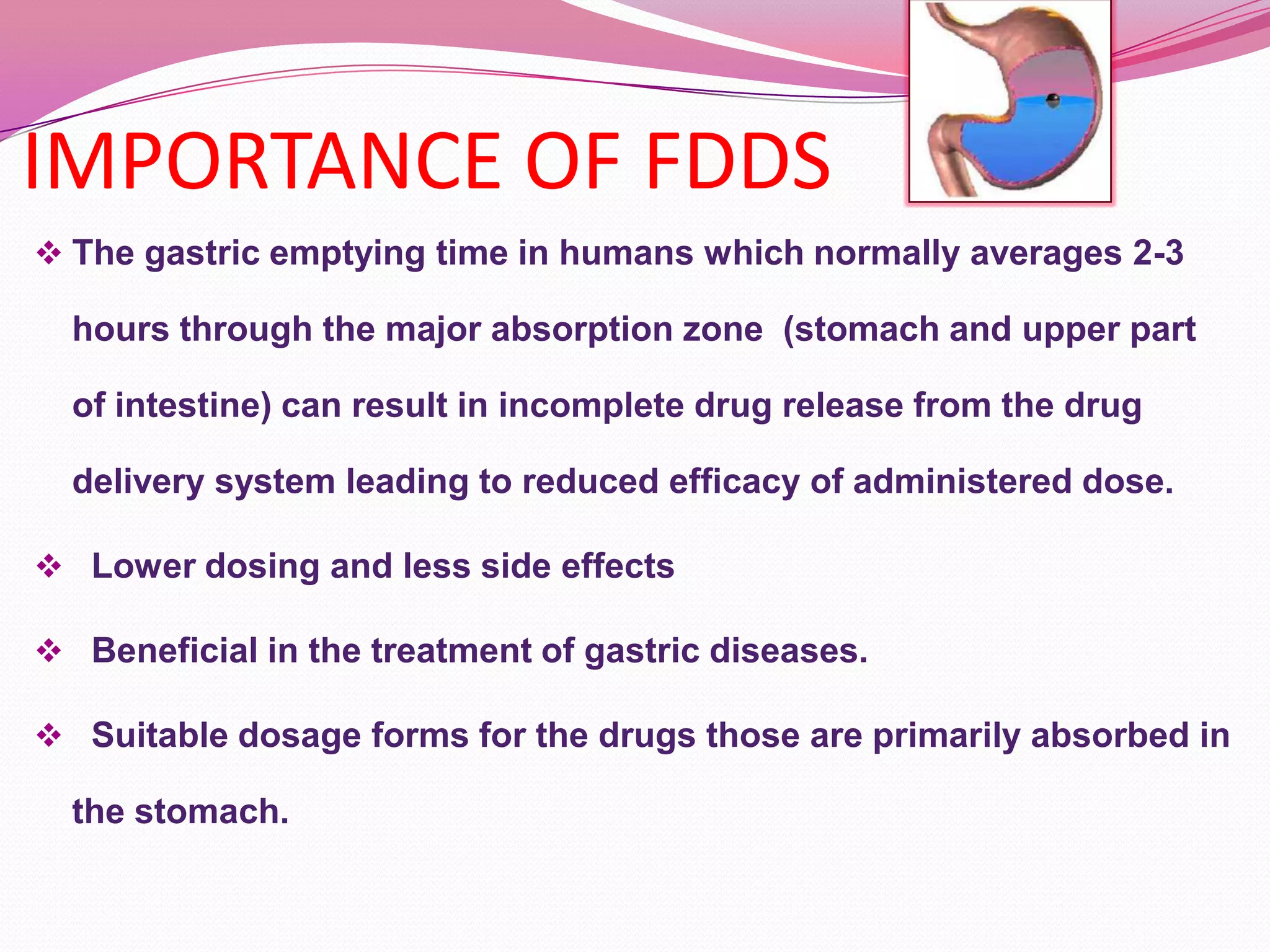
IMPORTANCE OF FDDS
 The gastric emptying time in humans which normally averages 2-3

hours through the major absorption zone (stomach and upper part
of intestine) can result in incomplete drug release from the drug
delivery system leading to reduced efficacy of administered dose.
 Lower dosing and less side effects
 Beneficial in the treatment of gastric diseases.
 Suitable dosage forms for the drugs those are primarily absorbed in

the stomach.
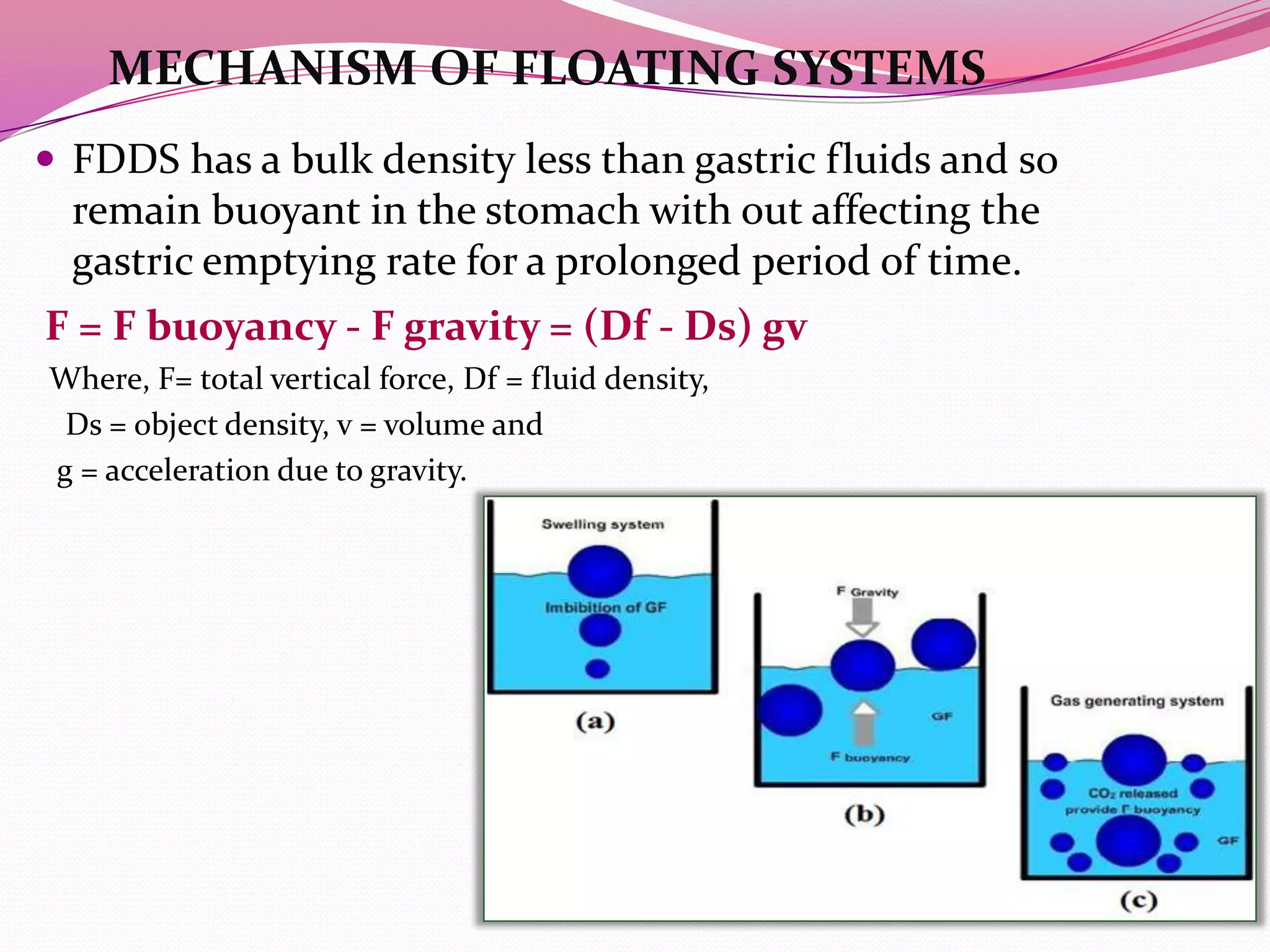
MECHANISM OF FLOATING SYSTEMS
 FDDS has a bulk density less than gastric fluids and so

remain buoyant in the stomach with out affecting the
gastric emptying rate for a prolonged period of time.

F = F buoyancy - F gravity = (Df - Ds) gv
Where, F= total vertical force, Df = fluid density,
Ds = object density, v = volume and
g = acceleration due to gravity.
Factors affecting floating time
 Density,size and shape of dosage form.
 Single and multiple unit formulation.
 Fed and unfed stage.
 Frequency of feed.
 Nature of meal.
 Age and gender
 Posture
 Biological factors
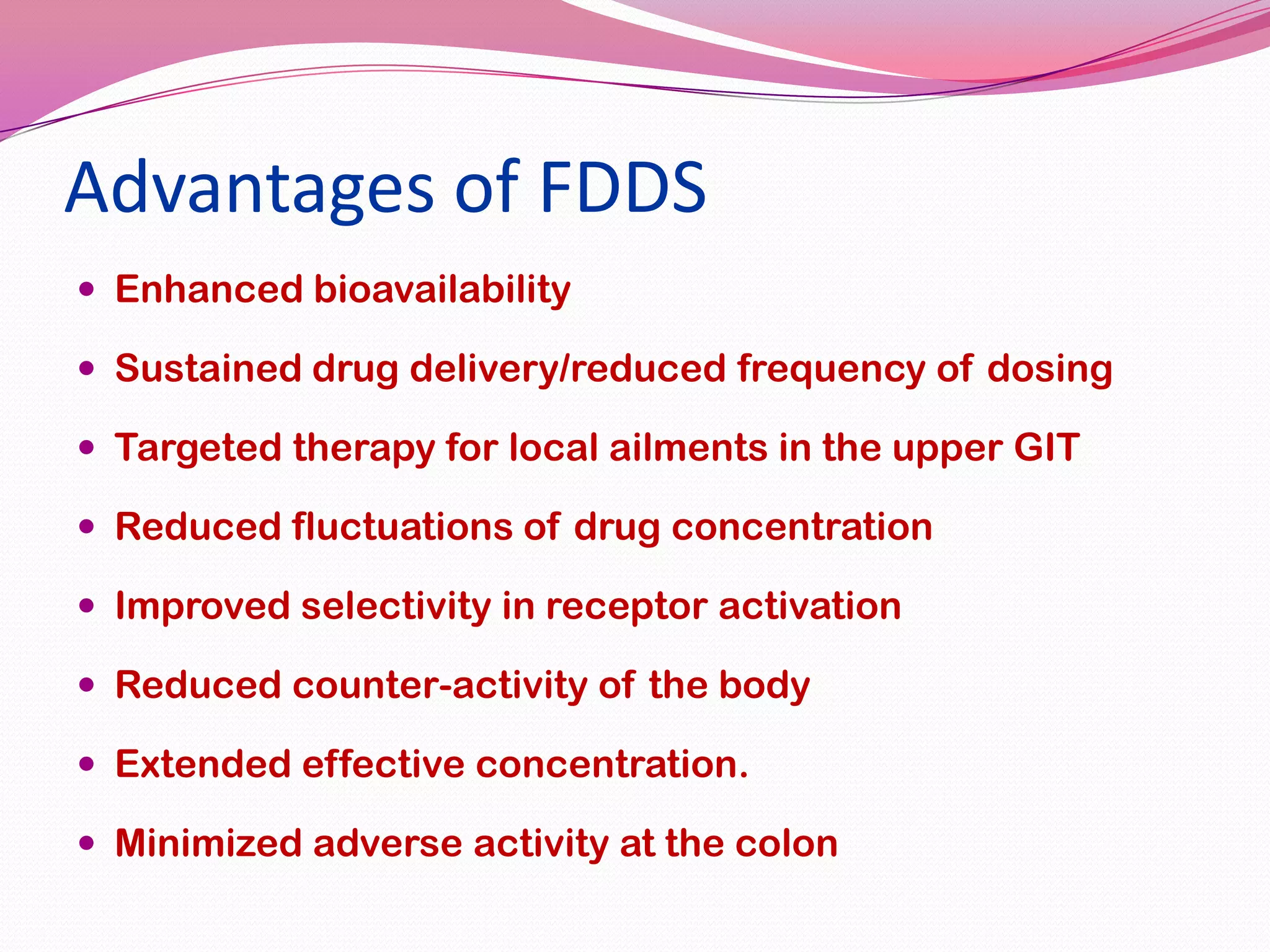
Advantages of FDDS
 Enhanced bioavailability
 Sustained drug delivery/reduced frequency of dosing
 Targeted therapy for local ailments in the upper GIT
 Reduced fluctuations of drug concentration
 Improved selectivity in receptor activation
 Reduced counter-activity of the body
 Extended effective concentration.
 Minimized adverse activity at the colon
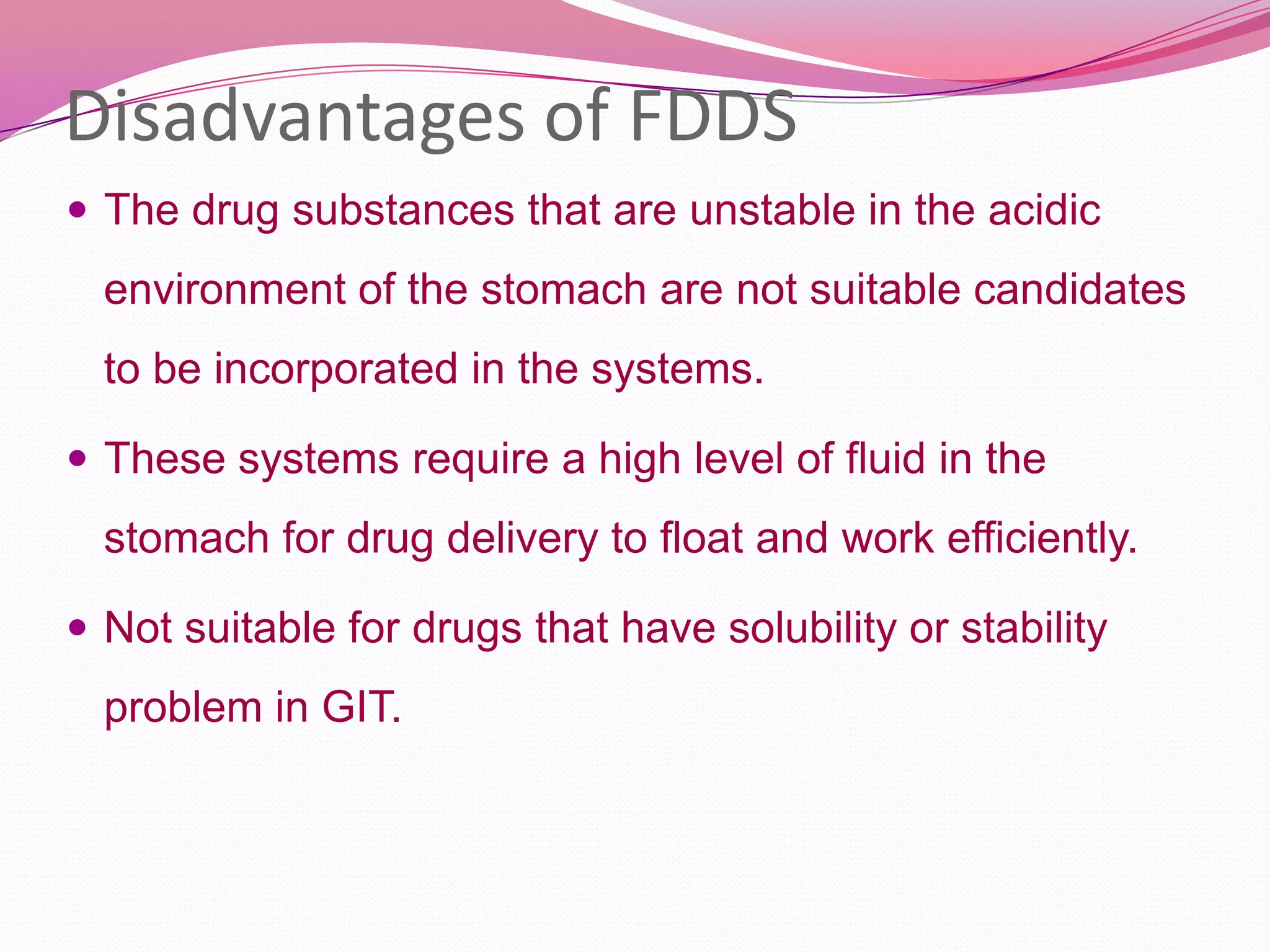
Disadvantages of FDDS
 The drug substances that are unstable in the acidic

environment of the stomach are not suitable candidates
to be incorporated in the systems.
 These systems require a high level of fluid in the

stomach for drug delivery to float and work efficiently.
 Not suitable for drugs that have solubility or stability

problem in GIT.
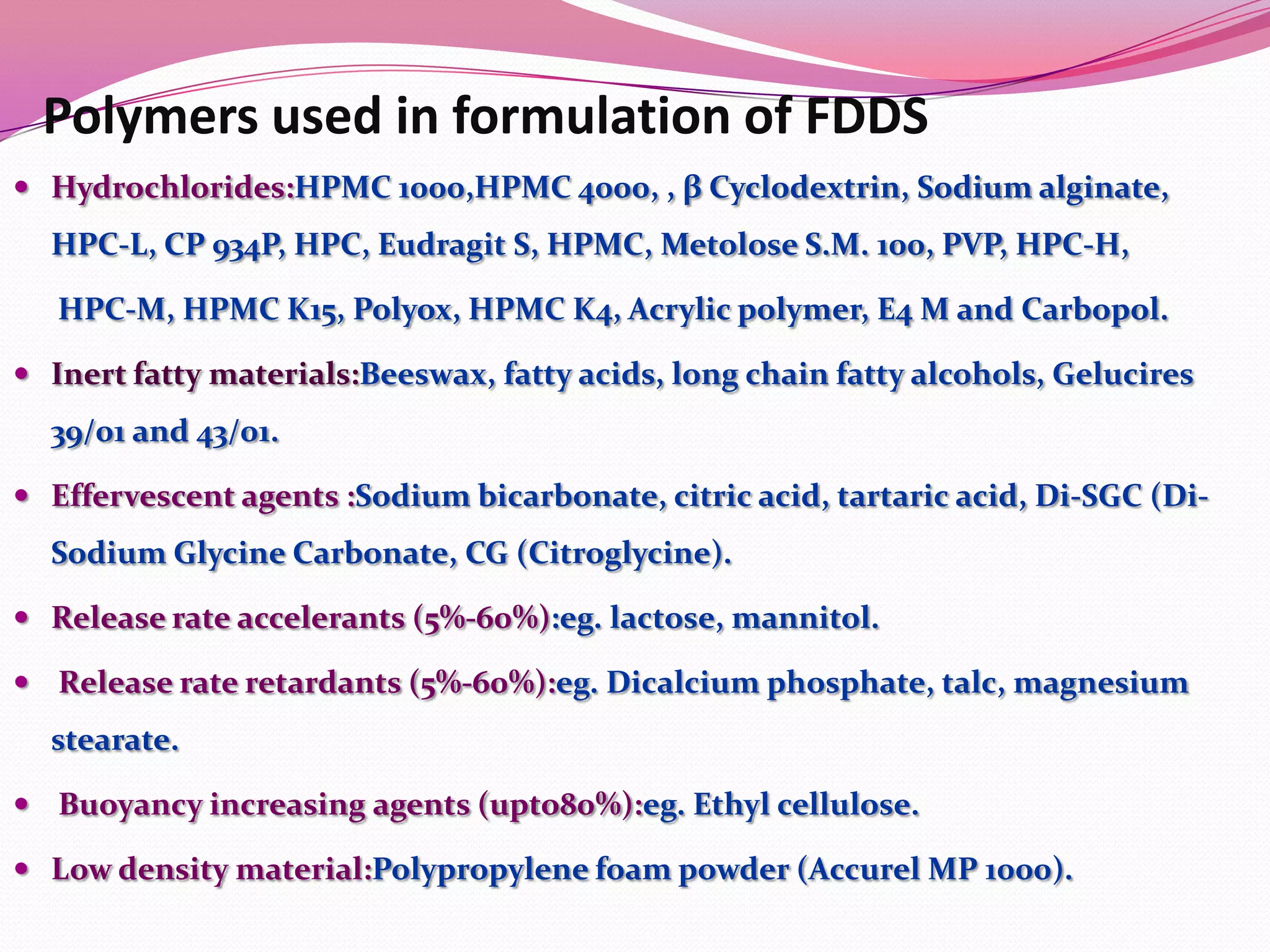
Polymers used in formulation of FDDS
 Hydrochlorides:HPMC 1000,HPMC 4000, , β Cyclodextrin, Sodium alginate,

HPC-L, CP 934P, HPC, Eudragit S, HPMC, Metolose S.M. 100, PVP, HPC-H,
HPC-M, HPMC K15, Polyox, HPMC K4, Acrylic polymer, E4 M and Carbopol.
 Inert fatty materials:Beeswax, fatty acids, long chain fatty alcohols, Gelucires

39/01 and 43/01.
 Effervescent agents :Sodium bicarbonate, citric acid, tartaric acid, Di-SGC (Di-

Sodium Glycine Carbonate, CG (Citroglycine).
 Release rate accelerants (5%-60%):eg. lactose, mannitol.
 Release rate retardants (5%-60%):eg. Dicalcium phosphate, talc, magnesium

stearate.
 Buoyancy increasing agents (upto80%):eg. Ethyl cellulose.
 Low density material:Polypropylene foam powder (Accurel MP 1000).
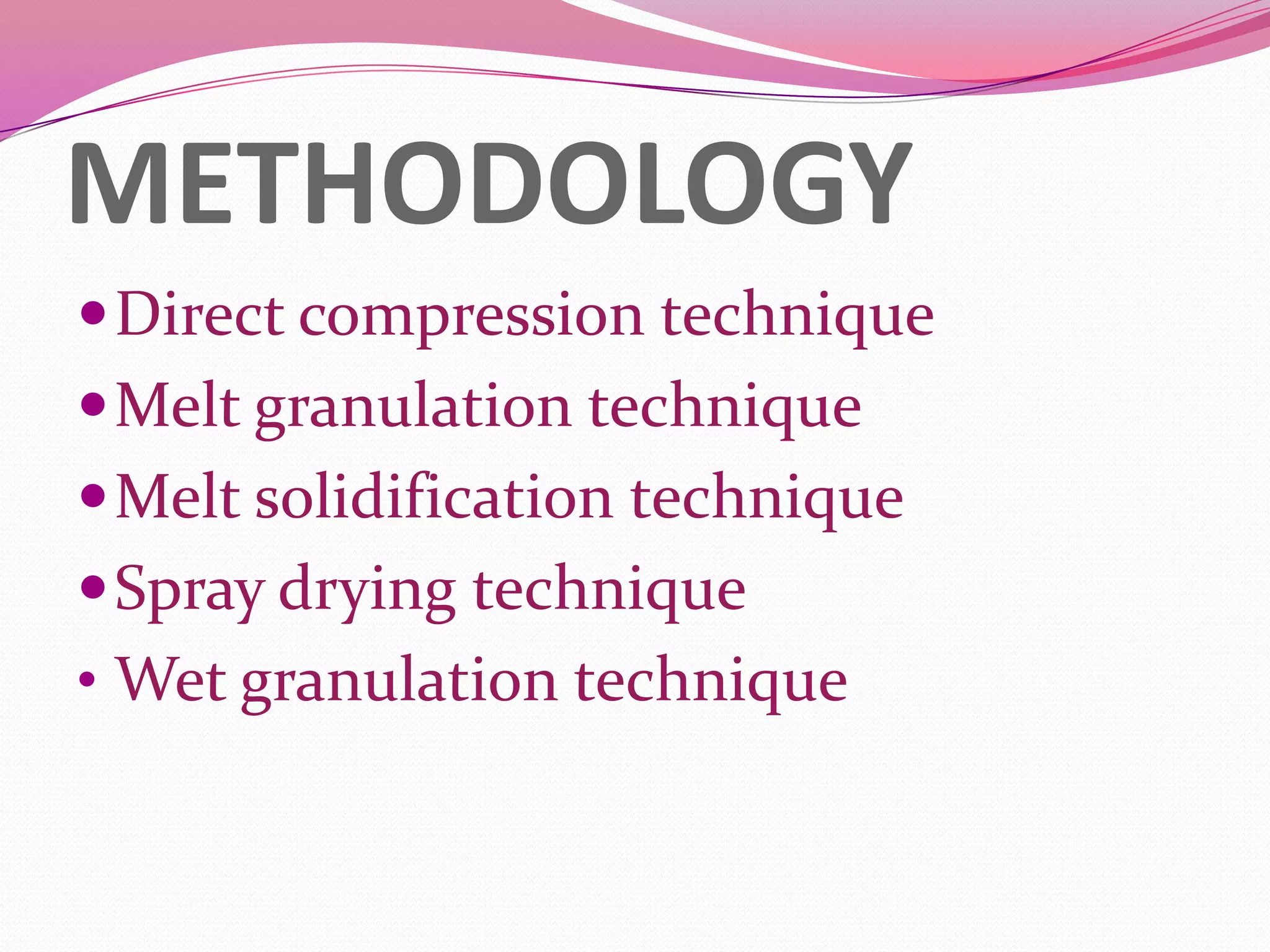
METHODOLOGY
 Direct compression technique
 Melt granulation technique
 Melt solidification technique
 Spray drying technique
• Wet granulation technique
CLASSIFICATION OF FDDS

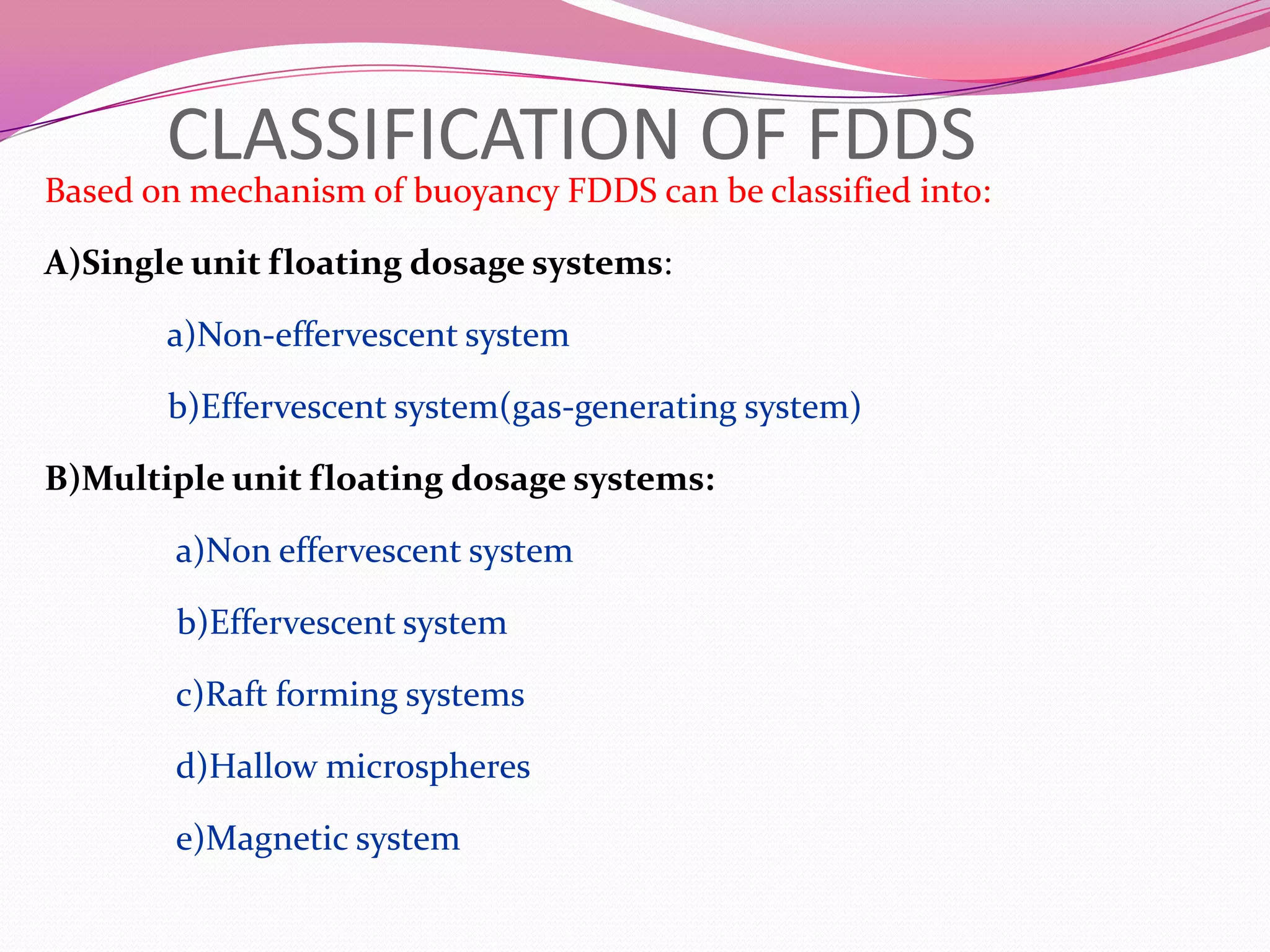
Based on mechanism of buoyancy FDDS can be classified into:
A)Single unit floating dosage systems:
a)Non-effervescent system
b)Effervescent system(gas-generating system)
B)Multiple unit floating dosage systems:
a)Non effervescent system
b)Effervescent system
c)Raft forming systems
d)Hallow microspheres
e)Magnetic system
Non effervescent systems: One or more gel forming, highly swellable,

cellulosic hydrocolloids (e.g. hydroxyl ethyl
cellulose, hydroxypropyl methyl cellulose

[HPMC] etc, polysaccharides, or matrix forming
polymers(e.g polyacrylates, and polystyrene) are
incorporated in high level (20‐75% w/w) to
tablets or capsules.
HYDRODYNAMICALLY BALANCED
SYSYTEMS


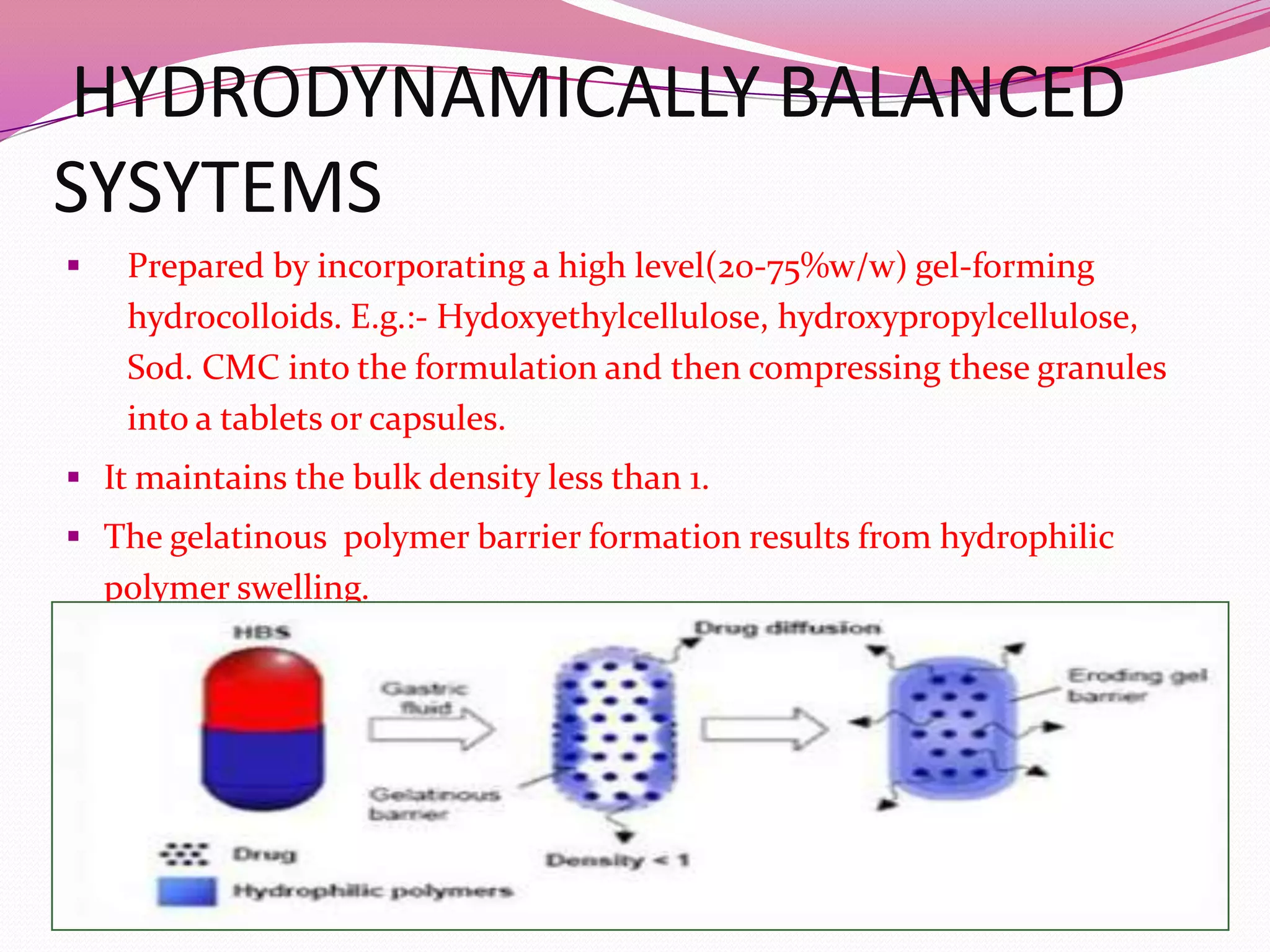
Prepared by incorporating a high level(20-75%w/w) gel-forming
hydrocolloids. E.g.:- Hydoxyethylcellulose, hydroxypropylcellulose,
Sod. CMC into the formulation and then compressing these granules
into a tablets or capsules.

 It maintains the bulk density less than 1.
 The gelatinous polymer barrier formation results from hydrophilic

polymer swelling.
 Drug is released by diffusion and erosion of gel barrier.
ALGINATE BEADS
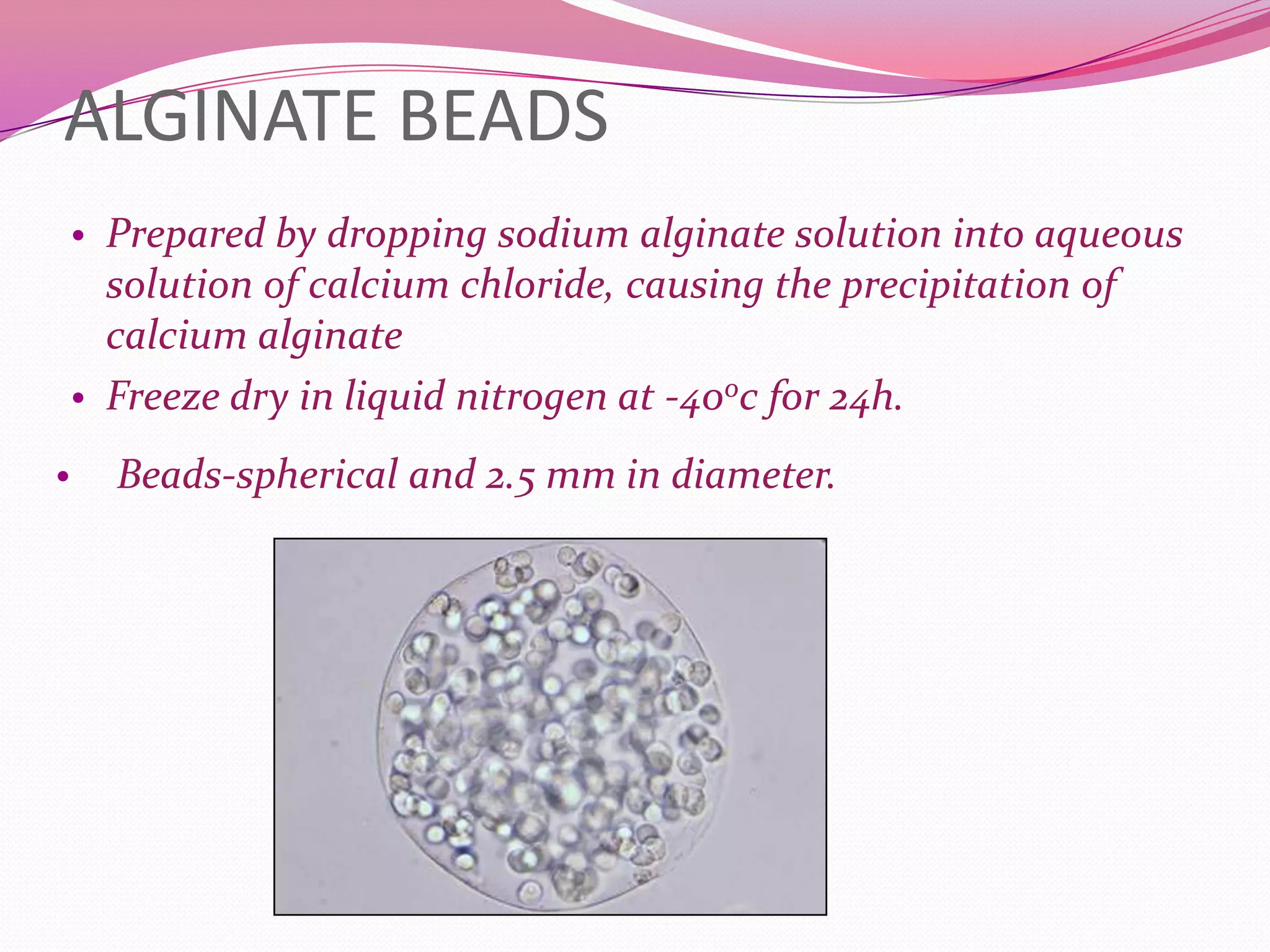
• Prepared by dropping sodium alginate solution into aqueous

solution of calcium chloride, causing the precipitation of
calcium alginate
• Freeze dry in liquid nitrogen at -40oc for 24h.
•

Beads-spherical and 2.5 mm in diameter.
Effervescent floating dosage form
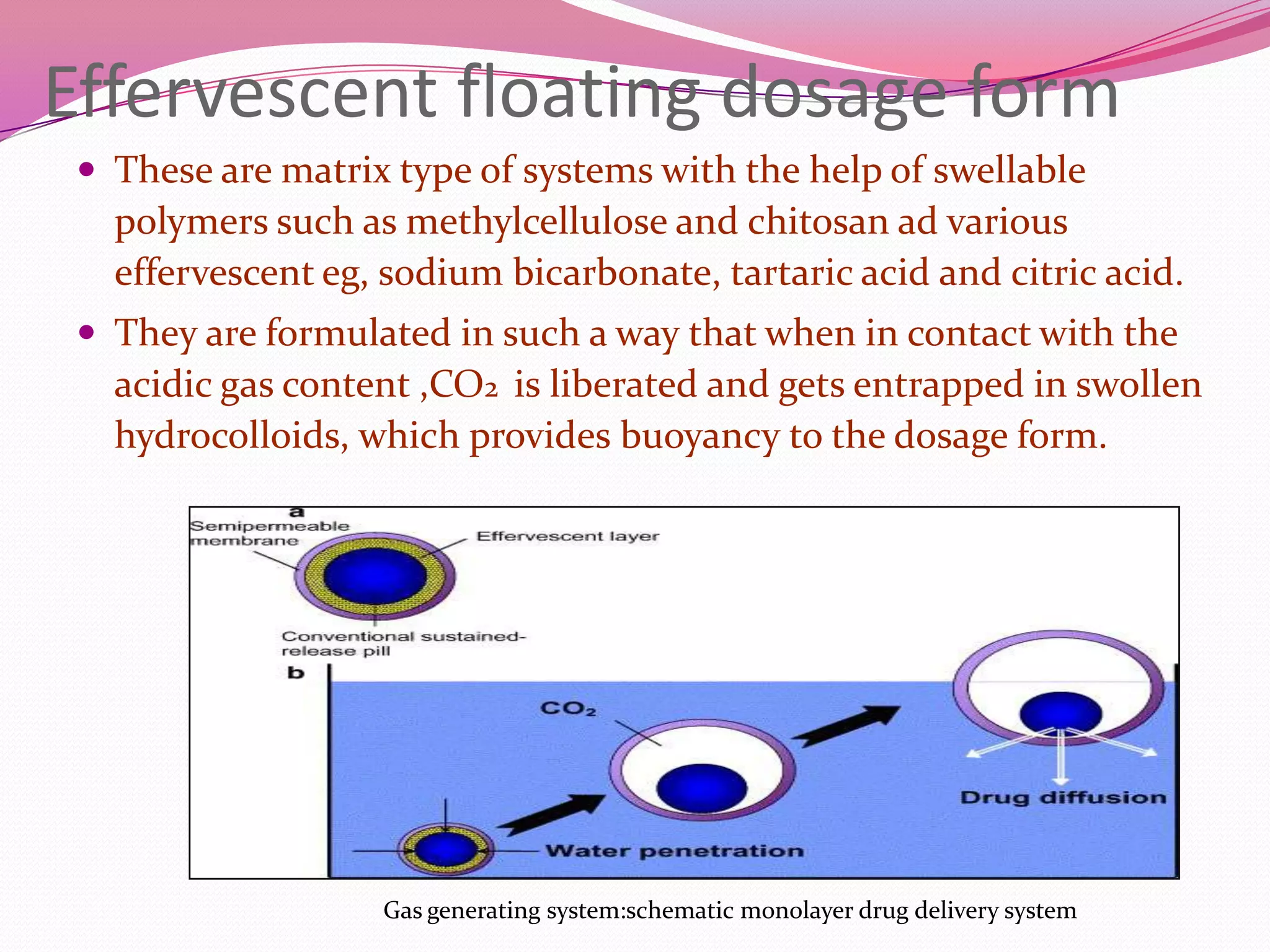
 These are matrix type of systems with the help of swellable

polymers such as methylcellulose and chitosan ad various
effervescent eg, sodium bicarbonate, tartaric acid and citric acid.
 They are formulated in such a way that when in contact with the

acidic gas content ,CO2 is liberated and gets entrapped in swollen
hydrocolloids, which provides buoyancy to the dosage form.

Gas generating system:schematic monolayer drug delivery system
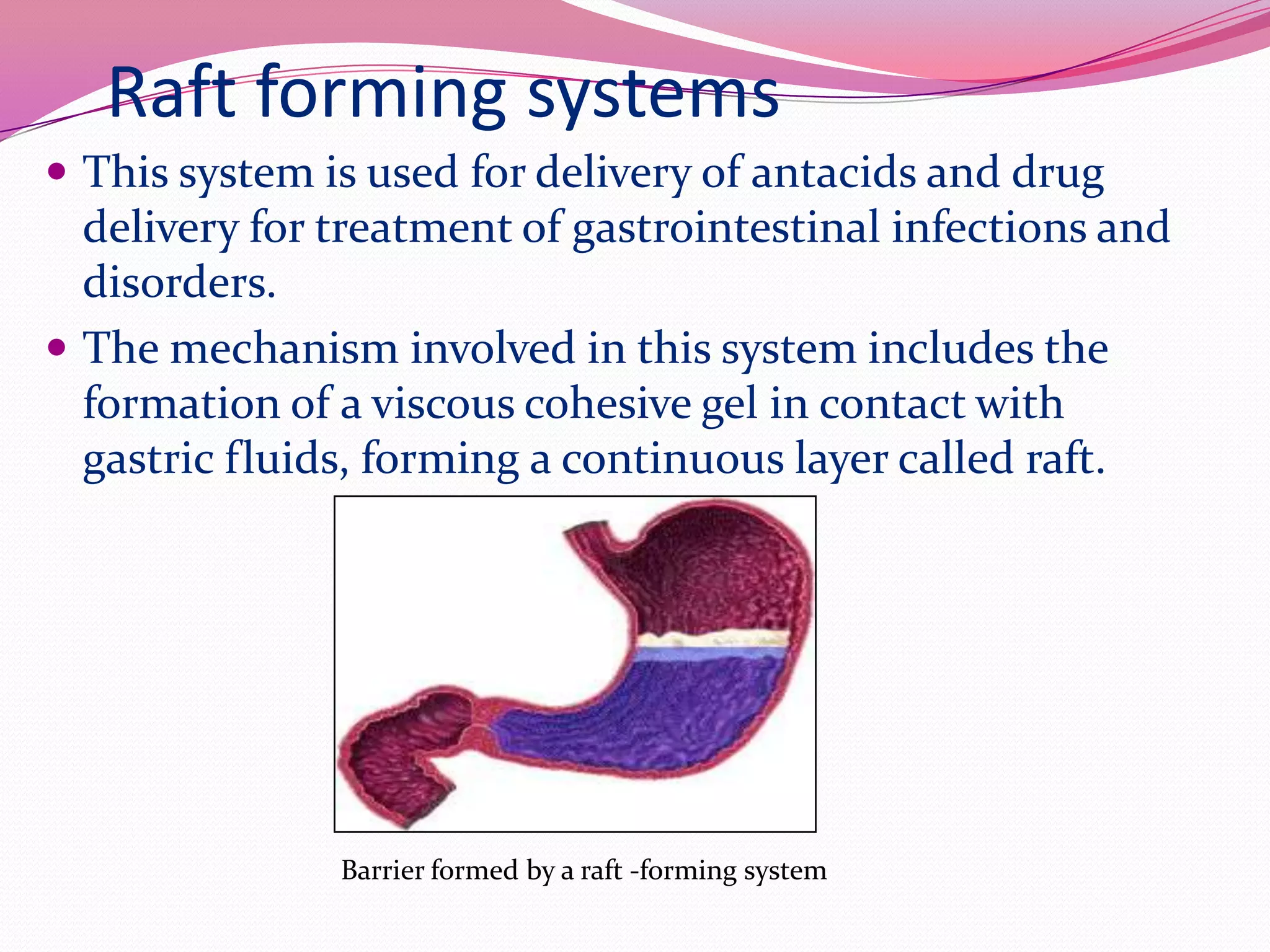
Raft forming systems
 This system is used for delivery of antacids and drug

delivery for treatment of gastrointestinal infections and
disorders.
 The mechanism involved in this system includes the
formation of a viscous cohesive gel in contact with
gastric fluids, forming a continuous layer called raft.

Barrier formed by a raft -forming system
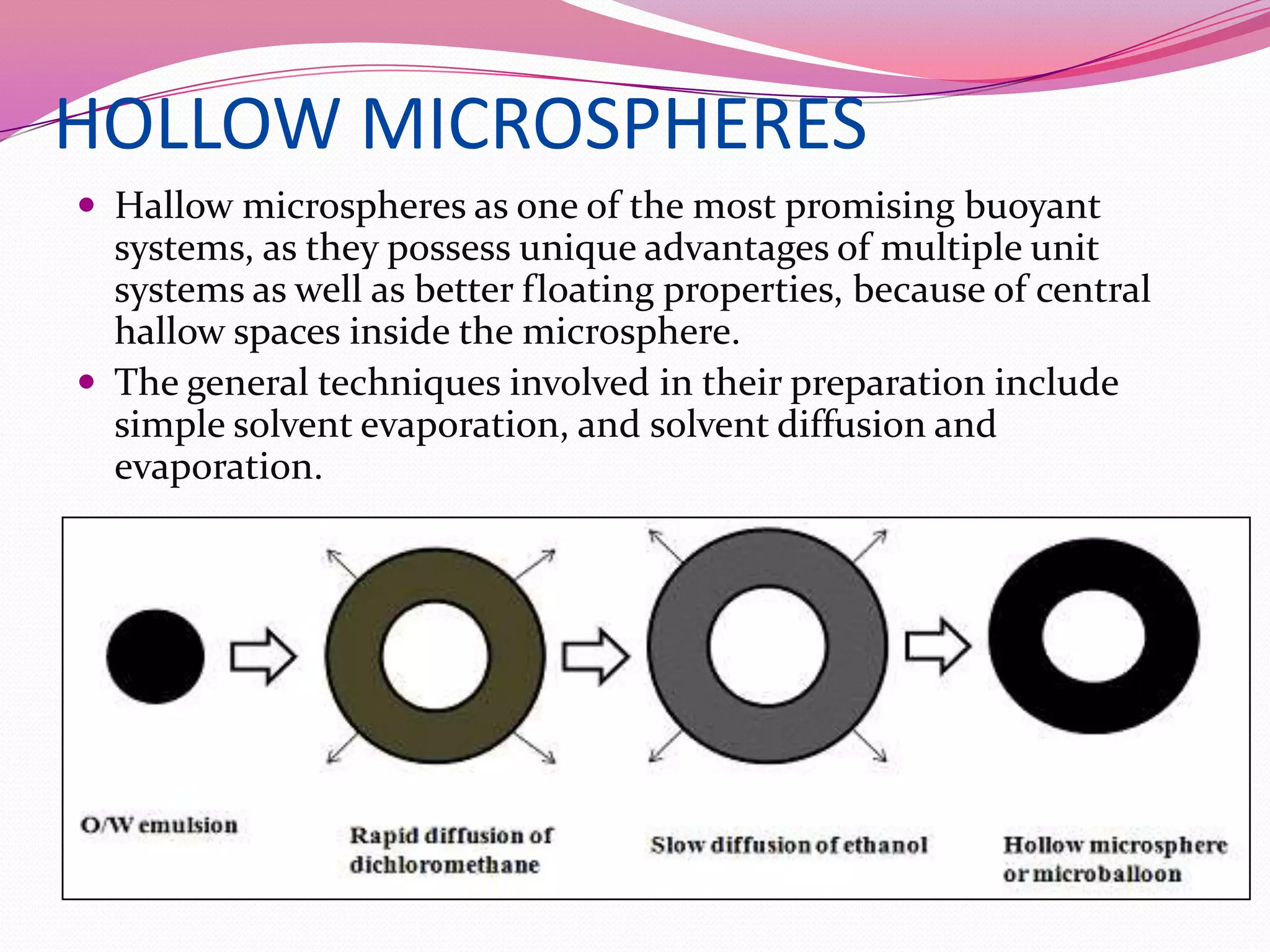
HOLLOW MICROSPHERES
 Hallow microspheres as one of the most promising buoyant

systems, as they possess unique advantages of multiple unit
systems as well as better floating properties, because of central
hallow spaces inside the microsphere.
 The general techniques involved in their preparation include
simple solvent evaporation, and solvent diffusion and
evaporation.
MAGNETIC SYSTEMS
 This approach to enhance the GRT is based on the

simple principle that the dosage form contains a small
internal magnet, and a magnet placed on the abdomen

over the position of the stomach.
 Although magnetic system seems to work, the

external magnet must be positioned with a degree of
precision that might compromise patient compliance.
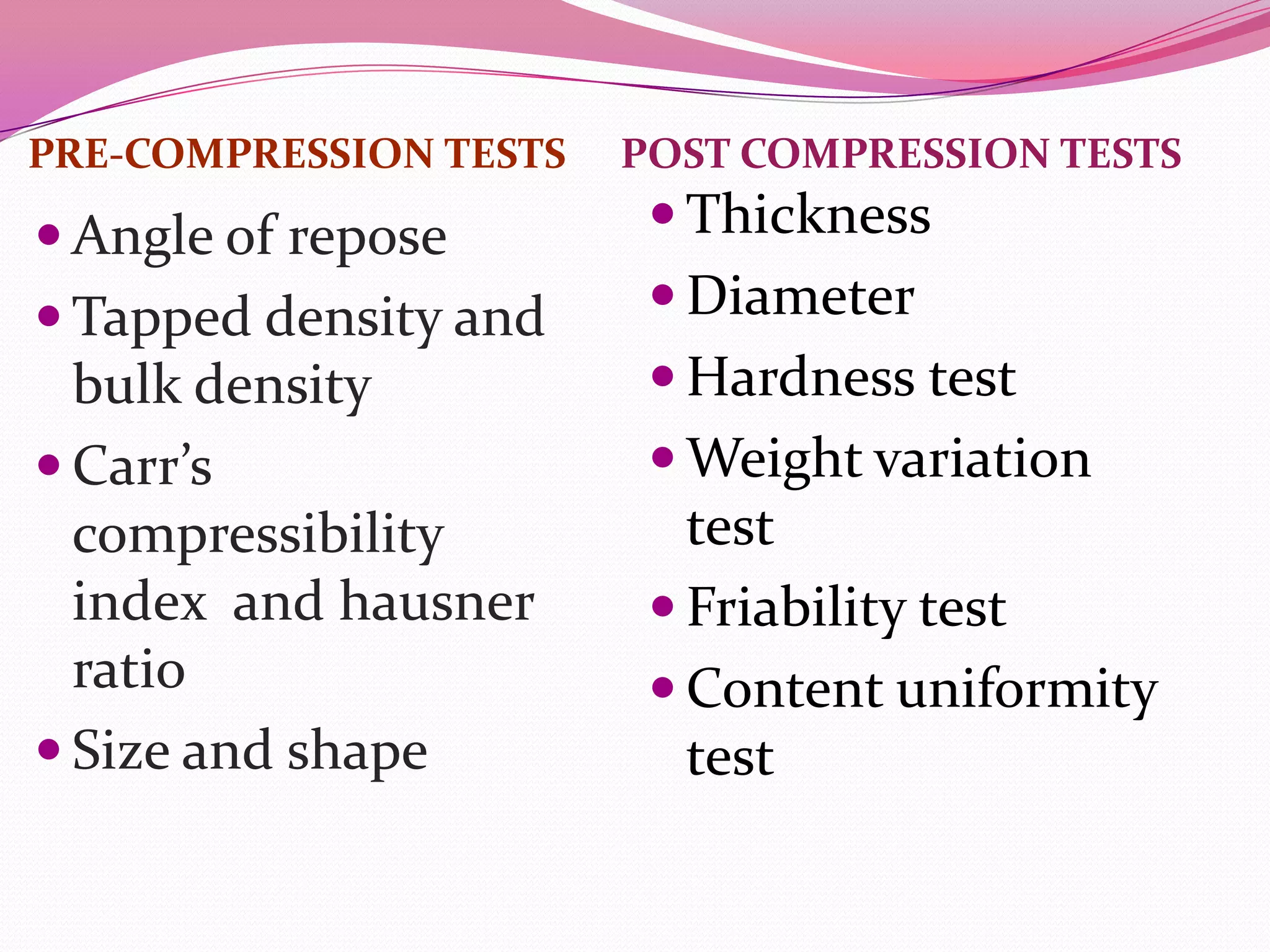
PRE-COMPRESSION TESTS

POST COMPRESSION TESTS

 Angle of repose

 Thickness

 Tapped density and

 Diameter

bulk density
 Carr’s
compressibility
index and hausner
ratio
 Size and shape

 Hardness test
 Weight variation

test
 Friability test
 Content uniformity
test
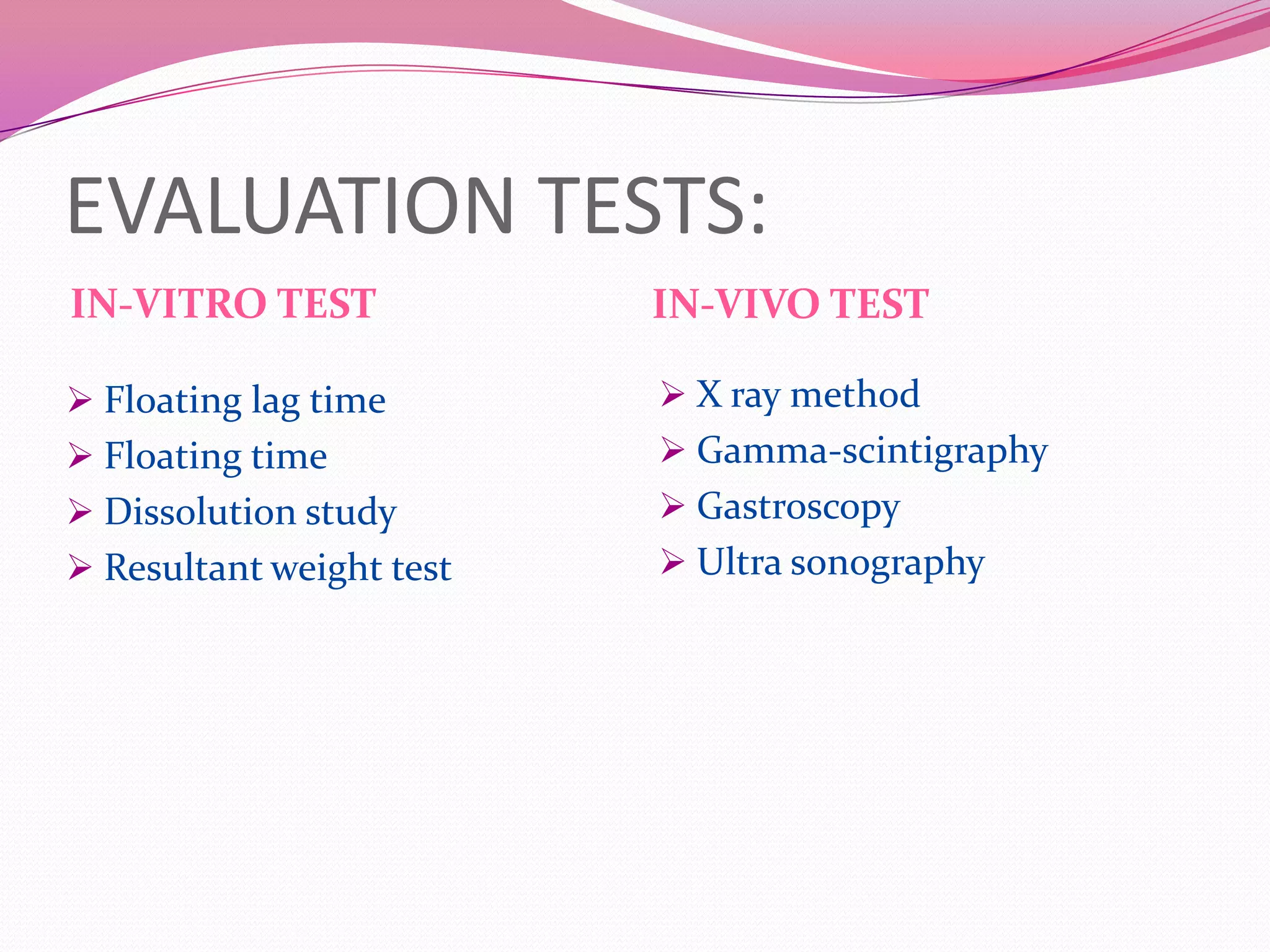
EVALUATION TESTS:
IN-VITRO TEST

IN-VIVO TEST

 Floating lag time

 X ray method

 Floating time

 Gamma-scintigraphy

 Dissolution study

 Gastroscopy

 Resultant weight test

 Ultra sonography
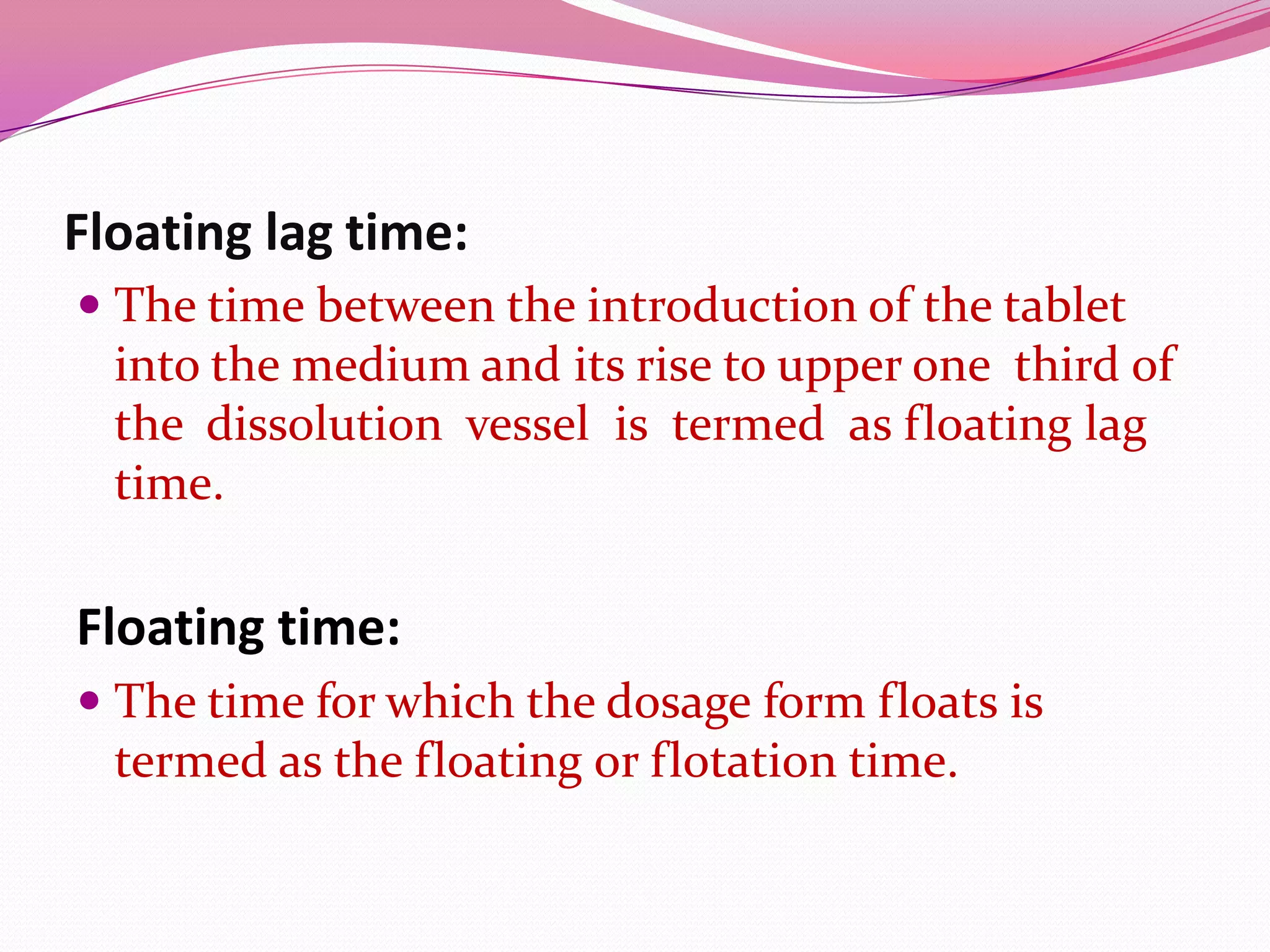
Floating lag time:
 The time between the introduction of the tablet
into the medium and its rise to upper one third of
the dissolution vessel is termed as floating lag
time.

Floating time:
 The time for which the dosage form floats is

termed as the floating or flotation time.
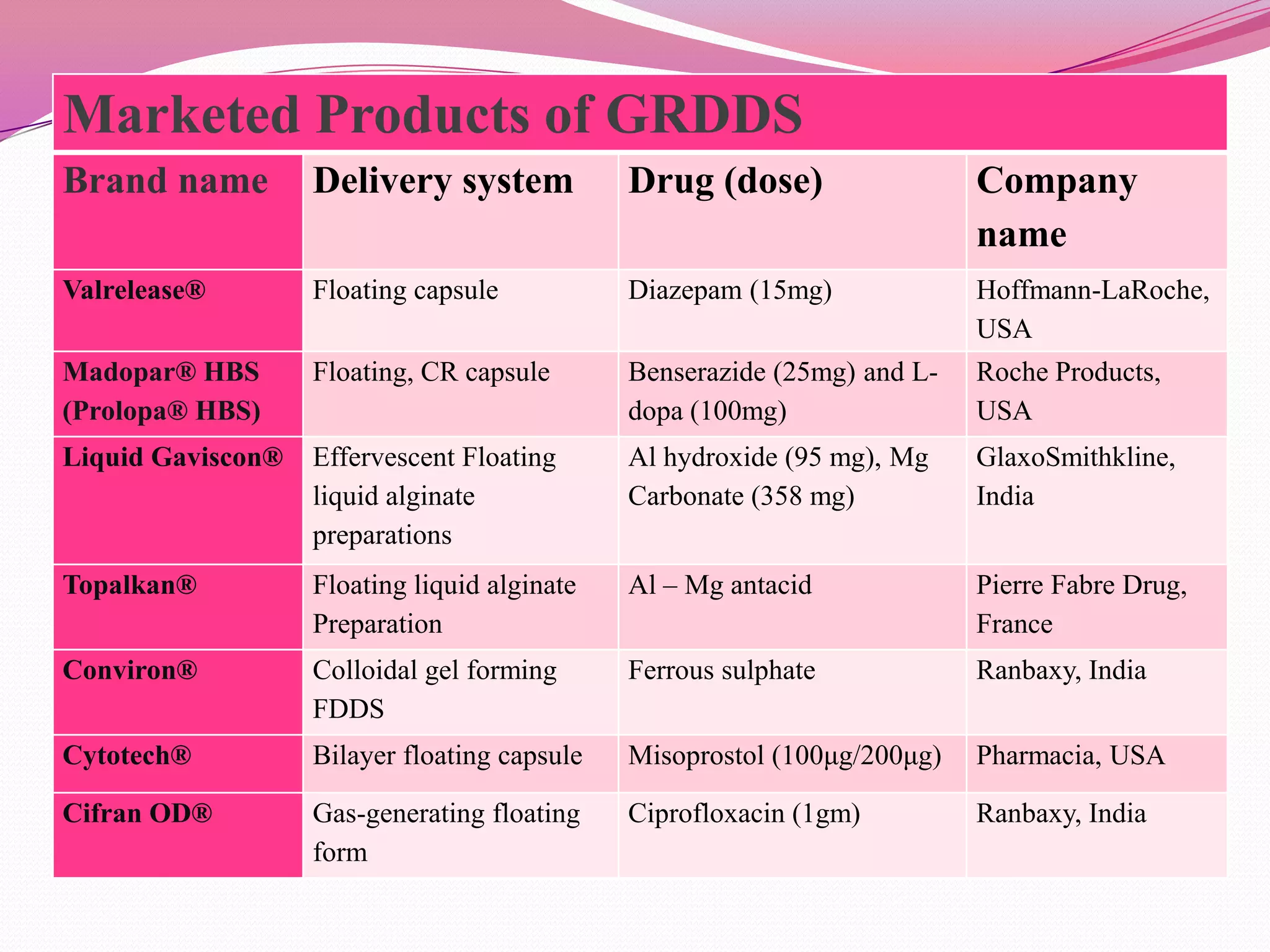
Marketed Products of GRDDS
Brand name

Delivery system

Drug (dose)

Company
name

Valrelease®

Floating capsule

Diazepam (15mg)

Hoffmann-LaRoche,
USA

Madopar® HBS
(Prolopa® HBS)

Floating, CR capsule

Benserazide (25mg) and Ldopa (100mg)

Roche Products,
USA

Liquid Gaviscon®

Effervescent Floating
liquid alginate
preparations

Al hydroxide (95 mg), Mg
Carbonate (358 mg)

GlaxoSmithkline,
India

Topalkan®

Floating liquid alginate
Preparation

Al – Mg antacid

Pierre Fabre Drug,
France

Conviron®

Colloidal gel forming
FDDS

Ferrous sulphate

Ranbaxy, India

Cytotech®

Bilayer floating capsule

Misoprostol (100μg/200μg)

Pharmacia, USA

Cifran OD®

Gas-generating floating
form

Ciprofloxacin (1gm)

Ranbaxy, India
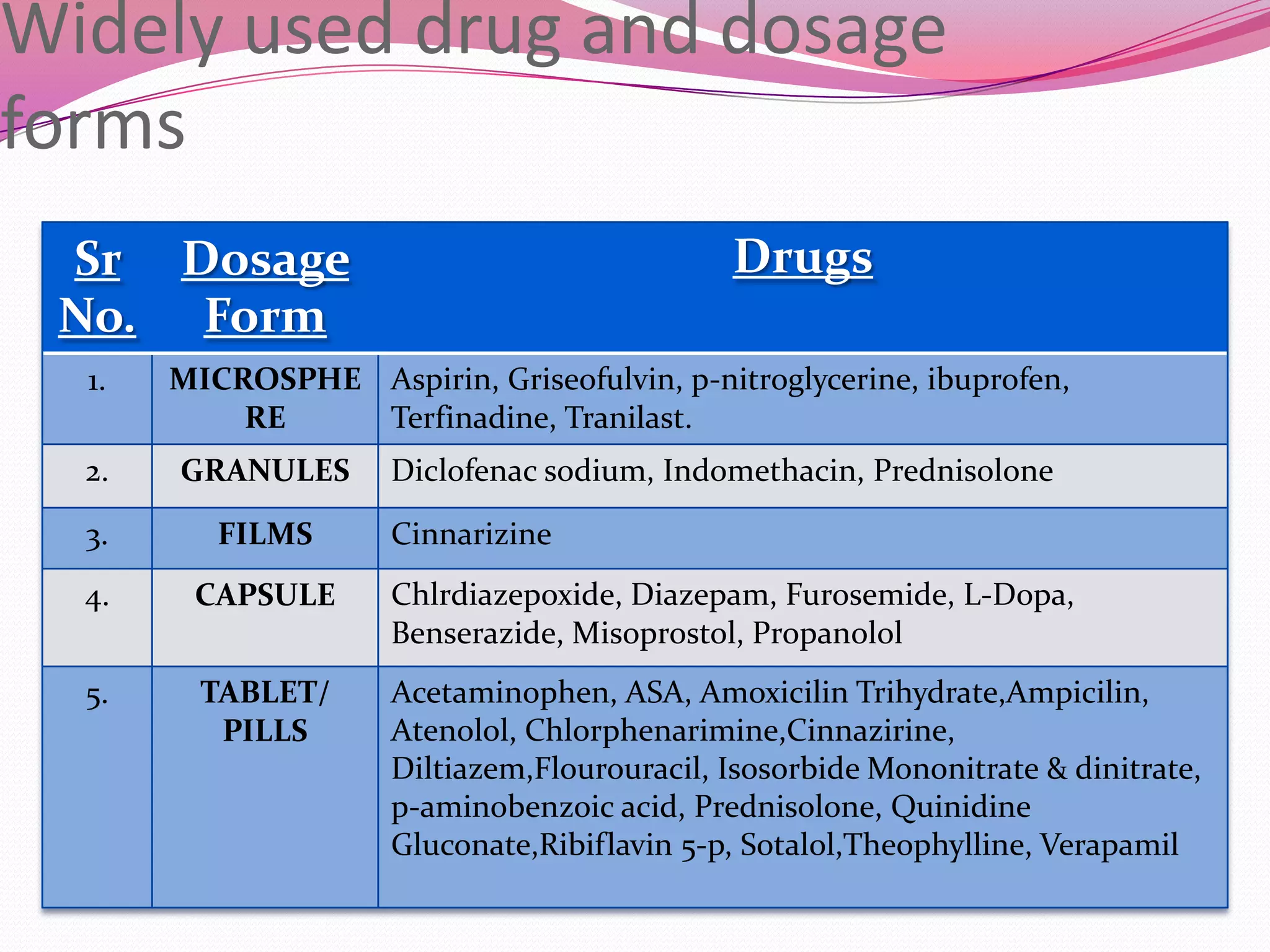
Widely used drug and dosage
forms
Drugs

Sr Dosage
No. Form
1.

MICROSPHE Aspirin, Griseofulvin, p-nitroglycerine, ibuprofen,
RE
Terfinadine, Tranilast.

2.

GRANULES

Diclofenac sodium, Indomethacin, Prednisolone

3.

FILMS

4.

CAPSULE

Chlrdiazepoxide, Diazepam, Furosemide, L-Dopa,
Benserazide, Misoprostol, Propanolol

5.

TABLET/
PILLS

Acetaminophen, ASA, Amoxicilin Trihydrate,Ampicilin,
Atenolol, Chlorphenarimine,Cinnazirine,
Diltiazem,Flourouracil, Isosorbide Mononitrate & dinitrate,
p-aminobenzoic acid, Prednisolone, Quinidine
Gluconate,Ribiflavin 5-p, Sotalol,Theophylline, Verapamil

Cinnarizine
Conclusion
 FDDS promises to be potential approach for gastric retention.
 Dosage form with prolonged GIT will bring about new and important

therapeutic actions.
 The currently available polymer-mediated non effervescent and effervescent

FDDS,designed on the basis of delays gastric emptying and buoyancy
principles, appear to be very much effective approach to the modulation of
controlled oral drug delivery.
 Due to complexity of pharmacokinetic and pharmacodynamic parameters, in

vivo studies are required to establish the optimal dosage form for a specific

drug.
 A large number of companies are focusing towards commercializing this

technique.
REFERENCE
 N K Jain. Gastroretentive drug delivery systems: Garima








Chawla, Piyush Gupta and Aravind K. Bansal, editors. Progress
in controlled and novel drug delivery systems.New delhi.
S.P.vyas, roop K.khar controlled drug delivery concepts and
advances page no.196-217.
Banker GS, Rhodes CT. Modern Pharmaceutics.Marcel
Dekker, New York 1996 ; 3 : 125-28.
Hoffmann A. Pharmacodynamic aspects ofsustained
release preparations. Adv. Drug. Deliv. Rev 1998; 33 :185199.
Stanley SD, Lisbeth I. Drug delivery systemsfor challenging
molecules. Int. J. Pharm. 1998; 176 : 1-8.
Floating drug delivery system ppt

Floating drug delivery system ppt

  • 1.
    FLOATING DRUG DELIVERYSYSTEM SSJ COLLEGE OF PHARMACY (APPROVED BY AICTE AND PCI,AFFILIATED TO JNTU. NEAR WIPRO, VATTINAGULLAPALLY,GOPANPALLY HYD.) PRESENTED BY: G.SHERIN 1OFJ1R0013 UNDER THE GUIDENCE OF: MISS. S.RAMYA LATHA
  • 2.
    Contents  Introduction  Basicgastro intestinal tract physiology  Approaches for prolonging gastric residence time  Mechanism of floating system  Factors affecting floating  Advantages and disadvantages of FDDS  Polymers used in FDDS  Methodology  Classification of FDDS  Widely used drugs and dosage form  Evaluation tests  Conclusion
  • 3.
    INTRODUCTION  Floating systemsor dynamically controlled systems are low- density systems that have sufficiently buoyancy to float over the gastric contents and remain buoyant in the stomach without affecting the gastric emptying rate for a prolonged period of time.  This results in an increased gastric retention time and a better control of the fluctuations in plasma drug concentration.  Many buoyant systems have been developed based on granules, powders, capsules, tablets, laminated films and hallow Microspheres.
  • 4.
    BASIC GASTRO-INTESTINAL TRACT PHYSIOLOGY Stomach Fundus  Body  Pylorus or Antrum MIGRATING MYLOELECTRIC CYCLE:
  • 5.
    APPROACHES FOR PROLONGING THEGASTRIC RESIDENCE TIME HDS  HIGH-DENSITY SYSTEMS. (HDS)  FLOATING SYSTEMS. (FS)  SWELLING AND EXPANDING SYSTEMS. (SS)  MUCOADHESIVE & BIOADHESIVE SYSTEMS. (AS) SS FS
  • 6.
    IMPORTANCE OF FDDS The gastric emptying time in humans which normally averages 2-3 hours through the major absorption zone (stomach and upper part of intestine) can result in incomplete drug release from the drug delivery system leading to reduced efficacy of administered dose.  Lower dosing and less side effects  Beneficial in the treatment of gastric diseases.  Suitable dosage forms for the drugs those are primarily absorbed in the stomach.
  • 7.
    MECHANISM OF FLOATINGSYSTEMS  FDDS has a bulk density less than gastric fluids and so remain buoyant in the stomach with out affecting the gastric emptying rate for a prolonged period of time. F = F buoyancy - F gravity = (Df - Ds) gv Where, F= total vertical force, Df = fluid density, Ds = object density, v = volume and g = acceleration due to gravity.
  • 8.
    Factors affecting floatingtime  Density,size and shape of dosage form.  Single and multiple unit formulation.  Fed and unfed stage.  Frequency of feed.  Nature of meal.  Age and gender  Posture  Biological factors
  • 9.
    Advantages of FDDS Enhanced bioavailability  Sustained drug delivery/reduced frequency of dosing  Targeted therapy for local ailments in the upper GIT  Reduced fluctuations of drug concentration  Improved selectivity in receptor activation  Reduced counter-activity of the body  Extended effective concentration.  Minimized adverse activity at the colon
  • 10.
    Disadvantages of FDDS The drug substances that are unstable in the acidic environment of the stomach are not suitable candidates to be incorporated in the systems.  These systems require a high level of fluid in the stomach for drug delivery to float and work efficiently.  Not suitable for drugs that have solubility or stability problem in GIT.
  • 11.
    Polymers used informulation of FDDS  Hydrochlorides:HPMC 1000,HPMC 4000, , β Cyclodextrin, Sodium alginate, HPC-L, CP 934P, HPC, Eudragit S, HPMC, Metolose S.M. 100, PVP, HPC-H, HPC-M, HPMC K15, Polyox, HPMC K4, Acrylic polymer, E4 M and Carbopol.  Inert fatty materials:Beeswax, fatty acids, long chain fatty alcohols, Gelucires 39/01 and 43/01.  Effervescent agents :Sodium bicarbonate, citric acid, tartaric acid, Di-SGC (Di- Sodium Glycine Carbonate, CG (Citroglycine).  Release rate accelerants (5%-60%):eg. lactose, mannitol.  Release rate retardants (5%-60%):eg. Dicalcium phosphate, talc, magnesium stearate.  Buoyancy increasing agents (upto80%):eg. Ethyl cellulose.  Low density material:Polypropylene foam powder (Accurel MP 1000).
  • 12.
    METHODOLOGY  Direct compressiontechnique  Melt granulation technique  Melt solidification technique  Spray drying technique • Wet granulation technique
  • 13.
    CLASSIFICATION OF FDDS Basedon mechanism of buoyancy FDDS can be classified into: A)Single unit floating dosage systems: a)Non-effervescent system b)Effervescent system(gas-generating system) B)Multiple unit floating dosage systems: a)Non effervescent system b)Effervescent system c)Raft forming systems d)Hallow microspheres e)Magnetic system
  • 14.
    Non effervescent systems:One or more gel forming, highly swellable, cellulosic hydrocolloids (e.g. hydroxyl ethyl cellulose, hydroxypropyl methyl cellulose [HPMC] etc, polysaccharides, or matrix forming polymers(e.g polyacrylates, and polystyrene) are incorporated in high level (20‐75% w/w) to tablets or capsules.
  • 15.
    HYDRODYNAMICALLY BALANCED SYSYTEMS  Prepared byincorporating a high level(20-75%w/w) gel-forming hydrocolloids. E.g.:- Hydoxyethylcellulose, hydroxypropylcellulose, Sod. CMC into the formulation and then compressing these granules into a tablets or capsules.  It maintains the bulk density less than 1.  The gelatinous polymer barrier formation results from hydrophilic polymer swelling.  Drug is released by diffusion and erosion of gel barrier.
  • 16.
    ALGINATE BEADS • Preparedby dropping sodium alginate solution into aqueous solution of calcium chloride, causing the precipitation of calcium alginate • Freeze dry in liquid nitrogen at -40oc for 24h. • Beads-spherical and 2.5 mm in diameter.
  • 17.
    Effervescent floating dosageform  These are matrix type of systems with the help of swellable polymers such as methylcellulose and chitosan ad various effervescent eg, sodium bicarbonate, tartaric acid and citric acid.  They are formulated in such a way that when in contact with the acidic gas content ,CO2 is liberated and gets entrapped in swollen hydrocolloids, which provides buoyancy to the dosage form. Gas generating system:schematic monolayer drug delivery system
  • 18.
    Raft forming systems This system is used for delivery of antacids and drug delivery for treatment of gastrointestinal infections and disorders.  The mechanism involved in this system includes the formation of a viscous cohesive gel in contact with gastric fluids, forming a continuous layer called raft. Barrier formed by a raft -forming system
  • 19.
    HOLLOW MICROSPHERES  Hallowmicrospheres as one of the most promising buoyant systems, as they possess unique advantages of multiple unit systems as well as better floating properties, because of central hallow spaces inside the microsphere.  The general techniques involved in their preparation include simple solvent evaporation, and solvent diffusion and evaporation.
  • 20.
    MAGNETIC SYSTEMS  Thisapproach to enhance the GRT is based on the simple principle that the dosage form contains a small internal magnet, and a magnet placed on the abdomen over the position of the stomach.  Although magnetic system seems to work, the external magnet must be positioned with a degree of precision that might compromise patient compliance.
  • 21.
    PRE-COMPRESSION TESTS POST COMPRESSIONTESTS  Angle of repose  Thickness  Tapped density and  Diameter bulk density  Carr’s compressibility index and hausner ratio  Size and shape  Hardness test  Weight variation test  Friability test  Content uniformity test
  • 22.
    EVALUATION TESTS: IN-VITRO TEST IN-VIVOTEST  Floating lag time  X ray method  Floating time  Gamma-scintigraphy  Dissolution study  Gastroscopy  Resultant weight test  Ultra sonography
  • 23.
    Floating lag time: The time between the introduction of the tablet into the medium and its rise to upper one third of the dissolution vessel is termed as floating lag time. Floating time:  The time for which the dosage form floats is termed as the floating or flotation time.
  • 24.
    Marketed Products ofGRDDS Brand name Delivery system Drug (dose) Company name Valrelease® Floating capsule Diazepam (15mg) Hoffmann-LaRoche, USA Madopar® HBS (Prolopa® HBS) Floating, CR capsule Benserazide (25mg) and Ldopa (100mg) Roche Products, USA Liquid Gaviscon® Effervescent Floating liquid alginate preparations Al hydroxide (95 mg), Mg Carbonate (358 mg) GlaxoSmithkline, India Topalkan® Floating liquid alginate Preparation Al – Mg antacid Pierre Fabre Drug, France Conviron® Colloidal gel forming FDDS Ferrous sulphate Ranbaxy, India Cytotech® Bilayer floating capsule Misoprostol (100μg/200μg) Pharmacia, USA Cifran OD® Gas-generating floating form Ciprofloxacin (1gm) Ranbaxy, India
  • 25.
    Widely used drugand dosage forms Drugs Sr Dosage No. Form 1. MICROSPHE Aspirin, Griseofulvin, p-nitroglycerine, ibuprofen, RE Terfinadine, Tranilast. 2. GRANULES Diclofenac sodium, Indomethacin, Prednisolone 3. FILMS 4. CAPSULE Chlrdiazepoxide, Diazepam, Furosemide, L-Dopa, Benserazide, Misoprostol, Propanolol 5. TABLET/ PILLS Acetaminophen, ASA, Amoxicilin Trihydrate,Ampicilin, Atenolol, Chlorphenarimine,Cinnazirine, Diltiazem,Flourouracil, Isosorbide Mononitrate & dinitrate, p-aminobenzoic acid, Prednisolone, Quinidine Gluconate,Ribiflavin 5-p, Sotalol,Theophylline, Verapamil Cinnarizine
  • 26.
    Conclusion  FDDS promisesto be potential approach for gastric retention.  Dosage form with prolonged GIT will bring about new and important therapeutic actions.  The currently available polymer-mediated non effervescent and effervescent FDDS,designed on the basis of delays gastric emptying and buoyancy principles, appear to be very much effective approach to the modulation of controlled oral drug delivery.  Due to complexity of pharmacokinetic and pharmacodynamic parameters, in vivo studies are required to establish the optimal dosage form for a specific drug.  A large number of companies are focusing towards commercializing this technique.
  • 27.
    REFERENCE  N KJain. Gastroretentive drug delivery systems: Garima     Chawla, Piyush Gupta and Aravind K. Bansal, editors. Progress in controlled and novel drug delivery systems.New delhi. S.P.vyas, roop K.khar controlled drug delivery concepts and advances page no.196-217. Banker GS, Rhodes CT. Modern Pharmaceutics.Marcel Dekker, New York 1996 ; 3 : 125-28. Hoffmann A. Pharmacodynamic aspects ofsustained release preparations. Adv. Drug. Deliv. Rev 1998; 33 :185199. Stanley SD, Lisbeth I. Drug delivery systemsfor challenging molecules. Int. J. Pharm. 1998; 176 : 1-8.