Download to read offline





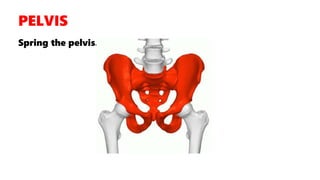


The document outlines the process of diagnostic first aid, which involves determining what is wrong with a patient by gathering information through their history, signs, and symptoms. It emphasizes the importance of a physical examination, systematically assessing the head, neck, spine, chest, abdomen, pelvis, and limbs for any irregularities or injuries. Each body part requires specific observations to ensure a thorough evaluation.


