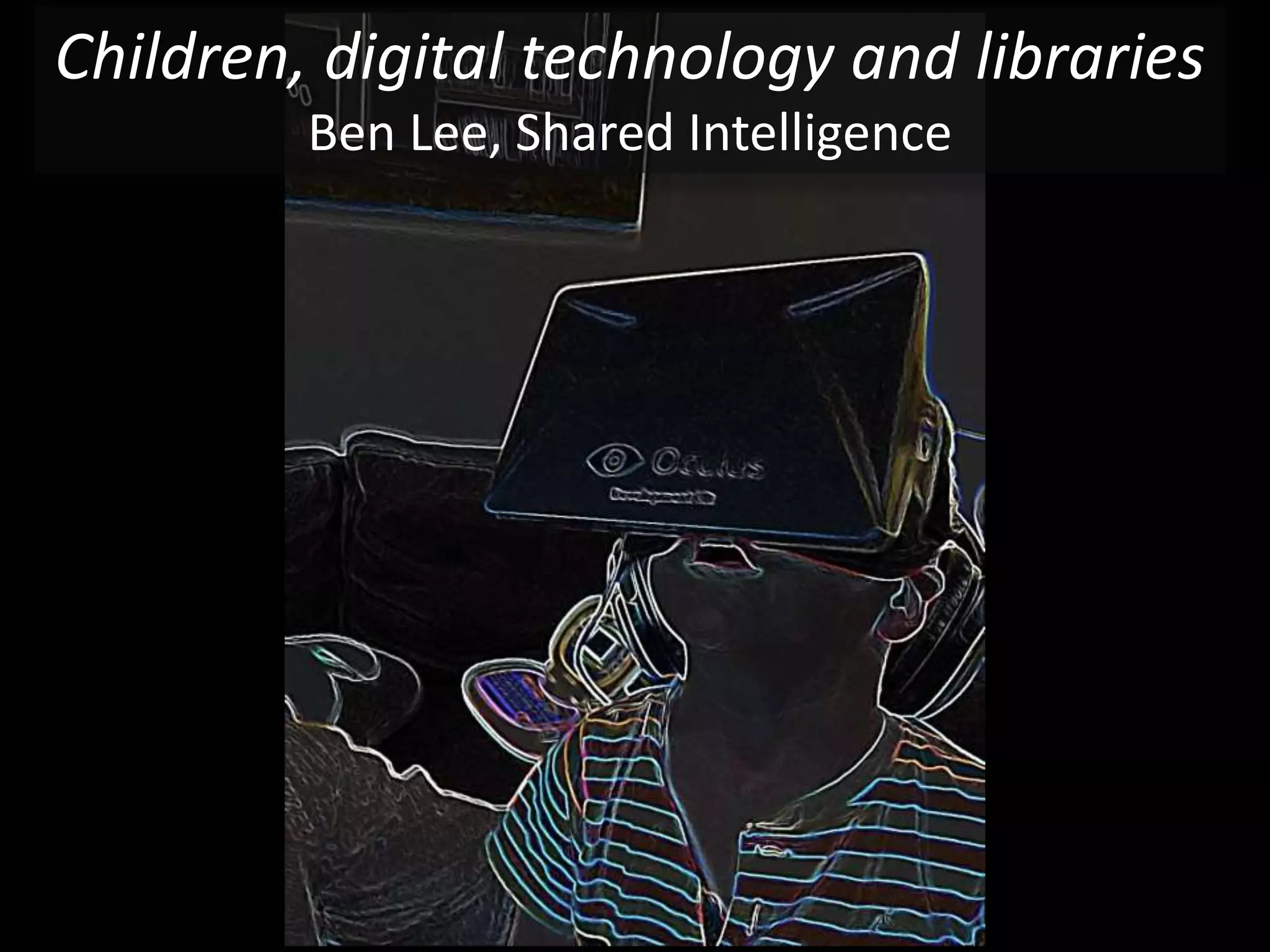
Children, digital technology and libraries
Ben Lee, Shared Intelligence
Big technology trends (from our SCL research)
Trends relating to children and technology
The ASCEL focus groups in Summer 2014
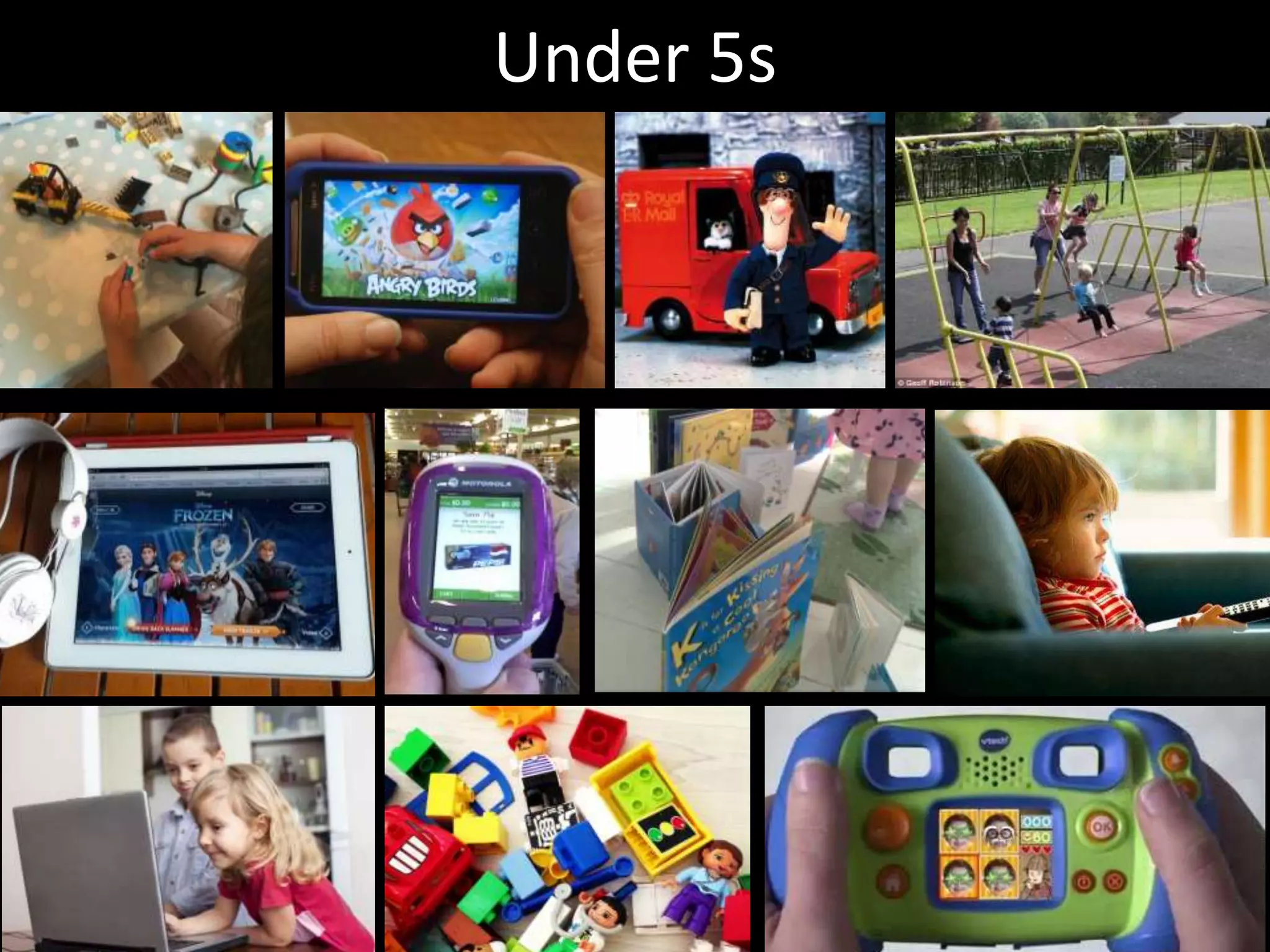
• Under 5s
• 5s – 7s
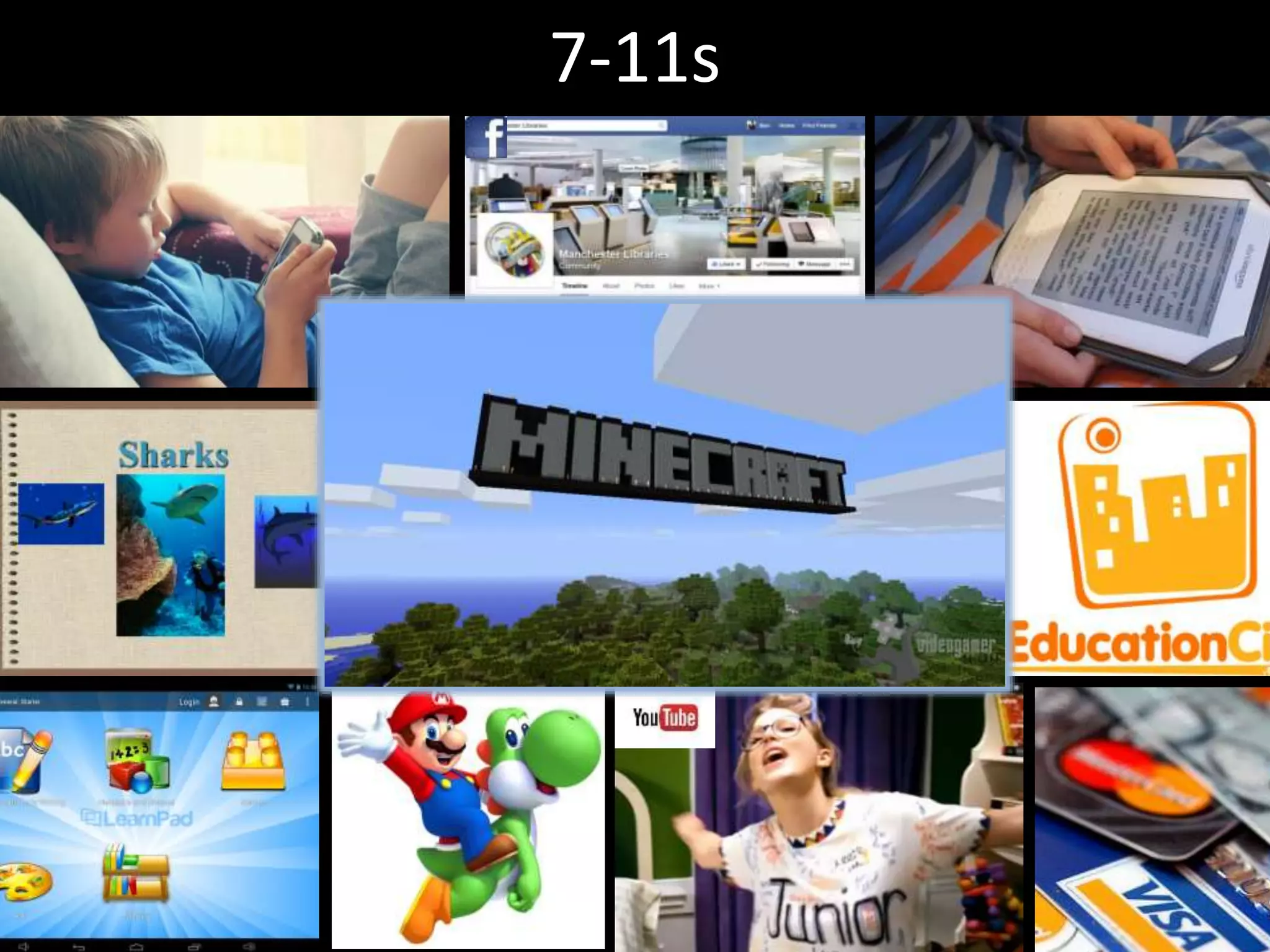
• 7s – 11s
Trends from our SCL research
Speed and scale of change
Continued shift from paper to digital
Academic writing
School textbooks
Consumer fiction
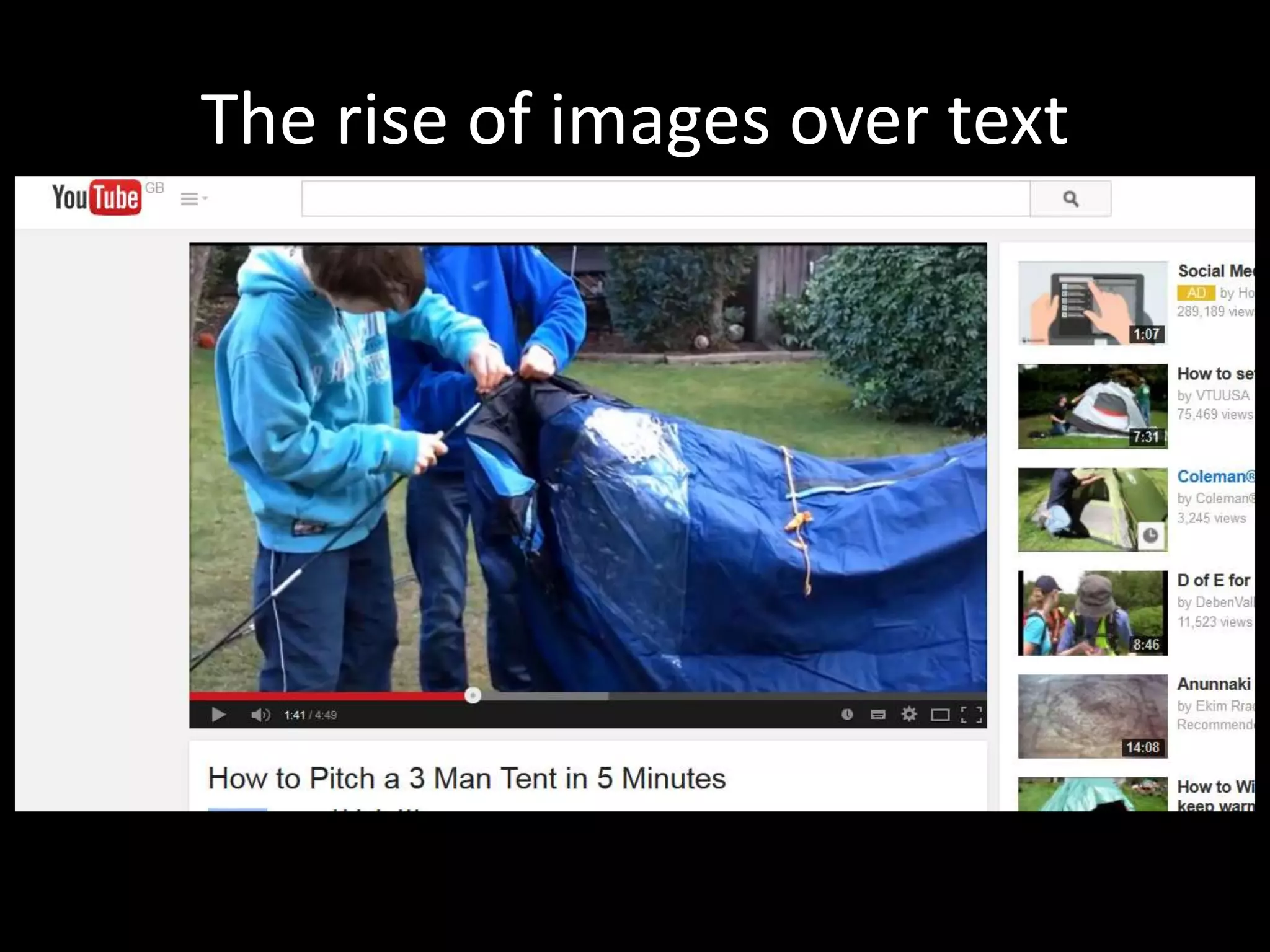
The rise of images over text
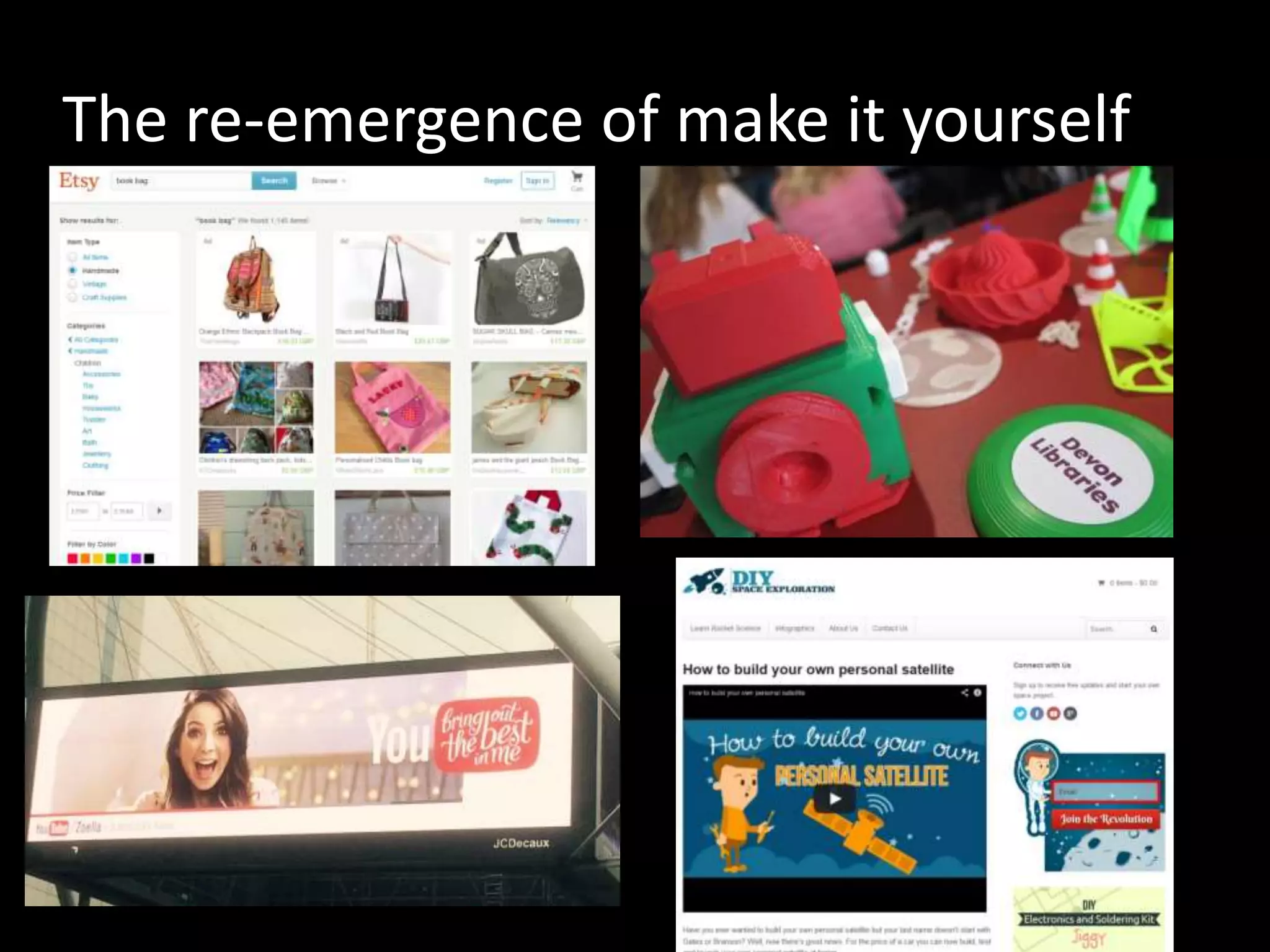
The re-emergence of make it yourself
From “going online” to always on
Digital divide - 11m Britons still not online
Tinder Foundation
A Leading Digital Nation by 2020 (2014)
And as with many things, it costs more
to be poor when connecting up
digitally
For children
Three quarters of children have access
to a touchscreen device at home
National Literacy Trust
Parents’ perspectives: Children’s use of technology in the Early Years (2014)
The kids are all wired
OFCOM
Communications Market Report (2014)
Learning through games - “gamification”
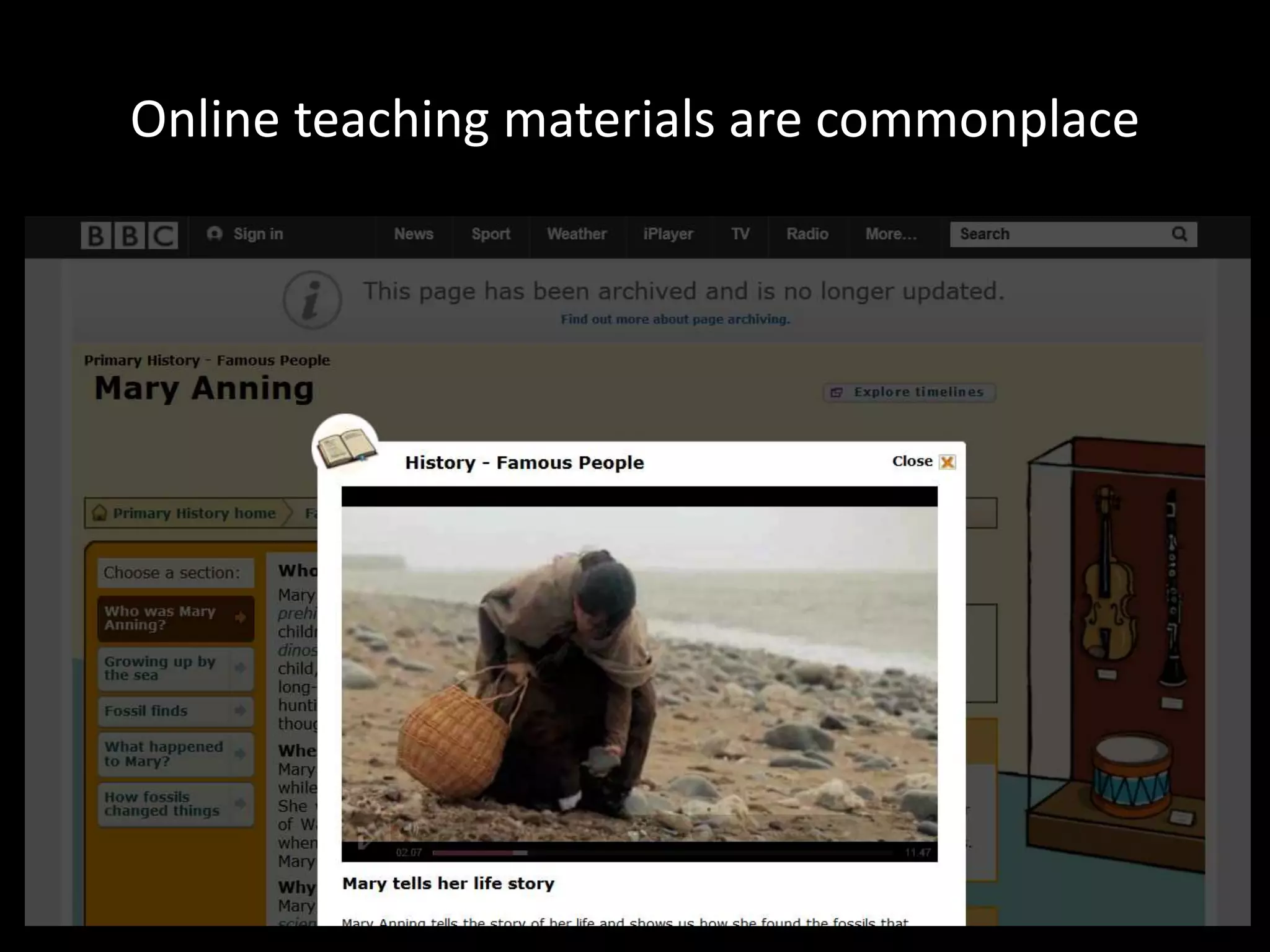
Online teaching materials are commonplace
Re-boot of Computer Science in schools
1985 2015
Summer 2015
BBC giving a Micro Bit to every Year 7 child
Ability to create their
own…
NeverSeconds
Campaigns
Self-published books
Blogs
Films
Milton Keynes Junior Filmmakers
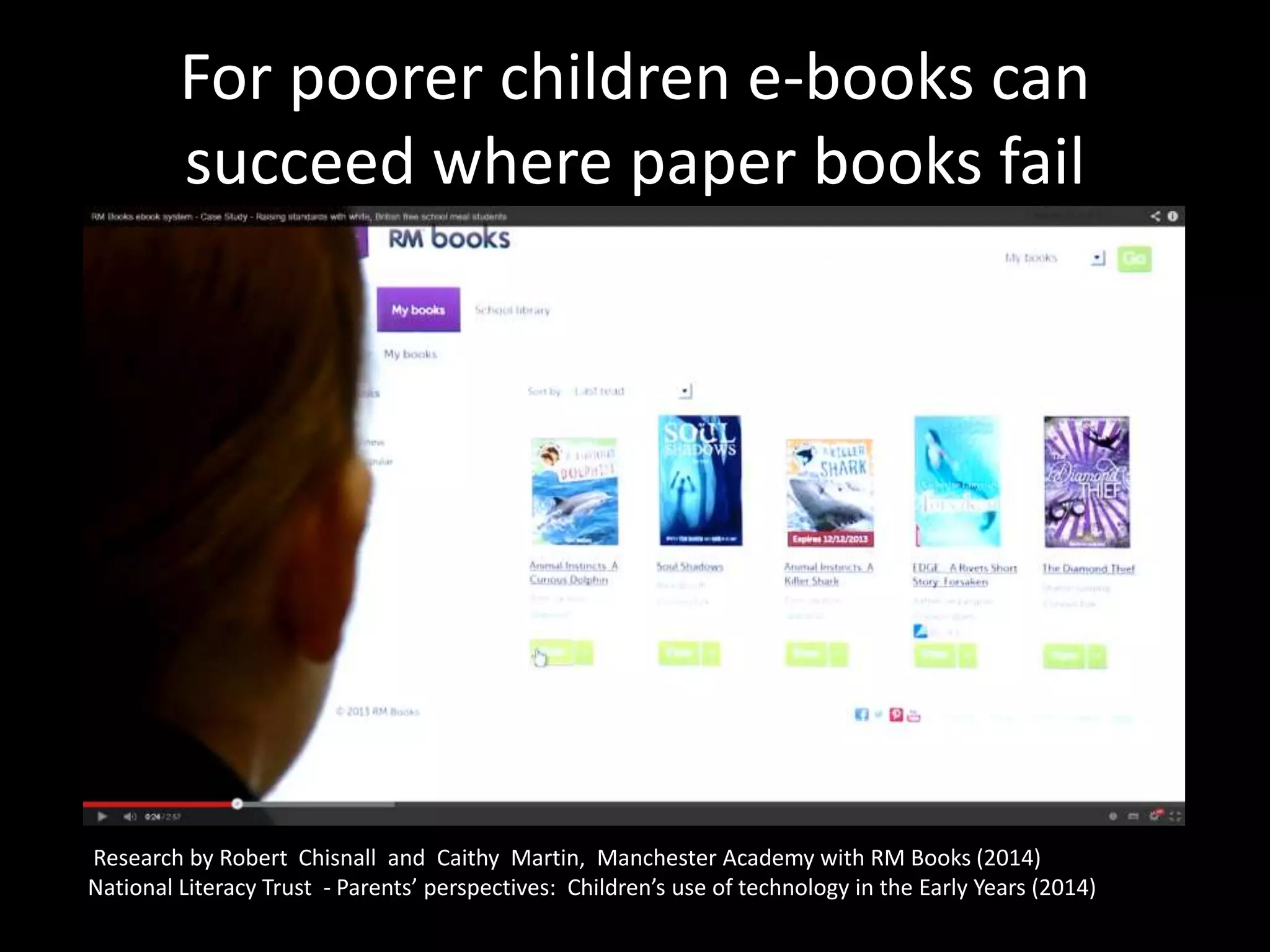
For poorer children e-books can
succeed where paper books fail
Research by Robert Chisnall and Caithy Martin, Manchester Academy with RM Books (2014)
National Literacy Trust - Parents’ perspectives: Children’s use of technology in the Early Years (2014)
But a barrier may be the limited
confidence of professionals
• Staff in early years settings with lower OFSTED
ratings are less likely to have access to
touchscreens; and those that do are less likely to
use them
• Staff in early years settings who use touchscreens
least are also those where staff report lower
confidence with those devices themselves
• Staff in early years settings using touchscreens
least also believe their children are less confident
National Literacy Trust 2014
And digital devices in themselves do
not guarantee impact
iPads for every pupil in LA
One Laptop Per Child
Although some are brilliant
Prof Sugata Mitra, Newcastle University
www.hole-in-the-wall.com
But despite fast thumbs, they are still
children
“…digital natives – with fast thumbs able to summon up the
knowledge of the world in an instant, build a million dollar
company from their bedroom, or topple a corrupt regime
with a tweet. Yet far from being at the forefront of the
digital revolution many young people remain on the lower
‘rungs’ of digital understanding.” iRights.uk
ASCEL focus groups
Took place in Summer 2014
• Under 5s (72 children, in 3 authorities)
• 5s – 7s (54 children, in 4 authorities)
• 7s – 11s (73 children, in 4 authorities)
ASCEL asked for help from: Essex, Hull, Gateshead,
Lancashire, Bexley/Bromley, Kingston, Staffordshire
Questions and process designed by Shared Intelligence,
focus groups conducted by ASCEL members
Digital technology for play, discovering the
world, and sometimes for creating and
making pictures, photos and music.
But digital technology does not reach into
every hour of the day and parents are
trying to keep it that way.
Under 5s
Under 5s
For them technology is everywhere and they
can use almost all of it. But just as in their
offline world - they do not yet understand
everything they come across, or the risks.
When we explained about research, one boy
replied simply
“why didn’t you just look all that up on the
internet?”
7-11s
7-11s
5-7s
In-betweeners.
Their interaction
with technology is
bound up in the
transition from the
world of early
childhood - to that
of school, structure,
new friendships,
and more
responsibility.
The lives of today’s children are not
dominated by digital information, but they
are immersed in it.
There are real risks that some children will
lose out, not through lack of ability but lack of
opportunity.
But those who are given opportunities,
guidance, and encouragement will achieve
things with digital knowledge which even
today seem impossible.
Why….?
…because
Cheaper
&
Faster
Broadband
More data
Cheaper, faster, smaller, more powerful
So….
We tried to come to some conclusions
but what do you think?
How does this research help you?
What could you do?
Thanks
Children, digital technology and libraries
Ben Lee, Shared Intelligence

Findings from Shared Intelligence / ASCEL libraries, children and digital research

  • 1.
    Children, digital technologyand libraries Ben Lee, Shared Intelligence
  • 2.
    Big technology trends(from our SCL research) Trends relating to children and technology The ASCEL focus groups in Summer 2014 • Under 5s • 5s – 7s • 7s – 11s
  • 3.
    Trends from ourSCL research
  • 4.
    Speed and scaleof change
  • 5.
    Continued shift frompaper to digital Academic writing School textbooks Consumer fiction
  • 6.
    The rise ofimages over text
  • 7.
    The re-emergence ofmake it yourself
  • 8.
  • 9.
    Digital divide -11m Britons still not online Tinder Foundation A Leading Digital Nation by 2020 (2014)
  • 10.
    And as withmany things, it costs more to be poor when connecting up digitally
  • 13.
  • 14.
    Three quarters ofchildren have access to a touchscreen device at home National Literacy Trust Parents’ perspectives: Children’s use of technology in the Early Years (2014)
  • 15.
    The kids areall wired OFCOM Communications Market Report (2014)
  • 16.
    Learning through games- “gamification”
  • 17.
  • 18.
    Re-boot of ComputerScience in schools 1985 2015
  • 19.
    Summer 2015 BBC givinga Micro Bit to every Year 7 child
  • 20.
    Ability to createtheir own… NeverSeconds Campaigns Self-published books Blogs Films Milton Keynes Junior Filmmakers
  • 21.
    For poorer childrene-books can succeed where paper books fail Research by Robert Chisnall and Caithy Martin, Manchester Academy with RM Books (2014) National Literacy Trust - Parents’ perspectives: Children’s use of technology in the Early Years (2014)
  • 22.
    But a barriermay be the limited confidence of professionals • Staff in early years settings with lower OFSTED ratings are less likely to have access to touchscreens; and those that do are less likely to use them • Staff in early years settings who use touchscreens least are also those where staff report lower confidence with those devices themselves • Staff in early years settings using touchscreens least also believe their children are less confident National Literacy Trust 2014
  • 23.
    And digital devicesin themselves do not guarantee impact iPads for every pupil in LA One Laptop Per Child
  • 24.
    Although some arebrilliant Prof Sugata Mitra, Newcastle University www.hole-in-the-wall.com
  • 25.
    But despite fastthumbs, they are still children “…digital natives – with fast thumbs able to summon up the knowledge of the world in an instant, build a million dollar company from their bedroom, or topple a corrupt regime with a tweet. Yet far from being at the forefront of the digital revolution many young people remain on the lower ‘rungs’ of digital understanding.” iRights.uk
  • 26.
    ASCEL focus groups Tookplace in Summer 2014 • Under 5s (72 children, in 3 authorities) • 5s – 7s (54 children, in 4 authorities) • 7s – 11s (73 children, in 4 authorities) ASCEL asked for help from: Essex, Hull, Gateshead, Lancashire, Bexley/Bromley, Kingston, Staffordshire Questions and process designed by Shared Intelligence, focus groups conducted by ASCEL members
  • 27.
    Digital technology forplay, discovering the world, and sometimes for creating and making pictures, photos and music. But digital technology does not reach into every hour of the day and parents are trying to keep it that way. Under 5s
  • 28.
  • 29.
    For them technologyis everywhere and they can use almost all of it. But just as in their offline world - they do not yet understand everything they come across, or the risks. When we explained about research, one boy replied simply “why didn’t you just look all that up on the internet?” 7-11s
  • 30.
  • 31.
    5-7s In-betweeners. Their interaction with technologyis bound up in the transition from the world of early childhood - to that of school, structure, new friendships, and more responsibility.
  • 32.
    The lives oftoday’s children are not dominated by digital information, but they are immersed in it. There are real risks that some children will lose out, not through lack of ability but lack of opportunity. But those who are given opportunities, guidance, and encouragement will achieve things with digital knowledge which even today seem impossible. Why….?
  • 33.
  • 34.
  • 35.
    So…. We tried tocome to some conclusions but what do you think? How does this research help you? What could you do?
  • 36.
    Thanks Children, digital technologyand libraries Ben Lee, Shared Intelligence