Downloaded 46 times



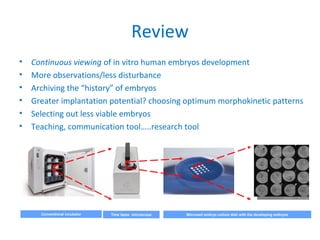
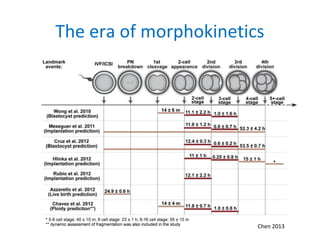
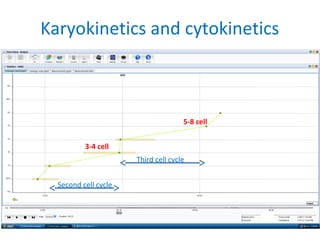
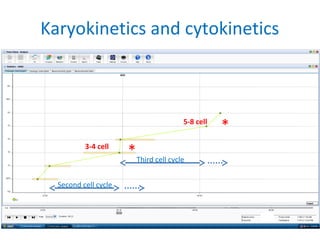
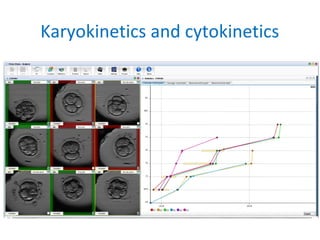

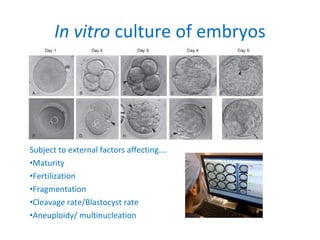
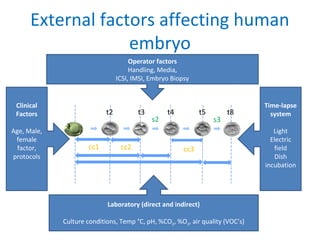
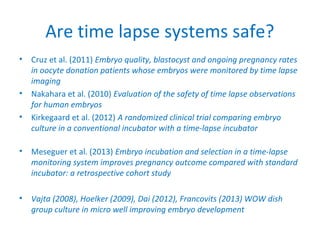
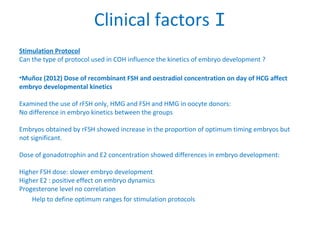
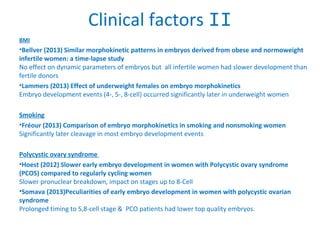
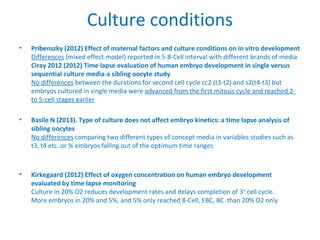
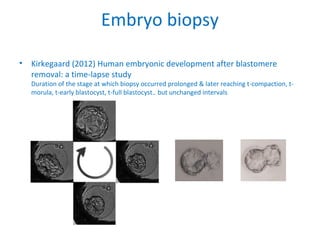
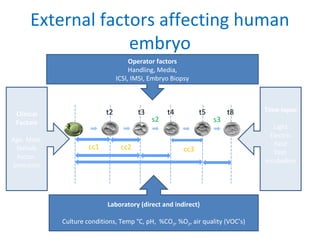
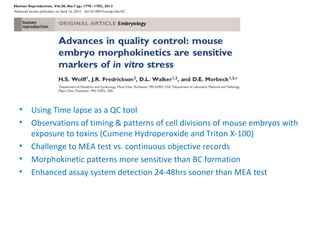
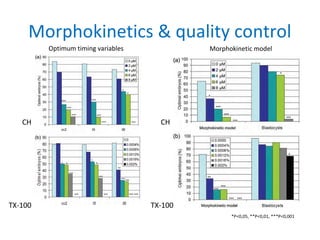
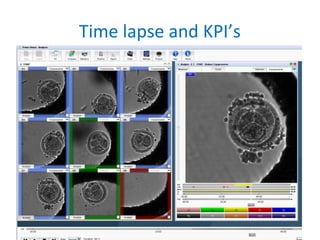
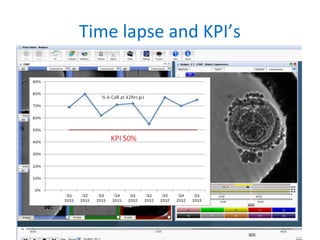
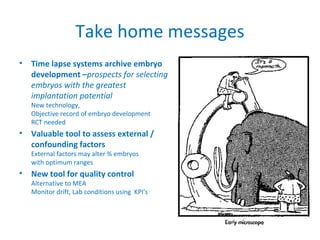

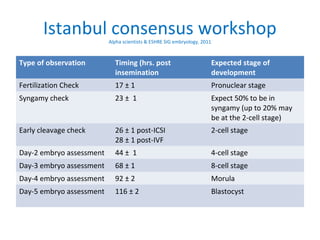

External factors such as culture conditions, stimulation protocols, and patient characteristics can affect the morphokinetic development of human embryos observed through time-lapse monitoring. Specifically, higher FSH doses, higher estrogen levels, underweight BMI, smoking, and PCOS are associated with slower embryo development. Differences in culture media brands and oxygen concentration can also influence timing of developmental stages. While time-lapse monitoring provides more detailed data on embryo development and a tool for quality control, further randomized clinical trials are still needed to determine the impact on pregnancy outcomes.


