FILM POSTERS
Posters and trailers have been used to promote films for many years, but the nature of
film marketing and promotion has changed a great deal since the 1990s. However,
posters are still a vital part of the marketing process, so it is always worthwhile studying
their key conventions.
Poster conventions
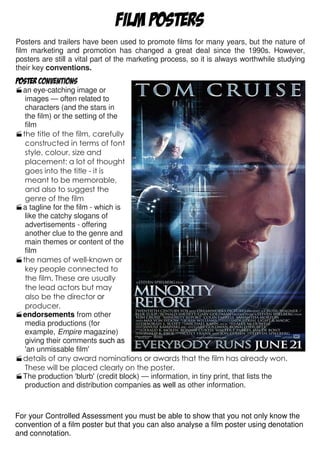
  an eye-catching image or
   images — often related to
   characters (and the stars in
   the film) or the setting of the
   film
  the title of the film, carefully
   constructed in terms of font
   style, colour, size and
   placement: a lot of thought
   goes into the title - it is
   meant to be memorable,
   and also to suggest the
   genre of the film
  a tagline for the film - which is
   like the catchy slogans of
   advertisements - offering
   another clue to the genre and
   main themes or content of the
   film
  the names of well-known or
   key people connected to
   the film. These are usually
   the lead actors but may
   also be the director or
   producer.
  endorsements from other
   media productions (for
   example, Empire magazine)
   giving their comments such as
   'an unmissable film'
  details of any award nominations or awards that the film has already won.
   These will be placed clearly on the poster.
  The production 'blurb' (credit block) — information, in tiny print, that lists the
   production and distribution companies as well as other information.


For your Controlled Assessment you must be able to show that you not only know the
convention of a film poster but that you can also analyse a film poster using denotation
and connotation.
The poster uses both images and text to give us this information. The most
important image is called the key image, because it is the key to what the
film is about, but there could be background images too. The most
important text is the title graphics and the names of the stars and the
director. The tag line helps us to remember the film and the credit block tells
us who produced and distributed the film. Every part of the poster is
carefully put together to encourage us to want to see the film.


POSTERS – GENERAL QUESTIONS

  • What is the title of the film? What can you say about the way in which
    the title graphics have been written?
  • What does the title of the film suggest about the film?
  • Does the title link in any way with the images?
  • What is the tag line? What does it suggest about the film?
  • Describe the key images on your poster. Why have they been chosen?
    What other pictures can you see?
  • What do you think the film will be about? What genres of film will it be?
    What makes you say this?
  • What does the layout of the poster say about the film?
  • What does the use of colour suggest about the film or the characters?
  • Who is starring in the film? Where are the stars’ names placed on the
    poster? Why?
  • What questions does the poster raise in your mind?
  • What do you think are the most important elements on the poster?

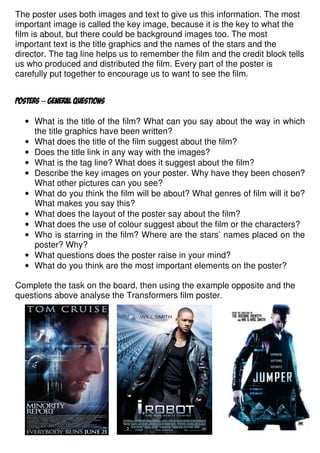
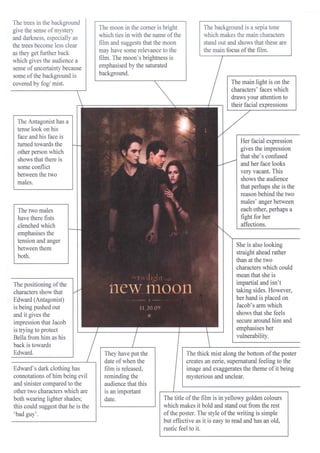
Complete the task on the board, then using the example opposite and the
questions above analyse the Transformers film poster.
Film Posters

Film Posters

  • 1.
    FILM POSTERS Posters andtrailers have been used to promote films for many years, but the nature of film marketing and promotion has changed a great deal since the 1990s. However, posters are still a vital part of the marketing process, so it is always worthwhile studying their key conventions. Poster conventions an eye-catching image or images — often related to characters (and the stars in the film) or the setting of the film the title of the film, carefully constructed in terms of font style, colour, size and placement: a lot of thought goes into the title - it is meant to be memorable, and also to suggest the genre of the film a tagline for the film - which is like the catchy slogans of advertisements - offering another clue to the genre and main themes or content of the film the names of well-known or key people connected to the film. These are usually the lead actors but may also be the director or producer. endorsements from other media productions (for example, Empire magazine) giving their comments such as 'an unmissable film' details of any award nominations or awards that the film has already won. These will be placed clearly on the poster. The production 'blurb' (credit block) — information, in tiny print, that lists the production and distribution companies as well as other information. For your Controlled Assessment you must be able to show that you not only know the convention of a film poster but that you can also analyse a film poster using denotation and connotation.
  • 2.
    The poster usesboth images and text to give us this information. The most important image is called the key image, because it is the key to what the film is about, but there could be background images too. The most important text is the title graphics and the names of the stars and the director. The tag line helps us to remember the film and the credit block tells us who produced and distributed the film. Every part of the poster is carefully put together to encourage us to want to see the film. POSTERS – GENERAL QUESTIONS • What is the title of the film? What can you say about the way in which the title graphics have been written? • What does the title of the film suggest about the film? • Does the title link in any way with the images? • What is the tag line? What does it suggest about the film? • Describe the key images on your poster. Why have they been chosen? What other pictures can you see? • What do you think the film will be about? What genres of film will it be? What makes you say this? • What does the layout of the poster say about the film? • What does the use of colour suggest about the film or the characters? • Who is starring in the film? Where are the stars’ names placed on the poster? Why? • What questions does the poster raise in your mind? • What do you think are the most important elements on the poster? Complete the task on the board, then using the example opposite and the questions above analyse the Transformers film poster.