Sexually Transmitted Disease (STD)
Pediculosis
Pediculosis (Crabs)  Animal parasite found in pubic hair of men and women Also, found on  hair on chest, arms and face Do not live in scalp hair
Symptoms Itching Tiny dark brown spots on the skin or undergarments where they come in contact wth the affected area.
How Pediculosis is SpreadBodily contact w/ a person who has crabsTowels, clothing, bed sheets and toilet seatsAdult lice can live up to ten days, while eggs (nits)live no longer than one month in clothing or bedding
TreatmentShampoo or lotion for pubic liceKWELL & RID Remaining Nits can be removed with a fine tooth comb.
Herpes
HerpesA  sexually transmitted disease (STD) caused by the herpes simplex viruses type 1 (HSV-1) or type 2 (HSV-2). Most genital herpes is caused by HSV-2. Most individuals have no or only minimal signs or symptoms from HSV-1 or HSV-2 infection.
How common is it? Genital HSV-2 infection is more common in women (approximately one out of five women 14 to 49 years of age) than in men (about one out of nine men 14 to 49 years of age). Genital herpes infection is common in the United States. Nationwide, 16.2%, or about one out of six, people 14 to 49 years of age have genital HSV-2 infection.
How does one get herpes?A person can only get HSV-2 infection during sexual contact with someone who has a genital HSV-2 infection.
Transmission can occur from an infected partner who does not have a visible sore and may not know that he or she is infected.HSV-1 can cause genital herpes, but it more commonly causes infections of the mouth and lips, so-called “fever blisters.” HSV-1 infection of the genitals can be caused by oral-genital or genital-genital contact with a person who has HSV-1 infection.
SymptomsThe first outbreak usually occurs within two weeks after the virus is transmitted, and the sores typically heal within two to four weeks. Other signs and symptoms during the primary episode may include a second crop of sores. flu-like symptoms, including fever and swollen glands.
TreatmentThere is no treatment that can cure herpes, but antiviral medications can shorten and prevent outbreaks during the period of time the person takes the medication.
PreventionAbstain from sexual contact, or to be in a long-term mutually monogamous relationship with a partner who has been tested and is known to be uninfected.
HIVHIV (Human immunodeficiency virus) recognized in the United States in 1981. HIV transmissionIt can be spread by having vaginal, anal, oral sex or blood transfusions.Your partner could have HIV and not know it.A mother who has HIV can pass it on to her baby before the baby is born, during childbirth, or through her breast milk.
HIV Symptoms Rapid weight lossFeverDiarrheaNight sweatsFeeling very tiredThrush (yeast infection of the mouth) Vaginal yeast infections (that often keep coming back after you have been treated).
Treatment & PreventionHIV can't be cured!!! Abstain from sex or delay first sexBe faithful to one partner or have fewer partnersCondomise, which means using male condoms or female condoms consistently and correctlyYour doctor will make a treatment plan just for you.
You may need special medicines.
Tell your partner(s) that you have HIV.AIDSAIDS (Acquired immune deficiency syndrome) is an infection disease caused by the virus (HIV).No CURE
True or False There is a cure for AIDS & HIV?(False)
How does AIDS spread?Exchange of bodily fluids:*Semen*Vaginal fluid*Blood*Other bodily fluids containing blood (for example, menses, bloody saliva)*Breast milk.
SymptomsCough and shortness of breathDifficult or painful swallowingMental symptoms such as confusion and forgetfulnessSevere and persistent diarrheaFeverVision loss
Weight loss and extreme fatigue
Severe headaches with neck stiffnessTreatment and PreventionHaving protected sexual intercourse (using condoms).Do not share needlesEducate Get involvedBlood transfusions
GonorrheaNeisseriaGonorrhoeae“The Clap”
GonorrheaA bacterial infection caused by Neisseria Gonorrhoeae that grows in warm and moist areasSuch areas are cervix, uterus, fallopian tubes, urethra, mouth, throat, eyes and anus.Creates a white discharge and inflammation of tissues.
SymptomsCan be seen between 2-5 days, but in men up to a monthBurning and pain during urinationColorful or white discharge from infected areasIncreased urination frequency
IllnessesCan lead to sterilityUrinary tract infectionKidney failurePainful intercourseMeningitisDisseminated infections
How is it spreadSpread by contact penis, vagina, mouth or anus.To babies from an infected mother
TreatmentA single shot of ceftriaxone (Rocephin) 125 mg or a single dose ofCefixime 400 mg taken by mouth are currently the recommendedAntibiotic treatmentAzithromycin (Zithromax) 2g in a single dose may be used forpeople who have severe allergic reactions to ceftriaxone, cefixime,or penicillin.Penicillin used to be the standard treatment, but it is not used anylonger because it does not cure gonorrhea all the time. The CDCalso Recommendeds against using a class of antibiotics calledFluoroquinolone (ciprofloxacin,ofloxacin, or levofloxacin).
Hepatitis
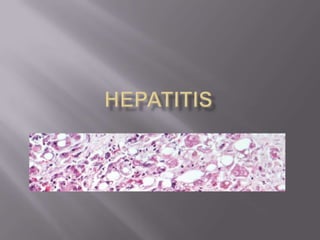
HepatitisAn inflammatory disease in the liver created by inflammatory cells in the tissues of the organIt can be self healing over time, or can lead to fibrosis and cirrhosis.There are 4 types of hepatitis, each one being worse case than the previous. Usually described by ascending order of A, B, C and D
SymptomsUnfortunetly symptoms for hepatitis is not very easy to see as it includes flu, nausea, diarrhea, loss of appetite and weight loss.The most common and easiest way is Jaundice, the yellowing of the white area of the eyes or darker urine.
IllnesesOver time 80% of infected people will develop liver cirrhosis, fibrosis even cancer.

Fcs 340 presenation

  • 1.
  • 3.
  • 4.
    Pediculosis (Crabs) Animal parasite found in pubic hair of men and women Also, found on hair on chest, arms and face Do not live in scalp hair
  • 5.
    Symptoms Itching Tinydark brown spots on the skin or undergarments where they come in contact wth the affected area.
  • 6.
    How Pediculosis isSpreadBodily contact w/ a person who has crabsTowels, clothing, bed sheets and toilet seatsAdult lice can live up to ten days, while eggs (nits)live no longer than one month in clothing or bedding
  • 7.
    TreatmentShampoo or lotionfor pubic liceKWELL & RID Remaining Nits can be removed with a fine tooth comb.
  • 8.
  • 9.
    HerpesA sexuallytransmitted disease (STD) caused by the herpes simplex viruses type 1 (HSV-1) or type 2 (HSV-2). Most genital herpes is caused by HSV-2. Most individuals have no or only minimal signs or symptoms from HSV-1 or HSV-2 infection.
  • 10.
    How common isit? Genital HSV-2 infection is more common in women (approximately one out of five women 14 to 49 years of age) than in men (about one out of nine men 14 to 49 years of age). Genital herpes infection is common in the United States. Nationwide, 16.2%, or about one out of six, people 14 to 49 years of age have genital HSV-2 infection.
  • 11.
    How does oneget herpes?A person can only get HSV-2 infection during sexual contact with someone who has a genital HSV-2 infection.
  • 12.
    Transmission can occurfrom an infected partner who does not have a visible sore and may not know that he or she is infected.HSV-1 can cause genital herpes, but it more commonly causes infections of the mouth and lips, so-called “fever blisters.” HSV-1 infection of the genitals can be caused by oral-genital or genital-genital contact with a person who has HSV-1 infection.
  • 13.
    SymptomsThe first outbreakusually occurs within two weeks after the virus is transmitted, and the sores typically heal within two to four weeks. Other signs and symptoms during the primary episode may include a second crop of sores. flu-like symptoms, including fever and swollen glands.
  • 14.
    TreatmentThere is notreatment that can cure herpes, but antiviral medications can shorten and prevent outbreaks during the period of time the person takes the medication.
  • 15.
    PreventionAbstain from sexualcontact, or to be in a long-term mutually monogamous relationship with a partner who has been tested and is known to be uninfected.
  • 16.
    HIVHIV (Human immunodeficiencyvirus) recognized in the United States in 1981. HIV transmissionIt can be spread by having vaginal, anal, oral sex or blood transfusions.Your partner could have HIV and not know it.A mother who has HIV can pass it on to her baby before the baby is born, during childbirth, or through her breast milk.
  • 17.
    HIV Symptoms Rapidweight lossFeverDiarrheaNight sweatsFeeling very tiredThrush (yeast infection of the mouth) Vaginal yeast infections (that often keep coming back after you have been treated).
  • 18.
    Treatment & PreventionHIVcan't be cured!!! Abstain from sex or delay first sexBe faithful to one partner or have fewer partnersCondomise, which means using male condoms or female condoms consistently and correctlyYour doctor will make a treatment plan just for you.
  • 19.
    You may needspecial medicines.
  • 20.
    Tell your partner(s)that you have HIV.AIDSAIDS (Acquired immune deficiency syndrome) is an infection disease caused by the virus (HIV).No CURE
  • 21.
    True or FalseThere is a cure for AIDS & HIV?(False)
  • 22.
    How does AIDSspread?Exchange of bodily fluids:*Semen*Vaginal fluid*Blood*Other bodily fluids containing blood (for example, menses, bloody saliva)*Breast milk.
  • 23.
    SymptomsCough and shortnessof breathDifficult or painful swallowingMental symptoms such as confusion and forgetfulnessSevere and persistent diarrheaFeverVision loss
  • 24.
    Weight loss andextreme fatigue
  • 25.
    Severe headaches withneck stiffnessTreatment and PreventionHaving protected sexual intercourse (using condoms).Do not share needlesEducate Get involvedBlood transfusions
  • 26.
  • 27.
    GonorrheaA bacterial infectioncaused by Neisseria Gonorrhoeae that grows in warm and moist areasSuch areas are cervix, uterus, fallopian tubes, urethra, mouth, throat, eyes and anus.Creates a white discharge and inflammation of tissues.
  • 28.
    SymptomsCan be seenbetween 2-5 days, but in men up to a monthBurning and pain during urinationColorful or white discharge from infected areasIncreased urination frequency
  • 29.
    IllnessesCan lead tosterilityUrinary tract infectionKidney failurePainful intercourseMeningitisDisseminated infections
  • 30.
    How is itspreadSpread by contact penis, vagina, mouth or anus.To babies from an infected mother
  • 31.
    How is itspreadSpread by contact penis, vagina, mouth or anus.To babies from an infected mother
  • 32.
    TreatmentA single shotof ceftriaxone (Rocephin) 125 mg or a single dose ofCefixime 400 mg taken by mouth are currently the recommendedAntibiotic treatmentAzithromycin (Zithromax) 2g in a single dose may be used forpeople who have severe allergic reactions to ceftriaxone, cefixime,or penicillin.Penicillin used to be the standard treatment, but it is not used anylonger because it does not cure gonorrhea all the time. The CDCalso Recommendeds against using a class of antibiotics calledFluoroquinolone (ciprofloxacin,ofloxacin, or levofloxacin).
  • 35.
  • 36.
    HepatitisAn inflammatory diseasein the liver created by inflammatory cells in the tissues of the organIt can be self healing over time, or can lead to fibrosis and cirrhosis.There are 4 types of hepatitis, each one being worse case than the previous. Usually described by ascending order of A, B, C and D
  • 37.
    SymptomsUnfortunetly symptoms forhepatitis is not very easy to see as it includes flu, nausea, diarrhea, loss of appetite and weight loss.The most common and easiest way is Jaundice, the yellowing of the white area of the eyes or darker urine.
  • 38.
    IllnesesOver time 80%of infected people will develop liver cirrhosis, fibrosis even cancer.