Fast, Cheap and Good.
The Small Business Guide to Content Creation
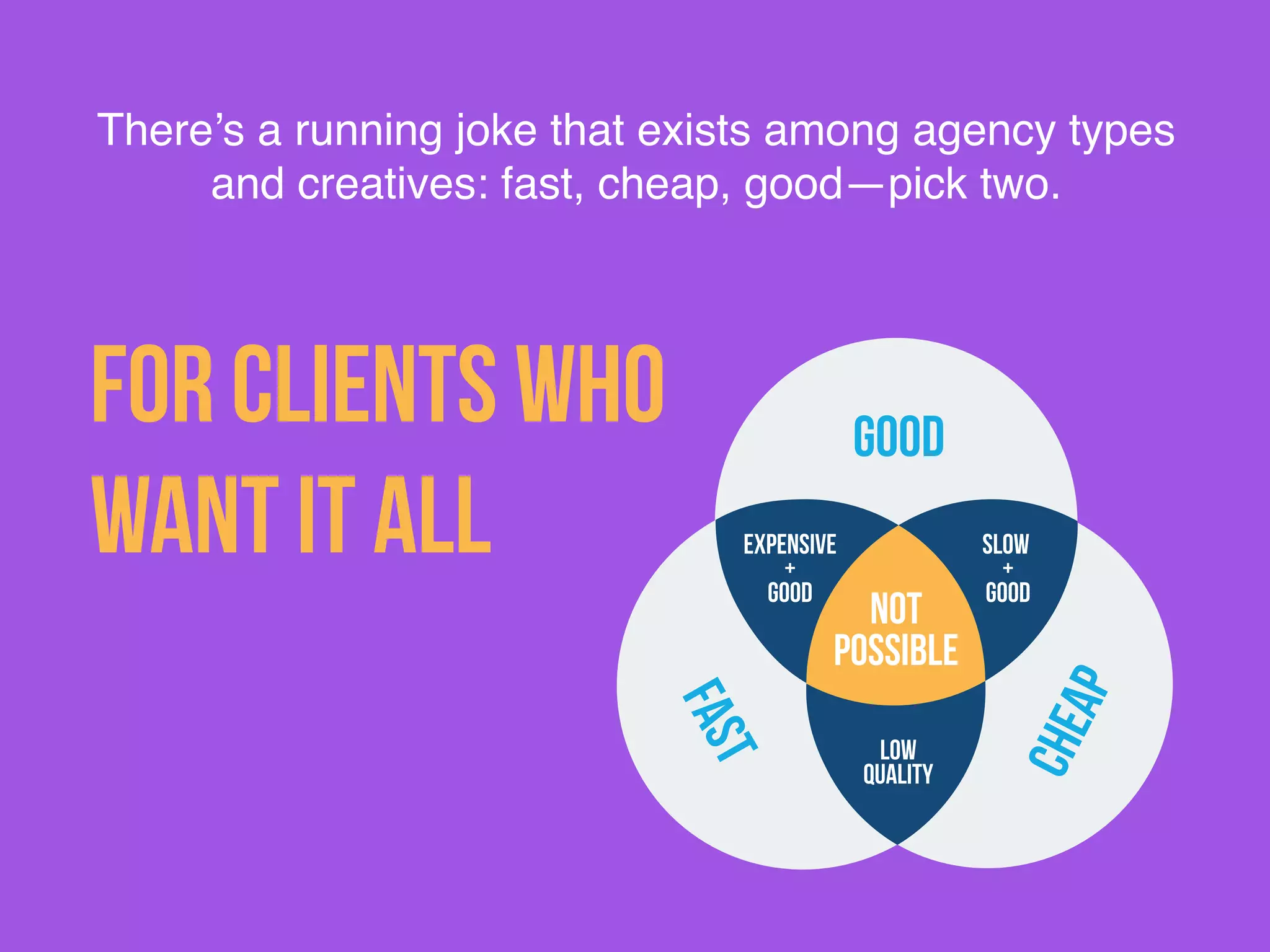
There’s a running joke that exists among agency types
and creatives: fast, cheap, good—pick two.
FOR CLIENTS WHO
WANT IT ALL
But you’re not an agency type or a creative.
You’re a small business. And you want it all. You
need it all. Luckily, it’s possible to create good, fast
and cheap content — if you play your cards right.
Let’s talk about...
1. Getting it Cheap
2. Making it Good
3. Doing it Fast
Getting It Cheap
Don’t unnecessarily pay an agency to create
content for you.
You and your team—and possibly your family and close
friends—know more about your product and audience
than anyone else.
Use that to your advantage.
The whole point of content creation is to
drive traffic to your website.
Making It Good
Not everyone’s a writer.
You don’t have to be a good writer to create quality content. That’s
because great content is ultimately about helping your audience.
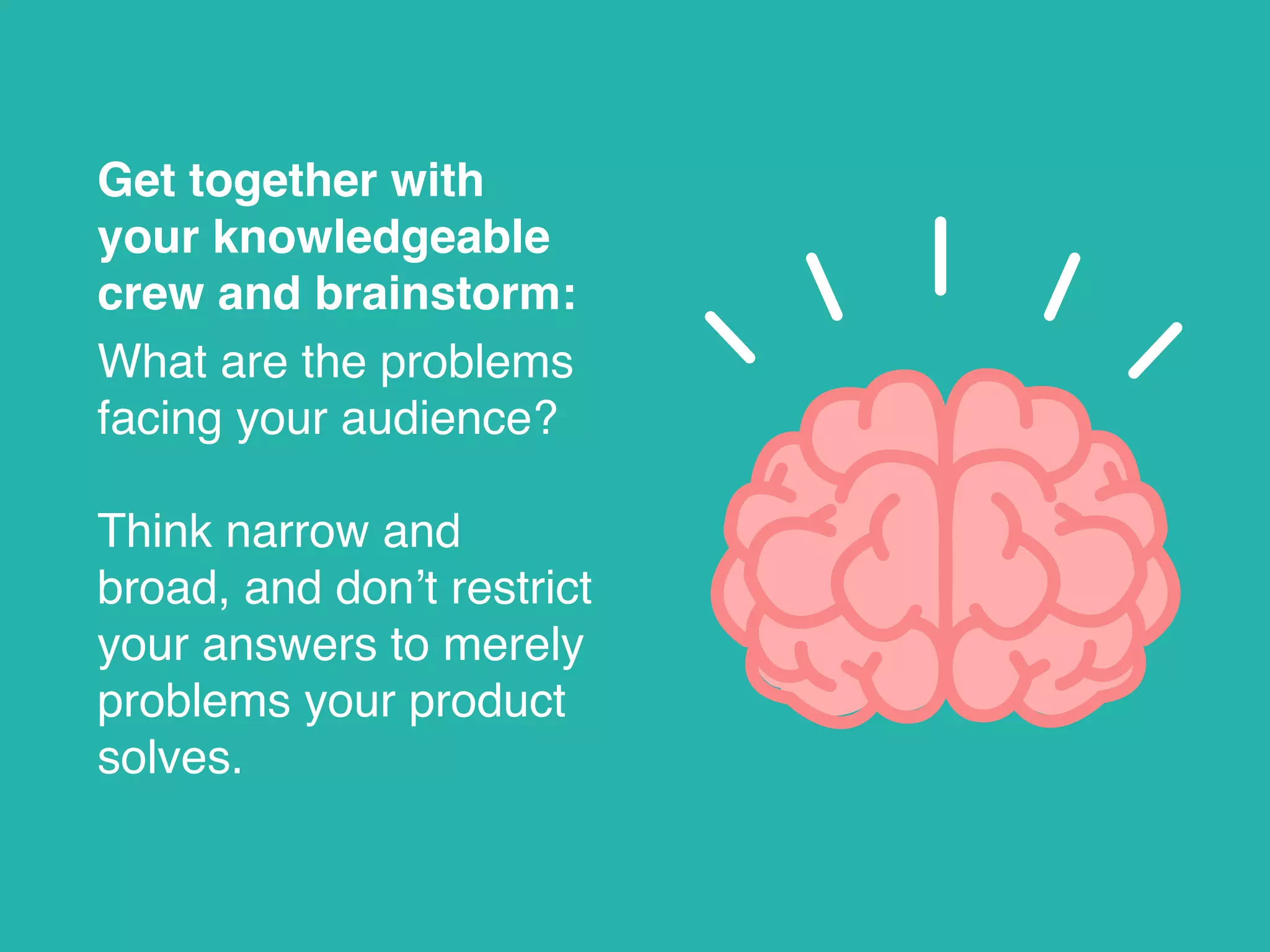
Get together with
your knowledgeable
crew and brainstorm:
What are the problems
facing your audience?
Think narrow and
broad, and don’t restrict
your answers to merely
problems your product
solves.
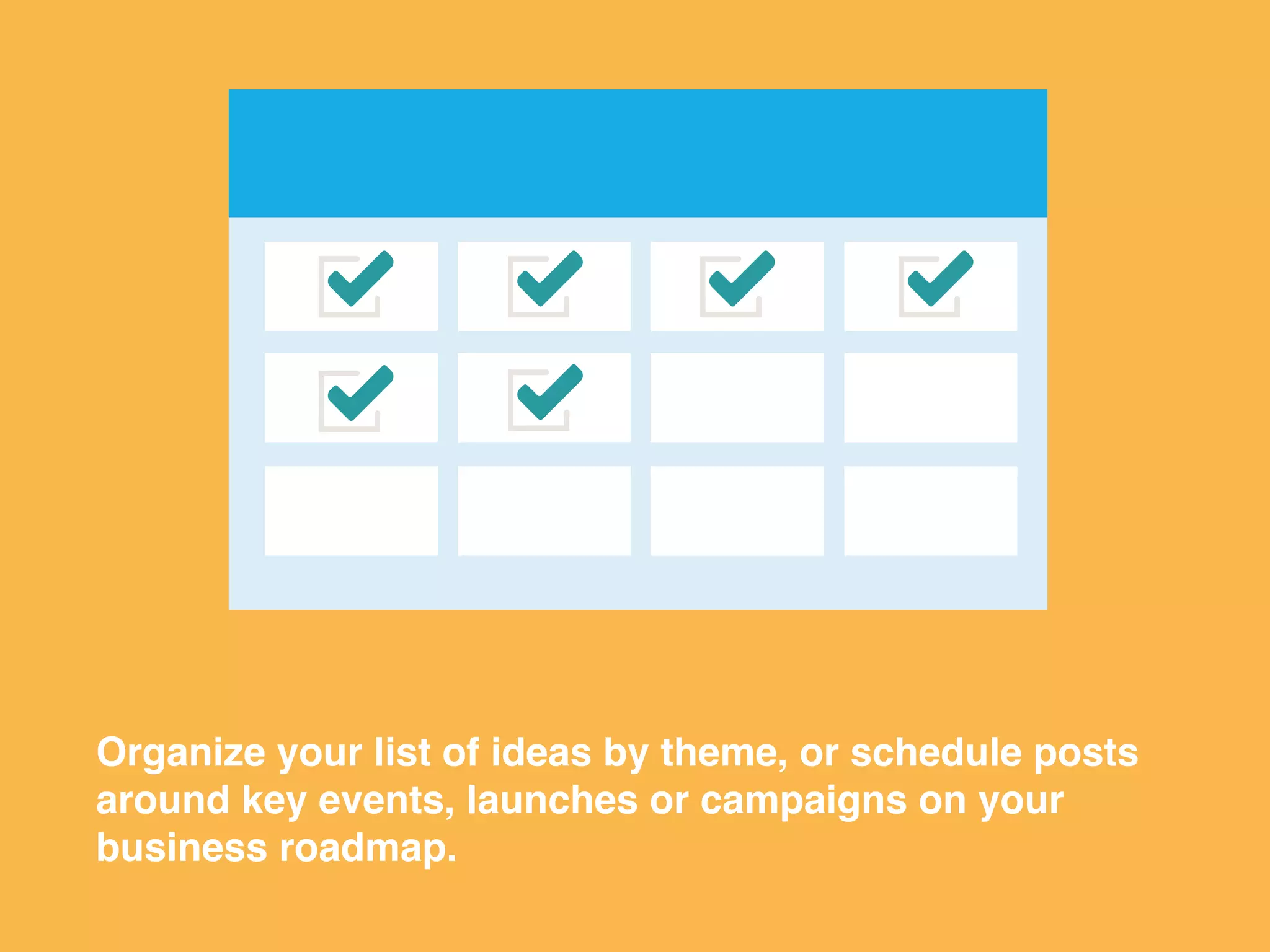
Organize your list of ideas by theme, or schedule posts
around key events, launches or campaigns on your
business roadmap.
Doing It Fast
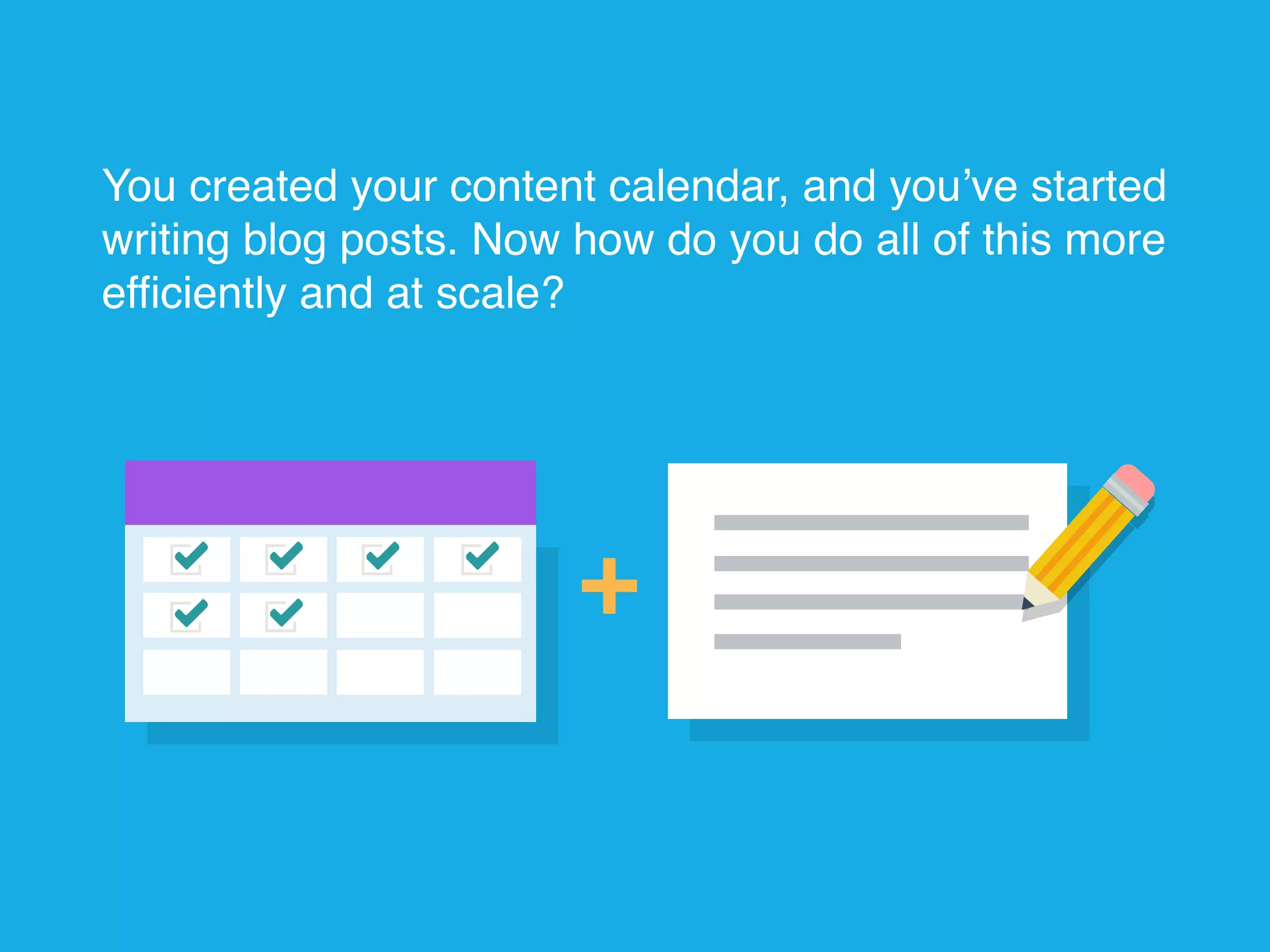
You created your content calendar, and you’ve started
writing blog posts. Now how do you do all of this more
efficiently and at scale?
Simplify and stay specific.
Stick to answering one
question per blog post.
(And that one question should be as
specific as possible!)
Keep your answers focused.
Use bulleted lists when
possible. If the number of bullet
points is getting out of control, turn it
into multiple posts.
Focus
Many people boast that they’re exceptional
multitaskers, but when it comes to content creation, it’s
nothing to brag about.
Do not multitask when you write. Sit down,
and write—no tab switching, no phone scrolling,
no breaks. Write until you’re done.
Curate
Content curation is the act of gathering other great
content and organizing it in a way that benefits your
audience.
Search YouTube for a video that answers or helps
answer your blog post’s question. Embed that
video in your post, and then write a response,
reaction, or summary of the video
Interview customers or experts relevant to your
industry, and share that Q&A as a blog post.
Find a bunch of articles that all relate to a common
theme, and organize them into a list.
RepurposeTime is not only finite, but so very precious.
Repurposing helps maximize time and gives you more
bang for your content buck. To put it simply,
repurposing is using content you already have to
generate more content. So, once you’ve amassed
some blog content, you repurpose it.
How do I repurpose?
Rework Content into a New Post
How can you say the same thing in a new way or from
a new angle? Or how can you expand upon what
you’ve already said? Alternatively, how can you cover
the topic from a more narrow aspect?
Turn your post into a how-to
guide, ebook or white paper.
Use the post as the basis for
a customer case study.
Convert the post into a
presentation, webinar or
SlideShare.
Enlist a Graphic
Designer
(or use tools like Infogram,
Picktochart, or Visual.ly) If you
don’t have the resources to do
that, use tools to turn your
post into a visual, like an
infographic or
instructographic—two things
Pinterest loves.
After all, you have some agency types and creatives to
prove wrong. More importantly, you have a dream to
fulfill, and nowadays, you can’t make your successful
business a reality with quality, relevant content.
Now that you know how to create
content that’s good, fast, and cheap,
you’ve got to make it happen.
Once you have all this traffic coming to your site, you need
a way to talk to your website visitors. Add live chat software
to your website to engage visitors and customers.
purechat.com
Get more leads and sales today
The EndMade with in Arizona

Fast, Cheap, and Good: The Small Business Guide to Content Creation

  • 1.
    Fast, Cheap andGood. The Small Business Guide to Content Creation
  • 2.
    There’s a runningjoke that exists among agency types and creatives: fast, cheap, good—pick two. FOR CLIENTS WHO WANT IT ALL
  • 3.
    But you’re notan agency type or a creative. You’re a small business. And you want it all. You need it all. Luckily, it’s possible to create good, fast and cheap content — if you play your cards right.
  • 4.
    Let’s talk about... 1.Getting it Cheap 2. Making it Good 3. Doing it Fast
  • 5.
  • 6.
    Don’t unnecessarily payan agency to create content for you. You and your team—and possibly your family and close friends—know more about your product and audience than anyone else. Use that to your advantage.
  • 7.
    The whole pointof content creation is to drive traffic to your website.
  • 8.
  • 9.
    Not everyone’s awriter. You don’t have to be a good writer to create quality content. That’s because great content is ultimately about helping your audience.
  • 10.
    Get together with yourknowledgeable crew and brainstorm: What are the problems facing your audience? Think narrow and broad, and don’t restrict your answers to merely problems your product solves.
  • 11.
    Organize your listof ideas by theme, or schedule posts around key events, launches or campaigns on your business roadmap.
  • 12.
  • 13.
    You created yourcontent calendar, and you’ve started writing blog posts. Now how do you do all of this more efficiently and at scale?
  • 14.
    Simplify and stayspecific. Stick to answering one question per blog post. (And that one question should be as specific as possible!)
  • 15.
    Keep your answersfocused. Use bulleted lists when possible. If the number of bullet points is getting out of control, turn it into multiple posts.
  • 16.
    Focus Many people boastthat they’re exceptional multitaskers, but when it comes to content creation, it’s nothing to brag about. Do not multitask when you write. Sit down, and write—no tab switching, no phone scrolling, no breaks. Write until you’re done.
  • 17.
    Curate Content curation isthe act of gathering other great content and organizing it in a way that benefits your audience.
  • 18.
    Search YouTube fora video that answers or helps answer your blog post’s question. Embed that video in your post, and then write a response, reaction, or summary of the video Interview customers or experts relevant to your industry, and share that Q&A as a blog post. Find a bunch of articles that all relate to a common theme, and organize them into a list.
  • 19.
    RepurposeTime is notonly finite, but so very precious. Repurposing helps maximize time and gives you more bang for your content buck. To put it simply, repurposing is using content you already have to generate more content. So, once you’ve amassed some blog content, you repurpose it.
  • 20.
    How do Irepurpose?
  • 21.
    Rework Content intoa New Post How can you say the same thing in a new way or from a new angle? Or how can you expand upon what you’ve already said? Alternatively, how can you cover the topic from a more narrow aspect?
  • 22.
    Turn your postinto a how-to guide, ebook or white paper.
  • 23.
    Use the postas the basis for a customer case study.
  • 24.
    Convert the postinto a presentation, webinar or SlideShare.
  • 25.
    Enlist a Graphic Designer (oruse tools like Infogram, Picktochart, or Visual.ly) If you don’t have the resources to do that, use tools to turn your post into a visual, like an infographic or instructographic—two things Pinterest loves.
  • 26.
    After all, youhave some agency types and creatives to prove wrong. More importantly, you have a dream to fulfill, and nowadays, you can’t make your successful business a reality with quality, relevant content. Now that you know how to create content that’s good, fast, and cheap, you’ve got to make it happen.
  • 27.
    Once you haveall this traffic coming to your site, you need a way to talk to your website visitors. Add live chat software to your website to engage visitors and customers. purechat.com Get more leads and sales today
  • 28.
    The EndMade within Arizona