Eurodidaweb 20112-3-4 of August 2011		 -From e-learning to Web-learning:placeless, connected, expansible, flexible, effective learningstefano.lariccia@uniroma1.it
Premises and objectivesWhat are the objectives of thiscourse?The main objective of this course is to expose the student to a vast body of knowledge and competences on the different uses of ICT (information and communication technologies) throughout the globe, focusing especially on new learning methods based on the ubiquitousworldwideweb. This is what we call web-learning. Much of the class focuses on discussion based on readings assigned out of class.Another objective of this course is to give students hands-on experience with web 2.0 tools to cope with the complexity of the cloud based, ubiquitous, new style of knowledge management; with international practices of web-learning through web technology; with a critical analysis of what our students are exposed to in their nomadic usage of the Web. Throughout the course of the week, we work on globally-based projects that leverage the benefits of information and communication technologies to positively affect many diverse learning community.
Premises and objectivesWhat are the objectives of thiscourse?The main objective of this course is to expose the student to a vast body of knowledge on the different uses of information and communication technologies throughout the globe, focusing especially on new learning methods based on the ubiquitous worldwideweb. This is what we call web-learning. Much of the class focuses on discussion based on readings assigned out of class.Another objective of this course is to give students hands-on experience with international practices of web-learning through web technology. Throughout the course of the week, we work on globally-based projects that leverage the benefits of information and communication technologies to positively affect many diverse learning community. How will be achieved?
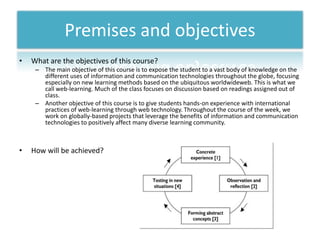
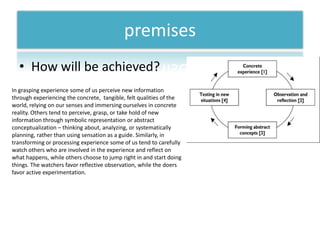
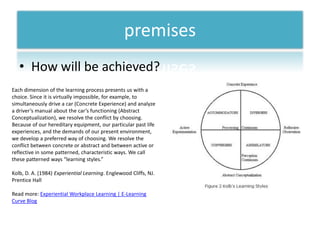
premisesHow will be achieved?In grasping experience some of us perceive new information through experiencing the concrete,  tangible, felt qualities of the world, relying on our senses and immersing ourselves in concrete reality. Others tend to perceive, grasp, or take hold of new information through symbolic representation or abstract conceptualization – thinking about, analyzing, or systematically planning, rather than using sensation as a guide. Similarly, in transforming or processing experience some of us tend to carefully watch others who are involved in the experience and reflect on what happens, while others choose to jump right in and start doing things. The watchers favor reflective observation, while the doers favor active experimentation.
premisesHow will be achieved?Each dimension of the learning process presents us with a choice. Since it is virtually impossible, for example, to simultaneously drive a car (Concrete Experience) and analyze a driver’s manual about the car’s functioning (Abstract Conceptualization), we resolve the conflict by choosing. Because of our hereditary equipment, our particular past life experiences, and the demands of our present environment, we develop a preferred way of choosing. We resolve the conflict between concrete or abstract and between active or reflective in some patterned, characteristic ways. We call these patterned ways “learning styles.”Kolb, D. A. (1984) Experiential Learning. Englewood Cliffs, NJ. Prentice HallRead more: Experiential Workplace Learning | E-Learning Curve Blog 
Web learning: basicsWhatis the WorldWideWeb?Whenitwasdeveloped?Whocontrolsits progress and itsevolution?Why the web is so fast-growing?Why a teacher / learnershouldlearnabout the WorldWideWeb?
WorldWideWeb=learningYou are using e-mail: e-mail startedsince1970You are using e-learning: e-learning started in 19802010 and forward: youwillprobably use web-learning: where the web 2.0-3.0 and ease of use are bridgingtogether to enhanceteaching and learning activities
Web-learning 2.0 basics: let me introduce to you some useful tool
Web-learning 2.0 basics: let me introduce to you some useful toolInternet is a safe place… provided you behave safely. Once you will begin to use the Web 2.0 you will discover soon that a Web 2.0 user is overwhelmed by many access passwords.First of all, then, you need a keychainMy suggestion is: Lastpass; Open Source, free,
Web-learning 2.0 basics: (cont.)Internet is a safe place… provided you behave safely. Once you will begin to use the Web 2.0 you will discover soon that a Web 2.0 user is overwhelmed by many access passwords.First of all, then, you need a keychainMy suggestion is: LastPass ****; Open Source, free,
Internet is a huge place… and you can loose yourself in the clouds…Once you will begin to use the Web 2.0 you will discover soon that a Web 2.0 user is overwhelmed by many bookmarks ...And the right one is ever in the wrong place. Let’s transform Bookmarks into “placeless tags”: xmarkswill do this work for youWeb-learning 2.0 basics: (cont.)
Internet is a huge place… and you can looseyour own teaching material …Once again you will need a placeless safe location to save your didactic presentation ...You’ve got thousands of slideshows presentation … And the right one is ever in the wrong place. Let’s transform PowerPoint into “placeless slide repository”: Slidesharewill do this work for youWeb-learning 2.0 basics: (cont.)
Internet is such a huge repository … and you can loose your own book reference list …Once again you will need a placeless safe location to save your book references...You’ve got thousands of reading list for your students  … And the right one is ever in the wrong place. Let’s transform “Biblioscape” into a “placeless references repository”: Citeulikewill do this work for youWeb-learning 2.0 basics: (cont.)
Web-learning 2.0 basics: (cont.)Internet is such a huge repository … and you can loose your own ContactList…Once again you will need a placeless safe location to save your book references...You’ve got thousands of reading list for your students  … And the right one is ever in the wrong place. Let’s transform “Outlook” into a “placeless contact list and calendar”: Plaxo will do this work for you
Web-learning 2.0 basics: (cont.)Internet is such a huge repository … and you can loose your own ContactList and Calendar…Once again you will need a placeless safe location to save your book references...You’ve got thousands of reading list for your students  … And the right one is ever in the wrong place. Let’s transform “Outlook” into a “placeless contact list and calendar”: Google Calendar will do this work for you as well
Web-learning 2.0 basics: (cont.)
Web-learning 2.0 basics: (cont.) University of Auckland,  
The Auckland University of Technology,Web-learning 2.0 basics: (cont.)
Web-learning 2.0 basics: (cont.)
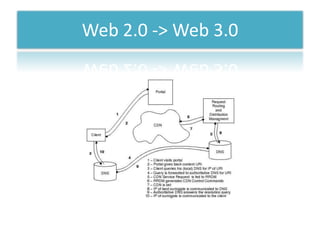
Web 2.0 -> Web 3.0
Web 2.0 -> Web 3.0
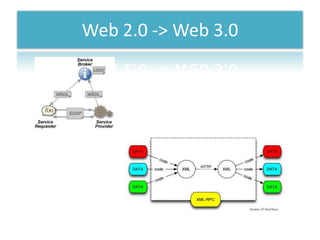
Web 2.0 -> Web 3.0
Web 2.0 -> Web 3.0
Web 2.0 -> Web 3.0
Web 2.0 -> Web 3.0
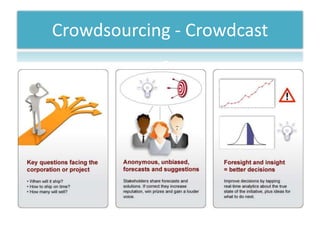
Crowdsourcing - Crowdcast
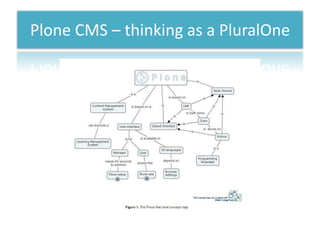
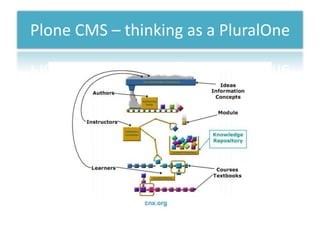
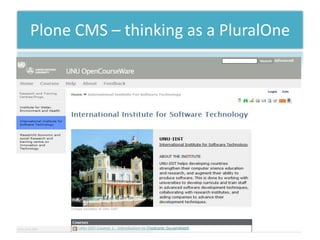
Plone CMS – thinkingas a PluralOne
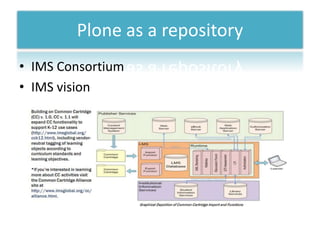
Plone as a repositoryIMS ConsortiumIMS vision
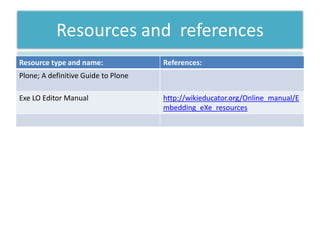
Resources and  references
http://192.168.20.13:8080/Eurodidaweb

Eurodidaweb 2011-08-02

  • 1.
    Eurodidaweb 20112-3-4 ofAugust 2011 -From e-learning to Web-learning:placeless, connected, expansible, flexible, effective learningstefano.lariccia@uniroma1.it
  • 2.
    Premises and objectivesWhatare the objectives of thiscourse?The main objective of this course is to expose the student to a vast body of knowledge and competences on the different uses of ICT (information and communication technologies) throughout the globe, focusing especially on new learning methods based on the ubiquitousworldwideweb. This is what we call web-learning. Much of the class focuses on discussion based on readings assigned out of class.Another objective of this course is to give students hands-on experience with web 2.0 tools to cope with the complexity of the cloud based, ubiquitous, new style of knowledge management; with international practices of web-learning through web technology; with a critical analysis of what our students are exposed to in their nomadic usage of the Web. Throughout the course of the week, we work on globally-based projects that leverage the benefits of information and communication technologies to positively affect many diverse learning community.
  • 3.
    Premises and objectivesWhatare the objectives of thiscourse?The main objective of this course is to expose the student to a vast body of knowledge on the different uses of information and communication technologies throughout the globe, focusing especially on new learning methods based on the ubiquitous worldwideweb. This is what we call web-learning. Much of the class focuses on discussion based on readings assigned out of class.Another objective of this course is to give students hands-on experience with international practices of web-learning through web technology. Throughout the course of the week, we work on globally-based projects that leverage the benefits of information and communication technologies to positively affect many diverse learning community. How will be achieved?
  • 4.
    premisesHow will beachieved?In grasping experience some of us perceive new information through experiencing the concrete, tangible, felt qualities of the world, relying on our senses and immersing ourselves in concrete reality. Others tend to perceive, grasp, or take hold of new information through symbolic representation or abstract conceptualization – thinking about, analyzing, or systematically planning, rather than using sensation as a guide. Similarly, in transforming or processing experience some of us tend to carefully watch others who are involved in the experience and reflect on what happens, while others choose to jump right in and start doing things. The watchers favor reflective observation, while the doers favor active experimentation.
  • 5.
    premisesHow will beachieved?Each dimension of the learning process presents us with a choice. Since it is virtually impossible, for example, to simultaneously drive a car (Concrete Experience) and analyze a driver’s manual about the car’s functioning (Abstract Conceptualization), we resolve the conflict by choosing. Because of our hereditary equipment, our particular past life experiences, and the demands of our present environment, we develop a preferred way of choosing. We resolve the conflict between concrete or abstract and between active or reflective in some patterned, characteristic ways. We call these patterned ways “learning styles.”Kolb, D. A. (1984) Experiential Learning. Englewood Cliffs, NJ. Prentice HallRead more: Experiential Workplace Learning | E-Learning Curve Blog 
  • 6.
    Web learning: basicsWhatisthe WorldWideWeb?Whenitwasdeveloped?Whocontrolsits progress and itsevolution?Why the web is so fast-growing?Why a teacher / learnershouldlearnabout the WorldWideWeb?
  • 7.
    WorldWideWeb=learningYou are usinge-mail: e-mail startedsince1970You are using e-learning: e-learning started in 19802010 and forward: youwillprobably use web-learning: where the web 2.0-3.0 and ease of use are bridgingtogether to enhanceteaching and learning activities
  • 8.
    Web-learning 2.0 basics:let me introduce to you some useful tool
  • 9.
    Web-learning 2.0 basics:let me introduce to you some useful toolInternet is a safe place… provided you behave safely. Once you will begin to use the Web 2.0 you will discover soon that a Web 2.0 user is overwhelmed by many access passwords.First of all, then, you need a keychainMy suggestion is: Lastpass; Open Source, free,
  • 10.
    Web-learning 2.0 basics:(cont.)Internet is a safe place… provided you behave safely. Once you will begin to use the Web 2.0 you will discover soon that a Web 2.0 user is overwhelmed by many access passwords.First of all, then, you need a keychainMy suggestion is: LastPass ****; Open Source, free,
  • 11.
    Internet is ahuge place… and you can loose yourself in the clouds…Once you will begin to use the Web 2.0 you will discover soon that a Web 2.0 user is overwhelmed by many bookmarks ...And the right one is ever in the wrong place. Let’s transform Bookmarks into “placeless tags”: xmarkswill do this work for youWeb-learning 2.0 basics: (cont.)
  • 12.
    Internet is ahuge place… and you can looseyour own teaching material …Once again you will need a placeless safe location to save your didactic presentation ...You’ve got thousands of slideshows presentation … And the right one is ever in the wrong place. Let’s transform PowerPoint into “placeless slide repository”: Slidesharewill do this work for youWeb-learning 2.0 basics: (cont.)
  • 13.
    Internet is sucha huge repository … and you can loose your own book reference list …Once again you will need a placeless safe location to save your book references...You’ve got thousands of reading list for your students … And the right one is ever in the wrong place. Let’s transform “Biblioscape” into a “placeless references repository”: Citeulikewill do this work for youWeb-learning 2.0 basics: (cont.)
  • 14.
    Web-learning 2.0 basics:(cont.)Internet is such a huge repository … and you can loose your own ContactList…Once again you will need a placeless safe location to save your book references...You’ve got thousands of reading list for your students … And the right one is ever in the wrong place. Let’s transform “Outlook” into a “placeless contact list and calendar”: Plaxo will do this work for you
  • 15.
    Web-learning 2.0 basics:(cont.)Internet is such a huge repository … and you can loose your own ContactList and Calendar…Once again you will need a placeless safe location to save your book references...You’ve got thousands of reading list for your students … And the right one is ever in the wrong place. Let’s transform “Outlook” into a “placeless contact list and calendar”: Google Calendar will do this work for you as well
  • 16.
  • 17.
  • 18.
    Web-learning 2.0 basics:(cont.) University of Auckland,  
  • 19.
    The Auckland Universityof Technology,Web-learning 2.0 basics: (cont.)
  • 20.
  • 21.
  • 22.
    Web 2.0 ->Web 3.0
  • 23.
    Web 2.0 ->Web 3.0
  • 24.
    Web 2.0 ->Web 3.0
  • 25.
    Web 2.0 ->Web 3.0
  • 26.
    Web 2.0 ->Web 3.0
  • 27.
    Web 2.0 ->Web 3.0
  • 28.
  • 29.
    Plone CMS –thinkingas a PluralOne
  • 30.
    Plone CMS –thinkingas a PluralOne
  • 31.
    Plone CMS –thinkingas a PluralOne
  • 32.
    Plone as arepositoryIMS ConsortiumIMS vision
  • 33.
    Resources and references
  • 34.