CompHumanities 2 20113 of april - 23 of June 2011		 -
premisesWhatis the goal of thiscourse?How will be achieved?
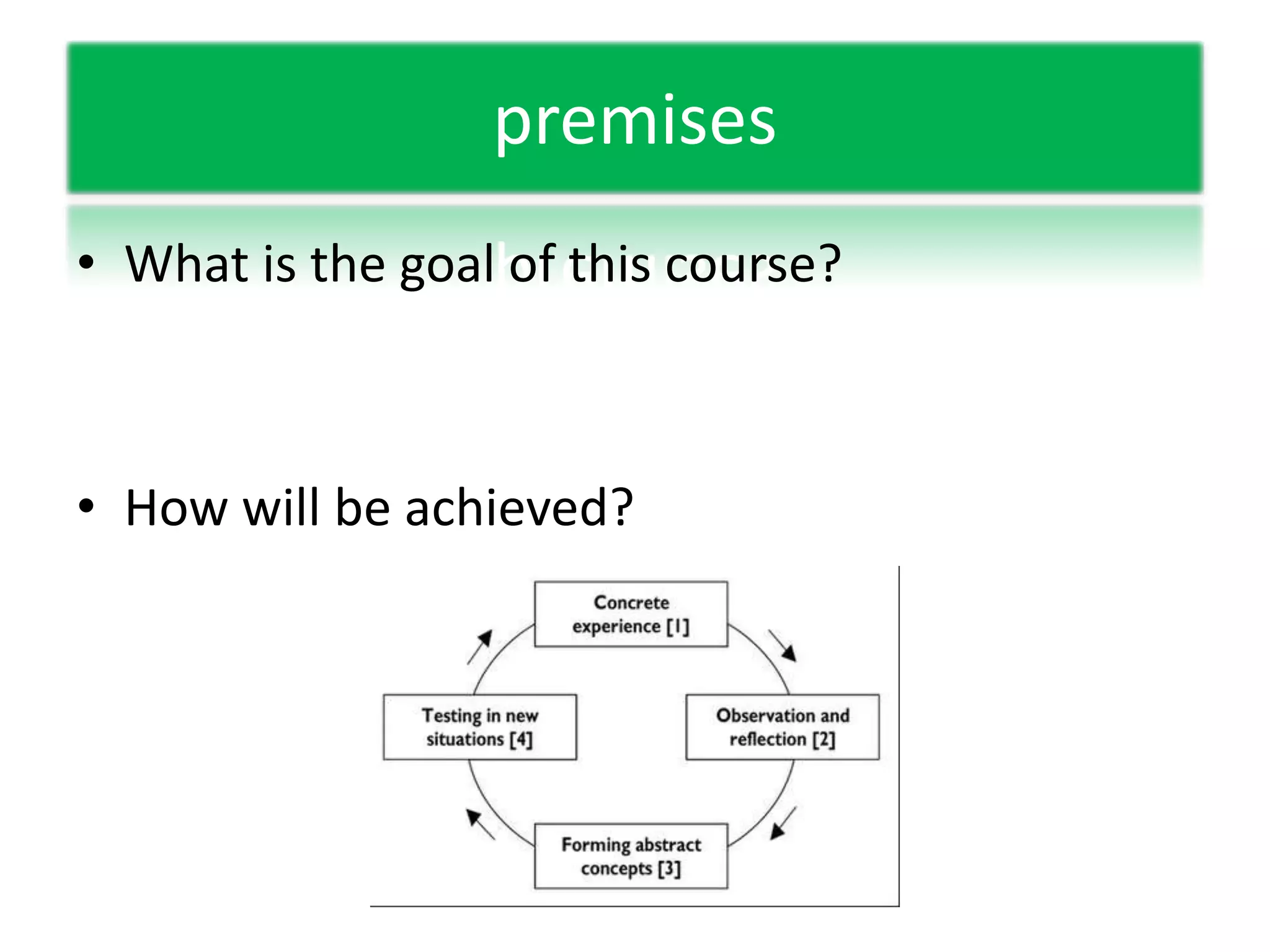
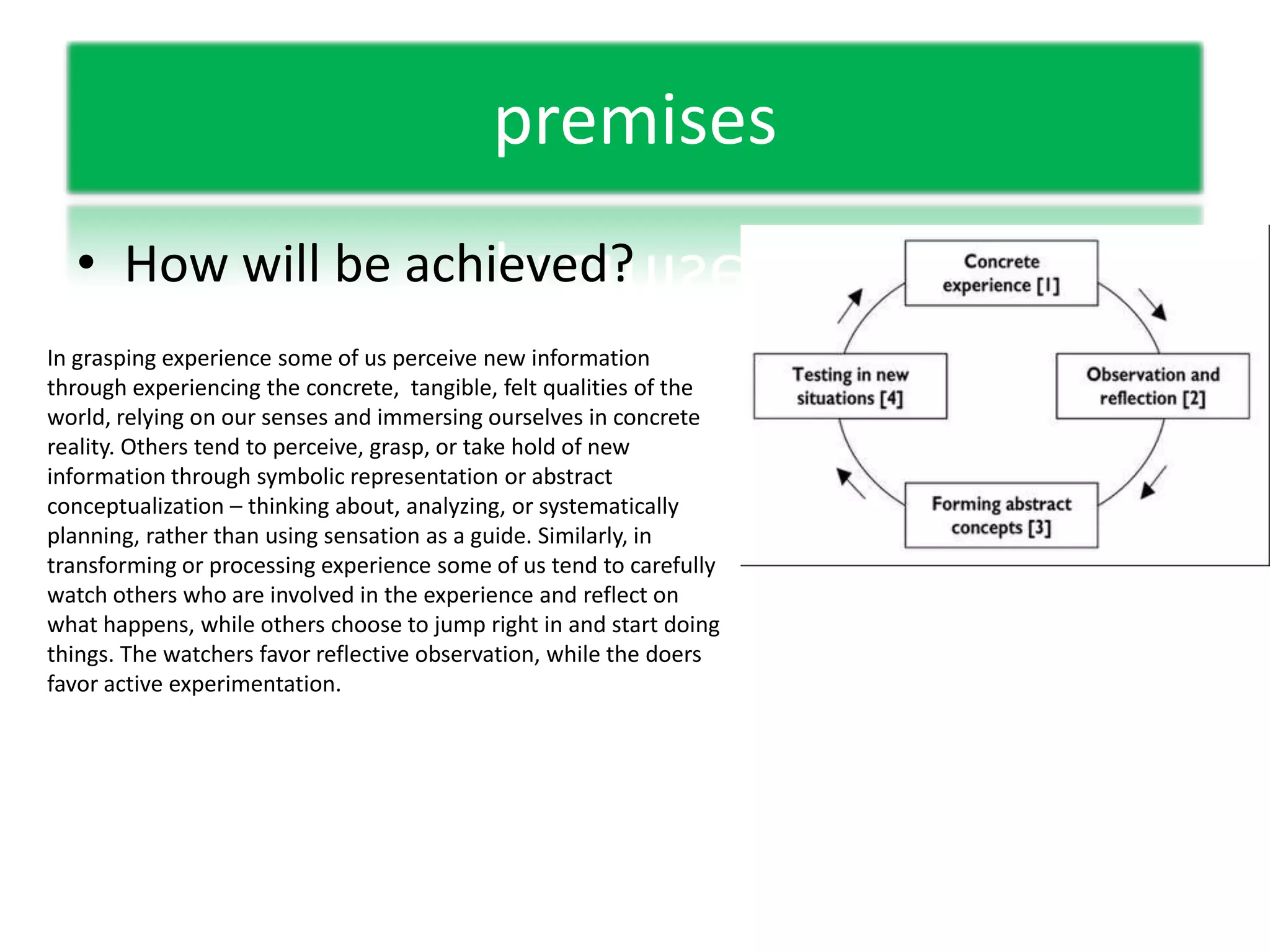
premisesHow will be achieved?In grasping experience some of us perceive new information through experiencing the concrete,  tangible, felt qualities of the world, relying on our senses and immersing ourselves in concrete reality. Others tend to perceive, grasp, or take hold of new information through symbolic representation or abstract conceptualization – thinking about, analyzing, or systematically planning, rather than using sensation as a guide. Similarly, in transforming or processing experience some of us tend to carefully watch others who are involved in the experience and reflect on what happens, while others choose to jump right in and start doing things. The watchers favor reflective observation, while the doers favor active experimentation.
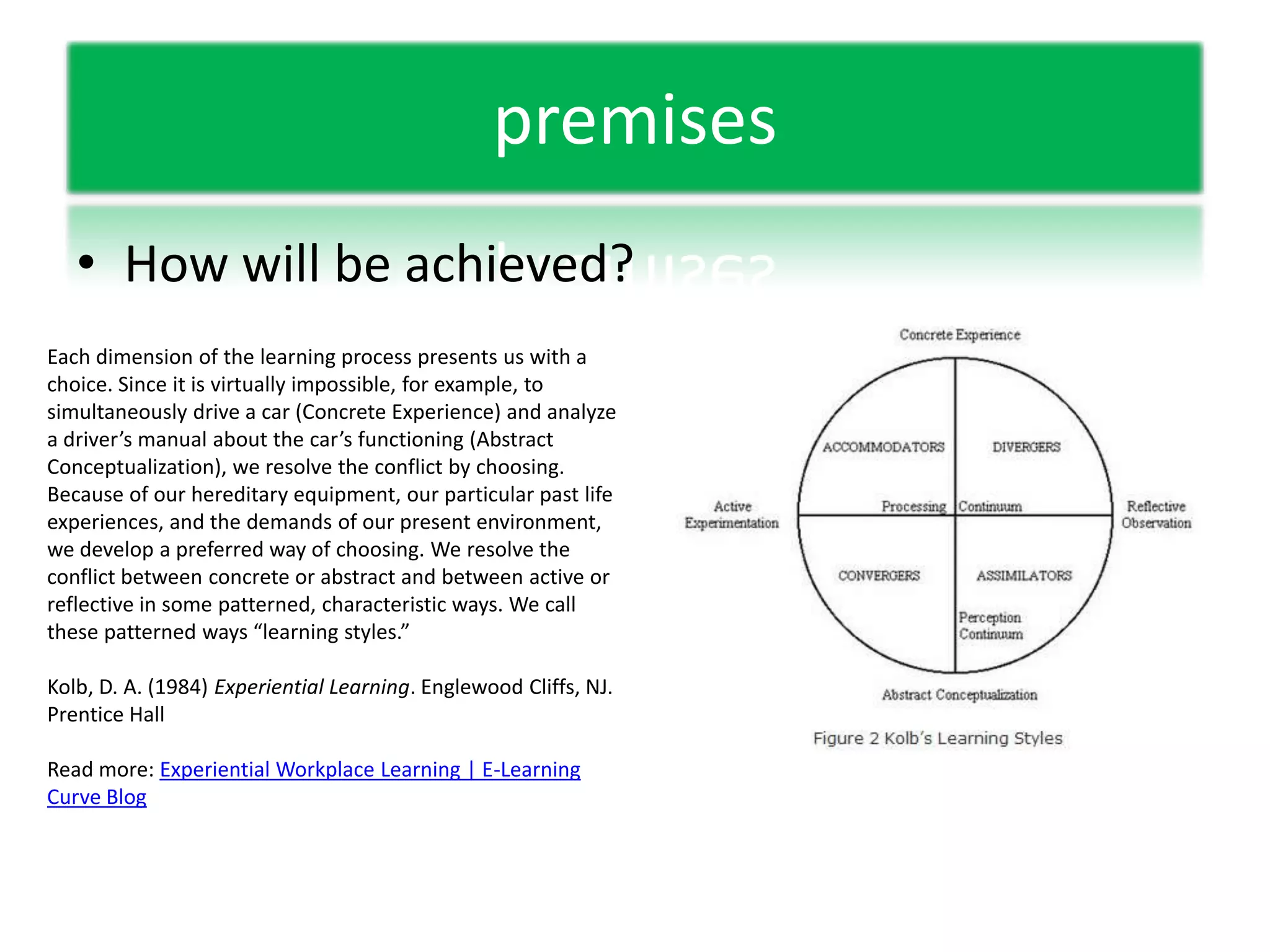
premisesHow will be achieved?Each dimension of the learning process presents us with a choice. Since it is virtually impossible, for example, to simultaneously drive a car (Concrete Experience) and analyze a driver’s manual about the car’s functioning (Abstract Conceptualization), we resolve the conflict by choosing. Because of our hereditary equipment, our particular past life experiences, and the demands of our present environment, we develop a preferred way of choosing. We resolve the conflict between concrete or abstract and between active or reflective in some patterned, characteristic ways. We call these patterned ways “learning styles.”Kolb, D. A. (1984) Experiential Learning. Englewood Cliffs, NJ. Prentice HallRead more: Experiential Workplace Learning | E-Learning Curve Blog 
Web learning: basicsWhat is the WorldWideWeb?When it was developed?Who controls its progress and its evolution?Why the web is so fast-growing?Why a teacher / learner should learn about the WorldWideWeb?
WorldWideWeb=learningYou are using e-mail: e-mail started since 1970You are using e-learning: e-learning started in 19802010: you will probably use web-learning: where the web 2.0-3.0 and ease of use are bridging together to enhance teaching and learning activities
Web-learning 2.0 basics: let’s startInternet is a safe place… provided you behave safely. Once you will begin to use the Web 2.0 you will discover soon that a Web 2.0 user is overwhelmed by many access passwords.First of all, then, you need a keychainMy suggestion is: Lastpass; Open Source, free,
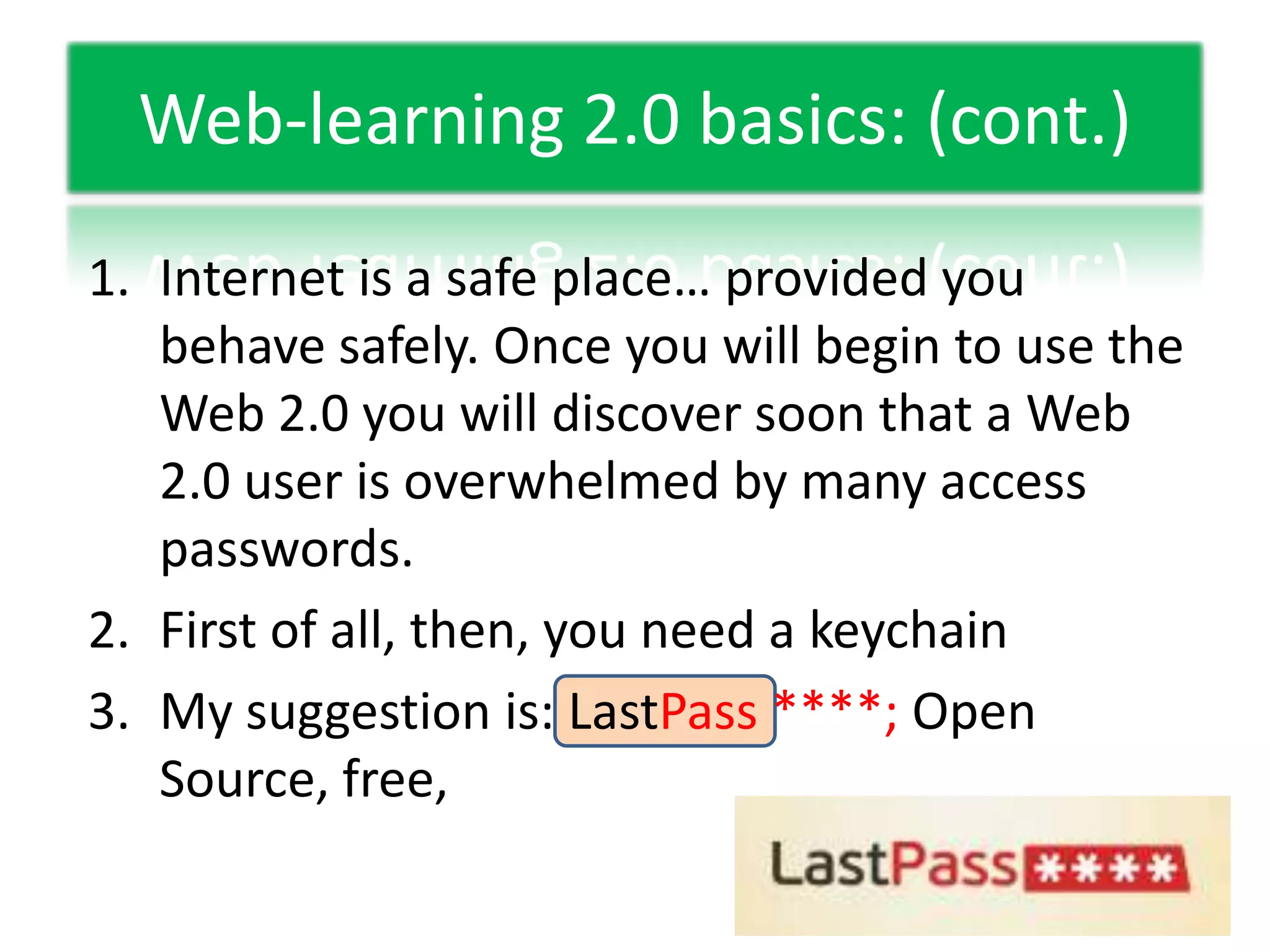
Web-learning 2.0 basics: (cont.)Internet is a safe place… provided you behave safely. Once you will begin to use the Web 2.0 you will discover soon that a Web 2.0 user is overwhelmed by many access passwords.First of all, then, you need a keychainMy suggestion is: LastPass ****; Open Source, free,
Web-learning 2.0 basics: (cont.)
Web-learning 2.0 basics: (cont.) University of Auckland,  
The Auckland University of Technology,Web-learning 2.0 basics: (cont.)
Web-learning 2.0 basics: (cont.)
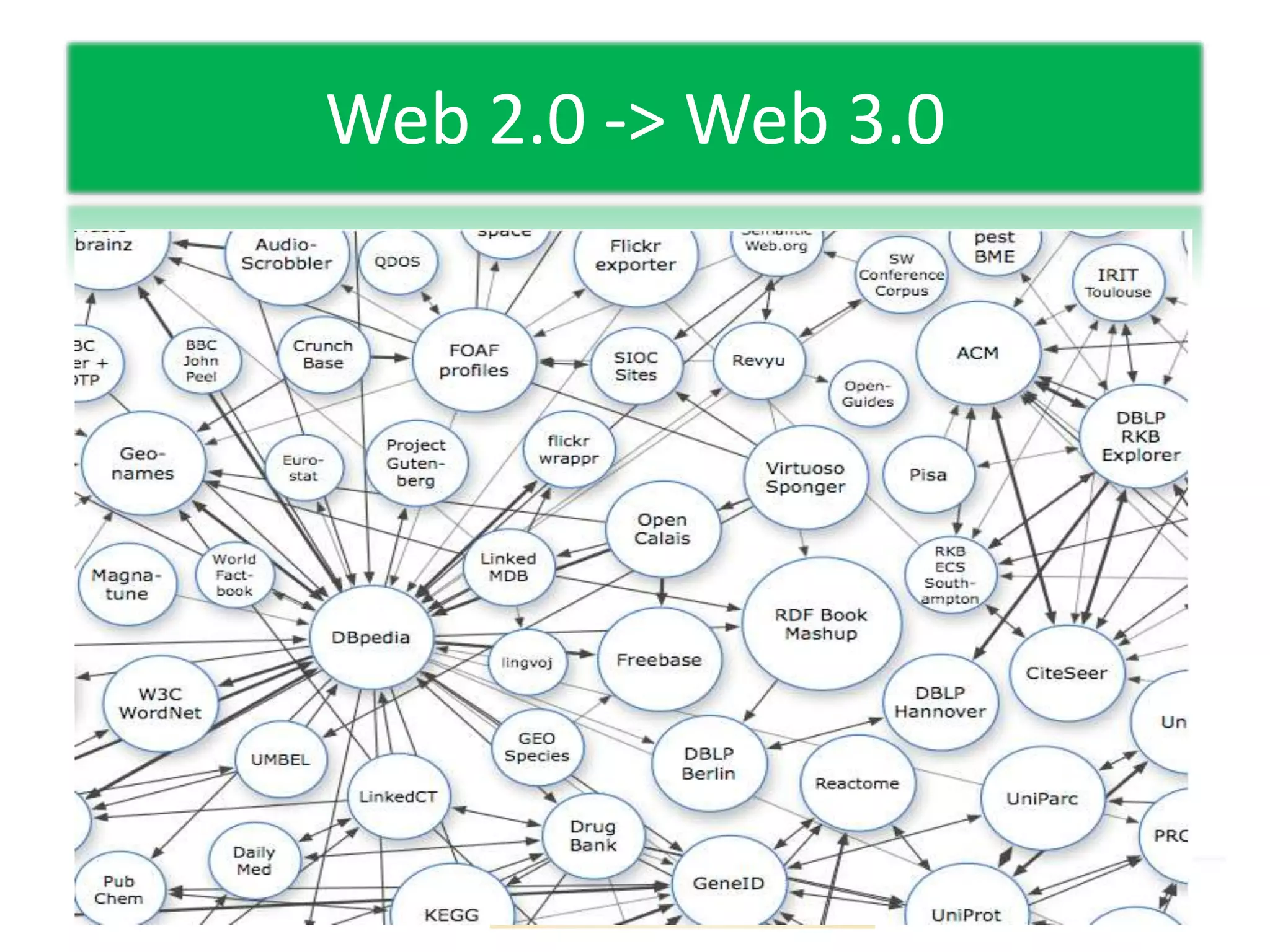
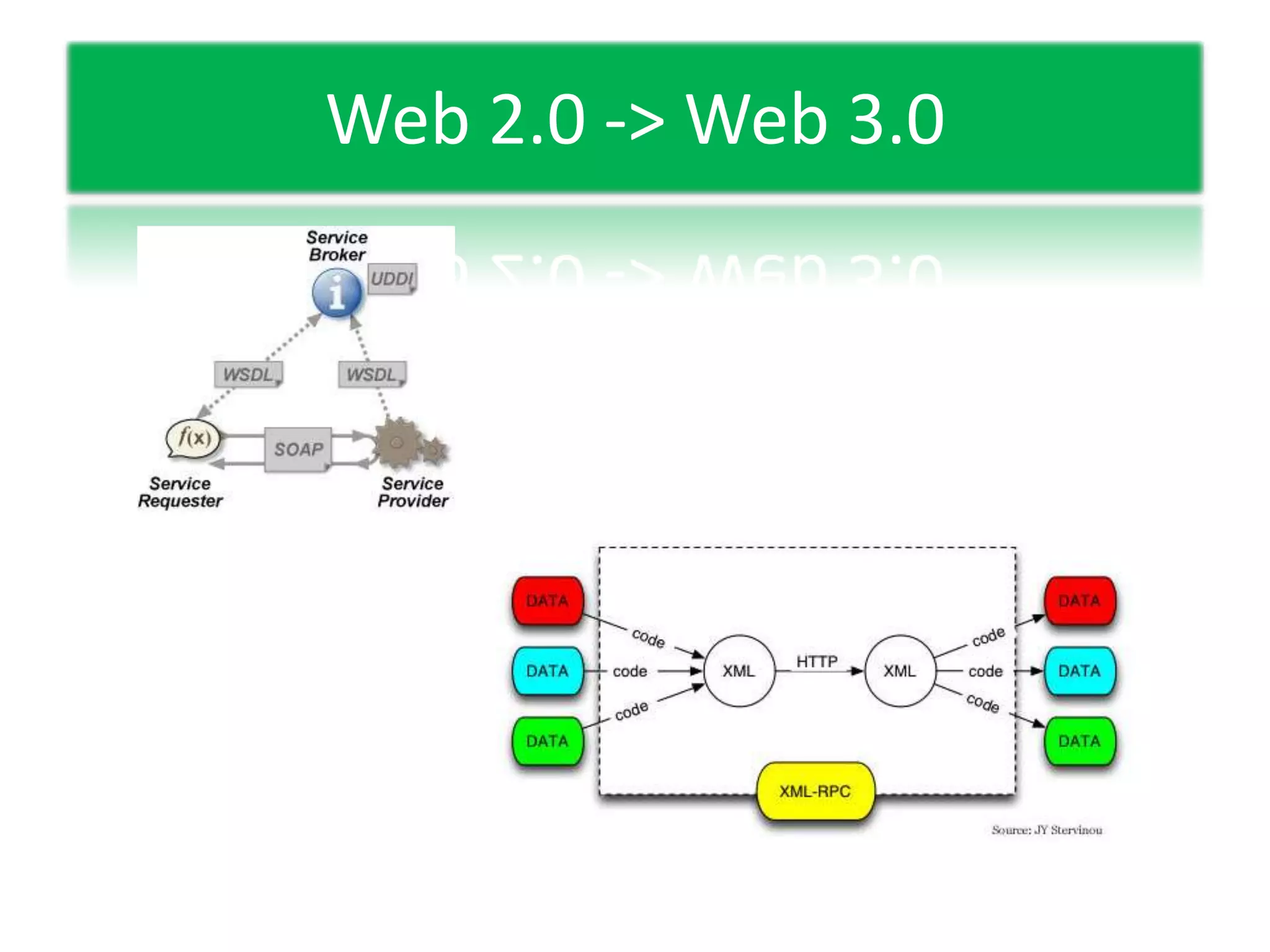
Web 2.0 -> Web 3.0
Web 2.0 -> Web 3.0
Web 2.0 -> Web 3.0
Web 2.0 -> Web 3.0
Web 2.0 -> Web 3.0
Web 2.0 -> Web 3.0
Crowdsourcing - Crowdcast
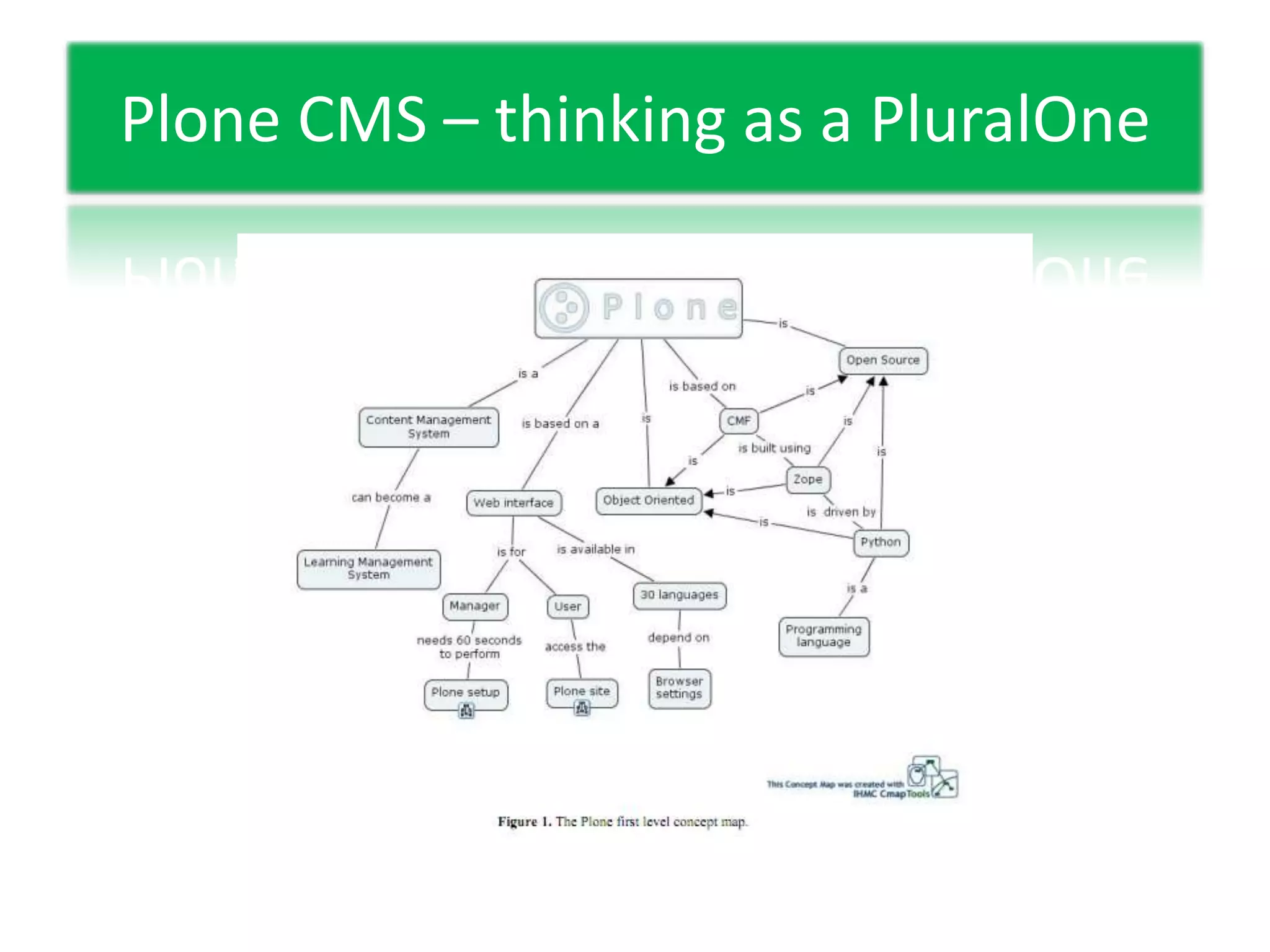
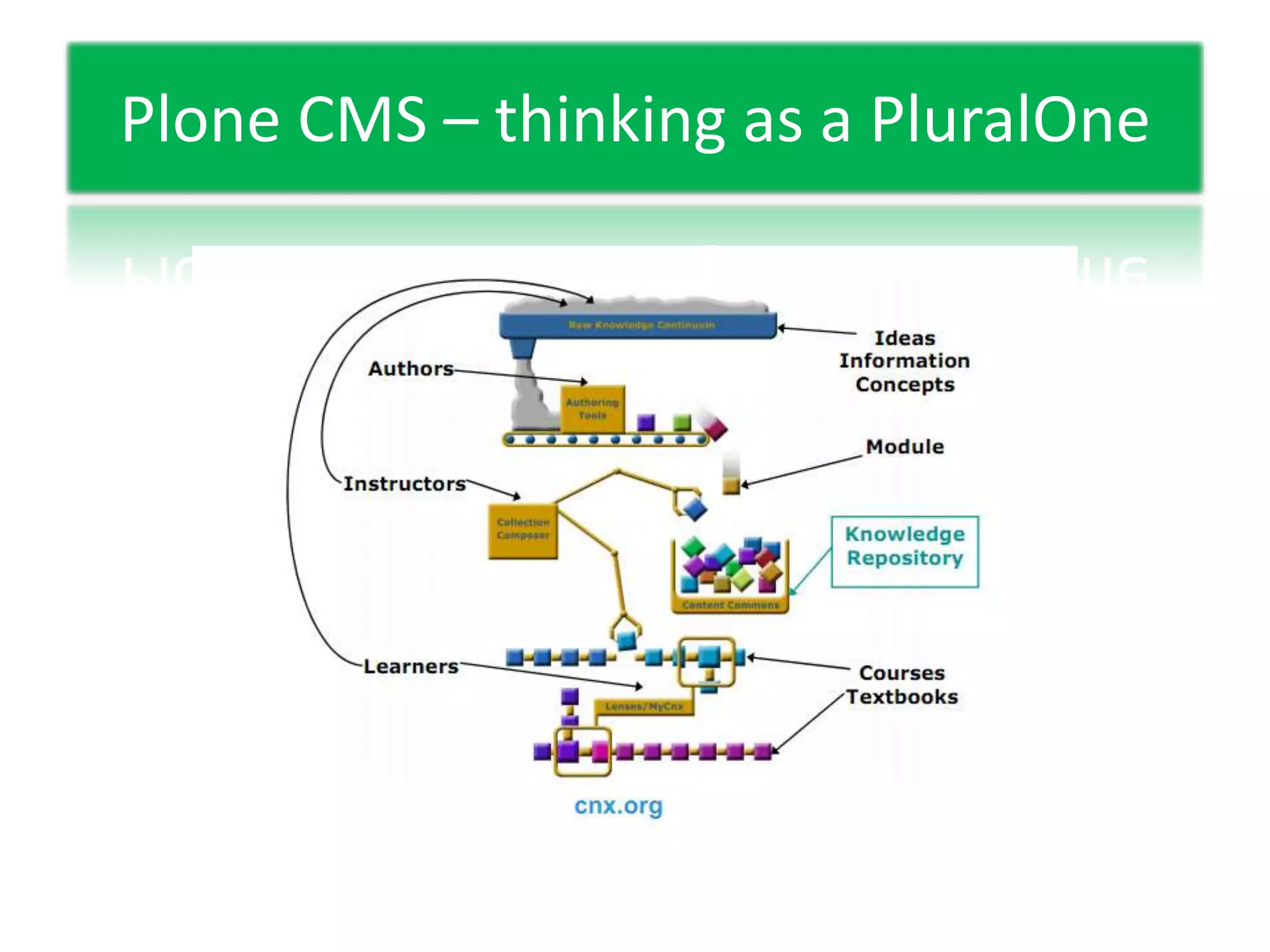
Plone CMS – thinkingas a PluralOne
Plone as a repositoryIMS ConsortiumIMS vision
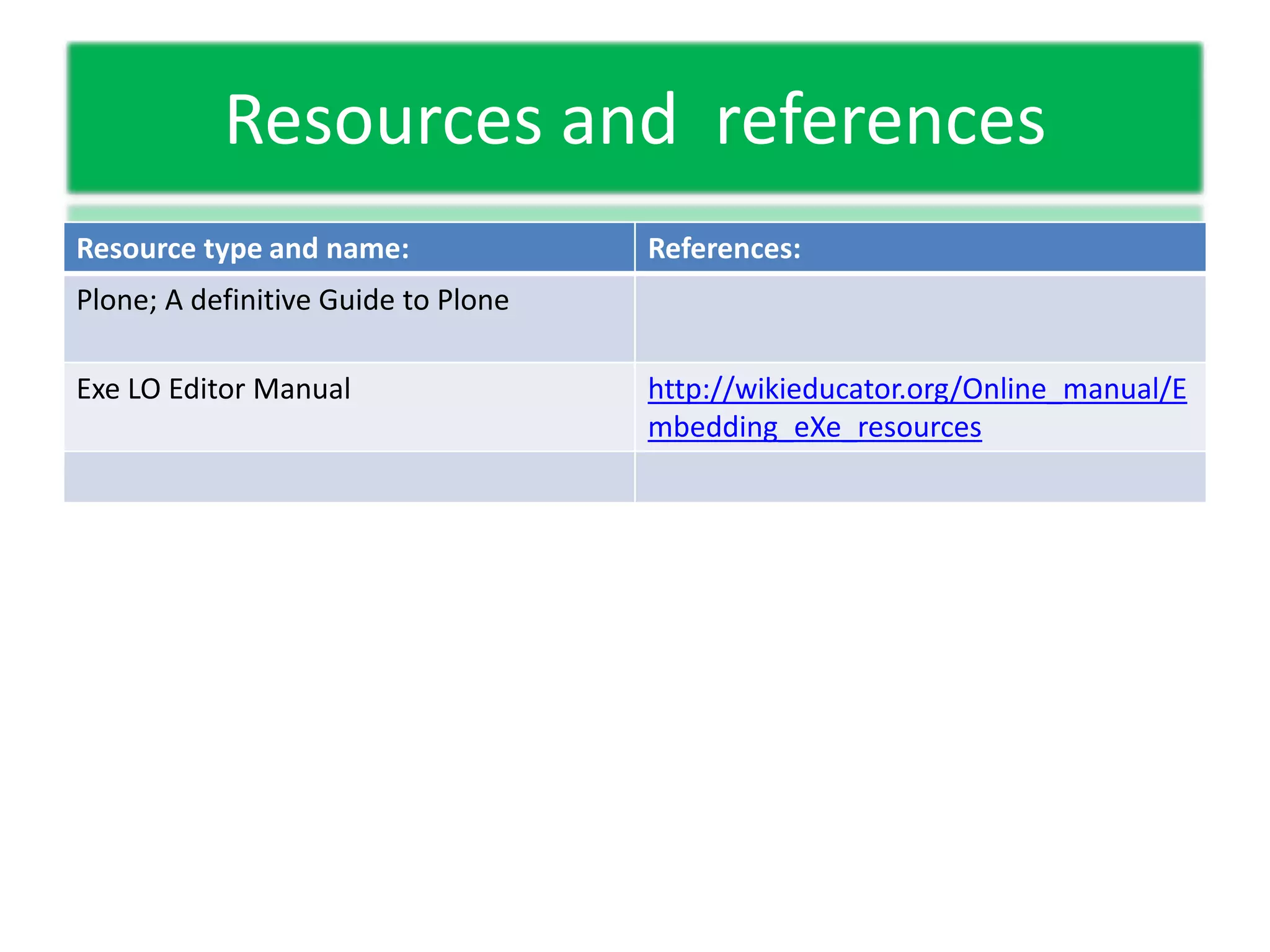
Resources and  references

Comphumanities 1 2011

  • 1.
    CompHumanities 2 20113of april - 23 of June 2011 -
  • 2.
    premisesWhatis the goalof thiscourse?How will be achieved?
  • 3.
    premisesHow will beachieved?In grasping experience some of us perceive new information through experiencing the concrete, tangible, felt qualities of the world, relying on our senses and immersing ourselves in concrete reality. Others tend to perceive, grasp, or take hold of new information through symbolic representation or abstract conceptualization – thinking about, analyzing, or systematically planning, rather than using sensation as a guide. Similarly, in transforming or processing experience some of us tend to carefully watch others who are involved in the experience and reflect on what happens, while others choose to jump right in and start doing things. The watchers favor reflective observation, while the doers favor active experimentation.
  • 4.
    premisesHow will beachieved?Each dimension of the learning process presents us with a choice. Since it is virtually impossible, for example, to simultaneously drive a car (Concrete Experience) and analyze a driver’s manual about the car’s functioning (Abstract Conceptualization), we resolve the conflict by choosing. Because of our hereditary equipment, our particular past life experiences, and the demands of our present environment, we develop a preferred way of choosing. We resolve the conflict between concrete or abstract and between active or reflective in some patterned, characteristic ways. We call these patterned ways “learning styles.”Kolb, D. A. (1984) Experiential Learning. Englewood Cliffs, NJ. Prentice HallRead more: Experiential Workplace Learning | E-Learning Curve Blog 
  • 5.
    Web learning: basicsWhatis the WorldWideWeb?When it was developed?Who controls its progress and its evolution?Why the web is so fast-growing?Why a teacher / learner should learn about the WorldWideWeb?
  • 6.
    WorldWideWeb=learningYou are usinge-mail: e-mail started since 1970You are using e-learning: e-learning started in 19802010: you will probably use web-learning: where the web 2.0-3.0 and ease of use are bridging together to enhance teaching and learning activities
  • 7.
    Web-learning 2.0 basics:let’s startInternet is a safe place… provided you behave safely. Once you will begin to use the Web 2.0 you will discover soon that a Web 2.0 user is overwhelmed by many access passwords.First of all, then, you need a keychainMy suggestion is: Lastpass; Open Source, free,
  • 8.
    Web-learning 2.0 basics:(cont.)Internet is a safe place… provided you behave safely. Once you will begin to use the Web 2.0 you will discover soon that a Web 2.0 user is overwhelmed by many access passwords.First of all, then, you need a keychainMy suggestion is: LastPass ****; Open Source, free,
  • 9.
  • 10.
  • 11.
  • 12.
  • 13.
  • 14.
  • 15.
    Web-learning 2.0 basics:(cont.) University of Auckland,  
  • 16.
    The Auckland Universityof Technology,Web-learning 2.0 basics: (cont.)
  • 17.
  • 18.
  • 19.
    Web 2.0 ->Web 3.0
  • 20.
    Web 2.0 ->Web 3.0
  • 21.
    Web 2.0 ->Web 3.0
  • 22.
    Web 2.0 ->Web 3.0
  • 23.
    Web 2.0 ->Web 3.0
  • 24.
    Web 2.0 ->Web 3.0
  • 25.
  • 26.
    Plone CMS –thinkingas a PluralOne
  • 27.
    Plone CMS –thinkingas a PluralOne
  • 28.
    Plone CMS –thinkingas a PluralOne
  • 29.
    Plone as arepositoryIMS ConsortiumIMS vision
  • 30.
    Resources and references