




Ethics in Information Security
By Milinda Wickramasinghe
Ethics
Ethics
Ethics
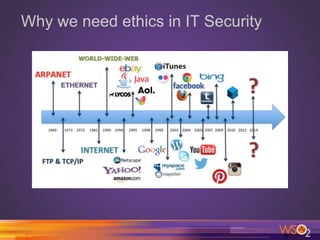
Why we need ethics in IT Security
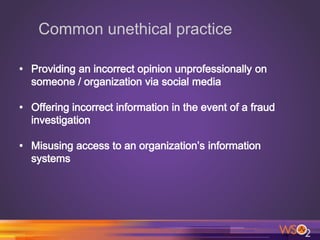
Common unethical practice
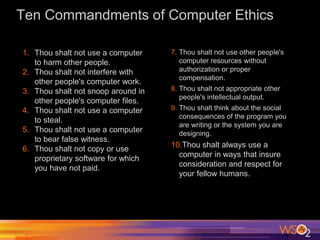
Ten Commandments of Computer Ethics
1. Thou shalt not use a computer
to harm other people.
2. Thou shalt not interfere with
other people's computer work.
3. Thou shalt not snoop around in
other people's computer files.
4. Thou shalt not use a computer
to steal.
5. Thou shalt not use a computer
to bear false witness.
6. Thou shalt not copy or use
proprietary software for which
you have not paid.
7. Thou shalt not use other people's
computer resources without
authorization or proper
compensation.
8. Thou shalt not appropriate other
people's intellectual output.
9. Thou shalt think about the social
consequences of the program you
are writing or the system you are
designing.
10.Thou shalt always use a
computer in ways that insure
consideration and respect for
your fellow humans.
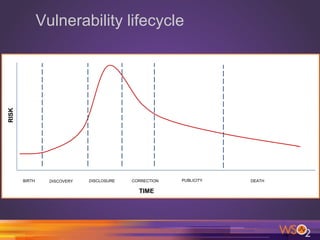
BIRTH DISCOVERY DISCLOSURE CORRECTION PUBLICITY DEATH
RISK
TIME
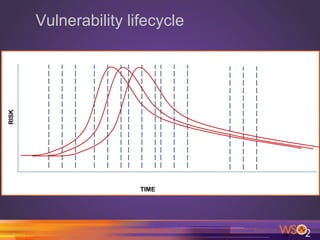
Vulnerability lifecycle
RISK
TIME
Types of disclosure
Non Disclosure
Never disclosed to general public
Once a vulnerability is found it is kept as a
secret and leveraged to exploit vulnerable
systems and gain benefits
Limited Disclosure
Vulnerability information is shared among a few
individuals (Discloser, Vendor and possibly,
Third party coordinator )
The initial public disclosure contains; the flawed
product & very few details about the
vulnerability
Does not contain full technical details
Will only be released once the vendor has fixed
the flaw
Full Disclosure
Full technical details of the vulnerability is
disclosed along with the exploit code
Without the consent of the vendor / author of
the code
Vendor is informed at the same time as the
general public
Responsible Disclosure
Discovery
Finds the vulnerability by Security Firm or
Researcher
Initial Contact
Notify the vendor - could get the help of a 3rd
party
Set reasonable deadline
Continued Communication
Vendor try to reproduce, the originator should
provide assistance
Patch Development
Vendor creates patches, test them and analyzes
further for more issues
Public disclosure
Technical details of the vulnerability is disclosed
without the exploit code
Exploit Release
Enters the scripting stage
Tools are developed
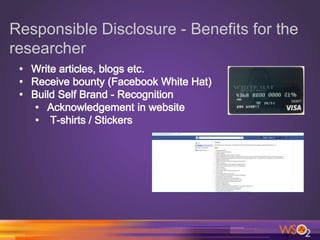
Responsible Disclosure - Benefits for the
researcher
What could possibly go wrong..?
Cyber Security Laws in Sri Lanka
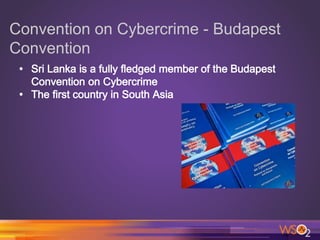
Convention on Cybercrime - Budapest
Convention
Thank you.

Ethics in-information-security

  • 1.
    Ethics in InformationSecurity By Milinda Wickramasinghe
  • 2.
  • 3.
  • 4.
  • 5.
    Why we needethics in IT Security
  • 6.
  • 7.
    Ten Commandments ofComputer Ethics 1. Thou shalt not use a computer to harm other people. 2. Thou shalt not interfere with other people's computer work. 3. Thou shalt not snoop around in other people's computer files. 4. Thou shalt not use a computer to steal. 5. Thou shalt not use a computer to bear false witness. 6. Thou shalt not copy or use proprietary software for which you have not paid. 7. Thou shalt not use other people's computer resources without authorization or proper compensation. 8. Thou shalt not appropriate other people's intellectual output. 9. Thou shalt think about the social consequences of the program you are writing or the system you are designing. 10.Thou shalt always use a computer in ways that insure consideration and respect for your fellow humans.
  • 8.
    BIRTH DISCOVERY DISCLOSURECORRECTION PUBLICITY DEATH RISK TIME Vulnerability lifecycle
  • 9.
  • 10.
    Types of disclosure NonDisclosure Never disclosed to general public Once a vulnerability is found it is kept as a secret and leveraged to exploit vulnerable systems and gain benefits Limited Disclosure Vulnerability information is shared among a few individuals (Discloser, Vendor and possibly, Third party coordinator ) The initial public disclosure contains; the flawed product & very few details about the vulnerability Does not contain full technical details Will only be released once the vendor has fixed the flaw Full Disclosure Full technical details of the vulnerability is disclosed along with the exploit code Without the consent of the vendor / author of the code Vendor is informed at the same time as the general public Responsible Disclosure Discovery Finds the vulnerability by Security Firm or Researcher Initial Contact Notify the vendor - could get the help of a 3rd party Set reasonable deadline Continued Communication Vendor try to reproduce, the originator should provide assistance Patch Development Vendor creates patches, test them and analyzes further for more issues Public disclosure Technical details of the vulnerability is disclosed without the exploit code Exploit Release Enters the scripting stage Tools are developed
  • 11.
    Responsible Disclosure -Benefits for the researcher
  • 12.
  • 13.
    Cyber Security Lawsin Sri Lanka
  • 14.
    Convention on Cybercrime- Budapest Convention
  • 15.