RESEARCH TOPIC

ERP Implementation: Issues for Failure


Vinit Varghese
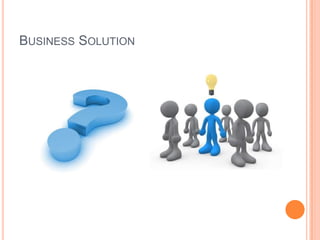
BUSINESS SOLUTION
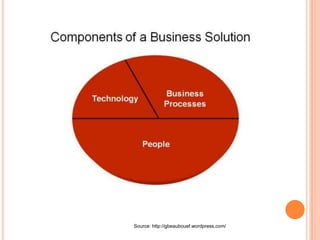
Source: http://gbeaubouef.wordpress.com/
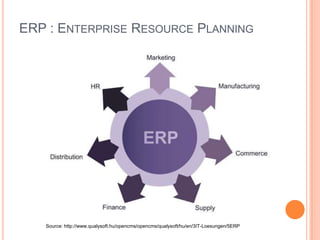
ERP : ENTERPRISE RESOURCE PLANNING


   Source: http://www.qualysoft.hu/opencms/opencms/qualysoft/hu/en/3IT-Loesungen/5ERP
ERP


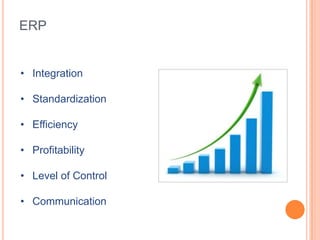
• Integration

• Standardization

• Efficiency

• Profitability

• Level of Control

• Communication
But….
Why ERP Projects Could Fail ?


              SUCCESS/FAIL

        ERP Implementation


Operational         Strategic factors
  factors
STRATEGIC FACTORS

It serves no purpose to proceed to operational factors if the ERP
system does not meet the strategic factors or values of a firm.


• ERP Implementation Cost

• Implementation Time & ROI

• Training

• Effective Use of ERP Features
ERP IMPLEMENTATION COST


ISSUE                             UNDERESTIMATE COST


The total cost of ownership associated with an ERP system includes a
large initial cost followed by costs to maintain and upgrade the ERP
system.


The average Total Cost of ownership (TCO) in a medium –large
organization could be $15 million and could be around $300 million for
larger companies.
ERP IMPLEMENTATION COST


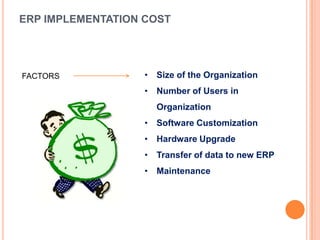
FACTORS            • Size of the Organization
                   • Number of Users in
                     Organization
                   • Software Customization
                   • Hardware Upgrade
                   • Transfer of data to new ERP
                   • Maintenance
IMPLEMENTATION TIME & ROI


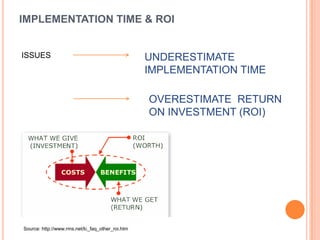
ISSUES                                            UNDERESTIMATE
                                                  IMPLEMENTATION TIME

                                                  OVERESTIMATE RETURN
                                                  ON INVESTMENT (ROI)


Source: http://www.rms.net/lc_faq_other_roi.htm
IMPLEMENTATION TIME & ROI


Many times organization under estimate the
implementation time and overestimate the systems
return on investment. After implementation is completed,
the expected ROI may not come as soon as desired


The time associated with an ERP implementation
varies. It may be as long as 2 years. It may be as long
as 5 years before a return on investment is realized
After the first 5 years of use, a company can begin to
expect steady returns but not in the traditional form of
revenue.
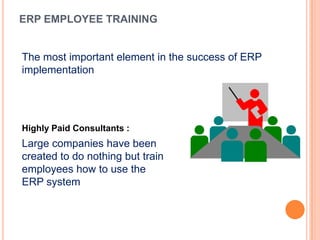
ERP EMPLOYEE TRAINING


The most important element in the success of ERP
implementation


Highly Paid Consultants :
Large companies have been
created to do nothing but train
employees how to use the
ERP system
ERP EMPLOYEE TRAINING


Type of training depends on the size of organization


 • Using Training Modules
 • Classroom Style Training
 • Internet Based Training Programs


 E-learning costs could be as little as 2.5% of
 the equivalent traditional training costs.
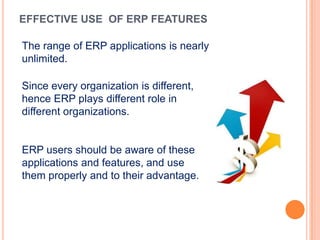
EFFECTIVE USE OF ERP FEATURES

The range of ERP applications is nearly
unlimited.

Since every organization is different,
hence ERP plays different role in
different organizations.


ERP users should be aware of these
applications and features, and use
them properly and to their advantage.
During the initial years of ERP
implementation emphasis should be on:

• Qualitative factors
• Ease of daily operations
• Use of new applications and features


ERP implementation is not a one-time process.

• Upgrading
• Addition of new features
• Training
THANK YOU

ERP implementation

  • 1.
    RESEARCH TOPIC ERP Implementation:Issues for Failure Vinit Varghese
  • 2.
  • 3.
  • 4.
    ERP : ENTERPRISERESOURCE PLANNING Source: http://www.qualysoft.hu/opencms/opencms/qualysoft/hu/en/3IT-Loesungen/5ERP
  • 5.
    ERP • Integration • Standardization •Efficiency • Profitability • Level of Control • Communication
  • 6.
  • 7.
    Why ERP ProjectsCould Fail ? SUCCESS/FAIL ERP Implementation Operational Strategic factors factors
  • 8.
    STRATEGIC FACTORS It servesno purpose to proceed to operational factors if the ERP system does not meet the strategic factors or values of a firm. • ERP Implementation Cost • Implementation Time & ROI • Training • Effective Use of ERP Features
  • 9.
    ERP IMPLEMENTATION COST ISSUE UNDERESTIMATE COST The total cost of ownership associated with an ERP system includes a large initial cost followed by costs to maintain and upgrade the ERP system. The average Total Cost of ownership (TCO) in a medium –large organization could be $15 million and could be around $300 million for larger companies.
  • 10.
    ERP IMPLEMENTATION COST FACTORS • Size of the Organization • Number of Users in Organization • Software Customization • Hardware Upgrade • Transfer of data to new ERP • Maintenance
  • 11.
    IMPLEMENTATION TIME &ROI ISSUES UNDERESTIMATE IMPLEMENTATION TIME OVERESTIMATE RETURN ON INVESTMENT (ROI) Source: http://www.rms.net/lc_faq_other_roi.htm
  • 12.
    IMPLEMENTATION TIME &ROI Many times organization under estimate the implementation time and overestimate the systems return on investment. After implementation is completed, the expected ROI may not come as soon as desired The time associated with an ERP implementation varies. It may be as long as 2 years. It may be as long as 5 years before a return on investment is realized After the first 5 years of use, a company can begin to expect steady returns but not in the traditional form of revenue.
  • 13.
    ERP EMPLOYEE TRAINING Themost important element in the success of ERP implementation Highly Paid Consultants : Large companies have been created to do nothing but train employees how to use the ERP system
  • 14.
    ERP EMPLOYEE TRAINING Typeof training depends on the size of organization • Using Training Modules • Classroom Style Training • Internet Based Training Programs E-learning costs could be as little as 2.5% of the equivalent traditional training costs.
  • 15.
    EFFECTIVE USE OFERP FEATURES The range of ERP applications is nearly unlimited. Since every organization is different, hence ERP plays different role in different organizations. ERP users should be aware of these applications and features, and use them properly and to their advantage.
  • 16.
    During the initialyears of ERP implementation emphasis should be on: • Qualitative factors • Ease of daily operations • Use of new applications and features ERP implementation is not a one-time process. • Upgrading • Addition of new features • Training
  • 17.