Future City :
OKANA
Presented to you by :
Carol Tang
Alwin Ng
Chloe Teh
Danica Gan
Dana Kan
City of high performance that focuses
on the artistic and kinetic potential of
an individual
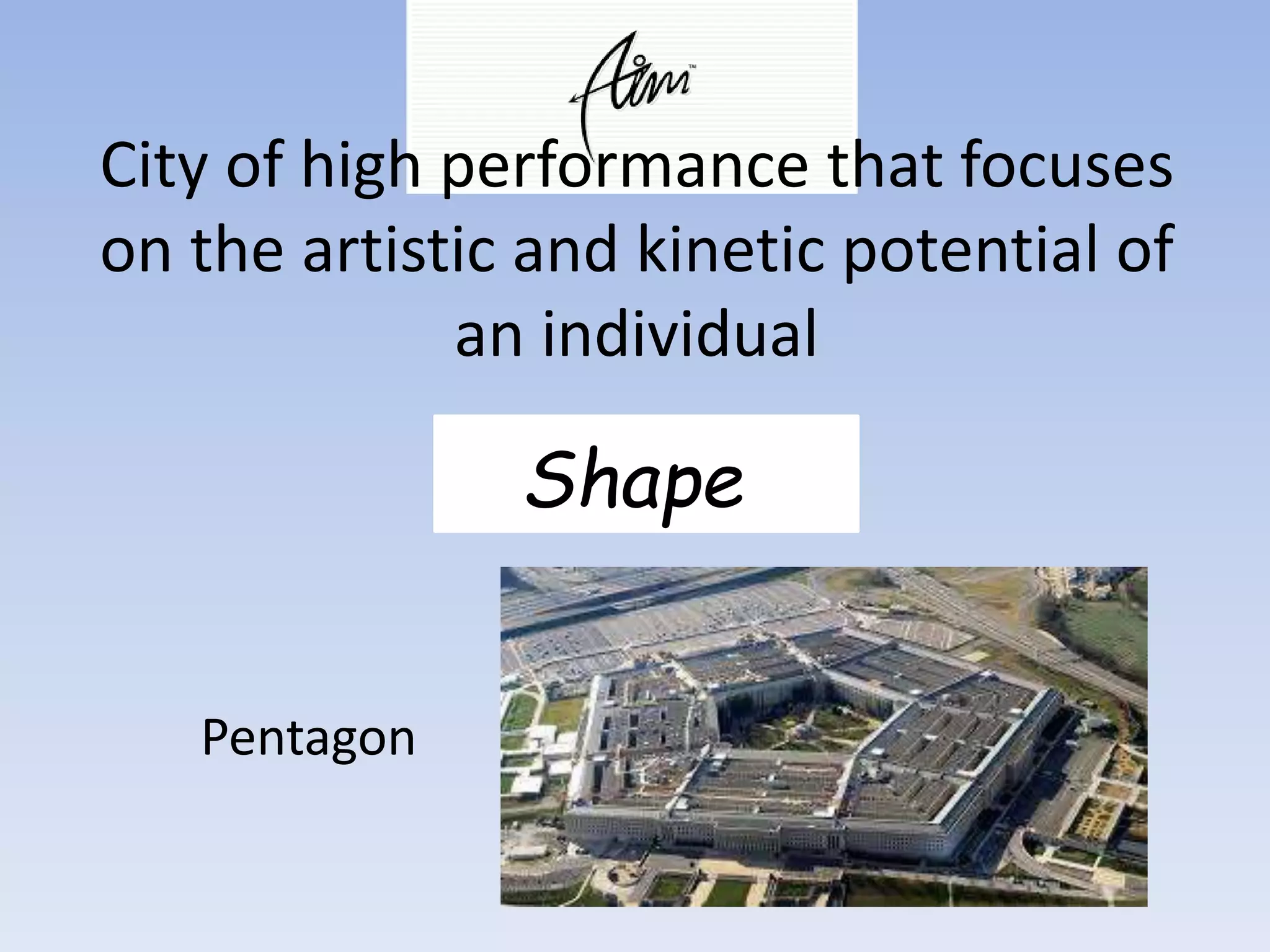
Shape
Pentagon
Why Is Security
Important For A City?
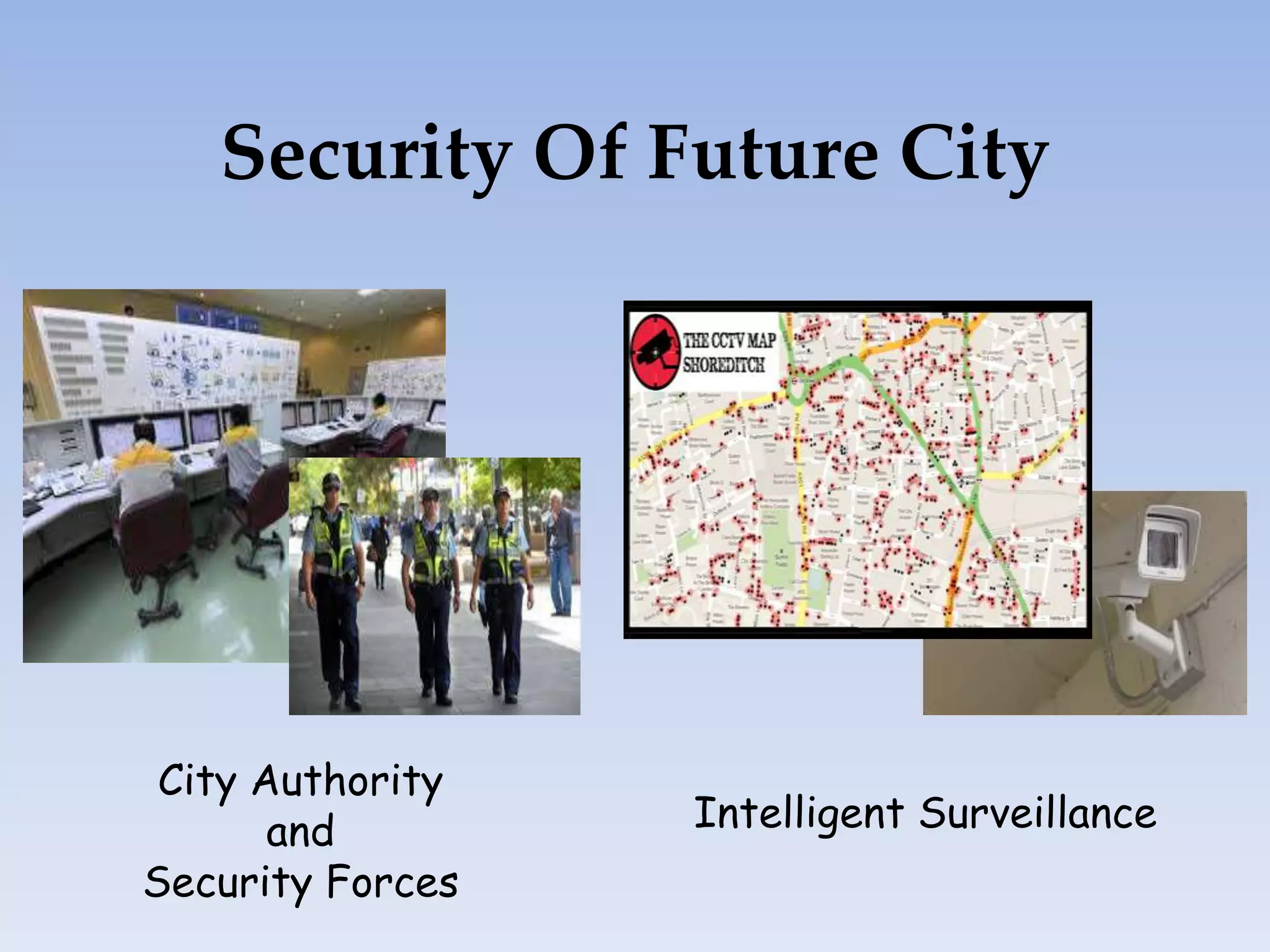
Security Of Future City
City Authority
and
Security Forces
Intelligent Surveillance
Security Of Future City
Face Recognition
System
Radar System Emergency Alarm
&
Disposal Prevention
HISTORY
The 1st ever incinerator was built in 1874.
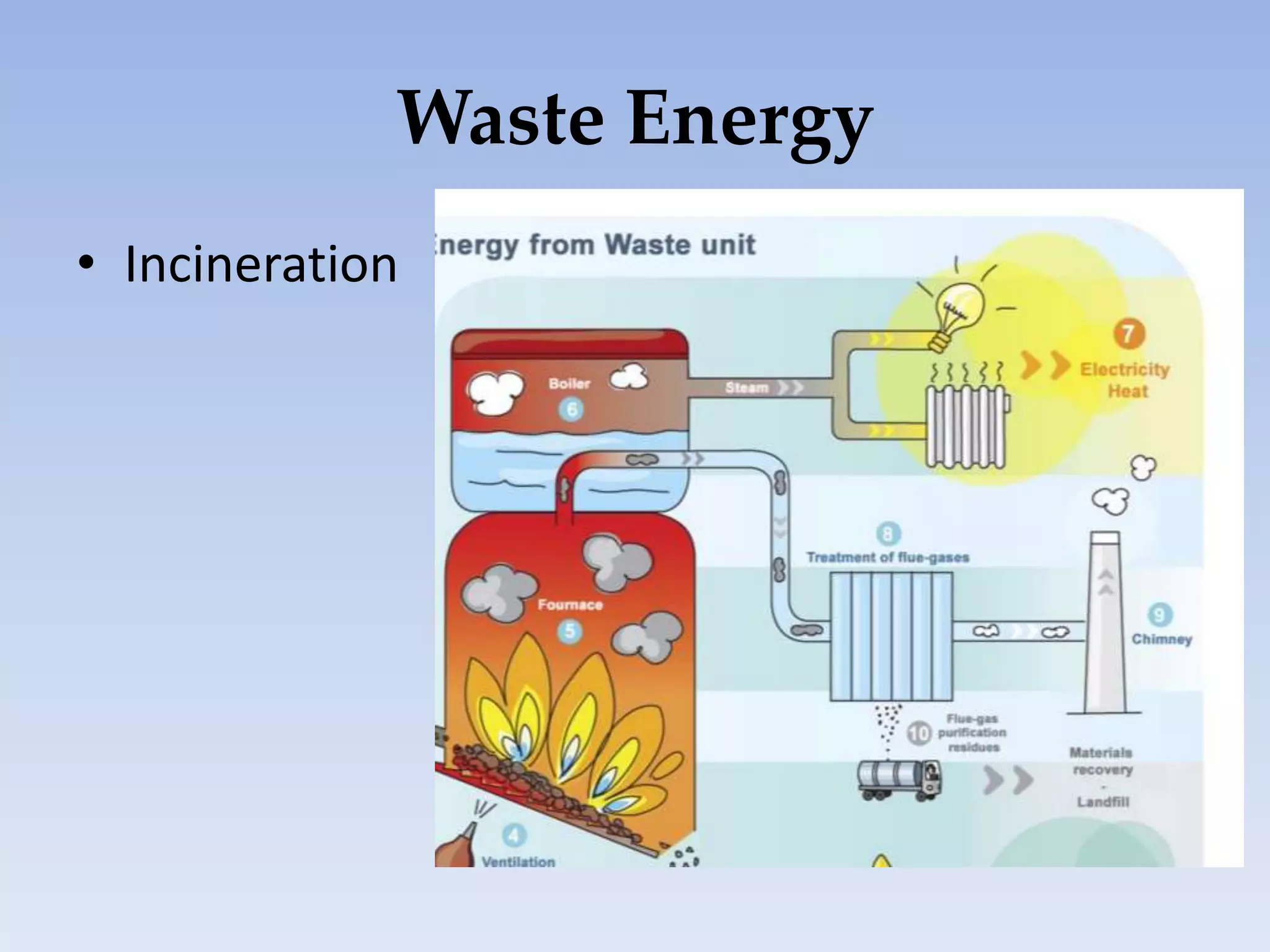
Incineration is a thermal waste treatment process involving combustion of organics in
waste materials. Incineration of waste materials converts the waste into ash, flue gas,
and heat. The flue gases must be filtered/cleaned of gaseous and particulate
pollutants before they are discharged into the atmosphere.
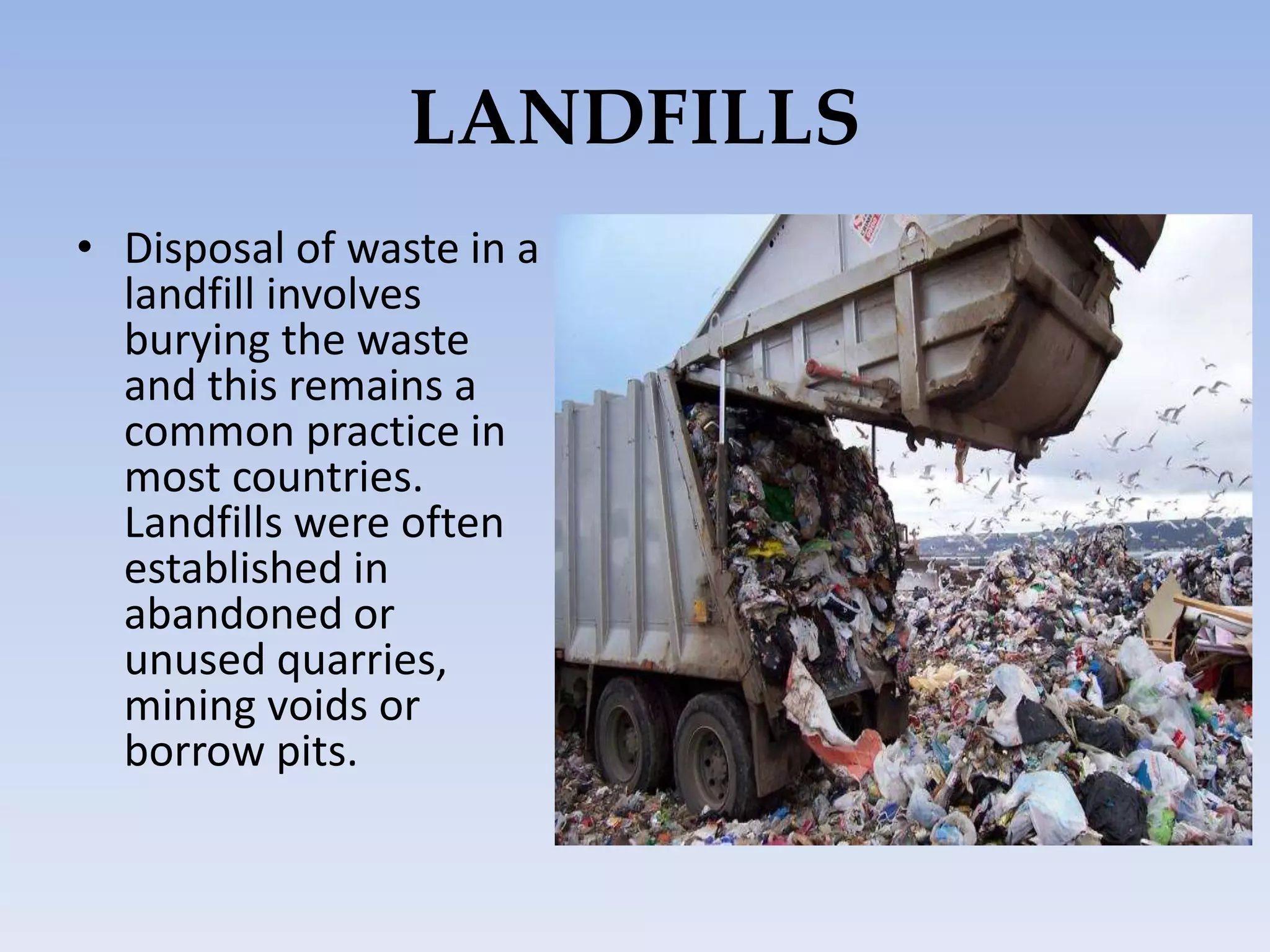
LANDFILLS
• Disposal of waste in a
landfill involves
burying the waste
and this remains a
common practice in
most countries.
Landfills were often
established in
abandoned or
unused quarries,
mining voids or
borrow pits.
INCINERATION
• Incineration is a waste treatment process
that involves the combustion of organic
substances contained in waste materials.
• Dioxins, Furans and PAH
FUTURE WASTE MANAGEMENT
• Pyrolysis is a thermochemical decomposition of
organic material at elevated temperatures in the
absence of oxygen (or any halogen). It involves
the simultaneous change of chemical
composition and physical phase, and is
irreversible.
SEWAGE
(WATER MANAGEMENT)
• Treatment plants are built to treat household
wastes. Underground pipes link the houses to
the treatment plant
PREVENTION
• The most effective way to reduce waste is to not create it in
the first place.
• Making a new product requires a lot of materials and energy-
raw materials must be extracted from the earth, and the
product must be fabricated and then transported to wherever
it will be sold.
• As a result, reduction and reuse are the most effective ways
you can save natural resources, protect the environment, and
save money.
REDUCE AND REUSE
• Buy used clothes to building materials at specialized reuse centres
and consignment shops. Often, used items are less expensive and
just as good as new.
• Look for products that use less packaging. When manufacturers
make their products with less packaging, they use less raw material.
This reduces waste and costs. These extra savings can be passed
along to the consumer.
• Buy reusable over disposable items. Look for items that can be
reused; the little things can add up. For example, you can bring your
own silverware and cup to work, rather than using disposable
items.
• Maintain and repair products, like clothing, tires, and appliances, so
that they won't have to be thrown out and replaced as frequently.
• Borrow, rent, or share items that are used infrequently, like party
decorations, tools, or furniture.
RECYCLING
• Recycling is a
process to change
waste materials into
new products to
prevent waste of
potentially useful
materials
PRODUCTS THAT CAN BE RECYCLED
• Dry Paper
• Plastic
• Glass
• Aluminum
• Electronics
DEFINITION
• Energy management includes planning and
operation of energy production and energy
consumption units.
• Objectives are resource conservation, climate
protection and cost savings, while the users
have permanent access to the energy they
need.
ENERGY GENERATION
• Wave Energy
• Solar Energy
• Hydroelectric Energy
• Waste Energy
Wave Energy
Solar energy
Future City Solar
-Able to absorb
moonlight
(sunlight)
-Able to store
kinetic energy
from rainwater
Hydroelectric Energy
Waste Energy
• Incineration
Pyrolysis
• Heating in absence of oxygen
• Produces high vibrations
• Changes biomass to liquid fuel when it
disintegrates
• Changes plastic to million litres of fuel
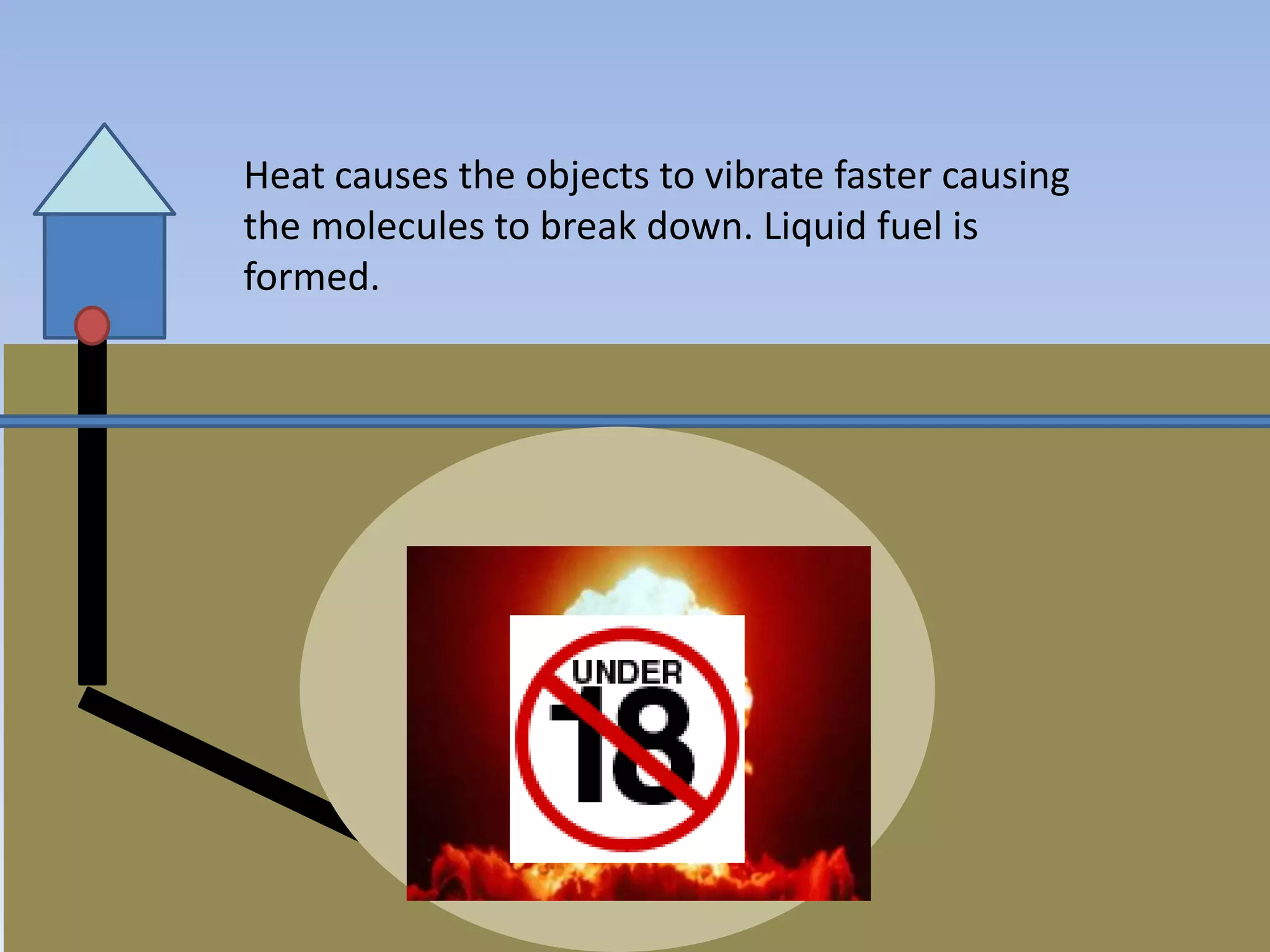
Heat causes the objects to vibrate faster causing
the molecules to break down. Liquid fuel is
formed.
ACTIVITIES
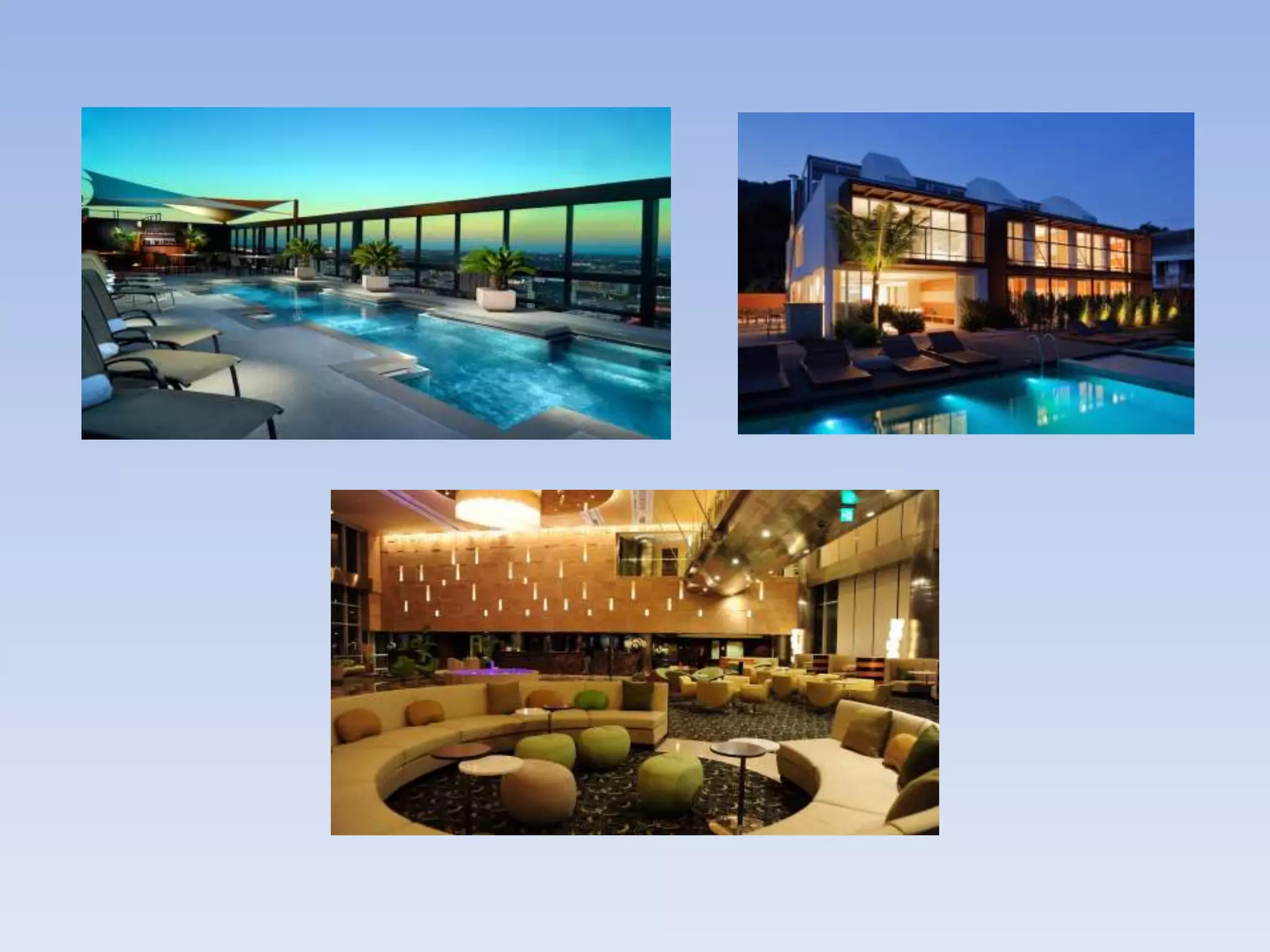
THINGS TO SEE
PLACES TO STAY
TOUR GUIDES
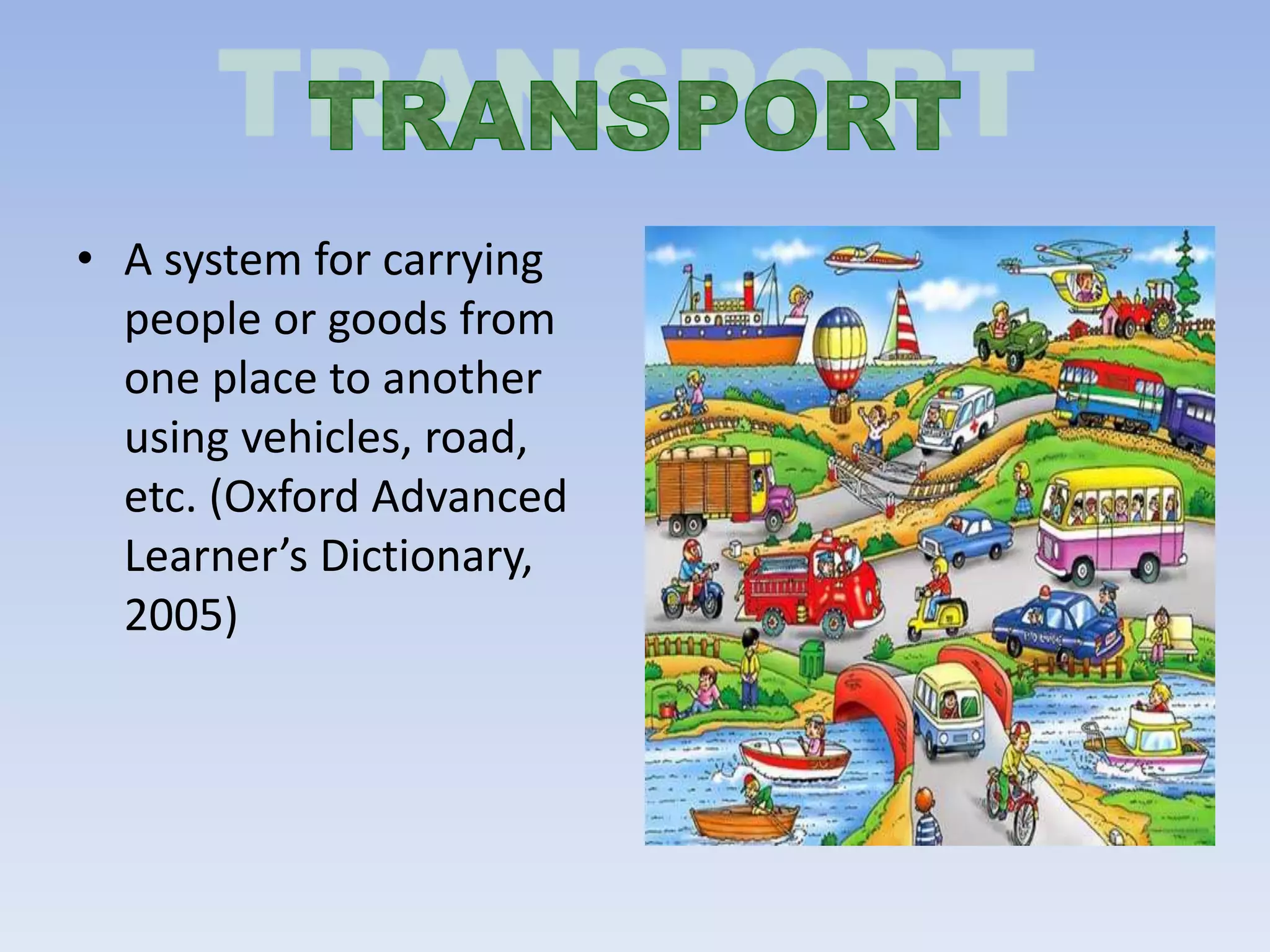
• A system for carrying
people or goods from
one place to another
using vehicles, road,
etc. (Oxford Advanced
Learner’s Dictionary,
2005)
WHY & HOW WE NEED TO PLAN?
• The transport system must meet the actual,
and not the perceived needs of commuters
• Efficient transport systems tend to use up
much land and resources, thought must be
put into proper planning to maximise usage
and minimise wastage.
• Observe the environmental ranking of
transportation modes.
• Relook the functions of the street.
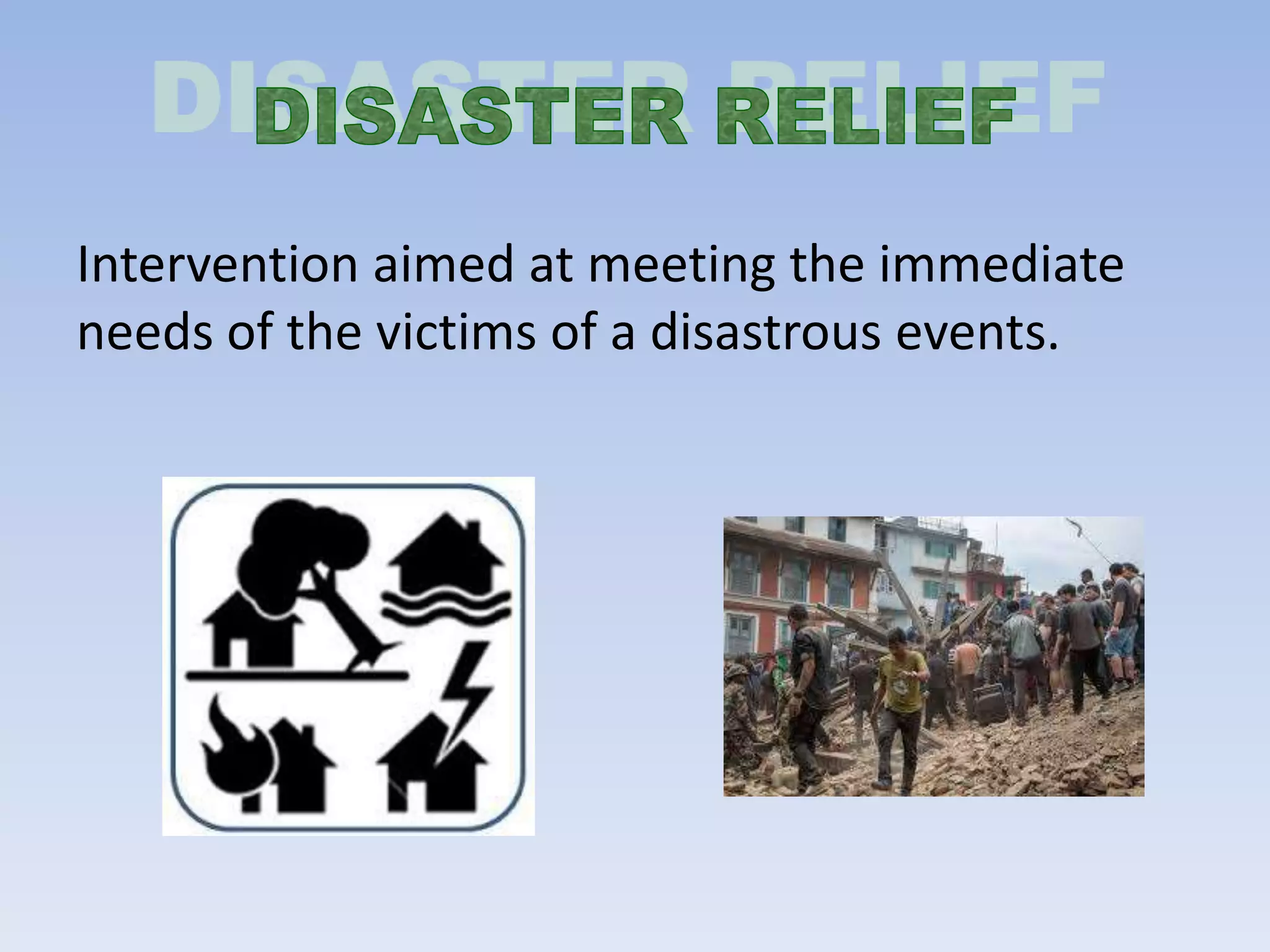
Intervention aimed at meeting the immediate
needs of the victims of a disastrous events.
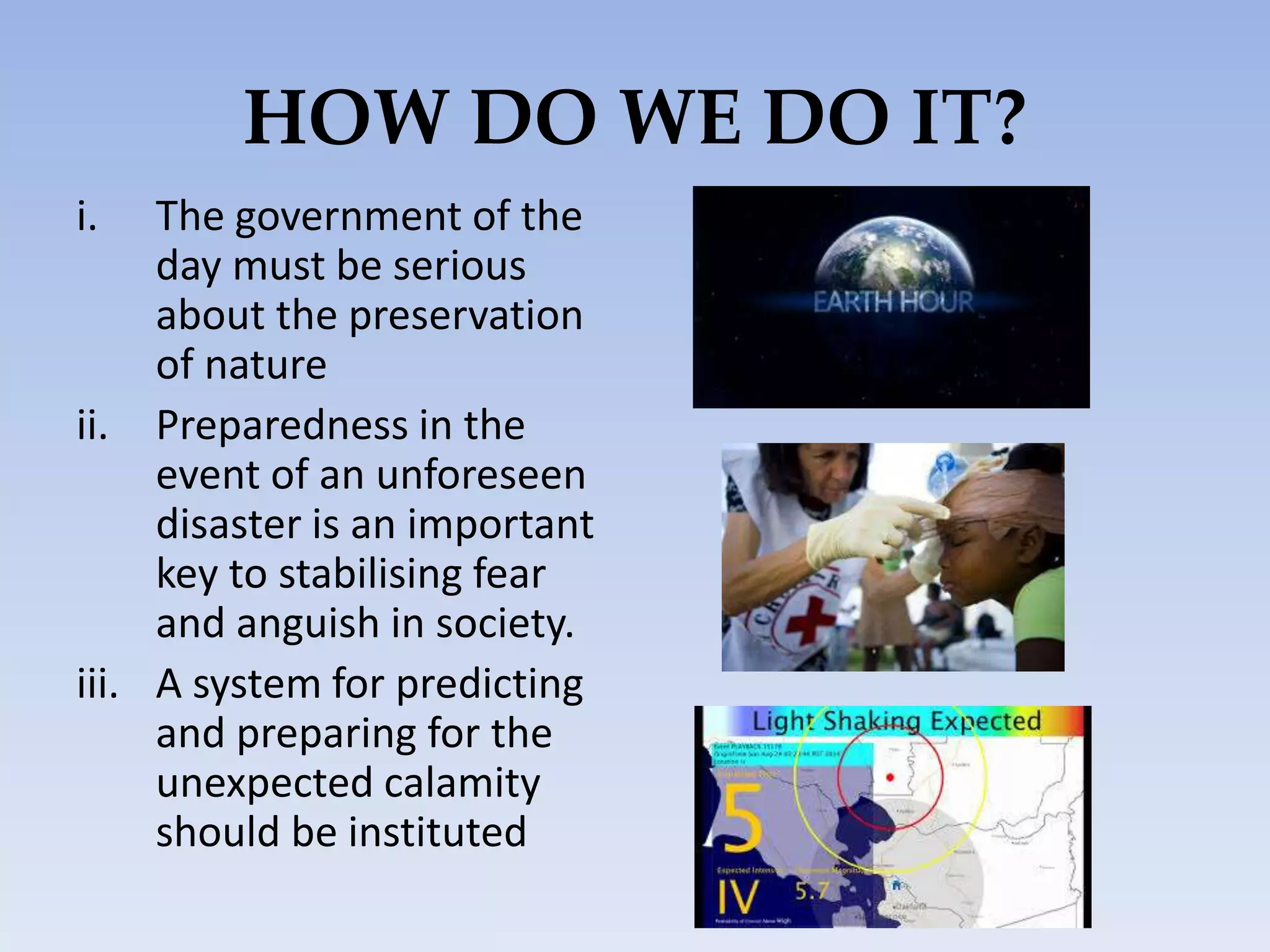
HOW DO WE DO IT?
i. The government of the
day must be serious
about the preservation
of nature
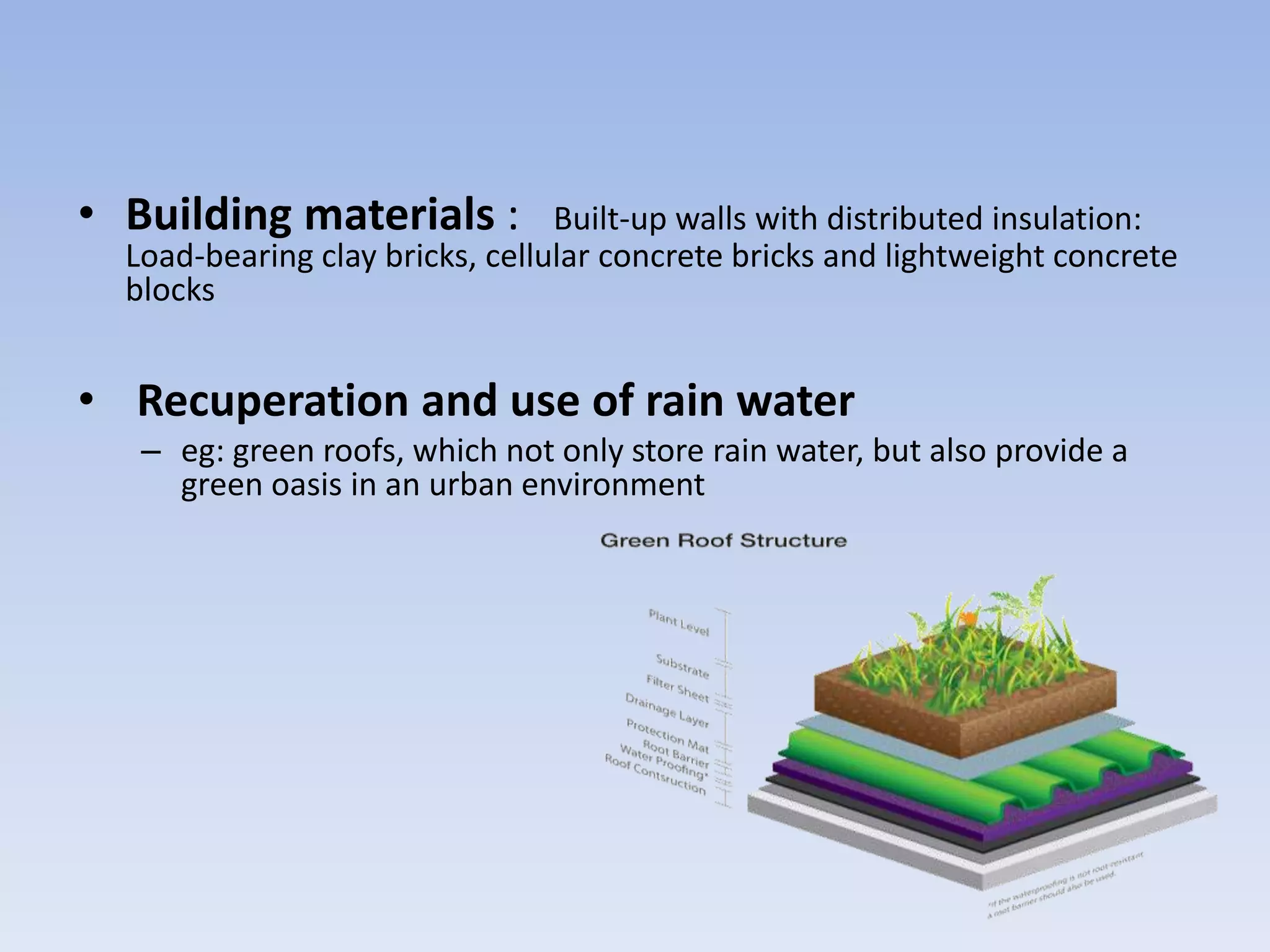
ii. Preparedness in the
event of an unforeseen
disaster is an important
key to stabilising fear
and anguish in society.
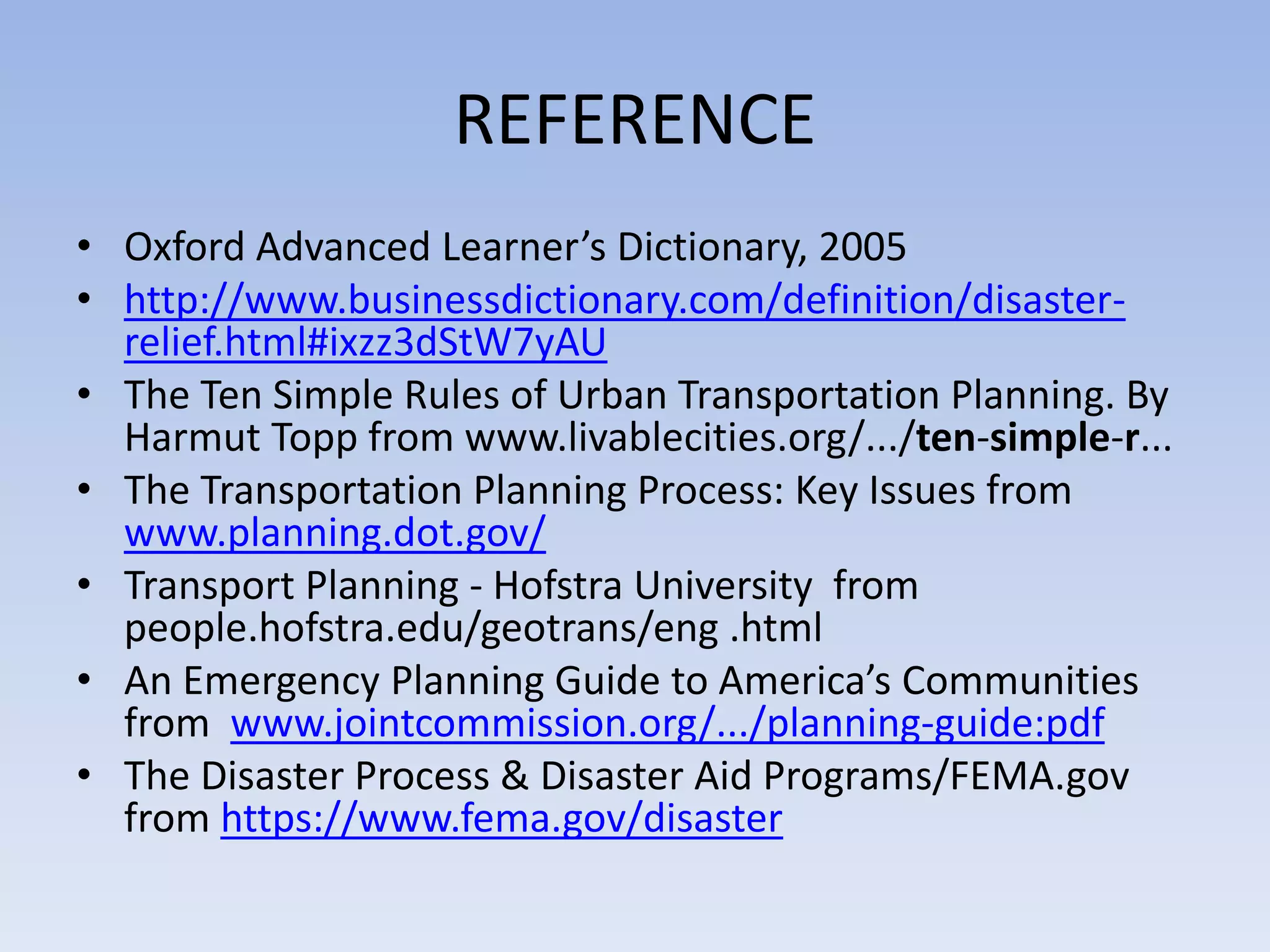
iii. A system for predicting
and preparing for the
unexpected calamity
should be instituted
DEFINITION:
Green building is the practice of creating
structures and using processes that are
environmentally responsible and resource-
efficient throughout a building's life-cycle
from siting to design, construction, operation,
maintenance, renovation and deconstruction.
What makes up a green building?
has to meet LEED certification (Leadership in Energy
and Environmental Design) - an international
certification system for green buildings.
Good and proper air ventilation
Abundant natural light
 Access to views and noise control so that these
buildings will be a better and comfortable place to be
in
Energy efficiency and Renewable energy
Water efficiency and proper waste management
Environmental preferable building materials and
specifications
Example of a green building
• Menara Mesiniaga by Malaysian
architect Ken Yeang
– to benefit the natural sunlight form all
directions into the building
– The trussed steel + aluminum sunroof
also incorporates solar panels
– Has good ventilation as all the office floor
terraces have sliding doors.
• Photovoltaic roofing with solar panel
• Eco-friendly materials such as PVC-free linoleum and water-
based paints will be used throughout the construction of a
building
Proposal of our future city's green building
source: google images
• Building materials : Built-up walls with distributed insulation:
Load-bearing clay bricks, cellular concrete bricks and lightweight concrete
blocks
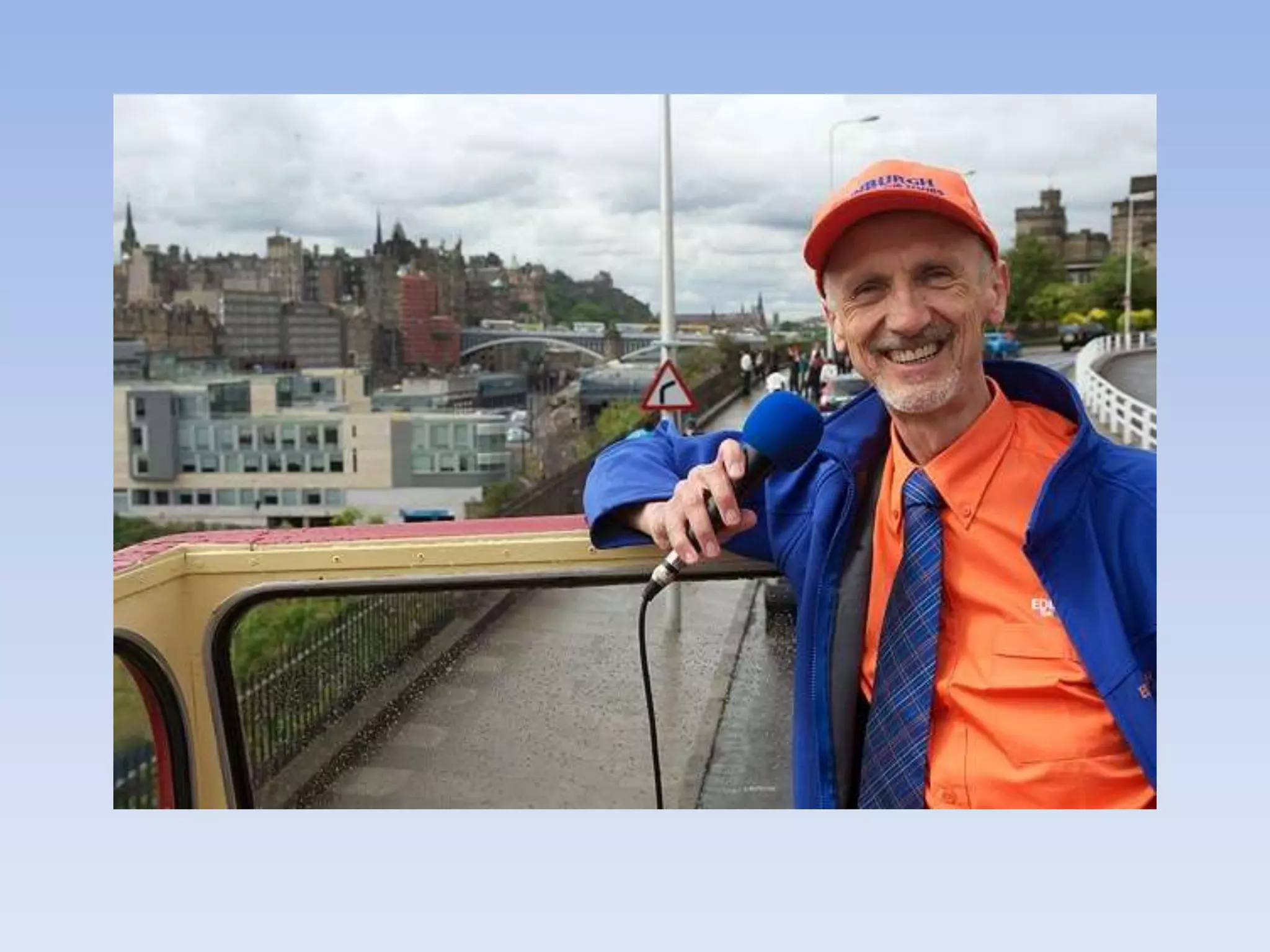
• Recuperation and use of rain water
– eg: green roofs, which not only store rain water, but also provide a
green oasis in an urban environment
CONCLUSION
A Smarter City is a Greener and Liveable City
• by knowing why and how to plan for our city
we would have the ownership of a smarter
city. All we need is to constantly upgrade and
improve on the features using technology for
a better city.
REFERENCE
• Oxford Advanced Learner’s Dictionary, 2005
• http://www.businessdictionary.com/definition/disaster-
relief.html#ixzz3dStW7yAU
• The Ten Simple Rules of Urban Transportation Planning. By
Harmut Topp from www.livablecities.org/.../ten-simple-r...
• The Transportation Planning Process: Key Issues from
www.planning.dot.gov/
• Transport Planning - Hofstra University from
people.hofstra.edu/geotrans/eng .html
• An Emergency Planning Guide to America’s Communities
from www.jointcommission.org/.../planning-guide:pdf
• The Disaster Process & Disaster Aid Programs/FEMA.gov
from https://www.fema.gov/disaster

English Oral Assignment

  • 1.
    Future City : OKANA Presentedto you by : Carol Tang Alwin Ng Chloe Teh Danica Gan Dana Kan
  • 2.
    City of highperformance that focuses on the artistic and kinetic potential of an individual Shape Pentagon
  • 4.
  • 5.
    Security Of FutureCity City Authority and Security Forces Intelligent Surveillance
  • 6.
    Security Of FutureCity Face Recognition System Radar System Emergency Alarm
  • 7.
  • 8.
  • 9.
    HISTORY The 1st everincinerator was built in 1874. Incineration is a thermal waste treatment process involving combustion of organics in waste materials. Incineration of waste materials converts the waste into ash, flue gas, and heat. The flue gases must be filtered/cleaned of gaseous and particulate pollutants before they are discharged into the atmosphere.
  • 11.
    LANDFILLS • Disposal ofwaste in a landfill involves burying the waste and this remains a common practice in most countries. Landfills were often established in abandoned or unused quarries, mining voids or borrow pits.
  • 12.
    INCINERATION • Incineration isa waste treatment process that involves the combustion of organic substances contained in waste materials. • Dioxins, Furans and PAH
  • 14.
    FUTURE WASTE MANAGEMENT •Pyrolysis is a thermochemical decomposition of organic material at elevated temperatures in the absence of oxygen (or any halogen). It involves the simultaneous change of chemical composition and physical phase, and is irreversible.
  • 15.
    SEWAGE (WATER MANAGEMENT) • Treatmentplants are built to treat household wastes. Underground pipes link the houses to the treatment plant
  • 16.
    PREVENTION • The mosteffective way to reduce waste is to not create it in the first place. • Making a new product requires a lot of materials and energy- raw materials must be extracted from the earth, and the product must be fabricated and then transported to wherever it will be sold. • As a result, reduction and reuse are the most effective ways you can save natural resources, protect the environment, and save money.
  • 17.
    REDUCE AND REUSE •Buy used clothes to building materials at specialized reuse centres and consignment shops. Often, used items are less expensive and just as good as new. • Look for products that use less packaging. When manufacturers make their products with less packaging, they use less raw material. This reduces waste and costs. These extra savings can be passed along to the consumer. • Buy reusable over disposable items. Look for items that can be reused; the little things can add up. For example, you can bring your own silverware and cup to work, rather than using disposable items. • Maintain and repair products, like clothing, tires, and appliances, so that they won't have to be thrown out and replaced as frequently. • Borrow, rent, or share items that are used infrequently, like party decorations, tools, or furniture.
  • 18.
    RECYCLING • Recycling isa process to change waste materials into new products to prevent waste of potentially useful materials
  • 19.
    PRODUCTS THAT CANBE RECYCLED • Dry Paper • Plastic • Glass • Aluminum • Electronics
  • 21.
    DEFINITION • Energy managementincludes planning and operation of energy production and energy consumption units. • Objectives are resource conservation, climate protection and cost savings, while the users have permanent access to the energy they need.
  • 22.
    ENERGY GENERATION • WaveEnergy • Solar Energy • Hydroelectric Energy • Waste Energy
  • 23.
  • 24.
    Solar energy Future CitySolar -Able to absorb moonlight (sunlight) -Able to store kinetic energy from rainwater
  • 25.
  • 26.
  • 27.
    Pyrolysis • Heating inabsence of oxygen • Produces high vibrations • Changes biomass to liquid fuel when it disintegrates • Changes plastic to million litres of fuel
  • 28.
    Heat causes theobjects to vibrate faster causing the molecules to break down. Liquid fuel is formed.
  • 30.
  • 33.
  • 35.
  • 38.
  • 41.
    • A systemfor carrying people or goods from one place to another using vehicles, road, etc. (Oxford Advanced Learner’s Dictionary, 2005)
  • 42.
    WHY & HOWWE NEED TO PLAN? • The transport system must meet the actual, and not the perceived needs of commuters • Efficient transport systems tend to use up much land and resources, thought must be put into proper planning to maximise usage and minimise wastage.
  • 43.
    • Observe theenvironmental ranking of transportation modes. • Relook the functions of the street.
  • 45.
    Intervention aimed atmeeting the immediate needs of the victims of a disastrous events.
  • 46.
    HOW DO WEDO IT? i. The government of the day must be serious about the preservation of nature ii. Preparedness in the event of an unforeseen disaster is an important key to stabilising fear and anguish in society. iii. A system for predicting and preparing for the unexpected calamity should be instituted
  • 48.
    DEFINITION: Green building isthe practice of creating structures and using processes that are environmentally responsible and resource- efficient throughout a building's life-cycle from siting to design, construction, operation, maintenance, renovation and deconstruction.
  • 49.
    What makes upa green building? has to meet LEED certification (Leadership in Energy and Environmental Design) - an international certification system for green buildings. Good and proper air ventilation Abundant natural light  Access to views and noise control so that these buildings will be a better and comfortable place to be in Energy efficiency and Renewable energy Water efficiency and proper waste management Environmental preferable building materials and specifications
  • 50.
    Example of agreen building • Menara Mesiniaga by Malaysian architect Ken Yeang – to benefit the natural sunlight form all directions into the building – The trussed steel + aluminum sunroof also incorporates solar panels – Has good ventilation as all the office floor terraces have sliding doors.
  • 51.
    • Photovoltaic roofingwith solar panel • Eco-friendly materials such as PVC-free linoleum and water- based paints will be used throughout the construction of a building Proposal of our future city's green building source: google images
  • 52.
    • Building materials: Built-up walls with distributed insulation: Load-bearing clay bricks, cellular concrete bricks and lightweight concrete blocks • Recuperation and use of rain water – eg: green roofs, which not only store rain water, but also provide a green oasis in an urban environment
  • 53.
    CONCLUSION A Smarter Cityis a Greener and Liveable City • by knowing why and how to plan for our city we would have the ownership of a smarter city. All we need is to constantly upgrade and improve on the features using technology for a better city.
  • 54.
    REFERENCE • Oxford AdvancedLearner’s Dictionary, 2005 • http://www.businessdictionary.com/definition/disaster- relief.html#ixzz3dStW7yAU • The Ten Simple Rules of Urban Transportation Planning. By Harmut Topp from www.livablecities.org/.../ten-simple-r... • The Transportation Planning Process: Key Issues from www.planning.dot.gov/ • Transport Planning - Hofstra University from people.hofstra.edu/geotrans/eng .html • An Emergency Planning Guide to America’s Communities from www.jointcommission.org/.../planning-guide:pdf • The Disaster Process & Disaster Aid Programs/FEMA.gov from https://www.fema.gov/disaster