Code of Cooperation
 Honor our time together.


 Stay engaged


 Value all perspectives


 Own your own learning
English Language Arts Common
             Core
     Shifting our Understanding
ELA Anchor Standards

 Key Ideas and Details

      Craft and Structure

Integration of Knowledge and Ideas

   Range of Reading and Level of Text
                         Complexity
College and Career Anchor
         Standards for Reading
Students that are college and career ready will……
 Demonstrate independence.
 Build strong content knowledge.
 Respond to the varying demands of audience,
  task, purpose, and discipline.
 Comprehend as well as critique.
 Value evidence.
 Use technology and digital media strategically
  and capably.
 Come to understand other perspectives and
  cultures.
Six Shifts in the Standards
1.   PK-5, Balancing Informational Text and Literary
     Text
2.   6-12, Building Knowledge in the Disciplines
3.   Staircase of Complexity
4.   Text-Based Answers
5.   Writing from Sources
6.   Academic Vocabulary
Let’s Take a Closer Look at Each
Shift

 Write each shift in your own words.


 How will instruction change?


 What challenges will we face as we make the
 shift?
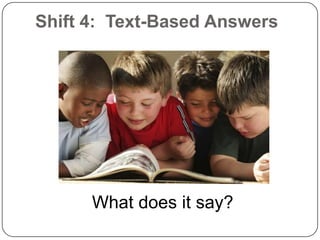
Shift 4: Text-Based Answers


      What does it say?
What the experts say?


http://engageny.org/resource/common-core-in-ela-literacy-shift-4-text-based-answers/
TAKE A LOOK


A Quilt of a Country
     By Anna Quindlen
A Quilt of a Country
                     By Anna Quindlen

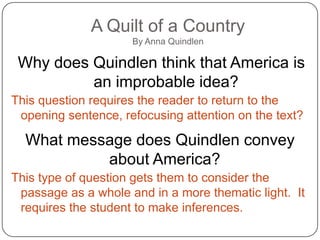
 Why does Quindlen think that America is
          an improbable idea?
This question requires the reader to return to the
 opening sentence, refocusing attention on the text?

  What message does Quindlen convey
           about America?
This type of question gets them to consider the
 passage as a whole and in a more thematic light. It
 requires the student to make inferences.
Holler Out


 What are the questions worth asking?


 How does text-based questioning
 compare to literal “in the text”
 questioning?
Thinking Device


 How will instruction change?
 What challenges will we face as we
  make the shift?
 If needed add words to your Shift 4
  definition
Shift 6: Academic Vocabulary
What the experts say?


http://engageny.org/resource/common-core-in-ela-literacy-shift-6-academic-vocabulary/
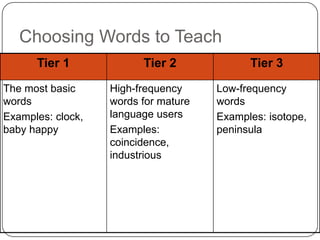
Choosing Words to Teach
      Tier 1             Tier 2             Tier 3

The most basic     High-frequency     Low-frequency
words              words for mature   words
Examples: clock,   language users     Examples: isotope,
baby happy         Examples:          peninsula
                   coincidence,
                   industrious
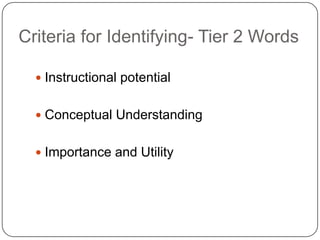
Criteria for Identifying- Tier 2 Words

   Instructional potential


   Conceptual Understanding


   Importance and Utility
CC ELA Shift 6:
Academic Vocabulary
 Consider the following quote:
  It’s important to be strategic about the
   kind of vocabulary that we’re developing.
   Teach fewer words, but teach the webs
   around them. It goes back to this issue
   about careful planning … and strategic
   thinking about how to support students’
   skill development.
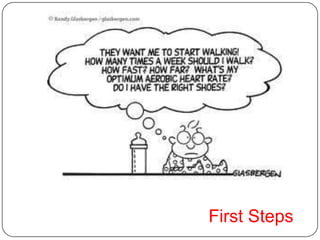
First Steps
Thinking Device- Holler Out
 How will instruction change?


 What challenges will we face as we
 make this shift?
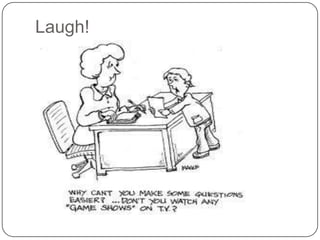
Laugh!
Switch

English language arts common core shift 4 & 6

  • 1.
    Code of Cooperation Honor our time together.  Stay engaged  Value all perspectives  Own your own learning
  • 2.
    English Language ArtsCommon Core Shifting our Understanding
  • 3.
    ELA Anchor Standards Key Ideas and Details Craft and Structure Integration of Knowledge and Ideas Range of Reading and Level of Text Complexity
  • 4.
    College and CareerAnchor Standards for Reading Students that are college and career ready will……  Demonstrate independence.  Build strong content knowledge.  Respond to the varying demands of audience, task, purpose, and discipline.  Comprehend as well as critique.  Value evidence.  Use technology and digital media strategically and capably.  Come to understand other perspectives and cultures.
  • 5.
    Six Shifts inthe Standards 1. PK-5, Balancing Informational Text and Literary Text 2. 6-12, Building Knowledge in the Disciplines 3. Staircase of Complexity 4. Text-Based Answers 5. Writing from Sources 6. Academic Vocabulary
  • 6.
    Let’s Take aCloser Look at Each Shift  Write each shift in your own words.  How will instruction change?  What challenges will we face as we make the shift?
  • 7.
    Shift 4: Text-BasedAnswers What does it say?
  • 8.
    What the expertssay? http://engageny.org/resource/common-core-in-ela-literacy-shift-4-text-based-answers/
  • 9.
    TAKE A LOOK AQuilt of a Country By Anna Quindlen
  • 10.
    A Quilt ofa Country By Anna Quindlen Why does Quindlen think that America is an improbable idea? This question requires the reader to return to the opening sentence, refocusing attention on the text? What message does Quindlen convey about America? This type of question gets them to consider the passage as a whole and in a more thematic light. It requires the student to make inferences.
  • 11.
    Holler Out  Whatare the questions worth asking?  How does text-based questioning compare to literal “in the text” questioning?
  • 12.
    Thinking Device  Howwill instruction change?  What challenges will we face as we make the shift?  If needed add words to your Shift 4 definition
  • 13.
  • 14.
    What the expertssay? http://engageny.org/resource/common-core-in-ela-literacy-shift-6-academic-vocabulary/
  • 15.
    Choosing Words toTeach Tier 1 Tier 2 Tier 3 The most basic High-frequency Low-frequency words words for mature words Examples: clock, language users Examples: isotope, baby happy Examples: peninsula coincidence, industrious
  • 16.
    Criteria for Identifying-Tier 2 Words  Instructional potential  Conceptual Understanding  Importance and Utility
  • 17.
    CC ELA Shift6: Academic Vocabulary  Consider the following quote:  It’s important to be strategic about the kind of vocabulary that we’re developing. Teach fewer words, but teach the webs around them. It goes back to this issue about careful planning … and strategic thinking about how to support students’ skill development.
  • 18.
  • 19.
    Thinking Device- HollerOut  How will instruction change?  What challenges will we face as we make this shift?
  • 20.
  • 21.

Editor's Notes

  • #4 See handout
  • #6 Refer to the 6 shift handout that is on your table.
  • #7 We will use a graphic organizer or thinking device to help us look closely at each shift. This strategy is one that is recommended in the Common Core to assist students in looking more closely at a text. We will start by looking at the literal level and progress through interpretation and then reflect on what was read.
  • #8 Shift 4: Text-based answers asks us to think about the types of questions that we ask.
  • #9 View a portion of the video – stop at 3:18
  • #10 Handout
  • #12 Print questioning resources from Cmapp- http://changingminds.org/techniques/questioning/socratic_questions.htm, http://readingtokids.org/ReadingClubs/TipBloomsTaxonomy.php?pview=yes
  • #13 Take a few minutes to read the description and then identify what it says.
  • #14 Find your handout – Text–based Q & A. Read the excerpt from “A Quilt of a Country” and read the text-based questions. What do you notice?Now, you try creating some text-based questions after reading The New Colossus. Use the rigor questions on Cmapp to get you started .
  • #15 Take a look at the Synthesis handout. How might you use this?
  • #16 Shift 6: Academic Vocabulary focuses our attention on the need to prepare our students by teaching them the vocabulary they need to access grade level complex texts.Read the shift quietly to yourself
  • #17 View a portion of the video – stop at 2:00
  • #20 Find your Academic Vocabulary handout. Use the text from “A Quilt of a Country” to identify some Tier 2 words and determine which ones might be taught. A word to consider would be ideal.
  • #22 We will look at an exemplar for text-based answers and academic vocabulary. EngageNY-The great Fire exampleWill explore creating our own text based questions and identifing academic tier 2 vocabulary with the The New Colossus exemplarMaterials needed: bloom’s questions stems (rigor toolbox), The Great Fire example from http://engageny.org/resource/curriculum-exemplars/, Academic vocabulary worksheet
  • #25 15 minutes