Embracing the Rise of
SecDevOps
Tenable Research Engineers
Embracing the Rise of
SecDevOps
Thomas Cappetta
Tenable Research
Vulnerability Research Engineer
- Cyber Security, DevOps, Cloud Computing
- CISSP
- Constantly Studying DevOps & Offensive Security
- Mentoring & Leadership
• Active: 3yrs. Asst. Coaching Youth Sports (volunteer)
• Previous: Identifying, Leading, & Mentoring Organizational Talent within SecOps & Engineering.
• Previous: Eagle Scout
About Cappetta
2
● ... a set of business methodologies, operational procedures, &
cultural practices proven to increase security, improve software
quality, improve release frequency, & provide immediate
insight into organizational exposures…
SecDevOps Defined
3
“According to State of DevOps Reports by Puppet… ”
High-Performing organizations which implement DevOps practices:
• Deploy code 30 times more frequently
• Have 50 percent fewer failures
• Automated:
• 33 % more of their configuration management
• 27 % more of their testing
• 30 % more of their deployments
• 27 % more of their change approval processes
Benefits
5
6
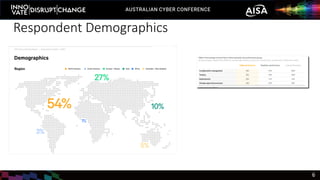
Respondent Demographics
7
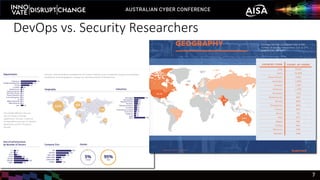
DevOps vs. Security Researchers
Goal:
§ Disposable infrastructure
§ Automated Application Deployments
§ Continuous Patch Updates
§ Automated Release Testing
§ Autonomous Customer Service
§ Great Organizational Culture
Best Practices
8
Barriers to Success
9
● “a median of five days to gain access to a functioning exploit. In contrast, we learned,
defenders take a median 12 days to assess for a vulnerability.” – Tenable Research
● “According to WhiteHat Security stats, the average time to fix a website vulnerability
after it has been reported is 150-180 days.” – Tenable Research 2015
Barriers To Success – Tenable Research
10
● EdgeScan-
● Layer 7 - Average time to close a discovered vulnerability is 67 Days
● Layer Network - Average time to close a discovered vulnerability is 62 Days
● Denim Group
● A 2013 industry study from White Hat Security revealed that the “Mean Time to Fix” for web
application flaws categorized as “serious” averaged 193 days across all industries.
● In the same study, for one industry (Education) the figure jumped to 342 days of exposure
Barriers To Success – Exposure Remediation
11
● “The most common code vulnerability evident in static security testing during the
software development process is Unpatched Libraries” - WhiteHatSec
• Cyber Security is often viewed as an expense
• Regular Code Deployments require Smaller Feature branches
• Retrofitting Tooling into Pre-existing Monolithic Applications
Barriers To Success – Generic
12
• Changes don’t meet expectations
• Insecure Configurations
• Unknown Assets & Exposures
• Complex business workflows & Technical Debt
Barriers To Success - Generic
13
• Automating the wrong things first
• Continuous Delivery != Continuous Deployment
• Lack of Metrics
• Stale Test Automation
• So Many Tools…
Barriers To Success - DevOps
14
What’s the Challenge?
15
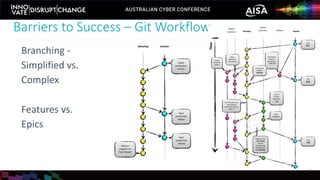
Branching -
Simplified vs.
Complex
Features vs.
Epics
Barriers to Success – Git Workflow
16
• Constantly Evolving Exposures
• Unknown External / Environmental Threats
• Compartmentalized Organizations
• Remediation Delay
• Zero-Days
• Constantly Evolving Tooling
Barriers To Success – Threat Landscape
17
18
best practices
19
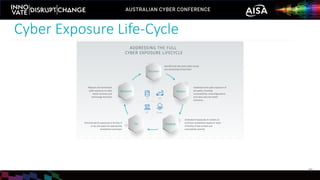
Cyber Exposure Life-Cycle
20
- Invest in Tooling & Processes
- Automate Repeatable Processes
Process / Procedure Changes
21
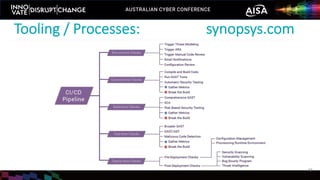
Tooling / Processes: synopsys.com
22
• SecDevOps – Process & Tooling automation providing early
detection/remediation of cyber exposure
• BDD / Gherkin – Functional / Behavioral Use-Cases
• Regular Code Deployments & smaller change sets
• Infra/App as Code - disposable infrastructure
Solution(s)
23
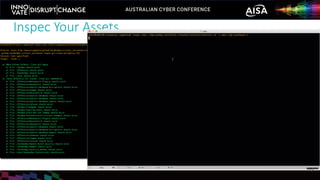
• Inspec – Configuration Mgmt. Verification
• BDD-Security – Behavioral Security Testing
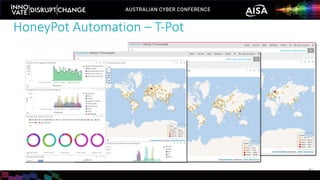
• T-Pot – HoneyPot sensors to monitor threat landscape
• Automation Breaks – Audit, Monitor, & fix it
Solution(s)
24
• Collaboration / Prioritization – eg. JIRA / Slack / SalesForce
• Invest in Research & Training by looking ahead
• Inspire Innovation, accept failure w/o judgement, & celebrate
success
Culture
25
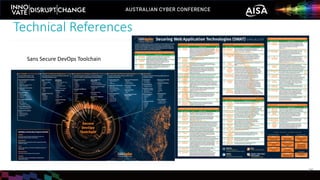
Technical References
26
Sans Secure DevOps Toolchain
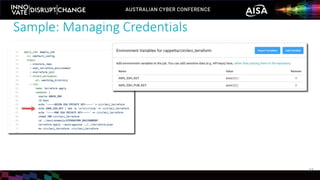
Sample: Managing Credentials
27
● Willingness to embrace failure in conquest of Excellence
● Enormous Appetites for Technical Expertise & Depth
● Willingness to empower innovation & invest in Research
● Ability to Influence the passion of employees
Culture
28
29
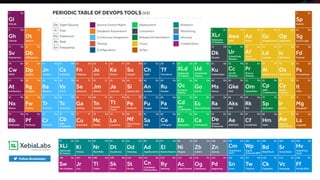
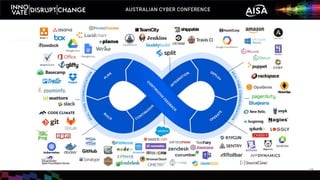
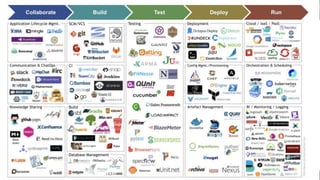
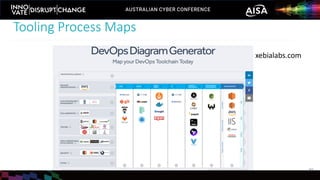
Tooling Process Maps
30
xebialabs.com
HoneyPot Automation – T-Pot
31
- Inspec
infrastructure
Inspec Your Assets
32
https://blog.chef.io/2018/05/23/automatically-generating-
inspec-controls-from-terraform/
https://lollyrock.com/articles/inspec-terraform/
https://learn.chef.io/modules/try-inspec#/
Chef marketplace
https://kitchen.ci/
Inspect your AWS Cloud
33
Personal Toolkit
34
https://github.com/cappetta/SecDevOps-Toolkit
https://github.com/cappetta/circleci_terraform

Embracing the Rise of SecDevOps

  • 1.
    Embracing the Riseof SecDevOps Tenable Research Engineers
  • 2.
    Embracing the Riseof SecDevOps Thomas Cappetta Tenable Research Vulnerability Research Engineer
  • 3.
    - Cyber Security,DevOps, Cloud Computing - CISSP - Constantly Studying DevOps & Offensive Security - Mentoring & Leadership • Active: 3yrs. Asst. Coaching Youth Sports (volunteer) • Previous: Identifying, Leading, & Mentoring Organizational Talent within SecOps & Engineering. • Previous: Eagle Scout About Cappetta 2
  • 4.
    ● ... aset of business methodologies, operational procedures, & cultural practices proven to increase security, improve software quality, improve release frequency, & provide immediate insight into organizational exposures… SecDevOps Defined 3
  • 5.
    “According to Stateof DevOps Reports by Puppet… ” High-Performing organizations which implement DevOps practices: • Deploy code 30 times more frequently • Have 50 percent fewer failures • Automated: • 33 % more of their configuration management • 27 % more of their testing • 30 % more of their deployments • 27 % more of their change approval processes Benefits 5
  • 6.
  • 7.
  • 8.
    Goal: § Disposable infrastructure §Automated Application Deployments § Continuous Patch Updates § Automated Release Testing § Autonomous Customer Service § Great Organizational Culture Best Practices 8
  • 9.
  • 10.
    ● “a medianof five days to gain access to a functioning exploit. In contrast, we learned, defenders take a median 12 days to assess for a vulnerability.” – Tenable Research ● “According to WhiteHat Security stats, the average time to fix a website vulnerability after it has been reported is 150-180 days.” – Tenable Research 2015 Barriers To Success – Tenable Research 10
  • 11.
    ● EdgeScan- ● Layer7 - Average time to close a discovered vulnerability is 67 Days ● Layer Network - Average time to close a discovered vulnerability is 62 Days ● Denim Group ● A 2013 industry study from White Hat Security revealed that the “Mean Time to Fix” for web application flaws categorized as “serious” averaged 193 days across all industries. ● In the same study, for one industry (Education) the figure jumped to 342 days of exposure Barriers To Success – Exposure Remediation 11
  • 12.
    ● “The mostcommon code vulnerability evident in static security testing during the software development process is Unpatched Libraries” - WhiteHatSec • Cyber Security is often viewed as an expense • Regular Code Deployments require Smaller Feature branches • Retrofitting Tooling into Pre-existing Monolithic Applications Barriers To Success – Generic 12
  • 13.
    • Changes don’tmeet expectations • Insecure Configurations • Unknown Assets & Exposures • Complex business workflows & Technical Debt Barriers To Success - Generic 13
  • 14.
    • Automating thewrong things first • Continuous Delivery != Continuous Deployment • Lack of Metrics • Stale Test Automation • So Many Tools… Barriers To Success - DevOps 14
  • 15.
  • 16.
    Branching - Simplified vs. Complex Featuresvs. Epics Barriers to Success – Git Workflow 16
  • 17.
    • Constantly EvolvingExposures • Unknown External / Environmental Threats • Compartmentalized Organizations • Remediation Delay • Zero-Days • Constantly Evolving Tooling Barriers To Success – Threat Landscape 17
  • 18.
  • 19.
  • 20.
  • 21.
    - Invest inTooling & Processes - Automate Repeatable Processes Process / Procedure Changes 21
  • 22.
    Tooling / Processes:synopsys.com 22
  • 23.
    • SecDevOps –Process & Tooling automation providing early detection/remediation of cyber exposure • BDD / Gherkin – Functional / Behavioral Use-Cases • Regular Code Deployments & smaller change sets • Infra/App as Code - disposable infrastructure Solution(s) 23
  • 24.
    • Inspec –Configuration Mgmt. Verification • BDD-Security – Behavioral Security Testing • T-Pot – HoneyPot sensors to monitor threat landscape • Automation Breaks – Audit, Monitor, & fix it Solution(s) 24
  • 25.
    • Collaboration /Prioritization – eg. JIRA / Slack / SalesForce • Invest in Research & Training by looking ahead • Inspire Innovation, accept failure w/o judgement, & celebrate success Culture 25
  • 26.
  • 27.
  • 28.
    ● Willingness toembrace failure in conquest of Excellence ● Enormous Appetites for Technical Expertise & Depth ● Willingness to empower innovation & invest in Research ● Ability to Influence the passion of employees Culture 28
  • 29.
  • 30.
  • 31.
  • 32.
  • 33.
  • 34.