Moodle + Web2.0 + SoftChalk =Engaging Online Course DesignDr. Rhonda FicekProfessorDirector of Instructional Technology ServicesMinnesota State University Moorhead
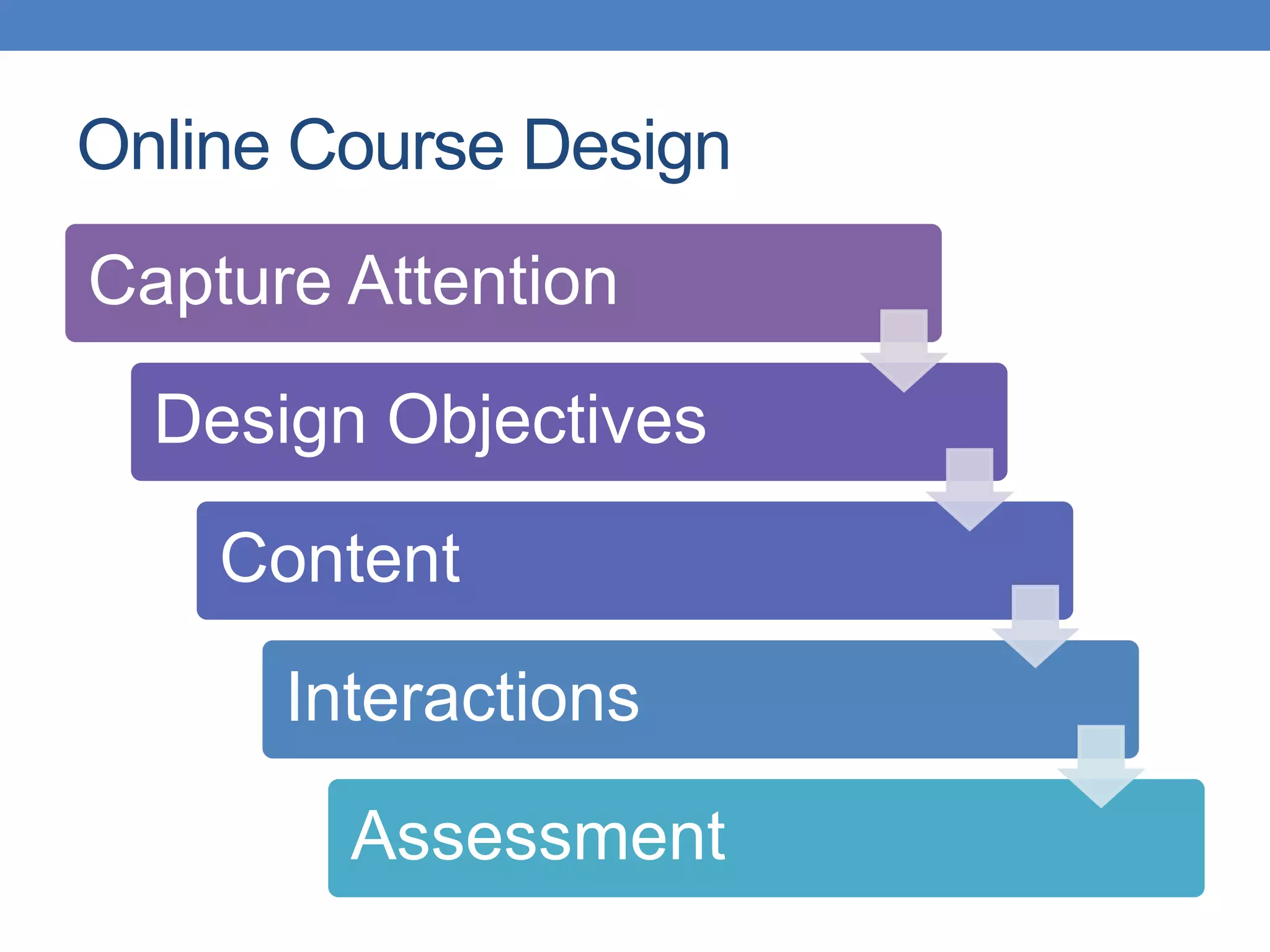
Online Course Design
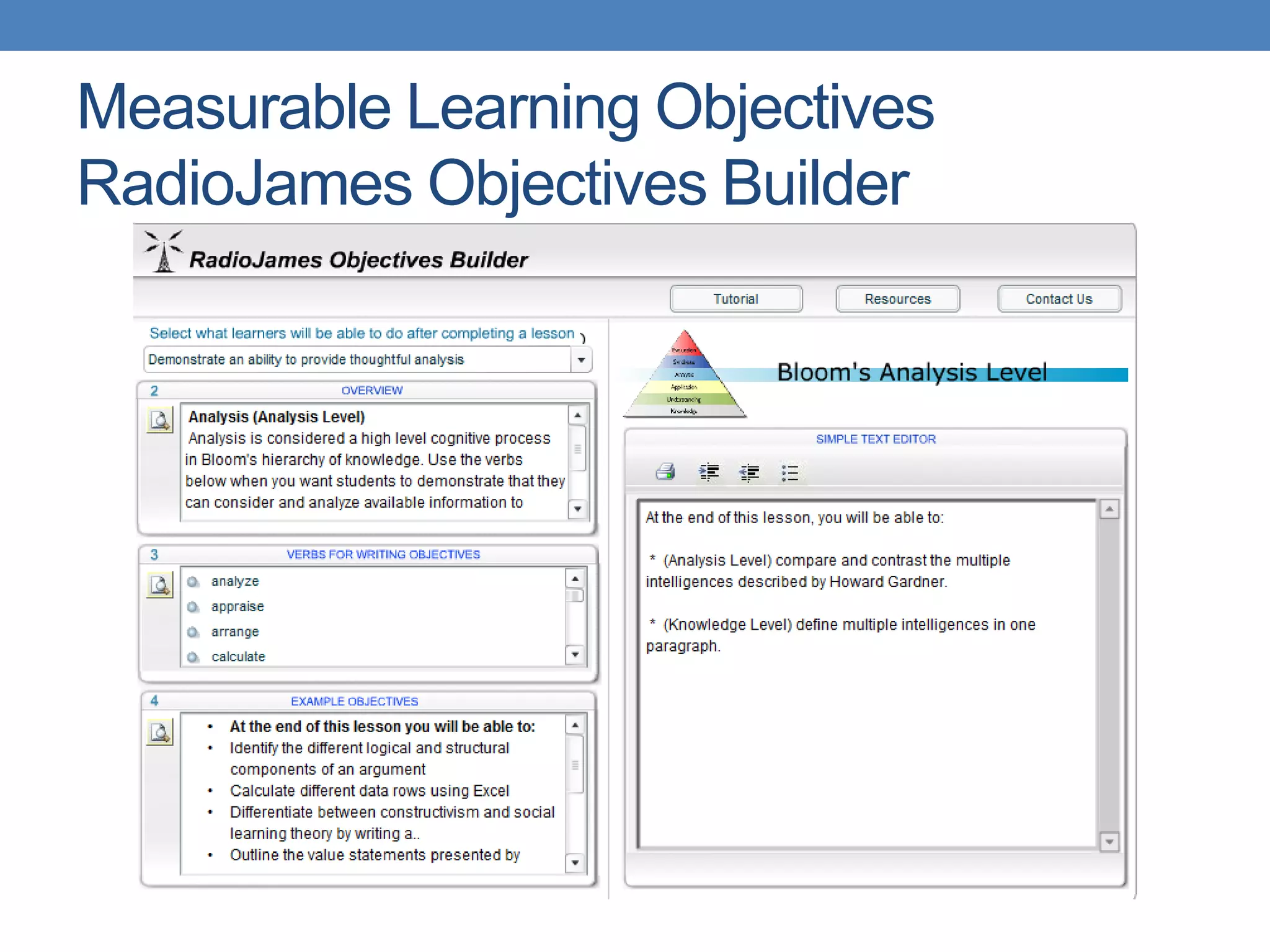
Measurable Learning ObjectivesRadioJames Objectives Builder
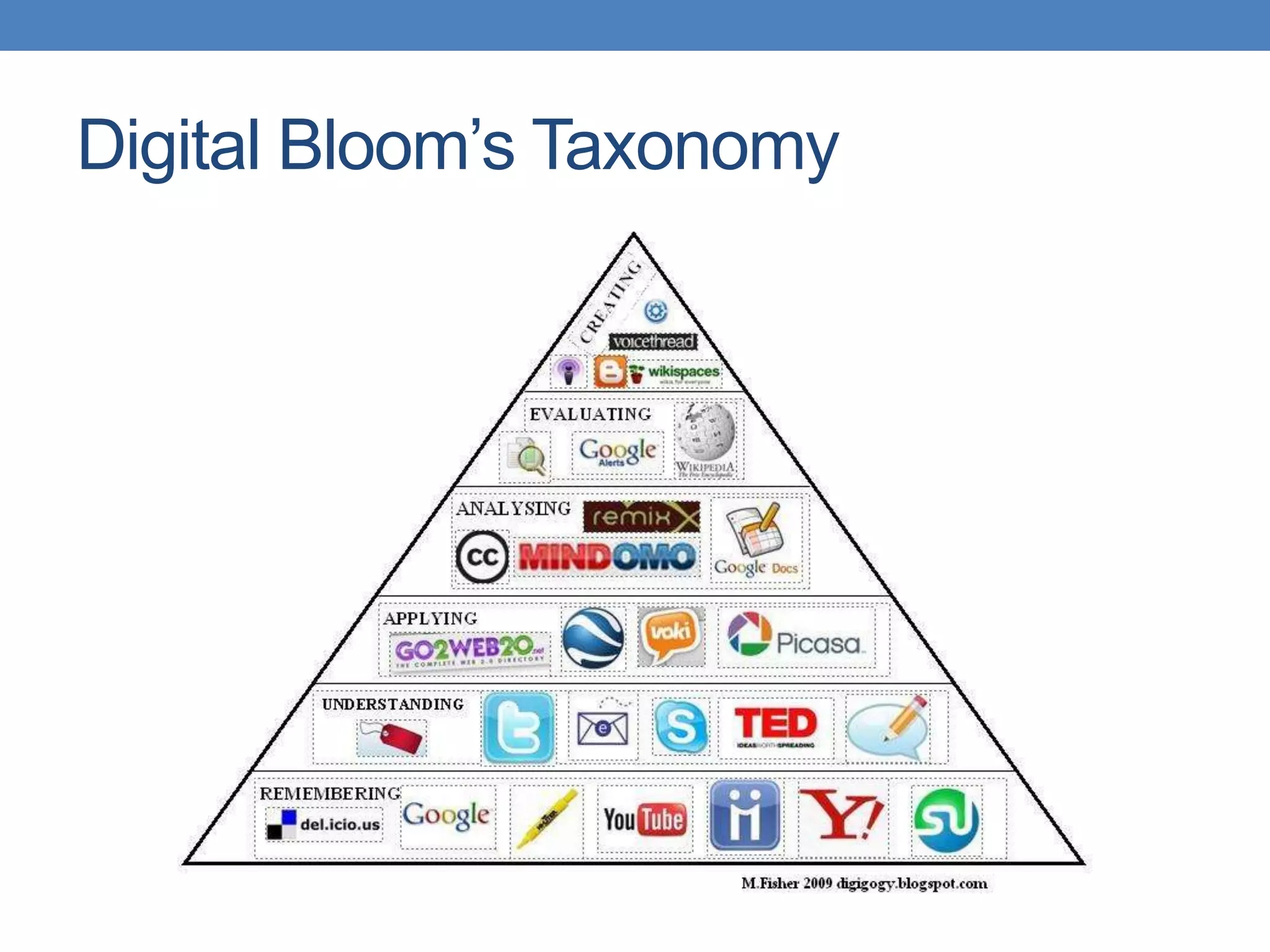
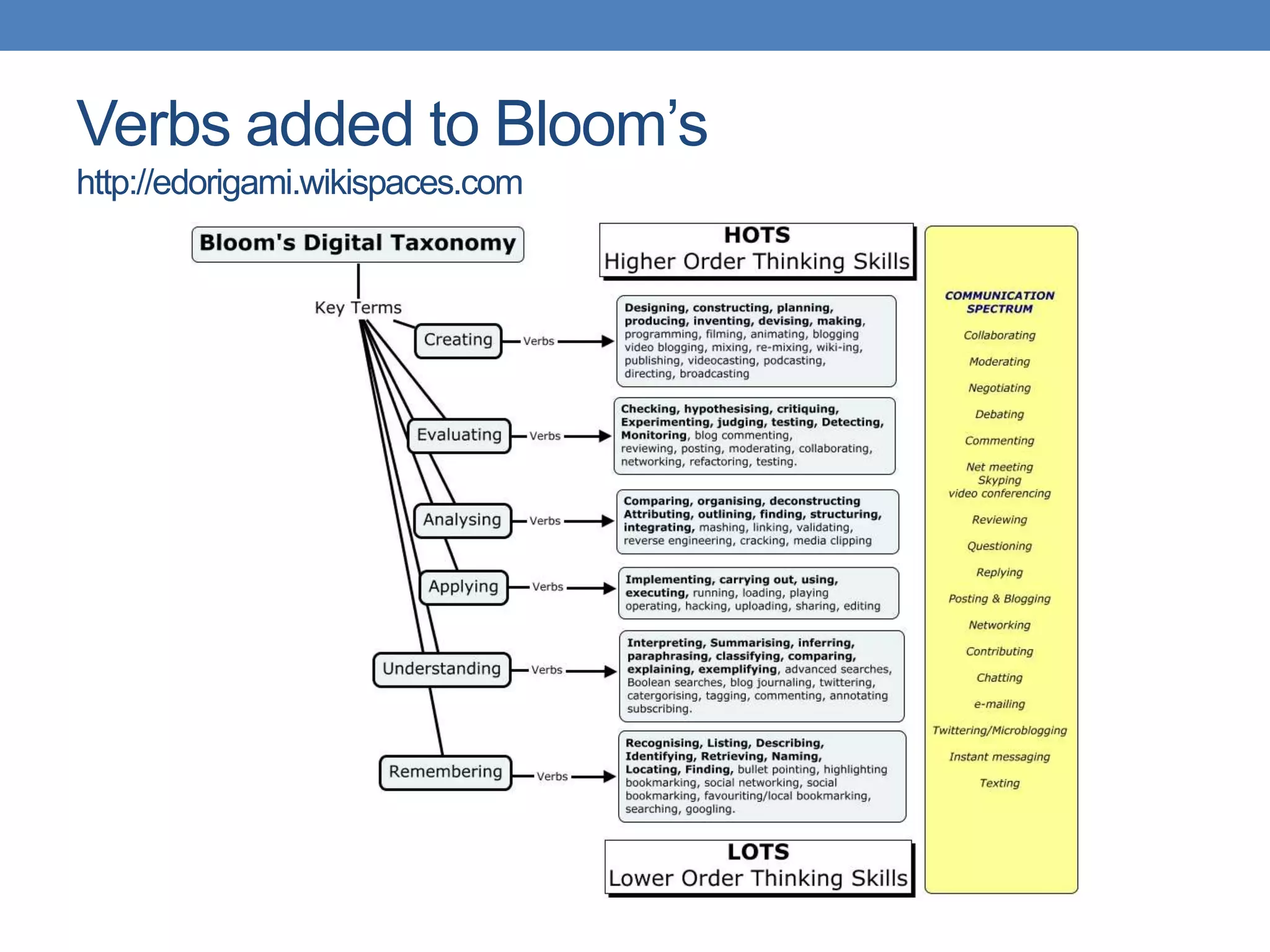
Digital Bloom’s Taxonomy
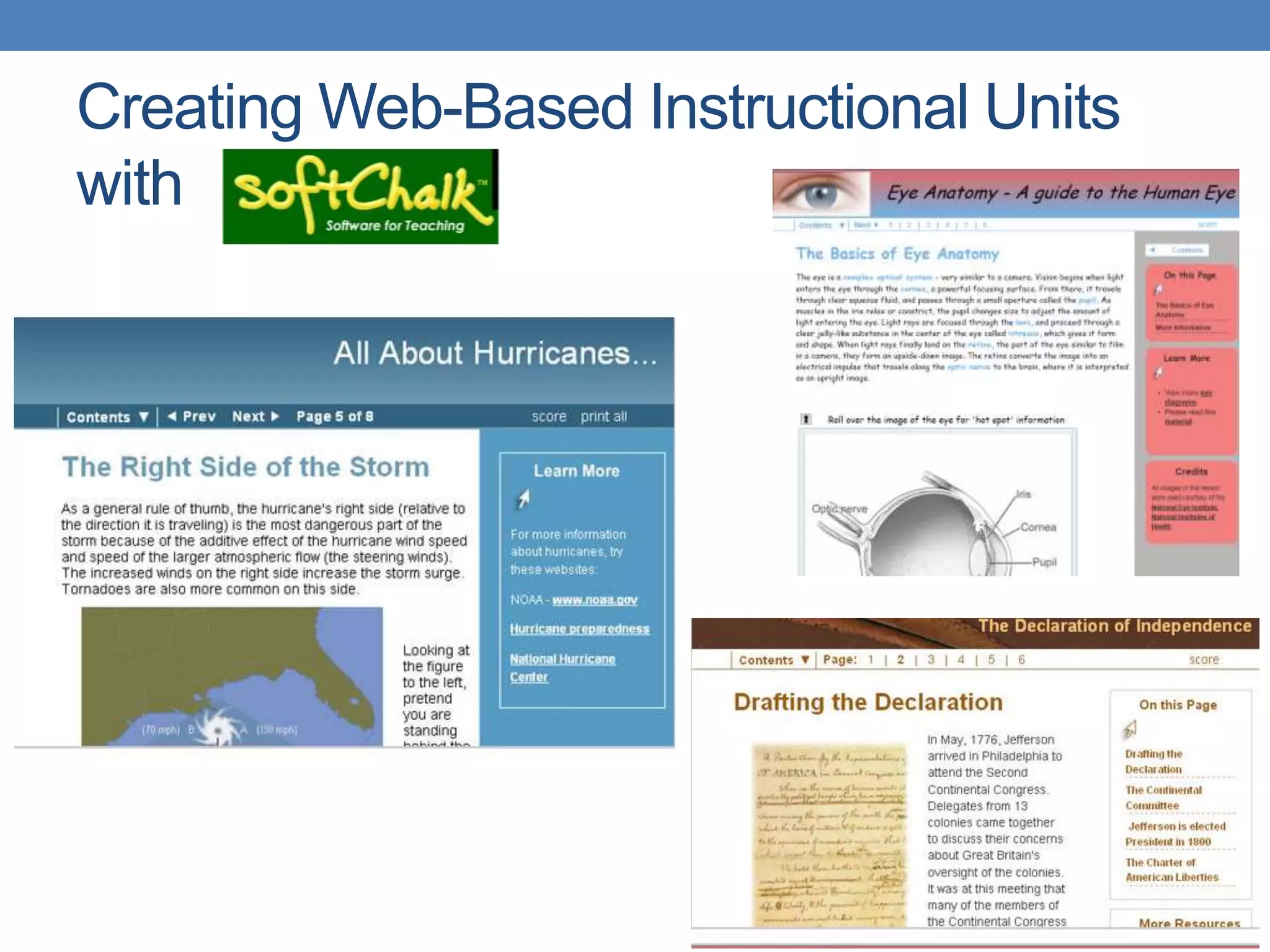
Creating Web-Based Instructional Unitswith
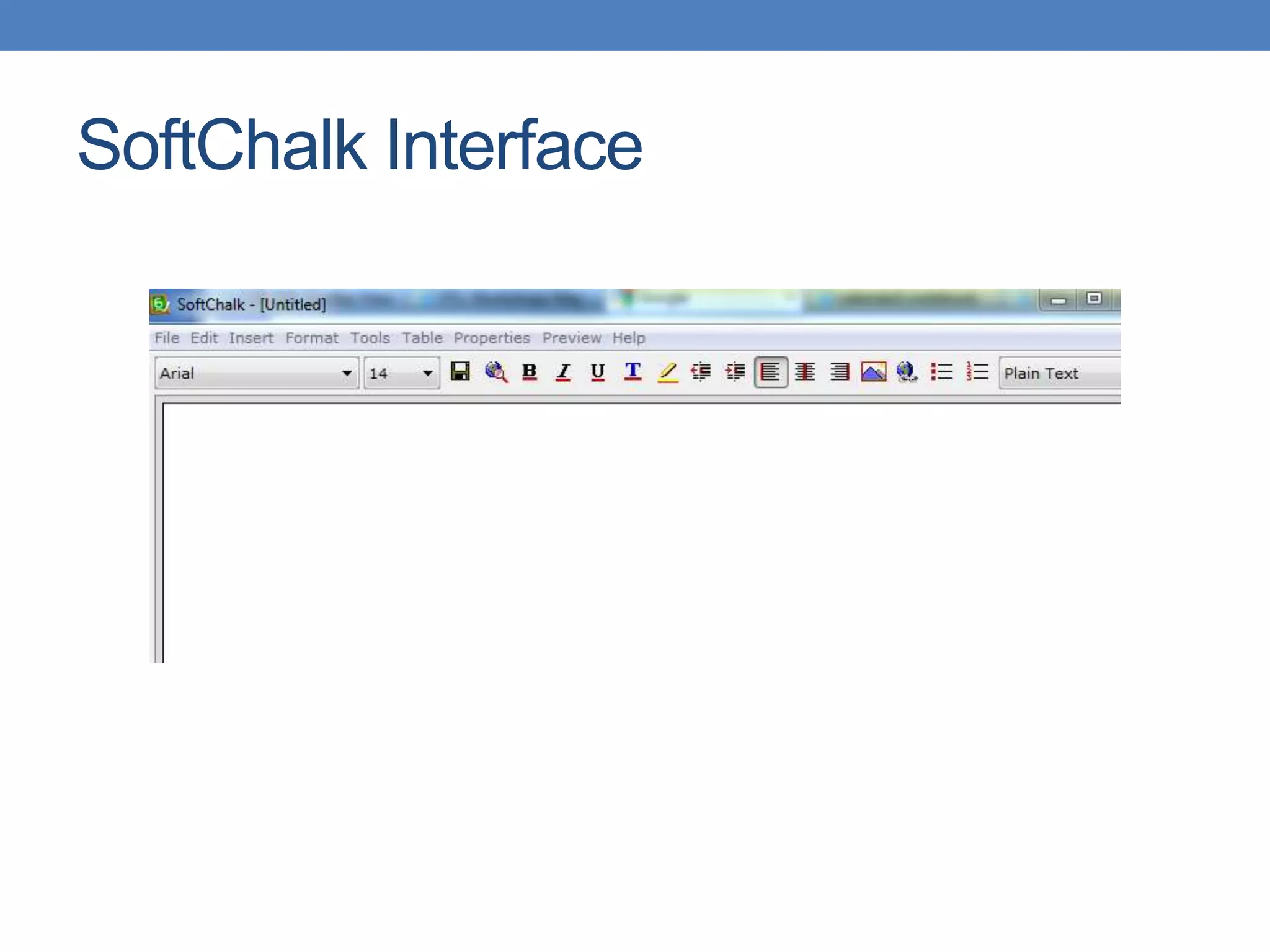
SoftChalk Interface
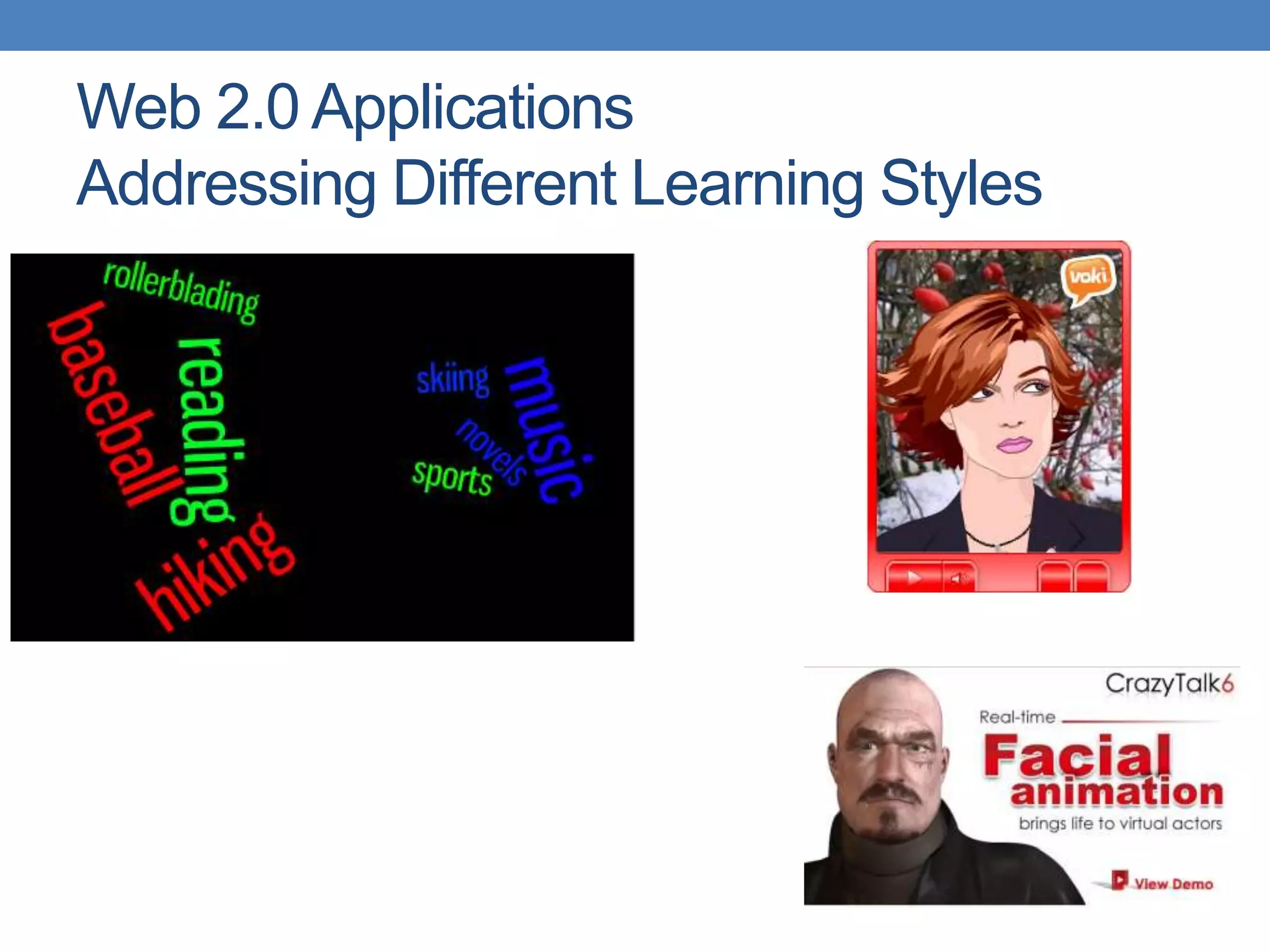
Web 2.0 ApplicationsAddressing Different Learning Styles
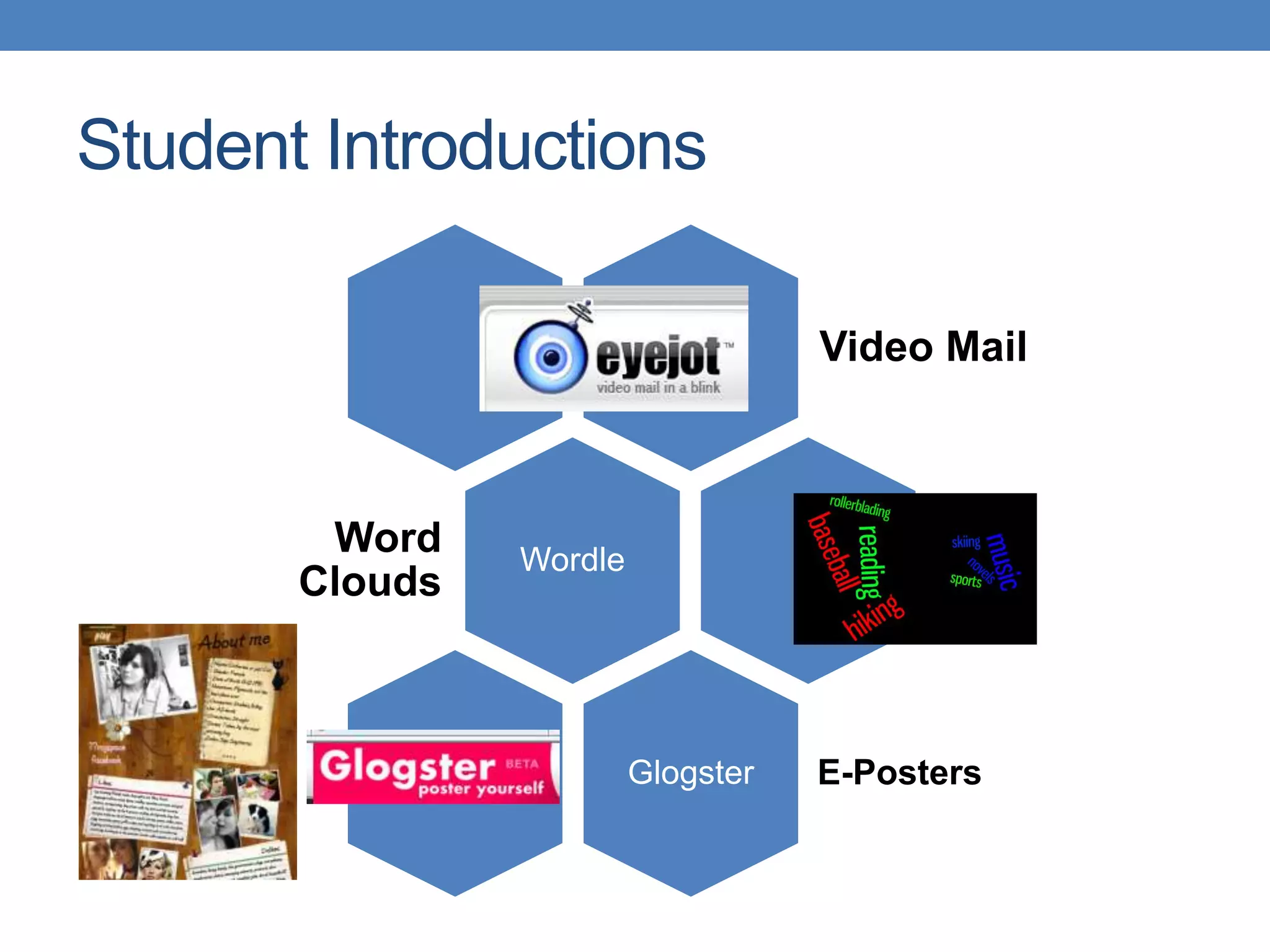
Student Introductions
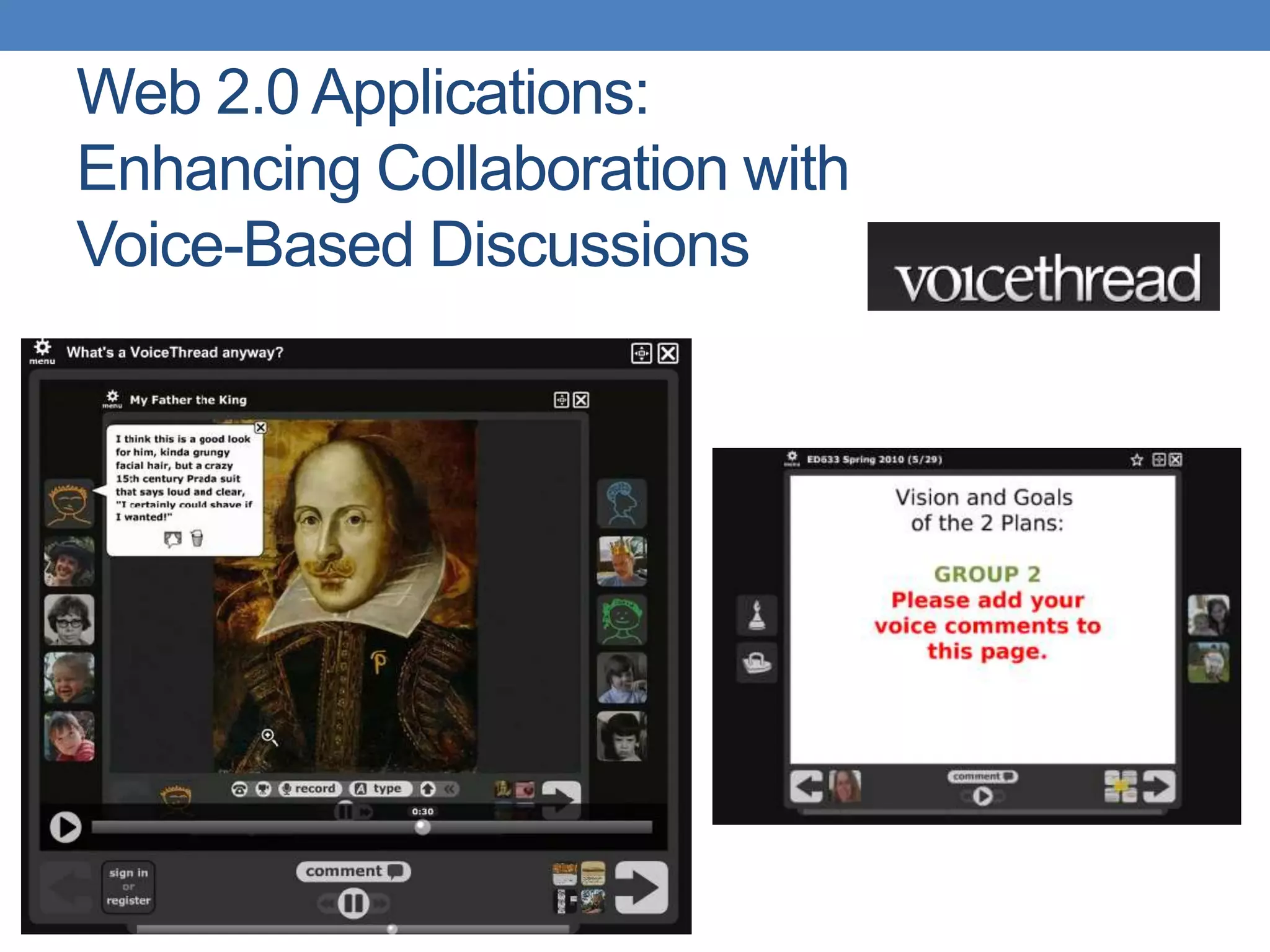
Web 2.0 Applications: Enhancing Collaboration with Voice-Based Discussions
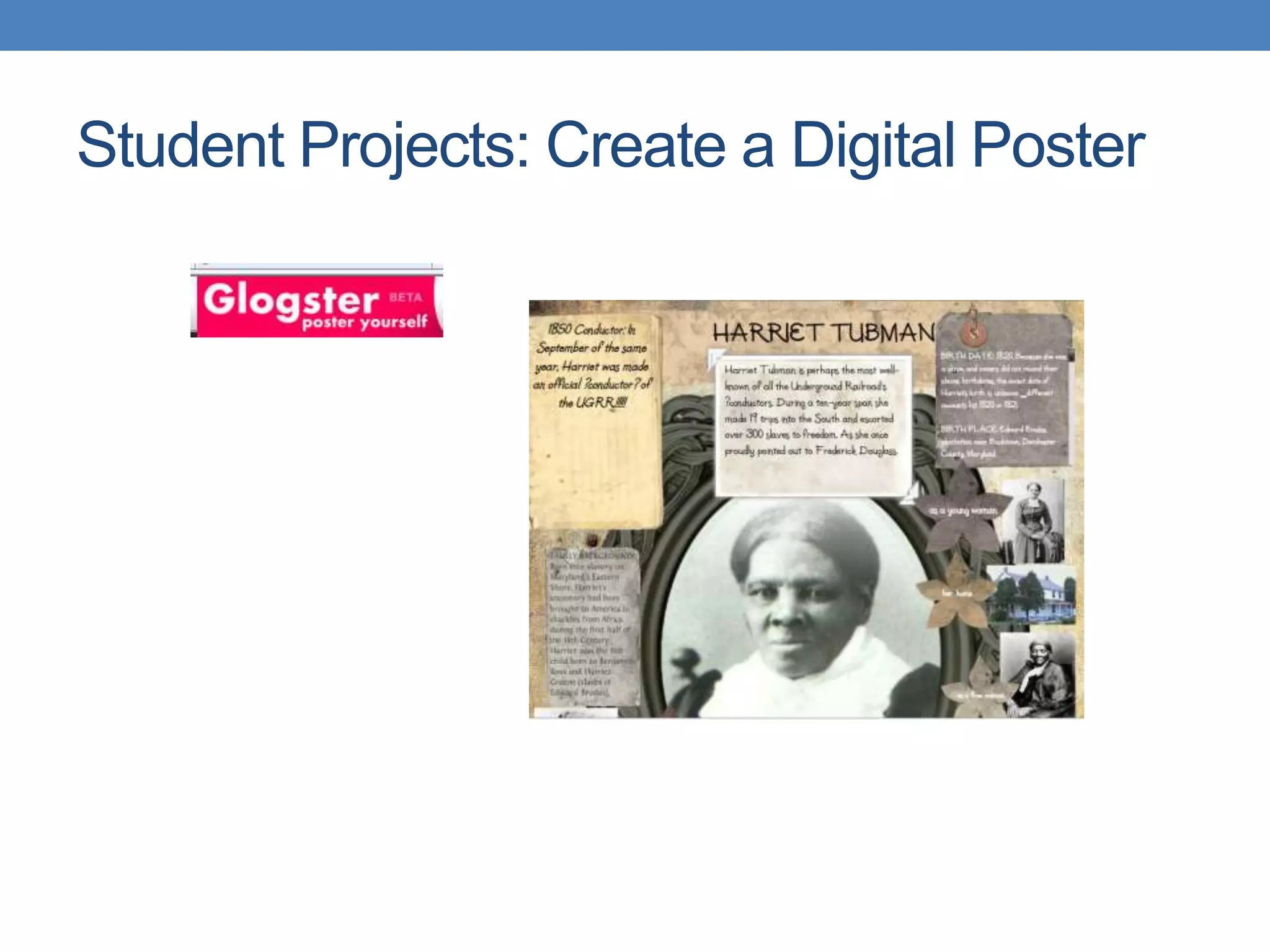
Student Projects: Create a Digital Poster
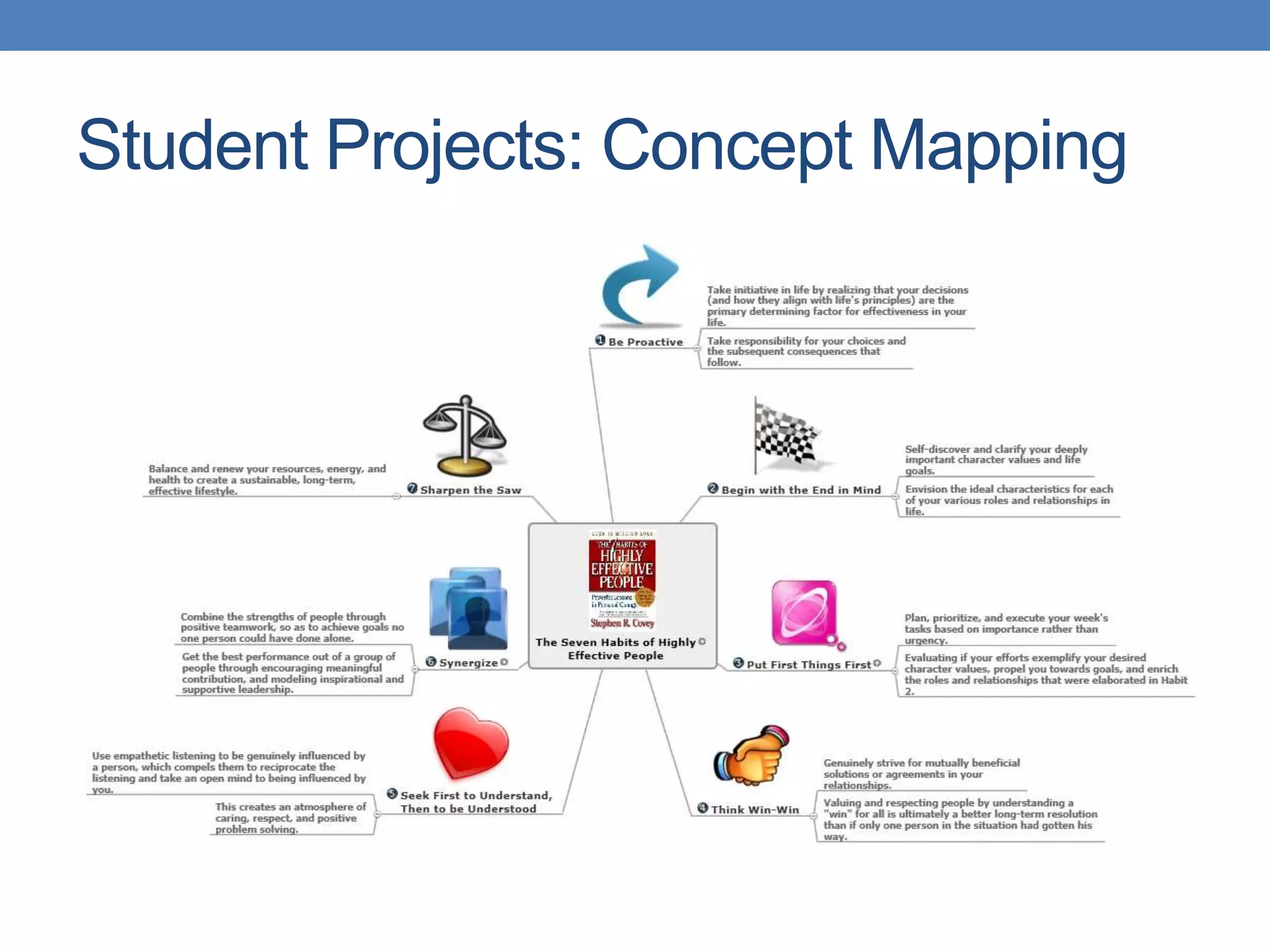
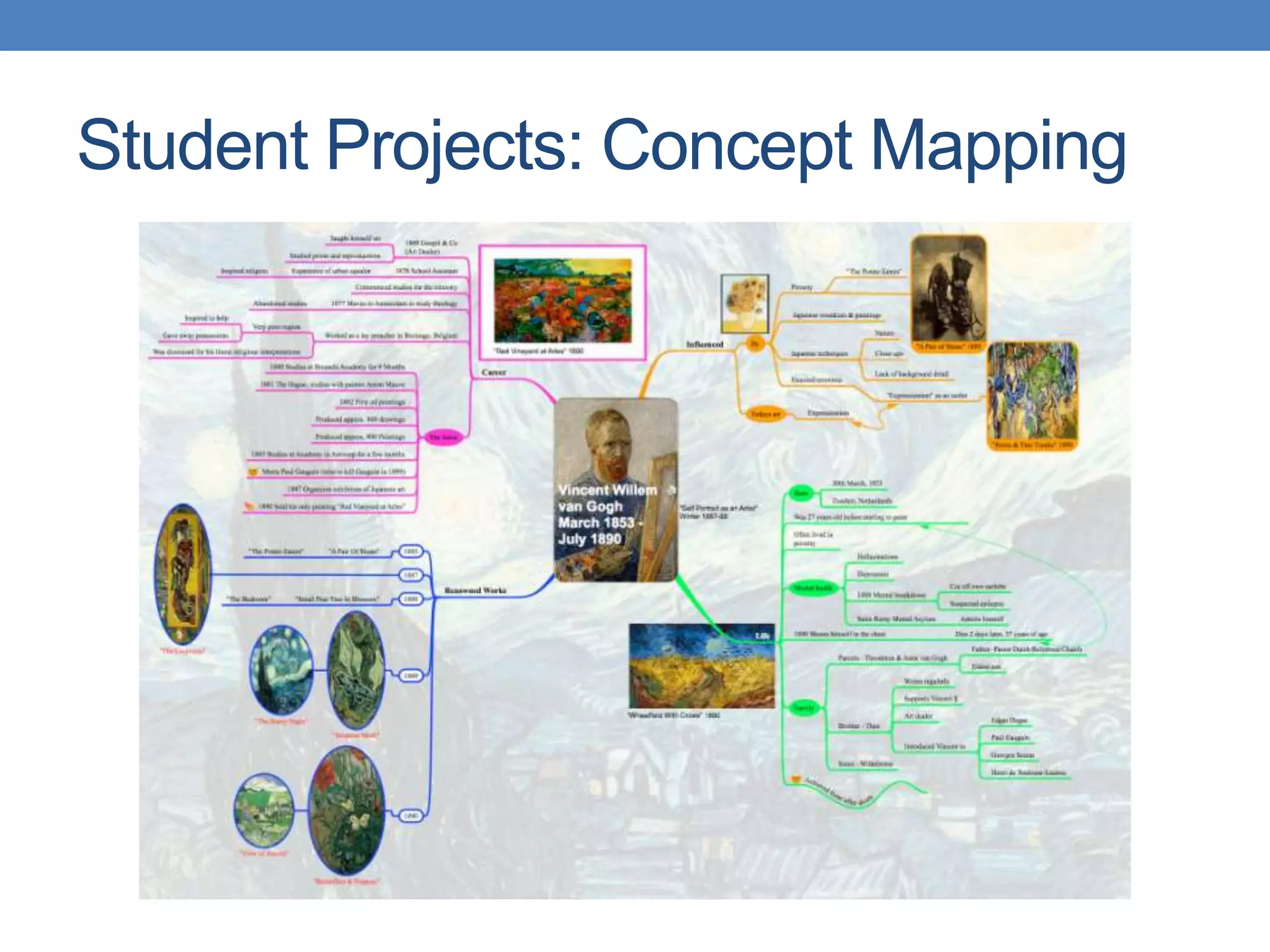
Student Projects: Concept Mapping
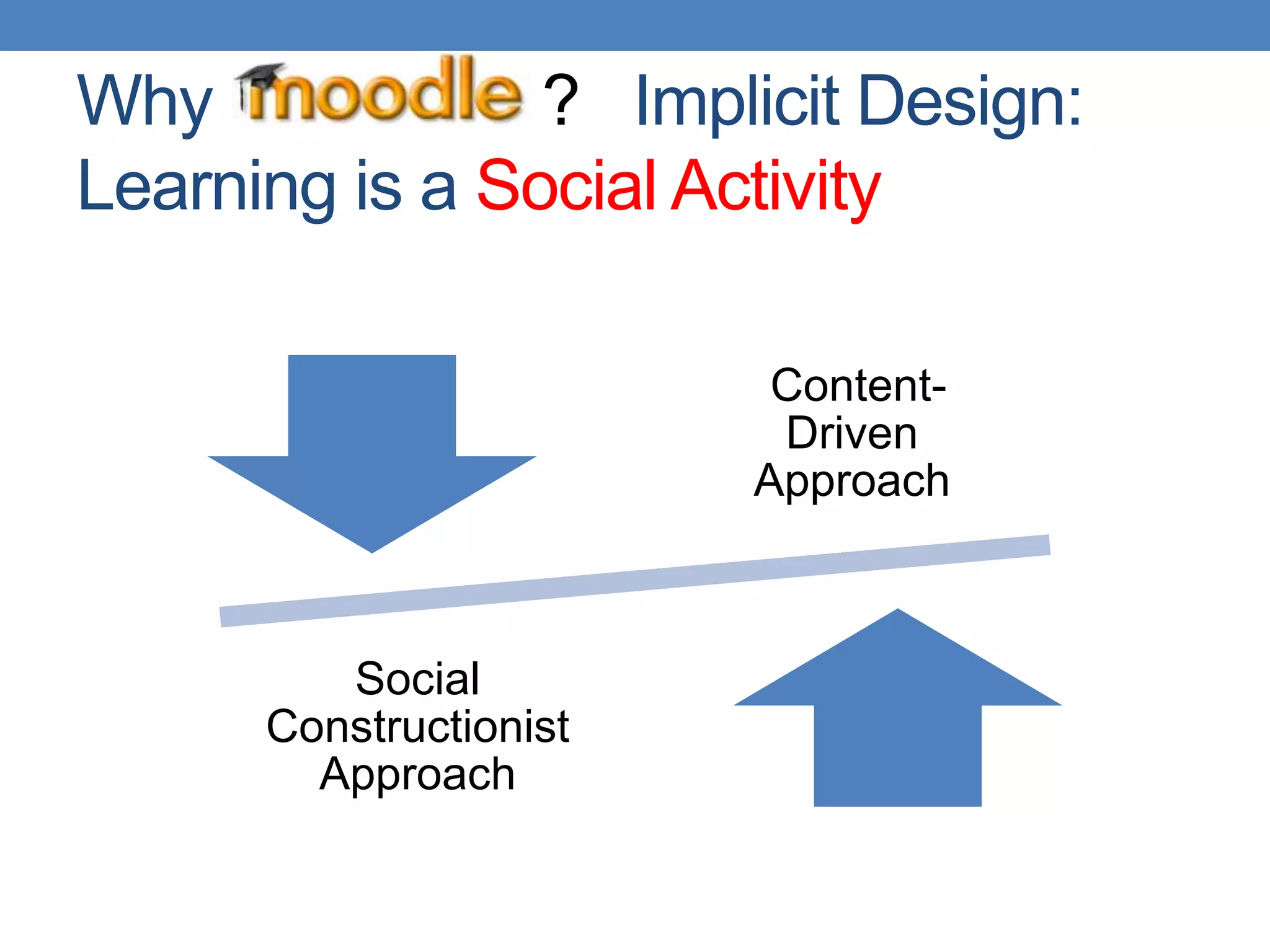
Why Moodle?  ?   Implicit Design:Learning is a Social Activity
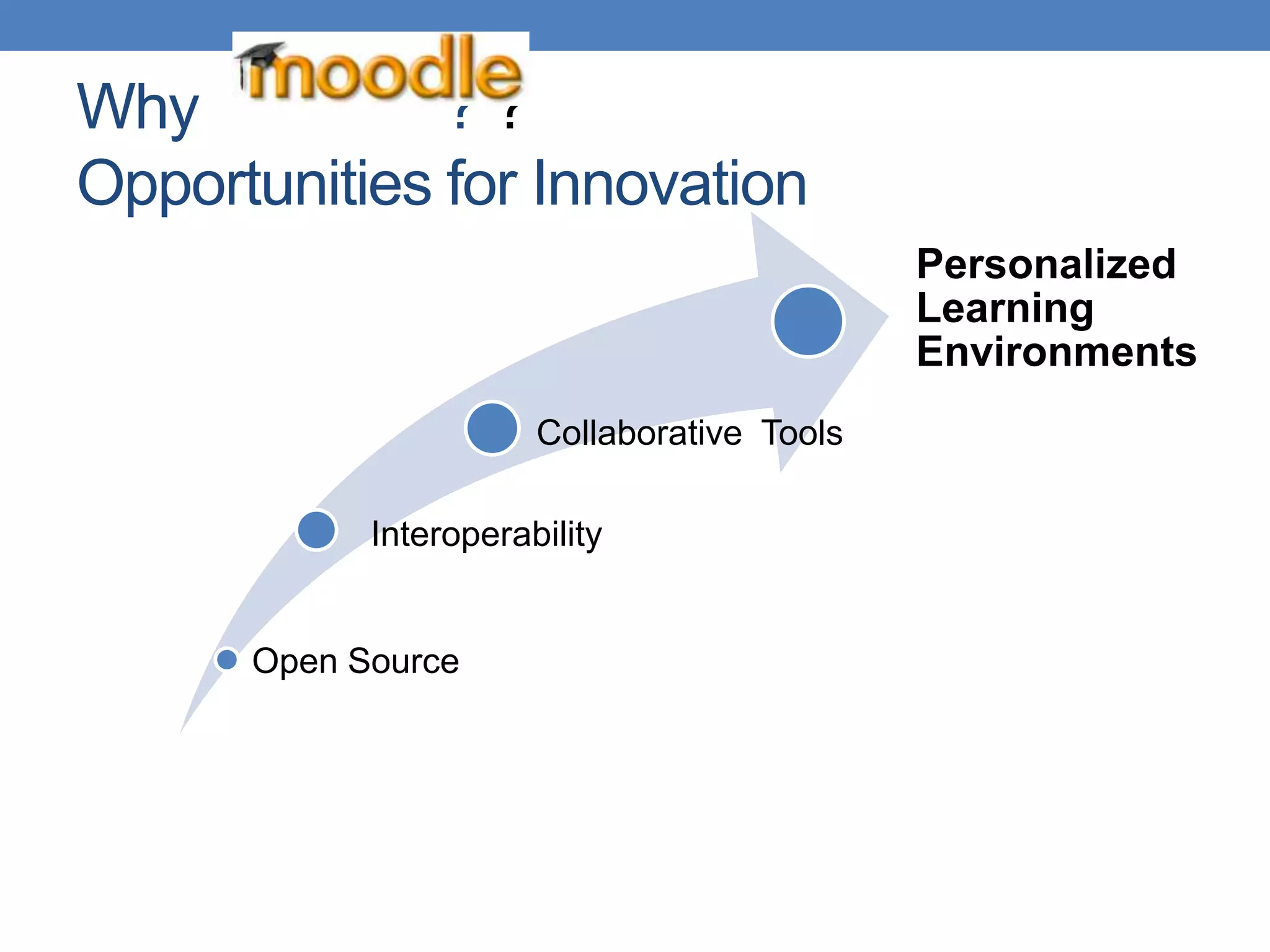
Why Moodle  ? ?Opportunities for Innovation
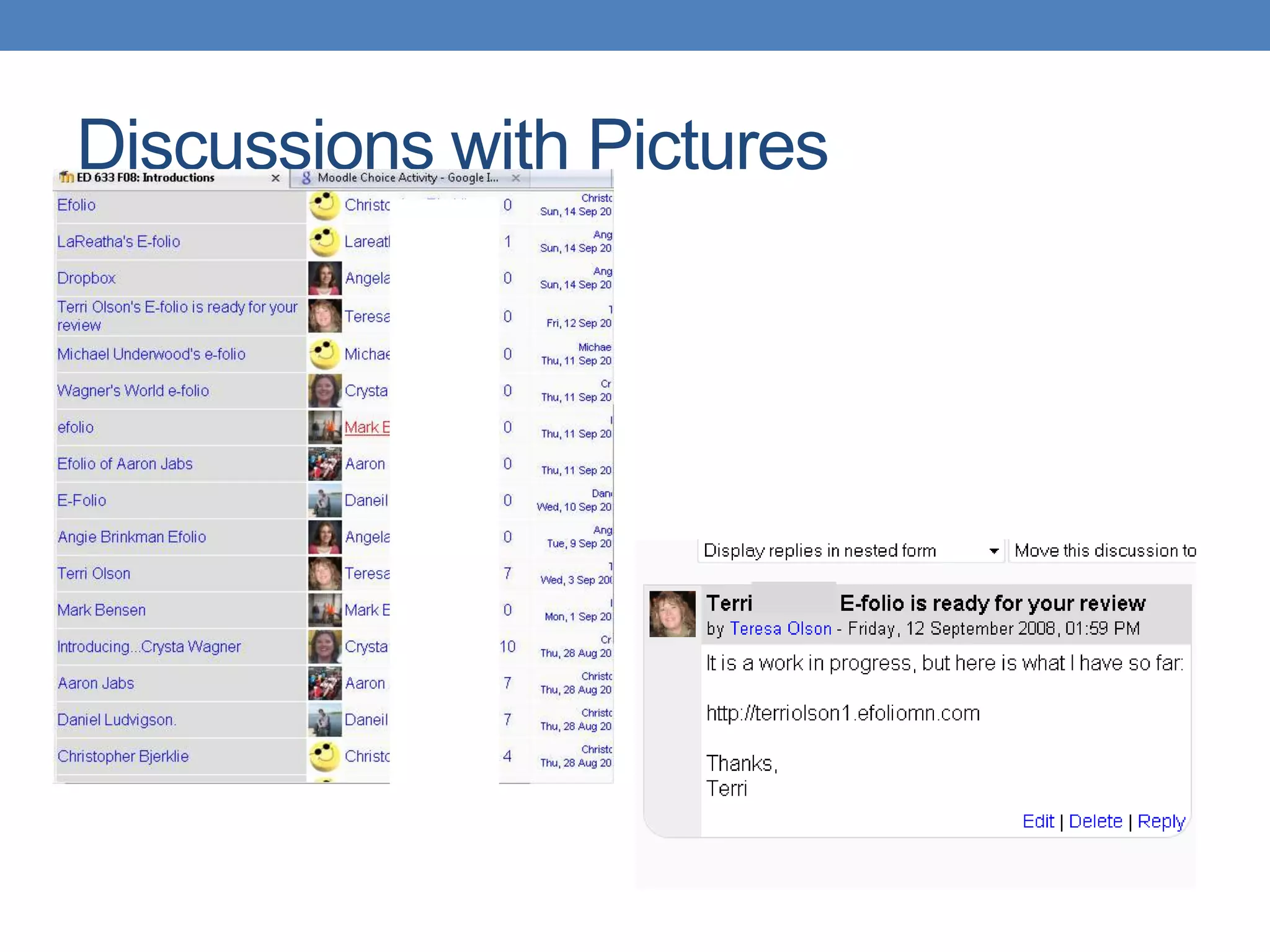
Discussions with Pictures
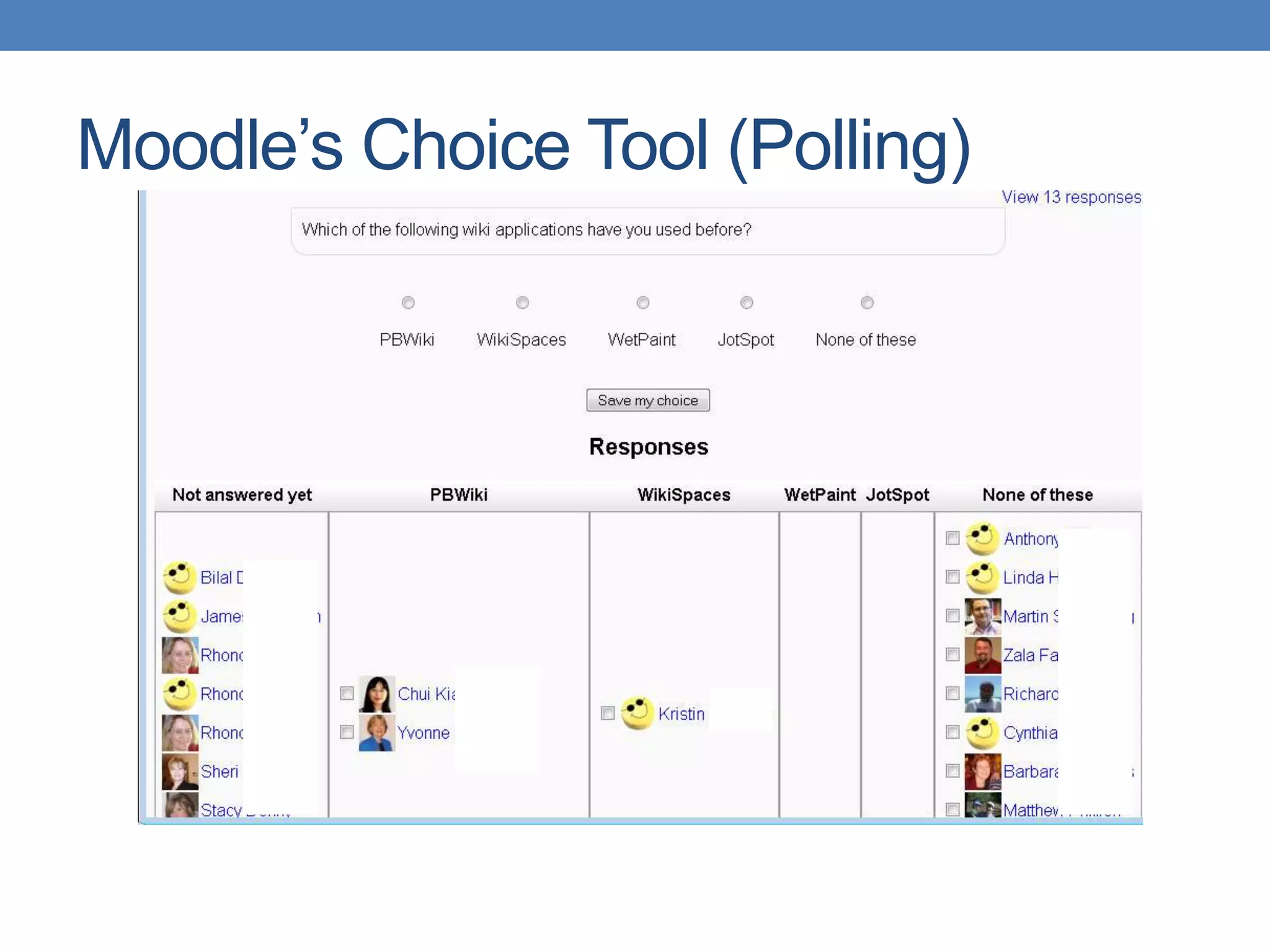
Moodle’s Choice Tool (Polling)
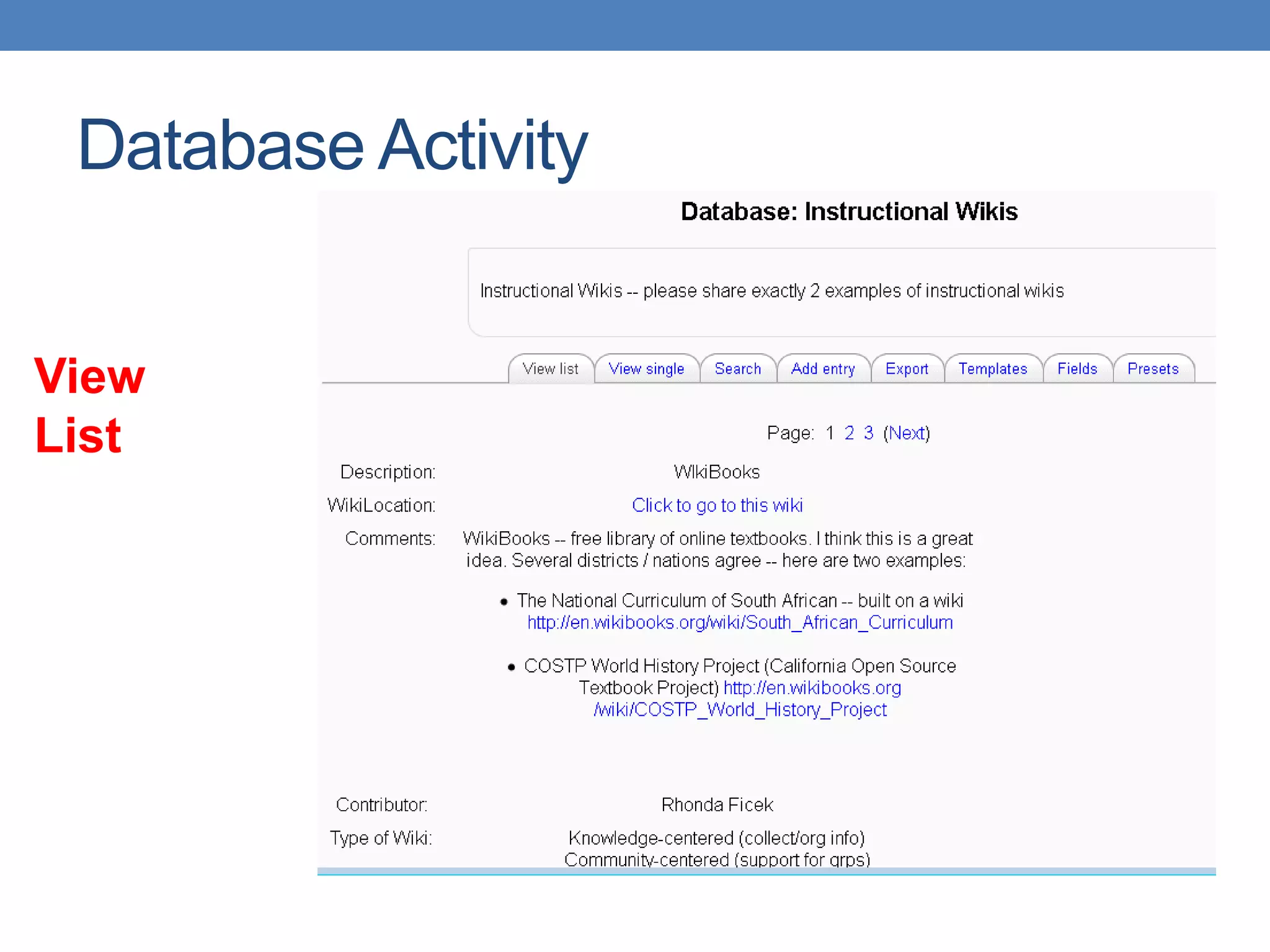
Database ActivityView List
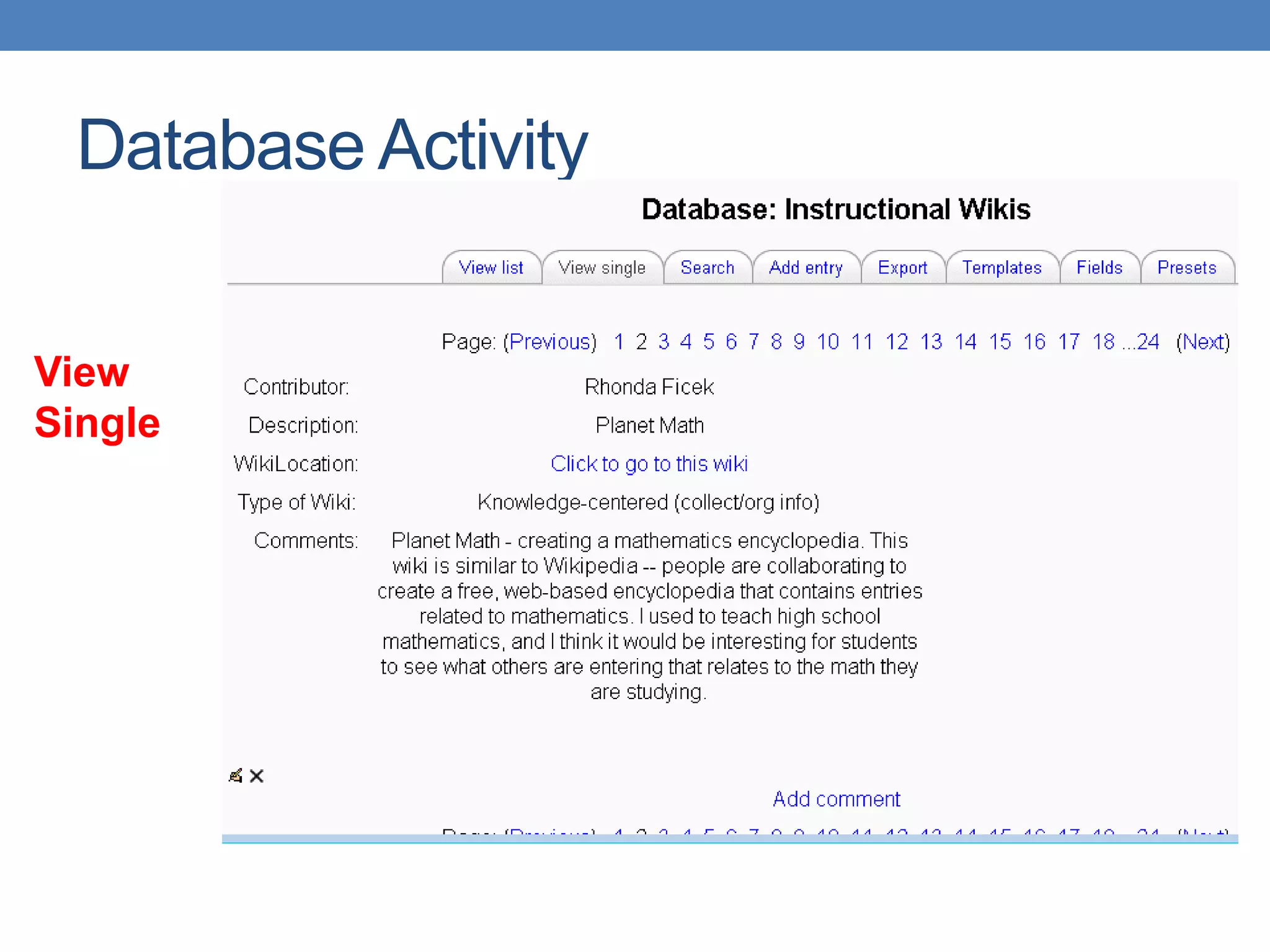
Database ActivityView Single
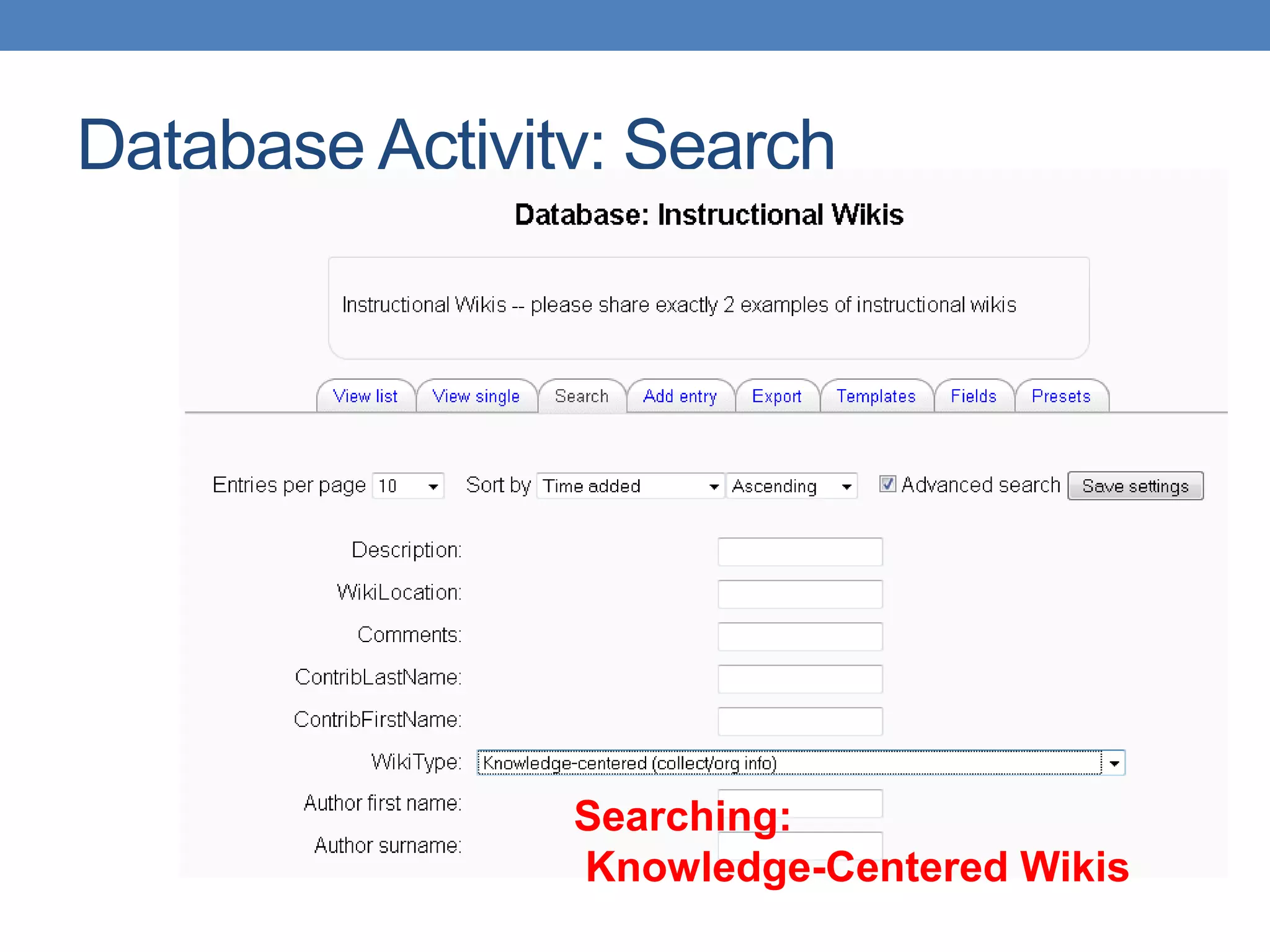
Database Activity: SearchSearching: Knowledge-Centered Wikis
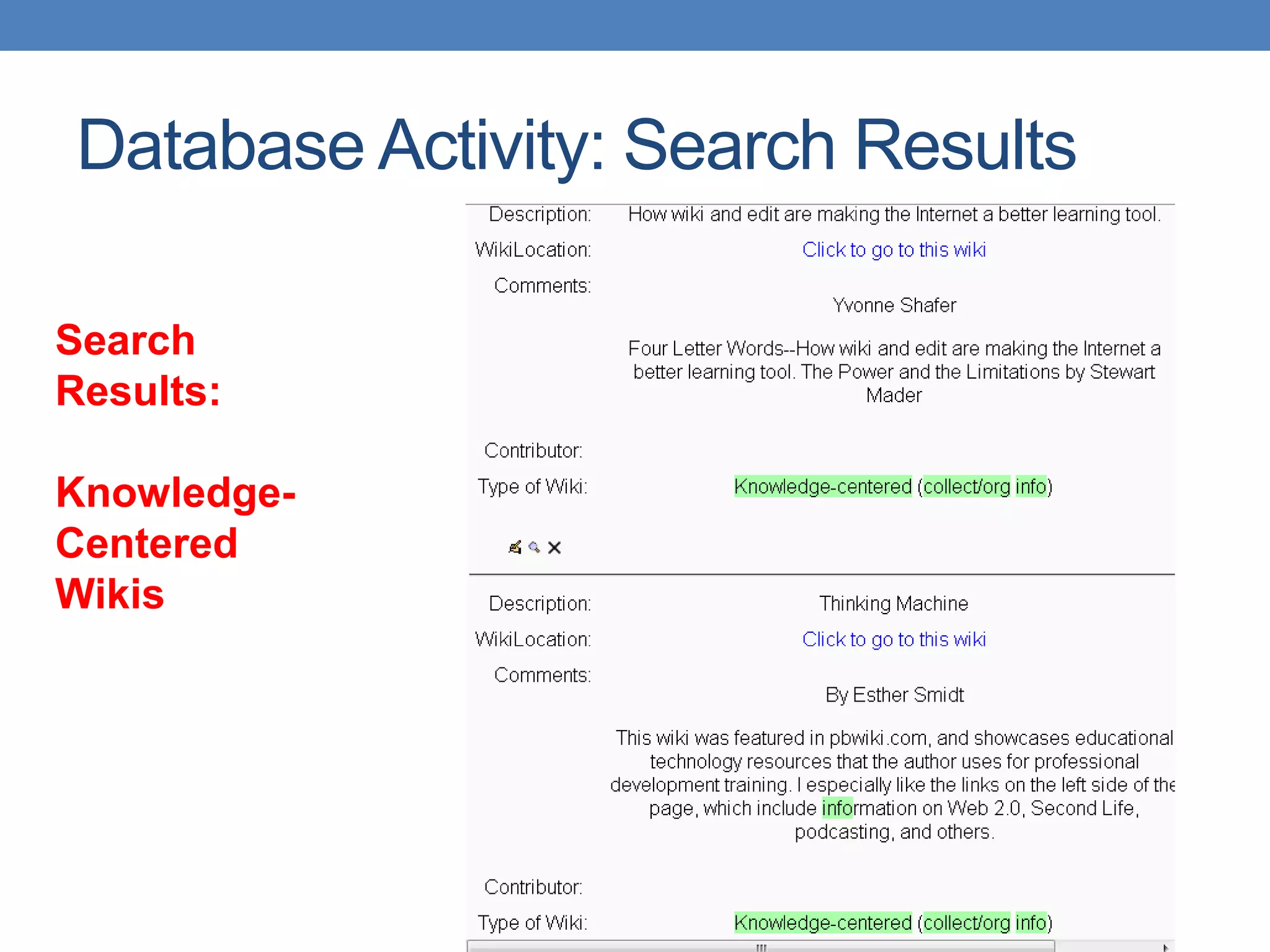
Database Activity: Search ResultsSearch Results: Knowledge-Centered Wikis
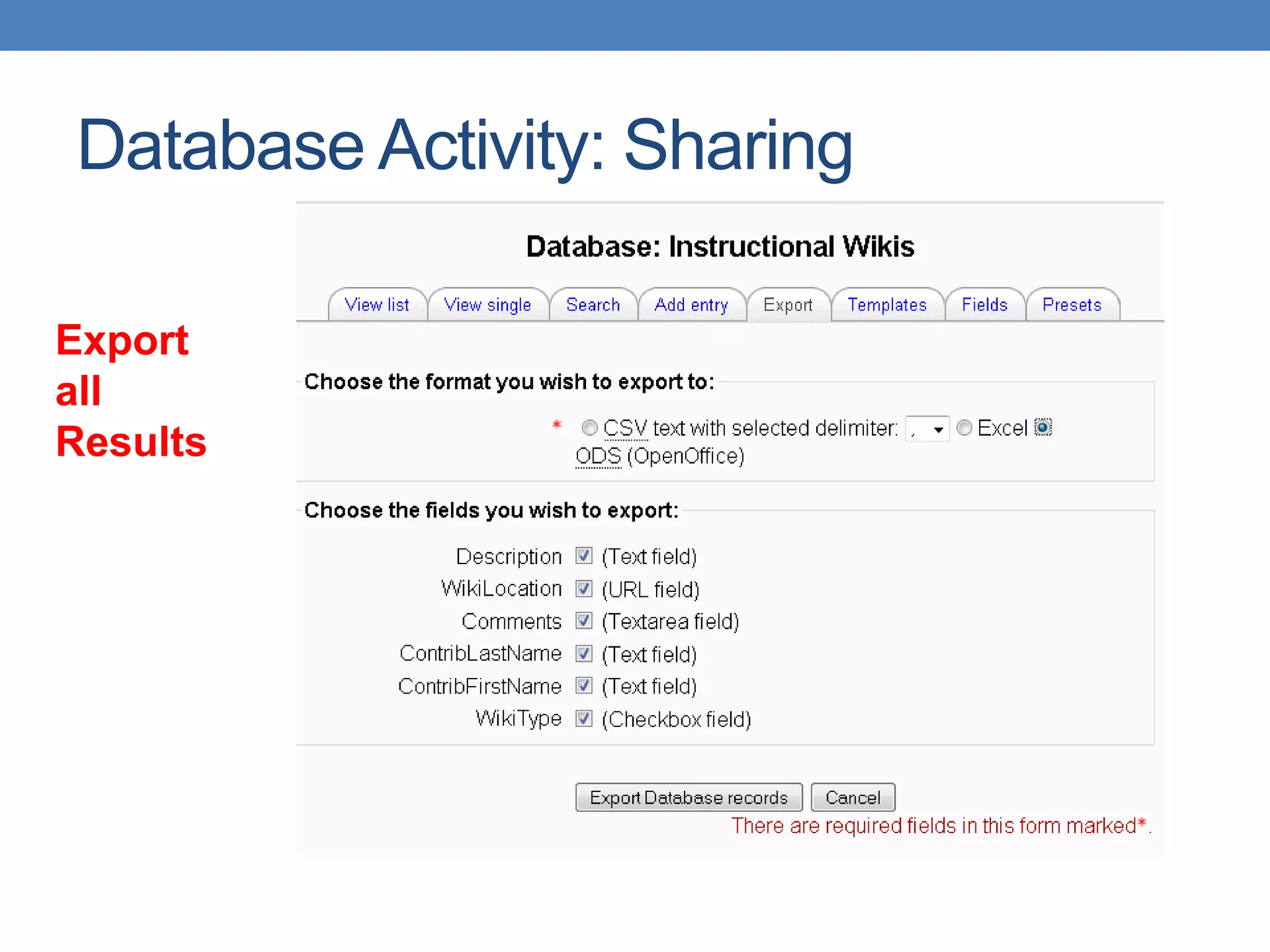
Database Activity: Sharing Export all Results
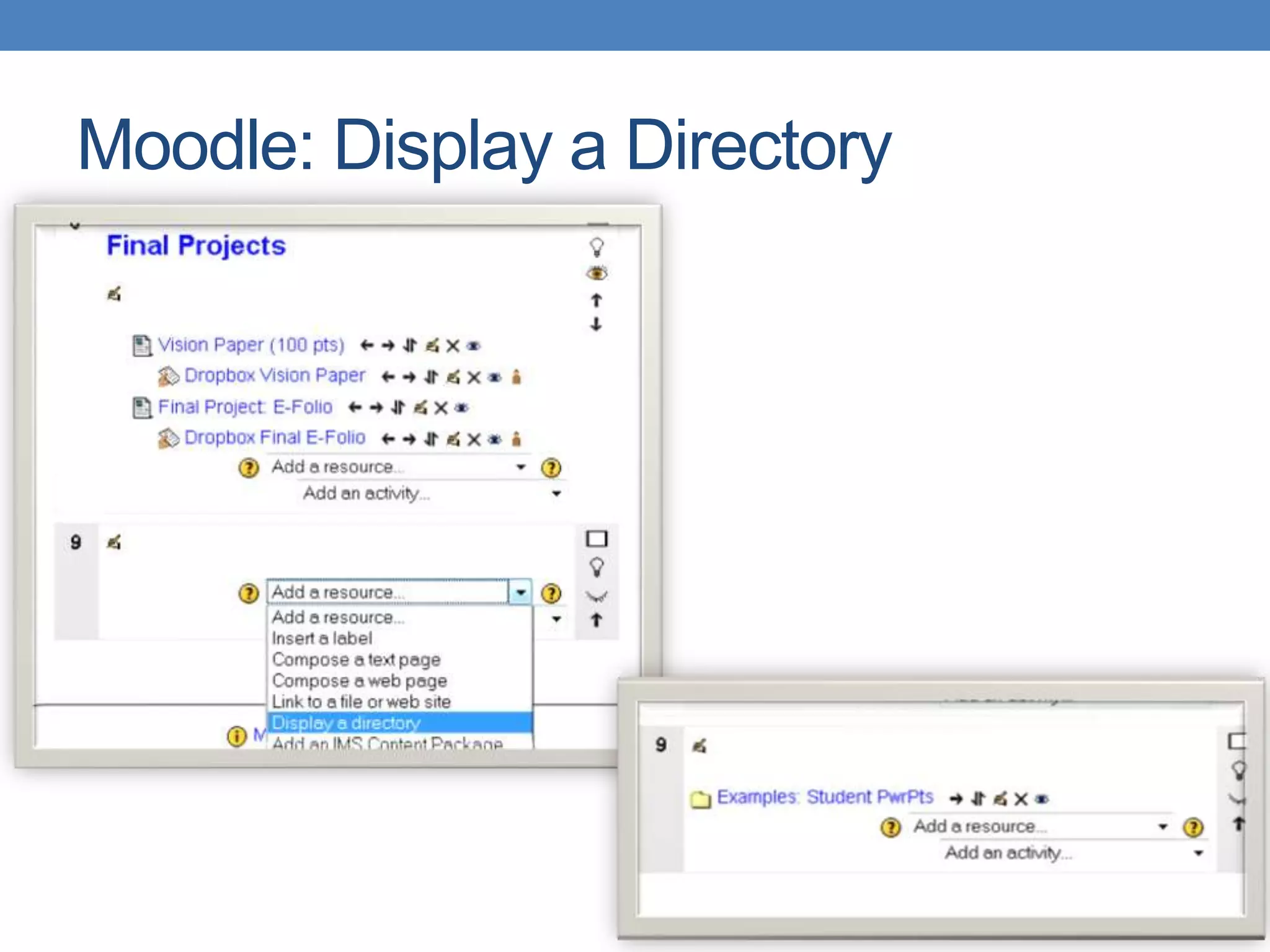
Moodle: Display a Directory
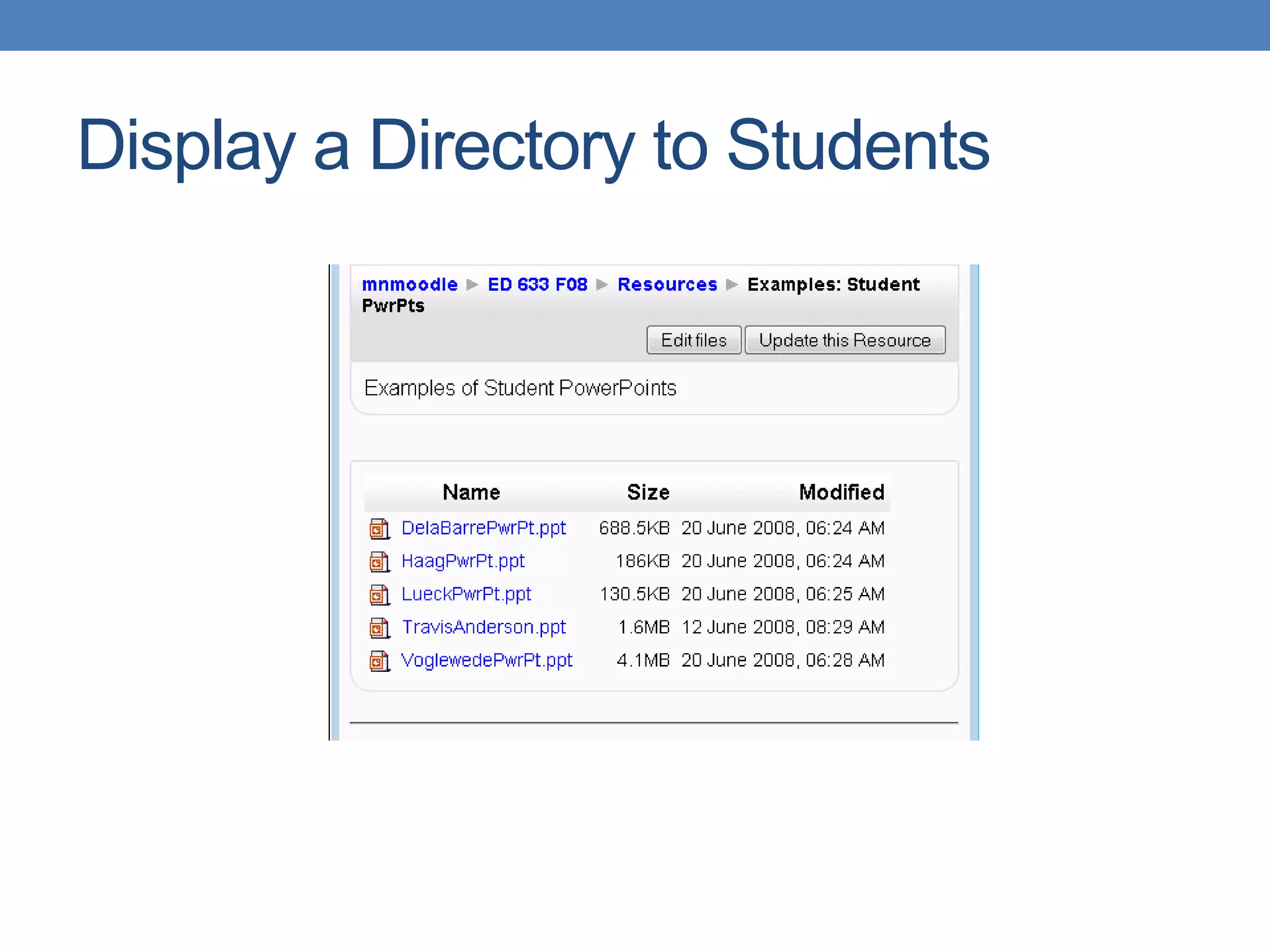
Display a Directory to Students
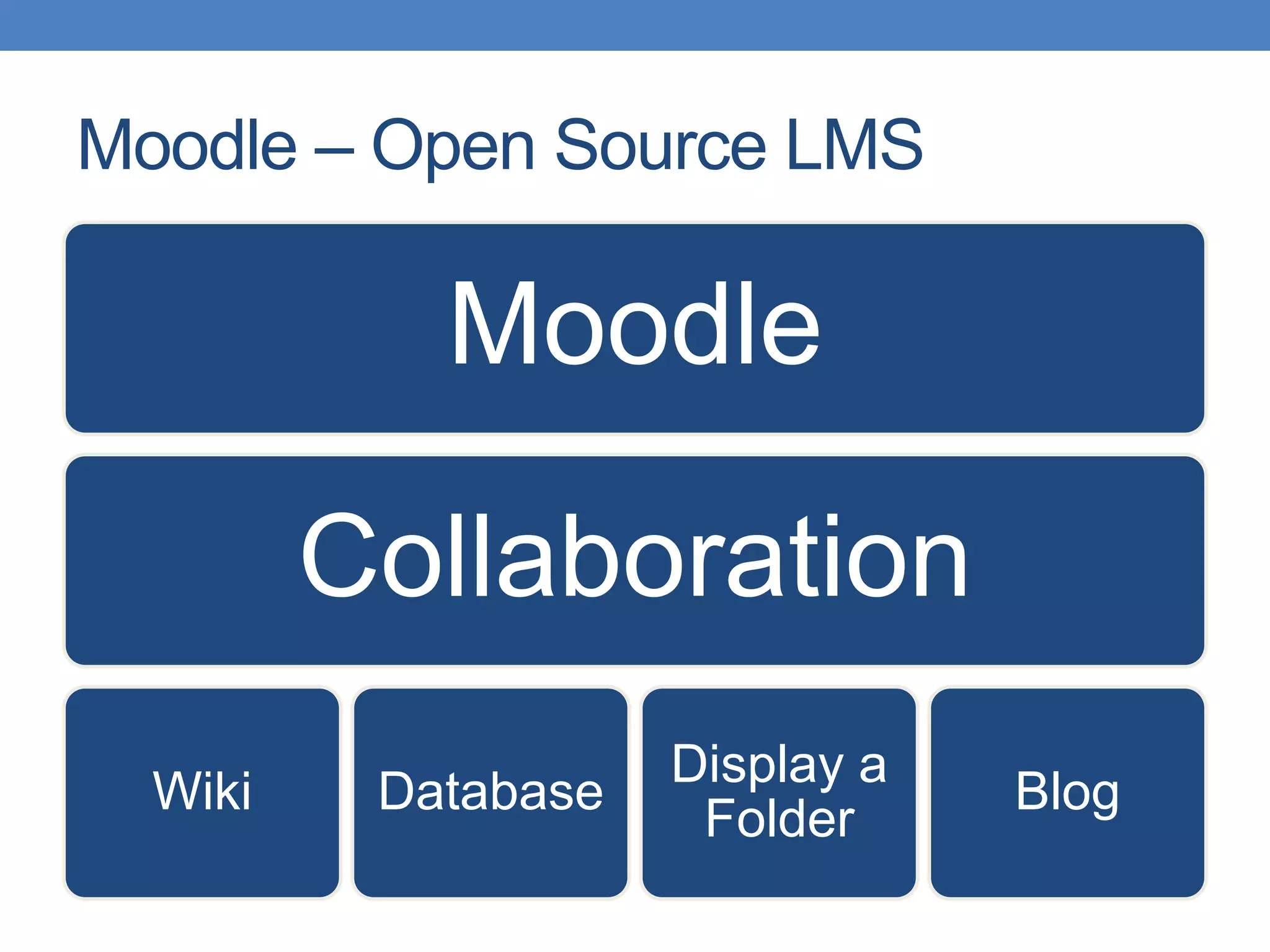
Moodle – Open Source LMS
Questions?Rhonda Ficek, Ph.D.Director, Instructional Technology ServicesMinnesota State University Moorhead USAhttp://www.mnstate.edu/ficek/EduLearn/edulearn.pptx
Verbs added to Bloom’shttp://edorigami.wikispaces.com

Edu learn2011

Editor's Notes

  • #14 However, it is shortsighted to believe that the implicit designs of learning systems do not influence how courses are ultimately developed. Most learning environments adopt content driven approaches, geared toward the transmission of objectified knowledge. Conversely, Moodle’s design is guided by a particular philosophy of learning, known as "social constructionist