Daylight
Peter Raynham FILP
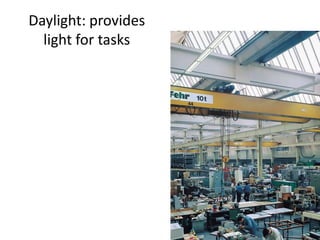
Daylight: provides
light for tasks
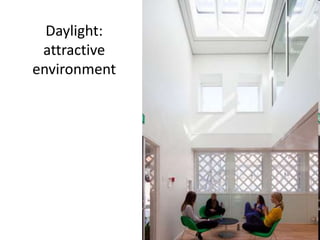
Daylight:
attractive
environment
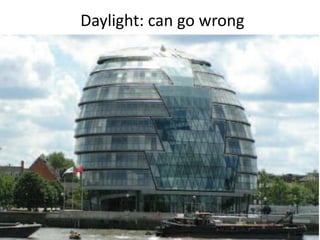
Daylight: can go wrong
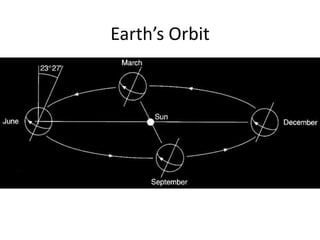
Earth’s Orbit
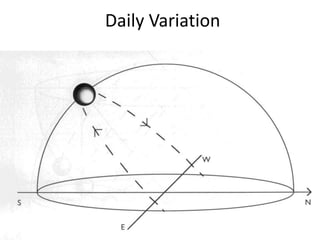
Daily Variation
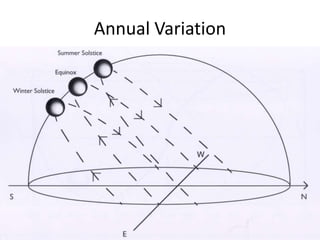
Annual Variation
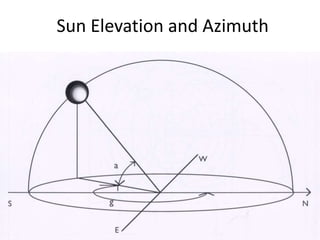
Sun Elevation and Azimuth
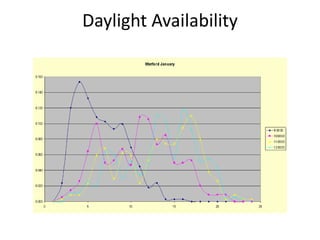
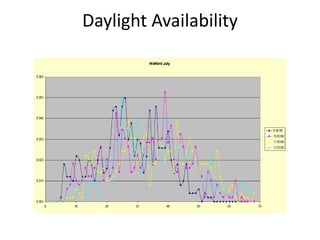
Daylight Availability
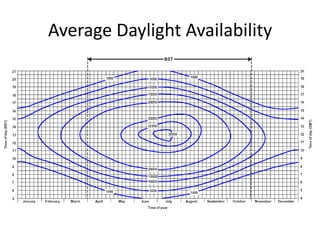
Average Daylight Availability
Median Daylight Availability
• The amount of daylight that is available for
half of the time.
• For London 14,100 lux
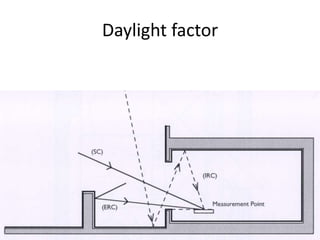
Daylight factor
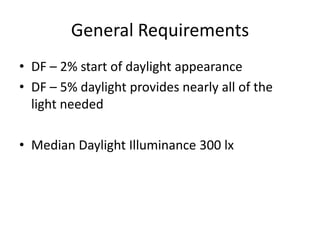
General Requirements
• DF – 2% start of daylight appearance
• DF – 5% daylight provides nearly all of the
light needed
• Median Daylight Illuminance 300 lx
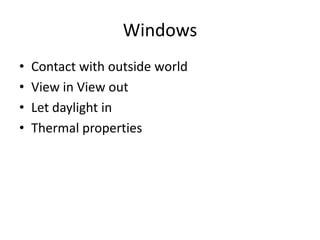
Windows
• Contact with outside world
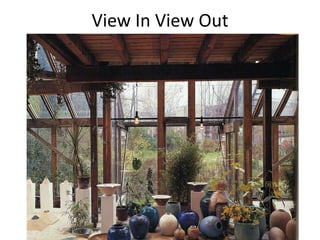
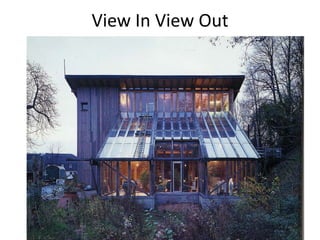
• View in View out
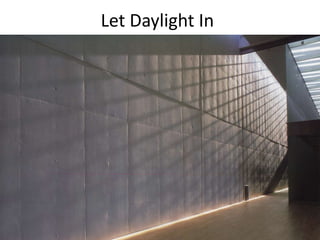
• Let daylight in
• Thermal properties
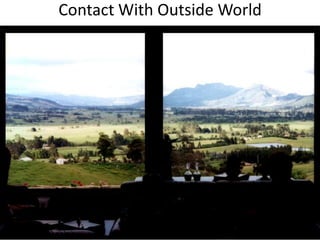
Contact With Outside World
View In View Out
View In View Out
Let Daylight In
Energy Savings
• Key factors
– Daylight availability
– Daylight penetration
– Lighting control system
– User satisfaction
Is Daylight Beneficial?
• Study in a London School
• Background
• Key points
• Findings
Background
Küller, R.; Lindsten, C. (1992). Health and behaviour
of children in classrooms with and without windows. J.
Environ. Psychol. 12, 305-317
Showed:
• Children in classrooms with daylight show
different annual variation in levels of cortisol
Background
Hershong, L., Wright, RL. and Okura, S. (2002).
Daylighting impacts on human performance in school. Journal
of the Illuminating Engineering Society
Showed:
• significant effects of daylighting on the
performance of school students
Background
Govén, T., Laike, T., Pendse and B. Sjöberg, K.
(2007). The background luminance and colour
temperatures influence on alertness and mental health. CIE
26 Beijing
Showed:
• ambient light is of upmost importance
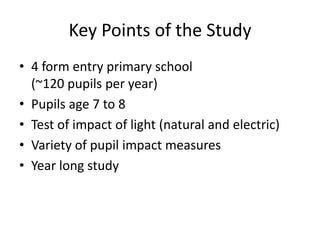
Key Points of the Study
• 4 form entry primary school
(~120 pupils per year)
• Pupils age 7 to 8
• Test of impact of light (natural and electric)
• Variety of pupil impact measures
• Year long study
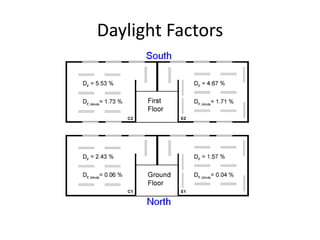
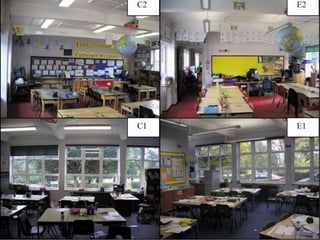
Daylight Factors
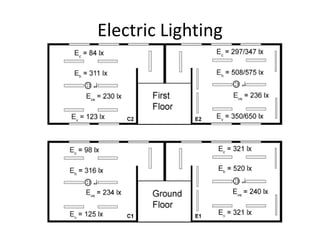
Electric Lighting
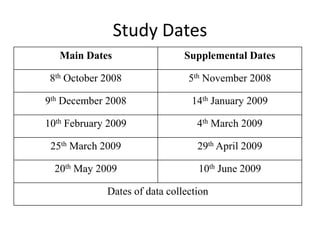
Study Dates
Main Dates Supplemental Dates
8th October 2008 5th November 2008
9th December 2008 14th January 2009
10th February 2009 4th March 2009
25th March 2009 29th April 2009
20th May 2009 10th June 2009
Dates of data collection
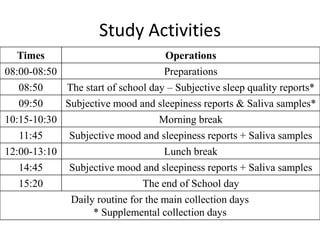
Study Activities
Times Operations
08:00-08:50 Preparations
08:50 The start of school day – Subjective sleep quality reports*
09:50 Subjective mood and sleepiness reports & Saliva samples*
10:15-10:30 Morning break
11:45 Subjective mood and sleepiness reports + Saliva samples
12:00-13:10 Lunch break
14:45 Subjective mood and sleepiness reports + Saliva samples
15:20 The end of School day
Daily routine for the main collection days
* Supplemental collection days
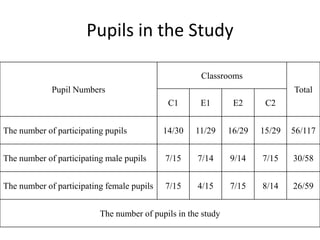
Pupils in the Study
Pupil Numbers
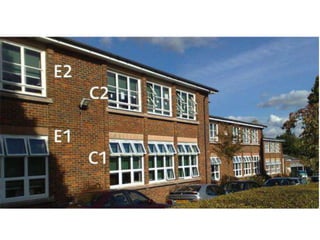
Classrooms
Total
C1 E1 E2 C2
The number of participating pupils 14/30 11/29 16/29 15/29 56/117
The number of participating male pupils 7/15 7/14 9/14 7/15 30/58
The number of participating female pupils 7/15 4/15 7/15 8/14 26/59
The number of pupils in the study
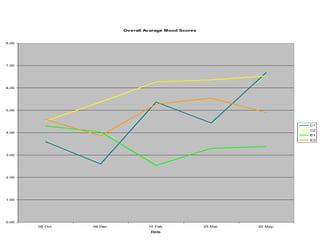
Overall Avarage Mood Scores
0.00
1.00
2.00
3.00
4.00
5.00
6.00
7.00
8.00
08 Oct. 09 Dec. 10 Feb. 25 Mar. 20 May.
Date
C1
C2
E1
E2
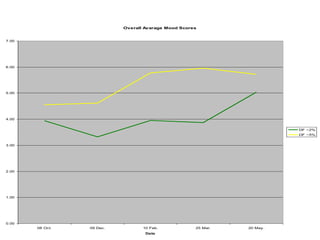
Overall Avarage Mood Scores
0.00
1.00
2.00
3.00
4.00
5.00
6.00
7.00
08 Oct. 09 Dec. 10 Feb. 25 Mar. 20 May.
Date
DF ~2%
DF ~5%
C1
E1
E2
C2
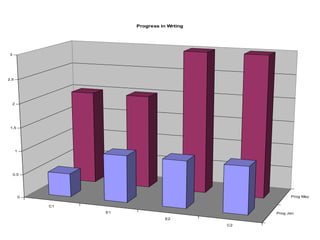
Prog Jan
Prog May0
0.5
1
1.5
2
2.5
3
Progress in Wrting
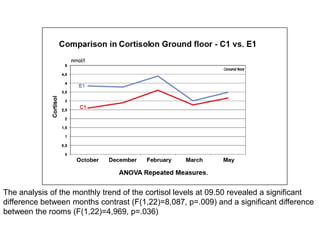
The analysis of the monthly trend of the cortisol levels at 09.50 revealed a significant
difference between months contrast (F(1,22)=8,087, p=.009) and a significant difference
between the rooms (F(1,22)=4,969, p=.036)
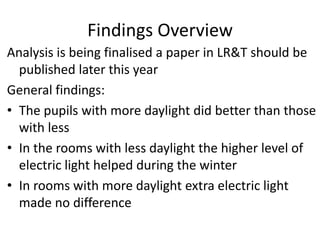
Findings Overview
Analysis is being finalised a paper in LR&T should be
published later this year
General findings:
• The pupils with more daylight did better than those
with less
• In the rooms with less daylight the higher level of
electric light helped during the winter
• In rooms with more daylight extra electric light
made no difference
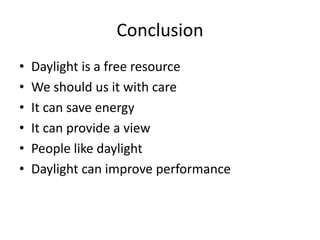
Conclusion
• Daylight is a free resource
• We should us it with care
• It can save energy
• It can provide a view
• People like daylight
• Daylight can improve performance

Ecobuild 2014: Daylight