EARTH’S
ATMOSPHERE
INTRODUCTION
• The atmosphere of Earth is a layer of gases
surrounding the planet Earth.
• The atmosphere protects life on Earth.
• The atmosphere becomes thinner and thinner
with increasing altitude, with no definite
boundary between the atmosphere and outer
space.
COMPOSITION
• 78% nitrogen
• 20%oxygen
• 2% other gases
LAYERS of the

ATMOSPHERE
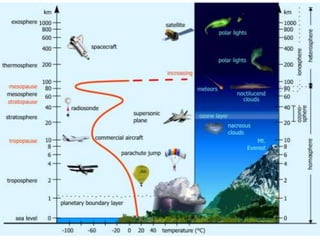
TROPOSPHERE
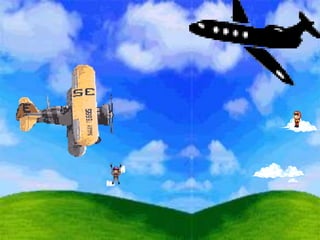
• begins at the surface and extends to between
9 km (30,000 ft) at the poles and 17 km
(56,000 ft) at the equator
• mostly heated by transfer of energy from the
surface
• TROPOPAUSE - is the boundary between the
troposphere and stratosphere.
STRATOSPHERE
• extends from the tropopause to about 51 km
(32 mi; 170,000 ft).
• Temperature increases with height
• STRATOPAUSE - is the boundary between the
stratosphere and mesosphere which, typically
is at 50 to 55 km (31 to 34 mi; 160,000 to
180,000 ft).
OZONE LAYER
• is contained within the stratosphere and is
mainly located in the lower portion of the
stratosphere from about 15–35 km (9.3–22
mi; 49,000–110,000 ft)
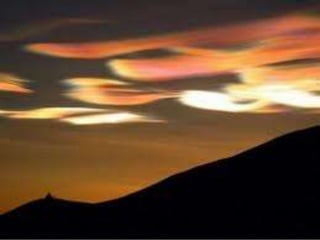
NACREOUS CLOUDS
• called mother-of-pearl clouds
• they are filmy sheets slowly curling and
uncurling, stretching and contracting in the
semi-dark sky.
• are seen mostly during winter at high latitudes
like Scandinavia, Iceland, Alaska and Northern
Canada. Sometimes, however, they occur as
far south as England.
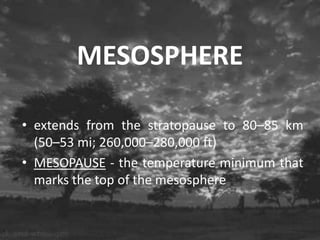
MESOSPHERE
• extends from the stratopause to 80–85 km
(50–53 mi; 260,000–280,000 ft)
• MESOPAUSE - the temperature minimum that
marks the top of the mesosphere
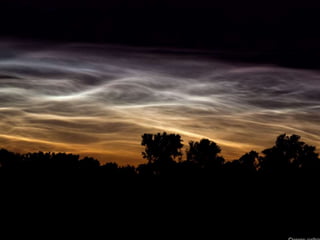
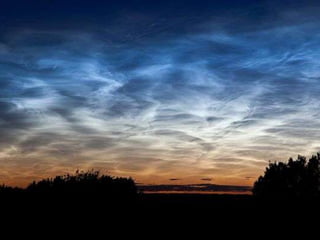
NOCTILUCENT CLOUDS
• are tenuous cloud-like phenomena that are
the "ragged-edge" of a much brighter and
pervasive polar cloud layer called polar
mesospheric clouds in the upper atmosphere.
• They are made of crystals of water ice.
• are most commonly observed in the summer
months at latitudes between 50° and 70°
north and south of the equator.
THERMOSPHERE

• the inversion is a result of the extremely low
density of molecules.
• The International space Station orbits in this
layer, between 320 and 380 km (200 and 240
mi).
• TURBOPAUSE – where homsphere and
heterosphere divides.
• Homosphere and heterosphere are defined by
whether the atmospheric gases are well mixed.
• EXOBASE - The top of the thermosphere is the
bottom of the exosphere
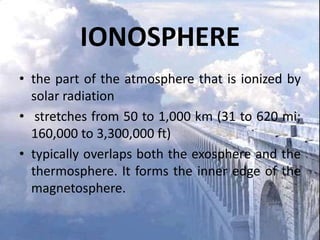
IONOSPHERE
• the part of the atmosphere that is ionized by
solar radiation
• stretches from 50 to 1,000 km (31 to 620 mi;
160,000 to 3,300,000 ft)
• typically overlaps both the exosphere and the
thermosphere. It forms the inner edge of the
magnetosphere.
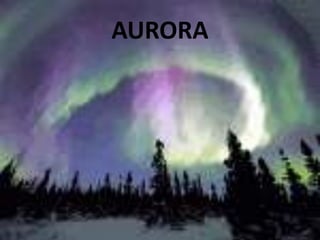
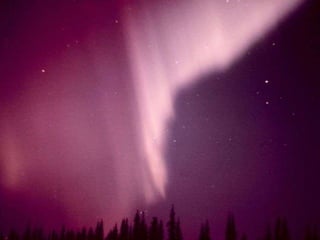
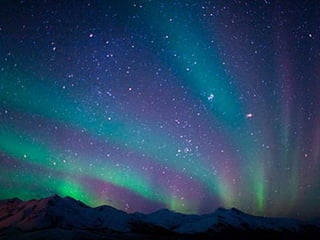
AURORA
EXOSPHERE
• The outermost layer of Earth's atmosphere
extends from the exobase upward
• mainly composed of hydrogen and helium
POLLUTANTS
in the
ATMOSPHERE
POLLUTANT - A substance in the air that can
cause harm to humans and the environment is
known as an air pollutant. Pollutants can be in
the form of solid particles, liquid droplets, or
gases. In addition, they may be natural or manmade.
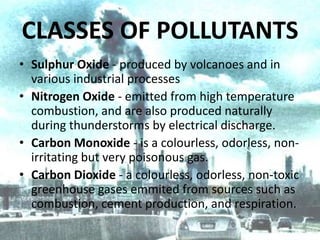
CLASSES OF POLLUTANTS
• Sulphur Oxide - produced by volcanoes and in
various industrial processes
• Nitrogen Oxide - emitted from high temperature
combustion, and are also produced naturally
during thunderstorms by electrical discharge.
• Carbon Monoxide - is a colourless, odorless, nonirritating but very poisonous gas.
• Carbon Dioxide - a colourless, odorless, non-toxic
greenhouse gases emmited from sources such as
combustion, cement production, and respiration.
• Volatile Organic Compounds - divided into the
separate categories of methane (CH4) and nonmethane. Methane contributes to enhanced global
warming.
• Particulate Matter - are tiny particles of solid or
liquid suspended in a gas.
• Chlorofluorocarbon - harmful to the ozone layer
emitted from products currently banned from use.
• Ammonia - from agricultural processes.
• Radioactive Pollutants - produced by nuclear
explosion, nuclear events, war explosives, and
natural processes such as the radioactive decay of
radon.
• Toxic metals, such as lead, cadmium and copper.
Prepared by:
MAS, Pamela Bianca E.
MANAHAN, Sophia Nicole A.
LOPEZ, Realyn
LIBRES, Mary Grace
JAINAR, Glaisa Mae
GAMIAO, Allan Craig W.
PSYCH 1-D
END OF SLIDE-END OF SLIDE-END OF SLIDE-END OF SLIDE-END OF SLIDE-END OF SLIDE

Earth’s Atmosphere

  • 1.
  • 2.
    INTRODUCTION • The atmosphereof Earth is a layer of gases surrounding the planet Earth. • The atmosphere protects life on Earth. • The atmosphere becomes thinner and thinner with increasing altitude, with no definite boundary between the atmosphere and outer space.
  • 3.
    COMPOSITION • 78% nitrogen •20%oxygen • 2% other gases
  • 4.
  • 6.
    TROPOSPHERE • begins atthe surface and extends to between 9 km (30,000 ft) at the poles and 17 km (56,000 ft) at the equator • mostly heated by transfer of energy from the surface • TROPOPAUSE - is the boundary between the troposphere and stratosphere.
  • 8.
    STRATOSPHERE • extends fromthe tropopause to about 51 km (32 mi; 170,000 ft). • Temperature increases with height • STRATOPAUSE - is the boundary between the stratosphere and mesosphere which, typically is at 50 to 55 km (31 to 34 mi; 160,000 to 180,000 ft).
  • 10.
    OZONE LAYER • iscontained within the stratosphere and is mainly located in the lower portion of the stratosphere from about 15–35 km (9.3–22 mi; 49,000–110,000 ft)
  • 11.
    NACREOUS CLOUDS • calledmother-of-pearl clouds • they are filmy sheets slowly curling and uncurling, stretching and contracting in the semi-dark sky. • are seen mostly during winter at high latitudes like Scandinavia, Iceland, Alaska and Northern Canada. Sometimes, however, they occur as far south as England.
  • 13.
    MESOSPHERE • extends fromthe stratopause to 80–85 km (50–53 mi; 260,000–280,000 ft) • MESOPAUSE - the temperature minimum that marks the top of the mesosphere
  • 15.
    NOCTILUCENT CLOUDS • aretenuous cloud-like phenomena that are the "ragged-edge" of a much brighter and pervasive polar cloud layer called polar mesospheric clouds in the upper atmosphere. • They are made of crystals of water ice. • are most commonly observed in the summer months at latitudes between 50° and 70° north and south of the equator.
  • 18.
    THERMOSPHERE • the inversionis a result of the extremely low density of molecules. • The International space Station orbits in this layer, between 320 and 380 km (200 and 240 mi). • TURBOPAUSE – where homsphere and heterosphere divides. • Homosphere and heterosphere are defined by whether the atmospheric gases are well mixed. • EXOBASE - The top of the thermosphere is the bottom of the exosphere
  • 20.
    IONOSPHERE • the partof the atmosphere that is ionized by solar radiation • stretches from 50 to 1,000 km (31 to 620 mi; 160,000 to 3,300,000 ft) • typically overlaps both the exosphere and the thermosphere. It forms the inner edge of the magnetosphere.
  • 21.
  • 24.
    EXOSPHERE • The outermostlayer of Earth's atmosphere extends from the exobase upward • mainly composed of hydrogen and helium
  • 25.
    POLLUTANTS in the ATMOSPHERE POLLUTANT -A substance in the air that can cause harm to humans and the environment is known as an air pollutant. Pollutants can be in the form of solid particles, liquid droplets, or gases. In addition, they may be natural or manmade.
  • 26.
    CLASSES OF POLLUTANTS •Sulphur Oxide - produced by volcanoes and in various industrial processes • Nitrogen Oxide - emitted from high temperature combustion, and are also produced naturally during thunderstorms by electrical discharge. • Carbon Monoxide - is a colourless, odorless, nonirritating but very poisonous gas. • Carbon Dioxide - a colourless, odorless, non-toxic greenhouse gases emmited from sources such as combustion, cement production, and respiration.
  • 27.
    • Volatile OrganicCompounds - divided into the separate categories of methane (CH4) and nonmethane. Methane contributes to enhanced global warming. • Particulate Matter - are tiny particles of solid or liquid suspended in a gas. • Chlorofluorocarbon - harmful to the ozone layer emitted from products currently banned from use. • Ammonia - from agricultural processes. • Radioactive Pollutants - produced by nuclear explosion, nuclear events, war explosives, and natural processes such as the radioactive decay of radon. • Toxic metals, such as lead, cadmium and copper.
  • 28.
    Prepared by: MAS, PamelaBianca E. MANAHAN, Sophia Nicole A. LOPEZ, Realyn LIBRES, Mary Grace JAINAR, Glaisa Mae GAMIAO, Allan Craig W. PSYCH 1-D
  • 29.
    END OF SLIDE-ENDOF SLIDE-END OF SLIDE-END OF SLIDE-END OF SLIDE-END OF SLIDE