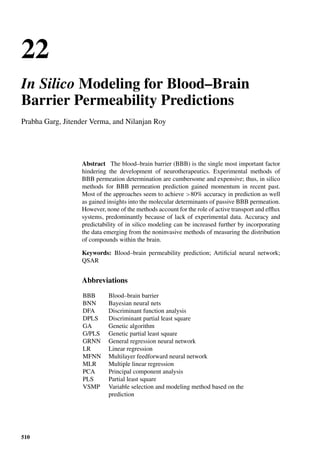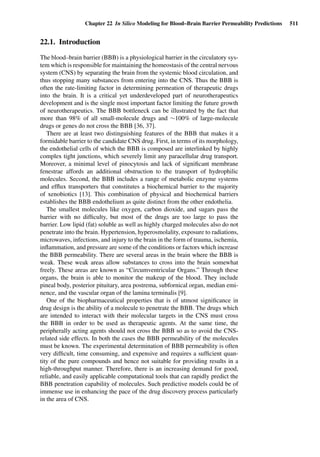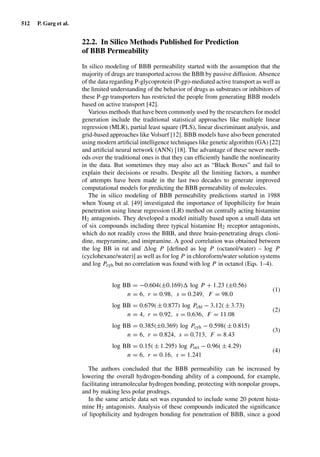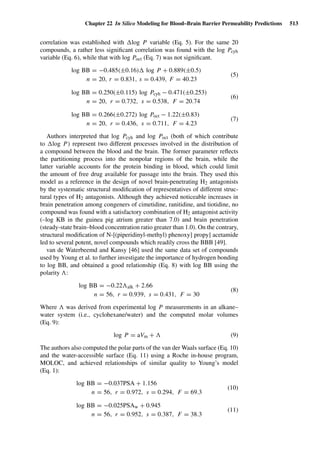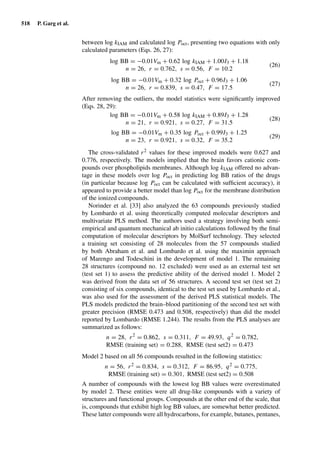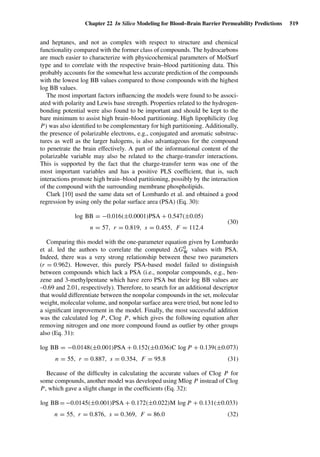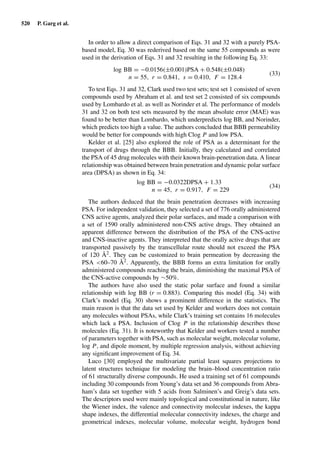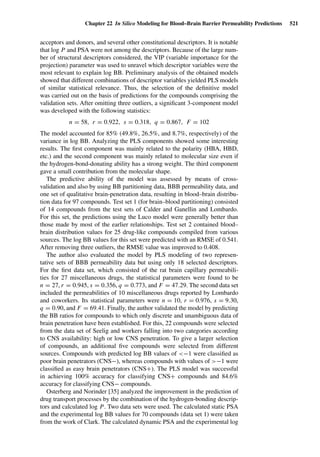
Drug Absorption Studies
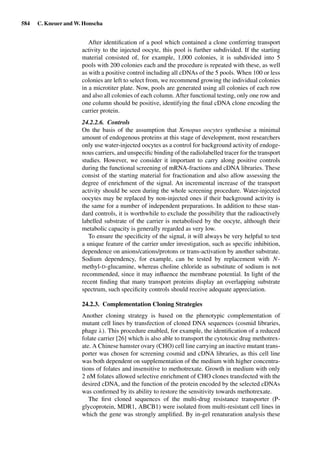
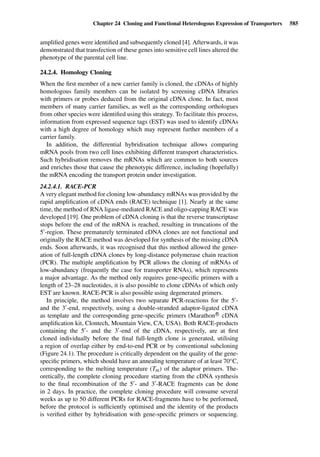
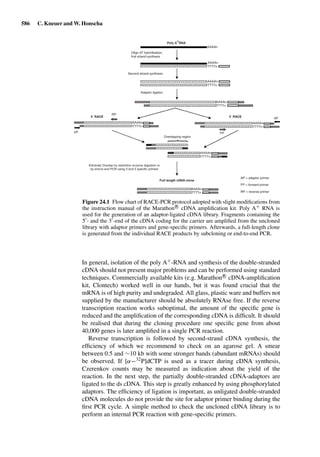
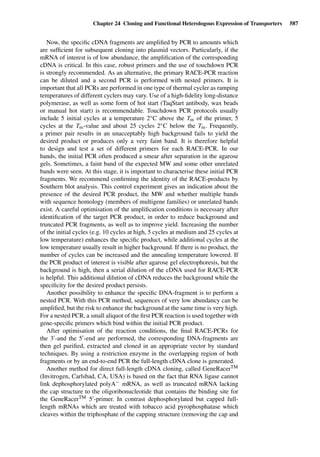
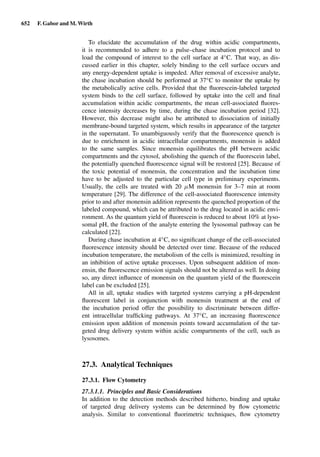
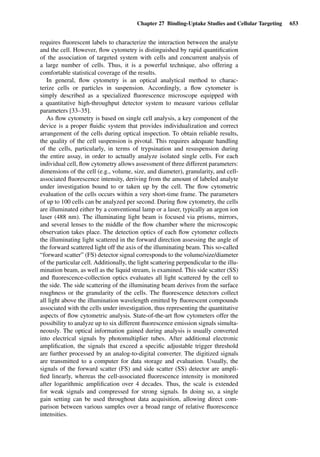
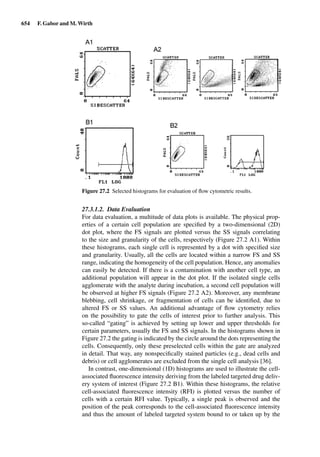
Biotechnology: Pharmaceutical Aspects
Volume I: Pharmaceutical Profiling in Drug Discovery for
Lead Selection
R.T. Borchardt, E.H. Kerns, C.A. Lipinski, D.R. Thakker,
B. Wang
Volume II: Lypophilization of Biopharmaceuticals
H.R. Constantino, M.J. Pikal
Volume III: Methods for Structural Analysis of
Protein Pharmaceuticals
W. Jiskoot, D.J.A. Crommelin
Volume IV: Optimizing the “Drug-Like” Properties of Leads in
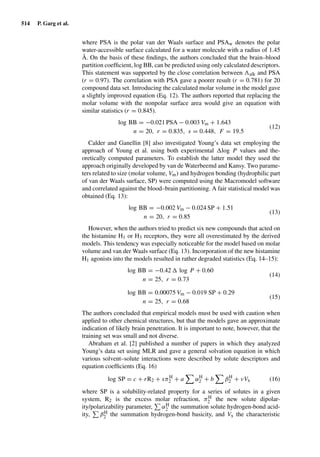
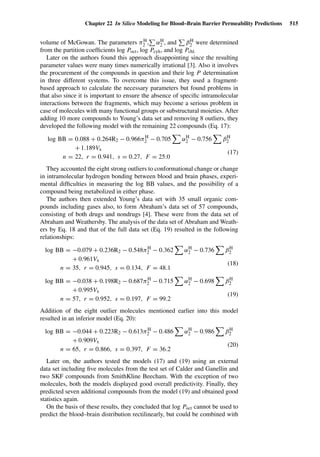
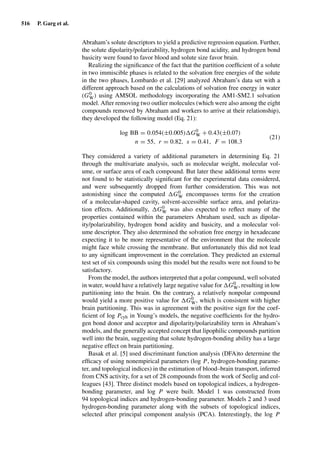
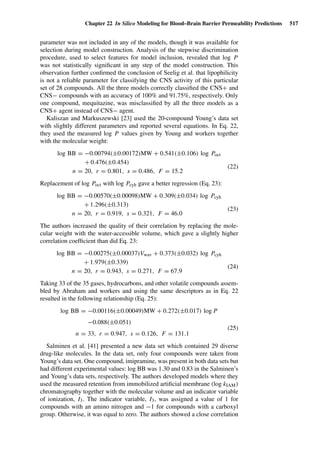
Drug Discovery
R.T. Borchardt, E.H. Kerns, M.J. Hageman, D.R. Thakker,
J.L. Stevens
Volume V: Prodrugs: Challenges and Rewards, Parts 1 and 2
V.J. Stella, R.T. Borchardt, M.J. Hageman, R. Oliyai, H. Maag,
J.W. Tilley
Volume VI: Solvent Systems and Their Selection in
Pharmaceutics and Biopharmaceutics
P. Augustijns, M.E. Brewster
Volume VII: Drug Absorption Studies: In Situ, In Vitro and In
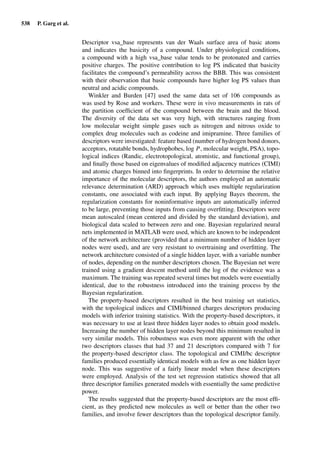
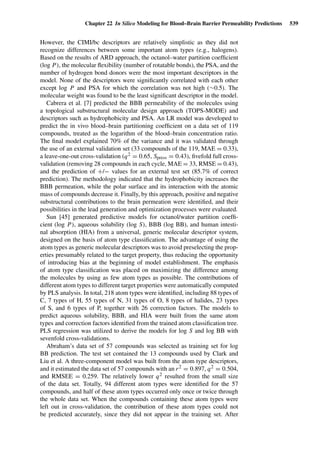
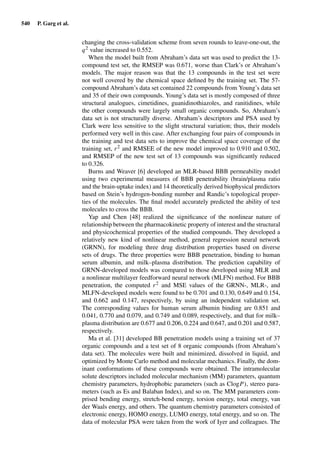
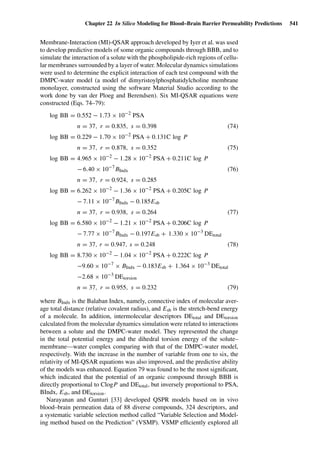
Silico Models
C. Ehrhardt, K.J. Kim
Carsten Ehrhardt Kwang-Jin Kim
Editors
Drug Absorption Studies
In Situ, In Vitro and In Silico Models
123
Editors
Carsten Ehrhardt Kwang-Jin Kim
School of Pharmacy and Keck School of Medicine
Pharmaceutical Sciences University of Southern California
Trinity College Dublin Room HMR-914, 2011 Zonal Avenue
Panoz Institute, Westland Row Los Angeles, CA 90033, USA
Dublin 2, Ireland Telephone: +1 323 442 1217
Telephone: +353 1 896 2441 Fax: +1 323 442 2611
Fax: +353 896 2783 Email: Kwang.J.Kim@usc.edu
Email: ehrhardc@tcd.ie
ISBN 978-0-387-74900-6 e-ISBN 978-0-387-74901-3
Library of Congress Control Number 2007937951
c 2008 American Association of Pharmaceutical Scientists
All rights reserved. This work may not be translated or copied in whole or in part without
the written permission of the publisher (Springer Science+Business Media, LLC, 233 Spring
Street, New York, NY 10013, USA), except for brief excerpts in connection with reviews or
scholarly analysis. Use in connection with any form of information storage and retrieval, electronic
adaptation, computer software, or by similar or dissimilar methodology now known or hereafter
developed is forbidden.
The use in this publication of trade names, trademarks, service marks, and similar terms, even if
they are not identified as such, is not to be taken as an expression of opinion as to whether or not
they are subject to proprietary rights.
Printed on acid-free paper.
9 8 7 6 5 4 3 2 1
springer.com
Contents
Preface xv
Contributors xvii
Part 1 Perfused Organ Level/In Situ Techniques
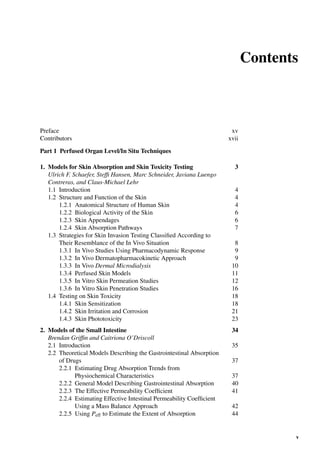
1. Models for Skin Absorption and Skin Toxicity Testing 3
Ulrich F. Schaefer, Steffi Hansen, Marc Schneider, Javiana Luengo
Contreras, and Claus-Michael Lehr
1.1 Introduction 4
1.2 Structure and Function of the Skin 4
1.2.1 Anatomical Structure of Human Skin 4
1.2.2 Biological Activity of the Skin 6
1.2.3 Skin Appendages 6
1.2.4 Skin Absorption Pathways 7
1.3 Strategies for Skin Invasion Testing Classified According to
Their Resemblance of the In Vivo Situation 8
1.3.1 In Vivo Studies Using Pharmacodynamic Response 9
1.3.2 In Vivo Dermatopharmacokinetic Approach 9
1.3.3 In Vivo Dermal Microdialysis 10
1.3.4 Perfused Skin Models 11
1.3.5 In Vitro Skin Permeation Studies 12
1.3.6 In Vitro Skin Penetration Studies 16
1.4 Testing on Skin Toxicity 18
1.4.1 Skin Sensitization 18
1.4.2 Skin Irritation and Corrosion 21
1.4.3 Skin Phototoxicity 23
2. Models of the Small Intestine 34
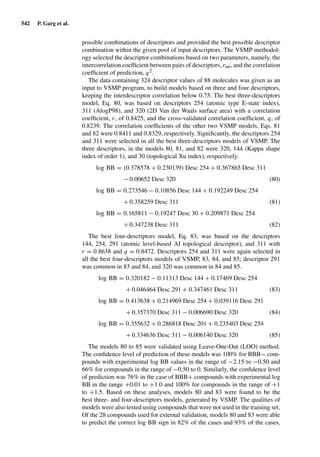
Brendan Griffin and Caitriona O’Driscoll
2.1 Introduction 35
2.2 Theoretical Models Describing the Gastrointestinal Absorption
of Drugs 37
2.2.1 Estimating Drug Absorption Trends from
Physiochemical Characteristics 37
2.2.2 General Model Describing Gastrointestinal Absorption 40
2.2.3 The Effective Permeability Coefficient 41
2.2.4 Estimating Effective Intestinal Permeability Coefficient
Using a Mass Balance Approach 42
2.2.5 Using Peff to Estimate the Extent of Absorption 44
v
vi Contents
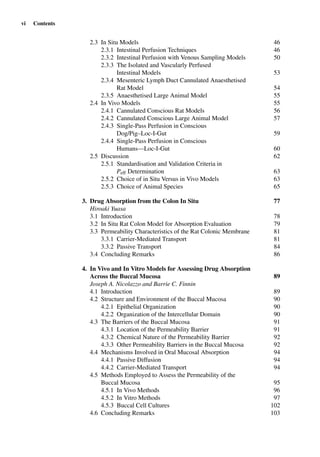
2.3 In Situ Models 46
2.3.1 Intestinal Perfusion Techniques 46
2.3.2 Intestinal Perfusion with Venous Sampling Models 50
2.3.3 The Isolated and Vascularly Perfused
Intestinal Models 53
2.3.4 Mesenteric Lymph Duct Cannulated Anaesthetised
Rat Model 54
2.3.5 Anaesthetised Large Animal Model 55
2.4 In Vivo Models 55
2.4.1 Cannulated Conscious Rat Models 56
2.4.2 Cannulated Conscious Large Animal Model 57
2.4.3 Single-Pass Perfusion in Conscious
Dog/Pig–Loc-I-Gut 59
2.4.4 Single-Pass Perfusion in Conscious
Humans—Loc-I-Gut 60
2.5 Discussion 62
2.5.1 Standardisation and Validation Criteria in
Peff Determination 63
2.5.2 Choice of in Situ Versus in Vivo Models 63
2.5.3 Choice of Animal Species 65
3. Drug Absorption from the Colon In Situ 77
Hiroaki Yuasa
3.1 Introduction 78
3.2 In Situ Rat Colon Model for Absorption Evaluation 79
3.3 Permeability Characteristics of the Rat Colonic Membrane 81
3.3.1 Carrier-Mediated Transport 81
3.3.2 Passive Transport 84
3.4 Concluding Remarks 86
4. In Vivo and In Vitro Models for Assessing Drug Absorption
Across the Buccal Mucosa 89
Joseph A. Nicolazzo and Barrie C. Finnin
4.1 Introduction 89
4.2 Structure and Environment of the Buccal Mucosa 90
4.2.1 Epithelial Organization 90
4.2.2 Organization of the Intercellular Domain 90
4.3 The Barriers of the Buccal Mucosa 91
4.3.1 Location of the Permeability Barrier 91
4.3.2 Chemical Nature of the Permeability Barrier 92
4.3.3 Other Permeability Barriers in the Buccal Mucosa 92
4.4 Mechanisms Involved in Oral Mucosal Absorption 94
4.4.1 Passive Diffusion 94
4.4.2 Carrier-Mediated Transport 94
4.5 Methods Employed to Assess the Permeability of the
Buccal Mucosa 95
4.5.1 In Vivo Methods 96
4.5.2 In Vitro Methods 97
4.5.3 Buccal Cell Cultures 102
4.6 Concluding Remarks 103
Contents vii
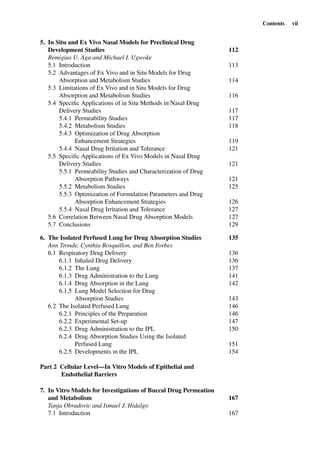
5. In Situ and Ex Vivo Nasal Models for Preclinical Drug
Development Studies 112
Remigius U. Agu and Michael I. Ugwoke
5.1 Introduction 113
5.2 Advantages of Ex Vivo and in Situ Models for Drug
Absorption and Metabolism Studies 114
5.3 Limitations of Ex Vivo and in Situ Models for Drug
Absorption and Metabolism Studies 116
5.4 Specific Applications of in Situ Methods in Nasal Drug
Delivery Studies 117
5.4.1 Permeability Studies 117
5.4.2 Metabolism Studies 118
5.4.3 Optimization of Drug Absorption
Enhancement Strategies 119
5.4.4 Nasal Drug Irritation and Tolerance 121
5.5 Specific Applications of Ex Vivo Models in Nasal Drug
Delivery Studies 121
5.5.1 Permeability Studies and Characterization of Drug
Absorption Pathways 121
5.5.2 Metabolism Studies 125
5.5.3 Optimization of Formulation Parameters and Drug
Absorption Enhancement Strategies 126
5.5.4 Nasal Drug Irritation and Tolerance 127
5.6 Correlation Between Nasal Drug Absorption Models 127
5.7 Conclusions 129
6. The Isolated Perfused Lung for Drug Absorption Studies 135
Ann Tronde, Cynthia Bosquillon, and Ben Forbes
6.1 Respiratory Drug Delivery 136
6.1.1 Inhaled Drug Delivery 136
6.1.2 The Lung 137
6.1.3 Drug Administration to the Lung 141
6.1.4 Drug Absorption in the Lung 142
6.1.5 Lung Model Selection for Drug
Absorption Studies 143
6.2 The Isolated Perfused Lung 146
6.2.1 Principles of the Preparation 146
6.2.2 Experimental Set-up 147
6.2.3 Drug Administration to the IPL 150
6.2.4 Drug Absorption Studies Using the Isolated
Perfused Lung 151
6.2.5 Developments in the IPL 154
Part 2 Cellular Level—In Vitro Models of Epithelial and
Endothelial Barriers
7. In Vitro Models for Investigations of Buccal Drug Permeation
and Metabolism 167
Tanja Obradovic and Ismael J. Hidalgo
7.1 Introduction 167
viii Contents
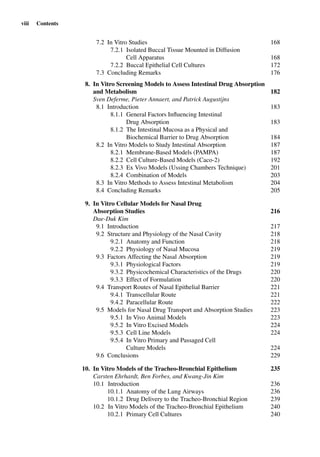
7.2 In Vitro Studies 168
7.2.1 Isolated Buccal Tissue Mounted in Diffusion
Cell Apparatus 168
7.2.2 Buccal Epithelial Cell Cultures 172
7.3 Concluding Remarks 176
8. In Vitro Screening Models to Assess Intestinal Drug Absorption
and Metabolism 182
Sven Deferme, Pieter Annaert, and Patrick Augustijns
8.1 Introduction 183
8.1.1 General Factors Influencing Intestinal
Drug Absorption 183
8.1.2 The Intestinal Mucosa as a Physical and
Biochemical Barrier to Drug Absorption 184
8.2 In Vitro Models to Study Intestinal Absorption 187
8.2.1 Membrane-Based Models (PAMPA) 187
8.2.2 Cell Culture-Based Models (Caco-2) 192
8.2.3 Ex Vivo Models (Ussing Chambers Technique) 201
8.2.4 Combination of Models 203
8.3 In Vitro Methods to Assess Intestinal Metabolism 204
8.4 Concluding Remarks 205
9. In Vitro Cellular Models for Nasal Drug
Absorption Studies 216
Dae-Duk Kim
9.1 Introduction 217
9.2 Structure and Physiology of the Nasal Cavity 218
9.2.1 Anatomy and Function 218
9.2.2 Physiology of Nasal Mucosa 219
9.3 Factors Affecting the Nasal Absorption 219
9.3.1 Physiological Factors 219
9.3.2 Physicochemical Characteristics of the Drugs 220
9.3.3 Effect of Formulation 220
9.4 Transport Routes of Nasal Epithelial Barrier 221
9.4.1 Transcellular Route 221
9.4.2 Paracellular Route 222
9.5 Models for Nasal Drug Transport and Absorption Studies 223
9.5.1 In Vivo Animal Models 223
9.5.2 In Vitro Excised Models 224
9.5.3 Cell Line Models 224
9.5.4 In Vitro Primary and Passaged Cell
Culture Models 224
9.6 Conclusions 229
10. In Vitro Models of the Tracheo-Bronchial Epithelium 235
Carsten Ehrhardt, Ben Forbes, and Kwang-Jin Kim
10.1 Introduction 236
10.1.1 Anatomy of the Lung Airways 236
10.1.2 Drug Delivery to the Tracheo-Bronchial Region 239
10.2 In Vitro Models of the Tracheo-Bronchial Epithelium 240
10.2.1 Primary Cell Cultures 240
Contents ix
10.2.2 Tracheo-Bronchial Epithelial Cell Lines 241
10.2.3 In Vitro Models of CF Airway Epithelium 242
10.3 Use of In Vitro Models of Tracheo-Bronchial Epithelial
Barriers in Biopharmaceutical Research 243
10.3.1 Drug Absorption Studies 243
10.3.2 Drug Metabolism Studies Using Tracheo-Bronchial
Epithelial Cells 245
10.4 Concluding Remarks 249
11. In Vitro Models of the Alveolar Epithelial Barrier 258
Carsten Ehrhardt, Michael Laue, and Kwang-Jin Kim
11.1 Introduction 259
11.1.1 The Alveolar Epithelium 259
11.2 In Vitro Models of the Alveolar Epithelial Barrier for Drug
Absorption Studies 266
11.2.1 In Vitro Models of the Alveolar Epithelial Barrier 266
11.2.2 The Use of Alveolar Epithelial Cells in
Biopharmaceutical Research 269
11.3 Concluding Remarks 274
12. Cell Culture Models of the Corneal Epithelium and
Reconstructed Cornea Equivalents for In Vitro Drug
Absorption Studies 283
Stephan Reichl and Ulrich Becker
12.1 Introduction 284
12.2 Anatomy and Physiology of Human Cornea 285
12.3 Transcorneal Drug Absorption into the Eye 289
12.4 Corneal Cell Culture Models 290
12.4.1 Primary Corneal Cell Cultures 290
12.4.2 Immortalized Continuous Cell Lines for Corneal
Epithelial Cells 291
12.5 Organotypic Equivalents 294
12.6 Concluding Remarks 300
13. The Conjunctival Barrier in Ocular Drug Delivery 307
Hovhannes J. Gukasyan, Kwang-Jin Kim, and Vincent H.L. Lee
13.1 Introduction to the Ocular Surface and the Relative
Contribution of the Conjunctiva 308
13.2 Trans- and Sub-Conjunctival Ocular Drug Delivery 310
13.3 An Overview of Conjunctival Disorders 312
13.4 Models for Studying Conjunctival Transport Properties 313
13.4.1 Excised Conjunctival Tissues 313
13.4.2 Primary Culture Models of Conjunctival Epithelial
Cell Layers 316
13.4.3 Conjunctival Disease Models 317
13.5 Summary and Conclusions 317
14. Inner Blood–Retinal Barrier: Transport Biology
and Methodology 321
Ken-ichi Hosoya and Masatoshi Tomi
14.1 Introduction 322
x Contents
14.2 Conditionally Immortalized Cell Lines as a Novel in Vitro
Inner Blood–Retinal Barrier Model (Uptake Studies) 324
14.3 In Vivo Blood-to-Retina Influx Transport 326
14.3.1 Integration Plot Analysis 326
14.3.2 Retinal Uptake Index Method 327
14.4 In Vivo Vitreous/Retina-to-Blood Efflux Transport
(Microdialysis Study) 328
14.5 Ex Vivo Transporter Gene Expression Levels at the Inner
Blood–Retinal Barrier (Magnetic Isolation of Retinal Vascular
Endothelial Cells) 330
14.6 Mechanism of Drug Transport at the Inner
Blood–Retinal Barrier 332
14.6.1 Blood-to-Retina Influx Transport 332
14.6.2 Retina-to-Blood Efflux Transport 334
14.7 Conclusions 334
15. Regulation of Paracellular Permeability in Low-Resistance
Human Vaginal-Cervical Epithelia 339
George I. Gorodeski
15.1 Introduction 340
15.2 The Ussing-Zerahn Model of Transepithelial
Fluid Transport 341
15.3 Regulation of Paracellular Transport Across
Secretory Epithelia 344
15.4 Regulation of Paracellular Permeability 345
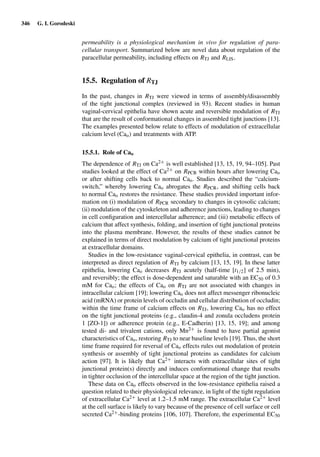
15.5 Regulation of RTJ 346
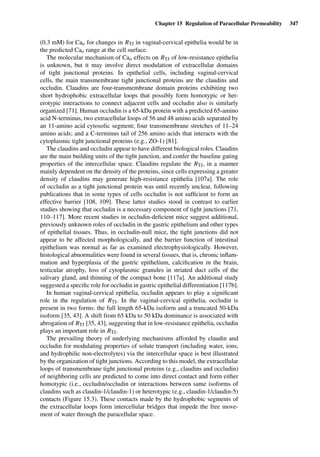
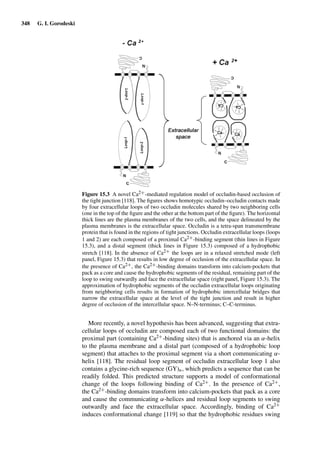
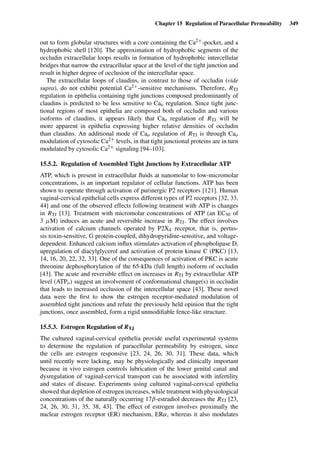
15.5.1 Role of Cao 346
15.5.2 Regulation of Assembled Tight Junctions by
Extracellular ATP 349
15.5.3 Estrogen Regulation of RTJ 349
15.5.4 Early Stages of Tight Junctional Disassembly 350
15.5.5 Claudin/Occludin Model of Regulation of
the RTJ 351
15.6 Regulation of the RLIS 352
15.6.1 Estrogen Regulation of the RLIS 353
15.6.2 Estrogen Regulation of Actin Polymerization 354
15.6.3 Modulation of Actin Polymerization: Estrogen
vis-à-vis Aging Effects 354
15.6.4 Estrogen Regulation of Cortical Myosin 355
15.6.5 Composite Effects of Estrogen on
Paracellular Permeability 356
15.7 Implications of the Data for Topical Drug Delivery 357
15.8 Concluding Remarks 357
16. In Vitro Models and Multidrug Resistance Mechanisms of the
Placental Barrier 368
Pallabi Mitra and Kenneth L. Audus
16.1 Introduction 369
16.2 Structure of the Placenta 370
16.3 Placental Transport Mechanisms 370
Contents xi
16.4 Available Model Systems 371
16.4.1 Perfused Placental Model 371
16.4.2 Trophoblast Tissue Preparations 372
16.4.3 Trophoblast Cultures 374
16.5 Multidrug Resistant Transporters of the Placenta 377
16.5.1 MDR1/P-Glycoprotein (ABCB1) 377
16.5.2 Multidrug Resistance-Associated Proteins 381
16.5.3 Breast Cancer Resistance Protein (BCRP/ABCG2) 383
16.6 Conclusions 386
17. In Vitro Models to Study Blood–Brain Barrier Function 397
Gert Fricker
17.1 Introduction 398
17.1.1 Discovery of the Blood–Brain Barrier 398
17.2 Structure and Function of the Blood–Brain Barrier 399
17.3 Relevance of the Barrier for Drug Delivery 400
17.3.1 Rapid Transport Protein Modulation 403
17.3.2 Modulation of P-glycoprotein Transcription 404
17.4 Models to Study Blood–Brain Barrier Function 405
17.4.1 Isolated Cerebral Capillaries 406
17.4.2 Brain Capillary Endothelial Cell Culture 406
17.4.3 In Silico Methods 410
17.5 Perspectives 410
18. High-Throughput Screening Using Caco-2 Cell and
PAMPA Systems 418
Cheng Li, Sam Wainhaus, Annette S. Uss, and Kuo-Chi Cheng
18.1 Introduction 418
18.2 Caco-2 Cell Monolayer System 419
18.3 Parallel Artificial Membrane Permeability Assays 425
18.4 Combining Use of Caco-2 and PAMPA 426
18.5 Concluding Remarks 427
19. Instrumented In Vitro Approaches to Assess Epithelial
Permeability of Drugs from Pharmaceutical Formulations 430
Stephan A. Motz, Michael Bur, Ulrich F. Schaefer, and
Claus-Michael Lehr
19.1 Introduction 431
19.2 Intestinal Permeability of Drugs Delivered as Solid
Dosage Forms 431
19.2.1 Rationale for Connecting Dissolution and
Permeation Measurements 431
19.2.2 Connecting Dissolution and Permeation Measurement
in One Instrumented Setup 436
19.2.3 Critical Evaluation of the State of the Art and
Further Needs 442
19.3 Permeability Assessment of Pulmonary
Aerosol Formulations 443
19.3.1 Measuring Drug Transport Across Epithelial
Barriers in Submersed Conditions: Ussing
Chamber and TranswellR
-Like Systems 445
xii Contents
19.3.2 Setups Allowing to Measure Drug Transport Across
Pulmonary Epithelia Interfacing Air 446
19.3.3 Critical Evaluation of the State of the Art and
Further Needs 450
Part 3 Bioinformatics—In Silico Tools to Predict
Drug Absorption
20. Modeling Transdermal Absorption 459
Dirk Neumann
20.1 Introduction 460
20.2 The Skin Barrier 460
20.3 The Diffusion Equation 461
20.4 Data Analysis 461
20.4.1 QSPR Models 463
20.4.2 Non Steady-State Solutions and
Morphological Models 477
20.5 Pharmacokinetic Models 478
20.6 Outlook 479
21. Physiologically Based in Silico Models for the Prediction of
Oral Drug Absorption 486
Fredrik Johansson and Ronnie Paterson
21.1 Introduction 487
21.2 Absorption Process 488
21.2.1 Overall Absorption Process 488
21.2.2 Drug Dissolution 489
21.2.3 Drug Absorption 490
21.3 Physiologically-Based Absorption Models 491
21.3.1 General Considerations 491
21.3.2 Mixing Tank Models 492
21.3.3 Mass Balance Models 494
21.3.4 Compartmental Absorption and Transit
(CAT) Models 496
21.3.5 Other Models (PK-MapTM/PK-SimR
) 499
21.4 The Use and Validation of Physiologically Based
Simulation Models 500
21.4.1 How Predictive are the Models? 500
21.4.2 Situations Where Less Accurate Predictions
Can Be Encountered 502
21.5 Summary 505
22. In Silico Modeling for Blood–Brain Barrier
Permeability Predictions 510
Prabha Garg, Jitender Verma, and Nilanjan Roy
22.1 Introduction 511
22.2 In Silico Methods Published for Prediction of
BBB Permeability 512
22.3 Summary 544
Contents xiii
Part 4 Molecular/Sub-Cellular Level—Mechanistic Tools
23. Impact of Drug Transport Proteins 559
Tomohiro Terada and Ken-ichi Inui
23.1 Introduction 560
23.2 Determination and Classification of Drug Transporters 561
23.3 Characteristics of Major Drug Transporters 561
23.3.1 PEPT (SLC15) 561
23.3.2 OATP (SLCO) 563
23.3.3 OCT/OCTN/OAT/URAT (SLC22) 565
23.3.4 MATE (SLC47) 567
23.3.5 ABC Transporters 567
23.4 Conclusions and Perspectives 569
24. Cloning and Functional Heterologous Expression
of Transporters 577
Carsten Kneuer and Walther Honscha
24.1 Introduction 578
24.2 Cloning Techniques 578
24.2.1 Historical Overview and General Considerations 578
24.2.2 Xenopus Laevis Oocytes for Cloning of Drug Carrier 580
24.2.3 Complementation Cloning Strategies 584
24.2.4 Homology Cloning 585
24.3 Heterologous Expression Systems 588
24.3.1 Cell-Free Expression Systems 588
24.3.2 Bacterial Expression Systems 590
24.3.3 Yeast Expression Systems 591
24.3.4 Xenopus Oocytes 592
24.3.5 Insect Cell Lines 593
24.3.6 Mammalian Cell Lines 593
24.4 Concluding Remarks 596
25. The Pharmacology of Caveolae 598
Stuart A. Ross, William V. Everson, and Eric J. Smart
25.1 Introduction 599
25.2 Action at Caveolae 602
25.3 Caveolae and Vesicular Drug Transport 602
25.3.1 Exploiting Caveolae for Drug Delivery 602
25.3.2 Caveolae-Linked Endocytosis and Non-Caveolae,
Clathrin-Independent Endocytotsis Offer Delivery of
Drugs to Novel Intracellular Targets 603
25.4 Caveolae and Cancer 604
25.4.1 Caveolin Expression 604
25.4.2 A Caveolar Mechanism of Multidrug Resistance 605
25.4.3 A Gateway to Targeted Cancer Cell Ablation 606
25.4.4 Caveolae, Folate Receptor, Receptor Clustering,
and Potocytosis 607
25.4.5 Folate Conjugates and Therapeutics 608
25.5 Pharmacology at Caveolae: Presentation,
Presentation, Presentation 608
xiv Contents
26. Immortalization Strategies for Epithelial Cells in
Primary Culture 616
David de Semir Frappart, Rosalie Maurisse, Esther H. Vock,
and Dieter C. Gruenert
26.1 Introduction 617
26.2 Cell Transformation and Immortalization Strategies 618
26.2.1 Transformation Versus Immortalization 618
26.2.2 Selecting the Appropriate Cell Line 618
26.2.3 Human Epithelial Cells as a Model for
Transformation and Immortalization 619
26.2.4 Strategies to Generate Transformed and/or
Immortalized Epithelial Cells 619
26.3 Protocols 621
26.3.1 Generation, Isolation, and Characterization 621
26.4 Summary 626
27. Binding-Uptake Studies and Cellular Targeting 640
Franz Gabor and Michael Wirth
27.1 Introduction 641
27.1.1 Design of Targeted Drug Delivery Systems 642
27.1.2 Cell Culture Models 643
27.1.3 Analytical Tools: Labeling and Detection of
Targeted Drug Delivery Systems 643
27.2 The Cell–Target System Interaction 645
27.2.1 Cytoadhesion Assays 645
27.2.2 Specificity of Interaction 647
27.2.3 Binding Versus Uptake—Cytoinvasion Assays 648
27.2.4 Cytoevasion 650
27.2.5 Active or Passive Uptake? 650
27.2.6 Uptake and Intracellular Localization Within
Acidic Compartments 651
27.3 Analytical Techniques 652
27.3.1 Flow Cytometry 652
27.3.2 Intracellular Localization by Means of
Confocal Laser Scanning Microscopy 655
27.4 Concluding Remarks 659
Part 5 Regulatory Considerations
28. Drug Permeability Studies in Regulatory
Biowaiver Applications 665
Donna A. Volpe
28.1 Biopharmaceutics Classification System 666
28.2 Regulatory Application of the BCS 667
28.3 Permeability Measurements 669
28.4 Method Suitability 672
28.5 Conclusions 676
Appendix: Lab Protocols
(available online, updated semi-annually, as required) 681
Index 683
Preface
It all started on a day in summer of 2005, when Ms. Andrea Macaluso from
Springer Publishers contacted us with an invitation to edit a book on preclinical
models for drug absorption and related subjects. Later that year, when Kwang-
Jin Kim visited Trinity College Dublin where Carsten Ehrhardt teaches and
pursues his research, we went out for drinks after a hard day’s work, followed
by a dinner at an Italian trattoria in Sandymount. By the end of the dinner,
the outline for the book was scribbled on several pieces of paper serviettes
provided by the trattoria’s patient staff. Consuming unknown amounts of wine,
we enjoyed rather yummy Irish-Italian dishes and worked on the basic layout
of the book, that is relevant topics and potential authors. Hence, if there is
something that any reader might feel wrong about the present form(at) of the
book, we strongly blame it on the Italian wine which we drank during the
brainstorming session part of the working dinner.
Over the recent years, the impact of absorptive/secretive processes on a
drug’s bioavailability has been recognised, further evolving into the wish to
predict the drug’s fate at a preclinical stage during drug development. In
vitro absorption models have revolutionised our understanding in this field
and pushed our thinking more in terms of mechanisms beyond mere phe-
nomenology. Moreover, the FDA Biowaiver based on the Biopharmaceutics
Classification System (BCS) has further boosted the use of in vitro absorption
models. This book is meant to provide an overview on what is available with
regards to various experimental models for the studies of drug transport in
general, with a brief synopsis of pertinent data generated for each model.
The book starts with chapters emphasising in situ and ex vivo techniques,
which now appear to enjoy a renaissance in research, due to perhaps the central
role played by such models in ‘translational research’, as some questions
cannot be answered with certainty using simplistic in vitro models. We have
tried to cover as many cell-based in vitro approaches as possible, for those
originating from almost all known biological barriers of importance (i.e. from
epithelium to endothelium, the skin to various epithelial tracts of respiratory,
gastrointestinal and reproductive organs, the brain, the eye and so forth). So
as to give the reader who may be keen on utilising New Age Science tools
sans the biological tissues and cells altogether, we were able to come up with
three chapters on cell-free systems, that is in silico models that have been
established for several barriers in the very recent past. In short, we wanted to
offer the reader a comprehensive overview of different models and approaches
that can be utilised in the investigation and prediction of drug absorption via
many biological barriers in the body. Moreover, we also included a section that
xv
xvi Preface
focuses on several techniques for the studies of drug transport mechanisms
(i.e. transporter proteins or endocytotic processes), binding and uptake, and the
generation of continuous cell lines, since the information on these techniques
might be useful for the more advanced or more molecular biology-oriented
users. We would like to make a note that a chapter focusing on regulatory
considerations of using the absorption models and FDA Biowaiver implications
is also included.
As a final twist, this book also features a ‘living appendix’, an idea born out
of most likely too much vino flown down into our digestive tracts during the
brainstorming session at the trattoria, in that the reader can print a respective
protocol that she/he wants to use in the daily run of laboratory works, thus,
alleviating the fear of the physical/chemical damage incurred on the expensive
book at the laboratory bench side. It is our intention to urge the participat-
ing authors to make necessary updates/additions to their respective appendix
materials, albeit on a voluntary basis as need arises. Hence, we expect that the
appendices that are going to be available by the time the book is in print will
always reflect the latest trends/techniques. We might also establish an online
forum where readers/users can post pertinent questions or request specific
protocol(s). The actual format and question and answer sessions may evolve
as time goes by.
We the editors send our warmest regards to all the authors who had to
put up with our constant nagging and repeated demands on several rounds
of revisions. To some authors, it may have caused some anxiety attacks, for
which we apologise and also commend them profusely for their patience and
hard work. Last, but not the least, both Carsten Ehrhardt and Kwang-Jin Kim
appreciate the expert review and digestion for the in silico chapters extended
by their mutual friend, Ian Haworth, Ph.D., at the University of Southern
California – School of Pharmacy. Finally, we also realise that the book is a
live being that constantly requires updates and mending, as the science moves
forward. Therefore, we can hardly wait for the next edition for that reason.
Contributors
Remigius U. Agu, Ph.D., College of Pharmacy, Dalhousie University, Bur-
bidge Pharmacy Building, 5968 College Street, Halifax, Nova Scotia B3H
3J5, Canada, Telephone: +1 902 494 2092, Fax: +1 902 494 1396, E-mail:
remigius.agu@dal.ca
Prof. Dr. Pieter Annaert, Laboratorium voor Farmacotechnologie en
Biofarmacie, Departement Farmaceutische Wetenschappen, Katholieke
Universiteit Leuven, O&N2, Gasthuisberg - bus 921, 3000 Leuven,
Belgium, Telephone: +32 16 330 303, Fax: +32 16 330 305, E-mail:
pieter.annaert@pharm.kuleuven.be
Kenneth L. Audus, Ph.D., Department of Pharmaceutical Chemistry, School
of Pharmacy, The University of Kansas, 1251 Wescoe Hall Drive, 2056
Malott, Lawrence, KS 66045, USA, Telephone: +1 785 864 3591, Fax:
+1 785 864 5265, E-mail: audus@ku.edu
Prof. Dr. Patrick Augustijns, Laboratorium voor Farmacotechnologie en
Biofarmacie, Departement Farmaceutische Wetenschappen, Katholieke
Universiteit Leuven, O&N2, Gasthuisberg - bus 921, 3000 Leuven,
Belgium, Telephone: +32 16 330 301, Fax: +32 16 330 305, E-mail:
patrick.augustijns@pharm.kuleuven.be
Dr. rer. nat. Ulrich Becker, Labtec GmbH, Raiffeisenstr. 4a, 40764 Langen-
feld, Germany, Telephone: +49 2173 9735 25, Fax: +49 2173 9735 35, E-mail:
ulrich.becker@labtec-pharma.com
Cynthia Bosquillon, Ph.D., School of Pharmacy, University of Nottingham,
Boots Science Building Room D10, University Park, Nottingham NG7 2RD,
Telephone: +44 115 8466078, E-mail: cynthia.bosquillon@nottingham.ac.uk
Dr. rer. nat. Michael Bur, Dipl. Pharm., Biopharmazie und Pharmazeutische
Technologie, Universität des Saarlandes, Im Stadtwald, Gebäude A4 1, 66123
Saarbrücken, Germany, Telephone: +49 681 302 3140, Fax: +49 681 302 4677,
E-mail: m.bur@mx.uni-saarland.de
K.-C. Cheng, Ph.D., Schering-Plough Research Institute, K-15-2-2700,
2015 Galloping Hill Road, Kenilworth, NJ 07033, USA, Telephone:
+1 908 740 4056, Fax: +1 908 740 2916, E-mail: kuo-chi.cheng@spcorp.com
Sven Deferme, Ph.D., Pharma XL Comm.V., Strijderstraat 7, 3370
Boutersem, Belgium, Telephone: +32 16 39 47 96, Fax: +32 16 39 47 01,
E-mail: sven.deferme@pharmaxl.net
xvii
xviii Contributors
Dr. rer. nat. Carsten Ehrhardt, School of Pharmacy and Pharmaceuti-
cal Sciences, Trinity College Dublin, Panoz Institute, Westland Row,
Dublin 2, Ireland, Telephone: +353 1 896 2441, Fax: +353 896 2783, E-mail:
ehrhardc@tcd.ie
William V. Everson, Ph.D., Department of Pediatrics, University of Kentucky,
423 Sanders-Brown, 800 Limestone Street, Lexington, KY 40536, USA, Tele-
phone: +1 859 323-2852, Fax: +1 859 257 2120, E-mail: everson@uky.edu
Barrie C. Finnin, Ph.D., Department of Pharmaceutics, Victorian College
of Pharmacy, Monash University, 381 Royal Parade, Parkville, Victo-
ria 3052, Australia, Telephone: +61 3 9903 9520, Fax: +61 3 9903 9583,
E-mail: barrie.finnin@vcp.monash.edu.au
Ben Forbes, Ph.D., King’s College London, Pharmaceutical Science
Division, Franklin Williams Building, 150 Stamford Street, London SE1
9NH, UK, Telephone: +44 207 848 4823, Fax: +44 207 848 4800, E-mail:
ben.forbes@kcl.ac.uk
Prof. Dr. rer. nat. Gert Fricker, Abteilung für Pharmazeutische Technologie
und Pharmakologie, Institut für Pharmazie und Molekulare Biotechnologie,
Ruprecht-Karls- Universität Heidelberg, Im Neuenheimer Feld 366, 69120
Heidelberg, Germany, Telephone: +49 6221 54 8336, Fax: +49 6221 54 5971,
E-mail: gert.fricker@uni-hd.de
Univ.-Prof. Dr. Franz Gabor, Department für Pharmazeutische Technologie und
Biopharmazie, Universität Wien, Pharmaziezentrum, Althanstrasse 14, 1090
Vienna, Austria, Telephone: +43 1 4277 554 06, Fax: +43 1 4277 9 554, E-mail:
franz.gabor@univie.ac.at
Prabha Garg, B.E., M.Tech., Ph.D., National Institute of Pharmaceutical Edu-
cation & Research, Computer Centre, NIPER, Sector 67, S.A.S. Nagar, Pun-
jab 160 062, India, Telephone: +91 172 2214682-87, Fax: +91 172 2214692,
E-mail: prabhagarg@niper.ac.in
Prof. George I. Gorodeski, M.D., Ph.D., Departments of Reproductive Biology,
Physiology and Biophysics, and Oncology, Case Western Reserve Univer-
sity (CWRU), and the Department of Obstetrics and Gynecology, University
MacDonald Women’s Hospital, University Hospitals of Cleveland, 11100
Euclid Avenue, Cleveland, Ohio 44106. Telephone: 216-844-5977. Fax: 216-
983-0091. E-mail: gig@cwru.edu
Brendan Griffin, Ph.D., School of Pharmacy, University College Cork,
Cavanagh Pharmacy Building, College Road, Cork, Ireland, Telephone:
+353 21 490 1657, Fax: +353 21 490 1656, E-mail: brendan.griffin@ucc.ie
Dieter C. Gruenert, Ph.D., California Pacific Medical Center Research
Institute, Room 224, Suite 220, 475 Brannan Street, San Francisco, CA
94107, USA, Telephone: +1 415 600 1362, Fax: +1 415 600 1725, E-mail:
dieter@cpmcri.org
Hovhannes J. Gukasyan, Ph.D., Research Formulations, Science & Tech-
nology, Pfizer Global R&D, La Jolla Laboratories, Pfizer Inc., San Diego,
CA 92121, USA, Telephone: +1 858 622 5998, Fax: +1 858 678 8185, E-mail:
hovik.gukasyan@pfizer.com
Contributors xix
Steffi Hansen, Dipl. Pharm., Biopharmazie und Pharmazeutische Technolo-
gie, Universität des Saarlandes, Campus, Gebäude A4 1, 66123 Saar-
brücken, Germany, Telephone: +49 681 302 3140, Fax: +49 681 302 4677,
E-mail: st.hansen@mx.uni-saarland.de
Ismael J. Hidalgo, Ph.D., Absorption Systems, Oaklands Corporate Cen-
ter, 440 Creamery Way, Suite 300, Exton, PA 19341, USA, Telephone:
+1 610 280 7300, Fax: +1 610 280 3779, E-mail: hidalgo@absorption.com
Prof. Dr. rer. nat. Walther Honscha, Institut für Pharmakologie, Phar-
mazie und Toxikologie, Universität Leipig, An den Tierkliniken 15, 04103
Leipzig, Germany, Telephone: +49 341 9738 132, Fax: +49 341 9738 149,
E-mail: honscha@vetmed.uni-leipzig.de
Ken-ichi Hosoya, Ph.D., Department of Pharmaceutics, Graduate School of
Medical and Pharmaceutical Sciences, University of Toyama, 2630 Sugitani,
Toyama 930-0194, Japan, Telephone: +81 76 434 7505, Fax: +81 76 434 5172,
E-mail: hosoyak@pha.u-toyama.ac.jp
Ken-ichi Inui, Ph.D., Department of Pharmacy, Kyoto University Hospital,
54 Kawahara-cho, Shogoin, Sakyo-ku, Kyoto 606-8507, Japan, Telephone:
+81 75 751 3577, Fax: +81 75 751 4207, E-mail: inui@kuhp.kyoto-u.ac.jp
Fredrik Johansson, Ph.D., Pharmaceutical and Analytical R&D, AstraZeneca
R&D Lund, 221 87 Lund, Sweden, Telephone: +46 46 33 7671, Fax:
+46 46 33 7128, E-mail: fredrik.fjo.Johansson@astrazeneca.com
Dae-Duk Kim, Ph.D., College of Pharmacy, Seoul National University,
Seoul 151-742, South Korea, Telephone: +82 2 880 7870, Fax: +82 2 873 9177,
E-mail: ddkim@snu.ac.kr
Kwang-Jin Kim, Ph.D., Will Rogers Institute Pulmonary Research Cen-
ter, Keck School of Medicine, University of Southern California, Room
HMR-914, 2011 Zonal Avenue, Los Angeles, CA 90033, USA, Telephone:
+1 323 442 1217, Fax: +1 323 442 2611, E-mail: Kwang.J.Kim@usc.edu
Dr. rer. nat. Carsten Kneuer, Institut für Pharmakologie, Pharmazie und
Toxikologie, Universität Leipig, An den Tierkliniken 15, 04103 Leipzig,
Germany, Telephone: +49 341 9738 142, Fax: +49 341 9738 149, E-mail:
kneuer@vetmed.uni-leipzig.de
Dr. rer. nat. Michael Laue, Zentrum für Biologische Sicherheit 4 (ZBS4),
Robert Koch-Institut, Nordufer 20, 13353 Berlin, Germany, Telephone:
+49 1888 754 2326, Fax: +49 1888 754 2571, E-mail: lauem@rki.de
Vincent H.L. Lee, Ph.D., School of Pharmacy, Faculty of Medicine, Chi-
nese University of Hong Kong, Room 626E, 6/F Choh-Ming Li Basic
Medical Science Building, Shatin, New Territories, Hong Kong, Telephone:
+852 2609 6862, Fax: +852 2603 5295, E-mail: vincent.lee@cuhk.edu.hk
Prof. Dr. rer. nat. Claus-Michael Lehr, Biopharmazie und Pharmazeutische
Technologie, Universität des Saarlandes, Im Stadtwald, Gebäude A4 1, 66123
Saarbrücken, Germany, Telephone: +49 681 302 3039, Fax: +49 681 302 4677,
E-mail: lehr@mx.uni-saarland.de
xx Contributors
Cheng Li, Ph.D., Schering-Plough Research Institute, K-15-2-2700, 2015 Gal-
loping Hill Road, Kenilworth, NJ 07033, USA, Telephone: +1 908 740 4363,
Fax: +1 908 740 2916, E-mail: li.cheng@spcorp.com
Dr. rer. nat. Javiana Luengo Contreras, M.Sc., Departamento de Farmacia,
Universidad de Concepción, Barrio Universitario s/n, Concepción, Chile, Tele-
phone: +56 41 2203019, Fax: +56 41 2207086, E-mail: jluengo@udec.cl
Rosalie Maurisse, Ph.D., California Pacific Medical Center Research Institute,
Suite 220, 475 Brannan Street, San Francisco, CA 94107, USA, Telephone:
+1 415 600 1362, Fax: +1 415 600 1725, E-mail: rosalie.maurisse@gmail.com
Pallabi Mitra, M.Sc., Department of Pharmaceutical Chemistry, School of
Pharmacy, The University of Kansas, 2095 Constant Avenue, 226 Simons
Laboratories, Lawrence, KS 66047, USA, Telephone: +1 785 864 4138, Fax:
+1 785 864 5736, E-mail: pmitra77@ku.edu
Dr. rer. nat. Stephan A. Motz, Ursapharm GmbH & Co. KG, Industrie-
straße, 66129 Saarbrücken, Germany, Telephone: +49 6805 9292 402, Fax:
+49 6805 9292 88, E-mail: s.motz@ursapharm.de
Dr. rer. nat. Dirk Neumann, Zentrum für Bioinformatik, Universität
des Saarlandes, Im Stadtwald, Gebäude E1 1, 66123 Saarbrücken,
Germany, Telephone: +49 681 302 68610, Fax: +49 681 302 64719, E-mail:
d.neumann@bioinf.uni-sb.de
Joseph A. Nicolazzo, Ph.D., Department of Pharmaceutics, Victorian Col-
lege of Pharmacy, Monash University, 381 Royal Parade, Parkville, Victoria
3052, Australia, Telephone: +61 3 9903 9605, Fax: +61 3 9903 9583, E-mail:
joseph.nicolazzo@vcp.monash.edu.au
Caitriona O’Driscoll, Ph.D., School of Pharmacy, University College Cork,
Cavanagh Pharmacy Building, College Road, Cork, Ireland, Telephone:
+353 21 490 1396, Fax: +353 21 490 1656, E-mail: caitriona.odriscoll@ucc.ie
Tanja Obradovic, Ph.D., Absorption Systems, Oaklands Corporate Center,
440 Creamery Way, Suite 300, Exton, PA 19341, USA, Telephone:
+1 610 280 1406, Fax: +1 610 280 3779, E-mail: obradovic@absorption.com
(current contact information - Merck & Co., Inc., 351 North Sumneytown
Pike, UG4D-80, North Wales, PA 19454-2505, Phone: +1 267 305 1576, Fax:
+1 215-305-6428, Email: tanja_obradovic@merck.com)
Ronnie Paterson, Ph.D., Boston Scientific Ireland, R&D Galway, Ballybritt
Business Park, Galway, Ireland, Telephone: +353 91 70 1128, Fax:
+353 91 70 1395, E-mail: ronnie.paterson@bsci.com
Dr. rer. nat. Stephan Reichl, Institut für Pharmazeutische Technologie,
Technische Universität Carolo-Wilhelmina zu Braunschweig, Mendelssohn-
straße 1, 38106 Braunschweig, Germany, Telephone: +49 531 391 5651, Fax:
+49 531 391 8108, E-mail: s.reichl@tu-braunschweig.de
Stuart A. Ross, Ph.D., Department of Pediatrics, University of Ken-
tucky, 423 Sanders-Brown, 800 Limestone Street, Lexington, KY 40536,
USA, Telephone: +1 859 323 6412, Fax: +1 859 257 2120, E-mail: ejs-
mart@email.uky.edu
Contributors xxi
Nilanjan Roy, Ph.D., National Institute of Pharmaceutical Education
& Research, Department of Biotechnology, NIPER, Sector 67, S.A.S.
Nagar, Punjab 160 062, India, Telephone: +91 172 2214682-87, Fax:
+91 172 2214692, E-mail: nilanjanroy@niper.ac.in
Dr. rer. nat. Ulrich F. Schaefer, Biopharmazie und Pharmazeutische Tech-
nologie, Universität des Saarlandes, Campus, Gebäude A4 1, 66123 Saar-
brücken, Germany, Telephone: +49 681 302 2019, Fax: +49 681 302 4677,
E-mail: ufs@rz.uni-saarland.de
Prof. Dr. rer. nat. Marc Schneider, Pharmazeutische Nanotechnologie, Uni-
versität des Saarlandes, Campus, Gebäude A4 1, 66123 Saarbrücken,
Germany, Telephone: +49 681 302 2438, Fax: +49 681 302 4677, E-mail:
marc.schneider@mx.uni-saarland.de
David de Semir Frappart, Ph.D., UCSF Cancer Center, Department of Der-
matology, University of California, San Francisco, Suite 471, 2340 Sutter
Street, San Francisco, CA 94115, USA, Telephone: +1 415 502 5638, Fax:
+1 415 502 8218, E-mail: ddesemir@cc.ucsf.edu
Eric J. Smart, Ph.D., Department of Pediatrics, University of Ken-
tucky, 423 Sanders-Brown, 800 Limestone Street, Lexington, KY 40536,
USA, Telephone: +1 859 323 6412, Fax: +1 859 257 2120, E-mail: ejs-
mart@email.uky.edu
Tomohiro Terada, Ph.D., Department of Pharmacy, Kyoto University Hospital,
54 Kawahara-cho, Shogoin, Sakyo-ku, Kyoto 606-8507, Japan, Telephone:
+81 75 751 3586, Fax: +81 75 751 4207, E-mail: tomohiro@kuhp.kyoto-u.ac.jp
Masatoshi Tomi, Ph.D. Department of Pharmaceutics, Graduate School of
Medical and Pharmaceutical Sciences, University of Toyama, 2630 Sugitani,
Toyama 930-0194, Japan, Telephone: +81 76 434 7508, Fax: +81 76 434 5172,
E-mail: tomimasatoshi@yahoo.co.jp
Ann Tronde, Ph.D., Clinical Development, AstraZeneca R&D Lund, S-221
87 Lund, Sweden, Telephone: +46 46 33 6482, Fax: +46 46 33 6666, E-mail:
ann.tronde@astrazeneca.com
Michael I. Ugwoke, Ph.D., Disphar International bv, Tolweg 15, 3741 LM
Baarn, The Netherlands, Tel: +31 35 5280 429, Fax: +31 35 5480 585, E-mail:
ugwoke@disphar.com
Annette S. Uss, Ph.D., Schering-Plough Research Institute, K-15-2-2700,
2015 Galloping Hill Road, Kenilworth, NJ 07033, USA, Telephone:
+1 908 740 3696, Fax: +1 908 740 2916, E-mail: annette.uss@spcorp.com
Jitender Verma, M.Sc. (Pharm.), National Institute of Pharmaceutical Edu-
cation & Research, Pharmacoinformatics Division, NIPER, Sector 67,
S.A.S. Nagar, Punjab 160 062, India, Telephone: +91 986 7589850, Fax:
+91 172 2214692, E-mail: jeetu270@yahoo.co.in
Dr. sc. nat. Esther H. Vock, Boehringer Ingelheim Pharma GmbH & Co. KG,
Non-Clinical Drug Safety, Birkendorfer Straße 88397 Biberach an der Riß,
Germany, Telephone: +49 7351 54 97912, E-mail: esther.vock@bc.boehringer-
ingelheim.com
xxii Contributors
Donna A. Volpe, Ph.D., Food and Drug Administration, 10903 New Hampshire
Avenue, Silver Spring, MD 20993, USA, Telephone: +1 301 796 0014, Fax:
+1 301 796 9816, E-mail: donna.volpe@fda.hhs.gov
Sam Wainhaus, Ph.D., Schering-Plough Research Institute, K-
15-2-2700, 2015 Galloping Hill Road, Kenilworth, NJ 07033,
USA, Telephone: +1 908 740 6587, Fax: +1 908 740 2916, E-mail:
samuel.wainhaus@spcorp.com
Univ.-Prof. Dr. Michael Wirth, Department für Pharmazeutische Technologie
und Biopharmazie, Universität Wien, Pharmaziezentrum, Althanstrasse 14,
1090 Wien, Österreich, Telephone: +43 1 4277 554 07, Fax: +43 1 4277 9 554,
E-mail: michael.wirth@univie.ac.at
Hiroaki Yuasa, Ph.D., Department of Biopharmaceutics, Graduate School
of Pharmaceutical Sciences, Nagoya City University, 3-1 Tanabe-dori,
Mizuho-ku, Nagoya 467-8603, Japan, Telephone: +81 52 836 3423, Fax:
+81 52 836 3426, E-mail: yuasa@phar.nagoya-cu.ac.jp
1
Models for Skin Absorption and
Skin Toxicity Testing
Ulrich F. Schaefer, Steffi Hansen, Marc Schneider, Javiana Luengo
Contreras, and Claus-Michael Lehr
Abstract This chapter includes information about models for skin absorption
testing and skin toxicity testing in a condensed form. At first, the structure and
function of human skin is described discussing the contribution of the different
skin layers and skin appendages to skin absorption. Moreover, various skin
absorption pathways are discussed. Particular attention is paid to the strategies
used to test skin invasion. This chapter includes in vivo, ex vivo as well as in
vitro experimental setups whose advantages and disadvantages are presented.
Finally skin toxicity is addressed paying attention to skin sensitization, skin
irritation and corrosion, and skin phototoxicity testing. Altogether an up-to-
date status on techniques concerning skin invasion testing and skin toxicity
testing is provided.
Keywords: Transdermal drug delivery; Skin toxicity; Microdialysis; In vitro
permeation; In vitro penetration
Abbreviations
ATR-FTIR Attenuated total-reflectance Fourier-transformation infrared
spectroscopy
AUEC Area under the effect curve
EC European Commission
ECETOC European Centre for Ecotoxicology and Toxicology of Chemi-
cals
ECVAM European Centre for the Validation of Alternative Methods
FCA Freund’s complete adjuvant
FDA United States Food and Drug Administration
GPMT Guinea pig maximization test
IPPSF Isolated perfused porcine skin flap
LLNA Local lymph node assay
MPE Mean photo effect
MTT 3-[4,5-dimethylthiazol-2-yl]-2,5-diphenyltetrazolium bromide
NR Neutral red
OECD Organization for Economic Cooperation and Development
pHEMA poly(2-hydroxyethyl methacrylate)
3
4 U. F. Schaefer et al.
PIF Photo irritation factor
SCCNFP Scientific Committee on Cosmetic and Non-Food Products
Intended for Consumers
TER Transcutaneous electrical resistance
TEWL Transepidermal water loss
TG Test guideline
TTS Transdermal therapeutic system
1.1. Introduction
The skin constitutes one of the largest interfaces between the body and the
environment. On the one hand, the function of human skin is to protect our
body against chemical, physical, and microbial injury, loss of water, and other
endogenous substances; on the other hand, it is involved in the thermoregu-
lation of the body and serves as an excretory organ. This bifunctional nature
of the skin depends on its highly differentiated structure, with the main bar-
rier function being located in the outermost skin layer, the stratum corneum.
Understanding of skin absorption processes is needed for several reasons,
such as assessment of the safety aspects of chemicals, other xenobiotics, and
cosmetic formulations and utilizing the opportunity to deliver drug substances
to the skin and further to the systemic circulation. Safety aspects of chemicals
are particularly addressed in the European Union (EU) REACH (Registra-
tion, Evaluation, Authorisation and Restriction of Chemicals) REACH Reg-
ulation (EC) No 1907/2006 and Directive 2006/121/EC amending Directive
67/548/EEC were published in the official journal 30 December 2006. REACH
program, requesting skin absorption data for toxicological examination. More-
over, for substance classification in the context of regulatory purposes, skin
sensitization, skin corrosiveness, and skin phototoxicity data are needed. The
latter ones are also requirements for cosmetically used formulations, addi-
tional to the knowledge of the invasive behavior of active ingredients in these
preparations. In the field of pharmaceutical sciences, drug delivery to the
skin is gaining more and more interest, owing to the high acceptance by
patients. In this regard, two different cases have to be distinguished: local
delivery to selected skin layers (e.g., antimycotics) and systemic delivery (e.g.,
hormones). In the context of bioavailability assessment, knowledge on the
absorption behavior of the active compound is essential. For ethical reasons,
fundamental skin absorption data can normally not be obtained by conducting
in vivo studies. Therefore, other techniques must be used to obtain the desired
information. One option to obtain these data is the use of in vitro penetra-
tion and permeation models. Some basic information on these techniques is
provided in a number of documents, such as the Organization for Economic
Cooperation and Development (OECD) guideline 428 [1] in combination with
OECD guidance 28 [2], the Scientific Committee on Cosmetic and Non-
Food Products Intended for Consumers (SCCNFP) guideline [3], a European
Commission (EC) guide [4], and a United States Food and Drug Admin-
istration (FDA) guidance [5]. More detailed information is provided in this
chapter.
Chapter 1 Models for Skin Absorption and Skin Toxicity Testing 5
1.2. Structure and Function of the Skin
1.2.1. Anatomical Structure of Human Skin
The multitude of different functions of the human skin can only be achieved by
a unique anatomical structure of the different skin layers. These are as follows:
r Epidermis consisting of
r Stratum corneum (outermost layer)
r Viable epidermis
r Dermis
r Subcutis or subcutaneous fatty tissue
1.2.1.1. Epidermis
Because of practical reasons, the human epidermis can be generally divided
into two main layers, the stratum corneum and the viable epidermis.
The stratum corneum consists of separated, nonviable, cornified, almost
nonpermeable corneocytes embedded into a continuous lipid bilayer made
of various classes of lipids, for example, ceramides, cholesterol, cholesterol
esters, free fatty acids, and triglycerides [6]. Structurally, this epidermis layer
is best described by the so-called brick-and-mortar model [7]. The stratum
corneum is crucial for the barrier function of the skin, controlling percutaneous
absorption of dermally applied substances and regulating fluid homeostasis.
The thickness of the stratum corneum is usually 10–25 µm, with exceptions
at the soles of the feet and the palms, and swells several-fold when hydrated.
All components of the stratum corneum originate from the basal layer of the
epidermis, the stratum germinativum.
The viable epidermis is made of several layers starting with the innermost
layer called stratum germinativum (the basal layer), followed by the stratum
spinosum, the stratum granulosum, and the stratum lucidum, which is present
only at the palm of the hand and at the sole of the foot. Over the course of
28 days, cells originating from the stratum germinativium migrate to the skin
surface, undergoing various states of differentiation. The cells in doing so lose
their nuclei, get flattened, discharge lipids into the intercellular space (stratum
granulosum), and are cornified, building up the unique stratum corneum struc-
ture. Furthermore, in the viable epidermis melanocytes, which produce melanin
for light protection, and Langerhans cells, responsible for the immune response
of the skin, are localized. It should be noted that in the viable epidermis no
vascularization exists.
1.2.1.2. Dermis
Depending on the body site, the thickness of the dermis ranges from 3 to 5 mm.
The dermis consists of a matrix of connective tissue composed of collagen,
elastin, and reticulin, and is interspersed by skin appendages, such as sweat
glands, pilosebaceous units, and hair follicles. Furthermore, nerves, lymphatic
and blood vessels are located in this skin layer. Blood vessels are found directly
beneath the stratum germinativum of the viable epidermis, supplying nutrients
and removing metabolites. For systemic drug absorption, both the blood system
and the lymphatic system are responsible, acting as sinks and hence keeping the
drug concentration in the dermis low.
6 U. F. Schaefer et al.
1.2.1.3. Subcutis, Subcutaneous Fatty Tissue
The subcutaneous fat layer acts mainly as a heat insulator and a mechanical
cushion and stores readily available high-energy chemicals.
1.2.2. Biological Activity of the Skin
The human skin is active both biosynthetically and metabolically. For example,
vitamin D and the skin lipids are synthesized in the skin, while various drugs,
for example, testosterone [8] and benzoic acid [9], are metabolized. In gen-
eral, all major enzymes, including aryl hydrocarbon hydroxylase, deethylases,
hydrolases, monooxygenases, esterases, peptidases, and aminopetidases, can
be found in the skin; however, their activity seems somewhat reduced in com-
parison to the liver [10]. Therefore, a reduced first pass effect is often associated
with transdermal drug delivery. To what extent biotransformation is affecting
skin permeability and pharmacological effects is difficult to forecast, since
our knowledge in this field is limited, particularly with regard to the location
of metabolic enzymes. Moreover, concerning in vitro skin experiments, the
activity of some enzymes may be reduced, due to the heating step which is
used to separate dermis and epidermis [11]. A more detailed review on skin
metabolism can be found in reference [12].
1.2.3. Skin Appendages
Skin appendages can be distinguished into hair follicles with their associated
sebaceous glands, eccrine sweat glands, apocrine sweat glands, and nails.
1.2.3.1. Hair Follicles
Hair follicles with their associated sebaceous glands are present all over the
skin surface with the exception of lips, palms, and soles. Furthermore, hair
follicles intersperse down to the subcutis, offering permeation pathways deep
into the skin. The density of hair follicles varies with species and body site; for
example, Bronough [13] reported 11 ± 1 follicles/cm2 for human abdominal
skin and porcine skin from the back. In comparison, 289 ± 21 follicles/cm2
can be found on the back of the rat, 658 ± 38 on the mouse, and 75 ± 6 on
nude mice. These distinctions might explain the differing results across species
obtained in skin permeation studies. In addition, the sebaceous glands produce
the sebum, consisting mainly of squalene, wax esters, triglycerides, cholesterol,
and free fatty acid. Sebum lubricates and protects the skin, and is involved in
the regulation of the pH on the skin surface.
1.2.3.2. Eccrine Glands
Eccrine glands can be found on the entire body surface of humans, except for
the lips, external ear canal, clitoris, and labia minora. These glands play an
important role in thermoregulation, which is necessary for fluid and electrolyte
homeostasis. They secrete a milky or oily odorless liquid which produces the
characteristic body smell after metabolism through surface bacteria of the skin.
1.2.3.3. Apocrine Glands
Apocrine glands produce a viscous secretion that contains compounds related
to communication between individuals of a species, by acting as a sex attractant
or as territorial marker. In humans, these glands are located only in the axillary,
pubic, and perianal region.
Chapter 1 Models for Skin Absorption and Skin Toxicity Testing 7
1.2.3.4. The Nails
The nails are composed of flattened, keratinized cells, fused into a dense and
hard, yet slightly elastic plate. Their thickness varies from 0.5 to 1.0 mm.
In contrast to the stratum corneum (10%), the total lipid content of the nails
lies between 0.1% and 1%, and the keratin domain is harder, due to higher
sulfur content (cystine). Moreover, the water content is only 7% to 12%, in
comparison to 25% in the stratum corneum. The relative water gain may not
exceed 25% at 100% relative humidity, in sharp contrast to 200–300% as found
in the stratum corneum.
1.2.4. Skin Absorption Pathways
Skin absorption pathways can be divided into the transport (a) across the intact
stratum corneum and (b) along using skin appendages. The physicochemical
properties of the compound, as well as the used formulation, are the main
factors influencing the choice of pathway.
1.2.4.1. Transport Across the Intact Stratum Corneum
Generally, the stratum corneum is considered to be the rate limiting layer of
the skin with regard to transdermal drug absorption. However, for the invasion
of very lipophilic compounds, the bottleneck moves from the stratum corneum
down to the viable, very hydrophilic layer of the epidermis, due to substances’
reduced solubility in this rather aqueous layer [14].
Originating from the structure of the stratum corneum, two permeation
pathways are possible: (a) the intercellular route and (b) the transcellular route.
The intercellular route is considered to be the predominantly used path-
way in most cases, especially when steady-state conditions in the stratum
corneum are reached. In case of intercellular absorption, substance transport
occurs in the bilayer-structured, continuous, intercellular lipid domain within
the stratum corneum. Although this pathway is very tortuous and therefore
much longer in distance than the overall thickness of the stratum corneum, the
intercellular route is considered to yield much faster absorption due to the high
diffusion coefficient of most drugs within the lipid bilayer. Resulting from the
bilayer structure, the intercellular pathway provides hydrophilic and lipophilic
regions, allowing more hydrophilic substances to use the hydrophilic and more
lipophilic substances to use the lipophilic route. In addition, it is possible to
influence this pathway by certain excipients in the formulation.
Under normal conditions, the transcellular route is not considered as the
preferred way of dermal invasion, the reason being the very low permeability
through the corneocytes and the obligation to partition several times from the
more hydrophilic corneocytes into the lipid intercellular layers in the stratum
corneum and vice versa. The transcellular pathway can gain in importance
when a penetration enhancer is used, for example, urea, which increases the
permeability of the corneocytes by altering the keratin structure.
1.2.4.2. The Appendages Route
The appendages route consists of the glandular and the follicular pathways,
with the latter one being the more important. However, since appendages
cover only 0.1% of the whole skin surface area, these pathways do not con-
tribute significantly to dermal absorption during steady-state conditions of skin
absorption. In contrast, in the initial stages of a skin absorption process and
in the case of large hydrophilic compounds and ions, invasion through the
8 U. F. Schaefer et al.
appendages may play a considerable role. Recent studies also report that the
appendages route may be involved in the absorption of liposomes, nanoparti-
cles, and cyclodextrin-inclusion complexes [15, 16].
1.3. Strategies for Skin Invasion Testing Classified
According to Their Resemblance of the In Vivo Situation
Several official documents, provided by the European authorities and the FDA,
are at the disposal of researchers in the field of skin research [1, 2, 17–19].
Where ambiguities and freedom of interpretation remain, advice, on how to
practically apply this guidance to protocols in current use, is at hand [20].
In vivo skin absorption measurements are intrinsically rare, due to ethical,
economical, and analytical concerns. Therefore, tremendous focus has been
given to developing and validating alternative in vitro test methods [21–24].
A comprehensive compilation of literature data, comparing the permeability
of chemicals across animal and human skin in vivo, as well as in vitro, has
been published by the European Centre for Ecotoxicology and Toxicology
of Chemicals (ECETOC) [18]. The diversity of existing in vitro and in vivo
techniques shows the difficulties of comparing results between different meth-
ods, species, ages, as well as healthy and diseased skin. Howes et al. [19]
introduced a hierarchy of frequently applied in vitro methods for measuring
percutaneous absorption according to their resemblance of the in vivo situation
(Figure 1.1). This knowledge is very helpful when comparing different results
of skin absorption studies.
In vivo
Perfused skin
Viable full-thickness skin
Non-viable full thickness skin
Dermatomed skin
Stratum corneum
Reconstituted skin
Mathematical models
Figure 1.1 Hierarchy of frequently applied methods for measuring percutaneous
absorption according to their resemblance of the in vivo situation (adapted from Howes
et al. [19]).
Chapter 1 Models for Skin Absorption and Skin Toxicity Testing 9
After oral administration, drug and metabolite concentrations in blood,
urine, and feces can easily be monitored. In contrast, topical application to
the skin usually aims at a local treatment. Therefore, the main interest lies
in determining the drug level within the skin, in order to evaluate the dermal
bioavailability of compounds or assess the bioequivalence between different
formulations. In the following sections, appropriate analytical techniques will
be presented.
1.3.1. In Vivo Studies Using Pharmacodynamic Response
Only a limited number of chemicals evoke a local quantifiable pharmacody-
namic response, for example, the concentration-dependent vasoconstriction
effect of corticosteroids. In these experiments, resulting skin blanching is
scored visually by one or more qualified investigators, using an ordinal data
scale. The lack of instrumentation has been criticized, because of possible
subjective errors [25]. However, approaches using the Chromameter device,
although recommended by the FDA, have failed to return the desired precision
[26, 27].
In addition to a single time-point measurement, skin blanching may be
followed over a prolonged period of time. In doing so, depot formation and
kinetics of substance removal due to local metabolic or systemic clearance
may be observed. By plotting the magnitude of response against time and
integrating the area under the effect curve (AUEC), different formulations can
be compared. This is the method of choice to determine the bioequivalence
of generic products, as described in the FDA guidance for industry on topical
dermatologic corticosteroids [5]. The ventral forearm is recommended as the
application site. A maximum of eight sites, each of an area of 1 cm2 and
spaced 2.5 cm from centre to centre, may be framed on each arm. If different
formulations or doses are to be tested, these shall be administered randomly
to one arm. On the second arm, the same preparations are applied; however,
the formulations change their positions. It is encouraged to perform a pilot
in vivo study in order to define appropriate parameters for the pivotal study.
This includes defining the linear proportion of the sigmoidal dose–response
curve, the half maximal effective dose ED50, and assessing the lower limits
of sensitivity and the maximum effect. The general study design described
in this guidance document also sets the benchmarks for in vivo studies with
compounds other than corticosteroids.
1.3.2. In Vivo Dermatopharmacokinetic Approach
1.3.2.1. Recovery Studies
Independent of any visible response, the extent of dermal absorption may be
judged from the amount of substance missing within the recovered formulation
after finishing incubation. However, this method keeps the researcher in the
dark about the ultimate fate of the substance. In addition, recovery studies
are not suitable for infinite dosing, as the recovery will always exceed 90%.
Comprehensive mass balance including both drug and metabolite levels in the
remaining formulation, washings, stratum corneum, blood, urine, and feces
can provide a more detailed insight. According to OECD guideline 427 “Skin
absorption: in vivo method” this technique is also to be favored for safety
assessment of chemicals in in vivo animal studies [17].
10 U. F. Schaefer et al.
1.3.2.2. Skin Segmentation Studies – Tape Stripping Method
Sampling from the stratum corneum is usually performed by tape-stripping
single corneocyte layers (see the respective paragraph later in this chap-
ter). Provided the test substance yields a unique infrared signal, distinguish-
able from surrounding tissue and formulation components, attenuated total-
reflectance Fourier-transformation infrared (ATR-FTIR) spectroscopy is a fast,
technically sophisticated, equipment-extensive method of quantification [28].
It has been used to monitor dermal absorption of model substances like 4-
cyanophenol, to investigate depth-dependent changes in barrier properties or
hydration of the stratum corneum, and investigate the effects of formula-
tion excipients and penetration enhancers, such as oleic acid, on the stratum
corneum barrier function [29–32]. It should be noted that with both tape-
stripping and ATR-FTIR, the researcher’s field of vision is limited to the
nonviable part of the skin.
Comparative studies on the bioavailability of three different tretinoin gel
formulations showed that the dimensions of the sampling area may play a
critical role in determining the extent of dermal drug uptake [33, 34]. If, by
lateral spreading, a substance is distributed over an area sufficiently larger than
the sampling area, significant proportions of compound will not be recovered
and hence permeability will be underestimated.
1.3.3. In Vivo Dermal Microdialysis
Originating from the neurosciences, the microdialysis technique has been used
since several years to monitor drug absorption and disposition or the levels
of endogenous substances in the extracellular space of different organs and
fluids, such as bone, lung, liver, brain, and blood. The method has evolved
from its use in different animal species to the human microdialysis during the
late 80s [35].
The technique consists of a microdialysis probe, a thin hollow tube made of
a semi-permeable membrane usually around 200–500 µm in diameter, which
is implanted into the skin and perfused with a receiver solution that recovers
the unbound permeant from the local area. In principle, the driving force
of dialysis is the concentration gradient existing between two compartments
separated by a semi-permeable membrane. For skin under in vivo conditions,
these compartments represent the dermal or subcutaneous extracellular fluid
(depending on the probe position) and an artificial physiological solution inside
the probe [36–38].
Normally, diffusion microdialysis processes are mathematically described
by Fick’s second law relating the diffusion rate of the substance from the
medium to the concentration gradient and the surface area of the membrane.
One of the most important parameters to be considered is the flow rate of the
perfusate (solution flowing into the probe), which is normally in the range of
0.1–5 µl/min, inversely related to the amount of drug recovered in the dialysate
(solution flowing out of the probe). Other factors that strongly influence the
drug recovery from the surrounding medium are the lipophilicity and the extent
of protein binding of the substance, as these will decrease the recovery by
aqueous perfusate media and the molecular size of the compound, which will
limit the pass through the dialysis membrane according to its molecular cutoff.
To improve the recovery of lipophilic drugs, strategies such as addition of
Chapter 1 Models for Skin Absorption and Skin Toxicity Testing 11
solvents (e.g., polyethylene glycol, cyclodextrins, proteins, and lipids) to the
perfusate have been used [36, 38, 39].
The relative recovery (RR) of the probe, essential for data interpretation, is
calculated using the retrodialysis method, which assumes that the net transport
through the microdialysis membrane from the perfusate to the surrounding
tissues equals the net transport from the tissues into the perfusate. The equation
for calculation is represented as follows [39]:
RR =
Cperfusate − Cdialysate
Cperfusate
(1.1)
with Cperfusate and Cdialysate being the compound concentration in the per-
fusate and in the dialysate. Among the techniques used to determine cuta-
neous availability, such as tape-stripping, biopsies, or imaging procedures,
microdialysis has shown to be promising having several advantages for the
assessment of in vivo drug pharmacokinetic profiles. The minimally inva-
sive procedure ensures minor reversible trauma. It allows long-term sampling
under physiological conditions in conscious individuals, and gives indication
of tissue concentration with respect to time. With the other above mentioned
techniques, this would require a large number of volunteers. Due to the
relatively low molecular weight cutoff of the membrane, the obtained sam-
ples are protein free allowing analysis without any further purification steps
and also avoiding an enzymatic degradation of the sample. Nevertheless, the
small sample size is a disadvantage since it requires very sensitive analytical
methods [39–41].
An increasing number of studies are using microdialysis of a wide range
of drugs in animals and humans, supporting the potential of this technique
for bioavailability and bioequivalence studies. Some examples of studies in
vitro, as well as in vivo, involving different delivery systems and species are
iontophoretic drug delivery in rats by Mathy et al. [42]; oral delivery and skin
pharmacokinetics by Bielecka-Grzela and Klimowicz [43]; determination of
salicylic compounds on rat skin by Simonsen et al. [44] and in human skin
by Leveque et al. [45]; and anesthetic extended release products in human
skin by Kopacz et al. [46]. For further details about dermal microdialysis,
refer to the reviews published during the last few years by McCleverty
et al. [35], Kreilgaard [39], Stahl et al. [47], Davies [37], and Elmquist and
Sawchuck [48].
1.3.4. Perfused Skin Models
Perfused skin models are considered the missing link between in vivo and in
vitro methods. Circumventing the potential harm of testing hazardous com-
pounds in living humans or animals, as well as inconveniences connected to
repeated sampling from the venous system or extensive biopsies, perfused skin
models offer the benefits of living tissue with fully active microcirculation
and metabolism [49, 50]. Ears of different animal origin, such as hairless
mice, rabbits, or pigs, have been used. However, the exposed location of the
ears and their involvement in thermoregulation implement a high degree of
vascularization [51–53]. Because of their unusually high permeability, perfused
ear models have been proposed to be predictive models of premature neonate
skin [54].
12 U. F. Schaefer et al.
Further specimens in use are the perfused cow udder, the porcine forelimb,
and the isolated perfused porcine skin flap (IPPSF) [55–57]. While the first
two require the sacrifice of the animal, the last one can be isolated surgically
from the abdomen of the pigs, which afterwards can be returned to their prior
disposition [49].
Basically, these models comprise a surgically prepared portion of animal
skin including a continuous vascular circulation which can be cannulized,
perfused with tissue-culture medium, and sampled for cutaneously applied
chemicals or their metabolites. The easy sampling of substance levels within
the vascular system itself allows analysis of systemically available drugs.
Methods known from in vivo investigations, such as mass balance, including
perfusate levels, surface washings, stratum corneum tape-stripping, and deeper
skin layer biopsies, are easily transferable to the perfused skin. Wester et al.
could show for five compounds with different physicochemical properties that
the dose absorbed in the IPPSF after 8 h (i.e., the cumulative dose recovered
from surface washings, skin, and perfusate) compared favorably to the percuta-
neous absorption after 7 days in man (i.e., urinary levels relative to intravenous
application) [58]. For the perfused cow udder, such relationship still remains
to be shown [59]. Nonetheless, the cow udder proved suitable for investigating
skin irritation. Pittermann et al. tested the effects of a water-soluble coolant
used in metal industry using sodium lauryl sulphate as positive control. The
results showed the benefits of applying special skin protection formulations
before contact with an irritant [60].
In a study using porcine forelimbs, Mahmoud et al. found similar
metabolism rates of 17β-estradiol applied in ethanolic solution, gel, or trans-
dermal therapeutic system (TTS), as found in human plasma of female patients
undergoing transdermal hormone replacement therapy. However, studies by
Wagner et al., analyzing the transdermal availability of estradiol and nitroglyc-
erine from TTS, clearly showed that some work remains to be done before the
porcine forelimb may be used for predicting in vivo percutaneous absorption
in man [56]. Concerns about using animal skin as a surrogate for human risk
assessment and dermal drug absorption are the same as expressed later for in
vitro analyses employing membranes of animal origin.
1.3.5. In Vitro Skin Permeation Studies
Most publications in the field of skin permeation research are carried out using
a large variety of setups and experimental protocols varying from laboratory to
laboratory. This raises questions of standardization and regularization.
Both static and flow-through diffusion cells are approved by the authorities,
and data are available on their relevance for predicting the in vivo situation
[2, 61–64]. Basically, a donor and an acceptor compartment are separated by
a membrane of either native skin or bioengineered materials. These materials
can be of human, animal, or artificial origin. Sampling from the acceptor com-
partment is performed either continuously or at predetermined time intervals.
Dosing is possible in infinite (typically >10 µl/cm2 or 10 mg/cm2) or finite
manner (<10 µl/cm2 or 10 mg/cm2). The donor chamber may either be left
open or be occluded. Nonoccluded conditions permit an exchange with the
environment, such as evaporation of volatile substances and drying of the skin
surface. In contrast, a tight occlusion of the skin surface may lead to excessive
Chapter 1 Models for Skin Absorption and Skin Toxicity Testing 13
hydratization. For the determination of membrane integrity, transepidermal
water loss (TEWL) measurements are recommended in many guidelines.
However, Netzlaff et al. reported certain limitations in applying this method
in vitro [65].
Temperature may be controlled by using a water jacket around each per-
meation cell, an external water bath, or warm air in a drying oven. Usually,
experiments are carried out at 32◦C, that is, the temperature of the skin surface,
or else a temperature gradient may be applied: of 32◦C at the skin surface
to 37◦C in the acceptor compartment, mimicking body temperature. Constant
stirring of the acceptor phase ensures that diffusion is unhampered by the
buildup of high local concentrations and provides sink conditions throughout
the duration of the experiment.
Acceptor solutions preferably comprise buffer solutions of pH 7.4, spiked
with preservatives, such as 0.05% sodium azide, if long-term incubation is
desired. Low aqueous solubility of the compound in question may require the
addition of solubilizers. Although suggested by the original OECD guidance
document 28, ethanol:water (1:1) and BRIJ 98 were both found to inter-
fere with membrane integrity and analytics [20]. To investigate metabolic
processes, the viability of freshly excised skin may be sustained using tissue-
culture medium as acceptor fluid. Further recommendations for experimental
methods are available [2, 20].
1.3.5.1. Membranes
Various membrane types suitable for permeation experiments are listed below.
More details are available in literature [66].
1.3.5.1.a. Membranes of Human Skin Origin: For all in vitro skin experi-
ments, human skin is considered to be the “gold-standard.” Supply is usually
provided from plastic surgery, amputations, or cadavers. While for in vivo
studies the volar forearm is used, in vitro skin sources are mostly abdomi-
nal, back, leg, or breast skin. Much attention has been turned to assessing
the degree and sources of variability [63, 67–70]. Nonetheless, large intra-
and interindividual variations of up to 45% in vivo are documented. These
may be due to differences in lipid composition, skin thickness, or hydration,
which depend on body site and sex or are a consequence of skin diseases
[71–75]. In an in vitro situation even larger variations have been reported,
as excision, storage, and experimental manipulations may cause additional
modifications [76].
After excision, the skin should quickly be freed from subcutaneous fat and
stored deep frozen at −20◦C to −30◦C in tightly sealed plastic bags. It may
then be stored for up to several months without impairing barrier function,
provided that repeated thawing and freezing is avoided [77–79].
Special attention shall be drawn to the preparation of the excised skin prior
to the experiment. Long lag-times encountered with hydrophilic substances,
as well as an unfavorable partition of lipophilic compounds into viable skin
layers, may require the further separation of the skin into its individual layers
[80]. Furthermore, the absence of dermal blood flow in vitro may build up
a significant hindrance to diffusion [81]. Reducing the membrane thickness
will generally reduce experiment times and thus minimize the risk of bacterial
contamination.
14 U. F. Schaefer et al.
Figure 1.2 Cross sections of (A) full-thickness skin, ×100; (B) dermatomed skin,
×100; (C) heat-separated epidermis, ×400; and (D) trypsin isolated stratum corneum,
×400. (Images courtesy of Leon Muijs, Biopharmaceutics & Pharmaceutical Technol-
ogy, Saarland University, Germany).
Figure 1.2 shows differently prepared skin membranes. The individual mem-
branes were prepared from freshly excised human abdominal skin, originating
from females undergoing reductive surgery. Samples were fixed with xylol,
stained with hematoxylin/eosin, and embedded into paraffin. Cross sections
with a thickness of 4 µm were prepared using a microtome.
Dermatomed Skin or Split Skin The dermatomisation technique may be used
for harvesting skin, as well as for reduction of the dermal thickness. Samples
in the latter case comprise epidermis including stratum corneum, as well as
part of the dermis. Care has to be taken to avoid any damage to the stratum
corneum barrier. This may be achieved by protecting the skin surface with a
piece of plastic [82]. The recommended thickness is 200–400 µm and 400–
700 µm for human and pig skin, respectively [20]. Although the dermatome
will cut through hair follicles, the holes will readily close during incubation in
aqueous media, due to swelling of the tissue.
Epidermis Complete removal of the dermis may be achieved by sev-
eral mechanical, thermal, and chemical techniques. Most commonly, the
epidermal–dermal junction is split by heating the skin to 60 C for 30–120 s
[83, 84]. Pitman et al. [85] could show that such a treatment does not impair the
barrier function. The use of ethylene diamine tetraacetic acid, sodium bromide,
or ammonia fumes has also been reported [80, 83, 86]. It may, however,
be suspected that the use of sufficiently strong acids or bases may change
the buffer capacity of skin, which would especially influence the penetration
behavior of ionizable drugs.
Stratum Corneum The cornified skin layers may be isolated by digestion of
the connective epidermal tissue using trypsin in buffer solutions of pH 7.4.
Chapter 1 Models for Skin Absorption and Skin Toxicity Testing 15
This may be achieved by complete immersion of full-thickness skin in trypsin
solution or by placing the heat-separated epidermis for 24 h at 37◦C on a
filter paper soaked with the enzyme preparation [64, 83]. Other techniques,
such as vacuum or chemically induced blistering, stretching, application of
staphylococcal exfoliatin, or proteolytic digestion of viable cells, are seldom
reported [74, 87–89].
Skin with Impaired Barrier Function (Dermis, Stripped Skin) In the course
of studying the behavior of diseased, injured, or premature skin, it may be
necessary to deliberately impair the skin’s barrier function. As the rate limiting
barrier for most compounds resides within the stratum corneum, removal of
the outermost cornified layer will result in an increased permeability [74, 90].
This has been monitored by measuring the concomitant increase in TEWL and
change in skin impedance [91]. Both tape-stripping and dermatomization seem
to be suitable preparation techniques, since heat separation of epidermis at
60◦C and trypsin-induced removal of the stratum corneum are likely to result
in significant precipitation or digestion of dermal proteins [11].
Reconstructed Human Epidermis Equivalents Because of the limited avail-
ability of human skin, reconstructed human epidermis equivalents are under
investigation to serve as membranes in permeation experiments. A summary
on these replacement tools has been recently published by Netzlaff et al. [92].
First results of a German prevalidation study have shown the suitability of such
bioengineered human epidermis equivalents in permeation studies [93].
1.3.5.1.b. Membranes of Animal Skin Origin: The limited availability of
human skin, together with an increasing need to test the bioavailability of der-
mal products in pharmaceutics and cosmetics, as well as risk assessment of
chemicals, has promoted the search for alternative models. A switch to animal
skin, therefore, seems obvious. Species currently in use are mouse, hairless
rat, hamster (cheek pouch), snake (shed skin), pig (ear, flank, abdomen, or
back), and cow (udder). However, differences in stratum corneum thickness,
number of corneocyte layers, hair density, water content, lipid profile, and
morphology cause animal skin to be more permeable than human skin, leading
to an overemphasis of compound permeability [13]. When comparing results
of several species, human skin finds its closest match in porcine tissue [13, 20,
94]. While animal skin is still mentioned in the OECD guidance document 28,
the explicit use of human skin has later been demanded as the only acceptable
surrogate in human risk assessment [2, 20]. In addition, a general testing, as
well as marketing ban concerning the use of animals for testing cosmetics or
their ingredients, will come into action in the EU in September 2009 [95].
Nonetheless, animal skin may still be suitable for specific, usually veterinary,
applications [20].
1.3.5.1.c. Membranes of Nonskin Origin: The complexity of published setups
ranges from the simple use of dialysis tubing and polymeric membranes, made
up of regenerated cellulose, polycarbonate, polyethylene, or polydimethyl-
siloxane, to amphiphilic multilayer laminates and polymer networks [96–100].
Because of their negligible barrier-forming properties, simple porous mem-
branes do not present a significant hindrance for drug absorption. They may,
however, serve as tools for separation of formulation and acceptor compartment
in drug release studies. Diffusion takes place via aqueous channels along the
16 U. F. Schaefer et al.
tortuous pathway of the pores. Primary fields of application are formulation
optimization, quality control, and comparison of pharmaceutical availability of
different products. Polymeric membranes usually do not provide insight into
the inherently complex mechanisms of skin absorption.
On the other hand, amphiphilic composite membranes made up of silicone
and poly(2-hydroxyethyl methacrylate) (pHEMA) have been reported to form
a significant barrier. Although their absolute permeability is usually higher
than that of skin, the permeability coefficients of several test compounds
correlated reasonably well to values found across rat skin [101–103]. For a set
of compounds, mostly substituted phenols, Geinoz et al. [104] could further
demonstrate similar structure–permeation relationships across silicone mem-
branes and literature data on human epidermis. Lipophilicity and hydrogen-
bond donor acidity are the main determinants for transport across silicone
membranes. Accordingly, another group suggested silicone membranes as a
simple model to study the impact of vehicle components on partition, perme-
ability, and retention of drug molecules [105].
Of particular interest are membranes prepared of an inert porous support
carrying natural or artificial lipids. These coatings may comprise a single
component, such as isopropylmyristate or dodecanol [99, 106], or mixtures
of comparable composition as the stratum corneum intercellular bilayer [107,
108]. Usually, synthetic lipids are used, due to an elaborate isolation procedure
for stratum corneum lipids, with limited yield and the necessity of separa-
tion of triglycerides, originating from subcutaneous fatty tissue or skin care
products [109].
By adjusting the lipid composition, a variety of problems can be addressed.
Mechanistic studies employing wide- and small-angle X-ray diffraction, FT-IR
spectroscopy, and neutron scattering have been used to show the contribution
of the individual classes of skin lipids to barrier formation and the sandwich-
like lipid organization within the intercellular bilayers of the stratum corneum
[110–115]. Moreover, the mode of action of penetration enhancers, such as
oleic acid [116, 117], the structure and hydration of stratum corneum lipids
[118], and the degree of ionization of free fatty acids [119] were investigated.
Lipid-coated membranes have also been applied as surrogates for skin absorp-
tion [120–122]. Jaeckle et al. used an iterative method to examine the influence
of formulation excipients on the diffusion of a model compound through lipid-
coated membrane filter discs [107].
1.3.6. In Vitro Skin Penetration Studies
As described previously in this chapter, efforts have been made to develop
methods for quantification of skin permeability, validation of diffusion cell
setups, and correlation of in vitro data with the in vivo situation. However,
the average drug permeation experiment does not provide insight into the
temporal and local disposition within the tissue, that is, the skin penetration.
The following discussion will give an overview of methods tackling this kind
of problem.
Drug levels within the stratum corneum can be assessed by sampling sin-
gle corneocyte layers with adhesive film. The drug is then extracted from
the tape-strips and quantified by a suitable analytical method. Usually, scin-
tillation counting (for radioactive compounds) or high performance liquid
Chapter 1 Models for Skin Absorption and Skin Toxicity Testing 17
chromatography analytics are employed. Results are reported as the stratum
corneum drug amount absorbed per square cm of skin. In addition, correlat-
ing the local drug concentration with the skin depth will result in a detailed
insight into the concentration gradient across the membrane, that is, the actual
driving force for drug diffusion. Within the deeper skin layers, that is, the
epidermis and dermis, analogous information can be obtained using biopsy
punches. However, the invasive character of the sampling procedure practically
restricts this technique to in vitro studies. After freezing, the punch biopsies
may be segmented parallel to the surface, by means of a cryo-microtome.
After substance extraction, the drug amount is determined using an appropriate
analytical method, for example, high performance liquid chromatography.
The tape-stripping technique has been applied in vivo, as well as in vitro.
The used in vitro incubation devices are the same as described for skin perme-
ation studies. A specialized incubation device developed by Loth and cowork-
ers, the “Saarbrücken penetration model,” allows investigation of skin pen-
etration bypassing the normally occurring nonphysiological hydration of the
dermis [64].
It has been observed that, especially with aqueous donor media, the genera-
tion of concentration-skin depth profiles is limited to a few hours of incubation.
Excessive hydration progressively weakens the coherence of the corneocytes,
which are then torn off by the tapes in large flaps instead of distinct layers. Par-
ticularly, the investigation of hydrophilic or high molecular weight compounds
with long stratum corneum lag-times is affected. Mueller et al. proposed that
incubation can be prolonged up to 48 h if the membrane is allowed to dry at
room conditions for 30 min prior to tape-stripping [123]. Efforts have been
made to correlate short time concentration gradients with steady-state flux.
Pirot et al. correctly predicted the steady-state flux of 4-cyanophenol, by fitting
the concentration gradient measured in vivo after a short time-exposure of 15
min, that is, approximately half the lag-time, to the solution of Fick’s second
law of diffusion [124].
To show the substance distribution in the different skin layers, the allocation
of the different removed skin segments, obtained either by a stripping proce-
dure or by cryo-cutting, is essential.
In the following section, methods of assessing the thickness of stratum
corneum removed per tape are summarized.
1.3.6.1. Determination of the stratum corneum depth by Tape-Strip Number
For untreated skin, repeated stripping may remove a constant amount of stra-
tum corneum, independent of the number of strips already performed [125].
The momentary depth may thus be calculated by dividing the mean thick-
ness of the overall stratum corneum by the total number of tapes necessary
to remove it completely and multiplying with the number of strips already
performed.
However, the validity of a similar assumption has to be questioned, in case
the skin has previously been treated with a topically applied formulation [126].
Opinions differ, whether the distinct curvature of the steady-state stratum
corneum concentration gradient, reported in literature, may be an artifact of
a wrong depth scale, since such a behavior cannot be reasonably explained by
the established diffusion theory.
18 U. F. Schaefer et al.
1.3.6.2. Determination of the stratum corneum depth by Weight
of Removed Tissue
A linearization of the steady-state concentration gradient could be demon-
strated by relating the depth to the weight of the tissue, removed per piece
of adhesive tape. However, large errors, especially, within the first tapes, cast
doubt over these findings [127, 128]. The procedure is time-consuming and
artifacts, due to absorption and desorption of moisture, formulation excipients,
or sebaceous lipids, are likely.
1.3.6.3. Determination of the stratum corneum depth by Amount of Protein
A standard Lowry-based protein assay has been adjusted to the special condi-
tions encountered with skin [126]. Basically, proteins reduce an alkaline solu-
tion of Cu(II)-tartrate to Cu(I) in a concentration-dependent manner. Then, the
formation of a blue complex between Folin-Ciocalteau reagent (a solution of
complex polymeric ions formed from phosphomolybdic and phosphotungstic
heteropoly acids) and Cu(I) can be measured spectrophotometrically at 750 nm.
A calibration curve can be obtained by dissolving known amounts of stratum
corneum in 1 M sodium hydroxide. A piece of tape that has not been in contact
with skin is subjected to an identical procedure and serves as negative control.
The method was recently adapted to a 96-well plate format, notably reducing
analysis times [129].
Assessing the depth by determining the protein amount removed per strip,
Mueller et al. noted a nonlinear steady-state concentration gradient which they
ascribed to an increased permeability of the cornified envelope within the
stratum disjunctum [123].
1.3.6.4. Determination of the stratum corneum depth by Optical
Spectroscopy in the Visible Range
Corneocytes adhered to a piece of adhesive tape will refract light by reflection,
scattering, and diffraction, almost independent of the wavelength [128]. After
stripping, the tape is transferred into a sample holder in a way that the rec-
tangular beam of a specially designed double beam UV/Vis spectrophotometer
penetrates the area carrying corneocytes. The absorbance is then measured at
430 nm, using an empty tape in the reference beam. As most compounds and
excipients absorb light in the ultraviolet spectral range, an overlap of the signal
by formulation components is unlikely.
1.4. Testing on Skin Toxicity
1.4.1. Skin Sensitization
Substances when applied to human skin might exert a sensitizing potential on
the skin and need, therefore, to be evaluated and classified for their possible
toxicity. Every substance that provokes immunologically mediated cutaneous
reactions (i.e., skin sensitization or allergic contact dermatitis) is referred to as
skin sensitizer. Several tests are recommended, but no single method is able
to identify all potential substances capable of inducing sensitization of human
skin. Widely used test methods for the investigation of skin sensitization, the
so-called adjuvant and nonadjuvant tests, are described below.
Chapter 1 Models for Skin Absorption and Skin Toxicity Testing 19
1.4.1.1. Guinea Pig Maximization Test
The guinea pig maximization test (GPMT) is a preferred method for the
detection of skin sensitizers. It belongs to the class of adjuvant-tests, where
the substance will be applied in Freund’s complete adjuvant (FCA). The test
is based on the possible induction of an immune response of the skin during
an induction period (at least 1 week). This pretreatment of the subject will
eventually result in a hypersensitive reaction during a further exposure, the so-
called challenging phase.
The dose used for the induction exposure is chosen in such a way that it is
systemically well tolerated and causes only mild-to-moderate skin irritations.
The dose during the challenging period should be the highest nonirritating
dose. Both doses need to be determined in preliminary tests, in case no other
information on the test substances is available.
The test is started with an intradermal and/or epidermal application of the
test substance, using the induction dose on young adult guinea pigs of either
gender. In the case of female animals, these have to be nulliparous and nonpreg-
nant. For 5 days prior to the test, animals are kept at (20 ± 3)◦C with 30–70%
relative humidity, conventional laboratory diet, and unlimited access to water.
The induction dose is administered to the shoulder region and is followed by
the induction period (10–14 days), in which the animals can rest and a possible
immune response may develop. It should be noted that the location of the
induction dose is kept occluded for the first 48 h after administration.
Thereafter, the animals are exposed for a second time at their flanks, using
the challenging dose for 24 h under occlusive conditions. Twenty-one hours
after removing the challenging dose patches, the area is cleaned and freed
from hair, without abrasion of the skin. After an additional 3-h period (exactly
48 h after the challenging treatment), the skin is investigated in comparison
to that in the control group that received sham treatment during the induction
phase. A second investigation of the incubated area is performed a further 24
h later, and judgments are made according to the Magnusson/Kligman scheme
(Table 1.1) [130].
Along with the testing of the materials of interest, control experiments
with reference substances need to be performed. At least every 6 month, the
control test needs to be carried out using mild-to-moderate skin sensitizers
[recommended substances are α-hexylcinnamaldehyde, benzothiazole-2-thiol
(mercaptobenzothiazole), and benzocaine] to evaluate the testing procedure.
The minimal number of animals to be investigated is 10 in the treatment
group and 5 in the control group. If the findings indicate a nonsensitizing
substance, the number of animals needs to be increased to a total of 20 and
10 for the treatment and the control groups, respectively.
Table 1.1 Magnusson/Kligman grading scale for the
evaluation of challenge patch test reactions [130].
Observed skin reaction Noted value
No visible change 0
Discrete or patchy erythema 1
Moderate or confluent erythema 2
Intense erythema and swelling 3
20 U. F. Schaefer et al.
1.4.1.2. Buehler Test
The Buehler test [131] is the preferred nonadjuvant test method, even though
it might be not as accurate as other tests [132]. Like the GPMT, the Buehler
test consists of two successive phases, the induction treatment followed by the
challenging exposure. The induction dose needs to be chosen in such a way
that it is high enough to cause mild irritation on the skin, while the challenging
dose should equal the highest nonirritating concentration of the investigated
substance. Both doses have to be determined in a pilot study.
Guinea pigs of either sex can be used. If female animals are used, these have
to be nonpregnant and nulliparous. A minimum of 20 animals for testing and
at least 10 as control are recommended.
The test patches are brought in contact with hair-free areas on the flanks
of the guinea pigs under occlusive conditions for 6 h. The control group
(potentially a naive control) will be treated with the vehicle only, which is
applied in a similar manner on hair-free guinea pig flanks. The same treatment
is carried out on days 6–8 and again on days 13–15. On days 27–29 after the
initial incubation, the challenging dose is applied under occlusive conditions to
the, until then, not exposed flank of the guinea pigs (hair-free). These patches
are also held in contact with the skin for 6 h.
Twenty-one hours after the end of the incubation, all hairs are again removed
from the treated flanks (abrasions are to be avoided) and observation of the
skin’s reaction is made after a further 3 h. These are recorded according to
the grades proposed by Magnusson and Kligman (Table 1.1) [130]. After an
additional 24 h, the skin reactions are observed again and recorded following
the same scale.
1.4.1.3. Local Lymph Node Assay
The murine local lymph node assay (LLNA) was developed as an alternative to
the GPMT [133]. Even though it cannot fully replace the GPMT, fewer animals
are necessary to perform the test. The LLNA enables the hazard classification
of substances that induce allergic contact dermatitis, while offering animal
welfare advantages, compared to the GPMT (elimination of pain and reduc-
tion in animal numbers required). Furthermore, the LLNA allows assigning
substances into specific potency categories (classes 1–3) [134]. The LLNA
has recently been accepted by the SCCNFP and is published as OECD test
guideline (TG) 429 updated (2002) [135].
The test method is based on the fact that sensitizers induce a proliferation of
lymphocytes in the lymph node draining the site of substance administration.
The increased proliferation is proportional to the applied dose of the chemical
and the potency of the allergen. Hence, the murine LLNA assesses proliferation
in a dose–response manner, comparing it to the proliferation in a control group.
The ratio of the proliferation after sensitizer application to the control group
defines the Stimulation Index (SI).
SI =
sensitizer stimulated proliferation
sensitizer − free proliferation
An SI ≥ 3 is the minimum requirement to be met, before a chemical has to
undergo further evaluation as a skin sensitizer. Radio labeling is a standard
method to quantitatively assess the proliferation, but other analytical tech-
niques exist. For all investigations, positive controls need to be performed. The
Chapter 1 Models for Skin Absorption and Skin Toxicity Testing 21
positive control should result in an SI > 3, but the substance should be chosen
in such a way that it clearly does not cause excessive reactions (e.g., hexyl cin-
namic aldehyde and mercaptobenzothiazole). Experiments shall be performed
using young adult, nonpregnant, and nulliparous female mice (CBA/Ca or
CBA/J strain). The mice shall be housed at (22 ± 3)◦C with relative humidity
kept between 30% and 70%, at 12-h light–dark alterations, in individual cages
at conventional diet and unlimited water supply. Male animals or other strains
can be used, if enough data are generated to show parity in the LLNA.
The procedure goes over 6 days of which on days 1–3 the verum
or just the vehicle (typical vehicles are acetone/olive oil mixtures, N,N-
dimethylformamide, methyl ethyl ketone, propylene glycol, or dimethyl sulf-
oxide) are applied onto the ears of the animals, whereas the fourth and the fifth
day are without treatment. On the sixth day, a suspension of lymph node cells
is prepared for each mouse.
The LLNA is the preferred method when compared to the GPMT because
(a) it can equivalently predict human contact dermatitis, (b) a dose–response
can be obtained, and (c) it is in line with current animal welfare efforts. Nev-
ertheless, several situations exist where the GPMT is advantageous, depending
predominantly on the choice of test substances. The LLNA is known for
less powerful detection of the sensitization potential of metallic compounds,
high molecular weight proteins, strong irritants, and for substances with low
adhesion to the skin surface (skin wettability is a prerequisite for the successful
application of LLNA) [136–140].
The skin reaction observed after performing the GPMT should also be
recorded analogous to the Magnusson/Kligman grading scale (Table 1.1).
1.4.2. Skin Irritation and Corrosion
Any application of substances onto the skin, for instance, cosmetic products,
must not cause damage to human health when applied under normal conditions.
Therefore, any compound considered for application on human skin needs to
be tested for reversible disadvantageous effects (skin irritation) and irreversible
skin damage (skin corrosion).
To test the irritancy potential of substances, two tests which can reli-
ably distinguish between skin corrosives and noncorrosives are endorsed by
the European Centre for the Validation of Alternative Methods (ECVAM).
The testing procedures are based on the transcutaneous electrical resistance
(TER) measurements of rat skin and on a human skin model. Both test
systems [141–145] will be briefly outlined below. Nevertheless, these tests
are not suited for the group of mild irritants which do not induce an acute
effect on the barrier function. For those substances, new markers need to
be evaluated. First results are available for heat shock protein 27 where
higher levels were observed in skin models after exposure to mildly irritating
chemicals [146, 147].
1.4.2.1. Rat Skin Transcutaneous Electrical Resistance
The rat skin TER assay enables to reliably discriminate between skin corro-
sives and noncorrosive substances [148]. The assay relies on the change in
the bioelectrical properties of the skin in response to the application of test
chemicals. For the measurements, small discs of rat skin are necessary onto
which the substances are applied to the epidermal surface for up to 24 h. In
22 U. F. Schaefer et al.
the case of a corrosive impact on the barrier, the TER value will fall below a
threshold value of 5 k [149]. This effect will only be observed for corrosive
materials, due to the degradation of the barrier integrity, but not for irritant
materials.
For the experiment, the dorsal skin of young rats (Wistar or a comparable
strain) is shaved and washed with an antibiotic solution (containing, e.g.,
streptomycin, penicillin, chloramphenicol, and amphotericin in concentrations
inhibiting bacterial growth). After skin excision, excess fat is peeled off and the
skin is placed over the end of a polytetrafluoroethylene tube with the epidermal
side in touch with the hollow cylinder. The skin is fixed with an O-ring and the
tube interior is sealed. The side of the dermis is then submersed in a magnesium
sulphate solution (154 mM). The samples are applied at 30◦C to the epidermal
side of the skin in such a way that the skin interface is fully covered. After the
incubation time, the substances are removed with prewarmed water; the skin
surface tension is decreased with ethanol which is subsequently replaced with
magnesium sulphate solution (154 mM).
As positive control, 10 M hydrochloric acid (36%) is recommended; distilled
water will work as a negative control.
In the case that TER values below 5 k are measured for surfactants or
neutral organics, an assessment of dye (sulforhodamine B) penetration can be
carried out to determine false-positive results [150]. Preparation of the skin
discs and the washing steps are known to be the critical steps.
The TER assay of rat skin is a fully accepted replacement method of animal
tests for skin corrosion. Hence, in the EU the TER assay is mandatory for the
evaluation of test substances. Investigation of animals to test the corrosivity of
chemicals and/or other substances is not permitted [151].
In 2000, the TER assay has been included into “Annex V. Part B.40 on Skin
Corrosion” of the “Directive 67/548/EEC on the Classification, Packaging and
Labelling of Dangerous Substances” [152]. Moreover, at the 14th Meeting of
the OECD National Coordinators for the TGs Programme, the draft TG 430 for
the TER assay for testing in vitro skin corrosion was granted approval, which
is the basis for a subsequent acceptance at the OECD level [153].
1.4.2.2. Human Skin Model Assay
The human skin model assay involves measuring the effects of corrosives on
viable cells in a reconstituted human skin equivalent. To be accepted as a
valid human skin model, several criteria must be met. The artificial skin must
comprise a functional stratum corneum with an underlying layer of viable cells.
Furthermore, the barrier function of the stratum corneum, as well as the via-
bility of the epidermis, must be verified with appropriate experimental setups.
The chemicals to be tested are applied up to 4 h as a liquid or a wet powder onto
the skin model. Afterwards, careful washing has to be performed, followed by
investigation of the cell viability [e.g., with a (MTT)] reduction assay).
The human skin model assay can provide further data on the degree of
corrosiveness and allows ranking corrosives among each other. It is, therefore,
accepted as a replacement method of animal tests for skin corrosion in the EU.
The following in vitro methods based on reconstructed human skin
models are validated (by the ECVAM) for predicting skin corrosion—
EPISKINR
, EpiDermR
, CorrositexR
—and irritation: EPISKINR
, EpiDermR
,
PREDISKINR
, SIFT [142]. Additionally, the SkinEthicTM was assessed and
Chapter 1 Models for Skin Absorption and Skin Toxicity Testing 23
concordance between the model and the accepted test of OECD TG 430 and
TG 431 was obtained [93, 154, 155].
1.4.3. Skin Phototoxicity
This section will briefly focus on tests used to identify chemicals that lead to
toxic responses after contact with skin and a subsequent exposure to light. This
involves locally as well as systemically administered substances.
1.4.3.1. 3T3-Neutral Red Uptake
This test enables to identify compounds which show a phototoxic effect in vivo
[156]. It allows inter alia assessing the photo irritancy potential of ultraviolet
(UV) filter candidates after topical application and distribution to the skin
[157]. The 3T3-neutral red uptake test, however, is unable to predict other
adverse effects that might result from the combined interaction of chemicals
with light.
The test is based on an in vitro assay of the uptake of the dye, neutral red
(NR), in Balb/c 3T3 fibroblasts. It was developed to detect the phototoxicity
induced by the combined interaction of the test substance and light of the
wavelength range from 315 to 400 nm, the so-called UVA. The cytotoxicity is
evaluated in the presence (+UVA) or absence (−UVA) of UVA light exposure,
after application of a nontoxic dose of the compound. The cytotoxicological
impact is assessed via the inhibition of the fibroblasts to take up the vital dye
NR (NR is a weak cationic dye, penetrating easily into the cell membrane by a
nonionic diffusion and accumulates in the lysosomes) one day after the initial
treatment. Normally, healthy cells may incorporate and bind NR. Alterations
of the cell surface or the lysosomal membranes, however, lead to a decreased
uptake and binding of the dye.
For the in vitro test, the fibroblasts are allowed to form a half-confluent
monolayer within 24 h. Different concentrations of the test chemical are then
incubated for 1 h with two sets of cells in parallel (typically on 96-well plates,
104 cells per well, passage number <100). After the incubation with the test
substances, one set is irradiated with a nontoxic dose of UVA light (5 J/cm2),
while the other set is kept in the dark. Twenty hours after irradiation, cell
viability is evaluated by measuring the uptake of NR for 3 h. After the end
of the absorption process, excess NR is removed and the cells are treated with
an NR desorption solution (ethanol/acetic acid) to extract the dye taken up by
the cells. Subsequently, the optical density of the NR solution is measured at
540 nm. As positive control, a test with chlorpromazine is performed.
For the evaluation of the results, the obtained concentration–response curves
for +UVA and −UVA are compared. The photo irritation factor (PIF) is
calculated, which allows to determine the phototoxic potential of a substance
according to a numerical value. The PIF-value represents the ratio of the
EC50 (effective cytotoxic concentration) (−UVA) and the EC50 (+UVA).
A PIF-value above 5 indicates a phototoxic potential, whereas a PIF-value
below 5 predicts no such potential. To overcome problems in the case of no
phototoxicity up to the highest investigated concentration [no EC50 (−UVA)
and/or no EC50 (+UVA)], a second measure was introduced, the so-called
mean photo effect (MPE) [158], which can be calculated using a freeware
program available at the Humboldt University in Berlin (Germany) from H.G.
Holzhuetter.
24 U. F. Schaefer et al.
1.4.3.2. Reconstructed Human Epidermis in Combination with MTT-Assay
A further option to investigate the phototoxic potential of substances is the
use of reconstructed human skin models. The evaluation of the cell viability
is based on the MTT-assay that is sensitive for the mitochondria activity in
cells. Currently, these in vivo substitutes are still under validation and are not
approved as full standard test methods for the investigation of the phototoxicity
potency of a test chemical. However, several existing models are in use for
prevalidation studies and are described elsewhere in more detail [92].
1.4.3.2.a. SkinEthicR
: The SkinEthicR
model has shown some relevance for
the assessment of phototoxicity by comparing experimental in vitro data to in
vivo data from tolerability studies. The model proved capable of discriminating
between phototoxic and nonphototoxic compounds [159] following a protocol
described by Liebsch et al. [160]
1.4.3.2.b. EpiSkinR
: In studies to examine the suitability of the model for
phototoxicity, the effects of several weak phototoxic substances were compared
to the effect of chlorpromazine, a strongly phototoxic reagent. The substances
were applied topically, and after 1 h of incubation, the EpiSkin R
models
were exposed to a noncytotoxic dose of UVA radiation. After a further 18
h of incubation, an MTT-assay was performed and the IL1α released was
quantified. The phototoxic compounds combined with UVA lead to an increase
in cell mortality and a rise in IL1α release, hence demonstrating the ability of
the model to be used for identification of phototoxic substances [161].
1.4.3.2.c. EpiDermR
: Liebsch et al. adapted a test protocol for phototoxicity
testing to the EpiDermR
model [160]. The test compounds were applied top-
ically at five different concentrations and then the reaction to the irradiation
with UVA/Vis light was evaluated 24 h later by MTT-assay. The EpiDermR
model was able to identify the phototoxic substance [160].
References
1. OECD. Test guideline 428: Skin Absorption: In Vitro Method, OECD, Paris,
2004.
2. OECD. Guidance document for the conduct of skin absorption studies. OECD
Series on Testing and Assessment. No 28, Environment Directorate, Paris, 2004.
3. SCCNFP. Basic criteria for the in-vitro assessment of dermal absorption of cos-
metic ingredients, 2003.
4. EC. Guidance document on dermal absorption, European Comission Health &
Consumer Protection Directorate—General Directorate E—Food Safety: Plant
health, animal welfare, international questions E1—Plant health, 2004.
5. FDA. Guidance for industry: SUPAC-SS In-vitro release testing and in-vivo bioe-
quivalence documentation, Center for Drug Evaluation and Research (CDER),
1997.
6. P. W. Wertz and D. T. Downing. Stratum corneum: Biological and biochemical
considerations. In J. Hadgraft and R. Guy (eds.), Transdermal Drug Delivery,
Marcel Dekker, New York, Basel, 1989, pp. 1–22.
7. P. M. Elias. Epidermal lipids, barrier function, and desquamation. J. Invest. Der-
matol. 80: 44–49 (1983).
8. S. W. Collier, N. M. Sheikh, A. Sakr, J. L. Lichtin, R. F. Stewart, and R. L.
Bronaugh. Maintainance of skin viability during in-vitro percutaneous absorp-
tion/metabolism studies. Toxicol. Appl. Pharmacol. 99: 522–533 (1989).
Chapter 1 Models for Skin Absorption and Skin Toxicity Testing 25
9. D. Nathan, A. Sakr, J. L. Lichtin, and R. L. Bronaugh. In-vitro skin absorption
and metabolism of benzoic acid, p-aminobensoic acid, and benzocaine in hairless
guinea pig. Pharm. Res. 7: 1145–1151 (1990).
10. A. Pannatier, P. Jenner, B. Testa, and J. C. Etter. The skin as metabolising organic.
Drug Metab. Rev. 8: 319–343 (1978).
11. R. C. Wester, J. Christoffel, T. Hartway, N. Poblete, H. I. Maibach, and J.
Forsell. Human cadaver skin viability for in vitro percutaneous absorption: Stor-
age and detrimental effects of heat-separation and freezing. Pharm. Res. 15: 82–84
(1998).
12. S. A. Hotchkiss. Dermal absorption. In M. Roberts and K. A. Walters (eds.),
Dermal Absorption and Toxicity Assessment, Marcel Dekker, New York Basel,
1998, pp. 43–101.
13. R. L. Bronaugh, R. F. Stewart, and E. R. Congdon. Methods for in vitro per-
cutaneous absorption studies. II. Animal models for human skin. Toxicol. Appl.
Pharmacol. 62: 481–488 (1982).
14. H. R. Moghimi, B. W. Barry, and A. C. Williams. Stratum corneum and bar-
rier performance: A model lamellar structural approach. In R. L. Bronaugh and
H. Maibach (eds.), Percutaneous Absorption—Drugs, Cosmetics, Mechanisms,
Methodology, Marcel Dekker, New York, Basel, Hong Kong, 1999, pp. 515–
553.
15. G. Blume. Cyclodextrine, vesicles and particles that really get under your skin.
COSSMA 5: 30–33 (2004).
16. J. Lademann, H. Richter, U. F. Schaefer, U. Blume-Peytavi, A. Teichmann, N.
Otberg, and W. Sterry. Hair Follicles—A long-term reservoir for drug delivery.
Skin Pharmacol. Physiol. 19: 232–236 (2006).
17. OECD. Test guideline 427: Skin Absorption: In Vivo Method, OECD, Paris,
2004.
18. ECETOC. Monograph No. 20, Percutaneous Absorption, ECETOC (Euro-
pean Centre for Ecotoxicology and Toxicology of Chemicals), Brussels,
1993.
19. D. Howes, R. Guy, J. Hadgraft, J. Heylings, U. Hoeck, F. Kemper, H. Maibach,
J.-P. Marty, H. Merk, J. Parra, D. Rekkas, I. Rondelli, H. Schaefer, U. Taeu-
ber, and N. Verbiese. Methods for assessing percutaneous absorption. The art
and recommendations of ECVAM Workshop 13. Altern. Lab. Anim. 24: 81–106
(1996).
20. H. Raabe, R. Curren, S. Ward, and J. Harbell. Report from an in vitro dermal
absorption assay workshop, 2005 In Vitro Percutaneous Absorption Expert Users
Workshop, Gaithersburg, USA, 2005.
21. S. T. K. Narishetty and R. Panchagnula. Transdermal delivery system for zidovu-
dine: In vitro, ex vivo and in vivo evaluation. Biopharm. Drug Dispos. 25: 9–20
(2004).
22. R. P. Moody, B. Nadeau, and I. Chu. In vitro dermal absorption of pesticides:
VI. In vivo and in vitro comparison of the organochlorine insecticide ddt in rat,
guinea pig, pig, human and tissue-cultured skin. Toxicol. In vitro 8: 1225–1232
(1994).
23. X. Z. Yu, X. P. Jin, L. Yin, G. Z. Shen, H. F. Lin, and Y. L. Wang. Influence of
in vitro methods, receptor fluids on percutaneous absorption and validation of a
novel in vitro method. Biomed. Environ. Sci. 7: 248–258 (1994).
24. R. C. Scott, P. L. Batten, H. M. Clowes, B. K. Jones, and J. D. Ramsey. Further
validation of an in vitro method to reduce the need for in vivo studies for mea-
suring the absorption of chemicals through rat skin. Fundam. Appl. Toxicol. 19:
484–492 (1992).
25. W. P. Adams and G. J. P. Singh. Guidance: Topical dermatology corticosteroids:
In vivo bioequivalents, Division of Bioequivalence, Office of Generic Drugs, Food
and Drug Administration, 1995.
26 U. F. Schaefer et al.
26. E. W. Smith, J. M. Haigh, and R. B. Walker. Analysis of chromameter results
obtained from corticosteroid-induced skin blanching I: Manipulation of data.
Pharm. Res. 15: 280–285 (1998).
27. F. P. Schwarb, E. W. Smith, J. M. Haigh, and C. Surber. Analysis of chromame-
ter results obtained from corticosteroid-induced skin blanching assay: Compar-
ison of visual and chromameter data. Eur. J. Pharm. Biopharm. 47: 261–267
(1999).
28. H. M. Klimisch and G. Chandra. Use of Fourier transform infrared spectroscopy
with attenuated total reflectance for in vivo quantitation of polydimethylsiloxanes
on human skin. J. Soc. Cosmet. Chem. Jpn. 37: 73–87 (1986).
29. C. Curdy, A. Naik, Y. N. Kalia, I. Alberti, and R. H. Guy. Non-invasive assessment
of the effect of formulation excipients on stratum corneum barrier function in vivo.
Int. J. Pharm. 271: 251–256 (2004).
30. M. B. Reddy, A. L. Stinchcomb, R. H. Guy, and A. L. Bunge. Determining dermal
absorption parameters in vivo from tape strip data. Pharm. Res. 19: 292–298
(2002).
31. V. H. W. Mak, R. O. Potts, and R. H. Guy. Oleic acid concentration and
effect in human stratum corneum: Non-invasive determination by attenuated total
reflectance infrared spectroscopy in vivo. J. Control. Release 12: 67–75 (1990).
32. V. H. W. Mak, R. O. Potts, and R. H. Guy. Percutaneous penetration enhancement
in vivo measured by attenuated total reflectance infrared spectroscopy. Pharm.
Res. 7: 835–841 (1990).
33. L. K. Pershing, J. L. Nelson, J. L. Corlett, S. P. Shrivastava, D. B. Hare, and V.
P. Shah. Assessment of dermatopharmacokinetic approach in the bioequivalence
determination of topical tretinoin gel products. J. Am. Acad. Dermatol. 48: 740–
751 (2003).
34. V. P. Shah. IV-IVC for topically applied preparations—A critical evaluation. Eur.
J. Pharm. Biopharm. 60: 309–314 (2005).
35. D. McCleverty, R. Lyons, and B. Henry. Microdialysis sampling and the clin-
ical determination of topical dermal bioequivalence. Int. J. Pharm. 308: 1–7
(2006).
36. F. Muhammad and J. E. Riviere. In vivo models. In J. E. Riviere (ed.), Der-
mal Absorption in Toxicology and Pharmacology, CRC Press, Taylor & Francis
Group, Raleigh, North Carolina, 2006, pp. 49–70.
37. M. I. Davies. A review of microdialysis sampling for pharmacokinetic applica-
tions. Anal. Chim. Acta 379: 227–249 (1999).
38. J. Kehr. A survey on quantitative microdialysis: Theoretical models and practical
applications. J. Neurosci. Methods 48: 251–261 (1993).
39. M. Kreilgaard. Assessment of cutaneous drug delivery using microdialysis. Adv.
Drug Deliv. Rev. 54: S99–S121 (2002).
40. K. R. Brain, K. A. Walters, and A. C. Watkinson. Methods for studying per-
cutanous absorption. In K. A. Walters (ed.), Dermatological and Transdermal
Formulations, Vol. 119, Drugs and the Pharmaceutical Sciences, Marcel Dekker,
Inc., New York, 2002, pp. 197–269.
41. F.-X. Mathy, A.-R. Denet, B. Vroman, P. Clarys, A. Barel, R. Verbeeck, and V.
Préat. In vivo tolerance assessment of skin after insertion of subcutaneous and
cutaneous microdialysis probes in the rat. Skin Pharmacol. Physiol. 16: 18–27
(2003).
42. F.-X. Mathy, C. Lombry, R. Verbeeck, and V. Préat. Study of percutaneous
penetration of flubiprofen by cutaneous and subcutaneous microdialysis after
iontophoretic delivery in rat. J. Pharm. Sci. 94: 144–152 (2005).
43. S. Bielecka-Grzela and A. Klimowicz. Application of cutaneous microdialysis to
evaluate metronidazole and its main metabolite concentrations in the skin after a
single oral dose. J. Clin. Pharm. Ther. 28: 465–469 (2003).
Chapter 1 Models for Skin Absorption and Skin Toxicity Testing 27
44. L. Simonsen, A. Jorgensen, E. Benfeldt, and L. Groth. Differentiated in vivo
skin penetration of salicylic compounds in hairless rats measured by cutaneous
microdialysis. Eur. J. Pharm. Sci. 21: 379–388 (2004).
45. N. Leveque, S. Makki, J. Hadgraft, and P. Humbert. Comparison of Franz cells and
microdialysis for assessing salicylic acid penetration through human skin. Int. J.
Pharm. 269: 323–328 (2004).
46. D. J. Kopacz, C. M. Bernards, H. W. Allen, C. Landau, P. Nandy, D. Wu, and P. G.
Lacouture. A model to evaluate the pharmacokinetic and pharmacodynamic vari-
ables of extended-release products using in vivo tissue microdialysis in humans:
Bupivacaine-loaded microcapsules. Anaesth. Analg. 97: 124–131 (2003).
47. M. Stahl, R. Bouw, A. Jackson, and V. Pay. Human microdialysis. Curr. Pharm.
Biotechnol. 3: 165–178 (2002).
48. W. F. Elmquist and R. J. Sawchuck. Application of microdialysis in pharmacoki-
netic studies. Pharm. Res. 14: 267–288 (1997).
49. J. E. Riviere. Perfused skin models. In J. E. Riviere (ed.), Dermal Absorption
Models in Toxicology and Pharmacology, Taylor & Francis Group, Boca Raton,
2006.
50. J. E. Riviere, K. F. Bowman, and N. A. Monteiro-Riviere. On the definition of
viability in isolated perfused skin preparations. Br. J. Dermatol. 116: 739–741
(1987).
51. J. G. M. VanRooij, E. Vinke, J. De Lange, P. L. B. Bruijnzeel, M. M. Bodelier-
Bade, J. Noordhoek, and F. J. Jongeneelen. Dermal absorption of polycyclic
aromatic hydrocarbons in the blood-perfused pig ear. J. Appl. Toxicol. 15: 193–
200 (1995).
52. L. Celesti, C. Murratzu, M. Valoti, G. Sgaragli, and P. Corti. The single-pass per-
fused rabbit ear as a model for studying percutaneous absorption of clonazepam.
I. General characteristics. Methods Find. Exp. Clin. Pharmacol. 14: 701–709
(1992).
53. J. H. Barker, F. Hammersen, I. Bondar, T. J. Galla, M. D. Menger, W. Gross,
and K. Messmer. Direct monitoring of nutritive blood flow in a failing skin
flap: The hairless mouse ear skin-flap model. Plast. Reconstr. Surg. 84: 303–313
(1989).
54. N. Sekkat, Y. N. Kalia, and R. Guy. Porcine ear skin as a model for the assessment
of transdermal drug delivery to premature neonates. Pharm. Res. 21: 1390–1397
(2004).
55. M. Kietzmann, W. Loscher, D. Arens, P. Maass, and D. Lubach. The isolated
perfused bovine udder as an in vitro model of percutaneous drug absorption of
dexamethasone, benzoyl peroxide, and etofenamate. J. Pharm. Toxicol. Meth. 30:
75–84 (1993).
56. S. M. Wagner, A. C. Nogueira, M. Paul, D. Heydeck, S. Klug, and B. Christ.
The isolated normothermic hemoperfused porcine forelimb as a test system for
transdermal absorption studies. J. Artif. Organs 6: 183–191 (2003).
57. J. E. Riviere, K. F. Bowman, and N. A. Monteiro-Riviere. The isolated per-
fused porcine skin flap (IPPSF). I. A novel in vitro model for percutaneous
absorption and cutaneous toxicology studies. Fundam. Appl. Toxicol. 7: 444–453
(1986).
58. R. C. Wester, J. L. Melendres, and H. I. Maibach. In vivo percutaneous absorption
of acetochlor in the rhesus monkey: Dose-response and exposure risk assessment.
Food Chem. Toxicol. 34: 979–983 (1996).
59. A. M. Ehinger and M. Kietzmann. Studying the tissue distribution of antibiotics in
the udder—Comparison of the situation in vivo with the isolated perfused bovine
udder. Deutsche Tierarztliche Wochenschrift 108: 195–200 (2001).
60. W. F. Pittermann and M. Kietzmann. Bovine udder skin (BUS): Testing of skin
compatibility and skin protection. ALTEX 23: 65–71 (2006).
28 U. F. Schaefer et al.
61. S. A. Hotchkiss, P. Hewitt, J. Caldwell, W. L. Chen, and R. R. Rowe. Percutaneous
absorption of nicotinic acid, phenol, benzoic acid and triclopyr butoxyethyl ester
through rat and human skin in vitro: Further validation of an in vitro model by
comparison with in vivo data. Food Chem. Toxicol. 30: 891–899 (1992).
62. S. A. Hotchkiss, M. A. Chidgey, S. Rose, and J. Caldwell. Percutaneous absorp-
tion of benzyl acetate through rat skin in vitro. I. Validation of an in vitro model
against in vivo data. Food Chem. Toxicol. 28: 443–447 (1990).
63. R. H. Larsen, F. Nielsen, J. A. Sorensen, and J. B. Nielsen. Dermal penetration of
fentanyl: Inter- and intraindividual variations. Pharmacol. Toxicol. 93: 244–248
(2003).
64. H. Wagner, K. H. Kostka, C. M. Lehr, and U. F. Schaefer. Drug distribution in
human skin using two different in vitro test systems: Comparison with in vivo
data. Pharm. Res. 17: 1475–1481 (2000).
65. F. Netzlaff, K.-H. Kostka, C.-M. Lehr, and U. F. Schaefer. TEWL measurements
as a routine method for evaluating the integrity of epidermis sheets in static Franz
type diffusion cells in vitro. Limitations shown by transport data testing. Eur. J.
Pharm. Biopharm. 63: 44–50 (2006).
66. J. M. Haigh and E. W. Smith. The selection and use of natural and synthetic
membranes for in vitro diffusion experiments. Eur. J. Pharm. Sci. 2: 311–330
(1994).
67. R. C. Scott, M. A. Corrigan, F. Smith, and H. Mason. The influence of skin struc-
ture on permeability: An intersite and interspecies comparison with hydrophilic
penetrants. J. Invest. Dermatol. 96: 921–925 (1991).
68. P. Liu, A. S. Nightingale, and T. Kurihara-Bergstrom. Variation of human skin
permeation in vitro: Ionic vs. neutral compounds. Int. J. Pharm. 90: 171–176
(1993).
69. P. W. Wertz, D. C. Swartzendruber, and C. A. Squier. Regional variation in the
structure and permeability of oral mucosa and skin. Adv. Drug Deliv. Rev. 12:
1–12 (1993).
70. J. C. Tsai, C. Y. Lin, H. M. Sheu, Y. L. Lo, and Y. H. Huang. Noninvasive charac-
terization of regional variation in drug transport into human stratum corneum in
vivo. Pharm. Res. 20: 632–638 (2003).
71. M. A. Lampe, A. L. Burlingame, and J. A. Whitney. Human stratum corneum
lipids: Characterization and regional variations. J. Lipid Res. 24: 120–130 (1983).
72. A. P. M. Lavrijsen, J. A. Bouwstra, G. S. Gooris, A. Weerheim, H. E. Bodde,
and M. Ponec. Reduced skin barrier function parallels abnormal stratum corneum
lipid organization in patients with lamellar ichthyosis. J. Invest. Dermatol. 105:
619–624 (1995).
73. G. S. K. Pilgram, D. C. J. Vissers, H. Van der Meulen, S. Pavel, S. P. M. Lavrijsen,
J. A. Bouwstra, and H. K. Koerten. Aberrant lipid organization in stratum corneum
of patients with atopic dermatitis and lamellar ichthyosis. J. Invest. Dermatol. 117:
710–717 (2001).
74. P. M. Elias, E. R. Cooper, A. Korc, and B. E. Brown. Percutaneous transport in
relation to stratum corneum structure and lipid composition. J. Invest. Dermatol.
76: 297–301 (1981).
75. J. Sandby-Møller, T. Poulsen, and H. C. Wulf. Epidermal Thickness at different
body sites: Relationship to age, gender, pigmentation, blood content, skin type
and smoking habits. Acta Derm. Venereol. 83: 410–413 (2003).
76. D. Southwell, B. W. Barry, and R. Woodford. Variations in permeability of human
skin within and between specimens. Int. J. Pharm. 18: 299–309 (1984).
77. J. Swarbrick, G. Lee, and J. Brom. Drug permeation through human skin: I. Effect
of storage conditions of skin. J. Invest. Dermatol. 78: 63–66 (1982).
78. S. M. Harrison, B. W. Barry, and P. H. Dugard. Effects of freezing on human skin
permeability. J. Pharm. Pharmacol. 36: 261–262 (1984).
Chapter 1 Models for Skin Absorption and Skin Toxicity Testing 29
79. U. Schaefer, M. Szayna, W. P. Kuhn, and H. Loth. NMR-microscopy of human
skin in vivo and in vitro. Proc. Control Release Soc. 626–627 (1995).
80. R. C. Scott, M. Walker, and P. H. Dugard. In vitro percutaneous absorption
experiments: A technique for the production of intact epidermal membranes from
rat skin. J. Soc. Cosmet. Chem. Jpn. 37: 35–41 (1986).
81. S. E. Cross, B. M. Magnusson, G. Winckle, Y. Anissimov, and M. S. Roberts.
Determination of the effect of lipophilicity on the in vitro permeability and tissue
reservoir characteristics of topically applied solutes in human skin layers. J. Invest.
Dermatol. 120: 759–764 (2003).
82. K. R. Brain, K. A. Walters, and A. Watkinson. Investigation of skin permeation
in vitro. M. Roberts and K. A. Walters (eds.), Dermal Absorption and Toxicity
Assessment. Vol. 91, Marcel Dekker, New York: 161–187 (1998).
83. A. M. Kligman and E. Christophers. Preparation of isolated sheets of human
stratum corneum. Arch. Dermatol. 88: 702–705 (1963).
84. H. Durrheim, G. L. Flynn, W. I. Higuchi, and C. R. Behl. Permeation of hairless
mouse skin. I: Experimental methods and comparison with human epidermal
permeation by alkanols. J. Pharm. Sci. 69: 781–786 (1980).
85. I. H. Pitman and S. J. Rostas. A comparison of frozen and reconstituted cattle
and human skin as barriers to drug penetration. J. Pharm. Sci. 71: 427–430
(1982).
86. G. Lee and P. Parlicharla. An examination of excised skin tissues used for in vitro
membrane permeation studies. Pharm. Res. 3: 356–359 (1986).
87. P. Agache, J. P. Boyer, and R. Laurent. Biomechanical properties and microscopic
morphology of human stratum corneum incubated on a wet pad in vitro. Arch.
Dermatol. Res. 246: 271–283 (1973).
88. P. J. Frosch and A. M. Kligman. Rapid blister formation in human skin with
ammonium hydroxide. Br. J. Dermatol. 96: 461–473 (1977).
89. T. Shukuwa, A. M. Kligman, and T. J. Stoudemayer. A new model for assessing
the damaging effects of soaps and surfactants on human stratum corneum. Acta
Derm. Venereol. 77: 29–34 (1997).
90. G. L. Flynn, H. Durrheim, and W. I. Higuchi. Permeation of hairless mouse skin
II: Membrane sectioning techniques and influence on alkanol permeabilities. J.
Pharm. Sci. 70: 52–56 (1981).
91. Y. N. Kalia, F. Pirot, and R. H. Guy. Homogeneous transport in a heterogeneous
membrane: Water diffusion across human stratum corneum in vivo. Biophys. J.
71: 2692–2700 (1996).
92. F. Netzlaff, C.-M. Lehr, P. W. Wertz, and U. F. Schaefer. The human epidermis
models EpiSkin R
, SkinEthic R
and EpiDerm R
: An evaluation of morphology
and their suitability for testing phototoxicity, irritancy, corrosivity, and substance
transport. Eur. J. Pharm. Biopharm. 60: 167–178 (2005).
93. M. Schaefer-Korting, U. Bock, A. O. Gamer, A. Haberland, E. Haltner-Ukomadu,
M. Kaca, M. Kietzmann, H. C. Korting, H.-U. Kraechter, C. M. Lehr, M. Liebsch,
A. Mehling, F. Netzlaff, F. Niedorf, M. K. Ruebbelke, U. F. Schaefer, E. Schmidt,
S. Schreiber, K.-R. Schroeder, H. Spielmann, and A. Vuia. Reconstructed human
epidermis for skin absorption testing: Results of the German prevalidation study.
Altern. Lab. Anim. 34: 283–294 (2006).
94. F. P. Schmook, J. G. Meingassner, and A. Billich. Comparison of human skin or
epidermis models with human and animal skin in in-vitro percutaneous absorp-
tion. Int. J. Pharm. 215: 51–56 (2001).
95. M. Ruet Rossignol. The 7th Amendment to the Cosmetics Directive. Altern. Lab.
Anim. 33(Suppl. 1): 19–20 (2005).
96. R. Hermes and K. H. Bauer. Preparation and characterization of amphiphilic mem-
branes with lyotropic mesophases for simulation of skin permeation resistance.
Pharmazie 50: 481–486 (1995).
30 U. F. Schaefer et al.
97. P. R. Rege, V. D. Vilivalam, and C. C. Collins. Development in release testing of
topical dosage forms: Use of the Enhancer Cell(TM) with automated sampling. J.
Pharm. Biomed. Anal. 17: 1225–1233 (1998).
98. C. B. Lalor, G. L. Flynn, and N. Weiner. Formulation factors affecting
release of drug from topical formulations. I. Effect of emulsion type upon
in vitro delivery of ethyl p-aminobenzoate. J. Pharm. Sci. 83: 1525–1528
(1994).
99. H. Loth and A. Holla-Benninger. Investigation of drug release from ointments.
Pharm. Ind. 40: 256–261 (1978).
100. H. Loth, A. Holla-Benninger, and M. Hailer. Studies of the release of active agents
from ointments. II. Effects of the quality of water-free ointment bases on the
release of active agents from suspension ointments. Pharm. Ind. 41: 789–796
(1979).
101. Y. Yamaguchi, T. Usami, H. Natsume, T. Aoyagi, Y. Nagase, K. Sugibayashi, and
Y. Morimoto. Evaluation of skin permeability of drugs by newly prepared polymer
membranes. Chem. Pharm. Bull. 45: 537–541 (1997).
102. T. Hatanaka, M. Inuma, K. Sugibayashi, and Y. Morimoto. Prediction of skin per-
meability of drugs. II. Development of composite membrane as a skin alternative.
Int. J. Pharm. 79: 21–28 (1992).
103. T. Hatanaka, M. Inuma, K. Sugibayashi, and Y. Morimoto. Prediction of skin
permeability of drugs. I. Comparison with artificial membrane. Chem. Pharm.
Bull. 38: 3452–3459 (1990).
104. S. Geinoz, S. Rey, G. Boss, A. L. Bunge, R. H. Guy, P.-A. Carrupt, M. Reist,
and B. Testa. Quantitative structure—Permeation relationships for solute transport
across silicone membranes. Pharm. Res. 19: 1622–1629 (2002).
105. S. E. Cross, W. J. Pugh, J. Hadgraft, and M. S. Roberts. Probing the effect of
vehicles on topical delivery: Understanding the basic relationship between solvent
and solute penetration using silicone membranes. Pharm. Res. 18: 999–1005
(2001).
106. S. Proniuk, S. E. Dixon, and J. Blanchard. Investigation of the utility of an in
vitro release test for optimizing semisolid dosage forms. Pharm. Dev. Technol. 6:
469–476 (2001).
107. E. Jaeckle. Stratum Corneum analoge Lipidmischungen als Diffusionsmedien,
ihre Eigenschaften und deren Beeinflussung durch Salbengrundlagen, Saarland
university, Saarbrücken, 1996.
108. T. Kai, T. Isami, Y. Kurosaki, T. Nakayama, and T. Kimura. Keratinized epithe-
lial transport of beta-blocking agents. II. Evaluation of barrier property of stra-
tum corneum by using model lipid systems. Biol. Pharm. Bull. 16: 284–287
(1993).
109. J. A. Bouwstra, G. S. Gooris, K. Cheng, A. Weerheim, W. Bras, and M. Ponec.
Phase behavior of isolated skin lipids. J. Lipid Res. 37: 999–1011 (1996).
110. M. W. De Jager, G. S. Gooris, I. P. Dolbnya, W. Bras, M. Ponec, and J. A. Bouw-
stra. The phase behaviour of skin lipid mixtures based on synthetic ceramides.
Chem. Phys. Lipids 124: 123–134 (2003).
111. M. W. de Jager, G. S. Gooris, I. P. Dolbnya, W. Bras, M. Ponec, and J. A. Bouw-
stra. Novel lipid mixtures based on synthetic ceramides reproduce the unique
stratum corneum lipid organization. J. Lipid Res. 45: 923–932 (2004).
112. M. De Jager, G. Gooris, M. Ponec, and J. Bouwstra. Acylceramide head group
architecture affects lipid organization in synthetic ceramide mixtures. J. Invest.
Dermatol. 123: 911–916 (2004).
113. M. W. De Jager, G. S. Gooris, I. P. Dolbnya, M. Ponec, and J. A. Bouwstra.
Modelling the stratum corneum lipid organisation with synthetic lipid mixtures:
The importance of synthetic ceramide composition. Biochim. Biophys. Acta Bio-
membr. 1664: 132–140 (2004).
Chapter 1 Models for Skin Absorption and Skin Toxicity Testing 31
114. M. W. De Jager, G. S. Gooris, M. Ponec, and J. A. Bouwstra. Lipid mixtures
prepared with well-defined synthetic ceramides closely mimic the unique stratum
corneum lipid phase behavior. J. Lipid Res. 46: 2649–2656 (2005).
115. J. Bouwstra, G. Pilgram, G. Gooris, H. Koerten, and M. Ponec. New aspects of the
skin barrier organization. Skin Pharmacol. Appl. Skin Physiol. 14: 52–62 (2001).
116. A. C. Rowat, N. Kitson, and J. L. Thewalt. Interactions of oleic acid and model
stratum corneum membranes as seen by 2H NMR. Int. J. Pharm. 307: 225–231
(2006).
117. R. Lieckfeldt, J. Villalain, J.-C. Gomez-Fernandez, and G. Lee. Influence of oleic
acid on the structure of a mixture of hydrated model stratum corneum fatty acids
and their soaps. Colloids Surf. 90: 225–234 (1994).
118. M. A. Kiselev, N. Y. Ryabova, A. M. Balagurov, S. Dante, T. Hauss, J. Zbytovska,
S. Wartewig, and R. H. H. Neubert. New insights into the structure and hydration
of a stratum corneum lipid model membrane by neutron diffraction. Eur. Biophys.
J. 34: 1030–1040 (2005).
119. R. Lieckfeldt, J. Villalain, J.-C. Gomez-Fernandez, and G. Lee. Apparent pK(a) of
the fatty acids within ordered mixtures of model human stratum corneum lipids.
Pharm. Res. 12: 1614–1617 (1995).
120. R. Lange-Lieckfeldt and G. Lee. Use of a model lipid matrix to demonstrate the
dependence of the stratum corneum’s barrier properties on its internal geometry.
J. Control. Release 20: 183–194 (1992).
121. R. Lieckfeldt, J. Villalain, J. C. Gomez-Fernandez, and G. Lee. Diffusivity and
structural polymorphism in some model stratum corneum lipid systems. Biochim.
Biophys. Acta Biomembr. 1150: 182–188 (1993).
122. K. Miyajima, S. Tanikawa, M. Asano, and K. Matsuzaki. Effects of absorption
enhancers and lipid composition on drug permeability through the model mem-
brane using stratum corneum lipids. Chem. Pharm. Bull. 42: 1345–1347 (1994).
123. B. Mueller, Y. G. Anissimov, and M. S. Roberts. Unexpected clobetasol propi-
onate profile in human stratum corneum after topical application in vitro. Pharm.
Res. 20: 1835–1837 (2003).
124. F. Pirot, Y. N. Kalia, A. L. Stinchcomb, G. Keating, A. Bunge, and R. H. Guy.
Characterization of the permeability barrier of human skin in vivo. Proc. Natl.
Acad. Sci. USA 94: 1562–1567 (1997).
125. J.-C. Tsai, M. J. Cappel, N. D. Weiner, G. L. Flynn, and J. Ferry. Solvent effects
on the harvesting of stratum corneum from hairless mouse skin through adhesive
tape stripping in vitro. Int. J. Pharm. 68: 127–133 (1991).
126. F. Dreher, A. Arens, J. J. Hostýnek, S. Mudumba, J. Ademola, and H. I.
Maibach. Colorimetric method for quantifying human stratum corneum removed
by adhesive-tape-stripping. Acta Derm. Venereol. 78: 186–189 (1998).
127. N. Higo, A. Naik, D. B. Bommannan, R. O. Potts, and R. H. Guy. Validation of
reflectance infrared spectroscopy as a quantitaive method to measure percutaneous
abbsorption in vivo. Pharm. Res. 10: 1500–1506 (1993).
128. H.-J. Weigmann, J. Lademann, H. Meffert, H. Schaefer, and W. Sterry. Determina-
tion of the horny layer profile by tape stripping in combination with optical spec-
troscopy in the visible range as a prerequisite to quantify percutaneous absorption.
Skin Pharmacol. Appl. Skin. Physiol. 12: 34–45 (1999).
129. F. Dreher, B. S. Modjtahedi, S. P. Modjtahedi, and H. I. Maibach. Quantification
of stratum corneum removal by adhesive tape stripping by total protein assay in
96-well microplates. Skin Res. Technol. 11: 97–101 (2005).
130. B. Magnusson and A. M. Kligman. The identification of contact allergens by
animal assay. The guinea pig maximization test. J. Invest. Dermatol. 52: 268–276
(1969).
131. L. V. Buehler. Occlusive patch method for skin sensitization in guinea pigs: The
Buehler method. Food Chem. Toxicol. 32: 97–101 (1994).
32 U. F. Schaefer et al.
132. S. Frankild, A. Volund, J. E. Wahlberg, and K. E. Andersen. Comparison of the
sensitivities of the Buehler test and teh guinea pig maximization test for predictive
testing of contact allergey. Acta Derm. Venereol. 80: 256–262 (2000).
133. D. A. Basketter, G. F. Gerberick, I. Kimber, and S. E. Loveless. The local lymph
node assay: A viable alternative to currently accepted skin sensitization tests. Food
Chem. Toxicol. 34: 985–997 (1996).
134. D. Basketter, S. Casati, G. F. Gerberick, P. Griem, B. Philips, and A. Worth. Skin
sensitisation. Altern. Lab. Anim. 33(Suppl. 1): 83–103 (2005).
135. Alternatives to Animal testing, Colipa, http://www.colipa.com/site/index.cfm?SID
= 15588&OBJ = 15793.
136. D. A. Basketter, G. F. Gerberick, and I. Kimber. Strategies for identifying false
positive responses in predictive skin sensitization tests. Food Chem. Toxicol. 36:
327–333 (1998).
137. M. Chamberlain and D. A. Basketter. The local lymph node assay: Status of
validation. Food Chem. Toxicol. 34: 999–1002 (1996).
138. D. A. Basketter, L. Blaikie, R. J. Dearman, I. Kimber, C. A. Ryan, G. F. Gerberick,
P. Harvey, P. Evans, I. R. White, and R. J. G. Rycroft. Use of the local lymph node
assay for the estimation of relative contact allergenic potency. Contact Dermatitis
42: 344–348 (2000).
139. A. Suda, M. Yamashita, M. Tabei, K. Taguchi, H.-W. Vohr, N. Tsutsui, R. Suzuki,
K. Kikuchi, K. Sakaguchi, K. Mochizuki, and K. Nakamura. Local lymph node
assay with non-radioisotope alternative endpoints. J. Toxicol. Sci. 27: 205–218
(2002).
140. G. Ehling, M. Hecht, A. Heusener, J. Huesler, A. O. Gamer, H. Van Loveren, T.
Maurer, K. Riecke, L. Ullmann, P. Ulrich, R. Vandebriel, and H.-W. Vohr. An
European inter-laboratory validation of alternative endpoints of the murine local
lymph node assay: First round. Toxicology 212: 60–68 (2005).
141. J. H. Fentem, G. E. B. Archer, M. Balls, P. A. Botham, R. D. Curren, L. K.
Earl, D. J. Esdaile, H.-G. Holzhuetter, and M. Liebsch. The ECVAM international
validation study on in vitro tests for skin corrosivity. II. Results and evaluation by
the management team. Toxicol. In vitro 12: 483–524 (1998).
142. J. H. Fentem and P. A. Botham. Update on the validation and regulatory accep-
tance of alternative tests for skin corrosion and irritation. Altern. Lab. Anim. 32:
683–688 (2004).
143. OECD. Test guideline 430: In Vitro Skin Corrosion: Transcutaneous Electrical
Resistance, OECD, Paris, 2004.
144. OECD. Test guideline 431: In Vitro Skin Corrosion: Human Skin Model Test,
OECD, Paris, 2004.
145. ECVAM. News and Views. Statement on the scientific validity of the rat skin tran-
scutaneous electrical resistance (TER) test (an in vitro test for skin corrosivity).
ATLA 26: 275–280 (1998).
146. I. L. A. Boxman, P. J. Hensbergen, R. C. Van Der Schors, D. P. Bruynzeel, C. P.
Tensen, and M. Ponec. Proteomic analysis of skin irritation reveals the induction
of HSP27 by sodium lauryl sulphate in human skin. Br. J. Dermatol. 146: 777–785
(2002).
147. C.-M. Huang, H. Xu, C.-C. Wang, and C. A. Elmets. Proteomic characterization
of skin and epidermis in response to environmental agents. Expert Rev. Proteomics
2: 809–820 (2005).
148. A. Barlow, R. A. Hirst, M. A. Pemeberton, T. J. Hall, P. A. Botham, and G. J.
A. Oliver. Refinement of an in vitro test for the identification of skin corrosive
chemicals. Toxicol. Methods 1: 106–115 (1991).
149. P. A. Botham, T. J. Hall, R. Dennett, J. C. McCall, D. A. Basketter, E. Whittle,
M. Cheeseman, D. J. Esdaile, and J. Gardner. The skin corrosivity test in vitro.
Results of an inter-laboratory trial. Toxicol. In vitro 6: 191–194 (1992).
Chapter 1 Models for Skin Absorption and Skin Toxicity Testing 33
150. A. P. Worth, J. H. Fentem, M. Balls, P. A. Botham, R. D. Gurren, L. K. Earl, D.
J. Esdaile, and M. Liebsch. An evaluation of the proposed OECD testing strategy
for skin corrosion. Altern. Lab. Anim. 26: 709–720 (1998).
151. ECVAM. ECVAM News & Views. Altern. Lab. Anim. 26: 275–280 (1998).
152. Anon. Commission Directive 2000/33/EC of 25 April 2000 adapting to technical
progress for the 27th time Council Directive 67/548 EEC on the classification,
packaging and labelling of dangerous substances. Off. J. Eur. Communities L136:
90–107 (2000).
153. Anon. 14th Meeting of the OECD National Coordinators for the Test Guidelines
Programme, Paris 29–31 May 2002 for the approval of Draft Test Guidelines,
Paris, 2002.
154. H. Kandárová, M. Liebsch, E. Schmidt, E. Genschow, D. Traue, H. Spielmann,
K. Meyer, C. Steinhoff, C. Tornier, B. De Wever, and M. Rosdy. Assessment
of the skin irritation potential of chemicals by using the SkinEthic reconstructed
human epidermal model and the common skin irritation protocol evaluated in the
ECVAM skin irritation validation study. Altern. Lab. Anim. 34: 393–406 (2006).
155. H. Kandárová, M. Liebsch, H. Spielmann, E. Genschow, E. Schmidt, D. Traue, R.
Guest, A. Whittingham, N. Warren, A. O. Gamer, M. Remmele, T. Kaufmann, E.
Wittmer, B. De Wever, and M. Rosdy. Assessment of the human epidermis model
SkinEthic RHE for in vitro skin corrosion testing of chemicals according to new
OECD TG 431. Toxicol. In vitro 20: 547–559 (2006).
156. E. Borenfreund and J. A. Puerner. Toxicity determined in vitro by morphological
alterations and neutral red absorption. Toxicol. Lett. 24: 119–124 (1985).
157. H. Spielmann, M. Balls, J. Dupuis, W. J. W. Pape, O. De Silva, H.-G. Holzhuetter,
F. Gerberick, M. Liebsch, W. W. Lovell, and U. Pfannenbecker. A study on UV
filter chemicals from annex VII of European Union Directive 76/768/EEC, in the
in vitro 3T3 NRU phototoxicity test. Altern. Lab. Anim. 26: 679–708 (1998).
158. H.-G. Holzhütter. A general measure of in vitro phototoxicity derived from pairs
of dose-response curves and its use for predicting the in vivo phototoxicity of
chemicals. ATLA 25: 445–462 (1997).
159. F.-X. Bernard, C. Barrault, A. Deguercy, B. De Wever, and M. Rosdy. Develop-
ment of a highly sensitive in vitro phototoxicity assay using the SkinEthic(TM)
reconstructed human epidermis. Cell Biol. Toxicol. 16: 391–400 (2000).
160. M. Liebsch, C. Barrabas, D. Traue, and H. Spielmann. Development of a new in
vitro test for dermal phototoxicity using a model of reconstituted human epider-
mis. ALTEX 14: 165–174 (1997).
161. P. Portes, M. J. Pygmalion, E. Popovic, M. Cottin, and M. Mariani. Use of human
reconstituted epidermis Episkin(R) for assessment of weak phototoxic potential
of chemical compounds. Photodermatol. Photoimmunol. Photomed. 18: 96–102
(2002).
2
Models of the Small Intestine
Brendan Griffin and Caitriona O’Driscoll
Abstract Predicting the extent of oral drug absorption can be an important
aspect to lead candidate selection during the drug development process. Drug
absorption from the intestine is the culmination of a number of steps, including
drug dissolution in the gastrointestinal tract (GIT), uptake through the intestinal
mucosa, followed by delivery into the systemic circulation. In order to predict
the in vivo performance of a drug after oral administration, it is essential that
the physiochemical and physiological factors affecting drug absorption are
established. The Biopharmaceutical Classification System (BCS) has identified
that drug solubility and intestinal permeability are the key biopharmaceutical
characteristics impacting on drug uptake from the GIT [3]. The current chapter
outlines the theoretical basis for the relationship between intestinal permeabil-
ity estimates (Peff) and the fraction of dose absorbed in humans ( fa), and the
intestinal perfusion models used for determination of intestinal permeability. In
addition, a number of alternative in situ/in vivo intestinal absorption models,
which facilitate a more mechanistic evaluation of the impact of intestinal versus
hepatic first-pass extraction on limiting the oral bioavailability of drugs, are
described.
Keywords: Oral absorption; Bioavailability; Models of small intestine;
Intestinal permeability; Intestinal perfusion techniques; Intestinal versus
hepatic first-pass metabolism
Abbreviations
ABL Aqueous boundary layer
AP Absorption potential
BCS Biopharmaceutics Classification System
CAT Compartmental absorption and transit model
Daq Aqueous diffusion coefficient
GIT Gastrointestinal tract
IVAP Intestinal and vascular access port
log P Octanol/water partition coefficient
Papp Apparent permeability coefficient
Paq ABL permeability
34
Chapter 2 Models of the Small Intestine 35
Peff Effective permeability coefficient
P-gp P-glycoprotein
Pm Membrane permeability
PSA Polar surface area
Ptrans Apparent trans-cellular permeability
2.1. Introduction
Oral drug administration is the most common and convenient route for chronic
drug therapy [1]. Bioavailability is the term used to define both the extent and
the rate at which unchanged drug proceeds from the site of administration to the
site of measurement within the body [2]. Oral bioavailability is directly related
to the kinetic processes whereby drug passes from the gastrointestinal tract
(GIT) through the apical membrane of the epithelial cells (i.e. enterocytes),
through the enterocyte cells into pre-hepatic blood vessels, which collect in the
portal vein prior to passage through the liver, before reaching the systemic
circulation (Figure 2.1). The bioavailability of a drug compound after oral
administration is described by the following general relationship (Eq. 2.1):
F = fa × fg × fh (2.1)
where fa is the fraction of active absorbed from the intestine; fg is the fraction
of intact drug that escapes intestinally mediated metabolism; and fh is the
fraction that escapes hepatically mediated first-pass metabolism. fg and fh
may be further defined in terms of the extraction ratios of the intestinal-based
metabolism (Eg) and hepatic-based metabolism (Eh):
F = fa(1 − Eg)(1 − Eh) (2.2)
Understanding the factors influencing drug absorption and in particular pre-
dicting these values on the basis of pre-clinical in vitro and in situ experiments
remains crucial to bringing safe and effective drugs to the market [3].
The advent of combinatorial synthesis and high throughput screening has
resulted in the rapid identification of potential lead candidates with optimum
pharmacodynamic properties. Coincident with the increasing use of these tech-
nologies, however, has been the greater need for methods that can rapidly and
efficiently assess pharmacokinetic properties of lead candidates. In particular,
in terms of developing an oral dosage form, the ability to screen candidates
for effective bioavailability is paramount. The challenge to balance idealised
pharmacodynamic and pharmacokinetic properties is even further complicated
by the realisation that attributes which tend to provide optimised drug-receptor
binding characteristics tend to result in pharmacokinetic properties that are
far from ideal. For example, high molecular weight lipophilic candidates tend
to display poor solubility, susceptibility to efflux transporters in the gastroin-
testinal membrane, and rapid hepatic extraction. Oral formulation of such
candidate drugs thus presents considerable challenges to the pharmaceutical
scientist. Hence the focus of drug design is not solely on optimising phar-
macodynamic activity but also to ensure adequate pharmacokinetic properties
(i.e. absorption, distribution, metabolism, and elimination) to enable suitable
dosage forms/regimens to be developed.
36 B. Griffin and C. O’Driscoll
Portal vein
Mixed micelle
D
D
D
D
Active transport
T
Active efflux
Lipoprotein
associated
D
D
D
ABL, Mucous, intestinal
mixed micelles milieu
Baso lateralApical
Mesenteric
lymph duct
Mesenteric artery
Passive diffusion
CYP3A
D
+H2
O
MassIN
MassIN
MassIN
MassOUT
MassOUT
MassOUT
fA
fG
fH
to Systemic circulation
Dilution
Figure 2.1 Oral drug absorption process from the gastrointestinal tract (GIT).
Schematic depicting the three major processes ( fa, fg, and fh) affecting absorption
of drug from the site of administration to the systemic circulation, that is oral
bioavailability. fa, fg, and fh can be estimated from the general relationship provided
in Eq. 2.3:
fa, fg, or fh = MassIN −MassOUT
MassIN
(2.3)
(See also color insert.)
Two fundamental reasons for developing predictive oral drug delivery mod-
els are (a) to make reasonable estimates of drug absorption without the need
for human studies and (b) to gain a better understanding of the rate-limiting
processes affecting drug absorption so that oral drug delivery strategies can
be developed [4]. Absorption is a complex kinetic process that is depen-
dent on numerous physiological, physiochemical, and dosage form factors
(Table 2.1). Ho et al. [5] stated that the absorption characteristics of a drug
are dictated by (a) the physiochemical properties of the drug and (b) the
biophysiochemical properties of the gastrointestinal barrier membrane. These
fundamental principles have been extensively explored over the ensuing years,
ultimately leading to the establishment of a Biopharmaceutical Classifica-
tion System (BCS), where drug absorption characteristics are categorised
on the basis of solubility and membrane permeability (Pm) characteristics
[3]. The development of the BCS and its adoption by regulatory authori-
ties in decisions relating to waivers of in vivo bioavailability studies (i.e.
biowaivers) has renewed interest in methods for obtaining estimates of drug
permeability.
There are a variety of methods available for studying intestinal absorption as
will be outlined in this chapter. Given the complexity of the absorption process,
each individual model will differ in terms of merits and inherent assumptions.
The key advantage of in situ/in vivo models will be the intact blood supply and
Chapter 2 Models of the Small Intestine 37
Table 2.1 Factors influencing gastrointestinal absorption of drugs.
Physiochemical factors
of drug substances
Physiological
factors of GIT
Dosage form and
formulation factors
Solubility Stomach emptying rate Dissolution rate
log P Intestinal motility/flow rate Disintegration rate
pKa Membrane surface area Drug release mechanisms
H-bonding potential Intestinal metabolism Excipient effects
Molecular weight/size Transport mechanisms
PSA Native surfactants
Intestinal secretions,
e.g. mucous, enzymes
Intestinal blood/lymph flow
GIT: gastrointestinal tract; PSA: polar surface area; log P: octanol/water partition coefficient.
the ability to perform a mechanistic evaluation of the absorption process under
controlled and semi-conscious conditions.
2.2. Theoretical Models Describing the Gastrointestinal
Absorption of Drugs
2.2.1. Estimating Drug Absorption Trends
from Physiochemical Characteristics
Numerous efforts exist to relate the use of physiochemical descriptors of drug
molecules to the passive diffusion of drugs through biological membranes
and therein predict the extent of absorption from the GIT. The pH partition
hypothesis, originally proposed by Overton [6], was devised to predict the
extent of absorption of an ionisable drug substrate through a lipoidal membrane
on the basis of the pKa and the pH at the absorption site. The basic premise of
this hypothesis is that only the un-ionised form of the drug will diffuse through
a lipophilic membrane. While correlations between absorption rates and pKa
were found to be consistent with this theory, deviations, however, are often
reported, and this is now generally viewed as an over-simplification of the drug
absorption process [7, 8].
Ho et al. [5] presented a theoretical model for gastrointestinal absorption of
drugs (Figure 2.2), which described the biomembrane as a series of lipoidal
and aqueous pores in parallel.
It was postulated that the aqueous pores are available to all molecular
species, both ionic and non-ionic, while the lipoidal pathway is accessible
only to un-ionised species. In addition, Ho and co-workers introduced the
concept of the aqueous boundary layer (ABL) [9, 10]. The ABL is considered
a stagnant water layer adjacent to the apical membrane surface that is created
by incomplete mixing of luminal contents near the intestinal cell surface. The
influence of drug structure on permeability in these domains will be different;
for example ABL permeability (Paq) is inversely related to solute size, whereas
membrane permeability (Pm) is dependent on both size and charge. Using this
model, the apparent permeability coefficient (Papp) through the biomembrane
may therefore be expressed as a function of the resistance of the ABL and
38 B. Griffin and C. O’Driscoll
Aqueous
boundary
layer
Intestinal lumen Blood
sink
Biomembrane
Aqueous pore
Lipoidal
PtransDirection of fluid
flow
Ppara
Paq
Figure 2.2 Schematic diagram
of the physical model for passive
transport of solutes across the
intestinal membrane. The bulk
aqueous solution with an
aqueous boundary layer (ABL)
on the mucosal side is followed
by a heterogeneous membrane
consisting of lipoidal and
aqueous channel pathways and
thereafter by a sink on the
serosal side. (Adapted from Ho
et al. [5]).
membrane resistance in series as expressed in
Papp =
1
1
Paq
+ 1
Pm
(2.4)
where Pm and Paq are the permeability coefficients of the epithelial biomem-
brane and the ABL, respectively. The individual permeability coefficients can
be further defined in terms of the aqueous diffusion coefficient (Daq), thickness
of the ABL (h), fraction of un-ionised drug (Xs), apparent trans-cellular per-
meability (Ptrans), and apparent paracellular permeability (Ppara)(Eqs. 2.5 and
2.6).
Paq =
Daq
h
(2.5)
Pm = Ptrans · Xs + Ppara (2.6)
Because of the lipid nature of biological membranes, drug lipophilicity has
long been considered an important determinant of absorption [11, 12]. The
octanol/water partition coefficient (log P) and/or the octanol/buffer partition
coefficient at a selected pH (log D) are key indicators of lipophilicity, and are
widely used to predict drug permeation through the gastrointestinal membrane.
Higuchi and co-workers demonstrated a sigmoid relationship between apparent
n-octanol/water partition coefficient and fraction absorbed through an intestinal
segment for a group of structurally similar compounds [5]. It was proposed
that if the permeating substance has a high partition coefficient, the membrane
resistance becomes negligible as compared to the ABL resistance resulting in
an ABL-controlled situation. Conversely, for hydrophilic solutes, membrane
resistance tends to be higher than ABL resistance, resulting in a membrane
controlled situation. This relationship led to a model for structure–absorptivity
relationship for passive absorption (Figure 2.3). As the lipophilicity of the
molecule increases, the propensity to partition through a lipoidal membrane
also increases. This increase in permeability will approach a plateau value
beyond which further increases in partition coefficient do not result in increased
Chapter 2 Models of the Small Intestine 39
50
60
70
80
90
100Papp
(expressedas%ofmax)
Reference
drug
Drug lipophilicity (i.e. Log P(o/w)
Plateau = Paq (ABL controlled)
π req
Figure 2.3 Schematic diagram of the method approach in optimising the drug design
for passive absorption by determining the additional lipophilicity required to raise
the absorption rate constant of the lead candidate in dilute solution to >90% of the
maximum (Adapted from Ho et al. [5]).
permeability, that is ABL controlled. They developed a theoretical calculation
for a πreq parameter to define the lipophilicity required to raise the absorp-
tion rate constant of the lead drug to within 10% of the maximum Papp. In
essence, the lipophilicity of the drug can be tailored to improve absorption
by means of synthetic structural analogues or derivatives. However, the rela-
tionship between log P and Papp has generally been demonstrated only for a
group of structurally similar compounds. For compounds that are not passively
absorbed, a simple relationship between Papp and partition coefficient is not
expected.
Dressman et al. [13] developed a dimensionless ‘absorption potential (AP)’
model based on the concept that the fraction of dose absorbed, assuming
negligible luminal instability and first-pass metabolism, is a function of drug
lipophilicity (log Po/w), solubility (Sw), and dose (D), as defined in Eq. 2.7.
AP = log Po/w · Fnon
SwVL
D
(2.7)
where Fnon is the fraction of un-ionised form at gastrointestinal pH (i.e. 6.5)
and VL is the volume of luminal contents (generally assumed to be 250 ml).
Negative values of AP correspond to poor absorption while values greater than
one indicates complete absorption, which implies no limitation on absorption
by equilibrium physiochemical factors. A number of studies have validated this
approach by confirming a strong relationship between the value of AP and the
fraction absorbed for a structurally similar group of compounds [13–16]. In
general, the AP is an empirical correlation that is satisfactory for drugs where
the aqueous to membrane permeability is proportional to octanol/water parti-
tion coefficient (i.e. passive diffusion). However, for drugs which are absorbed
via active transport and/or paracellular transport routes, such correlations are
unlikely to exist.
More recently the H-bonding potential (an estimate of hydrophilicity) and
surface charge characteristics of a molecule have been used as predictors of
passive Pm and intestinal absorption [17, 18]. Theoretical models based on
the determination of polar surface area (PSA) have been utilised to reasonable
40 B. Griffin and C. O’Driscoll
success to predict human intestinal absorption [19]. PSA can be described in
numerous ways, depending on the kind of molecular surface area used and
atoms considered to be polar, but is generally defined as the area occupied by
nitrogen and oxygen atoms, and hydrogen atoms attached to these heteroatoms
[20–22]. A sigmoid relationship was established between the absorbed dose in
humans and the PSA for 20 drugs (r2 = 0.94). However, the prediction for a
larger set of drugs was less impressive [23].
The quasi-equilibrium models, defined by Yu et al. [24] as models based
solely on physiochemical properties and/or molecular descriptors, provide a
basic guideline for understanding drug absorption trends and are useful for the
purpose of early stage library design and lead optimisation. Lipinski’s rule of
five, in particular, has been widely proposed as a qualitative predictive model
for oral absorption trends [25]. It established limits on properties such as log
P, Mw, and number of hydrogen donors and acceptors, beyond which oral
absorption is predicted to be poor. Recently, Yalkowsky et al. [16] proposed
a ‘Rule of unity’ model, based on a modification of the AP concept and
derived from log P, melting point, pKa, and dose, which may in fact be a
more reliable predictor of drug absorption trends. More quantitative structure–
bioavailability relationships [26] and/or quantitative structure–permeability
relationships [27, 28] have been developed to predict the drug absorption on
the basis of equilibrium physiochemical descriptors. However, the difficulty
inherent with all these types of approaches, based solely on physicochemical
descriptors, is that they either predict drug absorption qualitatively or are based
on a limited set of compounds. The complex physiological factors that influ-
ence the rate of drug presentation at the intestinal surface, the trans-membranal
transport process, and finally release into the systemic circulation (e.g. portal
vein) require more than simplified empirical relationships. Techniques for
determining these kinetic rate constants and identification of the rate-limiting
steps within the in vivo physiological conditions of the GIT are essential in
predicting drug absorption from the GIT.
2.2.2. General Model Describing Gastrointestinal Absorption
A basic starting point in the development of predictive absorption models is
to review the mathematical descriptions of rate and extent of drug absorption.
A physical model for simultaneous fluid flow and intestinal absorption that
applies broadly to idealised simulation experiments, animal studies, and in
vivo studies in humans has been described by Ho et al. [30] and is depicted in
Figure 2.4.
The change in blood levels of drug with time will be the result of non-
steady-state drug appearance kinetics within a defined length of intestine and
the rate of elimination from the blood. As drug from the stomach is infused
into a flowing liquid within the small intestine, there occurs a non-steady-
state concentration gradient along the intestinal tract, and the concentration
is a function of both distance and time. The concentration gradient will be
influenced by a number of factors: stomach emptying rate, intestinal fluid
flow, absorption rates, and the extent of spreading of solute along the tract.
Ni et al. [29], using a differential mass balance approach, derived Eq. 2.8 to
describe simultaneous fluid flow and drug absorption at a non-steady state of
Chapter 2 Models of the Small Intestine 41
Blood Compartment
Small intestinal tract
x=0 x=l
Outflow
Cb(t)
Absorption
Elimination
kel
Input
Figure 2.4 Schematic diagram of the physical
model relating non-steady-state intestinal
absorption and blood level kinetics with drug
infusion from the stomach. (Adapted from Ho
et al. [30]).
drug perfusion through the intestine as follows:
dC(x, t)
dt
= α
d2C(x, t)
dx2
− β
dC(x, t)
dx
− kaC(x, t) (2.8)
i.e. [change in concentration with distance and time] = [longitudinal spreading]
− [flow] − [absorption], where C(x, t) is the drug concentration at any dis-
tance along the intestine at time t (mass/cm3), α is the longitudinal spreading
coefficient (cm2/s), β is the linear flow velocity (cm/s) and ka is the apparent
first-order absorption rate constant (per second).
This model, which has also been referred to as the dispersion model, has
been utilised to simulate oral drug absorption [24, 30]. It has also been use-
ful in establishing the anatomical reserve length concept, and predicting the
effect of bile salt sequestrants on human bile salt excretion [31]. Solving this
equation or estimating the extent of absorption in a non-steady-state, exper-
imental setting can be quite complex [24, 29, 32]. However, the model and
equation is a good starting point for understanding some of the key physio-
logical variables affecting the kinetics of oral absorption and lays the foun-
dations for understanding the mass balance approach to estimating intestinal
permeability.
2.2.3. The Effective Permeability Coefficient
The first-order absorption rate constant introduced above may be directly
related to the effective permeability coefficient (Peff) using
ka =
A
V
Peff (2.9)
where Peff is the effective intestinal permeability coefficient through a cylin-
drical intestinal segment of radius r and length L, A represents the surface area
available (2πrL), and V represents the volume (πr2L). The intestinal perme-
ability (Peff) is one of the key biopharmaceutical parameters that determine
the rate (Eq. 2.9) and extent of intestinal drug absorption. Peff is derived from
Fick’s law (Eq. 2.10), which defines the relationship between the net flux (Jwall
or mass per unit area per unit time) through a membrane wall and the drug
concentration drop ( C) across the membrane surface.
Jwall = Peff C (2.10)
42 B. Griffin and C. O’Driscoll
Factors which will affect Peff include physiochemical properties of the drugs
such as lipophilicity, molecular size, hydrogen bonding capacity, PSA, and also
physiological factors in the membrane such as passive versus active transport
and location in the GIT. As drug in solution passes through the intestine, the
concentration of drug in the lumen decreases due to absorption. The transport
rate of drug across the entire intestinal segment (absorbed mass) can be defined
by Fick’s law where net flux is expressed as the mass per unit area per unit time
(Eqs. 2.11 and 2.12):
Jwall =
dM
dt
·
1
A
(2.11)
dM
dt
= A · Peff Cref
lumen − Cref
blood (2.12)
This can be further simplified if it is assumed that there is no accumulation of
drug on the blood side (i.e. Cref
blood << Cref
lumen) or the portal blood is considered
to be under sink conditions. Lennernäs et al. [33] reported that concentrations
in the plasma are generally more than several orders of magnitude below the
intestinal lumen in humans, thus demonstrating the validity of this assumption.
Hence the drug absorption rate is dependent on the area exposed, the perme-
ability coefficient, and the concentration at the membrane surface as follows:
dM
dt
= A · Peff · Cref
lumen (2.13)
More generally, this relationship is used to define the overall rate of absorp-
tion along the entire GIT as per
Rate:
dM
dt
=
A
Peff · Cref
lumendA (2.14)
where the double integral is over the entire absorbing surface and the mass
absorbed at any time (i.e. extent) is given in
Extent: M(t) =
t A
Peff · Cref
lumendA dt (2.15)
where the permeability and concentration are position-dependent and time-
dependent [3].
2.2.4. Estimating Effective Intestinal Permeability Coefficient
Using a Mass Balance Approach
A physical model for simultaneous bulk fluid flow and absorption in the intesti-
nal tract under steady-state conditions is presented in Figure 2.5.
At steady state, the following mass balance can be applied across a perfused
segment of the intestine. The rate of mass entering and exiting the intestinal
segment (i.e. cylindrical tube) is the product of the volumetric flow rate (Q)
and either inlet concentration (Cin) or outlet concentration (Cout), respectively.
Assuming that mass is lost from the tube only by absorption into the blood, the
mass absorbed per unit time is the difference between the rates of mass flow in
and out of the tube as follows:
Chapter 2 Models of the Small Intestine 43
Rate of mass out
(Q.Cout)
Rate of mass in
(Q.Cin)
2prL*Peff*∆CRate of mass
absorbed
L
2r
ref
bloodC
Figure 2.5 Mass balance model for intestinal perfusion experiments at steady state
(Adapted from Johnson and Amidon [129]).
Rate of mass in − Rate of mass out = Rate of mass absorbed
Q · Cin − Q · Cout = A · Peff · Cref
lumen
Peff =
Q
A
·
(Cin − Cout)
Cref
lumen
(2.16)
Estimating the term Cref
lumen (i.e. bulk drug concentration profile in an intesti-
nal segment) is dependent on the flow dynamics in the intestine. Several
mathematical models have been proposed to define this [34, 35]. The two most
frequently models are described here [4]. The simplest model is the mixing tank
or well-stirred model, where complete mixing (i.e. axial and radial) is achieved
within the intestine and as such there is a uniform concentration within the
intestine. The model assumes an instantaneous dilution of the inlet stream
occurring in the intestinal segment. The term Cref
lumen can thus be approximated
with the Cout concentration and Peff calculated as follows:
Peff =
Q
A
·
Cin − Cout
Cout
(2.17)
[Well-stirred model (i.e. mixing tank model)]
An alternative model is the complete radial mixing or parallel tube model
which considers a constant fluid flow down a cylinder. It is also referred to as
an ‘open’ system, where the perfusion solution, containing a drug, flows down
a cylindrical segment and at steady state a constant concentration gradient
is established along the length of the segment. The concentration profile is
considered to be constant radially but not axially. Hence, the concentration
profile will decrease in an exponential fashion, assuming first-order absorption.
The term Cref
lumen can be approximated as the logarithmic mean concentration
(<C >) in the intestine [i.e.<C >=(Cout − Cin)/ ln(Cout/Cin)], substituting
this into Eq. 2.16 yields the following:
Peff = −
Q
A
· ln
Cout
Cin
(2.18)
[Parallel tube model (i.e. complete radial mixing model)]
44 B. Griffin and C. O’Driscoll
2.2.5. Using Peff to Estimate the Extent of Absorption
The fraction of drug remaining in the intestine (unabsorbed) at steady state
is defined as ratio of inlet to outlet concentrations and can be calculated by
rearranging Eq. 2.18 as follows:
Cout
Cin
= e
−A
Q Peff
(2.19)
A key assumption of this steady-state model is that complete transfer of drug
occurs from the lumen to the portal vein (i.e. mass of drug loss reflects mass of
drug appearing in blood). Therefore, the fraction of drug absorbed ( fa) can be
thus defined as per Eqs. 2.20 and 2.21:
fa = 1 −
Cout
Cin
(2.20)
fa = 1 − e
−A
Q Peff
(2.21)
Hence, the fraction of drug absorbed may be predicted by Peff values,
assuming the area and flow rate through the intestine is known. The steady-
state physical model described above (i.e. complete radial mixing) may also
be derived using dimensionless analysis. The Graetz number, Gz, represents
the ratio of the time required for fluid flowing in the centre of the lumen to
transverse the gut (πr2L/2Q) and the time required for a solute in the centre of
the lumen to diffuse out to the brush border membrane (r2/D) (Eq 2.22). Since
the radius cancel out, the Gz is independent of radius.
Gz =
π DL
2Q
(2.22)
where D is the solute diffusivity in the perfusion fluid. The dimensionless
effective permeability coefficient, (P∗
eff) may be defined in terms of the indi-
vidual dimensionless permeability coefficients for permeation through the bio-
membrane (Pm) and through the ABL (Paq) as follows:
P∗
eff =
1
1
P∗
aq
+ 1
P∗
m
where: P∗
m = Pm ·
r
D
and P∗
aq = Paq ·
r
D
(2.23)
Using this dimensionless analysis approach, the fraction absorbed can be pre-
dicted from Eq. 2.21 on the basis of two dimensionless variables as follows:
fa = 1 − e−4GzP∗
eff (2.24)
The Graetz number of the human intestine can be estimated to be about 0.5
using an intestinal length of 500 cm, a flow rate of 0.5 ml/min and a diffusivity
of 5×10⁻⁶ cm2/s. Consequently, Eq. 2.24 becomes
fa = 1 − e−2P∗
eff (2.25)
The fundamental relationship hypothesised by Eq. 2.25 was first validated by
comparing the extent of absorption reported from humans and Peff calculated
Chapter 2 Models of the Small Intestine 45
A
B
Figure 2.6 (A) Fraction absorbed in humans versus intestinal rat permeability [36] and
(B) fraction absorbed in humans versus human intestinal permeability [3].
from rat small intestine for nine compounds [36] (Figure 2.6A). The correla-
tion indicated that a dimensionless permeability (P∗
eff) of >1, or ∼25×10−4
cm/min, assuming an average aqueous drug diffusivity of 5×10⁻⁴ cm2/min,
corresponded to a well-absorbed drug. Rather importantly, and unlike much
of the models referred to in Sect. 2.2.1, the relationship was independent of
the drug’s structural class or absorption mechanism. These finding represented
a major paradigm shift away from traditional physiochemical predictors of
absorption (e.g. pKa, log P, and AP) to recognise Peff as the fundamental
absorption parameter of interest. Later a direct comparison of effective perme-
ability values in humans and the extent of absorption was performed [3]. A
key characteristic of the relationship identified (Figure 2.6B) is that the Peff
value of >2 in humans represents complete absorption, whereas <2 represents
incomplete absorption [3].
Further predictions of in vivo drug absorption could be obtained by using
fundamental dimensionless groups such as Do (dose number), Dn (dissolution
number), and An (absorption number). The three dimensionless numbers are
combinations of physiochemical and physiological parameters and represent
the most fundamental view of GIT drug absorption and are the foundation
principles of the BCS [3]. Do is calculated using Eq. 2.26:
Do =
(Mo/Vo)
Cs
(2.26)
where Mo is the highest dose strength, Cs is the saturation solubility, and Vo is
the volume of water taken with the dose. The dissolution number is the ratio of
46 B. Griffin and C. O’Driscoll
the residence time (Tsi) to the dissolution time (Tdiss) and is defined as per
Dn =
Tsi
Tdiss
=
3D
r2
Cs
ρ
Tsi (2.27)
where D is the diffusivity, ρ is the density, and r is the initial particle radius.
An is defined as the ratio of the radial absorption rate (i.e. Peff × πrL) to the
axial convection rate (i.e. Q). Eq. 2.21 can be redefined using this parameter
as illustrated below:
fa = 1 − e−2An
(2.28)
Refinement and expansion of these steady-state mass balance approaches
has led to the development of dynamic models which allow for estimation of
the fraction absorbed as a function of time and can therefore be used to predict
the rate of drug absorption [37]. These compartmental absorption and transit
models (CAT) models have subsequently been used to predict pharmacokinetic
profiles of drugs on the basis of in vitro dissolution and permeability charac-
teristics and drug transit times in the intestine [38].
2.3. In Situ Models
Many variations of intestinal perfusion methods have been used as absorption
models over the years. In situ methods offer advantages over in vitro models.
Although the animal has been anaesthetised and surgically manipulated, neural,
endocrine, lymphatic, and mesenteric blood supplies are intact and therefore all
the transport mechanisms present in a live animal should be functional. As a
result absorption rates from these methods may be more realistic in magnitude
than those determined from in vitro techniques.
2.3.1. Intestinal Perfusion Techniques
The development of stable, vascularly perfused preparations of the small intes-
tine has proved a powerful research tool for the investigation of intestinal drug
transport and metabolism. Since originally proposed by Schanker et al. [39],
this model has gained widespread use and application, owing to its relative
simplicity, relative ease of surgical techniques, and low cost. In this approach,
the abdominal cavity of an anaesthetised animal is exposed by laparotomy.
A number of modifications to the original method have been developed. The
intestinal segment into which drug is introduced can be either ‘closed’ or
‘open’. In closed loop experiments (Sect. 2.3.1.1), described by Doluisio et
al. [40], a drug solution is placed in an isolated segment of the intestine and the
resultant luminal solution is analysed at pre-determined time points. In the open
loop or ‘through and through’ perfusion techniques (Sect. 2.3.1.2), originally
proposed by Higuchi and co-workers, continuous fluid flow is maintained down
the intestine, and intestinal permeability is estimated via the concentration
difference in inlet and outlet perfusate at steady state [41].
An additional consideration when using in situ techniques is the volume
of the luminal drug solution as water absorption and secretion during the
perfusion may introduce errors in the lumenal concentrations and therefore in
the calculated absorption. Various water flux correction methods have been
published [42] including the co-perfusion of a ‘non-absorbed’ marker such
Chapter 2 Models of the Small Intestine 47
as phenol red, inulin, or 14C PEG 4000 (Eq. 2.29). Alternatively, a simpler
gravimetric method may also be applied using Eq. 2.30:
Ccorrected
out = Cout ·
[Concentration of Markerin]
[Concentration of Markerout]
(2.29)
Ccorrected
out = Cout ·
Qout
Qin
(2.30)
where Qin and Qout are the measure flow rates entering and exiting the intesti-
nal segment. Sutton et al. [42] reported that the gravimetric method may in fact
be as accurate as the ‘marker’ methods based on non-absorbable markers, with
the additional advantages of avoiding the risk of interactions between drug and
marker (e.g. analytical) and/or the possible effects of markers on membrane
function.
2.3.1.1. Closed Loop Intestinal Perfusion Technique
In the closed loop experiments, the rats weighing 250–350 g are typically
fasted overnight and allowed access to water ad libitum. It is considered
good practice to allow animals to acclimatise for typically 1 week prior to
experiment. The rats are anaesthetised, placed on a heating pad to maintain a
constant body temperature of 37 ◦C, and a laparotomy is performed to identify
the small intestine. Two L-shaped cannulas are inserted through small slits
at the duodenal and ileal ends. Efforts are made to minimise handling of the
small intestine and to reduce surgery to a minimum in order to maintain an
intact blood supply. The cannulas are secured by ligature. Four-centimetre
segments of polyethylene tubing are attached to the exposed ends of both
cannulas, and a 30-ml hypodermic syringe fitted with a three-way stopcock and
containing perfusion solution, warmed to 37 ◦C, is attached to the duodenal
cannula. The perfusion solution is then passed through the segment to clear
intestinal contents and effluent discarded until running clear. The remaining
perfusion solution is then carefully expelled, by means of air pumped through
the intestine, 10 ml of drug solution is introduced into the isolated intestinal
segment, and a second hypodermic syringe is attached to the ileal cannula.
At pre-determined time intervals (e.g. 5-min intervals for 30 min), the lumen
solution is sampled by pumping it into either the duodenal or the ileal syringe,
removing ∼0.1 ml solution, and returning the lumen solution within 10–15 s.
The method may be modified by the addition of an in-line peristaltic pump
which facilitates constant and gradual mixing of the medium in the lumen,
without the mechanical trauma likely to be exerted upon the intestine each
time the syringe contents are alternated (i.e. recirculation apparatus). Assuming
sink conditions prevail, drug concentration in the ‘closed’ intestinal segment is
assumed to decrease in a first-order fashion with time, t, as defined in
C = C0e−ka· t
(2.31)
where C0 is the initial drug concentration. Hence a plot of drug concentration
remaining versus time may be fitted to a first-order equation, to define ka, the
apparent first-order absorption rate constant. Peff can hence be calculated from
Eq. 2.9.
48 B. Griffin and C. O’Driscoll
2.3.1.2. Single Pass Intestinal Perfusion Technique
For the quantitative estimation of absorption parameters, the Doluisio method
has suffered from the potential drawback that the drug is exposed to the
entire surface area of the intestinal segment throughout the study, which
does not reflect the true in vivo situation (i.e. single-pass intestinal fluid
flow). The single-pass perfusion or ‘through and through’ model, originally
proposed by Higuchi and co-workers, is designed to estimate drug absorp-
tion properties with continuous fluid flow through the intestine. It is gener-
ally considered superior to the Doluisio method giving better control of the
hydrodynamics and increased surface area [30, 43]. In general, Peff values
obtained from both models tend to be similar when normalised for the perfused
volumes and intestinal lengths; however, the single-pass perfusion has been
reported to give more reproducible absorption rate and lower variance within
experiments [44].
The experimental set-up and cannulation of the intestinal segment is similar
to that described in section 2.3.1.1. The drug solution is perfused continuously
(via an infusion pump) down a set length of intestine through the duodenal-
end cannula and perfusate collected from the ileal-end cannula, at flow rates
of between 0.1 and 0.3 ml/min. The samples collected at outflow are assayed
for drug content. In some experiments, to prevent entero-hepatic recycling the
bile duct may be closed before perfusion. Estimation of the effective intestinal
permeability (Peff) is determined by calculating the concentration difference
between inlet and outlet fluids, once steady state has been achieved (i.e. when
the outlet concentrations of the compound are stable over time), using the
parallel tube model (Eq. 2.18). A comparison of both open and closed methods
is presented in Table 2.2.
The choice of flow rates in perfusion experiments is an important considera-
tion as it may affect hydrodynamics [35], ABL thickness [30], intestinal radius
[34], intestinal surface area [45], and time to reach steady-state conditions
[32], all of which can impact on Peff estimates. The intestinal radius has
implications for the estimation of the permeability coefficient. The most widely
used estimate for the rat intestinal radius is 0.18 cm [34]. These authors found
that there was a small change in intra-luminal pressure with an increase in flow
Table 2.2 Comparison of closed loop and single-pass (open loop) intestinal
perfusion models.
Closed loop Open loop
Theoretical basis Determining decrease in drug
concentration for segment
of intestine over time
Determining concentration
drop between inlet and
outlet concentration at
steady state
Fluid volumes 5–10 ml static over ∼30 min 3–100 ml continuous flow
over ∼30 min
Hydrodynamics Well-stirred model, i.e.
uniform concentration
inside intestine
Parallel tube model, i.e.
concentration decrease
exponentially down the
length of the intestine
Intestinal set-up Intestine is removed initially
and may be returned to
intestine during perfusion
Intestine is generally located
outside the abdomen during
perfusion.
Chapter 2 Models of the Small Intestine 49
rate from 0.25 to 0.5 ml/min but that this was without any apparent change in
the distension to the intestinal lumen.
The advantages of the in situ techniques include an intact blood supply;
multiple samples may be taken, thus enabling kinetic studies to be performed.
A fundamental point regarding the in situ intestinal perfusion method is that the
rat model has been demonstrated to correlate with in vivo human data [46–49].
Amidon et al. [36] have demonstrated that it can be used to predict absorp-
tion for both passive and carrier-mediated substrates. However, the intestinal
luminal concentrations used in rat experiments should reflect adequately scaled
and clinically relevant concentrations to ensure appropriate permeability deter-
minations [50]. There are limitations of the in situ rat perfusion models. The
assumption involved in derivation of these models that all drug passes into
portal vein, that is drug disappearance reflects drug absorption, may not be
valid in some circumstances as discussed below.
If the drug under study is metabolised by enterocytes, drug disappearance
from the lumen will not reflect drug appearance into the blood. Conventional
teaching of drug metabolism has tended to focus on hepatic metabolism,
whereas the influence of intestinal bio-transformations has traditionally been
considered a minor factor. However, since Watkins et al. [51] reported that
a major cytochrome P450 enzyme, CYP3A4, is relatively abundant in the
intestinal mucosa, the potential of the intestinal enzyme system to signifi-
cantly reduce oral bioavailability has been a major topic for discussion [52].
Watkins [53] proposed that despite the relatively small amount of P450 in
the intestinal mucosa relative to the liver (i.e. mean microsomal CYP3A4
contents are reported to be ∼50% of the levels found in human liver) the
intestine plays a major role in drug metabolism. The location of the P450,
just below the microvillus border, maximises drug metabolism as it traverses
the intestinal wall. In addition, Watkins [53] suggested that the exposure of
enterocytes to high drug concentrations increase the relative importance of
intestinal metabolism, since CYP3A4 is a low affinity, high capacity enzyme.
The high level of specific CYP P450 becomes of even greater importance when
it is recognised that more than 50% of drugs, for human administration, may be
substrates for this enzyme [54]. Hence the model assumption that metabolism
in intestinal cells is not significant may in many circumstances be untrue.
Similarly, intestinal perfusion models based on disappearance kinetics from
the intestine segment assume drug transport into the enterocyte (i.e. through
the apical membrane) is rate limiting [55]. This view is most likely true in the
case of passively absorbed compounds but exceptions to this would include
drugs which are actively transported through the baso-lateral membrane. For
example, considering the rapid transport of di- and tripeptides through the
oligopeptide carrier, it seems likely that the baso-lateral membrane is the slow-
est step in the overall transport from lumen to portal blood [50, 56]. Similarly
if a drug is transported via the intestinal lymphatics (e.g. lipophilic drugs),
association with intra-cellularly produced lipoproteins appears to be the critical
rate-limiting step for access to the systemic circulation [57, 58].
In general, the intestinal perfusion technique has proved a powerful research
tool, despite these shortcomings. Its primary application has been in the estima-
tion of Peff; the model also lends itself to comparing permeability differences
from one site to another along the intestine, an essential prerequisite for accu-
rately classifying controlled release products [59]. Cross-over experiments tend
50 B. Griffin and C. O’Driscoll
to be impractical, given the animal is anaesthetised, and as such the experimen-
tal numbers tend to be quite high to demonstrate significance outside of inter-
animal variability. In addition, the model can be used to examine concentration-
dependent saturable transport processes, as well as overall contribution of
paracellular transport to drug absorption [60, 61]. It is also relatively robust
when compared to cell culture lines such as Caco 2 cells [49].
There have been some useful modifications of the original method, partic-
ularly when investigating carrier-mediated drug transport in drug absorption.
Carrier-mediated transport processes can be demonstrated by comparing Peff
values at increasing drug concentration in the perfusate, where a reduction
in Peff suggests saturation of carrier-mediated influx [62] and an increasing
Peff values suggests saturation of efflux transporters [63]. Co-administration
of modulators of enterocyte-based metabolism and/or efflux is required to
provide a more specific insight into the type of transport/elimination processes
involved. The metabolite profile in intestinal perfusate may be assessed to
demonstrate intestinally mediated metabolism/efflux and also the impact of
serosal to mucosa efflux following IV administration [64]. Sandström et al.
[65] reported that efflux of R/S-nor-verapamil was high after IV administra-
tion of R/S verapamil, suggesting extensive metabolism of parent drug in the
enterocyte. The efflux of metabolite into the lumen was reduced following
administration of chlorpromazine (a CYP3A4 substrate), suggesting inhibition
of enterocyte metabolism and/or efflux. The closed loop technique may in fact
offer advantages versus the single-pass technique in the investigation of low
permeability (i.e. high efflux) compounds, given that the entire contents of the
solution are in contact with the lumen for the duration of the experiment and
hence disappearance rates (i.e. absorption rates) are higher. It also facilitates
a more precise control of concentrations of drug and/or inhibitor within the
intestinal segment [66].
2.3.2. Intestinal Perfusion with Venous Sampling Models
The intestinal perfusion techniques described in Sect. 2.3.1 facilitate a direct
determination of fraction of dose absorbed on the basis of disappearance kinet-
ics from an intestinal segment. However, the model is limited by the fact that
the drug absorption is predicted by quantifying net drug uptake into enterocyte
cells and not net flux through the cell. By applying a plasma sampling tech-
nique, drug absorption through the enterocytes can be quantified on the basis of
appearance kinetics in pre-hepatic blood (Figure 2.7). The major advantage of
this experimental technique therefore is that it facilitates both a quantification
of steady-state disappearance kinetics from the intestinal lumen and concurrent
appearance kinetics into pre-hepatic blood. Permeability estimates on the basis
of drug appearance in pre-hepatic blood therefore reflect the net effect of (a)
drug absorption into the apical membrane (i.e. fa) and (b) drug flux through
the enterocyte (i.e. fg).
This technique, also referred to as the ‘auto-perfused’ method after experi-
ments by Windmuller and Spaeth [67] involves cannulation and drainage of a
vein from an intestinal segment and donor blood replacement via a sustainable
blood vessel (e.g. jugular vein). The most commonly reported site of cannu-
lation is the mesenteric vein. Cannulation is performed as follows. A midline
incision of ∼4 cm is made and an 8–12-cm segment of the ileum is located to
Chapter 2 Models of the Small Intestine 51
Drug
perfusate in
Drug
perfusate
out
Vena Cava
Hepatic
veinPortal
vein
Mesenteric
vein
Jugular
vein
Donor blood
IV dosing
Systemic
plasma
sampling
Post hepatic
sampling
Pre hepatic
dosing
Pre hepatic
Sampling
Pre hepatic
sampling
Recirculation
Single pass
intestinal
segment
Liver
Figure 2.7 Illustration of the experimental procedures for intestinal perfusion with
possible sites for vascular cannulation.
facilitate an examination of the entire mesenteric blood flow from the intestinal
segment and to facilitate an optimal site for mesenteric cannulation. A segment
of the intestine is cannulated as before. After this, the tissue covering the
mesenteric venules draining blood out of the isolated ileal segment is gently
removed. A 4-0 silk suture is carefully passed below the mesenteric vein at
the site of cannulation. The mesenteric vein is cannulated using a 24-gauge
catheter in which the top 1 cm bevelled tip is cut such that this 1-cm tip
remains in the mesenteric vein, and the 4-0 silk suture passed earlier below the
mesenteric vein is tied around the cannula and mesenteric vein, thus occluding
blood flow to the systemic circulation. The cannula is secured in place using
cyanoacrylate glue and connected to a flexible silastic tubing to facilitate blood
collection. Once blood flow from the mesenteric vein is established, donor
blood is infused at an equal rate via infusion through a jugular vein cannula
(∼0.3–0.5 ml/min) [68]. Any mesenteric venules that do not originate from the
isolated intestinal segment to be cannulated are occluded. In another similar
experimental set-up, portal vein cannulation is accomplished using a 22-gauge
52 B. Griffin and C. O’Driscoll
IV catheter [69]. In this case, periodic samples are taken from the portal vein
(200 µl) and withdrawn blood is replaced with heparinised saline.
The intestinal permeability may be determined from the rate of drug appear-
ance in mesenteric blood (i.e. dM/dt) at steady state, using Eq. 2.12. Estimating
the term Cref
lumen will again depend on the flow dynamics of the model chosen.
The most commonly used experimental procedure is the single-pass perfusion
(i.e. parallel tube model) and the luminal concentration can be estimated using
the logarithmic mean of inlet and outlet concentrations (i.e. <C>).
Singhal et al. [68] compared Peff (disappearance from lumen) to Pblood
eff
(appearance into pre-hepatic blood) for 2 -3 -dideoxyinosine (ddI) and a series
of prodrugs. It was demonstrated that for the parent compound Peff and Pblood
eff
were essentially similar, suggesting minimal intestinal first-pass metabolism,
whereas for a more lipophilic pro-drug form the Pblood
eff was 4.5-fold lower
than the Peff, which indicated extensive metabolism of the pro-drug dur-
ing intestinal transport. The study clearly demonstrates that high Peff values
merely demonstrate high drug uptake into enterocytes (i.e. fa), whereas Pblood
eff
values must be used to assess overall drug flux through the intestinal cells
(i.e. fg).
Cummins et al. [136] assessed the impact of co-administered anti-
metabolites/efflux inhibitors on the degree of intestinal metabolism and/or
efflux of K77 in the in situ rat intestinal perfusion model with pre-hepatic
sampling. K77 is a substrate for intestinal CYP3A and is also actively trans-
ported by the apically polarised efflux protein P-glycoprotein (P-gp). P-gp has
attracted much attention as a possible physiological determinant of the poor
oral absorption; in particular, since the substrates of P-gp and CYP 3A4 are
mutually overlapping. Benet and co-workers have proposed that these proteins
act synergistically to present a barrier to absorption from the small intestine
[54, 70]. It is hypothesised that P-gp has the effect of recycling the substrate,
increasing enterocyte residence time and therein increasing susceptibility to
metabolism by CYP 3A4. The Peff based on lumen disappearance rate was
20-fold higher than Pblood
eff estimated from mesenteric blood, reflecting the
high degree of intestinal metabolism/loss of K77 on passage through the
absorptive cells. The Pblood
eff of K77 was significantly increased following co-
administration of GG918, a selective P-gp inhibitor, confirming the impact of
P-gp on limiting drug transport through intestinal enterocytes. In addition, the
fraction of K77 metabolised after P-gp inhibition was reduced, which supports
the hypothesis that P-gp was increasing the extent of metabolism of drug
when it was active, through repeated cycles of absorption and efflux. The
study therefore demonstrates the impact of P-gp on limiting drug uptake into
intestinal cells (i.e. fa) and also supports a role for P-gp in modulating the
extent of intestinal metabolism (i.e. fg) by controlling drug access to enterocyte
enzymes.
Johnson et al. [71] performed a similar study on verapamil permeability,
absorption, efflux, and metabolism. Verapamil is metabolised by CYP450
enzymes, and in this in situ rat model significant differences in the permeability
estimates on the basis of disappearance or appearance were obtained, confirm-
ing the impact of intestinally mediated metabolism on verapamil. The impact
of co-administering modulators of intestinal membrane function on verapamil
uptake was also assessed. The study clearly demonstrates that inhibition of
intestinal P-gp/CYP did not significantly affect the Peff of verapamil based on
Chapter 2 Models of the Small Intestine 53
0
5
10
15
20
25
30
35
40
45
50
Verapamil
alone
Verapamil +
PSC833
Verapamil +
Midazolam
Verapamil +
Ketoconazole
Effectivepermeabilitycoefficientofverapamil
Peff
Peff blood
*
*
*
Figure 2.8 Effective permeability
coefficients (Peff) (×10−6) of verapamil
calculated from appearance in venous
blood (Pblood
eff ) and disappearance from
lumen (Peff) in the presence and absence
of PSC833, midazolam, or ketoconazole in
the vascularly perfused intestinal.
(Adapted from Johnson et al. [71])
(* Significant difference compared with
control permeability p < 0.025).
lumenal disappearance (Figure 2.8); however, significant increases in Pblood
eff
values based on appearance kinetics were obtained. Blood and intestinal per-
fusate samples were analysed for metabolites of the parent compound. In
addition, a compartmental modelling analysis of the metabolism kinetics was
also performed. As expected the rate of verapamil metabolism was reduced
following co-administration of CYP inhibitors (i.e. midazolam and ketocona-
zole), clearly demonstrating the impact of intestinal CYP on limiting drug flux
through intestinal cells. Similarly, selective inhibition of intestinal P-gp, using
PSC833, resulted in an increased rate of appearance of verapamil in the blood.
Interestingly, despite the increased flux of verapamil through the cell, the rate
of metabolite formation appeared unchanged. The study therefore suggests that
inhibition of P-gp serves predominately to increase the rate of transport of
verapamil through the cell rather than any change in the rate of intra-cellular
metabolism.
2.3.3. The Isolated and Vascularly Perfused Intestinal Models
These techniques involve isolating and cannulation of an intestinal segment,
and, in addition, cannulation of a major supply artery (e.g. mesenteric artery)
and drainage vein (mesenteric vein) of the intestinal segment [72–75]. The
experimental set-up facilities a quantification of intestinal-mediated extraction
( fg) by comparing perfusate profiles following input via either the lumen
versus arterial supply. Generally, the animal is sacrificed after the start of the
perfusion and the success of organ perfusion techniques is very dependent
on maintaining a suitable oxygen/glucose supply to the intestinal segment
[43, 76]. Another type of experimental set-up is the isolated and vascularly
perfused rat intestine-liver technique [77, 78]. Two rats are used for each
experiment, one as the intestinal donor and the other as the liver donor. The
superior mesenteric artery and hepatic artery are cannulated for perfusate
inflow to the intestine and liver, respectively. The pyloric vein is cannulated
for portal sampling and systemic sampling is performed via the hepatic vein.
54 B. Griffin and C. O’Driscoll
The technique allows for single-pass or re-circulating experiments involv-
ing systemic and luminal drug administration. The intestine and liver may
be kept viable for up to 2 h, using an oxygen exchange chamber to re-
oxygenate perfusate (95% O2/5% CO2). Tissue viability can be assessed by
monitoring oxygen and glucose consumption, perfusate pH, active transport
of glucose, and exclusion of macromolecular markers, in addition to histo-
logical or morphological examination. The technique is particularly useful
in examining the relative contribution of intestinal versus hepatic first-pass
metabolism in a controlled experimental setting. However, the major draw-
backs of isolated tissue models will be the impact of humoral/neurogenic
removal on tissue viability and the highly specialised surgical procedures
involved.
2.3.4. Mesenteric Lymph Duct Cannulated Anaesthetised Rat Model
Studies of the uptake and transport of drugs into the body via the intesti-
nal lymphatics have received increasing attention in recent years [79, 80].
Gastrointestinal absorption may occur via two principle routes: portal uptake
or transport through the intestinal lymphatics. The intestinal lymphatics are
responsible for the gastrointestinal uptake of dietary lipid and lipophilic
nutrients and may contribute to the fraction of drug absorbed from the
intestine, particularly for lipophilic drug substances. While the exact mech-
anisms by which a drug is transported by the intestinal lymphatic sys-
tem are not fully elucidated, it is widely reported that lipophilic drugs
with log P > 5 and a lipid solubility >50 mg/ml are potentially good
candidates [81].
Numerous experimental protocols have been reported for assessing intesti-
nal lymphatic drug transport [82]. The most frequent of which involves a
triple cannulation technique, involving cannulation of the carotid artery for
the collection of systemic blood samples, the mesenteric lymph duct for the
collection of the mesenteric lymph, and the duodenum for the administration of
drug. The mesenteric intestinal lymph duct, rather than the thoracic lymphatic
duct, is the preferred site of cannulation as all the lymph draining from the
intestine collects in the mesenteric lymph duct. In contrast, lymph appearing in
the thoracic duct may also be derived following redistribution of lymph flow
throughout the body [83].
Cannulation of the mesenteric lymph duct is performed as follows: The
rat is anaesthetised and a laparotomy is performed. The intestines are gently
pushed to the left side (into the body cavity). A pair of 4-inch pointed forceps
is then placed into the fat pad beneath the right kidney. The forceps, with tips
together, are gently pushed through the fat, under the vena cava, raising the
peritoneal membrane on the other side of the vena cava. Once the peritoneal
membrane had been raised, it is cut to leave the mesenteric artery and the
mesenteric lymph duct exposed. While the forceps are under the vena cava,
the lymphatic cannula can be pulled through. A syringe filled with heparinised
saline (1000 IU/ml) is used to flush the cannula to prevent lymph clotting.
Taking great care, the top of the lymph duct is cut. The polyethylene end of
the cannula is inserted 3–4 mm into the lymph duct. Any auxiliary lymph
ducts to the right of the artery are cut to ensure all the lymph flow is into
the main mesenteric duct. A 5 × 5 mm of muscle tissue which had been
Chapter 2 Models of the Small Intestine 55
cut from the abdominal wall is placed over the cannula and secured with
cynaoacrylate glue to help secure the cannula and to prevent adhesions of the
intestines.
To date much of the research on lymphatic transport has been performed
in anaesthetised rats and the maximum percentage transported in the lymph
for highly lipophilic drugs (log P > 5), administered with lipid-based delivery
systems, tends to be limited to ∼15–20% of the administered dose [84]. How-
ever, a study in a conscious dog model, using the lipophilic drug halofantrine
(Hf), showed much higher levels (54%) of lymphatic transport in the fed state
[85] (Sect. 2.4.2). These studies, in the more physiologically relevant dog
model, have indicated a greater capacity for this route of transport than was
previously thought possible. This, coupled with the increasing trend towards
highly potent, lipophilic drug candidates in drug development programs, has
resulted in renewed interest in quantifying intestinal lymphatic transport [79].
2.3.5. Anaesthetised Large Animal Model
Recently, Petri et al. [86] described a novel pig model involving jejunal single-
pass perfusion, with blood sampling from both portal vein and superior cava
vein, in addition to bile duct collection. The combined perfusion and hepa-
tobiliary sampling method was a useful method to quantitatively compare
intestinal versus hepatic versus hepatobiliary-mediated elimination of the low
permeability compound, fexofenadine. The value for Peff for fexofenadine was
similar to that reported for humans in vivo. However, the Peff in pigs for
two high permeability compounds verapamil and antipyrine were sixfold to
eightfold lower than corresponding values in humans. A plausible explanation
for the lower Peff values seen in the pig model is differences in the effective
absorptive area within the perfused segment induced by surgery and/or the
anaesthesia applied. It may also be explained by species-related differences
in physiology affecting partitioning into the membrane, diffusion coefficient,
and/or diffusion distance [46, 47].
2.4. In Vivo Models
The key advantage of conscious animal models over in situ techniques is
the avoidance of the non-physiological conditions of anaesthesia and surgical
trauma which may affect absorption kinetics. However, as the complexity of the
absorption model increases, an increasing number of factors influencing drug
absorption come into play, which can complicate the interpretation of results. In
addition, establishment of these techniques requires specialised surgical skills
and very intensive animal husbandry, and are therefore generally not suitable
for routine screening purposes.
2.4.1. Cannulated Conscious Rat Models
Poelma and Tukker [130] developed the chronically isolated intestinal loop
method which allows absorption to be studied in the absence of surgical trauma
and anaesthesia. The model also facilitates cross-over experimental schemes. A
major segment of the intestine is identified and surgically isolated under initial
anaesthesia. The loop remains in the peritoneal cavity, with intact blood supply
56 B. Griffin and C. O’Driscoll
C
B IL
P
Figure 2.9 The chronically isolated intestinal loop model. Key: (B) blood catheter; (C)
head-to-tail connection of the intestine; (IL) internal loop with intact blood supply and
innervation; and (P) perfusion tubes (Adapted from Poelma and Tukker [130]).
and innervation but is externalised to the abdominal wall via two permanent
cannulas (6–8 cm) (Figure 2.9). The severed ends of the gut are then rejoined to
allow ‘normal’ digestion and absorption. Animals must be placed in restrain-
ing cages, with food/water access. The loop may be connected, via the two
external cannulas, to a perfusion pump. The rats are allowed 2–4 days to
recover from the surgery before starting the perfusion studies. The single-
pass perfusion is performed at a rate of 1.0 ml/min. Usually, blood sam-
pling is also performed via catheterisation of the inferior vena cava. Hence
a complete mass balance of drug disappearance from the perfusion solution
and appearance rate in the blood can be established. The model also lends
itself to studying site-dependent absorption characterises where different seg-
ments of the intestine were isolated and externalised [87]. In this study the
absorption rates of lipophilic model compounds from the jejunum, ileum, and
colon were comparable; in contrast, the absorption rates for hydrophilic model
compounds were higher in the proximal parts of the intestine, suggesting
preferential absorption in the upper small intestine. The differences in the
absorption characteristics were explained by anatomical differences in the
GIT [88].
Lu et al. (1992) performed a comparison of water and solute uptake in
the in situ single-pass perfusion model and the isolated loops conscious rat
model. Water flux in both experimental set-ups was found to be comparable.
It was found that the solute (i.e. acetaminophen and phenytoin) membrane
permeabilities (Pm) were consistently higher in the chronically isolated loops
compared to the in situ perfusion. It was suggested that this was as a result of
greater luminal fluid mixing in the in vivo system. A key advantage of the
in vivo approach was that each animal can act as its own control for drug
absorption studies.
A number of cannulated conscious rat models involving insertion of a duode-
nal cannula for intra-duodenal dosing, portal vein cannulation for pre-hepatic
dosing/sampling, and systemic vein (e.g. vena cava) cannulation for post-
hepatic sampling or i.v. dosing have been described [89–91]. Cannulation of the
portal vein facilitates determination of the fraction of drug removed by the liver
(Eh) by comparison of dose normalized plasma profiles following either pre-
hepatical dosing (i.e. ... intra-portal vein (i.p.v.)) or post-hepatical dosing (i.e.
intravenous (i.v.)). These models generally do not involve chronically isolating
an intestinal segment, and as such do not facilitate a mechanistic examination
of the drug absorption process, that is cannot be used to estimate fa directly.
Chapter 2 Models of the Small Intestine 57
With this experimental set-up, absolute bioavailability and hepatic extraction
ratio (Eh) can be directly calculated as per Eqs. 2.32 and 2.33:
F =
AUCi.d./Dosei.d.
AUCi.v./Dosei.v.
(2.32)
1 − Eh =
AUCi.p.v./Dosei.d.
AUCi.v./Dosei.v.
(2.33)
where AUCi.d., AUCi.p.v., and AUCi.v. are the systemic AUC values after i.d.,
i.p.v., and i.v. administration. Eg may then be calculated from Eq. 2.2 assuming
fa is known. These models generally do not involve chronically isolating an
intestinal segment, and as such cannot be used to estimate fa.
Using an alternative method, generally referred to as an indirect method, Eg
may also be estimated following i.d. dosing alone and sampling portal blood
and the systemic circulation concurrently. The mass of drug appearing in the
portal vein (Ma) is defined as follows:
Ma = Dosei.d. · fa(1 − Eg) (2.34)
Ma may also be estimated from the absorption flux of drug in the portal vein
as follows:
Ma = (Absorption flux)dt = Qp.v.(Cp.v. − Csys)dt (2.35)
where Qp.v, Cp.v., and Csys are the portal blood flow, blood concentration
in portal vein, and blood concentration in systemic circulation respectively.
Therefore, Eg may be calculated using Eq. 2.36, assuming fa and Qp.v. are
known.
1 − Eg =
Qp.v.(Cp.v. − Csys)dt
Dosei.d. · fa
(2.36)
Direct determination of portal blood flow rate is difficult and would generally
require placement of an electronic flow probe in each animal. However the
technique proposed by Hoffman et al. utilised tritiated water as an absorption
probe (i.e. internal standard) [89]. By dosing and sampling drug/ absorption
probe concurrently, factors such as variable portal blood flow rate are nor-
malised between experiments.
2.4.2. Cannulated Conscious Large Animal Model
Sinko et al. [92] established an Intestinal and Vascular Access Port (IVAP)
model where dogs were fitted with three intestinal catheters for site-specific
administration to various section of the intestine (i.e. duodenum, ileum, and
colon), one vascular catheter for access to the portal vein, and a peripheral
vein (e.g. branchial) for IV access. The animals were allowed to recover for
2 weeks prior to initiation of studies. The extent of intestinal versus hepatic
first-pass metabolism was determined by comparing blood levels following
intra-duodenal (AUCi.d.) versus portal (AUVi.p.v.) versus intravenous (AUCi.v.)
administration. The model also lends itself to a comparison of the impact of
site-specific preferential absorption, and hence a determination of the optimal
site for intestinal delivery.
58 B. Griffin and C. O’Driscoll
The pharmacokinetics of verapamil was studied using this technique [93].
There were no significant differences in bioavailability following i.d. and
i.p.v. administration, confirming that fa and fg are ∼100% in the dog model.
The fraction escaping hepatically mediated first-pass metabolism ( fh) was
estimated to be 21% and was significantly increased by co-administration of
the CYP3A inhibitor, ritonavir. The lack of an appreciable enterocyte-based
metabolism of verapamil in the dog model was unexpected given that vera-
pamil is a substrate for CYP3A and studies in humans indicate a substantial
intestinal first-pass effect (i.e. Eg > 0.50) [94]. This may reflect inter-species
differences in verapamil pharmacokinetics, and indeed a more recent similar
study by this group in an IVAP rabbit model identified substantial intestinally
based metabolism [95]. However, the discrepancy between the dog and humans
data may also reflect alternative approaches to determination of Eg in the differ-
ent models. The current dog study is a direct method, whereby Eg is estimated
using equation 2.2 by firstly determining Eh and F following administration
via i.d. and via i.p.v. (i.e. Eqs. 2.32 and 2.33) and assuming fa for verapamil is
known (∼1). As AUC profiles were similar following i.d. and i.p.v. administra-
tion, Eg were estimated to be ∼0. Using the ‘indirect’ method (eq. 2.36) and
assuming a portal blood flow rate of 30 ml/min/kg, Eg can be estimated to be
0.38. There are numerous other reports in the literature where Eg estimated by
‘direct’ method is substantially lower than that determined using the ‘indirect’
method, for example nifedipine [96] and midazolam [97]. Possible reasons
for these apparent inconsistencies between the different methods have been
reviewed [95, 98] and further studies are required to explore the differing
findings.
Charman and co-workers have developed a triple cannulated conscious
dog model whereby lymphatic drug transport is determined via collection
of thoracic lymph directly, and portal and systemic blood is sampled for
the assessment of non-lymphatic drug absorption and possible enterocyte-
based metabolism [85]. The model was used to delineate the mechanisms
associated with a 12-fold increase in the extent of bioavailability in the fed
versus fasted state for the lipophilic anti-malarial drug, Hf in beagle dogs [99].
Furthermore, administration in the fed state appeared to alter the metabolite
profile in plasma. Hf is predominately metabolised to desbutyl halofantrine
(Hfm), by CYP3A4, which is present in the liver and intestinal epithelium
[52]. The ratio of Hfm:Hf in plasma was significantly reduced in the post-
prandial state, suggesting a reduced rate of metabolite formation. Possible
reasons for the increased bioavailability and reduced metabolite ratio in the
fed state include the multiple effects of food constituents, and in particu-
lar lipid digestion products, on enhancing drug dissolution/solubilisation in
the GIT, increasing drug transport through enterocytes, and/or modulating
enterocyte-based metabolism. In the lymph cannulated dog model, the lym-
phatic transport of Hf increased from 1.3% to 53.9% of the administered
dose in fed versus fasted dogs, respectively, whereas portal concentrations
of Hf were similar in both fed and fasted states. In addition, a comparison
of portal and systemic plasma concentrations confirmed that the proportion
of Hf metabolised to Hfm was unaffected by post-prandial administration.
Hence, it was concluded that the increased bioavailability and the decreased
metabolite ratio is largely a consequence of significant post-prandial intesti-
nal lymphatic transport (which bypasses hepatic metabolism) and not as a
Chapter 2 Models of the Small Intestine 59
result of lipid/formulation-mediated modulation of CYP3A-mediated first-pass
metabolism.
In summary, large animal models such as these allow for oral administration
of clinically relevant human dosage forms in representative fed and fasted
states. Larger animal models have the advantage of gastric transit and biliary
secretion profiles that more closely resemble the human situation. In addition
cannulation of primary absorption routes (e.g. portal vein, thoracic lymph duct)
affords a unique mechanistic assessment of the drug absorption/elimination
processes, which is not feasible and/or possible with smaller animal models or
human studies. However these models are expensive to set up and monitor, and
are therefore impractical for initial screening of drug candidate molecules.
2.4.3. Single-Pass Perfusion in Conscious Dog/Pig–Loc-I-Gut
Although more widely quoted for testing in humans, the Loc-I-Gut technique
has also been applied to large animal models (Figure 2.10). Lipka et al. [100]
intubated beagle dogs in a standing position, using a wooden bite with a centre
opening to prevent the dog chewing on the tube. The tube is passed slowly into
the upper SI and the position verified by X-ray. The two end balloons are then
inflated to facilitate controlled sampling and infusion in the intestinal segment.
At a flow rate of 1.9 ml/min, and collecting the out flowing perfusate at 10-
min intervals, steady state was achieved after ∼30 min. Peff values can then
be estimated using the well-mixed tank model. This model again lends itself
to a cross-over deign, and dosing a different drug concentration which may
be particular useful in examining non-linear absorption kinetics. It also allows
the effects to be examined in the absence of bile flow/gastric effluent. Four
dogs were used in this study, which was performed according to a randomised
cross-over design with a minimum 1-week washout between each treatment
group. The model was used to demonstrate a concentration-dependent increase
in the Peff of S-celiprolol, indicative of a non-linear absorption mechanism and
possibly a saturable intestinal efflux mechanism.
Figure 2.10 The Loc-I-Gut instrument allowing segmental intestinal perfusion in
humans. The balloons are filled with air when the proximal balloon has passed the liga-
ment of Treitz. The six-channel tube facilitates infusion of drug and marker, aspiration
of perfusate and gastric drainage, and inflation of the two balloons [60].
60 B. Griffin and C. O’Driscoll
2.4.4. Single-Pass Perfusion in Conscious Humans—Loc-I-Gut
Traditionally the most common way to evaluate drug absorption and bioavail-
ability of drugs has been de-convolution techniques of plasma profiles from
oral bioavailability studies. Methods of determining the rate and extent of
absorption include the mass balance methods (Wagner Nelson, Loo reigleman),
residual methods for ka determination, and Cmax and tmax [2]. However, these
traditional methods are based on establishing plasma concentration versus
time data and cannot be used to explicitly investigate transport rate across
intestinal epithelium in vivo. There are a number of isolated intestinal perfusion
techniques reported in humans, including open, semi-open, or closed perfusion
of an intestinal segment, perfusion of a tied loop during surgery, colorectal
perfusion, and colonic load via endoscope [33, 101–104].
The most commonly used intestinal perfusion technique utilises the Loc-I-
Gut device, a sterile polyvinyl multi-lumen tube (external diameter 5.3 mm).
The multi-channel tube (∼175 cm long) contain six channels: two channels to
the two latex balloons, one for infusion of drug solution, and one for sampling
intestinal fluid. The two other tubes are for administration of marker (e.g.
phenol red to detect leakage/drainage) (Figure 2.10). A 10-cm long segment
is created between the balloons, enabling perfusion of a defined and closed
section of the intestine. The occluding balloon provides a ‘closed’ set-up which
has advantages over alternative open or semi-open perfusion techniques in that
the closed system results in less contamination with luminal fluids from both
proximal and distal leakage and provides better control of the hydrodynamic
conditions within the segment. The tube is inserted and positioned in the human
proximal jejunum under the guidance of a fluoroscopic technique. Subjects are
fasted for a minimum of 10 h prior to positioning the tube, which takes ∼1
h. Once in place, the latex balloons are inflated with air and a perfusion of
phosphate buffer (70 mM) is initiated (2–3 ml/min). Phenol red is used as a
marker in the stomach to detect proximal leakage. Given the two balloon set-
up provides a ‘closed’ system, the hydrodynamics in the perfused segment are
best described by the well-stirred model (Eq. 2.17). Furthermore Lennernäs
et al. [105] performed am study on residence time distribution analysis to
demonstrate that the hydrodynamics of this experimental set-up were best
described using the well-stirred model. Drug absorption is calculated from the
rate of disappearance of the drug from the perfused segment. Blood sampling
from peripheral sites (e.g. forearms) is usually also performed to facilitate IV
dosing and absolute bioavailability measurements.
Lennernäs’s group at Uppsala has performed extensive studies to confirm
the validity of this in vivo experimental set-up at assessing the rate and the
extent of drug absorption. Recovery of PEG 4000 (a non-absorbable marker)
is more than 95%, which indicates that the absorption barrier is intact. In
addition, maintenance of functional viability of the mucosa during perfusion
has been demonstrated by the rapid transmucosal transport of D-glucose and L-
leucine. Estimation of absorption half-lives from the measured Peff agree well
with half-lives derived from oral dose studies in humans (i.e. physiologically
realistic half-lives). Human Peff estimates are well correlated with the fraction
absorbed in humans, and served as the basis for BCS development, and hence
the technique is ultimately the benchmark by which other in situ intestinal
perfusion techniques are compared. The model has been extensively used to
Chapter 2 Models of the Small Intestine 61
assess both the impact of the ABL and paracellular route on drug absorption
in humans [55]. Data from in vivo studies tend to indicate that the resistance
of the ABL (i.e. Paq in equation 2.4) to intestinal absorption of drugs can be
generally considered to be negligible, and for both low and high permeability
drugs, membranal resistance (i.e. Pm) appears to be rate-limiting step [106].
In addition, the contribution of paracellular transport in humans appears to
be limited to small molecular weight hydrophilic drug compounds, and as
such trans-cellular transport appears to be the major drug transport barrier
for drug compounds >200 Da [60, 61, 107]. However, given the complexity
of the model and the costs/ethical issues associated with human studies, the
technique is generally considered a reference technique and it cannot be used
routinely during drug development. A more detailed description of the tech-
nique, and in particular the applications of this technique to quantify in vivo
dissolution and in vivo intestinal first-pass metabolism effects, is provided by
Lennernäs [50].
The application of this model is currently best served in elucidating the
interplay of various efflux transporters and/or first-pass metabolism on drug
absorption. The technique has been successfully used to demonstrate increased
intestinal permeability of verapamil with increasing jejunal concentrations,
reflecting saturation of an active efflux transporter (presumed to be P-gp) at
higher drug concentrations [94]. This effect has previously been demonstrated
in the in vitro cell lines; however, in the human model the overall value of Peff is
high enough to suggest complete absorption, implying that passive diffusion in
the apical to baso-lateral direction appears to dominate. In addition, a complete
evaluation of the oral absorption process was accomplished by quantifying
fa, fg, and fh (estimated to be 0.58 ± 0.08, 0.51 ± 0.18, and 0.37 ± 0.14
for R-verapamil, respectively). Co-administration of ketoconazole, a potent
CYP3A and modulator of P-gp, was found to increase overall bioavailabil-
ity whereas the Peff was unaffected [108]. Hence, intestinal and/or hepatic-
mediated metabolism, and not susceptibility to P-gp efflux in the intestine,
appears to be the major determinant of the overall amount of verapamil reach-
ing the systemic circulation.
A more recent example of this technique has been the study on human
absorption characteristics of fexofenadine [109]. Fexofenadine has been shown
to be a substrate for P-gp in the in vitro cell lines; its disposition is altered
in knockout mice lacking the gene for MDR1a, and co-administration of P-
gp inhibitors (e.g. ketoconazole and verapamil) was shown to increase the
oral bioavailability of fexofenadine [110–113]. Hence, it is suggested that the
pharmacokinetics of fexofenadine appears to be determined by P-gp activity.
In the human model, the intestinal permeability estimated on the basis of dis-
appearance kinetics from the jejunal segment is low, and the fraction absorbed
is estimated to be 2% [114]. Co-administration of verapamil/ketoconazole did
not affect the intestinal permeability estimates; however, an increased extent of
absorption (determined by de-convolution) was demonstrated. The increased
absorption of fexofenadine was not directly related to inhibition of P-gp-
mediated efflux at the apical membrane of intestinal cells as intestinal Peff
was unchanged. Furthermore, the effect cannot be explained by inhibition of
intestinal based metabolism, as fexofenadine is not metabolised to any major
extent. It was suggested that this may reflect modulation of efflux transporters
in hepatocyte cells, thereby reducing hepatobiliary extraction of fexofenadine.
62 B. Griffin and C. O’Driscoll
This theory was further explored in an anaesthetised pig model, which facil-
itated portal vein and bile sampling [86]. However, the hepatic extraction
ratio and the biliary clearance of fexofenadine were unaffected by verapamil
in the pig model. The question as to why verapamil/ketoconazole increase
the fraction absorbed (i.e. based on appearance kinetics) and yet the fraction
absorbed estimated on the basis of disappearance kinetics (i.e. Peff) for the
intestinal segment appears unchanged remains to be explored and most likely
reflect multiple interplay between absorptive and efflux drug transporters in the
intestinal tissue.
2.5. Discussion
Ultimately, the goal of the experimental models outlined is to demonstrate
the benefit of direct in situ/in vivo investigations of important biopharma-
ceutical/pharmacokinetic properties, such as in vivo permeability, transport
processes, and pre-systemic metabolism to oral drug development programs.
The success of drug design and development programs represents a balance
in optimising pharmacodynamic and pharmacokinetic properties of lead can-
didates to ensure adequate dosage form/dosage regimen design. In oral drug
development programs, much of the focus centres on screening candidates
for oral absorption characteristics, and in particular in selecting candidates
with optimal intestinal permeability characteristics. A major success in terms
of predicting optimal pharmacokinetic properties has been the derivation of
the theoretical model whereby intestinal permeability Peff can be used to
predict fraction absorbed in humans. Hence estimates of fraction absorbed
could be rapidly determined using an in situ rat perfusion technique, and
indeed more rapid in vitro cell culture techniques have been similarly employed
to provide less quantitative estimates of Peff. Data from the rat perfusion
system does not appear to be biased with respect to carrier-mediated or
paracellular transport. While Peff estimates using Caco-2 cells systems also
show sufficient predictability for passively absorbed compounds [115], the Peff
for carrier-mediated and paracellularly transported compounds are generally
poorly correlated to in vivo data, possibly reflecting differing morphological
characteristics of colon cell culture models versus the in situ small intestine.
For example, the overall lower effective permeability in Caco-2 model for small
hydrophilic molecules reflects impaired paracellular transport due to tighter
tight junctions in the in vitro model. Similarly, the importance of efflux car-
riers on intestinal absorption process may be overrated based on comparisons
between Caco-2 cell data and human data [1, 109]. Therefore, despite lower
throughput versus in vitro screening, the rat in situ perfusion model provide
experimental conditions closer to the true in vivo situation and can therefore
be considered favourable for preliminary BCS screening. Stewart et al. [115]
recommend corroboration of permeabilities with an in vitro model (e.g. Caco-
2, Ussing chamber) to provide the most useful insight into drug absorption
characteristics in pre-clinical development.
2.5.1. Standardisation and Validation Criteria in Peff Determination
As permeability predictions are required for defining the BCS classification of
a drug, it is important to ensure that the conditions chosen should be carefully
Chapter 2 Models of the Small Intestine 63
set and standardised using the different absorption models. Conditions such
as drug stability in intestinal perfusate, drug adsorption to apparatus, pH and
osmolarity of buffer solutions, and the use of clinically relevant drug con-
centrations should be carefully considered to avoid potential errors in Peff
estimates. The functional viability of the intestinal tissue is always crucial when
in situ models for intestinal membrane transport are used. The most commonly
recommended standardisation criteria are listed in Table 2.3. The importance of
standardising conditions was highlighted by Fagerholm et al. [46, 47] where in
one set of experiments, the extent of recovery of PEG 4000 was >30%, which
was indicative of un-physiological intestinal leakage.
To facilitate a standardisation of inter-laboratory results of permeability,
it is now common practice to include a range of model drugs as internal
standards in initial validation (i.e. method suitability) of intestinal perfusion
techniques [116]. A list of 20 model drugs has been reported by the FDA
for the standardisation of the in situ intestinal perfusion experiment, whereas
six drugs are recommended for human studies. Once the method has been
Table 2.3 Standardisation criteria used to establish an intestinal perfusion
model for use in a BCS context.
Condition Criteria
Osmolarity of perfusate
solution
The buffer osmolarity should be standardised to
facilitate estimation of Peff values. Generally
adjusted to physiological conditions of ∼290
mOsm/kg. (70 mM phosphate buffer) with 5.4 mM
potassium chloride, 48 mM sodium chloride, 35 mM
mannitol, and 10 mM D-glucose. Lane et al. [131]
demonstrated the effect of hypersomolar perfusion
on Papp of ibuprofen in the in situ rat gut technique.
Hypersomolar solutions tended to decrease Peff
values, attributable to a reversed solvent drag effect.
Internal standards Used to demonstrate method reproducibility. Reference
materials, such as the low permeability markers
mannitol and atenolol and the high permeability
markers metoprolol and ketoprofen, may be used to
compare values between laboratories [3, 50]
Clinically relevant drug
concentrations
Linear absorption characteristics at clinically relevant
concentrations should be demonstrated. Lack of
effect of concentration on Peff determined in a range
of physiologically relevant concentrations can be
used to demonstrate lack of a saturable absorption
mechanism (i.e. carrier mediated). Concentrations
used in experiment should represent clinically
relevant concentrations [132]
pH Generally adjusted to physiological conditions, e.g.
6.5. Levis et al. [133] assessed the impact of a range
of physiological buffers on Peff of ibuprofen. The
perfusate pH affected the Peff significantly, thereby
underlining the importance of taking into account
the effect of pH, particularly for ionisable drug
compounds
Drug stability in
experimental set-up.
Demonstrate minimal degradation of drug substance in
buffer and also adsorption onto experimental
apparatus
64 B. Griffin and C. O’Driscoll
Table 2.4 Compounds used to assess viability and/or modulate physiological
functions in intestinal perfusion techniques.
Compound Function Criteria
14C PEG4000 Non-absorbable
marker or zero
permeability
marker
Extent of recovery >95–99% indicates
that the intestinal mucosa is intact, also
used as markers for transmucosal water
flux
3H D-glucose Actively
transported via
the
Na+/D-glucose
co-transporter
Steady-state permeability values for
D-glucose indicate that active transport
processes are operational (typically at
concentration >100 mM). At low
concentrations (e.g. 1 mM), absorption
is assumed to be ABL controlled and
hence at these concentration can serve
as marker for resistance of the ABL
Antipyrine Passively
transported
compound
Steady-state permeability values for
antipyrine indicate that passive transport
processes are operational. Stable
transmucosal transport of antipyrine
during the experiment indicates that the
mesenteric blood flow is stable [33, 60]
3H2O Blood flow at
absorption site
The intestinal absorption of 3H2O is
reported to be blood flow limited and
serves as a marker for blood flow at the
absorption site [89, 118]
Verapamil/Digoxin Efflux pump sub-
strate/inhibitor
Co-administration of verapamil/digoxin
can be used to demonstrate the impact of
efflux transporters on permeability [134]
Ketoconazole Efflux pump
modulator
and/or CYP
inhibitor
Can be used to demonstrate the impact of
intestinally mediated efflux/metabolism
on permeability estimates [114].
Rifampicin CYP inducer Pre-treatment of rats with Rifampicin for
up to 2 weeks pre-experiment can be
used to assess the effect of induction of
intestinal metabolism on Peff values
[135]
ABL: aqueous boundary layer.
validated, it is common to include three compounds in perfusion experiments
(a zero, low, and high permeability model compound) as internal standards. A
zero permeability marker may be used to correct for volume changes; a low
permeability internal standard is suggested to provide assurance of membrane
integrity, and in addition to the high permeability standard, verify method
reproducibility (Table 2.4)
2.5.2. Choice of in Situ Versus in Vivo Models
In situ techniques suffer the disadvantage that the animal is anaesthetised
for the duration of the experiment. Surgery and anaesthesia change several
physiological factors that can alter drug absorption characteristics. Anderson
et al. [117] found the ABL thickness in laparotomised rats to be higher
than in conscious non-laparotomised rats. Yuasa et al. [118] reported that
Chapter 2 Models of the Small Intestine 65
the combined effect of laparotomy and anaesthesia appears to increase ABL
resistance, possibly as a result of reduced gut motility and luminal mixing,
providing a greater barrier to absorption of lipophilic drugs. Indeed, in studies
on intestinal amino acid and xylose absorption, intestinal absorptive function
was not fully returned to normal levels until 2–3 days post-operative [90, 119].
Urethane and phenobarbital are the most widely used anaesthetic regimens in
intestinal absorption studies. Whereas urethane may offer advantages in terms
of longer and more stable anaesthesia, phenobarbital appeared to have less of
an impact on the absorption process. However, a study by Ueda et al. [120]
found that bioavailability of oxacillin was increased in phenobarbital-induced
anaesthetised rats versus conscious rats and this was mainly due to a decrease
in hepatic metabolic extraction. Ketamine/midazolam appears to diminish the
active transport of glucose and increase intestinal blood flow and as such is not
favoured in intestinal absorption studies [118]. Uhing et al. [91] studied the
effect of surgery/anaesthesia on CYP3A activity and portal venous blood flow
in acute (i.e. 4 h post-surgery) and chronic (i.e. 3 days post-surgery) groups
of rats. Ketamine/xylazene anaesthetic significantly reduced hepatic CYP3A
activity and portal venous blood flow in the acute group. Ketamine/midazolam
also appears to diminish the active transport of glucose and as such is not
favoured in intestinal absorption studies [118]. Hence, while in situ methods
facilitate a more mechanistic evaluation under controlled conditions, and are
generally cheaper to establish, the interpretation of in situ experimental results
should carefully address the impact of anaesthesia and/or surgical trauma.
2.5.3. Choice of Animal Species
Fagerholm et al. [46, 47] demonstrated that the rat and the human jejunum Peff
estimates of passively transported compounds correlate highly (Figure 2.11)
and both can be used to predict in vivo oral absorption in man, therein support-
ing the utility of the rat in predicting fa in humans. The human Peff estimates
for a range of passively absorbed compounds were on average 3.6 times higher
than in the rat irrespective of BCS classification. Possible reasons for the lower
value in the rat model versus human data are differences in effective absorptive
area of the perfused segment. Species differences affecting partitioning into
the membrane may also be a factor for certain actively transported compounds.
Carrier-mediated transported compounds (such as L-dopa and D-glucose) devi-
ate from the linear relationship (Figure 2.11). Peff for D-glucose was ∼10 times
Peff,rat (•E–04 cm/s)
levodopa (2.5 mM)
metoprolol
antipyrine
D-glucose (10 mM)
ketoprofen
naproxen
Peff,man(•E–04cm/s)
0
0 0.15
0
2
4
6
8
10
12
1 2 3
0.4 terbutaline
y = 3.6x + 0.03E–04
Passive diffusion
R^2 = 1.00
furosemide
atenolol
PEG 4000
Figure 2.11 A comparison between human and
rat effective intestinal permeability coefficients
(Peff). The equation describes the correlation for
passive diffusion. The inset shows the Peff values
in the lower range (• = passive absorption; =
carrier-mediated absorption) [46, 47].
66 B. Griffin and C. O’Driscoll
lower in the in situ rat compared to that in humans, which most likely reflects
anaesthesia-induced reduction in D-glucose. Similarly, Cao et al. [121] found
a high degree of correlation (>0.8) between Peff estimates in rats and humans
for 16 compounds encompassing both passive and carrier-mediated substrates;
verapamil, a substrate for P-gp, however, did not appear to fit the trend as well
as the other compounds. Hence, for certain carrier-mediated transport drugs,
scaling between models may be required, since the transport maximum and/or
substrate specificity might differ [46, 47].
While the primary objective of the BCS was to assist in the prediction
of oral absorption characteristics, it should be remembered that the fraction
absorbed predicted from intestinal permeability estimates is not synonymous
with bioavailability (i.e. rate and extent of absorption). In particular, quantify-
ing the impact of intestinally mediated efflux/elimination and hepatic-mediated
metabolism on the fraction of drug reaching the systemic circulation has
become a new focus. Hence, for drugs where fg and fh are significant, per-
fusion techniques with concomitant plasma sampling are required to delineate
the relative contributions of intestinal and hepatic-mediated extraction. The
success of the rat model in terms of predicting human absorption characteristics
data undoubtedly lies in the correlation between the permeability characteris-
tics of the rat and the human tissue. However, the debate as to the utility of
rat to predict fg and fh in humans is still unresolved. Chiou and Barve [48]
reported that the bioavailability of 64 drugs in rats was highly correlated with
the bioavailability obtained in humans (r2 > 0.97). The range of drugs studied
was all considered non-solubility rate limited, varied widely in physiochemical
properties, and display both passive and active absorption mechanisms.
In contract a recent paper by Cao et al. [121] identified that the rat model may
not be a good predictor of human oral bioavailability. No correlation was found
in terms of bioavailability in rats and bioavailability in humans. A correlation
of >0.8 was obtained for a comparison of rat and human permeability for a
range of drugs with both carrier-mediated and passive diffusion mechanisms,
confirming that the rat is a good predictor of the fraction absorbed in humans.
The reasons for these differences reflect the inter-species differences in fa, fg,
and fh and these were further explored by comparing expression profiles of
transporters and metabolising enzymes in rats and humans. Gene expression
profiles were measured using gene-chip analysis. The correlation between
transport and metabolising enzymes are presented in Figure 2.12.
The authors suggest that the transport expression profiles displayed a moder-
ate correlation (r2 = 0.57) obtained in the SI. No correlation was found for the
expression of metabolising enzymes between the rat and the human intestine,
which indicates the difference in drug metabolism in the two different species
and the challenges in predicating fg and fh from rat to human. These findings
suggest therefore that the rat model can be used for predicting fa in humans, but
not to predict the first-pass metabolism (i.e. fg and fh) and/or bioavailability
(F) in humans. This study highlights the need for further mechanistic studies
in both human and animal models to identify inter-species commonalities in
transporter and/or metabolic profiles.
Large animal models represent a more costly yet valuable tool in the eval-
uation of the gastrointestinal absorption of oral dosage forms. The dog has
been considered by many groups as a popular model, despite considerable
differences in physiology of the GIT compared to humans (Gardner et al.
Chapter 2 Models of the Small Intestine 67
CYPIAI
CYP27
CYP4F3/4F6
Por
Alpi
CYP2CI8/2CII
PPTI
PepTI
SLC3A2
SLC1A3
SLC1A1
NT1
NT2
Glut 1
Glut 3
SGLT-1
GLUT5
MDRI
MRP3
OCTN2
MCT3
cMOAT
Panereas SBC
Na Coupled NT
UDPG
CYP3A4/3A9
0
Enzyme expression level in rat duodenumTransporter expression level in rat duodenum
Transporterexpressionlevelin
humanduodenum
Enzymeexpressionlevelin
humanduodenum
1
5
4
3
2
1
0
7
A B
B
6
5
4
3
2
1
0
2 3 4 5 6
0 2 4 6 8
LnThuman=0.904 ln Tret+0.0408, R2=0.5687
Figure 2.12 Correlation plots of (A) transporter expression and (B) metabolic
enzyme expression in duodenum between rat and human. The expression levels of
transporters and metabolic enzymes are normalised by GADPH expression, trans-
formed by natural logarithm and absolute values were used in the correlation
analysis [121].
[137]). Chiou et al. [122] completed a comparison of bioavailability of 43 drugs
in dogs and humans, and reported a poor correlation between the two species
(r2 = 0.512). Monkey may be a good model for predicting oral absorption
in humans, but are very expensive models. Chiou and Buehler [123] found
absorption values in monkeys were similar to those in humans. Similar tmax
values were found in monkeys and humans at comparable doses, indicative of
similar absorption kinetics between the two species. The pig is considered to be
the most suitable non-primate animal model since it resembles the human better
than any other non-primate animal species with regard to eating behaviour,
anatomy, and physiology of the GIT [124, 125]. In the pig, each segment of the
GIT is considered to be comparable to man. Moreover, the bacterial flora of the
colon and the digestion characteristics of the small intestines are considered to
be similar to man [126]. The pig has been extensively used as a model of phys-
iological studies of the digestive system and has recently received increased
attention as a model for investigations of the impact of intestinal absorption
and first-pass metabolism of drugs [86, 127, 128]. However, the expression and
functional activity of membrane transporters/enzymes in intestinal and hepatic
membranes is less explored than in rats.
In this regard the study by Cao et al. [121] provided a useful means for
evaluating suitability of animal species for pre-clinical studies by comparing
gene expression profiles of the major intestinally based efflux transporters
and metabolising enzymes between species. For example in this study drug
transporters expression profiles in rats and humans were generally similar with
higher expression levels in the small intestine for both species. An interesting
exception to this, however, is the MDR1 expression which codes for P-gp.
In humans MDR1 expression is 2.7-fold greater in duodenum than in the
colon (Figure 2.13a). These findings suggest that in the humans P-gp-mediated
efflux activity is greater in the duodenum relative to the colon, whereas in the
rat the opposite appears to be true. CYP3A4 in humans corresponds to the
ortholog CYP3A9 in rat, based on unigene analysis. While expression levels
are higher in the small intestine for both rat and human, interestingly the
68 B. Griffin and C. O’Driscoll
BA
Human
Human Rat
Rat
Duodenum
Expressionlevel
(normalizedtoGAPDH)
Expressionlevel
(normalizedtoGAPDH)
Duodenum
Colon
Colon
CYP3A4/3A9
MDR1
1.4
0.08
0.07
0.06
0.05
0.04
0.03
0.02
0.01
0
1.2
0.8
0.6
0.4
0.2
0
1
Figure 2.13 Comparison of gene expression levels for (A) MDR1 (i.e. P-gp) and
(B) human CYP3A4 and the homology in rat (CYP3A9), in duodenum and colon of
human and rat intestine. The expression levels of transporters and metabolic enzymes
are normalised by GADPH expression, transformed by natural logarithm and absolute
values were used in the correlation analysis [121].
rat intestine appears to display significantly higher CYP levels—suggesting
a superior capacity of rat intestine to metabolise drug compared to human
intestine (Figure 2.13b). The implications for the differing regional expression
profiles between the species may shed some light on discrepancies between
in situ and in vivo observations and direct researchers into appropriate species
selection.
In summary, the approaches to predicting oral drug absorption have been
summarised. The key role of in situ models for determination of intestinal
permeability characteristics and its application in defining oral absorption
characteristics and BCS classification were outlined. Despite lower throughput
versus in vitro cell culture techniques, the in situ rat intestinal perfusion
model remains a crucial pre-clinical screening tool, offering clear advantages
in terms of predicting human permeability characteristics of both passive
and carrier-mediated compounds. However, elucidating the factors defining
intestinal versus hepatically mediated first-pass metabolism continues to
offer an exciting research challenge, aimed ultimately at providing a clearer
understanding of the factors determining the rate and the extent of drug
presentation to the systemic circulation. Further in situ and in vivo studies
are required to provide greater insight into the overall contribution of
intestinal-based first-pass metabolism and the relative contribution of the
various drug efflux transporters on drug uptake and extraction. To this end,
large animal models, and in particular the pig, involving direct determination
of fa (intestinal perfusion), fg (pre-hepatic sampling), and fh (post-hepatic
sampling), may offer distinct advantages in terms of providing a more
complete mechanistic evaluation of oral drug absorption process and therein
predict the oral bioavailability in humans.
References
1. Lennernäs H and Abrahamsson B (2005) The Use of Biopharmaceutic Classifi-
cation of Drugs in Drug Discovery and Development: Current Status and Future
Extension. J Pharm Pharmacol 57: pp 273–285.
2. Roland M and Tozer TN (1995) Clincial Pharmacokinetics: Concepts and Appli-
cations. 3rd Edn. Lippincott, Williams & Wilkins.
Chapter 2 Models of the Small Intestine 69
3. Amidon GL, Lennernäs H, Shah VP and Crison JR (1995) A Theoretical Basis
for a Biopharmaceutic Drug Classification: The Correlation In Vitro Drug Product
Dissolution and In Vivo Bioavailability. Pharm Res 12: pp 413–420.
4. Sinko PJ, Leesman GD and Amidon GL (1991) Predicting Fraction Dose
Absorbed in Humans Using a Macroscopic Mass Balance Approach. Pharm Res
8: pp 979–988.
5. Ho NF, Park JY, Morozowich W and Higuchi WI (1977) Physical Model
Approach to the Design of Drugs With Improved Intestinal Absorption. In: EB
Roche (Ed.), Design of Biopharmaceutical Properties Through Prodrugs and
Analogs. Washington, D.C., AAPS Vol. 8: pp 136–227.
6. Overton E (1899) Ueber Die Allgemeinen Osmotischen Eigenschaften Der Zelle,
Ihre Vermutlichen Ursachen Und Ihre Bedeutung Fur Die Physiologie. Vjschr
Naturforsch Ges Zurich 44: pp 88.
7. Gibaldi M (1991) Biopharmaceutics and Clinical Pharmacokinetics. 4th Edn. Lea
and Febiger.
8. Ashford M (2002) Bioavailability—Physiochemical and Dosage Form Factors: In
Pharmaceutics the Science of Dosage Form Design. In: M Aulton (Ed.), Phar-
maceutics. The Science of Dosage Form Design. 2nd Ed. Churchill Livingstone,
pp 234–252.
9. Suzuki A, Higuchi WI and Ho NF (1970a) Theoretical Model Studies of Drug
Absorption and Transport in the Gastrointestinal Tract. I. J Pharm Sc. 59:
pp 644–651.
10. Suzuki A, Higuchi WI and Ho NF (1970b) Theoretical Model Studies of Drug
Absorption and Transport in the Gastrointestinal Tract. II. J Pharm Sci 59:
pp 651–659.
11. Leo A, Hansch C and Elkins D (1971) Partition Coefficients and Their Uses. Chem
Rev 71: pp 525.
12. Hansch C and Dunn WJ (1972) Linear Relationships Between Lipophilic Charac-
ter and Biological-Activity of Drugs. J Pharm Sci 61: pp 1–19.
13. Dressman JB, Amidon GL and Fleisher D (1985) Absorption Potential—
Estimating the Fraction Absorbed for Orally-Administered Compounds. J Pharm
Sci 74: pp 588–589.
14. Macheras PE and Symillides MY (1989) Toward a Quantitative Approach for
the Prediction of the Fraction of Dose Absorbed Using the Absorption Potential
Concept. Biopharm Drug Dispos 10: pp 43–54.
15. Sanghvi T, Ni N and Yalkowsky SH (2001) A Simple Modified Absorption
Potential. Pharm Res 18: pp 1794–1796.
16. Yalkowsky SH, Johnson JL, Sanghvi T and Machatha SG (2006) A ‘Rule of
Unity’ for Human Intestinal Absorption. Pharm Res 23: pp 2475–2481.
17. Diamond JM and Wright EM (1969) Molecular Forces Governing Non-
Electrolyte Permeation Through Cell Membranes. Proc. R. Soc. London Ser. B-
Biol. Sci. 172: pp 273–316.
18. Conradi RA, Burton PS and Borchardt RT (1996) Physiochemical and Biological
Factors That Influence a Drug’s Cellular Permeability by Passive Diffusion. In: V
Pliska, B Testa, H Van De Waterbeemd (Eds.), Lipophilicity in Drug Action and
Toxicology. Weinheim, VCH, pp 233–252.
19. Palm K, Stenberg P, Luthman K and Artursson P (1997) Polar Molecular Surface
Properties Predict the Intestinal Absorption of Drugs in Humans. Pharm Res 14:
pp 568–571.
20. Palm K, Luthman K, Ungell AL, Strandlund G and Artursson P (1996) Corre-
lation of Drug Absorption with Molecular Surface Properties. J Pharm Sci 85:
pp 32–39.
21. Winiwarter S, Ax F, Lennernäs H, Hallberg A, Pettersson C and Karlen A (2003)
Hydrogen Bonding Descriptors in the Prediction of Human In Vivo Intestinal
Permeability. J Mol Graph Model 21: pp 273–287.
70 B. Griffin and C. O’Driscoll
22. Zhao YH, Abraham MH, Hersey A and Luscombe CN (2003) Quantitative Rela-
tionship Between Rat Intestinal Absorption and Abraham Descriptors. Eur J Med
Chem 38: pp 939–947.
23. Clark DE (1999) Rapid Calculation of Polar Molecular Surface Area and Its
Application to the Prediction of Transport Phenomena. 1. Prediction of Intestinal
Absorption. J Pharm Sci 88: pp 807–814.
24. Yu LX, Lipka E, Crison JR and Amidon GL (1996b) Transport Approaches
to the Biopharmaceutical Design of Oral Drug Delivery Systems: Prediction of
Intestinal Absorption. Adv Drug Deliv Rev 19: pp 359–376.
25. Lipinski CA, Lombardo F, Dominy BW and Feeney PJ (1997) Experimen-
tal and Computational Approaches to Estimate Solubility and Permeabil-
ity in Drug Discovery and Development Settings. Adv Drug Deliv Rev 23:
pp 3–25.
26. Andrews CW, Bennett L and Yu LX (2000) Predicting Human Oral Bioavailability
of a Compound: Development of a Novel Quantitative Structure-Bioavailability
Relationship. Pharm Res 17: pp 639–644.
27. Winiwarter S, Bonham NM, Ax F, Hallberg A, Lennernäs H and Karlen A (1998)
Correlation of Human Jejunal Permeability (in Vivo) of Drugs With Experi-
mentally and Theoretically Derived Parameters: A Multivariate Data Analysis
Approach. J Med Chem 41: pp 4939–4949.
28. Jung SJ, Choi SO, Um SY, Kim JI, Choo HY, Choi SY and Chung SY (2006)
Prediction of the Permeability of Drugs Through Study on Quantitative Structure-
Permeability Relationship. J Pharm Biomed Anal 41: pp 469–475.
29. Ni PF, Ho NF, Fox JL, Leuenberger H and Higuchi WI (1980) Theoretical
Model Studies of Intestinal Drug Absorption 5. Non-Steady-State Fluid Flow and
Absorption. Int J Pharm 5: pp 33–48.
30. Ho NF, Merkle HP and Higuchi WI (1983a) Quantitative, Mechanistic and Phys-
iologically Realistic Approach to the Biopharmaceutical Design of Oral-Drug
Delivery Systems. Drug Dev Ind Pharm 9: pp 1111–1184.
31. Leipold RJ (1995) Description and Simulation of a Tubular, Plug Flow Model to
Predict the Effect of Bile Sequetrants on Human Bile Excretion. J Pharm Sci 84:
pp 670–672.
32. Corrigan OI, Gubbins RH and O’Driscoll CM (2003) Estimation of Absorption
Parameters from the Non-Steady-State Phase in the Rat Gut Perfusion Model. J
Pharm Pharmacol 55: pp 487–493.
33. Lennernäs H, Ahrenstedt O, Hallgren R, Knutson L, Ryde M and Paalzow LK
(1992) Regional Jejunal Perfusion, a New In vivo Approach to Study Oral-Drug
Absorption in Man. Pharm Res 9: pp 1243–1251.
34. Komiya I, Park JY, Kamani A, Ho NF and Higuchi WI (1980) Quantitative
Mechanistic Studies in Simultaneous Fluid Flow and Intestinal Absorption Using
Steroids As Model Solutes. Int J Pharm 4: pp 249–262.
35. Amidon GL, Kou J, Elliott RL and Lightfoot EN (1980) Analysis of Mod-
els for Determining Intestinal Wall Permeabilities. J Pharm Sci 69: pp 1369–
1373.
36. Amidon GL, Sinko PJ and Fleisher D (1988) Estimating Human Oral Fraction
Dose Absorbed—A Correlation Using Rat Intestinal-Membrane Permeability for
Passive and Carrier-Mediated Compounds. Pharm Res 5: pp 651–654.
37. Yu LX, Crison JR and Amidon GL (1996a) Compartmental Transit and Dispersion
Model Analysis of Small Intestinal Transit Flow in Humans. Int J Pharm 140:
pp 111–118.
38. Yu LX and Amidon GL (1999) A Compartmental Absorption and Transit Model
for Estimating Oral Drug Absorption. Int J Pharm 186: pp 119–125.
39. Schanker LS, Tocco DJ, Brodie BB and Hogben CA (1958) Absorption of Drugs
from the Rat Small Intestine. J Pharmacol Exp Ther 123: pp 81–88.
Chapter 2 Models of the Small Intestine 71
40. Doluisio JT, Billups NF, Dittert LW, Sugita ET and Swintosky JV (1969) Drug
Absorption.I. An In Situ Rat Gut Technique Yielding Realistic Absorption Rates.
J Pharm Sci 58: pp 1196–1200.
41. Ho NF and Higuchi WI (1974) Theoretical Model Studies of Intestinal Drug
Absorption IV. J Pharm Sci 63: pp 686–690.
42. Sutton SC, Rinaldi MT and Vukovinsky KE (2001) Phenol Red and Comparison
of the Gravimetric 14c-Peg-3350 Methods to Determine Water Absorption in the
Rat Single-Pass Intestinal Perfusion Model. AAPS Pharm Sci 3: pp 1–5.
43. Stewart BH, Chan HO, Kezyk N and Fleisher D (1997) Discrimination Between
Drug Candidates Using Models for Evaluation of Intestinal Absorption. Adv Drug
Deliv Rev 23: pp 27–45.
44. Schurgers N, Bijdendijk J, Tukker JJ and Crommelin DJ (1986) Comparison
of Four Experimental Techniques for Studying Drug Absorption Kinetics in the
Anaesthetized Rat in Situ. J Pharm Sci 75: pp 117–119.
45. Scott-Harris M, Kennedy JG, Siegesmund KA and Yorde DE (1988) Relation-
ship Between Distension and Absorption in Rat Intestine.1. Effect of Luminal
Volume on the Morphology of the Absorbing Surface. Gastroenterology 94:
pp 1164–1171.
46. Fagerholm U, Johansson M and Lennernäs H (1996a) Comparison Between Per-
meability Coefficients in Rat and Human Jejunum. Pharm Res 13: pp 1336–1342.
47. Fagerholm U, Lindahl A and Lennernäs H (1996b) Regional Intestinal Perme-
ability for Compounds with Different Physico-Chemical Properties and Transport
Mechanisms in Rats. Eur J Pharm Sci 4: pp 153.
48. Chiou WL and Barve A (1998) Linear Correlation of the Fraction of Oral Dose
Absorbed of 64 Drugs Between Humans and Rats. Pharm Res 15: pp 1792–1795.
49. Salphati L, Childers K, Pan L, Tsutsui K and Takahashi L (2001) Evaluation of a
Single-Pass Intestinal-Perfusion Method in Rat for the Prediction of Absorption
in Man. J Pharm Pharmacol 53: pp 1007–1013.
50. Lennernäs H (2000) Animal Perfusion Studies. In: JB Dressman, H Lennernas
(Eds.), Oral Drug Absorption: Prediction and Assessment. New York, NY, Dekker,
Inc. pp 73–98.
51. Watkins PB, Wrighton SA, Schuetz EG, Molowa DT and Guzelian PS (1987)
Identification of Glucocorticoid-Inducible Cytochromes P-450 in the Intestinal
Mucosa of Rats. J Clin Invest 80: pp 1029–1036.
52. Kolars JC, Stetson PL, Rush BD, Ruwart MJ, Schmiedlin-Ren P and Duell EA
(1992) Cyclosporin Metabolism by P450IIIA in Rat Enterocytes. Transplantation
53: pp 596–602.
53. Watkins PB (1992) Drug Metabolism by Cytochromes P450 in the Liver and
Small Bowel. Gastroenterol Clin North Am 21: pp 511–526.
54. Benet LZ, Wu CY, Hebert MF and Wacher VJ (1996) Intestinal Drug Metabolism
and Anti-Transport Processes: A Potential Paradigm Shift in Oral Drug Delivery.
J Control Release 39: pp 139–143.
55. Lennernäs H (1998) Human Intestinal Permeability. J Pharm Sci 87: pp 403–410.
56. Meredith D and Boyd CA (1995) Oligopeptide Transport by Epithelial Cells. J
Membr Biol 145: pp 1–12.
57. Porter CJ and Charman WN (2001) Intestinal Lymphatic Drug Transport: An
Update. Adv Drug Deliv Rev 50: pp 61–80.
58. Griffin BT and O’Driscoll CM (2006) A Comparison of Intestinal Lymphatic
Transport and Systemic Bioavailability of Saquinavir from Three Lipid-Based
Formulations in the Anaesthetised Rat Model. J Pharm Pharmacol 58: pp 917–
925.
59. Ungell AL, Nylander S, Bergstrand S, Sjoberg A and Lennernäs H (1998) Mem-
brane Transport of Drugs in Different Regions of the Intestinal Tract of the Rat. J
Pharm Sci 87: pp 360–366.
72 B. Griffin and C. O’Driscoll
60. Nilsson DA, Fagerholm U and Lennernäs H (1994) The Influence of Net Water
Absorption on the Permeability of Antipyrine and Levodopa in the Human
Jejunum. Pharm Res 11: pp 1540–1544.
61. Lennernäs H (1995) Does Fluid Flow Across the Intestinal Mucosa Affect Quan-
titative Oral Drug Absorption? Is It Time for a Re-Evaluation? Pharm Res 12: pp
1573–1582.
62. Munoz MJ, Merino-Sanjuan M, Lledo-Garcia R, Casabo VG, Manez-Castillejo F
and Nacher A (2005) Use of Nonlinear Mixed Effect Modeling for the Intestinal
Absorption Data: Application to Ritonavir in the Rat. Eur J Pharm Biopharm 61:
pp 20–26.
63. Rodriguez-Ibanez M, Sanchez-Castano G, Montalar-Montero M, Garrigues
TM, Bermejo M and Merino V (2006) Mathematical Modelling of In Situ
and In Vitro Efflux of Ciprofloxacin and Grepafloxacin. Int J Pharm 307:
pp 33–41.
64. Lindahl A, Sandström R, Ungell AL and Lennernäs H (1998) Concentration-
and Region-Dependent Intestinal Permeability of Fluvastatin in the Rat. J Pharm
Pharmacol 50: pp 737–744.
65. Sandström R, Karlsson A and Lennernäs H (1998b) The Absence of Stereos-
elective P-Glycoprotein-Mediated Transport of R/S-Verapamil Across the Rat
Jejunum. J Pharm Pharmacol 50: pp 729–735.
66. Ruiz-Balaguer N, Nacher A, Casabo VG and Sanjuan MM (2002) Intestinal
Transport of Cefuroxime Axetil in Rats: Absorption and Hydrolysis Processes.
Int J Pharm 234: pp 101–111.
67. Windmuller HG and Spaeth AE (1981) Vascular Autoperfusion of the Rat Small
Intestine In-Situ. Methods Enzymol 77: pp 120–129.
68. Singhal D, Ho NF and Anderson BD (1998) Absorption and Intestinal Metabolism
of Purine Dideoxynucleosides and an Adenosine Deaminase-Activated Prodrug of
2 ,3 -Dideoxyinosine in the Mesenteric Vein Cannulated Rat Ileum. J Pharm Sci
87: pp 569–577.
69. Pithavala YK, Soria I and Zimmerman CL (1997) Use of the Deconvolution
Principle in the Estimation of Absorption and Pre-Systemic Intestinal Elimination
of Drugs. Drug Metab Dispos 25: pp 1260–1265.
70. Wacher VJ, Wu CY and Benet LZ (1995) Overlapping Substrate Specificities and
Tissue Distribution of Cytochrome-P450 3a and P-Glycoprotein—Implications
for Drug-Delivery and Activity in Cancer-Chemotherapy. Mol Carcinog 13: pp
129–134.
71. Johnson BM, Chen WQ, Borchardt RT, Charman WN and Porter CJ (2003) A
Kinetic Evaluation of the Absorption, Efflux, and Metabolism of Verapamil in the
Autoperfused Rat Jejunum. J Pharmacol Exp Ther 305: pp 151–158.
72. Miyazaki K, Sunada K, Iseki K and Arita T (1986) Simultaneous Vascu-
lar and Luminal Perfusion of Rat Small-Intestine. Chem Pharm Bull 34:
pp 3830–3835.
73. Devries MH, Rademaker CM, Geerlings C, Vandijk A and Noordhoek J (1989)
Pharmacokinetic Modeling of the Effect of Activated-Charcoal on the Intestinal
Secretion of Theophylline, Using the Isolated Vascularly Perfused Rat Small-
Intestine. J Pharm Pharmacol 41: pp 528–533.
74. Kavin H, Levin NW and Stanley MM (1967) Isolated Perfused Rat Small
Bowel—Technic Studies of Viability Glucose Absorption. J Appl Physiol 22: pp
604–611.
75. McMaster D, Steel L and Love AH (1983) The Isolated, Vascularly Perfused,
Small-Intestine of the Rat—A Useful Tool for the Study of Absorption in Nutri-
tional Deficiency. Ir J Med Sci 152: pp 329–335.
76. Stretch GL, Nation RL, Evans AM and Milne RW (1999) Organ Perfusion Tech-
niques in Drug Development. Drug Develop Res 46: pp 292–301.
Chapter 2 Models of the Small Intestine 73
77. Pang KS, Cherry WF and Ulm EH (1985) Disposition of Enalapril in the Perfused
Rat Intestine-Liver Preparation—Absorption, Metabolism and 1st-Pass Effect. J
Pharmacol Exp Ther 233: pp 788–795.
78. Cong D, Fong AK, Lee R and Pang KS (2001) Absorption of Benzoic Acid in
Segmental Regions of the Vascularly Perfused Rat Small Intestine Preparation.
Drug Metab Dispos 29: pp 1539–1547.
79. O’Driscoll C (2003) Intestinal Lymphatic Targeting of Drugs. STP Pharma Sci
13: pp 17–25.
80. Porter CJ, Trevaskis NL and Charman WN (2007) Lipids and Lipid-Based Formu-
lations: Optimizing the Oral Delivery of Lipophilic Drugs. Nat Rev Drug Discov
6: pp 231–248.
81. Charman WN and Stella VJ (1986) Estimating the Maximal Potential for Intesti-
nal Lymphatic Transport of Lipophilic Drug Molecules. Int J Pharm 34: pp 175–
178.
82. Edwards GA, Porter CJ, Caliph SM, Khoo SM and Charman WN (2001) Animal
Models for the Study of Intestinal Lymphatic Drug Transport. Adv Drug Deliv
Rev 50: pp 45–60.
83. O’Driscoll CM (1992) Anatomy and Physiology of the Lymphatics. In: WN
Charman, VJ Stella (Eds.), Lymphatic Transport of Drugs. Boca Raton, CRC
Press.
84. Porter CJ and Charman WN (1997) Uptake of Drugs into the Intestinal Lymphat-
ics After Oral Administration. Adv Drug Deliv Rev 25: pp 71–89.
85. Khoo SM, Shackleford DM, Porter CJ, Edwards GA and Charman WN (2003)
Intestinal Lymphatic Transport of Halofantrine Occurs After Oral Administration
of a Unit-Dose Lipid-Based Formulation to Fasted Dogs. Pharm Res 20: pp 1460–
1465.
86. Petri N, Bergman E, Forsell P, Hedeland M, Bondesson U, Knutson L and
Lennernäs H (2006) First-Pass Effects of Verapamil on the Intestinal Absorption
and Liver Disposition of Fexofenadine in the Porcine Model. Drug Metab Dispos
34: pp 1182–1189.
87. Tukker JJ and Poelma FG (1988a) Site Dependent Absorption in the Rat Intestine.
Abstract, Third Int. Conf. on Drug Absorption, Edinburgh, P45.
88. Tukker JJ and Poelma FG (1988b) Site-Dependent Absorption in the Intestine
of the Rat—Variation in Absorption Between Lipophilic and Hydrophilic Com-
pounds. Pharmac Weekblad-Sci Ed 10: pp 183.
89. Hoffman DJ, Seifert T, Borre A and Nellans HN (1995) Method to Estimate the
Rate and Extent of Intestinal-Absorption in Conscious Rats Using an Absorption
Probe and Portal Blood-Sampling. Pharm Res 12: pp 889–894.
90. Uhing MR and Arango V (1997) Intestinal Absorption of Proline and Leucine in
Chronically Catheterized Rats. Gastroenterology 113: pp 865–874.
91. Uhing MR, Beno DW, Jiyamapa-Serna VA, Chen Y, Galinsky RE, Hall SD and
Kimura RE (2004) The Effect of Anesthesia and Surgery on CYP3A Activity in
Rats. Drug Metab Dispos 32: pp 1325–1330.
92. Sinko PJ, Lee YH, Makhey V, Leesman GD, Sutyak JP, Yu H, Perry B, Smith CL,
Hu P, Wagner EJ, Falzone LM, Mcwhorter LT, Gilligan JP and Stern W (1999)
Biopharmaceutical Approaches for Developing and Assessing Oral Peptide Deliv-
ery Strategies and Systems: In Vitro Permeability and In Vivo Oral Absorption of
Salmon Calcitonin (Sct). Pharm Res 16: pp 527–533.
93. Lee YH, Perry BA, Lee HS, Kunta JR, Sutyak JP and Sinko PJ (2001) Differen-
tiation of Gut and Hepatic First-Pass Effect of Drugs: 1. Studies of Verapamil in
Ported Dogs. Pharm Res 18: pp 1721–1728.
94. Sandström R, Karlsson A, Knutson L and Lennernäs H (1998a) Jejunal Absorp-
tion and Metabolism of R/S-Verapamil in Humans. Pharm Res 15: pp 856–
862.
74 B. Griffin and C. O’Driscoll
95. Kunta JR, Lee SH, Perry BA, Lee YH and Sinko PJ (2004) Differentiation of Gut
and Hepatic First-Pass Loss of Verapamil in Intestinal and Vascular Access-Ported
(IVAP) Rabbits. Drug Metab Dispos 32: pp 1293–1298.
96. Kleinbloesem CH, Vanharten J, Wilson JP, Danhof M, Vanbrummelen P and
Breimer DD (1986) Nifedipine—Kinetics and Hemodynamic-Effects in Patients
with Liver-Cirrhosis After Intravenous and Oral-Administration. Clin Pharmacol
Ther 40: pp 21–28.
97. Paine MF, Shen DD, Kunze KL, Perkins JD, Marsh CL, Mcvicar JP, Barr DM,
Gillies BS and Thummel KE (1996) First-Pass Metabolism of Midazolam by the
Human Intestine. Clin Pharmacol Ther 60: pp 14–24.
98. Lin JH, Chiba M and Baillie TA (1999) Is the Role of the Small Intestine in First-
Pass Metabolism Overemphasized? Pharmacol Rev 51: pp 135–157.
99. Humberstone AJ, Porter CJ and Charman WN (1996) A Physicochemical Basis
for the Effect of Food on the Absolute Oral Bioavailability of Halofantrine. J
Pharm Sci 85: pp 525–529.
100. Lipka E, Spahn-Langguth S, Mutschler E and Amidon GL (1998) In Vivo Non-
Linear Intestinal Permeability of Celiprolol and Propranolol in Conscious Dogs:
Evidence for Intestinal Secretion. Eur J Pharm Sci 6: pp 75–81.
101. Ewe K, Wanitscke R and Staritz M (1984) Intestinal Permeability Studies in
Humans. In: TZ Csaky (Ed.), Pharmacology of Intestinal Permeation II. New
York, Springer-Verlag, pp 535–571.
102. Knutson L, Odlind B and Hallgren R (1989) A New Technique for Segmental
Jejunal Perfusion in Man. Am J Gastroenterol 84: pp 1278–1284.
103. Raab Y, Hällgren R, Knutson L, Krog M and Gerdin B (1992) A Technique for
Segmental Rectal and Colonic Perfusion in Humans. Am J Gastroenterol 10: pp
1453–1459.
104. Lennernäs H (1997) Human Jejunal Effective Permeability and Its Corre-
lation with Preclinical Drug Absorption Models. J Pharm Pharmacol 49:
pp 627–638.
105. Lennernäs H, Lee I, Fagerholm U and Amidon GL (1997) A Residence-Time
Distribution Analysis of the Hydrodynamics Within the Intestine in Man During a
Regional Single-Pass Perfusion With Loc-I-Gut: In-Vivo Permeability Estimation.
J Pharm Pharmacol 49: pp 682–686.
106. Fagerholm U and Lennernäs H (1995) Estimation of the Unstirred Water Layer
Thickness in the Human Small Intestine, and Its Importance in Oral Drug Absorp-
tion. Eur J Pharm Sci 3: pp 247–253.
107. Lennernäs H, Ahrenstedt O and Ungell AL (1994) Intestinal Drug Absorp-
tion During Induced Net Water Absorption in Man; a Mechanistic Study
Using Antipyrine, Atenolol and Enalaprilat. Br J Clin Pharmacol 37:
pp 589–596.
108. Sandström R, Knutson TW, Knutson L, Jansson B and Lennernäs H (1999) The
Effect of Ketoconazole on the Jejunal Permeability and CYP3A Metabolism of
(R/S)-Verapamil in Humans. Br J Clin Pharmacol 48: pp 180–189.
109. Lennernäs H (2003) Intestinal Drug Absorption and Bioavailability: Beyond
Involvement of Single Transport Function. J Pharm Pharmacol 55: pp 429–433.
110. Cvetkovic M, Leake B, Fromm MF, Wilkinson GR and Kim RB (1999) OATP
and P-Glycoprotein Transporters Mediate the Cellular Uptake and Excretion of
Fexofenadine. Drug Metab Dispos 27: pp 866–871.
111. Soldner A, Christians U, Susanto M, Wacher VJ, Silverman JA and Benet
LZ (1999) Grapefruit Juice Activates P-Glycoprotein-Mediated Drug Transport.
Pharm Res 16: pp 478–485.
112. Simpson K and Jarvis B (2000) Fexofenadine—a Review of Its Use in the Man-
agement of Seasonal Allergic Rhinitis and Chronic Idiopathic Urticaria. Drugs
59: pp 301–321.
Chapter 2 Models of the Small Intestine 75
113. Petri N, Tannergren C, Rungstad D and Lennernäs H (2004) Transport Character-
istics of Fexofenadine in the Caco-2 Cell Model. Pharm Res 21: pp 1398–1404.
114. Tannergren C, Knutson T, Knutson L and Lennernäs H (2003) The Effect of
Ketoconazole on the In Vivo Intestinal Permeability of Fexofenadine Using a
Regional Perfusion Technique. Br J Clin Pharmacol 55: pp 182–190.
115. Stewart BH, Chan OH, Lu RH, Reyner EL, Schmid HL, Hamilton HW, Stein-
baugh BA and Taylor MD (1995) Comparison of Intestinal Permeabilities Deter-
mined in Multiple In-Vitro and In-Situ Models—Relationship to Absorption in
Humans. Pharm Res 12: pp 693–699.
116. Centre for Drug Evaluation FDA (2000). Waiver of In Vivo Bioavailability and
Bioequivalence Studies for Immediate Release Solid Oral Dosage Forms Based
on a Biopharmaceutical Classification System. Guidance for industry. 2000.
117. Anderson BW, Levine AS, Levitt DG, Kneip JM and Levitt MD (1988) Physi-
ological Measurement of Luminal Stirring in Perfused Rat Jejunum. Am J Phys
254: pp G843–G848.
118. Yuasa H, Matsuda K and Watanabe J (1993) Influence of Anesthetic Regimens on
Intestinal-Absorption in Rats. Pharm Res 10: pp 884–888.
119. Singh G, Chaudry KL, Chudler LC, Oneill PJ and Chaudry IH (1991) Measure-
ment of D-Xylose Gut Absorptive-Capacity in Conscious Rats. Am J Physiol 261:
pp R1313-R1320.
120. Ueda S, Yamaoka K and Nakagawa T (1999) Effect of Pentobarbital Anaesthesia
on Intestinal Absorption and Hepatic First-Pass Metabolism of Oxacillin in Rats,
Evaluated by Portal-Systemic Concentration Difference. J Pharm Pharmacol 51:
pp 585–589.
121. Cao XH, Gibbs ST, Fang LY, Miller HA, Landowski CP, Shin HC, Lennernäs H,
Zhong YQ, Amidon GL, Yu LX and Sun DX (2006) Why Is It Challenging to
Predict Intestinal Drug Absorption and Oral Bioavailability in Human Using Rat
Models. Pharm Res 23: pp 1675–1686.
122. Chiou WL, Jeong HY, Chung SM and Wu TC (2000) Evaluation of Using Dog
As an Animal Model to Study the Fraction of Oral Dose Absorbed of 43 Drugs in
Humans. Pharm Res 17: pp 135–140.
123. Chiou WL and Buehler PW (2002) Comparison of Oral Absorption and Bioavail-
ability of Drugs Between Monkey and Human. Pharm Res 19: pp 868–874.
124. Kararli TT (1995) Comparison of the Gastrointestinal Anatomy, Physiology, and
Biochemistry of Humans and Commonly Used Laboratory-Animals. Biopharm
Drug Dispos 16: pp 351–380.
125. Davis SS, Illum L and Hinchcliffe M (2001) Gastrointestinal Transit of Dosage
Forms in the Pig. J Pharm Pharmacol 53: pp 33–39.
126. Dressman JB and Yamada K (1991) Animal Models for Oral Absorption. In: PG
Welling, FLS Tse, SV Dinghe (Eds.), Pharmaceutical Bioequivalence, Vl 48. New
York, Dekker, pp 727–739.
127. Goh LB, Spears KJ, Yao DG, Ayrton A, Morgan P, Wolf CR and Friedberg T
(2002) Endogenous Drug Transporters in In Vitro and In Vivo Models for the
Prediction of Drug Disposition in Man. Biochem Pharmacol 64: pp 1569–1578.
128. Tannergren C, Evilevitch L, Pieyzynowski S, Piedra JV, Westrom B, Erlwanger K,
Tatara M and Lennernäs H (2006) The Effect of Pancreatic and Biliary Depletion
on In Vivo Pharmacokinetics of Digoxin in Pigs. Eur J Pharm Sci 29: pp 198–204.
129. Johnson DA and Amidon GL (1988) Determination of Intrinsic Membrane Trans-
port Parameters from Perfused Intestine Experiments a Boundary Layer Approach
to Estimating the Aqueous and Unbiased Membrane Permeabilities. J Theor Biol
131: pp 93–106.
130. Poelma FGJ and Tukker JJ (1987) Evaluation of a Chronically Isolated Internal
Loop in the Rat for the Study of Drug Absorption Kinetics. J Pharm Sci 76: pp
433–436.
76 B. Griffin and C. O’Driscoll
131. Lane ME, Levis KA and Corrigan OI (2006) Effect of Intestinal Fluid Flux on
Ibuprofen Absorption in the Rat Intestine. Int J Pharm 309: pp 60–66.
132. Berggren S, Hoogstraate J, Fagerholm U and Lennernäs H (2004) Characteri-
zation of Jejunal Absorption and Apical Efflux of Ropivacaine, Lidocaine and
Bupivacaine in the Rat Using In Situ and In Vitro Absorption Models. Eur J
Pharm Sci 21: pp 553–560.
133. Levis KA, Lane ME and Corrigan OI (2003) Effect of Buffer Media Composition
on the Solubility and Effective Permeability Coefficient of Ibuprofen. Int J Pharm
253: pp 49–59.
134. Salphati L and Benet LZ (1998) Effects of Ketoconazole on Digoxin Absorption
and Disposition in Rat. Pharmacology 56: pp 308–313.
135. Sandström R and Lennernäs H (1999) Repeated Oral Rifampicin Decreases the
Jejunal Permeability of R/S-Verapamil in Rats. Drug Metab Dispos 27: pp 951–
955.
136. Cummins CL, Salphati L, Reid MJ and Benet LZ (2003) In vivo modulation of
Intestinal CYP3A by P-Glycoprotein: Studies using the rat single pass intestinal
perfusion model. J Pharmacol Exp Ther 305: pp 306–314.
137. Gardner N, Haresign W, Spiller R, Farraj N, Wiseman J, Norbury H, Illum L
(1996) Development and validation of a pig model for colon-specific drug deliv-
ery. J. Pharm. Pharmacol 48: pp 689–693.
3
Drug Absorption from the Colon
In Situ
Hiroaki Yuasa
Abstract Recent advances in controlled-release techniques have allowed the
delivery of drugs to the colon, that is, the lower part of the gastrointestinal
tract, following oral administration, and this has raised the general interest in
colonic drug absorption. Although the colon cannot match the small intestine
in many of its morphological and functional aspects related to drug absorption,
it notably has several carrier-mediated transport systems that might be used
as drug targets for colonic absorption, and it is as permeable as the small
intestine to some lipophilic drugs. In situ rat colon models are important in
preclinical investigations to assess fundamental permeability issues and also
to explore colonic drug delivery strategies. For absorption evaluation using
these models, the closed loop method is usually the recommended choice as
it is more suitable for relatively slow absorption, which is often the case in
the colon, than perfusion methods. These methods of absorption evaluation
are reviewed in this chapter together with permeability characteristics of the
colonic membrane.
Keywords: Colon; Controlled release; Sustained release; Rat; Single-pass
perfusion; Recirculation; Closed loop; Carrier-mediated transport; Passive
transport; Membrane permeability; P-glycoprotein; Paracellular pathway;
Transcellular pathway
Abbreviations
BCRP Breast cancer resistance protein
CYP Cytochrome P450
MRP Multidrug resistance-associated protein
MW Molecular weight
P-gp P-glycoprotein/Multidrug resistance protein-1
SCFA Short-chain fatty acid
SI Small intestine
77
78 H. Yuasa
3.1. Introduction
The colon generally plays only a secondary role in systemic drug absorption,
since many orally administered drugs from conventional rapid-release formu-
lations are already absorbed during their passage through the small intestine,
before even reaching the lower part of the gastrointestinal tract, that is, the
colon. The small intestine, composed of duodenum, jejunum, and ileum, is
undoubtedly the main site of drug absorption, due to its anatomical location
right after the stomach. Because of its morphological features, such as its
length and large surface area, the small intestine is perfectly designed for solute
absorption. Furthermore, it features various carrier-mediated transport systems
for nutrient absorption which can also be helpful in absorbing drugs that are
structurally analogous to nutrients. The colon cannot match the small intestine
in any of these aspects and has, therefore, attracted less attention as a site of
drug absorption. Recent advances in controlled-release techniques, however,
allow for delivery of drugs to the lower part of the gastrointestinal tract and
thus, the general interest in colonic drug absorption has been raised [1].
To devise and achieve successful colonic drug delivery, it is important to
understand the characteristics of the colonic epithelium as the barrier to drug
absorption, and also the physiological characteristics of the colon, including
its luminal environment. The colonic lumen is maintained low with water
content, due to continued water absorption as a process of fecal formation,
and slightly acidic, due to production of short-chain fatty acids (SCFA) by
the abundant bacterial fauna. Colonocytes can take SCFA up efficiently and
in part utilize them as nutritional sources. Intracellular pH is, however, main-
tained homeostatically, avoiding unwanted acidification by absorbed SCFA. It
is notable that several carrier-mediated transport systems are involved in such a
homeostatic pH regulation and also in the uptake of SCFA. However, although
the bacterial flora in the lumen of the colon is by far more numerous than
that of the small intestine, it has been suggested that the peptidase activity
in the colon is much lower than that of the small intestine [2, 3]. In addition,
the activities of several other enzymes involved in drug metabolism, such as
cytochrome P450 (CYP) 3A [4], esterases [5], UDP glucosyltransferases, and
sulfotransferases [6], have been suggested to be lower in the colon. Therefore,
for drugs that are prone to presystemic degradation, colonic delivery may be
an advantageous option. One example being peptide drugs that are degraded by
peptidases in the small intestine, but may be delivered more efficiently via the
colon, using colon-specific delivery techniques. Colonic absorption can also
be beneficial in enhancing the performance of sustained release formulations.
Materials that have reached the colon stay there for quite a long time. The
colonic transit time can be, though variable and difficult to estimate, as long as
8 h or longer [2, 7], while the small intestinal transit time is shorter in a range of
about 2–5 h [2, 8]. Therefore, delayed release in the colon could be effective in
further sustaining absorption. However, it is fundamental and prerequisite that
drugs are permeable across the colonic epithelium at an appreciable level for
successful colonic delivery, including the possible examples mentioned above.
An increasing number of preclinical and clinical studies have been
conducted in recent years aiming to clarify the barrier function of the colonic
epithelium in more detail and to devise drug delivery strategies, for example,
by modulating factors limiting colonic drug absorption. For preclinical
Chapter 3 Drug Absorption from the Colon In Situ 79
Figure 3.1 Cross section of the rat colon (A) in comparison to small intestine (B).
Tissues were fixed with 10% formalin, stained with 0.125% hematoxylin and 0.25%
eosin, and observed with a microscope (× 20).
evaluation of colonic drug absorption, the rat is the most widely used animal,
as is often the case for pharmacokinetic and drug disposition studies.
3.2. In Situ Rat Colon Model for Absorption Evaluation
The colon of male adult rats of about 300 g, which are regularly used for
this type of studies, is about 10 cm in length. This is roughly one-tenth
the length of the small intestine. The wet weight of colonic tissue is about
150 mg/cm and thereby about 30% higher than that of the small intestine [9].
The main reason for this significant difference can be found in the thicker
tissue layer, although the colon has a moderately larger outer circumference
than the small intestine. The anatomical architecture of the cross section of
the colon is compared with that of the small intestine in Figure 3.1. The
approximated cylindrically luminal radius of the rat colon is comparable with
that of the small intestine (0.2–0.25 cm), and hence the colon can accommodate
the same volume of solution per unit length (about 100 µl/cm) in absorption
experiments. However, the luminal surface of the colon does not have the
villous structure of the small intestine and therefore its mucosal surface area
(2.2 cm2) for unit length is about one-fourth to one-half in comparison (8.2,
8.5, 6.3, and 4.4 cm2, respectively, for duodenum, jejunum, midgut, and ileum)
[10, 11]. Furthermore, although colonic enterocytes do have microvilli, those
are less closely packed. In summary, it is evident that the surface of the colon
is morphologically less well equipped for water and solute absorption than that
of the small intestine.
Because of fermentation processes, the luminal environment of the colon is
slightly acidic at a pH value around 6.6 [2]. Similar pH values can be found in
the upper small intestine (pH 6.5 and pH 6.7, in the duodenum and jejunum,
respectively), whereas in the ileum the pH is slightly higher at a neutral to
alkaline pH value around 7.1 [2]. Therefore, the slightly acidic solutions, which
are generally used for maintaining physiologically relevant luminal conditions
80 H. Yuasa
in in situ absorption experiments involving the small intestine, can be also used
as standard solutions in the colon.
Experimental methods for in situ absorption evaluation used in the colon
are similar to those used for the small intestine. The colonic lumen can be
perfused by a single-pass manner (single-pass perfusion method), perfused in a
recirculated manner (recirculation method), or filled with drug solution (closed
loop method). Absorption can then be measured from the amount of drug that
disappeared from the lumen. Alternatively or supplementarily, it can also be
evaluated by the amount that appears in the mesenteric blood or the systemic
circulation. However, perfusion experiments are slightly more difficult to con-
duct in the colon, compared to the small intestine. The reason is that the colonic
absorption is often too slow to achieve a significant absorptive extraction after
a single passage of drug solution through the perfused segment. The extraction
can in theory be increased by using a longer segment or by reducing the flow
rate. However, manipulating such experimental parameters is not very helpful
to overcome the problem, because the total length of the colon is limited and a
certain flow rate is required to maintain the flow stable. In a typical setting of
an absorption study using the small intestine, a 10-cm segment is perfused at a
flow rate of at least 0.15 ml/min. Since the total length of the rat colon is only
10 cm, using a longer part is out of the question; on the other hand, it is difficult
to maintain a stable flow at even lower flow rates. The situation is similar when
the perfusion solution is recirculated through a reservoir. It generally takes a
longer time to achieve a detectable reduction in the drug concentration in the
reservoir for the colon than for the small intestine. Consequently, the closed
loop method is usually the recommended choice for absorption evaluation in
the colon in situ. In this method, a drug solution is introduced into a segment of
colon, of which the both ends are closed by ligation, and the luminal solution is
obtained at an appropriate time to determine the amount of remaining drug and
evaluate its absorptive loss. This method is similar to the recirculation method
in the way that absorption is evaluated from the disappearance of drugs as a
function of time. The volume of drug solution is minimized to the luminal
volume, without an external reservoir, so that the fractional rate of absorption
is maximized and absorptive loss can be detected very easily.
Absorption evaluation from luminal disappearance of drugs has been widely
employed as a simple and easy method. Although the appearance of drugs in
the mesenteric blood can provide a more sensitive way that enables to detect
lower levels of absorption, it is technically more complicated, especially due to
the colon’s anatomical and morphological configuration. Another alternative
for absorption evaluation is to measure drugs that appear in the systemic
circulation, although this method cannot provide a direct measure of membrane
permeability.
In situ models are to evaluate absorption or membrane permeability under
the physiologically relevant tissue condition. While the luminal environment
can be modulated by the administered solution, the tissue condition is physi-
ologically controlled. The estimated membrane permeability can be, in most
cases, assumed to represent the transport across the epithelial cell layer at
steady state or quasisteady state. However, one needs to be aware that the
involvement of metabolic degradation, which may occur at the cellular surface
or within the cytosol, can be a factor leading to biased estimates of membrane
permeability and erroneous interpretation of the transport process. Particularly,
Chapter 3 Drug Absorption from the Colon In Situ 81
metabolic degradation at the epithelial surface can contribute to luminal disap-
pearance, based on which absorption is generally evaluated.
3.3. Permeability Characteristics of the Rat
Colonic Membrane
3.3.1. Carrier-Mediated Transport
Although the colon is not a major organ for absorption of nutrients and drugs,
the colonic epithelium is highly active in absorbing water, Na+, and other
minerals [2]. SCFA, which typically include acetic, propionic, and butyric
acid produced by colonic bacteria, are also well absorbed [2]. Such absorp-
tive functions, which are important in maintaining the colonic environment,
are largely supported by various carrier-mediated transport systems. Thus,
while many carrier-mediated transport systems for important nutrients, such
as D-glucose, are absent or present only at low levels, it has been known
that several carrier-mediated transport systems, such as Na+/H+ exchangers
and monocarboxylate/H+ cotransporters, are present in the colon and play
physiologically important roles [12–14]. It is, therefore, of interest to study
the characteristics of the colonic membrane and compare them with those of
the small intestinal membrane, with regard to solute permeation by carrier-
mediated transport, as well as passive transport. It is of particular interest
to examine if any of the carrier-mediated transport systems that have been
identified in the small intestine, or similar ones, may exist in the colon, since
they might be possibly used as drugs’ targets for colonic absorption, in addition
to absorption in the small intestine. Alternatively, those transport systems might
be important for absorption processes of drugs released from sustained-release
formulations.
The carrier for riboflavin (vitamin B2) is an example of a highly active one
found to be functionally present in the rat colon in situ [15]. The apparent
membrane permeability of riboflavin is markedly lower at a higher concen-
tration (Table 3.1), indicating the involvement of saturable transport by the
carrier. The apparent membrane permeability for carrier-mediated transport
is as much as about half of that in the small intestine at the lower concen-
tration, where carrier-mediated transport is highly efficient (Table 3.2). As
demonstrated by an in vitro study using everted sacs of intestinal tissue, the
carrier-mediated riboflavin transport system in the colon is Na+-dependent,
similarly to the one in the small intestine [16]. Inhibition by lumiflavin, an
analogue of riboflavin, and several tricyclic-type drugs, which are structurally
analogous to riboflavin, for example, chlorpromazine and methylene blue, can
be observed similarly in both intestinal sites. The Michaelis constant (Km) of
carrier-mediated riboflavin transport is, however, lower in the colon (0.13 µM)
than in the small intestine (0.57 µM), indicating that the carrier in the colon has
a higher affinity to riboflavin. Thus, although the riboflavin carrier in the colon
may not be identical with the one in the small intestine, both seem to be quite
similar in terms of substrate specificity and regulation mechanism. Although
the physiological role of the carrier in the colon is mostly unclear, it can be
hypothesized that it assists in the efficient uptake of low levels of riboflavin
produced by luminal bacteria for local nutrition of colonocytes [17].
82 H. Yuasa
Table 3.1 Saturable transport in the rat colon of selected compounds which
are typically absorbed by carrier-mediated transport in the small intestine.
Compound Concentration (mM) CLapp (µl/min/cm) References
Riboflavin 0.1 × 10⁻³ 1.76 ± 0.37 [15]
0.2 0.12 ± 0.03a
D-Glucose 0.001 0.99 ± 0.15 [18]
0.1 1.02 ± 0.15
0.5 0.75 ± 0.10
1 0.37 ± 0.08a
2 0.22 ± 0.10a
10 ND
Taurocholate 0.1 × 10⁻³ 1.11 ± 0.036 [18]
0.001 0.99 ± 0.07
0.1 0.23 ± 0.02a
4 0.07 ± 0.004a
Glycerol 0.002 0.55 ± 0.03 [19]
1 0.22 ± 0.02a
40 0.08 ± 0.03a
Note: Data represent the mean ± S.E. (n = 3). CLapp, apparent membrane permeability clearance;
ND, not detected. Absorption was evaluated in our laboratory using the closed loop of the rat colon
in situ (urethane anesthesia, 1.125 g/4.5 ml/kg, i.p.) in 60 min for riboflavin and 30 min for the
others.
a p < 0.05 compared with the value for the lowest concentration.
Saturable transport indicating the involvement of carriers in the rat colon
in situ, although less efficient than the one for riboflavin, has also been
described for D-glucose, taurocholate, and glycerol (Tables 3.1 and 3.2)
[18–20]. The apparent membrane permeability for carrier-mediated transport
in the colon is less than 20% of that in the small intestine, as evaluated at
concentrations where carrier-mediated transport is highly efficient. For the
carriers for D-glucose and taurocholate in the colon, although functional levels
are low, Na+-dependent nature can be observed in situ [18] and also in everted
sacs in vitro [21]. This is similar to the respective counterparts in the small
intestine. Interestingly, the Km is smaller in the colon by a factor of about 18
Table 3.2 Comparison of apparent membrane permeabilities of carrier-
mediated transport between colon and small intestine of the rat.
CLapp,c (µl/min/cm)
Compound Concentration (µM) Colon SI Colon/SI References
Riboflavin 0.1 1.64 3.8 0.43 [15]
D-Glucose 1 0.99 11.0a 0.090 [18, 20]
Taurocholate 0.1 1.11 6.5a 0.17 [18, 20]
Glycerol 2 0.47 4.2 0.11 [19]
Note: CLapp,c, apparent membrane permeability clearance for carrier-mediated transport
component at lower concentrations where it is highly efficient; SI, small intestine; ileum for
taurocholate and midgut for the others. Absorption was evaluated in our laboratory using the
closed loop of the rat intestine in situ (urethane anesthesia, 1.125 g/4.5 ml/kg, i.p.) in 60 min
for riboflavin and 30 min for the others.
a Apparent Jmax/Km by single-pass perfusion experiments, where Jmax is the maximum
transport rate and Km is the Michaelis constant [20].
Chapter 3 Drug Absorption from the Colon In Situ 83
Table 3.3 Unsaturable transport in the rat colon of selected compounds which
are absorbed by carrier-mediated transport in the small intestine.
Compound
Concentration
(mM)
CLapp
(µl/min/cm) References
L-Carnitine 0.01 0.054 ± 0.036 [23]
10 0.052 ± 0.024
Methotrexate 0.1 × 10⁻³ 0.059 ± 0.032 [18]
0.02 0.050 ± 0.046
Cephradine 0.1 0.39 ± 0.02 [18]
40 0.23 ± 0.15
5-Fluorouracil 0.02 × 10⁻³ 0.90 ± 0.09 [18]
10 0.64 ± 0.02
Note: Data represent the mean ± S.E. (n = 3). CLapp, apparent membrane permeability clear-
ance. Absorption was evaluated in our laboratory using the closed loop of the rat colon in situ
(urethane anesthesia, 1.125 g/4.5 ml/kg, i.p.) in 60 min for L-carnitine and 30 min for the others.
and 67, for D-glucose and taurocholate, respectively [22]. Thus, the colonic
carrier-mediated transport systems for D-glucose and taurocholate, as well
as that for riboflavin, have consistently higher affinity than their respective
counterparts in the small intestine. The common feature of these carriers may
be their role in an effective absorption of low levels of nutrients, which have
not already been absorbed in the small intestine but managed to reach the
colon.
On the other hand, several probe substrates of carrier-mediated trans-
port systems in the small intestine have been reported to be not absorbed
by carrier-mediated mechanism in the rat colon in situ. Those include L-
carnitine [23], methotrexate [18], cephradine [18], and 5-fluorouracil [18],
as substrates of the L-carnitine carrier, folate carrier, peptide carrier, and
pyrimidine carrier, respectively (Table 3.3). It is based on the nonsaturable
nature of their transport. Particularly, the apparent membrane permeabilities
of L-carnitine and methotrexate are negligibly low, suggesting that these
compounds are practically unabsorbable from the colon. In the case of 5-
fluorouracil, Na+-independence of transport was observed in situ [18] and
also in everted sacs in vitro in the colon [21], while its carrier in the
small intestine is known to be Na+-dependent. Furthermore, for ascorbate
and nicotinate, as described in everted sacs in vitro [21], and L-dopa, as
described in situ [24], carrier-mediated transport cannot be observed in the rat
colon.
Carrier-mediated efflux from the epithelial cells is an important factor lim-
iting absorption. It has been suggested that the expression of P-glycoprotein
(P-gp), probably the most important efflux pump in the body, is to some
extent higher in the colon than in the small intestine [25]. However, P-gp
is functionally not more active, as suggested by the fact that the apparent
membrane permeability of rhodamine 123, a typical substrate of P-gp, in the
rat colon in situ is comparable with that in the small intestine [26]. Similar
findings are described for verapamil [27] and DMP728 cyclic peptide [28] in
studies using the rat intestinal tissue in vitro. A number of other secretory
carriers have been found recently, for example, breast cancer resistance pro-
tein (BCRP) and multidrug resistance-associated protein-2 (MRP2), but their
84 H. Yuasa
functional expression levels in the colon have only been perfunctory studied to
date.
3.3.2. Passive Transport
Absorption profiles and physicochemical properties of several passively trans-
ported hydrophilic compounds across the rat intestine in situ are summarized
in Table 3.4 [15, 18, 19, 23, 29, 30]. Urea, the smallest molecule listed, shows
much higher apparent membrane permeability than glycerol, the second small-
est one, in the colon, even though they are similar in lipophilicity. This may be
because transport through the paracellular (or channel) pathway is prevailing in
the colonic absorption of urea and the pathway may be tight or selective enough
to exclude molecules of the size of glycerol and above. However, among the
other, bigger molecules, riboflavin, cephradine, and 5-fluorouracil are more
permeable than glycerol, while D-mannitol, D-xylose, and L-carnitine are per-
meable, but as poorly as glycerol. Especially, 5-fluorouracil is more permeable
than even urea. Since the lipophilicity of 5-fluorouracil is much higher than that
of urea and other compounds with very low apparent membrane permeability,
passive transcellular transport may be prevailing in its colonic absorption. This
may also be the case for riboflavin and cephradine.
Based on morphological surface area consideration, the apparent membrane
permeability for passive transport in the colon should be about 30% of that
in the midgut area of the small intestine. The colon-to-SI (small intestine)
ratios of the apparent membrane permeability for hydrophilic solutes are,
however, highly variable as shown in Table 3.4. While the colon-to-SI ratios
for D-mannitol, riboflavin, and cephradine are relatively close to the value of
30%, the ratios for D-xylose and glycerol are an order of magnitude lower.
It is also interesting to note that glycerol is more permeable than urea in the
small intestine, while it is opposite in the colon. This may be because of the
presence of a channel that is more selective for glycerol, but is present only
in the small intestine. It may also explain in part the very small colon-to-
SI ratio for glycerol. The colon-to-SI ratio for urea is also relatively small,
being about one-half of what would be expected. The reason for this might be
looser (or abundant) paracellular (or channel) pathways in the small intestine.
D-Xylose, a five-carbon monosaccharide, is another compound showing a
very small colon-to-SI ratio, particularly compared with D-mannitol, which
is a six-carbon monosaccharide and quite similar to D-xylose in terms of
physicochemical properties. A possible explanation is that D-xylose has some
affinity to the D-glucose carrier, though very weak and unsaturable at a wide
range of concentration. This glucose carrier is more abundant in the small
intestine.
Thus, the apparent membrane permeability characteristics of hydrophilic
compounds listed in Table 3.4 indicate that colonic epithelium is different
from small intestinal epithelium in selectivity, or size or density distribution
of the paracellular pathway. This is further complicated because of the pos-
sible involvement of unidentified carriers or channels for some compounds,
as suggested for glycerol and D-xylose. However, the colon-to-SI ratios of the
apparent membrane permeability are generally comparable with (or lower than)
those calculated considering the morphological surface area, suggesting that
such factors are not in favor for colonic absorption in most cases. Matching
Chapter 3 Drug Absorption from the Colon In Situ 85
Table3.4Absorptionprofilesofhydrophiliccompoundsabsorbedbypassivetransportintheratintestine.
Fractionabsorbed(%)CLapp(µl/min/cm)
CompoundMWlogPo/w
Concentration
(mM)ColonSIColonSIColon/SIReference
Urea60–2.75111.4±1.462.3±0.60.40±0.053.25±0.050.12[19]
Glycerol92–2.56402.5±0.973.1±0.20.08±0.034.38±0.030.018[19]
Riboflavin376–1.140.26.9±1.520.6±1.80.12±0.030.39±0.040.31[15]
Cephradine349NA406.7±4.0NA0.23±0.150.83±0.05a0.28[18,29]
5-Fluorouracil130–0.951017.4±0.665.7±6.80.64±0.023.70±0.660.17[18]
D-Mannitol182–3.1010.30±0.080.74±0.310.010±0.0030.025±0.0100.40NAb
D-Xylose150–2.4410.93±0.0912.6±1.80.031±0.0030.49±0.080.063NAb
L-Carnitine162NA103.1±1.413.8±2.30.052±0.0240.25±0.050.21[23]
Note:Datarepresentthemean±S.E.(n=3).MW,molecularweight;Po/w,octanol-to-waterpartitioncoefficient;CLapp,apparentmembranepermeability
clearance;SI,midgutareaofthesmallintestine;NA,notavailableorapplicable.Absorptionwasevaluatedinourlaboratoryusingtheclosedloopoftherat
intestineinsitu(urethaneanesthesia,1.125g/4.5ml/kg,i.p.)in60minforriboflavinandL-carnitineand30minfortheothers.Forthosethataretransported
bycarriersinpart(riboflavinandglycerolinbothcolonandSI,andL-carnitine,5-fluorouracil,andcephradineinSI),absorptionwasevaluatedathigher
concentrationswherethecontributionofcarrier-mediatedtransportisnegligible.ValuesofPo/wwereobtainedfromareportbyLeoetal.[30]exceptforthat
ofD-xylose,whichwasdeterminedinourlaboratory.
aDatabysingle-passperfusionexperiments.
bUnpublisheddatafromourlaboratory.
86 H. Yuasa
colon-to-SI ratios have also been reported for atenolol (0.33) and metoprolol
(0.27) in a study using the rat intestine in situ [24]. It is known, on the other
hand, that lipophilic drugs tend to show higher colon-to-SI ratios. It is notable
that naproxen [24] and indomethacin [31] are highly and almost equally perme-
able in the colon and small intestine, according to studies using the rat intestine
in situ. However, there is no theoretical basis established for this observation
beyond the suggestion that lipophilicity may be a factor.
3.4. Concluding Remarks
Recent advances in controlled-release techniques have allowed the delivery
of drugs to the colon, that is, the lower part of the gastrointestinal tract,
following oral administration and this has raised the general interest in colonic
drug absorption. While various colonic drug delivery strategies have been
explored, it is fundamentally important to understand the permeability char-
acteristics of the colonic membrane. In situ rat colon is an important model
used in preclinical studies to address the issue. Studies using the rat colon
in situ model have established that while many carrier-mediated transport
systems for nutrients are absent or present only marginally, the carrier for
riboflavin is expressed functionally in the colon at a level comparable with
that in the small intestine. Although the colonic membrane is less perme-
able to passive transport than the small intestinal membrane in general, it
is notable that some lipophilic drugs are highly or equally permeable across
both intestinal sites. Thus, it may be possible to utilize the colon, although
not for all drugs, as a site of absorption by both carrier-mediated and passive
mechanisms.
References
1. Rouge N, Buri P, Doelker E (1996) Drug absorption sites in the gastrointestinal
tract and dosage forms for site-specific delivery. Int J Pharm 136:117–139
2. Kararli TT (1995) Comparison of the gastrointestinal anatomy, physiology, and
biochemistry of humans and commonly used laboratory animals. Biopharm Drug
Dispos 16:351–380
3. Ritschel WA (1991) Microemulsions for improved peptide absorption from the
gastrointestinal tract. Meth Find Exp Clin Pharmacol 13:205–220
4. Krishna DR, Klotz U (1994) Extrahepatic metabolism of drugs in humans. Clin
Pharmacokinet 26:144–160
5. Augustijns P, Annaert P, Heylen P, Mooter GV, Kinget R (1998) Drug absorption
studies of prodrug esters using the Caco-2 model: evaluation of ester hydrolysis
and transepithelial transport. Int J Pharm 166:45–53
6. Lin JH, Chiba M, Baillie TA (1999) Is the role of the small intestine in first-pass
metabolism overemphasized? Pharmacol Rev 51:135–157
7. Bungay PM, Dedrick RL, Matthews HB (1981) Enteric transport of chlordecone
(Kepone R
) in the rat. J Pharmacokin Biopharm 9:309–341
8. Lorenzo CD, Dooley CP, Valenzuela JE (1991) Role of fasting gastrointestinal
motility in the variability of gastrointestinal transit time assessed by hydrogen
breath test. Gut 32:1127–1130
9. Yuasa H, Matsuda K, Kimura Y, Soga N, Watanabe J (1997) Comparative assess-
ment of intestinal transport of hydrophilic drugs between small intestine and large
intestine. Drug Deliv. 4:269–272
Chapter 3 Drug Absorption from the Colon In Situ 87
10. Wood HO (1944) The surface area of the intestinal mucosa in the rat and in the cat.
J Anat 78:103–105
11. Permezel NC, Webling DD (1971) The length and mucosal surface area of the small
and large gut in young rats. J Anat 108:295–296
12. Binder HJ, Sandle GI (1987) Electrolyte absorption and secretion in the mam-
malian colon. In: Johnson LR (ed.) Physiology of the Gastrointestinal Tract, 2nd
edn., Raven Press, New York, pp 1389–1418
13. Chu S, Montrose MH (1995) An Na+-independent short-chain fatty acid trans-
porter contributes to intracellular pH regulation in murine colonocytes. J Gen
Physiol 105:589–615
14. Ritzhaupt A, Wood IS, Ellis A, Hosie KB, Shirazi-Beechey SP (1998) Identification
and characterization of a monocarboxylate transporter (MCT1) in pig and human
colon: Its potential to transport L-lactate as well as butyrate. J Physiol 513:719–
732
15. Yuasa H, Hirobe M, Tomei S, Watanabe J (2000) Carrier-mediated transport of
riboflavin in the rat colon. Biopharm Drug Dispos 21:77–82
16. Tomei S, Yuasa H, Inoue K, Watanabe J (2001) Transport functions of riboflavin
carriers in the rat small intestine and colon: Site difference and effects of tricyclic-
type drugs. Drug Deliv. 8:119–124
17. Rose RC (1987) Intestinal absorption of water-soluble vitamins. In: Johnson LR
(ed.) Physiology of the Gastrointestinal Tract, 2nd edn., Raven Press, New York,
pp 1581–1596
18. Yuasa H, Torimoto M, Tomei S, Watanabe J (2000) Carrier-mediated drug transport
in the colon: implications in designing drugs for sustained release formulations.
Millennial World Congress of Pharmaceutical Sciences, San Francisco, California,
USA, Abstracts: p 77
19. Yuasa H, Hamamoto K, Dogu S, Marutani T, Nakajima A, Kato T, Hayashi Y,
Inoue K, Watanabe J (2003) Saturable absorption of glycerol in the rat intestine.
Biol Pharm Bull 26:1633–1636
20. Yuasa H, Miyamoto Y, Iga T, Hanano M (1986) Determination of kinetic parame-
ters of a carrier-mediated transport in the perfused intestine by two-dimensional
laminar flow model: Effects of the unstirred water layer. Biochim Biophys Acta
856:219–230
21. Tomei S, Hayashi Y, Inoue K, Torimoto M, Ota Y, Morita K, Yuasa H, Watanabe J
(2003) Search for carrier-mediated transport systems in the rat colon. Biol Pharm
Bull 26:274–277
22. Tomei S, Torimoto M, Hayashi Y, Inoue K, Yuasa H, Watanabe J (2003)
Kinetic characterization of carrier-mediated transport systems for D-glucose and
taurocholate in the everted sacs of the rat colon. Biol Pharm Bull 26:899–
901
23. Matsuda K, Yuasa H, Watanabe J (1998) Fractional absorption of L-carnitine after
oral administration in rats: Evaluation of absorption site and dose dependency. Biol
Pharm Bull 21:752–755
24. Fagerholm U, Lindahl A, Lennernäs H (1997) Regional intestinal permeability in
rats of compounds with different physicochemical properties and transport mecha-
nisms. J Pharm Pharmacol 49:687–690
25. Fojo AT, Ueda K, Slamon DJ, Poplack DG, Gottesman MM, Pastan I (1987)
Expression of a multidrug-resistance gene in human tumors and tissues. Proc Natl
Acad Sci USA 84:265–269
26. Iida A, Tomita M, Hayashi M (2005) Regional difference in P-glycoprotein func-
tion in rat intestine. Drug Metab Pharmacokinet 20:100–106
27. Saitoh H, Aungst BJ (1995) Possible involvement of multiple P-glycoprotein-
mediated efflux systems in the transport of verapamil and other organic cations
across rat intestine. Pharm Res 12:1304–1310
88 H. Yuasa
28. Aungst BJ, Saitoh H (1996) Intestinal absorption barriers and transport mecha-
nisms, including secretory transport, for a cyclic peptide, fibrinogen antagonist.
Pharm Res 13:114–119
29. Yuasa H, Soga N, Kimura Y, Watanabe J (1997) Effect of aging on the intestinal
transport of hydrophilic drugs in the rat small intestine. Biol Pharm Bull 20:1188–
1192
30. Leo A, Hansch C, Elkins D (1971) Partition coefficients and their uses. Chem Rev
71:525–616
31. Kimura T, Sudo K, Kanzaki Y, Miki K, Takeichi Y, Kurosaki Y, Nakayama T
(1994) Drug absorption from large intestine: physicochemical factors governing
drug absorption. Biol Pharm Bull 17:327–333
4
In Vivo and In Vitro Models for
Assessing Drug Absorption Across the
Buccal Mucosa
Joseph A. Nicolazzo and Barrie C. Finnin
Abstract The buccal mucosa serves as an attractive site for the systemic
delivery of many drugs, including peptides and proteins, because of its inherent
permeability and the avoidance of intestinal and hepatic first-pass effects. In
order to assess the potential of the buccal mucosa to act as a site of drug
absorption in preclinical drug discovery and development, various models have
been used. This chapter focuses on the in vivo and in vitro methods that
are available to assess buccal mucosal drug absorption, with an emphasis on
the advantages and limitations associated with each of the models available
and the issues associated with choice of animal tissue used in preclinical
drug absorption studies. Most of our work in this field has been performed
using porcine buccal mucosa in modified Ussing chambers, and the reader is
referred to the appendix (available online) for a comprehensive protocol on this
technique.
Keywords: Buccal mucosa; Permeability barrier; Passive diffusion; Excised
tissue; Nonkeratinized epithelium; Diffusion chamber
4.1. Introduction
Most drugs are delivered to the systemic circulation by the conventional oral
route; however, the systemic absorption of certain drugs can be significantly
hindered by the environment of the gastrointestinal tract. Drugs that are
susceptible to acid hydrolysis, are substrates for the various efflux mecha-
nisms present in the intestinal wall, or have significant intestinal or hepatic
metabolism may exhibit poor bioavailability when administered via the oral
route [8]. With the advent of the biotechnology era, drug candidates with such
properties are emerging, and so alternative routes of drug administration are
becoming more necessary.
The buccal mucosa, which lines the inside of the cheek, has been inves-
tigated as an alternative route for drug delivery, especially for proteins and
peptides. There are many advantages associated with the use of the buccal
mucosa as a site for the delivery of drugs into the systemic circulation. Since
blood flow from the buccal epithelium drains directly into the internal jugular
89
90 J. A. Nicolazzo and B. C. Finnin
vein [66, 75], first-pass metabolism in the liver and intestine can be avoided.
Additionally, the mucosa lining the oral cavity is easily accessible, which
ensures that a discrete dosage form can be applied to the required site and can
be removed easily in the case of an emergency [27, 96, 103]. However, like the
skin, the buccal mucosa acts as a barrier to the absorption of xenobiotics, and
may hinder the absorption of drugs into the systemic circulation. Consequently,
preclinical permeation studies can be used to elucidate whether a compound
can be successfully delivered systemically via the buccal route.
4.2. Structure and Environment of the Buccal Mucosa
4.2.1. Epithelial Organization
Given that the primary role of the buccal mucosa, like the skin, is to protect
underlying tissues and organs from foreign agents, it is not surprising that
this tissue is highly structured. The surface of the buccal mucosa consists
of a stratified squamous epithelium which is separated from the underlying
connective tissue (lamina propria and submucosa) by an undulating basement
membrane (a continuous layer of extracellular material ∼1–2 µm in thickness)
[95]. This stratified squamous epithelium consists of differentiating layers of
cells (keratinocytes), whose size, shape, and content change as the cells travel
from the basal region to the superficial region [21]. The superficial cells of
the nonkeratinized buccal mucosa, unlike corneocytes of the stratum corneum,
retain their nuclei and some cytoplasmic function, and are surrounded by
a cross-linked protein envelope [125]. There are ∼40–50 cell layers in the
buccal mucosa, resulting in a tissue with a thickness of 500–600 µm [37, 42,
100]. While the epithelium serves as a mechanical barrier, the lamina propria
provides mechanical support and carries the blood vessels and nerves, which
supply nutrition and innervation to the epithelium, respectively. The general
structure of the buccal mucosa is shown in Figure 4.1.
4.2.2. Organization of the Intercellular Domain
As cells migrate to the upper third of the epithelium, membrane-coating gran-
ules become evident at the superficial aspect of the cells. While the appearance
of membrane-coating granules in the epidermis has been well characterized
[43, 74, 90,], less is known about their nature in nonkeratinized epithelia,
albeit their existence has been demonstrated [120, 121]. The membrane-coating
granules are small cytoplasmic granules, ∼2 µm in diameter, which appear
in the Golgi region of the prickle cell layer, migrate to the superficial region
of cells at the midlevel of the epithelium, and apparently fuse with the cell
membrane in the upper third-quarter of the epithelium [120]. It is upon fusion
with the cell membrane that the contents of the membrane-coating granules are
extruded into the intercellular spaces of the epithelium [68].
The membrane-coating granules in keratinized epithelia contain electron-
dense lipid lamellae [68, 77], and therefore, the intercellular spaces of the
stratum corneum are filled with short stacks of lipid lamellae [67, 132]. Most
of the membrane-coating granules in nonkeratinized epithelia consist of amor-
phous material [120]; however, some studies have shown that a small number
of these granules in nonkeratinized epithelia contain lamellae [151]. Therefore,
Chapter 4 In Vivo and In Vitro Models for Assessing Drug Absorption 91
Epithelium
Lamina propria
Submucosa
Basement
membrane
Figure 4.1 General structure of the
buccal mucosa. Taken and modified
with permission from Harris
et al. [42].
the intercellular spaces of the superficial layer of nonkeratinized epithelia
contain electron lucent material, which may represent nonlamellar liquid phase
lipid, with occasional short stacks of lipid lamellae [69]. It is this absence
of organized lipid lamellae in the intercellular spaces of the buccal mucosa
which results in a greater permeability to exogenous compounds, compared
with keratinized epithelia [123].
4.3. The Barriers of the Buccal Mucosa
4.3.1. Location of the Permeability Barrier
The upper one-third to one-quarter of the buccal epithelium is generally
responsible for the barrier properties of the buccal mucosa. This was origi-
nally reported in 1973, when it was demonstrated that horseradish peroxidase
could not penetrate the top 1–3 cell layers of the oral mucosa of monkeys,
rabbits, and rats, when applied topically to these surfaces [119]. When applied
subepithelially, horseradish peroxidase was found in the connective tissue and
extended through the intercellular spaces of the epithelium, up to the region
which coincided with the appearance of membrane-coating granules [119].
This led to the suggestion that the permeability barrier of the buccal mucosa
may be attributed to the materials extruded from the membrane-coating gran-
ules. These experiments were repeated using lanthanum salts, to ensure that
this region was also the main barrier to the permeation of smaller molecules,
and identical results were obtained [122]. Further evidence to suggest that the
barrier properties of the buccal mucosa are due to the extruded materials of
the membrane-coating granules comes from studies assessing the permeability
of tissues lacking such granules. An example of such tissue is the junctional
92 J. A. Nicolazzo and B. C. Finnin
epithelium which attaches the gingival stratified squamous epithelium to the
tooth surface [100]. When horseradish peroxidase and microperoxidase were
applied to the epithelial surface of this tissue or injected subepithelially, both
proteins penetrated through the intercellular spaces of the entire epithelium
[97, 133], giving evidence that the lipids extruded by these membrane-coating
granules are the major hindrance to permeability across the buccal mucosa.
4.3.2. Chemical Nature of the Permeability Barrier
It is generally accepted that the barrier of the nonkeratinized oral epithelium
is composed of lipid material, since treatment of oral mucosa with chloro-
form/methanol mixtures has resulted in a reduced barrier function [126]. To
verify the chemical nature of these lipids, various regions of porcine oral cavity
have been separated and the lipids present in each region have been extracted
and identified by thin-layer chromatography [69, 126, 127, 129, 152,]. Similar
to porcine epidermis, the keratinized palatal and gingival mucosae contained
high quantities of ceramides and cholesterol, and a low proportion of choles-
terol esters and glycosylceramides. In contrast, the buccal and sublingual
mucosae, both of which are nonkeratinized, contained higher quantities of
the more polar phospholipids, cholesterol esters, and glycosylceramides, and
minimal amounts of ceramides. Histochemical staining suggested that the
polar lipids were localized in the intercellular spaces of the nonkeratinized
oral epithelium [129]. Therefore, the intercellular lipids of the nonkeratinized
regions of the oral cavity are of a more polar nature than the lipids of the
epidermis, palate, and gingiva, and this difference in the chemical nature of
the lipids may in part contribute to the differences in permeability observed
between these tissues [126].
4.3.3. Other Permeability Barriers in the Buccal Mucosa
In addition to the intercellular lipids of the buccal mucosa, there appear to
be other barriers which may reduce the ability of an exogenous compound to
permeate the buccal mucosa. These include the salivary film and mucus layer,
the basement membrane, and a metabolic barrier.
4.3.3.1. Salivary Film and Mucus Layer
Unlike the skin, the mucosae of the oral cavity are constantly maintained
moist by the continual secretion of saliva from the three major salivary glands
(submandibular, parotid, and sublingual) and the minor salivary glands located
in or beneath the mucosae. The thickness of the salivary film (pellicle) has
been calculated to be between 70 µm and 100 µm [23]; however, both the
composition and amount of saliva produced can vary between individuals, with
time of day, disease states, and drug therapy [33], all of which must be taken
into account when considering the oral cavity as a site for drug delivery.
The function of the mucosal pellicle is to serve as a barrier between the oral
epithelial surface and the external environment, and so it may also act as a
barrier to drug delivery. However, there are limited studies assessing the role
of the mucus layer in buccal permeability. In one study, treatment of the oral
mucosa with anticholinergic agents resulted in an increased permeability of
certain compounds, and it was suggested that the reduced salivary flow may
have been responsible for the reduced barrier properties of the tissue [113]. In
Chapter 4 In Vivo and In Vitro Models for Assessing Drug Absorption 93
another study, addition of human submandibular saliva to the surface of rabbit
oral mucosa reduced the initial rate of transport of tritiated water; however this
effect was transitory [1]. Therefore, the role of mucus in the overall perme-
ability barrier of the buccal mucosa is not clear, and any hindrance provided
by the mucus layer may be negligible relative to the inherent barrier nature
of the epithelium. The presence of mucins in the mucosal pellicle may also
be exploited by the formulation scientist for mucoadhesive purposes, and this
advantage may outweigh any slight improvement in permeability achieved by
removing or manipulating this layer.
4.3.3.2. Basement Membrane
While the superficial layers of the buccal mucosa represent the primary bar-
rier to exogenous compounds, there is evidence to suggest that the basement
membrane may be important in limiting the transport of some agents from
the epithelium into the underlying connective tissue. The basement membrane
may act as a barrier to the transport of large molecules, including immune
complexes [135] and proteins [4]; however, there is no clear relationship
between the size of permeant and the hindrance provided by the basement
membrane. This was shown in a study where the basement membrane acted
as a major barrier to inulin (5,000 Da) and dextran 70 (70,000 Da) but not to
dextran 20 (20,000 Da) [5]. Additionally, the basement membrane has been
shown not to limit the transport of the large protein, horseradish peroxidase
[119], but restricts the absorption of smaller β-adrenoceptor-blocking agents
and the nucleoside reverse transcriptase inhibitor, 2 , 3 -dideoxycytidine [28,
153]. This suggests that the charge on molecules may be important in nonspe-
cific binding to components of the basal lamina [125], rather than the basal
lamina having a simple sieving function. Although the basement membrane
may provide some resistance to the permeability of some compounds, a greater
body of evidence suggests that the superficial layers of the buccal epithe-
lium are largely responsible for the barrier properties of the buccal mucosa
[119, 122–124].
4.3.3.3. Metabolic Barrier
Although the buccal mucosa is an alternative route for compounds which
undergo extensive hepatic metabolism, there is some potential for biotrans-
formation in the oral cavity, particularly for peptides and proteins. Proteolytic
activity has been identified in buccal tissue homogenates from various species
and a number of peptides have been shown to undergo degradation in such
homogenates [56, 86, 156]. However, as the location of the peptidase (intra-
cellular or extracellular) cannot be determined from these experiments, it is
difficult to assess whether these enzymes will come into contact with proteins
and affect their subsequent penetration across the mucosa. To assess this, the
permeability of insulin in the presence of an enzyme inhibitor was investigated.
While the degradation of insulin in rabbit buccal homogenate was strongly
inhibited by the serine protease inhibitor aprotinin [156], the enzyme inhibitor
had no effect on the buccal absorption of insulin in vivo [9]. Because of the
large molecular weight of insulin, it is unlikely to enter the epithelial cells of
the mucosa as it traverses the tissue, and since the transport of insulin was not
affected by aprotinin, this suggested that the protease was present intracellu-
larly. It is therefore unlikely that these proteases will act as a significant barrier
94 J. A. Nicolazzo and B. C. Finnin
to compounds which do not enter epithelial cells as they permeate the buccal
mucosa.
A recent study, however, has shown that aminopeptidase activity is present
on the surface of porcine buccal mucosa, and that various aminopeptidase
inhibitors, including amastatin and sodium deoxycholate, reduce the mucosal
surface degradation of the aminopeptidase substrate, leucine-enkephalin [149].
Since the peptidases are present on the surface of the buccal mucosa, they
may act as a significant barrier to the permeability of compounds which are
substrates for the enzyme. In addition to proteolytic enzymes, there exist
some esterases, oxidases, and reductases originating from buccal epithelial
cells, as well as phosphatases and carbohydrases present in saliva [154], all
of which may potentially be involved in the metabolism of topically applied
compounds.
4.4. Mechanisms Involved in Oral Mucosal Absorption
Substances can be transported across epithelial membranes by simple passive
diffusion, carrier-mediated diffusion, and active transport, in addition to other
specialized mechanisms, including endocytosis.
4.4.1. Passive Diffusion
The major mechanism involved in the transfer of a drug across the oral mucosa
is described by simple Fickian or passive diffusion of the un-ionized form of
the drug in accordance with the pH-partition hypothesis [75, 117]. This was
first demonstrated for buccal absorption with a series of amphetamines [13].
In this study, drug transport appeared to be a passive diffusion process since
optical isomers of a drug were absorbed to the same extent; absorption was
dependent on the concentration of un-ionized lipid-soluble form of the drug;
and no difference in the percentage absorption of the drug at any given pH value
was observed when the drug was given separately or as a mixture with other
drugs. Since this initial finding, there have been many studies demonstrating
the passive nature of transfer across the oral mucosa [6, 14–17, 20, 22, 25,
26, 44, 94, 101, 110, 130]. Under these conditions of passive diffusion, the
physicochemical properties of the membrane and the drug dictate the transport
rate across the biological membrane [96].
4.4.2. Carrier-Mediated Transport
Although passive diffusion is the major transport mechanism for drug per-
meation across the buccal mucosa, the absorption of certain nutrients from
the oral cavity has been shown to involve carrier systems. The absorption of
D-glucose and L-arabinose across the buccal mucosa was shown to be both sat-
urable and stereospecific [73]. This indicated the presence of a carrier-mediated
transport system for these sugars, since saturation and stereospecificity are not
characteristics of a passive diffusion process. Additionally, the absorption of
D-glucose, galactose, and 3-O-methyl-D-glucose was at least partly dependent
on the presence of sodium ions, and the transport of D-glucose was inhibited
by galactose and 3-O-methyl-D-glucose, suggesting that there was at least
one common carrier system in the buccal mucosa [73]. Such a specialized
Chapter 4 In Vivo and In Vitro Models for Assessing Drug Absorption 95
mechanism for D-glucose transport was also observed in a cultured stratified
cell layer of human oral mucosal cells [57]. In another study assessing the
absorption of D-glucose at various sites in the oral cavity, absorption was found
to be saturable only in the dorsum of the tongue, and these authors suggested
that a specialized transport system for D-glucose existed only at this site [60].
However, using Western blot analysis, various glucose transporters have been
identified in cells of the buccal mucosa as well as the dorsum of the tongue
and the buccal mucosa [92]. Therefore, greater clarification is required in this
area.
In addition to sugars, the absorption of various vitamins, including
L-ascorbic acid, nicotinic acid, and nicotinamide, have been shown to be depen-
dent on the presence of sodium ions, indicating absorption from the oral cavity
by carrier-mediated processes [35, 99]. When the absorption of thiamine was
investigated in vivo, absorption rates showed saturation at high concentrations
of the vitamin [34], giving further support to the finding that carrier-mediated
processes are involved in the oral mucosal absorption of some nutrients. Recent
investigations have also indicated the existence of an energy-dependent carrier-
mediated monocarboxylic acid transporter system in primary cultures of rabbit
and hamster oral mucosal cells, and in hamsters in vivo [141, 140]. Such
carrier-mediated systems may be important in the transport of certain drugs,
such as salicylic acid. It has also been shown that the absorption of cefadroxil,
an aminocephalosporin antibiotic, is absorbed in the human oral cavity via a
specialized transport mechanism, since its absorption demonstrated saturation
phenomena and was inhibited in the presence of another aminocephalosporin,
cephalexin [65]. Therefore, evidence is building to suggest that passive dif-
fusion of compounds may not be the only mechanism by which compounds
permeate the buccal mucosa.
There has also been a report regarding the active transport of antibacterial
agents in oral mucosa. In a cell line derived from oral epithelium, the uptake
of ciprofloxacin and minocycline was not only saturable and inhibited in the
presence of other compounds, but the intracellular levels of both antibiotics
were 8–40-fold higher than the extracellular levels as well, demonstrating an
active transport process [18]. Whether the permeability of these compounds
across the entire oral mucosa occurs via an active transport process, however,
remains to be determined.
4.5. Methods Employed to Assess the Permeability
of the Buccal Mucosa
There have been a range of models used in the preclinical setting to assess the
permeability of compounds across the buccal mucosa. While in vivo methods
are often more appropriate in terms of assessing bioavailability via this route,
in vitro and in situ methods have been instrumental for preclinical compound
screening, elucidating mechanisms of transport across the buccal mucosa, and
assessing the potential of chemical penetration enhancers for improvement of
buccal transport. While this chapter mainly focuses on the in vivo and in vitro
models available for assessing drug permeability across the buccal mucosa,
novel cell culture techniques will also be briefly discussed.
96 J. A. Nicolazzo and B. C. Finnin
4.5.1. In Vivo Methods
4.5.1.1. Buccal Absorption Test
One of the most common in vivo methods used to assess the permeability of
the buccal mucosa is the buccal absorption test of Beckett and Triggs [13]. In
this test, a known volume of a drug solution is introduced into the oral cavity
of a subject, who swirls it around for a specified period of time and then expels
it. The subject then rinses his or her mouth with an aliquot of distilled water
or buffer solution, and the expelled drug solution and rinse are combined and
analyzed for drug content. The difference between the initial and final drug
concentration in the solution is assumed to be the amount of drug taken up into
the oral mucosa.
The buccal absorption test of Beckett and Triggs has been modified slightly
by various investigators. To account for the production of saliva throughout the
test, a correction factor was included by Dearden and Tomlinson [29]. Others
have added a marker compound into the swirling solution, such as phenol red or
polyethylene glycol, to account for salivary dilution and accidental swallowing
of the solution [6, 101, 137]. Since kinetic profiles cannot be determined using
the original buccal absorption test, Tucker modified the test by taking small
samples of the swirled solution from the oral cavity every few minutes without
removing the entire test solution [137]. The major benefit of this is that the
absorption kinetics of a drug may be studied in a single subject in a simple
15–20-min test.
Although the original and modified buccal absorption tests are easy to per-
form, do not require blood sampling, and allow for both the rate and the extent
of drug loss from the oral cavity to be determined, there are some drawbacks
to the method. One of the major disadvantages of this technique is that only
the concentration of drug remaining in the oral cavity (swirling solution)
is measured, and blood samples are not determined. The amount of drug
which disappears from the swirling solution cannot be equated to the amount
entering the systemic circulation, due to other factors including membrane
storage, potential metabolism, and swallowing of the drug [45, 46]. Since the
solution is swirled around the oral cavity, absorption of compound may also
occur through all surfaces within the oral cavity, and so the degree to which
absorption occurs across a specific site (e.g., buccal and sublingual) remains
unknown.
4.5.1.2. Perfusion Cells
To overcome the limitation of nonspecific absorption across all surfaces of
the oral cavity and to study regional variation in drug absorption, various
absorption or perfusion cells have been designed which can be clamped or
attached to particular mucosae within the oral cavity of both animals and
humans [12, 59, 60, 91, 93, 94, 155, 158, 159]. In this method, a drug
solution is perfused through the cell and the drug absorption is again calcu-
lated by drug disappearance from the perfusate. The major drawback with
the perfusion cell technique is leakage and large intersubject variation [37];
however, these devices are a major advance in assessing the absorption char-
acteristics of a particular region within the oral cavity, and would be most
informative if the appearance of drug in the plasma was simultaneously
monitored.
Chapter 4 In Vivo and In Vitro Models for Assessing Drug Absorption 97
In particular cases where plasma cannot be simultaneously assayed, and
there is information available relating the concentration of drug in saliva to
the concentration in plasma, it is possible to collect saliva as a surrogate for
plasma. Following collection and analysis, an appropriate multiplication factor
is incorporated for extrapolation to plasma concentrations. Such a method was
recently used to assess the buccal absorption of nicotine in humans [3]. In
this study, the disappearance of nicotine from the perfusion solution was used
to determine the rate of nicotine absorption, and saliva was simultaneously
collected directly from the parotid gland using a modified Carlson-Crittenden
cup [11] as a surrogate for plasma. While salivary concentrations increased
as perfusion concentrations decreased, it is unknown whether this actually
related to an increase in plasma concentrations. Consequently, it is important
to determine whether there is a correlation between plasma concentrations
and salivary concentrations, if this technique is to be successfully used as
a predictor of systemic buccal absorption. However, as informative as such
techniques may be, they may not be suitable in the preclinical setting, where
high throughput permeability screening is required.
4.5.2. In Vitro Methods
In vitro permeability models are often employed to determine the barrier nature
of a particular biological tissue because the diffusion of drugs can be studied in
an environment where variables such as temperature, pH, and osmolarity can be
easily controlled [157]. When using an in vitro method to predict the absorption
of compounds across the human buccal mucosa, an appropriate animal model
must be chosen on the basis of its similarity in structure and permeability to
the human buccal mucosa. Using the buccal mucosa of an appropriate animal
model, in vitro permeability studies are then commonly conducted in diffusion
cells. The advantage of in vitro diffusion cells is that the amount of drug that
has actually diffused across the tissue can be determined over time, and thus
the kinetics of tissue transport may be assessed. There are various diffusion
cells that are used in the preclinical screening of compound permeability,
including Franz-type diffusion cells, flow-through cells, and modified Ussing
chambers.
4.5.2.1. Animal Models
Because of the limited availability of the human buccal mucosa, it is often
necessary to use freshly excised mucosa from an alternative animal species. If
the role of in vitro studies is to assess the potential of the buccal mucosa as
an alternative route for drug delivery in humans, then the buccal mucosa from
the animal species chosen should be similar to the human buccal mucosa in
terms of permeability, biochemistry, and morphology. While many research
groups have used the oral mucosa of rats [10, 115] and hamsters [25, 39, 58,
61–64, 131, 136, 138], these surfaces are keratinized, and so may not be an
appropriate model of the nonkeratinized human buccal mucosa. Rabbit buccal
mucosa is nonkeratinized and has been used in many in vitro studies assessing
the mucosal permeability of compounds [32, 36, 78, 116]; however, the small
area of available nonkeratinized tissue often limits its use [125]. The buccal
mucosa of dogs and monkeys is nonkeratinized and therefore may be used as a
model for the human buccal mucosa; however, the epithelium of the mucosa in
these animals is much thinner, and consequently, more permeable than that of
98 J. A. Nicolazzo and B. C. Finnin
Table 4.1 Epithelial thickness and permeability coeffi-
cient (P) for tritiated water through the buccal mucosa
of different species together with epithelial thickness.
Species P × 10−7 (cm/min) Epithelial thickness (µm)
Human 579 ± 122 580 ± 90
Pig 634 ± 60 772 ± 150
Monkey 1,025 ± 154 271 ± 50
Dog 1,045 ± 37 126 ± 20
Data are presented as mean ± SD.
Table taken from Squier et al. 1996 [125]. Copyright (1996) From: Oral
Mucosal Drug Delivery, by Michael J. Rathbone (Ed.). Reproduced by
permission of Routledge/Taylor & Francis Group, LLC.
humans [2, 76, 87, 114, 125]. The comparative permeability of tritiated water
through various animal species and humans is shown in Table 4.1. In addition,
the thickness of the buccal epithelium in each species is shown.
Because of the physiologic, anatomic, nutritional, and metabolic similarities
between humans and pigs [31], the pig has become a widely used and important
animal model for research on human disease. The buccal mucosa of pigs is
nonkeratinized and has a similar structure, morphology, and composition to the
human buccal mucosa [24, 123, 126]. Additionally, as shown in Table 4.1, the
thickness of the epithelia in human and porcine buccal mucosa is fairly similar.
While structure and morphology are important determinants in the comparative
process, the permeability characteristics of the model tissue must reflect the
barrier nature of the human buccal mucosa. The permeability of tritiated water
through porcine buccal mucosa has been shown to be very similar to that
of the human buccal mucosa [72], and more recently, no significant differ-
ences were observed in the permeability of mannitol or testosterone through
the porcine and the human buccal mucosa [87]. Because of the large amounts
of pig oral mucosa available from slaughterhouses and the similar structure
and permeability to human tissue, most laboratories use porcine buccal mucosa
when assessing mucosal permeability and the effect of various chemical pen-
etration enhancers on mucosal drug delivery [7, 20, 28, 30, 38, 41, 47, 48, 54,
70, 79, 80–84, 104, 105, 108, 110, 112, 130, 147, 148, 153]. It is therefore
recommended that preclinical evaluation of compound permeability across the
buccal mucosa be performed with porcine buccal mucosa, as a result of its
similar structure and permeability characteristics to that seen in the human
buccal mucosa.
4.5.2.2. Franz-Type Diffusion Cells
While Franz-type diffusion cells are commonly used to assess in vitro penetra-
tion of compounds across the skin, they have also been used for the assessment
of compound permeability across the buccal mucosa [19, 71, 104]. In this
system, buccal mucosa is sandwiched between two chambers, and compound
solution is added to the donor chamber with compound-free buffer in the
receptor chamber. The receptor chamber is then periodically sampled to assess
the amount of compound that has permeated the tissue over time.
4.5.2.3. Flow-Through Diffusion Cells
Although more commonly used in permeation experiments for skin, there have
been some research groups who use flow-through diffusion cells to assess
Chapter 4 In Vivo and In Vitro Models for Assessing Drug Absorption 99
buccal permeability of compounds [128, 142–146, 153]. This technique is very
similar to the Franz-type diffusion cells; however, the buccal mucosal surface is
exposed to air (as there is no closed donor chamber) which can result in drying
of tissue and potentially tissue death. In addition, the receptor solution flows
underneath the buccal mucosa, which ensures that there is no accumulation of
compound in the receptor compartment, which can often occur when using the
Franz-type diffusion cells. The receptor solution, which flows underneath the
tissue, collects any compound which has permeated through the tissue, and is
periodically collected and analyzed to determine compound concentration.
4.5.2.4. Modified Ussing Chambers
Modified Ussing chambers have been commonly used to assess the transport
of many compounds across the buccal mucosa [7, 28, 30, 41, 47, 48, 80–84,
106, 107]. The Ussing chamber, first described for investigating the transport
of ions across isolated frog skin [139], has undergone a number of recent
modifications, enabling convenient and rapid assessment of tissue permeability
[40, 118]. This is the model which our laboratory has extensively used for
assessment of buccal permeability [80–84], and it has been useful for assessing
the potential of agents in enhancing permeability across the buccal mucosa. An
illustration of the modified Ussing chamber commonly used in buccal mucosal
permeation studies is shown in Figure 4.2.
As shown in Figure 4.2, the modified Ussing chamber system consists of
two half chambers which when clamped together are separated by a piece of
DONOR
Tissue-mounting
pins
Carbogen
Area available
for diffusion
RECEPTOR
ports
Figure 4.2 The modified Ussing chamber consisting of a donor and a receptor
chamber which when clamped together are separated by a piece of tissue (intesti-
nal, nasal, buccal, etc). The available area for diffusion (highlighted in a green
circle to enhance visibility) is 0.64 cm2 and the volume of solution applied to
each chamber is 1.5 ml. The applied solution is bubbled with carbogen gas (95%
O2 + 5% CO2) that enters the chambers through the gas ports (See also Color
Insert.)
100 J. A. Nicolazzo and B. C. Finnin
Time (h)
Amount
(µg/cm2
) Flux
(Jss)
Lag time
(t)
Figure 4.3 Representation of amount of
drug appearing in the receptor chamber
over time, where the steady-state flux (Jss)
is calculated from the gradient of the linear
portion of the curve and the lag time (τ) is
the time required for steady-state flux to be
achieved.
biological tissue. A solution of drug in physiological buffer is then applied
to the donor chamber and the same volume (1.5 ml) of physiological buffer is
placed in the receptor chamber. The advantage of the modified Ussing chamber
over the Franz-type diffusion cell and flow-through diffusion cell is that the
donor and receptor chambers are provided with carbogen gas (95% O2 + 5%
CO2), which not only provides stirring but also helps to maintain the viability
of the buccal tissue [46]. The transport of compound from the donor chamber to
the receptor chamber is monitored over a specified period of time, by periodic
sampling of the receptor chamber. The concentration of drug appearing in the
receptor chamber can then be analyzed by an appropriate detection method,
and the amount of drug permeating into the receptor chamber may be plotted
as a function of time, as shown in Figure 4.3.
The appropriate calculations for determining the flux and permeability coef-
ficient across the buccal mucosa using this approach are detailed in the appen-
dix containing the detailed method used in our laboratory for assessing buccal
permeation.
4.5.2.5. Issues Associated With In Vitro Permeability Assessment
While the transport of compounds across the buccal mucosa may be assessed
in a controlled environment with in vitro techniques, the ability to correlate
the results obtained from the in vitro to the in vivo situation is often limited.
It is thus necessary to consider the in vitro conditions and minimize, where
possible, artifacts that may not be representative of the in vivo situation. This
becomes particularly important when deciding on the thickness of the tissue
to use in in vitro permeability experiments. When excising the buccal mucosa
(as detailed in the appendix to this chapter), it is possible to use either full-
thickness tissue (containing the buccal epithelium and underlying connective
tissue) or buccal epithelium alone. In studies in our laboratory using both full-
thickness and epithelial tissue, the presence of connective tissue significantly
reduced the buccal permeation of the hydrophilic marker caffeine and the
lipophilic marker estradiol [80]. However, it was observed that the difference in
permeability was greater for estradiol than for caffeine, which may have been
a result of the more hydrophilic nature of the connective tissue, which acts
Chapter 4 In Vivo and In Vitro Models for Assessing Drug Absorption 101
as a greater barrier for lipophilic compounds than for hydrophilic compounds
[28]. Given the blood vessels are located directly beneath the epithelial surface
in vivo, we suggest using epithelial tissue in place of full-thickness tissue,
avoiding the artificial barrier created by connective tissue in the absence of
circulation.
Integrity markers are often used in in vitro permeability experiments to
ensure that the model membrane is intact and that the observed permeability
profiles of model compounds are not a result of compromised tissue integrity.
One common method of assessing tissue integrity is to include a nonabsorbable
marker at the completion of a permeability experiment. Our laboratory uses the
high molecular weight fluorescein isothiocyanate (FITC)-labeled dextran with
a molecular weight of 20 kDa as a marker of tissue integrity [80], on the basis
that studies investigating the permeability of FITC-dextrans have revealed that
passage of such hydrophilic compounds through porcine buccal epithelium
is restricted to permeants with a molecular weight less than 20 kDa [47, 48,
55]. We have demonstrated that such a high molecular weight dextran appears
only in the receptor chamber following intentional tissue damage, and this was
accompanied by an increase in the permeability of caffeine [80].
Because of the possible effects of active and carrier-mediated processes and
metabolic biotransformation, the issue of tissue viability is important for in
vitro buccal mucosal experiments. The barrier nature of the buccal mucosa
resides in the upper layers of the epithelium, where unlike in the stratum
corneum, the cells contain a variety of functional organelles [119, 122, 125,
150], and so tissue viability may be an important component of the barrier func-
tion of the tissue. Various methods have been employed to assess the viability
of excised buccal mucosa, including measurement of biochemical markers,
microscopic methods, and linearity of transport data [42]. While biochemical
methods, including measurement of adenosine 5 -triphosphate (ATP) levels
and utilization of glucose, provide information on the metabolic activity of
the tissue, this does not necessarily relate to the barrier function of the tissue.
In excised rabbit buccal mucosa, levels of ATP were measured and found to
decline by 40% in 6 h, and this correlated well with transmission electron
microscopic evaluation of the tissue (intact superficial cells) [32]. In addition,
the permeability of a model peptide was unaltered up to 6 h postmortem, but at
8 h, a significant change in permeability was observed [32]. These investigators
therefore claimed that excised rabbit buccal mucosa could be used for diffusion
studies for ∼6 h.
Recently it has been claimed that the tissue can be considered viable if
the drug permeability does not change over the course of the experiment,
and thus the actual permeability experiments themselves may provide insight
into the viability of the tissue [109, 157]. This method was employed in
permeation experiments using porcine buccal mucosa, where the permeability
of compounds was assessed in two consecutive permeability experiments to
ensure the nature of the barrier was not compromised [111, 112]. While this
demonstrates that the barrier nature of the tissue was unaltered between the
permeation experiments, the tissue may have already undergone tissue death
in the time between the excision and the commencement of the initial perme-
ation experiment, and thus the permeability rate obtained in vitro may not be
representative of the in vivo situation. Therefore, more studies assessing the
dependence of the barrier nature of the buccal mucosa on tissue viability are
102 J. A. Nicolazzo and B. C. Finnin
required, especially since the role of specialized transport processes in oral
mucosal permeability is becoming more appreciated.
In our laboratory, the viability of excised porcine buccal mucosa was
assessed using histological evaluation and a 3-[4,5-dimethylthiazol-2-yl]-2,
5-diphenyltetrazolium bromide (MTT) biochemical assay which has previ-
ously been used in assessing the viability of excised buccal mucosa and cornea
[49, 50]. Histological evaluation of tissue demonstrated that the buccal epithe-
lium appeared viable up to 9 h postmortem, and this was supported by the MTT
biochemical assay, which indicated that viability was maintained for up to 12 h
[80]. Therefore, we recommend that all permeation experiments using porcine
buccal mucosa be performed within 9–12 h of animal death.
While there are limitations associated with the use of an in vitro permeability
model for assessing the transport of compounds across the buccal mucosa, it
can still be useful in assessing and comparing the permeability of compounds
under different conditions, such as pH, temperature, and osmolarity, which pro-
vide valuable information on the mechanisms involved in drug transport. Addi-
tionally, the preliminary effects of potential chemical penetration enhancers or
formulation excipients may be assessed, and these may provide a substantial
rationale for subsequently assessing the effect of these agents in man.
4.5.3. Buccal Cell Cultures
The use of buccal cell cultures for assessing the permeability of the buccal
mucosa has attracted recent attention (see Chap. 7 for a more extensive sum-
mary). In order to culture buccal epithelial cells, the cells must be harvested
from an appropriate source and cultured under specific conditions using an
appropriate growth medium, temperature, and humidity [46]. Cell cultures
have been successfully grown from hamster cheek pouch. These cultured cells,
however, did not differentiate to form a complete keratinized surface as seen
in the normal hamster cheek pouch, and they consequently displayed a greater
permeability to compounds when compared with keratinized hamster cheek
pouch mucosa [134]. Therefore, the cultured hamster cheek cells more closely
mimicked the human buccal mucosa due to their lack of keratinization, and
so this may be an appropriate model for predicting permeability through the
human buccal mucosa.
Another cell culture model which has been proposed as a model of the
human buccal epithelium is the TR146 cell line [51, 52, 85–87]. The TR146
cells originate from a human buccal carcinoma [98], and when cultured,
they form an epithelium resembling that of the buccal mucosa [52], with the
appropriate differentiation patterns seen in human nonkeratinized epithelium
[53]. However, the TR146 cell culture model has less of a barrier nature
when compared to human and porcine buccal epithelium, as demonstrated by
a significantly greater permeability to tritiated water, mannitol, testosterone,
dextrans, and nicotine [85, 87–89], and this may be due to the cancerous nature
of the original cells.
Recently, a cell culture derived from biopsies of healthy human buccal
mucosa has been developed with remarkably similar morphology, membrane-
coating granule structure and appearance, and lipid composition to intact buc-
cal tissue [102]. The barrier nature of this cell culture model is similar to intact
buccal mucosa, and so this cell culture may be an alternative model to the
Chapter 4 In Vivo and In Vitro Models for Assessing Drug Absorption 103
TR146 cell culture. With the development of tissue culture techniques, it is
anticipated that various cell culture models may be developed with similar mor-
phological and barrier properties to normal intact buccal mucosa. Such models
may be very useful in assessing the buccal permeability and metabolism of
many compounds.
4.6. Concluding Remarks
The buccal mucosa does serve as an alternative route for administering com-
pounds systematically; however, to ensure particular compounds are candidates
for delivery across this biological tissue, preclinical screening is essential.
While in vivo human permeability studies are ideal, due to their costs and
associated issues, it is necessary to perform such screening in vitro. Assessment
of compound permeability across porcine buccal mucosa has been widely
used and can provide the preclinical biopharmaceutical scientist with much
information relating to permeability, routes of transport, and effects of various
chemical penetration enhancers.
References
1. Adams D (1975) The mucin barrier and absorption through oral mucosa. J Dent
Res 54:B19–B26
2. Addy M (1980) The oral mucosal absorption and tissue distribution of triam-
cinolone acetonide in the dog studied by autoradiography. Arch Oral Biol 25:
809–817
3. Adrian CL, Olin HB, Dalhoff K, Jacobsen J (2006) In vivo human buccal perme-
ability of nicotine. Int J Pharm 311:196–202
4. Alfano MC, Drummond JF, Miller SA (1975) Localization of rate-limiting barrier
to penetration of endotoxin through nonkeratinized oral mucosa in vitro. J Dent
Res 54:1143–1148
5. Alfano MC, Chasens AI, Masi CW (1977) Autoradiographic study of the penetra-
tion of radiolabelled dextrans and inulin through non-keratinized oral mucosa in
vitro. J Periodontal Res 12:368–377
6. Arbab AG, Turner P (1971) Influence of pH on absorption of thymoxamine
through buccal mucosa in man. Br J Pharmacol 43:479P–480P
7. Artusi M, Santi P, Colombo P, Junginger HE (2003) Buccal delivery of thio-
colchicoside: In vitro and in vivo permeation studies. Int J Pharm 250:203–213
8. Aungst BJ (2000) Intestinal permeation enhancers. J Pharm Sci 89:429–442
9. Aungst BJ, Rogers NJ (1988a) Site dependence of absorption-promoting actions
of laureth-9, Na salicylate, Na2EDTA, and aprotinin on rectal, nasal, and buccal
insulin delivery. Pharm Res 5:305–308
10. Aungst BJ, Rogers NJ, Shefter E (1988b) Comparison of nasal, rectal, buccal, sub-
lingual and intramuscular insulin efficacy and the effects of a bile salt absorption
promoter. J Pharmacol Exp Ther 244:23–27
11. Bardow A, Madsen J, Bauntofte B (2000) The bicarbonate concentration in human
saliva does not exceed the plasma level under normal physiological conditions.
Clin Oral Invest 4:245–253
12. Barsuhn CL, Olanoff LS, Gleason DD, Adkins EL, Ho NFH (1988) Human buccal
absorption of flurbiprofen. Clin Pharmacol Ther 44:225–231
13. Beckett AH, Triggs EJ (1967) Buccal absorption of basic drugs and its application
as an in vivo model of passive drug transfer through lipid membranes. J Pharm
Pharmacol 19:31S–41S
104 J. A. Nicolazzo and B. C. Finnin
14. Beckett AH, Moffat AC (1969) Correlation of partition coefficients in n-heptane-
aqueous systems with buccal absorption data for a series of amines and acids. J
Pharm Pharmacol 21:144S–150S
15. Beckett AH, Boyes RN, Triggs EJ (1968) Kinetics of buccal absorption of
amphetamines. J Pharm Pharmacol 20:92–97
16. Bergman S, Siegel IA, Ciancio S (1968) Absorption of carbon-14 labeled lido-
caine through the oral mucosa. J Dent Res 47:1184
17. Bergman S, Kane D, Siegel IA, Ciancio S (1969) In vitro and in situ transfer of
local anaesthetics across the oral mucosa. Arch Oral Biol 14:35–43
18. Brayton JJ, Yang Q, Nakkula RJ, Walters JD (2002) An in vitro model of
ciprofloxacin and minocycline transport by oral epithelial cells. J Periodontol
73:1267–1272
19. Ceschel GC, Maffei P, Sforzini A, Lombardi Borgia S, Yasin A, Ronchi C (2002)
In vitro permeation through porcine buccal mucosa of caffeic acid phenetyl ester
(CAPE) from a topical mucoadhesive gel containing propolis. Fitoterapia 73
Suppl. 1:S44–S52
20. Chen LL, Chetty DJ, Chien YW (1999) A mechanistic analysis to characterize
oramucosal permeation properties. Int J Pharm 184:63–72
21. Chen SY, Squier CA (1984) The ultrastructure of the oral epithelium. In: Meyer
J, Squier CA, Gerson SJ (eds.) The Structure and Function of Oral Mucosa.
Pergamon Press, Oxford, pp 7–30
22. Chetty DJ, Chen LH, Chien YW (2001) Characterization of captopril sublingual
permeation: Determination of preferred routes and mechanisms. J Pharm Sci
90:1868–1877
23. Collins LMC, Dawes C (1987) The surface area of the adult human mouth and
thickness of the salivary film covering the teeth and oral mucosa. J Dent Res
66:1300–1302
24. Collins P, Laffoon J, Squier CA (1981) Comparative study of porcine oral epithe-
lium. J Dent Res 60:543
25. Coutel-Egros A, Maitani Y, Veillard M, Machida Y, Nagai T (1992) Com-
bined effects of pH, cosolvent and penetration enhancers on the in vitro buccal
absorption of propranolol through excised hamster cheek pouch. Int J Pharm 84:
117–128
26. Davis BJ, Johnston A (1979) Buccal absorption of verapamil—evidence for mem-
brane storage. Br J Clin Pharmacol 65:434P
27. de Vries ME, Boddé HE, Verhoef JC, Junginger HE (1991a) Developments in
buccal drug delivery. Crit Rev Ther Drug Carrier Syst 8:271–303
28. de Vries ME, Boddé HE, Verhoef JC, Ponec M, Crane WIHM, Junginger HE
(1991b) Localization of the permeability barrier inside porcine buccal mucosa:
A combined in vitro study of drug permeability, electrical resistance and tissue
morphology. Int J Pharm 76:25–35
29. Dearden JC, Tomlinson E (1971) Correction for effect of dilution on diffusion
through a membrane. J Pharm Sci 60:1278–1279
30. Deneer VHM, Drese GB, Roemelé PEH, Verhoef JC, Lie-A-Huen L, Kingma JH,
Brouwers JRBJ, Junginger HE (2002) Buccal transport of flecainide and sotalol:
Effect of a bile salt and ionization state. Int J Pharm 241:127–134
31. Dodds WJ (1982) The pig model for biomedical research. Fed Proc 41:247–256
32. Dowty ME, Knuth KE, Irons BK, Robinson JR (1992) Transport of thy-
rotropin releasing hormone in rabbit buccal mucosa in vitro. Pharm Res 9:
1113–1122
33. Edgar WM (1992) Saliva: Its secretion, composition and functions. Br Dent J
172:305–312
34. Evered DF, Mallett C (1983) Thiamine absorption across human buccal mucosa
in vivo. Life Sci 32:1355–1358
Chapter 4 In Vivo and In Vitro Models for Assessing Drug Absorption 105
35. Evered DF, Sadoogh-Abasian F, Patel PD (1980) Absorption of nicotinic
acid and nicotinamide across human buccal mucosa in vivo. Life Sci 27:
1649–1651
36. Gandhi R, Robinson J (1992) Mechanisms of penetration enhancement for trans-
buccal delivery of salicylic acid. Int J Pharm 85:129–140
37. Gandhi RB, Robinson JR (1994) Oral cavity as a site for bioadhesive drug deliv-
ery. Adv Drug Del Rev 13:43–74
38. Ganem-Quintanar A, Quintanar-Guerrero D, Falson-Rieg F, Buri P (1998) Ex vivo
oral mucosal permeation of lidocaine hydrochloride with sucrose fatty acid esters
as absorption enhancers. Int J Pharm 173:203–210
39. Garren KW, Repta AJ (1989) Buccal drug absorption. II: In vitro diffusion across
the hamster cheek pouch. J Pharm Sci 78:160–164
40. Grass GM, Sweetana SA (1988) In vitro measurement of gastrointestinal tissue
permeability using a new diffusion cell. Pharm Res 5:372–376
41. Hansen LB, Christrup LL, Bundgaard H (1992) Enhanced delivery of ketobemi-
done through porcine buccal mucosa in vitro via more lipophilic ester prodrugs.
Int J Pharm 88:237–242
42. Harris D, Robinson JR (1992) Drug delivery via the mucous membranes of the
oral cavity. J Pharm Sci 81:1–10
43. Hayward AF (1976) Ingestion of colloid in a keratinized epithelium and its
localization in membrane-coating granules. J Anat 121:313–321
44. Henry JA, Ohashi K, Wadsworth J, Turner P (1980) Drug recovery following
buccal absorption of propranolol. Br J Clin Pharmacol 10:61–65
45. Ho NFH (1993) Biophysical kinetic modeling of buccal absorption. Adv Drug
Del Rev 12:61–97
46. Hoogstraate AJ, Boddé HE (1993) Methods for assessing the buccal mucosa as a
route of drug delivery. Adv Drug Del Rev 12:99–125
47. Hoogstraate AJ, Senel S, Cullander C, Verhoef J, Junginger HE, Boddé HE
(1996) Effects of bile salts on transport rates and routes of FITC-labelled
compounds across porcine buccal epithelium in vitro. J Control Release 40:
211–221
48. Hoogstraate AJ, Cullander C, Nagelkerke JF, Senel S, Verhoef JC, Junginger HE,
Boddé HE (1994) Diffusion rates and transport pathways of fluorescein isothio-
cyanate (FITC)-labeled model compounds through buccal epithelium. Pharm Res
11:83–89
49. Imbert D, Cullander C (1997) Assessment of cornea viability by confocal laser
scanning microscopy and MTT assay. Cornea 16:666–674
50. Imbert D, Cullander C (1999) Buccal mucosa in vitro experiments I. Confocal
imaging of vital staining and MTT assays for the determination of tissue viability.
J Control Release 58:39–50
51. Jacobsen J, Pedersen M, Rassing MR (1996) TR146 cells as a model for human
buccal epithelium: II. Optimisation and use of a cellular sensitivity MTS/PMS
assay. Int J Pharm 141:217–225
52. Jacobsen J, van Deurs B, Pedersen M, Rassing MR (1995) TR146 cells grown
on filters as a model for human buccal epithelium: I. Morphology, growth, barrier
properties, and permeability. Int J Pharm 125:165–184
53. Jacobsen J, Brøndum-Nielsen K, Christensen ME, Olin H-BD, Tommerup N,
Rassing MR (1999) Filter-grown TR146 cells as an in vitro model of human
buccal epithelial permeability. Eur J Oral Sci 107:138–146
54. Jasti BR, Zhou S, Mehta RC, Li X (2000) Permeability of antisense oligonu-
cleotides through porcine buccal mucosa. Int J Pharm 208:35–39
55. Junginger HE, Hoogstraate JA, Verhoef JC (1999) Recent advances in buccal
drug delivery and absorption—in vitro and in vivo studies. J Control Release 62:
149–159
106 J. A. Nicolazzo and B. C. Finnin
56. Kashi SD, Lee VH (1986) Enkephalin hydrolysis in homogenates of various
absorptive mucosae of the albino rabbit: Similarities in rates and involvement of
aminopeptidases. Life Sci 38:2019–2028
57. Kimura T, Yamano H, Tanaka A, Matsumura T, Ueda M, Ogawara K, Higaki K
(2002) Transport of D-glucose across cultured stratified cell layer of human oral
mucosal cells. J Pharm Pharmacol 54:213–219
58. Kitano M, Maitani Y, Takayama K, Nagai T (1998) Buccal absorption through
golden hamster cheek pouch in vitro and in vivo of 17β-estradiol from hydrogels
containing three types of absorption enhancers. Int J Pharm 174:19–28
59. Kurosaki Y, Yano K, Kimura T (1997) Perfusion cells for studying regional vari-
ation in oral-mucosal permeability in humans. I: Kinetic aspects in oral-mucosal
absorption of alkylparabens. Pharm Res 14:1241–1245
60. Kurosaki Y, Yano K, Kimura T (1998) Perfusion cells for studying regional
variation in oral mucosal permeability in humans. 2. A specialized transport
mechanism in D-glucose absorption exists in dorsum of tongue. J Pharm Sci
87:613–615
61. Kurosaki Y, Hisaichi S, Nakayama T, Kimura T (1989a) Enhancing effect of
1-dodecylazacycloheptan-2-one (Azone) on the absorption of salicylic acid from
keratinized oral mucosa and the duration of enhancement in vivo. Int J Pharm
51:47–54
62. Kurosaki Y, Hisaichi S, Hamada C, Nakayama T, Kimura T (1988a) Effects of
surfactants on the absorption of salicylic acid from hamster cheek pouch as a
model of keratinized oral mucosa. Int J Pharm 47:13–19
63. Kurosaki Y, Takatori T, Kitayama M, Nakayama T, Kimura T (1988b) Application
of propranolol to the keratinized oral mucosa: Avoidance of first-pass elimination
and the use of 1-dodecylazacycloheptan-2-one (Azone) as an absorption enhancer
of bioadhesive film-dosage form. J Pharmacobiodyn 11:824–832
64. Kurosaki Y, Hisaichi SI, Hong LZ, Nakayama T, Kimura T (1989b)
Enhanced permeability of keratinized oral-mucosa to salicylic acid with
1-dodecylazacycloheptan-2-one (Azone): In vitro studies in hamster cheek pouch.
Int J Pharm 49:47–55
65. Kurosaki Y, Nishimura H, Terao K, Nakayama T, Kimura T (1992) Existence
of a specialized absorption mechanism for cefadroxil, an aminocephalosporin
antibiotic, in the human oral cavity. Int J Pharm 82:165–169
66. Lamey PJ, Lewis MAO (1990) Buccal and sublingual delivery of drugs. In:
Florence AT, Salole EG (eds.) Routes of Drug Administration. Butterworth &
Co. (Publishers) Ltd., Norfolk, pp 30–47
67. Landmann L (1986) Epidermal permeability barrier: Transformation of lamellar
granule-disks into intercellular sheets by a membrane-fusion process, a freeze-
fracture study. J Invest Dermatol 87:202–209
68. Lavker RM (1976) Membrane coating granules: The fate of the discharged lamel-
lae. J Ultrastruct Res 55:79–86
69. Law S, Wertz PW, Swartzendruber DC, Squier CA (1995) Regional variation in
content, composition and organization of porcine epithelial barrier lipids revealed
by thin-layer chromatography and transmission electron microscopy. Arch Oral
Biol 40:1085–1091
70. Le Brun PPH, Fox PLA, de Vries ME, Boddé HE (1989) In vitro penetration of
some β-adrenoceptor blocking drugs through porcine buccal mucosa. Int J Pharm
49:141–145
71. Lee J, Kellaway IW (2000) Combined effect of oleic acid and polyethylene glycol
200 on buccal permeation of [D-ala2, D-leu5]enkephalin from a cubic phase of
glyceryl monooleate. Int J Pharm 204:137–144
72. Lesch CA, Squier CA, Cruchley A, Williams DM, Speight P (1989) The perme-
ability of human oral mucosa and skin to water. J Dent Res 68:1345–1349
Chapter 4 In Vivo and In Vitro Models for Assessing Drug Absorption 107
73. Manning AS, Evered DF (1976) The absorption of sugars from the human buccal
cavity. Clin Sci Mol Med 51:127–132
74. Matoltsy AG, Parakkal PF (1965) Membrane-coating granules of keratinizing
epithelia. J Cell Biol 24:297–307
75. McElnay JC (1990) Buccal absorption of drugs. In: Swarbrick J, Boylan JC
(eds.) Encyclopedia of Pharmaceutical Technology. Marcel Dekker, New York, pp
189–211
76. Mehta M, Kemppainen BW, Stafford RG (1991) In vitro penetration of tritium-
labelled water (THO) and [3H]PbTx-3 (a red tide toxin) through monkey buccal
mucosa and skin. Toxicol Lett 55:185–194
77. Meyer W, Schlesinger C, Neurand K (1987) Membrane-coating granules (MCGs)
in porcine epidermis. Schweiz Arch Tierheilkd 129:133–137
78. Nair M, Chien YW (1993) Buccal delivery of progestational steroids: I. Charac-
terization of barrier properties and effect of penetrant hydrophilicity. Int J Pharm
89:41–49
79. Nair MK, Chetty DJ, Ho H, Chien YW (1997) Biomembrane permeation of
nicotine: Mechanistic studies with porcine mucosae and skin. J Pharm Sci 86:
257–262
80. Nicolazzo JA, Reed BL, Finnin BC (2003) The effect of various in vitro condi-
tions on the permeability characteristics of the buccal mucosa. J Pharm Sci 92:
2399–2410
81. Nicolazzo JA, Reed BL, Finnin BC (2004a) Assessment of the effects of sodium
dodecyl sulfate on the buccal permeability of caffeine and estradiol. J Pharm Sci
93:431–440
82. Nicolazzo JA, Reed BL, Finnin BC (2004b) Modification of buccal drug deliv-
ery following pretreatment with skin penetration enhancers. J Pharm Sci 93:
2054–2063
83. Nicolazzo JA, Reed BL, Finnin BC (2005a) Enhanced buccal mucosal retention
and reduced buccal permeability of estradiol in the presence of padimate O and
Azone R
—a mechanistic study. J Pharm Sci 94: 873–882
84. Nicolazzo JA, Reed BL, Finnin BC (2005b) Enhancing the buccal mucosal
uptake and retention of triamcinolone acetonide. J Control Release 105:
240–248
85. Nielsen HM, Rassing MR (1999a) TR146 cells grown on filters as a
model of human buccal epithelium: III. Permeability enhancement by differ-
ent pH values, different osmolality values, and bile salts. Int J Pharm 185:
215–225
86. Nielsen HM, Rassing MR (2000a) TR146 cells grown on filters as a model of
human buccal epithelium: V. Enzyme activity of the TR146 cell culture model,
human buccal epithelium and porcine buccal epithelium, and permeability of leu-
enkephalin. Int J Pharm 200:261–270
87. Nielsen HM, Rassing MR (2000b) TR146 cells grown on filters as a model of
human buccal epithelium: IV. Permeability of water, mannitol, testosterone and
β-adrenoceptor antagonists. Comparison to human, monkey and porcine buccal
mucosa. Int J Pharm 194:155–167
88. Nielsen HM, Rassing MR (2002) Nicotine permeability across the buccal TR146
cell culture model and porcine buccal mucosa in vitro: Effect of pH and concen-
tration. Eur J Pharm Sci 16:151–157
89. Nielsen HM, Verhoef JC, Ponec M, Rassing MR (1999b) TR146 cells grown
on filters as a model of human buccal epithelium: Permeability of fluorescein
isothiocyanate-labelled dextrans in the presence of sodium glycocholate. J Control
Release 60:223–233
90. Odland GF (1960) A submicroscopic granular component in human epidermis.
J Invest Dermatol 34:11–15
108 J. A. Nicolazzo and B. C. Finnin
91. Oh CK, Ritschel WA (1990) Biopharmaceutic aspects of buccal absorption of
insulin. Methods Find Exp Clin Pharmacol 12:205–212
92. Oyama Y, Yamano H, Ohkuma A, Ogawara K, Higaki K, Kimura T (1999)
Carrier-mediated transport systems for glucose in mucosal cells of the human oral
cavity. J Pharm Sci 88:830–834
93. Rathbone MJ (1991a) Human buccal absorption. I. A method for estimating the
transfer kinetics of drugs across the human buccal membrane. Int J Pharm 69:103–
108
94. Rathbone MJ (1991b) Human buccal absorption. II. A comparative study of the
buccal absorption of some parahydroxybenzoic acid derivatives using the buccal
absorption test and a buccal perfusion cell. Int J Pharm 74:189–194
95. Rathbone MJ, Hadgraft J (1991) Absorption of drugs from the human oral cavity.
Int J Pharm 74:9–24
96. Rathbone MJ, Drummond BK, Tucker IG (1994) The oral cavity as a site for
systemic drug delivery. Adv Drug Del Rev 13:1–22
97. Romanowski AW, Squier CA, Lesch CA (1989) Permeability of rodent junctional
epithelium to exogenous protein. J Periodontal Res 23:81–86
98. Rupniak HT, Rowlatt C, Lane EB, Steele JG, Trejdosiewicz LK, Laskiewicz B,
Povey S, Hill BT (1985) Characteristics of four new human cell lines derived from
squamous cell carcinomas of the head and neck. J Natl Cancer Inst 75:621–635
99. Sadoogh-Abasian F, Evered DF (1979) Absorption of vitamin C from the human
buccal cavity. Br J Nutr 42:15–20
100. Schroeder HE (1981) Differentiation of Human Oral Stratified Epithelia. Karger,
Basel, pp 35–152
101. Schürmann W, Turner P (1978) Membrane model of the human oral mucosa
as derived from buccal absorption performance and physicochemical properties
of the beta-blocking drugs atenolol and propranolol. J Pharm Pharmacol 30:
137–147
102. Selvaratnam L, Cruchley AT, Navsaria H, Wertz PW, Hagi-Pavli EP, Leigh IM,
Squier CA, Williams DM (2001) Permeability barrier properties of oral ker-
atinocyte cultures: A model of intact human oral mucosa. Oral Dis 7:252–258
103. Senel S, Kremer M, Nagy K, Squier C (2001) Delivery of bioactive peptides and
proteins across oral (buccal) mucosa. Curr Pharm Biotechnol 2:175–186
104. Senel S, Duchêne D, Hincal AA, Capan Y, Ponchel G (1998) In vitro studies on
enhancing effect of sodium glycocholate on transbuccal permeation of morphine
hydrochloride. J Control Release 51:107–113
105. Senel S, Kremer MJ, Kas S, Wertz PW, Hincal AA, Squier CA (2000) Enhancing
effect of chitosan on peptide drug delivery across buccal mucosa. Biomaterials
21:2067–2071
106. Senel S, Hoogstraate AJ, Spies F, Verhoef JC, Bos-van Geest A, Junginger HE,
Boddé HE (1994) Enhancement of in vitro permeability of porcine buccal mucosa
by bile salts: Kinetic and histological studies. J Control Release 32:45–56
107. Senel S, Capan Y, Sargon MF, Ikinci G, Solpan D, Güven O, Boddé HE,
Hincal AA (1997) Enhancement of transbuccal permeation of morphine sulfate
by sodium glycodeoxycholate in vitro. J Control Release 45:153–162
108. Shin SC, Kim JY (2000) Enhanced permeation of triamcinolone acetonide
through the buccal mucosa. Eur J Pharm Biopharm 50:217–220
109. Shojaei AH (1998) Buccal mucosa as a route for systemic drug delivery: A review.
J Pharm Pharmaceut Sci 1:15–30
110. Shojaei AH, Berner B, Xiaoling L (1998a) Transbuccal delivery of acyclovir: I.
In vitro determination of routes of buccal transport. Pharm Res 15:1182–1188
111. Shojaei AH, Zhou S, Li X (1998b) Transbuccal delivery of acyclovir (II): Fea-
sibility, system design, and in vitro permeation studies. J Pharm Pharmaceut Sci
1:66–73
Chapter 4 In Vivo and In Vitro Models for Assessing Drug Absorption 109
112. Shojaei AH, Khan M, Lim G, Khosravan R (1999) Transbuccal permeation of a
nucleoside analog, dideoxycytidine: Effects of menthol as a permeation enhancer.
Int J Pharm 192:139–146
113. Siegel IA (1984) Permeability of the oral mucosa. In: Meyer J, Squier CA, Gerson
SJ (eds.) The Structure and Function of Oral Mucosa. Pergamon Press, Oxford,
pp 95–108
114. Siegel IA, Gordon HP (1985a) Effects of surfactants on the permeability of canine
oral mucosa in vitro. Toxicol Lett 26:153–157
115. Siegel IA, Gordon HP (1985b) Surfactant-induced increases of permeability of rat
oral mucosa to non-electrolytes in vivo. Arch Oral Biol 30:43–47
116. Siegel IA, Gordon HP (1986) Surfactant-induced alterations of permeability of
rabbit oral mucosa in vitro. Exp Mol Path 44:132–137
117. Siegel IA, Hall SH, Stambaugh R (1971) Permeability of the oral mucosa. In:
Squier CA, Meyer J (eds.) Current Concepts of the Histology of Oral Mucosa.
Thomas, Springfield, pp 274–286
118. Smith PL (1996) Methods for evaluating intestinal permeability and metabolism
in vitro. In: Borchardt RT, Smith PL, Wilson G (eds.) Models for Assessing Drug
Absorption and Metabolism. Plenum Press, New York, pp 13–34
119. Squier CA (1973) The permeability of keratinized and nonkeratinized oral epithe-
lium to horseradish peroxidase. J Ultrastruct Res 43:160–177
120. Squier CA (1977) Membrane coating granules in nonkeratinizing oral epithelium.
J Ultrastruct Res 60:212–220
121. Squier CA (1982) Zinc iodide-osmium staining of membrane-coating granules
in keratinized and non-keratinized mammalian oral epithelium. Arch Oral Biol
27:377–382
122. Squier CA, Rooney L (1976) The permeability of keratinized and nonkeratinized
oral epithelium to lanthanum in vivo. J Ultrastruct Res 54:286–295
123. Squier CA, Hall BK (1985a) The permeability of skin and oral mucosa to water
and horseradish peroxidase as related to the thickness of the permeability barrier.
J Invest Dermatol 84:176–179
124. Squier CA, Hall BK (1985b) In-vitro permeability of porcine oral mucosa after
epithelial separation, stripping and hydration. Arch Oral Biol 30:485–491
125. Squier CA, Wertz PW (1996) Structure and function of the oral mucosa and impli-
cations for drug delivery. In: Rathbone MJ (ed.), Oral Mucosal Drug Delivery.
Marcel Dekker, New York, pp 1–26
126. Squier CA, Cox P, Wertz PW (1991a) Lipid content and water permeability of
skin and oral mucosa. J Invest Dermatol 96:123–126
127. Squier CA, Wertz PW, Cox P (1991b) Thin-layer chromatographic analyses of
lipids in different layers of porcine epidermis and oral epithelium. Arch Oral Biol
36:647–653
128. Squier CA, Kremer M, Wertz PW (1997) Continuous flow mucosal cells for
measuring the in-vitro permeability of small tissue samples. J Pharm Sci 86:
82–84
129. Squier CA, Cox PS, Wertz PW, Downing DT (1986) The lipid composition of
porcine epidermis and oral epithelium. Arch Oral Biol 31:741–747
130. Squier CA, Kremer MJ, Bruskin A, Rose A, Haley JD (1999) Oral mucosal
permeability and stability of transforming growth factor beta-3 in vitro. Pharm
Res 16:1557–1563
131. Sveinsson SJ, Mezei M (1992) In vitro oral mucosal absorption of liposomal
triamcinolone acetonide. Pharm Res 9:1359–1361
132. Swartzendruber DC (1992) Studies of epidermal lipids using electron microscopy.
Semin Dermatol 11:157–161
133. Tanaka T (1984) Transport pathway and uptake of microperoxidase in the junc-
tional epithelium of healthy rat gingiva. J Periodontal Res 19:26–39
110 J. A. Nicolazzo and B. C. Finnin
134. Tavakoli-Saberi MR, Audus KL (1989) Cultured buccal epithelium: An in
vitro model derived from the hamster pouch for studying drug transport and
metabolism. Pharm Res 6:160–166
135. Tolo K (1974) Penetration of human albumin through the oral mucosa of guinea-
pigs immunized to this protein. Arch Oral Biol 19:259–263
136. Tsutsumi K, Obata Y, Takayama K, Isowa K, Nagai T (1999) Permeation of sev-
eral drugs through keratinized epithelial-free membrane of hamster cheek pouch.
Int J Pharm 177:7–14
137. Tucker IG (1988) A method to study the kinetics of oral mucosal drug absorption
from solutions. J Pharm Pharmacol 40:679–683
138. Ungphaiboon S, Maitani Y (2001) In vitro permeation studies of triamcinolone
acetonide mouthwashes. Int J Pharm 220:111–117
139. Ussing HH (1949) Active ion transport through the isolated frog skin in the light
of tracer studies. Acta Physiol Scand 17:1–37
140. Utoguchi N, Watanabe Y, Takase Y, Suzuki T, Matsumoto M (1999) Carrier-
mediated absorption of salicylic acid from hamster cheek pouch mucosa. J Pharm
Sci 88:142–146
141. Utoguchi N, Watanabe Y, Suzuki T, Maehara J, Matsumoto Y, Matsumoto M
(1997) Carrier-mediated transport of monocarboxylic acids in primary cultured
epithelial cells from rabbit oral mucosa. Pharm Res 14:320–324
142. van der Bijl P, van Eyk AD, Thompson IOC (1998a) Effect of freezing on the
permeability of human buccal and vaginal mucosa. S Afr J Sci 94:499–502
143. van der Bijl P, van Eyk AD, Thompson IO (1998b) Penetration of human vaginal
and buccal mucosa by 4.4-kd and 12-kd fluorescein-isothiocyanate-labeled dex-
trans. Oral Surg Oral Med Oral Pathol Oral Radiol Endod 85:686–691
144. van der Bijl P, van Eyk AD, Thompson IO (1998c) Permeation of 17β-estradiol
through human vaginal and buccal mucosa. Oral Surg Oral Med Oral Pathol Oral
Radiol Endod 85:393–398
145. van der Bijl P, van Eyk AD, Thompson IO, Stander IA (1998d) Diffusion rates
of vasopressin through human vaginal and buccal mucosa. Eur J Oral Sci 106:
958–962
146. van der Bijl P, Gluckman HL, van Eyk AD, Thompson IOC (1998e) Permeability
of lichen planus lesions and healthy buccal mucosa to water. SADJ 53:493–496
147. Veuillez F, Ganem-Quintanar A, Deshusses J, Falson-Rieg F, Buri P (1998)
Comparison of the ex vivo oral mucosal permeation of tryptophan-leucine
(Trp-Leu) and its myristoyl derivative. Int J Pharm 170:85–91
148. Veuillez F, Falson-Rieg F, Guy RH, Deshusses J, Buri P (2002) Permeation of a
myristoylated dipeptide across the buccal mucosa: Topological distribution and
evaluation of tissue integrity. Int J Pharm 231:1–9
149. Walker GF, Langoth N, Bernkop-Schnürch A (2002) Peptidase activity on the
surface of the porcine buccal mucosa. Int J Pharm 233:141–147
150. Wertz PW, Squier CA (1991) Cellular and molecular basis of barrier function in
oral epithelium. Crit Rev Ther Drug Carrier Syst 8:237–269
151. Wertz PW, Swartzendruber DC, Squier CA (1993) Regional variation in the
structure and permeability of oral mucosa and skin. Adv Drug Del Rev 12:1–12
152. Wertz PW, Cox PS, Squier CA, Downing DT (1986) Lipids of epidermis and
keratinized and nonkeratinized oral epithelia. Comp Biochem Physiol B 83:
529–531
153. Xiang J, Fang X, Li X (2002) Transbuccal delivery of 2 ,3 -dideoxycytidine: In
vitro permeation study and histological investigation. Int J Pharm 231:57–66
154. Yamahara H, Lee VHL (1993) Drug metabolism in the oral cavity. Adv Drug Del
Rev 12:25–40
155. Yamahara H, Suzuki T, Mizobe M, Noda K, Samejima M (1990) In situ perfusion
system for oral mucosal absorption in dogs. J Pharm Sci 79:963–967
Chapter 4 In Vivo and In Vitro Models for Assessing Drug Absorption 111
156. Yamamoto A, Hayakawa E, Lee VH (1990) Insulin and proinsulin proteolysis in
mucosal homogenates of the albino rabbit: Implications in peptide delivery from
nonoral routes. Life Sci 47:2465–2474
157. Zhang H, Robinson JR (1996) In vitro methods for measuring permeability of the
oral mucosa. In: Rathbone MJ (ed.), Oral Mucosal Drug Delivery. Marcel Dekker,
New York, pp 85–100
158. Zhang J, Niu S, McJames S, Stanley T (1991a) Buccal absorption of insulin in an
in vivo dog model—evidence of mucosal storage. Pharm Res 8:S–155
159. Zhang J, Niu S, Maland LJ, Barrus BK, Freimann VR, Hague BI (1991b) Buccal
permeability of oral transmucosal fentanyl citrate (OTFCTM) in a dog model.
Pharm Res 8:S–155
5
In Situ and Ex Vivo Nasal Models for
Preclinical Drug Development Studies
Remigius U. Agu and Michael I. Ugwoke
Abstract Advances in drug delivery research are to a reasonable extent
dependent on the use of innovative experimental models. As a result of many
experimental, methodological, and ethical limitations associated with the use
of the human species, animal models are routinely used for drug delivery
studies, especially during early stages of drug development. The use of excised
and cultured human or animal tissues as in vitro models to study nasal drug
absorption and metabolism is growing in popularity. Based on the difficulties
in obtaining human tissues or maintaining them in culture, most reported in
vitro nasal drug transport and metabolism studies are based on animal tissues.
A comparative treatise of various in situ and ex vivo nasal models is presented
in this chapter. The advantages, limitations, specific applications of the various
models in preclinical drug development, and in vivo/in vitro correlations are
highlighted.
Keywords: Nasal drug delivery; Preclinical drug development; In situ; Ex
vivo, Drug metabolism; Drug transport
Abbreviations
AMC 7-amido-4-methylcoumarin
ATP Adenosine triphosphate
bis-THA Bis-9-amino-1,2,3,4-tetrahydroacridine
BL-9 Polyoxyethylene-9-lauryl ether
DC Sodium deoxycholate
DNP Dinitrophenol
DTLE des-tyrosine leucine enkephalin
EDTA Ethylenediaminetetraacetic acid
GC Sodium glycocholate
hCT Human calcitonin
HPBCD Hydroxypropyl-β-cyclodextrin
LDH Lactate dehydrogenase
LPC Lysophosphatidylcholine
MRP Multidrug resistance protein
MTT 3-[4,5-dimethylthiazol-2-yl]-2,5-diphenyltetrazolium bromide
112
Chapter 5 In Situ and Ex Vivo Nasal Models for Preclinical Drug Development Studies 113
Papp Apparent permeability
PEG-4000 Polyethylene glycol-4000
rHV2 Recombinant hiridin-2
SDS Sodium dodecyl sulfate
STDHF Sodium taurodihydrofusidate
TC Sodium taurocholate
5.1. Introduction
Interest in nasal drug delivery has grown unabatedly the last 15 years. This is
due to the several advantages the nose presents with respect to drug delivery,
some of which include [1] the following:
A relatively large surface area (epithelium covered with microvilli) available
for drug absorption
A thin, “porous,” and highly vascularized epithelium with high total blood
flow per cubic centimeter, which ensures rapid absorption and onset of
therapeutic action
A porous endothelial basement membrane
The direct transport of absorbed drugs into systemic circulation, effectively
by-passing the first-pass effect of the liver and gastrointestinal tract
Lower enzymatic activity compared to the gastrointestinal tract or liver
Amenability to self-medication, which increases patient compliance
Possibility of pulsatile delivery of some drugs to simulate the biorhythmic
release of these drugs
Lower risk of overdosage
Achievement of controlled release
These attributes have led to several nasal formulations progressing to the
market, not only for local but also for systemic administration. Granted that
several types of studies (pharmacokinetics, pharmacodynamics, etc.) are only
possible in vivo, fundamental understanding of drug transport and metabolism
is frequently confounded by a lot of other factors. Determination of drug
permeability (i.e., rate and extent of absorption and metabolism) across a
specific mucosal epithelium plays a very crucial role in selection of drug
candidates early in research and development. In addition, it is also highly
desirable to screen permeation enhancement and toxicity of several investiga-
tional compounds and test formulations. This is because several factors affect
drug permeability and absorption in vivo. These are related to the factors
described in Table 5.1. In vitro techniques utilizing cell cultures and excised
tissues have been used to study drug permeation, metabolism, and toxicity. The
former is in detail described in Chap. 9. Therefore, this chapter will focus on
in situ and ex vivo models used for drug absorption, metabolism, and toxicity
investigations.
In the context of biopharmaceutical drug delivery “in situ” means the inves-
tigation of different aspects of drug delivery while the target site or organ
remains a part of the intact animal. This is often achieved by perfusing the
target organ with drug solutions that are under investigation. This experimental
setup may be considered as a hybrid between in vivo (inside a living organism)
114 R. U. Agu and M. I. Ugwoke
Table 5.1 Some factors that affect nasal drug absorption in vivo [2].
Biological Formulation
1. Structural features 1. Physicochemical properties of the drug:
2. Biochemical changes – Molecular weight
3. Physiological factors: – Solubility
– Blood supply and neuronal – Lipophilicity
regulation
– Nasal secretions – Dissociation and partition constants
– Nasal cycle 2. Physicochemical properties of the formulation:
– pH of the nasal cavity – pH and mucosal irritancy
– Mucociliary clearance – Osmolarity
4. Pathological conditions – Viscosity and density
5. Environmental factors: – Drug distribution
– Temperature – Area of nasal mucosa exposed
– Humidity – Amount of formulation applied
– Type of dosage form
3. Device-related factors:
– Particle size of droplet/powder
– Site and pattern of deposition
and in vitro (outside a living organism). Figure 5.1 depicts a typical experimen-
tal setup for in situ nasal perfusion studies.
Ex vivo refers to the application of living tissues for experimental research
outside the intact organism. Therefore, the term may sometimes be used as
synonym to “in vitro” (in glass—meaning in a test tube). For the purpose of this
chapter, ex vivo models refer to nasal tissues harvested from different animals
(rabbit, pig, cattle, sheep, rat, and human) for the purpose of investigating
various aspects of nasal drug absorption in a standardized environment outside
an intact living organism. Studies with excised tissues or cultured nasal cells are
useful tools to obtain information on (a) the effect of enhancers on the flux and
the concentration dependency of this effect, (b) the reversibility and recovery
time of the enhancement, (c) the extent of tissue damage by histological exami-
nation, (d) the respective mechanisms involved, and (e) the effect on the ciliary
beat frequency [3]. Therefore, it is important to emphasize that the usefulness
of the models is not their predictive capability with respect to human nasal
drug absorption, but their ability to use them to understand solute transport
across the nasal epithelium and the various strategies to improve mucosal drug
absorption.
5.2. Advantages of Ex Vivo and in Situ Models for Drug
Absorption and Metabolism Studies
The ex vivo techniques of drug permeability using the Ussing chamber has
extensively developed in the last few decades. It is very easy to monitor and
therefore to maintain tissue viability throughout the study. This is ensured by
monitoring the transepithelial potential difference and short-circuits current
Chapter 5 In Situ and Ex Vivo Nasal Models for Preclinical Drug Development Studies 115
Figure 5.1 Experimental setup for ex
vivo nasal perfusion studies [4]
(Reproduced with kind permission
from Elsevier B.V.).
concurrently while the study is being performed. Several examples of media
solutions together with CO2/O2 bubbling have been used to maintain tissue
viability up to 6 h [3, 5, 6]. This time period is quite sufficient to allow
conducting all types of relevant studies.
Compared to in vivo or cell culture methods, the availability of animal tis-
sues for experimental use is better with respect to ex vivo techniques. Typically,
tissues from rabbits, pigs, cows, and sheep are most frequently used. Because
not only the ethical issues of using great numbers of animals in experimen-
tations are avoided, but also nasal epithelium is very readily available from
local slaughterhouses. This means that no animal is sacrificed only to obtain
these tissues. In addition, the high quality of these tissues can be ensured, since
diseased animals are not slaughtered anyway, and the snouts are immediately
placed in ice after the slaughter. It is possible to obtain sufficient nasal epithelial
tissues from one animal (typically from big animals like cow, sheep, and pig)
for a complete six-chamber set Ussing study. This reduces variability of the
resultant experimental data.
The ex vivo methods lend themselves easily for the performance of mech-
anistic investigations. In order to optimize selection of drug candidates prior
to further clinical development, it is important to decipher the contributive
roles of permeation, metabolism, efflux, and toxicity. This will then make it
possible to properly channel the optimization process, for instance, by per-
meation enhancement, mucoadhesion, modification of the physicochemical
characteristics of the drug, or even change in the route of administration in case
the drug and/or formulation turns out to be too toxic. Regarding permeability
studies, it is possible not only to quantify passive diffusion but also to identify
and characterize (compound)-specific carrier-mediated transport routes. These
tools have been used to identify and characterize the relative contribution of
116 R. U. Agu and M. I. Ugwoke
the following active/carrier-mediated transport mechanisms [1]: Na/K-ATPase-
dependent route, [2] endocytosis, and [3] multidrug resistance protein (MRP1)
[3, 7]. Next to active transport through the mocosal-to-serosal direction, efflux
pumps have been identified in the nasal mucosa as well [7]. Furthermore, the
simplicity of these systems makes it possible to device strategies to overcome
the efflux pump actions. This increases the predictive power of these models for
in vivo drug absorption. Indeed, this has been proven by Wadell et al. [8] where
reasonable correlation with in vivo results was found for several compounds.
Even though the Ussing chamber method is used mostly to study drug
permeability in liquid–liquid interphase, it has been demonstrated by Osth et al.
[9] to be adaptable for air–mucosa interphase experiments. This simulates the
in vivo situation more accurately. This air–mucosa interphase setup uses an
even more limited amount of drug substance, which is an added advantage. The
ex vivo models are very suitable for studying nasal toxicity of drugs, formula-
tions, and excipients. Although not mounted in Ussing chambers, the chicken
embryo trachea has been extensively used to study formulations toxicities
[10]. Frequently, histopathological examinations of tissues reveal invaluable
information on their toxicities [11]. The ability to screen various formulations
quickly for both ciliotoxicity and other forms of epithelial toxicities is a strong
positive attribute of the ex vivo models. Furthermore, advanced techniques
such as confocal laser scanning microscopy can be used to study the drug
permeation pathways of these tissues [12].
Although this section deals mainly with the advantages of excised tissues
with respect to nasal drug delivery studies, it is important to highlight
some important attributes of nasal in situ perfusion model. Although this
method does not provide data on systemic absorption, it enables study of
the interactions of nasal mucosal enzymes, peptide substrates, and metabolic
inhibitors and their implications for nasal drug absorption [13]. It also enables
the rate of nasal drug absorption to be determined.
5.3. Limitations of Ex Vivo and in Situ Models for Drug
Absorption and Metabolism Studies
In spite of the numerous advantages of ex vivo models for nasal drug delivery
experimentation which have made it indispensable to use them, they have a
number of limitations as well. It is very important to realize these limitations
and take them into consideration during interpretation and employment of
the results obtained regarding in vivo situations. The thicknesses of nasal
epithelial tissues differ per animal species, and this is further complicated by
the amount of connective tissue left on the serosal side of the epithelium after
tissue preparation. Since these factors have significant impact on the observed
permeability, it becomes difficult not only to extrapolate the results to in vivo
situation but also to compare ex vivo results of different researchers/groups.
Another factor that complicates comparison of results is the current lack of
standardization of experimental conditions with respect to temperature (28◦C
versus 37◦C), gas perfusion (composition and rate), tissue incubation medium
(including the often neglected influence of medium on solubility, dissociation
of the drug substance), and stirring conditions (magnetic stirring versus air
bubble lifting of solution). It has been argued that in vivo, 28◦C is more
Chapter 5 In Situ and Ex Vivo Nasal Models for Preclinical Drug Development Studies 117
relevant than 37◦C, since the nasal mucosa is in direct contact with ambient air
temperature [3].
Migration of the drug into the perspex body of the Ussing chambers has been
shown to occur at significant rates [9] and should be taken into account. Use of
liquid–mucosa interphase compared to air–mucosa interphase can contradict
the in vivo situation. Furthermore, the absence of mucus layer and ciliary
clearance mechanisms complicates the situation. Both of these are important
in vivo parameters with significant effect on total drug absorption. While the
mucus lining increase the diffusion path length, the ciliary clearance limits
the time available for drug absorption. Metabolic enzymes present in the nasal
epithelium differ among various species not only in type but also in metabolic
capacity [14]. This complicates ex vivo–in vivo correlations of metabolic
activity. Some carrier-mediated transport systems are also human-specific and
cannot be simulated in vitro using these models. Finally, it has to be mentioned
that the Bovine Spongiform Encephalopathy (BSE) issue adds another dimen-
sion to the safety issues involved with executing these experiments [15]. It can
affect availability of tissues from bovine origin, while putting the researcher at
some risk.
The major limitation of the in situ nasal perfusion model is the signifi-
cant differences in the experimental conditions of this model in comparison
to nasal drug administration in humans. In this model perfusing the nasal
mucosa with significant volumes (≥5 ml) of drug for a long period (90–
120 min) will certainly result in the overestimation of the rate of nasal drug
absorption, as well as the mucosal toxicity of the drug. This is expected
considering that a volume of ∼100 µl is administered nasally to humans and
this amount is rapidly removed by the mucociliary clearance in a span of
20–30 min.
5.4. Specific Applications of in Situ Methods in Nasal Drug
Delivery Studies
Several nasal drug delivery studies have been conducted over the past two
decades using this method. Although rabbits may be used, most of the studies
reported in literature were conducted with rats. Therefore, studies performed
using the rat model will be the focus of this chapter. The method simply
involves circulating a buffered solution containing the drug under investigation
through the rat or rabbit nasal mucosa and back into the test solution. The
amount of drug absorbed is estimated by measuring the concentration of drug
remaining at specified time intervals. The consideration of other potential
sources of drug loss other than absorption (e.g., physical, chemical, and enzy-
matic degradation) is very important when using this method to investigate
nasal drug absorption. The in situ nasal perfusion method has been used to
investigate nasal drug permeation, metabolism, and irritation and for the opti-
mization of formulation and absorption enhancement strategies. These specific
applications are discussed in detail below.
5.4.1. Permeability Studies
A number of drugs, including digoxin [16], midazolam [17], sumatriptan [18],
and tyrosine-linked drug [19] molecules, have been studied using the rat in
118 R. U. Agu and M. I. Ugwoke
situ perfusion model. Kato et al. [16] used this model to show that digoxin
disappeared from nasal perfusate via passive diffusion. The study also showed
that the nasal absorption rate of digoxin decreased with an increase in per-
fusion volume from 5 to 20 ml, thus highlighting the importance of perfu-
sion volume selection when using the method. In a similar study, midazolam
diffusion across the rat nasal mucosa was shown to be partly pH-dependent,
which is in agreement with the pH partition theory [17]. This means that
the permeation of ionized form of the drug across the nasal mucosa was
limited, but the nonionized form with higher lipid solubility had no problem
crossing the nasal membrane. Additional contribution of hypoosmolarity to
the nasal absorption of the compound was also investigated with the model.
The absorption rates observed for hypoosmotic unbuffered solution were
twice the values obtained with solution stabilized at pH 5.5 or 7.4 that were
isoosmotic. The increased nasal absorption due to altered solution osmolarity
was ascribed to epithelial swelling and the recruitment of the paracellular
pathway for midazolam absorption. The results of these studies are clear
indications that this model may be used to optimize formulation parameters
for nasal drug delivery. In another study, Yang and Mitra [19] investigated
the hypothesis that poorly permeable drugs will be absorbed significantly
through the nasal route when linked to a tyrosine molecule. The assumption
was that the tyrosine molecule will be recognized as a substrate by nasally
expressed amino acid transporters. The hypothesis was confirmed based on
the observation that the parent drug, which had different octanol–water parti-
tion coefficients were not absorbed, but when absorption occurred, it was by
simple diffusion [19], while the absorption of tyrosine-linked compounds was
concentration-dependent.
5.4.2. Metabolism Studies
Presystemic drug degradation, especially at mucosal sites, may significantly
limit the bioavailability of a drug. This is particularly important for proteins and
peptides that can easily be cleaved at specific amino acid sites. The rat perfu-
sion models have been demonstrated to be a useful tool to screen nasal mucosal
metabolism and absorption of peptides and proteins. This is very important
because poor bioavailability of these compounds may be due to metabolism
of the peptide at the absorption site, poor permeation through the membrane,
or both of these mechanisms [20]. To investigate the utility of the intranasal
administration of peptides for systemic medication, the nasal absorption of
a model peptide, leucine enkephalin (Tyr-Gly-Gly-Phe-Leu), was studied in
the rat [21]. According to the study, hydrolysis rather than polarity of the
pentapeptide was responsible for limiting the nasal absorption of the peptide.
In a closely related study, a series of enkephalin analogues with varying amino
acids on the N-terminus were also evaluated using the rat in situ model for their
hydrolytic stability and absorption following nasal absorption [20]. The amino
acids on the N-terminus were tyrosine (Y), alanine (A), serine (S), lysine (K),
and aspartic acid (D). Among these peptides, only the peptide carrying aspartic
acid on the N-terminus was stable. The rank order of degradation rates was
YGGFL > AGGFL > SGGFL, KGGFL > DGGFL. These results implied that
there are relatively high activities of aminopeptidases N and B and relatively
low activity of aminopeptidase A in the rat nasal mucosa. The study was found
Chapter 5 In Situ and Ex Vivo Nasal Models for Preclinical Drug Development Studies 119
to be in good agreement with low aminopeptidase A activity reported in rabbit
nasal homogenates [22]. The rank order for peptide degradation in rabbit was
YGGFL > AGGFL > SGGFL, KGGFL > > DGGFL. For systemic delivery
of peptides through the human nasal mucosa, it is important to compare the
amino peptidase activities in animal species (e.g., rat, rabbit, and pig) with
that of the human nasal mucosa. This is very important for the interpreta-
tion of results based on animal studies and for subsequent data extrapolation
to human species. Ohkubo et al. investigated different types of aminopep-
tidases expressed in human nasal epithelium. In their study aminopeptidase
activities were defined by (a) substrate specificity with leucine enkephalin
and alanine-nitroanilide, (b) inhibitor studies with puromycin and bestatin,
(c) enzyme activity histochemistry (zymography), (d) immunohistochemistry,
and (e) gel electrophoresis [23]. The study concluded that the predominant
aminopeptidase in human nasal epithelial and submucosal gland cells was
membrane-bound puromycin-resistant aminopeptidase. In another study with
nasal lavages from patients with allergies and those without allergies, no
aminopeptidase A-like activity was present—either before or after allergy
challenge—as demonstrated by the complete absence of detectable amino acid
conjugated to 7-amido-4-methylcoumarin (Glu-AMC) hydrolysis. In contrast,
aminopeptidase M-like activity, determined by hydrolysis of Leu-AMC, was
detected in all samples tested [24]. These studies indicate that the expression
of different aminopeptidases in rat, rabbit, and human nasal epithelium are
comparable, thus supporting the use of these animal species for preclinical drug
delivery studies. A clear understanding of the presystemic metabolic pattern of
peptides and corresponding metabolism inhibition strategies using the in situ
or ex vivo animal models is very important for improving the bioavailability
of this class of compounds. For instance, the use of specific inhibitors of
aminopeptidases to achieve higher peptide stability and increased nasal absorp-
tion in animals (rabbit and rat) may reasonably reflect the absorption potential
of a particular peptide when nasally administered to humans.
In addition to peptide-based studies, degradation and absorption kinetics of
a homologous series of acyclovir ester prodrugs have been studied using the
in situ perfusion model [25, 26]. The studies showed that due to high esterase
activity of the rat nasal mucosa (96% disappearance of hexanoate prodrug of
acyclovir in 960 min), the rat in situ model is an acceptable model to screen the
nasal absorption of prodrugs.
5.4.3. Optimization of Drug Absorption Enhancement Strategies
The major strategies to enhance transmucosal peptide and other drug absorp-
tion include (a) coadministration with protease inhibitors, (b) the use of
membrane permeation enhancers, (c) coadministration with a combination
of absorption enhancers and protease inhibitors, (d) modification of peptide
structure to improve metabolic stability or membrane permeation, and (e) use
of nano- or microparticles [27]. Some of these strategies have been investigated
using the in situ rat model.
Faraj et al. [28] studied the effects of different concentrations of leucine
enkephalin, peptidase inhibitors, and sodium glycocholate (GC) on the stability
and absorption of leucine enkephalin in nasal cavities of rats. Based on the
study, the rate and extent of formation of des-tyrosine leucine enkephalin
120 R. U. Agu and M. I. Ugwoke
(DTLE) were dependent on the concentration of leucine enkephalin admin-
istered and presence of GC. Therefore, both high peptide concentration and
glycocholate reduced the rate of DTLE formation via enzyme saturation and
inhibition, respectively. The study inferred that the in vivo-in situ perfusion
technique yields more realistic data than the in situ method. The in situ perfu-
sion with an in vivo component utilizes small volumes of solution to simulate
the use of nose drops. The idea of using the in situ-in vivo approach was to
correct the effect of perfusion volume on nasal drug absorption when using
the in situ model alone. However, a comparison of nasal peptide delivery
published by other authors showed that the results of enzyme inhibition with
GC or saturation of peptide metabolism are comparable with results obtained
using other methods [29, 30]. This does not mean that the effect of perfusion
volume of drug absorption should not be taken seriously during nasal perfusion
experiments.
Nasal absorption enhancement strategies using different excipients and
formulations including lipid emulsions, chitosans, aminated gelatins, bile-
salt-fatty acid mixed micelles, sodium deoxycholate (DC), hydroxyl-propyl-
β-cyclodextrin, sodium caprate, sodium tauroglycocholate, and ethylenedi-
aminetetraacetic acid (EDTA) were studied with the in situ nasal perfusion
method. Mitra et al. studied the use of lipid emulsion-based formulations
for insulin nasal absorption enhancement [31]. The nasal absorption of the
compound was improved, especially when the insulin was incorporated into
the continuous aqueous phase of an o/w emulsion. The presence of a small
fraction of oil droplets along with the insulin in the aqueous phase favored
its absorption [31]. Although this enhancement strategy based on the in situ
perfusion model was cross-validated with in vivo rat model in the study, the
possibility of lipo-pneumonia due to the oil droplets in the formulation implies
that safer absorption enhancing approaches may be preferred for nasal insulin
administration. In another study, Tengamnuay et al. showed the usefulness of
free amine chitosans and soluble chitosans as absorption enhancers for peptides
using the in situ perfusion model [32]. At 0.5% concentration, all the chitosans
tested were effective in enhancing the nasal absorption of [D-Arg2]-kyotorphin,
an opioid peptide. The enhancing effect of the free amine chitosans was pH-
dependent and increased with decreasing pH. The application of aminated
gelatin as absorption enhancer for insulin was studied using the in situ method
[33]. The absorption enhancing effect of the gelatin was depent on molecular
weight, charge, and other physicochemical properties of the gelatin. The scope
of applications of the in situ models also includes studies with prodrugs. The
method was used to investigate the nasal absorption enhancement strategies for
acyclovir and its prodrugs using bile-salt-fatty acid mixed micelles, bile-salt
acylcarnitine, DC, hydroxyl-propyl-β-cyclodextrin, sodium caprate, sodium
tauroglycocholate, and EDTA [25, 26, 34]. For the studies with prodrugs, the
enhanced nasal absorption with the enhancers was due to reduction in epithelial
membrane resistance. In the studies with bile-salt acylcarnitine mixed micelles,
the effect of the micellar solutions was synergistic. The enhancement factor was
higher with mixed micelles than with a single enhancer. This observation could
be because of micellar solubilization of acylcarnitines by glycocholate. The
order of increasing absorption enhancement of acyclovir by the enhancers was
hydroxypropyl-β-cyclodextrin (HPBCD) > DC > sodium caprate > sodium
tauroglycocholate > EDTA.
Chapter 5 In Situ and Ex Vivo Nasal Models for Preclinical Drug Development Studies 121
5.4.4. Nasal Drug Irritation and Tolerance
Following nasal drug administration, the major toxicity concerns include local
irritation of the mucosa, impairment of the mucociliary clearance, epithelial
damage, and the recovery rate of the damaged mucosa [35]. Although the
usefulness of the in situ model for screening the toxicity of drugs remains
controversial, due to the unrealistic drug exposure time and perfusion volume
compared to the in vivo setting [36], several studies reported the use of this
model for screening nasal toxicity of drugs and excipients. Tengamnuay et al.
[32] investigated the effects of free amine and soluble chitosan salts on rat nasal
mucosa using protein, phosphorous, and lactate dehydrogenase (LDH) release
as toxicity indices after continuous perfusion of the nasal epithelium with for-
mulations containing the excipients. At concentrations ranging between 0.1%
and 0.5%, the excipients caused minimal release of protein, phosphorous, and
LDH. The effects were comparable to the results obtained with tissue expo-
sure to 5% HPBCD and 1.25% dimethyl-β-cyclodextrin. In a similar study,
the potential deleterious effect of aminated gelatin on rat nasal mucosa was
investigated by measuring LDH release. The amount of LDH release caused by
0.1–0.4% aminated gelatin was less than that caused by an equal concentration
of chitosan. The lower toxicity of the enhancer was considered to be due to its
high molecular weight and poor penetration into the nasal mucosa [37]. In as
much as the in situ method is not the best approach to screen potential nasal
toxicity by drugs and formulation excipients, the method is potentially useful
for gathering toxicity data during permeation experiments. The most important
thing when using the model for this purpose is to appropriately interpret the
results of the study.
5.5. Specific Applications of Ex Vivo Models in Nasal Drug
Delivery Studies
During preclinical drug development the following basic physicochemical
properties need to be determined in order to develop a successful formulation:
(a) solubility, (b) compatibility, (c) polymorphism, and (d) stability [38]. For
nasal drug delivery, it is also important to investigate other factors that may
affect the rate and extent of drug absorption. Such factors include drug perme-
ation mechanisms, metabolic stability, formulation parameters, and the need
for absorption enhancers. Excised tissues from different animal species have
played an important role in investigating these factors.
5.5.1. Permeability Studies and Characterization of Drug
Absorption Pathways
The extent of drug absorption following nasal administration depends to a
reasonable extent on the ease with which a drug molecule crosses the nasal
epithelium without degradation or rapid clearance by the mucociliary clearance
system. The effects of these two elimination components are more pronounced
for proteins and peptides. The nasal administration of drugs, especially
proteins and peptides, as well as other molecules has been studied with excised
tissues harvested from rabbit, cow, sheep, and pig species (Table 5.2). A
122 R. U. Agu and M. I. Ugwoke
Table 5.2 Apparent permeability coefficients (Papp) of low and high molecular
weight compounds across the nasal mucosa of tissues excised from different
animal species.
Molecular
weight (g/mol)
Papp
(×106 cm·s−1) Animal species
Nonpeptides
Amino diether 251 49 Pig
Lidocaine 236 52.0 Pig
Melagatran 430 6.2 Pig
Nicotine 162 128.0 Pig
Polyethylene glycol 4,000 13.0 Pig
Propranolol 259 20.0 Pig
25.5 Pig
Sumatriptan 295 14.3 Pig
Testosterone 32.2 Pig
Peptides
Thyrotropin-releasing hormone 362 4.9 Rabbit
Thymotrinan (TP3) 417 15.7 Cattle
Thymocartin (TP4) 517 17.0 Cattle
Thymopentin (TP5) 680 9.2 Cattle
Octreotide 1,072 43 Cattle
Sandostatin 5 Human
Angiopeptin 1,156 0.91 Rabbit
Gonadorelin, LHRH 1,182 1.86 Cattle
Buserelin 1,239 14.7 Cattle
Hoe013 1,511 16.3 Cattle
[1,7 Asu]eel calcitonin 3,362 0.38 Rabbit
Human calcitonin 3,418 20.1 Cattle
Salmon calcitonin 3,432 19.2 Cattle
Insulin 5,600 0.24 Rabbit
0.72 Rabbit
0.95 Rabbit
Source: Data were modified from Schmidt et al.[3], Kubo et al. [45], Wadell et al. [52], and
Hershey et al. [62].
summary of some of the studies conducted with each species is highlighted
in the following sections.
5.5.1.1. Rabbit Tissues
Cremaschi et al. [39] investigated transepithelial pathways of eel calcitonin,
corticotrophin, sucrose, and polyethylene glycol-4000 (PEG-4000) transport
across the nasal epithelium using rabbit nasal mucosa mounted on Ussing
chamber that was maintained at 27◦C. The electrical parameters of the tis-
sues were those of leaky epithelium that allow macromolecules to permeate
paracellularly; their observation was similar to the finding made by McMartin
et al. [40] in which the authors described the nasal epithelium as leaky with
Chapter 5 In Situ and Ex Vivo Nasal Models for Preclinical Drug Development Studies 123
transepithelial resistance in the range 60–70 ohms·cm2. Although it is impor-
tant to conduct nasal permeation of macromolecules using leaky epithelia,
comparable permeation profiles may also be observed when using less leaky
epithelia (e.g., excised tracheal cells or cultured nasal epithelial cells showing
resistances of 200–700 ohms·cm2). The comparable results may be explained
by the involvement of active transport processes for nasal absorption of pep-
tides. This hypothesis was confirmed in a study that examined the transport of
eel calcitonin adsorbed onto microspheres [41] across the rabbit nasal epithe-
lium. Different endocytosis inhibitors including cytochalasin B, colchicine,
aluminum fluoride, and monensin were used for the study [42]. The most inter-
esting aspect of the observed active transport phenomenon was that maximum
transport occurs within 30 min, followed by progressive decrease in subsequent
90 min. The nature of the transport, its small entity, and transient duration
suggested that the active transport processes did not evolve to massively absorb
materials but to transfer chemical messages from nasal lumen to blood. As the
transport relates to polypeptides, it might be involved in antigen sampling from
the lumen at the entry of the airways [43]. This active and specific polypeptide
transcytosis is correlated to the volume of lymphoid aggregates present in the
mucosa. Both active and passive transport-mediated permeation of polypep-
tides in rabbit nasal tissues was also observed for recombinant hiridin-2 (rHV2)
[44]. The permeation of the compound was inhibited by low temperature,
1 mM dinitrophenol (DNP) (uncoupler of oxidative phosphorylation), 10 mM
NaN3 (mitochondrial respiratory inhibitor), as well as by 0.1 mM colchicine
(inhibitor of microtubular assembly). These finding implied that the trans-
port of rHV2 was energy-dependent and involved adenosine triphosphate
(ATP) production via oxidative phosphorylation. Lack of saturation, as well as
absence of obvious differences in transport direction, also implicated passive
diffusion as a mechanism for the rHV2 transport across the nasal epithelium.
Permeation studies reported in literature involving rabbit nasal tissues, how-
ever, are not limited to proteins and peptides. Studies with other drug mole-
cules, such as disodium cromoglycate or fluorescein isothiocyanate-dextrans
of different molecular weights, have also been reported [45].
5.5.1.2. Cow (Bovine) Tissues
Apart from a single study that investigated the transport of drug molecules
across the olfactory mucosa [46], all other published studies were based on
tissues harvested from the turbinates. Schmidt et al. [47] validated the use of
excised bovine mucosa for drug permeation and metabolism studies using the
following parameters: (a) positive viability staining, (b) constant transepithelial
electrical resistance, (c) constant rates of metabolic turnover, and (d) linear
permeation profiles of therapeutic peptides and 3H-mannitol. Using 1-leucine-
4-methoxy-2-naphthylamide as a model substrate, the study showed no
difference between bovine and human nasal aminopeptidase activities. Also,
by employing a series of therapeutic peptides, no direct correlation was
found between their effective permeability coefficients (ranging from 0.1
× 10−5 cm·s−1to 5 × 10⁻⁵ cm·s−1) and their respective molecular masses
(417–3,432 Da), indicating that other factors than permeability alone control
peptide absorption across the nasal mucosa. According to this study, the
permeability of metabolically labile peptides was concentration-dependent and
saturable, as demonstrated for two short thymopoietin fragments, Arg-Lys-Asp
124 R. U. Agu and M. I. Ugwoke
(thymotrinan, TP3) and Arg-Lys-Asp-Val (thymocartin, TP4) [48]. This is
an interesting study because it provided the basic scientific foundation based
on validation for the application of the bovine tissues for drug delivery
studies. Although numerous studies have been reported using rabbit nasal
tissues, we were unable to locate specific articles that used a methodological
approach to validate the use of the tissues for drug absorption studies. For
the application of bovine tissue for peptide-related drug delivery studies,
Lang et al. [48] investigated the transport and metabolic pathway of TP4,
the 32–35 fragment of thymopoietin (naturally occurring thymic factor),
using side-by-side diffusion chambers. Based on the study, the metabolic
pathway of the compound followed typical aminopeptidase cleavage pattern
with formation of lys-asp-val and asp-val, respectively. Saturating the nasal
aminopeptidases with high concentrations of TP4 increased the rate of
peptide permeation. Similarly, Koushik and Kompella showed that deslorelin
transport across excised bovine nasal mucosa was vectorial, temperature-
and energy-dependent, and exhibits regional variation [49]. The regional
differences in serosal to mucosal transport may be due to differences in the
passive transport pathways in tissues from different sites. Differences in
mucosal to serosal versus serosal to mucosal flux ratios may also be due to
differential expression of active carriers. The study showed that in addition to
tissues harvested from the rabbit nasal mucosa, bovine tissues may be used
to investigate active drug transport across the nasal mucosa. In another study,
Machova et al. [50] investigated cellular internalization of enhanced green
fluorescent protein ligated to human calcitonin (hCT)-based carrier peptide
using bovine nasal tissues. The internalization process was pH-dependent
with better results at pH 5.5–6.5 as opposed to pH 7.4. In order to understand
the nature of the interaction between hCT and nasal epithelium, Wagner et
al. [51] studied the interaction between hCT fragments 9-32 with different
phospholipids. The results showed that hCT (9-32) preferentially interacts with
negatively charged phospholipids and does not insert spontaneously into lipid
bilayers. This supports a nonreceptor-mediated endocytotic internalization
pathway.
5.5.1.3. Pig (Porcine) and Sheep (Ovine) Tissues
An important attribute of an acceptable ex vivo tissue model for nasal drug
delivery studies is data availability on validated use of the model with empha-
sis on morphological similarities, comparable solute transport, and metabolic
characteristics of the excised tissues in comparison with the human nasal
epithelium. This is very important as it serves as a reference point on which
to interpret the results of a particular study. Wadell et al. recognized this fact
when they reported the development and evaluation of porcine nasal mucosa
for permeation studies [52]. According to the authors the choice of this model
was based on the similarities in terms of anatomy, physiology, as well as
histological and biochemical similarities when compared to the human nasal
mucosa. The yardsticks for the validation were electrophysiological assess-
ment, determination of permeability coefficients of radio-labeled molecules,
histological evaluation, and colorimetric assay of 3-[4,5-dimethylthiazol-2-
yl]-2,5-diphenyltetrazolium bromide (MTT) cytotoxicity as an index of bio-
chemical suitability for metabolism studies. The different methods used were
cross-validated with each other, showing that the viability and integrity of the
Chapter 5 In Situ and Ex Vivo Nasal Models for Preclinical Drug Development Studies 125
epithelium was maintained during several hours of diffusion chamber studies.
The permeability of the mucosa to the tested markers correlated well with the
electrophysiological interpretation of mucosal viability. In a related study, Osth
et al. [9] described in detail the use of Ussing chambers in conjunction with
the pig nasal mucosa to study the transport of testosterone and mannitol under
immersion and air–liquid interface conditions. They found no significant differ-
ences in either the bioelectrical parameters (transmucosal electrical resistance,
potential difference, and short circuit current) or the apparent permeability
(Papp) of the mucosa to testosterone or mannitol between the liquid– and
air–interface experiments. The usefulness of the porcine model was further
highlighted in studies involving systemic delivery of an Alzheimer drug [53]
and controlled release formulations [54] of dihydroalprenolol, hydrocortisone,
and testosterone. The permeation kinetics of a bis-tacrin analog (bis-THA)
indicated that the nasal mucosa is a possible route for systemic delivery of
the drug. Delipidization studies suggested that the lipophilic components in
the absorptive mucosa could play an important role in the permeation of
bis-THA.
Although several results of in vivo nasal pharmacokinetic studies using
sheep have been published, few authors reported the use of tissues harvested
from the animal for ex vivo studies. Wheatley et al. [55] showed that sheep
nasal mucosa mounted in Ussing chambers exhibits normal electrophysiology
and histology. The transepithelial transport of inulin, mannitol, and propranolol
across the mucosa occurred by passive diffusion. The model has been used to
study the permeation of a wide range of compounds including growth hormone
releasing peptide, mannitol, Lucifer yellow, and hCT [56, 57].
5.5.2. Metabolism Studies
Although valuable insights into the mechanisms of nasal drug metabolism
and absorption can be obtained using animal models, their predictive power,
which allows an extrapolation to nasal drug administration in humans, remains
a controversial issue, due to species-dependent differences in the expression
of various enzymes and their isoforms. Nevertheless, tissues isolated from
various animal species are at the forefront in preclinical drug development for
screening the effects of nasally expressed enzymes on drug metabolism and
absorption. Such studies are important, because the enzymatic barrier plays
a critical role in nasal delivery of some protein- and peptide-based drugs.
Various drug-metabolizing enzymes have been identified in the nasal mucosa
and they include oxidative phase I enzymes, conjugative phase II enzymes,
and proteolytic enzymes [14]. The proteolytic enzymes play probably the most
important role with respect to nasal drug delivery. These enzymes consist of
exopeptidases, which are restricted to the hydrolysis of peptides at/or near the
N- or C-terminal of the peptide or protein molecule, and endopeptidases, which
hydrolyze internal peptide bonds within a peptide chain [58]. Jørgensen et al.
estimated the stability of thyrotropin-releasing hormone against nasal enzymes
using nasal washing and rat nasal homogenates [59]. While no degradation
occurred in the human nasal washing, the degradation rate in the rat nasal
homogenate was 0.5 µg/h. This clearly shows the major limitation of tissue
homogenates. In a study with intact tissues, the transport and metabolism of
TP4 was studied in excised bovine mucosa [48]. The metabolic pathway of
126 R. U. Agu and M. I. Ugwoke
TP4 in the nasal mucosa was classical for aminopeptidase-based cleavage.
At the lower concentration range investigated, the transport of TP4 across the
nasal mucosa was controlled by metabolism, while at the higher concentration
range, diffusion control became more important, due to enzyme saturation.
In a similar study, the susceptibility of hCT and salmon calcitonin to nasal
mucosal enzymes was assessed by in-and-out reflection kinetics experiments
[57]. Both compounds were readily metabolized by nasal mucosal enzymes.
In the concentration range studied, metabolic rates were higher with hCT
than with the salmon-derived protein. The presence of endopeptidase activ-
ities in the nasal mucosa resulted in the cleavage of both calcitonins in the
central domain of the molecules. It is interesting to note that the metabolic
pathway of the compounds in homogenized rat mucosa yielded additional
pathways—at Leu9-Gly10, Thr20-Tyr21, and Arg23-thr24. Such cleavage posi-
tions are indicative of chymotryptic endopeptidase activity. The differences
in the cleavage pattern and in the number of cleavage positions in salmon
calcitonin may be due to differences in experimental setup (homogenates
versus intact tissues, exposure duration) and animal species used for the study.
This observation emphasizes the need to confirm the metabolic breakdown
of peptides using human nasal tissues or cell culture models. In as much as
human-based tissues are important to identify particular fragments expected
in vivo, tissues harvested from animals have helped in identifying major
peptidases [60].
5.5.3. Optimization of Formulation Parameters and Drug Absorption
Enhancement Strategies
Factors affecting nasal drug absorption, such as physicochemical properties
of drugs, drug absorption mechanism, and the need for absorption enhancer,
have been elaborately studied using isolated tissues. As the nasal epithelial
tight junctions are the dominant factor regulating the permeation of hydrophilic
macromolecules across the nasal mucosa, it is important to study the uptake
and transport mechanism of these compounds using excised tissues as a
forerunner for successful performance of delivery systems targeted to the
nasal route [44]. The focus and need for the use of absorption enhancers are
particularly important because of the high molecular weight and hydrophilic
nature of proteins and peptides. Zhang et al. [44] used tissues excised from
rabbits to investigate the effects of multiple absorption enhancers on the per-
meation of rHV2 across the rabbit nasal epithelium. Chitosan was effective
in significantly improving permeation of the compound. When formulated
in combination with other enhancers, such as sodium dodecylsulfate, brij35,
tween 80, menthol, glycyrrhizic acid monoammonium salt, and azone, sig-
nificant improvement in absorption was observed. The enhancement ratio for
these excipients ranged from 7 to 33. The practical aspect of using these
enhancers for further development, however, is doubtful considering that the
study did not provide any information on the effects of the excipients on
epithelial morphology. In another study, Hosoya et al. used the rabbit nasal
tissues in combination with Ussing chambers to investigate the potential
usefulness of sodium taurodihydrofusidate (STDHF), DC, polyoxyethylene-
9-lauryl ether (BL-9), lysophosphatidylcholine (LPC), sodium dodecyl sul-
fate (SDS), GC, sodium taurocholate (TC), and EDTA as nasal absorption
Chapter 5 In Situ and Ex Vivo Nasal Models for Preclinical Drug Development Studies 127
enhancer [61]. The permeation of fluorescein isothiocyanate-labeled dextran
(9,400 Da) across the nasal mucosa was higher in the presence of these
enhancers. Their enhancement ratio was found to be in the order: BL-
9 > STDHF > SDS > LPC > DC > EDTA > GC > TC. Apart from
tissues harvested from rabbits, other animal sources, such as dog [62], cow
[47], sheep [56], and pig [5], have been used to study nasal drug absorption
enhancement. In addition to simple drug enhancement studies with absorption
enhancers, isolated nasal tissues have been found to be useful for studying
the permeation of special formulations (e.g., microspheres, cyclodextrin-based
inclusion complexes, mucoadhesive gel formulations, and liposome entrapped
drugs) across the nasal mucosa [63–66].
5.5.4. Nasal Drug Irritation and Tolerance
Drugs administered through the nasal route may compromise the nasal epithe-
lial integrity or alter the mucociliary clearance. Therefore, investigating the
effects of drugs and excipients used in formulating them on the nasal mucosa
and mucociliary clearance is an important aspect of preclinal drug delivery
studies. A highlight of the relevance of non-in vivo models of nasal epithelium
as screening tools to assess the effects of drugs, excipients, and formulation
variables on nasal mucosal tolerance, ciliotoxicity, and mucociliary clearance
may be found in our previous work [35]. Emphasis in this section will be
on the application of excised tissues in conjunction with Ussing chambers
to screen the effects of drugs and excipients on epithelial integrity. Toxicity
endpoints for these studies include the assessment of the effects of the drug
on bioelectrical parameters (transmucosal electrical resistance, potential dif-
ference, and short circuit current), permeability of paracellular markers (e.g.,
mannitol and sodium fluorescein), leaching of membrane substances (LDH,
MTT, proteins), and histological examination of tissues (necrosis) following
the end of permeation studies. Although this approach is generally used, it is
important to point out the fact that results from such studies may not represent
the expected observations under in vivo setting. This is because the olfactory,
respiratory, squamous, transitional, and lymphoepithelial nasal epithelium may
be injured by an inhaled toxicant. Toxicant-induced epithelial lesions in the
nasal passages of laboratory animals (and humans) are often site-specific and
dependent on the intranasal regional dose of the inhaled chemical and the
sensitivity of the nasal epithelial tissue to the specific chemical [67]. This
important point cannot be reproduced in vitro when using excised tissues for
toxicity screening.
5.6. Correlation Between Nasal Drug Absorption Models
During the last decade several in vitro models using excised mucosal seg-
ments and monolayers of epithelial cells have been established, providing an
opportunity to predict nasal drug absorption in vivo while avoiding problems
associated with more complex whole animals [8].
An evaluation of the various studies reported in the literature for preclini-
cal assessment of drugs for nasal administrations indicated the usefulness of
in situ, ex vivo, and in vivo approaches. Evidence from the literature also
indicates that the choice of a particular model or animal species by different
128 R. U. Agu and M. I. Ugwoke
Figure 5.2 Literature data on
fraction of drugs absorbed (in
percent) after human nasal
administration versus
apparent permeability (Papp)
data from Ussing chamber
studies on porcine nasal
mucosa (Reprinted with
permission from Elsevier
B.V.).
authors was generally not based on morphological, functional, or biochemical
comparison of the model to the human nasal mucosa, but rather on the availabil-
ity of tissues and expertise in a particular method. It is of utmost importance to
consider the aim of nasal absorption studies before selecting the experimental
model to use [54]. In order to increase the value of animal experiments, it
is important to establish a correlation of nasal bioavailability between animal
species and man and between flux of compounds across animal tissues and
in vivo bioavailability [8, 68]. According to Gizurarson [69], rabbits, dogs,
monkeys, and sheep are ideal animal models for nasal pharmacokinetic studies.
Following this clue, Lindhardt et al. [70] investigated the correlation between
the bioavailability of buprenorphine and diazepam in sheep, rabbit, and man.
According to the studies, the correlation of bioavailability was not optimal
between sheep, man, and rabbit with differences in both rate and extent of
absorption. The observed discrepancy in absorption may be due to anatomical
differences, method of drug sampling, and dosimetry-related issues, such as
the site and the volume of drug deposition in the nasal mucosa. Having this
in mind, one may wonder what level of correlation is possible to achieve
comparing results of permeation studies with excised tissues and drug bioavail-
ability in humans following nasal drug administration (Figure 5.2). Wadell et
al. addressed this issue in a study that compared the permeability of porcine
nasal mucosa with human nasal absorption [8]. Eight drug molecules with
different physicochemical properties (insulin, lidocaine, nicotine, PEG-4000,
propranolol, sumatriptan, melagatran, and an amino diether) were used for the
study. A reasonable correlation was found (r2 = 0.81 at the 95% confidence
level). The authors considered the correlation coefficient to be low and sug-
gested that the value may be due to the limited number of substances avail-
able for comparative studies and the possible involvement of active transport
mechanisms for some drugs. Another reason cited for the calculated correla-
tion coefficient based on the study is decreased tissue viability ex vivo with
increased permeability as a consequence.
Chapter 5 In Situ and Ex Vivo Nasal Models for Preclinical Drug Development Studies 129
Table 5.3 Factors affecting pharmacokinetics of nasal absorption [40].
Dosage form-related Administration-related
Physiological factors factors factors
– Rate of mucociliary
clearance
– Concentration of
active ingredient
– Type of dosage form
(liquid, aerosol,
powder)
– Presence of infection or
allergy
– Physicochemical
properties of drug
– Aerosol droplet size
– Atmospheric conditions – Viscosity of
formulation
– Mechanical drug loss
to the esophagus
– pH of dosage form – Mechanical drug loss
to other regions of
the nose
– Toxicity of dosage
form
– Mechanical loss
anteriorly from the
nose
– Nature of excipients
used
Generally speaking, it is extremely difficult to expect a very high correlation
between in vitro and in vivo nasal absorption studies based on the reasons
summarized in Table 5.3. Therefore, when using excised tissues for preclinical
drug development studies, emphasis should not be placed on the ability of a
model to be used to predict the rate and the extent of nasal drug absorption.
The excised tissue models are more important for conducting mechanistic
studies on factors and strategies for improving nasal drug absorption. Instead of
worrying too much about in vitro–in vivo correlation, emphasis should in fact
be on correlation between various in vitro models used for preclinical nasal
drug absorption studies.
5.7. Conclusions
The advent of potent biotherapeutics and other drugs, frequently in limited
supply during drug development, together with both societal and financial
pressures on the pharmaceutical industry, will continue to spur innovative
ways of formulating and administering these drugs. The use of in situ nasal
perfusion, excised human or animal tissues (e.g., rabbit, ovine, canine, and
bovine), and cultured cells as drug screening models is growing in popularity.
Excised tissues are very attractive for drug delivery studies, especially during
the early stages of drug development, because of difficulties in obtaining
human tissues, and methodological and ethical limitations associated with
the use of those tissues for research. The leaky nature of excised tissues
(comparable to the in vivo situation) is also an important attribute. Despite
the usefulness of ex vivo models in drug delivery studies, important factors,
such as tissue viability and differences in activity of different nasal enzymes
between various species, should be taken into account during experimental
data interpretation and extrapolation to the human situation. Although the use
of in situ nasal perfusion model is not favored by many researchers, because
of some shortcomings of this method, the model may still be used, provided
130 R. U. Agu and M. I. Ugwoke
some variables (e.g., perfusion volume/duration) are carefully selected and
monitored. It is important to emphasize that attempts to replace or augment in
vivo nasal drug delivery study approaches with in vitro or ex vivo alternatives
should be guided by available information on the suitability, the validation,
and the economic relevance of using such models. Presently, in vitro models
may not replace in vivo methods, but are important complementary tools that
will facilitate drug absorption enhancement strategies and toxicity screening.
The nasal route is uniquely qualified for drug administration and the available
methods described in this chapter facilitate fundamental research on drug
permeability, metabolism, and toxicity. Continued research efforts are required
to further perfect ex vivo–in vivo or in situ–in vivo or ex vivo–in situ correlation
of the data obtained.
References
1. Ugwoke MI, Verbeke N, Kinget R (2001) The biopharmaceutical aspects of nasal
mucoadhesive drug delivery. J Pharm Pharmacol 53:3–21.
2. Arora P, Sharma S, Garg S (2002) Permeability issues in nasal drug delivery. Drug
Discovery Today 7:967–975.
3. Schmidt MC, Peter H, Lang SR, Ditzinger G, Merkle HP (1998) In vitro cell models
to study nasal mucosal permeability and metabolism. Adv Drug Del Rev 29:
51–79.
4. Chien YW (1985) Transnasal systemic medications. Elsevier, Amsterdam/ Oxford/
NY/ Tokyo.
5. Osth K, Paulsson M, Bjork E, Edsman K (2002) Evaluation of drug release from
gels on pig nasal mucosa in a horizontal Ussing chamber. J Control Rel 83:377–
388.
6. Richter T, Keipert S (2004) In vitro permeation studies comparing bovine nasal
mucosa, porcine cornea and artificial membrane: androstenedione in micro-
emulsions and their components. Eur J Pharm Biopharm 58:137–143.
7. Kandimalla KK, Donovan MD, Carrier (2003) Mediated transport of chlorpheni-
ramine and chlorcyclizine across bovine olfactory mucosa: Implications on nose-
to-brain transport. J Pharm Sci 94: 613–624.
8. Wadell C, Bjork E, Camber O (2003) Permeability of porcine nasal mucosa corre-
lated with human nasal absorption. Eur J Pharm Sci 18:47–53.
9. Osth K, Grasjo J, Bjork E (2002) A new method for drug transport studies on
pig nasal mucosa using a horizontal Ussing chamber. J Pharm Sci 91:1259–
1273.
10. Merkus P, Romeijn SG, Verhoef JC, Merkus FW, Schouwenburg PF (2001)
Classification of cilio-inhibiting effects of nasal drugs. Laryngoscope 111:595–
602.
11. Ugwoke MI, Agu RU, Jorissen M, Augustijns P, Sciot R, Verbeke N, Kinget R 2000
Toxicological investigations of the effects carboxymethylcellulose on ciliary beat
frequency of human nasal epithelial cells in primary suspension culture and in vivo
on rabbit nasal mucosa. Int J Pharm 205:43–51.
12. Ohtake K, Maeno T, Ueda H, Ogihara M, Natsume H, Morimoto Y (2003) Poly-L-
arginine enhances paracellular permeability via serine/threonine phosphorylation
of ZO-1 and tyrosine dephosphorylation of occludin in rabbit nasal epithelium.
Pharm Res 20:1838–1845.
13. Hussain MA, Koval CA, Shenvi AB, Aungst BJ (1990) Recovery of rat
nasal mucosa from the effects of aminopeptidase inhibitors. J Pharm Sci 79:
398–400.
14. Sarkar M.A. (1992) Drug metabolism in the nasal mucosa. Pharm Res 9: 1–9.
Chapter 5 In Situ and Ex Vivo Nasal Models for Preclinical Drug Development Studies 131
15. Konold T, Sivam SK, Ryan J, Gubbins S, Laven R, Howe MJ (2006) Analysis
of clinical signs associated with bovine spongiform encephalopathy in casualty
slaughter cattle. Vet J171:438–444.
16. Kato Y, Yagi N, Yamada S, Sato M, Kimura R (1992) Nasal absorption of digoxin
in rats. J Pharmacobiodyn 15:1–6.
17. Olivier JC, Djilani M, Fahmy S, Couet W (2001) In situ nasal absorption of
midazolam in rats. Int J Pharm 213:187–192.
18. Chavanpatil MD, Vavia PR (2005) Nasal drug delivery of sumatriptan succinate.
Pharmazie 60:347–349.
19. Yang C, Mitra AK (2001) Nasal absorption of tyrosine-linked model compounds.
J Pharm Sci 90:340–347.
20. Hussain MA, Seetharam R, Wilk RR, Aungst BJ, Kettner CA (1995) Nasal mucosal
metabolism and absorption of pentapeptide enkephalin analogs having varying N-
terminal amino acids. J Pharm Sci 84:62–64.
21. Hussain A, Faraj J, Aramaki Y, Truelove JE (1985) Hydrolysis of leucine
enkephalin in the nasal cavity of the rat- a possible factor in the low bioavail-
ability of nasally administered peptides. Biochem Biophys Res Commun133:
923–928.
22. Huang CH, Kimura R, Nassar RB, Hussain A (1985) Mechanism of nasal absorp-
tion of drugs I: Physicochemical parameters influencing the rate of in situ nasal
absorption of drugs in rats. J Pharm Sci 74:608–611.
23. Ohkubo K, Baraniuk JN, Hohman R, Merida M, Hersh LB, Kaliner MA (1998)
Aminopeptidase activity in human nasal mucosa. J Allergy Clin Immunol 102:741–
750.
24. Proud D, Baumgarten CR, Naclerio RM, Ward PE (1987) Kinin metabolism in
human nasal secretions during experimentally induced allergic rhinitis. J Immunol
138:428–434.
25. Shao Z, Park GB, Krishnamoorthy R, Mitra AK (1994) The physicochemical
properties, plasma enzymatic hydrolysis, and nasal absorption of acyclovir and its
2’ -ester prodrugs. Pharm Res 11:237–242.
26. Shao Z, Mitra AK (1994) Bile salt-fatty acid mixed micelles as nasal absorption
promoters. III. Effects on nasal transport and enzymatic degradation of acyclovir
prodrugs. Pharm Res 11:243–250.
27. Agu RU, Vu Dang H, Jorissen M, Willems T, Kinget R, Verbeke N (2002) Nasal
absorption enhancement strategies for therapeutic peptides: an in vitro study using
cultured human nasal epithelium. Int J Pharm 237:179–191.
28. Faraj JA, Hussain AA, Aramaki Y, Iseki K, Kagoshima M, Dittert LW (1990)
Mechanism of nasal absorption of drugs. III: Nasal absorption of leucine
enkephalin. J Pharm Sci 79:698–702.
29. Hayakawa E, Yamamoto A, Shoji Y, Lee VH (1989) Effect of sodium glyco-
cholate and polyoxyethylene-9-lauryl ether on the hydrolysis of varying concen-
trations of insulin in the nasal homogenates of the albino rabbit. Life Sci 45:167–
174.
30. Schmidt MC, Rubas W, Merkle HP (2000) Nasal epithelial permeation of thy-
motrinan (TP3) versus thymocartin (TP4): competitive metabolism and self-
enhancement. Pharm Res 17:222–228.
31. Mitra R, Pezron I, Chu WA, Mitra AK (2000) Lipid emulsions as vehicles for
enhanced nasal delivery of insulin. Int J Pharm 205:127–134.
32. Tengamnuay P, Sahamethapat A, Sailasuta A, Mitra AK (2000) Chitosans as nasal
absorption enhancers of peptides: comparison between free amine chitosans and
soluble salts. Int J Pharm 197:53–67.
33. Seki T, Kanbayashi H, Nagao T, Chono S, Tomita M, Hayashi M, Tabata Y,
Morimoto K (2005) Effect of aminated gelatin on the nasal absorption of insulin in
rats. Biol Pharm Bull 28:510–514.
132 R. U. Agu and M. I. Ugwoke
34. Yang C, Gao H, Mitra AK (2001) Chemical stability, enzymatic hydrolysis, and
nasal uptake of amino acid ester prodrugs of acyclovir. J Pharm Sci. 90:617–
624.
35. Agu RU, Jorissen M, Kinget R, Verbeke N, Augustijns P (2002) Alternatives to in
vivo nasal toxicological screening for nasally-administered drugs. STP Pharma Sci
12:13–22.
36. Merkus FWHM, Marttin E, Romeijn SG, Verhoef J (1996) In situ perfusion is
an unrealistic approach to assess the effects of absorption enhancers on nasal
epithelium. Eur J Pharm Biopharm 42:159.
37. Wang J, Sakai S, Deguchi Y, Bi D, Tabata Y, Morimoto K (2002) Aminated
gelatin as a nasal absorption enhancer for peptide drugs: evaluation of absorption
enhancing effect and nasal mucosa perturbation in rats. J Pharm Pharmacol 54:181–
188.
38. Chien YW, Su KSE, Chang S (ed) (1989) Nasal systemic drug delivery, vol 59.
Marcel Dekker Inc, pp 39–78.
39. Cremaschi D, Rossetti C, Draghetti MT, Manzoni C, Aliverti V (1991) Active
transport of polypeptides in rabbit nasal mucosa: possible role in the sampling of
potential antigens. Pflugers Arch 419:425–432.
40. McMartin C, Hutchinson LE, Hyde R, Peters GE (1987) Analysis of structural
requirements for the absorption of drugs and macromolecules from the nasal cavity.
J Pharm Sci 76:535–540.
41. Cremaschi D, Porta C, Ghirardelli R (1996) The active transport of polypeptides in
the rabbit nasal mucosa is supported by a specific vesicular transport inhibited by
cytochalasin D. Biochim Biophys Acta 1283:101–105.
42. Cremaschi D, Porta C, Ghirardelli R, Manzoni C, Caremi I (1996) Endo-
cytosis inhibitors abolish the active transport of polypeptides in the mucosa
of the nasal upper concha of the rabbit. Biochim Biophys Acta 1280:27–
33.
43. Cremaschi D, Ghirardelli R, Porta C (1998) Relationship between polypeptide
transcytosis and lymphoid tissue in the rabbit nasal mucosa. Biochim Biophys Acta
1369:287–294.
44. Zhang Y, Zhang Q, Sun Y, Sun J, Wang X, Chen M (2005) Nasal recombinant
hirudin-2 delivery: absorption and its mechanism in vivo and in vitro studies. Biol
Pharm Bull 28:2263–2267.
45. Kubo H, Hosoya K, Natsume H, Sugibayashi K, Morimoto Y (1994) In vitro
permeation of several model drugs across rabbit nasal mucosa. Int J Pharm 103:
27–36.
46. Kandimalla KK, Donovan MD (2005) Transport of hydroxyzine and triprolidine
across bovine olfactory mucosa: role of passive diffusion in the direct nose-to-brain
uptake of small molecules. Int J Pharm 302:133–144.
47. Schmidt MC, Simmen D, Hilbe M, Boderke P, Ditzinger G, Sandow J, Lang S,
Rubas W, Merkle HP (2000) Validation of excised bovine nasal mucosa as in vitro
model to study drug transport and metabolic pathways in nasal epithelium. J Pharm
Sci 89:396–407.
48. Lang S, Langguth P, Oschmann R, Traving B, Merkle HP (1996) Transport and
metabolic pathway of thymocartin (TP4) in excised bovine nasal mucosa. J Pharm
Pharmacol 48:1190–1196.
49. Koushik KN, Kompella UB (2004) Transport of deslorelin and LHRH agonist is
vectorial and exhibits regional variation in excised bovine nasal tissue. J Pharm
Pharmacol 56:861–868.
50. Machova Z, Muhle C, Krauss U, Trehin R, Koch A, Merkle HP, Beck-
Sickinger AG (2002) Cellular internalization of enhanced green fluorescent pro-
tein ligated to a human calcitonin-based carrier peptide. Chem Biochem 3:672–
677.
Chapter 5 In Situ and Ex Vivo Nasal Models for Preclinical Drug Development Studies 133
51. Wagner K, Van Mau N, Boichot S, Kajava AV, Krauss U, Le Grimellec C, Beck-
Sickinger A, Heitz F (2004) Interactions of the human calcitonin fragment 9–32
with phospholipids: a monolayer study. Biophys J 87:386–895.
52. Wadell C, Bjork E, Camber O (1999) Nasal drug delivery-evaluation of an in vitro
model using porcine nasal mucosa. Eur J Pharm Sci 7:197–206.
53. Patani GA, Pang YP, Chien YW (2005) A potent and selective tacrine analog-
biomembrane permeation and physicochemical characterization. Pharm Dev Tech-
nol 10:525–538.
54. Osth K, Paulsson M, Bjork E, Edsman K (2002) Evaluation of drug release from
gels on pig nasal mucosa in a horizontal Ussing chamber. J Control Rel 83:377–
388.
55. Wheatley MA, Dent J, Wheeldon E B Smith P L (1988) Nasal drug delivery: An
in vitro characterization of transepithelial electrical properties and fluxes in the
presence or absence of enhancers. J Control Release 8:167–177.
56. Reardon PM, Gochoco CH, Audus KL, Wilson G, Smith PL (1993) In vitro nasal
transport across ovine mucosa: effects of ammonium glycyrrhizinate on electrical
properties and permeability of growth hormone releasing peptide, mannitol, and
lucifer yellow. Pharm Res 10:553–561.
57. Lang SR, Staudenmann W, James P, Manz HJ, Kessler R, Galli B, Moser HP,
Rummelt A, Merkle HP (1996) Proteolysis of human calcitonin in excised bovine
nasal mucosa: elucidation of the metabolic pathway by liquid secondary ionization
mass spectrometry (LSIMS) and matrix assisted laser desorption ionization mass
spectrometry (MALDI). Pharm Res 13:1679–1685.
58. Hoang VD, Uchenna AR, Mark J, Renaat K, Norbert V (2002) Characterization
of human nasal primary culture systems to investigate peptide metabolism. Int J
Pharm 238:247–256.
59. Jørgensen L, Bechgaard E (1994) Intranasal permeation of thyrotropin-releasing
hormone in vitro study of permeation and enzymatic degradation. Int J Pharm 107:
231–237.
60. Chun IK, Chien YW (1993) Transmucosal delivery of methionine enkephalin. I:
Solution stability and kinetics of degradation in various rabbit mucosa extracts.
J Pharm Sci 82:373–378.
61. Hosoya K, Kubo H, Natsume H, Sugibayashi K, Morimoto Y (1994) Evaluation
of enhancers to increase nasal absorption using Ussing chamber technique. Biol
Pharm Bull 17:316–322.
62. Hersey SJ, Jackson RT (1987) Effect of bile salts on nasal permeability in vitro.
J Pharm Sci. 76:876–879.
63. Gavini E, Rassu G, Sanna V, Cossu M, Giunchedi P (2005) Mucoadhesive
microspheres for nasal administration of an antiemetic drug, metoclopramide: in-
vitro/ex-vivo studies. J Pharm Pharmacol 57:287–294.
64. Leitner VM, Guggi D, Bernkop-Schnurch A (2004) Thiomers in noninvasive
polypeptide delivery: in vitro and in vivo characterization of a polycarbophil-
cysteine/glutathione gel formulation for human growth hormone. J Pharm Sci
93:1682–1691.
65. Ventura CA, Giannone I, Musumeci T, Pignatello R, Ragni L, Landolfi C, Milanese
C, Paolino D, Puglisi G (2006) Physico-chemical characterization of disoxaril-
dimethyl-beta-cyclodextrin inclusion complex and in vitro permeation studies. Eur
J Med Chem 41:233–240.
66. Maitani Y, Asano S, Takahashi S, Nakagaki M, Nagai T (1992) Permeability of
insulin entrapped in liposome through the nasal mucosa of rabbits. Chem Pharm
Bull 40:1569–1572.
67. Harkema JR, Carey SA, Wagner (2006) The nose revisited: a brief review of the
comparative structure, function, and toxicologic pathology of the nasal epithelium.
Toxicol Pathol 34:252–269.
134 R. U. Agu and M. I. Ugwoke
68. Lindhardt K, Olafsson DR, Gizurarson S, Bechgaard E (2002) Intranasal bioavail-
ability of diazepam in sheep correlated to rabbit and man. Int J Pharm 231:
67–72.
69. Gizurarson S (1990) Animal models for intranasal drug delivery studies. Acta
Pharm Nord 2:105–122.
70. Lindhardt K, Bagger M, Andreasen KH, Bechgaard E (2001) Intranasal bioavail-
ability of buprenorphine in rabbit correlated to sheep and man. Int J Pharm
217:121–126.
6
The Isolated Perfused Lung for Drug
Absorption Studies
Ann Tronde, Cynthia Bosquillon, and Ben Forbes
Abstract Over the past 20 years, the isolated perfused lung (IPL) tech-
nique has been developed for the evaluation of pulmonary drug absorption
and disposition. The procedure for establishing the model requires a skilled
operator, a validated technique for intra-tracheal drug delivery and a system
for maintenance and monitoring of the preparation. Most absorption studies to
date have utilised the ex vivo rat lung maintained by ventilation and perfusion
in an artificial thorax. Techniques for delivery of drugs into the airspaces of the
IPL have been developed and the drug transfer (air-to-perfusate) profiles of a
variety of actively and passively transported compounds have been measured.
Recent developments include the reporting of in vitro–in vivo correlation for
air-to-perfusate transfer in the IPL with pulmonary absorption in the rat in vivo,
the use of the IPL to model active transport mechanisms and the use of a human
lung reperfusion model. The value of the IPL is in discerning lung-specific drug
absorption and disposition kinetics that may be difficult to interpolate from in
vivo data and cannot be modelled with physiological relevance using reductive
in vitro techniques such as cell culture.
Keywords: Isolated perfused lung; Absorption; Permeability; Instillation;
Aerosolisation; Drug disposition; In vitro–in vivo correlation
Abbreviations
ADME Absorption, distribution, metabolism and elimination
BCRP Breast cancer resistance protein
BDP Beclomethasone dipropionate
17-BMP Beclomethasone-17-propionate
BSA Bovine serum albumin
COPD Chronic obstructive pulmonary disease
CYP Cytochrome P450
DPI Dry powder inhaler
DTPA Diethylene triamine penta-acetate
IgG Immunoglobulin G
IPL Isolated perfused lung
135
136 A. Tronde et al.
Ka Absorption coefficient
MRP Multidrug resistance-associated protein
OCT Organic cation transporter
Papp Apparent permeability coefficient
P-gp P-glycoprotein
PK/PD Pharmacokinetic-pharmacodynamic
pMDI Pressurised metered-dose inhaler
PSA Polar surface area
rFcRn Neonatal constant region fragment receptor
%PSA Percent polar surface area of the total molecular surface area
6.1. Respiratory Drug Delivery
The first section of this chapter provides an introduction to respiratory drug
delivery with a focus on the experimental research methods used to evaluate
drug absorption from the lung. The factors that influence drug absorption
and disposition are reviewed along with the design and interpretation of
pulmonary drug absorption experiments. An overview of preclinical models
for pulmonary drug absorption research is provided.
6.1.1. Inhaled Drug Delivery
The therapeutic benefits of drug inhalation for the treatment of respiratory
diseases, such as asthma, chronic obstructive pulmonary disease (COPD),
cystic fibrosis and pulmonary infections, have been appreciated for several
decades [3, 12, 16, 23, 47]. Direct targeting of locally acting drugs to the
lungs delivers a high local concentration of the drugs at the target site, rapid
onset of drug action, low systemic exposure and consequently reduced side-
effects [76, 147].
The use of the inhaled route for the systemic administration of drugs with
poor systemic bioavailability after oral administration is less well established,
but is attracting increasing attention on account of the favourable drug absorp-
tion features of the lung. These include the large absorptive surface area,
thin air-to-blood barrier, relatively low enzymatic activity in the lung and the
extensive vascularisation of the respiratory mucosa [4, 103, 152]. For instance,
the inhalation of several agents which are subject to poor enzymatic stability
and low permeation across biological membranes has been reported, including
therapeutic peptides, proteins, oligonucleotides and vaccines [73, 95, 114, 132,
8, 104]. The first such product to market, inhaled insulin, has recently been
approved in USA and Europe. Pulmonary delivery may also be beneficial for
analgesic drugs such as morphine, for which a rapid onset of drug action is of
therapeutic importance [26].
Although pulmonary delivery appears to provide an opportunity for the
systemic delivery of drugs with a wide range of physicochemical properties,
exploitation of this route is challenged by the experimental complexity in
studying pulmonary drug delivery. Recent developments in the use of the
isolated perfused lung (IPL) address some of these difficulties, including quan-
tifying the delivered dose, regional deposition, use of relevant formulations,
availability of preclinical models, lung lumen access and in vitro–in vivo
correlation.
Chapter 6 The Isolated Perfused Lung for Drug Absorption Studies 137
Generation
Diameter
(cm)
Length
(cm)
Number
Total cross
sectional
area (cm
2
)
112.01.080
1
2
3
4
trachea 2.54
1.22
0.83
0.56
0.45
4.8
1.9
0.8
1.3
2.33
2.13
bronchi
2.00
2.48
Conductingzone
bronchioles
terminal bronchioles
5
↓
↓
↓
16
0.35
↓
0.06
1.07
↓
0.17
0.100.05
32
↓
3.11
↓
180.0
17
respiratory
bronchioles
19 10
3
20
alveolar ducts
22
Transitionaland
respiratoryzones
8·10
6
5·10
5
6·10
4
0.04 0.0523alveolar sacs 10
4
16
8
4
2
Figure 6.1 Structure of the human respiratory tract according to the model of Weibel
[153].
Even though the pulmonary route provides opportunities for the absorption
of drugs with a wide range of physicochemical properties, there are limitations
in the use of the pulmonary delivery. Most existing inhalation devices cannot
deliver conveniently more than about 5–10 mg of drug to the lung. Thus, the
ideal inhaled drug should be highly potent to allow the administration of the
dose by one or two inhalations.
6.1.2. The Lung
6.1.2.1. Structure and Function of the Lung
The principal physiological function of the lung is to distribute inspired air and
pulmonary blood to ensure efficient gas exchange, that is oxygenation of the
blood and removal of carbon dioxide from the body. Optimal matching of the
ventilation to the blood perfusion is required to accomplish the gas exchange at
a minimal energy cost. The human respiratory system can be divided into two
functional regions: the conducting airways and the respiratory region. About 6–
10% of the total lung volume consists of the conducting airways (bronchi and
bronchioles) and about 85% is the gas exchange parenchyma (alveolar ducts,
alveoli and alveolar capillary network).
The conducting airways filter and condition the inspired air and are com-
posed of the nasal cavity and associated sinuses, the pharynx, larynx, trachea,
bronchi and bronchioles. From trachea to the periphery of the airway tree,
the airways repeatedly branch dichotomously into two daughter branches with
smaller diameters and shorter length than the parent branch [154]. For each
new generation of airways, the number of branches is doubled and the cross-
sectional area increases exponentially. The conducting region of the airways
is generally regarded as constituting generations 0 (trachea) to 16 (terminal
bronchioles). The respiratory region, where gas exchange takes place, includes
generation 17–23 and is composed of respiratory bronchioles, alveolar ducts
and the alveolar sacs (Figure 6.1). The number of times the bronchial tree
138 A. Tronde et al.
branches before the gas exchange area is reached can vary from as few as 6
to as many as 28–30 [106].
Two different circulatory systems, the bronchial and the pulmonary, supply
the lungs with blood [133]. The bronchial circulation is a part of the systemic
circulation and is under high pressure. It receives about 1% of the cardiac out-
put and supplies the conducting airways, pulmonary blood vessels and lymph
nodes [133]. It is important for the distribution of systemically administered
drugs to the airways and to the absorption of inhaled drugs from the airways
[18]. The pulmonary circulation comprises an extensive low-pressure vascular
bed, which receives the entire cardiac output. It perfuses the alveolar capillaries
to secure efficient gas exchange and supplies nutrients to the alveolar walls.
Anastomoses between bronchial and pulmonary arterial circulations have been
found in the walls of medium-sized bronchi and bronchioles [18, 65, 67].
6.1.2.2. The Respiratory Mucosa
Lung Lining Fluid: Although the lung is an air-filled organ, the mucosa is
covered by a film of lining fluid. The total volume of this fluid is small, but
it covers an extensive surface area and generates a humidity of nearly 100% in
the lung [157]. The thickness of the lining fluid in the airways is estimated to
be 5–10 µm and gradually decreases along the airway generations until the
alveoli, where the thickness is estimated to be about 0.05–0.08 µm [103].
The airway and alveolar lining fluids are covered by at least a monolayer of
lung surfactant, orientated with the fatty acid tails projecting into the airspace
[103]. The lung surfactant is synthesised and secreted by the alveolar type
II cells and comprises a unique mixture of phospholipids and surfactant-
specific proteins [133]. By reducing the surface tension in the alveoli, the
lung surfactant stabilises the extensive alveolar air–liquid interface, promotes
lung expansion on inspiration and prevents lung collapse on expiration [133].
Interaction between the phospholipids in the lung surfactant and inhaled drugs
(e.g. glucocorticosteroids, polypeptides and antibiotics) has been reported
to affect the solubility, absorption, retention and clearance of drugs in the
lung [86, 149, 150, 157].
The Respiratory Epithelium: The cellular composition of the epithelium varies
according to the airway generation (Figure 6.1) and is described in detail in
the chapters on airway and alveolar epithelial cell culture. Briefly, the lining
of the tracheo-bronchial airways is composed of several cell types, including
basal cells, goblet cells, ciliated cells, brush cells, serous cells, Clara cells and
neuroendocrine cells [106]. A variety of migratory cells such as lymphocytes,
leukocytes, and mast cells are also present in the epithelium [106]. In the
terminal bronchioles, the epithelium is composed of ciliated cells and Clara
cells [106]. In the alveolar region, epithelial type I and II cells, alveolar brush
cells (type III) and alveolar macrophages are present [79, 106]. The squamous
type I cell covers approximately 96% of the alveolar surface area and has
an average cell thickness of 0.26 µm. About 3% of the alveolar surface is
covered by the much smaller cuboidal type II cells, which synthesise and
secrete surface-active materials [83]. The heterogenous composition of the lung
epithelium results in a large variation of tight junctional forms with variable
tightness [46, 129].
The Endothelium and Lymphatics: The capillary endothelial surface of the
lung is the largest in the body [131]. The alveolar-capillary endothelium has
Chapter 6 The Isolated Perfused Lung for Drug Absorption Studies 139
specialised organelle-free domains to provide a particularly thin (from 200 nm
down to 30–35 nm) barrier for gas exchange [131]. The endothelial cells are
joined by tight junction with few parallel arrays of contacts, which renders the
junctions leaky when the hydrostatic pressure increases [106, 131]. The inter-
stitium of the lung, that is the extracellular and extravascular space between
cells in the tissue, contains a variety of cells (e.g. fibroblasts, myofibroblasts,
pericytes, monocytes, lymphocytes and plasma cells), collagen, elastic fibers
and interstitial fluid [106]. The main drainage pathway for the interstitial
fluid, between the epithelial and endothelial basement membranes, is via the
lymphatic vessels [154].
6.1.2.3. Non-Absorptive Clearance from the Lung
A sophisticated respiratory host defence system has evolved to clear airborne
particles and potential pathogens in inspired air [106, 143]. The system com-
prises mechanical (i.e. air filtration, cough, sneezing and mucociliary clear-
ance), chemical (antioxidants, antiproteases and surfactant lipids) and immuno-
logical defence mechanisms and is tightly regulated to minimise inflammatory
reactions [92, 143].
From a drug delivery perspective, the components of the host defence system
comprise barriers that must be overcome to ensure efficient drug deposition
as well as retention in and absorption from the respiratory tract. Important
non-absorptive clearance mechanisms include mucociliary clearance, alveolar
macrophages and metabolism (Figure 6.2).
Mucociliary Clearance: Mucociliary clearance operates by the coordinated
movements of cilia, which sweep mucus out of the lungs towards the pharynx
where it is swallowed. There is an inverse relationship between mucus velocity
and airway generation, which relates to the lower percentage of ciliated cells,
shorter cilia, lower ciliary beat frequency and lower number of secretory cells
in the peripheral airways [121]. The reported tracheal mucociliary clearance
Drug exiting device
Inhaled dose
Exhaled dose
Pulmonary deposition
Extra-pulmonary
deposition
METABOLISM
Drug in Airways Drug in Alveoli
Systemic exposure
PULMONARY
ABSORPTION
First pass
metabolism /
not absorbed
from gastro-
intestinal
tract
AM
MC
AM = alveolar macrophage
MC = mucociliary clearance
Figure 6.2 Schematic illustration of the fate of an inhaled drug. (Modified from Tronde
[139]).
140 A. Tronde et al.
rate in young healthy subjects ranges from 4 mm/min to 20 mm/min [121].
The residence time of an inhaled drug particle in the lungs will depend on the
site of deposition, which may vary with state of disease and inhalation device
and the solubility/dissolution rate of the drug [31].
Alveolar Macrophages: Alveolar macrophages are found on the alveolar sur-
face. These phagocytic cells play important roles in the defence mechanisms
against inhaled bacteria and particles that have reached the alveoli [51].
Particles deposited in the lungs of rabbits and rats have been demonstrated
to be phagocytised by alveolar macrophages within a few hours [11, 135].
Macromolecules with long residence time are also cleared from the lung by
macrophages [77]. Macrophages are cleared from the alveoli to the bronchioles
by the lining fluid, and then from the airways by the mucociliary escalator [59].
Metabolism: Generally, most of the metabolising enzymes found in the liver
are also present in the lung, although in lesser amounts [79] and the lung does
not express the full range of isoenzymes present in the liver [145]. For example,
whereas CYP3A4 is the main cytochrome P450 (CYP) form in human liver,
expression of the isozyme in the lung was found in only 20% of the investigated
subjects [4]. The level of CYP in the lung shows approximately tenfold species
variation and is 5–20 times lower than that of the liver [79]. However, the lung
is the only organ through which the entire cardiac output passes; because of
this high pulmonary blood flow, the metabolic capacity of the lung should
not be ignored [79]. The lung is generally thought to have a lower proteolytic
activity than many other organs [56, 151, 163] and the activity of the proteases
is balanced by the release of antiproteases [79]. However, this balance may be
disturbed in the diseased lung.
6.1.2.4. Pathophysiological and Physiological Influences
Pathophysiological changes in the lung may be induced by inflammatory lung
diseases, such as COPD and asthma, or by repeated mucosal injury, for instance
by allergens, viruses and chemical toxicants (e.g. tobacco smoke, pollutants
and insoluble particles). These may result in chronic structural changes to the
airways, such as subepithelial fibrosis, hyperplasia of smooth muscle and gob-
let cells, hypersecretion of mucus, epithelial disruption and plasma exudation
[110, 121], collectively referred to as airway remodelling. These pathophysi-
ological changes can severely affect the airway deposition pattern of inhaled
therapeutic aerosols [113], mucociliary clearance [31, 72, 122], the properties
of the epithelial and endothelial barriers and thus the permeability of drugs [39,
48, 55, 58, 98, 105], disposition of drugs in the lung tissue [6, 100] and altered
expression and function of drug transporters [75, 148].
An increased epithelial permeability of hydrophilic compounds, that is
terbutaline (Mw 225 Da), 99mTc-labelled diethylene triamine penta-acetate
(99mTc-DTPA; Mw 492 Da), 113mIn-labelled biotinylated DTPA (Mw 1,215
Da) and insulin, has been demonstrated in smokers as compared to non-
smokers [8, 62, 84, 127, 159].
A higher concentration of red blood cells, total protein and leukotriene B4
has been measured in the lungs of athletes during severe exercise (i.e. high
levels of pulmonary capillary pressures) compared to controls, indicating an
altered integrity of the air-to-blood barrier [155]. In addition, an increased
absorption rate and plasma Cmax of inhaled terbutaline during submaximal
Chapter 6 The Isolated Perfused Lung for Drug Absorption Studies 141
exercise compared to the resting state has been reported [128], which may
indicate a more subtle change in the integrity of the air-to-blood barrier.
6.1.3. Drug Administration to the Lung
6.1.3.1. Particle Deposition
The respiratory tract can be considered as a filter that removes particles from
the inspired air [53]. The effectiveness of the filter depends on particle prop-
erties such as size, shape, density and charge, respiratory tract morphology
and breathing pattern, for example airflow rate and tidal volume [53]. These
parameters determine not only the quantity of particles that are deposited but
also their regional deposition. Drug distribution in the lung depends upon the
predominant particle deposition mechanisms, inertial impaction, sedimentation
and diffusion. Regional deposition is an important determinant of drug dispo-
sition and absorption, both in preclinical research and clinically.
6.1.3.2. Dosing in Preclinical Studies
Liquid instillation and nebulised aerosols are the most common methods for
pulmonary administration to experimental animals [22, 54, 109, 134]. The use
of pressurised metered dose inhaler (pMDIs) and dry powder inhaler (DPIs) in
preclinical studies is limited by the need for formulation development, which
often cannot be performed in early drug discovery due to short supply of test
materials. A number of alternative techniques for intra-tracheal administration
of coarse sprays and powder formulations have been described [9, 15, 21, 36,
71, 80, 99, 138].
Intra-tracheal instillation of liquid formulations offers rapid delivery of
defined doses, but mainly results in central, patchy and inhomogeneous lung
distribution [10, 40]. To obtain reliable dosing, the liquid must be carefully
instilled in order not to cause airway obstruction or disturb the normal breath-
ing pattern. Although there are differences in the distribution, clearance and
retention of test material when administered by instillation compared to inhala-
tion [30], the instillation procedure has been applied in many pharmacokinetic
and pharmacodynamic investigations [41, 125, 136]. When the method is
applied to rats, the typical instillation volume is about 0.1–0.5 ml (1–2 ml/kg
body weight). This volume corresponds up to a third of the average tidal
volume of the rat and has thus been pointed out as being non-physiological
[30]. Another concern regarding instillation is the influence of the vehicle in
which the drug is suspended or dissolved. If it alters the physicochemical
nature of the drug, it may alter the effect of the drug in the lungs and affect
the physiological barriers of the lung [30].
Aerosol inhalation results in a more uniform lung distribution, compared
to liquid instillation, and gives a more effective distribution into the alveolar
region [10, 40]. In experiments comparing pulmonary drug absorption charac-
teristics, it is important to secure a reproducible lung distribution profile of the
administered drug via the administration procedures. Regional physiological
differences in the respiratory barrier may influence the rate and extent of
absorption of drugs delivered to the respiratory tract [103]. A higher absorption
rate or systemic bioavailability or both have been demonstrated for various
small compounds [125] as well as for peptides and proteins after aerosol
inhalation compared to liquid instillation [19, 20, 40, 68, 95]. The use of a
pulmonary delivery method that mimics the methods used in clinical therapy
142 A. Tronde et al.
Table 6.1 Factors That May Affect Pulmonary Drug Absorption and Disposition (Modified
from Tronde [139]).
Physiology Device and formulation Drug
Breathing pattern Particle properties Dissolution rate
Blood flow (size, density, shape, charge) Solubility
Airway morphology Deposition pattern Lipophilicity
Surface area Excipients Molecular weight
Mucociliary clearance Concentration Molecular polar surface area
Lung surfactant Osmolarity Charge
Alveolar macrophages Viscosity Hydrogen bonding potential
Epithelial permeability pH Aggregation/complex binding
Endothelial permeability Dose size/volume Conformation
Transporter proteins Chemical stability
Enzymatic/metabolic activity Enzymatic stability
Disease
Tissue composition (drug sequestration)
may, therefore, be important for preclinical investigations of pulmonary drug
absorption. As a result, a number of aerosol techniques have been developed
for the administration of solutions and powder aerosols to the IPL (Sect. 6.2.3).
6.1.4. Drug Absorption in the Lung
The efficacy of an inhaled drug is determined by its absorption across the
lung epithelial barrier to the location of its pharmacological site of action.
For locally acting drugs, absorption into the systemic circulation may imply
the removal and consequently the termination of action of the drug in the
lung. On the other hand, for systemically acting drugs, the absorption profile
of the drug from the lung will determine the onset, intensity and duration of
action of the drug [137]. Although inhalation is a well-established means of
drug administration, drug absorption kinetics in the lung have not been exten-
sively researched. Understanding the determinants of pulmonary absorption
and disposition of inhaled drugs in relation to their molecular properties is
important to aid the design of new inhaled products for local and systemic
action (Table 6.1).
In the 1970s and 1980s, Schanker and co-workers conducted a series of stud-
ies on the disappearance rate of miscellaneous compounds from the rat lungs
after intra-tracheal instillation and aerosol inhalation. Their studies showed
that most compounds were absorbed by passive diffusion and that the rate
of absorption increased with an increase in lipophilicity for compounds with
partition coefficients in chloroform/buffer pH 7.4 ranging from −3 to 2 [13,
124]. Recently, systematic generation of in vitro and in vivo pharmacokinetic
(PK) data on the absorption of drugs across the rat lung barrier after aerosol
delivery has revealed that lipophilicity, molecular polar surface area (PSA),
percent polar surface area of the total molecular surface area (%PSA) and
hydrogen bonding potential are the most influential physicochemical proper-
ties for pulmonary absorption of structurally diverse low molecular weight
Chapter 6 The Isolated Perfused Lung for Drug Absorption Studies 143
compounds with logD7.4 ranging from −4 to 3 [139]. In contrast to the
intestinal mucosa and the blood–brain barrier, the pulmonary epithelium was
shown to be highly permeable to drugs with a high molecular PSA and %PSA
[139].
The absorption of lipophilic compounds is generally considered to occur by
membrane diffusion [32], whereas hydrophilic solutes appear to be absorbed by
passive diffusion through intercellular junction pores [130]. Most exogenous
macromolecules with a molecular weight less than 40 kDa are thought to be
absorbed from the airspace through tight junctions by passive diffusion [52, 85,
103]. The absorption rate of hydrophilic compounds is inversely related to the
molecular weight (range 60–75 kDa) [123]. However, for compounds weighing
less than 1,000 Da, the effect of molecular weight on the absorption rate
appears to be negligible [94]. Drug transporters, such as peptide transporters
[49, 50], P-glycoprotein (P-gp), breast cancer resistance protein (BCRP) and
multidrug resistance-associated protein (MRPs) [75, 126, 148] and the organic
cation transporter (OCT) [33, 57] have been identified in the lung, although a
greater understanding of transporter impact on drug absorption from the lung
is required. For example, the high systemic bioavailability after pulmonary
administration of the efflux transporter substrates talinolol (81%) and losartan
(92%) provides functional evidence that efflux transporters in the rat lung may
not play a quantitatively important role in limiting substrate absorption [139].
The pulmonary lymphatic system contributes to the clearance of fluid and
protein from the lung tissue interstitium and helps to prevent fluid accumulation
in the lungs [108]. The lymphatic endothelium allows micron-sized particles
(e.g. lipoproteins, plasma proteins, bacteria and immune cells) to pass freely
into the lymph fluid [103]. After administration of aerosolised ultrafine par-
ticles into rats, particles were found in the alveolar walls and in pulmonary
lymph nodes [135], which suggests that drainage into the lymph may contribute
to the air-to-blood transport of the inhaled particles.
6.1.5. Lung Model Selection for Drug Absorption Studies
The inhaled drugs currently on the market are dominated by two compound
classes: the corticosteroids and the beta-2-adrenoceptor agonists. As new tar-
gets are explored for the treatment of respiratory diseases and for systemic
delivery via the pulmonary route, new compound classes require evaluation for
administration via inhalation. Thus, experimental and computational models
are required that can estimate and predict pulmonary drug absorption, distribu-
tion, metabolism and elimination (ADME). In the absence of much human lung
absorption data, there is a need for accurate pharmacokinetic in vivo investi-
gations in animals to establish reliable in vitro–in vivo correlations and drug
structure–permeability relationships to guide drug discovery and development
programmes.
Several models are available for preclinical investigations of pulmonary
drug absorption and disposition. The complexity of the models increases from
in silico permeability predictions and permeability screening experiments in
cell culture models to in vivo pharmacokinetic analyses in animals or human
tissue (Figure 6.3). The design of the experiments comprises selection of
the most relevant biological model, selection of a suitable formulation and
drug concentration and the selection of a drug administration technique that
144 A. Tronde et al.
Reduced screening capacity, increased expense and ethical issues
INCREASING
COMPLEXITY
Lung
homogenate
Cell
lines
Tissue
slices
Primary /
organotypic
cell
culture
Isolated
perfused
animal
lung
Preclinical
in vivo
studies in
animals
Clinical
studies
in man
Subcellular
fractions
Physico-
chemical
measures
*
*
*
*
*
* Can be used to study drug absorption / permeability
*
Figure 6.3 Simple schematic to illustrate the hierarchy of complexity of systems
used for preclinical absorption and disposition investigations of inhaled drug products.
Interspecies variation should be considered. In silico modelling based on human data
and use of the human perfused lungs can provide complex information regarding human
absorption and disposition data.
is appropriate for the amount of test material available and that can selec-
tively deposit a defined dose of the drug to the intended lung region. A
combination of in vitro and in vivo models is needed to elucidate the mech-
anism as well as the rate and extent of drug absorption after pulmonary
administration.
6.1.5.1. In Vivo Animal Models
In vivo pharmacokinetic experiments in animals provide data on the fate of a
drug and its metabolites in the body by assessment of the drug concentration
in plasma or tissues. For determination of the pulmonary absorption rate and
systemic bioavailability, plasma is sampled at predetermined time points after
pulmonary drug administration and analysed for drug content [1, 68, 136]. An
intravenous dose may be administered as reference. For investigations of the
retention of the drug in the lung tissue or first-pass pulmonary uptake, or both,
drug concentrations in lung tissue are assessed [13, 29, 60]. The pulmonary
administration procedure should be selected to deliver the dose with precision
of dose quantity and deposition pattern [68]. The effect of anaesthesia on phys-
iological functions should thus be considered in the design of the experiments.
For instance, volatile anaesthetics have been demonstrated to increase alveolar
epithelial permeability [17, 161], destabilise surfactant [35, 161] and impair
mucociliary clearance [102].
6.1.5.2. Ex Vivo Models
Ex Vivo Isolated Perfused Lung: The use of the IPL allows lung-specific phar-
macokinetics to be investigated without the contribution of systemic ADME. In
the IPL, the structural and cellular integrity of the lung tissue, the permeability
barriers and interaction between different cell types and biochemical activity
Chapter 6 The Isolated Perfused Lung for Drug Absorption Studies 145
are maintained [88]. Procedures for lung perfusion have been described for
rats [115, 144], guinea pigs [61, 66, 115], rabbits [2], mice [63, 146], dogs
[89] and humans [74, 89]. Compared to in vivo models, the IPL provides
advantages such as careful control of the ventilation and perfusion of the lung,
facilitated administration of drugs to the airway lumen or vascular circulation,
easy sampling of perfusate and lavage fluid and ready determination of mass
balance. Since multiple perfusate samples can be taken after drug administra-
tion to the IPL, the absorptive profile from a single lung is measured rather
than the profile being compiled from absorption in individual animals that are
sacrificed at different single time points after dosing. The IPL, therefore, has
the ethical advantage of markedly reducing animal usage and also avoids the
problem of inter-animal differences in drug administration. IPL experiments
can be designed to address specific issues such as pharmacological effect
[61], physiological phenomena [97], drug dissolution and absorption [96, 139],
mechanisms of absorption [118], metabolism [28, 45, 78, 116, 138], tissue
disposition [5, 82, 117] and retention [67, 117]. The main drawback of the
IPL is the viability of the preparation, which is limited to a maximum of 5 h [7,
37] and prevents investigations of slow pharmacokinetic processes.
Lung Tissue Preparations: Lung tissue slices, which are thinly cut sections of
the lung and contain all the pulmonary cell types, have been widely used for
drug metabolism, tissue binding, pharmacological and toxicological studies,
but cannot evaluate drug absorption [91, 160, 112, 25]. Tissue strips or rings
from the tracheo-bronchial regions have been used in tissue baths and Ussing
chambers to investigate drug permeability [156]. Size constraints mean that
these tissue preparations are only available for the large airways, which is a
major limitation in modelling lung absorption.
6.1.5.3. Cell Culture Models
The inaccessibility and cellular heterogeneity of the respiratory epithelium
makes it difficult to study drug transport mechanisms in vivo or in ex vivo
tissues. Therefore, a variety of airway and alveolar epithelial cell culture mod-
els of animal and human origin have been established as in vitro absorption
models [34, 42, 90, 158, 162]. The advantage of these models is that drug
transport mechanisms can be explored in systems with precise dosing and sam-
pling, defined local drug concentration and surface area of exposure. Both cell
line (airway) and primary cell culture (airway and alveolar) models and their
application to pulmonary drug absorption are described in detail in subsequent
chapters.
6.1.5.4. In Silico Models
The development of combinatorial chemistry and high throughput screening
programmes has stimulated efforts to find experimental and computational
models to estimate and predict drug absorption, distribution, metabolism and
elimination based on drug physicochemical properties.
Recent systematic in vitro and in vivo pharmacokinetic data on absorption
of drugs from the lungs and refined analysis of the absorption characteristics of
the lung barrier in relation to drug physicochemical properties provide some
guidance on important properties of inhaled drugs [139]. The lipophilicity,
molecular PSA, %PSA and hydrogen bonding potential were shown to be the
most influential physicochemical properties for the pulmonary absorption of
146 A. Tronde et al.
structurally diverse low molecular weight drugs. In addition, drug permeability
in Caco-2 cell monolayers and 16HBE14o- cell monolayers have been demon-
strated to correlate with the absorption rate constant in the rat lung [81, 139].
A log-linear model for prediction of the pulmonary drug absorption rate from
the descriptors log Papp (Caco-2), %PSA and cLogD(7.4) was suggested [139].
The generation of such drug structure–permeability relationships based on sys-
tematically generated pharmacokinetic data may contribute to establish reliable
prediction models of pulmonary drug absorption useful in the development of
new inhaled drugs for local and systemic action.
6.2. The Isolated Perfused Lung
The IPL technique was developed during the middle of the last century for
physiological investigations of lung function such as pressure-flow dynamics in
the pulmonary circulation and ventilatory mechanics. Interest in the use of the
model for pharmacological studies of endogenous and exogenous substances
saw a number of variations of the IPL reported for this purpose in the 1970s.
The advantages of the model for the study of drug metabolism and pulmonary
pharmacology and toxicology were also recognised [7, 38, 61, 88, 93]. Over the
past 20 years, the potential of the IPL to measure absorptive transport following
airway drug administration has been demonstrated [14, 44, 119, 139].
6.2.1. Principles of the Preparation
The IPL is essentially an isolation of the lungs from the systemic circulation
by establishing a perfusion through the pulmonary circulation of the lungs with
blood or artificial media. The advantages of the IPL compared to experiments
conducted in vivo include definitive evaluation of the role of the lung in the
absorption and disposition of drugs administered to the lung, control of perfu-
sion and the use of wide ranges of drug and inhibitor concentrations, accurate
mass balance of exogenous compounds and metabolites and multiple and
frequent sampling. Compared to simpler lung models (Figure 6.3), the clear
advantage of the IPL is maintenance of the structural and functional integrity
of the organ. The research niche of the IPL is in discerning lung-specific drug
absorption and disposition kinetics that may be difficult to interpolate from in
vivo data and cannot be modelled with physiological relevance using reductive
in vitro techniques, such as cell culture.
The major limitation of the IPL is the short period for which viability may
be maintained. This is in the order of a maximum of 3–5 h. Furthermore, the
surgery to isolate the lung severs the bronchial circulation which serves the
higher bronchi and trachea. Thus, the results of absorption and disposition
experiments are thought to represent predominately the contribution of those
parts of the lung served by the pulmonary circulation, although the presence of
bronchial anastomoses has been suggested to provide a pathway to the higher
airways [65, 67]. A practical limitation to wider use of the model might be
that the surgery and maintenance of the preparation require skilled personnel
trained in the technique and who regularly perform the experiments according
to strict protocols.
Most systems used to study drug absorption to date have been sophisti-
cated systems for drug delivery and preparation maintenance, such as that
Chapter 6 The Isolated Perfused Lung for Drug Absorption Studies 147
Figure 6.4 Experimental set-up for maintenance and monitoring of the isolated per-
fused lung [139].
described by Tronde and co-workers (Appendix: Lab Protocols [available
online]; Figure 6.4). An alternative approach used at King’s College London,
UK, has been to evaluate the minimum requirements, that is the simplest sys-
tem for the preparation that will yield useful drug absorption data (Appendix:
Lab Protocols [available online]).
6.2.2. Experimental Set-up
6.2.2.1. Surgical Procedures
The surgery to isolate the lung is intricate and should be completed within 10–
15 min with minimal interruption to ventilation and perfusion in order to obtain
a viable and stable preparation. Contact with the delicate lung tissue during the
surgical procedure should be avoided and care should be taken not to introduce
air bubbles into the circulation. For isolation of rat and guinea-pig lungs, the
following general procedure can be applied (more detailed stepwise procedures
are provided in Appendix: Lab Protocols [available online]).
Generally, after induction of terminal systemic anaesthesia, via an intraperi-
toneal injection, heparin is injected into the jugular vein to prevent thrombosis.
The first surgical step is to carefully cannulate the trachea and provide positive
pressure respiratory support, using a small animal ventilator, to prevent lung
collapse when the thoracic cavity is opened. The cannula should be carefully
inserted into the trachea and tied firmly. The rats are then exsanguinated by
cutting the abdominal aorta, the chest is opened and the pulmonary artery is
cannulated through the right ventricle of the heart. After making an incision in
the left ventricle of the heart, the lungs are carefully perfused with a buffered
artificial medium, for example modified Krebs-Ringer buffer (37◦C) supple-
mented with glucose and albumin and equilibrated with oxygen and carbon
148 A. Tronde et al.
dioxide to clear the tissue of blood. The lungs, which have a pink appearance
before perfusion, become a uniform white colour once perfusion is established.
The perfusion is then stopped, the pulmonary vein is cannulated through the
incision in the left ventricle of the heart and carefully perfused once again. The
perfusion is then stopped and the lungs are carefully dissected free together
with the heart, and suspended by the trachea in a humidified jacketed glass
chamber, ‘artificial thorax’, maintained at 37◦C. Measures should then be taken
to position the preparation and cannulas in the chamber such that perfusion
and ventilation can be performed smoothly without tissue restrictions. The
ventilation should then be immediately started and the lung preparation allowed
to stabilize during single-pass perfusion for 10–15 min before start of the drug
absorption/disposition experiments.
The lung is typically suspended vertically from the tracheal cannula [7, 38,
82, 88, 141]. It has been suggested that horizontal suspension from a rod that
is threaded through the oesophagus provides a more physiological orientation
for the lungs of small mammals [14, 119]. However, to the best of the authors’
knowledge there is no data reported showing any difference in viability of the
preparation or drug absorption characteristics dependent on the orientation of
the preparation.
6.2.2.2. Apparatus and Maintenance Conditions
The basic principles to consider in establishing an experimental system for
lung perfusion experiments are considered with regard to the apparatus and the
mode of ventilation and perfusion.
Apparatus: The conditions for maintaining the isolated lung preparation ex
vivo range from relatively simple methods with the lungs suspended from
the tracheal cannula and perfused under a hydrostatic gradient by artificial
medium [7] through to much more sophisticated techniques that are aimed at
mimicking physiological conditions and prolonging preparation viability [66,
97, 144]. The apparatus for IPL maintenance and monitoring that are available
commercially reflect this and include a system for the ‘simplified isolated
lung system with constant pressure non-recirculating perfusate’ from Kent
Scientific (USA) and a comprehensive system from Hugo-Sachs Elektronic,
Harvard Apparatus (Germany) including software systems which will satisfy
the most sophisticated adaptations described below. However, none of the
adaptations reported extend the viability of the preparation beyond 5 h, with
most practitioners accepting experimental durations of 2–3 h.
Ventilation: Two different mechanisms of ventilating the lungs are used: posi-
tive pressure ventilation to push bolus volumes of air into the lung and negative
pressure ventilation (which is the physiological mechanism) under which the
pressure in the chamber surrounding the lung is reduced, thereby inducing lung
inflation. Most IPL systems used for drug absorption and disposition experi-
ments employ negative pressure ventilation. The main reasons are (a) improved
viability (i.e. reduced risk of oedema formation) [93] and (b) convenient drug
administration to the airways without interruption of the ventilation, simulating
in vivo conditions [14, 139].
Ventilation rates are generally sub-physiological to prevent excess baromet-
ric pressure on the lung, for example 1.5–2 ml volume at a rate of 30–80
min−1 for the rat. Periodic hyperinflation (sometimes described as a ‘sigh’
Chapter 6 The Isolated Perfused Lung for Drug Absorption Studies 149
Table 6.2 Physiological Parameters in Mouse, Rat, Rabbit and Human of Relevance to the
Isolated Perfused Lung Preparation (Data from Davies and Morris, [24]). Respiratory Tidal
Volume Can Be Calculated by Dividing Total Ventilation by Respiratory Rate.
Parameter Mouse (0.02 kg) Rat (0.25 kg) Rabbit (2.5 kg) Human (70 kg)
Lung weight (g) 0.12 1.5 18 1,000
Lung volume (ml) 0.1 2.1 17 1,170
Respiratory rate (min−1) 163 85 51 12
Total ventilation (l/min) 0.025 0.12 0.8 8.0
Blood volume (ml) 1.7 13.5 165 5,200
Cardiac output (ml/min) 8.0 74 530 5,600
or augmented breath) has been suggested as a viability-enhancing procedure
which will prevent the formation of focal areas of atelectasis (lung airspace
closure) and promote even distribution of surfactant over the lung epithelial
surface. The ventilating gas used for the preparation is usually 5% CO2 in air.
High oxygenation is important to maintain a highly viable preparation, that is
minimise oedema formation, and to maintain an intact alveolar endothelial and
epithelial permeability to water and macromolecules [27].
Perfusion: The perfusion medium may be either physiological buffers with or
without red cells or autologous blood. The lung preparation can be perfused by
either constant flow rate (pulsatile flow under a peristaltic pump) or constant
pressure perfusion (continuous flow under hydrostatic gradient). Although the
constant flow rate perfusion may mimic the physiological conditions more
closely, it has the disadvantage of inducing hydrostatic oedema in the prepa-
ration during vasoconstriction. To minimise the risk of oedema formation in
the lung preparation during drug absorption experiments, the constant pressure
perfusion may be preferred. Despite this, constant flow perfusion is often
employed.
The perfusion medium may either be administered as a single-pass system,
which requires higher volumes of perfusate, or recirculated, which increases
analytical sensitivity. The method of choice depends upon the kinetic issue to
be investigated as well as the type of medium required for the investigation.
Artificial media are more readily available and economic to use in greater
quantities and are generally used for drug absorption applications. Important
features for artificial media are to be buffered for neutral pH, to contain glucose
and to provide a suitable oncotic pressure [e.g. with bovine serum albumin
(BSA) 4–5% w/v]. If a recirculating medium is used, the pH should be main-
tained at 7.35–7.45 by adding CO2. A single-pass system may be preferred
for drug transport studies if a lung-metabolised, lung-sequestered (i.e. tissue
retained), or rapidly absorbed drug is under investigation. The flow rate of 12–
15 ml/min for a rat is lower than the physiological rate (Table 6.2) and is aimed
at mitigating the tendency towards a hydrostatic oedema. On a practical note, it
is wise to include a bubble trap to prevent gas bubble entry into and occlusion
of the pulmonary circulation.
6.2.2.3. Preparation Viability
A viable preparation will have a uniform white appearance and inflates and
deflates with normal elasticity. Visual inspections of the preparation should be
150 A. Tronde et al.
performed before start of any experiments to ensure absence of any local areas
with slow blood washout or translucent areas in the pulmonary parenchyma
(oedema), which both indicate non-viability of the preparation and hence
changes in the integrity of the air-to-perfusate barrier.
Preparation viability can be maximised by careful surgical procedures,
matching ventilation to perfusion and reducing the perfusion flow rate/vascular
pressure below the physiological value, as well as ensuring a suitable oncotic
potential in the perfusate composition. During experiments, visual inspec-
tions for signs of oedema formation and careful supervision of real-time lung
mechanics (i.e. tidal volume, dynamic compliance and airway conductance),
perfusion flow rate and hydrostatic pressure at the arterial level at consecu-
tive time points are all indicators that the preparation remains viable and to
ensure uniform quality of lung preparations in a series of experiments. For
drug absorption experiments, validation of the IPL model using permeabil-
ity markers is recommended to ensure an intact air-to-perfusate barrier with
permeability corresponding to the permeability in vivo [139] and disposition
relevant to the in vivo situation [111].
The mechanism of oedema formation in the IPL begins with fluid accumu-
lation in the interstitial spaces which then ‘leaks’ into the airspaces. In the
final stages, the lung appears engorged, no longer inflates normally and may
efflux frothy fluid at the tracheal cannula. Oedema is an early marker of lung
disruption and a more sensitive marker of viability than metabolic markers,
such as glucose utilisation [38]. As such, the absence of oedema provides
a simple indication of the success of a preparation. Monitoring lung weight
provides an objective measure to indicate the absence of fluid accumulation.
6.2.2.4. Species Selection
Availability, ethics and cost of animals and maintenance are basic considera-
tions. It may be desirable to evaluate lung absorption and disposition in the
same species as used for pharmacodynamic (PD) and toxicological studies
to explore PK/PD relationships and establish in vitro–in vivo correlations.
The use of the mouse lung makes the possibility of using knockout mice to
study the effect of specific gene deletions attractive, for example the use of
MDR1 P-gp knockout mice in the case of drug absorption. Although there
are differences between the lungs of human and those of laboratory species,
including the arrangement of the lung lobes, the branching pattern and diameter
of the airways, rats (followed by rabbits and guinea pigs) have emerged as the
most popular laboratory species for the IPL [88]. In practice, mouse lungs may
be too small for most applications including drug absorption studies, whereas
the lungs of species such as dogs or monkey are excessive in size, uneconomic
and less justifiable ethically. The isolation and perfusion of human lung lobes
has been described [43, 74]. For reference, the normal physiological values for
species that have been used to study drug absorption in the IPL are presented
in Table 6.2.
6.2.3. Drug Administration to the IPL
Administration to the airspaces of the IPL can be achieved by instillation,
forced sprays and aerosol inhalation. These can achieve regional targeting
and should be considered carefully and validated at the beginning of exper-
imental programmes. Drugs can also be administered to the lung via the
Chapter 6 The Isolated Perfused Lung for Drug Absorption Studies 151
perfusate, which has relevance to systemic administration and lung uptake.
Administration via the perfusate has also been used to measure perfusate-to-
air solute transfer [156].
For preclinical investigations, the use of drug formulations and a dosing
method generating a lung deposition pattern that mimic methods used in
clinical therapy is important. Validation of the administration technique to be
used should include quantification of the distribution in the lung (i.e. pro-
portion of peripheral vs. airways deposition) and recovery of administered
material. Methods for delivering defined doses accurately into the lung have
been reported and used to study drug absorption and disposition in the IPL.
A method of ‘forced solution instillation’ is established in-house by the group
of Byron and co-workers for the purpose of administering drug to the lung
to study the disposition of inhaled compounds [15, 119]. This method uses
propellant to expel a solution, typically 100 µl, into the isolated perfused rat
lung, which is simultaneously inflated. This technique results in high levels of
peripheral penetration (65%) and relies on careful selection of the fluorocarbon
propellant to control lung inflation [15], which is important as this could affect
permeability.
Miniaturised nebulisation catheters have been validated for their delivery of
defined doses to the isolated perfused rat lung. The AeroProbeTM nebulisation
catheter was shown to deliver 38% of a delivered dose of 20 µl (in ten
actuations) to the lung parenchyma [139]. In addition to delivery of drugs to
the ex vivo rat lung to study drug disposition [141], this technique has been
successfully adapted for the delivery of aerosol sprays to the mouse lung [64]
and rat lungs in vivo [142]. It is noteworthy that this technique also has the
potential for use with gene knockout mouse lung preparations (Sect. 6.2.4).
The DustGun aerosol generator, which has been reported for the delivery of
aerosol particles to the IPL for toxicological evaluations [36], is another deliv-
ery technique which could be utilised for the evaluation of drug disposition
after the delivery of pharmaceutical powder aerosols to the IPL.
6.2.4. Drug Absorption Studies Using the Isolated Perfused Lung
The following sections provide an overview of the application of the IPL for
the study of drug absorption. Examples are provided to illustrate the use of the
IPL to study drug permeability, absorption profiles, transport mechanisms and
the effects of inhaled dose formulation on drug disposition.
6.2.4.1. Permeability of the Lung
The earliest studies of solute transfer in the IPL were performed with the aim
of measuring the permeability of the lung [156]. These studies utilised the
simplest form of the IPL in which the lungs can be fluid-filled rather than
naturally air-filled, and measured the permeability of the lungs of a variety
of species to mannitol and sucrose [156]. The permeability of these small
hydrophilic compounds in the fluid-filled IPL, which is thought to measure
predominately alveolar permeability, was markedly lower than permeability in
ex vivo airway tissue.
Permeability in the IPL has generally been measured by solute flux in the
airway to perfusate direction. The flux of solutes in the perfusate to luminal
fluid direction compared to absorptive flux [87] revealed a consistent disparity
for a series of six hydrophilic compounds, which was suggested to be due to
152 A. Tronde et al.
different effective surface areas available when the solutes are presented via
the airspaces versus perfusate. Thus, efforts to optimise the recovery from the
airspaces and use the IPL for direct comparison of bidirectional fluxes have
proven difficult.
An advantage of using the fluid-filled lung is the accuracy of dosimetry
and the even distribution of solute throughout the lung. This ensures that
permeability is measured across the entire area of the respiratory epithelium.
A concern, however, is that the IPL in which the airspaces are flooded with
the donor solution may suffer distension of the epithelium leading to increased
permeability.
6.2.4.2. Drug Absorption and Disposition
The use of the IPL to study the disposition of drugs administered to the lung via
airway and in the perfusate was pioneered by Ryrfeldt and co-workers using
isolated perfused rat and guinea-pig lungs. This technique has, for instance,
been used to measure the uptake and biotransformation of ibuterol, terbutaline
[115], lidocaine [107], bambuterol [116], xanthines [67] and budesonide [117].
The IPL has also been optimised to study the pharmacodynamic activity of
drugs delivered via the perfusate [66], and after aerosol inhalation of the long
acting beta-2-adrenoceptor agonists salmeterol and formoterol compared to
terbutaline [61].
The group of Byron and co-workers established an IPL model specifically
to study drug deposition and absorption [14], and reported a novel technique
for drug administration [15] and described the absorption of a variety of test
compounds. The studies conducted in this model have been reviewed recently,
along with a pharmacokinetic model developed to describe the disposition of
the drugs administered via this route [119].
For passively absorbed compounds, the kinetic model resolves the pro-
portion of lung dose that is not absorbed [119]. Absorption and non-
absorptive clearance via mucociliary transport, phagocytosis and metabolism
are accounted for and first-order kinetics are assumed for all of these
processes. Dose deposited in the upper tracheo-bronchial region is regarded
as non-absorbed on account of the bronchial circulation being incomplete.
Mucociliary transfer of drug to this region is considered to render drug unavail-
able. Using this model, sodium fluorescein and FITC-dextran 4000 absorption
profiles were found to be dose independent and typical of those expected for
solutes of their respective molecular weights.
The disposition of insulin was shown to be susceptible to non-absorptive
losses to metabolism and mucociliary clearance. Modification of the deposition
profile of insulin in the lung showed that higher absorption rates were obtained
for more peripheral deposition and co-administration of a metabolic inhibitor
reduced losses to exopeptidase metabolism [101]. It is acknowledged by the
investigators that the IPL technique and the dosing technique of Byron and co-
workers are not widely accessible and have therefore not been widely adopted
[119]. Active absorption has also been studied in this system as described in
Sect. 6.2.4.3.
The pulmonary absorption and metabolism of an opioid tetrapeptide was
investigated in the IPL and in rats in vivo by Tronde and co-workers [68, 140].
The lung metabolism, compared after airway and vascular delivery, was con-
sistently showed to be higher after airway delivery indicating some first-pass
Chapter 6 The Isolated Perfused Lung for Drug Absorption Studies 153
metabolism in the airways. Furthermore, the metabolic ratio obtained in the
IPL (%metabolite/% parent compound, recovered in the perfusate) was quan-
titatively consistent with that observed in vivo (AUCmetabolite/AUCparent
compound; AUC – area under the plasma concentration time curve). These
results illustrate an example of the validity of the IPL to investigate first-pass
metabolism in the lung from a qualitative as well as a quantitative point of
view. The first-pass metabolism after pulmonary delivery was, however, low
compared to oral delivery and a high bioavailability was obtained. In total, the
air-to-perfusate transfer of nine low molecular weight and physicochemically
diverse drug compounds (Mw 225–430 Da) was systematically measured in
this IPL system (Figure 6.4) to evaluate the influence of drug physicochem-
ical properties on the pulmonary absorption. A strong correlation was found
between the drug absorption rate in the IPL and the lipophilicity, PSA, %PSA,
and the hydrogen bonding potential [139].
6.2.4.3. Evaluation of Active Transport Mechanisms
The kinetic model described above has been adapted for actively absorbed
compounds including fluorescently labelled poly-α,β-[N(2-hydroxyethyl)-
D,L-aspartamide (F-PHEA) and immunoglobulin G (IgG) [120] by adding an
active absorption component with Michaelis-Menton kinetics (i.e. maximum
rate, Vmax and affinity, Km). This was used to explain the unexpectedly rapid
absorption of PHEA in the IPL [118]. It was suggested that the transport
mechanism involved a transcytotic mechanism on the basis of observations at
lower temperature (25◦C compared to 37◦C) and in the presence of transcytosis
inhibitors. The absorption of human IgG (0.3–2.5 mg/ml) was found to be
slow (maximum 80 ng/h) and saturable by an excess of rat IgG, indicating a
competitive transport process thought to be neonatal constant region fragment
receptor (rFcRn) mediated [120].
Less direct evidence for active transport mechanisms includes the high
degree of absorption of the P-gp substrate losartan in the isolated perfused
rat lung, which indicated an absence of any absorption-retarding effect of P-gp
[139]. Evidence to the contrary includes an increase in the uptake of idaru-
bicin when administered to the IPL via the perfusate in the presence of P-gp
inhibitors [70].
6.2.4.4. In Vitro–in Vivo Correlation
The potential for the isolated perfused rat lung to be used to predict drug
absorption from the in vivo rat lung has been demonstrated by the relationship
between the absorption of compounds in the IPL and absorption from the lung
in vivo [142]. The air-to-perfusate absorption half-life of five low molecular
weight physicochemically diverse drugs was measured in this system and was
found to be linearly related to the logarithm of in vivo absorption half-life in
the rat, with a correlation coefficient of r = 0.96 (Figure 6.5).
The solutes for which transport was evaluated in the IPL were also assayed
for their transport in epithelial cell culture models. Permeability in the Caco-
2 intestinal cell culture model [141] and the 16HBE14o- airway cell culture
model [81] correlated with the rate of absorption in the IPL, with correlation
coefficients of r = 0.96 and r2 = 0.78 respectively.
154 A. Tronde et al.
0 5
1.2
1.0
0.8
0.6
0.4
0.2
0
Metoprolol
Formoterol
Losartan
Terbutalin
TArPP
10
Absorption half-life in IPL (min)
15 20 25 30 35
logT50%(invivo)
Figure 6.5 Relationship between drug absorption in vivo and airspace to perfusate
transfer in the isolated perfused lung [142].
6.2.4.5. Drug Transfer in the Human IPL after Delivery
by Metered Dose Inhaler
Early IPL studies focused mostly on the metabolism of the bronchodilators
and corticosteroids or the pharmacological activity of bronchodilators on the
ex vivo preparation. Recently, the absorptive transfer of beclomethasone dipro-
prionate (BDP) has been measured following administration to the human lung
reperfusion model by two different commercially available inhalers for which
human pharmacokinetic data are available for comparison [43].
The ventilated and perfused human lung lobe was used as described by
Linder and co-workers [74]. A twofold difference in the appearance of drug and
metabolites in the perfusate was found for the two formulations. Small fractions
of the applied dose of BDP were immediately detectable in the perfusate and
the amount of the major metabolite, beclomethasone-17-propionate (17-BMP),
increased over the experimental period. These observations were similar to the
clinical observations that BDP is detected rapidly in the plasma after inhalation
and that the appearance of the active metabolite 17-BMP occurs rapidly. The
kinetic differences between the formulations were explained on the basis of
particle size effects with the conclusion that the discriminatory value of this
system to examine the lung pharmacokinetics of inhaled medicines in the
absence of systemic effects such as hepatic metabolism was apparent.
6.2.5. Developments in the IPL
The IPL is finding increasingly application for drug absorption studies. There
is interest in the potential of the method as a screening tool to evaluate drug
absorption and disposition in the lung for new inhaled drug candidates. The
technique also offers the opportunity to perform mechanistic studies by mea-
suring drug air-to-perfusate and vice versa transfer independently of extrapul-
monary influences. Use of the IPL to measure drug transport mechanisms and
understand active transport in the lung have been reported recently. The IPL
provides a complementary method to epithelial cell culture for such studies.
Developments in the use of the technique and interpretation of the data gen-
erated may be expected to lead to wider application of the IPL as a tool for
the evaluation of the biopharmaceutics of drugs targeted to the lungs either
Chapter 6 The Isolated Perfused Lung for Drug Absorption Studies 155
via inhalation or via systemic delivery. Recently developed tools for inhalation
research, such as the Dust-Gun for the delivery of drugs in relevant pharma-
ceutical form (i.e. powder aerosols) and dosing systems suitable for absorption
studies in the mouse lung (allowing studies in genetic knockout lungs), may be
adopted for use with the IPL and widen the scope of the preparation’s current
drug delivery applications.
References
1. Adjei A, Sundberg D, Miller J, Chun A (1992) Bioavailability of leuprolide
acetate following nasal and inhalation delivery to rats and healthy humans. Pharm
Res 9:244–249.
2. Anderson MW, Orton TC, Pickett RD, Eling TE (1974) Accumulation of amines
in the isolated perfused rabbit lung. J Pharmacol Exp Ther 189:456–466.
3. Munch N and Rewell RE (1945) Penicillin by inhalation. Lancet 245:650–652.
4. Anttila S, Hukkanen J, Hakkola J, Stjernvall T, Beaune P, Edwards RJ, Boobis
AR, Pelkonen O, Raunio H (1997) Expression and localization of CYP3A4 and
CYP3A5 in human lung. Am J Respir Cell Mol Biol 16:242–249.
5. Audi SH, Dawson CA, Linehan JH, Krenz GS, Ahlf SB, Roerig DL (1998)
Pulmonary disposition of lipophilic amine compounds in the isolated perfused
rabbit lung. J Appl Physiol 84:516–530.
6. Audi SH, Roerig DL, Ahlf SB, Lin W, Dawson CA (1999) Pulmonary inflam-
mation alters the lung disposition of lipophilic amine indicators. J Appl Physiol
87:1831–1842.
7. Bassett DJP, Roth RA (1992) The isolated perfused lung preparation. In: Watson
RR (ed.) In Vitro Methods of Toxicology. Boca Raton, CRC Press, Florida, pp
143–155.
8. Becker RHA, Sha S, Frick AD, Fountaine RJ (2006) The effect of smoking
cessation and subsequent resumption on absorption of inhaled insulin. Diabetes
Care 29:277–282.
9. Ben-Jebria A, Eskew ML, Edwards DA (2000) Inhalation systems for pulmonary
aerosol delivery in rodents using large porous particles. Aerosol Sci Technol
32:421–433.
10. Brain JD, Knudson DE, Sorokin SP, Davis MA (1976) Pulmonary distribution of
particles given by intratracheal instillation or by aerosol inhalation. Environ Res
11:13–33.
11. Brain JD, Bloom SD, Valberg PA, Gehr P (1984) Correlation between the behavior
of magnetic iron oxide particles in the lungs of rabbits and phagocytosis. Exp
Lung Res 6:115–131.
12. Brewis RAL, Corrin B, Geddes DM, Gibson GJ (1995) Respiratory Medicine,
second edition. WB Saunders Company Ltd, London.
13. Brown RA, Schanker LS (1983) Absorption of aerosolized drugs from the rat
lung. Drug Metab Dispos 11:355–360.
14. Byron PR, Sian N, Roberts R, Clark AR (1986) An isolated perfused rat lung
preparation for the study of drug deposition and absorption. J Pharm Sci 75:
168–171.
15. Byron PR, Niven RW (1988) A novel dosing method for drug administration to
the airways of the isolated perfused rat lung. J Pharm Sci 77:693–695.
16. Camps PWL (1929) A note on the inhalation treatment of asthma. Guys Hosp Rep
79:496–498.
17. ChangLai SP, Hung WT, Liao KK (1999) Detecting alveolar epithelial injury
following volatile anesthetics by 99mTc DTPA radioaerosol inhalation lung scan.
Respiration 66:506–510.
156 A. Tronde et al.
18. Chediak AD, Wanner A (1990) The circulation of the airways: anatomy, physi-
ology and potential role in drug delivery to the respiratory tract. Adv Drug Deliv
Rev 5:11–18.
19. Colthorpe P, Farr SJ, Taylor G, Smith IJ, Wyatt D (1992) The pharmacokinetics
of pulmonary delivered insulin: a comparison of intratracheal and aerosol admin-
istration to the rabbit. Pharm Res 9:764–768.
20. Colthorpe P, Farr SJ, Smith IJ, Wyatt D, Taylor G (1995) The influence of regional
deposition on the pharmacokinetics of pulmonary delivered human growth hor-
mone in rabbits. Pharm Res 12:356–359.
21. Concessio NM, Oort MMV, Knowles M, Hickey AJ (1999) Pharmaceutical dry
powder aerosols: correlation of powder properties with dose delivery and impli-
cations for pharmacodynamic effect. Pharm Res 16:833–839.
22. Dahlbäck M, Eirefelt S, Nerbrink O (1996) Aerosol delivery to the respiratory
tract in experimental animals. In: Marijnissen JCM, Gradon L (eds.) Aerosol
Inhalation: Recent Research Frontiers. Kluwer academic publishers, Netherlands,
pp 235–246.
23. Dale O, Brown BRJ (1987) Clinical pharmacokinetics of the inhalation anaesthet-
ics. Clin Pharmacokinet 12:145–167.
24. Davies B, Morris T (1993) Physiological parameters in laboratory animals and
humans. Pharm Res 10:1093–1095.
25. Delmotte P, Sanderson MJ (2006) Ciliary beat frequency is maintained at a
maximal rate in the small airways of mouse lung slices. Am J Respir Cell Mol
Biol 35:110–117.
26. Dershwitz M, Walsh JL, Morishige RJ, Connors PM, Rubsamen RM,
Shafer SL, Rosow CE (2000) Pharmacokinetics and pharmacodynamics of
inhaled versus intravenous morphine in healthy volunteers. Anesthesiology 93:
619–628.
27. Dehler M, Zessin E, Bartsch P, Mairbaurl H (2006) Hypoxia causes perme-
ability oedema in the constant pressure perfused rat lung. Eur Respir J 27:
600–606.
28. Dollery CT, Junod AF (1976) Concentration of (±)-propranolol in isolated, per-
fused lungs of rat. Br J Pharmacol 57:67–71.
29. Drew R, Siddik Z, Mimnaugh EG, Gram TE (1981) Species and dose differences
in the accumulation of imipramine by mammalian lungs. Drug Metab Dispos
9:322–326.
30. Driscoll KE, Costa DL, Hatch G, Henderson RF, Oberdörster G, Salem H,
Schlesinger RB (2000) Intratracheal instillation as an exposure technique for
the evaluation of respiratory tract toxicity: uses and limitations. Toxicol Sci 55:
24–35.
31. Edsbäcker S, Johansson C-J (2006) Airway selectivity: an update of pharmacoki-
netic factors affecting local and systemic disposition of inhaled steroids. Basic
Clin Pharmacol Toxicol 98:525–536.
32. Effros RM, Mason GR (1983) Measurements of epithelial permeability in vivo.
Am Rev Respir Dis 127:S59–S65.
33. Ehrhardt C, Kneuer C, Bies C, Lehr C-M, Kim K-J, Bakowsky U (2005) Salbu-
tamol is actively absorbed across human bronchial epithelial cell layers. Pulm
Pharmacol Ther 18:165–170.
34. Elbert KJ, Schäfer UF, Schäfers HJ, Kim KJ, Lee VHL, Lehr C-M (1999) Mono-
layers of human alveolar epithelial cells in primary cultures for pulmonary drug
delivery and transport studies. Pharm Res 16:601–608.
35. Evander E, Wollmer P, Jonson B, Lachmann B (1987) Pulmonary clearance of
inhaled 99mTc DTPA: effects of surfactant depletion by lung lavage. J Appl
Physiol 62:1611–1614.
Chapter 6 The Isolated Perfused Lung for Drug Absorption Studies 157
36. Ewing P, Blomgren B, Ryrfeldt Å, Gerde P (2006) Increasing exposure levels
cause an abrupt change in the absorption and metabolism on acutely inhaled
benzo(a)pyrene in the isolated, ventilated and perfused lung of the rat. Toxicol
Sci 91:332–340.
37. Fisher AB, Dodia C, Linask J (1980) Perfusate composition and edema formation
in isolated rat lungs. Exp Lung Res 1:13–21.
38. Fisher AB (1985) The isolated perfuased lung. Handb Exp Pharmacol
75:149–179.
39. Folkesson HG, Weström BR, Pierzynowski SG, Karlsson BW (1991) Lung to
blood passage of different-sized molecules during inflammation in the rat. J Appl
Physiol 71:1106–1111.
40. Folkesson HG, Weström BR, Dahlbäck M, Lundin S, Karlsson BW (1992) Pas-
sage of aerosolized BSA and the nona-peptide dDAVP via the respiratory tract in
young and adult rats. Exp Lung Res 18:595–614.
41. Folkesson HG, Weström BR, Karlsson BW (1998) Effects of systemic and local
immunization on alveolar epithelial permeability to protein in the rat. Am J Respir
Crit Care Med 157:324–327.
42. Foster KA, Avery ML, Yazdanian M, Audus KL (2000) Characterization of
the Calu-3 cell line as a tool to screen pulmonary drug delivery. Exp Cell Res
243:359–366.
43. Freiwald M, Valotis A, Kirschbaum A, McClellan M, Murdter T, Fritz P, Friedel
G, Thomas M, Hogger P (2005) Monitoring the initial pulmonary absorption
of two different beclomethasone dipropionate aerosols employing a human lung
reperfusion model. Respir Res 24:6–21.
44. French MC, Wishart GN (1985) Isolated perfused rabbit lung as a model to study
the absorption of organic aerosols. J Pharmacol Methods 13:241–248.
45. Gillespie MN, Krechniak JW, Crooks PA, Altiere RJ, Olson JW (1985) Pulmonary
metabolism of exogenous enkephalins in isolated perfused rat lungs. J Pharmacol
Exp Ther 232:675–681.
46. Godfrey RW (1997) Human airways epithelial tight junctions. Microsc Res Tech
38:488–499.
47. Graeser JB, Rowe AH (1935) Inhalation of epinephrine for relief of asthmatic
symptoms. J Allergy 6:415–420.
48. Greiff L, Andersson M, Svensson J, Wollmer P, Lundin S, Persson CGA (2002)
Absorption across nasal airway mucosa in house dust mite perennial allergic
rhinitis. Clin Physiol Funct Imaging 22:55–57.
49. Groneberg DA, Nickolaus M, Springer J, Doring F, Daniel H, Fisher A (2001)
Localisation of the peptide transporter PEPT2 in the lung—implications for pul-
monary oligopeptide uptake. Am J Pathol 158:707–714.
50. Groneberg DA, Eynott PR, Doring F, Dinh QT, Oates T, Barnes PJ, Chung KF,
Daniel H, Fisher A (2002) Distribution and function of the peptide transporter
PEPT2 in normal and cystic fibrosis human lung. Thorax 57:55–60.
51. Haley PJ, Muggenburg BA, Weissman DN, Bice DE (1991) Comparative mor-
phology and morphometry of alveolar macrophages from six species. Am J Anat
191:401–407.
52. Hastings RH, Grady M, Sakuma T, Matthay MA (1992) Clearance of different-
sized proteins from alveolar spaces in humans and rabbits. J Appl Physiol
73:1310–1317.
53. Heyder J, Svartengren MU (2002) Basic principles of particle behavior in the
human respiratory tract. In: Bisgaard H, O’Callaghan C, Smaldone GC (eds.)
Drug Delivery to the Lung. Marcel Dekker Inc, New York.
54. Hickey AJ, Carcia-Contrenas L (2001) Immunological and toxicological impli-
cations of short-term studies in animals of pharmaceutical aerosol delivery to the
lungs: relevance to humans. Crit Rev Ther Drug Carrier Syst 18:387–431.
158 A. Tronde et al.
55. Hogg JC (1981) Bronchial mucosal permeability and its relationship to airways
hyperreactivity. J Allergy Clin Immunol 67:421–425.
56. Hoover JL, Rush BD, Wilkinson KF, Day JS, Burton PS, Vidmar TJ, Ruwart MJ
(1992) Peptides are better absorbed from the lung than the gut in the rat. Pharm
Res 9:1103–1106.
57. Horvath G, Schmid N, Fragoso MA, Schmid A, Conner GE, Salathe M, Wanner A
(2007) Epithelial organic cation transporters ensure pH dependent drug absorption
in the airway. Am J Respir Cell Mol Biol 36:53–60.
58. Ilowite JS, Bennet WD, Sheetz WS, Groth ML, Nierman DM (1989) Perme-
ability of the bronchial mucosa to 99mTc-DTPA in asthma. Am Rev Respir Dis
139:1139–1143.
59. Jeffrey PK (1995) Microscopic structure of normal lung. In: Brewis RAL, Corrin
B, Geddes DM, Gibson GJ (eds.) Respiratory Medicine. WB Saunders Company
Ltd, London.
60. Jendbro M, Johansson C-J, Strandberg P, Falk-Nilsson H, Edsbäcker S (2001)
Pharmacokinetics of budesonide and its major ester metabolite after inhalation and
intravenous administration of budesonide in the rat. Drug Metab Dispos 29:769–
776.
61. Jeppsson A-B, Nilsson E, Waldeck B (1994) Formoterol and salmeterol are both
long acting compared to terbutaline in the isolated perfused and ventilated guinea-
pig lung. Eur J Pharmacol 257:137–143.
62. Jones JG, Minty BD, Lawler P, Hulands G, Crawley JC, Veall N (1980) Increased
alveolar epithelial permeability in cigarette smokers. Lancet 1:66–68.
63. Kanekal S, Plopper C, Morin D, Buckpitt A (1991) Metabolism and cytotoxicity
of naphthalene oxide in the isolated perfused mouse lung. J Pharmacol Exp Ther
256:391–401.
64. Köping-Höggård M, Issa MM, Köhler T, Tronde A, Vårum KM, Artursson P
(2005) A miniaturized nebulization catheter for improved gene delivery to the
mouse lung. J Gene Med 7:1215–1222.
65. Kröll F, Karlsson JA, Persson CGA (1987) Tracheobronchial microvessels per-
fused via the pulmonary artery in guinea-pig isolated lungs. Acta Physiol Scand
129:445–446.
66. Kröll F, Karlsson JA, Nilsson E, Persson CG, Ryrfeldt Å (1986) Lung mechanics
of the guinea-pig isolated perfused lung. Acta Physiol Scand 128:1–8.
67. Kröll F, Karlsson J-A, Nilsson E, Ryrfeldt Å, Persson CGA (1990) Rapid clear-
ance of xanthines from airway and pulmonary tissues. Am Rev Respir Dis
141:1167–1171.
68. Krondahl E, Tronde A, Eirefelt S, Forsmo-Bruce H, Ekström G, Lennernäs H
(2002) Regional differences in bioavailability of an opioid tatrapeptide agonist in
vivo in rats after administration to the respiratory tract. Peptides 23:479–488.
69. Krondahl E, von Euler-Chelpin H, Orzechowski A, Ekström G, Lennernäs H
(2001) In vitro metabolism of opioid tetrapeptide agonists in various tissues and
subcellular fractions from rats. Peptides 22:613–622.
70. Kuhlmann O, Hofmann HS, Muller SP, Weiss M (2003) Pharmacokinetics of
idarubicin in the isolated perfused rat lung: effect of cinchonine and rutin. Anti-
cancer Drugs 14:411–416.
71. Leong BKJ, Coombs JK, Sabaitis CP, Rop DA, Aaron CS (1998) Quantitative
morphometric analysis of pulmonary deposition of aerosol particles inhaled via
intratracheal nebulization, intratracheal instillation or nose-only inhalation in rats.
J Appl Toxicol 18:149–160.
72. Lethem MI (1993) The role of tracheobronchial mucus in drug administration to
the airways. Adv Drug Deliv Rev 11:271–298.
73. LiCalsi C, Christensen T, Bennett JV, Phillips E, Witham C (1999) Dry powder
inhalation as a potential delivery method for vaccines. Vaccine 17:1796–1803.
Chapter 6 The Isolated Perfused Lung for Drug Absorption Studies 159
74. Linder A, Friedel G, Fritz P, Kivistö KT, McClellan M, Toomes H (1996) The ex-
vivo isolated, perfused human lung model: description and potential applications.
Thorac Cardiovasc Surg 44:140–146.
75. Lips KS, Volk C, Schmitt BM, Pfeil U, Arndt P, Miska D, Ermert L, Kummer
W, Koepsell H (2005) Polyspecific cation transporters mediate luminal release of
acetylcholine from bronchial epithelium. Am J Respir Cell Mol Biol 33:79–88.
76. Lipworth BJ (1996) Pharmacokinetics of inhaled drugs. Br J Clin Pharmacol
42:697–705.
77. Lombry C, Edwards DA, Preat V, Vanbever R (2004) Alveolar macrophages are
a primary barrier to pulmonary absorption of macromolecules. Am J Physiol
286:L1002–1008.
78. Longmore WJ (1982) The isolated perfused lung as a model for studies of lung
metabolism. In: Farrel PM (ed.) Lung Development: Biological and Clinical
Perspectives. Academic Press Inc, New York, pp 101–110.
79. Ma J, Bhat M, Rojanasakul Y (1996) Drug metabolism and enzyme kinetics in
the lung. In: Hickey AJ (ed.) Inhalation Aerosols. Marcel Dekker Inc, New York.
80. MacIntyre NR (2001) Intratracheal catheters as drug delivery systems. Respir
Care 46:193–197.
81. Manford F, Tronde A, Jeppson A-B, Patel N, Johansson F, Forbes B (2005) Drug
permeability in 16HBE14o- airway cell layers correlates with absorption from the
isolated perfused rat lung. Eur J Pharm Sci 26:414–420.
82. Martinéz Martinéz MS, Colino Gandarillas CI, Martinéz Lanao J, Sánchez
Navarro A (2005) Comparative study of the disposition of levofloxacin, netilmicin
and cefepime in the isolated rat lung. J Pharm Pharmacol 57:861–867.
83. Mason RJ, Crystal RG (1998) Pulmonary cell biology. Am J Respir Crit Care Med
157:S72–S81.
84. Mason GR, Peters AM, Bagdades E, Myers MJ, Snooks D, Hughes JMB (2001)
Evaluation of pulmonary alveolar epithelial integrity by the detection of restriction
to diffusion of hydrophilic solutes of different molecular sizes. Clin Sci 100:231–
236.
85. Matsukawa Y, Lee VHL, Crandall ED, Kim K-J (1997) Size-dependent dextran
transport across rat alveolar epithelial cell monolayers. J Pharm Sci 86: 305–309.
86. McAllister SM, Alpar HO, Teitelbaum Z, Bennett DB (1996) Do interactions with
phospholipids contribute to the prolonged retention of polypeptides within the
lung? Adv Drug Deliv Rev 19:89–110.
87. McLaughlin GE, Kim KJ, Berg MM, Agoris P, Lubman RL, Crandall ED (1993)
Measurement of solute fluxes in isolated rat lungs. Respir Physiol 91:321–334.
88. Mehendale HM, Angevine LS, Ohmiya Y (1981) The isolated perfused lung-A
critical evaluation. Toxicology 21:1–36.
89. Minchin RF, Johnston MR, Aiken MA, Boyd MR (1984) Pharmacokinetics of
doxorubicin in isolated lung of dogs and humans perfused in vivo. J Pharmacol
Exp Ther 229:193–198.
90. Morimoto K, Yamahara H, Lee VH, Kim K-J (1993) Dipeptide transport across
rat alveolar epithelial cell monolayers. Pharm Res 10:1668–1674.
91. Nave R, Fisher R, Zech K (2006) In vitro metabolism of ciclesonide in human
lung and liver precision-cut tissue slices. Biopharm Drug Dispos 27:197–207.
92. Nicod LP (1999) Pulmonary defence mechanisms. Respiration 66:2–11.
93. Niemeier RW, Bingham E (1972) An isolated perfused lung preparation for
metabolic studies. Life Sci II 11:807–820.
94. Niven RW (1992) Modulated drug therapy with inhalation aerosols. In: Hickey
AJ (ed.) Pharmaceutical Inhalation Aerosol Technology. Marcel Dekker Inc,
Chicago, pp 321–359.
95. Niven RW (1995) Delivery of biotherapeutics by inhalation aerosol. In: Bruck SD
(ed.) Crit Rev Ther Drug Carrier Syst. Begell House Inc, New York, pp 151–231.
160 A. Tronde et al.
96. Niven RW, Byron PR (1988) Solute absorption from the airways of the isolated
rat lung. I. The use of absorption data to quantify drug dissolution or release in
the respiratory tract. Pharm Res 5:574–579.
97. Nyhlén K, Rippe B, Hultkvist-Bengtsson U (1997) An isolated blood-perfused
guinea-pig lung model for simultaneous registration of haemodunamic, microvas-
cular and respiratory variables. Acta Physiol Scand 159:293–302.
98. O’Byrne PM, Dolovich M, Dirks R, Roberts RS, Newhouse MT (1984) Lung
epithelial permeability: relation to non-specific airway responsiveness. J Appl
Physiol 57:77–84.
99. Okamoto H, Aoki M, Danjo K (2000) A novel apparatus for rat in vivo evalua-
tion of dry powder formulations for pulmonary administration. J Pharm Sci 89:
1028–1035.
100. Pang JA, Butland RJA, Brooks N, Cattell M, Geddes DM (1982) Impaired lung
uptake of propranolol in human pulmonary emphysema. Am Rev Respir Dis
125:194–198.
101. Pang Y, Sakagami M, Byron PR (2005) The pharmacokinetics of pulmonary
insulin in the in vitro isolated perfused rat lung: implications of metabolism and
regional deposition. Eur J Pharm Sci 25:369–378.
102. Patrick G, Stirling C (1977) Measurement of mucociliary clearance from the
trachea of conscious and anaesthetized rats. J Appl Physiol 42:451–455.
103. Patton JS (1996) Mechanisms of macromolecule absorption by the lungs. Adv
Drug Deliv Rev 19:3–36.
104. Patton JS, Byron PR (2007) Inhaling medicines: delivering drugs to the body
through the lungs. Nat Rev Drug Discov 6:67–74.
105. Persson CGA, Erjefält JS (1997) Airway epithelial restitution after shedding and
denudation. In: Crystal RG, West JB (eds.) The Lung. Lippincott-Raven Publish-
ers, Philadelphia, pp 2611–2627.
106. Plopper CG (1996) Structure and function of the lung. In: Jones TC, Dung-
worth DL, Mohr U (eds.) Respiratory System. Sprinter Verlag, Berlin, pp 135–
150.
107. Post C, Andersson RG, Ryrfeldt Å, Nilsson E (1978) Transport and binding
of lidocaine by lung slices and perfused lung of rats. Acta Pharm Toxicol 43:
156–163.
108. Puchelle E, Girod de Bentzmann S, Higenbottam T (1995) Airway secretion
and lung liquids. In: Brewis RAL, Corrin B, Geddes DM, Gibson GJ (eds.)
Respiratory Medicine. WB Saunders Company Ltd, London, pp 97–111.
109. Raeburn D, Underwood SL, Villamil ME (1992) Techniques for drug delivery to
the airways and the assessment of lung function in animal models. J Pharmacol
Toxicol Methods 27:143–149.
110. Redington AE (2001) Airway remodeling in asthma. CME Bull Respir Med 3:
37–40.
111. Reinoso RF, Sanchéz-Navarro A, Lanao JM (1999) Distribution of ciprofloxacin
in the isolated rat lung in the presence and absence of tissue oedema. Eur J Pharm
Sci 8:203–209.
112. Ressmeyer AR, Larsson AK, Vollmer E, Dahlen SE, Uhlig S, Martin C (2006)
Characterisation of guinea pig precision-cut lung slices: comparison with human
tissues. Eur Respir J 28:603–611.
113. Rubin BK (1996) Therapeutic aerosol and airway secretions. J Aerosol Med
9:123–130.
114. Russell KE, Read MS, Bellinger DA, Leitermann K, Rup BJ, McCarthy KP,
Keith JC, Khor SP, Schaub RG, Nicholls TC (2001) Intratracheal administra-
tion of recombinant human factor IX (BeneFix
TM
) achieves therapeutic levels in
hemophilia B dogs. Thromb Haemost 85:445–449.
Chapter 6 The Isolated Perfused Lung for Drug Absorption Studies 161
115. Ryrfeldt Å, Nilsson E (1978) Uptake and biotransformation of ibuterol and terbu-
taline in isolated perfused rat and guinea pig lungs. Biochem Pharmacol 27:
301–305.
116. Ryrfeldt Å, Nilsson E, Tunek A, Svensson LA (1988) Bambuterol: uptake and
metabolism in guinea pig isolated lungs. Pharm Res 5:151–155.
117. Ryrfeldt Å, Persson G, Nilsson E (1989) Pulmonary disposition of the potent
glucocorticoid budesonide, evaluated in an isolated and perfused rat lung model.
Biochem Pharmacol 38:17–22.
118. Sakagami M, Byron PR, Rypacek F (2002) Biochemical evidence for transcy-
totic absorption of polyaspartamide from the rat lung: effects of temperature and
metabolic inhibitors. J Pharm Sci 91:1958–1968.
119. Sakagami M (2006) In vivo, in vitro and ex vivo models to assess pulmonary
absorption and disposition of inhaled therapeutics for systemic delivery. Adv Drug
Deliv Rev 58:1030–1060.
120. Sakagami M, Omidi Y, Campbell L, Kandalaft LE, Moris CJ, Barar J, Gumbleton
M (2006) Expression and transport functionality of FcRn within rat alveolar
epithelium: a study in primary cell culture and in the isolated perfused lung. Pharm
Res 23:270–279.
121. Salathé M, O’Riordan TG, Wanner A (1997) Mucociliary clearance. In: Crystal
RG, West JB (eds.) The Lung: Scientific Foundations. Lippincott-Raven Publish-
ers, Philadelphia, pp 2295–2308.
122. Samet JM, Cheng P-W (1994) The role of the airway mucus in pulmonary
toxicology. Environ Health Perspect 102:89–103.
123. Schanker LS, Burton JA (1976) Absorption of heparin and cyanocobalamin from
the rat lung. Proc Soc Exp Biol Med 152:377–380.
124. Schanker LS, Hemberger JA (1983) Relation between molecular weight and
pulmonary absorption rate of lipid-insoluble compounds in neonatal and adult
rats. Biochem Pharmacol 32:2599–2601.
125. Schanker LS, Mitchell EW, Brown RA, Jr (1986) Species comparison of drug
absorption from the lung after aerosol inhalation or intratracheal injection. Drug
Metab Dispos 14:79–88.
126. Scheffer GL, Pijnenborg ACLM, Smit EF, Müller M, Postma DS, Timens W,
van der Valk P, de Vries EGE, Scheper RJ (2002) Multidrug resistance related
molecules in human and murine lung. J Clin Pathol 55:332–339.
127. Schmekel B, Borgström L, Wollmer P (1991) Difference in pulmonary absorption
of inhaled terbutaline in healthy smokers and non-smokers. Thorax 46:225–228.
128. Schmekel B, Borgström L, Wollmer P (1992) Exercise increases the rate of
pulmonary absorption of inhaled terbutaline. Chest 101:742–745.
129. Schneeberger EE (1980) Heterogeneity of tight junction morphology in extrapul-
monary and intrapulmonary airways in the rats. Anat Rec 198:193–208.
130. Schneeberger EE (1991) Airway and alveolar tight junctions. In: Crystal RG,
West JB (eds.) The Lung: Scientific Foundations. Raven Press, New York,
pp 205–214.
131. Simionescu M (1991) Lung endothelium: structure-function correlates. In: Crystal
RG, West JB (eds.) The Lung: Scientific Foundations. Raven Press, New York, pp
301–312.
132. Skyler JS, Cefalu WT, Kourides IA, Landschulz WH, Balagtas CC, Cheng S-L,
Gelfand RA (2001) Efficacy of inhaled human insulin type a diabetes mellitus: a
randomized proof-of-concept study. Lancet 357:331–335.
133. Staub NC (1991) Basic Respiratory Physiology. Churchill Livingstone Inc, New
York.
134. Sweeney TD, Brain JD (1991) Pulmonary deposition: determinants and measure-
ment techniques. Toxicol Pathol 19:384–397.
162 A. Tronde et al.
135. Takenaka S, Karg E, Roth C, Schulz H, Ziesenis A, Heinzmann U, Schramel P,
Heyder J (2001) Pulmonary and systemic distribution of inhaled ultrafine silver
particles in rats. Environ Health Perspect 109:547–551.
136. Taljanski W, Pierzynowski SG, Lundin PD, Weström BR, Eirefelt S, Podlesny J,
Dahlbäck M, Siwinska Golebiowska H, Karlsson BW (1997) Pulmonary delivery
of intratracheally instilled and aerosolized cyclosporine A to young and adult rats.
Drug Metab Dispos 25:917–920.
137. Taylor G (1990) The absorption and metabolism of xenobiotics in the lung. Adv
Drug Deliv Rev 5:37–61.
138. Tronde A, Baran G, Eirefelt S, Lennernäs H, Bengtsson UH (2002) Miniaturized
nebulization catheters: a new approach for delivery of defined aerosol doses to the
rat lung. J Aerosol Med 15:289–296.
139. Tronde A (2002) Pulmonary drug absorption: in vitro and in vivo inves-
tigations of drug absorption across the lung barrier and its relation to
drug physicochemical properties. Doctoral dissertation, Faculty of Pharmacy,
Uppsala University, Uppsala Sweden ISSN0282-7484, ISBN 91-554-5373-2,
(http://publications.uu.se/theses/fulltext/91-554-5373-2.pdf).
140. Tronde A, Krondahl E, von Euler-Chelpin H, Brunmark P, Bengtsson UH,
Ekstrom G, Lennernäs H (2002) High airway-to-blood transport of an opioid
tetrapeptide in the isolated rat lung after aerosol delivery. Peptides 23:469–478.
141. Tronde A, Norden B, Jeppson AB, Brunmark P, Nilsson E, Lennernäs H, Bengts-
son UH (2003) Drug absorption from the isolated perfused rat lung-correlation
with drug physicochemical properties and epithelial permeability. J Drug Target
11:61–74.
142. Tronde A, Norden B, Marchner H, Wendel AK, Lennernäs H, Bengtsson UH
(2003) Pulmonary absorption rate and bioavailability of drugs in vivo in rats:
structure-absorption relationships and physicochemical profiling of inhaled drugs.
J Pharm Sci 92:1216–1233.
143. Twigg HL (1998) Pulmonary host defenses. J Thorac Imaging 13:221–233.
144. Uhlig S, Wollin L (1994) An improved setup for the isolated perfused rat lung.
J Pharmacol Toxicol Methods 31:85–94.
145. Upton RN, Doolette DJ (1999) Kinetic aspects of drug disposition in the lung.
Clin Exp Pharmacol Physiol 26:381–391.
146. Von Betham AN, Brasch F, Nusing R, Vogt K, Muller KM, Wendel A, Uhlig S
(1998) Hyperventilation induces release of cytokines from perfused mouse lung.
Am J Respir Crit Care Med 157:263–272.
147. Van den Bosch JMM, Westermann CJJ, Aumann J, Edsbäcker S, Tönneson M,
Selroos O (1993) Relationship between lung tissue and blood plasma concentra-
tions of inhaled budesonide. Biopharm Drug Dispos 14:455–459.
148. Van der Deen M, de Vries EGE, Timens W, Scheper RJ, Timmer-Bosscha H,
Postma DS (2005) ATP-binding cassette (ABC) transporters in normal and patho-
logical lung. Respir Res 6:59.
149. Van’t Veen A, Gommers D, Verbrugge SJC, Wollmer P, Mouton JW, Kooij
PPM, Lachmann B (1999) Lung clearance of intratracheally instilled Tc-
99m-tobramycin using pulmonary surfactant as vehicle. Br J Pharmacol
126:1091–1096.
150. Van’t Veen A, Mouton JW, Gommers D, Kluytmans JAJ, Dekkers P, Lach-
mann B (1995) Influence of pulmonary surfactant on in vitro bactericidal activi-
ties of amoxicillin, ceftazidime, and tobramycin. Antimicrob Agents Chemother
39:329–333.
151. Wall DA (1995) Pulmonary absorption of peptides and proteins. Drug Deliv
2:1–20.
152. Wall DA, Lanutti AT (1993) High levels of exopeptidase activity are present in rat
and canine bronchoalveolar lavage fluid. Int J Pharm 97:171–181.
Chapter 6 The Isolated Perfused Lung for Drug Absorption Studies 163
153. Weibel ER (1963) Morphometry of the Human Lung. Springer, Heidelberg.
154. Weibel ER (1991) Design of airways and blood vessels considered as branching
trees. In: Crystal RG, West JB (eds.) The Lung: Scientific Foundations. Raven
Press, New York, pp 711–720.
155. West JB (2006) Vulnerability of pulmonary capillaries during severe exercise. Br
J Sports Med 40:821.
156. Widdicombe J (1997) Airway and alveolar permeability and surface liquid thick-
ness: theory. J Appl Physiol 82:3–12.
157. Wiedmann TS, Bhatia R, Wattenberg LW (2000) Drug solubilization in lung
surfactant. J Control Release 65:43–47.
158. Winton HL, Wan H, Cannell MB, Gruenert DC, Thompson PJ, Garrod DR,
Stewart GA, Robinson C (1998) Cell lines of pulmonary and non-pulmonary
origin as tools to study the effects of house dust mite proteinases on the regulation
of epithelial permeability. Clin Exp Allergy 28:1273–1285.
159. Wise S, Chien J, Yeo K, Richardson C (2006) Smoking enhances absorption
of insulin but reduces glucodynamic effects in individuals using the Lilly-Dura
inhaled insulin system. Diabet Med 23:510–515.
160. Wohlsen A, Martin C, Vollmer E, Branscheid D, Magnussen H, Becker W-M,
Lepp U, Uhlig S (2003) The early allergic response in small airways of human
precision-cut lung slices. Eur Respir J 21:1024–1032.
161. Wollmer P, Schainer W, Bos JA, Bakker W, Krenning EP, Lachmann B (1990)
Pulmonary clearance of 99mTC-DTPA during halothane anesthesia. Acta Anaes-
thesiol Scand 34:572–575.
162. Yamashita F, Mathias NR, Kim K-J, Lee VHL (1996) Dipeptide transport proper-
ties of rabbit tracheal epithelial cell monolayers cultured at an air-liquid interface.
Pharm Res 15:979–983.
163. Yang X, Ma JKA, Malanga CJ, Rojanasakul Y (2000) Characterization of prote-
olytic activities of pulmonary alveolar epithelium. Int J Pharm 195:93–101.
7
In Vitro Models for Investigations of
Buccal Drug Permeation and
Metabolism
Tanja Obradovic and Ismael J. Hidalgo
Abstract Buccal drug delivery across mucosal lining of the cheek offers
a clear advantage over the peroral dosing route by avoidance of intestinal
and hepatic first-pass metabolism. However, despite offering the possibility
of improved systemic drug delivery, buccal administration has been utilized
for relatively few pharmaceutical products so far. One of the reasons is costly
preclinical development, which includes laborious pharmacokinetic evaluation
in animal models. Utilization of in vitro methodology can greatly aid in early
development by offering a significant increase in the number of compounds
and/or formulations that can be evaluated for their potential for buccal absorp-
tion. Currently, in vitro models used for the assessment of buccal drug delivery
utilize freshly isolated animal buccal mucosa as well as human buccal tissue
cultures. This chapter describes the different in vitro techniques used for the
evaluation of buccal drug absorption and indicates their advantages and disad-
vantages.
Keywords: Buccal; Mucosa; In vitro; Absorption; Permeability; Culture
7.1. Introduction
Buccal drug delivery offers several advantages over the peroral route. These
advantages include avoidance of presystemic drug elimination within the gas-
trointestinal tract and/or during the hepatic first-pass metabolism, and inde-
pendence from the potential variability of absorption caused by the gastric
emptying rate, or the presence of food in the upper region of the gastrointestinal
tract [1]. In addition, the buccal mucosa is relatively permeable with a rich
blood supply and has a substantial resistance to irritation or damage [1–3].
Structurally, the human buccal mucosa is a multistratified, nonkeratinized,
squamous epithelium lining the cheek area of the oral cavity [4]. Drug per-
meation across buccal epithelium has been suggested, like for other mucosal
barriers, to involve paracellular (between the cells) and transcellular (through
the cells) routes [5]. Hydrophilic compounds predominantly permeate via the
paracellular route, whereas hydrophobic compounds do sovia the transcellular
route [6]. Numerous compounds with diverse physicochemical properties have
167
168 T. Obradovic and I. J. Hidalgo
been developed for buccal application targeting local or systemic delivery
including proteins such as insulin [7–13]. Since buccal administration is an
attractive way to deliver drugs, the feasibility of this route for a candidate
compound is investigated by in vivo or in vitro methodologies of buccal drug
permeation properties. This chapter will provide an insight into often employed
in vitro methodologies for the assessment of drug absorption potential across
buccal mucosa.
7.2. In Vitro Studies
7.2.1. Isolated Buccal Tissue Mounted in Diffusion Cell Apparatus
Currently, the most widely used in vitro methodology for assessing drug per-
meation across buccal mucosa is by testing drug permeation across isolated
buccal tissue mounted in diffusion chambers. Chapter 4 of this book focuses
exclusively on the available in vivo and ex vivo methods; thus, these will be
discussed only in brief in the context of this chapter. Human buccal mucosa
is scarcely available and if obtained, the size of the tissue available from one
donor is not sufficient for conducting a large number of in vitro experiments.
Therefore, most research efforts relied on the use of isolated animal buccal
tissue. Because of species differences in physiology and anatomy of buccal
mucosa, caution must be exercised during the process of selection of animal
species to be used in this type of studies. The only laboratory animal with a
nonkeratinized surface layer of the buccal mucosa similar to human tissue that
has been used in buccal absorption studies is the rabbit [14, 15]. However, in
the rabbit, the nonkeratinized area of the buccal tissue has a sudden transition
to keratinized regions, which limits the amount of suitable tissue available and
makes isolation of the desired region unreliable [16]. Therefore, buccal tissue
from other animal species tends to be used more often than that from rabbits. In
particular, the buccal mucosa of monkeys [17], dogs [17–21], and pigs [22–25]
has been extensively used for in vitro drug permeability studies. The porcine
buccal tissue is the most frequently utilized model due to relative similarity to
human tissue [3], and a low cost associated with tissue acquisition.
For in vitro experiments using isolated animal buccal mucosa, different types
of diffusion cells have been used for mounting tissue. The use of diffusion cells
makes it possible to determine the actual amount of drug that diffuses across the
mucosal barrier as well as the rate of drug diffusion. Various types of diffusion
cells are available. Among them is the Franz-type diffusion chamber that was
first utilized for the determination of buccal permeation by Kurosaki et al. [26].
The Franz-type diffusion chamber is a static, one-chamber diffusion cell where
compound in neat solution or in formulated form is applied to the mucosal
apical surface, which faces the air through the open cell-cap that constitutes
the donor compartment (Figure 7.1). The receiver chamber volume is typically
6–8 ml and a stirring bar maintains homogeneous temperature and mixes the
solution in the receiver compartment. The temperature of the apparatus is
maintained at 37◦C by placing the diffusion cell into a heated water bath.
Samples from the receiver solution are taken via the side port on the diffusion
cell typically for up to 180 min, a time interval much shorter (few hours) than
Chapter 7 In Vitro Models for Investigations of Buccal Drug Permeation and Metabolism 169
Figure 7.1 Schematic of a Franz-type diffusion cell.
that at which isolated buccal mucosa preparation is viable in this system [27]. In
addition, the buccal tissue used in permeation studies should be fresh because
freezing and thawing has been shown to alter significantly the permeability
properties of porcine oral mucosa [28].
Figure 7.2 presents permeation across freshly isolated porcine buccal
mucosa of caffeine and atenolol. Caffeine and atenolol are compounds with
complete and poor human buccal absorption in vivo, respectively [10, 29],
Atenolol Caffeine
0.00
0.25
0.50
0.75
1.00
1.25
1.50
1.75
2.00
2.25
2.50
2.75
3.00
3.25
*
Compound
m-sPapp(x10
-6
cm
2
/s)acrossfreshlyisolatedporcinemucosa
Figure 7.2 Mucosal-to-submucosal (m-s) Papp values of
atenolol and caffeine obtained in freshly isolated porcine
buccal mucosa from ten animals (average ± SEM).
∗ (Asterisk) significantly higher than atenolol value (t-test,
p < 0.005). Results are from Ref. [42].
170 T. Obradovic and I. J. Hidalgo
Table 7.1 Examples of atenolol and caffeine
mucosal-to-submucosal (m-s) permeation across
freshly isolated porcine buccal mucosa.
Porcine
Atenolol m-s Papp
(×× 10−6 cm/s)
Caffeine m-s Papp
(×× 10−6 cm/s)
1 0.01 1.89
2 0.02 2.46
3 0.04 1.56
4 0.04 1.61
5 0.07 4.31
6 0.22 5.90
7 0.05 1.97
8 0.10 1.14
9 0.12 1.53
10 0.23 3.32
Average (SD) 0.09 (0.08) 2.57 (1.51)
which correlates well with significantly higher caffeine than atenolol perme-
ation across porcine buccal epithelium in vitro (Figure 7.2). The transport of
caffeine and atenolol showed a significant difference in apparent permeability
coefficient (Papp) values of at least an order of magnitude in each of ten
animal tissue donors (Table 7.1). A clear difference existed between atenolol
and caffeine Papp in each donor, despite a large variability between different
animals (Table 7.1). The interindividual and intertissue variability in the buc-
cal epithelium thickness observed histologically may be a significant factor
contributing to the Papp variability shown in Table 7.1.
Squier and Hall [30, 31] have found that the thickness of the upper third
of the buccal epithelium, which contains membrane-coating granules, plays
a major role in limiting the drug permeation of hydrophilic compounds. In
addition, a recent study by Giannola et al. [32] demonstrated an extensive
effect of epithelial thickness on buccal in vitro permeation of carbamazepine,
a relatively lipophilic compound (c logP 2.7). Therefore, the determination
of statistically significant differences in permeation for compounds that have
relatively close rates of buccal permeation may be difficult in diffusion cells
due to large interanimal variability and it may require a large number of animal
tissue samples [33].
In general, drug permeability across buccal tissue, or any other mucosal bar-
rier, is dependent on physicochemical properties of the drug, such as lipophilic-
ity, molecular weight, and degree of ionization at physiological pH (pH 6.8–
7.4 for buccal tissue). Regardless of the transport route, small molecules tend
to be absorbed faster. In addition, a positive relationship between lipophilicity
and buccal in vitro permeability has been found on a set of acetanilides [34].
McElnay et al. [35] reported pH dependence of buccal captopril absorption
with good correlation between in vitro results and in vivo human absorption.
Current efforts to develop suitable drug delivery systems include permeation
enhancers and controlled release systems for local or systemic therapy that
rely substantially on the utilization of in vitro buccal tissue assays [36]. Only
Chapter 7 In Vitro Models for Investigations of Buccal Drug Permeation and Metabolism 171
a few studies have shown a correlation between in vitro and in vivo buccal
drug absorption and most of them examined the effect of permeation enhancers
or release rate-modifying excipients [37]. For example, a good correlation
between in vitro permeation across porcine buccal mucosa and bioavailability
enhancement in rabbits has been observed with a triamcinolone acetonide
gel formulated with the permeability enhancer sodium deoxycholate [38, 39].
In addition, Degim et al. [40] recently observed good correlation between
effective delivery of acyclovir following buccal tablet dosing in dogs and the
acyclovir pH-dependant permeation profile across buccal tissue in vitro. In con-
trast, a poor correlation was found between in vitro permeation across porcine
buccal epithelium and bioavailability in pigs of fluorescein isothiocyanate
(FITC)-labeled dextrans, commonly used model compounds for peptides [41].
Therefore, caution needs to be exercised when extrapolating in vitro results to
in vivo absorption, including delivery in humans.
As noted earlier, the choice of species for experimentation is critical due to
anatomical differences and it may also reflect species, as well as individual,
differences in the expression/activity of transporter and metabolic proteins
[43, 44]. Since the fraction absorbed across buccal mucosa in vivo is not
established for many compounds in different species including humans, the
potential existence of a correlation between in vitro permeability coefficients in
freshly isolated pig, dog, monkey, and human buccal mucosa was investigated
(Figure 7.3). The correlation coefficient obtained for porcine and canine tissue
was poor (0.65 and 0.67, respectively, at the 95% confidence level). Results for
relatively high permeability compounds in porcine tissue resemble those previ-
ously reported where permeability coefficients were by an order of magnitude
0 1 2 3 4 5 6 7 8 9 10 11 12 13 14
0.5
1.5
2.5
3.5
4.5
5.5
6.5
Porcine R
2
= 0.65
Dog R2
= 0.68
Monkey R
2
= 0.87
Papp Across Fresh Human Buccal Mucosa
PappAcrossFreshAnimalBuccalMucosa
Figure 7.3 Correlation analysis for Papp values across freshly isolated animal buccal
mucosa and freshly isolated human buccal mucosa of Lucifer yellow, enalaprilat,
atenolol, caffeine, sumatriptan, and fentanyl. Results from internal study by Absorption
Systems Company.
172 T. Obradovic and I. J. Hidalgo
lower across porcine buccal mucosa mounted in the Franz-type chamber than
across reconstituted human oral epithelium [32]. In addition, porcine buccal
mucosa showed consistently lower permeability than human tissue toward
compounds of hydrophilic and hydrophobic nature in vitro [45], which is in line
with observations for atenolol and caffeine (Tables 7.1 and 7.2). These findings
indicate that pig buccal tissue has a higher barrier property to drug permeation
than do human buccal mucosa. The strongest correlation observed was that
between permeation across monkey and human buccal mucosa (correlation
coefficient 0.87 at the 95% confidence level). These observations, obtained on
a small set of passively transported compounds with different physicochemical
properties, indicate that in vitro permeability determined using buccal tissue
mounted in the Franz-type cell varies across species. Observed correlation
results likely reflect physiological and anatomical differences between the
species [16], which also may contribute to the contradictory results between
in vitro experiments with animal buccal tissue and in vivo human studies [46].
Other factors that can cause an underestimation of the drug buccal penetration
potency in vitro include the lack of blood flow [47] and the existence of
an unstirred water layer on the mucosal surface that may pose a substantial
diffusion barrier especially for lipophilic compounds [26, 43].
In spite of the limitations associated with using the in vitro buccal tissue
system, this model appears to be a useful tool for evaluating drug permeation
across buccal mucosa. The main advantages include (1) assessment of buccal
delivery at the intended application site where, unlike the in vivo situation,
there is no compound loss due to swallowing; (2) tissue resistance to irritation
and loss of integrity, which allows for a wide-range of excipient testing; and (3)
the possibility to obtain in vitro animal buccal tissue data that can be correlated
to in vivo animal results prior to human testing.
7.2.2. Buccal Epithelial Cell Cultures
Although isolated animal buccal mucosa mounted in diffusion chambers is the
most used technique to estimate buccal absorption, this tissue model has several
practical disadvantages. These include a limited surface area, presence of tissue
damage from mastication, laborious and time-consuming excision procedure,
minimal potential for assay automatization, and large variability in permeation
results among replicates. These disadvantages make it impractical to use the
tissue model for testing large numbers of compounds and/or compound for-
mulations. For these reasons, attempts have been made to establish suitable
in vitro buccal epithelial cell culture models for testing drug permeation and
metabolism. Tavkoli-Saberi et al. [48] developed the hamster pouch epithelium
culture. In addition, a TR146 cell culture derived from human buccal metastasis
has been used to assess drug transport and metabolism [33, 49]. However,
the effect of parameters that can affect drug transport, such as the control of
culture growth rate, number of differentiated cell layers, lipid composition,
and optimum day(s) in culture, is still not well characterized in these models.
Therefore, these cultures have not been extensively used in the development
of drug candidates for buccal delivery. Recently, a new cultured human buc-
cal epithelium model EpiOralR
has become commercially available (MatTek,
Ashland, MA). This tissue model consists of normal human keratinocytes
cultured to form a three-dimensional differentiated tissue that histologically
Chapter 7 In Vitro Models for Investigations of Buccal Drug Permeation and Metabolism 173
Table 7.2 Examples of atenolol and caffeine mucosal-to-submucosal (m-s)
permeation across cultured buccal epithelium.
Atenolol m-s Papp (× 10−6 cm/s) Caffeine m-s Papp (× 10−6 cm/s)
Batch Average ± SD, N = 3 Average ± SD, N = 3
1 1.89 ± 0.23 17.7 ± 1.1
2 2.02 ± 0.31 17.2 ± 0.5
3 1.67 ± 0.19 15.6 ± 0.9
Average (SD) 1.86 ± 0.18∗ 16.8 ± 1.1∗_
* Corresponding Papp value for atenolol and caffeine across freshly isolated human buccal
mucosa mounted in Franz-type cell is 1.16 (0.25) and 14.5 (1.6), respectively.
and biochemically resembles human buccal tissue [50]. So far, this model has
shown good correspondence to human buccal mucosa in terms of structure,
protein expression, and lipid content with good reproducibility of the tissue
cultures [51]. Also, a good correlation between the permeation of fentanyl
across cultured buccal epithelium, applied in different tablet formulations,
and bioavailability in humans has been found [52–54]. The Papp of atenolol
(poorly absorbed reference) and caffeine (highly absorbed reference), across
different cultured batches, are presented in Table 7.2. Results indicate that the
barrier function of this in vitro model appears reproducible across batches.
In addition, a relatively good correlation between drug permeabilities across
freshly isolated human buccal mucosa and human buccal culture is observed
(Figure 7.4, correlation coefficient 0.96 at the 95% confidence level). These
results indicate that human buccal epithelial culture may be a better predictor
of permeation across human buccal mucosa than animal buccal tissue models
(Figure 7.3).
However, the number of compounds tested in vitro on human EpiOralR
buccal culture is currently very limited [50]. Therefore, further studies are
needed to better evaluate usefulness of this novel model in testing drug buccal
delivery potential.
Of particular interest is a possible use of EpiOral R
human buccal cul-
ture for evaluation of drug metabolism and its effect on buccal drug perme-
ation. The use of previously frozen human mucosal specimens is an often-
employed method in the investigation of drug metabolism [55, 56]. However,
the loss of enzymatic activity in this tissue due to storage can be a limit-
ing factor in accurately determining drug metabolism. On the other hand,
metabolism in fresh human buccal tissue cannot be easily addressed due to
lack of readily available fresh mucosa in sufficient quantities for in vitro
testing. So far, the metabolic fate of drugs in the human buccal mucosa
is predominantly investigated in tissue homogenates obtained from the oral
cavity of different animal species [57–59]. However, due to well- known
interspecies differences in enzyme expression [44, 60], results in animals can
differ from human metabolism. The knowledge of drug enzymatic degra-
dation in the human buccal mucosa is very limited including the roles of
Cytochrome P450 enzymes (CYPs). The CYP enzymes are responsible for
oxidative metabolism in the liver and extrahepatic tissues including buccal
tissue [61, 62]. CYP3A4, CYP2C9, and CYP2D6 are the major human liver
CYPs that are known to limit bioavailability of numerous drugs [63]. The
functionality of these CYP enzymes in the EpiOralR
human buccal culture was
174 T. Obradovic and I. J. Hidalgo
0 1 2 3 4 5 6 7 8 9 10 11 12 13 14 15 16 17
0
1
2
3
4
5
6
7
8
9
10
11
12
13
14
15
16
17
18
19
20
21
22
Human Culture R
2
= 0.96
Papp Across Fresh Human Buccal Mucosa
PappAcrossHumanBuccalCulture
Figure 7.4 Correlation analysis for Papp values across cultured human buccal epithe-
lium and freshly isolated human buccal mucosa of Lucifer yellow, enalaprilat, atenolol,
caffeine, sumatriptan, and fentanyl. Results from internal study by Absorption Systems
Company.
evaluated by determining the permeability of the marker substrates midazolam
(CYP3A4), tolbutamide (CYP2C9), and bufarolol (CYP2D6) in the absence
and presence of specific inhibitors (Figure 7.5). Results indicate a lack of
CYP3A4, CYP2C9, and CYP2D6 effect on drug transport across human buccal
tissue culture since permeation of marker substrates was not enhanced by CYP
inhibition.
In addition, CYP substrates had permeation rates comparable to that
of caffeine, a high-permeability, nonmetabolized, and completely absorbed
M
idazolam
*
M
idazolam
oB
ufuralol*
B
ufuralol
Tolbutam
ide
Tolbutam
ide*
C
affeine*
C
affeine
0
10
20
Compound
m-sPapp(x10-6
cm/s)
Figure 7.5 Mucosal-to-submucosal (m-s), Papp
values across human buccal culture of midazolam
(CYP3A4 substrate), bufuralol (CYP2D6
substrate), tolbutamide (CYP2C9 substrate), and
the nonmetabolized, high-permeability control
compound caffeine (average ± SEM, N = 1 − 3
replicates). ∗ (Asterisk) in the presence of CYP
inhibitors (CYP3A4-ketoconazole;
CYP2D6-quinidine; CYP2C9-suphaphenazole).
In all treatments integrity of the culture was
verified by permeation of Lucifer yellow
(< 2.0 × 10⁻⁶ cm/s). Results from internal study
by Absorption Systems Company.
Chapter 7 In Vitro Models for Investigations of Buccal Drug Permeation and Metabolism 175
0 10 20 30 40 50 60 70 80 90 100
0
5
10
15
20
25
30
35
40
45
50
55
60
65 Atenolol
Caffeine
Fentanyl
time (min)
Cummulativereceiverconcentration(µM)
Figure 7.6 Cumulative receiver
concentrations of fentanyl,
caffeine, and atenol vs time
across cultured human buccal
tissue (average ± SD, N = 3).
Results from internal study by
Absorption Systems Company.
compound in vivo. These results corroborate the findings of Vondracek et al.
[64] where, on a large set of human donors, buccal epithelium expression
and catalytic activity of CYP3A4, CYP2C9, and CYP2D6 was minimal or
nonexistent despite mRNA expression. Therefore, for compounds that may
be substantially degraded by CYP3A4, CYP2C9, and CYP2D6 following
peroral administration, a buccal route of delivery may be advantageous. For
example, fentanyl is a compound with very low oral bioavailability due to
a high first-pass metabolism that is mediated by CYP3A4 in the liver and
intestine [65]. Fentanyl permeation across cultured human buccal epithelium
is high (Figure 7.6), which is in accordance with similar fentanyl and caffeine
permeation in this model when fentanyl flux from the tablet form was tested
[52]. Furthermore, these results are in agreement with reported rapid and com-
plete fentanyl absorption when applied buccally in humans [53, 54]. Although
buccal mucosa appears to have low basal CYP activity [50, 64], other non-
CYP metabolic processes in this tissue have also been reported (Table 7.3).
Among them, different types of peptidases and esterases have been identified
in either human or animal buccal specimens [34, 49, 57, 66, 67]. In addition,
the buccal metabolism of drugs that are subjected to peptidase and/or esterase-
mediated degradation has been found to have substantial effect on their delivery
through the buccal route [49, 68, 69]. Therefore, buccal administration of
compounds that may be liable to these enzymatic processes may present a
challenge.
Currently, most strategies for buccal delivery of peptide drugs have focused
on the application of excipients that would shorten the time of absorption
and adhere drugs to a local site on the mucosa, thus decreasing exposure to
proteolytic degradation and possible release of drug back into the mouth cavity.
This strategy has been utilized in the buccal delivery of insulin, enkephalin, and
testosterone [37, 70].
176 T. Obradovic and I. J. Hidalgo
Table 7.3 Enzymes present in the buccal mucosa.
Species Enzyme
Human Aminopeptidasea, b
Carboxypeptidaseb
Esteraseb
Dehydrogenasec
CYP1A1, 1A2, 2C, 2D6, 2E1, 3A4/7, 3A5d
Aminopeptidaseb
Pig Carboxypeptidaseb
Esterasesb
Aminopeptidasee
Rabbit Carboxypeptidasef
Proteaseg
Aminopeptidaseh
Rat Carboxypeptidasef
Esterasei
a Ref. [71]; b Ref. [49]; c Ref. [72]; d Ref. [64]; e Ref. [73];
f Ref. [74]; g Ref. [75]; h Ref. [66]; i Ref. [58].
7.3. Concluding Remarks
Considering the substantial use of excipients in buccal delivery systems, it
is important to use a suitable in vitro model that correlates well with human
results in vivo. Experiments on isolated animal buccal tissue provided suffi-
ciently predictive results of excipient effect on in vivo buccal absorption for
many drugs including many small molecules as well as peptides [37; 41].
Currently, buccal cell cultures have been utilized very scarcely to evaluate
the effect of formulation excipients on drug transport intended for transbuc-
cal delivery. So far, enhancing effects of chitosan [76], sodium glycocholate
[77], and bile salts [78] on drug permeation across TR146 buccal cell culture
have been reported while excipient effects in the EpiOralR
model have not
been investigated. In general, cell culture models tend to be less suitable than
isolated mucosal tissue for excipient testing because cultured cells are more
susceptible to formulation excipient effects on cell viability and functional
integrity [79–81]. Therefore, studies on the effects of permeation enhancers and
other excipients on the physical and biochemical integrity of cultured buccal
epithelium are needed in order to evaluate the potential utility of this model to
estimate buccal drug absorption under relevant conditions. Furthermore, such
studies may address the potential of excipients/enhancers to cause irritation in
humans.
At present, despite the advantages offered by the buccal delivery route,
such as the bypass of intestinal and hepatic first-pass metabolism for systemic
delivery, very few pharmaceutical products employ this route of administration.
The reasons that contribute to this situation include (1) high costs associ-
ated with development, (2) lack of standardized tests to identify drug candi-
dates suitability for this route, (3) the limited understanding of the impact of
metabolism and/or transporters found in the oral cavity mucosa on buccal deliv-
ery, and (4) the relatively small number of reports describing the usefulness and
safety of excipients/permeation enhancers in humans [82, 83]. Therefore, the
Chapter 7 In Vitro Models for Investigations of Buccal Drug Permeation and Metabolism 177
development of an in vitro screening model derived from human tissue that can
address these issues may provide a useful tool in overcoming challenges during
preclinical development of candidates intended for buccal delivery.
References
1. Rathbone M, Drummond B, and Tucker I (1994) The oral cavity as a site for
systemic drug delivery. Adv. Drug Deliv. Rev. 13: 1–22.
2. Goodman CH, and Squier CA (1988) Blood flow in the oral mucosa of normal and
artherosclerotic rhesus monkeys. J. Oral Path. 17: 34–38.
3. Squier CA (1991) The permeability of oral mucosa. Crit. Rev. Oral. Biol. Med. 2:
13–32.
4. Squier CA and Finkelstein MW (1989) In: Oral Histology, Development, Structure
and Function. A. R. Ten Cate (Ed.), C. V. Mosby, St. Louis, pp 345–385.
5. Zhang H, and Robinson JR (1996) In vitro methods for measuring permeability
of the oral mucosa, In: Oral Mucosa Drug Delivery, Marcel Dekker, Inc., NY, pp
85–100.
6. Wertz PW, and Squier CA (1991) Cellular and molecular basis of barrier function
in oral epithelium. Crit. Rev. Ther. Drug Carrier Syst. 8: 237–269.
7. Oh CK, and Ritschel WA (1990) Biopharmaceutical aspects of buccal absorption
of insulin. Methods Find. Exp. Clin. Pharmacol. 12: 205–209.
8. Bray CL, Jain S, Faragher EB, Myers A, Myers P, MacIntyre P, Rae A, Goldman
M, and Alcorn M (1991) A comparison of buccal nitroglycerin and sublingual
nitroglycerin in the prophylaxis and treatment of exertional (situation-evoked)
angina pectoris. Eur. Heart J. 12 Suppl A: 16–20.
9. Venugopalan P, Sapre A, Venkatesan N, and Vyas SP (2001) Pelleted bioadhesive
polymeric nanoparticles for buccal delivery of insulin: Preparation and characteri-
zation. Pharmazie 56: 217–219.
10. Kamimori GH, Karyekar CS, Otterstetter R, Cox DS, Balkin TJ, Belenky GL, and
Eddington ND (2002) The rate of absorption and relative bioavailability of caffeine
administered in chewing gum versus capsules to normal healthy volunteers. Int.
J. Pharm. 234: 159–167.
11. Attia MA, El-Gibaly I, Shaltout SE, and Fetih GN (2004) Transbuccal permeation,
anti-inflammatory activity and clinical efficacy of piroxicam formulated in different
gels. Int. J. Pharm. 276: 11–28.
12. Cernea S, Kidron M, Wohlgelernter J, and Raz I (2005) Dose-response relationship
of an oral insulin spray in six patients with type 1 diabetes: A single-center,
randomized, single-blind, 5-way crossover study. Clin. Ther. 27: 1562–1570.
13. Mystakidou K, Katsouda E, Parpa E, Vlahos L, and Tsitas ML (2006) Oral trans-
mucosal fentanyl citrate: Overview of pharmacological and clinical characteristics.
Drug Deliv. 13: 269–276.
14. Siegel IA, and Gordon HP (1986) Surfactant-induced alterations of permeability of
rabbit oral mucosa in vitro. Exp. Mol. Path. 44: 132–137.
15. Dowty ME, Knuth KE, Irons BK, and Robinson JR (1992) Transport of tyrotropin
releasing hormone in rabbit buccal mucosa in vitro. Pharm. Res. 9: 1113–1122.
16. Squier CA, and Wertz PW (1996) Structure and function of the oral mucosa and
implications for drug delivery. In: Oral Mucosal Drug Delivery, Marcel Dekker,
Inc., NY, pp. 1–26.
17. Mehta M, Kemppaininen BW, and Stafford RG (1991) In vitro penetration of
tritium-labeled water (THO) ans [3H]PbTx-3 (a red tide toxin) through monkey
buccal mucosa and skin. Tox. Lett. 55: 185–194.
18. Ishida M, Machida Y, Nambu N, and Nagai T (1981) New mucosal dosage form of
insulin. Chem. Pharm. Bull. 29: 810–816.
19. Nagai T (1985) Adhesive topical drug delivery system. J. Control. Rel. 2: 121–134.
178 T. Obradovic and I. J. Hidalgo
20. Veillard MM, Longer MA, Martens TW, and Robinson JR (1987) Preliminary
studies of oral mucosal delivery of peptide drugs. J. Control. Rel. 6: 123–131.
21. Barsuhn CL, Olanoff LS, Gleason DD, Adkins EL, and Ho NFH (1988)
Human buccal absorption of flubriprofen. Clin. Pharmacol. Ther. 44:
225–231.
22. Lesch CA, Squier CA, Crunchley A, Williams DM, and Speight P (1989) The
permeability of human oral mucosa and skin to water. J. Dent. Res. 68: 1345–1349.
23. Hoogstraate AJ, Senel S, Cullander C, Verhoef J, Juninger HE, and Bodde
HE (1996) Effects of bile salts on transport rates and routes of FTIC-labelled
compounds across porcine buccal epithelium in vitro. J. Control. Rel. 40:
211–221.
24. Mashru R, Sutariya V, Sankalia M, and Sankalia J (2005) Transbuccal delivery
of lamotrigine across porcine buccal mucosa: In vitro determination of routes of
buccal transport. J. Pharm Pharm. Sci. 28: 54–62.
25. Sandri G, Poggi P, Bonferoni MC, Rossi S, Ferrari F, and Caramella C (2006)
Histological evaluation of buccal penetration enhancement properties of chitosan
and trimethyl chitosan. J. Pharm. Pharmacol. 58: 1327–1336.
26. Kurosaki Y, Hisaichi S, Hamada C, Nakayama T, and Kimura T (1987) Stud-
ies on drug absorption from oral cavity. II. Influence of the unstirred water
layer on absorption from hamster cheek pouch in vitro. J. Pharmacobiodyn. 10:
180–187.
27. Imbert D, and Cullander C (1999) Buccal mucosa in vitro experiments. I. Confocal
imaging of vital staining and MTT assays for the determination of tissue viability.
J. Control. Rel. 58: 39–50.
28. van Eyk AD, and van der Biijl P (2006) Comparative permeability of fresh and
frozen/thawed porcine buccal mucosa towards various chemical markers. SADJ
61: 200–203.
29. Schurmann W, and Turner P (1977) The buccal absorption of atenolol and pro-
pranolol, and their physicochemical characteristics. Br. J. Clin. Pharmacol. 4:
655P–656P.
30. Squier CA, and Hall BK (1985a) In vitro permeability of porcine oral mucosa after
epithelial separation, stripping and hydratation. Arch. Oral Biol. 30: 485–491.
31. Squier CA, and Hall BK (1985b) The permeability of skin and oral mucosa to water
and horseradish peroxidase as related to the thickness of the permeability barrier.
J. Invest. Dermatol. 84: 176–179.
32. Giannola LI, De Caro V, Giandalia G, Siragusa MG, D’Angelo M, Lo Muzio L,
and Campisi G (2006) Transbuccal tablets of carbamazepine: Formulation, release
and absorption pattern. Int. J. Immunopathol. Pharmacol. 19: 21–31.
33. Nielsen HM, and Rassing MR (2000a) TR146 cells grown on filters as a model
of human buccal epithelium: IV. Permeability of water, mannitol, testosterone, and
beta-adrenoceptor antagonists. Comparison to human, monkey and porcine buccal
mucosa. Int. J. Pharm. 194: 155–167.
34. Garren K, and Repta A (1988) Buccal drug absorption: Comparative levels
of esterase and peptidase activities in rat and hamster buccal and intestinal
homogenates. Int. J. Pharm. 48: 189–194.
35. McElnay JC, al-Furaih TA, Hughes CM, Scott MG, Elborn JS, and Nichols DP
(1995) The effect of pH on the buccal and sublingual absorption of captopril. Eur.
J. Clin. Pharmacol. 48: 373–379.
36. Hao J, and Heng WS (2003) Buccal Delivery Systems. Drug Dev. Ind. Pharm. 29:
821–832.
37. Birudaraj R, Mahalingam R, Li X, and Jasti BR (2005) Advances in buccal drug
delivery. Crit. Rev. Ther. Drug Carrier Syst. 22: 295–330.
38. Shin SC, and Kim JY (2000) Enhanced permeation of triamcinolone acetonide
through the buccal mucosa. Eur. J. Pharm. Biopharm. 50: 217–220.
Chapter 7 In Vitro Models for Investigations of Buccal Drug Permeation and Metabolism 179
39. Shin SC, Bum JP, and Choi JS (2000) Enhanced bioavailability by buccal admin-
istration of triamcinolone acetonide from the bioadhesive gels in rabbits. Int. J.
Pharm. 209: 37–43.
40. Degim T, Eglen B, and Ocak O (2006) A sustained release dosage form of acyclovir
for buccal application: An experimental study in dogs. J. Drug Target 14: 35–44.
41. Junginger HE, Hoogstraate JA, and Verhoef JC (1999) Recent advances in buccal
delivery and absorption: In vitro and in vivo studies. J. Control. Rel. 62: 149–159.
42. Obradovic T, Huynh T, Shingaki T, Strab B, Peck B, and Hidalgo JI (2005) Per-
meation across porcine buccal mucosa is correlated with absorption across human
buccal mucosa. American Association Pharm. Sci. Abs. W4101.
43. Lennernas H, Nylander S, and Ungell AL (1997) Jejunal permeability: A com-
parison between the Ussing chamber technique and the single-pass perfusion in
humans. Pharm. Res. 14: 667–671.
44. Ioannides C (2006) Cytochrome P450 expression in the liver of food-producing
animals. Curr. Drug Metab. 7: 335–348.
45. Van Eyk AD, and Van der Biijl P (2004) Comparative permeability of various
chemical markers through human vaginal and buccal mucosa as well as porcine
buccal and mouth floor mucosa. Arch. Oral Biol. 49: 387–392.
46. Wadell C, Bjork E, and Camber, O (2003) Permeability of porcine nasal mucosa
correlated with human nasal absorption. Eur. J. Pharm. Sci. 18: 47–53.
47. Ungell A L (1997) In vitro absorption studies and their relevance to absorption
from the GI tract. Drug Dev. Ind. Pharm. 23: 879–892.
48. Tavakoli-Saberi MR, and Audus KL (1989) Cultured buccal epithelium: An in
vitro model derived from the hamster pouch for studying transport and metabolism.
Pharm. Res. 6: 160–166.
49. Nielsen HM, and Rassing MR (2000b) TR146 cells grown on filters as a model
of human buccal epithelium: V. Enzyme activity of the TR146 cell culture model,
human buccal epithelium and porcine buccal epithelium, and permeability of leu-
enkephalin. Int. J. Pharm. 200: 261–270.
50. Walle T, Walle UK, Sedmera D, and Klausner, M (2006) Benzo[A]pyrene-induced
oral carcinogenesis and chemoprevention: Studies in bioengineered human tissue.
Drug Metab. Dispos. 34: 346–350.
51. Kubilus J, Ayehunie S, Breyfogle B, Dale DA, Kimball J, Wertz P, Klausner M
(2006) Characterization and testing of new buccal and gingival tissue models.
American Association of Dental Res. Meeting 399.
52. Agarwal V, Habib W, and Moe D (2005) Effervescent mediated transmucosal
enhancement of fentanyl permeability: Comparison across ex vivo porcine buccal
mucosa and in vitro cultured human buccal epithelium test. American Association
Pharm. Sci. Abs. T2126.
53. Darwish M, Kirby M, Robertson P, Tracewell W, and Jiang JG (2006) Pharma-
cokinetic properties of fentanyl effervescent buccal tablets: A phase I, open-label,
crossover study of single dose 100, 200, 400, and 800 micrograms in healthy adult
volunteers. Clin. Ther. 28: 707–714.
54. Portenoy RK, Taylor D, Messins J, and Tremmel L (2006) A randomized, placebo-
controlled study of fentanyl buccal tablet for breakthrough pain in opioid-treated
patients with cancer. Clin. J. Pain 22: 805–811.
55. Wynalda MA, Hutzler JM, Koets MD, Podoll T, and Wienkers LC (2003) In vitro
metabolism of clindamycin in human liver and intestinal microsomes. Drug Metab.
Disp. 31: 878–887.
56. Godoy W, Albano RM, Moraes EG, Pinho PRA, Nunes RA, Saito EH, Higa C,
Filho IM, Pinto Kruel CD, Schirmer CC, Gurski R, Lang MA, and Ribeiro Pinto
LF (2002) CYP2A6/2A7 and CYP2E1 expression in human oesophageal mucosa:
Regional and inter-individual variation in expression and relevance to nitrosamine
metabolism. Carcinogenesis 23: 611–616.
180 T. Obradovic and I. J. Hidalgo
57. Kashi DS, and Lee VHL (1986) Enkephalin hydrolysis in homogenates of various
absorptive mucosal of the albino rabbit: Similarities in rates and involvement of
aminopeptidases. Life Sci. 38: 2019–2028.
58. Garren KW, and Repta AJ (1989) Buccal drug absorption. II: In vitro diffusion
across the hamster cheek pouch. J. Pharm. Sci. 78: 160–164.
59. Takagi Y, Kriehubner E, Imokawa G, Elias G, and Holleran WM (1999) ß-
Glucocerebrosidase activity in mammalian stratum corneum. J. Lipid Res. 40: 861–
869.
60. Nelson DR, Koymans L, Kamataki T, Stegman JJ, Feyerisen R, Waxman DJ, Water-
man MR, Gotoh O, Estabrook RW, Gunsalus IC, et al., (1996) P450 supefamily:
Update on new sequences, gene mapping, accession numbers and nomenclature.
Pharmacogenetics 6: 1–42.
61. Port JL, Yamaguchi K, Du BK, DeLorenzo M, Chang M, Heerdt OM, Kopelovich
L, Marcus CB, Altoki NK, Subbaramaiah K, et al., (2004) Tobacco smoke induces
CYP1B1 in the aerodigestive tract. Carcinogenesis 25: 2275–2281.
62. Wen X, and Walle T (2005) Preferential induction of CYP1B1 by benzo[a]pyrene
in human oral epithelial cells: Impact on DNA adduct formation and prevention by
polyphenols. Carcingenesis 26: 1774–1781.
63. Rendic S (2002) Summary of information on human CYP enzymes: Human P450
metabolism data. Drug Metab. Rev. 34: 83–448.
64. Vondracek M, Xi Z, Larson P, Baker V, Mace K, Pfeifer A, Tjalve H, Donato
MT, Gomez-Lechon MJ, and Grafstrom C (2001) Cytochrome P450 expres-
sion and related metabolism in human buccal mucosa. Carcinogenesis 22: 481–
488.
65. Kharasch ED, Whittington D, and Hoffer C (2004) Influence of hepatic and
intestinal cytochrome P4503A activity on the acute disposition and effects of oral
transmucosal fentanyl. Anesthesiology 101: 729–737.
66. Harris D, and Robinson JR (1992) Drug delivery via mucous membranes of the
oral cavity. J. Pharm. Sci. 81: 1–10.
67. Robinson DA, Bogdanoffy MS, and Reed CJ (2002) Histochemical localization
of carboxylesterase activity in rat and mouse oral cavity mucosa. Toxicology 180:
209–220.
68. Ho NF, Barshun CL, Burton SP, and Merkle HP (1992) Mechanistic insights
to buccal delivery of proteinaceous substances. Adv. Drug Deliv. Rev. 8:
197–235.
69. Veuillez F, Kalia YN, Jacques Y, Deshusses J, and Buri PA (2001) Factors and
strategies for improving buccal absorption of peptides. Eur. J. Pharm. Biopharm.
51: 93–109.
70. Wang C, Swerdloff R, Kipnes M, Matsumoto AM, Dobs AS, Cunningham G,
Katznelson L, Weber TJ, Friedman TC, Snyder P, and Levine HL (2004) New
testosterone buccal system (Striant) delivers physiological testosterone levels:
Pharmacokinetics study in hypogonadal men. J. Clin. Endocrinol. Metab. 89: 3821–
3829.
71. Audus KL, Wlliams A, and Tavakoli-Saberi MR (1991) A comparison of
aminopeptidases from excised human buccal epithelium and primary cultures of
hamster pouch buccal epithelium. J. Pharm Pharmacol. 43: 363–365
72. Hedberg JJ, Hoog J-O, Nilsson JA, Xi Z, Elfwing A, and Graftstrom RC (2000)
Expression of alcohol dehyrogenase 3 in tissue and cultured cells from human oral
mucosa. Am. J. Pathol. 157: 1745–1754.
73. Stratford RE, and Lee VHL (1986) Aminopeptidase activity in homogenates of
various absorptive mucosae in the albino rabbit: Implications in peptide delivery.
Int. J. Pharm. 30: 73–82.
74. Wearly LL (1991) Recent progress in protein and peptide delivery by non-invasive
routes. Crit. Rev. Ther. Drug Carrier 8: 331–394.
Chapter 7 In Vitro Models for Investigations of Buccal Drug Permeation and Metabolism 181
75. Yamamoto A, Hayakawa E, and Lee VH (1990) Insulin and proinsulin proteolysis
in mucosal homogenates of the albino rabbit: Implications in peptide delivery from
nonoral routes. Life Sci. 47: 2465–2474.
76. Portero A, Remunan-Lopez C, and Nielsen HM (2002) The potential of chitosan in
enhancing peptide and protein absorption across the TR146 cell culture model—An
in vitro model of the buccal mucosa. Pharm. Res. 19: 169–174.
77. Nielsen HM, Verhoef JC, Ponec M, and Rassing MR (1999) TR146 cells grown
on filters as a model of human buccal epithelium: Permeability of fluorescein
isothiocyanate-labelled dextrans in the presence of sodium glycocholate. J. Control.
Release 60: 223–233.
78. Nielsen HM, and Rassing MR (1999) TR146 cells grown on filters as a model
of human buccal epithelium: Permeability enhancement by different pH values,
different osmolarity values, and bile salts. Int. J. Pharm. 185: 215–225.
79. Thanou M, Verhoef JC, and Junginger HE (2001) Chitosan and its derivatives as
intestinal absorption enhancers. Adv. Drug Deliv.Rev. 50: S91–S101.
80. Sethia S, and Squillante E (2004) In vitro-in vivo evaluation of supercritical
processed solid dispersions: Permeability and viability assessment in Caco-2 cells.
J. Pharm. Sci. 93: 2985–2993.
81. Cano-Cebrian MJ, Zornoza T, Granero L, and Polache A (2005) Intestinal absorp-
tion enhancement via the paracellular route by fatty acids, chitosans and others: A
target for drug delivery. Curr. Drug Deliv. 2: 9–22.
82. Zhang H, Zhang J, and Streisand JB (2002) Oral mucosal drug delivery: Clinical
pharmacokinetics and therapeutic applications. Clin. Pharmacokinet. 41: 661–680.
83. Smart JD (2005) Buccal drug delivery. Expert Opin. Drug Deliv. 2: 507–517.
8
In Vitro Screening Models to Assess
Intestinal Drug Absorption
and Metabolism
Sven Deferme, Pieter Annaert, and Patrick Augustijns
Abstract Compounds intended for oral administration must have adequate
biopharmaceutical properties in order to achieve therapeutic concentrations at
the targeted site of action. Different models have been established for the paral-
lel screening of these biopharmaceutical properties, including membrane-based
models (PAMPA), cell culture-based models (such as Caco-2 and MDCK cell
lines), and the Ussing chambers technique. In this chapter, the strengths and
the drawbacks of these models are discussed, while examples of applications
for these different models and suggestions to improve the models are provided.
Finally, different in vitro methods for studying the intestinal metabolism are
also described. As the intestinal absorption process depends on a multitude
of parameters, a single universal model accounting for all these parameters
does not exist. Therefore, combination of different in vitro models should be
considered in order to obtain better insights in intestinal drug absorption in the
different phases of drug discovery and development.
Keywords: Intestinal drug absorption; Intestinal metabolism; Cell
culture-based models; Membrane-based models; Ex vivo models
Abbreviations
ABC ATP-binding cassette protein
A-to-B Apical to basolateral
BCRP Breast cancer resistance protein
BCS Biopharmaceutics classification system
BSA Bovine serum albumin
CyA Cyclosporin A
CYP Cytochrome P450 enzyme
DMSO Dimethyl sulfoxide
DOPC Dioleoylphosphatidylcholine
FaSSIF Fasted state simulated intestinal fluid
FeSSIF Fed state simulated intestinal fluid
GI Gastrointestinal
IBD Inflammatory bowel disease
LDH Lactate dehydrogenase
182
Chapter 8 In Vitro Screening Models to Assess Intestinal Drug Absorption and Metabolism 183
MDCK Madin-Darby canine kidney cells
MDR Multidrug resistance
MRP Multidrug resistance-associated protein
MTT 3-(4,5-dimethylthiazol-2-yl)-2,5-diphenyltetrazolium bromide
NMP N-methyl-2-pyrrolidone
NRU Neutral red uptake
PAMPA Parallel artificial membrane permeation assay
PC Phosphatidylcholine
PD Potential difference
PE Phosphatidylethanolamine
PEG Polyethyleneglycol
P-gp P-glycoprotein
PI Phosphatidylinositol
SCC Short circuit current
TEER Transepithelial electrical resistance
UWL Unstirred water layer
8.1. Introduction
8.1.1. General Factors Influencing Intestinal Drug Absorption
Despite tremendous innovations in the field of drug delivery technology, oral
intake remains the preferred route of drug administration, for reasons of patient
convenience and therapy compliance. Compounds intended for oral adminis-
tration must have adequate biopharmaceutical properties in order to achieve
therapeutic concentrations at the targeted site of action.
The in vivo absorption process is the outcome of a complex series of events
and depends on a multitude of parameters related to drug characteristics as well
as to physiological aspects of the gastrointestinal (GI) tract [93]. A summary
of the most important factors influencing the rate and extent of intestinal
absorption is given in Table 8.1.
The parallel screening of drug candidates for their pharmacological activity
and for their physicochemical and biopharmaceutical properties has become
a major challenge in drug development and is performed at very early stages
Table 8.1 Overview of the main factors influencing the extent and rate of
intestinal drug absorption.
Physicochemical
factors
Physiological
factors
Formulation
factors
Biochemical
factors
Aqueous solubility
Molecular size and
weight
Aggregation/
Complexation
Charge (pKa)
H-bonding potential
Molecular surface area
Drug hydrophobicity
Crystal lattice energy
Stomach emptying
time
Intestinal motility
Membrane
permeability
Intestinal pH
Disease state
Blood flow
Luminal content and
composition
(including bile salts)
Dosage form
Drug release
Absorption
enhancers
Metabolism
Efflux
transporters
Active uptake
transporters
184 S. Deferme et al.
Figure 8.1 (A) Cross-sectional view of the organization of the small intestine, illustrat-
ing the serosa, the longitudinal and circular muscle layers (=muscularis externa), the
submucosa, and the intestinal mucosa. The intestinal mucosa consists of four layers, the
inner surface cell monolayer of enterocytes, the basal membrane, the lamina propria
(connective tissue, blood capillaries), and the muscularis mucosae; (B) Schematic
representation of an enterocyte (small intestinal epithelial cell); (according to Tso and
Crissinger [151], with permission).
in drug development [50]. Numerous efforts have been made by the pharma-
ceutical industry and academia to identify the various molecular features that
are important for drug absorption and to implement appropriate, high-capacity,
and cost-effective screening models that are predictive for in vivo intestinal
absorption. It should be noted that the intestinal absorption process is the
result of interplay of various physicochemical, physiological, and biochemical
properties. Therefore, no single in vitro model will mimic the complexity of
the in vivo absorption process [22].
8.1.2. The Intestinal Mucosa as a Physical and Biochemical Barrier to
Drug Absorption
8.1.2.1. Physical Barrier Function
The small intestinal wall (Figure 8.1) consists of the serosa, the muscularis
externa (longitudinal and circular muscle layers), the submucosa, and the
intestinal mucosa. The latter forms the main barrier that controls drug and
nutrient uptake after dissolution in the luminal contents. The mucosa consists
of four layers: a surface monolayer, the basal membrane, the lamina propria
(containing connective tissue, nerves, lymphocytes, blood vessels, lymphatic
vessels, macrophages, and mast cells), and the lamina muscularis mucosa
(smooth muscle cells). The surface layer is a monolayer of columnar epithelial
cells (enterocytes; see Figure 8.1) and also contains mucus-producing cells,
lymphocytes, and microfold cells (M-cells) [134] Because of the presence of
tight junctions, the intercellular space is reduced to 0.8 nm (human jejunum)
and 0.3 nm (human colon) [8]. Only small, hydrophilic, and polar molecules
are able to cross the epithelial monolayer through the paracellular space
[8, 104]. The paracellular route (see Figure 8.2) generally results in low
oral absorption, due to the limited surface area. More lipophilic drugs will
distribute into the cell membrane and cross the epithelial monolayer by the
Chapter 8 In Vitro Screening Models to Assess Intestinal Drug Absorption and Metabolism 185
Figure 8.2 Possible drug transport pathways across the intestinal mucosa, illustrating
transcellular (1) and paracellular (2) modes of passive transport, transcytosis (3), carrier-
mediated transport (4), and efflux transport (5). A combination of these routes often
defines the overall transepithelial transport rate of nutrients and drugs.
passive transcellular route [10]. The rate of transport through the epithelium
depends on the concentration gradient and the permeation characteristics of
the compound through the unstirred water layer at the luminal surface bound-
ary of the epithelium and through the apical and basolateral membranes.
Transcytosis, a form of transport in which the nutrient/drug is transported
through the enterocyte by small vesicles, is a third transport pathway across the
intestinal epithelium. Especially proteins and small nucleotides are believed
to cross the intestine in this way [155]. Some compounds are essential for
the functionality of the human body (e.g., glucose, amino acids) and can be
actively taken up from the intestinal lumen by specific carriers present in the
apical membrane of enterocytes. This carrier-mediated transport also follows
an electrochemical concentration gradient. Several drugs, such as dopamine,
cephalosporins, and angiotensin-converting enzymes (ACE)-inhibitors, are
actively absorbed by the enterocytes. Finally, efflux-mediated transport rep-
resents a fifth form of transport. In this case, drugs that entered the enterocytes
by passive diffusion are being actively pumped out of the enterocytes, back
into the intestinal lumen. During this transport process, an energy source such
as ATP, electron transport, or an electrochemical gradient of another ion is
required to move ions or molecules against their electrochemical potential
gradients [155].
8.1.2.2. Biochemical Barrier Function
8.1.2.2.1. Intestinal Metabolism: Intestinal drug metabolism can occur by
microflora present in the gut lumen, as well as by enzymes present in luminal
fluids and in the intestinal mucosa [166]. Metabolism of xenobiotics by gut
microflora is low in comparison to metabolism by the gut mucosa and liver
[62]. However, the intestinal microflora (e.g., Bacteroides and Bifidobacteria)
may play an important role in the first-pass metabolism of compounds that
are poorly or incompletely absorbed by the gut mucosa, especially in the
lower parts of the intestine. This bacterial metabolism is largely degradative,
186 S. Deferme et al.
hydrolytic, and reductive, in contrast to the predominantly oxidative and con-
jugative metabolism that occurs in the intestinal mucosa.
Phase I metabolism by intestinal cytochrome P450 enzymes (CYP) has
long been considered a relatively minor determinant of oral drug absorption,
because concentrations normalized for the entire intestine are estimated to be
∼20- to 200-fold lower than those found in the liver [20]. However, enzymes
of the CYP3A subfamily, considered the major phase I drug metabolizing
enzymes in humans, have been described to be expressed at high levels in
the mature villus tip enterocytes of the small intestine [94, 73]. CYP3A4,
accounting for ∼70% of the CYP content in human enterocytes, and CYP3A5
are the major CYPs expressed in human intestine, whereas much lower levels
of CYP1A1, CYP2C8, CYP2C9, CYP2C10, CYP2D6, and CYP2E1 could be
detected [166]. Expression levels of intestinal CYP3A4 can be induced by
drugs and food components [170, 76]. CYP3A5 does not seem to be inducible
and, although it has similar substrate specificity to CYP3A4, demonstrates
significantly different catalytic activities [127].
Esterases form another important group of metabolizing enzymes. These
enzymes are characterized by a broad tissue distribution and play a role in the
biotransformation of a vast number of structurally diverse drugs (e.g., ester- and
amide-containing drugs). Besides arylesterases, lipases, acetylesterases, and
pancreatic hydrolases, the class of the carboxylesterases forms an important
group of esterases present in the gut. Carboxylesterases are often considered
to be the main esterases responsible for the activation of ester prodrugs,
which are mainly used to overcome the poor membrane permeability of a
pharmacologically active compound. After absorption by the intestine, the
prodrug can be hydrolyzed by esterases to restore the parent drug in the
bloodstream [163]. However, the luminal and mucosal esterase activity may
cause a presystemic activation and thus a decreased absorption of the lipophilic
prodrug.
The example of amprenavir, an HIV-1 protease inhibitor, shows that intesti-
nal metabolism can also be used as a strategy to enhance the bioavail-
ability of compounds. In the biopharmaceutics classification system (BCS),
amprenavir can be categorized as a class II compound: it is poorly solu-
ble but highly permeable [51]. Fosamprenavir, the water-soluble phosphate
salt of amprenavir, on the other hand, shows poor transepithelial trans-
port. However, after oral administration of fosamprenavir, this compound
is metabolized into amprenavir in the intestinal lumen and in the entero-
cytes mainly by alkaline phosphatases, resulting in an increased intestinal
absorption [51, 174].
Other drug-metabolizing enzymes of interest include monoamine oxidase
and a wide range of hydrolytic and phase II enzymes (e.g., acetyltrans-
ferases, glutathione-S-transferases, methyltransferases, sulfotransferases, and
UDP-glucuronosyltransferases) [62, 79]. An interesting example of intestinal
metabolism can be found in a study on dietary flavonoids [91]. The results of
this study indicate considerable differences among the various types of dietary
flavonoids. Small intestinal absorption ranged from 0% to 60% of the dose, and
elimination half-lives ranged from 2 to 28 h. Absorbed flavonoids underwent
extensive first-pass phase II metabolism in the small intestinal epithelial cells
and in the liver. It was concluded that the most abundant flavonoids in the diet
Chapter 8 In Vitro Screening Models to Assess Intestinal Drug Absorption and Metabolism 187
did not necessarily produce the highest concentration of flavonoids (or their
metabolites) in vivo [91].
8.1.2.2.2. Intestinal Efflux: In addition to metabolism, intestinal efflux is a
limiting factor to the absorption of a variety of structurally unrelated com-
pounds. The intestinal efflux component is responsible for an active secretion
from the epithelial cells to the luminal side, or, in some cases, to the serosal
side. Different efflux transporters have been identified and have been classified
as ATP-binding cassette (ABC) proteins [74]. While P-glycoprotein (P-gp,
MDR1, ABCB1) is the most extensively studied ABC efflux transporter that
acts as a biological barrier by extruding toxic substances and xenobiotics out
of the cell, it was demonstrated that BCRP (breast cancer resistance protein;
ABCG2) and MRP2 (ABCC2) are more extensively expressed in human
jejunum than P-gp [141]. The in vivo effect of efflux proteins in modulat-
ing the oral absorption of drugs is not fully understood. A study in man
with 13 drugs that were all substrates for intestinal efflux transporters, such
as P-gp, showed no significant influence of efflux transport on the in vivo
absorption of the drugs [37]. However, other reports suggest that the role of
intestinal efflux transporters in modulating oral drug absorption can be impor-
tant and especially relevant for dual CYP3A/efflux transporter substrates. In
such cases, the metabolism and efflux-affinity can severely influence intestinal
absorption [28, 29, 42].
Different food components (e.g., fruit extracts) and commonly used phar-
maceutical excipients (e.g., Tween 80) can interfere with secretory transport
systems, leading to drug–food interactions [31, 43, 46, 167]. As for CYPs,
inhibition and induction of efflux transporters have been reported as possible
causes for drug–drug interactions [88].
8.2. In Vitro Models to Study Intestinal Absorption
As oral intake remains the preferred route of drug administration, it is important
to have a good understanding of the intestinal absorption characteristics of
drug candidates in an early stage of their development. Clearly, whole animal
studies cannot be used as a screening tool in an early development stage;
therefore, in vitro models of intestinal absorption have been developed [33].
Each of these models has its advantages and disadvantages, which are summa-
rized in Table 8.2. This overview confirms that there is no perfect absorption
model and stresses the importance of using and combining different absorption
models.
In this chapter, the focus will be on membrane-based, cell culture-based,
and ex vivo models that are currently used in the industry to predict intestinal
absorption of new compounds.
8.2.1. Membrane-Based Models (PAMPA)
8.2.1.1. Background
The use of artificial membranes to investigate passive permeation processes
has a long history, going back more than 40 years [68]. The parallel arti-
ficial membrane permeation assay (PAMPA) is an application of the filter-
supported lipid membrane system [149] and was first introduced by Kansy and
188 S. Deferme et al.
Table 8.2 Strengths and weaknesses of models to study intestinal drug
absorption [157, 25, 154, 33, 159, 69, 70, 171].
Absorption
model Strengths Limitations
In silico No animals required
Prediction of intestinal
absorption before synthesis
of compound
Difficult to model active
processes
Difficult to model complex
interplay of a multitude of
factors
Physicochemical
methods (e.g.,
log P, log D)
No animals required
Easy, fast, and inexpensive
Only predictive for
transcellular pathway
Low predictive value
Brush border
membrane
vesicles
IAM
Both animal and human tissue
can be used
Useful for mechanistic studies
Nonspecific binding
Only predictive for a part of
absorption process
Articifical
membranes
(e.g., PAMPA
technique)
High throughput
Relatively inexpensive
Different lipid compositions
available
Good predictability
Only predictive for a part of
absorption process
Membrane retention of
lipophilic compounds
Dependent on lipid
composition and pH
Isolated intestinal
cells
Animal or human origin
Relatively easy to perform
Important intervariability in
preparation of cells
Need for radiolabeled or
fluorescent compound
Limited viability of primary
cells
Everted intestinal
rings/sacs
Easy and inexpensive to
perform
Both animal and human tissue
can be used
Any segment of intestine
Useful for mechanistic studies
Nonspecific binding
Viability of tissue (<30 min)
Suboptimal stirring
conditions
Caco-2 cell
system
Good screening model
No bioanalysis (simple salt
buffer solutions)
Evaluation of transport
mechanisms (e.g. polarity in
transport)
Evaluation of absorption
enhancing strategies on a
mechanistic basis
Evaluation of toxicity of
compounds
Reduction in the number of
laboratory animals
Techniques available to
increase biorelevance of
model
Human origin
Lack of mucus secreting cells
resulting in absence of a
mucus layer
Presence of a thicker
unstirred water layer
compared to human small
intestine
Cancer cells, with different or
no expression of metabolic
enzymes (e.g., absence of
CYPs)
“Tighter” monolayer
compared to human small
intestine
Inter- and intralaboratory
variability of permeability
data
Long differentiation period
Low expression of uptake
transporters
Static model
(cont.)
Chapter 8 In Vitro Screening Models to Assess Intestinal Drug Absorption and Metabolism 189
Table 8.2 (Continued)
Absorption
model Strengths Limitations
Ussing chambers
(Diffusion
chambers)
Good screening model
Good correlation with in vivo
permeability data
No bioanalysis (simple salt
buffer solutions)
Possibility to evaluate different
regions of the gastrointestinal
tract
Evaluation of transport
mechanisms (e.g., polarity in
transport)
Evaluation of absorption
enhancing strategies on a
mechanistic basis
Well-defined absorptive area
Good oxygenation
Tissue viability
Presence of circular muscle
layers during transport studies,
resulting in possible
under-estimation of the
permeability
Difficulties with unstirred water
layer
Tissue availability (human)
In situ intestinal
perfusion
Closest model to in vivo
situation
Evaluation of intestinal
absorption without influence
of hepatic first-pass
metabolism
Intact blood flow
Implies anesthesia and surgery
No screening tool
More difficult analysis due to
biological media (e.g., blood)
Laborious and time-consuming
Relevance for human situation
not always clear
coworkers as a rapid in vitro assay of transcellular permeation [67]. To make
lipid membranes, phospholipids and other membrane constituents are added
to the filter support as a solution in an organic solvent. In this first setup, a
96-well microtiter plate was completely filled with aqueous buffer solutions
(pH 7.4/6.5) and was covered with a microtiter filterplate in a sandwich con-
struction [67]. In the initial PAMPA experiments, the phospholipid composition
of mammalian membranes was mimicked by using a 10% dodecane solution
of egg lecithin [a mixed lipid containing phosphatidylcholine (PC), phos-
phatidylethanolamine (PE), phosphatidylinositol (PI), and cholesterol] [16].
Kansy and coworkers were able to relate their measured fluxes to human
absorption values with a hyperbolic curve, resembling very much the relation-
ship obtained in Caco-2 screening [67]. However, they experienced difficulties
with polar compounds (Mw < 250) that are transported via the paracellular
pathway and with actively transported compounds. Another disadvantage was
the strong dependency of the membrane permeability on pH, especially with
compounds having pKa values near the pH of the incubation buffer used
[67]. Additionally, the permeability of some basic compounds at pH 6.5 was
underestimated.
8.2.1.2. Lipid Composition
As different tissues have different lipid compositions [112], several groups
have worked on the composition of the lipid solutions to overcome these initial
PAMPA issues. Sugano and coworkers investigated the influence of the chain
length of the organic solvent on the permeability of a small set of compounds
over a PC membrane [136]. They reported an enhanced permeability with
190 S. Deferme et al.
shorter chain alkyldienes, probably due to their lower viscosity. They also
added an anionic compound to the lipid composition in order to mimic the
intestinal lipid membrane, thus increasing the affinity of basic compounds
to the membrane [136]. The best-performing lipid composition consisted of
PC (0.8%), PE (0.8%), phosphatidylserine (0.2%), PI (0.2%), and cholesterol
(1.0%). Sphingomyelin, one of the main constituents of the intestinal mem-
brane, could not be added, due to its low solubility in 1,7-octadiene. This
setup allowed performing the permeability measurements at pH 6.5 only, while
obtaining a better prediction of oral drug absorption [136]. In a further study,
the group of Sugano investigated the influence of pH conditions and cosolvents
in their PAMPA setup [137].
In a second approach, Sugano et al. [138] tried to consider paracellular
transport in addition to transcellular permeation. The prediction of the para-
cellular transport potential was based on size and charge parameters together
with artificial membrane permeability in relation to known human absorption
values. Other groups have focused on the paracellular route by modification of
the assay [26].
Wohnsland and Faller ([175] performed measurements using a thin (9–
10 µm) supported, phospholipid-free hexadecane layer. To validate their
model, they used 32 well-characterized chemically diverse compounds. The
permeability values obtained with their model could be correlated with known
human absorption values if the maximum permeability obtained at different
pH was taken into account. However, several disadvantages are related to this
method. For hydrophilic drugs, hexadecane by itself has an increased barrier
function in comparison with membranes. In addition, the hexadecane layers
are not very stable, which makes this assay difficult to apply as a routine
screening method. The advantage of this PAMPA setup is that it appears to
be a satisfactory substitute for obtaining alkane–water partition coefficients,
which are usually very difficult to measure directly, due to the poor solubility
of drug molecules in alkanes.
Zhu and coworkers used hydrophilic filters (low protein binding PVDF) in
their model [179]. This change in the setup resulted in a significant transport
time reduction to 2 h (compared with more than 10 h for a hydrophobic filter)
without loss of information for low permeability compounds.
Recently, the effect of the lipid composition on the permeability in PAMPA
was investigated [129]. By varying the phosphate head group and the saturation
degree of the acyl chain, differences in transport were observed for a set of five
model compounds, which was due to changes in membrane fluidity and ion
pairing [129].
Avdeef and coworkers continuously introduce new ideas to optimize
and extend the original PAMPA method [15, 119, 103, 17, 18, 19]. The
commercially available system reported by Avdeef and coworkers [13, 15, 16]
is an extension of the original approach by Kansy [68]. In this PAMPA assay,
a sandwich is formed from a 96-well microtiter plate and a 96-well microfilter
plate, such that each composite well is divided into two chambers: donor at the
bottom and acceptor at the top, separated by a 125-µm thick microfilter disc
(with 0.45 µm pores), coated with a 2% dodecane solution of dioleoylphos-
phatidylcholine (DOPC), under conditions that multilamellar bilayers form
inside the filter channels when the system contacts an aqueous buffer
solution.
Chapter 8 In Vitro Screening Models to Assess Intestinal Drug Absorption and Metabolism 191
8.2.1.3. Applications of PAMPA
PAMPA can quickly provide information about passive-transport permeability
that is not complicated by other mechanisms (e.g., active transport, paracel-
lular transport, and metabolism) [103]. The procedure is used increasingly
in pharmaceutical research in major pharmaceutical companies as well as in
CROs [13, 137, 175, 179, 165, 119, 70]. However, it should be stated that
PAMPA to date comprises numerous methods applied in various laboratories
using different membrane constituents, sink conditions, permeation times, etc.,
which makes interlaboratory comparison extremely difficult. Therefore, stan-
dardization and validation methods of this technique should be introduced.
The assay is generally carried out in the 96-well format using the sandwich
construction. As PAMPA focuses on high throughput, the concentration of
the analytes in the acceptor wells after incubation is determined by rapid
UV measurements at various wavelengths using a UV plate reader. However,
for compounds lacking a UV chromophore or with a low UV extinction
coefficient, LC/MS has been introduced as a detection method for determi-
nation of PAMPA permeability values [89, 95]. LC/MS detection offers greater
sensitivity and selectivity as compared to UV-VIS detection for the PAMPA
assay. This application is very useful when determining permeability of poorly
soluble compounds in combination with solubilizer interfering with UV-VIS
detection [89].
PAMPA is often used at various pH values in order to measure the per-
meability pH profiles, as the permeability of ionizable compounds depends
heavily on the pH of the buffer. Since the pH range of the intestinal tract varies
between pH 6 and 8, this is the range of pH values most often used. Kerns
recommended to measure in a range from pH 4 to pH 7.4, in order to predict
both bases and acids correctly [72]. Ruell and colleagues used permeation pH
profiles from pH 4 to pH 9, together with the pKa values of the compounds
under investigation, to establish the optimum pH value for a single pH PAMPA
measurement [119]. The Double-sinkTM conditions are offered commercially
by pION. This method combines pH gradients between donor and acceptor
compartments, depending on the acid/base properties of the analytes, with the
use of a surfactant in the acceptor compartment, mimicking serum albumin and
trapping mainly neutral compounds [18].
8.2.1.4. Modifications to Further Optimize PAMPA
A major problem that is encountered with different absorption models is
membrane retention [173, 124, 13]. This phenomenon occurs especially with
lipophilic compounds, which represent an increasing collection of compounds
in current drug discovery programs. Unfortunately, this problem is often not
taken into account [177]. A simple method to correct for membrane retention
was introduced by Youdim and colleagues [177]. They suggested calculating
the mass of the compound lost in cells or membranes from the difference
between the total starting amount and the amounts in donor and receiver
compartments at the end of the experiment. However, this methodology can
be applied only for stable compounds. Compound degradation and compound
retention to filters and plastic would then affect the accuracy of the permeability
calculation. Additional experiments and analysis would be required to reduce
these errors and the use of plastics and filters should be consistent and well-
characterized.
192 S. Deferme et al.
Problems with highly lipophilic compounds (log DpH7.4 > 2.5) might
also be related to reduced solubility and variable sink conditions [124]. Sink
conditions can hardly be achieved for lipophilic compounds because of the
difficulty to abolish the back-flux from the acceptor to the donor compartment.
Different strategies have been explored to overcome these problems. Addition
of glycocholic acid to the donor solution in concentrations below the
critical micelle concentration has been evaluated [68]. However, the observed
permeabilities were only slightly altered by the inclusion of glycocholic acid in
the test medium. This was probably due to solubilization effects as well as the
formation of poorly absorbable drug-bile complexes [68]. Similar results were
obtained for very lipophilic compounds in the 2% DOPC—dodecane lipid
set-up [15]. Addition of taurocholic acid to the donor solution was observed
to significantly increase permeabilities, but addition of sodium lauryl sulfate
arrested membrane transport for cationic surface active drugs [15]. Sugano
and coworkers studied the effect of PEG-400, dimethyl sulfoxide (DMSO),
and ethanol in PAMPA [137]. DMSO and PEG-400 dramatically reduced
the permeability of several of the molecules studied. The use of ethanol as
a cosolvent resulted in increased permeabilities for some compounds and
reduced permeabilities for other compounds. This effect of ethanol is probably
due to a combination of two events: (1) the lower membrane-medium partition
coefficient of water–cosolvent mixtures and (2) the decreased dielectric
constants of the cosolvent–water mixture resulting in a higher proportion of
the ionizable molecule in the uncharged state [137]. Another strategy is to use
micelles to trap compounds in the acceptor compartment [16]. The application
of sink conditions can also reduce membrane trapping by more than 50%
for highly lipophilic compounds [16]. Sink conditions can also be created by
applying serum proteins, usually bovine serum albumin (BSA), in the acceptor
compartment in a concentration range of 0.1–3% [69].
Another important aspect is the presence of the unstirred water layer (UWL).
Especially for lipophilic compounds, this UWL can function as the rate-
limiting barrier when assessing their permeability. In human intestinal tis-
sue, the thickness of the UWL has been estimated to be 30–100 µm [84].
However, in unstirred PAMPA assays, a value of 1900–3800 µm has been
estimated, depending on the type of experimental conditions used [103]. The
first attempts to reduce the thickness of the UWL in PAMPA did not work out
[14]. When the PAMPA sandwich was shaken at a rate of 50–100 rpm, the
thickness was reported to be 300 µm [175]. However, using another measuring
technique, the estimated UWL thickness was 500–1200 µm at 75 rpm [103].
By introducing individual-well magnetic stirring, Avdeef and coworkers could
reduce the size of the UWL in PAMPA to the in vivo range [17]. At a stirring
speed of 622 rpm, the thickness of the UWL was reduced to only 13 µm.
By applying this technique, the effective permeability of lipophilic compounds
was spectacularly increased and the assay time could be reduced from 15 h to
15 min [17].
8.2.2. Cell Culture-Based Models (Caco-2)
As primary cultures of enterocytes fail to form a polarized epithelial monolayer
and therefore, do not display an apical and basolateral surface, continuously
growing (tumor) cell cultures can be used to investigate the permeation and
Chapter 8 In Vitro Screening Models to Assess Intestinal Drug Absorption and Metabolism 193
Table 8.3 Cell culture models commonly used for permeability assessments
[81, 23, 122].
Cell line Species or origin Specific characteristics
Caco-2 Human colon
adenocarcinoma
Well-established cell model
Differentiates spontaneously and expresses
some relevant efflux transporters (e.g., P-gp,
MRP1–2, BCRP)
Interlaboratory differences
MDCK Dog kidney epithelial
cells
Polarized cells with low intrinsic expression
of transporters
Suitable cell line for transfections
LLC-PK1 Pig kidney epithelial
cells
Polarized cells with low intrinsic expression
of transporters
Suitable cell line for transfections
2/4/A1 Rat fetal intestinal
epithelial cells
Temperature-sensitive differentiation
More suited to study paracellular transport
(leakier pores) than Caco-2
TC7 Caco-2 subclone High taurocholic acid transport
Stable expression of CYP3A4
Expression of CYP3A5
Low expression of P-gp
HT29 Human colon Co-culture containing mucus-producing
goblet cells
transport of drugs across the intestinal barrier. An overview of cell culture-
based models commonly used for permeability assessment can be found in
Table 8.3.
The Caco-2 cell model (derived from a human colon adenocarcinoma) has
been the most popular and the most extensively characterized cell-based model
in examining the permeability of drugs in the pharmaceutical industry and in
academia [24]. Caco-2 cells undergo spontaneous enterocytic differentiation in
culture to become polarized cells (i.e., having an apical and basolateral surface)
with well-established tight junctions, and exhibit many functions of normal
enterocytes. They express many brush border enzymes, some CYP isoenzymes
(but not CYP3A), and phase II enzymes, including glutathione S-transferase
and sulfotransferase [33]. Many active transport systems found in small intesti-
nal enterocytes have been characterized in Caco-2 cells, including transport
systems for glucose, peptides, amino acids, bile acids, and monocarboxylic
acids, as well as transport proteins for organic anions and cations, P-gp, and
MRPs [48, 91, 30].
Evaluation of the epithelial integrity can be performed by measuring the
transepithelial electrical resistance (TEER). TEER values ranging from 150
ohms.cm2 up to 600 ohms.cm2 have been reported. An alternative method for
assessing the monolayer integrity is to monitor the flux of hydrophilic marker
molecules that pass the monolayers by the paracellular route (e.g., mannitol,
Na-fluorescein, or atenolol).
8.2.2.1. Applications of Caco-2 Cells in Drug Discovery and Development
8.2.2.1.1. (High-Throughput) Screening of Drugs: Cell culture models have
been employed in the screening of the intestinal permeability of libraries of
new drug entities that have been generated through combinatorial chemistry
194 S. Deferme et al.
and high-throughput pharmacological screening [9]. The biggest challenge lies
in accurately screening a large number of compounds in a short period of time.
This can be achieved by cassette dosing (i.e., simultaneous testing of different
compounds in 1 mixture, N > 1). The cassette dosing method can save valuable
time, money, and resources, and can be used to achieve structure–permeability
relationships, which can be useful in the design of bioavailable drugs.
However, care should be taken to avoid drug–drug interactions during the
coincubation and analysis. Another often applied technique is that of cassette
analysis: the permeability screening of the compounds is performed separately,
but after the screening experiment samples are pooled and the compounds are
analyzed together. Automation, miniaturization, shorter cell culturing time,
and analytical advances have also enabled the exploration of cassette dosing
in cell culture models to drive the efficiencies even higher (see further).
8.2.2.1.2. Evaluation of Prodrugs for Enhanced Oral Absorption: Prodrug
synthesis is one of the methods to enhance drug absorption of low permeability
compounds. Evaluation of the use of prodrugs in an in vivo model is difficult
and resource-intensive. Therefore, Caco-2 cells have been extensively used to
assess the relative ability of various prodrugs to enhance the transport of drugs
across the intestinal epithelium. In our laboratory, Caco-2 cells have been used
to investigate the absorption of antiviral prodrugs and to evaluate strategies to
enhance the absorption of esterase-sensitive prodrugs [11, 162, 6]. The addition
of fruit extracts containing various esters resulted in a threefold increase in the
transport of tenofovir disoproxil across Caco-2 monolayers [162]. Compared
with the transport of the active parent compound adefovir, the use of an ester
prodrug, adefovir dipivoxil, resulted in a 100-fold increase in transport of
adefovir in the Caco-2 model [6].
8.2.2.1.3. Evaluation and Selection of Absorption Enhancers: The Caco-2
model is routinely used for assessing the impact of excipients used in drug
delivery systems to enhance bioavailability and for mechanistic absorption-
enhancer studies. The effects of several excipients, including Cremophor
EL, Tween 80, and PEG-300, on the bidirectional transport of taxol were
evaluated in the Caco-2 system [59]. After inclusion of the excipients, an
increase in absorptive transport and a decrease in secretory transport of taxol
could be observed, which was due to the (partial) inhibition of P-gp [59]. In
another study, the effect of four different permeation enhancers (palmitoyl-
DL-carnitine chloride, N-trimethyl chitosan chloride, sodium caprate, and
EGTA) on the transport of clondronate was evaluated [114]. The addition
of several of these permeation enhancers to the transport medium led to an
increased transport of clondronate without reducing the viability of the cells.
Other examples of compounds that have been evaluated for their absorption-
enhancing properties in the Caco-2 system can be found in literature [115, 143,
110, 109].
8.2.2.1.4. Assessment of Drug–Drug, Drug–Food, and Drug–Excipient Inter-
action at the Level of Transporters: Carrier-mediated transport (influx and
efflux), which influences the absorption of drug molecules, is generally a
saturable process. This raises the possibility of competition for an enzyme or
transporter during coadministration of a drug and an excipient. Drug interac-
tions result in higher or lower exposure to drugs than would be predicted on
the basis of the absorption kinetics of the single agents. Since Caco-2 cells
Chapter 8 In Vitro Screening Models to Assess Intestinal Drug Absorption and Metabolism 195
express different transporters, they can be used as an experimental tool for
drug–drug, drug–food, and drug–excipient interaction studies at the level of
transporters. Several examples of the interaction between P-gp substrates and
P-gp inhibitors are known in the literature [111, 166, 167, 106], as well as
between the substrates and inhibitors for other efflux mechanisms including
MRP1 (ABCC1), MRP2 (ABCC2), and BCRP (ABCG2) [1, 60, 96, 126,
148]. In our laboratory, we have used the Caco-2 cell model to screen for the
possible inhibitory effect of fruit extracts on P-gp-related efflux carriers [43].
In the first phase, the Caco-2 model was used to assess the effect of 68 fruit
extracts on the secretory transport of cyclosporin A (CyA), a well-known P-gp
substrate. In the second phase, nine extracts were retained to investigate their
effect on the bidirectional transport of CyA, showing that strawberry, orange,
apricot, and mint extract exert an inhibitory effect on intestinal P-gp-related
functionality without compromising the viability of the Caco-2 cells [43, 44].
The results of this study suggested that coadministration of fruit extracts might
be a conceptually safe and useful strategy to enhance the intestinal absorption
of P-gp substrates.
Rege and colleagues have studied the effect of nonionic surfactants (e.g.,
Cremophor EL, Tween 80, and TPGS) on membrane transporters [116]. Simi-
lar results for vitamin E TPGS using talinolol and rhodamine 123 as P-gp sub-
strates have been reported by Bogman et al. ([32] and Collnot and coworkers
[40], respectively.
8.2.2.1.5. Prediction of a Dissolution–Absorption Relationship: Instrumented
approaches for the assessment of drug transport across epithelial barriers are
discussed in detail in Chapter 19. Therefore, only a brief outlook on the subject
is given here. To predict dissolution–absorption relationships and the contri-
butions of dissolution and intestinal permeation to overall drug absorption,
Ginski and coworkers developed an integrated dissolution/Caco-2 system [52].
This integrated system consists of two steps. In the first step, a dosage form is
dissolved in a dissolution vessel and the resulting solution is transferred to the
Caco-2 system by a peristaltic pump. In the second step, the drug is transported
from the apical to the basolateral (A-to-B) chamber of the Caco-2 system. This
system showed a good correlation with data obtained from clinical studies.
However, the system does not take into account the pH change along the GI
tract. The system developed by Kobayashi and colleagues takes into account
the solid drug dissolution and pH change in the GI tract [75]. In this new sys-
tem, a dosage form is added into a drug-dissolving vessel filled with a solution
at pH 1.0. In the second step, the dissolved drug is transferred to a pH adjust-
ment vessel (pH 6.0) after which the drug solution is transferred to the apical
surface of a Caco-2 monolayer to determine the permeation rate of the drug. A
similar model was used to evaluate the pH-related changes in drug absorption
[54] and to evaluate the oral absorption of pH-independent controlled-release
preparations [139]. The integrated dissolution/Caco-2 system is useful for the
determination of the influence of dissolution and permeability on overall drug
absorption in humans. The system may prove to be a valuable tool in the
biopharmaceutical characterization of oral solid dosage forms.
8.2.2.1.6. Cytotoxicity Studies: Cell culture models have been employed to
determine the cytotoxicity of new chemical entities, drug delivery systems,
and excipients. Various techniques are available to assess cytotoxicity and cell
196 S. Deferme et al.
viability, including TEER measurements, transport of trans- and paracellular
markers, confocal laser scanning microscopy, release of lactate dehydrogenase
(LDH), trypan blue exclusion assay, NRU (neutral red uptake), and MTT
((3-(4,5-Dimethylthiazol-2-yl)-2,5-diphenyltetrazolium bromide) assay. Very
often researchers use only the TEER values to estimate the possible cytotoxic
effects of the compound/excipient under investigation. However, the relation-
ship between TEER and cytotoxicity is not very clear and nonlinear: above
a certain level of TEER, very small increases in junctional permeability may
produce large decreases in resistance, while at low-resistance values relatively
large changes in transjunctional flux of tracer will often be associated with very
modest changes in TEER [121]. Additionally, a decrease in TEER is not neces-
sarily predictive for a cytotoxic effect as this decrease can be reversible. Kotze
and colleagues reported that chitosan hydrochloride, chitosan glutamate, and
N-trimethyl chitosan chloride are able to decrease TEER in a reversible man-
ner [78]. Sandri and coworkers demonstrated that the absorption-enhancing
properties, resulting in TEER decrease, of three grades of hyaluronic acid were
not accompanied by cellular toxicity [123]. Therefore, the best way to assess
cytotoxicity is to combine different techniques. For example, to evaluate the
compatibility of FaSSIF (Fasted state simulated intestinal fluid) and FeSSIF
(Fed state simulated intestinal fluid) with the Caco-2 model, a combination of
TEER measurement, MTT assay, and histological examination was used [63].
8.2.2.2. Limitations and Drawbacks
8.2.2.2.1. Analytical Limitations: A major challenge of cell-based permeabil-
ity models is the analysis. To meet the requirement of the analysis of a sig-
nificant number of samples generated in discovery, high-throughput, sensitive,
and accurate methods with a short analysis time are necessary. The high salt
content of phosphate-buffered transport media interferes with ionization, thus
complicating the development of LC/MS methods [23]. Traditional methods
might not be optimal when special solubilizers and additives are used in the
transport medium. Analytical methods with the speed of a UV-plate reader and
the sensitivity of LC/MS would be ideal for preventing the bottleneck at the
analytical end of permeability studies. Modifications to an analytical method
that simultaneously quantifies marker compounds (e.g., atenolol, propranolol,
and talinolol as marker compounds for paracellular, transcellular, and P-gp-
mediated efflux, respectively) and discovery compounds can improve the effi-
ciency of the analysis, as well as the quality of cell-based data [12].
8.2.2.2.2. Cacophilicity and Nonspecific Binding: Similar to the PAMPA
model, the unstirred water layer can become rate-limiting for the transport
of rapidly absorbed compounds, especially lipophilic compounds. Therefore,
stirring the plates during transport experiments is recommended to reduce the
effect of the UWL [55]. Besides the UWL, membrane retention, and perhaps
more important, nonspecific binding to the plastic and to the filter support are
significant factors to be considered when performing Caco-2 transport exper-
iments. These effects can lead to a physical loss of the compound, resulting
in a reduced concentration in the donor compartment (driving force) and a
reduction of the concentration in the receiver compartment. This will result in
an underestimation of transport across the monolayers and to false negatives.
Therefore, a mass balance is required to correctly interpret the outcome of the
experiments. A few approaches may be able to minimize nonspecific binding.
Chapter 8 In Vitro Screening Models to Assess Intestinal Drug Absorption and Metabolism 197
Rather than using the initial donor concentration, the final donor concentration
at the termination of incubation can be used. Another approach to reduce non-
specific binding involves the addition of serum proteins [80, 120] or micelle-
forming excipients, such as Gelucire 44/14, Cremophor EL, or TPGS, [45] to
the receiver compartment, leading to an improved assay recovery and better
predictability of the model [64].
8.2.2.2.3. Low-Solubility Compounds: A significant percentage of new drug
candidates cannot be evaluated in permeability models due to their poor
aqueous solubility. Addition of organic cosolvents (e.g., DMSO, propylene
glycol, N-methyl-2-pyrrolidone, NMP) to the donor solution is a possible
way to overcome this problem. However, as the tight junctions are easily
compromised, even at low concentrations of cosolvents (<1%), this creates
only a limited solution. Inclusion of other solubility improving agents, such
as cyclodextrins or bile acids, can be another strategy to work around this
issue [64].
8.2.2.2.4. Expression of Transporters: Although pharmaceutically important
(uptake) transporters, including peptide transporters, organic cation transporter,
and organic anion transporter, are expressed in Caco-2 cells, they are quanti-
tatively underexpressed compared to the in vivo situation [140]. Several β-
lactam inhibitors and ACE inhibitors, which are known to be substrates of
dipeptide transporters, show a poor permeability across Caco-2 monolayers
despite being completely absorbed in vivo [38]). In addition to the lack of
expression of various uptake transporter proteins, another issue is the dif-
ferent expression levels of efflux transporters in Caco-2 cells compared to
human small and large intestine [141, 4, 128]. For instance, BCRP (ABCG2)
exhibited a 100-fold lower transcript level in Caco-2 cells compared with
jejunum [141].
8.2.2.2.5. Other Limitations: The small intestine is a very dynamic environ-
ment: the pH of the medium changes, the intestinal content is propelled by
muscular contractions, food and xenobiotics are being digested by different
enzymes and after absorption of compounds by the enterocytes, these com-
pounds reach the blood vessels to be transported throughout the body. In
contrast to the in vivo situation, the Caco-2 model is a static model consisting
of one single cell type which is unable to secrete mucus. The unstirred water
layer is thicker than the one in vivo and for some compounds it is difficult to
work under sink conditions.
Another drawback is the lack of correlation for paracellularly transported
compounds. For example, some low molecular weight hydrophilic compounds
(e.g., ranitidine, atenolol, furosemide, and metformin) showed poor permeabil-
ity in the Caco-2 model despite an absorption larger than 50% in humans [168].
This is due to the smaller size of the paracellular channels (controlled by tight
junctions) in the Caco-2 model compared to human small intestine [146].
8.2.2.3. Improvements
8.2.2.3.1. Reduced Culture Time: Caco-2 cells are usually grown for at least
20 days to form differentiated monolayers on a porous filter support, form-
ing an apical and a basolateral compartment. The 20-day culture time is
required to obtain tight junctions, cell polarity, and an adequate expression
of drug efflux mechanisms. For economical reasons, various attempts have
198 S. Deferme et al.
been made to reduce culture time [39, 86]. Fast growth of the Caco-2 cells
can be obtained by altering the filter support, the filter coating, the seed-
ing density, and the cell culture medium [23, 39]. After growing the cells
for 3 days using the Biocoat R
technique, the permeability of 18 passively
absorbed compounds was found to correlate well with the extent of absorption
in man [39]. However, due to the short culturing time, the expression of
efflux transporters, such as P-gp, was significantly lower than in the origi-
nal model, making the model not suitable for mechanistic and bidirectional
studies.
8.2.2.3.2. Physiological Buffer Systems: Recently, a lot of efforts have been
made on how to increase the biorelevance of the Caco-2 model [63, 47, 64,
65, 105]. Historically, the media used for Caco-2 experiments were buffered at
pH 7.4 on both sides of the monolayer. The pH in the cellular interstice and
blood compartment is known to be 7.4. However, the pH in the upper GI tract
under fasted conditions ranges from 5.0 to 6.5, with an acidic microclimate
existing just above the epithelial cell layer estimated to be between 5.8 and 6.3
[90]. The pH of the apical medium can have a critical effect on the transport
of drugs, especially for drugs with a pKa close to 7, or when pH-dependent
transporters are involved.
Although useful for standard screening tests, the utility of a pH-gradient
setup can be questioned when performing mechanistic studies in the Caco-
2 system. Donor and acceptor solvents should indeed be similar or identical
when determining bidirectionality of transport in order to avoid bias from
external parameters [64]. Neuhoff and coworkers demonstrated the impact of
a pH gradient when performing bidirectional transport experiments of weak
bases and acids [101, 102]. The change of the unionized/ionized fraction of
the drugs in the presence of a pH-gradient may alter the observed transport
of the compounds by a “false” efflux component [101, 102]. Therefore, it
has been suggested to use the pH-gradient setup when performing standard
screening experiments for the absorptive ranking of compounds and to use an
iso-pH setup when performing mechanistic efflux studies or when compounds
are moving forward through the later development stages [64].
The inclusion of bile salts into the apical compartment has been proposed
to enhance the solubility of drug compounds, as well as to increase the phys-
iological relevance of the model. More complex media containing bile salts,
such as FaSSIF, have also been evaluated in the Caco-2 model [63, 65]. In a
study with 19 model compounds, no effect of FaSSIF was observed on the
total predictability of the model [65]. However, an impact was demonstrated
on the bidirectional transport of actively transported drugs and on the recovery,
permeability, and solubility of poorly water-soluble drugs [65]. The observed
differences were attributed to a P-gp inhibitory effect of sodium taurocholate,
micellar encapsulation, and/or increase of the solubility of lipophilic drugs.
When evaluating the possibility to use human intestinal fluid as a biorelevant
medium in the Caco-2 model, an important P-gp attenuating effect of human
intestinal fluid was observed [47].
8.2.2.3.3. Miniaturization: Currently, permeability studies using cell mono-
layers are conducted in automation-friendly 12- or 24-well multiwell plates.
Unfortunately, further miniaturization (96- or 384-well cell models) has been
technically difficult to achieve because of the small surface area of the
Chapter 8 In Vitro Screening Models to Assess Intestinal Drug Absorption and Metabolism 199
monolayer. Recently, there have been reports of the successful implementa-
tion of Caco-2 cells in 96-well plate format for both permeability and P-gp
interaction studies [2, 92]. This will result in an increased throughput of the
assay, reduced cost, and a decrease in the amount of compound required for
permeability assessments.
8.2.2.3.4. Standardization: Despite the use of similar transport study proto-
cols, permeability values obtained with the Caco-2 model in different laborato-
ries differ [168, 35]. Small differences in culturing conditions (seeding density,
composition of culturing media), experimental conditions (composition and
pH of transport media, washing steps), and age of the cells (passage num-
ber and culture duration) can generate significant interlaboratory differences
[122]. The expression level of P-gp and other transport proteins is known to
vary significantly with the age of cell cultures [35, 3, 27, 128]. An improved
scenario would be if each laboratory incorporated a set of standard internal
reference compounds as controls and provided acceptance criteria for their cell
culture models [64]. Therefore, standardization of cell culture procedures and
protocols across all laboratories is required. A recent study has addressed these
problems and has produced standard operating procedures for passive perme-
ability testing (European Commission-Joint Research Centre, IHCP, ECVAM,
study contract “Development and refinement of a Caco-2 cell in vitro model
of intestinal barrier function,” contract ISS/ECVAM 17299–2000–12 FIED
ISP IT). This report is available upon request at http://ecvam.jrc.it/index.htm.
Parts of this report can also be found in a publication by Le Ferrec and
colleagues [81]. FDA recommends the use of compounds with high, low,
and zero permeability, passive and active transport, and use of efflux mark-
ers for this purpose. A list of suggested internal standards can be found on
http://www.fda.gov/cder/guidance/3618fnl.pdf (Guidance for Industry Waiver
of In Vivo Bioavailability and Bioequivalence Studies for Immediate-Release
Solid Oral Dosage Forms Based on a Biopharmaceutics Classification System).
The simultaneous use of model compounds requires that they do not express
cytotoxicity, do not interact with each other during permeation, and that they
are easily detected. Therefore, the use of different sets of model compounds
has to be validated before the actual experiments with drug candidates can be
performed.
8.2.2.4. Alternative Cell Lines to Caco-2
8.2.2.4.1. MDCK: Madin-Darby canine kidney (MDCK) cells have received
attention as an alternative to Caco-2 cells for permeability measurements.
When grown under standard culture conditions, MDCK cells develop tight
junctions and form monolayers of polarized cells. The main advantage over
Caco-2 cells is the shorter culture time to confluence (3–5 days). The transep-
ithelial electrical resistance of MDCK cells is lower than that of Caco-2 cells
and thus, closer to the TEER of the small intestine in vivo. The permeability
coefficients of hydrophilic compounds are usually lower in Caco-2 cells than
in MDCK cells, which is consistent with the lower TEER values for MDCK
cell monolayers. The nonhuman (canine) and nonintestinal (renal) origin of
MDCK cells is considered as a disadvantage. They have low expression lev-
els of transporter proteins and low metabolic activity [34]. MDCK cells that
are stably transfected with P-gp/MDR1 are often proposed as an alternative
for Caco-2 cells to study bidirectional transport of compounds and, more
200 S. Deferme et al.
particularly, to evaluate the influence of P-gp on drug transport. However, it has
been suggested that the apparent kinetics, constants, and affinities of substrates
determined in the MDCK-MDR1 cell model may be different than the values
obtained in Caco-2 cells. These differences in substrate activity could result
from differences in the relative expression levels of total P-gp in Caco-2 and
MDCK-MDR1 cells and/or differences in the partitioning of substrates into
these two cell membrane bilayers [144].
8.2.2.4.2. LLC-PK1: Cells derived from pig kidney epithelial cells (LLC-
PK1) have been used as an alternative to Caco-2 cells for assessing the
permeability for test compounds [153, 85]. LLC-PK1 cells are more easily
transfected than Caco-2 cells. Especially the LLC-PK1 line stably transfected
with P-gp/MDR1 has been reported as a tool to study bidirectional transport of
compounds [142, 58, 180].
8.2.2.4.3. TC7: Clonal selection has been used to obtain Caco-2 cells with
stronger metabolic competence [36]. The TC7 subclone has been character-
ized for its ability to transport and metabolize endogenous compounds and
xenobiotics. After exposure to methotrexate, the TC7 subclone was shown to
acquire a stable expression of CYP3A4, the major small intestinal CYP3A
isoform [36]. A direct comparison of CYP3A isoforms mRNA expression
in parental Caco-2 cells and in TC7 cells, in the absence of specific induc-
ers, showed that TC7 cells expressed both CYP3A4 and CYP3A5 while the
parental Caco-2 cells expressed only CYP3A5 [113, 49]. It was therefore
suggested that the metabolic competence of TC7 cells makes this clone a valid
alternative for the parental cell line, particularly suitable for drug transport
and biotransformation studies [81]. However, the degree of expression of
CYP3A in TC7 cells still remains lower than the expression level in human
enterocytes.
8.2.2.4.4. 2/4/A1: An interesting cell model is 2/4/A1 which originates from
fetal rat intestine. This model might better mimic the permeability of the human
small intestine, particularly with regard to passive paracellular transport [145–
147]. The paracellular pore radius of 2/4/A1 was estimated to be 9.0 ± 2.0
Å, which is similar to the pores in the human small intestine (pore size in
Caco-2 is estimated to be 3.7 ± 0.1 Å) [146]. The transport rate of poorly
permeable compounds in 2/4/A1 monolayers was comparable with that in the
human jejunum and was up to 300-fold higher than that in the Caco-2 cell
monolayers. The transport of drugs with high permeability was comparable in
both models [146].
8.2.2.4.5. HT29: Wild-type HT29 cells form multilayers of undifferentiated
cells, which are not useful for intestinal permeability studies. Culturing wild-
type HT29 cells in media containing galactose instead of glucose, however,
leads to the selection of a subclone of HT29 that forms monolayers of polar-
ized cells [56]. Several HT29 clones differentiate into enterocytic cells or
mucus-secreting goblet cells. Two HT29 clones that secrete mucus are HT29-
H and HT29-MTX [71, 36]. To increase the biorelevance of the Caco-2 model,
cocultures with HT29-MTX and HT29-H cells have been developed [172, 57].
However, the expression of carriers involved in intestinal uptake of nutrients
and drugs is significantly lower in these cocultures compared to the Caco-2
culture [57].
Chapter 8 In Vitro Screening Models to Assess Intestinal Drug Absorption and Metabolism 201
8.2.3. Ex Vivo Models (Ussing Chambers Technique)
8.2.3.1. Background
The Ussing chambers technique was originally developed by Ussing and Zer-
ahn [160] and has since been used frequently in physiological studies con-
cerning pharmacology and physiology of ion and water transport. Chapter 3
discusses available in situ and ex vivo models for the assessment of intestinal
drug absorption in more detail. The original setup was further refined for GI
permeability determinations by Grass and Sweetana [53]. The method utilizes
excised intestinal segments (in some cases stripped of the serosa and the
muscle layers), which are mounted between two diffusion cell compartments
[157]. The serosal and the mucosal compartments are usually supplied with
Krebs-Ringer bicarbonate buffer, which can be supplemented with additional
elements including glucose, glutamate, fumarate, and pyruvate [44]. The buffer
solution is continuously gassed with an O2:CO2 (95:5, carbogen) mixture to
provide sufficient oxygen tension for maintaining tissue viability. Additionally,
this gas lift [53] creates a fluid circulation in both compartments, thereby reduc-
ing the effect of the unstirred water layer on transport of lipophilic compounds.
In order to avoid sometimes annoying foaming, especially when high amounts
of proteins or surfactants are used in the buffer solutions, a stirring rotor system
can be employed [156]. The test compound is added either to the mucosal
or serosal side of the tissue to study transport in the absorptive or secretory
direction, respectively.
8.2.3.2. Viability
The viability and integrity of the intestinal tissue mounted in the Ussing cham-
bers remain controversial. Although drug transport in the Ussing chambers is
usually followed for up to 150 or 180 min, intestinal edema and disruption
of the villi have been reported to occur after only 20 min of incubation
[107]. The phenomenon of edge damage might be an important factor in
the loss of tissue viability [21], especially in chambers with a small exposed
tissue area [135]. Polentarutti and coworkers monitored different sections
of rat small intestine (duodenum, jejunum, ileum, and colon) over a time
period of 180 min looking at the permeability of propranolol and mannitol
in combination with the evolution of the electrical parameters and some mor-
phological parameters [108]. They showed that permeability coefficients for
propranolol and mannitol were significantly influenced by the duration of the
experiment and that these time-dependent changes were related to changes in
bioelectrical parameters and morphological alterations. However, other stud-
ies have demonstrated active transport of glucose for at least 120 min com-
bined with limited transport of paracellular leakage markers, and a preserved
ultrastructure [53, 132].
Electrophysiological parameters are widely accepted for monitoring the via-
bility and integrity of intestinal segments in the Ussing chambers. In general,
the potential difference (PD) is said to reflect the voltage gradient generated
by the tissue, the transepithelial resistance (TEER or RT) reflects the tissue
integrity, and the short circuit current (SCC or ISC) reflects the ionic fluxes
across the epithelium [108]. Excluding tissue for experimental use by mea-
suring the bioelectrical parameters of the intestinal segment before initiating
transport studies is a common strategy to ensure sufficient quality of the tissue
and to reduce variability [83, 158, 44, 152]. The bioelectrical parameters,
202 S. Deferme et al.
and therefore the tissue viability and integrity, are dependent on the overall
prechamber treatment from the anesthesia of the rats to the mounting of the
intestinal segments in the Ussing chambers.
Extracellular marker molecules, such as mannitol, inulin, Na-fluorescein,
and PEG-400, have been used to verify a tight epithelium; they have also been
used for testing the effects of enhancers and increased fluid absorption [159].
The more viable the segment is the better is the quality of the results. Based
on the tissue viability data, extremes in permeability values can be discarded
from the data set, resulting in better and more reliable results and a better
overall understanding of drug transport [108].
In an attempt to increase the biorelevance of the Ussing chambers technique
even further, the use of simulated intestinal fluids (FaSSIF and FeSSIF) as
transport media was recently evaluated [105]. However, the potential difference
collapsed to zero after 120 min when exposed to FaSSIF solution and perme-
ability for mannitol was increased twofold. Electron micrographs revealed ero-
sion of the villi tips and substantial denudation of the microvilli after exposure
of the ileal tissue to FaSSIF and FeSSIF [105].
8.2.3.3. Applications of Ussing Chambers Technique
The major strength of the Ussing chambers technique is that it can be used
for multiple purposes, as shown by several examples in the literature. The
technique allows to determine transepithelial drug transport in combination
with intestinal metabolism [117, 131, 6], to study regional differences in
intestinal absorption, [91, 158, 100, 61, 21] or to study interspecies differences
in intestinal absorption [118, 100]. Ussing chambers have also been used to
assess the role of drug transporters in intestinal absorption. The functionality
of several efflux transporters including P-gp, organic cation transporters, and
MRPs in intestinal segments has been explored using the Ussing chambers
technique [99, 44, 97, 130, 178]. Investigation of the influence of surfac-
tants and excipients on the integrity of the tissue and on the permeability
for compounds is another application of the Ussing chambers technique [77,
7, 130]. However, it must be stated that surfactants can be used only at low
concentrations in systems equipped with the gas lift, due to foaming in the
chambers.
The major drawback of the system is the possible underestimation of drug
transport across the intestinal tissue due to membrane retention, which occurs
especially for lipophilic compounds [176]. On the other hand, Ussing chambers
are available which are manufactured from glass, which at least decreases drug
adsorption on the chambers’ walls. In the Ussing chambers, the transport of the
compound across the whole intestinal tissue is assessed, including the muscle
layers. This can be partly resolved by stripping the serosal muscle layer of the
intestinal segment before mounting.
Similar to the PAMPA and the Caco-2 models, the experimental pH of the
buffer solution can be changed in the Ussing chambers model. However, it
seems that the impact of changing the pH of the mucosal (= apical) buffer
solution is lower than for the other two systems [82]. This is probably due to
the presence of the mucus layer retaining the microclimate pH regardless of the
luminal pH using the Ussing chambers technique [82].
Recently, more importance is given to the link between the integrity
of the mucosal epithelium on one side and the immune system on the
Chapter 8 In Vitro Screening Models to Assess Intestinal Drug Absorption and Metabolism 203
other. Intestinal models used to study the local changes in permeability
and the barrier function related to different diseases, such as Crohn’s dis-
ease and inflammatory bowel disease (IBD), are mainly in vivo models pre-
treated with an immunological challenge. However, ex vivo animal mod-
els such as the Ussing chambers technique appear particularly useful to
obtain insights in altered intestinal permeability to macromolecules including
proteins [133].
8.2.3.4. In Vitro-In Vivo Correlations
Only a few studies on the correlation between data obtained with rat intestinal
tissue in the Ussing chambers system and human absorption data have been
performed [83, 158, 100, 169]. In a first report, the permeability of 12 passively
transported compounds was compared using the Ussing chambers technique
with rat intestinal tissue and single-pass perfusion in human jejunum [83].
Although very similar rank orders were obtained with both techniques, per-
meability values were fivefold higher in humans compared to rats. However, in
a direct comparison of porcine, rat, and human intestinal tissue with the Ussing
chambers technique, Nejdfors and coworkers found a higher permeability in
rat compared to human intestinal tissue [100]. Watanabe and colleagues used
the Ussing chambers method with rat intestinal tissue to predict the absorption
of poorly water-soluble drugs in man [169]. Another study with 19 selected
drug compounds with a wide range of physicochemical properties showed that
the Ussing chambers model using rat intestinal segments was a very useful
method to classify compounds with high and low permeability according to the
BCS [158].
8.2.3.5. Concluding Remarks
The Ussing chambers technique is not designed as a high-throughput screening
tool. However, when correctly used as a mechanistic secondary screening tool,
well-suited for evaluation of new drug candidates, data from the Ussing cham-
bers technique are more closely related to the in vivo situation than many of the
other biological models available [159]. Clearly, none of the models discussed
above will qualify individually as a universally applicable drug absorption
screening tool.
8.2.4. Combination of Models
After discussing different models to predict the intestinal permeability, it is
clear that a universal model which includes all parameters does not exist.
Therefore, a combination of different in vitro models is generally required
to predict intestinal drug absorption. Often a tiered approach is applied,
which involves high-throughput (but less predictive) models for primary
screening followed by low-throughput (but more predictive) models for sec-
ondary screening and mechanistic studies. To obtain the maximum perme-
ability/absorption information in the least amount of time with minimal use
of resources, a combination of PAMPA along with unidirectional Caco-2
experiments (A-to-B permeability) is becoming increasingly popular [72, 24].
Kerns and colleagues made suggestions for a tiered approach: during early
drug discovery all compounds can be rapidly screened using PAMPA at a low
and neutral pH in order to assess passive diffusion permeability as a potential
for GI and cell assay permeation. During lead identification and optimization
204 S. Deferme et al.
phase, selected compounds can be additionally assayed by A-to-B Caco-2
experiments, which, in combination with PAMPA data, indicate susceptibility
to additional permeation mechanisms (secretory and/or absorptive). Multiple
directional Caco-2 experiments including the use of transporter inhibitors for
complete characterization of permeation mechanisms can be conducted during
late phase discovery to examine the selected candidates [72]. Balimane and
colleagues recently recommended to simultaneously performing PAMPA and
A-to-B Caco-2 experiments [24]. Based on the outcome of this set of exper-
iments, a prioritization can be made for the compounds: if both PAMPA and
A-to-B Caco-2 cell permeability values are low, then the compound will have
a low intrinsic permeability and it is likely to show poor intestinal absorption
in man. However, if the A-to-B Caco-2 cell permeability is low, but PAMPA
values are high, then the compound is likely to be a substrate of an efflux
transporter and not necessarily a poorly permeable compound in vivo [24].
Therefore, the parallel combination assessment of PAMPA and A-to-B Caco-2
cell permeability followed by more detailed bidirectional Caco-2 cell assays
might be a path for research programs.
8.3. In Vitro Methods to Assess Intestinal Metabolism
Drugs can be metabolized either in the intestinal lumen or in the intestinal wall.
The most common approach to determine drug metabolism in the intestinal
lumen is by direct incubation with bacterial preparations, which can be gut
content or pure culture of organisms of the GI tract of various mammalian
species [62].
To determine the drug metabolism in the intestinal wall, a multitude of
methods is available. The simplest and probably most widely used prepara-
tions for studying metabolic reactions are tissue homogenates and subcellular
fractions. They provide data on pathways of intestinal xenobiotic metabolism
and are eminently suited to screening new drug compounds for pre-systemic
metabolism. This technique can also be used to gain information on the
subcellular localization of enzymes. In a study in our laboratory, intestinal
homogenates of different species were used in order to select a species for
drug absorption studies of ester prodrugs and to identify a possible absorption
window with low esterase activity [164]. A site-specific and species-dependent
degradation was observed. It was shown that rat ileum is a suitable model to
evaluate the influence of esterase activity on the oral absorption of the ester pro-
drug. Alternative, albeit less preferred models to study intestinal metabolism
include tissue slices, isolated intestinal mucosal cells, and everted intestinal
sacs.
Despite the lack of CYP enzymes in the parent, untreated Caco-2 cell
line, activity of other drug metabolizing enzymes including peptidases and
esterases has been demonstrated [5, 125, 162, 164]. Different attempts have
been made to up-regulate the expression of CYP3A4 enzymes in the Caco-2
cells. Addition of 1α-25-dihydroxy-vitamin D3 to the culture medium for 2
weeks post-confluence led to an increased expression of CYP3A4 [125, 150].
Another strategy to up-regulate CYP3A4 expression consisted in transfecting
the CYP gene and subsequent stimulation with butyrate to provide the added
CYP3A4 activity [41].
Chapter 8 In Vitro Screening Models to Assess Intestinal Drug Absorption and Metabolism 205
The Ussing chambers technique provides an excellent ex vivo model to
study intestinal drug absorption in combination with intestinal metabolism.
In this model, all the different enzymes are present at their normal expression
levels. It has been used to assess segmental differences in intestinal metabolic
activity [98], to explore the dynamic relationship between CYP3A and P-gp
[66], to investigate human intestinal metabolism [132], and to investigate the
effect of fruit extracts on the absorption/metabolism of sulfasalazine [97].
Recently, the metabolic activity of human small intestinal slices was compared
with the metabolic activity of human intestinal segments using the Ussing
chambers technique [161]. Similar metabolic rates, which were more than
2-fold higher than published microsomal data, were observed for phase I and
phase II metabolism. The tissue remained viable and metabolically active for
up to 4 h in both set-ups.
8.4. Concluding Remarks
Although a lot of effort is currently being put in optimization and improvement
of different models to assess intestinal drug absorption, such as increasing the
biorelevance of the models, it is clear that the ideal model does not exist.
Based upon the goal of the study (e.g., screening, mechanistic study), the
development stage of the compound under investigation, and the available
resources, a choice has to be made between different models, taking into
account the strengths and limitations of every model. In order to be able to
draw the correct conclusions, a combination of different models should be
considered. To increase the quality of the data obtained and to improve the
intra- and interlaboratory comparison of these data, additional efforts are still
required on the standardization and validation of the different models.
References
1. Allen JD, Schinkel AH (2002) Multidrug resistance and pharmacological pro-
tection mediated by the breast cancer resistance protein (BCRP/ABCG2). Mol
Cancer Ther 1:427–434.
2. Alsenz J, Haenel E (2003) Development of a 7-day, 96-well Caco-2 permeability
assay with high-throughput of P-gp screening in drug discovery. Eur J Pharm
Biopharm 58:99–105.
3. Anderle P, Rakhmanova V, Woodford K, Zerangue N, Sadee W (2003) Messenger
RNA expression of transporter and ion channel genes in undifferentiated and
differentiated Caco-2 cells compared to human intestines. Pharm Res 20:3–15.
4. Anderle P, Huang Y, Sadee W (2004) Intestinal membrane transport of drugs and
nutrients: Genomics of membrane transporters using expression microarrays. Eur
J Pharm Sci 21:17–24.
5. Annaert P, Kinget R, Naesens L, de Clercq E, Augustijns P (1997) Transport,
uptake, and metabolism of the bis(pivaloyloxymethyl)-ester prodrug of 9-(2-
phosphonylmethoxyethyl)adenine in an in vitro cell culture system of the intesti-
nal mucosa (Caco-2). Pharm Res 14:492–496.
6. Annaert P, Tukker JJ, Van Gelder J, Naesens L, de Clercq E, Van den Mooter
G, Kinget R, Augustijns P (2000) In vitro, ex vivo, and in situ intestinal absorp-
tion characteristics of the antiviral ester prodrug adefovir dipivoxil. J Pharm Sci
89:1054–1062.
206 S. Deferme et al.
7. Araya H, Tomita M, Hayashi M (2006) The novel formulation design of self-
emulsifying drug delivery systems (SEDDS) type O/W microemulsion III: The
permeation mechanism of a poorly water soluble drug entrapped O/W microemul-
sion in rat isolated intestinal membrane by the Ussing chamber method. Drug
Metab Pharmacokinet 21:45–53.
8. Artursson P, Ungell AL, Löfroth JE (1993) Selective paracellular permeability
in two models of intestinal absorption: cultured monolayers of human intestinal
epithelial cells and rat intestinal segments. Pharm Res 10:1123–1129.
9. Artursson P, Borchardt RT (1997) Intestinal drug absorption and metabolism in
cell cultures: Caco-2 and beyond. Pharm Res 14:1655–1658.
10. Artursson P, Palm K, Luthman K (2001) Caco-2 monolayers in experimental and
theoretical predictions of drug transport. Adv Drug Deliv Rev 46:27–43.
11. Augustijns P, Annaert P, Heylen P, Van den Mooter G, Kinget R (1998) Drug
absorption studies of prodrug esters using the Caco-2 model: Evaluation of ester
hydrolysis and transepithelial transport. Int J Pharm 166:45–53.
12. Augustijns P, Mols R (2004) HPLC with programmed wavelength fluorescence
detection for the simultaneous determination of marker compounds of integrity
and P-gp functionality in the Caco-2 intestinal absorption model. J Pharm Biomed
Anal 34:971–978.
13. Avdeef A (2001) Physicochemical profiling (solubility, permeability, and charge
state). Curr Top Med Chem 1:277–351.
14. Avdeef A, Strafford M, Block E, Balogh MP, Chambliss W, Kahn I (2001) Drug
absorption in vitro model: Filter-immobilized artificial membranes. 2. Studies of
the permeability properties of lactones in piper methysticum forst. Eur J Pharm
14:271–280.
15. Avdeef A (2002) High-throughput measurement of permeability profiles. In:
Van de Waterbeemd H, Lennernäs H, Arturrson P (Eds) Drug Bioavailability—
Estimation of Solubility, Permeability and Absorption. Wiley-VCH, Weinheim,
pp 46–70.
16. Avdeef A (2003) Absorption and Drug Development: Solubility, Permeability and
Charge State. Wiley-Interscience, Hoboken pp 128–137.
17. Avdeef A, Nielsen PE, Tsinman O (2004) PAMPA—a drug absorption in vitro
model 11. Matching the in vivo unstirred water layer thickness by individual-well
stirring in microtitre plates. Eur J Pharm Sci 22:365–374.
18. Avdeef A, Artursson P, Neuhoff S, Lazorova L, Grasjö J, Tavelin S (2005) Caco-2
permeability of weakly basic drugs predicted with the double-sink PAMPA pKflux
a
method. Eur J Pharm Sci 24:333–349.
19. Avdeef A, Tsinman O (2006) PAMPA—a drug absorption in vitro model
13. Chemical selectivity due to membrane hydrogen bonding: In combo
comparisons of HDM-, DOPC-, and DS-PAMPA models. Eur J Pharm Sci
28:43–50.
20. Back DJ, Rogers SM (1987) First-pass metabolism by gastrointestinal mucosa.
Aliment Pharmacol Ther 1:339–357.
21. Bajka BH, Gillespie CM, Steeb CB, Read LC, Howarth GS (2003) Applicability
of the Ussing chamber technique to permeability determinations in functionally
distinct regions of the gastrointestinal tract in the rat. Scand J Gastroenterol
38:732–741.
22. Balimane PV, Chong S, Morrison RA (2000) Current methodologies used for eval-
uation of intestinal permeability and absorption. J Pharmacol Toxicol Methods
44:301–312.
23. Balimane PV, Chong S (2005) Cell culture-based models for intestinal permeabil-
ity: A critique. Drug Discov Today 10:335–343.
24. Balimane PV, Han YH, Chong S (2006) Current industrial practices of assessing
permeability and P-glycoprotein interaction. AAPS J 8:E1–E13.
Chapter 8 In Vitro Screening Models to Assess Intestinal Drug Absorption and Metabolism 207
25. Barthe L, Woodley J, Houin G (1999) Gastrointestinal absorption of drugs: Meth-
ods and studies. Fundam Clin Pharmacol 13:154–168.
26. Batzl-Hartmann C, Hurst L, Maas R (2002) Method for the improvement of
parallel artificial membrane permeation assay (PAMPA) by using an additional
hydrophilic membrane. German Patent Application 4.
27. Behrens I, Kissel T (2003) Do cell culture conditions influence the carrier-
mediated transport of peptides in Caco-2 cell monolayers? Eur J Pharm Sci
19:433–442.
28. Benet LZ, Izumi T, Zhang Y, Silverman JA, Wacher VJ (1999) Intestinal MDR
transport proteins and P-450 enzymes as barriers to oral drug delivery. J Control
Release 62:25–31.
29. Benet LZ, Cummins CL (2001) The drug efflux-metabolism alliance: Biochemical
aspects. Adv Drug Deliv Rev 50:S3–S11.
30. Bleasby K, Chauhan S, Brown C (2000) Characterization of MPP + secretion
across human intestinal Caco-2 cell monolayers: Role of P-glycoprotein and
a novel Na(+)-dependent organic cation transport mechanism. Br J Pharmacol
129:619–625.
31. Bogman K, Erne-Brand F, Alsenz J, Drewe J (2003) The role of surfactants in the
reversal of active transport mediated by multidrug resistance proteins. J Pharm Sci
92:1250–1261.
32. Bogman K, Zysset Y, Degen L, Hopfgartner G, Gutmann H, Alsenz J, Drewe J
(2005) P-glycoprotein and surfactants: ffect on intestinal talinolol absorption. Clin
Pharmacol Ther 77:24–32.
33. Bohets H, Annaert P, Mannens G, van Beijsterveldt L, Anciaux K, Verboven P,
Meuldermans W, Lavrijsen K (2001) Strategies for absorption screening in drug
discovery and development. Curr Top Med Chem 1:367–383.
34. Braun A, Hammerle S, Suda K, Rothn-Rutishauer B, Guthert M, Kramer SD,
Wunderli-Allenspach H (2000) Cell cultures as tools in biopharmacy. Eur J Pharm
Sci 11:S51–S60.
35. Briske-Anderson MJ, Finley JW, Newman SM (1997) The influence of culture
time and passage number on the morphological and physiological development of
Caco-2 cells. Proc Soc Exp Biol Med 214:248–257.
36. Carriere V, Lesuffleur T, Barbat A, Rousset M, Dussaulx E, Costet P, de Waziers
I, Beaune P, Zweibaum A (1994) Expression of cytochrome P-450 3A in HT29-
MTX and Caco-2 clone TC7. FEBS Lett 355:247–250.
37. Chiou WL, Chung SM, Wu TC, Ma C (2001) A comprehensive account on the
role of efflux transporters in the gastrointestinal absorption of 13 commonly used
substrate drugs in humans. Int J Clin Pharmacol Ther 39:93–101.
38. Chong S, Dando SA, Soucek KM, Morrison RA (1996) In vitro permeability
through caco-2 cells is not quantitatively predictive of in vivo absorption for
peptide-like drugs absorbed via the dipeptide transporter system. Pharm Res
13:120–123.
39. Chong S, Dando SA, Morrison RA (1997) Evaluation of Biocoat intestinal epithe-
lium differentiation environment (3-day cultured Caco-2 cells) as an absorption
screening model with improved productivity. Pharm Res 14:1835–1837.
40. Collnot EM, Baldes C, Wempe MF, Hyatt J, Navarro L, Edgar KJ, Schaefer UF,
Lehr CM (2006) Influence of vitamin E TPGS poly(ethylene glycol) chain length
on apical efflux transporters in Caco-2 cell monolayers. J Control Release 111:35–
40.
41. Cummins CL, Mangravite LM, Benet LZ (2001) Characterizing the expression
of CYP3A4 and efflux transporters (P-gp, MRP1, MRP2) in CYP3A4-transfected
Caco-2 cells after induction with sodium butyrate and the phorbol ester 12-O-
tetradecanoylphorbol-13-acetate. Pharm Res 18:1102–1109.
208 S. Deferme et al.
42. Cummins CL, Jacobsen W, Benet LZ (2002) Unmasking the dynamic interplay
between intestinal P-glycoprotein and CYP3A4. J Pharmacol Exp Ther 300:1036–
1045.
43. Deferme S, Van Gelder J, Augustijns P (2002a) Inhibitory effects of fruit extracts
on P-glycoprotein-related efflux carriers: An in-vitro screening. J Pharm Pharma-
col 54:1–7.
44. Deferme S, Mols R, Van Driessche W, Augustijns P (2002b) Apricot extract
inhibits the P-gp mediated efflux of talinolol. J Pharm Sci 91:2539–2548.
45. Deferme S, Van Gelder J, Ingels F, Van den Mooter G, De Buck S, Balzarini
J, Naesens L, De Clercq E, Kinget R, Augustijns A (2002c) Intestinal absorp-
tion characteristics of the low solubility thiocarboxanilide UC-781. Int J Pharm
234:113–119.
46. Deferme S, Augustijns P (2003) The effect of food components on the absorption
of P-gp substrates: A review. J Pharm Parmacol 55:153–162.
47. Deferme S, Tack J, Lammert F, Augustijns P (2003) P-glycoprotein attenuating
effect of human intestinal fluid. Pharm Res 20:900–903.
48. Delie F, Rubas W (1997) A human colonic cell line sharing similarities with
enterocytes as a model to examine oral absorption: Advantages and limitations
of the Caco-2 model. Crit Rev Ther Drug Carrier Syst 14:221–286.
49. Engman HA, Lennernäs H, Taipalensuu J, Otter C, Leidvik B, Artursson P (2001)
CYP3A4, CYP3A5, and MDR1 in human small and large intestinal cell lines
suitable for drug transport studies. J Pharm Sci 90:1736–1751.
50. Fiese EF (2003) General pharmaceutics—The new physical pharmacy. J Pharm
Sci 92:1331–1342.
51. Furfine ES, Baker CT, Hale MR, Reynolds DJ, Salisbury JA, Searle AD, Studen-
berg SD, Todd D, Tung RD, Spaltenstein A (2004) Preclinical pharmacology and
pharmacokinetics of GW433908, a water-soluble prodrug of the human immun-
odeficiency virus protease inhibitor amprenavir. Antimicrob Agents Chemother
48:791–798.
52. Ginski MJ, Polli JE (1999) Prediction of dissolution-absorption relationships from
a dissolution/Caco-2 system. Int J Pharm 177:117–125.
53. Grass GM, Sweetana SA (1988) In vitro measurement of gastrointestinal tissue
permeability using a new diffusion cell. Pharm Res 5:372–376.
54. He X, Kadomura S, Takekuma Y, Sugawara M, Miyazaki K (2004) A new
system for the prediction of drug absorption using a pH-controlled Caco-2 model:
Evaluation of pH-dependent soluble drug absorption and pH-related changes in
absorption. J Pharm Sci 93:71–77.
55. Hidalgo IJ, Hillgren KM, Grass GM, Borchardt RT (1991) Characterization of the
unstirred water layer in Caco-2 cell monolayers using a novel diffusion apparaturs.
Pharm Res 8:222–227.
56. Hidalgo IJ (2001) Assessing the absorption of new pharmaceuticals. Curr Top
Med Chem 1:385–401.
57. Hilgendorf C, Spahn-Langguth H, Regardh CG, Lipka E, Amidon GL, Langguth
P (2000) Caco-2 versus Caco-2/HT29-MTX co-cultured cell lines: Permeability
via diffusion, inside- and outside-directed carrier-mediated transport. J Pharm Sci
89:63–75.
58. Hochman JH, Pudvah N, Qiu J, Yamazaki M, Tang C, Lin JH, Prueksaritanont T
(2004) Interactions of human P-glycoprotein with simvastatin, simvastatin acid,
and atorvastatin. Pharm Res 21:1686–91.
59. Hugger ED, Novak BL, Burton PS, Audus KL, Borchardt RT (2002) A
comparison of commonly used polyethoxylated pharmaceutical excipients on
their ability to inhibit P-glycoprotein activity in vitro. J Pharm Sci 91:
1991–2002.
Chapter 8 In Vitro Screening Models to Assess Intestinal Drug Absorption and Metabolism 209
60. Huisman MT, Chhatta AA, van Tellingen O, Beijnen JH, Schinkel AH (2005)
MRP2 (ABCC2) transports taxanes and confers paclitaxel resistance and both
processes are stimulated by probenecid. Int J Cancer 116:824–829.
61. Hwang KK, Jiang L, Ren Y, Martin LL, Martin NF (2002) Site-specific absorption
of M100240 and MDL 100,173 in rats evaluated using Sweetana-Grass diffusion
chamber technology. J Pharmacol Toxicol Methods 48:97–101.
62. Ilett KF, Tee LB, Reeves PT, Minchin R (1990) Metabolism of drugs and other
xenobiotics in the gut lumen and wall. Pharmac Ther 46:67–93.
63. Ingels F, Deferme S, Destexhe E, Oth M, Van den Mooter G, Augustijns P (2002)
Simulated intestinal fluid as transport medium in the Caco-2 cell culture model.
Int J Pharm 232:183–192.
64. Ingels FM, Augustijns PF (2003) Biological, pharmaceutical, and analytical con-
siderations with respect to the transport media used in the absorption screening
system, Caco-2. J Pharm Sci 92:1545–58.
65. Ingels F, Beck B, Oth M, Augustijns P (2004) Effect of simulated intestinal fluid
on drug permeability estimation across Caco-2 monolayers. Int J Pharm 274:221–
232.
66. Johnson BM, Charman WN, Porter CJH (2003) Application of compartmental
modelling to an examination of in vitro intestinal permeability data: Assessing
the impact of tissue uptake, P-glycoprotein, and CYP3A. Drug Metab Dispos
31:1151–1160.
67. Kansy M, Senner F, Gubernator K (1998) Physicochemical high-throughput
screening: Parallel artificial membrane permeation assay in the description of
passive absorption processes. J Med Chem 41:1007–1010.
68. Kansy M, Fischer H, Kratzat K, Senner F, Wagner B, Parrilla I (2001) High-
throughput artificial membrane permeability studies in early lead discovery and
development. In: Testa B, Van de Waterbeemd H, Folkers G, Guy R (Eds) Phar-
macokinetic Optimization in Drug Research. Biological, Physicochemical and
Computational Strategies. Wiley-Interscience, Hoboken, pp 447–464.
69. Kansy M, Avdeef A, Fischer H (2004a) Advances in screening for membrane per-
meability: High-resolution PAMPA for medicinal chemists. DDT:Technologies
1:349–355.
70. Kansy M, Fischer H, Bendels S, Wagner B, Senner F, Parrilla I, Micallef V
(2004b) Physicochemical methods for estimating permeability and related prop-
erties. In: Borchardt RT, Kerns EH, Lipinski CA, Thakker DR, Wang B (Eds)
Biotechnology: Pharmaceutical Aspects Vol I: Pharmaceutical Profiling in Drug
Discovery for Lead Selection. AAPS Press, Arlington, pp 197–216.
71. Karlsson J, Wikman A, Artursson P (1993) The mucus layer as a barrier to drug
absorption in monolayers of human intestinal epithelial HT29-H goblet cells. Int
J Pharm 99:209–218.
72. Kerns EH, Di L, Petusky S, Farris M, Ley R, Jupp P (2004) Combined application
of parallel artificial membrane permeability assay and Caco-2 permeability assays
in drug discovery. J Pharm Sci 93:1440–1453.
73. Kivistö KT, Bookjans G, Fromm MF, Griese E-U, Münzel P, Kroemer HK (1996)
Expression of CYP3A4, CYP3A5 and CYP3A7 in human duodenal tissue. Br J
Clin Pharmacol 42:387–389.
74. Klein I, Sardaki B, Varadi A (1999) An inventory of the human ABC proteins.
Biochim Biophys Acta 1461:237–262.
75. Kobayashi M, Sada N, Sugawara M, Iseki K, Miyazaki K (2001) Development
of a new system for prediction of drug absorption that takes into account drug
dissolution and pH change in the gastro-intestinal tract. Int J Pharm 221:87–94.
76. Kolars JC, Schmiedlin-Ren P, Schuetz JD, Fang C, Watkins PB (1992) Identifi-
cation of rifampin-inducible P450IIIA4 (CYP3A4) in human small bowel entero-
cytes. J Clin Invest 90:1871–1888.
210 S. Deferme et al.
77. Koga K, Kawashima S, Murakami M (2002) In vitro and in situ evidence for
the contribution of Labrasol and Gelucire 44/14 on transport of cephalexin and
cefoperazone by rat intestine. Eur J Pharm Biopharm 54:311–318.
78. Kotze AF, Leeuw BJ, Luessen HL, Boer AG, Verhoef JC, Junginger HE (1998)
Comparison of the effect of different chitosan salts and N-trimethyl chitosan
chloride on the permeability of intestinal epithelial cells (Caco-2). J Control
Release 51:35–46.
79. Krishna DR, Klotz U (1994) Extrahepatic metabolism of drugs in humans. Clin
Pharmacokinet 25:300–328.
80. Krishna G, Chen K, Lin C, Nomeir A (2001) Permeability of lipophilic com-
pounds in drug discovery using in vitro human absorption model, Caco-2. Int J
Pharm 222:77–89.
81. Le Ferrec E, Chesne C, Artursson P, Brayden D, Fabre G, Gires P, Guillou F,
Rousset M, Rubas W, Scarino ML (2001) In vitro models of the intestinal barrier.
The report and recommendations of ECVAM Workshop 46. European Centre for
the Validation of Alternative methods. Altern Lab Anim 29:649–668.
82. Lee KJ, Johnson N, Castelo J, Sinko PJ, Grass G, Holme K, Lee YH (2005) Effect
of experimental pH on the in vitro permeability in intact rabbit intestines and
Caco-2 monolayer. Eur J Pharm Sci 25:193–200.
83. Lennernäs H, Nylander S, Ungell AL (1997) Jejunal permeability: A comparison
between the Ussing chamber technique and the single-pass perfusion in humans.
Pharm Res 14:667–671.
84. Lennernäs H (1998) Human intestinal permeability. J Pharm Sci 87:403–410.
85. Li H, Chung SJ, Shim CK (2002) Characterization of the transport of uracil across
Caco-2 and LLC-PK1 cell monolayers. Pharm Res 19:1495–1501.
86. Liang E, Chessic K, Yazdananian M (2000) Evaluation of an accelerated Caoc-2
cell permeability model. J Pharm Sci 89:336–345.
87. Lin JH, Yamazaki M (2003) Role of P-glycoprotein in pharmacokinetics: clinical
implications. Clin Pharmacokinet 42:59–98.
88. Liu H, Sabus C, Carter GT, Du C, Avdeef A, Tischler M (2003) In vitro perme-
ability of poorly aqueous soluble compounds using different solubilizers in the
PAMPA assay with liquid chromatography/mass spectrometry detection. Pharm
Res 20:1820–1826.
89. Lucas M (1983) Determination of acid surface pH in vivo in rat proximal jejunum.
Gut 24:734–739.
90. Makhey VD, Guo A, Norris DA, Hu P, Yan J, Sinko PJ (1998) Characterization
of the regional intestinal kinetics of drug efflux in rat and human intestine and in
Caco-2 cells. Pharm Res 15:1160–1167.
91. Manach C, Donovan JL (2004) Pharmacokinetics and metabolism of dietary
flavonoids in humans. Free Radic Res 38:771–785.
92. Marino AM, Yarde M, Patel H, Chong S, Balimane PV (2005) Validation of the
96 well Caco-2 cell culture model for high throughput permeability assessment of
discovery compounds. Int J Pharm 297:235–241.
93. Mayersohn M (1996) Principles of drug absorption. In: Banker GS, Rhodes CT
(Eds) Modern Pharmaceutics, 3rd ed., Marcel Dekker, New York, pp 21–74.
94. McKinnon RA, Burgess WM, Hall P, Roberts-Thomson SJ, Gonzalez FJ,
McManus ME (1995) Characterization of CYP3A gene subfamily expression in
human gastrointestinal tissues. Gut 36:259–267.
95. Mensch J, Noppe M, Adriaensen J, Melis A, Mackie C, Augustijns P, Brewster
ME (2007) Novel generic UPLC/MS/MS method for high throughput analysis
applied to permeability assessment in early Drug Discovery. J Chromatogr B
Analyt Technol Biomed Life Sci 847:182–187.
96. Merino G, Alvarez AI, Pulido MM, Molina AJ, Schinkel AH, Prieto JG (2006)
Breast cancer resistance protein (BCRP/ABCG2) transports fluoroquinolone
Chapter 8 In Vitro Screening Models to Assess Intestinal Drug Absorption and Metabolism 211
antibiotics and affects their oral availability, pharmacokinetics, and milk secretion.
Drug Metab Dispos 34:690–695.
97. Mols R, Deferme S, Augustijns P (2005) Sulfasalazine transport in in-vitro, ex-
vivo and in-vivo absorption models: contribution of efflux carriers and their mod-
ulation by co-administration of synthetic nature-identical fruit extracts. J Pharm
Pharmacol 57:1565–1573.
98. Narawane M, Podder SK, Bundgaard H, Lee VHL (1993) Segmental differences
in drug permeability, esterase activity and ketone reductase activity in the albino
rabbit intestine (1993). J Drug Target 1:29–39.
99. Naruhashi K, Tamai I, Inoue N, Muraoka H, Sai Y, Suzuki N, Tsuji A (2001)
Active intestinal secretion of new quinolone antimicrobials and the partial contri-
bution of P-glycoprotein. J Pharm Pharmacol 53:699–709.
100. Nejdfors P, Ekelund M, Jeppsson B, Weström BR (2000) Mucosal in vitro per-
meability in the intestinal tract of the pig, the rat, and man: Species- and region-
related differences. Scand J Gastroenterol 5:501–507.
101. Neuhoff S, Ungell AL, Zamora I, Artursson P (2003) pH-dependent bidirectional
transport of weakly basic drugs across Caco-2 monolayers: Implications for drug-
drug interactions. Pharm Res 20:1141–1148.
102. Neuhoff S, Ungell AL, Zamora I, Artursson P (2005) pH-Dependent passive and
active transport of acidic drugs across Caco-2 cell monolayers. Eur J Pharm Sci
25:211–220.
103. Nielsen PE, Avdeef A (2004) PAMPA—a drug absorption in vitro model 8.
Apparent filter porosity and the unstirred water layer. Eur J Pharm Sci 22:33–41.
104. Pade V, Stavchansky S (1997) Estimation of the relative contribution of the
transcellular and paracellular pathway to the transport of passively absorbed drugs
in the Caco-2 cell culture model. Pharm Res 14:1210–1215.
105. Patel N, Forbes B, Eskola S, Murray J (2006) Use of simulated intestinal fluids
with Caco-2 cells and rat ileum. Drug Dev Ind Pharm 32:151–161.
106. Perloff MD, von Moltke LL, Greenblatt DJ (2002) Fexofenadine transport in
Caco-2 cells: Inhibition with verapamil and ritonavir. J Clin Pharmacol 42:1269–
1274.
107. Plumb JA, Burston D, Baker TG, Gardner MLG (1987) A comparison of the
structural integrity of several commonly used preparations of rat small intestine in
vitro. Clin Sci 73:53–59.
108. Polentarutti BI, Peterson AL, Sjöberg AK, Anderberg EKI, Utter LM, Ungel ALB
(1999) Evaluation of excised rat intestinal segments in the Ussing chamber: Inves-
tigation of morphology, electrical parameters and permeability characteristics.
Pharm Res 16:446–454.
109. Potluri P, Betageri GV (2006) Mixed-micellar proliposomal systems for enhanced
oral delivery of progesterone. Drug Deliv 13:227–232.
110. Prabhu S, Ortega M, Ma C (2005) Novel lipid-based formulations enhancing
the in vitro dissolution and permeability characteristics of a poorly water-soluble
model drug, piroxicam. Int J Pharm 301:209–216.
111. Profit L, Eagling VA, Back DJ (1999) Modulation of P-glycoprotein function in
human lymphocytes and Caco-2 cell monolayers by HIV-1 protease inhibitors.
AIDS 13:1623–1627.
112. Proulx P (1996) Membrane vesicles. Adv Food Nutr Res 40:197–206.
113. Raeissi S, Hidalgo I, Segura-Aguilar J, Artursson P (1999) Interplay between
CYP3A-mediated metabolism and polarized efflux of terfenadine and its
metabolism in intestinal epithelial cells Caco-2 (TC7) cell monolayers. Pharm
Res 16:625–632.
114. Raiman J, Tormalehto S, Yritys K, Junginger HE, Monkkonen J (2003) Effects of
various absorption enhancers on transport of clodronate through Caco-2 cells. Int
J Pharm 261:129–136.
212 S. Deferme et al.
115. Rege BD, Yu LX, Hussain AS, Polli JE (2001) Effect of common excipients on
Caco-2 transport of low-permeability drugs. J Pharm Sci 90:1776–1786.
116. Rege BD, Kao JPY, Polli JE (2002) Effects of nonionic surfactants on membrane
transporters in Caco-2 cell monolayers. Eur J Pharm Sci 16:237–246.
117. Rogers SM, Back DJ, Orme MLE (1987) Intestinal metabolism of ethinylestradiol
and paracetamol in vitro: studies using Ussing chambers. Br J Clin Pharmacol
23:727–734.
118. Rubas W, Jezyk N, Grass GM (1993) Comparison of the permeability character-
istics of a human colonic epithelial (Caco-2) cell line to colon of rabbit, monkey
and dog intestine and human drug absorption. Pharm Res 10:113–118.
119. Ruell JA, Tsinman KL, Avdeef A (2003) PAMPA—a drug absorption in vitro
model. 5. Unstirred water layer in iso-pH mapping assays and pKflux
a —optimized
design (pOD-PAMPA). Eur J Pharm Sci 20:393–402.
120. Saha P, Kou J (2002) Effect of bovine serum albumin on drug permeability
estimation across Caco-2 monolayers. Eur J Pharm Biopharm 54:319–324.
121. Sambruy Y, Ferruzza S, Ranaldi G, De Angelis I (2001) Intestinal cell culture
models. Applications in toxicology and pharmacology. Cell Biol Toxicol 17:301–
317.
122. Sambuy Y, De Angelis I, Ranaldi G, Scarino ML, Stammati A, Zucco F (2005)
The Caco-2 cell line as a model of the intestinal barrier: Influence of cell and
culture-related factors on Caco-2 cell functional characteristics. Cell Biol Toxicol
21:1–26.
123. Sandri G, Rossi S, Ferrari F, Bonferoni MC, Zerrouk N, Caramella C (2004)
Mucoadhesive and penetration enhancement properties of three different grades
of hyaluronic acid using porcine buccal and vaginal tissue, Caco-2 cell lines and
rat jejunum. J Pharm Pharmacol 56:1083–1090.
124. Sawada GA, Barsuhn CL, Lutzke BS, Houghton ME, Padbury GE, Ho NFH, Raub
TJ (1999) Increased lipophilicity and subsequent cell partitioning decrease passive
transcellular diffusion of novel, highly lipophilic antioxidants. J Pharmacol Exp
Ther 288:1317–1326.
125. Schmiedlin-Ren P, Thummel KE, Fisher JM, Paine MF, Lown KS, Watkins
PB (1997) Expression of enzymatically active CYP3A4 by Caco-2 cells grown
on extracellular matrix-coated permeable supports in the presence of 1α-25-
dihydroxyvitamin D3. Mol Pharmacol 51:741–754.
126. Schrickx J, Lektarau Y, Fink-Gremmels J (2006) Ochratoxin A secretion
by ATP-dependent membrane transporters in Caco-2 cells. Arch Toxicol 80:
243–249.
127. Schuetz EG, Schuetz JD, Strom SC, Thompson MT, Fisher RA, Molowa DT, Li D,
Guzelian PS (1993) Regulation of human liver cytochromes P-450 in family 3A
in primary and continuous culture of human hepatocytes. Hepatology 18:1254–
1262.
128. Seithel A, Karlsson J, Hilgendorf C, Bjorquist A, Ungell AL (2006) Variability
in mRNA expression of ABC- and SLC-transporters in human intestinal cells:
Comparison between human segments and Caco-2 cells. Eur J Pharm Sci 28:
291–9.
129. Seo PR, Teksin ZS, Kao JP, Polli JE (2006) Lipid composition effect on perme-
ability across PAMPA. Eur J Pharm Sci 29:259–68.
130. Shen Q, Lin Y, Handa T, Doi M, Sugie M, Wakayama K, Okada N, Fujita T,
Yamamoto A (2006) Modulation of intestinal P-glycoprotein function by poly-
ethylene glycols and their derivatives by in vitro transport and in situ absorption
studies. Int J Pharm 313:49–56.
131. Smith P, Mirabelli C, Fondacaro J, Ryan F, Dent J (1988) Intestinal 5-fluorouracil
absorption: Use of Ussing chambers to assess transport and metabolism. Pharm
Res 5:598–603.
Chapter 8 In Vitro Screening Models to Assess Intestinal Drug Absorption and Metabolism 213
132. Söderholm JD, Hedman L, Artursson P, Larsson J, Pantzar N, Permert J, Olaison
G (1998) Integrity and metabolism of human ileal mucosa in vitro in the Ussing
chamber. Acta Physiol Scand 162:47–56.
133. Söderholm JD, Holmgren Petersson K, Olaison G, Franzén LE, Weström B,
Magnusson KE, Sjodahl R (1999) Epithelial permeability to proteins in the non-
inflamed ileum of Crohn’s disease? Gastroenterology 117:65–72.
134. Stipanuk MH (2000) Digestion and absorption of macronutrients. In: Stipanuk
MH (Ed) Biochemical and Physiological Aspects of Human Nutrition. WB
Saunders Company, Philadelphia, pp 75–152.
135. Stockmann M, Gitter AH, Sorgenfrei D, Fromm M, Schulzke JD (1999) Low
edge damage container insert that adjusts intestinal forceps biopsies into Ussing
chamber systems. Eur J Physiol 438:107–112.
136. Sugano K, Hamada H, Machida M, Ushio H (2001a) High-throughput prediction
of oral drug absorption: Improvement of the composition of the lipid solution used
in parallel artificial membrane permeation assay. J Biomol Screen 6:189–196.
137. Sugano K, Hamada H, Machida M, Ushio H, Saitoh K, Terada K (2001b) Opti-
mized conditions of bio-mimetic artificial membrane permeability assay. Int J
Pharm 228:181–188.
138. Sugano K, Takata N, Machida M, Saitoh K, Terada K (2002) Prediction of passive
intestinal absorption using bio-mimetic artificial membrane permeation assay and
the paracellular pathway model. Int J Pharm 241:241–251.
139. Sugawara M, Kadomura S, He X, Takekuma Y, Kohri N, Miyazaki K (2005) The
use of an in vitro dissolution and absorption system to evaluate oral absorption of
two weak bases in pH-independent controlled-release formulations. Eur J Pharm
Sci 26:1–8.
140. Sun D, Lennernas H, Welage LS, Barnett JL, Landowski CP, Foster D, Fleisher
D, Lee KD, Amidon GL (2002) Comparison of human duodenum and Caco-
2 gene expression profiles for 12,000 gene sequences tags and correlation with
permeability of 26 drugs. Pharm Res 19:1400–1416.
141. Taipalensuu J, Tornblom H, Lindberg G, Einarsson C, Sjoqvist F, Melhus H,
Garberg P, Sjostrom B, Lundgren B, Artursson P (2001) Correlation of gene
expression of ten drug efflux proteins of the ATP-binding cassette transporter
family in normal human jejunum and in human intestinal epithelial Caco-2 cell
monolayers. J Pharmacol Exp Ther 299:164–170.
142. Taipalensuu J, Tavelin S, Lazorova L, Svensson AC, Artursson P (2004) Exploring
the quantitative relationship between the level of MDR1 transcript, protein and
function using digoxin as a marker of MDR1-dependent drug efflux activity. Eur
J Pharm Sci 21:69–75.
143. Takahashi Y, Kondo H, Yasuda T, Watanabe T, Kobayashi S, Yokohama S (2002)
Common solubilizers to estimate the Caco-2 transport of poorly water-soluble
drugs. Int J Pharm 246:85–94.
144. Tang F, Horie K, Borchardt RT (2002) Are MDCK cells transfected with the
human MDR1 gene a good model of the human intestinal mucosa? Pharm Res
19:765–772.
145. Tavelin S, Milovic V, Ocklind G, Olsson S, Artursson P (1999) A conditionally
immortalized epithelial cell line for studies of intestinal drug transport. J Pharma-
col Exp Ther 290:1212–1221.
146. Tavelin S, Taipalensuu J, Hallbook F, Vellonen KS, Moore V, Artursson P (2003a)
An improved cell culture model based on 2/4/A1 cell monolayers for studies
of intestinal drug transport: Characterization of transport routes. Pharm Res
20:373–381.
147. Tavelin S, Taipalensuu J, Soderberg L, Morrison R, Chong S, Artursson P
(2003b) Prediction of the oral absorption of low-permeability drugs using small
intestine-like 2/4/A1 cell monolayers. Pharm Res 20:397–405.
214 S. Deferme et al.
148. Teodori E, Dei S, Martelli C, Scapecchi S, Gualtieri F (2006) The functions and
structure of ABC transporters: Implications for the design of new inhibitors of
P-gp and MRP1 to control multidrug resistance (MDR). Curr Drug Targets 7:
893–909.
149. Thompson M, Krull UJ, Worsfold PJ (1980) The structure and electrochemical
properties of a polymer-supportd lipid biosensor. Anal Chim Acta 117:133–145.
150. Thummel KE, Brimer C, Yasuda K, Thottassery J, Senn T, Lin Y, Ishizuka H,
Kharasch E, Schuetz J, Schuetz E (2001) Transcriptional control of intestinal
cytochrome P-4503A by 1-alpha, 25-dihydroxy vitamin D3. Mol Pharmacol
60:1399–1406.
151. Tso P, Crissinger K (2000) Chapter 4: Overview of digestion and absorption. In:
Stipanuk M (Ed) Biochemical and Physiological Aspects of Human Nutrition.
W.B. Saunders Publisher, Philadelphia PA, USA, pp. 79–81.
152. Tsutsumi K, Li SK, Ghanem AH, Ho NFH, Higuchi WI (2003) A systematic
examination of the in vitro Ussing chamber and the in situ single-pass perfusion
model systems in rat ileum permeation of model solutes. J Pharm Sci 92:
344–359.
153. Thwaites DT, Hirst BH, Simmons NL (1993) Passive transepithelial absorption
of thyrotropin-releasing hormone (TRH) via a paracellular route in cultured
intestinal and renal epithelial cell lines. Pharm Res 10:674–681.
154. Tukker JJ (2000) In vitro methods for the assessment of permeability. In:
Dresmann JB, Lennernäs H (Eds) Oral Drug Absorption. Prediction and
Assessment. Marcel Dekker, New York, pp 51–72.
155. Tukker JJ (2002) Characterization of transport over epithelial barriers. In: Lehr
CM (Ed) Cell Culture Models of Biological Barriers. In-vitro Test Systems for
Drug Absorption and Delivery. Taylor and Francis, London, pp 52–61.
156. Ungell AL, Andreasson A, Lundin K, Utter L (1992) Effects of enzymatic
inhibition and increased paracellular shunting on transport of vasopressin
analogues in the rat. J Pharm Sci 81:640–645.
157. Ungell AL (1997) In vitro absorption studies and their relevance to absorption
from the GI tract. Drug Dev Ind Pharm 23:879–892.
158. Ungell AL, Nylander S, Bergstrand S, Sjönerg A, Lennernäs H (1998) Membrane
transport of drugs in different regions of the intestinal tract of the rat. J Pharm Sci
87:360–366.
159. Ungell AL (2002) Transport studies using intestinal tissue ex vivo. In: Lehr CM
(Ed) Cell Culture Models of Biological Barriers. Taylor and Francis, London, pp
164–188.
160. Ussing HH, Zerahn K (1951) Active transport of sodium as the source of electric
current in the short-circuited isolated frog skin. Acta Physiol Scand 23:110–127.
161. Van de Kerkhof EG, Ungell AL, Sjoberg AK, de Jager MH, Hilgendorf
C, de Graaf IA, Groothuis GG (2006) Innovative methods to study human
intestinal drug metabolism: Precision-cut slices compared with Ussing chamber
preparations. Drug Metab Dispos 34:1893–902.
162. Van Gelder J, Annaert P, Naesens L, de Clercq E, Van den Mooter G, Kinget
R, Augustijns P (1999) Inhibition of intestinal metabolism of the antiviral
ester prodrug bis(POC)-PMPA by nature-identical fruit extracts as a strategy to
enhance its oral absorption: An in vitro study. Pharm Res 16:1035–1040.
163. Van Gelder J, Deferme S, Annaert P, Naesens L, De Clercq E, Van den Mooter G,
Kinget R, Augustijs P (2000a) Increased absorption of the antiviral ester prodrug
tenofovir disoproxil in rat ileum by inhibiting its intestinal metabolism. Drug
Metab Dispos 28:1394–1396.
164. Van Gelder J, Shafiee M, de Clercq E, Penninckx F, Van den Mooter G, Kinget R,
Augustijns P (2000b) Species-dependent and site-specific intestinal metabolism
of ester prodrugs. Int J Pharm 205:93–100.
Chapter 8 In Vitro Screening Models to Assess Intestinal Drug Absorption and Metabolism 215
165. Veber DF, Johnson SR, Cheng HY, Smith BR, Ward KW, Kopple KD (2002)
Molecular properties that influence the oral bioavailability of drug candidates. J
Med Chem 45:2615–2623.
166. Wacher VJ, Salphati L, Benet LZ (2001) Active secretion and enterocytic drug
metabolism barriers to drug absorption. Adv Drug Deliv Rev 46:89–102.
167. Wagner D, Spahn-Langguth H, Hanafy A, Koggel A, Langguth P (2001) Intestinal
drug efflux: Formulation and food effects. Adv Drug Deliv Rev 50:S13–S31.
168. Walter E, Kissel T (1995) Heterogeneity in the human intestinal cell line Caco-2
leads to differences in transepithelial transport. Eur J Pharm Sci 3:215–230.
169. Watanabe E, Takahashi M, Hayashi M (2004) A possibility to predict the absorba-
bility of poorly water-soluble drugs in humans based on rat intestinal permeability
assessed by an in vitro chamber method. Eur J Pharm Biopharm 58:659–665.
170. Watkins PB, Wrighton SA, Schuetz EG, Guzelian PS (1987) Identification of the
glucocorticoid-inducible cytochromes P-450 in the intestinal mucosa of rats and
man. J Clin Invest 80:1029–1036.
171. Weinstein K, Kardos P, Strab R, Hidalgo IJ (2004) Cultured epithelial cell
assays used to estimate intestinal absorption potential. In: Borchardt RT, Kerns
EH, Lipinski CA, Thakker DR, Wang B (Eds) Biotechnology: Pharmaceutical
Aspects Vol I: Pharmaceutical Profiling in Drug Discovery for Lead Selection.
AAPS Press, Arlington, pp 197–216.
172. Wikman-Larhed A, Artursson P (1995) Co-cultures of human intestinal goblet
(HT29-H) and absorptive (Caco-2) cells for studies of drug and peptide
absorption. Eur J Pharm Sci 3:171–193.
173. Wils P, Warnery A, Phung-Ba V, Legrain S, Scherman D (1994) High lipophilicity
decreases drug transport across intestinal epithelial cells. J Pharmacol Exp Ther
269:654–658.
174. Wire MB, Shelton MJ, Studenberg S (2006) Fosamprenavir: Clinical
pharmacokinetics and drug interactions of the amprenavir prodrug. Clin
Pharmacokinet 45:137–168.
175. Wohnsland F, Faller B (2001) High-throughput permeability pH profile and
high-throughput alkane/water log P with artificial membranes. J Med Chem
44:923–930.
176. Yamashita S, Tanaka Y, Endoh Y, Taki Y, Sakane T, Nadai T, Sezaki H (1997)
Analysis of drug permeation across Caco-2 monolayer: Implication for predicting
in vivo drug absorption. Pharm Res 14:486–491.
177. Youdim KA, Avdeef A, Abbott NJ (2003) In vitro trans-monolayer permeability
calculations: Often forgotten assumptions. DDT 8:997–1003.
178. Zakelj S, Sturm K, Kristl A (2006) Ciprofloxacin permeability and its active
secretion through rat small intestine in vitro. Int J Pharm 313:175–180.
179. Zhu C, Jiang L, Chen TM, Hwng KK (2002) A comparative study of artificial
membrane permeability assay for high-throughput profiling of drug absorption
potential. Eur J Med Chem 37:399–407.
180. Zhu HJ, Wang JS, Markowitz JS, Donovan JL, Gibson BB, Gefroh HA, Devane
CL (2006) Characterization of P-glycoprotein inhibition by major cannabinoids
from marijuana. J Pharmacol Exp Ther 317:850–857.
9
In Vitro Cellular Models for Nasal
Drug Absorption Studies
Dae-Duk Kim
Abstract Nasal drug delivery has emerged as a noninvasive alternative for
labile drugs including peptides and proteins. In order to evaluate these novel
formulations, reliable in vivo and/or in vitro models are needed. In vivo animal
models or in vitro excised animal tissue models are frequently used for nasal
drug absorption studies due to various methodological and ethical limitations
associated with the use of human nasal specimens. However, there are several
disadvantages in the use of animal models including species differences and
peculiarities in anatomical features of animal nasal cavities compared to those
of human counterparts. Although still in their infancy, in vitro cell culture
models of human nasal epithelium based on primary culture technologies
have proven to be extremely useful for nasal epithelial permeability and drug
absorption studies. Nevertheless, difficulty in obtaining a reliable human tissue
source is a major limiting factor that hinders the usefulness of the in vitro nasal
cell culture model. Therefore, to overcome the apparent shortage of human
nasal tissues, passage cultures of nasal epithelial cells could be an efficient
alternative to primary cultures of nasal epithelial cells. In this chapter, in vivo
and in vitro models currently available for nasal drug transport studies are
presented, following a brief review of biological barrier properties of the human
nasal mucosa. Implications of in vitro human primary cell culture models are
further discussed.
Keywords: Nasal absorption; Air-interfaced culture; Absorption enhancer;
Liquid-covered culture; Mucociliary clearance; Nasal epithelial cell mono-
layer; Paracellular absorption; Tight junction; Transcelluar absorption; Drug
transport
Abbreviations
AIC Air-interfaced culture
BEGM Bronchial epithelial cell growth medium
DMEM Dulbecco’s modified Eagle’s medium
DMEM/F12 Dulbecco’s modified Eagle’s medium/F12 Ham’s (1:1)
JAM Junctional adhesion molecule
LCC Liquid-covered culture
216
Chapter 9 In Vitro Cellular Models for Nasal Drug Absorption Studies 217
log P Partition coefficient (octanol–water)
Papp Apparent permeability coefficient
RPMI Roswell Park Memorial Institute
SEM Scanning electron microscopy
TEER Transepithelial electrical resistance
TJM Tight junction modulating
9.1. Introduction
Nasal drug delivery has emerged as a noninvasive alternative route for drugs
that are susceptible to enzymatic or acidic degradation [1]. The sizable surface
area of the nasal cavity, avoidance of the hepatic first-pass effect, and relatively
high blood flow promoting rapid absorption are some of attractive features of
nasal drug delivery [2–4]. Conventionally, the nasal route has been used for
local delivery of drugs for treating nasal allergy, nasal congestion, or nasal
infections. However, systemic delivery through the nasal route has recently
begun to explore possibilities for those requiring a rapid onset of action or
necessitating avoidance of severe proteolysis involved in oral administration
(e.g., most peptide and protein drugs). Successful attempts to deliver corticos-
teroid hormones through the nasal route for systemic absorption [2, 5] have
triggered further studies in this area.
Today, drugs ranging from small chemicals to large macromolecules,
including peptide/protein therapeutics, hormones, and vaccines, are being
delivered through the nasal cavity [6]. Marketed products include a range of
antimigraine drugs (e.g., sumatriptan from GlaxoSmithKline, zolmitriptan
from AstraZeneca, ergotamine from Novartis, and butorphanol from
BristolMyersSquibb) as well as some peptides (e.g., calcitonin marketed by
Novartis, desmopressin from Ferring, and buserelin from Aventis) [7]. Lately,
the use of the nasal route for delivery of vaccines, especially against respiratory
infections such as influenza, is attracting interest from vaccine delivery
scientists [8].
For successful formulation of a nasal delivery system, testing with reliably
established in vivo and in vitro models are crucial. Because of methodological
and ethical limitations inherent in the use of human nasal specimens, in vivo
animal models or in vitro excised animal tissue models are frequently utilized
for nasal drug absorption studies. Several in vivo models of rat, rabbit, dog,
sheep, and monkey were reported for delivering hormones (e.g., testosterone)
and peptide/proteins (e.g., growth hormones and insulin) via nasal routes
[9–11]. Using rat and rabbit ex vivo (in situ) nasal perfusion models, phar-
macokinetics of drugs were studied following nasal instillation [9]. In vitro
models of the excised nasal mucosae of rabbit, sheep, and dog mounted on
diffusion chambers are frequently used for nasal transport and metabolism
studies [12]. However, there are several disadvantages in in vivo animal and
in vitro tissue/cell models, including species differences and peculiarities in
many anatomical features in various animal nasal cavities, compared with those
of the human.
In vitro cell culture models of human nasal epithelium based on primary
culture technologies have proven to be extremely useful for mechanistic studies
of nasal epithelial permeability and drug absorption [13]. However, efforts
218 D.-D Kim
to develop and characterize various nasal culture systems are still in their
infancy. Moreover, difficulty in obtaining reliable tissue sources, especially if
human tissue is preferred, is a limiting factor that hinders the widespread usage
and usefulness of an in vitro primary nasal cell culture model. The apparent
shortage of human nasal tissue has prompted researchers to seek an alternative
to primary cultures of nasal epithelial cells, that is, the passage culture of nasal
epithelial cells. The importance of these types of in vitro cell culture model
is introduced in this chapter by briefly reviewing the biological barrier of the
nasal mucosa, followed by a summary of the currently available in vitro cell
culture models for nasal drug transport studies.
9.2. Structure and Physiology of the Nasal Cavity
In both humans and animals, primary functions of the nasal cavity are breathing
and olfaction. In addition, resonance of produced sounds, cleaning the air as it
is inhaled, mucociliary clearance, immunological activities, and heating and
humidification of the inspired air before it reaches the lungs are also important
functions of the nasal cavity [14]. Hairs in the nasal vestibule or mucus layer
covering the surface of nasal cavities trap inhaled particles or microorganisms.
Moreover, the nasal mucosa has the capacity to aid in the metabolism of
endogenous materials into compounds that can easily be eliminated from the
body.
9.2.1. Anatomy and Function
The human nose is divided by the median septum and each symmetrical half
opens to the face through nostrils, while extending posterior to the nasopharynx
[15]. The most anterior part of the nasal cavity is the nasal vestibule, adjacent
to the intermediate region called the atrium. Turbinates or conchae of the nasal
cavity considerably increase the surface area. The nasal cavity consists of three
regions, which are the vestibule, olfactory region, and respiratory region. The
human vestibule is the region just inside nostrils with an area of about 0.6
cm2. The olfactory region in humans is situated on the roof of nasal cavities
and covers only about 10% of the total nasal area of 150 cm2, of which the
respiratory region covers about 85%. The respiratory region contains three
nasal turbinates: the superior, middle, and inferior turbinates, which project
from the lateral wall of each half of the nasal cavity. The human nasal cavity
has a total volume of 15–20 ml. The presence of turbinates in the respiratory
region creates a turbulent airflow through nasal passages ensuring better con-
tact between the inhaled air and mucosal surface [16]. The anterior nasal cavity
is lined with a stratified, squamous, and transitional epithelium.
The highly vascularized respiratory epithelium is composed of five major
cell types: ciliated cells, nonciliated cells, columnar cells, goblet cells, and
basal cells. Low numbers of neurosecretory cells are present in the basement
membrane [17]. Approximately 20% of the total number of cells in the lower
turbinate area is ciliated with fine projections (∼100 per cell) on the apical cell
surface. Cilia are used to transport the mucus toward the nasopharynx. These
long (4–6 µm) and thin projections are mobile and beat with a frequency of
1,000 strokes per min. Ciliated and nonciliated columnar cells are populated
with about 300 microvilli per cell, which help in enlarging the surface area.
Chapter 9 In Vitro Cellular Models for Nasal Drug Absorption Studies 219
Around 60–70% of the respiratory mucosa is lined with nonciliated cells that
are thought to be responsible for high metabolic activity and fluid transport into
and out of mucosal cells [17].
9.2.2. Physiology of Nasal Mucosa
Mucus gel covers the nasal epithelium, as in many other epithelia in contact
with the external environment. The mucus plays a number of important physi-
ological roles, including (a) entrapment of substances entering the nasal cavity
and participation in the removal of particulates via mucociliary clearance and
(b) humidification of inspired air to aid in heat transfer by holding water. Goblet
cells, which cover ∼10% of the mucosa in the turbinate area, contain numerous
secretory granules. The flow rate of human nasal mucus is in the order of 5
mm/min, renewing the mucus layer every 15–20 min. However, basal cells
(thought to be precursors of columnar and goblet cells) are poorly differentiated
and reside at the serosal aspect of the mucosa. It is believed that basal cells have
the ability to replace other cell types after differentiation [17]. The olfactory
mucosa is a pseudostratified, columnar epithelium which covers the superior
region of the human nasal cavity and composed of supporting cells, basal cells,
microvillar cells, and the typical receptor cells or olfactory cells [16, 18]. The
basal lamina or basement membrane is situated between the epithelium and
lamina propria. It is situated adjacent to underlying skeletal structures and is
composed of a loose type of connective tissue containing glands, subepithelial
cells, and vascular and nervous tissue [19].
9.3. Factors Affecting the Nasal Absorption
Drug transport across the nasal epithelium is assumed to occur by one or more
of the following mechanisms: transcellular passive diffusion, paracellular pas-
sive diffusion, carrier-mediated transport, and transcytosis. The factors influ-
encing nasal drug absorption are related to nasal physiology, physicochemical
characteristics of the drug, and formulation approaches used for specific drugs.
As with most sites of drug absorption, the bioavailability of nasally delivered
drug is affected by several factors, including the surface area available for
absorption, contact time between the drug and absorption site(s), metabolism
of the drug, and pathology of absorbing tissue(s) [20].
9.3.1. Physiological Factors
9.3.1.1. Mucociliary Clearance
Combined actions of the mucus layer and cilia dictate the mucociliary clear-
ance, which is an important factor in the physiological defense of the res-
piratory tract against inhaled hazardous substances including pathogens and
particles [21]. Although the speed of mucociliary clearance in healthy humans
is assumed to be about 5 mm/min [22], this is easily altered by pharmaceutical
excipients, airborne irritants, or nasal diseases. Generally, the length of time
that the drug is in contact with absorbing tissues influences the amount of drug
that crosses the mucosa. In the nasal cavity, this is influenced by the rate at
which the drug is cleared from the absorption site(s) by mucociliary clearance
as well as metabolism.
220 D.-D Kim
9.3.1.2. Enzymes
Even though nasally administered drugs are thought to avoid first-pass hepatic
metabolism, bioavailability of nasally administered peptide or protein drugs
can be limited because of the broad range of metabolic enzymes localized in
the nasal mucosal cavity and epithelial cells lining the cavity [23, 24]. However,
the enzymatic degradation of peptide/protein drugs is generally smaller in
magnitude than that found in the gastrointestinal tract, although it has been
reported that nasally administered peptides resulted in low bioavailability due
to degradation by peptidases in the nasal cavity/epithelial cells. Nevertheless,
it is of note that up to 100% of relative bioavailability for nasal administration
of insulin was reported in a rat study [9]. Therefore, the nasal route is a
better alternative to oral delivery for some enzymatically labile drugs such
as insulin whose bioavailability via oral routes may be close to nil. It is of
importance to note that various pathophysiological conditions, including the
common cold, seasonal rhinitis, nasal polyps, and cancer, may alter absorption
from the nasal cavity by affecting the rate of mucociliary clearance, thereby
altering the rate of clearance of nasally administered drugs. However, a more
thorough investigation on this topic is still necessary.
9.3.2. Physicochemical Characteristics of the Drugs
Physicochemical characteristics of nasally administered drugs can influence
nasal absorption. These include molecular weight, solubility, dissolution rate,
charge, partition coefficient, pKa, particle size, and the presence of polymor-
phism [25]. Nasal absorption is known to be sharply decreased for a compound
with a molecular weight of greater than 1,000 Da [26]. Nasal absorption of
water-soluble, ionizable compounds (e.g., benzoic acid) is dependent on the
pH of the solution where the drug is dissolved. Nasal absorption of drugs
decreases as their ionized fractions increase. However, the role of lipophilicity
of compounds in their nasal absorption rates is controversial. Although the
lipophilicity measured as a simple octanol–water partition coefficient (log P)
may not be the best way to predict the nasal absorption, it is generally accepted
that permeability of lipophilic solutes increases as the log P value of the solute
increases. However, some studies report that the correlation between solute
lipophilicity and nasal absorption rate of the solute is not very significant. As
reported for the case of progesterone and its derivatives, systemic bioavailabil-
ity seems to correlate well with the partition coefficient determined using the
rabbit nasal mucosa-buffer system, where isotonic phosphate buffer (pH 8.0)
was used to mimic mucosal liquid [9].
9.3.3. Effect of Formulation
Formulation-related factors that should be taken into consideration to obtain
successful nasal absorption of drugs include the concentration of drugs, dose
and volume of administration, and pH, viscosity, and osmolarity of the solu-
tion in which the drug is dissolved. Moreover, excipients (e.g., preservatives
and absorption enhancers) in general affect the bioavailability. In addition,
dosage forms (e.g., drops, spray, and powder), administration techniques (e.g.,
inhalation, mechanically assisted and others), and devices used to administer
the drug will also affect the level of absorption. An important factor for
low drug absorption via the nasal cavity is the general rapid clearance of
Chapter 9 In Vitro Cellular Models for Nasal Drug Absorption Studies 221
administered formulations due to the mucociliary clearance mechanism. This
has led to the development of a bioadhesive powder dosage form and mucoad-
hesive powder spray formulation for the nasal delivery [27].
For the nasal delivery of polar drugs, addition of absorption-promoting
agents called enhancers can be very helpful. Enhancers described in the litera-
ture include surfactants (e.g., laureth), bile salts and bile salt derivatives (e.g.,
sodium taurodihydrofusidate), fatty acids or fatty acid derivatives, phospho-
lipids, and various cyclodextrins [28]. These enhancer systems help increase
absorption via a variety of mechanisms but generally lead to changes in the per-
meability of epithelial cell layers by modifying phospholipid bilayers, leaching
out proteins through the cell membrane, or even stripping off the outer layer of
the mucosa. Some of these enhancers also have an effect on tight junctions
and/or act as enzymatic inhibitors. In animal studies with various enhancing
agents, a direct correlation between absorption-enhancing effect and damage
caused to the nasal epithelial barrier have been observed [29]. This is particu-
larly true for surfactants and bile salts. However, for other enhancers (e.g., some
of the cyclodextrins, chitosan, and selected phospholipids) the absorption-
enhancing effect outweighed any damage caused to the mucosa. Moreover, in a
Caco-2 cell culture study, chitosan has been shown to increase the paracellular
transport of polar drugs by transiently opening the tight junctions between the
adjacent epithelial cells [30]. As described above for surfactant-type enhancers,
a major limiting factor associated with the addition of enhancers to a nasal
formulation is the potential toxicity to the nasal mucosa. Thus, nasal absorption
enhancers should be chosen carefully, making sure that they are nonirritating,
nontoxic, and nonallergenic or at least able to demonstrate reversible effects in
a short time period. Needless to say, they should be potent and compatible with
the drug and other excipients in the formulation.
9.4. Transport Routes of Nasal Epithelial Barrier
There are two routes potentially involved in drug absorption across the nasal
epithelial barrier: the transcellular and paracellular routes [20]. Several experi-
mental evidences dealing with the mechanism of transnasal permeation support
the existence of both lipoidal pathyway (i.e., transcellular route) and an aque-
ous pore pathway (i.e., paracellular route).
9.4.1. Transcellular Route
This refers to the transport across the epithelial cells, which can occur by
passive diffusion, carrier-mediated transport, and/or endocytic processes (e.g.,
transcytosis). Traditionally, the transcellular route of nasal mucosa has been
simply viewed as primarily crossing the “lipoidal barrier,” in which the absorp-
tion of a drug is determined by the magnitude of its partition coefficient and
molecular size. However, several investigators have reported the lack of linear
correlation between penetrant lipophilicity and permeability [9], which implies
that cell membranes of nasal epithelium cannot be regarded as a simple lipoidal
barrier. Recently, compounds whose transport could not be fully explained by
passive simple diffusion have been investigated to test if they could be utilized
as specific substrates for various transporters which have been identified in the
222 D.-D Kim
nasal mucosa [31–33]. The transcellular route can be categorized into three
different processes as described below.
9.4.1.1. Transcellular Passive Diffusion
For most conventional, small, and lipophilic drug molecules, absorption occurs
by transcellular passive diffusion across the epithelial cell. Molecular size of
drugs is known to be one of the important factors in determining the passive
diffusion. It was reported that nasal absorption sharply decreased for a drug
with molecular weight higher than 1,000 Da [9]. Because the degree of ioniza-
tion of a given drug is also an important property for absorption via this route,
transport is dependent on the pKa of the drug and pH of the environment (e.g.,
the pH of nasal secretions is normally in the region 5.5–6.5).
9.4.1.2. Carrier-Mediated Processes
The existence of a carrier-mediated transport in nasal mucosa was first sug-
gested by Kimura et al. [34]. P-glycoprotein, organic cation transporter,
dopamine transporter, and amino acid transporters have all been identified
in the nasal mucosa, especially in the olfactory mucosa [31, 32, 35, 36].
These transporters determine the polarized absorption and excretion of their
substrates including amino acids, amines, and cations.
9.4.1.3. Endocytic Processes
Since the uptake of particles in nasal epithelial tissue is known to be mostly
mediated by M cells, nasal administration has been investigated as a noninva-
sive delivery of vaccines [37]. However, since the uptake of naked DNA by
endocytocis is limited, use of either nanoparticles as mucosal delivery systems
[37] or hypotonic shock [38] is reported for the efficient transfection of gene
and vaccine into the nasal epithelium. It was also reported that polypeptides
and polypeptide-coated nanospheres (diameter: about 500 nm) are transported
through endocytic process in rat M cells [39].
9.4.2. Paracellular Route
This refers to the transport taking place between adjacent epithelial cells by
passive diffusion or solvent drag mechanisms. Paracellular permeability profile
of the nasal epithelium is similar to that of the intestinal epithelial barriers.
Thus, small hydrophilic molecules can passively diffuse through paracellular
routes between adjacent nasal epithelial cells. Passive diffusion of hydrophilic
solutes via paracellular routes is driven by a concentration gradient across
the epithelium with the rate of absorption governed by the Fick’s first law
of diffusion. Polar and charged drugs with molecular weights below 1,000
Da are thought to permeate the nasal epithelium via this paracellular route.
A major limiting site of paracellular pathways is known to be the tight
junctional region, which is characterized as the joining of contiguous cells
via various tight junctional proteins. There are many molecular components
of the tight junction such as occludin, various claudin isoforms, junctional
adhesion molecule (JAM), zonula occludens, and actin. Among these com-
ponents, the perijunctional actin is known to play a major role in controlling
the paracellular permeability [40]. Although tight junctions are dynamic struc-
tures and can open and close to a certain degree when appropriate signaling
mechanisms are activated [41], the average diameter of the equivalent pores
becomes less than 1 nm, considerably limiting the transport of larger molecules
Chapter 9 In Vitro Cellular Models for Nasal Drug Absorption Studies 223
including peptide and proteins [26]. However, recent discoveries on the mole-
cular identity of various tight junctional proteins initiated new approaches for
enhancing nasal drug delivery, thereby improving the bioavailability of small,
polar molecules as well as biopharmaceutical products (e.g., peptide/protein
therapeutics, vaccines, and genes) [41]. It is reported that the modulation of
tight junctional routes is possible by using a toxin (e.g., cholera toxin) as an
adjuvant in mucosal vaccines [42], or using a tight junction modulating (TJM)
peptide (e.g., PN159) [43], or encapsulating drugs of interest in polymer-based
microspheres [44]. For example, when insulin was encapsulated in aminated
gelatin microspheres as a nasal delivery system, the hydrogel nature of the
microsphere resulted in temporary dehydration of the epithelial cells and as
a result loosening up the tight junctions, leading to an increase in insulin
absorption [45].
9.5. Models for Nasal Drug Transport
and Absorption Studies
Ethical issues as well as difficulty in obtaining enough human nasal tissue
specimens have called for the need to use alternative in vitro and in vivo
methods. Various in vivo animal models and in vitro excised tissue models
have been described in the literature for nasal drug transport studies. However,
due to the difficulty in both controlling the experimental conditions in in vivo
animal models and obtaining intact excised tissue samples, in vitro cell culture
models are also being actively developed.
Cultured nasal cells are reliable models for drug transport and metabolism
studies, since they are known to express important biological features (e.g.
tight junctions, mucin secretion, cilia, and various transporters), resembling
those found in vivo systems. Moreover, easy control of experimental conditions
as well as separation of the permeation step from the subsequent absorp-
tion cascade is also possible. A relatively simple primary culture condition
using human nasal epithelial cells for in vitro drug transport studies has been
established and applied in transport and metabolism studies of drugs. It is
known that the culture condition and/or selection of culture media are critical
in the recapitulation of well-differentiation features of in vivo nasal mucosal
epithelium [46].
9.5.1. In Vivo Animal Models
There are two types of animal models which can be used for nasal absorption
studies: the whole animal model and isolated organ perfusion model. The rat
model used for studying the nasal delivery of drugs was first presented in the
late 1970s [47]. The animal models using rat [2, 45], rabbit [43, 48], dog
[49], sheep [50], and monkey [51] have been reported for evaluation of nasal
absorption studies. Ex vivo nasal perfusion models using sheep [52] and rat
[9] are also reported. Although the rat model is easy to perform because of
the small animal size and low in overall cost (e.g., maintenance of the animal
and setup of the preparation), the small animal size is also a disadvantage
(e.g., limiting the number of blood samplings) and hence it is useful only
for preliminary studies of nasal drug absorption. The primate model would
be very useful, even though it is very expensive. Scientists are, however,
224 D.-D Kim
hesitant to use this particular model due to the increasing pressure from animal
rights groups. Alternatively, rabbit, dog, and sheep models are excellent for
evaluating formulation and pharmacokinetic studies, although anatomical and
physiological differences in nasal mucosae of the human versus these animals
are very important issues that should be taken into account.
9.5.2. In Vitro Excised Models
Excised nasal mucosae obtained from various animal species are tools fre-
quently used to study nasal transport and metabolism ([53], Chap. 4). Main-
taining the viability of the excised nasal tissues during the experimental period
is crucial. Most studies were performed with epithelia excised from rabbits,
bovine, sheep, and dogs tissues [54–57]. This excised nasal tissue model has
been shown to be well suited for studies on nasal permeation and metabolism
of drugs. However, species differences in the activity of various enzymes found
in human versus these animal nasal mucosae have become an important issue.
9.5.3. Cell Line Models
RPMI 2650 is the only human nasal epithelial cell line derived from a spon-
taneously formed tumor. This particular cell line has been mostly used for
nasal metabolism studies, since it grows into a multilayer and does not form
confluent monolayers (although perijunctional actin rings are present). Thus,
RPMI 2650 cell monolayer is rarely used for nasal transport studies [44, 58].
9.5.4. In Vitro Primary and Passaged Cell Culture Models
In vitro cell culture models offer many advantages, including (a) a controlled
environment for the study of epithelial cell growth and differentiation, (b) the
elucidation of drug transport pathways and mechanisms, (c) rapid and conve-
nient means of evaluating drug permeability, and (d) opportunity to minimize
the expensive and limited controversial use of animals [12]. Although recent
advances in human nasal primary cell culture techniques appear to be very
promising, some hurdles remain to be resolved, including the relatively small
amount of obtainable cells and epithelial cell differentiation issues. Primary
culture of human nasal epithelial cells using tissue culture plates shows some
natural cell differentiation. The presence of tight junctions is confirmed by actin
staining. Using such primary culture systems, basic functional and biochemical
characteristics of the tissue have been demonstrated [59]. Primary culture
of cells and tissues obtained from differentiated human nasal epithelium is
an established tool for many studies, including fibrosis, electrolyte transport,
ciliogenesis, and ciliary movement [60, 61] as well as peptide transport and
metabolism [62, 63]. Primary cultures of human nasal epithelial cells on
TranswellR
insert as in vitro models are very promising for the study of nasal
drug absorption, especially for peptide transport studies [58, 64, 65]. Recently,
primary culture of nasal epithelial from a variety of animal species, including
human [62], bovine [59], rat, and rabbit [66], has provided valuable information
on nasal physiology in health and disease. Several research groups are actively
developing and validating human nasal cell culture systems as an alternative to
animal models.
Chapter 9 In Vitro Cellular Models for Nasal Drug Absorption Studies 225
9.5.4.1. Liquid-Covered Culture Method
Human primary nasal epithelial cell culture on TranswellR
insert for in vitro
drug transport studies was first reported by Werner et al. [58, 64]. This culture
method has been applied in transport and metabolism studies of insulin and
other peptides [62, 63, 67]. Despite its advantages, it is difficult to obtain
adequate amounts of human nasal cells since most of the biopsies are used
for diagnostic examinations and yield only very limited amount of usable
nasal epithelial cells. The limited resources for in vitro primary cell culture
have been a serious obstacle for conducting diverse experiments, and thus,
high-throughput screening studies have not been possible. Other restrictions
of primary cell culture include contamination with pathogens and large donor-
to-donor variability [68]. To overcome these limitations of primary cell culture
of human nasal epithelial cells, a serially passaged culture system was con-
sidered as an alternative. Although studies on the development of a passaged
culture of primary human respiratory epithelial cells yielded information on
some physiological characteristics (e.g., mucin secretion) [68–72], there are
not many reports on serially passaged cells being cultured on a permeable
support for in vitro drug transport studies. The formation of functional tight
junctions would be the most essential factor to be considered for studies of drug
transport across the nasal epithelial cell layer derived from serially passaged
cells. Yoo et al. [40] reported that passage-cultured (e.g., up to passage number
4) human nasal epithelial cells can be grown as a confluent cell monolayer on
the TranswellR
insert utilizing the liquid-covered culture (LCC) method. Each
passaged culture formed a tight epithelial cell monolayer with high transep-
ithelial electrical resistance (TEER) value (up to 3,000 ohm cm2), enabling
drug transport studies. However, differentiation of cilia and mucin-secreting
cells was not deemed to be complete in these cultures. Of important note is
that the feasibility of the passage-cultured human nasal epithelial cell layer
for in vitro drug transport studies was confirmed by transport experiments
with 14C-mannitol and budesonide. Apparent permeability coefficient (Papp)
values of 14C-mannitol and budesonide at each passage (Figure 9.1) suggest
that the culture model would be suitable for reliable drug transport studies
up to passage-4 culture. Contrary to mannitol transport, budesonide showed
rather constant Papp values regardless of TEER values, suggesting that rather
high lipophilicity of budesonide may be the predominant factor governing
the permeation. In other words, the contribution of paracellular permeation
via tight junctions of the cultured cell layer does not seem to significantly
influence Papp of lipophilic solute(s), since the transcellular route is the major
transport route of such lipophilic drugs. When the TEER value was higher than
500 ohm cm2, constant Papp values were obtained regardless of the budesonide
concentration (10 and 20 µg/ml) and passage number. These data suggest that
the passage-cultured human nasal epithelial cell monolayer could be utilized
reliably for in vitro drug transport studies.
In order to verify the utility of this passaged culture model for actual
nasal transepithelial drug delivery, a series of antiallergic drugs were selected
for transport studies and evaluated for the influence of lipophilicity of these
drugs on their permeabilities observed across the cultured cell layer [73].
Permeability characteristics of model drugs across the cell layer were then
compared with those reported for excised porcine nasal mucosa to demonstrate
the feasibility of the passage-cultured nasal epithelial culture model for drug
226 D.-D Kim
TEER (ohm . cm2
)
Papp(cm/sx105
)
0.01
0.1
1
10
500 1000 1500 2000 2500 30000
Figure 9.1 Relationship between the
transepithelial electrical resistance (TEER)
value of the passage-cultured human nasal
epithelial cell layer and permeability of
14C-mannitol (◦, passage-2; , passage-3;
, passage-4) and budesonide (•, passage-2;
, passage-3; , passage-4). (Data from
Ref. [40]).
transport studies [73]. As shown in Figure 9.2, a similar log–linear relationship
was reported for transport of various compounds across the excised porcine
nasal mucosa (r2 = 0.81, when lidocaine was ignored as an outlier) [55,
74]. Papp values of antiallergic drugs across the passage-cultured human nasal
epithelial cell layer were significantly lower than those estimated across the
excised porcine nasal mucosa. For example, mannitol Papp across the passage-
cultured human nasal epithelial cell layer was 0.90 ± 0.30 (×10−6 cm/s) [40],
while the excised porcine nasal mucosa showed mannitol Papp of 3.9 ± 2.2
(×10−6 cm/s) [55]. This discrepancy could be due to the species differences
between human versus porcine tissues/cells and/or to differences in tight junc-
tional properties of the two nasal models. TEER values of 40–120 ohm cm2
reported for the nasal mucosa excised from various animals (e.g., sheep, rabbit,
and cow/ox) and human [12] are considerably lower than that obtained in
passage-cultured human nasal epithelial cell layer studies (>1,000 ohm cm2).
However, a good log–linear relationship between lipophilicity index and Papp
found in both nasal models indicates that lipophilicity index (i.e., log P) of
compounds is the most important factor that determine the nasal permeability
and that the passage-cultured human nasal epithelial cell layer model is indeed
quite useful for predicting the nasal permeability of small molecular drugs.
logP(Oct/water)
Papp(cm/sX10−5
)
0.01
0.1
1
10
100
1
3
4
5
6
2
a
b c
d
e
f
g
−4 −2 0 2 4
Figure 9.2 Relationship between log P
values of various drugs and Papp across the
passage-cultured human nasal epithelial
cell monolayer using LCC method.
1 = albuterol hemisulfate, 2 = albuterol,
3 = fexofenadineHCl, 4 = dexamethasone,
5 = triamcinolone acetonide,
6 = budesonide, a = mannitol,
b = melagatran, c = sumatriptan,
d = propranolol, e = nicotine,
f = lidocaine, g = testosterone. ◦:
transport across the human nasal epithelial
cell monolayer passage-cultured on
Transwell, •: data observed using excised
porcine nasal mucosa mounted in Ussing
chambers (Data from Ref. [73]).
Chapter 9 In Vitro Cellular Models for Nasal Drug Absorption Studies 227
9.5.4.2. Air-Interfaced Culture Method
In nasal epithelium, important properties of cultured epithelial cells include the
formation of confluent cell layers functionally interconnected by tight junc-
tional proteins, expression of apical cilia, and mucin production and secretion.
Among them, ciliated cells of nasal epithelium play an important role in phys-
iological function (e.g., mucocilliary clearance), which may also be relevant to
nasal drug delivery [21]. Additionally, the expression of various transporters
and presence of enzymatic systems in in vitro cell culture models will increase
the predictive potential of such models. However, compared to the in vivo
nasal epithelium, the passaged nasal culture model has been reported to exhibit
relatively undifferentiated epithelial cells with few ciliated cells when cultured
with LCC method [40]. The attainment of differentiated phenotype as well as
morphological and functional features of cells akin to those found in in vivo
setting may be greatly affected by specific culture conditions. These conditions
are the substratum on to which cells are cultivated, culture media including
appropriate additives for induction of cell differentiation (e.g., retinoic acid),
and liquid-covered versus air-interfaced (AIC) culture conditions. Moreover,
the development of serum-free (but hormone-supplemented) culture medium
has made it possible to induce the differentiation of airway epithelial cells
with morphologically resembling the epithelium in vivo [69, 75]. Thus, AIC
culture condition coupled with defined, serum-free medium is commonly used
for epithelial cell cultures [65, 76, 77], resulting in more ciliated cells and/or
enhanced mucin secretion.
For AIC conditions, the apical surface of the epithelial cell layer is exposed
to air after the nasal cells reached confluence on the TranswellR
insert, while
the basolateral side is fed with culture fluid. Figure 9.3 shows TEER changes
in epithelial cell layers cultured up to 20 days in LCC versus AIC methods
[46]. In AIC condition (initiated from day 3 after seeding), TEER peaked on
day 5 and maintained above the TEER values observed for LCC counterparts.
By contrast, TEER observed for LCC conditions peaked on day 2 and declined
toward zero by day 15. These data indicate that human nasal epithelial cells at
an air interface culture exhibit better electrophysiological characteristics than
those cultured by the conventional liquid-covered conditions.
Days after seeding
TEER(ohm.cm2)
0
1000
2000
3000
4000
0 5 10 15 20
Figure 9.3 Changes in transepithelial
electrical resistance (TEER) of human
nasal epithelial cell layers grown under
LCC (•) versus AIC ( ) conditions.
Each data point represents the
mean ± SD of three determinations.
(Data from Ref. [46]).
228 D.-D Kim
Morphological characteristics of nasal epithelial cells, especially the devel-
opment of cilia, were observed by scanning electron microscopy (SEM) studies
[46]. The most prominent morphological difference between LCC versus AIC
cultures was the development of ciliated cells. The presence of cilia on the
apical surface of AIC culture was evident on day 7 in culture. The number
of ciliated cells increased on the 14th day. Markedly increased numbers of
ciliated cells matured with long and beating healthy cilia were observed after
3 weeks of AIC culture. In short, AIC conditions allow growth of epithelial
cells in a configuration resembling that in in vivo conditions. It has also shown
that cells grown in AIC conditions not only mimic the morphological features
of the epithelium but also exhibit many of the physiological and biochemical
activities observed in vivo [68]. In LCC conditions, by contrast, flattened
ciliated cells and numerous microvilli were observed after 3 weeks. It can be
stressed that the selection of culture medium used in AIC cultures may also
have played an important role. The bronchial epithelial cell growth medium
(BEGM), which is commonly used for AIC cultures, is reported to be suitable
for obtaining more homogeneous cell morphology than Dulbecco’s modified
Eagle’s medium (DMEM), which was used in the LCC method [77]. DMEM
with 10% FBS seems to be critical to stimulate cell proliferation in the early
stage of the culture [40], while retinoic acid in BEGM seems to be an impor-
tant factor for the growth and differentiation of airway epithelial cells [78,
79]. Therefore, the mixture of BEGM and DMEM/F12 (Dulbecco’s modified
Eagle’s medium/F12 Ham’s) (1:1) with all supplements may be suitable for
AIC cultures of human nasal epithelial cells, as greater and prolonged TEER
values of AIC cultures are found (Figure 9.3).
It can be noted that airway mucin gene expression was more significant
in AIC culture on 21 days than LCC on 7 days, perhaps confirming the
importance of retinoic acid in BEGM and AIC conditions on the growth
and differentiation of airway epithelial cells [78, 79]. We surmise that AIC
cultures probably can deliver oxygen much more efficiently across the thin
film of liquid to the cells, subsequently changing cellular respiration to a more
aerobic nature in AIC conditions [76] and improving the differentiation of
nasal epithelia cells than LCC conditions. These factors may have led to higher
TEER values for up to 21 days of human nasal epithelial cell culture in AIC
conditions.
Because mucin and/or cilia systems of AIC cultured epithelial cells may
work as a barrier for drug transport, lower Papp values are expected in cell
layers cultured in AIC than in LCC methods. However, it was interesting to
note that no significant differences in Papp values were observed between the
cell layers cultured with the two methods (Table 9.1). This is in contrast to
solute permeabilities reported previously for cell layers cultured with LCC
versus AIC methods [76, 80]. For example, Yang et al. reported that Papp
of lipophilic solutes (e.g., various β-blockers) across the primary cultured
conjunctival epithelial cell layer are about threefold lower when cultured under
AIC than LCC conditions, suggesting that the permeability of AIC cultured
cell layers generally better reflects that of the excised tissue than LCC coun-
terparts. Mathias et al. [76] also reported that the permeability of hydrophilic
solutes across the primary rabbit tracheal epithelial cell layer cultured under
AIC conditions was only half of that observed for cell layers cultured under
Chapter 9 In Vitro Cellular Models for Nasal Drug Absorption Studies 229
Table 9.1 Apparent permeability coefficients (Papp)
of 14C-mannitol and budesonide across the passage-
cultured human nasal epithelial cell layer grown under
AIC or LCC conditions for 7 days.
Papp(×10−6cm/s)
Culture method 14C-Mannitol Budesonide
LCC 0.90 ± 0.30 15.34 ± 0.66
AIC 0.86 ± 0.04 16.53 ± 1.58
Source: Data from Ref. [46].
AIC, Air-interfaced culture.
LCC, Liquid-covered culture.
LCC conditions, whereas the permeability of lipophilic solutes was similar
to each other for cell layers grown in either AIC or LCC method. These
investigators suggested that the tight junctional arrangement (e.g. number of
strands, junctional length, presence of pores or channels within the junction, or
length of lateral intercellular space) might be widely different, depending on
specific culture conditions. The higher than expected Papp of mannitol found
in the human nasal epithelial cell layer cultured using AIC method may be due
to factors related to characteristics of the human nasal cells which differs from
the conjunctival cells used by Yang et al. [80] or tracheal cells used by Mathias
et al. [76]. However, the exact nature of factor(s) that would have caused
these disparate results would require further investigations. Nevertheless, these
data imply that the intact tight junction was well developed in both AIC and
LCC methods of culturing human nasal epithelial cell layers, enabling useful
mechanistic studies using both hydrophilic and lipophilic drugs. In a recent
study, the enhancing effect of various surfactants on the nasal permeability
of fexofenadine-HCl was evaluated using AIC-cultured human nasal epithelial
cell monolayer model [81]. It was demonstrated that this model is a useful tool
not only for evaluating the in vitro nasal drug transport but also for studying
the mechanism and toxicity of enhancers.
9.6. Conclusions
Recent development of an in vitro model of human nasal epithelial cells cul-
tured on permeable supports may be useful for various mechanistic studies of
nasal transport/physiology in health and disease. Although the model is promis-
ing and important, problems including the limited amount of available cells
and issues pertaining to epithelial cell differentiation in culture remain to be
resolved further. Cultures of human nasal epithelial cell layers on TranswellR
insert under AIC or LCC conditions may be particularly useful for in vitro drug
transport studies. Serially passaged culture under AIC conditions allows the
preparation of a comparably larger number of highly differentiated epithelial
cell layers with cilia on the apical surface and mucin gene expression, com-
pared to cells cultured in LCC conditions. Higher TEER value observed in
AIC conditions was maintained for a longer duration than that in LCC. Thus,
the AIC culture of passaged human nasal epithelial cell layers seems to be
230 D.-D Kim
an appropriate and more reliable in vitro model for nasal epithelial studies
of mucin secretion and cell differentiation, in addition to nasal drug transport
studies.
References
1. S. E. Chang and Y. W. Chien. Intranasal drug administration for systemic medica-
tion. Pharm Int 5:287–288 (1984).
2. A. Hussain, S. Hirai, and R. Bawarshi. Nasal absorption of natural contraceptive
steroids in rats-progesterone absorption. J Pharm Sci 70:466–467 (1981).
3. J. A. Faraj, A. A. Hussain, Y. Aramaki, K. Iseki, M. Kagoshima, and L. W.
Dittert. Mechanism of nasal absorption of drugs, III. Nasal absorption of leucine
enkephalin. J Pharm Sci 79:698–702 (1990).
4. F. W. Merkus, N. G. Schipper, and J. C. Verhoef. The influence of absorption
enhancers on intranasal insulin absorption in normal and diabetic subjects. J Con-
trol Release 41:69–75 (1996).
5. B. J. Lipworth and C. M. Jackson. Safety of inhaled and intranasal corticosteroids:
Lessons for the new millennium. Drug Saf 23:11–33 (2000).
6. M. Hinchcliffe and L. Illum. Intranasal insulin delivery and therapy. Adv Drug
Deliv Rev 35:199–234 (1999).
7. L. Illum. Nasal drug delivery-possibilities, problems and solutions. J Control
Release 87:87–198 (2003).
8. M. Singh, M. Briones, and D. T. O’Hagan. A novel bioadhesive intranasal deliv-
ery system for inactivated influenza vaccines. J Control Release 70:267–276
(2001).
9. Y. W. Chien. Nasal drug delivery and delivery systems. In Y. W. Chien (ed.), Novel
Drug Delivery Systems (2nd ed.), Marcel Dekker, Inc., New York, 1992, pp. 229–
268.
10. Z. Shao, R. Krishnamoorthy, and A. K. Mitra. Cyclodextrins as nasal absorption
promoters of insulin: Mechanistic evaluations. Pharm Res 9:1157–1163 (1992).
11. A. H. Krauland, V. M. Leitner, V. Grabovac, and A. Bernkop-Schnurch. In vivo
evaluation of a nasal insulin delivery system based on thiolated chitosan. J Pharm
Sci 95:2463–2472 (2006).
12. H. P. Merkle, G. Ditzinger, S. R. Lang, H. Peter, and M. C. Schmidt. In vitro cell
models to study nasal mucosal permeability and metabolism. Adv Drug Deliv Rev
29:51–79 (1998).
13. N. R. Mathias, F. Yamashita, and V. H. Lee. Respiratory epithelial cell culture
models for evaluation of ion and drug transport. Adv Drug Deliv Rev 22:215–249
(1996).
14. Y. W. Chien and S. F. Chang. Intranasal drug delivery for systemic medications.
Crit Rev Ther Drug Carrier Syst 4:67–194 (1987).
15. Y. W. Chien, K. S. Su, and S. F. Chang. Anatomy and physiology of the nose. In
Y.W. Chen, K.S. Su, and S.F. Chang (eds.), Nasal Systemic Drug Delivery: Drugs
and the Pharmaceutical Sciences, Marcel Dekker, Inc., New York, 1989, pp. 1–26.
16. E. E. Morrison and R. M. Constanzo. Morphology of the human olfactory epithe-
lium. J Comp Neurol 297:1–13 (1990).
17. F. M. Baroody. Nasal and paranasal sinus anatomy and physiology. Clin Allergy
Immunol 19:1–21 (2007).
18. S. Mathison, R. Nagilla, and U. B. Kompella. Nasal route for direct delivery of
solutes to the central nervous system: Fact or fiction? J Drug Target 5:415–441
(1998).
19. B. Petruson, H. A. Hansson, and G. Karlsson. Structural and functional
aspects of cells in the nasal mucociliary system. Arch Otolaryngol 110:576–581
(1984).
Chapter 9 In Vitro Cellular Models for Nasal Drug Absorption Studies 231
20. B. L. Alison and P. M. Gary. Nasal drug delivery. In M. H. Anya, W. L. Andrew,
and S. James (eds.), Drug Delivery and Targeting, Tayor & Francis, London, 2001,
pp. 237–268.
21. N. G. Schipper, J. C. Verhoef, and F. W. Merkus. The nasal mucociliary clearance:
Relevance to nasal drug delivery. Pharm Res 8:807–814 (1991).
22. D. F. Proctor. The mucociliary system. In D. F. Proctor and I. Andersen (eds.),
The Nose: Upper Airway Physiology and the Atmospheric Environment, Elsevier
Biomedical Press, Amsterdam, 1982, pp. 245–305.
23. F. Y. Chung and M. D. Donovan. Nasal pre-systemic metabolism of peptide drugs:
Substance P metabolism in the sheep nasal cavity. Int J Pharm 128:229–237
(1996).
24. M. A. Hussain and B. J. Aungst. Nasal mucosal metabolism of an LH-RH fragment
and inhibition with boroleucine. Int J Pharm 105:7–10 (1994).
25. V. D. Romeo, J. deMeireles, A. P. Sileno, H. K. Pimplaskar, and C. R. Behl. Effects
of physicochemical properties and other factors on systemic nasal drug delivery.
Adv Drug Deliv Rev 29:89–116 (1998).
26. C. McMartin, L. E. Hutchinson, R. Hyde, and G. E. Peters. Analysis of structural
requirements for the absorption of drugs and macromolecules from the nasal cavity.
J Pharm Sci 76:535–540 (1987).
27. M. I. Ugwoke, R. U. Agu, N. Verbeke, and R. Kinget. Nasal mucoadhesive drug
delivery: Background, applications, trends and future perspectives. Adv Drug Deliv
Rev 57:1640–1665 (2005).
28. K. Abe, T. Irie, and K. Uekama. Enhanced nasal delivery of luteinizing hormone
releasing hormone agonist buserelin by oleic acid solubilized and stabilized in
hydroxypropyl-β-cyclodextrin. Chem Pharm Bull 43:2232–2237 (1995).
29. S. S. Davis and L. Illum. Absorption enhancers for nasal drug delivery. Clin
Pharmacokinet 42:1107–1128 (2003).
30. V. Dodane, M. A. Khan, and J. R. Merwin. Effect of chitosan on epithelial perme-
ability and structure. Int J Pharm 182:21–32 (1999).
31. K. K. Kandimalla and M. D. Donovan. Localization and differential activity of
P-glycoprotein in the bovine olfactory and nasal respiratory mucosae. Pharm Res
22:1121–1128 (2005).
32. K. K. Kandimalla and M. D. Donovan. Carrier mediated transport of chlorpheni-
ramine and chlorcyclizine across bovine olfactory mucosa: Implications on nose-
to-brain transport. J Pharm Sci 94:613–624 (2005).
33. N. V. Chemuturi, J. E. Haraldsson, T. Prisinzano, and M. Donovan. Role of
dopamine transporter (DAT) in dopamine transport across the nasal mucosa. Life
Sci 79:1391–1398 (2006).
34. R. Kimura, M. Miwa, Y. Kato, S. Yamada, and M. Sato. Nasal absorption of
tetraethylammonium in rats. Arch Int Pharmacodyn Ther 302:7–17 (1989).
35. R. Agu, H. V. Dang, M. Jorissen, T. Willems, S. Vandoninck, J. Van Lint, J.
V. Vandenheede, R. Kinqet, and N. Verbeke. In vitro polarized transport of L-
phenylalanine in human nasal epithelium and partial characterization of the amino
acid transporters involved. Pharm Res 20:1125–1132 (2003).
36. N. V. Chemuturi, P. Hayden, M. Klausner, and M. D. Donovan. Comparison of
human tracheal/bronchial cell culture and bovine nasal respiratory explants for
nasal drug transport studies. J Pharm Sci 94:1976–1985 (2005).
37. J. Singh, S. Pandit, V. W. Bramwell, and H. O. Alpar. Diphtheria toxoid loaded
poly-(ε-caprolactone) nanoparticles as mucosal vaccine delivery systems. Methods
38:96–105 (2006).
38. J. L. Lemoine, R. Farley, and L. Huang. Mechanism of efficient transfection on the
nasal airway epithelium by hypotonic shock. Gene Ther 12:1275–1282 (2005).
39. C. Porta, S. Dossena, V. Rossi, M. Pinza, and D. Cremaschi. Rabbit nasal mucosa:
Nanosphere coated polypeptides bound to specific anti-polypeptide IgG are better
232 D.-D Kim
transported than nanospheres coated with polypeptides or IgG alone. Biochim
Biophys Acta 1466:115–124 (2000).
40. J. W. Yoo, Y. S. Kim, S. H. Lee, M. K. Lee, H. J. Roh, B. H. Jhun, C. H. Lee, and D.
D. Kim. Serially passaged human nasal epithelial cell monolayer for in vitro drug
transport studies. Pharm Res 20:1690–1696 (2003).
41. P. H. Johnson and S. C. Quay. Advances in nasal drug delivery through tight
junction technology. Expert Opin Drug Deliv 2:281–298 (2005).
42. M. T. De Maqistris. Zonula occludens toxin as a new promising adjuvant for
mucosal vaccines. Vaccine 24:S60–S61 (2006).
43. S. C. Chen, K. Eiting, K. Cui, A. K. Leonard, D. Morris, C. Y. Li, K. Farber, A.
P. Sileno, M. E. Houston Jr., P. H. Johnson, S. C. Quay, and H. R. Costantino.
Therapeutic utility of a novel tight junction modulating peptide for enhancing
intranasal drug delivery. J Pharm Sci 95:1364–1371 (2006).
44. S. Harikarnpakdee, V. Lipipun, N. Sutanthavibul, and G. C. Ritthidei. Spray-dried
mucoadhesive microspheres: Preparation and transport through nasal cell mono-
layer. AAPS PharmSciTech 7:E12 (2006).
45. J. Wang, Y. Tabata, and K. Morimoto. Aminated gelatin microspheres as a nasal
delivery system for peptide drugs: Evaluation of in vitro release and in vivo insulin
absorption in rats. J Control Release 113:31–37 (2006).
46. M. K. Lee, J. W. Yoo, H. Lin, Y. S. Kim, D. D. Kim, Y. M. Choi, S. K. Park,
C. H. Lee, and H. J. Roh. Air-liquid interface culture of serially passaged human
nasal epithelial cell monolayer for in vitro drug transport studies. Drug Deliv 12:
305–311 (2005).
47. S. Hirai, T. Yashiki, and H. Mima. Effect of surfactants on the nasal absorption of
insulin in rats. Int J Pharm 9:165–172 (1981).
48. P. Russo, C. Sacchetti, I. Pasquali, R. Bettini, G. Massimo, P. Colombo, and A.
Rossi. Primary microparticles and agglomerates of morphine for nasal insufflation.
J Pharm Sci 95:2553–2561 (2006).
49. R. J. Henry, N. Ruano, D. Casto, and R. H. Wolf. A pharmacokinetic study of
midazolam in dogs: Nasal drop vs. atomizer administration. Pediatr Dent 20:321–
326 (1998).
50. E. Gavini, A. B. Heqqe, G. Rassu, V. Sanna, C. Testa, G. Pirisino, J. Karlsen, and
P. Giunchedi. Nasal administration of carbamazepine using chitosan microspheres;
in vitro/in vivo studies. Int J Pharm 307:9–15 (2006).
51. J. T. Kelly, B. Asqharian, and B. A. Wong. Inertial particle deposition in a monkey
nasal mold compared with that in human nasal replicas. Inhal Toxicol 17:823–830
(2005).
52. C. Tas, C. K. Ozkan, A. Savaser, Y. Ozkan, U. Tasdemir, and H. Altunav. Nasal
absorption of metoclopramide from different Carbopol 981 based formulations:
In vitro, ex vivo and in vivo evaluation. Eur J Pharm Biopharm 64:246–254
(2006).
53. M. C. Schmidt, D. Simmen, M. Hilbe, P. Boderke, G. Ditzinger, J. Sandow, S. Lang,
W. Rubas, and H. P. Merkle. Validation of excised bovine nasal mucosa as in vitro
model to study drug transport and metabolic pathways in nasal epithelium. J Pharm
Sci 89:396–407 (2000).
54. K. Hosoya, H. Kubo, H. Natsume, K. Sugibayashi, and Y. Morimoto. Evaluation
of enhancers to increase nasal absorption using Ussing chamber technique. Biol
Pharm Bull 17:316–322 (1994).
55. C. Wadell, E. Bjork, and O. Camber. Permeability of porcine nasal
mucosa correlated with human nasal absorption. Eur J Pharm Sci 18:47–53
(2003).
56. S. Lang, P. Langguth, R. Oschmann, B. Traving, and H. P. Merkle. Transport and
metabolic pathway of thymocartin (TP4) in excised bovine nasal mucosa. J Pharm
Pharmacol 48:1190–1196 (1996).
Chapter 9 In Vitro Cellular Models for Nasal Drug Absorption Studies 233
57. M. A. Wheatley, J. Dent, E. B. Wheeldon, and P. Smith. Nasal drug delivery: An
in vitro characterization of transepithelial electrical properties and fluxes in the
presence or absence of enhancers. J Control Release 8:167–177 (1988).
58. U. Werner and T. Kissel. In-vitro cell culture models of the nasal epithelium:
A comparative histochemical investigation of their suitability for drug transport
studies. Pharm Res 13:978–988 (1996).
59. K. L. Audus, R. L. Bartel, I. J. Hidalgo, and R. T. Borchardt. The use of cultured
epithelial and endothelial cells for drug transport and metabolism studies. Pharm
Res 7:435–451 (1990).
60. C. Ruckes, U. Blank, K. Moller, J. Rieboldt, H. Lindemann, G. Munker, W. Clauss,
and W. M. Weber. Amiloride-sensitive Na+ channels in human nasal epithelium are
different from classical epithelial Na+ channels. Biochem Biophys Res Commun
237:488–491 (1997).
61. M. Jorissen and A. Bessems. Influence of culture duration and ciliogenesis on
the relationship between ciliary beat frequency and temperature in nasal epithelial
cells. Eur Arch Otorhinolaryngol 252:451–454 (1995).
62. T. Kissel and U. Werner. Nasal delivery of peptides: An in vitro cell culture model
for the investigation of transport and metabolism in human nasal epithelium. J
Control Release 53:195–203 (1998).
63. H. V. Dang, R. U. Agu, M. Jorissen, R. Kinget, and N. Verbeke. Characterization
of human nasal primary culture systems to investigate peptide metabolism. Int J
Pharm 238:247–256 (2002).
64. U. Werner and T. Kissel. Development of a human nasal cell culture model and its
suitability for transport and metabolism studies under in vitro conditions. Pharm
Res 12:565–571 (1995).
65. R. U. Agu, M. Jorissen, T. Willems, P. Augustijns, R. Kinget, and N. Verbeke.
In-vitro nasal drug delivery studies: Comparison of derivatised, fibrillar and poly-
merised collagen matrix-based human nasal primary culture systems for nasal drug
delivery studies. J Pharm Pharmacol 53:1447–1456 (2001).
66. V. E. Steele and J. T. Arnold. Isolation and long-term culture of rat, rabbit
and human nasal turbinate epithelial cells. In Vitro Cell Dev Biol 21:671–687
(1985).
67. R. U. Agu, H. Vu Dang, M. Jorissen, T. Willems, R. Kinget, and N. Verbeke. Nasal
absorption enhancement strategies for therapeutic peptides: An in vitro study using
cultured human nasal epithelium. Int J Pharm 237:179–191 (2002).
68. T. E. Gray, K. Guzman, C. W. Davis, L. H. Abdullah, and P. Nettesheim. Mucocil-
iary differentiation of serially passaged normal human tracheobronchial epithelial
cells. Am J Respir Cell Mol Biol 14:104–112 (1996).
69. R. Wu, J. Yankaskas, E. Cheng, M. R. Knowles, and R. Boucher. Growth and
differentiation of human nasal epithelial cells in culture. Serum-free, hormone-
supplemented medium and proteoglycan synthesis. Am Rev Respir Dis 132:311–
320 (1985).
70. D. P. Chopra, J. Sullivan, J. J. Wille, and K. M. Siddiqui. Propagation of differenti-
ating normal human tracheobronchial epithelial cells in serum-free medium. J Cell
Physiol 130:173–181 (1987).
71. H. J. Roh, E. K. Goh, S. G. Wang, K. M. Chon, J. H. Yoon, and Y. S. Kim. Serially
passaged normal human nasal epithelial cells: Morphology and mucous secretory
differentiation. Kor J Rhinol 6:107–112 (1999).
72. D. J. Thornton, T. Gray, P. Nettesheim, M. Howard, J. S. Koo, and J. K. Sheehan.
Characterization of mucins from cultured normal human tracheobronchial epithe-
lial cells. Am J Physiol 278:L1118–L1128 (2000).
73. H. Lin, J. W. Yoo, H. J. Roh, M. K. Lee, S. J. Chung, C. K. Shim, and D. D. Kim.
Transport of anti-allergic drugs across the passage cultured human nasal epithelial
cell monolayer. Eur J Pharm Sci 26:203–210 (2005).
234 D.-D Kim
74. K. Osth, J. Grasjo, and E. Bjork. A new method for drug transport studies on
pig nasal mucosa using a horizontal Ussing chamber. J Pharm Sci 91:1259–1273
(2002).
75. D. C. Gruenert, C. B. Basbaum, and J. H. Widdicombe. Long-term culture of
normal and cystic fibrosis epithelial cells grown under serum-free condition. In
Vitro Cell Dev Biol 26:411–418 (1990).
76. N. R. Mathias, K. J. Kim, T. W. Robison, and V. H. Lee. Development and char-
acterization of rabbit tracheal epithelial cell monolayer models for drug transport
studies. Pharm Res 12:1499–1505 (1995).
77. C. Mattinger, T. Nyugen, D. Schafer, and K. Hormann. Evaluation of serum-free
culture conditions for primary human nasal epithelial cells. Int J Hyg Environ
Health 205:235–238 (2002).
78. J. H. Yoon, H. J. Moon, J. K. Seong, C. H. Kim, J. J. Lee, L. Y. Choi, M. S.
Song, and S. H. Kim. Mucociliary differentiation according to time in human nasal
epithelial cell culture. Differentiation 70:77–83 (2000).
79. L. Kaartinen, P. Nettesheim, K. B. Adler, and S. H. Randell. Rat tracheal epithelial
cell differentiation in vitro. In Vitro Cell Dev Biol 29A: 481–492 (1993).
80. J. J. Yang, H. Ueda, K. Kim, and V. H. Lee. Meeting future challenges in topical
ocular drug delivery: Development of an air-interfaced primary culture of rabbit
conjunctival epithelial cells on a permeable support for drug transport studies. J
Control Release 65:1–11 (2000).
81. H. Lin, M. Gebhardt, S. Bian, K. A. Kwon, C. K. Shim, S. J. Chung, and D. D. Kim.
Enhancing effect of surfactants on fexofenadine·HCl transport across the human
nasal epithelial cell monolayer. Int J Pharm 330:23–31 (2007).
10
In Vitro Models of the
Tracheo-Bronchial Epithelium
Carsten Ehrhardt, Ben Forbes, and Kwang-Jin Kim
Abstract The lung is composed of two major anatomically distinct regions:
the conducting airways (tracheo-bronchial region) and the gas-exchanging
airspaces (alveolar region). The conducting airways can be further subdivided
into the trachea plus larger bronchi and the distal bronchiolar airways. Each
of these regions consists of distinct types of epithelial cells with unique phe-
notypes, morphologies and associated physiological functions. This chapter
focuses on various model systems that have been utilised to study drug trans-
port and metabolism in the adult tracheo-bronchial epithelium. This includes
primary cell cultures, airway cell lines and culture systems with or without
the cystic fibrosis gene deletion. The permeability of increasing numbers of
compounds in these drug absorption models has been reported. Cell culture
systems are particularly amenable to the study of transport mechanisms and the
expression of a variety of active transport mechanisms in airway cell culture
systems is summarised. Another application of epithelial cell models is to
predict drug absorption in vivo. The drug metabolising capacity of electrically
tight and non-barrier forming airway cell models is also summarised in terms
of the P450, phase II enzymes plus peptidase and protease activity.
Keywords: Bronchial epithelium; Pulmonary drug absorption; Pulmonary
metabolism; Drug transport; Permeability
Abbreviations
ABC ATP-binding cassette
ACE Angiotensin-converting enzyme
AIC Air-interfaced culture
AP Aminopeptidase
ATB Broad-spectrum amino acid transporter
ATCC American type culture collection
ATP Adenosine triphosphate
BCRP Breast cancer-related protein
CAT Cationic amino acid transporter
CD Cluster of differentiation
CF Cystic fibrosis
235
236 C. Ehrhardt et al.
CFTR Cystic fibrosis transmembrane conductance regulator
COPD Chronic obstructive pulmonary disease
CP Carboxypeptidase
CYP Cytochrome P450
DPP Dipeptidyl peptidase
FMO Flavin monooxygenase
GSH Glutathione
GST Glutathione S-transferase
GTP Glutamyltranspeptidase
HBE Human bronchial epithelium
HIV Human immunodeficiency virus
Isc Short-circuit current
LAT L-amino acid transporter
LCC Liquid-covered culture
LRP Lung resistance protein
MRP Multidrug resistance-associated protein
MT Methyltransferase
NAT N-acetyl transferase
NEP Neutral endopeptidase
NHBE Normal human bronchial epithelial cells
OCT Organic cation transporter
OCTN Novel organic cation transporter
Papp Apparent permeability coefficient
PEPT Di/Tri-peptide transporter
P-gp P-glycoprotein
Rh123 Rhodamine 123
RT-PCR Reverse transcription-polymerase chain reaction
SLC Solute carrier protein
SULT Sulfotransferase
TEER Transepithelial electrical resistance
UGT UDP-glucuronosyl transferase
10.1. Introduction
10.1.1. Anatomy of the Lung Airways
The respiratory system can be separated anatomically into the conducting and
respiratory regions. The conducting airways consist of the air-transmitting
passages of the nose, nasopharynx, larynx, trachea, bronchi and bronchioles
[1, 2], where the latter three entities form the tracheo-bronchial region of the
lung (generations 1–16 in the bifurcating airway model; Figure 6.1, Chap.6).
The actual exchange of gases (i.e., fresh oxygen into and carbon dioxide out
of the body) occurs across the distal lung respiratory epithelium, comprising
the alveolar ducts and saccules (i.e., the alveoli, generations 17–23 in the
bifurcating airway model; Figure 6.1, Chap. 6). The main function of the
conducting airways is to act as conduit for air movement and in addition
to provide filtration, warming and humidification of inhaled air. Specialised
extra-pulmonary parts of the conducting system also serve other functions, for
example the nose with the sense of smell, the pharynx in alimentation and the
larynx in phonation [3].
Chapter 10 In Vitro Models of the Tracheo-Bronchial Epithelium 237
Trachea/Bronchi Bronchioles
C
Br
S
N
G
C
Cl
B
Sec
Ci
K
B
Muc
Figure 10.1 Typical tracheo-bronchial and bronchiolar epithelia showing the major
cell types. The tracheo-bronchial epithelium showing the pseudostratified nature of
the columnar epithelium, principally composed of ciliated cells (C), interspersed with
goblet cells (G), brush cells (Br), serous cells (S), Kulchitsky’s cells (K) and basal
cells (B). The bronchiolar epithelium showing the cuboidal nature of the epithelium,
principally composed of ciliated cells (C), Clara cells (Cl) and infrequent basal cells.
Muc = mucus; Ci = cilia; N = nucleus; Sec = secretory granules.
Gradual changes in the structure of the conducting airways occur as the
diameter of the respiratory tubes becomes smaller [4]. The epithelium grad-
ually changes from being pseudostratified and ciliated with goblet cells and
submucosal glands interspersed to becoming a flattened squamous epithe-
lium devoid of goblet cells or glands (Figure 10.1). The lamina propria also
decreases in thickness and elastic fibres become more numerous, as the airways
bifurcate. A smooth muscle layer forms a conspicuous component of the subep-
ithelial wall of the higher generation conducting airways but becomes less
prominent in the alveolar ducts and is absent in alveolar walls. The cartilage
around the bronchi is also gradually reduced and finally disappears when the
airway diameter decreases to about 1 mm in size. At this point, the tube is
termed a bronchiole and the lack of cartilage enables bronchioles to constrict
to the point of closure in asthmatic patients [5].
The tracheo-bronchial epithelium forms the interface between the conduct-
ing airways and inspired air. As described above, the epithelium is layered
upon a connective tissue substratum consisting of a basement membrane,
lamina propria, and submucosa [6]. The submucosa contains elastic fibres, a
muscularis mucosa, connective tissues and seromucous glands. Lymphatics are
also located in the bronchial walls [2].
In the trachea and bronchi, the pseudostratified, ciliated, columnar epithe-
lium changes to a ciliated simple columnar one in smaller airway branches and
seromucous glands decrease in number. Goblet cells are present in the tracheo-
bronchial epithelium at all levels. The bronchioles (1 mm or less in diameter)
possess a ciliated epithelium of columnar to cuboidal shape (Figure 10.1).
The number of goblet cells in the bronchioles is reduced further compared
to the proximal bronchi, and Clara cells are present [2]. The sheathing spirals
of smooth muscles in this region are thicker than those found elsewhere in
the lung, and are thought to stabilise the tissue in absence of cartilage. In the
238 C. Ehrhardt et al.
smaller bronchioles, which represent a transitional zone from the airway to the
respiratory region, the epithelium is cuboidal with less ciliated cells and more
Clara cells are present while goblet cells are absent. Thin connective tissues
and an incomplete layer of smooth muscles form the supporting wall of the
distal bronchioles.
10.1.1.1. Cell Types of Tracheo-Bronchial Epithelia
Several morphologically distinct cell types comprise the human tracheo-
bronchial epithelium. Ciliated cells are terminally differentiated columnar cells
that are thought to originate from basal or secretory cells. As a component of
the mucociliary escalator system, their main function is to remove inhaled par-
ticulate matters, including viruses and bacteria, which have been trapped in the
mucus [7]. There are also ciliated-secretory cells which bear fully developed
cilia and contain mucus granules, albeit these are seen only occasionally. In
general, secretory cells bear microvilli, but not cilia, on their apical surface.
Secretory cells comprise 15–25% of the bronchial epithelium and are present in
several forms. Mucous cells (also known as goblet cells) are the main producers
of airway mucus and the predominant secretory cell type in the larger airways;
neuroendocrine cells (Kulchitsky’s cells, K-cells or small granule cells) contain
amines and peptide hormones and rarely reach the lumen. Clara cells are the
predominant cell type in the bronchioles and produce the surfactant apoproteins
A and B and secretory leukoprotease inhibitors [3, 8–13]. The Clara cells
may also participate in the clearance of noxious agents via the metabolic
detoxification of inhaled agents. The contribution of Clara cells to the gen-
eration of normal human bronchiolar epithelium is substantial, demonstrating
a role of the Clara cell in maintaining the normal epithelium of the distal
airway [14].
While all the aforementioned cell types form the epithelial surface of the
airways, basal cells reside deep in the tracheo-bronchial epithelium and are not
directly in contact with the airway lumen. Basal cells are considered as the
stem cell or progenitor cell of the bronchial epithelium and are pyramidal in
shape with a low cytoplasmic/nuclear volume ratio [8, 15–17].
10.1.1.2. Barrier Function of the Airways
Bronchial epithelial cells are part of the non-specific immune system and
they not only defend against the noxious substances gaining access into the
body across the airway epithelial barriers but also impede the absorption of
therapeutically useful agents [18]. This defence is mediated via the integrity
of the airway epithelium that incorporates the physical barrier and secretory as
well as ciliary functions. This provides the effective mucociliary clearance and
secretion of mediators, protecting against a wide range of potentially injurious
agents. Thus, the integrity of airway epithelial function is important for host
defence.
10.1.1.2.1. Integrity of tracheo-bronchial epithelia: The bronchial epithelium
forms a continuous layer, its integrity maintained by several cell–cell adhe-
sion mechanisms [19]. The desmosomes (macula adherens) and the inter-
mediate junctions (adherence junctions or zonula adherens) are involved in
cell–cell adhesions. The tight junctions (zonula occludens) are narrow, belt-
like structures surrounding each cell at the apical pole. These tight junctions
provide a physical barrier, thereby preventing ‘leakage’ of water, ions and other
Chapter 10 In Vitro Models of the Tracheo-Bronchial Epithelium 239
molecules (e.g., serum proteins). The epithelial cells are all anchored to the
basement membrane by hemidesmosomes and other focal adhesion molecules
(e.g., integrins, vinculin and radixin).
10.1.1.2.2. Mucociliary clearance: Inhaled particles are cleared from the air-
ways through trapping of the particles in mucus upon deposition and subse-
quent clearance of the mucus (with trapped particles) which is propelled by the
coordinated beating of cilia towards the throat. This is termed the mucociliary
escalator system. The mucociliary function is regulated by a variety of factors,
such as bradykinin, histamine and cytokines [20–24].
10.1.1.2.3. Secretion of protective mediators: To provide protection against
potentially injurious agents which enter the respiratory tract from the
environment during inspiration, the bronchial epithelium secretes a num-
ber of mediators, including antibacterial substances (e.g., lactoferrin and
lysozyme), anti-proteases (e.g., alpha1-protease inhibitor, secretory leuko-
protease inhibitor, alpha1-anti-chymotrypsin, alpha2-macroglobulin and tissue
inhibitors of metalloproteinases) and anti-oxidant molecules plus other mole-
cules involved in redox regulation (e.g., glutathione, GSH, enzymes involved in
GSH redox cycle, superoxide dismutase, ceruloplasmin, trasferrin and catalase)
[25–28]. The bronchial epithelium also produces components of the com-
plement system, which act as opsonins, facilitating efficient phagocytosis by
macrophages and eventual clearance [29]. In addition, bronchial epithelial cells
transport secretory immunoglobulin A into the bronchial lumen [30].
10.1.2. Drug Delivery to the Tracheo-Bronchial Region
Aerosolised medicines have been used for centuries to treat respiratory dis-
eases, with inhalation therapy for the airways focused primarily on the treat-
ment of asthma and chronic obstructive pulmonary disease (COPD). The devel-
opment of new products for delivery to the lungs for these respiratory diseases
includes new steroids and beta agonists plus combination products featuring
both agents. New classes of anti-asthma medication are also being developed
for inhalation with the aim of delivering them directly to the inflamed airways.
With the recent advances in biotechnology, many companies have been
formed with the goal of finding ways to deliver new drugs to the lung, with
the target being the systemic circulation and not the lung itself [31, 32]. In
particular, biopharmaceutical therapeutics based on proteins and peptides are
expensive to produce and often have narrow therapeutic windows, requiring
them to be delivered efficiently and reproducibly. The alveolar epithelium is
obviously a more attractive target as a portal for drug entry into the systemic
circulation from the standpoints of vast surface area coupled with an extremely
thin barrier thickness, However, tracheo-bronchial targeting of biopharma-
ceuticals might benefit from delivery to the airways where the epithelium is
leakier compared to the tighter alveolar epithelium and relatively free from
macrophage surveillance.
Two specialised delivery strategies which target inhaled therapies to the lung
are gene delivery and vaccination. These have been investigated widely with
some degree of success [33]. The goal of aerosolised gene therapy in treating
cystic fibrosis (CF) patients is to reconstitute the cystic fibrosis transmembrane
conductance regulator (CFTR) function and normal chloride channel function
240 C. Ehrhardt et al.
in the lung and in the airways in particular. Over 20 clinical trials have been car-
ried out since the cloning of the CFTR gene in 1989 using three gene-transfer
platforms: adenovirus, adeno-associated virus 2 and cationic liposomes. All
three vectors have demonstrated proof-of-principle for gene transfer to airway
epithelia and efforts to develop the first gene delivery product for inhalation are
progressing. [33].
Another disease that has been targeted for treatment via aerosolised gene
therapy is lung cancer [34]. Studies have demonstrated that inhaled delivery
of polyethyleneimine DNA complexes results in a substantial gene expres-
sion level in mice lungs, with polyethylenimine-p53 and polyethyleneimine-
interleukin 12 therapy both significantly reducing the number and size of
osteosarcoma lung metastases in mice. Studies are underway to clarify the
response to long-term repeated exposures of these aerosol gene therapies in
lung cancer models [35].
The rationale for the inhaled delivery of vaccines is based on a number of
advantages over injection therapy [36]. First, vaccination via inhalation avoids
the need for disposal strategies for the large number of needles that would
be used in mass vaccination campaigns in developing countries. Second, it
prevents the spread of blood-borne diseases such as human immunodeficiency
virus (HIV), which can be transmitted by improper use and handling of used
sharps that may have been contaminated with the virus. Third, protection can be
induced by exposing the airway mucosa to a variety of viruses, as the airways
are the natural route of infection for many diseases. Finally, inhaled vaccination
may work better than subcutaneous vaccination with young children, in whom
the persistence of maternal antibodies does not appear to interfere with inhaled
mucosal immunisation but does interfere with subcutaneous immunisation.
Vaccination by inhalation was pioneered in the 1980s by Albert Sabin and his
colleagues who were vaccinating children in Mexico against measles using an
aerosolised vaccine [37]. By the mid-1990s, it was clear that this is an effective
means of measles vaccination and accordingly several investigators began to
consider the possibility of mass vaccination campaigns with an aerosolised
measles vaccine in other developing countries [38, 39].
10.2. In Vitro Models of the Tracheo-Bronchial Epithelium
10.2.1. Primary Cell Cultures
Protocols for the isolation and culture of primary tracheo-bronchial epithelial
cells obtained from the lungs of many species have been developed over the last
30 years. These include primary cultures of airway epithelial cells of the mouse
[40], hamster [41], guinea pig [42], rat [43], ferret [44], rabbit [45, 46], dog
[47], pig [48], cow [49], horse [50] and human [51–53]. Most of the protocols
result in well-differentiated epithelial cells with mixed phenotypes and these
primary cell cultures are generally good for drug absorption studies for the first
couple of subcultures after which they lose their ability to form tight junctions
and to generate high transepithelial electrical resistance (TEER). A linear drop
in short-circuit current (Isc) was observed over successive passages in human
tracheal epithelial cells in primary culture [54]. These subcultures exhibited
minimal rates of active Na + and Cl− transport by passage 3 and beyond
passage 4, the cells failed to generate any active ion transport when studied
Chapter 10 In Vitro Models of the Tracheo-Bronchial Epithelium 241
using Ussing chamber techniques. These data suggest that it is important
to develop airway epithelial cell lines that retain the ability to differentiate,
form tight junctions and maintain ion channel/pump physiology when grown
in vitro [54].
Ready-to-use culture systems of human tracheo-bronchial cell layers
exhibiting well-differentiated ciliated and goblet cell phenotypes are com-
mercially available (EpiairwayTM system, Mattek Corporation, Ashland, MA,
USA) [55]. Although the EpiairwayTM is marketed for use in drug delivery
studies, little data has been reported to date, perhaps reflecting low uptake or
due to cost or usage in industry that is subject to confidentiality. In general,
primary culture is less convenient and economical than the use of cell lines.
Hence, primary cultured tracheo-bronchial cell layers have not been widely
utilised for biopharmaceutical purposes [56].
10.2.2. Tracheo-Bronchial Epithelial Cell Lines
In addition to the significantly reduced costs, a major advantage of using
immortalised airway epithelial cell models over primary lung airway epithelial
cells is the ability to reduce the variability in cultures that arises from donor to
donor differences. In contrast to gastrointestinal in vitro testing where Caco-2
cells have emerged as the gold standard, there is no such consensus to date
on the preferred cell line(s) for modelling the bronchial epithelium in vitro.
Several detailed protocols for culture, maintenance, growth and permeability
assessment of tracheo-bronchial epithelial cell lines have been published in
recent years [56], with the most commonly used systems being the Calu-3 and
16HBE14o- cell lines. Additionally, BEAS-2B are frequently used for studies
of metabolism and the interaction of cells with xenobiotics, and the use of the
NuLi-1 cell line has recently been explored [57, 58].
Calu-3 (American type culture collection; ATCC HTB-55) is a human
bronchial epithelial cell line derived from an adenocarcinoma of the lung
[59]. This cell line has been shown to exhibit serous cell properties and
form confluent monolayers of mixed cell phenotypes, including ciliated and
secretory cell types [60], but the cilia are formed very irregularly and seem
to disappear with increasing passage number (unpublished observations, C.E.
and B.F.). Calu-3 cells have shown utility as a model to examine transport [61–
63] and metabolism in human bronchial epithelial cells for many therapeutic
compounds [64]. Furthermore, they have been used in a number of particle–
cell interaction studies [65–67]. The interactions between respiratory epithelial
cells and particulates are discussed more in detail in Chap. 19.
Another continuous bronchial epithelial cell line, 16HBE14o-, was gen-
erated by transformation of normal bronchial epithelial cells obtained from
a 1-year-old male heart-lung transplant patient. Transformation was accom-
plished with SV40 large T antigen using the replication defective pSVori-
plasmid [68]. 16HBE14o- cells can be obtained from Dieter C. Gruenert, Ph.D.,
at the California Pacific Medical Center (see also Chap. 26 for more details of
the immortalisation procedures). The non-commercial availability of the cell
line might be one of the reasons they have been less widely used than Calu-3.
16HBE14o- cells have a non-serous, non-ciliated phenotype and are generally
rounder in shape and smaller in size than Calu-3. When grown under liquid-
covered culture (LCC) conditions, 16HBE14o- form confluent, polarised cell
242 C. Ehrhardt et al.
layers with functional tight junctions and the expression of several drug trans-
port proteins [69, 70]. In contrast, air-interfaced culture (AIC) conditions lead
to cell layers of less desirable phenotypic and morphological traits. Since most
epithelial cells, which are normally located at an air interface, in vivo, function
optimally under AIC conditions for cultivation, the superior performance of the
16HBE14o- cell line under LCC conditions is an exception for which the exact
reasons or mechanism are currently unknown. Like Calu-3, the 16HBE14o-
cell line has been utilised for drug absorption and particle–cell interaction
studies [71, 72].
The BEAS-2B cell line was derived from normal human epithelial cells that
were immortalised using the hybrid virus of adenovirus 12 and simian virus 40
[73]. BEAS-2B is available from the ATCC (CRL-9609) and has been popular
in studies of airway epithelial cell structure and function, including phenotyp-
ing and mechanistic investigation of cytokine regulation [74]. BEAS-2B cells
have also been used to evaluate responses to challenges such as tobacco smoke
[75], environmental particles [76, 77] and hyperoxia [78]. However, as it is
challenging to generate TEER values higher than 100 ohm cm2 using BEAS-
2B cells [79], they have not been used much in drug permeability studies, but
have frequently been utilised to investigate the expression and activity of drug
metabolising enzymes [80, 81].
A relatively new cell line that has not to date been characterised for its use
in biopharmaceutics is based on primary airway epithelial cells infected with
retroviruses expressing hTERT and HPV-16 E6/E7 (NuLi-1) [54]. NuLi-1 cells
were cultured on plastic up to passage 30. When grown on collagen-coated,
semi-permeable membranes (Millicell-PCF), NuLi-1 TEER decreased only
slightly over the 30 passages from 685 ± 31 to 389 ± 21 ohm.cm2. The TEER
of NuLi-1 is similar to that observed with the primary bronchial cultures of
532 ± 147 ohm.cm2. Thus, NuLi-1 cells can form an electrically tight airway
epithelial barrier that mimics active and passive ion transport properties of
primary human bronchial epithelial cells [54].
10.2.3. In Vitro Models of CF Airway Epithelium
Cystic fibrosis (CF) is an autosomal recessive disease and is the most common
lethal genetic disease. There are ∼30,000 patients in the USA and Europe [33,
82]. CF is caused by mutation in the CFTR gene located at chromosome 7
and is associated mostly with defective chloride transport in airway epithelial
cells. Lung pathology in CF includes abnormally low to nil chloride trans-
port, increased mucus viscosity, reduced mucociliary clearance rates, recurrent
infections, chronic inflammations and airway damage. Because of the signifi-
cance of the disease, the most visible gene therapy schemes in development are
inhalable regimens (containing complementary DNA of CFTR) to treat CF by
restoration of CFTR function in the airways of the lung.
In vitro models based on CF airway epithelium have been used widely in
order to better understand the CF pathophysiology, to have a tool to study
alterations in airway permeability and to assess the efficiency of gene vectors.
Utilising approaches similar to those for cultivation of cells from healthy
tissues, several protocols have been developed to culture airway epithelial cells
harvested from CF patients [83, 84]. The development of immortalised cell
lines with a CF phenotype has been a significant benefit for investigators in
Chapter 10 In Vitro Models of the Tracheo-Bronchial Epithelium 243
the CF field, alleviating the major limitation inherent in primary cell culture
models, that is the very limited availability of suitable CF tissues [85, 86]. A
number of these CF cell lines have been reported to show the ability to form
polarised cell layers with the necessary bioelectrical tightness that makes them
potentially useful for drug permeability studies. Examples of human immor-
talised CF airway epithelial cell lines are NCF3 [87], CFT1 [88], CFBE41o-
[89] and CuFi-3 and -4 [54]. It should be noted that only the CFBE41o- and
CuFi cell lines have been characterised and validated regarding their long-term
stability as reliable in vitro models.
10.3. Use of In Vitro Models of Tracheo-Bronchial Epithelial
Barriers in Biopharmaceutical Research
10.3.1. Drug Absorption Studies
Despite the fact that the alveolar epithelium with its extremely thin barrier
(<0.5 µm) and vast surface area (>100 m2) is regarded as the most favourable
site for achieving delivery of therapeutic molecules into the systemic circu-
lation following inhalation, several cell lines of the tracheo-bronchial origin
have been employed to gain mechanistic information on drug transport and
metabolism in the lung. This can be explained, in part, by the relative ease
and low costs by which continuously growing tracheo-bronchial cell lines can
be maintained, compared to primary cultures of alveolar epithelial cells. The
airways also constitute the target for therapeutic compounds for asthma and
COPD and, depending upon the site of deposition and physicochemical prop-
erties of an inhaled compound, may contribute significantly to the pulmonary
absorption of inhaled therapeutics.
10.3.1.1. Drug Permeability
The permeability of a large number of compounds has been measured in
airway epithelial cell culture models and the results of these studies have been
reviewed [56], with dependence on molecular size and lipophilicity being seen
in the Calu-3 and 16HBE14o- cell lines. Observations in these cell lines were
similar to those made in primary rabbit tracheo-bronchial cell cultures. The use
of airway epithelial cell models in pulmonary biopharmaceutical research in
general appears to be well justified, since permeability (Papp) values observed
in such in vitro cell culture models appear to be predictive of absorption from
intact lungs [58]. Drug delivery applications such as absorption enhancement
and the effects of inhaled formulation excipients on drug permeability have
also been investigated using these two cell lines [56].
10.3.1.2. Active Transport Mechanisms in Tracheo-Bronchial
Epithelial Cells
10.3.1.2.1. ATP-binding cassette Transporters: P-glycoprotein (P-gp) expres-
sion and functionality have been determined in several lung cell culture models.
In freshly isolated primary human bronchial epithelial cells, P-gp was present
and efflux of the P-gp substrate, rhodamine 123 (Rh123), was measured, con-
firming functional activity of P-gp, albeit whether the transporter is localised
to the apical or basolateral membrane is not investigated [90]. In 16HBE14o-
cells, P-gp was expressed at the apical membrane. Functional activity was
244 C. Ehrhardt et al.
measured with Rh123 and the transport was inhibited by the P-gp inhibitor,
verapamil [70]. For Calu-3 cells, published data are somewhat conflicting in
that some groups observed net secretion of the P-gp substrate [91, 92], others
observed P-gp-mediated absorption [93], while another could not detect P-
gp expression at all [94]. Net secretion of Rh123 across Calu-3 cells may be
explained further by multidrug resistance-associated protein 1 (MRP1) activity
in these cells (most likely with a basolateral orientation), because Rh123 is
also an MRP1 substrate [95]. However, it appears that different Calu-3 clones
may have been utilised in the various studies, whereby the cell line may yield
different phenotypes, dependent upon the culture conditions used by investi-
gators. In CFBE41o- cells, P-gp was expressed at both message and protein
levels, although it lacked functionality in the efflux or secretion of Rh123 [89].
Whether this is a result of the CF phenotype or a finding specific to the cell line
is unclear.
MRP1 protein has been shown to be expressed in freshly isolated human
bronchial epithelial cells, where the efflux of carboxy-dichlorofluorescein (an
MRP1 substrate) was inhibited by MK571, a specific MRP inhibitor [90]. Both
16HBE14o- and Calu-3 cell lines have also been reported to express MRP1
basolaterally, which is thought to contribute to the net absorption of certain
substrates, for example monochlorobimane GSH conjugate [95, 96]. Real-time
PCR analysis of Calu-3 cells for ATP-binding cassette (ABC) transporters
confirmed the presence of transcripts for MRP1 and MRP2, although the
expression of P-gp, MRP3 or breast cancer-related protein (BCRP) was not
found [94].
10.3.1.2.2. SLC-Transporters: OCT1 and OCT2 may mediate acetylcholine
release and re-absorption from epithelial cells [97] and involvement of OCTN1
and OCTN2-mediated drug absorption from the airways in a pH-dependent
manner has been demonstrated [98]. With respect to carrier-mediated cationic
drug absorption in functional (i.e. electrically tight) cell layer cultures, how-
ever, only limited information on transporter expression and drug absorption
profiles is available. Net absorption of salbutamol (albuterol) across both
Calu-3 and 16HBE14o- cell layers has recently been shown and at the same
time, expression of OCT1 and OCT2 as well as OCTN1 and OCTN2 mRNA
transcripts in both cell types were confirmed [99, 100].
The presence of a high-affinity peptide transporter PEPT2 in bronchial
epithelium was demonstrated by measuring the uptake of peptides into
bronchial cells following intra-tracheal instillation [101]. The functional
expression of PEPT2 in primary cultured human lung cells from multiple donor
subjects has also been demonstrated [102]. Reverse transcription-polymerase
chain reaction (RT-PCR) analysis of the gene for cationic amino acid trans-
porters (CATs) expressed in Calu-3 cells detected amplicons of the expected
size for SLC7A1 (coding for hCAT1 transporter), SLC7A2 (for transcripts
hCAT2B and hCAT2A), SLC7A4, SLC7A6 (for y+ LAT2), SLC7A7 (for
y+ LAT1), SLC3A2 (for 4F2hc/CD98) and SLC6A14 (for ATB0+) [103].
10.3.1.2.3. Lung resistance protein: Lung resistance protein (LRP) is
expressed in normal human bronchial epithelium (NHBE) as well as in other
tissues potentially exposed to toxins [104]. LRP was reported to be expressed
in both Calu-3 cells [105] and 16HBE14o- model [70]. However, the role of
LRP in different cellular locations is not clear to date.
Chapter 10 In Vitro Models of the Tracheo-Bronchial Epithelium 245
In vivo log Ka (min−1
)
InvitroPapp
(x10−6
cms−1
)
0.0001
0.001
0.01
0.1
1
10
100
1000
Calu-3
16HBE14o-
r2
= 0.8868
−5 −4 −3 −2 −1 0 1
Figure 10.2 Apparent permeability
coefficients (Papp) observed in vitro
across Calu-3 (•) [62] and
16HBE14o- (◦) [72] cell layers vs.
in vivo rate constants (Ka)
determined for absorption from the
rat lung after intratracheal delivery
of various molecules.
10.3.1.3. In Vitro–In Vivo Correlation Using Tracheo-Bronchial
Epithelial Cells
Data are emerging slowly on the use of in vitro respiratory epithelial models
as predictive screens for drugs administered via pulmonary routes [62, 72].
Although excellent predictive power has been achieved (Figure 10.2), the
experimental conditions are far from the reality where a patient would be
administered with the drug as an aerosol cloud and a significant proportion
of absorption from the lung is likely to occur from the alveolar region.
10.3.2. Drug Metabolism Studies Using Tracheo-Bronchial
Epithelial Cells
The human lung and the lining fluid in its lumen are frequently exposed to
all sorts of aerosolised compounds (among them drug molecules). Therefore,
the lung has a significant capability to biotransform such compounds to reduce
their potential toxicity. Biotransformation of lipophilic xenobiotics enables
the elimination of substances that might accumulate otherwise in tissues and
cause (cyto)toxic effects. Chemical modification of the compounds results
in the appearance of more polar and reactive functional groups in the mole-
cule (phase I reactions). These are followed by conjugation with endogenous
molecules such as glucuronic acid, GSH, sulphate and amino acids (phase II
reactions). Most phase I reactions consist of oxidation reactions catalysed by
two groups of monooxygenases, that is cytochrome P450 (CYP)-depending
monooxygenases and flavin monooxygenases (FMO).
In general, biotransformation reactions are beneficial in that they facilitate
the elimination of xenobiotics from pulmonary tissues. Sometimes, however,
the enzymes convert a harmless substance into a reactive form. For example,
CYP-mediated oxidation often results in the generation of more reactive inter-
mediates. Thus, many compounds that elicit toxic injury to the lung are not
intrinsically pneumotoxic but cause damage to target cells following metabolic
activation. A classic example of this is the activation of benzo(a)pyrene,
which is a constituent of tobacco smoke and combustion products, and is
246 C. Ehrhardt et al.
transformed into reactive forms capable of binding to DNA with neoplastic
consequences.
Lung metabolism studies would greatly benefit from the availability of reli-
able in vitro experimental models that are able to reproduce biochemical and
toxicological processes that occur in the human lung. Because of differences in
the expression profiles of biotransformation enzymes between animal species,
conclusions drawn from experimental animals may not be representative of
what occurs in the human lung.
The bioactivation and biological effects of a xenobiotic can be investigated in
metabolically competent cells (i.e., cells expressing the xenobiotic biotransfor-
mation enzymes), but not reliably using subcellular fractions (microsomes con-
taining the enzyme activities). The spectrum of effects elicited by xenobiotics
interacting with cells (bioactivation of toxins, effects on cellular metabolism,
regulation of CYP expression) can be properly observed only in a biological
system fully capable of transcribing and translating genes in response to the
action of toxins. Human cells isolated from pulmonary tissues meet such
requirements, although the feasibility of establishing a physiologically faithful
in vitro model is hampered by the difficulties in isolating and culturing func-
tional cells from human lungs [106]. Even when human bronchial epithelial
cells are obtained from biopsy specimens, a major drawback is their limited
lifespan [107]. Although attempts have been made to immortalise human
bronchial epithelial cells, the phenotype of transformed cells inevitably differs
from that of normal cells in a variety of ways [107–109].
10.3.2.1. Expression of P450 Enzymes in Tracheo-Bronchial Mucosa
and Cell Cultures
The proteins encoded by the CYP superfamily (P450 monooxygenases) are
responsible for the oxidative metabolism of the vast majority of xenobiotics
(including drugs, environmental pollutants, carcinogens) as well as endogenous
compounds. The human P450 system consists of ∼50 isoforms that exhibit
major differences with respect to their catalytic specificities and tissue patterns
of expression. P450 enzymes act as monooxygenases, that is, they use one atom
of molecular oxygen to oxidise xenobiotics and require the aid of NADPH-
CYP reductase to provide the electrons required for the reduction of the second
oxygen atom to H2O. CYP enzymes are grouped in families and subfamilies
according to their amino acid sequence homology. The families CYP1, CYP2
and CYP3 are the main players in the oxidative metabolism of xenobiotics
[110]. Although the liver is the organ with the highest expression of most
CYP isoforms, other tissues have their own particular profiles of CYP enzyme
expression, which ultimately determines their capability for biotransformation
(and bioactivation).
The limited availability of suitable human tissue for experimental studies
and the rather low CYP expression level in the human lung, compared to
that found in rodents [111], have notably limited identification of the lung
CYP isoforms. By means of RT-PCR, it has been possible to qualitatively
demonstrate the presence of several CYP mRNAs in the human bronchial
mucosa, namely CYP1A1, 2A6, 2B6, 2C, 2E1 and 3A5, whereas the expres-
sion of CYP1A2, 2D6, 3A4 and 3A7 could be detected only in some samples
(Table 10.1) [109, 111, 112]. Immunohistochemical analysis has shown the
significant expression of CYP enzymes in different pulmonary cells including
Chapter 10 In Vitro Models of the Tracheo-Bronchial Epithelium 247
Table 10.1 Expression profiles of CYP P450 mRNA and protein
in human lung tissue and cell culture models.
Enzyme Bronchial mucosa NHBE Calu-3 BEAS-2B
CYP1A1 +a,b +b/#d #d,d #d
CYP1A2 +b,c +b
CYP1B1 +a
CYP2A6 +b +b,e
CYP2B6/7 +a,b +b #f
CYP2C +b +b/##d ##d #d
CYP2D6 +b,c −b
CYP2E1 +a,b +b,e #f
CYP3A4 +b,c +b/###d #f,d/−g #d
CYP3A5 +b +b #g
CYP3A7 +b,c −g
CYP4B1 +a
− not detectable; + detectable (not quantified); # low intensity; ## medium
intensity; ### high intensity.
aRef. [112] (RT-PCR); bRef. [109] (RT-PCR); cNot in all samples;
dRef. [116] (RT-PCR); eRef. [115] (RT-PCR);
fRef. [61] (Western blot and EROD/PROD assays); gRef. [117] (RT-PCR).
alveolar type I and type II cells, Clara cells, ciliated columnar epithelial cells
and macrophages [113]. Nevertheless, the vast majority of data published
on CYP expression in human lung is of a qualitative nature. Real-time PCR
methods can now be used for a precise quantitative assessment of CYP mRNA
levels. The analysis of the various CYP mRNA in pooled human lung tissues
revealed that the most abundant transcripts were CYP1A1, 1B1, 2A6, 2B6, 2E1
and 3A5. Other minor, but measurable, CYP mRNA were CYP2C, 2D6 and
3A4 [114].
When the CYP expression in normal human bronchial epithelial cells
(NHBE cells) at passages 1 and 2 was compared with the expression previously
observed in the bronchial mucosa, a general reduction in CYP levels was
observed in the cultured cells [109, 115, 116]. Moreover, the BEAS-2B cell line
displayed limited CYP expression, since only low levels of CYP1A1, 2C and
4A4 mRNAs were detected [116]. In the case of Calu-3 cells, the presence of
CYP1A1, CYP2B6, CYP2E1 and CYP3A5 was confirmed, while conflicting
data were reported for CYP3A4 (Table 10.1) [61, 117]. However, all enzymes
were detected with low to moderate activities [61].
10.3.2.2. Expression of Phase II Enzymes in Tracheo-Bronchial Mucosa
and Cell Cultures
In phase II metabolism, conjugation reactions of phase I metabolites with
endogenous substance occur, increasing the hydrophilicity of the compound
and/or eliminating its biological activity. Phase II metabolism is energy-
and/or energy equivalent-requiring and can be attributed to the families
of UDP-glucuronosyl transferases (UGT, conjugation with glucuronic acid),
glutathione S-transferases (GST, conjugation with GSH), N-acetyl transferases
248 C. Ehrhardt et al.
Table 10.2 Expression profiles of phase II metabolic enzymes in
human bronchial mucosa and in vitro cell culture models.
Enzyme Bronchial mucosaa,b NHBE Calu-3 BEAS-2B
GSTM1 ##a ##c #c
GSTM3 ###a
NAT1 ###a/#b
NAT2 −a/#b
UGT1A ####d ####d #d
UGT2B4 #d #d ###d
UGT2B10 −d −d −d
UGT2B11 #d ##d ###d
UGT2B17 ###d ###d ####d
− not detectable; # low intensity; ## medium intensity; ### high intensity; ####
very high intensity.
aRef. [109]; bRef. [120]; cRef. [122]; dRef. [116].
(NAT, acetylation of nitrogen), sulfotransferases (SULT, formation of sulfate
esters) and methyltransferases (MT, addition of methyl group).
In the human lung cytosol, SULT1A1 and SULT1A3 proteins are detectable
and histological studies have shown that these proteins are present in the epithe-
lial cells of respiratory bronchioles [118]. Immunohistochemical localisation of
SULT2B1b in human tissues indicated expression in the cytoplasm of ciliated
columnar or cuboidal epithelial cells in terminal bronchioles [119]. NAT1
and NAT2 have also been found in the bronchial mucosa; however, there is
some inconsistency in the data reported. One report describes abundant NAT1
expression and no trace of NAT2 [109], while another paper reports the absence
of NAT1 and a low activity of NAT2 (Table 10.2) [120].
The BEAS-2B cell line has been described previously as retaining the
expression of most of the phase II enzymes (i.e., epoxide hydrolase, GST pi,
GSH peroxidase and catalase) [121]. However, when Kuzuya and co-workers
quantitatively compared UGT levels amongst NHBE, Calu-3 and BEAS-2B
cells, the Calu-3 cell line showed expression levels most comparable to NHBE,
while results from BEAS-2B cells were significantly different from others
(Table 10.2) [116].
10.3.2.3. Expression of Peptidases and Proteinases in Tracheo-Bronchial
Mucosa and Cell Cultures
Proteolytic enzymes in the respiratory mucosa play important role(s) in the
regulation of lung inflammation and remodelling [123, 124]. Pulmonary prote-
olytic enzymes, however, also comprise one of the barriers which pulmonary-
administered protein/peptide drugs have to overcome in order to achieve
adequate bioavailability [125]. Intriguingly, the pulmonary enzymatic barrier
is an aspect that has been little investigated and is poorly understood. Incon-
sistencies in the data available to date are most likely a result of the use
of different techniques (e.g., PCR, immunotechniques and enzyme activity
assays), different species and different cell (pheno)types, for example primary
cells vs. cell lines.
Chapter 10 In Vitro Models of the Tracheo-Bronchial Epithelium 249
By PCR and immunohistochemistry, neutral endopeptidase 24.11 (NEP
24.11) expression was detectable in both alveolar and airway epithelial tis-
sues [126, 127]. These findings were replicated using BEAS-2B cells [81,
128]. Aminopeptidases M (APM) and N (APN) are functionally expressed in
BEAS-2B cells, while no signal was obtained for aminopeptidase P (APP),
caboxypeptidase M (CPM), angiotensin-converting enzyme (ACE) or dipep-
tidyl peptidase IV (DPP IV) [81, 128]. The presence of APN and the absence
of ACE in BEAS-2B were confirmed by Juillerat-Jeanneret and co-workers
[129], who additionally reported DPP IV and γ -glutamyltranspeptidase (γ -
GTP) activities. DPP IV was also positively identified in NHBE cells at both
mRNA and protein levels [130]. Proteolytic activity of Calu-3 cells towards
cell-penetrating peptides has also been reported recently [131].
10.3.2.4. Other Metabolic Activities in Tracheo-Bronchial Mucosa
and Cell Cultures
Calu-3 cells have shown the ability to perform fatty acid esterification of budes-
onide [132]. In pre-clinical studies, this esterification results in a prolonged
local tissue binding and efficacy, which is not found when the esterification is
inhibited [133]. The precise mechanism remains undefined in that the identity
of specific enzyme(s) responsible for this metabolic reaction is unclear [134].
Assessment of the potential toxicity and metabolism of pharmaceuticals and
other xenobiotics using in vitro respiratory models is still at its infancy. The
development of robust in vitro human models (i.e., cell lines from human pul-
monary origin) has the potential to contribute significantly to better understand-
ing the role of biotransformation enzymes in the bioactivation/detoxication
processes in the lung.
10.4. Concluding Remarks
A variety of cell culture systems for the modelling of the tracheo-bronchial
epithelium are available. These include primary cultures and cell lines of
human and animal origins, plus airway cells with characteristics of lung disease
such as CF. The advantages and limitations of using a simple culture system
compared to one that recreates to a greater extent the epithelial structure and
function in vitro should be considered according to the pre-clinical application
required. However, this choice is complicated by the lack of comparative data,
both between the different cell systems and for in vitro–in vivo correlation,
upon which to base such decisions.
For permeability screening, the barrier function of the cells in vitro is
essential and only cell lines and primary culture systems that form tight junc-
tions in culture are suitable. For passively transported compounds, it appears
that in vitro–in vivo correlation with absorption from the rat lung can be
obtained with cell lines (16HBE14o- and Calu-3 cells) as well as primary
cultures. However, predictive relationships are not exclusively obtained by
airway cell cultures and may be obtained using non-respiratory epithelial
cells (e.g., Caco-2). The extent to which cell lines or indeed primary cultures
can model the absorption of actively transported compounds remains to be
shown. For metabolic or toxicological studies, the requirement for an organ-
specific cell system that is of human origin is paramount. Existing data in
250 C. Ehrhardt et al.
this area is diverse, but more systematic studies are underway. The evaluation
of cell systems in critical in vitro–in vivo and other benchmarking studies
will permit the rational selection of tracheo-bronchial epithelial cell cultures
for pre-clinical applications. Accordingly, the use of such well-characterised
epithelial cell systems with validated protocols for studying drug disposi-
tion will enhance our understanding of drug transport and metabolism in the
lung.
Acknowledgments: The authors thank Sibylle Endter (Trinity College, Dublin)
for the drawing of Figure 10.1. K.J.K. was supported in part by research
grants from the National Institutes of Health (HL38658 and HL64365) and
the Hastings Foundation.
References
1. Gray H (1918, 2000) Anatomy of the Human Body. Lea & Febiger, Philadelphia,
Bartleby.com, www.bartleby.com/107/
2. Itoh H, Nishino M, Hatabu H (2004) Architecture of the lung: Morphology and
function. J Thorac Imaging 19(4):221–227.
3. McDowell EM, Barrett LA, Glavin F, Harris CC, Trump BF (1978) The respira-
tory epithelium. I. Human bronchus. J Natl Cancer Inst 61(2):539–549.
4. Weibel ER, Gomez DM (1962) Architecture of the human lung. Use of quantita-
tive methods establishes fundamental relations between size and number of lung
structures. Science 137(3530):577–585.
5. van der Velden VH, Versnel HF (1998) Bronchial epithelium: Morphology, func-
tion and pathophysiology in asthma. Eur Cytokine Netw 9(4):585–597.
6. Bai A, Eidelman DH, Hogg JC, James AL, Lambert RK, Ludwig MS, Martin J,
McDonald DM, Mitzner WA, Okazawa M, Pack RJ, Pare PD, Schellenberg RR,
Tiddens HA, Wagner EM, Yager D (1994) Proposed nomenclature for quantifying
subdivisions of the bronchial wall. J Appl Physiol 77(2):1011–1014.
7. Harkema JR (1991) Comparative aspects of nasal airway anatomy: Relevance to
inhalation toxicology. Toxicol Pathol 19(4 Pt 1):321–336.
8. Ayers MM, Jeffery PK (1988) Proliferation and differentiation in mammalian
airway epithelium. Eur Respir J 1(1):58–80.
9. Franken C, Meijer CJ, Dijkman JH (1989) Tissue distribution of anti-
leukoprotease and lysozyme in humans. J Histochem Cytochem 37(4):493–498.
10. Beckmann JD, Spurzem JR, Rennard SI (1993) Phenol sulfotransferase expres-
sion in the airways: Enzymological and immunohistochemical demonstration.
Cell Tissue Res 274(3):475–485.
11. de Water R, Willems LN, van Muijen GN, Franken C, Fransen JA, Dijkman JH,
Kramps JA (1986) Ultrastructural localization of bronchial anti-leukoprotease in
central and peripheral human airways by a gold-labeling technique using mono-
clonal antibodies. Am Rev Respir Dis 133(5):882–890.
12. Jeffery PK (1983) Morphologic features of airway surface epithelial cells and
glands. Am Rev Respir Dis 128(2 Pt 2):S14–S20.
13. Widdicombe JG, Pack RJ (1982) The Clara cell. Eur J Respir Dis 63(3):202–220.
14. Boers JE, Ambergen AW, Thunnissen FB (1999) Number and proliferation of
Clara cells in normal human airway epithelium. Am J Respir Crit Care Med 159(5
Pt 1):1585–1591.
15. Inayama Y, Hook GE, Brody AR, Jetten AM, Gray T, Mahler J, Nettesheim P
(1989) In vitro and in vivo growth and differentiation of clones of tracheal basal
cells. Am J Pathol 134(3):539–549.
Chapter 10 In Vitro Models of the Tracheo-Bronchial Epithelium 251
16. Thompson AB, Robbins RA, Romberger DJ, Sisson JH, Spurzem JR, Teschler
H, Rennard SI (1995) Immunological functions of the pulmonary epithelium. Eur
Respir J 8(1):127–149.
17. Breuer R, Zajicek G, Christensen TG, Lucey EC, Snider GL (1990) Cell kinetics
of normal adult hamster bronchial epithelium in the steady state. Am J Respir Cell
Mol Biol 2(1):51–58.
18. Rennard SI, Romberger DJ, Sisson JH, Von Essen SG, Rubinstein I, Robbins RA,
Spurzem JR (1994) Airway epithelial cells: Functional roles in airway disease.
Am J Respir Crit Care Med 150(5 Pt 2):S27–S30.
19. Roche WR, Montefort S, Baker J, Holgate ST (1993) Cell adhesion molecules
and the bronchial epithelium. Am Rev Respir Dis 148(6 Pt 2):S79–S82.
20. Jain B, Rubinstein I, Robbins RA, Sisson JH (1995) TNF-alpha and IL-1 beta
upregulate nitric oxide-dependent ciliary motility in bovine airway epithelium.
Am J Physiol 268(6 Pt 1):L911–L917.
21. Burman WJ, Martin WJ 2d (1986) Oxidant-mediated ciliary dysfunction. Possible
role in airway disease. Chest 89(3):410–413.
22. Sanderson MJ, Dirksen ER (1989) Mechanosensitive and beta-adrenergic control
of the ciliary beat frequency of mammalian respiratory tract cells in culture. Am
Rev Respir Dis 139(2):432–440.
23. Khan AR, Bengtsson B, Lindberg S (1986) Influence of substance P on cil-
iary beat frequency in airway isolated preparations. Eur J Pharmacol 130(1–2):
91–96.
24. Mussatto DJ, Garrard CS, Lourenco RV (1988) The effect of inhaled histamine
on human tracheal mucus velocity and bronchial mucociliary clearance. Am Rev
Respir Dis 138(4):775–779.
25. Coonrod JD (1986) The role of extracellular bactericidal factors in pulmonary
host defense. Semin Respir Infect 1(2):118–129.
26. Ellison RT 3rd, Giehl TJ (1991) Killing of gram-negative bacteria by lactoferrin
and lysozyme. J Clin Invest 88(4):1080–1091.
27. Heffner JE, Repine JE (1989) Pulmonary strategies of anti-oxidant defense. Am
Rev Respir Dis 140(2):531–554.
28. Arnold RR, Cole MF, McGhee JR (1977) A bactericidal effect for human lacto-
ferrin. Science 197(4300):263–265.
29. Rothman BL, Merrow M, Bamba M, Kennedy T, Kreutzer DL (1989) Biosynthe-
sis of the third and fifth complement components by isolated human lung cells.
Am Rev Respir Dis 139(1):212–220.
30. Goodman MR, Link DW, Brown WR, Nakane PK (1981) Ultrastructural evidence
of transport of secretory IgA across bronchial epithelium. Am Rev Respir Dis
123(1):115–119.
31. Patton JS, Byron PR (2007) Inhaling medicines: Delivering drugs to the body
through the lungs. Nat Rev Drug Discov 6(1):67–74.
32. Gonda I (2006) Systemic delivery of drugs to humans via inhalation. J Aerosol
Med 19(1):47–53.
33. Laube BL (2005) The expanding role of aerosols in systemic drug delivery, gene
therapy, and vaccination. Respir Care 50(9):1161–1176.
34. Rao RD, Markovic SN, Anderson PM (2003) Aerosol therapy for malignancy
involving the lungs. Curr Cancer Drug Targets 3(4):239–250.
35. Densmore CL (2006) Advances in noninvasive pulmonary gene therapy. Curr
Drug Deliv 3(1):55–63.
36. Bivas-Benita M, Ottenhoff TH, Junginger HE, Borchard G (2005) Pulmonary
DNA vaccination: Concepts, possibilities and perspectives. J Control Release
107(1):1–29.
37. Sabin AB (1983) Immunization against measles by aerosol. Rev Infect Dis
5(3):514–523.
252 C. Ehrhardt et al.
38. LiCalsi C, Christensen T, Bennett JV, Phillips E, Witham C (1999) Dry powder
inhalation as a potential delivery method for vaccines. Vaccine 17(13–14):1796–
1803.
39. Roth Y, Chapnik JS, Cole P (2003) Feasibility of aerosol vaccination in humans.
Ann Otol Rhinol Laryngol 112(3):264–270.
40. Oreffo VI, Morgan A, Richards RJ (1990) Isolation of Clara cells from the mouse
lung. Environ Health Perspect 85:51–64.
41. Kaufman DG (1976) Biochemical studies of isolated hamster tracheal epithelium
Environ Health Perspect 16:99–110.
42. Robison TW, Dorio RJ, Kim KJ (1993) Formation of tight monolayers of guinea
pig airway epithelial cells cultured in an air-interface: Bioelectric properties.
Biotechniques 15(3):468–473.
43. Suda T, Sato A, Sugiura W, Chida K (1995) Induction of MHC class II antigens
on rat bronchial epithelial cells by interferon-gamma and its effect on antigen
presentation. Lung 173(2):127–137.
44. Chung Y, Kercsmar CM, Davis PB (1991) Ferret tracheal epithelial cells grown in
vitro are resistant to lethal injury by activated neutrophils. Am J Respir Cell Mol
Biol 5(2):125–132.
45. Liedtke CM (1988) Differentiated properties of rabbit tracheal epithelial cells in
primary culture. Am J Physiol 255(6 Pt 1):C760–C770.
46. Mathias NR, Kim KJ, Robison TW, Lee VH (1995) Development and charac-
terization of rabbit tracheal epithelial cell monolayer models for drug transport
studies. Pharm Res 12(10):1499–1505.
47. Welsh MJ (1985) Ion transport by primary cultures of canine tracheal epithe-
lium: Methodology, morphology, and electrophysiology. J Membr Biol 88(2):
149–163.
48. Black PN, Ghatei MA, Takahashi K, Bretherton-Watt D, Krausz T, Dollery CT,
Bloom SR (1989) Formation of endothelin by cultured airway epithelial cells.
FEBS Lett 255(1):129–132.
49. Sisson JH, Tuma DJ, Rennard SI (1991) Acetaldehyde-mediated cilia dysfunction
in bovine bronchial epithelial cells. Am J Physiol 260(2 Pt 1):L29–L36.
50. Sime A, McKellar Q, Nolan A (1997) Method for the growth of equine airway
epithelial cells in culture. Res Vet Sci 62(1):30–33.
51. Masui T, Wakefield LM, Lechner JF, LaVeck MA, Sporn MB, Harris CC (1986)
Type beta transforming growth factor is the primary differentiation-inducing
serum factor for normal human bronchial epithelial cells. Proc Natl Acad Sci USA
83(8):2438–2442.
52. de Jong PM, van Sterkenburg MA, Kempenaar JA, Dijkman JH, Ponec M (1993)
Serial culturing of human bronchial epithelial cells derived from biopsies. In Vitro
Cell Dev Biol 29A(5):379–387.
53. Galietta LJ, Lantero S, Gazzolo A, Sacco O, Romano L, Rossi GA,
Zegarra-Moran O (1998) An improved method to obtain highly differentiated
monolayers of human bronchial epithelial cells. In Vitro Cell Dev Biol Anim
34(6):478–481.
54. Zabner J, Karp P, Seiler M, Phillips SL, Mitchell CJ, Saavedra M, Welsh M, Klin-
gelhutz AJ (2003) Development of cystic fibrosis and noncystic fibrosis airway
cell lines. Am J Physiol 284(5):L844–L854.
55. Chemuturi NV, Hayden P, Klausner M, Donovan MD (2005) Comparison of
human tracheal/bronchial epithelial cell culture and bovine nasal respiratory
explants for nasal drug transport studies. J Pharm Sci 94(9):1976–1985.
56. Forbes B, Ehrhardt C (2005) Human respiratory epithelial cell culture for drug
delivery applications. Eur J Pharm Biopharm 60(2):193–205.
57. Forbes B (2000) Human airway epithelial cell lines for in vitro drug transport and
metabolism studies. Pharm Sci Technol Today 3(1):18–27.
Chapter 10 In Vitro Models of the Tracheo-Bronchial Epithelium 253
58. Sakagami M (2006) In vivo, in vitro and ex vivo models to assess pulmonary
absorption and disposition of inhaled therapeutics for systemic delivery. Adv Drug
Deliv Rev 58(9–10):1030–1060.
59. Fogh J and Trempe G (1975) New human tumor cell lines. In: Fogh J (ed.) Human
Tumor Cells In Vitro. Plenum Press, New York, pp.115–159.
60. Shen BQ, Finkbeiner WE, Wine JJ, Mrsny RJ, Widdicombe JH (1994) Calu-3: A
human airway epithelial cell line that shows cAMP-dependent Cl- secretion. Am
J Physiol 266(5 Pt 1):L493–L501.
61. Foster KA, Avery ML, Yazdanian M, Audus KL (2000) Characterization of the
Calu-3 cell line as a tool to screen pulmonary drug delivery. Int J Pharm 208(1–
2):1–11.
62. Mathias NR, Timoszyk J, Stetsko PI, Megill JR, Smith RL, Wall DA (2002)
Permeability characteristics of calu-3 human bronchial epithelial cells: In vitro-
in vivo correlation to predict lung absorption in rats. J Drug Target 10(1):31–40.
63. Grainger CI, Greenwell LL, Lockley DJ, Martin GP, Forbes B (2006) Culture
of Calu-3 cells at the air interface provides a representative model of the airway
epithelial barrier. Pharm Res 23(7):1482–1490.
64. Florea BI, Cassara ML, Junginger HE, Borchard G (2003) Drug transport and
metabolism characteristics of the human airway epithelial cell line Calu-3. J
Control Release 87(1–3):131–138.
65. Fiegel J, Ehrhardt C, Schaefer UF, Lehr CM, Hanes J (2003) Large porous par-
ticle impingement on lung epithelial cell monolayers—toward improved particle
characterization in the lung. Pharm Res 20(5):788–796.
66. Cooney D, Kazantseva M, Hickey AJ (2004) Development of a size-dependent
aerosol deposition model utilising human airway epithelial cells for evaluating
aerosol drug delivery. Altern Lab Anim 32(6):581–590.
67. Amidi M, Romeijn SG, Borchard G, Junginger HE, Hennink WE, Jiskoot
W (2006) Preparation and characterization of protein-loaded N-trimethyl chi-
tosan nanoparticles as nasal delivery system. J Control Release 111(1–2):
107–116.
68. Cozens AL, Yezzi MJ, Kunzelmann K, Ohrui T, Chin L, Eng K, Finkbeiner KE,
Widdicombe JH, Gruenert DC (1994) CFTR expression and chloride secretion in
polarized immortal human bronchial epithelial cells. Am J Respir Cell Mol Biol
10(1):38–47.
69. Ehrhardt C, Kneuer C, Fiegel J, Hanes J, Schaefer UF, Kim KJ, Lehr CM (2002)
Influence of apical fluid volume on the development of functional intercellular
junctions in the human epithelial cell line 16HBE14o-: Implications for the use
of this cell line as an in vitro model for bronchial drug absorption studies. Cell
Tissue Res 308(3):391–400.
70. Ehrhardt C, Kneuer C, Laue M, Schaefer UF, Kim KJ, Lehr CM (2003)
16HBE14o- human bronchial epithelial cell layers express P-glycoprotein, lung
resistance-related protein, and caveolin-1. Pharm Res 20(4):545–551.
71. Forbes B, Lim S, Martin GP, Brown MB (2002) An in vitro technique for evalu-
ating inhaled nasal delivery systems. STP Pharma Sci 12:75–79.
72. Manford F, Tronde A, Jeppsson AB, Patel N, Johansson F, Forbes B (2005) Drug
permeability in 16HBE14o- airway cell layers correlates with absorption from the
isolated perfused rat lung. Eur J Pharm Sci 26(5):414–420.
73. Reddel RR, Ke Y, Gerwin BI, McMenamin MG, Lechner JF, Su RT, Brash DE,
Park JB, Rhim JS, Harris CC (1988) Transformation of human bronchial epithelial
cells by infection with SV40 or adenovirus-12 SV40 hybrid virus, or transfection
via strontium phosphate coprecipitation with a plasmid containing SV40 early
region genes. Cancer Res 48(7):1904–1909.
74. Atsuta J, Sterbinsky SA, Plitt J, Schwiebert LM, Bochner BS, Schleimer RP
(1997) Phenotyping and cytokine regulation of the BEAS-2B human bronchial
254 C. Ehrhardt et al.
epithelial cell: Demonstration of inducible expression of the adhesion molecules
VCAM-1 and ICAM-1. Am J Respir Cell Mol Biol 17(5):571–582.
75. Sun W, Wu R, Last JA (1995) Effects of exposure to environmental tobacco smoke
on a human tracheobronchial epithelial cell line. Toxicology 100(1–3):163–174.
76. Steerenberg PA, Zonnenberg JA, Dormans JA, Joon PN, Wouters IM, van Bree L,
Scheepers PT, Van Loveren H (1998) Diesel exhaust particles induced release of
interleukin 6 and 8 by (primed) human bronchial epithelial cells (BEAS 2B) in
vitro. Exp Lung Res 24(1):85–100.
77. Veranth JM, Kaser EG, Veranth MM, Koch M, Yost GS (2007) Cytokine
responses of human lung cells (BEAS-2B) treated with micron-sized and nanopar-
ticles of metal oxides compared to soil dusts. Part Fibre Toxicol 4(1):2.
78. Odoms K, Shanley TP, Wong HR (2004) Short-term modulation of interleukin-
1beta signaling by hyperoxia: uncoupling of IkappaB kinase activation and NF-
kappaB-dependent gene expression. Am J Physiol286(3):L554–L562.
79. Noah TL, Yankaskas JR, Carson JL, Gambling TM, Cazares LH, McKinnon KP,
Devlin RB (1995) Tight junctions and mucin mRNA in BEAS-2B cells. In Vitro
Cell Dev Biol Anim 31(10):738–740.
80. Eaton EA, Walle UK, Wilson HM, Aberg G, Walle T (1996) Stereoselective
sulphate conjugation of salbutamol by human lung and bronchial epithelial cells.
Br J Clin Pharmacol 41(3):201–206.
81. Proud D, Subauste MC, Ward PE (1994) Glucocorticoids do not alter peptidase
expression on a human bronchial epithelial cell line. Am J Respir Cell Mol Biol
11(1):57–65.
82. Boucher RC (2004) New concepts of the pathogenesis of cystic fibrosis lung. Eur
Respir J 23(1):146–158.
83. Stutts MJ, Cotton CU, Yankaskas JR, Cheng E, Knowles MR, Gatzy JT, Boucher
RC (1985) Chloride uptake into cultured airway epithelial cells from cystic fibro-
sis patients and normal individuals. Proc Natl Acad Sci USA 82(19):6677–6681.
84. Gruenert DC, Basbaum CB, Widdicombe JH (1990) Long-term culture of normal
and cystic fibrosis epithelial cells grown under serum-free conditions. In Vitro
Cell Dev Biol 26(4):411–418.
85. Gruenert DC, Finkbeiner WE, Widdicombe JH (1995) Culture and transformation
of human airway epithelial cells. Am J Physiol 268(3 Pt 1):L347–L360.
86. Gruenert DC, Willems M, Cassiman JJ, Frizzell RA (2004) Established cell lines
used in cystic fibrosis research. J Cyst Fibros 3 (Suppl 2):191–196.
87. Scholte BJ, Kansen M, Hoogeveen AT, Willemse R, Rhim JS, van der Kamp AW,
Bijman J (1989) Immortalization of nasal polyp epithelial cells from cystic fibrosis
patients. Exp Cell Res 182(2):559–571.
88. Olsen JC, Johnson LG, Stutts MJ, Sarkadi B, Yankaskas JR, Swanstrom R,
Boucher RC (1992) Correction of the apical membrane chloride permeability
defect in polarized cystic fibrosis airway epithelia following retroviral-mediated
gene transfer. Hum Gene Ther 3(3):253–266.
89. Ehrhardt C, Collnot EM, Baldes C, Becker U, Laue M, Kim KJ, Lehr CM (2006)
Towards an in vitro model of cystic fibrosis small airway epithelium: Character-
isation of the human bronchial epithelial cell line CFBE41o-. Cell Tissue Res
323(3):405–415.
90. Lehmann T, Kohler C, Weidauer E, Taege C, Foth H (2001) Expression of
MRP1 and related transporters in human lung cells in culture. Toxicology 167(1):
59–72.
91. Hamilton KO, Backstrom G, Yazdanian MA, Audus KL (2001) P-glycoprotein
efflux pump expression and activity in Calu-3 cells. J Pharm Sci 90(5):647–658.
92. Patel J, Pal D, Vangal V, Gandhi M, Mitra AL (2002) Transport of HIV-protease
inhibitors across 1 alpha,25 di-hydroxy vitamin D3-treated Calu-3 cell monolay-
ers: Modulation of P-glycoprotein activity. Pharm Res 19(11):1696–1703.
Chapter 10 In Vitro Models of the Tracheo-Bronchial Epithelium 255
93. Florea BI, van der Sandt IC, Schrier SM, Kooiman K, Deryckere K, de Boer AG,
Junginger HE, Borchard G (2001) Evidence of P-glycoprotein mediated apical
to basolateral transport of flunisolide in human broncho-tracheal epithelial cells
(Calu-3). Br J Pharmacol 134(7):1555–1563.
94. Yen WC, Corpuz MR, Prudente RY, Cooke TA, Bissonnette RP, Negro-Vilar A,
Lamph WW (2004) A selective retinoid X receptor agonist bexarotene (Targretin)
prevents and overcomes acquired paclitaxel (Taxol) resistance in human non-small
cell lung cancer. Clin Cancer Res 10(24):8656–8664.
95. Hamilton KO, Topp E, Makagiansar I, Siahaan T, Yazdanian M, Audus KL (2001)
Multidrug resistance-associated protein-1 functional activity in Calu-3 cells. J
Pharmacol Exp Ther 298(3):1199–1205.
96. van der Deen M, Timmer-Bosscha H, Timens W, Postma DS, de Vries EG (2004)
Effect of cigarette smoke extract on MRP1 function in bronchial epithelial cells.
Proc Am Assoc Cancer Res 45:A508.
97. Lips KS, Volk C, Schmitt BM, Pfeil U, Arndt P, Miska D, Ermert L, Kummer
W, Koepsell H (2005) Polyspecific cation transporters mediate luminal release
of acetylcholine from bronchial epithelium. Am J Respir Cell Mol Biol 33(1):
79–88.
98. Horvath G, Schmid N, Fragoso MA, Schmid A, Conner GE, Salathe M, Wanner
A (2007) Epithelial organic cation transporters ensure pH-dependent drug absorp-
tion in the airway. Am J Respir Cell Mol Biol 36(1):53–60.
99. Ehrhardt C, Kneuer C, Bies C, Lehr CM, Kim KJ, Bakowsky U (2005) Salbu-
tamol is actively absorbed across human bronchial epithelial cell layers. Pulm
Pharmacol Ther 18(3):165–170.
100. Rytting E and Audus KL (2005) Novel organic cation transporter 2-mediated
carnitine uptake in placental choriocarcinoma (BeWo) cells. J Pharmacol Exp
Ther 312(1):192–198.
101. Groneberg DA, Fischer A, Chung KF, Daniel H (2004) Molecular mechanisms
of pulmonary peptidomimetic drug and peptide transport. Am J Respir Cell Mol
Biol 30(3):251–260.
102. Bahadduri PM, D’Souza VM, Pinsonneault JK, Sadee W, Bao S, Knoell DL,
Swaan PW (2005) Functional characterization of the peptide transporter PEPT2
in primary cultures of human upper airway epithelium. Am J Respir Cell Mol Biol
32(4):319–325.
103. Rotoli BM, Bussolati O, Sala R, Gazzola GC, Dall’Asta V (2005) The transport of
cationic amino acids in human airway cells: Expression of system y + L activity
and transepithelial delivery of NOS inhibitors. FASEB J 19(7):810–812.
104. Izquierdo MA, Scheffer GL, Flens MJ, Giaccone G, Broxterman HJ, Meijer CJ,
van der Valk P, Scheper RJ (1996) Broad distribution of the multidrug resistance-
related vault lung resistance protein in normal human tissues and tumors. Am J
Pathol 148(3):877–887.
105. Berger W, Elbling L, Micksche M (2000) Expression of the major vault protein
LRP in human non-small-cell lung cancer cells: Activation by short-term exposure
to antineoplastic drugs. Int J Cancer 88(2):293–300.
106. Schwarze PE, Johnsen NM, Samuelsen JT, Thrane EV, Lund K, Lag M, Ref-
snes M, Kongerud J, Becher R, Boe J, Holme JA, Wiger R (1996) The use of
isolated lung cells in in vitro pulmonary toxicology: Studies of DNA damage,
apoptosis and alteration of gene expression. Cent Eur J Public Health 4 Suppl:
6–10.
107. Ramirez RD, Sheridan S, Girard L, Sato M, Kim Y, Pollack J, Peyton M, Zou
Y, Kurie JM, Dimaio JM, Milchgrub S, Smith AL, Souza RF, Gilbey L, Zhang
X, Gandia K, Vaughan MB, Wright WE, Gazdar AF, Shay JW, Minna JD (2004)
Immortalization of human bronchial epithelial cells in the absence of viral onco-
proteins. Cancer Res 64(24):9027–9034.
256 C. Ehrhardt et al.
108. Reddel RR, Salghetti SE, Willey JC, Ohnuki Y, Ke Y, Gerwin BI, Lechner JF,
Harris CC (1993) Development of tumorigenicity in simian virus 40-immortalized
human bronchial epithelial cell lines. Cancer Res 53(5):985–991.
109. Mace K, Bowman ED, Vautravers P, Shields PG, Harris CC, Pfeifer AM
(1998) Characterisation of xenobiotic-metabolising enzyme expression in human
bronchial mucosa and peripheral lung tissues. Eur J Cancer 34(6):914–920.
110. Hall SD, Thummel KE, Watkins PB, Lown KS, Benet LZ, Paine MF, Mayo
RR, Turgeon DK, Bailey DG, Fontana RJ, Wrighton SA (1999) Molecular and
physical mechanisms of first-pass extraction. Drug Metab Dispos 27(2):161–166.
111. Wheeler CW, Park SS, Guenthner TM (1990) Immunochemical analysis of a
cytochrome P-450IA1 homologue in human lung microsomes. Mol Pharmacol
38(5):634–643.
112. Willey JC, Coy E, Brolly C, Utell MJ, Frampton MW, Hammersley J, Thilly WG,
Olson D, Cairns K (1996) Xenobiotic metabolism enzyme gene expression in
human bronchial epithelial and alveolar macrophage cells. Am J Respir Cell Mol
Biol 14(3):262–271.
113. Kim JH, Sherman ME, Curriero FC, Guengerich FP, Strickland PT, Sutter TR
(2004) Expression of cytochromes P450 1A1 and 1B1 in human lung from
smokers, non-smokers, and ex-smokers. Toxicol Appl Pharmacol 199(3):210–
219.
114. Nishimura M, Yaguti H, Yoshitsugu H, Naito S, Satoh T (2003) Tissue distri-
bution of mRNA expression of human cytochrome P450 isoforms assessed by
high-sensitivity real-time reverse transcription PCR. Yakugaku Zasshi 123(5):
369–375.
115. Crawford EL, Weaver DA, DeMuth JP, Jackson CM, Khuder SA, Frampton MW,
Utell MJ, Thilly WG, Willey JC (1998) Measurement of cytochrome P450 2A6
and 2E1 gene expression in primary human bronchial epithelial cells. Carcinogen-
esis 19(10):1867–1871.
116. Kuzuya Y, Adachi T, Hara H, Anan A, Izuhara K, Nagai H (2004) Induction of
drug-metabolizing enzymes and transporters in human bronchial epithelial cells
by beclomethasone dipropionate. IUBMB Life 56(6):355–359.
117. Medina PP, Carretero J, Ballestar E, Angulo B, Lopez-Rios F, Esteller M,
Sanchez-Cespedes M (2005) Transcriptional targets of the chromatin-remodelling
factor SMARCA4/BRG1 in lung cancer cells. Hum Mol Genet 14(7):973–982.
118. Hempel N, Barnett A, Gamage N, Duggleby RG, Windmill KF, Martin JM,
McManus ME (2005) Human SULT1A SULTs. In: Pacifici GM and Coughtrie
MW (eds.) Human Cytosolic Sulfotransferases. CRC Press, Boca Raton, FL,
pp. 43–61.
119. He D, Frost AR, Falany CN (2005) Identification and immunohistochemical local-
ization of Sulfotransferase 2B1b (SULT2B1b) in human lung. Biochim Biophys
Acta 1724(1–2):119–126.
120. Windmill KF, Gaedigk A, Hall PM, Samaratunga H, Grant DM, McManus ME
(2000) Localization of N-acetyltransferases NAT1 and NAT2 in human tissues.
Toxicol Sci 54(1):19–29.
121. Mace K, Gonzalez FJ, McConnell IR, Garner RC, Avanti O, Harris CC, Pfeifer
AM (1994) Activation of promutagens in a human bronchial epithelial cell line
stably expressing human cytochrome P450 1A2. Mol Carcinog 11(2):65–73.
122. Ritz SA, Wan J, Diaz-Sanchez D (2007) Sulforaphane-stimulated phase II enzyme
induction inhibits cytokine production by airway epithelial cells stimulated with
diesel extract.Am J Physiol 292(1):L33–L39.
123. Ohbayashi H (2002) Matrix metalloproteinases in lung diseases. Curr Protein Pept
Sci 3(4):409–421.
124. Reed CE, Kita H (2004) The role of protease activation of inflammation in allergic
respiratory diseases. J Allergy Clin Immunol 114(5):997–1008.
Chapter 10 In Vitro Models of the Tracheo-Bronchial Epithelium 257
125. Yang X, Rojanasakul Y, Wang L, Ma JY, Ma JK (1998) Enzymatic degradation of
luteinizing hormone releasing hormone (LHRH)/[D-Ala6]-LHRH in lung pneu-
mocytes. Pharm Res 15(9):1480–1484.
126. Cohen AJ, Bunn PA, Franklin W, Magill-Solc C, Hartmann C, Helfrich B,
Gilman L, Folkvord J, Helm K, Miller YE (1996) Neutral endopeptidase: Variable
expression in human lung, inactivation in lung cancer, and modulation of peptide-
induced calcium flux. Cancer Res 56(4):831–839.
127. Baraniuk JN, Ohkubo K, Kwon OJ, Mak J, Ali M, Davies R, Twort C, Kaliner M,
Letarte M, Barnes PJ (1995) Localization of neutral endopeptidase (NEP) mRNA
in human bronchi. Eur Respir J 8(9):1458–1464.
128. van der Velden VH, Naber BA, van der Spoel P, Hoogsteden HC, Versnel MA
(1998) Cytokines and glucocorticoids modulate human bronchial epithelial cell
peptidases. Cytokine 10(1):55–65.
129. Juillerat-Jeanneret L, Aubert JD, Leuenberger P (1997) Peptidases in human
bronchoalveolar lining fluid, macrophages, and epithelial cells: Dipeptidyl
(amino)peptidase IV, aminopeptidase N, and dipeptidyl (carboxy)peptidase
(angiotensin-converting enzyme). J Lab Clin Med 130(6):603–614.
130. Wesley UV, Tiwari S, Houghton AN (2004) Role for dipeptidyl peptidase IV in
tumor suppression of human non small cell lung carcinoma cells. Int J Cancer
109(6):855–866.
131. Trehin R, Nielsen HM, Jahnke HG, Krauss U, Beck-Sickinger AG, Merkle HP
(2004) Metabolic cleavage of cell-penetrating peptides in contact with epithelial
models: human calcitonin (hCT)-derived peptides, Tat(47–57) and penetratin(43–
58). Biochem J 382(Pt 3):945–956.
132. Borchard G, Cassara ML, Roemele PE, Florea BI, Junginger HE (2002) Trans-
port and local metabolism of budesonide and fluticasone propionate in a human
bronchial epithelial cell line (Calu-3). J Pharm Sci 91(6):1561–1567.
133. Miller-Larsson A, Mattsson H, Hjertberg E, Dahlback M, Tunek A, Brattsand
R (1998) Reversible fatty acid conjugation of budesonide. Novel mechanism for
prolonged retention of topically applied steroid in airway tissue. Drug Metab
Dispos 26(7):623–630.
134. Sudsakorn S, Liu H, LeDuc B, Williams D (2005) In vitro oleate esterification of
budesonide. AAPS J 7(S2):R6244.
11
In Vitro Models of the Alveolar
Epithelial Barrier
Carsten Ehrhardt, Michael Laue, and Kwang-Jin Kim
Abstract Aerosol administration of therapeutics to the respiratory system
represents a significant opportunity for many classes of drugs, both small
molecules and macromolecules, including recently engineered peptide and pro-
tein therapeutics. Advantages of aerosol administration include a more rapid
absorption into the systemic circulation (this may be particularly important
for drugs where fast onset of action is critical), a higher bioavailability than
with other non-invasive modes of administration and avoidance of the first-pass
metabolism or intestinal efflux transporters that may limit oral bioavailability.
The main portal of entry for therapeutic molecules into the systemic circulation
via pulmonary routes is very likely the alveolar epithelium, with its extremely
thin barrier (<0.5 µm) and vast surface area (>100 m2). Assessment of mech-
anistic information from in situ/in vivo lungs is not feasible, if not impossible,
because the complex lung architecture prevents the study of isolated organs
or minimally invasive in vivo approaches. Thus, in vitro models of the alve-
olar barrier have been widely used to help us in understanding how these
inhaled molecules gain access to the systemic circulation of the body. With
the overview of constituent cell types in mammalian lung blood–air barrier,
we provide information on various in vitro models of alveolar epithelium,
emphasising pros and cons of each model. Some examples of in vitro transport
and metabolism studies using some of the reliable models are presented as well.
Keywords: Pneumocytes; Pulmonary drug delivery; Pulmonary metabolism,
Alveolar epithelium
Abbreviations
ABC ATP-binding cassette
ACE Angiotensin-converting enzyme
AEC Alveolar epithelial cell
AQP Aquaporin
ATCC American Type Culture Collection
ATI Alveolar epithelial type I (cell)
ATII Alveolar epithelial type II (cell)
ATP Adenosine triphosphate
258
Chapter 11 In Vitro Models of the Alveolar Epithelial Barrier 259
CAT Cationic amino acid transporter
CPM Carboxypeptidase M
CYP Cytochrome P450
DC Dendritic cells
ENaC Epithelial sodium channel
FITC Fluorescein isothiocyanate
GABRP Gamma-aminobutyric acid receptor pi subunit
GLUT Glucose transporter
GST Glutathione S-transferases
hAEpC Human alveolar epithelial cell
ICAM-1 Intercellular adhesion molecule-1
IVIVC In vitro/in vivo correlation
LRP Lung resistance protein
MLE Mouse lung epithelium
MRP Multidrug resistance-associated protein
NAT N-acetyl transferases
OCT Organic cation transporter
Papp Apparent permeability coefficient
PEPT2 peptide transporter
P-gp P-glycoprotein
RAGE Receptor for advanced glycation end products
RT-PCR Reverse transcription-polymerase chain reaction
SLC Solute carrier protein
SP Surfactant protein
SVCT Sodium-dependent vitamin C transporter
TEER Transepithelial electrical resistance
UGT UDP-glucuronosyl transferases
VC Vitamin C
ZO Zonula occludens
11.1. Introduction
11.1.1. The Alveolar Epithelium
The respiratory system consists of the nasopharynx, trachea, bronchial tree
and terminal air saccules. The nasopharynx, trachea and bronchi conduct air
into respiratory parts of the lung, that is the alveoli [1]. The human alveoli
are small, round or polyhedric chambers with an average diameter of about
250 µm, which form connected groups at the end of bronchoalveolar ductules.
The wall of an alveolus is lined by the alveolar epithelium with underlying
connective tissues and capillary networks. Two neighbouring alveoli form a
common septum with the alveolar epithelium on each side, with connective
tissues and capillaries in between. The average surface area covered by the
alveolar epithelium is reported to be about 102 m2 in humans [2]. Because of
their smaller body sizes, rodents have much smaller alveolar epithelial surface
areas than larger mammals (e.g., mice: 0.05 m2; rats: 0.4 m2; and dogs: 52
m2). However, there is a very good correlation between the lung size and cell
numbers when analysed using data from various mammalian species [2].
The human alveolar epithelium consists of two cell types: type I (alveolar
epithelial type I [ATI], pneumocyte I) and type II (alveolar epithelial type II
260 C. Ehrhardt et al.
A B
C D
2 µm
5 µm 1 µm
0,5 µm
er
en
ai
ct
ATI
n
ct
ATI
en
er
n
ai
ai
ctATI
ATII
n
mlb
ai
ai
mi
gc
Figure 11.1 Ultrastructure of the human lung alveolar barrier. The tissue specimen is
obtained via lung resection surgery. (A) Section through a septal wall of an alveolus.
The wall is lined by a thin cellular layer formed by alveolar epithelial type I cells (ATI).
Connective tissues (ct) separate ATI cells from the capillary endothelium (en) within
which an erythrocyte (er) and granulocyte (gc) can be seen. The minimal distance
between the alveolar airspace (ai) and erythrocyte is about 800–900 nm. The endothelial
nucleus is denoted as n. (B) Details of the lung alveolar epithelial and endothelial barri-
ers. Numerous caveolae (arrows) are seen in the apical and basal plasma membranes of
an ATI cell as well as endothelial cell (en) membranes. Caveolae may partake transport
of some solutes (e.g., albumin). (C) ATII cells (ATII) are often localised in the corners
of alveoli where septal walls branch off. (D) ATII cells are characterised by numerous
multilamellar bodies (mlb) which contain components of surfactant. A mitochondrion
is denoted as mi.
[ATII], pneumocyte II) (Figure 11.1). ATI cells are very flat, spread out and
cover >93% of the alveolar surface [3], while ATII cells are cuboidal and
cover the remainder of the alveolar airspace. Although ATII cells are much
more numerous than ATI cells (67% vs. 33%; [4]), ATI cells provide most of
the surface area in alveoli, due to their larger cell surface of ∼7,000 µm2 versus
∼250 µm2 for ATII cells [2]. The height of ATI cells varies from about 2 µm to
3 µm in the nuclear region to about 0.2 µm in the cytoplasmic extensions. In
many regions of the ATI cell, the apical and basal plasma membranes form
caveolae, omega-shaped invaginations, which further decrease the distance
between the apical and basal plasma membranes to a few tens of nanometres
[5]. Caveolae are also a characteristic feature of the microcapillary endothelial
cells which, in many parts of the alveolar wall, are localised close to the
alveolar epithelium, separated from each other only by a thin layer of basement
membrane. Thus, alveoli form an extremely thin barrier, allowing efficient gas
exchange between the air and blood compartments (Figure 11.1). This thin
barrier may also be utilised for fast absorption of therapeutics.
Chapter 11 In Vitro Models of the Alveolar Epithelial Barrier 261
ATII cells are taller and cuboidal, with a height of ∼10 µm [4, 6]. The cells
often reside at positions in the alveolar wall where three alveoli are connecting
each other. Occasionally, ATII cells can be found in groups, which may repre-
sent daughter cells from a preceding cell division of an ATII mother cell. Char-
acteristic structural features of ATII cells are the (multi)lamellar bodies. These
structures are membrane-bound, intracellular compartments (up to 1 µm in
size [7]) which contain densely packed membrane materials appearing as
lamellae in cross sections. The membrane content of lamellar bodies is secreted
onto the surface of the alveolar wall where it forms a mostly single layer
of surfactant. The surfactant consists of a mixture of phospholipids (∼90%)
and surfactant-associated proteins (SP, ∼10%): SP-A, SP-B, SP-C and SP-
D. The main function of the surfactant layer is to reduce the surface ten-
sion and thereby preventing the alveoli from collapsing and help expand
them with inspiration of air. Moreover, the surfactant contains molecules
(e.g., immunoglobulins, proteases and ceruloplasmin) for the defence against
microorganisms and antioxidants (e.g., catalase) which prevent the oxidation
(= inactivation) of proteins [8]. The surfactant proteins, SP-A and SP-D, belong
to the family of collectins which bind with broad specificities to a variety
of microorganisms and possess antimicrobial properties [9]. These proteins
also exhibit both inflammatory and anti-inflammatory functions, which occur
through interactions with pattern recognition receptors, including toll-like
receptors and CD14, signal inhibitory regulatory protein alpha and a receptor
complex of calreticulin and CD91 [10]. While the composition of the surfactant
is well known, the structural organisation of the surfactant and the aqueous
hypophase is still under debate. Major points of the discussion are whether or
not the alveolar epithelium is lined by a continuous fluid layer and to what
extent the surfactant covers the alveolar epithelium [11, 12].
Alveolar epithelial cells (AECs) are connected with each other by various
epithelial cell–cell contacts (i.e., tight junctions, adherens junctions and oth-
ers). These contacts comprise several groups of proteins, such as occludin,
zonula occludens (ZO-1, -2, -3), claudins, tricellulin, E-cadherin and inter-
cellular adhesion molecule-1 (ICAM-1) [13–15]. Their regulation and inter-
play, which has influence on epithelial barrier properties, however, is largely
unknown to date.
11.1.1.1. Molecular Markers of Alveolar Epithelial Cells
While morphological features of AECs are well characterised, only few mole-
cules have been identified which can be used as clear signatures for the respec-
tive cell type. These markers are summarised in the following paragraphs. The
best marker for AT II cells is SP-C, which is exclusively expressed in this cell
type. All other SP, such as SP-D, are also expressed in cells of the bronchial
epithelium or even other epithelial cells of the body [16].
There is still some discordance about markers for ATI cells [17, 18]. Vari-
eties of glycocalyx appear to be expressed in ATI versus ATII cells, which
can be distinguished by the binding of specific lectins. Lycopersicon esculen-
tum lectin, for example, appears to adhere specifically to the apical plasma
membrane of ATI cells [19, 20]. Other lectin markers that have been reported
in AEC typing are Ricinus communis agglutinin, Erythrina cristagalli lectin,
soybean lectin and Bauhinia purpurea agglutinin (all for the ATI phenotype),
262 C. Ehrhardt et al.
and Maclura pomifera agglutinin, Helix pomatia lectin and Sambucus nigra
agglutinin (for the ATII phenotype) [21].
T1α was the first protein marker observed to have a high specificity for
mammalian ATI cells [22]. Based on its DNA sequence, T1α is projected to
be an integral membrane protein of ∼18 kDa which is also expressed in cells
of the choroid plexus of the central nervous system and the ciliary epithelium
of the eye in both foetuses and adults. However, physiological function of T1α
remains largely unknown to date [23]. Very recently, mice lacking the T1α
gene [T1α (–/–)] were reported to fail formation of expanded alveolar sacs,
resulting in respiratory failure at birth [24]. It might be of interest to note that
an attempt to generate antibodies recognising homologous structures in human
tissue against T1α has not been successful (personal communication with
Dr. Michael Kasper). The expression of caveolin-1, the main structural protein
of caveolae, has also been used to distinguish ATI from ATII cells, since ATI
(but not ATII) cells contain numerous caveolae [25]. Caveolin-1, however, has
only a limited potential as a differentiation marker in the alveolus, as it is highly
expressed in lung microcapillary endothelial cells as well [26].
Furthermore, aquaporin-5 (AQP-5) has received some attention as an ATI
cell marker. Of all mammalian cells studied to date, ATI cells reveal the highest
water permeability in in vitro isolated cell studies [27], perhaps reflecting the
expression of various water channels in alveolar epithelium, such as AQP-5,
in addition to the active ion transport proteins, including epithelial sodium
channels (e.g., ENaC) and Na +/K +-ATPase [28]. AQP-5 belongs to the
aquaporin family of transmembrane proteins, which form water permeable
channels and is also expressed in several other tissues (e.g., salivary and
lacrimal glands, cornea and parts of the upper airway). In the human and
rat alveolar epithelium, AQP-5 is localised specifically in the apical plasma
membrane of ATI cells [29, 30]. Recent studies also indicate the expression
of other members of the aquaporin family, such as AQP-3 and AQP-4, in the
alveolar epithelium of the human lung. Although initially attributed to upper
airway epithelia, immunolabelling of aquaporins in human lung tissue sections
suggest that AQP-3 is expressed in ATII cells, whereas AQP-4, like AQP-5, is
localised in ATI cells [31].
The transmembrane receptor for advanced glycation end products (RAGE)
is a member of the immunoglobulin superfamily and highly expressed not only
in the lung but also in other organs, including blood vessels. RAGE interacts
with a broad spectrum of molecules, such as advanced glycation end products,
amyloid beta fibrils, amphoterin and members of S100/calgranulin family,
by recognising pattern of the tertiary protein structure. RAGE is involved
in inflammatory processes, diabetic vascular disease and Alzheimer’s disease
[32]. Different reports from in situ studies as well as in vitro data have shown
that RAGE is expressed in the alveolar epithelium. Although initial reports
were controversial regarding the exact cellular localisation, a growing amount
of experimental data supports the localisation of RAGE to the basolateral
plasma membrane of ATI cells [33, 34]. Very recent studies suggest that RAGE
expressed in the alveolar epithelium might play a role in inflammation and cell–
matrix interactions [30, 35].
In the healthy lung, ICAM-1, an adhesion molecule that is involved in migra-
tion and activation of T-cells and macrophages, is highly expressed in the ATI
cell [36]. In comparison, the expression of ICAM-1 in ATII and other cells in
Chapter 11 In Vitro Models of the Alveolar Epithelial Barrier 263
Table 11.1 Constituents/Compartments of the Distal Blood–Air Barrier
of the Lung.
Air
Surfactant
Hypophase
Epithelium (cells and basement membrane)
Connective tissue (collagen and elastic fibres)
Free (unattached to basement membranes) cells: fibroblasts, macrophages,
granulocytes and lymphocytes
Endothelium (cells and basement membrane)
Blood plasma
Blood cells
the lung, such as endothelial cells, usually is low. In response to inflammatory
stimulation and hyperoxia, expression levels of ICAM-1 increase in these other
cell types, rendering distinction between cell types based on ICAM-1 levels
rather difficult [37]. Expression of this immunologically important adhesion
molecule also involves complex spatial interactions of the cells with the basal
lamina and other epithelial cells [38].
Another protein which has been suggested as a differentiation marker
between the ATI and ATII phenotypes is HTI56, a membrane protein which
seems to be expressed exclusively in ATI cells [39]. In addition, Chen and
co-workers confirmed four new ATI genes and one ATII gene by quantitative
real-time PCR and immunostaining of both cultured alveolar cells and rat
lung tissue: fibroblast growth factor receptor-activating protein 1, P2 purinergic
receptor 7 (P2X7), interferon-induced protein and Bcl2-associated protein were
found in ATI cells, while the gamma-aminobutyric acid receptor pi subunit
(GABRP) was associated with ATII cells [40].
11.1.1.2. Functions of the Blood–Air Barrier of the Alveolus
In the alveolus, gases, liquids and solutes (e.g., metabolites) are exchanged or
transported between the blood and air compartments. Moreover, the surfactant
and exogenously presented material is taken up for degradation or inactivation
into various cells. The trafficking molecules have to travel through different
extracellular and cellular compartments by passive and sometimes also active
processes. Table 11.1 gives a list of the components which molecules translo-
cating from the blood to air and vice versa may encounter.
While gases and other small molecules dissolved in the extracellular fluid
in the airspace of the alveolus or the blood are predominantly transported by
passive diffusion, larger molecules in some cases traverse the distal blood–
air barrier of the lung using active processes, for example cell-energy requiring
transcytosis [41, 42]. Translocation of molecules can involve passive paracellu-
lar and/or transcellular pathways. Receptor-mediated endocytosis (via clathrin-
coated pits or caveolae), adsorptive endocytosis and pinocytosis (non-specific
fluid-phase endocytosis) of various molecules across the alveolar epithelium
are expected. For larger particles/molecules, phagocytosis may also occur. Bar-
rier properties of the alveolar epithelium are mainly determined by the tightness
of alveolar epithelium and endothelium for passively transported molecules.
264 C. Ehrhardt et al.
This tightness depends on the quality of cell–cell contacts (and apical and
basolateral plasma membranes, in part). In particular, cell–cell contacts can
be regulated, allowing certain molecules or even cells (e.g., macrophages,
lymphocytes and/or granulocytes) to cross the blood–air barrier in the
lung [43, 44].
Almost all transport studies for the alveolar epithelial barrier have been per-
formed in animal models or cell lines, making the relevance of observed results
in relation with the human situation somewhat questionable [45]. Observations
on the clearance of lung oedema, which involves the removal of liquid and
macromolecules from alveoli, revealed significant species differences in the
regulation of the process, indicating that transport pathways might be different
among the mammalian lungs and/or that the experimental parameters (e.g.,
concentrations and administration modality for molecules) studied may need
further refinement for each species studied [46]. Our current understanding is
that many molecules are transported across the alveolar epithelial barrier into
the interstitial space or blood [41, 42]. Paracellular transport seems to be pre-
dominant for most small hydrophilic molecules (≤6 nm Stokes-Einstein radius
for hydrophilic molecules ≤40 kDa) under normal physiological conditions.
Larger molecules are usually transported by transcytosis, albeit their trans-
port rates may vary significantly. Proteolytic degradation in alveolar airspaces
and/or epithelial/endothelial cells seems to contribute to the observed variable
fractions of intact peptides/proteins appearing in the systemic circulation fol-
lowing pulmonary delivery.
Caveolae might serve as a main transport conduit across alveolar epithelial
and endothelial barriers, since they are abundant in both ATI and microvascular
endothelial cells in the lung. Although the function and modus operandi of
caveolae are still under debate, they seem to be involved in various transport
processes (e.g., endocytosis and transcytosis of various molecules [e.g., folates
and albumin]). A growing body of evidence suggests that caveolae are more
stable structures than coated pits, but also pinch off from the plasma mem-
brane and form small vesicles in the cytoplasm. Furthermore, caveolae are
the site where several receptors are expressed/congregated, which might act
as the centre controlling the activity of receptors and molecules involved in
cell signalling (see Chap. 22 for a detailed description of caveolae function).
Insights into the importance of caveolin-1 for the function of the distal lung
blood–air barrier have mainly emerged from knockout mice studies, where the
loss of caveolin-1 resulted in severe lung abnormalities and thickened alveolar
septa [47]. Under pathophysiological conditions, AEC damage is associated
with lower levels of caveolin-1, which is probably mainly due to the high
vulnerability of ATI cells and consequently the significant loss of ATI cells
in response to several sources of injury [26].
Regulation of the intra- and extracellular fluid homoeostasis is an important
challenge. Several ion and water channels are involved in this regulation.
However, the significance of a few individual molecules playing the field has
been reported to date. In ATII and ATI cells, Na+ channels are localised at
apical cell membranes, while Na+/K+-ATPases are found at the basolateral cell
membranes [28, 48]. Na+/K+-ATPases extrude sodium ions out of the cell into
the interstitium, thereby building up a sodium ion gradient across the apical cell
membranes, setting up an electrical gradient across the epithelium as a result.
This electrochemical gradient drives transport of the counter ion, Cl−, from
Chapter 11 In Vitro Models of the Alveolar Epithelial Barrier 265
the alveolar airspace across the alveolar epithelium into interstitium, creating
an osmotic gradient which in turn drags water into the interstitium as well. The
importance of aquaporins for this water transport has been elucidated in AQP-5
knockout mice, where a markedly reduced water flow was observed in response
to an artificially imposed osmotic pressure in the lung. Interestingly, however,
the near iso-osmolar water flux (secondary to active Na+ absorption in AQP-5
knockout mice) was not affected at all [49]. Elucidation of transport mech-
anisms in the human alveolus is crucial, since pathophysiological conditions
(e.g., lung oedema and acute respiratory distress syndrome) are demonstrated
in part to be associated with abnormal and severely impaired transport across
the alveolar epithelial barrier.
In addition to movement of water, solutes and proteins across alveolar
epithelium, intact cells are known to cross the blood–air barrier of the lung.
Interstitial and/or vascular macrophages are able to travel to the alveolar lumen
where they may take up exogenously instilled molecules, for example microor-
ganisms. After an initial contact with a potential pathogen, macrophages then
migrate back into the connective tissue (or stay in the airspace) and recruit
lymphocytes via cytokine release [50]. The alveolar epithelium might also be
an important source of chemokines, such as CCL20. ATII cells may play a
critical role in controlling the movement of dendritic cells (DC) through the
distal lung blood–air barrier under both normal and inflammatory conditions.
In vitro studies showed that cultured DC start migrating in response to con-
ditioned media from human ATII cell cultures (but not those from alveolar
macrophages) [51].
11.1.1.3. Developmental Biology and Wound Repair of the Alveolus
During human embryogenesis, the lung bud is formed by a diverticulum of
the foregut. In the initial phase, development of the lung bud resembles that of
sub-epithelial tubulo-acinar gland. Epithelial stalks grow and branch into the
embryonic mesenchyme and finally widen to form tubes. The period between
weeks 17 and 26 of gestation is characterised by a further growth of the
system, the formation of terminal saccules and thinning of the mesenchymal
structure. In addition, epithelial cells differentiate into type I and type II cells
and surfactant production (by ATII cells) starts at the end of this period. Groups
of alveoli first appear from about week 29 of gestation as indentations of the
saccules reaching full functional development by 34 weeks of gestation. At
birth, about one third to one half of the alveoli are present, steadily increasing
in number during the first 2–3 years with their size and surface area continuing
to increase until after adolescence. [52, 53]
In the mature, that is, adult alveolar epithelium, ATII cells serve as a progen-
itor with the ability to restore AEC populations by proliferation, especially
when injury occurs. Daughter cells may proliferate and/or some may differ-
entiate into ATI cells [54]. This process, under the control of still largely
unknown regulatory mechanisms, is the basis for the normal cell turnover in
the alveolar epithelium under physiological conditions. In case of an injured
alveolar epithelium, the ability of ATII cells to proliferate and differentiate into
ATI cells is thought to be a key factor in alveolar epithelial repair following
injury. Nevertheless, recent findings also imply a possible role of bone marrow
derived stem cells in the repair process or cell turnover in alveolar epithelium,
although the relative contribution of bone marrow derived stem cells to these
266 C. Ehrhardt et al.
processes, especially under normal physiological conditions, is unknown at
best [55, 56].
The differentiation process of ATII daughter cells or progenitor cells towards
the ATI cell phenotype has only been characterised largely in cell culture set-
ting. In a human cell culture model, the morphology of isolated ATII cells shifts
towards ATI cell morphology within 5–10 days [30, 57, 58]. The molecular
signatures also change concomitantly, for example SP-C expression declines
while levels for caveolin-1, RAGE and AQP-5 expression increase with time
in culture. In parallel, typical epithelial cell–cell contacts are formed, accom-
panying the expression of typical cell–cell adhesion molecules (e.g., occludin,
ZO-1 and ICAM-1). These molecules may be used as indicators/markers for
the epithelial development/injury/repair. For a general overview on alveolar
cell biology, various articles by Fehrenbach [59], Williams [17] and Mason
[60] may be consulted.
11.2. In Vitro Models of the Alveolar Epithelial Barrier
for Drug Absorption Studies
Although there is consensus about the crucial role of the distal lung epithelial
tract in systemic drug absorption, not many useful in vitro model systems exist
to date [61]. Because of the intricate and delicate network of the alveoli, an ex
vivo approach (e.g., mounting excised mammalian lung alveolar epithelium
in a diffusion chamber set-up) is impossible, although amphibian alveolar
epithelial tissues have been studied as such to provide some useful information
on transport properties in the past [62]. Furthermore, neither in vivo nor in
situ studies (as discussed in Chap. 6) allow for precise assessment/prediction
of the actual absorption sites involved. Therefore, cellular models based on
primary or cell line cultures or co-culture of epithelial cells with either alveolar
macrophages, capillary endothelial cells or DC are the only tools available to
investigate drug absorption mechanisms in the alveolar epithelial barrier [63].
11.2.1. In Vitro Models of the Alveolar Epithelial Barrier
11.2.1.1. Alveolar Epithelial Cell Lines
While a number of immortalised cell lines emanating from different cell types
of the airway (i.e., tracheo-bronchial) epithelium of lungs from various mam-
malian species are available (see Chap. 10), reliable and continuously growing
cell lines that possess AEC morphology and phenotype are not reported to date.
Most studies use cell lines of alveolar epithelial origin for drug absorption
studies, while the observations are hard or meaningless to extend to in vivo
human situation.
Probably the most frequently used alveolar epithelial model is the A549 cell
line (American Type Culture Collection, ATCC CL-185), continuously grow-
ing cells derived from a human pulmonary adenocarcinoma that have some
morphologic and biochemical features of the human pulmonary alveolar type II
cell in situ [64]. A549 cells contain multilamellar cytoplasmic inclusion bodies,
like those typically found in human lung ATII cells, although these hallmarks
disappear as culture time increases. At early and late passage levels, the cells
synthesise lecithin with a high percentage of disaturated fatty acids utilising
Chapter 11 In Vitro Models of the Alveolar Epithelial Barrier 267
A
C
B
D
Figure 11.2 Morphological differences between human alveolar epithelial cells in
primary culture (A and C) and the A549 cell line (B and D). Cells are visualised by
light microscopy (A and B) and immunofluorescence microscopy (C and D) using an
antibody against a tight junctional protein, occludin.
the cytidine diphosphocholine pathway [64]. The cell line has been utilised
for many biopharmaceutical studies, albeit A549 cells lack the ability to form
tight monolayers of polarised cells, due to the inability to form functional tight
junctions [61, 63, 65, 66].
Figure 11.2 shows marked differences in morphology between primary
human alveolar epithelial cells (hAEpCs) that started as ATII cells and dif-
ferentiated into ATI-like morphology on day 8 in primary culture (Panel A)
and A549 cells on day 5 in culture (Panel B) by light microscopy. In addition,
Figures 11.1C and 11.1D show results of immunofluorescence microscopy
using an antibody against occludin (a tight junctional protein) for the hAEpC
monolayer and A549 cells, respectively. Despite their obvious unsuitability,
due to their lack of good transepithelial electrical resistance (TEER), some
investigators still employed A549 cell layers in drug absorption studies [67,
68]. The absorption data reported by these groups were not able to clearly
show differences in transport rates between proteins and peptides of various
sizes where the published permeability values were 2–4 orders of magnitude
higher than those obtained in tight monolayer systems (e.g., hAEpC monolay-
ers) using identical compounds [63]. Moreover, the reported A549 TEER of
∼600 ohm·cm2 by one group [67] may be in gross error. Their data indicate
that large hydrophilic molecules are translocated across A549 cell layers at
rates approaching near-free diffusion limits. In other words, such large fluxes
probably took place via large gaps between A549 cells, contradicting to the
very large TEER they reported. It should be noted that TEER of A549 cells
is usually in the range of 20–60 ohm·cm2, which makes much more sense,
as it is known that no functional tight junctions are present in A549 cell
layers. Notwithstanding, A549 cells might be a useful model in other areas
268 C. Ehrhardt et al.
of biopharmaceutical research, including metabolism studies or cytotoxicity
studies for various substances [65, 69, 70].
Other cell lines of an alveolar epithelial origin that can be found in the
literature include R3/1 and L-2 (rat), mouse lung epithelium (MLE-12 and 15)
(mouse) and H441 (human). Of these, NCI-H441 cell line (ATCC HTB-174),
which emanated from a human lung adenocarcinoma, has been described to
have characteristics of both ATII [71, 72] and bronchiolar (i.e., Clara) epithelial
cells [73, 74]. Studies can thus be designed to characterise metabolism and
transport properties of these two particular cell types. There is an emerging
evidence that H441 cells are capable to form monolayers of polarised cells,
exhibiting a significant TEER [75, 76], although the cell line has not been used
for drug absorption experiments so far.
Wikenheiser and co-workers generated a series of continuous AEC lines
[MLE-7, -12 and -15] from transgenic mice harbouring the SV40 large T
antigen under the control of the human SP-C promoter region. These MLE cell
lines show morphological and functional characteristics of distal respiratory
epithelial cells normally lost after isolation and primary culture [77], which are
consistent with those seen in non-ciliated bronchiolar and ATII cells. However,
morphological and functional characteristics associated with an individual cell
type do not appear to always coexist in a clonal cell line. For example, MLE-
12 cells express SP-C mRNA (i.e., indicative of ATII cells in the adult mouse),
but other characteristics (e.g., SP-A mRNA expression or presence of lamellar
bodies) are missing in MLE-12 cells. The heterogeneity of cellular markers
thought to be characteristic of ATII cells may be related to the immortalisation
of cells at various stages of lung development. Alternatively, MLE cell lines
may represent distinct subtypes of distal respiratory epithelial cells. MLE-12
can be obtained from the American Type Culture Collection (ATCC CRL-
2110).
L-2 cells (ATCC HTB-149) have been isolated by clonal culture techniques
from the adult rat lung. These cells appear to retain differentiated functions that
are present in ATII cells of intact rat lungs. L-2 cells are diploid, epithelial cells.
They contain osmiophilic lamellar bodies in their cytoplasm and synthesise
lecithin by the same de novo pathways as in a whole lung [78]. It is not known
if L-2 cells are capable to form confluent and electrically tight monolayers. L-2
cells have not been systematically investigated regarding their suitability as a
model for absorption studies.
The rat cell line R3/1 was established from cells obtained from broncho-
alveolar tissues of foetal Wistar rats at 20 days of gestation. This cell line
displays a phenotype with several characteristic features of ATI cells. R3/1 cells
were analysed to show a positive expression for mRNA and protein content
of markers related to the ATI cell type (e.g., T1α, ICAM-1, connexin-43 and
caveolin-1 and -2) [79]. Whether or not this cell line can form functional tight
junctions is currently under investigation in our laboratories.
11.2.1.2. Primary Alveolar Epithelial Cell Culture Models
Because of the paucity of appropriate AEC lines that form functional tight
junctions, primary cultures of AEC are used for most in vitro studies of alveolar
epithelial function (e.g., solute transport and metabolism). Primary mammalian
AEC techniques involve isolation, purification and culture of ATII cells from
tissues obtained either after lung resections or isolated perfused lungs. These
Chapter 11 In Vitro Models of the Alveolar Epithelial Barrier 269
ATII cells, when plated on permeable supports or plastics under appropriate
culture conditions, acquire features of type I cell-like phenotype and mor-
phology [30, 57, 80]. Although isolation of ATI pneumocytes from rat lungs
has recently been reported with some success [28, 48, 81], development of
confluent ATI cell monolayer with electrically tight characteristics has not been
reported yet. It should be noted that unlike many other cells in primary culture,
AEC exhibits generally a very limited proliferation profile and is therefore not
suitable for passaging. Thus, a new preparation of cells has to be used for each
data set, which drives the costs up tremendously, and a reliable normalisation
scheme of data observed from each set of cell preparations is needed.
Because of the limited availability of human lung tissues and some ethical
issues pertaining to use of human tissues, most studies were based on isolation
and culture of cells from the lungs of animals, including mouse [82], rat [83],
rabbit [84] and pig [85]. In the Appendix, a universal protocol has been devel-
oped by us for the isolation and purification of mammalian ATII cells, followed
by monolayer cultures of ATII or ATI cell-like phenotype and morphology.
However, since evidence for species differences between human and rodents
might be more significant than once assumed [45], confirmation using human
pneumocyte cultures has been performed for various aspects [58, 86, 87].
11.2.2. The Use of Alveolar Epithelial Cells in
Biopharmaceutical Research
With the lung emerging as an attractive non-invasive delivery routes for sys-
temic absorption of biopharmaceuticals and fast-acting conventional drugs, it
appears pivotal to gather knowledge about modes of transport and the fate of
these compounds at the alveolar epithelial barrier. Although an in vitro/in vivo
correlation (IVIVC) using AEC monolayers could not be established defini-
tively currently, various in vitro models can help elucidate underlying transport
mechanisms of drug molecules, as well as their metabolic stability in the lung.
Therefore, the available in vitro systems need to be carefully characterised and
validated prior to using them in the context of biopharmaceutical research.
11.2.2.1. Drug Absorption Studies
Absorptive processes have first been studied in the context of ion and fluid
clearance from the lung in health and disease (e.g., oedema), which were
conducted largely using monolayers of rat pneumocytes [e.g., 88]. Following
studies of active and passive ion movement across alveolar epithelium using the
in vitro model, translocation of plasma proteins (which are commonly found
in the alveolar lumen, e.g., albumin, immunoglobulin G and transferrin) was
investigated [41]. Since rat-based monolayers have been considered the gold
standard in elucidation of AEC physiology/biology for several decades, it is not
surprising that the same well-established primary rat pneumocyte monolayer
model was also employed for drug delivery studies [89–91]. However, as stated
above, newer models based on different animal species (which might more
closely resemble human, e.g., derived from porcine lung [85]) were developed
and a number of laboratories also started to use hAEpC monolayers for drug
absorption studies [66, 92].
Effros and Mason showed an apparent inverse relationship between mole-
cular weights and rates of in vivo lung clearance of molecules of different
sizes, both in log scales [93]. A similar relationship has also been found in
270 C. Ehrhardt et al.
−9.5
−9.0
−8.5
−8.0
−7.5
−7.0
−6.5
−6.0
−5.5
−5.0
Log molecular weight (Da)
LogPapp(cms−1)
3.5 4.0 4.5 5.0
Figure 11.3 Permeability to FITC-labelled
dextrans across rat (♦, [94]) and human ( ,
[66]) alveolar type I (ATI) cell-like
monolayers compared with the permeability
across A549 cell layers (•, [67]).
two in vitro alveolar epithelial models of primary rat [94] and human [66]
monolayers (Figure 11.3). By comparison, Fluorescein isothiocyanate (FITC)-
dextran permeabilities observed with A549 cells [67] are over two orders of
magnitude greater [63] (Figure 11.3).
Active transport mechanisms by which some compounds traverse the distal
lung blood–air barrier are more likely to provide new insights and improved
strategies for pulmonary delivery of drugs into the systemic circulation and/or
targeting drugs to lung parenchymal cells. The expression pattern of ATP-
binding cassette (ABC)-transporters in both the healthy and pathological
lung has recently been reviewed by van der Deen et al. [95]. Several trans-
porters have been identified in AEC, which might have an impact on pul-
monary bioavailability of drugs, especially lipophilic drugs (e.g., cytostatics).
P-glycoprotein (P-gp, MDR1) is probably the best characterised efflux pump in
the body. In 2001, Lehmann and co-workers reported the presence of P-gp and
multidrug resistance-associated protein 1 (MRP1) in rat ATII cells in primary
culture [96]. These findings were later confirmed using both human and rat lung
tissue sections as well as ATI cell-like monolayers by immunohistochemistry
and efflux studies using vinblastine and rhodamine 123 as respective substrates
for P-gp and MRP1 [97, 98]. MRP1 and lung resistance protein (LRP) were
also identified in cultures of human peripheral lung epithelial cells [99].
ABCA1 and ABCA3 gene transcripts were found in cell lines (e.g., A549) of
human lung origin, in ATII cells of human, rat, and mouse, as well as different
tissues of rat, but the highest expression of ABCA1 and ABCA3 was observed
in murine ATII cells [100, 101]. Molecular and biochemical studies show
that ABCA1 mediates basolateral surfactant efflux, while ABCA3 is found
in the limiting membrane of lamellar bodies. Because both transporters are
members of a subfamily of ABC-transporters that are predominantly known
to be involved in the regulation of lipid transport and membrane trafficking, it
can be speculated that these transporter proteins may play a key role in lipid
organisation during the formation of lamellar bodies. It should also be noted
that there are some conflicting reports regarding the activity and localisation of
ABC-transporters in mammalian AEC [95].
Other solute transporters (solute carrier protein [SLC]) are also expressed in
the alveolus. The mRNA transcripts of glucose transporters, GLUT1, GLUT4,
GLUT5 and SGLT1, have been detected in freshly isolated rat ATII cells by
Chapter 11 In Vitro Models of the Alveolar Epithelial Barrier 271
reverse transcription-polymerase chain reaction (RT-PCR) and Western blot
analyses. However, a gradual loss of sodium-glucose co-transport activity and
transcription during transdifferentiation of ATII cells towards the type I-like
cell phenotype in culture has been reported [102].
Efficient gas exchange and other functions (e.g., active Na+ absorption)
in alveoli are thought to be tied to transepithelial clearance of luminal pro-
teins, albeit little is known about alveolar epithelial mechanisms of protein
transport. Protein degradation followed by transport of resultant peptides and
amino acids may play an important role in this process. Groneberg reported
the expression and activity of the high-affinity proton-coupled peptide trans-
porter, PEPT2, in rat and murine ATII cells [103]. The neutral and cationic
amino acid transporter (CAT), ATB0+, is expressed in mouse ATI cells in
situ [104]. The important role of peptide and amino acid removal was further
supported by the recent finding of Rothenberg et al. that the arginine transport
protein, CAT2, has a critical role in regulating lung inflammatory responses,
in that CAT2-deficient mice revealed spontaneous inflammation in the
lung [105].
Vitamin C (VC, L-ascorbic acid) is known to be essential for many enzy-
matic reactions. Sodium-dependent VC transporters (SVCT), SVCT1 and
SVCT2, were recently identified and reported to be localised in the apical cell
membrane of AECs in the lung of adult rats. These results suggest that SVCT
proteins could transport the reduced form of VC from the airway/alveolar
surface liquid into respiratory epithelial cells [106].
Primary rat and mouse ATII cells exhibit pH-sensitive, reversible transport
of choline, a process blocked pharmacologically with phenoxybenzamine, an
inhibitor of organic cation transporters (OCT). RT-PCR products for choline
transporters, OCT1 and OCT2, were detected in AEC, with only OCT2 pro-
tein being robustly expressed [107]. In 1999, Shen and co-workers published
evidence that rabbit AEC in primary culture shows a concentration-dependent
net absorption of organic cations [84], although the molecular identity of
the OCT involved was lacking. Our laboratories recently published data on
net absorption of salbutamol across hAEpC monolayers [108]. Since salbu-
tamol carries a positive charge at physiological pH, involvement of OCT
family member(s) in the alveolar epithelial absorption of salbutamol can be
surmised.
Investigations utilising tight monolayers of either rat or human AEC showed
that clearance of a number of endogenous proteins (e.g., immunoglobulin G,
albumin and transferrin) occurs in a cell energy-dependent manner [92, 109–
111]. These observations strongly suggest that transcytotic processes (e.g.,
caveolae-mediated or via clathrin-coated pits) may be responsible for removal
of these endogenous proteins from alveolar lining fluid. Intriguingly, these
proteins were net absorbed as intact molecules with variable degrees of degra-
dation [41]. Table 11.2 summarises the current literature data on absorption of
various peptides and proteins across tight monolayers of primary human and
rat AEC.
Although there appears to be no significant species differences in absorption
rates for small lipophilic drugs, some interspecies differences are noted with
water-soluble drugs absorbed from distal airspaces of in vivo mammalian lungs
[112]. These species differences have not been systematically studied yet.
However, some marked differences were reported for protein absorption rates
272 C. Ehrhardt et al.
Table 11.2 Molecular Weights and Apparent Permeability Coefficients (Papp) of Various Proteins and
Peptides Across Primary Human Versus Rat AEC Monolayers.
Molecular
weight (Da)
Papp a-to-b
(human)
Papp b-to-a
(human)
Papp a-to-b
(rat)
Papp b-to-a
(rat) References
Gly-L-Phe 222 na na 3.29/1.38a 1.58/1.29a [89]
Gly-D-Phe 222 na na 1.55 1.60 [89]
TRHb 362 na na 3.27 3.80 [113]
acXASNH2 491 na na 1.19 Na [114]
Vasopressin 1,056 na na 0.45 0.45 [115]
acXAS(GAS)7NH2 1,998 na na 0.25 Na [114]
GLP-1(7-37) 3,355 6.13 1.91 na Na [92]
PTH(1-38) 4,458 2.20 1.80 na Na [92]
Insulin 5,800 0.77 0.72 0.21 0.12 [92, 116]
Cytochrome c 12,300 na na 0.48 0.44 [109]
G-CSF 20,000 na na 0.029 0.034 [109]
Growth hormone 22,125 8.33 9.02 0.041 0.074 [92, 117]
HRP 40,000 na na 0.069 0.073 [90]
Ovalbumin 43,000 na na 1.09 0.58 [109]
Albumin 65,000 2.45 0.21 0.77 0.39 [92, 109]
Transferrin 76,500 0.88 0.30 1.10 0.47 [91, 92, 109]
IgG 150,000 0.36 0.15 0.91 0.17 [92, 109, 111]
Notes: All Papp values are expressed as mean (×10−7 cm/s). The abbreviations of a-to-b and b-to-a denote the apical-to-
basolateral and basolateral-to-apical directions, respectively.
a Concentrations were 1 mM/10 mM. b Based on 3H-labelled TRH. The entry ‘na’ denotes ‘not available’.
found in primary human versus rat AEC monolayers [92]. Absorption rates
for most peptides and proteins in primary rat versus human AEC monolayers,
however, remain largely unknown.
11.2.2.2. Drug Metabolism Studies
While most textbooks and review articles on pulmonary drug delivery appear
to assume that lungs have a low metabolic activity and consider this as one
of the major advantages for pulmonary drug delivery (of peptide and protein
therapeutics), little is known about the pulmonary metabolism of endogenous
compounds and exogenously administered xenobiotics. As Chap. 10 contains a
general introduction to pulmonary metabolism, only a concise overview of the
metabolic activity in the alveolus is given here.
Some features, such as morphology and functionality of A549 cells, are
consistent with those of ATII cells in vivo, for example surfactant synthesis
and oxidative metabolism [65, 118]. Qualitative RT-PCR analysis revealed the
presence of several transcripts of cytochrome P450 (CYP) 1A1, CYP1B1,
CYP2B6, CYP2C, CYP2E1, CYP3A5 and CYP3A7 mRNA in A549 cells
[119]. More recently, quantitative RT-PCR studies revealed the presence of
CYP1A1, CYP1B1, CYP2B6, CYP2C, CYP3A4 and CYP3A5 messages in
A549 cells, whereas no detectable CYP1A2, CYP2A6, CYP2A13 and CYP2F1
transcripts were found [120]. Compared to the profile found in human distal
lung tissues, CYP1B1 mRNA was the most abundantly expressed transcript in
Chapter 11 In Vitro Models of the Alveolar Epithelial Barrier 273
Table 11.3 Summary of the Expression Pattern and Activities of Phase I
and Phase II Metabolic Enzymes and Various Peptidases/Proteases in Human
Peripheral Lung Tissues, Primary Rat AEC Culture and Human Alveolar
Epithelial Cell Line, A549.
Enzyme
Lung
mRNAa
Lung
proteina,e
Peripheral
tissueg,h
Rat AECi,e
ATII/ATI A549j,k,l,h,e
CYP1A1 ? (∗∗∗)b − (∗∗∗)b + + +
CYP1A2 ? ? + −
CYP1B1 ∗∗c ?c + + +
CYP2A6 ∗∗ ? − +/−
CYP2A7 −
CYP2A13 + −
CYP2B1/2 +
CYP2B6/7 ∗∗∗ ∗∗∗ + +m/−
CYP2C ?d ?d −/+ +
CYP2D6 ? ? − +
CYP2E1 ∗∗∗ ∗∗∗ + + +/−
CYP2F1 ∗∗∗ −
CYP2J3 +
CYP3A2 −
CYP3A4 ? ∗f + −
CYP3A5 ∗∗∗ ∗∗ + +
CYP3A7 ? +
CYP4B1 ∗∗∗ −
GST + +
UGT + +
NAT1 +
NAT2 +
APN 24.77e 16.16/23.99e 47.74e/8.8k
DPP IV 69.26e 36.65/16.29e 24.24e/4.6k
NEP 24.11 0.99e 1.81/0.96e 2.41e
ACE 10.80e 4.29/nde −
CPM 4.63e nd/5.20e 4.28e
∗: weak evidence; ∗∗: moderate evidence; ∗∗∗: strong evidence; ?: conflicting evidence; −: no
evidence/undetectable; +: detectable (but not quantified); nd: not detected.
a [123]; b Strong evidence in smokers; c In alveolar macrophages; d In bronchial cells; e [69]; f In
∼20% of samples; g [122]; h [120]; i [125]; j [65]; k [124]; l [119]; m not inducible.
A549 cell line, followed by CYP3A5. Although the amount of specific CYP
transcripts in A549 cells is markedly lower than that found using lung lysates,
the profile of CYP expression shows a similar trend in overall profiles in
both systems. These results show that the A549 lung adenocarcinoma cell line
expresses limited numbers of phase I enzymes and responds to P450 inducers,
but at much lower levels than those observed in lung lysates.
274 C. Ehrhardt et al.
The phase II metabolising step of conjugation reactions can be attributed
to the families of UDP-glucuronosyl transferases (UGT), glutathione S-
transferases (GST) and N-acetyl transferases (NAT) [121]. Using specific
primers for the detection of GST and NAT isoenzymes, it was reported that
GSTM1 is expressed in 25% of the peripheral lung tissues, whereas GSTM3
and NAT1 and NAT2 mRNAs are found in all samples [122]. Castell et al.
found very similar results in samples of human lung tissues versus A549 cells
for UGT and GST activities [120].
It has been suggested that the lung may possess relatively low prote-
olytic activities, but the inaccessibility of the peripheral lung for experimental
manoeuvres and/or manipulations may have confounded the correct assessment
of such data regarding the extent of metabolism in the deep lung for exoge-
nously inhaled peptides/protein therapeutics. Nevertheless, only 60% of insulin
was still intact after transport across rat AEC monolayers in vitro [116]. This
might be an indication of an underestimated protease activity in the alveolar
epithelium and lining fluid/surfactant, which could account for low systemic
bioavailabilities of some protein drugs after inhalation. The activity of individ-
ual peptidases in A549 cells and primary rat ATII or ATI-like pneumocytes has
been studied by Forbes and co-workers [69]. The pattern of peptidase expres-
sion appears to change over time in primary rat AEC culture. Interestingly,
A549 cells revealed levels of activity closest to those of primary ATI-like cells,
further complicating the pulmonary metabolic research (Table 11.3).
11.3. Concluding Remarks
As seen above, the lung alveolar epithelium serves an essential and efficient
function of providing fresh oxygen in exchange for the waste product of
carbon dioxide across its very thin and wide expanse of epithelial barrier.
This latter arrangement of thinness and enormous surface area of the alve-
olar epithelium has been considered by many as the advantage for systemic
delivery via pulmonary routes of therapeutic drugs, especially peptides and
protein molecules that show very poor bioavailability via oral routes because
of extensive degradation at stomach and intestines. However, currently we
have to rely on primary cell culture models, as many cell lines developed to
date for alveolar epithelium failed to recapitulate what has been shown for in
vivo properties of AECs. Most formidable may be the lack of genuine type II
cell models, although some success using keratinocyte growth factor to keep
the ATII cell morphology and phenotype has been documented for generating
monolayer cultures with functional tight junctions. For non-transport studies
(e.g., metabolism of certain classes of xenobiotics) may be performed using
cell line culture models (e.g., A549) for alveolar epithelium. Major hurdles,
however, still remain for successful development of passageable alveolar type
I and type II cell (lines), either as separate or mixed cell types of ATI and
ATII coexisting in one monolayer setting, thus mimicking the in vivo set-
ting. Moreover, the co-culture models of alveolar epithelium and capillary
endothelium of the mammalian lung are in their infancy at best. With further
refinement of such co-culture systems, additional cell types (e.g., macrophages,
lymphocytes, DC and/or polymorphonuclear cells) can be added to the culture
to study various cell biology-related questions in the lung field (including drug
Chapter 11 In Vitro Models of the Alveolar Epithelial Barrier 275
metabolism and modulation of properties of lung air–blood barrier). Moreover,
no meaningful IVIVC has been established to date for lung alveolar epithelial
drug transport/metabolism, asking us in the field to interpret with extreme
caution the observed data using various in situ to in vitro models over the
years. Notwithstanding these difficulties and challenges in various aspects
of the in vitro alveolar epithelial models, mechanistic studies of pulmonary
drug delivery using the alveolar epithelium as the main portal of entry into
the systemic circulation from the lung airspaces are expected to provide us a
wealth of information in coming years and enable us to devise newer and more
efficient ways of treating lung-specific diseases using targeting approaches as
well as improved bioavailability of those therapeutics that yield very poor
absorption via other routes.
Acknowledgments: KJK was supported in part by research grants from the
National Institutes of Health (HL38658 & HL64365) and the Hastings Foun-
dation.
References
1. Gray H (1918, 2000) Anatomy of the Human Body. Lea & Febiger, Philadelphia,
Bartleby.com www.bartleby.com/107/
2. Stone KC, Mercer RR, Gehr P, Stockstill B, Crapo JD (1992) Allometric relation-
ships of cell numbers and size in the mammalian lung. Am J Respir Cell Mol Biol
6:235–243
3. Crapo JD, Barry BE, Gehr P, Bachofen M, Weibel ER (1982) Cell number and
cell characteristics of the normal human lung. Am Rev Respir Dis 126:332–337
4. Crapo JD, Young SL, Fram EK, Pinkerton KE, Barry BE, Crapo RO (1983)
Morphometric characteristics of cells in the alveolar region of mammalian lungs.
Am Rev Respir Dis 128(2 Pt 2):S42–S46
5. Dormans JA (1983) The ultrastructure of various cell types in the lung of the rat:
a survey. Exp Pathol 24:15–33
6. Fehrenbach H, Schmiedl A, Wahlers T, Hirt SW, Brasch F, Riemann D, Richter
J (1995) Morphometric characterisation of the fine structure of human type II
pneumocytes. Anat Rec 243(1):49–62
7. Ryan US, Ryan JW, Smith DS (1975) Alveolar type II cells: studies on the mode
of release of lamellar bodies. Tissue Cell 7(3):587–599
8. Veldhuizen R, Possmayer F (2004) Phospholipid metabolism in lung surfactant.
Subcell Biochem 37:359–388
9. Floros J, Hoover RR (1998) Genetics of the hydrophilic surfactant proteins A and
D. Biochim Biophys Acta 1408(2–3):312–322
10. Takahashi H, Sano H, Chiba H, Kuroki Y (2006) Pulmonary surfactant proteins
A and D: innate immune functions and biomarkers for lung diseases. Curr Pharm
Des 12(5):589–598
11. Dorrington KL, Young JD (2001) Development of the concept of a liquid pul-
monary alveolar lining layer. Br J Anaesth 86(5):614–617
12. Hills BA (2002) The alveolar lining. Br J Anaesth 88(4):607–608
13. Chen SP, Zhou B, Willis BC, Sandoval AJ, Liebler JM, Kim KJ, Ann DK,
Crandall ED, Borok Z (2005) Effects of transdifferentiation and EGF on
claudin isoform expression in alveolar epithelial cells. J Appl Physiol 98(1):
322–328
14. Madjdpour C, Oertli B, Ziegler U, Bonvini JM, Pasch T, Beck-Schimmer B
(2000) Lipopolysaccharide induces functional ICAM-1 expression in rat alveolar
epithelial cells in vitro. Am J Physiol 278(3):L572–L579
276 C. Ehrhardt et al.
15. Cavanaugh KJ Jr, Oswari J, Margulies SS (2001) Role of stretch on tight junction
structure in alveolar epithelial cells. Am J Respir Cell Mol Biol 25(5):584–591
16. Bernhard W, Haslam PL, Floros J (2004) From birds to humans: new concepts on
airways relative to alveolar surfactant. Am J Respir Cell Mol Biol 30(1):6–11
17. Williams MC (2003) Alveolar type I cells: molecular phenotype and development.
Annu Rev Physiol 65:669–695
18. Dahlin K, Mager EM, Allen L, Tigue Z, Goodglick L, Wadehra M, Dobbs L
(2004) Identification of genes differentially expressed in rat alveolar type I cells.
Am J Respir Cell Mol Biol 31(3):309–316
19. Bankston PW, Porter GA, Milici AJ, Palade GE (1991) Differential and specific
labeling of epithelial and vascular endothelial cells of the rat lung by Lycopersicon
esculentum and Griffonia simplicifolia I lectins. Eur J Cell Biol 54(2):187–195
20. Barkhordari A, Stoddart RW, McClure SF, McClure J (2004) Lectin histochem-
istry of normal human lung. J Mol Histol 35(2):147–156
21. Kasper M, Singh G (1995) Epithelial lung marker: current tools for cell typing.
Histol Histopathol 10:155–169
22. Rishi AK, Joyce-Brady M, Fisher J, Dobbs LG, Floros J, VanderSpek J, Brody JS,
Williams MC (1995) Cloning, characterization, and development expression of a
rat lung alveolar type I cell gene in embryonic endodermal and neural derivatives.
Dev Biol 167(1):294–306
23. Williams MC, Cao Y, Hinds A, Rishsi AK, Wetterwald A (1996) T1 alpha protein
is developmentally regulated and expressed by alveolar type I cells, choroid
plexus, and ciliary epithelia of adult rats. Am J Respir Cell Mol Biol 14(6):
577–585
24. Millien G, Spira A, Hinds A, Wang J, Williams MC, Ramirez MI (2006) Alter-
ations in gene expression in T1 alpha null lung: a model of deficient alveolar sac
development. BMC Dev Biol 6:35
25. Newman GR, Campbell L, von Ruhland C, Jasani B, Gumbleton M (1999)
Caveolin and its cellular and subcellular immunolocalisation in lung alveolar
epithelium: implications for alveolar epithelial type I cell function. Cell Tissue
Res 295(1):111–120
26. Kasper M, Reimann T, Hempel U, Wenzel KW, Bierhaus A, Schuh D, Dimmer V,
Haroske G, Muller M (1998) Loss of caveolin expression in type I pneumocytes
as an indicator of subcellular alterations during lung fibrogenesis. Histochem Cell
Biol 109(1):41–48
27. Dobbs LG, Gonzalez R, Matthay MA, Carter EP, Allen L, Verkman AS (1998)
Highly water-permeable type I alveolar epithelial cells confer high water perme-
ability between the airspace and vasculature in rat lung. Proc Natl Acad Sci USA
95(6):2991–2996
28. Borok Z, Liebler JM, Lubman RL, Foster MJ, Zhou B, Li X, Zabski SM, Kim KJ,
Crandall ED (2002) Na transport proteins are expressed by rat alveolar epithelial
type I cells. Am J Physiol 282(4):L599–L608
29. Nielsen S, King LS, Christensen BM, Agre P (1997) Aquaporins in complex
tissues. II. Subcellular distribution in respiratory and glandular tissues of rat. Am
J Physiol 273(5 Pt 1):C1549–C1561
30. Demling N, Ehrhardt C, Kasper M, Laue M, Knels L, Rieber EP (2006) Promotion
of cell adherence and spreading: a novel function of RAGE, the highly selective
differentiation marker of human alveolar epithelial type I cells. Cell Tissue Res
323(3):475–488
31. Kreda SM, Gynn MC, Fenstermacher DA, Boucher RC, Gabriel SE (2001)
Expression and localization of epithelial aquaporins in the adult human lung. Am
J Respir Cell Mol Biol 24(3):224–234
32. Bierhaus A, Stern DM, Nawroth PP (2006) RAGE in inflammation: a new thera-
peutic target? Curr Opin Investig Drugs 7(11):985–991
Chapter 11 In Vitro Models of the Alveolar Epithelial Barrier 277
33. Fehrenbach H, Kasper M, Tschernig T, Shearman MS, Schuh D, Muller M (1998)
Receptor for advanced glycation endproducts (RAGE) exhibits highly differential
cellular and subcellular localisation in rat and human lung. Cell Mol Biol (Noisy-
le-grand) 44(7):1147–1157
34. Shirasawa M, Fujiwara N, Hirabayashi S, Ohno H, Iida J, Makita K, Hata Y
(2004) Receptor for advanced glycation end-products is a marker of type I lung
alveolar cells. Genes Cells 9(2):165–174
35. Uchida T, Shirasawa M, Ware LB, Kojima K, Hata Y, Makita K, Mednick G,
Matthay ZA, Matthay MA (2006) Receptor for advanced glycation end-products
is a marker of type I cell injury in acute lung injury. Am J Respir Crit Care Med
173(9):1008–1015
36. Christensen PJ, Kim S, Simon RH, Toews GB, Paine R 3rd (1993) Differentiation-
related expression of ICAM-1 by rat alveolar epithelial cells. Am J Respir Cell
Mol Biol 8(1):9–15
37. Kang BH, Crapo JD, Wegner CD, Letts LG, Chang LY (1993) Intercellular
adhesion molecule-1 expression on the alveolar epithelium and its modification
by hyperoxia. Am J Respir Cell Mol Biol 9(4):350–355
38. Paine R 3rd, Christensen P, Toews GB, Simon RH (1994) Regulation of alveolar
epithelial cell ICAM-1 expression by cell shape and cell-cell interactions. Am J
Physiol 266(4 Pt 1):L476–L484
39. Dobbs LG, Gonzalez RF, Allen L, Froh DK (1999) HTI56, an integral mem-
brane protein specific to human alveolar type I cells. J Histochem Cytochem 47:
129–137
40. Chen Z, Jin N, Narasaraju T, Chen J, McFarland LR, Scott M, Liu L (2004)
Identification of two novel markers for alveolar epithelial type I and II cells.
Biochem Biophys Res Commun 319(3):774–780
41. Kim KJ, Malik AB (2003) Protein transport across the lung epithelial barrier. Am
J Physiol 284(2):L247–L259
42. Hastings RH, Folkesson HG, Matthay MA (2004) Mechanisms of alveolar protein
clearance in the intact lung. Am J Physiol 286(4):L679–L689
43. Evans SM, Blyth DI, Wong T, Sanjar S, West MR (2002) Decreased distribution of
lung epithelial junction proteins after intratracheal antigen or lipopolysaccharide
challenge: correlation with neutrophil influx and levels of BALF sE-cadherin. Am
J Respir Cell Mol Biol 27(4):446–454
44. Herold S, von Wulffen W, Steinmueller M, Pleschka S, Kuziel WA, Mack
M, Srivastava M, Seeger W, Maus UA, Lohmeyer J (2006) Alveolar epithe-
lial cells direct monocyte transepithelial migration upon influenza virus infec-
tion: impact of chemokines and adhesion molecules. J Immunol 177(3):1817–
1824
45. King LS, Agre P (2001) Man Is not a rodent: aquaporins in the airways. Am J
Respir Cell Mol Biol 24(3):221–223
46. Matthay MA, Folkesson HG, Clerici C (2002) Lung epithelial fluid transport and
the resolution of pulmonary edema. Physiol Rev 82(3):569–600
47. Razani B, Engelman JA, Wang XB, Schubert W, Zhang XL, Marks CB, Macaluso
F, Russell RG, Li M, Pestell RG, Di Vizio D, Hou H Jr, Kneitz B, Lagaud G,
Christ GJ, Edelmann W, Lisanti MP (2001) Caveolin-1 null mice are viable but
show evidence of hyperproliferative and vascular abnormalities. J Biol Chem
276(41):38121–38138
48. Johnson MD, Widdicombe JH, Allen L, Barbry P, Dobbs LG (2002) Alveolar
epithelial type I cells contain transport proteins and transport sodium, supporting
an active role for type I cells in regulation of lung liquid homeostasis. Proc Natl
Acad Sci USA 99(4):1966–1971
49. Ma T, Fukuda N, Song Y, Matthay MA, Verkman AS (2000) Lung fluid transport
in aquaporin-5 knockout mice. J Clin Invest 105(1):93–100
278 C. Ehrhardt et al.
50. Center DM (2000) A role for the alveolar epithelium in recruitment of mononu-
clear cells into the lung. J Clin Invest 106(6):741–743
51. Thorley AJ, Goldstraw P, Young A, Tetley TD (2005) Primary human
alveolar type II epithelial cell CCL20 (macrophage inflammatory protein-
3alpha)-induced dendritic cell migration. Am J Respir Cell Mol Biol 32(4):
262–267
52. Burri PH (1984) Fetal and postnatal development of the lung. Annu Rev Physiol
46:617–628
53. Burri PH (2006) Structural aspects of postnatal lung development—alveolar for-
mation and growth. Biol Neonate 89(4):313–322
54. Adamson IY, Bowden DH (1974) The type 2 cell as progenitor of alveolar
epithelial regeneration. A cytodynamic study in mice after exposure to oxygen.
Lab Invest 30(1):35–42
55. Kotton DN, Summer R, Fine A (2004) Lung stem cells: new paradigms. Exp
Hematol 32(4):340–343
56. Neuringer IP, Randell SH (2006) Lung stem cell update: promise and controversy.
Monaldi Arch Chest Dis 65(1):47–51
57. Fuchs S, Hollins AJ, Laue M, Schaefer UF, Roemer K, Gumbleton M, Lehr CM
(2003) Differentiation of human alveolar epithelial cells in primary culture—
Morphological characterisation and expression of caveolin-1 and surfactant
protein-C. Cell Tissue Res 311:31–45
58. Wang J, Edeen K, Manzer R, Chang Y, Wang S, Chen X, Funk CJ, Cosgrove
GP, Fang X, Mason RJ (2007) Differentiated human alveolar epithelial cells and
reversibility of their phenotype in vitro. Am J Respir Cell Mol Biol [Epub ahead
of print] doi:10.1165/rcmb.2006-0410OC
59. Fehrenbach H (2001) Alveolar epithelial type II cell: defender of the alveolus
revisited. Respir Res 2(1):33–46
60. Mason RJ (2006) Biology of alveolar type II cells. Respirology 11 Suppl:S12-S15
61. Kim KJ, Borok Z, Crandall ED (2001) A useful in vitro model for transport studies
of alveolar epithelial barrier. Pharm Res 18:253–255
62. Crandall ED, Kim KJ (1982) Transport of water and solutes across bullfrog
alveolar epithelium. J Appl Physiol 52(4):902–909
63. Forbes B, Ehrhardt C (2005) Human respiratory epithelial cell culture for drug
delivery applications. Eur J Pharm Biopharm 60(2):193–205
64. Lieber M, Smith B, Szakal A, Nelson-Rees W, Todaro G (1976) A continuous
tumor-cell line from a human lung carcinoma with properties of type II alveolar
epithelial cells. Int J Cancer 17(1):62–70
65. Foster KA, Oster CG, Mayer MM, Avery ML, Audus KL (1998) Characterization
of the A549 cell line as a type II pulmonary epithelial cell model for drug
metabolism. Exp Cell Res 243(2):359–366
66. Elbert KJ, Schäfer UF, Schäfers HJ, Kim KJ, Lee VHL, Lehr CM (1999) Mono-
layers of human alveolar epithelial cells in primary culture for pulmonary absorp-
tion and transport studies. Pharm Res 16(5):601–608
67. Kobayashi S, Kondo S, Juni K (1995) Permeability of peptides and proteins
in human cultured alveolar A549 cell monolayer. Pharm Res 12(8):1115–
1119
68. Wang Z, Zhang Q (2004) Transport of proteins and peptides across human cul-
tured alveolar A549 cell monolayer. Int J Pharm 269(2):451–456
69. Forbes B, Wilson CG, Gumbleton M (1999) Temporal dependence of ectopepti-
dase expression in alveolar epithelial cell culture: implications for study of peptide
absorption. Int J Pharm 180(2):225–234
70. Anabousi S, Bakowsky U, Schneider M, Huwer H, Lehr CM, Ehrhardt C (2006)
In vitro assessment of transferrin-conjugated liposomes as drug delivery systems
for inhalation therapy of lung cancer. Eur J Pharm Sci 29(5):367–374
Chapter 11 In Vitro Models of the Alveolar Epithelial Barrier 279
71. Duncan JE, Whitsett JA, Horowitz AD (1997) Pulmonary surfactant inhibits
cationic liposome-mediated gene delivery to respiratory epithelial cells in vitro.
Hum Gene Ther 8(4):431–438
72. Rehan VK, Torday JS, Peleg S, Gennaro L, Vouros P, Padbury J, Rao DS,
Reddy GS (2002) 1Alpha,25-dihydroxy-3-epi-vitamin D3, a natural metabolite
of 1alpha,25-dihydroxy vitamin D3: production and biological activity studies in
pulmonary alveolar type II cells. Mol Genet Metab 76(1):46–56
73. Newton DA, Rao KM, Dluhy RA, Baatz JE (2006) Hemoglobin is expressed by
alveolar epithelial cells. J Biol Chem 281(9):5668–5676
74. Zhang L, Whitsett JA, Stripp BR (1997) Regulation of Clara cell secretory pro-
tein gene transcription by thyroid transcription factor-1. Biochim Biophys Acta
1350(3):359–367
75. Shlyonsky V, Goolaerts A, van Beneden R, Sariban-Sohraby S (2005) Differ-
entiation of epithelial Na + channel function. An in vitro model. J Biol Chem
280(25):24181–24187
76. Woollhead AM, Baines DL (2006) Forskolin-induced cell shrinkage and apical
translocation of functional enhanced green fluorescent protein-human alphaENaC
in H441 lung epithelial cell monolayers. J Biol Chem 281(8):5158–5168
77. Wikenheiser KA, Vorbroker DK, Rice WR, Clark JC, Bachurski CJ, Oie HK,
Whitsett JA (1993) Production of immortalized distal respiratory epithelial cell
lines from surfactant protein C/simian virus 40 large tumor antigen transgenic
mice. Proc Natl Acad Sci USA 90(23):11029–11033
78. Douglas WH, Kaighn ME (1974) Clonal isolation of differentiated rat lung cells.
In Vitro 10(3–4):230–237
79. Koslowski R, Barth K, Augstein A, Tschernig T, Bargsten G, Aufderheide M,
Kasper M (2004) A new rat type I-like alveolar epithelial cell line R3/1: bleomycin
effects on caveolin expression. Histochem Cell Biol 121(6):509–519
80. Danto SI, Shannon JM, Borok Z, Zabski SM, Crandall ED (1995) Reversible
transdifferentiation of alveolar epithelial cells. Am J Respir Cell Mol Biol
12(5):497–502
81. Chen J, Chen Z, Narasaraju T, Jin N, Liu L (2004) Isolation of highly pure
alveolar epithelial type I and type II cells from rat lungs. Lab Invest 84(6):727–735
Erratum in: Lab Invest 85(9):1181 (2005)
82. Corti M, Brody AR, Harrison JH (1996) Isolation and primary culture of murine
alveolar type II cells. Am J Respir Cell Mol Biol 14:309–315
83. Goodman BE, Crandall ED (1982) Dome formation in primary cultured mono-
layers of alveolar epithelial cells. Am J Physiol 243:C96–C100
84. Shen J, Elbert KJ, Yamashita F, Lehr CM, Kim KJ, Lee VH (1999) Organic cation
transport in rabbit alveolar epithelial cell monolayers. Pharm Res 16(8):1280–
1287
85. Steimer A, Franke H, Haltner-Ukomado E, Laue M, Ehrhardt C, Lehr CM (2007)
Monolayers of porcine alveolar epithelial cells in primary culture as an in vitro
model for drug absorption studies. Eur J Pharm Biopharm [Epub ahead of print]
doi:10.1016/j.ejpb.2006.11.006
86. Bingle L, Bull TB, Fox B, Guz A, Richards RJ, Tetley TD (1990) Type II
pneumocytes in mixed cell culture of human lung: a light and electron microscopic
study. Environ Health Perspect 85:71–80
87. Ehrhardt C, Kim KJ, Lehr CM (2005) Isolation and culture of human alveolar
epithelial cells. Methods Mol Med 107:207–216
88. Cheek JM, Kim KJ, Crandall ED (1989) Tight monolayers of rat alveolar epithe-
lial cells: bioelectric properties and active sodium transport. Am J Physiol 256
(3 Pt 1):C688–C693
89. Morimoto K, Yamahara H, Lee VH, Kim KJ (1993) Dipeptide transport across rat
alveolar epithelial cell monolayers. Pharm Res 10(11):1668–1674
280 C. Ehrhardt et al.
90. Matsukawa Y, Yamahara H, Lee VH, Crandall ED, Kim KJ (1996) Horseradish
peroxidase transport across rat alveolar epithelial cell monolayers. Pharm Res
13(9):1331–1335
91. Widera A, Kim KJ, Crandall ED, Shen WC (2003) Transcytosis of GCSF-
transferrin across rat alveolar epithelial cell monolayers. Pharm Res 20(8):1231–
1238
92. Bur M, Huwer H, Lehr CM, Hagen N, Guldbrandt M, Kim KJ, Ehrhardt C (2006)
Assessment of transport rates of proteins and peptides across primary human
alveolar epithelial cell monolayers. Eur J Pharm Sci 28(3):196–203
93. Effros RM, Mason GR (1983) Measurements of pulmonary epithelial permeabil-
ity in vivo. Am Rev Respir Dis 127(5 Pt 2):S59–S65
94. Matsukawa Y, Lee VH, Crandall ED, Kim KJ (1997) Size-dependent dextran
transport across rat alveolar epithelial cell monolayers. J Pharm Sci 86(3):305–
309
95. Van der Deen M, de Vries EG, Timens W, Scheper RJ, Timmer-Bosscha H,
Postma DS (2005) ATP-binding cassette (ABC) transporters in normal and patho-
logical lung. Respir Res 6:59
96. Lehmann T, Kohler C, Weidauer E, Taege C, Foth H (2001) Expression of MRP1
and related transporters in human lung cells in culture. Toxicology 167(1):59–72
97. Campbell L, Abulrob AN, Kandalaft LE, Plummer S, Hollins AJ, Gibbs A,
Gumbleton M (2003) Constitutive expression of p-glycoprotein in normal lung
alveolar epithelium and functionality in primary alveolar epithelial cultures.
J Pharmacol Exp Ther 304(1):441–452
98. Endter S, Becker U, Daum N, Huwer H, Lehr CM, Gumbleton M, Ehrhardt C
(2007) P-glycoprotein (MDR1) functional activity in human alveolar epithelial
cell monolayers. Cell Tissue Res [Epub ahead of print] doi:10.1007/s00441-006-
0346-6
99. Lehmann T, Torky AR, Stehfest E, Hofmann S, Foth H (2005) Expression of
lung resistance-related protein, LRP, and multidrug resistance-related protein,
MRP1, in normal human lung cells in long-term cultures. Arch Toxicol 79(10):
600–609
100. Mulugeta S, Gray JM, Notarfrancesco KL, Gonzales LW, Koval M, Feinstein SI,
Ballard PL, Fisher AB, Shuman H (2002) Identification of LBM180, a lamellar
body limiting membrane protein of alveolar type II cells, as the ABC transporter
protein ABCA3. J Biol Chem 277(25):22147–22155
101. Agassandian M, Mathur SN, Zhou J, Field FJ, Mallampalli RK (2004) Oxysterols
trigger ABCA1-mediated basolateral surfactant efflux. Am J Respir Cell Mol Biol
31(2):227–233
102. Mamchaoui K, Makhloufi Y, Saumon G (2002) Glucose transporter gene expres-
sion in freshly isolated and cultured rat pneumocytes. Acta Physiol Scand
175(1):19–24
103. Groneberg DA, Paul H, Welte T (2006) Novel strategies of aerosolic pharma-
cotherapy. Exp Toxicol Pathol 57 Suppl 2:49–53
104. Sloan JL, Grubb BR, Mager S (2003) Expression of the amino acid transporter
ATB 0 + in lung: possible role in luminal protein removal. Am J Physiol
284(1):L39–L49
105. Rothenberg ME, Doepker MP, Lewkowich IP, Chiaramonte MG, Stringer KF,
Finkelman FD, MacLeod CL, Ellies LG, Zimmermann N (2006) Cationic amino
acid transporter 2 regulates inflammatory homeostasis in the lung. Proc Natl Acad
Sci USA 103(40):14895–14900
106. Jin SN, Mun GH, Lee JH, Oh CS, Kim J, Chung YH, Kang JS, Kim JG, Hwang
DH, Hwang YI, Shin DH, Lee WJ (2005) Immunohistochemical study on the
distribution of sodium-dependent vitamin C transporters in the respiratory system
of adult rat. Microsc Res Tech 68(6):360–367
Chapter 11 In Vitro Models of the Alveolar Epithelial Barrier 281
107. Miakotina OL, Agassandian M, Shi L, Look DC, Mallampalli RK (2005) Ade-
novirus stimulates choline efflux by increasing expression of organic cation
transporter-2. Am J Physiol 288(1):L93–L102
108. Ehrhardt C, Kneuer C, Baldes C, Kim KJ, Lehr CM (2006) Albuterol is net
absorbed across human alveolar epithelial cell monolayers. Proc Am Thor Soc
3:A761
109. Matsukawa Y, Yamahara H, Yamashita F, Lee VH, Crandall ED, Kim KJ (2000)
Rates of protein transport across rat alveolar epithelial cell monolayers. J Drug
Target 7(5):335–342
110. Kim KJ, Matsukawa Y, Yamahara H, Kalra VK, Lee VH, Crandall ED (2003)
Absorption of intact albumin across rat alveolar epithelial cell monolayers. Am J
Physiol 284(3):L458–L465
111. Kim KJ, Fandy TE, Lee VH, Ann DK, Borok Z, Crandall ED (2004) Net absorp-
tion of IgG via FcRn-mediated transcytosis across rat alveolar epithelial cell
monolayers. Am J Physiol 287(3):L616–L622
112. Schanker LS (1978) Drug absorption from the lung. Biochem Pharmacol
27(4):381–385
113. Morimoto K, Yamahara H, Lee VH, Kim KJ (1994) Transport of thyrotropin-
releasing hormone across rat alveolar epithelial cell monolayers. Life Sci
154(26):2083–2092
114. Dodoo AN, Bansal SS, Barlow DJ, Bennet F, Hider RC, Lansley AB, Lawrence
MJ, Marriott C (2000) Use of alveolar cell monolayers of varying electri-
cal resistance to measure pulmonary peptide transport. J Pharm Sci 89(2):
223–231
115. Yamahara H, Morimoto K, Lee VH, Kim KJ (1994) Effects of protease inhibitors
on vasopressin transport across rat alveolar epithelial cell monolayers. Pharm Res
11(11):1617–1622
116. Yamahara H, Lehr CM, Lee VH, Kim KJ (1994) Fate of insulin during transit
across rat alveolar epithelial cell monolayers. Eur J Pharm Biopharm 40(5):294–
298
117. Bosquillon C, Kim KJ, Crandall ED, Borok Z, Hoet PH, Preat V, Vanbever R
(2004) Transport of human growth hormone across monolayers of rat alveolar
epithelial cells. Proc Intern Symp Control Rel Bioact Mat 31:475
118. Balis JU, Bumgarner SD, Paciga JE, Paterson JF, Shelley SA (1984) Synthesis
of lung surfactant-associated glycoproteins by A549 cells: description of an in
vitro model for human type II cell dysfunction. Exp Lung Res 6(3–4):197–
213
119. Hukkanen J, Lassila A, Paivarinta K, Valanne S, Sarpo S, Hakkola J, Pelkonen O,
Raunio H (2000) Induction and regulation of xenobiotic-metabolizing cytochrome
P450s in the human A549 lung adenocarcinoma cell line. Am J Respir Cell Mol
Biol 22(3):360–366
120. Castell JV, Donato MT, Gomez-Lechon MJ (2005) Metabolism and bioactivation
of toxicants in the lung. The in vitro cellular approach. Exp Toxicol Pathol 57
Suppl 1:189–204
121. Collier AC, Tingle MD, Keelan JA, Paxton JW, Mitchell MD (2000) A highly sen-
sitive fluorescent microplate method for the determination of UDP-glucuronosyl
transferase activity in tissues and placental cell lines. Drug Metab Dispos
28(10):1184–1186
122. Mace K, Bowman ED, Vautravers P, Shields PG, Harris CC, Pfeifer AM
(1998) Characterisation of xenobiotic-metabolising enzyme expression in human
bronchial mucosa and peripheral lung tissues. Eur J Cancer 34(6):914–920
123. Hukkanen J, Pelkonen O, Raunio H (2001) Expression of xenobiotic-metabolizing
enzymes in human pulmonary tissue: possible role in susceptibility for ILD. Eur
Respir J Suppl 32:122s–126s
282 C. Ehrhardt et al.
124. Juillerat-Jeanneret L, Aubert JD, Leuenberger P (1997) Peptidases in human
bronchoalveolar lining fluid, macrophages, and epithelial cells: dipeptidyl
(amino)peptidase IV, aminopeptidase N, and dipeptidyl (carboxy)peptidase
(angiotensin-converting enzyme). J Lab Clin Med 130(6):603–614
125. Borlak J, Blickwede M, Hansen T, Koch W, Walles M, Levsen K (2005)
Metabolism of verapamil in cultures of rat alveolar epithelial cells and pharma-
cokinetics after administration by intravenous and inhalation routes. Drug Metab
Dispos 33(8):1108–1114
12
Cell Culture Models of the Corneal
Epithelium and Reconstructed Cornea
Equivalents for In Vitro Drug
Absorption Studies
Stephan Reichl and Ulrich Becker
Abstract For the development of new ophthalmic drugs and ocular medica-
tions, it is indispensable to perform drug permeation studies. Generally, the
main barrier for topically applied drugs is represented by the cornea. Therefore,
examining the corneal tissue is an important subject in ocular research. In vitro
examinations on transcorneal permeation are often performed with excised
corneal tissues from laboratory animals or killed livestock. But the use of such
tissues has disadvantages, for example, sacrifice of animals for experimental
purposes is deemed as inappropriate by some sectors of the society and has
high cost of animal maintenance and man-hours involved. Moreover, procure-
ment of homogeneous materials from slaughtered animals is very difficult and
variances of observed data from nonhomogeneous animal tissue specimens are
unavoidable. Extension of such animal data to human setting would also be a
formidable issue. In order to alleviate these disadvantages inherent in ex vivo
studies using animal tissues, cell culture models derived from corneal tissues
have been established in the last two decades. These models are designed to
replace excised tissues in toxicity tests and drug permeation studies. This chap-
ter will give an overview on available in vitro models of mammalian/human
corneal epithelium, human corneal constructs, and their use to mimic in vivo
corneal drug absorption. Moreover, the reader will be introduced to simple
protocols for the setup of corneal epithelial cell cultures and organotypic cornea
constructs.
Keywords: Transcorneal drug absorption; Corneal epithelium; Corneal cell
lines; Primary culture of rabbit corneal epithelium; Cornea equivalents; Human
cornea construct
Abbreviations
3-D Three-dimensional
AIC Air-interfaced culture
HCC Human cornea construct
HPV Human papilloma virus
283
284 S. Reichl and U. Becker
LCC Liquid-covered culture
MTT 3-(4,5-Dimethylthiazol-2-yl)-2,5-diphenyltetrazolium bromide
Papp Apparent permeability
P-gp P-glycoprotein
PHCl Pilocarpine hydrochloride
RCE Rabbit corneal epithelium
SIRC Statens Seruminstitut rabbit cornea
SV40 Simian virus 40
TEER Transepithelial electrical resistance
12.1. Introduction
Dosing substances to the eye is a technique performed since the start of civiliza-
tion. First eye cosmetics have been described around 1550 BC by the ancient
Egyptians. Later, eye preparations for women (e.g., containing belladonna
extracts) have been described during the Baroque period of Europe. Major
importance for eye medications was gained through the discovery of alkaloids
in the nineteenth century. Since then, eye medications always played a major
role in therapeutics.
Targeting drugs to the mammalian eye via topical application is a formidable
task and of major interest for ophthalmic research. A major advantage is the
easy application for the patient and considerably low systemic availability,
which might alleviate unwanted side effects. In addition, to opt for the ocular
route of drug delivery might avoid drug degradation caused by the first-pass
effect occurring in the liver. It is also possible to target drugs to several ocular
sites or tissues of interest [1], a technique that is generally applied in many
pharmaceutical applications.
Potential disadvantages of ocular drug delivery may include the rather low
applicable volume and rapid drainage of the drug solution through nasolacrimal
ducts, resulting in a low ocular bioavailability. Moreover, all pharmacopoeias
require a low irritant potential for eye medications. To assess the irritancy
of drugs and vehicles as well as acceptable transcorneal drug delivery, test
systems suitable for prescreening are needed.
For a long time, drugs have been tested using animals or animal tissues
as means to determine ocular delivery, toxicity, and eye irritation. But since
such animal-based testing is controversial and often met with resistance from
some sectors of the society, great efforts have been made into establishing
other more accepted and easier methods. One such effort resulted in the
introduction of cell culture techniques in the early part of the twentieth cen-
tury [2, 3]. Major drawbacks for animal-based testing are high maintenance
costs and efforts. Scientifically, complexity of the “test” system and high
variation of the outcome are major points for criticism. Last, but not least,
animal testing does have a bad reputation and low acceptance in the mod-
ern society. Therefore, lots of efforts have been put into the development of
cell culture systems that replace laboratory animals in scientific studies. This
chapter provides a thorough review about the efforts made on the rewarding
field of in vitro models suitable for studies of transcorneal drug delivery and
metabolism.
Chapter 12 Cell Culture Models of the Corneal Epithelium and Reconstructed Cornea Equivalents 285
Tear film
Superficial cells
Wing cells
Basal cells
Basement membrane
Epithelium
Basement
membrane
Bowman’s
layer
Stroma
Descemet’s
membrane
Endothelium
Figure 12.1 Schematic cross
section of a human cornea (adapted,
with permission from the publisher,
from Kanski and Spitznas (1987)
Lehrbuch der klinischen
Ophthalmologie, Thieme-Verlag,
Stuttgart, New York).
12.2. Anatomy and Physiology of Human Cornea
The cornea is the transparent frontal part of the eye that covers the iris,
pupil, and anterior chamber and acts as a part of our visualization system
by being the gateway for the external images into back of the eye (Fig-
ure 12.1). Furthermore, the cornea provides a refractive function and forms a
mechanically tough and chemically impermeable barrier between the eye and
environment. Additionally, the cornea also is a part of the ocular biodefense
system.
However, an intrinsic physiological requirement for the cornea is the mainte-
nance of its transparency, ensuring proper vision. This clarity as well as main-
tenance of the corneal shape (surface smoothness and total thickness) is critical
to refraction. The unique transparency of corneal tissues is strongly dependent
on their avascularity and a functionally intact endothelium, which are crucial
for the maintenance of both stromal clarity and thickness by regulating corneal
hydration. Macroscopically, the cornea is a transparent and avascular tissue
286 S. Reichl and U. Becker
that is exposed to the external environment, joining the opaque sclera at the
corneoscleral limbus. The anterior corneal surface is covered by the tear film
while the posterior surface is directly bathed in the aqueous humor. Average
horizontal and vertical diameters of the human cornea are 12.6 and 11.7 mm,
respectively. The central cornea of the human eye is ∼520 µm thick, whereas
in the periphery a thickness of about 700 µm is found. The shape of the anterior
corneal surface is convex and nonspherical. Its average radius of curvature is
7.8 mm, providing ∼48 diopters for the human eye [4].
Microscopically, the cornea shows a rather simple and multilayered struc-
ture that can be divided into six layers: the epithelium, basement membrane,
Bowman’s layer, stroma, Descemet’s membrane, and endothelium. The corneal
tissue consists of three different cell types: epithelial cells, keratocytes (corneal
fibroblasts), and endothelial cells. The outermost corneal surface is covered
with the preocular tear film, which is functionally associated with the cornea.
The epithelial surface must be kept moist and smooth, a role played by the tear
film in conjunction with a spreading function of the eyelids during blinking
motions. Furthermore, the tear film provides a protection against infectious
agents that may gain access into the eye.
The human tear film is ∼7 µm thick and consists of three layers: the most
superficial lipid layer (∼0.1 µm), the underlying aqueous layer (∼7 µm),
which forms the bulk of the tear film, and the innermost mucous layer, which
is intimately attached to the corneal epithelium (0.02–0.05 µm). These three
different layers of the tear film are produced by various cells and glands in
the eye. The lipid layer is primarily secreted by the Meibomian glands located
in a row near the edge of upper and lower eyelids, while the aqueous layer
is produced by main and accessory lacrimal glands. The mucus is excreted by
conjunctival goblet cells. The normal tear volume is about 7 µl with an average
aqueous tear flow rate of about 1.2 µl/min (ranges from 0.5 to 2.2 µl/min) in
humans. The osmolarity of normal human tear film averages to be 302 mOsm/l.
The aqueous layer of the tear film contains many biologically important factors,
including electrolytes, glucose, immunoglobulins, lysozyme, albumin, and
oxygen [5].
The corneal epithelium (∼50 µm) represents about 10% of the thickness of
corneal tissue and is a nonkeratinized, noncornified, stratified, and squamous
epithelium. None of the other multilayered human epithelia show a more
regular structure than the corneal epithelium, which is composed of five to
six cell layers in total and three cell types: basal, wing, and superficial cells.
Only basal cells show a mitotic activity, in that during a differentiation process
(taking 7–14 days) the cells continue to move anteriorly and become superficial
cells before they disintegrate and desquamate into the tear film. Thus, corneal
epithelium continuously renews its surface. The presence of a centripetal move-
ment of corneal epithelial cells (the “XYZ” hypothesis) has been demonstrated
[6]. Furthermore, in this context, localization of epithelial stem cells at the
limbus (the region where the corneal epithelium graduates into transitional
epithelium and then into conjunctival epithelium) has been described [7–9].
At the corneal surface, two to four layers of polygonal, extremely flat, and
terminally differentiated superficial cells can be found. The cell diameters are
40–60 µm with about 2–6 µm thickness. The corneal surface is populated with
microvilli and microplicae, resulting in surface area enlargement. These struc-
tures are associated with the tear film. Superficial corneal epithelial cells are
Chapter 12 Cell Culture Models of the Corneal Epithelium and Reconstructed Cornea Equivalents 287
joined by desmosomes and ribbon-like tight junctional complexes, surrounding
the entire cell at the most apical region [10]. Desmosomal attachments provide
lateral mechanical stability. However, presence of tight junctional complexes
(zonula occludens) prevents the movement of substances from the tear film
into intercellular spaces of the epithelium as well as the deeper layers of corneal
tissues. Tight junctions are designed to resist the flow of fluid (and other molec-
ular substances, e.g., pharmaceutical compounds) through the epithelial barrier.
Hence the epithelium is the main barrier for topically applied hydrophilic drugs
(see Sect. 12.3). It has been shown that the removal of corneal epithelium per
se results in a significant increase in transcorneal drug permeability [11].
The wing cells, possessing a characteristic wing-like shape, are arranged
in two to three layers. They are located between the basal and superficial
cells, exhibiting an intermediate state of differentiation. These cells have an
extensive cytoskeletal network consisting of intermediate filaments. The 64-
kDa keratin (K3) is specific to corneal epithelial cells [12]. Furthermore,
numerous desmosomes and gap junctions are present between wing cells, but
functional tight junctional proteins have not yet been established in this state of
differentiation.
The columnar, cuboidal basal cells are 18–20 µm in height and 8–10 µm
in diameter. They form a monolayer adhered to a basement membrane by
hemidesmosomes which are linked to anchoring fibrils of collagen type VII. At
the lateral borders, basal cells are extensively interdigitated and joined together
in places only by junctional complexes (zonula adherens), desmosomes, and
gap junctions.
The basement membrane, 40–60 nm in thickness, is produced by basal
epithelial cells and composed of the lamina lucida (adjacent to the cell mem-
brane of basal cells) and lamina densa where the main components include
collagen type IV, laminin, and fibronectin. As in other epithelial and endothe-
lial barriers, the basement membrane in the corneal epithelium seems to be
important for the maintenance of a multilayered, well structured epithelium
and its adhesion to the corneal stroma. The basement membrane may also play
a significant role in epithelial wound healing and re-epithelialization. Using the
rat cornea, Suzuki et al. [13] found that the presence of a basement membrane
may be required for the re-formation of intercellular junctions during wound
repair. This matches with findings made in the clinic during laser treatment
[14]. It was noticed that patients with basement membrane dystrophy show
a higher tendency for postsurgical sloughing of the corneal epithelium than
do patients with intact basement membrane. Furthermore, a careful literature
review done by Saika et al. [15] also supports the hypothesis of the importance
of the extracellular matrix and its metabolism in the repair process of the
corneal epithelium.
As another extracellular component in the cornea, the Bowman’s layer is
an acellular and amorphous band between the corneal epithelium and stroma.
The layer is about 8–12 µm thick and consists of randomly arranged colla-
gen fibers (types I and III) and proteoglycans. The physiological function of
Bowman’s layer is not yet completely understood, since not all animal species
exhibit this membrane in the corneal structures, but an important role in the
maintenance of the corneal epithelial structure is expected or probable, since
a damaged Bowman’s membrane usually results in scarring during wound
repair [16].
288 S. Reichl and U. Becker
Stacked lamellae of collagen fibrils are the most obvious morphological
characteristics of the stroma, which comprises more than 90% of the whole
cornea. The stroma consists of about 78% water, an extracellular matrix, and
about 3 to 5% cellular components (keratocytes). Keratocytes, also known
as stromal or corneal fibroblasts, are spindle-shaped cells that are embedded
network-like in the stromal matrix. They produce the extracellular matrix that
mainly consists of collagen (predominantly type I and a minor content of
type V) and glycosaminoglycans (predominantly keratan sulfate, followed by
smaller fractions of dermatan sulfate and chondroitin sulfate proteoglycans).
Collagen constitutes about 71% of the corneal dry weight, contributing to
the corneal transparency and mechanical resistance against the intraocular
pressure. Stromal collagen fibers are remarkably uniform in their diameter. The
distance between collagen fibers is also remarkably constant. These regular
arrangements of collagen fibers as well as the “relatively” constant water
content in the stroma are essential requirements for corneal transparency. Any
disturbance in the uniformity of the fixed interfiber distance may cause a loss
of corneal transparency.
The Descemet’s membrane, which is also termed as “basement membrane
of corneal endothelium,” is a 7 µm thick assembly of collagen fibrils secreted
by endothelial cells. It is an acellular layer like the Bowman’s layer and mainly
consists of collagen type IV and laminin. Beneath the Descemet’s membrane,
corneal endothelial cells form a single layer of ∼400,000 cells with a total
thickness of about 5 µm. The endothelium represents the innermost surface
of cornea and acts as a barrier to the aqueous humor. Endothelial cells exhibit
predominantly a hexagonal shape and are ∼20 µm wide. The most impor-
tant physiological functions of the corneal endothelium are formation of an
effective barrier against the penetration of the aqueous humor into the cornea
and a pump function, therefore preserving the corneal transparency. Barrier
properties of the endothelial cell layer are mainly of the physiological aspect
and not considered critical for drug permeation. Because of the less pronounced
formation of tight cell–cell connections and also its low total thickness, the
corneal endothelium exhibits less resistance to substance diffusion than the
corneal epithelium. The basis for corneal clarity is an intact endothelial layer
with a cell density of 2,000–3,000 cells/mm2 in adults, ensuring the formation
of numerous cell–cell contacts (i.e., via tight junctions and gap junctions). The
presence of a pump mechanism afforded by Na+-K+-ATPase is also important
for the maintenance of the corneal clarity. Na+-pumps (about 3,000,000 per
cell [17]) are mainly localized at the lateral part of endothelial cell mem-
branes (i.e., facing intercellular spaces [18]). Damage or dysfunction of the
endothelium (e.g., by cell loss; so-called “endothelial decompensation” occurs
at a critical cell density below 500 cells/mm2), traumatic disease, reduction of
pump function or tight junctions, or both, will all lead to corneal edema (i.e.,
resulting in opacity of stroma). Thus, destruction of the corneal endothelium
is one of the major causes for corneal transplantation. Several studies focusing
on transplantation of cultured endothelial cells have been recently performed
[19, 20]. Current results in the field of corneal equivalents for transplantation
will be described in Sect. 12.4.3. More details about the anatomy and function
of the cornea are available in articles written by Nishida [21] and Klyce and
Beuerman [22]. A review on the ultrastructure of the human cornea written by
Beuerman and Pedroza [23] can also be consulted for details.
Chapter 12 Cell Culture Models of the Corneal Epithelium and Reconstructed Cornea Equivalents 289
12.3. Transcorneal Drug Absorption into the Eye
Since most eye medications need to enter the eye for a pharmacological effect,
ocular drug delivery is a major issue in ocular research. Generally, three routes
into the eye have been described in the literature [24]:
1. Drug distribution in the eye through the blood vessels, either by systemic
dosing or by local treatment. Because the blood route always involves a
distribution of the drug in the whole human body, the ocular level of drugs
achieved by this way of application is much less than that achievable by
ocular topical treatment. Thus, this way of drug distribution is not preferred
for ocular dosing.
2. Drug entry into the eye region utilizing the conjunctival-scleral pathway,
with topical dosing. Even though this pathway can be of high efficiency for
intraocular drug delivery and does bypass cornea and local vasculature, only
a few (high molecular) substances were delivered using this route.
3. The transcorneal route. This is still the major pathway for ocular drug
delivery, representing the direct pathway into the eye and is applicable for
most of drug substances.
If the medical drug is applied topically to the eye, another important factor
for ocular drug delivery and penetration has to be taken in account: that is,
the precorneal clearance which rapidly reduces the drug amount available
for penetration. Thus, it is a major factor to take into consideration while
evaluating (transcorneal) absorption. So far, due to experimental limitations,
not much thought has been given to precorneal clearance in cell-based in vitro
models.
For absorption through the cornea, which is the major pathway for drug
absorption into the eye, certain physicochemical properties are required for
the substance to cross the corneal barrier. Since the cornea, as described
in Sect. 12.2, is divided into three parts with different characteristics, only
amphiphilic substances can easily penetrate all corneal layers. Purely lipophilic
substances, in contrast, will not face much hindrance in the epithelial and
endothelial cell layers but will be unable to cross the aqueous stroma. The same
considerations also apply for purely hydrophilic drugs that are not withheld
from penetration by the stroma but are unable to cross the lipid bilayers of
cells (i.e., cell plasma membranes) and tight junctions in the epithelium and
endothelium. Thus, the ability to switch between the lipophilic and hydrophilic
states is indispensable for ocular absorption. Other factors can also influence
ocular penetration, for example, charge and molecular weight, which have to
be taken into consideration when opting for the ocular route of drug delivery.
Generally, the main barrier in the cornea is represented by the corneal epithe-
lium. It is a multilayered epithelium with progressive states of differentiation
from basal to superficial cells. The superficial cells adhere to each other through
desmosomes and are surrounded by tight junctions [25], creating a tight cellular
barrier against xenobiotics and limiting permeation of hydrophilic substances.
Stroma and endothelium, on the other hand, do not represent a critical barrier
for transcorneal permeation, compared to the corneal epithelium. Only highly
lipophilic substances show limited diffusion due to the hydrophilic character-
istics of the stroma.
290 S. Reichl and U. Becker
12.4. Corneal Cell Culture Models
For in vitro toxicity studies and assessment of the barrier function, drug trans-
port, cell physiology, and metabolism as well as the development of delivery
systems, cell culture models provide powerful systems for scientific research.
As the corneal epithelium is the main barrier for ocular penetration, various
corneal epithelial cell cultures were established besides the corneal constructs
that mimic the whole cornea and serve as reductionist models for the ocular
barrier. In general, two types of cell culture models are available: primary cell
cultures and immortalized, continuous cell lines.
12.4.1. Primary Corneal Cell Cultures
Since the cell culture technique was introduced in the early twentieth century,
many attempts have been undertaken to mimic the human organism in simpli-
fied in vitro cell systems. First approaches were performed with tissue explants,
which later led to more refined cell culture systems. Among the first tissues to
be examined and applied in cell culture was the cornea. With the development
of enzymatic isolation protocols in the 1960s [26, 27], cultivation of corneal
cells (covering epithelial, stroma, and endothelial cells) started in a greater
extent. Since the establishment of the 3R principle (Replace, Reduce, Refine)
in 1959 by Russell and Burch [28] and guidelines setup banning animal-based
drug tests by the cosmetics industry in the European Union in 2003, immense
efforts have been made to improve these cell cultures and substitute animal
experiments by suitable in vitro methods. A variety of corneal epithelial cell
cultures have therefore been established in recent years. These models were
developed in most part to serve as a tool for toxicity and eye irritation testing,
but in recent years some models for drug transport and permeation studies have
been made available as well. Besides the immortalized cell culture models that
have an extended life span and improved cell growth characteristics with easy
handling [29], various attempts have been made to establish primary corneal
epithelial cell cultures that better resemble the in vivo situation and have
features of original cell properties [30]. Different techniques have been applied
to generate primary cell culture models, including explantation techniques
[31, 32], enzymatic treatments [33, 34], and mechanical processing [35, 36].
Successful primary cultures of the corneal epithelium have been generated for
following species: rabbit [31, 33], cow [37], guinea pig [38], rat [39], mouse
[40], and pig [41]. Even though several attempts have been undertaken, a
successful setup of a human corneal epithelial cell model in a bigger scale
for permeation studies has not been achieved yet.
The main aspect of the primary cell cultures was to authentically mimic
the ocular surface in eye irritation and toxicity testing. In addition, issues of
fundamental research were addressed with these models as well, for example,
investigating cell proliferation in the cornea and location of the corneal stem
cells [42]. Two cell culture models of rabbit origin have mainly influenced
ocular research and cell culture efforts. For example, Kawazu et al. [43] were
among the first to introduce a primary corneal epithelial model that could
be grown in a larger scale. This cell culture system has been widely used
to examine permeation, drug absorption, and P-glycoprotein (P-gp) activity
[43–45]. The cultured cells morphologically resemble those found in intact
Chapter 12 Cell Culture Models of the Corneal Epithelium and Reconstructed Cornea Equivalents 291
rabbit cornea, but a major drawback of the model is the lack of reasonable
electrical resistance of the cultured corneal barrier. In other words, a measure
for the tightness of the cell–cell connections or tight connections between cells
(thought to be established mainly by tight junctions) is very low. In an ideal
model, electrical resistance of cultured cell layers should be comparable to
excised corneal tissues. These primary cultured corneal cell layers do form
multiple cell layers, but only a maximum transepithelial electrical resistance
(TEER) of about 150 ohmcm2 has been reported. This value is generally con-
sidered insufficient for a tight cell layer, which usually exceeds 400 ohmcm2 in
tight cell culture models [46]. Another primary corneal epithelial cell culture
model is described by Chang and coworkers [33]. This latter corneal cell
culture model of rabbit origin was designed for in vitro drug permeation
studies and exhibits tight cell layers (TEER > 1,000 ohmcm2). The nature of
the cultured tight cell layer is also reflected from the apparent permeability
coefficients (Papp) reported by Chang et al. [33] and Scholz et al. [47], using
the same cell culture model. For hydrophilic mannitol and fluorescein, Papp
was 0.044 and 0.32 (×10−6 cm/s), respectively [33], while the more lipophilic
pilocarpine-HCl showed a higher Papp of 2.19 (×10−6 cm/s) [47], as expected.
The model was also used to study ion fluxes across corneal epithelium, where
Chang-Lin et al. [48] reported that the cultured rabbit corneal epithelial cell
layers exhibit active ion transport properties similar to those of excised rabbit
corneal tissues (focusing on Na+ absorption, Cl− secretion, and K+ exchange).
This model has thus been widely used and proved to be useful in scientific
research and pharmaceutical applications. An isolation and culture protocol for
rabbit primary corneal epithelial cells is described in the appendix (available
online) for this chapter. Isolation and culture of these cells are rather easy even
for novices in cell culture techniques.
12.4.2. Immortalized Continuous Cell Lines for Corneal Epithelial Cells
Since Gey et al. successfully established a human cell line derived from tumor
tissues (HeLa cells) in 1952 [49], the interest in human tissues as basis for
continuous cell lines was intense. Today, imitating the human organism as
closely as possible by means of human cell culture is still a major task. After
the hybridoma technique for fusing functional cells (e.g., B cells) with tumor
(e.g., myeloma) was discovered [50] and later refined by the development of
viral vectors for transfection and immortalization, the field of continuous cell
lines exploded in scope and usage. The extended life span and the improved
growth characteristics are considered major advantages of continuous immor-
talized cell lines. In the last decade, several continuous cell lines represent-
ing the corneal epithelium have been reported. Application topics of these
models include drug permeation, eye irritation testing, basic research, and
characterization.
12.4.2.1. Rabbit Corneal Epithelial Cell Line
The first immortalized cell line to gain major impact in the development of
corneal epithelial cell clones was the rabbit corneal epithelial cell line (RCE,
also known as K’RCE) introduced by Araki et al. in 1993 [51]. Corneal epithe-
lial cells from a New Zealand albino rabbit were transfected with an SV40-
vector. After transfection, the cells grew with cobblestone-like appearance
and showed stratification, desmosomes, microvilli, and some typical types of
292 S. Reichl and U. Becker
keratin. The cell line has recently been used for drug transport studies [52].
These studies revealed that the cell line exhibits only low TEER values of about
150 ohmcm2, suggesting that RCE may not be suitable for drug permeation
studies due to lack of functionally tight barrier properties. This cell line also has
the disadvantage of being nonhuman and being derived from an albino rabbit.
The albino origin and thus the absence of pigments in the eye are sometimes
considered a blemish by investigators in the field. Still, this model paved the
way for the important human corneal epithelium (HCE-T) cell line. The RCE
cell line can be obtained from the European Cell Culture Collection (ECACC,
Cat. No. 95081046).
12.4.2.2. Statens Seruminstitut Rabbit Cornea
The Statens Seruminstitut rabbit cornea (SIRC) cell line was derived by M.
Volkert of the Statens Seruminstitut, Copenhagen, Denmark, from the cornea
of a normal rabbit in 1957. Little is recorded relating to the history of this
cell line for approximately the first 400 passages. It was originally used for
the cultivation of rubella viruses. In 1990, the cells were morphologically
characterized by Niederkorn and coworkers [53]. The SIRC cells do not exhibit
an epithelial, cobblestone-like morphology but do have a fibroblast phenotype,
which is rated as a major drawback of this particular culture system. In the
early 1990s, the cells were utilized for examination of their suitability for
drug transport studies by Hutak and coworkers [54]. Even though the reported
TEER values in this study were very promising (about 2,233 ohmcm2 on
day 8 in culture), recent attempts failed to reproduce these results [55; Becker
et al., in press]. Notwithstanding, the cell line has been used for uptake exper-
iments in some studies [55], in which no tight cell–cell connections may be
absolutely required. This cell line can be obtained from American Type Culture
Collection (ATCC, Cat. No. CCL-60).
There are many immortalized human corneal epithelial cell models that
gained high acceptance for various ocular studies (e.g., toxicity testing and
corneal epithelial transport; Table 12.1).
12.4.2.3. HCE-T Cells
The HCE-T model was established in 1995 by Araki-Sasaki and coworkers
[56]. It was formed by transfection of human corneal epithelial cells from a 47-
year-old female donor with a recombinant SV40-adenovirus, which lacked the
origin of viral replication (i.e., not able to produce viral particles). The cell line
has good growth characteristics and shows a cobblestone-like appearance. The
cell line is intensively used by Urtti and coworkers and represents a standard
Table 12.1 Immortalized human corneal epithelial cell culture models.
Cell model Supplier (or introduced by)
HCE-T (human corneal epithelium, SV 40) Araki-Sasaki [56]
Reconstituted human corneal epithelium Skinethic
EpiOcular-Model MatTek
Clonetics Human Corneal Epithelium Cambrex
HCE-T (10.014 pRSV-T) Gillette Medical Evaluation Laboratories
CEPI-17-CL 4 cell line Nestec
tet HPV16-E6/E7 transduced HCE Mohan [64]
Chapter 12 Cell Culture Models of the Corneal Epithelium and Reconstructed Cornea Equivalents 293
tool for drug permeation, bioavailability prescreening, and toxicity assessment
[57–59]. The cell culture model exhibits tight cell layers under air-interface
conditions with TEER >400 ohmcm2. These findings were verified by drug
transport studies with mannitol (low-permeability marker) and rhodamine B
(high-permeability marker). The respective Papp values were 1.42 and 16.3
(×10−6 cm/s) [57]. This confirms that HCE-T cell layers discriminate well
between the hydrophilic and lipophilic substances (that are thought to cross the
epithelial barrier via passive diffusion) and do indeed form a tight barrier. It
should, however, be noted that some drawbacks of HCE-T system regarding
ABC-transporters have recently been reported [60].
12.4.2.4. Reconstituted HCE
Reconstituted HCE (order no. RHC/S/5) is available from Skinethic, Nice,
France. It consists of transformed human corneal epithelial cells immortalized
by Roger Beuerman from the Louisiana State University–Eye Center, New
Orleans, USA. This reconstituted human corneal epithelium forms a multi-
layered cell culture model that does not exhibit tight junctions and is therefore
unsuitable for in vitro drug transport studies. Main focus of the model is eye
irritation and toxicity testing and it is commonly used in this area with good
prediction qualities. Major advantage of this model is the high reproducibility
and uniform appearance. The commercial availability provides a ready-to-use
model that is easy to handle.
12.4.2.5. EpiOcular Cell Culture System
The corneal model provided by MatTek (order no. OCL-200) consists of
normal, human-derived epidermal keratinocytes which have been cultured to
form a stratified, squamous epithelium similar to that found in the cornea.
Thus, this cell model does not provide “real” corneal epithelial cells, but
cells derived from skin, which resemble corneal epithelial cell-like structures.
Certain cell culture conditions allow these cells to turn into a multilayered
structure which is corneal epithelium-like. In histological staining, clear
differences in cell structure and arrangement of the cell layers to corneal
epithelium can be seen. These differences can be construed as serious
drawbacks for the model. Similar to the Skinethic system discussed above, the
EpiOcular system provides a well-defined model whose main applications may
include toxicity testing and (partly) substitution of the Draize test. Even though
the model does not feature the signs of redness and tear flow, the number
of Draize test runs can be reduced. Using a corneal epithelial cell culture
as prescreening tool for drug substances, one can screen various eye-irritant
substances in an early development stage, thus reducing the number of animal
preparations (e.g., rabbit eye test).
12.4.2.6. Clonetics Corneal Epithelial Cell Line
The “Clonetics” cell line from Cambrex Bio Science represents a cultured
human corneal epithelial model (order no. CMS-2015; Cambrex Bio Science,
Walkersville, MD). The culture model was generated by isolation of cells
from normal human corneal tissues. The cells were then infected with an
amphotropic recombinant retrovirus containing HPV-16 E6/E7 genes to extend
the useful cell life span. The Clonetics cell model is a very recent entry into
the immortalized corneal cell line field, but it has been proved to be useful
for toxicity testing as well as in vitro drug permeation studies so far. Because
of its very recent introduction, further examinations have to be undertaken to
294 S. Reichl and U. Becker
fully evaluate the benefits of this particular model for in vitro corneal drug
delivery research.
12.4.2.7. HCE-T (10.014 pRSV-T)
This human-derived cell line was established by Kahn and coworkers at the
Gillette Medical Evaluation Laboratories [61]. Further evaluation of the cell
line was performed by Kruszewski et al. [62]. This corneal cell culture was
generated through transfection with plasmid pRSV-T that contains the SV40
early region genes and the Rous sarcoma virus long terminal repeat. The cell
line has been found to exhibit a typical cobblestone morphology and optimal
growth characteristics. It was designated to serve as a model for toxicity testing
and tool to investigate corneal epithelial cell biology. The cell line is available
via ATCC (Cat. No. CRL-11515).
12.4.2.8. CEPI-17-CL 4
This cell line was developed by Nestec (Nestlé Research Center, Lausanne,
Switzerland) and described by Offord et al. [63]. Originally, this cell model was
used for testing toxicity and ocular irritation. The cell line also is intensively
used in organotypic cornea constructs (vide infra for details).
12.4.2.9. tet HPV16-E6/E7 Transduced HCE
This cell line was recently established by Mohan et al. [64]. Intensive testing
of this cell line regarding its suitability for pharmaceutical purposes has not
been performed yet. The cell line is highly interesting, however, because of
its controlled cell growth and differentiation capabilities. An integrated DNA
section allows cell growth to be “switched” on or off. Therefore, further exam-
ination of this cell line should be of major interest and importance for various
pharmaceutical researches.
Thus far, a wide array of useful cell culture models of the corneal epithelium
has been established. Many of these cell culture models focus on toxicity
testing and ocular irritation, but some cell layer models for drug permeation
studies are also available. Indispensable for successful drug penetration testing
is a cell layer that exhibits a tight epithelial barrier. This latter requirement of
tight barrier properties disqualifies some of the models that were established
as substitutes for the Draize test. At least two cell lines are available for
pharmaceutical studies and some newer models may qualify as a useful tool,
once they are characterized for their barrier properties.
12.5. Organotypic Equivalents
During the cultivation of differentiating cells, including corneal cells, an
approximation or recapitulation of the in vivo situation such as expression
of typical histological parameters was attempted by variation of culture con-
ditions at an early stage. With this approach, it has been shown that an
improvement of growth behavior and cell differentiation can be achieved by
using extracellular matrices that resemble the basement membrane, especially
type I collagen, or attachment factors, for example, laminin and fibronectin,
as growth substrates [33, 65]. A further adaptation or mimicking of in vivo
conditions was attempted by coculture of corneal epithelial cells with ker-
atocytes or endothelial cells [66]. Corneal epithelial cells were cocultivated
Chapter 12 Cell Culture Models of the Corneal Epithelium and Reconstructed Cornea Equivalents 295
with primary cultures of keratocytes as well as cell growth on 3T3 feeder
layers [67, 68]. Typical characteristics of cells were found more frequently
by coculturing schemes. Furthermore, these systems as well as the use of
keratocyte-conditioned media allowed mechanistic investigations of cell–cell
interactions [69]. An improvement of barrier properties by coculturing with
keratocytes could be shown for permeation models of epithelial cells as well
[57]. Toropainen and coworkers showed that the TEER value was increased,
while the permeation rate of mannitol reduced in the keratocyte coculturing
schemes, suggesting an increased tightness of the cultured corneal epithelial
barrier. With air-interfaced culture (AIC) of several cells (e.g., dermal, nasal,
lung, and other epithelial cells) which are normally in contact with the air in
an in vivo setting, a stronger expression of in vivo phenotypic features was
also found in cultured cells. This has also been found to be applicable to the in
vitro cultivation of corneal epithelium, establishing AIC as a standard condition
for corneal epithelial cell cultures. Especially, certain histological markers for
the multilayered corneal epithelium, for example, K3 expression [70], and in
particular the formation of a tight barrier of corneal epithelial cells [33] could
be promoted. For example, Chang and coworkers [33] showed the necessity of
AIC conditions in their primary cultures of rabbit corneal epithelial cells for
developing tight epithelial cell layers. Toropainen et al. [57] also demonstrated
an increase in TEER values, when immortalized human corneal epithelial
cells were grown under AIC conditions in comparison to the liquid-covered
culture (LCC) method. It is now well accepted by the scientific community
that the formation of functional multilayered epithelial barriers for both corneal
epithelial cell models and organotypic constructs requires AIC conditions.
At the beginning of the 1990s, due to the more rapid expansion of tissue-
engineering methods, first important steps were laid down for development
of a three-dimensional (3-D) model of the cornea. Models composed of both
epithelial cells and stroma were established, which later led to more elaborate
constructs composed of all three cell types (i.e., epithelial cells, keratocytes,
and endothelial cells). The usage of such corneal equivalents is quite varied
in scope. The 3-D constructs can be applied in various ways: (a) investiga-
tions regarding cell–cell interactions, (b) a replacement for the Draize test
for toxicological studies, (c) in vitro permeation studies, and (d) transplan-
tation (profoundly challenging but envisioned to be a possibility in the near
future). The aims of studies were very different and the used cells (animal or
human, primary or immortalized cells) and methods are widely different. In
the following section, some of the models that gained major importance in the
development of organotypic constructs are described.
The first 3-D cornea equivalent was characterized in 1993 by Minami and
coworkers [35]. This in vitro corneal construct model, containing bovine pri-
mary cells, was developed by a stepwise reconstruction and final cultivation of
the whole construct under AIC conditions. This design was further modified
and used by many other groups in subsequent studies. First, pure primary
cultures of the different corneal cell types were established. The cultivation was
performed in permeable membrane inserts (e.g., made from nitrocellulose). A
stroma-biomatrix containing incorporated keratocytes was formed from gelled
type I collagen. Endothelial and epithelial cells were seeded and cultivated
on the top and bottom side, respectively, of the collagen gel matrix. After
reaching confluence, the levels of culture medium was adjusted in such a way
296 S. Reichl and U. Becker
that the epithelial cell layers were further cultivated under AIC conditions.
The resulting construct possessed a three-layered structure with a multilayered
epithelium comparable to the in vivo situation. In addition, the 55/64-kDa
keratin pair was detected in the epithelium, indicating corneal epithelial cell
differentiation. However, no further pharmaceutical/bioelectrical investigations
were performed utilizing this bovine corneal equivalent. Thus, it remains
unclear to what extent the construct could be used (e.g., as permeation model).
Another 3-D cornea model, comprising rabbit primary cultures of epithe-
lial and stromal cells as well as mouse immortalized endothelial cells, was
described in 1994 by Zieske and coworkers [70]. They showed the influence of
endothelial cells on the formation of a tightly packed, multilayered epithelium
as well as the expression of laminin, type VII collagen, α6 integrin, keratin
K3, and α-enolase. Furthermore, their findings suggested that the formation of
an in vivo-like epithelium requires the cultivation of the 3-D corneal construct
under AIC conditions. By contrast, LCC methods of cultivating corneal equiv-
alents in the absence of endothelial cells failed to promote the expression of
differentiation markers and basement membrane components.
With the objective of creating an in vitro corneal model for an alternative
to the Draize test, Schneider and coworkers developed a 3-D cornea con-
struct, which also comprised all three cell types from fetal porcine primary
cultures [71]. In contrast to other studies, they cultivated this cell culture
model under LCC methods. They validated the cornea equivalent regarding
cell materials and culture conditions (especially the growth media). They
found an in vivo-like cell morphology as well as the expression of basement
membrane components like laminin and fibronectin. In addition, the formation
of glycosaminoglycans was detected in the artificial stroma. In another study,
they reported, using a modified MTT cytotoxicity test, that the data of five
chemical test compounds observed with this in vitro corneal model correlate
well with the Draize test classification [72]. This model was the first 3-D
organotypic cornea construct for in vitro toxicity studies and therefore seems
to be an interesting and useful approach for an alternative to the Draize test.
Unfortunately, no further investigations on this model are reported and thus its
usefulness as an in vitro cornel model for drug absorption studies remains to be
confirmed.
In another approach, Parnigotto and coworkers reconstructed corneal struc-
tures in vitro by using corneal stroma containing keratocytes to which corneal
epithelial cells from bovine primary cultures were overlaid [73]. However,
this particular corneal model did not contain an endothelial layer. This model
was histochemically characterized and the toxicity of different surfactants was
tested using MTT methods. This stroma-epithelium model has been reported
to show a cornea-like morphology, where a multilayered epithelial barrier
composed of basal cells (of a cuboidal shape) and superficial cells (of a flat-
tened shape) is noted. Furthermore, the formation of a basement membrane
equivalent and expression of the 64-kDa keratin were reported, indicating
the presence of differentiated epithelial cells. The toxicity data for various
surfactants obtained with this model correlate well with those seen by the
Draize test [73]. However, this corneal equivalent was not further validated
or used as a model for permeation studies.
In 1999, Germain and coworkers developed a corneal stroma-epithelium
equivalent without endothelial cell coculture, using human primary cultures
Chapter 12 Cell Culture Models of the Corneal Epithelium and Reconstructed Cornea Equivalents 297
[34]. They isolated human epithelial cells from the limbus of human donor
corneas and cultivated them on a collagen gel containing keratocytes under
AIC conditions. This in vitro corneal model was investigated to exhibit an
in vivo-like morphology as well as expression of basement membrane com-
ponents when studied using histological and immunohistochemical methods.
Germain’s corneal equivalent possesses epithelial cell layers (four to five
layers), including cuboidal and basal cells. In addition, laminin, type VII
collagen, fibronectin, and β1α3,5,6 integrin subunits were detectable. Germain
and coworkers described their in vitro corneal model as a promising tool
for further physiological, toxicological, and pharmacological investigations
as well as a useful model for gene expression studies. Although Germain’s
group is known for its wide expertise in the field of tissue engineering
(in particular, corneal tissue engineering) [74, 75], toxicity or permeation
data using their model of stroma-corneal epithelium equivalent were lacking
to date.
The first 3-D corneal construct composed of all three cell types of human
cells has been described by Griffith and coworkers [76]. Each cellular layer
was fabricated from immortalized human cells that were screened for use on
the basis of morphological, biochemical, and electrophysiological similarity to
their in vivo counterparts. This in vitro human corneal model exhibits simi-
larities with respect to biophysical and physiological functions, morphology,
biochemical marker expression, transparency, ion and fluid transport as well
as gene expression profiles observed in vivo. In addition to the fact that a
whole human cornea was reconstructed in vitro for the first time, this human
corneal equivalent was entirely formed from several immortalized cell lines,
using HPV E6/E7. This maneuver allows the production of a great number of
cornea equivalents with much decreased variability due to the extended life
span of cells showing the same properties over many population doublings.
However, as is well known, immortalized cells may represent features of a
less differentiated state compared to primary cells in culture. Nonetheless, the
human corneal equivalent showed morphology similar to the in vivo features,
including well-defined epithelial, stromal, and endothelial cell layers. The
transparency of the artificial stroma should be pointed out as a big advantage,
as the transparency of corneal models is an absolute requirement for possible
transplantation. In contrast to previously developed corneal equivalents, the
stroma-biomatrix was formed from a collagen-chondroitin sulfate substrate
that was cross-linked by treatment with glutaraldehyde. The in vitro human
corneal model was cultivated under AIC conditions, similar to those corneal
equivalents mentioned above. Besides morphology, this particular construct
possesses a similar degree of stromal swelling as well as a physiologically
active endothelium, mimicking those observed in an in vivo setting. After
exposure to sodium dodecylsulfate, the construct showed a wound-healing
progress that was comparable to healing found in eye bank donor corneas in the
same experimental setup. Furthermore, this construct exhibits the same opaci-
fication after treatment with different surfactants, as found in rabbit and human
corneas. Thus, Griffith and coworkers described their model as a promising
tool for irritancy testing, wound healing, and other biomedical research (e.g.,
cell-matrix interactions), and as basis for the development of temporary or
permanent cornea replacements. Unfortunately, this human corneal construct
has not been tested further as an in vitro model for both toxicity and drug
298 S. Reichl and U. Becker
absorption studies yet. However, Griffith’s group has acquired a strong exper-
tise in the field of corneal tissue engineering, particularly in the development
of stroma-biomatrices (e.g., collagen-based polymers) for both transplantation
and keratoprostheses [77–80]. Subsequent studies from Griffith and coworkers
have also been published, dealing with innervated human corneal equivalents
as in vitro models for studying interactions between nerve cells and their target,
that is, corneal epithelial cells [81, 82].
In the last decade, several investigations were performed with regard to
in vitro reconstruction of corneal epithelium for transplantation. Meanwhile,
many studies have also been reported, dealing with the cultivation and trans-
plantation of corneal epithelium grown on amniotic membranes (i.e., the
innermost membrane of the placenta), fibrin gels, or temperature-responsive
culture dishes [83–85]. However, none of these models has been examined for
suitability as a model for drug absorption studies.
Following the report by Griffith et al. [76–79] on the human 3-D cornea
model, two more human models were reported. One model was described as
an alternative to the Draize test [86, 87] while the other as an in vitro model for
permeation studies [88]. Both will be presented in more details in this section
due to their major impacts. Engelke and coworkers [86] developed an in vitro
corneal model that was also reconstructed using immortalized cells (in this
case, using SV-40). The cultivation was performed according to the methods
established by Minami et al. [35], using a type I collagen stroma-matrix
and AIC methods. This construct comprised the well-characterized epithelial
cell line HCE-T [56] (see Sect. 12.4.2), endothelial cell line HENC (estab-
lished by Bednarz and coworkers [89]), and keratocyte cell line HCK (gener-
ated in-house from primary cultures by pSV40-dN-Plasmid DNA-transfection
[86]). This cornea equivalent exhibited an in vivo-like morphology, includ-
ing multilayered epithelial cells. Engelke et al. [87] further investigated the
usefulness of their in vitro cornea model in toxicological studies. The quan-
tification of cell damage caused by different detergents was carried out via
confocal laser scanning microscopy using simultaneous vital dye staining
by calcein AM and ethidium homodimer-1. This human cornea equivalent
is still under investigation, regarding its suitability as an alternative to the
Draize test.
Three-dimensional cornea constructs, comprising all three cell types present
in corneal tissues in vivo and possessing an in vivo-like structure, were
described specifically as a model for in vitro permeation studies for the first
time by Müller-Goymann’s group [90]. First, a cornea construct from bovine
primary cultures in the style of that reported by Minami et al. [35] was estab-
lished and characterized. Similar techniques were then applied to develop a
porcine primary construct. The current construct is composed of a combination
of immortalized and native human cells. The bovine cornea construct exhibited
an in vivo-like morphology including a multilayered epithelium as well. In
addition to the typical corneal epithelial morphology, exhibiting basal cells of
cuboidal shapes and superficial cells of flattened architectures, the expression
of the 64-kDa keratin K3 was demonstrated [91]. The permeation through this
corneal construct of pilocarpine hydrochloride (PHCl) from either an array
of commercially available aqueous and oily eye drop solutions or an inverse
micellar solution (i.e., an oily solution containing an emulsifier that forms
inverted micelles with drugs trapped inside) was compared with permeation
Chapter 12 Cell Culture Models of the Corneal Epithelium and Reconstructed Cornea Equivalents 299
coefficients from experiments using excised bovine corneas. Comparison of
permeation rates through the excised bovine cornea versus this in vitro cornea
construct model showed the same rank order for the different formulations.
Permeation coefficients obtained with this cornea construct were about twofold
to fourfold higher than those observed in the excised bovine cornea. Similar
results were also described for permeation studies including timolol maleate,
a frequently applied antiglaucoma drug [91]. The porcine cornea construct
appears to exhibit similar results on permeation of PHCl from different oph-
thalmic formulations in comparison to excised porcine cornea [92]. About
twofold to fourfold greater permeability indices for the porcine cornea con-
struct than those found in the excised porcine cornea were demonstrated
for different formulations of befunolol hydrochloride, another standard drug
in glaucoma therapy. Furthermore, a keratin pattern (mimicking the in vivo
cornea), basement membrane components (such as laminin and fibronectin) as
well as surface structures (microvilli and microplicae) like those found in the
in vivo setting were also observed in the porcine cornea construct [41, 93].
In order to avoid species-specific differences and get a more precise predic-
tion of transcorneal drug absorption into human eye, Müller-Goymann and
coworkers additionally developed a human cornea construct (HCC). The HCC
was reconstructed from native keratocytes and immortalized cells of corneal
epithelium and endothelium. The poor availability of human corneal materials
for isolating primary cells and a better standardization of the equivalent through
the use of immortalized cell lines both influenced the choice of the cellular
components. The corneal epithelial cell line, CEPI-17-CL 4, consists of SV-40
transfected human corneal epithelial cells and was established by Sharif and
coworkers [94]. This cell line is well characterized with respect to expression of
keratins, cytokines, growth factors, and cytochrome P450 enzymes and used for
ocular toxicity and inflammation studies [63]. The endothelial cell line HENC
established by Bednarz et al., already mentioned above, was used to form the
endothelial barrier in this HCC model. An in vivo-like morphology was found
in this HCC model. About 1.6-fold to 1.8-fold higher permeabilities were found
in this HCC model, compared to those observed in the excised porcine cornea,
when aqueous formulations of three model drugs with various physicochemical
properties (log Poctanol/water ranged between 1.6 and –1.3) were studied [88].
In another study, the permeation of six different ophthalmic drugs through the
HCC model and human donor corneas was evaluated [95]. The HCC model
showed a similar permeation behavior comparable to that found in the human
donor corneas for all substances studied and permeation coefficients varied by a
factor of 0.8 to 1.4, when compared to native human cornea. These data indicate
that Papp values correlate well with those of human corneas, even though some
substances did not match their Papp with that of the human cornea exactly. In
a follow-up permeation study using hydrocortisone acetate and p-nitrophenyl
acetate, the HCC was demonstrated to have esterase enzyme activities similar
to those observed in both the excised porcine cornea and human donor cornea.
Hence the HCC model could be used for permeation studies, including ester
prodrugs [96].
As can be seen above, it has been shown that cultivation of 3-D in vitro mod-
els of animal and human cornea is possible and the model resembles the in vivo
cornea of the animal and human. In order to use these cornea constructs as mod-
els for in vitro drug absorption studies and alternative to the Draize test, further
300 S. Reichl and U. Becker
validation studies are needed. With regard to the use as permeation models,
additional investigations are required for the assessment of epithelial tight-
ness (e.g., TEER measurement), expression of transport proteins, and enzyme
patterns, to name a few. Also needed is a further refinement/development of
artificial stroma-biomatrices with respect to the use of such cornea constructs
for in vitro toxicity studies as well as investigations addressing wound healing.
In view of the creation of a 3-D cornea construct for transplantation, enormous
efforts will be needed in particular for the cultivation of autologous cells on a
biocompatible transparent biomatrix. First steps in this direction are performed
within a project supported by the European Union (Sixth Framework Program,
FP6-NMP, Project Reference: 504017, Three-dimensional reconstruction of
human corneas by tissue engineering, http://www.cornea-engineering.org/).
12.6. Concluding Remarks
For the examination of transcorneal drug permeation, generally two in vitro
tools are available: (a) corneal epithelial cell cultures and (b) organotypic
constructs. For corneal epithelial cell cultures, a much broader variety of
primary or immortalized cells are available. Corneal constructs resemble the
in vivo situation more truthfully, as the construct is comprised with all three
cell types in the in vivo cornea. Primary corneal cell cultures still require the
sacrifice of animals, but these primary cultures can form uncontaminated and
tight corneal epithelial barriers in the in vitro setting and are convenient to
work with as well as to study mechanisms for transport and metabolism, all
under controlled experimental conditions. Immortalized corneal cell lines also
provide easy handling, although some may fail to form confluent functional
barriers (i.e., no tight barrier properties) and are not very useful for permeation
studies.
Organotypic corneal constructs do resemble the in vivo cornea in many
aspects, but they have the drawback of a complex isolation/setup proce-
dure and longer cultivation periods. Additionally, in contrast to the well-
established corneal cell lines that have been used for several years, these
constructs are relatively new and further validation of the barrier characteristics
and transporter expression/function are needed. Nonetheless, we surmise that
both in vitro models are promising tools for evaluating transcorneal drug
delivery.
We envision that future research will involve a further examination of spe-
cific transporters and underlying mechanisms in both corneal epithelial cell
culture models and corneal constructs. For pharmaceutical applications, these
systems will be tested and evaluated for modern drug delivery systems, gene
delivery, and oligonucleotide and peptide delivery. The models will also pro-
vide good prescreening tools for penetration enhancement afforded by either
chemical or physical means. Besides transcorneal drug delivery, a rewarding
field in research remains to be eye irritation and toxicity testing in the quest
for a replacement for the Draize test. Major applications for the commercially
available corneal epithelial models, therefore, will include toxicity testing and
drug transport studies (e.g., the Clonetics system appears to be promising for
this latter investigations). For the complex task of providing an organotypic
Chapter 12 Cell Culture Models of the Corneal Epithelium and Reconstructed Cornea Equivalents 301
transplant, only a few first steps have been undertaken while the future per-
spectives are still unclear at best.
Reference
1. Newsome A, Stern R. Pilocarpine adsorption by serum and ocular tissues. Am J
Ophthalmol 77:918–922 (1974).
2. Harrison RG. Observations on the living developing nerve fiber. Proc Soc Exp Biol
Med 4:140–143 (1907).
3. Carrel A. On the permanent life of tissues outside the organism. J Exp Med 15:516–
528 (1912).
4. Mutschler E, Geisslinger G, Kroemer HK, Schäfer-Korting M (eds). Arzneimittel-
wirkungen, 8th ed. Wissenschaftliche Verlagsgesellschaft mbH, Stuttgart (2001).
5. Chow CYC, Gilbard JP. Tear film. In: Krachmer JH (ed.) Cornea: Fundamentals of
Cornea and External Disease, Vol 1. Mosby, St. Louis, pp 49–60 (1997).
6. Thoft RA, Friend J. The X, Y, Z hypothesis of corneal epithelial maintenance.
Invest Ophthalmol Vis Sci 24:1442–1443 (1983).
7. Ebato B, Friend J, Thoft RA. Comparison of limbal and peripheral human
corneal epithelium in tissue culture. Invest Ophthalmol Vis Sci 29:1533–1537
(1988).
8. Tseng SCG. Concept and application of limbal stem cells. Eye 3:141–157 (1989).
9. Thoft RA, Wiley LA, Sundarraj N. The multipotential cells of the limbus. Eye
3:109–113 (1989).
10. McLaughlin BJ, Caldwell RB, Sasaki Y, Wood TO. Freeze-fracture quantitative
comparison of rabbit corneal epithelial and endothelial membranes. Curr Eye Res
4:951–961 (1985).
11. Scholz M, Schrunder S, Gartner S, Keipert S, Hartmann C, Pleyer U. Ocular drug
permeation following experimental excimer laser treatment on the isolated pig eye.
J Ocul Pharmacol Ther 18:177–183 (2002).
12. Schermer A, Galvin S, Sun TT. Differentiation-related expression of a major 64K
corneal keratin in vivo and in culture suggests limbal location of corneal epithelial
stem cells. J Cell Biol 103:49–62 (1986).
13. Suzuki K, Tanaka T, Enoki M, Nishida T. Coordinated reassembly of the basement
membrane and junctional proteins during cornea epithelial wound healing. Invest
Ophthalmol Vis Sci 41:2495–2500 (2000).
14. Dastgheib KA, Clinch TE, Manche EE, Hersh P, Ramsey J. Sloughing of
corneal epithelium and wound healing complications associated with laser in
situ keratomileusis in patients with epithelial basement membrane dystrophy. Am
J Ophthalmol 130:297–303 (2000).
15. Saika S, Ohnishi Y, Ooshima A, Liu CY, Kao WW. Epithelial repair: Roles of
extracellular matrix. Cornea 21:S23–S29 (2002).
16. Merindano MD, Costa J, Canals M, Potau JM, Ruano D. A comparative study of
Bowman’s layer in some mammals: Relationships with other constituent corneal
structures. Eur J Anat 6:133–139 (2002).
17. Geroski DH, Edelhauser HF. Quantitation of Na/K ATPase pump sites in the rabbit
corneal endothelium. Invest Ophthalmol Vis Sci 25:1056–1060 (1984).
18. Kaye GI, Tice LW. Studies on the cornea. V. Electron microscopic localization of
adenosine triphosphatase activity in the rabbit cornea in relation to transport. Invest
Ophthalmol Vis Sci 5:22–32 (1966).
19. Engelmann K, Bednarz J, Valtink M. Prospects for endothelial transplantation. Exp
Eye Res 78:573–578 (2004).
20. Sumide T, Nishida K, Yamato M, Ide T, Hayashida Y, Watanabe K, Yang J, Kohno
C, Kikuchi A, Maeda N, Watanabe H, Okano T, Tano Y. Functional human corneal
302 S. Reichl and U. Becker
endothelial cell sheets harvested from temperature-responsive culture surfaces.
FASEB J 20:392–394 (2006).
21. Nishida T. Cornea. In: Krachmer JH (ed.) Cornea: Fundamentals of Cornea and
External Disease, Vol 1. Mosby, St. Louis, pp 3–27 (1997).
22. Klyce SD, Beuerman RW. Structure and function of the cornea. In: Kaufman HE,
McDonald MB, Barron BA (eds.) The Cornea, 2nd ed. Butterworth–Heinemann,
London, pp 3–50 (1997).
23. Beuerman RW, Pedroza L. Ultrastructure of the human cornea. Microsc Res Tech
33:320–335 (1996).
24. Järvinen K, Järvinen T, Urtti A. Ocular absorption following topical delivery. Adv
Drug Deliv Rev 16:3–19 (1995).
25. Klyce SD, Crosson CE. Transport processes across the rabbit corneal epithelium:
A review. Curr Eye Res 4:323–331 (1985).
26. Slick WC, Mannagh J, Yuhasz Z. Enzymatic removal and pure culture of rabbit
corneal endothelial cells. Arch Ophthalmol 73:229–232 (1965).
27. Mannagh J, Irvine AR. Human corneal endothelium: Growth in tissue cultures.
Arch Ophthalmol 74:847–849 (1965).
28. Russell WM, Burch RL. The Principles of Humane Experimental Technique,
Charles Thomas Publishers, (online issue available at: http://altweb.jhsph.edu/
publications/humane_exp/het-toc.htm) (1959).
29. Daniele N, Halse R, Grinyo E, Yeaman SJ, Shepherd PR. Conditionally immor-
talized cell lines as model systems for high-throughput biology in drug discovery.
Biochem Soc Trans 30:800–802 (2002).
30. Tian J, Ishibashi K, Handa JT. The expression of native and cultured RPE grown
on different matrices. Physiol Genomics 17:170–182 (2004).
31. Stocker FW, Eiring A, Georgiade R, Georgiade N. A tissue culture technique
for growing corneal epithelial, stromal and endothelial tissues separately. Am J
Ophthalmol 46:294–298 (1958).
32. Ebato B, Friend J, Thoft RA. Comparison of central and peripheral human
corneal epithelium in tissue culture. Invest Ophthalmol Vis Sci 28:1450–1456
(1987).
33. Chang JE, Basu SK, Lee VHL. Air-interface condition promotes the formation of
tight corneal epithelial cell layers for drug transport studies. Pharm Res 17:670–676
(2000).
34. Germain L, Auger FA, Grandbois E, Guignard R, Giasson M, Boisjoly H, Guerin
SL. Reconstructed human cornea produced in vitro by tissue engineering. Pathobi-
ology 67:140–147 (1999).
35. Minami Y, Sugihara H, Oono S. Reconstruction of cornea in three-dimensional
collagen matrix culture. Invest Ophthalmol Vis Sci 34:2316–2324 (1993).
36. Chialbi RG. Primär- und Subkultur humaner zentraler Corneaepithelzellen. PhD-
Thesis, Rheinisch-Westfälische Technische Hochschule Aachen, Aachen, Germany
(1996).
37. Sarkar P, Basu PK, Carré F. Bovine corneal epithelium in tissue culture. Chromo-
somal stability in aserially subcultured line. Am J Ophthalmol 61:553–557 (1966).
38. Favata BV. Growth and behavior of guinea pig iris, retina and cornea in vitro. Am
J Ophthalmol 58:651–663 (1964).
39. Ellingson DJ, Yao KT. Separation and in vitro growth of mammalian corneal
epithelial and endothelial cells. Exp Cell Res 66:478–482 (1971).
40. Kawakita T, Espana EM, He H, Yeh LK, Liu CY, Tseng SC. Calcium-induced
abnormal epidermal-like differentiation in cultures of mouse corneal-limbal epithe-
lial cells. Invest Ophthalmol Vis Sci 45:3507–3512 (2004).
41. Reichl S, Muller-Goymann CC. The use of a porcine organotypic cornea construct
for permeation studies from formulations containing befunolol hydrochloride. Int J
Pharm 250:191–201 (2003).
Chapter 12 Cell Culture Models of the Corneal Epithelium and Reconstructed Cornea Equivalents 303
42. Tungsiripat T, Sarayba MA, Taban M, Sweet PM, Osann KE, Chuck RS. Viability
of limbal epithelium after anterior lamellar harvesting using a microkeratome.
Ophthalmology 111:469–475 (2004).
43. Kawazu K, Shiono H, Tanioka H, Ota A, Ikuse T, Takashina H, Kawashima Y. Beta-
adrenergic antagonist permeation across cultured rabbit corneal epithelial cells
grown on permeable supports. Curr Eye Res 17:125–131 (1998).
44. Kawazu K, Midori Y, Ota A. Cultured rabbit corneal epithelium elicits levofloxacin
absorption and secretion. J Pharm Pharmacol 51:791–796 (1999).
45. Kawazu K, Yamada K, Nakamura M, Ota A. Characterization of cyclosporin
a transport in cultured rabbit corneal epithelial cells: P-glycoprotein transport
activity and binding to cyclophilin. Invest Ophthalmol Vis Sci 40:1738–1744
(1999).
46. Ehrhardt C, Kneuer C, Fiegel J, Hanes J, Schaefer UF, Kim KJ, Lehr CM. Influence
of apical fluid volume on the development of functional intercellular junctions in
the human epithelial cell line 16HBE14o-: Implications for the use of this cell line
as an in vitro model for bronchial drug absorption studies. Cell Tissue Res 308:391–
400 (2002).
47. Scholz M, Lin JE, Lee VH, Keipert S. Pilocarpine permeability across ocular
tissues and cell cultures: Influence of formulation parameters. J Ocul Pharmacol
Ther 18:455–468 (2002).
48. Chang-Lin JE, Kim KJ, Lee VH. Characterization of active ion transport across
primary rabbit corneal epithelial cell layers (RCrECL) cultured at an air-interface.
Exp Eye Res 80:827–836 (2005).
49. Gey GO, Coffman WD, Kubicek MT. Tissue culture studies of the proliferative
capacity of cervical carcinoma and normal epithelium. Cancer Res 12:364–365
(1952).
50. Kohler G, Milstein C. Continuous cultures of fused cells secreting antibody of
predefined specifity. Nature 256:496–497 (1975).
51. Araki K, Ohashi Y, Sasabe T, Kinoshita S, Hayashi K, Yang XZ, Hosaka Y, Aizawa
S, Handa H. Immortalization of rabbit corneal epithelial cells by a recombinant
SV40-adenovirus vector. Invest Ophthalmol Vis Sci 34:2665–2671 (1993).
52. Burgalassi S, Monti D, Brignoccoli A, Fabiani O, Lenzi C, Pirone A, Chetoni P.
Development of cultured rabbit corneal epithelium for drug permeation studies:
A comparison with excised rabbit cornea. J Ocul Pharmacol Ther 20:518–532
(2004).
53. Niederkorn JY, Meyer DR, Ubelaker JE, Martin JH. Ultrastructural and immuno-
histological characterization of the SIRC corneal cell line. In Vitro Cell Dev Biol
26:923–930 (1990).
54. Goskonda VR, Khan MA, Hutak CM, Reddy IK. Permeability characteristics of
novel mydriatic agents using an in vitro cell culture model that utilizes SIRC rabbit
corneal cells. J Pharm Sci 88:180–184 (1999).
55. Tak RV, Pal D, Gao H, Dey S, Mitra AK. Transport of acyclovir ester prodrugs
through rabbit cornea and SIRC-rabbit corneal epithelial cell line. J Pharm Sci
90:1505–1515 (2001).
56. Araki-Sasaki K, Ohashi Y, Sasabe T, Hayashi K, Watanabe H, Tano Y, Handa H.
An SV40-immortalized human corneal epithelial cell line and its characterization.
Invest Ophthalmol Vis Sci 36:614–621 (1995).
57. Toropainen E, Ranta VP, Talvitie A, Suhonen P, Urtti A. Culture model of human
corneal epithelium for prediction of ocular absorption. Invest Ophthalmol Vis Sci
42:2942–2948 (2001).
58. Hämäläinen KM, Kontturi K, Auriola S, Murtomäki L, Urtti A. Estimation of
pore size and pore density of biomembranes from permeability measurements of
polyethylene glycols using an effusion-like approach. J Control Release 49:97–104
(1997).
304 S. Reichl and U. Becker
59. Saarinen-Savolainen P, Jarvinen T, Araki-Sasaki K, Watanabe H, Urtti A. Eval-
uation of cytotoxicity of various drugs, eye drop excipients and cyclodextrins
in an immortalized human corneal epithelial cell line. Pharm Res 15:1275–1280
(1998).
60. Becker U, Ehrhardt C, Daum N, Baldes C, Schaefer UF, Ruprecht KW, Kim
KJ, Lehr CM. Expression of ABC-transporters in human corneal tissue and the
transformed cell line HCE-T. J Ocul Pharmacol Ther 23(2): 172–181 (2007).
61. Kahn CR, Young E, Lee IH, Rhim JS. Human corneal epithelial primary cultures
and cell lines with extended life span: In vitro model for ocular studies. Invest
Ophthalmol Vis Sci 34:3429–3441 (1993).
62. Kruszewski FH, Walker TL, DiPasquale LC. Evaluation of a human corneal epithe-
lial cell line as an in vitro model for assessing ocular irritation. Fundam Appl
Toxicol 36:130–140 (1997).
63. Offord EA, Sharif NA, Mace K, Tromvoukis Y, Spillare EA, Avanti O, Howe WE,
Pfeifer AM. Immortalized human corneal epithelial cells for ocular toxicity and
inflammation studies. Invest Ophthalmol Vis Sci 40:1091–1101 (1999).
64. Mohan RR, Possin DE, Mohan RR, Sinha S, Wilson SE. Development of genet-
ically engineered tet HPV16-E6/E7 transduced human corneal epithelial clones
having tight regulation of proliferation and normal differentiation. Exp Eye Res
77:395–407 (2003).
65. Taliana L, Evans MD, Dimitrijevich SD, Steele JG. The influence of stromal
contraction in a wound model system on corneal epithelial stratification. Invest
Ophthalmol Vis Sci 42:81–89 (2001).
66. Orwin EJ, Hubel A. In vitro culture characteristics of corneal epithelial, endothelial
and keratocyte cells in a native collagen matrix. Tissue Eng 6:307–319 (2000).
67. Tseng SC, Kruse FE, Merritt J, Li DQ. Comparison between serum-free and
fibroblast-cocultured single-cell clonal culture systems: Evidence showing that
epithelial anti-apoptotic activity is present in 3T3 fibroblast-conditioned media.
Curr Eye Res 15:973–984 (1996).
68. Ohji M, SundarRaj N, Hassell JR, Thoft RA. Basement membrane synthesis by
human corneal epithelial cells in vitro. Invest Ophthalmol Vis Sci 35:479–485
(1994).
69. Chan KY, Haschke RH. Epithelial-stromal interactions: Specific stimulation of
corneal epithelial cell growth in vitro by a factor(s) from cultured stromal fibrob-
lasts. Exp Eye Res 36:231–246 (1983).
70. Zieske JD, Mason VS, Wasson ME, Meunier SF, Nolte CJ, Fukai N, Olsen BR, Par-
enteau NL. Basement membrane assembly and differentiation of cultured corneal
cells: Importance of culture environment and endothelial cell interaction. Exp Cell
Res 214:621–633 (1994).
71. Schneider AI, Maier-Reif K, Graeve T. Constructing an in vitro cornea from cul-
tures of the three specific corneal cell types. In Vitro Cell Dev Biol Anim 35:515–
526 (1999).
72. Schneider AI, Maier-Reif K, Graeve T. The use of an in vitro cornea for predicting
ocular toxicity. In Vitro Toxicol 10:309–318 (1997).
73. Parnigotto PP, Bassani V, Montesi F, Conconi MT. Bovine corneal stroma and
epithelium reconstructed in vitro: Characterisation and response to surfactants. Eye
12:304–310 (1998).
74. Germain L, Carrier P, Auger FA, Salesse C, Guerin SL. Can we produce a
human corneal equivalent by tissue engineering? Prog Retin Eye Res 19:497–527
(2000).
75. Gaudreault M, Carrier P, Larouche K, Leclerc S, Giasson M, Germain L, Guerin
SL. Influence of sp1/sp3 expression on corneal epithelial cells proliferation and dif-
ferentiation properties in reconstructed tissues. Invest Ophthalmol Vis Sci 44:1447–
1457 (2003).
Chapter 12 Cell Culture Models of the Corneal Epithelium and Reconstructed Cornea Equivalents 305
76. Griffith M, Osborne R, Munger R, Xiong X, Doillon CJ, Laycock NL, Hakim M,
Song Y, Watsky MA. Functional human corneal equivalents constructed from cell
lines. Science 286:2169–2172 (1999).
77. Griffith M, Hakim M, Shimmura S, Watsky MA, Li F, Carlsson D, Doillon CJ,
Nakamura M, Suuronen E, Shinozaki N, Nakata K, Sheardown H. Artificial human
corneas: Scaffolds for transplantation and host regeneration. Cornea 21:S54–S61
(2002).
78. Carlsson DJ, Li F, Shimmura S, Griffith M. Bioengineered corneas: How close are
we? Curr Opin Ophthalmol 14:192–197 (2003).
79. Li F, Griffith M, Li Z, Tanodekaew S, Sheardown H, Hakim M, Carlsson DJ.
Recruitment of multiple cell lines by collagen-synthetic copolymer matrices in
corneal regeneration. Biomaterials 26:3093–3104 (2005).
80. Liu Y, Gan L, Carlsson DJ, Fagerholm P, Lagali N, Watsky MA, Munger R, Hodge
WG, Priest D, Griffith M. A simple, cross-linked collagen tissue substitute for
corneal implantation. Invest Ophthalmol Vis Sci 47:1869–1875 (2006).
81. Suuronen EJ, Nakamura M, Watsky MA, Stys PK, Muller LJ, Munger R, Shinozaki
N, Griffith M. Innervated human corneal equivalents as in vitro models for nerve-
target cell interactions. FASEB J 18:170–172 (2004).
82. Suuronen EJ, McLaughlin CR, Stys PK, Nakamura M, Munger R, Griffith M.
Functional innervation in tissue engineered models for in vitro study and testing
purposes. Toxicol Sci 82:525–533 (2004).
83. Han B, Schwab IR, Madsen TK, Isseroff RR. A fibrin-based bioengineered
ocular surface with human corneal epithelial stem cells. Cornea 21:505–510
(2002).
84. Nishida K. Tissue engineering of the cornea. Cornea 22:S28–S34 (2003).
85. Kinoshita S, Koizumi N, Nakamura T. Transplantable cultivated mucosal epithelial
sheet for ocular surface reconstruction. Exp Eye Res 78:483–491 (2004).
86. Zorn-Kruppa M, Tykhonova S, Belge G, Diehl HA, Engelke M. Compari-
son of human corneal cell cultures in cytotoxicity testing. ALTEX 21:129–134
(2004).
87. Engelke M, Patzke J, Tykhonova S, Zorn-Kruppa M. Assessment of ocular irritation
by image processed quantification of cell injury in human corneal cell cultures and
in corneal constructs. Altern Lab Anim 32:345–353 (2004).
88. Reichl S, Bednarz J, Müller-Goymann CC. Human corneal equivalent as cell
culture model for in vitro drug permeation studies. Br J Ophthalmol 88:560–565
(2004).
89. Bednarz J, Teifel M, Friedl P, Engelmann K. Immortalization of human corneal
endothelial cells using electroporation protocol optimized for human corneal
endothelial and human retinal pigment epithelial cells. Acta Ophthalmol Scand
78:130–136 (2000).
90. Tegtmeyer S, Papantoniou I, Müller-Goymann CC. Reconstruction of an in vitro
cornea and its use for drug permeation studies from different formulations contain-
ing pilocarpine hydrochloride. Eur J Pharm Biopharm 51:119–125 (2001).
91. Tegtmeyer S, Reichl S, Müller-Goymann CC. Cultivation and characterization of a
bovine in vitro model of the cornea. Pharmazie 59:464–471 (2004).
92. Reichl S, Müller-Goymann CC. Development of an organotypic corneal construc-
tion as an in vitro model for permeability studies. Ophthalmologe 98:853–858
(2001).
93. Reichl S. Entwicklung porciner und humaner organotypischer cornealer Zellkultur-
modelle für in vitro Permeationsuntersuchungen. PhD Thesis, TU Braunschweig,
Germany (2003).
94. Sharif NA, Wiernas TK, Howe WE, Griffin BW, Offord EA, Pfeifer AM. Human
corneal epithelial cell functional responses to inflammatory agents and their antag-
onists. Invest Ophthalmol Vis Sci 39:2562–2571 (1998).
306 S. Reichl and U. Becker
95. Reichl S, Döhring S, Bednarz J, Müller-Goymann CC. Human cornea construct
HCC-an alternative for in vitro permeation studies? A comparison with human
donor corneas. Eur J Pharm Biopharm 60:305–308 (2005).
96. Meyer L, Bednarz J, Müller-Goymann CC, Reichl S. Esterase activity of human
organotypic cornea construct (HCC) as in vitro model for permeation studies.
Ophthalmologe 102:971–980 (2005).
13
The Conjunctival Barrier in Ocular
Drug Delivery
Hovhannes J. Gukasyan, Kwang-Jin Kim, and Vincent H.L. Lee
Abstract Within the context of topical and local drug delivery to the eye,
the mammalian conjunctiva functions as a unique biological barrier. Various
model systems as in vitro tools have been refined and validated over the years to
assess drug absorption across the conjunctiva. Passive and active drug transport
as well as endocytic routes of transconjunctival drug permeation have been
extensively characterized. The subconjunctival space offers the possibility of
delivering multiple types of sustained release formulations to the eye. Addition-
ally, the concept of transscleral/conjunctival iontophoresis has been proven as
a viable option for topical, relatively noninvasive delivery of select categories
of molecules. Furthermore, a number of ocular surface disorders have been
associated with conjunctival phenotypes, making this tissue a potential drug
target. The aim of this chapter is to facilitate the understanding of conjunctival
(transport) physiology and establishment of in vitro models of conjunctiva
validated for predicting drug delivery to the eye in health and disease. The
models are evaluated in terms of assessing their electrical, morphological, and
permeability properties as well as expression profiles of endogenous active
transporter(s) and marker enzyme(s). Finally, we provide protocols and meth-
ods, as an appendix to this chapter, to be used for in vitro studies of the
conjunctiva for testing preclinical biopharmaceutics.
Keywords: Ocular drug delivery; Noncorneal route; Transporters; Ion-
tophoresis; Endocytosis; Dry eye; Inflammation; Subconjunctival injections
Abbreviations
Ad5 Adenovirus type 5
AIC Air-interfaced culture
ATB Na+/Cl−-coupled broad specificity amino acid transporter B0,+
ATP Adenosine triphosphate
cAMP Cyclic adenosine monophosphate
CFTR Cystic fibrosis transmembrane conductance regulator
GSH Glutathione
Isc Short-circuit current
307
308 H. J. Gukasyan et al.
L-NA NG-nitro-L-arginine
NO Nitric oxide
NOS Nitric oxide synthase
PD Potential difference
P-gp P-glycoprotein
RCEC Rabbit conjunctival epithelial cells
TEER Transepithelial electrical resistance
13.1. Introduction to the Ocular Surface and the Relative
Contribution of the Conjunctiva
The conjunctiva is a thin, mucus-secreting, relatively well vascularized (com-
pared to avascular cornea) tissue that covers ∼80% of the ocular surface. It
comprises the inner surface of the eyelids and is part of the anterior sclera
ending where the cornea begins. While the conjunctiva has been long thought
to play a simple protective role in the eye by functioning as a passive physical
barrier, it is an intricate and heterogeneous tissue which participates in the
maintenance of tear film stability due to the mucus secreted by its resident
goblet cells [1, 2]. Studies performed in recent years have characterized addi-
tional functional and practical features of the conjunctiva, that is, contributing
to the regulation of electrolyte and fluid balance in the microenvironment of
its mucosal surface as well as providing a unique conduit for drug delivery
to the anterior and posterior segments of the eye when drugs are applied
topically to ocular surfaces [3, 4]. The dynamic nature of conjunctiva was
demonstrated from the identification of several transport mechanisms for Na+
absorption from the conjunctival mucosa: Na+-glucose, Na+-amino acid, and
Na+-nucleoside cotransporters, in addition to the predominant and active Cl−
secretion. Permeability of the conjunctiva to a wide variety of hydrophilic
and lipophilic molecules and drugs was also characterized in the recent past,
which is detailed in a recent review [5]. Furthermore, multiple reports sub-
stantiate mechanisms of conjunctival ion transport, a key defining property of
this tissue. Pharmacological fingerprints of conjunctival ion transport include
significant reduction by the serosal application of bumetanide, an inhibitor
of Na+/K+/2Cl− cotransporter, the only known serosal entry pathway for
Cl− into conjunctival cells to date [6–8]. Net conjunctival Cl− secretion is
modulated by cyclic adenosine monophosphate (cAMP), protein kinase C, and
Ca2+, suggesting the presence of at least three mucosal Cl− exit pathways
[8]. Moreover, the existence and apical localization of CFTR (cystic fibrosis
transmembrane conductance regulator) was confirmed by electrophysiological,
molecular, biological, and immunocytochemical methods in the pigmented
rabbit conjunctival epithelium [9, 10]. By contrast, metabolic enzymes or bio-
chemical elimination mechanisms in the conjunctiva remain largely unknown.
In addition to acting as a highly specialized secretory epithelium within the
context of biochemical and metabolic capabilities, the conjunctiva also displays
esterase activity [11], and is likely to express isoforms of drug efflux pumps
(e.g., P-glycoprotein, P-gp) [12]. Lastly, the vectorial secretion of glutathione
(GSH, an abundant and ubiquitous antioxidant tripeptide) from conjuncti-
val epithelial cells has been functionally characterized in both the primary
Chapter 13 The Conjunctival Barrier in Ocular Drug Delivery 309
Fornicial
conjunctiva
Bulbar
conjunctiva
Palpebral
conjunctiva
Sclera
Cornea
Lacrimal gland
Uppereyelid
Low
ereyelid
Anterior
segment
Posterior
segment
Figure 13.1 A cross-sectional
representation of the ocular surface,
highlighting the conjunctival tissue as a
thick black contour. Three distinct areas
of the conjunctiva are labeled along
with adjacent ocular tissues.
culture model and excised tissues of conjunctivas obtained from the pigmented
rabbit [13].
The ocular epithelium, obtained from other mammalian epithelial tissues
that serve as primary barriers from the outside environment, is atypical in
structure and function. Comprising relatively and proportionally a small area
of the total body surface, the ocular surface includes two continuous but very
different tissues of the conjunctiva and cornea. While the conjunctiva covers
most of the ocular surface area, only a small fraction (called the bulbar region)
covers the anterior sclera, which has an air interface exposed to the environment
during “open-eye” intervals (Figure 13.1). It continues through the fornicial
and palpebral regions as highly vascularized, thin/semitransparent, elastic,
and heterogeneous tissue (Figure 13.1). The cornea is a hydrophobic barrier
continuous with the bulbar conjunctiva (Figure 13.1), has a smaller relative
surface area, shows a clear transparency to light, exhibits a characteristic
high resistance to passive diffusion of ions and molecules, and withstands
against the intraocular pressure. Both the corneal and conjunctival epithe-
lial tissues are constantly subjected to light irradiation, atmospheric oxygen,
environmental chemicals, and physical abrasion. Each of these factors poses
stress of primarily oxidative nature that can ultimately contribute to ocu-
lar surface damage and disease, if left unchecked. Natural protective com-
ponents like water-soluble antioxidants (e.g., vitamin C, L-cyst(e)ine, GSH,
uric acid, pyruvate, and tyrosine), lipid-soluble antioxidants (e.g., tocopherols
and retinols), and highly specialized enzymes (e.g., superoxide dismutase,
catalase, and GSH peroxidase) have all been identified in human tear fluid
collected at normal and stimulated secretion rates and are thought to serve
as a frontline defense for the ocular surface tear film and underlying tis-
sues. While mechanisms or glandular sources of these antioxidants have not
been identified definitively, the conjunctiva may be a possible source due
to its dynamic properties of biochemical, electrophysiological, and secretory
functions.
310 H. J. Gukasyan et al.
13.2. Trans- and Sub-Conjunctival Ocular Drug Delivery
Although the cornea is the primary route of drug entry into the eye follow-
ing topical administration, applied drugs also reach intraocular tissues by
conjunctiva–scleral pathway. About 1–5% of a topically applied drug dose
often reaches the anterior segment of the eye. Therefore, subsequent diffusion
of absorbed drugs to the posterior segment of the eye will often be relatively
insignificant. Eye drops are eliminated from the precorneal area within 90 s
and absorbed systemically by way of the highly vascular conjunctival stroma
and nasolachrymal ducts. Despite several anatomical hurdles for intraocular
drug delivery by the conjunctival pathway, a number of critical discoveries
have been reported which highlight the importance of this route. Nipradilol,
a β-blocker, and iganidipine, a Ca2+ antagonist, are good examples that have
been reported to reach the posterior segment of the eye in preclinical species,
respectively [5].
Improving the conjunctival drug permeability is one of the major challenges
in ocular drug delivery. Enhancing transcellular drug penetration by increasing
drug lipophilicity through the use of prodrugs or analogs or improving para-
cellular penetration by using enhancers to open tight junctions was reported
with some success. The transcellular route significantly contributes toward the
absorption of lipophilic drugs, but is less significant for hydrophilic species.
Propranolol, with a log partition coefficient between octanol and water (log PC)
of 3.21, is absorbed through cornea and conjunctiva up to tenfold greater than
a hydrophilic drug of similar size, for example, sotalol with a log PC of −0.62.
A sigmoidal relationship, reported in various other tissues and in vitro epithelial
cell culture systems, describes penetration of compounds through the conjunc-
tiva and cornea, in a manner that an increase in lipophilicity is seen with a
rise in permeation, followed by apparent saturation at high lipophilicity. Since
hydrophilic drugs penetrate primarily via the paracellular pathway between
epithelial cells through the tight junctions, their penetration area is extremely
small compared to the surface area offered by transcellular route for absorp-
tion of lipophilic species. However, most lipophilic drugs are prone to efflux
mechanisms afforded by pumps (e.g., P-gp) localized on the apical side of
conjunctiva [5].
Delivery of biologic pharmaceuticals via the conjunctival route has been
studied as an alternative to injections. Because of their hydrophilic nature,
peptide and protein drugs permeate across ocular epithelia predominantly
via the paracellular route. In conjunctival tissues, penetration through tight
junctions comprising the paracellular pathway is the rate-limiting step for
diffusion of macromolecule drugs. When this pathway is modeled to be pop-
ulated with equivalent pores having a cylindrical shape, analysis suggests
that conjunctiva may allow the passive restricted diffusion via such pores of
hydrophilic substances <20,000 Da. The theoretical radius of such equivalent
pores is predicted to be ∼5.5 nm [14]. In addition, an external enzymatic
barrier also restricts the penetration of peptide drugs across the conjunctiva,
where enkephalins, substance P, and insulin have been shown to significantly
degrade during penetration across the tissue when instilled to the mucosal
fluid of conjunctivas mounted in modified Ussing chambers [15–17]. Within
this context, the coapplication of protease inhibitors (e.g., camostat mesylate
and leupeptin) in the mucosal fluid afforded the absorption of an increased
Chapter 13 The Conjunctival Barrier in Ocular Drug Delivery 311
fraction of intact vasopressin across the excised pigmented rabbit conjunctiva
[18]. Recent reports indicate that the conjunctival tissue may also be endowed
with endocytic vesicular routes for absorption of macromolecules [19, 20]. It
is important to note that the roles and their respective contributions of cave-
olae, clathrin-coated pits, and other subcellular vesicle-associated elements in
absorption/secretion of protein drugs remain ambiguous at best [5].
Most of the prominent carrier-mediated transport systems, which have been
extensively characterized in the gastrointestinal tract, have been reported for
ocular absorption of amino acids, small peptides, sugars, monocarboxylates,
organic cations, phosphates, bile acids, and several water-soluble vitamins
[5]. These carrier-mediated transport systems can contribute toward the ocular
absorption of mimetic drugs. Since paracellular transport of drugs in ocular
epithelia, especially the cornea and conjunctiva, is relatively limited in its
capacity, carrier-mediated drug transport systems endowed in the conjuncti-
val epithelium (which has a larger surface area than the cornea) offer great
advantages. Na+-coupled cotransport of D-glucose, L-arginine, nucleosides,
and monocarboxylates as well as proton-dependent dipeptide cotransport have
all been reported in the conjunctival mucosa [5]. Utilizing these transporters
for absorption of (pro)-drugs has been proven conceptually feasible in local,
ocular drug delivery. Nitric oxide synthase (NOS) inhibitors (e.g., NG-nitro-
L-arginine methyl ester, NG-monomethyl-L-arginine, and NG-nitro-L-arginine,
L-NA) are absorbed by the same active mechanism of the B0,+(ATB0,+) which
utilizes the essential amino acid L-arginine in the excised pigmented rabbit
conjunctiva [21, 22]. As nitric oxide (NO) plays a cytostatic or cytotoxic
role in the conjunctiva and anterior uveal tract, transconjunctival delivery of
NOS inhibitors is a practical strategy to alleviate symptoms associated with
NO overproduction. Since ATB0,+ is abundantly expressed in the mucosal
aspect of conjunctiva and recognizes almost all of naturally occurring neu-
tral and cationic amino acids as substrates, it may be a major drug delivery
facilitator to target by rational design approaches. Therefore, there are a wide
range of options for chemical modification of drugs through the application
of prodrug approaches. For example, herpes simplex virus inhibitor, valacy-
clovir, is transported as a substrate through mouse and human ATB0,+, in
various tissues including the eye. By virtue of analogous or similar amino
acid structures, ATB0,+ also affords the transport of acyclovir glutamic acid
γ -ester [23]. Dipeptide transporters known to play a key role in the oral
absorption of certain β-lactam antibiotics and angiotensin-converting enzyme
inhibitors are also present in the mucosal aspect of the conjunctiva (albeit
with relatively lower expression levels) [24–26]. Nucleoside transporters are
reported to be expressed in the conjunctival mucosa [27], offering the potential
for the targeting of nucleoside mimetic antiviral drugs. However, this class
of transporter proteins exhibit narrow specificity for substrates, which may
entail a comparatively narrow option for chemical design in targeted drug
delivery [5].
The use of polymeric nanoparticles in the eye has gained considerable inter-
ests in recent years. Ocular disposition, safety, efficacy, and pharmacokinetic
profiles of various nanoparticles offer a wide range of application for the
delivery of many drugs used to treat common ocular disorders. Polymeric
nanoparticles have been utilized to enhance the performance of ibuprofen and
cyclosporine, while reducing systemic side effect of carteolol compared with
312 H. J. Gukasyan et al.
commercial aqueous eye drops [28]. Poly-D,L-lactide-co-glycolide nanoparti-
cles have been shown to be internalized (albeit direct proof of endocytosis is
lacking) in primary cultures of pigmented rabbit conjunctival epithelial cells
(RCEC) [19]. As alluded above, although endocytic mechanisms of nanopar-
ticles in the conjunctiva have not been fully characterized, this drug delivery
strategy may be a useful tool to apply in ocular delivery of novel therapeutics
through this tissue. The use of polymeric nano- and microparticles in subcon-
junctival route of ocular drug delivery offers a unique method for enhancing
local exposure level of drugs by maximizing and maintaining intraocular con-
centrations with minimal frequency of dosing. Compared to direct intravitreal
injection, this approach is less invasive, although it requires the rational formu-
lation design/small-scale engineering of both dimension and surface properties
of the drug. Subconjunctival injection of polylactide microparticles (3.6 µm)
led to a much higher budesonide concentration in retina and vitreous humor
over 14 days, compared to solutions of dosing nanoparticles of smaller (345
nm) size [29]. Collagen matrix and fibrin-based sealants provided a better
controlled release of cisplatin and carboplatin, compared to a simple drug solu-
tions, attaining higher drug concentrations after subconjunctival administration
of rabbits in several intraocular tissues [30]. Since the sclera, an immediate
underlying tissue, is significantly more permeable than the conjunctiva, physi-
cal and biological barriers of both cornea and conjunctiva are circumvented in
subconjunctival injections [5].
Iontophoresis is a relatively noninvasive technique that uses electric currents
to drive introduction of ionized drug substances into tissues or across the tissue
barriers. Transcorneal or transscleral/conjunctival iontophoresis has been uti-
lized in ocular drug delivery. Transcorneal iontophoresis effectively enhances
aqueous humor concentrations of drugs including gentamicin, tobramycin, and
vidarabine monophosphate, but falls short of delivering these therapeutics in
high enough concentrations to the posterior segment of the eye due to the
presence of the iris-lens barrier [31–35]. In contrast, transscleral/conjunctival
iontophoresis affords higher concentrations of ticarcillin, cefazolin, and gen-
tamicin in the vitreous humor as a function of applied current density and
duration [36]. Iontophoretic drug penetration heavily depends on the intensity
and duration of applied currents, perhaps two of the major limitations of
this technique from practical and commercial points of view. Recently, this
technique was successfully applied for intraocular gene delivery of fluorescein-
labeled anti-NOS oligonucleotides to the retina with an efficacy in the rat
model of endotoxin-induced uveitis, suggesting that transscleral/conjunctival
iontophoresis facilitates the topical penetration of intact oligonucleotides into
intraocular tissues [5].
13.3. An Overview of Conjunctival Disorders
Conjunctivitis, or “pink eye,” is an inflammation of the conjunctiva and prob-
ably the most widespread form of ailment in this tissue. If left untreated,
it can have serious consequences on vision and overall health. There are
many forms of conjunctivitis, and symptoms can range from itchy, burning,
or teary eyes (allergic conjunctivitis) to more severe cases of bacterial and
viral conjunctivitis (commonly known as “pink eye”). Each type requires
Chapter 13 The Conjunctival Barrier in Ocular Drug Delivery 313
different treatment regimen and is highly contagious except for allergic con-
junctivitis. Because of the similarity of the symptoms, only medical doc-
tors trained well in ophthalmology can definitively distinguish between var-
ious types of conjunctivitis and could determine the appropriate course of
therapy [37].
A number of ocular surface disorders collectively termed as “Dry Eye
Syndromes” have also been associated with the conjunctiva. For example, a
deficiency and/or imbalance in compositions of the tear film is often found
on the ocular surface during keratoconjunctivitis sicca. Since the conjunctiva
plays a direct role in the maintenance of the tear fluid stability via secretion
of mucin [1] by its resident goblet cells [4] and basal fluid secretion driven
by electro-osmotic gradients across the tissue [3], the conjunctiva is a well
deserved, but not intensively studied, target of interest in research efforts aimed
against combating Dry Eye Syndromes.
Anatomical characteristics of disease in conjunctival inflammatory condi-
tions have been reported. In contrast to the bacterial form of conjunctivitis, viral
conjunctivitis shows a clear, watery discharge. The affected eye is irritated and
red with a swollen eyelid. This condition is also highly contagious and while
onset is in one eye it can quickly infect the other eye. There are a number of
viruses that can trigger this form of conjunctivitis. Some viral infection is a rel-
atively mild form that clears up on its own, while other viruses produce a more
severe form of the infection, such as herpes simplex conjunctivitis frequently
seen in children or herpes zoster conjunctivitis which can lead to serious eye
damage. Adenovirus (Ad) is the most frequent viral cause of epidemic ocular
infections. Ocular Ad infection may lead to disseminated disease, which can be
fatal in children or in individuals with acquired immunodeficiencies. A wealth
of knowledge about the relationship (that can be applied to improve treatment)
between Ad and human ocular tissues is made possible with the development
of cotton rat and rabbit models, Ad-induced pulmonary and ocular infections,
together with the availability of human Ad mutants [38–40]. The adenovirus
type 5 (Ad5) rabbit ocular infection model has been established for evalua-
tion of various antiviral and anti-inflammatory agents in Ad5-induced ocular
disease treatment [38].
13.4. Models for Studying Conjunctival
Transport Properties
13.4.1. Excised Conjunctival Tissues
The Ussing chamber technique, originally engineered to study transepithelial
ion transport, has been optimized to study drug transport and electrophysiology
of excised mammalian conjunctivas. This technique utilizes small tissue sheets
that are mounted between two compartments of mucosal and serosal aspects
of the isolated conjunctival tissue, which are bathed with a physiological
buffer that is continuously bubbled with a stream of gas (compressed air or air
balanced with 5% CO2). In addition to providing sufficient oxygen tension for
maintaining tissue viability, this configuration creates essential fluid circulation
in each reservoir. A schematic diagram of Ussing chamber approaches is shown
in Figure 13.2. Compounds of interest are added to either the mucosal or serosal
314 H. J. Gukasyan et al.
V
Automatic Voltage
Clamp Apparatus
A
Agar Bridges
Calomel
Electrode
Ag/AgCl
Electrode Isolated
Conjunctival
Tiussue
Bathing Buffer
BR/BRS, bubbling
with 5%CO2 in air
3M KCl
Figure 13.2 A schematic diagram of excised conjunctival tissues (shown) or
Transwell-grown, primary cultured rabbit conjunctival epithelial cell layers mounted
in a modified Ussing-type chamber. Two calomel electrodes for measurements of
transtissue voltages and two Ag/AgCl electrodes for passing electrical currents across
the conjunctival epithelial barrier are shown. This represents a four-electrode setup
where one set of voltage and current electrodes connect via agar (containing 1–3 M
KCl) bridges to mucosal (or apical) fluid and the other to serosal (or basolateral) fluid
(See also color insert).
side of the excised conjunctiva (mounted in the chamber) to estimate fluxes in
the absorptive or secretory directions, respectively. Viability of isolated con-
junctival tissues mounted in the Ussing chambers can be monitored continu-
ously throughout transport studies, enabling the measurement of subtle changes
due to experimental agents (e.g., certain drugs under test) over those afforded
by the vehicle alone in control tissues. Validation studies have demonstrated
measurements of active transport properties of excised conjunctivas for at least
4 h. Concurrent studies of paracellular transport markers (e.g., D-mannitol)
are usually carried out to ascertain the integrity of the excised conjunctiva
under investigation. A separate study using morphological investigation of
tissue ultrastructure for duration of experiments may provide some useful infor-
mation. Monitoring tissue viability and integrity during the transport experi-
ments is achieved by measuring transepithelial potential difference (PD) and
resistance using the automatic voltage clamp unit. Other advantages of using
Ussing chamber techniques for conjunctival tissue transport studies include the
added feasibility of looking at largely unknown mechanisms underlying ocular
drug metabolism, regional absorption differences (i.e., bulbar, fornicial, or
palpebral conjunctiva segments), and relatively small amounts of drug needed
to perform flux estimates, with analytically cleaner samples being collectible.
While dissection of the tissue requires some practices that may be technically
taxing at first, the conjunctival Ussing chamber model of excised tissues and
primary cultured conjunctival models (vide infra) are critical and rewarding
tools for studies classifying compounds used in ophthalmic drug delivery. In
this subsection, we provide a brief synopsis of Ussing chamber techniques.
Chapter 13 The Conjunctival Barrier in Ocular Drug Delivery 315
Conjunctival short-circuit current, termed Isc, describes the cumulative sum of
all active, energy-driven, and electrogenic transport processes occurring across
the conjunctiva. The Ussing chamber apparatus can impose an experimental
condition called “zero voltage clamp”, where the electrical PD developed
across the conjunctival tissue is forced to zero (i.e., offset to zero) by imposing
an electrical PD of the same magnitude but opposite sign. The resultant current
flowing across the tissue is termed “short-circuit current” (Isc), bringing down
the spontaneously developed PD to zero (thus the name short-circuiting is
used to describe the procedure). Under short-circuited conditions, there are no
electrical gradient across the tissue and by using the same Ringer’s solution
or culture medium on both sides of the barrier, the chemical gradients are
also zero. Thus, asymmetric fluxes of ions or solutes measured under such
zero gradient conditions across the barrier have to be energized by the barrier
itself (e.g., via utilization of cell energy in the form of ATP consumption; e.g.,
sodium pumps and/or vesicular transport dependent on cytoskeletal network-
based movements of cell organelles and so forth). Surgically excised pigmented
rabbit conjunctival tissues display a tear side negative PD of 15.5 ± 1.5
mV (mean ± S.E.M. of 70–80 determinations) when mounted in a modified
Ussing-type chamber [6–8, 41]. The voltage detection apparatus is composed
of two matched calomel electrodes positioned very closely to the tissue sur-
faces. A pair of Ag/AgCl electrodes is used to send and receive electrical cur-
rents (that are generated by imposing an electrical PD of the same magnitude
with opposite sign of the observed PD), which are positioned away from the
tissue surfaces in order to ensure uniform current density across the tissue
and short the bath-tissue-bath circuit (Figure 13.2). Overall tissue resistance
(transepithelial electrical resistance, TEER) can then be estimated by taking
the ratio between the observed PD and Isc, or TEER = PD/Isc (which describes
the Ohm’s law). Conjunctival TEER ranges from 0.75 to 1.5 k ·cm2 [6, 7].
A variety of automatic voltage clamp devices with special modifications
have been extensively utilized in electrophysiological studies of Isc in sev-
eral ocular tissues including the amphibian corneal epithelium [42] and
human fetal retinal pigment epithelium [43, 44], as well as non-ocular tissues
like the rat tracheal epithelium [45]. A strong temperature dependency and
inhibitory effect of serosally instilled ouabain on the rabbit conjunctival Isc
are characteristic of active ion transport driven by Na+/K+-ATPases in the
conjunctiva [6, 7].
Utilizing healthy conjunctival tissues under various ex vivo configurations
has allowed for mechanistic studies of potential drug transport routes. More-
over, it is just as feasible to surgically isolate conjunctivas from ocular disease
models for transport studies under pathological conditions with some limita-
tions. Ocular infection models have been established using competent human
Ad and thoroughly characterized in pigmented and albino rabbits [38, 39]. As
compared to excised conjunctival tissues in health or disease, in vitro cultiva-
tions of respective epithelial cells on permeable matrices under primary culture
conditions allow further investigative control on many additional dimensions.
Studies of the conjunctival epithelial barrier alone, i.e., excluding the partic-
ipation of systemic and lymphatic routes, provide a unique opportunity for
a greater throughput in simultaneous transport investigations that consume
minimal animal resources with lowest data variability [26].
316 H. J. Gukasyan et al.
PIGMENTED
MALE
LIQUID COVERED
CONDITION
CULTURED CELLS ARE
PLACED UNDER
AIR-INTERFACE
CONDITION FROM DAY 4
AIR INTERFACE
CONDITION
COATED FILTERS
CULTURE MEDIUM
RESUSPEND CELLS IN
GROWTH MEDIUM
SEED ON TRANSWELLS®
40 µm CELL
STRAINER
FILTRATION
WASH
CELLS
EXCISE EYEBALL
FROM SOCKET &
SEPARATE THE
CONJUNCTIVA
TREATMENT WITH A
PROTEASE SOLUTION
HARVEST
CELLS
TR
EATM
EN
T
W
ITH
A
D
N
ase
SO
LU
TIO
N
SACRIFICE
Figure 13.3 A flowchart illustrating various steps for the preparation and maintenance
of primary rabbit conjunctival epithelial cell layers, cultured under liquid-covered and
air-interfaced conditions (See also color insert).
13.4.2. Primary Culture Models of Conjunctival Epithelial Cell Layers
Cell cultures are a useful, high throughput means for evaluating drug transport
mechanisms, impact of formulations, and physiological factors influencing
absorption across biological barriers (e.g., epithelia). Functional primary cul-
tures of RCEC under conventional liquid-covered or advanced air-interfaced
culture (AIC) conditions are available (Figure 13.3) [26, 46]. Conjunctival
epithelial cell cultures exhibit morphological as well as functional similarities
to the tissue in vitro or in vivo. Cultured cells form functional tight junc-
tions and express various enzymes (e.g., esterases, phosphodiesterases, and
GSH metabolizing enzymes) and transporters (for amino acids, dipeptides, and
nucleosides), similarly to those found in tissues in vitro or in vivo. Primary iso-
lates of conjunctival epithelial cells achieve differentiated phenotypes and form
multilayer of cells, displaying epithelial characteristics with isles of mucin-
secreting goblet cell populations. Culture time-dependent organization of tight
junctions, development of cell polarity, and expression of various transport
mechanisms have been reported [26, 46]. Test compounds are typically added
to the apical side of the multilayer of cultured cells, while the cumulative
appearance in the basolateral compartment is measured using appropriate mea-
surement schemes (e.g., radioactivity assays or fluorescence determinations
depending on the tags on the drugs of interest). Evaluation of in vitro sys-
tem integrity is performed through measuring electrical resistance across the
multilayered cells cultured on permeable supports (e.g., TranswellTM systems)
using specially engineered voltage-sensing and current-passing electrodes,
attached to a portable voltohmeter (e.g., MilliCell device, Millipore Corp.,
Billerica, MA, or EVOM device, World Precision Instruments, Sarasota, FL).
Chapter 13 The Conjunctival Barrier in Ocular Drug Delivery 317
An alternative method for assessing cell layer integrity is through the use
of hydrophilic paracellular transport markers (e.g., radiolabeled D-mannitol
or fluorescein-Na+), which passively traverse cells by the paracellular route.
Small amounts of compound required for in vitro conjunctival cell culture
transport experiments make this approach well suited for screening purposes.
Relative absorption index of a series of pharmacologically active molecules
can be ranked against known markers for the identification of candidates with
potential absorption problems, which is a reliable tool to select drug candidates
with optimal characteristics.
13.4.3. Conjunctival Disease Models
Understanding differences in drug transport and metabolism in diseased con-
junctival tissue is also important. A number of critical and physiological char-
acteristics of conjunctival epithelial cells are altered in inflammatory states.
An Ad5 infection model of the conjunctiva has been developed for utility
in studying modulations of transport mechanisms in health and disease [38].
This virus-inoculated model has been adapted for tissue studies in the Ussing
chamber configuration, as well as for primary cultures of conjunctival epithelial
cells. The Ad5 infection model is a pertinent and critical tool for understanding
the ophthalmic drug delivery paradigm across the conjunctival tissue in (health
and) disease. Detailed protocols for this and other related subjects described
above are included as appendix to this chapter.
13.5. Summary and Conclusions
The conjunctival tissue covers ∼80% of the ocular surface in higher mam-
malian species and offers a unique route of delivering drugs locally to the
eye. Paracellular, transcellular, active, and endocytic routes of drug absorp-
tion play a key role in topical ocular delivery via the conjunctiva. Transscle-
ral/conjunctival iontophoresis offers an alternative noninvasive topical delivery
strategy for charged drugs including macromolecular biologics. Lastly, the
subconjunctival route of drug delivery provides critical space and capacity for
minimally invasive, safe, and sustained exposure of therapeutics to intraocular
compartments. The conjunctiva plays an important role in the etiology of a
number of ocular surface disorders as potential drug targets and an absorption
conduit. Multiple methods (see details in appendix) are available to study the
preclinical biopharmaceutics of the conjunctiva, facilitating physiological traits
of the conjunctiva, and improving the design of ocular drug delivery strategies
to the eye in health and disease.
Acknowledgments: Supported by grants HL38658 (KJK), HL64365 (KJK and
VHLL), EY12356 (VHLL), and the Hastings Foundation. HJG thanks the
AFPE, PhRMA, and USC Town and Gown. The authors appreciate contribu-
tions by scientists who have worked on conjunctival transport in collaboration
or directly in our laboratories (in the alphabetical order of last names): Drs P.
Ashton, S. K. Basu, E. Hayakawa, Y. Horibe, K. I. Hosoya, S. D. Kashi, U. B.
Kompella, A.A. Kulkarni, M. A. Narawane, M. G. Qaddoumi, J. R. Robinson,
P. Saha, M. H. Shiue, R. E. Stratford Jr., L. Sun, H. Ueda, W. Wang, and J. J.
Yang.
318 H. J. Gukasyan et al.
References
1. V. H. Lee and J. R. Robinson. Preliminary examination of rabbit conjunctival
mucins. J Pharm Sci 69:430–438 (1980)
2. B. D. Srinivasan, F. A. Jakobiec, and T. Iwamoto. Conjunctiva. In Jakobiec F. A.
(ed.), Ocular Anatomy, Embryology, and Teratology., Harper and Row, Philadel-
phia, 1982, pp. 733–760
3. M. H. Shiue, A. A. Kulkarni, H. J. Gukasyan, J. B. Swisher, K. J. Kim, and V.
H. Lee. Pharmacological modulation of fluid secretion in the pigmented rabbit
conjunctiva. Life Sci 66:L105–L111 (2000)
4. M. A. Shatos, J. D. Rios, V. Tepavcevic, H. Kano, R. Hodges, and D. A. Dartt.
Isolation, characterization, and propagation of rat conjunctival goblet cells in vitro.
Invest Ophthalmol Vis Sci 42:1455–1464 (2001)
5. K. Hosoya, V. H. Lee, and K. J. Kim. Roles of the conjunctiva in ocular drug
delivery: a review of conjunctival transport mechanisms and their regulation. Eur J
Pharm Biopharm 60:227–240 (2005)
6. U. B. Kompella, K. J. Kim, and V. H. Lee. Active chloride transport in the pig-
mented rabbit conjunctiva. Curr Eye Res 12:1041–1048 (1993)
7. X. P. Shi and O. A. Candia. Active sodium and chloride transport across the isolated
rabbit conjunctiva. Curr Eye Res 14:927–935 (1995)
8. M. H. Shiue, K. J. Kim, and V. H. Lee. Modulation of chloride secretion across the
pigmented rabbit conjunctiva. Exp Eye Res 66:275–282 (1998)
9. M. H. Shiue, H. J. Gukasyan, K. J. Kim, D. D. Loo, and V. H. Lee. Characterization
of cyclic AMP-regulated chloride conductance in the pigmented rabbit conjunctival
epithelial cells. Can J Physiol Pharmacol 80:533–540 (2002)
10. H. C. Turner, A. Bernstein, and O. A. Candia. Presence of CFTR in the conjunctival
epithelium. Curr Eye Res 24:182–187 (2002)
11. H. J. Gukasyan, B. R. Yerxa, W. Pendergast, and V. H. Lee. Metabolism and
transport of purinergic receptor agonists in rabbit conjunctival epithelial cells. Adv
Exp Med Biol 506:255–259 (2002)
12. J. J. Yang, K. J. Kim, and V. H. Lee. Role of P-glycoprotein in restricting pro-
pranolol transport in cultured rabbit conjunctival epithelial cell layers. Pharm Res
17:533–538 (2000)
13. H. J. Gukasyan, V. H. Lee, K. J. Kim, and R. Kannan. Net glutathione secretion
across primary cultured rabbit conjunctival epithelial cell layers. Invest Ophthalmol
Vis Sci 43:1154–1161 (2002)
14. Y. Horibe, K. Hosoya, K. J. Kim, T. Ogiso, and V. H. Lee. Polar solute transport
across the pigmented rabbit conjunctiva: size dependence and the influence of 8-
bromo cyclic adenosine monophosphate. Pharm Res 14:1246–1251 (1997)
15. E. Hayakawa, D. S. Chien, K. Inagaki, A. Yamamoto, W. Wang, and V. H. Lee.
Conjunctival penetration of insulin and peptide drugs in the albino rabbit. Pharm
Res 9:769–775 (1992)
16. R. E. Stratford, Jr. and V. H. Lee. Ocular aminopeptidase activity and distribution
in the albino rabbit. Curr Eye Res 4:995–999 (1985)
17. R. E. Stratford, Jr., L. W. Carson, S. Dodda-Kashi, and V. H. Lee. Systemic absorp-
tion of ocularly administered enkephalinamide and inulin in the albino rabbit:
extent, pathways, and vehicle effects. J Pharm Sci 77:838–842 (1988)
18. L. Sun, S. K. Basu, K. J. Kim, and V. H. Lee. Arginine vasopressin transport
and metabolism in the pigmented rabbit conjunctiva. Eur J Pharm Sci 6:47–52
(1998)
19. M. G. Qaddoumi, H. J. Gukasyan, J. Davda, V. Labhasetwar, K. J. Kim, and V.
H. Lee. Clathrin and caveolin-1 expression in primary pigmented rabbit conjunc-
tival epithelial cells: role in PLGA nanoparticle endocytosis. Mol Vis 9:559–568
(2003)
Chapter 13 The Conjunctival Barrier in Ocular Drug Delivery 319
20. M. G. Qaddoumi, H. Ueda, J. Yang, J. Davda, V. Labhasetwar, and V. H. Lee.
The characteristics and mechanisms of uptake of PLGA nanoparticles in rabbit
conjunctival epithelial cell layers. Pharm Res 21:641–648 (2004)
21. K. Hosoya, Y. Horibe, K. J. Kim, and V. H. Lee. Na+-dependent L-arginine
transport in the pigmented rabbit conjunctiva. Exp Eye Res 65:547–553 (1997)
22. K. I. Hosoya, Y. Horibe, K. J. Kim, and V. H. Lee. Carrier-mediated transport
of NG-nitro-L-arginine, a nitric oxide synthase inhibitor, in the pigmented rabbit
conjunctiva. J Pharmacol Exp Ther 285:223–227 (1998)
23. T. Hatanaka, M. Haramura, Y. J. Fei, S. Miyauchi, C. C. Bridges, P. S. Ganapathy,
S. B. Smith, V. Ganapathy, and M. E. Ganapathy. Transport of amino acid-based
prodrugs by the Na+- and Cl−-coupled amino acid transporter ATB0,+ and expres-
sion of the transporter in tissues amenable for drug delivery. J Pharmacol Exp Ther
308:1138–1147 (2004)
24. B. S. Anand and A. K. Mitra. Mechanism of corneal permeation of L-valyl ester
of acyclovir: targeting the oligopeptide transporter on the rabbit cornea. Pharm Res
19:1194–1202 (2002)
25. S. K. Basu, I. S. Haworth, M. B. Bolger, and V. H. Lee. Proton-driven dipeptide
uptake in primary cultured rabbit conjunctival epithelial cells. Invest Ophthalmol
Vis Sci 39:2365–2373 (1998)
26. J. J. Yang, H. Ueda, K. Kim, and V. H. Lee. Meeting future challenges in topical
ocular drug delivery: development of an air-interfaced primary culture of rabbit
conjunctival epithelial cells on a permeable support for drug transport studies. J
Control Release 65:1–11 (2000)
27. K. Hosoya, Y. Horibe, K. J.Kim, and V. H. Lee. Nucleoside transport mechanisms
in the pigmented rabbit conjunctiva. Invest Ophthalmol Vis Sci 39:372–377 (1998)
28. H. Z. Bu, H. J. Gukasyan, L. Goulet, X. J. Lou, C. Xiang, and T. Koudriakova. Ocu-
lar disposition, pharmacokinetics, efficacy and safety of nanoparticle-formulated
ophthalmic drugs. Curr Drug Metab 8:91–107 (2007)
29. U. B. Kompella, N. Bandi, and S. P. Ayalasomayajula. Subconjunctival nano- and
microparticles sustain retinal delivery of budesonide, a corticosteroid capable of
inhibiting VEGF expression. Invest Ophthalmol Vis Sci 44:1192–1201 (2003)
30. J. A. Gilbert, A. E. Simpson, D. E. Rudnick, D. H. Geroski, T. M. Aaberg, Jr.,
and H. F. Edelhauser. Transscleral permeability and intraocular concentrations of
cisplatin from a collagen matrix. J Control Release 89:409–417 (2003)
31. R. E. Grossman, D. F. Chu, and D. A. Lee. Regional ocular gentamicin levels after
transcorneal and transscleral iontophoresis. Invest Ophthalmol Vis Sci 31:909–916
(1990)
32. D. Maurice. Iontophoresis and transcorneal penetration of tobramycin. Invest Oph-
thalmol Vis Sci 30:1181–1182 (1989)
33. D. S. Rootman, J. A. Jantzen, J. R. Gonzalez, M. J. Fischer, R. Beuerman, and J.
M. Hill. Pharmacokinetics and safety of transcorneal iontophoresis of tobramycin
in the rabbit. Invest Ophthalmol Vis Sci 29:1397–1401 (1988)
34. B. S. Kwon, L. P. Gangarosa, N. H. Park, D. S. Hull, E. Fineberg, C. Wiggins,
and J. M. Hill. Effect of iontophoretic and topical application of antiviral agents
in treatment of experimental HSV-1 keratitis in rabbits. Invest Ophthalmol Vis Sci
18:984–988 (1979)
35. J. M. Hill, N. H. Park, L. P. Gangarosa, D. S. Hull, C. L. Tuggle, K. Bowman,
and K. Green. Iontophoresis of vidarabine monophosphate into rabbit eyes. Invest
Ophthalmol Vis Sci 17:473–476 (1978)
36. M. Barza, C. Peckman, and J. Baum. Transscleral iontophoresis of cefazolin,
ticarcillin, and gentamicin in the rabbit. Ophthalmology 93:133–139 (1986)
37. C. G. Begley, B. Caffery, R. L. Chalmers, and G. L. Mitchell. Use of the dry eye
questionnaire to measure symptoms of ocular irritation in patients with aqueous
tear deficient dry eye. Cornea 21:664–670 (2002)
320 H. J. Gukasyan et al.
38. Y. J. Gordon, E. Romanowski, and T. Araullo-Cruz. An ocular model of adenovirus
type 5 infection in the NZ rabbit. Invest Ophthalmol Vis Sci 33:574–580 (1992)
39. M. D. Trousdale, R. Nobrega, D. Stevenson, T. Nakamura, P. M. dos Santos,
L. LaBree, and P. J. McDonnell. Role of adenovirus type 5 early region 3 in
the pathogenesis of ocular disease and cell culture infection. Cornea 14:280–289
(1995)
40. J. C. Tsai, G. Garlinghouse, P. J. McDonnell, and M. D. Trousdale. An experi-
mental animal model of adenovirus-induced ocular disease. The cotton rat. Arch
Ophthalmol 110:1167–1170 (1992)
41. K. Hosoya, U. B. Kompella, K. J. Kim, and V. H. Lee. Contribution of Na+-glucose
cotransport to the short-circuit current in the pigmented rabbit conjunctiva. Curr
Eye Res 15:447–451 (1996)
42. O. A. Candia and P. S. Reinach. Thermodynamic analysis of active sodium and
potassium transport in the frog corneal epithelium. Am J Physiol 242:F690-F698
(1982)
43. R. H. Quinn and S. S. Miller. Ion transport mechanisms in native human retinal
pigment epithelium. Invest Ophthalmol Vis Sci 33:3513–3527 (1992)
44. R. H. Quinn, J. N. Quong, and S. S. Miller. Adrenergic receptor activated ion
transport in human fetal retinal pigment epithelium. Invest Ophthalmol Vis Sci
42:255–264 (2001)
45. J. S. Jung, J. Y. Lee, S. O. Oh, P. G. Jang, H. R. Bae, Y. K. Kim, and S. H. Lee. Effect
of t-butylhydroperoxide on chloride secretion in rat tracheal epithelia. Pharmacol
Toxicol 82:236–242 (1998)
46. P. Saha, K. J. Kim, and V. H. Lee. A primary culture model of rabbit conjunctival
epithelial cells exhibiting tight barrier properties. Curr Eye Res 15:1163–1169
(1996)
14
Inner Blood–Retinal Barrier:
Transport Biology and Methodology
Ken-ichi Hosoya and Masatoshi Tomi
Abstract Inner blood–retinal barrier (inner BRB) contains complex tight
junctions of retinal capillary endothelial cells, limiting nonspecific transport
between the circulating blood and the neural retina. Thus, understanding of
inner BRB transport mechanisms is an important step toward drug targeting
of the retina. Nevertheless, information of inner BRB transport is very limited
due in part to the difficulty in precise determination of inner BRB transport
properties. Although in vivo transport studies (e.g., retinal uptake index, RUI,
method) have been performed to investigate solute transport into the retina, it
is difficult to identify which substrates are taken up by the inner BRB versus
other side of the retinal barrier (i.e., outer BRB which consists of retinal
pigment epithelial cells). We recently developed various analytical methods
that can be applied to in vitro, ex vivo, and in vivo settings, enabling to study
mechanistically the influx and efflux via transporters and assess transporter
gene levels at the inner BRB. Using a combination of newly developed and
other conventional methods, we have elucidated various mechanisms as to how
vitamin C, amino acids, creatine, and nucleosides are supplied to the retina and
how organic anions are effluxed from the retina.
Keywords: Inner blood–retinal barrier; Transporter; Influx transport; Efflux
transport; Microdialysis; Cell line; Drug delivery
Abbreviations
AUC Area under curve
BBB Blood–brain barrier
BRB Blood–retinal barrier
Cp Plasma concentration
CRT Creatine transporter
CsA Cyclosporine A
ECF Extracellular fluid
ENT Equilibrative nucleoside transporter
E17βG Estradiol 17-β glucuronide
4F2hc Heavy chain of 4F2 cell surface antigen
GLUT Facilitative glucose transporter
321
322 K.-i. Hosoya and M. Tomi
GSH Gluthathione
HBSS Hank’s balanced salt solution
Kin,retina Apparent retinal influx clearance
LAT L-type amino acid transporter
MCT Monocarboxylate transporter
MRP Multidrug resistance-associated protein
OAT Organic anion transporter
Oatp Organic anion-transporting polypeptide
PAH p-aminohippuric acid
RPE Retinal pigment epithelial cells
RUI Retinal uptake index
RVEC Retinal vascular endothelial cells
TAUT Taurine transporter
tsA58 SV 40 Temperature-sensitive Simian virus 40
Vd Apparent retina-to-plasma concentration ratio
Vi Vascular volume of the retina
14.1. Introduction
This chapter will describe the inner blood–retinal barrier (BRB) transport
methodology used for in vitro, ex vivo, and in vivo studies. Transporters
expressed in the inner BRB and drug delivery to the retina will also be dis-
cussed. The retina is a thin tissue (∼0.5 mm in thickness) which lines the
interior of the posterior globe of the eye, is highly organized as about ten
layers, and plays an important role in vision. Retinal diseases (e.g., age-related
macular degeneration, diabetic retinopathy, glaucoma, and retinitis pigmen-
tosa) accompany severe vision loss and pose a serious socioeconomic burden.
The treatment of these retinal diseases is challenging, since the ocular barriers
that effectively protect the eye from foreign materials also hinders efficient
absorption of pharmaceuticals.
In addition, the BRB maintains a constant milieu and provides shields for
the neural retina from the circulating blood. The BRB forms complex tight
junctions of retinal capillary endothelial cells (inner BRB) and retinal pigment
epithelial cells (RPE; outer BRB) (Figure 14.1) [1, 2]. The inner two thirds
of the human retina is nourished by retinal capillaries and the remainder is
covered by choriocapillaris via the outer BRB [3]. The BRB is thought to play
an essential role in supplying nutrients to the neural retina to maintain visual
functions. It must be responsible for the efflux of neurotransmitter metabolites
from the retina; otherwise, metabolites are accumulated in the retina. Most
of current understanding of BRB functions is primarily based on in vivo data
obtained using the retinal uptake index (RUI) method, where a rapid intrac-
arotid injection of test substrates followed by sampling from the retina was
used extensively to assess the permeability properties of the rat BRB [4–7].
For example, Törnquist and Alm reported that transport of D-glucose, amino
acids, and L-lactate from the blood to the retina across the BRB takes place
via carrier-mediated processes [5–7]. In relation to this maneuver, we recently
developed an in vivo microdialysis method to evaluate the efflux transport of
test substrates across the rat BRB by monitoring the vitreous concentration of
a test substrate and bulk flow marker in rat vitreous humor [8].
Chapter 14 Inner Blood–Retinal Barrier: Transport Biology and Methodology 323
Figure 14.1 Schematic diagram of the blood–retinal barrier (BRB). The retinal cell
layers seen histologically consist of retinal pigment epithelium (RPE); photoreceptor
outer segments (POS); outer limiting “membrane” (OLM); outer nuclear layer (ONL);
outer plexiform layer (OPL); inner nuclear layer (INL); inner plexiform layer (IPL);
ganglion cell layer (GCL); nerve fiber layer (NFL); inner limiting “membrane” (ILM).
Unfortunately, information specific to each barrier (i.e., the inner BRB and
outer BRB) and details of the transport mechanisms are difficult to obtain using
the in vivo approaches described above. Therefore, in vitro models of retinal
endothelial cells (i.e., the inner BRB) and RPE (i.e., the outer BRB) have
been developed by us and others. Although many RPE models for the primary
culture of different species [9–11] and the human RPE cell line (ARPE-19)
[12] have been used to investigate ion and solute transport properties, the
use of primary cultures of retinal capillaries is not so easy due to the very
small amount of cells/tissues that can be obtained from a single eye of the
experimental animal. For example, only 170–250 µg protein (capillary) can be
obtained from a single bovine eye [13]. In order to circumvent such paucity of
cells/tissues that can be obtainable from the eye of the experimental animal(s),
conditionally immortalized cell lines for rat retinal capillary endothelial cells,
pericytes, and Müller cells have been successfully developed and used for the
acquisition of information involving transport, metabolism, and other cellular
functions (transporter gene regulation and cell-to-cell interaction) [14–18]. In
addition, for the purpose of measuring reliably the expression levels of various
transporter genes in the inner BRB in vivo, we have used magnetic beads coated
with anti-rat CD31 antibodies to isolate rat retinal vascular endothelial cells and
quantify transporter gene levels in the inner BRB using real-time quantitative
polymerase chain reaction (PCR) analysis [19]. This latter ex vivo approach
provides specific information on expression levels for transporter genes in the
inner BRB.
324 K.-i. Hosoya and M. Tomi
14.2. Conditionally Immortalized Cell Lines as a Novel in
Vitro Inner Blood–Retinal Barrier Model (Uptake Studies)
A transgenic rat harboring the temperature-sensitive Simian virus 40 (tsA58
SV 40) large T-antigen (tsA58 Tg rat) has been developed as a source of
conditionally immortalized cell lines [20]. Several conditionally immortalized
cell lines with differentiated functions, such as brain capillary endothelial cells
(TR-BBB), brain pericytes (TR-PCT), astrocytes (TR-AST), choroid plexus
epithelial cells (TR-CSFB), syncytiotrophoblasts (TR-TBT), small intestine
epithelial cells (TR-SIE), and lymphatic endothelial cells (TR-LE) have all
been derived from tsA58 Tg rats [21–23]. The tsA58 Tg rats have several
advantages as far as establishing immortalized cell lines are concerned (see
other reviews [1, 24]). The tsA58 SV 40 large T-antigen gene is stably
expressed in all tissues, and cultured cells can be easily immortalized by
activation of the SV 40 large T-antigen at 33◦C. The activated large T-antigen is
thought to induce cell proliferation by interacting with the retinoblastoma gene
products and p53, which normally regulate cell proliferation and inactivate the
growth-suppressive function of these two proteins [24].
The retinal capillary endothelium is surrounded by pericytes and Müller cell
foot processes as shown in Figure 14.1. The overall retinal microvascular biol-
ogy is thought to be governed, if not entirely, by paracrine interaction between
endothelial cells, pericytes, and Müller cells. In order to provide mechanistic
information on how the transporters function as well as paracrine cell-to-cell
interactions take place, we have established conditionally immortalized cell
lines for rat retinal capillary endothelial cells (TR-iBRB), retinal pericytes
(TR-rPCT), and Müller cells (TR-MUL) from tsA58 Tg rats (Figure 14.2A)
[14–16, 18]. TR-iBRB, TR-rPCT, and TR-MUL cells express typical mark-
ers for endothelial, perycyte, and Müller cells, respectively [14–16]. TR-
iBRB cells were shown to express facilitative glucose transporter 1 (GLUT1,
Slc2A1), P-glycoprotein (ABCB1), creatine transporter (CRT, Slc6A8), and
L-type amino acid transporter 1 (LAT1, Slc7A5), which are expressed in
the inner BRB in vivo. Accordingly, TR-iBRB cells maintain certain in vivo
functions and are considered to be a suitable and useful in vitro model for the
inner BRB [1, 14, 25, 26].
For uptake studies, TR-iBRB cells are seeded on rat tail collagen type I-
coated 24-well plates at a cell density of 1 × 10⁵cells/cm2. Typically, cells
are cultured at 33◦C for 48 h to reach confluence for uptake studies. Upon
confirming confluence using an inverted microscope under phase-contract
optics, cells are washed with 1 mL extracellular fluid (ECF) buffer consisting
of 122 mM NaCl, 25 mM NaHCO3, 3 mM KCl, 1.4 mM CaCl2, 1.2 mM
MgSO4, 0.4 mM K2HPO4, 10 mM D-glucose, and 10 mM HEPES (pH 7.4)
at 37 ◦C. After washing, uptake is initiated by incubating cells with a suitable
ECF buffer containing an appropriate concentration of the test substrate (e.g.,
[3H]- or [14C]-labeled compounds). In order to test if the test substrate is
taken up into the cells via transporter(s), uptake studies are carried out in
the presence of various concentrations of unlabeled substrates and/or poten-
tial competitors/inhibitors/stimulators. Uptake studies are also carried out at
4◦C, in the presence of metabolic inhibitors, or in the presence or absence
(or substitutions) of any particular ion(s) that are required for ion-coupled
Chapter 14 Inner Blood–Retinal Barrier: Transport Biology and Methodology 325
Figure 14.2 Phase contrast microscopic images of conditionally immortalized cells
forming the inner blood–retinal barrier (A) and time-course of [3H]adenosine uptake
by TR-iBRB cells (B). A: Conditionally immortalized rat retinal capillary endothelial
cell line; TR-iBRB, retinal pericyte cell line; TR-rPCT and Müller cell line; TR-MUL.
B: The [3H]adenosine (14 nM) uptake was performed at 37◦C in the presence (closed
circle) or absence (open circle) of Na+.
transport process(es) in the ECF buffer. Uptake is usually measured for the
range of 10 s–10 min at 37◦C (Figure 14.2B), in order to ensure the kinet-
ics of uptake is within a linear range, which makes the determinations of
the kinetic parameters for uptake meaningful. After a predetermined period,
uptake is terminated by removing the solution, followed by immersing cells
in ice–cold ECF buffer to stop uptake process(es). The cells are then sol-
ubilized in 1 N NaOH and subsequently neutralized with 1 N HCl. Cell-
associated radioactivity and protein content are assayed by liquid scintillation
spectrometry and detergent compatible protein assay (a DC protein assay
kit, Bio-rad, Hercules, CA) with bovine serum albumin used as a standard,
respectively.
An example of this analysis method is shown in Figure 14.2B for
[3H]adenosine, which is taken up into TR-iBRB cells. [3H]Adenosine uptake
increases linearly for at least 5 min in the presence or absence of Na+.
Concentration-dependent adenosine uptake is known to take place with
326 K.-i. Hosoya and M. Tomi
a Michaelis-Menten (Km) constant of 28.5 µM in a nitrobenzylmercap-
topurine riboside-insensitive manner, suggesting that ENT2 is involved in
[3H]adenosine uptake by TR-iBRB cells. Quantitative real-time PCR data
indicate that ENT2 mRNA is predominantly expressed in TR-iBRB cells [27].
14.3. In Vivo Blood-to-Retina Influx Transport
14.3.1. Integration Plot Analysis
The primary objective of integration plot analysis is to analyze the data on
influx of the test substrate from the circulating blood to the retina (i.e., blood-
to-retina direction) across the BRB after intravenous administration of the test
substrate. The advantage of this approach is that it allows reliable determination
of the retinal uptake (i.e., clearance) of the test substrate which has a slow
permeability across the BRB [28]. On the other hand, due to the intravenous
injection, interference by endogenous substrates and plasma–protein binding
of the test substrate can produce an unseemingly low estimate of the retinal
uptake.
The apparent retinal influx clearance, Kin,retina, expressed as mL/(min · g
retina), of the test substrate labeled with either [3H] or [14C] from the cir-
culating blood to the retina is determined by integration plot analysis. In
brief, rats are anesthetized, followed by injection of the test substrate (e.g.,
an [3H]-labeled compound, about 10 µCi/head) into the femoral vein. After
collection of plasma samples, rats are decapitated and the retinas removed.
The retinas are dissolved in 2 N NaOH and subsequently neutralized with 2 N
HCl. The radioactivity of retinal cell lysates is measured by liquid scintillation
spectrometry. As an index of the retinal distribution characteristics of the radi-
olabeled test substrate, the apparent retina-to-plasma concentration ratio (Vd)
as a function of time is used. This ratio [Vd(t)] (mL/g retina) is defined as the
amount of [3H] per gram retina divided by that per milliliter plasma, calculated
over the time-period of the experiment. The Kin,retina can be described by the
following relationship:
Vd(t) = Kin, retina ×
AUC(t)
Cp(t)
+ Vi (14.1)
where AUC(t) (dpm · min/mL), Cp(t) (dpm/mL), and Vi (mL/g retina) rep-
resent the area under curve showing time course of the plasma concentration
of the [3H] test substrate from time 0 to t, the concentration of plasma [3H]
test substrate at time t, and the rapidly equilibrated distribution volume of the
[3H] test substrate in the retina, respectively. Vi is usually comparable with the
vascular volume of the retina, while Kin,retina can be obtained from the initial
slope of a plot of Vd(t) versus AUC(t)/Cp(t), as an integration plot.
An example of this integration plot analysis using [3H]adenosine is
shown in Figure 14.3A. The estimated Kin,retina of [3H]adenosine is
2.58 × 10⁻² ± 0.07 × 10⁻² mL/(min · g retina) (mean ± S.D.) from the
slope of Figure 14.3A (27), which is far greater than that for nonpermeable
paracellular markers (e.g., [14C]sucrose [2.6 × 10⁻⁴ mL/(min · g retina)] and
[3H]D-mannitol [7.5 × 10⁻⁴ mL/(min · g retina)]) [28].
Chapter 14 Inner Blood–Retinal Barrier: Transport Biology and Methodology 327
Figure 14.3 Integration plot of the initial uptake of [3H]adenosine by the retina
after intravenous administration (A) and retinal uptake index (RUI) of [3H]adenosine
and [3H]D-mannitol (B). A: [3H]Adenosine (10 µCi/head) was injected into the
femoral vein. B: A test compound, [3H]adenosine or [3H]D-mannitol (10 µCi/head),
and a reference compound, [14C]n-butanol (0.1 µCi/head), were injected into the
common carotid artery in the presence or absence of 2 mM inhibitors. *p < 0.05,
significantly different from the control. Data from Biochimica et Biophysica Acta,
1758, Nagase et al., Functional and molecular characterization of adenosine trans-
port at the rat inner blood–retinal barrier. 13–19, 2006, with permission from
Elsevier.
14.3.2. Retinal Uptake Index Method
The RUI method is a modification of the brain uptake index method [29] which
was first described by Alm and Törnquist [4]. The RUI approach consists
of a single-arterial (e.g., intracarotid) injection technique, where the primary
objective is to analyze the influx of the test substrate from the circulating
blood to the retina through the BRB (i.e., blood-to-retina direction). This
approach, for example, has been used to determine the retinal uptake of the
test substrate which has a relatively high permeability across the BRB. The
advantage of this approach is that it avoids the effect of plasma–protein bind-
ing of the test substrate and allows the retinal uptake of the test substrate
328 K.-i. Hosoya and M. Tomi
to be investigated in the presence of unlabeled competitor, since there is
less than 5% mixing of the injected bolus (e.g., around 0.2 mL) with the
plasma [29].
In brief, the rats are anesthetized, followed by an injection of 0.2 mL of the
test solution into the common carotid artery. The injection solution consists
of a HEPES buffered Ringer’s solution (containing 141 mM NaCl, 4 mM
KCl, 2.8 mM CaCl2, and 10 mM HEPES, pH 7.4) which contains both the
test substrate (e.g., a [3H]-labeled compound, about 10 µCi) and a reference
compound, which is highly extracted by the tissue (e.g., 0.1 µCi [14C]n-
butanol) in the presence or absence of transport inhibitors. If a [14C]-labeled
compound is used as a test substrate, [3H]H2O can be selected as a reference
compound. Rats are decapitated at 15 s after injection and the retina is removed.
The retina is dissolved in 2 N NaOH and subsequently neutralized with 2 N
HCl. The radioactivity is measured by liquid scintillation spectrometry. The
RUI value, an index of the retinal distribution characteristics of the [3H] test
substrate, is estimated using the following relationship:
RUI =
([3H]/[14C] (dpm in the retina))
([3H]/[14C] (dpm in the injection solution))
× 100 (14.2)
An example of RUI analysis method using [3H]adenosine is shown in
Figure 14.3B. The RUI value of [3H]adenosine is greater than that of [3H]D-
mannitol (used as a paracellular transport marker) and significantly reduced by
∼30% in the presence of 2 mM unlabeled adenosine and thymidine, while 2
mM cytidine has no effect. Thus, the nature of the inhibition shown by this
approach confirms the carrier-mediated transport of adenosine from the blood
to the retina across the BRB in vivo [27].
14.4. In Vivo Vitreous/Retina-to-Blood Efflux Transport
(Microdialysis Study)
Vitreous fluorophotometry has been used to determine the transport of fluo-
rescein across the BRB in the blood-to-vitreous humor direction as well as
in the opposite direction [30, 31]. Although this method is very useful for
monitoring the integrity of the BRB, it is of limited value for studying the efflux
mechanisms for other test substrates due to the required use of a fluorescent
probe. In order to circumvent such limitations, microdialysis has been used
for sampling the vitreous fluid in the rabbit and monitoring drug concentra-
tions in the vitreous humor [32], as well as estimation of neurotransmitter
concentrations in the vitreous/retina tissue [33]. It is of importance to note that
experimental animal species should be chosen carefully for these experiments.
For example, although rabbits are generally used to evaluate the ocular kinetics
of drugs due in part to the fact that rabbits have eyes whose size is similar
to that of human eyes [32], the anatomy of the rabbit eye is unusual among
mammals in that the retina in rabbits is almost avascular [34]. In contrast,
the retinas in rats are well vascularized, similar to humans [34]. Therefore,
microdialysis applied to the rat eye is preferable to evaluate the vitreous/retina-
to-blood efflux mechanisms for the test substrate taking place via
the BRB.
Chapter 14 Inner Blood–Retinal Barrier: Transport Biology and Methodology 329
We insert a vertical probe (O.D. 0.5 mm, the length of the tubing, which
consists of cellulose membrane, is 2.0 mm, and the molecular cutoff for the
dialysis tubing is 50 kDa., TEP-50, Eicom, Kyoto, Japan), which is designed
specifically to accommodate experiments intended for the rat eye, into the
vitreous humor [8] to assess the efflux rates of the test substrate (e.g., a [3H]-
labeled compound) from the vitreous humor/retina to the blood across the
BRB. We monitor the concentrations of both [3H] test substrate and [14C]-
labeled bulk flow marker (e.g., [14C]
Drug Absorption Studies  2008

Drug Absorption Studies 2008

  • 2.
  • 3.
    Biotechnology: Pharmaceutical Aspects VolumeI: Pharmaceutical Profiling in Drug Discovery for Lead Selection R.T. Borchardt, E.H. Kerns, C.A. Lipinski, D.R. Thakker, B. Wang Volume II: Lypophilization of Biopharmaceuticals H.R. Constantino, M.J. Pikal Volume III: Methods for Structural Analysis of Protein Pharmaceuticals W. Jiskoot, D.J.A. Crommelin Volume IV: Optimizing the “Drug-Like” Properties of Leads in Drug Discovery R.T. Borchardt, E.H. Kerns, M.J. Hageman, D.R. Thakker, J.L. Stevens Volume V: Prodrugs: Challenges and Rewards, Parts 1 and 2 V.J. Stella, R.T. Borchardt, M.J. Hageman, R. Oliyai, H. Maag, J.W. Tilley Volume VI: Solvent Systems and Their Selection in Pharmaceutics and Biopharmaceutics P. Augustijns, M.E. Brewster Volume VII: Drug Absorption Studies: In Situ, In Vitro and In Silico Models C. Ehrhardt, K.J. Kim
  • 4.
    Carsten Ehrhardt Kwang-JinKim Editors Drug Absorption Studies In Situ, In Vitro and In Silico Models 123
  • 5.
    Editors Carsten Ehrhardt Kwang-JinKim School of Pharmacy and Keck School of Medicine Pharmaceutical Sciences University of Southern California Trinity College Dublin Room HMR-914, 2011 Zonal Avenue Panoz Institute, Westland Row Los Angeles, CA 90033, USA Dublin 2, Ireland Telephone: +1 323 442 1217 Telephone: +353 1 896 2441 Fax: +1 323 442 2611 Fax: +353 896 2783 Email: Kwang.J.Kim@usc.edu Email: ehrhardc@tcd.ie ISBN 978-0-387-74900-6 e-ISBN 978-0-387-74901-3 Library of Congress Control Number 2007937951 c 2008 American Association of Pharmaceutical Scientists All rights reserved. This work may not be translated or copied in whole or in part without the written permission of the publisher (Springer Science+Business Media, LLC, 233 Spring Street, New York, NY 10013, USA), except for brief excerpts in connection with reviews or scholarly analysis. Use in connection with any form of information storage and retrieval, electronic adaptation, computer software, or by similar or dissimilar methodology now known or hereafter developed is forbidden. The use in this publication of trade names, trademarks, service marks, and similar terms, even if they are not identified as such, is not to be taken as an expression of opinion as to whether or not they are subject to proprietary rights. Printed on acid-free paper. 9 8 7 6 5 4 3 2 1 springer.com
  • 6.
    Contents Preface xv Contributors xvii Part1 Perfused Organ Level/In Situ Techniques 1. Models for Skin Absorption and Skin Toxicity Testing 3 Ulrich F. Schaefer, Steffi Hansen, Marc Schneider, Javiana Luengo Contreras, and Claus-Michael Lehr 1.1 Introduction 4 1.2 Structure and Function of the Skin 4 1.2.1 Anatomical Structure of Human Skin 4 1.2.2 Biological Activity of the Skin 6 1.2.3 Skin Appendages 6 1.2.4 Skin Absorption Pathways 7 1.3 Strategies for Skin Invasion Testing Classified According to Their Resemblance of the In Vivo Situation 8 1.3.1 In Vivo Studies Using Pharmacodynamic Response 9 1.3.2 In Vivo Dermatopharmacokinetic Approach 9 1.3.3 In Vivo Dermal Microdialysis 10 1.3.4 Perfused Skin Models 11 1.3.5 In Vitro Skin Permeation Studies 12 1.3.6 In Vitro Skin Penetration Studies 16 1.4 Testing on Skin Toxicity 18 1.4.1 Skin Sensitization 18 1.4.2 Skin Irritation and Corrosion 21 1.4.3 Skin Phototoxicity 23 2. Models of the Small Intestine 34 Brendan Griffin and Caitriona O’Driscoll 2.1 Introduction 35 2.2 Theoretical Models Describing the Gastrointestinal Absorption of Drugs 37 2.2.1 Estimating Drug Absorption Trends from Physiochemical Characteristics 37 2.2.2 General Model Describing Gastrointestinal Absorption 40 2.2.3 The Effective Permeability Coefficient 41 2.2.4 Estimating Effective Intestinal Permeability Coefficient Using a Mass Balance Approach 42 2.2.5 Using Peff to Estimate the Extent of Absorption 44 v
  • 7.
    vi Contents 2.3 InSitu Models 46 2.3.1 Intestinal Perfusion Techniques 46 2.3.2 Intestinal Perfusion with Venous Sampling Models 50 2.3.3 The Isolated and Vascularly Perfused Intestinal Models 53 2.3.4 Mesenteric Lymph Duct Cannulated Anaesthetised Rat Model 54 2.3.5 Anaesthetised Large Animal Model 55 2.4 In Vivo Models 55 2.4.1 Cannulated Conscious Rat Models 56 2.4.2 Cannulated Conscious Large Animal Model 57 2.4.3 Single-Pass Perfusion in Conscious Dog/Pig–Loc-I-Gut 59 2.4.4 Single-Pass Perfusion in Conscious Humans—Loc-I-Gut 60 2.5 Discussion 62 2.5.1 Standardisation and Validation Criteria in Peff Determination 63 2.5.2 Choice of in Situ Versus in Vivo Models 63 2.5.3 Choice of Animal Species 65 3. Drug Absorption from the Colon In Situ 77 Hiroaki Yuasa 3.1 Introduction 78 3.2 In Situ Rat Colon Model for Absorption Evaluation 79 3.3 Permeability Characteristics of the Rat Colonic Membrane 81 3.3.1 Carrier-Mediated Transport 81 3.3.2 Passive Transport 84 3.4 Concluding Remarks 86 4. In Vivo and In Vitro Models for Assessing Drug Absorption Across the Buccal Mucosa 89 Joseph A. Nicolazzo and Barrie C. Finnin 4.1 Introduction 89 4.2 Structure and Environment of the Buccal Mucosa 90 4.2.1 Epithelial Organization 90 4.2.2 Organization of the Intercellular Domain 90 4.3 The Barriers of the Buccal Mucosa 91 4.3.1 Location of the Permeability Barrier 91 4.3.2 Chemical Nature of the Permeability Barrier 92 4.3.3 Other Permeability Barriers in the Buccal Mucosa 92 4.4 Mechanisms Involved in Oral Mucosal Absorption 94 4.4.1 Passive Diffusion 94 4.4.2 Carrier-Mediated Transport 94 4.5 Methods Employed to Assess the Permeability of the Buccal Mucosa 95 4.5.1 In Vivo Methods 96 4.5.2 In Vitro Methods 97 4.5.3 Buccal Cell Cultures 102 4.6 Concluding Remarks 103
  • 8.
    Contents vii 5. InSitu and Ex Vivo Nasal Models for Preclinical Drug Development Studies 112 Remigius U. Agu and Michael I. Ugwoke 5.1 Introduction 113 5.2 Advantages of Ex Vivo and in Situ Models for Drug Absorption and Metabolism Studies 114 5.3 Limitations of Ex Vivo and in Situ Models for Drug Absorption and Metabolism Studies 116 5.4 Specific Applications of in Situ Methods in Nasal Drug Delivery Studies 117 5.4.1 Permeability Studies 117 5.4.2 Metabolism Studies 118 5.4.3 Optimization of Drug Absorption Enhancement Strategies 119 5.4.4 Nasal Drug Irritation and Tolerance 121 5.5 Specific Applications of Ex Vivo Models in Nasal Drug Delivery Studies 121 5.5.1 Permeability Studies and Characterization of Drug Absorption Pathways 121 5.5.2 Metabolism Studies 125 5.5.3 Optimization of Formulation Parameters and Drug Absorption Enhancement Strategies 126 5.5.4 Nasal Drug Irritation and Tolerance 127 5.6 Correlation Between Nasal Drug Absorption Models 127 5.7 Conclusions 129 6. The Isolated Perfused Lung for Drug Absorption Studies 135 Ann Tronde, Cynthia Bosquillon, and Ben Forbes 6.1 Respiratory Drug Delivery 136 6.1.1 Inhaled Drug Delivery 136 6.1.2 The Lung 137 6.1.3 Drug Administration to the Lung 141 6.1.4 Drug Absorption in the Lung 142 6.1.5 Lung Model Selection for Drug Absorption Studies 143 6.2 The Isolated Perfused Lung 146 6.2.1 Principles of the Preparation 146 6.2.2 Experimental Set-up 147 6.2.3 Drug Administration to the IPL 150 6.2.4 Drug Absorption Studies Using the Isolated Perfused Lung 151 6.2.5 Developments in the IPL 154 Part 2 Cellular Level—In Vitro Models of Epithelial and Endothelial Barriers 7. In Vitro Models for Investigations of Buccal Drug Permeation and Metabolism 167 Tanja Obradovic and Ismael J. Hidalgo 7.1 Introduction 167
  • 9.
    viii Contents 7.2 InVitro Studies 168 7.2.1 Isolated Buccal Tissue Mounted in Diffusion Cell Apparatus 168 7.2.2 Buccal Epithelial Cell Cultures 172 7.3 Concluding Remarks 176 8. In Vitro Screening Models to Assess Intestinal Drug Absorption and Metabolism 182 Sven Deferme, Pieter Annaert, and Patrick Augustijns 8.1 Introduction 183 8.1.1 General Factors Influencing Intestinal Drug Absorption 183 8.1.2 The Intestinal Mucosa as a Physical and Biochemical Barrier to Drug Absorption 184 8.2 In Vitro Models to Study Intestinal Absorption 187 8.2.1 Membrane-Based Models (PAMPA) 187 8.2.2 Cell Culture-Based Models (Caco-2) 192 8.2.3 Ex Vivo Models (Ussing Chambers Technique) 201 8.2.4 Combination of Models 203 8.3 In Vitro Methods to Assess Intestinal Metabolism 204 8.4 Concluding Remarks 205 9. In Vitro Cellular Models for Nasal Drug Absorption Studies 216 Dae-Duk Kim 9.1 Introduction 217 9.2 Structure and Physiology of the Nasal Cavity 218 9.2.1 Anatomy and Function 218 9.2.2 Physiology of Nasal Mucosa 219 9.3 Factors Affecting the Nasal Absorption 219 9.3.1 Physiological Factors 219 9.3.2 Physicochemical Characteristics of the Drugs 220 9.3.3 Effect of Formulation 220 9.4 Transport Routes of Nasal Epithelial Barrier 221 9.4.1 Transcellular Route 221 9.4.2 Paracellular Route 222 9.5 Models for Nasal Drug Transport and Absorption Studies 223 9.5.1 In Vivo Animal Models 223 9.5.2 In Vitro Excised Models 224 9.5.3 Cell Line Models 224 9.5.4 In Vitro Primary and Passaged Cell Culture Models 224 9.6 Conclusions 229 10. In Vitro Models of the Tracheo-Bronchial Epithelium 235 Carsten Ehrhardt, Ben Forbes, and Kwang-Jin Kim 10.1 Introduction 236 10.1.1 Anatomy of the Lung Airways 236 10.1.2 Drug Delivery to the Tracheo-Bronchial Region 239 10.2 In Vitro Models of the Tracheo-Bronchial Epithelium 240 10.2.1 Primary Cell Cultures 240
  • 10.
    Contents ix 10.2.2 Tracheo-BronchialEpithelial Cell Lines 241 10.2.3 In Vitro Models of CF Airway Epithelium 242 10.3 Use of In Vitro Models of Tracheo-Bronchial Epithelial Barriers in Biopharmaceutical Research 243 10.3.1 Drug Absorption Studies 243 10.3.2 Drug Metabolism Studies Using Tracheo-Bronchial Epithelial Cells 245 10.4 Concluding Remarks 249 11. In Vitro Models of the Alveolar Epithelial Barrier 258 Carsten Ehrhardt, Michael Laue, and Kwang-Jin Kim 11.1 Introduction 259 11.1.1 The Alveolar Epithelium 259 11.2 In Vitro Models of the Alveolar Epithelial Barrier for Drug Absorption Studies 266 11.2.1 In Vitro Models of the Alveolar Epithelial Barrier 266 11.2.2 The Use of Alveolar Epithelial Cells in Biopharmaceutical Research 269 11.3 Concluding Remarks 274 12. Cell Culture Models of the Corneal Epithelium and Reconstructed Cornea Equivalents for In Vitro Drug Absorption Studies 283 Stephan Reichl and Ulrich Becker 12.1 Introduction 284 12.2 Anatomy and Physiology of Human Cornea 285 12.3 Transcorneal Drug Absorption into the Eye 289 12.4 Corneal Cell Culture Models 290 12.4.1 Primary Corneal Cell Cultures 290 12.4.2 Immortalized Continuous Cell Lines for Corneal Epithelial Cells 291 12.5 Organotypic Equivalents 294 12.6 Concluding Remarks 300 13. The Conjunctival Barrier in Ocular Drug Delivery 307 Hovhannes J. Gukasyan, Kwang-Jin Kim, and Vincent H.L. Lee 13.1 Introduction to the Ocular Surface and the Relative Contribution of the Conjunctiva 308 13.2 Trans- and Sub-Conjunctival Ocular Drug Delivery 310 13.3 An Overview of Conjunctival Disorders 312 13.4 Models for Studying Conjunctival Transport Properties 313 13.4.1 Excised Conjunctival Tissues 313 13.4.2 Primary Culture Models of Conjunctival Epithelial Cell Layers 316 13.4.3 Conjunctival Disease Models 317 13.5 Summary and Conclusions 317 14. Inner Blood–Retinal Barrier: Transport Biology and Methodology 321 Ken-ichi Hosoya and Masatoshi Tomi 14.1 Introduction 322
  • 11.
    x Contents 14.2 ConditionallyImmortalized Cell Lines as a Novel in Vitro Inner Blood–Retinal Barrier Model (Uptake Studies) 324 14.3 In Vivo Blood-to-Retina Influx Transport 326 14.3.1 Integration Plot Analysis 326 14.3.2 Retinal Uptake Index Method 327 14.4 In Vivo Vitreous/Retina-to-Blood Efflux Transport (Microdialysis Study) 328 14.5 Ex Vivo Transporter Gene Expression Levels at the Inner Blood–Retinal Barrier (Magnetic Isolation of Retinal Vascular Endothelial Cells) 330 14.6 Mechanism of Drug Transport at the Inner Blood–Retinal Barrier 332 14.6.1 Blood-to-Retina Influx Transport 332 14.6.2 Retina-to-Blood Efflux Transport 334 14.7 Conclusions 334 15. Regulation of Paracellular Permeability in Low-Resistance Human Vaginal-Cervical Epithelia 339 George I. Gorodeski 15.1 Introduction 340 15.2 The Ussing-Zerahn Model of Transepithelial Fluid Transport 341 15.3 Regulation of Paracellular Transport Across Secretory Epithelia 344 15.4 Regulation of Paracellular Permeability 345 15.5 Regulation of RTJ 346 15.5.1 Role of Cao 346 15.5.2 Regulation of Assembled Tight Junctions by Extracellular ATP 349 15.5.3 Estrogen Regulation of RTJ 349 15.5.4 Early Stages of Tight Junctional Disassembly 350 15.5.5 Claudin/Occludin Model of Regulation of the RTJ 351 15.6 Regulation of the RLIS 352 15.6.1 Estrogen Regulation of the RLIS 353 15.6.2 Estrogen Regulation of Actin Polymerization 354 15.6.3 Modulation of Actin Polymerization: Estrogen vis-à-vis Aging Effects 354 15.6.4 Estrogen Regulation of Cortical Myosin 355 15.6.5 Composite Effects of Estrogen on Paracellular Permeability 356 15.7 Implications of the Data for Topical Drug Delivery 357 15.8 Concluding Remarks 357 16. In Vitro Models and Multidrug Resistance Mechanisms of the Placental Barrier 368 Pallabi Mitra and Kenneth L. Audus 16.1 Introduction 369 16.2 Structure of the Placenta 370 16.3 Placental Transport Mechanisms 370
  • 12.
    Contents xi 16.4 AvailableModel Systems 371 16.4.1 Perfused Placental Model 371 16.4.2 Trophoblast Tissue Preparations 372 16.4.3 Trophoblast Cultures 374 16.5 Multidrug Resistant Transporters of the Placenta 377 16.5.1 MDR1/P-Glycoprotein (ABCB1) 377 16.5.2 Multidrug Resistance-Associated Proteins 381 16.5.3 Breast Cancer Resistance Protein (BCRP/ABCG2) 383 16.6 Conclusions 386 17. In Vitro Models to Study Blood–Brain Barrier Function 397 Gert Fricker 17.1 Introduction 398 17.1.1 Discovery of the Blood–Brain Barrier 398 17.2 Structure and Function of the Blood–Brain Barrier 399 17.3 Relevance of the Barrier for Drug Delivery 400 17.3.1 Rapid Transport Protein Modulation 403 17.3.2 Modulation of P-glycoprotein Transcription 404 17.4 Models to Study Blood–Brain Barrier Function 405 17.4.1 Isolated Cerebral Capillaries 406 17.4.2 Brain Capillary Endothelial Cell Culture 406 17.4.3 In Silico Methods 410 17.5 Perspectives 410 18. High-Throughput Screening Using Caco-2 Cell and PAMPA Systems 418 Cheng Li, Sam Wainhaus, Annette S. Uss, and Kuo-Chi Cheng 18.1 Introduction 418 18.2 Caco-2 Cell Monolayer System 419 18.3 Parallel Artificial Membrane Permeability Assays 425 18.4 Combining Use of Caco-2 and PAMPA 426 18.5 Concluding Remarks 427 19. Instrumented In Vitro Approaches to Assess Epithelial Permeability of Drugs from Pharmaceutical Formulations 430 Stephan A. Motz, Michael Bur, Ulrich F. Schaefer, and Claus-Michael Lehr 19.1 Introduction 431 19.2 Intestinal Permeability of Drugs Delivered as Solid Dosage Forms 431 19.2.1 Rationale for Connecting Dissolution and Permeation Measurements 431 19.2.2 Connecting Dissolution and Permeation Measurement in One Instrumented Setup 436 19.2.3 Critical Evaluation of the State of the Art and Further Needs 442 19.3 Permeability Assessment of Pulmonary Aerosol Formulations 443 19.3.1 Measuring Drug Transport Across Epithelial Barriers in Submersed Conditions: Ussing Chamber and TranswellR -Like Systems 445
  • 13.
    xii Contents 19.3.2 SetupsAllowing to Measure Drug Transport Across Pulmonary Epithelia Interfacing Air 446 19.3.3 Critical Evaluation of the State of the Art and Further Needs 450 Part 3 Bioinformatics—In Silico Tools to Predict Drug Absorption 20. Modeling Transdermal Absorption 459 Dirk Neumann 20.1 Introduction 460 20.2 The Skin Barrier 460 20.3 The Diffusion Equation 461 20.4 Data Analysis 461 20.4.1 QSPR Models 463 20.4.2 Non Steady-State Solutions and Morphological Models 477 20.5 Pharmacokinetic Models 478 20.6 Outlook 479 21. Physiologically Based in Silico Models for the Prediction of Oral Drug Absorption 486 Fredrik Johansson and Ronnie Paterson 21.1 Introduction 487 21.2 Absorption Process 488 21.2.1 Overall Absorption Process 488 21.2.2 Drug Dissolution 489 21.2.3 Drug Absorption 490 21.3 Physiologically-Based Absorption Models 491 21.3.1 General Considerations 491 21.3.2 Mixing Tank Models 492 21.3.3 Mass Balance Models 494 21.3.4 Compartmental Absorption and Transit (CAT) Models 496 21.3.5 Other Models (PK-MapTM/PK-SimR ) 499 21.4 The Use and Validation of Physiologically Based Simulation Models 500 21.4.1 How Predictive are the Models? 500 21.4.2 Situations Where Less Accurate Predictions Can Be Encountered 502 21.5 Summary 505 22. In Silico Modeling for Blood–Brain Barrier Permeability Predictions 510 Prabha Garg, Jitender Verma, and Nilanjan Roy 22.1 Introduction 511 22.2 In Silico Methods Published for Prediction of BBB Permeability 512 22.3 Summary 544
  • 14.
    Contents xiii Part 4Molecular/Sub-Cellular Level—Mechanistic Tools 23. Impact of Drug Transport Proteins 559 Tomohiro Terada and Ken-ichi Inui 23.1 Introduction 560 23.2 Determination and Classification of Drug Transporters 561 23.3 Characteristics of Major Drug Transporters 561 23.3.1 PEPT (SLC15) 561 23.3.2 OATP (SLCO) 563 23.3.3 OCT/OCTN/OAT/URAT (SLC22) 565 23.3.4 MATE (SLC47) 567 23.3.5 ABC Transporters 567 23.4 Conclusions and Perspectives 569 24. Cloning and Functional Heterologous Expression of Transporters 577 Carsten Kneuer and Walther Honscha 24.1 Introduction 578 24.2 Cloning Techniques 578 24.2.1 Historical Overview and General Considerations 578 24.2.2 Xenopus Laevis Oocytes for Cloning of Drug Carrier 580 24.2.3 Complementation Cloning Strategies 584 24.2.4 Homology Cloning 585 24.3 Heterologous Expression Systems 588 24.3.1 Cell-Free Expression Systems 588 24.3.2 Bacterial Expression Systems 590 24.3.3 Yeast Expression Systems 591 24.3.4 Xenopus Oocytes 592 24.3.5 Insect Cell Lines 593 24.3.6 Mammalian Cell Lines 593 24.4 Concluding Remarks 596 25. The Pharmacology of Caveolae 598 Stuart A. Ross, William V. Everson, and Eric J. Smart 25.1 Introduction 599 25.2 Action at Caveolae 602 25.3 Caveolae and Vesicular Drug Transport 602 25.3.1 Exploiting Caveolae for Drug Delivery 602 25.3.2 Caveolae-Linked Endocytosis and Non-Caveolae, Clathrin-Independent Endocytotsis Offer Delivery of Drugs to Novel Intracellular Targets 603 25.4 Caveolae and Cancer 604 25.4.1 Caveolin Expression 604 25.4.2 A Caveolar Mechanism of Multidrug Resistance 605 25.4.3 A Gateway to Targeted Cancer Cell Ablation 606 25.4.4 Caveolae, Folate Receptor, Receptor Clustering, and Potocytosis 607 25.4.5 Folate Conjugates and Therapeutics 608 25.5 Pharmacology at Caveolae: Presentation, Presentation, Presentation 608
  • 15.
    xiv Contents 26. ImmortalizationStrategies for Epithelial Cells in Primary Culture 616 David de Semir Frappart, Rosalie Maurisse, Esther H. Vock, and Dieter C. Gruenert 26.1 Introduction 617 26.2 Cell Transformation and Immortalization Strategies 618 26.2.1 Transformation Versus Immortalization 618 26.2.2 Selecting the Appropriate Cell Line 618 26.2.3 Human Epithelial Cells as a Model for Transformation and Immortalization 619 26.2.4 Strategies to Generate Transformed and/or Immortalized Epithelial Cells 619 26.3 Protocols 621 26.3.1 Generation, Isolation, and Characterization 621 26.4 Summary 626 27. Binding-Uptake Studies and Cellular Targeting 640 Franz Gabor and Michael Wirth 27.1 Introduction 641 27.1.1 Design of Targeted Drug Delivery Systems 642 27.1.2 Cell Culture Models 643 27.1.3 Analytical Tools: Labeling and Detection of Targeted Drug Delivery Systems 643 27.2 The Cell–Target System Interaction 645 27.2.1 Cytoadhesion Assays 645 27.2.2 Specificity of Interaction 647 27.2.3 Binding Versus Uptake—Cytoinvasion Assays 648 27.2.4 Cytoevasion 650 27.2.5 Active or Passive Uptake? 650 27.2.6 Uptake and Intracellular Localization Within Acidic Compartments 651 27.3 Analytical Techniques 652 27.3.1 Flow Cytometry 652 27.3.2 Intracellular Localization by Means of Confocal Laser Scanning Microscopy 655 27.4 Concluding Remarks 659 Part 5 Regulatory Considerations 28. Drug Permeability Studies in Regulatory Biowaiver Applications 665 Donna A. Volpe 28.1 Biopharmaceutics Classification System 666 28.2 Regulatory Application of the BCS 667 28.3 Permeability Measurements 669 28.4 Method Suitability 672 28.5 Conclusions 676 Appendix: Lab Protocols (available online, updated semi-annually, as required) 681 Index 683
  • 16.
    Preface It all startedon a day in summer of 2005, when Ms. Andrea Macaluso from Springer Publishers contacted us with an invitation to edit a book on preclinical models for drug absorption and related subjects. Later that year, when Kwang- Jin Kim visited Trinity College Dublin where Carsten Ehrhardt teaches and pursues his research, we went out for drinks after a hard day’s work, followed by a dinner at an Italian trattoria in Sandymount. By the end of the dinner, the outline for the book was scribbled on several pieces of paper serviettes provided by the trattoria’s patient staff. Consuming unknown amounts of wine, we enjoyed rather yummy Irish-Italian dishes and worked on the basic layout of the book, that is relevant topics and potential authors. Hence, if there is something that any reader might feel wrong about the present form(at) of the book, we strongly blame it on the Italian wine which we drank during the brainstorming session part of the working dinner. Over the recent years, the impact of absorptive/secretive processes on a drug’s bioavailability has been recognised, further evolving into the wish to predict the drug’s fate at a preclinical stage during drug development. In vitro absorption models have revolutionised our understanding in this field and pushed our thinking more in terms of mechanisms beyond mere phe- nomenology. Moreover, the FDA Biowaiver based on the Biopharmaceutics Classification System (BCS) has further boosted the use of in vitro absorption models. This book is meant to provide an overview on what is available with regards to various experimental models for the studies of drug transport in general, with a brief synopsis of pertinent data generated for each model. The book starts with chapters emphasising in situ and ex vivo techniques, which now appear to enjoy a renaissance in research, due to perhaps the central role played by such models in ‘translational research’, as some questions cannot be answered with certainty using simplistic in vitro models. We have tried to cover as many cell-based in vitro approaches as possible, for those originating from almost all known biological barriers of importance (i.e. from epithelium to endothelium, the skin to various epithelial tracts of respiratory, gastrointestinal and reproductive organs, the brain, the eye and so forth). So as to give the reader who may be keen on utilising New Age Science tools sans the biological tissues and cells altogether, we were able to come up with three chapters on cell-free systems, that is in silico models that have been established for several barriers in the very recent past. In short, we wanted to offer the reader a comprehensive overview of different models and approaches that can be utilised in the investigation and prediction of drug absorption via many biological barriers in the body. Moreover, we also included a section that xv
  • 17.
    xvi Preface focuses onseveral techniques for the studies of drug transport mechanisms (i.e. transporter proteins or endocytotic processes), binding and uptake, and the generation of continuous cell lines, since the information on these techniques might be useful for the more advanced or more molecular biology-oriented users. We would like to make a note that a chapter focusing on regulatory considerations of using the absorption models and FDA Biowaiver implications is also included. As a final twist, this book also features a ‘living appendix’, an idea born out of most likely too much vino flown down into our digestive tracts during the brainstorming session at the trattoria, in that the reader can print a respective protocol that she/he wants to use in the daily run of laboratory works, thus, alleviating the fear of the physical/chemical damage incurred on the expensive book at the laboratory bench side. It is our intention to urge the participat- ing authors to make necessary updates/additions to their respective appendix materials, albeit on a voluntary basis as need arises. Hence, we expect that the appendices that are going to be available by the time the book is in print will always reflect the latest trends/techniques. We might also establish an online forum where readers/users can post pertinent questions or request specific protocol(s). The actual format and question and answer sessions may evolve as time goes by. We the editors send our warmest regards to all the authors who had to put up with our constant nagging and repeated demands on several rounds of revisions. To some authors, it may have caused some anxiety attacks, for which we apologise and also commend them profusely for their patience and hard work. Last, but not the least, both Carsten Ehrhardt and Kwang-Jin Kim appreciate the expert review and digestion for the in silico chapters extended by their mutual friend, Ian Haworth, Ph.D., at the University of Southern California – School of Pharmacy. Finally, we also realise that the book is a live being that constantly requires updates and mending, as the science moves forward. Therefore, we can hardly wait for the next edition for that reason.
  • 18.
    Contributors Remigius U. Agu,Ph.D., College of Pharmacy, Dalhousie University, Bur- bidge Pharmacy Building, 5968 College Street, Halifax, Nova Scotia B3H 3J5, Canada, Telephone: +1 902 494 2092, Fax: +1 902 494 1396, E-mail: remigius.agu@dal.ca Prof. Dr. Pieter Annaert, Laboratorium voor Farmacotechnologie en Biofarmacie, Departement Farmaceutische Wetenschappen, Katholieke Universiteit Leuven, O&N2, Gasthuisberg - bus 921, 3000 Leuven, Belgium, Telephone: +32 16 330 303, Fax: +32 16 330 305, E-mail: pieter.annaert@pharm.kuleuven.be Kenneth L. Audus, Ph.D., Department of Pharmaceutical Chemistry, School of Pharmacy, The University of Kansas, 1251 Wescoe Hall Drive, 2056 Malott, Lawrence, KS 66045, USA, Telephone: +1 785 864 3591, Fax: +1 785 864 5265, E-mail: audus@ku.edu Prof. Dr. Patrick Augustijns, Laboratorium voor Farmacotechnologie en Biofarmacie, Departement Farmaceutische Wetenschappen, Katholieke Universiteit Leuven, O&N2, Gasthuisberg - bus 921, 3000 Leuven, Belgium, Telephone: +32 16 330 301, Fax: +32 16 330 305, E-mail: patrick.augustijns@pharm.kuleuven.be Dr. rer. nat. Ulrich Becker, Labtec GmbH, Raiffeisenstr. 4a, 40764 Langen- feld, Germany, Telephone: +49 2173 9735 25, Fax: +49 2173 9735 35, E-mail: ulrich.becker@labtec-pharma.com Cynthia Bosquillon, Ph.D., School of Pharmacy, University of Nottingham, Boots Science Building Room D10, University Park, Nottingham NG7 2RD, Telephone: +44 115 8466078, E-mail: cynthia.bosquillon@nottingham.ac.uk Dr. rer. nat. Michael Bur, Dipl. Pharm., Biopharmazie und Pharmazeutische Technologie, Universität des Saarlandes, Im Stadtwald, Gebäude A4 1, 66123 Saarbrücken, Germany, Telephone: +49 681 302 3140, Fax: +49 681 302 4677, E-mail: m.bur@mx.uni-saarland.de K.-C. Cheng, Ph.D., Schering-Plough Research Institute, K-15-2-2700, 2015 Galloping Hill Road, Kenilworth, NJ 07033, USA, Telephone: +1 908 740 4056, Fax: +1 908 740 2916, E-mail: kuo-chi.cheng@spcorp.com Sven Deferme, Ph.D., Pharma XL Comm.V., Strijderstraat 7, 3370 Boutersem, Belgium, Telephone: +32 16 39 47 96, Fax: +32 16 39 47 01, E-mail: sven.deferme@pharmaxl.net xvii
  • 19.
    xviii Contributors Dr. rer.nat. Carsten Ehrhardt, School of Pharmacy and Pharmaceuti- cal Sciences, Trinity College Dublin, Panoz Institute, Westland Row, Dublin 2, Ireland, Telephone: +353 1 896 2441, Fax: +353 896 2783, E-mail: ehrhardc@tcd.ie William V. Everson, Ph.D., Department of Pediatrics, University of Kentucky, 423 Sanders-Brown, 800 Limestone Street, Lexington, KY 40536, USA, Tele- phone: +1 859 323-2852, Fax: +1 859 257 2120, E-mail: everson@uky.edu Barrie C. Finnin, Ph.D., Department of Pharmaceutics, Victorian College of Pharmacy, Monash University, 381 Royal Parade, Parkville, Victo- ria 3052, Australia, Telephone: +61 3 9903 9520, Fax: +61 3 9903 9583, E-mail: barrie.finnin@vcp.monash.edu.au Ben Forbes, Ph.D., King’s College London, Pharmaceutical Science Division, Franklin Williams Building, 150 Stamford Street, London SE1 9NH, UK, Telephone: +44 207 848 4823, Fax: +44 207 848 4800, E-mail: ben.forbes@kcl.ac.uk Prof. Dr. rer. nat. Gert Fricker, Abteilung für Pharmazeutische Technologie und Pharmakologie, Institut für Pharmazie und Molekulare Biotechnologie, Ruprecht-Karls- Universität Heidelberg, Im Neuenheimer Feld 366, 69120 Heidelberg, Germany, Telephone: +49 6221 54 8336, Fax: +49 6221 54 5971, E-mail: gert.fricker@uni-hd.de Univ.-Prof. Dr. Franz Gabor, Department für Pharmazeutische Technologie und Biopharmazie, Universität Wien, Pharmaziezentrum, Althanstrasse 14, 1090 Vienna, Austria, Telephone: +43 1 4277 554 06, Fax: +43 1 4277 9 554, E-mail: franz.gabor@univie.ac.at Prabha Garg, B.E., M.Tech., Ph.D., National Institute of Pharmaceutical Edu- cation & Research, Computer Centre, NIPER, Sector 67, S.A.S. Nagar, Pun- jab 160 062, India, Telephone: +91 172 2214682-87, Fax: +91 172 2214692, E-mail: prabhagarg@niper.ac.in Prof. George I. Gorodeski, M.D., Ph.D., Departments of Reproductive Biology, Physiology and Biophysics, and Oncology, Case Western Reserve Univer- sity (CWRU), and the Department of Obstetrics and Gynecology, University MacDonald Women’s Hospital, University Hospitals of Cleveland, 11100 Euclid Avenue, Cleveland, Ohio 44106. Telephone: 216-844-5977. Fax: 216- 983-0091. E-mail: gig@cwru.edu Brendan Griffin, Ph.D., School of Pharmacy, University College Cork, Cavanagh Pharmacy Building, College Road, Cork, Ireland, Telephone: +353 21 490 1657, Fax: +353 21 490 1656, E-mail: brendan.griffin@ucc.ie Dieter C. Gruenert, Ph.D., California Pacific Medical Center Research Institute, Room 224, Suite 220, 475 Brannan Street, San Francisco, CA 94107, USA, Telephone: +1 415 600 1362, Fax: +1 415 600 1725, E-mail: dieter@cpmcri.org Hovhannes J. Gukasyan, Ph.D., Research Formulations, Science & Tech- nology, Pfizer Global R&D, La Jolla Laboratories, Pfizer Inc., San Diego, CA 92121, USA, Telephone: +1 858 622 5998, Fax: +1 858 678 8185, E-mail: hovik.gukasyan@pfizer.com
  • 20.
    Contributors xix Steffi Hansen,Dipl. Pharm., Biopharmazie und Pharmazeutische Technolo- gie, Universität des Saarlandes, Campus, Gebäude A4 1, 66123 Saar- brücken, Germany, Telephone: +49 681 302 3140, Fax: +49 681 302 4677, E-mail: st.hansen@mx.uni-saarland.de Ismael J. Hidalgo, Ph.D., Absorption Systems, Oaklands Corporate Cen- ter, 440 Creamery Way, Suite 300, Exton, PA 19341, USA, Telephone: +1 610 280 7300, Fax: +1 610 280 3779, E-mail: hidalgo@absorption.com Prof. Dr. rer. nat. Walther Honscha, Institut für Pharmakologie, Phar- mazie und Toxikologie, Universität Leipig, An den Tierkliniken 15, 04103 Leipzig, Germany, Telephone: +49 341 9738 132, Fax: +49 341 9738 149, E-mail: honscha@vetmed.uni-leipzig.de Ken-ichi Hosoya, Ph.D., Department of Pharmaceutics, Graduate School of Medical and Pharmaceutical Sciences, University of Toyama, 2630 Sugitani, Toyama 930-0194, Japan, Telephone: +81 76 434 7505, Fax: +81 76 434 5172, E-mail: hosoyak@pha.u-toyama.ac.jp Ken-ichi Inui, Ph.D., Department of Pharmacy, Kyoto University Hospital, 54 Kawahara-cho, Shogoin, Sakyo-ku, Kyoto 606-8507, Japan, Telephone: +81 75 751 3577, Fax: +81 75 751 4207, E-mail: inui@kuhp.kyoto-u.ac.jp Fredrik Johansson, Ph.D., Pharmaceutical and Analytical R&D, AstraZeneca R&D Lund, 221 87 Lund, Sweden, Telephone: +46 46 33 7671, Fax: +46 46 33 7128, E-mail: fredrik.fjo.Johansson@astrazeneca.com Dae-Duk Kim, Ph.D., College of Pharmacy, Seoul National University, Seoul 151-742, South Korea, Telephone: +82 2 880 7870, Fax: +82 2 873 9177, E-mail: ddkim@snu.ac.kr Kwang-Jin Kim, Ph.D., Will Rogers Institute Pulmonary Research Cen- ter, Keck School of Medicine, University of Southern California, Room HMR-914, 2011 Zonal Avenue, Los Angeles, CA 90033, USA, Telephone: +1 323 442 1217, Fax: +1 323 442 2611, E-mail: Kwang.J.Kim@usc.edu Dr. rer. nat. Carsten Kneuer, Institut für Pharmakologie, Pharmazie und Toxikologie, Universität Leipig, An den Tierkliniken 15, 04103 Leipzig, Germany, Telephone: +49 341 9738 142, Fax: +49 341 9738 149, E-mail: kneuer@vetmed.uni-leipzig.de Dr. rer. nat. Michael Laue, Zentrum für Biologische Sicherheit 4 (ZBS4), Robert Koch-Institut, Nordufer 20, 13353 Berlin, Germany, Telephone: +49 1888 754 2326, Fax: +49 1888 754 2571, E-mail: lauem@rki.de Vincent H.L. Lee, Ph.D., School of Pharmacy, Faculty of Medicine, Chi- nese University of Hong Kong, Room 626E, 6/F Choh-Ming Li Basic Medical Science Building, Shatin, New Territories, Hong Kong, Telephone: +852 2609 6862, Fax: +852 2603 5295, E-mail: vincent.lee@cuhk.edu.hk Prof. Dr. rer. nat. Claus-Michael Lehr, Biopharmazie und Pharmazeutische Technologie, Universität des Saarlandes, Im Stadtwald, Gebäude A4 1, 66123 Saarbrücken, Germany, Telephone: +49 681 302 3039, Fax: +49 681 302 4677, E-mail: lehr@mx.uni-saarland.de
  • 21.
    xx Contributors Cheng Li,Ph.D., Schering-Plough Research Institute, K-15-2-2700, 2015 Gal- loping Hill Road, Kenilworth, NJ 07033, USA, Telephone: +1 908 740 4363, Fax: +1 908 740 2916, E-mail: li.cheng@spcorp.com Dr. rer. nat. Javiana Luengo Contreras, M.Sc., Departamento de Farmacia, Universidad de Concepción, Barrio Universitario s/n, Concepción, Chile, Tele- phone: +56 41 2203019, Fax: +56 41 2207086, E-mail: jluengo@udec.cl Rosalie Maurisse, Ph.D., California Pacific Medical Center Research Institute, Suite 220, 475 Brannan Street, San Francisco, CA 94107, USA, Telephone: +1 415 600 1362, Fax: +1 415 600 1725, E-mail: rosalie.maurisse@gmail.com Pallabi Mitra, M.Sc., Department of Pharmaceutical Chemistry, School of Pharmacy, The University of Kansas, 2095 Constant Avenue, 226 Simons Laboratories, Lawrence, KS 66047, USA, Telephone: +1 785 864 4138, Fax: +1 785 864 5736, E-mail: pmitra77@ku.edu Dr. rer. nat. Stephan A. Motz, Ursapharm GmbH & Co. KG, Industrie- straße, 66129 Saarbrücken, Germany, Telephone: +49 6805 9292 402, Fax: +49 6805 9292 88, E-mail: s.motz@ursapharm.de Dr. rer. nat. Dirk Neumann, Zentrum für Bioinformatik, Universität des Saarlandes, Im Stadtwald, Gebäude E1 1, 66123 Saarbrücken, Germany, Telephone: +49 681 302 68610, Fax: +49 681 302 64719, E-mail: d.neumann@bioinf.uni-sb.de Joseph A. Nicolazzo, Ph.D., Department of Pharmaceutics, Victorian Col- lege of Pharmacy, Monash University, 381 Royal Parade, Parkville, Victoria 3052, Australia, Telephone: +61 3 9903 9605, Fax: +61 3 9903 9583, E-mail: joseph.nicolazzo@vcp.monash.edu.au Caitriona O’Driscoll, Ph.D., School of Pharmacy, University College Cork, Cavanagh Pharmacy Building, College Road, Cork, Ireland, Telephone: +353 21 490 1396, Fax: +353 21 490 1656, E-mail: caitriona.odriscoll@ucc.ie Tanja Obradovic, Ph.D., Absorption Systems, Oaklands Corporate Center, 440 Creamery Way, Suite 300, Exton, PA 19341, USA, Telephone: +1 610 280 1406, Fax: +1 610 280 3779, E-mail: obradovic@absorption.com (current contact information - Merck & Co., Inc., 351 North Sumneytown Pike, UG4D-80, North Wales, PA 19454-2505, Phone: +1 267 305 1576, Fax: +1 215-305-6428, Email: tanja_obradovic@merck.com) Ronnie Paterson, Ph.D., Boston Scientific Ireland, R&D Galway, Ballybritt Business Park, Galway, Ireland, Telephone: +353 91 70 1128, Fax: +353 91 70 1395, E-mail: ronnie.paterson@bsci.com Dr. rer. nat. Stephan Reichl, Institut für Pharmazeutische Technologie, Technische Universität Carolo-Wilhelmina zu Braunschweig, Mendelssohn- straße 1, 38106 Braunschweig, Germany, Telephone: +49 531 391 5651, Fax: +49 531 391 8108, E-mail: s.reichl@tu-braunschweig.de Stuart A. Ross, Ph.D., Department of Pediatrics, University of Ken- tucky, 423 Sanders-Brown, 800 Limestone Street, Lexington, KY 40536, USA, Telephone: +1 859 323 6412, Fax: +1 859 257 2120, E-mail: ejs- mart@email.uky.edu
  • 22.
    Contributors xxi Nilanjan Roy,Ph.D., National Institute of Pharmaceutical Education & Research, Department of Biotechnology, NIPER, Sector 67, S.A.S. Nagar, Punjab 160 062, India, Telephone: +91 172 2214682-87, Fax: +91 172 2214692, E-mail: nilanjanroy@niper.ac.in Dr. rer. nat. Ulrich F. Schaefer, Biopharmazie und Pharmazeutische Tech- nologie, Universität des Saarlandes, Campus, Gebäude A4 1, 66123 Saar- brücken, Germany, Telephone: +49 681 302 2019, Fax: +49 681 302 4677, E-mail: ufs@rz.uni-saarland.de Prof. Dr. rer. nat. Marc Schneider, Pharmazeutische Nanotechnologie, Uni- versität des Saarlandes, Campus, Gebäude A4 1, 66123 Saarbrücken, Germany, Telephone: +49 681 302 2438, Fax: +49 681 302 4677, E-mail: marc.schneider@mx.uni-saarland.de David de Semir Frappart, Ph.D., UCSF Cancer Center, Department of Der- matology, University of California, San Francisco, Suite 471, 2340 Sutter Street, San Francisco, CA 94115, USA, Telephone: +1 415 502 5638, Fax: +1 415 502 8218, E-mail: ddesemir@cc.ucsf.edu Eric J. Smart, Ph.D., Department of Pediatrics, University of Ken- tucky, 423 Sanders-Brown, 800 Limestone Street, Lexington, KY 40536, USA, Telephone: +1 859 323 6412, Fax: +1 859 257 2120, E-mail: ejs- mart@email.uky.edu Tomohiro Terada, Ph.D., Department of Pharmacy, Kyoto University Hospital, 54 Kawahara-cho, Shogoin, Sakyo-ku, Kyoto 606-8507, Japan, Telephone: +81 75 751 3586, Fax: +81 75 751 4207, E-mail: tomohiro@kuhp.kyoto-u.ac.jp Masatoshi Tomi, Ph.D. Department of Pharmaceutics, Graduate School of Medical and Pharmaceutical Sciences, University of Toyama, 2630 Sugitani, Toyama 930-0194, Japan, Telephone: +81 76 434 7508, Fax: +81 76 434 5172, E-mail: tomimasatoshi@yahoo.co.jp Ann Tronde, Ph.D., Clinical Development, AstraZeneca R&D Lund, S-221 87 Lund, Sweden, Telephone: +46 46 33 6482, Fax: +46 46 33 6666, E-mail: ann.tronde@astrazeneca.com Michael I. Ugwoke, Ph.D., Disphar International bv, Tolweg 15, 3741 LM Baarn, The Netherlands, Tel: +31 35 5280 429, Fax: +31 35 5480 585, E-mail: ugwoke@disphar.com Annette S. Uss, Ph.D., Schering-Plough Research Institute, K-15-2-2700, 2015 Galloping Hill Road, Kenilworth, NJ 07033, USA, Telephone: +1 908 740 3696, Fax: +1 908 740 2916, E-mail: annette.uss@spcorp.com Jitender Verma, M.Sc. (Pharm.), National Institute of Pharmaceutical Edu- cation & Research, Pharmacoinformatics Division, NIPER, Sector 67, S.A.S. Nagar, Punjab 160 062, India, Telephone: +91 986 7589850, Fax: +91 172 2214692, E-mail: jeetu270@yahoo.co.in Dr. sc. nat. Esther H. Vock, Boehringer Ingelheim Pharma GmbH & Co. KG, Non-Clinical Drug Safety, Birkendorfer Straße 88397 Biberach an der Riß, Germany, Telephone: +49 7351 54 97912, E-mail: esther.vock@bc.boehringer- ingelheim.com
  • 23.
    xxii Contributors Donna A.Volpe, Ph.D., Food and Drug Administration, 10903 New Hampshire Avenue, Silver Spring, MD 20993, USA, Telephone: +1 301 796 0014, Fax: +1 301 796 9816, E-mail: donna.volpe@fda.hhs.gov Sam Wainhaus, Ph.D., Schering-Plough Research Institute, K- 15-2-2700, 2015 Galloping Hill Road, Kenilworth, NJ 07033, USA, Telephone: +1 908 740 6587, Fax: +1 908 740 2916, E-mail: samuel.wainhaus@spcorp.com Univ.-Prof. Dr. Michael Wirth, Department für Pharmazeutische Technologie und Biopharmazie, Universität Wien, Pharmaziezentrum, Althanstrasse 14, 1090 Wien, Österreich, Telephone: +43 1 4277 554 07, Fax: +43 1 4277 9 554, E-mail: michael.wirth@univie.ac.at Hiroaki Yuasa, Ph.D., Department of Biopharmaceutics, Graduate School of Pharmaceutical Sciences, Nagoya City University, 3-1 Tanabe-dori, Mizuho-ku, Nagoya 467-8603, Japan, Telephone: +81 52 836 3423, Fax: +81 52 836 3426, E-mail: yuasa@phar.nagoya-cu.ac.jp
  • 24.
    1 Models for SkinAbsorption and Skin Toxicity Testing Ulrich F. Schaefer, Steffi Hansen, Marc Schneider, Javiana Luengo Contreras, and Claus-Michael Lehr Abstract This chapter includes information about models for skin absorption testing and skin toxicity testing in a condensed form. At first, the structure and function of human skin is described discussing the contribution of the different skin layers and skin appendages to skin absorption. Moreover, various skin absorption pathways are discussed. Particular attention is paid to the strategies used to test skin invasion. This chapter includes in vivo, ex vivo as well as in vitro experimental setups whose advantages and disadvantages are presented. Finally skin toxicity is addressed paying attention to skin sensitization, skin irritation and corrosion, and skin phototoxicity testing. Altogether an up-to- date status on techniques concerning skin invasion testing and skin toxicity testing is provided. Keywords: Transdermal drug delivery; Skin toxicity; Microdialysis; In vitro permeation; In vitro penetration Abbreviations ATR-FTIR Attenuated total-reflectance Fourier-transformation infrared spectroscopy AUEC Area under the effect curve EC European Commission ECETOC European Centre for Ecotoxicology and Toxicology of Chemi- cals ECVAM European Centre for the Validation of Alternative Methods FCA Freund’s complete adjuvant FDA United States Food and Drug Administration GPMT Guinea pig maximization test IPPSF Isolated perfused porcine skin flap LLNA Local lymph node assay MPE Mean photo effect MTT 3-[4,5-dimethylthiazol-2-yl]-2,5-diphenyltetrazolium bromide NR Neutral red OECD Organization for Economic Cooperation and Development pHEMA poly(2-hydroxyethyl methacrylate) 3
  • 25.
    4 U. F.Schaefer et al. PIF Photo irritation factor SCCNFP Scientific Committee on Cosmetic and Non-Food Products Intended for Consumers TER Transcutaneous electrical resistance TEWL Transepidermal water loss TG Test guideline TTS Transdermal therapeutic system 1.1. Introduction The skin constitutes one of the largest interfaces between the body and the environment. On the one hand, the function of human skin is to protect our body against chemical, physical, and microbial injury, loss of water, and other endogenous substances; on the other hand, it is involved in the thermoregu- lation of the body and serves as an excretory organ. This bifunctional nature of the skin depends on its highly differentiated structure, with the main bar- rier function being located in the outermost skin layer, the stratum corneum. Understanding of skin absorption processes is needed for several reasons, such as assessment of the safety aspects of chemicals, other xenobiotics, and cosmetic formulations and utilizing the opportunity to deliver drug substances to the skin and further to the systemic circulation. Safety aspects of chemicals are particularly addressed in the European Union (EU) REACH (Registra- tion, Evaluation, Authorisation and Restriction of Chemicals) REACH Reg- ulation (EC) No 1907/2006 and Directive 2006/121/EC amending Directive 67/548/EEC were published in the official journal 30 December 2006. REACH program, requesting skin absorption data for toxicological examination. More- over, for substance classification in the context of regulatory purposes, skin sensitization, skin corrosiveness, and skin phototoxicity data are needed. The latter ones are also requirements for cosmetically used formulations, addi- tional to the knowledge of the invasive behavior of active ingredients in these preparations. In the field of pharmaceutical sciences, drug delivery to the skin is gaining more and more interest, owing to the high acceptance by patients. In this regard, two different cases have to be distinguished: local delivery to selected skin layers (e.g., antimycotics) and systemic delivery (e.g., hormones). In the context of bioavailability assessment, knowledge on the absorption behavior of the active compound is essential. For ethical reasons, fundamental skin absorption data can normally not be obtained by conducting in vivo studies. Therefore, other techniques must be used to obtain the desired information. One option to obtain these data is the use of in vitro penetra- tion and permeation models. Some basic information on these techniques is provided in a number of documents, such as the Organization for Economic Cooperation and Development (OECD) guideline 428 [1] in combination with OECD guidance 28 [2], the Scientific Committee on Cosmetic and Non- Food Products Intended for Consumers (SCCNFP) guideline [3], a European Commission (EC) guide [4], and a United States Food and Drug Admin- istration (FDA) guidance [5]. More detailed information is provided in this chapter.
  • 26.
    Chapter 1 Modelsfor Skin Absorption and Skin Toxicity Testing 5 1.2. Structure and Function of the Skin 1.2.1. Anatomical Structure of Human Skin The multitude of different functions of the human skin can only be achieved by a unique anatomical structure of the different skin layers. These are as follows: r Epidermis consisting of r Stratum corneum (outermost layer) r Viable epidermis r Dermis r Subcutis or subcutaneous fatty tissue 1.2.1.1. Epidermis Because of practical reasons, the human epidermis can be generally divided into two main layers, the stratum corneum and the viable epidermis. The stratum corneum consists of separated, nonviable, cornified, almost nonpermeable corneocytes embedded into a continuous lipid bilayer made of various classes of lipids, for example, ceramides, cholesterol, cholesterol esters, free fatty acids, and triglycerides [6]. Structurally, this epidermis layer is best described by the so-called brick-and-mortar model [7]. The stratum corneum is crucial for the barrier function of the skin, controlling percutaneous absorption of dermally applied substances and regulating fluid homeostasis. The thickness of the stratum corneum is usually 10–25 µm, with exceptions at the soles of the feet and the palms, and swells several-fold when hydrated. All components of the stratum corneum originate from the basal layer of the epidermis, the stratum germinativum. The viable epidermis is made of several layers starting with the innermost layer called stratum germinativum (the basal layer), followed by the stratum spinosum, the stratum granulosum, and the stratum lucidum, which is present only at the palm of the hand and at the sole of the foot. Over the course of 28 days, cells originating from the stratum germinativium migrate to the skin surface, undergoing various states of differentiation. The cells in doing so lose their nuclei, get flattened, discharge lipids into the intercellular space (stratum granulosum), and are cornified, building up the unique stratum corneum struc- ture. Furthermore, in the viable epidermis melanocytes, which produce melanin for light protection, and Langerhans cells, responsible for the immune response of the skin, are localized. It should be noted that in the viable epidermis no vascularization exists. 1.2.1.2. Dermis Depending on the body site, the thickness of the dermis ranges from 3 to 5 mm. The dermis consists of a matrix of connective tissue composed of collagen, elastin, and reticulin, and is interspersed by skin appendages, such as sweat glands, pilosebaceous units, and hair follicles. Furthermore, nerves, lymphatic and blood vessels are located in this skin layer. Blood vessels are found directly beneath the stratum germinativum of the viable epidermis, supplying nutrients and removing metabolites. For systemic drug absorption, both the blood system and the lymphatic system are responsible, acting as sinks and hence keeping the drug concentration in the dermis low.
  • 27.
    6 U. F.Schaefer et al. 1.2.1.3. Subcutis, Subcutaneous Fatty Tissue The subcutaneous fat layer acts mainly as a heat insulator and a mechanical cushion and stores readily available high-energy chemicals. 1.2.2. Biological Activity of the Skin The human skin is active both biosynthetically and metabolically. For example, vitamin D and the skin lipids are synthesized in the skin, while various drugs, for example, testosterone [8] and benzoic acid [9], are metabolized. In gen- eral, all major enzymes, including aryl hydrocarbon hydroxylase, deethylases, hydrolases, monooxygenases, esterases, peptidases, and aminopetidases, can be found in the skin; however, their activity seems somewhat reduced in com- parison to the liver [10]. Therefore, a reduced first pass effect is often associated with transdermal drug delivery. To what extent biotransformation is affecting skin permeability and pharmacological effects is difficult to forecast, since our knowledge in this field is limited, particularly with regard to the location of metabolic enzymes. Moreover, concerning in vitro skin experiments, the activity of some enzymes may be reduced, due to the heating step which is used to separate dermis and epidermis [11]. A more detailed review on skin metabolism can be found in reference [12]. 1.2.3. Skin Appendages Skin appendages can be distinguished into hair follicles with their associated sebaceous glands, eccrine sweat glands, apocrine sweat glands, and nails. 1.2.3.1. Hair Follicles Hair follicles with their associated sebaceous glands are present all over the skin surface with the exception of lips, palms, and soles. Furthermore, hair follicles intersperse down to the subcutis, offering permeation pathways deep into the skin. The density of hair follicles varies with species and body site; for example, Bronough [13] reported 11 ± 1 follicles/cm2 for human abdominal skin and porcine skin from the back. In comparison, 289 ± 21 follicles/cm2 can be found on the back of the rat, 658 ± 38 on the mouse, and 75 ± 6 on nude mice. These distinctions might explain the differing results across species obtained in skin permeation studies. In addition, the sebaceous glands produce the sebum, consisting mainly of squalene, wax esters, triglycerides, cholesterol, and free fatty acid. Sebum lubricates and protects the skin, and is involved in the regulation of the pH on the skin surface. 1.2.3.2. Eccrine Glands Eccrine glands can be found on the entire body surface of humans, except for the lips, external ear canal, clitoris, and labia minora. These glands play an important role in thermoregulation, which is necessary for fluid and electrolyte homeostasis. They secrete a milky or oily odorless liquid which produces the characteristic body smell after metabolism through surface bacteria of the skin. 1.2.3.3. Apocrine Glands Apocrine glands produce a viscous secretion that contains compounds related to communication between individuals of a species, by acting as a sex attractant or as territorial marker. In humans, these glands are located only in the axillary, pubic, and perianal region.
  • 28.
    Chapter 1 Modelsfor Skin Absorption and Skin Toxicity Testing 7 1.2.3.4. The Nails The nails are composed of flattened, keratinized cells, fused into a dense and hard, yet slightly elastic plate. Their thickness varies from 0.5 to 1.0 mm. In contrast to the stratum corneum (10%), the total lipid content of the nails lies between 0.1% and 1%, and the keratin domain is harder, due to higher sulfur content (cystine). Moreover, the water content is only 7% to 12%, in comparison to 25% in the stratum corneum. The relative water gain may not exceed 25% at 100% relative humidity, in sharp contrast to 200–300% as found in the stratum corneum. 1.2.4. Skin Absorption Pathways Skin absorption pathways can be divided into the transport (a) across the intact stratum corneum and (b) along using skin appendages. The physicochemical properties of the compound, as well as the used formulation, are the main factors influencing the choice of pathway. 1.2.4.1. Transport Across the Intact Stratum Corneum Generally, the stratum corneum is considered to be the rate limiting layer of the skin with regard to transdermal drug absorption. However, for the invasion of very lipophilic compounds, the bottleneck moves from the stratum corneum down to the viable, very hydrophilic layer of the epidermis, due to substances’ reduced solubility in this rather aqueous layer [14]. Originating from the structure of the stratum corneum, two permeation pathways are possible: (a) the intercellular route and (b) the transcellular route. The intercellular route is considered to be the predominantly used path- way in most cases, especially when steady-state conditions in the stratum corneum are reached. In case of intercellular absorption, substance transport occurs in the bilayer-structured, continuous, intercellular lipid domain within the stratum corneum. Although this pathway is very tortuous and therefore much longer in distance than the overall thickness of the stratum corneum, the intercellular route is considered to yield much faster absorption due to the high diffusion coefficient of most drugs within the lipid bilayer. Resulting from the bilayer structure, the intercellular pathway provides hydrophilic and lipophilic regions, allowing more hydrophilic substances to use the hydrophilic and more lipophilic substances to use the lipophilic route. In addition, it is possible to influence this pathway by certain excipients in the formulation. Under normal conditions, the transcellular route is not considered as the preferred way of dermal invasion, the reason being the very low permeability through the corneocytes and the obligation to partition several times from the more hydrophilic corneocytes into the lipid intercellular layers in the stratum corneum and vice versa. The transcellular pathway can gain in importance when a penetration enhancer is used, for example, urea, which increases the permeability of the corneocytes by altering the keratin structure. 1.2.4.2. The Appendages Route The appendages route consists of the glandular and the follicular pathways, with the latter one being the more important. However, since appendages cover only 0.1% of the whole skin surface area, these pathways do not con- tribute significantly to dermal absorption during steady-state conditions of skin absorption. In contrast, in the initial stages of a skin absorption process and in the case of large hydrophilic compounds and ions, invasion through the
  • 29.
    8 U. F.Schaefer et al. appendages may play a considerable role. Recent studies also report that the appendages route may be involved in the absorption of liposomes, nanoparti- cles, and cyclodextrin-inclusion complexes [15, 16]. 1.3. Strategies for Skin Invasion Testing Classified According to Their Resemblance of the In Vivo Situation Several official documents, provided by the European authorities and the FDA, are at the disposal of researchers in the field of skin research [1, 2, 17–19]. Where ambiguities and freedom of interpretation remain, advice, on how to practically apply this guidance to protocols in current use, is at hand [20]. In vivo skin absorption measurements are intrinsically rare, due to ethical, economical, and analytical concerns. Therefore, tremendous focus has been given to developing and validating alternative in vitro test methods [21–24]. A comprehensive compilation of literature data, comparing the permeability of chemicals across animal and human skin in vivo, as well as in vitro, has been published by the European Centre for Ecotoxicology and Toxicology of Chemicals (ECETOC) [18]. The diversity of existing in vitro and in vivo techniques shows the difficulties of comparing results between different meth- ods, species, ages, as well as healthy and diseased skin. Howes et al. [19] introduced a hierarchy of frequently applied in vitro methods for measuring percutaneous absorption according to their resemblance of the in vivo situation (Figure 1.1). This knowledge is very helpful when comparing different results of skin absorption studies. In vivo Perfused skin Viable full-thickness skin Non-viable full thickness skin Dermatomed skin Stratum corneum Reconstituted skin Mathematical models Figure 1.1 Hierarchy of frequently applied methods for measuring percutaneous absorption according to their resemblance of the in vivo situation (adapted from Howes et al. [19]).
  • 30.
    Chapter 1 Modelsfor Skin Absorption and Skin Toxicity Testing 9 After oral administration, drug and metabolite concentrations in blood, urine, and feces can easily be monitored. In contrast, topical application to the skin usually aims at a local treatment. Therefore, the main interest lies in determining the drug level within the skin, in order to evaluate the dermal bioavailability of compounds or assess the bioequivalence between different formulations. In the following sections, appropriate analytical techniques will be presented. 1.3.1. In Vivo Studies Using Pharmacodynamic Response Only a limited number of chemicals evoke a local quantifiable pharmacody- namic response, for example, the concentration-dependent vasoconstriction effect of corticosteroids. In these experiments, resulting skin blanching is scored visually by one or more qualified investigators, using an ordinal data scale. The lack of instrumentation has been criticized, because of possible subjective errors [25]. However, approaches using the Chromameter device, although recommended by the FDA, have failed to return the desired precision [26, 27]. In addition to a single time-point measurement, skin blanching may be followed over a prolonged period of time. In doing so, depot formation and kinetics of substance removal due to local metabolic or systemic clearance may be observed. By plotting the magnitude of response against time and integrating the area under the effect curve (AUEC), different formulations can be compared. This is the method of choice to determine the bioequivalence of generic products, as described in the FDA guidance for industry on topical dermatologic corticosteroids [5]. The ventral forearm is recommended as the application site. A maximum of eight sites, each of an area of 1 cm2 and spaced 2.5 cm from centre to centre, may be framed on each arm. If different formulations or doses are to be tested, these shall be administered randomly to one arm. On the second arm, the same preparations are applied; however, the formulations change their positions. It is encouraged to perform a pilot in vivo study in order to define appropriate parameters for the pivotal study. This includes defining the linear proportion of the sigmoidal dose–response curve, the half maximal effective dose ED50, and assessing the lower limits of sensitivity and the maximum effect. The general study design described in this guidance document also sets the benchmarks for in vivo studies with compounds other than corticosteroids. 1.3.2. In Vivo Dermatopharmacokinetic Approach 1.3.2.1. Recovery Studies Independent of any visible response, the extent of dermal absorption may be judged from the amount of substance missing within the recovered formulation after finishing incubation. However, this method keeps the researcher in the dark about the ultimate fate of the substance. In addition, recovery studies are not suitable for infinite dosing, as the recovery will always exceed 90%. Comprehensive mass balance including both drug and metabolite levels in the remaining formulation, washings, stratum corneum, blood, urine, and feces can provide a more detailed insight. According to OECD guideline 427 “Skin absorption: in vivo method” this technique is also to be favored for safety assessment of chemicals in in vivo animal studies [17].
  • 31.
    10 U. F.Schaefer et al. 1.3.2.2. Skin Segmentation Studies – Tape Stripping Method Sampling from the stratum corneum is usually performed by tape-stripping single corneocyte layers (see the respective paragraph later in this chap- ter). Provided the test substance yields a unique infrared signal, distinguish- able from surrounding tissue and formulation components, attenuated total- reflectance Fourier-transformation infrared (ATR-FTIR) spectroscopy is a fast, technically sophisticated, equipment-extensive method of quantification [28]. It has been used to monitor dermal absorption of model substances like 4- cyanophenol, to investigate depth-dependent changes in barrier properties or hydration of the stratum corneum, and investigate the effects of formula- tion excipients and penetration enhancers, such as oleic acid, on the stratum corneum barrier function [29–32]. It should be noted that with both tape- stripping and ATR-FTIR, the researcher’s field of vision is limited to the nonviable part of the skin. Comparative studies on the bioavailability of three different tretinoin gel formulations showed that the dimensions of the sampling area may play a critical role in determining the extent of dermal drug uptake [33, 34]. If, by lateral spreading, a substance is distributed over an area sufficiently larger than the sampling area, significant proportions of compound will not be recovered and hence permeability will be underestimated. 1.3.3. In Vivo Dermal Microdialysis Originating from the neurosciences, the microdialysis technique has been used since several years to monitor drug absorption and disposition or the levels of endogenous substances in the extracellular space of different organs and fluids, such as bone, lung, liver, brain, and blood. The method has evolved from its use in different animal species to the human microdialysis during the late 80s [35]. The technique consists of a microdialysis probe, a thin hollow tube made of a semi-permeable membrane usually around 200–500 µm in diameter, which is implanted into the skin and perfused with a receiver solution that recovers the unbound permeant from the local area. In principle, the driving force of dialysis is the concentration gradient existing between two compartments separated by a semi-permeable membrane. For skin under in vivo conditions, these compartments represent the dermal or subcutaneous extracellular fluid (depending on the probe position) and an artificial physiological solution inside the probe [36–38]. Normally, diffusion microdialysis processes are mathematically described by Fick’s second law relating the diffusion rate of the substance from the medium to the concentration gradient and the surface area of the membrane. One of the most important parameters to be considered is the flow rate of the perfusate (solution flowing into the probe), which is normally in the range of 0.1–5 µl/min, inversely related to the amount of drug recovered in the dialysate (solution flowing out of the probe). Other factors that strongly influence the drug recovery from the surrounding medium are the lipophilicity and the extent of protein binding of the substance, as these will decrease the recovery by aqueous perfusate media and the molecular size of the compound, which will limit the pass through the dialysis membrane according to its molecular cutoff. To improve the recovery of lipophilic drugs, strategies such as addition of
  • 32.
    Chapter 1 Modelsfor Skin Absorption and Skin Toxicity Testing 11 solvents (e.g., polyethylene glycol, cyclodextrins, proteins, and lipids) to the perfusate have been used [36, 38, 39]. The relative recovery (RR) of the probe, essential for data interpretation, is calculated using the retrodialysis method, which assumes that the net transport through the microdialysis membrane from the perfusate to the surrounding tissues equals the net transport from the tissues into the perfusate. The equation for calculation is represented as follows [39]: RR = Cperfusate − Cdialysate Cperfusate (1.1) with Cperfusate and Cdialysate being the compound concentration in the per- fusate and in the dialysate. Among the techniques used to determine cuta- neous availability, such as tape-stripping, biopsies, or imaging procedures, microdialysis has shown to be promising having several advantages for the assessment of in vivo drug pharmacokinetic profiles. The minimally inva- sive procedure ensures minor reversible trauma. It allows long-term sampling under physiological conditions in conscious individuals, and gives indication of tissue concentration with respect to time. With the other above mentioned techniques, this would require a large number of volunteers. Due to the relatively low molecular weight cutoff of the membrane, the obtained sam- ples are protein free allowing analysis without any further purification steps and also avoiding an enzymatic degradation of the sample. Nevertheless, the small sample size is a disadvantage since it requires very sensitive analytical methods [39–41]. An increasing number of studies are using microdialysis of a wide range of drugs in animals and humans, supporting the potential of this technique for bioavailability and bioequivalence studies. Some examples of studies in vitro, as well as in vivo, involving different delivery systems and species are iontophoretic drug delivery in rats by Mathy et al. [42]; oral delivery and skin pharmacokinetics by Bielecka-Grzela and Klimowicz [43]; determination of salicylic compounds on rat skin by Simonsen et al. [44] and in human skin by Leveque et al. [45]; and anesthetic extended release products in human skin by Kopacz et al. [46]. For further details about dermal microdialysis, refer to the reviews published during the last few years by McCleverty et al. [35], Kreilgaard [39], Stahl et al. [47], Davies [37], and Elmquist and Sawchuck [48]. 1.3.4. Perfused Skin Models Perfused skin models are considered the missing link between in vivo and in vitro methods. Circumventing the potential harm of testing hazardous com- pounds in living humans or animals, as well as inconveniences connected to repeated sampling from the venous system or extensive biopsies, perfused skin models offer the benefits of living tissue with fully active microcirculation and metabolism [49, 50]. Ears of different animal origin, such as hairless mice, rabbits, or pigs, have been used. However, the exposed location of the ears and their involvement in thermoregulation implement a high degree of vascularization [51–53]. Because of their unusually high permeability, perfused ear models have been proposed to be predictive models of premature neonate skin [54].
  • 33.
    12 U. F.Schaefer et al. Further specimens in use are the perfused cow udder, the porcine forelimb, and the isolated perfused porcine skin flap (IPPSF) [55–57]. While the first two require the sacrifice of the animal, the last one can be isolated surgically from the abdomen of the pigs, which afterwards can be returned to their prior disposition [49]. Basically, these models comprise a surgically prepared portion of animal skin including a continuous vascular circulation which can be cannulized, perfused with tissue-culture medium, and sampled for cutaneously applied chemicals or their metabolites. The easy sampling of substance levels within the vascular system itself allows analysis of systemically available drugs. Methods known from in vivo investigations, such as mass balance, including perfusate levels, surface washings, stratum corneum tape-stripping, and deeper skin layer biopsies, are easily transferable to the perfused skin. Wester et al. could show for five compounds with different physicochemical properties that the dose absorbed in the IPPSF after 8 h (i.e., the cumulative dose recovered from surface washings, skin, and perfusate) compared favorably to the percuta- neous absorption after 7 days in man (i.e., urinary levels relative to intravenous application) [58]. For the perfused cow udder, such relationship still remains to be shown [59]. Nonetheless, the cow udder proved suitable for investigating skin irritation. Pittermann et al. tested the effects of a water-soluble coolant used in metal industry using sodium lauryl sulphate as positive control. The results showed the benefits of applying special skin protection formulations before contact with an irritant [60]. In a study using porcine forelimbs, Mahmoud et al. found similar metabolism rates of 17β-estradiol applied in ethanolic solution, gel, or trans- dermal therapeutic system (TTS), as found in human plasma of female patients undergoing transdermal hormone replacement therapy. However, studies by Wagner et al., analyzing the transdermal availability of estradiol and nitroglyc- erine from TTS, clearly showed that some work remains to be done before the porcine forelimb may be used for predicting in vivo percutaneous absorption in man [56]. Concerns about using animal skin as a surrogate for human risk assessment and dermal drug absorption are the same as expressed later for in vitro analyses employing membranes of animal origin. 1.3.5. In Vitro Skin Permeation Studies Most publications in the field of skin permeation research are carried out using a large variety of setups and experimental protocols varying from laboratory to laboratory. This raises questions of standardization and regularization. Both static and flow-through diffusion cells are approved by the authorities, and data are available on their relevance for predicting the in vivo situation [2, 61–64]. Basically, a donor and an acceptor compartment are separated by a membrane of either native skin or bioengineered materials. These materials can be of human, animal, or artificial origin. Sampling from the acceptor com- partment is performed either continuously or at predetermined time intervals. Dosing is possible in infinite (typically >10 µl/cm2 or 10 mg/cm2) or finite manner (<10 µl/cm2 or 10 mg/cm2). The donor chamber may either be left open or be occluded. Nonoccluded conditions permit an exchange with the environment, such as evaporation of volatile substances and drying of the skin surface. In contrast, a tight occlusion of the skin surface may lead to excessive
  • 34.
    Chapter 1 Modelsfor Skin Absorption and Skin Toxicity Testing 13 hydratization. For the determination of membrane integrity, transepidermal water loss (TEWL) measurements are recommended in many guidelines. However, Netzlaff et al. reported certain limitations in applying this method in vitro [65]. Temperature may be controlled by using a water jacket around each per- meation cell, an external water bath, or warm air in a drying oven. Usually, experiments are carried out at 32◦C, that is, the temperature of the skin surface, or else a temperature gradient may be applied: of 32◦C at the skin surface to 37◦C in the acceptor compartment, mimicking body temperature. Constant stirring of the acceptor phase ensures that diffusion is unhampered by the buildup of high local concentrations and provides sink conditions throughout the duration of the experiment. Acceptor solutions preferably comprise buffer solutions of pH 7.4, spiked with preservatives, such as 0.05% sodium azide, if long-term incubation is desired. Low aqueous solubility of the compound in question may require the addition of solubilizers. Although suggested by the original OECD guidance document 28, ethanol:water (1:1) and BRIJ 98 were both found to inter- fere with membrane integrity and analytics [20]. To investigate metabolic processes, the viability of freshly excised skin may be sustained using tissue- culture medium as acceptor fluid. Further recommendations for experimental methods are available [2, 20]. 1.3.5.1. Membranes Various membrane types suitable for permeation experiments are listed below. More details are available in literature [66]. 1.3.5.1.a. Membranes of Human Skin Origin: For all in vitro skin experi- ments, human skin is considered to be the “gold-standard.” Supply is usually provided from plastic surgery, amputations, or cadavers. While for in vivo studies the volar forearm is used, in vitro skin sources are mostly abdomi- nal, back, leg, or breast skin. Much attention has been turned to assessing the degree and sources of variability [63, 67–70]. Nonetheless, large intra- and interindividual variations of up to 45% in vivo are documented. These may be due to differences in lipid composition, skin thickness, or hydration, which depend on body site and sex or are a consequence of skin diseases [71–75]. In an in vitro situation even larger variations have been reported, as excision, storage, and experimental manipulations may cause additional modifications [76]. After excision, the skin should quickly be freed from subcutaneous fat and stored deep frozen at −20◦C to −30◦C in tightly sealed plastic bags. It may then be stored for up to several months without impairing barrier function, provided that repeated thawing and freezing is avoided [77–79]. Special attention shall be drawn to the preparation of the excised skin prior to the experiment. Long lag-times encountered with hydrophilic substances, as well as an unfavorable partition of lipophilic compounds into viable skin layers, may require the further separation of the skin into its individual layers [80]. Furthermore, the absence of dermal blood flow in vitro may build up a significant hindrance to diffusion [81]. Reducing the membrane thickness will generally reduce experiment times and thus minimize the risk of bacterial contamination.
  • 35.
    14 U. F.Schaefer et al. Figure 1.2 Cross sections of (A) full-thickness skin, ×100; (B) dermatomed skin, ×100; (C) heat-separated epidermis, ×400; and (D) trypsin isolated stratum corneum, ×400. (Images courtesy of Leon Muijs, Biopharmaceutics & Pharmaceutical Technol- ogy, Saarland University, Germany). Figure 1.2 shows differently prepared skin membranes. The individual mem- branes were prepared from freshly excised human abdominal skin, originating from females undergoing reductive surgery. Samples were fixed with xylol, stained with hematoxylin/eosin, and embedded into paraffin. Cross sections with a thickness of 4 µm were prepared using a microtome. Dermatomed Skin or Split Skin The dermatomisation technique may be used for harvesting skin, as well as for reduction of the dermal thickness. Samples in the latter case comprise epidermis including stratum corneum, as well as part of the dermis. Care has to be taken to avoid any damage to the stratum corneum barrier. This may be achieved by protecting the skin surface with a piece of plastic [82]. The recommended thickness is 200–400 µm and 400– 700 µm for human and pig skin, respectively [20]. Although the dermatome will cut through hair follicles, the holes will readily close during incubation in aqueous media, due to swelling of the tissue. Epidermis Complete removal of the dermis may be achieved by sev- eral mechanical, thermal, and chemical techniques. Most commonly, the epidermal–dermal junction is split by heating the skin to 60 C for 30–120 s [83, 84]. Pitman et al. [85] could show that such a treatment does not impair the barrier function. The use of ethylene diamine tetraacetic acid, sodium bromide, or ammonia fumes has also been reported [80, 83, 86]. It may, however, be suspected that the use of sufficiently strong acids or bases may change the buffer capacity of skin, which would especially influence the penetration behavior of ionizable drugs. Stratum Corneum The cornified skin layers may be isolated by digestion of the connective epidermal tissue using trypsin in buffer solutions of pH 7.4.
  • 36.
    Chapter 1 Modelsfor Skin Absorption and Skin Toxicity Testing 15 This may be achieved by complete immersion of full-thickness skin in trypsin solution or by placing the heat-separated epidermis for 24 h at 37◦C on a filter paper soaked with the enzyme preparation [64, 83]. Other techniques, such as vacuum or chemically induced blistering, stretching, application of staphylococcal exfoliatin, or proteolytic digestion of viable cells, are seldom reported [74, 87–89]. Skin with Impaired Barrier Function (Dermis, Stripped Skin) In the course of studying the behavior of diseased, injured, or premature skin, it may be necessary to deliberately impair the skin’s barrier function. As the rate limiting barrier for most compounds resides within the stratum corneum, removal of the outermost cornified layer will result in an increased permeability [74, 90]. This has been monitored by measuring the concomitant increase in TEWL and change in skin impedance [91]. Both tape-stripping and dermatomization seem to be suitable preparation techniques, since heat separation of epidermis at 60◦C and trypsin-induced removal of the stratum corneum are likely to result in significant precipitation or digestion of dermal proteins [11]. Reconstructed Human Epidermis Equivalents Because of the limited avail- ability of human skin, reconstructed human epidermis equivalents are under investigation to serve as membranes in permeation experiments. A summary on these replacement tools has been recently published by Netzlaff et al. [92]. First results of a German prevalidation study have shown the suitability of such bioengineered human epidermis equivalents in permeation studies [93]. 1.3.5.1.b. Membranes of Animal Skin Origin: The limited availability of human skin, together with an increasing need to test the bioavailability of der- mal products in pharmaceutics and cosmetics, as well as risk assessment of chemicals, has promoted the search for alternative models. A switch to animal skin, therefore, seems obvious. Species currently in use are mouse, hairless rat, hamster (cheek pouch), snake (shed skin), pig (ear, flank, abdomen, or back), and cow (udder). However, differences in stratum corneum thickness, number of corneocyte layers, hair density, water content, lipid profile, and morphology cause animal skin to be more permeable than human skin, leading to an overemphasis of compound permeability [13]. When comparing results of several species, human skin finds its closest match in porcine tissue [13, 20, 94]. While animal skin is still mentioned in the OECD guidance document 28, the explicit use of human skin has later been demanded as the only acceptable surrogate in human risk assessment [2, 20]. In addition, a general testing, as well as marketing ban concerning the use of animals for testing cosmetics or their ingredients, will come into action in the EU in September 2009 [95]. Nonetheless, animal skin may still be suitable for specific, usually veterinary, applications [20]. 1.3.5.1.c. Membranes of Nonskin Origin: The complexity of published setups ranges from the simple use of dialysis tubing and polymeric membranes, made up of regenerated cellulose, polycarbonate, polyethylene, or polydimethyl- siloxane, to amphiphilic multilayer laminates and polymer networks [96–100]. Because of their negligible barrier-forming properties, simple porous mem- branes do not present a significant hindrance for drug absorption. They may, however, serve as tools for separation of formulation and acceptor compartment in drug release studies. Diffusion takes place via aqueous channels along the
  • 37.
    16 U. F.Schaefer et al. tortuous pathway of the pores. Primary fields of application are formulation optimization, quality control, and comparison of pharmaceutical availability of different products. Polymeric membranes usually do not provide insight into the inherently complex mechanisms of skin absorption. On the other hand, amphiphilic composite membranes made up of silicone and poly(2-hydroxyethyl methacrylate) (pHEMA) have been reported to form a significant barrier. Although their absolute permeability is usually higher than that of skin, the permeability coefficients of several test compounds correlated reasonably well to values found across rat skin [101–103]. For a set of compounds, mostly substituted phenols, Geinoz et al. [104] could further demonstrate similar structure–permeation relationships across silicone mem- branes and literature data on human epidermis. Lipophilicity and hydrogen- bond donor acidity are the main determinants for transport across silicone membranes. Accordingly, another group suggested silicone membranes as a simple model to study the impact of vehicle components on partition, perme- ability, and retention of drug molecules [105]. Of particular interest are membranes prepared of an inert porous support carrying natural or artificial lipids. These coatings may comprise a single component, such as isopropylmyristate or dodecanol [99, 106], or mixtures of comparable composition as the stratum corneum intercellular bilayer [107, 108]. Usually, synthetic lipids are used, due to an elaborate isolation procedure for stratum corneum lipids, with limited yield and the necessity of separa- tion of triglycerides, originating from subcutaneous fatty tissue or skin care products [109]. By adjusting the lipid composition, a variety of problems can be addressed. Mechanistic studies employing wide- and small-angle X-ray diffraction, FT-IR spectroscopy, and neutron scattering have been used to show the contribution of the individual classes of skin lipids to barrier formation and the sandwich- like lipid organization within the intercellular bilayers of the stratum corneum [110–115]. Moreover, the mode of action of penetration enhancers, such as oleic acid [116, 117], the structure and hydration of stratum corneum lipids [118], and the degree of ionization of free fatty acids [119] were investigated. Lipid-coated membranes have also been applied as surrogates for skin absorp- tion [120–122]. Jaeckle et al. used an iterative method to examine the influence of formulation excipients on the diffusion of a model compound through lipid- coated membrane filter discs [107]. 1.3.6. In Vitro Skin Penetration Studies As described previously in this chapter, efforts have been made to develop methods for quantification of skin permeability, validation of diffusion cell setups, and correlation of in vitro data with the in vivo situation. However, the average drug permeation experiment does not provide insight into the temporal and local disposition within the tissue, that is, the skin penetration. The following discussion will give an overview of methods tackling this kind of problem. Drug levels within the stratum corneum can be assessed by sampling sin- gle corneocyte layers with adhesive film. The drug is then extracted from the tape-strips and quantified by a suitable analytical method. Usually, scin- tillation counting (for radioactive compounds) or high performance liquid
  • 38.
    Chapter 1 Modelsfor Skin Absorption and Skin Toxicity Testing 17 chromatography analytics are employed. Results are reported as the stratum corneum drug amount absorbed per square cm of skin. In addition, correlat- ing the local drug concentration with the skin depth will result in a detailed insight into the concentration gradient across the membrane, that is, the actual driving force for drug diffusion. Within the deeper skin layers, that is, the epidermis and dermis, analogous information can be obtained using biopsy punches. However, the invasive character of the sampling procedure practically restricts this technique to in vitro studies. After freezing, the punch biopsies may be segmented parallel to the surface, by means of a cryo-microtome. After substance extraction, the drug amount is determined using an appropriate analytical method, for example, high performance liquid chromatography. The tape-stripping technique has been applied in vivo, as well as in vitro. The used in vitro incubation devices are the same as described for skin perme- ation studies. A specialized incubation device developed by Loth and cowork- ers, the “Saarbrücken penetration model,” allows investigation of skin pen- etration bypassing the normally occurring nonphysiological hydration of the dermis [64]. It has been observed that, especially with aqueous donor media, the genera- tion of concentration-skin depth profiles is limited to a few hours of incubation. Excessive hydration progressively weakens the coherence of the corneocytes, which are then torn off by the tapes in large flaps instead of distinct layers. Par- ticularly, the investigation of hydrophilic or high molecular weight compounds with long stratum corneum lag-times is affected. Mueller et al. proposed that incubation can be prolonged up to 48 h if the membrane is allowed to dry at room conditions for 30 min prior to tape-stripping [123]. Efforts have been made to correlate short time concentration gradients with steady-state flux. Pirot et al. correctly predicted the steady-state flux of 4-cyanophenol, by fitting the concentration gradient measured in vivo after a short time-exposure of 15 min, that is, approximately half the lag-time, to the solution of Fick’s second law of diffusion [124]. To show the substance distribution in the different skin layers, the allocation of the different removed skin segments, obtained either by a stripping proce- dure or by cryo-cutting, is essential. In the following section, methods of assessing the thickness of stratum corneum removed per tape are summarized. 1.3.6.1. Determination of the stratum corneum depth by Tape-Strip Number For untreated skin, repeated stripping may remove a constant amount of stra- tum corneum, independent of the number of strips already performed [125]. The momentary depth may thus be calculated by dividing the mean thick- ness of the overall stratum corneum by the total number of tapes necessary to remove it completely and multiplying with the number of strips already performed. However, the validity of a similar assumption has to be questioned, in case the skin has previously been treated with a topically applied formulation [126]. Opinions differ, whether the distinct curvature of the steady-state stratum corneum concentration gradient, reported in literature, may be an artifact of a wrong depth scale, since such a behavior cannot be reasonably explained by the established diffusion theory.
  • 39.
    18 U. F.Schaefer et al. 1.3.6.2. Determination of the stratum corneum depth by Weight of Removed Tissue A linearization of the steady-state concentration gradient could be demon- strated by relating the depth to the weight of the tissue, removed per piece of adhesive tape. However, large errors, especially, within the first tapes, cast doubt over these findings [127, 128]. The procedure is time-consuming and artifacts, due to absorption and desorption of moisture, formulation excipients, or sebaceous lipids, are likely. 1.3.6.3. Determination of the stratum corneum depth by Amount of Protein A standard Lowry-based protein assay has been adjusted to the special condi- tions encountered with skin [126]. Basically, proteins reduce an alkaline solu- tion of Cu(II)-tartrate to Cu(I) in a concentration-dependent manner. Then, the formation of a blue complex between Folin-Ciocalteau reagent (a solution of complex polymeric ions formed from phosphomolybdic and phosphotungstic heteropoly acids) and Cu(I) can be measured spectrophotometrically at 750 nm. A calibration curve can be obtained by dissolving known amounts of stratum corneum in 1 M sodium hydroxide. A piece of tape that has not been in contact with skin is subjected to an identical procedure and serves as negative control. The method was recently adapted to a 96-well plate format, notably reducing analysis times [129]. Assessing the depth by determining the protein amount removed per strip, Mueller et al. noted a nonlinear steady-state concentration gradient which they ascribed to an increased permeability of the cornified envelope within the stratum disjunctum [123]. 1.3.6.4. Determination of the stratum corneum depth by Optical Spectroscopy in the Visible Range Corneocytes adhered to a piece of adhesive tape will refract light by reflection, scattering, and diffraction, almost independent of the wavelength [128]. After stripping, the tape is transferred into a sample holder in a way that the rec- tangular beam of a specially designed double beam UV/Vis spectrophotometer penetrates the area carrying corneocytes. The absorbance is then measured at 430 nm, using an empty tape in the reference beam. As most compounds and excipients absorb light in the ultraviolet spectral range, an overlap of the signal by formulation components is unlikely. 1.4. Testing on Skin Toxicity 1.4.1. Skin Sensitization Substances when applied to human skin might exert a sensitizing potential on the skin and need, therefore, to be evaluated and classified for their possible toxicity. Every substance that provokes immunologically mediated cutaneous reactions (i.e., skin sensitization or allergic contact dermatitis) is referred to as skin sensitizer. Several tests are recommended, but no single method is able to identify all potential substances capable of inducing sensitization of human skin. Widely used test methods for the investigation of skin sensitization, the so-called adjuvant and nonadjuvant tests, are described below.
  • 40.
    Chapter 1 Modelsfor Skin Absorption and Skin Toxicity Testing 19 1.4.1.1. Guinea Pig Maximization Test The guinea pig maximization test (GPMT) is a preferred method for the detection of skin sensitizers. It belongs to the class of adjuvant-tests, where the substance will be applied in Freund’s complete adjuvant (FCA). The test is based on the possible induction of an immune response of the skin during an induction period (at least 1 week). This pretreatment of the subject will eventually result in a hypersensitive reaction during a further exposure, the so- called challenging phase. The dose used for the induction exposure is chosen in such a way that it is systemically well tolerated and causes only mild-to-moderate skin irritations. The dose during the challenging period should be the highest nonirritating dose. Both doses need to be determined in preliminary tests, in case no other information on the test substances is available. The test is started with an intradermal and/or epidermal application of the test substance, using the induction dose on young adult guinea pigs of either gender. In the case of female animals, these have to be nulliparous and nonpreg- nant. For 5 days prior to the test, animals are kept at (20 ± 3)◦C with 30–70% relative humidity, conventional laboratory diet, and unlimited access to water. The induction dose is administered to the shoulder region and is followed by the induction period (10–14 days), in which the animals can rest and a possible immune response may develop. It should be noted that the location of the induction dose is kept occluded for the first 48 h after administration. Thereafter, the animals are exposed for a second time at their flanks, using the challenging dose for 24 h under occlusive conditions. Twenty-one hours after removing the challenging dose patches, the area is cleaned and freed from hair, without abrasion of the skin. After an additional 3-h period (exactly 48 h after the challenging treatment), the skin is investigated in comparison to that in the control group that received sham treatment during the induction phase. A second investigation of the incubated area is performed a further 24 h later, and judgments are made according to the Magnusson/Kligman scheme (Table 1.1) [130]. Along with the testing of the materials of interest, control experiments with reference substances need to be performed. At least every 6 month, the control test needs to be carried out using mild-to-moderate skin sensitizers [recommended substances are α-hexylcinnamaldehyde, benzothiazole-2-thiol (mercaptobenzothiazole), and benzocaine] to evaluate the testing procedure. The minimal number of animals to be investigated is 10 in the treatment group and 5 in the control group. If the findings indicate a nonsensitizing substance, the number of animals needs to be increased to a total of 20 and 10 for the treatment and the control groups, respectively. Table 1.1 Magnusson/Kligman grading scale for the evaluation of challenge patch test reactions [130]. Observed skin reaction Noted value No visible change 0 Discrete or patchy erythema 1 Moderate or confluent erythema 2 Intense erythema and swelling 3
  • 41.
    20 U. F.Schaefer et al. 1.4.1.2. Buehler Test The Buehler test [131] is the preferred nonadjuvant test method, even though it might be not as accurate as other tests [132]. Like the GPMT, the Buehler test consists of two successive phases, the induction treatment followed by the challenging exposure. The induction dose needs to be chosen in such a way that it is high enough to cause mild irritation on the skin, while the challenging dose should equal the highest nonirritating concentration of the investigated substance. Both doses have to be determined in a pilot study. Guinea pigs of either sex can be used. If female animals are used, these have to be nonpregnant and nulliparous. A minimum of 20 animals for testing and at least 10 as control are recommended. The test patches are brought in contact with hair-free areas on the flanks of the guinea pigs under occlusive conditions for 6 h. The control group (potentially a naive control) will be treated with the vehicle only, which is applied in a similar manner on hair-free guinea pig flanks. The same treatment is carried out on days 6–8 and again on days 13–15. On days 27–29 after the initial incubation, the challenging dose is applied under occlusive conditions to the, until then, not exposed flank of the guinea pigs (hair-free). These patches are also held in contact with the skin for 6 h. Twenty-one hours after the end of the incubation, all hairs are again removed from the treated flanks (abrasions are to be avoided) and observation of the skin’s reaction is made after a further 3 h. These are recorded according to the grades proposed by Magnusson and Kligman (Table 1.1) [130]. After an additional 24 h, the skin reactions are observed again and recorded following the same scale. 1.4.1.3. Local Lymph Node Assay The murine local lymph node assay (LLNA) was developed as an alternative to the GPMT [133]. Even though it cannot fully replace the GPMT, fewer animals are necessary to perform the test. The LLNA enables the hazard classification of substances that induce allergic contact dermatitis, while offering animal welfare advantages, compared to the GPMT (elimination of pain and reduc- tion in animal numbers required). Furthermore, the LLNA allows assigning substances into specific potency categories (classes 1–3) [134]. The LLNA has recently been accepted by the SCCNFP and is published as OECD test guideline (TG) 429 updated (2002) [135]. The test method is based on the fact that sensitizers induce a proliferation of lymphocytes in the lymph node draining the site of substance administration. The increased proliferation is proportional to the applied dose of the chemical and the potency of the allergen. Hence, the murine LLNA assesses proliferation in a dose–response manner, comparing it to the proliferation in a control group. The ratio of the proliferation after sensitizer application to the control group defines the Stimulation Index (SI). SI = sensitizer stimulated proliferation sensitizer − free proliferation An SI ≥ 3 is the minimum requirement to be met, before a chemical has to undergo further evaluation as a skin sensitizer. Radio labeling is a standard method to quantitatively assess the proliferation, but other analytical tech- niques exist. For all investigations, positive controls need to be performed. The
  • 42.
    Chapter 1 Modelsfor Skin Absorption and Skin Toxicity Testing 21 positive control should result in an SI > 3, but the substance should be chosen in such a way that it clearly does not cause excessive reactions (e.g., hexyl cin- namic aldehyde and mercaptobenzothiazole). Experiments shall be performed using young adult, nonpregnant, and nulliparous female mice (CBA/Ca or CBA/J strain). The mice shall be housed at (22 ± 3)◦C with relative humidity kept between 30% and 70%, at 12-h light–dark alterations, in individual cages at conventional diet and unlimited water supply. Male animals or other strains can be used, if enough data are generated to show parity in the LLNA. The procedure goes over 6 days of which on days 1–3 the verum or just the vehicle (typical vehicles are acetone/olive oil mixtures, N,N- dimethylformamide, methyl ethyl ketone, propylene glycol, or dimethyl sulf- oxide) are applied onto the ears of the animals, whereas the fourth and the fifth day are without treatment. On the sixth day, a suspension of lymph node cells is prepared for each mouse. The LLNA is the preferred method when compared to the GPMT because (a) it can equivalently predict human contact dermatitis, (b) a dose–response can be obtained, and (c) it is in line with current animal welfare efforts. Nev- ertheless, several situations exist where the GPMT is advantageous, depending predominantly on the choice of test substances. The LLNA is known for less powerful detection of the sensitization potential of metallic compounds, high molecular weight proteins, strong irritants, and for substances with low adhesion to the skin surface (skin wettability is a prerequisite for the successful application of LLNA) [136–140]. The skin reaction observed after performing the GPMT should also be recorded analogous to the Magnusson/Kligman grading scale (Table 1.1). 1.4.2. Skin Irritation and Corrosion Any application of substances onto the skin, for instance, cosmetic products, must not cause damage to human health when applied under normal conditions. Therefore, any compound considered for application on human skin needs to be tested for reversible disadvantageous effects (skin irritation) and irreversible skin damage (skin corrosion). To test the irritancy potential of substances, two tests which can reli- ably distinguish between skin corrosives and noncorrosives are endorsed by the European Centre for the Validation of Alternative Methods (ECVAM). The testing procedures are based on the transcutaneous electrical resistance (TER) measurements of rat skin and on a human skin model. Both test systems [141–145] will be briefly outlined below. Nevertheless, these tests are not suited for the group of mild irritants which do not induce an acute effect on the barrier function. For those substances, new markers need to be evaluated. First results are available for heat shock protein 27 where higher levels were observed in skin models after exposure to mildly irritating chemicals [146, 147]. 1.4.2.1. Rat Skin Transcutaneous Electrical Resistance The rat skin TER assay enables to reliably discriminate between skin corro- sives and noncorrosive substances [148]. The assay relies on the change in the bioelectrical properties of the skin in response to the application of test chemicals. For the measurements, small discs of rat skin are necessary onto which the substances are applied to the epidermal surface for up to 24 h. In
  • 43.
    22 U. F.Schaefer et al. the case of a corrosive impact on the barrier, the TER value will fall below a threshold value of 5 k [149]. This effect will only be observed for corrosive materials, due to the degradation of the barrier integrity, but not for irritant materials. For the experiment, the dorsal skin of young rats (Wistar or a comparable strain) is shaved and washed with an antibiotic solution (containing, e.g., streptomycin, penicillin, chloramphenicol, and amphotericin in concentrations inhibiting bacterial growth). After skin excision, excess fat is peeled off and the skin is placed over the end of a polytetrafluoroethylene tube with the epidermal side in touch with the hollow cylinder. The skin is fixed with an O-ring and the tube interior is sealed. The side of the dermis is then submersed in a magnesium sulphate solution (154 mM). The samples are applied at 30◦C to the epidermal side of the skin in such a way that the skin interface is fully covered. After the incubation time, the substances are removed with prewarmed water; the skin surface tension is decreased with ethanol which is subsequently replaced with magnesium sulphate solution (154 mM). As positive control, 10 M hydrochloric acid (36%) is recommended; distilled water will work as a negative control. In the case that TER values below 5 k are measured for surfactants or neutral organics, an assessment of dye (sulforhodamine B) penetration can be carried out to determine false-positive results [150]. Preparation of the skin discs and the washing steps are known to be the critical steps. The TER assay of rat skin is a fully accepted replacement method of animal tests for skin corrosion. Hence, in the EU the TER assay is mandatory for the evaluation of test substances. Investigation of animals to test the corrosivity of chemicals and/or other substances is not permitted [151]. In 2000, the TER assay has been included into “Annex V. Part B.40 on Skin Corrosion” of the “Directive 67/548/EEC on the Classification, Packaging and Labelling of Dangerous Substances” [152]. Moreover, at the 14th Meeting of the OECD National Coordinators for the TGs Programme, the draft TG 430 for the TER assay for testing in vitro skin corrosion was granted approval, which is the basis for a subsequent acceptance at the OECD level [153]. 1.4.2.2. Human Skin Model Assay The human skin model assay involves measuring the effects of corrosives on viable cells in a reconstituted human skin equivalent. To be accepted as a valid human skin model, several criteria must be met. The artificial skin must comprise a functional stratum corneum with an underlying layer of viable cells. Furthermore, the barrier function of the stratum corneum, as well as the via- bility of the epidermis, must be verified with appropriate experimental setups. The chemicals to be tested are applied up to 4 h as a liquid or a wet powder onto the skin model. Afterwards, careful washing has to be performed, followed by investigation of the cell viability [e.g., with a (MTT)] reduction assay). The human skin model assay can provide further data on the degree of corrosiveness and allows ranking corrosives among each other. It is, therefore, accepted as a replacement method of animal tests for skin corrosion in the EU. The following in vitro methods based on reconstructed human skin models are validated (by the ECVAM) for predicting skin corrosion— EPISKINR , EpiDermR , CorrositexR —and irritation: EPISKINR , EpiDermR , PREDISKINR , SIFT [142]. Additionally, the SkinEthicTM was assessed and
  • 44.
    Chapter 1 Modelsfor Skin Absorption and Skin Toxicity Testing 23 concordance between the model and the accepted test of OECD TG 430 and TG 431 was obtained [93, 154, 155]. 1.4.3. Skin Phototoxicity This section will briefly focus on tests used to identify chemicals that lead to toxic responses after contact with skin and a subsequent exposure to light. This involves locally as well as systemically administered substances. 1.4.3.1. 3T3-Neutral Red Uptake This test enables to identify compounds which show a phototoxic effect in vivo [156]. It allows inter alia assessing the photo irritancy potential of ultraviolet (UV) filter candidates after topical application and distribution to the skin [157]. The 3T3-neutral red uptake test, however, is unable to predict other adverse effects that might result from the combined interaction of chemicals with light. The test is based on an in vitro assay of the uptake of the dye, neutral red (NR), in Balb/c 3T3 fibroblasts. It was developed to detect the phototoxicity induced by the combined interaction of the test substance and light of the wavelength range from 315 to 400 nm, the so-called UVA. The cytotoxicity is evaluated in the presence (+UVA) or absence (−UVA) of UVA light exposure, after application of a nontoxic dose of the compound. The cytotoxicological impact is assessed via the inhibition of the fibroblasts to take up the vital dye NR (NR is a weak cationic dye, penetrating easily into the cell membrane by a nonionic diffusion and accumulates in the lysosomes) one day after the initial treatment. Normally, healthy cells may incorporate and bind NR. Alterations of the cell surface or the lysosomal membranes, however, lead to a decreased uptake and binding of the dye. For the in vitro test, the fibroblasts are allowed to form a half-confluent monolayer within 24 h. Different concentrations of the test chemical are then incubated for 1 h with two sets of cells in parallel (typically on 96-well plates, 104 cells per well, passage number <100). After the incubation with the test substances, one set is irradiated with a nontoxic dose of UVA light (5 J/cm2), while the other set is kept in the dark. Twenty hours after irradiation, cell viability is evaluated by measuring the uptake of NR for 3 h. After the end of the absorption process, excess NR is removed and the cells are treated with an NR desorption solution (ethanol/acetic acid) to extract the dye taken up by the cells. Subsequently, the optical density of the NR solution is measured at 540 nm. As positive control, a test with chlorpromazine is performed. For the evaluation of the results, the obtained concentration–response curves for +UVA and −UVA are compared. The photo irritation factor (PIF) is calculated, which allows to determine the phototoxic potential of a substance according to a numerical value. The PIF-value represents the ratio of the EC50 (effective cytotoxic concentration) (−UVA) and the EC50 (+UVA). A PIF-value above 5 indicates a phototoxic potential, whereas a PIF-value below 5 predicts no such potential. To overcome problems in the case of no phototoxicity up to the highest investigated concentration [no EC50 (−UVA) and/or no EC50 (+UVA)], a second measure was introduced, the so-called mean photo effect (MPE) [158], which can be calculated using a freeware program available at the Humboldt University in Berlin (Germany) from H.G. Holzhuetter.
  • 45.
    24 U. F.Schaefer et al. 1.4.3.2. Reconstructed Human Epidermis in Combination with MTT-Assay A further option to investigate the phototoxic potential of substances is the use of reconstructed human skin models. The evaluation of the cell viability is based on the MTT-assay that is sensitive for the mitochondria activity in cells. Currently, these in vivo substitutes are still under validation and are not approved as full standard test methods for the investigation of the phototoxicity potency of a test chemical. However, several existing models are in use for prevalidation studies and are described elsewhere in more detail [92]. 1.4.3.2.a. SkinEthicR : The SkinEthicR model has shown some relevance for the assessment of phototoxicity by comparing experimental in vitro data to in vivo data from tolerability studies. The model proved capable of discriminating between phototoxic and nonphototoxic compounds [159] following a protocol described by Liebsch et al. [160] 1.4.3.2.b. EpiSkinR : In studies to examine the suitability of the model for phototoxicity, the effects of several weak phototoxic substances were compared to the effect of chlorpromazine, a strongly phototoxic reagent. The substances were applied topically, and after 1 h of incubation, the EpiSkin R models were exposed to a noncytotoxic dose of UVA radiation. After a further 18 h of incubation, an MTT-assay was performed and the IL1α released was quantified. The phototoxic compounds combined with UVA lead to an increase in cell mortality and a rise in IL1α release, hence demonstrating the ability of the model to be used for identification of phototoxic substances [161]. 1.4.3.2.c. EpiDermR : Liebsch et al. adapted a test protocol for phototoxicity testing to the EpiDermR model [160]. The test compounds were applied top- ically at five different concentrations and then the reaction to the irradiation with UVA/Vis light was evaluated 24 h later by MTT-assay. The EpiDermR model was able to identify the phototoxic substance [160]. References 1. OECD. Test guideline 428: Skin Absorption: In Vitro Method, OECD, Paris, 2004. 2. OECD. Guidance document for the conduct of skin absorption studies. OECD Series on Testing and Assessment. No 28, Environment Directorate, Paris, 2004. 3. SCCNFP. Basic criteria for the in-vitro assessment of dermal absorption of cos- metic ingredients, 2003. 4. EC. Guidance document on dermal absorption, European Comission Health & Consumer Protection Directorate—General Directorate E—Food Safety: Plant health, animal welfare, international questions E1—Plant health, 2004. 5. FDA. Guidance for industry: SUPAC-SS In-vitro release testing and in-vivo bioe- quivalence documentation, Center for Drug Evaluation and Research (CDER), 1997. 6. P. W. Wertz and D. T. Downing. Stratum corneum: Biological and biochemical considerations. In J. Hadgraft and R. Guy (eds.), Transdermal Drug Delivery, Marcel Dekker, New York, Basel, 1989, pp. 1–22. 7. P. M. Elias. Epidermal lipids, barrier function, and desquamation. J. Invest. Der- matol. 80: 44–49 (1983). 8. S. W. Collier, N. M. Sheikh, A. Sakr, J. L. Lichtin, R. F. Stewart, and R. L. Bronaugh. Maintainance of skin viability during in-vitro percutaneous absorp- tion/metabolism studies. Toxicol. Appl. Pharmacol. 99: 522–533 (1989).
  • 46.
    Chapter 1 Modelsfor Skin Absorption and Skin Toxicity Testing 25 9. D. Nathan, A. Sakr, J. L. Lichtin, and R. L. Bronaugh. In-vitro skin absorption and metabolism of benzoic acid, p-aminobensoic acid, and benzocaine in hairless guinea pig. Pharm. Res. 7: 1145–1151 (1990). 10. A. Pannatier, P. Jenner, B. Testa, and J. C. Etter. The skin as metabolising organic. Drug Metab. Rev. 8: 319–343 (1978). 11. R. C. Wester, J. Christoffel, T. Hartway, N. Poblete, H. I. Maibach, and J. Forsell. Human cadaver skin viability for in vitro percutaneous absorption: Stor- age and detrimental effects of heat-separation and freezing. Pharm. Res. 15: 82–84 (1998). 12. S. A. Hotchkiss. Dermal absorption. In M. Roberts and K. A. Walters (eds.), Dermal Absorption and Toxicity Assessment, Marcel Dekker, New York Basel, 1998, pp. 43–101. 13. R. L. Bronaugh, R. F. Stewart, and E. R. Congdon. Methods for in vitro per- cutaneous absorption studies. II. Animal models for human skin. Toxicol. Appl. Pharmacol. 62: 481–488 (1982). 14. H. R. Moghimi, B. W. Barry, and A. C. Williams. Stratum corneum and bar- rier performance: A model lamellar structural approach. In R. L. Bronaugh and H. Maibach (eds.), Percutaneous Absorption—Drugs, Cosmetics, Mechanisms, Methodology, Marcel Dekker, New York, Basel, Hong Kong, 1999, pp. 515– 553. 15. G. Blume. Cyclodextrine, vesicles and particles that really get under your skin. COSSMA 5: 30–33 (2004). 16. J. Lademann, H. Richter, U. F. Schaefer, U. Blume-Peytavi, A. Teichmann, N. Otberg, and W. Sterry. Hair Follicles—A long-term reservoir for drug delivery. Skin Pharmacol. Physiol. 19: 232–236 (2006). 17. OECD. Test guideline 427: Skin Absorption: In Vivo Method, OECD, Paris, 2004. 18. ECETOC. Monograph No. 20, Percutaneous Absorption, ECETOC (Euro- pean Centre for Ecotoxicology and Toxicology of Chemicals), Brussels, 1993. 19. D. Howes, R. Guy, J. Hadgraft, J. Heylings, U. Hoeck, F. Kemper, H. Maibach, J.-P. Marty, H. Merk, J. Parra, D. Rekkas, I. Rondelli, H. Schaefer, U. Taeu- ber, and N. Verbiese. Methods for assessing percutaneous absorption. The art and recommendations of ECVAM Workshop 13. Altern. Lab. Anim. 24: 81–106 (1996). 20. H. Raabe, R. Curren, S. Ward, and J. Harbell. Report from an in vitro dermal absorption assay workshop, 2005 In Vitro Percutaneous Absorption Expert Users Workshop, Gaithersburg, USA, 2005. 21. S. T. K. Narishetty and R. Panchagnula. Transdermal delivery system for zidovu- dine: In vitro, ex vivo and in vivo evaluation. Biopharm. Drug Dispos. 25: 9–20 (2004). 22. R. P. Moody, B. Nadeau, and I. Chu. In vitro dermal absorption of pesticides: VI. In vivo and in vitro comparison of the organochlorine insecticide ddt in rat, guinea pig, pig, human and tissue-cultured skin. Toxicol. In vitro 8: 1225–1232 (1994). 23. X. Z. Yu, X. P. Jin, L. Yin, G. Z. Shen, H. F. Lin, and Y. L. Wang. Influence of in vitro methods, receptor fluids on percutaneous absorption and validation of a novel in vitro method. Biomed. Environ. Sci. 7: 248–258 (1994). 24. R. C. Scott, P. L. Batten, H. M. Clowes, B. K. Jones, and J. D. Ramsey. Further validation of an in vitro method to reduce the need for in vivo studies for mea- suring the absorption of chemicals through rat skin. Fundam. Appl. Toxicol. 19: 484–492 (1992). 25. W. P. Adams and G. J. P. Singh. Guidance: Topical dermatology corticosteroids: In vivo bioequivalents, Division of Bioequivalence, Office of Generic Drugs, Food and Drug Administration, 1995.
  • 47.
    26 U. F.Schaefer et al. 26. E. W. Smith, J. M. Haigh, and R. B. Walker. Analysis of chromameter results obtained from corticosteroid-induced skin blanching I: Manipulation of data. Pharm. Res. 15: 280–285 (1998). 27. F. P. Schwarb, E. W. Smith, J. M. Haigh, and C. Surber. Analysis of chromame- ter results obtained from corticosteroid-induced skin blanching assay: Compar- ison of visual and chromameter data. Eur. J. Pharm. Biopharm. 47: 261–267 (1999). 28. H. M. Klimisch and G. Chandra. Use of Fourier transform infrared spectroscopy with attenuated total reflectance for in vivo quantitation of polydimethylsiloxanes on human skin. J. Soc. Cosmet. Chem. Jpn. 37: 73–87 (1986). 29. C. Curdy, A. Naik, Y. N. Kalia, I. Alberti, and R. H. Guy. Non-invasive assessment of the effect of formulation excipients on stratum corneum barrier function in vivo. Int. J. Pharm. 271: 251–256 (2004). 30. M. B. Reddy, A. L. Stinchcomb, R. H. Guy, and A. L. Bunge. Determining dermal absorption parameters in vivo from tape strip data. Pharm. Res. 19: 292–298 (2002). 31. V. H. W. Mak, R. O. Potts, and R. H. Guy. Oleic acid concentration and effect in human stratum corneum: Non-invasive determination by attenuated total reflectance infrared spectroscopy in vivo. J. Control. Release 12: 67–75 (1990). 32. V. H. W. Mak, R. O. Potts, and R. H. Guy. Percutaneous penetration enhancement in vivo measured by attenuated total reflectance infrared spectroscopy. Pharm. Res. 7: 835–841 (1990). 33. L. K. Pershing, J. L. Nelson, J. L. Corlett, S. P. Shrivastava, D. B. Hare, and V. P. Shah. Assessment of dermatopharmacokinetic approach in the bioequivalence determination of topical tretinoin gel products. J. Am. Acad. Dermatol. 48: 740– 751 (2003). 34. V. P. Shah. IV-IVC for topically applied preparations—A critical evaluation. Eur. J. Pharm. Biopharm. 60: 309–314 (2005). 35. D. McCleverty, R. Lyons, and B. Henry. Microdialysis sampling and the clin- ical determination of topical dermal bioequivalence. Int. J. Pharm. 308: 1–7 (2006). 36. F. Muhammad and J. E. Riviere. In vivo models. In J. E. Riviere (ed.), Der- mal Absorption in Toxicology and Pharmacology, CRC Press, Taylor & Francis Group, Raleigh, North Carolina, 2006, pp. 49–70. 37. M. I. Davies. A review of microdialysis sampling for pharmacokinetic applica- tions. Anal. Chim. Acta 379: 227–249 (1999). 38. J. Kehr. A survey on quantitative microdialysis: Theoretical models and practical applications. J. Neurosci. Methods 48: 251–261 (1993). 39. M. Kreilgaard. Assessment of cutaneous drug delivery using microdialysis. Adv. Drug Deliv. Rev. 54: S99–S121 (2002). 40. K. R. Brain, K. A. Walters, and A. C. Watkinson. Methods for studying per- cutanous absorption. In K. A. Walters (ed.), Dermatological and Transdermal Formulations, Vol. 119, Drugs and the Pharmaceutical Sciences, Marcel Dekker, Inc., New York, 2002, pp. 197–269. 41. F.-X. Mathy, A.-R. Denet, B. Vroman, P. Clarys, A. Barel, R. Verbeeck, and V. Préat. In vivo tolerance assessment of skin after insertion of subcutaneous and cutaneous microdialysis probes in the rat. Skin Pharmacol. Physiol. 16: 18–27 (2003). 42. F.-X. Mathy, C. Lombry, R. Verbeeck, and V. Préat. Study of percutaneous penetration of flubiprofen by cutaneous and subcutaneous microdialysis after iontophoretic delivery in rat. J. Pharm. Sci. 94: 144–152 (2005). 43. S. Bielecka-Grzela and A. Klimowicz. Application of cutaneous microdialysis to evaluate metronidazole and its main metabolite concentrations in the skin after a single oral dose. J. Clin. Pharm. Ther. 28: 465–469 (2003).
  • 48.
    Chapter 1 Modelsfor Skin Absorption and Skin Toxicity Testing 27 44. L. Simonsen, A. Jorgensen, E. Benfeldt, and L. Groth. Differentiated in vivo skin penetration of salicylic compounds in hairless rats measured by cutaneous microdialysis. Eur. J. Pharm. Sci. 21: 379–388 (2004). 45. N. Leveque, S. Makki, J. Hadgraft, and P. Humbert. Comparison of Franz cells and microdialysis for assessing salicylic acid penetration through human skin. Int. J. Pharm. 269: 323–328 (2004). 46. D. J. Kopacz, C. M. Bernards, H. W. Allen, C. Landau, P. Nandy, D. Wu, and P. G. Lacouture. A model to evaluate the pharmacokinetic and pharmacodynamic vari- ables of extended-release products using in vivo tissue microdialysis in humans: Bupivacaine-loaded microcapsules. Anaesth. Analg. 97: 124–131 (2003). 47. M. Stahl, R. Bouw, A. Jackson, and V. Pay. Human microdialysis. Curr. Pharm. Biotechnol. 3: 165–178 (2002). 48. W. F. Elmquist and R. J. Sawchuck. Application of microdialysis in pharmacoki- netic studies. Pharm. Res. 14: 267–288 (1997). 49. J. E. Riviere. Perfused skin models. In J. E. Riviere (ed.), Dermal Absorption Models in Toxicology and Pharmacology, Taylor & Francis Group, Boca Raton, 2006. 50. J. E. Riviere, K. F. Bowman, and N. A. Monteiro-Riviere. On the definition of viability in isolated perfused skin preparations. Br. J. Dermatol. 116: 739–741 (1987). 51. J. G. M. VanRooij, E. Vinke, J. De Lange, P. L. B. Bruijnzeel, M. M. Bodelier- Bade, J. Noordhoek, and F. J. Jongeneelen. Dermal absorption of polycyclic aromatic hydrocarbons in the blood-perfused pig ear. J. Appl. Toxicol. 15: 193– 200 (1995). 52. L. Celesti, C. Murratzu, M. Valoti, G. Sgaragli, and P. Corti. The single-pass per- fused rabbit ear as a model for studying percutaneous absorption of clonazepam. I. General characteristics. Methods Find. Exp. Clin. Pharmacol. 14: 701–709 (1992). 53. J. H. Barker, F. Hammersen, I. Bondar, T. J. Galla, M. D. Menger, W. Gross, and K. Messmer. Direct monitoring of nutritive blood flow in a failing skin flap: The hairless mouse ear skin-flap model. Plast. Reconstr. Surg. 84: 303–313 (1989). 54. N. Sekkat, Y. N. Kalia, and R. Guy. Porcine ear skin as a model for the assessment of transdermal drug delivery to premature neonates. Pharm. Res. 21: 1390–1397 (2004). 55. M. Kietzmann, W. Loscher, D. Arens, P. Maass, and D. Lubach. The isolated perfused bovine udder as an in vitro model of percutaneous drug absorption of dexamethasone, benzoyl peroxide, and etofenamate. J. Pharm. Toxicol. Meth. 30: 75–84 (1993). 56. S. M. Wagner, A. C. Nogueira, M. Paul, D. Heydeck, S. Klug, and B. Christ. The isolated normothermic hemoperfused porcine forelimb as a test system for transdermal absorption studies. J. Artif. Organs 6: 183–191 (2003). 57. J. E. Riviere, K. F. Bowman, and N. A. Monteiro-Riviere. The isolated per- fused porcine skin flap (IPPSF). I. A novel in vitro model for percutaneous absorption and cutaneous toxicology studies. Fundam. Appl. Toxicol. 7: 444–453 (1986). 58. R. C. Wester, J. L. Melendres, and H. I. Maibach. In vivo percutaneous absorption of acetochlor in the rhesus monkey: Dose-response and exposure risk assessment. Food Chem. Toxicol. 34: 979–983 (1996). 59. A. M. Ehinger and M. Kietzmann. Studying the tissue distribution of antibiotics in the udder—Comparison of the situation in vivo with the isolated perfused bovine udder. Deutsche Tierarztliche Wochenschrift 108: 195–200 (2001). 60. W. F. Pittermann and M. Kietzmann. Bovine udder skin (BUS): Testing of skin compatibility and skin protection. ALTEX 23: 65–71 (2006).
  • 49.
    28 U. F.Schaefer et al. 61. S. A. Hotchkiss, P. Hewitt, J. Caldwell, W. L. Chen, and R. R. Rowe. Percutaneous absorption of nicotinic acid, phenol, benzoic acid and triclopyr butoxyethyl ester through rat and human skin in vitro: Further validation of an in vitro model by comparison with in vivo data. Food Chem. Toxicol. 30: 891–899 (1992). 62. S. A. Hotchkiss, M. A. Chidgey, S. Rose, and J. Caldwell. Percutaneous absorp- tion of benzyl acetate through rat skin in vitro. I. Validation of an in vitro model against in vivo data. Food Chem. Toxicol. 28: 443–447 (1990). 63. R. H. Larsen, F. Nielsen, J. A. Sorensen, and J. B. Nielsen. Dermal penetration of fentanyl: Inter- and intraindividual variations. Pharmacol. Toxicol. 93: 244–248 (2003). 64. H. Wagner, K. H. Kostka, C. M. Lehr, and U. F. Schaefer. Drug distribution in human skin using two different in vitro test systems: Comparison with in vivo data. Pharm. Res. 17: 1475–1481 (2000). 65. F. Netzlaff, K.-H. Kostka, C.-M. Lehr, and U. F. Schaefer. TEWL measurements as a routine method for evaluating the integrity of epidermis sheets in static Franz type diffusion cells in vitro. Limitations shown by transport data testing. Eur. J. Pharm. Biopharm. 63: 44–50 (2006). 66. J. M. Haigh and E. W. Smith. The selection and use of natural and synthetic membranes for in vitro diffusion experiments. Eur. J. Pharm. Sci. 2: 311–330 (1994). 67. R. C. Scott, M. A. Corrigan, F. Smith, and H. Mason. The influence of skin struc- ture on permeability: An intersite and interspecies comparison with hydrophilic penetrants. J. Invest. Dermatol. 96: 921–925 (1991). 68. P. Liu, A. S. Nightingale, and T. Kurihara-Bergstrom. Variation of human skin permeation in vitro: Ionic vs. neutral compounds. Int. J. Pharm. 90: 171–176 (1993). 69. P. W. Wertz, D. C. Swartzendruber, and C. A. Squier. Regional variation in the structure and permeability of oral mucosa and skin. Adv. Drug Deliv. Rev. 12: 1–12 (1993). 70. J. C. Tsai, C. Y. Lin, H. M. Sheu, Y. L. Lo, and Y. H. Huang. Noninvasive charac- terization of regional variation in drug transport into human stratum corneum in vivo. Pharm. Res. 20: 632–638 (2003). 71. M. A. Lampe, A. L. Burlingame, and J. A. Whitney. Human stratum corneum lipids: Characterization and regional variations. J. Lipid Res. 24: 120–130 (1983). 72. A. P. M. Lavrijsen, J. A. Bouwstra, G. S. Gooris, A. Weerheim, H. E. Bodde, and M. Ponec. Reduced skin barrier function parallels abnormal stratum corneum lipid organization in patients with lamellar ichthyosis. J. Invest. Dermatol. 105: 619–624 (1995). 73. G. S. K. Pilgram, D. C. J. Vissers, H. Van der Meulen, S. Pavel, S. P. M. Lavrijsen, J. A. Bouwstra, and H. K. Koerten. Aberrant lipid organization in stratum corneum of patients with atopic dermatitis and lamellar ichthyosis. J. Invest. Dermatol. 117: 710–717 (2001). 74. P. M. Elias, E. R. Cooper, A. Korc, and B. E. Brown. Percutaneous transport in relation to stratum corneum structure and lipid composition. J. Invest. Dermatol. 76: 297–301 (1981). 75. J. Sandby-Møller, T. Poulsen, and H. C. Wulf. Epidermal Thickness at different body sites: Relationship to age, gender, pigmentation, blood content, skin type and smoking habits. Acta Derm. Venereol. 83: 410–413 (2003). 76. D. Southwell, B. W. Barry, and R. Woodford. Variations in permeability of human skin within and between specimens. Int. J. Pharm. 18: 299–309 (1984). 77. J. Swarbrick, G. Lee, and J. Brom. Drug permeation through human skin: I. Effect of storage conditions of skin. J. Invest. Dermatol. 78: 63–66 (1982). 78. S. M. Harrison, B. W. Barry, and P. H. Dugard. Effects of freezing on human skin permeability. J. Pharm. Pharmacol. 36: 261–262 (1984).
  • 50.
    Chapter 1 Modelsfor Skin Absorption and Skin Toxicity Testing 29 79. U. Schaefer, M. Szayna, W. P. Kuhn, and H. Loth. NMR-microscopy of human skin in vivo and in vitro. Proc. Control Release Soc. 626–627 (1995). 80. R. C. Scott, M. Walker, and P. H. Dugard. In vitro percutaneous absorption experiments: A technique for the production of intact epidermal membranes from rat skin. J. Soc. Cosmet. Chem. Jpn. 37: 35–41 (1986). 81. S. E. Cross, B. M. Magnusson, G. Winckle, Y. Anissimov, and M. S. Roberts. Determination of the effect of lipophilicity on the in vitro permeability and tissue reservoir characteristics of topically applied solutes in human skin layers. J. Invest. Dermatol. 120: 759–764 (2003). 82. K. R. Brain, K. A. Walters, and A. Watkinson. Investigation of skin permeation in vitro. M. Roberts and K. A. Walters (eds.), Dermal Absorption and Toxicity Assessment. Vol. 91, Marcel Dekker, New York: 161–187 (1998). 83. A. M. Kligman and E. Christophers. Preparation of isolated sheets of human stratum corneum. Arch. Dermatol. 88: 702–705 (1963). 84. H. Durrheim, G. L. Flynn, W. I. Higuchi, and C. R. Behl. Permeation of hairless mouse skin. I: Experimental methods and comparison with human epidermal permeation by alkanols. J. Pharm. Sci. 69: 781–786 (1980). 85. I. H. Pitman and S. J. Rostas. A comparison of frozen and reconstituted cattle and human skin as barriers to drug penetration. J. Pharm. Sci. 71: 427–430 (1982). 86. G. Lee and P. Parlicharla. An examination of excised skin tissues used for in vitro membrane permeation studies. Pharm. Res. 3: 356–359 (1986). 87. P. Agache, J. P. Boyer, and R. Laurent. Biomechanical properties and microscopic morphology of human stratum corneum incubated on a wet pad in vitro. Arch. Dermatol. Res. 246: 271–283 (1973). 88. P. J. Frosch and A. M. Kligman. Rapid blister formation in human skin with ammonium hydroxide. Br. J. Dermatol. 96: 461–473 (1977). 89. T. Shukuwa, A. M. Kligman, and T. J. Stoudemayer. A new model for assessing the damaging effects of soaps and surfactants on human stratum corneum. Acta Derm. Venereol. 77: 29–34 (1997). 90. G. L. Flynn, H. Durrheim, and W. I. Higuchi. Permeation of hairless mouse skin II: Membrane sectioning techniques and influence on alkanol permeabilities. J. Pharm. Sci. 70: 52–56 (1981). 91. Y. N. Kalia, F. Pirot, and R. H. Guy. Homogeneous transport in a heterogeneous membrane: Water diffusion across human stratum corneum in vivo. Biophys. J. 71: 2692–2700 (1996). 92. F. Netzlaff, C.-M. Lehr, P. W. Wertz, and U. F. Schaefer. The human epidermis models EpiSkin R , SkinEthic R and EpiDerm R : An evaluation of morphology and their suitability for testing phototoxicity, irritancy, corrosivity, and substance transport. Eur. J. Pharm. Biopharm. 60: 167–178 (2005). 93. M. Schaefer-Korting, U. Bock, A. O. Gamer, A. Haberland, E. Haltner-Ukomadu, M. Kaca, M. Kietzmann, H. C. Korting, H.-U. Kraechter, C. M. Lehr, M. Liebsch, A. Mehling, F. Netzlaff, F. Niedorf, M. K. Ruebbelke, U. F. Schaefer, E. Schmidt, S. Schreiber, K.-R. Schroeder, H. Spielmann, and A. Vuia. Reconstructed human epidermis for skin absorption testing: Results of the German prevalidation study. Altern. Lab. Anim. 34: 283–294 (2006). 94. F. P. Schmook, J. G. Meingassner, and A. Billich. Comparison of human skin or epidermis models with human and animal skin in in-vitro percutaneous absorp- tion. Int. J. Pharm. 215: 51–56 (2001). 95. M. Ruet Rossignol. The 7th Amendment to the Cosmetics Directive. Altern. Lab. Anim. 33(Suppl. 1): 19–20 (2005). 96. R. Hermes and K. H. Bauer. Preparation and characterization of amphiphilic mem- branes with lyotropic mesophases for simulation of skin permeation resistance. Pharmazie 50: 481–486 (1995).
  • 51.
    30 U. F.Schaefer et al. 97. P. R. Rege, V. D. Vilivalam, and C. C. Collins. Development in release testing of topical dosage forms: Use of the Enhancer Cell(TM) with automated sampling. J. Pharm. Biomed. Anal. 17: 1225–1233 (1998). 98. C. B. Lalor, G. L. Flynn, and N. Weiner. Formulation factors affecting release of drug from topical formulations. I. Effect of emulsion type upon in vitro delivery of ethyl p-aminobenzoate. J. Pharm. Sci. 83: 1525–1528 (1994). 99. H. Loth and A. Holla-Benninger. Investigation of drug release from ointments. Pharm. Ind. 40: 256–261 (1978). 100. H. Loth, A. Holla-Benninger, and M. Hailer. Studies of the release of active agents from ointments. II. Effects of the quality of water-free ointment bases on the release of active agents from suspension ointments. Pharm. Ind. 41: 789–796 (1979). 101. Y. Yamaguchi, T. Usami, H. Natsume, T. Aoyagi, Y. Nagase, K. Sugibayashi, and Y. Morimoto. Evaluation of skin permeability of drugs by newly prepared polymer membranes. Chem. Pharm. Bull. 45: 537–541 (1997). 102. T. Hatanaka, M. Inuma, K. Sugibayashi, and Y. Morimoto. Prediction of skin per- meability of drugs. II. Development of composite membrane as a skin alternative. Int. J. Pharm. 79: 21–28 (1992). 103. T. Hatanaka, M. Inuma, K. Sugibayashi, and Y. Morimoto. Prediction of skin permeability of drugs. I. Comparison with artificial membrane. Chem. Pharm. Bull. 38: 3452–3459 (1990). 104. S. Geinoz, S. Rey, G. Boss, A. L. Bunge, R. H. Guy, P.-A. Carrupt, M. Reist, and B. Testa. Quantitative structure—Permeation relationships for solute transport across silicone membranes. Pharm. Res. 19: 1622–1629 (2002). 105. S. E. Cross, W. J. Pugh, J. Hadgraft, and M. S. Roberts. Probing the effect of vehicles on topical delivery: Understanding the basic relationship between solvent and solute penetration using silicone membranes. Pharm. Res. 18: 999–1005 (2001). 106. S. Proniuk, S. E. Dixon, and J. Blanchard. Investigation of the utility of an in vitro release test for optimizing semisolid dosage forms. Pharm. Dev. Technol. 6: 469–476 (2001). 107. E. Jaeckle. Stratum Corneum analoge Lipidmischungen als Diffusionsmedien, ihre Eigenschaften und deren Beeinflussung durch Salbengrundlagen, Saarland university, Saarbrücken, 1996. 108. T. Kai, T. Isami, Y. Kurosaki, T. Nakayama, and T. Kimura. Keratinized epithe- lial transport of beta-blocking agents. II. Evaluation of barrier property of stra- tum corneum by using model lipid systems. Biol. Pharm. Bull. 16: 284–287 (1993). 109. J. A. Bouwstra, G. S. Gooris, K. Cheng, A. Weerheim, W. Bras, and M. Ponec. Phase behavior of isolated skin lipids. J. Lipid Res. 37: 999–1011 (1996). 110. M. W. De Jager, G. S. Gooris, I. P. Dolbnya, W. Bras, M. Ponec, and J. A. Bouw- stra. The phase behaviour of skin lipid mixtures based on synthetic ceramides. Chem. Phys. Lipids 124: 123–134 (2003). 111. M. W. de Jager, G. S. Gooris, I. P. Dolbnya, W. Bras, M. Ponec, and J. A. Bouw- stra. Novel lipid mixtures based on synthetic ceramides reproduce the unique stratum corneum lipid organization. J. Lipid Res. 45: 923–932 (2004). 112. M. De Jager, G. Gooris, M. Ponec, and J. Bouwstra. Acylceramide head group architecture affects lipid organization in synthetic ceramide mixtures. J. Invest. Dermatol. 123: 911–916 (2004). 113. M. W. De Jager, G. S. Gooris, I. P. Dolbnya, M. Ponec, and J. A. Bouwstra. Modelling the stratum corneum lipid organisation with synthetic lipid mixtures: The importance of synthetic ceramide composition. Biochim. Biophys. Acta Bio- membr. 1664: 132–140 (2004).
  • 52.
    Chapter 1 Modelsfor Skin Absorption and Skin Toxicity Testing 31 114. M. W. De Jager, G. S. Gooris, M. Ponec, and J. A. Bouwstra. Lipid mixtures prepared with well-defined synthetic ceramides closely mimic the unique stratum corneum lipid phase behavior. J. Lipid Res. 46: 2649–2656 (2005). 115. J. Bouwstra, G. Pilgram, G. Gooris, H. Koerten, and M. Ponec. New aspects of the skin barrier organization. Skin Pharmacol. Appl. Skin Physiol. 14: 52–62 (2001). 116. A. C. Rowat, N. Kitson, and J. L. Thewalt. Interactions of oleic acid and model stratum corneum membranes as seen by 2H NMR. Int. J. Pharm. 307: 225–231 (2006). 117. R. Lieckfeldt, J. Villalain, J.-C. Gomez-Fernandez, and G. Lee. Influence of oleic acid on the structure of a mixture of hydrated model stratum corneum fatty acids and their soaps. Colloids Surf. 90: 225–234 (1994). 118. M. A. Kiselev, N. Y. Ryabova, A. M. Balagurov, S. Dante, T. Hauss, J. Zbytovska, S. Wartewig, and R. H. H. Neubert. New insights into the structure and hydration of a stratum corneum lipid model membrane by neutron diffraction. Eur. Biophys. J. 34: 1030–1040 (2005). 119. R. Lieckfeldt, J. Villalain, J.-C. Gomez-Fernandez, and G. Lee. Apparent pK(a) of the fatty acids within ordered mixtures of model human stratum corneum lipids. Pharm. Res. 12: 1614–1617 (1995). 120. R. Lange-Lieckfeldt and G. Lee. Use of a model lipid matrix to demonstrate the dependence of the stratum corneum’s barrier properties on its internal geometry. J. Control. Release 20: 183–194 (1992). 121. R. Lieckfeldt, J. Villalain, J. C. Gomez-Fernandez, and G. Lee. Diffusivity and structural polymorphism in some model stratum corneum lipid systems. Biochim. Biophys. Acta Biomembr. 1150: 182–188 (1993). 122. K. Miyajima, S. Tanikawa, M. Asano, and K. Matsuzaki. Effects of absorption enhancers and lipid composition on drug permeability through the model mem- brane using stratum corneum lipids. Chem. Pharm. Bull. 42: 1345–1347 (1994). 123. B. Mueller, Y. G. Anissimov, and M. S. Roberts. Unexpected clobetasol propi- onate profile in human stratum corneum after topical application in vitro. Pharm. Res. 20: 1835–1837 (2003). 124. F. Pirot, Y. N. Kalia, A. L. Stinchcomb, G. Keating, A. Bunge, and R. H. Guy. Characterization of the permeability barrier of human skin in vivo. Proc. Natl. Acad. Sci. USA 94: 1562–1567 (1997). 125. J.-C. Tsai, M. J. Cappel, N. D. Weiner, G. L. Flynn, and J. Ferry. Solvent effects on the harvesting of stratum corneum from hairless mouse skin through adhesive tape stripping in vitro. Int. J. Pharm. 68: 127–133 (1991). 126. F. Dreher, A. Arens, J. J. Hostýnek, S. Mudumba, J. Ademola, and H. I. Maibach. Colorimetric method for quantifying human stratum corneum removed by adhesive-tape-stripping. Acta Derm. Venereol. 78: 186–189 (1998). 127. N. Higo, A. Naik, D. B. Bommannan, R. O. Potts, and R. H. Guy. Validation of reflectance infrared spectroscopy as a quantitaive method to measure percutaneous abbsorption in vivo. Pharm. Res. 10: 1500–1506 (1993). 128. H.-J. Weigmann, J. Lademann, H. Meffert, H. Schaefer, and W. Sterry. Determina- tion of the horny layer profile by tape stripping in combination with optical spec- troscopy in the visible range as a prerequisite to quantify percutaneous absorption. Skin Pharmacol. Appl. Skin. Physiol. 12: 34–45 (1999). 129. F. Dreher, B. S. Modjtahedi, S. P. Modjtahedi, and H. I. Maibach. Quantification of stratum corneum removal by adhesive tape stripping by total protein assay in 96-well microplates. Skin Res. Technol. 11: 97–101 (2005). 130. B. Magnusson and A. M. Kligman. The identification of contact allergens by animal assay. The guinea pig maximization test. J. Invest. Dermatol. 52: 268–276 (1969). 131. L. V. Buehler. Occlusive patch method for skin sensitization in guinea pigs: The Buehler method. Food Chem. Toxicol. 32: 97–101 (1994).
  • 53.
    32 U. F.Schaefer et al. 132. S. Frankild, A. Volund, J. E. Wahlberg, and K. E. Andersen. Comparison of the sensitivities of the Buehler test and teh guinea pig maximization test for predictive testing of contact allergey. Acta Derm. Venereol. 80: 256–262 (2000). 133. D. A. Basketter, G. F. Gerberick, I. Kimber, and S. E. Loveless. The local lymph node assay: A viable alternative to currently accepted skin sensitization tests. Food Chem. Toxicol. 34: 985–997 (1996). 134. D. Basketter, S. Casati, G. F. Gerberick, P. Griem, B. Philips, and A. Worth. Skin sensitisation. Altern. Lab. Anim. 33(Suppl. 1): 83–103 (2005). 135. Alternatives to Animal testing, Colipa, http://www.colipa.com/site/index.cfm?SID = 15588&OBJ = 15793. 136. D. A. Basketter, G. F. Gerberick, and I. Kimber. Strategies for identifying false positive responses in predictive skin sensitization tests. Food Chem. Toxicol. 36: 327–333 (1998). 137. M. Chamberlain and D. A. Basketter. The local lymph node assay: Status of validation. Food Chem. Toxicol. 34: 999–1002 (1996). 138. D. A. Basketter, L. Blaikie, R. J. Dearman, I. Kimber, C. A. Ryan, G. F. Gerberick, P. Harvey, P. Evans, I. R. White, and R. J. G. Rycroft. Use of the local lymph node assay for the estimation of relative contact allergenic potency. Contact Dermatitis 42: 344–348 (2000). 139. A. Suda, M. Yamashita, M. Tabei, K. Taguchi, H.-W. Vohr, N. Tsutsui, R. Suzuki, K. Kikuchi, K. Sakaguchi, K. Mochizuki, and K. Nakamura. Local lymph node assay with non-radioisotope alternative endpoints. J. Toxicol. Sci. 27: 205–218 (2002). 140. G. Ehling, M. Hecht, A. Heusener, J. Huesler, A. O. Gamer, H. Van Loveren, T. Maurer, K. Riecke, L. Ullmann, P. Ulrich, R. Vandebriel, and H.-W. Vohr. An European inter-laboratory validation of alternative endpoints of the murine local lymph node assay: First round. Toxicology 212: 60–68 (2005). 141. J. H. Fentem, G. E. B. Archer, M. Balls, P. A. Botham, R. D. Curren, L. K. Earl, D. J. Esdaile, H.-G. Holzhuetter, and M. Liebsch. The ECVAM international validation study on in vitro tests for skin corrosivity. II. Results and evaluation by the management team. Toxicol. In vitro 12: 483–524 (1998). 142. J. H. Fentem and P. A. Botham. Update on the validation and regulatory accep- tance of alternative tests for skin corrosion and irritation. Altern. Lab. Anim. 32: 683–688 (2004). 143. OECD. Test guideline 430: In Vitro Skin Corrosion: Transcutaneous Electrical Resistance, OECD, Paris, 2004. 144. OECD. Test guideline 431: In Vitro Skin Corrosion: Human Skin Model Test, OECD, Paris, 2004. 145. ECVAM. News and Views. Statement on the scientific validity of the rat skin tran- scutaneous electrical resistance (TER) test (an in vitro test for skin corrosivity). ATLA 26: 275–280 (1998). 146. I. L. A. Boxman, P. J. Hensbergen, R. C. Van Der Schors, D. P. Bruynzeel, C. P. Tensen, and M. Ponec. Proteomic analysis of skin irritation reveals the induction of HSP27 by sodium lauryl sulphate in human skin. Br. J. Dermatol. 146: 777–785 (2002). 147. C.-M. Huang, H. Xu, C.-C. Wang, and C. A. Elmets. Proteomic characterization of skin and epidermis in response to environmental agents. Expert Rev. Proteomics 2: 809–820 (2005). 148. A. Barlow, R. A. Hirst, M. A. Pemeberton, T. J. Hall, P. A. Botham, and G. J. A. Oliver. Refinement of an in vitro test for the identification of skin corrosive chemicals. Toxicol. Methods 1: 106–115 (1991). 149. P. A. Botham, T. J. Hall, R. Dennett, J. C. McCall, D. A. Basketter, E. Whittle, M. Cheeseman, D. J. Esdaile, and J. Gardner. The skin corrosivity test in vitro. Results of an inter-laboratory trial. Toxicol. In vitro 6: 191–194 (1992).
  • 54.
    Chapter 1 Modelsfor Skin Absorption and Skin Toxicity Testing 33 150. A. P. Worth, J. H. Fentem, M. Balls, P. A. Botham, R. D. Gurren, L. K. Earl, D. J. Esdaile, and M. Liebsch. An evaluation of the proposed OECD testing strategy for skin corrosion. Altern. Lab. Anim. 26: 709–720 (1998). 151. ECVAM. ECVAM News & Views. Altern. Lab. Anim. 26: 275–280 (1998). 152. Anon. Commission Directive 2000/33/EC of 25 April 2000 adapting to technical progress for the 27th time Council Directive 67/548 EEC on the classification, packaging and labelling of dangerous substances. Off. J. Eur. Communities L136: 90–107 (2000). 153. Anon. 14th Meeting of the OECD National Coordinators for the Test Guidelines Programme, Paris 29–31 May 2002 for the approval of Draft Test Guidelines, Paris, 2002. 154. H. Kandárová, M. Liebsch, E. Schmidt, E. Genschow, D. Traue, H. Spielmann, K. Meyer, C. Steinhoff, C. Tornier, B. De Wever, and M. Rosdy. Assessment of the skin irritation potential of chemicals by using the SkinEthic reconstructed human epidermal model and the common skin irritation protocol evaluated in the ECVAM skin irritation validation study. Altern. Lab. Anim. 34: 393–406 (2006). 155. H. Kandárová, M. Liebsch, H. Spielmann, E. Genschow, E. Schmidt, D. Traue, R. Guest, A. Whittingham, N. Warren, A. O. Gamer, M. Remmele, T. Kaufmann, E. Wittmer, B. De Wever, and M. Rosdy. Assessment of the human epidermis model SkinEthic RHE for in vitro skin corrosion testing of chemicals according to new OECD TG 431. Toxicol. In vitro 20: 547–559 (2006). 156. E. Borenfreund and J. A. Puerner. Toxicity determined in vitro by morphological alterations and neutral red absorption. Toxicol. Lett. 24: 119–124 (1985). 157. H. Spielmann, M. Balls, J. Dupuis, W. J. W. Pape, O. De Silva, H.-G. Holzhuetter, F. Gerberick, M. Liebsch, W. W. Lovell, and U. Pfannenbecker. A study on UV filter chemicals from annex VII of European Union Directive 76/768/EEC, in the in vitro 3T3 NRU phototoxicity test. Altern. Lab. Anim. 26: 679–708 (1998). 158. H.-G. Holzhütter. A general measure of in vitro phototoxicity derived from pairs of dose-response curves and its use for predicting the in vivo phototoxicity of chemicals. ATLA 25: 445–462 (1997). 159. F.-X. Bernard, C. Barrault, A. Deguercy, B. De Wever, and M. Rosdy. Develop- ment of a highly sensitive in vitro phototoxicity assay using the SkinEthic(TM) reconstructed human epidermis. Cell Biol. Toxicol. 16: 391–400 (2000). 160. M. Liebsch, C. Barrabas, D. Traue, and H. Spielmann. Development of a new in vitro test for dermal phototoxicity using a model of reconstituted human epider- mis. ALTEX 14: 165–174 (1997). 161. P. Portes, M. J. Pygmalion, E. Popovic, M. Cottin, and M. Mariani. Use of human reconstituted epidermis Episkin(R) for assessment of weak phototoxic potential of chemical compounds. Photodermatol. Photoimmunol. Photomed. 18: 96–102 (2002).
  • 55.
    2 Models of theSmall Intestine Brendan Griffin and Caitriona O’Driscoll Abstract Predicting the extent of oral drug absorption can be an important aspect to lead candidate selection during the drug development process. Drug absorption from the intestine is the culmination of a number of steps, including drug dissolution in the gastrointestinal tract (GIT), uptake through the intestinal mucosa, followed by delivery into the systemic circulation. In order to predict the in vivo performance of a drug after oral administration, it is essential that the physiochemical and physiological factors affecting drug absorption are established. The Biopharmaceutical Classification System (BCS) has identified that drug solubility and intestinal permeability are the key biopharmaceutical characteristics impacting on drug uptake from the GIT [3]. The current chapter outlines the theoretical basis for the relationship between intestinal permeabil- ity estimates (Peff) and the fraction of dose absorbed in humans ( fa), and the intestinal perfusion models used for determination of intestinal permeability. In addition, a number of alternative in situ/in vivo intestinal absorption models, which facilitate a more mechanistic evaluation of the impact of intestinal versus hepatic first-pass extraction on limiting the oral bioavailability of drugs, are described. Keywords: Oral absorption; Bioavailability; Models of small intestine; Intestinal permeability; Intestinal perfusion techniques; Intestinal versus hepatic first-pass metabolism Abbreviations ABL Aqueous boundary layer AP Absorption potential BCS Biopharmaceutics Classification System CAT Compartmental absorption and transit model Daq Aqueous diffusion coefficient GIT Gastrointestinal tract IVAP Intestinal and vascular access port log P Octanol/water partition coefficient Papp Apparent permeability coefficient Paq ABL permeability 34
  • 56.
    Chapter 2 Modelsof the Small Intestine 35 Peff Effective permeability coefficient P-gp P-glycoprotein Pm Membrane permeability PSA Polar surface area Ptrans Apparent trans-cellular permeability 2.1. Introduction Oral drug administration is the most common and convenient route for chronic drug therapy [1]. Bioavailability is the term used to define both the extent and the rate at which unchanged drug proceeds from the site of administration to the site of measurement within the body [2]. Oral bioavailability is directly related to the kinetic processes whereby drug passes from the gastrointestinal tract (GIT) through the apical membrane of the epithelial cells (i.e. enterocytes), through the enterocyte cells into pre-hepatic blood vessels, which collect in the portal vein prior to passage through the liver, before reaching the systemic circulation (Figure 2.1). The bioavailability of a drug compound after oral administration is described by the following general relationship (Eq. 2.1): F = fa × fg × fh (2.1) where fa is the fraction of active absorbed from the intestine; fg is the fraction of intact drug that escapes intestinally mediated metabolism; and fh is the fraction that escapes hepatically mediated first-pass metabolism. fg and fh may be further defined in terms of the extraction ratios of the intestinal-based metabolism (Eg) and hepatic-based metabolism (Eh): F = fa(1 − Eg)(1 − Eh) (2.2) Understanding the factors influencing drug absorption and in particular pre- dicting these values on the basis of pre-clinical in vitro and in situ experiments remains crucial to bringing safe and effective drugs to the market [3]. The advent of combinatorial synthesis and high throughput screening has resulted in the rapid identification of potential lead candidates with optimum pharmacodynamic properties. Coincident with the increasing use of these tech- nologies, however, has been the greater need for methods that can rapidly and efficiently assess pharmacokinetic properties of lead candidates. In particular, in terms of developing an oral dosage form, the ability to screen candidates for effective bioavailability is paramount. The challenge to balance idealised pharmacodynamic and pharmacokinetic properties is even further complicated by the realisation that attributes which tend to provide optimised drug-receptor binding characteristics tend to result in pharmacokinetic properties that are far from ideal. For example, high molecular weight lipophilic candidates tend to display poor solubility, susceptibility to efflux transporters in the gastroin- testinal membrane, and rapid hepatic extraction. Oral formulation of such candidate drugs thus presents considerable challenges to the pharmaceutical scientist. Hence the focus of drug design is not solely on optimising phar- macodynamic activity but also to ensure adequate pharmacokinetic properties (i.e. absorption, distribution, metabolism, and elimination) to enable suitable dosage forms/regimens to be developed.
  • 57.
    36 B. Griffinand C. O’Driscoll Portal vein Mixed micelle D D D D Active transport T Active efflux Lipoprotein associated D D D ABL, Mucous, intestinal mixed micelles milieu Baso lateralApical Mesenteric lymph duct Mesenteric artery Passive diffusion CYP3A D +H2 O MassIN MassIN MassIN MassOUT MassOUT MassOUT fA fG fH to Systemic circulation Dilution Figure 2.1 Oral drug absorption process from the gastrointestinal tract (GIT). Schematic depicting the three major processes ( fa, fg, and fh) affecting absorption of drug from the site of administration to the systemic circulation, that is oral bioavailability. fa, fg, and fh can be estimated from the general relationship provided in Eq. 2.3: fa, fg, or fh = MassIN −MassOUT MassIN (2.3) (See also color insert.) Two fundamental reasons for developing predictive oral drug delivery mod- els are (a) to make reasonable estimates of drug absorption without the need for human studies and (b) to gain a better understanding of the rate-limiting processes affecting drug absorption so that oral drug delivery strategies can be developed [4]. Absorption is a complex kinetic process that is depen- dent on numerous physiological, physiochemical, and dosage form factors (Table 2.1). Ho et al. [5] stated that the absorption characteristics of a drug are dictated by (a) the physiochemical properties of the drug and (b) the biophysiochemical properties of the gastrointestinal barrier membrane. These fundamental principles have been extensively explored over the ensuing years, ultimately leading to the establishment of a Biopharmaceutical Classifica- tion System (BCS), where drug absorption characteristics are categorised on the basis of solubility and membrane permeability (Pm) characteristics [3]. The development of the BCS and its adoption by regulatory authori- ties in decisions relating to waivers of in vivo bioavailability studies (i.e. biowaivers) has renewed interest in methods for obtaining estimates of drug permeability. There are a variety of methods available for studying intestinal absorption as will be outlined in this chapter. Given the complexity of the absorption process, each individual model will differ in terms of merits and inherent assumptions. The key advantage of in situ/in vivo models will be the intact blood supply and
  • 58.
    Chapter 2 Modelsof the Small Intestine 37 Table 2.1 Factors influencing gastrointestinal absorption of drugs. Physiochemical factors of drug substances Physiological factors of GIT Dosage form and formulation factors Solubility Stomach emptying rate Dissolution rate log P Intestinal motility/flow rate Disintegration rate pKa Membrane surface area Drug release mechanisms H-bonding potential Intestinal metabolism Excipient effects Molecular weight/size Transport mechanisms PSA Native surfactants Intestinal secretions, e.g. mucous, enzymes Intestinal blood/lymph flow GIT: gastrointestinal tract; PSA: polar surface area; log P: octanol/water partition coefficient. the ability to perform a mechanistic evaluation of the absorption process under controlled and semi-conscious conditions. 2.2. Theoretical Models Describing the Gastrointestinal Absorption of Drugs 2.2.1. Estimating Drug Absorption Trends from Physiochemical Characteristics Numerous efforts exist to relate the use of physiochemical descriptors of drug molecules to the passive diffusion of drugs through biological membranes and therein predict the extent of absorption from the GIT. The pH partition hypothesis, originally proposed by Overton [6], was devised to predict the extent of absorption of an ionisable drug substrate through a lipoidal membrane on the basis of the pKa and the pH at the absorption site. The basic premise of this hypothesis is that only the un-ionised form of the drug will diffuse through a lipophilic membrane. While correlations between absorption rates and pKa were found to be consistent with this theory, deviations, however, are often reported, and this is now generally viewed as an over-simplification of the drug absorption process [7, 8]. Ho et al. [5] presented a theoretical model for gastrointestinal absorption of drugs (Figure 2.2), which described the biomembrane as a series of lipoidal and aqueous pores in parallel. It was postulated that the aqueous pores are available to all molecular species, both ionic and non-ionic, while the lipoidal pathway is accessible only to un-ionised species. In addition, Ho and co-workers introduced the concept of the aqueous boundary layer (ABL) [9, 10]. The ABL is considered a stagnant water layer adjacent to the apical membrane surface that is created by incomplete mixing of luminal contents near the intestinal cell surface. The influence of drug structure on permeability in these domains will be different; for example ABL permeability (Paq) is inversely related to solute size, whereas membrane permeability (Pm) is dependent on both size and charge. Using this model, the apparent permeability coefficient (Papp) through the biomembrane may therefore be expressed as a function of the resistance of the ABL and
  • 59.
    38 B. Griffinand C. O’Driscoll Aqueous boundary layer Intestinal lumen Blood sink Biomembrane Aqueous pore Lipoidal PtransDirection of fluid flow Ppara Paq Figure 2.2 Schematic diagram of the physical model for passive transport of solutes across the intestinal membrane. The bulk aqueous solution with an aqueous boundary layer (ABL) on the mucosal side is followed by a heterogeneous membrane consisting of lipoidal and aqueous channel pathways and thereafter by a sink on the serosal side. (Adapted from Ho et al. [5]). membrane resistance in series as expressed in Papp = 1 1 Paq + 1 Pm (2.4) where Pm and Paq are the permeability coefficients of the epithelial biomem- brane and the ABL, respectively. The individual permeability coefficients can be further defined in terms of the aqueous diffusion coefficient (Daq), thickness of the ABL (h), fraction of un-ionised drug (Xs), apparent trans-cellular per- meability (Ptrans), and apparent paracellular permeability (Ppara)(Eqs. 2.5 and 2.6). Paq = Daq h (2.5) Pm = Ptrans · Xs + Ppara (2.6) Because of the lipid nature of biological membranes, drug lipophilicity has long been considered an important determinant of absorption [11, 12]. The octanol/water partition coefficient (log P) and/or the octanol/buffer partition coefficient at a selected pH (log D) are key indicators of lipophilicity, and are widely used to predict drug permeation through the gastrointestinal membrane. Higuchi and co-workers demonstrated a sigmoid relationship between apparent n-octanol/water partition coefficient and fraction absorbed through an intestinal segment for a group of structurally similar compounds [5]. It was proposed that if the permeating substance has a high partition coefficient, the membrane resistance becomes negligible as compared to the ABL resistance resulting in an ABL-controlled situation. Conversely, for hydrophilic solutes, membrane resistance tends to be higher than ABL resistance, resulting in a membrane controlled situation. This relationship led to a model for structure–absorptivity relationship for passive absorption (Figure 2.3). As the lipophilicity of the molecule increases, the propensity to partition through a lipoidal membrane also increases. This increase in permeability will approach a plateau value beyond which further increases in partition coefficient do not result in increased
  • 60.
    Chapter 2 Modelsof the Small Intestine 39 50 60 70 80 90 100Papp (expressedas%ofmax) Reference drug Drug lipophilicity (i.e. Log P(o/w) Plateau = Paq (ABL controlled) π req Figure 2.3 Schematic diagram of the method approach in optimising the drug design for passive absorption by determining the additional lipophilicity required to raise the absorption rate constant of the lead candidate in dilute solution to >90% of the maximum (Adapted from Ho et al. [5]). permeability, that is ABL controlled. They developed a theoretical calculation for a πreq parameter to define the lipophilicity required to raise the absorp- tion rate constant of the lead drug to within 10% of the maximum Papp. In essence, the lipophilicity of the drug can be tailored to improve absorption by means of synthetic structural analogues or derivatives. However, the rela- tionship between log P and Papp has generally been demonstrated only for a group of structurally similar compounds. For compounds that are not passively absorbed, a simple relationship between Papp and partition coefficient is not expected. Dressman et al. [13] developed a dimensionless ‘absorption potential (AP)’ model based on the concept that the fraction of dose absorbed, assuming negligible luminal instability and first-pass metabolism, is a function of drug lipophilicity (log Po/w), solubility (Sw), and dose (D), as defined in Eq. 2.7. AP = log Po/w · Fnon SwVL D (2.7) where Fnon is the fraction of un-ionised form at gastrointestinal pH (i.e. 6.5) and VL is the volume of luminal contents (generally assumed to be 250 ml). Negative values of AP correspond to poor absorption while values greater than one indicates complete absorption, which implies no limitation on absorption by equilibrium physiochemical factors. A number of studies have validated this approach by confirming a strong relationship between the value of AP and the fraction absorbed for a structurally similar group of compounds [13–16]. In general, the AP is an empirical correlation that is satisfactory for drugs where the aqueous to membrane permeability is proportional to octanol/water parti- tion coefficient (i.e. passive diffusion). However, for drugs which are absorbed via active transport and/or paracellular transport routes, such correlations are unlikely to exist. More recently the H-bonding potential (an estimate of hydrophilicity) and surface charge characteristics of a molecule have been used as predictors of passive Pm and intestinal absorption [17, 18]. Theoretical models based on the determination of polar surface area (PSA) have been utilised to reasonable
  • 61.
    40 B. Griffinand C. O’Driscoll success to predict human intestinal absorption [19]. PSA can be described in numerous ways, depending on the kind of molecular surface area used and atoms considered to be polar, but is generally defined as the area occupied by nitrogen and oxygen atoms, and hydrogen atoms attached to these heteroatoms [20–22]. A sigmoid relationship was established between the absorbed dose in humans and the PSA for 20 drugs (r2 = 0.94). However, the prediction for a larger set of drugs was less impressive [23]. The quasi-equilibrium models, defined by Yu et al. [24] as models based solely on physiochemical properties and/or molecular descriptors, provide a basic guideline for understanding drug absorption trends and are useful for the purpose of early stage library design and lead optimisation. Lipinski’s rule of five, in particular, has been widely proposed as a qualitative predictive model for oral absorption trends [25]. It established limits on properties such as log P, Mw, and number of hydrogen donors and acceptors, beyond which oral absorption is predicted to be poor. Recently, Yalkowsky et al. [16] proposed a ‘Rule of unity’ model, based on a modification of the AP concept and derived from log P, melting point, pKa, and dose, which may in fact be a more reliable predictor of drug absorption trends. More quantitative structure– bioavailability relationships [26] and/or quantitative structure–permeability relationships [27, 28] have been developed to predict the drug absorption on the basis of equilibrium physiochemical descriptors. However, the difficulty inherent with all these types of approaches, based solely on physicochemical descriptors, is that they either predict drug absorption qualitatively or are based on a limited set of compounds. The complex physiological factors that influ- ence the rate of drug presentation at the intestinal surface, the trans-membranal transport process, and finally release into the systemic circulation (e.g. portal vein) require more than simplified empirical relationships. Techniques for determining these kinetic rate constants and identification of the rate-limiting steps within the in vivo physiological conditions of the GIT are essential in predicting drug absorption from the GIT. 2.2.2. General Model Describing Gastrointestinal Absorption A basic starting point in the development of predictive absorption models is to review the mathematical descriptions of rate and extent of drug absorption. A physical model for simultaneous fluid flow and intestinal absorption that applies broadly to idealised simulation experiments, animal studies, and in vivo studies in humans has been described by Ho et al. [30] and is depicted in Figure 2.4. The change in blood levels of drug with time will be the result of non- steady-state drug appearance kinetics within a defined length of intestine and the rate of elimination from the blood. As drug from the stomach is infused into a flowing liquid within the small intestine, there occurs a non-steady- state concentration gradient along the intestinal tract, and the concentration is a function of both distance and time. The concentration gradient will be influenced by a number of factors: stomach emptying rate, intestinal fluid flow, absorption rates, and the extent of spreading of solute along the tract. Ni et al. [29], using a differential mass balance approach, derived Eq. 2.8 to describe simultaneous fluid flow and drug absorption at a non-steady state of
  • 62.
    Chapter 2 Modelsof the Small Intestine 41 Blood Compartment Small intestinal tract x=0 x=l Outflow Cb(t) Absorption Elimination kel Input Figure 2.4 Schematic diagram of the physical model relating non-steady-state intestinal absorption and blood level kinetics with drug infusion from the stomach. (Adapted from Ho et al. [30]). drug perfusion through the intestine as follows: dC(x, t) dt = α d2C(x, t) dx2 − β dC(x, t) dx − kaC(x, t) (2.8) i.e. [change in concentration with distance and time] = [longitudinal spreading] − [flow] − [absorption], where C(x, t) is the drug concentration at any dis- tance along the intestine at time t (mass/cm3), α is the longitudinal spreading coefficient (cm2/s), β is the linear flow velocity (cm/s) and ka is the apparent first-order absorption rate constant (per second). This model, which has also been referred to as the dispersion model, has been utilised to simulate oral drug absorption [24, 30]. It has also been use- ful in establishing the anatomical reserve length concept, and predicting the effect of bile salt sequestrants on human bile salt excretion [31]. Solving this equation or estimating the extent of absorption in a non-steady-state, exper- imental setting can be quite complex [24, 29, 32]. However, the model and equation is a good starting point for understanding some of the key physio- logical variables affecting the kinetics of oral absorption and lays the foun- dations for understanding the mass balance approach to estimating intestinal permeability. 2.2.3. The Effective Permeability Coefficient The first-order absorption rate constant introduced above may be directly related to the effective permeability coefficient (Peff) using ka = A V Peff (2.9) where Peff is the effective intestinal permeability coefficient through a cylin- drical intestinal segment of radius r and length L, A represents the surface area available (2πrL), and V represents the volume (πr2L). The intestinal perme- ability (Peff) is one of the key biopharmaceutical parameters that determine the rate (Eq. 2.9) and extent of intestinal drug absorption. Peff is derived from Fick’s law (Eq. 2.10), which defines the relationship between the net flux (Jwall or mass per unit area per unit time) through a membrane wall and the drug concentration drop ( C) across the membrane surface. Jwall = Peff C (2.10)
  • 63.
    42 B. Griffinand C. O’Driscoll Factors which will affect Peff include physiochemical properties of the drugs such as lipophilicity, molecular size, hydrogen bonding capacity, PSA, and also physiological factors in the membrane such as passive versus active transport and location in the GIT. As drug in solution passes through the intestine, the concentration of drug in the lumen decreases due to absorption. The transport rate of drug across the entire intestinal segment (absorbed mass) can be defined by Fick’s law where net flux is expressed as the mass per unit area per unit time (Eqs. 2.11 and 2.12): Jwall = dM dt · 1 A (2.11) dM dt = A · Peff Cref lumen − Cref blood (2.12) This can be further simplified if it is assumed that there is no accumulation of drug on the blood side (i.e. Cref blood << Cref lumen) or the portal blood is considered to be under sink conditions. Lennernäs et al. [33] reported that concentrations in the plasma are generally more than several orders of magnitude below the intestinal lumen in humans, thus demonstrating the validity of this assumption. Hence the drug absorption rate is dependent on the area exposed, the perme- ability coefficient, and the concentration at the membrane surface as follows: dM dt = A · Peff · Cref lumen (2.13) More generally, this relationship is used to define the overall rate of absorp- tion along the entire GIT as per Rate: dM dt = A Peff · Cref lumendA (2.14) where the double integral is over the entire absorbing surface and the mass absorbed at any time (i.e. extent) is given in Extent: M(t) = t A Peff · Cref lumendA dt (2.15) where the permeability and concentration are position-dependent and time- dependent [3]. 2.2.4. Estimating Effective Intestinal Permeability Coefficient Using a Mass Balance Approach A physical model for simultaneous bulk fluid flow and absorption in the intesti- nal tract under steady-state conditions is presented in Figure 2.5. At steady state, the following mass balance can be applied across a perfused segment of the intestine. The rate of mass entering and exiting the intestinal segment (i.e. cylindrical tube) is the product of the volumetric flow rate (Q) and either inlet concentration (Cin) or outlet concentration (Cout), respectively. Assuming that mass is lost from the tube only by absorption into the blood, the mass absorbed per unit time is the difference between the rates of mass flow in and out of the tube as follows:
  • 64.
    Chapter 2 Modelsof the Small Intestine 43 Rate of mass out (Q.Cout) Rate of mass in (Q.Cin) 2prL*Peff*∆CRate of mass absorbed L 2r ref bloodC Figure 2.5 Mass balance model for intestinal perfusion experiments at steady state (Adapted from Johnson and Amidon [129]). Rate of mass in − Rate of mass out = Rate of mass absorbed Q · Cin − Q · Cout = A · Peff · Cref lumen Peff = Q A · (Cin − Cout) Cref lumen (2.16) Estimating the term Cref lumen (i.e. bulk drug concentration profile in an intesti- nal segment) is dependent on the flow dynamics in the intestine. Several mathematical models have been proposed to define this [34, 35]. The two most frequently models are described here [4]. The simplest model is the mixing tank or well-stirred model, where complete mixing (i.e. axial and radial) is achieved within the intestine and as such there is a uniform concentration within the intestine. The model assumes an instantaneous dilution of the inlet stream occurring in the intestinal segment. The term Cref lumen can thus be approximated with the Cout concentration and Peff calculated as follows: Peff = Q A · Cin − Cout Cout (2.17) [Well-stirred model (i.e. mixing tank model)] An alternative model is the complete radial mixing or parallel tube model which considers a constant fluid flow down a cylinder. It is also referred to as an ‘open’ system, where the perfusion solution, containing a drug, flows down a cylindrical segment and at steady state a constant concentration gradient is established along the length of the segment. The concentration profile is considered to be constant radially but not axially. Hence, the concentration profile will decrease in an exponential fashion, assuming first-order absorption. The term Cref lumen can be approximated as the logarithmic mean concentration (<C >) in the intestine [i.e.<C >=(Cout − Cin)/ ln(Cout/Cin)], substituting this into Eq. 2.16 yields the following: Peff = − Q A · ln Cout Cin (2.18) [Parallel tube model (i.e. complete radial mixing model)]
  • 65.
    44 B. Griffinand C. O’Driscoll 2.2.5. Using Peff to Estimate the Extent of Absorption The fraction of drug remaining in the intestine (unabsorbed) at steady state is defined as ratio of inlet to outlet concentrations and can be calculated by rearranging Eq. 2.18 as follows: Cout Cin = e −A Q Peff (2.19) A key assumption of this steady-state model is that complete transfer of drug occurs from the lumen to the portal vein (i.e. mass of drug loss reflects mass of drug appearing in blood). Therefore, the fraction of drug absorbed ( fa) can be thus defined as per Eqs. 2.20 and 2.21: fa = 1 − Cout Cin (2.20) fa = 1 − e −A Q Peff (2.21) Hence, the fraction of drug absorbed may be predicted by Peff values, assuming the area and flow rate through the intestine is known. The steady- state physical model described above (i.e. complete radial mixing) may also be derived using dimensionless analysis. The Graetz number, Gz, represents the ratio of the time required for fluid flowing in the centre of the lumen to transverse the gut (πr2L/2Q) and the time required for a solute in the centre of the lumen to diffuse out to the brush border membrane (r2/D) (Eq 2.22). Since the radius cancel out, the Gz is independent of radius. Gz = π DL 2Q (2.22) where D is the solute diffusivity in the perfusion fluid. The dimensionless effective permeability coefficient, (P∗ eff) may be defined in terms of the indi- vidual dimensionless permeability coefficients for permeation through the bio- membrane (Pm) and through the ABL (Paq) as follows: P∗ eff = 1 1 P∗ aq + 1 P∗ m where: P∗ m = Pm · r D and P∗ aq = Paq · r D (2.23) Using this dimensionless analysis approach, the fraction absorbed can be pre- dicted from Eq. 2.21 on the basis of two dimensionless variables as follows: fa = 1 − e−4GzP∗ eff (2.24) The Graetz number of the human intestine can be estimated to be about 0.5 using an intestinal length of 500 cm, a flow rate of 0.5 ml/min and a diffusivity of 5×10⁻⁶ cm2/s. Consequently, Eq. 2.24 becomes fa = 1 − e−2P∗ eff (2.25) The fundamental relationship hypothesised by Eq. 2.25 was first validated by comparing the extent of absorption reported from humans and Peff calculated
  • 66.
    Chapter 2 Modelsof the Small Intestine 45 A B Figure 2.6 (A) Fraction absorbed in humans versus intestinal rat permeability [36] and (B) fraction absorbed in humans versus human intestinal permeability [3]. from rat small intestine for nine compounds [36] (Figure 2.6A). The correla- tion indicated that a dimensionless permeability (P∗ eff) of >1, or ∼25×10−4 cm/min, assuming an average aqueous drug diffusivity of 5×10⁻⁴ cm2/min, corresponded to a well-absorbed drug. Rather importantly, and unlike much of the models referred to in Sect. 2.2.1, the relationship was independent of the drug’s structural class or absorption mechanism. These finding represented a major paradigm shift away from traditional physiochemical predictors of absorption (e.g. pKa, log P, and AP) to recognise Peff as the fundamental absorption parameter of interest. Later a direct comparison of effective perme- ability values in humans and the extent of absorption was performed [3]. A key characteristic of the relationship identified (Figure 2.6B) is that the Peff value of >2 in humans represents complete absorption, whereas <2 represents incomplete absorption [3]. Further predictions of in vivo drug absorption could be obtained by using fundamental dimensionless groups such as Do (dose number), Dn (dissolution number), and An (absorption number). The three dimensionless numbers are combinations of physiochemical and physiological parameters and represent the most fundamental view of GIT drug absorption and are the foundation principles of the BCS [3]. Do is calculated using Eq. 2.26: Do = (Mo/Vo) Cs (2.26) where Mo is the highest dose strength, Cs is the saturation solubility, and Vo is the volume of water taken with the dose. The dissolution number is the ratio of
  • 67.
    46 B. Griffinand C. O’Driscoll the residence time (Tsi) to the dissolution time (Tdiss) and is defined as per Dn = Tsi Tdiss = 3D r2 Cs ρ Tsi (2.27) where D is the diffusivity, ρ is the density, and r is the initial particle radius. An is defined as the ratio of the radial absorption rate (i.e. Peff × πrL) to the axial convection rate (i.e. Q). Eq. 2.21 can be redefined using this parameter as illustrated below: fa = 1 − e−2An (2.28) Refinement and expansion of these steady-state mass balance approaches has led to the development of dynamic models which allow for estimation of the fraction absorbed as a function of time and can therefore be used to predict the rate of drug absorption [37]. These compartmental absorption and transit models (CAT) models have subsequently been used to predict pharmacokinetic profiles of drugs on the basis of in vitro dissolution and permeability charac- teristics and drug transit times in the intestine [38]. 2.3. In Situ Models Many variations of intestinal perfusion methods have been used as absorption models over the years. In situ methods offer advantages over in vitro models. Although the animal has been anaesthetised and surgically manipulated, neural, endocrine, lymphatic, and mesenteric blood supplies are intact and therefore all the transport mechanisms present in a live animal should be functional. As a result absorption rates from these methods may be more realistic in magnitude than those determined from in vitro techniques. 2.3.1. Intestinal Perfusion Techniques The development of stable, vascularly perfused preparations of the small intes- tine has proved a powerful research tool for the investigation of intestinal drug transport and metabolism. Since originally proposed by Schanker et al. [39], this model has gained widespread use and application, owing to its relative simplicity, relative ease of surgical techniques, and low cost. In this approach, the abdominal cavity of an anaesthetised animal is exposed by laparotomy. A number of modifications to the original method have been developed. The intestinal segment into which drug is introduced can be either ‘closed’ or ‘open’. In closed loop experiments (Sect. 2.3.1.1), described by Doluisio et al. [40], a drug solution is placed in an isolated segment of the intestine and the resultant luminal solution is analysed at pre-determined time points. In the open loop or ‘through and through’ perfusion techniques (Sect. 2.3.1.2), originally proposed by Higuchi and co-workers, continuous fluid flow is maintained down the intestine, and intestinal permeability is estimated via the concentration difference in inlet and outlet perfusate at steady state [41]. An additional consideration when using in situ techniques is the volume of the luminal drug solution as water absorption and secretion during the perfusion may introduce errors in the lumenal concentrations and therefore in the calculated absorption. Various water flux correction methods have been published [42] including the co-perfusion of a ‘non-absorbed’ marker such
  • 68.
    Chapter 2 Modelsof the Small Intestine 47 as phenol red, inulin, or 14C PEG 4000 (Eq. 2.29). Alternatively, a simpler gravimetric method may also be applied using Eq. 2.30: Ccorrected out = Cout · [Concentration of Markerin] [Concentration of Markerout] (2.29) Ccorrected out = Cout · Qout Qin (2.30) where Qin and Qout are the measure flow rates entering and exiting the intesti- nal segment. Sutton et al. [42] reported that the gravimetric method may in fact be as accurate as the ‘marker’ methods based on non-absorbable markers, with the additional advantages of avoiding the risk of interactions between drug and marker (e.g. analytical) and/or the possible effects of markers on membrane function. 2.3.1.1. Closed Loop Intestinal Perfusion Technique In the closed loop experiments, the rats weighing 250–350 g are typically fasted overnight and allowed access to water ad libitum. It is considered good practice to allow animals to acclimatise for typically 1 week prior to experiment. The rats are anaesthetised, placed on a heating pad to maintain a constant body temperature of 37 ◦C, and a laparotomy is performed to identify the small intestine. Two L-shaped cannulas are inserted through small slits at the duodenal and ileal ends. Efforts are made to minimise handling of the small intestine and to reduce surgery to a minimum in order to maintain an intact blood supply. The cannulas are secured by ligature. Four-centimetre segments of polyethylene tubing are attached to the exposed ends of both cannulas, and a 30-ml hypodermic syringe fitted with a three-way stopcock and containing perfusion solution, warmed to 37 ◦C, is attached to the duodenal cannula. The perfusion solution is then passed through the segment to clear intestinal contents and effluent discarded until running clear. The remaining perfusion solution is then carefully expelled, by means of air pumped through the intestine, 10 ml of drug solution is introduced into the isolated intestinal segment, and a second hypodermic syringe is attached to the ileal cannula. At pre-determined time intervals (e.g. 5-min intervals for 30 min), the lumen solution is sampled by pumping it into either the duodenal or the ileal syringe, removing ∼0.1 ml solution, and returning the lumen solution within 10–15 s. The method may be modified by the addition of an in-line peristaltic pump which facilitates constant and gradual mixing of the medium in the lumen, without the mechanical trauma likely to be exerted upon the intestine each time the syringe contents are alternated (i.e. recirculation apparatus). Assuming sink conditions prevail, drug concentration in the ‘closed’ intestinal segment is assumed to decrease in a first-order fashion with time, t, as defined in C = C0e−ka· t (2.31) where C0 is the initial drug concentration. Hence a plot of drug concentration remaining versus time may be fitted to a first-order equation, to define ka, the apparent first-order absorption rate constant. Peff can hence be calculated from Eq. 2.9.
  • 69.
    48 B. Griffinand C. O’Driscoll 2.3.1.2. Single Pass Intestinal Perfusion Technique For the quantitative estimation of absorption parameters, the Doluisio method has suffered from the potential drawback that the drug is exposed to the entire surface area of the intestinal segment throughout the study, which does not reflect the true in vivo situation (i.e. single-pass intestinal fluid flow). The single-pass perfusion or ‘through and through’ model, originally proposed by Higuchi and co-workers, is designed to estimate drug absorp- tion properties with continuous fluid flow through the intestine. It is gener- ally considered superior to the Doluisio method giving better control of the hydrodynamics and increased surface area [30, 43]. In general, Peff values obtained from both models tend to be similar when normalised for the perfused volumes and intestinal lengths; however, the single-pass perfusion has been reported to give more reproducible absorption rate and lower variance within experiments [44]. The experimental set-up and cannulation of the intestinal segment is similar to that described in section 2.3.1.1. The drug solution is perfused continuously (via an infusion pump) down a set length of intestine through the duodenal- end cannula and perfusate collected from the ileal-end cannula, at flow rates of between 0.1 and 0.3 ml/min. The samples collected at outflow are assayed for drug content. In some experiments, to prevent entero-hepatic recycling the bile duct may be closed before perfusion. Estimation of the effective intestinal permeability (Peff) is determined by calculating the concentration difference between inlet and outlet fluids, once steady state has been achieved (i.e. when the outlet concentrations of the compound are stable over time), using the parallel tube model (Eq. 2.18). A comparison of both open and closed methods is presented in Table 2.2. The choice of flow rates in perfusion experiments is an important considera- tion as it may affect hydrodynamics [35], ABL thickness [30], intestinal radius [34], intestinal surface area [45], and time to reach steady-state conditions [32], all of which can impact on Peff estimates. The intestinal radius has implications for the estimation of the permeability coefficient. The most widely used estimate for the rat intestinal radius is 0.18 cm [34]. These authors found that there was a small change in intra-luminal pressure with an increase in flow Table 2.2 Comparison of closed loop and single-pass (open loop) intestinal perfusion models. Closed loop Open loop Theoretical basis Determining decrease in drug concentration for segment of intestine over time Determining concentration drop between inlet and outlet concentration at steady state Fluid volumes 5–10 ml static over ∼30 min 3–100 ml continuous flow over ∼30 min Hydrodynamics Well-stirred model, i.e. uniform concentration inside intestine Parallel tube model, i.e. concentration decrease exponentially down the length of the intestine Intestinal set-up Intestine is removed initially and may be returned to intestine during perfusion Intestine is generally located outside the abdomen during perfusion.
  • 70.
    Chapter 2 Modelsof the Small Intestine 49 rate from 0.25 to 0.5 ml/min but that this was without any apparent change in the distension to the intestinal lumen. The advantages of the in situ techniques include an intact blood supply; multiple samples may be taken, thus enabling kinetic studies to be performed. A fundamental point regarding the in situ intestinal perfusion method is that the rat model has been demonstrated to correlate with in vivo human data [46–49]. Amidon et al. [36] have demonstrated that it can be used to predict absorp- tion for both passive and carrier-mediated substrates. However, the intestinal luminal concentrations used in rat experiments should reflect adequately scaled and clinically relevant concentrations to ensure appropriate permeability deter- minations [50]. There are limitations of the in situ rat perfusion models. The assumption involved in derivation of these models that all drug passes into portal vein, that is drug disappearance reflects drug absorption, may not be valid in some circumstances as discussed below. If the drug under study is metabolised by enterocytes, drug disappearance from the lumen will not reflect drug appearance into the blood. Conventional teaching of drug metabolism has tended to focus on hepatic metabolism, whereas the influence of intestinal bio-transformations has traditionally been considered a minor factor. However, since Watkins et al. [51] reported that a major cytochrome P450 enzyme, CYP3A4, is relatively abundant in the intestinal mucosa, the potential of the intestinal enzyme system to signifi- cantly reduce oral bioavailability has been a major topic for discussion [52]. Watkins [53] proposed that despite the relatively small amount of P450 in the intestinal mucosa relative to the liver (i.e. mean microsomal CYP3A4 contents are reported to be ∼50% of the levels found in human liver) the intestine plays a major role in drug metabolism. The location of the P450, just below the microvillus border, maximises drug metabolism as it traverses the intestinal wall. In addition, Watkins [53] suggested that the exposure of enterocytes to high drug concentrations increase the relative importance of intestinal metabolism, since CYP3A4 is a low affinity, high capacity enzyme. The high level of specific CYP P450 becomes of even greater importance when it is recognised that more than 50% of drugs, for human administration, may be substrates for this enzyme [54]. Hence the model assumption that metabolism in intestinal cells is not significant may in many circumstances be untrue. Similarly, intestinal perfusion models based on disappearance kinetics from the intestine segment assume drug transport into the enterocyte (i.e. through the apical membrane) is rate limiting [55]. This view is most likely true in the case of passively absorbed compounds but exceptions to this would include drugs which are actively transported through the baso-lateral membrane. For example, considering the rapid transport of di- and tripeptides through the oligopeptide carrier, it seems likely that the baso-lateral membrane is the slow- est step in the overall transport from lumen to portal blood [50, 56]. Similarly if a drug is transported via the intestinal lymphatics (e.g. lipophilic drugs), association with intra-cellularly produced lipoproteins appears to be the critical rate-limiting step for access to the systemic circulation [57, 58]. In general, the intestinal perfusion technique has proved a powerful research tool, despite these shortcomings. Its primary application has been in the estima- tion of Peff; the model also lends itself to comparing permeability differences from one site to another along the intestine, an essential prerequisite for accu- rately classifying controlled release products [59]. Cross-over experiments tend
  • 71.
    50 B. Griffinand C. O’Driscoll to be impractical, given the animal is anaesthetised, and as such the experimen- tal numbers tend to be quite high to demonstrate significance outside of inter- animal variability. In addition, the model can be used to examine concentration- dependent saturable transport processes, as well as overall contribution of paracellular transport to drug absorption [60, 61]. It is also relatively robust when compared to cell culture lines such as Caco 2 cells [49]. There have been some useful modifications of the original method, partic- ularly when investigating carrier-mediated drug transport in drug absorption. Carrier-mediated transport processes can be demonstrated by comparing Peff values at increasing drug concentration in the perfusate, where a reduction in Peff suggests saturation of carrier-mediated influx [62] and an increasing Peff values suggests saturation of efflux transporters [63]. Co-administration of modulators of enterocyte-based metabolism and/or efflux is required to provide a more specific insight into the type of transport/elimination processes involved. The metabolite profile in intestinal perfusate may be assessed to demonstrate intestinally mediated metabolism/efflux and also the impact of serosal to mucosa efflux following IV administration [64]. Sandström et al. [65] reported that efflux of R/S-nor-verapamil was high after IV administra- tion of R/S verapamil, suggesting extensive metabolism of parent drug in the enterocyte. The efflux of metabolite into the lumen was reduced following administration of chlorpromazine (a CYP3A4 substrate), suggesting inhibition of enterocyte metabolism and/or efflux. The closed loop technique may in fact offer advantages versus the single-pass technique in the investigation of low permeability (i.e. high efflux) compounds, given that the entire contents of the solution are in contact with the lumen for the duration of the experiment and hence disappearance rates (i.e. absorption rates) are higher. It also facilitates a more precise control of concentrations of drug and/or inhibitor within the intestinal segment [66]. 2.3.2. Intestinal Perfusion with Venous Sampling Models The intestinal perfusion techniques described in Sect. 2.3.1 facilitate a direct determination of fraction of dose absorbed on the basis of disappearance kinet- ics from an intestinal segment. However, the model is limited by the fact that the drug absorption is predicted by quantifying net drug uptake into enterocyte cells and not net flux through the cell. By applying a plasma sampling tech- nique, drug absorption through the enterocytes can be quantified on the basis of appearance kinetics in pre-hepatic blood (Figure 2.7). The major advantage of this experimental technique therefore is that it facilitates both a quantification of steady-state disappearance kinetics from the intestinal lumen and concurrent appearance kinetics into pre-hepatic blood. Permeability estimates on the basis of drug appearance in pre-hepatic blood therefore reflect the net effect of (a) drug absorption into the apical membrane (i.e. fa) and (b) drug flux through the enterocyte (i.e. fg). This technique, also referred to as the ‘auto-perfused’ method after experi- ments by Windmuller and Spaeth [67] involves cannulation and drainage of a vein from an intestinal segment and donor blood replacement via a sustainable blood vessel (e.g. jugular vein). The most commonly reported site of cannu- lation is the mesenteric vein. Cannulation is performed as follows. A midline incision of ∼4 cm is made and an 8–12-cm segment of the ileum is located to
  • 72.
    Chapter 2 Modelsof the Small Intestine 51 Drug perfusate in Drug perfusate out Vena Cava Hepatic veinPortal vein Mesenteric vein Jugular vein Donor blood IV dosing Systemic plasma sampling Post hepatic sampling Pre hepatic dosing Pre hepatic Sampling Pre hepatic sampling Recirculation Single pass intestinal segment Liver Figure 2.7 Illustration of the experimental procedures for intestinal perfusion with possible sites for vascular cannulation. facilitate an examination of the entire mesenteric blood flow from the intestinal segment and to facilitate an optimal site for mesenteric cannulation. A segment of the intestine is cannulated as before. After this, the tissue covering the mesenteric venules draining blood out of the isolated ileal segment is gently removed. A 4-0 silk suture is carefully passed below the mesenteric vein at the site of cannulation. The mesenteric vein is cannulated using a 24-gauge catheter in which the top 1 cm bevelled tip is cut such that this 1-cm tip remains in the mesenteric vein, and the 4-0 silk suture passed earlier below the mesenteric vein is tied around the cannula and mesenteric vein, thus occluding blood flow to the systemic circulation. The cannula is secured in place using cyanoacrylate glue and connected to a flexible silastic tubing to facilitate blood collection. Once blood flow from the mesenteric vein is established, donor blood is infused at an equal rate via infusion through a jugular vein cannula (∼0.3–0.5 ml/min) [68]. Any mesenteric venules that do not originate from the isolated intestinal segment to be cannulated are occluded. In another similar experimental set-up, portal vein cannulation is accomplished using a 22-gauge
  • 73.
    52 B. Griffinand C. O’Driscoll IV catheter [69]. In this case, periodic samples are taken from the portal vein (200 µl) and withdrawn blood is replaced with heparinised saline. The intestinal permeability may be determined from the rate of drug appear- ance in mesenteric blood (i.e. dM/dt) at steady state, using Eq. 2.12. Estimating the term Cref lumen will again depend on the flow dynamics of the model chosen. The most commonly used experimental procedure is the single-pass perfusion (i.e. parallel tube model) and the luminal concentration can be estimated using the logarithmic mean of inlet and outlet concentrations (i.e. <C>). Singhal et al. [68] compared Peff (disappearance from lumen) to Pblood eff (appearance into pre-hepatic blood) for 2 -3 -dideoxyinosine (ddI) and a series of prodrugs. It was demonstrated that for the parent compound Peff and Pblood eff were essentially similar, suggesting minimal intestinal first-pass metabolism, whereas for a more lipophilic pro-drug form the Pblood eff was 4.5-fold lower than the Peff, which indicated extensive metabolism of the pro-drug dur- ing intestinal transport. The study clearly demonstrates that high Peff values merely demonstrate high drug uptake into enterocytes (i.e. fa), whereas Pblood eff values must be used to assess overall drug flux through the intestinal cells (i.e. fg). Cummins et al. [136] assessed the impact of co-administered anti- metabolites/efflux inhibitors on the degree of intestinal metabolism and/or efflux of K77 in the in situ rat intestinal perfusion model with pre-hepatic sampling. K77 is a substrate for intestinal CYP3A and is also actively trans- ported by the apically polarised efflux protein P-glycoprotein (P-gp). P-gp has attracted much attention as a possible physiological determinant of the poor oral absorption; in particular, since the substrates of P-gp and CYP 3A4 are mutually overlapping. Benet and co-workers have proposed that these proteins act synergistically to present a barrier to absorption from the small intestine [54, 70]. It is hypothesised that P-gp has the effect of recycling the substrate, increasing enterocyte residence time and therein increasing susceptibility to metabolism by CYP 3A4. The Peff based on lumen disappearance rate was 20-fold higher than Pblood eff estimated from mesenteric blood, reflecting the high degree of intestinal metabolism/loss of K77 on passage through the absorptive cells. The Pblood eff of K77 was significantly increased following co- administration of GG918, a selective P-gp inhibitor, confirming the impact of P-gp on limiting drug transport through intestinal enterocytes. In addition, the fraction of K77 metabolised after P-gp inhibition was reduced, which supports the hypothesis that P-gp was increasing the extent of metabolism of drug when it was active, through repeated cycles of absorption and efflux. The study therefore demonstrates the impact of P-gp on limiting drug uptake into intestinal cells (i.e. fa) and also supports a role for P-gp in modulating the extent of intestinal metabolism (i.e. fg) by controlling drug access to enterocyte enzymes. Johnson et al. [71] performed a similar study on verapamil permeability, absorption, efflux, and metabolism. Verapamil is metabolised by CYP450 enzymes, and in this in situ rat model significant differences in the permeability estimates on the basis of disappearance or appearance were obtained, confirm- ing the impact of intestinally mediated metabolism on verapamil. The impact of co-administering modulators of intestinal membrane function on verapamil uptake was also assessed. The study clearly demonstrates that inhibition of intestinal P-gp/CYP did not significantly affect the Peff of verapamil based on
  • 74.
    Chapter 2 Modelsof the Small Intestine 53 0 5 10 15 20 25 30 35 40 45 50 Verapamil alone Verapamil + PSC833 Verapamil + Midazolam Verapamil + Ketoconazole Effectivepermeabilitycoefficientofverapamil Peff Peff blood * * * Figure 2.8 Effective permeability coefficients (Peff) (×10−6) of verapamil calculated from appearance in venous blood (Pblood eff ) and disappearance from lumen (Peff) in the presence and absence of PSC833, midazolam, or ketoconazole in the vascularly perfused intestinal. (Adapted from Johnson et al. [71]) (* Significant difference compared with control permeability p < 0.025). lumenal disappearance (Figure 2.8); however, significant increases in Pblood eff values based on appearance kinetics were obtained. Blood and intestinal per- fusate samples were analysed for metabolites of the parent compound. In addition, a compartmental modelling analysis of the metabolism kinetics was also performed. As expected the rate of verapamil metabolism was reduced following co-administration of CYP inhibitors (i.e. midazolam and ketocona- zole), clearly demonstrating the impact of intestinal CYP on limiting drug flux through intestinal cells. Similarly, selective inhibition of intestinal P-gp, using PSC833, resulted in an increased rate of appearance of verapamil in the blood. Interestingly, despite the increased flux of verapamil through the cell, the rate of metabolite formation appeared unchanged. The study therefore suggests that inhibition of P-gp serves predominately to increase the rate of transport of verapamil through the cell rather than any change in the rate of intra-cellular metabolism. 2.3.3. The Isolated and Vascularly Perfused Intestinal Models These techniques involve isolating and cannulation of an intestinal segment, and, in addition, cannulation of a major supply artery (e.g. mesenteric artery) and drainage vein (mesenteric vein) of the intestinal segment [72–75]. The experimental set-up facilities a quantification of intestinal-mediated extraction ( fg) by comparing perfusate profiles following input via either the lumen versus arterial supply. Generally, the animal is sacrificed after the start of the perfusion and the success of organ perfusion techniques is very dependent on maintaining a suitable oxygen/glucose supply to the intestinal segment [43, 76]. Another type of experimental set-up is the isolated and vascularly perfused rat intestine-liver technique [77, 78]. Two rats are used for each experiment, one as the intestinal donor and the other as the liver donor. The superior mesenteric artery and hepatic artery are cannulated for perfusate inflow to the intestine and liver, respectively. The pyloric vein is cannulated for portal sampling and systemic sampling is performed via the hepatic vein.
  • 75.
    54 B. Griffinand C. O’Driscoll The technique allows for single-pass or re-circulating experiments involv- ing systemic and luminal drug administration. The intestine and liver may be kept viable for up to 2 h, using an oxygen exchange chamber to re- oxygenate perfusate (95% O2/5% CO2). Tissue viability can be assessed by monitoring oxygen and glucose consumption, perfusate pH, active transport of glucose, and exclusion of macromolecular markers, in addition to histo- logical or morphological examination. The technique is particularly useful in examining the relative contribution of intestinal versus hepatic first-pass metabolism in a controlled experimental setting. However, the major draw- backs of isolated tissue models will be the impact of humoral/neurogenic removal on tissue viability and the highly specialised surgical procedures involved. 2.3.4. Mesenteric Lymph Duct Cannulated Anaesthetised Rat Model Studies of the uptake and transport of drugs into the body via the intesti- nal lymphatics have received increasing attention in recent years [79, 80]. Gastrointestinal absorption may occur via two principle routes: portal uptake or transport through the intestinal lymphatics. The intestinal lymphatics are responsible for the gastrointestinal uptake of dietary lipid and lipophilic nutrients and may contribute to the fraction of drug absorbed from the intestine, particularly for lipophilic drug substances. While the exact mech- anisms by which a drug is transported by the intestinal lymphatic sys- tem are not fully elucidated, it is widely reported that lipophilic drugs with log P > 5 and a lipid solubility >50 mg/ml are potentially good candidates [81]. Numerous experimental protocols have been reported for assessing intesti- nal lymphatic drug transport [82]. The most frequent of which involves a triple cannulation technique, involving cannulation of the carotid artery for the collection of systemic blood samples, the mesenteric lymph duct for the collection of the mesenteric lymph, and the duodenum for the administration of drug. The mesenteric intestinal lymph duct, rather than the thoracic lymphatic duct, is the preferred site of cannulation as all the lymph draining from the intestine collects in the mesenteric lymph duct. In contrast, lymph appearing in the thoracic duct may also be derived following redistribution of lymph flow throughout the body [83]. Cannulation of the mesenteric lymph duct is performed as follows: The rat is anaesthetised and a laparotomy is performed. The intestines are gently pushed to the left side (into the body cavity). A pair of 4-inch pointed forceps is then placed into the fat pad beneath the right kidney. The forceps, with tips together, are gently pushed through the fat, under the vena cava, raising the peritoneal membrane on the other side of the vena cava. Once the peritoneal membrane had been raised, it is cut to leave the mesenteric artery and the mesenteric lymph duct exposed. While the forceps are under the vena cava, the lymphatic cannula can be pulled through. A syringe filled with heparinised saline (1000 IU/ml) is used to flush the cannula to prevent lymph clotting. Taking great care, the top of the lymph duct is cut. The polyethylene end of the cannula is inserted 3–4 mm into the lymph duct. Any auxiliary lymph ducts to the right of the artery are cut to ensure all the lymph flow is into the main mesenteric duct. A 5 × 5 mm of muscle tissue which had been
  • 76.
    Chapter 2 Modelsof the Small Intestine 55 cut from the abdominal wall is placed over the cannula and secured with cynaoacrylate glue to help secure the cannula and to prevent adhesions of the intestines. To date much of the research on lymphatic transport has been performed in anaesthetised rats and the maximum percentage transported in the lymph for highly lipophilic drugs (log P > 5), administered with lipid-based delivery systems, tends to be limited to ∼15–20% of the administered dose [84]. How- ever, a study in a conscious dog model, using the lipophilic drug halofantrine (Hf), showed much higher levels (54%) of lymphatic transport in the fed state [85] (Sect. 2.4.2). These studies, in the more physiologically relevant dog model, have indicated a greater capacity for this route of transport than was previously thought possible. This, coupled with the increasing trend towards highly potent, lipophilic drug candidates in drug development programs, has resulted in renewed interest in quantifying intestinal lymphatic transport [79]. 2.3.5. Anaesthetised Large Animal Model Recently, Petri et al. [86] described a novel pig model involving jejunal single- pass perfusion, with blood sampling from both portal vein and superior cava vein, in addition to bile duct collection. The combined perfusion and hepa- tobiliary sampling method was a useful method to quantitatively compare intestinal versus hepatic versus hepatobiliary-mediated elimination of the low permeability compound, fexofenadine. The value for Peff for fexofenadine was similar to that reported for humans in vivo. However, the Peff in pigs for two high permeability compounds verapamil and antipyrine were sixfold to eightfold lower than corresponding values in humans. A plausible explanation for the lower Peff values seen in the pig model is differences in the effective absorptive area within the perfused segment induced by surgery and/or the anaesthesia applied. It may also be explained by species-related differences in physiology affecting partitioning into the membrane, diffusion coefficient, and/or diffusion distance [46, 47]. 2.4. In Vivo Models The key advantage of conscious animal models over in situ techniques is the avoidance of the non-physiological conditions of anaesthesia and surgical trauma which may affect absorption kinetics. However, as the complexity of the absorption model increases, an increasing number of factors influencing drug absorption come into play, which can complicate the interpretation of results. In addition, establishment of these techniques requires specialised surgical skills and very intensive animal husbandry, and are therefore generally not suitable for routine screening purposes. 2.4.1. Cannulated Conscious Rat Models Poelma and Tukker [130] developed the chronically isolated intestinal loop method which allows absorption to be studied in the absence of surgical trauma and anaesthesia. The model also facilitates cross-over experimental schemes. A major segment of the intestine is identified and surgically isolated under initial anaesthesia. The loop remains in the peritoneal cavity, with intact blood supply
  • 77.
    56 B. Griffinand C. O’Driscoll C B IL P Figure 2.9 The chronically isolated intestinal loop model. Key: (B) blood catheter; (C) head-to-tail connection of the intestine; (IL) internal loop with intact blood supply and innervation; and (P) perfusion tubes (Adapted from Poelma and Tukker [130]). and innervation but is externalised to the abdominal wall via two permanent cannulas (6–8 cm) (Figure 2.9). The severed ends of the gut are then rejoined to allow ‘normal’ digestion and absorption. Animals must be placed in restrain- ing cages, with food/water access. The loop may be connected, via the two external cannulas, to a perfusion pump. The rats are allowed 2–4 days to recover from the surgery before starting the perfusion studies. The single- pass perfusion is performed at a rate of 1.0 ml/min. Usually, blood sam- pling is also performed via catheterisation of the inferior vena cava. Hence a complete mass balance of drug disappearance from the perfusion solution and appearance rate in the blood can be established. The model also lends itself to studying site-dependent absorption characterises where different seg- ments of the intestine were isolated and externalised [87]. In this study the absorption rates of lipophilic model compounds from the jejunum, ileum, and colon were comparable; in contrast, the absorption rates for hydrophilic model compounds were higher in the proximal parts of the intestine, suggesting preferential absorption in the upper small intestine. The differences in the absorption characteristics were explained by anatomical differences in the GIT [88]. Lu et al. (1992) performed a comparison of water and solute uptake in the in situ single-pass perfusion model and the isolated loops conscious rat model. Water flux in both experimental set-ups was found to be comparable. It was found that the solute (i.e. acetaminophen and phenytoin) membrane permeabilities (Pm) were consistently higher in the chronically isolated loops compared to the in situ perfusion. It was suggested that this was as a result of greater luminal fluid mixing in the in vivo system. A key advantage of the in vivo approach was that each animal can act as its own control for drug absorption studies. A number of cannulated conscious rat models involving insertion of a duode- nal cannula for intra-duodenal dosing, portal vein cannulation for pre-hepatic dosing/sampling, and systemic vein (e.g. vena cava) cannulation for post- hepatic sampling or i.v. dosing have been described [89–91]. Cannulation of the portal vein facilitates determination of the fraction of drug removed by the liver (Eh) by comparison of dose normalized plasma profiles following either pre- hepatical dosing (i.e. ... intra-portal vein (i.p.v.)) or post-hepatical dosing (i.e. intravenous (i.v.)). These models generally do not involve chronically isolating an intestinal segment, and as such do not facilitate a mechanistic examination of the drug absorption process, that is cannot be used to estimate fa directly.
  • 78.
    Chapter 2 Modelsof the Small Intestine 57 With this experimental set-up, absolute bioavailability and hepatic extraction ratio (Eh) can be directly calculated as per Eqs. 2.32 and 2.33: F = AUCi.d./Dosei.d. AUCi.v./Dosei.v. (2.32) 1 − Eh = AUCi.p.v./Dosei.d. AUCi.v./Dosei.v. (2.33) where AUCi.d., AUCi.p.v., and AUCi.v. are the systemic AUC values after i.d., i.p.v., and i.v. administration. Eg may then be calculated from Eq. 2.2 assuming fa is known. These models generally do not involve chronically isolating an intestinal segment, and as such cannot be used to estimate fa. Using an alternative method, generally referred to as an indirect method, Eg may also be estimated following i.d. dosing alone and sampling portal blood and the systemic circulation concurrently. The mass of drug appearing in the portal vein (Ma) is defined as follows: Ma = Dosei.d. · fa(1 − Eg) (2.34) Ma may also be estimated from the absorption flux of drug in the portal vein as follows: Ma = (Absorption flux)dt = Qp.v.(Cp.v. − Csys)dt (2.35) where Qp.v, Cp.v., and Csys are the portal blood flow, blood concentration in portal vein, and blood concentration in systemic circulation respectively. Therefore, Eg may be calculated using Eq. 2.36, assuming fa and Qp.v. are known. 1 − Eg = Qp.v.(Cp.v. − Csys)dt Dosei.d. · fa (2.36) Direct determination of portal blood flow rate is difficult and would generally require placement of an electronic flow probe in each animal. However the technique proposed by Hoffman et al. utilised tritiated water as an absorption probe (i.e. internal standard) [89]. By dosing and sampling drug/ absorption probe concurrently, factors such as variable portal blood flow rate are nor- malised between experiments. 2.4.2. Cannulated Conscious Large Animal Model Sinko et al. [92] established an Intestinal and Vascular Access Port (IVAP) model where dogs were fitted with three intestinal catheters for site-specific administration to various section of the intestine (i.e. duodenum, ileum, and colon), one vascular catheter for access to the portal vein, and a peripheral vein (e.g. branchial) for IV access. The animals were allowed to recover for 2 weeks prior to initiation of studies. The extent of intestinal versus hepatic first-pass metabolism was determined by comparing blood levels following intra-duodenal (AUCi.d.) versus portal (AUVi.p.v.) versus intravenous (AUCi.v.) administration. The model also lends itself to a comparison of the impact of site-specific preferential absorption, and hence a determination of the optimal site for intestinal delivery.
  • 79.
    58 B. Griffinand C. O’Driscoll The pharmacokinetics of verapamil was studied using this technique [93]. There were no significant differences in bioavailability following i.d. and i.p.v. administration, confirming that fa and fg are ∼100% in the dog model. The fraction escaping hepatically mediated first-pass metabolism ( fh) was estimated to be 21% and was significantly increased by co-administration of the CYP3A inhibitor, ritonavir. The lack of an appreciable enterocyte-based metabolism of verapamil in the dog model was unexpected given that vera- pamil is a substrate for CYP3A and studies in humans indicate a substantial intestinal first-pass effect (i.e. Eg > 0.50) [94]. This may reflect inter-species differences in verapamil pharmacokinetics, and indeed a more recent similar study by this group in an IVAP rabbit model identified substantial intestinally based metabolism [95]. However, the discrepancy between the dog and humans data may also reflect alternative approaches to determination of Eg in the differ- ent models. The current dog study is a direct method, whereby Eg is estimated using equation 2.2 by firstly determining Eh and F following administration via i.d. and via i.p.v. (i.e. Eqs. 2.32 and 2.33) and assuming fa for verapamil is known (∼1). As AUC profiles were similar following i.d. and i.p.v. administra- tion, Eg were estimated to be ∼0. Using the ‘indirect’ method (eq. 2.36) and assuming a portal blood flow rate of 30 ml/min/kg, Eg can be estimated to be 0.38. There are numerous other reports in the literature where Eg estimated by ‘direct’ method is substantially lower than that determined using the ‘indirect’ method, for example nifedipine [96] and midazolam [97]. Possible reasons for these apparent inconsistencies between the different methods have been reviewed [95, 98] and further studies are required to explore the differing findings. Charman and co-workers have developed a triple cannulated conscious dog model whereby lymphatic drug transport is determined via collection of thoracic lymph directly, and portal and systemic blood is sampled for the assessment of non-lymphatic drug absorption and possible enterocyte- based metabolism [85]. The model was used to delineate the mechanisms associated with a 12-fold increase in the extent of bioavailability in the fed versus fasted state for the lipophilic anti-malarial drug, Hf in beagle dogs [99]. Furthermore, administration in the fed state appeared to alter the metabolite profile in plasma. Hf is predominately metabolised to desbutyl halofantrine (Hfm), by CYP3A4, which is present in the liver and intestinal epithelium [52]. The ratio of Hfm:Hf in plasma was significantly reduced in the post- prandial state, suggesting a reduced rate of metabolite formation. Possible reasons for the increased bioavailability and reduced metabolite ratio in the fed state include the multiple effects of food constituents, and in particu- lar lipid digestion products, on enhancing drug dissolution/solubilisation in the GIT, increasing drug transport through enterocytes, and/or modulating enterocyte-based metabolism. In the lymph cannulated dog model, the lym- phatic transport of Hf increased from 1.3% to 53.9% of the administered dose in fed versus fasted dogs, respectively, whereas portal concentrations of Hf were similar in both fed and fasted states. In addition, a comparison of portal and systemic plasma concentrations confirmed that the proportion of Hf metabolised to Hfm was unaffected by post-prandial administration. Hence, it was concluded that the increased bioavailability and the decreased metabolite ratio is largely a consequence of significant post-prandial intesti- nal lymphatic transport (which bypasses hepatic metabolism) and not as a
  • 80.
    Chapter 2 Modelsof the Small Intestine 59 result of lipid/formulation-mediated modulation of CYP3A-mediated first-pass metabolism. In summary, large animal models such as these allow for oral administration of clinically relevant human dosage forms in representative fed and fasted states. Larger animal models have the advantage of gastric transit and biliary secretion profiles that more closely resemble the human situation. In addition cannulation of primary absorption routes (e.g. portal vein, thoracic lymph duct) affords a unique mechanistic assessment of the drug absorption/elimination processes, which is not feasible and/or possible with smaller animal models or human studies. However these models are expensive to set up and monitor, and are therefore impractical for initial screening of drug candidate molecules. 2.4.3. Single-Pass Perfusion in Conscious Dog/Pig–Loc-I-Gut Although more widely quoted for testing in humans, the Loc-I-Gut technique has also been applied to large animal models (Figure 2.10). Lipka et al. [100] intubated beagle dogs in a standing position, using a wooden bite with a centre opening to prevent the dog chewing on the tube. The tube is passed slowly into the upper SI and the position verified by X-ray. The two end balloons are then inflated to facilitate controlled sampling and infusion in the intestinal segment. At a flow rate of 1.9 ml/min, and collecting the out flowing perfusate at 10- min intervals, steady state was achieved after ∼30 min. Peff values can then be estimated using the well-mixed tank model. This model again lends itself to a cross-over deign, and dosing a different drug concentration which may be particular useful in examining non-linear absorption kinetics. It also allows the effects to be examined in the absence of bile flow/gastric effluent. Four dogs were used in this study, which was performed according to a randomised cross-over design with a minimum 1-week washout between each treatment group. The model was used to demonstrate a concentration-dependent increase in the Peff of S-celiprolol, indicative of a non-linear absorption mechanism and possibly a saturable intestinal efflux mechanism. Figure 2.10 The Loc-I-Gut instrument allowing segmental intestinal perfusion in humans. The balloons are filled with air when the proximal balloon has passed the liga- ment of Treitz. The six-channel tube facilitates infusion of drug and marker, aspiration of perfusate and gastric drainage, and inflation of the two balloons [60].
  • 81.
    60 B. Griffinand C. O’Driscoll 2.4.4. Single-Pass Perfusion in Conscious Humans—Loc-I-Gut Traditionally the most common way to evaluate drug absorption and bioavail- ability of drugs has been de-convolution techniques of plasma profiles from oral bioavailability studies. Methods of determining the rate and extent of absorption include the mass balance methods (Wagner Nelson, Loo reigleman), residual methods for ka determination, and Cmax and tmax [2]. However, these traditional methods are based on establishing plasma concentration versus time data and cannot be used to explicitly investigate transport rate across intestinal epithelium in vivo. There are a number of isolated intestinal perfusion techniques reported in humans, including open, semi-open, or closed perfusion of an intestinal segment, perfusion of a tied loop during surgery, colorectal perfusion, and colonic load via endoscope [33, 101–104]. The most commonly used intestinal perfusion technique utilises the Loc-I- Gut device, a sterile polyvinyl multi-lumen tube (external diameter 5.3 mm). The multi-channel tube (∼175 cm long) contain six channels: two channels to the two latex balloons, one for infusion of drug solution, and one for sampling intestinal fluid. The two other tubes are for administration of marker (e.g. phenol red to detect leakage/drainage) (Figure 2.10). A 10-cm long segment is created between the balloons, enabling perfusion of a defined and closed section of the intestine. The occluding balloon provides a ‘closed’ set-up which has advantages over alternative open or semi-open perfusion techniques in that the closed system results in less contamination with luminal fluids from both proximal and distal leakage and provides better control of the hydrodynamic conditions within the segment. The tube is inserted and positioned in the human proximal jejunum under the guidance of a fluoroscopic technique. Subjects are fasted for a minimum of 10 h prior to positioning the tube, which takes ∼1 h. Once in place, the latex balloons are inflated with air and a perfusion of phosphate buffer (70 mM) is initiated (2–3 ml/min). Phenol red is used as a marker in the stomach to detect proximal leakage. Given the two balloon set- up provides a ‘closed’ system, the hydrodynamics in the perfused segment are best described by the well-stirred model (Eq. 2.17). Furthermore Lennernäs et al. [105] performed am study on residence time distribution analysis to demonstrate that the hydrodynamics of this experimental set-up were best described using the well-stirred model. Drug absorption is calculated from the rate of disappearance of the drug from the perfused segment. Blood sampling from peripheral sites (e.g. forearms) is usually also performed to facilitate IV dosing and absolute bioavailability measurements. Lennernäs’s group at Uppsala has performed extensive studies to confirm the validity of this in vivo experimental set-up at assessing the rate and the extent of drug absorption. Recovery of PEG 4000 (a non-absorbable marker) is more than 95%, which indicates that the absorption barrier is intact. In addition, maintenance of functional viability of the mucosa during perfusion has been demonstrated by the rapid transmucosal transport of D-glucose and L- leucine. Estimation of absorption half-lives from the measured Peff agree well with half-lives derived from oral dose studies in humans (i.e. physiologically realistic half-lives). Human Peff estimates are well correlated with the fraction absorbed in humans, and served as the basis for BCS development, and hence the technique is ultimately the benchmark by which other in situ intestinal perfusion techniques are compared. The model has been extensively used to
  • 82.
    Chapter 2 Modelsof the Small Intestine 61 assess both the impact of the ABL and paracellular route on drug absorption in humans [55]. Data from in vivo studies tend to indicate that the resistance of the ABL (i.e. Paq in equation 2.4) to intestinal absorption of drugs can be generally considered to be negligible, and for both low and high permeability drugs, membranal resistance (i.e. Pm) appears to be rate-limiting step [106]. In addition, the contribution of paracellular transport in humans appears to be limited to small molecular weight hydrophilic drug compounds, and as such trans-cellular transport appears to be the major drug transport barrier for drug compounds >200 Da [60, 61, 107]. However, given the complexity of the model and the costs/ethical issues associated with human studies, the technique is generally considered a reference technique and it cannot be used routinely during drug development. A more detailed description of the tech- nique, and in particular the applications of this technique to quantify in vivo dissolution and in vivo intestinal first-pass metabolism effects, is provided by Lennernäs [50]. The application of this model is currently best served in elucidating the interplay of various efflux transporters and/or first-pass metabolism on drug absorption. The technique has been successfully used to demonstrate increased intestinal permeability of verapamil with increasing jejunal concentrations, reflecting saturation of an active efflux transporter (presumed to be P-gp) at higher drug concentrations [94]. This effect has previously been demonstrated in the in vitro cell lines; however, in the human model the overall value of Peff is high enough to suggest complete absorption, implying that passive diffusion in the apical to baso-lateral direction appears to dominate. In addition, a complete evaluation of the oral absorption process was accomplished by quantifying fa, fg, and fh (estimated to be 0.58 ± 0.08, 0.51 ± 0.18, and 0.37 ± 0.14 for R-verapamil, respectively). Co-administration of ketoconazole, a potent CYP3A and modulator of P-gp, was found to increase overall bioavailabil- ity whereas the Peff was unaffected [108]. Hence, intestinal and/or hepatic- mediated metabolism, and not susceptibility to P-gp efflux in the intestine, appears to be the major determinant of the overall amount of verapamil reach- ing the systemic circulation. A more recent example of this technique has been the study on human absorption characteristics of fexofenadine [109]. Fexofenadine has been shown to be a substrate for P-gp in the in vitro cell lines; its disposition is altered in knockout mice lacking the gene for MDR1a, and co-administration of P- gp inhibitors (e.g. ketoconazole and verapamil) was shown to increase the oral bioavailability of fexofenadine [110–113]. Hence, it is suggested that the pharmacokinetics of fexofenadine appears to be determined by P-gp activity. In the human model, the intestinal permeability estimated on the basis of dis- appearance kinetics from the jejunal segment is low, and the fraction absorbed is estimated to be 2% [114]. Co-administration of verapamil/ketoconazole did not affect the intestinal permeability estimates; however, an increased extent of absorption (determined by de-convolution) was demonstrated. The increased absorption of fexofenadine was not directly related to inhibition of P-gp- mediated efflux at the apical membrane of intestinal cells as intestinal Peff was unchanged. Furthermore, the effect cannot be explained by inhibition of intestinal based metabolism, as fexofenadine is not metabolised to any major extent. It was suggested that this may reflect modulation of efflux transporters in hepatocyte cells, thereby reducing hepatobiliary extraction of fexofenadine.
  • 83.
    62 B. Griffinand C. O’Driscoll This theory was further explored in an anaesthetised pig model, which facil- itated portal vein and bile sampling [86]. However, the hepatic extraction ratio and the biliary clearance of fexofenadine were unaffected by verapamil in the pig model. The question as to why verapamil/ketoconazole increase the fraction absorbed (i.e. based on appearance kinetics) and yet the fraction absorbed estimated on the basis of disappearance kinetics (i.e. Peff) for the intestinal segment appears unchanged remains to be explored and most likely reflect multiple interplay between absorptive and efflux drug transporters in the intestinal tissue. 2.5. Discussion Ultimately, the goal of the experimental models outlined is to demonstrate the benefit of direct in situ/in vivo investigations of important biopharma- ceutical/pharmacokinetic properties, such as in vivo permeability, transport processes, and pre-systemic metabolism to oral drug development programs. The success of drug design and development programs represents a balance in optimising pharmacodynamic and pharmacokinetic properties of lead can- didates to ensure adequate dosage form/dosage regimen design. In oral drug development programs, much of the focus centres on screening candidates for oral absorption characteristics, and in particular in selecting candidates with optimal intestinal permeability characteristics. A major success in terms of predicting optimal pharmacokinetic properties has been the derivation of the theoretical model whereby intestinal permeability Peff can be used to predict fraction absorbed in humans. Hence estimates of fraction absorbed could be rapidly determined using an in situ rat perfusion technique, and indeed more rapid in vitro cell culture techniques have been similarly employed to provide less quantitative estimates of Peff. Data from the rat perfusion system does not appear to be biased with respect to carrier-mediated or paracellular transport. While Peff estimates using Caco-2 cells systems also show sufficient predictability for passively absorbed compounds [115], the Peff for carrier-mediated and paracellularly transported compounds are generally poorly correlated to in vivo data, possibly reflecting differing morphological characteristics of colon cell culture models versus the in situ small intestine. For example, the overall lower effective permeability in Caco-2 model for small hydrophilic molecules reflects impaired paracellular transport due to tighter tight junctions in the in vitro model. Similarly, the importance of efflux car- riers on intestinal absorption process may be overrated based on comparisons between Caco-2 cell data and human data [1, 109]. Therefore, despite lower throughput versus in vitro screening, the rat in situ perfusion model provide experimental conditions closer to the true in vivo situation and can therefore be considered favourable for preliminary BCS screening. Stewart et al. [115] recommend corroboration of permeabilities with an in vitro model (e.g. Caco- 2, Ussing chamber) to provide the most useful insight into drug absorption characteristics in pre-clinical development. 2.5.1. Standardisation and Validation Criteria in Peff Determination As permeability predictions are required for defining the BCS classification of a drug, it is important to ensure that the conditions chosen should be carefully
  • 84.
    Chapter 2 Modelsof the Small Intestine 63 set and standardised using the different absorption models. Conditions such as drug stability in intestinal perfusate, drug adsorption to apparatus, pH and osmolarity of buffer solutions, and the use of clinically relevant drug con- centrations should be carefully considered to avoid potential errors in Peff estimates. The functional viability of the intestinal tissue is always crucial when in situ models for intestinal membrane transport are used. The most commonly recommended standardisation criteria are listed in Table 2.3. The importance of standardising conditions was highlighted by Fagerholm et al. [46, 47] where in one set of experiments, the extent of recovery of PEG 4000 was >30%, which was indicative of un-physiological intestinal leakage. To facilitate a standardisation of inter-laboratory results of permeability, it is now common practice to include a range of model drugs as internal standards in initial validation (i.e. method suitability) of intestinal perfusion techniques [116]. A list of 20 model drugs has been reported by the FDA for the standardisation of the in situ intestinal perfusion experiment, whereas six drugs are recommended for human studies. Once the method has been Table 2.3 Standardisation criteria used to establish an intestinal perfusion model for use in a BCS context. Condition Criteria Osmolarity of perfusate solution The buffer osmolarity should be standardised to facilitate estimation of Peff values. Generally adjusted to physiological conditions of ∼290 mOsm/kg. (70 mM phosphate buffer) with 5.4 mM potassium chloride, 48 mM sodium chloride, 35 mM mannitol, and 10 mM D-glucose. Lane et al. [131] demonstrated the effect of hypersomolar perfusion on Papp of ibuprofen in the in situ rat gut technique. Hypersomolar solutions tended to decrease Peff values, attributable to a reversed solvent drag effect. Internal standards Used to demonstrate method reproducibility. Reference materials, such as the low permeability markers mannitol and atenolol and the high permeability markers metoprolol and ketoprofen, may be used to compare values between laboratories [3, 50] Clinically relevant drug concentrations Linear absorption characteristics at clinically relevant concentrations should be demonstrated. Lack of effect of concentration on Peff determined in a range of physiologically relevant concentrations can be used to demonstrate lack of a saturable absorption mechanism (i.e. carrier mediated). Concentrations used in experiment should represent clinically relevant concentrations [132] pH Generally adjusted to physiological conditions, e.g. 6.5. Levis et al. [133] assessed the impact of a range of physiological buffers on Peff of ibuprofen. The perfusate pH affected the Peff significantly, thereby underlining the importance of taking into account the effect of pH, particularly for ionisable drug compounds Drug stability in experimental set-up. Demonstrate minimal degradation of drug substance in buffer and also adsorption onto experimental apparatus
  • 85.
    64 B. Griffinand C. O’Driscoll Table 2.4 Compounds used to assess viability and/or modulate physiological functions in intestinal perfusion techniques. Compound Function Criteria 14C PEG4000 Non-absorbable marker or zero permeability marker Extent of recovery >95–99% indicates that the intestinal mucosa is intact, also used as markers for transmucosal water flux 3H D-glucose Actively transported via the Na+/D-glucose co-transporter Steady-state permeability values for D-glucose indicate that active transport processes are operational (typically at concentration >100 mM). At low concentrations (e.g. 1 mM), absorption is assumed to be ABL controlled and hence at these concentration can serve as marker for resistance of the ABL Antipyrine Passively transported compound Steady-state permeability values for antipyrine indicate that passive transport processes are operational. Stable transmucosal transport of antipyrine during the experiment indicates that the mesenteric blood flow is stable [33, 60] 3H2O Blood flow at absorption site The intestinal absorption of 3H2O is reported to be blood flow limited and serves as a marker for blood flow at the absorption site [89, 118] Verapamil/Digoxin Efflux pump sub- strate/inhibitor Co-administration of verapamil/digoxin can be used to demonstrate the impact of efflux transporters on permeability [134] Ketoconazole Efflux pump modulator and/or CYP inhibitor Can be used to demonstrate the impact of intestinally mediated efflux/metabolism on permeability estimates [114]. Rifampicin CYP inducer Pre-treatment of rats with Rifampicin for up to 2 weeks pre-experiment can be used to assess the effect of induction of intestinal metabolism on Peff values [135] ABL: aqueous boundary layer. validated, it is common to include three compounds in perfusion experiments (a zero, low, and high permeability model compound) as internal standards. A zero permeability marker may be used to correct for volume changes; a low permeability internal standard is suggested to provide assurance of membrane integrity, and in addition to the high permeability standard, verify method reproducibility (Table 2.4) 2.5.2. Choice of in Situ Versus in Vivo Models In situ techniques suffer the disadvantage that the animal is anaesthetised for the duration of the experiment. Surgery and anaesthesia change several physiological factors that can alter drug absorption characteristics. Anderson et al. [117] found the ABL thickness in laparotomised rats to be higher than in conscious non-laparotomised rats. Yuasa et al. [118] reported that
  • 86.
    Chapter 2 Modelsof the Small Intestine 65 the combined effect of laparotomy and anaesthesia appears to increase ABL resistance, possibly as a result of reduced gut motility and luminal mixing, providing a greater barrier to absorption of lipophilic drugs. Indeed, in studies on intestinal amino acid and xylose absorption, intestinal absorptive function was not fully returned to normal levels until 2–3 days post-operative [90, 119]. Urethane and phenobarbital are the most widely used anaesthetic regimens in intestinal absorption studies. Whereas urethane may offer advantages in terms of longer and more stable anaesthesia, phenobarbital appeared to have less of an impact on the absorption process. However, a study by Ueda et al. [120] found that bioavailability of oxacillin was increased in phenobarbital-induced anaesthetised rats versus conscious rats and this was mainly due to a decrease in hepatic metabolic extraction. Ketamine/midazolam appears to diminish the active transport of glucose and increase intestinal blood flow and as such is not favoured in intestinal absorption studies [118]. Uhing et al. [91] studied the effect of surgery/anaesthesia on CYP3A activity and portal venous blood flow in acute (i.e. 4 h post-surgery) and chronic (i.e. 3 days post-surgery) groups of rats. Ketamine/xylazene anaesthetic significantly reduced hepatic CYP3A activity and portal venous blood flow in the acute group. Ketamine/midazolam also appears to diminish the active transport of glucose and as such is not favoured in intestinal absorption studies [118]. Hence, while in situ methods facilitate a more mechanistic evaluation under controlled conditions, and are generally cheaper to establish, the interpretation of in situ experimental results should carefully address the impact of anaesthesia and/or surgical trauma. 2.5.3. Choice of Animal Species Fagerholm et al. [46, 47] demonstrated that the rat and the human jejunum Peff estimates of passively transported compounds correlate highly (Figure 2.11) and both can be used to predict in vivo oral absorption in man, therein support- ing the utility of the rat in predicting fa in humans. The human Peff estimates for a range of passively absorbed compounds were on average 3.6 times higher than in the rat irrespective of BCS classification. Possible reasons for the lower value in the rat model versus human data are differences in effective absorptive area of the perfused segment. Species differences affecting partitioning into the membrane may also be a factor for certain actively transported compounds. Carrier-mediated transported compounds (such as L-dopa and D-glucose) devi- ate from the linear relationship (Figure 2.11). Peff for D-glucose was ∼10 times Peff,rat (•E–04 cm/s) levodopa (2.5 mM) metoprolol antipyrine D-glucose (10 mM) ketoprofen naproxen Peff,man(•E–04cm/s) 0 0 0.15 0 2 4 6 8 10 12 1 2 3 0.4 terbutaline y = 3.6x + 0.03E–04 Passive diffusion R^2 = 1.00 furosemide atenolol PEG 4000 Figure 2.11 A comparison between human and rat effective intestinal permeability coefficients (Peff). The equation describes the correlation for passive diffusion. The inset shows the Peff values in the lower range (• = passive absorption; = carrier-mediated absorption) [46, 47].
  • 87.
    66 B. Griffinand C. O’Driscoll lower in the in situ rat compared to that in humans, which most likely reflects anaesthesia-induced reduction in D-glucose. Similarly, Cao et al. [121] found a high degree of correlation (>0.8) between Peff estimates in rats and humans for 16 compounds encompassing both passive and carrier-mediated substrates; verapamil, a substrate for P-gp, however, did not appear to fit the trend as well as the other compounds. Hence, for certain carrier-mediated transport drugs, scaling between models may be required, since the transport maximum and/or substrate specificity might differ [46, 47]. While the primary objective of the BCS was to assist in the prediction of oral absorption characteristics, it should be remembered that the fraction absorbed predicted from intestinal permeability estimates is not synonymous with bioavailability (i.e. rate and extent of absorption). In particular, quantify- ing the impact of intestinally mediated efflux/elimination and hepatic-mediated metabolism on the fraction of drug reaching the systemic circulation has become a new focus. Hence, for drugs where fg and fh are significant, per- fusion techniques with concomitant plasma sampling are required to delineate the relative contributions of intestinal and hepatic-mediated extraction. The success of the rat model in terms of predicting human absorption characteristics data undoubtedly lies in the correlation between the permeability characteris- tics of the rat and the human tissue. However, the debate as to the utility of rat to predict fg and fh in humans is still unresolved. Chiou and Barve [48] reported that the bioavailability of 64 drugs in rats was highly correlated with the bioavailability obtained in humans (r2 > 0.97). The range of drugs studied was all considered non-solubility rate limited, varied widely in physiochemical properties, and display both passive and active absorption mechanisms. In contract a recent paper by Cao et al. [121] identified that the rat model may not be a good predictor of human oral bioavailability. No correlation was found in terms of bioavailability in rats and bioavailability in humans. A correlation of >0.8 was obtained for a comparison of rat and human permeability for a range of drugs with both carrier-mediated and passive diffusion mechanisms, confirming that the rat is a good predictor of the fraction absorbed in humans. The reasons for these differences reflect the inter-species differences in fa, fg, and fh and these were further explored by comparing expression profiles of transporters and metabolising enzymes in rats and humans. Gene expression profiles were measured using gene-chip analysis. The correlation between transport and metabolising enzymes are presented in Figure 2.12. The authors suggest that the transport expression profiles displayed a moder- ate correlation (r2 = 0.57) obtained in the SI. No correlation was found for the expression of metabolising enzymes between the rat and the human intestine, which indicates the difference in drug metabolism in the two different species and the challenges in predicating fg and fh from rat to human. These findings suggest therefore that the rat model can be used for predicting fa in humans, but not to predict the first-pass metabolism (i.e. fg and fh) and/or bioavailability (F) in humans. This study highlights the need for further mechanistic studies in both human and animal models to identify inter-species commonalities in transporter and/or metabolic profiles. Large animal models represent a more costly yet valuable tool in the eval- uation of the gastrointestinal absorption of oral dosage forms. The dog has been considered by many groups as a popular model, despite considerable differences in physiology of the GIT compared to humans (Gardner et al.
  • 88.
    Chapter 2 Modelsof the Small Intestine 67 CYPIAI CYP27 CYP4F3/4F6 Por Alpi CYP2CI8/2CII PPTI PepTI SLC3A2 SLC1A3 SLC1A1 NT1 NT2 Glut 1 Glut 3 SGLT-1 GLUT5 MDRI MRP3 OCTN2 MCT3 cMOAT Panereas SBC Na Coupled NT UDPG CYP3A4/3A9 0 Enzyme expression level in rat duodenumTransporter expression level in rat duodenum Transporterexpressionlevelin humanduodenum Enzymeexpressionlevelin humanduodenum 1 5 4 3 2 1 0 7 A B B 6 5 4 3 2 1 0 2 3 4 5 6 0 2 4 6 8 LnThuman=0.904 ln Tret+0.0408, R2=0.5687 Figure 2.12 Correlation plots of (A) transporter expression and (B) metabolic enzyme expression in duodenum between rat and human. The expression levels of transporters and metabolic enzymes are normalised by GADPH expression, trans- formed by natural logarithm and absolute values were used in the correlation analysis [121]. [137]). Chiou et al. [122] completed a comparison of bioavailability of 43 drugs in dogs and humans, and reported a poor correlation between the two species (r2 = 0.512). Monkey may be a good model for predicting oral absorption in humans, but are very expensive models. Chiou and Buehler [123] found absorption values in monkeys were similar to those in humans. Similar tmax values were found in monkeys and humans at comparable doses, indicative of similar absorption kinetics between the two species. The pig is considered to be the most suitable non-primate animal model since it resembles the human better than any other non-primate animal species with regard to eating behaviour, anatomy, and physiology of the GIT [124, 125]. In the pig, each segment of the GIT is considered to be comparable to man. Moreover, the bacterial flora of the colon and the digestion characteristics of the small intestines are considered to be similar to man [126]. The pig has been extensively used as a model of phys- iological studies of the digestive system and has recently received increased attention as a model for investigations of the impact of intestinal absorption and first-pass metabolism of drugs [86, 127, 128]. However, the expression and functional activity of membrane transporters/enzymes in intestinal and hepatic membranes is less explored than in rats. In this regard the study by Cao et al. [121] provided a useful means for evaluating suitability of animal species for pre-clinical studies by comparing gene expression profiles of the major intestinally based efflux transporters and metabolising enzymes between species. For example in this study drug transporters expression profiles in rats and humans were generally similar with higher expression levels in the small intestine for both species. An interesting exception to this, however, is the MDR1 expression which codes for P-gp. In humans MDR1 expression is 2.7-fold greater in duodenum than in the colon (Figure 2.13a). These findings suggest that in the humans P-gp-mediated efflux activity is greater in the duodenum relative to the colon, whereas in the rat the opposite appears to be true. CYP3A4 in humans corresponds to the ortholog CYP3A9 in rat, based on unigene analysis. While expression levels are higher in the small intestine for both rat and human, interestingly the
  • 89.
    68 B. Griffinand C. O’Driscoll BA Human Human Rat Rat Duodenum Expressionlevel (normalizedtoGAPDH) Expressionlevel (normalizedtoGAPDH) Duodenum Colon Colon CYP3A4/3A9 MDR1 1.4 0.08 0.07 0.06 0.05 0.04 0.03 0.02 0.01 0 1.2 0.8 0.6 0.4 0.2 0 1 Figure 2.13 Comparison of gene expression levels for (A) MDR1 (i.e. P-gp) and (B) human CYP3A4 and the homology in rat (CYP3A9), in duodenum and colon of human and rat intestine. The expression levels of transporters and metabolic enzymes are normalised by GADPH expression, transformed by natural logarithm and absolute values were used in the correlation analysis [121]. rat intestine appears to display significantly higher CYP levels—suggesting a superior capacity of rat intestine to metabolise drug compared to human intestine (Figure 2.13b). The implications for the differing regional expression profiles between the species may shed some light on discrepancies between in situ and in vivo observations and direct researchers into appropriate species selection. In summary, the approaches to predicting oral drug absorption have been summarised. The key role of in situ models for determination of intestinal permeability characteristics and its application in defining oral absorption characteristics and BCS classification were outlined. Despite lower throughput versus in vitro cell culture techniques, the in situ rat intestinal perfusion model remains a crucial pre-clinical screening tool, offering clear advantages in terms of predicting human permeability characteristics of both passive and carrier-mediated compounds. However, elucidating the factors defining intestinal versus hepatically mediated first-pass metabolism continues to offer an exciting research challenge, aimed ultimately at providing a clearer understanding of the factors determining the rate and the extent of drug presentation to the systemic circulation. Further in situ and in vivo studies are required to provide greater insight into the overall contribution of intestinal-based first-pass metabolism and the relative contribution of the various drug efflux transporters on drug uptake and extraction. To this end, large animal models, and in particular the pig, involving direct determination of fa (intestinal perfusion), fg (pre-hepatic sampling), and fh (post-hepatic sampling), may offer distinct advantages in terms of providing a more complete mechanistic evaluation of oral drug absorption process and therein predict the oral bioavailability in humans. References 1. Lennernäs H and Abrahamsson B (2005) The Use of Biopharmaceutic Classifi- cation of Drugs in Drug Discovery and Development: Current Status and Future Extension. J Pharm Pharmacol 57: pp 273–285. 2. Roland M and Tozer TN (1995) Clincial Pharmacokinetics: Concepts and Appli- cations. 3rd Edn. Lippincott, Williams & Wilkins.
  • 90.
    Chapter 2 Modelsof the Small Intestine 69 3. Amidon GL, Lennernäs H, Shah VP and Crison JR (1995) A Theoretical Basis for a Biopharmaceutic Drug Classification: The Correlation In Vitro Drug Product Dissolution and In Vivo Bioavailability. Pharm Res 12: pp 413–420. 4. Sinko PJ, Leesman GD and Amidon GL (1991) Predicting Fraction Dose Absorbed in Humans Using a Macroscopic Mass Balance Approach. Pharm Res 8: pp 979–988. 5. Ho NF, Park JY, Morozowich W and Higuchi WI (1977) Physical Model Approach to the Design of Drugs With Improved Intestinal Absorption. In: EB Roche (Ed.), Design of Biopharmaceutical Properties Through Prodrugs and Analogs. Washington, D.C., AAPS Vol. 8: pp 136–227. 6. Overton E (1899) Ueber Die Allgemeinen Osmotischen Eigenschaften Der Zelle, Ihre Vermutlichen Ursachen Und Ihre Bedeutung Fur Die Physiologie. Vjschr Naturforsch Ges Zurich 44: pp 88. 7. Gibaldi M (1991) Biopharmaceutics and Clinical Pharmacokinetics. 4th Edn. Lea and Febiger. 8. Ashford M (2002) Bioavailability—Physiochemical and Dosage Form Factors: In Pharmaceutics the Science of Dosage Form Design. In: M Aulton (Ed.), Phar- maceutics. The Science of Dosage Form Design. 2nd Ed. Churchill Livingstone, pp 234–252. 9. Suzuki A, Higuchi WI and Ho NF (1970a) Theoretical Model Studies of Drug Absorption and Transport in the Gastrointestinal Tract. I. J Pharm Sc. 59: pp 644–651. 10. Suzuki A, Higuchi WI and Ho NF (1970b) Theoretical Model Studies of Drug Absorption and Transport in the Gastrointestinal Tract. II. J Pharm Sci 59: pp 651–659. 11. Leo A, Hansch C and Elkins D (1971) Partition Coefficients and Their Uses. Chem Rev 71: pp 525. 12. Hansch C and Dunn WJ (1972) Linear Relationships Between Lipophilic Charac- ter and Biological-Activity of Drugs. J Pharm Sci 61: pp 1–19. 13. Dressman JB, Amidon GL and Fleisher D (1985) Absorption Potential— Estimating the Fraction Absorbed for Orally-Administered Compounds. J Pharm Sci 74: pp 588–589. 14. Macheras PE and Symillides MY (1989) Toward a Quantitative Approach for the Prediction of the Fraction of Dose Absorbed Using the Absorption Potential Concept. Biopharm Drug Dispos 10: pp 43–54. 15. Sanghvi T, Ni N and Yalkowsky SH (2001) A Simple Modified Absorption Potential. Pharm Res 18: pp 1794–1796. 16. Yalkowsky SH, Johnson JL, Sanghvi T and Machatha SG (2006) A ‘Rule of Unity’ for Human Intestinal Absorption. Pharm Res 23: pp 2475–2481. 17. Diamond JM and Wright EM (1969) Molecular Forces Governing Non- Electrolyte Permeation Through Cell Membranes. Proc. R. Soc. London Ser. B- Biol. Sci. 172: pp 273–316. 18. Conradi RA, Burton PS and Borchardt RT (1996) Physiochemical and Biological Factors That Influence a Drug’s Cellular Permeability by Passive Diffusion. In: V Pliska, B Testa, H Van De Waterbeemd (Eds.), Lipophilicity in Drug Action and Toxicology. Weinheim, VCH, pp 233–252. 19. Palm K, Stenberg P, Luthman K and Artursson P (1997) Polar Molecular Surface Properties Predict the Intestinal Absorption of Drugs in Humans. Pharm Res 14: pp 568–571. 20. Palm K, Luthman K, Ungell AL, Strandlund G and Artursson P (1996) Corre- lation of Drug Absorption with Molecular Surface Properties. J Pharm Sci 85: pp 32–39. 21. Winiwarter S, Ax F, Lennernäs H, Hallberg A, Pettersson C and Karlen A (2003) Hydrogen Bonding Descriptors in the Prediction of Human In Vivo Intestinal Permeability. J Mol Graph Model 21: pp 273–287.
  • 91.
    70 B. Griffinand C. O’Driscoll 22. Zhao YH, Abraham MH, Hersey A and Luscombe CN (2003) Quantitative Rela- tionship Between Rat Intestinal Absorption and Abraham Descriptors. Eur J Med Chem 38: pp 939–947. 23. Clark DE (1999) Rapid Calculation of Polar Molecular Surface Area and Its Application to the Prediction of Transport Phenomena. 1. Prediction of Intestinal Absorption. J Pharm Sci 88: pp 807–814. 24. Yu LX, Lipka E, Crison JR and Amidon GL (1996b) Transport Approaches to the Biopharmaceutical Design of Oral Drug Delivery Systems: Prediction of Intestinal Absorption. Adv Drug Deliv Rev 19: pp 359–376. 25. Lipinski CA, Lombardo F, Dominy BW and Feeney PJ (1997) Experimen- tal and Computational Approaches to Estimate Solubility and Permeabil- ity in Drug Discovery and Development Settings. Adv Drug Deliv Rev 23: pp 3–25. 26. Andrews CW, Bennett L and Yu LX (2000) Predicting Human Oral Bioavailability of a Compound: Development of a Novel Quantitative Structure-Bioavailability Relationship. Pharm Res 17: pp 639–644. 27. Winiwarter S, Bonham NM, Ax F, Hallberg A, Lennernäs H and Karlen A (1998) Correlation of Human Jejunal Permeability (in Vivo) of Drugs With Experi- mentally and Theoretically Derived Parameters: A Multivariate Data Analysis Approach. J Med Chem 41: pp 4939–4949. 28. Jung SJ, Choi SO, Um SY, Kim JI, Choo HY, Choi SY and Chung SY (2006) Prediction of the Permeability of Drugs Through Study on Quantitative Structure- Permeability Relationship. J Pharm Biomed Anal 41: pp 469–475. 29. Ni PF, Ho NF, Fox JL, Leuenberger H and Higuchi WI (1980) Theoretical Model Studies of Intestinal Drug Absorption 5. Non-Steady-State Fluid Flow and Absorption. Int J Pharm 5: pp 33–48. 30. Ho NF, Merkle HP and Higuchi WI (1983a) Quantitative, Mechanistic and Phys- iologically Realistic Approach to the Biopharmaceutical Design of Oral-Drug Delivery Systems. Drug Dev Ind Pharm 9: pp 1111–1184. 31. Leipold RJ (1995) Description and Simulation of a Tubular, Plug Flow Model to Predict the Effect of Bile Sequetrants on Human Bile Excretion. J Pharm Sci 84: pp 670–672. 32. Corrigan OI, Gubbins RH and O’Driscoll CM (2003) Estimation of Absorption Parameters from the Non-Steady-State Phase in the Rat Gut Perfusion Model. J Pharm Pharmacol 55: pp 487–493. 33. Lennernäs H, Ahrenstedt O, Hallgren R, Knutson L, Ryde M and Paalzow LK (1992) Regional Jejunal Perfusion, a New In vivo Approach to Study Oral-Drug Absorption in Man. Pharm Res 9: pp 1243–1251. 34. Komiya I, Park JY, Kamani A, Ho NF and Higuchi WI (1980) Quantitative Mechanistic Studies in Simultaneous Fluid Flow and Intestinal Absorption Using Steroids As Model Solutes. Int J Pharm 4: pp 249–262. 35. Amidon GL, Kou J, Elliott RL and Lightfoot EN (1980) Analysis of Mod- els for Determining Intestinal Wall Permeabilities. J Pharm Sci 69: pp 1369– 1373. 36. Amidon GL, Sinko PJ and Fleisher D (1988) Estimating Human Oral Fraction Dose Absorbed—A Correlation Using Rat Intestinal-Membrane Permeability for Passive and Carrier-Mediated Compounds. Pharm Res 5: pp 651–654. 37. Yu LX, Crison JR and Amidon GL (1996a) Compartmental Transit and Dispersion Model Analysis of Small Intestinal Transit Flow in Humans. Int J Pharm 140: pp 111–118. 38. Yu LX and Amidon GL (1999) A Compartmental Absorption and Transit Model for Estimating Oral Drug Absorption. Int J Pharm 186: pp 119–125. 39. Schanker LS, Tocco DJ, Brodie BB and Hogben CA (1958) Absorption of Drugs from the Rat Small Intestine. J Pharmacol Exp Ther 123: pp 81–88.
  • 92.
    Chapter 2 Modelsof the Small Intestine 71 40. Doluisio JT, Billups NF, Dittert LW, Sugita ET and Swintosky JV (1969) Drug Absorption.I. An In Situ Rat Gut Technique Yielding Realistic Absorption Rates. J Pharm Sci 58: pp 1196–1200. 41. Ho NF and Higuchi WI (1974) Theoretical Model Studies of Intestinal Drug Absorption IV. J Pharm Sci 63: pp 686–690. 42. Sutton SC, Rinaldi MT and Vukovinsky KE (2001) Phenol Red and Comparison of the Gravimetric 14c-Peg-3350 Methods to Determine Water Absorption in the Rat Single-Pass Intestinal Perfusion Model. AAPS Pharm Sci 3: pp 1–5. 43. Stewart BH, Chan HO, Kezyk N and Fleisher D (1997) Discrimination Between Drug Candidates Using Models for Evaluation of Intestinal Absorption. Adv Drug Deliv Rev 23: pp 27–45. 44. Schurgers N, Bijdendijk J, Tukker JJ and Crommelin DJ (1986) Comparison of Four Experimental Techniques for Studying Drug Absorption Kinetics in the Anaesthetized Rat in Situ. J Pharm Sci 75: pp 117–119. 45. Scott-Harris M, Kennedy JG, Siegesmund KA and Yorde DE (1988) Relation- ship Between Distension and Absorption in Rat Intestine.1. Effect of Luminal Volume on the Morphology of the Absorbing Surface. Gastroenterology 94: pp 1164–1171. 46. Fagerholm U, Johansson M and Lennernäs H (1996a) Comparison Between Per- meability Coefficients in Rat and Human Jejunum. Pharm Res 13: pp 1336–1342. 47. Fagerholm U, Lindahl A and Lennernäs H (1996b) Regional Intestinal Perme- ability for Compounds with Different Physico-Chemical Properties and Transport Mechanisms in Rats. Eur J Pharm Sci 4: pp 153. 48. Chiou WL and Barve A (1998) Linear Correlation of the Fraction of Oral Dose Absorbed of 64 Drugs Between Humans and Rats. Pharm Res 15: pp 1792–1795. 49. Salphati L, Childers K, Pan L, Tsutsui K and Takahashi L (2001) Evaluation of a Single-Pass Intestinal-Perfusion Method in Rat for the Prediction of Absorption in Man. J Pharm Pharmacol 53: pp 1007–1013. 50. Lennernäs H (2000) Animal Perfusion Studies. In: JB Dressman, H Lennernas (Eds.), Oral Drug Absorption: Prediction and Assessment. New York, NY, Dekker, Inc. pp 73–98. 51. Watkins PB, Wrighton SA, Schuetz EG, Molowa DT and Guzelian PS (1987) Identification of Glucocorticoid-Inducible Cytochromes P-450 in the Intestinal Mucosa of Rats. J Clin Invest 80: pp 1029–1036. 52. Kolars JC, Stetson PL, Rush BD, Ruwart MJ, Schmiedlin-Ren P and Duell EA (1992) Cyclosporin Metabolism by P450IIIA in Rat Enterocytes. Transplantation 53: pp 596–602. 53. Watkins PB (1992) Drug Metabolism by Cytochromes P450 in the Liver and Small Bowel. Gastroenterol Clin North Am 21: pp 511–526. 54. Benet LZ, Wu CY, Hebert MF and Wacher VJ (1996) Intestinal Drug Metabolism and Anti-Transport Processes: A Potential Paradigm Shift in Oral Drug Delivery. J Control Release 39: pp 139–143. 55. Lennernäs H (1998) Human Intestinal Permeability. J Pharm Sci 87: pp 403–410. 56. Meredith D and Boyd CA (1995) Oligopeptide Transport by Epithelial Cells. J Membr Biol 145: pp 1–12. 57. Porter CJ and Charman WN (2001) Intestinal Lymphatic Drug Transport: An Update. Adv Drug Deliv Rev 50: pp 61–80. 58. Griffin BT and O’Driscoll CM (2006) A Comparison of Intestinal Lymphatic Transport and Systemic Bioavailability of Saquinavir from Three Lipid-Based Formulations in the Anaesthetised Rat Model. J Pharm Pharmacol 58: pp 917– 925. 59. Ungell AL, Nylander S, Bergstrand S, Sjoberg A and Lennernäs H (1998) Mem- brane Transport of Drugs in Different Regions of the Intestinal Tract of the Rat. J Pharm Sci 87: pp 360–366.
  • 93.
    72 B. Griffinand C. O’Driscoll 60. Nilsson DA, Fagerholm U and Lennernäs H (1994) The Influence of Net Water Absorption on the Permeability of Antipyrine and Levodopa in the Human Jejunum. Pharm Res 11: pp 1540–1544. 61. Lennernäs H (1995) Does Fluid Flow Across the Intestinal Mucosa Affect Quan- titative Oral Drug Absorption? Is It Time for a Re-Evaluation? Pharm Res 12: pp 1573–1582. 62. Munoz MJ, Merino-Sanjuan M, Lledo-Garcia R, Casabo VG, Manez-Castillejo F and Nacher A (2005) Use of Nonlinear Mixed Effect Modeling for the Intestinal Absorption Data: Application to Ritonavir in the Rat. Eur J Pharm Biopharm 61: pp 20–26. 63. Rodriguez-Ibanez M, Sanchez-Castano G, Montalar-Montero M, Garrigues TM, Bermejo M and Merino V (2006) Mathematical Modelling of In Situ and In Vitro Efflux of Ciprofloxacin and Grepafloxacin. Int J Pharm 307: pp 33–41. 64. Lindahl A, Sandström R, Ungell AL and Lennernäs H (1998) Concentration- and Region-Dependent Intestinal Permeability of Fluvastatin in the Rat. J Pharm Pharmacol 50: pp 737–744. 65. Sandström R, Karlsson A and Lennernäs H (1998b) The Absence of Stereos- elective P-Glycoprotein-Mediated Transport of R/S-Verapamil Across the Rat Jejunum. J Pharm Pharmacol 50: pp 729–735. 66. Ruiz-Balaguer N, Nacher A, Casabo VG and Sanjuan MM (2002) Intestinal Transport of Cefuroxime Axetil in Rats: Absorption and Hydrolysis Processes. Int J Pharm 234: pp 101–111. 67. Windmuller HG and Spaeth AE (1981) Vascular Autoperfusion of the Rat Small Intestine In-Situ. Methods Enzymol 77: pp 120–129. 68. Singhal D, Ho NF and Anderson BD (1998) Absorption and Intestinal Metabolism of Purine Dideoxynucleosides and an Adenosine Deaminase-Activated Prodrug of 2 ,3 -Dideoxyinosine in the Mesenteric Vein Cannulated Rat Ileum. J Pharm Sci 87: pp 569–577. 69. Pithavala YK, Soria I and Zimmerman CL (1997) Use of the Deconvolution Principle in the Estimation of Absorption and Pre-Systemic Intestinal Elimination of Drugs. Drug Metab Dispos 25: pp 1260–1265. 70. Wacher VJ, Wu CY and Benet LZ (1995) Overlapping Substrate Specificities and Tissue Distribution of Cytochrome-P450 3a and P-Glycoprotein—Implications for Drug-Delivery and Activity in Cancer-Chemotherapy. Mol Carcinog 13: pp 129–134. 71. Johnson BM, Chen WQ, Borchardt RT, Charman WN and Porter CJ (2003) A Kinetic Evaluation of the Absorption, Efflux, and Metabolism of Verapamil in the Autoperfused Rat Jejunum. J Pharmacol Exp Ther 305: pp 151–158. 72. Miyazaki K, Sunada K, Iseki K and Arita T (1986) Simultaneous Vascu- lar and Luminal Perfusion of Rat Small-Intestine. Chem Pharm Bull 34: pp 3830–3835. 73. Devries MH, Rademaker CM, Geerlings C, Vandijk A and Noordhoek J (1989) Pharmacokinetic Modeling of the Effect of Activated-Charcoal on the Intestinal Secretion of Theophylline, Using the Isolated Vascularly Perfused Rat Small- Intestine. J Pharm Pharmacol 41: pp 528–533. 74. Kavin H, Levin NW and Stanley MM (1967) Isolated Perfused Rat Small Bowel—Technic Studies of Viability Glucose Absorption. J Appl Physiol 22: pp 604–611. 75. McMaster D, Steel L and Love AH (1983) The Isolated, Vascularly Perfused, Small-Intestine of the Rat—A Useful Tool for the Study of Absorption in Nutri- tional Deficiency. Ir J Med Sci 152: pp 329–335. 76. Stretch GL, Nation RL, Evans AM and Milne RW (1999) Organ Perfusion Tech- niques in Drug Development. Drug Develop Res 46: pp 292–301.
  • 94.
    Chapter 2 Modelsof the Small Intestine 73 77. Pang KS, Cherry WF and Ulm EH (1985) Disposition of Enalapril in the Perfused Rat Intestine-Liver Preparation—Absorption, Metabolism and 1st-Pass Effect. J Pharmacol Exp Ther 233: pp 788–795. 78. Cong D, Fong AK, Lee R and Pang KS (2001) Absorption of Benzoic Acid in Segmental Regions of the Vascularly Perfused Rat Small Intestine Preparation. Drug Metab Dispos 29: pp 1539–1547. 79. O’Driscoll C (2003) Intestinal Lymphatic Targeting of Drugs. STP Pharma Sci 13: pp 17–25. 80. Porter CJ, Trevaskis NL and Charman WN (2007) Lipids and Lipid-Based Formu- lations: Optimizing the Oral Delivery of Lipophilic Drugs. Nat Rev Drug Discov 6: pp 231–248. 81. Charman WN and Stella VJ (1986) Estimating the Maximal Potential for Intesti- nal Lymphatic Transport of Lipophilic Drug Molecules. Int J Pharm 34: pp 175– 178. 82. Edwards GA, Porter CJ, Caliph SM, Khoo SM and Charman WN (2001) Animal Models for the Study of Intestinal Lymphatic Drug Transport. Adv Drug Deliv Rev 50: pp 45–60. 83. O’Driscoll CM (1992) Anatomy and Physiology of the Lymphatics. In: WN Charman, VJ Stella (Eds.), Lymphatic Transport of Drugs. Boca Raton, CRC Press. 84. Porter CJ and Charman WN (1997) Uptake of Drugs into the Intestinal Lymphat- ics After Oral Administration. Adv Drug Deliv Rev 25: pp 71–89. 85. Khoo SM, Shackleford DM, Porter CJ, Edwards GA and Charman WN (2003) Intestinal Lymphatic Transport of Halofantrine Occurs After Oral Administration of a Unit-Dose Lipid-Based Formulation to Fasted Dogs. Pharm Res 20: pp 1460– 1465. 86. Petri N, Bergman E, Forsell P, Hedeland M, Bondesson U, Knutson L and Lennernäs H (2006) First-Pass Effects of Verapamil on the Intestinal Absorption and Liver Disposition of Fexofenadine in the Porcine Model. Drug Metab Dispos 34: pp 1182–1189. 87. Tukker JJ and Poelma FG (1988a) Site Dependent Absorption in the Rat Intestine. Abstract, Third Int. Conf. on Drug Absorption, Edinburgh, P45. 88. Tukker JJ and Poelma FG (1988b) Site-Dependent Absorption in the Intestine of the Rat—Variation in Absorption Between Lipophilic and Hydrophilic Com- pounds. Pharmac Weekblad-Sci Ed 10: pp 183. 89. Hoffman DJ, Seifert T, Borre A and Nellans HN (1995) Method to Estimate the Rate and Extent of Intestinal-Absorption in Conscious Rats Using an Absorption Probe and Portal Blood-Sampling. Pharm Res 12: pp 889–894. 90. Uhing MR and Arango V (1997) Intestinal Absorption of Proline and Leucine in Chronically Catheterized Rats. Gastroenterology 113: pp 865–874. 91. Uhing MR, Beno DW, Jiyamapa-Serna VA, Chen Y, Galinsky RE, Hall SD and Kimura RE (2004) The Effect of Anesthesia and Surgery on CYP3A Activity in Rats. Drug Metab Dispos 32: pp 1325–1330. 92. Sinko PJ, Lee YH, Makhey V, Leesman GD, Sutyak JP, Yu H, Perry B, Smith CL, Hu P, Wagner EJ, Falzone LM, Mcwhorter LT, Gilligan JP and Stern W (1999) Biopharmaceutical Approaches for Developing and Assessing Oral Peptide Deliv- ery Strategies and Systems: In Vitro Permeability and In Vivo Oral Absorption of Salmon Calcitonin (Sct). Pharm Res 16: pp 527–533. 93. Lee YH, Perry BA, Lee HS, Kunta JR, Sutyak JP and Sinko PJ (2001) Differen- tiation of Gut and Hepatic First-Pass Effect of Drugs: 1. Studies of Verapamil in Ported Dogs. Pharm Res 18: pp 1721–1728. 94. Sandström R, Karlsson A, Knutson L and Lennernäs H (1998a) Jejunal Absorp- tion and Metabolism of R/S-Verapamil in Humans. Pharm Res 15: pp 856– 862.
  • 95.
    74 B. Griffinand C. O’Driscoll 95. Kunta JR, Lee SH, Perry BA, Lee YH and Sinko PJ (2004) Differentiation of Gut and Hepatic First-Pass Loss of Verapamil in Intestinal and Vascular Access-Ported (IVAP) Rabbits. Drug Metab Dispos 32: pp 1293–1298. 96. Kleinbloesem CH, Vanharten J, Wilson JP, Danhof M, Vanbrummelen P and Breimer DD (1986) Nifedipine—Kinetics and Hemodynamic-Effects in Patients with Liver-Cirrhosis After Intravenous and Oral-Administration. Clin Pharmacol Ther 40: pp 21–28. 97. Paine MF, Shen DD, Kunze KL, Perkins JD, Marsh CL, Mcvicar JP, Barr DM, Gillies BS and Thummel KE (1996) First-Pass Metabolism of Midazolam by the Human Intestine. Clin Pharmacol Ther 60: pp 14–24. 98. Lin JH, Chiba M and Baillie TA (1999) Is the Role of the Small Intestine in First- Pass Metabolism Overemphasized? Pharmacol Rev 51: pp 135–157. 99. Humberstone AJ, Porter CJ and Charman WN (1996) A Physicochemical Basis for the Effect of Food on the Absolute Oral Bioavailability of Halofantrine. J Pharm Sci 85: pp 525–529. 100. Lipka E, Spahn-Langguth S, Mutschler E and Amidon GL (1998) In Vivo Non- Linear Intestinal Permeability of Celiprolol and Propranolol in Conscious Dogs: Evidence for Intestinal Secretion. Eur J Pharm Sci 6: pp 75–81. 101. Ewe K, Wanitscke R and Staritz M (1984) Intestinal Permeability Studies in Humans. In: TZ Csaky (Ed.), Pharmacology of Intestinal Permeation II. New York, Springer-Verlag, pp 535–571. 102. Knutson L, Odlind B and Hallgren R (1989) A New Technique for Segmental Jejunal Perfusion in Man. Am J Gastroenterol 84: pp 1278–1284. 103. Raab Y, Hällgren R, Knutson L, Krog M and Gerdin B (1992) A Technique for Segmental Rectal and Colonic Perfusion in Humans. Am J Gastroenterol 10: pp 1453–1459. 104. Lennernäs H (1997) Human Jejunal Effective Permeability and Its Corre- lation with Preclinical Drug Absorption Models. J Pharm Pharmacol 49: pp 627–638. 105. Lennernäs H, Lee I, Fagerholm U and Amidon GL (1997) A Residence-Time Distribution Analysis of the Hydrodynamics Within the Intestine in Man During a Regional Single-Pass Perfusion With Loc-I-Gut: In-Vivo Permeability Estimation. J Pharm Pharmacol 49: pp 682–686. 106. Fagerholm U and Lennernäs H (1995) Estimation of the Unstirred Water Layer Thickness in the Human Small Intestine, and Its Importance in Oral Drug Absorp- tion. Eur J Pharm Sci 3: pp 247–253. 107. Lennernäs H, Ahrenstedt O and Ungell AL (1994) Intestinal Drug Absorp- tion During Induced Net Water Absorption in Man; a Mechanistic Study Using Antipyrine, Atenolol and Enalaprilat. Br J Clin Pharmacol 37: pp 589–596. 108. Sandström R, Knutson TW, Knutson L, Jansson B and Lennernäs H (1999) The Effect of Ketoconazole on the Jejunal Permeability and CYP3A Metabolism of (R/S)-Verapamil in Humans. Br J Clin Pharmacol 48: pp 180–189. 109. Lennernäs H (2003) Intestinal Drug Absorption and Bioavailability: Beyond Involvement of Single Transport Function. J Pharm Pharmacol 55: pp 429–433. 110. Cvetkovic M, Leake B, Fromm MF, Wilkinson GR and Kim RB (1999) OATP and P-Glycoprotein Transporters Mediate the Cellular Uptake and Excretion of Fexofenadine. Drug Metab Dispos 27: pp 866–871. 111. Soldner A, Christians U, Susanto M, Wacher VJ, Silverman JA and Benet LZ (1999) Grapefruit Juice Activates P-Glycoprotein-Mediated Drug Transport. Pharm Res 16: pp 478–485. 112. Simpson K and Jarvis B (2000) Fexofenadine—a Review of Its Use in the Man- agement of Seasonal Allergic Rhinitis and Chronic Idiopathic Urticaria. Drugs 59: pp 301–321.
  • 96.
    Chapter 2 Modelsof the Small Intestine 75 113. Petri N, Tannergren C, Rungstad D and Lennernäs H (2004) Transport Character- istics of Fexofenadine in the Caco-2 Cell Model. Pharm Res 21: pp 1398–1404. 114. Tannergren C, Knutson T, Knutson L and Lennernäs H (2003) The Effect of Ketoconazole on the In Vivo Intestinal Permeability of Fexofenadine Using a Regional Perfusion Technique. Br J Clin Pharmacol 55: pp 182–190. 115. Stewart BH, Chan OH, Lu RH, Reyner EL, Schmid HL, Hamilton HW, Stein- baugh BA and Taylor MD (1995) Comparison of Intestinal Permeabilities Deter- mined in Multiple In-Vitro and In-Situ Models—Relationship to Absorption in Humans. Pharm Res 12: pp 693–699. 116. Centre for Drug Evaluation FDA (2000). Waiver of In Vivo Bioavailability and Bioequivalence Studies for Immediate Release Solid Oral Dosage Forms Based on a Biopharmaceutical Classification System. Guidance for industry. 2000. 117. Anderson BW, Levine AS, Levitt DG, Kneip JM and Levitt MD (1988) Physi- ological Measurement of Luminal Stirring in Perfused Rat Jejunum. Am J Phys 254: pp G843–G848. 118. Yuasa H, Matsuda K and Watanabe J (1993) Influence of Anesthetic Regimens on Intestinal-Absorption in Rats. Pharm Res 10: pp 884–888. 119. Singh G, Chaudry KL, Chudler LC, Oneill PJ and Chaudry IH (1991) Measure- ment of D-Xylose Gut Absorptive-Capacity in Conscious Rats. Am J Physiol 261: pp R1313-R1320. 120. Ueda S, Yamaoka K and Nakagawa T (1999) Effect of Pentobarbital Anaesthesia on Intestinal Absorption and Hepatic First-Pass Metabolism of Oxacillin in Rats, Evaluated by Portal-Systemic Concentration Difference. J Pharm Pharmacol 51: pp 585–589. 121. Cao XH, Gibbs ST, Fang LY, Miller HA, Landowski CP, Shin HC, Lennernäs H, Zhong YQ, Amidon GL, Yu LX and Sun DX (2006) Why Is It Challenging to Predict Intestinal Drug Absorption and Oral Bioavailability in Human Using Rat Models. Pharm Res 23: pp 1675–1686. 122. Chiou WL, Jeong HY, Chung SM and Wu TC (2000) Evaluation of Using Dog As an Animal Model to Study the Fraction of Oral Dose Absorbed of 43 Drugs in Humans. Pharm Res 17: pp 135–140. 123. Chiou WL and Buehler PW (2002) Comparison of Oral Absorption and Bioavail- ability of Drugs Between Monkey and Human. Pharm Res 19: pp 868–874. 124. Kararli TT (1995) Comparison of the Gastrointestinal Anatomy, Physiology, and Biochemistry of Humans and Commonly Used Laboratory-Animals. Biopharm Drug Dispos 16: pp 351–380. 125. Davis SS, Illum L and Hinchcliffe M (2001) Gastrointestinal Transit of Dosage Forms in the Pig. J Pharm Pharmacol 53: pp 33–39. 126. Dressman JB and Yamada K (1991) Animal Models for Oral Absorption. In: PG Welling, FLS Tse, SV Dinghe (Eds.), Pharmaceutical Bioequivalence, Vl 48. New York, Dekker, pp 727–739. 127. Goh LB, Spears KJ, Yao DG, Ayrton A, Morgan P, Wolf CR and Friedberg T (2002) Endogenous Drug Transporters in In Vitro and In Vivo Models for the Prediction of Drug Disposition in Man. Biochem Pharmacol 64: pp 1569–1578. 128. Tannergren C, Evilevitch L, Pieyzynowski S, Piedra JV, Westrom B, Erlwanger K, Tatara M and Lennernäs H (2006) The Effect of Pancreatic and Biliary Depletion on In Vivo Pharmacokinetics of Digoxin in Pigs. Eur J Pharm Sci 29: pp 198–204. 129. Johnson DA and Amidon GL (1988) Determination of Intrinsic Membrane Trans- port Parameters from Perfused Intestine Experiments a Boundary Layer Approach to Estimating the Aqueous and Unbiased Membrane Permeabilities. J Theor Biol 131: pp 93–106. 130. Poelma FGJ and Tukker JJ (1987) Evaluation of a Chronically Isolated Internal Loop in the Rat for the Study of Drug Absorption Kinetics. J Pharm Sci 76: pp 433–436.
  • 97.
    76 B. Griffinand C. O’Driscoll 131. Lane ME, Levis KA and Corrigan OI (2006) Effect of Intestinal Fluid Flux on Ibuprofen Absorption in the Rat Intestine. Int J Pharm 309: pp 60–66. 132. Berggren S, Hoogstraate J, Fagerholm U and Lennernäs H (2004) Characteri- zation of Jejunal Absorption and Apical Efflux of Ropivacaine, Lidocaine and Bupivacaine in the Rat Using In Situ and In Vitro Absorption Models. Eur J Pharm Sci 21: pp 553–560. 133. Levis KA, Lane ME and Corrigan OI (2003) Effect of Buffer Media Composition on the Solubility and Effective Permeability Coefficient of Ibuprofen. Int J Pharm 253: pp 49–59. 134. Salphati L and Benet LZ (1998) Effects of Ketoconazole on Digoxin Absorption and Disposition in Rat. Pharmacology 56: pp 308–313. 135. Sandström R and Lennernäs H (1999) Repeated Oral Rifampicin Decreases the Jejunal Permeability of R/S-Verapamil in Rats. Drug Metab Dispos 27: pp 951– 955. 136. Cummins CL, Salphati L, Reid MJ and Benet LZ (2003) In vivo modulation of Intestinal CYP3A by P-Glycoprotein: Studies using the rat single pass intestinal perfusion model. J Pharmacol Exp Ther 305: pp 306–314. 137. Gardner N, Haresign W, Spiller R, Farraj N, Wiseman J, Norbury H, Illum L (1996) Development and validation of a pig model for colon-specific drug deliv- ery. J. Pharm. Pharmacol 48: pp 689–693.
  • 98.
    3 Drug Absorption fromthe Colon In Situ Hiroaki Yuasa Abstract Recent advances in controlled-release techniques have allowed the delivery of drugs to the colon, that is, the lower part of the gastrointestinal tract, following oral administration, and this has raised the general interest in colonic drug absorption. Although the colon cannot match the small intestine in many of its morphological and functional aspects related to drug absorption, it notably has several carrier-mediated transport systems that might be used as drug targets for colonic absorption, and it is as permeable as the small intestine to some lipophilic drugs. In situ rat colon models are important in preclinical investigations to assess fundamental permeability issues and also to explore colonic drug delivery strategies. For absorption evaluation using these models, the closed loop method is usually the recommended choice as it is more suitable for relatively slow absorption, which is often the case in the colon, than perfusion methods. These methods of absorption evaluation are reviewed in this chapter together with permeability characteristics of the colonic membrane. Keywords: Colon; Controlled release; Sustained release; Rat; Single-pass perfusion; Recirculation; Closed loop; Carrier-mediated transport; Passive transport; Membrane permeability; P-glycoprotein; Paracellular pathway; Transcellular pathway Abbreviations BCRP Breast cancer resistance protein CYP Cytochrome P450 MRP Multidrug resistance-associated protein MW Molecular weight P-gp P-glycoprotein/Multidrug resistance protein-1 SCFA Short-chain fatty acid SI Small intestine 77
  • 99.
    78 H. Yuasa 3.1.Introduction The colon generally plays only a secondary role in systemic drug absorption, since many orally administered drugs from conventional rapid-release formu- lations are already absorbed during their passage through the small intestine, before even reaching the lower part of the gastrointestinal tract, that is, the colon. The small intestine, composed of duodenum, jejunum, and ileum, is undoubtedly the main site of drug absorption, due to its anatomical location right after the stomach. Because of its morphological features, such as its length and large surface area, the small intestine is perfectly designed for solute absorption. Furthermore, it features various carrier-mediated transport systems for nutrient absorption which can also be helpful in absorbing drugs that are structurally analogous to nutrients. The colon cannot match the small intestine in any of these aspects and has, therefore, attracted less attention as a site of drug absorption. Recent advances in controlled-release techniques, however, allow for delivery of drugs to the lower part of the gastrointestinal tract and thus, the general interest in colonic drug absorption has been raised [1]. To devise and achieve successful colonic drug delivery, it is important to understand the characteristics of the colonic epithelium as the barrier to drug absorption, and also the physiological characteristics of the colon, including its luminal environment. The colonic lumen is maintained low with water content, due to continued water absorption as a process of fecal formation, and slightly acidic, due to production of short-chain fatty acids (SCFA) by the abundant bacterial fauna. Colonocytes can take SCFA up efficiently and in part utilize them as nutritional sources. Intracellular pH is, however, main- tained homeostatically, avoiding unwanted acidification by absorbed SCFA. It is notable that several carrier-mediated transport systems are involved in such a homeostatic pH regulation and also in the uptake of SCFA. However, although the bacterial flora in the lumen of the colon is by far more numerous than that of the small intestine, it has been suggested that the peptidase activity in the colon is much lower than that of the small intestine [2, 3]. In addition, the activities of several other enzymes involved in drug metabolism, such as cytochrome P450 (CYP) 3A [4], esterases [5], UDP glucosyltransferases, and sulfotransferases [6], have been suggested to be lower in the colon. Therefore, for drugs that are prone to presystemic degradation, colonic delivery may be an advantageous option. One example being peptide drugs that are degraded by peptidases in the small intestine, but may be delivered more efficiently via the colon, using colon-specific delivery techniques. Colonic absorption can also be beneficial in enhancing the performance of sustained release formulations. Materials that have reached the colon stay there for quite a long time. The colonic transit time can be, though variable and difficult to estimate, as long as 8 h or longer [2, 7], while the small intestinal transit time is shorter in a range of about 2–5 h [2, 8]. Therefore, delayed release in the colon could be effective in further sustaining absorption. However, it is fundamental and prerequisite that drugs are permeable across the colonic epithelium at an appreciable level for successful colonic delivery, including the possible examples mentioned above. An increasing number of preclinical and clinical studies have been conducted in recent years aiming to clarify the barrier function of the colonic epithelium in more detail and to devise drug delivery strategies, for example, by modulating factors limiting colonic drug absorption. For preclinical
  • 100.
    Chapter 3 DrugAbsorption from the Colon In Situ 79 Figure 3.1 Cross section of the rat colon (A) in comparison to small intestine (B). Tissues were fixed with 10% formalin, stained with 0.125% hematoxylin and 0.25% eosin, and observed with a microscope (× 20). evaluation of colonic drug absorption, the rat is the most widely used animal, as is often the case for pharmacokinetic and drug disposition studies. 3.2. In Situ Rat Colon Model for Absorption Evaluation The colon of male adult rats of about 300 g, which are regularly used for this type of studies, is about 10 cm in length. This is roughly one-tenth the length of the small intestine. The wet weight of colonic tissue is about 150 mg/cm and thereby about 30% higher than that of the small intestine [9]. The main reason for this significant difference can be found in the thicker tissue layer, although the colon has a moderately larger outer circumference than the small intestine. The anatomical architecture of the cross section of the colon is compared with that of the small intestine in Figure 3.1. The approximated cylindrically luminal radius of the rat colon is comparable with that of the small intestine (0.2–0.25 cm), and hence the colon can accommodate the same volume of solution per unit length (about 100 µl/cm) in absorption experiments. However, the luminal surface of the colon does not have the villous structure of the small intestine and therefore its mucosal surface area (2.2 cm2) for unit length is about one-fourth to one-half in comparison (8.2, 8.5, 6.3, and 4.4 cm2, respectively, for duodenum, jejunum, midgut, and ileum) [10, 11]. Furthermore, although colonic enterocytes do have microvilli, those are less closely packed. In summary, it is evident that the surface of the colon is morphologically less well equipped for water and solute absorption than that of the small intestine. Because of fermentation processes, the luminal environment of the colon is slightly acidic at a pH value around 6.6 [2]. Similar pH values can be found in the upper small intestine (pH 6.5 and pH 6.7, in the duodenum and jejunum, respectively), whereas in the ileum the pH is slightly higher at a neutral to alkaline pH value around 7.1 [2]. Therefore, the slightly acidic solutions, which are generally used for maintaining physiologically relevant luminal conditions
  • 101.
    80 H. Yuasa inin situ absorption experiments involving the small intestine, can be also used as standard solutions in the colon. Experimental methods for in situ absorption evaluation used in the colon are similar to those used for the small intestine. The colonic lumen can be perfused by a single-pass manner (single-pass perfusion method), perfused in a recirculated manner (recirculation method), or filled with drug solution (closed loop method). Absorption can then be measured from the amount of drug that disappeared from the lumen. Alternatively or supplementarily, it can also be evaluated by the amount that appears in the mesenteric blood or the systemic circulation. However, perfusion experiments are slightly more difficult to con- duct in the colon, compared to the small intestine. The reason is that the colonic absorption is often too slow to achieve a significant absorptive extraction after a single passage of drug solution through the perfused segment. The extraction can in theory be increased by using a longer segment or by reducing the flow rate. However, manipulating such experimental parameters is not very helpful to overcome the problem, because the total length of the colon is limited and a certain flow rate is required to maintain the flow stable. In a typical setting of an absorption study using the small intestine, a 10-cm segment is perfused at a flow rate of at least 0.15 ml/min. Since the total length of the rat colon is only 10 cm, using a longer part is out of the question; on the other hand, it is difficult to maintain a stable flow at even lower flow rates. The situation is similar when the perfusion solution is recirculated through a reservoir. It generally takes a longer time to achieve a detectable reduction in the drug concentration in the reservoir for the colon than for the small intestine. Consequently, the closed loop method is usually the recommended choice for absorption evaluation in the colon in situ. In this method, a drug solution is introduced into a segment of colon, of which the both ends are closed by ligation, and the luminal solution is obtained at an appropriate time to determine the amount of remaining drug and evaluate its absorptive loss. This method is similar to the recirculation method in the way that absorption is evaluated from the disappearance of drugs as a function of time. The volume of drug solution is minimized to the luminal volume, without an external reservoir, so that the fractional rate of absorption is maximized and absorptive loss can be detected very easily. Absorption evaluation from luminal disappearance of drugs has been widely employed as a simple and easy method. Although the appearance of drugs in the mesenteric blood can provide a more sensitive way that enables to detect lower levels of absorption, it is technically more complicated, especially due to the colon’s anatomical and morphological configuration. Another alternative for absorption evaluation is to measure drugs that appear in the systemic circulation, although this method cannot provide a direct measure of membrane permeability. In situ models are to evaluate absorption or membrane permeability under the physiologically relevant tissue condition. While the luminal environment can be modulated by the administered solution, the tissue condition is physi- ologically controlled. The estimated membrane permeability can be, in most cases, assumed to represent the transport across the epithelial cell layer at steady state or quasisteady state. However, one needs to be aware that the involvement of metabolic degradation, which may occur at the cellular surface or within the cytosol, can be a factor leading to biased estimates of membrane permeability and erroneous interpretation of the transport process. Particularly,
  • 102.
    Chapter 3 DrugAbsorption from the Colon In Situ 81 metabolic degradation at the epithelial surface can contribute to luminal disap- pearance, based on which absorption is generally evaluated. 3.3. Permeability Characteristics of the Rat Colonic Membrane 3.3.1. Carrier-Mediated Transport Although the colon is not a major organ for absorption of nutrients and drugs, the colonic epithelium is highly active in absorbing water, Na+, and other minerals [2]. SCFA, which typically include acetic, propionic, and butyric acid produced by colonic bacteria, are also well absorbed [2]. Such absorp- tive functions, which are important in maintaining the colonic environment, are largely supported by various carrier-mediated transport systems. Thus, while many carrier-mediated transport systems for important nutrients, such as D-glucose, are absent or present only at low levels, it has been known that several carrier-mediated transport systems, such as Na+/H+ exchangers and monocarboxylate/H+ cotransporters, are present in the colon and play physiologically important roles [12–14]. It is, therefore, of interest to study the characteristics of the colonic membrane and compare them with those of the small intestinal membrane, with regard to solute permeation by carrier- mediated transport, as well as passive transport. It is of particular interest to examine if any of the carrier-mediated transport systems that have been identified in the small intestine, or similar ones, may exist in the colon, since they might be possibly used as drugs’ targets for colonic absorption, in addition to absorption in the small intestine. Alternatively, those transport systems might be important for absorption processes of drugs released from sustained-release formulations. The carrier for riboflavin (vitamin B2) is an example of a highly active one found to be functionally present in the rat colon in situ [15]. The apparent membrane permeability of riboflavin is markedly lower at a higher concen- tration (Table 3.1), indicating the involvement of saturable transport by the carrier. The apparent membrane permeability for carrier-mediated transport is as much as about half of that in the small intestine at the lower concen- tration, where carrier-mediated transport is highly efficient (Table 3.2). As demonstrated by an in vitro study using everted sacs of intestinal tissue, the carrier-mediated riboflavin transport system in the colon is Na+-dependent, similarly to the one in the small intestine [16]. Inhibition by lumiflavin, an analogue of riboflavin, and several tricyclic-type drugs, which are structurally analogous to riboflavin, for example, chlorpromazine and methylene blue, can be observed similarly in both intestinal sites. The Michaelis constant (Km) of carrier-mediated riboflavin transport is, however, lower in the colon (0.13 µM) than in the small intestine (0.57 µM), indicating that the carrier in the colon has a higher affinity to riboflavin. Thus, although the riboflavin carrier in the colon may not be identical with the one in the small intestine, both seem to be quite similar in terms of substrate specificity and regulation mechanism. Although the physiological role of the carrier in the colon is mostly unclear, it can be hypothesized that it assists in the efficient uptake of low levels of riboflavin produced by luminal bacteria for local nutrition of colonocytes [17].
  • 103.
    82 H. Yuasa Table3.1 Saturable transport in the rat colon of selected compounds which are typically absorbed by carrier-mediated transport in the small intestine. Compound Concentration (mM) CLapp (µl/min/cm) References Riboflavin 0.1 × 10⁻³ 1.76 ± 0.37 [15] 0.2 0.12 ± 0.03a D-Glucose 0.001 0.99 ± 0.15 [18] 0.1 1.02 ± 0.15 0.5 0.75 ± 0.10 1 0.37 ± 0.08a 2 0.22 ± 0.10a 10 ND Taurocholate 0.1 × 10⁻³ 1.11 ± 0.036 [18] 0.001 0.99 ± 0.07 0.1 0.23 ± 0.02a 4 0.07 ± 0.004a Glycerol 0.002 0.55 ± 0.03 [19] 1 0.22 ± 0.02a 40 0.08 ± 0.03a Note: Data represent the mean ± S.E. (n = 3). CLapp, apparent membrane permeability clearance; ND, not detected. Absorption was evaluated in our laboratory using the closed loop of the rat colon in situ (urethane anesthesia, 1.125 g/4.5 ml/kg, i.p.) in 60 min for riboflavin and 30 min for the others. a p < 0.05 compared with the value for the lowest concentration. Saturable transport indicating the involvement of carriers in the rat colon in situ, although less efficient than the one for riboflavin, has also been described for D-glucose, taurocholate, and glycerol (Tables 3.1 and 3.2) [18–20]. The apparent membrane permeability for carrier-mediated transport in the colon is less than 20% of that in the small intestine, as evaluated at concentrations where carrier-mediated transport is highly efficient. For the carriers for D-glucose and taurocholate in the colon, although functional levels are low, Na+-dependent nature can be observed in situ [18] and also in everted sacs in vitro [21]. This is similar to the respective counterparts in the small intestine. Interestingly, the Km is smaller in the colon by a factor of about 18 Table 3.2 Comparison of apparent membrane permeabilities of carrier- mediated transport between colon and small intestine of the rat. CLapp,c (µl/min/cm) Compound Concentration (µM) Colon SI Colon/SI References Riboflavin 0.1 1.64 3.8 0.43 [15] D-Glucose 1 0.99 11.0a 0.090 [18, 20] Taurocholate 0.1 1.11 6.5a 0.17 [18, 20] Glycerol 2 0.47 4.2 0.11 [19] Note: CLapp,c, apparent membrane permeability clearance for carrier-mediated transport component at lower concentrations where it is highly efficient; SI, small intestine; ileum for taurocholate and midgut for the others. Absorption was evaluated in our laboratory using the closed loop of the rat intestine in situ (urethane anesthesia, 1.125 g/4.5 ml/kg, i.p.) in 60 min for riboflavin and 30 min for the others. a Apparent Jmax/Km by single-pass perfusion experiments, where Jmax is the maximum transport rate and Km is the Michaelis constant [20].
  • 104.
    Chapter 3 DrugAbsorption from the Colon In Situ 83 Table 3.3 Unsaturable transport in the rat colon of selected compounds which are absorbed by carrier-mediated transport in the small intestine. Compound Concentration (mM) CLapp (µl/min/cm) References L-Carnitine 0.01 0.054 ± 0.036 [23] 10 0.052 ± 0.024 Methotrexate 0.1 × 10⁻³ 0.059 ± 0.032 [18] 0.02 0.050 ± 0.046 Cephradine 0.1 0.39 ± 0.02 [18] 40 0.23 ± 0.15 5-Fluorouracil 0.02 × 10⁻³ 0.90 ± 0.09 [18] 10 0.64 ± 0.02 Note: Data represent the mean ± S.E. (n = 3). CLapp, apparent membrane permeability clear- ance. Absorption was evaluated in our laboratory using the closed loop of the rat colon in situ (urethane anesthesia, 1.125 g/4.5 ml/kg, i.p.) in 60 min for L-carnitine and 30 min for the others. and 67, for D-glucose and taurocholate, respectively [22]. Thus, the colonic carrier-mediated transport systems for D-glucose and taurocholate, as well as that for riboflavin, have consistently higher affinity than their respective counterparts in the small intestine. The common feature of these carriers may be their role in an effective absorption of low levels of nutrients, which have not already been absorbed in the small intestine but managed to reach the colon. On the other hand, several probe substrates of carrier-mediated trans- port systems in the small intestine have been reported to be not absorbed by carrier-mediated mechanism in the rat colon in situ. Those include L- carnitine [23], methotrexate [18], cephradine [18], and 5-fluorouracil [18], as substrates of the L-carnitine carrier, folate carrier, peptide carrier, and pyrimidine carrier, respectively (Table 3.3). It is based on the nonsaturable nature of their transport. Particularly, the apparent membrane permeabilities of L-carnitine and methotrexate are negligibly low, suggesting that these compounds are practically unabsorbable from the colon. In the case of 5- fluorouracil, Na+-independence of transport was observed in situ [18] and also in everted sacs in vitro in the colon [21], while its carrier in the small intestine is known to be Na+-dependent. Furthermore, for ascorbate and nicotinate, as described in everted sacs in vitro [21], and L-dopa, as described in situ [24], carrier-mediated transport cannot be observed in the rat colon. Carrier-mediated efflux from the epithelial cells is an important factor lim- iting absorption. It has been suggested that the expression of P-glycoprotein (P-gp), probably the most important efflux pump in the body, is to some extent higher in the colon than in the small intestine [25]. However, P-gp is functionally not more active, as suggested by the fact that the apparent membrane permeability of rhodamine 123, a typical substrate of P-gp, in the rat colon in situ is comparable with that in the small intestine [26]. Similar findings are described for verapamil [27] and DMP728 cyclic peptide [28] in studies using the rat intestinal tissue in vitro. A number of other secretory carriers have been found recently, for example, breast cancer resistance pro- tein (BCRP) and multidrug resistance-associated protein-2 (MRP2), but their
  • 105.
    84 H. Yuasa functionalexpression levels in the colon have only been perfunctory studied to date. 3.3.2. Passive Transport Absorption profiles and physicochemical properties of several passively trans- ported hydrophilic compounds across the rat intestine in situ are summarized in Table 3.4 [15, 18, 19, 23, 29, 30]. Urea, the smallest molecule listed, shows much higher apparent membrane permeability than glycerol, the second small- est one, in the colon, even though they are similar in lipophilicity. This may be because transport through the paracellular (or channel) pathway is prevailing in the colonic absorption of urea and the pathway may be tight or selective enough to exclude molecules of the size of glycerol and above. However, among the other, bigger molecules, riboflavin, cephradine, and 5-fluorouracil are more permeable than glycerol, while D-mannitol, D-xylose, and L-carnitine are per- meable, but as poorly as glycerol. Especially, 5-fluorouracil is more permeable than even urea. Since the lipophilicity of 5-fluorouracil is much higher than that of urea and other compounds with very low apparent membrane permeability, passive transcellular transport may be prevailing in its colonic absorption. This may also be the case for riboflavin and cephradine. Based on morphological surface area consideration, the apparent membrane permeability for passive transport in the colon should be about 30% of that in the midgut area of the small intestine. The colon-to-SI (small intestine) ratios of the apparent membrane permeability for hydrophilic solutes are, however, highly variable as shown in Table 3.4. While the colon-to-SI ratios for D-mannitol, riboflavin, and cephradine are relatively close to the value of 30%, the ratios for D-xylose and glycerol are an order of magnitude lower. It is also interesting to note that glycerol is more permeable than urea in the small intestine, while it is opposite in the colon. This may be because of the presence of a channel that is more selective for glycerol, but is present only in the small intestine. It may also explain in part the very small colon-to- SI ratio for glycerol. The colon-to-SI ratio for urea is also relatively small, being about one-half of what would be expected. The reason for this might be looser (or abundant) paracellular (or channel) pathways in the small intestine. D-Xylose, a five-carbon monosaccharide, is another compound showing a very small colon-to-SI ratio, particularly compared with D-mannitol, which is a six-carbon monosaccharide and quite similar to D-xylose in terms of physicochemical properties. A possible explanation is that D-xylose has some affinity to the D-glucose carrier, though very weak and unsaturable at a wide range of concentration. This glucose carrier is more abundant in the small intestine. Thus, the apparent membrane permeability characteristics of hydrophilic compounds listed in Table 3.4 indicate that colonic epithelium is different from small intestinal epithelium in selectivity, or size or density distribution of the paracellular pathway. This is further complicated because of the pos- sible involvement of unidentified carriers or channels for some compounds, as suggested for glycerol and D-xylose. However, the colon-to-SI ratios of the apparent membrane permeability are generally comparable with (or lower than) those calculated considering the morphological surface area, suggesting that such factors are not in favor for colonic absorption in most cases. Matching
  • 106.
    Chapter 3 DrugAbsorption from the Colon In Situ 85 Table3.4Absorptionprofilesofhydrophiliccompoundsabsorbedbypassivetransportintheratintestine. Fractionabsorbed(%)CLapp(µl/min/cm) CompoundMWlogPo/w Concentration (mM)ColonSIColonSIColon/SIReference Urea60–2.75111.4±1.462.3±0.60.40±0.053.25±0.050.12[19] Glycerol92–2.56402.5±0.973.1±0.20.08±0.034.38±0.030.018[19] Riboflavin376–1.140.26.9±1.520.6±1.80.12±0.030.39±0.040.31[15] Cephradine349NA406.7±4.0NA0.23±0.150.83±0.05a0.28[18,29] 5-Fluorouracil130–0.951017.4±0.665.7±6.80.64±0.023.70±0.660.17[18] D-Mannitol182–3.1010.30±0.080.74±0.310.010±0.0030.025±0.0100.40NAb D-Xylose150–2.4410.93±0.0912.6±1.80.031±0.0030.49±0.080.063NAb L-Carnitine162NA103.1±1.413.8±2.30.052±0.0240.25±0.050.21[23] Note:Datarepresentthemean±S.E.(n=3).MW,molecularweight;Po/w,octanol-to-waterpartitioncoefficient;CLapp,apparentmembranepermeability clearance;SI,midgutareaofthesmallintestine;NA,notavailableorapplicable.Absorptionwasevaluatedinourlaboratoryusingtheclosedloopoftherat intestineinsitu(urethaneanesthesia,1.125g/4.5ml/kg,i.p.)in60minforriboflavinandL-carnitineand30minfortheothers.Forthosethataretransported bycarriersinpart(riboflavinandglycerolinbothcolonandSI,andL-carnitine,5-fluorouracil,andcephradineinSI),absorptionwasevaluatedathigher concentrationswherethecontributionofcarrier-mediatedtransportisnegligible.ValuesofPo/wwereobtainedfromareportbyLeoetal.[30]exceptforthat ofD-xylose,whichwasdeterminedinourlaboratory. aDatabysingle-passperfusionexperiments. bUnpublisheddatafromourlaboratory.
  • 107.
    86 H. Yuasa colon-to-SIratios have also been reported for atenolol (0.33) and metoprolol (0.27) in a study using the rat intestine in situ [24]. It is known, on the other hand, that lipophilic drugs tend to show higher colon-to-SI ratios. It is notable that naproxen [24] and indomethacin [31] are highly and almost equally perme- able in the colon and small intestine, according to studies using the rat intestine in situ. However, there is no theoretical basis established for this observation beyond the suggestion that lipophilicity may be a factor. 3.4. Concluding Remarks Recent advances in controlled-release techniques have allowed the delivery of drugs to the colon, that is, the lower part of the gastrointestinal tract, following oral administration and this has raised the general interest in colonic drug absorption. While various colonic drug delivery strategies have been explored, it is fundamentally important to understand the permeability char- acteristics of the colonic membrane. In situ rat colon is an important model used in preclinical studies to address the issue. Studies using the rat colon in situ model have established that while many carrier-mediated transport systems for nutrients are absent or present only marginally, the carrier for riboflavin is expressed functionally in the colon at a level comparable with that in the small intestine. Although the colonic membrane is less perme- able to passive transport than the small intestinal membrane in general, it is notable that some lipophilic drugs are highly or equally permeable across both intestinal sites. Thus, it may be possible to utilize the colon, although not for all drugs, as a site of absorption by both carrier-mediated and passive mechanisms. References 1. Rouge N, Buri P, Doelker E (1996) Drug absorption sites in the gastrointestinal tract and dosage forms for site-specific delivery. Int J Pharm 136:117–139 2. Kararli TT (1995) Comparison of the gastrointestinal anatomy, physiology, and biochemistry of humans and commonly used laboratory animals. Biopharm Drug Dispos 16:351–380 3. Ritschel WA (1991) Microemulsions for improved peptide absorption from the gastrointestinal tract. Meth Find Exp Clin Pharmacol 13:205–220 4. Krishna DR, Klotz U (1994) Extrahepatic metabolism of drugs in humans. Clin Pharmacokinet 26:144–160 5. Augustijns P, Annaert P, Heylen P, Mooter GV, Kinget R (1998) Drug absorption studies of prodrug esters using the Caco-2 model: evaluation of ester hydrolysis and transepithelial transport. Int J Pharm 166:45–53 6. Lin JH, Chiba M, Baillie TA (1999) Is the role of the small intestine in first-pass metabolism overemphasized? Pharmacol Rev 51:135–157 7. Bungay PM, Dedrick RL, Matthews HB (1981) Enteric transport of chlordecone (Kepone R ) in the rat. J Pharmacokin Biopharm 9:309–341 8. Lorenzo CD, Dooley CP, Valenzuela JE (1991) Role of fasting gastrointestinal motility in the variability of gastrointestinal transit time assessed by hydrogen breath test. Gut 32:1127–1130 9. Yuasa H, Matsuda K, Kimura Y, Soga N, Watanabe J (1997) Comparative assess- ment of intestinal transport of hydrophilic drugs between small intestine and large intestine. Drug Deliv. 4:269–272
  • 108.
    Chapter 3 DrugAbsorption from the Colon In Situ 87 10. Wood HO (1944) The surface area of the intestinal mucosa in the rat and in the cat. J Anat 78:103–105 11. Permezel NC, Webling DD (1971) The length and mucosal surface area of the small and large gut in young rats. J Anat 108:295–296 12. Binder HJ, Sandle GI (1987) Electrolyte absorption and secretion in the mam- malian colon. In: Johnson LR (ed.) Physiology of the Gastrointestinal Tract, 2nd edn., Raven Press, New York, pp 1389–1418 13. Chu S, Montrose MH (1995) An Na+-independent short-chain fatty acid trans- porter contributes to intracellular pH regulation in murine colonocytes. J Gen Physiol 105:589–615 14. Ritzhaupt A, Wood IS, Ellis A, Hosie KB, Shirazi-Beechey SP (1998) Identification and characterization of a monocarboxylate transporter (MCT1) in pig and human colon: Its potential to transport L-lactate as well as butyrate. J Physiol 513:719– 732 15. Yuasa H, Hirobe M, Tomei S, Watanabe J (2000) Carrier-mediated transport of riboflavin in the rat colon. Biopharm Drug Dispos 21:77–82 16. Tomei S, Yuasa H, Inoue K, Watanabe J (2001) Transport functions of riboflavin carriers in the rat small intestine and colon: Site difference and effects of tricyclic- type drugs. Drug Deliv. 8:119–124 17. Rose RC (1987) Intestinal absorption of water-soluble vitamins. In: Johnson LR (ed.) Physiology of the Gastrointestinal Tract, 2nd edn., Raven Press, New York, pp 1581–1596 18. Yuasa H, Torimoto M, Tomei S, Watanabe J (2000) Carrier-mediated drug transport in the colon: implications in designing drugs for sustained release formulations. Millennial World Congress of Pharmaceutical Sciences, San Francisco, California, USA, Abstracts: p 77 19. Yuasa H, Hamamoto K, Dogu S, Marutani T, Nakajima A, Kato T, Hayashi Y, Inoue K, Watanabe J (2003) Saturable absorption of glycerol in the rat intestine. Biol Pharm Bull 26:1633–1636 20. Yuasa H, Miyamoto Y, Iga T, Hanano M (1986) Determination of kinetic parame- ters of a carrier-mediated transport in the perfused intestine by two-dimensional laminar flow model: Effects of the unstirred water layer. Biochim Biophys Acta 856:219–230 21. Tomei S, Hayashi Y, Inoue K, Torimoto M, Ota Y, Morita K, Yuasa H, Watanabe J (2003) Search for carrier-mediated transport systems in the rat colon. Biol Pharm Bull 26:274–277 22. Tomei S, Torimoto M, Hayashi Y, Inoue K, Yuasa H, Watanabe J (2003) Kinetic characterization of carrier-mediated transport systems for D-glucose and taurocholate in the everted sacs of the rat colon. Biol Pharm Bull 26:899– 901 23. Matsuda K, Yuasa H, Watanabe J (1998) Fractional absorption of L-carnitine after oral administration in rats: Evaluation of absorption site and dose dependency. Biol Pharm Bull 21:752–755 24. Fagerholm U, Lindahl A, Lennernäs H (1997) Regional intestinal permeability in rats of compounds with different physicochemical properties and transport mecha- nisms. J Pharm Pharmacol 49:687–690 25. Fojo AT, Ueda K, Slamon DJ, Poplack DG, Gottesman MM, Pastan I (1987) Expression of a multidrug-resistance gene in human tumors and tissues. Proc Natl Acad Sci USA 84:265–269 26. Iida A, Tomita M, Hayashi M (2005) Regional difference in P-glycoprotein func- tion in rat intestine. Drug Metab Pharmacokinet 20:100–106 27. Saitoh H, Aungst BJ (1995) Possible involvement of multiple P-glycoprotein- mediated efflux systems in the transport of verapamil and other organic cations across rat intestine. Pharm Res 12:1304–1310
  • 109.
    88 H. Yuasa 28.Aungst BJ, Saitoh H (1996) Intestinal absorption barriers and transport mecha- nisms, including secretory transport, for a cyclic peptide, fibrinogen antagonist. Pharm Res 13:114–119 29. Yuasa H, Soga N, Kimura Y, Watanabe J (1997) Effect of aging on the intestinal transport of hydrophilic drugs in the rat small intestine. Biol Pharm Bull 20:1188– 1192 30. Leo A, Hansch C, Elkins D (1971) Partition coefficients and their uses. Chem Rev 71:525–616 31. Kimura T, Sudo K, Kanzaki Y, Miki K, Takeichi Y, Kurosaki Y, Nakayama T (1994) Drug absorption from large intestine: physicochemical factors governing drug absorption. Biol Pharm Bull 17:327–333
  • 110.
    4 In Vivo andIn Vitro Models for Assessing Drug Absorption Across the Buccal Mucosa Joseph A. Nicolazzo and Barrie C. Finnin Abstract The buccal mucosa serves as an attractive site for the systemic delivery of many drugs, including peptides and proteins, because of its inherent permeability and the avoidance of intestinal and hepatic first-pass effects. In order to assess the potential of the buccal mucosa to act as a site of drug absorption in preclinical drug discovery and development, various models have been used. This chapter focuses on the in vivo and in vitro methods that are available to assess buccal mucosal drug absorption, with an emphasis on the advantages and limitations associated with each of the models available and the issues associated with choice of animal tissue used in preclinical drug absorption studies. Most of our work in this field has been performed using porcine buccal mucosa in modified Ussing chambers, and the reader is referred to the appendix (available online) for a comprehensive protocol on this technique. Keywords: Buccal mucosa; Permeability barrier; Passive diffusion; Excised tissue; Nonkeratinized epithelium; Diffusion chamber 4.1. Introduction Most drugs are delivered to the systemic circulation by the conventional oral route; however, the systemic absorption of certain drugs can be significantly hindered by the environment of the gastrointestinal tract. Drugs that are susceptible to acid hydrolysis, are substrates for the various efflux mecha- nisms present in the intestinal wall, or have significant intestinal or hepatic metabolism may exhibit poor bioavailability when administered via the oral route [8]. With the advent of the biotechnology era, drug candidates with such properties are emerging, and so alternative routes of drug administration are becoming more necessary. The buccal mucosa, which lines the inside of the cheek, has been inves- tigated as an alternative route for drug delivery, especially for proteins and peptides. There are many advantages associated with the use of the buccal mucosa as a site for the delivery of drugs into the systemic circulation. Since blood flow from the buccal epithelium drains directly into the internal jugular 89
  • 111.
    90 J. A.Nicolazzo and B. C. Finnin vein [66, 75], first-pass metabolism in the liver and intestine can be avoided. Additionally, the mucosa lining the oral cavity is easily accessible, which ensures that a discrete dosage form can be applied to the required site and can be removed easily in the case of an emergency [27, 96, 103]. However, like the skin, the buccal mucosa acts as a barrier to the absorption of xenobiotics, and may hinder the absorption of drugs into the systemic circulation. Consequently, preclinical permeation studies can be used to elucidate whether a compound can be successfully delivered systemically via the buccal route. 4.2. Structure and Environment of the Buccal Mucosa 4.2.1. Epithelial Organization Given that the primary role of the buccal mucosa, like the skin, is to protect underlying tissues and organs from foreign agents, it is not surprising that this tissue is highly structured. The surface of the buccal mucosa consists of a stratified squamous epithelium which is separated from the underlying connective tissue (lamina propria and submucosa) by an undulating basement membrane (a continuous layer of extracellular material ∼1–2 µm in thickness) [95]. This stratified squamous epithelium consists of differentiating layers of cells (keratinocytes), whose size, shape, and content change as the cells travel from the basal region to the superficial region [21]. The superficial cells of the nonkeratinized buccal mucosa, unlike corneocytes of the stratum corneum, retain their nuclei and some cytoplasmic function, and are surrounded by a cross-linked protein envelope [125]. There are ∼40–50 cell layers in the buccal mucosa, resulting in a tissue with a thickness of 500–600 µm [37, 42, 100]. While the epithelium serves as a mechanical barrier, the lamina propria provides mechanical support and carries the blood vessels and nerves, which supply nutrition and innervation to the epithelium, respectively. The general structure of the buccal mucosa is shown in Figure 4.1. 4.2.2. Organization of the Intercellular Domain As cells migrate to the upper third of the epithelium, membrane-coating gran- ules become evident at the superficial aspect of the cells. While the appearance of membrane-coating granules in the epidermis has been well characterized [43, 74, 90,], less is known about their nature in nonkeratinized epithelia, albeit their existence has been demonstrated [120, 121]. The membrane-coating granules are small cytoplasmic granules, ∼2 µm in diameter, which appear in the Golgi region of the prickle cell layer, migrate to the superficial region of cells at the midlevel of the epithelium, and apparently fuse with the cell membrane in the upper third-quarter of the epithelium [120]. It is upon fusion with the cell membrane that the contents of the membrane-coating granules are extruded into the intercellular spaces of the epithelium [68]. The membrane-coating granules in keratinized epithelia contain electron- dense lipid lamellae [68, 77], and therefore, the intercellular spaces of the stratum corneum are filled with short stacks of lipid lamellae [67, 132]. Most of the membrane-coating granules in nonkeratinized epithelia consist of amor- phous material [120]; however, some studies have shown that a small number of these granules in nonkeratinized epithelia contain lamellae [151]. Therefore,
  • 112.
    Chapter 4 InVivo and In Vitro Models for Assessing Drug Absorption 91 Epithelium Lamina propria Submucosa Basement membrane Figure 4.1 General structure of the buccal mucosa. Taken and modified with permission from Harris et al. [42]. the intercellular spaces of the superficial layer of nonkeratinized epithelia contain electron lucent material, which may represent nonlamellar liquid phase lipid, with occasional short stacks of lipid lamellae [69]. It is this absence of organized lipid lamellae in the intercellular spaces of the buccal mucosa which results in a greater permeability to exogenous compounds, compared with keratinized epithelia [123]. 4.3. The Barriers of the Buccal Mucosa 4.3.1. Location of the Permeability Barrier The upper one-third to one-quarter of the buccal epithelium is generally responsible for the barrier properties of the buccal mucosa. This was origi- nally reported in 1973, when it was demonstrated that horseradish peroxidase could not penetrate the top 1–3 cell layers of the oral mucosa of monkeys, rabbits, and rats, when applied topically to these surfaces [119]. When applied subepithelially, horseradish peroxidase was found in the connective tissue and extended through the intercellular spaces of the epithelium, up to the region which coincided with the appearance of membrane-coating granules [119]. This led to the suggestion that the permeability barrier of the buccal mucosa may be attributed to the materials extruded from the membrane-coating gran- ules. These experiments were repeated using lanthanum salts, to ensure that this region was also the main barrier to the permeation of smaller molecules, and identical results were obtained [122]. Further evidence to suggest that the barrier properties of the buccal mucosa are due to the extruded materials of the membrane-coating granules comes from studies assessing the permeability of tissues lacking such granules. An example of such tissue is the junctional
  • 113.
    92 J. A.Nicolazzo and B. C. Finnin epithelium which attaches the gingival stratified squamous epithelium to the tooth surface [100]. When horseradish peroxidase and microperoxidase were applied to the epithelial surface of this tissue or injected subepithelially, both proteins penetrated through the intercellular spaces of the entire epithelium [97, 133], giving evidence that the lipids extruded by these membrane-coating granules are the major hindrance to permeability across the buccal mucosa. 4.3.2. Chemical Nature of the Permeability Barrier It is generally accepted that the barrier of the nonkeratinized oral epithelium is composed of lipid material, since treatment of oral mucosa with chloro- form/methanol mixtures has resulted in a reduced barrier function [126]. To verify the chemical nature of these lipids, various regions of porcine oral cavity have been separated and the lipids present in each region have been extracted and identified by thin-layer chromatography [69, 126, 127, 129, 152,]. Similar to porcine epidermis, the keratinized palatal and gingival mucosae contained high quantities of ceramides and cholesterol, and a low proportion of choles- terol esters and glycosylceramides. In contrast, the buccal and sublingual mucosae, both of which are nonkeratinized, contained higher quantities of the more polar phospholipids, cholesterol esters, and glycosylceramides, and minimal amounts of ceramides. Histochemical staining suggested that the polar lipids were localized in the intercellular spaces of the nonkeratinized oral epithelium [129]. Therefore, the intercellular lipids of the nonkeratinized regions of the oral cavity are of a more polar nature than the lipids of the epidermis, palate, and gingiva, and this difference in the chemical nature of the lipids may in part contribute to the differences in permeability observed between these tissues [126]. 4.3.3. Other Permeability Barriers in the Buccal Mucosa In addition to the intercellular lipids of the buccal mucosa, there appear to be other barriers which may reduce the ability of an exogenous compound to permeate the buccal mucosa. These include the salivary film and mucus layer, the basement membrane, and a metabolic barrier. 4.3.3.1. Salivary Film and Mucus Layer Unlike the skin, the mucosae of the oral cavity are constantly maintained moist by the continual secretion of saliva from the three major salivary glands (submandibular, parotid, and sublingual) and the minor salivary glands located in or beneath the mucosae. The thickness of the salivary film (pellicle) has been calculated to be between 70 µm and 100 µm [23]; however, both the composition and amount of saliva produced can vary between individuals, with time of day, disease states, and drug therapy [33], all of which must be taken into account when considering the oral cavity as a site for drug delivery. The function of the mucosal pellicle is to serve as a barrier between the oral epithelial surface and the external environment, and so it may also act as a barrier to drug delivery. However, there are limited studies assessing the role of the mucus layer in buccal permeability. In one study, treatment of the oral mucosa with anticholinergic agents resulted in an increased permeability of certain compounds, and it was suggested that the reduced salivary flow may have been responsible for the reduced barrier properties of the tissue [113]. In
  • 114.
    Chapter 4 InVivo and In Vitro Models for Assessing Drug Absorption 93 another study, addition of human submandibular saliva to the surface of rabbit oral mucosa reduced the initial rate of transport of tritiated water; however this effect was transitory [1]. Therefore, the role of mucus in the overall perme- ability barrier of the buccal mucosa is not clear, and any hindrance provided by the mucus layer may be negligible relative to the inherent barrier nature of the epithelium. The presence of mucins in the mucosal pellicle may also be exploited by the formulation scientist for mucoadhesive purposes, and this advantage may outweigh any slight improvement in permeability achieved by removing or manipulating this layer. 4.3.3.2. Basement Membrane While the superficial layers of the buccal mucosa represent the primary bar- rier to exogenous compounds, there is evidence to suggest that the basement membrane may be important in limiting the transport of some agents from the epithelium into the underlying connective tissue. The basement membrane may act as a barrier to the transport of large molecules, including immune complexes [135] and proteins [4]; however, there is no clear relationship between the size of permeant and the hindrance provided by the basement membrane. This was shown in a study where the basement membrane acted as a major barrier to inulin (5,000 Da) and dextran 70 (70,000 Da) but not to dextran 20 (20,000 Da) [5]. Additionally, the basement membrane has been shown not to limit the transport of the large protein, horseradish peroxidase [119], but restricts the absorption of smaller β-adrenoceptor-blocking agents and the nucleoside reverse transcriptase inhibitor, 2 , 3 -dideoxycytidine [28, 153]. This suggests that the charge on molecules may be important in nonspe- cific binding to components of the basal lamina [125], rather than the basal lamina having a simple sieving function. Although the basement membrane may provide some resistance to the permeability of some compounds, a greater body of evidence suggests that the superficial layers of the buccal epithe- lium are largely responsible for the barrier properties of the buccal mucosa [119, 122–124]. 4.3.3.3. Metabolic Barrier Although the buccal mucosa is an alternative route for compounds which undergo extensive hepatic metabolism, there is some potential for biotrans- formation in the oral cavity, particularly for peptides and proteins. Proteolytic activity has been identified in buccal tissue homogenates from various species and a number of peptides have been shown to undergo degradation in such homogenates [56, 86, 156]. However, as the location of the peptidase (intra- cellular or extracellular) cannot be determined from these experiments, it is difficult to assess whether these enzymes will come into contact with proteins and affect their subsequent penetration across the mucosa. To assess this, the permeability of insulin in the presence of an enzyme inhibitor was investigated. While the degradation of insulin in rabbit buccal homogenate was strongly inhibited by the serine protease inhibitor aprotinin [156], the enzyme inhibitor had no effect on the buccal absorption of insulin in vivo [9]. Because of the large molecular weight of insulin, it is unlikely to enter the epithelial cells of the mucosa as it traverses the tissue, and since the transport of insulin was not affected by aprotinin, this suggested that the protease was present intracellu- larly. It is therefore unlikely that these proteases will act as a significant barrier
  • 115.
    94 J. A.Nicolazzo and B. C. Finnin to compounds which do not enter epithelial cells as they permeate the buccal mucosa. A recent study, however, has shown that aminopeptidase activity is present on the surface of porcine buccal mucosa, and that various aminopeptidase inhibitors, including amastatin and sodium deoxycholate, reduce the mucosal surface degradation of the aminopeptidase substrate, leucine-enkephalin [149]. Since the peptidases are present on the surface of the buccal mucosa, they may act as a significant barrier to the permeability of compounds which are substrates for the enzyme. In addition to proteolytic enzymes, there exist some esterases, oxidases, and reductases originating from buccal epithelial cells, as well as phosphatases and carbohydrases present in saliva [154], all of which may potentially be involved in the metabolism of topically applied compounds. 4.4. Mechanisms Involved in Oral Mucosal Absorption Substances can be transported across epithelial membranes by simple passive diffusion, carrier-mediated diffusion, and active transport, in addition to other specialized mechanisms, including endocytosis. 4.4.1. Passive Diffusion The major mechanism involved in the transfer of a drug across the oral mucosa is described by simple Fickian or passive diffusion of the un-ionized form of the drug in accordance with the pH-partition hypothesis [75, 117]. This was first demonstrated for buccal absorption with a series of amphetamines [13]. In this study, drug transport appeared to be a passive diffusion process since optical isomers of a drug were absorbed to the same extent; absorption was dependent on the concentration of un-ionized lipid-soluble form of the drug; and no difference in the percentage absorption of the drug at any given pH value was observed when the drug was given separately or as a mixture with other drugs. Since this initial finding, there have been many studies demonstrating the passive nature of transfer across the oral mucosa [6, 14–17, 20, 22, 25, 26, 44, 94, 101, 110, 130]. Under these conditions of passive diffusion, the physicochemical properties of the membrane and the drug dictate the transport rate across the biological membrane [96]. 4.4.2. Carrier-Mediated Transport Although passive diffusion is the major transport mechanism for drug per- meation across the buccal mucosa, the absorption of certain nutrients from the oral cavity has been shown to involve carrier systems. The absorption of D-glucose and L-arabinose across the buccal mucosa was shown to be both sat- urable and stereospecific [73]. This indicated the presence of a carrier-mediated transport system for these sugars, since saturation and stereospecificity are not characteristics of a passive diffusion process. Additionally, the absorption of D-glucose, galactose, and 3-O-methyl-D-glucose was at least partly dependent on the presence of sodium ions, and the transport of D-glucose was inhibited by galactose and 3-O-methyl-D-glucose, suggesting that there was at least one common carrier system in the buccal mucosa [73]. Such a specialized
  • 116.
    Chapter 4 InVivo and In Vitro Models for Assessing Drug Absorption 95 mechanism for D-glucose transport was also observed in a cultured stratified cell layer of human oral mucosal cells [57]. In another study assessing the absorption of D-glucose at various sites in the oral cavity, absorption was found to be saturable only in the dorsum of the tongue, and these authors suggested that a specialized transport system for D-glucose existed only at this site [60]. However, using Western blot analysis, various glucose transporters have been identified in cells of the buccal mucosa as well as the dorsum of the tongue and the buccal mucosa [92]. Therefore, greater clarification is required in this area. In addition to sugars, the absorption of various vitamins, including L-ascorbic acid, nicotinic acid, and nicotinamide, have been shown to be depen- dent on the presence of sodium ions, indicating absorption from the oral cavity by carrier-mediated processes [35, 99]. When the absorption of thiamine was investigated in vivo, absorption rates showed saturation at high concentrations of the vitamin [34], giving further support to the finding that carrier-mediated processes are involved in the oral mucosal absorption of some nutrients. Recent investigations have also indicated the existence of an energy-dependent carrier- mediated monocarboxylic acid transporter system in primary cultures of rabbit and hamster oral mucosal cells, and in hamsters in vivo [141, 140]. Such carrier-mediated systems may be important in the transport of certain drugs, such as salicylic acid. It has also been shown that the absorption of cefadroxil, an aminocephalosporin antibiotic, is absorbed in the human oral cavity via a specialized transport mechanism, since its absorption demonstrated saturation phenomena and was inhibited in the presence of another aminocephalosporin, cephalexin [65]. Therefore, evidence is building to suggest that passive dif- fusion of compounds may not be the only mechanism by which compounds permeate the buccal mucosa. There has also been a report regarding the active transport of antibacterial agents in oral mucosa. In a cell line derived from oral epithelium, the uptake of ciprofloxacin and minocycline was not only saturable and inhibited in the presence of other compounds, but the intracellular levels of both antibiotics were 8–40-fold higher than the extracellular levels as well, demonstrating an active transport process [18]. Whether the permeability of these compounds across the entire oral mucosa occurs via an active transport process, however, remains to be determined. 4.5. Methods Employed to Assess the Permeability of the Buccal Mucosa There have been a range of models used in the preclinical setting to assess the permeability of compounds across the buccal mucosa. While in vivo methods are often more appropriate in terms of assessing bioavailability via this route, in vitro and in situ methods have been instrumental for preclinical compound screening, elucidating mechanisms of transport across the buccal mucosa, and assessing the potential of chemical penetration enhancers for improvement of buccal transport. While this chapter mainly focuses on the in vivo and in vitro models available for assessing drug permeability across the buccal mucosa, novel cell culture techniques will also be briefly discussed.
  • 117.
    96 J. A.Nicolazzo and B. C. Finnin 4.5.1. In Vivo Methods 4.5.1.1. Buccal Absorption Test One of the most common in vivo methods used to assess the permeability of the buccal mucosa is the buccal absorption test of Beckett and Triggs [13]. In this test, a known volume of a drug solution is introduced into the oral cavity of a subject, who swirls it around for a specified period of time and then expels it. The subject then rinses his or her mouth with an aliquot of distilled water or buffer solution, and the expelled drug solution and rinse are combined and analyzed for drug content. The difference between the initial and final drug concentration in the solution is assumed to be the amount of drug taken up into the oral mucosa. The buccal absorption test of Beckett and Triggs has been modified slightly by various investigators. To account for the production of saliva throughout the test, a correction factor was included by Dearden and Tomlinson [29]. Others have added a marker compound into the swirling solution, such as phenol red or polyethylene glycol, to account for salivary dilution and accidental swallowing of the solution [6, 101, 137]. Since kinetic profiles cannot be determined using the original buccal absorption test, Tucker modified the test by taking small samples of the swirled solution from the oral cavity every few minutes without removing the entire test solution [137]. The major benefit of this is that the absorption kinetics of a drug may be studied in a single subject in a simple 15–20-min test. Although the original and modified buccal absorption tests are easy to per- form, do not require blood sampling, and allow for both the rate and the extent of drug loss from the oral cavity to be determined, there are some drawbacks to the method. One of the major disadvantages of this technique is that only the concentration of drug remaining in the oral cavity (swirling solution) is measured, and blood samples are not determined. The amount of drug which disappears from the swirling solution cannot be equated to the amount entering the systemic circulation, due to other factors including membrane storage, potential metabolism, and swallowing of the drug [45, 46]. Since the solution is swirled around the oral cavity, absorption of compound may also occur through all surfaces within the oral cavity, and so the degree to which absorption occurs across a specific site (e.g., buccal and sublingual) remains unknown. 4.5.1.2. Perfusion Cells To overcome the limitation of nonspecific absorption across all surfaces of the oral cavity and to study regional variation in drug absorption, various absorption or perfusion cells have been designed which can be clamped or attached to particular mucosae within the oral cavity of both animals and humans [12, 59, 60, 91, 93, 94, 155, 158, 159]. In this method, a drug solution is perfused through the cell and the drug absorption is again calcu- lated by drug disappearance from the perfusate. The major drawback with the perfusion cell technique is leakage and large intersubject variation [37]; however, these devices are a major advance in assessing the absorption char- acteristics of a particular region within the oral cavity, and would be most informative if the appearance of drug in the plasma was simultaneously monitored.
  • 118.
    Chapter 4 InVivo and In Vitro Models for Assessing Drug Absorption 97 In particular cases where plasma cannot be simultaneously assayed, and there is information available relating the concentration of drug in saliva to the concentration in plasma, it is possible to collect saliva as a surrogate for plasma. Following collection and analysis, an appropriate multiplication factor is incorporated for extrapolation to plasma concentrations. Such a method was recently used to assess the buccal absorption of nicotine in humans [3]. In this study, the disappearance of nicotine from the perfusion solution was used to determine the rate of nicotine absorption, and saliva was simultaneously collected directly from the parotid gland using a modified Carlson-Crittenden cup [11] as a surrogate for plasma. While salivary concentrations increased as perfusion concentrations decreased, it is unknown whether this actually related to an increase in plasma concentrations. Consequently, it is important to determine whether there is a correlation between plasma concentrations and salivary concentrations, if this technique is to be successfully used as a predictor of systemic buccal absorption. However, as informative as such techniques may be, they may not be suitable in the preclinical setting, where high throughput permeability screening is required. 4.5.2. In Vitro Methods In vitro permeability models are often employed to determine the barrier nature of a particular biological tissue because the diffusion of drugs can be studied in an environment where variables such as temperature, pH, and osmolarity can be easily controlled [157]. When using an in vitro method to predict the absorption of compounds across the human buccal mucosa, an appropriate animal model must be chosen on the basis of its similarity in structure and permeability to the human buccal mucosa. Using the buccal mucosa of an appropriate animal model, in vitro permeability studies are then commonly conducted in diffusion cells. The advantage of in vitro diffusion cells is that the amount of drug that has actually diffused across the tissue can be determined over time, and thus the kinetics of tissue transport may be assessed. There are various diffusion cells that are used in the preclinical screening of compound permeability, including Franz-type diffusion cells, flow-through cells, and modified Ussing chambers. 4.5.2.1. Animal Models Because of the limited availability of the human buccal mucosa, it is often necessary to use freshly excised mucosa from an alternative animal species. If the role of in vitro studies is to assess the potential of the buccal mucosa as an alternative route for drug delivery in humans, then the buccal mucosa from the animal species chosen should be similar to the human buccal mucosa in terms of permeability, biochemistry, and morphology. While many research groups have used the oral mucosa of rats [10, 115] and hamsters [25, 39, 58, 61–64, 131, 136, 138], these surfaces are keratinized, and so may not be an appropriate model of the nonkeratinized human buccal mucosa. Rabbit buccal mucosa is nonkeratinized and has been used in many in vitro studies assessing the mucosal permeability of compounds [32, 36, 78, 116]; however, the small area of available nonkeratinized tissue often limits its use [125]. The buccal mucosa of dogs and monkeys is nonkeratinized and therefore may be used as a model for the human buccal mucosa; however, the epithelium of the mucosa in these animals is much thinner, and consequently, more permeable than that of
  • 119.
    98 J. A.Nicolazzo and B. C. Finnin Table 4.1 Epithelial thickness and permeability coeffi- cient (P) for tritiated water through the buccal mucosa of different species together with epithelial thickness. Species P × 10−7 (cm/min) Epithelial thickness (µm) Human 579 ± 122 580 ± 90 Pig 634 ± 60 772 ± 150 Monkey 1,025 ± 154 271 ± 50 Dog 1,045 ± 37 126 ± 20 Data are presented as mean ± SD. Table taken from Squier et al. 1996 [125]. Copyright (1996) From: Oral Mucosal Drug Delivery, by Michael J. Rathbone (Ed.). Reproduced by permission of Routledge/Taylor & Francis Group, LLC. humans [2, 76, 87, 114, 125]. The comparative permeability of tritiated water through various animal species and humans is shown in Table 4.1. In addition, the thickness of the buccal epithelium in each species is shown. Because of the physiologic, anatomic, nutritional, and metabolic similarities between humans and pigs [31], the pig has become a widely used and important animal model for research on human disease. The buccal mucosa of pigs is nonkeratinized and has a similar structure, morphology, and composition to the human buccal mucosa [24, 123, 126]. Additionally, as shown in Table 4.1, the thickness of the epithelia in human and porcine buccal mucosa is fairly similar. While structure and morphology are important determinants in the comparative process, the permeability characteristics of the model tissue must reflect the barrier nature of the human buccal mucosa. The permeability of tritiated water through porcine buccal mucosa has been shown to be very similar to that of the human buccal mucosa [72], and more recently, no significant differ- ences were observed in the permeability of mannitol or testosterone through the porcine and the human buccal mucosa [87]. Because of the large amounts of pig oral mucosa available from slaughterhouses and the similar structure and permeability to human tissue, most laboratories use porcine buccal mucosa when assessing mucosal permeability and the effect of various chemical pen- etration enhancers on mucosal drug delivery [7, 20, 28, 30, 38, 41, 47, 48, 54, 70, 79, 80–84, 104, 105, 108, 110, 112, 130, 147, 148, 153]. It is therefore recommended that preclinical evaluation of compound permeability across the buccal mucosa be performed with porcine buccal mucosa, as a result of its similar structure and permeability characteristics to that seen in the human buccal mucosa. 4.5.2.2. Franz-Type Diffusion Cells While Franz-type diffusion cells are commonly used to assess in vitro penetra- tion of compounds across the skin, they have also been used for the assessment of compound permeability across the buccal mucosa [19, 71, 104]. In this system, buccal mucosa is sandwiched between two chambers, and compound solution is added to the donor chamber with compound-free buffer in the receptor chamber. The receptor chamber is then periodically sampled to assess the amount of compound that has permeated the tissue over time. 4.5.2.3. Flow-Through Diffusion Cells Although more commonly used in permeation experiments for skin, there have been some research groups who use flow-through diffusion cells to assess
  • 120.
    Chapter 4 InVivo and In Vitro Models for Assessing Drug Absorption 99 buccal permeability of compounds [128, 142–146, 153]. This technique is very similar to the Franz-type diffusion cells; however, the buccal mucosal surface is exposed to air (as there is no closed donor chamber) which can result in drying of tissue and potentially tissue death. In addition, the receptor solution flows underneath the buccal mucosa, which ensures that there is no accumulation of compound in the receptor compartment, which can often occur when using the Franz-type diffusion cells. The receptor solution, which flows underneath the tissue, collects any compound which has permeated through the tissue, and is periodically collected and analyzed to determine compound concentration. 4.5.2.4. Modified Ussing Chambers Modified Ussing chambers have been commonly used to assess the transport of many compounds across the buccal mucosa [7, 28, 30, 41, 47, 48, 80–84, 106, 107]. The Ussing chamber, first described for investigating the transport of ions across isolated frog skin [139], has undergone a number of recent modifications, enabling convenient and rapid assessment of tissue permeability [40, 118]. This is the model which our laboratory has extensively used for assessment of buccal permeability [80–84], and it has been useful for assessing the potential of agents in enhancing permeability across the buccal mucosa. An illustration of the modified Ussing chamber commonly used in buccal mucosal permeation studies is shown in Figure 4.2. As shown in Figure 4.2, the modified Ussing chamber system consists of two half chambers which when clamped together are separated by a piece of DONOR Tissue-mounting pins Carbogen Area available for diffusion RECEPTOR ports Figure 4.2 The modified Ussing chamber consisting of a donor and a receptor chamber which when clamped together are separated by a piece of tissue (intesti- nal, nasal, buccal, etc). The available area for diffusion (highlighted in a green circle to enhance visibility) is 0.64 cm2 and the volume of solution applied to each chamber is 1.5 ml. The applied solution is bubbled with carbogen gas (95% O2 + 5% CO2) that enters the chambers through the gas ports (See also Color Insert.)
  • 121.
    100 J. A.Nicolazzo and B. C. Finnin Time (h) Amount (µg/cm2 ) Flux (Jss) Lag time (t) Figure 4.3 Representation of amount of drug appearing in the receptor chamber over time, where the steady-state flux (Jss) is calculated from the gradient of the linear portion of the curve and the lag time (τ) is the time required for steady-state flux to be achieved. biological tissue. A solution of drug in physiological buffer is then applied to the donor chamber and the same volume (1.5 ml) of physiological buffer is placed in the receptor chamber. The advantage of the modified Ussing chamber over the Franz-type diffusion cell and flow-through diffusion cell is that the donor and receptor chambers are provided with carbogen gas (95% O2 + 5% CO2), which not only provides stirring but also helps to maintain the viability of the buccal tissue [46]. The transport of compound from the donor chamber to the receptor chamber is monitored over a specified period of time, by periodic sampling of the receptor chamber. The concentration of drug appearing in the receptor chamber can then be analyzed by an appropriate detection method, and the amount of drug permeating into the receptor chamber may be plotted as a function of time, as shown in Figure 4.3. The appropriate calculations for determining the flux and permeability coef- ficient across the buccal mucosa using this approach are detailed in the appen- dix containing the detailed method used in our laboratory for assessing buccal permeation. 4.5.2.5. Issues Associated With In Vitro Permeability Assessment While the transport of compounds across the buccal mucosa may be assessed in a controlled environment with in vitro techniques, the ability to correlate the results obtained from the in vitro to the in vivo situation is often limited. It is thus necessary to consider the in vitro conditions and minimize, where possible, artifacts that may not be representative of the in vivo situation. This becomes particularly important when deciding on the thickness of the tissue to use in in vitro permeability experiments. When excising the buccal mucosa (as detailed in the appendix to this chapter), it is possible to use either full- thickness tissue (containing the buccal epithelium and underlying connective tissue) or buccal epithelium alone. In studies in our laboratory using both full- thickness and epithelial tissue, the presence of connective tissue significantly reduced the buccal permeation of the hydrophilic marker caffeine and the lipophilic marker estradiol [80]. However, it was observed that the difference in permeability was greater for estradiol than for caffeine, which may have been a result of the more hydrophilic nature of the connective tissue, which acts
  • 122.
    Chapter 4 InVivo and In Vitro Models for Assessing Drug Absorption 101 as a greater barrier for lipophilic compounds than for hydrophilic compounds [28]. Given the blood vessels are located directly beneath the epithelial surface in vivo, we suggest using epithelial tissue in place of full-thickness tissue, avoiding the artificial barrier created by connective tissue in the absence of circulation. Integrity markers are often used in in vitro permeability experiments to ensure that the model membrane is intact and that the observed permeability profiles of model compounds are not a result of compromised tissue integrity. One common method of assessing tissue integrity is to include a nonabsorbable marker at the completion of a permeability experiment. Our laboratory uses the high molecular weight fluorescein isothiocyanate (FITC)-labeled dextran with a molecular weight of 20 kDa as a marker of tissue integrity [80], on the basis that studies investigating the permeability of FITC-dextrans have revealed that passage of such hydrophilic compounds through porcine buccal epithelium is restricted to permeants with a molecular weight less than 20 kDa [47, 48, 55]. We have demonstrated that such a high molecular weight dextran appears only in the receptor chamber following intentional tissue damage, and this was accompanied by an increase in the permeability of caffeine [80]. Because of the possible effects of active and carrier-mediated processes and metabolic biotransformation, the issue of tissue viability is important for in vitro buccal mucosal experiments. The barrier nature of the buccal mucosa resides in the upper layers of the epithelium, where unlike in the stratum corneum, the cells contain a variety of functional organelles [119, 122, 125, 150], and so tissue viability may be an important component of the barrier func- tion of the tissue. Various methods have been employed to assess the viability of excised buccal mucosa, including measurement of biochemical markers, microscopic methods, and linearity of transport data [42]. While biochemical methods, including measurement of adenosine 5 -triphosphate (ATP) levels and utilization of glucose, provide information on the metabolic activity of the tissue, this does not necessarily relate to the barrier function of the tissue. In excised rabbit buccal mucosa, levels of ATP were measured and found to decline by 40% in 6 h, and this correlated well with transmission electron microscopic evaluation of the tissue (intact superficial cells) [32]. In addition, the permeability of a model peptide was unaltered up to 6 h postmortem, but at 8 h, a significant change in permeability was observed [32]. These investigators therefore claimed that excised rabbit buccal mucosa could be used for diffusion studies for ∼6 h. Recently it has been claimed that the tissue can be considered viable if the drug permeability does not change over the course of the experiment, and thus the actual permeability experiments themselves may provide insight into the viability of the tissue [109, 157]. This method was employed in permeation experiments using porcine buccal mucosa, where the permeability of compounds was assessed in two consecutive permeability experiments to ensure the nature of the barrier was not compromised [111, 112]. While this demonstrates that the barrier nature of the tissue was unaltered between the permeation experiments, the tissue may have already undergone tissue death in the time between the excision and the commencement of the initial perme- ation experiment, and thus the permeability rate obtained in vitro may not be representative of the in vivo situation. Therefore, more studies assessing the dependence of the barrier nature of the buccal mucosa on tissue viability are
  • 123.
    102 J. A.Nicolazzo and B. C. Finnin required, especially since the role of specialized transport processes in oral mucosal permeability is becoming more appreciated. In our laboratory, the viability of excised porcine buccal mucosa was assessed using histological evaluation and a 3-[4,5-dimethylthiazol-2-yl]-2, 5-diphenyltetrazolium bromide (MTT) biochemical assay which has previ- ously been used in assessing the viability of excised buccal mucosa and cornea [49, 50]. Histological evaluation of tissue demonstrated that the buccal epithe- lium appeared viable up to 9 h postmortem, and this was supported by the MTT biochemical assay, which indicated that viability was maintained for up to 12 h [80]. Therefore, we recommend that all permeation experiments using porcine buccal mucosa be performed within 9–12 h of animal death. While there are limitations associated with the use of an in vitro permeability model for assessing the transport of compounds across the buccal mucosa, it can still be useful in assessing and comparing the permeability of compounds under different conditions, such as pH, temperature, and osmolarity, which pro- vide valuable information on the mechanisms involved in drug transport. Addi- tionally, the preliminary effects of potential chemical penetration enhancers or formulation excipients may be assessed, and these may provide a substantial rationale for subsequently assessing the effect of these agents in man. 4.5.3. Buccal Cell Cultures The use of buccal cell cultures for assessing the permeability of the buccal mucosa has attracted recent attention (see Chap. 7 for a more extensive sum- mary). In order to culture buccal epithelial cells, the cells must be harvested from an appropriate source and cultured under specific conditions using an appropriate growth medium, temperature, and humidity [46]. Cell cultures have been successfully grown from hamster cheek pouch. These cultured cells, however, did not differentiate to form a complete keratinized surface as seen in the normal hamster cheek pouch, and they consequently displayed a greater permeability to compounds when compared with keratinized hamster cheek pouch mucosa [134]. Therefore, the cultured hamster cheek cells more closely mimicked the human buccal mucosa due to their lack of keratinization, and so this may be an appropriate model for predicting permeability through the human buccal mucosa. Another cell culture model which has been proposed as a model of the human buccal epithelium is the TR146 cell line [51, 52, 85–87]. The TR146 cells originate from a human buccal carcinoma [98], and when cultured, they form an epithelium resembling that of the buccal mucosa [52], with the appropriate differentiation patterns seen in human nonkeratinized epithelium [53]. However, the TR146 cell culture model has less of a barrier nature when compared to human and porcine buccal epithelium, as demonstrated by a significantly greater permeability to tritiated water, mannitol, testosterone, dextrans, and nicotine [85, 87–89], and this may be due to the cancerous nature of the original cells. Recently, a cell culture derived from biopsies of healthy human buccal mucosa has been developed with remarkably similar morphology, membrane- coating granule structure and appearance, and lipid composition to intact buc- cal tissue [102]. The barrier nature of this cell culture model is similar to intact buccal mucosa, and so this cell culture may be an alternative model to the
  • 124.
    Chapter 4 InVivo and In Vitro Models for Assessing Drug Absorption 103 TR146 cell culture. With the development of tissue culture techniques, it is anticipated that various cell culture models may be developed with similar mor- phological and barrier properties to normal intact buccal mucosa. Such models may be very useful in assessing the buccal permeability and metabolism of many compounds. 4.6. Concluding Remarks The buccal mucosa does serve as an alternative route for administering com- pounds systematically; however, to ensure particular compounds are candidates for delivery across this biological tissue, preclinical screening is essential. While in vivo human permeability studies are ideal, due to their costs and associated issues, it is necessary to perform such screening in vitro. Assessment of compound permeability across porcine buccal mucosa has been widely used and can provide the preclinical biopharmaceutical scientist with much information relating to permeability, routes of transport, and effects of various chemical penetration enhancers. References 1. Adams D (1975) The mucin barrier and absorption through oral mucosa. J Dent Res 54:B19–B26 2. Addy M (1980) The oral mucosal absorption and tissue distribution of triam- cinolone acetonide in the dog studied by autoradiography. Arch Oral Biol 25: 809–817 3. Adrian CL, Olin HB, Dalhoff K, Jacobsen J (2006) In vivo human buccal perme- ability of nicotine. Int J Pharm 311:196–202 4. Alfano MC, Drummond JF, Miller SA (1975) Localization of rate-limiting barrier to penetration of endotoxin through nonkeratinized oral mucosa in vitro. J Dent Res 54:1143–1148 5. Alfano MC, Chasens AI, Masi CW (1977) Autoradiographic study of the penetra- tion of radiolabelled dextrans and inulin through non-keratinized oral mucosa in vitro. J Periodontal Res 12:368–377 6. Arbab AG, Turner P (1971) Influence of pH on absorption of thymoxamine through buccal mucosa in man. Br J Pharmacol 43:479P–480P 7. Artusi M, Santi P, Colombo P, Junginger HE (2003) Buccal delivery of thio- colchicoside: In vitro and in vivo permeation studies. Int J Pharm 250:203–213 8. Aungst BJ (2000) Intestinal permeation enhancers. J Pharm Sci 89:429–442 9. Aungst BJ, Rogers NJ (1988a) Site dependence of absorption-promoting actions of laureth-9, Na salicylate, Na2EDTA, and aprotinin on rectal, nasal, and buccal insulin delivery. Pharm Res 5:305–308 10. Aungst BJ, Rogers NJ, Shefter E (1988b) Comparison of nasal, rectal, buccal, sub- lingual and intramuscular insulin efficacy and the effects of a bile salt absorption promoter. J Pharmacol Exp Ther 244:23–27 11. Bardow A, Madsen J, Bauntofte B (2000) The bicarbonate concentration in human saliva does not exceed the plasma level under normal physiological conditions. Clin Oral Invest 4:245–253 12. Barsuhn CL, Olanoff LS, Gleason DD, Adkins EL, Ho NFH (1988) Human buccal absorption of flurbiprofen. Clin Pharmacol Ther 44:225–231 13. Beckett AH, Triggs EJ (1967) Buccal absorption of basic drugs and its application as an in vivo model of passive drug transfer through lipid membranes. J Pharm Pharmacol 19:31S–41S
  • 125.
    104 J. A.Nicolazzo and B. C. Finnin 14. Beckett AH, Moffat AC (1969) Correlation of partition coefficients in n-heptane- aqueous systems with buccal absorption data for a series of amines and acids. J Pharm Pharmacol 21:144S–150S 15. Beckett AH, Boyes RN, Triggs EJ (1968) Kinetics of buccal absorption of amphetamines. J Pharm Pharmacol 20:92–97 16. Bergman S, Siegel IA, Ciancio S (1968) Absorption of carbon-14 labeled lido- caine through the oral mucosa. J Dent Res 47:1184 17. Bergman S, Kane D, Siegel IA, Ciancio S (1969) In vitro and in situ transfer of local anaesthetics across the oral mucosa. Arch Oral Biol 14:35–43 18. Brayton JJ, Yang Q, Nakkula RJ, Walters JD (2002) An in vitro model of ciprofloxacin and minocycline transport by oral epithelial cells. J Periodontol 73:1267–1272 19. Ceschel GC, Maffei P, Sforzini A, Lombardi Borgia S, Yasin A, Ronchi C (2002) In vitro permeation through porcine buccal mucosa of caffeic acid phenetyl ester (CAPE) from a topical mucoadhesive gel containing propolis. Fitoterapia 73 Suppl. 1:S44–S52 20. Chen LL, Chetty DJ, Chien YW (1999) A mechanistic analysis to characterize oramucosal permeation properties. Int J Pharm 184:63–72 21. Chen SY, Squier CA (1984) The ultrastructure of the oral epithelium. In: Meyer J, Squier CA, Gerson SJ (eds.) The Structure and Function of Oral Mucosa. Pergamon Press, Oxford, pp 7–30 22. Chetty DJ, Chen LH, Chien YW (2001) Characterization of captopril sublingual permeation: Determination of preferred routes and mechanisms. J Pharm Sci 90:1868–1877 23. Collins LMC, Dawes C (1987) The surface area of the adult human mouth and thickness of the salivary film covering the teeth and oral mucosa. J Dent Res 66:1300–1302 24. Collins P, Laffoon J, Squier CA (1981) Comparative study of porcine oral epithe- lium. J Dent Res 60:543 25. Coutel-Egros A, Maitani Y, Veillard M, Machida Y, Nagai T (1992) Com- bined effects of pH, cosolvent and penetration enhancers on the in vitro buccal absorption of propranolol through excised hamster cheek pouch. Int J Pharm 84: 117–128 26. Davis BJ, Johnston A (1979) Buccal absorption of verapamil—evidence for mem- brane storage. Br J Clin Pharmacol 65:434P 27. de Vries ME, Boddé HE, Verhoef JC, Junginger HE (1991a) Developments in buccal drug delivery. Crit Rev Ther Drug Carrier Syst 8:271–303 28. de Vries ME, Boddé HE, Verhoef JC, Ponec M, Crane WIHM, Junginger HE (1991b) Localization of the permeability barrier inside porcine buccal mucosa: A combined in vitro study of drug permeability, electrical resistance and tissue morphology. Int J Pharm 76:25–35 29. Dearden JC, Tomlinson E (1971) Correction for effect of dilution on diffusion through a membrane. J Pharm Sci 60:1278–1279 30. Deneer VHM, Drese GB, Roemelé PEH, Verhoef JC, Lie-A-Huen L, Kingma JH, Brouwers JRBJ, Junginger HE (2002) Buccal transport of flecainide and sotalol: Effect of a bile salt and ionization state. Int J Pharm 241:127–134 31. Dodds WJ (1982) The pig model for biomedical research. Fed Proc 41:247–256 32. Dowty ME, Knuth KE, Irons BK, Robinson JR (1992) Transport of thy- rotropin releasing hormone in rabbit buccal mucosa in vitro. Pharm Res 9: 1113–1122 33. Edgar WM (1992) Saliva: Its secretion, composition and functions. Br Dent J 172:305–312 34. Evered DF, Mallett C (1983) Thiamine absorption across human buccal mucosa in vivo. Life Sci 32:1355–1358
  • 126.
    Chapter 4 InVivo and In Vitro Models for Assessing Drug Absorption 105 35. Evered DF, Sadoogh-Abasian F, Patel PD (1980) Absorption of nicotinic acid and nicotinamide across human buccal mucosa in vivo. Life Sci 27: 1649–1651 36. Gandhi R, Robinson J (1992) Mechanisms of penetration enhancement for trans- buccal delivery of salicylic acid. Int J Pharm 85:129–140 37. Gandhi RB, Robinson JR (1994) Oral cavity as a site for bioadhesive drug deliv- ery. Adv Drug Del Rev 13:43–74 38. Ganem-Quintanar A, Quintanar-Guerrero D, Falson-Rieg F, Buri P (1998) Ex vivo oral mucosal permeation of lidocaine hydrochloride with sucrose fatty acid esters as absorption enhancers. Int J Pharm 173:203–210 39. Garren KW, Repta AJ (1989) Buccal drug absorption. II: In vitro diffusion across the hamster cheek pouch. J Pharm Sci 78:160–164 40. Grass GM, Sweetana SA (1988) In vitro measurement of gastrointestinal tissue permeability using a new diffusion cell. Pharm Res 5:372–376 41. Hansen LB, Christrup LL, Bundgaard H (1992) Enhanced delivery of ketobemi- done through porcine buccal mucosa in vitro via more lipophilic ester prodrugs. Int J Pharm 88:237–242 42. Harris D, Robinson JR (1992) Drug delivery via the mucous membranes of the oral cavity. J Pharm Sci 81:1–10 43. Hayward AF (1976) Ingestion of colloid in a keratinized epithelium and its localization in membrane-coating granules. J Anat 121:313–321 44. Henry JA, Ohashi K, Wadsworth J, Turner P (1980) Drug recovery following buccal absorption of propranolol. Br J Clin Pharmacol 10:61–65 45. Ho NFH (1993) Biophysical kinetic modeling of buccal absorption. Adv Drug Del Rev 12:61–97 46. Hoogstraate AJ, Boddé HE (1993) Methods for assessing the buccal mucosa as a route of drug delivery. Adv Drug Del Rev 12:99–125 47. Hoogstraate AJ, Senel S, Cullander C, Verhoef J, Junginger HE, Boddé HE (1996) Effects of bile salts on transport rates and routes of FITC-labelled compounds across porcine buccal epithelium in vitro. J Control Release 40: 211–221 48. Hoogstraate AJ, Cullander C, Nagelkerke JF, Senel S, Verhoef JC, Junginger HE, Boddé HE (1994) Diffusion rates and transport pathways of fluorescein isothio- cyanate (FITC)-labeled model compounds through buccal epithelium. Pharm Res 11:83–89 49. Imbert D, Cullander C (1997) Assessment of cornea viability by confocal laser scanning microscopy and MTT assay. Cornea 16:666–674 50. Imbert D, Cullander C (1999) Buccal mucosa in vitro experiments I. Confocal imaging of vital staining and MTT assays for the determination of tissue viability. J Control Release 58:39–50 51. Jacobsen J, Pedersen M, Rassing MR (1996) TR146 cells as a model for human buccal epithelium: II. Optimisation and use of a cellular sensitivity MTS/PMS assay. Int J Pharm 141:217–225 52. Jacobsen J, van Deurs B, Pedersen M, Rassing MR (1995) TR146 cells grown on filters as a model for human buccal epithelium: I. Morphology, growth, barrier properties, and permeability. Int J Pharm 125:165–184 53. Jacobsen J, Brøndum-Nielsen K, Christensen ME, Olin H-BD, Tommerup N, Rassing MR (1999) Filter-grown TR146 cells as an in vitro model of human buccal epithelial permeability. Eur J Oral Sci 107:138–146 54. Jasti BR, Zhou S, Mehta RC, Li X (2000) Permeability of antisense oligonu- cleotides through porcine buccal mucosa. Int J Pharm 208:35–39 55. Junginger HE, Hoogstraate JA, Verhoef JC (1999) Recent advances in buccal drug delivery and absorption—in vitro and in vivo studies. J Control Release 62: 149–159
  • 127.
    106 J. A.Nicolazzo and B. C. Finnin 56. Kashi SD, Lee VH (1986) Enkephalin hydrolysis in homogenates of various absorptive mucosae of the albino rabbit: Similarities in rates and involvement of aminopeptidases. Life Sci 38:2019–2028 57. Kimura T, Yamano H, Tanaka A, Matsumura T, Ueda M, Ogawara K, Higaki K (2002) Transport of D-glucose across cultured stratified cell layer of human oral mucosal cells. J Pharm Pharmacol 54:213–219 58. Kitano M, Maitani Y, Takayama K, Nagai T (1998) Buccal absorption through golden hamster cheek pouch in vitro and in vivo of 17β-estradiol from hydrogels containing three types of absorption enhancers. Int J Pharm 174:19–28 59. Kurosaki Y, Yano K, Kimura T (1997) Perfusion cells for studying regional vari- ation in oral-mucosal permeability in humans. I: Kinetic aspects in oral-mucosal absorption of alkylparabens. Pharm Res 14:1241–1245 60. Kurosaki Y, Yano K, Kimura T (1998) Perfusion cells for studying regional variation in oral mucosal permeability in humans. 2. A specialized transport mechanism in D-glucose absorption exists in dorsum of tongue. J Pharm Sci 87:613–615 61. Kurosaki Y, Hisaichi S, Nakayama T, Kimura T (1989a) Enhancing effect of 1-dodecylazacycloheptan-2-one (Azone) on the absorption of salicylic acid from keratinized oral mucosa and the duration of enhancement in vivo. Int J Pharm 51:47–54 62. Kurosaki Y, Hisaichi S, Hamada C, Nakayama T, Kimura T (1988a) Effects of surfactants on the absorption of salicylic acid from hamster cheek pouch as a model of keratinized oral mucosa. Int J Pharm 47:13–19 63. Kurosaki Y, Takatori T, Kitayama M, Nakayama T, Kimura T (1988b) Application of propranolol to the keratinized oral mucosa: Avoidance of first-pass elimination and the use of 1-dodecylazacycloheptan-2-one (Azone) as an absorption enhancer of bioadhesive film-dosage form. J Pharmacobiodyn 11:824–832 64. Kurosaki Y, Hisaichi SI, Hong LZ, Nakayama T, Kimura T (1989b) Enhanced permeability of keratinized oral-mucosa to salicylic acid with 1-dodecylazacycloheptan-2-one (Azone): In vitro studies in hamster cheek pouch. Int J Pharm 49:47–55 65. Kurosaki Y, Nishimura H, Terao K, Nakayama T, Kimura T (1992) Existence of a specialized absorption mechanism for cefadroxil, an aminocephalosporin antibiotic, in the human oral cavity. Int J Pharm 82:165–169 66. Lamey PJ, Lewis MAO (1990) Buccal and sublingual delivery of drugs. In: Florence AT, Salole EG (eds.) Routes of Drug Administration. Butterworth & Co. (Publishers) Ltd., Norfolk, pp 30–47 67. Landmann L (1986) Epidermal permeability barrier: Transformation of lamellar granule-disks into intercellular sheets by a membrane-fusion process, a freeze- fracture study. J Invest Dermatol 87:202–209 68. Lavker RM (1976) Membrane coating granules: The fate of the discharged lamel- lae. J Ultrastruct Res 55:79–86 69. Law S, Wertz PW, Swartzendruber DC, Squier CA (1995) Regional variation in content, composition and organization of porcine epithelial barrier lipids revealed by thin-layer chromatography and transmission electron microscopy. Arch Oral Biol 40:1085–1091 70. Le Brun PPH, Fox PLA, de Vries ME, Boddé HE (1989) In vitro penetration of some β-adrenoceptor blocking drugs through porcine buccal mucosa. Int J Pharm 49:141–145 71. Lee J, Kellaway IW (2000) Combined effect of oleic acid and polyethylene glycol 200 on buccal permeation of [D-ala2, D-leu5]enkephalin from a cubic phase of glyceryl monooleate. Int J Pharm 204:137–144 72. Lesch CA, Squier CA, Cruchley A, Williams DM, Speight P (1989) The perme- ability of human oral mucosa and skin to water. J Dent Res 68:1345–1349
  • 128.
    Chapter 4 InVivo and In Vitro Models for Assessing Drug Absorption 107 73. Manning AS, Evered DF (1976) The absorption of sugars from the human buccal cavity. Clin Sci Mol Med 51:127–132 74. Matoltsy AG, Parakkal PF (1965) Membrane-coating granules of keratinizing epithelia. J Cell Biol 24:297–307 75. McElnay JC (1990) Buccal absorption of drugs. In: Swarbrick J, Boylan JC (eds.) Encyclopedia of Pharmaceutical Technology. Marcel Dekker, New York, pp 189–211 76. Mehta M, Kemppainen BW, Stafford RG (1991) In vitro penetration of tritium- labelled water (THO) and [3H]PbTx-3 (a red tide toxin) through monkey buccal mucosa and skin. Toxicol Lett 55:185–194 77. Meyer W, Schlesinger C, Neurand K (1987) Membrane-coating granules (MCGs) in porcine epidermis. Schweiz Arch Tierheilkd 129:133–137 78. Nair M, Chien YW (1993) Buccal delivery of progestational steroids: I. Charac- terization of barrier properties and effect of penetrant hydrophilicity. Int J Pharm 89:41–49 79. Nair MK, Chetty DJ, Ho H, Chien YW (1997) Biomembrane permeation of nicotine: Mechanistic studies with porcine mucosae and skin. J Pharm Sci 86: 257–262 80. Nicolazzo JA, Reed BL, Finnin BC (2003) The effect of various in vitro condi- tions on the permeability characteristics of the buccal mucosa. J Pharm Sci 92: 2399–2410 81. Nicolazzo JA, Reed BL, Finnin BC (2004a) Assessment of the effects of sodium dodecyl sulfate on the buccal permeability of caffeine and estradiol. J Pharm Sci 93:431–440 82. Nicolazzo JA, Reed BL, Finnin BC (2004b) Modification of buccal drug deliv- ery following pretreatment with skin penetration enhancers. J Pharm Sci 93: 2054–2063 83. Nicolazzo JA, Reed BL, Finnin BC (2005a) Enhanced buccal mucosal retention and reduced buccal permeability of estradiol in the presence of padimate O and Azone R —a mechanistic study. J Pharm Sci 94: 873–882 84. Nicolazzo JA, Reed BL, Finnin BC (2005b) Enhancing the buccal mucosal uptake and retention of triamcinolone acetonide. J Control Release 105: 240–248 85. Nielsen HM, Rassing MR (1999a) TR146 cells grown on filters as a model of human buccal epithelium: III. Permeability enhancement by differ- ent pH values, different osmolality values, and bile salts. Int J Pharm 185: 215–225 86. Nielsen HM, Rassing MR (2000a) TR146 cells grown on filters as a model of human buccal epithelium: V. Enzyme activity of the TR146 cell culture model, human buccal epithelium and porcine buccal epithelium, and permeability of leu- enkephalin. Int J Pharm 200:261–270 87. Nielsen HM, Rassing MR (2000b) TR146 cells grown on filters as a model of human buccal epithelium: IV. Permeability of water, mannitol, testosterone and β-adrenoceptor antagonists. Comparison to human, monkey and porcine buccal mucosa. Int J Pharm 194:155–167 88. Nielsen HM, Rassing MR (2002) Nicotine permeability across the buccal TR146 cell culture model and porcine buccal mucosa in vitro: Effect of pH and concen- tration. Eur J Pharm Sci 16:151–157 89. Nielsen HM, Verhoef JC, Ponec M, Rassing MR (1999b) TR146 cells grown on filters as a model of human buccal epithelium: Permeability of fluorescein isothiocyanate-labelled dextrans in the presence of sodium glycocholate. J Control Release 60:223–233 90. Odland GF (1960) A submicroscopic granular component in human epidermis. J Invest Dermatol 34:11–15
  • 129.
    108 J. A.Nicolazzo and B. C. Finnin 91. Oh CK, Ritschel WA (1990) Biopharmaceutic aspects of buccal absorption of insulin. Methods Find Exp Clin Pharmacol 12:205–212 92. Oyama Y, Yamano H, Ohkuma A, Ogawara K, Higaki K, Kimura T (1999) Carrier-mediated transport systems for glucose in mucosal cells of the human oral cavity. J Pharm Sci 88:830–834 93. Rathbone MJ (1991a) Human buccal absorption. I. A method for estimating the transfer kinetics of drugs across the human buccal membrane. Int J Pharm 69:103– 108 94. Rathbone MJ (1991b) Human buccal absorption. II. A comparative study of the buccal absorption of some parahydroxybenzoic acid derivatives using the buccal absorption test and a buccal perfusion cell. Int J Pharm 74:189–194 95. Rathbone MJ, Hadgraft J (1991) Absorption of drugs from the human oral cavity. Int J Pharm 74:9–24 96. Rathbone MJ, Drummond BK, Tucker IG (1994) The oral cavity as a site for systemic drug delivery. Adv Drug Del Rev 13:1–22 97. Romanowski AW, Squier CA, Lesch CA (1989) Permeability of rodent junctional epithelium to exogenous protein. J Periodontal Res 23:81–86 98. Rupniak HT, Rowlatt C, Lane EB, Steele JG, Trejdosiewicz LK, Laskiewicz B, Povey S, Hill BT (1985) Characteristics of four new human cell lines derived from squamous cell carcinomas of the head and neck. J Natl Cancer Inst 75:621–635 99. Sadoogh-Abasian F, Evered DF (1979) Absorption of vitamin C from the human buccal cavity. Br J Nutr 42:15–20 100. Schroeder HE (1981) Differentiation of Human Oral Stratified Epithelia. Karger, Basel, pp 35–152 101. Schürmann W, Turner P (1978) Membrane model of the human oral mucosa as derived from buccal absorption performance and physicochemical properties of the beta-blocking drugs atenolol and propranolol. J Pharm Pharmacol 30: 137–147 102. Selvaratnam L, Cruchley AT, Navsaria H, Wertz PW, Hagi-Pavli EP, Leigh IM, Squier CA, Williams DM (2001) Permeability barrier properties of oral ker- atinocyte cultures: A model of intact human oral mucosa. Oral Dis 7:252–258 103. Senel S, Kremer M, Nagy K, Squier C (2001) Delivery of bioactive peptides and proteins across oral (buccal) mucosa. Curr Pharm Biotechnol 2:175–186 104. Senel S, Duchêne D, Hincal AA, Capan Y, Ponchel G (1998) In vitro studies on enhancing effect of sodium glycocholate on transbuccal permeation of morphine hydrochloride. J Control Release 51:107–113 105. Senel S, Kremer MJ, Kas S, Wertz PW, Hincal AA, Squier CA (2000) Enhancing effect of chitosan on peptide drug delivery across buccal mucosa. Biomaterials 21:2067–2071 106. Senel S, Hoogstraate AJ, Spies F, Verhoef JC, Bos-van Geest A, Junginger HE, Boddé HE (1994) Enhancement of in vitro permeability of porcine buccal mucosa by bile salts: Kinetic and histological studies. J Control Release 32:45–56 107. Senel S, Capan Y, Sargon MF, Ikinci G, Solpan D, Güven O, Boddé HE, Hincal AA (1997) Enhancement of transbuccal permeation of morphine sulfate by sodium glycodeoxycholate in vitro. J Control Release 45:153–162 108. Shin SC, Kim JY (2000) Enhanced permeation of triamcinolone acetonide through the buccal mucosa. Eur J Pharm Biopharm 50:217–220 109. Shojaei AH (1998) Buccal mucosa as a route for systemic drug delivery: A review. J Pharm Pharmaceut Sci 1:15–30 110. Shojaei AH, Berner B, Xiaoling L (1998a) Transbuccal delivery of acyclovir: I. In vitro determination of routes of buccal transport. Pharm Res 15:1182–1188 111. Shojaei AH, Zhou S, Li X (1998b) Transbuccal delivery of acyclovir (II): Fea- sibility, system design, and in vitro permeation studies. J Pharm Pharmaceut Sci 1:66–73
  • 130.
    Chapter 4 InVivo and In Vitro Models for Assessing Drug Absorption 109 112. Shojaei AH, Khan M, Lim G, Khosravan R (1999) Transbuccal permeation of a nucleoside analog, dideoxycytidine: Effects of menthol as a permeation enhancer. Int J Pharm 192:139–146 113. Siegel IA (1984) Permeability of the oral mucosa. In: Meyer J, Squier CA, Gerson SJ (eds.) The Structure and Function of Oral Mucosa. Pergamon Press, Oxford, pp 95–108 114. Siegel IA, Gordon HP (1985a) Effects of surfactants on the permeability of canine oral mucosa in vitro. Toxicol Lett 26:153–157 115. Siegel IA, Gordon HP (1985b) Surfactant-induced increases of permeability of rat oral mucosa to non-electrolytes in vivo. Arch Oral Biol 30:43–47 116. Siegel IA, Gordon HP (1986) Surfactant-induced alterations of permeability of rabbit oral mucosa in vitro. Exp Mol Path 44:132–137 117. Siegel IA, Hall SH, Stambaugh R (1971) Permeability of the oral mucosa. In: Squier CA, Meyer J (eds.) Current Concepts of the Histology of Oral Mucosa. Thomas, Springfield, pp 274–286 118. Smith PL (1996) Methods for evaluating intestinal permeability and metabolism in vitro. In: Borchardt RT, Smith PL, Wilson G (eds.) Models for Assessing Drug Absorption and Metabolism. Plenum Press, New York, pp 13–34 119. Squier CA (1973) The permeability of keratinized and nonkeratinized oral epithe- lium to horseradish peroxidase. J Ultrastruct Res 43:160–177 120. Squier CA (1977) Membrane coating granules in nonkeratinizing oral epithelium. J Ultrastruct Res 60:212–220 121. Squier CA (1982) Zinc iodide-osmium staining of membrane-coating granules in keratinized and non-keratinized mammalian oral epithelium. Arch Oral Biol 27:377–382 122. Squier CA, Rooney L (1976) The permeability of keratinized and nonkeratinized oral epithelium to lanthanum in vivo. J Ultrastruct Res 54:286–295 123. Squier CA, Hall BK (1985a) The permeability of skin and oral mucosa to water and horseradish peroxidase as related to the thickness of the permeability barrier. J Invest Dermatol 84:176–179 124. Squier CA, Hall BK (1985b) In-vitro permeability of porcine oral mucosa after epithelial separation, stripping and hydration. Arch Oral Biol 30:485–491 125. Squier CA, Wertz PW (1996) Structure and function of the oral mucosa and impli- cations for drug delivery. In: Rathbone MJ (ed.), Oral Mucosal Drug Delivery. Marcel Dekker, New York, pp 1–26 126. Squier CA, Cox P, Wertz PW (1991a) Lipid content and water permeability of skin and oral mucosa. J Invest Dermatol 96:123–126 127. Squier CA, Wertz PW, Cox P (1991b) Thin-layer chromatographic analyses of lipids in different layers of porcine epidermis and oral epithelium. Arch Oral Biol 36:647–653 128. Squier CA, Kremer M, Wertz PW (1997) Continuous flow mucosal cells for measuring the in-vitro permeability of small tissue samples. J Pharm Sci 86: 82–84 129. Squier CA, Cox PS, Wertz PW, Downing DT (1986) The lipid composition of porcine epidermis and oral epithelium. Arch Oral Biol 31:741–747 130. Squier CA, Kremer MJ, Bruskin A, Rose A, Haley JD (1999) Oral mucosal permeability and stability of transforming growth factor beta-3 in vitro. Pharm Res 16:1557–1563 131. Sveinsson SJ, Mezei M (1992) In vitro oral mucosal absorption of liposomal triamcinolone acetonide. Pharm Res 9:1359–1361 132. Swartzendruber DC (1992) Studies of epidermal lipids using electron microscopy. Semin Dermatol 11:157–161 133. Tanaka T (1984) Transport pathway and uptake of microperoxidase in the junc- tional epithelium of healthy rat gingiva. J Periodontal Res 19:26–39
  • 131.
    110 J. A.Nicolazzo and B. C. Finnin 134. Tavakoli-Saberi MR, Audus KL (1989) Cultured buccal epithelium: An in vitro model derived from the hamster pouch for studying drug transport and metabolism. Pharm Res 6:160–166 135. Tolo K (1974) Penetration of human albumin through the oral mucosa of guinea- pigs immunized to this protein. Arch Oral Biol 19:259–263 136. Tsutsumi K, Obata Y, Takayama K, Isowa K, Nagai T (1999) Permeation of sev- eral drugs through keratinized epithelial-free membrane of hamster cheek pouch. Int J Pharm 177:7–14 137. Tucker IG (1988) A method to study the kinetics of oral mucosal drug absorption from solutions. J Pharm Pharmacol 40:679–683 138. Ungphaiboon S, Maitani Y (2001) In vitro permeation studies of triamcinolone acetonide mouthwashes. Int J Pharm 220:111–117 139. Ussing HH (1949) Active ion transport through the isolated frog skin in the light of tracer studies. Acta Physiol Scand 17:1–37 140. Utoguchi N, Watanabe Y, Takase Y, Suzuki T, Matsumoto M (1999) Carrier- mediated absorption of salicylic acid from hamster cheek pouch mucosa. J Pharm Sci 88:142–146 141. Utoguchi N, Watanabe Y, Suzuki T, Maehara J, Matsumoto Y, Matsumoto M (1997) Carrier-mediated transport of monocarboxylic acids in primary cultured epithelial cells from rabbit oral mucosa. Pharm Res 14:320–324 142. van der Bijl P, van Eyk AD, Thompson IOC (1998a) Effect of freezing on the permeability of human buccal and vaginal mucosa. S Afr J Sci 94:499–502 143. van der Bijl P, van Eyk AD, Thompson IO (1998b) Penetration of human vaginal and buccal mucosa by 4.4-kd and 12-kd fluorescein-isothiocyanate-labeled dex- trans. Oral Surg Oral Med Oral Pathol Oral Radiol Endod 85:686–691 144. van der Bijl P, van Eyk AD, Thompson IO (1998c) Permeation of 17β-estradiol through human vaginal and buccal mucosa. Oral Surg Oral Med Oral Pathol Oral Radiol Endod 85:393–398 145. van der Bijl P, van Eyk AD, Thompson IO, Stander IA (1998d) Diffusion rates of vasopressin through human vaginal and buccal mucosa. Eur J Oral Sci 106: 958–962 146. van der Bijl P, Gluckman HL, van Eyk AD, Thompson IOC (1998e) Permeability of lichen planus lesions and healthy buccal mucosa to water. SADJ 53:493–496 147. Veuillez F, Ganem-Quintanar A, Deshusses J, Falson-Rieg F, Buri P (1998) Comparison of the ex vivo oral mucosal permeation of tryptophan-leucine (Trp-Leu) and its myristoyl derivative. Int J Pharm 170:85–91 148. Veuillez F, Falson-Rieg F, Guy RH, Deshusses J, Buri P (2002) Permeation of a myristoylated dipeptide across the buccal mucosa: Topological distribution and evaluation of tissue integrity. Int J Pharm 231:1–9 149. Walker GF, Langoth N, Bernkop-Schnürch A (2002) Peptidase activity on the surface of the porcine buccal mucosa. Int J Pharm 233:141–147 150. Wertz PW, Squier CA (1991) Cellular and molecular basis of barrier function in oral epithelium. Crit Rev Ther Drug Carrier Syst 8:237–269 151. Wertz PW, Swartzendruber DC, Squier CA (1993) Regional variation in the structure and permeability of oral mucosa and skin. Adv Drug Del Rev 12:1–12 152. Wertz PW, Cox PS, Squier CA, Downing DT (1986) Lipids of epidermis and keratinized and nonkeratinized oral epithelia. Comp Biochem Physiol B 83: 529–531 153. Xiang J, Fang X, Li X (2002) Transbuccal delivery of 2 ,3 -dideoxycytidine: In vitro permeation study and histological investigation. Int J Pharm 231:57–66 154. Yamahara H, Lee VHL (1993) Drug metabolism in the oral cavity. Adv Drug Del Rev 12:25–40 155. Yamahara H, Suzuki T, Mizobe M, Noda K, Samejima M (1990) In situ perfusion system for oral mucosal absorption in dogs. J Pharm Sci 79:963–967
  • 132.
    Chapter 4 InVivo and In Vitro Models for Assessing Drug Absorption 111 156. Yamamoto A, Hayakawa E, Lee VH (1990) Insulin and proinsulin proteolysis in mucosal homogenates of the albino rabbit: Implications in peptide delivery from nonoral routes. Life Sci 47:2465–2474 157. Zhang H, Robinson JR (1996) In vitro methods for measuring permeability of the oral mucosa. In: Rathbone MJ (ed.), Oral Mucosal Drug Delivery. Marcel Dekker, New York, pp 85–100 158. Zhang J, Niu S, McJames S, Stanley T (1991a) Buccal absorption of insulin in an in vivo dog model—evidence of mucosal storage. Pharm Res 8:S–155 159. Zhang J, Niu S, Maland LJ, Barrus BK, Freimann VR, Hague BI (1991b) Buccal permeability of oral transmucosal fentanyl citrate (OTFCTM) in a dog model. Pharm Res 8:S–155
  • 133.
    5 In Situ andEx Vivo Nasal Models for Preclinical Drug Development Studies Remigius U. Agu and Michael I. Ugwoke Abstract Advances in drug delivery research are to a reasonable extent dependent on the use of innovative experimental models. As a result of many experimental, methodological, and ethical limitations associated with the use of the human species, animal models are routinely used for drug delivery studies, especially during early stages of drug development. The use of excised and cultured human or animal tissues as in vitro models to study nasal drug absorption and metabolism is growing in popularity. Based on the difficulties in obtaining human tissues or maintaining them in culture, most reported in vitro nasal drug transport and metabolism studies are based on animal tissues. A comparative treatise of various in situ and ex vivo nasal models is presented in this chapter. The advantages, limitations, specific applications of the various models in preclinical drug development, and in vivo/in vitro correlations are highlighted. Keywords: Nasal drug delivery; Preclinical drug development; In situ; Ex vivo, Drug metabolism; Drug transport Abbreviations AMC 7-amido-4-methylcoumarin ATP Adenosine triphosphate bis-THA Bis-9-amino-1,2,3,4-tetrahydroacridine BL-9 Polyoxyethylene-9-lauryl ether DC Sodium deoxycholate DNP Dinitrophenol DTLE des-tyrosine leucine enkephalin EDTA Ethylenediaminetetraacetic acid GC Sodium glycocholate hCT Human calcitonin HPBCD Hydroxypropyl-β-cyclodextrin LDH Lactate dehydrogenase LPC Lysophosphatidylcholine MRP Multidrug resistance protein MTT 3-[4,5-dimethylthiazol-2-yl]-2,5-diphenyltetrazolium bromide 112
  • 134.
    Chapter 5 InSitu and Ex Vivo Nasal Models for Preclinical Drug Development Studies 113 Papp Apparent permeability PEG-4000 Polyethylene glycol-4000 rHV2 Recombinant hiridin-2 SDS Sodium dodecyl sulfate STDHF Sodium taurodihydrofusidate TC Sodium taurocholate 5.1. Introduction Interest in nasal drug delivery has grown unabatedly the last 15 years. This is due to the several advantages the nose presents with respect to drug delivery, some of which include [1] the following: A relatively large surface area (epithelium covered with microvilli) available for drug absorption A thin, “porous,” and highly vascularized epithelium with high total blood flow per cubic centimeter, which ensures rapid absorption and onset of therapeutic action A porous endothelial basement membrane The direct transport of absorbed drugs into systemic circulation, effectively by-passing the first-pass effect of the liver and gastrointestinal tract Lower enzymatic activity compared to the gastrointestinal tract or liver Amenability to self-medication, which increases patient compliance Possibility of pulsatile delivery of some drugs to simulate the biorhythmic release of these drugs Lower risk of overdosage Achievement of controlled release These attributes have led to several nasal formulations progressing to the market, not only for local but also for systemic administration. Granted that several types of studies (pharmacokinetics, pharmacodynamics, etc.) are only possible in vivo, fundamental understanding of drug transport and metabolism is frequently confounded by a lot of other factors. Determination of drug permeability (i.e., rate and extent of absorption and metabolism) across a specific mucosal epithelium plays a very crucial role in selection of drug candidates early in research and development. In addition, it is also highly desirable to screen permeation enhancement and toxicity of several investiga- tional compounds and test formulations. This is because several factors affect drug permeability and absorption in vivo. These are related to the factors described in Table 5.1. In vitro techniques utilizing cell cultures and excised tissues have been used to study drug permeation, metabolism, and toxicity. The former is in detail described in Chap. 9. Therefore, this chapter will focus on in situ and ex vivo models used for drug absorption, metabolism, and toxicity investigations. In the context of biopharmaceutical drug delivery “in situ” means the inves- tigation of different aspects of drug delivery while the target site or organ remains a part of the intact animal. This is often achieved by perfusing the target organ with drug solutions that are under investigation. This experimental setup may be considered as a hybrid between in vivo (inside a living organism)
  • 135.
    114 R. U.Agu and M. I. Ugwoke Table 5.1 Some factors that affect nasal drug absorption in vivo [2]. Biological Formulation 1. Structural features 1. Physicochemical properties of the drug: 2. Biochemical changes – Molecular weight 3. Physiological factors: – Solubility – Blood supply and neuronal – Lipophilicity regulation – Nasal secretions – Dissociation and partition constants – Nasal cycle 2. Physicochemical properties of the formulation: – pH of the nasal cavity – pH and mucosal irritancy – Mucociliary clearance – Osmolarity 4. Pathological conditions – Viscosity and density 5. Environmental factors: – Drug distribution – Temperature – Area of nasal mucosa exposed – Humidity – Amount of formulation applied – Type of dosage form 3. Device-related factors: – Particle size of droplet/powder – Site and pattern of deposition and in vitro (outside a living organism). Figure 5.1 depicts a typical experimen- tal setup for in situ nasal perfusion studies. Ex vivo refers to the application of living tissues for experimental research outside the intact organism. Therefore, the term may sometimes be used as synonym to “in vitro” (in glass—meaning in a test tube). For the purpose of this chapter, ex vivo models refer to nasal tissues harvested from different animals (rabbit, pig, cattle, sheep, rat, and human) for the purpose of investigating various aspects of nasal drug absorption in a standardized environment outside an intact living organism. Studies with excised tissues or cultured nasal cells are useful tools to obtain information on (a) the effect of enhancers on the flux and the concentration dependency of this effect, (b) the reversibility and recovery time of the enhancement, (c) the extent of tissue damage by histological exami- nation, (d) the respective mechanisms involved, and (e) the effect on the ciliary beat frequency [3]. Therefore, it is important to emphasize that the usefulness of the models is not their predictive capability with respect to human nasal drug absorption, but their ability to use them to understand solute transport across the nasal epithelium and the various strategies to improve mucosal drug absorption. 5.2. Advantages of Ex Vivo and in Situ Models for Drug Absorption and Metabolism Studies The ex vivo techniques of drug permeability using the Ussing chamber has extensively developed in the last few decades. It is very easy to monitor and therefore to maintain tissue viability throughout the study. This is ensured by monitoring the transepithelial potential difference and short-circuits current
  • 136.
    Chapter 5 InSitu and Ex Vivo Nasal Models for Preclinical Drug Development Studies 115 Figure 5.1 Experimental setup for ex vivo nasal perfusion studies [4] (Reproduced with kind permission from Elsevier B.V.). concurrently while the study is being performed. Several examples of media solutions together with CO2/O2 bubbling have been used to maintain tissue viability up to 6 h [3, 5, 6]. This time period is quite sufficient to allow conducting all types of relevant studies. Compared to in vivo or cell culture methods, the availability of animal tis- sues for experimental use is better with respect to ex vivo techniques. Typically, tissues from rabbits, pigs, cows, and sheep are most frequently used. Because not only the ethical issues of using great numbers of animals in experimen- tations are avoided, but also nasal epithelium is very readily available from local slaughterhouses. This means that no animal is sacrificed only to obtain these tissues. In addition, the high quality of these tissues can be ensured, since diseased animals are not slaughtered anyway, and the snouts are immediately placed in ice after the slaughter. It is possible to obtain sufficient nasal epithelial tissues from one animal (typically from big animals like cow, sheep, and pig) for a complete six-chamber set Ussing study. This reduces variability of the resultant experimental data. The ex vivo methods lend themselves easily for the performance of mech- anistic investigations. In order to optimize selection of drug candidates prior to further clinical development, it is important to decipher the contributive roles of permeation, metabolism, efflux, and toxicity. This will then make it possible to properly channel the optimization process, for instance, by per- meation enhancement, mucoadhesion, modification of the physicochemical characteristics of the drug, or even change in the route of administration in case the drug and/or formulation turns out to be too toxic. Regarding permeability studies, it is possible not only to quantify passive diffusion but also to identify and characterize (compound)-specific carrier-mediated transport routes. These tools have been used to identify and characterize the relative contribution of
  • 137.
    116 R. U.Agu and M. I. Ugwoke the following active/carrier-mediated transport mechanisms [1]: Na/K-ATPase- dependent route, [2] endocytosis, and [3] multidrug resistance protein (MRP1) [3, 7]. Next to active transport through the mocosal-to-serosal direction, efflux pumps have been identified in the nasal mucosa as well [7]. Furthermore, the simplicity of these systems makes it possible to device strategies to overcome the efflux pump actions. This increases the predictive power of these models for in vivo drug absorption. Indeed, this has been proven by Wadell et al. [8] where reasonable correlation with in vivo results was found for several compounds. Even though the Ussing chamber method is used mostly to study drug permeability in liquid–liquid interphase, it has been demonstrated by Osth et al. [9] to be adaptable for air–mucosa interphase experiments. This simulates the in vivo situation more accurately. This air–mucosa interphase setup uses an even more limited amount of drug substance, which is an added advantage. The ex vivo models are very suitable for studying nasal toxicity of drugs, formula- tions, and excipients. Although not mounted in Ussing chambers, the chicken embryo trachea has been extensively used to study formulations toxicities [10]. Frequently, histopathological examinations of tissues reveal invaluable information on their toxicities [11]. The ability to screen various formulations quickly for both ciliotoxicity and other forms of epithelial toxicities is a strong positive attribute of the ex vivo models. Furthermore, advanced techniques such as confocal laser scanning microscopy can be used to study the drug permeation pathways of these tissues [12]. Although this section deals mainly with the advantages of excised tissues with respect to nasal drug delivery studies, it is important to highlight some important attributes of nasal in situ perfusion model. Although this method does not provide data on systemic absorption, it enables study of the interactions of nasal mucosal enzymes, peptide substrates, and metabolic inhibitors and their implications for nasal drug absorption [13]. It also enables the rate of nasal drug absorption to be determined. 5.3. Limitations of Ex Vivo and in Situ Models for Drug Absorption and Metabolism Studies In spite of the numerous advantages of ex vivo models for nasal drug delivery experimentation which have made it indispensable to use them, they have a number of limitations as well. It is very important to realize these limitations and take them into consideration during interpretation and employment of the results obtained regarding in vivo situations. The thicknesses of nasal epithelial tissues differ per animal species, and this is further complicated by the amount of connective tissue left on the serosal side of the epithelium after tissue preparation. Since these factors have significant impact on the observed permeability, it becomes difficult not only to extrapolate the results to in vivo situation but also to compare ex vivo results of different researchers/groups. Another factor that complicates comparison of results is the current lack of standardization of experimental conditions with respect to temperature (28◦C versus 37◦C), gas perfusion (composition and rate), tissue incubation medium (including the often neglected influence of medium on solubility, dissociation of the drug substance), and stirring conditions (magnetic stirring versus air bubble lifting of solution). It has been argued that in vivo, 28◦C is more
  • 138.
    Chapter 5 InSitu and Ex Vivo Nasal Models for Preclinical Drug Development Studies 117 relevant than 37◦C, since the nasal mucosa is in direct contact with ambient air temperature [3]. Migration of the drug into the perspex body of the Ussing chambers has been shown to occur at significant rates [9] and should be taken into account. Use of liquid–mucosa interphase compared to air–mucosa interphase can contradict the in vivo situation. Furthermore, the absence of mucus layer and ciliary clearance mechanisms complicates the situation. Both of these are important in vivo parameters with significant effect on total drug absorption. While the mucus lining increase the diffusion path length, the ciliary clearance limits the time available for drug absorption. Metabolic enzymes present in the nasal epithelium differ among various species not only in type but also in metabolic capacity [14]. This complicates ex vivo–in vivo correlations of metabolic activity. Some carrier-mediated transport systems are also human-specific and cannot be simulated in vitro using these models. Finally, it has to be mentioned that the Bovine Spongiform Encephalopathy (BSE) issue adds another dimen- sion to the safety issues involved with executing these experiments [15]. It can affect availability of tissues from bovine origin, while putting the researcher at some risk. The major limitation of the in situ nasal perfusion model is the signifi- cant differences in the experimental conditions of this model in comparison to nasal drug administration in humans. In this model perfusing the nasal mucosa with significant volumes (≥5 ml) of drug for a long period (90– 120 min) will certainly result in the overestimation of the rate of nasal drug absorption, as well as the mucosal toxicity of the drug. This is expected considering that a volume of ∼100 µl is administered nasally to humans and this amount is rapidly removed by the mucociliary clearance in a span of 20–30 min. 5.4. Specific Applications of in Situ Methods in Nasal Drug Delivery Studies Several nasal drug delivery studies have been conducted over the past two decades using this method. Although rabbits may be used, most of the studies reported in literature were conducted with rats. Therefore, studies performed using the rat model will be the focus of this chapter. The method simply involves circulating a buffered solution containing the drug under investigation through the rat or rabbit nasal mucosa and back into the test solution. The amount of drug absorbed is estimated by measuring the concentration of drug remaining at specified time intervals. The consideration of other potential sources of drug loss other than absorption (e.g., physical, chemical, and enzy- matic degradation) is very important when using this method to investigate nasal drug absorption. The in situ nasal perfusion method has been used to investigate nasal drug permeation, metabolism, and irritation and for the opti- mization of formulation and absorption enhancement strategies. These specific applications are discussed in detail below. 5.4.1. Permeability Studies A number of drugs, including digoxin [16], midazolam [17], sumatriptan [18], and tyrosine-linked drug [19] molecules, have been studied using the rat in
  • 139.
    118 R. U.Agu and M. I. Ugwoke situ perfusion model. Kato et al. [16] used this model to show that digoxin disappeared from nasal perfusate via passive diffusion. The study also showed that the nasal absorption rate of digoxin decreased with an increase in per- fusion volume from 5 to 20 ml, thus highlighting the importance of perfu- sion volume selection when using the method. In a similar study, midazolam diffusion across the rat nasal mucosa was shown to be partly pH-dependent, which is in agreement with the pH partition theory [17]. This means that the permeation of ionized form of the drug across the nasal mucosa was limited, but the nonionized form with higher lipid solubility had no problem crossing the nasal membrane. Additional contribution of hypoosmolarity to the nasal absorption of the compound was also investigated with the model. The absorption rates observed for hypoosmotic unbuffered solution were twice the values obtained with solution stabilized at pH 5.5 or 7.4 that were isoosmotic. The increased nasal absorption due to altered solution osmolarity was ascribed to epithelial swelling and the recruitment of the paracellular pathway for midazolam absorption. The results of these studies are clear indications that this model may be used to optimize formulation parameters for nasal drug delivery. In another study, Yang and Mitra [19] investigated the hypothesis that poorly permeable drugs will be absorbed significantly through the nasal route when linked to a tyrosine molecule. The assumption was that the tyrosine molecule will be recognized as a substrate by nasally expressed amino acid transporters. The hypothesis was confirmed based on the observation that the parent drug, which had different octanol–water parti- tion coefficients were not absorbed, but when absorption occurred, it was by simple diffusion [19], while the absorption of tyrosine-linked compounds was concentration-dependent. 5.4.2. Metabolism Studies Presystemic drug degradation, especially at mucosal sites, may significantly limit the bioavailability of a drug. This is particularly important for proteins and peptides that can easily be cleaved at specific amino acid sites. The rat perfu- sion models have been demonstrated to be a useful tool to screen nasal mucosal metabolism and absorption of peptides and proteins. This is very important because poor bioavailability of these compounds may be due to metabolism of the peptide at the absorption site, poor permeation through the membrane, or both of these mechanisms [20]. To investigate the utility of the intranasal administration of peptides for systemic medication, the nasal absorption of a model peptide, leucine enkephalin (Tyr-Gly-Gly-Phe-Leu), was studied in the rat [21]. According to the study, hydrolysis rather than polarity of the pentapeptide was responsible for limiting the nasal absorption of the peptide. In a closely related study, a series of enkephalin analogues with varying amino acids on the N-terminus were also evaluated using the rat in situ model for their hydrolytic stability and absorption following nasal absorption [20]. The amino acids on the N-terminus were tyrosine (Y), alanine (A), serine (S), lysine (K), and aspartic acid (D). Among these peptides, only the peptide carrying aspartic acid on the N-terminus was stable. The rank order of degradation rates was YGGFL > AGGFL > SGGFL, KGGFL > DGGFL. These results implied that there are relatively high activities of aminopeptidases N and B and relatively low activity of aminopeptidase A in the rat nasal mucosa. The study was found
  • 140.
    Chapter 5 InSitu and Ex Vivo Nasal Models for Preclinical Drug Development Studies 119 to be in good agreement with low aminopeptidase A activity reported in rabbit nasal homogenates [22]. The rank order for peptide degradation in rabbit was YGGFL > AGGFL > SGGFL, KGGFL > > DGGFL. For systemic delivery of peptides through the human nasal mucosa, it is important to compare the amino peptidase activities in animal species (e.g., rat, rabbit, and pig) with that of the human nasal mucosa. This is very important for the interpreta- tion of results based on animal studies and for subsequent data extrapolation to human species. Ohkubo et al. investigated different types of aminopep- tidases expressed in human nasal epithelium. In their study aminopeptidase activities were defined by (a) substrate specificity with leucine enkephalin and alanine-nitroanilide, (b) inhibitor studies with puromycin and bestatin, (c) enzyme activity histochemistry (zymography), (d) immunohistochemistry, and (e) gel electrophoresis [23]. The study concluded that the predominant aminopeptidase in human nasal epithelial and submucosal gland cells was membrane-bound puromycin-resistant aminopeptidase. In another study with nasal lavages from patients with allergies and those without allergies, no aminopeptidase A-like activity was present—either before or after allergy challenge—as demonstrated by the complete absence of detectable amino acid conjugated to 7-amido-4-methylcoumarin (Glu-AMC) hydrolysis. In contrast, aminopeptidase M-like activity, determined by hydrolysis of Leu-AMC, was detected in all samples tested [24]. These studies indicate that the expression of different aminopeptidases in rat, rabbit, and human nasal epithelium are comparable, thus supporting the use of these animal species for preclinical drug delivery studies. A clear understanding of the presystemic metabolic pattern of peptides and corresponding metabolism inhibition strategies using the in situ or ex vivo animal models is very important for improving the bioavailability of this class of compounds. For instance, the use of specific inhibitors of aminopeptidases to achieve higher peptide stability and increased nasal absorp- tion in animals (rabbit and rat) may reasonably reflect the absorption potential of a particular peptide when nasally administered to humans. In addition to peptide-based studies, degradation and absorption kinetics of a homologous series of acyclovir ester prodrugs have been studied using the in situ perfusion model [25, 26]. The studies showed that due to high esterase activity of the rat nasal mucosa (96% disappearance of hexanoate prodrug of acyclovir in 960 min), the rat in situ model is an acceptable model to screen the nasal absorption of prodrugs. 5.4.3. Optimization of Drug Absorption Enhancement Strategies The major strategies to enhance transmucosal peptide and other drug absorp- tion include (a) coadministration with protease inhibitors, (b) the use of membrane permeation enhancers, (c) coadministration with a combination of absorption enhancers and protease inhibitors, (d) modification of peptide structure to improve metabolic stability or membrane permeation, and (e) use of nano- or microparticles [27]. Some of these strategies have been investigated using the in situ rat model. Faraj et al. [28] studied the effects of different concentrations of leucine enkephalin, peptidase inhibitors, and sodium glycocholate (GC) on the stability and absorption of leucine enkephalin in nasal cavities of rats. Based on the study, the rate and extent of formation of des-tyrosine leucine enkephalin
  • 141.
    120 R. U.Agu and M. I. Ugwoke (DTLE) were dependent on the concentration of leucine enkephalin admin- istered and presence of GC. Therefore, both high peptide concentration and glycocholate reduced the rate of DTLE formation via enzyme saturation and inhibition, respectively. The study inferred that the in vivo-in situ perfusion technique yields more realistic data than the in situ method. The in situ perfu- sion with an in vivo component utilizes small volumes of solution to simulate the use of nose drops. The idea of using the in situ-in vivo approach was to correct the effect of perfusion volume on nasal drug absorption when using the in situ model alone. However, a comparison of nasal peptide delivery published by other authors showed that the results of enzyme inhibition with GC or saturation of peptide metabolism are comparable with results obtained using other methods [29, 30]. This does not mean that the effect of perfusion volume of drug absorption should not be taken seriously during nasal perfusion experiments. Nasal absorption enhancement strategies using different excipients and formulations including lipid emulsions, chitosans, aminated gelatins, bile- salt-fatty acid mixed micelles, sodium deoxycholate (DC), hydroxyl-propyl- β-cyclodextrin, sodium caprate, sodium tauroglycocholate, and ethylenedi- aminetetraacetic acid (EDTA) were studied with the in situ nasal perfusion method. Mitra et al. studied the use of lipid emulsion-based formulations for insulin nasal absorption enhancement [31]. The nasal absorption of the compound was improved, especially when the insulin was incorporated into the continuous aqueous phase of an o/w emulsion. The presence of a small fraction of oil droplets along with the insulin in the aqueous phase favored its absorption [31]. Although this enhancement strategy based on the in situ perfusion model was cross-validated with in vivo rat model in the study, the possibility of lipo-pneumonia due to the oil droplets in the formulation implies that safer absorption enhancing approaches may be preferred for nasal insulin administration. In another study, Tengamnuay et al. showed the usefulness of free amine chitosans and soluble chitosans as absorption enhancers for peptides using the in situ perfusion model [32]. At 0.5% concentration, all the chitosans tested were effective in enhancing the nasal absorption of [D-Arg2]-kyotorphin, an opioid peptide. The enhancing effect of the free amine chitosans was pH- dependent and increased with decreasing pH. The application of aminated gelatin as absorption enhancer for insulin was studied using the in situ method [33]. The absorption enhancing effect of the gelatin was depent on molecular weight, charge, and other physicochemical properties of the gelatin. The scope of applications of the in situ models also includes studies with prodrugs. The method was used to investigate the nasal absorption enhancement strategies for acyclovir and its prodrugs using bile-salt-fatty acid mixed micelles, bile-salt acylcarnitine, DC, hydroxyl-propyl-β-cyclodextrin, sodium caprate, sodium tauroglycocholate, and EDTA [25, 26, 34]. For the studies with prodrugs, the enhanced nasal absorption with the enhancers was due to reduction in epithelial membrane resistance. In the studies with bile-salt acylcarnitine mixed micelles, the effect of the micellar solutions was synergistic. The enhancement factor was higher with mixed micelles than with a single enhancer. This observation could be because of micellar solubilization of acylcarnitines by glycocholate. The order of increasing absorption enhancement of acyclovir by the enhancers was hydroxypropyl-β-cyclodextrin (HPBCD) > DC > sodium caprate > sodium tauroglycocholate > EDTA.
  • 142.
    Chapter 5 InSitu and Ex Vivo Nasal Models for Preclinical Drug Development Studies 121 5.4.4. Nasal Drug Irritation and Tolerance Following nasal drug administration, the major toxicity concerns include local irritation of the mucosa, impairment of the mucociliary clearance, epithelial damage, and the recovery rate of the damaged mucosa [35]. Although the usefulness of the in situ model for screening the toxicity of drugs remains controversial, due to the unrealistic drug exposure time and perfusion volume compared to the in vivo setting [36], several studies reported the use of this model for screening nasal toxicity of drugs and excipients. Tengamnuay et al. [32] investigated the effects of free amine and soluble chitosan salts on rat nasal mucosa using protein, phosphorous, and lactate dehydrogenase (LDH) release as toxicity indices after continuous perfusion of the nasal epithelium with for- mulations containing the excipients. At concentrations ranging between 0.1% and 0.5%, the excipients caused minimal release of protein, phosphorous, and LDH. The effects were comparable to the results obtained with tissue expo- sure to 5% HPBCD and 1.25% dimethyl-β-cyclodextrin. In a similar study, the potential deleterious effect of aminated gelatin on rat nasal mucosa was investigated by measuring LDH release. The amount of LDH release caused by 0.1–0.4% aminated gelatin was less than that caused by an equal concentration of chitosan. The lower toxicity of the enhancer was considered to be due to its high molecular weight and poor penetration into the nasal mucosa [37]. In as much as the in situ method is not the best approach to screen potential nasal toxicity by drugs and formulation excipients, the method is potentially useful for gathering toxicity data during permeation experiments. The most important thing when using the model for this purpose is to appropriately interpret the results of the study. 5.5. Specific Applications of Ex Vivo Models in Nasal Drug Delivery Studies During preclinical drug development the following basic physicochemical properties need to be determined in order to develop a successful formulation: (a) solubility, (b) compatibility, (c) polymorphism, and (d) stability [38]. For nasal drug delivery, it is also important to investigate other factors that may affect the rate and extent of drug absorption. Such factors include drug perme- ation mechanisms, metabolic stability, formulation parameters, and the need for absorption enhancers. Excised tissues from different animal species have played an important role in investigating these factors. 5.5.1. Permeability Studies and Characterization of Drug Absorption Pathways The extent of drug absorption following nasal administration depends to a reasonable extent on the ease with which a drug molecule crosses the nasal epithelium without degradation or rapid clearance by the mucociliary clearance system. The effects of these two elimination components are more pronounced for proteins and peptides. The nasal administration of drugs, especially proteins and peptides, as well as other molecules has been studied with excised tissues harvested from rabbit, cow, sheep, and pig species (Table 5.2). A
  • 143.
    122 R. U.Agu and M. I. Ugwoke Table 5.2 Apparent permeability coefficients (Papp) of low and high molecular weight compounds across the nasal mucosa of tissues excised from different animal species. Molecular weight (g/mol) Papp (×106 cm·s−1) Animal species Nonpeptides Amino diether 251 49 Pig Lidocaine 236 52.0 Pig Melagatran 430 6.2 Pig Nicotine 162 128.0 Pig Polyethylene glycol 4,000 13.0 Pig Propranolol 259 20.0 Pig 25.5 Pig Sumatriptan 295 14.3 Pig Testosterone 32.2 Pig Peptides Thyrotropin-releasing hormone 362 4.9 Rabbit Thymotrinan (TP3) 417 15.7 Cattle Thymocartin (TP4) 517 17.0 Cattle Thymopentin (TP5) 680 9.2 Cattle Octreotide 1,072 43 Cattle Sandostatin 5 Human Angiopeptin 1,156 0.91 Rabbit Gonadorelin, LHRH 1,182 1.86 Cattle Buserelin 1,239 14.7 Cattle Hoe013 1,511 16.3 Cattle [1,7 Asu]eel calcitonin 3,362 0.38 Rabbit Human calcitonin 3,418 20.1 Cattle Salmon calcitonin 3,432 19.2 Cattle Insulin 5,600 0.24 Rabbit 0.72 Rabbit 0.95 Rabbit Source: Data were modified from Schmidt et al.[3], Kubo et al. [45], Wadell et al. [52], and Hershey et al. [62]. summary of some of the studies conducted with each species is highlighted in the following sections. 5.5.1.1. Rabbit Tissues Cremaschi et al. [39] investigated transepithelial pathways of eel calcitonin, corticotrophin, sucrose, and polyethylene glycol-4000 (PEG-4000) transport across the nasal epithelium using rabbit nasal mucosa mounted on Ussing chamber that was maintained at 27◦C. The electrical parameters of the tis- sues were those of leaky epithelium that allow macromolecules to permeate paracellularly; their observation was similar to the finding made by McMartin et al. [40] in which the authors described the nasal epithelium as leaky with
  • 144.
    Chapter 5 InSitu and Ex Vivo Nasal Models for Preclinical Drug Development Studies 123 transepithelial resistance in the range 60–70 ohms·cm2. Although it is impor- tant to conduct nasal permeation of macromolecules using leaky epithelia, comparable permeation profiles may also be observed when using less leaky epithelia (e.g., excised tracheal cells or cultured nasal epithelial cells showing resistances of 200–700 ohms·cm2). The comparable results may be explained by the involvement of active transport processes for nasal absorption of pep- tides. This hypothesis was confirmed in a study that examined the transport of eel calcitonin adsorbed onto microspheres [41] across the rabbit nasal epithe- lium. Different endocytosis inhibitors including cytochalasin B, colchicine, aluminum fluoride, and monensin were used for the study [42]. The most inter- esting aspect of the observed active transport phenomenon was that maximum transport occurs within 30 min, followed by progressive decrease in subsequent 90 min. The nature of the transport, its small entity, and transient duration suggested that the active transport processes did not evolve to massively absorb materials but to transfer chemical messages from nasal lumen to blood. As the transport relates to polypeptides, it might be involved in antigen sampling from the lumen at the entry of the airways [43]. This active and specific polypeptide transcytosis is correlated to the volume of lymphoid aggregates present in the mucosa. Both active and passive transport-mediated permeation of polypep- tides in rabbit nasal tissues was also observed for recombinant hiridin-2 (rHV2) [44]. The permeation of the compound was inhibited by low temperature, 1 mM dinitrophenol (DNP) (uncoupler of oxidative phosphorylation), 10 mM NaN3 (mitochondrial respiratory inhibitor), as well as by 0.1 mM colchicine (inhibitor of microtubular assembly). These finding implied that the trans- port of rHV2 was energy-dependent and involved adenosine triphosphate (ATP) production via oxidative phosphorylation. Lack of saturation, as well as absence of obvious differences in transport direction, also implicated passive diffusion as a mechanism for the rHV2 transport across the nasal epithelium. Permeation studies reported in literature involving rabbit nasal tissues, how- ever, are not limited to proteins and peptides. Studies with other drug mole- cules, such as disodium cromoglycate or fluorescein isothiocyanate-dextrans of different molecular weights, have also been reported [45]. 5.5.1.2. Cow (Bovine) Tissues Apart from a single study that investigated the transport of drug molecules across the olfactory mucosa [46], all other published studies were based on tissues harvested from the turbinates. Schmidt et al. [47] validated the use of excised bovine mucosa for drug permeation and metabolism studies using the following parameters: (a) positive viability staining, (b) constant transepithelial electrical resistance, (c) constant rates of metabolic turnover, and (d) linear permeation profiles of therapeutic peptides and 3H-mannitol. Using 1-leucine- 4-methoxy-2-naphthylamide as a model substrate, the study showed no difference between bovine and human nasal aminopeptidase activities. Also, by employing a series of therapeutic peptides, no direct correlation was found between their effective permeability coefficients (ranging from 0.1 × 10⁻⁵ cm·s−1to 5 × 10⁻⁵ cm·s−1) and their respective molecular masses (417–3,432 Da), indicating that other factors than permeability alone control peptide absorption across the nasal mucosa. According to this study, the permeability of metabolically labile peptides was concentration-dependent and saturable, as demonstrated for two short thymopoietin fragments, Arg-Lys-Asp
  • 145.
    124 R. U.Agu and M. I. Ugwoke (thymotrinan, TP3) and Arg-Lys-Asp-Val (thymocartin, TP4) [48]. This is an interesting study because it provided the basic scientific foundation based on validation for the application of the bovine tissues for drug delivery studies. Although numerous studies have been reported using rabbit nasal tissues, we were unable to locate specific articles that used a methodological approach to validate the use of the tissues for drug absorption studies. For the application of bovine tissue for peptide-related drug delivery studies, Lang et al. [48] investigated the transport and metabolic pathway of TP4, the 32–35 fragment of thymopoietin (naturally occurring thymic factor), using side-by-side diffusion chambers. Based on the study, the metabolic pathway of the compound followed typical aminopeptidase cleavage pattern with formation of lys-asp-val and asp-val, respectively. Saturating the nasal aminopeptidases with high concentrations of TP4 increased the rate of peptide permeation. Similarly, Koushik and Kompella showed that deslorelin transport across excised bovine nasal mucosa was vectorial, temperature- and energy-dependent, and exhibits regional variation [49]. The regional differences in serosal to mucosal transport may be due to differences in the passive transport pathways in tissues from different sites. Differences in mucosal to serosal versus serosal to mucosal flux ratios may also be due to differential expression of active carriers. The study showed that in addition to tissues harvested from the rabbit nasal mucosa, bovine tissues may be used to investigate active drug transport across the nasal mucosa. In another study, Machova et al. [50] investigated cellular internalization of enhanced green fluorescent protein ligated to human calcitonin (hCT)-based carrier peptide using bovine nasal tissues. The internalization process was pH-dependent with better results at pH 5.5–6.5 as opposed to pH 7.4. In order to understand the nature of the interaction between hCT and nasal epithelium, Wagner et al. [51] studied the interaction between hCT fragments 9-32 with different phospholipids. The results showed that hCT (9-32) preferentially interacts with negatively charged phospholipids and does not insert spontaneously into lipid bilayers. This supports a nonreceptor-mediated endocytotic internalization pathway. 5.5.1.3. Pig (Porcine) and Sheep (Ovine) Tissues An important attribute of an acceptable ex vivo tissue model for nasal drug delivery studies is data availability on validated use of the model with empha- sis on morphological similarities, comparable solute transport, and metabolic characteristics of the excised tissues in comparison with the human nasal epithelium. This is very important as it serves as a reference point on which to interpret the results of a particular study. Wadell et al. recognized this fact when they reported the development and evaluation of porcine nasal mucosa for permeation studies [52]. According to the authors the choice of this model was based on the similarities in terms of anatomy, physiology, as well as histological and biochemical similarities when compared to the human nasal mucosa. The yardsticks for the validation were electrophysiological assess- ment, determination of permeability coefficients of radio-labeled molecules, histological evaluation, and colorimetric assay of 3-[4,5-dimethylthiazol-2- yl]-2,5-diphenyltetrazolium bromide (MTT) cytotoxicity as an index of bio- chemical suitability for metabolism studies. The different methods used were cross-validated with each other, showing that the viability and integrity of the
  • 146.
    Chapter 5 InSitu and Ex Vivo Nasal Models for Preclinical Drug Development Studies 125 epithelium was maintained during several hours of diffusion chamber studies. The permeability of the mucosa to the tested markers correlated well with the electrophysiological interpretation of mucosal viability. In a related study, Osth et al. [9] described in detail the use of Ussing chambers in conjunction with the pig nasal mucosa to study the transport of testosterone and mannitol under immersion and air–liquid interface conditions. They found no significant differ- ences in either the bioelectrical parameters (transmucosal electrical resistance, potential difference, and short circuit current) or the apparent permeability (Papp) of the mucosa to testosterone or mannitol between the liquid– and air–interface experiments. The usefulness of the porcine model was further highlighted in studies involving systemic delivery of an Alzheimer drug [53] and controlled release formulations [54] of dihydroalprenolol, hydrocortisone, and testosterone. The permeation kinetics of a bis-tacrin analog (bis-THA) indicated that the nasal mucosa is a possible route for systemic delivery of the drug. Delipidization studies suggested that the lipophilic components in the absorptive mucosa could play an important role in the permeation of bis-THA. Although several results of in vivo nasal pharmacokinetic studies using sheep have been published, few authors reported the use of tissues harvested from the animal for ex vivo studies. Wheatley et al. [55] showed that sheep nasal mucosa mounted in Ussing chambers exhibits normal electrophysiology and histology. The transepithelial transport of inulin, mannitol, and propranolol across the mucosa occurred by passive diffusion. The model has been used to study the permeation of a wide range of compounds including growth hormone releasing peptide, mannitol, Lucifer yellow, and hCT [56, 57]. 5.5.2. Metabolism Studies Although valuable insights into the mechanisms of nasal drug metabolism and absorption can be obtained using animal models, their predictive power, which allows an extrapolation to nasal drug administration in humans, remains a controversial issue, due to species-dependent differences in the expression of various enzymes and their isoforms. Nevertheless, tissues isolated from various animal species are at the forefront in preclinical drug development for screening the effects of nasally expressed enzymes on drug metabolism and absorption. Such studies are important, because the enzymatic barrier plays a critical role in nasal delivery of some protein- and peptide-based drugs. Various drug-metabolizing enzymes have been identified in the nasal mucosa and they include oxidative phase I enzymes, conjugative phase II enzymes, and proteolytic enzymes [14]. The proteolytic enzymes play probably the most important role with respect to nasal drug delivery. These enzymes consist of exopeptidases, which are restricted to the hydrolysis of peptides at/or near the N- or C-terminal of the peptide or protein molecule, and endopeptidases, which hydrolyze internal peptide bonds within a peptide chain [58]. Jørgensen et al. estimated the stability of thyrotropin-releasing hormone against nasal enzymes using nasal washing and rat nasal homogenates [59]. While no degradation occurred in the human nasal washing, the degradation rate in the rat nasal homogenate was 0.5 µg/h. This clearly shows the major limitation of tissue homogenates. In a study with intact tissues, the transport and metabolism of TP4 was studied in excised bovine mucosa [48]. The metabolic pathway of
  • 147.
    126 R. U.Agu and M. I. Ugwoke TP4 in the nasal mucosa was classical for aminopeptidase-based cleavage. At the lower concentration range investigated, the transport of TP4 across the nasal mucosa was controlled by metabolism, while at the higher concentration range, diffusion control became more important, due to enzyme saturation. In a similar study, the susceptibility of hCT and salmon calcitonin to nasal mucosal enzymes was assessed by in-and-out reflection kinetics experiments [57]. Both compounds were readily metabolized by nasal mucosal enzymes. In the concentration range studied, metabolic rates were higher with hCT than with the salmon-derived protein. The presence of endopeptidase activ- ities in the nasal mucosa resulted in the cleavage of both calcitonins in the central domain of the molecules. It is interesting to note that the metabolic pathway of the compounds in homogenized rat mucosa yielded additional pathways—at Leu9-Gly10, Thr20-Tyr21, and Arg23-thr24. Such cleavage posi- tions are indicative of chymotryptic endopeptidase activity. The differences in the cleavage pattern and in the number of cleavage positions in salmon calcitonin may be due to differences in experimental setup (homogenates versus intact tissues, exposure duration) and animal species used for the study. This observation emphasizes the need to confirm the metabolic breakdown of peptides using human nasal tissues or cell culture models. In as much as human-based tissues are important to identify particular fragments expected in vivo, tissues harvested from animals have helped in identifying major peptidases [60]. 5.5.3. Optimization of Formulation Parameters and Drug Absorption Enhancement Strategies Factors affecting nasal drug absorption, such as physicochemical properties of drugs, drug absorption mechanism, and the need for absorption enhancer, have been elaborately studied using isolated tissues. As the nasal epithelial tight junctions are the dominant factor regulating the permeation of hydrophilic macromolecules across the nasal mucosa, it is important to study the uptake and transport mechanism of these compounds using excised tissues as a forerunner for successful performance of delivery systems targeted to the nasal route [44]. The focus and need for the use of absorption enhancers are particularly important because of the high molecular weight and hydrophilic nature of proteins and peptides. Zhang et al. [44] used tissues excised from rabbits to investigate the effects of multiple absorption enhancers on the per- meation of rHV2 across the rabbit nasal epithelium. Chitosan was effective in significantly improving permeation of the compound. When formulated in combination with other enhancers, such as sodium dodecylsulfate, brij35, tween 80, menthol, glycyrrhizic acid monoammonium salt, and azone, sig- nificant improvement in absorption was observed. The enhancement ratio for these excipients ranged from 7 to 33. The practical aspect of using these enhancers for further development, however, is doubtful considering that the study did not provide any information on the effects of the excipients on epithelial morphology. In another study, Hosoya et al. used the rabbit nasal tissues in combination with Ussing chambers to investigate the potential usefulness of sodium taurodihydrofusidate (STDHF), DC, polyoxyethylene- 9-lauryl ether (BL-9), lysophosphatidylcholine (LPC), sodium dodecyl sul- fate (SDS), GC, sodium taurocholate (TC), and EDTA as nasal absorption
  • 148.
    Chapter 5 InSitu and Ex Vivo Nasal Models for Preclinical Drug Development Studies 127 enhancer [61]. The permeation of fluorescein isothiocyanate-labeled dextran (9,400 Da) across the nasal mucosa was higher in the presence of these enhancers. Their enhancement ratio was found to be in the order: BL- 9 > STDHF > SDS > LPC > DC > EDTA > GC > TC. Apart from tissues harvested from rabbits, other animal sources, such as dog [62], cow [47], sheep [56], and pig [5], have been used to study nasal drug absorption enhancement. In addition to simple drug enhancement studies with absorption enhancers, isolated nasal tissues have been found to be useful for studying the permeation of special formulations (e.g., microspheres, cyclodextrin-based inclusion complexes, mucoadhesive gel formulations, and liposome entrapped drugs) across the nasal mucosa [63–66]. 5.5.4. Nasal Drug Irritation and Tolerance Drugs administered through the nasal route may compromise the nasal epithe- lial integrity or alter the mucociliary clearance. Therefore, investigating the effects of drugs and excipients used in formulating them on the nasal mucosa and mucociliary clearance is an important aspect of preclinal drug delivery studies. A highlight of the relevance of non-in vivo models of nasal epithelium as screening tools to assess the effects of drugs, excipients, and formulation variables on nasal mucosal tolerance, ciliotoxicity, and mucociliary clearance may be found in our previous work [35]. Emphasis in this section will be on the application of excised tissues in conjunction with Ussing chambers to screen the effects of drugs and excipients on epithelial integrity. Toxicity endpoints for these studies include the assessment of the effects of the drug on bioelectrical parameters (transmucosal electrical resistance, potential dif- ference, and short circuit current), permeability of paracellular markers (e.g., mannitol and sodium fluorescein), leaching of membrane substances (LDH, MTT, proteins), and histological examination of tissues (necrosis) following the end of permeation studies. Although this approach is generally used, it is important to point out the fact that results from such studies may not represent the expected observations under in vivo setting. This is because the olfactory, respiratory, squamous, transitional, and lymphoepithelial nasal epithelium may be injured by an inhaled toxicant. Toxicant-induced epithelial lesions in the nasal passages of laboratory animals (and humans) are often site-specific and dependent on the intranasal regional dose of the inhaled chemical and the sensitivity of the nasal epithelial tissue to the specific chemical [67]. This important point cannot be reproduced in vitro when using excised tissues for toxicity screening. 5.6. Correlation Between Nasal Drug Absorption Models During the last decade several in vitro models using excised mucosal seg- ments and monolayers of epithelial cells have been established, providing an opportunity to predict nasal drug absorption in vivo while avoiding problems associated with more complex whole animals [8]. An evaluation of the various studies reported in the literature for preclini- cal assessment of drugs for nasal administrations indicated the usefulness of in situ, ex vivo, and in vivo approaches. Evidence from the literature also indicates that the choice of a particular model or animal species by different
  • 149.
    128 R. U.Agu and M. I. Ugwoke Figure 5.2 Literature data on fraction of drugs absorbed (in percent) after human nasal administration versus apparent permeability (Papp) data from Ussing chamber studies on porcine nasal mucosa (Reprinted with permission from Elsevier B.V.). authors was generally not based on morphological, functional, or biochemical comparison of the model to the human nasal mucosa, but rather on the availabil- ity of tissues and expertise in a particular method. It is of utmost importance to consider the aim of nasal absorption studies before selecting the experimental model to use [54]. In order to increase the value of animal experiments, it is important to establish a correlation of nasal bioavailability between animal species and man and between flux of compounds across animal tissues and in vivo bioavailability [8, 68]. According to Gizurarson [69], rabbits, dogs, monkeys, and sheep are ideal animal models for nasal pharmacokinetic studies. Following this clue, Lindhardt et al. [70] investigated the correlation between the bioavailability of buprenorphine and diazepam in sheep, rabbit, and man. According to the studies, the correlation of bioavailability was not optimal between sheep, man, and rabbit with differences in both rate and extent of absorption. The observed discrepancy in absorption may be due to anatomical differences, method of drug sampling, and dosimetry-related issues, such as the site and the volume of drug deposition in the nasal mucosa. Having this in mind, one may wonder what level of correlation is possible to achieve comparing results of permeation studies with excised tissues and drug bioavail- ability in humans following nasal drug administration (Figure 5.2). Wadell et al. addressed this issue in a study that compared the permeability of porcine nasal mucosa with human nasal absorption [8]. Eight drug molecules with different physicochemical properties (insulin, lidocaine, nicotine, PEG-4000, propranolol, sumatriptan, melagatran, and an amino diether) were used for the study. A reasonable correlation was found (r2 = 0.81 at the 95% confidence level). The authors considered the correlation coefficient to be low and sug- gested that the value may be due to the limited number of substances avail- able for comparative studies and the possible involvement of active transport mechanisms for some drugs. Another reason cited for the calculated correla- tion coefficient based on the study is decreased tissue viability ex vivo with increased permeability as a consequence.
  • 150.
    Chapter 5 InSitu and Ex Vivo Nasal Models for Preclinical Drug Development Studies 129 Table 5.3 Factors affecting pharmacokinetics of nasal absorption [40]. Dosage form-related Administration-related Physiological factors factors factors – Rate of mucociliary clearance – Concentration of active ingredient – Type of dosage form (liquid, aerosol, powder) – Presence of infection or allergy – Physicochemical properties of drug – Aerosol droplet size – Atmospheric conditions – Viscosity of formulation – Mechanical drug loss to the esophagus – pH of dosage form – Mechanical drug loss to other regions of the nose – Toxicity of dosage form – Mechanical loss anteriorly from the nose – Nature of excipients used Generally speaking, it is extremely difficult to expect a very high correlation between in vitro and in vivo nasal absorption studies based on the reasons summarized in Table 5.3. Therefore, when using excised tissues for preclinical drug development studies, emphasis should not be placed on the ability of a model to be used to predict the rate and the extent of nasal drug absorption. The excised tissue models are more important for conducting mechanistic studies on factors and strategies for improving nasal drug absorption. Instead of worrying too much about in vitro–in vivo correlation, emphasis should in fact be on correlation between various in vitro models used for preclinical nasal drug absorption studies. 5.7. Conclusions The advent of potent biotherapeutics and other drugs, frequently in limited supply during drug development, together with both societal and financial pressures on the pharmaceutical industry, will continue to spur innovative ways of formulating and administering these drugs. The use of in situ nasal perfusion, excised human or animal tissues (e.g., rabbit, ovine, canine, and bovine), and cultured cells as drug screening models is growing in popularity. Excised tissues are very attractive for drug delivery studies, especially during the early stages of drug development, because of difficulties in obtaining human tissues, and methodological and ethical limitations associated with the use of those tissues for research. The leaky nature of excised tissues (comparable to the in vivo situation) is also an important attribute. Despite the usefulness of ex vivo models in drug delivery studies, important factors, such as tissue viability and differences in activity of different nasal enzymes between various species, should be taken into account during experimental data interpretation and extrapolation to the human situation. Although the use of in situ nasal perfusion model is not favored by many researchers, because of some shortcomings of this method, the model may still be used, provided
  • 151.
    130 R. U.Agu and M. I. Ugwoke some variables (e.g., perfusion volume/duration) are carefully selected and monitored. It is important to emphasize that attempts to replace or augment in vivo nasal drug delivery study approaches with in vitro or ex vivo alternatives should be guided by available information on the suitability, the validation, and the economic relevance of using such models. Presently, in vitro models may not replace in vivo methods, but are important complementary tools that will facilitate drug absorption enhancement strategies and toxicity screening. The nasal route is uniquely qualified for drug administration and the available methods described in this chapter facilitate fundamental research on drug permeability, metabolism, and toxicity. Continued research efforts are required to further perfect ex vivo–in vivo or in situ–in vivo or ex vivo–in situ correlation of the data obtained. References 1. Ugwoke MI, Verbeke N, Kinget R (2001) The biopharmaceutical aspects of nasal mucoadhesive drug delivery. J Pharm Pharmacol 53:3–21. 2. Arora P, Sharma S, Garg S (2002) Permeability issues in nasal drug delivery. Drug Discovery Today 7:967–975. 3. Schmidt MC, Peter H, Lang SR, Ditzinger G, Merkle HP (1998) In vitro cell models to study nasal mucosal permeability and metabolism. Adv Drug Del Rev 29: 51–79. 4. Chien YW (1985) Transnasal systemic medications. Elsevier, Amsterdam/ Oxford/ NY/ Tokyo. 5. Osth K, Paulsson M, Bjork E, Edsman K (2002) Evaluation of drug release from gels on pig nasal mucosa in a horizontal Ussing chamber. J Control Rel 83:377– 388. 6. Richter T, Keipert S (2004) In vitro permeation studies comparing bovine nasal mucosa, porcine cornea and artificial membrane: androstenedione in micro- emulsions and their components. Eur J Pharm Biopharm 58:137–143. 7. Kandimalla KK, Donovan MD, Carrier (2003) Mediated transport of chlorpheni- ramine and chlorcyclizine across bovine olfactory mucosa: Implications on nose- to-brain transport. J Pharm Sci 94: 613–624. 8. Wadell C, Bjork E, Camber O (2003) Permeability of porcine nasal mucosa corre- lated with human nasal absorption. Eur J Pharm Sci 18:47–53. 9. Osth K, Grasjo J, Bjork E (2002) A new method for drug transport studies on pig nasal mucosa using a horizontal Ussing chamber. J Pharm Sci 91:1259– 1273. 10. Merkus P, Romeijn SG, Verhoef JC, Merkus FW, Schouwenburg PF (2001) Classification of cilio-inhibiting effects of nasal drugs. Laryngoscope 111:595– 602. 11. Ugwoke MI, Agu RU, Jorissen M, Augustijns P, Sciot R, Verbeke N, Kinget R 2000 Toxicological investigations of the effects carboxymethylcellulose on ciliary beat frequency of human nasal epithelial cells in primary suspension culture and in vivo on rabbit nasal mucosa. Int J Pharm 205:43–51. 12. Ohtake K, Maeno T, Ueda H, Ogihara M, Natsume H, Morimoto Y (2003) Poly-L- arginine enhances paracellular permeability via serine/threonine phosphorylation of ZO-1 and tyrosine dephosphorylation of occludin in rabbit nasal epithelium. Pharm Res 20:1838–1845. 13. Hussain MA, Koval CA, Shenvi AB, Aungst BJ (1990) Recovery of rat nasal mucosa from the effects of aminopeptidase inhibitors. J Pharm Sci 79: 398–400. 14. Sarkar M.A. (1992) Drug metabolism in the nasal mucosa. Pharm Res 9: 1–9.
  • 152.
    Chapter 5 InSitu and Ex Vivo Nasal Models for Preclinical Drug Development Studies 131 15. Konold T, Sivam SK, Ryan J, Gubbins S, Laven R, Howe MJ (2006) Analysis of clinical signs associated with bovine spongiform encephalopathy in casualty slaughter cattle. Vet J171:438–444. 16. Kato Y, Yagi N, Yamada S, Sato M, Kimura R (1992) Nasal absorption of digoxin in rats. J Pharmacobiodyn 15:1–6. 17. Olivier JC, Djilani M, Fahmy S, Couet W (2001) In situ nasal absorption of midazolam in rats. Int J Pharm 213:187–192. 18. Chavanpatil MD, Vavia PR (2005) Nasal drug delivery of sumatriptan succinate. Pharmazie 60:347–349. 19. Yang C, Mitra AK (2001) Nasal absorption of tyrosine-linked model compounds. J Pharm Sci 90:340–347. 20. Hussain MA, Seetharam R, Wilk RR, Aungst BJ, Kettner CA (1995) Nasal mucosal metabolism and absorption of pentapeptide enkephalin analogs having varying N- terminal amino acids. J Pharm Sci 84:62–64. 21. Hussain A, Faraj J, Aramaki Y, Truelove JE (1985) Hydrolysis of leucine enkephalin in the nasal cavity of the rat- a possible factor in the low bioavail- ability of nasally administered peptides. Biochem Biophys Res Commun133: 923–928. 22. Huang CH, Kimura R, Nassar RB, Hussain A (1985) Mechanism of nasal absorp- tion of drugs I: Physicochemical parameters influencing the rate of in situ nasal absorption of drugs in rats. J Pharm Sci 74:608–611. 23. Ohkubo K, Baraniuk JN, Hohman R, Merida M, Hersh LB, Kaliner MA (1998) Aminopeptidase activity in human nasal mucosa. J Allergy Clin Immunol 102:741– 750. 24. Proud D, Baumgarten CR, Naclerio RM, Ward PE (1987) Kinin metabolism in human nasal secretions during experimentally induced allergic rhinitis. J Immunol 138:428–434. 25. Shao Z, Park GB, Krishnamoorthy R, Mitra AK (1994) The physicochemical properties, plasma enzymatic hydrolysis, and nasal absorption of acyclovir and its 2’ -ester prodrugs. Pharm Res 11:237–242. 26. Shao Z, Mitra AK (1994) Bile salt-fatty acid mixed micelles as nasal absorption promoters. III. Effects on nasal transport and enzymatic degradation of acyclovir prodrugs. Pharm Res 11:243–250. 27. Agu RU, Vu Dang H, Jorissen M, Willems T, Kinget R, Verbeke N (2002) Nasal absorption enhancement strategies for therapeutic peptides: an in vitro study using cultured human nasal epithelium. Int J Pharm 237:179–191. 28. Faraj JA, Hussain AA, Aramaki Y, Iseki K, Kagoshima M, Dittert LW (1990) Mechanism of nasal absorption of drugs. III: Nasal absorption of leucine enkephalin. J Pharm Sci 79:698–702. 29. Hayakawa E, Yamamoto A, Shoji Y, Lee VH (1989) Effect of sodium glyco- cholate and polyoxyethylene-9-lauryl ether on the hydrolysis of varying concen- trations of insulin in the nasal homogenates of the albino rabbit. Life Sci 45:167– 174. 30. Schmidt MC, Rubas W, Merkle HP (2000) Nasal epithelial permeation of thy- motrinan (TP3) versus thymocartin (TP4): competitive metabolism and self- enhancement. Pharm Res 17:222–228. 31. Mitra R, Pezron I, Chu WA, Mitra AK (2000) Lipid emulsions as vehicles for enhanced nasal delivery of insulin. Int J Pharm 205:127–134. 32. Tengamnuay P, Sahamethapat A, Sailasuta A, Mitra AK (2000) Chitosans as nasal absorption enhancers of peptides: comparison between free amine chitosans and soluble salts. Int J Pharm 197:53–67. 33. Seki T, Kanbayashi H, Nagao T, Chono S, Tomita M, Hayashi M, Tabata Y, Morimoto K (2005) Effect of aminated gelatin on the nasal absorption of insulin in rats. Biol Pharm Bull 28:510–514.
  • 153.
    132 R. U.Agu and M. I. Ugwoke 34. Yang C, Gao H, Mitra AK (2001) Chemical stability, enzymatic hydrolysis, and nasal uptake of amino acid ester prodrugs of acyclovir. J Pharm Sci. 90:617– 624. 35. Agu RU, Jorissen M, Kinget R, Verbeke N, Augustijns P (2002) Alternatives to in vivo nasal toxicological screening for nasally-administered drugs. STP Pharma Sci 12:13–22. 36. Merkus FWHM, Marttin E, Romeijn SG, Verhoef J (1996) In situ perfusion is an unrealistic approach to assess the effects of absorption enhancers on nasal epithelium. Eur J Pharm Biopharm 42:159. 37. Wang J, Sakai S, Deguchi Y, Bi D, Tabata Y, Morimoto K (2002) Aminated gelatin as a nasal absorption enhancer for peptide drugs: evaluation of absorption enhancing effect and nasal mucosa perturbation in rats. J Pharm Pharmacol 54:181– 188. 38. Chien YW, Su KSE, Chang S (ed) (1989) Nasal systemic drug delivery, vol 59. Marcel Dekker Inc, pp 39–78. 39. Cremaschi D, Rossetti C, Draghetti MT, Manzoni C, Aliverti V (1991) Active transport of polypeptides in rabbit nasal mucosa: possible role in the sampling of potential antigens. Pflugers Arch 419:425–432. 40. McMartin C, Hutchinson LE, Hyde R, Peters GE (1987) Analysis of structural requirements for the absorption of drugs and macromolecules from the nasal cavity. J Pharm Sci 76:535–540. 41. Cremaschi D, Porta C, Ghirardelli R (1996) The active transport of polypeptides in the rabbit nasal mucosa is supported by a specific vesicular transport inhibited by cytochalasin D. Biochim Biophys Acta 1283:101–105. 42. Cremaschi D, Porta C, Ghirardelli R, Manzoni C, Caremi I (1996) Endo- cytosis inhibitors abolish the active transport of polypeptides in the mucosa of the nasal upper concha of the rabbit. Biochim Biophys Acta 1280:27– 33. 43. Cremaschi D, Ghirardelli R, Porta C (1998) Relationship between polypeptide transcytosis and lymphoid tissue in the rabbit nasal mucosa. Biochim Biophys Acta 1369:287–294. 44. Zhang Y, Zhang Q, Sun Y, Sun J, Wang X, Chen M (2005) Nasal recombinant hirudin-2 delivery: absorption and its mechanism in vivo and in vitro studies. Biol Pharm Bull 28:2263–2267. 45. Kubo H, Hosoya K, Natsume H, Sugibayashi K, Morimoto Y (1994) In vitro permeation of several model drugs across rabbit nasal mucosa. Int J Pharm 103: 27–36. 46. Kandimalla KK, Donovan MD (2005) Transport of hydroxyzine and triprolidine across bovine olfactory mucosa: role of passive diffusion in the direct nose-to-brain uptake of small molecules. Int J Pharm 302:133–144. 47. Schmidt MC, Simmen D, Hilbe M, Boderke P, Ditzinger G, Sandow J, Lang S, Rubas W, Merkle HP (2000) Validation of excised bovine nasal mucosa as in vitro model to study drug transport and metabolic pathways in nasal epithelium. J Pharm Sci 89:396–407. 48. Lang S, Langguth P, Oschmann R, Traving B, Merkle HP (1996) Transport and metabolic pathway of thymocartin (TP4) in excised bovine nasal mucosa. J Pharm Pharmacol 48:1190–1196. 49. Koushik KN, Kompella UB (2004) Transport of deslorelin and LHRH agonist is vectorial and exhibits regional variation in excised bovine nasal tissue. J Pharm Pharmacol 56:861–868. 50. Machova Z, Muhle C, Krauss U, Trehin R, Koch A, Merkle HP, Beck- Sickinger AG (2002) Cellular internalization of enhanced green fluorescent pro- tein ligated to a human calcitonin-based carrier peptide. Chem Biochem 3:672– 677.
  • 154.
    Chapter 5 InSitu and Ex Vivo Nasal Models for Preclinical Drug Development Studies 133 51. Wagner K, Van Mau N, Boichot S, Kajava AV, Krauss U, Le Grimellec C, Beck- Sickinger A, Heitz F (2004) Interactions of the human calcitonin fragment 9–32 with phospholipids: a monolayer study. Biophys J 87:386–895. 52. Wadell C, Bjork E, Camber O (1999) Nasal drug delivery-evaluation of an in vitro model using porcine nasal mucosa. Eur J Pharm Sci 7:197–206. 53. Patani GA, Pang YP, Chien YW (2005) A potent and selective tacrine analog- biomembrane permeation and physicochemical characterization. Pharm Dev Tech- nol 10:525–538. 54. Osth K, Paulsson M, Bjork E, Edsman K (2002) Evaluation of drug release from gels on pig nasal mucosa in a horizontal Ussing chamber. J Control Rel 83:377– 388. 55. Wheatley MA, Dent J, Wheeldon E B Smith P L (1988) Nasal drug delivery: An in vitro characterization of transepithelial electrical properties and fluxes in the presence or absence of enhancers. J Control Release 8:167–177. 56. Reardon PM, Gochoco CH, Audus KL, Wilson G, Smith PL (1993) In vitro nasal transport across ovine mucosa: effects of ammonium glycyrrhizinate on electrical properties and permeability of growth hormone releasing peptide, mannitol, and lucifer yellow. Pharm Res 10:553–561. 57. Lang SR, Staudenmann W, James P, Manz HJ, Kessler R, Galli B, Moser HP, Rummelt A, Merkle HP (1996) Proteolysis of human calcitonin in excised bovine nasal mucosa: elucidation of the metabolic pathway by liquid secondary ionization mass spectrometry (LSIMS) and matrix assisted laser desorption ionization mass spectrometry (MALDI). Pharm Res 13:1679–1685. 58. Hoang VD, Uchenna AR, Mark J, Renaat K, Norbert V (2002) Characterization of human nasal primary culture systems to investigate peptide metabolism. Int J Pharm 238:247–256. 59. Jørgensen L, Bechgaard E (1994) Intranasal permeation of thyrotropin-releasing hormone in vitro study of permeation and enzymatic degradation. Int J Pharm 107: 231–237. 60. Chun IK, Chien YW (1993) Transmucosal delivery of methionine enkephalin. I: Solution stability and kinetics of degradation in various rabbit mucosa extracts. J Pharm Sci 82:373–378. 61. Hosoya K, Kubo H, Natsume H, Sugibayashi K, Morimoto Y (1994) Evaluation of enhancers to increase nasal absorption using Ussing chamber technique. Biol Pharm Bull 17:316–322. 62. Hersey SJ, Jackson RT (1987) Effect of bile salts on nasal permeability in vitro. J Pharm Sci. 76:876–879. 63. Gavini E, Rassu G, Sanna V, Cossu M, Giunchedi P (2005) Mucoadhesive microspheres for nasal administration of an antiemetic drug, metoclopramide: in- vitro/ex-vivo studies. J Pharm Pharmacol 57:287–294. 64. Leitner VM, Guggi D, Bernkop-Schnurch A (2004) Thiomers in noninvasive polypeptide delivery: in vitro and in vivo characterization of a polycarbophil- cysteine/glutathione gel formulation for human growth hormone. J Pharm Sci 93:1682–1691. 65. Ventura CA, Giannone I, Musumeci T, Pignatello R, Ragni L, Landolfi C, Milanese C, Paolino D, Puglisi G (2006) Physico-chemical characterization of disoxaril- dimethyl-beta-cyclodextrin inclusion complex and in vitro permeation studies. Eur J Med Chem 41:233–240. 66. Maitani Y, Asano S, Takahashi S, Nakagaki M, Nagai T (1992) Permeability of insulin entrapped in liposome through the nasal mucosa of rabbits. Chem Pharm Bull 40:1569–1572. 67. Harkema JR, Carey SA, Wagner (2006) The nose revisited: a brief review of the comparative structure, function, and toxicologic pathology of the nasal epithelium. Toxicol Pathol 34:252–269.
  • 155.
    134 R. U.Agu and M. I. Ugwoke 68. Lindhardt K, Olafsson DR, Gizurarson S, Bechgaard E (2002) Intranasal bioavail- ability of diazepam in sheep correlated to rabbit and man. Int J Pharm 231: 67–72. 69. Gizurarson S (1990) Animal models for intranasal drug delivery studies. Acta Pharm Nord 2:105–122. 70. Lindhardt K, Bagger M, Andreasen KH, Bechgaard E (2001) Intranasal bioavail- ability of buprenorphine in rabbit correlated to sheep and man. Int J Pharm 217:121–126.
  • 156.
    6 The Isolated PerfusedLung for Drug Absorption Studies Ann Tronde, Cynthia Bosquillon, and Ben Forbes Abstract Over the past 20 years, the isolated perfused lung (IPL) tech- nique has been developed for the evaluation of pulmonary drug absorption and disposition. The procedure for establishing the model requires a skilled operator, a validated technique for intra-tracheal drug delivery and a system for maintenance and monitoring of the preparation. Most absorption studies to date have utilised the ex vivo rat lung maintained by ventilation and perfusion in an artificial thorax. Techniques for delivery of drugs into the airspaces of the IPL have been developed and the drug transfer (air-to-perfusate) profiles of a variety of actively and passively transported compounds have been measured. Recent developments include the reporting of in vitro–in vivo correlation for air-to-perfusate transfer in the IPL with pulmonary absorption in the rat in vivo, the use of the IPL to model active transport mechanisms and the use of a human lung reperfusion model. The value of the IPL is in discerning lung-specific drug absorption and disposition kinetics that may be difficult to interpolate from in vivo data and cannot be modelled with physiological relevance using reductive in vitro techniques such as cell culture. Keywords: Isolated perfused lung; Absorption; Permeability; Instillation; Aerosolisation; Drug disposition; In vitro–in vivo correlation Abbreviations ADME Absorption, distribution, metabolism and elimination BCRP Breast cancer resistance protein BDP Beclomethasone dipropionate 17-BMP Beclomethasone-17-propionate BSA Bovine serum albumin COPD Chronic obstructive pulmonary disease CYP Cytochrome P450 DPI Dry powder inhaler DTPA Diethylene triamine penta-acetate IgG Immunoglobulin G IPL Isolated perfused lung 135
  • 157.
    136 A. Trondeet al. Ka Absorption coefficient MRP Multidrug resistance-associated protein OCT Organic cation transporter Papp Apparent permeability coefficient P-gp P-glycoprotein PK/PD Pharmacokinetic-pharmacodynamic pMDI Pressurised metered-dose inhaler PSA Polar surface area rFcRn Neonatal constant region fragment receptor %PSA Percent polar surface area of the total molecular surface area 6.1. Respiratory Drug Delivery The first section of this chapter provides an introduction to respiratory drug delivery with a focus on the experimental research methods used to evaluate drug absorption from the lung. The factors that influence drug absorption and disposition are reviewed along with the design and interpretation of pulmonary drug absorption experiments. An overview of preclinical models for pulmonary drug absorption research is provided. 6.1.1. Inhaled Drug Delivery The therapeutic benefits of drug inhalation for the treatment of respiratory diseases, such as asthma, chronic obstructive pulmonary disease (COPD), cystic fibrosis and pulmonary infections, have been appreciated for several decades [3, 12, 16, 23, 47]. Direct targeting of locally acting drugs to the lungs delivers a high local concentration of the drugs at the target site, rapid onset of drug action, low systemic exposure and consequently reduced side- effects [76, 147]. The use of the inhaled route for the systemic administration of drugs with poor systemic bioavailability after oral administration is less well established, but is attracting increasing attention on account of the favourable drug absorp- tion features of the lung. These include the large absorptive surface area, thin air-to-blood barrier, relatively low enzymatic activity in the lung and the extensive vascularisation of the respiratory mucosa [4, 103, 152]. For instance, the inhalation of several agents which are subject to poor enzymatic stability and low permeation across biological membranes has been reported, including therapeutic peptides, proteins, oligonucleotides and vaccines [73, 95, 114, 132, 8, 104]. The first such product to market, inhaled insulin, has recently been approved in USA and Europe. Pulmonary delivery may also be beneficial for analgesic drugs such as morphine, for which a rapid onset of drug action is of therapeutic importance [26]. Although pulmonary delivery appears to provide an opportunity for the systemic delivery of drugs with a wide range of physicochemical properties, exploitation of this route is challenged by the experimental complexity in studying pulmonary drug delivery. Recent developments in the use of the isolated perfused lung (IPL) address some of these difficulties, including quan- tifying the delivered dose, regional deposition, use of relevant formulations, availability of preclinical models, lung lumen access and in vitro–in vivo correlation.
  • 158.
    Chapter 6 TheIsolated Perfused Lung for Drug Absorption Studies 137 Generation Diameter (cm) Length (cm) Number Total cross sectional area (cm 2 ) 112.01.080 1 2 3 4 trachea 2.54 1.22 0.83 0.56 0.45 4.8 1.9 0.8 1.3 2.33 2.13 bronchi 2.00 2.48 Conductingzone bronchioles terminal bronchioles 5 ↓ ↓ ↓ 16 0.35 ↓ 0.06 1.07 ↓ 0.17 0.100.05 32 ↓ 3.11 ↓ 180.0 17 respiratory bronchioles 19 10 3 20 alveolar ducts 22 Transitionaland respiratoryzones 8·10 6 5·10 5 6·10 4 0.04 0.0523alveolar sacs 10 4 16 8 4 2 Figure 6.1 Structure of the human respiratory tract according to the model of Weibel [153]. Even though the pulmonary route provides opportunities for the absorption of drugs with a wide range of physicochemical properties, there are limitations in the use of the pulmonary delivery. Most existing inhalation devices cannot deliver conveniently more than about 5–10 mg of drug to the lung. Thus, the ideal inhaled drug should be highly potent to allow the administration of the dose by one or two inhalations. 6.1.2. The Lung 6.1.2.1. Structure and Function of the Lung The principal physiological function of the lung is to distribute inspired air and pulmonary blood to ensure efficient gas exchange, that is oxygenation of the blood and removal of carbon dioxide from the body. Optimal matching of the ventilation to the blood perfusion is required to accomplish the gas exchange at a minimal energy cost. The human respiratory system can be divided into two functional regions: the conducting airways and the respiratory region. About 6– 10% of the total lung volume consists of the conducting airways (bronchi and bronchioles) and about 85% is the gas exchange parenchyma (alveolar ducts, alveoli and alveolar capillary network). The conducting airways filter and condition the inspired air and are com- posed of the nasal cavity and associated sinuses, the pharynx, larynx, trachea, bronchi and bronchioles. From trachea to the periphery of the airway tree, the airways repeatedly branch dichotomously into two daughter branches with smaller diameters and shorter length than the parent branch [154]. For each new generation of airways, the number of branches is doubled and the cross- sectional area increases exponentially. The conducting region of the airways is generally regarded as constituting generations 0 (trachea) to 16 (terminal bronchioles). The respiratory region, where gas exchange takes place, includes generation 17–23 and is composed of respiratory bronchioles, alveolar ducts and the alveolar sacs (Figure 6.1). The number of times the bronchial tree
  • 159.
    138 A. Trondeet al. branches before the gas exchange area is reached can vary from as few as 6 to as many as 28–30 [106]. Two different circulatory systems, the bronchial and the pulmonary, supply the lungs with blood [133]. The bronchial circulation is a part of the systemic circulation and is under high pressure. It receives about 1% of the cardiac out- put and supplies the conducting airways, pulmonary blood vessels and lymph nodes [133]. It is important for the distribution of systemically administered drugs to the airways and to the absorption of inhaled drugs from the airways [18]. The pulmonary circulation comprises an extensive low-pressure vascular bed, which receives the entire cardiac output. It perfuses the alveolar capillaries to secure efficient gas exchange and supplies nutrients to the alveolar walls. Anastomoses between bronchial and pulmonary arterial circulations have been found in the walls of medium-sized bronchi and bronchioles [18, 65, 67]. 6.1.2.2. The Respiratory Mucosa Lung Lining Fluid: Although the lung is an air-filled organ, the mucosa is covered by a film of lining fluid. The total volume of this fluid is small, but it covers an extensive surface area and generates a humidity of nearly 100% in the lung [157]. The thickness of the lining fluid in the airways is estimated to be 5–10 µm and gradually decreases along the airway generations until the alveoli, where the thickness is estimated to be about 0.05–0.08 µm [103]. The airway and alveolar lining fluids are covered by at least a monolayer of lung surfactant, orientated with the fatty acid tails projecting into the airspace [103]. The lung surfactant is synthesised and secreted by the alveolar type II cells and comprises a unique mixture of phospholipids and surfactant- specific proteins [133]. By reducing the surface tension in the alveoli, the lung surfactant stabilises the extensive alveolar air–liquid interface, promotes lung expansion on inspiration and prevents lung collapse on expiration [133]. Interaction between the phospholipids in the lung surfactant and inhaled drugs (e.g. glucocorticosteroids, polypeptides and antibiotics) has been reported to affect the solubility, absorption, retention and clearance of drugs in the lung [86, 149, 150, 157]. The Respiratory Epithelium: The cellular composition of the epithelium varies according to the airway generation (Figure 6.1) and is described in detail in the chapters on airway and alveolar epithelial cell culture. Briefly, the lining of the tracheo-bronchial airways is composed of several cell types, including basal cells, goblet cells, ciliated cells, brush cells, serous cells, Clara cells and neuroendocrine cells [106]. A variety of migratory cells such as lymphocytes, leukocytes, and mast cells are also present in the epithelium [106]. In the terminal bronchioles, the epithelium is composed of ciliated cells and Clara cells [106]. In the alveolar region, epithelial type I and II cells, alveolar brush cells (type III) and alveolar macrophages are present [79, 106]. The squamous type I cell covers approximately 96% of the alveolar surface area and has an average cell thickness of 0.26 µm. About 3% of the alveolar surface is covered by the much smaller cuboidal type II cells, which synthesise and secrete surface-active materials [83]. The heterogenous composition of the lung epithelium results in a large variation of tight junctional forms with variable tightness [46, 129]. The Endothelium and Lymphatics: The capillary endothelial surface of the lung is the largest in the body [131]. The alveolar-capillary endothelium has
  • 160.
    Chapter 6 TheIsolated Perfused Lung for Drug Absorption Studies 139 specialised organelle-free domains to provide a particularly thin (from 200 nm down to 30–35 nm) barrier for gas exchange [131]. The endothelial cells are joined by tight junction with few parallel arrays of contacts, which renders the junctions leaky when the hydrostatic pressure increases [106, 131]. The inter- stitium of the lung, that is the extracellular and extravascular space between cells in the tissue, contains a variety of cells (e.g. fibroblasts, myofibroblasts, pericytes, monocytes, lymphocytes and plasma cells), collagen, elastic fibers and interstitial fluid [106]. The main drainage pathway for the interstitial fluid, between the epithelial and endothelial basement membranes, is via the lymphatic vessels [154]. 6.1.2.3. Non-Absorptive Clearance from the Lung A sophisticated respiratory host defence system has evolved to clear airborne particles and potential pathogens in inspired air [106, 143]. The system com- prises mechanical (i.e. air filtration, cough, sneezing and mucociliary clear- ance), chemical (antioxidants, antiproteases and surfactant lipids) and immuno- logical defence mechanisms and is tightly regulated to minimise inflammatory reactions [92, 143]. From a drug delivery perspective, the components of the host defence system comprise barriers that must be overcome to ensure efficient drug deposition as well as retention in and absorption from the respiratory tract. Important non-absorptive clearance mechanisms include mucociliary clearance, alveolar macrophages and metabolism (Figure 6.2). Mucociliary Clearance: Mucociliary clearance operates by the coordinated movements of cilia, which sweep mucus out of the lungs towards the pharynx where it is swallowed. There is an inverse relationship between mucus velocity and airway generation, which relates to the lower percentage of ciliated cells, shorter cilia, lower ciliary beat frequency and lower number of secretory cells in the peripheral airways [121]. The reported tracheal mucociliary clearance Drug exiting device Inhaled dose Exhaled dose Pulmonary deposition Extra-pulmonary deposition METABOLISM Drug in Airways Drug in Alveoli Systemic exposure PULMONARY ABSORPTION First pass metabolism / not absorbed from gastro- intestinal tract AM MC AM = alveolar macrophage MC = mucociliary clearance Figure 6.2 Schematic illustration of the fate of an inhaled drug. (Modified from Tronde [139]).
  • 161.
    140 A. Trondeet al. rate in young healthy subjects ranges from 4 mm/min to 20 mm/min [121]. The residence time of an inhaled drug particle in the lungs will depend on the site of deposition, which may vary with state of disease and inhalation device and the solubility/dissolution rate of the drug [31]. Alveolar Macrophages: Alveolar macrophages are found on the alveolar sur- face. These phagocytic cells play important roles in the defence mechanisms against inhaled bacteria and particles that have reached the alveoli [51]. Particles deposited in the lungs of rabbits and rats have been demonstrated to be phagocytised by alveolar macrophages within a few hours [11, 135]. Macromolecules with long residence time are also cleared from the lung by macrophages [77]. Macrophages are cleared from the alveoli to the bronchioles by the lining fluid, and then from the airways by the mucociliary escalator [59]. Metabolism: Generally, most of the metabolising enzymes found in the liver are also present in the lung, although in lesser amounts [79] and the lung does not express the full range of isoenzymes present in the liver [145]. For example, whereas CYP3A4 is the main cytochrome P450 (CYP) form in human liver, expression of the isozyme in the lung was found in only 20% of the investigated subjects [4]. The level of CYP in the lung shows approximately tenfold species variation and is 5–20 times lower than that of the liver [79]. However, the lung is the only organ through which the entire cardiac output passes; because of this high pulmonary blood flow, the metabolic capacity of the lung should not be ignored [79]. The lung is generally thought to have a lower proteolytic activity than many other organs [56, 151, 163] and the activity of the proteases is balanced by the release of antiproteases [79]. However, this balance may be disturbed in the diseased lung. 6.1.2.4. Pathophysiological and Physiological Influences Pathophysiological changes in the lung may be induced by inflammatory lung diseases, such as COPD and asthma, or by repeated mucosal injury, for instance by allergens, viruses and chemical toxicants (e.g. tobacco smoke, pollutants and insoluble particles). These may result in chronic structural changes to the airways, such as subepithelial fibrosis, hyperplasia of smooth muscle and gob- let cells, hypersecretion of mucus, epithelial disruption and plasma exudation [110, 121], collectively referred to as airway remodelling. These pathophysi- ological changes can severely affect the airway deposition pattern of inhaled therapeutic aerosols [113], mucociliary clearance [31, 72, 122], the properties of the epithelial and endothelial barriers and thus the permeability of drugs [39, 48, 55, 58, 98, 105], disposition of drugs in the lung tissue [6, 100] and altered expression and function of drug transporters [75, 148]. An increased epithelial permeability of hydrophilic compounds, that is terbutaline (Mw 225 Da), 99mTc-labelled diethylene triamine penta-acetate (99mTc-DTPA; Mw 492 Da), 113mIn-labelled biotinylated DTPA (Mw 1,215 Da) and insulin, has been demonstrated in smokers as compared to non- smokers [8, 62, 84, 127, 159]. A higher concentration of red blood cells, total protein and leukotriene B4 has been measured in the lungs of athletes during severe exercise (i.e. high levels of pulmonary capillary pressures) compared to controls, indicating an altered integrity of the air-to-blood barrier [155]. In addition, an increased absorption rate and plasma Cmax of inhaled terbutaline during submaximal
  • 162.
    Chapter 6 TheIsolated Perfused Lung for Drug Absorption Studies 141 exercise compared to the resting state has been reported [128], which may indicate a more subtle change in the integrity of the air-to-blood barrier. 6.1.3. Drug Administration to the Lung 6.1.3.1. Particle Deposition The respiratory tract can be considered as a filter that removes particles from the inspired air [53]. The effectiveness of the filter depends on particle prop- erties such as size, shape, density and charge, respiratory tract morphology and breathing pattern, for example airflow rate and tidal volume [53]. These parameters determine not only the quantity of particles that are deposited but also their regional deposition. Drug distribution in the lung depends upon the predominant particle deposition mechanisms, inertial impaction, sedimentation and diffusion. Regional deposition is an important determinant of drug dispo- sition and absorption, both in preclinical research and clinically. 6.1.3.2. Dosing in Preclinical Studies Liquid instillation and nebulised aerosols are the most common methods for pulmonary administration to experimental animals [22, 54, 109, 134]. The use of pressurised metered dose inhaler (pMDIs) and dry powder inhaler (DPIs) in preclinical studies is limited by the need for formulation development, which often cannot be performed in early drug discovery due to short supply of test materials. A number of alternative techniques for intra-tracheal administration of coarse sprays and powder formulations have been described [9, 15, 21, 36, 71, 80, 99, 138]. Intra-tracheal instillation of liquid formulations offers rapid delivery of defined doses, but mainly results in central, patchy and inhomogeneous lung distribution [10, 40]. To obtain reliable dosing, the liquid must be carefully instilled in order not to cause airway obstruction or disturb the normal breath- ing pattern. Although there are differences in the distribution, clearance and retention of test material when administered by instillation compared to inhala- tion [30], the instillation procedure has been applied in many pharmacokinetic and pharmacodynamic investigations [41, 125, 136]. When the method is applied to rats, the typical instillation volume is about 0.1–0.5 ml (1–2 ml/kg body weight). This volume corresponds up to a third of the average tidal volume of the rat and has thus been pointed out as being non-physiological [30]. Another concern regarding instillation is the influence of the vehicle in which the drug is suspended or dissolved. If it alters the physicochemical nature of the drug, it may alter the effect of the drug in the lungs and affect the physiological barriers of the lung [30]. Aerosol inhalation results in a more uniform lung distribution, compared to liquid instillation, and gives a more effective distribution into the alveolar region [10, 40]. In experiments comparing pulmonary drug absorption charac- teristics, it is important to secure a reproducible lung distribution profile of the administered drug via the administration procedures. Regional physiological differences in the respiratory barrier may influence the rate and extent of absorption of drugs delivered to the respiratory tract [103]. A higher absorption rate or systemic bioavailability or both have been demonstrated for various small compounds [125] as well as for peptides and proteins after aerosol inhalation compared to liquid instillation [19, 20, 40, 68, 95]. The use of a pulmonary delivery method that mimics the methods used in clinical therapy
  • 163.
    142 A. Trondeet al. Table 6.1 Factors That May Affect Pulmonary Drug Absorption and Disposition (Modified from Tronde [139]). Physiology Device and formulation Drug Breathing pattern Particle properties Dissolution rate Blood flow (size, density, shape, charge) Solubility Airway morphology Deposition pattern Lipophilicity Surface area Excipients Molecular weight Mucociliary clearance Concentration Molecular polar surface area Lung surfactant Osmolarity Charge Alveolar macrophages Viscosity Hydrogen bonding potential Epithelial permeability pH Aggregation/complex binding Endothelial permeability Dose size/volume Conformation Transporter proteins Chemical stability Enzymatic/metabolic activity Enzymatic stability Disease Tissue composition (drug sequestration) may, therefore, be important for preclinical investigations of pulmonary drug absorption. As a result, a number of aerosol techniques have been developed for the administration of solutions and powder aerosols to the IPL (Sect. 6.2.3). 6.1.4. Drug Absorption in the Lung The efficacy of an inhaled drug is determined by its absorption across the lung epithelial barrier to the location of its pharmacological site of action. For locally acting drugs, absorption into the systemic circulation may imply the removal and consequently the termination of action of the drug in the lung. On the other hand, for systemically acting drugs, the absorption profile of the drug from the lung will determine the onset, intensity and duration of action of the drug [137]. Although inhalation is a well-established means of drug administration, drug absorption kinetics in the lung have not been exten- sively researched. Understanding the determinants of pulmonary absorption and disposition of inhaled drugs in relation to their molecular properties is important to aid the design of new inhaled products for local and systemic action (Table 6.1). In the 1970s and 1980s, Schanker and co-workers conducted a series of stud- ies on the disappearance rate of miscellaneous compounds from the rat lungs after intra-tracheal instillation and aerosol inhalation. Their studies showed that most compounds were absorbed by passive diffusion and that the rate of absorption increased with an increase in lipophilicity for compounds with partition coefficients in chloroform/buffer pH 7.4 ranging from −3 to 2 [13, 124]. Recently, systematic generation of in vitro and in vivo pharmacokinetic (PK) data on the absorption of drugs across the rat lung barrier after aerosol delivery has revealed that lipophilicity, molecular polar surface area (PSA), percent polar surface area of the total molecular surface area (%PSA) and hydrogen bonding potential are the most influential physicochemical proper- ties for pulmonary absorption of structurally diverse low molecular weight
  • 164.
    Chapter 6 TheIsolated Perfused Lung for Drug Absorption Studies 143 compounds with logD7.4 ranging from −4 to 3 [139]. In contrast to the intestinal mucosa and the blood–brain barrier, the pulmonary epithelium was shown to be highly permeable to drugs with a high molecular PSA and %PSA [139]. The absorption of lipophilic compounds is generally considered to occur by membrane diffusion [32], whereas hydrophilic solutes appear to be absorbed by passive diffusion through intercellular junction pores [130]. Most exogenous macromolecules with a molecular weight less than 40 kDa are thought to be absorbed from the airspace through tight junctions by passive diffusion [52, 85, 103]. The absorption rate of hydrophilic compounds is inversely related to the molecular weight (range 60–75 kDa) [123]. However, for compounds weighing less than 1,000 Da, the effect of molecular weight on the absorption rate appears to be negligible [94]. Drug transporters, such as peptide transporters [49, 50], P-glycoprotein (P-gp), breast cancer resistance protein (BCRP) and multidrug resistance-associated protein (MRPs) [75, 126, 148] and the organic cation transporter (OCT) [33, 57] have been identified in the lung, although a greater understanding of transporter impact on drug absorption from the lung is required. For example, the high systemic bioavailability after pulmonary administration of the efflux transporter substrates talinolol (81%) and losartan (92%) provides functional evidence that efflux transporters in the rat lung may not play a quantitatively important role in limiting substrate absorption [139]. The pulmonary lymphatic system contributes to the clearance of fluid and protein from the lung tissue interstitium and helps to prevent fluid accumulation in the lungs [108]. The lymphatic endothelium allows micron-sized particles (e.g. lipoproteins, plasma proteins, bacteria and immune cells) to pass freely into the lymph fluid [103]. After administration of aerosolised ultrafine par- ticles into rats, particles were found in the alveolar walls and in pulmonary lymph nodes [135], which suggests that drainage into the lymph may contribute to the air-to-blood transport of the inhaled particles. 6.1.5. Lung Model Selection for Drug Absorption Studies The inhaled drugs currently on the market are dominated by two compound classes: the corticosteroids and the beta-2-adrenoceptor agonists. As new tar- gets are explored for the treatment of respiratory diseases and for systemic delivery via the pulmonary route, new compound classes require evaluation for administration via inhalation. Thus, experimental and computational models are required that can estimate and predict pulmonary drug absorption, distribu- tion, metabolism and elimination (ADME). In the absence of much human lung absorption data, there is a need for accurate pharmacokinetic in vivo investi- gations in animals to establish reliable in vitro–in vivo correlations and drug structure–permeability relationships to guide drug discovery and development programmes. Several models are available for preclinical investigations of pulmonary drug absorption and disposition. The complexity of the models increases from in silico permeability predictions and permeability screening experiments in cell culture models to in vivo pharmacokinetic analyses in animals or human tissue (Figure 6.3). The design of the experiments comprises selection of the most relevant biological model, selection of a suitable formulation and drug concentration and the selection of a drug administration technique that
  • 165.
    144 A. Trondeet al. Reduced screening capacity, increased expense and ethical issues INCREASING COMPLEXITY Lung homogenate Cell lines Tissue slices Primary / organotypic cell culture Isolated perfused animal lung Preclinical in vivo studies in animals Clinical studies in man Subcellular fractions Physico- chemical measures * * * * * * Can be used to study drug absorption / permeability * Figure 6.3 Simple schematic to illustrate the hierarchy of complexity of systems used for preclinical absorption and disposition investigations of inhaled drug products. Interspecies variation should be considered. In silico modelling based on human data and use of the human perfused lungs can provide complex information regarding human absorption and disposition data. is appropriate for the amount of test material available and that can selec- tively deposit a defined dose of the drug to the intended lung region. A combination of in vitro and in vivo models is needed to elucidate the mech- anism as well as the rate and extent of drug absorption after pulmonary administration. 6.1.5.1. In Vivo Animal Models In vivo pharmacokinetic experiments in animals provide data on the fate of a drug and its metabolites in the body by assessment of the drug concentration in plasma or tissues. For determination of the pulmonary absorption rate and systemic bioavailability, plasma is sampled at predetermined time points after pulmonary drug administration and analysed for drug content [1, 68, 136]. An intravenous dose may be administered as reference. For investigations of the retention of the drug in the lung tissue or first-pass pulmonary uptake, or both, drug concentrations in lung tissue are assessed [13, 29, 60]. The pulmonary administration procedure should be selected to deliver the dose with precision of dose quantity and deposition pattern [68]. The effect of anaesthesia on phys- iological functions should thus be considered in the design of the experiments. For instance, volatile anaesthetics have been demonstrated to increase alveolar epithelial permeability [17, 161], destabilise surfactant [35, 161] and impair mucociliary clearance [102]. 6.1.5.2. Ex Vivo Models Ex Vivo Isolated Perfused Lung: The use of the IPL allows lung-specific phar- macokinetics to be investigated without the contribution of systemic ADME. In the IPL, the structural and cellular integrity of the lung tissue, the permeability barriers and interaction between different cell types and biochemical activity
  • 166.
    Chapter 6 TheIsolated Perfused Lung for Drug Absorption Studies 145 are maintained [88]. Procedures for lung perfusion have been described for rats [115, 144], guinea pigs [61, 66, 115], rabbits [2], mice [63, 146], dogs [89] and humans [74, 89]. Compared to in vivo models, the IPL provides advantages such as careful control of the ventilation and perfusion of the lung, facilitated administration of drugs to the airway lumen or vascular circulation, easy sampling of perfusate and lavage fluid and ready determination of mass balance. Since multiple perfusate samples can be taken after drug administra- tion to the IPL, the absorptive profile from a single lung is measured rather than the profile being compiled from absorption in individual animals that are sacrificed at different single time points after dosing. The IPL, therefore, has the ethical advantage of markedly reducing animal usage and also avoids the problem of inter-animal differences in drug administration. IPL experiments can be designed to address specific issues such as pharmacological effect [61], physiological phenomena [97], drug dissolution and absorption [96, 139], mechanisms of absorption [118], metabolism [28, 45, 78, 116, 138], tissue disposition [5, 82, 117] and retention [67, 117]. The main drawback of the IPL is the viability of the preparation, which is limited to a maximum of 5 h [7, 37] and prevents investigations of slow pharmacokinetic processes. Lung Tissue Preparations: Lung tissue slices, which are thinly cut sections of the lung and contain all the pulmonary cell types, have been widely used for drug metabolism, tissue binding, pharmacological and toxicological studies, but cannot evaluate drug absorption [91, 160, 112, 25]. Tissue strips or rings from the tracheo-bronchial regions have been used in tissue baths and Ussing chambers to investigate drug permeability [156]. Size constraints mean that these tissue preparations are only available for the large airways, which is a major limitation in modelling lung absorption. 6.1.5.3. Cell Culture Models The inaccessibility and cellular heterogeneity of the respiratory epithelium makes it difficult to study drug transport mechanisms in vivo or in ex vivo tissues. Therefore, a variety of airway and alveolar epithelial cell culture mod- els of animal and human origin have been established as in vitro absorption models [34, 42, 90, 158, 162]. The advantage of these models is that drug transport mechanisms can be explored in systems with precise dosing and sam- pling, defined local drug concentration and surface area of exposure. Both cell line (airway) and primary cell culture (airway and alveolar) models and their application to pulmonary drug absorption are described in detail in subsequent chapters. 6.1.5.4. In Silico Models The development of combinatorial chemistry and high throughput screening programmes has stimulated efforts to find experimental and computational models to estimate and predict drug absorption, distribution, metabolism and elimination based on drug physicochemical properties. Recent systematic in vitro and in vivo pharmacokinetic data on absorption of drugs from the lungs and refined analysis of the absorption characteristics of the lung barrier in relation to drug physicochemical properties provide some guidance on important properties of inhaled drugs [139]. The lipophilicity, molecular PSA, %PSA and hydrogen bonding potential were shown to be the most influential physicochemical properties for the pulmonary absorption of
  • 167.
    146 A. Trondeet al. structurally diverse low molecular weight drugs. In addition, drug permeability in Caco-2 cell monolayers and 16HBE14o- cell monolayers have been demon- strated to correlate with the absorption rate constant in the rat lung [81, 139]. A log-linear model for prediction of the pulmonary drug absorption rate from the descriptors log Papp (Caco-2), %PSA and cLogD(7.4) was suggested [139]. The generation of such drug structure–permeability relationships based on sys- tematically generated pharmacokinetic data may contribute to establish reliable prediction models of pulmonary drug absorption useful in the development of new inhaled drugs for local and systemic action. 6.2. The Isolated Perfused Lung The IPL technique was developed during the middle of the last century for physiological investigations of lung function such as pressure-flow dynamics in the pulmonary circulation and ventilatory mechanics. Interest in the use of the model for pharmacological studies of endogenous and exogenous substances saw a number of variations of the IPL reported for this purpose in the 1970s. The advantages of the model for the study of drug metabolism and pulmonary pharmacology and toxicology were also recognised [7, 38, 61, 88, 93]. Over the past 20 years, the potential of the IPL to measure absorptive transport following airway drug administration has been demonstrated [14, 44, 119, 139]. 6.2.1. Principles of the Preparation The IPL is essentially an isolation of the lungs from the systemic circulation by establishing a perfusion through the pulmonary circulation of the lungs with blood or artificial media. The advantages of the IPL compared to experiments conducted in vivo include definitive evaluation of the role of the lung in the absorption and disposition of drugs administered to the lung, control of perfu- sion and the use of wide ranges of drug and inhibitor concentrations, accurate mass balance of exogenous compounds and metabolites and multiple and frequent sampling. Compared to simpler lung models (Figure 6.3), the clear advantage of the IPL is maintenance of the structural and functional integrity of the organ. The research niche of the IPL is in discerning lung-specific drug absorption and disposition kinetics that may be difficult to interpolate from in vivo data and cannot be modelled with physiological relevance using reductive in vitro techniques, such as cell culture. The major limitation of the IPL is the short period for which viability may be maintained. This is in the order of a maximum of 3–5 h. Furthermore, the surgery to isolate the lung severs the bronchial circulation which serves the higher bronchi and trachea. Thus, the results of absorption and disposition experiments are thought to represent predominately the contribution of those parts of the lung served by the pulmonary circulation, although the presence of bronchial anastomoses has been suggested to provide a pathway to the higher airways [65, 67]. A practical limitation to wider use of the model might be that the surgery and maintenance of the preparation require skilled personnel trained in the technique and who regularly perform the experiments according to strict protocols. Most systems used to study drug absorption to date have been sophisti- cated systems for drug delivery and preparation maintenance, such as that
  • 168.
    Chapter 6 TheIsolated Perfused Lung for Drug Absorption Studies 147 Figure 6.4 Experimental set-up for maintenance and monitoring of the isolated per- fused lung [139]. described by Tronde and co-workers (Appendix: Lab Protocols [available online]; Figure 6.4). An alternative approach used at King’s College London, UK, has been to evaluate the minimum requirements, that is the simplest sys- tem for the preparation that will yield useful drug absorption data (Appendix: Lab Protocols [available online]). 6.2.2. Experimental Set-up 6.2.2.1. Surgical Procedures The surgery to isolate the lung is intricate and should be completed within 10– 15 min with minimal interruption to ventilation and perfusion in order to obtain a viable and stable preparation. Contact with the delicate lung tissue during the surgical procedure should be avoided and care should be taken not to introduce air bubbles into the circulation. For isolation of rat and guinea-pig lungs, the following general procedure can be applied (more detailed stepwise procedures are provided in Appendix: Lab Protocols [available online]). Generally, after induction of terminal systemic anaesthesia, via an intraperi- toneal injection, heparin is injected into the jugular vein to prevent thrombosis. The first surgical step is to carefully cannulate the trachea and provide positive pressure respiratory support, using a small animal ventilator, to prevent lung collapse when the thoracic cavity is opened. The cannula should be carefully inserted into the trachea and tied firmly. The rats are then exsanguinated by cutting the abdominal aorta, the chest is opened and the pulmonary artery is cannulated through the right ventricle of the heart. After making an incision in the left ventricle of the heart, the lungs are carefully perfused with a buffered artificial medium, for example modified Krebs-Ringer buffer (37◦C) supple- mented with glucose and albumin and equilibrated with oxygen and carbon
  • 169.
    148 A. Trondeet al. dioxide to clear the tissue of blood. The lungs, which have a pink appearance before perfusion, become a uniform white colour once perfusion is established. The perfusion is then stopped, the pulmonary vein is cannulated through the incision in the left ventricle of the heart and carefully perfused once again. The perfusion is then stopped and the lungs are carefully dissected free together with the heart, and suspended by the trachea in a humidified jacketed glass chamber, ‘artificial thorax’, maintained at 37◦C. Measures should then be taken to position the preparation and cannulas in the chamber such that perfusion and ventilation can be performed smoothly without tissue restrictions. The ventilation should then be immediately started and the lung preparation allowed to stabilize during single-pass perfusion for 10–15 min before start of the drug absorption/disposition experiments. The lung is typically suspended vertically from the tracheal cannula [7, 38, 82, 88, 141]. It has been suggested that horizontal suspension from a rod that is threaded through the oesophagus provides a more physiological orientation for the lungs of small mammals [14, 119]. However, to the best of the authors’ knowledge there is no data reported showing any difference in viability of the preparation or drug absorption characteristics dependent on the orientation of the preparation. 6.2.2.2. Apparatus and Maintenance Conditions The basic principles to consider in establishing an experimental system for lung perfusion experiments are considered with regard to the apparatus and the mode of ventilation and perfusion. Apparatus: The conditions for maintaining the isolated lung preparation ex vivo range from relatively simple methods with the lungs suspended from the tracheal cannula and perfused under a hydrostatic gradient by artificial medium [7] through to much more sophisticated techniques that are aimed at mimicking physiological conditions and prolonging preparation viability [66, 97, 144]. The apparatus for IPL maintenance and monitoring that are available commercially reflect this and include a system for the ‘simplified isolated lung system with constant pressure non-recirculating perfusate’ from Kent Scientific (USA) and a comprehensive system from Hugo-Sachs Elektronic, Harvard Apparatus (Germany) including software systems which will satisfy the most sophisticated adaptations described below. However, none of the adaptations reported extend the viability of the preparation beyond 5 h, with most practitioners accepting experimental durations of 2–3 h. Ventilation: Two different mechanisms of ventilating the lungs are used: posi- tive pressure ventilation to push bolus volumes of air into the lung and negative pressure ventilation (which is the physiological mechanism) under which the pressure in the chamber surrounding the lung is reduced, thereby inducing lung inflation. Most IPL systems used for drug absorption and disposition experi- ments employ negative pressure ventilation. The main reasons are (a) improved viability (i.e. reduced risk of oedema formation) [93] and (b) convenient drug administration to the airways without interruption of the ventilation, simulating in vivo conditions [14, 139]. Ventilation rates are generally sub-physiological to prevent excess baromet- ric pressure on the lung, for example 1.5–2 ml volume at a rate of 30–80 min−1 for the rat. Periodic hyperinflation (sometimes described as a ‘sigh’
  • 170.
    Chapter 6 TheIsolated Perfused Lung for Drug Absorption Studies 149 Table 6.2 Physiological Parameters in Mouse, Rat, Rabbit and Human of Relevance to the Isolated Perfused Lung Preparation (Data from Davies and Morris, [24]). Respiratory Tidal Volume Can Be Calculated by Dividing Total Ventilation by Respiratory Rate. Parameter Mouse (0.02 kg) Rat (0.25 kg) Rabbit (2.5 kg) Human (70 kg) Lung weight (g) 0.12 1.5 18 1,000 Lung volume (ml) 0.1 2.1 17 1,170 Respiratory rate (min−1) 163 85 51 12 Total ventilation (l/min) 0.025 0.12 0.8 8.0 Blood volume (ml) 1.7 13.5 165 5,200 Cardiac output (ml/min) 8.0 74 530 5,600 or augmented breath) has been suggested as a viability-enhancing procedure which will prevent the formation of focal areas of atelectasis (lung airspace closure) and promote even distribution of surfactant over the lung epithelial surface. The ventilating gas used for the preparation is usually 5% CO2 in air. High oxygenation is important to maintain a highly viable preparation, that is minimise oedema formation, and to maintain an intact alveolar endothelial and epithelial permeability to water and macromolecules [27]. Perfusion: The perfusion medium may be either physiological buffers with or without red cells or autologous blood. The lung preparation can be perfused by either constant flow rate (pulsatile flow under a peristaltic pump) or constant pressure perfusion (continuous flow under hydrostatic gradient). Although the constant flow rate perfusion may mimic the physiological conditions more closely, it has the disadvantage of inducing hydrostatic oedema in the prepa- ration during vasoconstriction. To minimise the risk of oedema formation in the lung preparation during drug absorption experiments, the constant pressure perfusion may be preferred. Despite this, constant flow perfusion is often employed. The perfusion medium may either be administered as a single-pass system, which requires higher volumes of perfusate, or recirculated, which increases analytical sensitivity. The method of choice depends upon the kinetic issue to be investigated as well as the type of medium required for the investigation. Artificial media are more readily available and economic to use in greater quantities and are generally used for drug absorption applications. Important features for artificial media are to be buffered for neutral pH, to contain glucose and to provide a suitable oncotic pressure [e.g. with bovine serum albumin (BSA) 4–5% w/v]. If a recirculating medium is used, the pH should be main- tained at 7.35–7.45 by adding CO2. A single-pass system may be preferred for drug transport studies if a lung-metabolised, lung-sequestered (i.e. tissue retained), or rapidly absorbed drug is under investigation. The flow rate of 12– 15 ml/min for a rat is lower than the physiological rate (Table 6.2) and is aimed at mitigating the tendency towards a hydrostatic oedema. On a practical note, it is wise to include a bubble trap to prevent gas bubble entry into and occlusion of the pulmonary circulation. 6.2.2.3. Preparation Viability A viable preparation will have a uniform white appearance and inflates and deflates with normal elasticity. Visual inspections of the preparation should be
  • 171.
    150 A. Trondeet al. performed before start of any experiments to ensure absence of any local areas with slow blood washout or translucent areas in the pulmonary parenchyma (oedema), which both indicate non-viability of the preparation and hence changes in the integrity of the air-to-perfusate barrier. Preparation viability can be maximised by careful surgical procedures, matching ventilation to perfusion and reducing the perfusion flow rate/vascular pressure below the physiological value, as well as ensuring a suitable oncotic potential in the perfusate composition. During experiments, visual inspec- tions for signs of oedema formation and careful supervision of real-time lung mechanics (i.e. tidal volume, dynamic compliance and airway conductance), perfusion flow rate and hydrostatic pressure at the arterial level at consecu- tive time points are all indicators that the preparation remains viable and to ensure uniform quality of lung preparations in a series of experiments. For drug absorption experiments, validation of the IPL model using permeabil- ity markers is recommended to ensure an intact air-to-perfusate barrier with permeability corresponding to the permeability in vivo [139] and disposition relevant to the in vivo situation [111]. The mechanism of oedema formation in the IPL begins with fluid accumu- lation in the interstitial spaces which then ‘leaks’ into the airspaces. In the final stages, the lung appears engorged, no longer inflates normally and may efflux frothy fluid at the tracheal cannula. Oedema is an early marker of lung disruption and a more sensitive marker of viability than metabolic markers, such as glucose utilisation [38]. As such, the absence of oedema provides a simple indication of the success of a preparation. Monitoring lung weight provides an objective measure to indicate the absence of fluid accumulation. 6.2.2.4. Species Selection Availability, ethics and cost of animals and maintenance are basic considera- tions. It may be desirable to evaluate lung absorption and disposition in the same species as used for pharmacodynamic (PD) and toxicological studies to explore PK/PD relationships and establish in vitro–in vivo correlations. The use of the mouse lung makes the possibility of using knockout mice to study the effect of specific gene deletions attractive, for example the use of MDR1 P-gp knockout mice in the case of drug absorption. Although there are differences between the lungs of human and those of laboratory species, including the arrangement of the lung lobes, the branching pattern and diameter of the airways, rats (followed by rabbits and guinea pigs) have emerged as the most popular laboratory species for the IPL [88]. In practice, mouse lungs may be too small for most applications including drug absorption studies, whereas the lungs of species such as dogs or monkey are excessive in size, uneconomic and less justifiable ethically. The isolation and perfusion of human lung lobes has been described [43, 74]. For reference, the normal physiological values for species that have been used to study drug absorption in the IPL are presented in Table 6.2. 6.2.3. Drug Administration to the IPL Administration to the airspaces of the IPL can be achieved by instillation, forced sprays and aerosol inhalation. These can achieve regional targeting and should be considered carefully and validated at the beginning of exper- imental programmes. Drugs can also be administered to the lung via the
  • 172.
    Chapter 6 TheIsolated Perfused Lung for Drug Absorption Studies 151 perfusate, which has relevance to systemic administration and lung uptake. Administration via the perfusate has also been used to measure perfusate-to- air solute transfer [156]. For preclinical investigations, the use of drug formulations and a dosing method generating a lung deposition pattern that mimic methods used in clinical therapy is important. Validation of the administration technique to be used should include quantification of the distribution in the lung (i.e. pro- portion of peripheral vs. airways deposition) and recovery of administered material. Methods for delivering defined doses accurately into the lung have been reported and used to study drug absorption and disposition in the IPL. A method of ‘forced solution instillation’ is established in-house by the group of Byron and co-workers for the purpose of administering drug to the lung to study the disposition of inhaled compounds [15, 119]. This method uses propellant to expel a solution, typically 100 µl, into the isolated perfused rat lung, which is simultaneously inflated. This technique results in high levels of peripheral penetration (65%) and relies on careful selection of the fluorocarbon propellant to control lung inflation [15], which is important as this could affect permeability. Miniaturised nebulisation catheters have been validated for their delivery of defined doses to the isolated perfused rat lung. The AeroProbeTM nebulisation catheter was shown to deliver 38% of a delivered dose of 20 µl (in ten actuations) to the lung parenchyma [139]. In addition to delivery of drugs to the ex vivo rat lung to study drug disposition [141], this technique has been successfully adapted for the delivery of aerosol sprays to the mouse lung [64] and rat lungs in vivo [142]. It is noteworthy that this technique also has the potential for use with gene knockout mouse lung preparations (Sect. 6.2.4). The DustGun aerosol generator, which has been reported for the delivery of aerosol particles to the IPL for toxicological evaluations [36], is another deliv- ery technique which could be utilised for the evaluation of drug disposition after the delivery of pharmaceutical powder aerosols to the IPL. 6.2.4. Drug Absorption Studies Using the Isolated Perfused Lung The following sections provide an overview of the application of the IPL for the study of drug absorption. Examples are provided to illustrate the use of the IPL to study drug permeability, absorption profiles, transport mechanisms and the effects of inhaled dose formulation on drug disposition. 6.2.4.1. Permeability of the Lung The earliest studies of solute transfer in the IPL were performed with the aim of measuring the permeability of the lung [156]. These studies utilised the simplest form of the IPL in which the lungs can be fluid-filled rather than naturally air-filled, and measured the permeability of the lungs of a variety of species to mannitol and sucrose [156]. The permeability of these small hydrophilic compounds in the fluid-filled IPL, which is thought to measure predominately alveolar permeability, was markedly lower than permeability in ex vivo airway tissue. Permeability in the IPL has generally been measured by solute flux in the airway to perfusate direction. The flux of solutes in the perfusate to luminal fluid direction compared to absorptive flux [87] revealed a consistent disparity for a series of six hydrophilic compounds, which was suggested to be due to
  • 173.
    152 A. Trondeet al. different effective surface areas available when the solutes are presented via the airspaces versus perfusate. Thus, efforts to optimise the recovery from the airspaces and use the IPL for direct comparison of bidirectional fluxes have proven difficult. An advantage of using the fluid-filled lung is the accuracy of dosimetry and the even distribution of solute throughout the lung. This ensures that permeability is measured across the entire area of the respiratory epithelium. A concern, however, is that the IPL in which the airspaces are flooded with the donor solution may suffer distension of the epithelium leading to increased permeability. 6.2.4.2. Drug Absorption and Disposition The use of the IPL to study the disposition of drugs administered to the lung via airway and in the perfusate was pioneered by Ryrfeldt and co-workers using isolated perfused rat and guinea-pig lungs. This technique has, for instance, been used to measure the uptake and biotransformation of ibuterol, terbutaline [115], lidocaine [107], bambuterol [116], xanthines [67] and budesonide [117]. The IPL has also been optimised to study the pharmacodynamic activity of drugs delivered via the perfusate [66], and after aerosol inhalation of the long acting beta-2-adrenoceptor agonists salmeterol and formoterol compared to terbutaline [61]. The group of Byron and co-workers established an IPL model specifically to study drug deposition and absorption [14], and reported a novel technique for drug administration [15] and described the absorption of a variety of test compounds. The studies conducted in this model have been reviewed recently, along with a pharmacokinetic model developed to describe the disposition of the drugs administered via this route [119]. For passively absorbed compounds, the kinetic model resolves the pro- portion of lung dose that is not absorbed [119]. Absorption and non- absorptive clearance via mucociliary transport, phagocytosis and metabolism are accounted for and first-order kinetics are assumed for all of these processes. Dose deposited in the upper tracheo-bronchial region is regarded as non-absorbed on account of the bronchial circulation being incomplete. Mucociliary transfer of drug to this region is considered to render drug unavail- able. Using this model, sodium fluorescein and FITC-dextran 4000 absorption profiles were found to be dose independent and typical of those expected for solutes of their respective molecular weights. The disposition of insulin was shown to be susceptible to non-absorptive losses to metabolism and mucociliary clearance. Modification of the deposition profile of insulin in the lung showed that higher absorption rates were obtained for more peripheral deposition and co-administration of a metabolic inhibitor reduced losses to exopeptidase metabolism [101]. It is acknowledged by the investigators that the IPL technique and the dosing technique of Byron and co- workers are not widely accessible and have therefore not been widely adopted [119]. Active absorption has also been studied in this system as described in Sect. 6.2.4.3. The pulmonary absorption and metabolism of an opioid tetrapeptide was investigated in the IPL and in rats in vivo by Tronde and co-workers [68, 140]. The lung metabolism, compared after airway and vascular delivery, was con- sistently showed to be higher after airway delivery indicating some first-pass
  • 174.
    Chapter 6 TheIsolated Perfused Lung for Drug Absorption Studies 153 metabolism in the airways. Furthermore, the metabolic ratio obtained in the IPL (%metabolite/% parent compound, recovered in the perfusate) was quan- titatively consistent with that observed in vivo (AUCmetabolite/AUCparent compound; AUC – area under the plasma concentration time curve). These results illustrate an example of the validity of the IPL to investigate first-pass metabolism in the lung from a qualitative as well as a quantitative point of view. The first-pass metabolism after pulmonary delivery was, however, low compared to oral delivery and a high bioavailability was obtained. In total, the air-to-perfusate transfer of nine low molecular weight and physicochemically diverse drug compounds (Mw 225–430 Da) was systematically measured in this IPL system (Figure 6.4) to evaluate the influence of drug physicochem- ical properties on the pulmonary absorption. A strong correlation was found between the drug absorption rate in the IPL and the lipophilicity, PSA, %PSA, and the hydrogen bonding potential [139]. 6.2.4.3. Evaluation of Active Transport Mechanisms The kinetic model described above has been adapted for actively absorbed compounds including fluorescently labelled poly-α,β-[N(2-hydroxyethyl)- D,L-aspartamide (F-PHEA) and immunoglobulin G (IgG) [120] by adding an active absorption component with Michaelis-Menton kinetics (i.e. maximum rate, Vmax and affinity, Km). This was used to explain the unexpectedly rapid absorption of PHEA in the IPL [118]. It was suggested that the transport mechanism involved a transcytotic mechanism on the basis of observations at lower temperature (25◦C compared to 37◦C) and in the presence of transcytosis inhibitors. The absorption of human IgG (0.3–2.5 mg/ml) was found to be slow (maximum 80 ng/h) and saturable by an excess of rat IgG, indicating a competitive transport process thought to be neonatal constant region fragment receptor (rFcRn) mediated [120]. Less direct evidence for active transport mechanisms includes the high degree of absorption of the P-gp substrate losartan in the isolated perfused rat lung, which indicated an absence of any absorption-retarding effect of P-gp [139]. Evidence to the contrary includes an increase in the uptake of idaru- bicin when administered to the IPL via the perfusate in the presence of P-gp inhibitors [70]. 6.2.4.4. In Vitro–in Vivo Correlation The potential for the isolated perfused rat lung to be used to predict drug absorption from the in vivo rat lung has been demonstrated by the relationship between the absorption of compounds in the IPL and absorption from the lung in vivo [142]. The air-to-perfusate absorption half-life of five low molecular weight physicochemically diverse drugs was measured in this system and was found to be linearly related to the logarithm of in vivo absorption half-life in the rat, with a correlation coefficient of r = 0.96 (Figure 6.5). The solutes for which transport was evaluated in the IPL were also assayed for their transport in epithelial cell culture models. Permeability in the Caco- 2 intestinal cell culture model [141] and the 16HBE14o- airway cell culture model [81] correlated with the rate of absorption in the IPL, with correlation coefficients of r = 0.96 and r2 = 0.78 respectively.
  • 175.
    154 A. Trondeet al. 0 5 1.2 1.0 0.8 0.6 0.4 0.2 0 Metoprolol Formoterol Losartan Terbutalin TArPP 10 Absorption half-life in IPL (min) 15 20 25 30 35 logT50%(invivo) Figure 6.5 Relationship between drug absorption in vivo and airspace to perfusate transfer in the isolated perfused lung [142]. 6.2.4.5. Drug Transfer in the Human IPL after Delivery by Metered Dose Inhaler Early IPL studies focused mostly on the metabolism of the bronchodilators and corticosteroids or the pharmacological activity of bronchodilators on the ex vivo preparation. Recently, the absorptive transfer of beclomethasone dipro- prionate (BDP) has been measured following administration to the human lung reperfusion model by two different commercially available inhalers for which human pharmacokinetic data are available for comparison [43]. The ventilated and perfused human lung lobe was used as described by Linder and co-workers [74]. A twofold difference in the appearance of drug and metabolites in the perfusate was found for the two formulations. Small fractions of the applied dose of BDP were immediately detectable in the perfusate and the amount of the major metabolite, beclomethasone-17-propionate (17-BMP), increased over the experimental period. These observations were similar to the clinical observations that BDP is detected rapidly in the plasma after inhalation and that the appearance of the active metabolite 17-BMP occurs rapidly. The kinetic differences between the formulations were explained on the basis of particle size effects with the conclusion that the discriminatory value of this system to examine the lung pharmacokinetics of inhaled medicines in the absence of systemic effects such as hepatic metabolism was apparent. 6.2.5. Developments in the IPL The IPL is finding increasingly application for drug absorption studies. There is interest in the potential of the method as a screening tool to evaluate drug absorption and disposition in the lung for new inhaled drug candidates. The technique also offers the opportunity to perform mechanistic studies by mea- suring drug air-to-perfusate and vice versa transfer independently of extrapul- monary influences. Use of the IPL to measure drug transport mechanisms and understand active transport in the lung have been reported recently. The IPL provides a complementary method to epithelial cell culture for such studies. Developments in the use of the technique and interpretation of the data gen- erated may be expected to lead to wider application of the IPL as a tool for the evaluation of the biopharmaceutics of drugs targeted to the lungs either
  • 176.
    Chapter 6 TheIsolated Perfused Lung for Drug Absorption Studies 155 via inhalation or via systemic delivery. Recently developed tools for inhalation research, such as the Dust-Gun for the delivery of drugs in relevant pharma- ceutical form (i.e. powder aerosols) and dosing systems suitable for absorption studies in the mouse lung (allowing studies in genetic knockout lungs), may be adopted for use with the IPL and widen the scope of the preparation’s current drug delivery applications. References 1. Adjei A, Sundberg D, Miller J, Chun A (1992) Bioavailability of leuprolide acetate following nasal and inhalation delivery to rats and healthy humans. Pharm Res 9:244–249. 2. Anderson MW, Orton TC, Pickett RD, Eling TE (1974) Accumulation of amines in the isolated perfused rabbit lung. J Pharmacol Exp Ther 189:456–466. 3. Munch N and Rewell RE (1945) Penicillin by inhalation. Lancet 245:650–652. 4. Anttila S, Hukkanen J, Hakkola J, Stjernvall T, Beaune P, Edwards RJ, Boobis AR, Pelkonen O, Raunio H (1997) Expression and localization of CYP3A4 and CYP3A5 in human lung. Am J Respir Cell Mol Biol 16:242–249. 5. Audi SH, Dawson CA, Linehan JH, Krenz GS, Ahlf SB, Roerig DL (1998) Pulmonary disposition of lipophilic amine compounds in the isolated perfused rabbit lung. J Appl Physiol 84:516–530. 6. Audi SH, Roerig DL, Ahlf SB, Lin W, Dawson CA (1999) Pulmonary inflam- mation alters the lung disposition of lipophilic amine indicators. J Appl Physiol 87:1831–1842. 7. Bassett DJP, Roth RA (1992) The isolated perfused lung preparation. In: Watson RR (ed.) In Vitro Methods of Toxicology. Boca Raton, CRC Press, Florida, pp 143–155. 8. Becker RHA, Sha S, Frick AD, Fountaine RJ (2006) The effect of smoking cessation and subsequent resumption on absorption of inhaled insulin. Diabetes Care 29:277–282. 9. Ben-Jebria A, Eskew ML, Edwards DA (2000) Inhalation systems for pulmonary aerosol delivery in rodents using large porous particles. Aerosol Sci Technol 32:421–433. 10. Brain JD, Knudson DE, Sorokin SP, Davis MA (1976) Pulmonary distribution of particles given by intratracheal instillation or by aerosol inhalation. Environ Res 11:13–33. 11. Brain JD, Bloom SD, Valberg PA, Gehr P (1984) Correlation between the behavior of magnetic iron oxide particles in the lungs of rabbits and phagocytosis. Exp Lung Res 6:115–131. 12. Brewis RAL, Corrin B, Geddes DM, Gibson GJ (1995) Respiratory Medicine, second edition. WB Saunders Company Ltd, London. 13. Brown RA, Schanker LS (1983) Absorption of aerosolized drugs from the rat lung. Drug Metab Dispos 11:355–360. 14. Byron PR, Sian N, Roberts R, Clark AR (1986) An isolated perfused rat lung preparation for the study of drug deposition and absorption. J Pharm Sci 75: 168–171. 15. Byron PR, Niven RW (1988) A novel dosing method for drug administration to the airways of the isolated perfused rat lung. J Pharm Sci 77:693–695. 16. Camps PWL (1929) A note on the inhalation treatment of asthma. Guys Hosp Rep 79:496–498. 17. ChangLai SP, Hung WT, Liao KK (1999) Detecting alveolar epithelial injury following volatile anesthetics by 99mTc DTPA radioaerosol inhalation lung scan. Respiration 66:506–510.
  • 177.
    156 A. Trondeet al. 18. Chediak AD, Wanner A (1990) The circulation of the airways: anatomy, physi- ology and potential role in drug delivery to the respiratory tract. Adv Drug Deliv Rev 5:11–18. 19. Colthorpe P, Farr SJ, Taylor G, Smith IJ, Wyatt D (1992) The pharmacokinetics of pulmonary delivered insulin: a comparison of intratracheal and aerosol admin- istration to the rabbit. Pharm Res 9:764–768. 20. Colthorpe P, Farr SJ, Smith IJ, Wyatt D, Taylor G (1995) The influence of regional deposition on the pharmacokinetics of pulmonary delivered human growth hor- mone in rabbits. Pharm Res 12:356–359. 21. Concessio NM, Oort MMV, Knowles M, Hickey AJ (1999) Pharmaceutical dry powder aerosols: correlation of powder properties with dose delivery and impli- cations for pharmacodynamic effect. Pharm Res 16:833–839. 22. Dahlbäck M, Eirefelt S, Nerbrink O (1996) Aerosol delivery to the respiratory tract in experimental animals. In: Marijnissen JCM, Gradon L (eds.) Aerosol Inhalation: Recent Research Frontiers. Kluwer academic publishers, Netherlands, pp 235–246. 23. Dale O, Brown BRJ (1987) Clinical pharmacokinetics of the inhalation anaesthet- ics. Clin Pharmacokinet 12:145–167. 24. Davies B, Morris T (1993) Physiological parameters in laboratory animals and humans. Pharm Res 10:1093–1095. 25. Delmotte P, Sanderson MJ (2006) Ciliary beat frequency is maintained at a maximal rate in the small airways of mouse lung slices. Am J Respir Cell Mol Biol 35:110–117. 26. Dershwitz M, Walsh JL, Morishige RJ, Connors PM, Rubsamen RM, Shafer SL, Rosow CE (2000) Pharmacokinetics and pharmacodynamics of inhaled versus intravenous morphine in healthy volunteers. Anesthesiology 93: 619–628. 27. Dehler M, Zessin E, Bartsch P, Mairbaurl H (2006) Hypoxia causes perme- ability oedema in the constant pressure perfused rat lung. Eur Respir J 27: 600–606. 28. Dollery CT, Junod AF (1976) Concentration of (±)-propranolol in isolated, per- fused lungs of rat. Br J Pharmacol 57:67–71. 29. Drew R, Siddik Z, Mimnaugh EG, Gram TE (1981) Species and dose differences in the accumulation of imipramine by mammalian lungs. Drug Metab Dispos 9:322–326. 30. Driscoll KE, Costa DL, Hatch G, Henderson RF, Oberdörster G, Salem H, Schlesinger RB (2000) Intratracheal instillation as an exposure technique for the evaluation of respiratory tract toxicity: uses and limitations. Toxicol Sci 55: 24–35. 31. Edsbäcker S, Johansson C-J (2006) Airway selectivity: an update of pharmacoki- netic factors affecting local and systemic disposition of inhaled steroids. Basic Clin Pharmacol Toxicol 98:525–536. 32. Effros RM, Mason GR (1983) Measurements of epithelial permeability in vivo. Am Rev Respir Dis 127:S59–S65. 33. Ehrhardt C, Kneuer C, Bies C, Lehr C-M, Kim K-J, Bakowsky U (2005) Salbu- tamol is actively absorbed across human bronchial epithelial cell layers. Pulm Pharmacol Ther 18:165–170. 34. Elbert KJ, Schäfer UF, Schäfers HJ, Kim KJ, Lee VHL, Lehr C-M (1999) Mono- layers of human alveolar epithelial cells in primary cultures for pulmonary drug delivery and transport studies. Pharm Res 16:601–608. 35. Evander E, Wollmer P, Jonson B, Lachmann B (1987) Pulmonary clearance of inhaled 99mTc DTPA: effects of surfactant depletion by lung lavage. J Appl Physiol 62:1611–1614.
  • 178.
    Chapter 6 TheIsolated Perfused Lung for Drug Absorption Studies 157 36. Ewing P, Blomgren B, Ryrfeldt Å, Gerde P (2006) Increasing exposure levels cause an abrupt change in the absorption and metabolism on acutely inhaled benzo(a)pyrene in the isolated, ventilated and perfused lung of the rat. Toxicol Sci 91:332–340. 37. Fisher AB, Dodia C, Linask J (1980) Perfusate composition and edema formation in isolated rat lungs. Exp Lung Res 1:13–21. 38. Fisher AB (1985) The isolated perfuased lung. Handb Exp Pharmacol 75:149–179. 39. Folkesson HG, Weström BR, Pierzynowski SG, Karlsson BW (1991) Lung to blood passage of different-sized molecules during inflammation in the rat. J Appl Physiol 71:1106–1111. 40. Folkesson HG, Weström BR, Dahlbäck M, Lundin S, Karlsson BW (1992) Pas- sage of aerosolized BSA and the nona-peptide dDAVP via the respiratory tract in young and adult rats. Exp Lung Res 18:595–614. 41. Folkesson HG, Weström BR, Karlsson BW (1998) Effects of systemic and local immunization on alveolar epithelial permeability to protein in the rat. Am J Respir Crit Care Med 157:324–327. 42. Foster KA, Avery ML, Yazdanian M, Audus KL (2000) Characterization of the Calu-3 cell line as a tool to screen pulmonary drug delivery. Exp Cell Res 243:359–366. 43. Freiwald M, Valotis A, Kirschbaum A, McClellan M, Murdter T, Fritz P, Friedel G, Thomas M, Hogger P (2005) Monitoring the initial pulmonary absorption of two different beclomethasone dipropionate aerosols employing a human lung reperfusion model. Respir Res 24:6–21. 44. French MC, Wishart GN (1985) Isolated perfused rabbit lung as a model to study the absorption of organic aerosols. J Pharmacol Methods 13:241–248. 45. Gillespie MN, Krechniak JW, Crooks PA, Altiere RJ, Olson JW (1985) Pulmonary metabolism of exogenous enkephalins in isolated perfused rat lungs. J Pharmacol Exp Ther 232:675–681. 46. Godfrey RW (1997) Human airways epithelial tight junctions. Microsc Res Tech 38:488–499. 47. Graeser JB, Rowe AH (1935) Inhalation of epinephrine for relief of asthmatic symptoms. J Allergy 6:415–420. 48. Greiff L, Andersson M, Svensson J, Wollmer P, Lundin S, Persson CGA (2002) Absorption across nasal airway mucosa in house dust mite perennial allergic rhinitis. Clin Physiol Funct Imaging 22:55–57. 49. Groneberg DA, Nickolaus M, Springer J, Doring F, Daniel H, Fisher A (2001) Localisation of the peptide transporter PEPT2 in the lung—implications for pul- monary oligopeptide uptake. Am J Pathol 158:707–714. 50. Groneberg DA, Eynott PR, Doring F, Dinh QT, Oates T, Barnes PJ, Chung KF, Daniel H, Fisher A (2002) Distribution and function of the peptide transporter PEPT2 in normal and cystic fibrosis human lung. Thorax 57:55–60. 51. Haley PJ, Muggenburg BA, Weissman DN, Bice DE (1991) Comparative mor- phology and morphometry of alveolar macrophages from six species. Am J Anat 191:401–407. 52. Hastings RH, Grady M, Sakuma T, Matthay MA (1992) Clearance of different- sized proteins from alveolar spaces in humans and rabbits. J Appl Physiol 73:1310–1317. 53. Heyder J, Svartengren MU (2002) Basic principles of particle behavior in the human respiratory tract. In: Bisgaard H, O’Callaghan C, Smaldone GC (eds.) Drug Delivery to the Lung. Marcel Dekker Inc, New York. 54. Hickey AJ, Carcia-Contrenas L (2001) Immunological and toxicological impli- cations of short-term studies in animals of pharmaceutical aerosol delivery to the lungs: relevance to humans. Crit Rev Ther Drug Carrier Syst 18:387–431.
  • 179.
    158 A. Trondeet al. 55. Hogg JC (1981) Bronchial mucosal permeability and its relationship to airways hyperreactivity. J Allergy Clin Immunol 67:421–425. 56. Hoover JL, Rush BD, Wilkinson KF, Day JS, Burton PS, Vidmar TJ, Ruwart MJ (1992) Peptides are better absorbed from the lung than the gut in the rat. Pharm Res 9:1103–1106. 57. Horvath G, Schmid N, Fragoso MA, Schmid A, Conner GE, Salathe M, Wanner A (2007) Epithelial organic cation transporters ensure pH dependent drug absorption in the airway. Am J Respir Cell Mol Biol 36:53–60. 58. Ilowite JS, Bennet WD, Sheetz WS, Groth ML, Nierman DM (1989) Perme- ability of the bronchial mucosa to 99mTc-DTPA in asthma. Am Rev Respir Dis 139:1139–1143. 59. Jeffrey PK (1995) Microscopic structure of normal lung. In: Brewis RAL, Corrin B, Geddes DM, Gibson GJ (eds.) Respiratory Medicine. WB Saunders Company Ltd, London. 60. Jendbro M, Johansson C-J, Strandberg P, Falk-Nilsson H, Edsbäcker S (2001) Pharmacokinetics of budesonide and its major ester metabolite after inhalation and intravenous administration of budesonide in the rat. Drug Metab Dispos 29:769– 776. 61. Jeppsson A-B, Nilsson E, Waldeck B (1994) Formoterol and salmeterol are both long acting compared to terbutaline in the isolated perfused and ventilated guinea- pig lung. Eur J Pharmacol 257:137–143. 62. Jones JG, Minty BD, Lawler P, Hulands G, Crawley JC, Veall N (1980) Increased alveolar epithelial permeability in cigarette smokers. Lancet 1:66–68. 63. Kanekal S, Plopper C, Morin D, Buckpitt A (1991) Metabolism and cytotoxicity of naphthalene oxide in the isolated perfused mouse lung. J Pharmacol Exp Ther 256:391–401. 64. Köping-Höggård M, Issa MM, Köhler T, Tronde A, Vårum KM, Artursson P (2005) A miniaturized nebulization catheter for improved gene delivery to the mouse lung. J Gene Med 7:1215–1222. 65. Kröll F, Karlsson JA, Persson CGA (1987) Tracheobronchial microvessels per- fused via the pulmonary artery in guinea-pig isolated lungs. Acta Physiol Scand 129:445–446. 66. Kröll F, Karlsson JA, Nilsson E, Persson CG, Ryrfeldt Å (1986) Lung mechanics of the guinea-pig isolated perfused lung. Acta Physiol Scand 128:1–8. 67. Kröll F, Karlsson J-A, Nilsson E, Ryrfeldt Å, Persson CGA (1990) Rapid clear- ance of xanthines from airway and pulmonary tissues. Am Rev Respir Dis 141:1167–1171. 68. Krondahl E, Tronde A, Eirefelt S, Forsmo-Bruce H, Ekström G, Lennernäs H (2002) Regional differences in bioavailability of an opioid tatrapeptide agonist in vivo in rats after administration to the respiratory tract. Peptides 23:479–488. 69. Krondahl E, von Euler-Chelpin H, Orzechowski A, Ekström G, Lennernäs H (2001) In vitro metabolism of opioid tetrapeptide agonists in various tissues and subcellular fractions from rats. Peptides 22:613–622. 70. Kuhlmann O, Hofmann HS, Muller SP, Weiss M (2003) Pharmacokinetics of idarubicin in the isolated perfused rat lung: effect of cinchonine and rutin. Anti- cancer Drugs 14:411–416. 71. Leong BKJ, Coombs JK, Sabaitis CP, Rop DA, Aaron CS (1998) Quantitative morphometric analysis of pulmonary deposition of aerosol particles inhaled via intratracheal nebulization, intratracheal instillation or nose-only inhalation in rats. J Appl Toxicol 18:149–160. 72. Lethem MI (1993) The role of tracheobronchial mucus in drug administration to the airways. Adv Drug Deliv Rev 11:271–298. 73. LiCalsi C, Christensen T, Bennett JV, Phillips E, Witham C (1999) Dry powder inhalation as a potential delivery method for vaccines. Vaccine 17:1796–1803.
  • 180.
    Chapter 6 TheIsolated Perfused Lung for Drug Absorption Studies 159 74. Linder A, Friedel G, Fritz P, Kivistö KT, McClellan M, Toomes H (1996) The ex- vivo isolated, perfused human lung model: description and potential applications. Thorac Cardiovasc Surg 44:140–146. 75. Lips KS, Volk C, Schmitt BM, Pfeil U, Arndt P, Miska D, Ermert L, Kummer W, Koepsell H (2005) Polyspecific cation transporters mediate luminal release of acetylcholine from bronchial epithelium. Am J Respir Cell Mol Biol 33:79–88. 76. Lipworth BJ (1996) Pharmacokinetics of inhaled drugs. Br J Clin Pharmacol 42:697–705. 77. Lombry C, Edwards DA, Preat V, Vanbever R (2004) Alveolar macrophages are a primary barrier to pulmonary absorption of macromolecules. Am J Physiol 286:L1002–1008. 78. Longmore WJ (1982) The isolated perfused lung as a model for studies of lung metabolism. In: Farrel PM (ed.) Lung Development: Biological and Clinical Perspectives. Academic Press Inc, New York, pp 101–110. 79. Ma J, Bhat M, Rojanasakul Y (1996) Drug metabolism and enzyme kinetics in the lung. In: Hickey AJ (ed.) Inhalation Aerosols. Marcel Dekker Inc, New York. 80. MacIntyre NR (2001) Intratracheal catheters as drug delivery systems. Respir Care 46:193–197. 81. Manford F, Tronde A, Jeppson A-B, Patel N, Johansson F, Forbes B (2005) Drug permeability in 16HBE14o- airway cell layers correlates with absorption from the isolated perfused rat lung. Eur J Pharm Sci 26:414–420. 82. Martinéz Martinéz MS, Colino Gandarillas CI, Martinéz Lanao J, Sánchez Navarro A (2005) Comparative study of the disposition of levofloxacin, netilmicin and cefepime in the isolated rat lung. J Pharm Pharmacol 57:861–867. 83. Mason RJ, Crystal RG (1998) Pulmonary cell biology. Am J Respir Crit Care Med 157:S72–S81. 84. Mason GR, Peters AM, Bagdades E, Myers MJ, Snooks D, Hughes JMB (2001) Evaluation of pulmonary alveolar epithelial integrity by the detection of restriction to diffusion of hydrophilic solutes of different molecular sizes. Clin Sci 100:231– 236. 85. Matsukawa Y, Lee VHL, Crandall ED, Kim K-J (1997) Size-dependent dextran transport across rat alveolar epithelial cell monolayers. J Pharm Sci 86: 305–309. 86. McAllister SM, Alpar HO, Teitelbaum Z, Bennett DB (1996) Do interactions with phospholipids contribute to the prolonged retention of polypeptides within the lung? Adv Drug Deliv Rev 19:89–110. 87. McLaughlin GE, Kim KJ, Berg MM, Agoris P, Lubman RL, Crandall ED (1993) Measurement of solute fluxes in isolated rat lungs. Respir Physiol 91:321–334. 88. Mehendale HM, Angevine LS, Ohmiya Y (1981) The isolated perfused lung-A critical evaluation. Toxicology 21:1–36. 89. Minchin RF, Johnston MR, Aiken MA, Boyd MR (1984) Pharmacokinetics of doxorubicin in isolated lung of dogs and humans perfused in vivo. J Pharmacol Exp Ther 229:193–198. 90. Morimoto K, Yamahara H, Lee VH, Kim K-J (1993) Dipeptide transport across rat alveolar epithelial cell monolayers. Pharm Res 10:1668–1674. 91. Nave R, Fisher R, Zech K (2006) In vitro metabolism of ciclesonide in human lung and liver precision-cut tissue slices. Biopharm Drug Dispos 27:197–207. 92. Nicod LP (1999) Pulmonary defence mechanisms. Respiration 66:2–11. 93. Niemeier RW, Bingham E (1972) An isolated perfused lung preparation for metabolic studies. Life Sci II 11:807–820. 94. Niven RW (1992) Modulated drug therapy with inhalation aerosols. In: Hickey AJ (ed.) Pharmaceutical Inhalation Aerosol Technology. Marcel Dekker Inc, Chicago, pp 321–359. 95. Niven RW (1995) Delivery of biotherapeutics by inhalation aerosol. In: Bruck SD (ed.) Crit Rev Ther Drug Carrier Syst. Begell House Inc, New York, pp 151–231.
  • 181.
    160 A. Trondeet al. 96. Niven RW, Byron PR (1988) Solute absorption from the airways of the isolated rat lung. I. The use of absorption data to quantify drug dissolution or release in the respiratory tract. Pharm Res 5:574–579. 97. Nyhlén K, Rippe B, Hultkvist-Bengtsson U (1997) An isolated blood-perfused guinea-pig lung model for simultaneous registration of haemodunamic, microvas- cular and respiratory variables. Acta Physiol Scand 159:293–302. 98. O’Byrne PM, Dolovich M, Dirks R, Roberts RS, Newhouse MT (1984) Lung epithelial permeability: relation to non-specific airway responsiveness. J Appl Physiol 57:77–84. 99. Okamoto H, Aoki M, Danjo K (2000) A novel apparatus for rat in vivo evalua- tion of dry powder formulations for pulmonary administration. J Pharm Sci 89: 1028–1035. 100. Pang JA, Butland RJA, Brooks N, Cattell M, Geddes DM (1982) Impaired lung uptake of propranolol in human pulmonary emphysema. Am Rev Respir Dis 125:194–198. 101. Pang Y, Sakagami M, Byron PR (2005) The pharmacokinetics of pulmonary insulin in the in vitro isolated perfused rat lung: implications of metabolism and regional deposition. Eur J Pharm Sci 25:369–378. 102. Patrick G, Stirling C (1977) Measurement of mucociliary clearance from the trachea of conscious and anaesthetized rats. J Appl Physiol 42:451–455. 103. Patton JS (1996) Mechanisms of macromolecule absorption by the lungs. Adv Drug Deliv Rev 19:3–36. 104. Patton JS, Byron PR (2007) Inhaling medicines: delivering drugs to the body through the lungs. Nat Rev Drug Discov 6:67–74. 105. Persson CGA, Erjefält JS (1997) Airway epithelial restitution after shedding and denudation. In: Crystal RG, West JB (eds.) The Lung. Lippincott-Raven Publish- ers, Philadelphia, pp 2611–2627. 106. Plopper CG (1996) Structure and function of the lung. In: Jones TC, Dung- worth DL, Mohr U (eds.) Respiratory System. Sprinter Verlag, Berlin, pp 135– 150. 107. Post C, Andersson RG, Ryrfeldt Å, Nilsson E (1978) Transport and binding of lidocaine by lung slices and perfused lung of rats. Acta Pharm Toxicol 43: 156–163. 108. Puchelle E, Girod de Bentzmann S, Higenbottam T (1995) Airway secretion and lung liquids. In: Brewis RAL, Corrin B, Geddes DM, Gibson GJ (eds.) Respiratory Medicine. WB Saunders Company Ltd, London, pp 97–111. 109. Raeburn D, Underwood SL, Villamil ME (1992) Techniques for drug delivery to the airways and the assessment of lung function in animal models. J Pharmacol Toxicol Methods 27:143–149. 110. Redington AE (2001) Airway remodeling in asthma. CME Bull Respir Med 3: 37–40. 111. Reinoso RF, Sanchéz-Navarro A, Lanao JM (1999) Distribution of ciprofloxacin in the isolated rat lung in the presence and absence of tissue oedema. Eur J Pharm Sci 8:203–209. 112. Ressmeyer AR, Larsson AK, Vollmer E, Dahlen SE, Uhlig S, Martin C (2006) Characterisation of guinea pig precision-cut lung slices: comparison with human tissues. Eur Respir J 28:603–611. 113. Rubin BK (1996) Therapeutic aerosol and airway secretions. J Aerosol Med 9:123–130. 114. Russell KE, Read MS, Bellinger DA, Leitermann K, Rup BJ, McCarthy KP, Keith JC, Khor SP, Schaub RG, Nicholls TC (2001) Intratracheal administra- tion of recombinant human factor IX (BeneFix TM ) achieves therapeutic levels in hemophilia B dogs. Thromb Haemost 85:445–449.
  • 182.
    Chapter 6 TheIsolated Perfused Lung for Drug Absorption Studies 161 115. Ryrfeldt Å, Nilsson E (1978) Uptake and biotransformation of ibuterol and terbu- taline in isolated perfused rat and guinea pig lungs. Biochem Pharmacol 27: 301–305. 116. Ryrfeldt Å, Nilsson E, Tunek A, Svensson LA (1988) Bambuterol: uptake and metabolism in guinea pig isolated lungs. Pharm Res 5:151–155. 117. Ryrfeldt Å, Persson G, Nilsson E (1989) Pulmonary disposition of the potent glucocorticoid budesonide, evaluated in an isolated and perfused rat lung model. Biochem Pharmacol 38:17–22. 118. Sakagami M, Byron PR, Rypacek F (2002) Biochemical evidence for transcy- totic absorption of polyaspartamide from the rat lung: effects of temperature and metabolic inhibitors. J Pharm Sci 91:1958–1968. 119. Sakagami M (2006) In vivo, in vitro and ex vivo models to assess pulmonary absorption and disposition of inhaled therapeutics for systemic delivery. Adv Drug Deliv Rev 58:1030–1060. 120. Sakagami M, Omidi Y, Campbell L, Kandalaft LE, Moris CJ, Barar J, Gumbleton M (2006) Expression and transport functionality of FcRn within rat alveolar epithelium: a study in primary cell culture and in the isolated perfused lung. Pharm Res 23:270–279. 121. Salathé M, O’Riordan TG, Wanner A (1997) Mucociliary clearance. In: Crystal RG, West JB (eds.) The Lung: Scientific Foundations. Lippincott-Raven Publish- ers, Philadelphia, pp 2295–2308. 122. Samet JM, Cheng P-W (1994) The role of the airway mucus in pulmonary toxicology. Environ Health Perspect 102:89–103. 123. Schanker LS, Burton JA (1976) Absorption of heparin and cyanocobalamin from the rat lung. Proc Soc Exp Biol Med 152:377–380. 124. Schanker LS, Hemberger JA (1983) Relation between molecular weight and pulmonary absorption rate of lipid-insoluble compounds in neonatal and adult rats. Biochem Pharmacol 32:2599–2601. 125. Schanker LS, Mitchell EW, Brown RA, Jr (1986) Species comparison of drug absorption from the lung after aerosol inhalation or intratracheal injection. Drug Metab Dispos 14:79–88. 126. Scheffer GL, Pijnenborg ACLM, Smit EF, Müller M, Postma DS, Timens W, van der Valk P, de Vries EGE, Scheper RJ (2002) Multidrug resistance related molecules in human and murine lung. J Clin Pathol 55:332–339. 127. Schmekel B, Borgström L, Wollmer P (1991) Difference in pulmonary absorption of inhaled terbutaline in healthy smokers and non-smokers. Thorax 46:225–228. 128. Schmekel B, Borgström L, Wollmer P (1992) Exercise increases the rate of pulmonary absorption of inhaled terbutaline. Chest 101:742–745. 129. Schneeberger EE (1980) Heterogeneity of tight junction morphology in extrapul- monary and intrapulmonary airways in the rats. Anat Rec 198:193–208. 130. Schneeberger EE (1991) Airway and alveolar tight junctions. In: Crystal RG, West JB (eds.) The Lung: Scientific Foundations. Raven Press, New York, pp 205–214. 131. Simionescu M (1991) Lung endothelium: structure-function correlates. In: Crystal RG, West JB (eds.) The Lung: Scientific Foundations. Raven Press, New York, pp 301–312. 132. Skyler JS, Cefalu WT, Kourides IA, Landschulz WH, Balagtas CC, Cheng S-L, Gelfand RA (2001) Efficacy of inhaled human insulin type a diabetes mellitus: a randomized proof-of-concept study. Lancet 357:331–335. 133. Staub NC (1991) Basic Respiratory Physiology. Churchill Livingstone Inc, New York. 134. Sweeney TD, Brain JD (1991) Pulmonary deposition: determinants and measure- ment techniques. Toxicol Pathol 19:384–397.
  • 183.
    162 A. Trondeet al. 135. Takenaka S, Karg E, Roth C, Schulz H, Ziesenis A, Heinzmann U, Schramel P, Heyder J (2001) Pulmonary and systemic distribution of inhaled ultrafine silver particles in rats. Environ Health Perspect 109:547–551. 136. Taljanski W, Pierzynowski SG, Lundin PD, Weström BR, Eirefelt S, Podlesny J, Dahlbäck M, Siwinska Golebiowska H, Karlsson BW (1997) Pulmonary delivery of intratracheally instilled and aerosolized cyclosporine A to young and adult rats. Drug Metab Dispos 25:917–920. 137. Taylor G (1990) The absorption and metabolism of xenobiotics in the lung. Adv Drug Deliv Rev 5:37–61. 138. Tronde A, Baran G, Eirefelt S, Lennernäs H, Bengtsson UH (2002) Miniaturized nebulization catheters: a new approach for delivery of defined aerosol doses to the rat lung. J Aerosol Med 15:289–296. 139. Tronde A (2002) Pulmonary drug absorption: in vitro and in vivo inves- tigations of drug absorption across the lung barrier and its relation to drug physicochemical properties. Doctoral dissertation, Faculty of Pharmacy, Uppsala University, Uppsala Sweden ISSN0282-7484, ISBN 91-554-5373-2, (http://publications.uu.se/theses/fulltext/91-554-5373-2.pdf). 140. Tronde A, Krondahl E, von Euler-Chelpin H, Brunmark P, Bengtsson UH, Ekstrom G, Lennernäs H (2002) High airway-to-blood transport of an opioid tetrapeptide in the isolated rat lung after aerosol delivery. Peptides 23:469–478. 141. Tronde A, Norden B, Jeppson AB, Brunmark P, Nilsson E, Lennernäs H, Bengts- son UH (2003) Drug absorption from the isolated perfused rat lung-correlation with drug physicochemical properties and epithelial permeability. J Drug Target 11:61–74. 142. Tronde A, Norden B, Marchner H, Wendel AK, Lennernäs H, Bengtsson UH (2003) Pulmonary absorption rate and bioavailability of drugs in vivo in rats: structure-absorption relationships and physicochemical profiling of inhaled drugs. J Pharm Sci 92:1216–1233. 143. Twigg HL (1998) Pulmonary host defenses. J Thorac Imaging 13:221–233. 144. Uhlig S, Wollin L (1994) An improved setup for the isolated perfused rat lung. J Pharmacol Toxicol Methods 31:85–94. 145. Upton RN, Doolette DJ (1999) Kinetic aspects of drug disposition in the lung. Clin Exp Pharmacol Physiol 26:381–391. 146. Von Betham AN, Brasch F, Nusing R, Vogt K, Muller KM, Wendel A, Uhlig S (1998) Hyperventilation induces release of cytokines from perfused mouse lung. Am J Respir Crit Care Med 157:263–272. 147. Van den Bosch JMM, Westermann CJJ, Aumann J, Edsbäcker S, Tönneson M, Selroos O (1993) Relationship between lung tissue and blood plasma concentra- tions of inhaled budesonide. Biopharm Drug Dispos 14:455–459. 148. Van der Deen M, de Vries EGE, Timens W, Scheper RJ, Timmer-Bosscha H, Postma DS (2005) ATP-binding cassette (ABC) transporters in normal and patho- logical lung. Respir Res 6:59. 149. Van’t Veen A, Gommers D, Verbrugge SJC, Wollmer P, Mouton JW, Kooij PPM, Lachmann B (1999) Lung clearance of intratracheally instilled Tc- 99m-tobramycin using pulmonary surfactant as vehicle. Br J Pharmacol 126:1091–1096. 150. Van’t Veen A, Mouton JW, Gommers D, Kluytmans JAJ, Dekkers P, Lach- mann B (1995) Influence of pulmonary surfactant on in vitro bactericidal activi- ties of amoxicillin, ceftazidime, and tobramycin. Antimicrob Agents Chemother 39:329–333. 151. Wall DA (1995) Pulmonary absorption of peptides and proteins. Drug Deliv 2:1–20. 152. Wall DA, Lanutti AT (1993) High levels of exopeptidase activity are present in rat and canine bronchoalveolar lavage fluid. Int J Pharm 97:171–181.
  • 184.
    Chapter 6 TheIsolated Perfused Lung for Drug Absorption Studies 163 153. Weibel ER (1963) Morphometry of the Human Lung. Springer, Heidelberg. 154. Weibel ER (1991) Design of airways and blood vessels considered as branching trees. In: Crystal RG, West JB (eds.) The Lung: Scientific Foundations. Raven Press, New York, pp 711–720. 155. West JB (2006) Vulnerability of pulmonary capillaries during severe exercise. Br J Sports Med 40:821. 156. Widdicombe J (1997) Airway and alveolar permeability and surface liquid thick- ness: theory. J Appl Physiol 82:3–12. 157. Wiedmann TS, Bhatia R, Wattenberg LW (2000) Drug solubilization in lung surfactant. J Control Release 65:43–47. 158. Winton HL, Wan H, Cannell MB, Gruenert DC, Thompson PJ, Garrod DR, Stewart GA, Robinson C (1998) Cell lines of pulmonary and non-pulmonary origin as tools to study the effects of house dust mite proteinases on the regulation of epithelial permeability. Clin Exp Allergy 28:1273–1285. 159. Wise S, Chien J, Yeo K, Richardson C (2006) Smoking enhances absorption of insulin but reduces glucodynamic effects in individuals using the Lilly-Dura inhaled insulin system. Diabet Med 23:510–515. 160. Wohlsen A, Martin C, Vollmer E, Branscheid D, Magnussen H, Becker W-M, Lepp U, Uhlig S (2003) The early allergic response in small airways of human precision-cut lung slices. Eur Respir J 21:1024–1032. 161. Wollmer P, Schainer W, Bos JA, Bakker W, Krenning EP, Lachmann B (1990) Pulmonary clearance of 99mTC-DTPA during halothane anesthesia. Acta Anaes- thesiol Scand 34:572–575. 162. Yamashita F, Mathias NR, Kim K-J, Lee VHL (1996) Dipeptide transport proper- ties of rabbit tracheal epithelial cell monolayers cultured at an air-liquid interface. Pharm Res 15:979–983. 163. Yang X, Ma JKA, Malanga CJ, Rojanasakul Y (2000) Characterization of prote- olytic activities of pulmonary alveolar epithelium. Int J Pharm 195:93–101.
  • 185.
    7 In Vitro Modelsfor Investigations of Buccal Drug Permeation and Metabolism Tanja Obradovic and Ismael J. Hidalgo Abstract Buccal drug delivery across mucosal lining of the cheek offers a clear advantage over the peroral dosing route by avoidance of intestinal and hepatic first-pass metabolism. However, despite offering the possibility of improved systemic drug delivery, buccal administration has been utilized for relatively few pharmaceutical products so far. One of the reasons is costly preclinical development, which includes laborious pharmacokinetic evaluation in animal models. Utilization of in vitro methodology can greatly aid in early development by offering a significant increase in the number of compounds and/or formulations that can be evaluated for their potential for buccal absorp- tion. Currently, in vitro models used for the assessment of buccal drug delivery utilize freshly isolated animal buccal mucosa as well as human buccal tissue cultures. This chapter describes the different in vitro techniques used for the evaluation of buccal drug absorption and indicates their advantages and disad- vantages. Keywords: Buccal; Mucosa; In vitro; Absorption; Permeability; Culture 7.1. Introduction Buccal drug delivery offers several advantages over the peroral route. These advantages include avoidance of presystemic drug elimination within the gas- trointestinal tract and/or during the hepatic first-pass metabolism, and inde- pendence from the potential variability of absorption caused by the gastric emptying rate, or the presence of food in the upper region of the gastrointestinal tract [1]. In addition, the buccal mucosa is relatively permeable with a rich blood supply and has a substantial resistance to irritation or damage [1–3]. Structurally, the human buccal mucosa is a multistratified, nonkeratinized, squamous epithelium lining the cheek area of the oral cavity [4]. Drug per- meation across buccal epithelium has been suggested, like for other mucosal barriers, to involve paracellular (between the cells) and transcellular (through the cells) routes [5]. Hydrophilic compounds predominantly permeate via the paracellular route, whereas hydrophobic compounds do sovia the transcellular route [6]. Numerous compounds with diverse physicochemical properties have 167
  • 186.
    168 T. Obradovicand I. J. Hidalgo been developed for buccal application targeting local or systemic delivery including proteins such as insulin [7–13]. Since buccal administration is an attractive way to deliver drugs, the feasibility of this route for a candidate compound is investigated by in vivo or in vitro methodologies of buccal drug permeation properties. This chapter will provide an insight into often employed in vitro methodologies for the assessment of drug absorption potential across buccal mucosa. 7.2. In Vitro Studies 7.2.1. Isolated Buccal Tissue Mounted in Diffusion Cell Apparatus Currently, the most widely used in vitro methodology for assessing drug per- meation across buccal mucosa is by testing drug permeation across isolated buccal tissue mounted in diffusion chambers. Chapter 4 of this book focuses exclusively on the available in vivo and ex vivo methods; thus, these will be discussed only in brief in the context of this chapter. Human buccal mucosa is scarcely available and if obtained, the size of the tissue available from one donor is not sufficient for conducting a large number of in vitro experiments. Therefore, most research efforts relied on the use of isolated animal buccal tissue. Because of species differences in physiology and anatomy of buccal mucosa, caution must be exercised during the process of selection of animal species to be used in this type of studies. The only laboratory animal with a nonkeratinized surface layer of the buccal mucosa similar to human tissue that has been used in buccal absorption studies is the rabbit [14, 15]. However, in the rabbit, the nonkeratinized area of the buccal tissue has a sudden transition to keratinized regions, which limits the amount of suitable tissue available and makes isolation of the desired region unreliable [16]. Therefore, buccal tissue from other animal species tends to be used more often than that from rabbits. In particular, the buccal mucosa of monkeys [17], dogs [17–21], and pigs [22–25] has been extensively used for in vitro drug permeability studies. The porcine buccal tissue is the most frequently utilized model due to relative similarity to human tissue [3], and a low cost associated with tissue acquisition. For in vitro experiments using isolated animal buccal mucosa, different types of diffusion cells have been used for mounting tissue. The use of diffusion cells makes it possible to determine the actual amount of drug that diffuses across the mucosal barrier as well as the rate of drug diffusion. Various types of diffusion cells are available. Among them is the Franz-type diffusion chamber that was first utilized for the determination of buccal permeation by Kurosaki et al. [26]. The Franz-type diffusion chamber is a static, one-chamber diffusion cell where compound in neat solution or in formulated form is applied to the mucosal apical surface, which faces the air through the open cell-cap that constitutes the donor compartment (Figure 7.1). The receiver chamber volume is typically 6–8 ml and a stirring bar maintains homogeneous temperature and mixes the solution in the receiver compartment. The temperature of the apparatus is maintained at 37◦C by placing the diffusion cell into a heated water bath. Samples from the receiver solution are taken via the side port on the diffusion cell typically for up to 180 min, a time interval much shorter (few hours) than
  • 187.
    Chapter 7 InVitro Models for Investigations of Buccal Drug Permeation and Metabolism 169 Figure 7.1 Schematic of a Franz-type diffusion cell. that at which isolated buccal mucosa preparation is viable in this system [27]. In addition, the buccal tissue used in permeation studies should be fresh because freezing and thawing has been shown to alter significantly the permeability properties of porcine oral mucosa [28]. Figure 7.2 presents permeation across freshly isolated porcine buccal mucosa of caffeine and atenolol. Caffeine and atenolol are compounds with complete and poor human buccal absorption in vivo, respectively [10, 29], Atenolol Caffeine 0.00 0.25 0.50 0.75 1.00 1.25 1.50 1.75 2.00 2.25 2.50 2.75 3.00 3.25 * Compound m-sPapp(x10 -6 cm 2 /s)acrossfreshlyisolatedporcinemucosa Figure 7.2 Mucosal-to-submucosal (m-s) Papp values of atenolol and caffeine obtained in freshly isolated porcine buccal mucosa from ten animals (average ± SEM). ∗ (Asterisk) significantly higher than atenolol value (t-test, p < 0.005). Results are from Ref. [42].
  • 188.
    170 T. Obradovicand I. J. Hidalgo Table 7.1 Examples of atenolol and caffeine mucosal-to-submucosal (m-s) permeation across freshly isolated porcine buccal mucosa. Porcine Atenolol m-s Papp (×× 10−6 cm/s) Caffeine m-s Papp (×× 10−6 cm/s) 1 0.01 1.89 2 0.02 2.46 3 0.04 1.56 4 0.04 1.61 5 0.07 4.31 6 0.22 5.90 7 0.05 1.97 8 0.10 1.14 9 0.12 1.53 10 0.23 3.32 Average (SD) 0.09 (0.08) 2.57 (1.51) which correlates well with significantly higher caffeine than atenolol perme- ation across porcine buccal epithelium in vitro (Figure 7.2). The transport of caffeine and atenolol showed a significant difference in apparent permeability coefficient (Papp) values of at least an order of magnitude in each of ten animal tissue donors (Table 7.1). A clear difference existed between atenolol and caffeine Papp in each donor, despite a large variability between different animals (Table 7.1). The interindividual and intertissue variability in the buc- cal epithelium thickness observed histologically may be a significant factor contributing to the Papp variability shown in Table 7.1. Squier and Hall [30, 31] have found that the thickness of the upper third of the buccal epithelium, which contains membrane-coating granules, plays a major role in limiting the drug permeation of hydrophilic compounds. In addition, a recent study by Giannola et al. [32] demonstrated an extensive effect of epithelial thickness on buccal in vitro permeation of carbamazepine, a relatively lipophilic compound (c logP 2.7). Therefore, the determination of statistically significant differences in permeation for compounds that have relatively close rates of buccal permeation may be difficult in diffusion cells due to large interanimal variability and it may require a large number of animal tissue samples [33]. In general, drug permeability across buccal tissue, or any other mucosal bar- rier, is dependent on physicochemical properties of the drug, such as lipophilic- ity, molecular weight, and degree of ionization at physiological pH (pH 6.8– 7.4 for buccal tissue). Regardless of the transport route, small molecules tend to be absorbed faster. In addition, a positive relationship between lipophilicity and buccal in vitro permeability has been found on a set of acetanilides [34]. McElnay et al. [35] reported pH dependence of buccal captopril absorption with good correlation between in vitro results and in vivo human absorption. Current efforts to develop suitable drug delivery systems include permeation enhancers and controlled release systems for local or systemic therapy that rely substantially on the utilization of in vitro buccal tissue assays [36]. Only
  • 189.
    Chapter 7 InVitro Models for Investigations of Buccal Drug Permeation and Metabolism 171 a few studies have shown a correlation between in vitro and in vivo buccal drug absorption and most of them examined the effect of permeation enhancers or release rate-modifying excipients [37]. For example, a good correlation between in vitro permeation across porcine buccal mucosa and bioavailability enhancement in rabbits has been observed with a triamcinolone acetonide gel formulated with the permeability enhancer sodium deoxycholate [38, 39]. In addition, Degim et al. [40] recently observed good correlation between effective delivery of acyclovir following buccal tablet dosing in dogs and the acyclovir pH-dependant permeation profile across buccal tissue in vitro. In con- trast, a poor correlation was found between in vitro permeation across porcine buccal epithelium and bioavailability in pigs of fluorescein isothiocyanate (FITC)-labeled dextrans, commonly used model compounds for peptides [41]. Therefore, caution needs to be exercised when extrapolating in vitro results to in vivo absorption, including delivery in humans. As noted earlier, the choice of species for experimentation is critical due to anatomical differences and it may also reflect species, as well as individual, differences in the expression/activity of transporter and metabolic proteins [43, 44]. Since the fraction absorbed across buccal mucosa in vivo is not established for many compounds in different species including humans, the potential existence of a correlation between in vitro permeability coefficients in freshly isolated pig, dog, monkey, and human buccal mucosa was investigated (Figure 7.3). The correlation coefficient obtained for porcine and canine tissue was poor (0.65 and 0.67, respectively, at the 95% confidence level). Results for relatively high permeability compounds in porcine tissue resemble those previ- ously reported where permeability coefficients were by an order of magnitude 0 1 2 3 4 5 6 7 8 9 10 11 12 13 14 0.5 1.5 2.5 3.5 4.5 5.5 6.5 Porcine R 2 = 0.65 Dog R2 = 0.68 Monkey R 2 = 0.87 Papp Across Fresh Human Buccal Mucosa PappAcrossFreshAnimalBuccalMucosa Figure 7.3 Correlation analysis for Papp values across freshly isolated animal buccal mucosa and freshly isolated human buccal mucosa of Lucifer yellow, enalaprilat, atenolol, caffeine, sumatriptan, and fentanyl. Results from internal study by Absorption Systems Company.
  • 190.
    172 T. Obradovicand I. J. Hidalgo lower across porcine buccal mucosa mounted in the Franz-type chamber than across reconstituted human oral epithelium [32]. In addition, porcine buccal mucosa showed consistently lower permeability than human tissue toward compounds of hydrophilic and hydrophobic nature in vitro [45], which is in line with observations for atenolol and caffeine (Tables 7.1 and 7.2). These findings indicate that pig buccal tissue has a higher barrier property to drug permeation than do human buccal mucosa. The strongest correlation observed was that between permeation across monkey and human buccal mucosa (correlation coefficient 0.87 at the 95% confidence level). These observations, obtained on a small set of passively transported compounds with different physicochemical properties, indicate that in vitro permeability determined using buccal tissue mounted in the Franz-type cell varies across species. Observed correlation results likely reflect physiological and anatomical differences between the species [16], which also may contribute to the contradictory results between in vitro experiments with animal buccal tissue and in vivo human studies [46]. Other factors that can cause an underestimation of the drug buccal penetration potency in vitro include the lack of blood flow [47] and the existence of an unstirred water layer on the mucosal surface that may pose a substantial diffusion barrier especially for lipophilic compounds [26, 43]. In spite of the limitations associated with using the in vitro buccal tissue system, this model appears to be a useful tool for evaluating drug permeation across buccal mucosa. The main advantages include (1) assessment of buccal delivery at the intended application site where, unlike the in vivo situation, there is no compound loss due to swallowing; (2) tissue resistance to irritation and loss of integrity, which allows for a wide-range of excipient testing; and (3) the possibility to obtain in vitro animal buccal tissue data that can be correlated to in vivo animal results prior to human testing. 7.2.2. Buccal Epithelial Cell Cultures Although isolated animal buccal mucosa mounted in diffusion chambers is the most used technique to estimate buccal absorption, this tissue model has several practical disadvantages. These include a limited surface area, presence of tissue damage from mastication, laborious and time-consuming excision procedure, minimal potential for assay automatization, and large variability in permeation results among replicates. These disadvantages make it impractical to use the tissue model for testing large numbers of compounds and/or compound for- mulations. For these reasons, attempts have been made to establish suitable in vitro buccal epithelial cell culture models for testing drug permeation and metabolism. Tavkoli-Saberi et al. [48] developed the hamster pouch epithelium culture. In addition, a TR146 cell culture derived from human buccal metastasis has been used to assess drug transport and metabolism [33, 49]. However, the effect of parameters that can affect drug transport, such as the control of culture growth rate, number of differentiated cell layers, lipid composition, and optimum day(s) in culture, is still not well characterized in these models. Therefore, these cultures have not been extensively used in the development of drug candidates for buccal delivery. Recently, a new cultured human buc- cal epithelium model EpiOralR has become commercially available (MatTek, Ashland, MA). This tissue model consists of normal human keratinocytes cultured to form a three-dimensional differentiated tissue that histologically
  • 191.
    Chapter 7 InVitro Models for Investigations of Buccal Drug Permeation and Metabolism 173 Table 7.2 Examples of atenolol and caffeine mucosal-to-submucosal (m-s) permeation across cultured buccal epithelium. Atenolol m-s Papp (× 10−6 cm/s) Caffeine m-s Papp (× 10−6 cm/s) Batch Average ± SD, N = 3 Average ± SD, N = 3 1 1.89 ± 0.23 17.7 ± 1.1 2 2.02 ± 0.31 17.2 ± 0.5 3 1.67 ± 0.19 15.6 ± 0.9 Average (SD) 1.86 ± 0.18∗ 16.8 ± 1.1∗_ * Corresponding Papp value for atenolol and caffeine across freshly isolated human buccal mucosa mounted in Franz-type cell is 1.16 (0.25) and 14.5 (1.6), respectively. and biochemically resembles human buccal tissue [50]. So far, this model has shown good correspondence to human buccal mucosa in terms of structure, protein expression, and lipid content with good reproducibility of the tissue cultures [51]. Also, a good correlation between the permeation of fentanyl across cultured buccal epithelium, applied in different tablet formulations, and bioavailability in humans has been found [52–54]. The Papp of atenolol (poorly absorbed reference) and caffeine (highly absorbed reference), across different cultured batches, are presented in Table 7.2. Results indicate that the barrier function of this in vitro model appears reproducible across batches. In addition, a relatively good correlation between drug permeabilities across freshly isolated human buccal mucosa and human buccal culture is observed (Figure 7.4, correlation coefficient 0.96 at the 95% confidence level). These results indicate that human buccal epithelial culture may be a better predictor of permeation across human buccal mucosa than animal buccal tissue models (Figure 7.3). However, the number of compounds tested in vitro on human EpiOralR buccal culture is currently very limited [50]. Therefore, further studies are needed to better evaluate usefulness of this novel model in testing drug buccal delivery potential. Of particular interest is a possible use of EpiOral R human buccal cul- ture for evaluation of drug metabolism and its effect on buccal drug perme- ation. The use of previously frozen human mucosal specimens is an often- employed method in the investigation of drug metabolism [55, 56]. However, the loss of enzymatic activity in this tissue due to storage can be a limit- ing factor in accurately determining drug metabolism. On the other hand, metabolism in fresh human buccal tissue cannot be easily addressed due to lack of readily available fresh mucosa in sufficient quantities for in vitro testing. So far, the metabolic fate of drugs in the human buccal mucosa is predominantly investigated in tissue homogenates obtained from the oral cavity of different animal species [57–59]. However, due to well- known interspecies differences in enzyme expression [44, 60], results in animals can differ from human metabolism. The knowledge of drug enzymatic degra- dation in the human buccal mucosa is very limited including the roles of Cytochrome P450 enzymes (CYPs). The CYP enzymes are responsible for oxidative metabolism in the liver and extrahepatic tissues including buccal tissue [61, 62]. CYP3A4, CYP2C9, and CYP2D6 are the major human liver CYPs that are known to limit bioavailability of numerous drugs [63]. The functionality of these CYP enzymes in the EpiOralR human buccal culture was
  • 192.
    174 T. Obradovicand I. J. Hidalgo 0 1 2 3 4 5 6 7 8 9 10 11 12 13 14 15 16 17 0 1 2 3 4 5 6 7 8 9 10 11 12 13 14 15 16 17 18 19 20 21 22 Human Culture R 2 = 0.96 Papp Across Fresh Human Buccal Mucosa PappAcrossHumanBuccalCulture Figure 7.4 Correlation analysis for Papp values across cultured human buccal epithe- lium and freshly isolated human buccal mucosa of Lucifer yellow, enalaprilat, atenolol, caffeine, sumatriptan, and fentanyl. Results from internal study by Absorption Systems Company. evaluated by determining the permeability of the marker substrates midazolam (CYP3A4), tolbutamide (CYP2C9), and bufarolol (CYP2D6) in the absence and presence of specific inhibitors (Figure 7.5). Results indicate a lack of CYP3A4, CYP2C9, and CYP2D6 effect on drug transport across human buccal tissue culture since permeation of marker substrates was not enhanced by CYP inhibition. In addition, CYP substrates had permeation rates comparable to that of caffeine, a high-permeability, nonmetabolized, and completely absorbed M idazolam * M idazolam oB ufuralol* B ufuralol Tolbutam ide Tolbutam ide* C affeine* C affeine 0 10 20 Compound m-sPapp(x10-6 cm/s) Figure 7.5 Mucosal-to-submucosal (m-s), Papp values across human buccal culture of midazolam (CYP3A4 substrate), bufuralol (CYP2D6 substrate), tolbutamide (CYP2C9 substrate), and the nonmetabolized, high-permeability control compound caffeine (average ± SEM, N = 1 − 3 replicates). ∗ (Asterisk) in the presence of CYP inhibitors (CYP3A4-ketoconazole; CYP2D6-quinidine; CYP2C9-suphaphenazole). In all treatments integrity of the culture was verified by permeation of Lucifer yellow (< 2.0 × 10⁻⁶ cm/s). Results from internal study by Absorption Systems Company.
  • 193.
    Chapter 7 InVitro Models for Investigations of Buccal Drug Permeation and Metabolism 175 0 10 20 30 40 50 60 70 80 90 100 0 5 10 15 20 25 30 35 40 45 50 55 60 65 Atenolol Caffeine Fentanyl time (min) Cummulativereceiverconcentration(µM) Figure 7.6 Cumulative receiver concentrations of fentanyl, caffeine, and atenol vs time across cultured human buccal tissue (average ± SD, N = 3). Results from internal study by Absorption Systems Company. compound in vivo. These results corroborate the findings of Vondracek et al. [64] where, on a large set of human donors, buccal epithelium expression and catalytic activity of CYP3A4, CYP2C9, and CYP2D6 was minimal or nonexistent despite mRNA expression. Therefore, for compounds that may be substantially degraded by CYP3A4, CYP2C9, and CYP2D6 following peroral administration, a buccal route of delivery may be advantageous. For example, fentanyl is a compound with very low oral bioavailability due to a high first-pass metabolism that is mediated by CYP3A4 in the liver and intestine [65]. Fentanyl permeation across cultured human buccal epithelium is high (Figure 7.6), which is in accordance with similar fentanyl and caffeine permeation in this model when fentanyl flux from the tablet form was tested [52]. Furthermore, these results are in agreement with reported rapid and com- plete fentanyl absorption when applied buccally in humans [53, 54]. Although buccal mucosa appears to have low basal CYP activity [50, 64], other non- CYP metabolic processes in this tissue have also been reported (Table 7.3). Among them, different types of peptidases and esterases have been identified in either human or animal buccal specimens [34, 49, 57, 66, 67]. In addition, the buccal metabolism of drugs that are subjected to peptidase and/or esterase- mediated degradation has been found to have substantial effect on their delivery through the buccal route [49, 68, 69]. Therefore, buccal administration of compounds that may be liable to these enzymatic processes may present a challenge. Currently, most strategies for buccal delivery of peptide drugs have focused on the application of excipients that would shorten the time of absorption and adhere drugs to a local site on the mucosa, thus decreasing exposure to proteolytic degradation and possible release of drug back into the mouth cavity. This strategy has been utilized in the buccal delivery of insulin, enkephalin, and testosterone [37, 70].
  • 194.
    176 T. Obradovicand I. J. Hidalgo Table 7.3 Enzymes present in the buccal mucosa. Species Enzyme Human Aminopeptidasea, b Carboxypeptidaseb Esteraseb Dehydrogenasec CYP1A1, 1A2, 2C, 2D6, 2E1, 3A4/7, 3A5d Aminopeptidaseb Pig Carboxypeptidaseb Esterasesb Aminopeptidasee Rabbit Carboxypeptidasef Proteaseg Aminopeptidaseh Rat Carboxypeptidasef Esterasei a Ref. [71]; b Ref. [49]; c Ref. [72]; d Ref. [64]; e Ref. [73]; f Ref. [74]; g Ref. [75]; h Ref. [66]; i Ref. [58]. 7.3. Concluding Remarks Considering the substantial use of excipients in buccal delivery systems, it is important to use a suitable in vitro model that correlates well with human results in vivo. Experiments on isolated animal buccal tissue provided suffi- ciently predictive results of excipient effect on in vivo buccal absorption for many drugs including many small molecules as well as peptides [37; 41]. Currently, buccal cell cultures have been utilized very scarcely to evaluate the effect of formulation excipients on drug transport intended for transbuc- cal delivery. So far, enhancing effects of chitosan [76], sodium glycocholate [77], and bile salts [78] on drug permeation across TR146 buccal cell culture have been reported while excipient effects in the EpiOralR model have not been investigated. In general, cell culture models tend to be less suitable than isolated mucosal tissue for excipient testing because cultured cells are more susceptible to formulation excipient effects on cell viability and functional integrity [79–81]. Therefore, studies on the effects of permeation enhancers and other excipients on the physical and biochemical integrity of cultured buccal epithelium are needed in order to evaluate the potential utility of this model to estimate buccal drug absorption under relevant conditions. Furthermore, such studies may address the potential of excipients/enhancers to cause irritation in humans. At present, despite the advantages offered by the buccal delivery route, such as the bypass of intestinal and hepatic first-pass metabolism for systemic delivery, very few pharmaceutical products employ this route of administration. The reasons that contribute to this situation include (1) high costs associ- ated with development, (2) lack of standardized tests to identify drug candi- dates suitability for this route, (3) the limited understanding of the impact of metabolism and/or transporters found in the oral cavity mucosa on buccal deliv- ery, and (4) the relatively small number of reports describing the usefulness and safety of excipients/permeation enhancers in humans [82, 83]. Therefore, the
  • 195.
    Chapter 7 InVitro Models for Investigations of Buccal Drug Permeation and Metabolism 177 development of an in vitro screening model derived from human tissue that can address these issues may provide a useful tool in overcoming challenges during preclinical development of candidates intended for buccal delivery. References 1. Rathbone M, Drummond B, and Tucker I (1994) The oral cavity as a site for systemic drug delivery. Adv. Drug Deliv. Rev. 13: 1–22. 2. Goodman CH, and Squier CA (1988) Blood flow in the oral mucosa of normal and artherosclerotic rhesus monkeys. J. Oral Path. 17: 34–38. 3. Squier CA (1991) The permeability of oral mucosa. Crit. Rev. Oral. Biol. Med. 2: 13–32. 4. Squier CA and Finkelstein MW (1989) In: Oral Histology, Development, Structure and Function. A. R. Ten Cate (Ed.), C. V. Mosby, St. Louis, pp 345–385. 5. Zhang H, and Robinson JR (1996) In vitro methods for measuring permeability of the oral mucosa, In: Oral Mucosa Drug Delivery, Marcel Dekker, Inc., NY, pp 85–100. 6. Wertz PW, and Squier CA (1991) Cellular and molecular basis of barrier function in oral epithelium. Crit. Rev. Ther. Drug Carrier Syst. 8: 237–269. 7. Oh CK, and Ritschel WA (1990) Biopharmaceutical aspects of buccal absorption of insulin. Methods Find. Exp. Clin. Pharmacol. 12: 205–209. 8. Bray CL, Jain S, Faragher EB, Myers A, Myers P, MacIntyre P, Rae A, Goldman M, and Alcorn M (1991) A comparison of buccal nitroglycerin and sublingual nitroglycerin in the prophylaxis and treatment of exertional (situation-evoked) angina pectoris. Eur. Heart J. 12 Suppl A: 16–20. 9. Venugopalan P, Sapre A, Venkatesan N, and Vyas SP (2001) Pelleted bioadhesive polymeric nanoparticles for buccal delivery of insulin: Preparation and characteri- zation. Pharmazie 56: 217–219. 10. Kamimori GH, Karyekar CS, Otterstetter R, Cox DS, Balkin TJ, Belenky GL, and Eddington ND (2002) The rate of absorption and relative bioavailability of caffeine administered in chewing gum versus capsules to normal healthy volunteers. Int. J. Pharm. 234: 159–167. 11. Attia MA, El-Gibaly I, Shaltout SE, and Fetih GN (2004) Transbuccal permeation, anti-inflammatory activity and clinical efficacy of piroxicam formulated in different gels. Int. J. Pharm. 276: 11–28. 12. Cernea S, Kidron M, Wohlgelernter J, and Raz I (2005) Dose-response relationship of an oral insulin spray in six patients with type 1 diabetes: A single-center, randomized, single-blind, 5-way crossover study. Clin. Ther. 27: 1562–1570. 13. Mystakidou K, Katsouda E, Parpa E, Vlahos L, and Tsitas ML (2006) Oral trans- mucosal fentanyl citrate: Overview of pharmacological and clinical characteristics. Drug Deliv. 13: 269–276. 14. Siegel IA, and Gordon HP (1986) Surfactant-induced alterations of permeability of rabbit oral mucosa in vitro. Exp. Mol. Path. 44: 132–137. 15. Dowty ME, Knuth KE, Irons BK, and Robinson JR (1992) Transport of tyrotropin releasing hormone in rabbit buccal mucosa in vitro. Pharm. Res. 9: 1113–1122. 16. Squier CA, and Wertz PW (1996) Structure and function of the oral mucosa and implications for drug delivery. In: Oral Mucosal Drug Delivery, Marcel Dekker, Inc., NY, pp. 1–26. 17. Mehta M, Kemppaininen BW, and Stafford RG (1991) In vitro penetration of tritium-labeled water (THO) ans [3H]PbTx-3 (a red tide toxin) through monkey buccal mucosa and skin. Tox. Lett. 55: 185–194. 18. Ishida M, Machida Y, Nambu N, and Nagai T (1981) New mucosal dosage form of insulin. Chem. Pharm. Bull. 29: 810–816. 19. Nagai T (1985) Adhesive topical drug delivery system. J. Control. Rel. 2: 121–134.
  • 196.
    178 T. Obradovicand I. J. Hidalgo 20. Veillard MM, Longer MA, Martens TW, and Robinson JR (1987) Preliminary studies of oral mucosal delivery of peptide drugs. J. Control. Rel. 6: 123–131. 21. Barsuhn CL, Olanoff LS, Gleason DD, Adkins EL, and Ho NFH (1988) Human buccal absorption of flubriprofen. Clin. Pharmacol. Ther. 44: 225–231. 22. Lesch CA, Squier CA, Crunchley A, Williams DM, and Speight P (1989) The permeability of human oral mucosa and skin to water. J. Dent. Res. 68: 1345–1349. 23. Hoogstraate AJ, Senel S, Cullander C, Verhoef J, Juninger HE, and Bodde HE (1996) Effects of bile salts on transport rates and routes of FTIC-labelled compounds across porcine buccal epithelium in vitro. J. Control. Rel. 40: 211–221. 24. Mashru R, Sutariya V, Sankalia M, and Sankalia J (2005) Transbuccal delivery of lamotrigine across porcine buccal mucosa: In vitro determination of routes of buccal transport. J. Pharm Pharm. Sci. 28: 54–62. 25. Sandri G, Poggi P, Bonferoni MC, Rossi S, Ferrari F, and Caramella C (2006) Histological evaluation of buccal penetration enhancement properties of chitosan and trimethyl chitosan. J. Pharm. Pharmacol. 58: 1327–1336. 26. Kurosaki Y, Hisaichi S, Hamada C, Nakayama T, and Kimura T (1987) Stud- ies on drug absorption from oral cavity. II. Influence of the unstirred water layer on absorption from hamster cheek pouch in vitro. J. Pharmacobiodyn. 10: 180–187. 27. Imbert D, and Cullander C (1999) Buccal mucosa in vitro experiments. I. Confocal imaging of vital staining and MTT assays for the determination of tissue viability. J. Control. Rel. 58: 39–50. 28. van Eyk AD, and van der Biijl P (2006) Comparative permeability of fresh and frozen/thawed porcine buccal mucosa towards various chemical markers. SADJ 61: 200–203. 29. Schurmann W, and Turner P (1977) The buccal absorption of atenolol and pro- pranolol, and their physicochemical characteristics. Br. J. Clin. Pharmacol. 4: 655P–656P. 30. Squier CA, and Hall BK (1985a) In vitro permeability of porcine oral mucosa after epithelial separation, stripping and hydratation. Arch. Oral Biol. 30: 485–491. 31. Squier CA, and Hall BK (1985b) The permeability of skin and oral mucosa to water and horseradish peroxidase as related to the thickness of the permeability barrier. J. Invest. Dermatol. 84: 176–179. 32. Giannola LI, De Caro V, Giandalia G, Siragusa MG, D’Angelo M, Lo Muzio L, and Campisi G (2006) Transbuccal tablets of carbamazepine: Formulation, release and absorption pattern. Int. J. Immunopathol. Pharmacol. 19: 21–31. 33. Nielsen HM, and Rassing MR (2000a) TR146 cells grown on filters as a model of human buccal epithelium: IV. Permeability of water, mannitol, testosterone, and beta-adrenoceptor antagonists. Comparison to human, monkey and porcine buccal mucosa. Int. J. Pharm. 194: 155–167. 34. Garren K, and Repta A (1988) Buccal drug absorption: Comparative levels of esterase and peptidase activities in rat and hamster buccal and intestinal homogenates. Int. J. Pharm. 48: 189–194. 35. McElnay JC, al-Furaih TA, Hughes CM, Scott MG, Elborn JS, and Nichols DP (1995) The effect of pH on the buccal and sublingual absorption of captopril. Eur. J. Clin. Pharmacol. 48: 373–379. 36. Hao J, and Heng WS (2003) Buccal Delivery Systems. Drug Dev. Ind. Pharm. 29: 821–832. 37. Birudaraj R, Mahalingam R, Li X, and Jasti BR (2005) Advances in buccal drug delivery. Crit. Rev. Ther. Drug Carrier Syst. 22: 295–330. 38. Shin SC, and Kim JY (2000) Enhanced permeation of triamcinolone acetonide through the buccal mucosa. Eur. J. Pharm. Biopharm. 50: 217–220.
  • 197.
    Chapter 7 InVitro Models for Investigations of Buccal Drug Permeation and Metabolism 179 39. Shin SC, Bum JP, and Choi JS (2000) Enhanced bioavailability by buccal admin- istration of triamcinolone acetonide from the bioadhesive gels in rabbits. Int. J. Pharm. 209: 37–43. 40. Degim T, Eglen B, and Ocak O (2006) A sustained release dosage form of acyclovir for buccal application: An experimental study in dogs. J. Drug Target 14: 35–44. 41. Junginger HE, Hoogstraate JA, and Verhoef JC (1999) Recent advances in buccal delivery and absorption: In vitro and in vivo studies. J. Control. Rel. 62: 149–159. 42. Obradovic T, Huynh T, Shingaki T, Strab B, Peck B, and Hidalgo JI (2005) Per- meation across porcine buccal mucosa is correlated with absorption across human buccal mucosa. American Association Pharm. Sci. Abs. W4101. 43. Lennernas H, Nylander S, and Ungell AL (1997) Jejunal permeability: A com- parison between the Ussing chamber technique and the single-pass perfusion in humans. Pharm. Res. 14: 667–671. 44. Ioannides C (2006) Cytochrome P450 expression in the liver of food-producing animals. Curr. Drug Metab. 7: 335–348. 45. Van Eyk AD, and Van der Biijl P (2004) Comparative permeability of various chemical markers through human vaginal and buccal mucosa as well as porcine buccal and mouth floor mucosa. Arch. Oral Biol. 49: 387–392. 46. Wadell C, Bjork E, and Camber, O (2003) Permeability of porcine nasal mucosa correlated with human nasal absorption. Eur. J. Pharm. Sci. 18: 47–53. 47. Ungell A L (1997) In vitro absorption studies and their relevance to absorption from the GI tract. Drug Dev. Ind. Pharm. 23: 879–892. 48. Tavakoli-Saberi MR, and Audus KL (1989) Cultured buccal epithelium: An in vitro model derived from the hamster pouch for studying transport and metabolism. Pharm. Res. 6: 160–166. 49. Nielsen HM, and Rassing MR (2000b) TR146 cells grown on filters as a model of human buccal epithelium: V. Enzyme activity of the TR146 cell culture model, human buccal epithelium and porcine buccal epithelium, and permeability of leu- enkephalin. Int. J. Pharm. 200: 261–270. 50. Walle T, Walle UK, Sedmera D, and Klausner, M (2006) Benzo[A]pyrene-induced oral carcinogenesis and chemoprevention: Studies in bioengineered human tissue. Drug Metab. Dispos. 34: 346–350. 51. Kubilus J, Ayehunie S, Breyfogle B, Dale DA, Kimball J, Wertz P, Klausner M (2006) Characterization and testing of new buccal and gingival tissue models. American Association of Dental Res. Meeting 399. 52. Agarwal V, Habib W, and Moe D (2005) Effervescent mediated transmucosal enhancement of fentanyl permeability: Comparison across ex vivo porcine buccal mucosa and in vitro cultured human buccal epithelium test. American Association Pharm. Sci. Abs. T2126. 53. Darwish M, Kirby M, Robertson P, Tracewell W, and Jiang JG (2006) Pharma- cokinetic properties of fentanyl effervescent buccal tablets: A phase I, open-label, crossover study of single dose 100, 200, 400, and 800 micrograms in healthy adult volunteers. Clin. Ther. 28: 707–714. 54. Portenoy RK, Taylor D, Messins J, and Tremmel L (2006) A randomized, placebo- controlled study of fentanyl buccal tablet for breakthrough pain in opioid-treated patients with cancer. Clin. J. Pain 22: 805–811. 55. Wynalda MA, Hutzler JM, Koets MD, Podoll T, and Wienkers LC (2003) In vitro metabolism of clindamycin in human liver and intestinal microsomes. Drug Metab. Disp. 31: 878–887. 56. Godoy W, Albano RM, Moraes EG, Pinho PRA, Nunes RA, Saito EH, Higa C, Filho IM, Pinto Kruel CD, Schirmer CC, Gurski R, Lang MA, and Ribeiro Pinto LF (2002) CYP2A6/2A7 and CYP2E1 expression in human oesophageal mucosa: Regional and inter-individual variation in expression and relevance to nitrosamine metabolism. Carcinogenesis 23: 611–616.
  • 198.
    180 T. Obradovicand I. J. Hidalgo 57. Kashi DS, and Lee VHL (1986) Enkephalin hydrolysis in homogenates of various absorptive mucosal of the albino rabbit: Similarities in rates and involvement of aminopeptidases. Life Sci. 38: 2019–2028. 58. Garren KW, and Repta AJ (1989) Buccal drug absorption. II: In vitro diffusion across the hamster cheek pouch. J. Pharm. Sci. 78: 160–164. 59. Takagi Y, Kriehubner E, Imokawa G, Elias G, and Holleran WM (1999) ß- Glucocerebrosidase activity in mammalian stratum corneum. J. Lipid Res. 40: 861– 869. 60. Nelson DR, Koymans L, Kamataki T, Stegman JJ, Feyerisen R, Waxman DJ, Water- man MR, Gotoh O, Estabrook RW, Gunsalus IC, et al., (1996) P450 supefamily: Update on new sequences, gene mapping, accession numbers and nomenclature. Pharmacogenetics 6: 1–42. 61. Port JL, Yamaguchi K, Du BK, DeLorenzo M, Chang M, Heerdt OM, Kopelovich L, Marcus CB, Altoki NK, Subbaramaiah K, et al., (2004) Tobacco smoke induces CYP1B1 in the aerodigestive tract. Carcinogenesis 25: 2275–2281. 62. Wen X, and Walle T (2005) Preferential induction of CYP1B1 by benzo[a]pyrene in human oral epithelial cells: Impact on DNA adduct formation and prevention by polyphenols. Carcingenesis 26: 1774–1781. 63. Rendic S (2002) Summary of information on human CYP enzymes: Human P450 metabolism data. Drug Metab. Rev. 34: 83–448. 64. Vondracek M, Xi Z, Larson P, Baker V, Mace K, Pfeifer A, Tjalve H, Donato MT, Gomez-Lechon MJ, and Grafstrom C (2001) Cytochrome P450 expres- sion and related metabolism in human buccal mucosa. Carcinogenesis 22: 481– 488. 65. Kharasch ED, Whittington D, and Hoffer C (2004) Influence of hepatic and intestinal cytochrome P4503A activity on the acute disposition and effects of oral transmucosal fentanyl. Anesthesiology 101: 729–737. 66. Harris D, and Robinson JR (1992) Drug delivery via mucous membranes of the oral cavity. J. Pharm. Sci. 81: 1–10. 67. Robinson DA, Bogdanoffy MS, and Reed CJ (2002) Histochemical localization of carboxylesterase activity in rat and mouse oral cavity mucosa. Toxicology 180: 209–220. 68. Ho NF, Barshun CL, Burton SP, and Merkle HP (1992) Mechanistic insights to buccal delivery of proteinaceous substances. Adv. Drug Deliv. Rev. 8: 197–235. 69. Veuillez F, Kalia YN, Jacques Y, Deshusses J, and Buri PA (2001) Factors and strategies for improving buccal absorption of peptides. Eur. J. Pharm. Biopharm. 51: 93–109. 70. Wang C, Swerdloff R, Kipnes M, Matsumoto AM, Dobs AS, Cunningham G, Katznelson L, Weber TJ, Friedman TC, Snyder P, and Levine HL (2004) New testosterone buccal system (Striant) delivers physiological testosterone levels: Pharmacokinetics study in hypogonadal men. J. Clin. Endocrinol. Metab. 89: 3821– 3829. 71. Audus KL, Wlliams A, and Tavakoli-Saberi MR (1991) A comparison of aminopeptidases from excised human buccal epithelium and primary cultures of hamster pouch buccal epithelium. J. Pharm Pharmacol. 43: 363–365 72. Hedberg JJ, Hoog J-O, Nilsson JA, Xi Z, Elfwing A, and Graftstrom RC (2000) Expression of alcohol dehyrogenase 3 in tissue and cultured cells from human oral mucosa. Am. J. Pathol. 157: 1745–1754. 73. Stratford RE, and Lee VHL (1986) Aminopeptidase activity in homogenates of various absorptive mucosae in the albino rabbit: Implications in peptide delivery. Int. J. Pharm. 30: 73–82. 74. Wearly LL (1991) Recent progress in protein and peptide delivery by non-invasive routes. Crit. Rev. Ther. Drug Carrier 8: 331–394.
  • 199.
    Chapter 7 InVitro Models for Investigations of Buccal Drug Permeation and Metabolism 181 75. Yamamoto A, Hayakawa E, and Lee VH (1990) Insulin and proinsulin proteolysis in mucosal homogenates of the albino rabbit: Implications in peptide delivery from nonoral routes. Life Sci. 47: 2465–2474. 76. Portero A, Remunan-Lopez C, and Nielsen HM (2002) The potential of chitosan in enhancing peptide and protein absorption across the TR146 cell culture model—An in vitro model of the buccal mucosa. Pharm. Res. 19: 169–174. 77. Nielsen HM, Verhoef JC, Ponec M, and Rassing MR (1999) TR146 cells grown on filters as a model of human buccal epithelium: Permeability of fluorescein isothiocyanate-labelled dextrans in the presence of sodium glycocholate. J. Control. Release 60: 223–233. 78. Nielsen HM, and Rassing MR (1999) TR146 cells grown on filters as a model of human buccal epithelium: Permeability enhancement by different pH values, different osmolarity values, and bile salts. Int. J. Pharm. 185: 215–225. 79. Thanou M, Verhoef JC, and Junginger HE (2001) Chitosan and its derivatives as intestinal absorption enhancers. Adv. Drug Deliv.Rev. 50: S91–S101. 80. Sethia S, and Squillante E (2004) In vitro-in vivo evaluation of supercritical processed solid dispersions: Permeability and viability assessment in Caco-2 cells. J. Pharm. Sci. 93: 2985–2993. 81. Cano-Cebrian MJ, Zornoza T, Granero L, and Polache A (2005) Intestinal absorp- tion enhancement via the paracellular route by fatty acids, chitosans and others: A target for drug delivery. Curr. Drug Deliv. 2: 9–22. 82. Zhang H, Zhang J, and Streisand JB (2002) Oral mucosal drug delivery: Clinical pharmacokinetics and therapeutic applications. Clin. Pharmacokinet. 41: 661–680. 83. Smart JD (2005) Buccal drug delivery. Expert Opin. Drug Deliv. 2: 507–517.
  • 200.
    8 In Vitro ScreeningModels to Assess Intestinal Drug Absorption and Metabolism Sven Deferme, Pieter Annaert, and Patrick Augustijns Abstract Compounds intended for oral administration must have adequate biopharmaceutical properties in order to achieve therapeutic concentrations at the targeted site of action. Different models have been established for the paral- lel screening of these biopharmaceutical properties, including membrane-based models (PAMPA), cell culture-based models (such as Caco-2 and MDCK cell lines), and the Ussing chambers technique. In this chapter, the strengths and the drawbacks of these models are discussed, while examples of applications for these different models and suggestions to improve the models are provided. Finally, different in vitro methods for studying the intestinal metabolism are also described. As the intestinal absorption process depends on a multitude of parameters, a single universal model accounting for all these parameters does not exist. Therefore, combination of different in vitro models should be considered in order to obtain better insights in intestinal drug absorption in the different phases of drug discovery and development. Keywords: Intestinal drug absorption; Intestinal metabolism; Cell culture-based models; Membrane-based models; Ex vivo models Abbreviations ABC ATP-binding cassette protein A-to-B Apical to basolateral BCRP Breast cancer resistance protein BCS Biopharmaceutics classification system BSA Bovine serum albumin CyA Cyclosporin A CYP Cytochrome P450 enzyme DMSO Dimethyl sulfoxide DOPC Dioleoylphosphatidylcholine FaSSIF Fasted state simulated intestinal fluid FeSSIF Fed state simulated intestinal fluid GI Gastrointestinal IBD Inflammatory bowel disease LDH Lactate dehydrogenase 182
  • 201.
    Chapter 8 InVitro Screening Models to Assess Intestinal Drug Absorption and Metabolism 183 MDCK Madin-Darby canine kidney cells MDR Multidrug resistance MRP Multidrug resistance-associated protein MTT 3-(4,5-dimethylthiazol-2-yl)-2,5-diphenyltetrazolium bromide NMP N-methyl-2-pyrrolidone NRU Neutral red uptake PAMPA Parallel artificial membrane permeation assay PC Phosphatidylcholine PD Potential difference PE Phosphatidylethanolamine PEG Polyethyleneglycol P-gp P-glycoprotein PI Phosphatidylinositol SCC Short circuit current TEER Transepithelial electrical resistance UWL Unstirred water layer 8.1. Introduction 8.1.1. General Factors Influencing Intestinal Drug Absorption Despite tremendous innovations in the field of drug delivery technology, oral intake remains the preferred route of drug administration, for reasons of patient convenience and therapy compliance. Compounds intended for oral adminis- tration must have adequate biopharmaceutical properties in order to achieve therapeutic concentrations at the targeted site of action. The in vivo absorption process is the outcome of a complex series of events and depends on a multitude of parameters related to drug characteristics as well as to physiological aspects of the gastrointestinal (GI) tract [93]. A summary of the most important factors influencing the rate and extent of intestinal absorption is given in Table 8.1. The parallel screening of drug candidates for their pharmacological activity and for their physicochemical and biopharmaceutical properties has become a major challenge in drug development and is performed at very early stages Table 8.1 Overview of the main factors influencing the extent and rate of intestinal drug absorption. Physicochemical factors Physiological factors Formulation factors Biochemical factors Aqueous solubility Molecular size and weight Aggregation/ Complexation Charge (pKa) H-bonding potential Molecular surface area Drug hydrophobicity Crystal lattice energy Stomach emptying time Intestinal motility Membrane permeability Intestinal pH Disease state Blood flow Luminal content and composition (including bile salts) Dosage form Drug release Absorption enhancers Metabolism Efflux transporters Active uptake transporters
  • 202.
    184 S. Defermeet al. Figure 8.1 (A) Cross-sectional view of the organization of the small intestine, illustrat- ing the serosa, the longitudinal and circular muscle layers (=muscularis externa), the submucosa, and the intestinal mucosa. The intestinal mucosa consists of four layers, the inner surface cell monolayer of enterocytes, the basal membrane, the lamina propria (connective tissue, blood capillaries), and the muscularis mucosae; (B) Schematic representation of an enterocyte (small intestinal epithelial cell); (according to Tso and Crissinger [151], with permission). in drug development [50]. Numerous efforts have been made by the pharma- ceutical industry and academia to identify the various molecular features that are important for drug absorption and to implement appropriate, high-capacity, and cost-effective screening models that are predictive for in vivo intestinal absorption. It should be noted that the intestinal absorption process is the result of interplay of various physicochemical, physiological, and biochemical properties. Therefore, no single in vitro model will mimic the complexity of the in vivo absorption process [22]. 8.1.2. The Intestinal Mucosa as a Physical and Biochemical Barrier to Drug Absorption 8.1.2.1. Physical Barrier Function The small intestinal wall (Figure 8.1) consists of the serosa, the muscularis externa (longitudinal and circular muscle layers), the submucosa, and the intestinal mucosa. The latter forms the main barrier that controls drug and nutrient uptake after dissolution in the luminal contents. The mucosa consists of four layers: a surface monolayer, the basal membrane, the lamina propria (containing connective tissue, nerves, lymphocytes, blood vessels, lymphatic vessels, macrophages, and mast cells), and the lamina muscularis mucosa (smooth muscle cells). The surface layer is a monolayer of columnar epithelial cells (enterocytes; see Figure 8.1) and also contains mucus-producing cells, lymphocytes, and microfold cells (M-cells) [134] Because of the presence of tight junctions, the intercellular space is reduced to 0.8 nm (human jejunum) and 0.3 nm (human colon) [8]. Only small, hydrophilic, and polar molecules are able to cross the epithelial monolayer through the paracellular space [8, 104]. The paracellular route (see Figure 8.2) generally results in low oral absorption, due to the limited surface area. More lipophilic drugs will distribute into the cell membrane and cross the epithelial monolayer by the
  • 203.
    Chapter 8 InVitro Screening Models to Assess Intestinal Drug Absorption and Metabolism 185 Figure 8.2 Possible drug transport pathways across the intestinal mucosa, illustrating transcellular (1) and paracellular (2) modes of passive transport, transcytosis (3), carrier- mediated transport (4), and efflux transport (5). A combination of these routes often defines the overall transepithelial transport rate of nutrients and drugs. passive transcellular route [10]. The rate of transport through the epithelium depends on the concentration gradient and the permeation characteristics of the compound through the unstirred water layer at the luminal surface bound- ary of the epithelium and through the apical and basolateral membranes. Transcytosis, a form of transport in which the nutrient/drug is transported through the enterocyte by small vesicles, is a third transport pathway across the intestinal epithelium. Especially proteins and small nucleotides are believed to cross the intestine in this way [155]. Some compounds are essential for the functionality of the human body (e.g., glucose, amino acids) and can be actively taken up from the intestinal lumen by specific carriers present in the apical membrane of enterocytes. This carrier-mediated transport also follows an electrochemical concentration gradient. Several drugs, such as dopamine, cephalosporins, and angiotensin-converting enzymes (ACE)-inhibitors, are actively absorbed by the enterocytes. Finally, efflux-mediated transport rep- resents a fifth form of transport. In this case, drugs that entered the enterocytes by passive diffusion are being actively pumped out of the enterocytes, back into the intestinal lumen. During this transport process, an energy source such as ATP, electron transport, or an electrochemical gradient of another ion is required to move ions or molecules against their electrochemical potential gradients [155]. 8.1.2.2. Biochemical Barrier Function 8.1.2.2.1. Intestinal Metabolism: Intestinal drug metabolism can occur by microflora present in the gut lumen, as well as by enzymes present in luminal fluids and in the intestinal mucosa [166]. Metabolism of xenobiotics by gut microflora is low in comparison to metabolism by the gut mucosa and liver [62]. However, the intestinal microflora (e.g., Bacteroides and Bifidobacteria) may play an important role in the first-pass metabolism of compounds that are poorly or incompletely absorbed by the gut mucosa, especially in the lower parts of the intestine. This bacterial metabolism is largely degradative,
  • 204.
    186 S. Defermeet al. hydrolytic, and reductive, in contrast to the predominantly oxidative and con- jugative metabolism that occurs in the intestinal mucosa. Phase I metabolism by intestinal cytochrome P450 enzymes (CYP) has long been considered a relatively minor determinant of oral drug absorption, because concentrations normalized for the entire intestine are estimated to be ∼20- to 200-fold lower than those found in the liver [20]. However, enzymes of the CYP3A subfamily, considered the major phase I drug metabolizing enzymes in humans, have been described to be expressed at high levels in the mature villus tip enterocytes of the small intestine [94, 73]. CYP3A4, accounting for ∼70% of the CYP content in human enterocytes, and CYP3A5 are the major CYPs expressed in human intestine, whereas much lower levels of CYP1A1, CYP2C8, CYP2C9, CYP2C10, CYP2D6, and CYP2E1 could be detected [166]. Expression levels of intestinal CYP3A4 can be induced by drugs and food components [170, 76]. CYP3A5 does not seem to be inducible and, although it has similar substrate specificity to CYP3A4, demonstrates significantly different catalytic activities [127]. Esterases form another important group of metabolizing enzymes. These enzymes are characterized by a broad tissue distribution and play a role in the biotransformation of a vast number of structurally diverse drugs (e.g., ester- and amide-containing drugs). Besides arylesterases, lipases, acetylesterases, and pancreatic hydrolases, the class of the carboxylesterases forms an important group of esterases present in the gut. Carboxylesterases are often considered to be the main esterases responsible for the activation of ester prodrugs, which are mainly used to overcome the poor membrane permeability of a pharmacologically active compound. After absorption by the intestine, the prodrug can be hydrolyzed by esterases to restore the parent drug in the bloodstream [163]. However, the luminal and mucosal esterase activity may cause a presystemic activation and thus a decreased absorption of the lipophilic prodrug. The example of amprenavir, an HIV-1 protease inhibitor, shows that intesti- nal metabolism can also be used as a strategy to enhance the bioavail- ability of compounds. In the biopharmaceutics classification system (BCS), amprenavir can be categorized as a class II compound: it is poorly solu- ble but highly permeable [51]. Fosamprenavir, the water-soluble phosphate salt of amprenavir, on the other hand, shows poor transepithelial trans- port. However, after oral administration of fosamprenavir, this compound is metabolized into amprenavir in the intestinal lumen and in the entero- cytes mainly by alkaline phosphatases, resulting in an increased intestinal absorption [51, 174]. Other drug-metabolizing enzymes of interest include monoamine oxidase and a wide range of hydrolytic and phase II enzymes (e.g., acetyltrans- ferases, glutathione-S-transferases, methyltransferases, sulfotransferases, and UDP-glucuronosyltransferases) [62, 79]. An interesting example of intestinal metabolism can be found in a study on dietary flavonoids [91]. The results of this study indicate considerable differences among the various types of dietary flavonoids. Small intestinal absorption ranged from 0% to 60% of the dose, and elimination half-lives ranged from 2 to 28 h. Absorbed flavonoids underwent extensive first-pass phase II metabolism in the small intestinal epithelial cells and in the liver. It was concluded that the most abundant flavonoids in the diet
  • 205.
    Chapter 8 InVitro Screening Models to Assess Intestinal Drug Absorption and Metabolism 187 did not necessarily produce the highest concentration of flavonoids (or their metabolites) in vivo [91]. 8.1.2.2.2. Intestinal Efflux: In addition to metabolism, intestinal efflux is a limiting factor to the absorption of a variety of structurally unrelated com- pounds. The intestinal efflux component is responsible for an active secretion from the epithelial cells to the luminal side, or, in some cases, to the serosal side. Different efflux transporters have been identified and have been classified as ATP-binding cassette (ABC) proteins [74]. While P-glycoprotein (P-gp, MDR1, ABCB1) is the most extensively studied ABC efflux transporter that acts as a biological barrier by extruding toxic substances and xenobiotics out of the cell, it was demonstrated that BCRP (breast cancer resistance protein; ABCG2) and MRP2 (ABCC2) are more extensively expressed in human jejunum than P-gp [141]. The in vivo effect of efflux proteins in modulat- ing the oral absorption of drugs is not fully understood. A study in man with 13 drugs that were all substrates for intestinal efflux transporters, such as P-gp, showed no significant influence of efflux transport on the in vivo absorption of the drugs [37]. However, other reports suggest that the role of intestinal efflux transporters in modulating oral drug absorption can be impor- tant and especially relevant for dual CYP3A/efflux transporter substrates. In such cases, the metabolism and efflux-affinity can severely influence intestinal absorption [28, 29, 42]. Different food components (e.g., fruit extracts) and commonly used phar- maceutical excipients (e.g., Tween 80) can interfere with secretory transport systems, leading to drug–food interactions [31, 43, 46, 167]. As for CYPs, inhibition and induction of efflux transporters have been reported as possible causes for drug–drug interactions [88]. 8.2. In Vitro Models to Study Intestinal Absorption As oral intake remains the preferred route of drug administration, it is important to have a good understanding of the intestinal absorption characteristics of drug candidates in an early stage of their development. Clearly, whole animal studies cannot be used as a screening tool in an early development stage; therefore, in vitro models of intestinal absorption have been developed [33]. Each of these models has its advantages and disadvantages, which are summa- rized in Table 8.2. This overview confirms that there is no perfect absorption model and stresses the importance of using and combining different absorption models. In this chapter, the focus will be on membrane-based, cell culture-based, and ex vivo models that are currently used in the industry to predict intestinal absorption of new compounds. 8.2.1. Membrane-Based Models (PAMPA) 8.2.1.1. Background The use of artificial membranes to investigate passive permeation processes has a long history, going back more than 40 years [68]. The parallel arti- ficial membrane permeation assay (PAMPA) is an application of the filter- supported lipid membrane system [149] and was first introduced by Kansy and
  • 206.
    188 S. Defermeet al. Table 8.2 Strengths and weaknesses of models to study intestinal drug absorption [157, 25, 154, 33, 159, 69, 70, 171]. Absorption model Strengths Limitations In silico No animals required Prediction of intestinal absorption before synthesis of compound Difficult to model active processes Difficult to model complex interplay of a multitude of factors Physicochemical methods (e.g., log P, log D) No animals required Easy, fast, and inexpensive Only predictive for transcellular pathway Low predictive value Brush border membrane vesicles IAM Both animal and human tissue can be used Useful for mechanistic studies Nonspecific binding Only predictive for a part of absorption process Articifical membranes (e.g., PAMPA technique) High throughput Relatively inexpensive Different lipid compositions available Good predictability Only predictive for a part of absorption process Membrane retention of lipophilic compounds Dependent on lipid composition and pH Isolated intestinal cells Animal or human origin Relatively easy to perform Important intervariability in preparation of cells Need for radiolabeled or fluorescent compound Limited viability of primary cells Everted intestinal rings/sacs Easy and inexpensive to perform Both animal and human tissue can be used Any segment of intestine Useful for mechanistic studies Nonspecific binding Viability of tissue (<30 min) Suboptimal stirring conditions Caco-2 cell system Good screening model No bioanalysis (simple salt buffer solutions) Evaluation of transport mechanisms (e.g. polarity in transport) Evaluation of absorption enhancing strategies on a mechanistic basis Evaluation of toxicity of compounds Reduction in the number of laboratory animals Techniques available to increase biorelevance of model Human origin Lack of mucus secreting cells resulting in absence of a mucus layer Presence of a thicker unstirred water layer compared to human small intestine Cancer cells, with different or no expression of metabolic enzymes (e.g., absence of CYPs) “Tighter” monolayer compared to human small intestine Inter- and intralaboratory variability of permeability data Long differentiation period Low expression of uptake transporters Static model (cont.)
  • 207.
    Chapter 8 InVitro Screening Models to Assess Intestinal Drug Absorption and Metabolism 189 Table 8.2 (Continued) Absorption model Strengths Limitations Ussing chambers (Diffusion chambers) Good screening model Good correlation with in vivo permeability data No bioanalysis (simple salt buffer solutions) Possibility to evaluate different regions of the gastrointestinal tract Evaluation of transport mechanisms (e.g., polarity in transport) Evaluation of absorption enhancing strategies on a mechanistic basis Well-defined absorptive area Good oxygenation Tissue viability Presence of circular muscle layers during transport studies, resulting in possible under-estimation of the permeability Difficulties with unstirred water layer Tissue availability (human) In situ intestinal perfusion Closest model to in vivo situation Evaluation of intestinal absorption without influence of hepatic first-pass metabolism Intact blood flow Implies anesthesia and surgery No screening tool More difficult analysis due to biological media (e.g., blood) Laborious and time-consuming Relevance for human situation not always clear coworkers as a rapid in vitro assay of transcellular permeation [67]. To make lipid membranes, phospholipids and other membrane constituents are added to the filter support as a solution in an organic solvent. In this first setup, a 96-well microtiter plate was completely filled with aqueous buffer solutions (pH 7.4/6.5) and was covered with a microtiter filterplate in a sandwich con- struction [67]. In the initial PAMPA experiments, the phospholipid composition of mammalian membranes was mimicked by using a 10% dodecane solution of egg lecithin [a mixed lipid containing phosphatidylcholine (PC), phos- phatidylethanolamine (PE), phosphatidylinositol (PI), and cholesterol] [16]. Kansy and coworkers were able to relate their measured fluxes to human absorption values with a hyperbolic curve, resembling very much the relation- ship obtained in Caco-2 screening [67]. However, they experienced difficulties with polar compounds (Mw < 250) that are transported via the paracellular pathway and with actively transported compounds. Another disadvantage was the strong dependency of the membrane permeability on pH, especially with compounds having pKa values near the pH of the incubation buffer used [67]. Additionally, the permeability of some basic compounds at pH 6.5 was underestimated. 8.2.1.2. Lipid Composition As different tissues have different lipid compositions [112], several groups have worked on the composition of the lipid solutions to overcome these initial PAMPA issues. Sugano and coworkers investigated the influence of the chain length of the organic solvent on the permeability of a small set of compounds over a PC membrane [136]. They reported an enhanced permeability with
  • 208.
    190 S. Defermeet al. shorter chain alkyldienes, probably due to their lower viscosity. They also added an anionic compound to the lipid composition in order to mimic the intestinal lipid membrane, thus increasing the affinity of basic compounds to the membrane [136]. The best-performing lipid composition consisted of PC (0.8%), PE (0.8%), phosphatidylserine (0.2%), PI (0.2%), and cholesterol (1.0%). Sphingomyelin, one of the main constituents of the intestinal mem- brane, could not be added, due to its low solubility in 1,7-octadiene. This setup allowed performing the permeability measurements at pH 6.5 only, while obtaining a better prediction of oral drug absorption [136]. In a further study, the group of Sugano investigated the influence of pH conditions and cosolvents in their PAMPA setup [137]. In a second approach, Sugano et al. [138] tried to consider paracellular transport in addition to transcellular permeation. The prediction of the para- cellular transport potential was based on size and charge parameters together with artificial membrane permeability in relation to known human absorption values. Other groups have focused on the paracellular route by modification of the assay [26]. Wohnsland and Faller ([175] performed measurements using a thin (9– 10 µm) supported, phospholipid-free hexadecane layer. To validate their model, they used 32 well-characterized chemically diverse compounds. The permeability values obtained with their model could be correlated with known human absorption values if the maximum permeability obtained at different pH was taken into account. However, several disadvantages are related to this method. For hydrophilic drugs, hexadecane by itself has an increased barrier function in comparison with membranes. In addition, the hexadecane layers are not very stable, which makes this assay difficult to apply as a routine screening method. The advantage of this PAMPA setup is that it appears to be a satisfactory substitute for obtaining alkane–water partition coefficients, which are usually very difficult to measure directly, due to the poor solubility of drug molecules in alkanes. Zhu and coworkers used hydrophilic filters (low protein binding PVDF) in their model [179]. This change in the setup resulted in a significant transport time reduction to 2 h (compared with more than 10 h for a hydrophobic filter) without loss of information for low permeability compounds. Recently, the effect of the lipid composition on the permeability in PAMPA was investigated [129]. By varying the phosphate head group and the saturation degree of the acyl chain, differences in transport were observed for a set of five model compounds, which was due to changes in membrane fluidity and ion pairing [129]. Avdeef and coworkers continuously introduce new ideas to optimize and extend the original PAMPA method [15, 119, 103, 17, 18, 19]. The commercially available system reported by Avdeef and coworkers [13, 15, 16] is an extension of the original approach by Kansy [68]. In this PAMPA assay, a sandwich is formed from a 96-well microtiter plate and a 96-well microfilter plate, such that each composite well is divided into two chambers: donor at the bottom and acceptor at the top, separated by a 125-µm thick microfilter disc (with 0.45 µm pores), coated with a 2% dodecane solution of dioleoylphos- phatidylcholine (DOPC), under conditions that multilamellar bilayers form inside the filter channels when the system contacts an aqueous buffer solution.
  • 209.
    Chapter 8 InVitro Screening Models to Assess Intestinal Drug Absorption and Metabolism 191 8.2.1.3. Applications of PAMPA PAMPA can quickly provide information about passive-transport permeability that is not complicated by other mechanisms (e.g., active transport, paracel- lular transport, and metabolism) [103]. The procedure is used increasingly in pharmaceutical research in major pharmaceutical companies as well as in CROs [13, 137, 175, 179, 165, 119, 70]. However, it should be stated that PAMPA to date comprises numerous methods applied in various laboratories using different membrane constituents, sink conditions, permeation times, etc., which makes interlaboratory comparison extremely difficult. Therefore, stan- dardization and validation methods of this technique should be introduced. The assay is generally carried out in the 96-well format using the sandwich construction. As PAMPA focuses on high throughput, the concentration of the analytes in the acceptor wells after incubation is determined by rapid UV measurements at various wavelengths using a UV plate reader. However, for compounds lacking a UV chromophore or with a low UV extinction coefficient, LC/MS has been introduced as a detection method for determi- nation of PAMPA permeability values [89, 95]. LC/MS detection offers greater sensitivity and selectivity as compared to UV-VIS detection for the PAMPA assay. This application is very useful when determining permeability of poorly soluble compounds in combination with solubilizer interfering with UV-VIS detection [89]. PAMPA is often used at various pH values in order to measure the per- meability pH profiles, as the permeability of ionizable compounds depends heavily on the pH of the buffer. Since the pH range of the intestinal tract varies between pH 6 and 8, this is the range of pH values most often used. Kerns recommended to measure in a range from pH 4 to pH 7.4, in order to predict both bases and acids correctly [72]. Ruell and colleagues used permeation pH profiles from pH 4 to pH 9, together with the pKa values of the compounds under investigation, to establish the optimum pH value for a single pH PAMPA measurement [119]. The Double-sinkTM conditions are offered commercially by pION. This method combines pH gradients between donor and acceptor compartments, depending on the acid/base properties of the analytes, with the use of a surfactant in the acceptor compartment, mimicking serum albumin and trapping mainly neutral compounds [18]. 8.2.1.4. Modifications to Further Optimize PAMPA A major problem that is encountered with different absorption models is membrane retention [173, 124, 13]. This phenomenon occurs especially with lipophilic compounds, which represent an increasing collection of compounds in current drug discovery programs. Unfortunately, this problem is often not taken into account [177]. A simple method to correct for membrane retention was introduced by Youdim and colleagues [177]. They suggested calculating the mass of the compound lost in cells or membranes from the difference between the total starting amount and the amounts in donor and receiver compartments at the end of the experiment. However, this methodology can be applied only for stable compounds. Compound degradation and compound retention to filters and plastic would then affect the accuracy of the permeability calculation. Additional experiments and analysis would be required to reduce these errors and the use of plastics and filters should be consistent and well- characterized.
  • 210.
    192 S. Defermeet al. Problems with highly lipophilic compounds (log DpH7.4 > 2.5) might also be related to reduced solubility and variable sink conditions [124]. Sink conditions can hardly be achieved for lipophilic compounds because of the difficulty to abolish the back-flux from the acceptor to the donor compartment. Different strategies have been explored to overcome these problems. Addition of glycocholic acid to the donor solution in concentrations below the critical micelle concentration has been evaluated [68]. However, the observed permeabilities were only slightly altered by the inclusion of glycocholic acid in the test medium. This was probably due to solubilization effects as well as the formation of poorly absorbable drug-bile complexes [68]. Similar results were obtained for very lipophilic compounds in the 2% DOPC—dodecane lipid set-up [15]. Addition of taurocholic acid to the donor solution was observed to significantly increase permeabilities, but addition of sodium lauryl sulfate arrested membrane transport for cationic surface active drugs [15]. Sugano and coworkers studied the effect of PEG-400, dimethyl sulfoxide (DMSO), and ethanol in PAMPA [137]. DMSO and PEG-400 dramatically reduced the permeability of several of the molecules studied. The use of ethanol as a cosolvent resulted in increased permeabilities for some compounds and reduced permeabilities for other compounds. This effect of ethanol is probably due to a combination of two events: (1) the lower membrane-medium partition coefficient of water–cosolvent mixtures and (2) the decreased dielectric constants of the cosolvent–water mixture resulting in a higher proportion of the ionizable molecule in the uncharged state [137]. Another strategy is to use micelles to trap compounds in the acceptor compartment [16]. The application of sink conditions can also reduce membrane trapping by more than 50% for highly lipophilic compounds [16]. Sink conditions can also be created by applying serum proteins, usually bovine serum albumin (BSA), in the acceptor compartment in a concentration range of 0.1–3% [69]. Another important aspect is the presence of the unstirred water layer (UWL). Especially for lipophilic compounds, this UWL can function as the rate- limiting barrier when assessing their permeability. In human intestinal tis- sue, the thickness of the UWL has been estimated to be 30–100 µm [84]. However, in unstirred PAMPA assays, a value of 1900–3800 µm has been estimated, depending on the type of experimental conditions used [103]. The first attempts to reduce the thickness of the UWL in PAMPA did not work out [14]. When the PAMPA sandwich was shaken at a rate of 50–100 rpm, the thickness was reported to be 300 µm [175]. However, using another measuring technique, the estimated UWL thickness was 500–1200 µm at 75 rpm [103]. By introducing individual-well magnetic stirring, Avdeef and coworkers could reduce the size of the UWL in PAMPA to the in vivo range [17]. At a stirring speed of 622 rpm, the thickness of the UWL was reduced to only 13 µm. By applying this technique, the effective permeability of lipophilic compounds was spectacularly increased and the assay time could be reduced from 15 h to 15 min [17]. 8.2.2. Cell Culture-Based Models (Caco-2) As primary cultures of enterocytes fail to form a polarized epithelial monolayer and therefore, do not display an apical and basolateral surface, continuously growing (tumor) cell cultures can be used to investigate the permeation and
  • 211.
    Chapter 8 InVitro Screening Models to Assess Intestinal Drug Absorption and Metabolism 193 Table 8.3 Cell culture models commonly used for permeability assessments [81, 23, 122]. Cell line Species or origin Specific characteristics Caco-2 Human colon adenocarcinoma Well-established cell model Differentiates spontaneously and expresses some relevant efflux transporters (e.g., P-gp, MRP1–2, BCRP) Interlaboratory differences MDCK Dog kidney epithelial cells Polarized cells with low intrinsic expression of transporters Suitable cell line for transfections LLC-PK1 Pig kidney epithelial cells Polarized cells with low intrinsic expression of transporters Suitable cell line for transfections 2/4/A1 Rat fetal intestinal epithelial cells Temperature-sensitive differentiation More suited to study paracellular transport (leakier pores) than Caco-2 TC7 Caco-2 subclone High taurocholic acid transport Stable expression of CYP3A4 Expression of CYP3A5 Low expression of P-gp HT29 Human colon Co-culture containing mucus-producing goblet cells transport of drugs across the intestinal barrier. An overview of cell culture- based models commonly used for permeability assessment can be found in Table 8.3. The Caco-2 cell model (derived from a human colon adenocarcinoma) has been the most popular and the most extensively characterized cell-based model in examining the permeability of drugs in the pharmaceutical industry and in academia [24]. Caco-2 cells undergo spontaneous enterocytic differentiation in culture to become polarized cells (i.e., having an apical and basolateral surface) with well-established tight junctions, and exhibit many functions of normal enterocytes. They express many brush border enzymes, some CYP isoenzymes (but not CYP3A), and phase II enzymes, including glutathione S-transferase and sulfotransferase [33]. Many active transport systems found in small intesti- nal enterocytes have been characterized in Caco-2 cells, including transport systems for glucose, peptides, amino acids, bile acids, and monocarboxylic acids, as well as transport proteins for organic anions and cations, P-gp, and MRPs [48, 91, 30]. Evaluation of the epithelial integrity can be performed by measuring the transepithelial electrical resistance (TEER). TEER values ranging from 150 ohms.cm2 up to 600 ohms.cm2 have been reported. An alternative method for assessing the monolayer integrity is to monitor the flux of hydrophilic marker molecules that pass the monolayers by the paracellular route (e.g., mannitol, Na-fluorescein, or atenolol). 8.2.2.1. Applications of Caco-2 Cells in Drug Discovery and Development 8.2.2.1.1. (High-Throughput) Screening of Drugs: Cell culture models have been employed in the screening of the intestinal permeability of libraries of new drug entities that have been generated through combinatorial chemistry
  • 212.
    194 S. Defermeet al. and high-throughput pharmacological screening [9]. The biggest challenge lies in accurately screening a large number of compounds in a short period of time. This can be achieved by cassette dosing (i.e., simultaneous testing of different compounds in 1 mixture, N > 1). The cassette dosing method can save valuable time, money, and resources, and can be used to achieve structure–permeability relationships, which can be useful in the design of bioavailable drugs. However, care should be taken to avoid drug–drug interactions during the coincubation and analysis. Another often applied technique is that of cassette analysis: the permeability screening of the compounds is performed separately, but after the screening experiment samples are pooled and the compounds are analyzed together. Automation, miniaturization, shorter cell culturing time, and analytical advances have also enabled the exploration of cassette dosing in cell culture models to drive the efficiencies even higher (see further). 8.2.2.1.2. Evaluation of Prodrugs for Enhanced Oral Absorption: Prodrug synthesis is one of the methods to enhance drug absorption of low permeability compounds. Evaluation of the use of prodrugs in an in vivo model is difficult and resource-intensive. Therefore, Caco-2 cells have been extensively used to assess the relative ability of various prodrugs to enhance the transport of drugs across the intestinal epithelium. In our laboratory, Caco-2 cells have been used to investigate the absorption of antiviral prodrugs and to evaluate strategies to enhance the absorption of esterase-sensitive prodrugs [11, 162, 6]. The addition of fruit extracts containing various esters resulted in a threefold increase in the transport of tenofovir disoproxil across Caco-2 monolayers [162]. Compared with the transport of the active parent compound adefovir, the use of an ester prodrug, adefovir dipivoxil, resulted in a 100-fold increase in transport of adefovir in the Caco-2 model [6]. 8.2.2.1.3. Evaluation and Selection of Absorption Enhancers: The Caco-2 model is routinely used for assessing the impact of excipients used in drug delivery systems to enhance bioavailability and for mechanistic absorption- enhancer studies. The effects of several excipients, including Cremophor EL, Tween 80, and PEG-300, on the bidirectional transport of taxol were evaluated in the Caco-2 system [59]. After inclusion of the excipients, an increase in absorptive transport and a decrease in secretory transport of taxol could be observed, which was due to the (partial) inhibition of P-gp [59]. In another study, the effect of four different permeation enhancers (palmitoyl- DL-carnitine chloride, N-trimethyl chitosan chloride, sodium caprate, and EGTA) on the transport of clondronate was evaluated [114]. The addition of several of these permeation enhancers to the transport medium led to an increased transport of clondronate without reducing the viability of the cells. Other examples of compounds that have been evaluated for their absorption- enhancing properties in the Caco-2 system can be found in literature [115, 143, 110, 109]. 8.2.2.1.4. Assessment of Drug–Drug, Drug–Food, and Drug–Excipient Inter- action at the Level of Transporters: Carrier-mediated transport (influx and efflux), which influences the absorption of drug molecules, is generally a saturable process. This raises the possibility of competition for an enzyme or transporter during coadministration of a drug and an excipient. Drug interac- tions result in higher or lower exposure to drugs than would be predicted on the basis of the absorption kinetics of the single agents. Since Caco-2 cells
  • 213.
    Chapter 8 InVitro Screening Models to Assess Intestinal Drug Absorption and Metabolism 195 express different transporters, they can be used as an experimental tool for drug–drug, drug–food, and drug–excipient interaction studies at the level of transporters. Several examples of the interaction between P-gp substrates and P-gp inhibitors are known in the literature [111, 166, 167, 106], as well as between the substrates and inhibitors for other efflux mechanisms including MRP1 (ABCC1), MRP2 (ABCC2), and BCRP (ABCG2) [1, 60, 96, 126, 148]. In our laboratory, we have used the Caco-2 cell model to screen for the possible inhibitory effect of fruit extracts on P-gp-related efflux carriers [43]. In the first phase, the Caco-2 model was used to assess the effect of 68 fruit extracts on the secretory transport of cyclosporin A (CyA), a well-known P-gp substrate. In the second phase, nine extracts were retained to investigate their effect on the bidirectional transport of CyA, showing that strawberry, orange, apricot, and mint extract exert an inhibitory effect on intestinal P-gp-related functionality without compromising the viability of the Caco-2 cells [43, 44]. The results of this study suggested that coadministration of fruit extracts might be a conceptually safe and useful strategy to enhance the intestinal absorption of P-gp substrates. Rege and colleagues have studied the effect of nonionic surfactants (e.g., Cremophor EL, Tween 80, and TPGS) on membrane transporters [116]. Simi- lar results for vitamin E TPGS using talinolol and rhodamine 123 as P-gp sub- strates have been reported by Bogman et al. ([32] and Collnot and coworkers [40], respectively. 8.2.2.1.5. Prediction of a Dissolution–Absorption Relationship: Instrumented approaches for the assessment of drug transport across epithelial barriers are discussed in detail in Chapter 19. Therefore, only a brief outlook on the subject is given here. To predict dissolution–absorption relationships and the contri- butions of dissolution and intestinal permeation to overall drug absorption, Ginski and coworkers developed an integrated dissolution/Caco-2 system [52]. This integrated system consists of two steps. In the first step, a dosage form is dissolved in a dissolution vessel and the resulting solution is transferred to the Caco-2 system by a peristaltic pump. In the second step, the drug is transported from the apical to the basolateral (A-to-B) chamber of the Caco-2 system. This system showed a good correlation with data obtained from clinical studies. However, the system does not take into account the pH change along the GI tract. The system developed by Kobayashi and colleagues takes into account the solid drug dissolution and pH change in the GI tract [75]. In this new sys- tem, a dosage form is added into a drug-dissolving vessel filled with a solution at pH 1.0. In the second step, the dissolved drug is transferred to a pH adjust- ment vessel (pH 6.0) after which the drug solution is transferred to the apical surface of a Caco-2 monolayer to determine the permeation rate of the drug. A similar model was used to evaluate the pH-related changes in drug absorption [54] and to evaluate the oral absorption of pH-independent controlled-release preparations [139]. The integrated dissolution/Caco-2 system is useful for the determination of the influence of dissolution and permeability on overall drug absorption in humans. The system may prove to be a valuable tool in the biopharmaceutical characterization of oral solid dosage forms. 8.2.2.1.6. Cytotoxicity Studies: Cell culture models have been employed to determine the cytotoxicity of new chemical entities, drug delivery systems, and excipients. Various techniques are available to assess cytotoxicity and cell
  • 214.
    196 S. Defermeet al. viability, including TEER measurements, transport of trans- and paracellular markers, confocal laser scanning microscopy, release of lactate dehydrogenase (LDH), trypan blue exclusion assay, NRU (neutral red uptake), and MTT ((3-(4,5-Dimethylthiazol-2-yl)-2,5-diphenyltetrazolium bromide) assay. Very often researchers use only the TEER values to estimate the possible cytotoxic effects of the compound/excipient under investigation. However, the relation- ship between TEER and cytotoxicity is not very clear and nonlinear: above a certain level of TEER, very small increases in junctional permeability may produce large decreases in resistance, while at low-resistance values relatively large changes in transjunctional flux of tracer will often be associated with very modest changes in TEER [121]. Additionally, a decrease in TEER is not neces- sarily predictive for a cytotoxic effect as this decrease can be reversible. Kotze and colleagues reported that chitosan hydrochloride, chitosan glutamate, and N-trimethyl chitosan chloride are able to decrease TEER in a reversible man- ner [78]. Sandri and coworkers demonstrated that the absorption-enhancing properties, resulting in TEER decrease, of three grades of hyaluronic acid were not accompanied by cellular toxicity [123]. Therefore, the best way to assess cytotoxicity is to combine different techniques. For example, to evaluate the compatibility of FaSSIF (Fasted state simulated intestinal fluid) and FeSSIF (Fed state simulated intestinal fluid) with the Caco-2 model, a combination of TEER measurement, MTT assay, and histological examination was used [63]. 8.2.2.2. Limitations and Drawbacks 8.2.2.2.1. Analytical Limitations: A major challenge of cell-based permeabil- ity models is the analysis. To meet the requirement of the analysis of a sig- nificant number of samples generated in discovery, high-throughput, sensitive, and accurate methods with a short analysis time are necessary. The high salt content of phosphate-buffered transport media interferes with ionization, thus complicating the development of LC/MS methods [23]. Traditional methods might not be optimal when special solubilizers and additives are used in the transport medium. Analytical methods with the speed of a UV-plate reader and the sensitivity of LC/MS would be ideal for preventing the bottleneck at the analytical end of permeability studies. Modifications to an analytical method that simultaneously quantifies marker compounds (e.g., atenolol, propranolol, and talinolol as marker compounds for paracellular, transcellular, and P-gp- mediated efflux, respectively) and discovery compounds can improve the effi- ciency of the analysis, as well as the quality of cell-based data [12]. 8.2.2.2.2. Cacophilicity and Nonspecific Binding: Similar to the PAMPA model, the unstirred water layer can become rate-limiting for the transport of rapidly absorbed compounds, especially lipophilic compounds. Therefore, stirring the plates during transport experiments is recommended to reduce the effect of the UWL [55]. Besides the UWL, membrane retention, and perhaps more important, nonspecific binding to the plastic and to the filter support are significant factors to be considered when performing Caco-2 transport exper- iments. These effects can lead to a physical loss of the compound, resulting in a reduced concentration in the donor compartment (driving force) and a reduction of the concentration in the receiver compartment. This will result in an underestimation of transport across the monolayers and to false negatives. Therefore, a mass balance is required to correctly interpret the outcome of the experiments. A few approaches may be able to minimize nonspecific binding.
  • 215.
    Chapter 8 InVitro Screening Models to Assess Intestinal Drug Absorption and Metabolism 197 Rather than using the initial donor concentration, the final donor concentration at the termination of incubation can be used. Another approach to reduce non- specific binding involves the addition of serum proteins [80, 120] or micelle- forming excipients, such as Gelucire 44/14, Cremophor EL, or TPGS, [45] to the receiver compartment, leading to an improved assay recovery and better predictability of the model [64]. 8.2.2.2.3. Low-Solubility Compounds: A significant percentage of new drug candidates cannot be evaluated in permeability models due to their poor aqueous solubility. Addition of organic cosolvents (e.g., DMSO, propylene glycol, N-methyl-2-pyrrolidone, NMP) to the donor solution is a possible way to overcome this problem. However, as the tight junctions are easily compromised, even at low concentrations of cosolvents (<1%), this creates only a limited solution. Inclusion of other solubility improving agents, such as cyclodextrins or bile acids, can be another strategy to work around this issue [64]. 8.2.2.2.4. Expression of Transporters: Although pharmaceutically important (uptake) transporters, including peptide transporters, organic cation transporter, and organic anion transporter, are expressed in Caco-2 cells, they are quanti- tatively underexpressed compared to the in vivo situation [140]. Several β- lactam inhibitors and ACE inhibitors, which are known to be substrates of dipeptide transporters, show a poor permeability across Caco-2 monolayers despite being completely absorbed in vivo [38]). In addition to the lack of expression of various uptake transporter proteins, another issue is the dif- ferent expression levels of efflux transporters in Caco-2 cells compared to human small and large intestine [141, 4, 128]. For instance, BCRP (ABCG2) exhibited a 100-fold lower transcript level in Caco-2 cells compared with jejunum [141]. 8.2.2.2.5. Other Limitations: The small intestine is a very dynamic environ- ment: the pH of the medium changes, the intestinal content is propelled by muscular contractions, food and xenobiotics are being digested by different enzymes and after absorption of compounds by the enterocytes, these com- pounds reach the blood vessels to be transported throughout the body. In contrast to the in vivo situation, the Caco-2 model is a static model consisting of one single cell type which is unable to secrete mucus. The unstirred water layer is thicker than the one in vivo and for some compounds it is difficult to work under sink conditions. Another drawback is the lack of correlation for paracellularly transported compounds. For example, some low molecular weight hydrophilic compounds (e.g., ranitidine, atenolol, furosemide, and metformin) showed poor permeabil- ity in the Caco-2 model despite an absorption larger than 50% in humans [168]. This is due to the smaller size of the paracellular channels (controlled by tight junctions) in the Caco-2 model compared to human small intestine [146]. 8.2.2.3. Improvements 8.2.2.3.1. Reduced Culture Time: Caco-2 cells are usually grown for at least 20 days to form differentiated monolayers on a porous filter support, form- ing an apical and a basolateral compartment. The 20-day culture time is required to obtain tight junctions, cell polarity, and an adequate expression of drug efflux mechanisms. For economical reasons, various attempts have
  • 216.
    198 S. Defermeet al. been made to reduce culture time [39, 86]. Fast growth of the Caco-2 cells can be obtained by altering the filter support, the filter coating, the seed- ing density, and the cell culture medium [23, 39]. After growing the cells for 3 days using the Biocoat R technique, the permeability of 18 passively absorbed compounds was found to correlate well with the extent of absorption in man [39]. However, due to the short culturing time, the expression of efflux transporters, such as P-gp, was significantly lower than in the origi- nal model, making the model not suitable for mechanistic and bidirectional studies. 8.2.2.3.2. Physiological Buffer Systems: Recently, a lot of efforts have been made on how to increase the biorelevance of the Caco-2 model [63, 47, 64, 65, 105]. Historically, the media used for Caco-2 experiments were buffered at pH 7.4 on both sides of the monolayer. The pH in the cellular interstice and blood compartment is known to be 7.4. However, the pH in the upper GI tract under fasted conditions ranges from 5.0 to 6.5, with an acidic microclimate existing just above the epithelial cell layer estimated to be between 5.8 and 6.3 [90]. The pH of the apical medium can have a critical effect on the transport of drugs, especially for drugs with a pKa close to 7, or when pH-dependent transporters are involved. Although useful for standard screening tests, the utility of a pH-gradient setup can be questioned when performing mechanistic studies in the Caco- 2 system. Donor and acceptor solvents should indeed be similar or identical when determining bidirectionality of transport in order to avoid bias from external parameters [64]. Neuhoff and coworkers demonstrated the impact of a pH gradient when performing bidirectional transport experiments of weak bases and acids [101, 102]. The change of the unionized/ionized fraction of the drugs in the presence of a pH-gradient may alter the observed transport of the compounds by a “false” efflux component [101, 102]. Therefore, it has been suggested to use the pH-gradient setup when performing standard screening experiments for the absorptive ranking of compounds and to use an iso-pH setup when performing mechanistic efflux studies or when compounds are moving forward through the later development stages [64]. The inclusion of bile salts into the apical compartment has been proposed to enhance the solubility of drug compounds, as well as to increase the phys- iological relevance of the model. More complex media containing bile salts, such as FaSSIF, have also been evaluated in the Caco-2 model [63, 65]. In a study with 19 model compounds, no effect of FaSSIF was observed on the total predictability of the model [65]. However, an impact was demonstrated on the bidirectional transport of actively transported drugs and on the recovery, permeability, and solubility of poorly water-soluble drugs [65]. The observed differences were attributed to a P-gp inhibitory effect of sodium taurocholate, micellar encapsulation, and/or increase of the solubility of lipophilic drugs. When evaluating the possibility to use human intestinal fluid as a biorelevant medium in the Caco-2 model, an important P-gp attenuating effect of human intestinal fluid was observed [47]. 8.2.2.3.3. Miniaturization: Currently, permeability studies using cell mono- layers are conducted in automation-friendly 12- or 24-well multiwell plates. Unfortunately, further miniaturization (96- or 384-well cell models) has been technically difficult to achieve because of the small surface area of the
  • 217.
    Chapter 8 InVitro Screening Models to Assess Intestinal Drug Absorption and Metabolism 199 monolayer. Recently, there have been reports of the successful implementa- tion of Caco-2 cells in 96-well plate format for both permeability and P-gp interaction studies [2, 92]. This will result in an increased throughput of the assay, reduced cost, and a decrease in the amount of compound required for permeability assessments. 8.2.2.3.4. Standardization: Despite the use of similar transport study proto- cols, permeability values obtained with the Caco-2 model in different laborato- ries differ [168, 35]. Small differences in culturing conditions (seeding density, composition of culturing media), experimental conditions (composition and pH of transport media, washing steps), and age of the cells (passage num- ber and culture duration) can generate significant interlaboratory differences [122]. The expression level of P-gp and other transport proteins is known to vary significantly with the age of cell cultures [35, 3, 27, 128]. An improved scenario would be if each laboratory incorporated a set of standard internal reference compounds as controls and provided acceptance criteria for their cell culture models [64]. Therefore, standardization of cell culture procedures and protocols across all laboratories is required. A recent study has addressed these problems and has produced standard operating procedures for passive perme- ability testing (European Commission-Joint Research Centre, IHCP, ECVAM, study contract “Development and refinement of a Caco-2 cell in vitro model of intestinal barrier function,” contract ISS/ECVAM 17299–2000–12 FIED ISP IT). This report is available upon request at http://ecvam.jrc.it/index.htm. Parts of this report can also be found in a publication by Le Ferrec and colleagues [81]. FDA recommends the use of compounds with high, low, and zero permeability, passive and active transport, and use of efflux mark- ers for this purpose. A list of suggested internal standards can be found on http://www.fda.gov/cder/guidance/3618fnl.pdf (Guidance for Industry Waiver of In Vivo Bioavailability and Bioequivalence Studies for Immediate-Release Solid Oral Dosage Forms Based on a Biopharmaceutics Classification System). The simultaneous use of model compounds requires that they do not express cytotoxicity, do not interact with each other during permeation, and that they are easily detected. Therefore, the use of different sets of model compounds has to be validated before the actual experiments with drug candidates can be performed. 8.2.2.4. Alternative Cell Lines to Caco-2 8.2.2.4.1. MDCK: Madin-Darby canine kidney (MDCK) cells have received attention as an alternative to Caco-2 cells for permeability measurements. When grown under standard culture conditions, MDCK cells develop tight junctions and form monolayers of polarized cells. The main advantage over Caco-2 cells is the shorter culture time to confluence (3–5 days). The transep- ithelial electrical resistance of MDCK cells is lower than that of Caco-2 cells and thus, closer to the TEER of the small intestine in vivo. The permeability coefficients of hydrophilic compounds are usually lower in Caco-2 cells than in MDCK cells, which is consistent with the lower TEER values for MDCK cell monolayers. The nonhuman (canine) and nonintestinal (renal) origin of MDCK cells is considered as a disadvantage. They have low expression lev- els of transporter proteins and low metabolic activity [34]. MDCK cells that are stably transfected with P-gp/MDR1 are often proposed as an alternative for Caco-2 cells to study bidirectional transport of compounds and, more
  • 218.
    200 S. Defermeet al. particularly, to evaluate the influence of P-gp on drug transport. However, it has been suggested that the apparent kinetics, constants, and affinities of substrates determined in the MDCK-MDR1 cell model may be different than the values obtained in Caco-2 cells. These differences in substrate activity could result from differences in the relative expression levels of total P-gp in Caco-2 and MDCK-MDR1 cells and/or differences in the partitioning of substrates into these two cell membrane bilayers [144]. 8.2.2.4.2. LLC-PK1: Cells derived from pig kidney epithelial cells (LLC- PK1) have been used as an alternative to Caco-2 cells for assessing the permeability for test compounds [153, 85]. LLC-PK1 cells are more easily transfected than Caco-2 cells. Especially the LLC-PK1 line stably transfected with P-gp/MDR1 has been reported as a tool to study bidirectional transport of compounds [142, 58, 180]. 8.2.2.4.3. TC7: Clonal selection has been used to obtain Caco-2 cells with stronger metabolic competence [36]. The TC7 subclone has been character- ized for its ability to transport and metabolize endogenous compounds and xenobiotics. After exposure to methotrexate, the TC7 subclone was shown to acquire a stable expression of CYP3A4, the major small intestinal CYP3A isoform [36]. A direct comparison of CYP3A isoforms mRNA expression in parental Caco-2 cells and in TC7 cells, in the absence of specific induc- ers, showed that TC7 cells expressed both CYP3A4 and CYP3A5 while the parental Caco-2 cells expressed only CYP3A5 [113, 49]. It was therefore suggested that the metabolic competence of TC7 cells makes this clone a valid alternative for the parental cell line, particularly suitable for drug transport and biotransformation studies [81]. However, the degree of expression of CYP3A in TC7 cells still remains lower than the expression level in human enterocytes. 8.2.2.4.4. 2/4/A1: An interesting cell model is 2/4/A1 which originates from fetal rat intestine. This model might better mimic the permeability of the human small intestine, particularly with regard to passive paracellular transport [145– 147]. The paracellular pore radius of 2/4/A1 was estimated to be 9.0 ± 2.0 Å, which is similar to the pores in the human small intestine (pore size in Caco-2 is estimated to be 3.7 ± 0.1 Å) [146]. The transport rate of poorly permeable compounds in 2/4/A1 monolayers was comparable with that in the human jejunum and was up to 300-fold higher than that in the Caco-2 cell monolayers. The transport of drugs with high permeability was comparable in both models [146]. 8.2.2.4.5. HT29: Wild-type HT29 cells form multilayers of undifferentiated cells, which are not useful for intestinal permeability studies. Culturing wild- type HT29 cells in media containing galactose instead of glucose, however, leads to the selection of a subclone of HT29 that forms monolayers of polar- ized cells [56]. Several HT29 clones differentiate into enterocytic cells or mucus-secreting goblet cells. Two HT29 clones that secrete mucus are HT29- H and HT29-MTX [71, 36]. To increase the biorelevance of the Caco-2 model, cocultures with HT29-MTX and HT29-H cells have been developed [172, 57]. However, the expression of carriers involved in intestinal uptake of nutrients and drugs is significantly lower in these cocultures compared to the Caco-2 culture [57].
  • 219.
    Chapter 8 InVitro Screening Models to Assess Intestinal Drug Absorption and Metabolism 201 8.2.3. Ex Vivo Models (Ussing Chambers Technique) 8.2.3.1. Background The Ussing chambers technique was originally developed by Ussing and Zer- ahn [160] and has since been used frequently in physiological studies con- cerning pharmacology and physiology of ion and water transport. Chapter 3 discusses available in situ and ex vivo models for the assessment of intestinal drug absorption in more detail. The original setup was further refined for GI permeability determinations by Grass and Sweetana [53]. The method utilizes excised intestinal segments (in some cases stripped of the serosa and the muscle layers), which are mounted between two diffusion cell compartments [157]. The serosal and the mucosal compartments are usually supplied with Krebs-Ringer bicarbonate buffer, which can be supplemented with additional elements including glucose, glutamate, fumarate, and pyruvate [44]. The buffer solution is continuously gassed with an O2:CO2 (95:5, carbogen) mixture to provide sufficient oxygen tension for maintaining tissue viability. Additionally, this gas lift [53] creates a fluid circulation in both compartments, thereby reduc- ing the effect of the unstirred water layer on transport of lipophilic compounds. In order to avoid sometimes annoying foaming, especially when high amounts of proteins or surfactants are used in the buffer solutions, a stirring rotor system can be employed [156]. The test compound is added either to the mucosal or serosal side of the tissue to study transport in the absorptive or secretory direction, respectively. 8.2.3.2. Viability The viability and integrity of the intestinal tissue mounted in the Ussing cham- bers remain controversial. Although drug transport in the Ussing chambers is usually followed for up to 150 or 180 min, intestinal edema and disruption of the villi have been reported to occur after only 20 min of incubation [107]. The phenomenon of edge damage might be an important factor in the loss of tissue viability [21], especially in chambers with a small exposed tissue area [135]. Polentarutti and coworkers monitored different sections of rat small intestine (duodenum, jejunum, ileum, and colon) over a time period of 180 min looking at the permeability of propranolol and mannitol in combination with the evolution of the electrical parameters and some mor- phological parameters [108]. They showed that permeability coefficients for propranolol and mannitol were significantly influenced by the duration of the experiment and that these time-dependent changes were related to changes in bioelectrical parameters and morphological alterations. However, other stud- ies have demonstrated active transport of glucose for at least 120 min com- bined with limited transport of paracellular leakage markers, and a preserved ultrastructure [53, 132]. Electrophysiological parameters are widely accepted for monitoring the via- bility and integrity of intestinal segments in the Ussing chambers. In general, the potential difference (PD) is said to reflect the voltage gradient generated by the tissue, the transepithelial resistance (TEER or RT) reflects the tissue integrity, and the short circuit current (SCC or ISC) reflects the ionic fluxes across the epithelium [108]. Excluding tissue for experimental use by mea- suring the bioelectrical parameters of the intestinal segment before initiating transport studies is a common strategy to ensure sufficient quality of the tissue and to reduce variability [83, 158, 44, 152]. The bioelectrical parameters,
  • 220.
    202 S. Defermeet al. and therefore the tissue viability and integrity, are dependent on the overall prechamber treatment from the anesthesia of the rats to the mounting of the intestinal segments in the Ussing chambers. Extracellular marker molecules, such as mannitol, inulin, Na-fluorescein, and PEG-400, have been used to verify a tight epithelium; they have also been used for testing the effects of enhancers and increased fluid absorption [159]. The more viable the segment is the better is the quality of the results. Based on the tissue viability data, extremes in permeability values can be discarded from the data set, resulting in better and more reliable results and a better overall understanding of drug transport [108]. In an attempt to increase the biorelevance of the Ussing chambers technique even further, the use of simulated intestinal fluids (FaSSIF and FeSSIF) as transport media was recently evaluated [105]. However, the potential difference collapsed to zero after 120 min when exposed to FaSSIF solution and perme- ability for mannitol was increased twofold. Electron micrographs revealed ero- sion of the villi tips and substantial denudation of the microvilli after exposure of the ileal tissue to FaSSIF and FeSSIF [105]. 8.2.3.3. Applications of Ussing Chambers Technique The major strength of the Ussing chambers technique is that it can be used for multiple purposes, as shown by several examples in the literature. The technique allows to determine transepithelial drug transport in combination with intestinal metabolism [117, 131, 6], to study regional differences in intestinal absorption, [91, 158, 100, 61, 21] or to study interspecies differences in intestinal absorption [118, 100]. Ussing chambers have also been used to assess the role of drug transporters in intestinal absorption. The functionality of several efflux transporters including P-gp, organic cation transporters, and MRPs in intestinal segments has been explored using the Ussing chambers technique [99, 44, 97, 130, 178]. Investigation of the influence of surfac- tants and excipients on the integrity of the tissue and on the permeability for compounds is another application of the Ussing chambers technique [77, 7, 130]. However, it must be stated that surfactants can be used only at low concentrations in systems equipped with the gas lift, due to foaming in the chambers. The major drawback of the system is the possible underestimation of drug transport across the intestinal tissue due to membrane retention, which occurs especially for lipophilic compounds [176]. On the other hand, Ussing chambers are available which are manufactured from glass, which at least decreases drug adsorption on the chambers’ walls. In the Ussing chambers, the transport of the compound across the whole intestinal tissue is assessed, including the muscle layers. This can be partly resolved by stripping the serosal muscle layer of the intestinal segment before mounting. Similar to the PAMPA and the Caco-2 models, the experimental pH of the buffer solution can be changed in the Ussing chambers model. However, it seems that the impact of changing the pH of the mucosal (= apical) buffer solution is lower than for the other two systems [82]. This is probably due to the presence of the mucus layer retaining the microclimate pH regardless of the luminal pH using the Ussing chambers technique [82]. Recently, more importance is given to the link between the integrity of the mucosal epithelium on one side and the immune system on the
  • 221.
    Chapter 8 InVitro Screening Models to Assess Intestinal Drug Absorption and Metabolism 203 other. Intestinal models used to study the local changes in permeability and the barrier function related to different diseases, such as Crohn’s dis- ease and inflammatory bowel disease (IBD), are mainly in vivo models pre- treated with an immunological challenge. However, ex vivo animal mod- els such as the Ussing chambers technique appear particularly useful to obtain insights in altered intestinal permeability to macromolecules including proteins [133]. 8.2.3.4. In Vitro-In Vivo Correlations Only a few studies on the correlation between data obtained with rat intestinal tissue in the Ussing chambers system and human absorption data have been performed [83, 158, 100, 169]. In a first report, the permeability of 12 passively transported compounds was compared using the Ussing chambers technique with rat intestinal tissue and single-pass perfusion in human jejunum [83]. Although very similar rank orders were obtained with both techniques, per- meability values were fivefold higher in humans compared to rats. However, in a direct comparison of porcine, rat, and human intestinal tissue with the Ussing chambers technique, Nejdfors and coworkers found a higher permeability in rat compared to human intestinal tissue [100]. Watanabe and colleagues used the Ussing chambers method with rat intestinal tissue to predict the absorption of poorly water-soluble drugs in man [169]. Another study with 19 selected drug compounds with a wide range of physicochemical properties showed that the Ussing chambers model using rat intestinal segments was a very useful method to classify compounds with high and low permeability according to the BCS [158]. 8.2.3.5. Concluding Remarks The Ussing chambers technique is not designed as a high-throughput screening tool. However, when correctly used as a mechanistic secondary screening tool, well-suited for evaluation of new drug candidates, data from the Ussing cham- bers technique are more closely related to the in vivo situation than many of the other biological models available [159]. Clearly, none of the models discussed above will qualify individually as a universally applicable drug absorption screening tool. 8.2.4. Combination of Models After discussing different models to predict the intestinal permeability, it is clear that a universal model which includes all parameters does not exist. Therefore, a combination of different in vitro models is generally required to predict intestinal drug absorption. Often a tiered approach is applied, which involves high-throughput (but less predictive) models for primary screening followed by low-throughput (but more predictive) models for sec- ondary screening and mechanistic studies. To obtain the maximum perme- ability/absorption information in the least amount of time with minimal use of resources, a combination of PAMPA along with unidirectional Caco-2 experiments (A-to-B permeability) is becoming increasingly popular [72, 24]. Kerns and colleagues made suggestions for a tiered approach: during early drug discovery all compounds can be rapidly screened using PAMPA at a low and neutral pH in order to assess passive diffusion permeability as a potential for GI and cell assay permeation. During lead identification and optimization
  • 222.
    204 S. Defermeet al. phase, selected compounds can be additionally assayed by A-to-B Caco-2 experiments, which, in combination with PAMPA data, indicate susceptibility to additional permeation mechanisms (secretory and/or absorptive). Multiple directional Caco-2 experiments including the use of transporter inhibitors for complete characterization of permeation mechanisms can be conducted during late phase discovery to examine the selected candidates [72]. Balimane and colleagues recently recommended to simultaneously performing PAMPA and A-to-B Caco-2 experiments [24]. Based on the outcome of this set of exper- iments, a prioritization can be made for the compounds: if both PAMPA and A-to-B Caco-2 cell permeability values are low, then the compound will have a low intrinsic permeability and it is likely to show poor intestinal absorption in man. However, if the A-to-B Caco-2 cell permeability is low, but PAMPA values are high, then the compound is likely to be a substrate of an efflux transporter and not necessarily a poorly permeable compound in vivo [24]. Therefore, the parallel combination assessment of PAMPA and A-to-B Caco-2 cell permeability followed by more detailed bidirectional Caco-2 cell assays might be a path for research programs. 8.3. In Vitro Methods to Assess Intestinal Metabolism Drugs can be metabolized either in the intestinal lumen or in the intestinal wall. The most common approach to determine drug metabolism in the intestinal lumen is by direct incubation with bacterial preparations, which can be gut content or pure culture of organisms of the GI tract of various mammalian species [62]. To determine the drug metabolism in the intestinal wall, a multitude of methods is available. The simplest and probably most widely used prepara- tions for studying metabolic reactions are tissue homogenates and subcellular fractions. They provide data on pathways of intestinal xenobiotic metabolism and are eminently suited to screening new drug compounds for pre-systemic metabolism. This technique can also be used to gain information on the subcellular localization of enzymes. In a study in our laboratory, intestinal homogenates of different species were used in order to select a species for drug absorption studies of ester prodrugs and to identify a possible absorption window with low esterase activity [164]. A site-specific and species-dependent degradation was observed. It was shown that rat ileum is a suitable model to evaluate the influence of esterase activity on the oral absorption of the ester pro- drug. Alternative, albeit less preferred models to study intestinal metabolism include tissue slices, isolated intestinal mucosal cells, and everted intestinal sacs. Despite the lack of CYP enzymes in the parent, untreated Caco-2 cell line, activity of other drug metabolizing enzymes including peptidases and esterases has been demonstrated [5, 125, 162, 164]. Different attempts have been made to up-regulate the expression of CYP3A4 enzymes in the Caco-2 cells. Addition of 1α-25-dihydroxy-vitamin D3 to the culture medium for 2 weeks post-confluence led to an increased expression of CYP3A4 [125, 150]. Another strategy to up-regulate CYP3A4 expression consisted in transfecting the CYP gene and subsequent stimulation with butyrate to provide the added CYP3A4 activity [41].
  • 223.
    Chapter 8 InVitro Screening Models to Assess Intestinal Drug Absorption and Metabolism 205 The Ussing chambers technique provides an excellent ex vivo model to study intestinal drug absorption in combination with intestinal metabolism. In this model, all the different enzymes are present at their normal expression levels. It has been used to assess segmental differences in intestinal metabolic activity [98], to explore the dynamic relationship between CYP3A and P-gp [66], to investigate human intestinal metabolism [132], and to investigate the effect of fruit extracts on the absorption/metabolism of sulfasalazine [97]. Recently, the metabolic activity of human small intestinal slices was compared with the metabolic activity of human intestinal segments using the Ussing chambers technique [161]. Similar metabolic rates, which were more than 2-fold higher than published microsomal data, were observed for phase I and phase II metabolism. The tissue remained viable and metabolically active for up to 4 h in both set-ups. 8.4. Concluding Remarks Although a lot of effort is currently being put in optimization and improvement of different models to assess intestinal drug absorption, such as increasing the biorelevance of the models, it is clear that the ideal model does not exist. Based upon the goal of the study (e.g., screening, mechanistic study), the development stage of the compound under investigation, and the available resources, a choice has to be made between different models, taking into account the strengths and limitations of every model. In order to be able to draw the correct conclusions, a combination of different models should be considered. To increase the quality of the data obtained and to improve the intra- and interlaboratory comparison of these data, additional efforts are still required on the standardization and validation of the different models. References 1. Allen JD, Schinkel AH (2002) Multidrug resistance and pharmacological pro- tection mediated by the breast cancer resistance protein (BCRP/ABCG2). Mol Cancer Ther 1:427–434. 2. Alsenz J, Haenel E (2003) Development of a 7-day, 96-well Caco-2 permeability assay with high-throughput of P-gp screening in drug discovery. Eur J Pharm Biopharm 58:99–105. 3. Anderle P, Rakhmanova V, Woodford K, Zerangue N, Sadee W (2003) Messenger RNA expression of transporter and ion channel genes in undifferentiated and differentiated Caco-2 cells compared to human intestines. Pharm Res 20:3–15. 4. Anderle P, Huang Y, Sadee W (2004) Intestinal membrane transport of drugs and nutrients: Genomics of membrane transporters using expression microarrays. Eur J Pharm Sci 21:17–24. 5. Annaert P, Kinget R, Naesens L, de Clercq E, Augustijns P (1997) Transport, uptake, and metabolism of the bis(pivaloyloxymethyl)-ester prodrug of 9-(2- phosphonylmethoxyethyl)adenine in an in vitro cell culture system of the intesti- nal mucosa (Caco-2). Pharm Res 14:492–496. 6. Annaert P, Tukker JJ, Van Gelder J, Naesens L, de Clercq E, Van den Mooter G, Kinget R, Augustijns P (2000) In vitro, ex vivo, and in situ intestinal absorp- tion characteristics of the antiviral ester prodrug adefovir dipivoxil. J Pharm Sci 89:1054–1062.
  • 224.
    206 S. Defermeet al. 7. Araya H, Tomita M, Hayashi M (2006) The novel formulation design of self- emulsifying drug delivery systems (SEDDS) type O/W microemulsion III: The permeation mechanism of a poorly water soluble drug entrapped O/W microemul- sion in rat isolated intestinal membrane by the Ussing chamber method. Drug Metab Pharmacokinet 21:45–53. 8. Artursson P, Ungell AL, Löfroth JE (1993) Selective paracellular permeability in two models of intestinal absorption: cultured monolayers of human intestinal epithelial cells and rat intestinal segments. Pharm Res 10:1123–1129. 9. Artursson P, Borchardt RT (1997) Intestinal drug absorption and metabolism in cell cultures: Caco-2 and beyond. Pharm Res 14:1655–1658. 10. Artursson P, Palm K, Luthman K (2001) Caco-2 monolayers in experimental and theoretical predictions of drug transport. Adv Drug Deliv Rev 46:27–43. 11. Augustijns P, Annaert P, Heylen P, Van den Mooter G, Kinget R (1998) Drug absorption studies of prodrug esters using the Caco-2 model: Evaluation of ester hydrolysis and transepithelial transport. Int J Pharm 166:45–53. 12. Augustijns P, Mols R (2004) HPLC with programmed wavelength fluorescence detection for the simultaneous determination of marker compounds of integrity and P-gp functionality in the Caco-2 intestinal absorption model. J Pharm Biomed Anal 34:971–978. 13. Avdeef A (2001) Physicochemical profiling (solubility, permeability, and charge state). Curr Top Med Chem 1:277–351. 14. Avdeef A, Strafford M, Block E, Balogh MP, Chambliss W, Kahn I (2001) Drug absorption in vitro model: Filter-immobilized artificial membranes. 2. Studies of the permeability properties of lactones in piper methysticum forst. Eur J Pharm 14:271–280. 15. Avdeef A (2002) High-throughput measurement of permeability profiles. In: Van de Waterbeemd H, Lennernäs H, Arturrson P (Eds) Drug Bioavailability— Estimation of Solubility, Permeability and Absorption. Wiley-VCH, Weinheim, pp 46–70. 16. Avdeef A (2003) Absorption and Drug Development: Solubility, Permeability and Charge State. Wiley-Interscience, Hoboken pp 128–137. 17. Avdeef A, Nielsen PE, Tsinman O (2004) PAMPA—a drug absorption in vitro model 11. Matching the in vivo unstirred water layer thickness by individual-well stirring in microtitre plates. Eur J Pharm Sci 22:365–374. 18. Avdeef A, Artursson P, Neuhoff S, Lazorova L, Grasjö J, Tavelin S (2005) Caco-2 permeability of weakly basic drugs predicted with the double-sink PAMPA pKflux a method. Eur J Pharm Sci 24:333–349. 19. Avdeef A, Tsinman O (2006) PAMPA—a drug absorption in vitro model 13. Chemical selectivity due to membrane hydrogen bonding: In combo comparisons of HDM-, DOPC-, and DS-PAMPA models. Eur J Pharm Sci 28:43–50. 20. Back DJ, Rogers SM (1987) First-pass metabolism by gastrointestinal mucosa. Aliment Pharmacol Ther 1:339–357. 21. Bajka BH, Gillespie CM, Steeb CB, Read LC, Howarth GS (2003) Applicability of the Ussing chamber technique to permeability determinations in functionally distinct regions of the gastrointestinal tract in the rat. Scand J Gastroenterol 38:732–741. 22. Balimane PV, Chong S, Morrison RA (2000) Current methodologies used for eval- uation of intestinal permeability and absorption. J Pharmacol Toxicol Methods 44:301–312. 23. Balimane PV, Chong S (2005) Cell culture-based models for intestinal permeabil- ity: A critique. Drug Discov Today 10:335–343. 24. Balimane PV, Han YH, Chong S (2006) Current industrial practices of assessing permeability and P-glycoprotein interaction. AAPS J 8:E1–E13.
  • 225.
    Chapter 8 InVitro Screening Models to Assess Intestinal Drug Absorption and Metabolism 207 25. Barthe L, Woodley J, Houin G (1999) Gastrointestinal absorption of drugs: Meth- ods and studies. Fundam Clin Pharmacol 13:154–168. 26. Batzl-Hartmann C, Hurst L, Maas R (2002) Method for the improvement of parallel artificial membrane permeation assay (PAMPA) by using an additional hydrophilic membrane. German Patent Application 4. 27. Behrens I, Kissel T (2003) Do cell culture conditions influence the carrier- mediated transport of peptides in Caco-2 cell monolayers? Eur J Pharm Sci 19:433–442. 28. Benet LZ, Izumi T, Zhang Y, Silverman JA, Wacher VJ (1999) Intestinal MDR transport proteins and P-450 enzymes as barriers to oral drug delivery. J Control Release 62:25–31. 29. Benet LZ, Cummins CL (2001) The drug efflux-metabolism alliance: Biochemical aspects. Adv Drug Deliv Rev 50:S3–S11. 30. Bleasby K, Chauhan S, Brown C (2000) Characterization of MPP + secretion across human intestinal Caco-2 cell monolayers: Role of P-glycoprotein and a novel Na(+)-dependent organic cation transport mechanism. Br J Pharmacol 129:619–625. 31. Bogman K, Erne-Brand F, Alsenz J, Drewe J (2003) The role of surfactants in the reversal of active transport mediated by multidrug resistance proteins. J Pharm Sci 92:1250–1261. 32. Bogman K, Zysset Y, Degen L, Hopfgartner G, Gutmann H, Alsenz J, Drewe J (2005) P-glycoprotein and surfactants: ffect on intestinal talinolol absorption. Clin Pharmacol Ther 77:24–32. 33. Bohets H, Annaert P, Mannens G, van Beijsterveldt L, Anciaux K, Verboven P, Meuldermans W, Lavrijsen K (2001) Strategies for absorption screening in drug discovery and development. Curr Top Med Chem 1:367–383. 34. Braun A, Hammerle S, Suda K, Rothn-Rutishauer B, Guthert M, Kramer SD, Wunderli-Allenspach H (2000) Cell cultures as tools in biopharmacy. Eur J Pharm Sci 11:S51–S60. 35. Briske-Anderson MJ, Finley JW, Newman SM (1997) The influence of culture time and passage number on the morphological and physiological development of Caco-2 cells. Proc Soc Exp Biol Med 214:248–257. 36. Carriere V, Lesuffleur T, Barbat A, Rousset M, Dussaulx E, Costet P, de Waziers I, Beaune P, Zweibaum A (1994) Expression of cytochrome P-450 3A in HT29- MTX and Caco-2 clone TC7. FEBS Lett 355:247–250. 37. Chiou WL, Chung SM, Wu TC, Ma C (2001) A comprehensive account on the role of efflux transporters in the gastrointestinal absorption of 13 commonly used substrate drugs in humans. Int J Clin Pharmacol Ther 39:93–101. 38. Chong S, Dando SA, Soucek KM, Morrison RA (1996) In vitro permeability through caco-2 cells is not quantitatively predictive of in vivo absorption for peptide-like drugs absorbed via the dipeptide transporter system. Pharm Res 13:120–123. 39. Chong S, Dando SA, Morrison RA (1997) Evaluation of Biocoat intestinal epithe- lium differentiation environment (3-day cultured Caco-2 cells) as an absorption screening model with improved productivity. Pharm Res 14:1835–1837. 40. Collnot EM, Baldes C, Wempe MF, Hyatt J, Navarro L, Edgar KJ, Schaefer UF, Lehr CM (2006) Influence of vitamin E TPGS poly(ethylene glycol) chain length on apical efflux transporters in Caco-2 cell monolayers. J Control Release 111:35– 40. 41. Cummins CL, Mangravite LM, Benet LZ (2001) Characterizing the expression of CYP3A4 and efflux transporters (P-gp, MRP1, MRP2) in CYP3A4-transfected Caco-2 cells after induction with sodium butyrate and the phorbol ester 12-O- tetradecanoylphorbol-13-acetate. Pharm Res 18:1102–1109.
  • 226.
    208 S. Defermeet al. 42. Cummins CL, Jacobsen W, Benet LZ (2002) Unmasking the dynamic interplay between intestinal P-glycoprotein and CYP3A4. J Pharmacol Exp Ther 300:1036– 1045. 43. Deferme S, Van Gelder J, Augustijns P (2002a) Inhibitory effects of fruit extracts on P-glycoprotein-related efflux carriers: An in-vitro screening. J Pharm Pharma- col 54:1–7. 44. Deferme S, Mols R, Van Driessche W, Augustijns P (2002b) Apricot extract inhibits the P-gp mediated efflux of talinolol. J Pharm Sci 91:2539–2548. 45. Deferme S, Van Gelder J, Ingels F, Van den Mooter G, De Buck S, Balzarini J, Naesens L, De Clercq E, Kinget R, Augustijns A (2002c) Intestinal absorp- tion characteristics of the low solubility thiocarboxanilide UC-781. Int J Pharm 234:113–119. 46. Deferme S, Augustijns P (2003) The effect of food components on the absorption of P-gp substrates: A review. J Pharm Parmacol 55:153–162. 47. Deferme S, Tack J, Lammert F, Augustijns P (2003) P-glycoprotein attenuating effect of human intestinal fluid. Pharm Res 20:900–903. 48. Delie F, Rubas W (1997) A human colonic cell line sharing similarities with enterocytes as a model to examine oral absorption: Advantages and limitations of the Caco-2 model. Crit Rev Ther Drug Carrier Syst 14:221–286. 49. Engman HA, Lennernäs H, Taipalensuu J, Otter C, Leidvik B, Artursson P (2001) CYP3A4, CYP3A5, and MDR1 in human small and large intestinal cell lines suitable for drug transport studies. J Pharm Sci 90:1736–1751. 50. Fiese EF (2003) General pharmaceutics—The new physical pharmacy. J Pharm Sci 92:1331–1342. 51. Furfine ES, Baker CT, Hale MR, Reynolds DJ, Salisbury JA, Searle AD, Studen- berg SD, Todd D, Tung RD, Spaltenstein A (2004) Preclinical pharmacology and pharmacokinetics of GW433908, a water-soluble prodrug of the human immun- odeficiency virus protease inhibitor amprenavir. Antimicrob Agents Chemother 48:791–798. 52. Ginski MJ, Polli JE (1999) Prediction of dissolution-absorption relationships from a dissolution/Caco-2 system. Int J Pharm 177:117–125. 53. Grass GM, Sweetana SA (1988) In vitro measurement of gastrointestinal tissue permeability using a new diffusion cell. Pharm Res 5:372–376. 54. He X, Kadomura S, Takekuma Y, Sugawara M, Miyazaki K (2004) A new system for the prediction of drug absorption using a pH-controlled Caco-2 model: Evaluation of pH-dependent soluble drug absorption and pH-related changes in absorption. J Pharm Sci 93:71–77. 55. Hidalgo IJ, Hillgren KM, Grass GM, Borchardt RT (1991) Characterization of the unstirred water layer in Caco-2 cell monolayers using a novel diffusion apparaturs. Pharm Res 8:222–227. 56. Hidalgo IJ (2001) Assessing the absorption of new pharmaceuticals. Curr Top Med Chem 1:385–401. 57. Hilgendorf C, Spahn-Langguth H, Regardh CG, Lipka E, Amidon GL, Langguth P (2000) Caco-2 versus Caco-2/HT29-MTX co-cultured cell lines: Permeability via diffusion, inside- and outside-directed carrier-mediated transport. J Pharm Sci 89:63–75. 58. Hochman JH, Pudvah N, Qiu J, Yamazaki M, Tang C, Lin JH, Prueksaritanont T (2004) Interactions of human P-glycoprotein with simvastatin, simvastatin acid, and atorvastatin. Pharm Res 21:1686–91. 59. Hugger ED, Novak BL, Burton PS, Audus KL, Borchardt RT (2002) A comparison of commonly used polyethoxylated pharmaceutical excipients on their ability to inhibit P-glycoprotein activity in vitro. J Pharm Sci 91: 1991–2002.
  • 227.
    Chapter 8 InVitro Screening Models to Assess Intestinal Drug Absorption and Metabolism 209 60. Huisman MT, Chhatta AA, van Tellingen O, Beijnen JH, Schinkel AH (2005) MRP2 (ABCC2) transports taxanes and confers paclitaxel resistance and both processes are stimulated by probenecid. Int J Cancer 116:824–829. 61. Hwang KK, Jiang L, Ren Y, Martin LL, Martin NF (2002) Site-specific absorption of M100240 and MDL 100,173 in rats evaluated using Sweetana-Grass diffusion chamber technology. J Pharmacol Toxicol Methods 48:97–101. 62. Ilett KF, Tee LB, Reeves PT, Minchin R (1990) Metabolism of drugs and other xenobiotics in the gut lumen and wall. Pharmac Ther 46:67–93. 63. Ingels F, Deferme S, Destexhe E, Oth M, Van den Mooter G, Augustijns P (2002) Simulated intestinal fluid as transport medium in the Caco-2 cell culture model. Int J Pharm 232:183–192. 64. Ingels FM, Augustijns PF (2003) Biological, pharmaceutical, and analytical con- siderations with respect to the transport media used in the absorption screening system, Caco-2. J Pharm Sci 92:1545–58. 65. Ingels F, Beck B, Oth M, Augustijns P (2004) Effect of simulated intestinal fluid on drug permeability estimation across Caco-2 monolayers. Int J Pharm 274:221– 232. 66. Johnson BM, Charman WN, Porter CJH (2003) Application of compartmental modelling to an examination of in vitro intestinal permeability data: Assessing the impact of tissue uptake, P-glycoprotein, and CYP3A. Drug Metab Dispos 31:1151–1160. 67. Kansy M, Senner F, Gubernator K (1998) Physicochemical high-throughput screening: Parallel artificial membrane permeation assay in the description of passive absorption processes. J Med Chem 41:1007–1010. 68. Kansy M, Fischer H, Kratzat K, Senner F, Wagner B, Parrilla I (2001) High- throughput artificial membrane permeability studies in early lead discovery and development. In: Testa B, Van de Waterbeemd H, Folkers G, Guy R (Eds) Phar- macokinetic Optimization in Drug Research. Biological, Physicochemical and Computational Strategies. Wiley-Interscience, Hoboken, pp 447–464. 69. Kansy M, Avdeef A, Fischer H (2004a) Advances in screening for membrane per- meability: High-resolution PAMPA for medicinal chemists. DDT:Technologies 1:349–355. 70. Kansy M, Fischer H, Bendels S, Wagner B, Senner F, Parrilla I, Micallef V (2004b) Physicochemical methods for estimating permeability and related prop- erties. In: Borchardt RT, Kerns EH, Lipinski CA, Thakker DR, Wang B (Eds) Biotechnology: Pharmaceutical Aspects Vol I: Pharmaceutical Profiling in Drug Discovery for Lead Selection. AAPS Press, Arlington, pp 197–216. 71. Karlsson J, Wikman A, Artursson P (1993) The mucus layer as a barrier to drug absorption in monolayers of human intestinal epithelial HT29-H goblet cells. Int J Pharm 99:209–218. 72. Kerns EH, Di L, Petusky S, Farris M, Ley R, Jupp P (2004) Combined application of parallel artificial membrane permeability assay and Caco-2 permeability assays in drug discovery. J Pharm Sci 93:1440–1453. 73. Kivistö KT, Bookjans G, Fromm MF, Griese E-U, Münzel P, Kroemer HK (1996) Expression of CYP3A4, CYP3A5 and CYP3A7 in human duodenal tissue. Br J Clin Pharmacol 42:387–389. 74. Klein I, Sardaki B, Varadi A (1999) An inventory of the human ABC proteins. Biochim Biophys Acta 1461:237–262. 75. Kobayashi M, Sada N, Sugawara M, Iseki K, Miyazaki K (2001) Development of a new system for prediction of drug absorption that takes into account drug dissolution and pH change in the gastro-intestinal tract. Int J Pharm 221:87–94. 76. Kolars JC, Schmiedlin-Ren P, Schuetz JD, Fang C, Watkins PB (1992) Identifi- cation of rifampin-inducible P450IIIA4 (CYP3A4) in human small bowel entero- cytes. J Clin Invest 90:1871–1888.
  • 228.
    210 S. Defermeet al. 77. Koga K, Kawashima S, Murakami M (2002) In vitro and in situ evidence for the contribution of Labrasol and Gelucire 44/14 on transport of cephalexin and cefoperazone by rat intestine. Eur J Pharm Biopharm 54:311–318. 78. Kotze AF, Leeuw BJ, Luessen HL, Boer AG, Verhoef JC, Junginger HE (1998) Comparison of the effect of different chitosan salts and N-trimethyl chitosan chloride on the permeability of intestinal epithelial cells (Caco-2). J Control Release 51:35–46. 79. Krishna DR, Klotz U (1994) Extrahepatic metabolism of drugs in humans. Clin Pharmacokinet 25:300–328. 80. Krishna G, Chen K, Lin C, Nomeir A (2001) Permeability of lipophilic com- pounds in drug discovery using in vitro human absorption model, Caco-2. Int J Pharm 222:77–89. 81. Le Ferrec E, Chesne C, Artursson P, Brayden D, Fabre G, Gires P, Guillou F, Rousset M, Rubas W, Scarino ML (2001) In vitro models of the intestinal barrier. The report and recommendations of ECVAM Workshop 46. European Centre for the Validation of Alternative methods. Altern Lab Anim 29:649–668. 82. Lee KJ, Johnson N, Castelo J, Sinko PJ, Grass G, Holme K, Lee YH (2005) Effect of experimental pH on the in vitro permeability in intact rabbit intestines and Caco-2 monolayer. Eur J Pharm Sci 25:193–200. 83. Lennernäs H, Nylander S, Ungell AL (1997) Jejunal permeability: A comparison between the Ussing chamber technique and the single-pass perfusion in humans. Pharm Res 14:667–671. 84. Lennernäs H (1998) Human intestinal permeability. J Pharm Sci 87:403–410. 85. Li H, Chung SJ, Shim CK (2002) Characterization of the transport of uracil across Caco-2 and LLC-PK1 cell monolayers. Pharm Res 19:1495–1501. 86. Liang E, Chessic K, Yazdananian M (2000) Evaluation of an accelerated Caoc-2 cell permeability model. J Pharm Sci 89:336–345. 87. Lin JH, Yamazaki M (2003) Role of P-glycoprotein in pharmacokinetics: clinical implications. Clin Pharmacokinet 42:59–98. 88. Liu H, Sabus C, Carter GT, Du C, Avdeef A, Tischler M (2003) In vitro perme- ability of poorly aqueous soluble compounds using different solubilizers in the PAMPA assay with liquid chromatography/mass spectrometry detection. Pharm Res 20:1820–1826. 89. Lucas M (1983) Determination of acid surface pH in vivo in rat proximal jejunum. Gut 24:734–739. 90. Makhey VD, Guo A, Norris DA, Hu P, Yan J, Sinko PJ (1998) Characterization of the regional intestinal kinetics of drug efflux in rat and human intestine and in Caco-2 cells. Pharm Res 15:1160–1167. 91. Manach C, Donovan JL (2004) Pharmacokinetics and metabolism of dietary flavonoids in humans. Free Radic Res 38:771–785. 92. Marino AM, Yarde M, Patel H, Chong S, Balimane PV (2005) Validation of the 96 well Caco-2 cell culture model for high throughput permeability assessment of discovery compounds. Int J Pharm 297:235–241. 93. Mayersohn M (1996) Principles of drug absorption. In: Banker GS, Rhodes CT (Eds) Modern Pharmaceutics, 3rd ed., Marcel Dekker, New York, pp 21–74. 94. McKinnon RA, Burgess WM, Hall P, Roberts-Thomson SJ, Gonzalez FJ, McManus ME (1995) Characterization of CYP3A gene subfamily expression in human gastrointestinal tissues. Gut 36:259–267. 95. Mensch J, Noppe M, Adriaensen J, Melis A, Mackie C, Augustijns P, Brewster ME (2007) Novel generic UPLC/MS/MS method for high throughput analysis applied to permeability assessment in early Drug Discovery. J Chromatogr B Analyt Technol Biomed Life Sci 847:182–187. 96. Merino G, Alvarez AI, Pulido MM, Molina AJ, Schinkel AH, Prieto JG (2006) Breast cancer resistance protein (BCRP/ABCG2) transports fluoroquinolone
  • 229.
    Chapter 8 InVitro Screening Models to Assess Intestinal Drug Absorption and Metabolism 211 antibiotics and affects their oral availability, pharmacokinetics, and milk secretion. Drug Metab Dispos 34:690–695. 97. Mols R, Deferme S, Augustijns P (2005) Sulfasalazine transport in in-vitro, ex- vivo and in-vivo absorption models: contribution of efflux carriers and their mod- ulation by co-administration of synthetic nature-identical fruit extracts. J Pharm Pharmacol 57:1565–1573. 98. Narawane M, Podder SK, Bundgaard H, Lee VHL (1993) Segmental differences in drug permeability, esterase activity and ketone reductase activity in the albino rabbit intestine (1993). J Drug Target 1:29–39. 99. Naruhashi K, Tamai I, Inoue N, Muraoka H, Sai Y, Suzuki N, Tsuji A (2001) Active intestinal secretion of new quinolone antimicrobials and the partial contri- bution of P-glycoprotein. J Pharm Pharmacol 53:699–709. 100. Nejdfors P, Ekelund M, Jeppsson B, Weström BR (2000) Mucosal in vitro per- meability in the intestinal tract of the pig, the rat, and man: Species- and region- related differences. Scand J Gastroenterol 5:501–507. 101. Neuhoff S, Ungell AL, Zamora I, Artursson P (2003) pH-dependent bidirectional transport of weakly basic drugs across Caco-2 monolayers: Implications for drug- drug interactions. Pharm Res 20:1141–1148. 102. Neuhoff S, Ungell AL, Zamora I, Artursson P (2005) pH-Dependent passive and active transport of acidic drugs across Caco-2 cell monolayers. Eur J Pharm Sci 25:211–220. 103. Nielsen PE, Avdeef A (2004) PAMPA—a drug absorption in vitro model 8. Apparent filter porosity and the unstirred water layer. Eur J Pharm Sci 22:33–41. 104. Pade V, Stavchansky S (1997) Estimation of the relative contribution of the transcellular and paracellular pathway to the transport of passively absorbed drugs in the Caco-2 cell culture model. Pharm Res 14:1210–1215. 105. Patel N, Forbes B, Eskola S, Murray J (2006) Use of simulated intestinal fluids with Caco-2 cells and rat ileum. Drug Dev Ind Pharm 32:151–161. 106. Perloff MD, von Moltke LL, Greenblatt DJ (2002) Fexofenadine transport in Caco-2 cells: Inhibition with verapamil and ritonavir. J Clin Pharmacol 42:1269– 1274. 107. Plumb JA, Burston D, Baker TG, Gardner MLG (1987) A comparison of the structural integrity of several commonly used preparations of rat small intestine in vitro. Clin Sci 73:53–59. 108. Polentarutti BI, Peterson AL, Sjöberg AK, Anderberg EKI, Utter LM, Ungel ALB (1999) Evaluation of excised rat intestinal segments in the Ussing chamber: Inves- tigation of morphology, electrical parameters and permeability characteristics. Pharm Res 16:446–454. 109. Potluri P, Betageri GV (2006) Mixed-micellar proliposomal systems for enhanced oral delivery of progesterone. Drug Deliv 13:227–232. 110. Prabhu S, Ortega M, Ma C (2005) Novel lipid-based formulations enhancing the in vitro dissolution and permeability characteristics of a poorly water-soluble model drug, piroxicam. Int J Pharm 301:209–216. 111. Profit L, Eagling VA, Back DJ (1999) Modulation of P-glycoprotein function in human lymphocytes and Caco-2 cell monolayers by HIV-1 protease inhibitors. AIDS 13:1623–1627. 112. Proulx P (1996) Membrane vesicles. Adv Food Nutr Res 40:197–206. 113. Raeissi S, Hidalgo I, Segura-Aguilar J, Artursson P (1999) Interplay between CYP3A-mediated metabolism and polarized efflux of terfenadine and its metabolism in intestinal epithelial cells Caco-2 (TC7) cell monolayers. Pharm Res 16:625–632. 114. Raiman J, Tormalehto S, Yritys K, Junginger HE, Monkkonen J (2003) Effects of various absorption enhancers on transport of clodronate through Caco-2 cells. Int J Pharm 261:129–136.
  • 230.
    212 S. Defermeet al. 115. Rege BD, Yu LX, Hussain AS, Polli JE (2001) Effect of common excipients on Caco-2 transport of low-permeability drugs. J Pharm Sci 90:1776–1786. 116. Rege BD, Kao JPY, Polli JE (2002) Effects of nonionic surfactants on membrane transporters in Caco-2 cell monolayers. Eur J Pharm Sci 16:237–246. 117. Rogers SM, Back DJ, Orme MLE (1987) Intestinal metabolism of ethinylestradiol and paracetamol in vitro: studies using Ussing chambers. Br J Clin Pharmacol 23:727–734. 118. Rubas W, Jezyk N, Grass GM (1993) Comparison of the permeability character- istics of a human colonic epithelial (Caco-2) cell line to colon of rabbit, monkey and dog intestine and human drug absorption. Pharm Res 10:113–118. 119. Ruell JA, Tsinman KL, Avdeef A (2003) PAMPA—a drug absorption in vitro model. 5. Unstirred water layer in iso-pH mapping assays and pKflux a —optimized design (pOD-PAMPA). Eur J Pharm Sci 20:393–402. 120. Saha P, Kou J (2002) Effect of bovine serum albumin on drug permeability estimation across Caco-2 monolayers. Eur J Pharm Biopharm 54:319–324. 121. Sambruy Y, Ferruzza S, Ranaldi G, De Angelis I (2001) Intestinal cell culture models. Applications in toxicology and pharmacology. Cell Biol Toxicol 17:301– 317. 122. Sambuy Y, De Angelis I, Ranaldi G, Scarino ML, Stammati A, Zucco F (2005) The Caco-2 cell line as a model of the intestinal barrier: Influence of cell and culture-related factors on Caco-2 cell functional characteristics. Cell Biol Toxicol 21:1–26. 123. Sandri G, Rossi S, Ferrari F, Bonferoni MC, Zerrouk N, Caramella C (2004) Mucoadhesive and penetration enhancement properties of three different grades of hyaluronic acid using porcine buccal and vaginal tissue, Caco-2 cell lines and rat jejunum. J Pharm Pharmacol 56:1083–1090. 124. Sawada GA, Barsuhn CL, Lutzke BS, Houghton ME, Padbury GE, Ho NFH, Raub TJ (1999) Increased lipophilicity and subsequent cell partitioning decrease passive transcellular diffusion of novel, highly lipophilic antioxidants. J Pharmacol Exp Ther 288:1317–1326. 125. Schmiedlin-Ren P, Thummel KE, Fisher JM, Paine MF, Lown KS, Watkins PB (1997) Expression of enzymatically active CYP3A4 by Caco-2 cells grown on extracellular matrix-coated permeable supports in the presence of 1α-25- dihydroxyvitamin D3. Mol Pharmacol 51:741–754. 126. Schrickx J, Lektarau Y, Fink-Gremmels J (2006) Ochratoxin A secretion by ATP-dependent membrane transporters in Caco-2 cells. Arch Toxicol 80: 243–249. 127. Schuetz EG, Schuetz JD, Strom SC, Thompson MT, Fisher RA, Molowa DT, Li D, Guzelian PS (1993) Regulation of human liver cytochromes P-450 in family 3A in primary and continuous culture of human hepatocytes. Hepatology 18:1254– 1262. 128. Seithel A, Karlsson J, Hilgendorf C, Bjorquist A, Ungell AL (2006) Variability in mRNA expression of ABC- and SLC-transporters in human intestinal cells: Comparison between human segments and Caco-2 cells. Eur J Pharm Sci 28: 291–9. 129. Seo PR, Teksin ZS, Kao JP, Polli JE (2006) Lipid composition effect on perme- ability across PAMPA. Eur J Pharm Sci 29:259–68. 130. Shen Q, Lin Y, Handa T, Doi M, Sugie M, Wakayama K, Okada N, Fujita T, Yamamoto A (2006) Modulation of intestinal P-glycoprotein function by poly- ethylene glycols and their derivatives by in vitro transport and in situ absorption studies. Int J Pharm 313:49–56. 131. Smith P, Mirabelli C, Fondacaro J, Ryan F, Dent J (1988) Intestinal 5-fluorouracil absorption: Use of Ussing chambers to assess transport and metabolism. Pharm Res 5:598–603.
  • 231.
    Chapter 8 InVitro Screening Models to Assess Intestinal Drug Absorption and Metabolism 213 132. Söderholm JD, Hedman L, Artursson P, Larsson J, Pantzar N, Permert J, Olaison G (1998) Integrity and metabolism of human ileal mucosa in vitro in the Ussing chamber. Acta Physiol Scand 162:47–56. 133. Söderholm JD, Holmgren Petersson K, Olaison G, Franzén LE, Weström B, Magnusson KE, Sjodahl R (1999) Epithelial permeability to proteins in the non- inflamed ileum of Crohn’s disease? Gastroenterology 117:65–72. 134. Stipanuk MH (2000) Digestion and absorption of macronutrients. In: Stipanuk MH (Ed) Biochemical and Physiological Aspects of Human Nutrition. WB Saunders Company, Philadelphia, pp 75–152. 135. Stockmann M, Gitter AH, Sorgenfrei D, Fromm M, Schulzke JD (1999) Low edge damage container insert that adjusts intestinal forceps biopsies into Ussing chamber systems. Eur J Physiol 438:107–112. 136. Sugano K, Hamada H, Machida M, Ushio H (2001a) High-throughput prediction of oral drug absorption: Improvement of the composition of the lipid solution used in parallel artificial membrane permeation assay. J Biomol Screen 6:189–196. 137. Sugano K, Hamada H, Machida M, Ushio H, Saitoh K, Terada K (2001b) Opti- mized conditions of bio-mimetic artificial membrane permeability assay. Int J Pharm 228:181–188. 138. Sugano K, Takata N, Machida M, Saitoh K, Terada K (2002) Prediction of passive intestinal absorption using bio-mimetic artificial membrane permeation assay and the paracellular pathway model. Int J Pharm 241:241–251. 139. Sugawara M, Kadomura S, He X, Takekuma Y, Kohri N, Miyazaki K (2005) The use of an in vitro dissolution and absorption system to evaluate oral absorption of two weak bases in pH-independent controlled-release formulations. Eur J Pharm Sci 26:1–8. 140. Sun D, Lennernas H, Welage LS, Barnett JL, Landowski CP, Foster D, Fleisher D, Lee KD, Amidon GL (2002) Comparison of human duodenum and Caco- 2 gene expression profiles for 12,000 gene sequences tags and correlation with permeability of 26 drugs. Pharm Res 19:1400–1416. 141. Taipalensuu J, Tornblom H, Lindberg G, Einarsson C, Sjoqvist F, Melhus H, Garberg P, Sjostrom B, Lundgren B, Artursson P (2001) Correlation of gene expression of ten drug efflux proteins of the ATP-binding cassette transporter family in normal human jejunum and in human intestinal epithelial Caco-2 cell monolayers. J Pharmacol Exp Ther 299:164–170. 142. Taipalensuu J, Tavelin S, Lazorova L, Svensson AC, Artursson P (2004) Exploring the quantitative relationship between the level of MDR1 transcript, protein and function using digoxin as a marker of MDR1-dependent drug efflux activity. Eur J Pharm Sci 21:69–75. 143. Takahashi Y, Kondo H, Yasuda T, Watanabe T, Kobayashi S, Yokohama S (2002) Common solubilizers to estimate the Caco-2 transport of poorly water-soluble drugs. Int J Pharm 246:85–94. 144. Tang F, Horie K, Borchardt RT (2002) Are MDCK cells transfected with the human MDR1 gene a good model of the human intestinal mucosa? Pharm Res 19:765–772. 145. Tavelin S, Milovic V, Ocklind G, Olsson S, Artursson P (1999) A conditionally immortalized epithelial cell line for studies of intestinal drug transport. J Pharma- col Exp Ther 290:1212–1221. 146. Tavelin S, Taipalensuu J, Hallbook F, Vellonen KS, Moore V, Artursson P (2003a) An improved cell culture model based on 2/4/A1 cell monolayers for studies of intestinal drug transport: Characterization of transport routes. Pharm Res 20:373–381. 147. Tavelin S, Taipalensuu J, Soderberg L, Morrison R, Chong S, Artursson P (2003b) Prediction of the oral absorption of low-permeability drugs using small intestine-like 2/4/A1 cell monolayers. Pharm Res 20:397–405.
  • 232.
    214 S. Defermeet al. 148. Teodori E, Dei S, Martelli C, Scapecchi S, Gualtieri F (2006) The functions and structure of ABC transporters: Implications for the design of new inhibitors of P-gp and MRP1 to control multidrug resistance (MDR). Curr Drug Targets 7: 893–909. 149. Thompson M, Krull UJ, Worsfold PJ (1980) The structure and electrochemical properties of a polymer-supportd lipid biosensor. Anal Chim Acta 117:133–145. 150. Thummel KE, Brimer C, Yasuda K, Thottassery J, Senn T, Lin Y, Ishizuka H, Kharasch E, Schuetz J, Schuetz E (2001) Transcriptional control of intestinal cytochrome P-4503A by 1-alpha, 25-dihydroxy vitamin D3. Mol Pharmacol 60:1399–1406. 151. Tso P, Crissinger K (2000) Chapter 4: Overview of digestion and absorption. In: Stipanuk M (Ed) Biochemical and Physiological Aspects of Human Nutrition. W.B. Saunders Publisher, Philadelphia PA, USA, pp. 79–81. 152. Tsutsumi K, Li SK, Ghanem AH, Ho NFH, Higuchi WI (2003) A systematic examination of the in vitro Ussing chamber and the in situ single-pass perfusion model systems in rat ileum permeation of model solutes. J Pharm Sci 92: 344–359. 153. Thwaites DT, Hirst BH, Simmons NL (1993) Passive transepithelial absorption of thyrotropin-releasing hormone (TRH) via a paracellular route in cultured intestinal and renal epithelial cell lines. Pharm Res 10:674–681. 154. Tukker JJ (2000) In vitro methods for the assessment of permeability. In: Dresmann JB, Lennernäs H (Eds) Oral Drug Absorption. Prediction and Assessment. Marcel Dekker, New York, pp 51–72. 155. Tukker JJ (2002) Characterization of transport over epithelial barriers. In: Lehr CM (Ed) Cell Culture Models of Biological Barriers. In-vitro Test Systems for Drug Absorption and Delivery. Taylor and Francis, London, pp 52–61. 156. Ungell AL, Andreasson A, Lundin K, Utter L (1992) Effects of enzymatic inhibition and increased paracellular shunting on transport of vasopressin analogues in the rat. J Pharm Sci 81:640–645. 157. Ungell AL (1997) In vitro absorption studies and their relevance to absorption from the GI tract. Drug Dev Ind Pharm 23:879–892. 158. Ungell AL, Nylander S, Bergstrand S, Sjönerg A, Lennernäs H (1998) Membrane transport of drugs in different regions of the intestinal tract of the rat. J Pharm Sci 87:360–366. 159. Ungell AL (2002) Transport studies using intestinal tissue ex vivo. In: Lehr CM (Ed) Cell Culture Models of Biological Barriers. Taylor and Francis, London, pp 164–188. 160. Ussing HH, Zerahn K (1951) Active transport of sodium as the source of electric current in the short-circuited isolated frog skin. Acta Physiol Scand 23:110–127. 161. Van de Kerkhof EG, Ungell AL, Sjoberg AK, de Jager MH, Hilgendorf C, de Graaf IA, Groothuis GG (2006) Innovative methods to study human intestinal drug metabolism: Precision-cut slices compared with Ussing chamber preparations. Drug Metab Dispos 34:1893–902. 162. Van Gelder J, Annaert P, Naesens L, de Clercq E, Van den Mooter G, Kinget R, Augustijns P (1999) Inhibition of intestinal metabolism of the antiviral ester prodrug bis(POC)-PMPA by nature-identical fruit extracts as a strategy to enhance its oral absorption: An in vitro study. Pharm Res 16:1035–1040. 163. Van Gelder J, Deferme S, Annaert P, Naesens L, De Clercq E, Van den Mooter G, Kinget R, Augustijs P (2000a) Increased absorption of the antiviral ester prodrug tenofovir disoproxil in rat ileum by inhibiting its intestinal metabolism. Drug Metab Dispos 28:1394–1396. 164. Van Gelder J, Shafiee M, de Clercq E, Penninckx F, Van den Mooter G, Kinget R, Augustijns P (2000b) Species-dependent and site-specific intestinal metabolism of ester prodrugs. Int J Pharm 205:93–100.
  • 233.
    Chapter 8 InVitro Screening Models to Assess Intestinal Drug Absorption and Metabolism 215 165. Veber DF, Johnson SR, Cheng HY, Smith BR, Ward KW, Kopple KD (2002) Molecular properties that influence the oral bioavailability of drug candidates. J Med Chem 45:2615–2623. 166. Wacher VJ, Salphati L, Benet LZ (2001) Active secretion and enterocytic drug metabolism barriers to drug absorption. Adv Drug Deliv Rev 46:89–102. 167. Wagner D, Spahn-Langguth H, Hanafy A, Koggel A, Langguth P (2001) Intestinal drug efflux: Formulation and food effects. Adv Drug Deliv Rev 50:S13–S31. 168. Walter E, Kissel T (1995) Heterogeneity in the human intestinal cell line Caco-2 leads to differences in transepithelial transport. Eur J Pharm Sci 3:215–230. 169. Watanabe E, Takahashi M, Hayashi M (2004) A possibility to predict the absorba- bility of poorly water-soluble drugs in humans based on rat intestinal permeability assessed by an in vitro chamber method. Eur J Pharm Biopharm 58:659–665. 170. Watkins PB, Wrighton SA, Schuetz EG, Guzelian PS (1987) Identification of the glucocorticoid-inducible cytochromes P-450 in the intestinal mucosa of rats and man. J Clin Invest 80:1029–1036. 171. Weinstein K, Kardos P, Strab R, Hidalgo IJ (2004) Cultured epithelial cell assays used to estimate intestinal absorption potential. In: Borchardt RT, Kerns EH, Lipinski CA, Thakker DR, Wang B (Eds) Biotechnology: Pharmaceutical Aspects Vol I: Pharmaceutical Profiling in Drug Discovery for Lead Selection. AAPS Press, Arlington, pp 197–216. 172. Wikman-Larhed A, Artursson P (1995) Co-cultures of human intestinal goblet (HT29-H) and absorptive (Caco-2) cells for studies of drug and peptide absorption. Eur J Pharm Sci 3:171–193. 173. Wils P, Warnery A, Phung-Ba V, Legrain S, Scherman D (1994) High lipophilicity decreases drug transport across intestinal epithelial cells. J Pharmacol Exp Ther 269:654–658. 174. Wire MB, Shelton MJ, Studenberg S (2006) Fosamprenavir: Clinical pharmacokinetics and drug interactions of the amprenavir prodrug. Clin Pharmacokinet 45:137–168. 175. Wohnsland F, Faller B (2001) High-throughput permeability pH profile and high-throughput alkane/water log P with artificial membranes. J Med Chem 44:923–930. 176. Yamashita S, Tanaka Y, Endoh Y, Taki Y, Sakane T, Nadai T, Sezaki H (1997) Analysis of drug permeation across Caco-2 monolayer: Implication for predicting in vivo drug absorption. Pharm Res 14:486–491. 177. Youdim KA, Avdeef A, Abbott NJ (2003) In vitro trans-monolayer permeability calculations: Often forgotten assumptions. DDT 8:997–1003. 178. Zakelj S, Sturm K, Kristl A (2006) Ciprofloxacin permeability and its active secretion through rat small intestine in vitro. Int J Pharm 313:175–180. 179. Zhu C, Jiang L, Chen TM, Hwng KK (2002) A comparative study of artificial membrane permeability assay for high-throughput profiling of drug absorption potential. Eur J Med Chem 37:399–407. 180. Zhu HJ, Wang JS, Markowitz JS, Donovan JL, Gibson BB, Gefroh HA, Devane CL (2006) Characterization of P-glycoprotein inhibition by major cannabinoids from marijuana. J Pharmacol Exp Ther 317:850–857.
  • 234.
    9 In Vitro CellularModels for Nasal Drug Absorption Studies Dae-Duk Kim Abstract Nasal drug delivery has emerged as a noninvasive alternative for labile drugs including peptides and proteins. In order to evaluate these novel formulations, reliable in vivo and/or in vitro models are needed. In vivo animal models or in vitro excised animal tissue models are frequently used for nasal drug absorption studies due to various methodological and ethical limitations associated with the use of human nasal specimens. However, there are several disadvantages in the use of animal models including species differences and peculiarities in anatomical features of animal nasal cavities compared to those of human counterparts. Although still in their infancy, in vitro cell culture models of human nasal epithelium based on primary culture technologies have proven to be extremely useful for nasal epithelial permeability and drug absorption studies. Nevertheless, difficulty in obtaining a reliable human tissue source is a major limiting factor that hinders the usefulness of the in vitro nasal cell culture model. Therefore, to overcome the apparent shortage of human nasal tissues, passage cultures of nasal epithelial cells could be an efficient alternative to primary cultures of nasal epithelial cells. In this chapter, in vivo and in vitro models currently available for nasal drug transport studies are presented, following a brief review of biological barrier properties of the human nasal mucosa. Implications of in vitro human primary cell culture models are further discussed. Keywords: Nasal absorption; Air-interfaced culture; Absorption enhancer; Liquid-covered culture; Mucociliary clearance; Nasal epithelial cell mono- layer; Paracellular absorption; Tight junction; Transcelluar absorption; Drug transport Abbreviations AIC Air-interfaced culture BEGM Bronchial epithelial cell growth medium DMEM Dulbecco’s modified Eagle’s medium DMEM/F12 Dulbecco’s modified Eagle’s medium/F12 Ham’s (1:1) JAM Junctional adhesion molecule LCC Liquid-covered culture 216
  • 235.
    Chapter 9 InVitro Cellular Models for Nasal Drug Absorption Studies 217 log P Partition coefficient (octanol–water) Papp Apparent permeability coefficient RPMI Roswell Park Memorial Institute SEM Scanning electron microscopy TEER Transepithelial electrical resistance TJM Tight junction modulating 9.1. Introduction Nasal drug delivery has emerged as a noninvasive alternative route for drugs that are susceptible to enzymatic or acidic degradation [1]. The sizable surface area of the nasal cavity, avoidance of the hepatic first-pass effect, and relatively high blood flow promoting rapid absorption are some of attractive features of nasal drug delivery [2–4]. Conventionally, the nasal route has been used for local delivery of drugs for treating nasal allergy, nasal congestion, or nasal infections. However, systemic delivery through the nasal route has recently begun to explore possibilities for those requiring a rapid onset of action or necessitating avoidance of severe proteolysis involved in oral administration (e.g., most peptide and protein drugs). Successful attempts to deliver corticos- teroid hormones through the nasal route for systemic absorption [2, 5] have triggered further studies in this area. Today, drugs ranging from small chemicals to large macromolecules, including peptide/protein therapeutics, hormones, and vaccines, are being delivered through the nasal cavity [6]. Marketed products include a range of antimigraine drugs (e.g., sumatriptan from GlaxoSmithKline, zolmitriptan from AstraZeneca, ergotamine from Novartis, and butorphanol from BristolMyersSquibb) as well as some peptides (e.g., calcitonin marketed by Novartis, desmopressin from Ferring, and buserelin from Aventis) [7]. Lately, the use of the nasal route for delivery of vaccines, especially against respiratory infections such as influenza, is attracting interest from vaccine delivery scientists [8]. For successful formulation of a nasal delivery system, testing with reliably established in vivo and in vitro models are crucial. Because of methodological and ethical limitations inherent in the use of human nasal specimens, in vivo animal models or in vitro excised animal tissue models are frequently utilized for nasal drug absorption studies. Several in vivo models of rat, rabbit, dog, sheep, and monkey were reported for delivering hormones (e.g., testosterone) and peptide/proteins (e.g., growth hormones and insulin) via nasal routes [9–11]. Using rat and rabbit ex vivo (in situ) nasal perfusion models, phar- macokinetics of drugs were studied following nasal instillation [9]. In vitro models of the excised nasal mucosae of rabbit, sheep, and dog mounted on diffusion chambers are frequently used for nasal transport and metabolism studies [12]. However, there are several disadvantages in in vivo animal and in vitro tissue/cell models, including species differences and peculiarities in many anatomical features in various animal nasal cavities, compared with those of the human. In vitro cell culture models of human nasal epithelium based on primary culture technologies have proven to be extremely useful for mechanistic studies of nasal epithelial permeability and drug absorption [13]. However, efforts
  • 236.
    218 D.-D Kim todevelop and characterize various nasal culture systems are still in their infancy. Moreover, difficulty in obtaining reliable tissue sources, especially if human tissue is preferred, is a limiting factor that hinders the widespread usage and usefulness of an in vitro primary nasal cell culture model. The apparent shortage of human nasal tissue has prompted researchers to seek an alternative to primary cultures of nasal epithelial cells, that is, the passage culture of nasal epithelial cells. The importance of these types of in vitro cell culture model is introduced in this chapter by briefly reviewing the biological barrier of the nasal mucosa, followed by a summary of the currently available in vitro cell culture models for nasal drug transport studies. 9.2. Structure and Physiology of the Nasal Cavity In both humans and animals, primary functions of the nasal cavity are breathing and olfaction. In addition, resonance of produced sounds, cleaning the air as it is inhaled, mucociliary clearance, immunological activities, and heating and humidification of the inspired air before it reaches the lungs are also important functions of the nasal cavity [14]. Hairs in the nasal vestibule or mucus layer covering the surface of nasal cavities trap inhaled particles or microorganisms. Moreover, the nasal mucosa has the capacity to aid in the metabolism of endogenous materials into compounds that can easily be eliminated from the body. 9.2.1. Anatomy and Function The human nose is divided by the median septum and each symmetrical half opens to the face through nostrils, while extending posterior to the nasopharynx [15]. The most anterior part of the nasal cavity is the nasal vestibule, adjacent to the intermediate region called the atrium. Turbinates or conchae of the nasal cavity considerably increase the surface area. The nasal cavity consists of three regions, which are the vestibule, olfactory region, and respiratory region. The human vestibule is the region just inside nostrils with an area of about 0.6 cm2. The olfactory region in humans is situated on the roof of nasal cavities and covers only about 10% of the total nasal area of 150 cm2, of which the respiratory region covers about 85%. The respiratory region contains three nasal turbinates: the superior, middle, and inferior turbinates, which project from the lateral wall of each half of the nasal cavity. The human nasal cavity has a total volume of 15–20 ml. The presence of turbinates in the respiratory region creates a turbulent airflow through nasal passages ensuring better con- tact between the inhaled air and mucosal surface [16]. The anterior nasal cavity is lined with a stratified, squamous, and transitional epithelium. The highly vascularized respiratory epithelium is composed of five major cell types: ciliated cells, nonciliated cells, columnar cells, goblet cells, and basal cells. Low numbers of neurosecretory cells are present in the basement membrane [17]. Approximately 20% of the total number of cells in the lower turbinate area is ciliated with fine projections (∼100 per cell) on the apical cell surface. Cilia are used to transport the mucus toward the nasopharynx. These long (4–6 µm) and thin projections are mobile and beat with a frequency of 1,000 strokes per min. Ciliated and nonciliated columnar cells are populated with about 300 microvilli per cell, which help in enlarging the surface area.
  • 237.
    Chapter 9 InVitro Cellular Models for Nasal Drug Absorption Studies 219 Around 60–70% of the respiratory mucosa is lined with nonciliated cells that are thought to be responsible for high metabolic activity and fluid transport into and out of mucosal cells [17]. 9.2.2. Physiology of Nasal Mucosa Mucus gel covers the nasal epithelium, as in many other epithelia in contact with the external environment. The mucus plays a number of important physi- ological roles, including (a) entrapment of substances entering the nasal cavity and participation in the removal of particulates via mucociliary clearance and (b) humidification of inspired air to aid in heat transfer by holding water. Goblet cells, which cover ∼10% of the mucosa in the turbinate area, contain numerous secretory granules. The flow rate of human nasal mucus is in the order of 5 mm/min, renewing the mucus layer every 15–20 min. However, basal cells (thought to be precursors of columnar and goblet cells) are poorly differentiated and reside at the serosal aspect of the mucosa. It is believed that basal cells have the ability to replace other cell types after differentiation [17]. The olfactory mucosa is a pseudostratified, columnar epithelium which covers the superior region of the human nasal cavity and composed of supporting cells, basal cells, microvillar cells, and the typical receptor cells or olfactory cells [16, 18]. The basal lamina or basement membrane is situated between the epithelium and lamina propria. It is situated adjacent to underlying skeletal structures and is composed of a loose type of connective tissue containing glands, subepithelial cells, and vascular and nervous tissue [19]. 9.3. Factors Affecting the Nasal Absorption Drug transport across the nasal epithelium is assumed to occur by one or more of the following mechanisms: transcellular passive diffusion, paracellular pas- sive diffusion, carrier-mediated transport, and transcytosis. The factors influ- encing nasal drug absorption are related to nasal physiology, physicochemical characteristics of the drug, and formulation approaches used for specific drugs. As with most sites of drug absorption, the bioavailability of nasally delivered drug is affected by several factors, including the surface area available for absorption, contact time between the drug and absorption site(s), metabolism of the drug, and pathology of absorbing tissue(s) [20]. 9.3.1. Physiological Factors 9.3.1.1. Mucociliary Clearance Combined actions of the mucus layer and cilia dictate the mucociliary clear- ance, which is an important factor in the physiological defense of the res- piratory tract against inhaled hazardous substances including pathogens and particles [21]. Although the speed of mucociliary clearance in healthy humans is assumed to be about 5 mm/min [22], this is easily altered by pharmaceutical excipients, airborne irritants, or nasal diseases. Generally, the length of time that the drug is in contact with absorbing tissues influences the amount of drug that crosses the mucosa. In the nasal cavity, this is influenced by the rate at which the drug is cleared from the absorption site(s) by mucociliary clearance as well as metabolism.
  • 238.
    220 D.-D Kim 9.3.1.2.Enzymes Even though nasally administered drugs are thought to avoid first-pass hepatic metabolism, bioavailability of nasally administered peptide or protein drugs can be limited because of the broad range of metabolic enzymes localized in the nasal mucosal cavity and epithelial cells lining the cavity [23, 24]. However, the enzymatic degradation of peptide/protein drugs is generally smaller in magnitude than that found in the gastrointestinal tract, although it has been reported that nasally administered peptides resulted in low bioavailability due to degradation by peptidases in the nasal cavity/epithelial cells. Nevertheless, it is of note that up to 100% of relative bioavailability for nasal administration of insulin was reported in a rat study [9]. Therefore, the nasal route is a better alternative to oral delivery for some enzymatically labile drugs such as insulin whose bioavailability via oral routes may be close to nil. It is of importance to note that various pathophysiological conditions, including the common cold, seasonal rhinitis, nasal polyps, and cancer, may alter absorption from the nasal cavity by affecting the rate of mucociliary clearance, thereby altering the rate of clearance of nasally administered drugs. However, a more thorough investigation on this topic is still necessary. 9.3.2. Physicochemical Characteristics of the Drugs Physicochemical characteristics of nasally administered drugs can influence nasal absorption. These include molecular weight, solubility, dissolution rate, charge, partition coefficient, pKa, particle size, and the presence of polymor- phism [25]. Nasal absorption is known to be sharply decreased for a compound with a molecular weight of greater than 1,000 Da [26]. Nasal absorption of water-soluble, ionizable compounds (e.g., benzoic acid) is dependent on the pH of the solution where the drug is dissolved. Nasal absorption of drugs decreases as their ionized fractions increase. However, the role of lipophilicity of compounds in their nasal absorption rates is controversial. Although the lipophilicity measured as a simple octanol–water partition coefficient (log P) may not be the best way to predict the nasal absorption, it is generally accepted that permeability of lipophilic solutes increases as the log P value of the solute increases. However, some studies report that the correlation between solute lipophilicity and nasal absorption rate of the solute is not very significant. As reported for the case of progesterone and its derivatives, systemic bioavailabil- ity seems to correlate well with the partition coefficient determined using the rabbit nasal mucosa-buffer system, where isotonic phosphate buffer (pH 8.0) was used to mimic mucosal liquid [9]. 9.3.3. Effect of Formulation Formulation-related factors that should be taken into consideration to obtain successful nasal absorption of drugs include the concentration of drugs, dose and volume of administration, and pH, viscosity, and osmolarity of the solu- tion in which the drug is dissolved. Moreover, excipients (e.g., preservatives and absorption enhancers) in general affect the bioavailability. In addition, dosage forms (e.g., drops, spray, and powder), administration techniques (e.g., inhalation, mechanically assisted and others), and devices used to administer the drug will also affect the level of absorption. An important factor for low drug absorption via the nasal cavity is the general rapid clearance of
  • 239.
    Chapter 9 InVitro Cellular Models for Nasal Drug Absorption Studies 221 administered formulations due to the mucociliary clearance mechanism. This has led to the development of a bioadhesive powder dosage form and mucoad- hesive powder spray formulation for the nasal delivery [27]. For the nasal delivery of polar drugs, addition of absorption-promoting agents called enhancers can be very helpful. Enhancers described in the litera- ture include surfactants (e.g., laureth), bile salts and bile salt derivatives (e.g., sodium taurodihydrofusidate), fatty acids or fatty acid derivatives, phospho- lipids, and various cyclodextrins [28]. These enhancer systems help increase absorption via a variety of mechanisms but generally lead to changes in the per- meability of epithelial cell layers by modifying phospholipid bilayers, leaching out proteins through the cell membrane, or even stripping off the outer layer of the mucosa. Some of these enhancers also have an effect on tight junctions and/or act as enzymatic inhibitors. In animal studies with various enhancing agents, a direct correlation between absorption-enhancing effect and damage caused to the nasal epithelial barrier have been observed [29]. This is particu- larly true for surfactants and bile salts. However, for other enhancers (e.g., some of the cyclodextrins, chitosan, and selected phospholipids) the absorption- enhancing effect outweighed any damage caused to the mucosa. Moreover, in a Caco-2 cell culture study, chitosan has been shown to increase the paracellular transport of polar drugs by transiently opening the tight junctions between the adjacent epithelial cells [30]. As described above for surfactant-type enhancers, a major limiting factor associated with the addition of enhancers to a nasal formulation is the potential toxicity to the nasal mucosa. Thus, nasal absorption enhancers should be chosen carefully, making sure that they are nonirritating, nontoxic, and nonallergenic or at least able to demonstrate reversible effects in a short time period. Needless to say, they should be potent and compatible with the drug and other excipients in the formulation. 9.4. Transport Routes of Nasal Epithelial Barrier There are two routes potentially involved in drug absorption across the nasal epithelial barrier: the transcellular and paracellular routes [20]. Several experi- mental evidences dealing with the mechanism of transnasal permeation support the existence of both lipoidal pathyway (i.e., transcellular route) and an aque- ous pore pathway (i.e., paracellular route). 9.4.1. Transcellular Route This refers to the transport across the epithelial cells, which can occur by passive diffusion, carrier-mediated transport, and/or endocytic processes (e.g., transcytosis). Traditionally, the transcellular route of nasal mucosa has been simply viewed as primarily crossing the “lipoidal barrier,” in which the absorp- tion of a drug is determined by the magnitude of its partition coefficient and molecular size. However, several investigators have reported the lack of linear correlation between penetrant lipophilicity and permeability [9], which implies that cell membranes of nasal epithelium cannot be regarded as a simple lipoidal barrier. Recently, compounds whose transport could not be fully explained by passive simple diffusion have been investigated to test if they could be utilized as specific substrates for various transporters which have been identified in the
  • 240.
    222 D.-D Kim nasalmucosa [31–33]. The transcellular route can be categorized into three different processes as described below. 9.4.1.1. Transcellular Passive Diffusion For most conventional, small, and lipophilic drug molecules, absorption occurs by transcellular passive diffusion across the epithelial cell. Molecular size of drugs is known to be one of the important factors in determining the passive diffusion. It was reported that nasal absorption sharply decreased for a drug with molecular weight higher than 1,000 Da [9]. Because the degree of ioniza- tion of a given drug is also an important property for absorption via this route, transport is dependent on the pKa of the drug and pH of the environment (e.g., the pH of nasal secretions is normally in the region 5.5–6.5). 9.4.1.2. Carrier-Mediated Processes The existence of a carrier-mediated transport in nasal mucosa was first sug- gested by Kimura et al. [34]. P-glycoprotein, organic cation transporter, dopamine transporter, and amino acid transporters have all been identified in the nasal mucosa, especially in the olfactory mucosa [31, 32, 35, 36]. These transporters determine the polarized absorption and excretion of their substrates including amino acids, amines, and cations. 9.4.1.3. Endocytic Processes Since the uptake of particles in nasal epithelial tissue is known to be mostly mediated by M cells, nasal administration has been investigated as a noninva- sive delivery of vaccines [37]. However, since the uptake of naked DNA by endocytocis is limited, use of either nanoparticles as mucosal delivery systems [37] or hypotonic shock [38] is reported for the efficient transfection of gene and vaccine into the nasal epithelium. It was also reported that polypeptides and polypeptide-coated nanospheres (diameter: about 500 nm) are transported through endocytic process in rat M cells [39]. 9.4.2. Paracellular Route This refers to the transport taking place between adjacent epithelial cells by passive diffusion or solvent drag mechanisms. Paracellular permeability profile of the nasal epithelium is similar to that of the intestinal epithelial barriers. Thus, small hydrophilic molecules can passively diffuse through paracellular routes between adjacent nasal epithelial cells. Passive diffusion of hydrophilic solutes via paracellular routes is driven by a concentration gradient across the epithelium with the rate of absorption governed by the Fick’s first law of diffusion. Polar and charged drugs with molecular weights below 1,000 Da are thought to permeate the nasal epithelium via this paracellular route. A major limiting site of paracellular pathways is known to be the tight junctional region, which is characterized as the joining of contiguous cells via various tight junctional proteins. There are many molecular components of the tight junction such as occludin, various claudin isoforms, junctional adhesion molecule (JAM), zonula occludens, and actin. Among these com- ponents, the perijunctional actin is known to play a major role in controlling the paracellular permeability [40]. Although tight junctions are dynamic struc- tures and can open and close to a certain degree when appropriate signaling mechanisms are activated [41], the average diameter of the equivalent pores becomes less than 1 nm, considerably limiting the transport of larger molecules
  • 241.
    Chapter 9 InVitro Cellular Models for Nasal Drug Absorption Studies 223 including peptide and proteins [26]. However, recent discoveries on the mole- cular identity of various tight junctional proteins initiated new approaches for enhancing nasal drug delivery, thereby improving the bioavailability of small, polar molecules as well as biopharmaceutical products (e.g., peptide/protein therapeutics, vaccines, and genes) [41]. It is reported that the modulation of tight junctional routes is possible by using a toxin (e.g., cholera toxin) as an adjuvant in mucosal vaccines [42], or using a tight junction modulating (TJM) peptide (e.g., PN159) [43], or encapsulating drugs of interest in polymer-based microspheres [44]. For example, when insulin was encapsulated in aminated gelatin microspheres as a nasal delivery system, the hydrogel nature of the microsphere resulted in temporary dehydration of the epithelial cells and as a result loosening up the tight junctions, leading to an increase in insulin absorption [45]. 9.5. Models for Nasal Drug Transport and Absorption Studies Ethical issues as well as difficulty in obtaining enough human nasal tissue specimens have called for the need to use alternative in vitro and in vivo methods. Various in vivo animal models and in vitro excised tissue models have been described in the literature for nasal drug transport studies. However, due to the difficulty in both controlling the experimental conditions in in vivo animal models and obtaining intact excised tissue samples, in vitro cell culture models are also being actively developed. Cultured nasal cells are reliable models for drug transport and metabolism studies, since they are known to express important biological features (e.g. tight junctions, mucin secretion, cilia, and various transporters), resembling those found in vivo systems. Moreover, easy control of experimental conditions as well as separation of the permeation step from the subsequent absorp- tion cascade is also possible. A relatively simple primary culture condition using human nasal epithelial cells for in vitro drug transport studies has been established and applied in transport and metabolism studies of drugs. It is known that the culture condition and/or selection of culture media are critical in the recapitulation of well-differentiation features of in vivo nasal mucosal epithelium [46]. 9.5.1. In Vivo Animal Models There are two types of animal models which can be used for nasal absorption studies: the whole animal model and isolated organ perfusion model. The rat model used for studying the nasal delivery of drugs was first presented in the late 1970s [47]. The animal models using rat [2, 45], rabbit [43, 48], dog [49], sheep [50], and monkey [51] have been reported for evaluation of nasal absorption studies. Ex vivo nasal perfusion models using sheep [52] and rat [9] are also reported. Although the rat model is easy to perform because of the small animal size and low in overall cost (e.g., maintenance of the animal and setup of the preparation), the small animal size is also a disadvantage (e.g., limiting the number of blood samplings) and hence it is useful only for preliminary studies of nasal drug absorption. The primate model would be very useful, even though it is very expensive. Scientists are, however,
  • 242.
    224 D.-D Kim hesitantto use this particular model due to the increasing pressure from animal rights groups. Alternatively, rabbit, dog, and sheep models are excellent for evaluating formulation and pharmacokinetic studies, although anatomical and physiological differences in nasal mucosae of the human versus these animals are very important issues that should be taken into account. 9.5.2. In Vitro Excised Models Excised nasal mucosae obtained from various animal species are tools fre- quently used to study nasal transport and metabolism ([53], Chap. 4). Main- taining the viability of the excised nasal tissues during the experimental period is crucial. Most studies were performed with epithelia excised from rabbits, bovine, sheep, and dogs tissues [54–57]. This excised nasal tissue model has been shown to be well suited for studies on nasal permeation and metabolism of drugs. However, species differences in the activity of various enzymes found in human versus these animal nasal mucosae have become an important issue. 9.5.3. Cell Line Models RPMI 2650 is the only human nasal epithelial cell line derived from a spon- taneously formed tumor. This particular cell line has been mostly used for nasal metabolism studies, since it grows into a multilayer and does not form confluent monolayers (although perijunctional actin rings are present). Thus, RPMI 2650 cell monolayer is rarely used for nasal transport studies [44, 58]. 9.5.4. In Vitro Primary and Passaged Cell Culture Models In vitro cell culture models offer many advantages, including (a) a controlled environment for the study of epithelial cell growth and differentiation, (b) the elucidation of drug transport pathways and mechanisms, (c) rapid and conve- nient means of evaluating drug permeability, and (d) opportunity to minimize the expensive and limited controversial use of animals [12]. Although recent advances in human nasal primary cell culture techniques appear to be very promising, some hurdles remain to be resolved, including the relatively small amount of obtainable cells and epithelial cell differentiation issues. Primary culture of human nasal epithelial cells using tissue culture plates shows some natural cell differentiation. The presence of tight junctions is confirmed by actin staining. Using such primary culture systems, basic functional and biochemical characteristics of the tissue have been demonstrated [59]. Primary culture of cells and tissues obtained from differentiated human nasal epithelium is an established tool for many studies, including fibrosis, electrolyte transport, ciliogenesis, and ciliary movement [60, 61] as well as peptide transport and metabolism [62, 63]. Primary cultures of human nasal epithelial cells on TranswellR insert as in vitro models are very promising for the study of nasal drug absorption, especially for peptide transport studies [58, 64, 65]. Recently, primary culture of nasal epithelial from a variety of animal species, including human [62], bovine [59], rat, and rabbit [66], has provided valuable information on nasal physiology in health and disease. Several research groups are actively developing and validating human nasal cell culture systems as an alternative to animal models.
  • 243.
    Chapter 9 InVitro Cellular Models for Nasal Drug Absorption Studies 225 9.5.4.1. Liquid-Covered Culture Method Human primary nasal epithelial cell culture on TranswellR insert for in vitro drug transport studies was first reported by Werner et al. [58, 64]. This culture method has been applied in transport and metabolism studies of insulin and other peptides [62, 63, 67]. Despite its advantages, it is difficult to obtain adequate amounts of human nasal cells since most of the biopsies are used for diagnostic examinations and yield only very limited amount of usable nasal epithelial cells. The limited resources for in vitro primary cell culture have been a serious obstacle for conducting diverse experiments, and thus, high-throughput screening studies have not been possible. Other restrictions of primary cell culture include contamination with pathogens and large donor- to-donor variability [68]. To overcome these limitations of primary cell culture of human nasal epithelial cells, a serially passaged culture system was con- sidered as an alternative. Although studies on the development of a passaged culture of primary human respiratory epithelial cells yielded information on some physiological characteristics (e.g., mucin secretion) [68–72], there are not many reports on serially passaged cells being cultured on a permeable support for in vitro drug transport studies. The formation of functional tight junctions would be the most essential factor to be considered for studies of drug transport across the nasal epithelial cell layer derived from serially passaged cells. Yoo et al. [40] reported that passage-cultured (e.g., up to passage number 4) human nasal epithelial cells can be grown as a confluent cell monolayer on the TranswellR insert utilizing the liquid-covered culture (LCC) method. Each passaged culture formed a tight epithelial cell monolayer with high transep- ithelial electrical resistance (TEER) value (up to 3,000 ohm cm2), enabling drug transport studies. However, differentiation of cilia and mucin-secreting cells was not deemed to be complete in these cultures. Of important note is that the feasibility of the passage-cultured human nasal epithelial cell layer for in vitro drug transport studies was confirmed by transport experiments with 14C-mannitol and budesonide. Apparent permeability coefficient (Papp) values of 14C-mannitol and budesonide at each passage (Figure 9.1) suggest that the culture model would be suitable for reliable drug transport studies up to passage-4 culture. Contrary to mannitol transport, budesonide showed rather constant Papp values regardless of TEER values, suggesting that rather high lipophilicity of budesonide may be the predominant factor governing the permeation. In other words, the contribution of paracellular permeation via tight junctions of the cultured cell layer does not seem to significantly influence Papp of lipophilic solute(s), since the transcellular route is the major transport route of such lipophilic drugs. When the TEER value was higher than 500 ohm cm2, constant Papp values were obtained regardless of the budesonide concentration (10 and 20 µg/ml) and passage number. These data suggest that the passage-cultured human nasal epithelial cell monolayer could be utilized reliably for in vitro drug transport studies. In order to verify the utility of this passaged culture model for actual nasal transepithelial drug delivery, a series of antiallergic drugs were selected for transport studies and evaluated for the influence of lipophilicity of these drugs on their permeabilities observed across the cultured cell layer [73]. Permeability characteristics of model drugs across the cell layer were then compared with those reported for excised porcine nasal mucosa to demonstrate the feasibility of the passage-cultured nasal epithelial culture model for drug
  • 244.
    226 D.-D Kim TEER(ohm . cm2 ) Papp(cm/sx105 ) 0.01 0.1 1 10 500 1000 1500 2000 2500 30000 Figure 9.1 Relationship between the transepithelial electrical resistance (TEER) value of the passage-cultured human nasal epithelial cell layer and permeability of 14C-mannitol (◦, passage-2; , passage-3; , passage-4) and budesonide (•, passage-2; , passage-3; , passage-4). (Data from Ref. [40]). transport studies [73]. As shown in Figure 9.2, a similar log–linear relationship was reported for transport of various compounds across the excised porcine nasal mucosa (r2 = 0.81, when lidocaine was ignored as an outlier) [55, 74]. Papp values of antiallergic drugs across the passage-cultured human nasal epithelial cell layer were significantly lower than those estimated across the excised porcine nasal mucosa. For example, mannitol Papp across the passage- cultured human nasal epithelial cell layer was 0.90 ± 0.30 (×10−6 cm/s) [40], while the excised porcine nasal mucosa showed mannitol Papp of 3.9 ± 2.2 (×10−6 cm/s) [55]. This discrepancy could be due to the species differences between human versus porcine tissues/cells and/or to differences in tight junc- tional properties of the two nasal models. TEER values of 40–120 ohm cm2 reported for the nasal mucosa excised from various animals (e.g., sheep, rabbit, and cow/ox) and human [12] are considerably lower than that obtained in passage-cultured human nasal epithelial cell layer studies (>1,000 ohm cm2). However, a good log–linear relationship between lipophilicity index and Papp found in both nasal models indicates that lipophilicity index (i.e., log P) of compounds is the most important factor that determine the nasal permeability and that the passage-cultured human nasal epithelial cell layer model is indeed quite useful for predicting the nasal permeability of small molecular drugs. logP(Oct/water) Papp(cm/sX10−5 ) 0.01 0.1 1 10 100 1 3 4 5 6 2 a b c d e f g −4 −2 0 2 4 Figure 9.2 Relationship between log P values of various drugs and Papp across the passage-cultured human nasal epithelial cell monolayer using LCC method. 1 = albuterol hemisulfate, 2 = albuterol, 3 = fexofenadineHCl, 4 = dexamethasone, 5 = triamcinolone acetonide, 6 = budesonide, a = mannitol, b = melagatran, c = sumatriptan, d = propranolol, e = nicotine, f = lidocaine, g = testosterone. ◦: transport across the human nasal epithelial cell monolayer passage-cultured on Transwell, •: data observed using excised porcine nasal mucosa mounted in Ussing chambers (Data from Ref. [73]).
  • 245.
    Chapter 9 InVitro Cellular Models for Nasal Drug Absorption Studies 227 9.5.4.2. Air-Interfaced Culture Method In nasal epithelium, important properties of cultured epithelial cells include the formation of confluent cell layers functionally interconnected by tight junc- tional proteins, expression of apical cilia, and mucin production and secretion. Among them, ciliated cells of nasal epithelium play an important role in phys- iological function (e.g., mucocilliary clearance), which may also be relevant to nasal drug delivery [21]. Additionally, the expression of various transporters and presence of enzymatic systems in in vitro cell culture models will increase the predictive potential of such models. However, compared to the in vivo nasal epithelium, the passaged nasal culture model has been reported to exhibit relatively undifferentiated epithelial cells with few ciliated cells when cultured with LCC method [40]. The attainment of differentiated phenotype as well as morphological and functional features of cells akin to those found in in vivo setting may be greatly affected by specific culture conditions. These conditions are the substratum on to which cells are cultivated, culture media including appropriate additives for induction of cell differentiation (e.g., retinoic acid), and liquid-covered versus air-interfaced (AIC) culture conditions. Moreover, the development of serum-free (but hormone-supplemented) culture medium has made it possible to induce the differentiation of airway epithelial cells with morphologically resembling the epithelium in vivo [69, 75]. Thus, AIC culture condition coupled with defined, serum-free medium is commonly used for epithelial cell cultures [65, 76, 77], resulting in more ciliated cells and/or enhanced mucin secretion. For AIC conditions, the apical surface of the epithelial cell layer is exposed to air after the nasal cells reached confluence on the TranswellR insert, while the basolateral side is fed with culture fluid. Figure 9.3 shows TEER changes in epithelial cell layers cultured up to 20 days in LCC versus AIC methods [46]. In AIC condition (initiated from day 3 after seeding), TEER peaked on day 5 and maintained above the TEER values observed for LCC counterparts. By contrast, TEER observed for LCC conditions peaked on day 2 and declined toward zero by day 15. These data indicate that human nasal epithelial cells at an air interface culture exhibit better electrophysiological characteristics than those cultured by the conventional liquid-covered conditions. Days after seeding TEER(ohm.cm2) 0 1000 2000 3000 4000 0 5 10 15 20 Figure 9.3 Changes in transepithelial electrical resistance (TEER) of human nasal epithelial cell layers grown under LCC (•) versus AIC ( ) conditions. Each data point represents the mean ± SD of three determinations. (Data from Ref. [46]).
  • 246.
    228 D.-D Kim Morphologicalcharacteristics of nasal epithelial cells, especially the devel- opment of cilia, were observed by scanning electron microscopy (SEM) studies [46]. The most prominent morphological difference between LCC versus AIC cultures was the development of ciliated cells. The presence of cilia on the apical surface of AIC culture was evident on day 7 in culture. The number of ciliated cells increased on the 14th day. Markedly increased numbers of ciliated cells matured with long and beating healthy cilia were observed after 3 weeks of AIC culture. In short, AIC conditions allow growth of epithelial cells in a configuration resembling that in in vivo conditions. It has also shown that cells grown in AIC conditions not only mimic the morphological features of the epithelium but also exhibit many of the physiological and biochemical activities observed in vivo [68]. In LCC conditions, by contrast, flattened ciliated cells and numerous microvilli were observed after 3 weeks. It can be stressed that the selection of culture medium used in AIC cultures may also have played an important role. The bronchial epithelial cell growth medium (BEGM), which is commonly used for AIC cultures, is reported to be suitable for obtaining more homogeneous cell morphology than Dulbecco’s modified Eagle’s medium (DMEM), which was used in the LCC method [77]. DMEM with 10% FBS seems to be critical to stimulate cell proliferation in the early stage of the culture [40], while retinoic acid in BEGM seems to be an impor- tant factor for the growth and differentiation of airway epithelial cells [78, 79]. Therefore, the mixture of BEGM and DMEM/F12 (Dulbecco’s modified Eagle’s medium/F12 Ham’s) (1:1) with all supplements may be suitable for AIC cultures of human nasal epithelial cells, as greater and prolonged TEER values of AIC cultures are found (Figure 9.3). It can be noted that airway mucin gene expression was more significant in AIC culture on 21 days than LCC on 7 days, perhaps confirming the importance of retinoic acid in BEGM and AIC conditions on the growth and differentiation of airway epithelial cells [78, 79]. We surmise that AIC cultures probably can deliver oxygen much more efficiently across the thin film of liquid to the cells, subsequently changing cellular respiration to a more aerobic nature in AIC conditions [76] and improving the differentiation of nasal epithelia cells than LCC conditions. These factors may have led to higher TEER values for up to 21 days of human nasal epithelial cell culture in AIC conditions. Because mucin and/or cilia systems of AIC cultured epithelial cells may work as a barrier for drug transport, lower Papp values are expected in cell layers cultured in AIC than in LCC methods. However, it was interesting to note that no significant differences in Papp values were observed between the cell layers cultured with the two methods (Table 9.1). This is in contrast to solute permeabilities reported previously for cell layers cultured with LCC versus AIC methods [76, 80]. For example, Yang et al. reported that Papp of lipophilic solutes (e.g., various β-blockers) across the primary cultured conjunctival epithelial cell layer are about threefold lower when cultured under AIC than LCC conditions, suggesting that the permeability of AIC cultured cell layers generally better reflects that of the excised tissue than LCC coun- terparts. Mathias et al. [76] also reported that the permeability of hydrophilic solutes across the primary rabbit tracheal epithelial cell layer cultured under AIC conditions was only half of that observed for cell layers cultured under
  • 247.
    Chapter 9 InVitro Cellular Models for Nasal Drug Absorption Studies 229 Table 9.1 Apparent permeability coefficients (Papp) of 14C-mannitol and budesonide across the passage- cultured human nasal epithelial cell layer grown under AIC or LCC conditions for 7 days. Papp(×10−6cm/s) Culture method 14C-Mannitol Budesonide LCC 0.90 ± 0.30 15.34 ± 0.66 AIC 0.86 ± 0.04 16.53 ± 1.58 Source: Data from Ref. [46]. AIC, Air-interfaced culture. LCC, Liquid-covered culture. LCC conditions, whereas the permeability of lipophilic solutes was similar to each other for cell layers grown in either AIC or LCC method. These investigators suggested that the tight junctional arrangement (e.g. number of strands, junctional length, presence of pores or channels within the junction, or length of lateral intercellular space) might be widely different, depending on specific culture conditions. The higher than expected Papp of mannitol found in the human nasal epithelial cell layer cultured using AIC method may be due to factors related to characteristics of the human nasal cells which differs from the conjunctival cells used by Yang et al. [80] or tracheal cells used by Mathias et al. [76]. However, the exact nature of factor(s) that would have caused these disparate results would require further investigations. Nevertheless, these data imply that the intact tight junction was well developed in both AIC and LCC methods of culturing human nasal epithelial cell layers, enabling useful mechanistic studies using both hydrophilic and lipophilic drugs. In a recent study, the enhancing effect of various surfactants on the nasal permeability of fexofenadine-HCl was evaluated using AIC-cultured human nasal epithelial cell monolayer model [81]. It was demonstrated that this model is a useful tool not only for evaluating the in vitro nasal drug transport but also for studying the mechanism and toxicity of enhancers. 9.6. Conclusions Recent development of an in vitro model of human nasal epithelial cells cul- tured on permeable supports may be useful for various mechanistic studies of nasal transport/physiology in health and disease. Although the model is promis- ing and important, problems including the limited amount of available cells and issues pertaining to epithelial cell differentiation in culture remain to be resolved further. Cultures of human nasal epithelial cell layers on TranswellR insert under AIC or LCC conditions may be particularly useful for in vitro drug transport studies. Serially passaged culture under AIC conditions allows the preparation of a comparably larger number of highly differentiated epithelial cell layers with cilia on the apical surface and mucin gene expression, com- pared to cells cultured in LCC conditions. Higher TEER value observed in AIC conditions was maintained for a longer duration than that in LCC. Thus, the AIC culture of passaged human nasal epithelial cell layers seems to be
  • 248.
    230 D.-D Kim anappropriate and more reliable in vitro model for nasal epithelial studies of mucin secretion and cell differentiation, in addition to nasal drug transport studies. References 1. S. E. Chang and Y. W. Chien. Intranasal drug administration for systemic medica- tion. Pharm Int 5:287–288 (1984). 2. A. Hussain, S. Hirai, and R. Bawarshi. Nasal absorption of natural contraceptive steroids in rats-progesterone absorption. J Pharm Sci 70:466–467 (1981). 3. J. A. Faraj, A. A. Hussain, Y. Aramaki, K. Iseki, M. Kagoshima, and L. W. Dittert. Mechanism of nasal absorption of drugs, III. Nasal absorption of leucine enkephalin. J Pharm Sci 79:698–702 (1990). 4. F. W. Merkus, N. G. Schipper, and J. C. Verhoef. The influence of absorption enhancers on intranasal insulin absorption in normal and diabetic subjects. J Con- trol Release 41:69–75 (1996). 5. B. J. Lipworth and C. M. Jackson. Safety of inhaled and intranasal corticosteroids: Lessons for the new millennium. Drug Saf 23:11–33 (2000). 6. M. Hinchcliffe and L. Illum. Intranasal insulin delivery and therapy. Adv Drug Deliv Rev 35:199–234 (1999). 7. L. Illum. Nasal drug delivery-possibilities, problems and solutions. J Control Release 87:87–198 (2003). 8. M. Singh, M. Briones, and D. T. O’Hagan. A novel bioadhesive intranasal deliv- ery system for inactivated influenza vaccines. J Control Release 70:267–276 (2001). 9. Y. W. Chien. Nasal drug delivery and delivery systems. In Y. W. Chien (ed.), Novel Drug Delivery Systems (2nd ed.), Marcel Dekker, Inc., New York, 1992, pp. 229– 268. 10. Z. Shao, R. Krishnamoorthy, and A. K. Mitra. Cyclodextrins as nasal absorption promoters of insulin: Mechanistic evaluations. Pharm Res 9:1157–1163 (1992). 11. A. H. Krauland, V. M. Leitner, V. Grabovac, and A. Bernkop-Schnurch. In vivo evaluation of a nasal insulin delivery system based on thiolated chitosan. J Pharm Sci 95:2463–2472 (2006). 12. H. P. Merkle, G. Ditzinger, S. R. Lang, H. Peter, and M. C. Schmidt. In vitro cell models to study nasal mucosal permeability and metabolism. Adv Drug Deliv Rev 29:51–79 (1998). 13. N. R. Mathias, F. Yamashita, and V. H. Lee. Respiratory epithelial cell culture models for evaluation of ion and drug transport. Adv Drug Deliv Rev 22:215–249 (1996). 14. Y. W. Chien and S. F. Chang. Intranasal drug delivery for systemic medications. Crit Rev Ther Drug Carrier Syst 4:67–194 (1987). 15. Y. W. Chien, K. S. Su, and S. F. Chang. Anatomy and physiology of the nose. In Y.W. Chen, K.S. Su, and S.F. Chang (eds.), Nasal Systemic Drug Delivery: Drugs and the Pharmaceutical Sciences, Marcel Dekker, Inc., New York, 1989, pp. 1–26. 16. E. E. Morrison and R. M. Constanzo. Morphology of the human olfactory epithe- lium. J Comp Neurol 297:1–13 (1990). 17. F. M. Baroody. Nasal and paranasal sinus anatomy and physiology. Clin Allergy Immunol 19:1–21 (2007). 18. S. Mathison, R. Nagilla, and U. B. Kompella. Nasal route for direct delivery of solutes to the central nervous system: Fact or fiction? J Drug Target 5:415–441 (1998). 19. B. Petruson, H. A. Hansson, and G. Karlsson. Structural and functional aspects of cells in the nasal mucociliary system. Arch Otolaryngol 110:576–581 (1984).
  • 249.
    Chapter 9 InVitro Cellular Models for Nasal Drug Absorption Studies 231 20. B. L. Alison and P. M. Gary. Nasal drug delivery. In M. H. Anya, W. L. Andrew, and S. James (eds.), Drug Delivery and Targeting, Tayor & Francis, London, 2001, pp. 237–268. 21. N. G. Schipper, J. C. Verhoef, and F. W. Merkus. The nasal mucociliary clearance: Relevance to nasal drug delivery. Pharm Res 8:807–814 (1991). 22. D. F. Proctor. The mucociliary system. In D. F. Proctor and I. Andersen (eds.), The Nose: Upper Airway Physiology and the Atmospheric Environment, Elsevier Biomedical Press, Amsterdam, 1982, pp. 245–305. 23. F. Y. Chung and M. D. Donovan. Nasal pre-systemic metabolism of peptide drugs: Substance P metabolism in the sheep nasal cavity. Int J Pharm 128:229–237 (1996). 24. M. A. Hussain and B. J. Aungst. Nasal mucosal metabolism of an LH-RH fragment and inhibition with boroleucine. Int J Pharm 105:7–10 (1994). 25. V. D. Romeo, J. deMeireles, A. P. Sileno, H. K. Pimplaskar, and C. R. Behl. Effects of physicochemical properties and other factors on systemic nasal drug delivery. Adv Drug Deliv Rev 29:89–116 (1998). 26. C. McMartin, L. E. Hutchinson, R. Hyde, and G. E. Peters. Analysis of structural requirements for the absorption of drugs and macromolecules from the nasal cavity. J Pharm Sci 76:535–540 (1987). 27. M. I. Ugwoke, R. U. Agu, N. Verbeke, and R. Kinget. Nasal mucoadhesive drug delivery: Background, applications, trends and future perspectives. Adv Drug Deliv Rev 57:1640–1665 (2005). 28. K. Abe, T. Irie, and K. Uekama. Enhanced nasal delivery of luteinizing hormone releasing hormone agonist buserelin by oleic acid solubilized and stabilized in hydroxypropyl-β-cyclodextrin. Chem Pharm Bull 43:2232–2237 (1995). 29. S. S. Davis and L. Illum. Absorption enhancers for nasal drug delivery. Clin Pharmacokinet 42:1107–1128 (2003). 30. V. Dodane, M. A. Khan, and J. R. Merwin. Effect of chitosan on epithelial perme- ability and structure. Int J Pharm 182:21–32 (1999). 31. K. K. Kandimalla and M. D. Donovan. Localization and differential activity of P-glycoprotein in the bovine olfactory and nasal respiratory mucosae. Pharm Res 22:1121–1128 (2005). 32. K. K. Kandimalla and M. D. Donovan. Carrier mediated transport of chlorpheni- ramine and chlorcyclizine across bovine olfactory mucosa: Implications on nose- to-brain transport. J Pharm Sci 94:613–624 (2005). 33. N. V. Chemuturi, J. E. Haraldsson, T. Prisinzano, and M. Donovan. Role of dopamine transporter (DAT) in dopamine transport across the nasal mucosa. Life Sci 79:1391–1398 (2006). 34. R. Kimura, M. Miwa, Y. Kato, S. Yamada, and M. Sato. Nasal absorption of tetraethylammonium in rats. Arch Int Pharmacodyn Ther 302:7–17 (1989). 35. R. Agu, H. V. Dang, M. Jorissen, T. Willems, S. Vandoninck, J. Van Lint, J. V. Vandenheede, R. Kinqet, and N. Verbeke. In vitro polarized transport of L- phenylalanine in human nasal epithelium and partial characterization of the amino acid transporters involved. Pharm Res 20:1125–1132 (2003). 36. N. V. Chemuturi, P. Hayden, M. Klausner, and M. D. Donovan. Comparison of human tracheal/bronchial cell culture and bovine nasal respiratory explants for nasal drug transport studies. J Pharm Sci 94:1976–1985 (2005). 37. J. Singh, S. Pandit, V. W. Bramwell, and H. O. Alpar. Diphtheria toxoid loaded poly-(ε-caprolactone) nanoparticles as mucosal vaccine delivery systems. Methods 38:96–105 (2006). 38. J. L. Lemoine, R. Farley, and L. Huang. Mechanism of efficient transfection on the nasal airway epithelium by hypotonic shock. Gene Ther 12:1275–1282 (2005). 39. C. Porta, S. Dossena, V. Rossi, M. Pinza, and D. Cremaschi. Rabbit nasal mucosa: Nanosphere coated polypeptides bound to specific anti-polypeptide IgG are better
  • 250.
    232 D.-D Kim transportedthan nanospheres coated with polypeptides or IgG alone. Biochim Biophys Acta 1466:115–124 (2000). 40. J. W. Yoo, Y. S. Kim, S. H. Lee, M. K. Lee, H. J. Roh, B. H. Jhun, C. H. Lee, and D. D. Kim. Serially passaged human nasal epithelial cell monolayer for in vitro drug transport studies. Pharm Res 20:1690–1696 (2003). 41. P. H. Johnson and S. C. Quay. Advances in nasal drug delivery through tight junction technology. Expert Opin Drug Deliv 2:281–298 (2005). 42. M. T. De Maqistris. Zonula occludens toxin as a new promising adjuvant for mucosal vaccines. Vaccine 24:S60–S61 (2006). 43. S. C. Chen, K. Eiting, K. Cui, A. K. Leonard, D. Morris, C. Y. Li, K. Farber, A. P. Sileno, M. E. Houston Jr., P. H. Johnson, S. C. Quay, and H. R. Costantino. Therapeutic utility of a novel tight junction modulating peptide for enhancing intranasal drug delivery. J Pharm Sci 95:1364–1371 (2006). 44. S. Harikarnpakdee, V. Lipipun, N. Sutanthavibul, and G. C. Ritthidei. Spray-dried mucoadhesive microspheres: Preparation and transport through nasal cell mono- layer. AAPS PharmSciTech 7:E12 (2006). 45. J. Wang, Y. Tabata, and K. Morimoto. Aminated gelatin microspheres as a nasal delivery system for peptide drugs: Evaluation of in vitro release and in vivo insulin absorption in rats. J Control Release 113:31–37 (2006). 46. M. K. Lee, J. W. Yoo, H. Lin, Y. S. Kim, D. D. Kim, Y. M. Choi, S. K. Park, C. H. Lee, and H. J. Roh. Air-liquid interface culture of serially passaged human nasal epithelial cell monolayer for in vitro drug transport studies. Drug Deliv 12: 305–311 (2005). 47. S. Hirai, T. Yashiki, and H. Mima. Effect of surfactants on the nasal absorption of insulin in rats. Int J Pharm 9:165–172 (1981). 48. P. Russo, C. Sacchetti, I. Pasquali, R. Bettini, G. Massimo, P. Colombo, and A. Rossi. Primary microparticles and agglomerates of morphine for nasal insufflation. J Pharm Sci 95:2553–2561 (2006). 49. R. J. Henry, N. Ruano, D. Casto, and R. H. Wolf. A pharmacokinetic study of midazolam in dogs: Nasal drop vs. atomizer administration. Pediatr Dent 20:321– 326 (1998). 50. E. Gavini, A. B. Heqqe, G. Rassu, V. Sanna, C. Testa, G. Pirisino, J. Karlsen, and P. Giunchedi. Nasal administration of carbamazepine using chitosan microspheres; in vitro/in vivo studies. Int J Pharm 307:9–15 (2006). 51. J. T. Kelly, B. Asqharian, and B. A. Wong. Inertial particle deposition in a monkey nasal mold compared with that in human nasal replicas. Inhal Toxicol 17:823–830 (2005). 52. C. Tas, C. K. Ozkan, A. Savaser, Y. Ozkan, U. Tasdemir, and H. Altunav. Nasal absorption of metoclopramide from different Carbopol 981 based formulations: In vitro, ex vivo and in vivo evaluation. Eur J Pharm Biopharm 64:246–254 (2006). 53. M. C. Schmidt, D. Simmen, M. Hilbe, P. Boderke, G. Ditzinger, J. Sandow, S. Lang, W. Rubas, and H. P. Merkle. Validation of excised bovine nasal mucosa as in vitro model to study drug transport and metabolic pathways in nasal epithelium. J Pharm Sci 89:396–407 (2000). 54. K. Hosoya, H. Kubo, H. Natsume, K. Sugibayashi, and Y. Morimoto. Evaluation of enhancers to increase nasal absorption using Ussing chamber technique. Biol Pharm Bull 17:316–322 (1994). 55. C. Wadell, E. Bjork, and O. Camber. Permeability of porcine nasal mucosa correlated with human nasal absorption. Eur J Pharm Sci 18:47–53 (2003). 56. S. Lang, P. Langguth, R. Oschmann, B. Traving, and H. P. Merkle. Transport and metabolic pathway of thymocartin (TP4) in excised bovine nasal mucosa. J Pharm Pharmacol 48:1190–1196 (1996).
  • 251.
    Chapter 9 InVitro Cellular Models for Nasal Drug Absorption Studies 233 57. M. A. Wheatley, J. Dent, E. B. Wheeldon, and P. Smith. Nasal drug delivery: An in vitro characterization of transepithelial electrical properties and fluxes in the presence or absence of enhancers. J Control Release 8:167–177 (1988). 58. U. Werner and T. Kissel. In-vitro cell culture models of the nasal epithelium: A comparative histochemical investigation of their suitability for drug transport studies. Pharm Res 13:978–988 (1996). 59. K. L. Audus, R. L. Bartel, I. J. Hidalgo, and R. T. Borchardt. The use of cultured epithelial and endothelial cells for drug transport and metabolism studies. Pharm Res 7:435–451 (1990). 60. C. Ruckes, U. Blank, K. Moller, J. Rieboldt, H. Lindemann, G. Munker, W. Clauss, and W. M. Weber. Amiloride-sensitive Na+ channels in human nasal epithelium are different from classical epithelial Na+ channels. Biochem Biophys Res Commun 237:488–491 (1997). 61. M. Jorissen and A. Bessems. Influence of culture duration and ciliogenesis on the relationship between ciliary beat frequency and temperature in nasal epithelial cells. Eur Arch Otorhinolaryngol 252:451–454 (1995). 62. T. Kissel and U. Werner. Nasal delivery of peptides: An in vitro cell culture model for the investigation of transport and metabolism in human nasal epithelium. J Control Release 53:195–203 (1998). 63. H. V. Dang, R. U. Agu, M. Jorissen, R. Kinget, and N. Verbeke. Characterization of human nasal primary culture systems to investigate peptide metabolism. Int J Pharm 238:247–256 (2002). 64. U. Werner and T. Kissel. Development of a human nasal cell culture model and its suitability for transport and metabolism studies under in vitro conditions. Pharm Res 12:565–571 (1995). 65. R. U. Agu, M. Jorissen, T. Willems, P. Augustijns, R. Kinget, and N. Verbeke. In-vitro nasal drug delivery studies: Comparison of derivatised, fibrillar and poly- merised collagen matrix-based human nasal primary culture systems for nasal drug delivery studies. J Pharm Pharmacol 53:1447–1456 (2001). 66. V. E. Steele and J. T. Arnold. Isolation and long-term culture of rat, rabbit and human nasal turbinate epithelial cells. In Vitro Cell Dev Biol 21:671–687 (1985). 67. R. U. Agu, H. Vu Dang, M. Jorissen, T. Willems, R. Kinget, and N. Verbeke. Nasal absorption enhancement strategies for therapeutic peptides: An in vitro study using cultured human nasal epithelium. Int J Pharm 237:179–191 (2002). 68. T. E. Gray, K. Guzman, C. W. Davis, L. H. Abdullah, and P. Nettesheim. Mucocil- iary differentiation of serially passaged normal human tracheobronchial epithelial cells. Am J Respir Cell Mol Biol 14:104–112 (1996). 69. R. Wu, J. Yankaskas, E. Cheng, M. R. Knowles, and R. Boucher. Growth and differentiation of human nasal epithelial cells in culture. Serum-free, hormone- supplemented medium and proteoglycan synthesis. Am Rev Respir Dis 132:311– 320 (1985). 70. D. P. Chopra, J. Sullivan, J. J. Wille, and K. M. Siddiqui. Propagation of differenti- ating normal human tracheobronchial epithelial cells in serum-free medium. J Cell Physiol 130:173–181 (1987). 71. H. J. Roh, E. K. Goh, S. G. Wang, K. M. Chon, J. H. Yoon, and Y. S. Kim. Serially passaged normal human nasal epithelial cells: Morphology and mucous secretory differentiation. Kor J Rhinol 6:107–112 (1999). 72. D. J. Thornton, T. Gray, P. Nettesheim, M. Howard, J. S. Koo, and J. K. Sheehan. Characterization of mucins from cultured normal human tracheobronchial epithe- lial cells. Am J Physiol 278:L1118–L1128 (2000). 73. H. Lin, J. W. Yoo, H. J. Roh, M. K. Lee, S. J. Chung, C. K. Shim, and D. D. Kim. Transport of anti-allergic drugs across the passage cultured human nasal epithelial cell monolayer. Eur J Pharm Sci 26:203–210 (2005).
  • 252.
    234 D.-D Kim 74.K. Osth, J. Grasjo, and E. Bjork. A new method for drug transport studies on pig nasal mucosa using a horizontal Ussing chamber. J Pharm Sci 91:1259–1273 (2002). 75. D. C. Gruenert, C. B. Basbaum, and J. H. Widdicombe. Long-term culture of normal and cystic fibrosis epithelial cells grown under serum-free condition. In Vitro Cell Dev Biol 26:411–418 (1990). 76. N. R. Mathias, K. J. Kim, T. W. Robison, and V. H. Lee. Development and char- acterization of rabbit tracheal epithelial cell monolayer models for drug transport studies. Pharm Res 12:1499–1505 (1995). 77. C. Mattinger, T. Nyugen, D. Schafer, and K. Hormann. Evaluation of serum-free culture conditions for primary human nasal epithelial cells. Int J Hyg Environ Health 205:235–238 (2002). 78. J. H. Yoon, H. J. Moon, J. K. Seong, C. H. Kim, J. J. Lee, L. Y. Choi, M. S. Song, and S. H. Kim. Mucociliary differentiation according to time in human nasal epithelial cell culture. Differentiation 70:77–83 (2000). 79. L. Kaartinen, P. Nettesheim, K. B. Adler, and S. H. Randell. Rat tracheal epithelial cell differentiation in vitro. In Vitro Cell Dev Biol 29A: 481–492 (1993). 80. J. J. Yang, H. Ueda, K. Kim, and V. H. Lee. Meeting future challenges in topical ocular drug delivery: Development of an air-interfaced primary culture of rabbit conjunctival epithelial cells on a permeable support for drug transport studies. J Control Release 65:1–11 (2000). 81. H. Lin, M. Gebhardt, S. Bian, K. A. Kwon, C. K. Shim, S. J. Chung, and D. D. Kim. Enhancing effect of surfactants on fexofenadine·HCl transport across the human nasal epithelial cell monolayer. Int J Pharm 330:23–31 (2007).
  • 253.
    10 In Vitro Modelsof the Tracheo-Bronchial Epithelium Carsten Ehrhardt, Ben Forbes, and Kwang-Jin Kim Abstract The lung is composed of two major anatomically distinct regions: the conducting airways (tracheo-bronchial region) and the gas-exchanging airspaces (alveolar region). The conducting airways can be further subdivided into the trachea plus larger bronchi and the distal bronchiolar airways. Each of these regions consists of distinct types of epithelial cells with unique phe- notypes, morphologies and associated physiological functions. This chapter focuses on various model systems that have been utilised to study drug trans- port and metabolism in the adult tracheo-bronchial epithelium. This includes primary cell cultures, airway cell lines and culture systems with or without the cystic fibrosis gene deletion. The permeability of increasing numbers of compounds in these drug absorption models has been reported. Cell culture systems are particularly amenable to the study of transport mechanisms and the expression of a variety of active transport mechanisms in airway cell culture systems is summarised. Another application of epithelial cell models is to predict drug absorption in vivo. The drug metabolising capacity of electrically tight and non-barrier forming airway cell models is also summarised in terms of the P450, phase II enzymes plus peptidase and protease activity. Keywords: Bronchial epithelium; Pulmonary drug absorption; Pulmonary metabolism; Drug transport; Permeability Abbreviations ABC ATP-binding cassette ACE Angiotensin-converting enzyme AIC Air-interfaced culture AP Aminopeptidase ATB Broad-spectrum amino acid transporter ATCC American type culture collection ATP Adenosine triphosphate BCRP Breast cancer-related protein CAT Cationic amino acid transporter CD Cluster of differentiation CF Cystic fibrosis 235
  • 254.
    236 C. Ehrhardtet al. CFTR Cystic fibrosis transmembrane conductance regulator COPD Chronic obstructive pulmonary disease CP Carboxypeptidase CYP Cytochrome P450 DPP Dipeptidyl peptidase FMO Flavin monooxygenase GSH Glutathione GST Glutathione S-transferase GTP Glutamyltranspeptidase HBE Human bronchial epithelium HIV Human immunodeficiency virus Isc Short-circuit current LAT L-amino acid transporter LCC Liquid-covered culture LRP Lung resistance protein MRP Multidrug resistance-associated protein MT Methyltransferase NAT N-acetyl transferase NEP Neutral endopeptidase NHBE Normal human bronchial epithelial cells OCT Organic cation transporter OCTN Novel organic cation transporter Papp Apparent permeability coefficient PEPT Di/Tri-peptide transporter P-gp P-glycoprotein Rh123 Rhodamine 123 RT-PCR Reverse transcription-polymerase chain reaction SLC Solute carrier protein SULT Sulfotransferase TEER Transepithelial electrical resistance UGT UDP-glucuronosyl transferase 10.1. Introduction 10.1.1. Anatomy of the Lung Airways The respiratory system can be separated anatomically into the conducting and respiratory regions. The conducting airways consist of the air-transmitting passages of the nose, nasopharynx, larynx, trachea, bronchi and bronchioles [1, 2], where the latter three entities form the tracheo-bronchial region of the lung (generations 1–16 in the bifurcating airway model; Figure 6.1, Chap.6). The actual exchange of gases (i.e., fresh oxygen into and carbon dioxide out of the body) occurs across the distal lung respiratory epithelium, comprising the alveolar ducts and saccules (i.e., the alveoli, generations 17–23 in the bifurcating airway model; Figure 6.1, Chap. 6). The main function of the conducting airways is to act as conduit for air movement and in addition to provide filtration, warming and humidification of inhaled air. Specialised extra-pulmonary parts of the conducting system also serve other functions, for example the nose with the sense of smell, the pharynx in alimentation and the larynx in phonation [3].
  • 255.
    Chapter 10 InVitro Models of the Tracheo-Bronchial Epithelium 237 Trachea/Bronchi Bronchioles C Br S N G C Cl B Sec Ci K B Muc Figure 10.1 Typical tracheo-bronchial and bronchiolar epithelia showing the major cell types. The tracheo-bronchial epithelium showing the pseudostratified nature of the columnar epithelium, principally composed of ciliated cells (C), interspersed with goblet cells (G), brush cells (Br), serous cells (S), Kulchitsky’s cells (K) and basal cells (B). The bronchiolar epithelium showing the cuboidal nature of the epithelium, principally composed of ciliated cells (C), Clara cells (Cl) and infrequent basal cells. Muc = mucus; Ci = cilia; N = nucleus; Sec = secretory granules. Gradual changes in the structure of the conducting airways occur as the diameter of the respiratory tubes becomes smaller [4]. The epithelium grad- ually changes from being pseudostratified and ciliated with goblet cells and submucosal glands interspersed to becoming a flattened squamous epithe- lium devoid of goblet cells or glands (Figure 10.1). The lamina propria also decreases in thickness and elastic fibres become more numerous, as the airways bifurcate. A smooth muscle layer forms a conspicuous component of the subep- ithelial wall of the higher generation conducting airways but becomes less prominent in the alveolar ducts and is absent in alveolar walls. The cartilage around the bronchi is also gradually reduced and finally disappears when the airway diameter decreases to about 1 mm in size. At this point, the tube is termed a bronchiole and the lack of cartilage enables bronchioles to constrict to the point of closure in asthmatic patients [5]. The tracheo-bronchial epithelium forms the interface between the conduct- ing airways and inspired air. As described above, the epithelium is layered upon a connective tissue substratum consisting of a basement membrane, lamina propria, and submucosa [6]. The submucosa contains elastic fibres, a muscularis mucosa, connective tissues and seromucous glands. Lymphatics are also located in the bronchial walls [2]. In the trachea and bronchi, the pseudostratified, ciliated, columnar epithe- lium changes to a ciliated simple columnar one in smaller airway branches and seromucous glands decrease in number. Goblet cells are present in the tracheo- bronchial epithelium at all levels. The bronchioles (1 mm or less in diameter) possess a ciliated epithelium of columnar to cuboidal shape (Figure 10.1). The number of goblet cells in the bronchioles is reduced further compared to the proximal bronchi, and Clara cells are present [2]. The sheathing spirals of smooth muscles in this region are thicker than those found elsewhere in the lung, and are thought to stabilise the tissue in absence of cartilage. In the
  • 256.
    238 C. Ehrhardtet al. smaller bronchioles, which represent a transitional zone from the airway to the respiratory region, the epithelium is cuboidal with less ciliated cells and more Clara cells are present while goblet cells are absent. Thin connective tissues and an incomplete layer of smooth muscles form the supporting wall of the distal bronchioles. 10.1.1.1. Cell Types of Tracheo-Bronchial Epithelia Several morphologically distinct cell types comprise the human tracheo- bronchial epithelium. Ciliated cells are terminally differentiated columnar cells that are thought to originate from basal or secretory cells. As a component of the mucociliary escalator system, their main function is to remove inhaled par- ticulate matters, including viruses and bacteria, which have been trapped in the mucus [7]. There are also ciliated-secretory cells which bear fully developed cilia and contain mucus granules, albeit these are seen only occasionally. In general, secretory cells bear microvilli, but not cilia, on their apical surface. Secretory cells comprise 15–25% of the bronchial epithelium and are present in several forms. Mucous cells (also known as goblet cells) are the main producers of airway mucus and the predominant secretory cell type in the larger airways; neuroendocrine cells (Kulchitsky’s cells, K-cells or small granule cells) contain amines and peptide hormones and rarely reach the lumen. Clara cells are the predominant cell type in the bronchioles and produce the surfactant apoproteins A and B and secretory leukoprotease inhibitors [3, 8–13]. The Clara cells may also participate in the clearance of noxious agents via the metabolic detoxification of inhaled agents. The contribution of Clara cells to the gen- eration of normal human bronchiolar epithelium is substantial, demonstrating a role of the Clara cell in maintaining the normal epithelium of the distal airway [14]. While all the aforementioned cell types form the epithelial surface of the airways, basal cells reside deep in the tracheo-bronchial epithelium and are not directly in contact with the airway lumen. Basal cells are considered as the stem cell or progenitor cell of the bronchial epithelium and are pyramidal in shape with a low cytoplasmic/nuclear volume ratio [8, 15–17]. 10.1.1.2. Barrier Function of the Airways Bronchial epithelial cells are part of the non-specific immune system and they not only defend against the noxious substances gaining access into the body across the airway epithelial barriers but also impede the absorption of therapeutically useful agents [18]. This defence is mediated via the integrity of the airway epithelium that incorporates the physical barrier and secretory as well as ciliary functions. This provides the effective mucociliary clearance and secretion of mediators, protecting against a wide range of potentially injurious agents. Thus, the integrity of airway epithelial function is important for host defence. 10.1.1.2.1. Integrity of tracheo-bronchial epithelia: The bronchial epithelium forms a continuous layer, its integrity maintained by several cell–cell adhe- sion mechanisms [19]. The desmosomes (macula adherens) and the inter- mediate junctions (adherence junctions or zonula adherens) are involved in cell–cell adhesions. The tight junctions (zonula occludens) are narrow, belt- like structures surrounding each cell at the apical pole. These tight junctions provide a physical barrier, thereby preventing ‘leakage’ of water, ions and other
  • 257.
    Chapter 10 InVitro Models of the Tracheo-Bronchial Epithelium 239 molecules (e.g., serum proteins). The epithelial cells are all anchored to the basement membrane by hemidesmosomes and other focal adhesion molecules (e.g., integrins, vinculin and radixin). 10.1.1.2.2. Mucociliary clearance: Inhaled particles are cleared from the air- ways through trapping of the particles in mucus upon deposition and subse- quent clearance of the mucus (with trapped particles) which is propelled by the coordinated beating of cilia towards the throat. This is termed the mucociliary escalator system. The mucociliary function is regulated by a variety of factors, such as bradykinin, histamine and cytokines [20–24]. 10.1.1.2.3. Secretion of protective mediators: To provide protection against potentially injurious agents which enter the respiratory tract from the environment during inspiration, the bronchial epithelium secretes a num- ber of mediators, including antibacterial substances (e.g., lactoferrin and lysozyme), anti-proteases (e.g., alpha1-protease inhibitor, secretory leuko- protease inhibitor, alpha1-anti-chymotrypsin, alpha2-macroglobulin and tissue inhibitors of metalloproteinases) and anti-oxidant molecules plus other mole- cules involved in redox regulation (e.g., glutathione, GSH, enzymes involved in GSH redox cycle, superoxide dismutase, ceruloplasmin, trasferrin and catalase) [25–28]. The bronchial epithelium also produces components of the com- plement system, which act as opsonins, facilitating efficient phagocytosis by macrophages and eventual clearance [29]. In addition, bronchial epithelial cells transport secretory immunoglobulin A into the bronchial lumen [30]. 10.1.2. Drug Delivery to the Tracheo-Bronchial Region Aerosolised medicines have been used for centuries to treat respiratory dis- eases, with inhalation therapy for the airways focused primarily on the treat- ment of asthma and chronic obstructive pulmonary disease (COPD). The devel- opment of new products for delivery to the lungs for these respiratory diseases includes new steroids and beta agonists plus combination products featuring both agents. New classes of anti-asthma medication are also being developed for inhalation with the aim of delivering them directly to the inflamed airways. With the recent advances in biotechnology, many companies have been formed with the goal of finding ways to deliver new drugs to the lung, with the target being the systemic circulation and not the lung itself [31, 32]. In particular, biopharmaceutical therapeutics based on proteins and peptides are expensive to produce and often have narrow therapeutic windows, requiring them to be delivered efficiently and reproducibly. The alveolar epithelium is obviously a more attractive target as a portal for drug entry into the systemic circulation from the standpoints of vast surface area coupled with an extremely thin barrier thickness, However, tracheo-bronchial targeting of biopharma- ceuticals might benefit from delivery to the airways where the epithelium is leakier compared to the tighter alveolar epithelium and relatively free from macrophage surveillance. Two specialised delivery strategies which target inhaled therapies to the lung are gene delivery and vaccination. These have been investigated widely with some degree of success [33]. The goal of aerosolised gene therapy in treating cystic fibrosis (CF) patients is to reconstitute the cystic fibrosis transmembrane conductance regulator (CFTR) function and normal chloride channel function
  • 258.
    240 C. Ehrhardtet al. in the lung and in the airways in particular. Over 20 clinical trials have been car- ried out since the cloning of the CFTR gene in 1989 using three gene-transfer platforms: adenovirus, adeno-associated virus 2 and cationic liposomes. All three vectors have demonstrated proof-of-principle for gene transfer to airway epithelia and efforts to develop the first gene delivery product for inhalation are progressing. [33]. Another disease that has been targeted for treatment via aerosolised gene therapy is lung cancer [34]. Studies have demonstrated that inhaled delivery of polyethyleneimine DNA complexes results in a substantial gene expres- sion level in mice lungs, with polyethylenimine-p53 and polyethyleneimine- interleukin 12 therapy both significantly reducing the number and size of osteosarcoma lung metastases in mice. Studies are underway to clarify the response to long-term repeated exposures of these aerosol gene therapies in lung cancer models [35]. The rationale for the inhaled delivery of vaccines is based on a number of advantages over injection therapy [36]. First, vaccination via inhalation avoids the need for disposal strategies for the large number of needles that would be used in mass vaccination campaigns in developing countries. Second, it prevents the spread of blood-borne diseases such as human immunodeficiency virus (HIV), which can be transmitted by improper use and handling of used sharps that may have been contaminated with the virus. Third, protection can be induced by exposing the airway mucosa to a variety of viruses, as the airways are the natural route of infection for many diseases. Finally, inhaled vaccination may work better than subcutaneous vaccination with young children, in whom the persistence of maternal antibodies does not appear to interfere with inhaled mucosal immunisation but does interfere with subcutaneous immunisation. Vaccination by inhalation was pioneered in the 1980s by Albert Sabin and his colleagues who were vaccinating children in Mexico against measles using an aerosolised vaccine [37]. By the mid-1990s, it was clear that this is an effective means of measles vaccination and accordingly several investigators began to consider the possibility of mass vaccination campaigns with an aerosolised measles vaccine in other developing countries [38, 39]. 10.2. In Vitro Models of the Tracheo-Bronchial Epithelium 10.2.1. Primary Cell Cultures Protocols for the isolation and culture of primary tracheo-bronchial epithelial cells obtained from the lungs of many species have been developed over the last 30 years. These include primary cultures of airway epithelial cells of the mouse [40], hamster [41], guinea pig [42], rat [43], ferret [44], rabbit [45, 46], dog [47], pig [48], cow [49], horse [50] and human [51–53]. Most of the protocols result in well-differentiated epithelial cells with mixed phenotypes and these primary cell cultures are generally good for drug absorption studies for the first couple of subcultures after which they lose their ability to form tight junctions and to generate high transepithelial electrical resistance (TEER). A linear drop in short-circuit current (Isc) was observed over successive passages in human tracheal epithelial cells in primary culture [54]. These subcultures exhibited minimal rates of active Na + and Cl− transport by passage 3 and beyond passage 4, the cells failed to generate any active ion transport when studied
  • 259.
    Chapter 10 InVitro Models of the Tracheo-Bronchial Epithelium 241 using Ussing chamber techniques. These data suggest that it is important to develop airway epithelial cell lines that retain the ability to differentiate, form tight junctions and maintain ion channel/pump physiology when grown in vitro [54]. Ready-to-use culture systems of human tracheo-bronchial cell layers exhibiting well-differentiated ciliated and goblet cell phenotypes are com- mercially available (EpiairwayTM system, Mattek Corporation, Ashland, MA, USA) [55]. Although the EpiairwayTM is marketed for use in drug delivery studies, little data has been reported to date, perhaps reflecting low uptake or due to cost or usage in industry that is subject to confidentiality. In general, primary culture is less convenient and economical than the use of cell lines. Hence, primary cultured tracheo-bronchial cell layers have not been widely utilised for biopharmaceutical purposes [56]. 10.2.2. Tracheo-Bronchial Epithelial Cell Lines In addition to the significantly reduced costs, a major advantage of using immortalised airway epithelial cell models over primary lung airway epithelial cells is the ability to reduce the variability in cultures that arises from donor to donor differences. In contrast to gastrointestinal in vitro testing where Caco-2 cells have emerged as the gold standard, there is no such consensus to date on the preferred cell line(s) for modelling the bronchial epithelium in vitro. Several detailed protocols for culture, maintenance, growth and permeability assessment of tracheo-bronchial epithelial cell lines have been published in recent years [56], with the most commonly used systems being the Calu-3 and 16HBE14o- cell lines. Additionally, BEAS-2B are frequently used for studies of metabolism and the interaction of cells with xenobiotics, and the use of the NuLi-1 cell line has recently been explored [57, 58]. Calu-3 (American type culture collection; ATCC HTB-55) is a human bronchial epithelial cell line derived from an adenocarcinoma of the lung [59]. This cell line has been shown to exhibit serous cell properties and form confluent monolayers of mixed cell phenotypes, including ciliated and secretory cell types [60], but the cilia are formed very irregularly and seem to disappear with increasing passage number (unpublished observations, C.E. and B.F.). Calu-3 cells have shown utility as a model to examine transport [61– 63] and metabolism in human bronchial epithelial cells for many therapeutic compounds [64]. Furthermore, they have been used in a number of particle– cell interaction studies [65–67]. The interactions between respiratory epithelial cells and particulates are discussed more in detail in Chap. 19. Another continuous bronchial epithelial cell line, 16HBE14o-, was gen- erated by transformation of normal bronchial epithelial cells obtained from a 1-year-old male heart-lung transplant patient. Transformation was accom- plished with SV40 large T antigen using the replication defective pSVori- plasmid [68]. 16HBE14o- cells can be obtained from Dieter C. Gruenert, Ph.D., at the California Pacific Medical Center (see also Chap. 26 for more details of the immortalisation procedures). The non-commercial availability of the cell line might be one of the reasons they have been less widely used than Calu-3. 16HBE14o- cells have a non-serous, non-ciliated phenotype and are generally rounder in shape and smaller in size than Calu-3. When grown under liquid- covered culture (LCC) conditions, 16HBE14o- form confluent, polarised cell
  • 260.
    242 C. Ehrhardtet al. layers with functional tight junctions and the expression of several drug trans- port proteins [69, 70]. In contrast, air-interfaced culture (AIC) conditions lead to cell layers of less desirable phenotypic and morphological traits. Since most epithelial cells, which are normally located at an air interface, in vivo, function optimally under AIC conditions for cultivation, the superior performance of the 16HBE14o- cell line under LCC conditions is an exception for which the exact reasons or mechanism are currently unknown. Like Calu-3, the 16HBE14o- cell line has been utilised for drug absorption and particle–cell interaction studies [71, 72]. The BEAS-2B cell line was derived from normal human epithelial cells that were immortalised using the hybrid virus of adenovirus 12 and simian virus 40 [73]. BEAS-2B is available from the ATCC (CRL-9609) and has been popular in studies of airway epithelial cell structure and function, including phenotyp- ing and mechanistic investigation of cytokine regulation [74]. BEAS-2B cells have also been used to evaluate responses to challenges such as tobacco smoke [75], environmental particles [76, 77] and hyperoxia [78]. However, as it is challenging to generate TEER values higher than 100 ohm cm2 using BEAS- 2B cells [79], they have not been used much in drug permeability studies, but have frequently been utilised to investigate the expression and activity of drug metabolising enzymes [80, 81]. A relatively new cell line that has not to date been characterised for its use in biopharmaceutics is based on primary airway epithelial cells infected with retroviruses expressing hTERT and HPV-16 E6/E7 (NuLi-1) [54]. NuLi-1 cells were cultured on plastic up to passage 30. When grown on collagen-coated, semi-permeable membranes (Millicell-PCF), NuLi-1 TEER decreased only slightly over the 30 passages from 685 ± 31 to 389 ± 21 ohm.cm2. The TEER of NuLi-1 is similar to that observed with the primary bronchial cultures of 532 ± 147 ohm.cm2. Thus, NuLi-1 cells can form an electrically tight airway epithelial barrier that mimics active and passive ion transport properties of primary human bronchial epithelial cells [54]. 10.2.3. In Vitro Models of CF Airway Epithelium Cystic fibrosis (CF) is an autosomal recessive disease and is the most common lethal genetic disease. There are ∼30,000 patients in the USA and Europe [33, 82]. CF is caused by mutation in the CFTR gene located at chromosome 7 and is associated mostly with defective chloride transport in airway epithelial cells. Lung pathology in CF includes abnormally low to nil chloride trans- port, increased mucus viscosity, reduced mucociliary clearance rates, recurrent infections, chronic inflammations and airway damage. Because of the signifi- cance of the disease, the most visible gene therapy schemes in development are inhalable regimens (containing complementary DNA of CFTR) to treat CF by restoration of CFTR function in the airways of the lung. In vitro models based on CF airway epithelium have been used widely in order to better understand the CF pathophysiology, to have a tool to study alterations in airway permeability and to assess the efficiency of gene vectors. Utilising approaches similar to those for cultivation of cells from healthy tissues, several protocols have been developed to culture airway epithelial cells harvested from CF patients [83, 84]. The development of immortalised cell lines with a CF phenotype has been a significant benefit for investigators in
  • 261.
    Chapter 10 InVitro Models of the Tracheo-Bronchial Epithelium 243 the CF field, alleviating the major limitation inherent in primary cell culture models, that is the very limited availability of suitable CF tissues [85, 86]. A number of these CF cell lines have been reported to show the ability to form polarised cell layers with the necessary bioelectrical tightness that makes them potentially useful for drug permeability studies. Examples of human immor- talised CF airway epithelial cell lines are NCF3 [87], CFT1 [88], CFBE41o- [89] and CuFi-3 and -4 [54]. It should be noted that only the CFBE41o- and CuFi cell lines have been characterised and validated regarding their long-term stability as reliable in vitro models. 10.3. Use of In Vitro Models of Tracheo-Bronchial Epithelial Barriers in Biopharmaceutical Research 10.3.1. Drug Absorption Studies Despite the fact that the alveolar epithelium with its extremely thin barrier (<0.5 µm) and vast surface area (>100 m2) is regarded as the most favourable site for achieving delivery of therapeutic molecules into the systemic circu- lation following inhalation, several cell lines of the tracheo-bronchial origin have been employed to gain mechanistic information on drug transport and metabolism in the lung. This can be explained, in part, by the relative ease and low costs by which continuously growing tracheo-bronchial cell lines can be maintained, compared to primary cultures of alveolar epithelial cells. The airways also constitute the target for therapeutic compounds for asthma and COPD and, depending upon the site of deposition and physicochemical prop- erties of an inhaled compound, may contribute significantly to the pulmonary absorption of inhaled therapeutics. 10.3.1.1. Drug Permeability The permeability of a large number of compounds has been measured in airway epithelial cell culture models and the results of these studies have been reviewed [56], with dependence on molecular size and lipophilicity being seen in the Calu-3 and 16HBE14o- cell lines. Observations in these cell lines were similar to those made in primary rabbit tracheo-bronchial cell cultures. The use of airway epithelial cell models in pulmonary biopharmaceutical research in general appears to be well justified, since permeability (Papp) values observed in such in vitro cell culture models appear to be predictive of absorption from intact lungs [58]. Drug delivery applications such as absorption enhancement and the effects of inhaled formulation excipients on drug permeability have also been investigated using these two cell lines [56]. 10.3.1.2. Active Transport Mechanisms in Tracheo-Bronchial Epithelial Cells 10.3.1.2.1. ATP-binding cassette Transporters: P-glycoprotein (P-gp) expres- sion and functionality have been determined in several lung cell culture models. In freshly isolated primary human bronchial epithelial cells, P-gp was present and efflux of the P-gp substrate, rhodamine 123 (Rh123), was measured, con- firming functional activity of P-gp, albeit whether the transporter is localised to the apical or basolateral membrane is not investigated [90]. In 16HBE14o- cells, P-gp was expressed at the apical membrane. Functional activity was
  • 262.
    244 C. Ehrhardtet al. measured with Rh123 and the transport was inhibited by the P-gp inhibitor, verapamil [70]. For Calu-3 cells, published data are somewhat conflicting in that some groups observed net secretion of the P-gp substrate [91, 92], others observed P-gp-mediated absorption [93], while another could not detect P- gp expression at all [94]. Net secretion of Rh123 across Calu-3 cells may be explained further by multidrug resistance-associated protein 1 (MRP1) activity in these cells (most likely with a basolateral orientation), because Rh123 is also an MRP1 substrate [95]. However, it appears that different Calu-3 clones may have been utilised in the various studies, whereby the cell line may yield different phenotypes, dependent upon the culture conditions used by investi- gators. In CFBE41o- cells, P-gp was expressed at both message and protein levels, although it lacked functionality in the efflux or secretion of Rh123 [89]. Whether this is a result of the CF phenotype or a finding specific to the cell line is unclear. MRP1 protein has been shown to be expressed in freshly isolated human bronchial epithelial cells, where the efflux of carboxy-dichlorofluorescein (an MRP1 substrate) was inhibited by MK571, a specific MRP inhibitor [90]. Both 16HBE14o- and Calu-3 cell lines have also been reported to express MRP1 basolaterally, which is thought to contribute to the net absorption of certain substrates, for example monochlorobimane GSH conjugate [95, 96]. Real-time PCR analysis of Calu-3 cells for ATP-binding cassette (ABC) transporters confirmed the presence of transcripts for MRP1 and MRP2, although the expression of P-gp, MRP3 or breast cancer-related protein (BCRP) was not found [94]. 10.3.1.2.2. SLC-Transporters: OCT1 and OCT2 may mediate acetylcholine release and re-absorption from epithelial cells [97] and involvement of OCTN1 and OCTN2-mediated drug absorption from the airways in a pH-dependent manner has been demonstrated [98]. With respect to carrier-mediated cationic drug absorption in functional (i.e. electrically tight) cell layer cultures, how- ever, only limited information on transporter expression and drug absorption profiles is available. Net absorption of salbutamol (albuterol) across both Calu-3 and 16HBE14o- cell layers has recently been shown and at the same time, expression of OCT1 and OCT2 as well as OCTN1 and OCTN2 mRNA transcripts in both cell types were confirmed [99, 100]. The presence of a high-affinity peptide transporter PEPT2 in bronchial epithelium was demonstrated by measuring the uptake of peptides into bronchial cells following intra-tracheal instillation [101]. The functional expression of PEPT2 in primary cultured human lung cells from multiple donor subjects has also been demonstrated [102]. Reverse transcription-polymerase chain reaction (RT-PCR) analysis of the gene for cationic amino acid trans- porters (CATs) expressed in Calu-3 cells detected amplicons of the expected size for SLC7A1 (coding for hCAT1 transporter), SLC7A2 (for transcripts hCAT2B and hCAT2A), SLC7A4, SLC7A6 (for y+ LAT2), SLC7A7 (for y+ LAT1), SLC3A2 (for 4F2hc/CD98) and SLC6A14 (for ATB0+) [103]. 10.3.1.2.3. Lung resistance protein: Lung resistance protein (LRP) is expressed in normal human bronchial epithelium (NHBE) as well as in other tissues potentially exposed to toxins [104]. LRP was reported to be expressed in both Calu-3 cells [105] and 16HBE14o- model [70]. However, the role of LRP in different cellular locations is not clear to date.
  • 263.
    Chapter 10 InVitro Models of the Tracheo-Bronchial Epithelium 245 In vivo log Ka (min−1 ) InvitroPapp (x10−6 cms−1 ) 0.0001 0.001 0.01 0.1 1 10 100 1000 Calu-3 16HBE14o- r2 = 0.8868 −5 −4 −3 −2 −1 0 1 Figure 10.2 Apparent permeability coefficients (Papp) observed in vitro across Calu-3 (•) [62] and 16HBE14o- (◦) [72] cell layers vs. in vivo rate constants (Ka) determined for absorption from the rat lung after intratracheal delivery of various molecules. 10.3.1.3. In Vitro–In Vivo Correlation Using Tracheo-Bronchial Epithelial Cells Data are emerging slowly on the use of in vitro respiratory epithelial models as predictive screens for drugs administered via pulmonary routes [62, 72]. Although excellent predictive power has been achieved (Figure 10.2), the experimental conditions are far from the reality where a patient would be administered with the drug as an aerosol cloud and a significant proportion of absorption from the lung is likely to occur from the alveolar region. 10.3.2. Drug Metabolism Studies Using Tracheo-Bronchial Epithelial Cells The human lung and the lining fluid in its lumen are frequently exposed to all sorts of aerosolised compounds (among them drug molecules). Therefore, the lung has a significant capability to biotransform such compounds to reduce their potential toxicity. Biotransformation of lipophilic xenobiotics enables the elimination of substances that might accumulate otherwise in tissues and cause (cyto)toxic effects. Chemical modification of the compounds results in the appearance of more polar and reactive functional groups in the mole- cule (phase I reactions). These are followed by conjugation with endogenous molecules such as glucuronic acid, GSH, sulphate and amino acids (phase II reactions). Most phase I reactions consist of oxidation reactions catalysed by two groups of monooxygenases, that is cytochrome P450 (CYP)-depending monooxygenases and flavin monooxygenases (FMO). In general, biotransformation reactions are beneficial in that they facilitate the elimination of xenobiotics from pulmonary tissues. Sometimes, however, the enzymes convert a harmless substance into a reactive form. For example, CYP-mediated oxidation often results in the generation of more reactive inter- mediates. Thus, many compounds that elicit toxic injury to the lung are not intrinsically pneumotoxic but cause damage to target cells following metabolic activation. A classic example of this is the activation of benzo(a)pyrene, which is a constituent of tobacco smoke and combustion products, and is
  • 264.
    246 C. Ehrhardtet al. transformed into reactive forms capable of binding to DNA with neoplastic consequences. Lung metabolism studies would greatly benefit from the availability of reli- able in vitro experimental models that are able to reproduce biochemical and toxicological processes that occur in the human lung. Because of differences in the expression profiles of biotransformation enzymes between animal species, conclusions drawn from experimental animals may not be representative of what occurs in the human lung. The bioactivation and biological effects of a xenobiotic can be investigated in metabolically competent cells (i.e., cells expressing the xenobiotic biotransfor- mation enzymes), but not reliably using subcellular fractions (microsomes con- taining the enzyme activities). The spectrum of effects elicited by xenobiotics interacting with cells (bioactivation of toxins, effects on cellular metabolism, regulation of CYP expression) can be properly observed only in a biological system fully capable of transcribing and translating genes in response to the action of toxins. Human cells isolated from pulmonary tissues meet such requirements, although the feasibility of establishing a physiologically faithful in vitro model is hampered by the difficulties in isolating and culturing func- tional cells from human lungs [106]. Even when human bronchial epithelial cells are obtained from biopsy specimens, a major drawback is their limited lifespan [107]. Although attempts have been made to immortalise human bronchial epithelial cells, the phenotype of transformed cells inevitably differs from that of normal cells in a variety of ways [107–109]. 10.3.2.1. Expression of P450 Enzymes in Tracheo-Bronchial Mucosa and Cell Cultures The proteins encoded by the CYP superfamily (P450 monooxygenases) are responsible for the oxidative metabolism of the vast majority of xenobiotics (including drugs, environmental pollutants, carcinogens) as well as endogenous compounds. The human P450 system consists of ∼50 isoforms that exhibit major differences with respect to their catalytic specificities and tissue patterns of expression. P450 enzymes act as monooxygenases, that is, they use one atom of molecular oxygen to oxidise xenobiotics and require the aid of NADPH- CYP reductase to provide the electrons required for the reduction of the second oxygen atom to H2O. CYP enzymes are grouped in families and subfamilies according to their amino acid sequence homology. The families CYP1, CYP2 and CYP3 are the main players in the oxidative metabolism of xenobiotics [110]. Although the liver is the organ with the highest expression of most CYP isoforms, other tissues have their own particular profiles of CYP enzyme expression, which ultimately determines their capability for biotransformation (and bioactivation). The limited availability of suitable human tissue for experimental studies and the rather low CYP expression level in the human lung, compared to that found in rodents [111], have notably limited identification of the lung CYP isoforms. By means of RT-PCR, it has been possible to qualitatively demonstrate the presence of several CYP mRNAs in the human bronchial mucosa, namely CYP1A1, 2A6, 2B6, 2C, 2E1 and 3A5, whereas the expres- sion of CYP1A2, 2D6, 3A4 and 3A7 could be detected only in some samples (Table 10.1) [109, 111, 112]. Immunohistochemical analysis has shown the significant expression of CYP enzymes in different pulmonary cells including
  • 265.
    Chapter 10 InVitro Models of the Tracheo-Bronchial Epithelium 247 Table 10.1 Expression profiles of CYP P450 mRNA and protein in human lung tissue and cell culture models. Enzyme Bronchial mucosa NHBE Calu-3 BEAS-2B CYP1A1 +a,b +b/#d #d,d #d CYP1A2 +b,c +b CYP1B1 +a CYP2A6 +b +b,e CYP2B6/7 +a,b +b #f CYP2C +b +b/##d ##d #d CYP2D6 +b,c −b CYP2E1 +a,b +b,e #f CYP3A4 +b,c +b/###d #f,d/−g #d CYP3A5 +b +b #g CYP3A7 +b,c −g CYP4B1 +a − not detectable; + detectable (not quantified); # low intensity; ## medium intensity; ### high intensity. aRef. [112] (RT-PCR); bRef. [109] (RT-PCR); cNot in all samples; dRef. [116] (RT-PCR); eRef. [115] (RT-PCR); fRef. [61] (Western blot and EROD/PROD assays); gRef. [117] (RT-PCR). alveolar type I and type II cells, Clara cells, ciliated columnar epithelial cells and macrophages [113]. Nevertheless, the vast majority of data published on CYP expression in human lung is of a qualitative nature. Real-time PCR methods can now be used for a precise quantitative assessment of CYP mRNA levels. The analysis of the various CYP mRNA in pooled human lung tissues revealed that the most abundant transcripts were CYP1A1, 1B1, 2A6, 2B6, 2E1 and 3A5. Other minor, but measurable, CYP mRNA were CYP2C, 2D6 and 3A4 [114]. When the CYP expression in normal human bronchial epithelial cells (NHBE cells) at passages 1 and 2 was compared with the expression previously observed in the bronchial mucosa, a general reduction in CYP levels was observed in the cultured cells [109, 115, 116]. Moreover, the BEAS-2B cell line displayed limited CYP expression, since only low levels of CYP1A1, 2C and 4A4 mRNAs were detected [116]. In the case of Calu-3 cells, the presence of CYP1A1, CYP2B6, CYP2E1 and CYP3A5 was confirmed, while conflicting data were reported for CYP3A4 (Table 10.1) [61, 117]. However, all enzymes were detected with low to moderate activities [61]. 10.3.2.2. Expression of Phase II Enzymes in Tracheo-Bronchial Mucosa and Cell Cultures In phase II metabolism, conjugation reactions of phase I metabolites with endogenous substance occur, increasing the hydrophilicity of the compound and/or eliminating its biological activity. Phase II metabolism is energy- and/or energy equivalent-requiring and can be attributed to the families of UDP-glucuronosyl transferases (UGT, conjugation with glucuronic acid), glutathione S-transferases (GST, conjugation with GSH), N-acetyl transferases
  • 266.
    248 C. Ehrhardtet al. Table 10.2 Expression profiles of phase II metabolic enzymes in human bronchial mucosa and in vitro cell culture models. Enzyme Bronchial mucosaa,b NHBE Calu-3 BEAS-2B GSTM1 ##a ##c #c GSTM3 ###a NAT1 ###a/#b NAT2 −a/#b UGT1A ####d ####d #d UGT2B4 #d #d ###d UGT2B10 −d −d −d UGT2B11 #d ##d ###d UGT2B17 ###d ###d ####d − not detectable; # low intensity; ## medium intensity; ### high intensity; #### very high intensity. aRef. [109]; bRef. [120]; cRef. [122]; dRef. [116]. (NAT, acetylation of nitrogen), sulfotransferases (SULT, formation of sulfate esters) and methyltransferases (MT, addition of methyl group). In the human lung cytosol, SULT1A1 and SULT1A3 proteins are detectable and histological studies have shown that these proteins are present in the epithe- lial cells of respiratory bronchioles [118]. Immunohistochemical localisation of SULT2B1b in human tissues indicated expression in the cytoplasm of ciliated columnar or cuboidal epithelial cells in terminal bronchioles [119]. NAT1 and NAT2 have also been found in the bronchial mucosa; however, there is some inconsistency in the data reported. One report describes abundant NAT1 expression and no trace of NAT2 [109], while another paper reports the absence of NAT1 and a low activity of NAT2 (Table 10.2) [120]. The BEAS-2B cell line has been described previously as retaining the expression of most of the phase II enzymes (i.e., epoxide hydrolase, GST pi, GSH peroxidase and catalase) [121]. However, when Kuzuya and co-workers quantitatively compared UGT levels amongst NHBE, Calu-3 and BEAS-2B cells, the Calu-3 cell line showed expression levels most comparable to NHBE, while results from BEAS-2B cells were significantly different from others (Table 10.2) [116]. 10.3.2.3. Expression of Peptidases and Proteinases in Tracheo-Bronchial Mucosa and Cell Cultures Proteolytic enzymes in the respiratory mucosa play important role(s) in the regulation of lung inflammation and remodelling [123, 124]. Pulmonary prote- olytic enzymes, however, also comprise one of the barriers which pulmonary- administered protein/peptide drugs have to overcome in order to achieve adequate bioavailability [125]. Intriguingly, the pulmonary enzymatic barrier is an aspect that has been little investigated and is poorly understood. Incon- sistencies in the data available to date are most likely a result of the use of different techniques (e.g., PCR, immunotechniques and enzyme activity assays), different species and different cell (pheno)types, for example primary cells vs. cell lines.
  • 267.
    Chapter 10 InVitro Models of the Tracheo-Bronchial Epithelium 249 By PCR and immunohistochemistry, neutral endopeptidase 24.11 (NEP 24.11) expression was detectable in both alveolar and airway epithelial tis- sues [126, 127]. These findings were replicated using BEAS-2B cells [81, 128]. Aminopeptidases M (APM) and N (APN) are functionally expressed in BEAS-2B cells, while no signal was obtained for aminopeptidase P (APP), caboxypeptidase M (CPM), angiotensin-converting enzyme (ACE) or dipep- tidyl peptidase IV (DPP IV) [81, 128]. The presence of APN and the absence of ACE in BEAS-2B were confirmed by Juillerat-Jeanneret and co-workers [129], who additionally reported DPP IV and γ -glutamyltranspeptidase (γ - GTP) activities. DPP IV was also positively identified in NHBE cells at both mRNA and protein levels [130]. Proteolytic activity of Calu-3 cells towards cell-penetrating peptides has also been reported recently [131]. 10.3.2.4. Other Metabolic Activities in Tracheo-Bronchial Mucosa and Cell Cultures Calu-3 cells have shown the ability to perform fatty acid esterification of budes- onide [132]. In pre-clinical studies, this esterification results in a prolonged local tissue binding and efficacy, which is not found when the esterification is inhibited [133]. The precise mechanism remains undefined in that the identity of specific enzyme(s) responsible for this metabolic reaction is unclear [134]. Assessment of the potential toxicity and metabolism of pharmaceuticals and other xenobiotics using in vitro respiratory models is still at its infancy. The development of robust in vitro human models (i.e., cell lines from human pul- monary origin) has the potential to contribute significantly to better understand- ing the role of biotransformation enzymes in the bioactivation/detoxication processes in the lung. 10.4. Concluding Remarks A variety of cell culture systems for the modelling of the tracheo-bronchial epithelium are available. These include primary cultures and cell lines of human and animal origins, plus airway cells with characteristics of lung disease such as CF. The advantages and limitations of using a simple culture system compared to one that recreates to a greater extent the epithelial structure and function in vitro should be considered according to the pre-clinical application required. However, this choice is complicated by the lack of comparative data, both between the different cell systems and for in vitro–in vivo correlation, upon which to base such decisions. For permeability screening, the barrier function of the cells in vitro is essential and only cell lines and primary culture systems that form tight junc- tions in culture are suitable. For passively transported compounds, it appears that in vitro–in vivo correlation with absorption from the rat lung can be obtained with cell lines (16HBE14o- and Calu-3 cells) as well as primary cultures. However, predictive relationships are not exclusively obtained by airway cell cultures and may be obtained using non-respiratory epithelial cells (e.g., Caco-2). The extent to which cell lines or indeed primary cultures can model the absorption of actively transported compounds remains to be shown. For metabolic or toxicological studies, the requirement for an organ- specific cell system that is of human origin is paramount. Existing data in
  • 268.
    250 C. Ehrhardtet al. this area is diverse, but more systematic studies are underway. The evaluation of cell systems in critical in vitro–in vivo and other benchmarking studies will permit the rational selection of tracheo-bronchial epithelial cell cultures for pre-clinical applications. Accordingly, the use of such well-characterised epithelial cell systems with validated protocols for studying drug disposi- tion will enhance our understanding of drug transport and metabolism in the lung. Acknowledgments: The authors thank Sibylle Endter (Trinity College, Dublin) for the drawing of Figure 10.1. K.J.K. was supported in part by research grants from the National Institutes of Health (HL38658 and HL64365) and the Hastings Foundation. References 1. Gray H (1918, 2000) Anatomy of the Human Body. Lea & Febiger, Philadelphia, Bartleby.com, www.bartleby.com/107/ 2. Itoh H, Nishino M, Hatabu H (2004) Architecture of the lung: Morphology and function. J Thorac Imaging 19(4):221–227. 3. McDowell EM, Barrett LA, Glavin F, Harris CC, Trump BF (1978) The respira- tory epithelium. I. Human bronchus. J Natl Cancer Inst 61(2):539–549. 4. Weibel ER, Gomez DM (1962) Architecture of the human lung. Use of quantita- tive methods establishes fundamental relations between size and number of lung structures. Science 137(3530):577–585. 5. van der Velden VH, Versnel HF (1998) Bronchial epithelium: Morphology, func- tion and pathophysiology in asthma. Eur Cytokine Netw 9(4):585–597. 6. Bai A, Eidelman DH, Hogg JC, James AL, Lambert RK, Ludwig MS, Martin J, McDonald DM, Mitzner WA, Okazawa M, Pack RJ, Pare PD, Schellenberg RR, Tiddens HA, Wagner EM, Yager D (1994) Proposed nomenclature for quantifying subdivisions of the bronchial wall. J Appl Physiol 77(2):1011–1014. 7. Harkema JR (1991) Comparative aspects of nasal airway anatomy: Relevance to inhalation toxicology. Toxicol Pathol 19(4 Pt 1):321–336. 8. Ayers MM, Jeffery PK (1988) Proliferation and differentiation in mammalian airway epithelium. Eur Respir J 1(1):58–80. 9. Franken C, Meijer CJ, Dijkman JH (1989) Tissue distribution of anti- leukoprotease and lysozyme in humans. J Histochem Cytochem 37(4):493–498. 10. Beckmann JD, Spurzem JR, Rennard SI (1993) Phenol sulfotransferase expres- sion in the airways: Enzymological and immunohistochemical demonstration. Cell Tissue Res 274(3):475–485. 11. de Water R, Willems LN, van Muijen GN, Franken C, Fransen JA, Dijkman JH, Kramps JA (1986) Ultrastructural localization of bronchial anti-leukoprotease in central and peripheral human airways by a gold-labeling technique using mono- clonal antibodies. Am Rev Respir Dis 133(5):882–890. 12. Jeffery PK (1983) Morphologic features of airway surface epithelial cells and glands. Am Rev Respir Dis 128(2 Pt 2):S14–S20. 13. Widdicombe JG, Pack RJ (1982) The Clara cell. Eur J Respir Dis 63(3):202–220. 14. Boers JE, Ambergen AW, Thunnissen FB (1999) Number and proliferation of Clara cells in normal human airway epithelium. Am J Respir Crit Care Med 159(5 Pt 1):1585–1591. 15. Inayama Y, Hook GE, Brody AR, Jetten AM, Gray T, Mahler J, Nettesheim P (1989) In vitro and in vivo growth and differentiation of clones of tracheal basal cells. Am J Pathol 134(3):539–549.
  • 269.
    Chapter 10 InVitro Models of the Tracheo-Bronchial Epithelium 251 16. Thompson AB, Robbins RA, Romberger DJ, Sisson JH, Spurzem JR, Teschler H, Rennard SI (1995) Immunological functions of the pulmonary epithelium. Eur Respir J 8(1):127–149. 17. Breuer R, Zajicek G, Christensen TG, Lucey EC, Snider GL (1990) Cell kinetics of normal adult hamster bronchial epithelium in the steady state. Am J Respir Cell Mol Biol 2(1):51–58. 18. Rennard SI, Romberger DJ, Sisson JH, Von Essen SG, Rubinstein I, Robbins RA, Spurzem JR (1994) Airway epithelial cells: Functional roles in airway disease. Am J Respir Crit Care Med 150(5 Pt 2):S27–S30. 19. Roche WR, Montefort S, Baker J, Holgate ST (1993) Cell adhesion molecules and the bronchial epithelium. Am Rev Respir Dis 148(6 Pt 2):S79–S82. 20. Jain B, Rubinstein I, Robbins RA, Sisson JH (1995) TNF-alpha and IL-1 beta upregulate nitric oxide-dependent ciliary motility in bovine airway epithelium. Am J Physiol 268(6 Pt 1):L911–L917. 21. Burman WJ, Martin WJ 2d (1986) Oxidant-mediated ciliary dysfunction. Possible role in airway disease. Chest 89(3):410–413. 22. Sanderson MJ, Dirksen ER (1989) Mechanosensitive and beta-adrenergic control of the ciliary beat frequency of mammalian respiratory tract cells in culture. Am Rev Respir Dis 139(2):432–440. 23. Khan AR, Bengtsson B, Lindberg S (1986) Influence of substance P on cil- iary beat frequency in airway isolated preparations. Eur J Pharmacol 130(1–2): 91–96. 24. Mussatto DJ, Garrard CS, Lourenco RV (1988) The effect of inhaled histamine on human tracheal mucus velocity and bronchial mucociliary clearance. Am Rev Respir Dis 138(4):775–779. 25. Coonrod JD (1986) The role of extracellular bactericidal factors in pulmonary host defense. Semin Respir Infect 1(2):118–129. 26. Ellison RT 3rd, Giehl TJ (1991) Killing of gram-negative bacteria by lactoferrin and lysozyme. J Clin Invest 88(4):1080–1091. 27. Heffner JE, Repine JE (1989) Pulmonary strategies of anti-oxidant defense. Am Rev Respir Dis 140(2):531–554. 28. Arnold RR, Cole MF, McGhee JR (1977) A bactericidal effect for human lacto- ferrin. Science 197(4300):263–265. 29. Rothman BL, Merrow M, Bamba M, Kennedy T, Kreutzer DL (1989) Biosynthe- sis of the third and fifth complement components by isolated human lung cells. Am Rev Respir Dis 139(1):212–220. 30. Goodman MR, Link DW, Brown WR, Nakane PK (1981) Ultrastructural evidence of transport of secretory IgA across bronchial epithelium. Am Rev Respir Dis 123(1):115–119. 31. Patton JS, Byron PR (2007) Inhaling medicines: Delivering drugs to the body through the lungs. Nat Rev Drug Discov 6(1):67–74. 32. Gonda I (2006) Systemic delivery of drugs to humans via inhalation. J Aerosol Med 19(1):47–53. 33. Laube BL (2005) The expanding role of aerosols in systemic drug delivery, gene therapy, and vaccination. Respir Care 50(9):1161–1176. 34. Rao RD, Markovic SN, Anderson PM (2003) Aerosol therapy for malignancy involving the lungs. Curr Cancer Drug Targets 3(4):239–250. 35. Densmore CL (2006) Advances in noninvasive pulmonary gene therapy. Curr Drug Deliv 3(1):55–63. 36. Bivas-Benita M, Ottenhoff TH, Junginger HE, Borchard G (2005) Pulmonary DNA vaccination: Concepts, possibilities and perspectives. J Control Release 107(1):1–29. 37. Sabin AB (1983) Immunization against measles by aerosol. Rev Infect Dis 5(3):514–523.
  • 270.
    252 C. Ehrhardtet al. 38. LiCalsi C, Christensen T, Bennett JV, Phillips E, Witham C (1999) Dry powder inhalation as a potential delivery method for vaccines. Vaccine 17(13–14):1796– 1803. 39. Roth Y, Chapnik JS, Cole P (2003) Feasibility of aerosol vaccination in humans. Ann Otol Rhinol Laryngol 112(3):264–270. 40. Oreffo VI, Morgan A, Richards RJ (1990) Isolation of Clara cells from the mouse lung. Environ Health Perspect 85:51–64. 41. Kaufman DG (1976) Biochemical studies of isolated hamster tracheal epithelium Environ Health Perspect 16:99–110. 42. Robison TW, Dorio RJ, Kim KJ (1993) Formation of tight monolayers of guinea pig airway epithelial cells cultured in an air-interface: Bioelectric properties. Biotechniques 15(3):468–473. 43. Suda T, Sato A, Sugiura W, Chida K (1995) Induction of MHC class II antigens on rat bronchial epithelial cells by interferon-gamma and its effect on antigen presentation. Lung 173(2):127–137. 44. Chung Y, Kercsmar CM, Davis PB (1991) Ferret tracheal epithelial cells grown in vitro are resistant to lethal injury by activated neutrophils. Am J Respir Cell Mol Biol 5(2):125–132. 45. Liedtke CM (1988) Differentiated properties of rabbit tracheal epithelial cells in primary culture. Am J Physiol 255(6 Pt 1):C760–C770. 46. Mathias NR, Kim KJ, Robison TW, Lee VH (1995) Development and charac- terization of rabbit tracheal epithelial cell monolayer models for drug transport studies. Pharm Res 12(10):1499–1505. 47. Welsh MJ (1985) Ion transport by primary cultures of canine tracheal epithe- lium: Methodology, morphology, and electrophysiology. J Membr Biol 88(2): 149–163. 48. Black PN, Ghatei MA, Takahashi K, Bretherton-Watt D, Krausz T, Dollery CT, Bloom SR (1989) Formation of endothelin by cultured airway epithelial cells. FEBS Lett 255(1):129–132. 49. Sisson JH, Tuma DJ, Rennard SI (1991) Acetaldehyde-mediated cilia dysfunction in bovine bronchial epithelial cells. Am J Physiol 260(2 Pt 1):L29–L36. 50. Sime A, McKellar Q, Nolan A (1997) Method for the growth of equine airway epithelial cells in culture. Res Vet Sci 62(1):30–33. 51. Masui T, Wakefield LM, Lechner JF, LaVeck MA, Sporn MB, Harris CC (1986) Type beta transforming growth factor is the primary differentiation-inducing serum factor for normal human bronchial epithelial cells. Proc Natl Acad Sci USA 83(8):2438–2442. 52. de Jong PM, van Sterkenburg MA, Kempenaar JA, Dijkman JH, Ponec M (1993) Serial culturing of human bronchial epithelial cells derived from biopsies. In Vitro Cell Dev Biol 29A(5):379–387. 53. Galietta LJ, Lantero S, Gazzolo A, Sacco O, Romano L, Rossi GA, Zegarra-Moran O (1998) An improved method to obtain highly differentiated monolayers of human bronchial epithelial cells. In Vitro Cell Dev Biol Anim 34(6):478–481. 54. Zabner J, Karp P, Seiler M, Phillips SL, Mitchell CJ, Saavedra M, Welsh M, Klin- gelhutz AJ (2003) Development of cystic fibrosis and noncystic fibrosis airway cell lines. Am J Physiol 284(5):L844–L854. 55. Chemuturi NV, Hayden P, Klausner M, Donovan MD (2005) Comparison of human tracheal/bronchial epithelial cell culture and bovine nasal respiratory explants for nasal drug transport studies. J Pharm Sci 94(9):1976–1985. 56. Forbes B, Ehrhardt C (2005) Human respiratory epithelial cell culture for drug delivery applications. Eur J Pharm Biopharm 60(2):193–205. 57. Forbes B (2000) Human airway epithelial cell lines for in vitro drug transport and metabolism studies. Pharm Sci Technol Today 3(1):18–27.
  • 271.
    Chapter 10 InVitro Models of the Tracheo-Bronchial Epithelium 253 58. Sakagami M (2006) In vivo, in vitro and ex vivo models to assess pulmonary absorption and disposition of inhaled therapeutics for systemic delivery. Adv Drug Deliv Rev 58(9–10):1030–1060. 59. Fogh J and Trempe G (1975) New human tumor cell lines. In: Fogh J (ed.) Human Tumor Cells In Vitro. Plenum Press, New York, pp.115–159. 60. Shen BQ, Finkbeiner WE, Wine JJ, Mrsny RJ, Widdicombe JH (1994) Calu-3: A human airway epithelial cell line that shows cAMP-dependent Cl- secretion. Am J Physiol 266(5 Pt 1):L493–L501. 61. Foster KA, Avery ML, Yazdanian M, Audus KL (2000) Characterization of the Calu-3 cell line as a tool to screen pulmonary drug delivery. Int J Pharm 208(1– 2):1–11. 62. Mathias NR, Timoszyk J, Stetsko PI, Megill JR, Smith RL, Wall DA (2002) Permeability characteristics of calu-3 human bronchial epithelial cells: In vitro- in vivo correlation to predict lung absorption in rats. J Drug Target 10(1):31–40. 63. Grainger CI, Greenwell LL, Lockley DJ, Martin GP, Forbes B (2006) Culture of Calu-3 cells at the air interface provides a representative model of the airway epithelial barrier. Pharm Res 23(7):1482–1490. 64. Florea BI, Cassara ML, Junginger HE, Borchard G (2003) Drug transport and metabolism characteristics of the human airway epithelial cell line Calu-3. J Control Release 87(1–3):131–138. 65. Fiegel J, Ehrhardt C, Schaefer UF, Lehr CM, Hanes J (2003) Large porous par- ticle impingement on lung epithelial cell monolayers—toward improved particle characterization in the lung. Pharm Res 20(5):788–796. 66. Cooney D, Kazantseva M, Hickey AJ (2004) Development of a size-dependent aerosol deposition model utilising human airway epithelial cells for evaluating aerosol drug delivery. Altern Lab Anim 32(6):581–590. 67. Amidi M, Romeijn SG, Borchard G, Junginger HE, Hennink WE, Jiskoot W (2006) Preparation and characterization of protein-loaded N-trimethyl chi- tosan nanoparticles as nasal delivery system. J Control Release 111(1–2): 107–116. 68. Cozens AL, Yezzi MJ, Kunzelmann K, Ohrui T, Chin L, Eng K, Finkbeiner KE, Widdicombe JH, Gruenert DC (1994) CFTR expression and chloride secretion in polarized immortal human bronchial epithelial cells. Am J Respir Cell Mol Biol 10(1):38–47. 69. Ehrhardt C, Kneuer C, Fiegel J, Hanes J, Schaefer UF, Kim KJ, Lehr CM (2002) Influence of apical fluid volume on the development of functional intercellular junctions in the human epithelial cell line 16HBE14o-: Implications for the use of this cell line as an in vitro model for bronchial drug absorption studies. Cell Tissue Res 308(3):391–400. 70. Ehrhardt C, Kneuer C, Laue M, Schaefer UF, Kim KJ, Lehr CM (2003) 16HBE14o- human bronchial epithelial cell layers express P-glycoprotein, lung resistance-related protein, and caveolin-1. Pharm Res 20(4):545–551. 71. Forbes B, Lim S, Martin GP, Brown MB (2002) An in vitro technique for evalu- ating inhaled nasal delivery systems. STP Pharma Sci 12:75–79. 72. Manford F, Tronde A, Jeppsson AB, Patel N, Johansson F, Forbes B (2005) Drug permeability in 16HBE14o- airway cell layers correlates with absorption from the isolated perfused rat lung. Eur J Pharm Sci 26(5):414–420. 73. Reddel RR, Ke Y, Gerwin BI, McMenamin MG, Lechner JF, Su RT, Brash DE, Park JB, Rhim JS, Harris CC (1988) Transformation of human bronchial epithelial cells by infection with SV40 or adenovirus-12 SV40 hybrid virus, or transfection via strontium phosphate coprecipitation with a plasmid containing SV40 early region genes. Cancer Res 48(7):1904–1909. 74. Atsuta J, Sterbinsky SA, Plitt J, Schwiebert LM, Bochner BS, Schleimer RP (1997) Phenotyping and cytokine regulation of the BEAS-2B human bronchial
  • 272.
    254 C. Ehrhardtet al. epithelial cell: Demonstration of inducible expression of the adhesion molecules VCAM-1 and ICAM-1. Am J Respir Cell Mol Biol 17(5):571–582. 75. Sun W, Wu R, Last JA (1995) Effects of exposure to environmental tobacco smoke on a human tracheobronchial epithelial cell line. Toxicology 100(1–3):163–174. 76. Steerenberg PA, Zonnenberg JA, Dormans JA, Joon PN, Wouters IM, van Bree L, Scheepers PT, Van Loveren H (1998) Diesel exhaust particles induced release of interleukin 6 and 8 by (primed) human bronchial epithelial cells (BEAS 2B) in vitro. Exp Lung Res 24(1):85–100. 77. Veranth JM, Kaser EG, Veranth MM, Koch M, Yost GS (2007) Cytokine responses of human lung cells (BEAS-2B) treated with micron-sized and nanopar- ticles of metal oxides compared to soil dusts. Part Fibre Toxicol 4(1):2. 78. Odoms K, Shanley TP, Wong HR (2004) Short-term modulation of interleukin- 1beta signaling by hyperoxia: uncoupling of IkappaB kinase activation and NF- kappaB-dependent gene expression. Am J Physiol286(3):L554–L562. 79. Noah TL, Yankaskas JR, Carson JL, Gambling TM, Cazares LH, McKinnon KP, Devlin RB (1995) Tight junctions and mucin mRNA in BEAS-2B cells. In Vitro Cell Dev Biol Anim 31(10):738–740. 80. Eaton EA, Walle UK, Wilson HM, Aberg G, Walle T (1996) Stereoselective sulphate conjugation of salbutamol by human lung and bronchial epithelial cells. Br J Clin Pharmacol 41(3):201–206. 81. Proud D, Subauste MC, Ward PE (1994) Glucocorticoids do not alter peptidase expression on a human bronchial epithelial cell line. Am J Respir Cell Mol Biol 11(1):57–65. 82. Boucher RC (2004) New concepts of the pathogenesis of cystic fibrosis lung. Eur Respir J 23(1):146–158. 83. Stutts MJ, Cotton CU, Yankaskas JR, Cheng E, Knowles MR, Gatzy JT, Boucher RC (1985) Chloride uptake into cultured airway epithelial cells from cystic fibro- sis patients and normal individuals. Proc Natl Acad Sci USA 82(19):6677–6681. 84. Gruenert DC, Basbaum CB, Widdicombe JH (1990) Long-term culture of normal and cystic fibrosis epithelial cells grown under serum-free conditions. In Vitro Cell Dev Biol 26(4):411–418. 85. Gruenert DC, Finkbeiner WE, Widdicombe JH (1995) Culture and transformation of human airway epithelial cells. Am J Physiol 268(3 Pt 1):L347–L360. 86. Gruenert DC, Willems M, Cassiman JJ, Frizzell RA (2004) Established cell lines used in cystic fibrosis research. J Cyst Fibros 3 (Suppl 2):191–196. 87. Scholte BJ, Kansen M, Hoogeveen AT, Willemse R, Rhim JS, van der Kamp AW, Bijman J (1989) Immortalization of nasal polyp epithelial cells from cystic fibrosis patients. Exp Cell Res 182(2):559–571. 88. Olsen JC, Johnson LG, Stutts MJ, Sarkadi B, Yankaskas JR, Swanstrom R, Boucher RC (1992) Correction of the apical membrane chloride permeability defect in polarized cystic fibrosis airway epithelia following retroviral-mediated gene transfer. Hum Gene Ther 3(3):253–266. 89. Ehrhardt C, Collnot EM, Baldes C, Becker U, Laue M, Kim KJ, Lehr CM (2006) Towards an in vitro model of cystic fibrosis small airway epithelium: Character- isation of the human bronchial epithelial cell line CFBE41o-. Cell Tissue Res 323(3):405–415. 90. Lehmann T, Kohler C, Weidauer E, Taege C, Foth H (2001) Expression of MRP1 and related transporters in human lung cells in culture. Toxicology 167(1): 59–72. 91. Hamilton KO, Backstrom G, Yazdanian MA, Audus KL (2001) P-glycoprotein efflux pump expression and activity in Calu-3 cells. J Pharm Sci 90(5):647–658. 92. Patel J, Pal D, Vangal V, Gandhi M, Mitra AL (2002) Transport of HIV-protease inhibitors across 1 alpha,25 di-hydroxy vitamin D3-treated Calu-3 cell monolay- ers: Modulation of P-glycoprotein activity. Pharm Res 19(11):1696–1703.
  • 273.
    Chapter 10 InVitro Models of the Tracheo-Bronchial Epithelium 255 93. Florea BI, van der Sandt IC, Schrier SM, Kooiman K, Deryckere K, de Boer AG, Junginger HE, Borchard G (2001) Evidence of P-glycoprotein mediated apical to basolateral transport of flunisolide in human broncho-tracheal epithelial cells (Calu-3). Br J Pharmacol 134(7):1555–1563. 94. Yen WC, Corpuz MR, Prudente RY, Cooke TA, Bissonnette RP, Negro-Vilar A, Lamph WW (2004) A selective retinoid X receptor agonist bexarotene (Targretin) prevents and overcomes acquired paclitaxel (Taxol) resistance in human non-small cell lung cancer. Clin Cancer Res 10(24):8656–8664. 95. Hamilton KO, Topp E, Makagiansar I, Siahaan T, Yazdanian M, Audus KL (2001) Multidrug resistance-associated protein-1 functional activity in Calu-3 cells. J Pharmacol Exp Ther 298(3):1199–1205. 96. van der Deen M, Timmer-Bosscha H, Timens W, Postma DS, de Vries EG (2004) Effect of cigarette smoke extract on MRP1 function in bronchial epithelial cells. Proc Am Assoc Cancer Res 45:A508. 97. Lips KS, Volk C, Schmitt BM, Pfeil U, Arndt P, Miska D, Ermert L, Kummer W, Koepsell H (2005) Polyspecific cation transporters mediate luminal release of acetylcholine from bronchial epithelium. Am J Respir Cell Mol Biol 33(1): 79–88. 98. Horvath G, Schmid N, Fragoso MA, Schmid A, Conner GE, Salathe M, Wanner A (2007) Epithelial organic cation transporters ensure pH-dependent drug absorp- tion in the airway. Am J Respir Cell Mol Biol 36(1):53–60. 99. Ehrhardt C, Kneuer C, Bies C, Lehr CM, Kim KJ, Bakowsky U (2005) Salbu- tamol is actively absorbed across human bronchial epithelial cell layers. Pulm Pharmacol Ther 18(3):165–170. 100. Rytting E and Audus KL (2005) Novel organic cation transporter 2-mediated carnitine uptake in placental choriocarcinoma (BeWo) cells. J Pharmacol Exp Ther 312(1):192–198. 101. Groneberg DA, Fischer A, Chung KF, Daniel H (2004) Molecular mechanisms of pulmonary peptidomimetic drug and peptide transport. Am J Respir Cell Mol Biol 30(3):251–260. 102. Bahadduri PM, D’Souza VM, Pinsonneault JK, Sadee W, Bao S, Knoell DL, Swaan PW (2005) Functional characterization of the peptide transporter PEPT2 in primary cultures of human upper airway epithelium. Am J Respir Cell Mol Biol 32(4):319–325. 103. Rotoli BM, Bussolati O, Sala R, Gazzola GC, Dall’Asta V (2005) The transport of cationic amino acids in human airway cells: Expression of system y + L activity and transepithelial delivery of NOS inhibitors. FASEB J 19(7):810–812. 104. Izquierdo MA, Scheffer GL, Flens MJ, Giaccone G, Broxterman HJ, Meijer CJ, van der Valk P, Scheper RJ (1996) Broad distribution of the multidrug resistance- related vault lung resistance protein in normal human tissues and tumors. Am J Pathol 148(3):877–887. 105. Berger W, Elbling L, Micksche M (2000) Expression of the major vault protein LRP in human non-small-cell lung cancer cells: Activation by short-term exposure to antineoplastic drugs. Int J Cancer 88(2):293–300. 106. Schwarze PE, Johnsen NM, Samuelsen JT, Thrane EV, Lund K, Lag M, Ref- snes M, Kongerud J, Becher R, Boe J, Holme JA, Wiger R (1996) The use of isolated lung cells in in vitro pulmonary toxicology: Studies of DNA damage, apoptosis and alteration of gene expression. Cent Eur J Public Health 4 Suppl: 6–10. 107. Ramirez RD, Sheridan S, Girard L, Sato M, Kim Y, Pollack J, Peyton M, Zou Y, Kurie JM, Dimaio JM, Milchgrub S, Smith AL, Souza RF, Gilbey L, Zhang X, Gandia K, Vaughan MB, Wright WE, Gazdar AF, Shay JW, Minna JD (2004) Immortalization of human bronchial epithelial cells in the absence of viral onco- proteins. Cancer Res 64(24):9027–9034.
  • 274.
    256 C. Ehrhardtet al. 108. Reddel RR, Salghetti SE, Willey JC, Ohnuki Y, Ke Y, Gerwin BI, Lechner JF, Harris CC (1993) Development of tumorigenicity in simian virus 40-immortalized human bronchial epithelial cell lines. Cancer Res 53(5):985–991. 109. Mace K, Bowman ED, Vautravers P, Shields PG, Harris CC, Pfeifer AM (1998) Characterisation of xenobiotic-metabolising enzyme expression in human bronchial mucosa and peripheral lung tissues. Eur J Cancer 34(6):914–920. 110. Hall SD, Thummel KE, Watkins PB, Lown KS, Benet LZ, Paine MF, Mayo RR, Turgeon DK, Bailey DG, Fontana RJ, Wrighton SA (1999) Molecular and physical mechanisms of first-pass extraction. Drug Metab Dispos 27(2):161–166. 111. Wheeler CW, Park SS, Guenthner TM (1990) Immunochemical analysis of a cytochrome P-450IA1 homologue in human lung microsomes. Mol Pharmacol 38(5):634–643. 112. Willey JC, Coy E, Brolly C, Utell MJ, Frampton MW, Hammersley J, Thilly WG, Olson D, Cairns K (1996) Xenobiotic metabolism enzyme gene expression in human bronchial epithelial and alveolar macrophage cells. Am J Respir Cell Mol Biol 14(3):262–271. 113. Kim JH, Sherman ME, Curriero FC, Guengerich FP, Strickland PT, Sutter TR (2004) Expression of cytochromes P450 1A1 and 1B1 in human lung from smokers, non-smokers, and ex-smokers. Toxicol Appl Pharmacol 199(3):210– 219. 114. Nishimura M, Yaguti H, Yoshitsugu H, Naito S, Satoh T (2003) Tissue distri- bution of mRNA expression of human cytochrome P450 isoforms assessed by high-sensitivity real-time reverse transcription PCR. Yakugaku Zasshi 123(5): 369–375. 115. Crawford EL, Weaver DA, DeMuth JP, Jackson CM, Khuder SA, Frampton MW, Utell MJ, Thilly WG, Willey JC (1998) Measurement of cytochrome P450 2A6 and 2E1 gene expression in primary human bronchial epithelial cells. Carcinogen- esis 19(10):1867–1871. 116. Kuzuya Y, Adachi T, Hara H, Anan A, Izuhara K, Nagai H (2004) Induction of drug-metabolizing enzymes and transporters in human bronchial epithelial cells by beclomethasone dipropionate. IUBMB Life 56(6):355–359. 117. Medina PP, Carretero J, Ballestar E, Angulo B, Lopez-Rios F, Esteller M, Sanchez-Cespedes M (2005) Transcriptional targets of the chromatin-remodelling factor SMARCA4/BRG1 in lung cancer cells. Hum Mol Genet 14(7):973–982. 118. Hempel N, Barnett A, Gamage N, Duggleby RG, Windmill KF, Martin JM, McManus ME (2005) Human SULT1A SULTs. In: Pacifici GM and Coughtrie MW (eds.) Human Cytosolic Sulfotransferases. CRC Press, Boca Raton, FL, pp. 43–61. 119. He D, Frost AR, Falany CN (2005) Identification and immunohistochemical local- ization of Sulfotransferase 2B1b (SULT2B1b) in human lung. Biochim Biophys Acta 1724(1–2):119–126. 120. Windmill KF, Gaedigk A, Hall PM, Samaratunga H, Grant DM, McManus ME (2000) Localization of N-acetyltransferases NAT1 and NAT2 in human tissues. Toxicol Sci 54(1):19–29. 121. Mace K, Gonzalez FJ, McConnell IR, Garner RC, Avanti O, Harris CC, Pfeifer AM (1994) Activation of promutagens in a human bronchial epithelial cell line stably expressing human cytochrome P450 1A2. Mol Carcinog 11(2):65–73. 122. Ritz SA, Wan J, Diaz-Sanchez D (2007) Sulforaphane-stimulated phase II enzyme induction inhibits cytokine production by airway epithelial cells stimulated with diesel extract.Am J Physiol 292(1):L33–L39. 123. Ohbayashi H (2002) Matrix metalloproteinases in lung diseases. Curr Protein Pept Sci 3(4):409–421. 124. Reed CE, Kita H (2004) The role of protease activation of inflammation in allergic respiratory diseases. J Allergy Clin Immunol 114(5):997–1008.
  • 275.
    Chapter 10 InVitro Models of the Tracheo-Bronchial Epithelium 257 125. Yang X, Rojanasakul Y, Wang L, Ma JY, Ma JK (1998) Enzymatic degradation of luteinizing hormone releasing hormone (LHRH)/[D-Ala6]-LHRH in lung pneu- mocytes. Pharm Res 15(9):1480–1484. 126. Cohen AJ, Bunn PA, Franklin W, Magill-Solc C, Hartmann C, Helfrich B, Gilman L, Folkvord J, Helm K, Miller YE (1996) Neutral endopeptidase: Variable expression in human lung, inactivation in lung cancer, and modulation of peptide- induced calcium flux. Cancer Res 56(4):831–839. 127. Baraniuk JN, Ohkubo K, Kwon OJ, Mak J, Ali M, Davies R, Twort C, Kaliner M, Letarte M, Barnes PJ (1995) Localization of neutral endopeptidase (NEP) mRNA in human bronchi. Eur Respir J 8(9):1458–1464. 128. van der Velden VH, Naber BA, van der Spoel P, Hoogsteden HC, Versnel MA (1998) Cytokines and glucocorticoids modulate human bronchial epithelial cell peptidases. Cytokine 10(1):55–65. 129. Juillerat-Jeanneret L, Aubert JD, Leuenberger P (1997) Peptidases in human bronchoalveolar lining fluid, macrophages, and epithelial cells: Dipeptidyl (amino)peptidase IV, aminopeptidase N, and dipeptidyl (carboxy)peptidase (angiotensin-converting enzyme). J Lab Clin Med 130(6):603–614. 130. Wesley UV, Tiwari S, Houghton AN (2004) Role for dipeptidyl peptidase IV in tumor suppression of human non small cell lung carcinoma cells. Int J Cancer 109(6):855–866. 131. Trehin R, Nielsen HM, Jahnke HG, Krauss U, Beck-Sickinger AG, Merkle HP (2004) Metabolic cleavage of cell-penetrating peptides in contact with epithelial models: human calcitonin (hCT)-derived peptides, Tat(47–57) and penetratin(43– 58). Biochem J 382(Pt 3):945–956. 132. Borchard G, Cassara ML, Roemele PE, Florea BI, Junginger HE (2002) Trans- port and local metabolism of budesonide and fluticasone propionate in a human bronchial epithelial cell line (Calu-3). J Pharm Sci 91(6):1561–1567. 133. Miller-Larsson A, Mattsson H, Hjertberg E, Dahlback M, Tunek A, Brattsand R (1998) Reversible fatty acid conjugation of budesonide. Novel mechanism for prolonged retention of topically applied steroid in airway tissue. Drug Metab Dispos 26(7):623–630. 134. Sudsakorn S, Liu H, LeDuc B, Williams D (2005) In vitro oleate esterification of budesonide. AAPS J 7(S2):R6244.
  • 276.
    11 In Vitro Modelsof the Alveolar Epithelial Barrier Carsten Ehrhardt, Michael Laue, and Kwang-Jin Kim Abstract Aerosol administration of therapeutics to the respiratory system represents a significant opportunity for many classes of drugs, both small molecules and macromolecules, including recently engineered peptide and pro- tein therapeutics. Advantages of aerosol administration include a more rapid absorption into the systemic circulation (this may be particularly important for drugs where fast onset of action is critical), a higher bioavailability than with other non-invasive modes of administration and avoidance of the first-pass metabolism or intestinal efflux transporters that may limit oral bioavailability. The main portal of entry for therapeutic molecules into the systemic circulation via pulmonary routes is very likely the alveolar epithelium, with its extremely thin barrier (<0.5 µm) and vast surface area (>100 m2). Assessment of mech- anistic information from in situ/in vivo lungs is not feasible, if not impossible, because the complex lung architecture prevents the study of isolated organs or minimally invasive in vivo approaches. Thus, in vitro models of the alve- olar barrier have been widely used to help us in understanding how these inhaled molecules gain access to the systemic circulation of the body. With the overview of constituent cell types in mammalian lung blood–air barrier, we provide information on various in vitro models of alveolar epithelium, emphasising pros and cons of each model. Some examples of in vitro transport and metabolism studies using some of the reliable models are presented as well. Keywords: Pneumocytes; Pulmonary drug delivery; Pulmonary metabolism, Alveolar epithelium Abbreviations ABC ATP-binding cassette ACE Angiotensin-converting enzyme AEC Alveolar epithelial cell AQP Aquaporin ATCC American Type Culture Collection ATI Alveolar epithelial type I (cell) ATII Alveolar epithelial type II (cell) ATP Adenosine triphosphate 258
  • 277.
    Chapter 11 InVitro Models of the Alveolar Epithelial Barrier 259 CAT Cationic amino acid transporter CPM Carboxypeptidase M CYP Cytochrome P450 DC Dendritic cells ENaC Epithelial sodium channel FITC Fluorescein isothiocyanate GABRP Gamma-aminobutyric acid receptor pi subunit GLUT Glucose transporter GST Glutathione S-transferases hAEpC Human alveolar epithelial cell ICAM-1 Intercellular adhesion molecule-1 IVIVC In vitro/in vivo correlation LRP Lung resistance protein MLE Mouse lung epithelium MRP Multidrug resistance-associated protein NAT N-acetyl transferases OCT Organic cation transporter Papp Apparent permeability coefficient PEPT2 peptide transporter P-gp P-glycoprotein RAGE Receptor for advanced glycation end products RT-PCR Reverse transcription-polymerase chain reaction SLC Solute carrier protein SP Surfactant protein SVCT Sodium-dependent vitamin C transporter TEER Transepithelial electrical resistance UGT UDP-glucuronosyl transferases VC Vitamin C ZO Zonula occludens 11.1. Introduction 11.1.1. The Alveolar Epithelium The respiratory system consists of the nasopharynx, trachea, bronchial tree and terminal air saccules. The nasopharynx, trachea and bronchi conduct air into respiratory parts of the lung, that is the alveoli [1]. The human alveoli are small, round or polyhedric chambers with an average diameter of about 250 µm, which form connected groups at the end of bronchoalveolar ductules. The wall of an alveolus is lined by the alveolar epithelium with underlying connective tissues and capillary networks. Two neighbouring alveoli form a common septum with the alveolar epithelium on each side, with connective tissues and capillaries in between. The average surface area covered by the alveolar epithelium is reported to be about 102 m2 in humans [2]. Because of their smaller body sizes, rodents have much smaller alveolar epithelial surface areas than larger mammals (e.g., mice: 0.05 m2; rats: 0.4 m2; and dogs: 52 m2). However, there is a very good correlation between the lung size and cell numbers when analysed using data from various mammalian species [2]. The human alveolar epithelium consists of two cell types: type I (alveolar epithelial type I [ATI], pneumocyte I) and type II (alveolar epithelial type II
  • 278.
    260 C. Ehrhardtet al. A B C D 2 µm 5 µm 1 µm 0,5 µm er en ai ct ATI n ct ATI en er n ai ai ctATI ATII n mlb ai ai mi gc Figure 11.1 Ultrastructure of the human lung alveolar barrier. The tissue specimen is obtained via lung resection surgery. (A) Section through a septal wall of an alveolus. The wall is lined by a thin cellular layer formed by alveolar epithelial type I cells (ATI). Connective tissues (ct) separate ATI cells from the capillary endothelium (en) within which an erythrocyte (er) and granulocyte (gc) can be seen. The minimal distance between the alveolar airspace (ai) and erythrocyte is about 800–900 nm. The endothelial nucleus is denoted as n. (B) Details of the lung alveolar epithelial and endothelial barri- ers. Numerous caveolae (arrows) are seen in the apical and basal plasma membranes of an ATI cell as well as endothelial cell (en) membranes. Caveolae may partake transport of some solutes (e.g., albumin). (C) ATII cells (ATII) are often localised in the corners of alveoli where septal walls branch off. (D) ATII cells are characterised by numerous multilamellar bodies (mlb) which contain components of surfactant. A mitochondrion is denoted as mi. [ATII], pneumocyte II) (Figure 11.1). ATI cells are very flat, spread out and cover >93% of the alveolar surface [3], while ATII cells are cuboidal and cover the remainder of the alveolar airspace. Although ATII cells are much more numerous than ATI cells (67% vs. 33%; [4]), ATI cells provide most of the surface area in alveoli, due to their larger cell surface of ∼7,000 µm2 versus ∼250 µm2 for ATII cells [2]. The height of ATI cells varies from about 2 µm to 3 µm in the nuclear region to about 0.2 µm in the cytoplasmic extensions. In many regions of the ATI cell, the apical and basal plasma membranes form caveolae, omega-shaped invaginations, which further decrease the distance between the apical and basal plasma membranes to a few tens of nanometres [5]. Caveolae are also a characteristic feature of the microcapillary endothelial cells which, in many parts of the alveolar wall, are localised close to the alveolar epithelium, separated from each other only by a thin layer of basement membrane. Thus, alveoli form an extremely thin barrier, allowing efficient gas exchange between the air and blood compartments (Figure 11.1). This thin barrier may also be utilised for fast absorption of therapeutics.
  • 279.
    Chapter 11 InVitro Models of the Alveolar Epithelial Barrier 261 ATII cells are taller and cuboidal, with a height of ∼10 µm [4, 6]. The cells often reside at positions in the alveolar wall where three alveoli are connecting each other. Occasionally, ATII cells can be found in groups, which may repre- sent daughter cells from a preceding cell division of an ATII mother cell. Char- acteristic structural features of ATII cells are the (multi)lamellar bodies. These structures are membrane-bound, intracellular compartments (up to 1 µm in size [7]) which contain densely packed membrane materials appearing as lamellae in cross sections. The membrane content of lamellar bodies is secreted onto the surface of the alveolar wall where it forms a mostly single layer of surfactant. The surfactant consists of a mixture of phospholipids (∼90%) and surfactant-associated proteins (SP, ∼10%): SP-A, SP-B, SP-C and SP- D. The main function of the surfactant layer is to reduce the surface ten- sion and thereby preventing the alveoli from collapsing and help expand them with inspiration of air. Moreover, the surfactant contains molecules (e.g., immunoglobulins, proteases and ceruloplasmin) for the defence against microorganisms and antioxidants (e.g., catalase) which prevent the oxidation (= inactivation) of proteins [8]. The surfactant proteins, SP-A and SP-D, belong to the family of collectins which bind with broad specificities to a variety of microorganisms and possess antimicrobial properties [9]. These proteins also exhibit both inflammatory and anti-inflammatory functions, which occur through interactions with pattern recognition receptors, including toll-like receptors and CD14, signal inhibitory regulatory protein alpha and a receptor complex of calreticulin and CD91 [10]. While the composition of the surfactant is well known, the structural organisation of the surfactant and the aqueous hypophase is still under debate. Major points of the discussion are whether or not the alveolar epithelium is lined by a continuous fluid layer and to what extent the surfactant covers the alveolar epithelium [11, 12]. Alveolar epithelial cells (AECs) are connected with each other by various epithelial cell–cell contacts (i.e., tight junctions, adherens junctions and oth- ers). These contacts comprise several groups of proteins, such as occludin, zonula occludens (ZO-1, -2, -3), claudins, tricellulin, E-cadherin and inter- cellular adhesion molecule-1 (ICAM-1) [13–15]. Their regulation and inter- play, which has influence on epithelial barrier properties, however, is largely unknown to date. 11.1.1.1. Molecular Markers of Alveolar Epithelial Cells While morphological features of AECs are well characterised, only few mole- cules have been identified which can be used as clear signatures for the respec- tive cell type. These markers are summarised in the following paragraphs. The best marker for AT II cells is SP-C, which is exclusively expressed in this cell type. All other SP, such as SP-D, are also expressed in cells of the bronchial epithelium or even other epithelial cells of the body [16]. There is still some discordance about markers for ATI cells [17, 18]. Vari- eties of glycocalyx appear to be expressed in ATI versus ATII cells, which can be distinguished by the binding of specific lectins. Lycopersicon esculen- tum lectin, for example, appears to adhere specifically to the apical plasma membrane of ATI cells [19, 20]. Other lectin markers that have been reported in AEC typing are Ricinus communis agglutinin, Erythrina cristagalli lectin, soybean lectin and Bauhinia purpurea agglutinin (all for the ATI phenotype),
  • 280.
    262 C. Ehrhardtet al. and Maclura pomifera agglutinin, Helix pomatia lectin and Sambucus nigra agglutinin (for the ATII phenotype) [21]. T1α was the first protein marker observed to have a high specificity for mammalian ATI cells [22]. Based on its DNA sequence, T1α is projected to be an integral membrane protein of ∼18 kDa which is also expressed in cells of the choroid plexus of the central nervous system and the ciliary epithelium of the eye in both foetuses and adults. However, physiological function of T1α remains largely unknown to date [23]. Very recently, mice lacking the T1α gene [T1α (–/–)] were reported to fail formation of expanded alveolar sacs, resulting in respiratory failure at birth [24]. It might be of interest to note that an attempt to generate antibodies recognising homologous structures in human tissue against T1α has not been successful (personal communication with Dr. Michael Kasper). The expression of caveolin-1, the main structural protein of caveolae, has also been used to distinguish ATI from ATII cells, since ATI (but not ATII) cells contain numerous caveolae [25]. Caveolin-1, however, has only a limited potential as a differentiation marker in the alveolus, as it is highly expressed in lung microcapillary endothelial cells as well [26]. Furthermore, aquaporin-5 (AQP-5) has received some attention as an ATI cell marker. Of all mammalian cells studied to date, ATI cells reveal the highest water permeability in in vitro isolated cell studies [27], perhaps reflecting the expression of various water channels in alveolar epithelium, such as AQP-5, in addition to the active ion transport proteins, including epithelial sodium channels (e.g., ENaC) and Na +/K +-ATPase [28]. AQP-5 belongs to the aquaporin family of transmembrane proteins, which form water permeable channels and is also expressed in several other tissues (e.g., salivary and lacrimal glands, cornea and parts of the upper airway). In the human and rat alveolar epithelium, AQP-5 is localised specifically in the apical plasma membrane of ATI cells [29, 30]. Recent studies also indicate the expression of other members of the aquaporin family, such as AQP-3 and AQP-4, in the alveolar epithelium of the human lung. Although initially attributed to upper airway epithelia, immunolabelling of aquaporins in human lung tissue sections suggest that AQP-3 is expressed in ATII cells, whereas AQP-4, like AQP-5, is localised in ATI cells [31]. The transmembrane receptor for advanced glycation end products (RAGE) is a member of the immunoglobulin superfamily and highly expressed not only in the lung but also in other organs, including blood vessels. RAGE interacts with a broad spectrum of molecules, such as advanced glycation end products, amyloid beta fibrils, amphoterin and members of S100/calgranulin family, by recognising pattern of the tertiary protein structure. RAGE is involved in inflammatory processes, diabetic vascular disease and Alzheimer’s disease [32]. Different reports from in situ studies as well as in vitro data have shown that RAGE is expressed in the alveolar epithelium. Although initial reports were controversial regarding the exact cellular localisation, a growing amount of experimental data supports the localisation of RAGE to the basolateral plasma membrane of ATI cells [33, 34]. Very recent studies suggest that RAGE expressed in the alveolar epithelium might play a role in inflammation and cell– matrix interactions [30, 35]. In the healthy lung, ICAM-1, an adhesion molecule that is involved in migra- tion and activation of T-cells and macrophages, is highly expressed in the ATI cell [36]. In comparison, the expression of ICAM-1 in ATII and other cells in
  • 281.
    Chapter 11 InVitro Models of the Alveolar Epithelial Barrier 263 Table 11.1 Constituents/Compartments of the Distal Blood–Air Barrier of the Lung. Air Surfactant Hypophase Epithelium (cells and basement membrane) Connective tissue (collagen and elastic fibres) Free (unattached to basement membranes) cells: fibroblasts, macrophages, granulocytes and lymphocytes Endothelium (cells and basement membrane) Blood plasma Blood cells the lung, such as endothelial cells, usually is low. In response to inflammatory stimulation and hyperoxia, expression levels of ICAM-1 increase in these other cell types, rendering distinction between cell types based on ICAM-1 levels rather difficult [37]. Expression of this immunologically important adhesion molecule also involves complex spatial interactions of the cells with the basal lamina and other epithelial cells [38]. Another protein which has been suggested as a differentiation marker between the ATI and ATII phenotypes is HTI56, a membrane protein which seems to be expressed exclusively in ATI cells [39]. In addition, Chen and co-workers confirmed four new ATI genes and one ATII gene by quantitative real-time PCR and immunostaining of both cultured alveolar cells and rat lung tissue: fibroblast growth factor receptor-activating protein 1, P2 purinergic receptor 7 (P2X7), interferon-induced protein and Bcl2-associated protein were found in ATI cells, while the gamma-aminobutyric acid receptor pi subunit (GABRP) was associated with ATII cells [40]. 11.1.1.2. Functions of the Blood–Air Barrier of the Alveolus In the alveolus, gases, liquids and solutes (e.g., metabolites) are exchanged or transported between the blood and air compartments. Moreover, the surfactant and exogenously presented material is taken up for degradation or inactivation into various cells. The trafficking molecules have to travel through different extracellular and cellular compartments by passive and sometimes also active processes. Table 11.1 gives a list of the components which molecules translo- cating from the blood to air and vice versa may encounter. While gases and other small molecules dissolved in the extracellular fluid in the airspace of the alveolus or the blood are predominantly transported by passive diffusion, larger molecules in some cases traverse the distal blood– air barrier of the lung using active processes, for example cell-energy requiring transcytosis [41, 42]. Translocation of molecules can involve passive paracellu- lar and/or transcellular pathways. Receptor-mediated endocytosis (via clathrin- coated pits or caveolae), adsorptive endocytosis and pinocytosis (non-specific fluid-phase endocytosis) of various molecules across the alveolar epithelium are expected. For larger particles/molecules, phagocytosis may also occur. Bar- rier properties of the alveolar epithelium are mainly determined by the tightness of alveolar epithelium and endothelium for passively transported molecules.
  • 282.
    264 C. Ehrhardtet al. This tightness depends on the quality of cell–cell contacts (and apical and basolateral plasma membranes, in part). In particular, cell–cell contacts can be regulated, allowing certain molecules or even cells (e.g., macrophages, lymphocytes and/or granulocytes) to cross the blood–air barrier in the lung [43, 44]. Almost all transport studies for the alveolar epithelial barrier have been per- formed in animal models or cell lines, making the relevance of observed results in relation with the human situation somewhat questionable [45]. Observations on the clearance of lung oedema, which involves the removal of liquid and macromolecules from alveoli, revealed significant species differences in the regulation of the process, indicating that transport pathways might be different among the mammalian lungs and/or that the experimental parameters (e.g., concentrations and administration modality for molecules) studied may need further refinement for each species studied [46]. Our current understanding is that many molecules are transported across the alveolar epithelial barrier into the interstitial space or blood [41, 42]. Paracellular transport seems to be pre- dominant for most small hydrophilic molecules (≤6 nm Stokes-Einstein radius for hydrophilic molecules ≤40 kDa) under normal physiological conditions. Larger molecules are usually transported by transcytosis, albeit their trans- port rates may vary significantly. Proteolytic degradation in alveolar airspaces and/or epithelial/endothelial cells seems to contribute to the observed variable fractions of intact peptides/proteins appearing in the systemic circulation fol- lowing pulmonary delivery. Caveolae might serve as a main transport conduit across alveolar epithelial and endothelial barriers, since they are abundant in both ATI and microvascular endothelial cells in the lung. Although the function and modus operandi of caveolae are still under debate, they seem to be involved in various transport processes (e.g., endocytosis and transcytosis of various molecules [e.g., folates and albumin]). A growing body of evidence suggests that caveolae are more stable structures than coated pits, but also pinch off from the plasma mem- brane and form small vesicles in the cytoplasm. Furthermore, caveolae are the site where several receptors are expressed/congregated, which might act as the centre controlling the activity of receptors and molecules involved in cell signalling (see Chap. 22 for a detailed description of caveolae function). Insights into the importance of caveolin-1 for the function of the distal lung blood–air barrier have mainly emerged from knockout mice studies, where the loss of caveolin-1 resulted in severe lung abnormalities and thickened alveolar septa [47]. Under pathophysiological conditions, AEC damage is associated with lower levels of caveolin-1, which is probably mainly due to the high vulnerability of ATI cells and consequently the significant loss of ATI cells in response to several sources of injury [26]. Regulation of the intra- and extracellular fluid homoeostasis is an important challenge. Several ion and water channels are involved in this regulation. However, the significance of a few individual molecules playing the field has been reported to date. In ATII and ATI cells, Na+ channels are localised at apical cell membranes, while Na+/K+-ATPases are found at the basolateral cell membranes [28, 48]. Na+/K+-ATPases extrude sodium ions out of the cell into the interstitium, thereby building up a sodium ion gradient across the apical cell membranes, setting up an electrical gradient across the epithelium as a result. This electrochemical gradient drives transport of the counter ion, Cl−, from
  • 283.
    Chapter 11 InVitro Models of the Alveolar Epithelial Barrier 265 the alveolar airspace across the alveolar epithelium into interstitium, creating an osmotic gradient which in turn drags water into the interstitium as well. The importance of aquaporins for this water transport has been elucidated in AQP-5 knockout mice, where a markedly reduced water flow was observed in response to an artificially imposed osmotic pressure in the lung. Interestingly, however, the near iso-osmolar water flux (secondary to active Na+ absorption in AQP-5 knockout mice) was not affected at all [49]. Elucidation of transport mech- anisms in the human alveolus is crucial, since pathophysiological conditions (e.g., lung oedema and acute respiratory distress syndrome) are demonstrated in part to be associated with abnormal and severely impaired transport across the alveolar epithelial barrier. In addition to movement of water, solutes and proteins across alveolar epithelium, intact cells are known to cross the blood–air barrier of the lung. Interstitial and/or vascular macrophages are able to travel to the alveolar lumen where they may take up exogenously instilled molecules, for example microor- ganisms. After an initial contact with a potential pathogen, macrophages then migrate back into the connective tissue (or stay in the airspace) and recruit lymphocytes via cytokine release [50]. The alveolar epithelium might also be an important source of chemokines, such as CCL20. ATII cells may play a critical role in controlling the movement of dendritic cells (DC) through the distal lung blood–air barrier under both normal and inflammatory conditions. In vitro studies showed that cultured DC start migrating in response to con- ditioned media from human ATII cell cultures (but not those from alveolar macrophages) [51]. 11.1.1.3. Developmental Biology and Wound Repair of the Alveolus During human embryogenesis, the lung bud is formed by a diverticulum of the foregut. In the initial phase, development of the lung bud resembles that of sub-epithelial tubulo-acinar gland. Epithelial stalks grow and branch into the embryonic mesenchyme and finally widen to form tubes. The period between weeks 17 and 26 of gestation is characterised by a further growth of the system, the formation of terminal saccules and thinning of the mesenchymal structure. In addition, epithelial cells differentiate into type I and type II cells and surfactant production (by ATII cells) starts at the end of this period. Groups of alveoli first appear from about week 29 of gestation as indentations of the saccules reaching full functional development by 34 weeks of gestation. At birth, about one third to one half of the alveoli are present, steadily increasing in number during the first 2–3 years with their size and surface area continuing to increase until after adolescence. [52, 53] In the mature, that is, adult alveolar epithelium, ATII cells serve as a progen- itor with the ability to restore AEC populations by proliferation, especially when injury occurs. Daughter cells may proliferate and/or some may differ- entiate into ATI cells [54]. This process, under the control of still largely unknown regulatory mechanisms, is the basis for the normal cell turnover in the alveolar epithelium under physiological conditions. In case of an injured alveolar epithelium, the ability of ATII cells to proliferate and differentiate into ATI cells is thought to be a key factor in alveolar epithelial repair following injury. Nevertheless, recent findings also imply a possible role of bone marrow derived stem cells in the repair process or cell turnover in alveolar epithelium, although the relative contribution of bone marrow derived stem cells to these
  • 284.
    266 C. Ehrhardtet al. processes, especially under normal physiological conditions, is unknown at best [55, 56]. The differentiation process of ATII daughter cells or progenitor cells towards the ATI cell phenotype has only been characterised largely in cell culture set- ting. In a human cell culture model, the morphology of isolated ATII cells shifts towards ATI cell morphology within 5–10 days [30, 57, 58]. The molecular signatures also change concomitantly, for example SP-C expression declines while levels for caveolin-1, RAGE and AQP-5 expression increase with time in culture. In parallel, typical epithelial cell–cell contacts are formed, accom- panying the expression of typical cell–cell adhesion molecules (e.g., occludin, ZO-1 and ICAM-1). These molecules may be used as indicators/markers for the epithelial development/injury/repair. For a general overview on alveolar cell biology, various articles by Fehrenbach [59], Williams [17] and Mason [60] may be consulted. 11.2. In Vitro Models of the Alveolar Epithelial Barrier for Drug Absorption Studies Although there is consensus about the crucial role of the distal lung epithelial tract in systemic drug absorption, not many useful in vitro model systems exist to date [61]. Because of the intricate and delicate network of the alveoli, an ex vivo approach (e.g., mounting excised mammalian lung alveolar epithelium in a diffusion chamber set-up) is impossible, although amphibian alveolar epithelial tissues have been studied as such to provide some useful information on transport properties in the past [62]. Furthermore, neither in vivo nor in situ studies (as discussed in Chap. 6) allow for precise assessment/prediction of the actual absorption sites involved. Therefore, cellular models based on primary or cell line cultures or co-culture of epithelial cells with either alveolar macrophages, capillary endothelial cells or DC are the only tools available to investigate drug absorption mechanisms in the alveolar epithelial barrier [63]. 11.2.1. In Vitro Models of the Alveolar Epithelial Barrier 11.2.1.1. Alveolar Epithelial Cell Lines While a number of immortalised cell lines emanating from different cell types of the airway (i.e., tracheo-bronchial) epithelium of lungs from various mam- malian species are available (see Chap. 10), reliable and continuously growing cell lines that possess AEC morphology and phenotype are not reported to date. Most studies use cell lines of alveolar epithelial origin for drug absorption studies, while the observations are hard or meaningless to extend to in vivo human situation. Probably the most frequently used alveolar epithelial model is the A549 cell line (American Type Culture Collection, ATCC CL-185), continuously grow- ing cells derived from a human pulmonary adenocarcinoma that have some morphologic and biochemical features of the human pulmonary alveolar type II cell in situ [64]. A549 cells contain multilamellar cytoplasmic inclusion bodies, like those typically found in human lung ATII cells, although these hallmarks disappear as culture time increases. At early and late passage levels, the cells synthesise lecithin with a high percentage of disaturated fatty acids utilising
  • 285.
    Chapter 11 InVitro Models of the Alveolar Epithelial Barrier 267 A C B D Figure 11.2 Morphological differences between human alveolar epithelial cells in primary culture (A and C) and the A549 cell line (B and D). Cells are visualised by light microscopy (A and B) and immunofluorescence microscopy (C and D) using an antibody against a tight junctional protein, occludin. the cytidine diphosphocholine pathway [64]. The cell line has been utilised for many biopharmaceutical studies, albeit A549 cells lack the ability to form tight monolayers of polarised cells, due to the inability to form functional tight junctions [61, 63, 65, 66]. Figure 11.2 shows marked differences in morphology between primary human alveolar epithelial cells (hAEpCs) that started as ATII cells and dif- ferentiated into ATI-like morphology on day 8 in primary culture (Panel A) and A549 cells on day 5 in culture (Panel B) by light microscopy. In addition, Figures 11.1C and 11.1D show results of immunofluorescence microscopy using an antibody against occludin (a tight junctional protein) for the hAEpC monolayer and A549 cells, respectively. Despite their obvious unsuitability, due to their lack of good transepithelial electrical resistance (TEER), some investigators still employed A549 cell layers in drug absorption studies [67, 68]. The absorption data reported by these groups were not able to clearly show differences in transport rates between proteins and peptides of various sizes where the published permeability values were 2–4 orders of magnitude higher than those obtained in tight monolayer systems (e.g., hAEpC monolay- ers) using identical compounds [63]. Moreover, the reported A549 TEER of ∼600 ohm·cm2 by one group [67] may be in gross error. Their data indicate that large hydrophilic molecules are translocated across A549 cell layers at rates approaching near-free diffusion limits. In other words, such large fluxes probably took place via large gaps between A549 cells, contradicting to the very large TEER they reported. It should be noted that TEER of A549 cells is usually in the range of 20–60 ohm·cm2, which makes much more sense, as it is known that no functional tight junctions are present in A549 cell layers. Notwithstanding, A549 cells might be a useful model in other areas
  • 286.
    268 C. Ehrhardtet al. of biopharmaceutical research, including metabolism studies or cytotoxicity studies for various substances [65, 69, 70]. Other cell lines of an alveolar epithelial origin that can be found in the literature include R3/1 and L-2 (rat), mouse lung epithelium (MLE-12 and 15) (mouse) and H441 (human). Of these, NCI-H441 cell line (ATCC HTB-174), which emanated from a human lung adenocarcinoma, has been described to have characteristics of both ATII [71, 72] and bronchiolar (i.e., Clara) epithelial cells [73, 74]. Studies can thus be designed to characterise metabolism and transport properties of these two particular cell types. There is an emerging evidence that H441 cells are capable to form monolayers of polarised cells, exhibiting a significant TEER [75, 76], although the cell line has not been used for drug absorption experiments so far. Wikenheiser and co-workers generated a series of continuous AEC lines [MLE-7, -12 and -15] from transgenic mice harbouring the SV40 large T antigen under the control of the human SP-C promoter region. These MLE cell lines show morphological and functional characteristics of distal respiratory epithelial cells normally lost after isolation and primary culture [77], which are consistent with those seen in non-ciliated bronchiolar and ATII cells. However, morphological and functional characteristics associated with an individual cell type do not appear to always coexist in a clonal cell line. For example, MLE- 12 cells express SP-C mRNA (i.e., indicative of ATII cells in the adult mouse), but other characteristics (e.g., SP-A mRNA expression or presence of lamellar bodies) are missing in MLE-12 cells. The heterogeneity of cellular markers thought to be characteristic of ATII cells may be related to the immortalisation of cells at various stages of lung development. Alternatively, MLE cell lines may represent distinct subtypes of distal respiratory epithelial cells. MLE-12 can be obtained from the American Type Culture Collection (ATCC CRL- 2110). L-2 cells (ATCC HTB-149) have been isolated by clonal culture techniques from the adult rat lung. These cells appear to retain differentiated functions that are present in ATII cells of intact rat lungs. L-2 cells are diploid, epithelial cells. They contain osmiophilic lamellar bodies in their cytoplasm and synthesise lecithin by the same de novo pathways as in a whole lung [78]. It is not known if L-2 cells are capable to form confluent and electrically tight monolayers. L-2 cells have not been systematically investigated regarding their suitability as a model for absorption studies. The rat cell line R3/1 was established from cells obtained from broncho- alveolar tissues of foetal Wistar rats at 20 days of gestation. This cell line displays a phenotype with several characteristic features of ATI cells. R3/1 cells were analysed to show a positive expression for mRNA and protein content of markers related to the ATI cell type (e.g., T1α, ICAM-1, connexin-43 and caveolin-1 and -2) [79]. Whether or not this cell line can form functional tight junctions is currently under investigation in our laboratories. 11.2.1.2. Primary Alveolar Epithelial Cell Culture Models Because of the paucity of appropriate AEC lines that form functional tight junctions, primary cultures of AEC are used for most in vitro studies of alveolar epithelial function (e.g., solute transport and metabolism). Primary mammalian AEC techniques involve isolation, purification and culture of ATII cells from tissues obtained either after lung resections or isolated perfused lungs. These
  • 287.
    Chapter 11 InVitro Models of the Alveolar Epithelial Barrier 269 ATII cells, when plated on permeable supports or plastics under appropriate culture conditions, acquire features of type I cell-like phenotype and mor- phology [30, 57, 80]. Although isolation of ATI pneumocytes from rat lungs has recently been reported with some success [28, 48, 81], development of confluent ATI cell monolayer with electrically tight characteristics has not been reported yet. It should be noted that unlike many other cells in primary culture, AEC exhibits generally a very limited proliferation profile and is therefore not suitable for passaging. Thus, a new preparation of cells has to be used for each data set, which drives the costs up tremendously, and a reliable normalisation scheme of data observed from each set of cell preparations is needed. Because of the limited availability of human lung tissues and some ethical issues pertaining to use of human tissues, most studies were based on isolation and culture of cells from the lungs of animals, including mouse [82], rat [83], rabbit [84] and pig [85]. In the Appendix, a universal protocol has been devel- oped by us for the isolation and purification of mammalian ATII cells, followed by monolayer cultures of ATII or ATI cell-like phenotype and morphology. However, since evidence for species differences between human and rodents might be more significant than once assumed [45], confirmation using human pneumocyte cultures has been performed for various aspects [58, 86, 87]. 11.2.2. The Use of Alveolar Epithelial Cells in Biopharmaceutical Research With the lung emerging as an attractive non-invasive delivery routes for sys- temic absorption of biopharmaceuticals and fast-acting conventional drugs, it appears pivotal to gather knowledge about modes of transport and the fate of these compounds at the alveolar epithelial barrier. Although an in vitro/in vivo correlation (IVIVC) using AEC monolayers could not be established defini- tively currently, various in vitro models can help elucidate underlying transport mechanisms of drug molecules, as well as their metabolic stability in the lung. Therefore, the available in vitro systems need to be carefully characterised and validated prior to using them in the context of biopharmaceutical research. 11.2.2.1. Drug Absorption Studies Absorptive processes have first been studied in the context of ion and fluid clearance from the lung in health and disease (e.g., oedema), which were conducted largely using monolayers of rat pneumocytes [e.g., 88]. Following studies of active and passive ion movement across alveolar epithelium using the in vitro model, translocation of plasma proteins (which are commonly found in the alveolar lumen, e.g., albumin, immunoglobulin G and transferrin) was investigated [41]. Since rat-based monolayers have been considered the gold standard in elucidation of AEC physiology/biology for several decades, it is not surprising that the same well-established primary rat pneumocyte monolayer model was also employed for drug delivery studies [89–91]. However, as stated above, newer models based on different animal species (which might more closely resemble human, e.g., derived from porcine lung [85]) were developed and a number of laboratories also started to use hAEpC monolayers for drug absorption studies [66, 92]. Effros and Mason showed an apparent inverse relationship between mole- cular weights and rates of in vivo lung clearance of molecules of different sizes, both in log scales [93]. A similar relationship has also been found in
  • 288.
    270 C. Ehrhardtet al. −9.5 −9.0 −8.5 −8.0 −7.5 −7.0 −6.5 −6.0 −5.5 −5.0 Log molecular weight (Da) LogPapp(cms−1) 3.5 4.0 4.5 5.0 Figure 11.3 Permeability to FITC-labelled dextrans across rat (♦, [94]) and human ( , [66]) alveolar type I (ATI) cell-like monolayers compared with the permeability across A549 cell layers (•, [67]). two in vitro alveolar epithelial models of primary rat [94] and human [66] monolayers (Figure 11.3). By comparison, Fluorescein isothiocyanate (FITC)- dextran permeabilities observed with A549 cells [67] are over two orders of magnitude greater [63] (Figure 11.3). Active transport mechanisms by which some compounds traverse the distal lung blood–air barrier are more likely to provide new insights and improved strategies for pulmonary delivery of drugs into the systemic circulation and/or targeting drugs to lung parenchymal cells. The expression pattern of ATP- binding cassette (ABC)-transporters in both the healthy and pathological lung has recently been reviewed by van der Deen et al. [95]. Several trans- porters have been identified in AEC, which might have an impact on pul- monary bioavailability of drugs, especially lipophilic drugs (e.g., cytostatics). P-glycoprotein (P-gp, MDR1) is probably the best characterised efflux pump in the body. In 2001, Lehmann and co-workers reported the presence of P-gp and multidrug resistance-associated protein 1 (MRP1) in rat ATII cells in primary culture [96]. These findings were later confirmed using both human and rat lung tissue sections as well as ATI cell-like monolayers by immunohistochemistry and efflux studies using vinblastine and rhodamine 123 as respective substrates for P-gp and MRP1 [97, 98]. MRP1 and lung resistance protein (LRP) were also identified in cultures of human peripheral lung epithelial cells [99]. ABCA1 and ABCA3 gene transcripts were found in cell lines (e.g., A549) of human lung origin, in ATII cells of human, rat, and mouse, as well as different tissues of rat, but the highest expression of ABCA1 and ABCA3 was observed in murine ATII cells [100, 101]. Molecular and biochemical studies show that ABCA1 mediates basolateral surfactant efflux, while ABCA3 is found in the limiting membrane of lamellar bodies. Because both transporters are members of a subfamily of ABC-transporters that are predominantly known to be involved in the regulation of lipid transport and membrane trafficking, it can be speculated that these transporter proteins may play a key role in lipid organisation during the formation of lamellar bodies. It should also be noted that there are some conflicting reports regarding the activity and localisation of ABC-transporters in mammalian AEC [95]. Other solute transporters (solute carrier protein [SLC]) are also expressed in the alveolus. The mRNA transcripts of glucose transporters, GLUT1, GLUT4, GLUT5 and SGLT1, have been detected in freshly isolated rat ATII cells by
  • 289.
    Chapter 11 InVitro Models of the Alveolar Epithelial Barrier 271 reverse transcription-polymerase chain reaction (RT-PCR) and Western blot analyses. However, a gradual loss of sodium-glucose co-transport activity and transcription during transdifferentiation of ATII cells towards the type I-like cell phenotype in culture has been reported [102]. Efficient gas exchange and other functions (e.g., active Na+ absorption) in alveoli are thought to be tied to transepithelial clearance of luminal pro- teins, albeit little is known about alveolar epithelial mechanisms of protein transport. Protein degradation followed by transport of resultant peptides and amino acids may play an important role in this process. Groneberg reported the expression and activity of the high-affinity proton-coupled peptide trans- porter, PEPT2, in rat and murine ATII cells [103]. The neutral and cationic amino acid transporter (CAT), ATB0+, is expressed in mouse ATI cells in situ [104]. The important role of peptide and amino acid removal was further supported by the recent finding of Rothenberg et al. that the arginine transport protein, CAT2, has a critical role in regulating lung inflammatory responses, in that CAT2-deficient mice revealed spontaneous inflammation in the lung [105]. Vitamin C (VC, L-ascorbic acid) is known to be essential for many enzy- matic reactions. Sodium-dependent VC transporters (SVCT), SVCT1 and SVCT2, were recently identified and reported to be localised in the apical cell membrane of AECs in the lung of adult rats. These results suggest that SVCT proteins could transport the reduced form of VC from the airway/alveolar surface liquid into respiratory epithelial cells [106]. Primary rat and mouse ATII cells exhibit pH-sensitive, reversible transport of choline, a process blocked pharmacologically with phenoxybenzamine, an inhibitor of organic cation transporters (OCT). RT-PCR products for choline transporters, OCT1 and OCT2, were detected in AEC, with only OCT2 pro- tein being robustly expressed [107]. In 1999, Shen and co-workers published evidence that rabbit AEC in primary culture shows a concentration-dependent net absorption of organic cations [84], although the molecular identity of the OCT involved was lacking. Our laboratories recently published data on net absorption of salbutamol across hAEpC monolayers [108]. Since salbu- tamol carries a positive charge at physiological pH, involvement of OCT family member(s) in the alveolar epithelial absorption of salbutamol can be surmised. Investigations utilising tight monolayers of either rat or human AEC showed that clearance of a number of endogenous proteins (e.g., immunoglobulin G, albumin and transferrin) occurs in a cell energy-dependent manner [92, 109– 111]. These observations strongly suggest that transcytotic processes (e.g., caveolae-mediated or via clathrin-coated pits) may be responsible for removal of these endogenous proteins from alveolar lining fluid. Intriguingly, these proteins were net absorbed as intact molecules with variable degrees of degra- dation [41]. Table 11.2 summarises the current literature data on absorption of various peptides and proteins across tight monolayers of primary human and rat AEC. Although there appears to be no significant species differences in absorption rates for small lipophilic drugs, some interspecies differences are noted with water-soluble drugs absorbed from distal airspaces of in vivo mammalian lungs [112]. These species differences have not been systematically studied yet. However, some marked differences were reported for protein absorption rates
  • 290.
    272 C. Ehrhardtet al. Table 11.2 Molecular Weights and Apparent Permeability Coefficients (Papp) of Various Proteins and Peptides Across Primary Human Versus Rat AEC Monolayers. Molecular weight (Da) Papp a-to-b (human) Papp b-to-a (human) Papp a-to-b (rat) Papp b-to-a (rat) References Gly-L-Phe 222 na na 3.29/1.38a 1.58/1.29a [89] Gly-D-Phe 222 na na 1.55 1.60 [89] TRHb 362 na na 3.27 3.80 [113] acXASNH2 491 na na 1.19 Na [114] Vasopressin 1,056 na na 0.45 0.45 [115] acXAS(GAS)7NH2 1,998 na na 0.25 Na [114] GLP-1(7-37) 3,355 6.13 1.91 na Na [92] PTH(1-38) 4,458 2.20 1.80 na Na [92] Insulin 5,800 0.77 0.72 0.21 0.12 [92, 116] Cytochrome c 12,300 na na 0.48 0.44 [109] G-CSF 20,000 na na 0.029 0.034 [109] Growth hormone 22,125 8.33 9.02 0.041 0.074 [92, 117] HRP 40,000 na na 0.069 0.073 [90] Ovalbumin 43,000 na na 1.09 0.58 [109] Albumin 65,000 2.45 0.21 0.77 0.39 [92, 109] Transferrin 76,500 0.88 0.30 1.10 0.47 [91, 92, 109] IgG 150,000 0.36 0.15 0.91 0.17 [92, 109, 111] Notes: All Papp values are expressed as mean (×10−7 cm/s). The abbreviations of a-to-b and b-to-a denote the apical-to- basolateral and basolateral-to-apical directions, respectively. a Concentrations were 1 mM/10 mM. b Based on 3H-labelled TRH. The entry ‘na’ denotes ‘not available’. found in primary human versus rat AEC monolayers [92]. Absorption rates for most peptides and proteins in primary rat versus human AEC monolayers, however, remain largely unknown. 11.2.2.2. Drug Metabolism Studies While most textbooks and review articles on pulmonary drug delivery appear to assume that lungs have a low metabolic activity and consider this as one of the major advantages for pulmonary drug delivery (of peptide and protein therapeutics), little is known about the pulmonary metabolism of endogenous compounds and exogenously administered xenobiotics. As Chap. 10 contains a general introduction to pulmonary metabolism, only a concise overview of the metabolic activity in the alveolus is given here. Some features, such as morphology and functionality of A549 cells, are consistent with those of ATII cells in vivo, for example surfactant synthesis and oxidative metabolism [65, 118]. Qualitative RT-PCR analysis revealed the presence of several transcripts of cytochrome P450 (CYP) 1A1, CYP1B1, CYP2B6, CYP2C, CYP2E1, CYP3A5 and CYP3A7 mRNA in A549 cells [119]. More recently, quantitative RT-PCR studies revealed the presence of CYP1A1, CYP1B1, CYP2B6, CYP2C, CYP3A4 and CYP3A5 messages in A549 cells, whereas no detectable CYP1A2, CYP2A6, CYP2A13 and CYP2F1 transcripts were found [120]. Compared to the profile found in human distal lung tissues, CYP1B1 mRNA was the most abundantly expressed transcript in
  • 291.
    Chapter 11 InVitro Models of the Alveolar Epithelial Barrier 273 Table 11.3 Summary of the Expression Pattern and Activities of Phase I and Phase II Metabolic Enzymes and Various Peptidases/Proteases in Human Peripheral Lung Tissues, Primary Rat AEC Culture and Human Alveolar Epithelial Cell Line, A549. Enzyme Lung mRNAa Lung proteina,e Peripheral tissueg,h Rat AECi,e ATII/ATI A549j,k,l,h,e CYP1A1 ? (∗∗∗)b − (∗∗∗)b + + + CYP1A2 ? ? + − CYP1B1 ∗∗c ?c + + + CYP2A6 ∗∗ ? − +/− CYP2A7 − CYP2A13 + − CYP2B1/2 + CYP2B6/7 ∗∗∗ ∗∗∗ + +m/− CYP2C ?d ?d −/+ + CYP2D6 ? ? − + CYP2E1 ∗∗∗ ∗∗∗ + + +/− CYP2F1 ∗∗∗ − CYP2J3 + CYP3A2 − CYP3A4 ? ∗f + − CYP3A5 ∗∗∗ ∗∗ + + CYP3A7 ? + CYP4B1 ∗∗∗ − GST + + UGT + + NAT1 + NAT2 + APN 24.77e 16.16/23.99e 47.74e/8.8k DPP IV 69.26e 36.65/16.29e 24.24e/4.6k NEP 24.11 0.99e 1.81/0.96e 2.41e ACE 10.80e 4.29/nde − CPM 4.63e nd/5.20e 4.28e ∗: weak evidence; ∗∗: moderate evidence; ∗∗∗: strong evidence; ?: conflicting evidence; −: no evidence/undetectable; +: detectable (but not quantified); nd: not detected. a [123]; b Strong evidence in smokers; c In alveolar macrophages; d In bronchial cells; e [69]; f In ∼20% of samples; g [122]; h [120]; i [125]; j [65]; k [124]; l [119]; m not inducible. A549 cell line, followed by CYP3A5. Although the amount of specific CYP transcripts in A549 cells is markedly lower than that found using lung lysates, the profile of CYP expression shows a similar trend in overall profiles in both systems. These results show that the A549 lung adenocarcinoma cell line expresses limited numbers of phase I enzymes and responds to P450 inducers, but at much lower levels than those observed in lung lysates.
  • 292.
    274 C. Ehrhardtet al. The phase II metabolising step of conjugation reactions can be attributed to the families of UDP-glucuronosyl transferases (UGT), glutathione S- transferases (GST) and N-acetyl transferases (NAT) [121]. Using specific primers for the detection of GST and NAT isoenzymes, it was reported that GSTM1 is expressed in 25% of the peripheral lung tissues, whereas GSTM3 and NAT1 and NAT2 mRNAs are found in all samples [122]. Castell et al. found very similar results in samples of human lung tissues versus A549 cells for UGT and GST activities [120]. It has been suggested that the lung may possess relatively low prote- olytic activities, but the inaccessibility of the peripheral lung for experimental manoeuvres and/or manipulations may have confounded the correct assessment of such data regarding the extent of metabolism in the deep lung for exoge- nously inhaled peptides/protein therapeutics. Nevertheless, only 60% of insulin was still intact after transport across rat AEC monolayers in vitro [116]. This might be an indication of an underestimated protease activity in the alveolar epithelium and lining fluid/surfactant, which could account for low systemic bioavailabilities of some protein drugs after inhalation. The activity of individ- ual peptidases in A549 cells and primary rat ATII or ATI-like pneumocytes has been studied by Forbes and co-workers [69]. The pattern of peptidase expres- sion appears to change over time in primary rat AEC culture. Interestingly, A549 cells revealed levels of activity closest to those of primary ATI-like cells, further complicating the pulmonary metabolic research (Table 11.3). 11.3. Concluding Remarks As seen above, the lung alveolar epithelium serves an essential and efficient function of providing fresh oxygen in exchange for the waste product of carbon dioxide across its very thin and wide expanse of epithelial barrier. This latter arrangement of thinness and enormous surface area of the alve- olar epithelium has been considered by many as the advantage for systemic delivery via pulmonary routes of therapeutic drugs, especially peptides and protein molecules that show very poor bioavailability via oral routes because of extensive degradation at stomach and intestines. However, currently we have to rely on primary cell culture models, as many cell lines developed to date for alveolar epithelium failed to recapitulate what has been shown for in vivo properties of AECs. Most formidable may be the lack of genuine type II cell models, although some success using keratinocyte growth factor to keep the ATII cell morphology and phenotype has been documented for generating monolayer cultures with functional tight junctions. For non-transport studies (e.g., metabolism of certain classes of xenobiotics) may be performed using cell line culture models (e.g., A549) for alveolar epithelium. Major hurdles, however, still remain for successful development of passageable alveolar type I and type II cell (lines), either as separate or mixed cell types of ATI and ATII coexisting in one monolayer setting, thus mimicking the in vivo set- ting. Moreover, the co-culture models of alveolar epithelium and capillary endothelium of the mammalian lung are in their infancy at best. With further refinement of such co-culture systems, additional cell types (e.g., macrophages, lymphocytes, DC and/or polymorphonuclear cells) can be added to the culture to study various cell biology-related questions in the lung field (including drug
  • 293.
    Chapter 11 InVitro Models of the Alveolar Epithelial Barrier 275 metabolism and modulation of properties of lung air–blood barrier). Moreover, no meaningful IVIVC has been established to date for lung alveolar epithelial drug transport/metabolism, asking us in the field to interpret with extreme caution the observed data using various in situ to in vitro models over the years. Notwithstanding these difficulties and challenges in various aspects of the in vitro alveolar epithelial models, mechanistic studies of pulmonary drug delivery using the alveolar epithelium as the main portal of entry into the systemic circulation from the lung airspaces are expected to provide us a wealth of information in coming years and enable us to devise newer and more efficient ways of treating lung-specific diseases using targeting approaches as well as improved bioavailability of those therapeutics that yield very poor absorption via other routes. Acknowledgments: KJK was supported in part by research grants from the National Institutes of Health (HL38658 & HL64365) and the Hastings Foun- dation. References 1. Gray H (1918, 2000) Anatomy of the Human Body. Lea & Febiger, Philadelphia, Bartleby.com www.bartleby.com/107/ 2. Stone KC, Mercer RR, Gehr P, Stockstill B, Crapo JD (1992) Allometric relation- ships of cell numbers and size in the mammalian lung. Am J Respir Cell Mol Biol 6:235–243 3. Crapo JD, Barry BE, Gehr P, Bachofen M, Weibel ER (1982) Cell number and cell characteristics of the normal human lung. Am Rev Respir Dis 126:332–337 4. Crapo JD, Young SL, Fram EK, Pinkerton KE, Barry BE, Crapo RO (1983) Morphometric characteristics of cells in the alveolar region of mammalian lungs. Am Rev Respir Dis 128(2 Pt 2):S42–S46 5. Dormans JA (1983) The ultrastructure of various cell types in the lung of the rat: a survey. Exp Pathol 24:15–33 6. Fehrenbach H, Schmiedl A, Wahlers T, Hirt SW, Brasch F, Riemann D, Richter J (1995) Morphometric characterisation of the fine structure of human type II pneumocytes. Anat Rec 243(1):49–62 7. Ryan US, Ryan JW, Smith DS (1975) Alveolar type II cells: studies on the mode of release of lamellar bodies. Tissue Cell 7(3):587–599 8. Veldhuizen R, Possmayer F (2004) Phospholipid metabolism in lung surfactant. Subcell Biochem 37:359–388 9. Floros J, Hoover RR (1998) Genetics of the hydrophilic surfactant proteins A and D. Biochim Biophys Acta 1408(2–3):312–322 10. Takahashi H, Sano H, Chiba H, Kuroki Y (2006) Pulmonary surfactant proteins A and D: innate immune functions and biomarkers for lung diseases. Curr Pharm Des 12(5):589–598 11. Dorrington KL, Young JD (2001) Development of the concept of a liquid pul- monary alveolar lining layer. Br J Anaesth 86(5):614–617 12. Hills BA (2002) The alveolar lining. Br J Anaesth 88(4):607–608 13. Chen SP, Zhou B, Willis BC, Sandoval AJ, Liebler JM, Kim KJ, Ann DK, Crandall ED, Borok Z (2005) Effects of transdifferentiation and EGF on claudin isoform expression in alveolar epithelial cells. J Appl Physiol 98(1): 322–328 14. Madjdpour C, Oertli B, Ziegler U, Bonvini JM, Pasch T, Beck-Schimmer B (2000) Lipopolysaccharide induces functional ICAM-1 expression in rat alveolar epithelial cells in vitro. Am J Physiol 278(3):L572–L579
  • 294.
    276 C. Ehrhardtet al. 15. Cavanaugh KJ Jr, Oswari J, Margulies SS (2001) Role of stretch on tight junction structure in alveolar epithelial cells. Am J Respir Cell Mol Biol 25(5):584–591 16. Bernhard W, Haslam PL, Floros J (2004) From birds to humans: new concepts on airways relative to alveolar surfactant. Am J Respir Cell Mol Biol 30(1):6–11 17. Williams MC (2003) Alveolar type I cells: molecular phenotype and development. Annu Rev Physiol 65:669–695 18. Dahlin K, Mager EM, Allen L, Tigue Z, Goodglick L, Wadehra M, Dobbs L (2004) Identification of genes differentially expressed in rat alveolar type I cells. Am J Respir Cell Mol Biol 31(3):309–316 19. Bankston PW, Porter GA, Milici AJ, Palade GE (1991) Differential and specific labeling of epithelial and vascular endothelial cells of the rat lung by Lycopersicon esculentum and Griffonia simplicifolia I lectins. Eur J Cell Biol 54(2):187–195 20. Barkhordari A, Stoddart RW, McClure SF, McClure J (2004) Lectin histochem- istry of normal human lung. J Mol Histol 35(2):147–156 21. Kasper M, Singh G (1995) Epithelial lung marker: current tools for cell typing. Histol Histopathol 10:155–169 22. Rishi AK, Joyce-Brady M, Fisher J, Dobbs LG, Floros J, VanderSpek J, Brody JS, Williams MC (1995) Cloning, characterization, and development expression of a rat lung alveolar type I cell gene in embryonic endodermal and neural derivatives. Dev Biol 167(1):294–306 23. Williams MC, Cao Y, Hinds A, Rishsi AK, Wetterwald A (1996) T1 alpha protein is developmentally regulated and expressed by alveolar type I cells, choroid plexus, and ciliary epithelia of adult rats. Am J Respir Cell Mol Biol 14(6): 577–585 24. Millien G, Spira A, Hinds A, Wang J, Williams MC, Ramirez MI (2006) Alter- ations in gene expression in T1 alpha null lung: a model of deficient alveolar sac development. BMC Dev Biol 6:35 25. Newman GR, Campbell L, von Ruhland C, Jasani B, Gumbleton M (1999) Caveolin and its cellular and subcellular immunolocalisation in lung alveolar epithelium: implications for alveolar epithelial type I cell function. Cell Tissue Res 295(1):111–120 26. Kasper M, Reimann T, Hempel U, Wenzel KW, Bierhaus A, Schuh D, Dimmer V, Haroske G, Muller M (1998) Loss of caveolin expression in type I pneumocytes as an indicator of subcellular alterations during lung fibrogenesis. Histochem Cell Biol 109(1):41–48 27. Dobbs LG, Gonzalez R, Matthay MA, Carter EP, Allen L, Verkman AS (1998) Highly water-permeable type I alveolar epithelial cells confer high water perme- ability between the airspace and vasculature in rat lung. Proc Natl Acad Sci USA 95(6):2991–2996 28. Borok Z, Liebler JM, Lubman RL, Foster MJ, Zhou B, Li X, Zabski SM, Kim KJ, Crandall ED (2002) Na transport proteins are expressed by rat alveolar epithelial type I cells. Am J Physiol 282(4):L599–L608 29. Nielsen S, King LS, Christensen BM, Agre P (1997) Aquaporins in complex tissues. II. Subcellular distribution in respiratory and glandular tissues of rat. Am J Physiol 273(5 Pt 1):C1549–C1561 30. Demling N, Ehrhardt C, Kasper M, Laue M, Knels L, Rieber EP (2006) Promotion of cell adherence and spreading: a novel function of RAGE, the highly selective differentiation marker of human alveolar epithelial type I cells. Cell Tissue Res 323(3):475–488 31. Kreda SM, Gynn MC, Fenstermacher DA, Boucher RC, Gabriel SE (2001) Expression and localization of epithelial aquaporins in the adult human lung. Am J Respir Cell Mol Biol 24(3):224–234 32. Bierhaus A, Stern DM, Nawroth PP (2006) RAGE in inflammation: a new thera- peutic target? Curr Opin Investig Drugs 7(11):985–991
  • 295.
    Chapter 11 InVitro Models of the Alveolar Epithelial Barrier 277 33. Fehrenbach H, Kasper M, Tschernig T, Shearman MS, Schuh D, Muller M (1998) Receptor for advanced glycation endproducts (RAGE) exhibits highly differential cellular and subcellular localisation in rat and human lung. Cell Mol Biol (Noisy- le-grand) 44(7):1147–1157 34. Shirasawa M, Fujiwara N, Hirabayashi S, Ohno H, Iida J, Makita K, Hata Y (2004) Receptor for advanced glycation end-products is a marker of type I lung alveolar cells. Genes Cells 9(2):165–174 35. Uchida T, Shirasawa M, Ware LB, Kojima K, Hata Y, Makita K, Mednick G, Matthay ZA, Matthay MA (2006) Receptor for advanced glycation end-products is a marker of type I cell injury in acute lung injury. Am J Respir Crit Care Med 173(9):1008–1015 36. Christensen PJ, Kim S, Simon RH, Toews GB, Paine R 3rd (1993) Differentiation- related expression of ICAM-1 by rat alveolar epithelial cells. Am J Respir Cell Mol Biol 8(1):9–15 37. Kang BH, Crapo JD, Wegner CD, Letts LG, Chang LY (1993) Intercellular adhesion molecule-1 expression on the alveolar epithelium and its modification by hyperoxia. Am J Respir Cell Mol Biol 9(4):350–355 38. Paine R 3rd, Christensen P, Toews GB, Simon RH (1994) Regulation of alveolar epithelial cell ICAM-1 expression by cell shape and cell-cell interactions. Am J Physiol 266(4 Pt 1):L476–L484 39. Dobbs LG, Gonzalez RF, Allen L, Froh DK (1999) HTI56, an integral mem- brane protein specific to human alveolar type I cells. J Histochem Cytochem 47: 129–137 40. Chen Z, Jin N, Narasaraju T, Chen J, McFarland LR, Scott M, Liu L (2004) Identification of two novel markers for alveolar epithelial type I and II cells. Biochem Biophys Res Commun 319(3):774–780 41. Kim KJ, Malik AB (2003) Protein transport across the lung epithelial barrier. Am J Physiol 284(2):L247–L259 42. Hastings RH, Folkesson HG, Matthay MA (2004) Mechanisms of alveolar protein clearance in the intact lung. Am J Physiol 286(4):L679–L689 43. Evans SM, Blyth DI, Wong T, Sanjar S, West MR (2002) Decreased distribution of lung epithelial junction proteins after intratracheal antigen or lipopolysaccharide challenge: correlation with neutrophil influx and levels of BALF sE-cadherin. Am J Respir Cell Mol Biol 27(4):446–454 44. Herold S, von Wulffen W, Steinmueller M, Pleschka S, Kuziel WA, Mack M, Srivastava M, Seeger W, Maus UA, Lohmeyer J (2006) Alveolar epithe- lial cells direct monocyte transepithelial migration upon influenza virus infec- tion: impact of chemokines and adhesion molecules. J Immunol 177(3):1817– 1824 45. King LS, Agre P (2001) Man Is not a rodent: aquaporins in the airways. Am J Respir Cell Mol Biol 24(3):221–223 46. Matthay MA, Folkesson HG, Clerici C (2002) Lung epithelial fluid transport and the resolution of pulmonary edema. Physiol Rev 82(3):569–600 47. Razani B, Engelman JA, Wang XB, Schubert W, Zhang XL, Marks CB, Macaluso F, Russell RG, Li M, Pestell RG, Di Vizio D, Hou H Jr, Kneitz B, Lagaud G, Christ GJ, Edelmann W, Lisanti MP (2001) Caveolin-1 null mice are viable but show evidence of hyperproliferative and vascular abnormalities. J Biol Chem 276(41):38121–38138 48. Johnson MD, Widdicombe JH, Allen L, Barbry P, Dobbs LG (2002) Alveolar epithelial type I cells contain transport proteins and transport sodium, supporting an active role for type I cells in regulation of lung liquid homeostasis. Proc Natl Acad Sci USA 99(4):1966–1971 49. Ma T, Fukuda N, Song Y, Matthay MA, Verkman AS (2000) Lung fluid transport in aquaporin-5 knockout mice. J Clin Invest 105(1):93–100
  • 296.
    278 C. Ehrhardtet al. 50. Center DM (2000) A role for the alveolar epithelium in recruitment of mononu- clear cells into the lung. J Clin Invest 106(6):741–743 51. Thorley AJ, Goldstraw P, Young A, Tetley TD (2005) Primary human alveolar type II epithelial cell CCL20 (macrophage inflammatory protein- 3alpha)-induced dendritic cell migration. Am J Respir Cell Mol Biol 32(4): 262–267 52. Burri PH (1984) Fetal and postnatal development of the lung. Annu Rev Physiol 46:617–628 53. Burri PH (2006) Structural aspects of postnatal lung development—alveolar for- mation and growth. Biol Neonate 89(4):313–322 54. Adamson IY, Bowden DH (1974) The type 2 cell as progenitor of alveolar epithelial regeneration. A cytodynamic study in mice after exposure to oxygen. Lab Invest 30(1):35–42 55. Kotton DN, Summer R, Fine A (2004) Lung stem cells: new paradigms. Exp Hematol 32(4):340–343 56. Neuringer IP, Randell SH (2006) Lung stem cell update: promise and controversy. Monaldi Arch Chest Dis 65(1):47–51 57. Fuchs S, Hollins AJ, Laue M, Schaefer UF, Roemer K, Gumbleton M, Lehr CM (2003) Differentiation of human alveolar epithelial cells in primary culture— Morphological characterisation and expression of caveolin-1 and surfactant protein-C. Cell Tissue Res 311:31–45 58. Wang J, Edeen K, Manzer R, Chang Y, Wang S, Chen X, Funk CJ, Cosgrove GP, Fang X, Mason RJ (2007) Differentiated human alveolar epithelial cells and reversibility of their phenotype in vitro. Am J Respir Cell Mol Biol [Epub ahead of print] doi:10.1165/rcmb.2006-0410OC 59. Fehrenbach H (2001) Alveolar epithelial type II cell: defender of the alveolus revisited. Respir Res 2(1):33–46 60. Mason RJ (2006) Biology of alveolar type II cells. Respirology 11 Suppl:S12-S15 61. Kim KJ, Borok Z, Crandall ED (2001) A useful in vitro model for transport studies of alveolar epithelial barrier. Pharm Res 18:253–255 62. Crandall ED, Kim KJ (1982) Transport of water and solutes across bullfrog alveolar epithelium. J Appl Physiol 52(4):902–909 63. Forbes B, Ehrhardt C (2005) Human respiratory epithelial cell culture for drug delivery applications. Eur J Pharm Biopharm 60(2):193–205 64. Lieber M, Smith B, Szakal A, Nelson-Rees W, Todaro G (1976) A continuous tumor-cell line from a human lung carcinoma with properties of type II alveolar epithelial cells. Int J Cancer 17(1):62–70 65. Foster KA, Oster CG, Mayer MM, Avery ML, Audus KL (1998) Characterization of the A549 cell line as a type II pulmonary epithelial cell model for drug metabolism. Exp Cell Res 243(2):359–366 66. Elbert KJ, Schäfer UF, Schäfers HJ, Kim KJ, Lee VHL, Lehr CM (1999) Mono- layers of human alveolar epithelial cells in primary culture for pulmonary absorp- tion and transport studies. Pharm Res 16(5):601–608 67. Kobayashi S, Kondo S, Juni K (1995) Permeability of peptides and proteins in human cultured alveolar A549 cell monolayer. Pharm Res 12(8):1115– 1119 68. Wang Z, Zhang Q (2004) Transport of proteins and peptides across human cul- tured alveolar A549 cell monolayer. Int J Pharm 269(2):451–456 69. Forbes B, Wilson CG, Gumbleton M (1999) Temporal dependence of ectopepti- dase expression in alveolar epithelial cell culture: implications for study of peptide absorption. Int J Pharm 180(2):225–234 70. Anabousi S, Bakowsky U, Schneider M, Huwer H, Lehr CM, Ehrhardt C (2006) In vitro assessment of transferrin-conjugated liposomes as drug delivery systems for inhalation therapy of lung cancer. Eur J Pharm Sci 29(5):367–374
  • 297.
    Chapter 11 InVitro Models of the Alveolar Epithelial Barrier 279 71. Duncan JE, Whitsett JA, Horowitz AD (1997) Pulmonary surfactant inhibits cationic liposome-mediated gene delivery to respiratory epithelial cells in vitro. Hum Gene Ther 8(4):431–438 72. Rehan VK, Torday JS, Peleg S, Gennaro L, Vouros P, Padbury J, Rao DS, Reddy GS (2002) 1Alpha,25-dihydroxy-3-epi-vitamin D3, a natural metabolite of 1alpha,25-dihydroxy vitamin D3: production and biological activity studies in pulmonary alveolar type II cells. Mol Genet Metab 76(1):46–56 73. Newton DA, Rao KM, Dluhy RA, Baatz JE (2006) Hemoglobin is expressed by alveolar epithelial cells. J Biol Chem 281(9):5668–5676 74. Zhang L, Whitsett JA, Stripp BR (1997) Regulation of Clara cell secretory pro- tein gene transcription by thyroid transcription factor-1. Biochim Biophys Acta 1350(3):359–367 75. Shlyonsky V, Goolaerts A, van Beneden R, Sariban-Sohraby S (2005) Differ- entiation of epithelial Na + channel function. An in vitro model. J Biol Chem 280(25):24181–24187 76. Woollhead AM, Baines DL (2006) Forskolin-induced cell shrinkage and apical translocation of functional enhanced green fluorescent protein-human alphaENaC in H441 lung epithelial cell monolayers. J Biol Chem 281(8):5158–5168 77. Wikenheiser KA, Vorbroker DK, Rice WR, Clark JC, Bachurski CJ, Oie HK, Whitsett JA (1993) Production of immortalized distal respiratory epithelial cell lines from surfactant protein C/simian virus 40 large tumor antigen transgenic mice. Proc Natl Acad Sci USA 90(23):11029–11033 78. Douglas WH, Kaighn ME (1974) Clonal isolation of differentiated rat lung cells. In Vitro 10(3–4):230–237 79. Koslowski R, Barth K, Augstein A, Tschernig T, Bargsten G, Aufderheide M, Kasper M (2004) A new rat type I-like alveolar epithelial cell line R3/1: bleomycin effects on caveolin expression. Histochem Cell Biol 121(6):509–519 80. Danto SI, Shannon JM, Borok Z, Zabski SM, Crandall ED (1995) Reversible transdifferentiation of alveolar epithelial cells. Am J Respir Cell Mol Biol 12(5):497–502 81. Chen J, Chen Z, Narasaraju T, Jin N, Liu L (2004) Isolation of highly pure alveolar epithelial type I and type II cells from rat lungs. Lab Invest 84(6):727–735 Erratum in: Lab Invest 85(9):1181 (2005) 82. Corti M, Brody AR, Harrison JH (1996) Isolation and primary culture of murine alveolar type II cells. Am J Respir Cell Mol Biol 14:309–315 83. Goodman BE, Crandall ED (1982) Dome formation in primary cultured mono- layers of alveolar epithelial cells. Am J Physiol 243:C96–C100 84. Shen J, Elbert KJ, Yamashita F, Lehr CM, Kim KJ, Lee VH (1999) Organic cation transport in rabbit alveolar epithelial cell monolayers. Pharm Res 16(8):1280– 1287 85. Steimer A, Franke H, Haltner-Ukomado E, Laue M, Ehrhardt C, Lehr CM (2007) Monolayers of porcine alveolar epithelial cells in primary culture as an in vitro model for drug absorption studies. Eur J Pharm Biopharm [Epub ahead of print] doi:10.1016/j.ejpb.2006.11.006 86. Bingle L, Bull TB, Fox B, Guz A, Richards RJ, Tetley TD (1990) Type II pneumocytes in mixed cell culture of human lung: a light and electron microscopic study. Environ Health Perspect 85:71–80 87. Ehrhardt C, Kim KJ, Lehr CM (2005) Isolation and culture of human alveolar epithelial cells. Methods Mol Med 107:207–216 88. Cheek JM, Kim KJ, Crandall ED (1989) Tight monolayers of rat alveolar epithe- lial cells: bioelectric properties and active sodium transport. Am J Physiol 256 (3 Pt 1):C688–C693 89. Morimoto K, Yamahara H, Lee VH, Kim KJ (1993) Dipeptide transport across rat alveolar epithelial cell monolayers. Pharm Res 10(11):1668–1674
  • 298.
    280 C. Ehrhardtet al. 90. Matsukawa Y, Yamahara H, Lee VH, Crandall ED, Kim KJ (1996) Horseradish peroxidase transport across rat alveolar epithelial cell monolayers. Pharm Res 13(9):1331–1335 91. Widera A, Kim KJ, Crandall ED, Shen WC (2003) Transcytosis of GCSF- transferrin across rat alveolar epithelial cell monolayers. Pharm Res 20(8):1231– 1238 92. Bur M, Huwer H, Lehr CM, Hagen N, Guldbrandt M, Kim KJ, Ehrhardt C (2006) Assessment of transport rates of proteins and peptides across primary human alveolar epithelial cell monolayers. Eur J Pharm Sci 28(3):196–203 93. Effros RM, Mason GR (1983) Measurements of pulmonary epithelial permeabil- ity in vivo. Am Rev Respir Dis 127(5 Pt 2):S59–S65 94. Matsukawa Y, Lee VH, Crandall ED, Kim KJ (1997) Size-dependent dextran transport across rat alveolar epithelial cell monolayers. J Pharm Sci 86(3):305– 309 95. Van der Deen M, de Vries EG, Timens W, Scheper RJ, Timmer-Bosscha H, Postma DS (2005) ATP-binding cassette (ABC) transporters in normal and patho- logical lung. Respir Res 6:59 96. Lehmann T, Kohler C, Weidauer E, Taege C, Foth H (2001) Expression of MRP1 and related transporters in human lung cells in culture. Toxicology 167(1):59–72 97. Campbell L, Abulrob AN, Kandalaft LE, Plummer S, Hollins AJ, Gibbs A, Gumbleton M (2003) Constitutive expression of p-glycoprotein in normal lung alveolar epithelium and functionality in primary alveolar epithelial cultures. J Pharmacol Exp Ther 304(1):441–452 98. Endter S, Becker U, Daum N, Huwer H, Lehr CM, Gumbleton M, Ehrhardt C (2007) P-glycoprotein (MDR1) functional activity in human alveolar epithelial cell monolayers. Cell Tissue Res [Epub ahead of print] doi:10.1007/s00441-006- 0346-6 99. Lehmann T, Torky AR, Stehfest E, Hofmann S, Foth H (2005) Expression of lung resistance-related protein, LRP, and multidrug resistance-related protein, MRP1, in normal human lung cells in long-term cultures. Arch Toxicol 79(10): 600–609 100. Mulugeta S, Gray JM, Notarfrancesco KL, Gonzales LW, Koval M, Feinstein SI, Ballard PL, Fisher AB, Shuman H (2002) Identification of LBM180, a lamellar body limiting membrane protein of alveolar type II cells, as the ABC transporter protein ABCA3. J Biol Chem 277(25):22147–22155 101. Agassandian M, Mathur SN, Zhou J, Field FJ, Mallampalli RK (2004) Oxysterols trigger ABCA1-mediated basolateral surfactant efflux. Am J Respir Cell Mol Biol 31(2):227–233 102. Mamchaoui K, Makhloufi Y, Saumon G (2002) Glucose transporter gene expres- sion in freshly isolated and cultured rat pneumocytes. Acta Physiol Scand 175(1):19–24 103. Groneberg DA, Paul H, Welte T (2006) Novel strategies of aerosolic pharma- cotherapy. Exp Toxicol Pathol 57 Suppl 2:49–53 104. Sloan JL, Grubb BR, Mager S (2003) Expression of the amino acid transporter ATB 0 + in lung: possible role in luminal protein removal. Am J Physiol 284(1):L39–L49 105. Rothenberg ME, Doepker MP, Lewkowich IP, Chiaramonte MG, Stringer KF, Finkelman FD, MacLeod CL, Ellies LG, Zimmermann N (2006) Cationic amino acid transporter 2 regulates inflammatory homeostasis in the lung. Proc Natl Acad Sci USA 103(40):14895–14900 106. Jin SN, Mun GH, Lee JH, Oh CS, Kim J, Chung YH, Kang JS, Kim JG, Hwang DH, Hwang YI, Shin DH, Lee WJ (2005) Immunohistochemical study on the distribution of sodium-dependent vitamin C transporters in the respiratory system of adult rat. Microsc Res Tech 68(6):360–367
  • 299.
    Chapter 11 InVitro Models of the Alveolar Epithelial Barrier 281 107. Miakotina OL, Agassandian M, Shi L, Look DC, Mallampalli RK (2005) Ade- novirus stimulates choline efflux by increasing expression of organic cation transporter-2. Am J Physiol 288(1):L93–L102 108. Ehrhardt C, Kneuer C, Baldes C, Kim KJ, Lehr CM (2006) Albuterol is net absorbed across human alveolar epithelial cell monolayers. Proc Am Thor Soc 3:A761 109. Matsukawa Y, Yamahara H, Yamashita F, Lee VH, Crandall ED, Kim KJ (2000) Rates of protein transport across rat alveolar epithelial cell monolayers. J Drug Target 7(5):335–342 110. Kim KJ, Matsukawa Y, Yamahara H, Kalra VK, Lee VH, Crandall ED (2003) Absorption of intact albumin across rat alveolar epithelial cell monolayers. Am J Physiol 284(3):L458–L465 111. Kim KJ, Fandy TE, Lee VH, Ann DK, Borok Z, Crandall ED (2004) Net absorp- tion of IgG via FcRn-mediated transcytosis across rat alveolar epithelial cell monolayers. Am J Physiol 287(3):L616–L622 112. Schanker LS (1978) Drug absorption from the lung. Biochem Pharmacol 27(4):381–385 113. Morimoto K, Yamahara H, Lee VH, Kim KJ (1994) Transport of thyrotropin- releasing hormone across rat alveolar epithelial cell monolayers. Life Sci 154(26):2083–2092 114. Dodoo AN, Bansal SS, Barlow DJ, Bennet F, Hider RC, Lansley AB, Lawrence MJ, Marriott C (2000) Use of alveolar cell monolayers of varying electri- cal resistance to measure pulmonary peptide transport. J Pharm Sci 89(2): 223–231 115. Yamahara H, Morimoto K, Lee VH, Kim KJ (1994) Effects of protease inhibitors on vasopressin transport across rat alveolar epithelial cell monolayers. Pharm Res 11(11):1617–1622 116. Yamahara H, Lehr CM, Lee VH, Kim KJ (1994) Fate of insulin during transit across rat alveolar epithelial cell monolayers. Eur J Pharm Biopharm 40(5):294– 298 117. Bosquillon C, Kim KJ, Crandall ED, Borok Z, Hoet PH, Preat V, Vanbever R (2004) Transport of human growth hormone across monolayers of rat alveolar epithelial cells. Proc Intern Symp Control Rel Bioact Mat 31:475 118. Balis JU, Bumgarner SD, Paciga JE, Paterson JF, Shelley SA (1984) Synthesis of lung surfactant-associated glycoproteins by A549 cells: description of an in vitro model for human type II cell dysfunction. Exp Lung Res 6(3–4):197– 213 119. Hukkanen J, Lassila A, Paivarinta K, Valanne S, Sarpo S, Hakkola J, Pelkonen O, Raunio H (2000) Induction and regulation of xenobiotic-metabolizing cytochrome P450s in the human A549 lung adenocarcinoma cell line. Am J Respir Cell Mol Biol 22(3):360–366 120. Castell JV, Donato MT, Gomez-Lechon MJ (2005) Metabolism and bioactivation of toxicants in the lung. The in vitro cellular approach. Exp Toxicol Pathol 57 Suppl 1:189–204 121. Collier AC, Tingle MD, Keelan JA, Paxton JW, Mitchell MD (2000) A highly sen- sitive fluorescent microplate method for the determination of UDP-glucuronosyl transferase activity in tissues and placental cell lines. Drug Metab Dispos 28(10):1184–1186 122. Mace K, Bowman ED, Vautravers P, Shields PG, Harris CC, Pfeifer AM (1998) Characterisation of xenobiotic-metabolising enzyme expression in human bronchial mucosa and peripheral lung tissues. Eur J Cancer 34(6):914–920 123. Hukkanen J, Pelkonen O, Raunio H (2001) Expression of xenobiotic-metabolizing enzymes in human pulmonary tissue: possible role in susceptibility for ILD. Eur Respir J Suppl 32:122s–126s
  • 300.
    282 C. Ehrhardtet al. 124. Juillerat-Jeanneret L, Aubert JD, Leuenberger P (1997) Peptidases in human bronchoalveolar lining fluid, macrophages, and epithelial cells: dipeptidyl (amino)peptidase IV, aminopeptidase N, and dipeptidyl (carboxy)peptidase (angiotensin-converting enzyme). J Lab Clin Med 130(6):603–614 125. Borlak J, Blickwede M, Hansen T, Koch W, Walles M, Levsen K (2005) Metabolism of verapamil in cultures of rat alveolar epithelial cells and pharma- cokinetics after administration by intravenous and inhalation routes. Drug Metab Dispos 33(8):1108–1114
  • 301.
    12 Cell Culture Modelsof the Corneal Epithelium and Reconstructed Cornea Equivalents for In Vitro Drug Absorption Studies Stephan Reichl and Ulrich Becker Abstract For the development of new ophthalmic drugs and ocular medica- tions, it is indispensable to perform drug permeation studies. Generally, the main barrier for topically applied drugs is represented by the cornea. Therefore, examining the corneal tissue is an important subject in ocular research. In vitro examinations on transcorneal permeation are often performed with excised corneal tissues from laboratory animals or killed livestock. But the use of such tissues has disadvantages, for example, sacrifice of animals for experimental purposes is deemed as inappropriate by some sectors of the society and has high cost of animal maintenance and man-hours involved. Moreover, procure- ment of homogeneous materials from slaughtered animals is very difficult and variances of observed data from nonhomogeneous animal tissue specimens are unavoidable. Extension of such animal data to human setting would also be a formidable issue. In order to alleviate these disadvantages inherent in ex vivo studies using animal tissues, cell culture models derived from corneal tissues have been established in the last two decades. These models are designed to replace excised tissues in toxicity tests and drug permeation studies. This chap- ter will give an overview on available in vitro models of mammalian/human corneal epithelium, human corneal constructs, and their use to mimic in vivo corneal drug absorption. Moreover, the reader will be introduced to simple protocols for the setup of corneal epithelial cell cultures and organotypic cornea constructs. Keywords: Transcorneal drug absorption; Corneal epithelium; Corneal cell lines; Primary culture of rabbit corneal epithelium; Cornea equivalents; Human cornea construct Abbreviations 3-D Three-dimensional AIC Air-interfaced culture HCC Human cornea construct HPV Human papilloma virus 283
  • 302.
    284 S. Reichland U. Becker LCC Liquid-covered culture MTT 3-(4,5-Dimethylthiazol-2-yl)-2,5-diphenyltetrazolium bromide Papp Apparent permeability P-gp P-glycoprotein PHCl Pilocarpine hydrochloride RCE Rabbit corneal epithelium SIRC Statens Seruminstitut rabbit cornea SV40 Simian virus 40 TEER Transepithelial electrical resistance 12.1. Introduction Dosing substances to the eye is a technique performed since the start of civiliza- tion. First eye cosmetics have been described around 1550 BC by the ancient Egyptians. Later, eye preparations for women (e.g., containing belladonna extracts) have been described during the Baroque period of Europe. Major importance for eye medications was gained through the discovery of alkaloids in the nineteenth century. Since then, eye medications always played a major role in therapeutics. Targeting drugs to the mammalian eye via topical application is a formidable task and of major interest for ophthalmic research. A major advantage is the easy application for the patient and considerably low systemic availability, which might alleviate unwanted side effects. In addition, to opt for the ocular route of drug delivery might avoid drug degradation caused by the first-pass effect occurring in the liver. It is also possible to target drugs to several ocular sites or tissues of interest [1], a technique that is generally applied in many pharmaceutical applications. Potential disadvantages of ocular drug delivery may include the rather low applicable volume and rapid drainage of the drug solution through nasolacrimal ducts, resulting in a low ocular bioavailability. Moreover, all pharmacopoeias require a low irritant potential for eye medications. To assess the irritancy of drugs and vehicles as well as acceptable transcorneal drug delivery, test systems suitable for prescreening are needed. For a long time, drugs have been tested using animals or animal tissues as means to determine ocular delivery, toxicity, and eye irritation. But since such animal-based testing is controversial and often met with resistance from some sectors of the society, great efforts have been made into establishing other more accepted and easier methods. One such effort resulted in the introduction of cell culture techniques in the early part of the twentieth cen- tury [2, 3]. Major drawbacks for animal-based testing are high maintenance costs and efforts. Scientifically, complexity of the “test” system and high variation of the outcome are major points for criticism. Last, but not least, animal testing does have a bad reputation and low acceptance in the mod- ern society. Therefore, lots of efforts have been put into the development of cell culture systems that replace laboratory animals in scientific studies. This chapter provides a thorough review about the efforts made on the rewarding field of in vitro models suitable for studies of transcorneal drug delivery and metabolism.
  • 303.
    Chapter 12 CellCulture Models of the Corneal Epithelium and Reconstructed Cornea Equivalents 285 Tear film Superficial cells Wing cells Basal cells Basement membrane Epithelium Basement membrane Bowman’s layer Stroma Descemet’s membrane Endothelium Figure 12.1 Schematic cross section of a human cornea (adapted, with permission from the publisher, from Kanski and Spitznas (1987) Lehrbuch der klinischen Ophthalmologie, Thieme-Verlag, Stuttgart, New York). 12.2. Anatomy and Physiology of Human Cornea The cornea is the transparent frontal part of the eye that covers the iris, pupil, and anterior chamber and acts as a part of our visualization system by being the gateway for the external images into back of the eye (Fig- ure 12.1). Furthermore, the cornea provides a refractive function and forms a mechanically tough and chemically impermeable barrier between the eye and environment. Additionally, the cornea also is a part of the ocular biodefense system. However, an intrinsic physiological requirement for the cornea is the mainte- nance of its transparency, ensuring proper vision. This clarity as well as main- tenance of the corneal shape (surface smoothness and total thickness) is critical to refraction. The unique transparency of corneal tissues is strongly dependent on their avascularity and a functionally intact endothelium, which are crucial for the maintenance of both stromal clarity and thickness by regulating corneal hydration. Macroscopically, the cornea is a transparent and avascular tissue
  • 304.
    286 S. Reichland U. Becker that is exposed to the external environment, joining the opaque sclera at the corneoscleral limbus. The anterior corneal surface is covered by the tear film while the posterior surface is directly bathed in the aqueous humor. Average horizontal and vertical diameters of the human cornea are 12.6 and 11.7 mm, respectively. The central cornea of the human eye is ∼520 µm thick, whereas in the periphery a thickness of about 700 µm is found. The shape of the anterior corneal surface is convex and nonspherical. Its average radius of curvature is 7.8 mm, providing ∼48 diopters for the human eye [4]. Microscopically, the cornea shows a rather simple and multilayered struc- ture that can be divided into six layers: the epithelium, basement membrane, Bowman’s layer, stroma, Descemet’s membrane, and endothelium. The corneal tissue consists of three different cell types: epithelial cells, keratocytes (corneal fibroblasts), and endothelial cells. The outermost corneal surface is covered with the preocular tear film, which is functionally associated with the cornea. The epithelial surface must be kept moist and smooth, a role played by the tear film in conjunction with a spreading function of the eyelids during blinking motions. Furthermore, the tear film provides a protection against infectious agents that may gain access into the eye. The human tear film is ∼7 µm thick and consists of three layers: the most superficial lipid layer (∼0.1 µm), the underlying aqueous layer (∼7 µm), which forms the bulk of the tear film, and the innermost mucous layer, which is intimately attached to the corneal epithelium (0.02–0.05 µm). These three different layers of the tear film are produced by various cells and glands in the eye. The lipid layer is primarily secreted by the Meibomian glands located in a row near the edge of upper and lower eyelids, while the aqueous layer is produced by main and accessory lacrimal glands. The mucus is excreted by conjunctival goblet cells. The normal tear volume is about 7 µl with an average aqueous tear flow rate of about 1.2 µl/min (ranges from 0.5 to 2.2 µl/min) in humans. The osmolarity of normal human tear film averages to be 302 mOsm/l. The aqueous layer of the tear film contains many biologically important factors, including electrolytes, glucose, immunoglobulins, lysozyme, albumin, and oxygen [5]. The corneal epithelium (∼50 µm) represents about 10% of the thickness of corneal tissue and is a nonkeratinized, noncornified, stratified, and squamous epithelium. None of the other multilayered human epithelia show a more regular structure than the corneal epithelium, which is composed of five to six cell layers in total and three cell types: basal, wing, and superficial cells. Only basal cells show a mitotic activity, in that during a differentiation process (taking 7–14 days) the cells continue to move anteriorly and become superficial cells before they disintegrate and desquamate into the tear film. Thus, corneal epithelium continuously renews its surface. The presence of a centripetal move- ment of corneal epithelial cells (the “XYZ” hypothesis) has been demonstrated [6]. Furthermore, in this context, localization of epithelial stem cells at the limbus (the region where the corneal epithelium graduates into transitional epithelium and then into conjunctival epithelium) has been described [7–9]. At the corneal surface, two to four layers of polygonal, extremely flat, and terminally differentiated superficial cells can be found. The cell diameters are 40–60 µm with about 2–6 µm thickness. The corneal surface is populated with microvilli and microplicae, resulting in surface area enlargement. These struc- tures are associated with the tear film. Superficial corneal epithelial cells are
  • 305.
    Chapter 12 CellCulture Models of the Corneal Epithelium and Reconstructed Cornea Equivalents 287 joined by desmosomes and ribbon-like tight junctional complexes, surrounding the entire cell at the most apical region [10]. Desmosomal attachments provide lateral mechanical stability. However, presence of tight junctional complexes (zonula occludens) prevents the movement of substances from the tear film into intercellular spaces of the epithelium as well as the deeper layers of corneal tissues. Tight junctions are designed to resist the flow of fluid (and other molec- ular substances, e.g., pharmaceutical compounds) through the epithelial barrier. Hence the epithelium is the main barrier for topically applied hydrophilic drugs (see Sect. 12.3). It has been shown that the removal of corneal epithelium per se results in a significant increase in transcorneal drug permeability [11]. The wing cells, possessing a characteristic wing-like shape, are arranged in two to three layers. They are located between the basal and superficial cells, exhibiting an intermediate state of differentiation. These cells have an extensive cytoskeletal network consisting of intermediate filaments. The 64- kDa keratin (K3) is specific to corneal epithelial cells [12]. Furthermore, numerous desmosomes and gap junctions are present between wing cells, but functional tight junctional proteins have not yet been established in this state of differentiation. The columnar, cuboidal basal cells are 18–20 µm in height and 8–10 µm in diameter. They form a monolayer adhered to a basement membrane by hemidesmosomes which are linked to anchoring fibrils of collagen type VII. At the lateral borders, basal cells are extensively interdigitated and joined together in places only by junctional complexes (zonula adherens), desmosomes, and gap junctions. The basement membrane, 40–60 nm in thickness, is produced by basal epithelial cells and composed of the lamina lucida (adjacent to the cell mem- brane of basal cells) and lamina densa where the main components include collagen type IV, laminin, and fibronectin. As in other epithelial and endothe- lial barriers, the basement membrane in the corneal epithelium seems to be important for the maintenance of a multilayered, well structured epithelium and its adhesion to the corneal stroma. The basement membrane may also play a significant role in epithelial wound healing and re-epithelialization. Using the rat cornea, Suzuki et al. [13] found that the presence of a basement membrane may be required for the re-formation of intercellular junctions during wound repair. This matches with findings made in the clinic during laser treatment [14]. It was noticed that patients with basement membrane dystrophy show a higher tendency for postsurgical sloughing of the corneal epithelium than do patients with intact basement membrane. Furthermore, a careful literature review done by Saika et al. [15] also supports the hypothesis of the importance of the extracellular matrix and its metabolism in the repair process of the corneal epithelium. As another extracellular component in the cornea, the Bowman’s layer is an acellular and amorphous band between the corneal epithelium and stroma. The layer is about 8–12 µm thick and consists of randomly arranged colla- gen fibers (types I and III) and proteoglycans. The physiological function of Bowman’s layer is not yet completely understood, since not all animal species exhibit this membrane in the corneal structures, but an important role in the maintenance of the corneal epithelial structure is expected or probable, since a damaged Bowman’s membrane usually results in scarring during wound repair [16].
  • 306.
    288 S. Reichland U. Becker Stacked lamellae of collagen fibrils are the most obvious morphological characteristics of the stroma, which comprises more than 90% of the whole cornea. The stroma consists of about 78% water, an extracellular matrix, and about 3 to 5% cellular components (keratocytes). Keratocytes, also known as stromal or corneal fibroblasts, are spindle-shaped cells that are embedded network-like in the stromal matrix. They produce the extracellular matrix that mainly consists of collagen (predominantly type I and a minor content of type V) and glycosaminoglycans (predominantly keratan sulfate, followed by smaller fractions of dermatan sulfate and chondroitin sulfate proteoglycans). Collagen constitutes about 71% of the corneal dry weight, contributing to the corneal transparency and mechanical resistance against the intraocular pressure. Stromal collagen fibers are remarkably uniform in their diameter. The distance between collagen fibers is also remarkably constant. These regular arrangements of collagen fibers as well as the “relatively” constant water content in the stroma are essential requirements for corneal transparency. Any disturbance in the uniformity of the fixed interfiber distance may cause a loss of corneal transparency. The Descemet’s membrane, which is also termed as “basement membrane of corneal endothelium,” is a 7 µm thick assembly of collagen fibrils secreted by endothelial cells. It is an acellular layer like the Bowman’s layer and mainly consists of collagen type IV and laminin. Beneath the Descemet’s membrane, corneal endothelial cells form a single layer of ∼400,000 cells with a total thickness of about 5 µm. The endothelium represents the innermost surface of cornea and acts as a barrier to the aqueous humor. Endothelial cells exhibit predominantly a hexagonal shape and are ∼20 µm wide. The most impor- tant physiological functions of the corneal endothelium are formation of an effective barrier against the penetration of the aqueous humor into the cornea and a pump function, therefore preserving the corneal transparency. Barrier properties of the endothelial cell layer are mainly of the physiological aspect and not considered critical for drug permeation. Because of the less pronounced formation of tight cell–cell connections and also its low total thickness, the corneal endothelium exhibits less resistance to substance diffusion than the corneal epithelium. The basis for corneal clarity is an intact endothelial layer with a cell density of 2,000–3,000 cells/mm2 in adults, ensuring the formation of numerous cell–cell contacts (i.e., via tight junctions and gap junctions). The presence of a pump mechanism afforded by Na+-K+-ATPase is also important for the maintenance of the corneal clarity. Na+-pumps (about 3,000,000 per cell [17]) are mainly localized at the lateral part of endothelial cell mem- branes (i.e., facing intercellular spaces [18]). Damage or dysfunction of the endothelium (e.g., by cell loss; so-called “endothelial decompensation” occurs at a critical cell density below 500 cells/mm2), traumatic disease, reduction of pump function or tight junctions, or both, will all lead to corneal edema (i.e., resulting in opacity of stroma). Thus, destruction of the corneal endothelium is one of the major causes for corneal transplantation. Several studies focusing on transplantation of cultured endothelial cells have been recently performed [19, 20]. Current results in the field of corneal equivalents for transplantation will be described in Sect. 12.4.3. More details about the anatomy and function of the cornea are available in articles written by Nishida [21] and Klyce and Beuerman [22]. A review on the ultrastructure of the human cornea written by Beuerman and Pedroza [23] can also be consulted for details.
  • 307.
    Chapter 12 CellCulture Models of the Corneal Epithelium and Reconstructed Cornea Equivalents 289 12.3. Transcorneal Drug Absorption into the Eye Since most eye medications need to enter the eye for a pharmacological effect, ocular drug delivery is a major issue in ocular research. Generally, three routes into the eye have been described in the literature [24]: 1. Drug distribution in the eye through the blood vessels, either by systemic dosing or by local treatment. Because the blood route always involves a distribution of the drug in the whole human body, the ocular level of drugs achieved by this way of application is much less than that achievable by ocular topical treatment. Thus, this way of drug distribution is not preferred for ocular dosing. 2. Drug entry into the eye region utilizing the conjunctival-scleral pathway, with topical dosing. Even though this pathway can be of high efficiency for intraocular drug delivery and does bypass cornea and local vasculature, only a few (high molecular) substances were delivered using this route. 3. The transcorneal route. This is still the major pathway for ocular drug delivery, representing the direct pathway into the eye and is applicable for most of drug substances. If the medical drug is applied topically to the eye, another important factor for ocular drug delivery and penetration has to be taken in account: that is, the precorneal clearance which rapidly reduces the drug amount available for penetration. Thus, it is a major factor to take into consideration while evaluating (transcorneal) absorption. So far, due to experimental limitations, not much thought has been given to precorneal clearance in cell-based in vitro models. For absorption through the cornea, which is the major pathway for drug absorption into the eye, certain physicochemical properties are required for the substance to cross the corneal barrier. Since the cornea, as described in Sect. 12.2, is divided into three parts with different characteristics, only amphiphilic substances can easily penetrate all corneal layers. Purely lipophilic substances, in contrast, will not face much hindrance in the epithelial and endothelial cell layers but will be unable to cross the aqueous stroma. The same considerations also apply for purely hydrophilic drugs that are not withheld from penetration by the stroma but are unable to cross the lipid bilayers of cells (i.e., cell plasma membranes) and tight junctions in the epithelium and endothelium. Thus, the ability to switch between the lipophilic and hydrophilic states is indispensable for ocular absorption. Other factors can also influence ocular penetration, for example, charge and molecular weight, which have to be taken into consideration when opting for the ocular route of drug delivery. Generally, the main barrier in the cornea is represented by the corneal epithe- lium. It is a multilayered epithelium with progressive states of differentiation from basal to superficial cells. The superficial cells adhere to each other through desmosomes and are surrounded by tight junctions [25], creating a tight cellular barrier against xenobiotics and limiting permeation of hydrophilic substances. Stroma and endothelium, on the other hand, do not represent a critical barrier for transcorneal permeation, compared to the corneal epithelium. Only highly lipophilic substances show limited diffusion due to the hydrophilic character- istics of the stroma.
  • 308.
    290 S. Reichland U. Becker 12.4. Corneal Cell Culture Models For in vitro toxicity studies and assessment of the barrier function, drug trans- port, cell physiology, and metabolism as well as the development of delivery systems, cell culture models provide powerful systems for scientific research. As the corneal epithelium is the main barrier for ocular penetration, various corneal epithelial cell cultures were established besides the corneal constructs that mimic the whole cornea and serve as reductionist models for the ocular barrier. In general, two types of cell culture models are available: primary cell cultures and immortalized, continuous cell lines. 12.4.1. Primary Corneal Cell Cultures Since the cell culture technique was introduced in the early twentieth century, many attempts have been undertaken to mimic the human organism in simpli- fied in vitro cell systems. First approaches were performed with tissue explants, which later led to more refined cell culture systems. Among the first tissues to be examined and applied in cell culture was the cornea. With the development of enzymatic isolation protocols in the 1960s [26, 27], cultivation of corneal cells (covering epithelial, stroma, and endothelial cells) started in a greater extent. Since the establishment of the 3R principle (Replace, Reduce, Refine) in 1959 by Russell and Burch [28] and guidelines setup banning animal-based drug tests by the cosmetics industry in the European Union in 2003, immense efforts have been made to improve these cell cultures and substitute animal experiments by suitable in vitro methods. A variety of corneal epithelial cell cultures have therefore been established in recent years. These models were developed in most part to serve as a tool for toxicity and eye irritation testing, but in recent years some models for drug transport and permeation studies have been made available as well. Besides the immortalized cell culture models that have an extended life span and improved cell growth characteristics with easy handling [29], various attempts have been made to establish primary corneal epithelial cell cultures that better resemble the in vivo situation and have features of original cell properties [30]. Different techniques have been applied to generate primary cell culture models, including explantation techniques [31, 32], enzymatic treatments [33, 34], and mechanical processing [35, 36]. Successful primary cultures of the corneal epithelium have been generated for following species: rabbit [31, 33], cow [37], guinea pig [38], rat [39], mouse [40], and pig [41]. Even though several attempts have been undertaken, a successful setup of a human corneal epithelial cell model in a bigger scale for permeation studies has not been achieved yet. The main aspect of the primary cell cultures was to authentically mimic the ocular surface in eye irritation and toxicity testing. In addition, issues of fundamental research were addressed with these models as well, for example, investigating cell proliferation in the cornea and location of the corneal stem cells [42]. Two cell culture models of rabbit origin have mainly influenced ocular research and cell culture efforts. For example, Kawazu et al. [43] were among the first to introduce a primary corneal epithelial model that could be grown in a larger scale. This cell culture system has been widely used to examine permeation, drug absorption, and P-glycoprotein (P-gp) activity [43–45]. The cultured cells morphologically resemble those found in intact
  • 309.
    Chapter 12 CellCulture Models of the Corneal Epithelium and Reconstructed Cornea Equivalents 291 rabbit cornea, but a major drawback of the model is the lack of reasonable electrical resistance of the cultured corneal barrier. In other words, a measure for the tightness of the cell–cell connections or tight connections between cells (thought to be established mainly by tight junctions) is very low. In an ideal model, electrical resistance of cultured cell layers should be comparable to excised corneal tissues. These primary cultured corneal cell layers do form multiple cell layers, but only a maximum transepithelial electrical resistance (TEER) of about 150 ohmcm2 has been reported. This value is generally con- sidered insufficient for a tight cell layer, which usually exceeds 400 ohmcm2 in tight cell culture models [46]. Another primary corneal epithelial cell culture model is described by Chang and coworkers [33]. This latter corneal cell culture model of rabbit origin was designed for in vitro drug permeation studies and exhibits tight cell layers (TEER > 1,000 ohmcm2). The nature of the cultured tight cell layer is also reflected from the apparent permeability coefficients (Papp) reported by Chang et al. [33] and Scholz et al. [47], using the same cell culture model. For hydrophilic mannitol and fluorescein, Papp was 0.044 and 0.32 (×10−6 cm/s), respectively [33], while the more lipophilic pilocarpine-HCl showed a higher Papp of 2.19 (×10−6 cm/s) [47], as expected. The model was also used to study ion fluxes across corneal epithelium, where Chang-Lin et al. [48] reported that the cultured rabbit corneal epithelial cell layers exhibit active ion transport properties similar to those of excised rabbit corneal tissues (focusing on Na+ absorption, Cl− secretion, and K+ exchange). This model has thus been widely used and proved to be useful in scientific research and pharmaceutical applications. An isolation and culture protocol for rabbit primary corneal epithelial cells is described in the appendix (available online) for this chapter. Isolation and culture of these cells are rather easy even for novices in cell culture techniques. 12.4.2. Immortalized Continuous Cell Lines for Corneal Epithelial Cells Since Gey et al. successfully established a human cell line derived from tumor tissues (HeLa cells) in 1952 [49], the interest in human tissues as basis for continuous cell lines was intense. Today, imitating the human organism as closely as possible by means of human cell culture is still a major task. After the hybridoma technique for fusing functional cells (e.g., B cells) with tumor (e.g., myeloma) was discovered [50] and later refined by the development of viral vectors for transfection and immortalization, the field of continuous cell lines exploded in scope and usage. The extended life span and the improved growth characteristics are considered major advantages of continuous immor- talized cell lines. In the last decade, several continuous cell lines represent- ing the corneal epithelium have been reported. Application topics of these models include drug permeation, eye irritation testing, basic research, and characterization. 12.4.2.1. Rabbit Corneal Epithelial Cell Line The first immortalized cell line to gain major impact in the development of corneal epithelial cell clones was the rabbit corneal epithelial cell line (RCE, also known as K’RCE) introduced by Araki et al. in 1993 [51]. Corneal epithe- lial cells from a New Zealand albino rabbit were transfected with an SV40- vector. After transfection, the cells grew with cobblestone-like appearance and showed stratification, desmosomes, microvilli, and some typical types of
  • 310.
    292 S. Reichland U. Becker keratin. The cell line has recently been used for drug transport studies [52]. These studies revealed that the cell line exhibits only low TEER values of about 150 ohmcm2, suggesting that RCE may not be suitable for drug permeation studies due to lack of functionally tight barrier properties. This cell line also has the disadvantage of being nonhuman and being derived from an albino rabbit. The albino origin and thus the absence of pigments in the eye are sometimes considered a blemish by investigators in the field. Still, this model paved the way for the important human corneal epithelium (HCE-T) cell line. The RCE cell line can be obtained from the European Cell Culture Collection (ECACC, Cat. No. 95081046). 12.4.2.2. Statens Seruminstitut Rabbit Cornea The Statens Seruminstitut rabbit cornea (SIRC) cell line was derived by M. Volkert of the Statens Seruminstitut, Copenhagen, Denmark, from the cornea of a normal rabbit in 1957. Little is recorded relating to the history of this cell line for approximately the first 400 passages. It was originally used for the cultivation of rubella viruses. In 1990, the cells were morphologically characterized by Niederkorn and coworkers [53]. The SIRC cells do not exhibit an epithelial, cobblestone-like morphology but do have a fibroblast phenotype, which is rated as a major drawback of this particular culture system. In the early 1990s, the cells were utilized for examination of their suitability for drug transport studies by Hutak and coworkers [54]. Even though the reported TEER values in this study were very promising (about 2,233 ohmcm2 on day 8 in culture), recent attempts failed to reproduce these results [55; Becker et al., in press]. Notwithstanding, the cell line has been used for uptake exper- iments in some studies [55], in which no tight cell–cell connections may be absolutely required. This cell line can be obtained from American Type Culture Collection (ATCC, Cat. No. CCL-60). There are many immortalized human corneal epithelial cell models that gained high acceptance for various ocular studies (e.g., toxicity testing and corneal epithelial transport; Table 12.1). 12.4.2.3. HCE-T Cells The HCE-T model was established in 1995 by Araki-Sasaki and coworkers [56]. It was formed by transfection of human corneal epithelial cells from a 47- year-old female donor with a recombinant SV40-adenovirus, which lacked the origin of viral replication (i.e., not able to produce viral particles). The cell line has good growth characteristics and shows a cobblestone-like appearance. The cell line is intensively used by Urtti and coworkers and represents a standard Table 12.1 Immortalized human corneal epithelial cell culture models. Cell model Supplier (or introduced by) HCE-T (human corneal epithelium, SV 40) Araki-Sasaki [56] Reconstituted human corneal epithelium Skinethic EpiOcular-Model MatTek Clonetics Human Corneal Epithelium Cambrex HCE-T (10.014 pRSV-T) Gillette Medical Evaluation Laboratories CEPI-17-CL 4 cell line Nestec tet HPV16-E6/E7 transduced HCE Mohan [64]
  • 311.
    Chapter 12 CellCulture Models of the Corneal Epithelium and Reconstructed Cornea Equivalents 293 tool for drug permeation, bioavailability prescreening, and toxicity assessment [57–59]. The cell culture model exhibits tight cell layers under air-interface conditions with TEER >400 ohmcm2. These findings were verified by drug transport studies with mannitol (low-permeability marker) and rhodamine B (high-permeability marker). The respective Papp values were 1.42 and 16.3 (×10−6 cm/s) [57]. This confirms that HCE-T cell layers discriminate well between the hydrophilic and lipophilic substances (that are thought to cross the epithelial barrier via passive diffusion) and do indeed form a tight barrier. It should, however, be noted that some drawbacks of HCE-T system regarding ABC-transporters have recently been reported [60]. 12.4.2.4. Reconstituted HCE Reconstituted HCE (order no. RHC/S/5) is available from Skinethic, Nice, France. It consists of transformed human corneal epithelial cells immortalized by Roger Beuerman from the Louisiana State University–Eye Center, New Orleans, USA. This reconstituted human corneal epithelium forms a multi- layered cell culture model that does not exhibit tight junctions and is therefore unsuitable for in vitro drug transport studies. Main focus of the model is eye irritation and toxicity testing and it is commonly used in this area with good prediction qualities. Major advantage of this model is the high reproducibility and uniform appearance. The commercial availability provides a ready-to-use model that is easy to handle. 12.4.2.5. EpiOcular Cell Culture System The corneal model provided by MatTek (order no. OCL-200) consists of normal, human-derived epidermal keratinocytes which have been cultured to form a stratified, squamous epithelium similar to that found in the cornea. Thus, this cell model does not provide “real” corneal epithelial cells, but cells derived from skin, which resemble corneal epithelial cell-like structures. Certain cell culture conditions allow these cells to turn into a multilayered structure which is corneal epithelium-like. In histological staining, clear differences in cell structure and arrangement of the cell layers to corneal epithelium can be seen. These differences can be construed as serious drawbacks for the model. Similar to the Skinethic system discussed above, the EpiOcular system provides a well-defined model whose main applications may include toxicity testing and (partly) substitution of the Draize test. Even though the model does not feature the signs of redness and tear flow, the number of Draize test runs can be reduced. Using a corneal epithelial cell culture as prescreening tool for drug substances, one can screen various eye-irritant substances in an early development stage, thus reducing the number of animal preparations (e.g., rabbit eye test). 12.4.2.6. Clonetics Corneal Epithelial Cell Line The “Clonetics” cell line from Cambrex Bio Science represents a cultured human corneal epithelial model (order no. CMS-2015; Cambrex Bio Science, Walkersville, MD). The culture model was generated by isolation of cells from normal human corneal tissues. The cells were then infected with an amphotropic recombinant retrovirus containing HPV-16 E6/E7 genes to extend the useful cell life span. The Clonetics cell model is a very recent entry into the immortalized corneal cell line field, but it has been proved to be useful for toxicity testing as well as in vitro drug permeation studies so far. Because of its very recent introduction, further examinations have to be undertaken to
  • 312.
    294 S. Reichland U. Becker fully evaluate the benefits of this particular model for in vitro corneal drug delivery research. 12.4.2.7. HCE-T (10.014 pRSV-T) This human-derived cell line was established by Kahn and coworkers at the Gillette Medical Evaluation Laboratories [61]. Further evaluation of the cell line was performed by Kruszewski et al. [62]. This corneal cell culture was generated through transfection with plasmid pRSV-T that contains the SV40 early region genes and the Rous sarcoma virus long terminal repeat. The cell line has been found to exhibit a typical cobblestone morphology and optimal growth characteristics. It was designated to serve as a model for toxicity testing and tool to investigate corneal epithelial cell biology. The cell line is available via ATCC (Cat. No. CRL-11515). 12.4.2.8. CEPI-17-CL 4 This cell line was developed by Nestec (Nestlé Research Center, Lausanne, Switzerland) and described by Offord et al. [63]. Originally, this cell model was used for testing toxicity and ocular irritation. The cell line also is intensively used in organotypic cornea constructs (vide infra for details). 12.4.2.9. tet HPV16-E6/E7 Transduced HCE This cell line was recently established by Mohan et al. [64]. Intensive testing of this cell line regarding its suitability for pharmaceutical purposes has not been performed yet. The cell line is highly interesting, however, because of its controlled cell growth and differentiation capabilities. An integrated DNA section allows cell growth to be “switched” on or off. Therefore, further exam- ination of this cell line should be of major interest and importance for various pharmaceutical researches. Thus far, a wide array of useful cell culture models of the corneal epithelium has been established. Many of these cell culture models focus on toxicity testing and ocular irritation, but some cell layer models for drug permeation studies are also available. Indispensable for successful drug penetration testing is a cell layer that exhibits a tight epithelial barrier. This latter requirement of tight barrier properties disqualifies some of the models that were established as substitutes for the Draize test. At least two cell lines are available for pharmaceutical studies and some newer models may qualify as a useful tool, once they are characterized for their barrier properties. 12.5. Organotypic Equivalents During the cultivation of differentiating cells, including corneal cells, an approximation or recapitulation of the in vivo situation such as expression of typical histological parameters was attempted by variation of culture con- ditions at an early stage. With this approach, it has been shown that an improvement of growth behavior and cell differentiation can be achieved by using extracellular matrices that resemble the basement membrane, especially type I collagen, or attachment factors, for example, laminin and fibronectin, as growth substrates [33, 65]. A further adaptation or mimicking of in vivo conditions was attempted by coculture of corneal epithelial cells with ker- atocytes or endothelial cells [66]. Corneal epithelial cells were cocultivated
  • 313.
    Chapter 12 CellCulture Models of the Corneal Epithelium and Reconstructed Cornea Equivalents 295 with primary cultures of keratocytes as well as cell growth on 3T3 feeder layers [67, 68]. Typical characteristics of cells were found more frequently by coculturing schemes. Furthermore, these systems as well as the use of keratocyte-conditioned media allowed mechanistic investigations of cell–cell interactions [69]. An improvement of barrier properties by coculturing with keratocytes could be shown for permeation models of epithelial cells as well [57]. Toropainen and coworkers showed that the TEER value was increased, while the permeation rate of mannitol reduced in the keratocyte coculturing schemes, suggesting an increased tightness of the cultured corneal epithelial barrier. With air-interfaced culture (AIC) of several cells (e.g., dermal, nasal, lung, and other epithelial cells) which are normally in contact with the air in an in vivo setting, a stronger expression of in vivo phenotypic features was also found in cultured cells. This has also been found to be applicable to the in vitro cultivation of corneal epithelium, establishing AIC as a standard condition for corneal epithelial cell cultures. Especially, certain histological markers for the multilayered corneal epithelium, for example, K3 expression [70], and in particular the formation of a tight barrier of corneal epithelial cells [33] could be promoted. For example, Chang and coworkers [33] showed the necessity of AIC conditions in their primary cultures of rabbit corneal epithelial cells for developing tight epithelial cell layers. Toropainen et al. [57] also demonstrated an increase in TEER values, when immortalized human corneal epithelial cells were grown under AIC conditions in comparison to the liquid-covered culture (LCC) method. It is now well accepted by the scientific community that the formation of functional multilayered epithelial barriers for both corneal epithelial cell models and organotypic constructs requires AIC conditions. At the beginning of the 1990s, due to the more rapid expansion of tissue- engineering methods, first important steps were laid down for development of a three-dimensional (3-D) model of the cornea. Models composed of both epithelial cells and stroma were established, which later led to more elaborate constructs composed of all three cell types (i.e., epithelial cells, keratocytes, and endothelial cells). The usage of such corneal equivalents is quite varied in scope. The 3-D constructs can be applied in various ways: (a) investiga- tions regarding cell–cell interactions, (b) a replacement for the Draize test for toxicological studies, (c) in vitro permeation studies, and (d) transplan- tation (profoundly challenging but envisioned to be a possibility in the near future). The aims of studies were very different and the used cells (animal or human, primary or immortalized cells) and methods are widely different. In the following section, some of the models that gained major importance in the development of organotypic constructs are described. The first 3-D cornea equivalent was characterized in 1993 by Minami and coworkers [35]. This in vitro corneal construct model, containing bovine pri- mary cells, was developed by a stepwise reconstruction and final cultivation of the whole construct under AIC conditions. This design was further modified and used by many other groups in subsequent studies. First, pure primary cultures of the different corneal cell types were established. The cultivation was performed in permeable membrane inserts (e.g., made from nitrocellulose). A stroma-biomatrix containing incorporated keratocytes was formed from gelled type I collagen. Endothelial and epithelial cells were seeded and cultivated on the top and bottom side, respectively, of the collagen gel matrix. After reaching confluence, the levels of culture medium was adjusted in such a way
  • 314.
    296 S. Reichland U. Becker that the epithelial cell layers were further cultivated under AIC conditions. The resulting construct possessed a three-layered structure with a multilayered epithelium comparable to the in vivo situation. In addition, the 55/64-kDa keratin pair was detected in the epithelium, indicating corneal epithelial cell differentiation. However, no further pharmaceutical/bioelectrical investigations were performed utilizing this bovine corneal equivalent. Thus, it remains unclear to what extent the construct could be used (e.g., as permeation model). Another 3-D cornea model, comprising rabbit primary cultures of epithe- lial and stromal cells as well as mouse immortalized endothelial cells, was described in 1994 by Zieske and coworkers [70]. They showed the influence of endothelial cells on the formation of a tightly packed, multilayered epithelium as well as the expression of laminin, type VII collagen, α6 integrin, keratin K3, and α-enolase. Furthermore, their findings suggested that the formation of an in vivo-like epithelium requires the cultivation of the 3-D corneal construct under AIC conditions. By contrast, LCC methods of cultivating corneal equiv- alents in the absence of endothelial cells failed to promote the expression of differentiation markers and basement membrane components. With the objective of creating an in vitro corneal model for an alternative to the Draize test, Schneider and coworkers developed a 3-D cornea con- struct, which also comprised all three cell types from fetal porcine primary cultures [71]. In contrast to other studies, they cultivated this cell culture model under LCC methods. They validated the cornea equivalent regarding cell materials and culture conditions (especially the growth media). They found an in vivo-like cell morphology as well as the expression of basement membrane components like laminin and fibronectin. In addition, the formation of glycosaminoglycans was detected in the artificial stroma. In another study, they reported, using a modified MTT cytotoxicity test, that the data of five chemical test compounds observed with this in vitro corneal model correlate well with the Draize test classification [72]. This model was the first 3-D organotypic cornea construct for in vitro toxicity studies and therefore seems to be an interesting and useful approach for an alternative to the Draize test. Unfortunately, no further investigations on this model are reported and thus its usefulness as an in vitro cornel model for drug absorption studies remains to be confirmed. In another approach, Parnigotto and coworkers reconstructed corneal struc- tures in vitro by using corneal stroma containing keratocytes to which corneal epithelial cells from bovine primary cultures were overlaid [73]. However, this particular corneal model did not contain an endothelial layer. This model was histochemically characterized and the toxicity of different surfactants was tested using MTT methods. This stroma-epithelium model has been reported to show a cornea-like morphology, where a multilayered epithelial barrier composed of basal cells (of a cuboidal shape) and superficial cells (of a flat- tened shape) is noted. Furthermore, the formation of a basement membrane equivalent and expression of the 64-kDa keratin were reported, indicating the presence of differentiated epithelial cells. The toxicity data for various surfactants obtained with this model correlate well with those seen by the Draize test [73]. However, this corneal equivalent was not further validated or used as a model for permeation studies. In 1999, Germain and coworkers developed a corneal stroma-epithelium equivalent without endothelial cell coculture, using human primary cultures
  • 315.
    Chapter 12 CellCulture Models of the Corneal Epithelium and Reconstructed Cornea Equivalents 297 [34]. They isolated human epithelial cells from the limbus of human donor corneas and cultivated them on a collagen gel containing keratocytes under AIC conditions. This in vitro corneal model was investigated to exhibit an in vivo-like morphology as well as expression of basement membrane com- ponents when studied using histological and immunohistochemical methods. Germain’s corneal equivalent possesses epithelial cell layers (four to five layers), including cuboidal and basal cells. In addition, laminin, type VII collagen, fibronectin, and β1α3,5,6 integrin subunits were detectable. Germain and coworkers described their in vitro corneal model as a promising tool for further physiological, toxicological, and pharmacological investigations as well as a useful model for gene expression studies. Although Germain’s group is known for its wide expertise in the field of tissue engineering (in particular, corneal tissue engineering) [74, 75], toxicity or permeation data using their model of stroma-corneal epithelium equivalent were lacking to date. The first 3-D corneal construct composed of all three cell types of human cells has been described by Griffith and coworkers [76]. Each cellular layer was fabricated from immortalized human cells that were screened for use on the basis of morphological, biochemical, and electrophysiological similarity to their in vivo counterparts. This in vitro human corneal model exhibits simi- larities with respect to biophysical and physiological functions, morphology, biochemical marker expression, transparency, ion and fluid transport as well as gene expression profiles observed in vivo. In addition to the fact that a whole human cornea was reconstructed in vitro for the first time, this human corneal equivalent was entirely formed from several immortalized cell lines, using HPV E6/E7. This maneuver allows the production of a great number of cornea equivalents with much decreased variability due to the extended life span of cells showing the same properties over many population doublings. However, as is well known, immortalized cells may represent features of a less differentiated state compared to primary cells in culture. Nonetheless, the human corneal equivalent showed morphology similar to the in vivo features, including well-defined epithelial, stromal, and endothelial cell layers. The transparency of the artificial stroma should be pointed out as a big advantage, as the transparency of corneal models is an absolute requirement for possible transplantation. In contrast to previously developed corneal equivalents, the stroma-biomatrix was formed from a collagen-chondroitin sulfate substrate that was cross-linked by treatment with glutaraldehyde. The in vitro human corneal model was cultivated under AIC conditions, similar to those corneal equivalents mentioned above. Besides morphology, this particular construct possesses a similar degree of stromal swelling as well as a physiologically active endothelium, mimicking those observed in an in vivo setting. After exposure to sodium dodecylsulfate, the construct showed a wound-healing progress that was comparable to healing found in eye bank donor corneas in the same experimental setup. Furthermore, this construct exhibits the same opaci- fication after treatment with different surfactants, as found in rabbit and human corneas. Thus, Griffith and coworkers described their model as a promising tool for irritancy testing, wound healing, and other biomedical research (e.g., cell-matrix interactions), and as basis for the development of temporary or permanent cornea replacements. Unfortunately, this human corneal construct has not been tested further as an in vitro model for both toxicity and drug
  • 316.
    298 S. Reichland U. Becker absorption studies yet. However, Griffith’s group has acquired a strong exper- tise in the field of corneal tissue engineering, particularly in the development of stroma-biomatrices (e.g., collagen-based polymers) for both transplantation and keratoprostheses [77–80]. Subsequent studies from Griffith and coworkers have also been published, dealing with innervated human corneal equivalents as in vitro models for studying interactions between nerve cells and their target, that is, corneal epithelial cells [81, 82]. In the last decade, several investigations were performed with regard to in vitro reconstruction of corneal epithelium for transplantation. Meanwhile, many studies have also been reported, dealing with the cultivation and trans- plantation of corneal epithelium grown on amniotic membranes (i.e., the innermost membrane of the placenta), fibrin gels, or temperature-responsive culture dishes [83–85]. However, none of these models has been examined for suitability as a model for drug absorption studies. Following the report by Griffith et al. [76–79] on the human 3-D cornea model, two more human models were reported. One model was described as an alternative to the Draize test [86, 87] while the other as an in vitro model for permeation studies [88]. Both will be presented in more details in this section due to their major impacts. Engelke and coworkers [86] developed an in vitro corneal model that was also reconstructed using immortalized cells (in this case, using SV-40). The cultivation was performed according to the methods established by Minami et al. [35], using a type I collagen stroma-matrix and AIC methods. This construct comprised the well-characterized epithelial cell line HCE-T [56] (see Sect. 12.4.2), endothelial cell line HENC (estab- lished by Bednarz and coworkers [89]), and keratocyte cell line HCK (gener- ated in-house from primary cultures by pSV40-dN-Plasmid DNA-transfection [86]). This cornea equivalent exhibited an in vivo-like morphology, includ- ing multilayered epithelial cells. Engelke et al. [87] further investigated the usefulness of their in vitro cornea model in toxicological studies. The quan- tification of cell damage caused by different detergents was carried out via confocal laser scanning microscopy using simultaneous vital dye staining by calcein AM and ethidium homodimer-1. This human cornea equivalent is still under investigation, regarding its suitability as an alternative to the Draize test. Three-dimensional cornea constructs, comprising all three cell types present in corneal tissues in vivo and possessing an in vivo-like structure, were described specifically as a model for in vitro permeation studies for the first time by Müller-Goymann’s group [90]. First, a cornea construct from bovine primary cultures in the style of that reported by Minami et al. [35] was estab- lished and characterized. Similar techniques were then applied to develop a porcine primary construct. The current construct is composed of a combination of immortalized and native human cells. The bovine cornea construct exhibited an in vivo-like morphology including a multilayered epithelium as well. In addition to the typical corneal epithelial morphology, exhibiting basal cells of cuboidal shapes and superficial cells of flattened architectures, the expression of the 64-kDa keratin K3 was demonstrated [91]. The permeation through this corneal construct of pilocarpine hydrochloride (PHCl) from either an array of commercially available aqueous and oily eye drop solutions or an inverse micellar solution (i.e., an oily solution containing an emulsifier that forms inverted micelles with drugs trapped inside) was compared with permeation
  • 317.
    Chapter 12 CellCulture Models of the Corneal Epithelium and Reconstructed Cornea Equivalents 299 coefficients from experiments using excised bovine corneas. Comparison of permeation rates through the excised bovine cornea versus this in vitro cornea construct model showed the same rank order for the different formulations. Permeation coefficients obtained with this cornea construct were about twofold to fourfold higher than those observed in the excised bovine cornea. Similar results were also described for permeation studies including timolol maleate, a frequently applied antiglaucoma drug [91]. The porcine cornea construct appears to exhibit similar results on permeation of PHCl from different oph- thalmic formulations in comparison to excised porcine cornea [92]. About twofold to fourfold greater permeability indices for the porcine cornea con- struct than those found in the excised porcine cornea were demonstrated for different formulations of befunolol hydrochloride, another standard drug in glaucoma therapy. Furthermore, a keratin pattern (mimicking the in vivo cornea), basement membrane components (such as laminin and fibronectin) as well as surface structures (microvilli and microplicae) like those found in the in vivo setting were also observed in the porcine cornea construct [41, 93]. In order to avoid species-specific differences and get a more precise predic- tion of transcorneal drug absorption into human eye, Müller-Goymann and coworkers additionally developed a human cornea construct (HCC). The HCC was reconstructed from native keratocytes and immortalized cells of corneal epithelium and endothelium. The poor availability of human corneal materials for isolating primary cells and a better standardization of the equivalent through the use of immortalized cell lines both influenced the choice of the cellular components. The corneal epithelial cell line, CEPI-17-CL 4, consists of SV-40 transfected human corneal epithelial cells and was established by Sharif and coworkers [94]. This cell line is well characterized with respect to expression of keratins, cytokines, growth factors, and cytochrome P450 enzymes and used for ocular toxicity and inflammation studies [63]. The endothelial cell line HENC established by Bednarz et al., already mentioned above, was used to form the endothelial barrier in this HCC model. An in vivo-like morphology was found in this HCC model. About 1.6-fold to 1.8-fold higher permeabilities were found in this HCC model, compared to those observed in the excised porcine cornea, when aqueous formulations of three model drugs with various physicochemical properties (log Poctanol/water ranged between 1.6 and –1.3) were studied [88]. In another study, the permeation of six different ophthalmic drugs through the HCC model and human donor corneas was evaluated [95]. The HCC model showed a similar permeation behavior comparable to that found in the human donor corneas for all substances studied and permeation coefficients varied by a factor of 0.8 to 1.4, when compared to native human cornea. These data indicate that Papp values correlate well with those of human corneas, even though some substances did not match their Papp with that of the human cornea exactly. In a follow-up permeation study using hydrocortisone acetate and p-nitrophenyl acetate, the HCC was demonstrated to have esterase enzyme activities similar to those observed in both the excised porcine cornea and human donor cornea. Hence the HCC model could be used for permeation studies, including ester prodrugs [96]. As can be seen above, it has been shown that cultivation of 3-D in vitro mod- els of animal and human cornea is possible and the model resembles the in vivo cornea of the animal and human. In order to use these cornea constructs as mod- els for in vitro drug absorption studies and alternative to the Draize test, further
  • 318.
    300 S. Reichland U. Becker validation studies are needed. With regard to the use as permeation models, additional investigations are required for the assessment of epithelial tight- ness (e.g., TEER measurement), expression of transport proteins, and enzyme patterns, to name a few. Also needed is a further refinement/development of artificial stroma-biomatrices with respect to the use of such cornea constructs for in vitro toxicity studies as well as investigations addressing wound healing. In view of the creation of a 3-D cornea construct for transplantation, enormous efforts will be needed in particular for the cultivation of autologous cells on a biocompatible transparent biomatrix. First steps in this direction are performed within a project supported by the European Union (Sixth Framework Program, FP6-NMP, Project Reference: 504017, Three-dimensional reconstruction of human corneas by tissue engineering, http://www.cornea-engineering.org/). 12.6. Concluding Remarks For the examination of transcorneal drug permeation, generally two in vitro tools are available: (a) corneal epithelial cell cultures and (b) organotypic constructs. For corneal epithelial cell cultures, a much broader variety of primary or immortalized cells are available. Corneal constructs resemble the in vivo situation more truthfully, as the construct is comprised with all three cell types in the in vivo cornea. Primary corneal cell cultures still require the sacrifice of animals, but these primary cultures can form uncontaminated and tight corneal epithelial barriers in the in vitro setting and are convenient to work with as well as to study mechanisms for transport and metabolism, all under controlled experimental conditions. Immortalized corneal cell lines also provide easy handling, although some may fail to form confluent functional barriers (i.e., no tight barrier properties) and are not very useful for permeation studies. Organotypic corneal constructs do resemble the in vivo cornea in many aspects, but they have the drawback of a complex isolation/setup proce- dure and longer cultivation periods. Additionally, in contrast to the well- established corneal cell lines that have been used for several years, these constructs are relatively new and further validation of the barrier characteristics and transporter expression/function are needed. Nonetheless, we surmise that both in vitro models are promising tools for evaluating transcorneal drug delivery. We envision that future research will involve a further examination of spe- cific transporters and underlying mechanisms in both corneal epithelial cell culture models and corneal constructs. For pharmaceutical applications, these systems will be tested and evaluated for modern drug delivery systems, gene delivery, and oligonucleotide and peptide delivery. The models will also pro- vide good prescreening tools for penetration enhancement afforded by either chemical or physical means. Besides transcorneal drug delivery, a rewarding field in research remains to be eye irritation and toxicity testing in the quest for a replacement for the Draize test. Major applications for the commercially available corneal epithelial models, therefore, will include toxicity testing and drug transport studies (e.g., the Clonetics system appears to be promising for this latter investigations). For the complex task of providing an organotypic
  • 319.
    Chapter 12 CellCulture Models of the Corneal Epithelium and Reconstructed Cornea Equivalents 301 transplant, only a few first steps have been undertaken while the future per- spectives are still unclear at best. Reference 1. Newsome A, Stern R. Pilocarpine adsorption by serum and ocular tissues. Am J Ophthalmol 77:918–922 (1974). 2. Harrison RG. Observations on the living developing nerve fiber. Proc Soc Exp Biol Med 4:140–143 (1907). 3. Carrel A. On the permanent life of tissues outside the organism. J Exp Med 15:516– 528 (1912). 4. Mutschler E, Geisslinger G, Kroemer HK, Schäfer-Korting M (eds). Arzneimittel- wirkungen, 8th ed. Wissenschaftliche Verlagsgesellschaft mbH, Stuttgart (2001). 5. Chow CYC, Gilbard JP. Tear film. In: Krachmer JH (ed.) Cornea: Fundamentals of Cornea and External Disease, Vol 1. Mosby, St. Louis, pp 49–60 (1997). 6. Thoft RA, Friend J. The X, Y, Z hypothesis of corneal epithelial maintenance. Invest Ophthalmol Vis Sci 24:1442–1443 (1983). 7. Ebato B, Friend J, Thoft RA. Comparison of limbal and peripheral human corneal epithelium in tissue culture. Invest Ophthalmol Vis Sci 29:1533–1537 (1988). 8. Tseng SCG. Concept and application of limbal stem cells. Eye 3:141–157 (1989). 9. Thoft RA, Wiley LA, Sundarraj N. The multipotential cells of the limbus. Eye 3:109–113 (1989). 10. McLaughlin BJ, Caldwell RB, Sasaki Y, Wood TO. Freeze-fracture quantitative comparison of rabbit corneal epithelial and endothelial membranes. Curr Eye Res 4:951–961 (1985). 11. Scholz M, Schrunder S, Gartner S, Keipert S, Hartmann C, Pleyer U. Ocular drug permeation following experimental excimer laser treatment on the isolated pig eye. J Ocul Pharmacol Ther 18:177–183 (2002). 12. Schermer A, Galvin S, Sun TT. Differentiation-related expression of a major 64K corneal keratin in vivo and in culture suggests limbal location of corneal epithelial stem cells. J Cell Biol 103:49–62 (1986). 13. Suzuki K, Tanaka T, Enoki M, Nishida T. Coordinated reassembly of the basement membrane and junctional proteins during cornea epithelial wound healing. Invest Ophthalmol Vis Sci 41:2495–2500 (2000). 14. Dastgheib KA, Clinch TE, Manche EE, Hersh P, Ramsey J. Sloughing of corneal epithelium and wound healing complications associated with laser in situ keratomileusis in patients with epithelial basement membrane dystrophy. Am J Ophthalmol 130:297–303 (2000). 15. Saika S, Ohnishi Y, Ooshima A, Liu CY, Kao WW. Epithelial repair: Roles of extracellular matrix. Cornea 21:S23–S29 (2002). 16. Merindano MD, Costa J, Canals M, Potau JM, Ruano D. A comparative study of Bowman’s layer in some mammals: Relationships with other constituent corneal structures. Eur J Anat 6:133–139 (2002). 17. Geroski DH, Edelhauser HF. Quantitation of Na/K ATPase pump sites in the rabbit corneal endothelium. Invest Ophthalmol Vis Sci 25:1056–1060 (1984). 18. Kaye GI, Tice LW. Studies on the cornea. V. Electron microscopic localization of adenosine triphosphatase activity in the rabbit cornea in relation to transport. Invest Ophthalmol Vis Sci 5:22–32 (1966). 19. Engelmann K, Bednarz J, Valtink M. Prospects for endothelial transplantation. Exp Eye Res 78:573–578 (2004). 20. Sumide T, Nishida K, Yamato M, Ide T, Hayashida Y, Watanabe K, Yang J, Kohno C, Kikuchi A, Maeda N, Watanabe H, Okano T, Tano Y. Functional human corneal
  • 320.
    302 S. Reichland U. Becker endothelial cell sheets harvested from temperature-responsive culture surfaces. FASEB J 20:392–394 (2006). 21. Nishida T. Cornea. In: Krachmer JH (ed.) Cornea: Fundamentals of Cornea and External Disease, Vol 1. Mosby, St. Louis, pp 3–27 (1997). 22. Klyce SD, Beuerman RW. Structure and function of the cornea. In: Kaufman HE, McDonald MB, Barron BA (eds.) The Cornea, 2nd ed. Butterworth–Heinemann, London, pp 3–50 (1997). 23. Beuerman RW, Pedroza L. Ultrastructure of the human cornea. Microsc Res Tech 33:320–335 (1996). 24. Järvinen K, Järvinen T, Urtti A. Ocular absorption following topical delivery. Adv Drug Deliv Rev 16:3–19 (1995). 25. Klyce SD, Crosson CE. Transport processes across the rabbit corneal epithelium: A review. Curr Eye Res 4:323–331 (1985). 26. Slick WC, Mannagh J, Yuhasz Z. Enzymatic removal and pure culture of rabbit corneal endothelial cells. Arch Ophthalmol 73:229–232 (1965). 27. Mannagh J, Irvine AR. Human corneal endothelium: Growth in tissue cultures. Arch Ophthalmol 74:847–849 (1965). 28. Russell WM, Burch RL. The Principles of Humane Experimental Technique, Charles Thomas Publishers, (online issue available at: http://altweb.jhsph.edu/ publications/humane_exp/het-toc.htm) (1959). 29. Daniele N, Halse R, Grinyo E, Yeaman SJ, Shepherd PR. Conditionally immor- talized cell lines as model systems for high-throughput biology in drug discovery. Biochem Soc Trans 30:800–802 (2002). 30. Tian J, Ishibashi K, Handa JT. The expression of native and cultured RPE grown on different matrices. Physiol Genomics 17:170–182 (2004). 31. Stocker FW, Eiring A, Georgiade R, Georgiade N. A tissue culture technique for growing corneal epithelial, stromal and endothelial tissues separately. Am J Ophthalmol 46:294–298 (1958). 32. Ebato B, Friend J, Thoft RA. Comparison of central and peripheral human corneal epithelium in tissue culture. Invest Ophthalmol Vis Sci 28:1450–1456 (1987). 33. Chang JE, Basu SK, Lee VHL. Air-interface condition promotes the formation of tight corneal epithelial cell layers for drug transport studies. Pharm Res 17:670–676 (2000). 34. Germain L, Auger FA, Grandbois E, Guignard R, Giasson M, Boisjoly H, Guerin SL. Reconstructed human cornea produced in vitro by tissue engineering. Pathobi- ology 67:140–147 (1999). 35. Minami Y, Sugihara H, Oono S. Reconstruction of cornea in three-dimensional collagen matrix culture. Invest Ophthalmol Vis Sci 34:2316–2324 (1993). 36. Chialbi RG. Primär- und Subkultur humaner zentraler Corneaepithelzellen. PhD- Thesis, Rheinisch-Westfälische Technische Hochschule Aachen, Aachen, Germany (1996). 37. Sarkar P, Basu PK, Carré F. Bovine corneal epithelium in tissue culture. Chromo- somal stability in aserially subcultured line. Am J Ophthalmol 61:553–557 (1966). 38. Favata BV. Growth and behavior of guinea pig iris, retina and cornea in vitro. Am J Ophthalmol 58:651–663 (1964). 39. Ellingson DJ, Yao KT. Separation and in vitro growth of mammalian corneal epithelial and endothelial cells. Exp Cell Res 66:478–482 (1971). 40. Kawakita T, Espana EM, He H, Yeh LK, Liu CY, Tseng SC. Calcium-induced abnormal epidermal-like differentiation in cultures of mouse corneal-limbal epithe- lial cells. Invest Ophthalmol Vis Sci 45:3507–3512 (2004). 41. Reichl S, Muller-Goymann CC. The use of a porcine organotypic cornea construct for permeation studies from formulations containing befunolol hydrochloride. Int J Pharm 250:191–201 (2003).
  • 321.
    Chapter 12 CellCulture Models of the Corneal Epithelium and Reconstructed Cornea Equivalents 303 42. Tungsiripat T, Sarayba MA, Taban M, Sweet PM, Osann KE, Chuck RS. Viability of limbal epithelium after anterior lamellar harvesting using a microkeratome. Ophthalmology 111:469–475 (2004). 43. Kawazu K, Shiono H, Tanioka H, Ota A, Ikuse T, Takashina H, Kawashima Y. Beta- adrenergic antagonist permeation across cultured rabbit corneal epithelial cells grown on permeable supports. Curr Eye Res 17:125–131 (1998). 44. Kawazu K, Midori Y, Ota A. Cultured rabbit corneal epithelium elicits levofloxacin absorption and secretion. J Pharm Pharmacol 51:791–796 (1999). 45. Kawazu K, Yamada K, Nakamura M, Ota A. Characterization of cyclosporin a transport in cultured rabbit corneal epithelial cells: P-glycoprotein transport activity and binding to cyclophilin. Invest Ophthalmol Vis Sci 40:1738–1744 (1999). 46. Ehrhardt C, Kneuer C, Fiegel J, Hanes J, Schaefer UF, Kim KJ, Lehr CM. Influence of apical fluid volume on the development of functional intercellular junctions in the human epithelial cell line 16HBE14o-: Implications for the use of this cell line as an in vitro model for bronchial drug absorption studies. Cell Tissue Res 308:391– 400 (2002). 47. Scholz M, Lin JE, Lee VH, Keipert S. Pilocarpine permeability across ocular tissues and cell cultures: Influence of formulation parameters. J Ocul Pharmacol Ther 18:455–468 (2002). 48. Chang-Lin JE, Kim KJ, Lee VH. Characterization of active ion transport across primary rabbit corneal epithelial cell layers (RCrECL) cultured at an air-interface. Exp Eye Res 80:827–836 (2005). 49. Gey GO, Coffman WD, Kubicek MT. Tissue culture studies of the proliferative capacity of cervical carcinoma and normal epithelium. Cancer Res 12:364–365 (1952). 50. Kohler G, Milstein C. Continuous cultures of fused cells secreting antibody of predefined specifity. Nature 256:496–497 (1975). 51. Araki K, Ohashi Y, Sasabe T, Kinoshita S, Hayashi K, Yang XZ, Hosaka Y, Aizawa S, Handa H. Immortalization of rabbit corneal epithelial cells by a recombinant SV40-adenovirus vector. Invest Ophthalmol Vis Sci 34:2665–2671 (1993). 52. Burgalassi S, Monti D, Brignoccoli A, Fabiani O, Lenzi C, Pirone A, Chetoni P. Development of cultured rabbit corneal epithelium for drug permeation studies: A comparison with excised rabbit cornea. J Ocul Pharmacol Ther 20:518–532 (2004). 53. Niederkorn JY, Meyer DR, Ubelaker JE, Martin JH. Ultrastructural and immuno- histological characterization of the SIRC corneal cell line. In Vitro Cell Dev Biol 26:923–930 (1990). 54. Goskonda VR, Khan MA, Hutak CM, Reddy IK. Permeability characteristics of novel mydriatic agents using an in vitro cell culture model that utilizes SIRC rabbit corneal cells. J Pharm Sci 88:180–184 (1999). 55. Tak RV, Pal D, Gao H, Dey S, Mitra AK. Transport of acyclovir ester prodrugs through rabbit cornea and SIRC-rabbit corneal epithelial cell line. J Pharm Sci 90:1505–1515 (2001). 56. Araki-Sasaki K, Ohashi Y, Sasabe T, Hayashi K, Watanabe H, Tano Y, Handa H. An SV40-immortalized human corneal epithelial cell line and its characterization. Invest Ophthalmol Vis Sci 36:614–621 (1995). 57. Toropainen E, Ranta VP, Talvitie A, Suhonen P, Urtti A. Culture model of human corneal epithelium for prediction of ocular absorption. Invest Ophthalmol Vis Sci 42:2942–2948 (2001). 58. Hämäläinen KM, Kontturi K, Auriola S, Murtomäki L, Urtti A. Estimation of pore size and pore density of biomembranes from permeability measurements of polyethylene glycols using an effusion-like approach. J Control Release 49:97–104 (1997).
  • 322.
    304 S. Reichland U. Becker 59. Saarinen-Savolainen P, Jarvinen T, Araki-Sasaki K, Watanabe H, Urtti A. Eval- uation of cytotoxicity of various drugs, eye drop excipients and cyclodextrins in an immortalized human corneal epithelial cell line. Pharm Res 15:1275–1280 (1998). 60. Becker U, Ehrhardt C, Daum N, Baldes C, Schaefer UF, Ruprecht KW, Kim KJ, Lehr CM. Expression of ABC-transporters in human corneal tissue and the transformed cell line HCE-T. J Ocul Pharmacol Ther 23(2): 172–181 (2007). 61. Kahn CR, Young E, Lee IH, Rhim JS. Human corneal epithelial primary cultures and cell lines with extended life span: In vitro model for ocular studies. Invest Ophthalmol Vis Sci 34:3429–3441 (1993). 62. Kruszewski FH, Walker TL, DiPasquale LC. Evaluation of a human corneal epithe- lial cell line as an in vitro model for assessing ocular irritation. Fundam Appl Toxicol 36:130–140 (1997). 63. Offord EA, Sharif NA, Mace K, Tromvoukis Y, Spillare EA, Avanti O, Howe WE, Pfeifer AM. Immortalized human corneal epithelial cells for ocular toxicity and inflammation studies. Invest Ophthalmol Vis Sci 40:1091–1101 (1999). 64. Mohan RR, Possin DE, Mohan RR, Sinha S, Wilson SE. Development of genet- ically engineered tet HPV16-E6/E7 transduced human corneal epithelial clones having tight regulation of proliferation and normal differentiation. Exp Eye Res 77:395–407 (2003). 65. Taliana L, Evans MD, Dimitrijevich SD, Steele JG. The influence of stromal contraction in a wound model system on corneal epithelial stratification. Invest Ophthalmol Vis Sci 42:81–89 (2001). 66. Orwin EJ, Hubel A. In vitro culture characteristics of corneal epithelial, endothelial and keratocyte cells in a native collagen matrix. Tissue Eng 6:307–319 (2000). 67. Tseng SC, Kruse FE, Merritt J, Li DQ. Comparison between serum-free and fibroblast-cocultured single-cell clonal culture systems: Evidence showing that epithelial anti-apoptotic activity is present in 3T3 fibroblast-conditioned media. Curr Eye Res 15:973–984 (1996). 68. Ohji M, SundarRaj N, Hassell JR, Thoft RA. Basement membrane synthesis by human corneal epithelial cells in vitro. Invest Ophthalmol Vis Sci 35:479–485 (1994). 69. Chan KY, Haschke RH. Epithelial-stromal interactions: Specific stimulation of corneal epithelial cell growth in vitro by a factor(s) from cultured stromal fibrob- lasts. Exp Eye Res 36:231–246 (1983). 70. Zieske JD, Mason VS, Wasson ME, Meunier SF, Nolte CJ, Fukai N, Olsen BR, Par- enteau NL. Basement membrane assembly and differentiation of cultured corneal cells: Importance of culture environment and endothelial cell interaction. Exp Cell Res 214:621–633 (1994). 71. Schneider AI, Maier-Reif K, Graeve T. Constructing an in vitro cornea from cul- tures of the three specific corneal cell types. In Vitro Cell Dev Biol Anim 35:515– 526 (1999). 72. Schneider AI, Maier-Reif K, Graeve T. The use of an in vitro cornea for predicting ocular toxicity. In Vitro Toxicol 10:309–318 (1997). 73. Parnigotto PP, Bassani V, Montesi F, Conconi MT. Bovine corneal stroma and epithelium reconstructed in vitro: Characterisation and response to surfactants. Eye 12:304–310 (1998). 74. Germain L, Carrier P, Auger FA, Salesse C, Guerin SL. Can we produce a human corneal equivalent by tissue engineering? Prog Retin Eye Res 19:497–527 (2000). 75. Gaudreault M, Carrier P, Larouche K, Leclerc S, Giasson M, Germain L, Guerin SL. Influence of sp1/sp3 expression on corneal epithelial cells proliferation and dif- ferentiation properties in reconstructed tissues. Invest Ophthalmol Vis Sci 44:1447– 1457 (2003).
  • 323.
    Chapter 12 CellCulture Models of the Corneal Epithelium and Reconstructed Cornea Equivalents 305 76. Griffith M, Osborne R, Munger R, Xiong X, Doillon CJ, Laycock NL, Hakim M, Song Y, Watsky MA. Functional human corneal equivalents constructed from cell lines. Science 286:2169–2172 (1999). 77. Griffith M, Hakim M, Shimmura S, Watsky MA, Li F, Carlsson D, Doillon CJ, Nakamura M, Suuronen E, Shinozaki N, Nakata K, Sheardown H. Artificial human corneas: Scaffolds for transplantation and host regeneration. Cornea 21:S54–S61 (2002). 78. Carlsson DJ, Li F, Shimmura S, Griffith M. Bioengineered corneas: How close are we? Curr Opin Ophthalmol 14:192–197 (2003). 79. Li F, Griffith M, Li Z, Tanodekaew S, Sheardown H, Hakim M, Carlsson DJ. Recruitment of multiple cell lines by collagen-synthetic copolymer matrices in corneal regeneration. Biomaterials 26:3093–3104 (2005). 80. Liu Y, Gan L, Carlsson DJ, Fagerholm P, Lagali N, Watsky MA, Munger R, Hodge WG, Priest D, Griffith M. A simple, cross-linked collagen tissue substitute for corneal implantation. Invest Ophthalmol Vis Sci 47:1869–1875 (2006). 81. Suuronen EJ, Nakamura M, Watsky MA, Stys PK, Muller LJ, Munger R, Shinozaki N, Griffith M. Innervated human corneal equivalents as in vitro models for nerve- target cell interactions. FASEB J 18:170–172 (2004). 82. Suuronen EJ, McLaughlin CR, Stys PK, Nakamura M, Munger R, Griffith M. Functional innervation in tissue engineered models for in vitro study and testing purposes. Toxicol Sci 82:525–533 (2004). 83. Han B, Schwab IR, Madsen TK, Isseroff RR. A fibrin-based bioengineered ocular surface with human corneal epithelial stem cells. Cornea 21:505–510 (2002). 84. Nishida K. Tissue engineering of the cornea. Cornea 22:S28–S34 (2003). 85. Kinoshita S, Koizumi N, Nakamura T. Transplantable cultivated mucosal epithelial sheet for ocular surface reconstruction. Exp Eye Res 78:483–491 (2004). 86. Zorn-Kruppa M, Tykhonova S, Belge G, Diehl HA, Engelke M. Compari- son of human corneal cell cultures in cytotoxicity testing. ALTEX 21:129–134 (2004). 87. Engelke M, Patzke J, Tykhonova S, Zorn-Kruppa M. Assessment of ocular irritation by image processed quantification of cell injury in human corneal cell cultures and in corneal constructs. Altern Lab Anim 32:345–353 (2004). 88. Reichl S, Bednarz J, Müller-Goymann CC. Human corneal equivalent as cell culture model for in vitro drug permeation studies. Br J Ophthalmol 88:560–565 (2004). 89. Bednarz J, Teifel M, Friedl P, Engelmann K. Immortalization of human corneal endothelial cells using electroporation protocol optimized for human corneal endothelial and human retinal pigment epithelial cells. Acta Ophthalmol Scand 78:130–136 (2000). 90. Tegtmeyer S, Papantoniou I, Müller-Goymann CC. Reconstruction of an in vitro cornea and its use for drug permeation studies from different formulations contain- ing pilocarpine hydrochloride. Eur J Pharm Biopharm 51:119–125 (2001). 91. Tegtmeyer S, Reichl S, Müller-Goymann CC. Cultivation and characterization of a bovine in vitro model of the cornea. Pharmazie 59:464–471 (2004). 92. Reichl S, Müller-Goymann CC. Development of an organotypic corneal construc- tion as an in vitro model for permeability studies. Ophthalmologe 98:853–858 (2001). 93. Reichl S. Entwicklung porciner und humaner organotypischer cornealer Zellkultur- modelle für in vitro Permeationsuntersuchungen. PhD Thesis, TU Braunschweig, Germany (2003). 94. Sharif NA, Wiernas TK, Howe WE, Griffin BW, Offord EA, Pfeifer AM. Human corneal epithelial cell functional responses to inflammatory agents and their antag- onists. Invest Ophthalmol Vis Sci 39:2562–2571 (1998).
  • 324.
    306 S. Reichland U. Becker 95. Reichl S, Döhring S, Bednarz J, Müller-Goymann CC. Human cornea construct HCC-an alternative for in vitro permeation studies? A comparison with human donor corneas. Eur J Pharm Biopharm 60:305–308 (2005). 96. Meyer L, Bednarz J, Müller-Goymann CC, Reichl S. Esterase activity of human organotypic cornea construct (HCC) as in vitro model for permeation studies. Ophthalmologe 102:971–980 (2005).
  • 325.
    13 The Conjunctival Barrierin Ocular Drug Delivery Hovhannes J. Gukasyan, Kwang-Jin Kim, and Vincent H.L. Lee Abstract Within the context of topical and local drug delivery to the eye, the mammalian conjunctiva functions as a unique biological barrier. Various model systems as in vitro tools have been refined and validated over the years to assess drug absorption across the conjunctiva. Passive and active drug transport as well as endocytic routes of transconjunctival drug permeation have been extensively characterized. The subconjunctival space offers the possibility of delivering multiple types of sustained release formulations to the eye. Addition- ally, the concept of transscleral/conjunctival iontophoresis has been proven as a viable option for topical, relatively noninvasive delivery of select categories of molecules. Furthermore, a number of ocular surface disorders have been associated with conjunctival phenotypes, making this tissue a potential drug target. The aim of this chapter is to facilitate the understanding of conjunctival (transport) physiology and establishment of in vitro models of conjunctiva validated for predicting drug delivery to the eye in health and disease. The models are evaluated in terms of assessing their electrical, morphological, and permeability properties as well as expression profiles of endogenous active transporter(s) and marker enzyme(s). Finally, we provide protocols and meth- ods, as an appendix to this chapter, to be used for in vitro studies of the conjunctiva for testing preclinical biopharmaceutics. Keywords: Ocular drug delivery; Noncorneal route; Transporters; Ion- tophoresis; Endocytosis; Dry eye; Inflammation; Subconjunctival injections Abbreviations Ad5 Adenovirus type 5 AIC Air-interfaced culture ATB Na+/Cl−-coupled broad specificity amino acid transporter B0,+ ATP Adenosine triphosphate cAMP Cyclic adenosine monophosphate CFTR Cystic fibrosis transmembrane conductance regulator GSH Glutathione Isc Short-circuit current 307
  • 326.
    308 H. J.Gukasyan et al. L-NA NG-nitro-L-arginine NO Nitric oxide NOS Nitric oxide synthase PD Potential difference P-gp P-glycoprotein RCEC Rabbit conjunctival epithelial cells TEER Transepithelial electrical resistance 13.1. Introduction to the Ocular Surface and the Relative Contribution of the Conjunctiva The conjunctiva is a thin, mucus-secreting, relatively well vascularized (com- pared to avascular cornea) tissue that covers ∼80% of the ocular surface. It comprises the inner surface of the eyelids and is part of the anterior sclera ending where the cornea begins. While the conjunctiva has been long thought to play a simple protective role in the eye by functioning as a passive physical barrier, it is an intricate and heterogeneous tissue which participates in the maintenance of tear film stability due to the mucus secreted by its resident goblet cells [1, 2]. Studies performed in recent years have characterized addi- tional functional and practical features of the conjunctiva, that is, contributing to the regulation of electrolyte and fluid balance in the microenvironment of its mucosal surface as well as providing a unique conduit for drug delivery to the anterior and posterior segments of the eye when drugs are applied topically to ocular surfaces [3, 4]. The dynamic nature of conjunctiva was demonstrated from the identification of several transport mechanisms for Na+ absorption from the conjunctival mucosa: Na+-glucose, Na+-amino acid, and Na+-nucleoside cotransporters, in addition to the predominant and active Cl− secretion. Permeability of the conjunctiva to a wide variety of hydrophilic and lipophilic molecules and drugs was also characterized in the recent past, which is detailed in a recent review [5]. Furthermore, multiple reports sub- stantiate mechanisms of conjunctival ion transport, a key defining property of this tissue. Pharmacological fingerprints of conjunctival ion transport include significant reduction by the serosal application of bumetanide, an inhibitor of Na+/K+/2Cl− cotransporter, the only known serosal entry pathway for Cl− into conjunctival cells to date [6–8]. Net conjunctival Cl− secretion is modulated by cyclic adenosine monophosphate (cAMP), protein kinase C, and Ca2+, suggesting the presence of at least three mucosal Cl− exit pathways [8]. Moreover, the existence and apical localization of CFTR (cystic fibrosis transmembrane conductance regulator) was confirmed by electrophysiological, molecular, biological, and immunocytochemical methods in the pigmented rabbit conjunctival epithelium [9, 10]. By contrast, metabolic enzymes or bio- chemical elimination mechanisms in the conjunctiva remain largely unknown. In addition to acting as a highly specialized secretory epithelium within the context of biochemical and metabolic capabilities, the conjunctiva also displays esterase activity [11], and is likely to express isoforms of drug efflux pumps (e.g., P-glycoprotein, P-gp) [12]. Lastly, the vectorial secretion of glutathione (GSH, an abundant and ubiquitous antioxidant tripeptide) from conjuncti- val epithelial cells has been functionally characterized in both the primary
  • 327.
    Chapter 13 TheConjunctival Barrier in Ocular Drug Delivery 309 Fornicial conjunctiva Bulbar conjunctiva Palpebral conjunctiva Sclera Cornea Lacrimal gland Uppereyelid Low ereyelid Anterior segment Posterior segment Figure 13.1 A cross-sectional representation of the ocular surface, highlighting the conjunctival tissue as a thick black contour. Three distinct areas of the conjunctiva are labeled along with adjacent ocular tissues. culture model and excised tissues of conjunctivas obtained from the pigmented rabbit [13]. The ocular epithelium, obtained from other mammalian epithelial tissues that serve as primary barriers from the outside environment, is atypical in structure and function. Comprising relatively and proportionally a small area of the total body surface, the ocular surface includes two continuous but very different tissues of the conjunctiva and cornea. While the conjunctiva covers most of the ocular surface area, only a small fraction (called the bulbar region) covers the anterior sclera, which has an air interface exposed to the environment during “open-eye” intervals (Figure 13.1). It continues through the fornicial and palpebral regions as highly vascularized, thin/semitransparent, elastic, and heterogeneous tissue (Figure 13.1). The cornea is a hydrophobic barrier continuous with the bulbar conjunctiva (Figure 13.1), has a smaller relative surface area, shows a clear transparency to light, exhibits a characteristic high resistance to passive diffusion of ions and molecules, and withstands against the intraocular pressure. Both the corneal and conjunctival epithe- lial tissues are constantly subjected to light irradiation, atmospheric oxygen, environmental chemicals, and physical abrasion. Each of these factors poses stress of primarily oxidative nature that can ultimately contribute to ocu- lar surface damage and disease, if left unchecked. Natural protective com- ponents like water-soluble antioxidants (e.g., vitamin C, L-cyst(e)ine, GSH, uric acid, pyruvate, and tyrosine), lipid-soluble antioxidants (e.g., tocopherols and retinols), and highly specialized enzymes (e.g., superoxide dismutase, catalase, and GSH peroxidase) have all been identified in human tear fluid collected at normal and stimulated secretion rates and are thought to serve as a frontline defense for the ocular surface tear film and underlying tis- sues. While mechanisms or glandular sources of these antioxidants have not been identified definitively, the conjunctiva may be a possible source due to its dynamic properties of biochemical, electrophysiological, and secretory functions.
  • 328.
    310 H. J.Gukasyan et al. 13.2. Trans- and Sub-Conjunctival Ocular Drug Delivery Although the cornea is the primary route of drug entry into the eye follow- ing topical administration, applied drugs also reach intraocular tissues by conjunctiva–scleral pathway. About 1–5% of a topically applied drug dose often reaches the anterior segment of the eye. Therefore, subsequent diffusion of absorbed drugs to the posterior segment of the eye will often be relatively insignificant. Eye drops are eliminated from the precorneal area within 90 s and absorbed systemically by way of the highly vascular conjunctival stroma and nasolachrymal ducts. Despite several anatomical hurdles for intraocular drug delivery by the conjunctival pathway, a number of critical discoveries have been reported which highlight the importance of this route. Nipradilol, a β-blocker, and iganidipine, a Ca2+ antagonist, are good examples that have been reported to reach the posterior segment of the eye in preclinical species, respectively [5]. Improving the conjunctival drug permeability is one of the major challenges in ocular drug delivery. Enhancing transcellular drug penetration by increasing drug lipophilicity through the use of prodrugs or analogs or improving para- cellular penetration by using enhancers to open tight junctions was reported with some success. The transcellular route significantly contributes toward the absorption of lipophilic drugs, but is less significant for hydrophilic species. Propranolol, with a log partition coefficient between octanol and water (log PC) of 3.21, is absorbed through cornea and conjunctiva up to tenfold greater than a hydrophilic drug of similar size, for example, sotalol with a log PC of −0.62. A sigmoidal relationship, reported in various other tissues and in vitro epithelial cell culture systems, describes penetration of compounds through the conjunc- tiva and cornea, in a manner that an increase in lipophilicity is seen with a rise in permeation, followed by apparent saturation at high lipophilicity. Since hydrophilic drugs penetrate primarily via the paracellular pathway between epithelial cells through the tight junctions, their penetration area is extremely small compared to the surface area offered by transcellular route for absorp- tion of lipophilic species. However, most lipophilic drugs are prone to efflux mechanisms afforded by pumps (e.g., P-gp) localized on the apical side of conjunctiva [5]. Delivery of biologic pharmaceuticals via the conjunctival route has been studied as an alternative to injections. Because of their hydrophilic nature, peptide and protein drugs permeate across ocular epithelia predominantly via the paracellular route. In conjunctival tissues, penetration through tight junctions comprising the paracellular pathway is the rate-limiting step for diffusion of macromolecule drugs. When this pathway is modeled to be pop- ulated with equivalent pores having a cylindrical shape, analysis suggests that conjunctiva may allow the passive restricted diffusion via such pores of hydrophilic substances <20,000 Da. The theoretical radius of such equivalent pores is predicted to be ∼5.5 nm [14]. In addition, an external enzymatic barrier also restricts the penetration of peptide drugs across the conjunctiva, where enkephalins, substance P, and insulin have been shown to significantly degrade during penetration across the tissue when instilled to the mucosal fluid of conjunctivas mounted in modified Ussing chambers [15–17]. Within this context, the coapplication of protease inhibitors (e.g., camostat mesylate and leupeptin) in the mucosal fluid afforded the absorption of an increased
  • 329.
    Chapter 13 TheConjunctival Barrier in Ocular Drug Delivery 311 fraction of intact vasopressin across the excised pigmented rabbit conjunctiva [18]. Recent reports indicate that the conjunctival tissue may also be endowed with endocytic vesicular routes for absorption of macromolecules [19, 20]. It is important to note that the roles and their respective contributions of cave- olae, clathrin-coated pits, and other subcellular vesicle-associated elements in absorption/secretion of protein drugs remain ambiguous at best [5]. Most of the prominent carrier-mediated transport systems, which have been extensively characterized in the gastrointestinal tract, have been reported for ocular absorption of amino acids, small peptides, sugars, monocarboxylates, organic cations, phosphates, bile acids, and several water-soluble vitamins [5]. These carrier-mediated transport systems can contribute toward the ocular absorption of mimetic drugs. Since paracellular transport of drugs in ocular epithelia, especially the cornea and conjunctiva, is relatively limited in its capacity, carrier-mediated drug transport systems endowed in the conjuncti- val epithelium (which has a larger surface area than the cornea) offer great advantages. Na+-coupled cotransport of D-glucose, L-arginine, nucleosides, and monocarboxylates as well as proton-dependent dipeptide cotransport have all been reported in the conjunctival mucosa [5]. Utilizing these transporters for absorption of (pro)-drugs has been proven conceptually feasible in local, ocular drug delivery. Nitric oxide synthase (NOS) inhibitors (e.g., NG-nitro- L-arginine methyl ester, NG-monomethyl-L-arginine, and NG-nitro-L-arginine, L-NA) are absorbed by the same active mechanism of the B0,+(ATB0,+) which utilizes the essential amino acid L-arginine in the excised pigmented rabbit conjunctiva [21, 22]. As nitric oxide (NO) plays a cytostatic or cytotoxic role in the conjunctiva and anterior uveal tract, transconjunctival delivery of NOS inhibitors is a practical strategy to alleviate symptoms associated with NO overproduction. Since ATB0,+ is abundantly expressed in the mucosal aspect of conjunctiva and recognizes almost all of naturally occurring neu- tral and cationic amino acids as substrates, it may be a major drug delivery facilitator to target by rational design approaches. Therefore, there are a wide range of options for chemical modification of drugs through the application of prodrug approaches. For example, herpes simplex virus inhibitor, valacy- clovir, is transported as a substrate through mouse and human ATB0,+, in various tissues including the eye. By virtue of analogous or similar amino acid structures, ATB0,+ also affords the transport of acyclovir glutamic acid γ -ester [23]. Dipeptide transporters known to play a key role in the oral absorption of certain β-lactam antibiotics and angiotensin-converting enzyme inhibitors are also present in the mucosal aspect of the conjunctiva (albeit with relatively lower expression levels) [24–26]. Nucleoside transporters are reported to be expressed in the conjunctival mucosa [27], offering the potential for the targeting of nucleoside mimetic antiviral drugs. However, this class of transporter proteins exhibit narrow specificity for substrates, which may entail a comparatively narrow option for chemical design in targeted drug delivery [5]. The use of polymeric nanoparticles in the eye has gained considerable inter- ests in recent years. Ocular disposition, safety, efficacy, and pharmacokinetic profiles of various nanoparticles offer a wide range of application for the delivery of many drugs used to treat common ocular disorders. Polymeric nanoparticles have been utilized to enhance the performance of ibuprofen and cyclosporine, while reducing systemic side effect of carteolol compared with
  • 330.
    312 H. J.Gukasyan et al. commercial aqueous eye drops [28]. Poly-D,L-lactide-co-glycolide nanoparti- cles have been shown to be internalized (albeit direct proof of endocytosis is lacking) in primary cultures of pigmented rabbit conjunctival epithelial cells (RCEC) [19]. As alluded above, although endocytic mechanisms of nanopar- ticles in the conjunctiva have not been fully characterized, this drug delivery strategy may be a useful tool to apply in ocular delivery of novel therapeutics through this tissue. The use of polymeric nano- and microparticles in subcon- junctival route of ocular drug delivery offers a unique method for enhancing local exposure level of drugs by maximizing and maintaining intraocular con- centrations with minimal frequency of dosing. Compared to direct intravitreal injection, this approach is less invasive, although it requires the rational formu- lation design/small-scale engineering of both dimension and surface properties of the drug. Subconjunctival injection of polylactide microparticles (3.6 µm) led to a much higher budesonide concentration in retina and vitreous humor over 14 days, compared to solutions of dosing nanoparticles of smaller (345 nm) size [29]. Collagen matrix and fibrin-based sealants provided a better controlled release of cisplatin and carboplatin, compared to a simple drug solu- tions, attaining higher drug concentrations after subconjunctival administration of rabbits in several intraocular tissues [30]. Since the sclera, an immediate underlying tissue, is significantly more permeable than the conjunctiva, physi- cal and biological barriers of both cornea and conjunctiva are circumvented in subconjunctival injections [5]. Iontophoresis is a relatively noninvasive technique that uses electric currents to drive introduction of ionized drug substances into tissues or across the tissue barriers. Transcorneal or transscleral/conjunctival iontophoresis has been uti- lized in ocular drug delivery. Transcorneal iontophoresis effectively enhances aqueous humor concentrations of drugs including gentamicin, tobramycin, and vidarabine monophosphate, but falls short of delivering these therapeutics in high enough concentrations to the posterior segment of the eye due to the presence of the iris-lens barrier [31–35]. In contrast, transscleral/conjunctival iontophoresis affords higher concentrations of ticarcillin, cefazolin, and gen- tamicin in the vitreous humor as a function of applied current density and duration [36]. Iontophoretic drug penetration heavily depends on the intensity and duration of applied currents, perhaps two of the major limitations of this technique from practical and commercial points of view. Recently, this technique was successfully applied for intraocular gene delivery of fluorescein- labeled anti-NOS oligonucleotides to the retina with an efficacy in the rat model of endotoxin-induced uveitis, suggesting that transscleral/conjunctival iontophoresis facilitates the topical penetration of intact oligonucleotides into intraocular tissues [5]. 13.3. An Overview of Conjunctival Disorders Conjunctivitis, or “pink eye,” is an inflammation of the conjunctiva and prob- ably the most widespread form of ailment in this tissue. If left untreated, it can have serious consequences on vision and overall health. There are many forms of conjunctivitis, and symptoms can range from itchy, burning, or teary eyes (allergic conjunctivitis) to more severe cases of bacterial and viral conjunctivitis (commonly known as “pink eye”). Each type requires
  • 331.
    Chapter 13 TheConjunctival Barrier in Ocular Drug Delivery 313 different treatment regimen and is highly contagious except for allergic con- junctivitis. Because of the similarity of the symptoms, only medical doc- tors trained well in ophthalmology can definitively distinguish between var- ious types of conjunctivitis and could determine the appropriate course of therapy [37]. A number of ocular surface disorders collectively termed as “Dry Eye Syndromes” have also been associated with the conjunctiva. For example, a deficiency and/or imbalance in compositions of the tear film is often found on the ocular surface during keratoconjunctivitis sicca. Since the conjunctiva plays a direct role in the maintenance of the tear fluid stability via secretion of mucin [1] by its resident goblet cells [4] and basal fluid secretion driven by electro-osmotic gradients across the tissue [3], the conjunctiva is a well deserved, but not intensively studied, target of interest in research efforts aimed against combating Dry Eye Syndromes. Anatomical characteristics of disease in conjunctival inflammatory condi- tions have been reported. In contrast to the bacterial form of conjunctivitis, viral conjunctivitis shows a clear, watery discharge. The affected eye is irritated and red with a swollen eyelid. This condition is also highly contagious and while onset is in one eye it can quickly infect the other eye. There are a number of viruses that can trigger this form of conjunctivitis. Some viral infection is a rel- atively mild form that clears up on its own, while other viruses produce a more severe form of the infection, such as herpes simplex conjunctivitis frequently seen in children or herpes zoster conjunctivitis which can lead to serious eye damage. Adenovirus (Ad) is the most frequent viral cause of epidemic ocular infections. Ocular Ad infection may lead to disseminated disease, which can be fatal in children or in individuals with acquired immunodeficiencies. A wealth of knowledge about the relationship (that can be applied to improve treatment) between Ad and human ocular tissues is made possible with the development of cotton rat and rabbit models, Ad-induced pulmonary and ocular infections, together with the availability of human Ad mutants [38–40]. The adenovirus type 5 (Ad5) rabbit ocular infection model has been established for evalua- tion of various antiviral and anti-inflammatory agents in Ad5-induced ocular disease treatment [38]. 13.4. Models for Studying Conjunctival Transport Properties 13.4.1. Excised Conjunctival Tissues The Ussing chamber technique, originally engineered to study transepithelial ion transport, has been optimized to study drug transport and electrophysiology of excised mammalian conjunctivas. This technique utilizes small tissue sheets that are mounted between two compartments of mucosal and serosal aspects of the isolated conjunctival tissue, which are bathed with a physiological buffer that is continuously bubbled with a stream of gas (compressed air or air balanced with 5% CO2). In addition to providing sufficient oxygen tension for maintaining tissue viability, this configuration creates essential fluid circulation in each reservoir. A schematic diagram of Ussing chamber approaches is shown in Figure 13.2. Compounds of interest are added to either the mucosal or serosal
  • 332.
    314 H. J.Gukasyan et al. V Automatic Voltage Clamp Apparatus A Agar Bridges Calomel Electrode Ag/AgCl Electrode Isolated Conjunctival Tiussue Bathing Buffer BR/BRS, bubbling with 5%CO2 in air 3M KCl Figure 13.2 A schematic diagram of excised conjunctival tissues (shown) or Transwell-grown, primary cultured rabbit conjunctival epithelial cell layers mounted in a modified Ussing-type chamber. Two calomel electrodes for measurements of transtissue voltages and two Ag/AgCl electrodes for passing electrical currents across the conjunctival epithelial barrier are shown. This represents a four-electrode setup where one set of voltage and current electrodes connect via agar (containing 1–3 M KCl) bridges to mucosal (or apical) fluid and the other to serosal (or basolateral) fluid (See also color insert). side of the excised conjunctiva (mounted in the chamber) to estimate fluxes in the absorptive or secretory directions, respectively. Viability of isolated con- junctival tissues mounted in the Ussing chambers can be monitored continu- ously throughout transport studies, enabling the measurement of subtle changes due to experimental agents (e.g., certain drugs under test) over those afforded by the vehicle alone in control tissues. Validation studies have demonstrated measurements of active transport properties of excised conjunctivas for at least 4 h. Concurrent studies of paracellular transport markers (e.g., D-mannitol) are usually carried out to ascertain the integrity of the excised conjunctiva under investigation. A separate study using morphological investigation of tissue ultrastructure for duration of experiments may provide some useful infor- mation. Monitoring tissue viability and integrity during the transport experi- ments is achieved by measuring transepithelial potential difference (PD) and resistance using the automatic voltage clamp unit. Other advantages of using Ussing chamber techniques for conjunctival tissue transport studies include the added feasibility of looking at largely unknown mechanisms underlying ocular drug metabolism, regional absorption differences (i.e., bulbar, fornicial, or palpebral conjunctiva segments), and relatively small amounts of drug needed to perform flux estimates, with analytically cleaner samples being collectible. While dissection of the tissue requires some practices that may be technically taxing at first, the conjunctival Ussing chamber model of excised tissues and primary cultured conjunctival models (vide infra) are critical and rewarding tools for studies classifying compounds used in ophthalmic drug delivery. In this subsection, we provide a brief synopsis of Ussing chamber techniques.
  • 333.
    Chapter 13 TheConjunctival Barrier in Ocular Drug Delivery 315 Conjunctival short-circuit current, termed Isc, describes the cumulative sum of all active, energy-driven, and electrogenic transport processes occurring across the conjunctiva. The Ussing chamber apparatus can impose an experimental condition called “zero voltage clamp”, where the electrical PD developed across the conjunctival tissue is forced to zero (i.e., offset to zero) by imposing an electrical PD of the same magnitude but opposite sign. The resultant current flowing across the tissue is termed “short-circuit current” (Isc), bringing down the spontaneously developed PD to zero (thus the name short-circuiting is used to describe the procedure). Under short-circuited conditions, there are no electrical gradient across the tissue and by using the same Ringer’s solution or culture medium on both sides of the barrier, the chemical gradients are also zero. Thus, asymmetric fluxes of ions or solutes measured under such zero gradient conditions across the barrier have to be energized by the barrier itself (e.g., via utilization of cell energy in the form of ATP consumption; e.g., sodium pumps and/or vesicular transport dependent on cytoskeletal network- based movements of cell organelles and so forth). Surgically excised pigmented rabbit conjunctival tissues display a tear side negative PD of 15.5 ± 1.5 mV (mean ± S.E.M. of 70–80 determinations) when mounted in a modified Ussing-type chamber [6–8, 41]. The voltage detection apparatus is composed of two matched calomel electrodes positioned very closely to the tissue sur- faces. A pair of Ag/AgCl electrodes is used to send and receive electrical cur- rents (that are generated by imposing an electrical PD of the same magnitude with opposite sign of the observed PD), which are positioned away from the tissue surfaces in order to ensure uniform current density across the tissue and short the bath-tissue-bath circuit (Figure 13.2). Overall tissue resistance (transepithelial electrical resistance, TEER) can then be estimated by taking the ratio between the observed PD and Isc, or TEER = PD/Isc (which describes the Ohm’s law). Conjunctival TEER ranges from 0.75 to 1.5 k ·cm2 [6, 7]. A variety of automatic voltage clamp devices with special modifications have been extensively utilized in electrophysiological studies of Isc in sev- eral ocular tissues including the amphibian corneal epithelium [42] and human fetal retinal pigment epithelium [43, 44], as well as non-ocular tissues like the rat tracheal epithelium [45]. A strong temperature dependency and inhibitory effect of serosally instilled ouabain on the rabbit conjunctival Isc are characteristic of active ion transport driven by Na+/K+-ATPases in the conjunctiva [6, 7]. Utilizing healthy conjunctival tissues under various ex vivo configurations has allowed for mechanistic studies of potential drug transport routes. More- over, it is just as feasible to surgically isolate conjunctivas from ocular disease models for transport studies under pathological conditions with some limita- tions. Ocular infection models have been established using competent human Ad and thoroughly characterized in pigmented and albino rabbits [38, 39]. As compared to excised conjunctival tissues in health or disease, in vitro cultiva- tions of respective epithelial cells on permeable matrices under primary culture conditions allow further investigative control on many additional dimensions. Studies of the conjunctival epithelial barrier alone, i.e., excluding the partic- ipation of systemic and lymphatic routes, provide a unique opportunity for a greater throughput in simultaneous transport investigations that consume minimal animal resources with lowest data variability [26].
  • 334.
    316 H. J.Gukasyan et al. PIGMENTED MALE LIQUID COVERED CONDITION CULTURED CELLS ARE PLACED UNDER AIR-INTERFACE CONDITION FROM DAY 4 AIR INTERFACE CONDITION COATED FILTERS CULTURE MEDIUM RESUSPEND CELLS IN GROWTH MEDIUM SEED ON TRANSWELLS® 40 µm CELL STRAINER FILTRATION WASH CELLS EXCISE EYEBALL FROM SOCKET & SEPARATE THE CONJUNCTIVA TREATMENT WITH A PROTEASE SOLUTION HARVEST CELLS TR EATM EN T W ITH A D N ase SO LU TIO N SACRIFICE Figure 13.3 A flowchart illustrating various steps for the preparation and maintenance of primary rabbit conjunctival epithelial cell layers, cultured under liquid-covered and air-interfaced conditions (See also color insert). 13.4.2. Primary Culture Models of Conjunctival Epithelial Cell Layers Cell cultures are a useful, high throughput means for evaluating drug transport mechanisms, impact of formulations, and physiological factors influencing absorption across biological barriers (e.g., epithelia). Functional primary cul- tures of RCEC under conventional liquid-covered or advanced air-interfaced culture (AIC) conditions are available (Figure 13.3) [26, 46]. Conjunctival epithelial cell cultures exhibit morphological as well as functional similarities to the tissue in vitro or in vivo. Cultured cells form functional tight junc- tions and express various enzymes (e.g., esterases, phosphodiesterases, and GSH metabolizing enzymes) and transporters (for amino acids, dipeptides, and nucleosides), similarly to those found in tissues in vitro or in vivo. Primary iso- lates of conjunctival epithelial cells achieve differentiated phenotypes and form multilayer of cells, displaying epithelial characteristics with isles of mucin- secreting goblet cell populations. Culture time-dependent organization of tight junctions, development of cell polarity, and expression of various transport mechanisms have been reported [26, 46]. Test compounds are typically added to the apical side of the multilayer of cultured cells, while the cumulative appearance in the basolateral compartment is measured using appropriate mea- surement schemes (e.g., radioactivity assays or fluorescence determinations depending on the tags on the drugs of interest). Evaluation of in vitro sys- tem integrity is performed through measuring electrical resistance across the multilayered cells cultured on permeable supports (e.g., TranswellTM systems) using specially engineered voltage-sensing and current-passing electrodes, attached to a portable voltohmeter (e.g., MilliCell device, Millipore Corp., Billerica, MA, or EVOM device, World Precision Instruments, Sarasota, FL).
  • 335.
    Chapter 13 TheConjunctival Barrier in Ocular Drug Delivery 317 An alternative method for assessing cell layer integrity is through the use of hydrophilic paracellular transport markers (e.g., radiolabeled D-mannitol or fluorescein-Na+), which passively traverse cells by the paracellular route. Small amounts of compound required for in vitro conjunctival cell culture transport experiments make this approach well suited for screening purposes. Relative absorption index of a series of pharmacologically active molecules can be ranked against known markers for the identification of candidates with potential absorption problems, which is a reliable tool to select drug candidates with optimal characteristics. 13.4.3. Conjunctival Disease Models Understanding differences in drug transport and metabolism in diseased con- junctival tissue is also important. A number of critical and physiological char- acteristics of conjunctival epithelial cells are altered in inflammatory states. An Ad5 infection model of the conjunctiva has been developed for utility in studying modulations of transport mechanisms in health and disease [38]. This virus-inoculated model has been adapted for tissue studies in the Ussing chamber configuration, as well as for primary cultures of conjunctival epithelial cells. The Ad5 infection model is a pertinent and critical tool for understanding the ophthalmic drug delivery paradigm across the conjunctival tissue in (health and) disease. Detailed protocols for this and other related subjects described above are included as appendix to this chapter. 13.5. Summary and Conclusions The conjunctival tissue covers ∼80% of the ocular surface in higher mam- malian species and offers a unique route of delivering drugs locally to the eye. Paracellular, transcellular, active, and endocytic routes of drug absorp- tion play a key role in topical ocular delivery via the conjunctiva. Transscle- ral/conjunctival iontophoresis offers an alternative noninvasive topical delivery strategy for charged drugs including macromolecular biologics. Lastly, the subconjunctival route of drug delivery provides critical space and capacity for minimally invasive, safe, and sustained exposure of therapeutics to intraocular compartments. The conjunctiva plays an important role in the etiology of a number of ocular surface disorders as potential drug targets and an absorption conduit. Multiple methods (see details in appendix) are available to study the preclinical biopharmaceutics of the conjunctiva, facilitating physiological traits of the conjunctiva, and improving the design of ocular drug delivery strategies to the eye in health and disease. Acknowledgments: Supported by grants HL38658 (KJK), HL64365 (KJK and VHLL), EY12356 (VHLL), and the Hastings Foundation. HJG thanks the AFPE, PhRMA, and USC Town and Gown. The authors appreciate contribu- tions by scientists who have worked on conjunctival transport in collaboration or directly in our laboratories (in the alphabetical order of last names): Drs P. Ashton, S. K. Basu, E. Hayakawa, Y. Horibe, K. I. Hosoya, S. D. Kashi, U. B. Kompella, A.A. Kulkarni, M. A. Narawane, M. G. Qaddoumi, J. R. Robinson, P. Saha, M. H. Shiue, R. E. Stratford Jr., L. Sun, H. Ueda, W. Wang, and J. J. Yang.
  • 336.
    318 H. J.Gukasyan et al. References 1. V. H. Lee and J. R. Robinson. Preliminary examination of rabbit conjunctival mucins. J Pharm Sci 69:430–438 (1980) 2. B. D. Srinivasan, F. A. Jakobiec, and T. Iwamoto. Conjunctiva. In Jakobiec F. A. (ed.), Ocular Anatomy, Embryology, and Teratology., Harper and Row, Philadel- phia, 1982, pp. 733–760 3. M. H. Shiue, A. A. Kulkarni, H. J. Gukasyan, J. B. Swisher, K. J. Kim, and V. H. Lee. Pharmacological modulation of fluid secretion in the pigmented rabbit conjunctiva. Life Sci 66:L105–L111 (2000) 4. M. A. Shatos, J. D. Rios, V. Tepavcevic, H. Kano, R. Hodges, and D. A. Dartt. Isolation, characterization, and propagation of rat conjunctival goblet cells in vitro. Invest Ophthalmol Vis Sci 42:1455–1464 (2001) 5. K. Hosoya, V. H. Lee, and K. J. Kim. Roles of the conjunctiva in ocular drug delivery: a review of conjunctival transport mechanisms and their regulation. Eur J Pharm Biopharm 60:227–240 (2005) 6. U. B. Kompella, K. J. Kim, and V. H. Lee. Active chloride transport in the pig- mented rabbit conjunctiva. Curr Eye Res 12:1041–1048 (1993) 7. X. P. Shi and O. A. Candia. Active sodium and chloride transport across the isolated rabbit conjunctiva. Curr Eye Res 14:927–935 (1995) 8. M. H. Shiue, K. J. Kim, and V. H. Lee. Modulation of chloride secretion across the pigmented rabbit conjunctiva. Exp Eye Res 66:275–282 (1998) 9. M. H. Shiue, H. J. Gukasyan, K. J. Kim, D. D. Loo, and V. H. Lee. Characterization of cyclic AMP-regulated chloride conductance in the pigmented rabbit conjunctival epithelial cells. Can J Physiol Pharmacol 80:533–540 (2002) 10. H. C. Turner, A. Bernstein, and O. A. Candia. Presence of CFTR in the conjunctival epithelium. Curr Eye Res 24:182–187 (2002) 11. H. J. Gukasyan, B. R. Yerxa, W. Pendergast, and V. H. Lee. Metabolism and transport of purinergic receptor agonists in rabbit conjunctival epithelial cells. Adv Exp Med Biol 506:255–259 (2002) 12. J. J. Yang, K. J. Kim, and V. H. Lee. Role of P-glycoprotein in restricting pro- pranolol transport in cultured rabbit conjunctival epithelial cell layers. Pharm Res 17:533–538 (2000) 13. H. J. Gukasyan, V. H. Lee, K. J. Kim, and R. Kannan. Net glutathione secretion across primary cultured rabbit conjunctival epithelial cell layers. Invest Ophthalmol Vis Sci 43:1154–1161 (2002) 14. Y. Horibe, K. Hosoya, K. J. Kim, T. Ogiso, and V. H. Lee. Polar solute transport across the pigmented rabbit conjunctiva: size dependence and the influence of 8- bromo cyclic adenosine monophosphate. Pharm Res 14:1246–1251 (1997) 15. E. Hayakawa, D. S. Chien, K. Inagaki, A. Yamamoto, W. Wang, and V. H. Lee. Conjunctival penetration of insulin and peptide drugs in the albino rabbit. Pharm Res 9:769–775 (1992) 16. R. E. Stratford, Jr. and V. H. Lee. Ocular aminopeptidase activity and distribution in the albino rabbit. Curr Eye Res 4:995–999 (1985) 17. R. E. Stratford, Jr., L. W. Carson, S. Dodda-Kashi, and V. H. Lee. Systemic absorp- tion of ocularly administered enkephalinamide and inulin in the albino rabbit: extent, pathways, and vehicle effects. J Pharm Sci 77:838–842 (1988) 18. L. Sun, S. K. Basu, K. J. Kim, and V. H. Lee. Arginine vasopressin transport and metabolism in the pigmented rabbit conjunctiva. Eur J Pharm Sci 6:47–52 (1998) 19. M. G. Qaddoumi, H. J. Gukasyan, J. Davda, V. Labhasetwar, K. J. Kim, and V. H. Lee. Clathrin and caveolin-1 expression in primary pigmented rabbit conjunc- tival epithelial cells: role in PLGA nanoparticle endocytosis. Mol Vis 9:559–568 (2003)
  • 337.
    Chapter 13 TheConjunctival Barrier in Ocular Drug Delivery 319 20. M. G. Qaddoumi, H. Ueda, J. Yang, J. Davda, V. Labhasetwar, and V. H. Lee. The characteristics and mechanisms of uptake of PLGA nanoparticles in rabbit conjunctival epithelial cell layers. Pharm Res 21:641–648 (2004) 21. K. Hosoya, Y. Horibe, K. J. Kim, and V. H. Lee. Na+-dependent L-arginine transport in the pigmented rabbit conjunctiva. Exp Eye Res 65:547–553 (1997) 22. K. I. Hosoya, Y. Horibe, K. J. Kim, and V. H. Lee. Carrier-mediated transport of NG-nitro-L-arginine, a nitric oxide synthase inhibitor, in the pigmented rabbit conjunctiva. J Pharmacol Exp Ther 285:223–227 (1998) 23. T. Hatanaka, M. Haramura, Y. J. Fei, S. Miyauchi, C. C. Bridges, P. S. Ganapathy, S. B. Smith, V. Ganapathy, and M. E. Ganapathy. Transport of amino acid-based prodrugs by the Na+- and Cl−-coupled amino acid transporter ATB0,+ and expres- sion of the transporter in tissues amenable for drug delivery. J Pharmacol Exp Ther 308:1138–1147 (2004) 24. B. S. Anand and A. K. Mitra. Mechanism of corneal permeation of L-valyl ester of acyclovir: targeting the oligopeptide transporter on the rabbit cornea. Pharm Res 19:1194–1202 (2002) 25. S. K. Basu, I. S. Haworth, M. B. Bolger, and V. H. Lee. Proton-driven dipeptide uptake in primary cultured rabbit conjunctival epithelial cells. Invest Ophthalmol Vis Sci 39:2365–2373 (1998) 26. J. J. Yang, H. Ueda, K. Kim, and V. H. Lee. Meeting future challenges in topical ocular drug delivery: development of an air-interfaced primary culture of rabbit conjunctival epithelial cells on a permeable support for drug transport studies. J Control Release 65:1–11 (2000) 27. K. Hosoya, Y. Horibe, K. J.Kim, and V. H. Lee. Nucleoside transport mechanisms in the pigmented rabbit conjunctiva. Invest Ophthalmol Vis Sci 39:372–377 (1998) 28. H. Z. Bu, H. J. Gukasyan, L. Goulet, X. J. Lou, C. Xiang, and T. Koudriakova. Ocu- lar disposition, pharmacokinetics, efficacy and safety of nanoparticle-formulated ophthalmic drugs. Curr Drug Metab 8:91–107 (2007) 29. U. B. Kompella, N. Bandi, and S. P. Ayalasomayajula. Subconjunctival nano- and microparticles sustain retinal delivery of budesonide, a corticosteroid capable of inhibiting VEGF expression. Invest Ophthalmol Vis Sci 44:1192–1201 (2003) 30. J. A. Gilbert, A. E. Simpson, D. E. Rudnick, D. H. Geroski, T. M. Aaberg, Jr., and H. F. Edelhauser. Transscleral permeability and intraocular concentrations of cisplatin from a collagen matrix. J Control Release 89:409–417 (2003) 31. R. E. Grossman, D. F. Chu, and D. A. Lee. Regional ocular gentamicin levels after transcorneal and transscleral iontophoresis. Invest Ophthalmol Vis Sci 31:909–916 (1990) 32. D. Maurice. Iontophoresis and transcorneal penetration of tobramycin. Invest Oph- thalmol Vis Sci 30:1181–1182 (1989) 33. D. S. Rootman, J. A. Jantzen, J. R. Gonzalez, M. J. Fischer, R. Beuerman, and J. M. Hill. Pharmacokinetics and safety of transcorneal iontophoresis of tobramycin in the rabbit. Invest Ophthalmol Vis Sci 29:1397–1401 (1988) 34. B. S. Kwon, L. P. Gangarosa, N. H. Park, D. S. Hull, E. Fineberg, C. Wiggins, and J. M. Hill. Effect of iontophoretic and topical application of antiviral agents in treatment of experimental HSV-1 keratitis in rabbits. Invest Ophthalmol Vis Sci 18:984–988 (1979) 35. J. M. Hill, N. H. Park, L. P. Gangarosa, D. S. Hull, C. L. Tuggle, K. Bowman, and K. Green. Iontophoresis of vidarabine monophosphate into rabbit eyes. Invest Ophthalmol Vis Sci 17:473–476 (1978) 36. M. Barza, C. Peckman, and J. Baum. Transscleral iontophoresis of cefazolin, ticarcillin, and gentamicin in the rabbit. Ophthalmology 93:133–139 (1986) 37. C. G. Begley, B. Caffery, R. L. Chalmers, and G. L. Mitchell. Use of the dry eye questionnaire to measure symptoms of ocular irritation in patients with aqueous tear deficient dry eye. Cornea 21:664–670 (2002)
  • 338.
    320 H. J.Gukasyan et al. 38. Y. J. Gordon, E. Romanowski, and T. Araullo-Cruz. An ocular model of adenovirus type 5 infection in the NZ rabbit. Invest Ophthalmol Vis Sci 33:574–580 (1992) 39. M. D. Trousdale, R. Nobrega, D. Stevenson, T. Nakamura, P. M. dos Santos, L. LaBree, and P. J. McDonnell. Role of adenovirus type 5 early region 3 in the pathogenesis of ocular disease and cell culture infection. Cornea 14:280–289 (1995) 40. J. C. Tsai, G. Garlinghouse, P. J. McDonnell, and M. D. Trousdale. An experi- mental animal model of adenovirus-induced ocular disease. The cotton rat. Arch Ophthalmol 110:1167–1170 (1992) 41. K. Hosoya, U. B. Kompella, K. J. Kim, and V. H. Lee. Contribution of Na+-glucose cotransport to the short-circuit current in the pigmented rabbit conjunctiva. Curr Eye Res 15:447–451 (1996) 42. O. A. Candia and P. S. Reinach. Thermodynamic analysis of active sodium and potassium transport in the frog corneal epithelium. Am J Physiol 242:F690-F698 (1982) 43. R. H. Quinn and S. S. Miller. Ion transport mechanisms in native human retinal pigment epithelium. Invest Ophthalmol Vis Sci 33:3513–3527 (1992) 44. R. H. Quinn, J. N. Quong, and S. S. Miller. Adrenergic receptor activated ion transport in human fetal retinal pigment epithelium. Invest Ophthalmol Vis Sci 42:255–264 (2001) 45. J. S. Jung, J. Y. Lee, S. O. Oh, P. G. Jang, H. R. Bae, Y. K. Kim, and S. H. Lee. Effect of t-butylhydroperoxide on chloride secretion in rat tracheal epithelia. Pharmacol Toxicol 82:236–242 (1998) 46. P. Saha, K. J. Kim, and V. H. Lee. A primary culture model of rabbit conjunctival epithelial cells exhibiting tight barrier properties. Curr Eye Res 15:1163–1169 (1996)
  • 339.
    14 Inner Blood–Retinal Barrier: TransportBiology and Methodology Ken-ichi Hosoya and Masatoshi Tomi Abstract Inner blood–retinal barrier (inner BRB) contains complex tight junctions of retinal capillary endothelial cells, limiting nonspecific transport between the circulating blood and the neural retina. Thus, understanding of inner BRB transport mechanisms is an important step toward drug targeting of the retina. Nevertheless, information of inner BRB transport is very limited due in part to the difficulty in precise determination of inner BRB transport properties. Although in vivo transport studies (e.g., retinal uptake index, RUI, method) have been performed to investigate solute transport into the retina, it is difficult to identify which substrates are taken up by the inner BRB versus other side of the retinal barrier (i.e., outer BRB which consists of retinal pigment epithelial cells). We recently developed various analytical methods that can be applied to in vitro, ex vivo, and in vivo settings, enabling to study mechanistically the influx and efflux via transporters and assess transporter gene levels at the inner BRB. Using a combination of newly developed and other conventional methods, we have elucidated various mechanisms as to how vitamin C, amino acids, creatine, and nucleosides are supplied to the retina and how organic anions are effluxed from the retina. Keywords: Inner blood–retinal barrier; Transporter; Influx transport; Efflux transport; Microdialysis; Cell line; Drug delivery Abbreviations AUC Area under curve BBB Blood–brain barrier BRB Blood–retinal barrier Cp Plasma concentration CRT Creatine transporter CsA Cyclosporine A ECF Extracellular fluid ENT Equilibrative nucleoside transporter E17βG Estradiol 17-β glucuronide 4F2hc Heavy chain of 4F2 cell surface antigen GLUT Facilitative glucose transporter 321
  • 340.
    322 K.-i. Hosoyaand M. Tomi GSH Gluthathione HBSS Hank’s balanced salt solution Kin,retina Apparent retinal influx clearance LAT L-type amino acid transporter MCT Monocarboxylate transporter MRP Multidrug resistance-associated protein OAT Organic anion transporter Oatp Organic anion-transporting polypeptide PAH p-aminohippuric acid RPE Retinal pigment epithelial cells RUI Retinal uptake index RVEC Retinal vascular endothelial cells TAUT Taurine transporter tsA58 SV 40 Temperature-sensitive Simian virus 40 Vd Apparent retina-to-plasma concentration ratio Vi Vascular volume of the retina 14.1. Introduction This chapter will describe the inner blood–retinal barrier (BRB) transport methodology used for in vitro, ex vivo, and in vivo studies. Transporters expressed in the inner BRB and drug delivery to the retina will also be dis- cussed. The retina is a thin tissue (∼0.5 mm in thickness) which lines the interior of the posterior globe of the eye, is highly organized as about ten layers, and plays an important role in vision. Retinal diseases (e.g., age-related macular degeneration, diabetic retinopathy, glaucoma, and retinitis pigmen- tosa) accompany severe vision loss and pose a serious socioeconomic burden. The treatment of these retinal diseases is challenging, since the ocular barriers that effectively protect the eye from foreign materials also hinders efficient absorption of pharmaceuticals. In addition, the BRB maintains a constant milieu and provides shields for the neural retina from the circulating blood. The BRB forms complex tight junctions of retinal capillary endothelial cells (inner BRB) and retinal pigment epithelial cells (RPE; outer BRB) (Figure 14.1) [1, 2]. The inner two thirds of the human retina is nourished by retinal capillaries and the remainder is covered by choriocapillaris via the outer BRB [3]. The BRB is thought to play an essential role in supplying nutrients to the neural retina to maintain visual functions. It must be responsible for the efflux of neurotransmitter metabolites from the retina; otherwise, metabolites are accumulated in the retina. Most of current understanding of BRB functions is primarily based on in vivo data obtained using the retinal uptake index (RUI) method, where a rapid intrac- arotid injection of test substrates followed by sampling from the retina was used extensively to assess the permeability properties of the rat BRB [4–7]. For example, Törnquist and Alm reported that transport of D-glucose, amino acids, and L-lactate from the blood to the retina across the BRB takes place via carrier-mediated processes [5–7]. In relation to this maneuver, we recently developed an in vivo microdialysis method to evaluate the efflux transport of test substrates across the rat BRB by monitoring the vitreous concentration of a test substrate and bulk flow marker in rat vitreous humor [8].
  • 341.
    Chapter 14 InnerBlood–Retinal Barrier: Transport Biology and Methodology 323 Figure 14.1 Schematic diagram of the blood–retinal barrier (BRB). The retinal cell layers seen histologically consist of retinal pigment epithelium (RPE); photoreceptor outer segments (POS); outer limiting “membrane” (OLM); outer nuclear layer (ONL); outer plexiform layer (OPL); inner nuclear layer (INL); inner plexiform layer (IPL); ganglion cell layer (GCL); nerve fiber layer (NFL); inner limiting “membrane” (ILM). Unfortunately, information specific to each barrier (i.e., the inner BRB and outer BRB) and details of the transport mechanisms are difficult to obtain using the in vivo approaches described above. Therefore, in vitro models of retinal endothelial cells (i.e., the inner BRB) and RPE (i.e., the outer BRB) have been developed by us and others. Although many RPE models for the primary culture of different species [9–11] and the human RPE cell line (ARPE-19) [12] have been used to investigate ion and solute transport properties, the use of primary cultures of retinal capillaries is not so easy due to the very small amount of cells/tissues that can be obtained from a single eye of the experimental animal. For example, only 170–250 µg protein (capillary) can be obtained from a single bovine eye [13]. In order to circumvent such paucity of cells/tissues that can be obtainable from the eye of the experimental animal(s), conditionally immortalized cell lines for rat retinal capillary endothelial cells, pericytes, and Müller cells have been successfully developed and used for the acquisition of information involving transport, metabolism, and other cellular functions (transporter gene regulation and cell-to-cell interaction) [14–18]. In addition, for the purpose of measuring reliably the expression levels of various transporter genes in the inner BRB in vivo, we have used magnetic beads coated with anti-rat CD31 antibodies to isolate rat retinal vascular endothelial cells and quantify transporter gene levels in the inner BRB using real-time quantitative polymerase chain reaction (PCR) analysis [19]. This latter ex vivo approach provides specific information on expression levels for transporter genes in the inner BRB.
  • 342.
    324 K.-i. Hosoyaand M. Tomi 14.2. Conditionally Immortalized Cell Lines as a Novel in Vitro Inner Blood–Retinal Barrier Model (Uptake Studies) A transgenic rat harboring the temperature-sensitive Simian virus 40 (tsA58 SV 40) large T-antigen (tsA58 Tg rat) has been developed as a source of conditionally immortalized cell lines [20]. Several conditionally immortalized cell lines with differentiated functions, such as brain capillary endothelial cells (TR-BBB), brain pericytes (TR-PCT), astrocytes (TR-AST), choroid plexus epithelial cells (TR-CSFB), syncytiotrophoblasts (TR-TBT), small intestine epithelial cells (TR-SIE), and lymphatic endothelial cells (TR-LE) have all been derived from tsA58 Tg rats [21–23]. The tsA58 Tg rats have several advantages as far as establishing immortalized cell lines are concerned (see other reviews [1, 24]). The tsA58 SV 40 large T-antigen gene is stably expressed in all tissues, and cultured cells can be easily immortalized by activation of the SV 40 large T-antigen at 33◦C. The activated large T-antigen is thought to induce cell proliferation by interacting with the retinoblastoma gene products and p53, which normally regulate cell proliferation and inactivate the growth-suppressive function of these two proteins [24]. The retinal capillary endothelium is surrounded by pericytes and Müller cell foot processes as shown in Figure 14.1. The overall retinal microvascular biol- ogy is thought to be governed, if not entirely, by paracrine interaction between endothelial cells, pericytes, and Müller cells. In order to provide mechanistic information on how the transporters function as well as paracrine cell-to-cell interactions take place, we have established conditionally immortalized cell lines for rat retinal capillary endothelial cells (TR-iBRB), retinal pericytes (TR-rPCT), and Müller cells (TR-MUL) from tsA58 Tg rats (Figure 14.2A) [14–16, 18]. TR-iBRB, TR-rPCT, and TR-MUL cells express typical mark- ers for endothelial, perycyte, and Müller cells, respectively [14–16]. TR- iBRB cells were shown to express facilitative glucose transporter 1 (GLUT1, Slc2A1), P-glycoprotein (ABCB1), creatine transporter (CRT, Slc6A8), and L-type amino acid transporter 1 (LAT1, Slc7A5), which are expressed in the inner BRB in vivo. Accordingly, TR-iBRB cells maintain certain in vivo functions and are considered to be a suitable and useful in vitro model for the inner BRB [1, 14, 25, 26]. For uptake studies, TR-iBRB cells are seeded on rat tail collagen type I- coated 24-well plates at a cell density of 1 × 10⁵cells/cm2. Typically, cells are cultured at 33◦C for 48 h to reach confluence for uptake studies. Upon confirming confluence using an inverted microscope under phase-contract optics, cells are washed with 1 mL extracellular fluid (ECF) buffer consisting of 122 mM NaCl, 25 mM NaHCO3, 3 mM KCl, 1.4 mM CaCl2, 1.2 mM MgSO4, 0.4 mM K2HPO4, 10 mM D-glucose, and 10 mM HEPES (pH 7.4) at 37 ◦C. After washing, uptake is initiated by incubating cells with a suitable ECF buffer containing an appropriate concentration of the test substrate (e.g., [3H]- or [14C]-labeled compounds). In order to test if the test substrate is taken up into the cells via transporter(s), uptake studies are carried out in the presence of various concentrations of unlabeled substrates and/or poten- tial competitors/inhibitors/stimulators. Uptake studies are also carried out at 4◦C, in the presence of metabolic inhibitors, or in the presence or absence (or substitutions) of any particular ion(s) that are required for ion-coupled
  • 343.
    Chapter 14 InnerBlood–Retinal Barrier: Transport Biology and Methodology 325 Figure 14.2 Phase contrast microscopic images of conditionally immortalized cells forming the inner blood–retinal barrier (A) and time-course of [3H]adenosine uptake by TR-iBRB cells (B). A: Conditionally immortalized rat retinal capillary endothelial cell line; TR-iBRB, retinal pericyte cell line; TR-rPCT and Müller cell line; TR-MUL. B: The [3H]adenosine (14 nM) uptake was performed at 37◦C in the presence (closed circle) or absence (open circle) of Na+. transport process(es) in the ECF buffer. Uptake is usually measured for the range of 10 s–10 min at 37◦C (Figure 14.2B), in order to ensure the kinet- ics of uptake is within a linear range, which makes the determinations of the kinetic parameters for uptake meaningful. After a predetermined period, uptake is terminated by removing the solution, followed by immersing cells in ice–cold ECF buffer to stop uptake process(es). The cells are then sol- ubilized in 1 N NaOH and subsequently neutralized with 1 N HCl. Cell- associated radioactivity and protein content are assayed by liquid scintillation spectrometry and detergent compatible protein assay (a DC protein assay kit, Bio-rad, Hercules, CA) with bovine serum albumin used as a standard, respectively. An example of this analysis method is shown in Figure 14.2B for [3H]adenosine, which is taken up into TR-iBRB cells. [3H]Adenosine uptake increases linearly for at least 5 min in the presence or absence of Na+. Concentration-dependent adenosine uptake is known to take place with
  • 344.
    326 K.-i. Hosoyaand M. Tomi a Michaelis-Menten (Km) constant of 28.5 µM in a nitrobenzylmercap- topurine riboside-insensitive manner, suggesting that ENT2 is involved in [3H]adenosine uptake by TR-iBRB cells. Quantitative real-time PCR data indicate that ENT2 mRNA is predominantly expressed in TR-iBRB cells [27]. 14.3. In Vivo Blood-to-Retina Influx Transport 14.3.1. Integration Plot Analysis The primary objective of integration plot analysis is to analyze the data on influx of the test substrate from the circulating blood to the retina (i.e., blood- to-retina direction) across the BRB after intravenous administration of the test substrate. The advantage of this approach is that it allows reliable determination of the retinal uptake (i.e., clearance) of the test substrate which has a slow permeability across the BRB [28]. On the other hand, due to the intravenous injection, interference by endogenous substrates and plasma–protein binding of the test substrate can produce an unseemingly low estimate of the retinal uptake. The apparent retinal influx clearance, Kin,retina, expressed as mL/(min · g retina), of the test substrate labeled with either [3H] or [14C] from the cir- culating blood to the retina is determined by integration plot analysis. In brief, rats are anesthetized, followed by injection of the test substrate (e.g., an [3H]-labeled compound, about 10 µCi/head) into the femoral vein. After collection of plasma samples, rats are decapitated and the retinas removed. The retinas are dissolved in 2 N NaOH and subsequently neutralized with 2 N HCl. The radioactivity of retinal cell lysates is measured by liquid scintillation spectrometry. As an index of the retinal distribution characteristics of the radi- olabeled test substrate, the apparent retina-to-plasma concentration ratio (Vd) as a function of time is used. This ratio [Vd(t)] (mL/g retina) is defined as the amount of [3H] per gram retina divided by that per milliliter plasma, calculated over the time-period of the experiment. The Kin,retina can be described by the following relationship: Vd(t) = Kin, retina × AUC(t) Cp(t) + Vi (14.1) where AUC(t) (dpm · min/mL), Cp(t) (dpm/mL), and Vi (mL/g retina) rep- resent the area under curve showing time course of the plasma concentration of the [3H] test substrate from time 0 to t, the concentration of plasma [3H] test substrate at time t, and the rapidly equilibrated distribution volume of the [3H] test substrate in the retina, respectively. Vi is usually comparable with the vascular volume of the retina, while Kin,retina can be obtained from the initial slope of a plot of Vd(t) versus AUC(t)/Cp(t), as an integration plot. An example of this integration plot analysis using [3H]adenosine is shown in Figure 14.3A. The estimated Kin,retina of [3H]adenosine is 2.58 × 10⁻² ± 0.07 × 10⁻² mL/(min · g retina) (mean ± S.D.) from the slope of Figure 14.3A (27), which is far greater than that for nonpermeable paracellular markers (e.g., [14C]sucrose [2.6 × 10⁻⁴ mL/(min · g retina)] and [3H]D-mannitol [7.5 × 10⁻⁴ mL/(min · g retina)]) [28].
  • 345.
    Chapter 14 InnerBlood–Retinal Barrier: Transport Biology and Methodology 327 Figure 14.3 Integration plot of the initial uptake of [3H]adenosine by the retina after intravenous administration (A) and retinal uptake index (RUI) of [3H]adenosine and [3H]D-mannitol (B). A: [3H]Adenosine (10 µCi/head) was injected into the femoral vein. B: A test compound, [3H]adenosine or [3H]D-mannitol (10 µCi/head), and a reference compound, [14C]n-butanol (0.1 µCi/head), were injected into the common carotid artery in the presence or absence of 2 mM inhibitors. *p < 0.05, significantly different from the control. Data from Biochimica et Biophysica Acta, 1758, Nagase et al., Functional and molecular characterization of adenosine trans- port at the rat inner blood–retinal barrier. 13–19, 2006, with permission from Elsevier. 14.3.2. Retinal Uptake Index Method The RUI method is a modification of the brain uptake index method [29] which was first described by Alm and Törnquist [4]. The RUI approach consists of a single-arterial (e.g., intracarotid) injection technique, where the primary objective is to analyze the influx of the test substrate from the circulating blood to the retina through the BRB (i.e., blood-to-retina direction). This approach, for example, has been used to determine the retinal uptake of the test substrate which has a relatively high permeability across the BRB. The advantage of this approach is that it avoids the effect of plasma–protein bind- ing of the test substrate and allows the retinal uptake of the test substrate
  • 346.
    328 K.-i. Hosoyaand M. Tomi to be investigated in the presence of unlabeled competitor, since there is less than 5% mixing of the injected bolus (e.g., around 0.2 mL) with the plasma [29]. In brief, the rats are anesthetized, followed by an injection of 0.2 mL of the test solution into the common carotid artery. The injection solution consists of a HEPES buffered Ringer’s solution (containing 141 mM NaCl, 4 mM KCl, 2.8 mM CaCl2, and 10 mM HEPES, pH 7.4) which contains both the test substrate (e.g., a [3H]-labeled compound, about 10 µCi) and a reference compound, which is highly extracted by the tissue (e.g., 0.1 µCi [14C]n- butanol) in the presence or absence of transport inhibitors. If a [14C]-labeled compound is used as a test substrate, [3H]H2O can be selected as a reference compound. Rats are decapitated at 15 s after injection and the retina is removed. The retina is dissolved in 2 N NaOH and subsequently neutralized with 2 N HCl. The radioactivity is measured by liquid scintillation spectrometry. The RUI value, an index of the retinal distribution characteristics of the [3H] test substrate, is estimated using the following relationship: RUI = ([3H]/[14C] (dpm in the retina)) ([3H]/[14C] (dpm in the injection solution)) × 100 (14.2) An example of RUI analysis method using [3H]adenosine is shown in Figure 14.3B. The RUI value of [3H]adenosine is greater than that of [3H]D- mannitol (used as a paracellular transport marker) and significantly reduced by ∼30% in the presence of 2 mM unlabeled adenosine and thymidine, while 2 mM cytidine has no effect. Thus, the nature of the inhibition shown by this approach confirms the carrier-mediated transport of adenosine from the blood to the retina across the BRB in vivo [27]. 14.4. In Vivo Vitreous/Retina-to-Blood Efflux Transport (Microdialysis Study) Vitreous fluorophotometry has been used to determine the transport of fluo- rescein across the BRB in the blood-to-vitreous humor direction as well as in the opposite direction [30, 31]. Although this method is very useful for monitoring the integrity of the BRB, it is of limited value for studying the efflux mechanisms for other test substrates due to the required use of a fluorescent probe. In order to circumvent such limitations, microdialysis has been used for sampling the vitreous fluid in the rabbit and monitoring drug concentra- tions in the vitreous humor [32], as well as estimation of neurotransmitter concentrations in the vitreous/retina tissue [33]. It is of importance to note that experimental animal species should be chosen carefully for these experiments. For example, although rabbits are generally used to evaluate the ocular kinetics of drugs due in part to the fact that rabbits have eyes whose size is similar to that of human eyes [32], the anatomy of the rabbit eye is unusual among mammals in that the retina in rabbits is almost avascular [34]. In contrast, the retinas in rats are well vascularized, similar to humans [34]. Therefore, microdialysis applied to the rat eye is preferable to evaluate the vitreous/retina- to-blood efflux mechanisms for the test substrate taking place via the BRB.
  • 347.
    Chapter 14 InnerBlood–Retinal Barrier: Transport Biology and Methodology 329 We insert a vertical probe (O.D. 0.5 mm, the length of the tubing, which consists of cellulose membrane, is 2.0 mm, and the molecular cutoff for the dialysis tubing is 50 kDa., TEP-50, Eicom, Kyoto, Japan), which is designed specifically to accommodate experiments intended for the rat eye, into the vitreous humor [8] to assess the efflux rates of the test substrate (e.g., a [3H]- labeled compound) from the vitreous humor/retina to the blood across the BRB. We monitor the concentrations of both [3H] test substrate and [14C]- labeled bulk flow marker (e.g., [14C]