






Domain Driven Design in the 
Browser 
Better Living through Software Modeling
The job of software is to solve 
problems having to do with a 
particular domain.
What’s a Domain? 
A domain is an area of expertise. 
It could be a industry field, like accounting, or a subject of 
interest, like penguins.
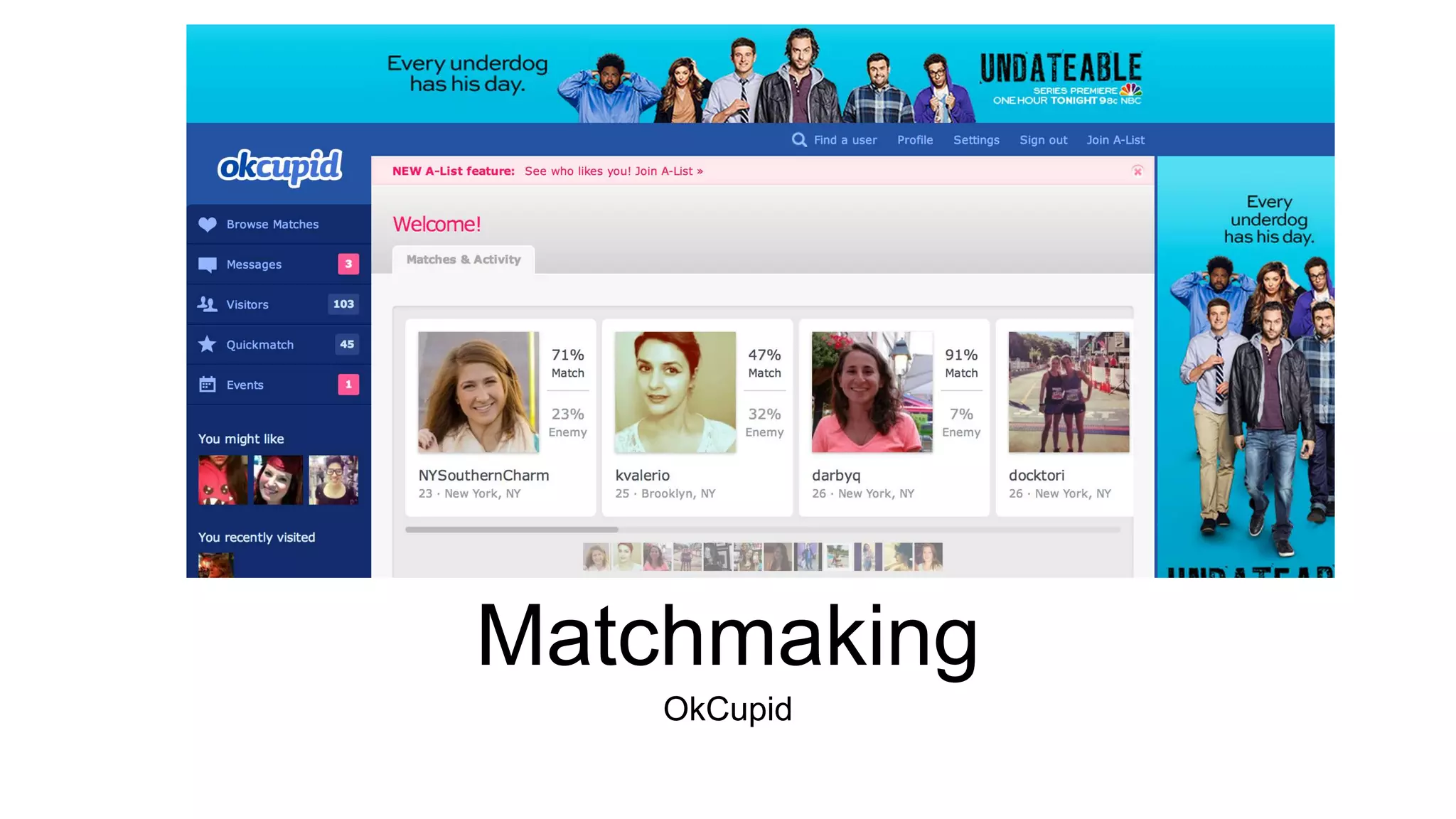
Matchmaking 
OkCupid
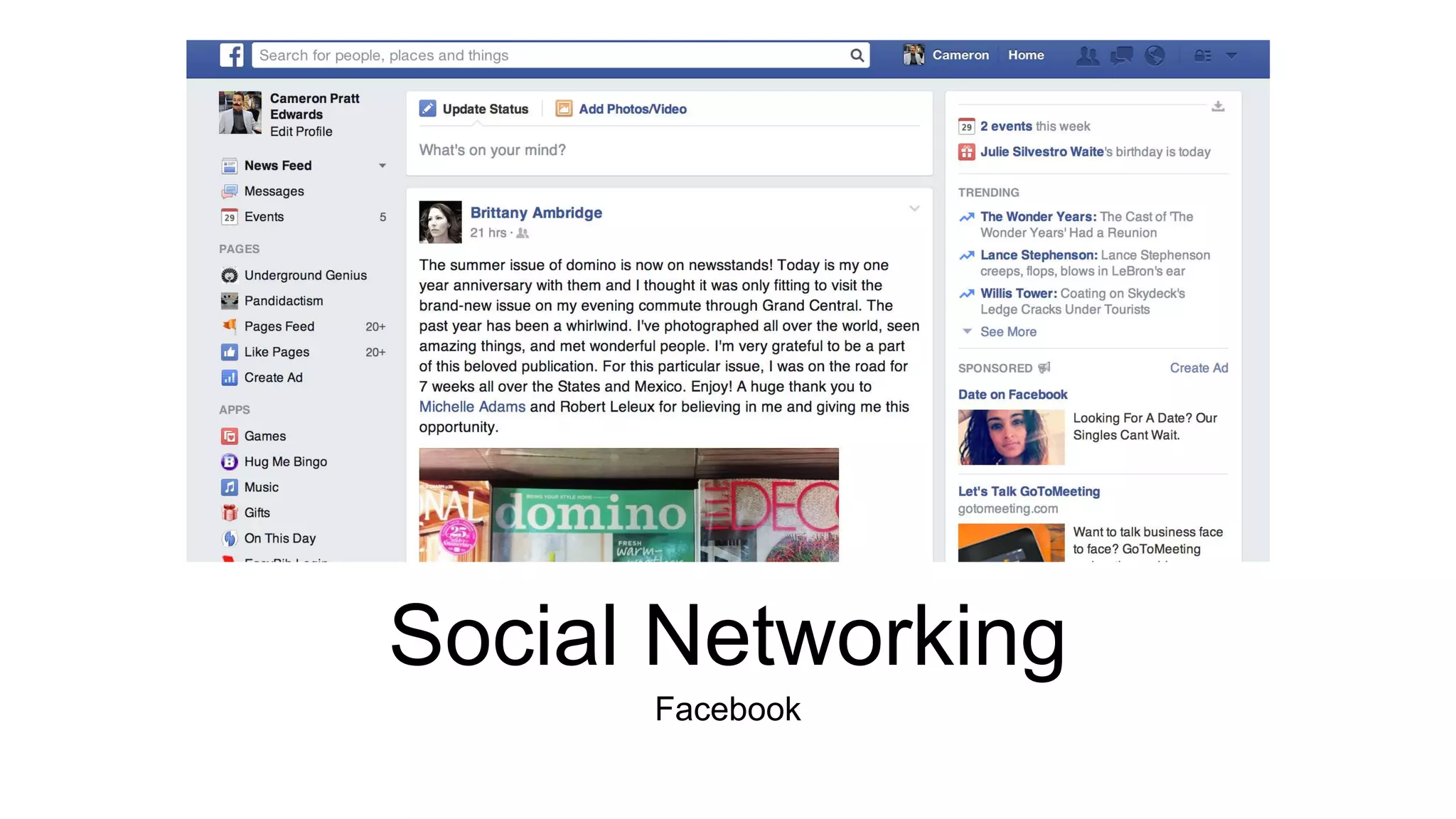
Social Networking 
Facebook
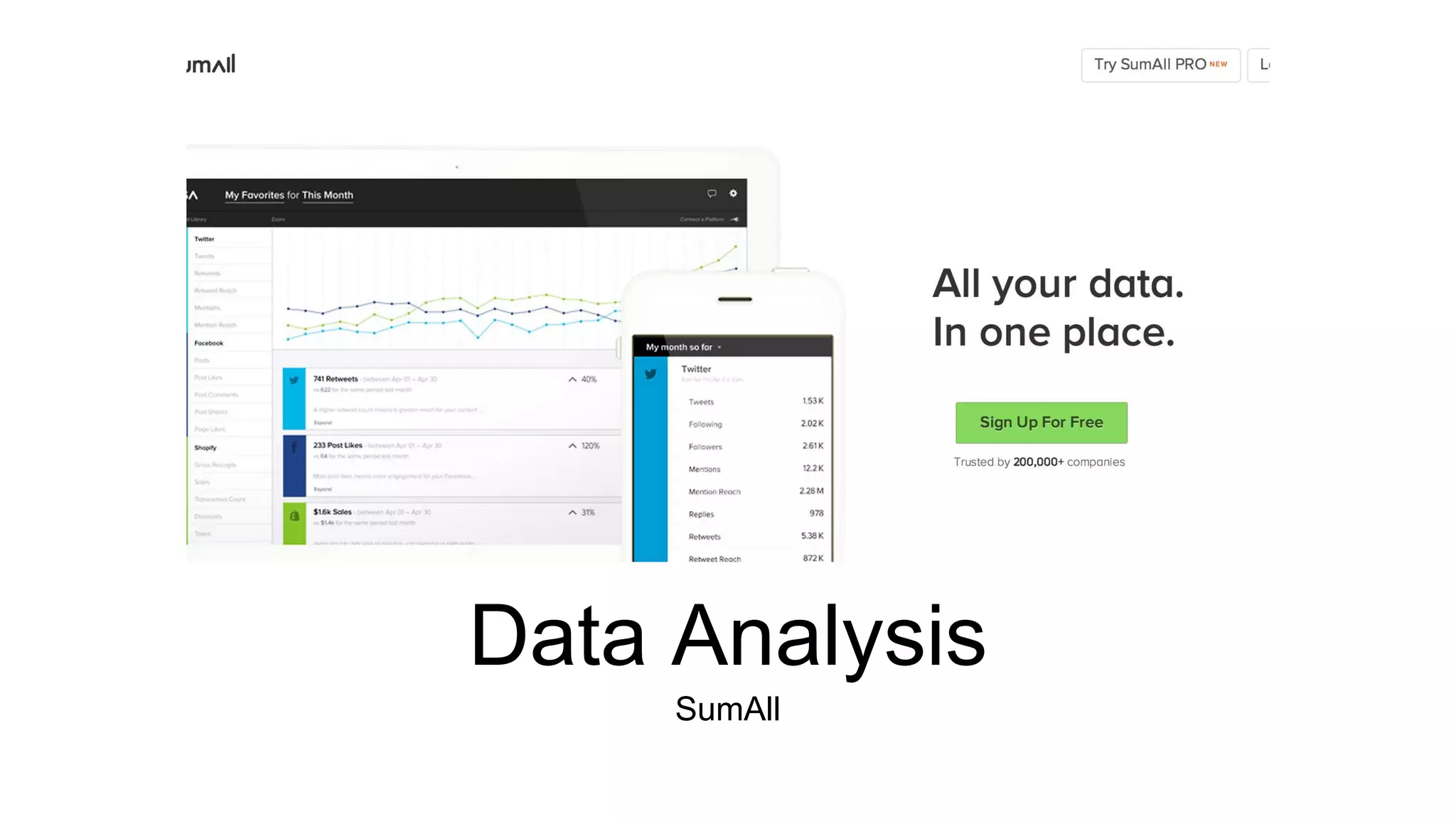
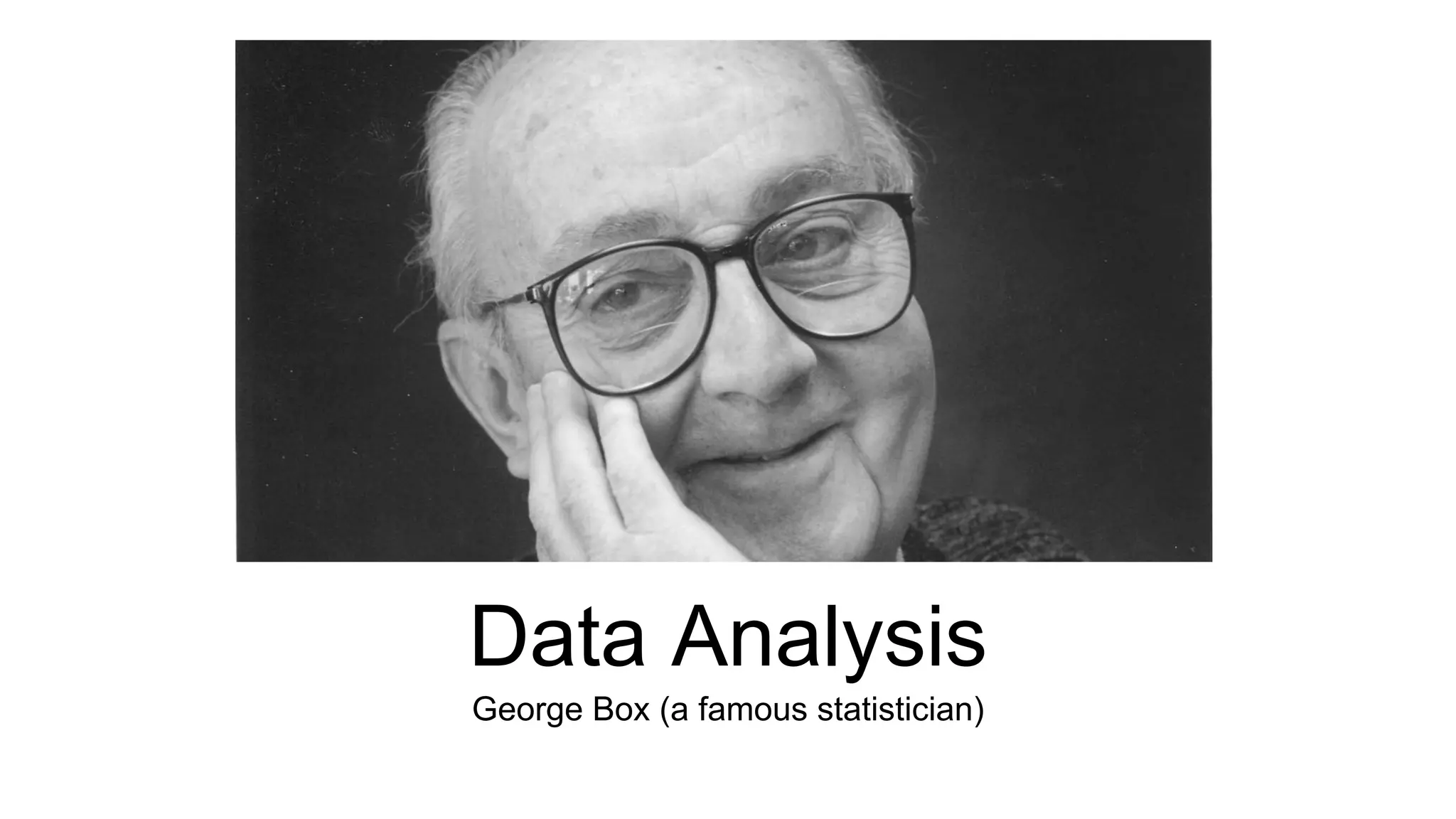
Data Analysis 
SumAll
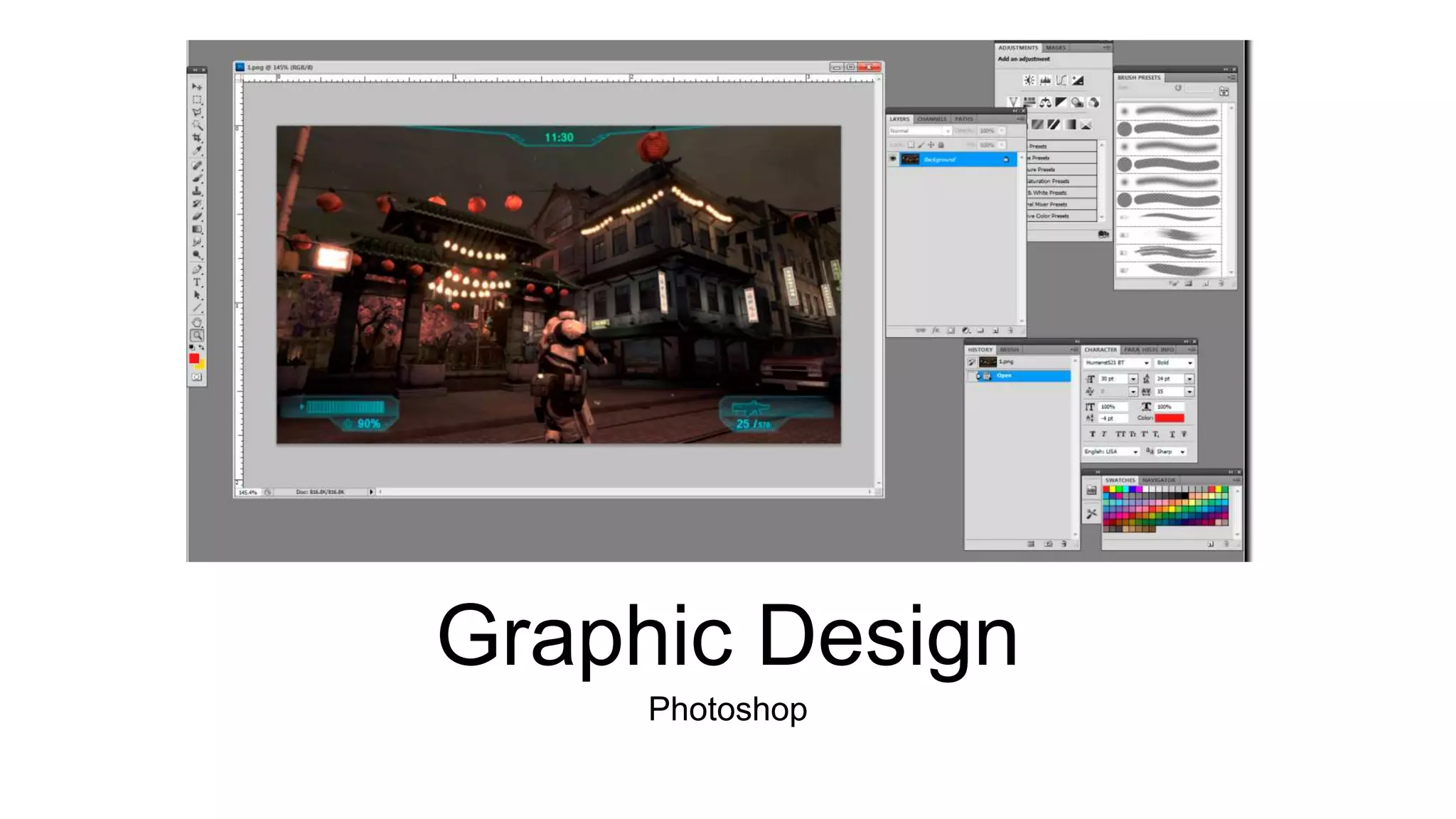
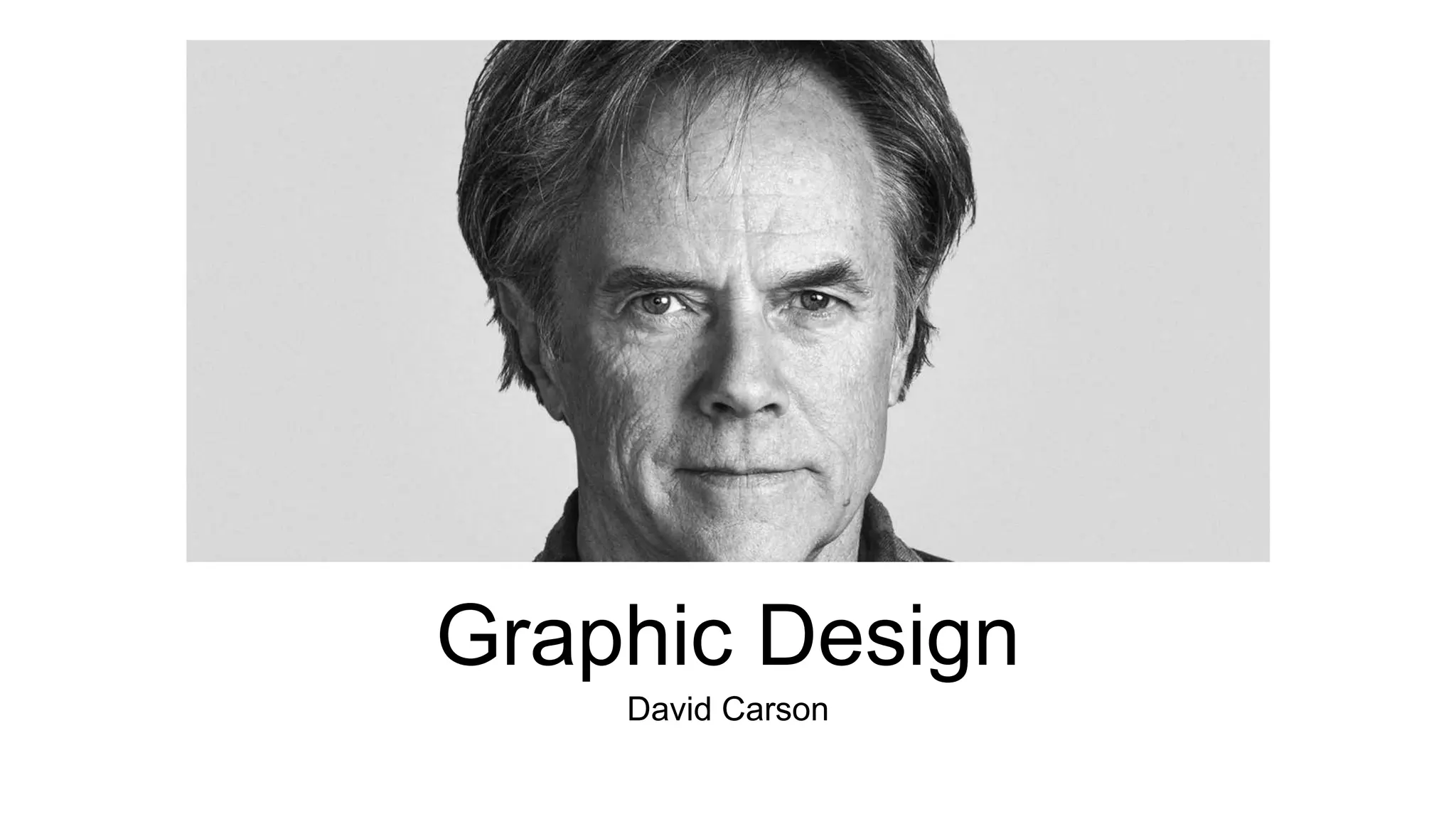
Graphic Design 
Photoshop
Research 
EasyBib
Successful software starts 
with a focus on the domain.
How do I “focus on the 
domain?”
First, seek understanding 
from domain experts. 
They know more than you do. 
experts are sometimes known as “business stakeholders” or “product
Who is an expert in my domain?
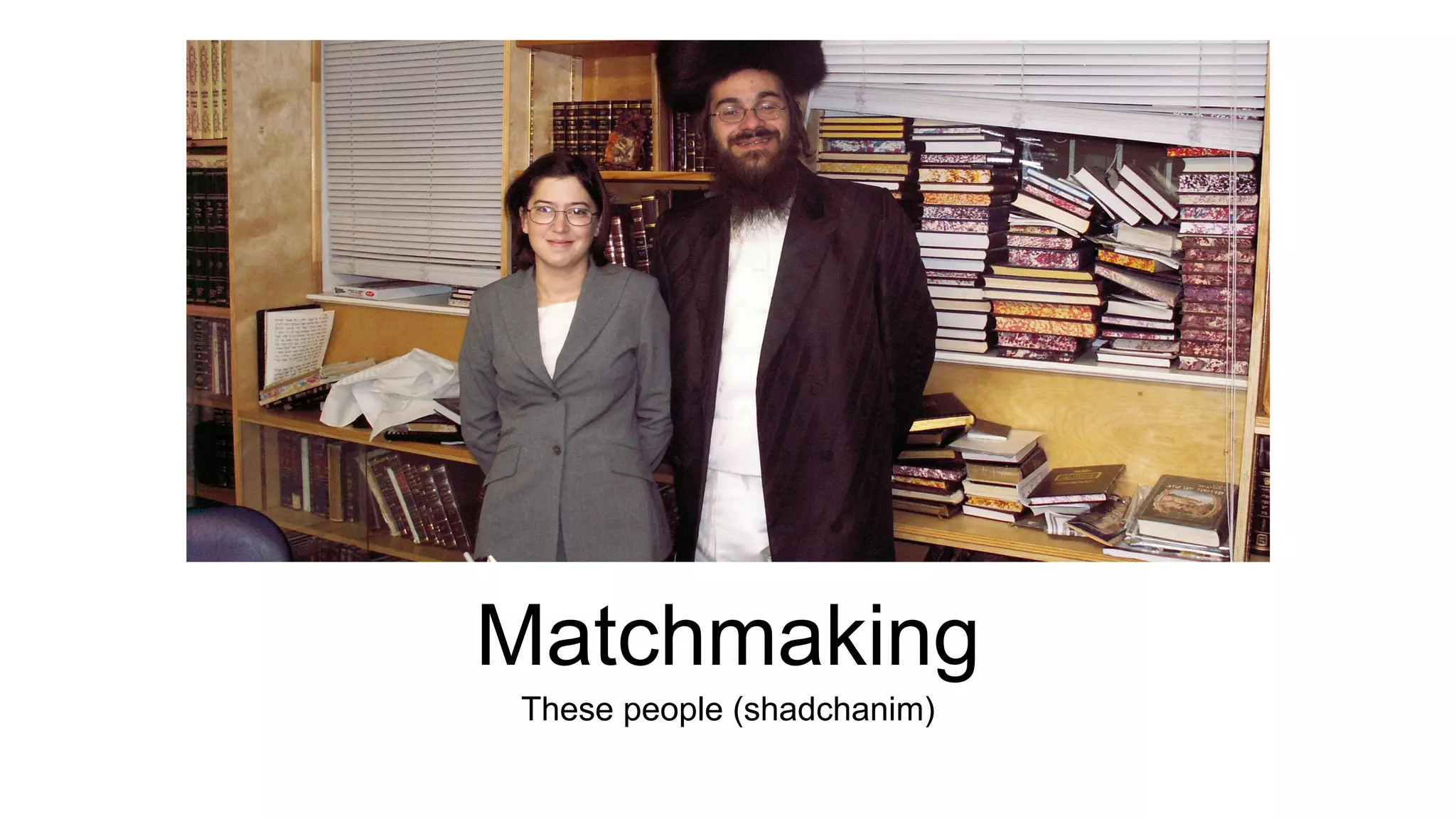
Matchmaking 
These people (shadchanim)
Social Networking 
This guy.
Data Analysis 
George Box (a famous statistician)
Graphic Design 
David Carson
Research 
Allison “I Know a Lot About Research” Cloyd
Next, create a model of the domain 
that you can use in your software.
What is a model?
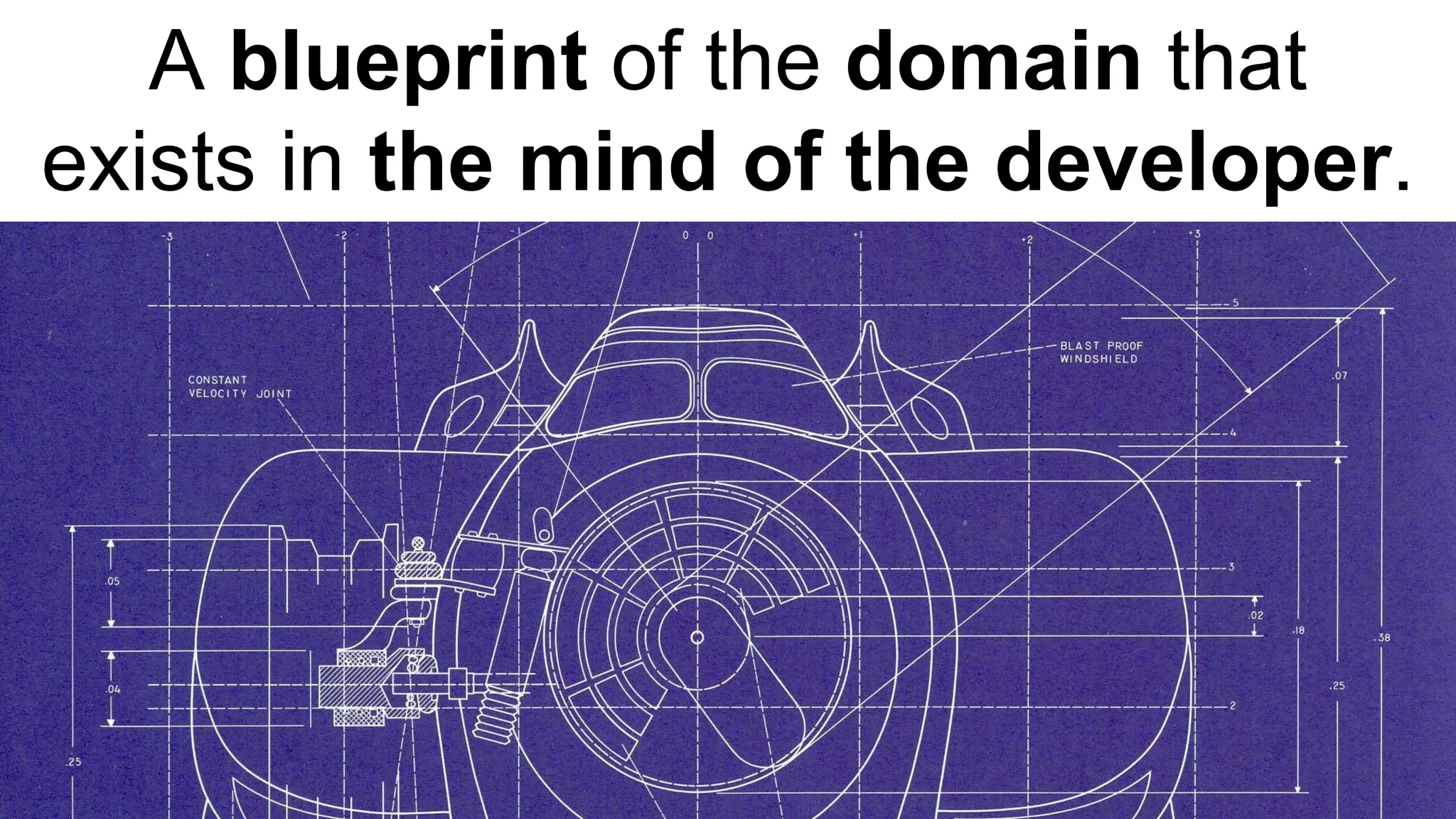
A blueprint of the domain that 
exists in the mind of the developer.
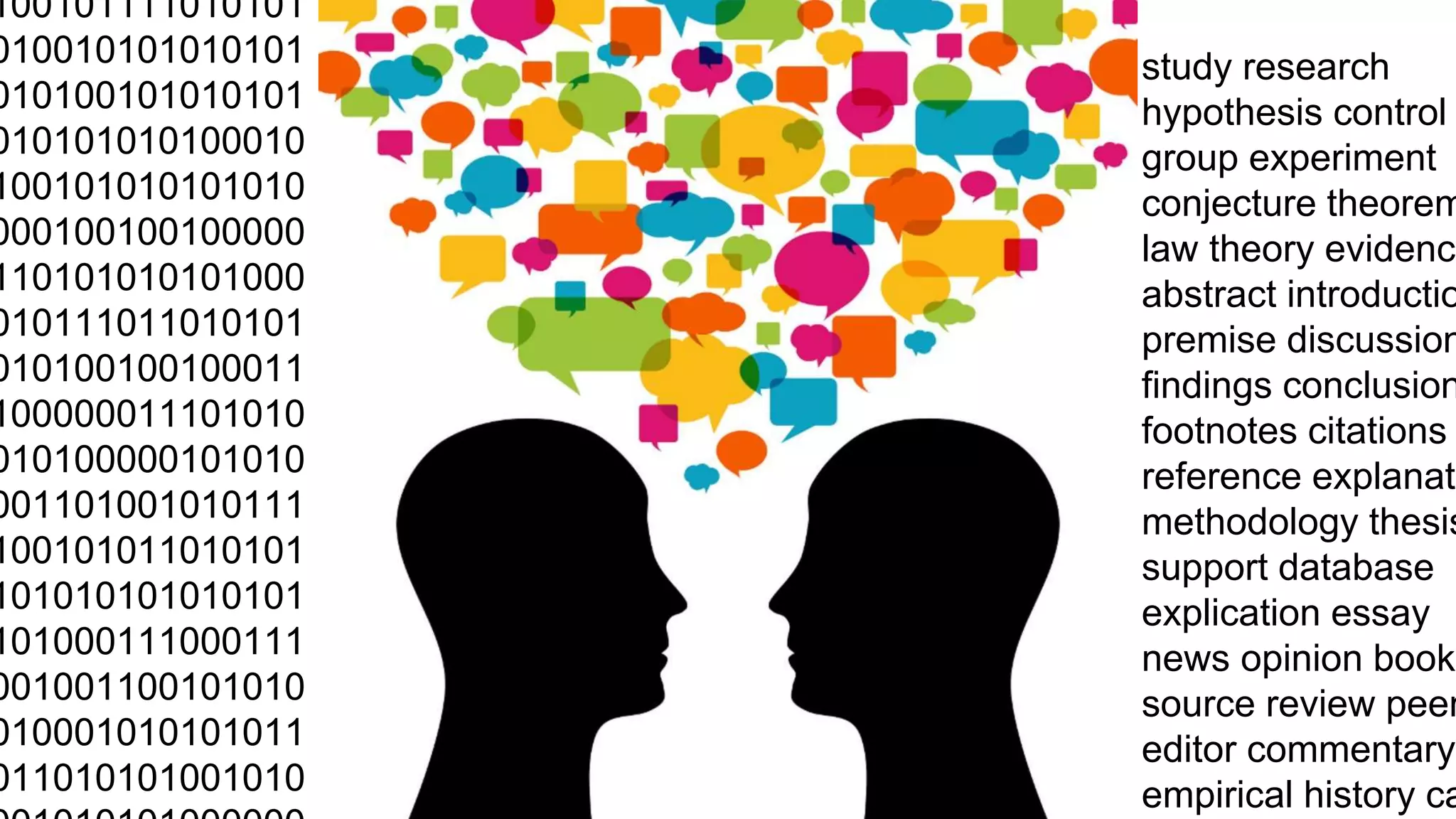
0100101111010101 
0010010101010101 
0010100101010101 
0010101010100010 
0100101010101010 
1000100100100000 
1110101010101000 
1010111011010101 
1010100100100011 
0100000011101010 
1010100000101010 
1001101001010111 
0100101011010101 
0101010101010101 
0101000111000111 
1001001100101010 
1010001010101011 
1011010101001010 
1001010101000000 
study research 
hypothesis control 
group experiment 
conjecture theorem 
law theory evidence 
abstract introduction 
premise discussion 
findings conclusion 
footnotes citations 
reference explanation 
methodology thesis 
support database 
explication essay 
news opinion book 
source review peer 
editor commentary 
empirical history case
Some common misconceptions 
about the model
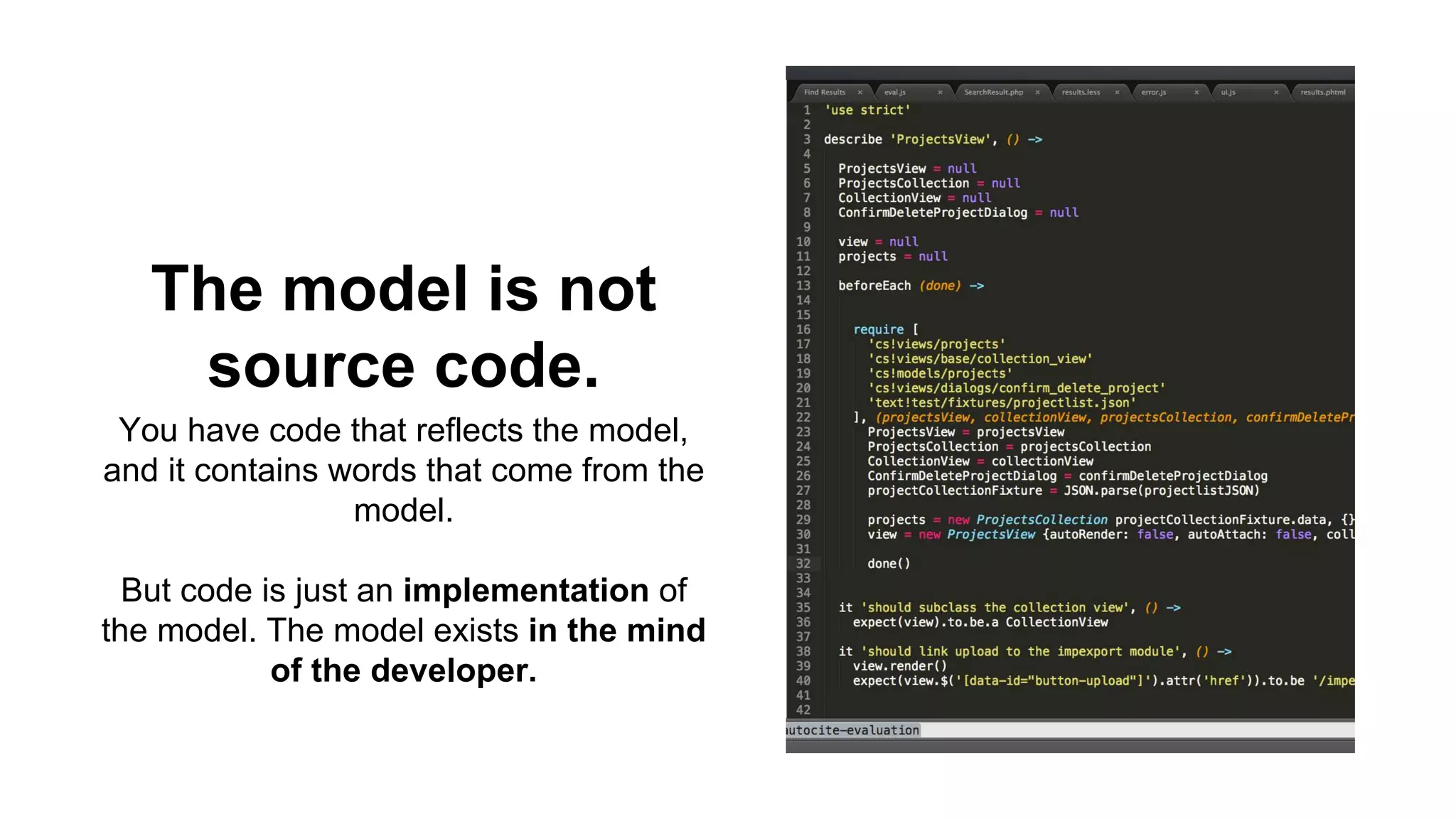
The model is not 
source code. 
You have code that reflects the model, 
and it contains words that come from the 
model. 
But code is just an implementation of 
the model. The model exists in the mind 
of the developer.
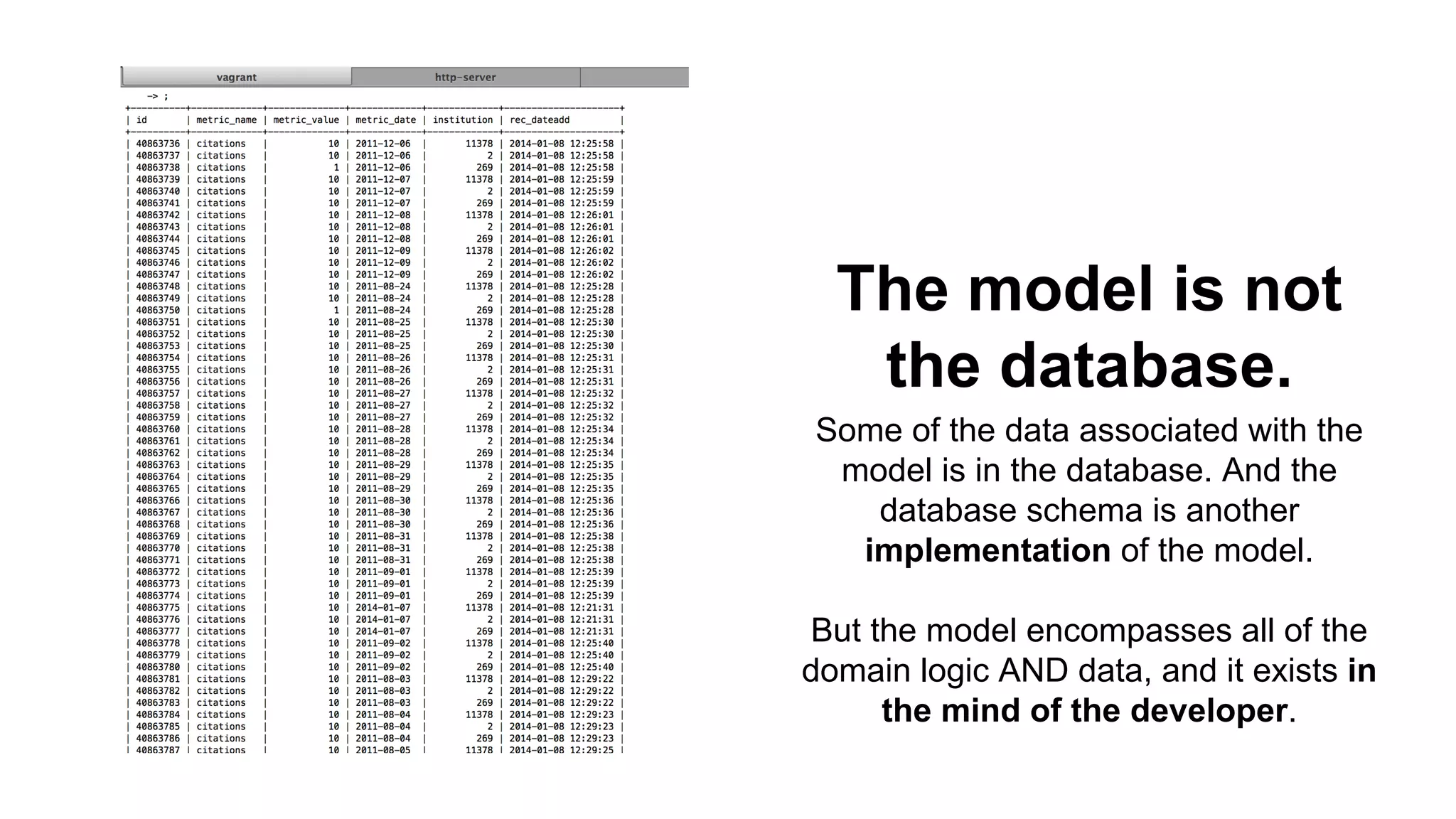
The model is not 
the database. 
Some of the data associated with the 
model is in the database. And the 
database schema is another 
implementation of the model. 
But the model encompasses all of the 
domain logic AND data, and it exists in 
the mind of the developer.
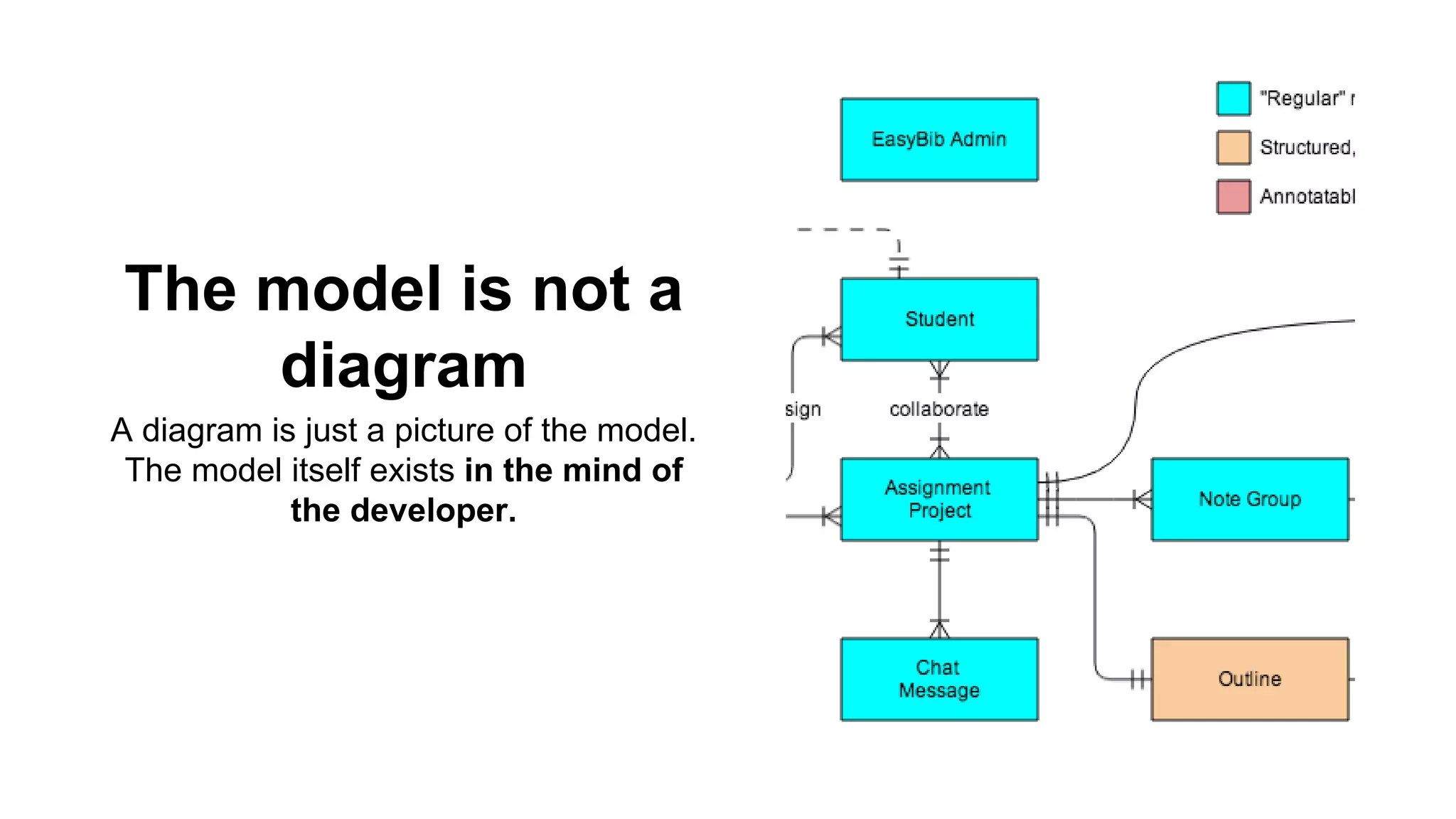
The model is not a 
diagram 
A diagram is just a picture of the model. 
The model itself exists in the mind of 
the developer.
Some perks of using a model
Ubiquitous Language
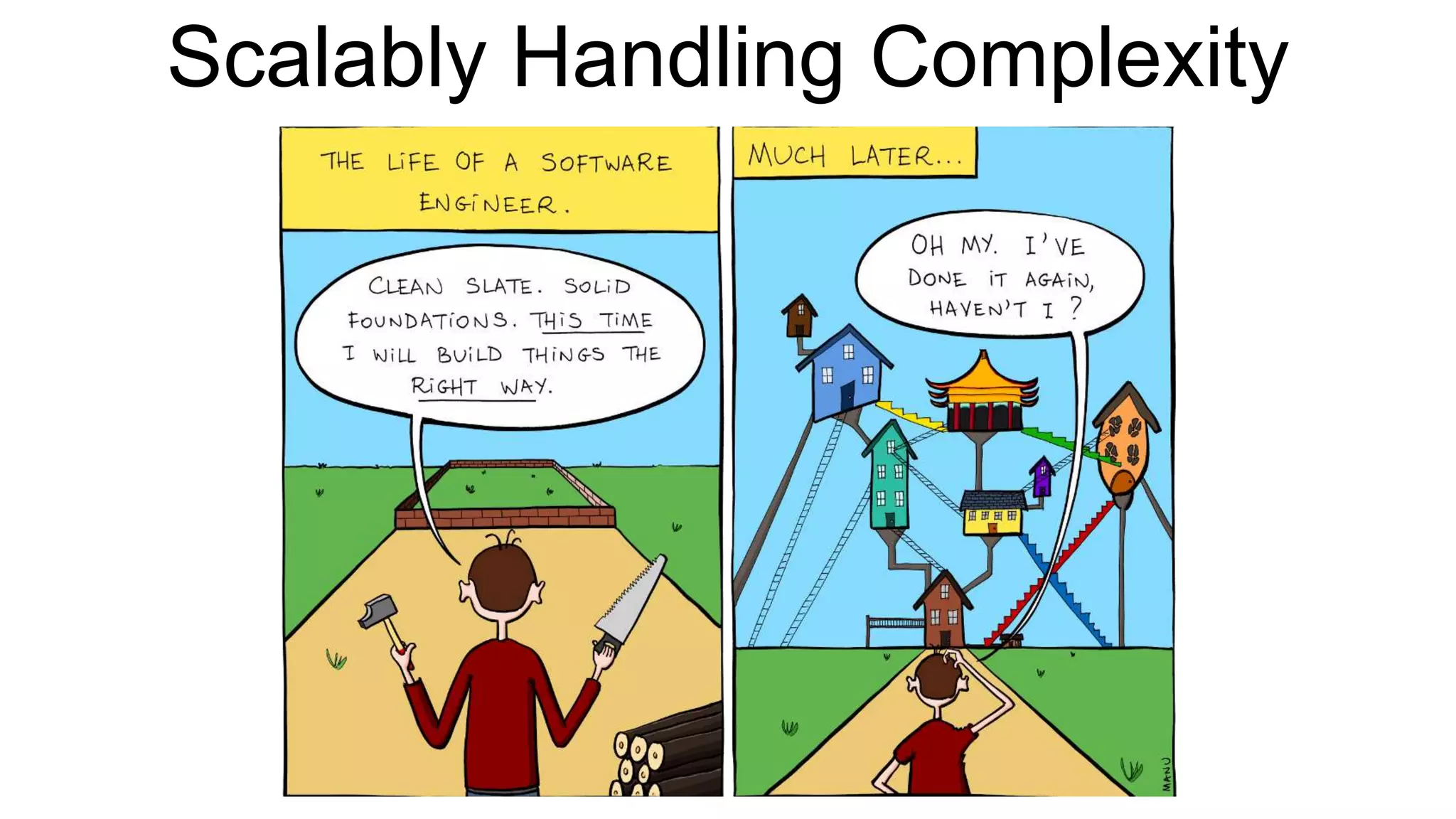
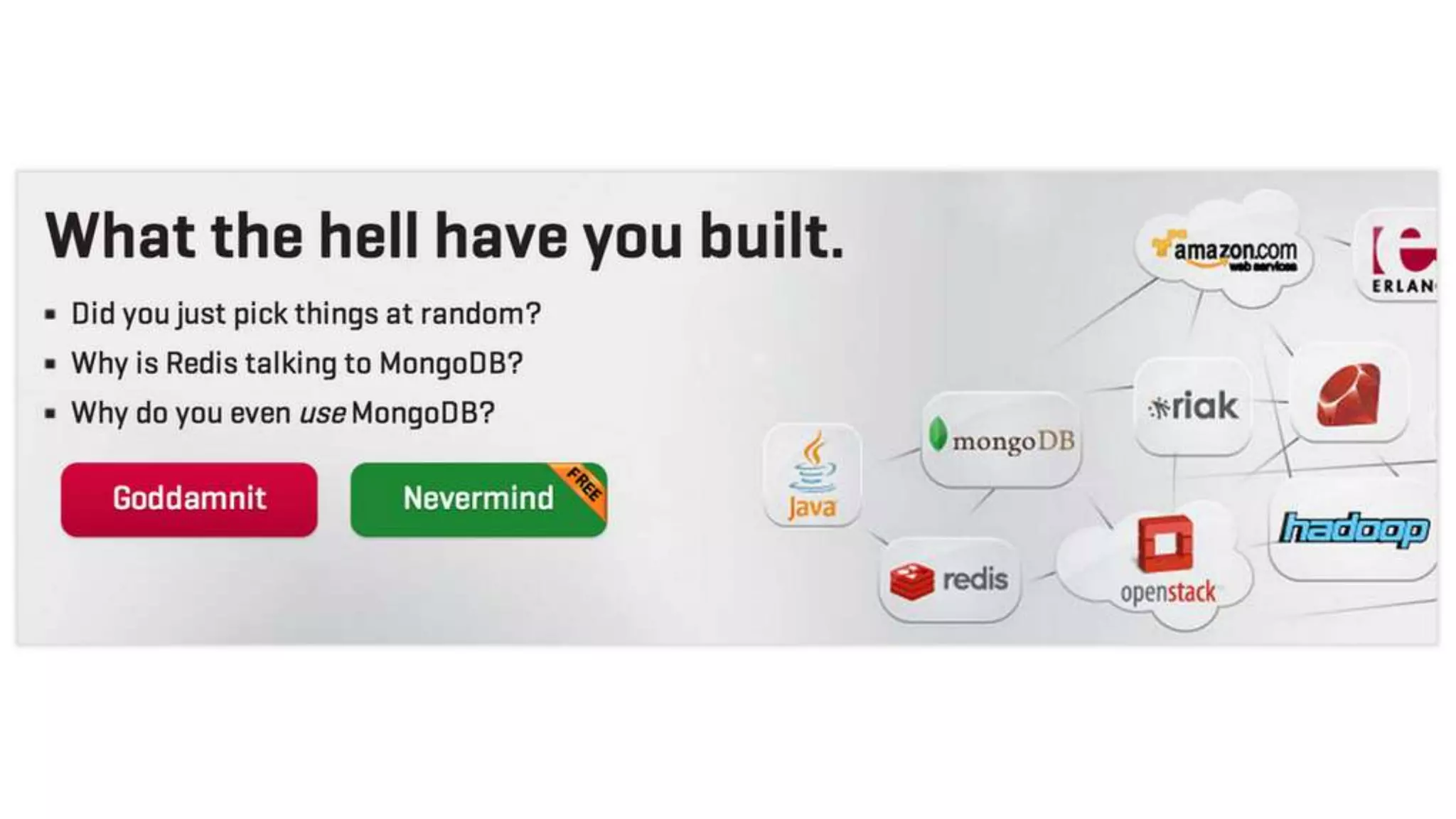
Scalably Handling Complexity
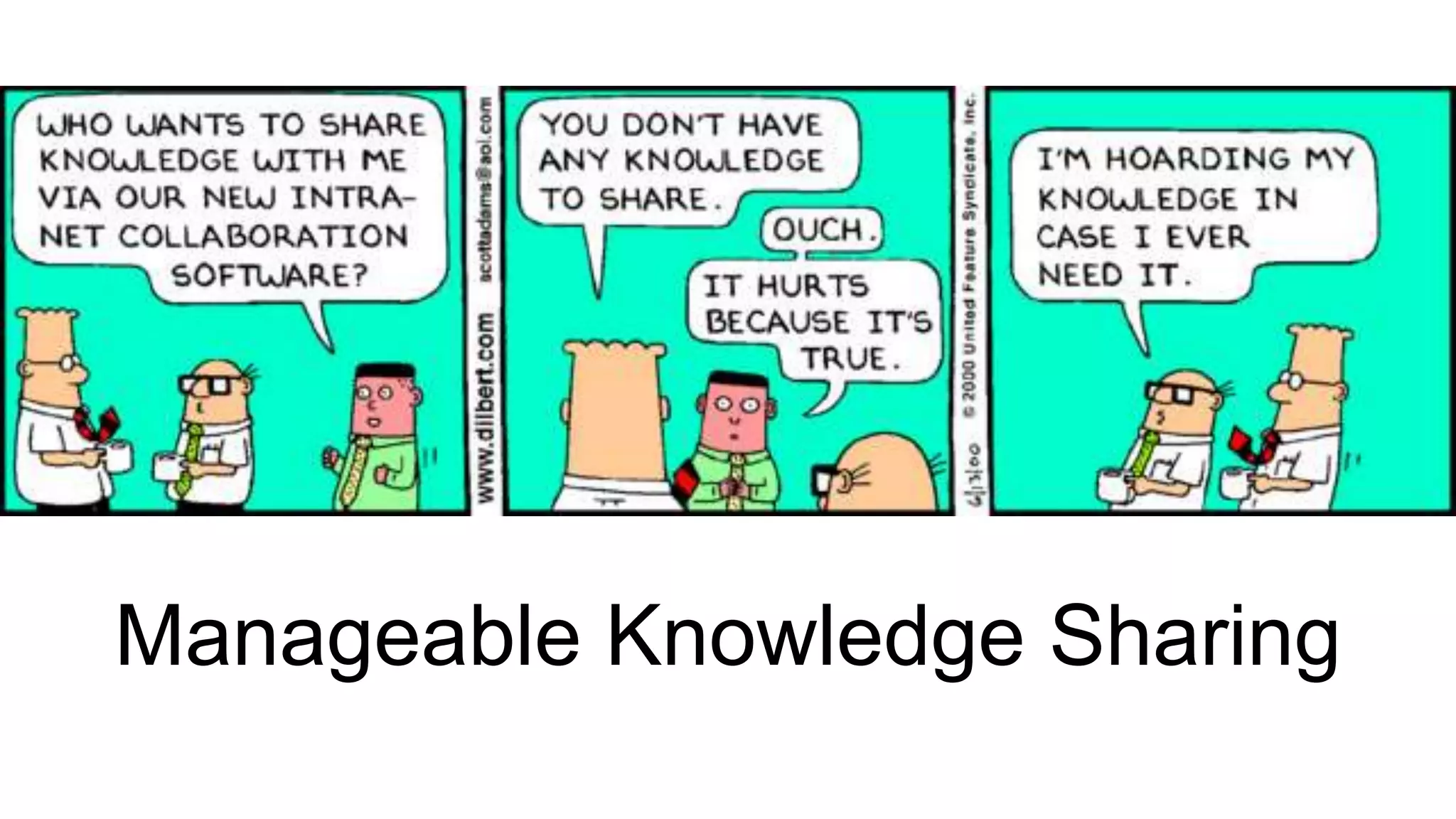
Manageable Knowledge Sharing
How do I translate the domain 
expert’s knowledge into a model?
1.Verbal Communication 
2.Diagramming 
3.Use Cases
The Stuff that Models are 
Made Of
Entities 
Objects with a unique, persistent identity 
We track this identity using a key or a combination of 
properties
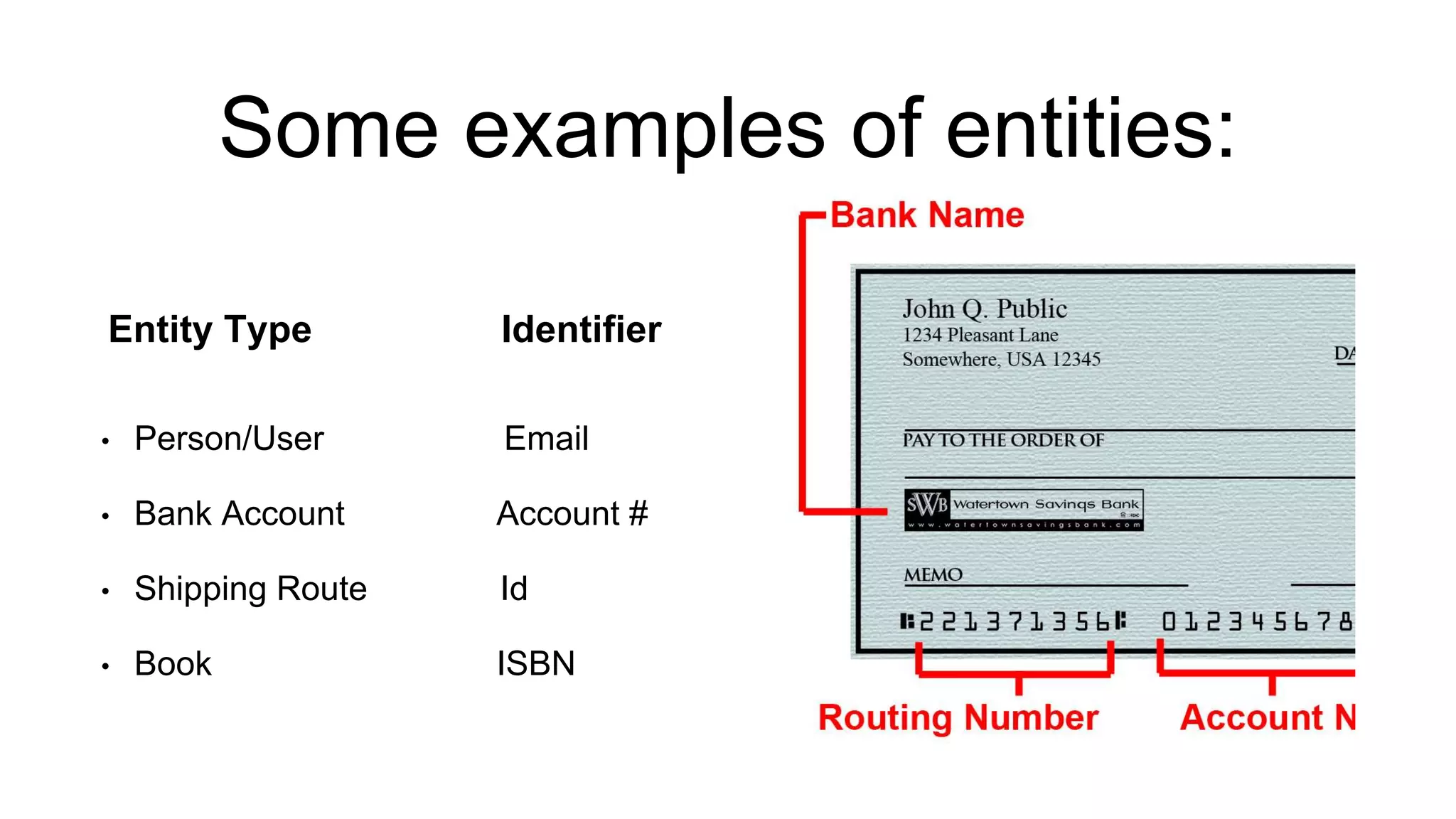
Some examples of entities: 
Entity Type Identifier 
• Person/User Email 
• Bank Account Account # 
• Shipping Route Id 
• Book ISBN
Value Objects 
Second class objects with no identity, just value 
Value objects are always properties of entities 
They’re immutable: they’re usually only changed by 
replacement
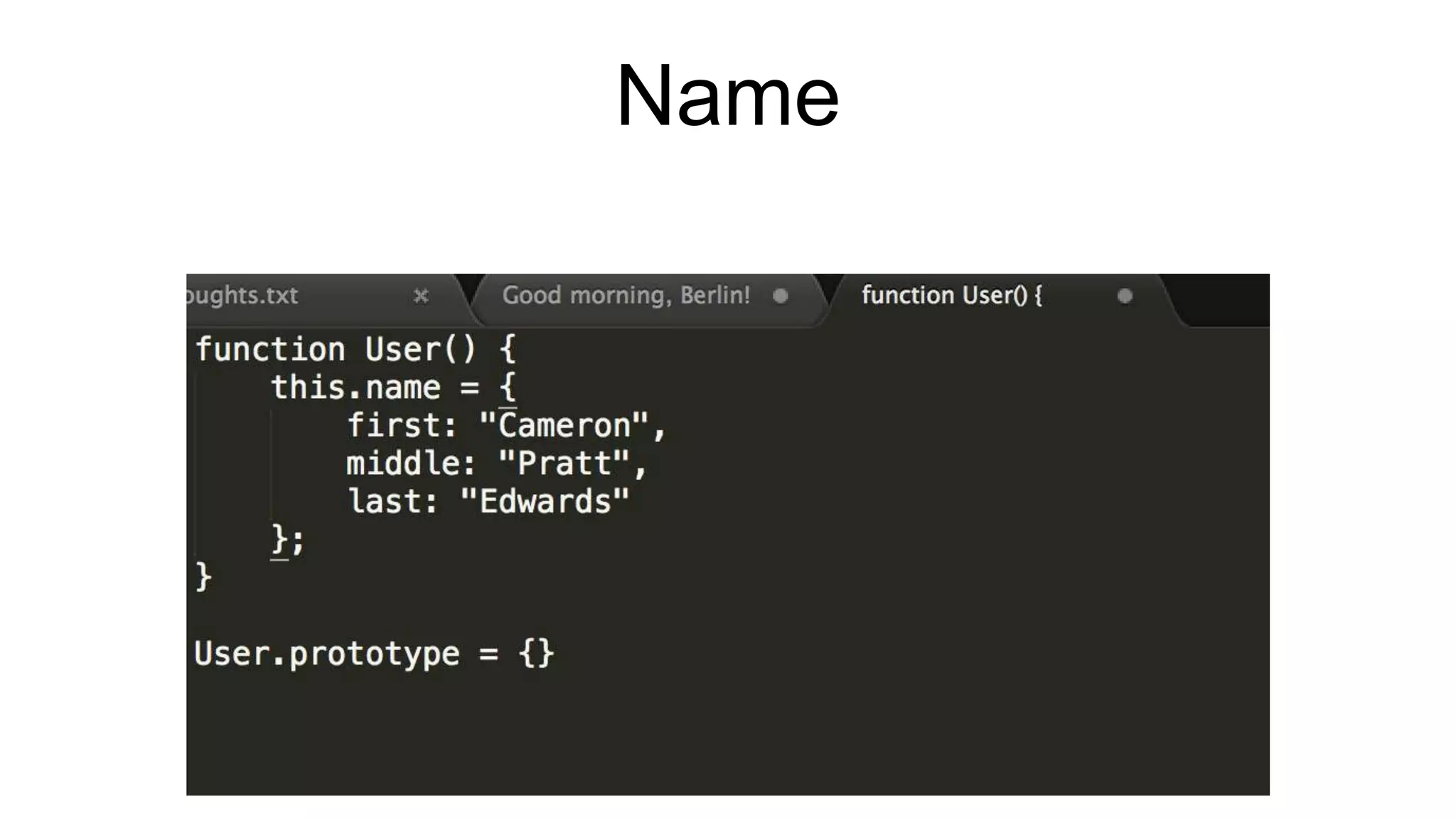
Name
Factories 
The job of factories is to make entities
Printer
Services 
Services are the verbs of an application. 
Their state doesn’t matter so much. 
They have a job to do.
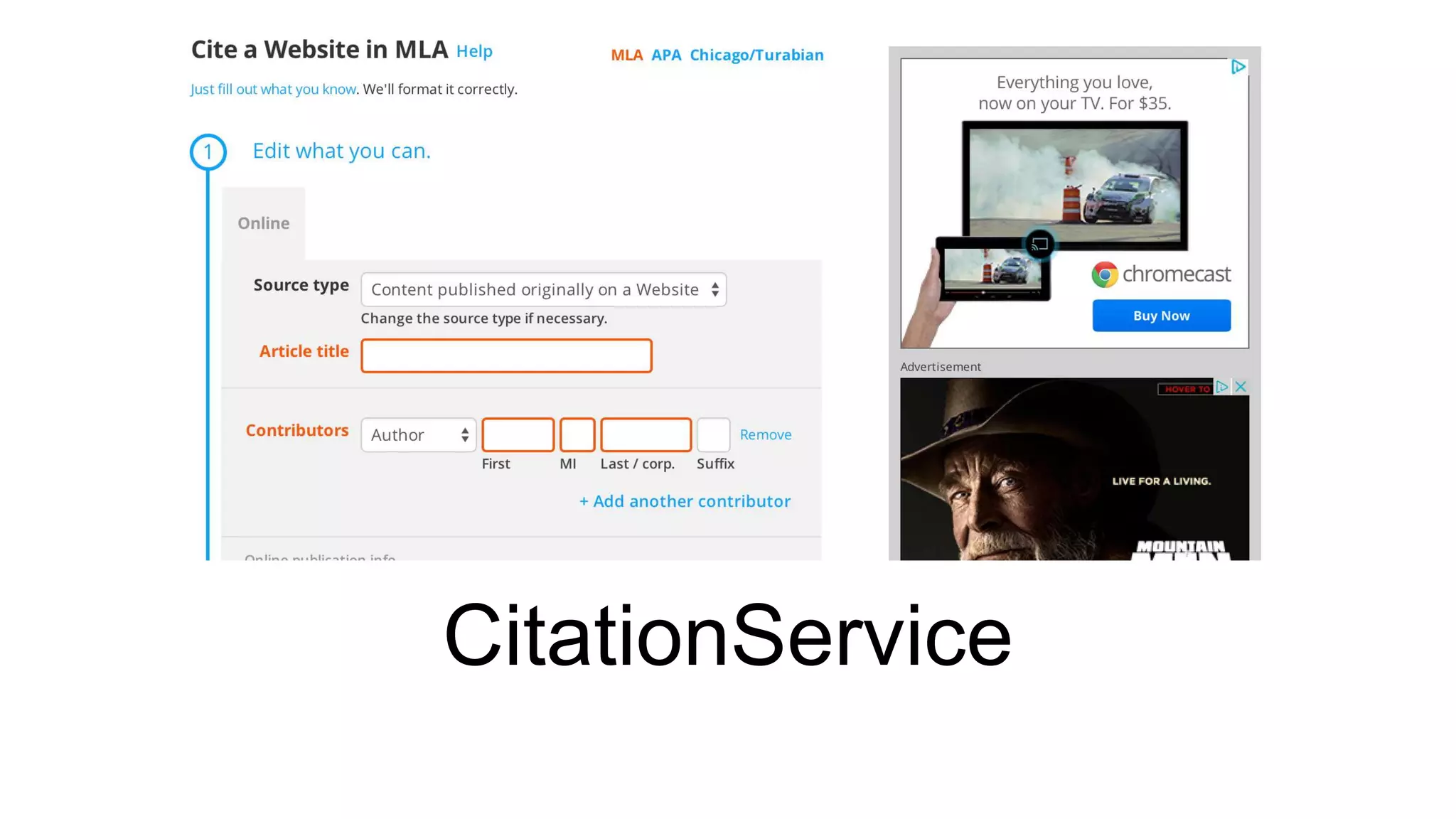
CitationService
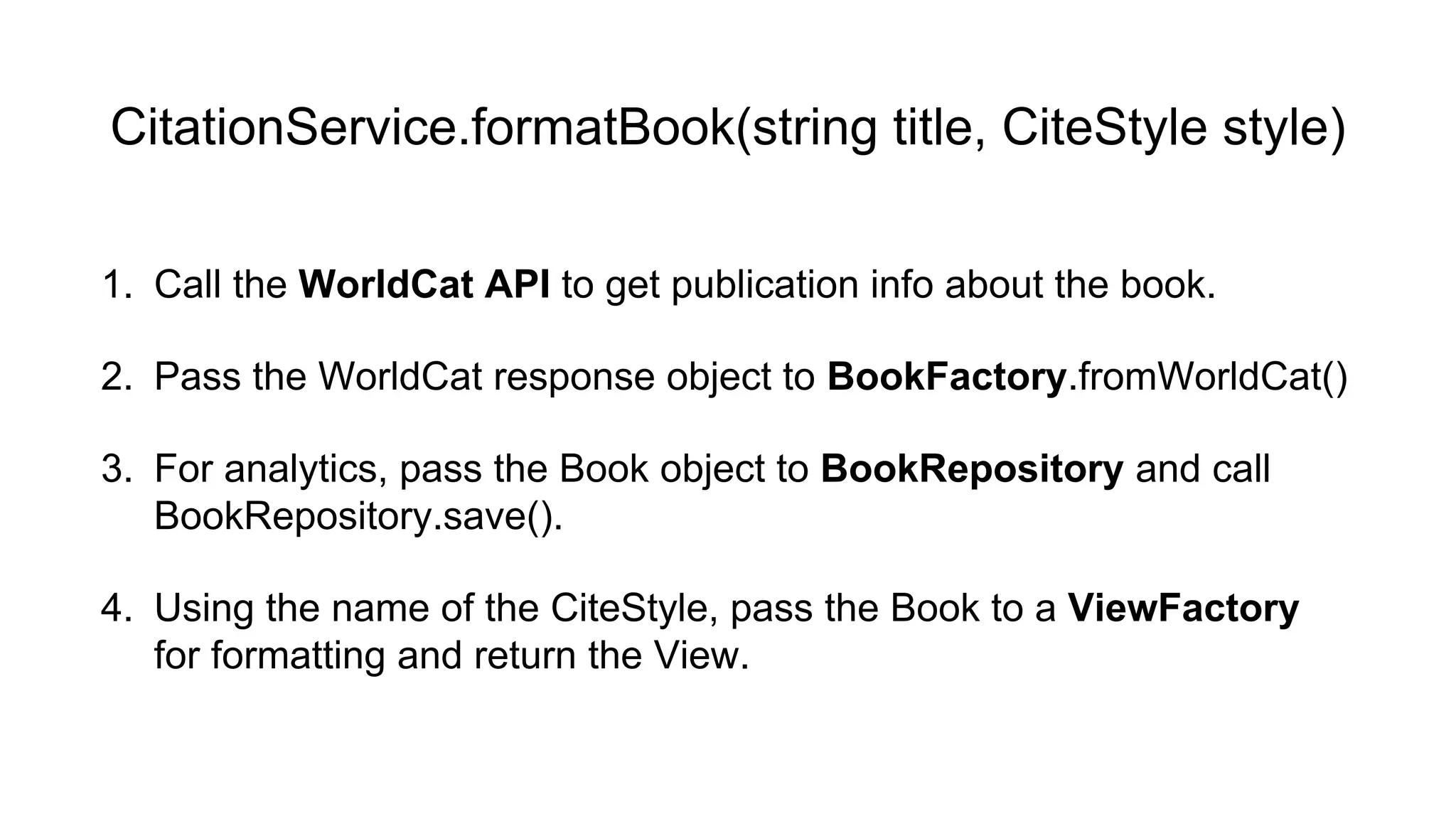
CitationService.formatBook(string title, CiteStyle style) 
1. Call the WorldCat API to get publication info about the book. 
2. Pass the WorldCat response object to BookFactory.fromWorldCat() 
3. For analytics, pass the Book object to BookRepository and call 
BookRepository.save(). 
4. Using the name of the CiteStyle, pass the Book to a ViewFactory 
for formatting and return the View.
Repositories 
The persistence layer 
Buckets for data
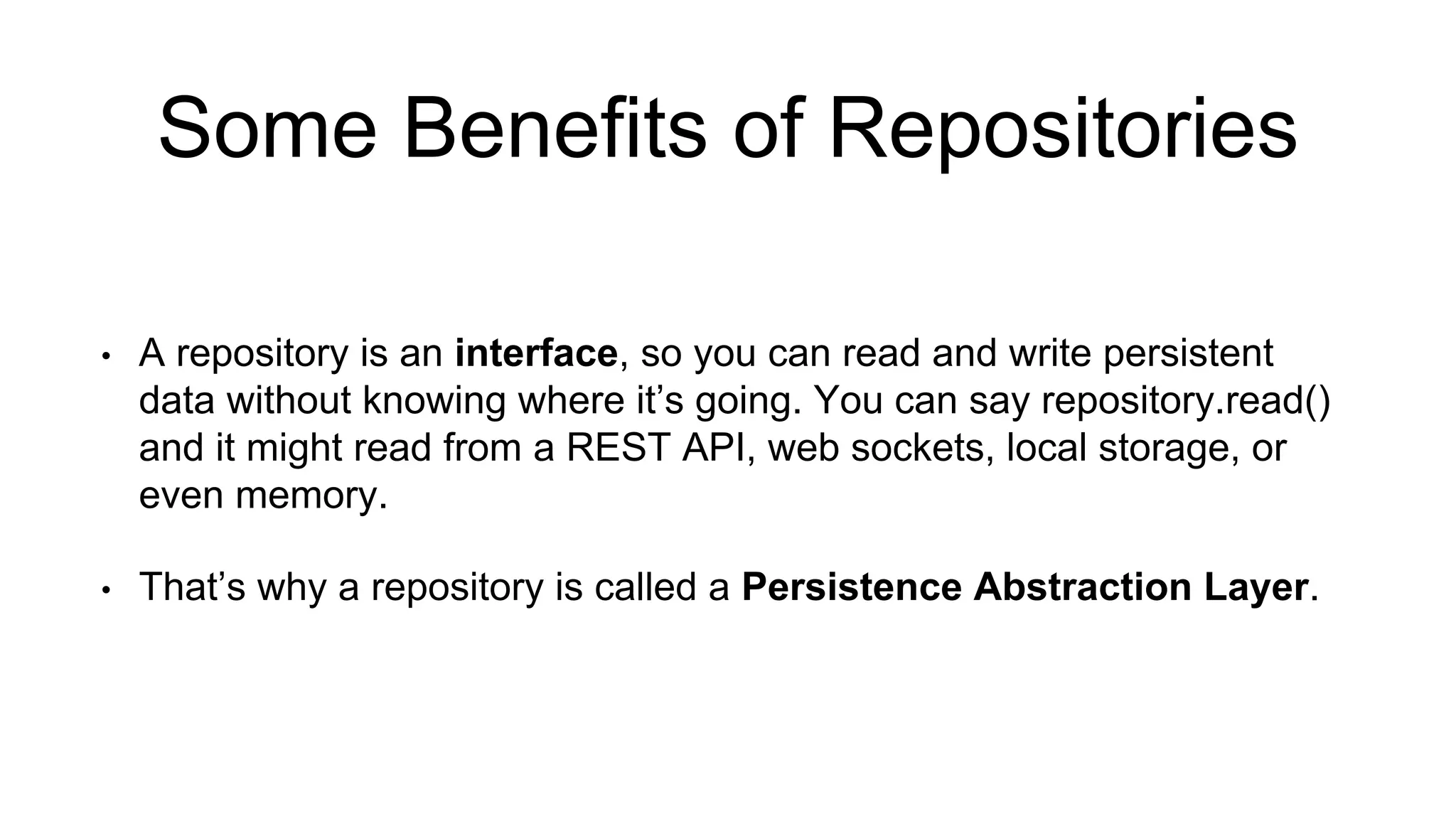
Some Benefits of Repositories 
• A repository is an interface, so you can read and write persistent 
data without knowing where it’s going. You can say repository.read() 
and it might read from a REST API, web sockets, local storage, or 
even memory. 
• That’s why a repository is called a Persistence Abstraction Layer.
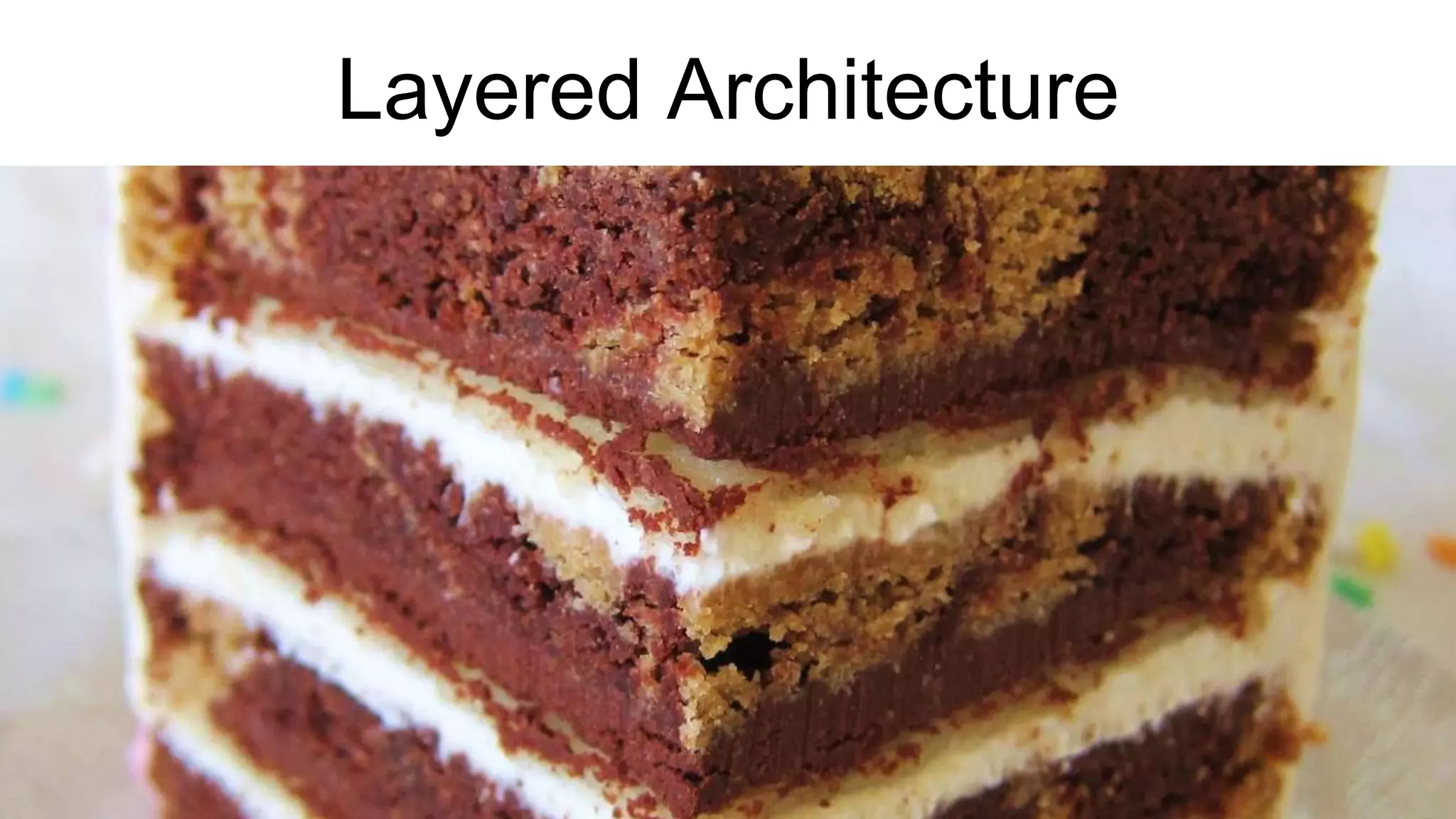
Layered Architecture
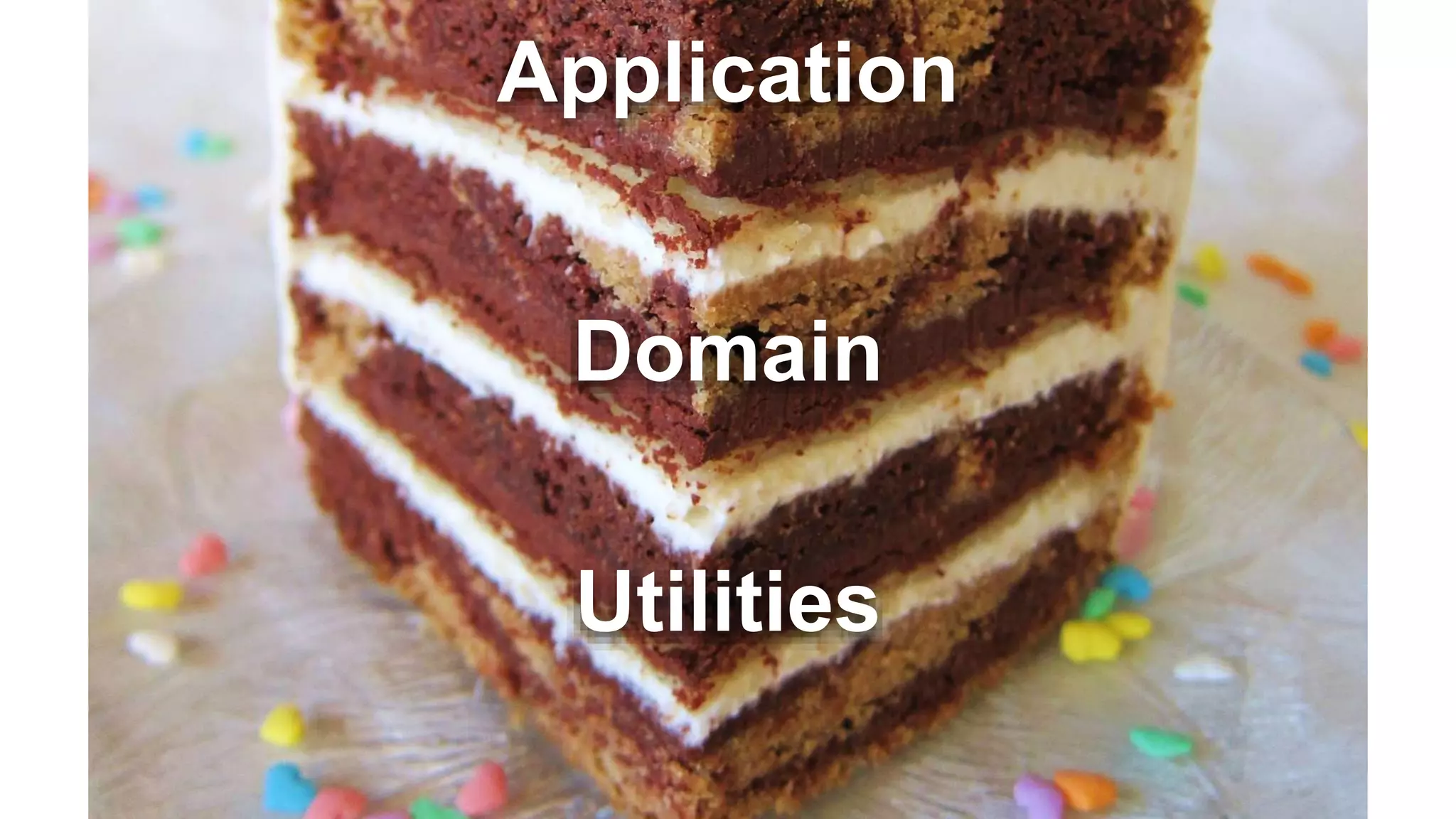
Application 
Domain 
Utilities
Application Layer 
• Views 
• RequestControllers (traditionally called “Controllers”) 
• ViewModels 
• Assets - CSS, JavaScript, images 
• UI Details - UIControllers, Data Bindings 
• Any other application-specific logic (console applications, cron tasks, 
etc.)
Domain Layer 
• Entities 
• Factories 
• Services 
• Repositories 
• Any other domain-specific logic that’s reusable across applications
Utilities Layer 
• Libraries - Math Utilities, CSV Parsers, DOM Selection Utilities, Data 
Structure Helpers, ORM Tools 
• Frameworks - Backbone, Symfony, Rails, Django 
• Anything that’s reusable across domains
Some Rules for Layered Architecture
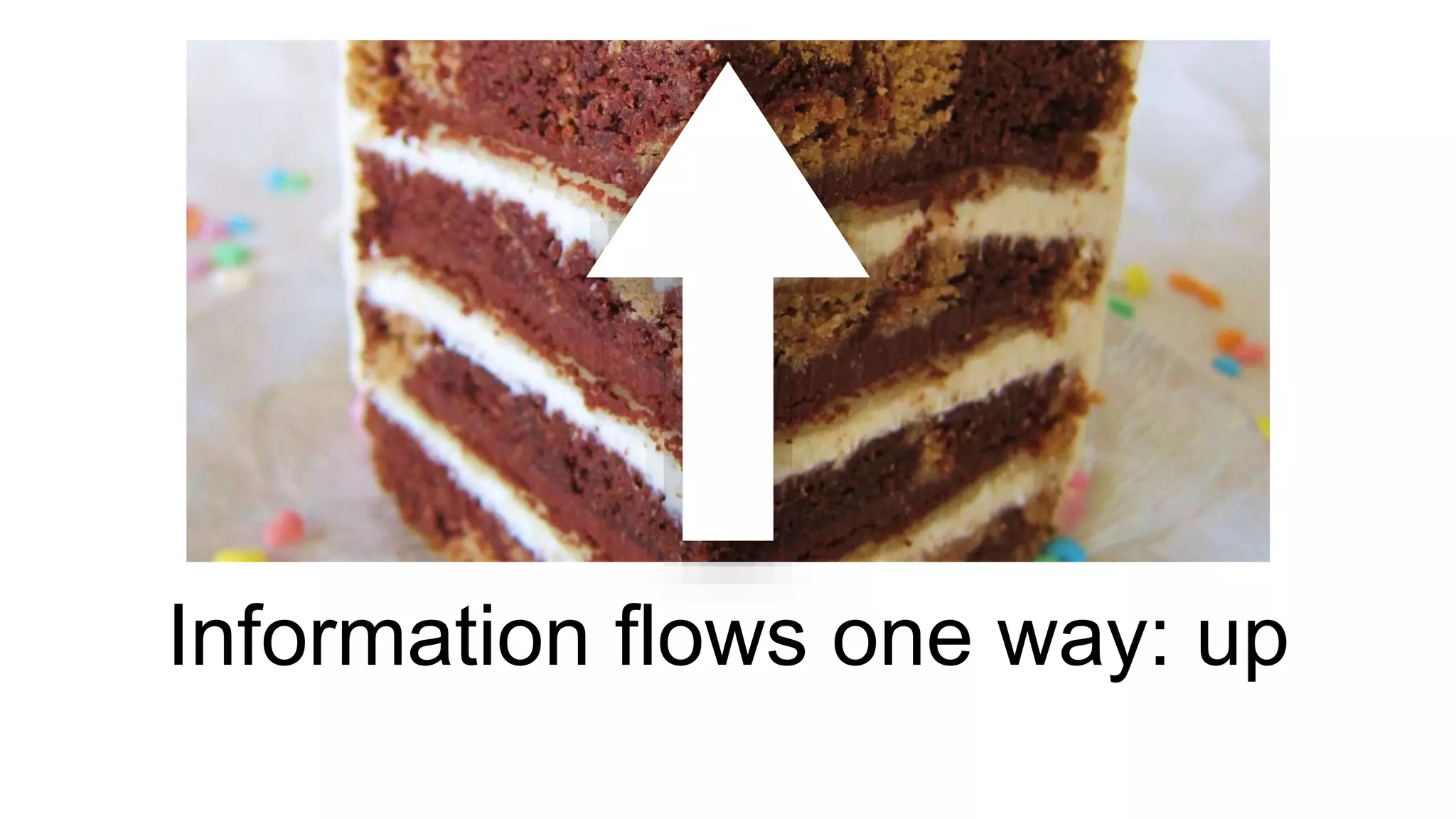
Information flows one way: up
References 
Objects in one layer can refer to objects in any lower layer. 
Objects in one layer can refer to objects in that same layer. 
Objects in one layer CANNOT REFER TO OBJECTS IN A HIGHER LAYER.
Let’s Get Some Practice 
For some more good reading, go to http://www.loewenbraeuzelt.de/wp-content/ 
uploads/DomainDrivenDesignQuicklyOnline.pdf 
Or check out Eric Evans’ Book, Domain Driven Design
In This Presentation 
• See the working app: cornellnotes.nodejitsu.com 
• GraphJS: https://github.com/cameronprattedwards/graphjs 
• entity-context: https://github.com/cameronprattedwards/entity-context 
Contributors wanted!
Domain Driven Design in the Browser - Cameron Edwards

Domain Driven Design in the Browser - Cameron Edwards

  • 3.
    Domain Driven Designin the Browser Better Living through Software Modeling
  • 5.
    The job ofsoftware is to solve problems having to do with a particular domain.
  • 6.
    What’s a Domain? A domain is an area of expertise. It could be a industry field, like accounting, or a subject of interest, like penguins.
  • 7.
  • 8.
  • 9.
  • 10.
  • 11.
  • 12.
    Successful software starts with a focus on the domain.
  • 13.
    How do I“focus on the domain?”
  • 14.
    First, seek understanding from domain experts. They know more than you do. experts are sometimes known as “business stakeholders” or “product
  • 15.
    Who is anexpert in my domain?
  • 16.
  • 17.
  • 18.
    Data Analysis GeorgeBox (a famous statistician)
  • 19.
  • 20.
    Research Allison “IKnow a Lot About Research” Cloyd
  • 21.
    Next, create amodel of the domain that you can use in your software.
  • 22.
    What is amodel?
  • 23.
    A blueprint ofthe domain that exists in the mind of the developer.
  • 24.
    0100101111010101 0010010101010101 0010100101010101 0010101010100010 0100101010101010 1000100100100000 1110101010101000 1010111011010101 1010100100100011 0100000011101010 1010100000101010 1001101001010111 0100101011010101 0101010101010101 0101000111000111 1001001100101010 1010001010101011 1011010101001010 1001010101000000 study research hypothesis control group experiment conjecture theorem law theory evidence abstract introduction premise discussion findings conclusion footnotes citations reference explanation methodology thesis support database explication essay news opinion book source review peer editor commentary empirical history case
  • 25.
  • 26.
    The model isnot source code. You have code that reflects the model, and it contains words that come from the model. But code is just an implementation of the model. The model exists in the mind of the developer.
  • 27.
    The model isnot the database. Some of the data associated with the model is in the database. And the database schema is another implementation of the model. But the model encompasses all of the domain logic AND data, and it exists in the mind of the developer.
  • 28.
    The model isnot a diagram A diagram is just a picture of the model. The model itself exists in the mind of the developer.
  • 29.
    Some perks ofusing a model
  • 30.
  • 31.
  • 33.
  • 35.
    How do Itranslate the domain expert’s knowledge into a model?
  • 36.
  • 37.
    The Stuff thatModels are Made Of
  • 38.
    Entities Objects witha unique, persistent identity We track this identity using a key or a combination of properties
  • 39.
    Some examples ofentities: Entity Type Identifier • Person/User Email • Bank Account Account # • Shipping Route Id • Book ISBN
  • 40.
    Value Objects Secondclass objects with no identity, just value Value objects are always properties of entities They’re immutable: they’re usually only changed by replacement
  • 41.
  • 42.
    Factories The jobof factories is to make entities
  • 43.
  • 44.
    Services Services arethe verbs of an application. Their state doesn’t matter so much. They have a job to do.
  • 45.
  • 46.
    CitationService.formatBook(string title, CiteStylestyle) 1. Call the WorldCat API to get publication info about the book. 2. Pass the WorldCat response object to BookFactory.fromWorldCat() 3. For analytics, pass the Book object to BookRepository and call BookRepository.save(). 4. Using the name of the CiteStyle, pass the Book to a ViewFactory for formatting and return the View.
  • 47.
    Repositories The persistencelayer Buckets for data
  • 48.
    Some Benefits ofRepositories • A repository is an interface, so you can read and write persistent data without knowing where it’s going. You can say repository.read() and it might read from a REST API, web sockets, local storage, or even memory. • That’s why a repository is called a Persistence Abstraction Layer.
  • 49.
  • 50.
  • 51.
    Application Layer •Views • RequestControllers (traditionally called “Controllers”) • ViewModels • Assets - CSS, JavaScript, images • UI Details - UIControllers, Data Bindings • Any other application-specific logic (console applications, cron tasks, etc.)
  • 52.
    Domain Layer •Entities • Factories • Services • Repositories • Any other domain-specific logic that’s reusable across applications
  • 53.
    Utilities Layer •Libraries - Math Utilities, CSV Parsers, DOM Selection Utilities, Data Structure Helpers, ORM Tools • Frameworks - Backbone, Symfony, Rails, Django • Anything that’s reusable across domains
  • 54.
    Some Rules forLayered Architecture
  • 55.
  • 56.
    References Objects inone layer can refer to objects in any lower layer. Objects in one layer can refer to objects in that same layer. Objects in one layer CANNOT REFER TO OBJECTS IN A HIGHER LAYER.
  • 57.
    Let’s Get SomePractice For some more good reading, go to http://www.loewenbraeuzelt.de/wp-content/ uploads/DomainDrivenDesignQuicklyOnline.pdf Or check out Eric Evans’ Book, Domain Driven Design
  • 58.
    In This Presentation • See the working app: cornellnotes.nodejitsu.com • GraphJS: https://github.com/cameronprattedwards/graphjs • entity-context: https://github.com/cameronprattedwards/entity-context Contributors wanted!