Module5A
Level 2
Semester 3
Module 5A
musculoskeletal
Contact Information: Nehal M. Ramadan Eisa
Clinical pharmacology department
Official Email: samoloven@hotmail.com
Mobile: (01113397935)
Academic Hours : (Sunday : 10:00 a.m.-12:00 p.m.)
Disease-Modifying
Anti-Rheumatic Drugs
(DMARDs)
Case Scenario
Case Scenario Here
A 58-year-old lady with a 3-year history of
rheumatoid arthritis is referred by her GP
with a flare up of her arthritis. She has a
high ESR and CRP and is rheumatoid
factor positive. In the last year she has
been taking various NSAIDs and 3
months ago was found to have iron
deficient anemia. An upper GI endoscopy
showed a gastric ulcer. NSAIDs were
stopped.
How would you treat this lady’s
rheumatoid arthritis?
Rheumatoid arthritis (RA)
RA is a chronic, progressive inflammatory
disease; characterized by symmetric
small joint inflammation, swelling, and
deformity and systemic manifestations.
Pathophysiology
Clinical manifestations
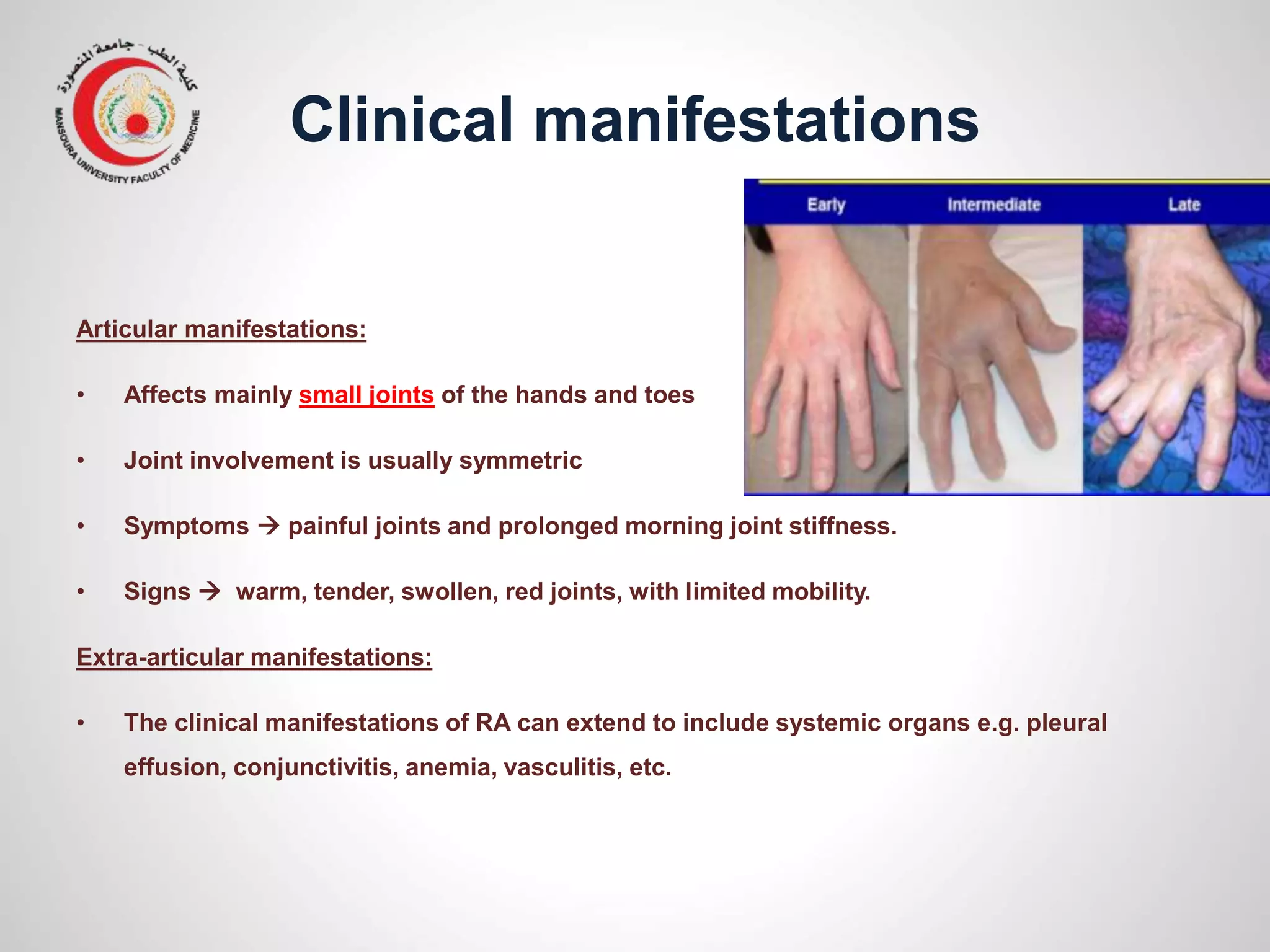
Articular manifestations:
• Affects mainly small joints of the hands and toes
• Joint involvement is usually symmetric
• Symptoms  painful joints and prolonged morning joint stiffness.
• Signs  warm, tender, swollen, red joints, with limited mobility.
Extra-articular manifestations:
• The clinical manifestations of RA can extend to include systemic organs e.g. pleural
effusion, conjunctivitis, anemia, vasculitis, etc.
Diagnosis
• Serological:
Abnormal blood antibodies
"rheumatoid factor“  in 80%
of RA patients.
Elevated CRP & ESR
Positive anti-CCP antibodies.
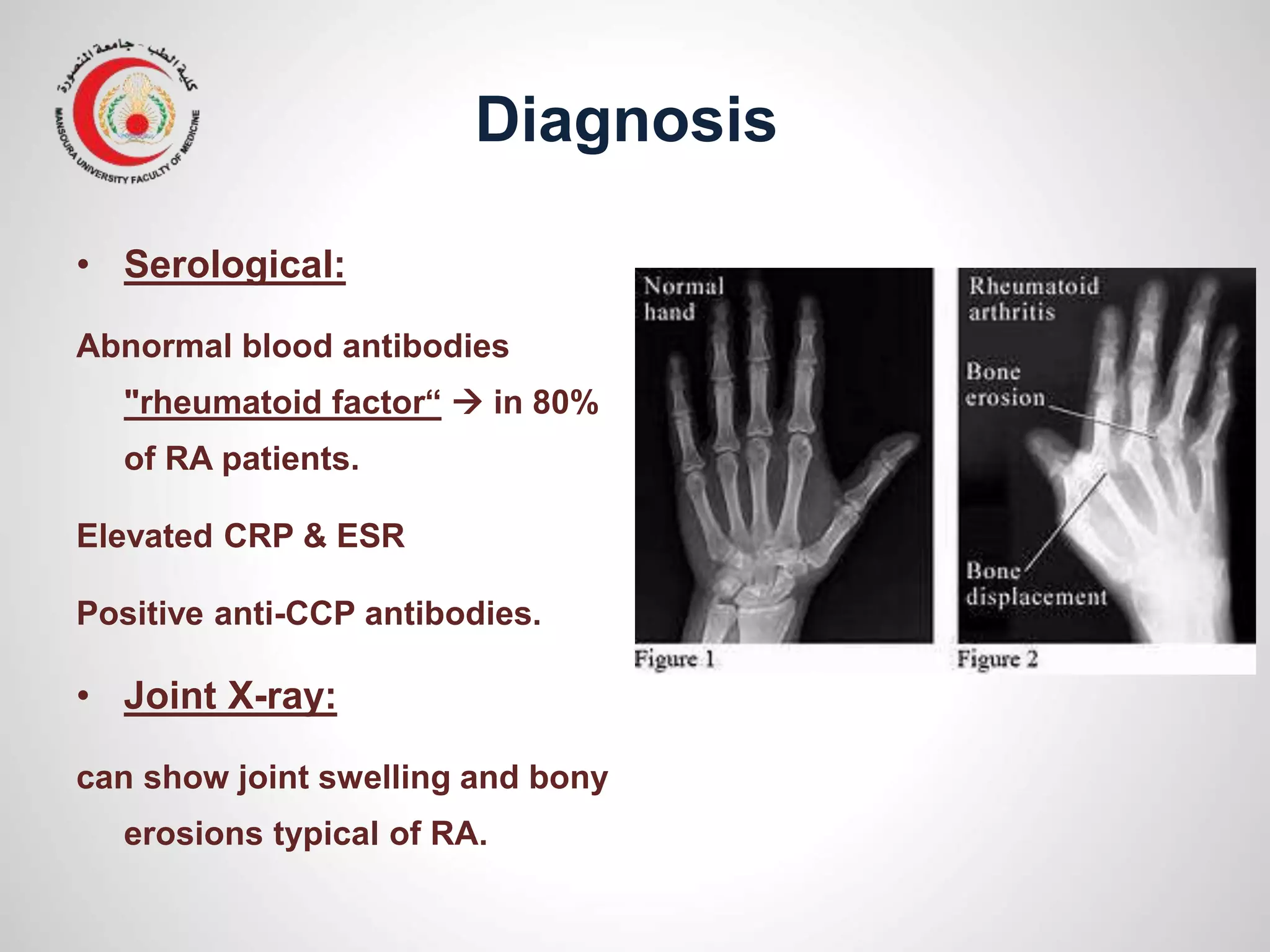
• Joint X-ray:
can show joint swelling and bony
erosions typical of RA.
Drug treatment of RA
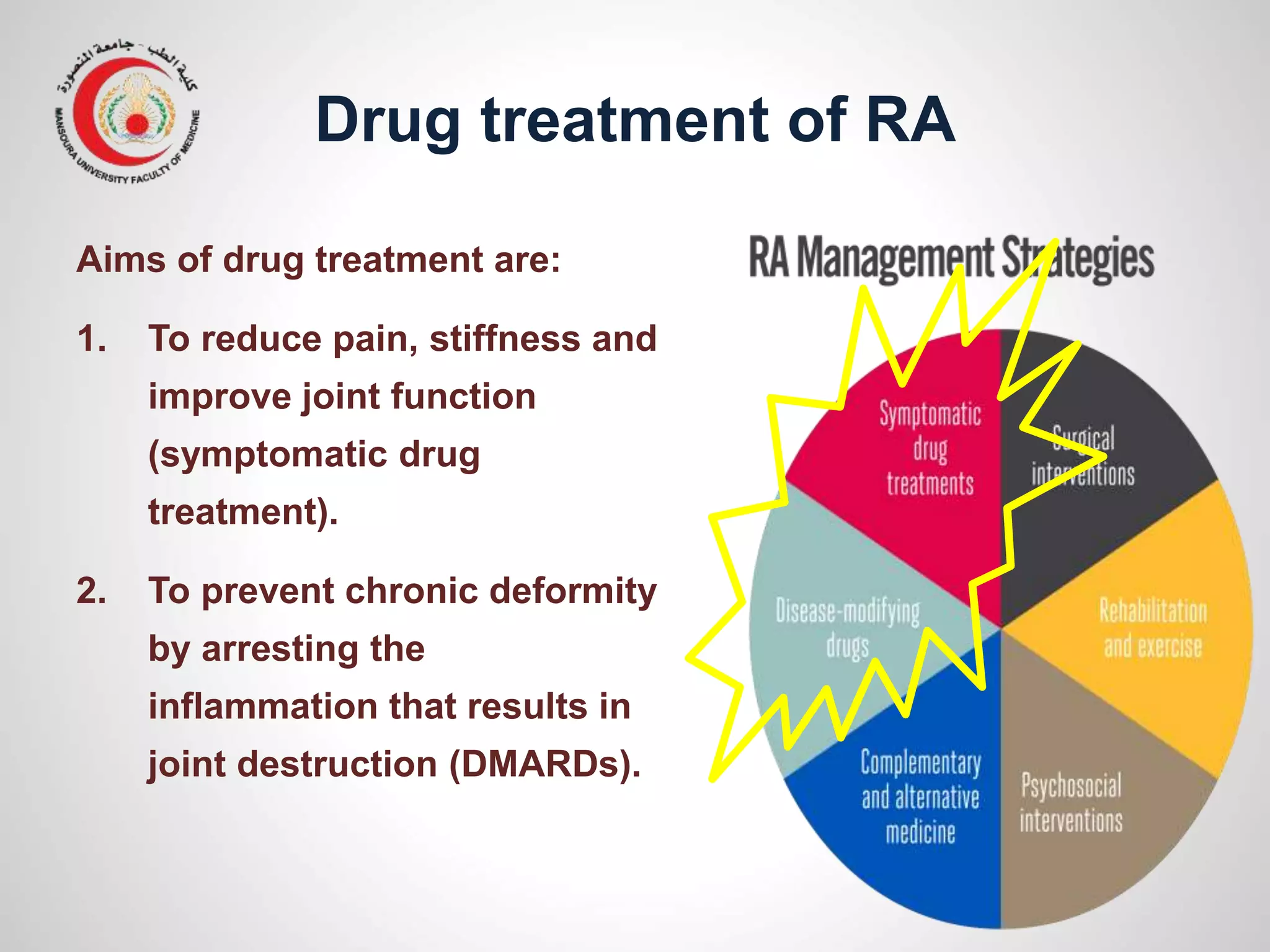
Aims of drug treatment are:
1. To reduce pain, stiffness and
improve joint function
(symptomatic drug
treatment).
2. To prevent chronic deformity
by arresting the
inflammation that results in
joint destruction (DMARDs).
Symptomatic treatment
• NSAIDs: analgesic/anti-inflammatory drugs may
be used to relief pain.
– They are relatively ineffective when used alone in
RA  They do not prevent joint damage.
• Corticosteroids: anti-
inflammatory/immunosuppresive.
NSAIDs and/or corticosteroids are used as a
‘bridge therapy’  provide symptomatic relief till
the therapeutic effect of DMARDs is observed.
• List the DMARDs
• Describe the mech. Of action of drug therapy for
rheumatoid arthritis that potentially slows
disease progression (DMARDs) and avoids side
effects of NSAIDs.
Learning Outcome 1
DMARDs
non-biologic & biologic
• They prevent disease progression and slow down joint
destruction by modifying the immune reactions.
• They should be started as early as possible (within 3
months of symptom onset)  more favorable outcome.
• 1 or more DMARDs are used depending on disease severity.
• There is a lag between starting therapy and observing an
effect (3 weeks to 3 months).
• It is usual to continue DMARDs with conventional NSAIDs
drugs.
Methotrexate
• MOA:
It is a folic acid antagonist  cytotoxic and immuno-
suppressant properties  inhibits cytokine production &
nucleic acid biosynthesis  inhibits activation &
proliferation of PMLs, T cells, and macrophages.
• It is used in more than 60% of RA cases.
• It is given once weekly orally.
• The toxic effects of methotrexate can be reversed by
the subsequent administration of folinic acid
(leucovorin)
• Common adverse effects:
– GIT: nausea and mucosal ulceration.
– Myelosuppression, esp; leucopenia (periodic CBC).
– Hepatotoxicity is common (monitoring liver functions is
essential).
– Acute pneumonia-like syndrome.
Hydroxychloroquine
(anti-malarial drug)
MOA : unknown, but might be:
• Inhibition of phagocytic functions.
• Stabilization of lysosomal membranes
Side effects:
• GIT: diarrhea
• Corneal deposits & Retinopathy: the most disturbing toxic effect, rare,
is a result of gradual accumulation of the drug in the retina 
irreversible retinal damage with permanent blindness
• Skin discoloration & rash
• Hemolysis in G6PD deficiency.
Leflunomide
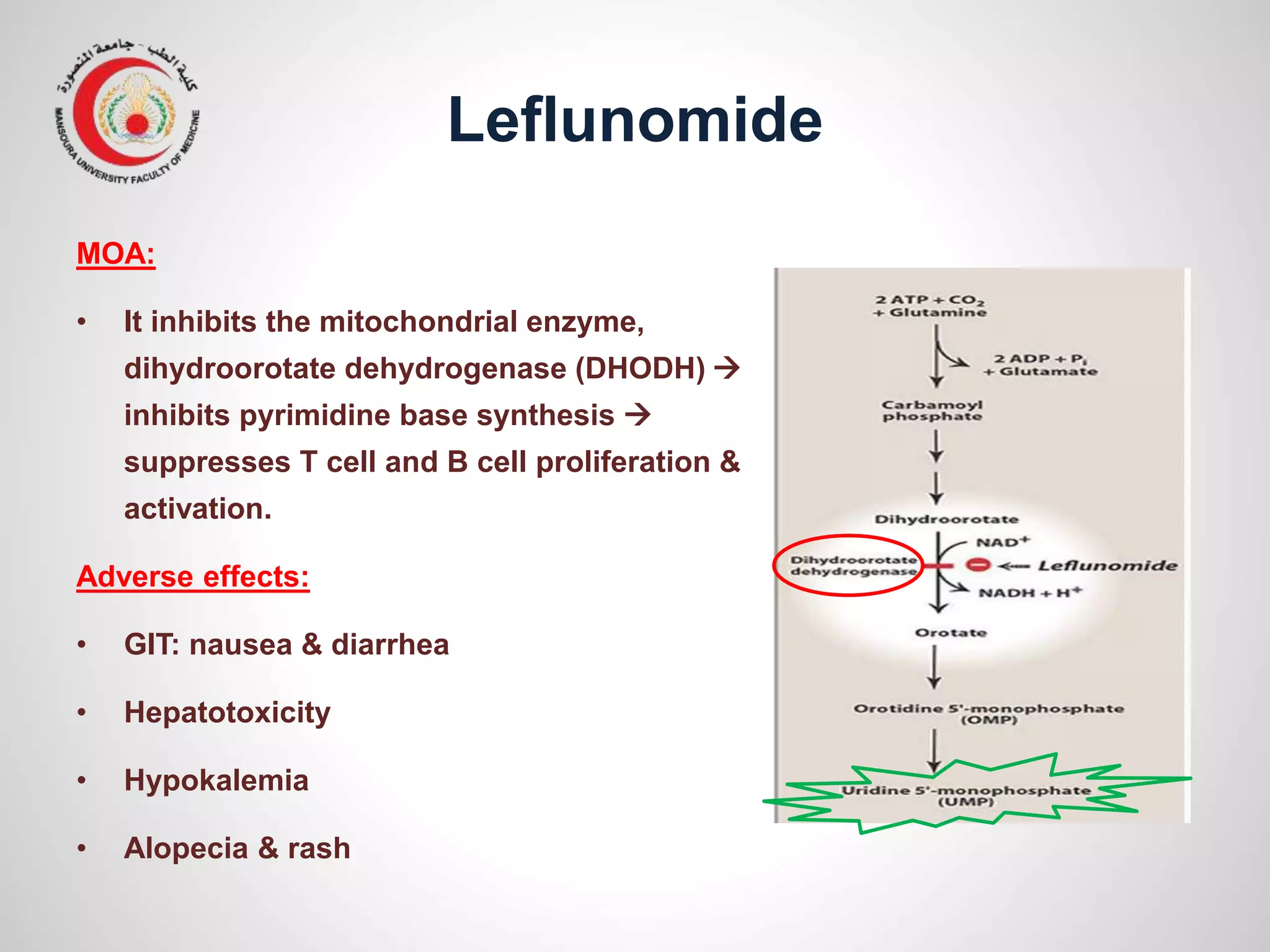
MOA:
• It inhibits the mitochondrial enzyme,
dihydroorotate dehydrogenase (DHODH) 
inhibits pyrimidine base synthesis 
suppresses T cell and B cell proliferation &
activation.
Adverse effects:
• GIT: nausea & diarrhea
• Hepatotoxicity
• Hypokalemia
• Alopecia & rash
Sulphasalazine
• MOA:
A prodrug  cleaved by gut bacteria 
5-aminosalicylic acid & sulfapyridine.
Sulfapyridine is thought to be the
principal anti-rheumatic agent.
• Adverse reactions:
– GIT: nausea, vomiting, diahrrea
– Myelosuppression: Occasional
leucopenia and thrombocytopenia.
– Hemolysis in G6PD deficiency.
Cyclosporine
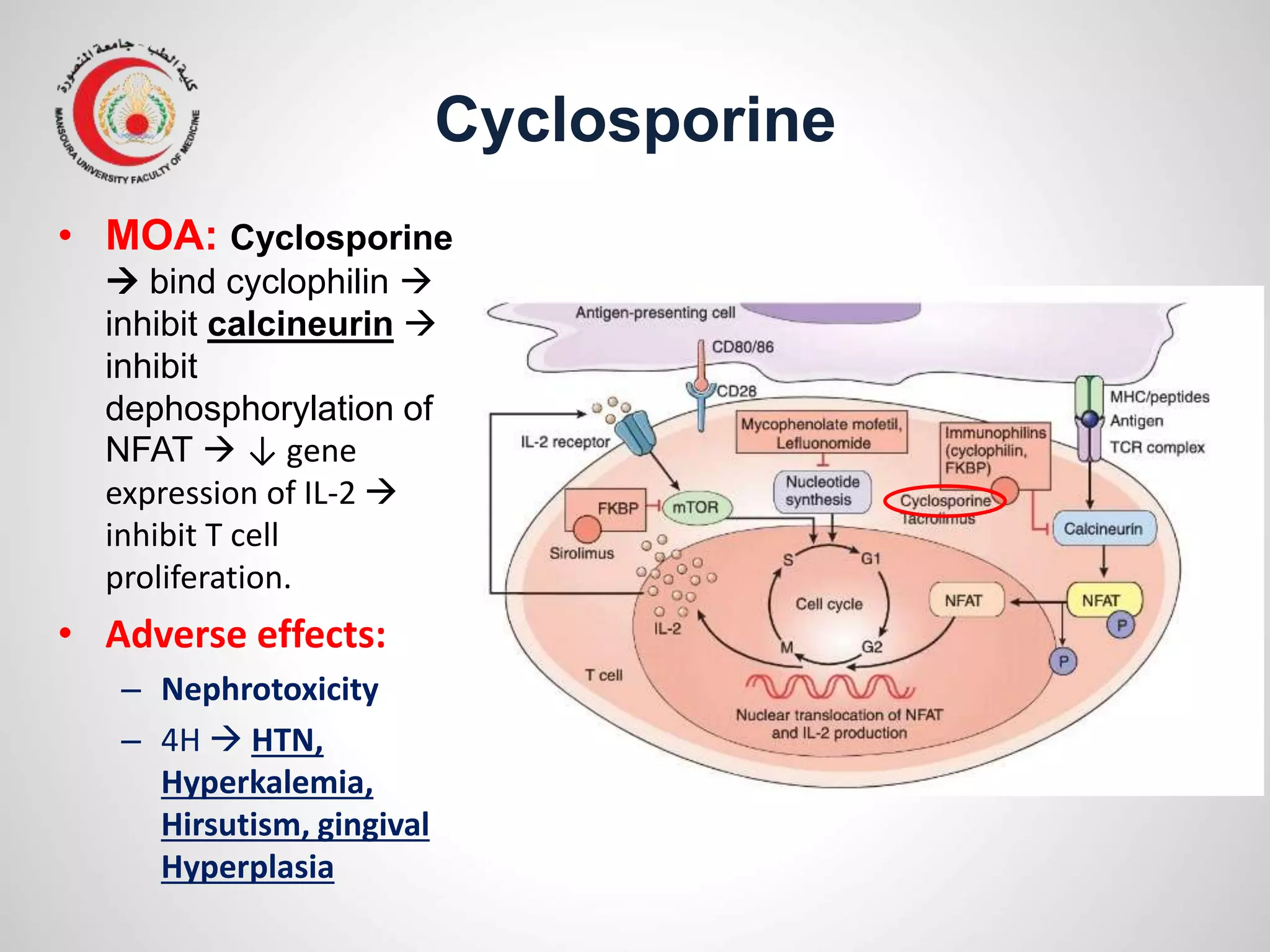
• MOA: Cyclosporine
 bind cyclophilin 
inhibit calcineurin 
inhibit
dephosphorylation of
NFAT  ↓ gene
expression of IL-2 
inhibit T cell
proliferation.
• Adverse effects:
– Nephrotoxicity
– 4H  HTN,
Hyperkalemia,
Hirsutism, gingival
Hyperplasia
Biologic DMARDs
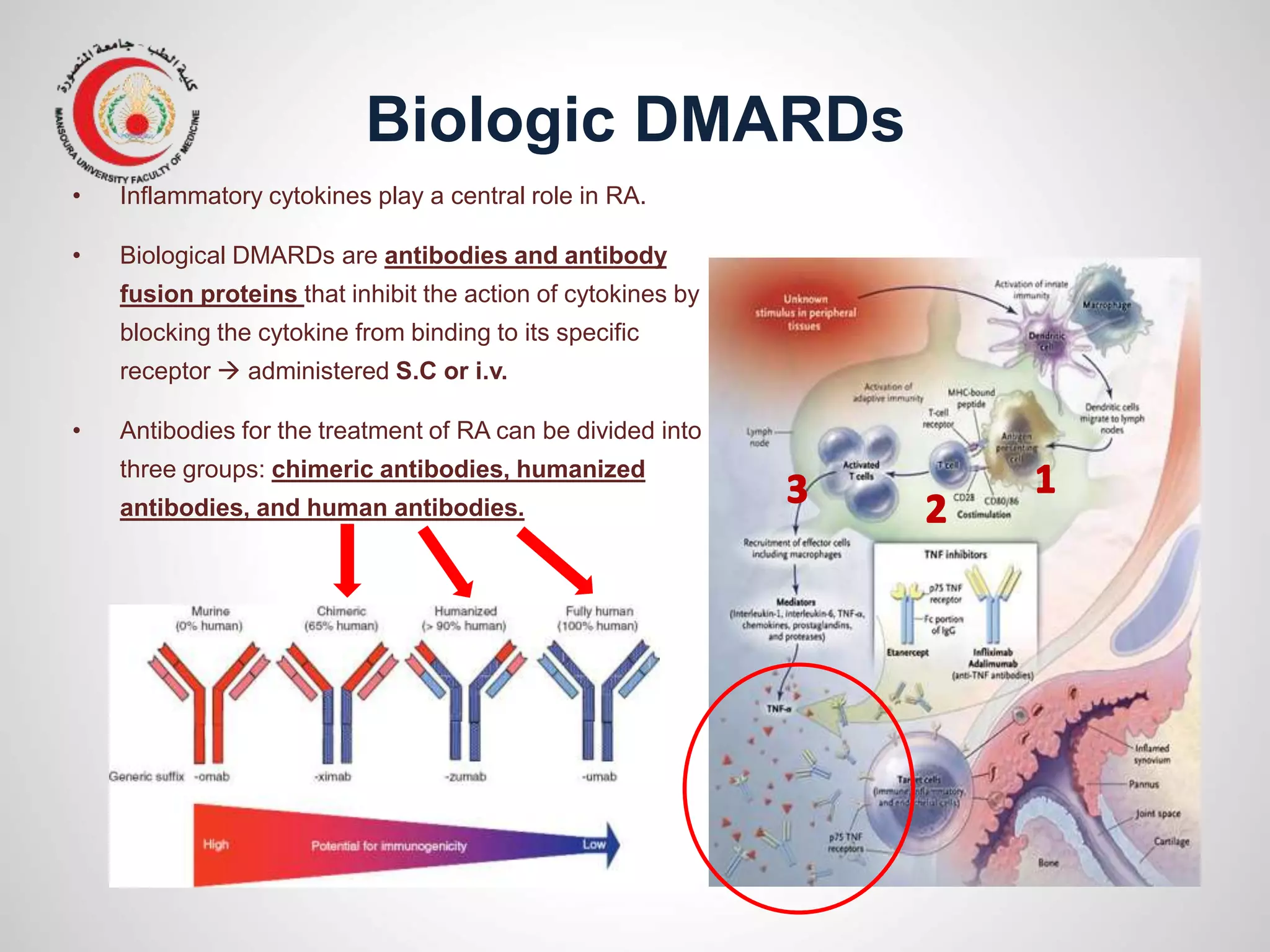
• Inflammatory cytokines play a central role in RA.
• Biological DMARDs are antibodies and antibody
fusion proteins that inhibit the action of cytokines by
blocking the cytokine from binding to its specific
receptor  administered S.C or i.v.
• Antibodies for the treatment of RA can be divided into
three groups: chimeric antibodies, humanized
antibodies, and human antibodies.
Biologic DMARDs
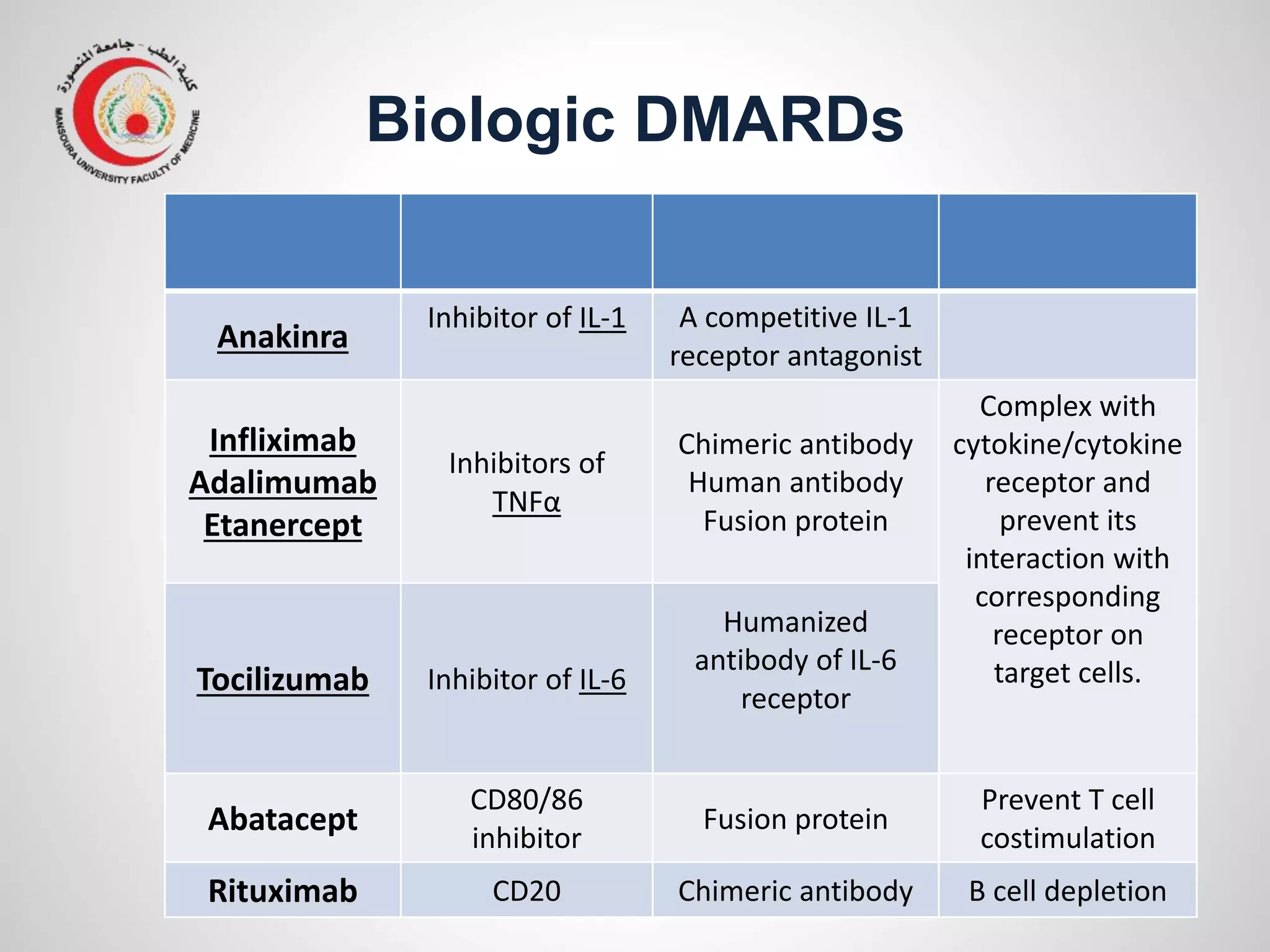
• Cytokine inhibitors used in the treatment of
RA are:
– Inhibitor of IL-1 (anakinra),
– Inhibitors of TNF (infliximab, etanercept,
and adalimumab)
– Inhibitor of IL-6 (tocilizumab).
• These drugs each have a stronger effect
than methotrexate
• Methotrexate + any biological agent 
more effective than methotrexate alone.
Biologic DMARDs
A competitive IL-1
receptor antagonist
Inhibitor of IL-1
Anakinra
Complex with
cytokine/cytokine
receptor and
prevent its
interaction with
corresponding
receptor on
target cells.
Chimeric antibody
Human antibody
Fusion protein
Inhibitors of
TNFα
Infliximab
Adalimumab
Etanercept
Humanized
antibody of IL-6
receptor
Inhibitor of IL-6
Tocilizumab
Prevent T cell
costimulation
Fusion protein
CD80/86
inhibitor
Abatacept
B cell depletion
Chimeric antibody
CD20
Rituximab
Biologic DMARDs
• Tofacitinib  JAK
inhibitor
Biologic DMARDs
Main side effects
 injection/infusion-related reactions
 infections (TB, fungal, sepsis, and reactivation of hepatitis B) 
never use 2 biologic DEMARDs together.
 Increased risk of lymphoma and other cancers.
Contraindications to the use of TNF-α inhibitors.
– Acute and chronic infections
– Recent malignancies
– Live virus vaccination
– Demyelinating disorders
– Class III or IV heart failure
• Correlate the knowledge to a clinical situation.
Learning
Outcome
2
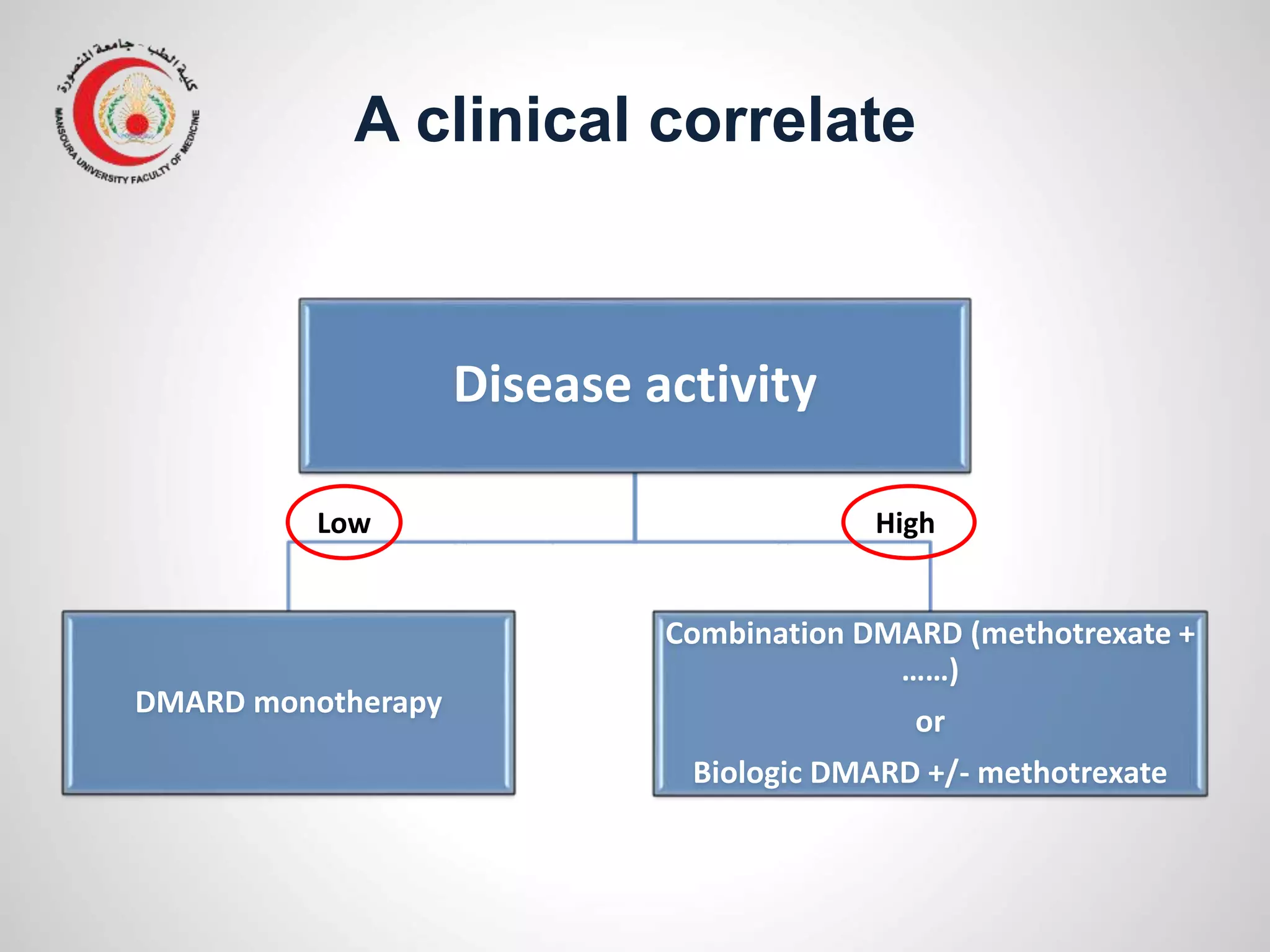
A clinical correlate
Disease activity
DMARD monotherapy
Combination DMARD (methotrexate +
……)
or
Biologic DMARD +/- methotrexate
Low High
Case Report
• A 58-year-old lady with a 3-year history of
rheumatoid arthritis is referred by her GP
with a flare up of her arthritis. She has a
high ESR and CRP and is rheumatoid
factor positive. In the last year she has
been taking various NSAIDs and 3
months ago was found to have iron
deficient anemia. An upper GI endoscopy
showed a gastric ulcer. NSAIDs were
stopped. How would you treat this
lady’s rheumatoid arthritis?
Case Report
• Goals of therapy:
1. Prevent disease progression  Start
DMARD monotherapy or combination
therapy depending on disease activity.
2. Symptomatic therapy  start steroid
therapy till pain & stiffness subsides and
withdraw gradually.
Goals of
therapy:
1. To reduce pain & stiffness of joints
(symptomatic drug treatment) 
NSAIDs or steroids).
2. To prevent chronic joint destruction
 (DMARDs).
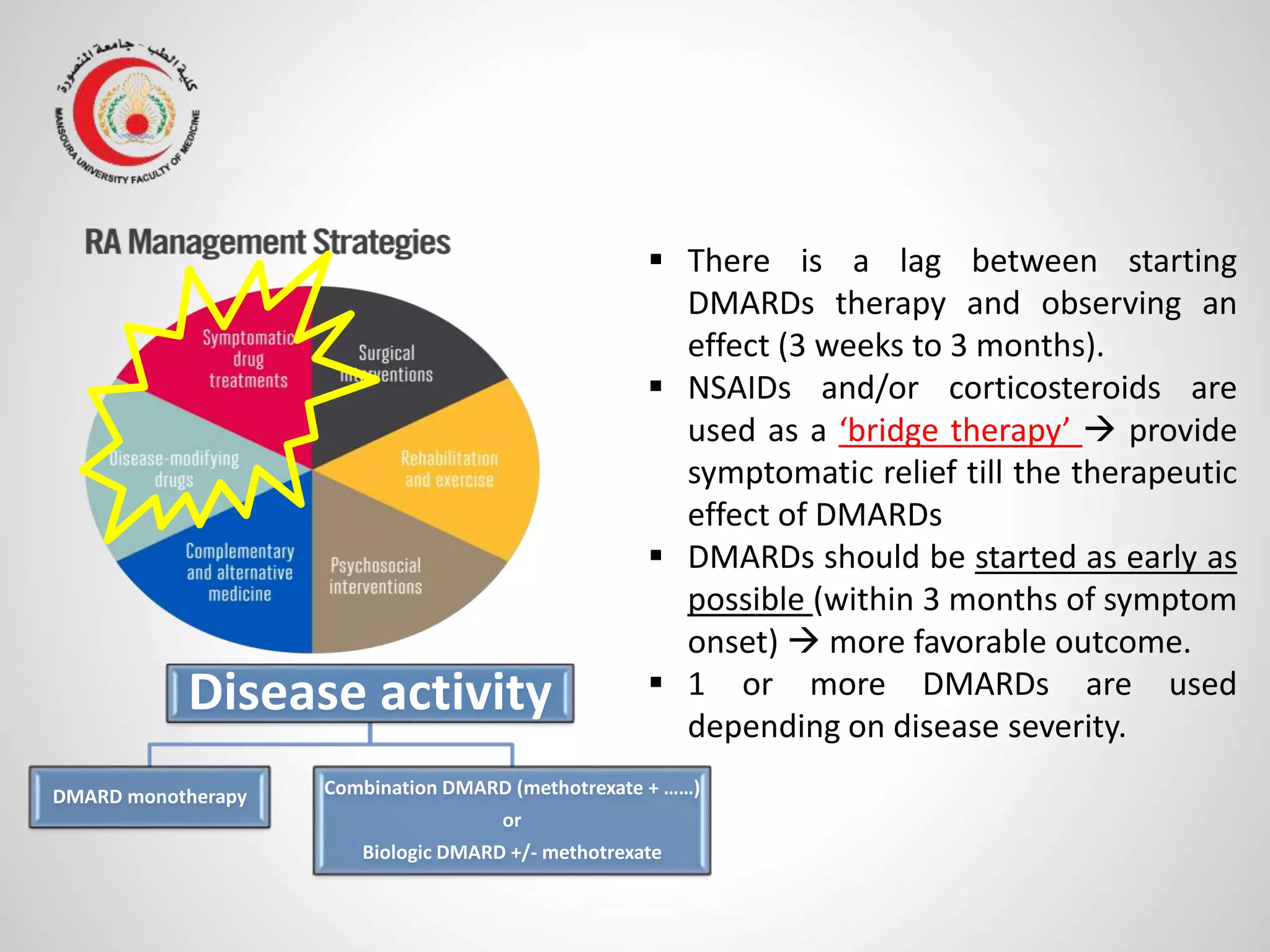
Disease activity
DMARD monotherapy Combination DMARD (methotrexate + ……)
or
Biologic DMARD +/- methotrexate
 There is a lag between starting
DMARDs therapy and observing an
effect (3 weeks to 3 months).
 NSAIDs and/or corticosteroids are
used as a ‘bridge therapy’  provide
symptomatic relief till the therapeutic
effect of DMARDs
 DMARDs should be started as early as
possible (within 3 months of symptom
onset)  more favorable outcome.
 1 or more DMARDs are used
depending on disease severity.
Questions
2
1
3
4
Question 1
Answer
………………………………………………
………………...
Question 2
Answer
………………………………………………
………………...
Question 3
Answer
………………………………………………
………………...
Question 4
Answer
………………………………………………
………………...
Questions
Rheumatoid arthritis is a relatively common autoimmune disease, with
multiple treatment options. Which of the following is an example of a
drug class that has been shown to halt or reverse the progression of
this disease in most patients?
• aspirin
• azathioprine
• everolimus
• methotrexate
• prednisone
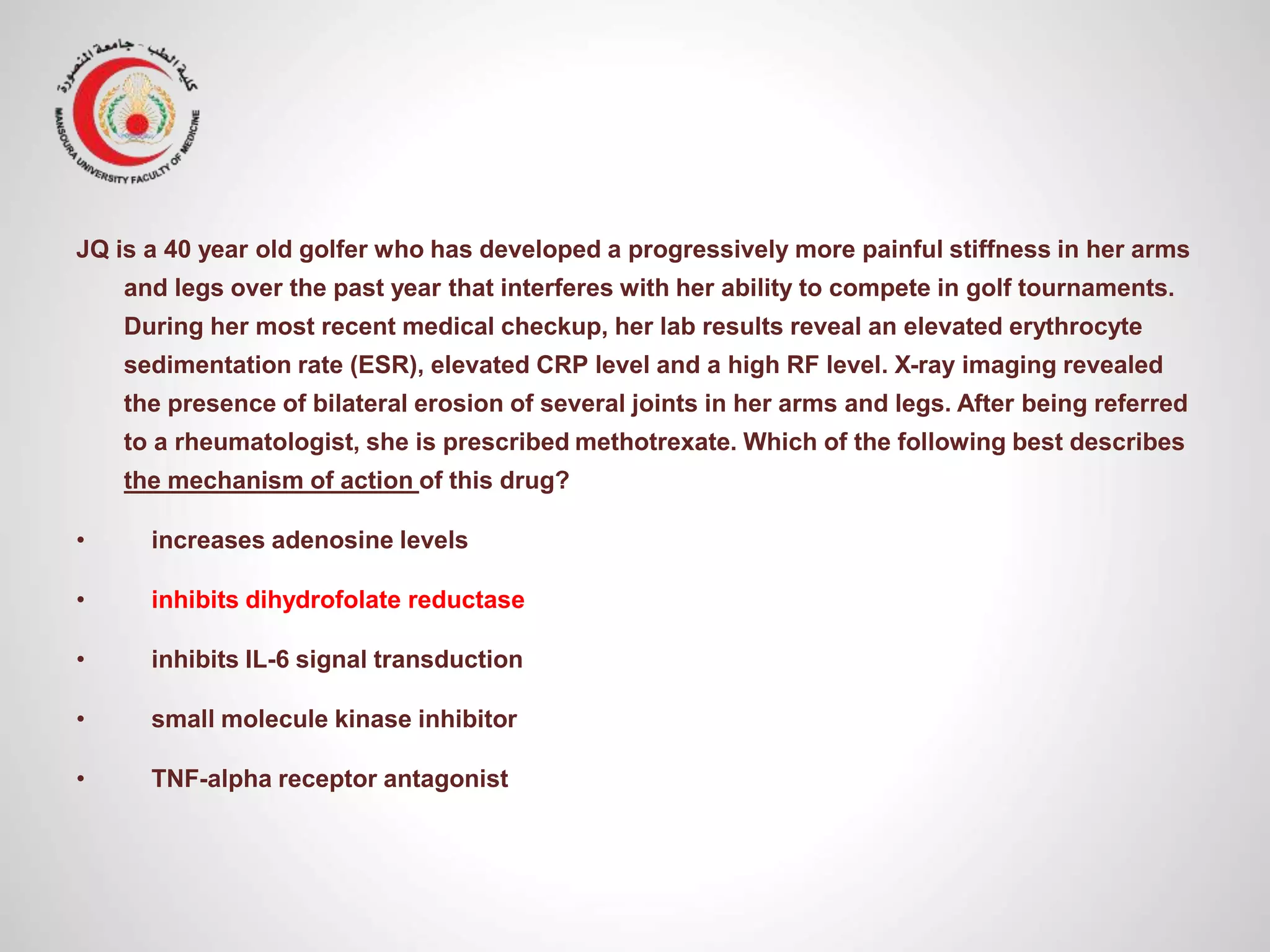
JQ is a 40 year old golfer who has developed a progressively more painful stiffness in her arms
and legs over the past year that interferes with her ability to compete in golf tournaments.
During her most recent medical checkup, her lab results reveal an elevated erythrocyte
sedimentation rate (ESR), elevated CRP level and a high RF level. X-ray imaging revealed
the presence of bilateral erosion of several joints in her arms and legs. After being referred
to a rheumatologist, she is prescribed methotrexate. Which of the following best describes
the mechanism of action of this drug?
• increases adenosine levels
• inhibits dihydrofolate reductase
• inhibits IL-6 signal transduction
• small molecule kinase inhibitor
• TNF-alpha receptor antagonist
Which component of sulfasalazine is
responsible for the therapeutic effect in
rheumatoid arthritis ?
• Sulfapyridine
• 5–aminosalicylic acid
• Both (a) and (b)
• Intact sulfasalazine molecule
In a follow-up visit, JQ is still exhibiting significant signs of
RA, and has not achieved her therapeutic goal. After some
discussion about treatment options, adalimumab (s.c. every
2 weeks) is added to her treatment regimen. Major side
effects with this class of medication include:
• infections & malignancy
• mucosal ulcers
• osteoporosis
• renal impairment
• While TNF-alpha inhibitors are the most commonly used
biologic DMARDs, an IL-6 receptor antagonist has also been
found to be effective in treating arthritis. An example of this
drug class is:
• abatacept
• ankinra
• leflunomide
• rituximab
• tocilizumab
Discussion &
Feedback
10 minutes
References
• Clinical pharmacology book
Clinical pharmacology department, faculty of
medicine, Mansoura university.
• USMLE step 1 pharmacology lecture notes
2017.
• Graphic Store

DMARDs

  • 1.
  • 2.
    Level 2 Semester 3 Module5A musculoskeletal
  • 3.
    Contact Information: NehalM. Ramadan Eisa Clinical pharmacology department Official Email: samoloven@hotmail.com Mobile: (01113397935) Academic Hours : (Sunday : 10:00 a.m.-12:00 p.m.)
  • 4.
  • 5.
    Case Scenario Case ScenarioHere A 58-year-old lady with a 3-year history of rheumatoid arthritis is referred by her GP with a flare up of her arthritis. She has a high ESR and CRP and is rheumatoid factor positive. In the last year she has been taking various NSAIDs and 3 months ago was found to have iron deficient anemia. An upper GI endoscopy showed a gastric ulcer. NSAIDs were stopped. How would you treat this lady’s rheumatoid arthritis?
  • 6.
    Rheumatoid arthritis (RA) RAis a chronic, progressive inflammatory disease; characterized by symmetric small joint inflammation, swelling, and deformity and systemic manifestations.
  • 7.
  • 8.
    Clinical manifestations Articular manifestations: •Affects mainly small joints of the hands and toes • Joint involvement is usually symmetric • Symptoms  painful joints and prolonged morning joint stiffness. • Signs  warm, tender, swollen, red joints, with limited mobility. Extra-articular manifestations: • The clinical manifestations of RA can extend to include systemic organs e.g. pleural effusion, conjunctivitis, anemia, vasculitis, etc.
  • 9.
    Diagnosis • Serological: Abnormal bloodantibodies "rheumatoid factor“  in 80% of RA patients. Elevated CRP & ESR Positive anti-CCP antibodies. • Joint X-ray: can show joint swelling and bony erosions typical of RA.
  • 10.
    Drug treatment ofRA Aims of drug treatment are: 1. To reduce pain, stiffness and improve joint function (symptomatic drug treatment). 2. To prevent chronic deformity by arresting the inflammation that results in joint destruction (DMARDs).
  • 11.
    Symptomatic treatment • NSAIDs:analgesic/anti-inflammatory drugs may be used to relief pain. – They are relatively ineffective when used alone in RA  They do not prevent joint damage. • Corticosteroids: anti- inflammatory/immunosuppresive. NSAIDs and/or corticosteroids are used as a ‘bridge therapy’  provide symptomatic relief till the therapeutic effect of DMARDs is observed.
  • 12.
    • List theDMARDs • Describe the mech. Of action of drug therapy for rheumatoid arthritis that potentially slows disease progression (DMARDs) and avoids side effects of NSAIDs. Learning Outcome 1
  • 13.
    DMARDs non-biologic & biologic •They prevent disease progression and slow down joint destruction by modifying the immune reactions. • They should be started as early as possible (within 3 months of symptom onset)  more favorable outcome. • 1 or more DMARDs are used depending on disease severity. • There is a lag between starting therapy and observing an effect (3 weeks to 3 months). • It is usual to continue DMARDs with conventional NSAIDs drugs.
  • 14.
    Methotrexate • MOA: It isa folic acid antagonist  cytotoxic and immuno- suppressant properties  inhibits cytokine production & nucleic acid biosynthesis  inhibits activation & proliferation of PMLs, T cells, and macrophages. • It is used in more than 60% of RA cases. • It is given once weekly orally. • The toxic effects of methotrexate can be reversed by the subsequent administration of folinic acid (leucovorin) • Common adverse effects: – GIT: nausea and mucosal ulceration. – Myelosuppression, esp; leucopenia (periodic CBC). – Hepatotoxicity is common (monitoring liver functions is essential). – Acute pneumonia-like syndrome.
  • 15.
    Hydroxychloroquine (anti-malarial drug) MOA :unknown, but might be: • Inhibition of phagocytic functions. • Stabilization of lysosomal membranes Side effects: • GIT: diarrhea • Corneal deposits & Retinopathy: the most disturbing toxic effect, rare, is a result of gradual accumulation of the drug in the retina  irreversible retinal damage with permanent blindness • Skin discoloration & rash • Hemolysis in G6PD deficiency.
  • 16.
    Leflunomide MOA: • It inhibitsthe mitochondrial enzyme, dihydroorotate dehydrogenase (DHODH)  inhibits pyrimidine base synthesis  suppresses T cell and B cell proliferation & activation. Adverse effects: • GIT: nausea & diarrhea • Hepatotoxicity • Hypokalemia • Alopecia & rash
  • 17.
    Sulphasalazine • MOA: A prodrug cleaved by gut bacteria  5-aminosalicylic acid & sulfapyridine. Sulfapyridine is thought to be the principal anti-rheumatic agent. • Adverse reactions: – GIT: nausea, vomiting, diahrrea – Myelosuppression: Occasional leucopenia and thrombocytopenia. – Hemolysis in G6PD deficiency.
  • 18.
    Cyclosporine • MOA: Cyclosporine bind cyclophilin  inhibit calcineurin  inhibit dephosphorylation of NFAT  ↓ gene expression of IL-2  inhibit T cell proliferation. • Adverse effects: – Nephrotoxicity – 4H  HTN, Hyperkalemia, Hirsutism, gingival Hyperplasia
  • 19.
    Biologic DMARDs • Inflammatorycytokines play a central role in RA. • Biological DMARDs are antibodies and antibody fusion proteins that inhibit the action of cytokines by blocking the cytokine from binding to its specific receptor  administered S.C or i.v. • Antibodies for the treatment of RA can be divided into three groups: chimeric antibodies, humanized antibodies, and human antibodies.
  • 20.
    Biologic DMARDs • Cytokineinhibitors used in the treatment of RA are: – Inhibitor of IL-1 (anakinra), – Inhibitors of TNF (infliximab, etanercept, and adalimumab) – Inhibitor of IL-6 (tocilizumab). • These drugs each have a stronger effect than methotrexate • Methotrexate + any biological agent  more effective than methotrexate alone.
  • 21.
    Biologic DMARDs A competitiveIL-1 receptor antagonist Inhibitor of IL-1 Anakinra Complex with cytokine/cytokine receptor and prevent its interaction with corresponding receptor on target cells. Chimeric antibody Human antibody Fusion protein Inhibitors of TNFα Infliximab Adalimumab Etanercept Humanized antibody of IL-6 receptor Inhibitor of IL-6 Tocilizumab Prevent T cell costimulation Fusion protein CD80/86 inhibitor Abatacept B cell depletion Chimeric antibody CD20 Rituximab
  • 22.
  • 23.
    Biologic DMARDs Main sideeffects  injection/infusion-related reactions  infections (TB, fungal, sepsis, and reactivation of hepatitis B)  never use 2 biologic DEMARDs together.  Increased risk of lymphoma and other cancers. Contraindications to the use of TNF-α inhibitors. – Acute and chronic infections – Recent malignancies – Live virus vaccination – Demyelinating disorders – Class III or IV heart failure
  • 24.
    • Correlate theknowledge to a clinical situation. Learning Outcome 2
  • 25.
    A clinical correlate Diseaseactivity DMARD monotherapy Combination DMARD (methotrexate + ……) or Biologic DMARD +/- methotrexate Low High
  • 26.
    Case Report • A58-year-old lady with a 3-year history of rheumatoid arthritis is referred by her GP with a flare up of her arthritis. She has a high ESR and CRP and is rheumatoid factor positive. In the last year she has been taking various NSAIDs and 3 months ago was found to have iron deficient anemia. An upper GI endoscopy showed a gastric ulcer. NSAIDs were stopped. How would you treat this lady’s rheumatoid arthritis?
  • 27.
    Case Report • Goalsof therapy: 1. Prevent disease progression  Start DMARD monotherapy or combination therapy depending on disease activity. 2. Symptomatic therapy  start steroid therapy till pain & stiffness subsides and withdraw gradually.
  • 28.
    Goals of therapy: 1. Toreduce pain & stiffness of joints (symptomatic drug treatment)  NSAIDs or steroids). 2. To prevent chronic joint destruction  (DMARDs).
  • 29.
    Disease activity DMARD monotherapyCombination DMARD (methotrexate + ……) or Biologic DMARD +/- methotrexate  There is a lag between starting DMARDs therapy and observing an effect (3 weeks to 3 months).  NSAIDs and/or corticosteroids are used as a ‘bridge therapy’  provide symptomatic relief till the therapeutic effect of DMARDs  DMARDs should be started as early as possible (within 3 months of symptom onset)  more favorable outcome.  1 or more DMARDs are used depending on disease severity.
  • 30.
    Questions 2 1 3 4 Question 1 Answer ……………………………………………… ………………... Question 2 Answer ……………………………………………… ………………... Question3 Answer ……………………………………………… ………………... Question 4 Answer ……………………………………………… ………………...
  • 31.
    Questions Rheumatoid arthritis isa relatively common autoimmune disease, with multiple treatment options. Which of the following is an example of a drug class that has been shown to halt or reverse the progression of this disease in most patients? • aspirin • azathioprine • everolimus • methotrexate • prednisone
  • 32.
    JQ is a40 year old golfer who has developed a progressively more painful stiffness in her arms and legs over the past year that interferes with her ability to compete in golf tournaments. During her most recent medical checkup, her lab results reveal an elevated erythrocyte sedimentation rate (ESR), elevated CRP level and a high RF level. X-ray imaging revealed the presence of bilateral erosion of several joints in her arms and legs. After being referred to a rheumatologist, she is prescribed methotrexate. Which of the following best describes the mechanism of action of this drug? • increases adenosine levels • inhibits dihydrofolate reductase • inhibits IL-6 signal transduction • small molecule kinase inhibitor • TNF-alpha receptor antagonist
  • 33.
    Which component ofsulfasalazine is responsible for the therapeutic effect in rheumatoid arthritis ? • Sulfapyridine • 5–aminosalicylic acid • Both (a) and (b) • Intact sulfasalazine molecule
  • 34.
    In a follow-upvisit, JQ is still exhibiting significant signs of RA, and has not achieved her therapeutic goal. After some discussion about treatment options, adalimumab (s.c. every 2 weeks) is added to her treatment regimen. Major side effects with this class of medication include: • infections & malignancy • mucosal ulcers • osteoporosis • renal impairment
  • 35.
    • While TNF-alphainhibitors are the most commonly used biologic DMARDs, an IL-6 receptor antagonist has also been found to be effective in treating arthritis. An example of this drug class is: • abatacept • ankinra • leflunomide • rituximab • tocilizumab
  • 36.
  • 37.
    References • Clinical pharmacologybook Clinical pharmacology department, faculty of medicine, Mansoura university. • USMLE step 1 pharmacology lecture notes 2017.
  • 38.

Editor's Notes

  • #8 The exact etiology is unclear It results from a complex interaction between genes and environment  breakdown of immune tolerance and synovial inflammation. Antigen presenting cells (APC), Activated T cells, B cells and macrophages  production of soluble mediators (cytokines e.g. TNF-α, IL-1, IL-6, etc.) that cause joint inflammation, cartilage destruction, bone erosion, and deformity.
  • #15 Methotrexate inhibits dihydrofolate reductase enzyme. Reduced folate (tetrahydrofolate, FH4) is involved in the de novo synthetic pathways for purine and pyrimidine precursors of DNA and RNA required for cell proliferation. 
  • #20 Experimental monoclonal antibodies are usually produced by immunizing a mouse with an antigen, and therefore, the antibody is 100% mouse antibody. When such an antibody is used as a therapeutic agent in humans, it causes a strong anaphylactic reaction. In an effort to reduce as far as possible the content of heterologous proteins, various chimeric antibodies, humanized antibodies, and human antibodies have been developed for the treatment of RA.
  • #21 Biological agents other than cytokine inhibitors used in the treatment of RA include: Abatacept, which inhibits the action of T-cell co-stimulatory molecules CD80 and CD86 Rituximab, which targets CD20  destruction of B cell  inhibit production of autoantibodies
  • #26 DMARD monotherapy  hydroxychloroquine or methotrexate. Combination DMARD therapy  methotrexate + leflunomide or hydroxychloroquine or sulfasalazine