Diabetic Ketoacidosis
Ramin Nazari, MD
Pediatric Critical Care Fellow
St. Christopher Hospital for Children
August 2012
Goals & Objectives





Understand the pathophysiology of DKA
Understand the management approach to
the patient with DKA
Appreciate the complications that can occur
during treatment of DKA
Introduction
▶

▶
▶
▶

DKA is a serious acute complications of Diabetes Mellitus.
▶ Significant risk of death and/or morbidity especially with
delayed treatment.
The prognosis of DKA is worse in the extremes of age, with a
mortality rates of 5-10%.
With the new advances of therapy, DKA mortality decreased
to < 2%.
Before discovery and use of Insulin (1922) the mortality was
100%.
Epidemiology



DKA is characteristically associated with type 1 DM
It also occurs in type 2 diabetes
 Extreme stress
 Serious infection
 Trauma
 Cardiovascular
 Other emergencies
Pathophysiology






Secondary to insulin deficiency, and the action of counterregulatory hormones, blood glucose increases leading to
hyperglycemia and glucosuria
Glucosuria

osmotic diuresis

water & Na loss

In the absence of insulin activity the body fails to utilize
glucose as fuel and uses fats instead
ketosis
Pathophysiology
‣ The excess of ketone bodies will cause metabolic acidosis,
the later is also aggravated by Lactic acidosis caused by
dehydration & poor tissue perfusion.

‣ Vomiting due to an ileus, plus increased insensible water
losses due to tachypnea will worsen the state of
dehydration.

‣ Electrolyte abnormalities are secondary to their loss in urine
& trans-membrane alterations following acidosis & osmotic
diuresis.
Pathophysiology
‣

‣

‣
‣

Because of acidosis, K ions enter the circulation leading to
hyperkalemia, this is aggravated by dehydration and renal
failure.
So, depending on the duration of DKA, serum K at diagnosis
may be high, normal or low, but the intracellular K stores are
always depleted.
Phosphate depletion will also take place due to metabolic
acidosis.
Na loss occurs secondary to the hyperosmotic state & the
osmotic diuresis
Pathophysiology


The dehydration can lead to decreased kidney perfusion and
acute renal failure.



Accumulation of ketone bodies contributes to the abdominal
pain and vomiting.



The increasing acidosis leads to acidotic breathing and
acetone smell in the breath and eventually causes impaired
consciousness and coma.
Signs and Symptoms
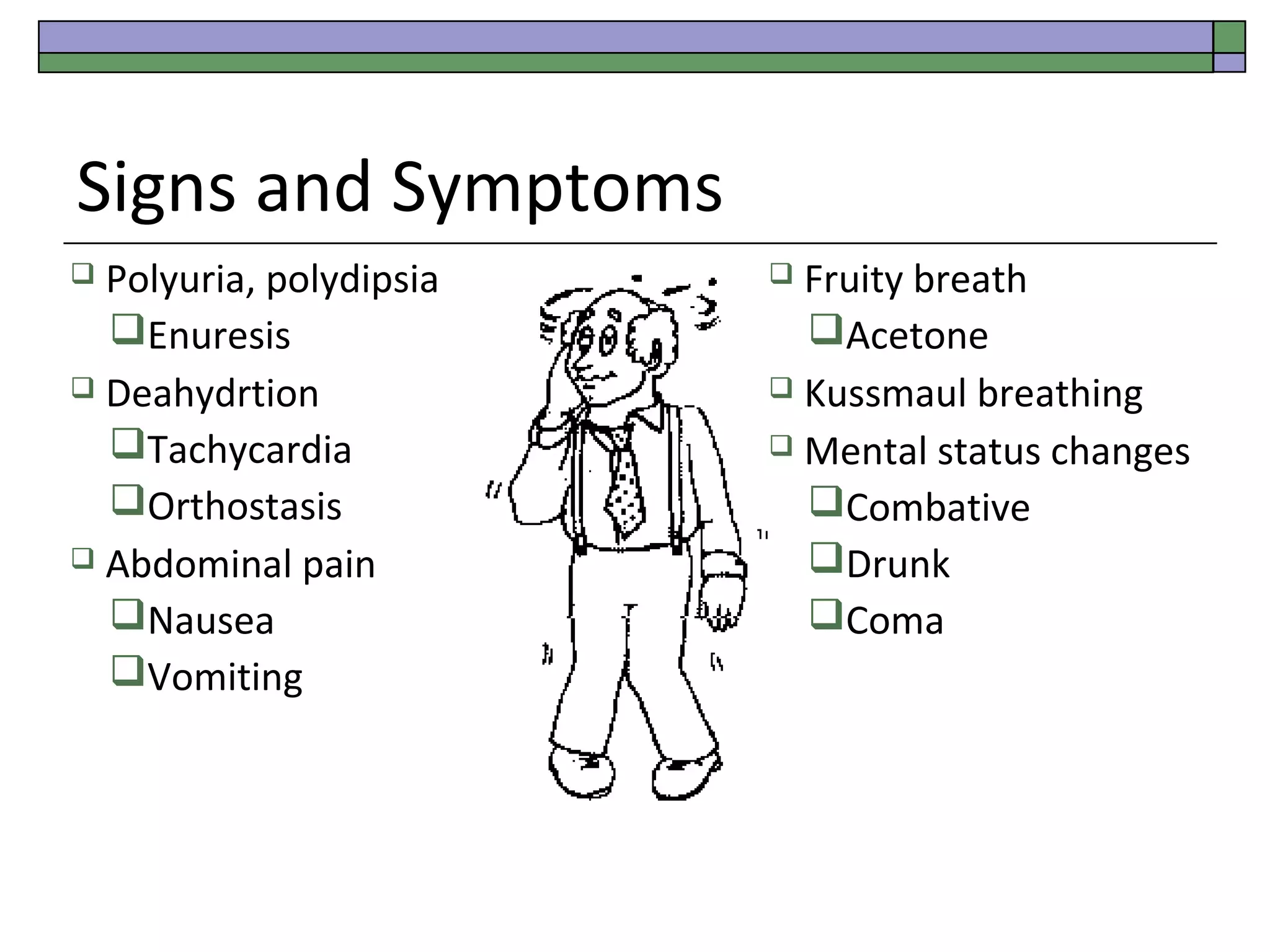
Polyuria, polydipsia
Enuresis
 Deahydrtion
Tachycardia
Orthostasis
 Abdominal pain
Nausea
Vomiting


Fruity breath
Acetone
 Kussmaul breathing
 Mental status changes
Combative
Drunk
Coma

Risk factors


Age <12 yrs



No first degree diabetic relative



Lower socioeconomic status



High dose glucocorticoids, atypical antipsychotics, diazoxide
and some immunosuppresive drugs



Poor access to medical care



Uninsured
Diagnosis






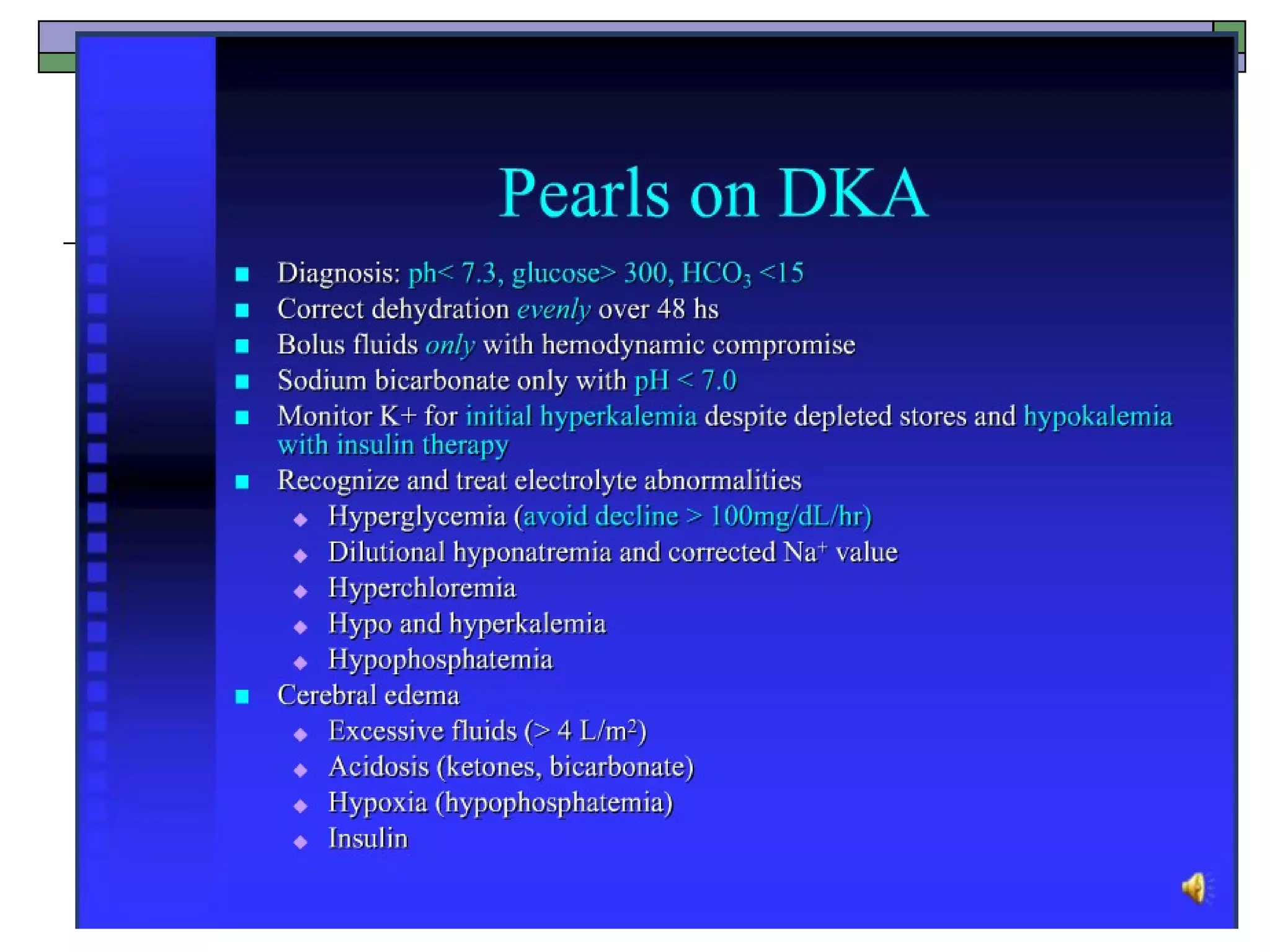
Hyperglycemia (> 200 mg/dL)
ketones in the blood
Blood pH below 7.3
Serum bicarbonate level below 15 mEq/L
Venous pH <7.3 and/or bicarbonate <15 mmol/L
 mild DKA pH <7.3 bicarbonate <15
 moderate pH <7.2 bicarbonate <10
 severe
pH <7.1 bicarbonate < 5
Diagnostic Studies in DKA





Chemistry
 ↑ Glucose > 200
 ↓ Bicarbonate <15
 Anion gap = (Na+) – (Cl- + HCO3-)
 Frequently seen:

↑ BUN/creatinine
(dehydration)

↑ potassium

↓ sodium
Blood pH below 7.3
Serum acetones
 Positive in DKA









Urinalysis
 Ketones (for DKA);
leukocyte esterase, WBC
(for UTI)
CBC
 Leukocytosis (possible
infection)
Amylase/Lipase
 To evaluate for pancreatitis
 BUT, DKA by itself can also
increase them!
EKG
 Evaluate for possible MI
Laboratory Evaluation
 Blood glucose

 Electrolytes and osmolality
 Bicarbonate, lactate

 Calcium and ionized Ca, Mg, P
BUN, creatinine
 Blood Gas

 CBC and hemoglobin A1c

 Blood beta hydroxybutyrate

 Urinalysis and urine for ketones



If there is evidence of infection, culture:
 blood, urine, throat, wound
EKG for baseline evaluation of intracellular potassium status.
Treatment





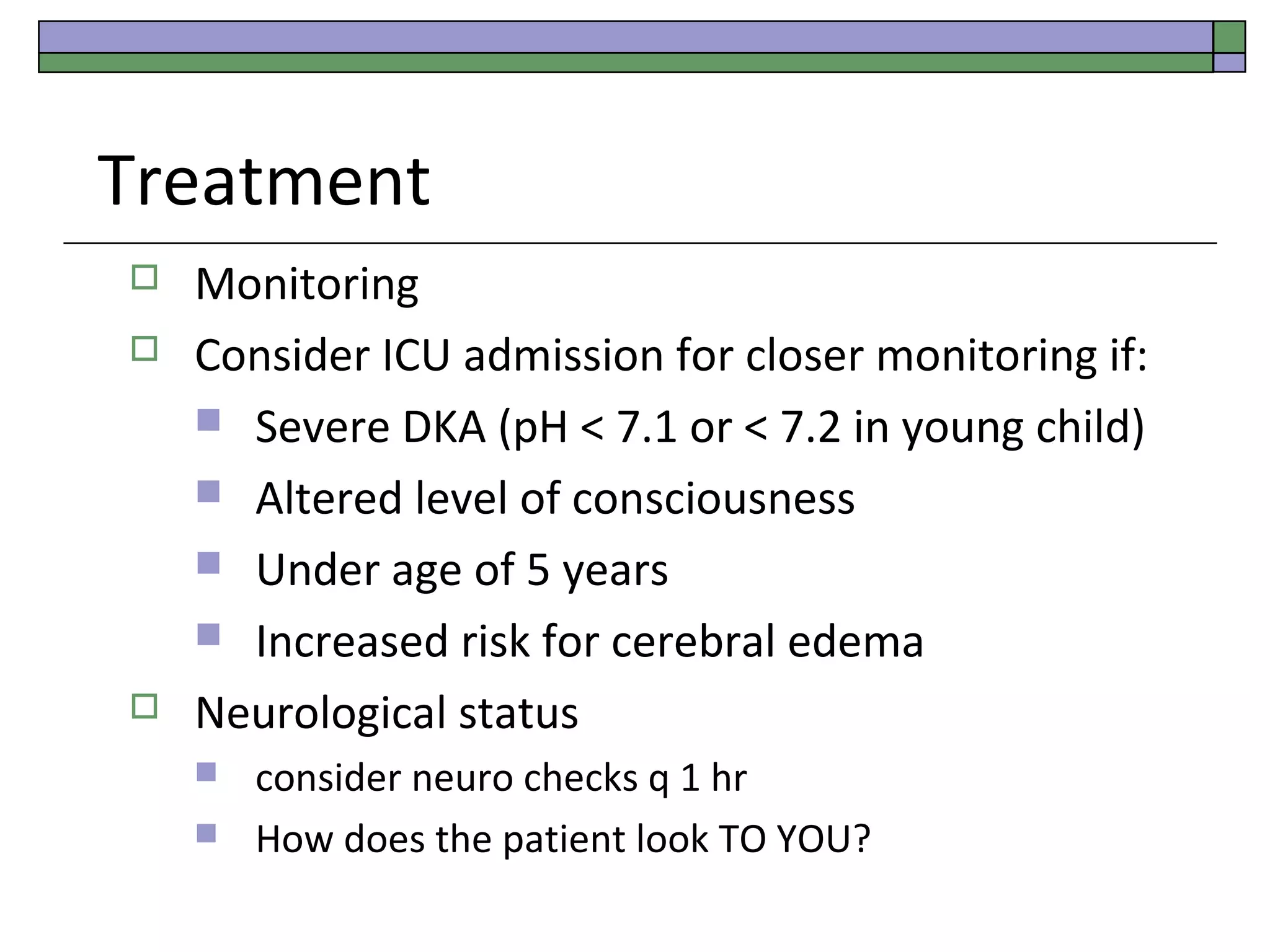
Monitoring
Consider ICU admission for closer monitoring if:
 Severe DKA (pH < 7.1 or < 7.2 in young child)
 Altered level of consciousness
 Under age of 5 years
 Increased risk for cerebral edema
Neurological status



consider neuro checks q 1 hr
How does the patient look TO YOU?
Treatment




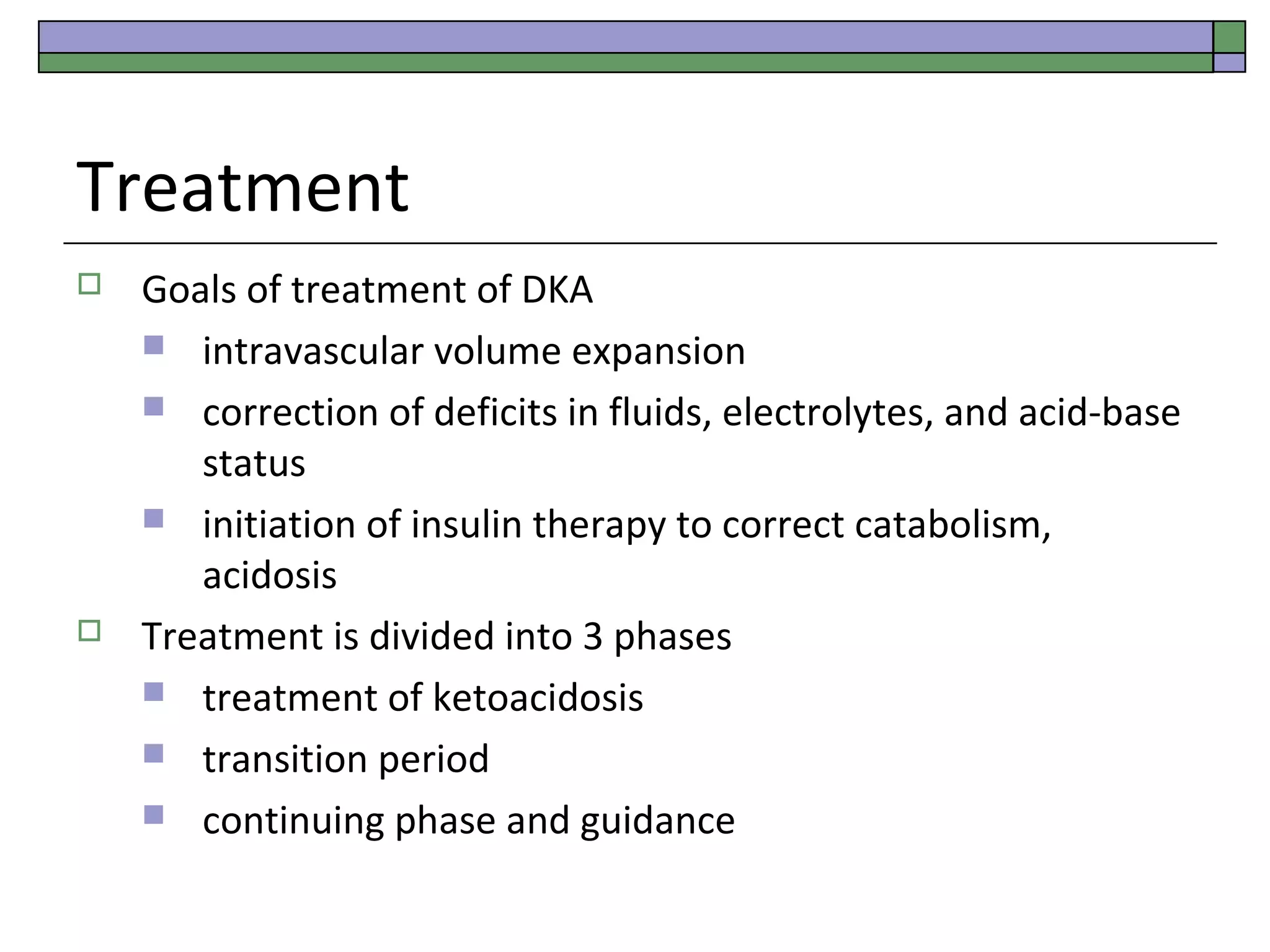
Goals of treatment of DKA
 intravascular volume expansion
 correction of deficits in fluids, electrolytes, and acid-base
status
 initiation of insulin therapy to correct catabolism,
acidosis
Treatment is divided into 3 phases
 treatment of ketoacidosis
 transition period
 continuing phase and guidance
Fluid Therapy








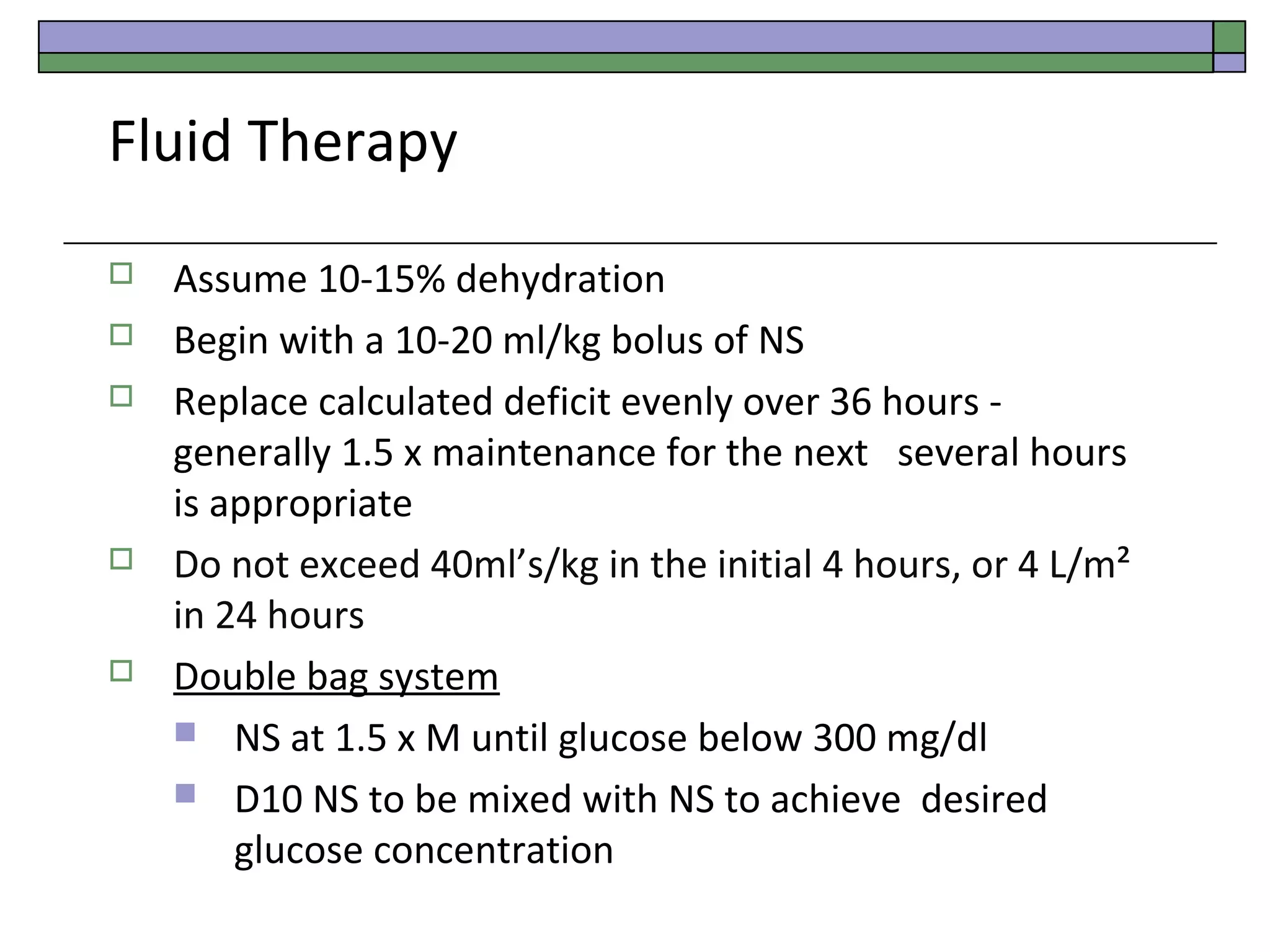
Assume 10-15% dehydration
Begin with a 10-20 ml/kg bolus of NS
Replace calculated deficit evenly over 36 hours generally 1.5 x maintenance for the next several hours
is appropriate
Do not exceed 40ml’s/kg in the initial 4 hours, or 4 L/m²
in 24 hours
Double bag system
 NS at 1.5 x M until glucose below 300 mg/dl
 D10 NS to be mixed with NS to achieve desired
glucose concentration
Insulin Therapy


IV infusion with basal rate 0.1 U/kg/hr



No initial insulin bolus – it will decrease time to correction of
the glucose, but does not alter the time to correction of
acidosis


It may decrease the serum osmolality more rapidly than
desirable



Ideal glucose decline is about 50-100 mg/hr



Continue insulin until urinary (blood) ketones are cleared
Potassium & Sodium
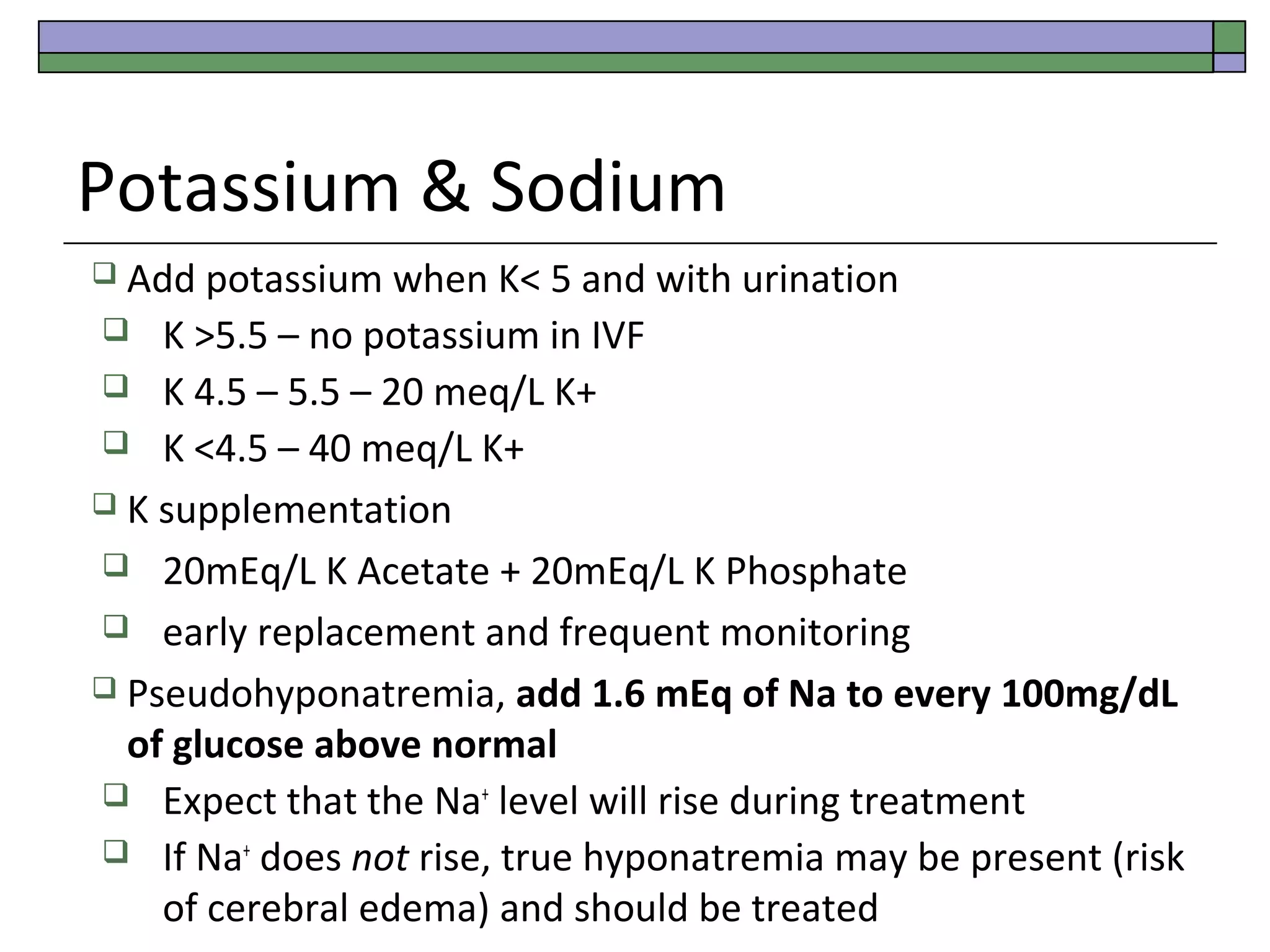
 Add

potassium when K< 5 and with urination
 K >5.5 – no potassium in IVF
 K 4.5 – 5.5 – 20 meq/L K+
 K <4.5 – 40 meq/L K+
 K supplementation
 20mEq/L K Acetate + 20mEq/L K Phosphate
 early replacement and frequent monitoring
 Pseudohyponatremia, add 1.6 mEq of Na to every 100mg/dL
of glucose above normal
 Expect that the Na+ level will rise during treatment
 If Na+ does not rise, true hyponatremia may be present (risk
of cerebral edema) and should be treated
Phosphate


Prevent depletion of RBC 2,3 DPG which will improve tissue
oxygenation as acidosis is resolving



May be useful in patients with anemia, CHF, pneumonia,
hypoxia



Ionized calcium is low, phosphorous should not be given
Bicarbonate







Bicarbonate should be used only when there is severe
depression of the circulatory system or cellular metabolism
Not recommended unless pH <7.0, not even then, unless above
true
Bicarbonate administration leads to increased cerebral acidosis
HCO3- + H+ = CO2 + H2O.


Bicarbonate passes the BBB slowly
CO2 diffuses freely



exacerbating cerebral acidosis and cerebral depression


Complications








Infection
 Precipitates DKA
 Fever
 Leukocytosis can be secondary to acidosis
Shock
 If not improving with fluids r/o MI
Vascular thrombosis
 Severe dehydration
 Cerebral vessels
 Occurs hours to days after DKA
Pulmonary Edema
 Result of aggressive fluid resuscitation
Cerebral Edema
 First 24 hours
Cerebral Edema




Major cause of death in childhood DKA
 20% with cerebral edema die
 20% with mild to severe neurologic outcomes
At risk:
 Younger age
 Initial pH < 7.1
 Lower pCO2
 New onset
 Longer duration of symptom
 Rapid rehydration (> 50cc/ kg in first 4 hrs)
 Hypernatremia/ persistent hyponatremia
 Increased BUN
 Use of bicarbonate
 Lack of an increase in the serum Na during Therapy
Cerebral Edema-Pathophysiology





The cause is not fully understood
May be present before treatment has begun, but more
commonly occurs 4 to 12 hours after the initiation of therapy
Numerous factors have been implicated in the
pathophysiology of DKA-related cerebral edema, but none
has been proven
 Ischemic
 Vasogenic
 Osmotic
 Cytotoxic processes
Cerebral Edema-Pathophysiology




Ischemia/cytotoxic edema
 Decrease of N-acetylaspartate (NAA), a marker of
neuronal function or viability in several areas of the brain
 Increased lactate production in the basal ganglia
Vasogenic edema
 Primary damage to the cerebral vascular endothelium
results in increased BBB permeability or a disturbance in
autoregulation, which permits abnormal diffusion of
intravascular fluids into the cerebral tissues
Cerebral Edema-Pathophysiology


Osmotic edema as a consequence of fluid therapy
 During the hyperosmolar state of DKA, the brain
produces Idiogenic Osmoles as a compensatory measure
to increase intracellular osmotic pressure and prevent
cerebral dehydration
 If the extracellular compartment is at a lower osmolarity
than the intracellular compartment, osmotic pressure
promotes water movement into the intracellular
compartment.
 During DKA, the combination of insulin and fluid
repletion lowers the serum glucose and plasma
osmolality, promoting osmotic water movement into the
brain
Cerebral Edema

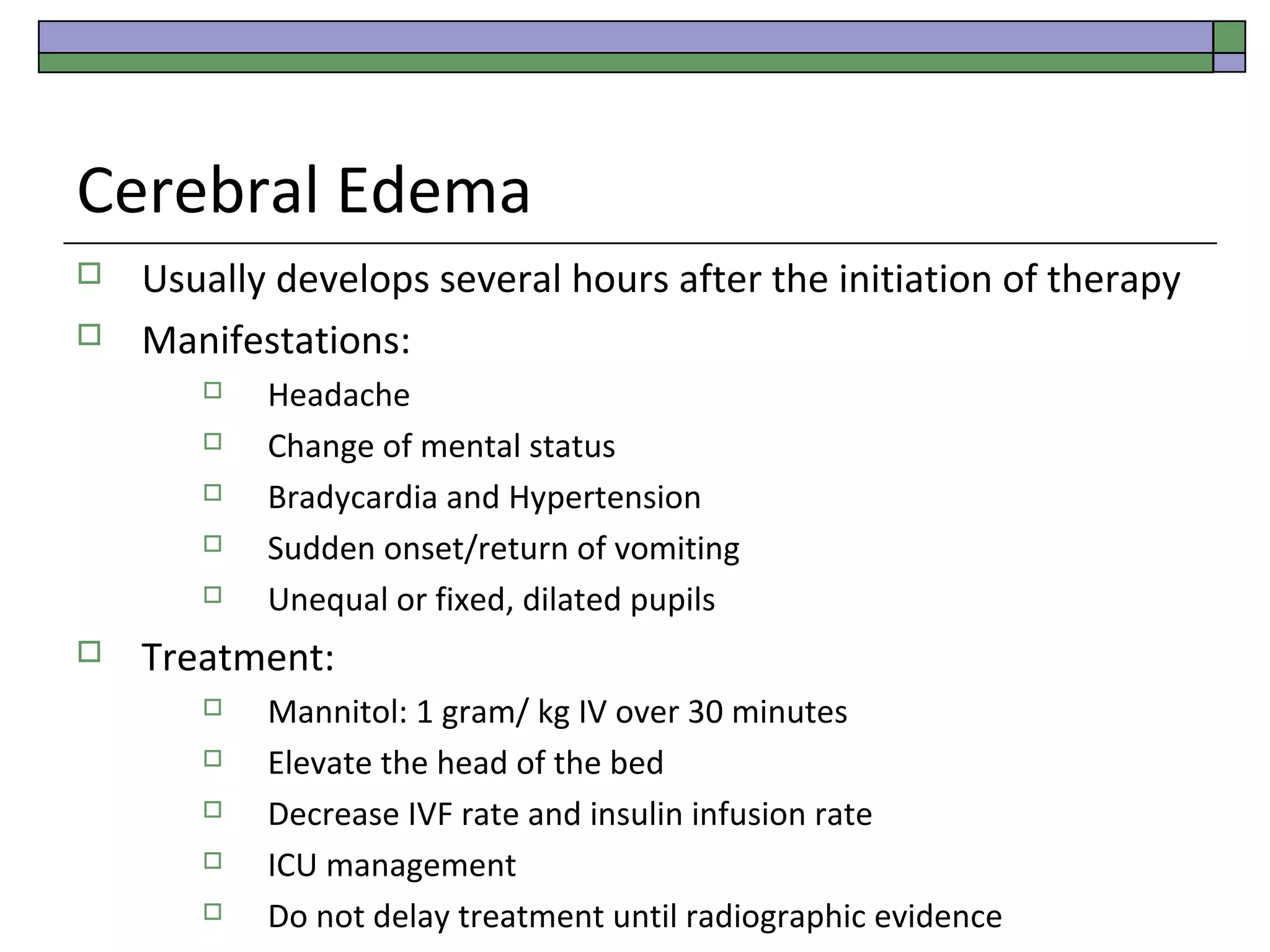


Usually develops several hours after the initiation of therapy
Manifestations:








Headache
Change of mental status
Bradycardia and Hypertension
Sudden onset/return of vomiting
Unequal or fixed, dilated pupils

Treatment:






Mannitol: 1 gram/ kg IV over 30 minutes
Elevate the head of the bed
Decrease IVF rate and insulin infusion rate
ICU management
Do not delay treatment until radiographic evidence
Case Scenario #1
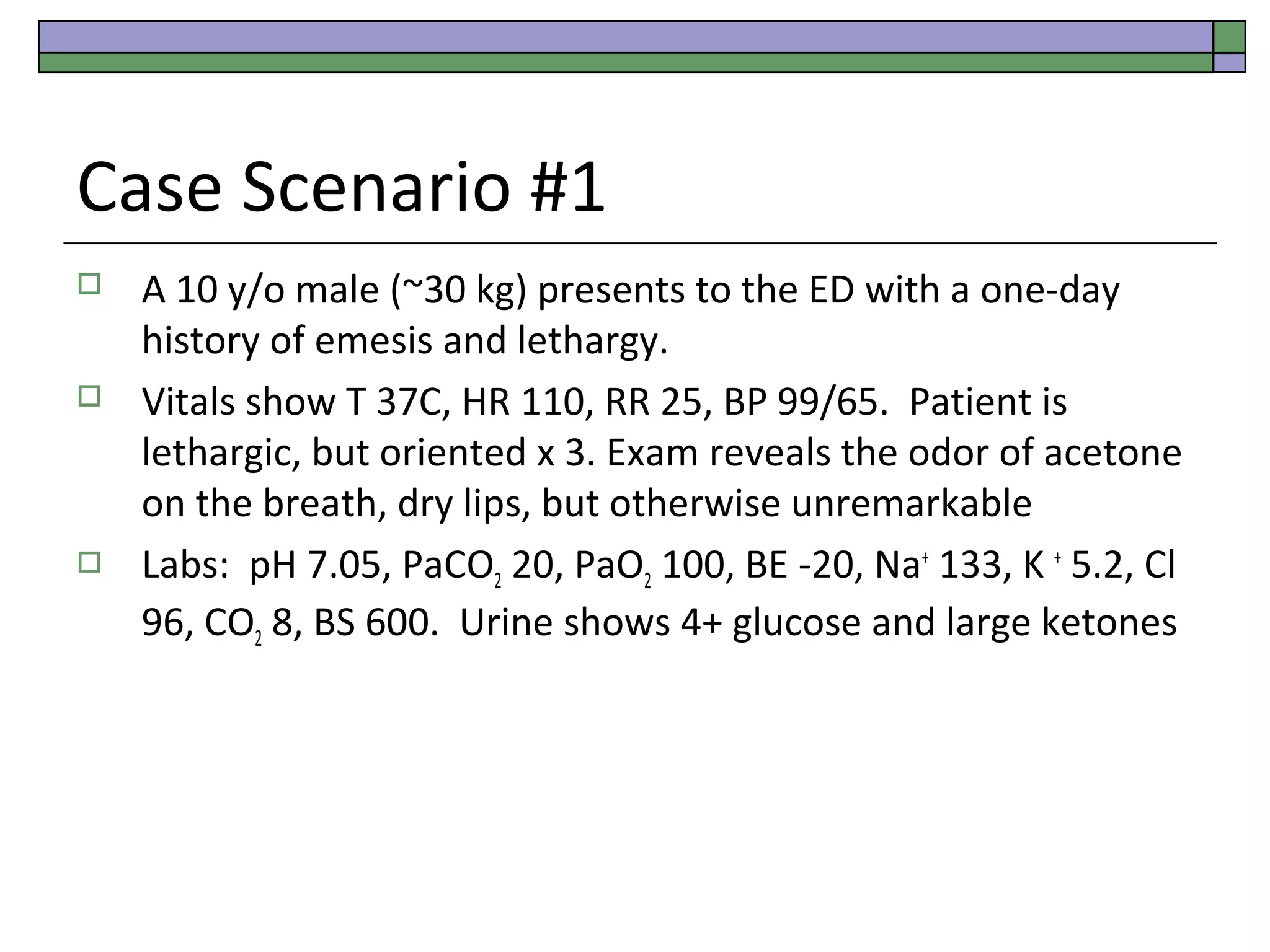






A 10 y/o male (~30 kg) presents to the ED with a one-day
history of emesis and lethargy.
Vitals show T 37C, HR 110, RR 25, BP 99/65. Patient is
lethargic, but oriented x 3. Exam reveals the odor of acetone
on the breath, dry lips, but otherwise unremarkable
Labs: pH 7.05, PaCO2 20, PaO2 100, BE -20, Na+ 133, K + 5.2, Cl
96, CO2 8, BS 600. Urine shows 4+ glucose and large ketones
Case Scenario #1






How much fluid would you administer as a bolus?
Would you administer bicarbonate?
What is the “true” serum sodium?
How much insulin would you administer?
What IVF would you start? At what rate?
Case Scenario #2






A 4 y/o female in the PICU is undergoing treatment for new
onset IDDM and DKA. She is on an insulin infusion at 0.1
u/kg/hr, and fluids are running at 2400 cc/m2/day.
Over the last hour, she has been complaining about
increasing headache. She is now found to be unresponsive
with bilateral fixed and dilated pupils, HR is 50 with BP
150/100.
What is your next step in management?
Case Scenario #3







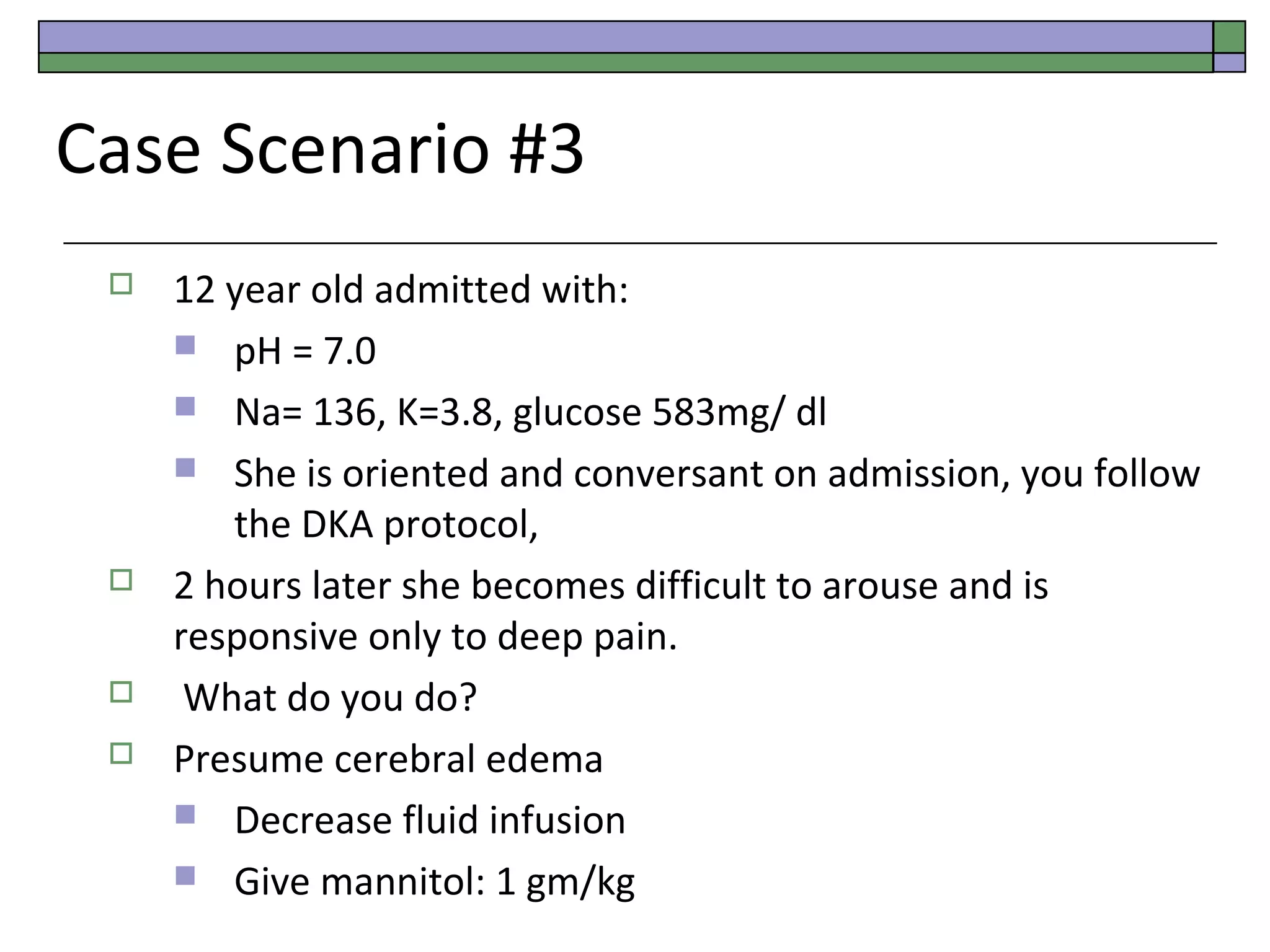
12 year old admitted with:
 pH = 7.0
 Na= 136, K=3.8, glucose 583mg/ dl
 She is oriented and conversant on admission, you follow
the DKA protocol,
2 hours later she becomes difficult to arouse and is
responsive only to deep pain.
What do you do?
Presume cerebral edema
 Decrease fluid infusion
 Give mannitol: 1 gm/kg
DKA
DKA

DKA

  • 1.
    Diabetic Ketoacidosis Ramin Nazari,MD Pediatric Critical Care Fellow St. Christopher Hospital for Children August 2012
  • 2.
    Goals & Objectives    Understandthe pathophysiology of DKA Understand the management approach to the patient with DKA Appreciate the complications that can occur during treatment of DKA
  • 3.
    Introduction ▶ ▶ ▶ ▶ DKA is aserious acute complications of Diabetes Mellitus. ▶ Significant risk of death and/or morbidity especially with delayed treatment. The prognosis of DKA is worse in the extremes of age, with a mortality rates of 5-10%. With the new advances of therapy, DKA mortality decreased to < 2%. Before discovery and use of Insulin (1922) the mortality was 100%.
  • 4.
    Epidemiology   DKA is characteristicallyassociated with type 1 DM It also occurs in type 2 diabetes  Extreme stress  Serious infection  Trauma  Cardiovascular  Other emergencies
  • 5.
    Pathophysiology    Secondary to insulindeficiency, and the action of counterregulatory hormones, blood glucose increases leading to hyperglycemia and glucosuria Glucosuria osmotic diuresis water & Na loss In the absence of insulin activity the body fails to utilize glucose as fuel and uses fats instead ketosis
  • 6.
    Pathophysiology ‣ The excessof ketone bodies will cause metabolic acidosis, the later is also aggravated by Lactic acidosis caused by dehydration & poor tissue perfusion. ‣ Vomiting due to an ileus, plus increased insensible water losses due to tachypnea will worsen the state of dehydration. ‣ Electrolyte abnormalities are secondary to their loss in urine & trans-membrane alterations following acidosis & osmotic diuresis.
  • 7.
    Pathophysiology ‣ ‣ ‣ ‣ Because of acidosis,K ions enter the circulation leading to hyperkalemia, this is aggravated by dehydration and renal failure. So, depending on the duration of DKA, serum K at diagnosis may be high, normal or low, but the intracellular K stores are always depleted. Phosphate depletion will also take place due to metabolic acidosis. Na loss occurs secondary to the hyperosmotic state & the osmotic diuresis
  • 8.
    Pathophysiology  The dehydration canlead to decreased kidney perfusion and acute renal failure.  Accumulation of ketone bodies contributes to the abdominal pain and vomiting.  The increasing acidosis leads to acidotic breathing and acetone smell in the breath and eventually causes impaired consciousness and coma.
  • 9.
    Signs and Symptoms Polyuria,polydipsia Enuresis  Deahydrtion Tachycardia Orthostasis  Abdominal pain Nausea Vomiting  Fruity breath Acetone  Kussmaul breathing  Mental status changes Combative Drunk Coma 
  • 10.
    Risk factors  Age <12yrs  No first degree diabetic relative  Lower socioeconomic status  High dose glucocorticoids, atypical antipsychotics, diazoxide and some immunosuppresive drugs  Poor access to medical care  Uninsured
  • 11.
    Diagnosis      Hyperglycemia (> 200mg/dL) ketones in the blood Blood pH below 7.3 Serum bicarbonate level below 15 mEq/L Venous pH <7.3 and/or bicarbonate <15 mmol/L  mild DKA pH <7.3 bicarbonate <15  moderate pH <7.2 bicarbonate <10  severe pH <7.1 bicarbonate < 5
  • 12.
    Diagnostic Studies inDKA    Chemistry  ↑ Glucose > 200  ↓ Bicarbonate <15  Anion gap = (Na+) – (Cl- + HCO3-)  Frequently seen:  ↑ BUN/creatinine (dehydration)  ↑ potassium  ↓ sodium Blood pH below 7.3 Serum acetones  Positive in DKA     Urinalysis  Ketones (for DKA); leukocyte esterase, WBC (for UTI) CBC  Leukocytosis (possible infection) Amylase/Lipase  To evaluate for pancreatitis  BUT, DKA by itself can also increase them! EKG  Evaluate for possible MI
  • 13.
    Laboratory Evaluation  Bloodglucose  Electrolytes and osmolality  Bicarbonate, lactate  Calcium and ionized Ca, Mg, P BUN, creatinine  Blood Gas  CBC and hemoglobin A1c  Blood beta hydroxybutyrate  Urinalysis and urine for ketones   If there is evidence of infection, culture:  blood, urine, throat, wound EKG for baseline evaluation of intracellular potassium status.
  • 14.
    Treatment    Monitoring Consider ICU admissionfor closer monitoring if:  Severe DKA (pH < 7.1 or < 7.2 in young child)  Altered level of consciousness  Under age of 5 years  Increased risk for cerebral edema Neurological status   consider neuro checks q 1 hr How does the patient look TO YOU?
  • 15.
    Treatment   Goals of treatmentof DKA  intravascular volume expansion  correction of deficits in fluids, electrolytes, and acid-base status  initiation of insulin therapy to correct catabolism, acidosis Treatment is divided into 3 phases  treatment of ketoacidosis  transition period  continuing phase and guidance
  • 16.
    Fluid Therapy      Assume 10-15%dehydration Begin with a 10-20 ml/kg bolus of NS Replace calculated deficit evenly over 36 hours generally 1.5 x maintenance for the next several hours is appropriate Do not exceed 40ml’s/kg in the initial 4 hours, or 4 L/m² in 24 hours Double bag system  NS at 1.5 x M until glucose below 300 mg/dl  D10 NS to be mixed with NS to achieve desired glucose concentration
  • 17.
    Insulin Therapy  IV infusionwith basal rate 0.1 U/kg/hr  No initial insulin bolus – it will decrease time to correction of the glucose, but does not alter the time to correction of acidosis  It may decrease the serum osmolality more rapidly than desirable  Ideal glucose decline is about 50-100 mg/hr  Continue insulin until urinary (blood) ketones are cleared
  • 18.
    Potassium & Sodium Add potassium when K< 5 and with urination  K >5.5 – no potassium in IVF  K 4.5 – 5.5 – 20 meq/L K+  K <4.5 – 40 meq/L K+  K supplementation  20mEq/L K Acetate + 20mEq/L K Phosphate  early replacement and frequent monitoring  Pseudohyponatremia, add 1.6 mEq of Na to every 100mg/dL of glucose above normal  Expect that the Na+ level will rise during treatment  If Na+ does not rise, true hyponatremia may be present (risk of cerebral edema) and should be treated
  • 19.
    Phosphate  Prevent depletion ofRBC 2,3 DPG which will improve tissue oxygenation as acidosis is resolving  May be useful in patients with anemia, CHF, pneumonia, hypoxia  Ionized calcium is low, phosphorous should not be given
  • 20.
    Bicarbonate     Bicarbonate should beused only when there is severe depression of the circulatory system or cellular metabolism Not recommended unless pH <7.0, not even then, unless above true Bicarbonate administration leads to increased cerebral acidosis HCO3- + H+ = CO2 + H2O.  Bicarbonate passes the BBB slowly CO2 diffuses freely  exacerbating cerebral acidosis and cerebral depression 
  • 21.
    Complications      Infection  Precipitates DKA Fever  Leukocytosis can be secondary to acidosis Shock  If not improving with fluids r/o MI Vascular thrombosis  Severe dehydration  Cerebral vessels  Occurs hours to days after DKA Pulmonary Edema  Result of aggressive fluid resuscitation Cerebral Edema  First 24 hours
  • 22.
    Cerebral Edema   Major causeof death in childhood DKA  20% with cerebral edema die  20% with mild to severe neurologic outcomes At risk:  Younger age  Initial pH < 7.1  Lower pCO2  New onset  Longer duration of symptom  Rapid rehydration (> 50cc/ kg in first 4 hrs)  Hypernatremia/ persistent hyponatremia  Increased BUN  Use of bicarbonate  Lack of an increase in the serum Na during Therapy
  • 23.
    Cerebral Edema-Pathophysiology    The causeis not fully understood May be present before treatment has begun, but more commonly occurs 4 to 12 hours after the initiation of therapy Numerous factors have been implicated in the pathophysiology of DKA-related cerebral edema, but none has been proven  Ischemic  Vasogenic  Osmotic  Cytotoxic processes
  • 24.
    Cerebral Edema-Pathophysiology   Ischemia/cytotoxic edema Decrease of N-acetylaspartate (NAA), a marker of neuronal function or viability in several areas of the brain  Increased lactate production in the basal ganglia Vasogenic edema  Primary damage to the cerebral vascular endothelium results in increased BBB permeability or a disturbance in autoregulation, which permits abnormal diffusion of intravascular fluids into the cerebral tissues
  • 25.
    Cerebral Edema-Pathophysiology  Osmotic edemaas a consequence of fluid therapy  During the hyperosmolar state of DKA, the brain produces Idiogenic Osmoles as a compensatory measure to increase intracellular osmotic pressure and prevent cerebral dehydration  If the extracellular compartment is at a lower osmolarity than the intracellular compartment, osmotic pressure promotes water movement into the intracellular compartment.  During DKA, the combination of insulin and fluid repletion lowers the serum glucose and plasma osmolality, promoting osmotic water movement into the brain
  • 26.
    Cerebral Edema   Usually developsseveral hours after the initiation of therapy Manifestations:       Headache Change of mental status Bradycardia and Hypertension Sudden onset/return of vomiting Unequal or fixed, dilated pupils Treatment:      Mannitol: 1 gram/ kg IV over 30 minutes Elevate the head of the bed Decrease IVF rate and insulin infusion rate ICU management Do not delay treatment until radiographic evidence
  • 27.
    Case Scenario #1    A10 y/o male (~30 kg) presents to the ED with a one-day history of emesis and lethargy. Vitals show T 37C, HR 110, RR 25, BP 99/65. Patient is lethargic, but oriented x 3. Exam reveals the odor of acetone on the breath, dry lips, but otherwise unremarkable Labs: pH 7.05, PaCO2 20, PaO2 100, BE -20, Na+ 133, K + 5.2, Cl 96, CO2 8, BS 600. Urine shows 4+ glucose and large ketones
  • 28.
    Case Scenario #1      Howmuch fluid would you administer as a bolus? Would you administer bicarbonate? What is the “true” serum sodium? How much insulin would you administer? What IVF would you start? At what rate?
  • 29.
    Case Scenario #2    A4 y/o female in the PICU is undergoing treatment for new onset IDDM and DKA. She is on an insulin infusion at 0.1 u/kg/hr, and fluids are running at 2400 cc/m2/day. Over the last hour, she has been complaining about increasing headache. She is now found to be unresponsive with bilateral fixed and dilated pupils, HR is 50 with BP 150/100. What is your next step in management?
  • 30.
    Case Scenario #3     12year old admitted with:  pH = 7.0  Na= 136, K=3.8, glucose 583mg/ dl  She is oriented and conversant on admission, you follow the DKA protocol, 2 hours later she becomes difficult to arouse and is responsive only to deep pain. What do you do? Presume cerebral edema  Decrease fluid infusion  Give mannitol: 1 gm/kg

Editor's Notes

  • #4 It is important to stress that IDDM is NOT just a disorder affecting glucose (carbohydrate) metabolism, but that ALL the body’s energy sources are affected.
  • #5 Diabetic ketoacidosis is characteristically associated with type 1 diabetes. It also occurs in type 2 diabetes under conditions of extreme stress such as serious infection, trauma, cardiovascular or other emergencies, and, less often, as a presenting manifestation of type 2 diabetes, a disorder called ketosis-prone diabetes mellitus.
  • #15 Neuro status: mental status, level of alertness, arousibility
  • #24 . have been proposed, as discussed below. It is possible that DKA-related cerebral edema is due to a combination of two or more of these factors. In addition, other metabolic and inflammatory factors, such as hyperglycemia-induced increase in blood-brain barrier permeability, and the generation of new solutes within the brain by hyperglycemia itself and by insulin therapy may contribute to its pathogenesis
  • #25 *in several areas of the brain, including the basal ganglia and occipital and peri-aqueductal gray matter
  • #29 10 - 20 cc/kg bolus of NS would be adequate. Though the patient is dehydrated (dry lips), his hemodynamics are good, with acceptable vitals and good perfusion. There would be no reason to administer more than 20 cc/kg fluids. While this patient is clearly acidemic, he is NOT in impending cardiovascular collapse and therefore there is no justification for the administration of bicarbonate. In fact, administration of bicarbonate has been associated with the development of cerebral edema. The “true” serum sodium is 143 133 + 0.016[700-100] Insulin is generally started at 0.1 u/kg/hr. Therefore, in this 30 kg patient, an insulin infusion of 3 u/hr of regular insulin should be initiated. IVF of 2/3 NS or NS should be started at ~ 2400 cc/m2/day, which is approximately 1.5 x maintenance
  • #30 This patient is exhibiting cerebral edema, the most feared and lethal complication of DKA. Management at this point consists of securing the airway by endotracheal intubation and hyperventilating the patient. Mannitol 0.5 - 1 g/kg and or hypertonic saline (~5cc/kg 3% NaCl) should be administered as well. It would not be appropriate to stop the insulin infusion, or to bolus the patient with glucose. It should be noted that even patients receiving proper management for DKA (like this patient) may nonetheless develop cerebral edema.